Our pickLikely to sell out
3.5 hours·English, Japanese
4.9(872)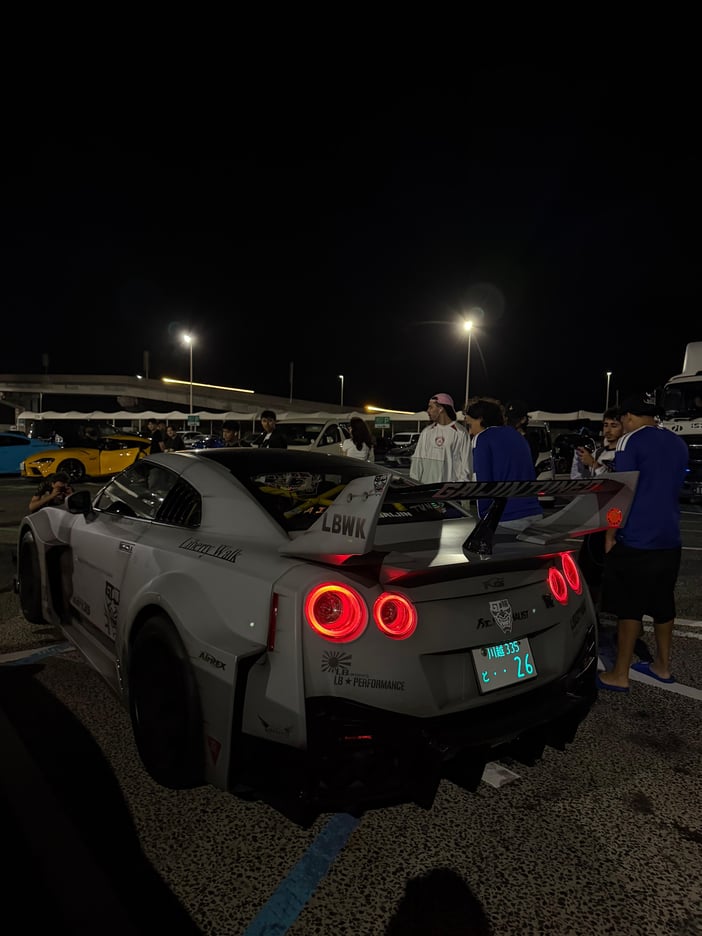
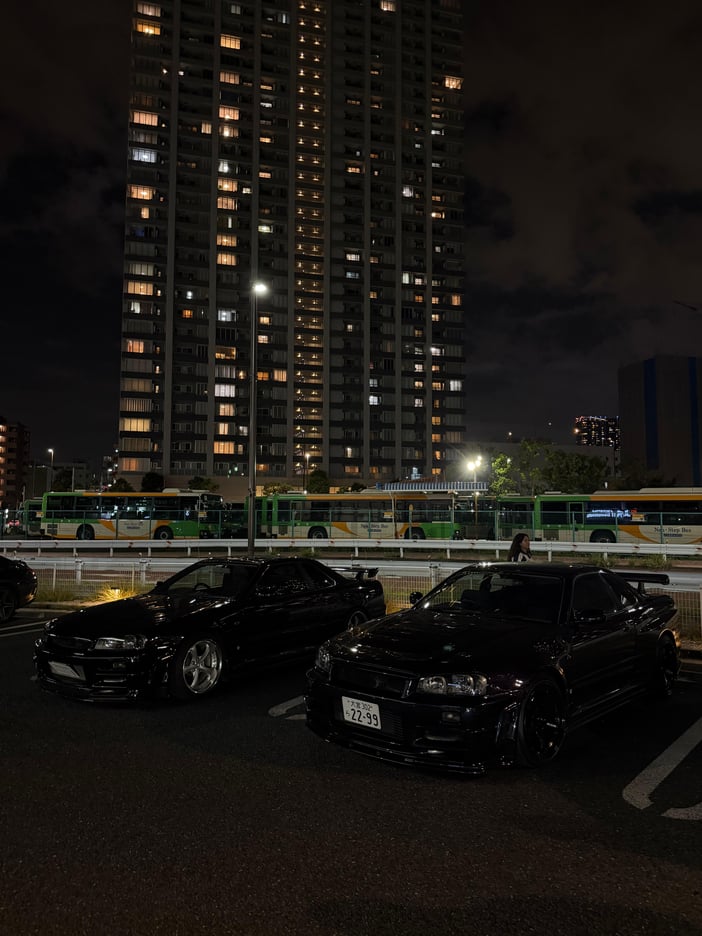
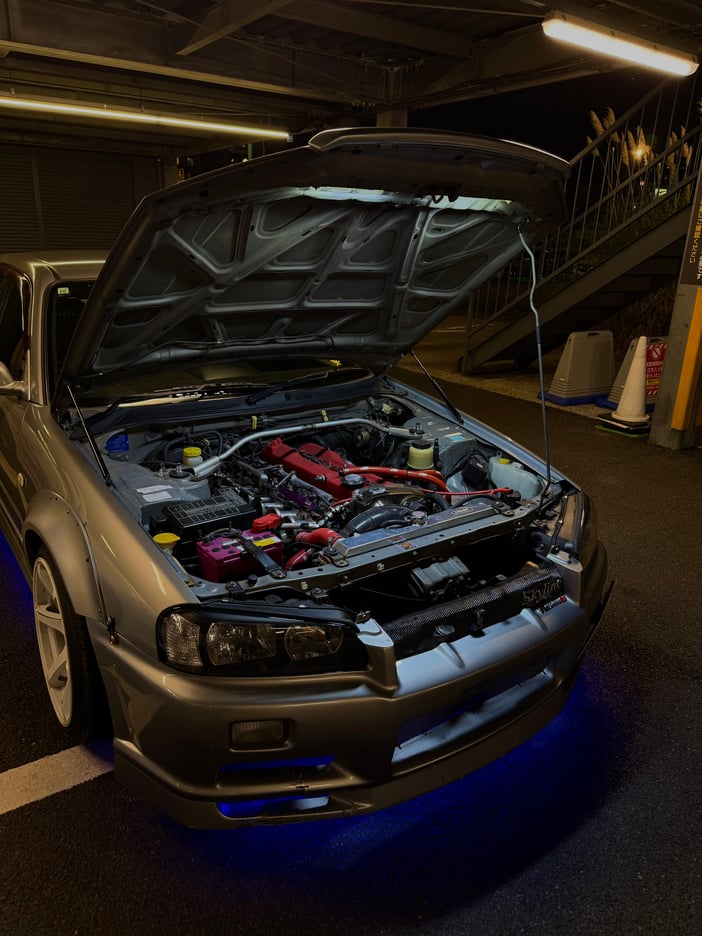
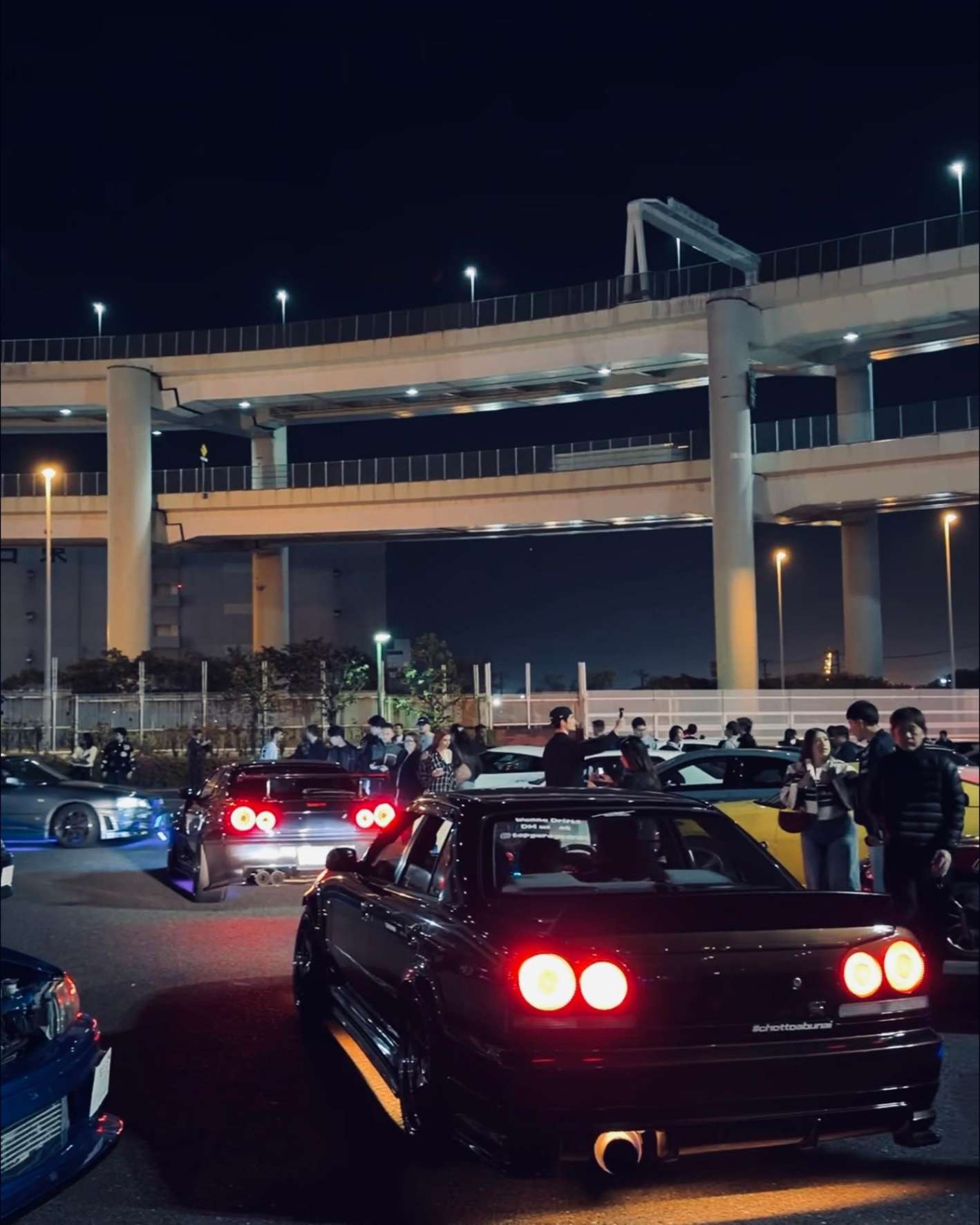
Daikoku:Experience Tokyo's Car Culture in Iconic JDM Cars
Free cancellationHotel pickup includedSnap unlimited photos with our cars
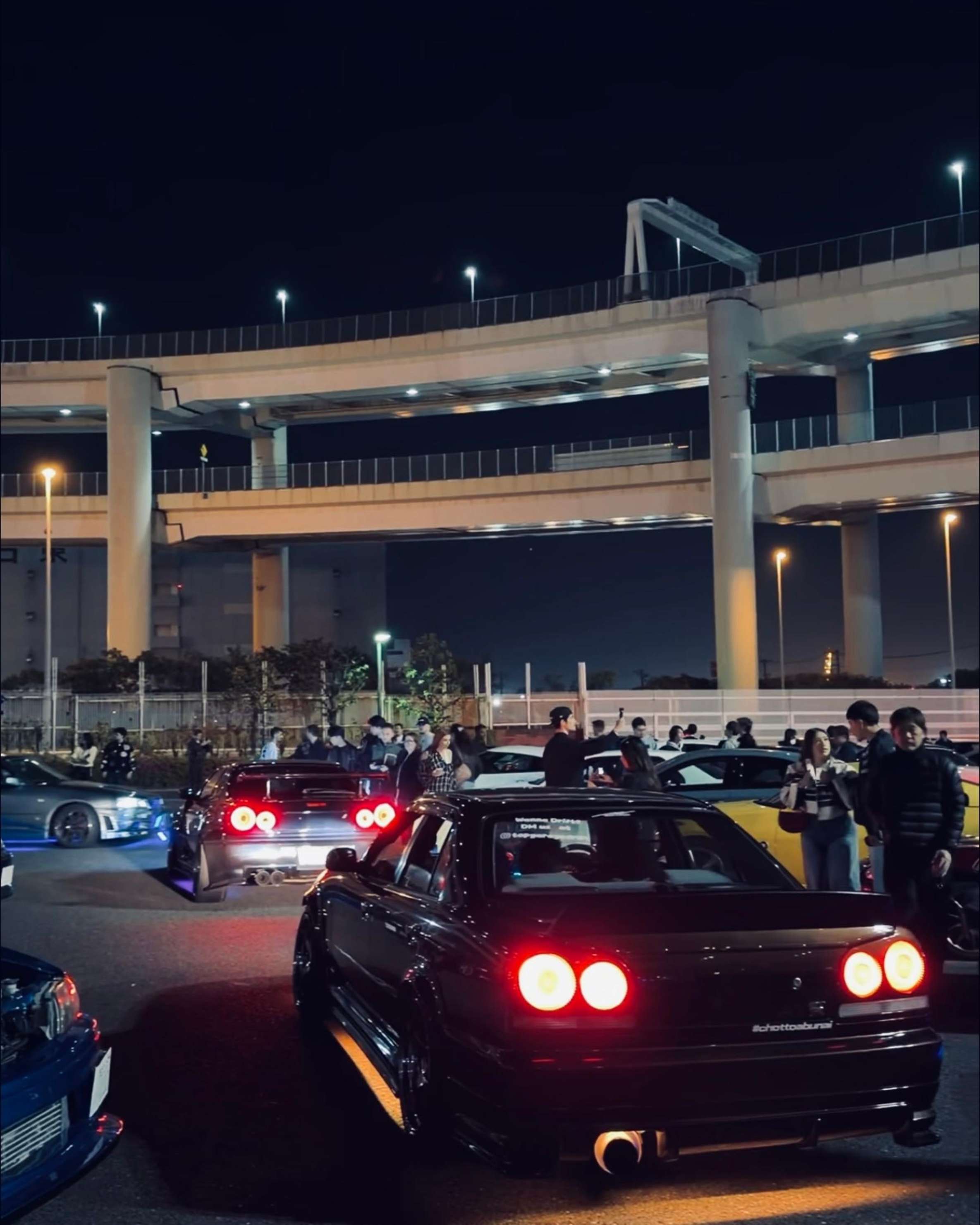
Chasing a Chaser in Tokyo? Join a night run whose fleet includes a Chaser JZX100, ride with enthusiast drivers, swap cars at every stop and end up walking the rows at Daikoku PA. Riders land the seat they hoped for most nights, and the whole expressway loop makes the trip worth it either way. Pick your date before the lineup fills.
A guided night ride is the closest way to get near a JDM Toyota Mark II Tourer V here, and one Tokyo tour runs a Chaser JZX100 in its fleet alongside Evos, an R34 Skyline, an RX-7 and a Supra MK4.
Daikoku: Experience Tokyo's Car Culture in Iconic JDM Cars fits what you want best. It cruises the Wangan and C1 Loop, stops at the Daikoku PA meet, and lets you swap cars at each stop, so you may land in the Chaser on the night.
Which car you get depends on the lineup that day, and no booking here is a rental where you take the wheel.
Looking for a Toyota Chaser or Mark II Tourer V to rent and drive in Tokyo?
That specific car is not on offer here as a rental, and this page recommends the closest thing on sale instead: Daikoku: Experience Tokyo's Car Culture in Iconic JDM Cars, a guided night run through the expressways and the famous Daikoku car meet.
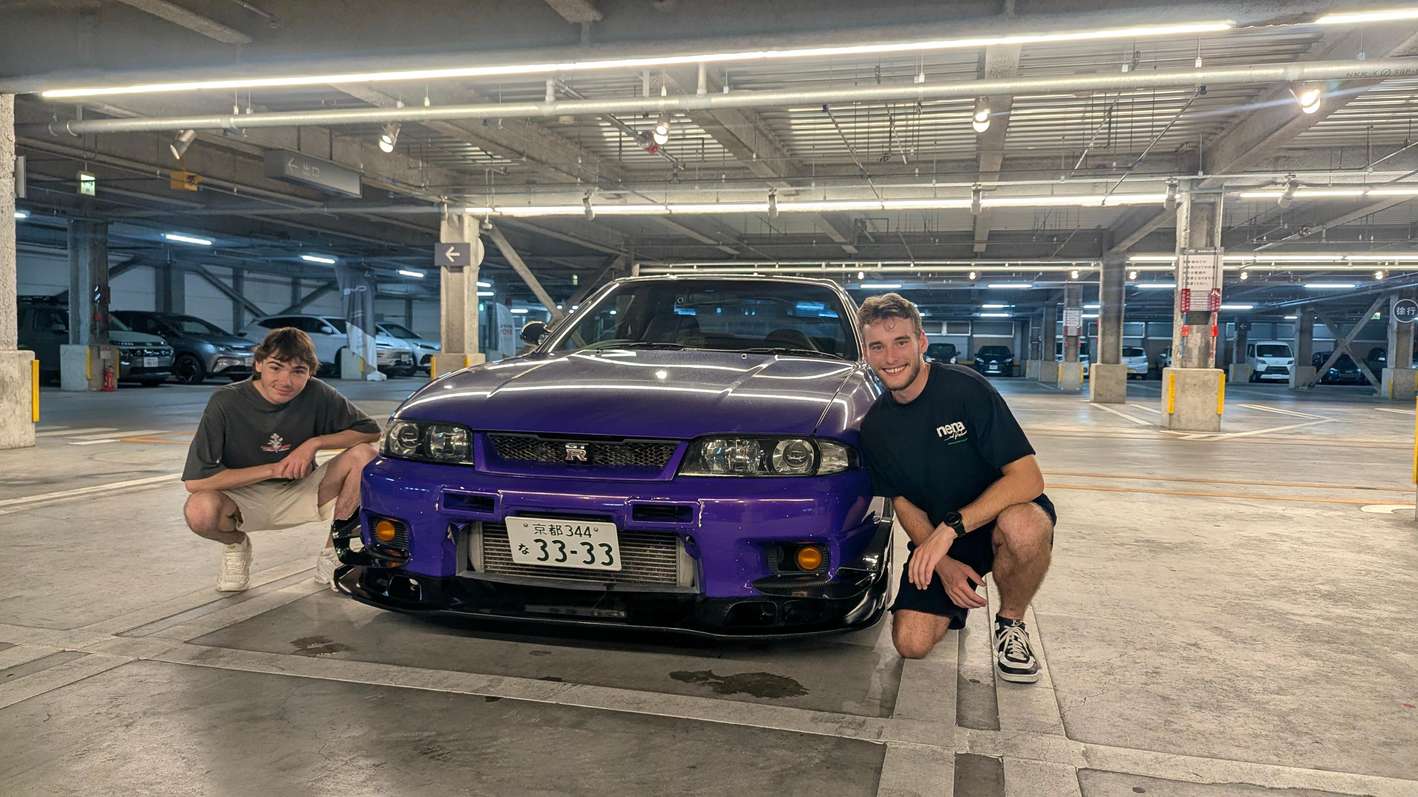
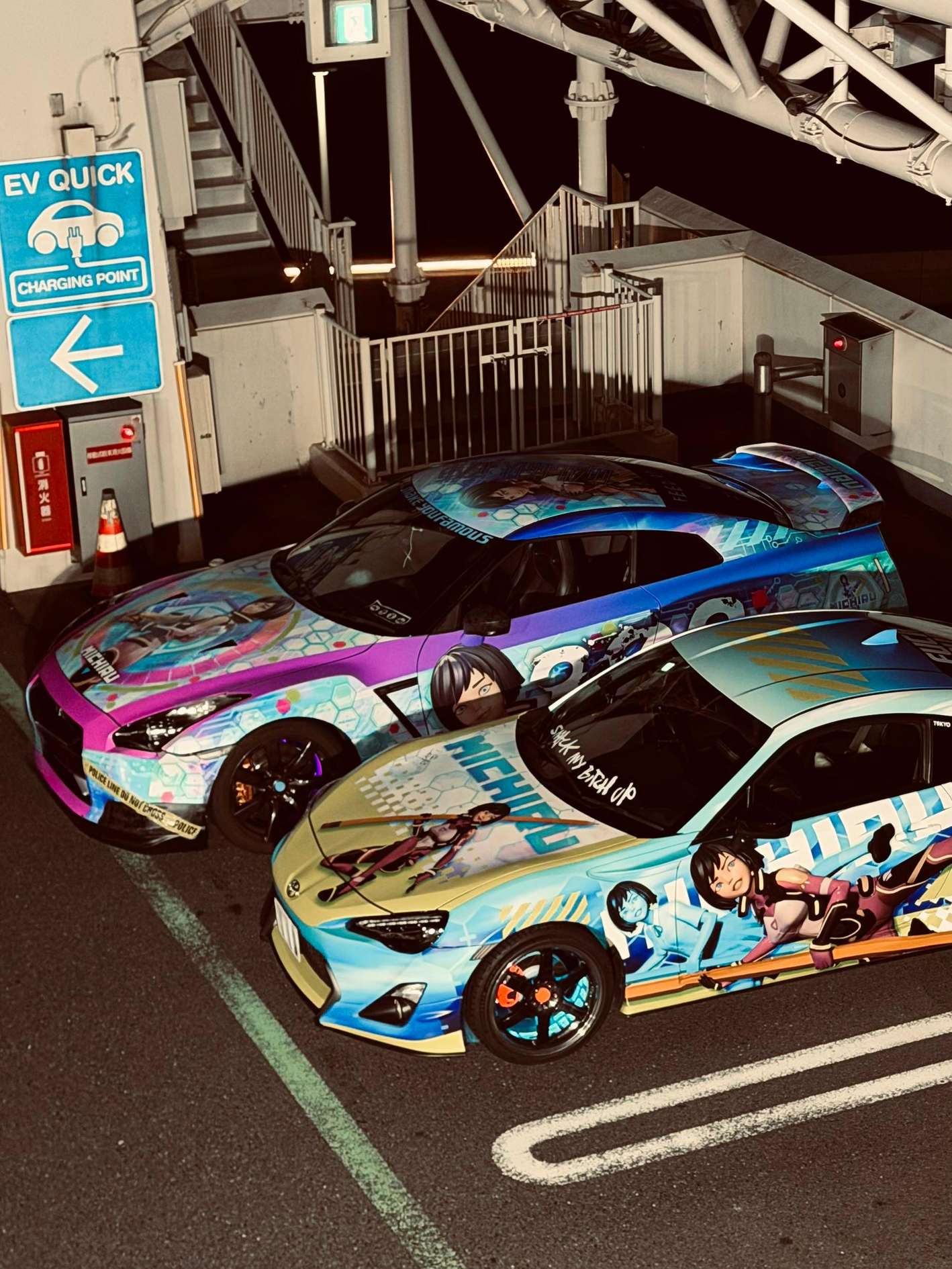
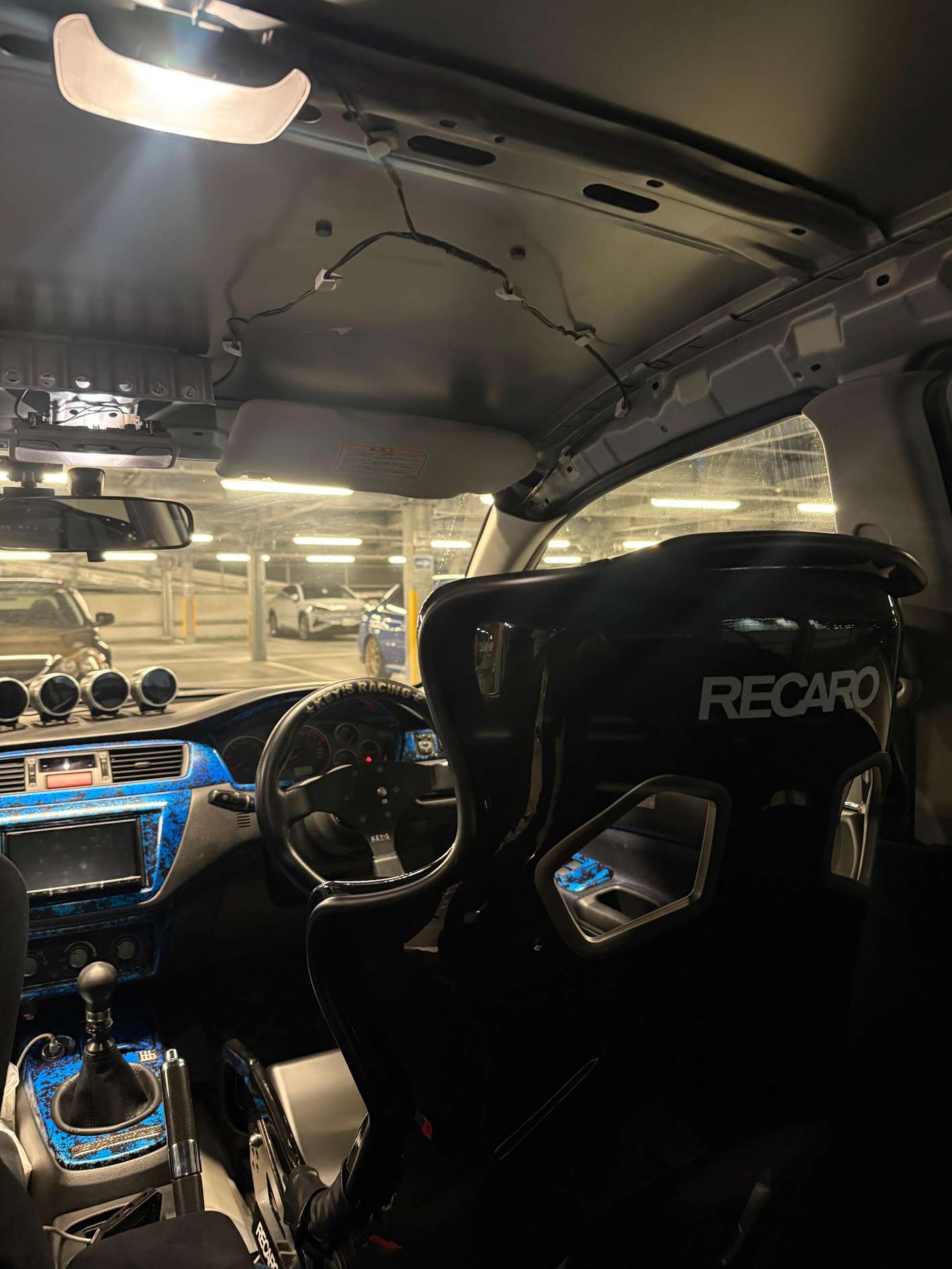
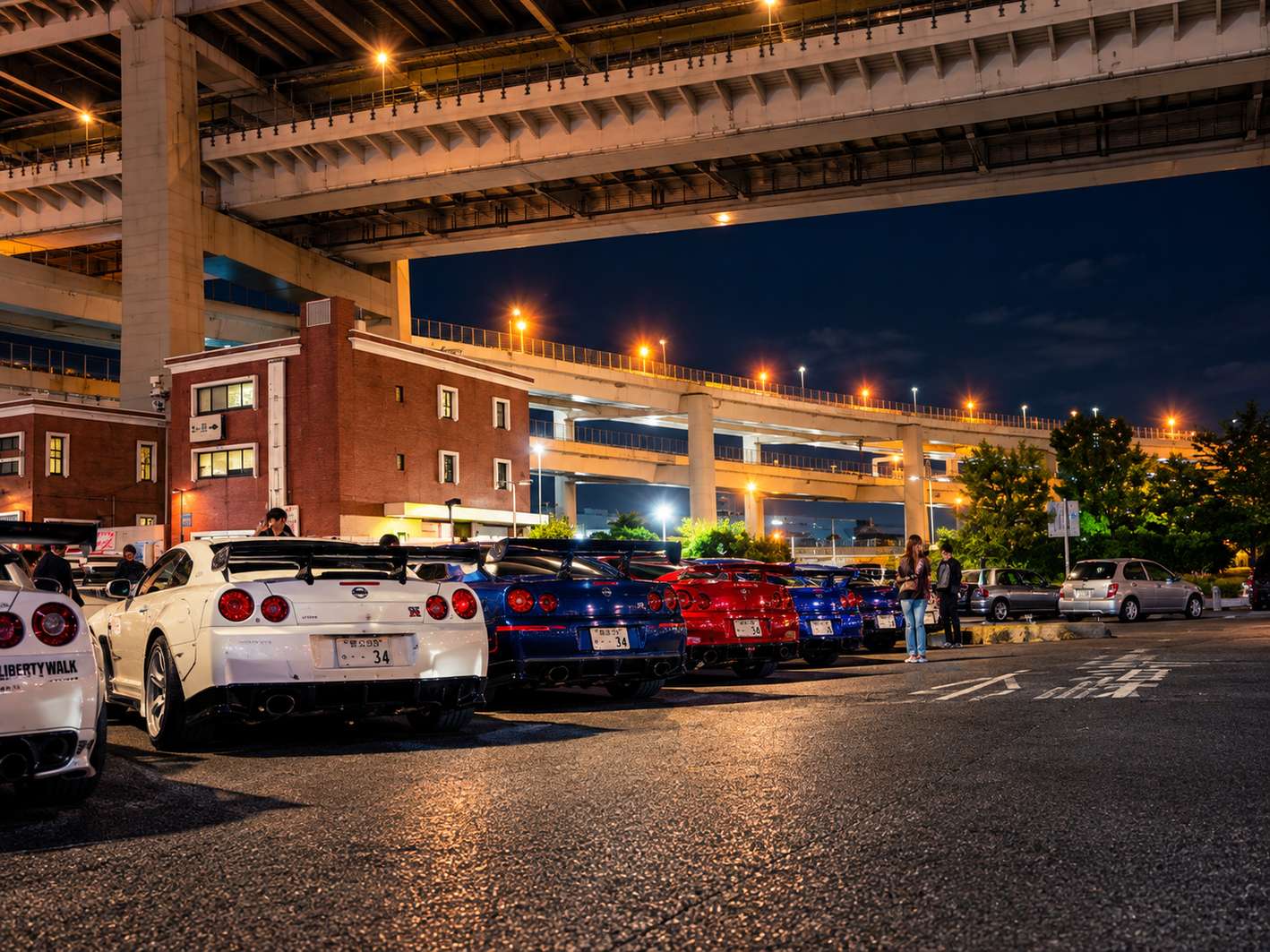
Here is what makes it a good answer to your search. The fleet includes a Toyota Chaser JZX-100, the car behind the Tourer V name, alongside a Bayside blue R34 Skyline, Supra MK4 and MK5, RX-7 FD, Silvia S15 and Evo 8 or 9.
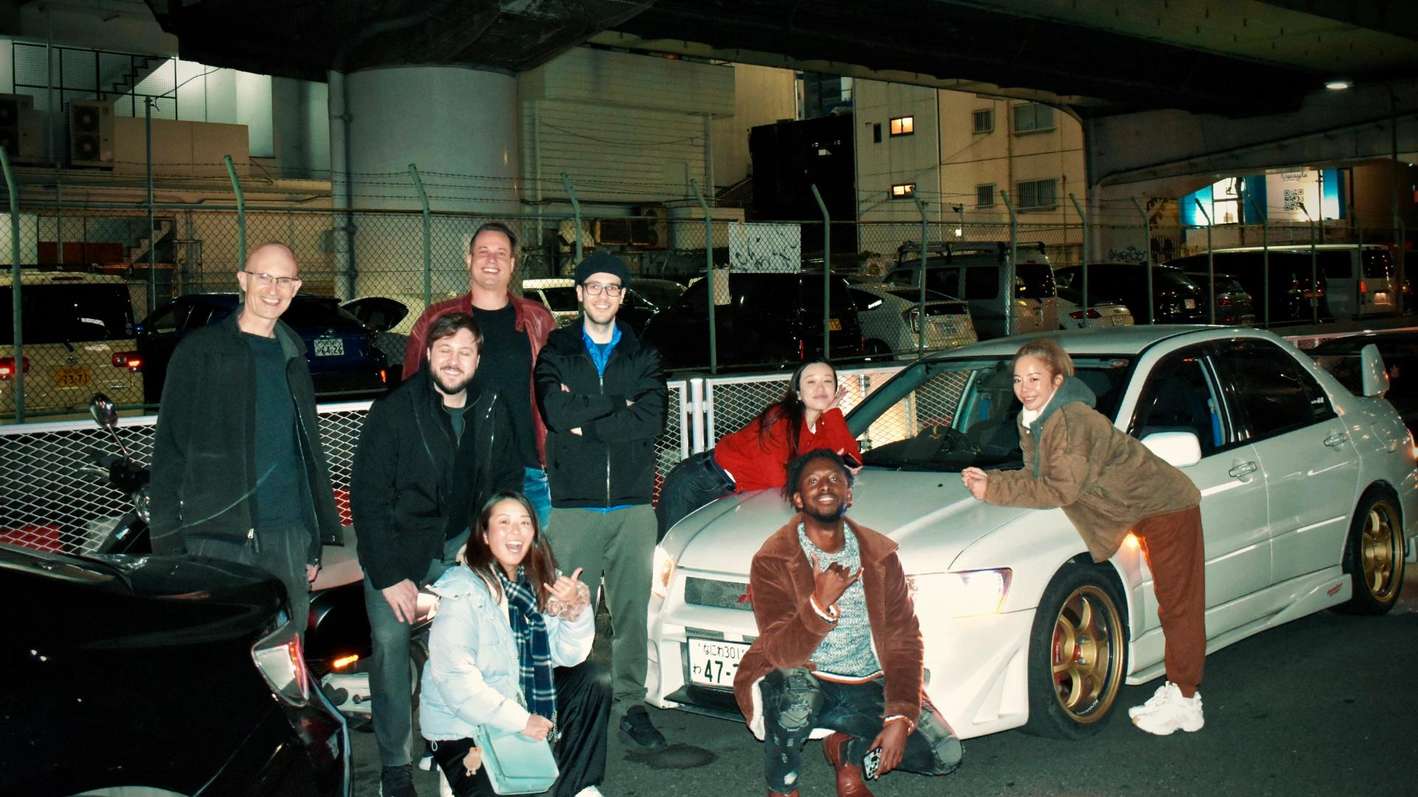
When the convoy runs multiple cars, you swap at each stop, so you can try several JDM legends in one night instead of committing to one rental. Groups stay small, three riders per car, and the drivers are English-speaking enthusiasts who talk cars all night.
The route covers the real Wangan and C1 Loop, with photo stops at car-culture spots and pick-up in central Tokyo after 10 pm.
It suits you if you want to sit inside the Chaser's world, hear its cousin engines and walk Daikoku PA at its busiest, all in one 3.5-hour evening. One thing before you book: specific models depend on availability and maintenance, so confirm the Chaser JZX-100 with the operator at least 48 hours ahead.
Free cancellation up to 24 hours in advance.
Green marks the lowest price. Prices per person.
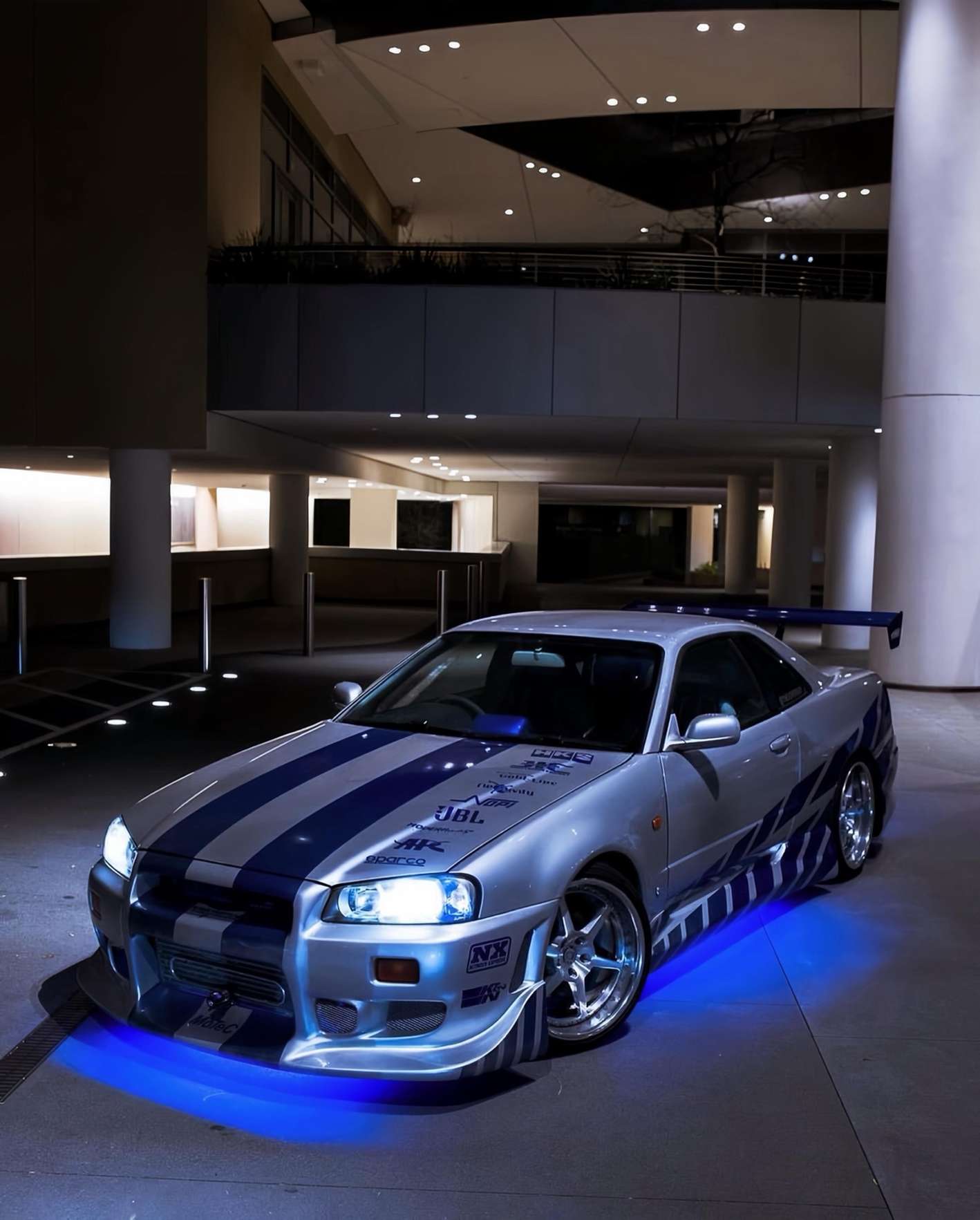
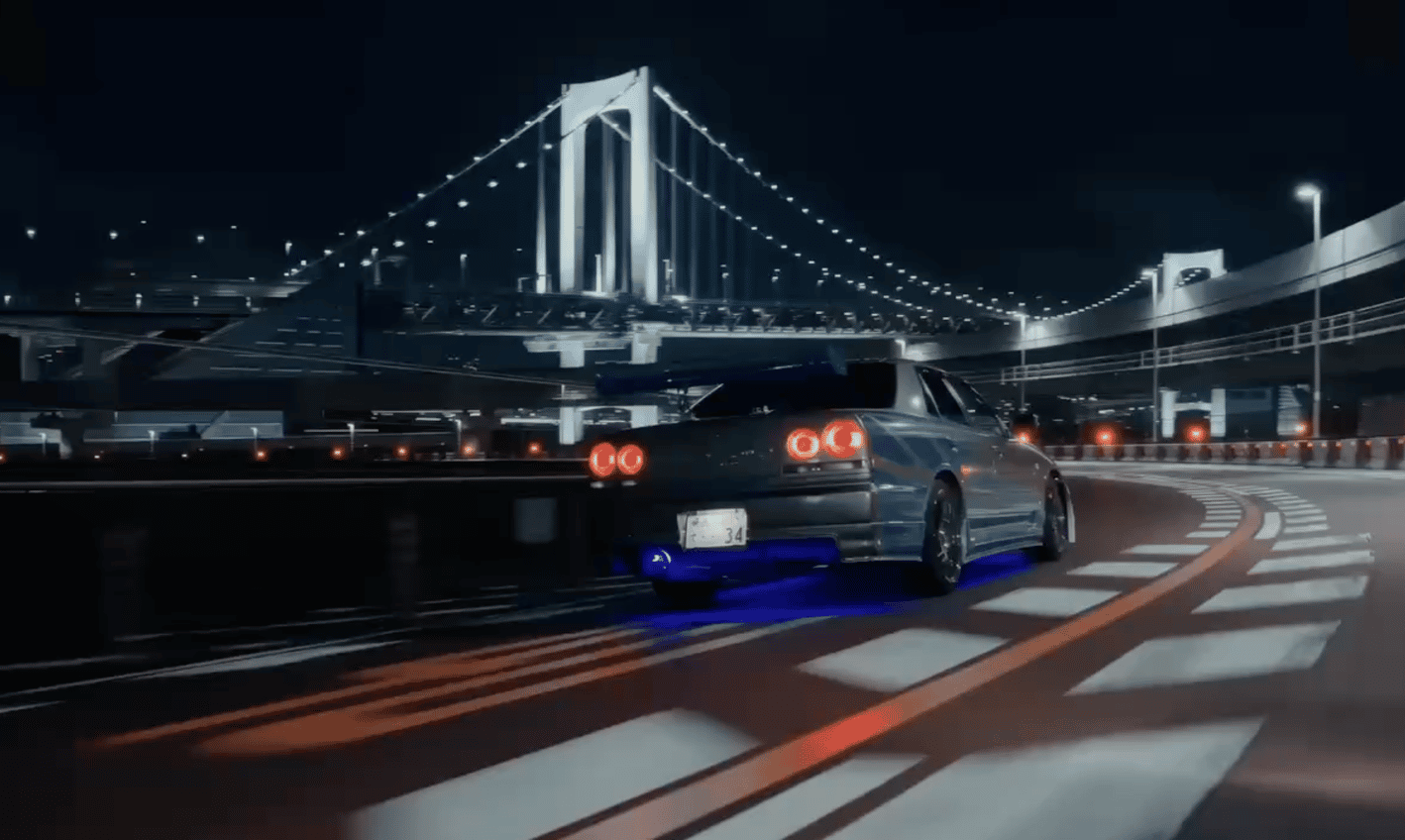
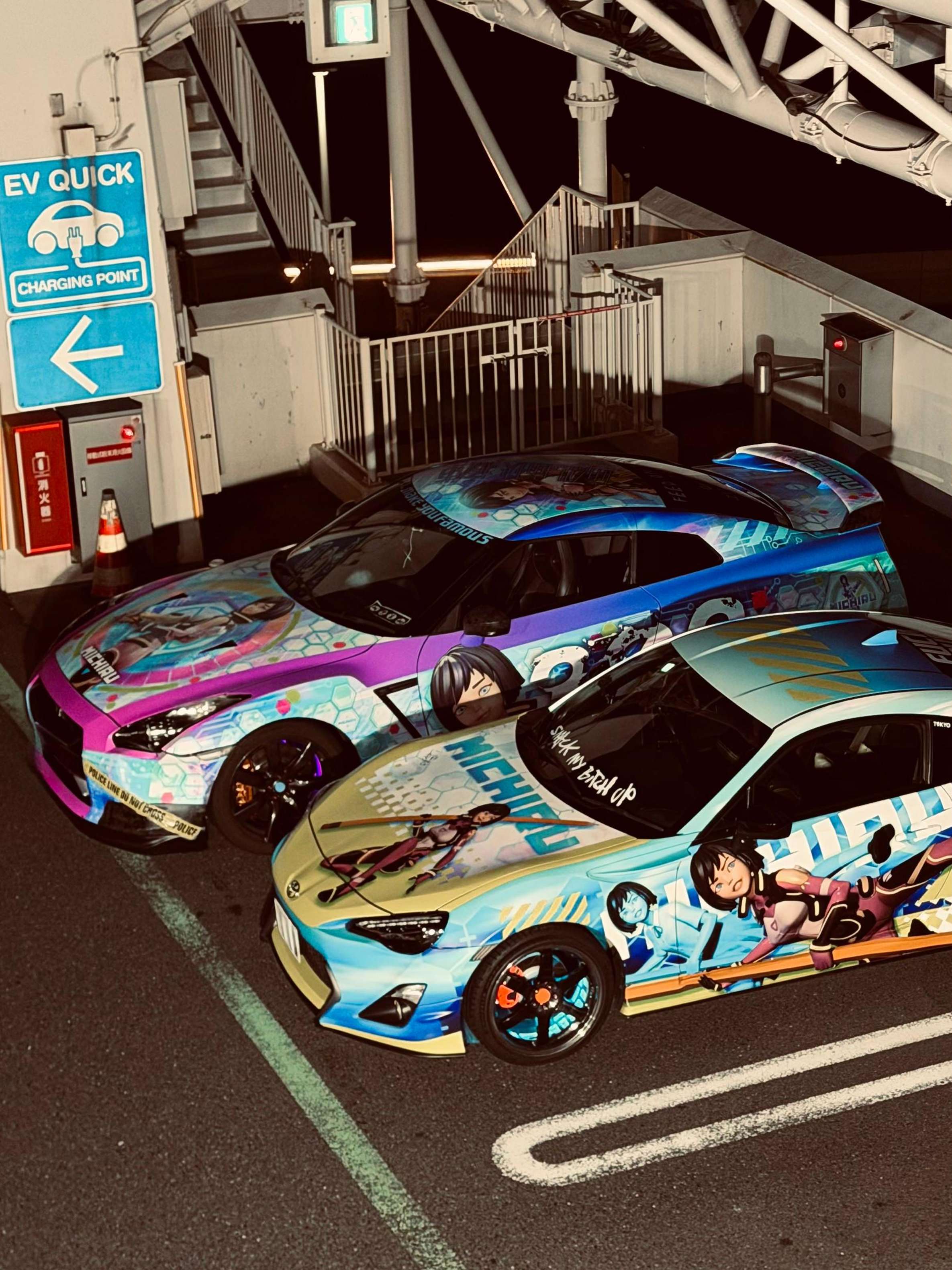
The ride starts after dark. One tour runs a fleet of enthusiast machines, and the Toyota Chaser JZX100 sits in it, so a Mark II fan can ask for a Chaser-family car when booking.
Only three riders share each car, and on most nights the convoy includes several vehicles, so you can swap at each stop and sit in more than one of them.
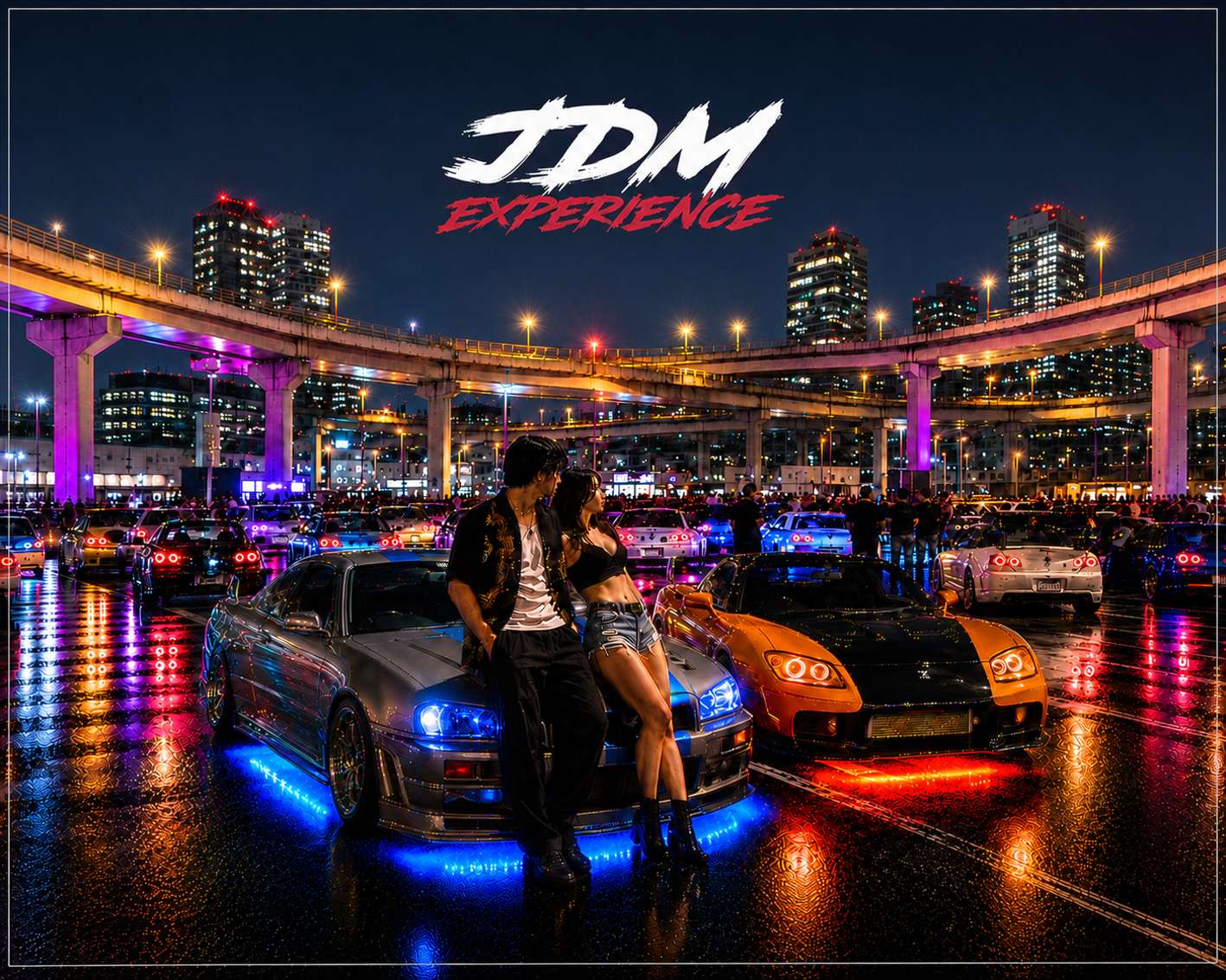
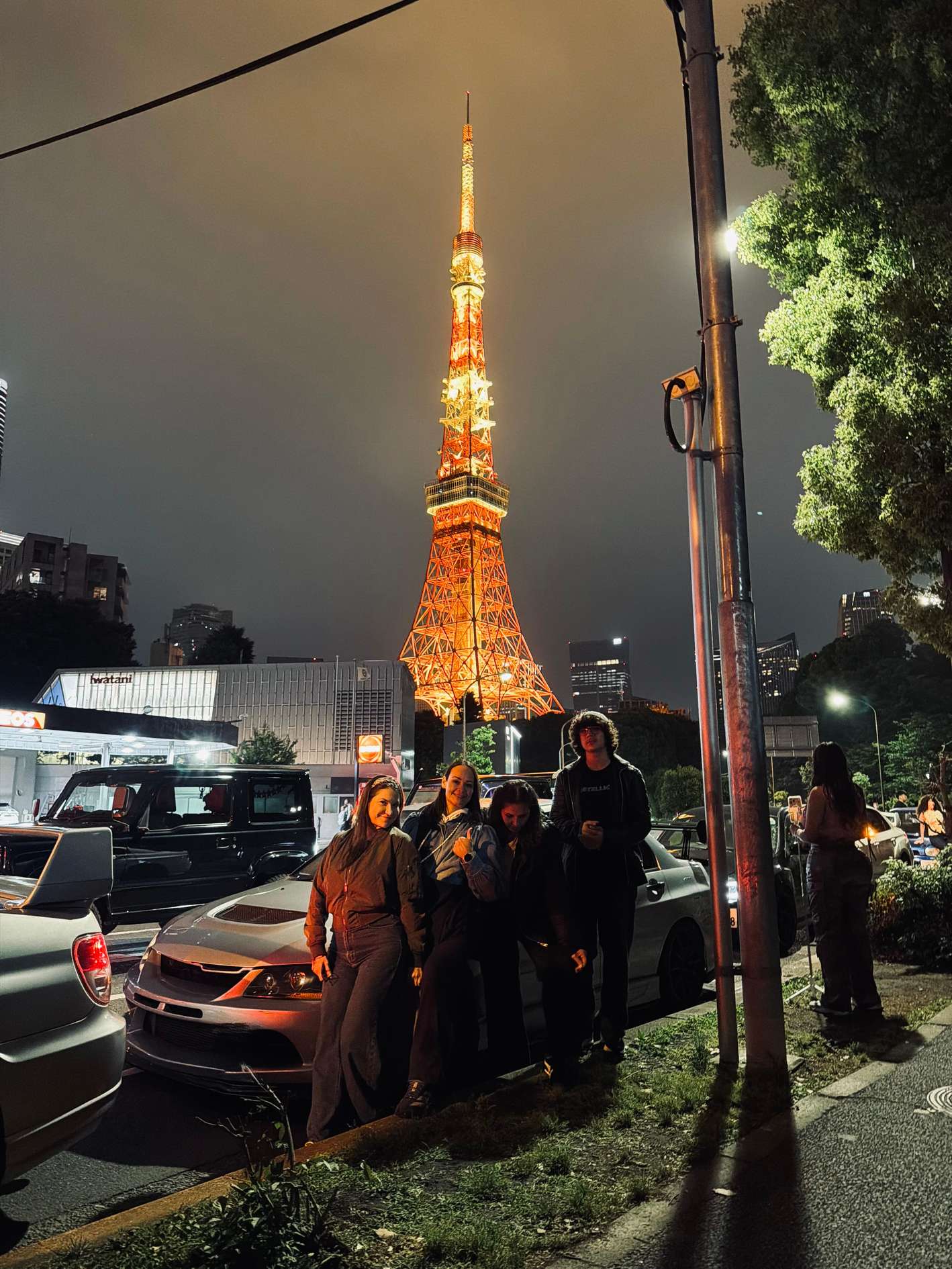
The route runs from a hotel pickup through A-PIT Autobacs, across Rainbow Bridge, out to the Daikoku PA car meet, and back for a photo stop at Tokyo Tower. Wangan and C1 Loop expressway driving is part of the night, and unlimited photos with the cars are included.
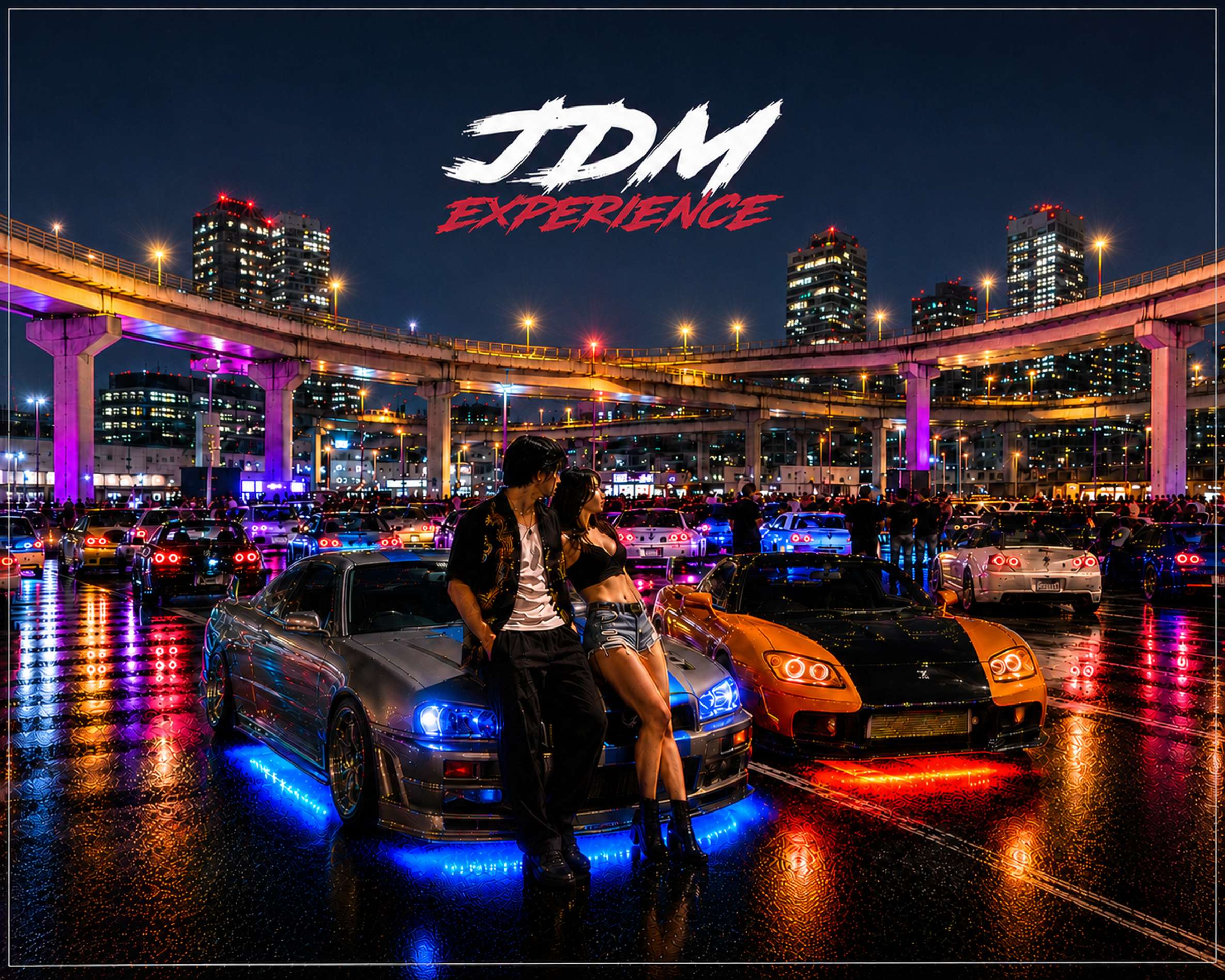
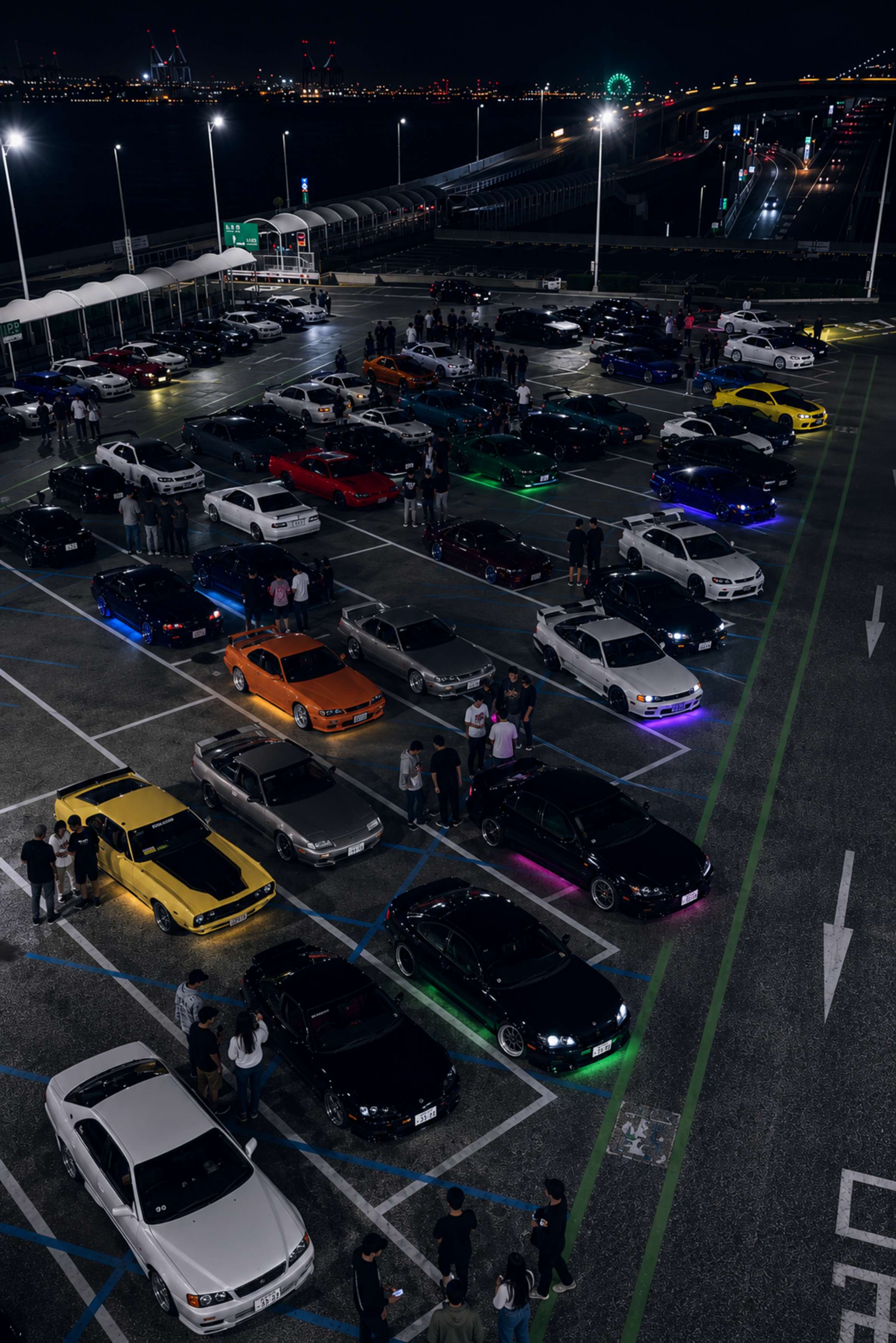
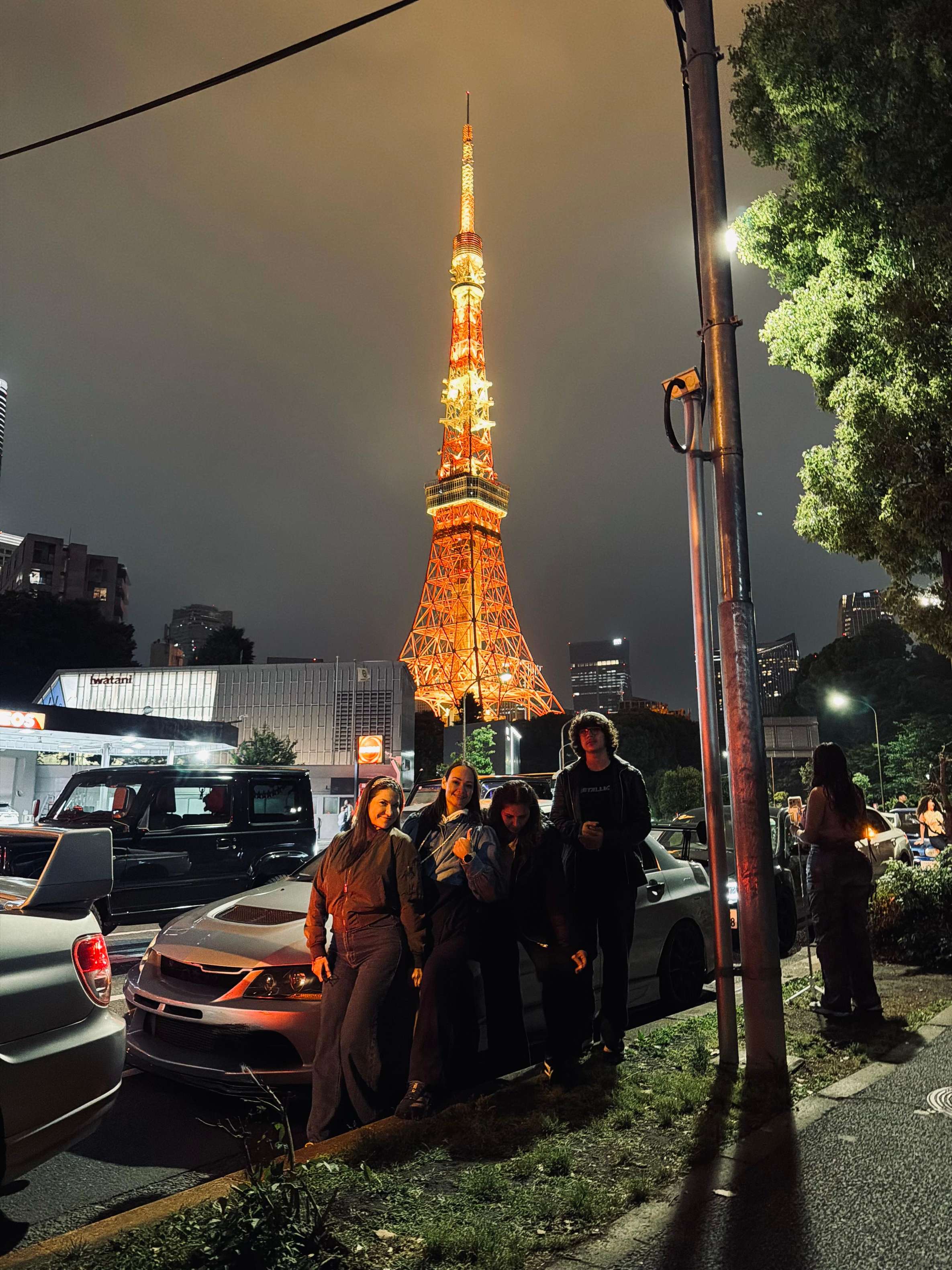
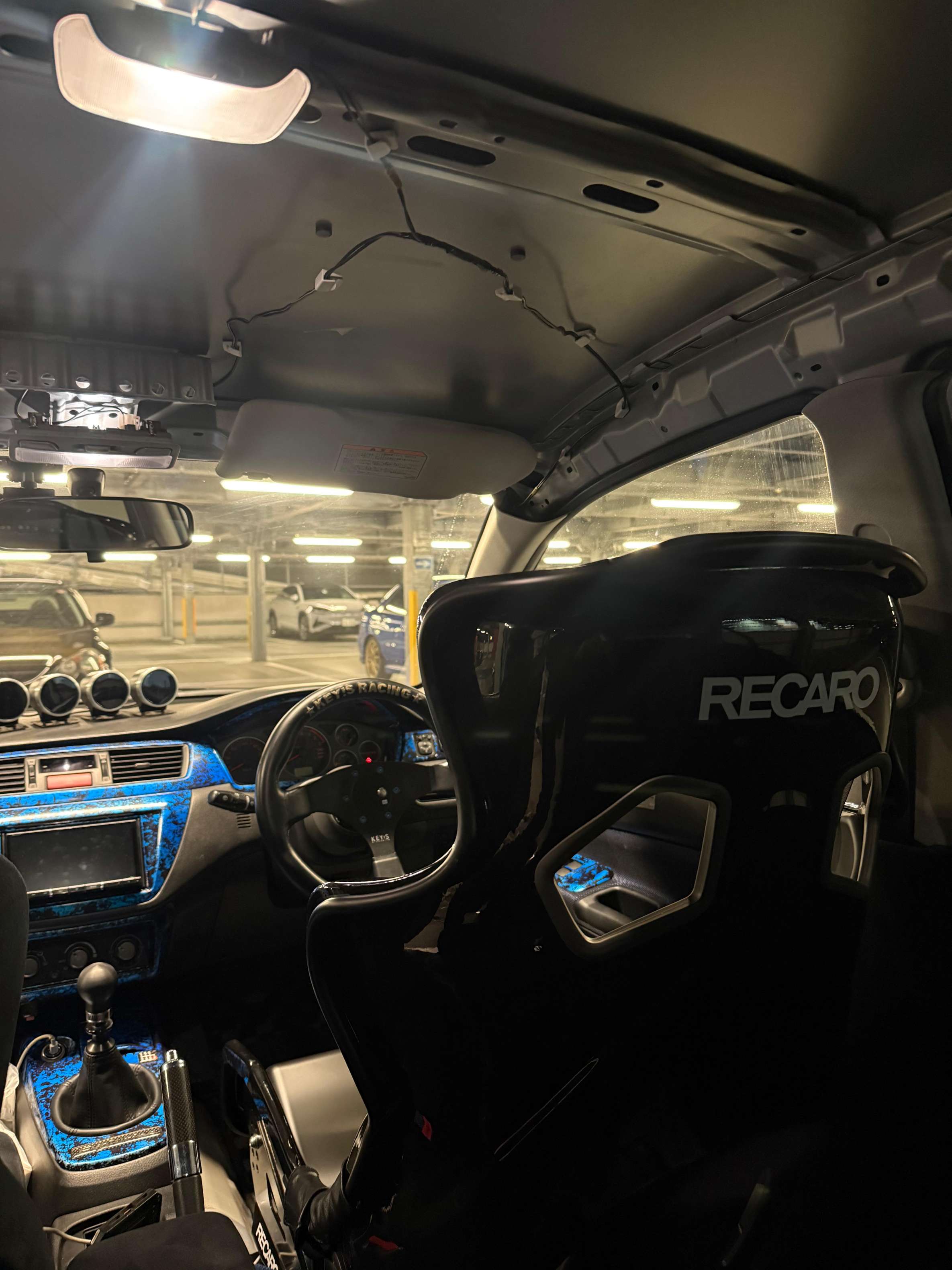
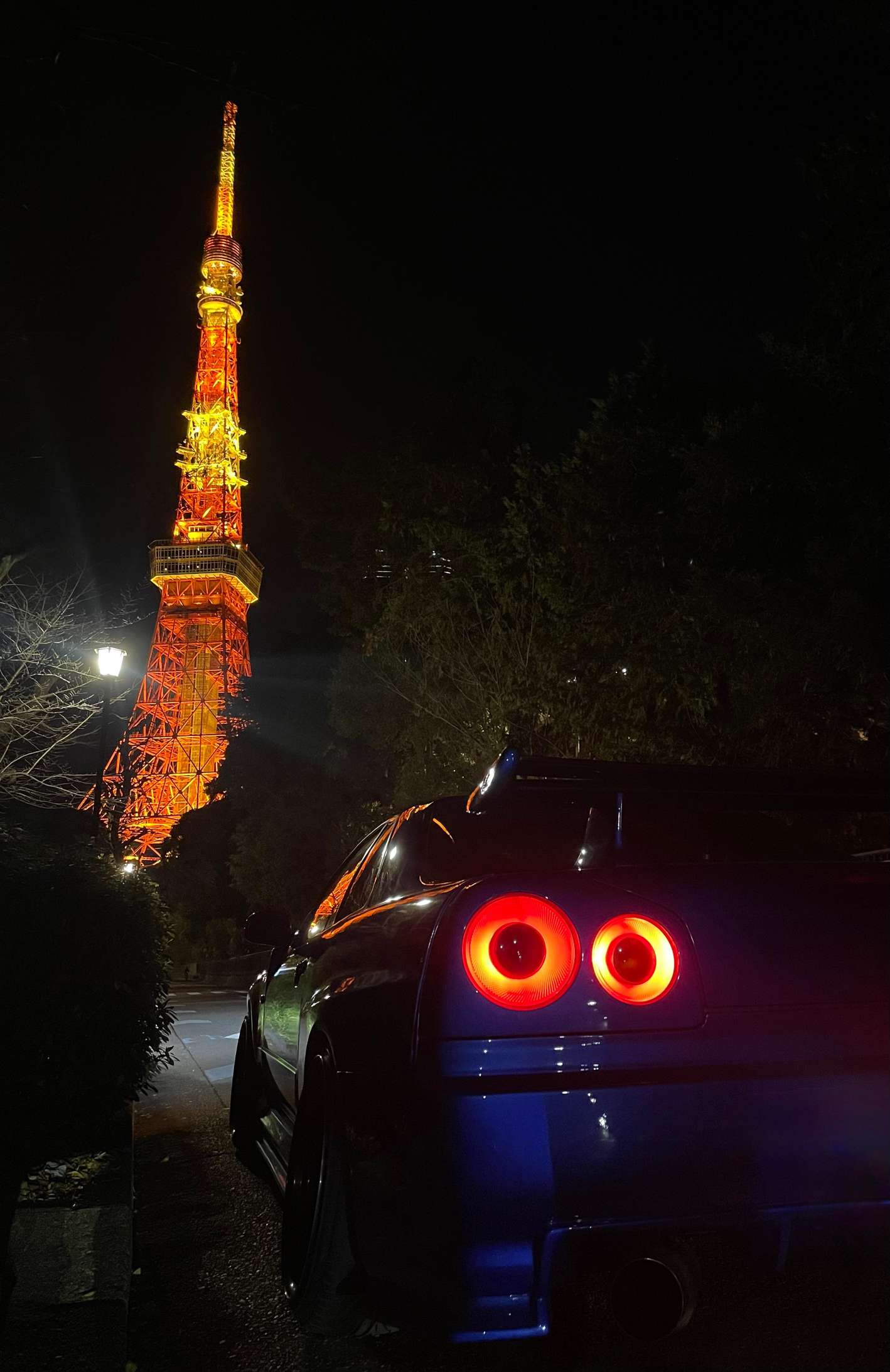
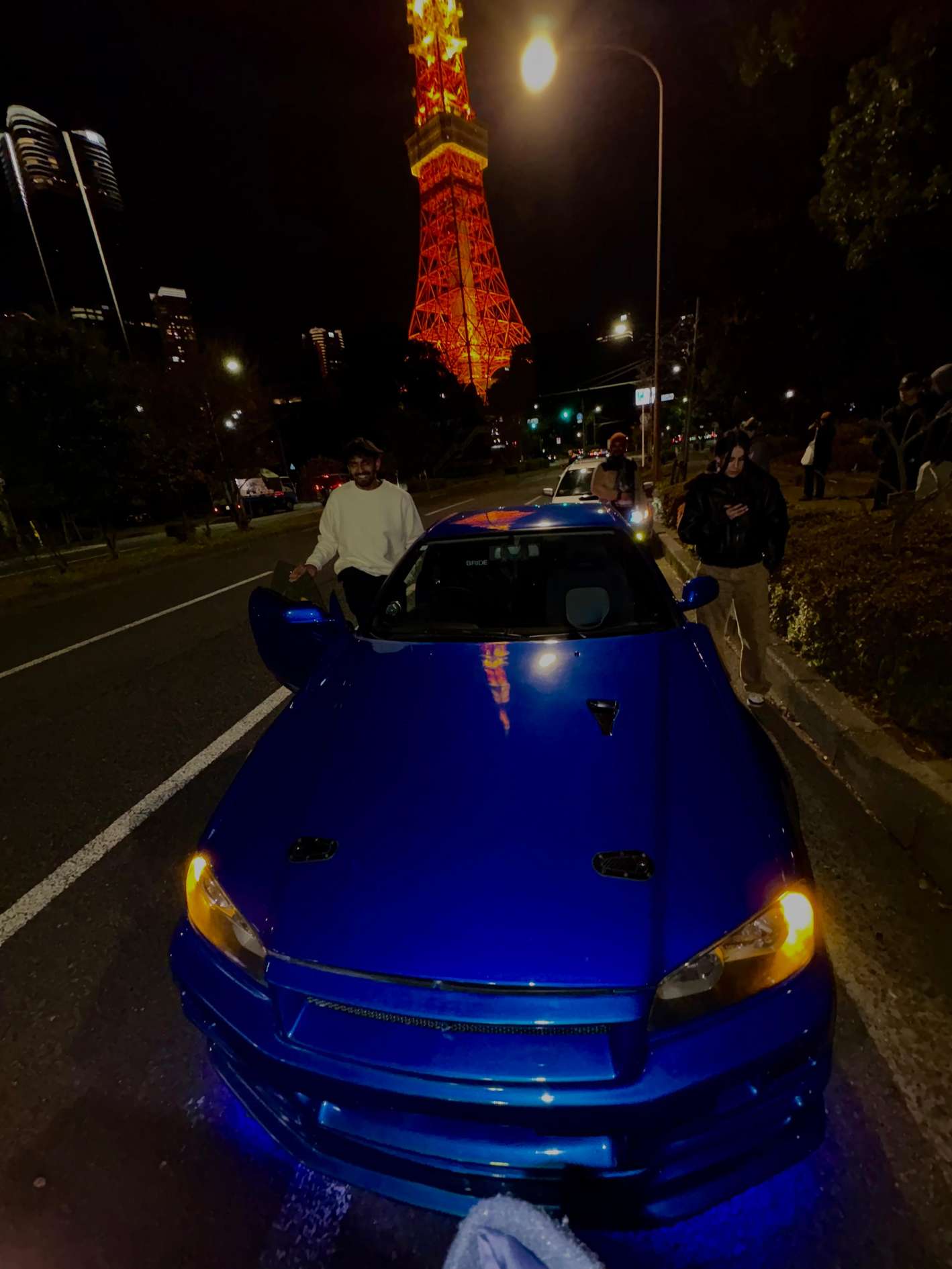
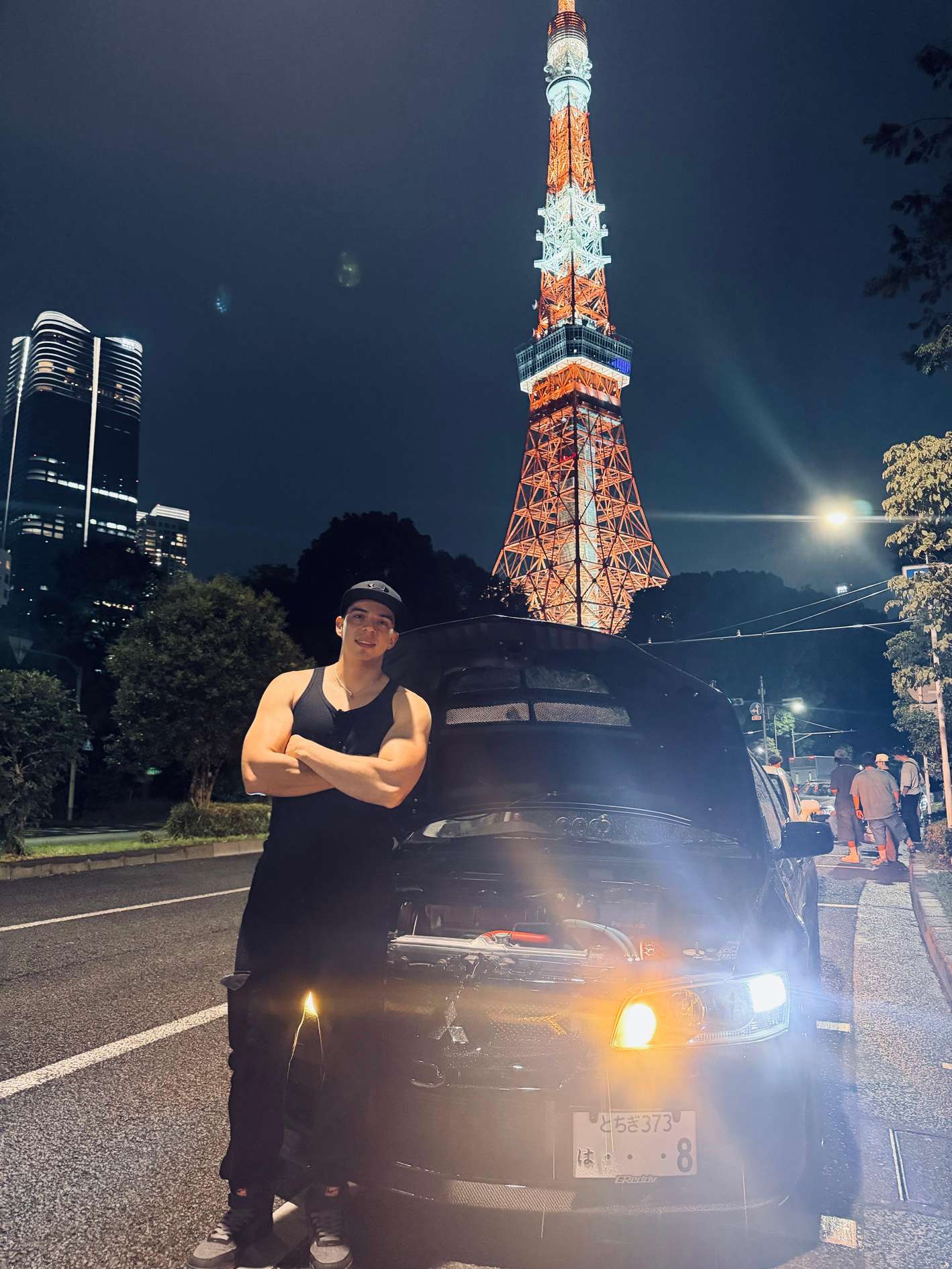
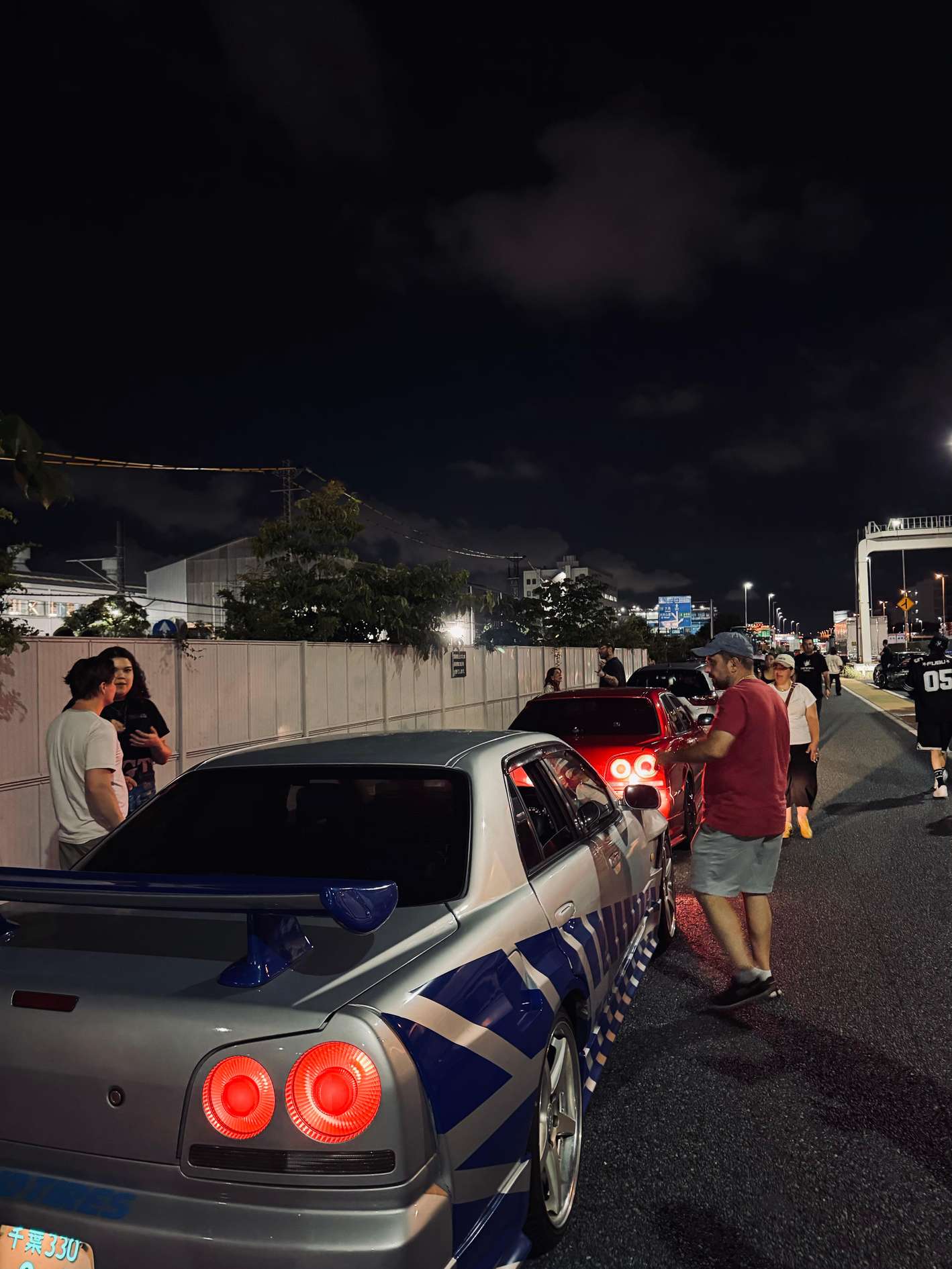
Most reviewers praise the guides: drivers who know the car scene, drive well and take photos for you.
The night drive itself, over Rainbow Bridge and along the expressways, outshone the stops.
Several travelers wished they had arrived at Daikoku earlier, as owners start leaving soon after midnight.
Open the calendar and choose a date at least three days out. Some cars need 72 hours' notice, and Friday and Saturday night slots fill first.
Two options run here, the Street Racer Experience and The Midnight Cruise, both 3.5 hours with car swaps at each stop. The late-night cruise asks for two or more participants, so book two seats at least.
Payment secures your seat, then the operator sends you an email within 48 hours. Reply to that message and add a WhatsApp or Instagram contact so day-of updates reach you.
Your voucher shows the pickup arrangement. Rides starting after 10 pm include hotel pickup and drop-off anywhere in Tokyo's 23 wards, so arrange that the day before your tour.
Wear comfortable shoes and bring a light jacket, the car meet happens outdoors and winter nights run near freezing. If traffic delays the start, a WhatsApp message tells you.
The closest matching tour runs a fleet that includes a Chaser JZX100, an R34 Skyline, Evo 8 and 9, Supra, WRX STI and Silvia S15, and it swaps cars at each stop so you ride in several of them. Which cars run on your night depends on bookings and maintenance.
The recommended ride keeps it to a maximum of 3 guests per car, so nobody crowds the seats. The Yokohama-based tour shares each car with JDM fans from other countries, which travelers say adds to the night.
What comes in the booking varies by tour, so scan the card:
If one particular model matters to you, send a message at least 48 hours before your date so the operator can confirm it is running. Cars go in for maintenance now and then, and last-minute swaps happen without notice.
Drifting on public roads is illegal in Japan and none of these tours does it. They are car culture sightseeing rides with capable drivers at legal speeds, and a driver caught speeding far over the limit can be arrested.
Friday and Saturday nights draw the biggest turnouts at Daikoku, and weekday nights have a smaller but real scene. Heavy rain or police activity can close the PA, in which case tours move to Umihotaru or reschedule. The 10 pm rides skip the Autobacs shop stop because it closes by then.
All three tours let you cancel up to 24 hours in advance for a full refund. If Daikoku PA closes on the night, you can reschedule free of charge or take the refund.
No smoking, alcohol, food or drinks in the vehicles, and follow the driver's instructions. On the R34, Supra or GT-R ride, unsafe or intoxicated behavior ends your participation with no refund.
Bring your passport on the R34, Supra or GT-R ride. You ride as a passenger on all three tours, so no international driving permit is needed.
The closest matching tour is unsuitable for anyone with motion sickness or heart problems. One tour requires riders to be at least 18 or with a legal guardian, and the Yokohama tour excludes guests aged 70 and over.
Hotel pickup and drop-off come standard on the closest night tour for all rides starting after 10 pm within Tokyo's 23 wards, and other tours on this page include pickup too. One tour runs from a set meeting point, so check the card before you book.
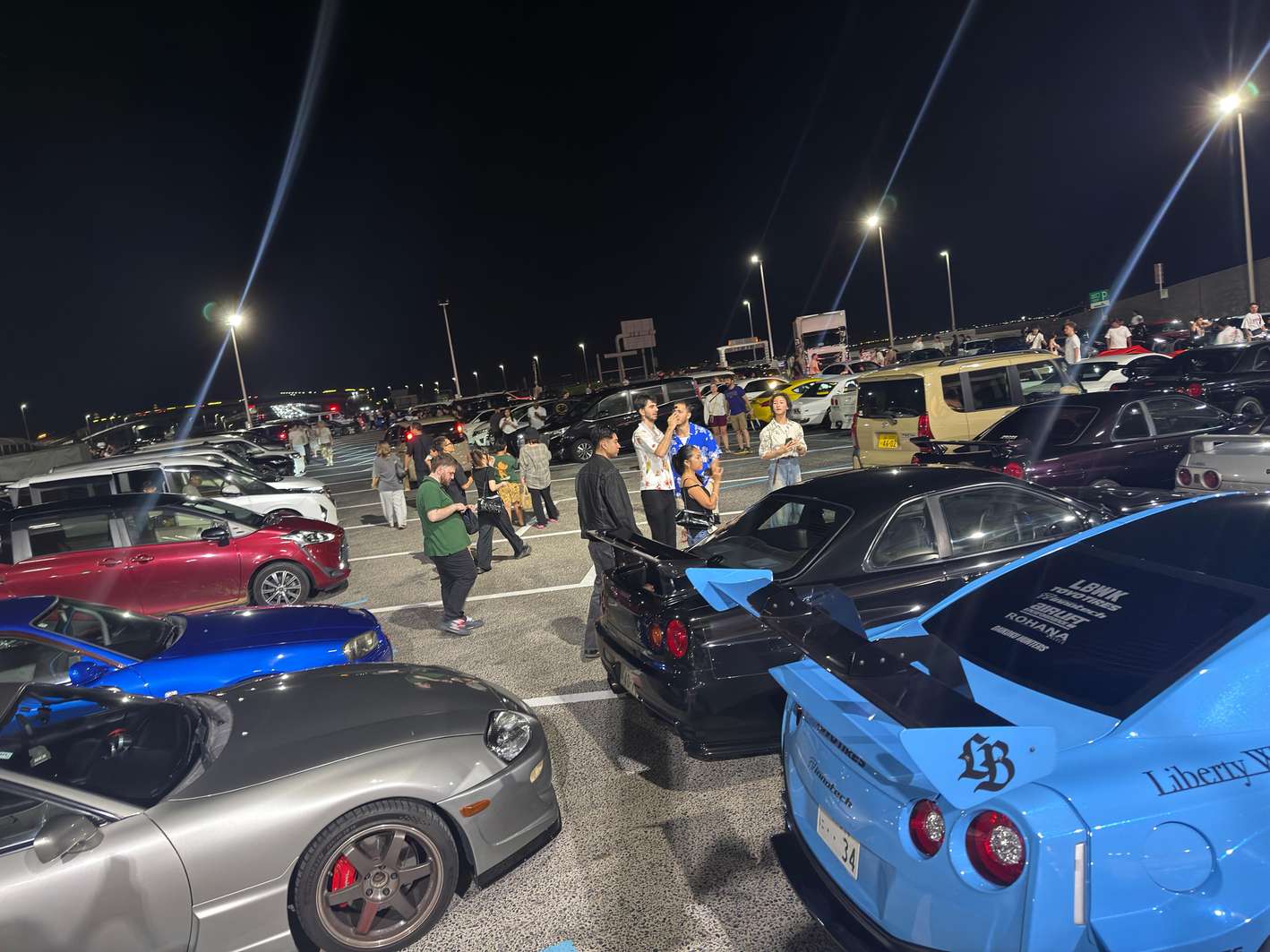
Do not touch, lean on or enter any car at Daikoku without the owner's permission. Police watch the meets and act on complaints, and owners have stopped bringing cars over rude tourists. Ask before you post a stranger's car online.
Daikoku PA sits inside the expressway, the meet runs on police goodwill, and street drifting is a crime. Plan the night around all three and you get the Tokyo car scene at its best.
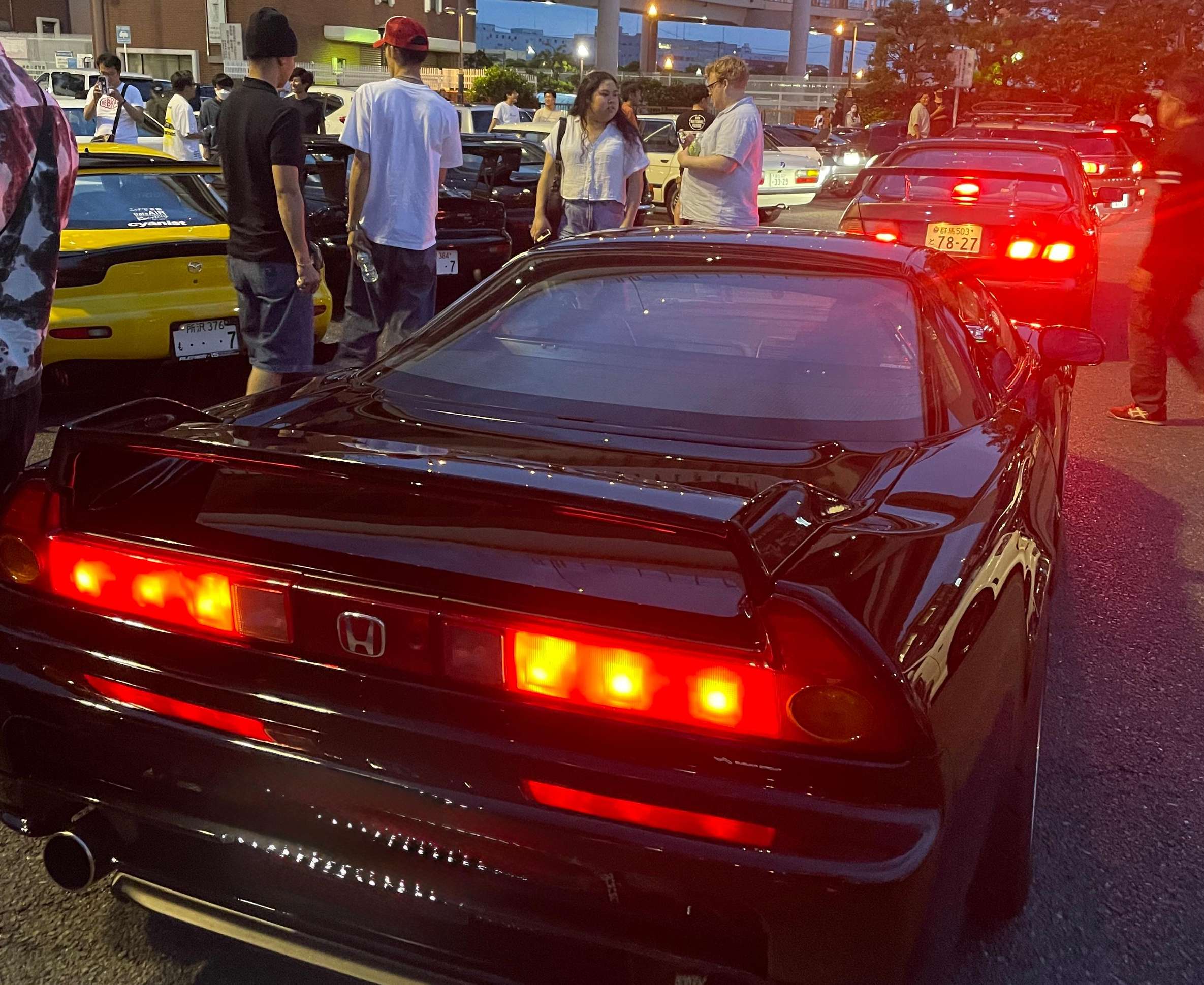
Police clear Daikoku meets by about 8:30 pm on Thursday, Friday and Saturday nights.
Rain thins the meets but tours still run; guides bring umbrellas and one operator makes no refund when weather cuts the car count.
Drifting on public roads is illegal in Japan; the legal slide happens on a circuit like Ebisu.
Daikoku PA is a tollway rest stop on an artificial island in Tokyo Bay, and the Shuto Expressway is the only way in.
No train line reaches it, no footpath, no bus stop, and no taxi rank. A cab can drop you off and then has to leave, because there is nowhere for it to wait.
That is why the practical way in is one of the rides with hotel pickup: a guide collects you in the JDM car itself and drives you onto the expressway.
The drive runs 41 minutes from Haneda Airport, 1 hour 33 minutes from Narita, and about an hour from central Tokyo without traffic, all timed by the operators who run these routes nightly. Some operators will also meet you directly at the lot if you arrive with your own driver.
One row above matters more than the rest: there is no way back by cab once you are dropped, so the car that brings you is the same one that takes you home.
Tours run every month of the year, but the crowds behind them swing hard by season. April is the busiest month by a wide margin, with October and September close behind, while June, February and December sit at the other end of the scale.
Weekend turnouts at Daikoku run bigger than weekday ones all year, since the meet is an informal gathering that swells when more locals show up.
If you want the lot at full strength, aim for April or the autumn. If you would rather share the bay with fewer people, the quiet months deliver that, at the cost of thinner lineups on any given night.
April: 5 out of 5 for how busy it gets. The busiest month of the year (150) with mild 19.6°C days and 19 sunny days, the best mix of full car meets and comfortable evenings.
Tap a month to read it.
January: 26.4 dry days. A quiet month with 26 dry days and cool nights around 0°C, so meets are thinner but tours run and the winter night skies are clear.
Tap a month to read it.
December: 26.8 sunny days. Quiet (73) with 25 dry days and mostly clear skies, but nights drop to 2.5°C, so dress warmly for the meets.
Tap a month to read it.
How busy it gets (out of 5): Jan 3, Feb 2, Mar 4, Apr 5, May 3, Jun 2, Jul 2, Aug 3, Sep 4, Oct 4, Nov 3, Dec 2 Dry days (days): Jan 26.4, Feb 22.2, Mar 18.8, Apr 17.8, May 16.2, Jun 15.6, Jul 16.8, Aug 17, Sep 16.2, Oct 19, Nov 22.8, Dec 24.8 Sunny days (days): Jan 25.4, Feb 23, Mar 21.2, Apr 19, May 17.4, Jun 16.8, Jul 22.4, Aug 24.2, Sep 19.6, Oct 17.8, Nov 22.8, Dec 26.8
Read the lines together: the biggest month is also a dry one, and the quietest months sit among the wettest, so a thin meet and a wet sky often travel together.
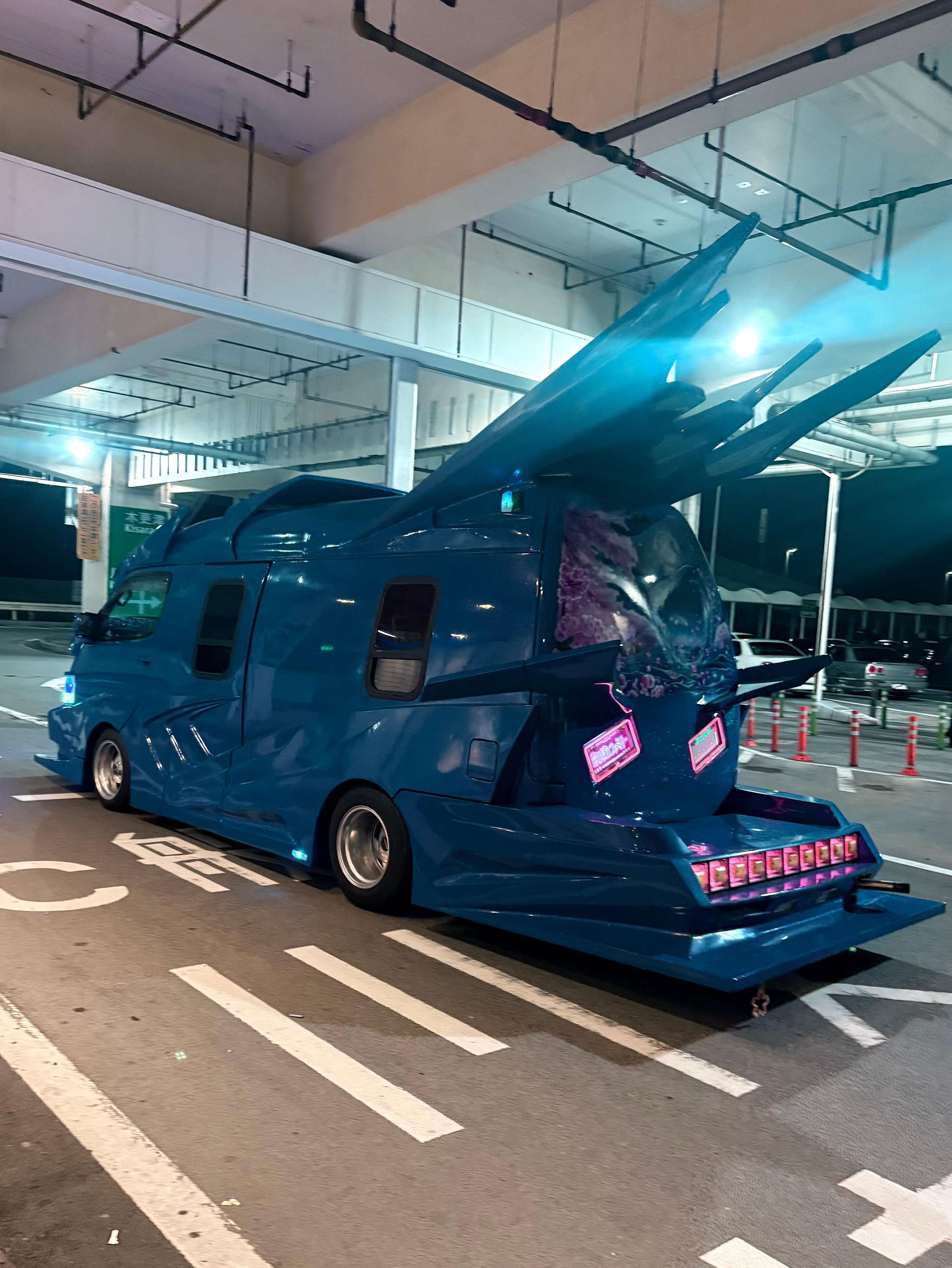
Weather matters more than the calendar. June averages 189 mm of rain across about 14 wet days, and September tops that with 202 mm on a similar count. Rain thins the meets, and some visitors have found the lot somewhat empty in a downpour.
The night does not stop for it. Tours run anyway, guides carry umbrellas, and one tour operator states plainly that there is no refund if weather affects the number of cars at the meeting. So if your dates land in a wet month, book anyway.
A crowded lot is a bonus, and a thin one just means a calmer night by the water. A light rain shell earns its place in your bag more often than a second T-shirt.
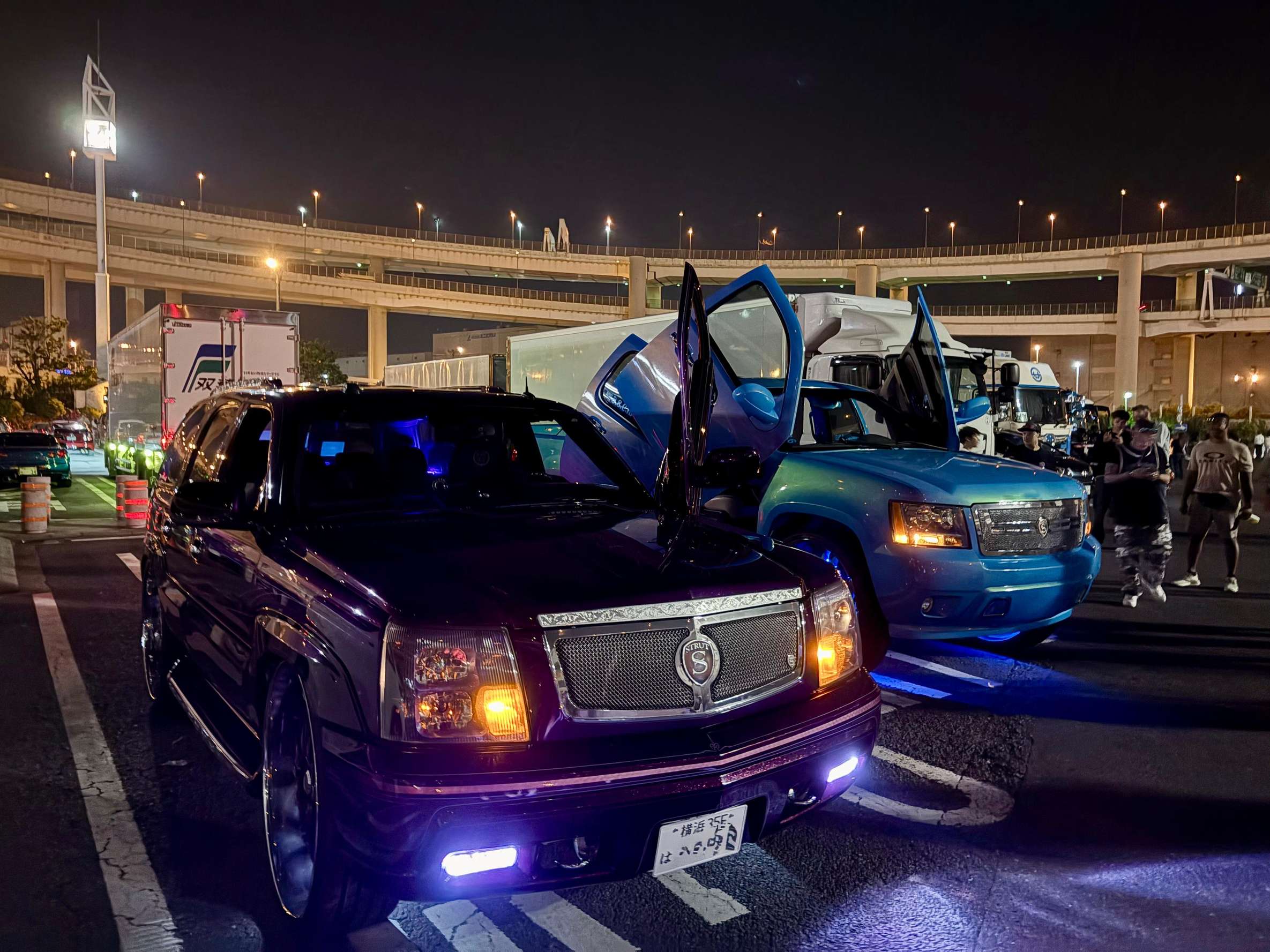
Ride-along tours need no driving documents at all, and that is most visitors' answer. If you want to take the wheel yourself, the paperwork comes first: an International Driving Permit under the 1949 Convention, plus your passport. Licenses from Switzerland, Germany, France, Belgium, Monaco or Taiwan work with a certified Japanese translation instead.
For United States visitors, the IDP must be issued by AAA or AATA, and it has to be arranged before you arrive in Japan. Some other countries instead need an official JAF translation of their licence, which you can order online ahead of the trip.
Either way, sort it out at home. It cannot be fixed at a counter in Tokyo, and it decides whether you can drive anything at all.
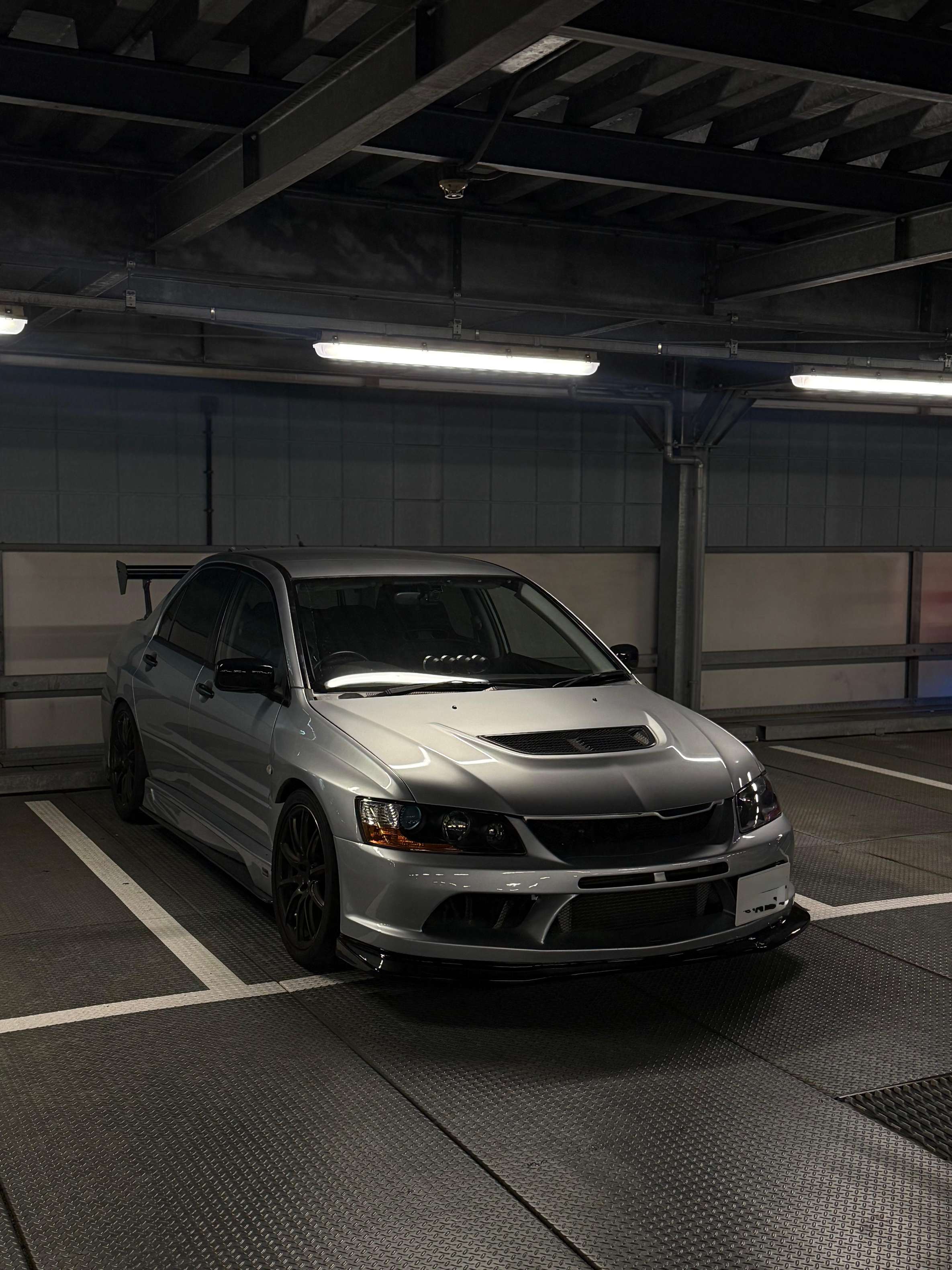
Book several days ahead. Some tours require at least 3 days of lead time, and on-demand cars need booking at least 72 hours ahead. Hotel pickup has to be arranged by the day before, so sort it when you book, because the night is too late.
After booking, expect an email from the operator within 48 hours, and reply to it. Then switch on your WhatsApp notifications and give the operator a contact method such as WhatsApp or Instagram.
If a lot closes or a pickup time moves, the message reaches you before starting time, and you will only see it if notifications are on. Visitors who skip this step sometimes stand at a hotel entrance while the car waits a few streets away.
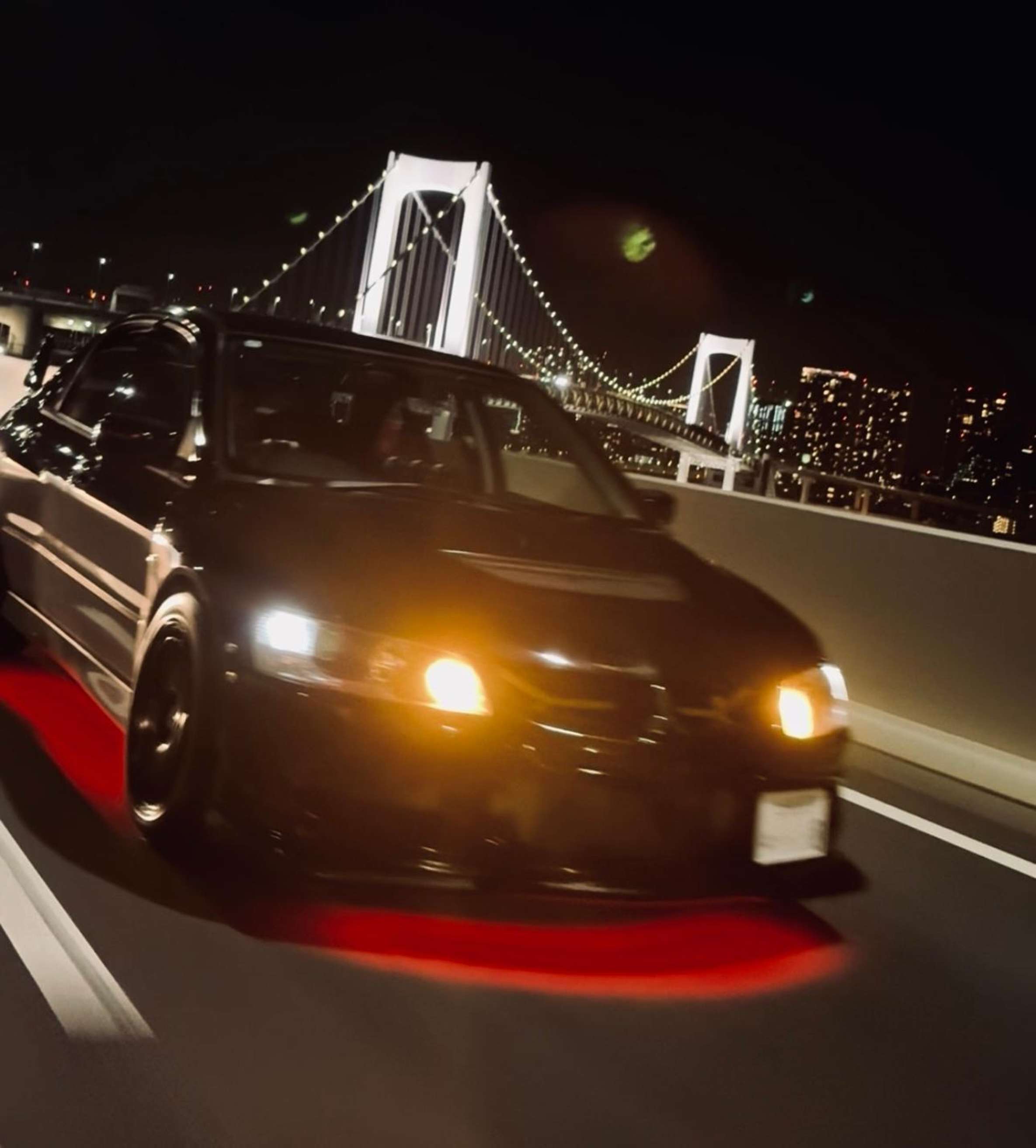
You are standing around a bay-side parking lot at night, in the open, for part of the evening. Tokyo nights there run from about 1°C in winter to over 25°C in midsummer, and operators ask for comfortable clothing and shoes you can walk and stand in.
A light jacket earns its keep even in warmer months, when the water cools the air after midnight.
None of this needs planning, just a check of your bag the evening before you go.
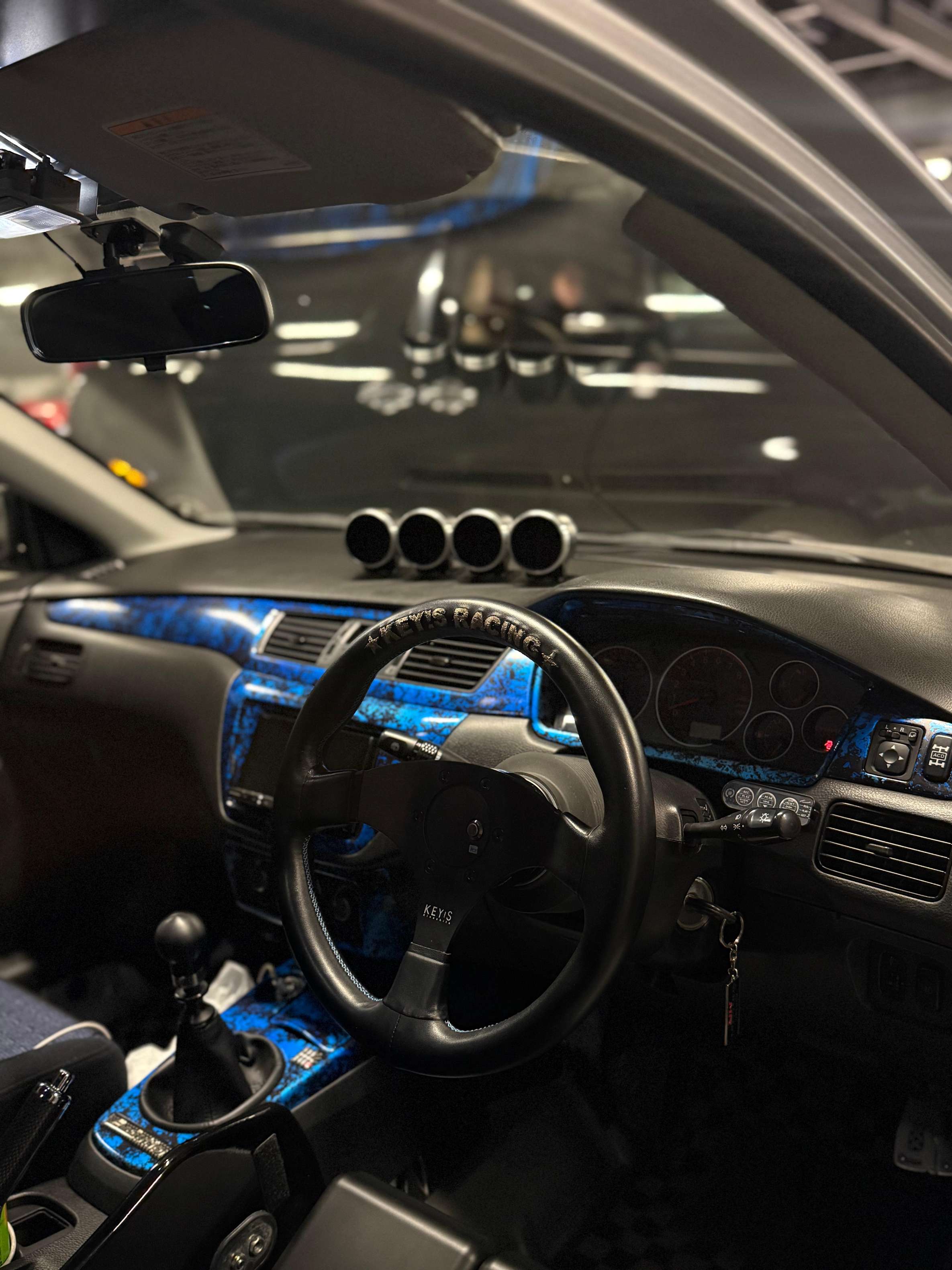
Daikoku PA is an unofficial gathering, and the police can shut it down on any given night. On Thursday, Friday and Saturday the meets get closed by about 8:30 pm, and weekend-night closures became the norm in 2025 and 2026.
Closures are decided on the night by the expressway operator working with the police, so there is no schedule to check in advance, and once the entrance has closed you should not count on it reopening.
Operators answer this by pulling Friday and Saturday pickups forward to 4 pm or 5 pm, which buys the meet time before the police move in.
When the lot closes anyway, the night usually continues: most tours divert to a fallback such as Umihotaru PA, the indoor meet that runs after Daikoku closes, or Tatsumi PA. One operator makes the fallback free, one charges an extra detour fee, and one runs the drive regardless.
Divert to an alternative PA, most often Umihotaru or Tatsumi, where the night continues. Reschedule the tour for another night if the timing no longer works for you. Take a full refund if you decline the alternative lot; on most tours, Daikoku being closed alone is not a refund trigger.
So a closure is usually a change of venue, rarely a lost night. If declining the fallback lot matters to you, confirm the operator's refund terms before you book.
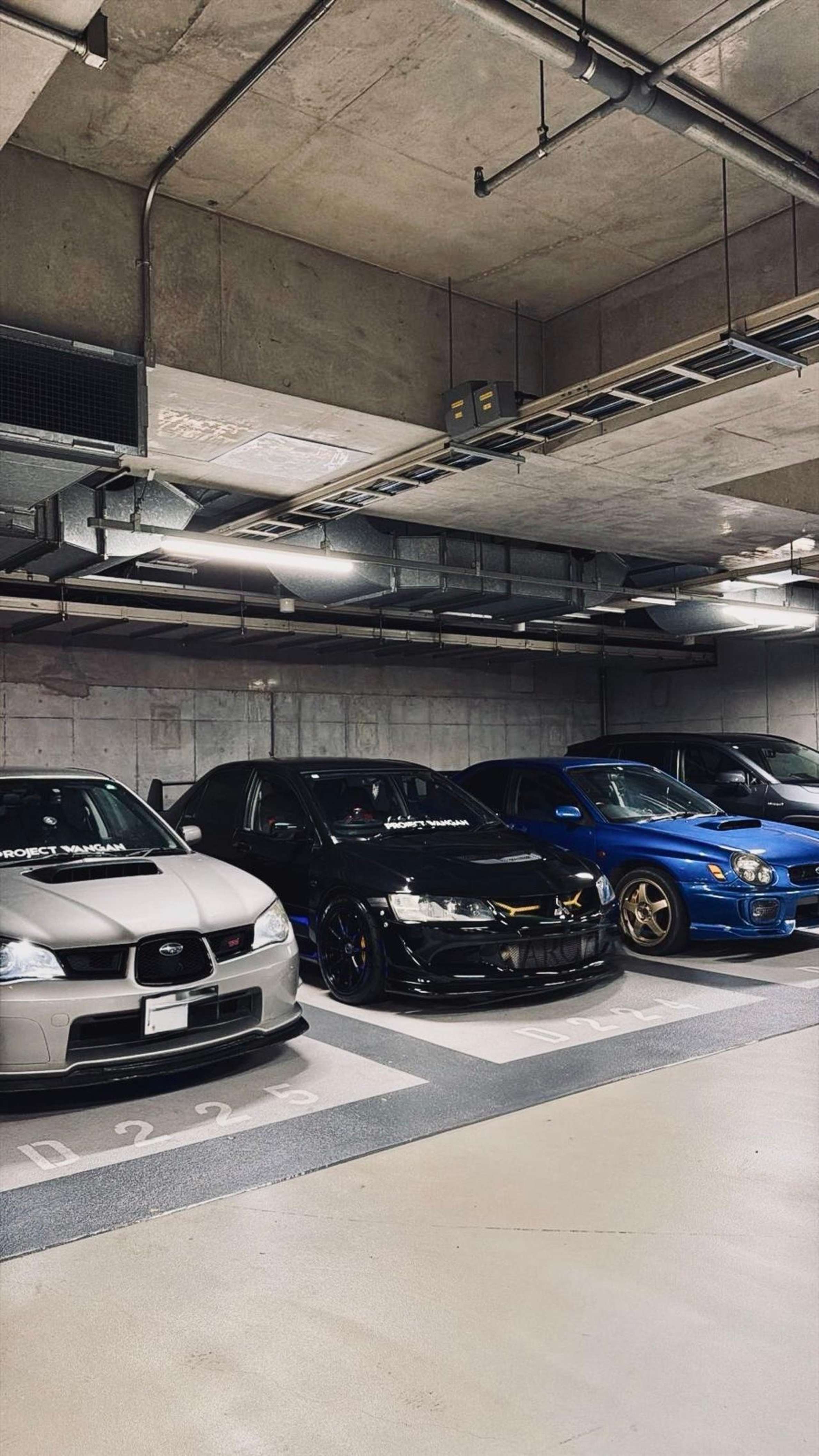
Picture the night from the owner's side: someone built that car over years, drives it to Daikoku after work, and watches visitors circle it. The rules follow from that.
Never touch, lean on, sit on or enter a car without the owner's permission, whatever the photo is worth. Ask before close-ups of a car, and be respectful when photographing other guests.
Stay out of the roadways at the lot. Do not rev engines or attempt burnouts, which is exactly what brings the police and closes the meet.
Keep your voice down, do not block driving lanes or parking bays, use the smoking area, and carry your trash out, since lots often have no bins. Police watch visitor behavior and act on complaints, and disrespectful treatment is why some locals have stopped bringing their cars to Daikoku at all.
Owners open up to a genuine compliment about the build, so praise the work, never ask about prices or whether the car is for sale.
Engines stay off when parked; a parked car is not an invitation to ask for a rev. Blur or crop license plates before posting photos online. Drones are banned because Tokyo sits in a restricted no-fly zone.
Every rule above has one aim: that the owner wants to come back next week, and so do you.
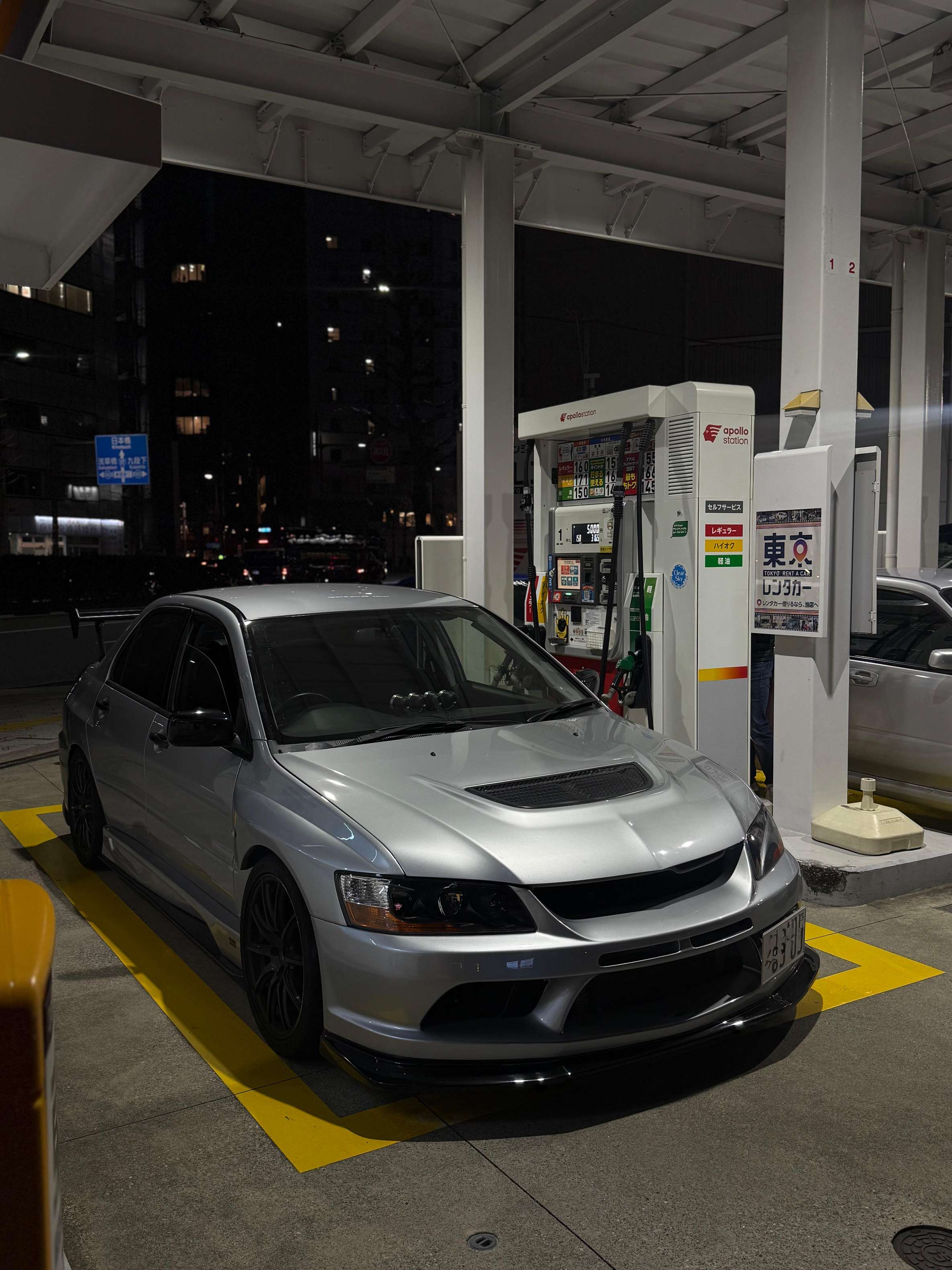
Street drifting is illegal in Japan, on Tokyo's public roads and everywhere else. Sliding on a public road falls under article 68 of the Road Traffic Act as joint dangerous conduct, carrying up to 2 years' imprisonment and 25 demerit points that revoke a licence.
Since 21 July 2026, deliberately sliding the car and injuring someone counts as dangerous driving causing death or injury, with up to 15 years.
A visitor on an International Driving Permit can be banned from driving on that permit for up to five years for a Road Traffic Act breach, and three to ten years for dangerous-driving offences.
Daikoku is a parking lot, and any sliding there brings the police within minutes. Every ride here is a car-culture cruise run inside the law, so the drivers hold expressway speeds, and the sound comes from the engines rather than from tyre smoke.
Drifting on public roads is a crime under the Road Traffic Act, with penalties reaching years of imprisonment. A permit breach can ban a visitor from driving in Japan for years.
None of this touches a visitor on a ride-along: the driver handles the road, and the law never sees you.
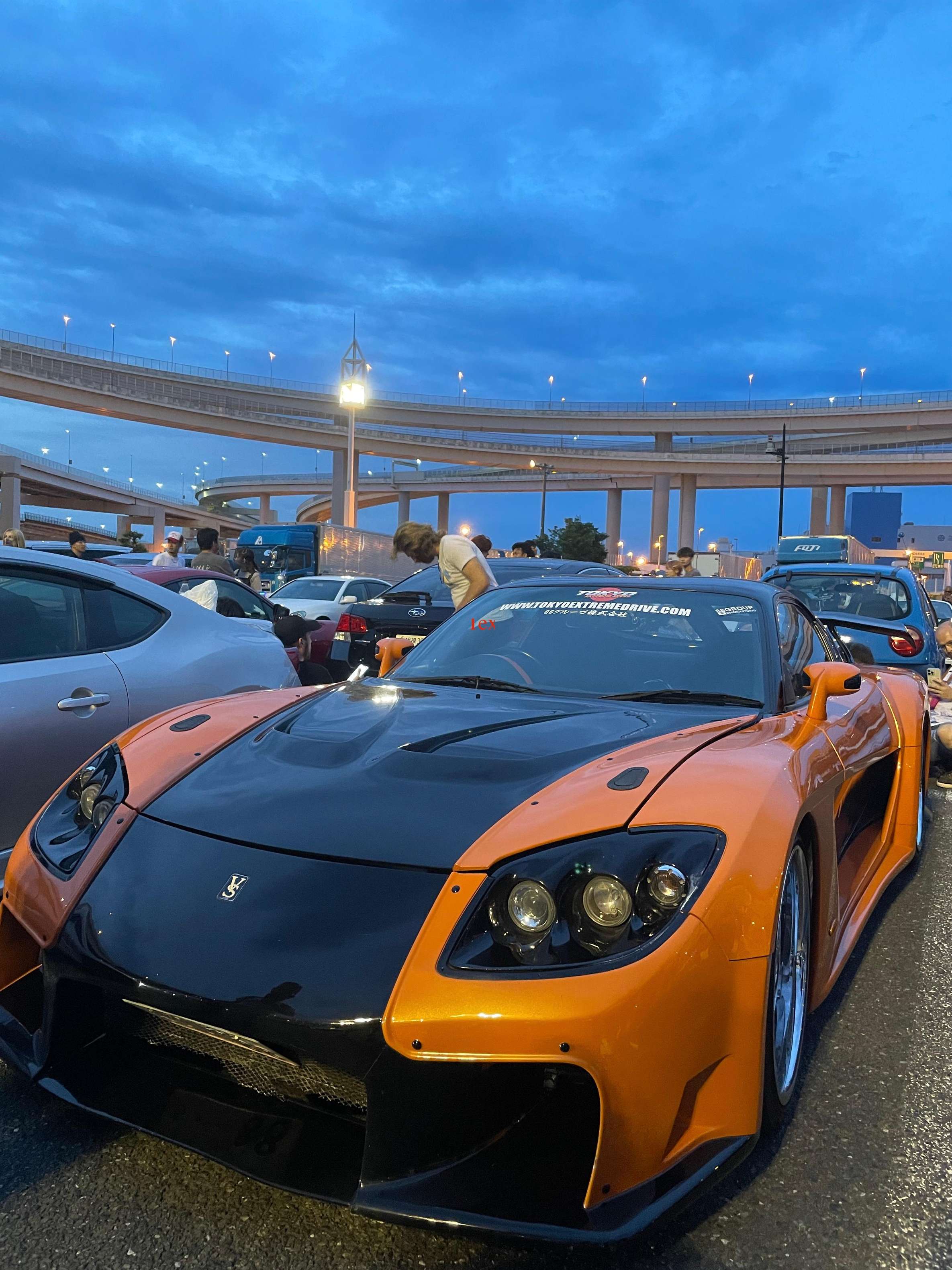
For the sport itself, go where it is legal. D1 Grand Prix holds competition rounds in Osaka in September and Tokyo in October, and the final round usually lands in Odaiba in November, so a trip timed for that catches the top drivers sliding for points.
Mobara Circuit and Nikko Circuit, both within reach of Tokyo, host a lot of drift events through the year.
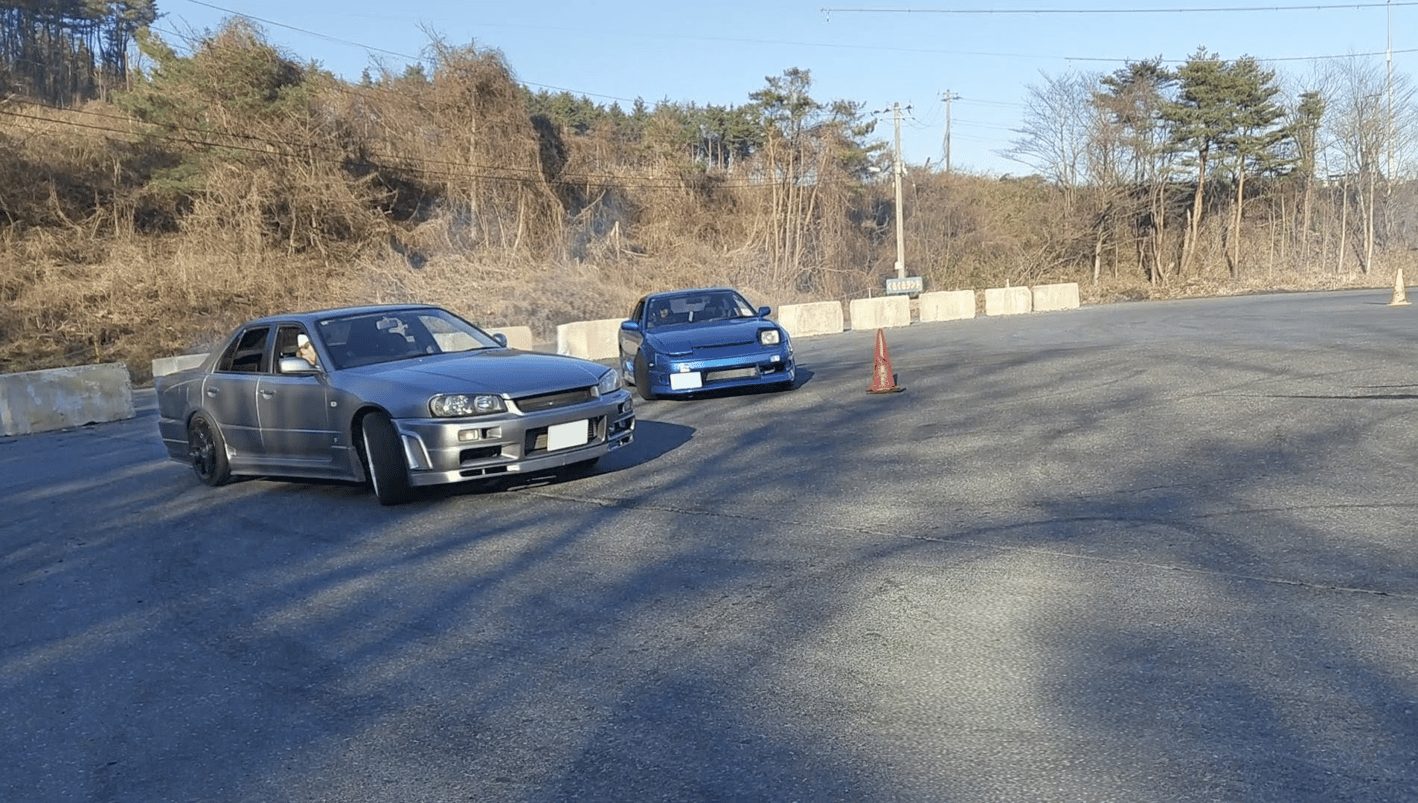
The fullest answer is Ebisu Circuit north of Tokyo, and one tour on this site runs there as a full 12-hour day: you meet at Shinagawa Station, travel to the circuit, and drift a JDM car with an instructor, helmets, gloves and safety support, learning a donut or a figure 8 step by step and meeting local OG drift drivers.
An insurance-inclusive plan covers the NOC insurance the basic plan leaves out. That is where the drift itch gets scratched without ending in court.
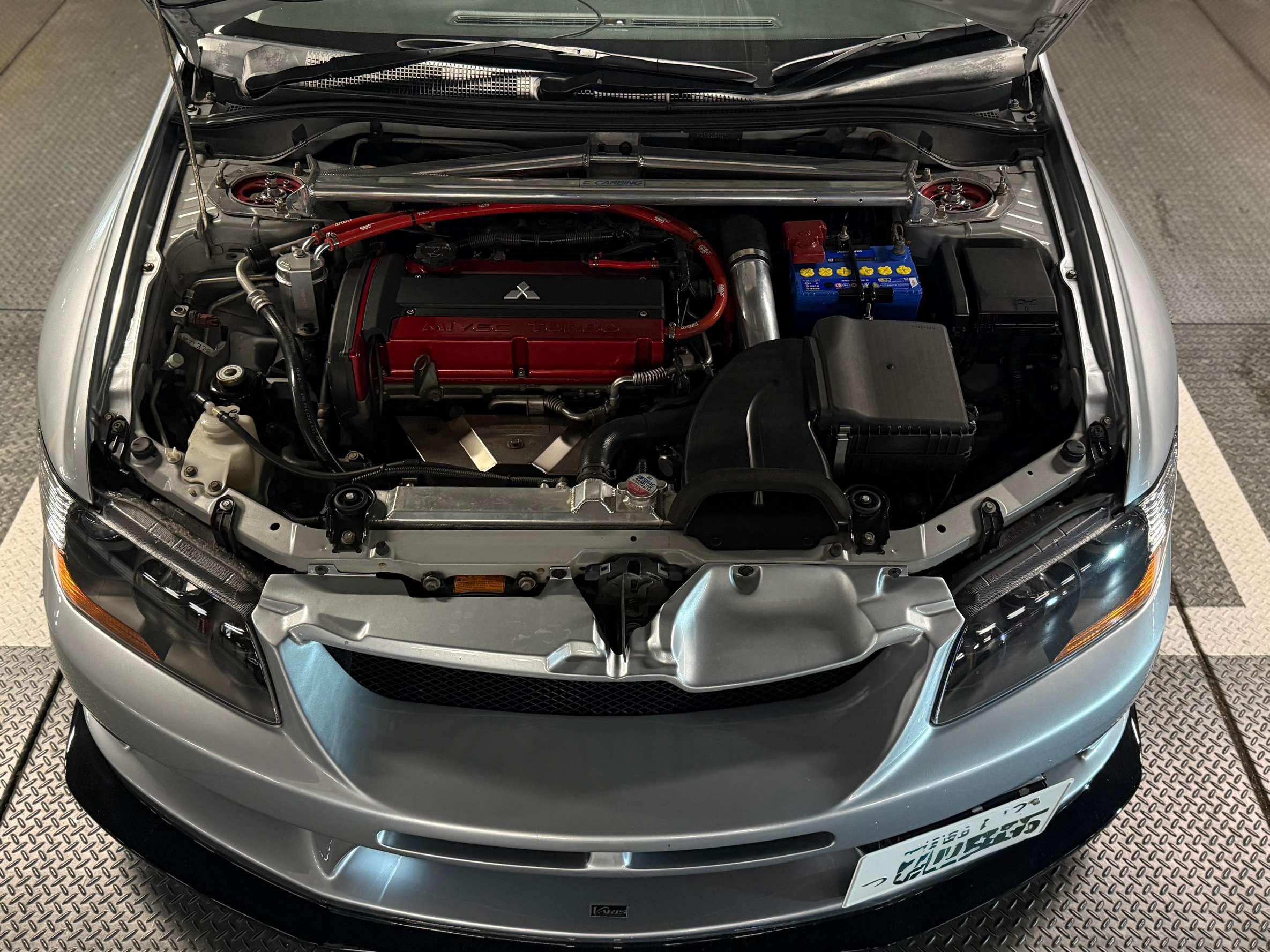
If you still want your own hands on the wheel, the rental scene is real. Specialist renters operate from Tokyo stores in Ota near Haneda Airport and Adachi in the north, another runs performance cars from pickup points in Shibuya, and one rents JDM legends near Narita.
Toyota's rental site in Japan handles ordinary sporty cars such as a GR Yaris or an LC.
Self-drive means left-side traffic, expressway tolls that add up fast, and a damage excess that can reach four figures if the car is disabled. Tokyo's own tourism authority says central Tokyo rarely needs a rental car at all.
For a first night in the scene, the ride-along tours give you the expressways and the meet without any of that, and they compare like this:
| 3.5 hours | swap between cars, no Chaser guarantee, lineup depends on the day's bookings | hotel pickup and drop-off plus the C1 Loop, Rainbow Bridge and Tokyo Tower | |
|---|---|---|---|
| R34, Supra or GT-R R35 request ride | 3 hours | you request the car when booking, from R34 to Supra MK4 | a full hour on the ground at the Daikoku meet plus guided photo stops |
| Street Racer Experience | 3.5 hours | car swap subject to bookings on the day | adds an Autobacs tuning-shop stop and the UDX underground park before the meet |
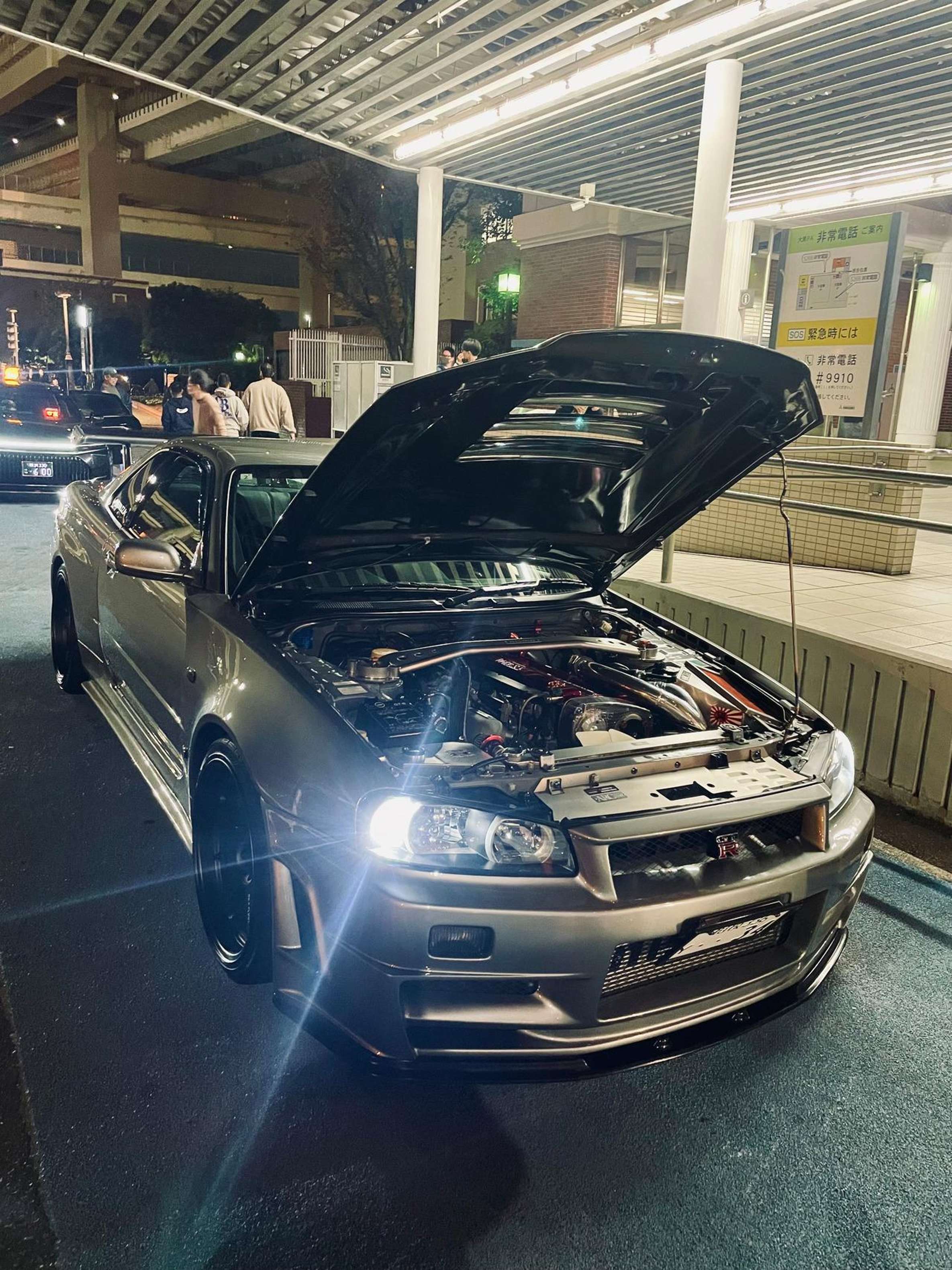
Most tours start around Shinjuku, which makes the day easy to fill. Shinjuku Central Park sits 4 minutes away on foot, with Juniso Kumano Shrine 6 minutes out, the Sompo Museum of Art 7 minutes away and the Japanese Sword Museum 11 minutes from there.
Hanazono Shrine is 15 minutes on foot, Meiji Shrine 19, and Shinjuku Gyo-en 20.
A short drive from the same area adds the Ukiyo-e Ōta Memorial Museum of Art at 12 minutes and the Meiji Shrine Outer Garden at 10.
Daikoku itself has nothing to walk to, it is a highway island, but across the bay bridge Yokohama's Minato Mirai district packs the CupNoodles Museum, the Yokohama Port Museum, Cosmo World and the Nippon Maru within about 15 minutes of each other on foot.
Daytime city, night cars: fill the hours before pickup here, then let the tour drive take over.
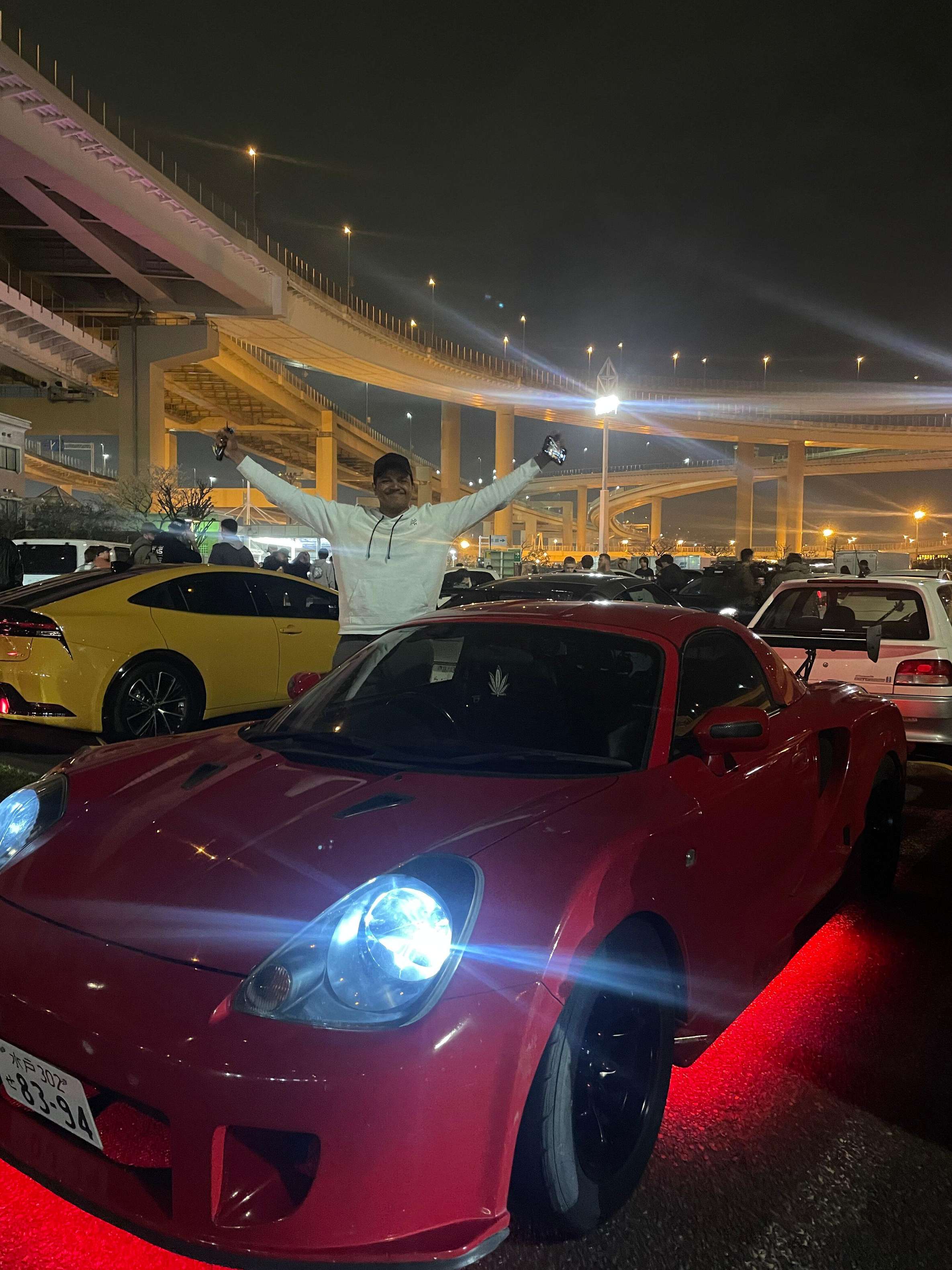
Booked the Saturday 10 pm tour. Loved Akihabara UDX parking, Tokyo Tower at night, and.
Daikoku PA is reachable only by expressway, the police set the closing time, and no tour can promise the cars you will find. Book the recommended car-swap ride, go on a weekday if you can, and keep your pickups early on Friday and Saturday.
Want to drive? Sort an IDP or JAF translation first, and save the drifting for Ebisu.
Straight answers for Chaser and Mark II Tourer V fans planning a night in Tokyo's car scene.
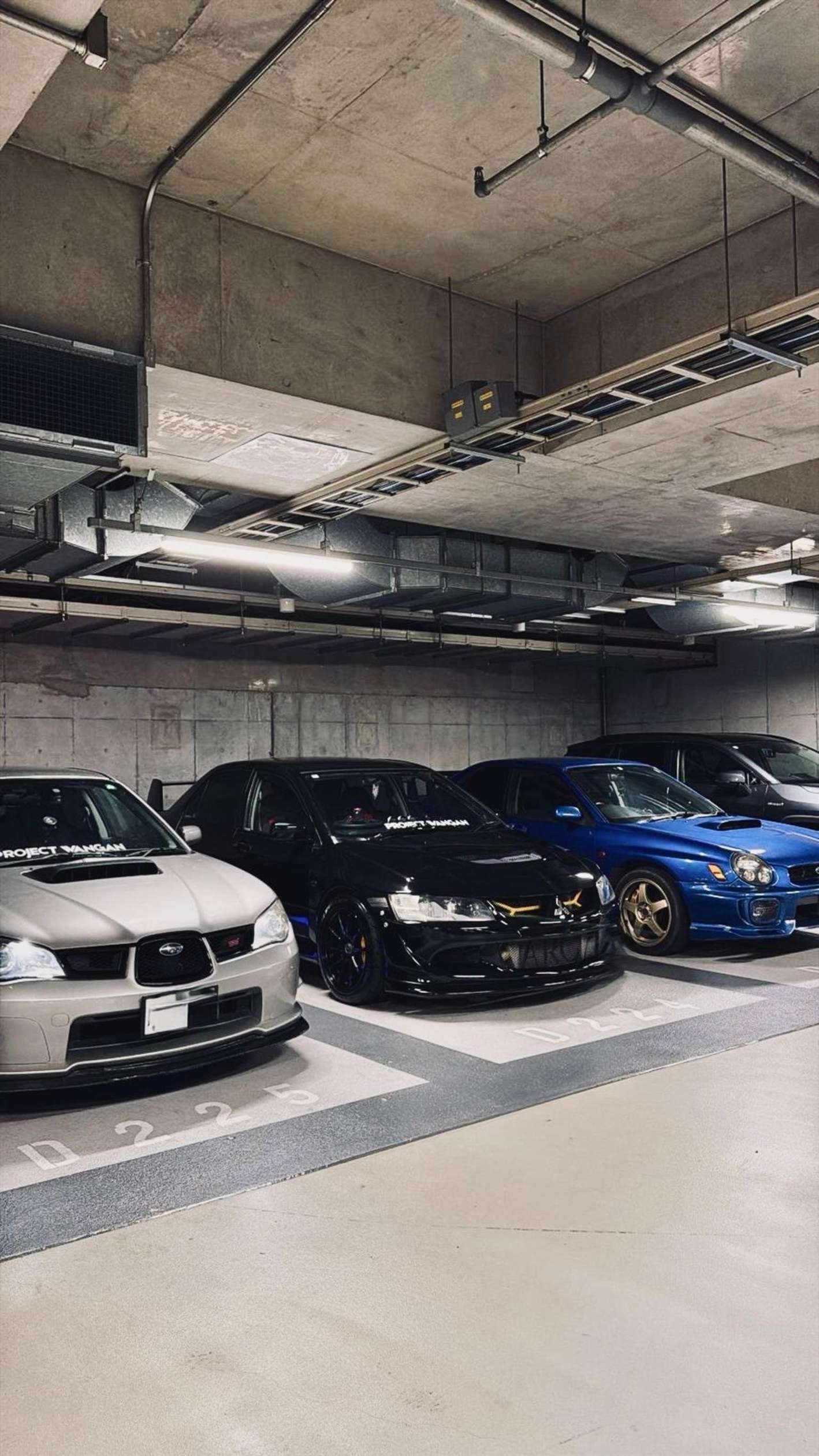 Tokyo2026
Renting that exact car is not something these experiences do. The Chaser JZX100 runs as an enthusiast-owned car on the recommended 3.5-hour night ride to Daikoku, with a local driver at the wheel and you in the passenger seat.
For the steering-wheel experience, the self-drive tours on this site cover the R34 and R35 GT-R instead.
One night tour's fleet lists the Chaser JZX-100 alongside an R34 Skyline, Evo 8 and 9, Supra MK4 and MK5, RX-7, Silvia S15, WRX STI and Civic Type R. Another Yokohama-based ride to Daikoku runs heavily modified cars including a JZX100.
Availability changes with maintenance, so confirm your car at least 48 hours before your date.
The Tourer V is the top trim of the Toyota Chaser, a rear-wheel-drive sedan built for drift and street use.
The JZX100 pairs a turbocharged 1JZ engine with a sound and torque curve that made it a drift favourite. The Chaser, Mark II and Cresta share the same mechanical hardware, so the badge comes down to styling.
Yes. The JZX90 Chaser Tourer V is the earlier generation, and it is harder to find.
Since no tour guarantees a particular model, treat any sighting as a bonus: the Chaser appears in the fleet of the recommended night ride, but the same tour swaps you between cars at each stop so you feel more than one.
The recommended tour runs an Evo 9, Evo 8, R34 Skyline in Bayside blue, Supra MK4 and MK5, WRX STI, Civic Type R, RX-7 FD and Silvia S15. A second ride features the R34, 1000HP Supra MK4, GT-R R35, S15, GR86 and WRX. Message ahead if one car matters to you.
No, and none of them should. Drifting on a public road is illegal in Japan, including Tokyo, and one operator states clearly that its experience is car-culture sightseeing rather than racing.
The night runs deliver expressway speed and tunnel echo legally. For real drifting, the answer is the Ebisu Circuit drift lesson on a closed course.
Ask the owner before touching or sitting in any car, and stay out of the roadways. Tour operators pass this on directly: behaviour at the meet is watched, and tourists who climb on cars for photos are why some locals stopped bringing theirs. Photo stops let you walk around and browse the cars freely.
Enthusiasts gather at Daikoku PA almost every night, and Friday and Saturday bring hundreds of cars. Weekend evenings give you the widest variety, from supercars to drift builds and kei cars sharing the same asphalt. Weekday nights still produce an interesting scene, just a smaller one.
Rain rarely kills the meet, so the ride goes on; only a severe storm or road closure triggers a reschedule. If police activity closes Daikoku, operators move to an alternative spot such as Umihotaru PA, and you can reschedule or take a full refund. Bring a light jacket, since the meet happens outdoors at night.
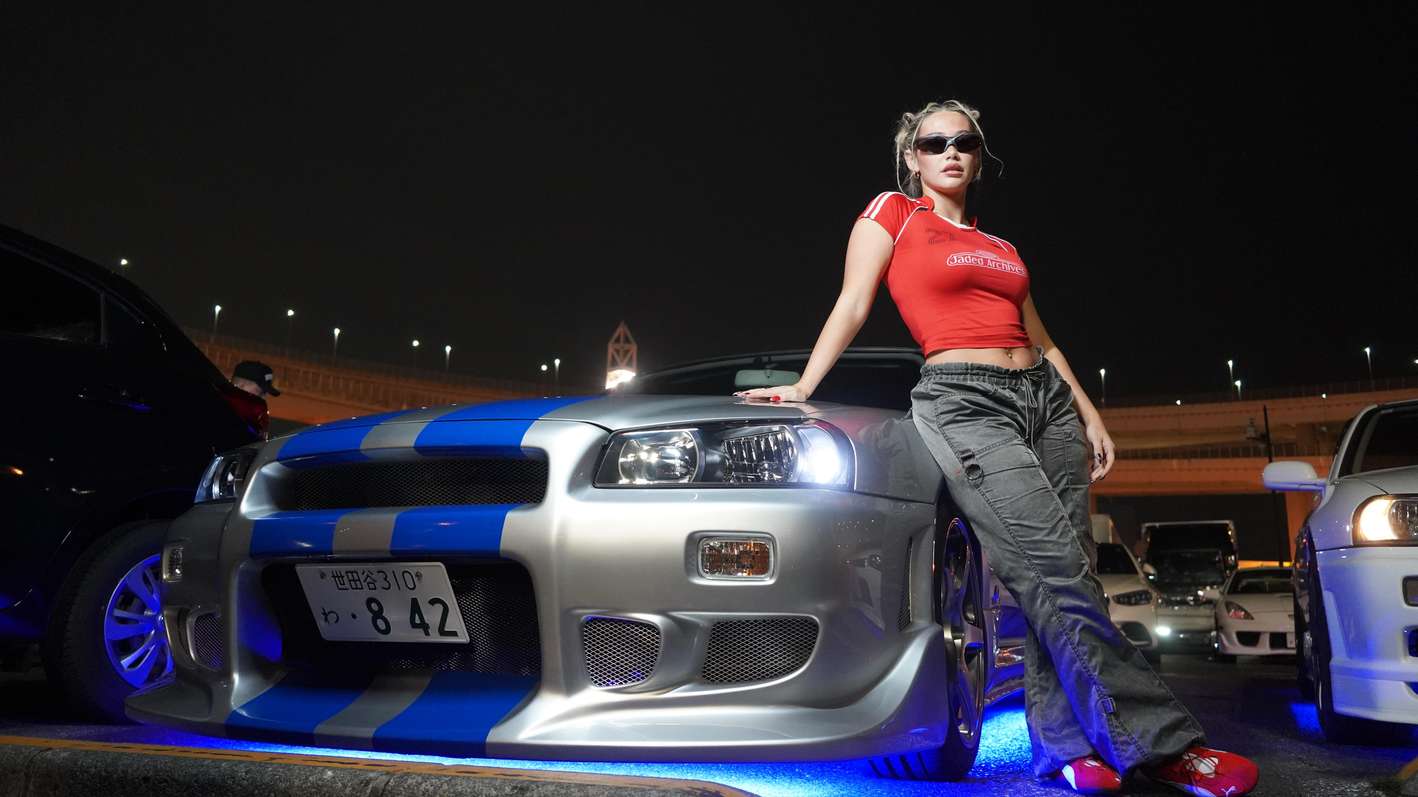
If riding shotgun is enough, see which JDM sports cars you can drive yourself in Tokyo.
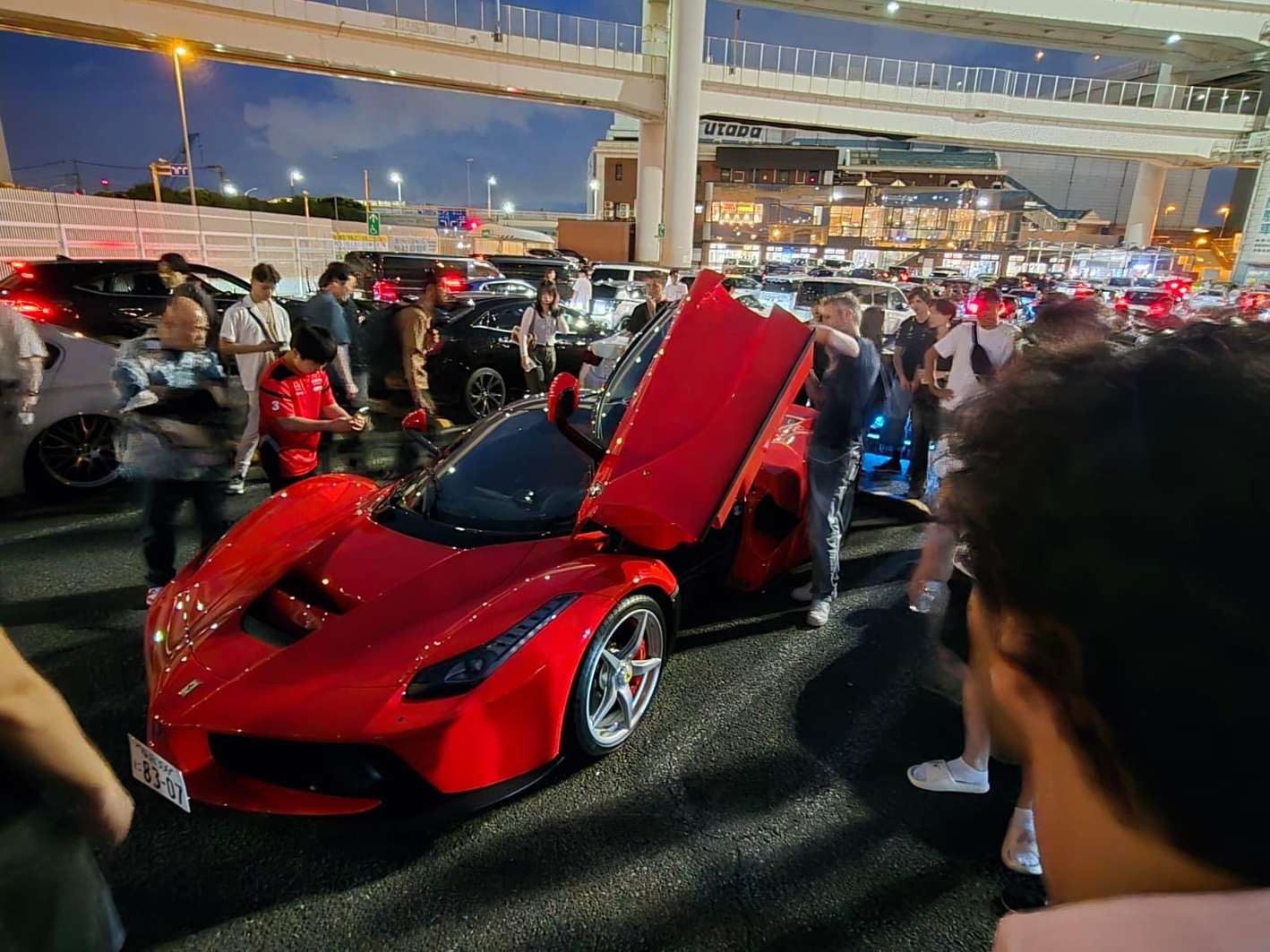
Check whether an AE86 booking is possible in Tokyo and what the closest options are.
Get a direct answer on renting and driving a Supra in Tokyo, plus the tour alternatives.
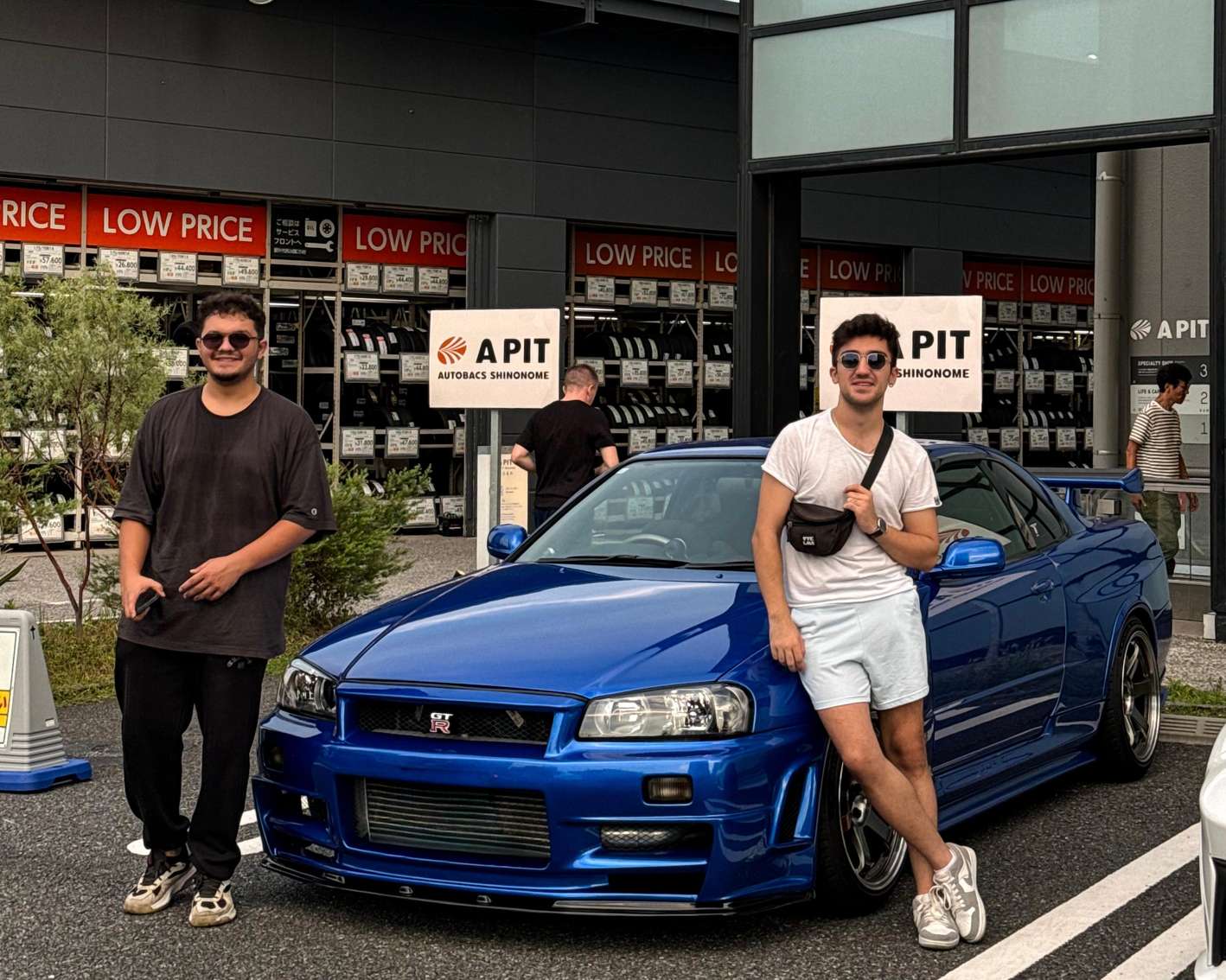
Compare a self-drive R32 GT-R with the guided GT-R rides you can book instead.
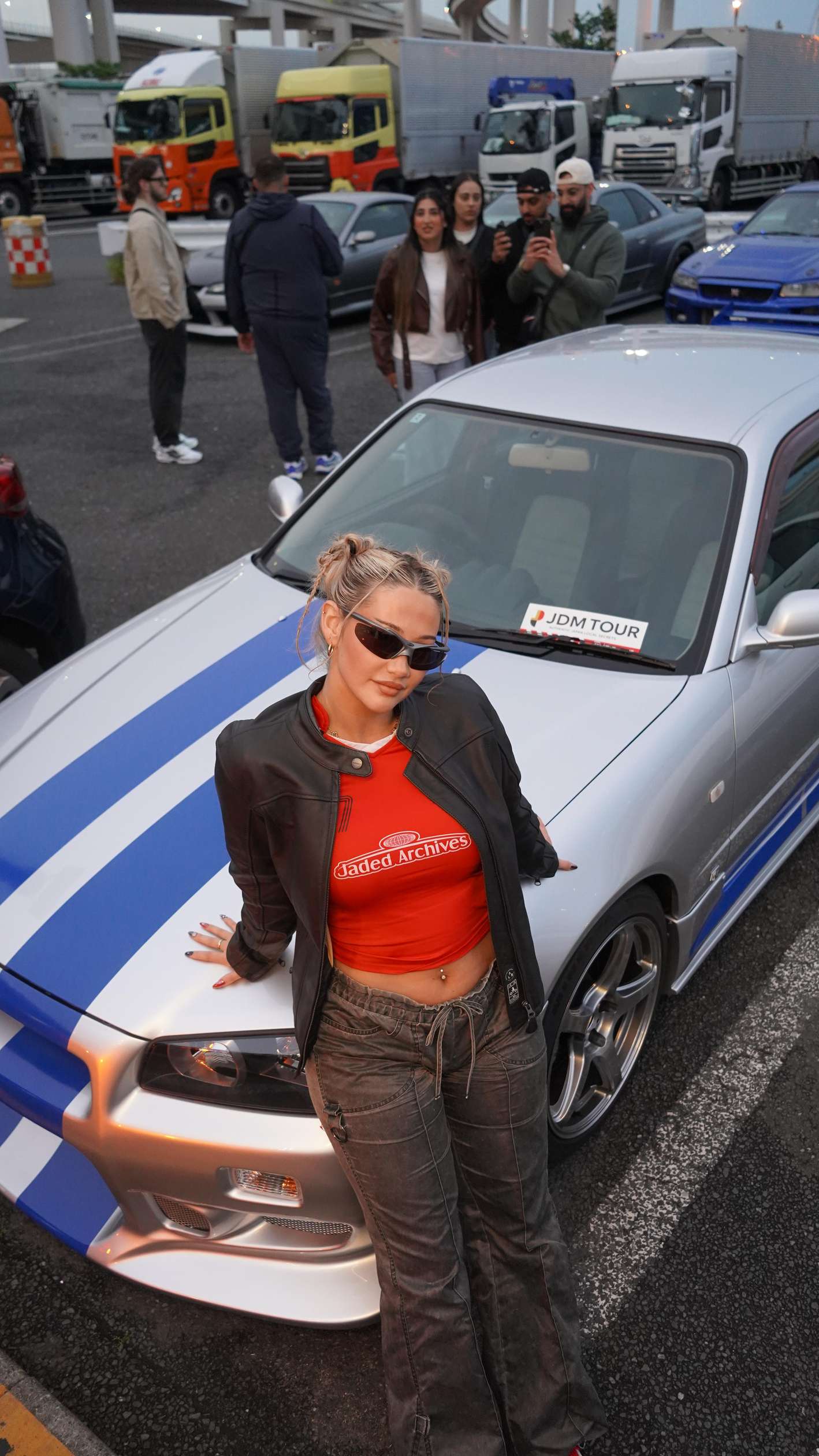
Weigh driving an R34 Skyline yourself against joining a guided R34 night ride.
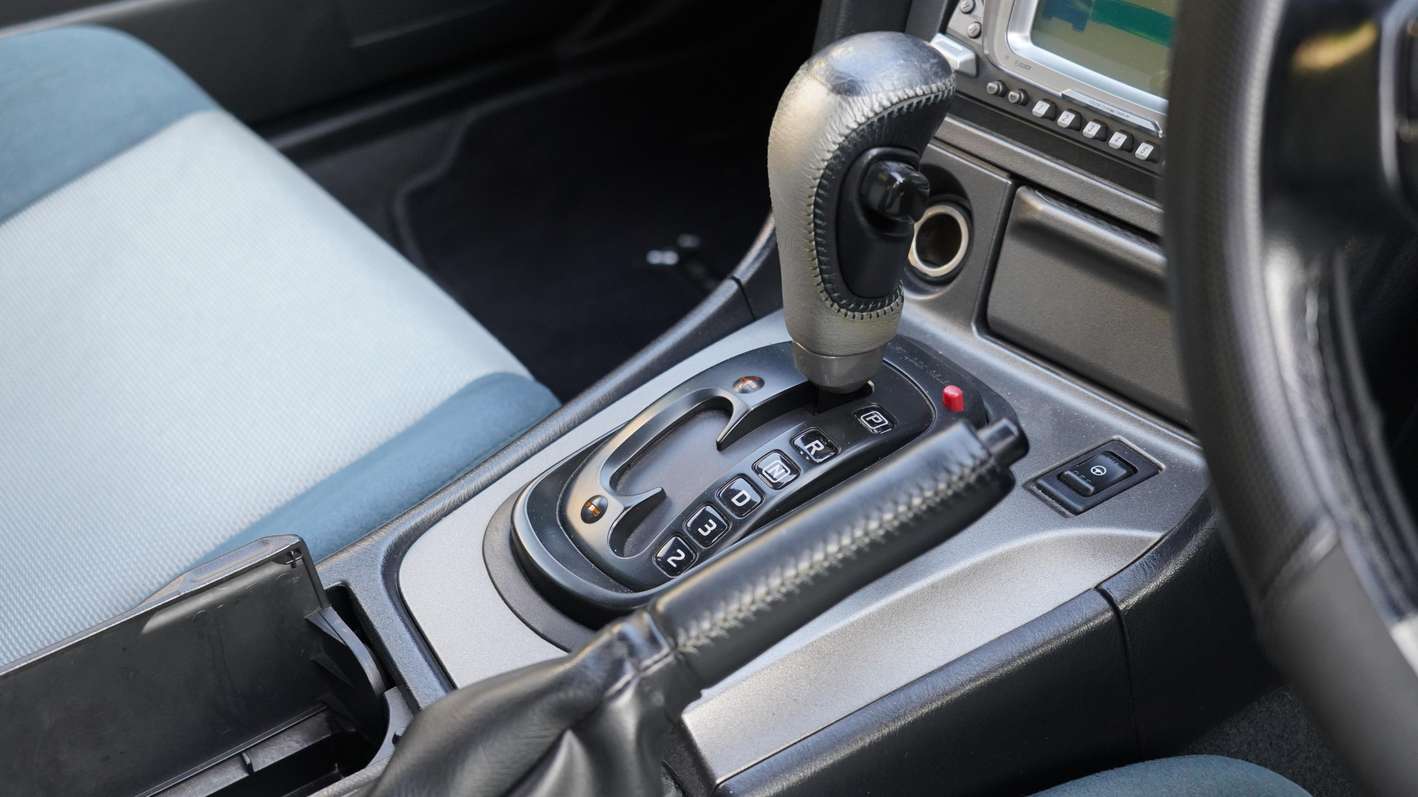
Get a clear answer on R35 GT-R experiences in Tokyo and pick the one that fits you.
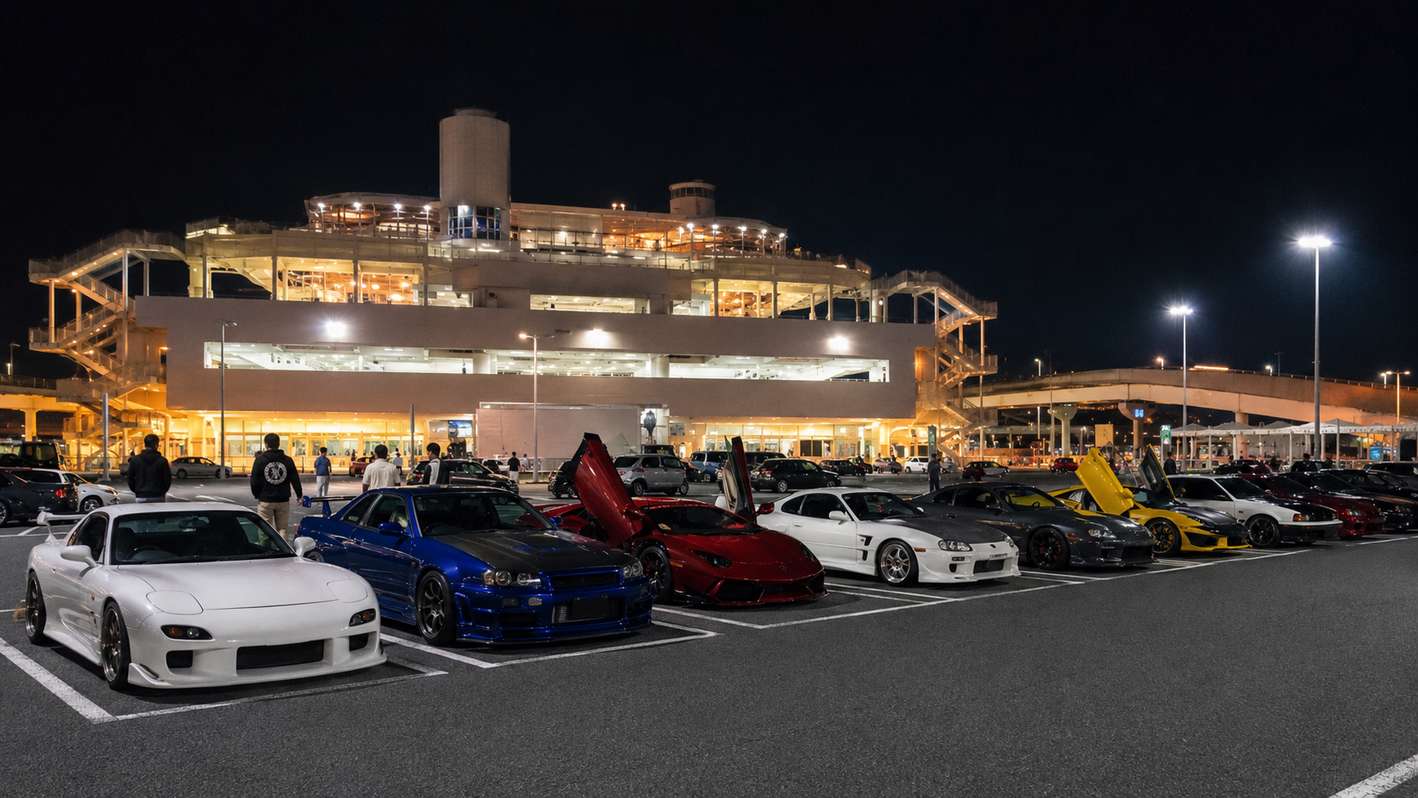
Browse Tokyo's popular car meet spots so you can pick the right night for your trip.
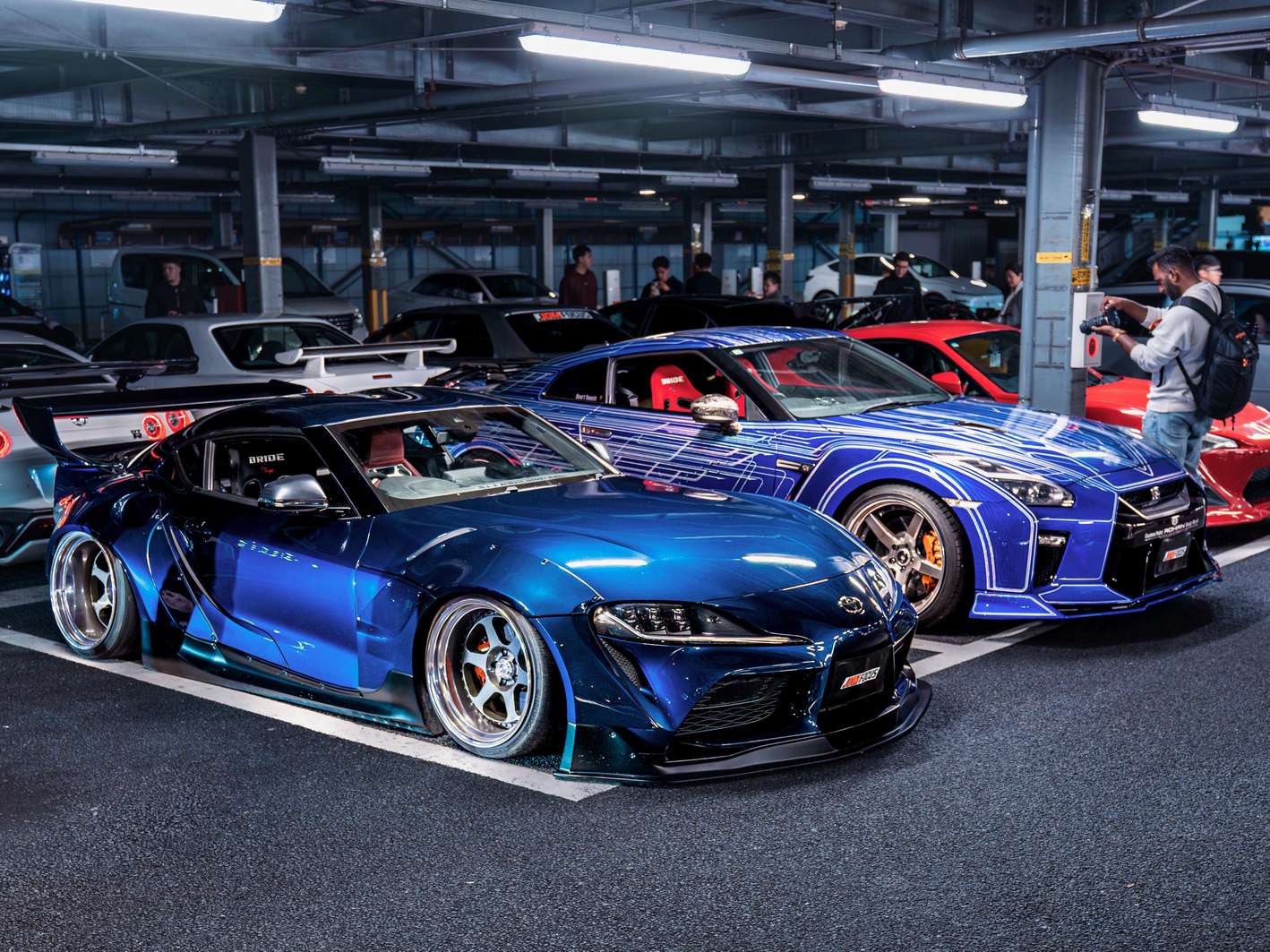
Find out how the Akihabara UDX underground meet works and how to reach it.
See what Tatsumi PA offers and how to approach a visit there.
Learn about the Umihotaru PA meet, the useful backup when Daikoku is closed.
Get visitor info on the City Circuit Tokyo Bay meet before you plan a night there.
Check when the Higashi Osaka PA meets run, most Friday and Saturday evenings.
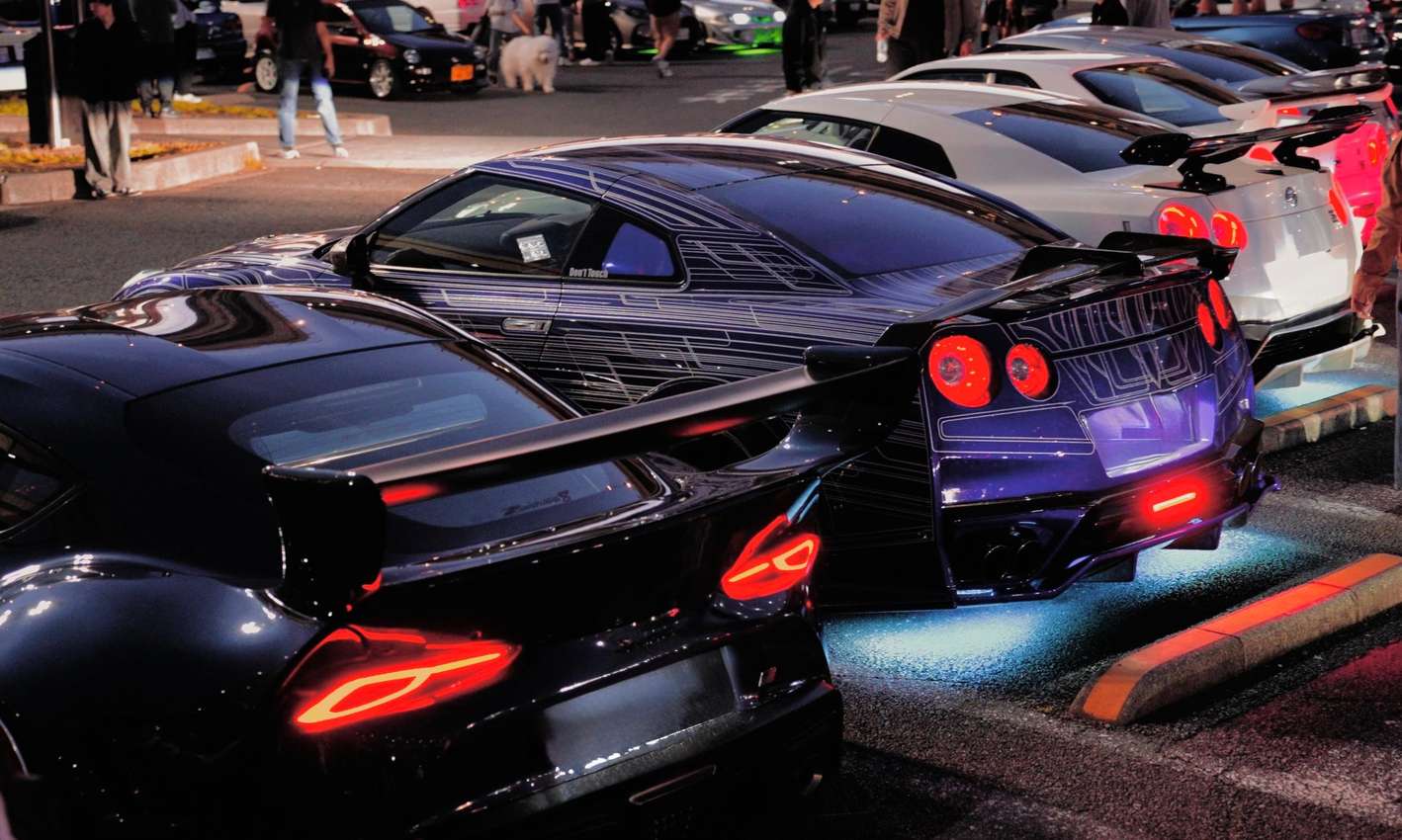
Plan a Daikoku visit properly: access routes, visitor rules and how the meet works.
Pick the days and hours that draw the biggest crowds to Daikoku PA.
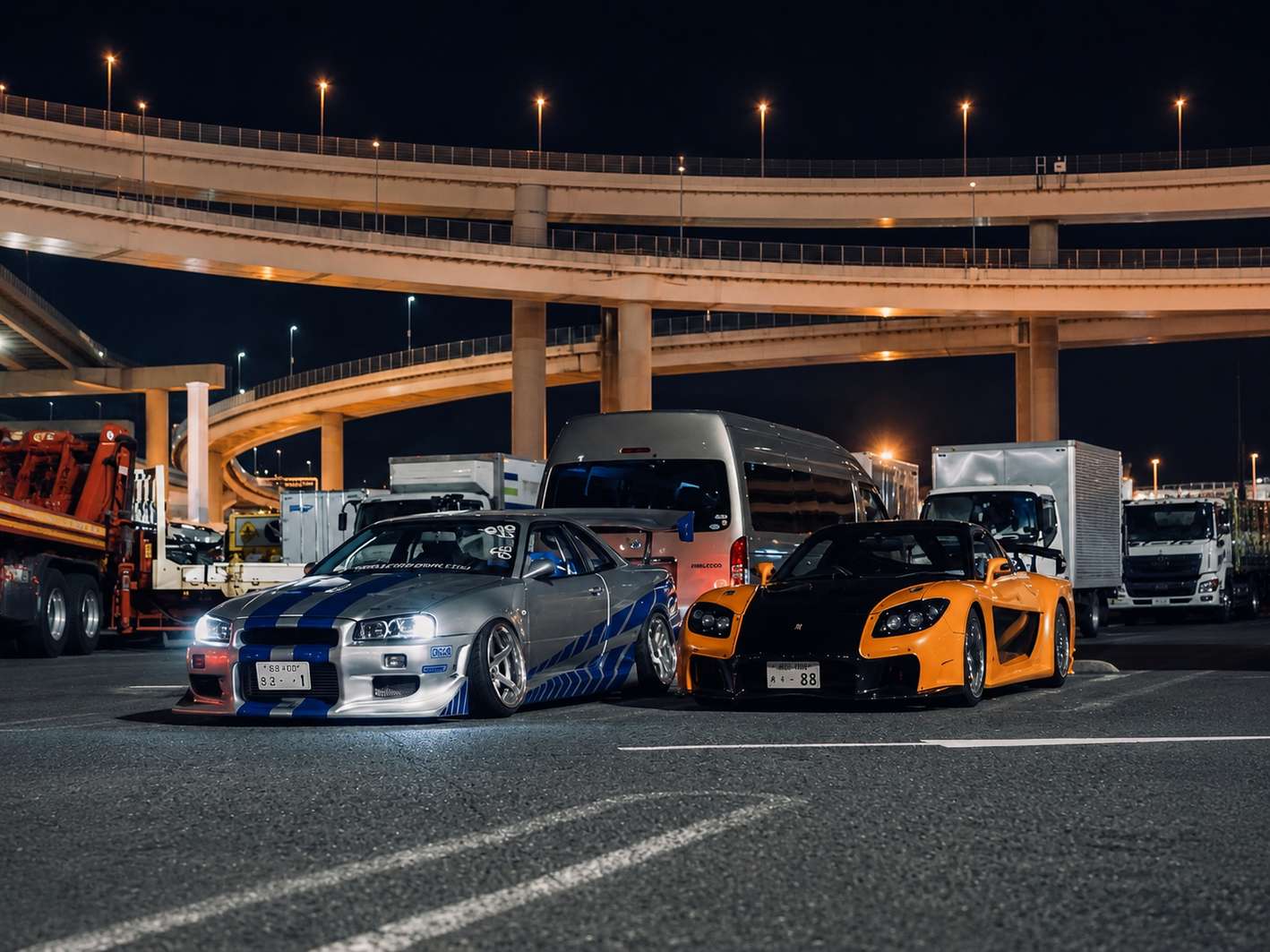
Sort out how to reach Daikoku PA, an island you can only enter by car.
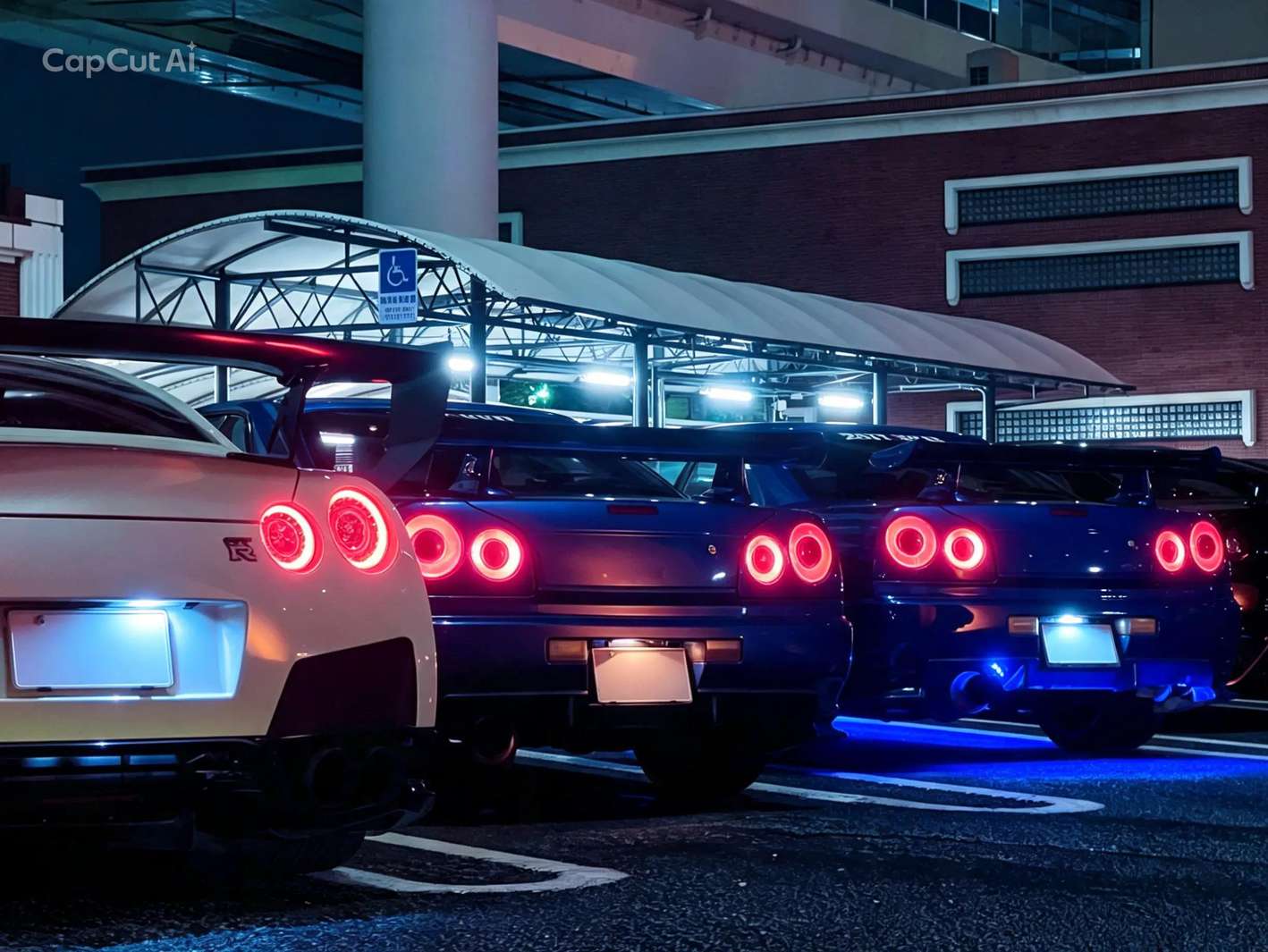
Learn the etiquette at Daikoku, like asking owners before touching or entering a car.
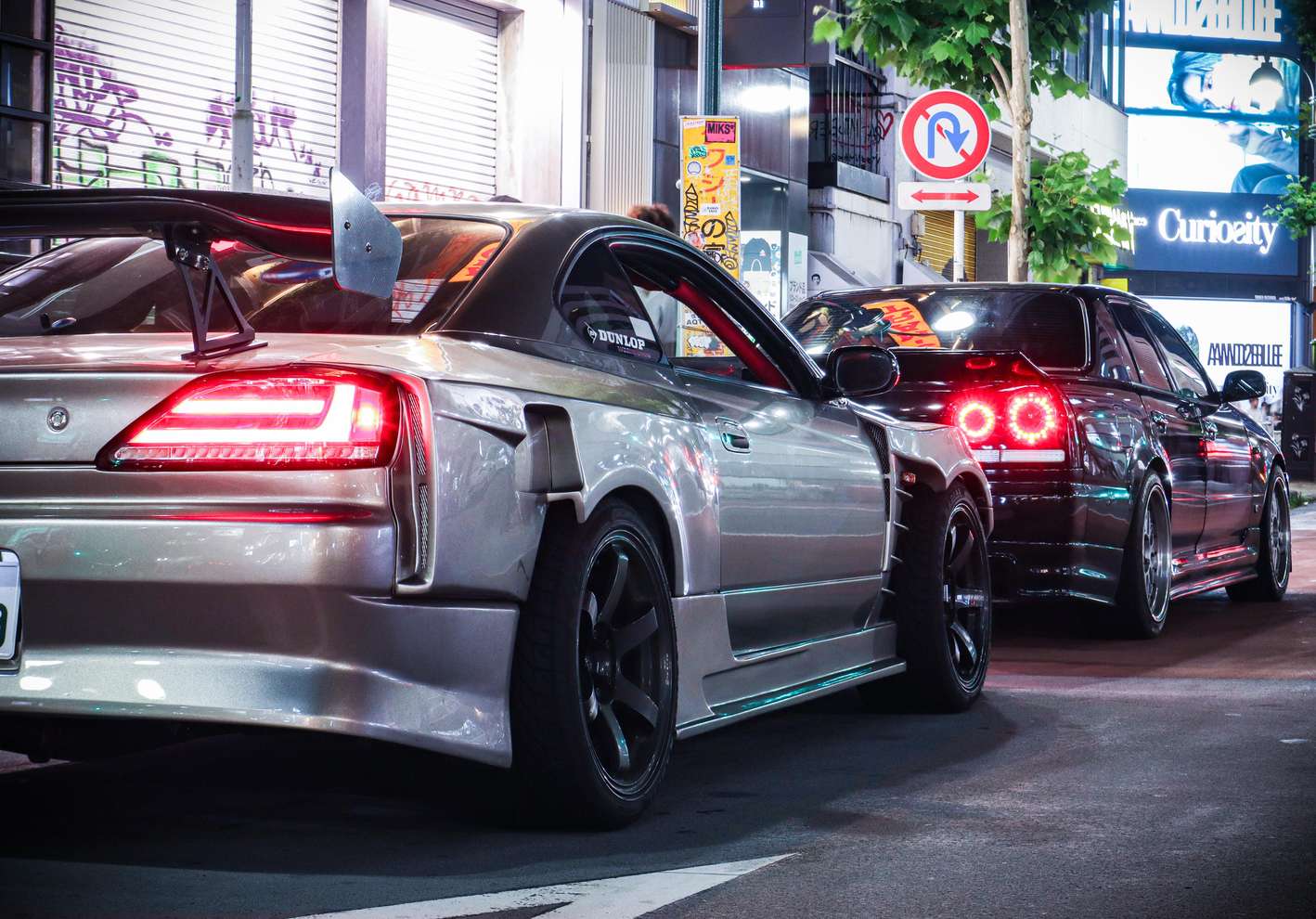
Book a Daikoku night ride in a Supra if the Mk4 is the car you want beside you.
Consider the Porsche Macan version of the Daikoku ride if you prefer a European car.
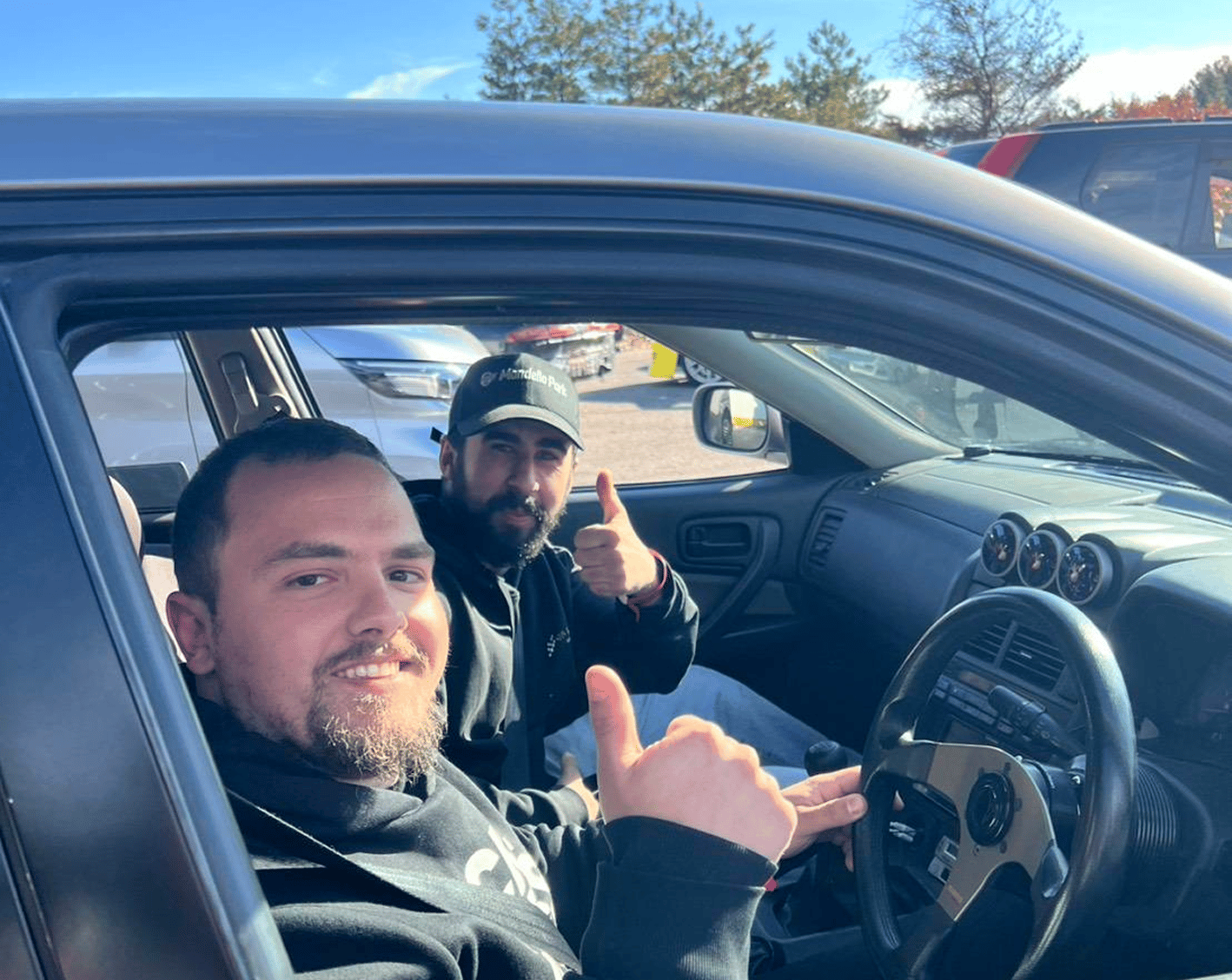
Understand the difference between watching drifting and trying it on a circuit.
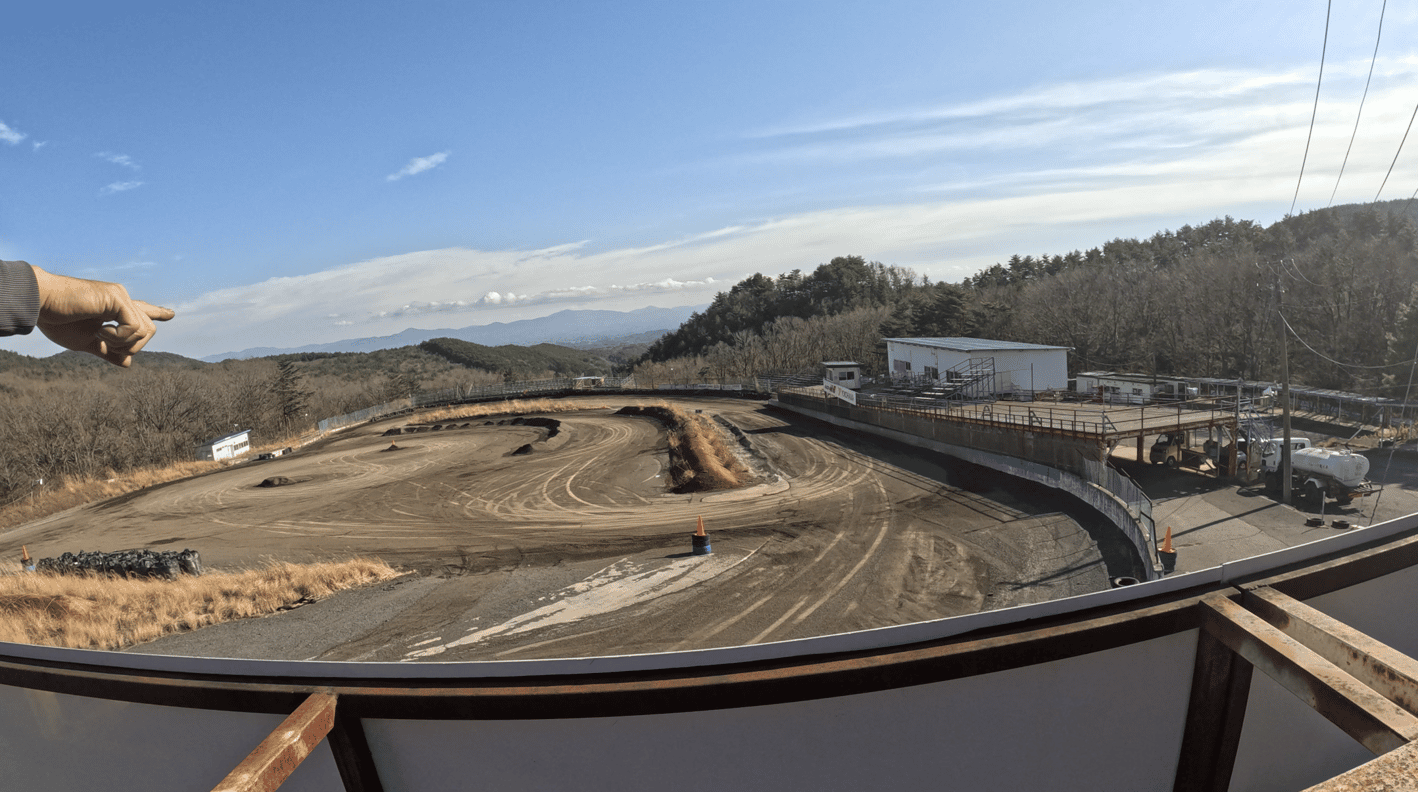
Find where real drift racing happens near Tokyo, from D1 rounds to circuit events.
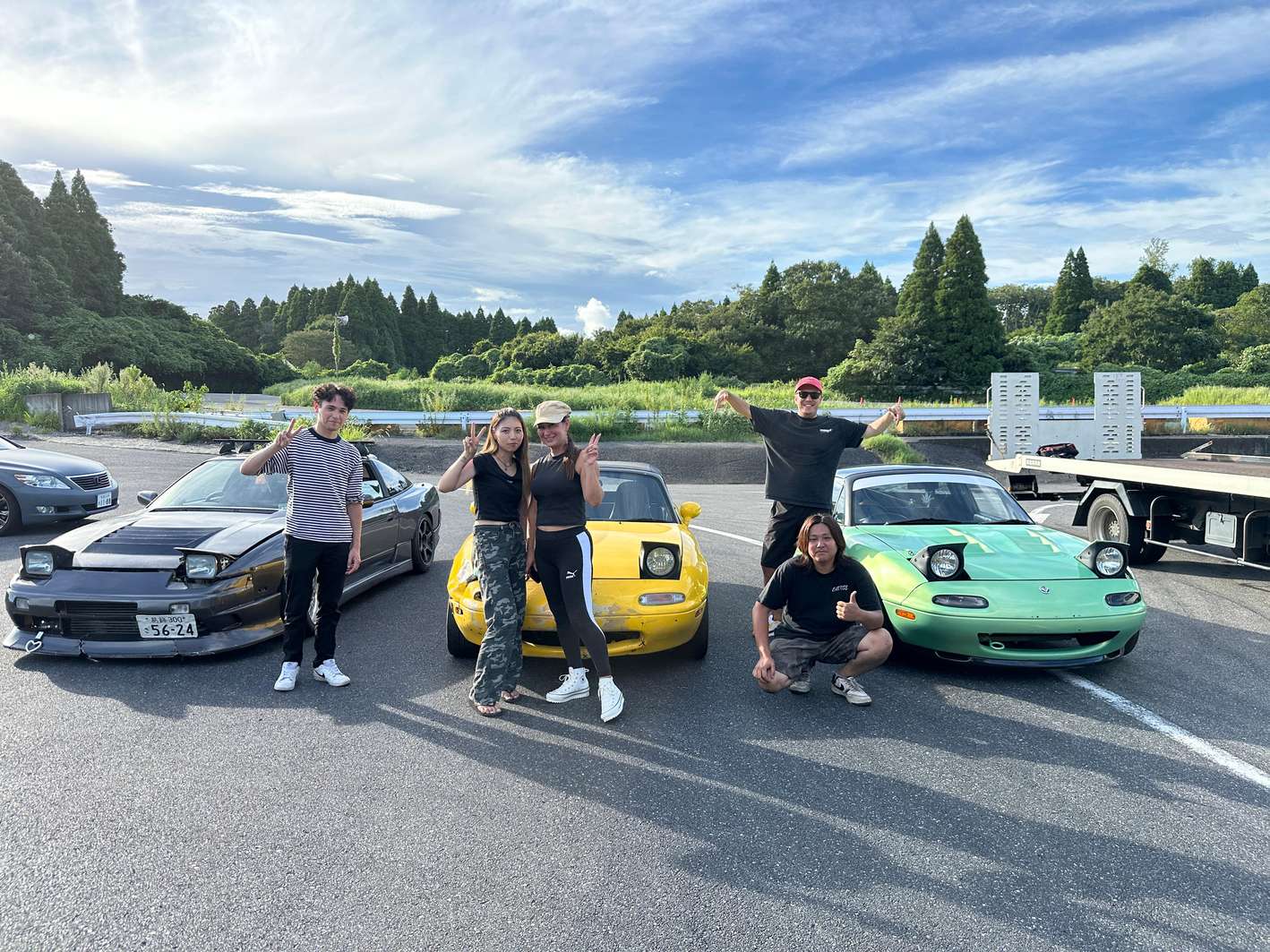
See how a pro drift lesson works, from helmets and gloves to donuts and figure eights.
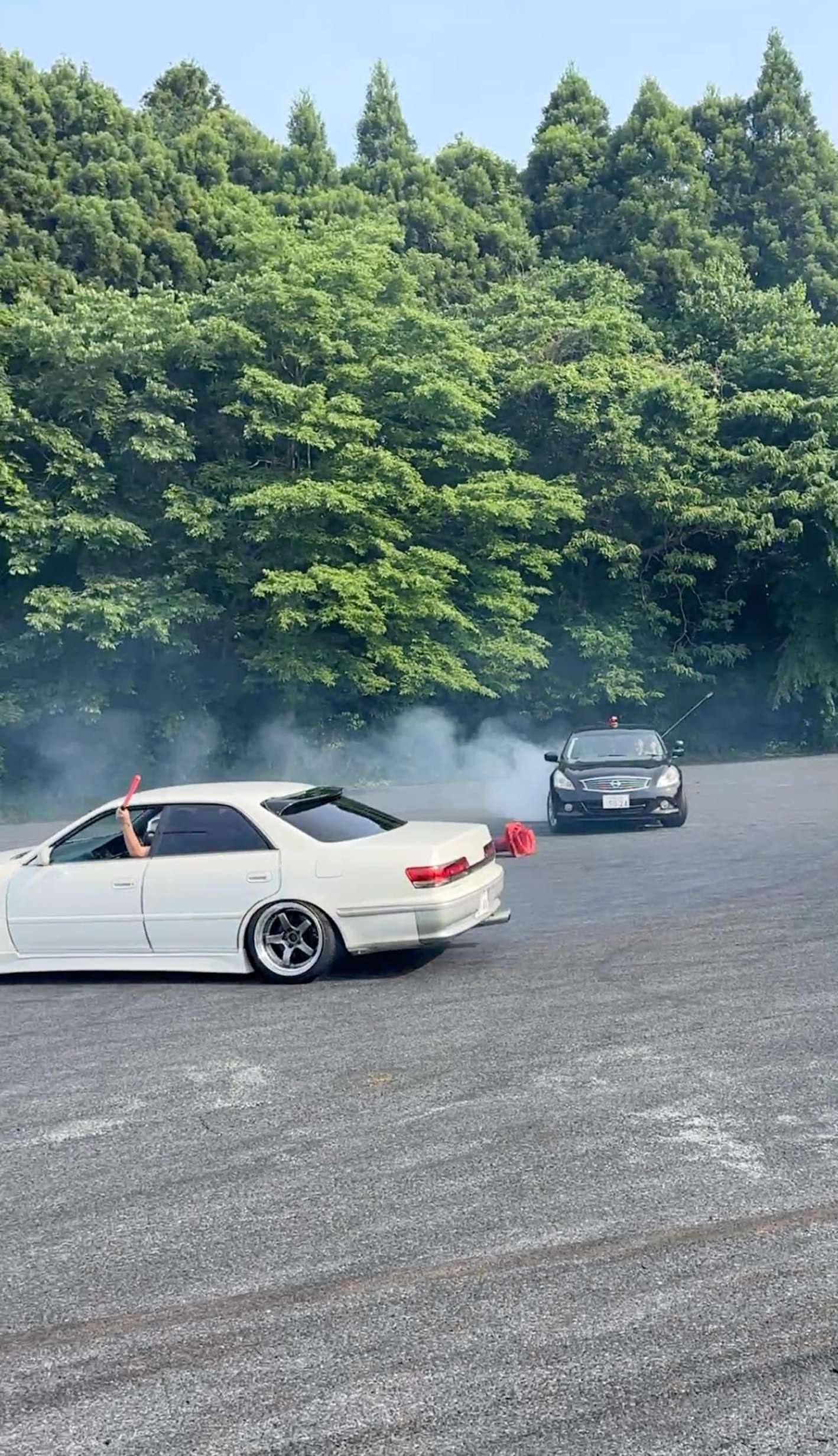
Move from watching drifting to driving it yourself on a guided track experience.
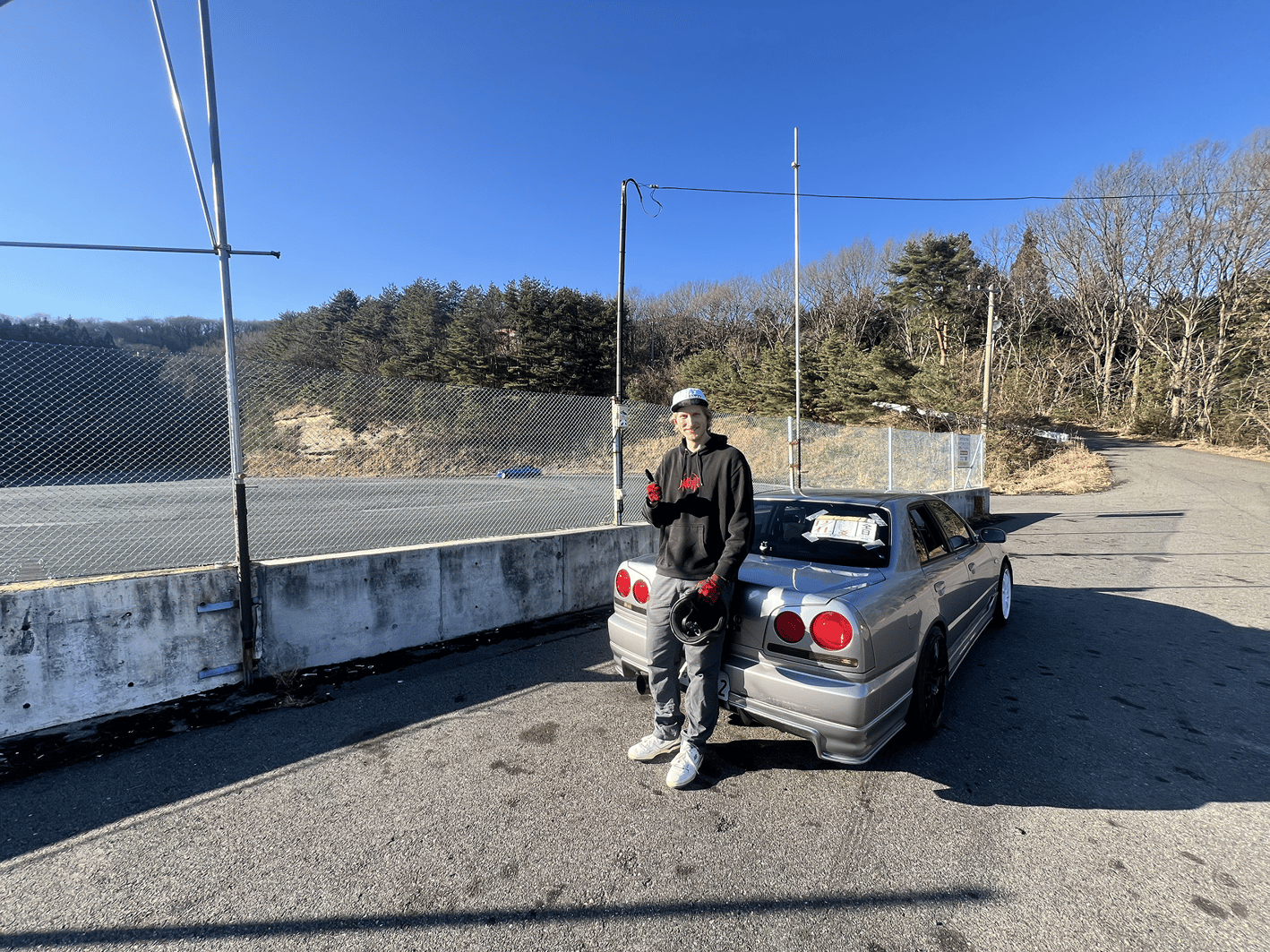
Compare guided drift rides and track experiences and choose the one that suits you.
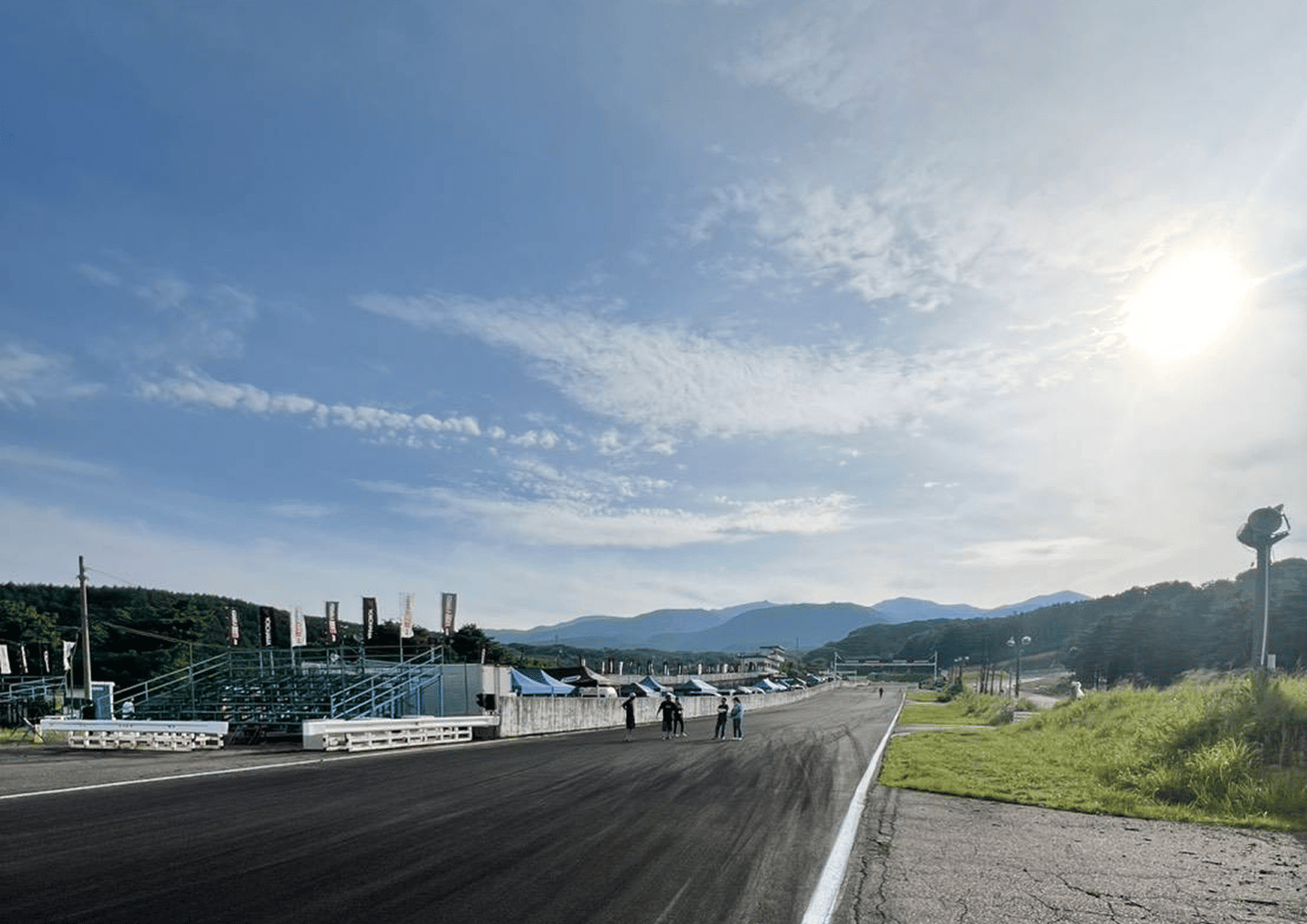
Plan the full day trip from Tokyo to the Ebisu Circuit for a real drift session.
Compare the JDM tour types on offer and match one to how you like to see car culture.
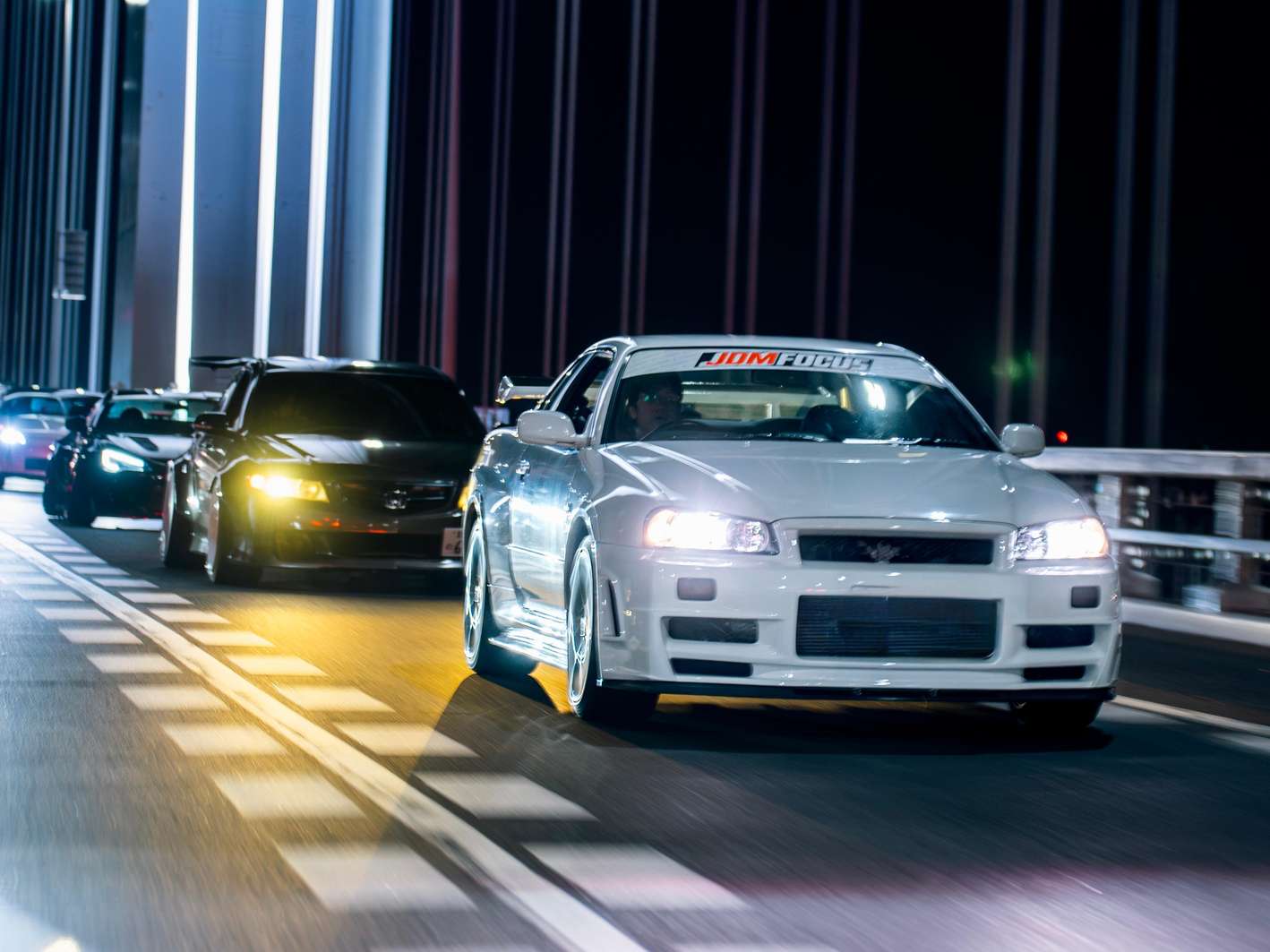
Book a night tour that takes you into the Daikoku meet with a local driver.
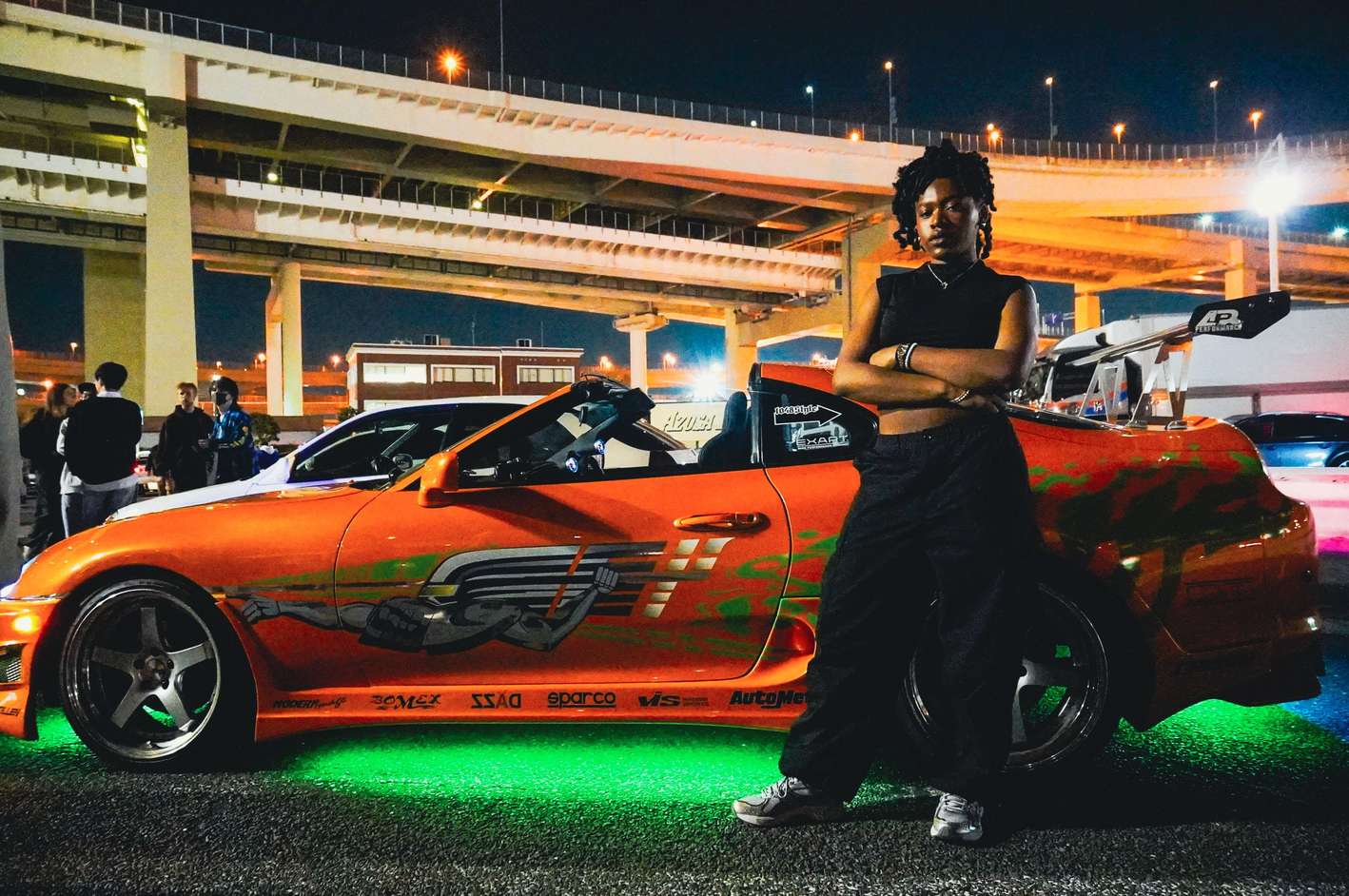
See what the Daikoku night-drive options include, from Tokyo Tower to Rainbow Bridge.
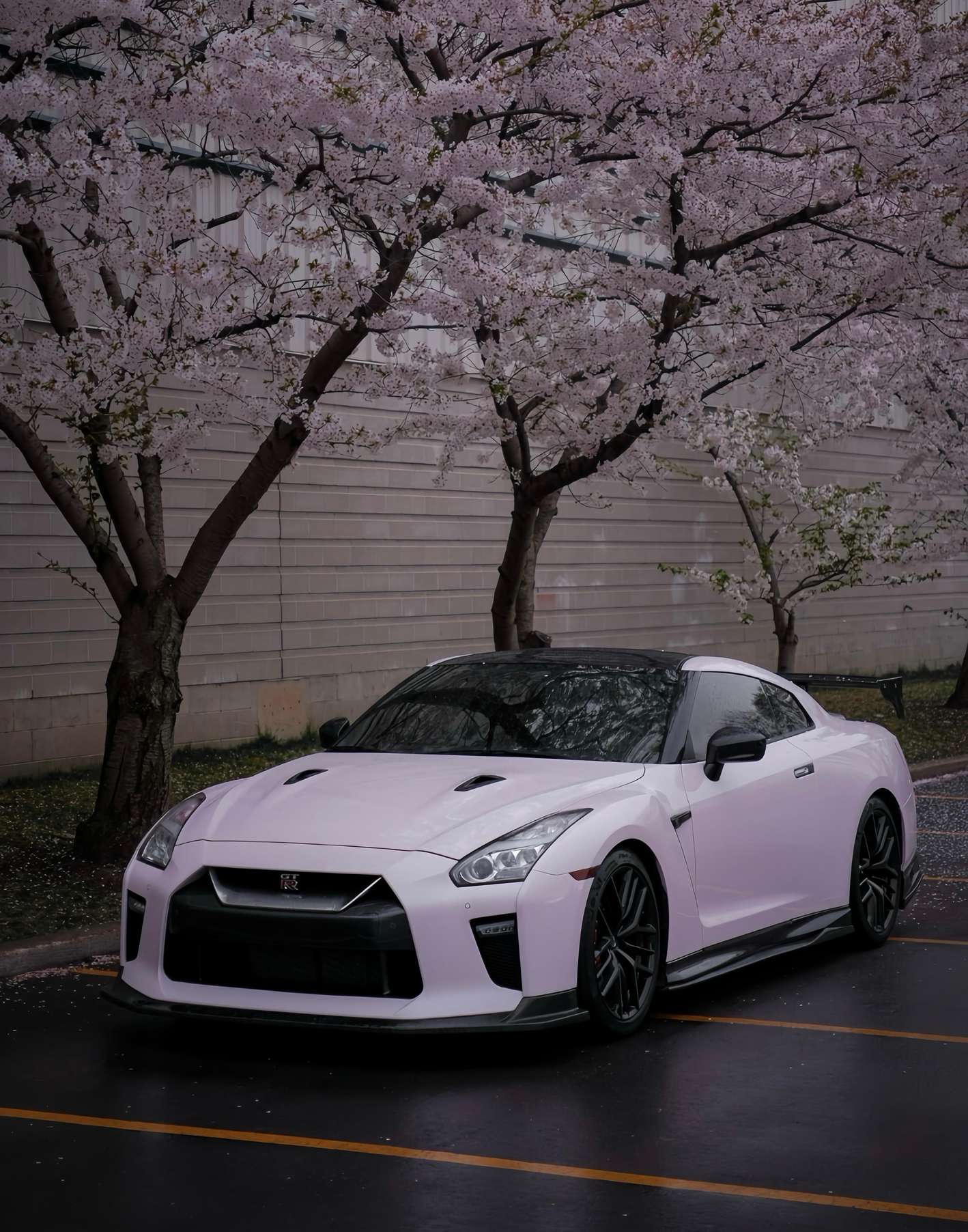
Find guided rides that include the Wangan and Bayshore Route cruise.
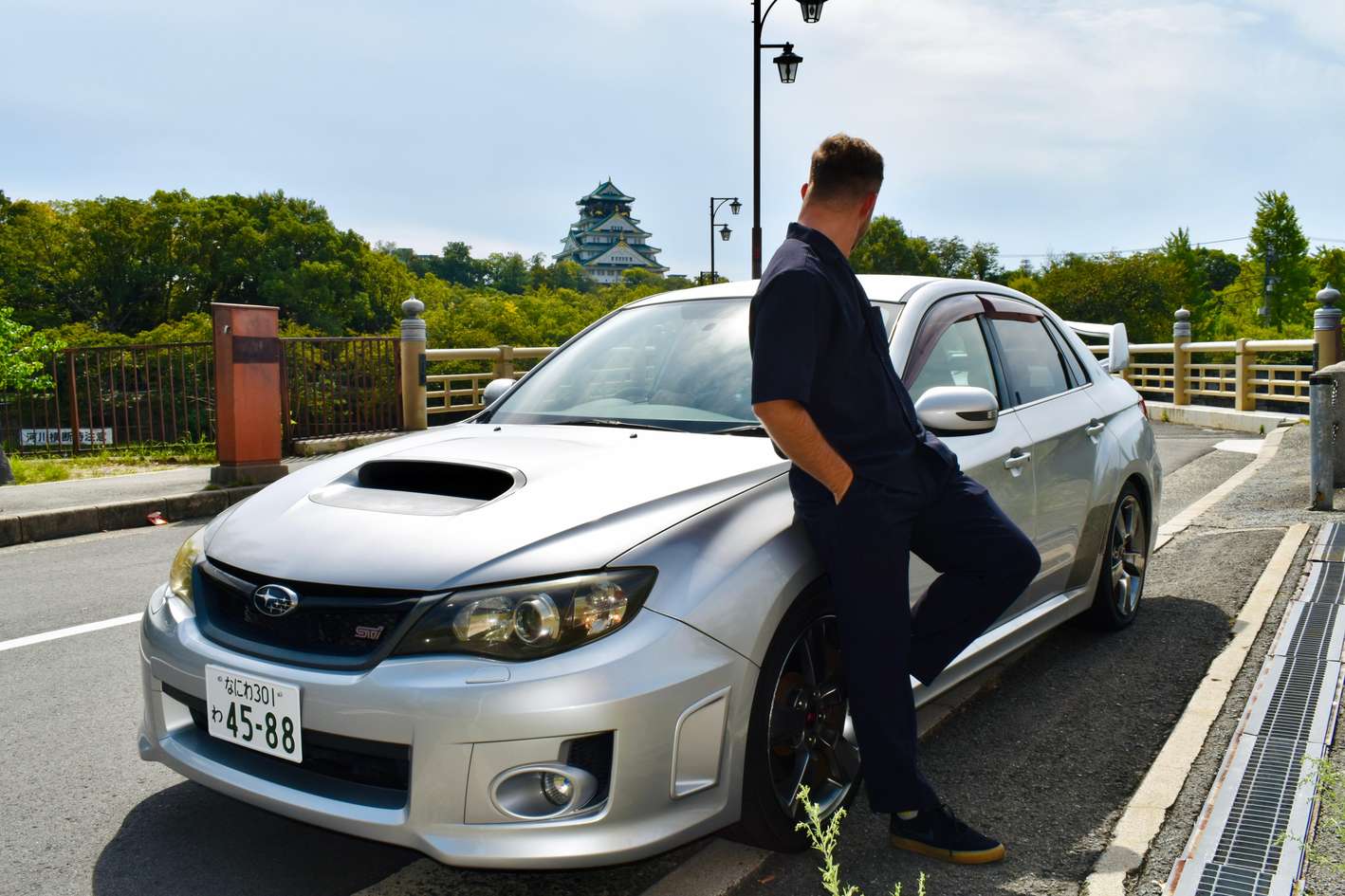
Compare guided JDM driving trips, including the ones you can drive yourself.
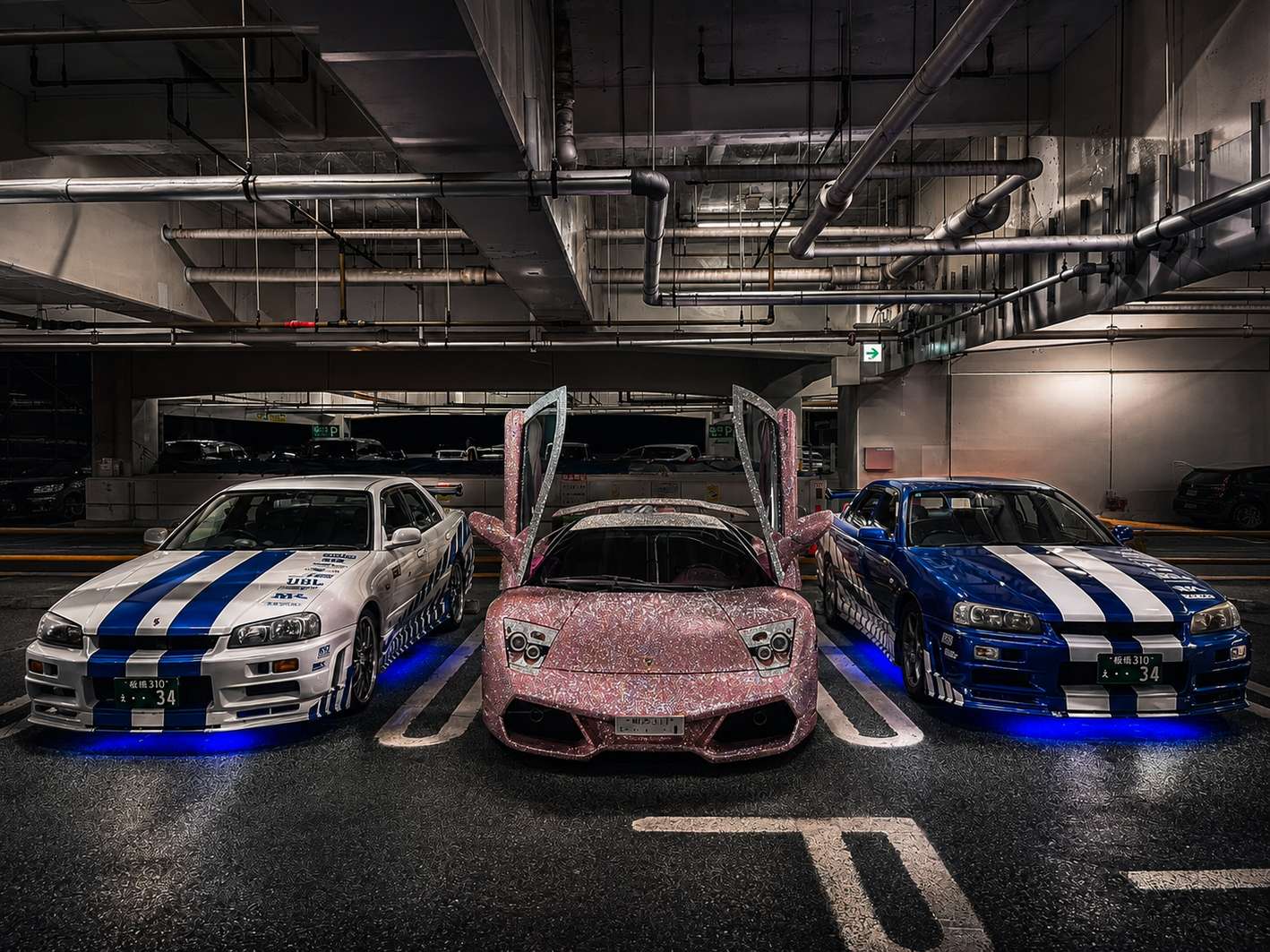
Book a private JDM trip to Daikoku PA without sharing a car with strangers.
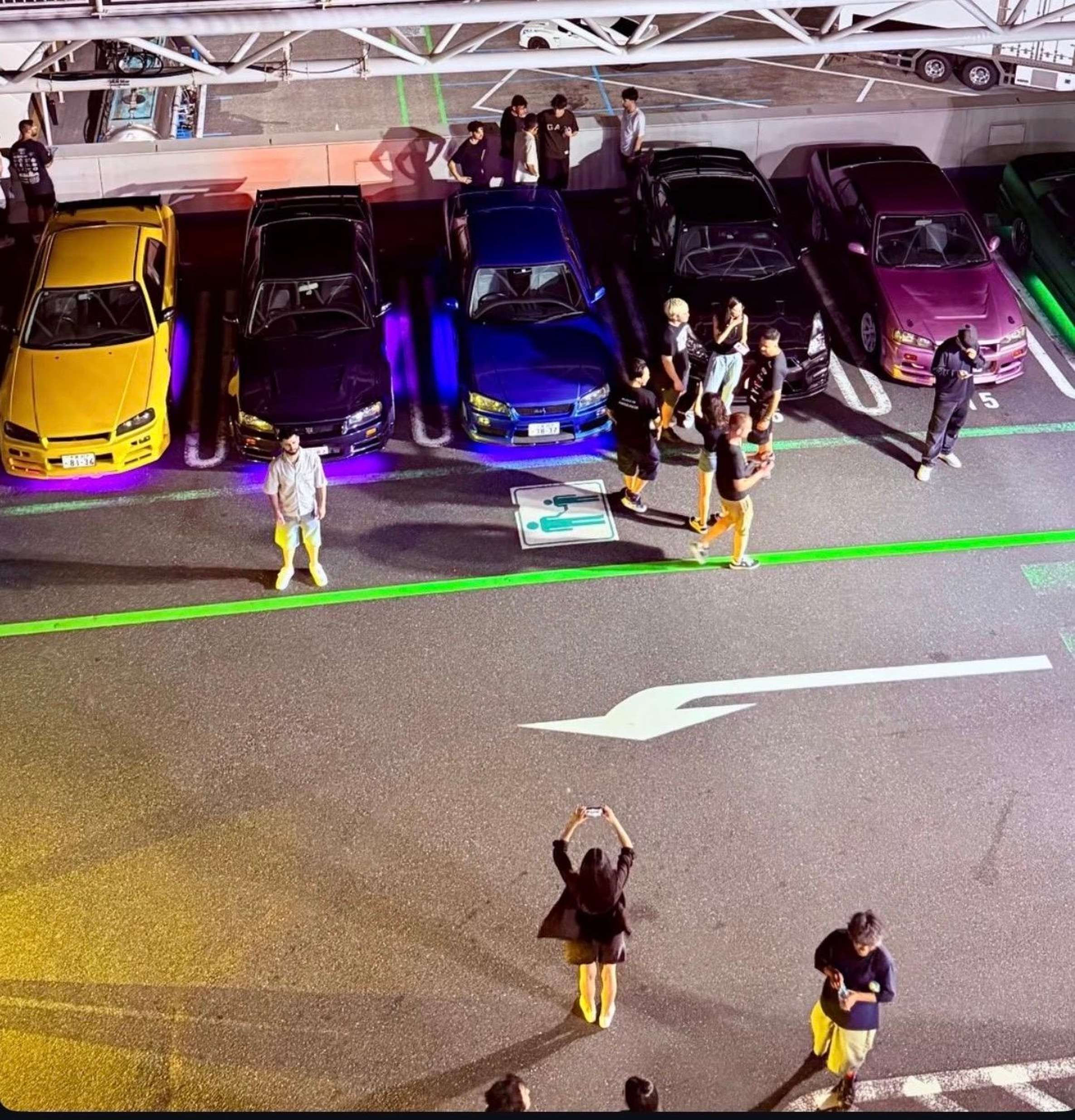
Ride Tokyo's Wangan and C1 Loop to the Daikoku car meet in a Chaser JZX100, with free cancellation up to 24 hours ahead.