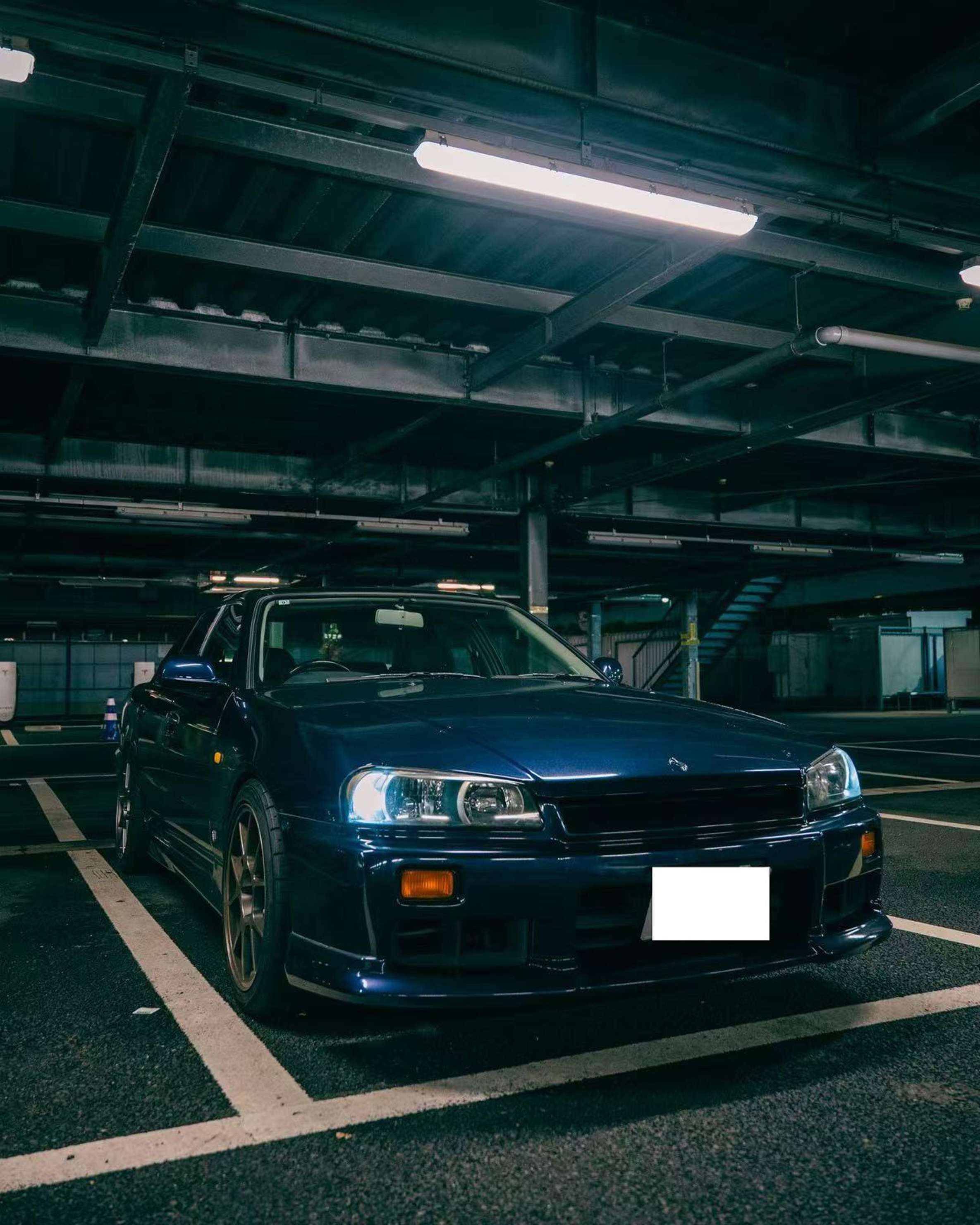
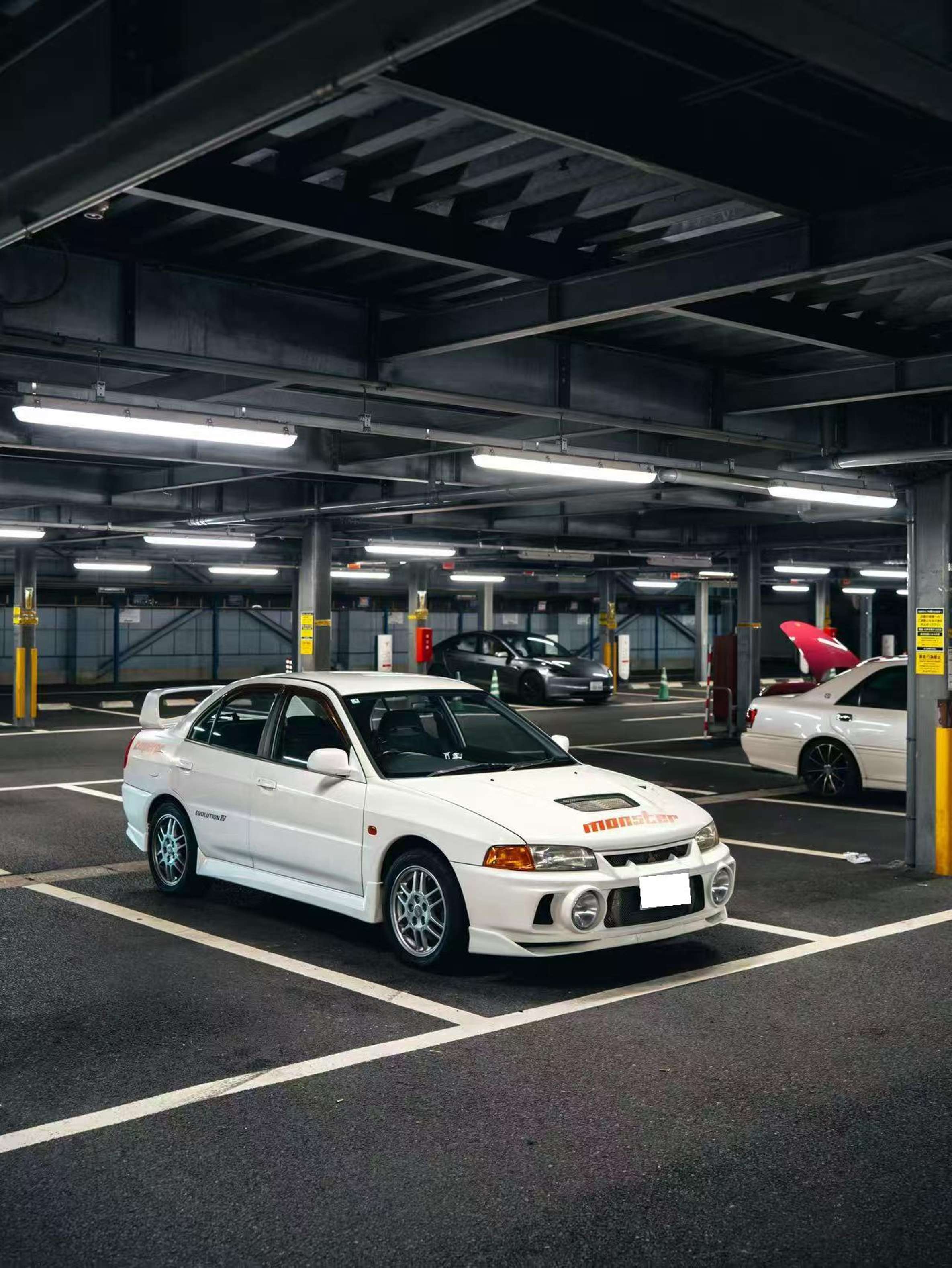
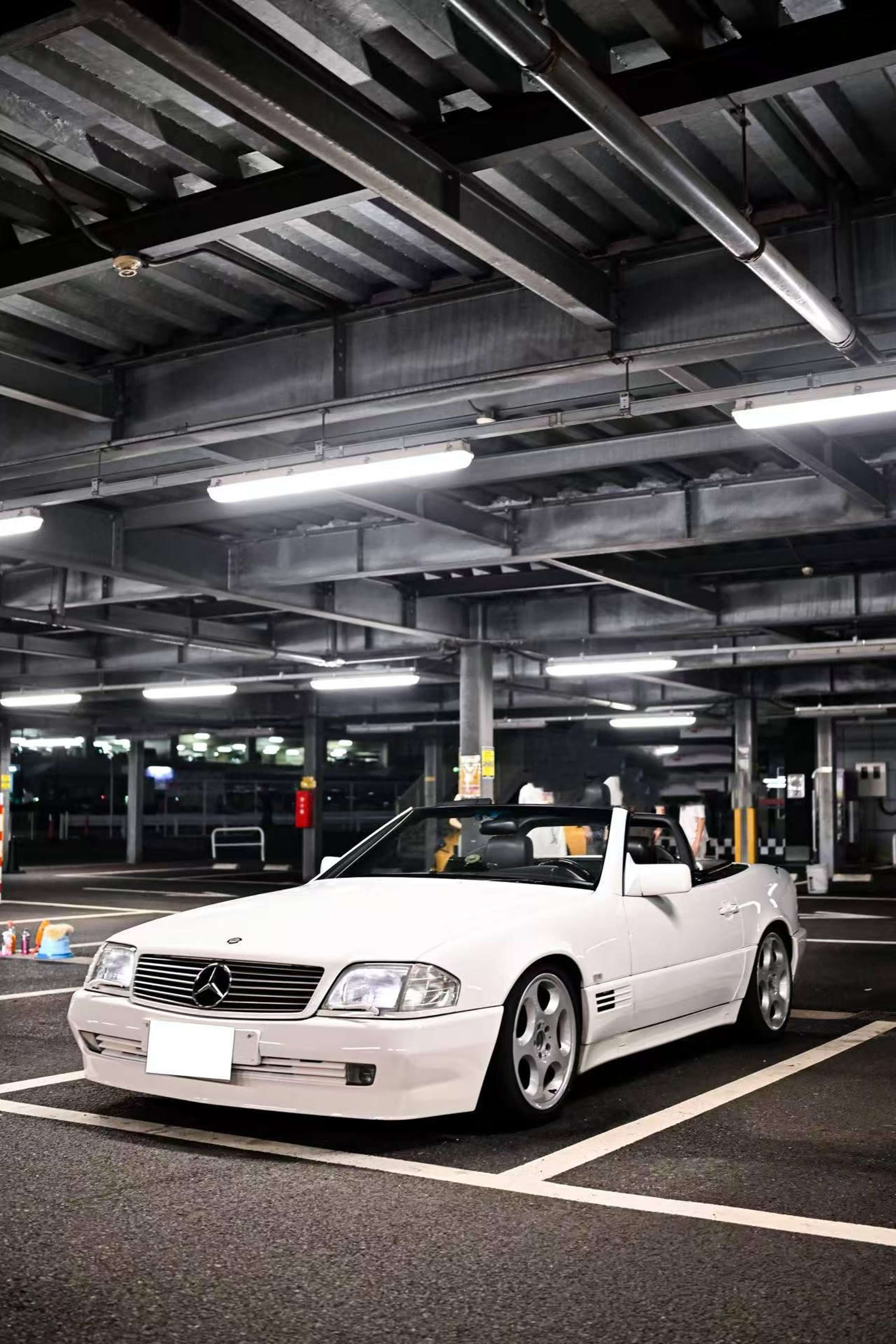
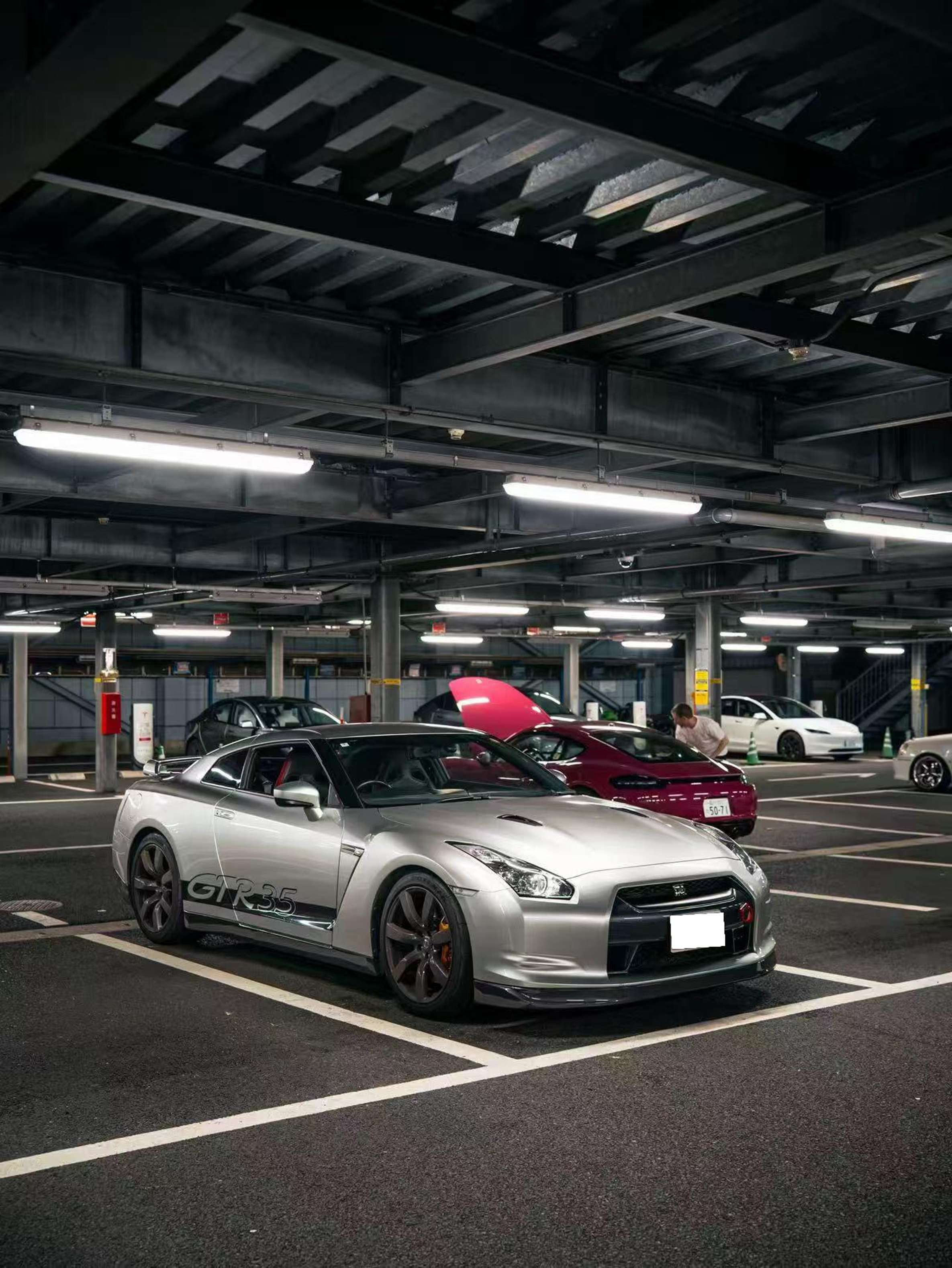
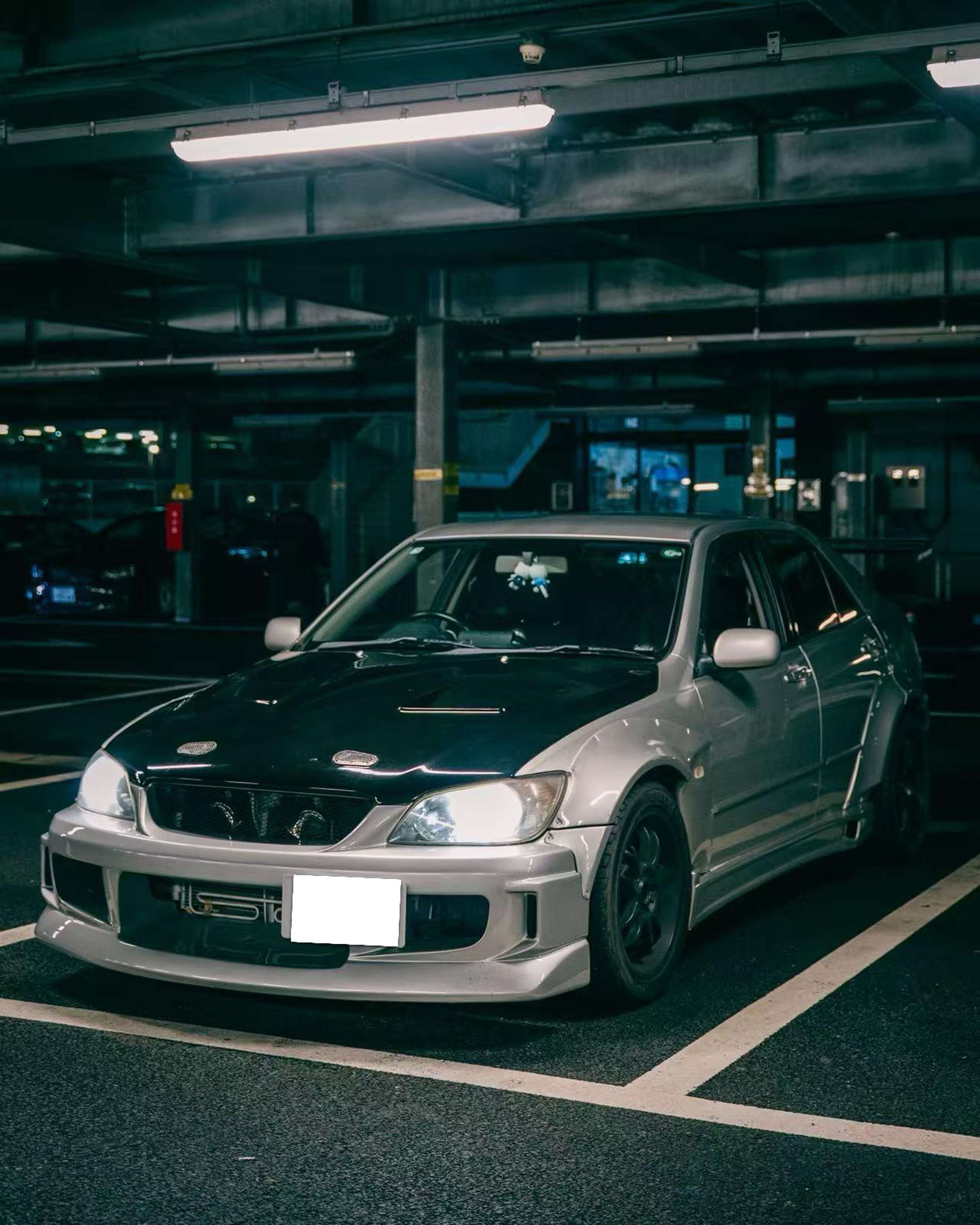
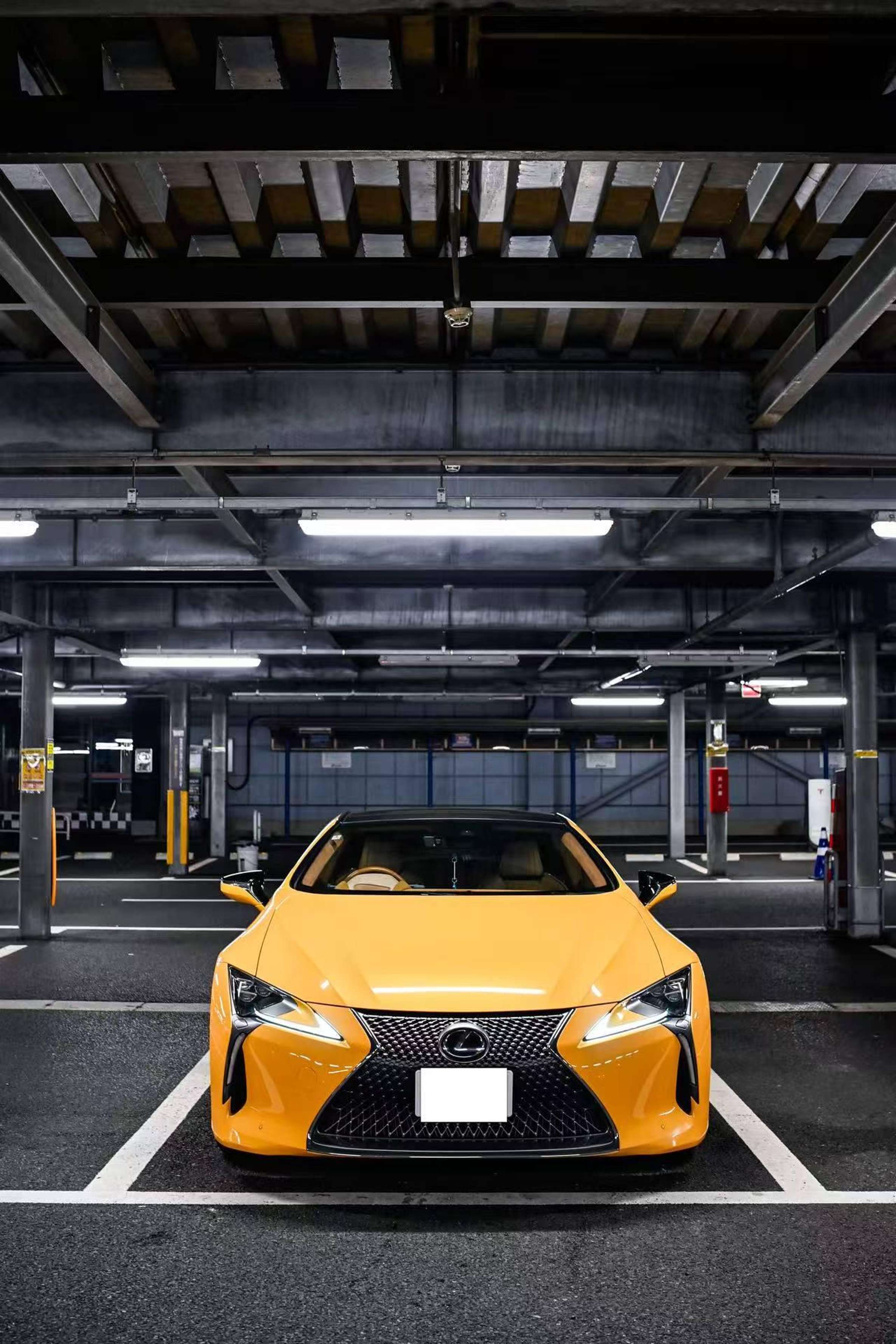
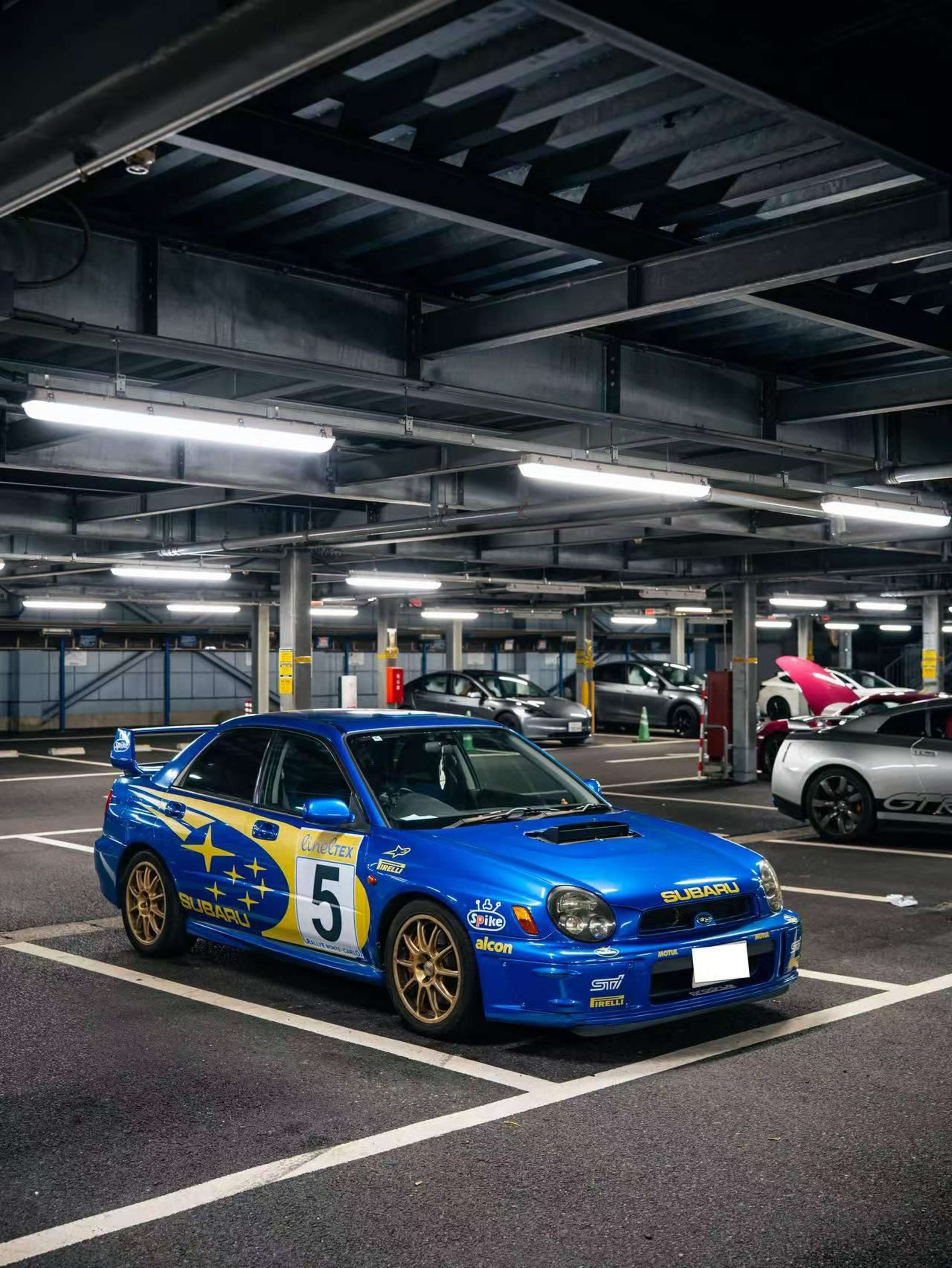
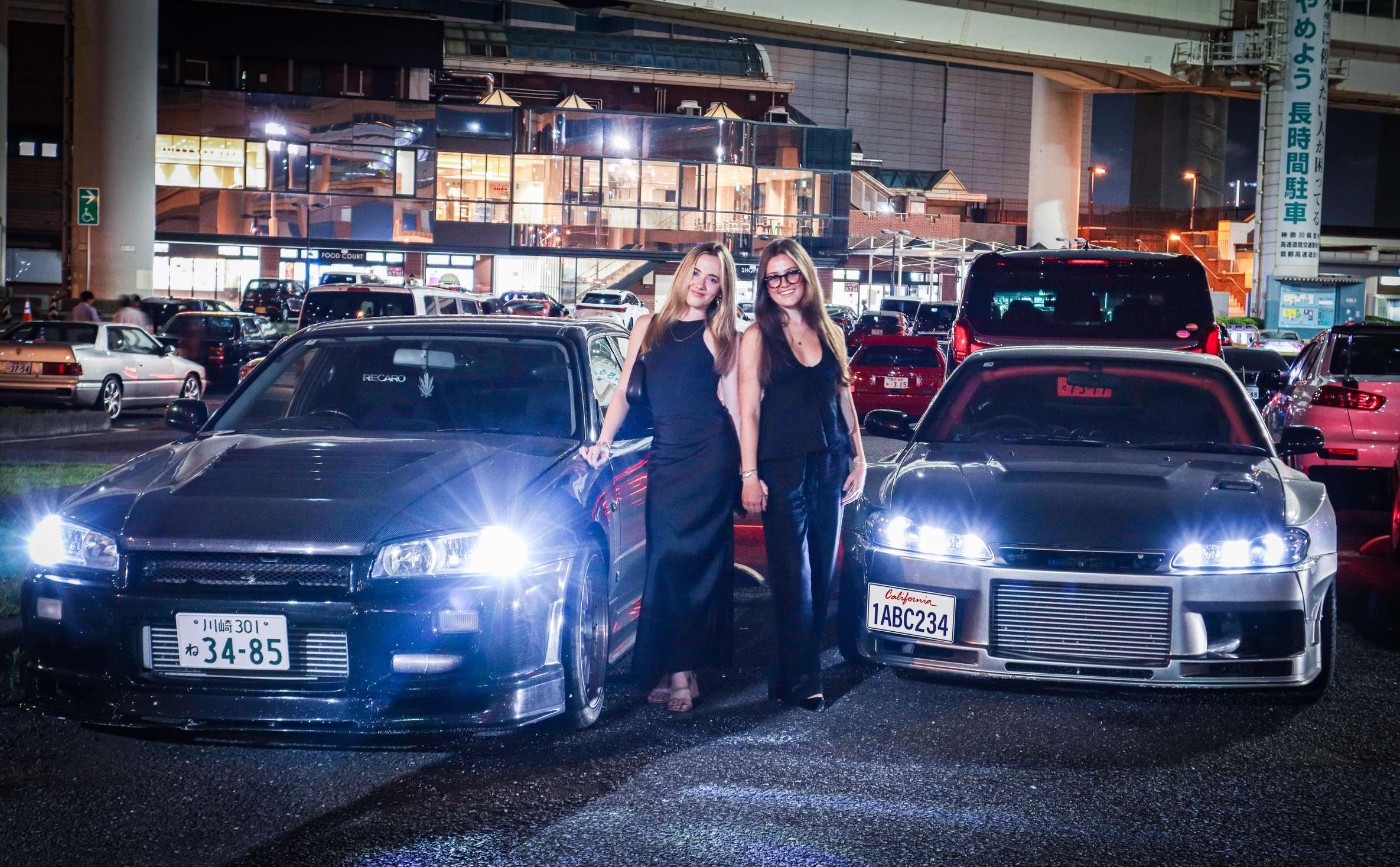
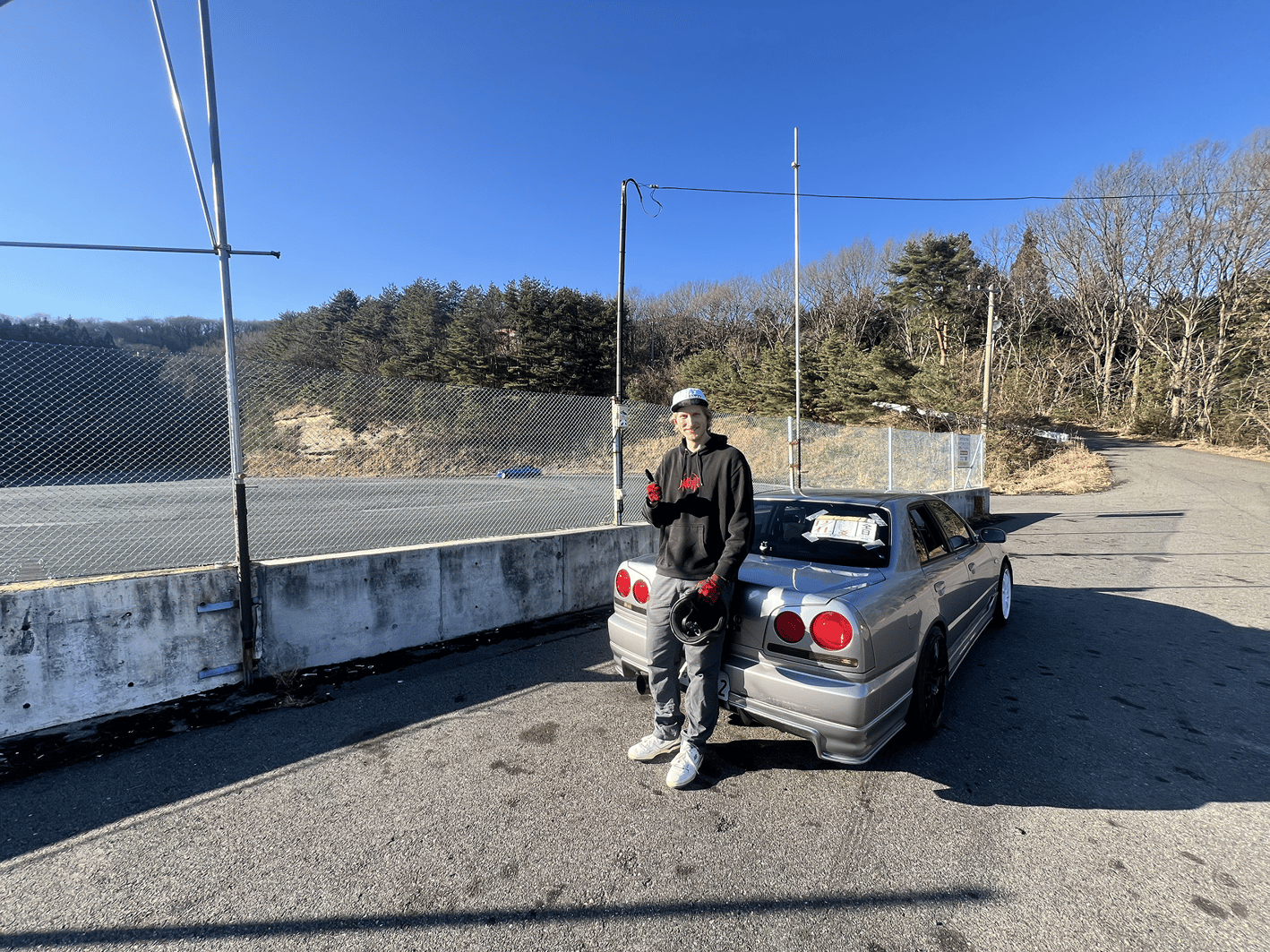
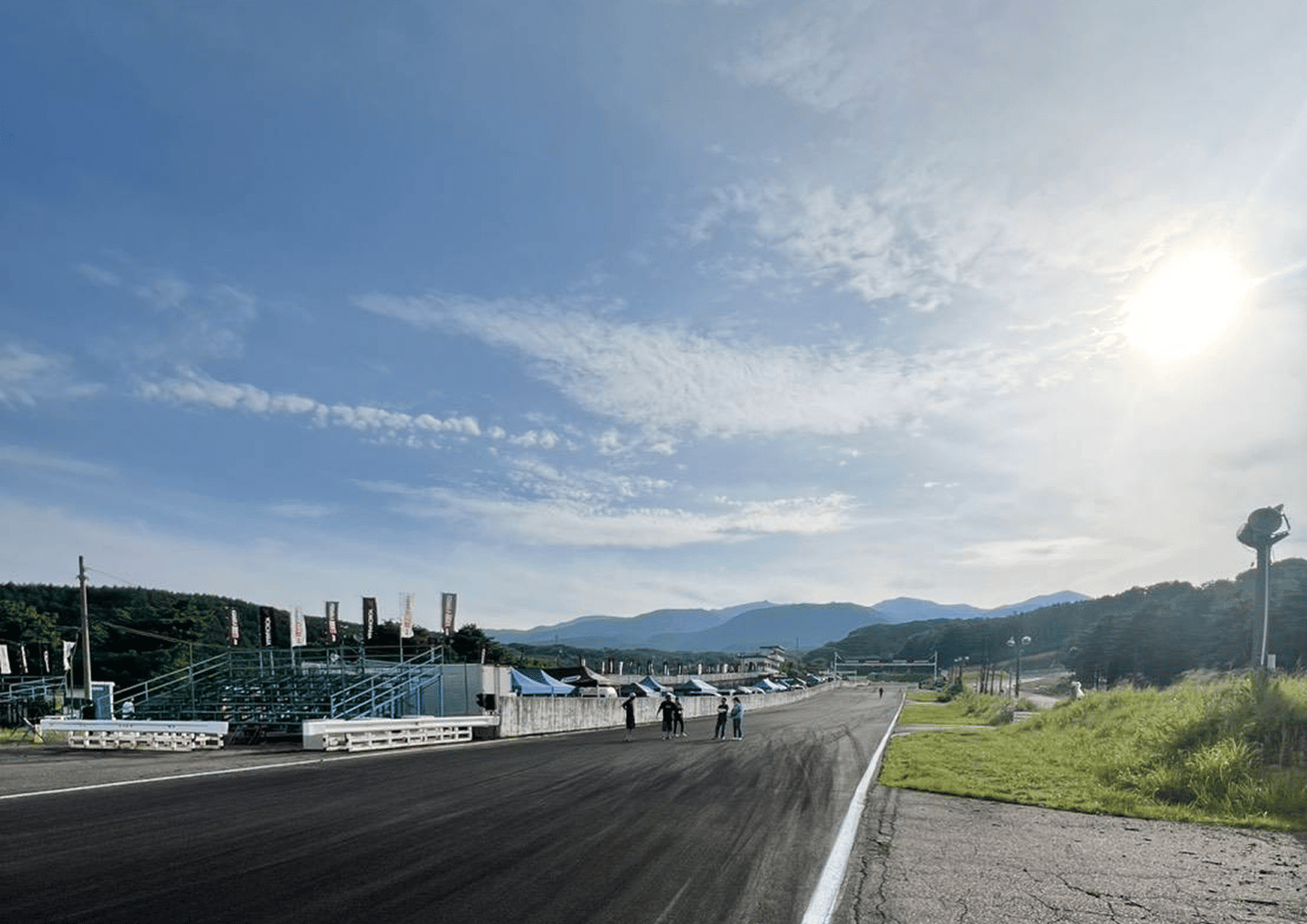
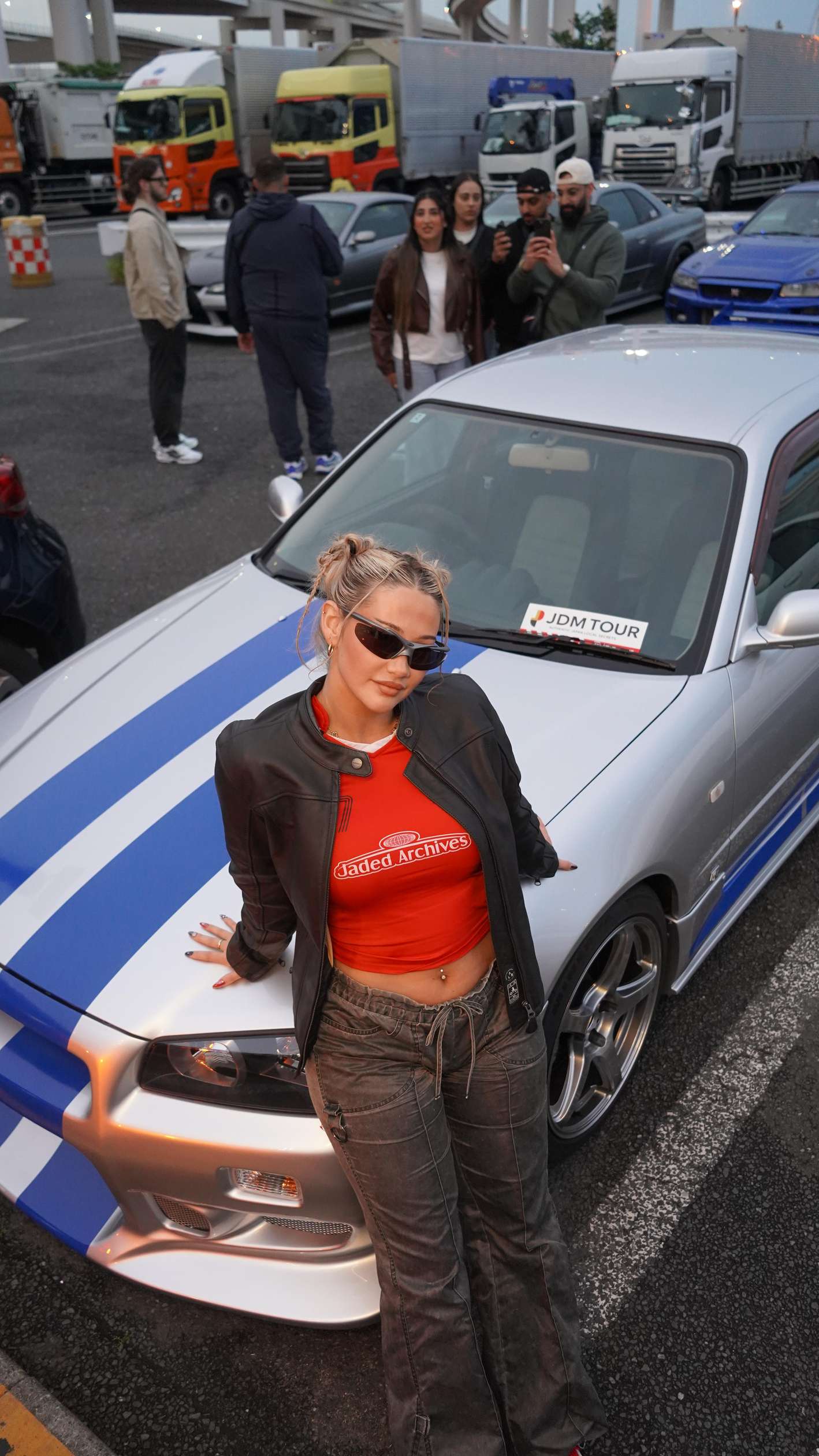
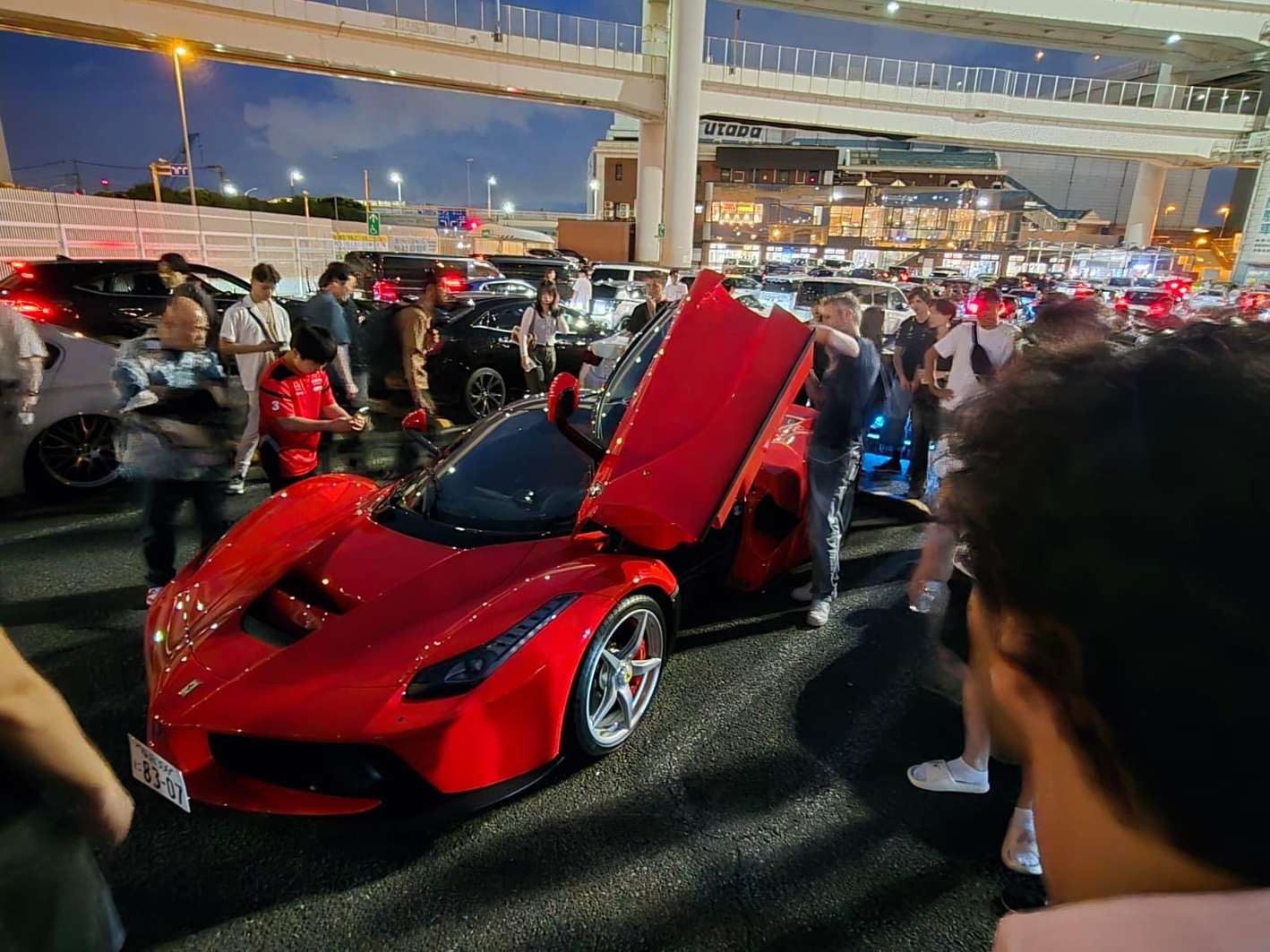
4.92,815 riders rolled into Daikoku under the ramps
JDM Car Meet Tour in Tokyo - Join the Nighttime Scene
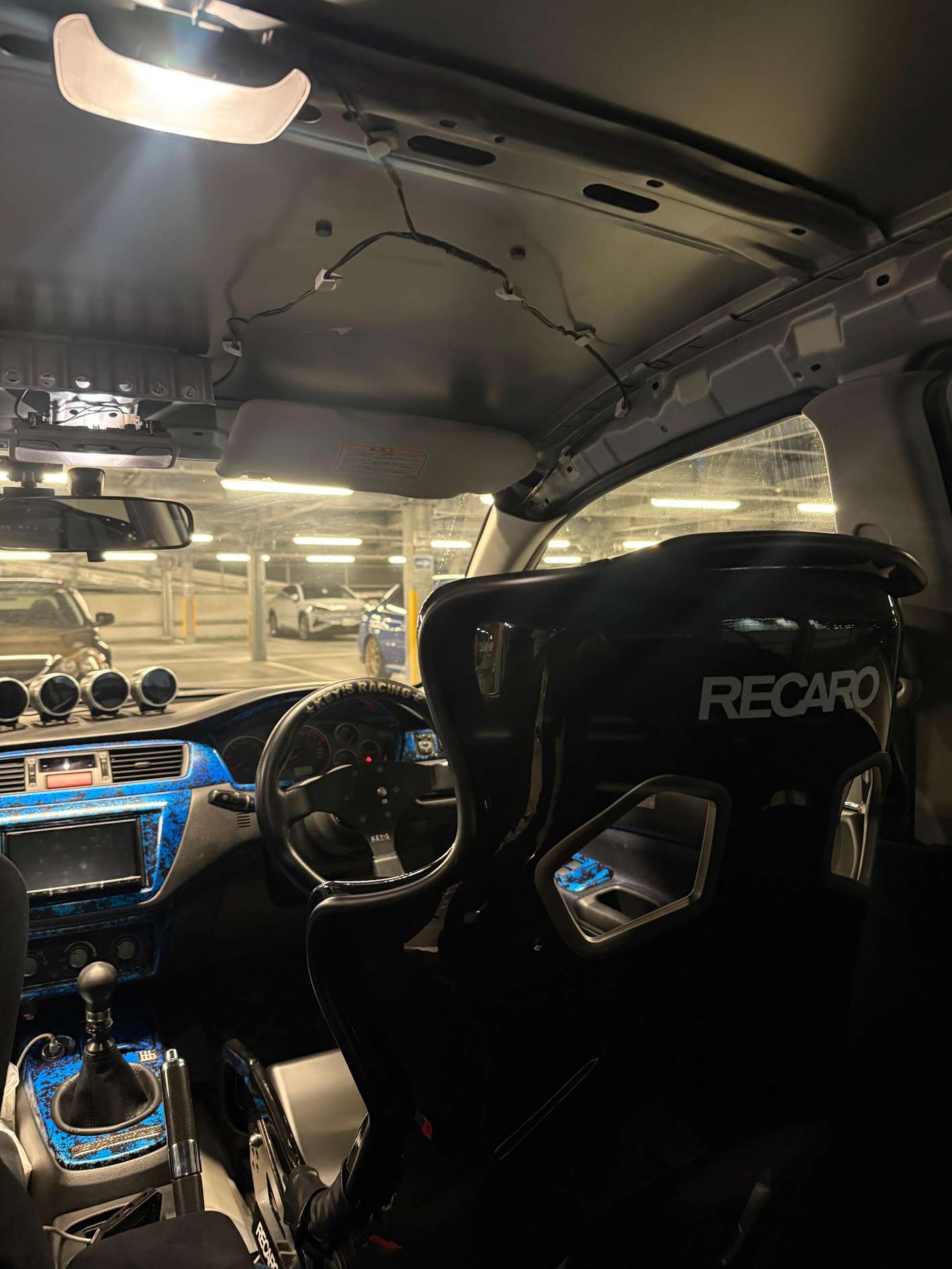
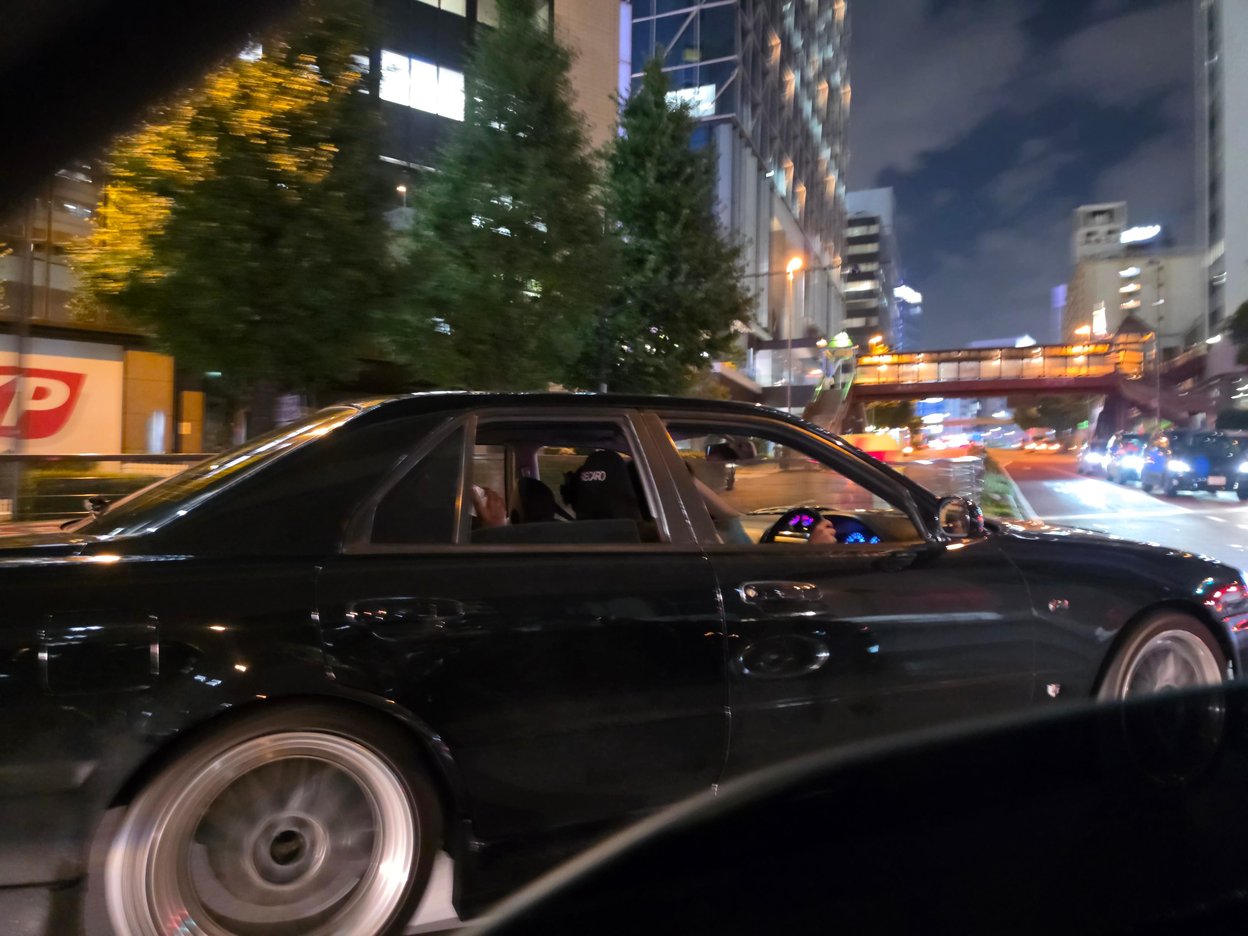
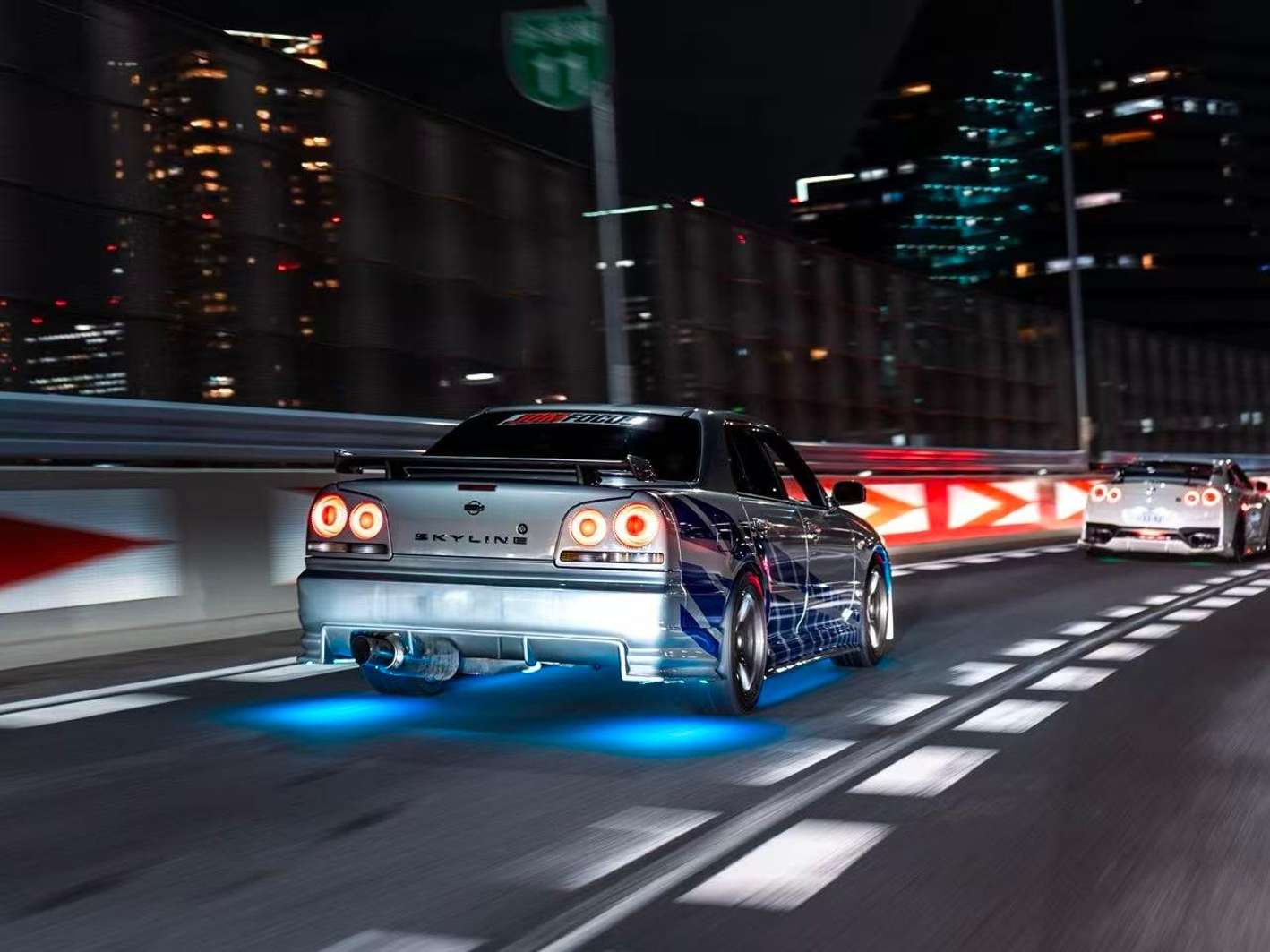
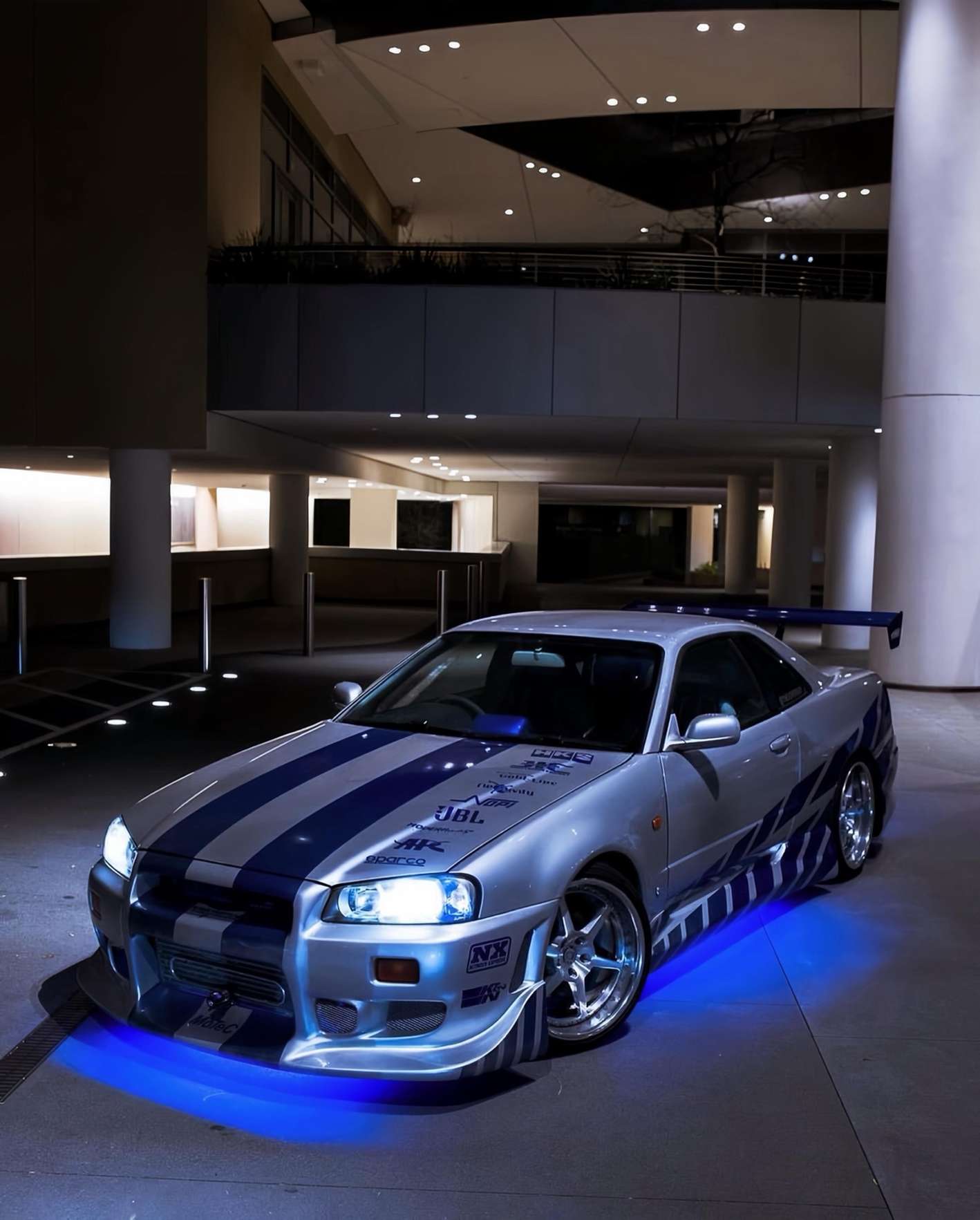
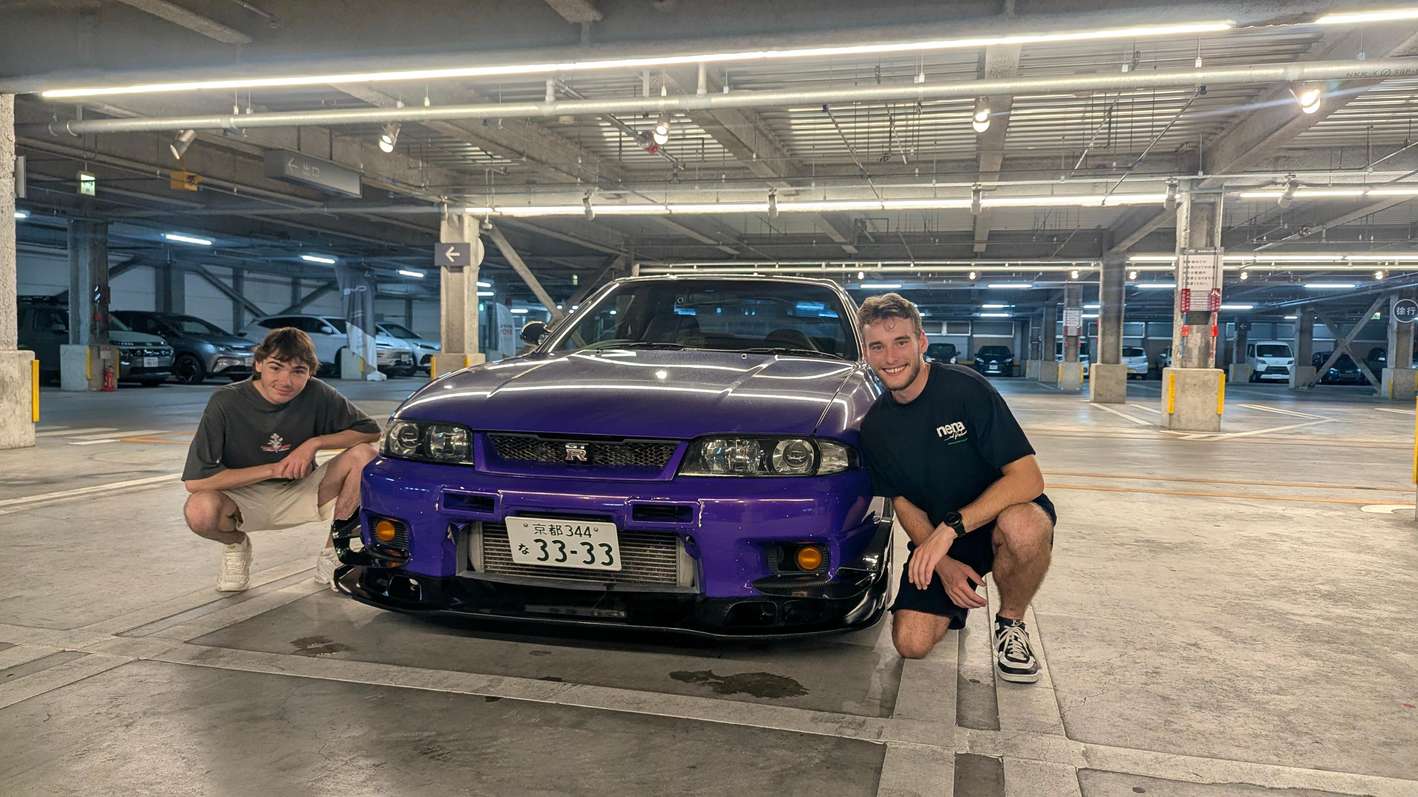
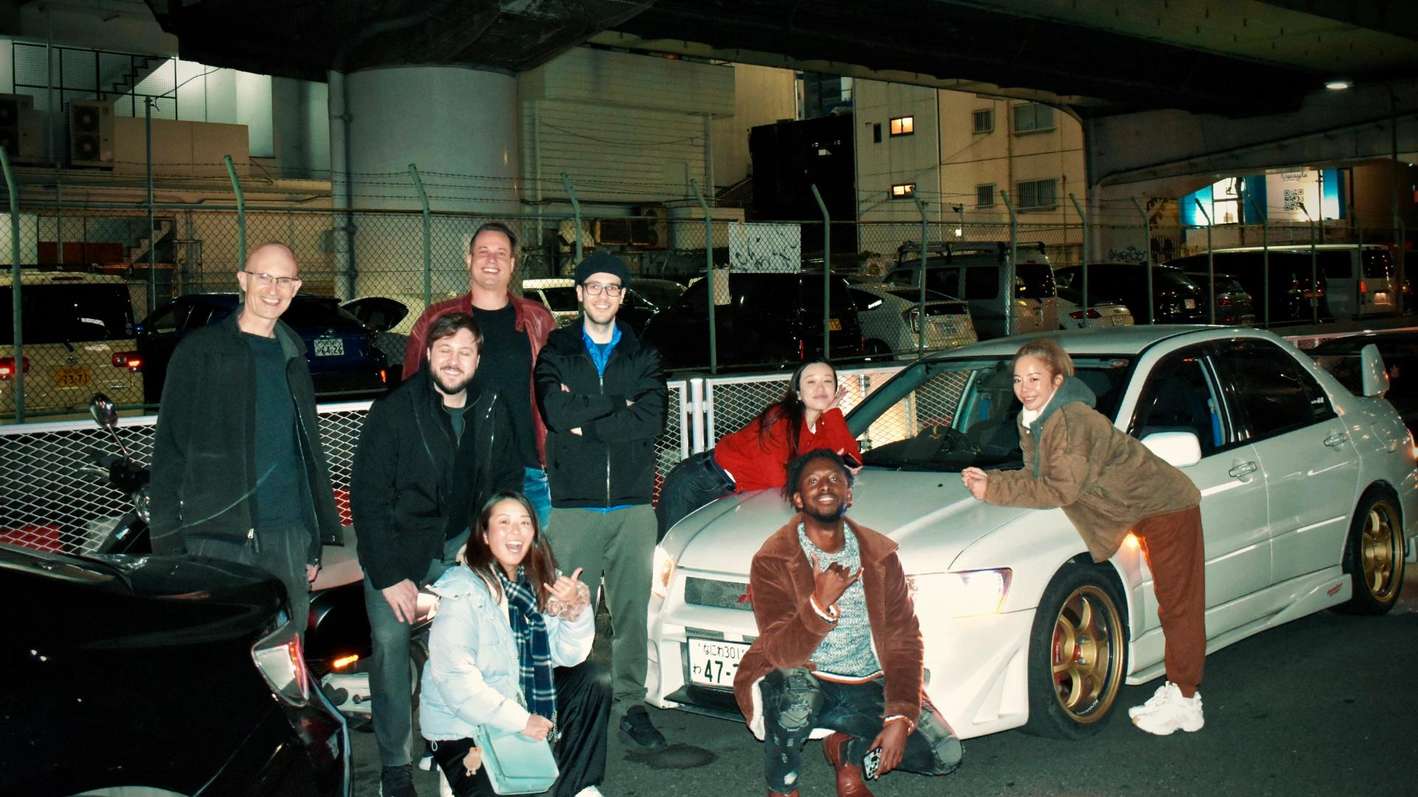
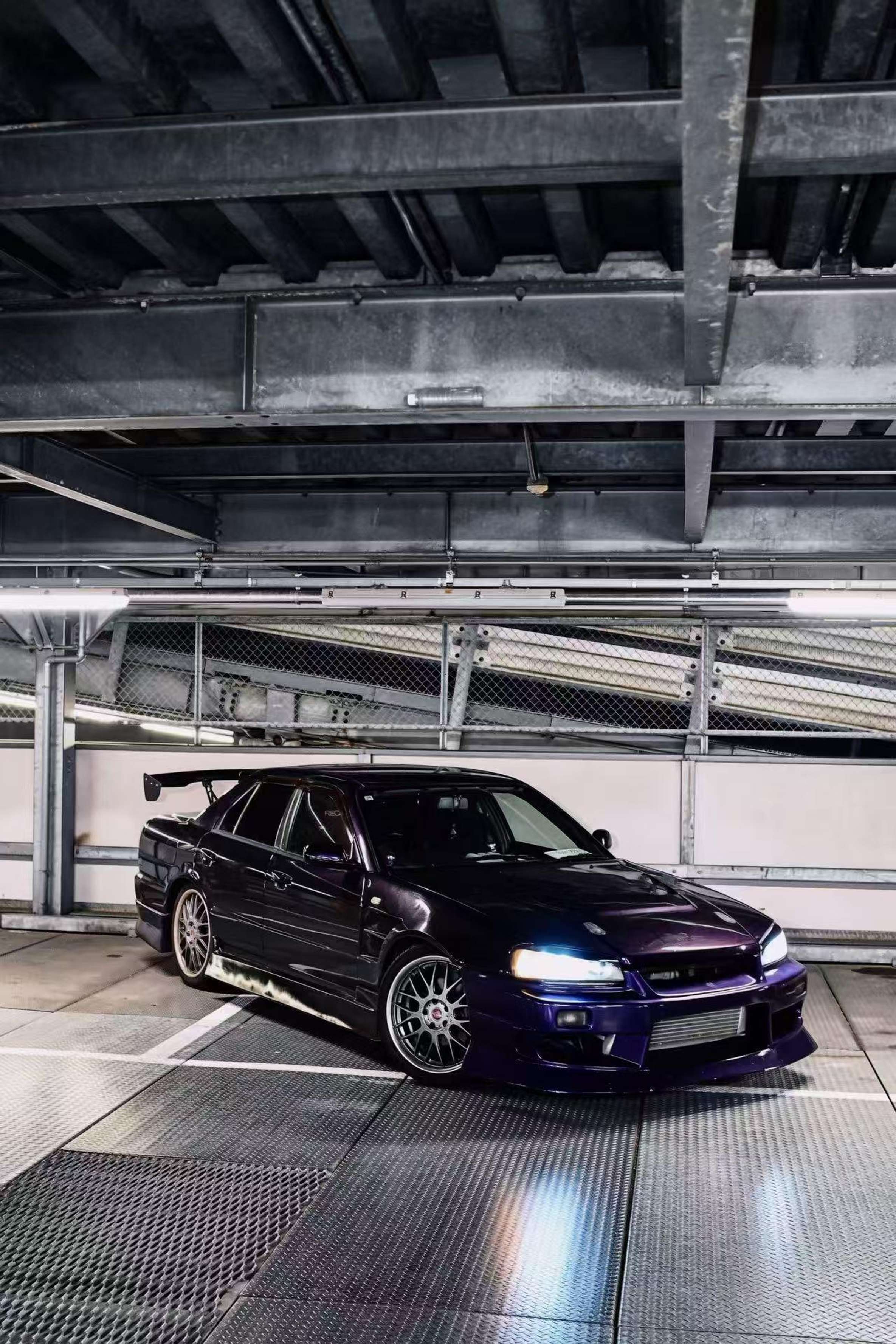
See Daikoku PA the way locals do - from the passenger seat of a tuned Skyline, Evo or Supra, rolling down the Wangan Route after dark. English-speaking enthusiast guides, expressway tolls covered, and a night car meet that has drawn crowds for over three decades. Pick your night and ride.
4.9★average rating2,815traveler reviews100%free cancellation51countries travelers came from
Choosing your JDM Car Meet tour in Tokyo
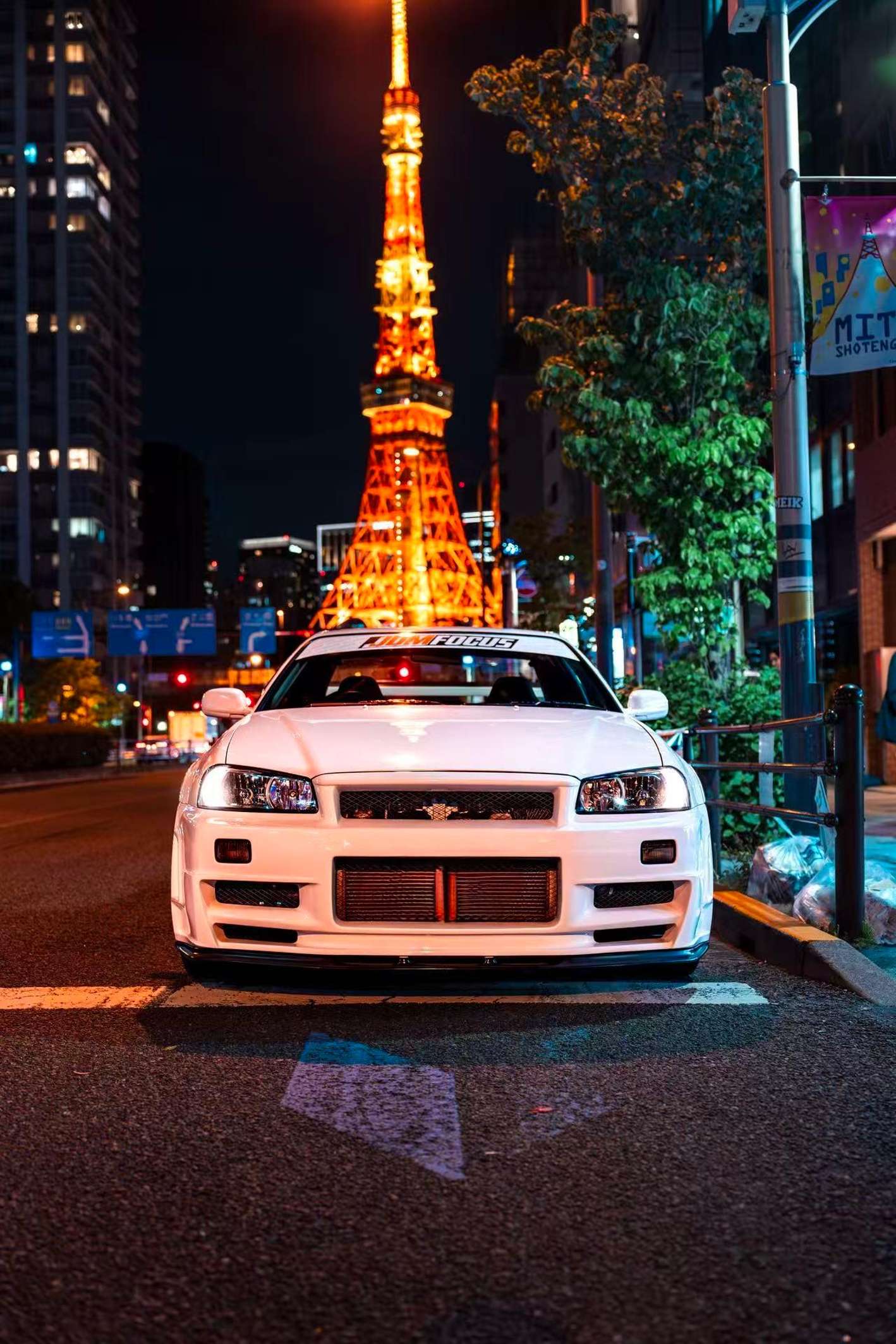
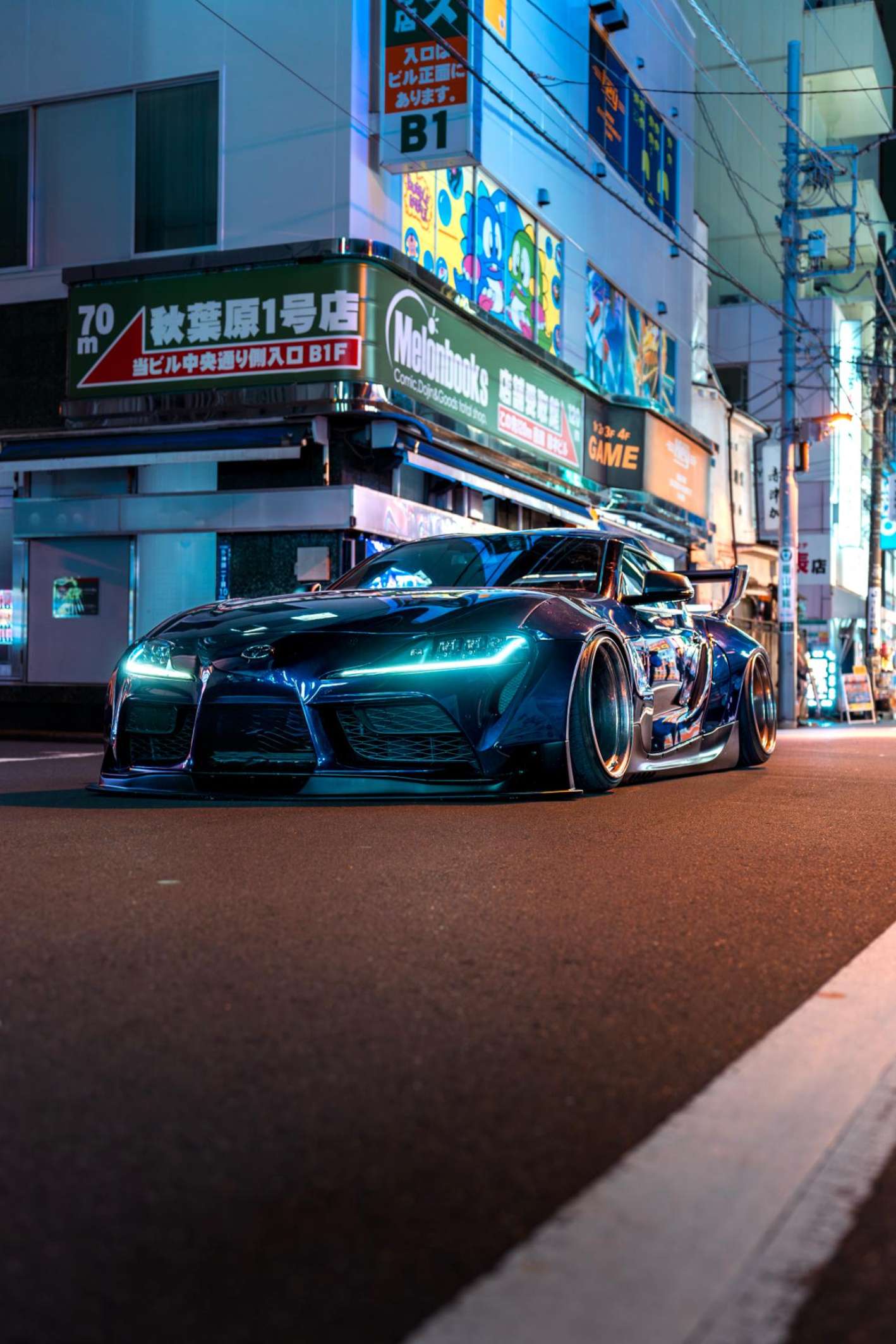
Every experience here ends at the same place: a Tokyo Bay parking area at night, surrounded by tuned Skylines, Supras and Evos. What separates them is your seat. Some put you in the passenger seat of a modified JDM car, a few let you drive yourself, and one takes a full day at a drift circuit.
DocumentsYou ride as a passenger on these tours, so no driving licence is needed; only the self-drive and drift options ask for an International Driving Permit.
ClosuresPolice can close Daikoku PA on the night without notice, most often on Friday and Saturday evenings from around 8:30 pm, and tours then divert to a fallback like Umihotaru PA.
RefundsIf Daikoku PA is closed and you decline the alternative location, one tour offers a full refund; accepting the fallback lot is the usual way the night continues.
BookingTours sell out, so sort your ride before you land in Tokyo; turning up on the night hoping for a seat is a gamble.
TimingMost runs are evening or night experiences of roughly three to four hours, so plan for a late return to your hotel.
MeetingAfter booking, reply to the operator's email within 48 hours and keep WhatsApp notifications on, since any change on the night arrives by message.
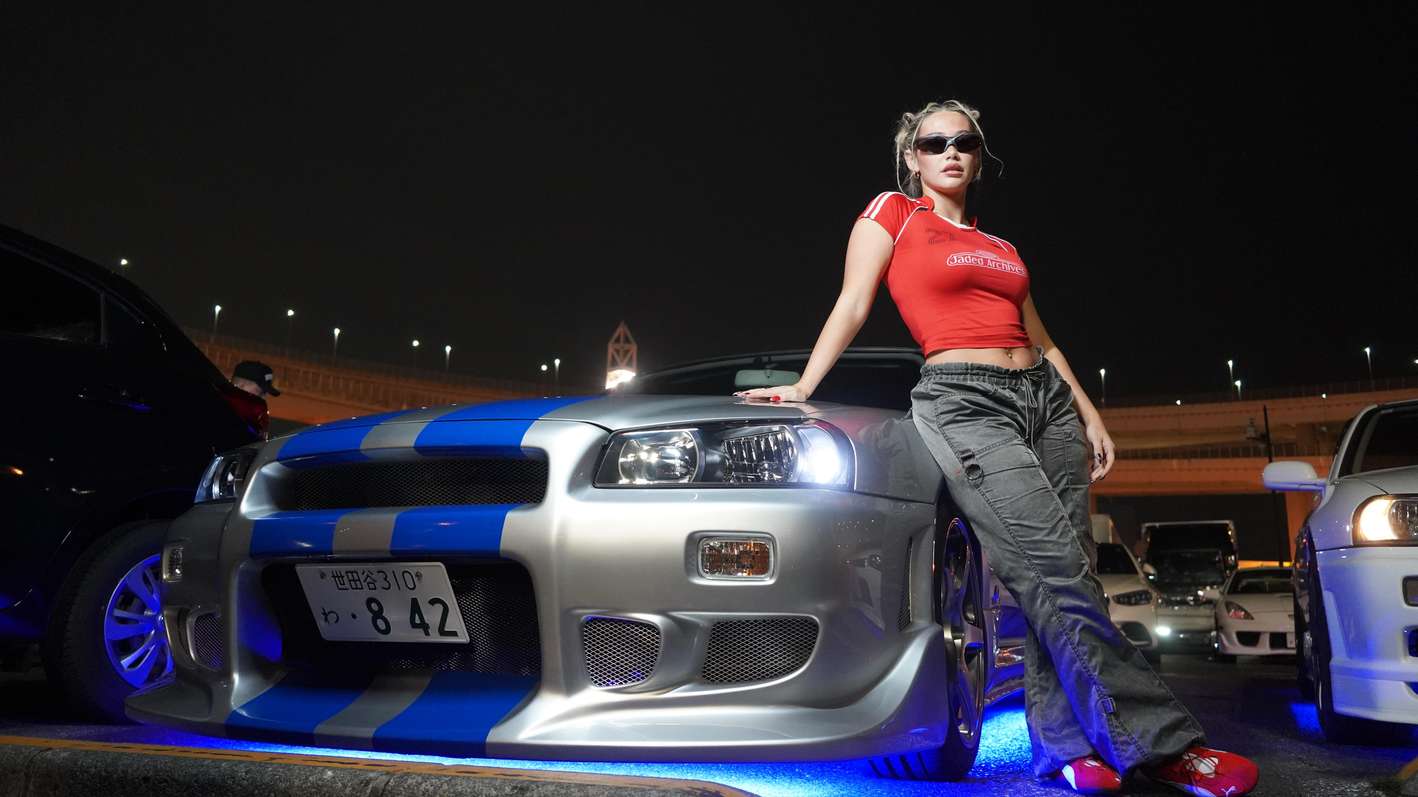
EtiquetteAt the meet, never touch or sit on someone's car and ask before photographing interiors or number plates; owners notice visitors who respect this.
ClothingWear comfortable shoes and bring a light jacket, because you stand outdoors at night; winter meets run near 1°C and even summer nights cool off.
On boardNo alcohol or smoking in the cars, and guests who are intoxicated cannot take part.
RainThe tours run in the rain, and visitors report plenty of cars out even on wet nights; only severe weather or road closures trigger a reschedule.
closurePolice close the Daikoku PA car park entrance without notice, usually on Friday and Saturday nights from about 8:30 pm, and once it closes it rarely reopens that night.
Book a tour that has a fallback plan, such as a diversion to Umihotaru or Tatsumi PA, and check its policy before you pay: several offer a full refund if you decline the alternative lot, and many pull weekend pickups forward to late afternoon to beat the closure.
Which JDM car meet tour in Tokyo fits your night
Cheapest way in
3.5 - 4 hours·Arabic, Chinese
4.7(134)
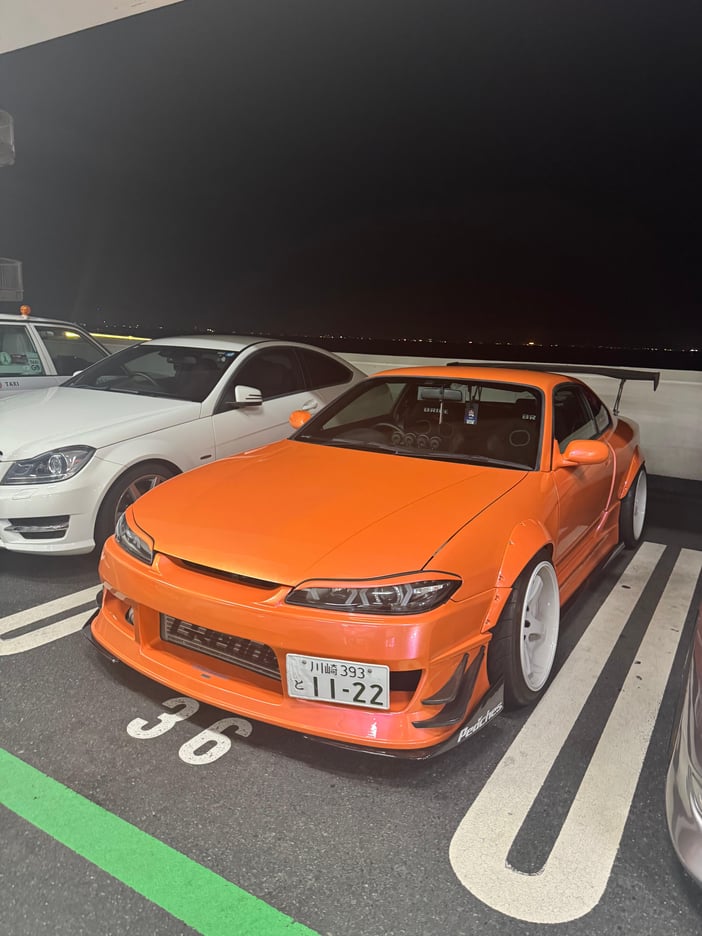
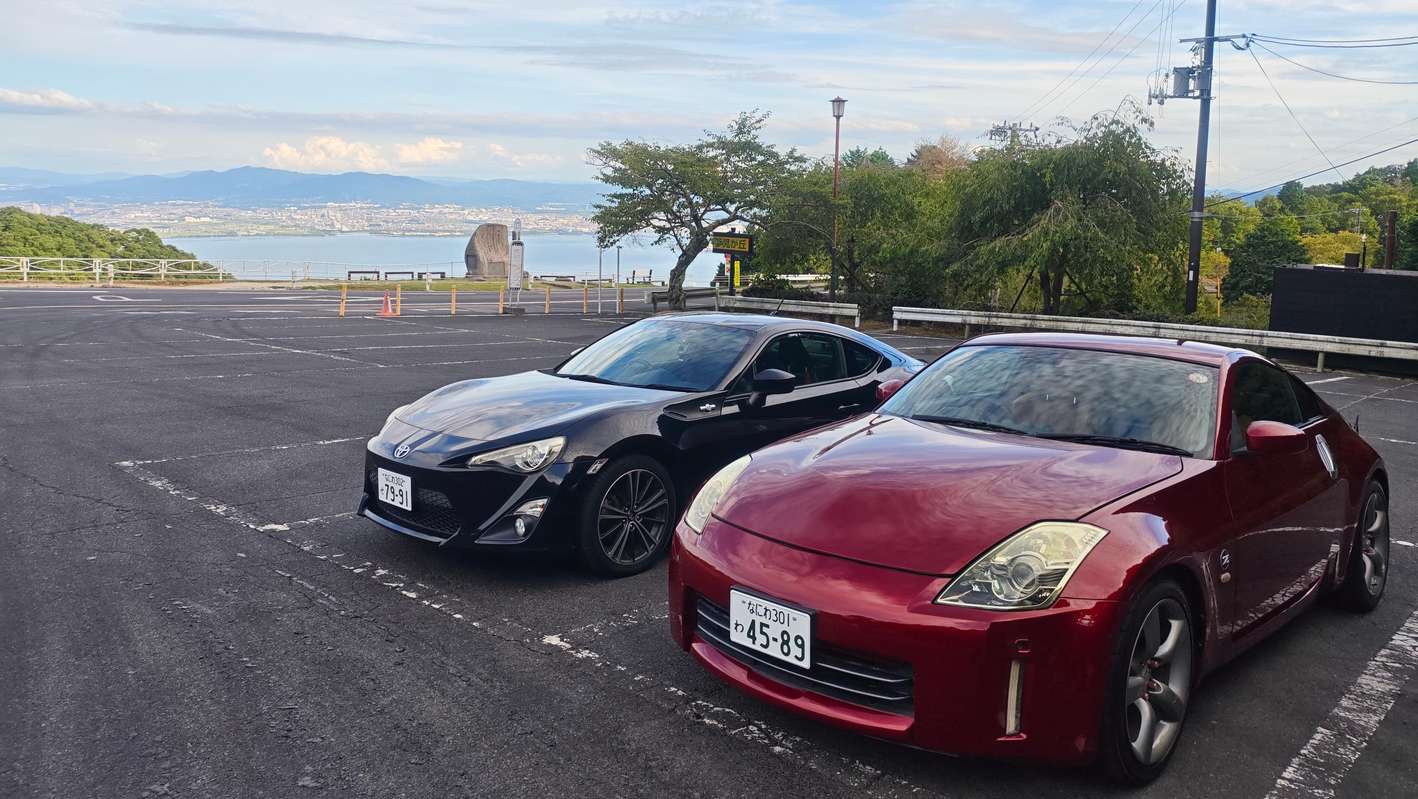
Tokyo: Daikoku or Umihotaru Tour ( SilviaS15 , Gr86 , 370Z )
The lowest starting price on the page, with up to 1.5 hours on the ground at Daikoku or Umihotaru.
Free cancellationHotel pickup includedPhoto sharing via AirDrop or email
JDM Car Meet tour in Tokyo - what the night looks like
6 stopsabout 1.5 h12 places
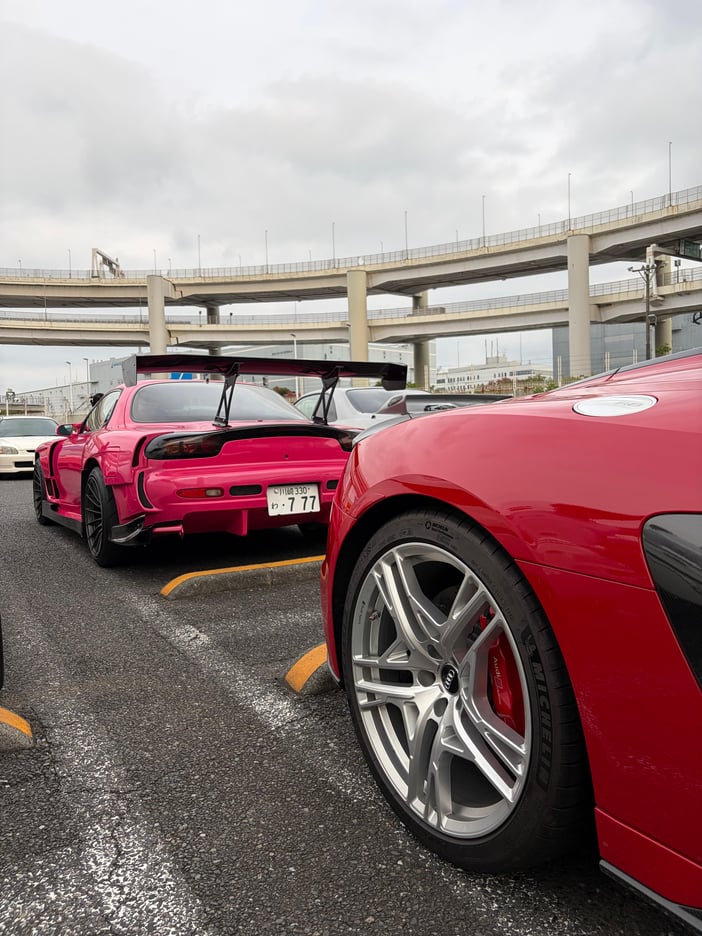
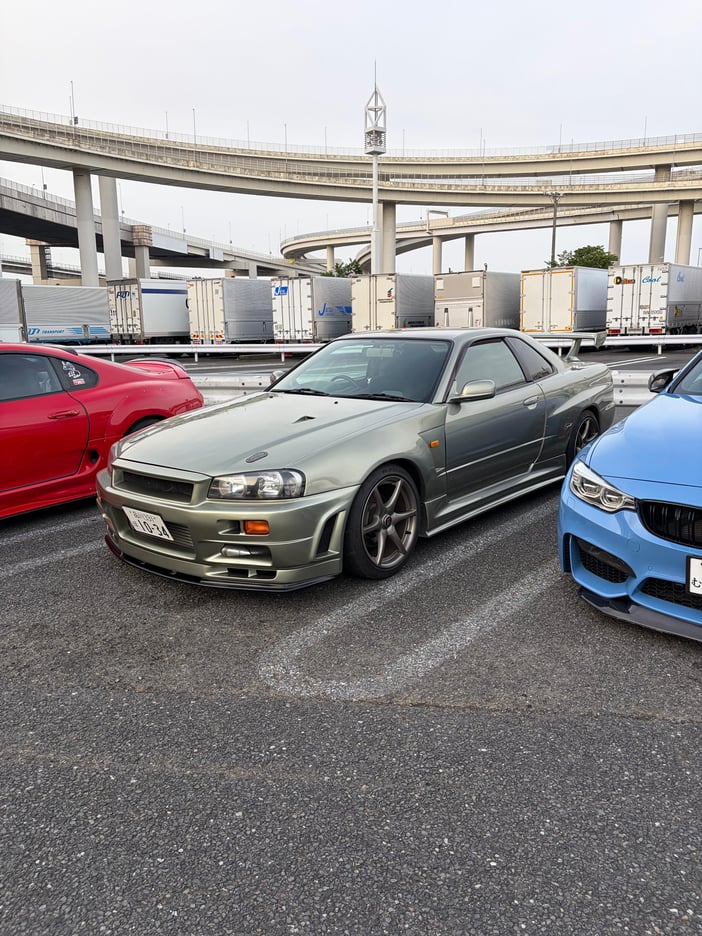
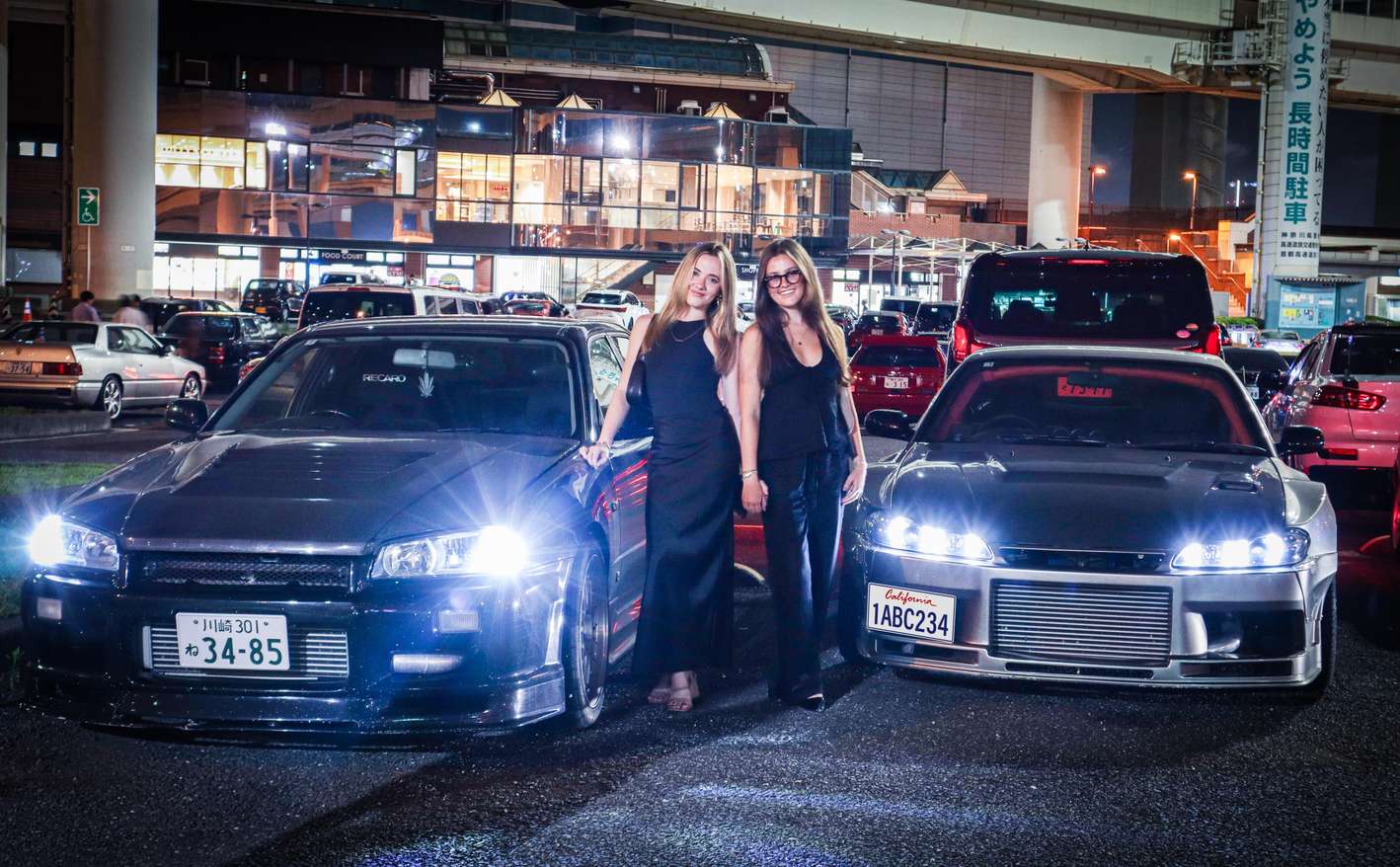
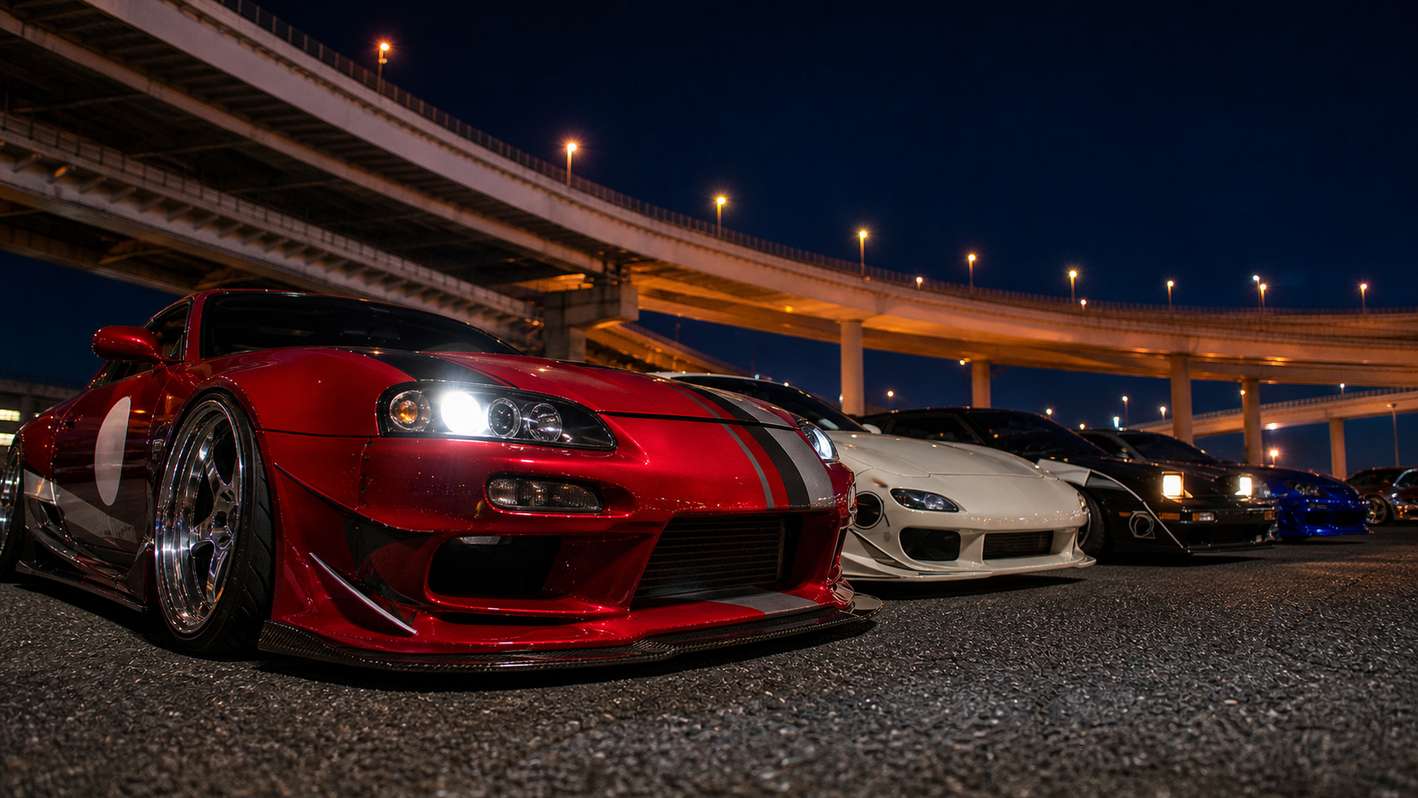
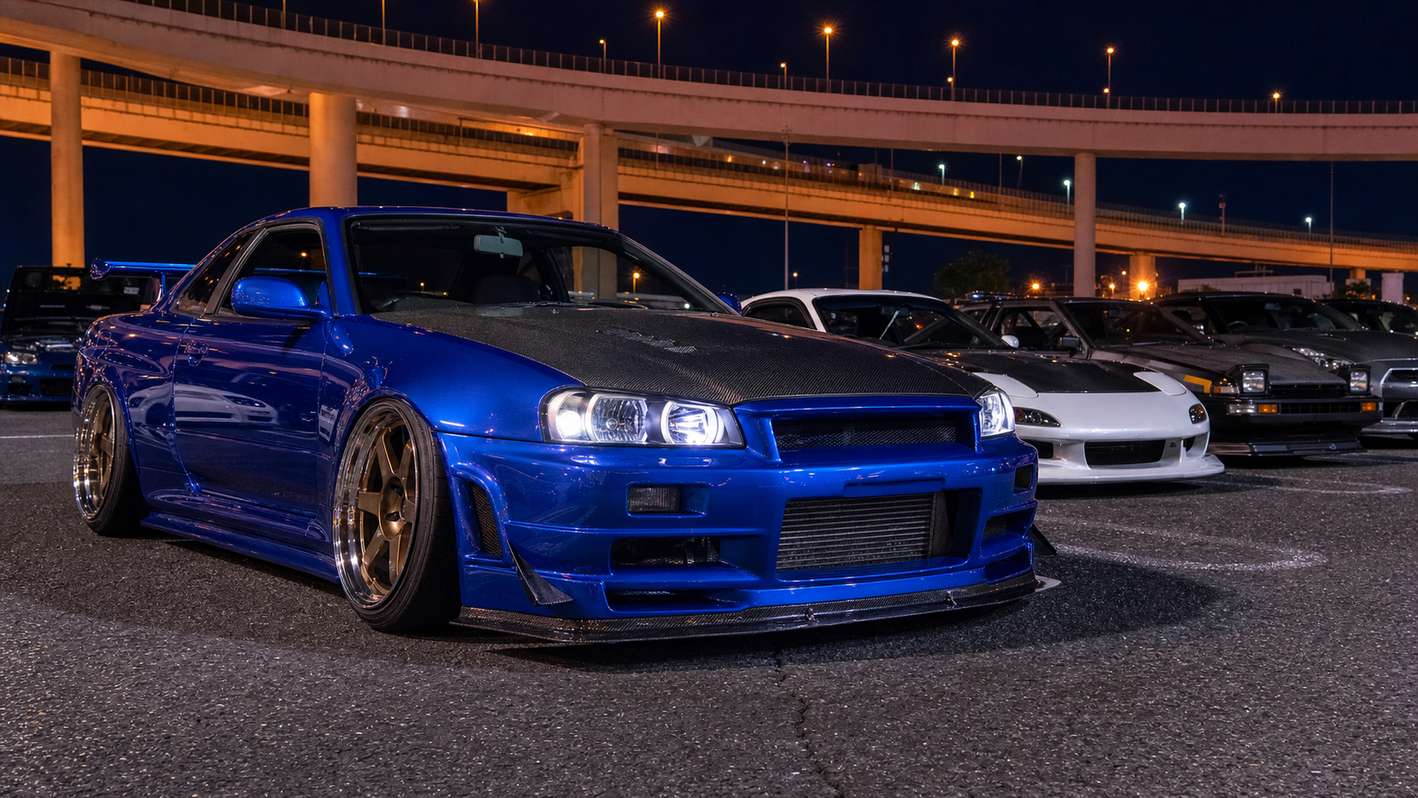
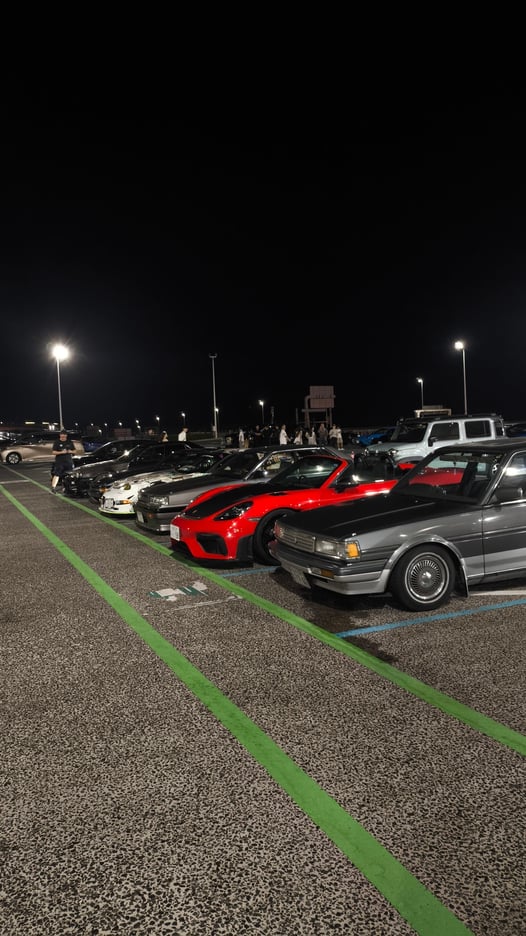
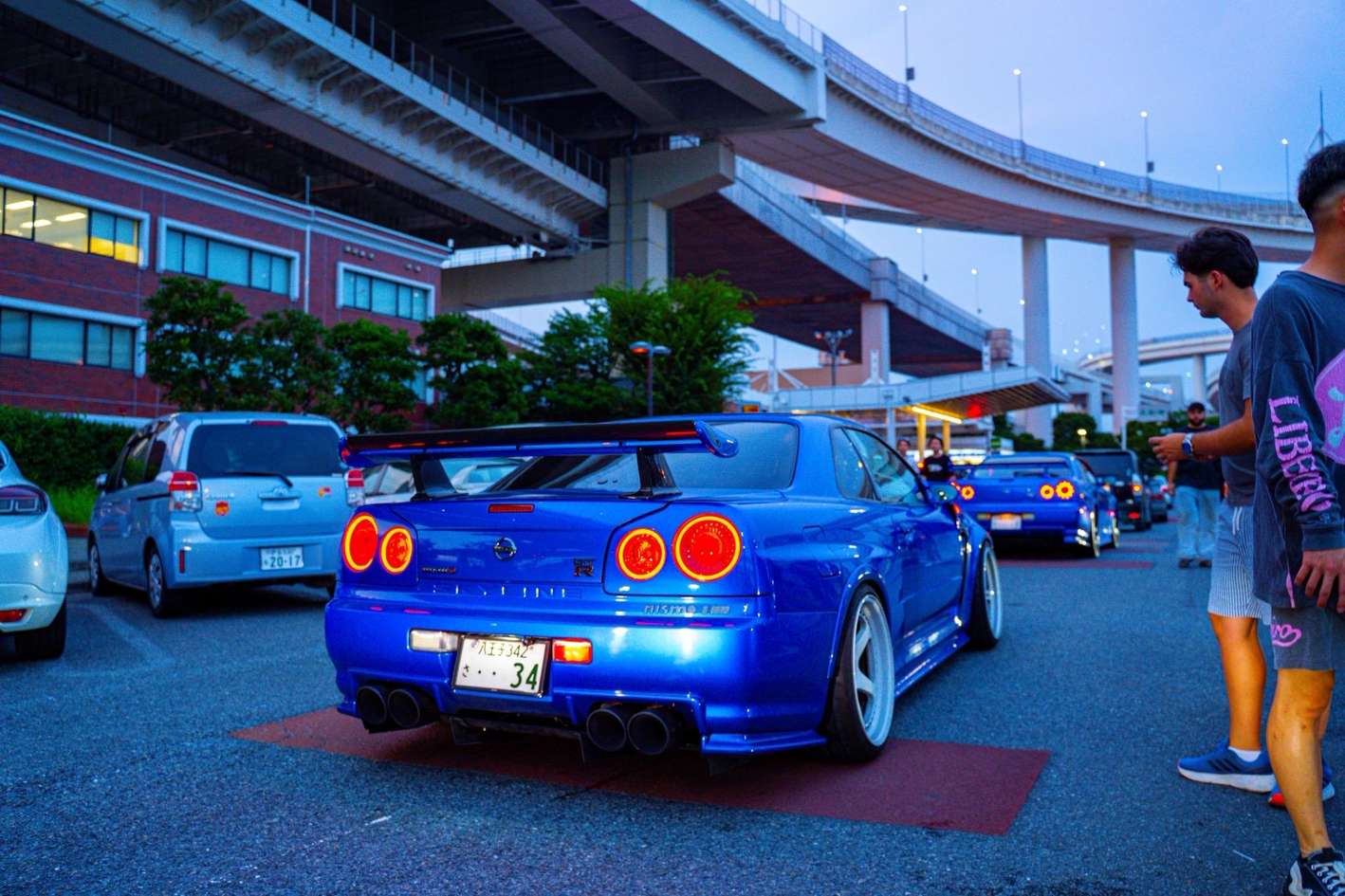
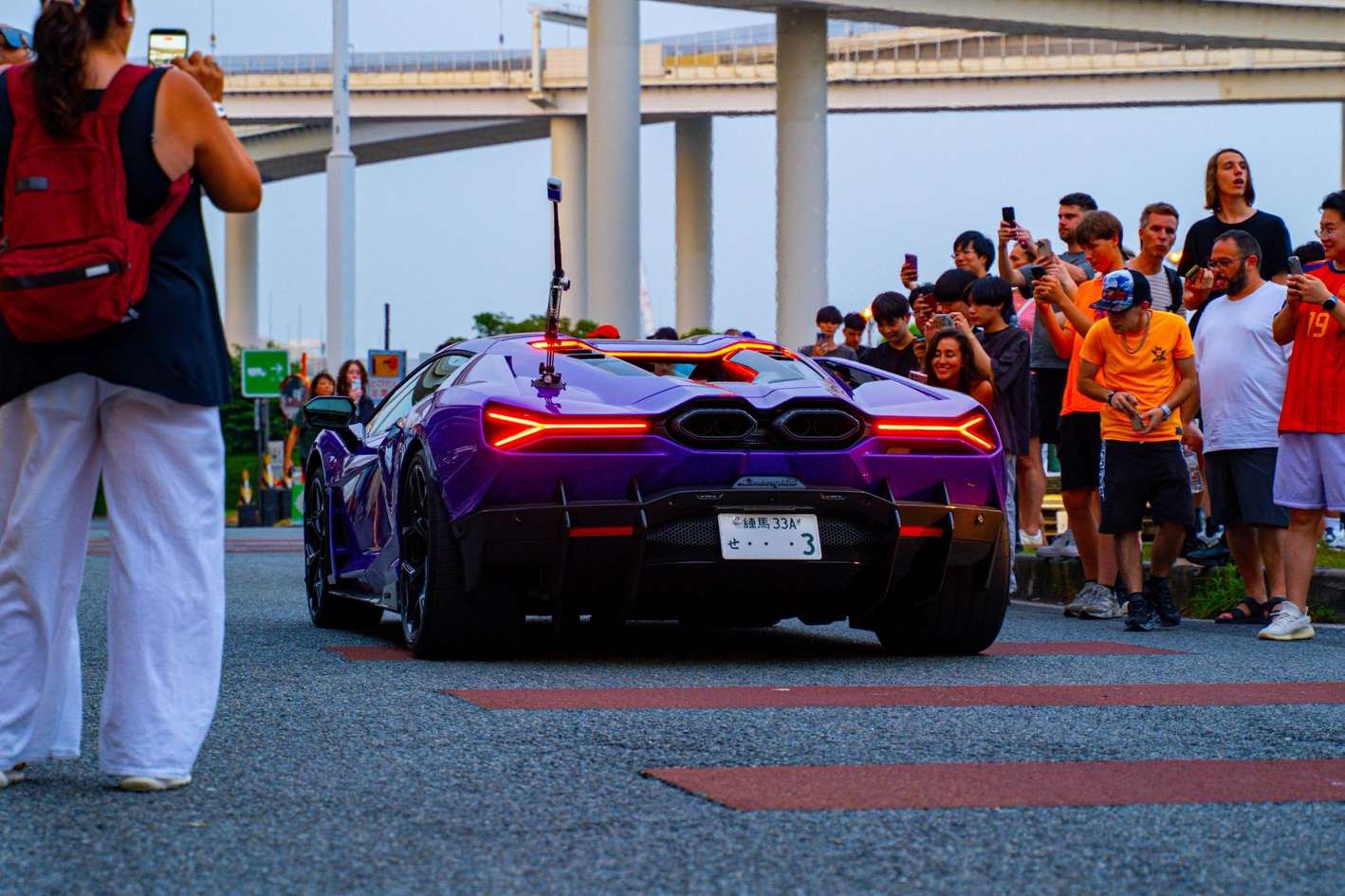
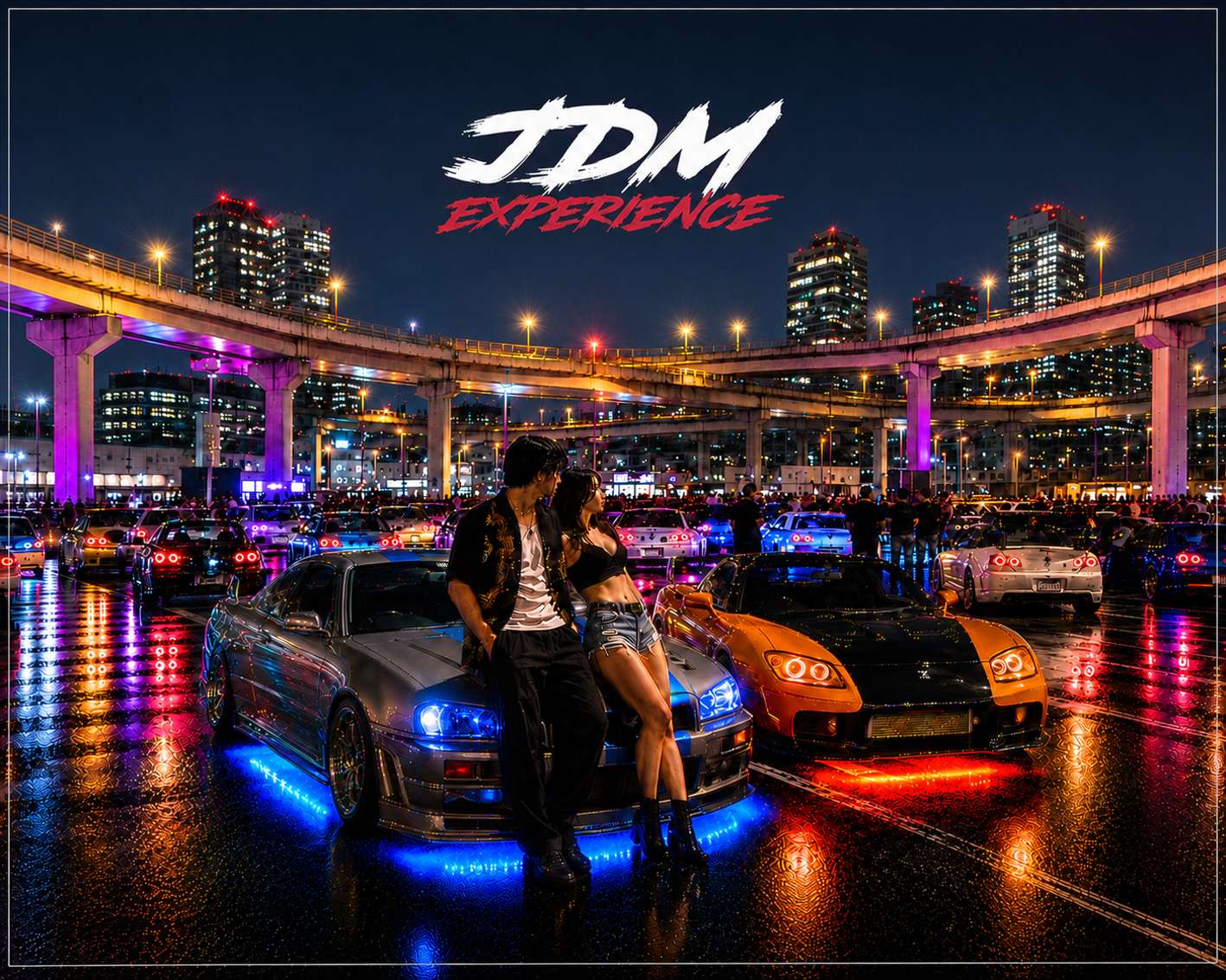
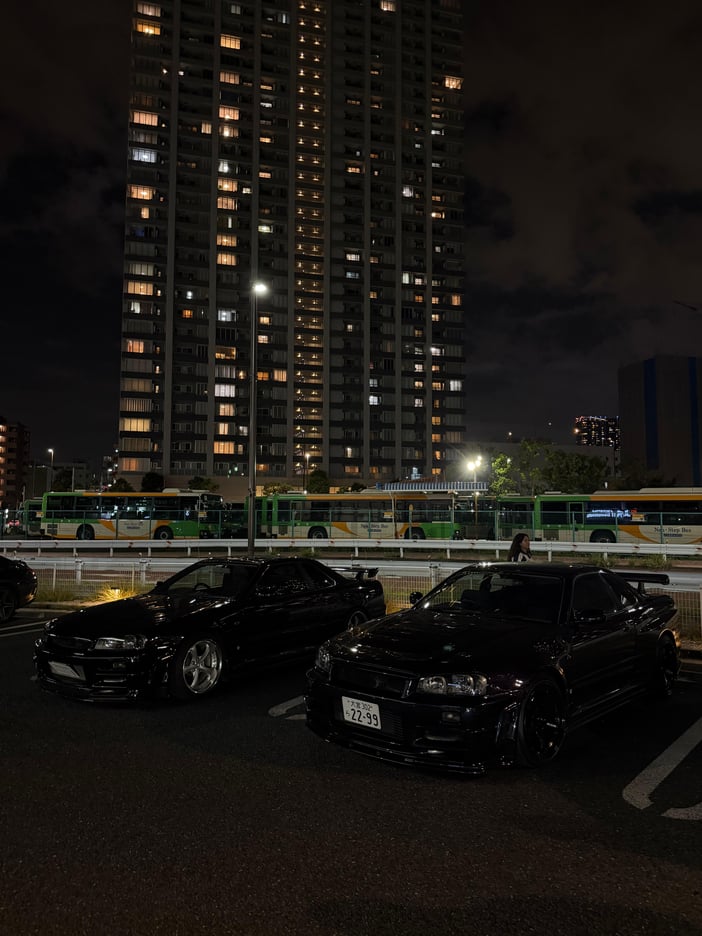
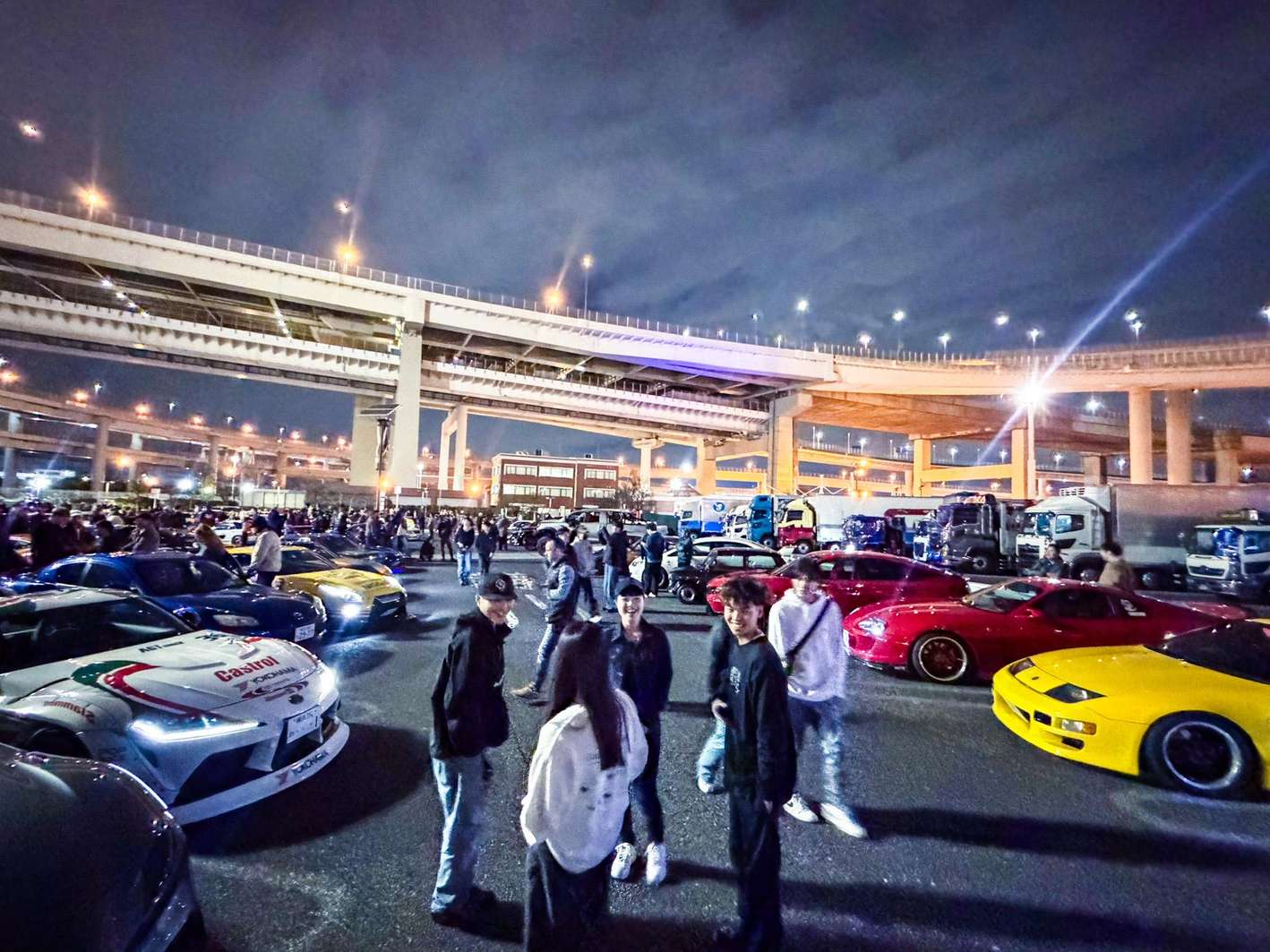
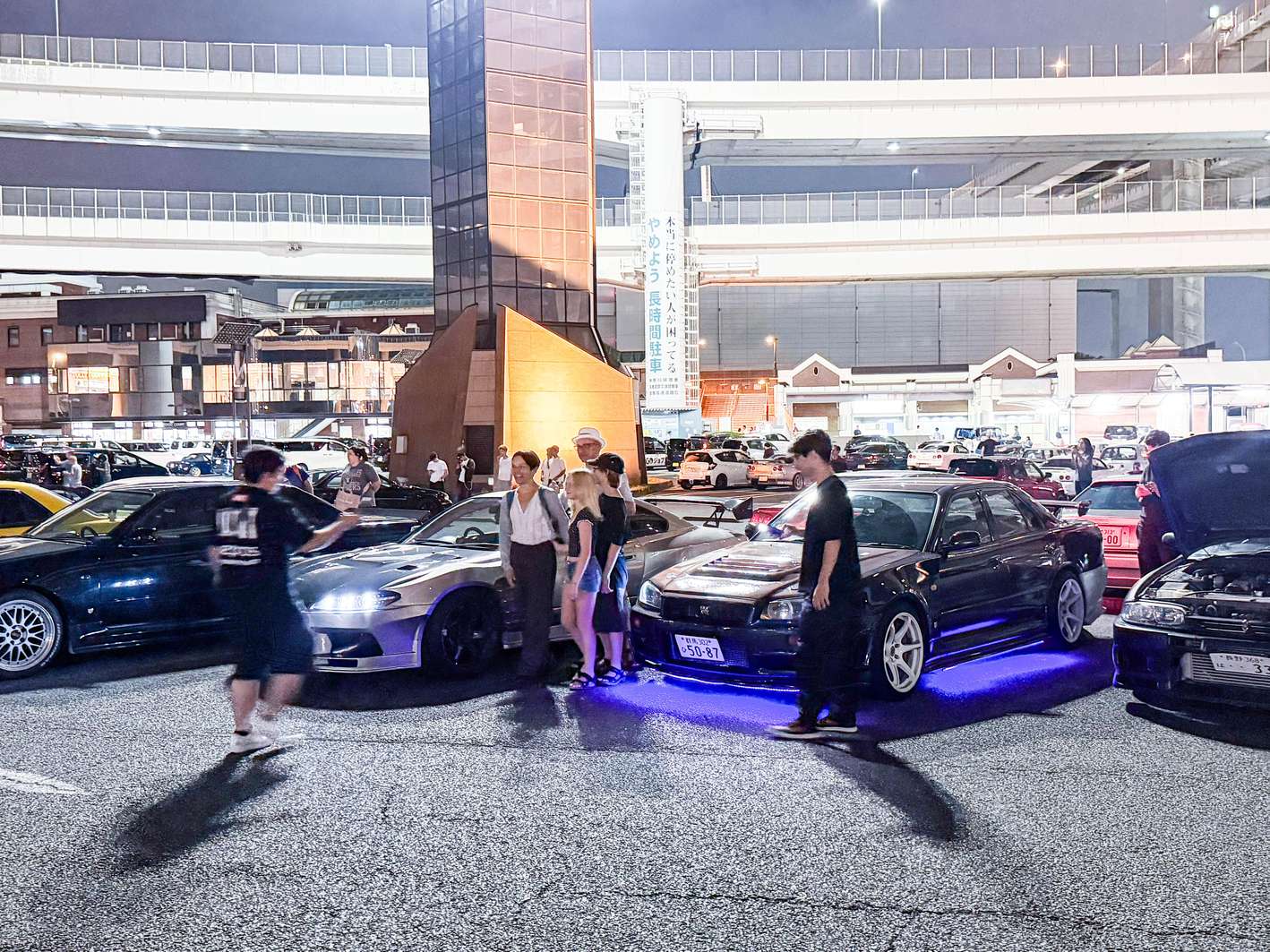
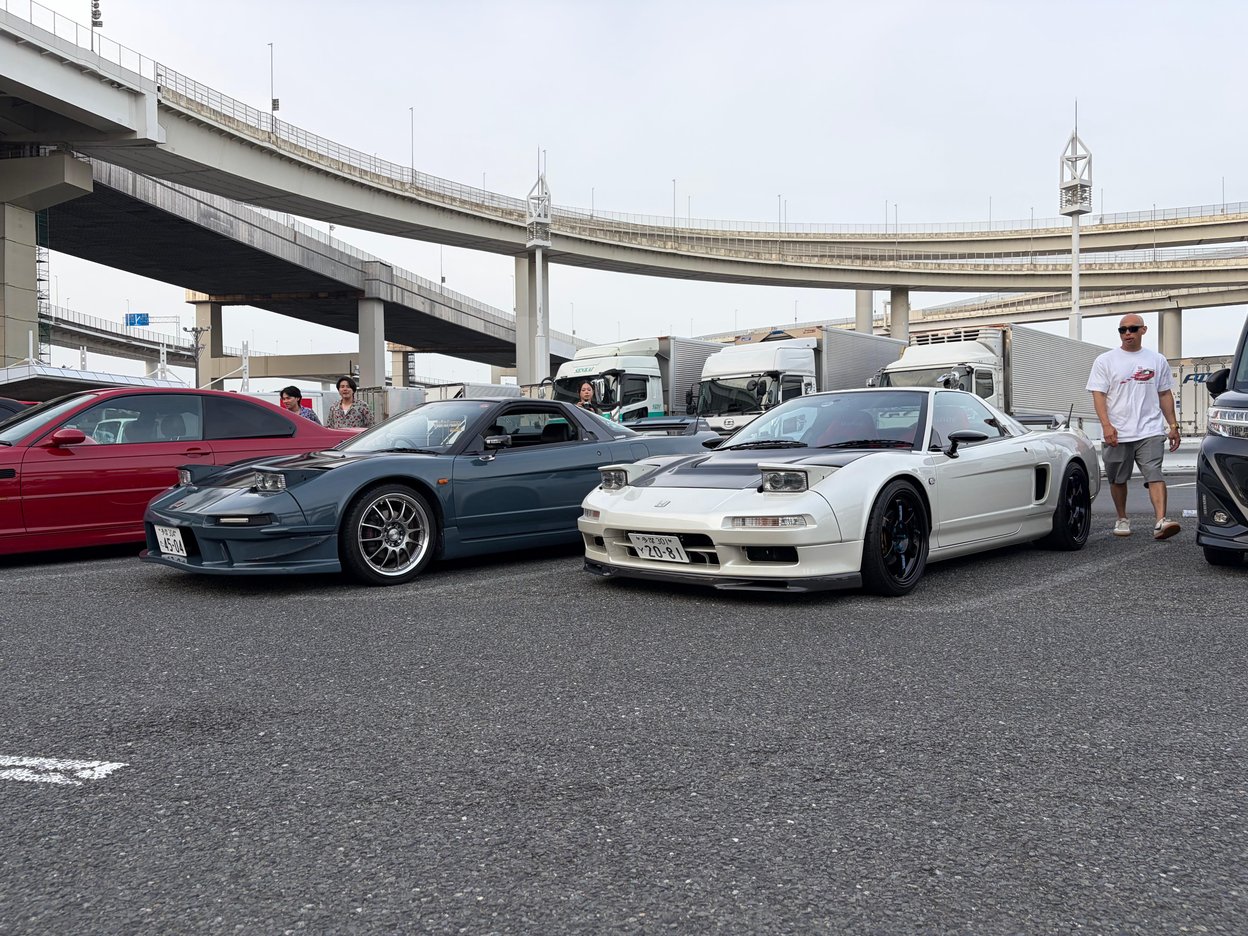
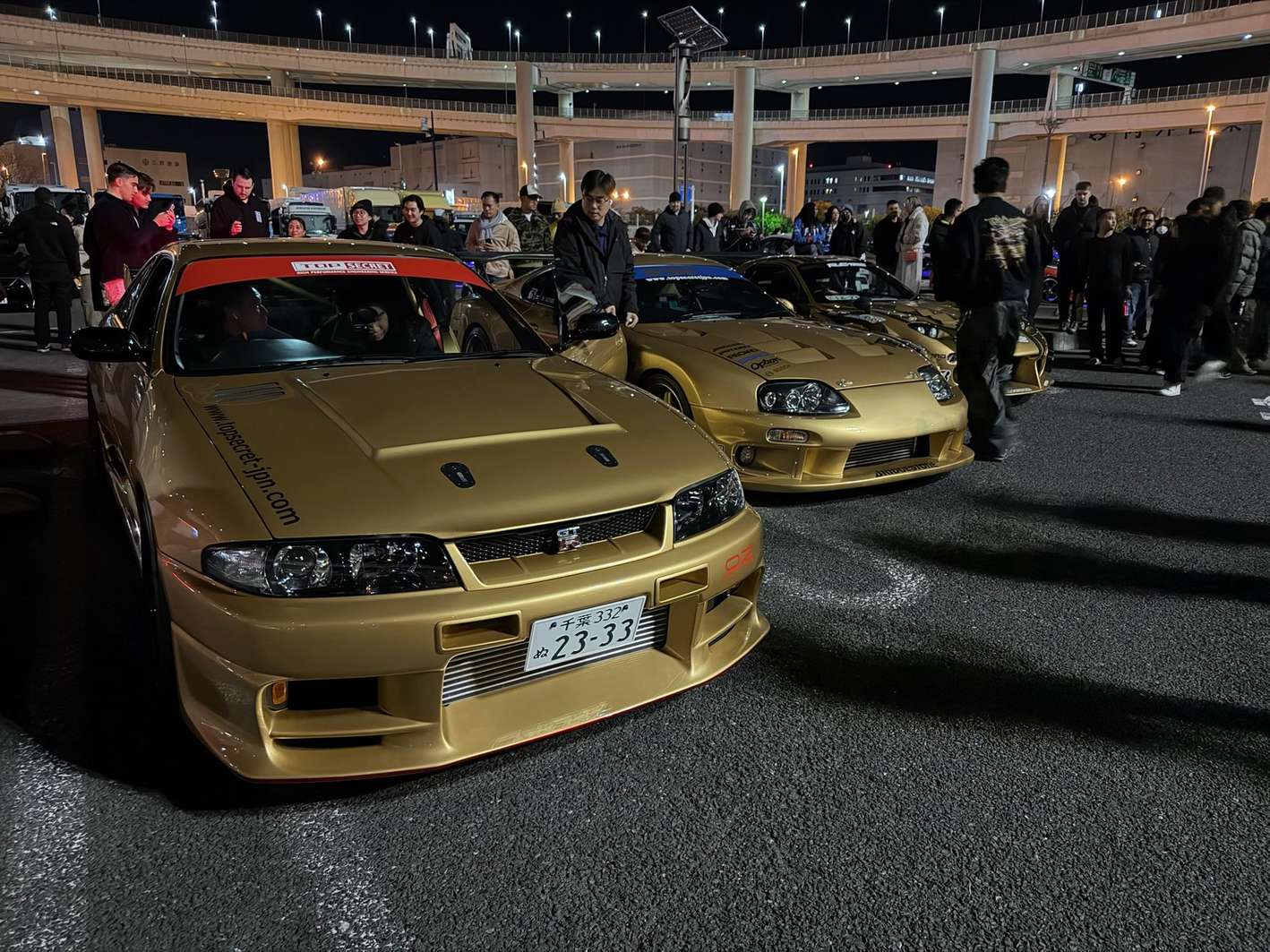
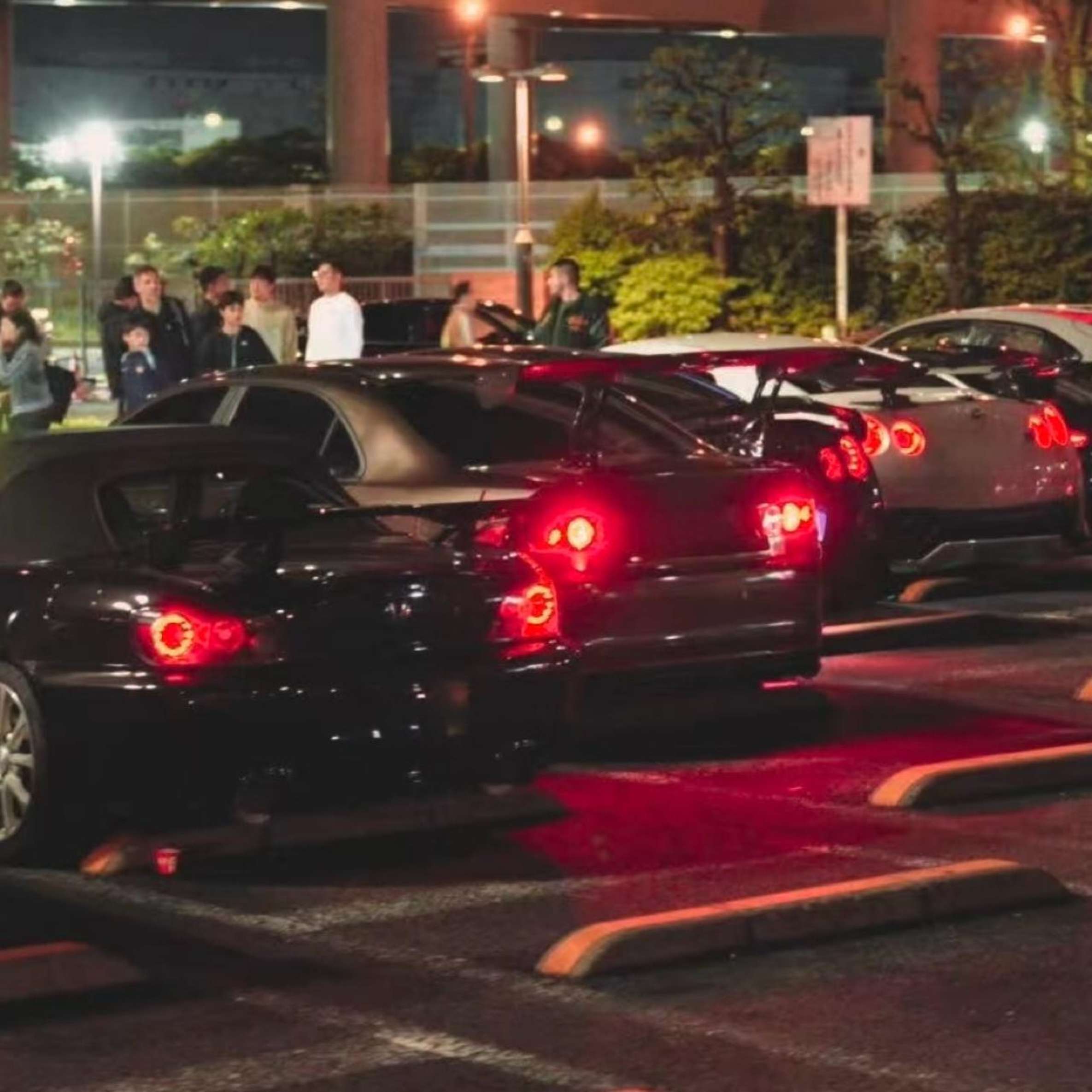
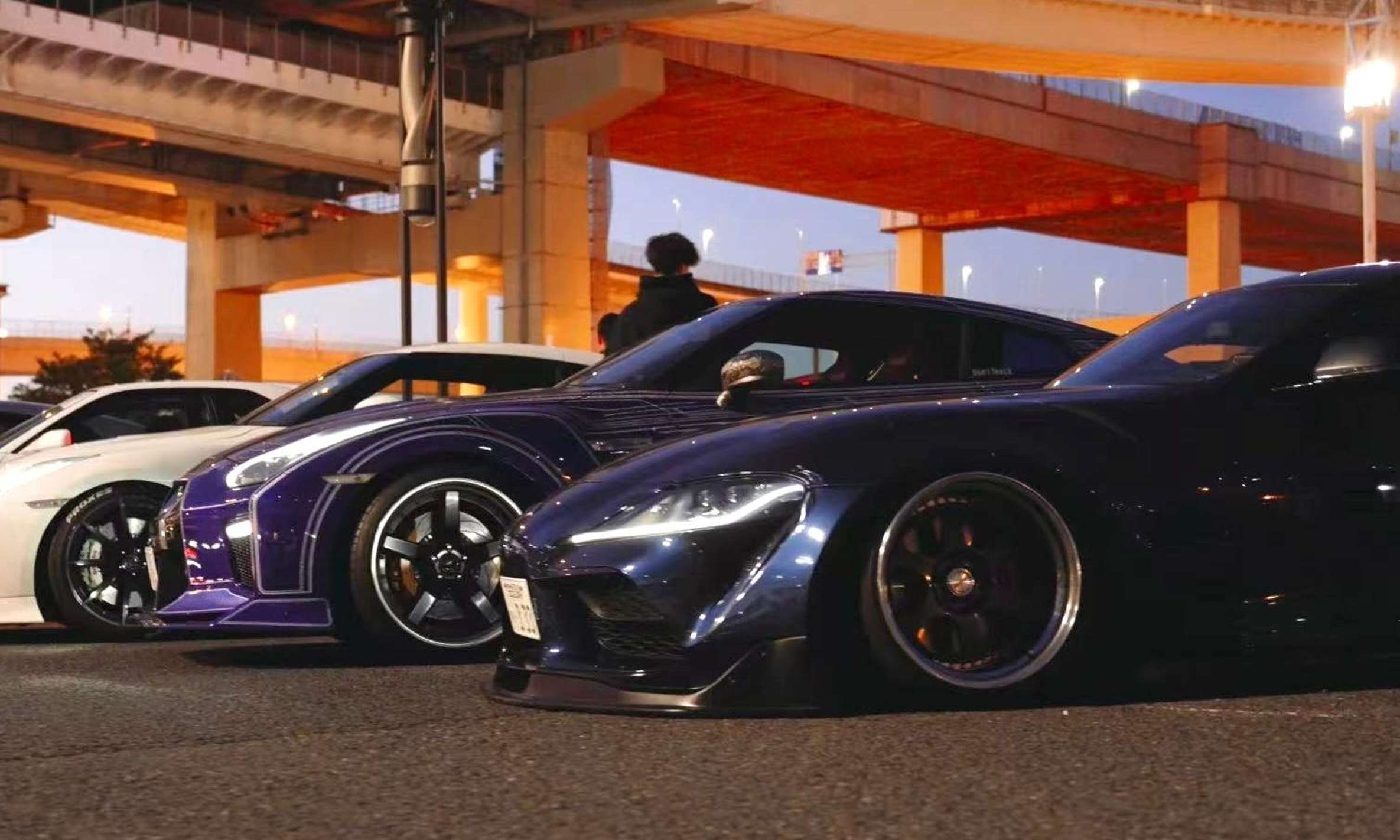
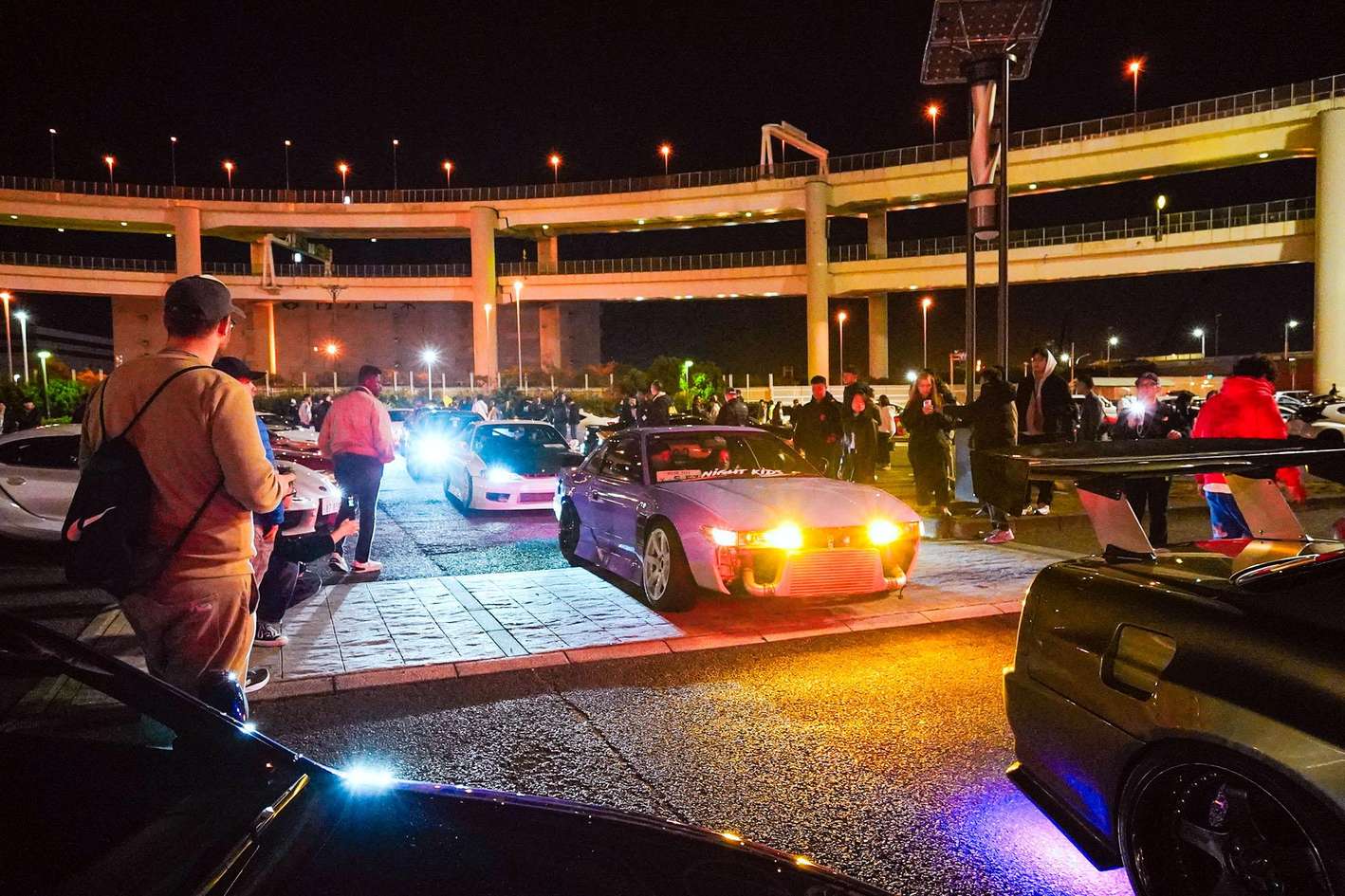
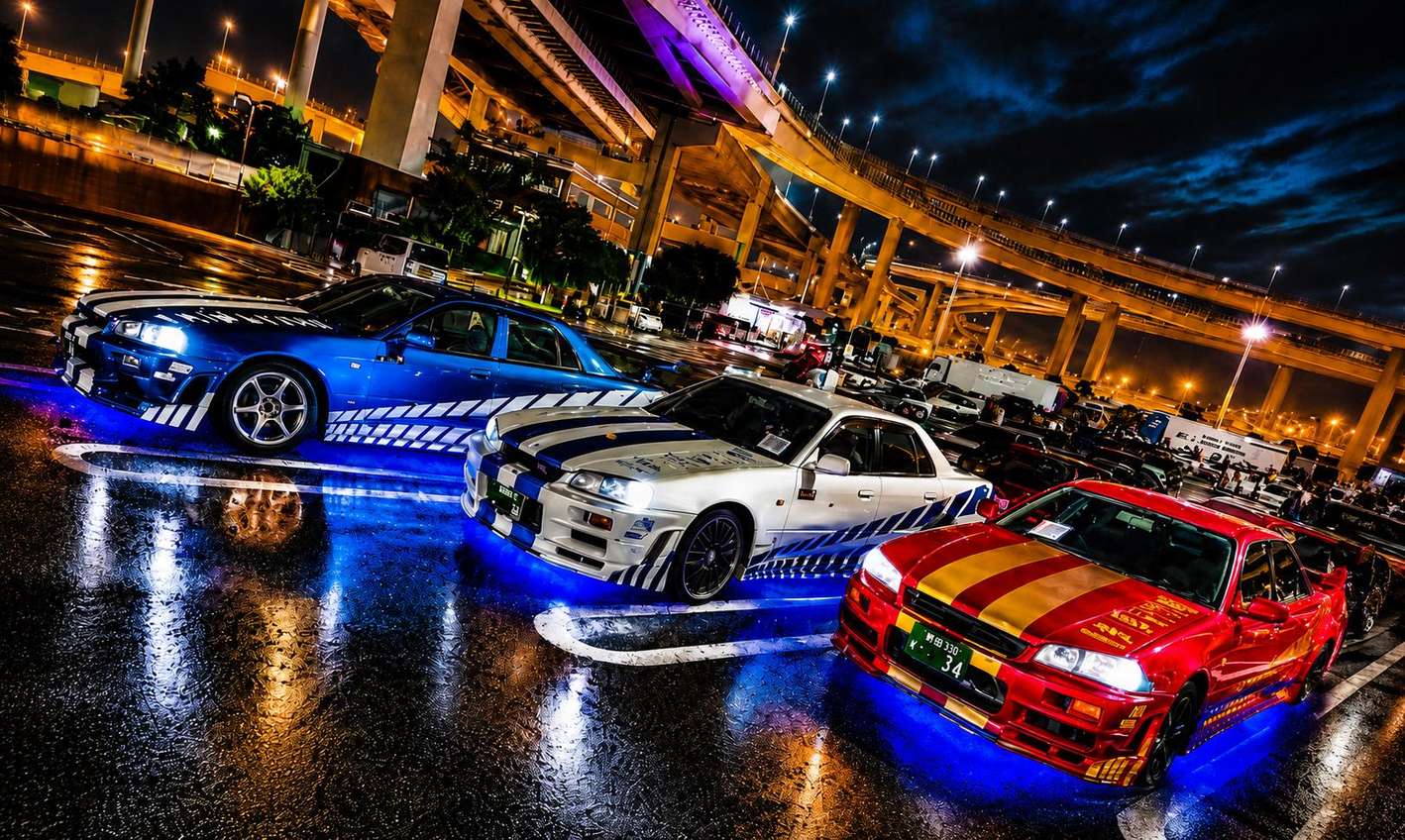
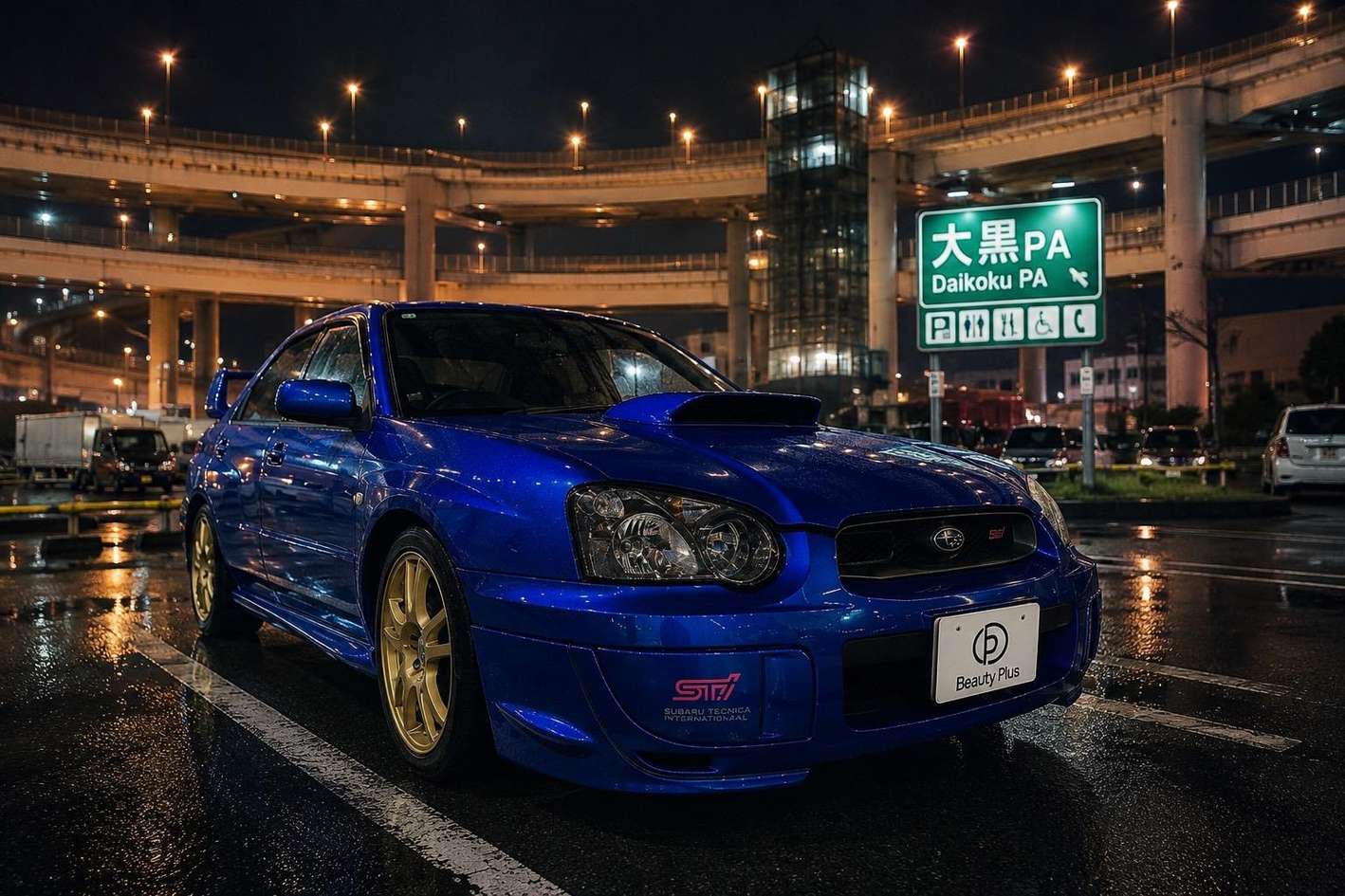
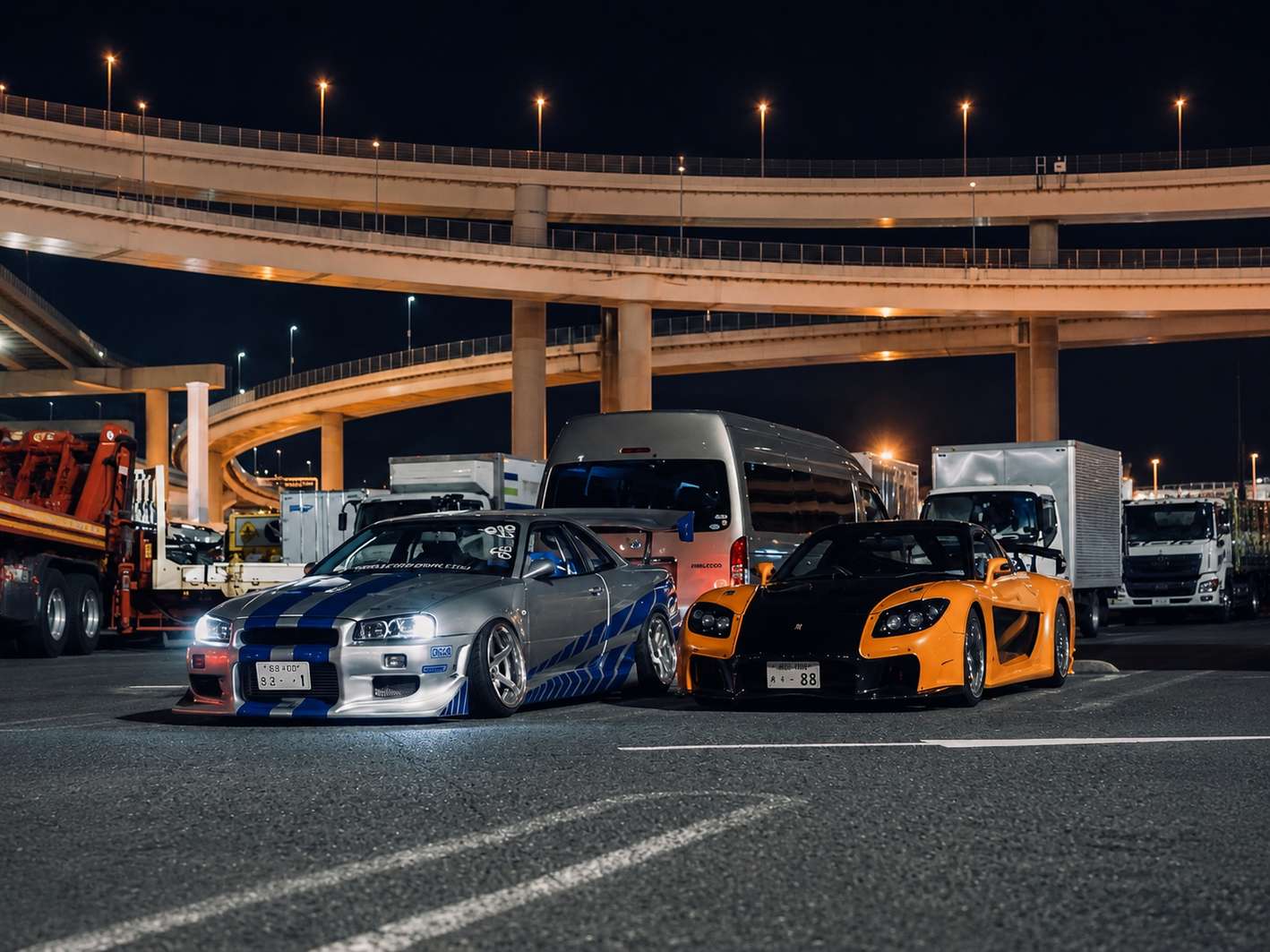
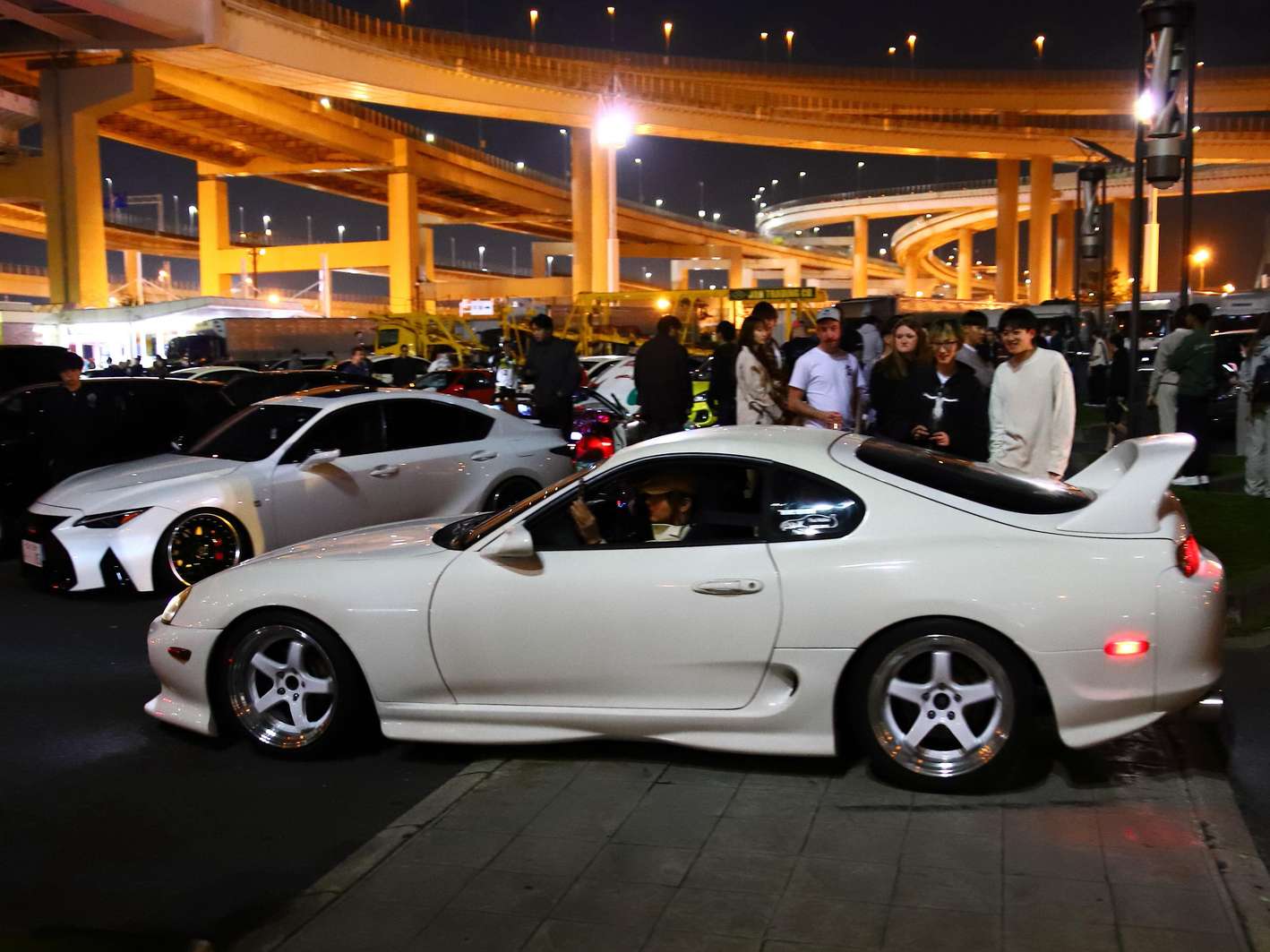
Daikoku Parking Area is the point of the whole evening. A tollway rest stop on an artificial island in Tokyo Bay, ringed by elevated expressway ramps, it draws enthusiasts most nights and bigger crowds on weekends.
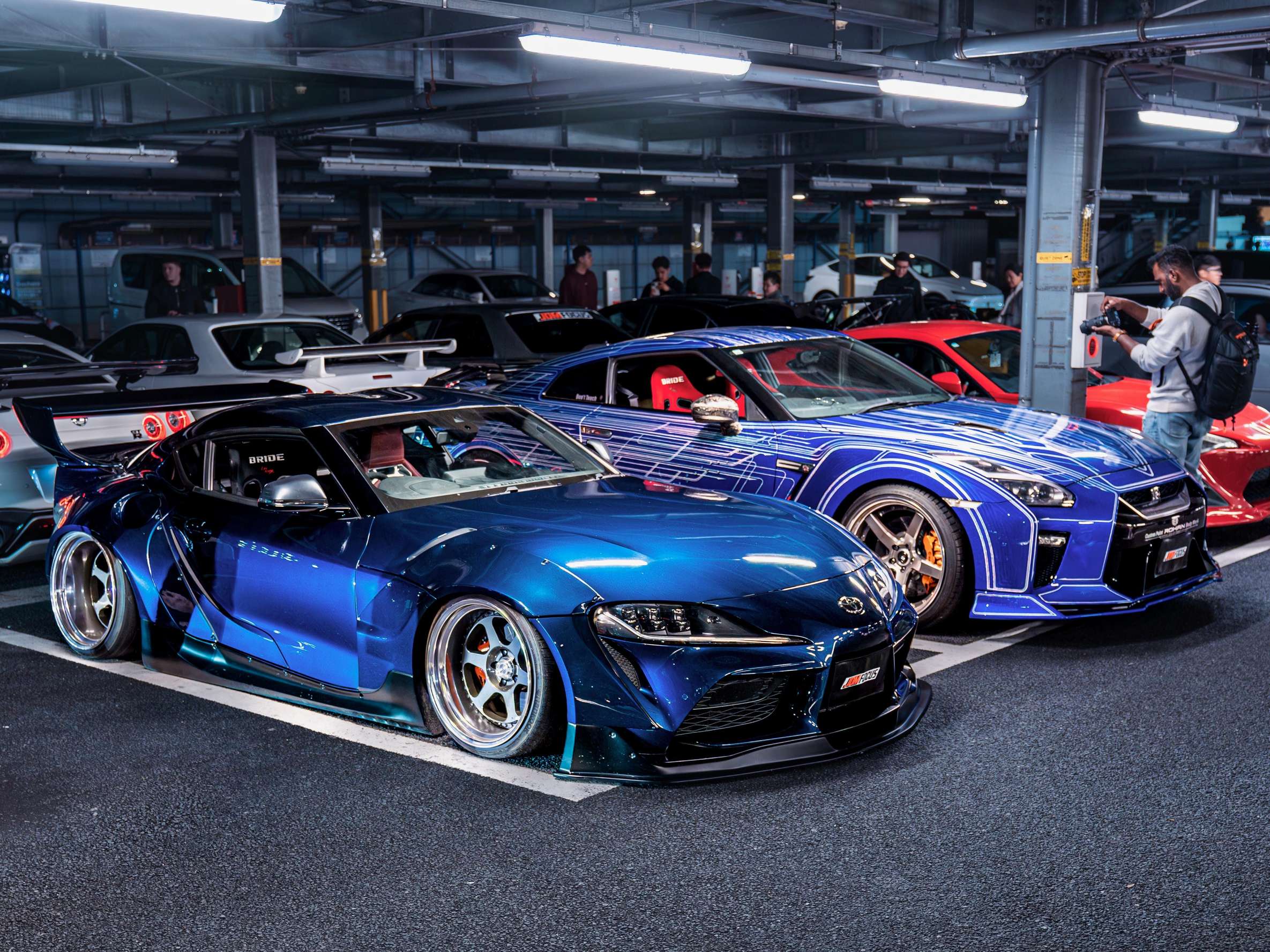
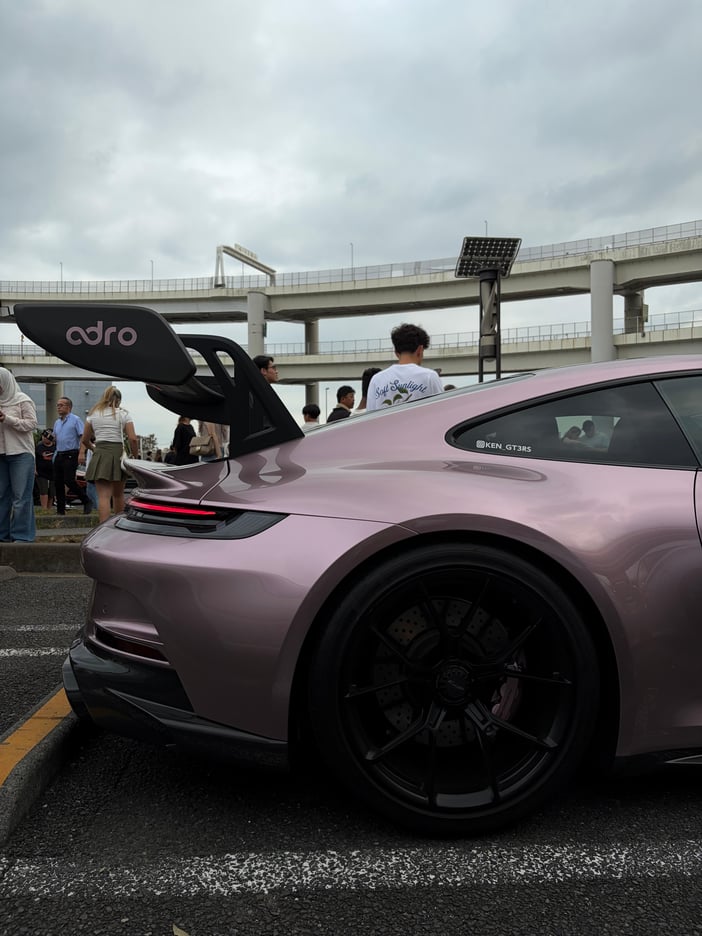
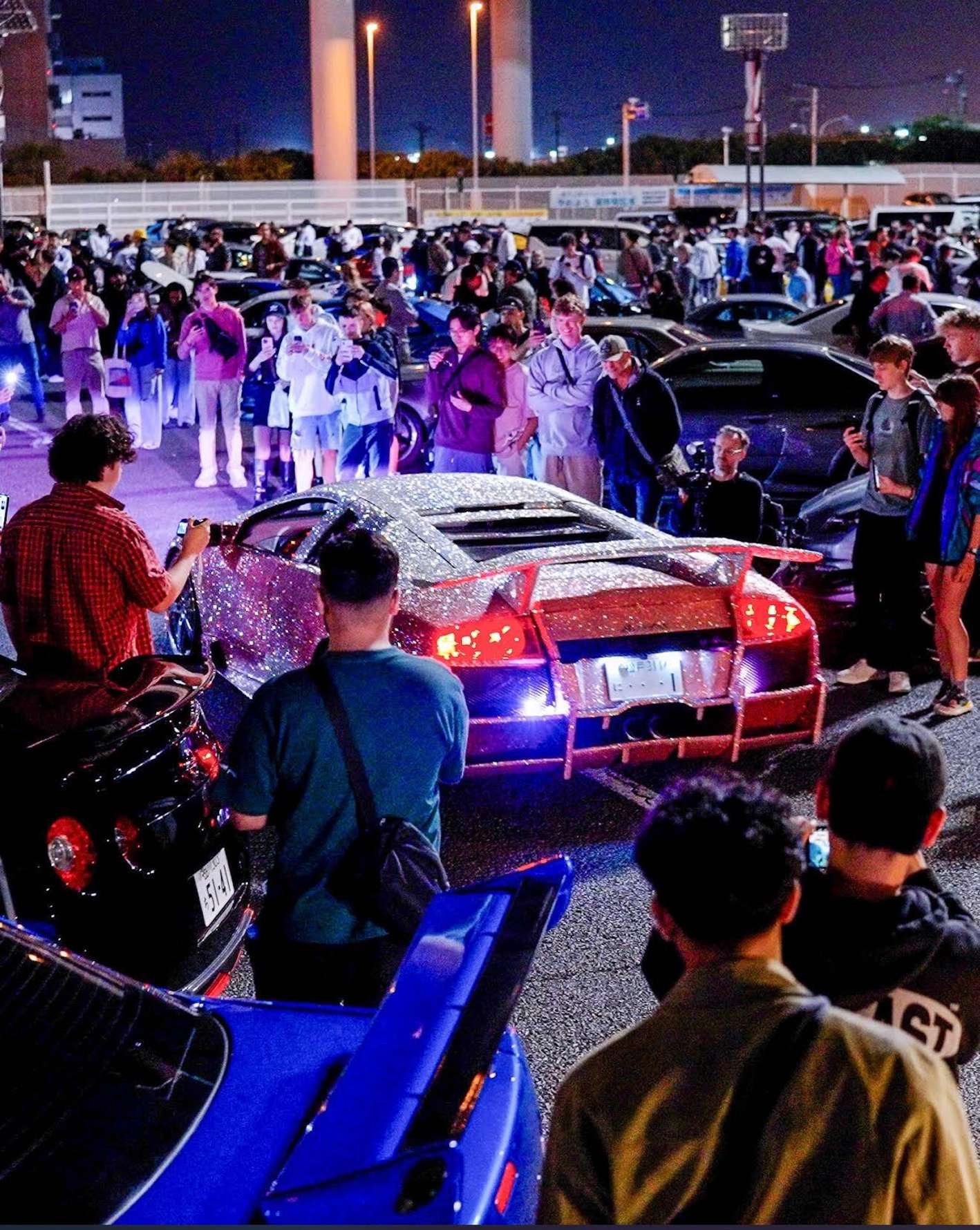
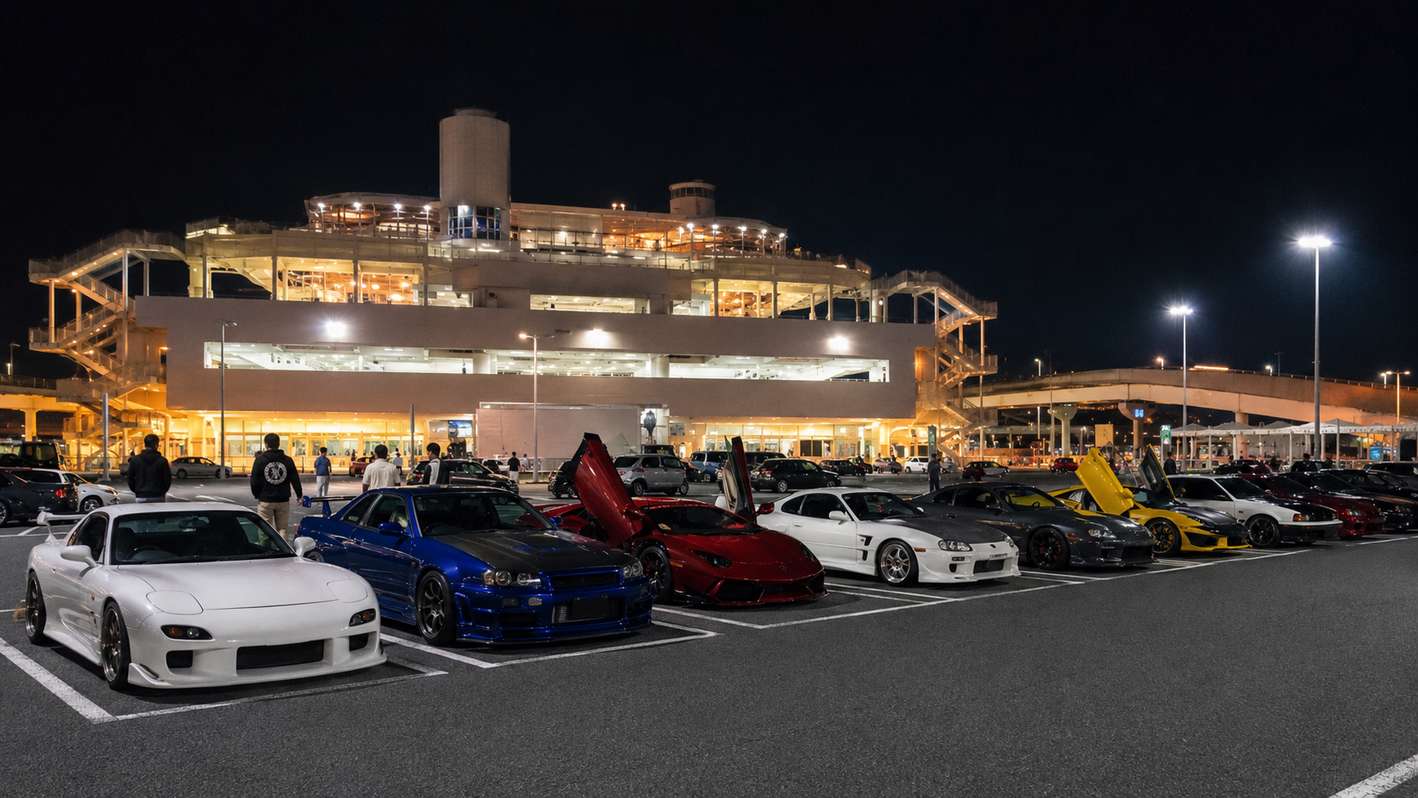
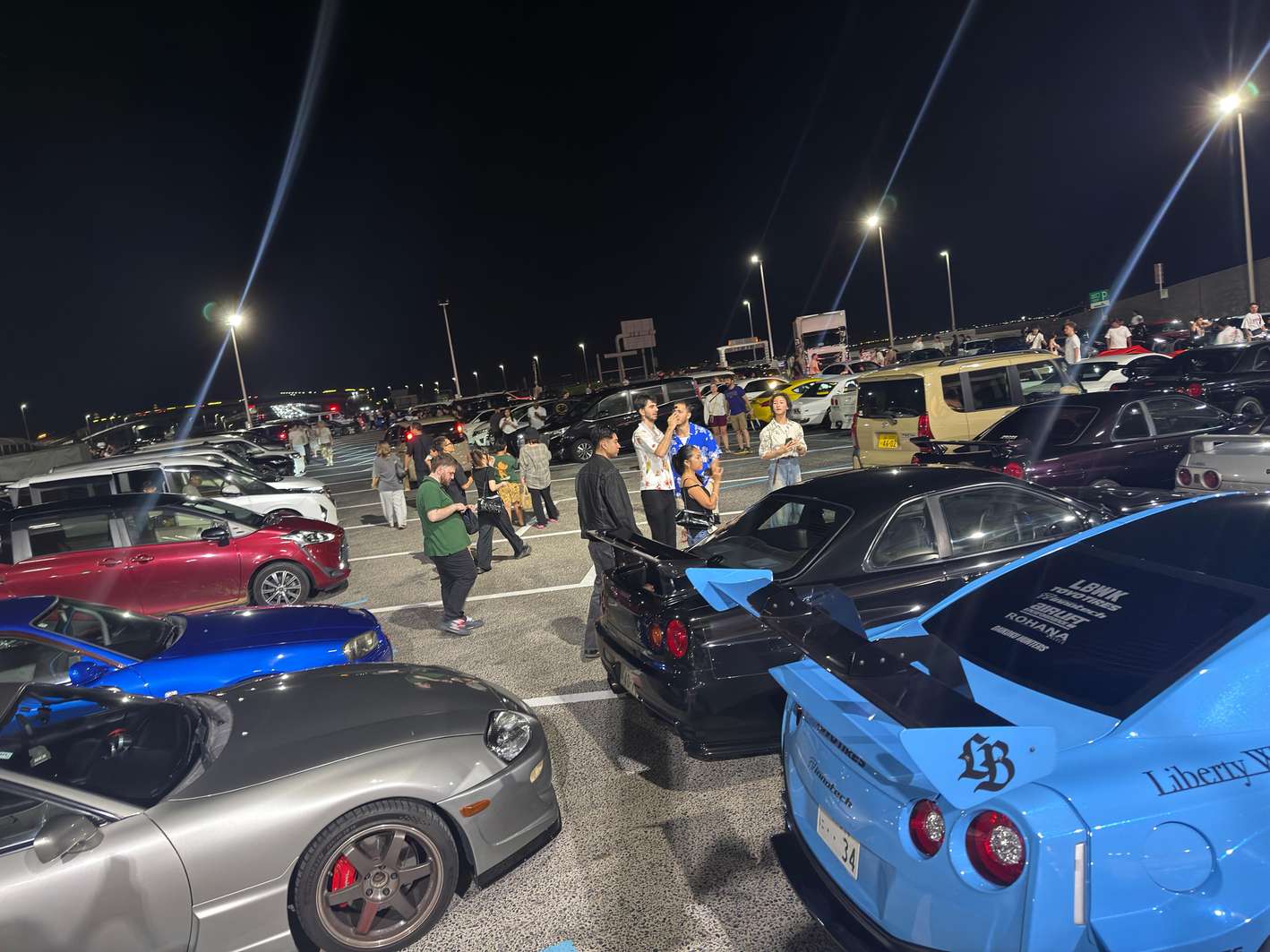
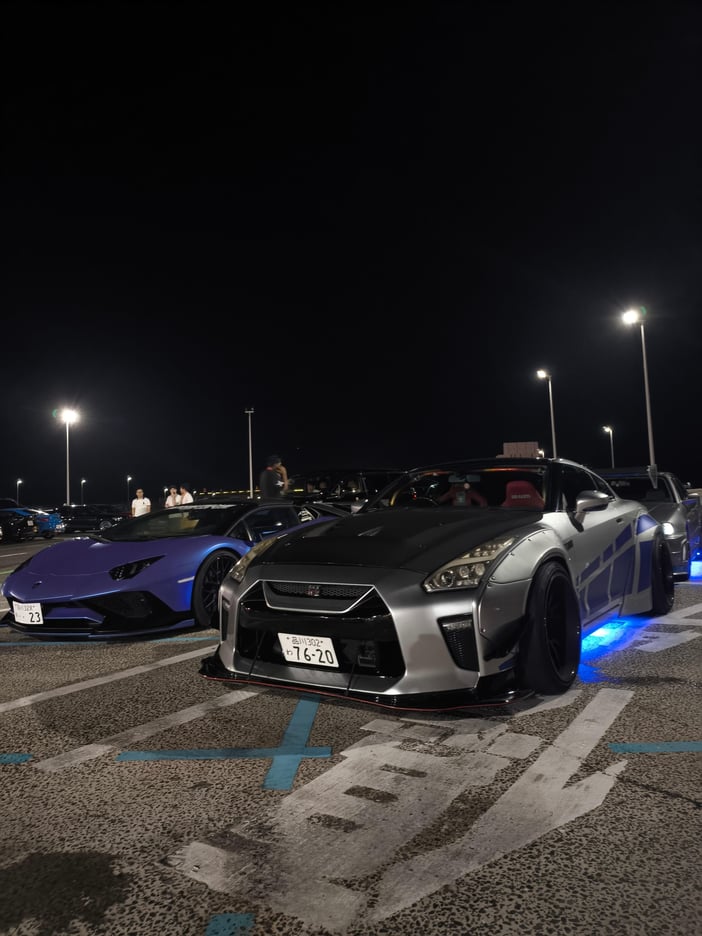
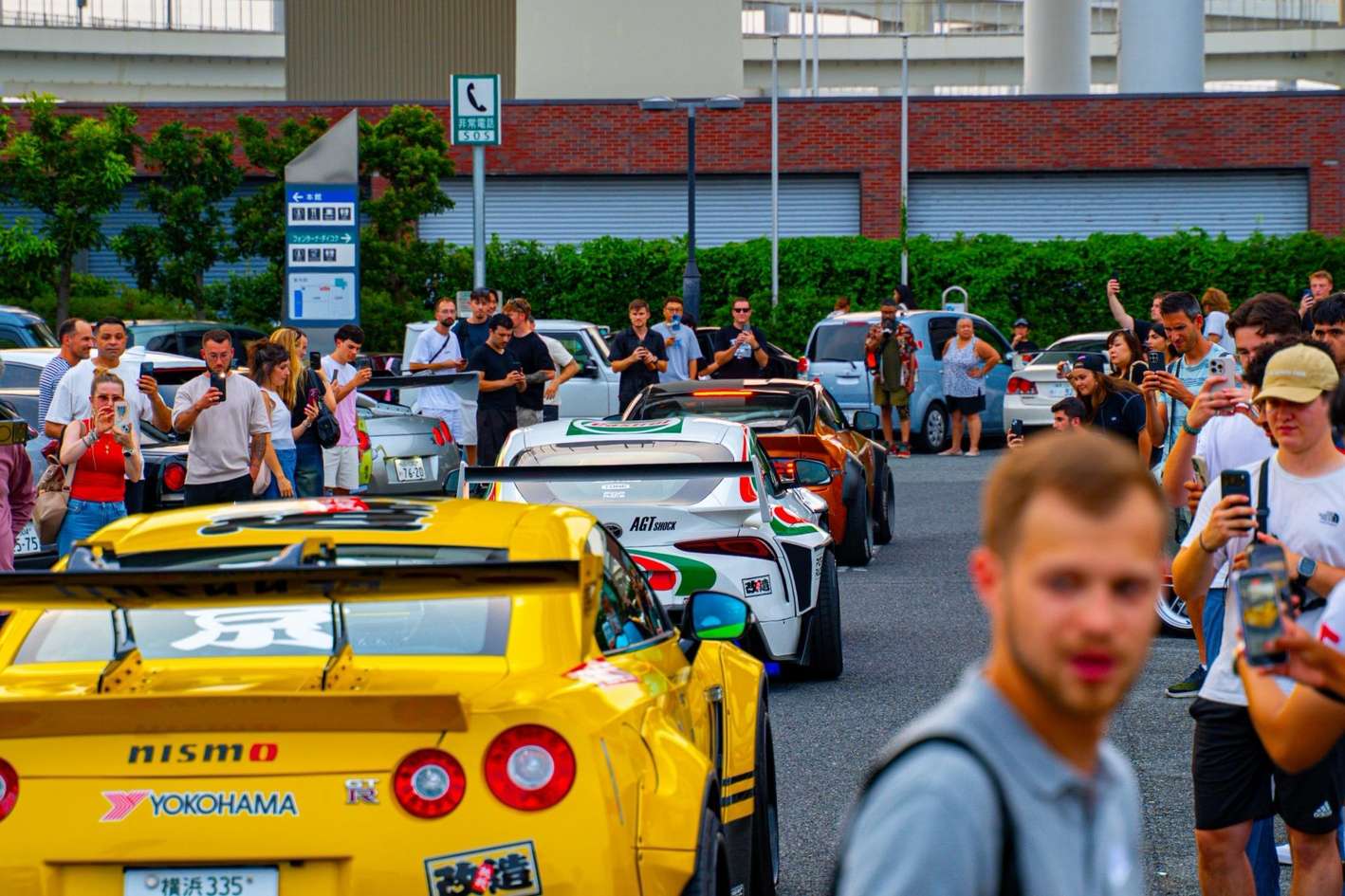
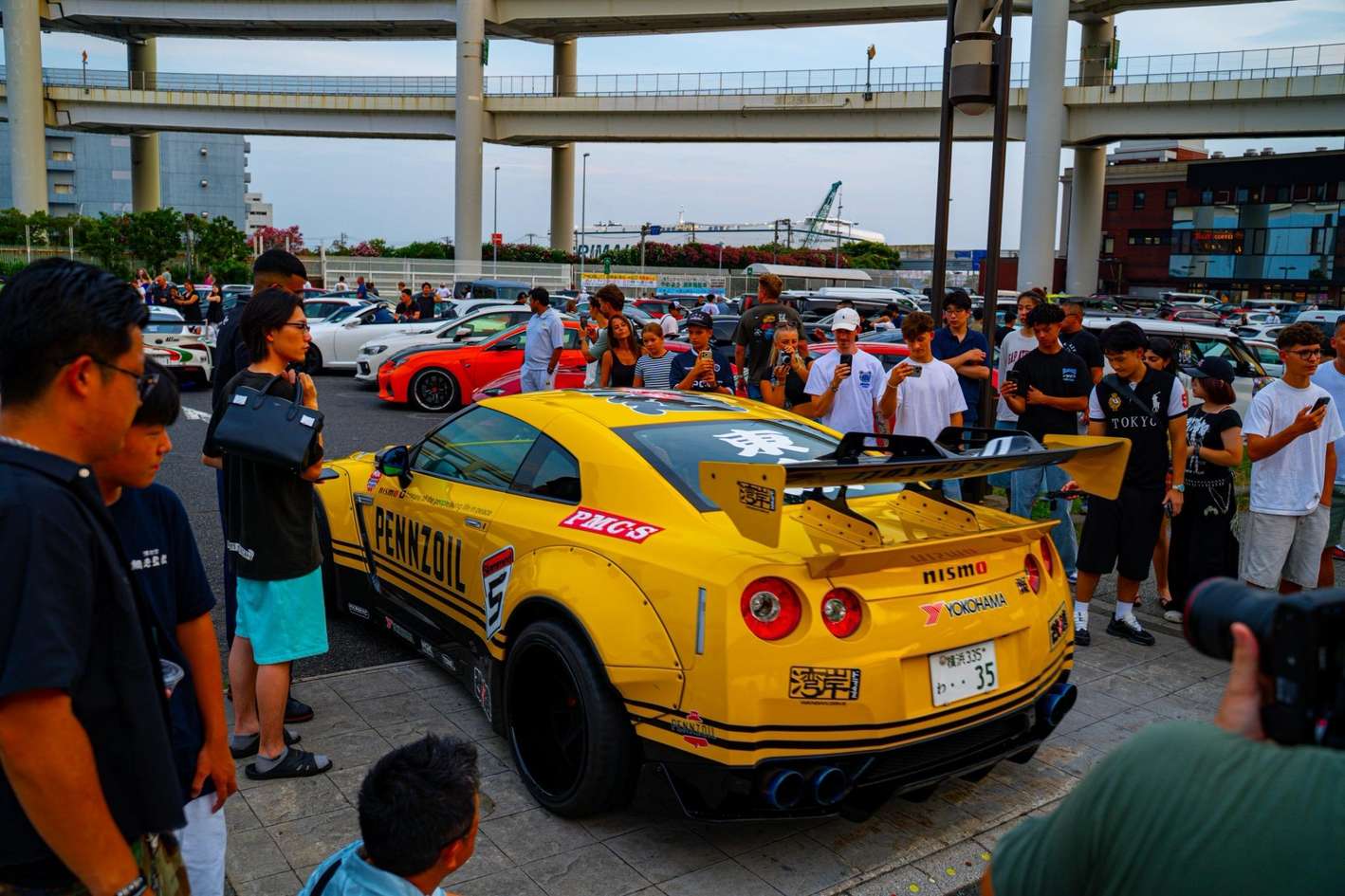
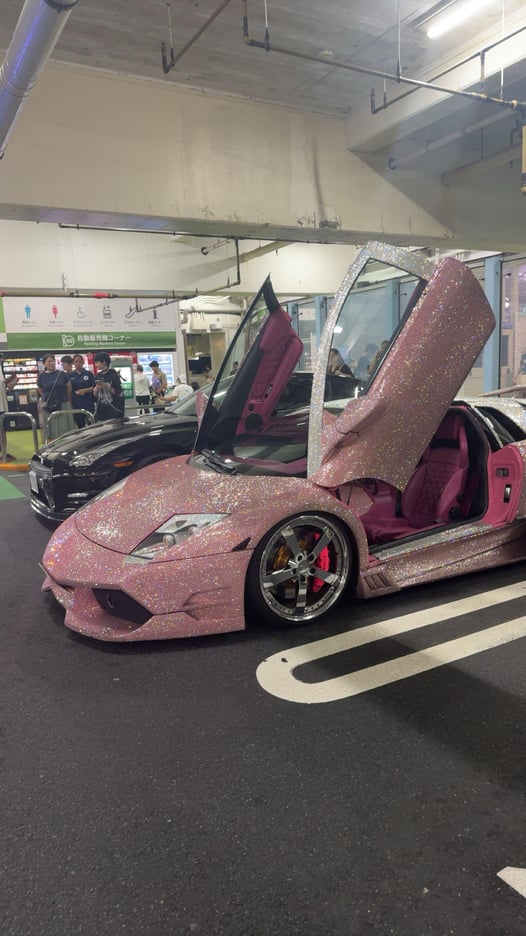
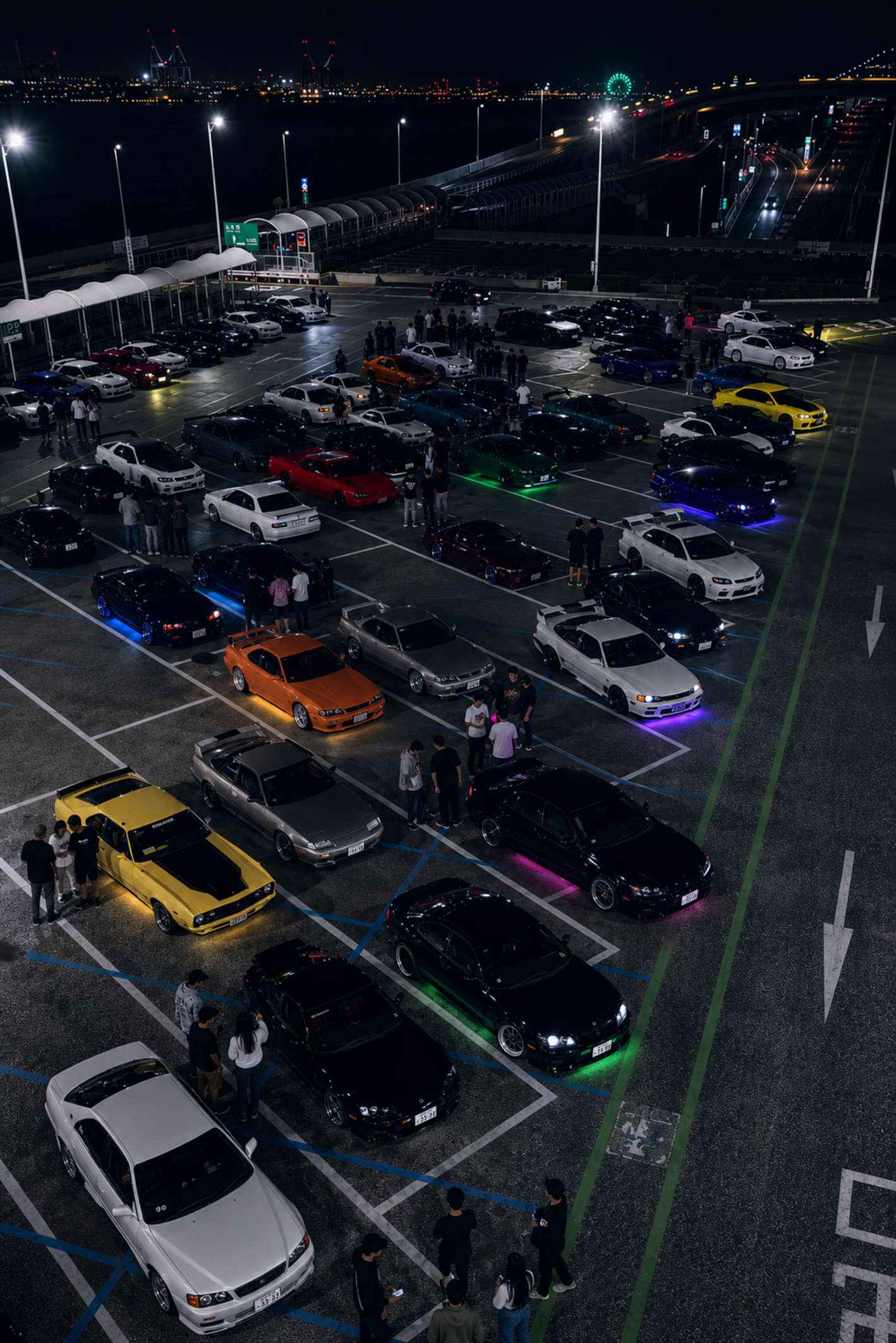
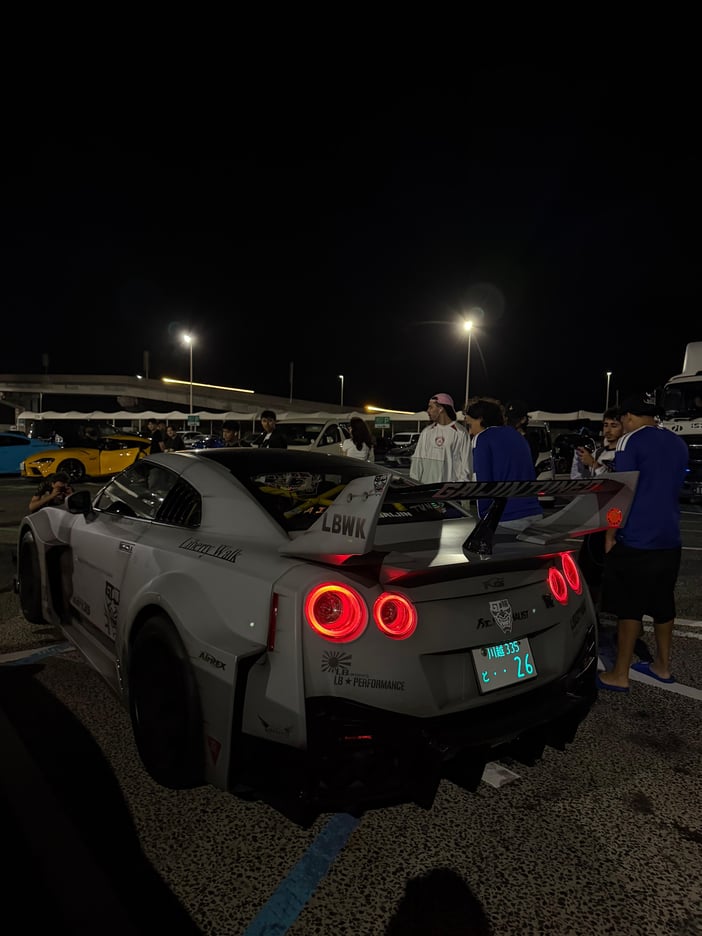
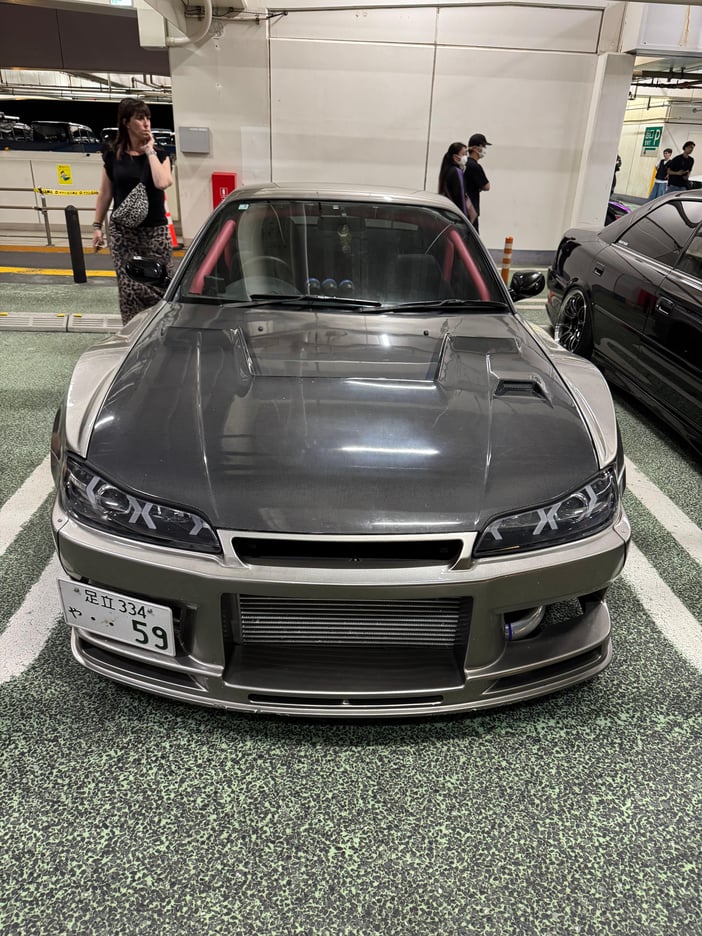
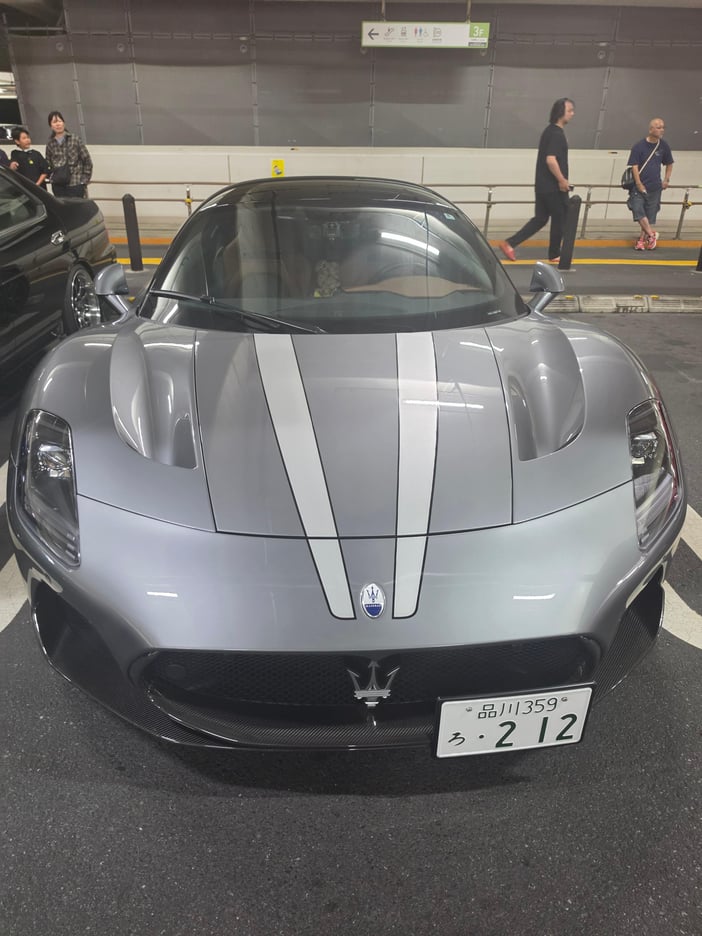
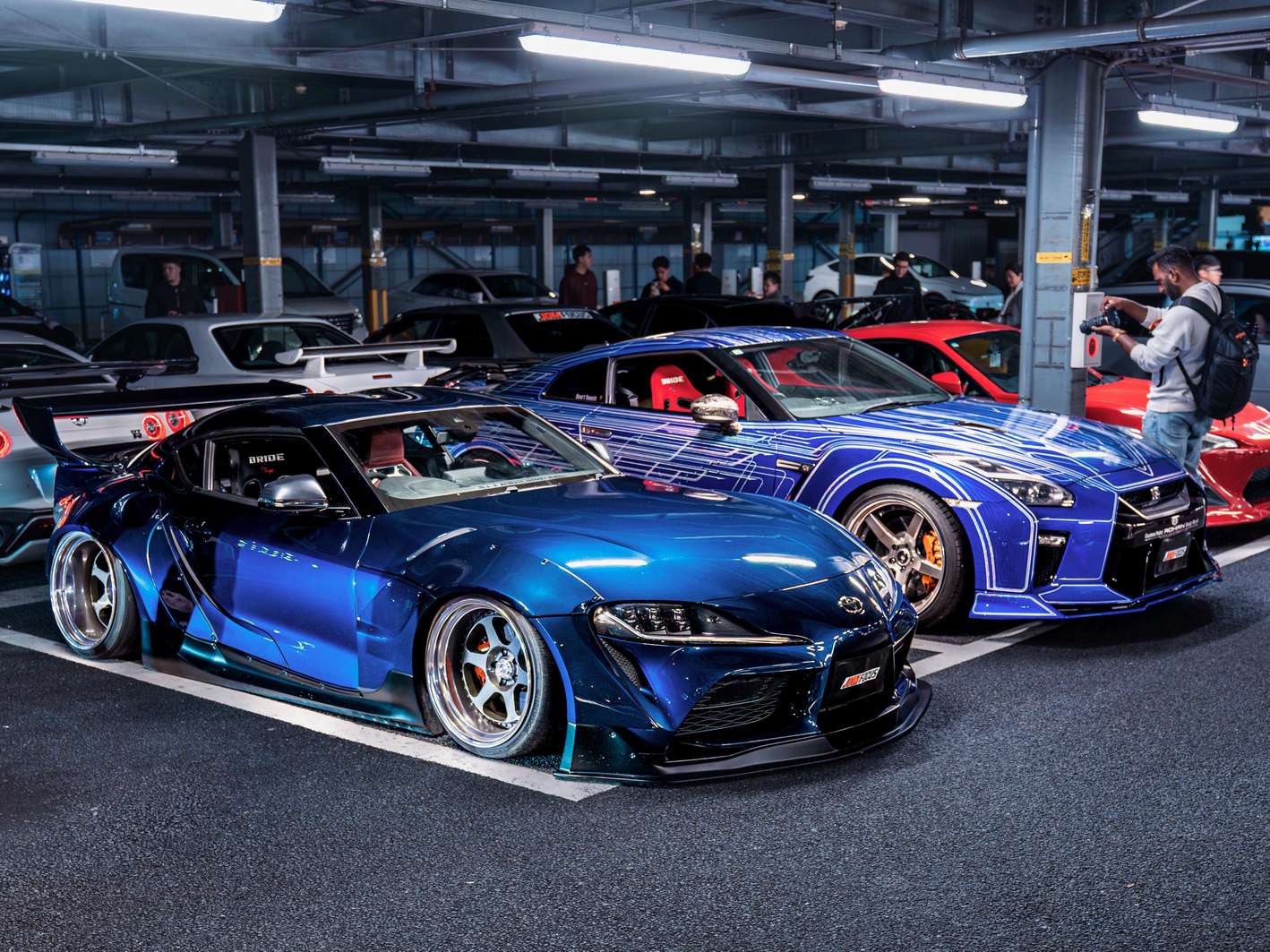
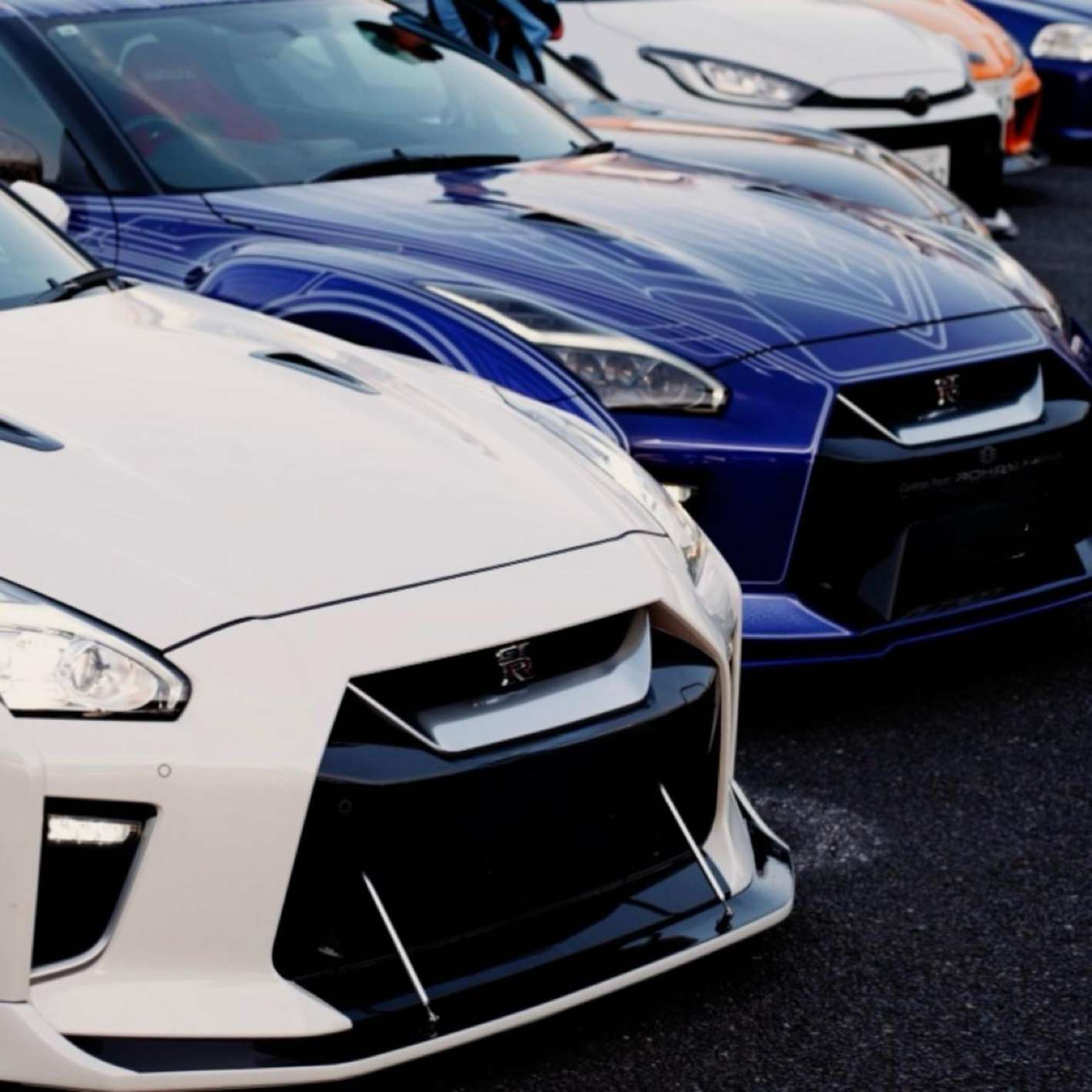
There is no organizer and no schedule. Cars simply arrive, and on a strong night the lot fills with Skylines, Supras, supercars, itashas and the occasional kei truck, engines idling under the lights.
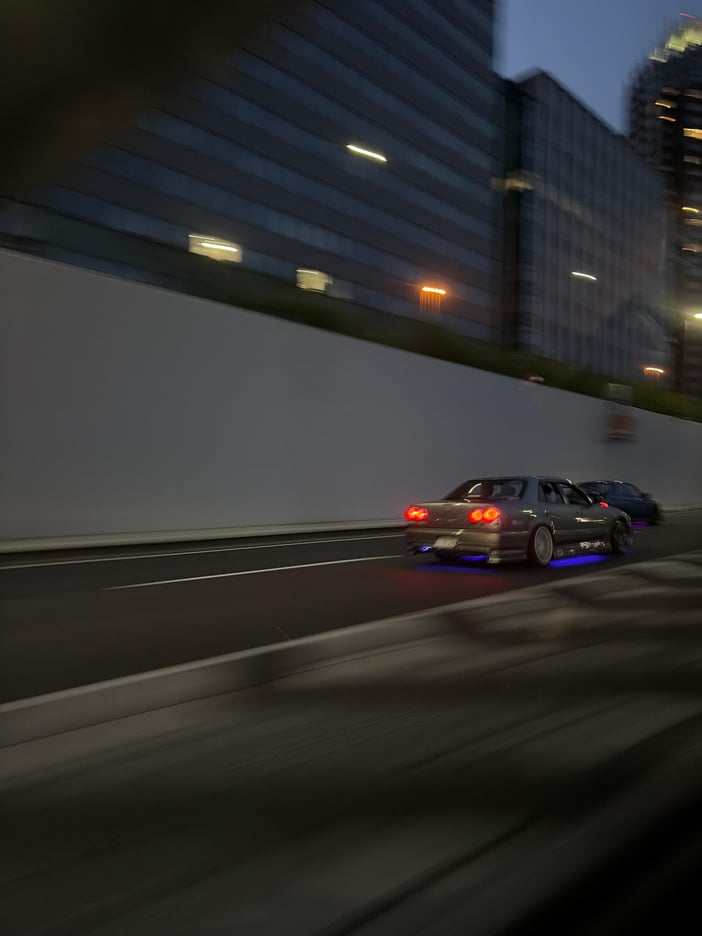
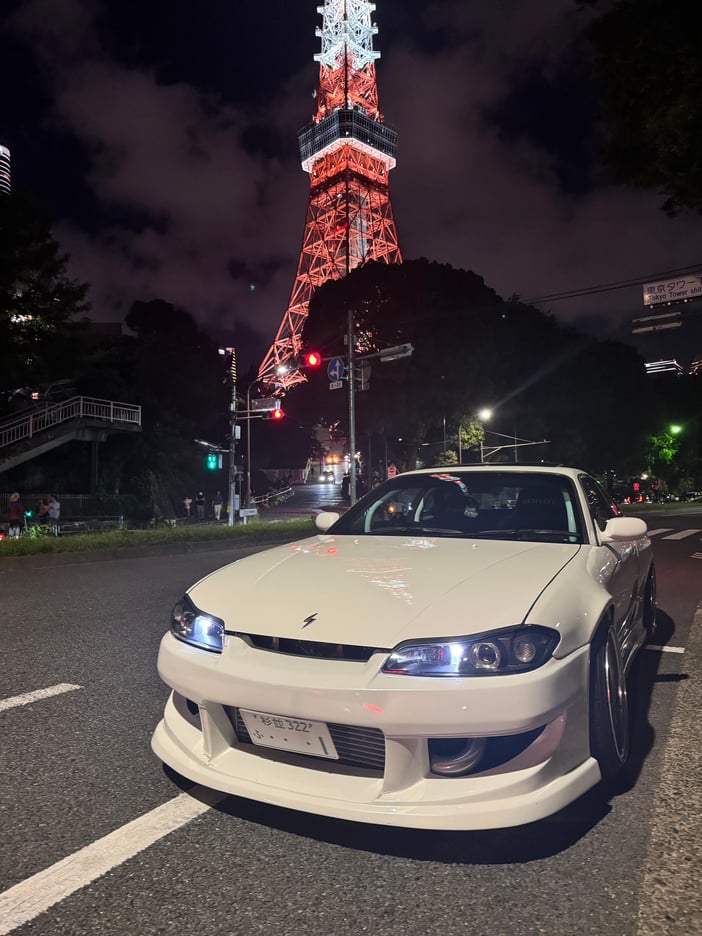
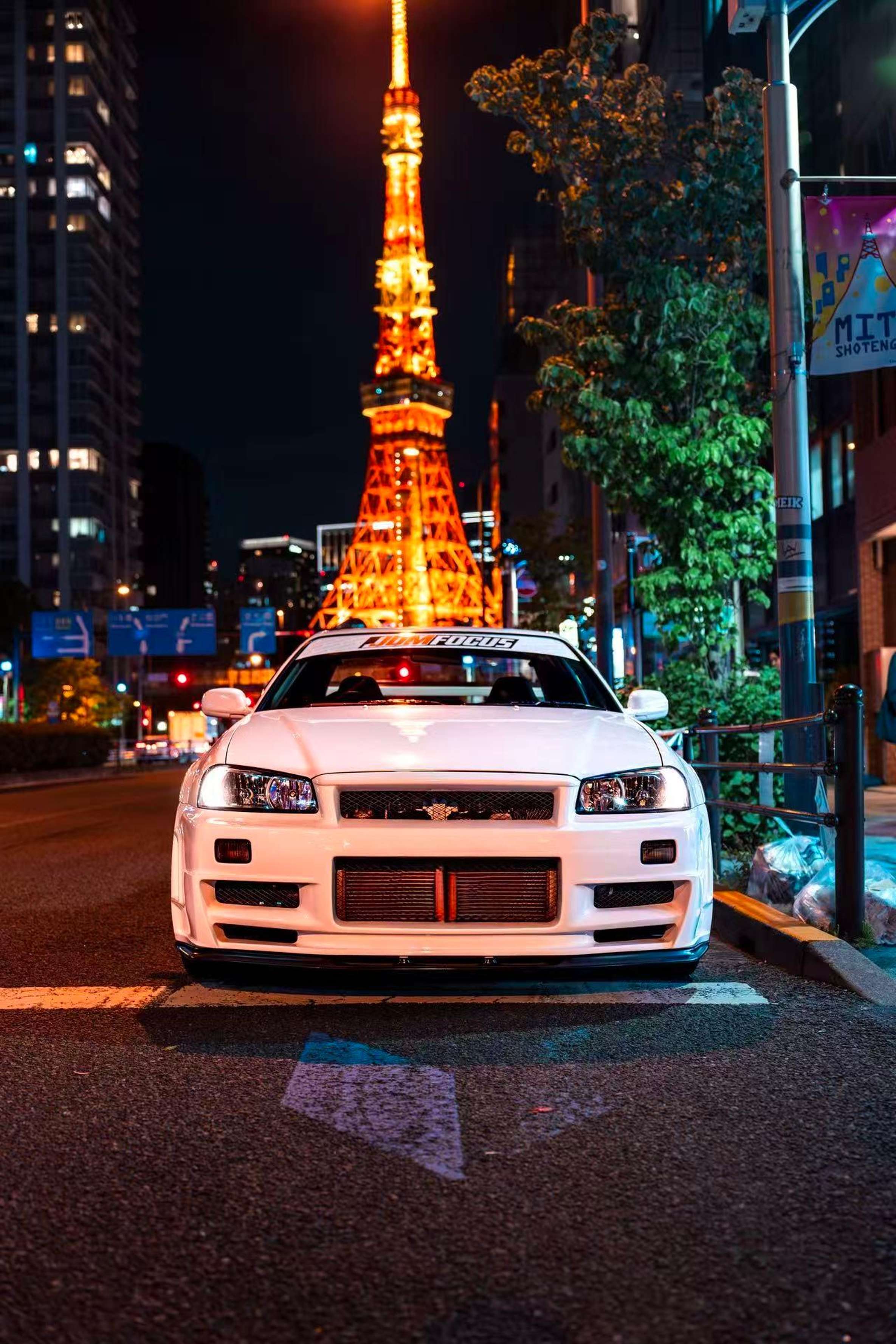
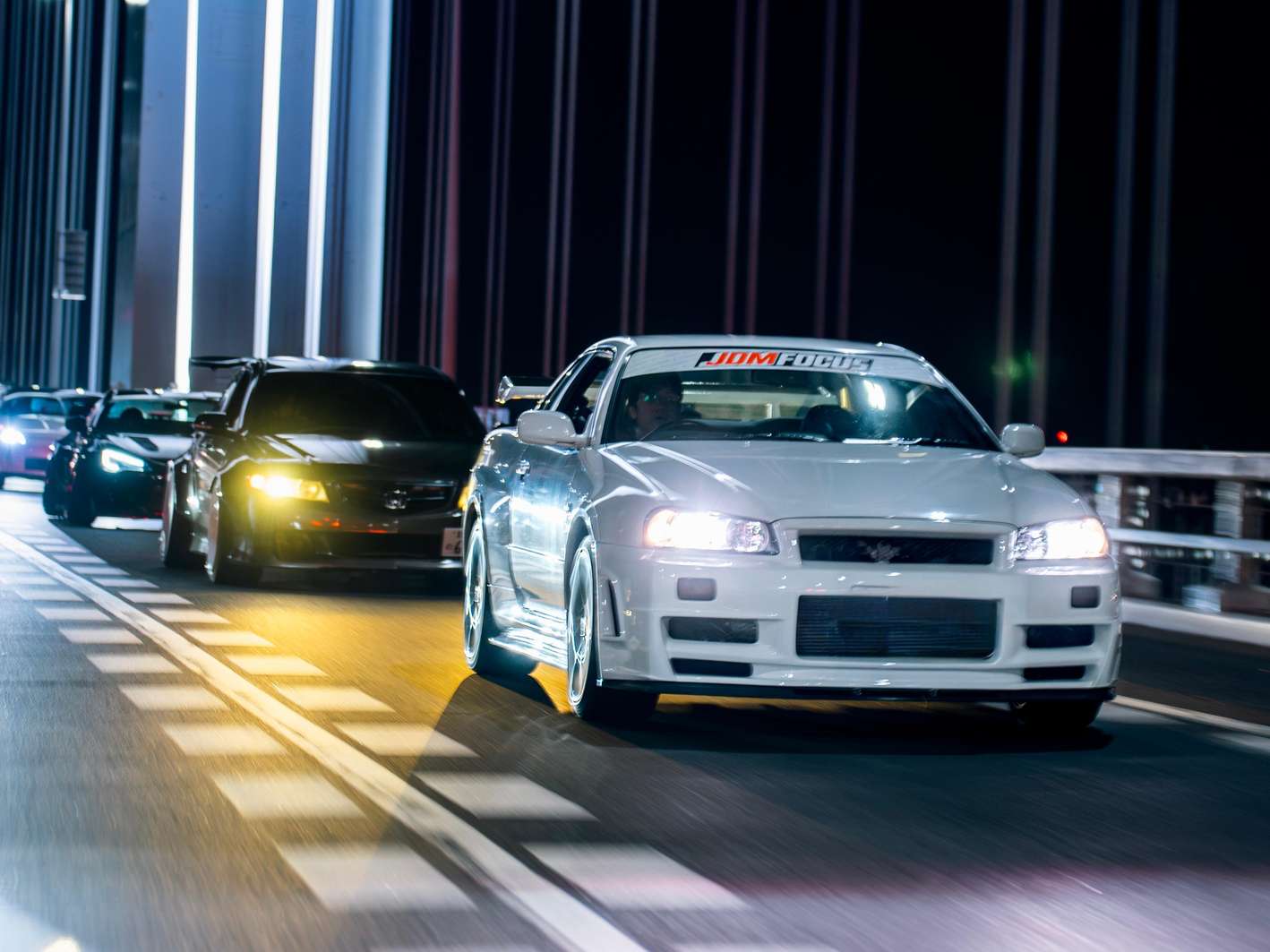
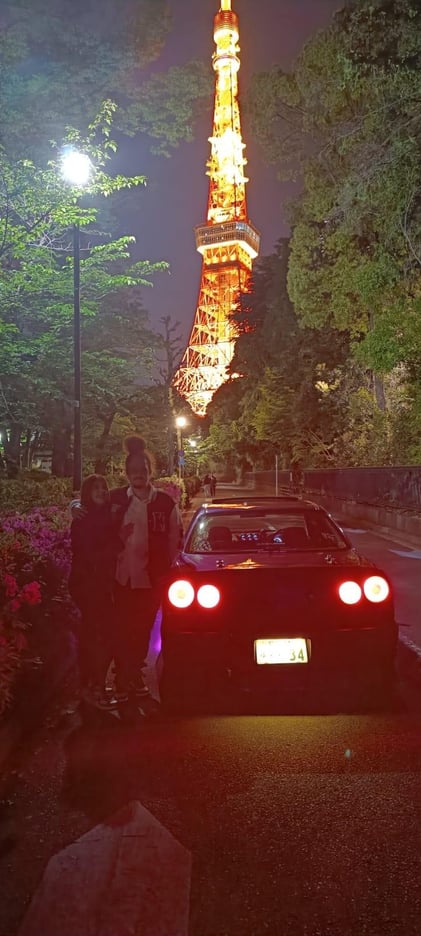
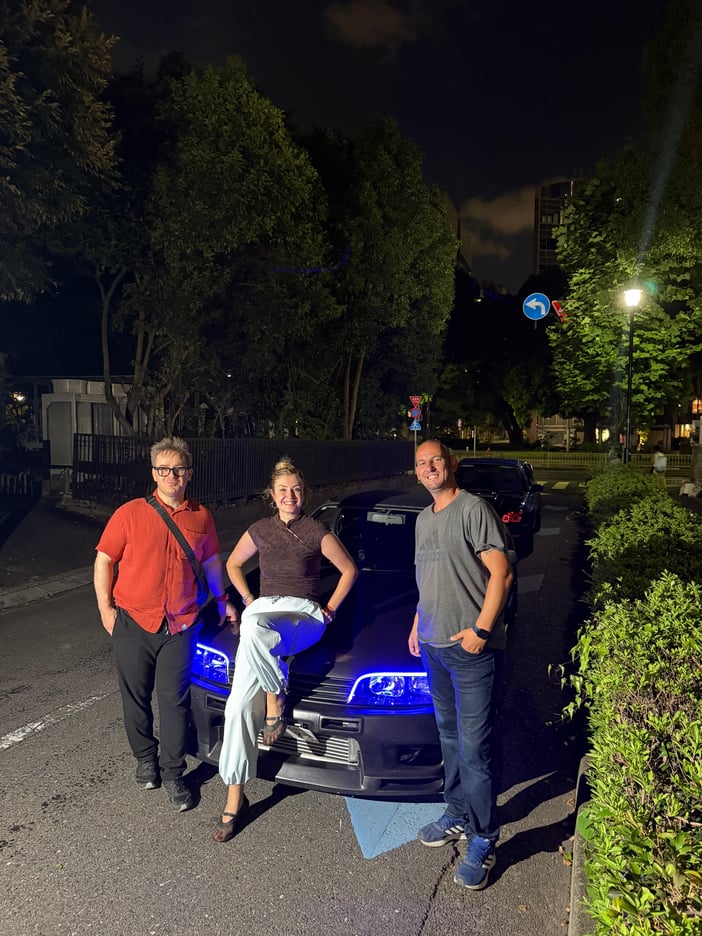
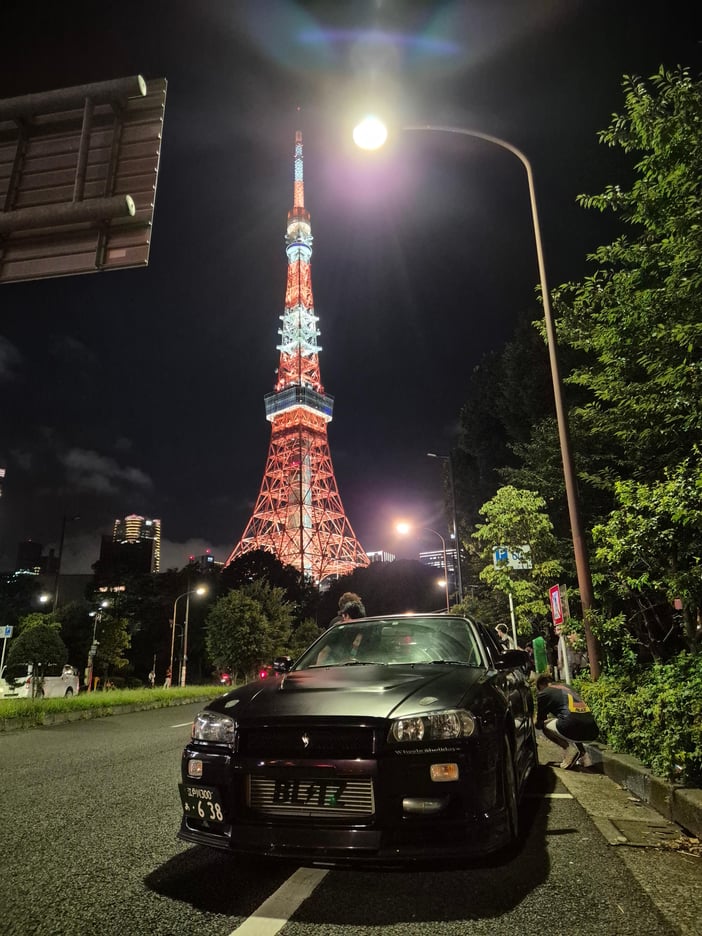
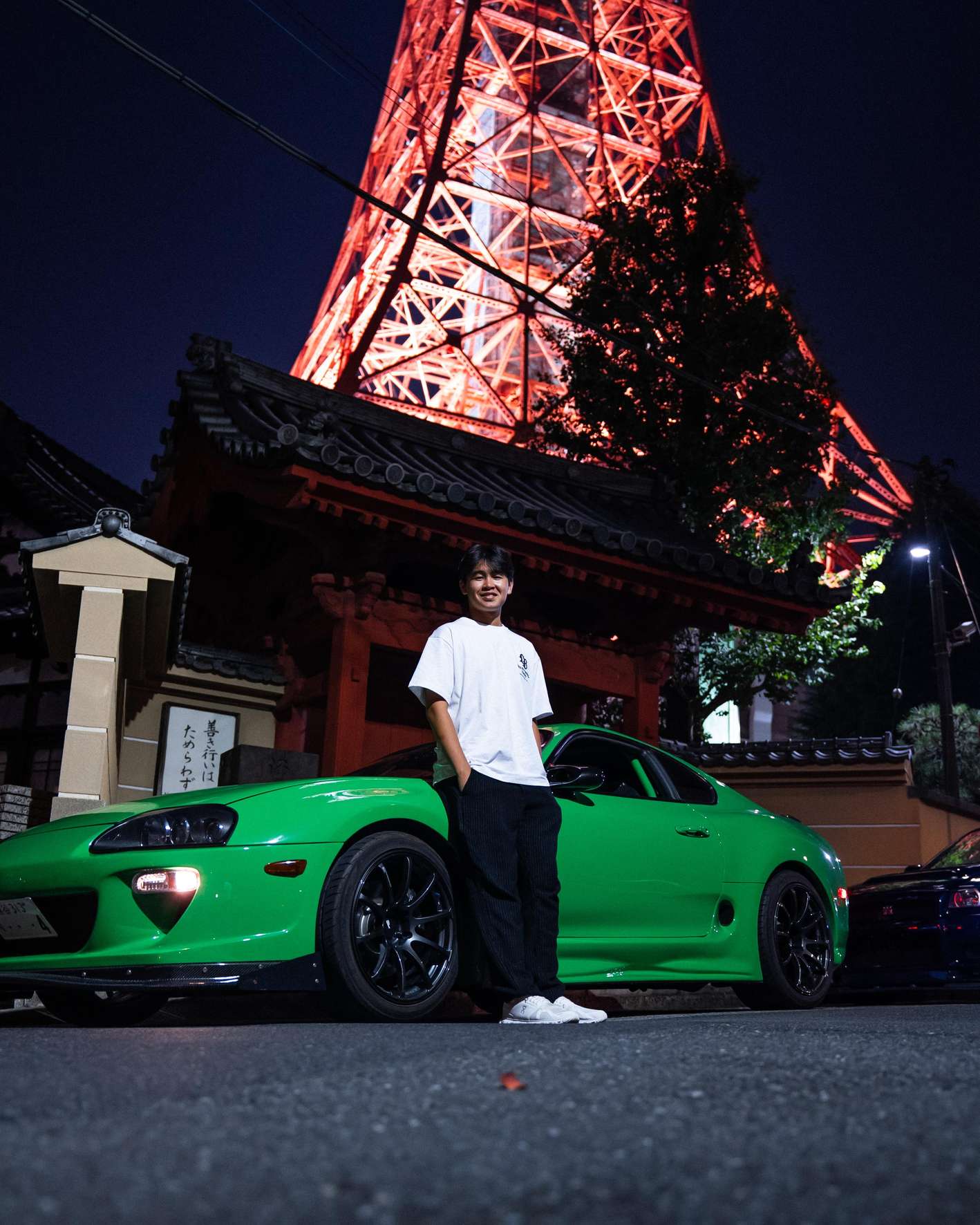
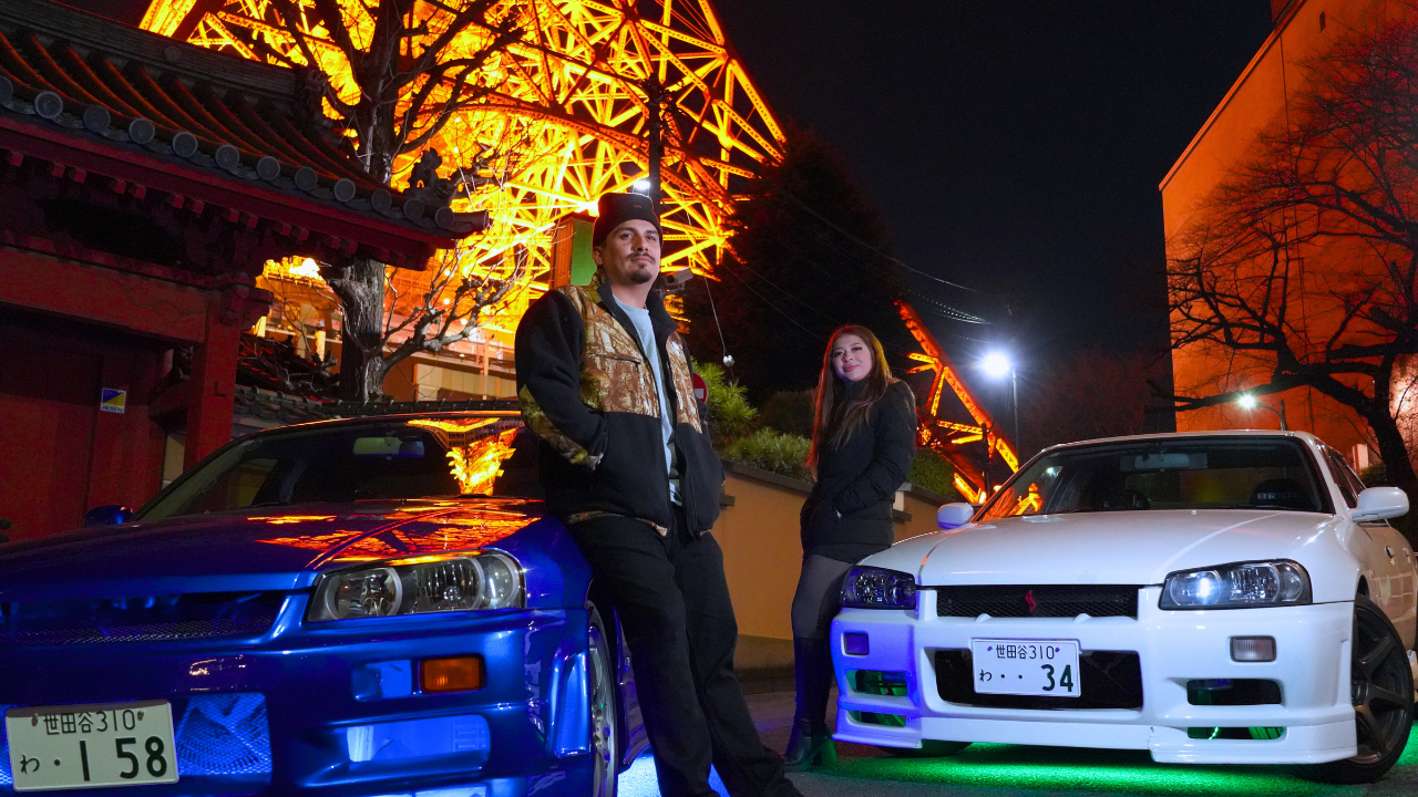
The tour runs about three hours. A local driver picks you up in Akihabara or Yokohama, takes you across Rainbow Bridge and the Wangan Route, and gives you time on the ground at the meet before a photo stop at Tokyo Tower. If police close Daikoku early, the route shifts to Umihotaru PA instead.
Pickup4 places, depending on your optionDrop-off back in Akihabara, a short walk from the train lines.Street ViewMeeting pointAkihabara StationDrop-off back in Akihabara, a short walk from the train lines.Street View3Daikoku Parking Area· 60 minThe famous informal car meet, running for over three decades. Walk the lot, talk with owners, and photograph cars under the spiraling ramps. About an hour on the ground.4Rainbow Bridge, Tokyo· 5 minA short pause on the bridge crossing for photos of Tokyo Bay lit up at night.Street View5Tokyo Tower· 20 minTwenty minutes to stretch your legs and take night photos of the tower with your car.Drop-off3 places, depending on your optionDrop-off for guests picked up in Yokohama at the end of the run.Street View
Included
Guided tour by fluent English speakers who know Tokyo and JDM culture inside-outPick-up and drop-off in deeply modified, high-performance vehiclesAll expressway tolls and fuel costs fully coveredPhotography service available throughout the trip (we help capture your best moments
Not included
Pets are not allowed in the vehiclesEntrance fees, meals, drinks, and souvenirs are not included in the tour priceAny personal expenses outside the planned itineraryAccess to areas outside Daikoku Parking or any illegal street racing locations
Tokyo JDM Car Meet tours compared - which night ride fits you
Green marks the lowest price. Prices per person.
Tour
Price
Duration
Pickup
Languages
Best for
Our pick
Tokyo:Night JDM Car Culture Cruise, Daikoku PA Experience
4.8★ (732)
from $95per person
3 hours - 4 days
yes
English, Chinese, Japanese
first-timers who want a surprise car and easy pickup
Decide which night matters more to you: Friday and Saturday bring the biggest crowds at Daikoku PA, with cars rolling in from around 9 pm, but those are also the nights police close the lot most often. Weeknights see fewer cars and fewer closures.
Pro tipIf you want the big weekend scene, book a tour that reroutes to Umihotaru PA when Daikoku closes, so the night still happens.
Common mistakeFirst-timers assume the meet has a schedule. It is whoever drives in that night, so the day you pick only changes how many cars you see.
02
Choose the option that fits you
Each tour lists several options, and they change more than the price: shared rides in a random JDM car, guaranteed models like an R34 Skyline or GT-R R35, private cars for your group, or a comfort van where the meet is the main event. Read what each option names before you tap.
Pro tipIf one specific car matters to you, pick an option that guarantees it. Standard options swap cars based on what is available that day.
Common mistakeBooking the cheapest option and expecting a GT-R. The option page shows which car applies, so confirm it before paying.
03
Check pickup and meeting point
Some tours pick you up at your hotel, others meet at a fixed spot such as Shinjuku or Shibuya. The option you choose decides this, so look at it while booking and plan your evening around getting there.
Pro tipHotel pickup removes the late-night trip home after a midnight run, which is worth it when you have an early morning after.
RecommendedFor meeting-point tours, arrive ten minutes early. Night runs leave on time and the group will not wait.
04
Pay and watch your inbox
After payment you get a voucher with your booking details. One tour operator sends an email within 48 hours and asks you to reply, and operators use WhatsApp for day-of updates, so add your contact method after booking and turn notifications on.
ImportantMost tours let you cancel up to 24 hours in advance for a full refund, so book early and cancel free if plans change.
Pro tipIf Daikoku closes on the night, the operator messages you before start time and reroutes to another spot. Keep your phone charged and reachable.
05
On the day, bring the basics
Bring your passport, a camera and a charged phone, and eat dinner before a night tour since food is not included. Dress for standing around outdoors: Tokyo nights at the meet run from about 1°C in winter to over 25°C in midsummer, so a light jacket helps even in warm months.
ImportantNo international driving permit is needed for these passenger tours. You ride with a local driver the whole time.
RecommendedWear comfortable shoes. You will spend up to an hour and a half on the ground walking between cars and taking photos.
What to know before you book a JDM car meet tour in Tokyo
Can stop the dayGood to knowGood news
01
ChoosingWhat it is, who it suits, when to go
7
Your car
Some options guarantee a specific car such as a Skyline R34 or GT-R, others run a rotating lineup that changes with the night and maintenance schedules. If a particular model matters to you, pick a guaranteed option or ask in writing before paying. A photo of a car on a listing does not reserve it for your date.
Group size
Shared tours put you with a small mixed group, often three or four guests per car, and some operators split pairs across two cars. Private options keep the car for your group alone. If you want the whole car to yourselves, book the private version.
Included
A typical booking covers the ride with a local driver, the Daikoku PA stop, and often photo stops at Tokyo Tower or Shibuya. Food, drinks and personal expenses sit outside it, and upgrades to a GT-R or a private car cost extra. Some tours add shopping at a tuning store or a photoshoot.
Lead time
Book a few days ahead, because popular cars and private options fill first. After booking, expect an email from the operator within 48 hours and reply to it. Switch on WhatsApp notifications so the operator can reach you before start time if anything changes.
On boardCan stop the day
The ride is a guided car culture experience, so drivers keep it safe and legal on public roads. Alcohol and drugs are out, smoking is off in the vehicles, and you follow the driver's instructions throughout. Reckless driving and illegal street racing are refused by legitimate operators.
Timing
Daikoku PA is an informal gathering with no organizer, so the lineup varies by night and weekends bring the biggest turnouts. Police can close the parking area without notice, and heavy rain can do the same, which is when operators switch to Umihotaru PA. Most tours run three to four hours and end late.
Tipping
Japan does not run on tips, and none of these tours ask for one. The price you book covers the guide and driver. If a driver goes out of their way for you, a thank you and a good review do the job.
02
BookingHow far ahead, and what happens if plans change
1
Cancellation
Most tours let you cancel up to 24 hours in advance for a full refund. If Daikoku PA closes and the operator moves the visit to another spot such as Umihotaru PA, one operator refunds in full if you decline the change. Check the cancellation terms on the listing before you pay.
03
Before you goPapers, health, what to bring
1
DocumentsCan stop the day
Bring your passport or ID, and carry your voucher as a QR code on your phone. You ride as a passenger, so no driving licence is needed on the standard tours. Some operators set limits for taller or heavier guests, and children under 12 or pregnancy rule you out on certain rides, so read the listing's restrictions.
04
On the dayWhere to be, when, and how you get there
1
Pickup
Many of these tours pick you up at your hotel in central Tokyo, and some private options will collect you from anywhere in the city. Others meet at a fixed spot such as Shibuya or Shinagawa. The listing shows which applies, so confirm the meeting point when you book.
05
During the tourWhat is expected of you
1
Etiquette
Ask an owner before touching, leaning on or entering any car, and ask before photographing people or posting cars online. Behavior at the meet is watched by police, who act on complaints from owners. Photography itself is welcome when you are respectful.
The JDM car meet tour guide for Tokyo visitors
Daikoku PA has no train, no bus and no foot access, so a tour is how most visitors reach Tokyo's famous night gathering. The best nights, the etiquette that keeps owners happy, and how to pick a tour, all settled below.
Yokohama· 35.70° N, 139.77° E
If you only remember three things
1
Friday and Saturday nights are the peak at Daikoku PA: cars fill the lot from about 5 pm and the biggest crowd builds between 9 pm and 1 am, though police sometimes close the entrance as early as 7:30 pm on weekend evenings.
2
Ask before touching, sitting in or photographing any car, and ask again before posting a photo online.
3
Daikoku PA sits inside the Shuto Expressway with no pedestrian gate, so the only way in is in a vehicle already on the expressway.
What a JDM car meet in Tokyo really is
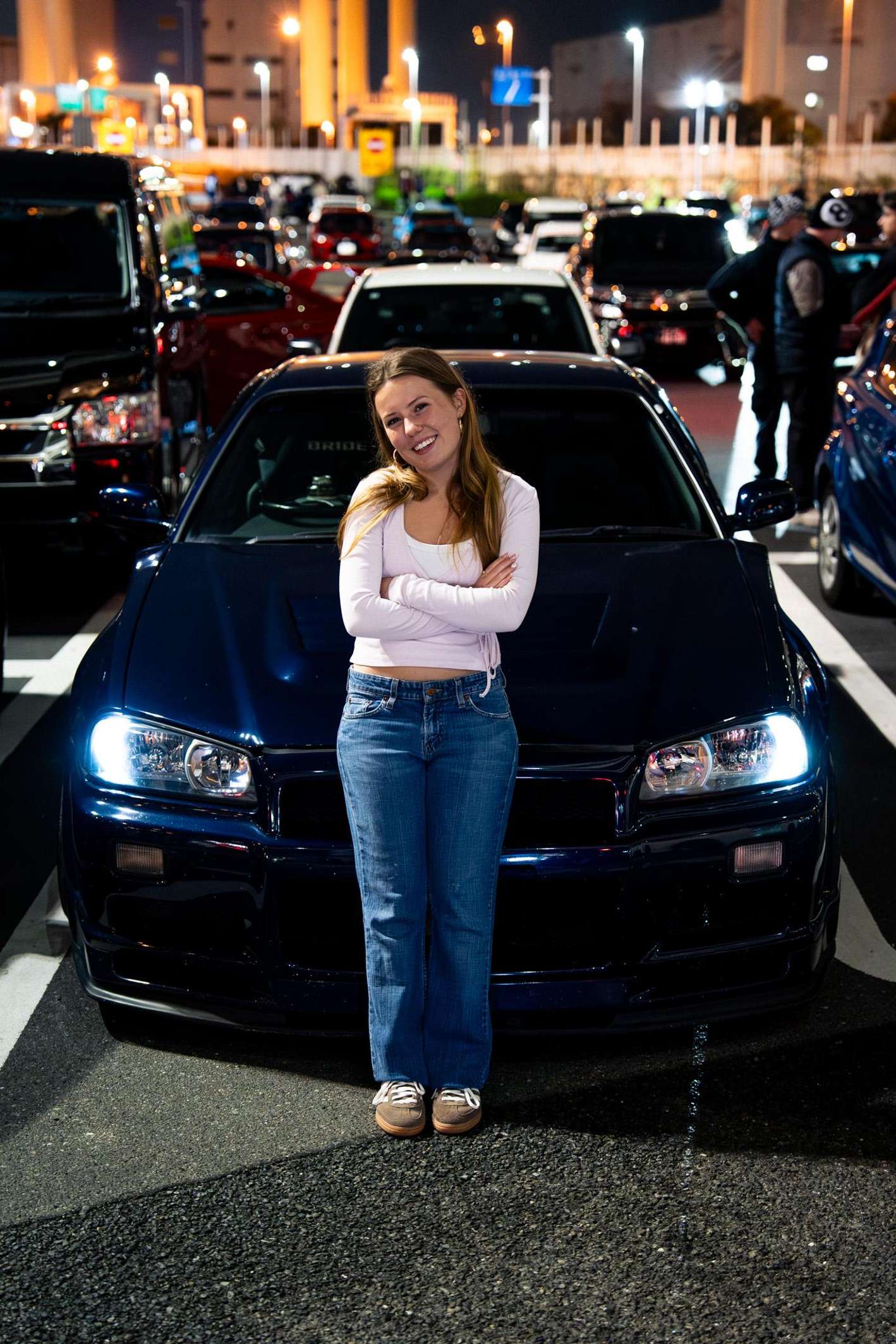
Daikoku PA is a tollway rest stop on Tokyo Bay where an informal gathering happens most nights. Nothing is organized: enthusiasts drive in, park, and stand around talking about their cars. It feels like Cars and Coffee at night, with bigger turnouts on weekends.
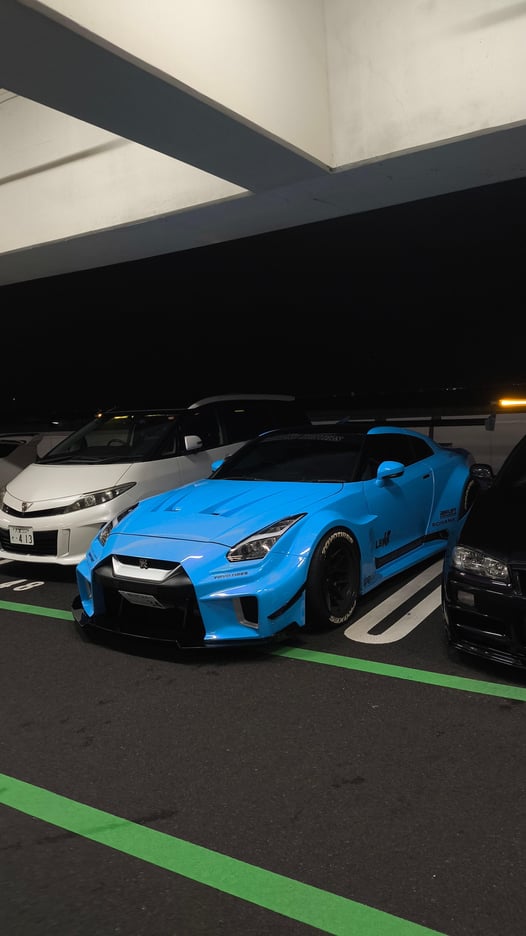
There is no ticket, no stage and no guaranteed show. Some nights the lot is packed with GT-Rs, Supras and widebody builds; on others it is quiet.
A JDM car meet tour smooths that out, because the guides know which parking areas are active on a given night and move to another spot, such as Umihotaru PA across the bay, when the first choice is shut.
Tour for this
Tokyo: Daikoku Meet & Night Drive on a Tokyo Drift JDM Tour5.0★ (137) · 3 hours · Hotel pickup · Free cancellation
Friday and Saturday nights draw the biggest crowds. Cars start filling the lot from around 5 pm and the crowd peaks between about 9 pm and 1 am. That popularity has a cost: police sometimes shut the entrance early on weekend evenings, occasionally by 7:30 or 7:45 pm, so arriving early beats arriving late.
How busy Daikoku PA car meets get by day of the week
Fri: the busiest. Friday night is one of the two peak nights, with cars rolling in from around 5 pm, but police can close the lot from about 7:30 pm, so come …
Bar height: how busy each day is, from very quiet to the busiestThe busiest: Fri
Tap a day to read it.
Thursday is the sleeper pick. Visitors have found the lot packed like a weekend night on a Thursday, with fewer of the closure problems. Sunday evenings also deliver, with rare supercars showing up. Monday to Wednesday are far quieter, though rarely empty, and weekday visits are much less likely to end in a police closure.
Tour for this
JDM Tour to Daikoku PA Fast and Furious Tokyo Drift Experience5.0★ (91) · 3 hours · Free cancellation
Picking the right JDM car meet tour for your Tokyo night
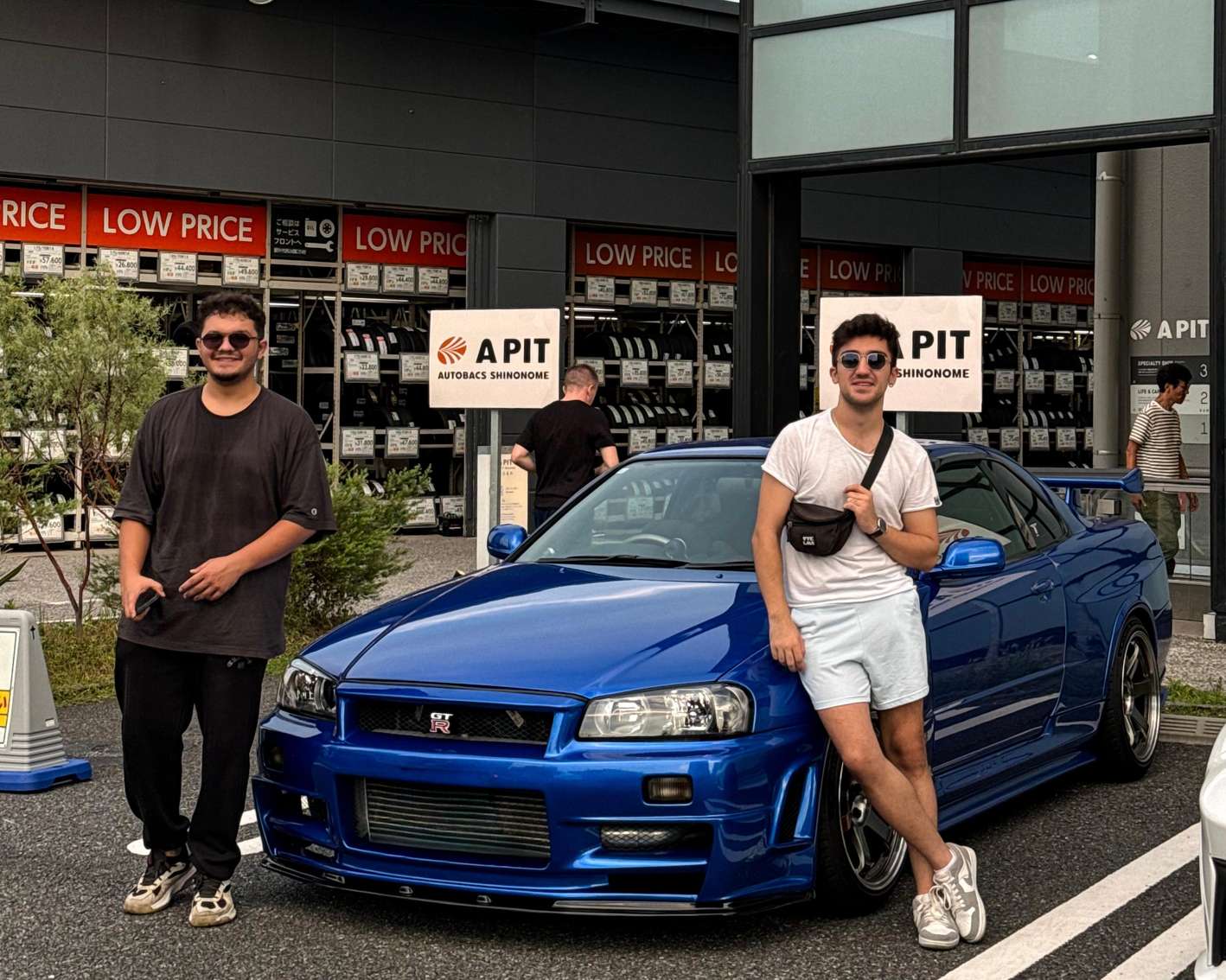
Most tours run three to four hours at night. They meet in central Tokyo, often Shibuya or Akihabara, or pick you up from your hotel, then ride the expressways with stops that commonly include Tokyo Tower, Rainbow Bridge, Shibuya Crossing and the A-PIT Autobacs car-supply store.
The main event is the parking area itself, where you walk among the cars for a chunk of the evening.
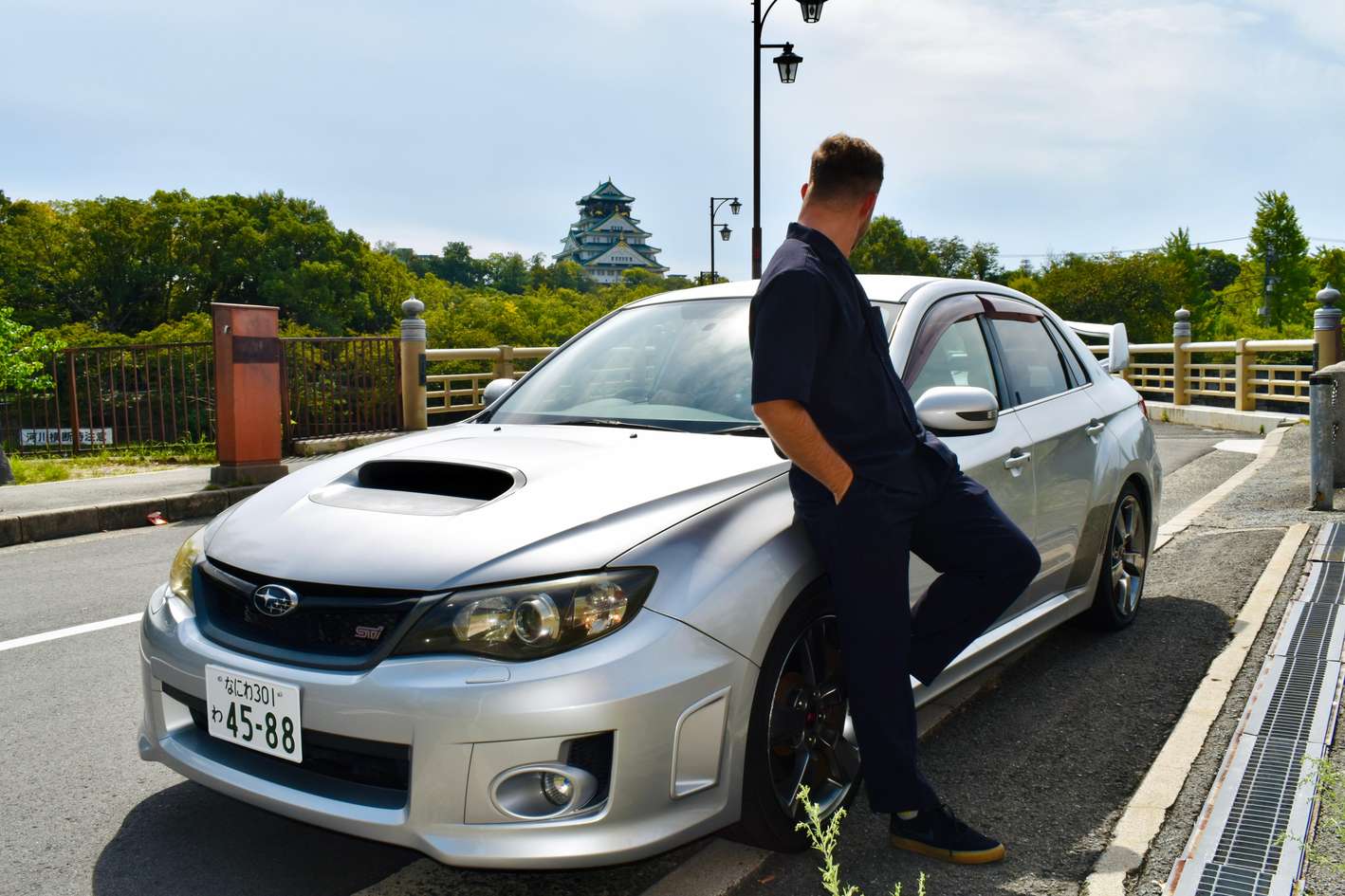
The differences worth weighing are the car and the format. Some tours put you in a modified Skyline, Supra, EVO or WRX; others rotate through several cars or run in a convoy. Shared tours mix you with other travelers, private ones keep the car to your group and add flexible stops.
Several operators run in English, and some add Japanese, Chinese, Spanish or Portuguese. If a specific car matters to you, book an option that names it, because availability changes night to night.
Tour for this
Daikoku:Experience Tokyo's Car Culture in Iconic JDM Cars4.9★ (872) · 3.5 hours · Hotel pickup · Free cancellation
The rules at the lot are unwritten but firm. Never enter, sit on or touch someone's car without asking the owner first, and that includes leaning on it for a photo.
Ask before photographing a car, and ask again before posting the picture online. Posting without permission is frowned on, and it has contributed to meets winding down.
Stay out of the roadways at the parking area. Tourists walking into traffic have drawn police attention, and trespassing is one reason the meets have come under pressure.
Behavior is watched, and police act on complaints. Walk the lot like a guest and owners start talking, which is how you hear where the scene is heading that week.
Tour for this
Tokyo: JDM Performance Car Tour with Planned Daikoku Stop5.0★ (509) · 3 hours · Free cancellation
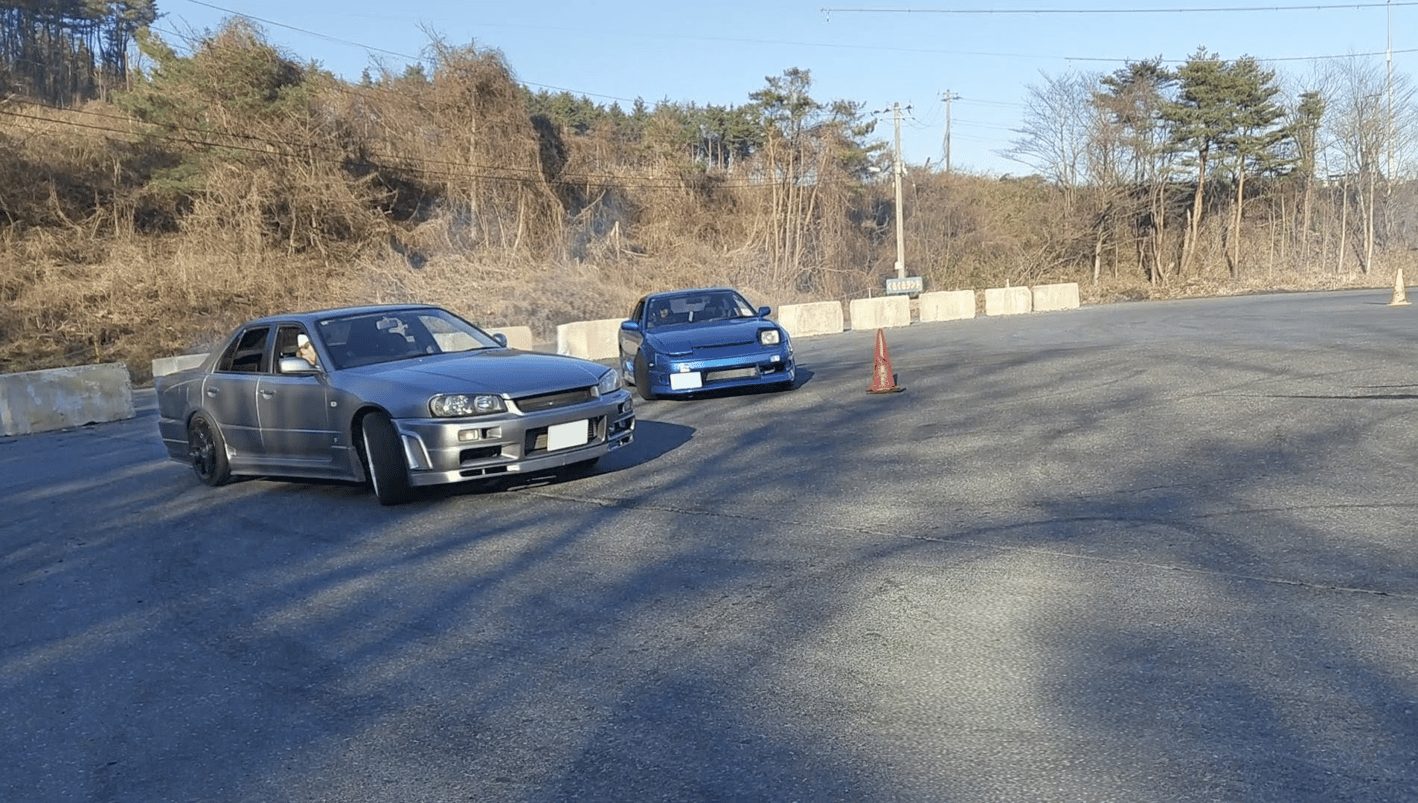
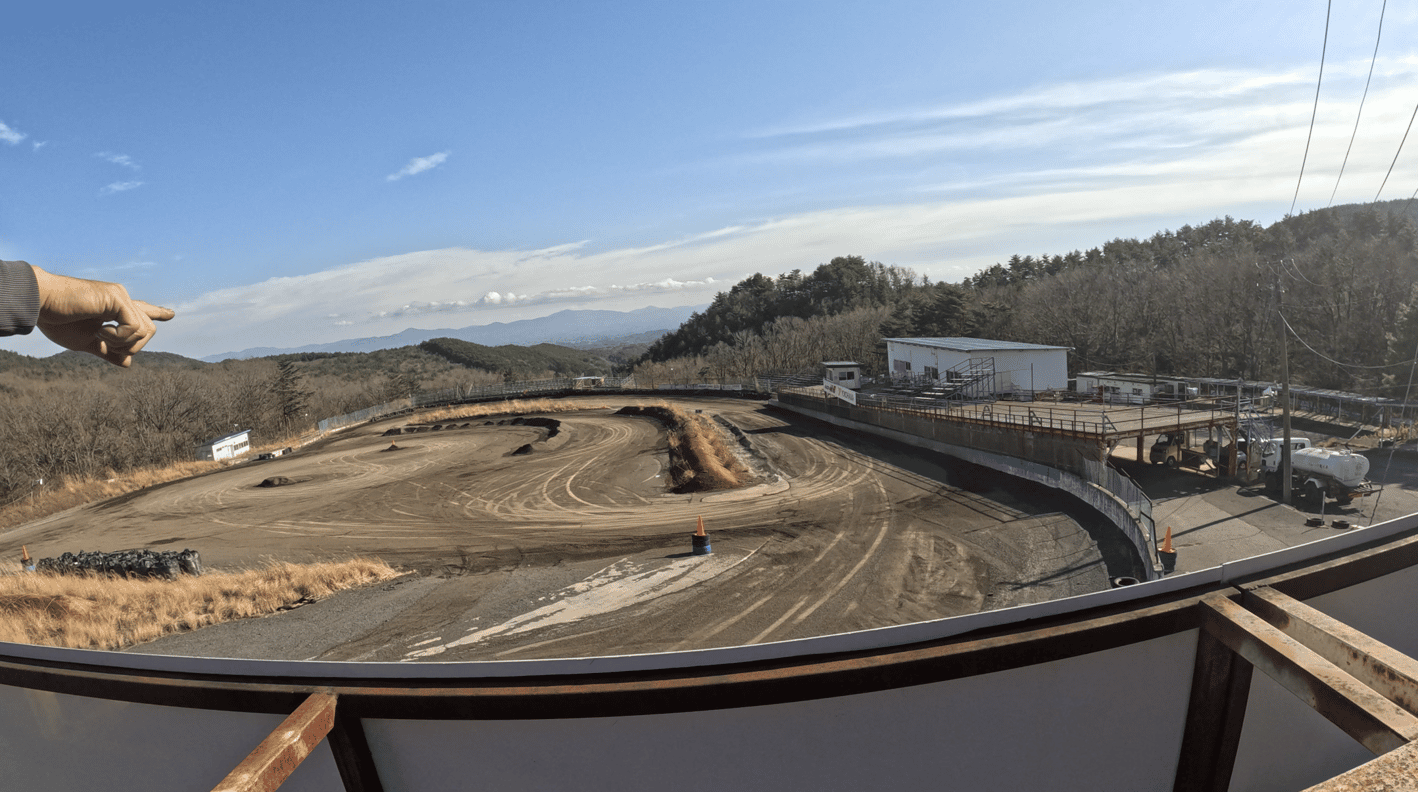
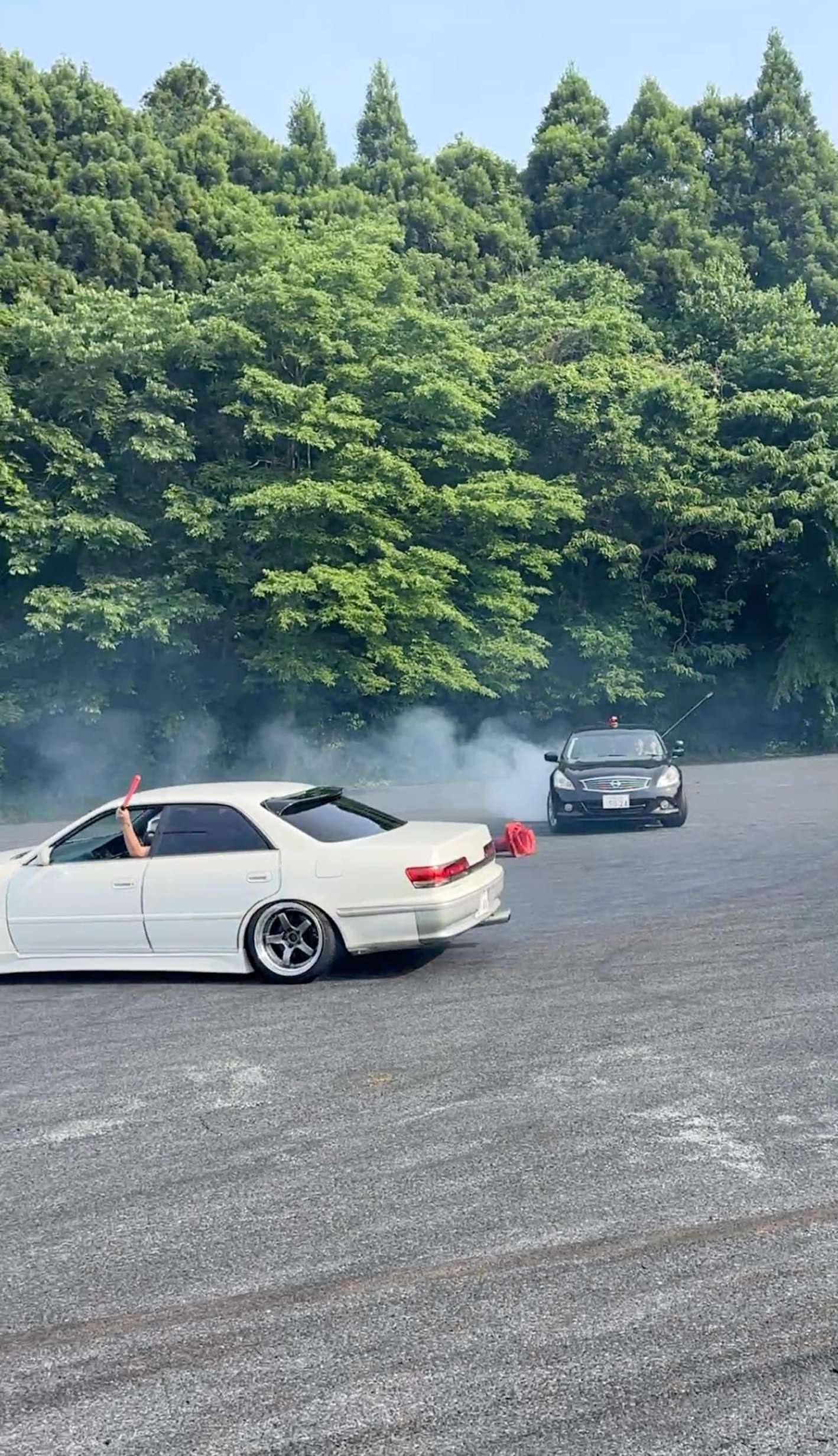
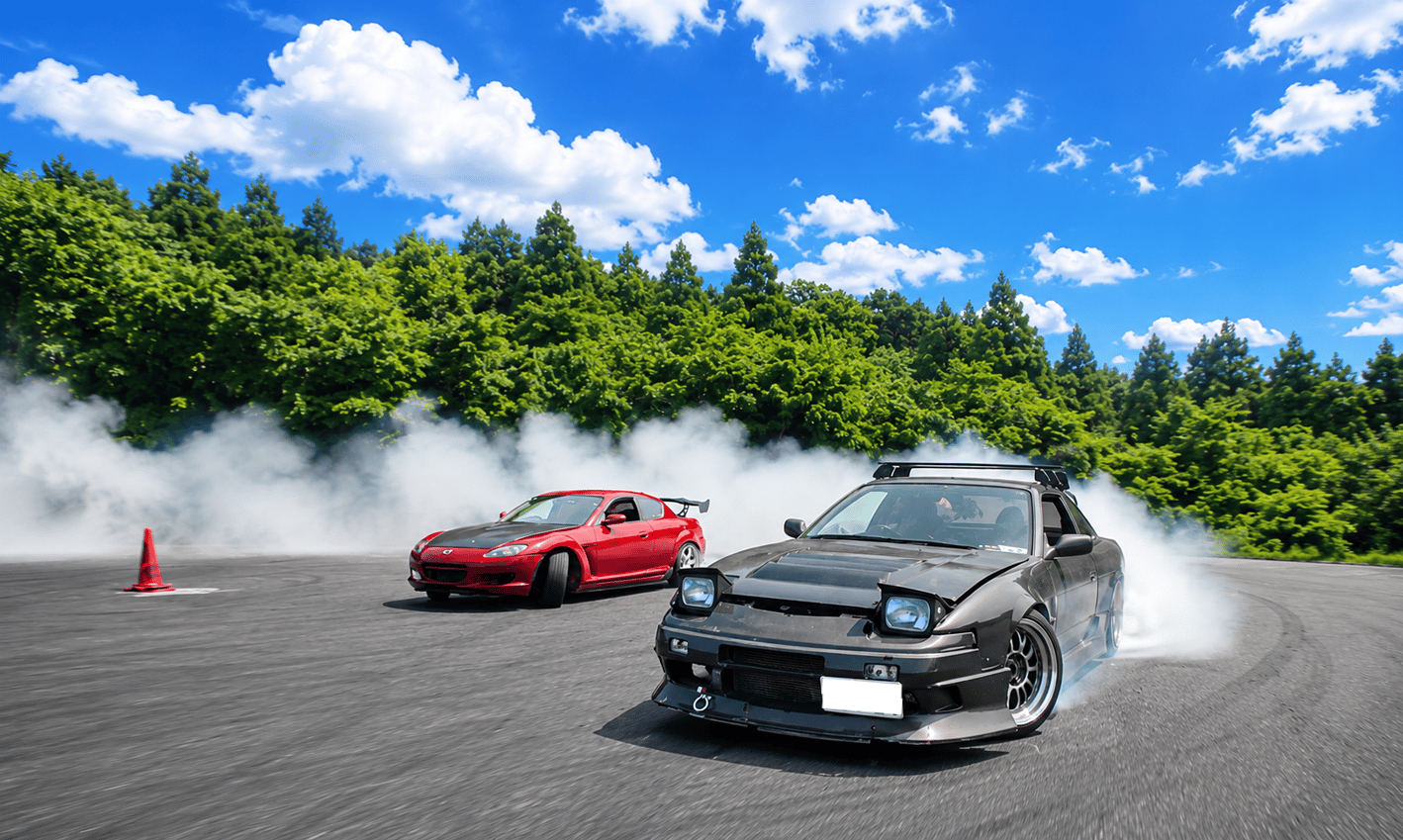
Daikoku is a display gathering. Drifting on public roads is illegal in Japan, so there are no advertised street drift sessions open to tourists. The legal ways to see the real thing are circuits and competitions.
Near Tokyo, Mobara Circuit and Nikko Circuit host plenty of drift events, and the Ebisu Circuit north of Tokyo is the established home of drift practice, with guided lessons and ride-alongs.
For competition, time your trip around the D1 Grand Prix, which holds rounds in Osaka in September and Tokyo in October, with the final round usually in Odaiba in November.
If you want to try it yourself, a beginner lesson at a circuit teaches donuts and figure eights with patient instructors. One traveler who did a lesson calls it one of the best experiences they have had.
Self-drive is realistic with the right paperwork. Visitors need an International Driving Permit under the 1949 Convention, or, for licenses from Switzerland, Germany, France, Belgium, Monaco or Taiwan, a Japanese translation of the home license arranged before the trip. Bring your passport with the permit every time you drive.
Rental specialists around Tokyo keep JDM legends in their fleets, with pickup points in areas like Ota near Haneda, Adachi, Shibuya and Chiyoda, and a few keep their rarest cars at head offices just outside the city. Book the car before you fly; leaving it until you arrive means the good ones are gone.
On the road, keep left and expect a general 60 km/h limit on the Metropolitan Expressway, with some stretches at 80. The C1 Loop, a roughly 14.8 km circuit around central Tokyo, is legal to drive and repeat, with tight tunnels and no traffic lights.
You need an ETC-equipped rental for the toll roads. Park only in lined spaces, reverse in at pay lots, and never use your phone while driving.
Tour for this
Tokyo Drift Daikoku Car Meet GT-R35-34,R33,Silvia,GT86,Supra4.9★ (65) · 3.5 hours · Free cancellation
Demand swings hard by month. Spring and autumn fill up weeks ahead, while the quiet winter months leave room for last-minute plans. If your dates are fixed, book the tour first and build the rest of the trip around it.
How busy it gets, month by month
July: 5 out of 5 for how busy it gets.
HighestApr to Oct
LowestNov to Mar
Darker: a higher how busy it gets score, out of 5
Tap a month to read it.
Big indoor events can anchor a whole car-culture trip: Tokyo Auto Salon in January, Osaka Auto Messe in February, and Wekfest usually in the summer. Planning a trip around months with no big events is a common mistake, so check the calendar first.
Meets themselves publish details only about a month ahead, and permission can be withdrawn at short notice, so recheck close to your dates and keep a backup venue in mind.
Tour for this
Tokyo:Night JDM Car Culture Cruise, Daikoku PA Experience4.8★ (732) · 3 hours - 4 days · Hotel pickup · Free cancellation
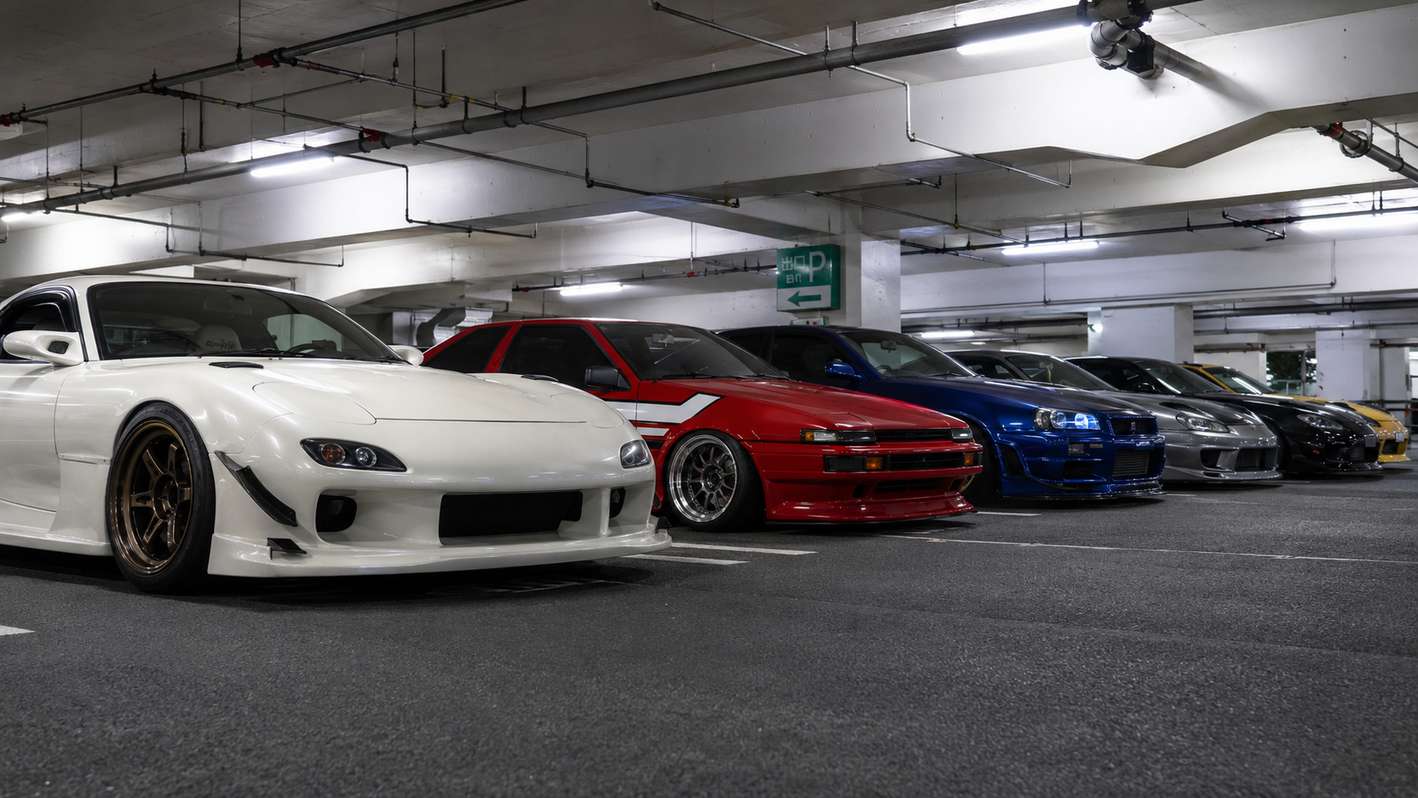
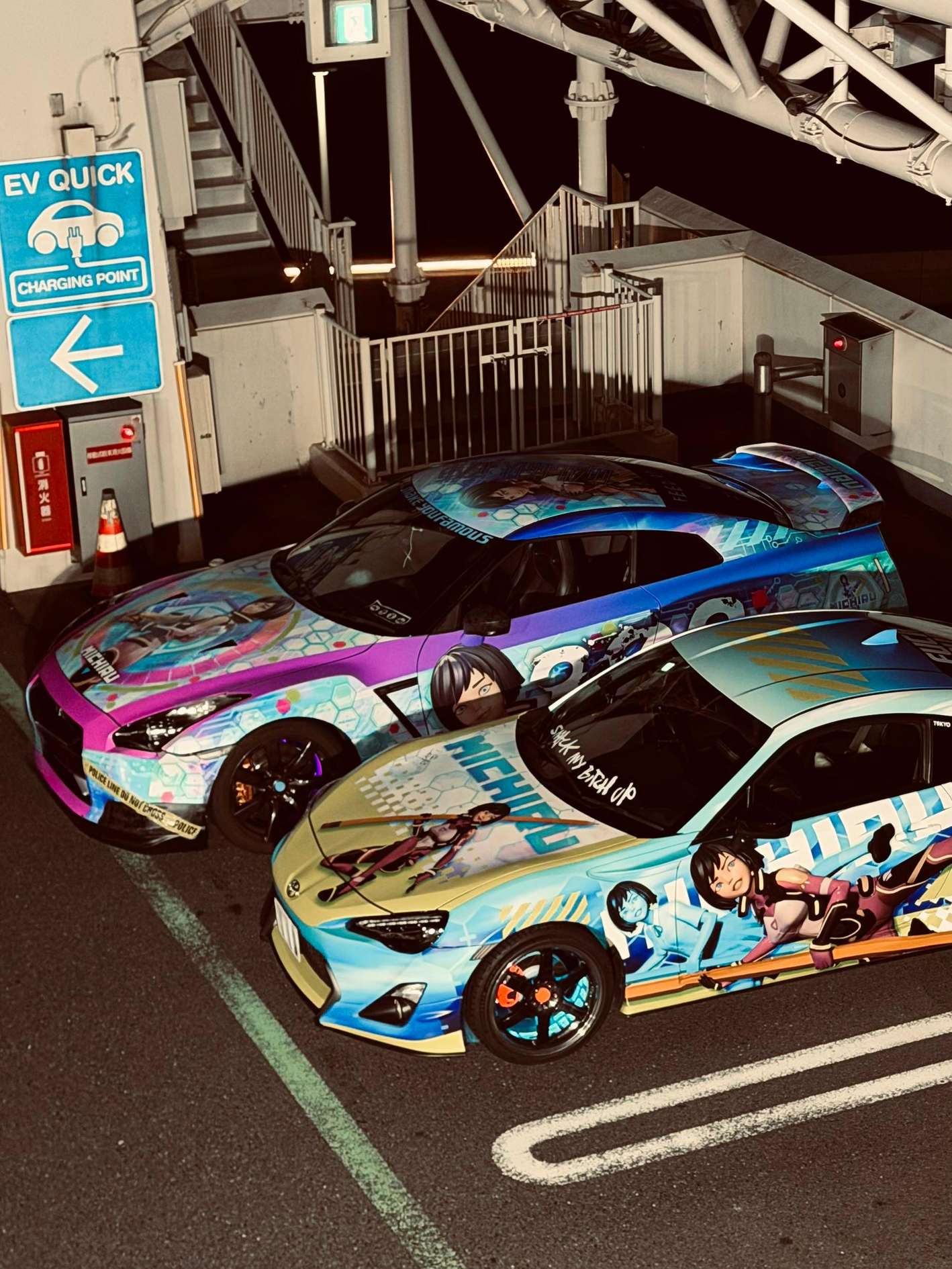
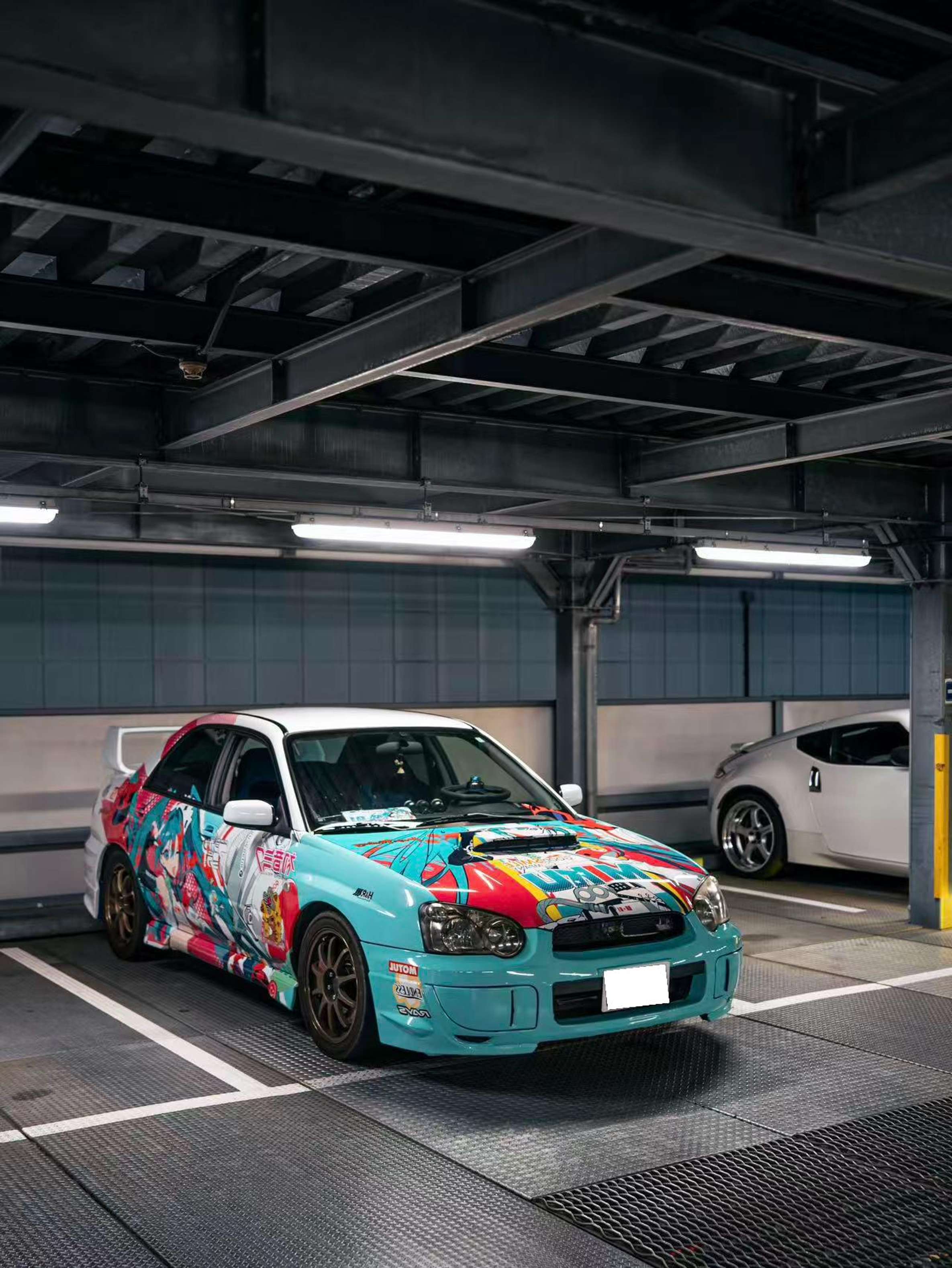
The bay parking areas sit on expressway islands with nothing walkable nearby, so pair your meet night with car spotting you can reach on foot. The Akihabara UDX underground garage, free and next to the station, holds wrapped and anime-decorated cars on its B2F level, with the best nights on Friday and Saturday.
The Shibuya underground garage runs on the same weekend rhythm. The Autobacs Shinonome parking lot draws spotters, and the store hosts car events. Exotic cars line Meiji Jingu Gaien as another backup.
Performance shops repay a visit too. Staff often point you to gatherings, and regulars say the shops can be more interesting than the meets themselves. Walking around Tokyo, you will also come across classic JDM cars at random.
Tour for this
Daikoku: Tokyo drift carmeet with Supra/R34/Silvia/R35/Evo4.9★ (140) · 2.5 - 3 hours · Free cancellation
Daikoku PA sits inside the Shuto Expressway with no pedestrian gate, no bus stop and no taxi rank. You cannot reach it by train, on foot or by dropping off in a taxi. The only way in is in a vehicle already on the expressway. Tours therefore start in central Tokyo and drive you there.
Ways to get to the Daikoku PA tour meeting points in Tokyo
Your real journey is from where you stay to the meeting point. That is about 47 minutes by car from Haneda Airport, 69 minutes from Tokyo Station and 80 minutes from Shinjuku without traffic.
Tours meet at spots like Shibuya and Akihabara, and many pick up from hotels anywhere in Tokyo. Walking into the parking area on foot is illegal, and tourists doing it have drawn media and police attention.
Tour for this
Tokyo: Daikoku or Umihotaru Tour ( SilviaS15 , Gr86 , 370Z )4.7★ (134) · 3.5 - 4 hours · Hotel pickup · Free cancellation
The meet happens in the open, at night, and you spend much of it standing around, so dress for the season. Tokyo nights at the lot run from about 1°C on winter nights to over 25°C in midsummer, and a light jacket matters even in warmer months.
Rain rarely kills the meet, as visitors found plenty of cool cars on a rainy April night, but heavy rain or police activity can close the parking area.
What to bring for a Tokyo car meet
Camera or smartphonePhotography is welcome and you can bring a camera to capture the experience of the JDM culture.
Comfortable shoes and clothesWear comfortable clothing and shoes suitable for walking and the tour activities.
Light jacketSome parts of the experience take place outdoors, so a light jacket is recommended, especially during night drives.
Rain gearThe climate data shows high precipitation in months like May and September, so be prepared for rain.
Warm layersDuring winter months (December to February), temperatures can drop to near freezing, requiring warm clothing.
Beyond the list, be ready for a late return on night drives, and keep your phone charged for the photos you will want to take.
Driving yourself
Rent a car in TokyoCompare cars from the rental companies in one search, then pick yours.
Closures are decided on the night and cannot be looked up in advance. Police have been shutting down parking areas more often, and on Thursday, Friday and Saturday nights the Daikoku meet is sometimes closed by about 8:30 pm. A tour night there can end after only a couple of hours.
Tours plan for this. If Daikoku is closed, operators move to another spot such as Umihotaru PA, which holds an indoor meet after Daikoku closes on weekend nights, or you can reschedule or take a full refund.
To make the night smooth, give the operator a contact such as WhatsApp or Instagram after booking, turn on notifications so a change of plan reaches you before start time, and reply to the confirmation email they send within 48 hours.
For most visitors, yes, and for a simple reason: without a car on the expressway you cannot reach the lot at all. A tour solves access, timing and the closure problem in one booking, and puts you in a modified JDM car on the Wangan Route on the way.
Guides also explain the cars, translate conversations with owners, answer questions and take photos on request. The commentary is informal, and how much you get depends on the guide, the group and the evening.
If you want guaranteed legend cars, a scheduled shop or track event beats a random meet, but for the atmosphere of the scene on a live night, the tour is the way in.
Great tour, fully recommend! Super friendly guide, relaxed vibe, lots of interesting info. The music in the car fit the JDM mood perfectly. Daikoku car meet and the photo spots were definite highlights. Thanks!
A JDM car meet tour is the practical way to reach a scene you cannot walk to, and the best nights are Thursday through Saturday with an early start. Book before you fly, mind the etiquette, and keep a backup plan for closures. Do that and the lot delivers.
Go ifYou want to stand among GT-Rs, Supras and widebody builds without renting a car yourselfYour trip falls on a Thursday, Friday or Saturday night and you book aheadYou want a guide who can translate conversations with owners
Skip ifYou expect a staged drift show, since the meet is a display gathering and drifting happens on circuitsYou want a guaranteed meet on a specific night, because closures are decided on the nightYou cannot stay out late, since most tours run three to four hours and end well after dark
Our pick to book
Tokyo:Night JDM Car Culture Cruise, Daikoku PA Experience4.8★ (732) · 3 hours - 4 days · Hotel pickup · Free cancellation
JDM car meet tour in Tokyo - your questions answered
Straight answers about Daikoku PA, getting there, and what a night at the meet is really like.
What exactly is a JDM car meet?
It is an informal gathering of car owners at a public spot, closest thing to Cars and Coffee but at night. There is no organizer, no entry fee and no schedule. At Daikoku PA people simply show up at odd hours, with bigger turnouts on weekends, so the lineup changes from night to night.
Where is the famous Tokyo car meet?
Daikoku Parking Area in Yokohama, on the Bayshore Route. It sits on an artificial island in Tokyo Bay, and the only way in is by car. Enthusiasts gather there every night, and weekends draw the biggest crowds.
How do I attend a JDM car meet in Tokyo without a car?
You have a few options: rent a car, hire a taxi, find a local driver willing to take you, or join a guided tour. A tour is the easiest first-time way, since a driver gets you to Daikoku and back without leaving you stranded on an island in the bay.
Do I need an international driving permit for a JDM car meet tour?
On a passenger tour, no. You ride with a local driver, so no licence of any kind is needed. An IDP only matters if you plan to rent a car and drive yourself, and Japan only accepts the 1949 Convention permit.
Can I go drifting at the Daikoku car meet?
No. Daikoku is a parking area where cars gather and owners chat, and drifting on public roads is illegal in Japan. If you want to see real drifting, it happens legally on closed circuits such as Ebisu, north of Tokyo.
Is real, non-tourist street drifting culture still alive near Tokyo?
It is, and it is more visible again than it was for years. The spots move constantly and nobody posts them publicly, so making friends with a local is realistically the only way to get invited to watch one. Legal drifting for visitors happens at circuits like Ebisu.
What are the etiquette rules at a Tokyo JDM car meet?
Ask before entering, sitting on or touching anyone's car, even for a photo. Stay out of the roadways. Police watch the meets and act on complaints, and disrespectful tourist behavior is part of why some locals stopped bringing their cars.
What should I expect the atmosphere at Daikoku PA to be like at night?
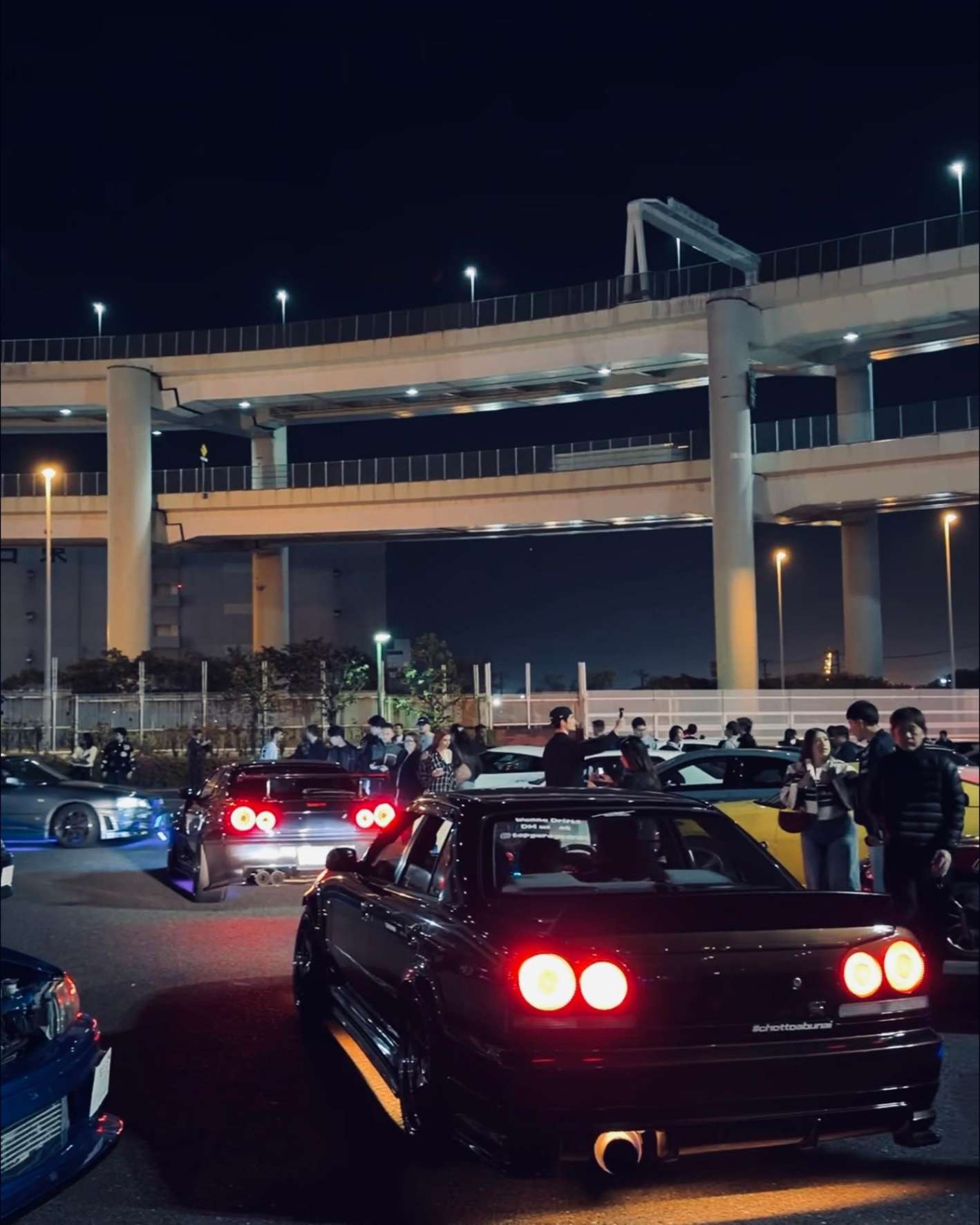
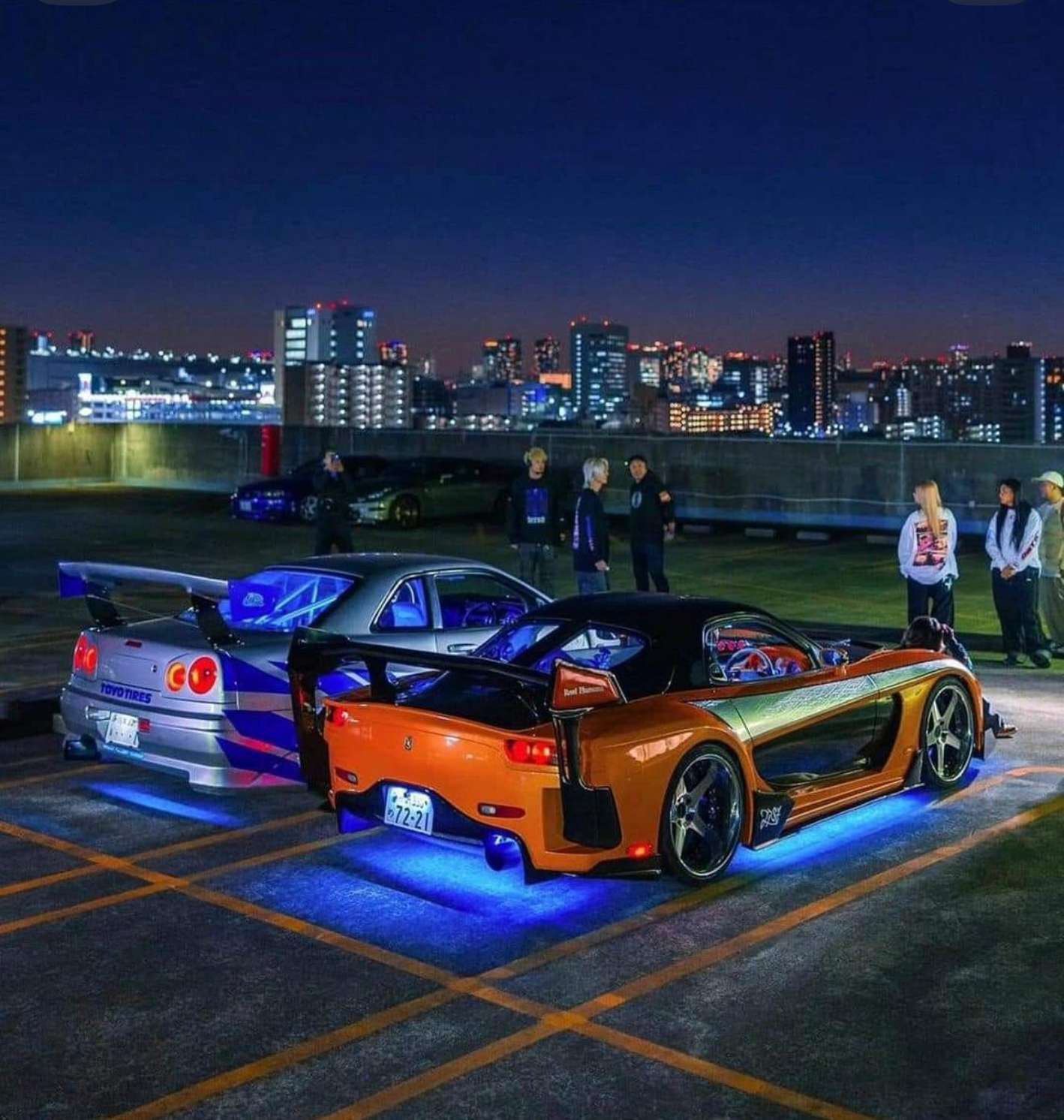
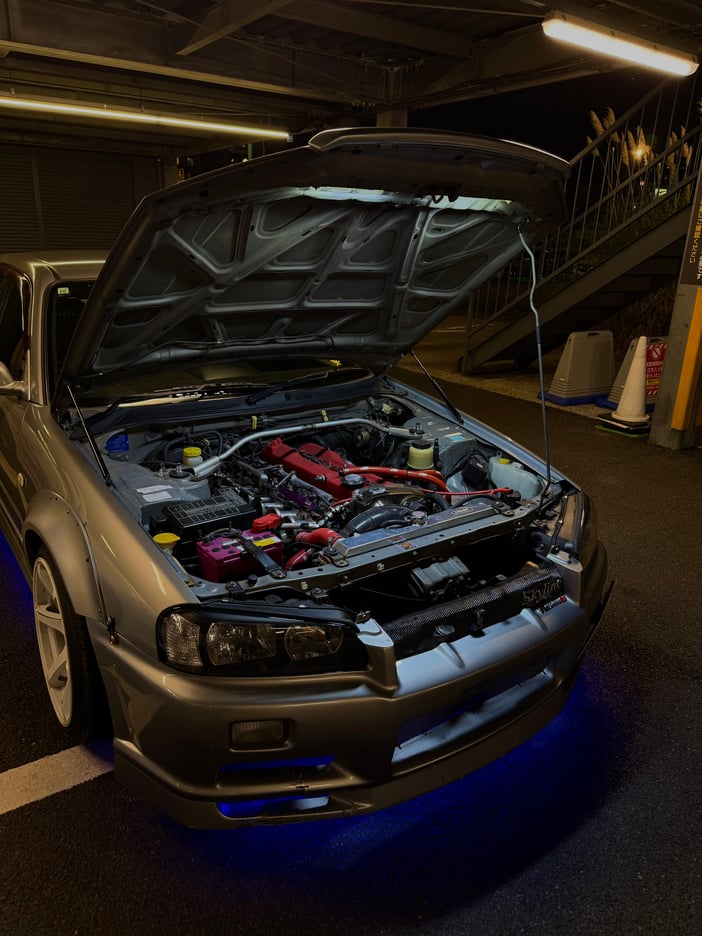
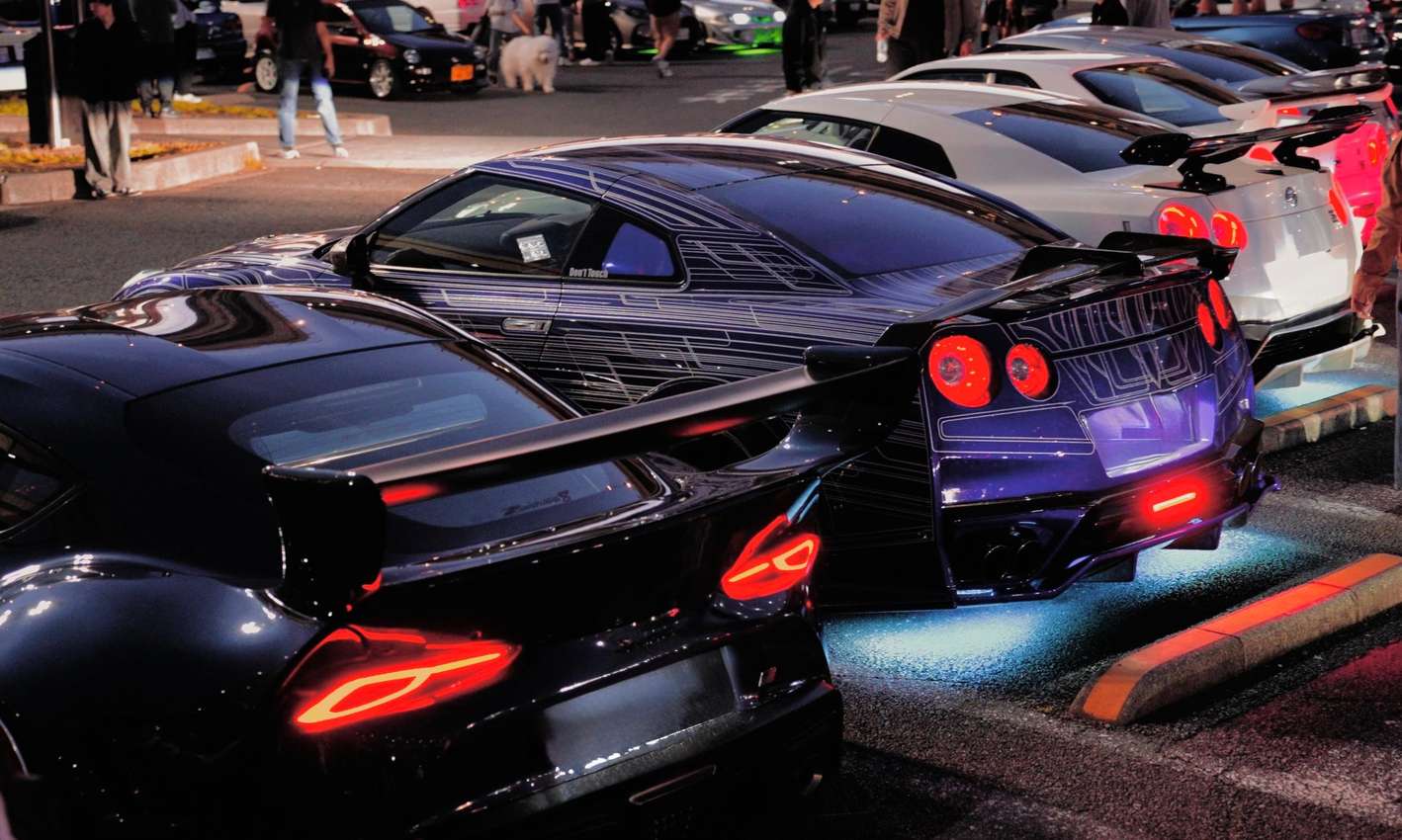
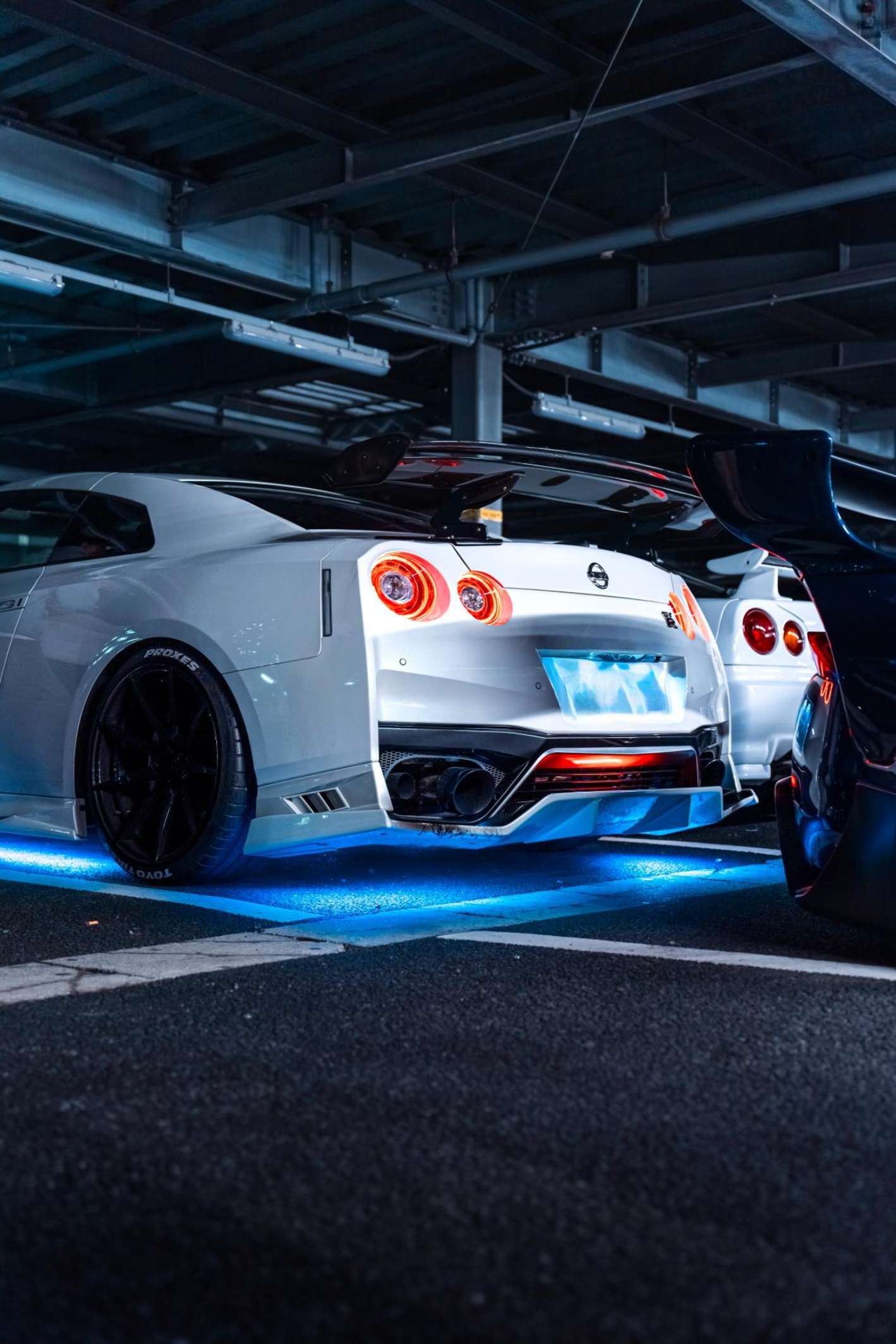
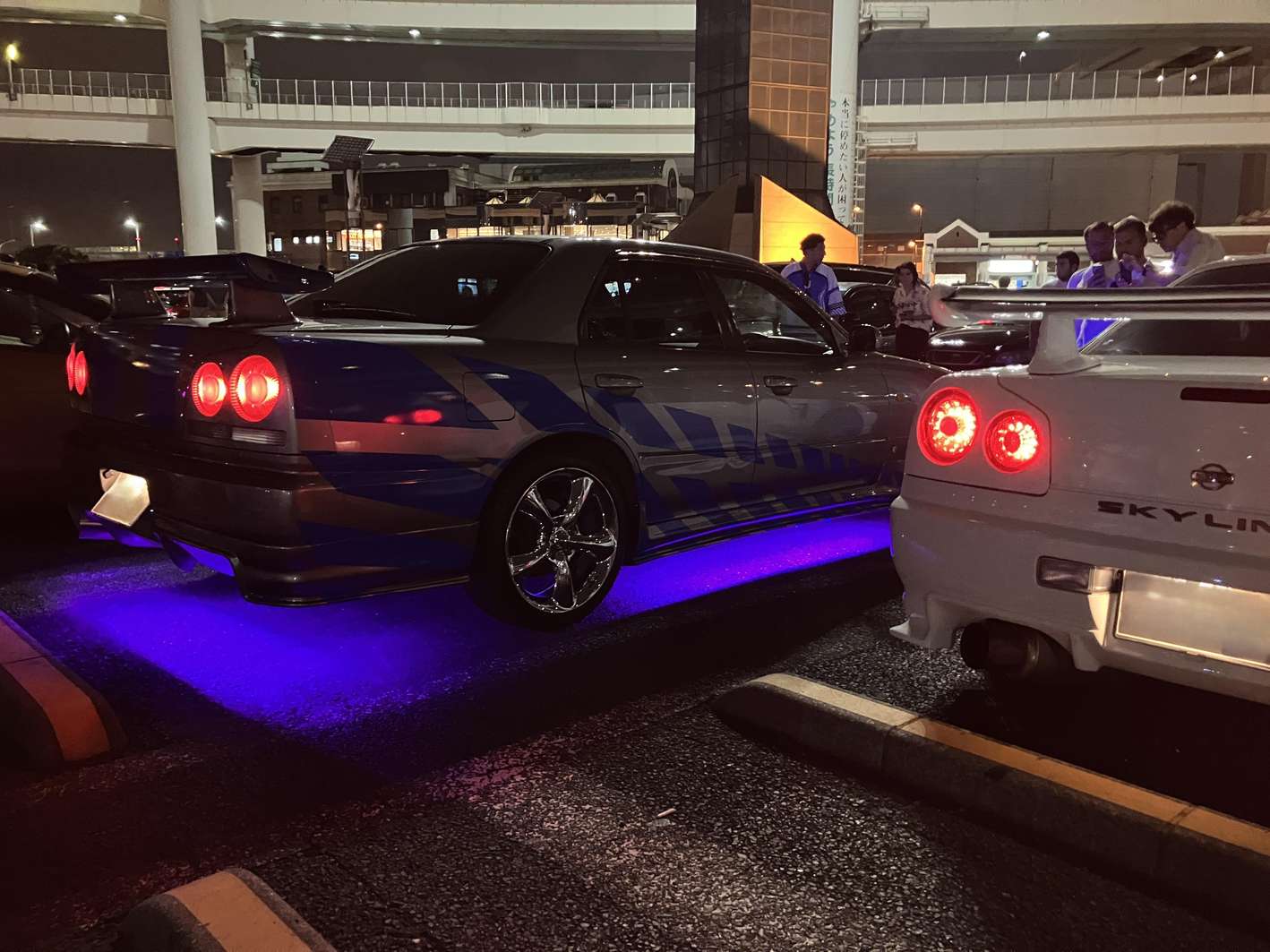
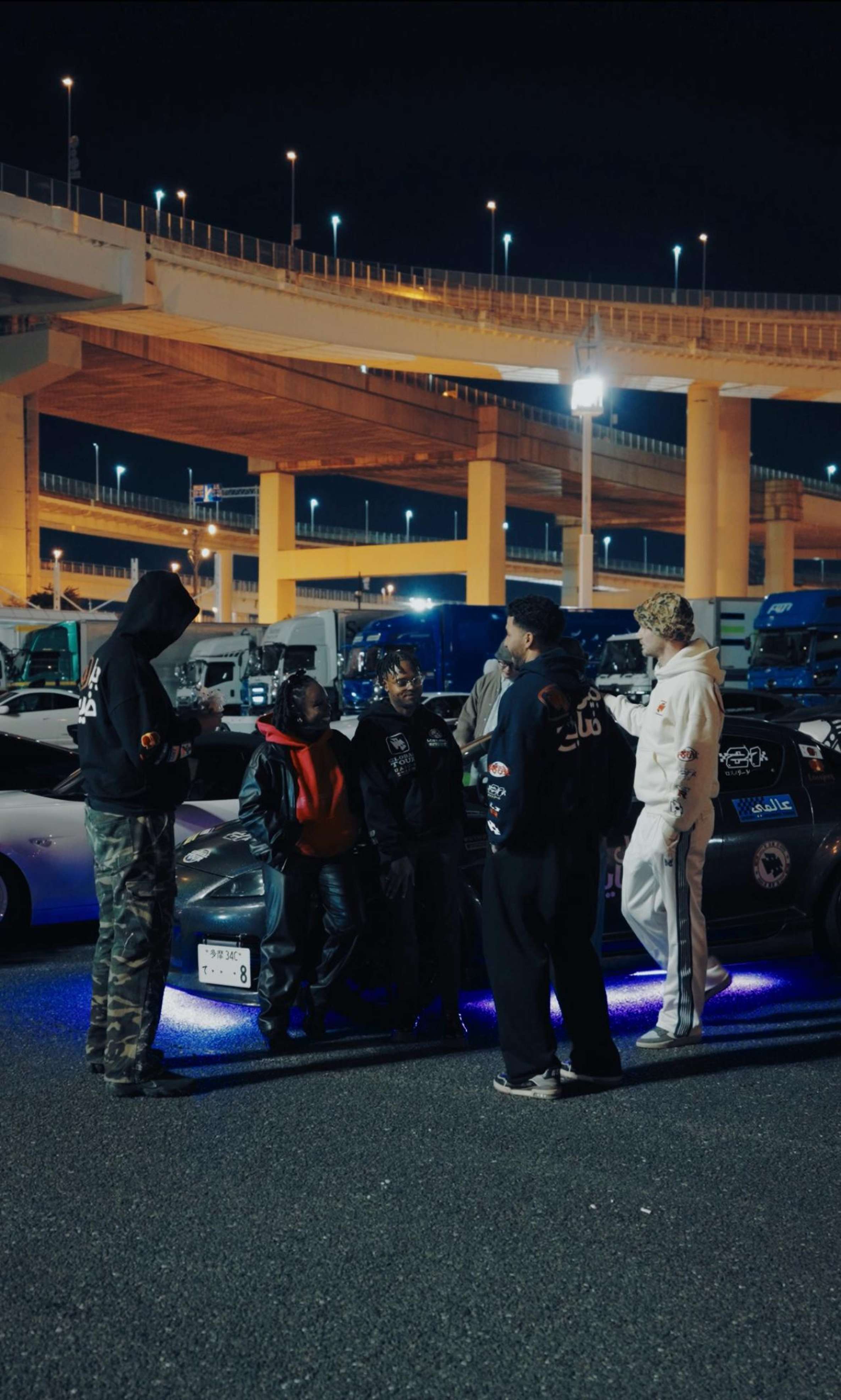
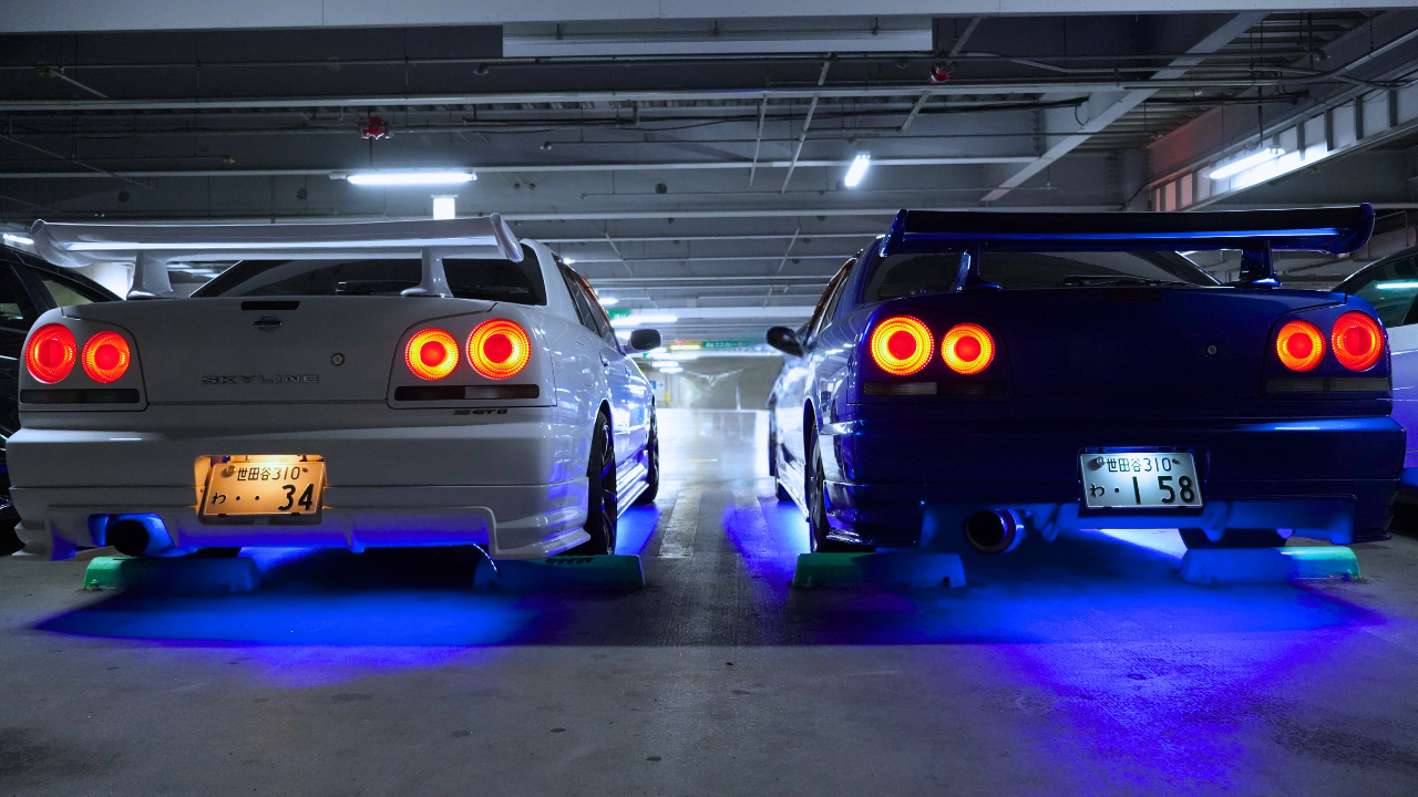
Elevated expressway ramps circle the lot, and modified cars park beneath them, some running underglow and LED lighting. Engines rev, exhaust hangs in the air, and clubs park politely apart from each other while new arrivals keep coming. Owners are usually happy to talk about their machines.
What happens if Daikoku PA is closed on the night of my tour?
Police can close the parking area at short notice, and heavy rain can do the same. Most tours then head to another gathering spot, often Umihotaru PA out in the bay, which holds its own meets after Daikoku closes on Friday and Saturday nights.
When is the best night to see the most cars at a Tokyo car meet?
Friday and Saturday nights bring the biggest turnouts, and Sunday mornings have their own large gatherings of luxury and exotic cars. Weekdays can still be worth a look, but expect a smaller scene. Many meets only publish event details about a month ahead, so check close to your dates.