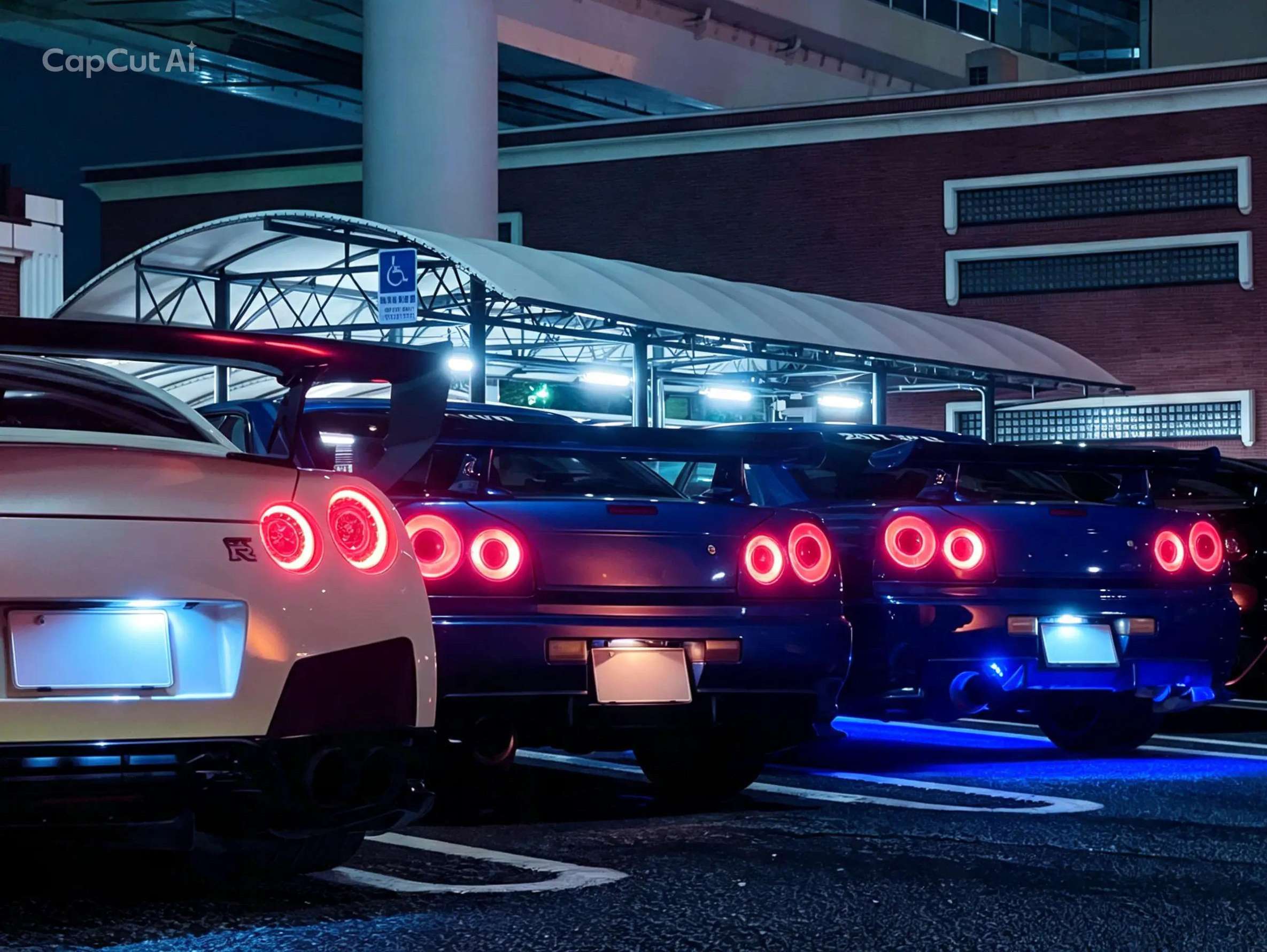
- 1
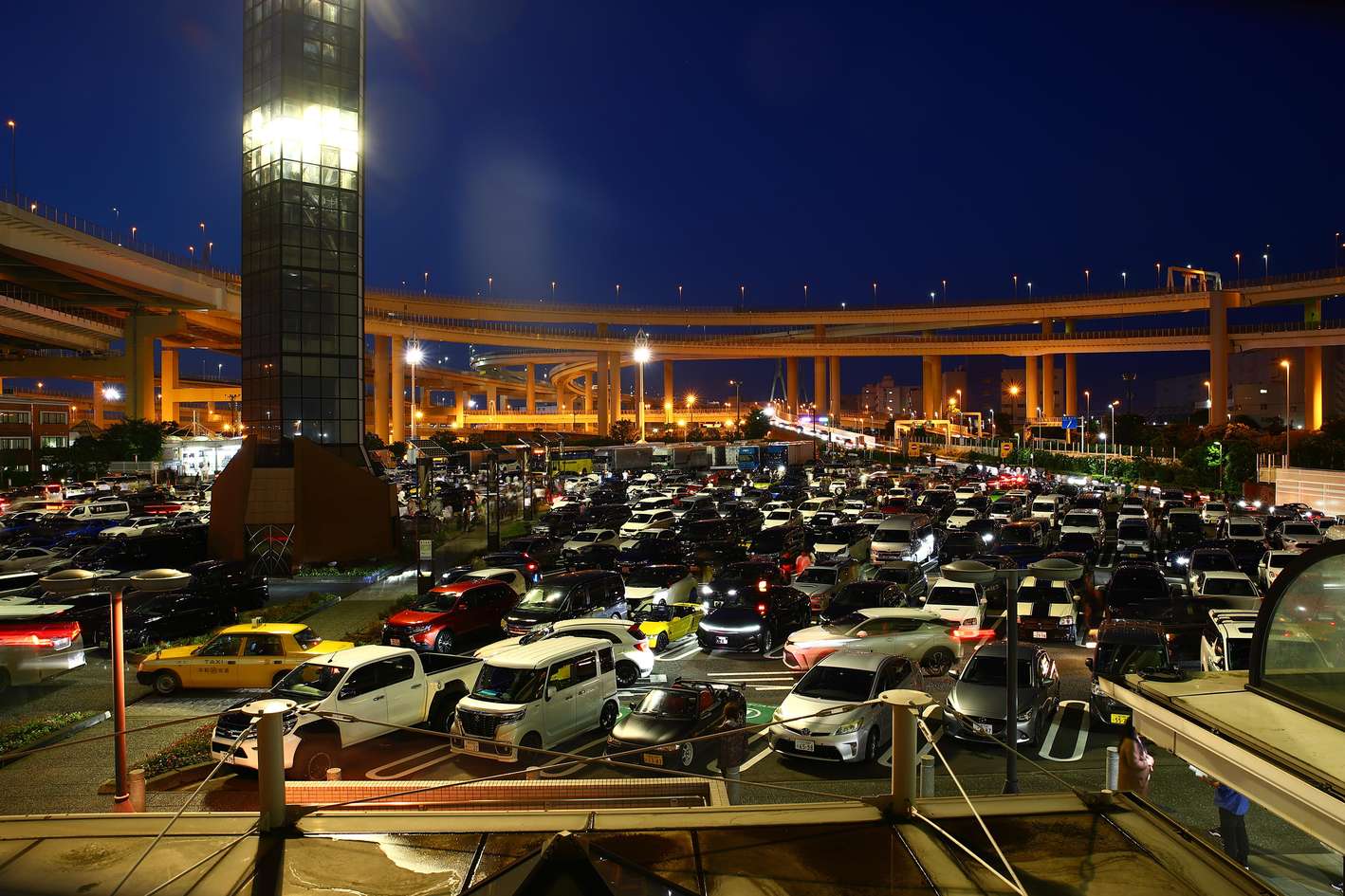
Friday and Saturday are the big nights: cars fill the lot from around 5 pm and the crowd runs deepest between 9 pm and 1 am.
- 2
Saturday is also the night most likely to end early, because police have closed the lot as early as 7:30 pm when it overflows.
- 3
Never touch, lean on or sit on a car without the owner's permission, and stay out of the roadways.
Police can close Daikoku PA at any time without notice, and a meet night can end after a couple of hours when they clear the lot. Book a tour whose driver checks closures and switches to Umihotaru or Tatsumi PA instead, and if police clear the lot while you are there, leave with the crowd instead of lingering, especially when you have no car of your own to leave in.
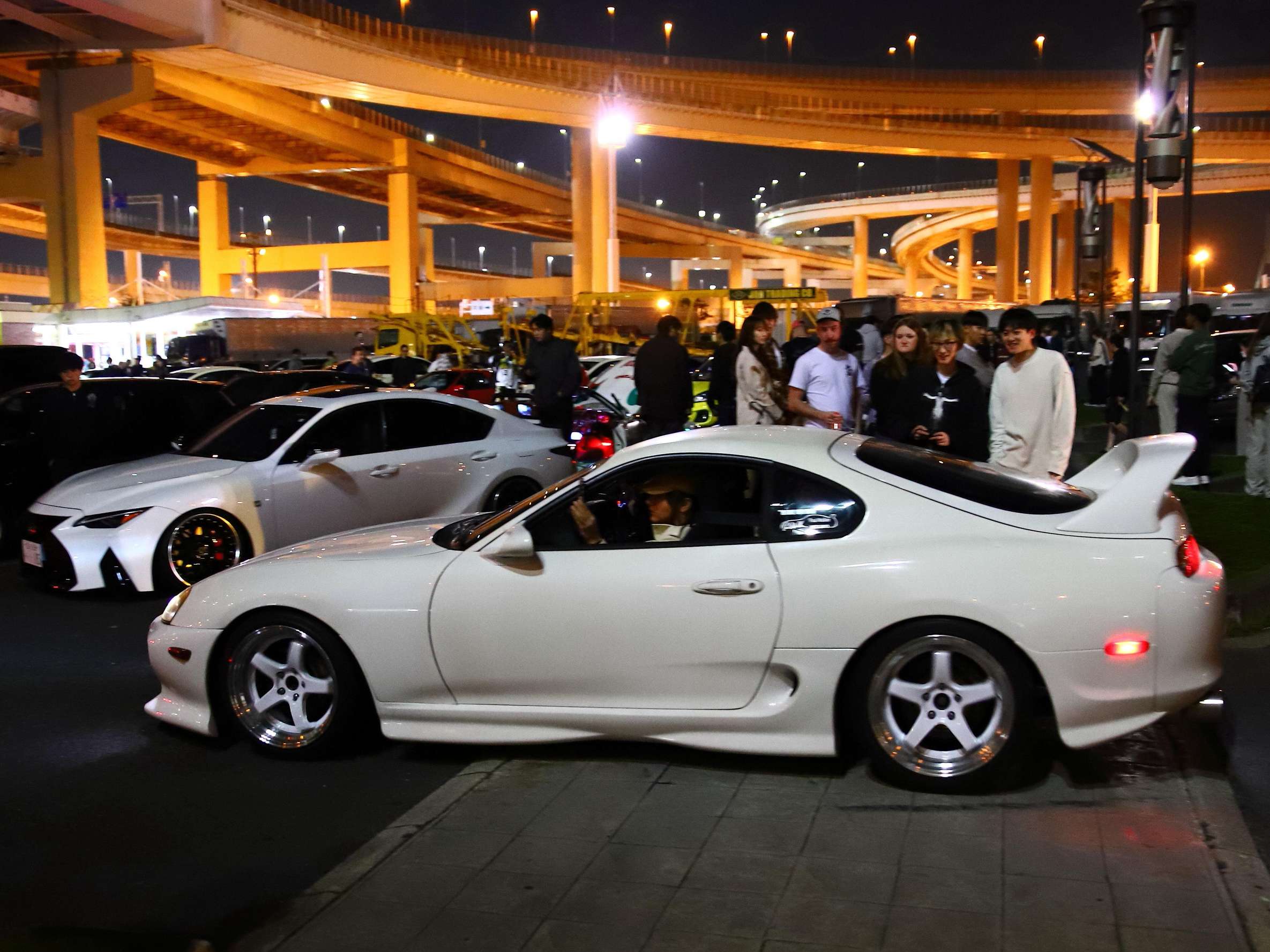
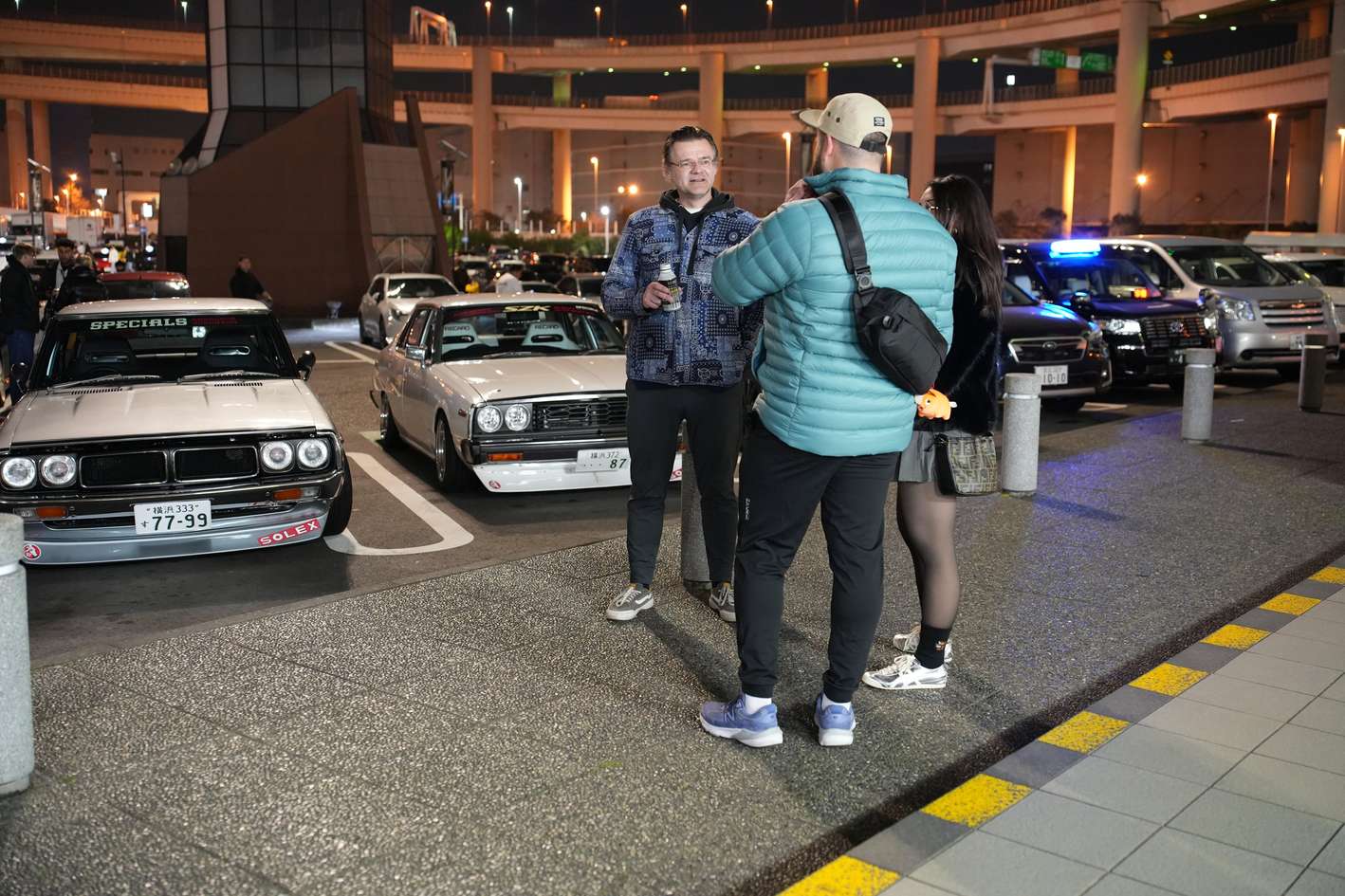
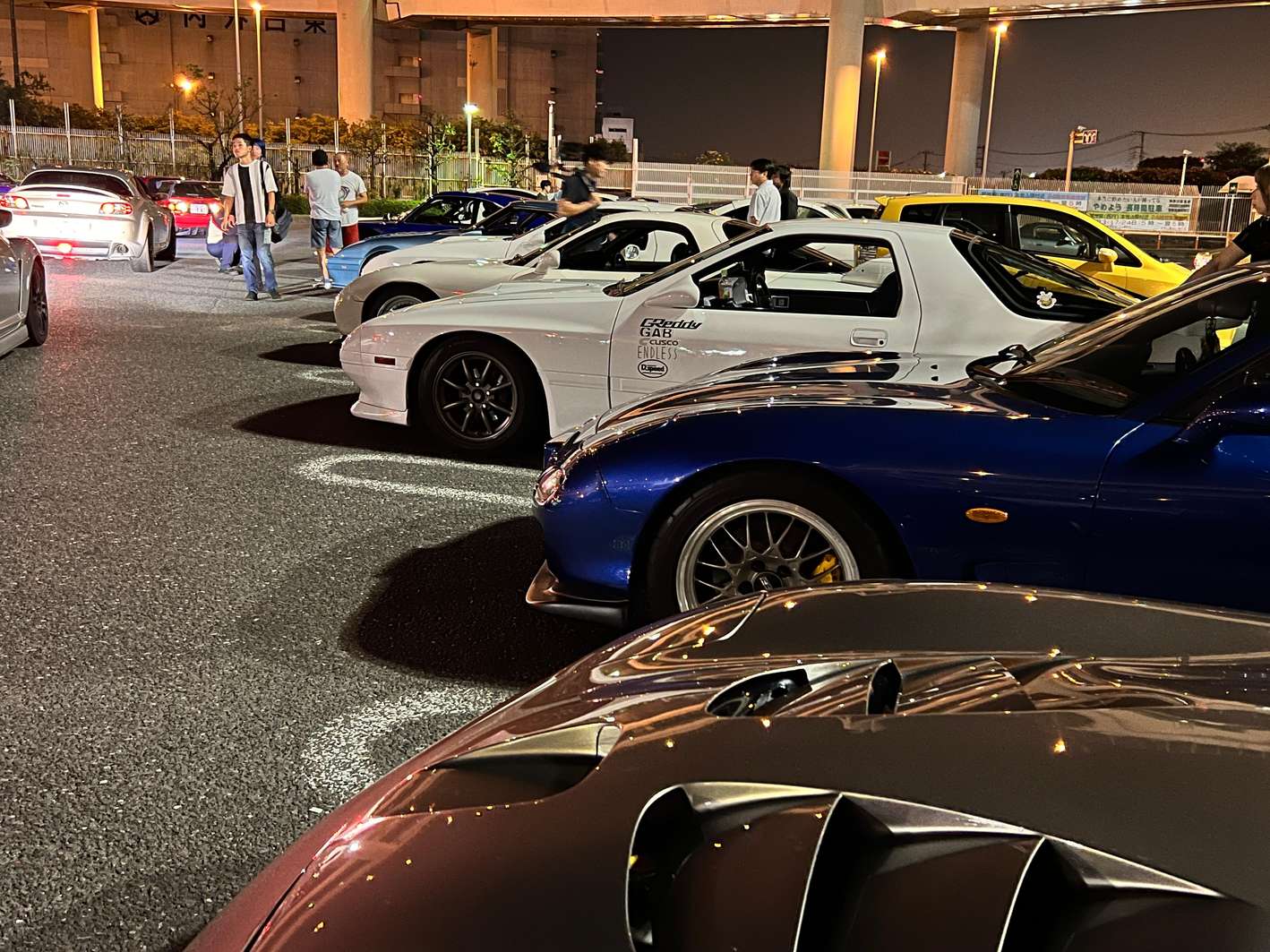
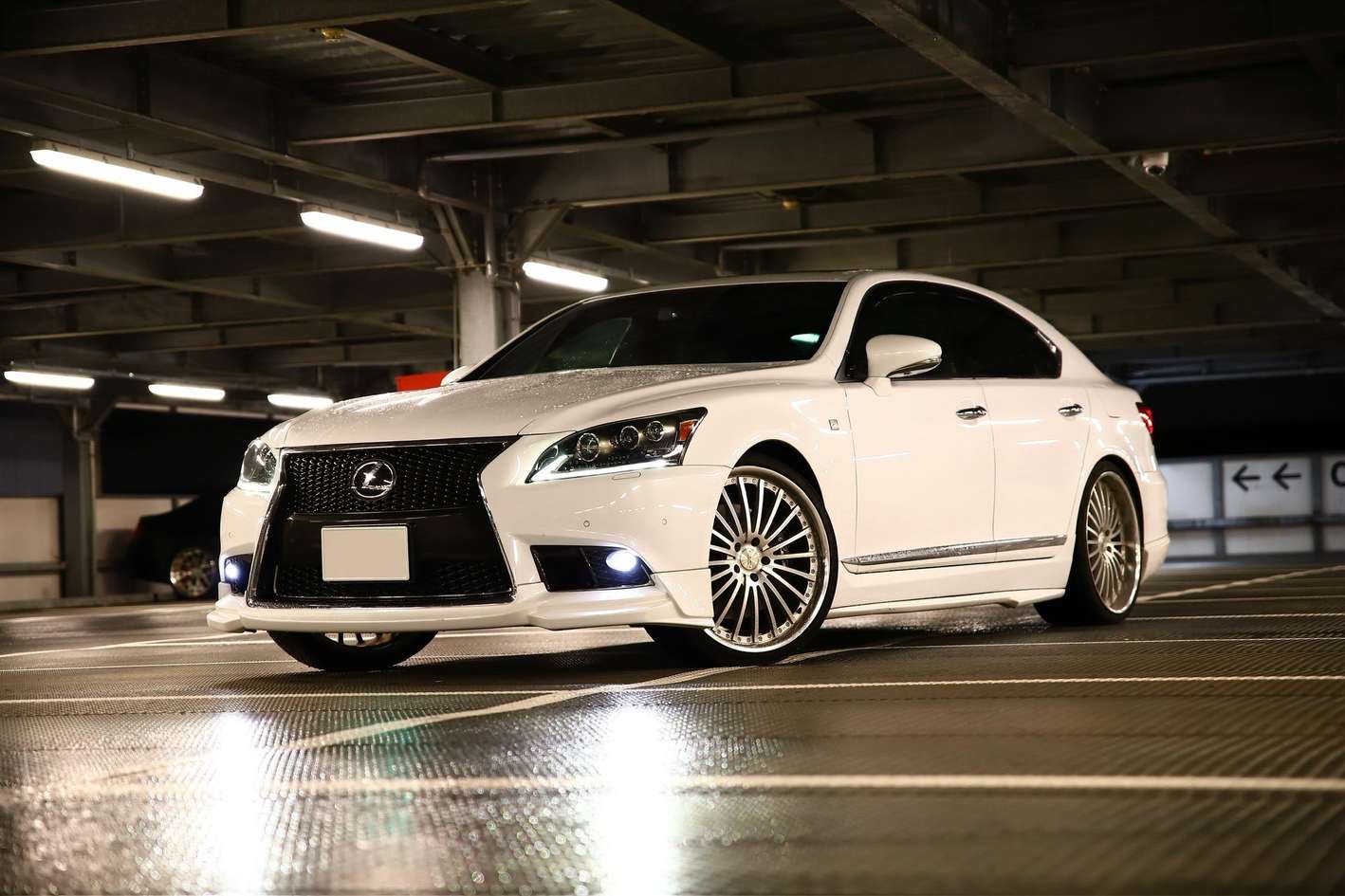
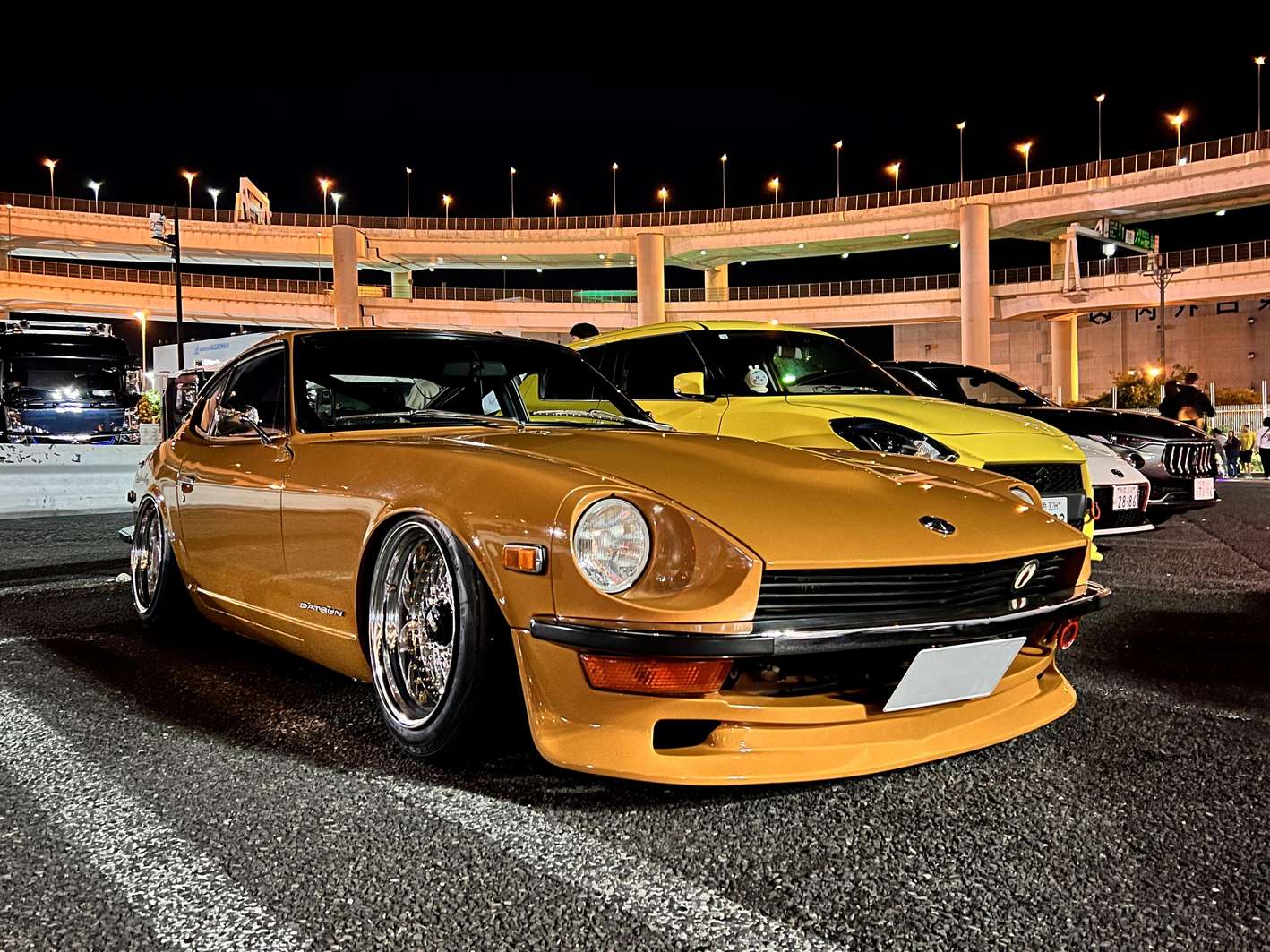
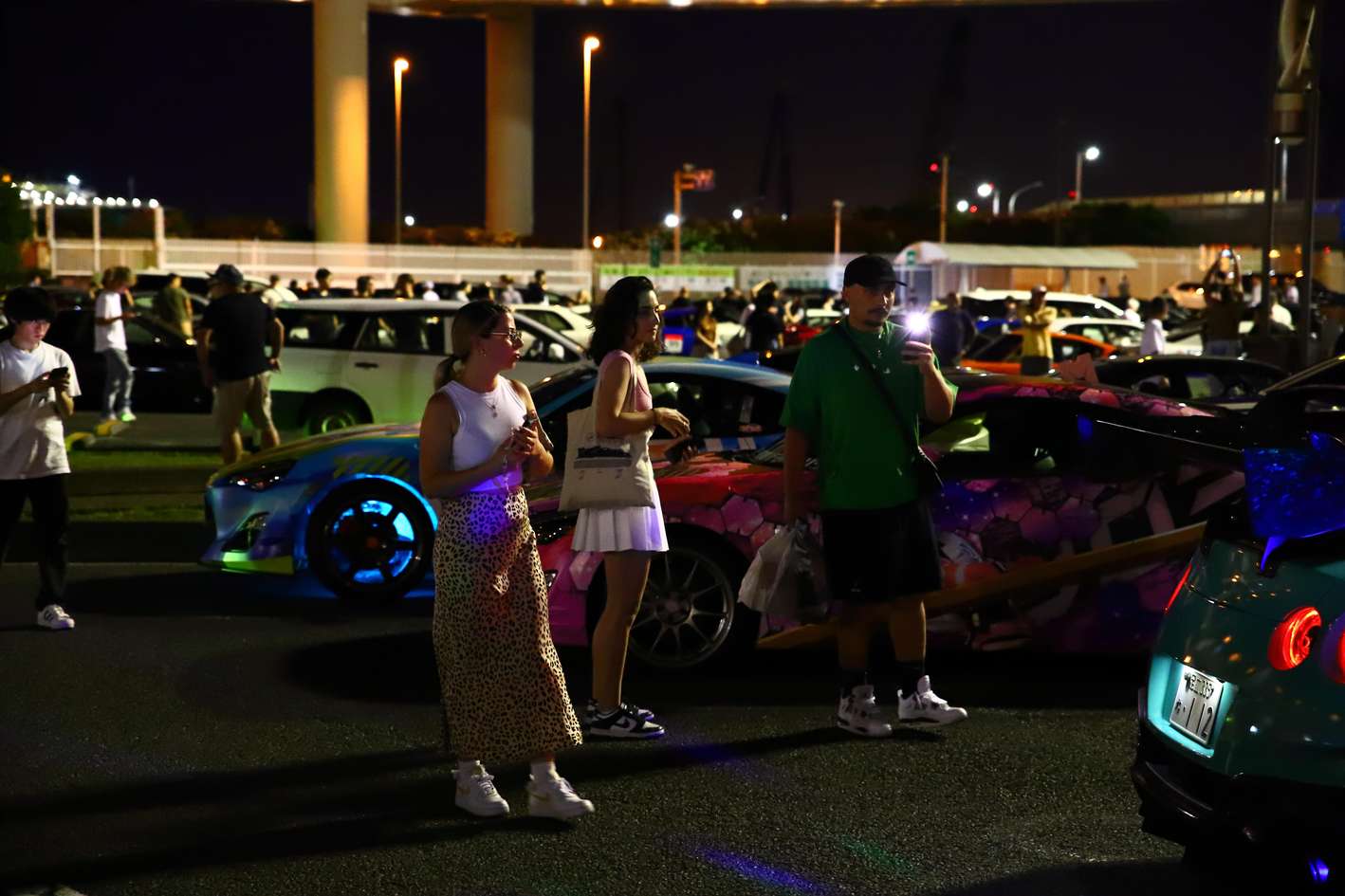
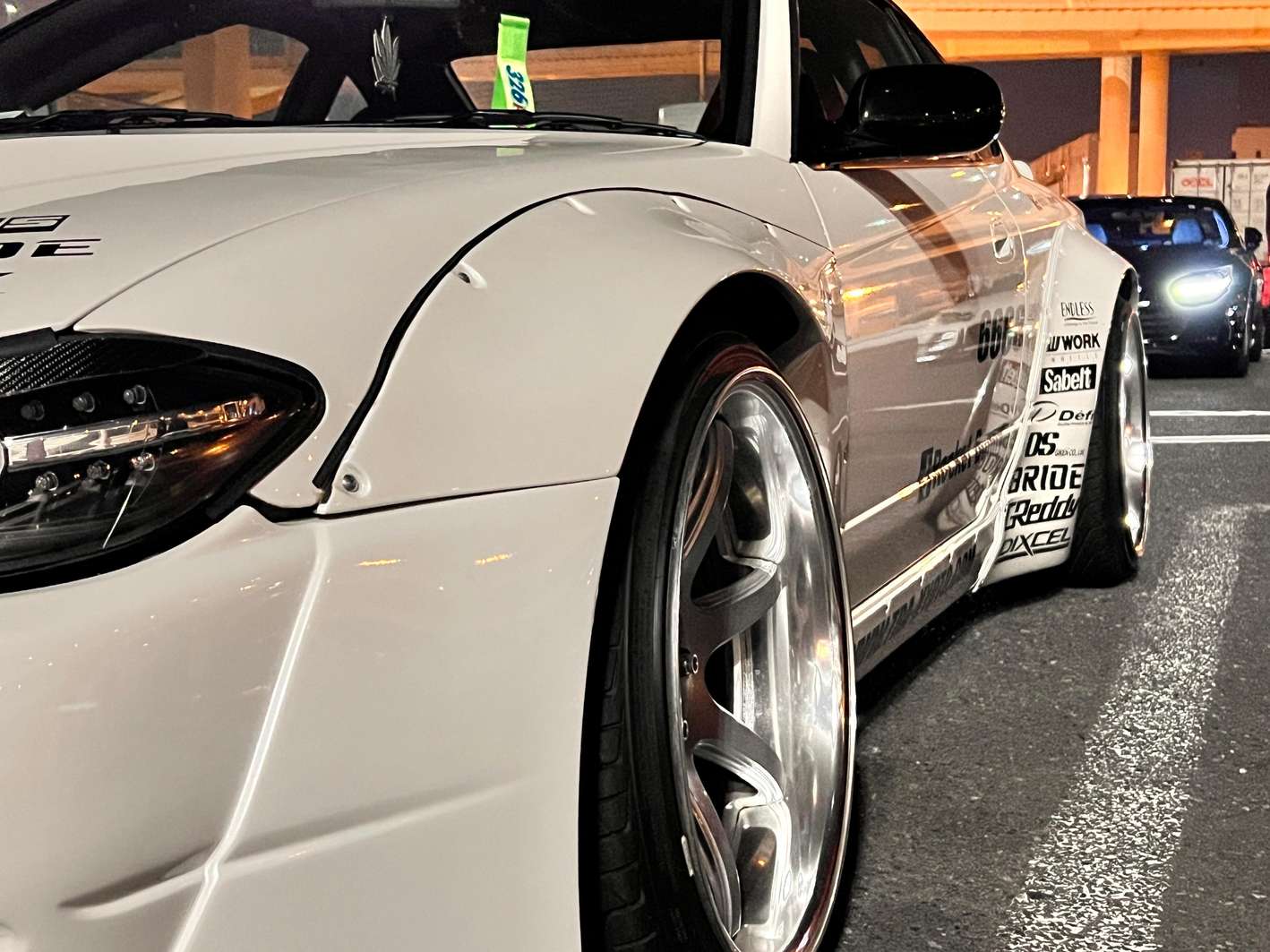
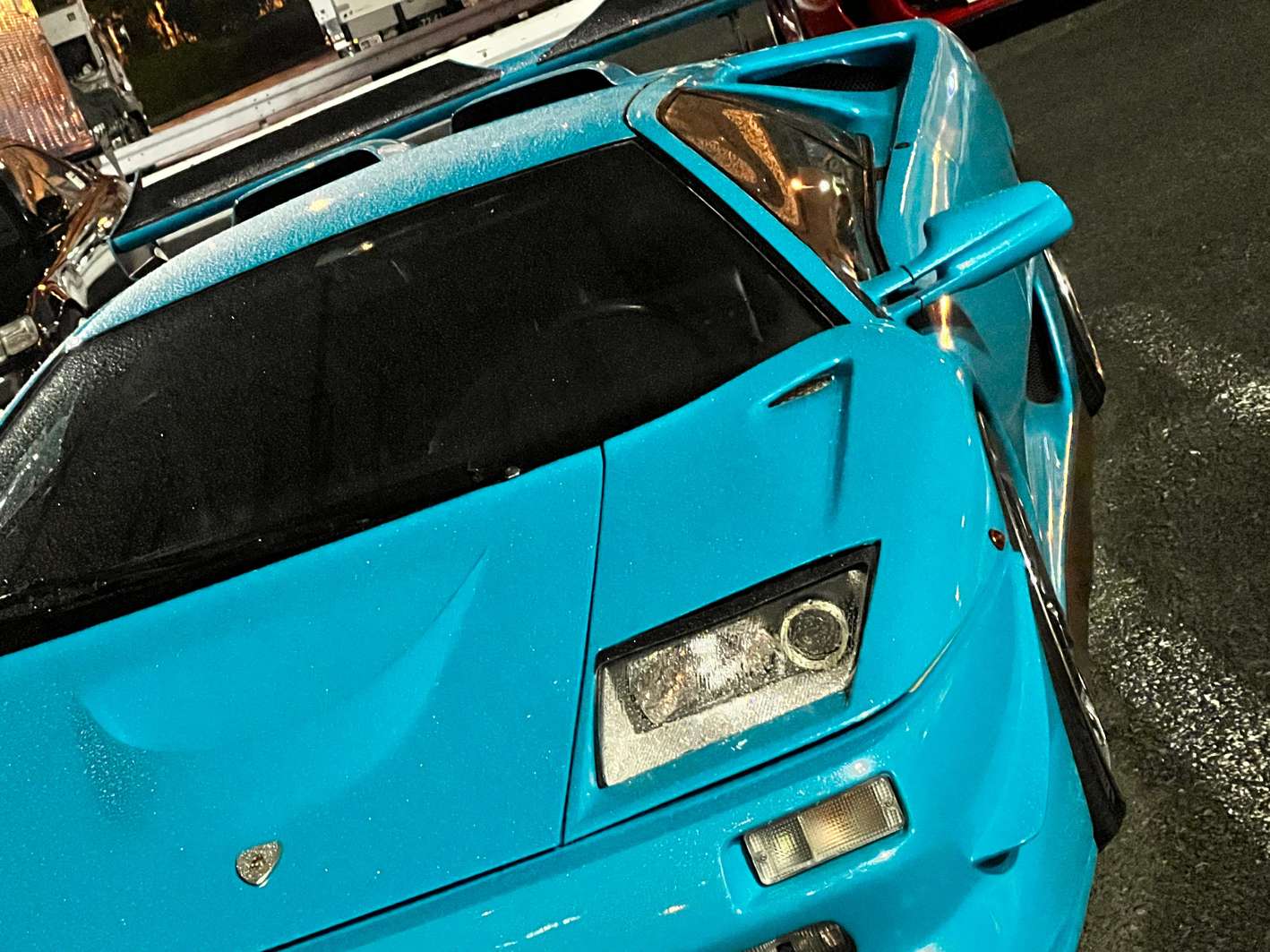
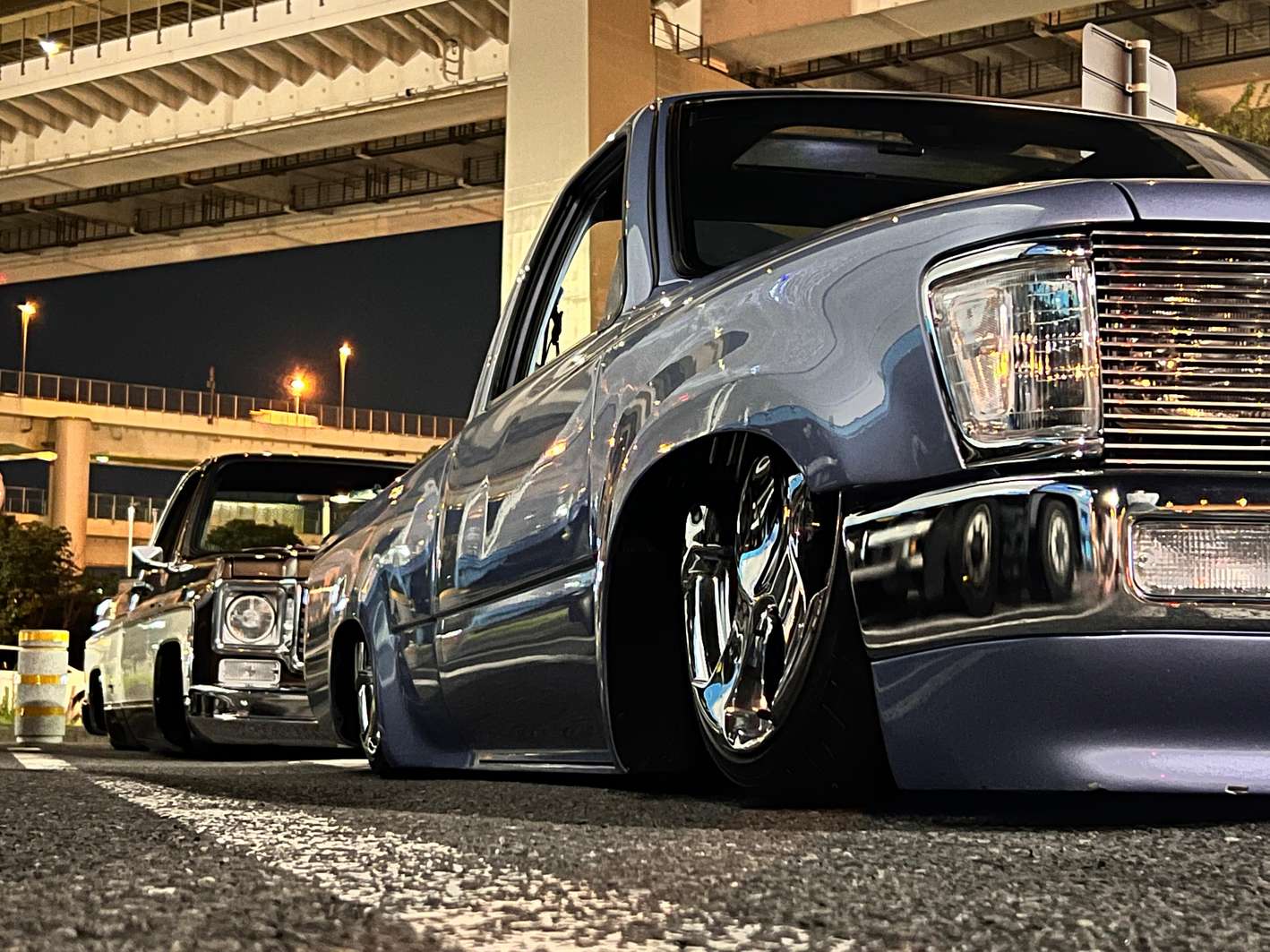
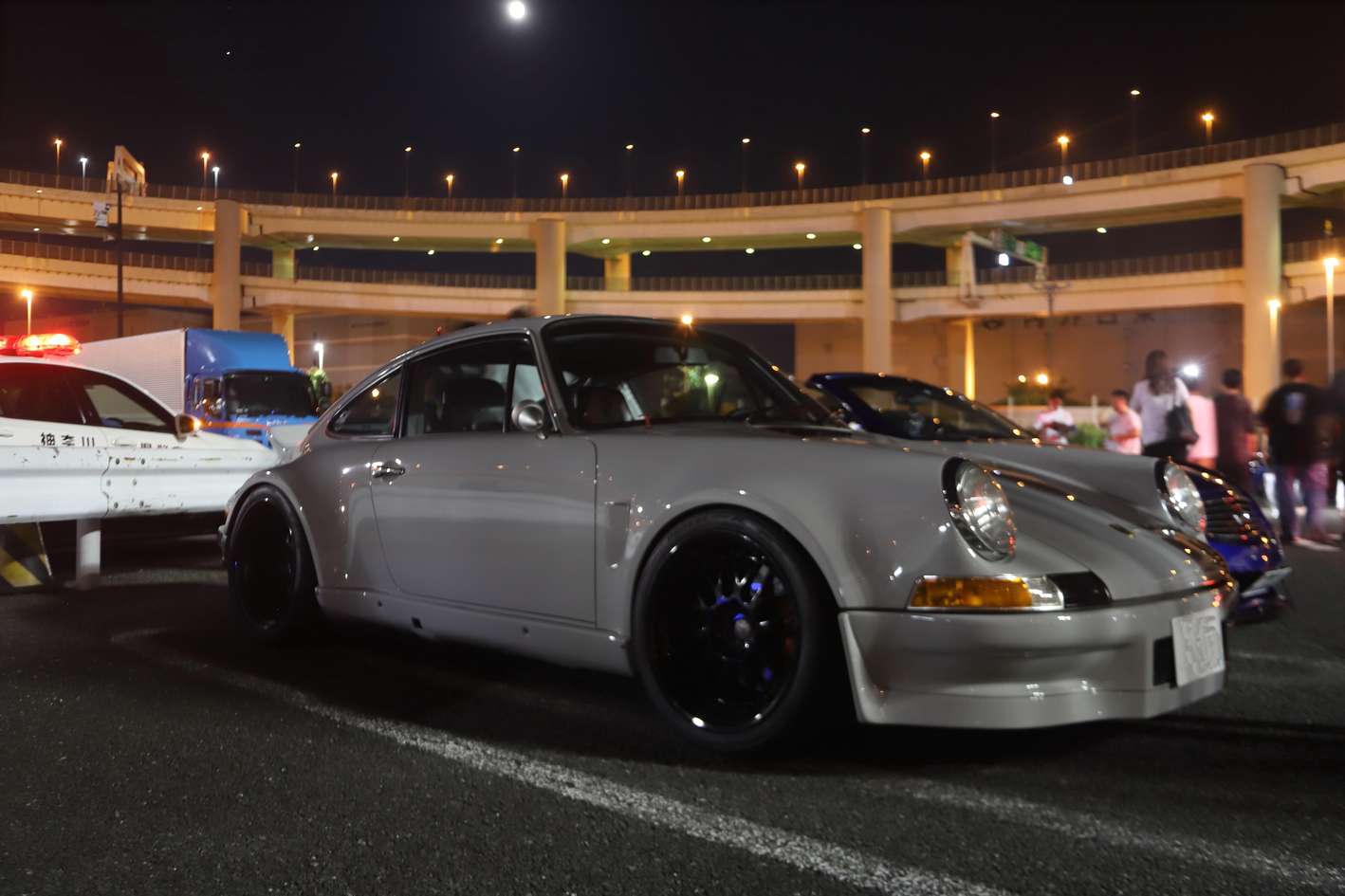
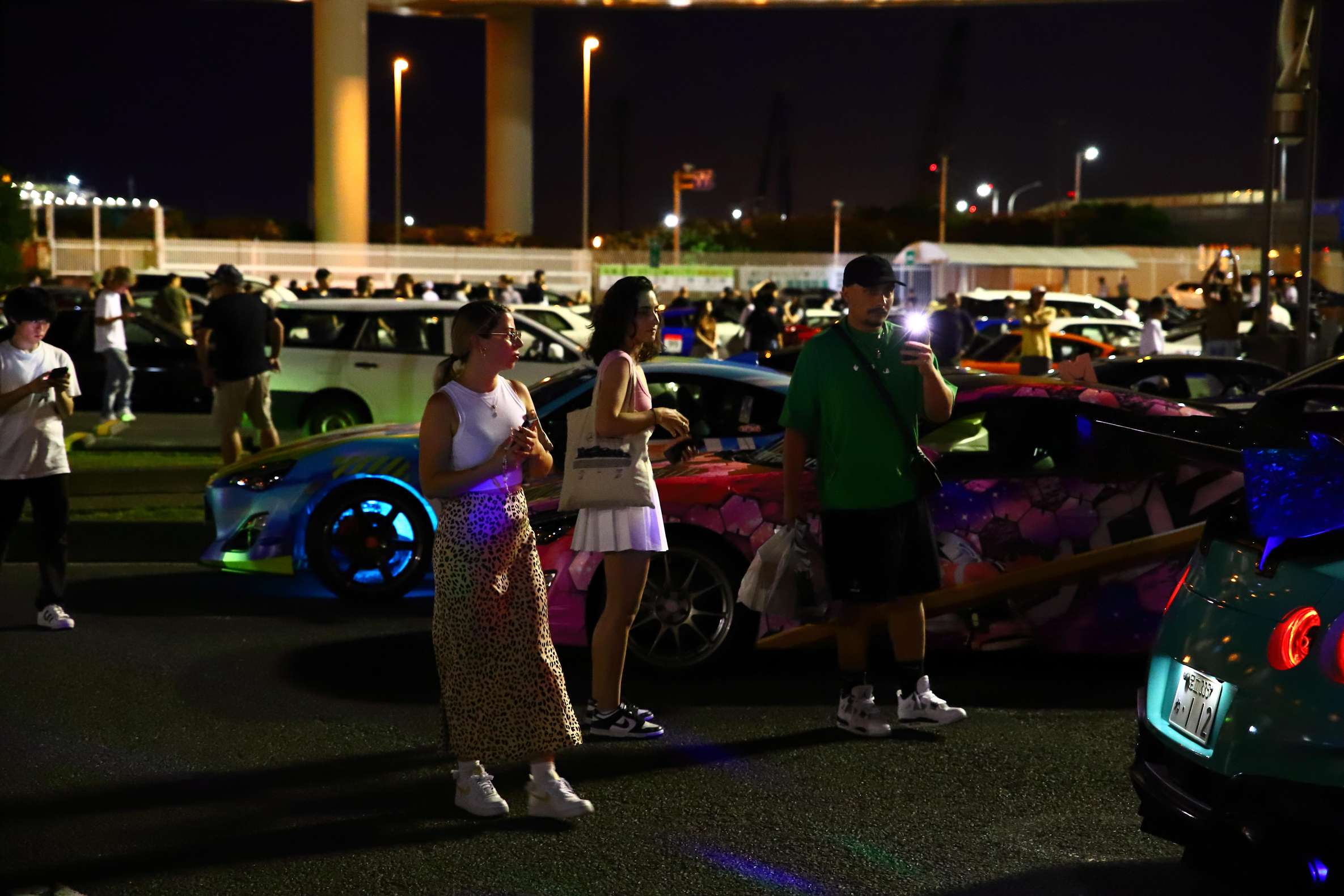
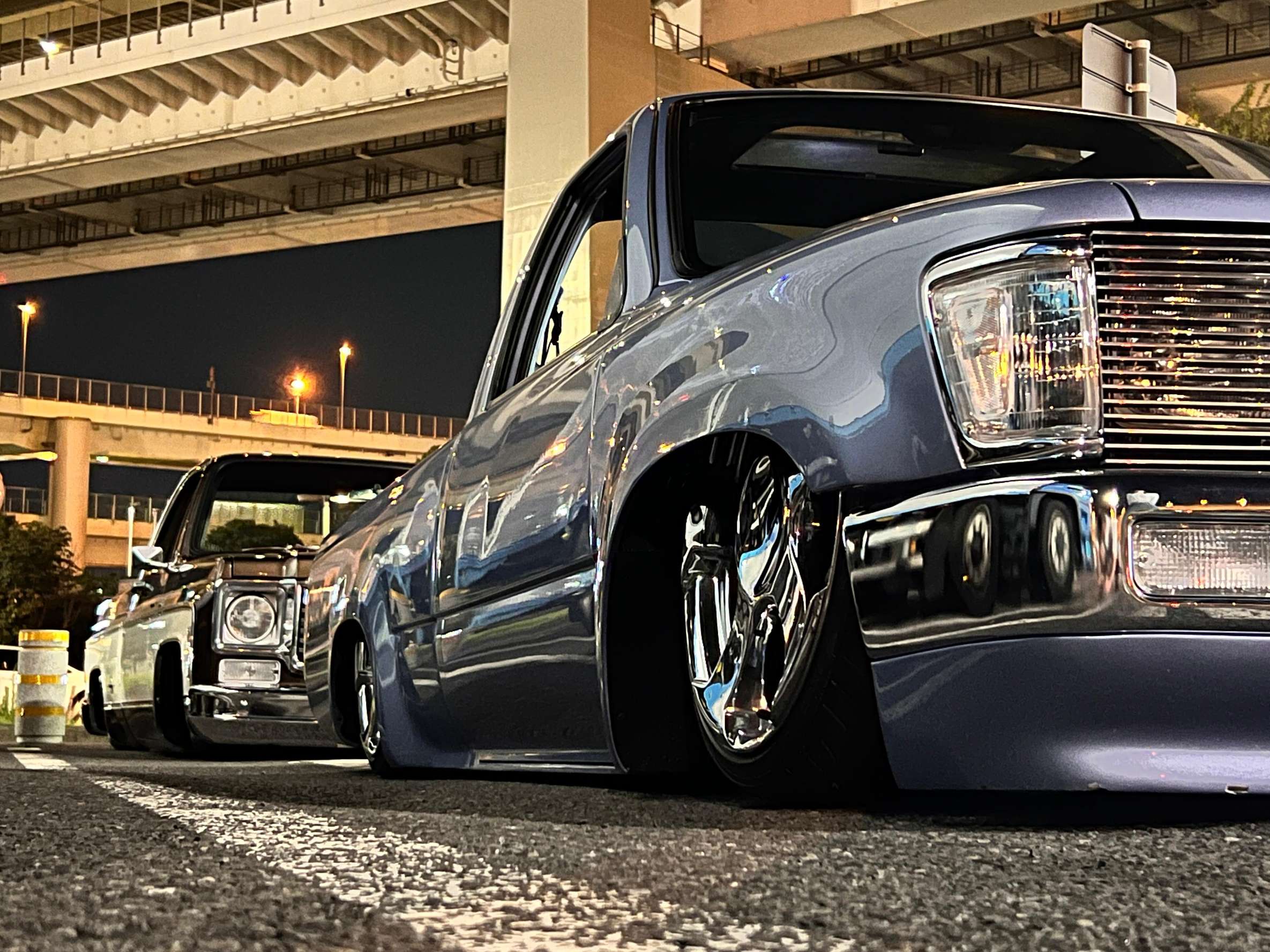
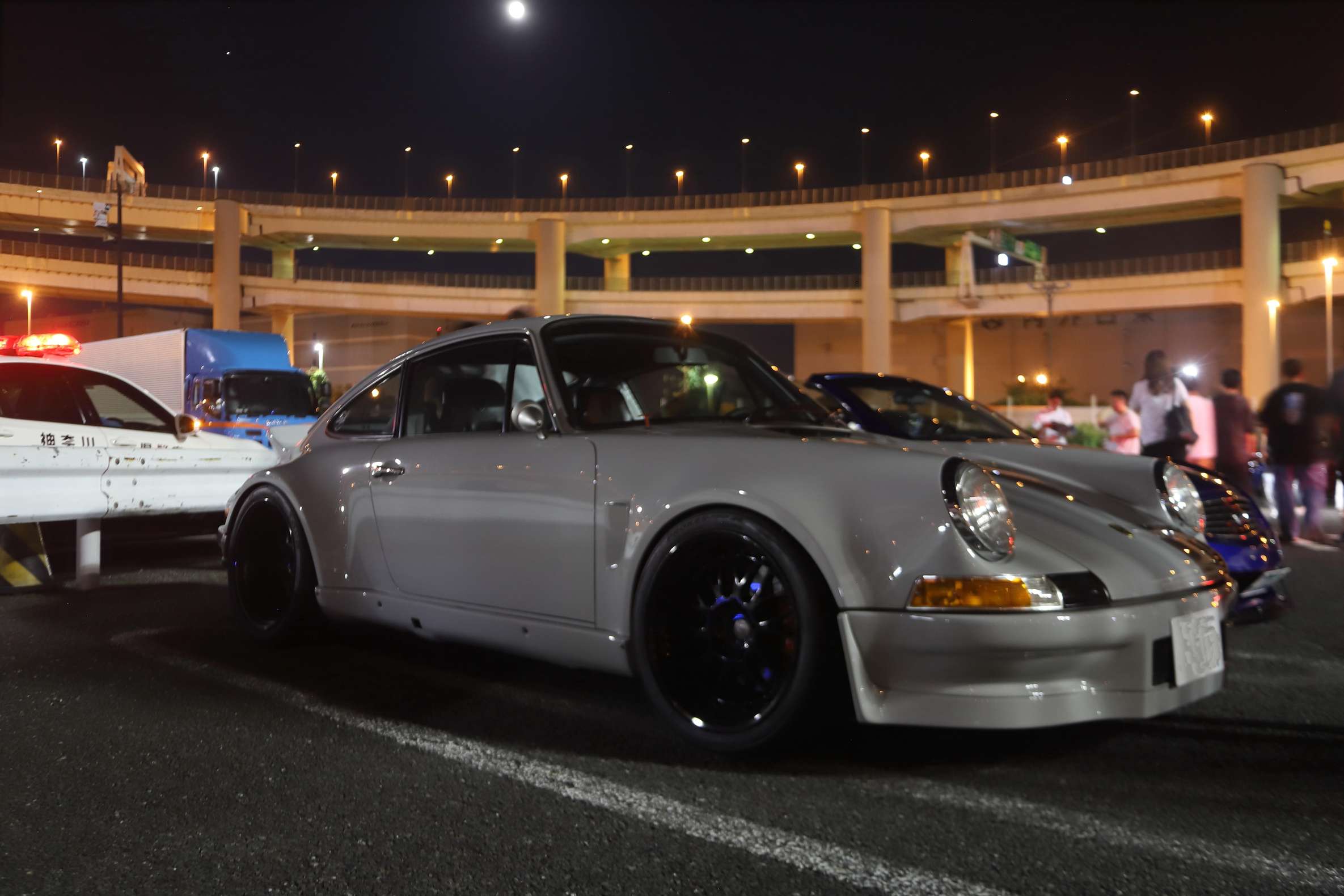
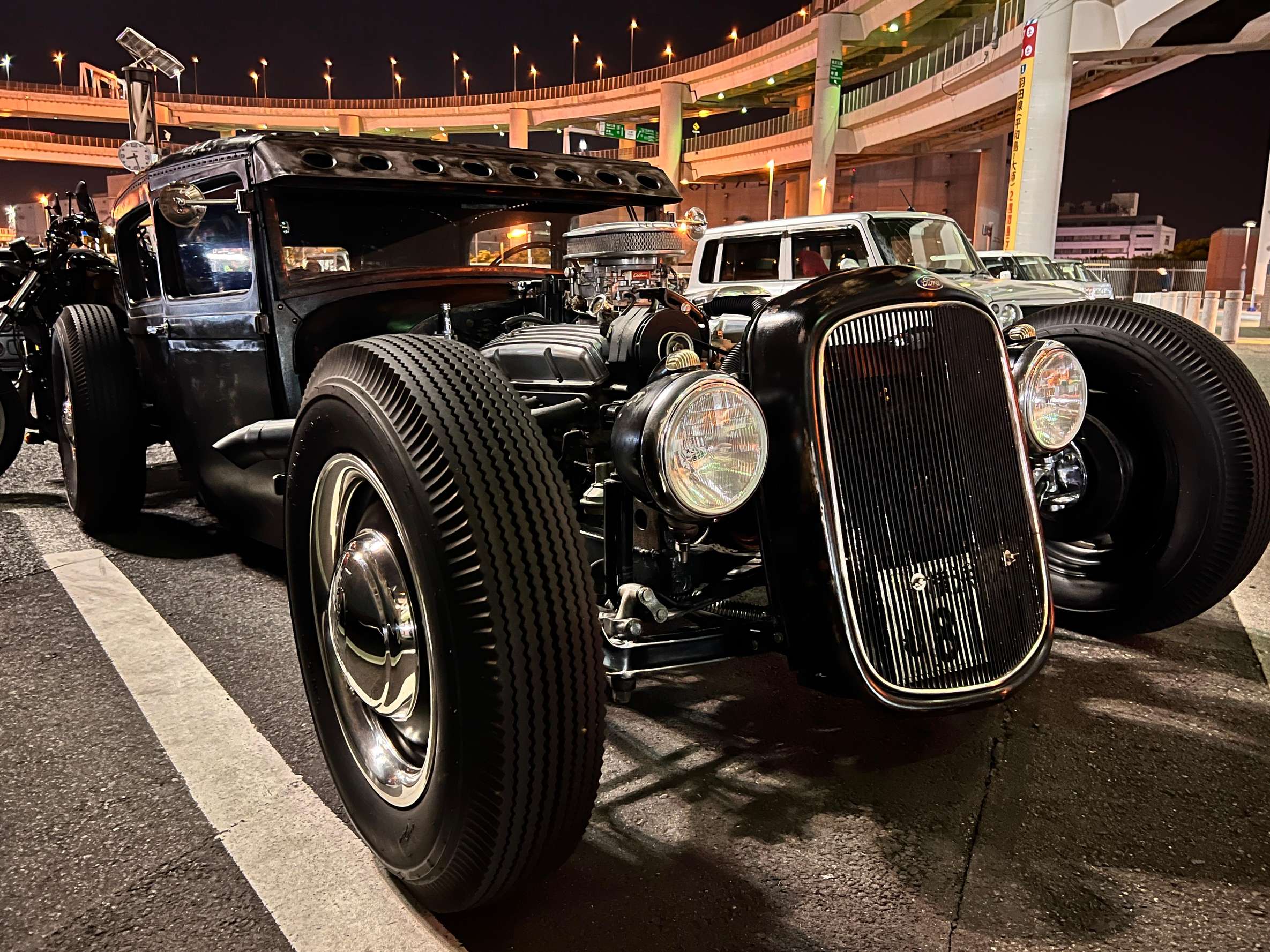
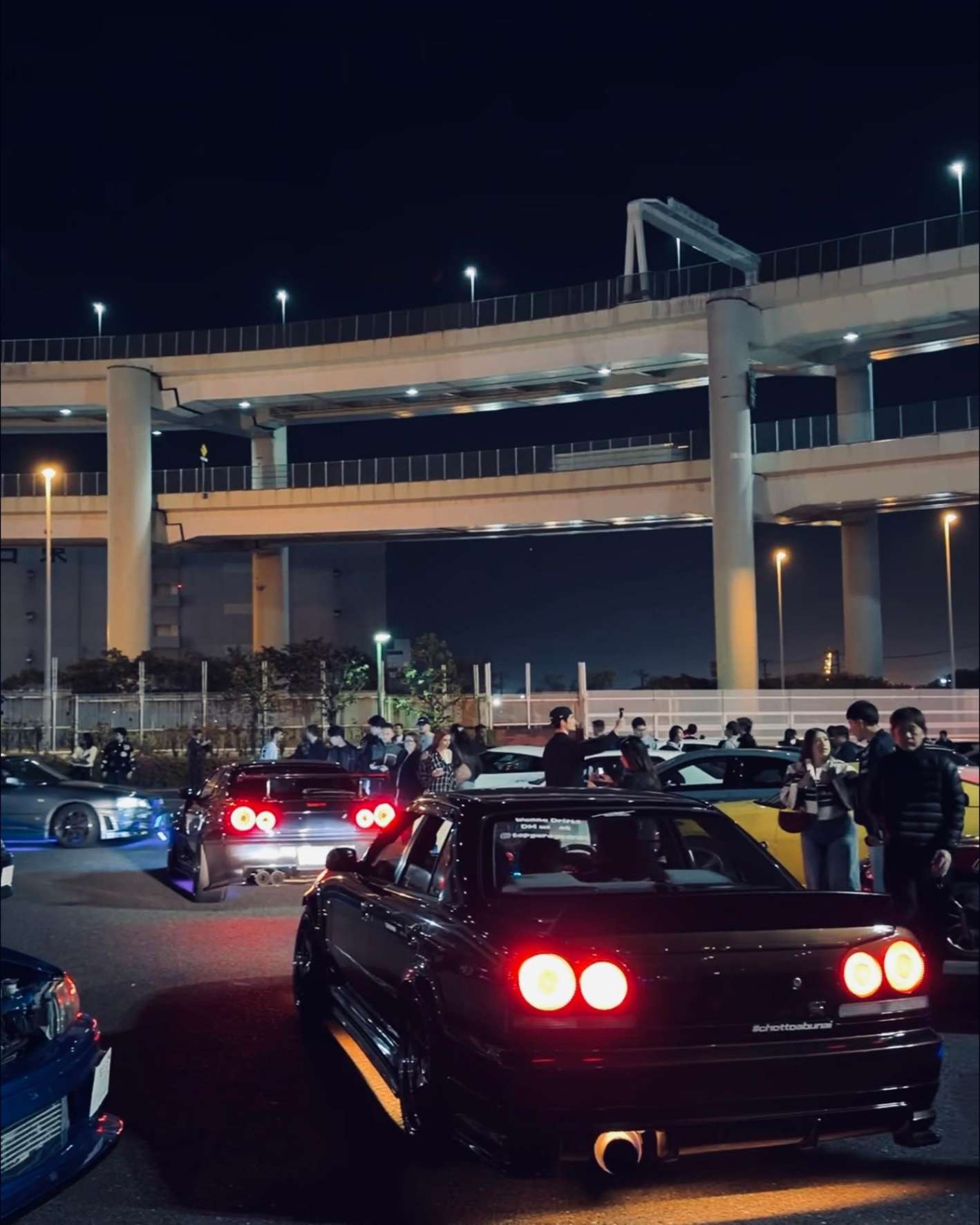
Anyone can see the Daikoku car meet - photos from the PA
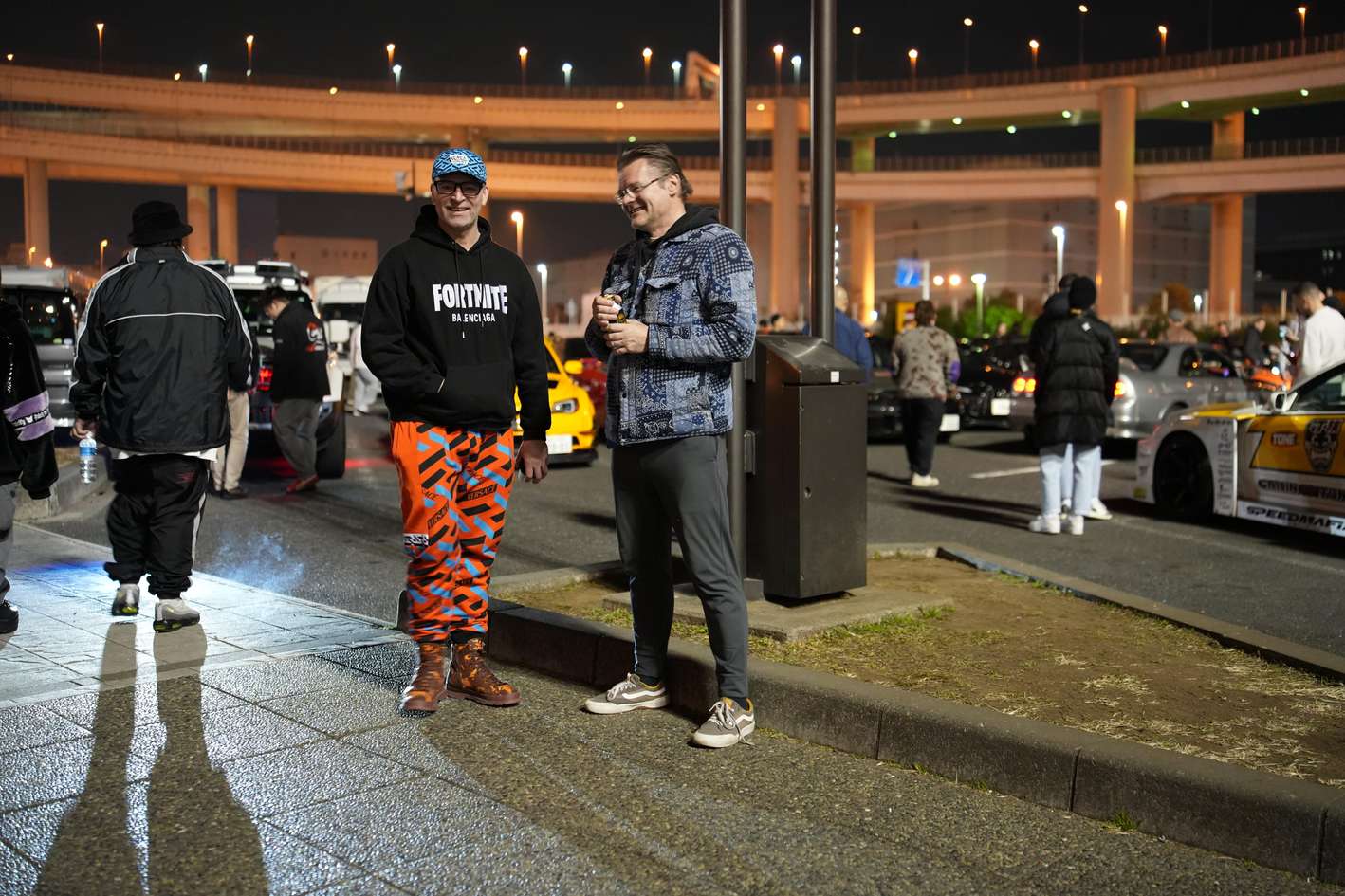
Can anyone go to the Daikoku car meet?
Anyone can. Daikoku PA is a tollway rest stop on its own island in Tokyo Bay, and the meet there is informal and unorganized.
There is no ticket, no entry fee, no guest list and no schedule to check. Enthusiasts gather most nights, with bigger turnouts on weekends, and visitors walk the lot like anyone else.
What you cannot do is arrive on foot. The parking area sits behind fences on the expressway, with no pedestrian gate, no taxi stand and no bus stop, so the only way in is by car. Most visitors ride in on a guided tour, and a few drive themselves.
| Getting there | Kids welcome | Worth it risk | Best nights | If police close | |
|---|---|---|---|---|---|
| On your own | No taxi rank, no bus | not known | Hit or miss, no schedule | Fri-Sat biggest crowds | Don't linger, you're stranded |
| Passenger tour | Central Tokyo pickup | Children ride as passengers | Runs in rain, umbrellas provided | Fri-Sat from 5 pm | Moved to Umihotaru PA |
| Self-drive rental | Expressway only, IDP needed | Child seat required by law | Stay as long as you like | Weekends biggest turnouts | Comply and exit calmly |
| Private tour | Hotel pickup, flexible times | Child seat on request | Flexible pace, tailored night | Your own schedule | Reschedule or full refund |
- Getting there
- No taxi rank, no bus
- Worth it risk
- Hit or miss, no schedule
- Best nights
- Fri-Sat biggest crowds
- If police close
- Don't linger, you're stranded
- Getting there
- Central Tokyo pickup
- Kids welcome
- Children ride as passengers
- Worth it risk
- Runs in rain, umbrellas provided
- Best nights
- Fri-Sat from 5 pm
- If police close
- Moved to Umihotaru PA
- Getting there
- Expressway only, IDP needed
- Kids welcome
- Child seat required by law
- Worth it risk
- Stay as long as you like
- Best nights
- Weekends biggest turnouts
- If police close
- Comply and exit calmly
- Getting there
- Hotel pickup, flexible times
- Kids welcome
- Child seat on request
- Worth it risk
- Flexible pace, tailored night
- Best nights
- Your own schedule
- If police close
- Reschedule or full refund
Before you go, hold onto what the place is: a rest stop where car people happen to gather, with no show guaranteed. Some nights are packed, some are thin, and police can close the lot with no notice once it overflows. Go knowing that, and a quiet night still beats staying in.
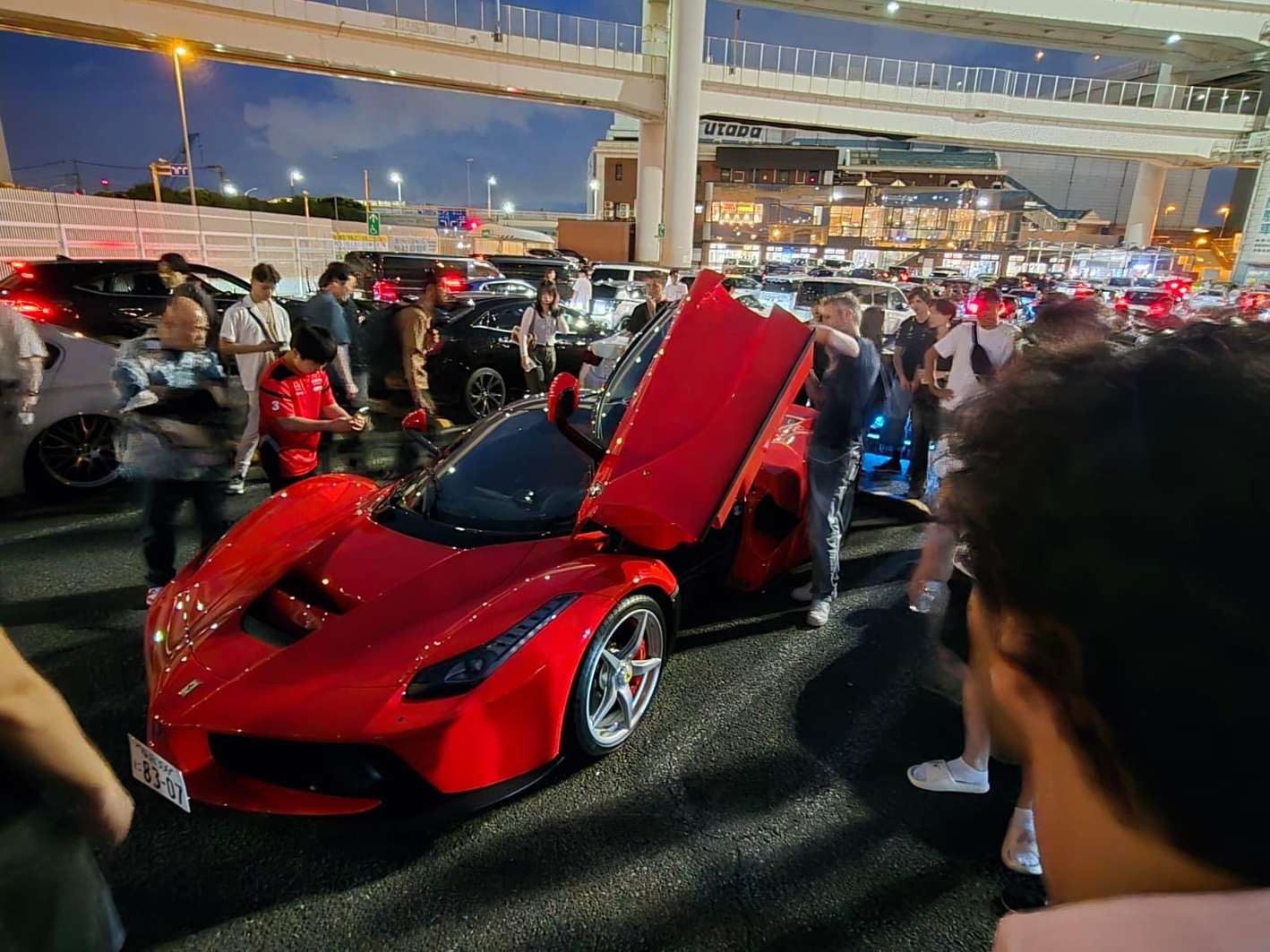
Which nights the Daikoku car meet fills up
There is no calendar to consult, because the meet happens any night of the week. How big any single night gets is the one thing nobody can promise. Friday and Saturday draw the biggest crowds, Sunday morning has its own following, and weeknights run far quieter without ever going completely empty.
A practical note on Saturday: it is both the fullest night and the most fragile one. When the lot overflows, police shut it, sometimes as early as 7:30 pm. If a packed Saturday matters to you, aim for early evening, because by late the odds of a closure have climbed.
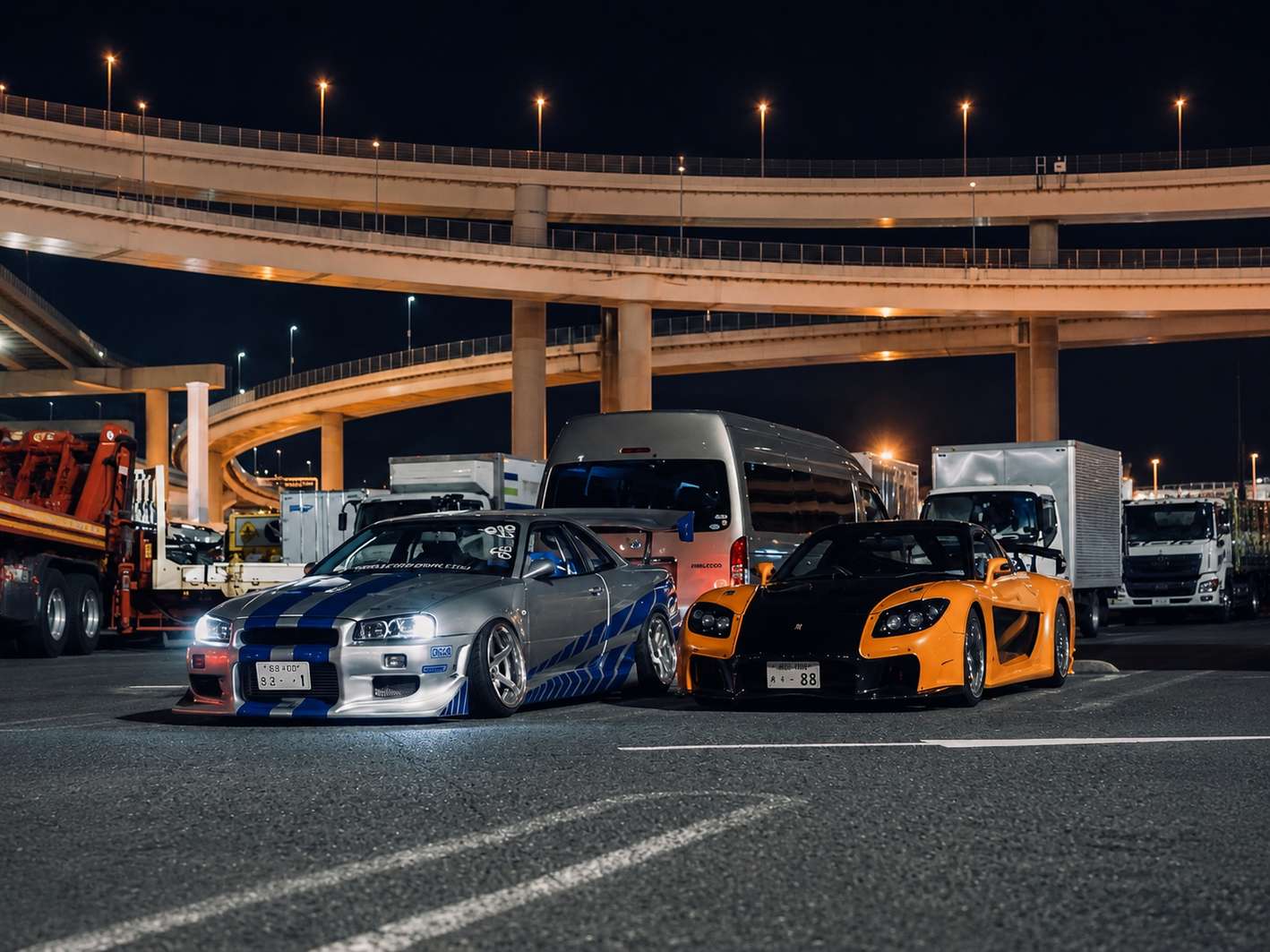
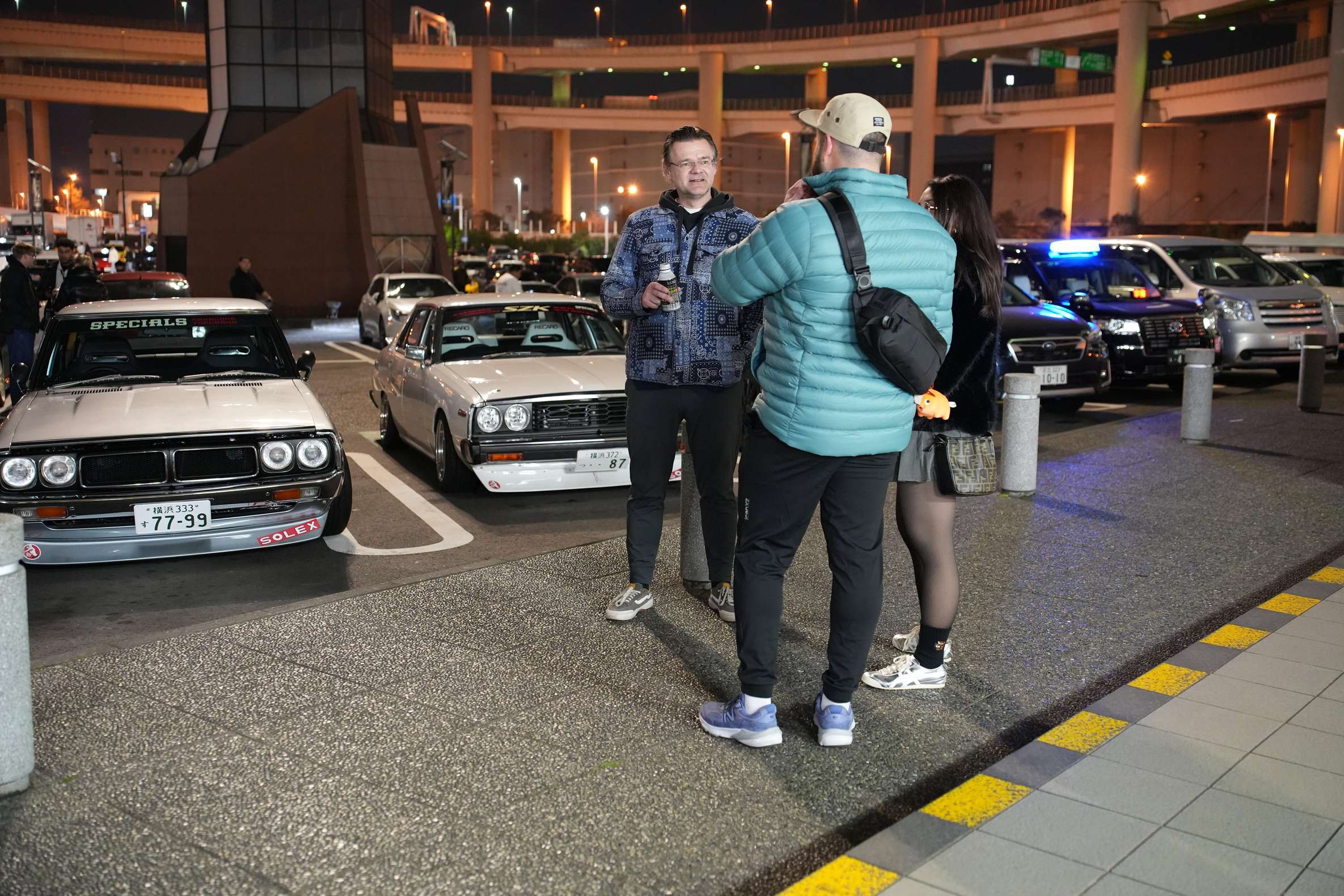
What hours to aim for on a Daikoku car meet night
The clock matters as much as the day. On Friday and Saturday the lot starts filling from around 5 pm and builds through the evening, with the deepest crowd between 9 pm and 1 am.
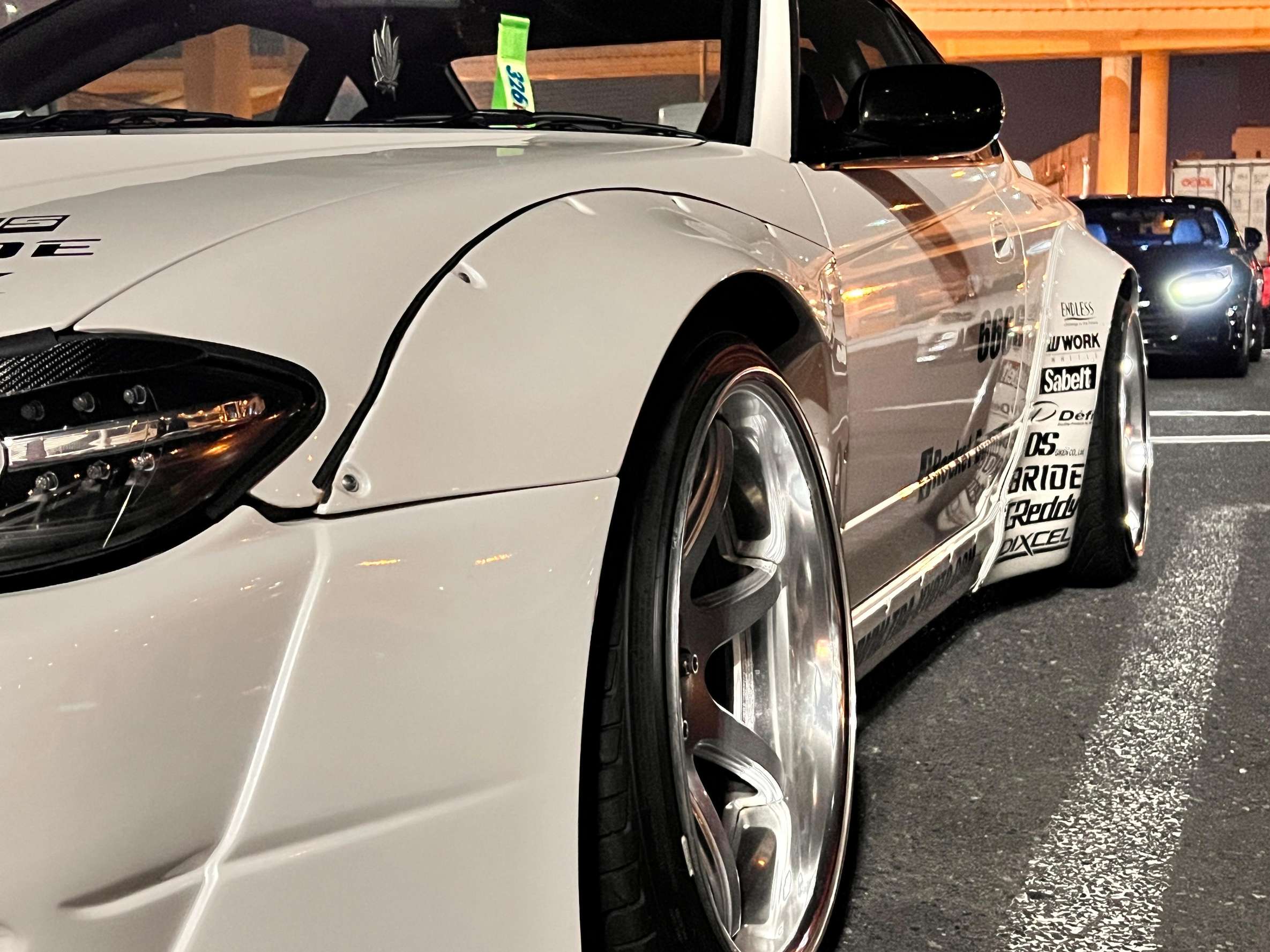
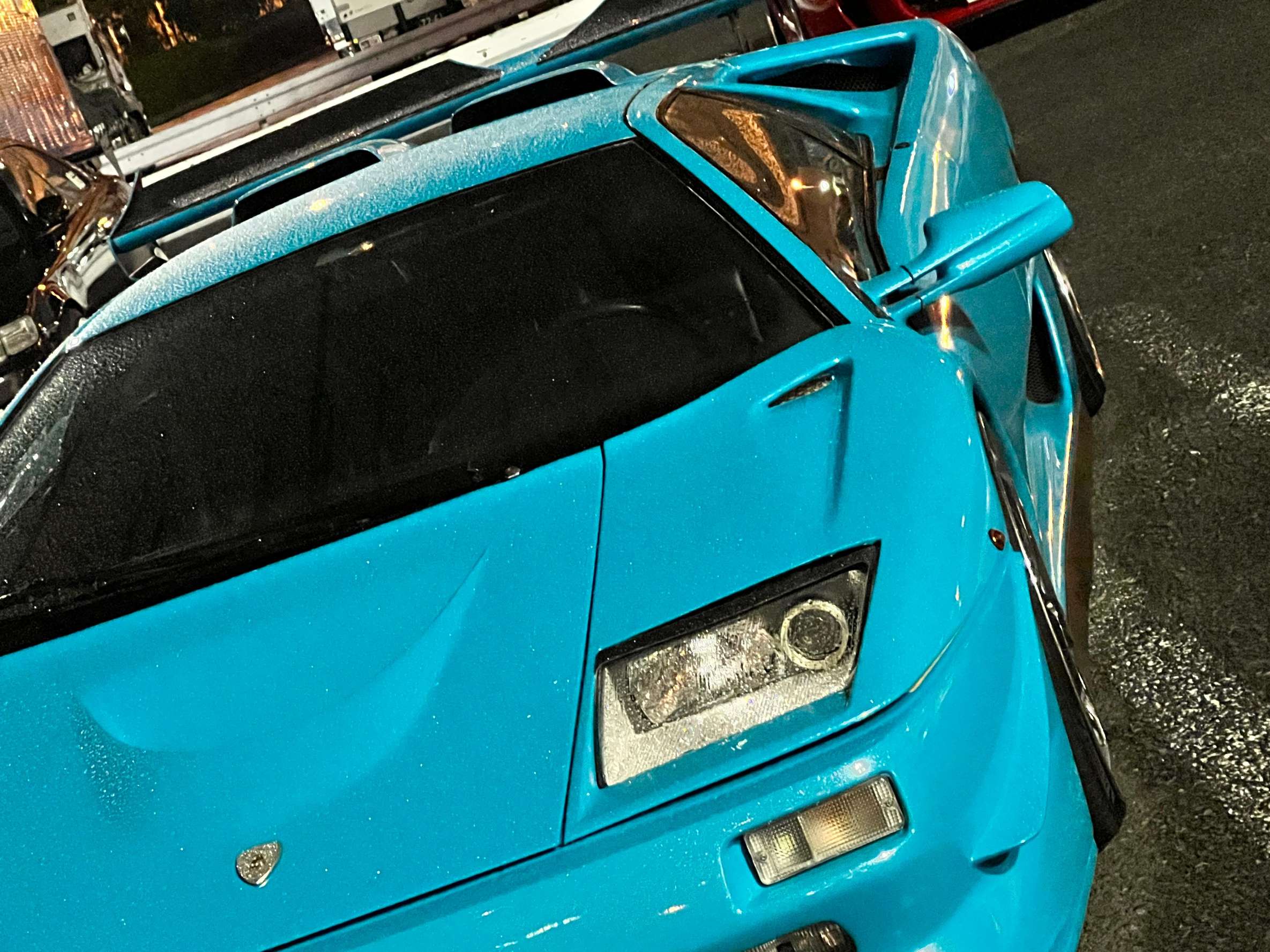
That window is when you will see the widest spread of the week: Skylines and GT-Rs from the R32 through the R35, Supras, RX-7s, NSXs, Silvias, Evos, WRX STIs, VIP sedans, and a scatter of Ferraris and Lamborghinis.
Weeknights come together later, from about 8 pm, and the crowd is smaller: daily-driven builds and the regulars who show up almost every night.
The flow of local cars on a weeknight peaks around 8 to 10 pm, so a tour that starts at 8 still lands on something. If you want the spectacle, pick Friday or Saturday and plan to be there by 9.
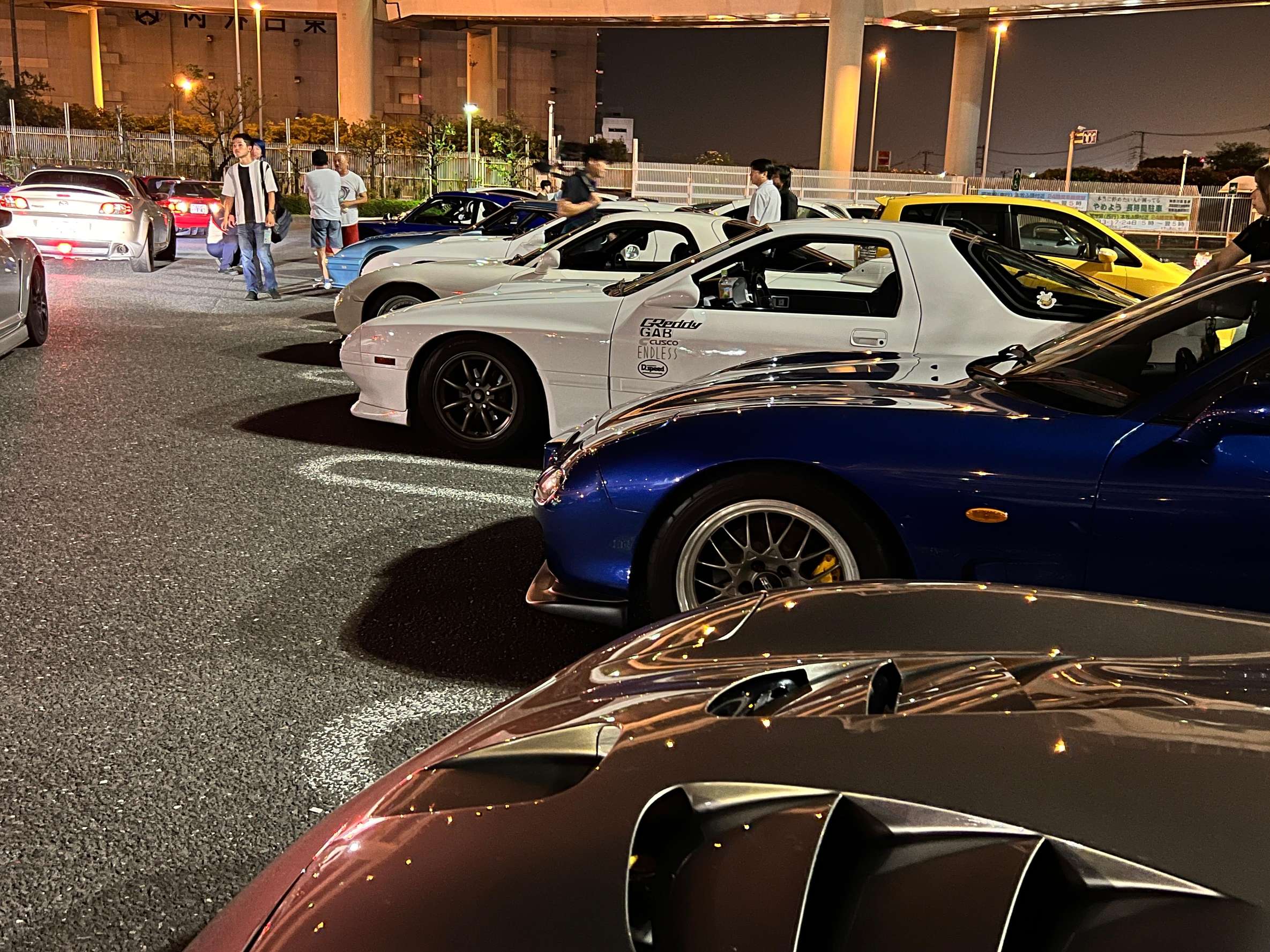
Sunday mornings at Daikoku - classics and exotics in daylight
Sunday morning from about 8 to 10 am is the daylight slot at Daikoku, and it has a different character from the night meets. Exotics and classics gather before their Sunday drives, the light is good for photographs, and the atmosphere is calmer than a weekend night.
Several tours run a Sunday morning option for exactly this reason, and regulars treat it as the easier introduction to the scene.
You still stand around a parking lot waiting for cars, but you can see what you are photographing, and owners are more approachable over coffee than they are in a packed midnight lot. If crowds or late nights are not your thing, this is the window to aim for.
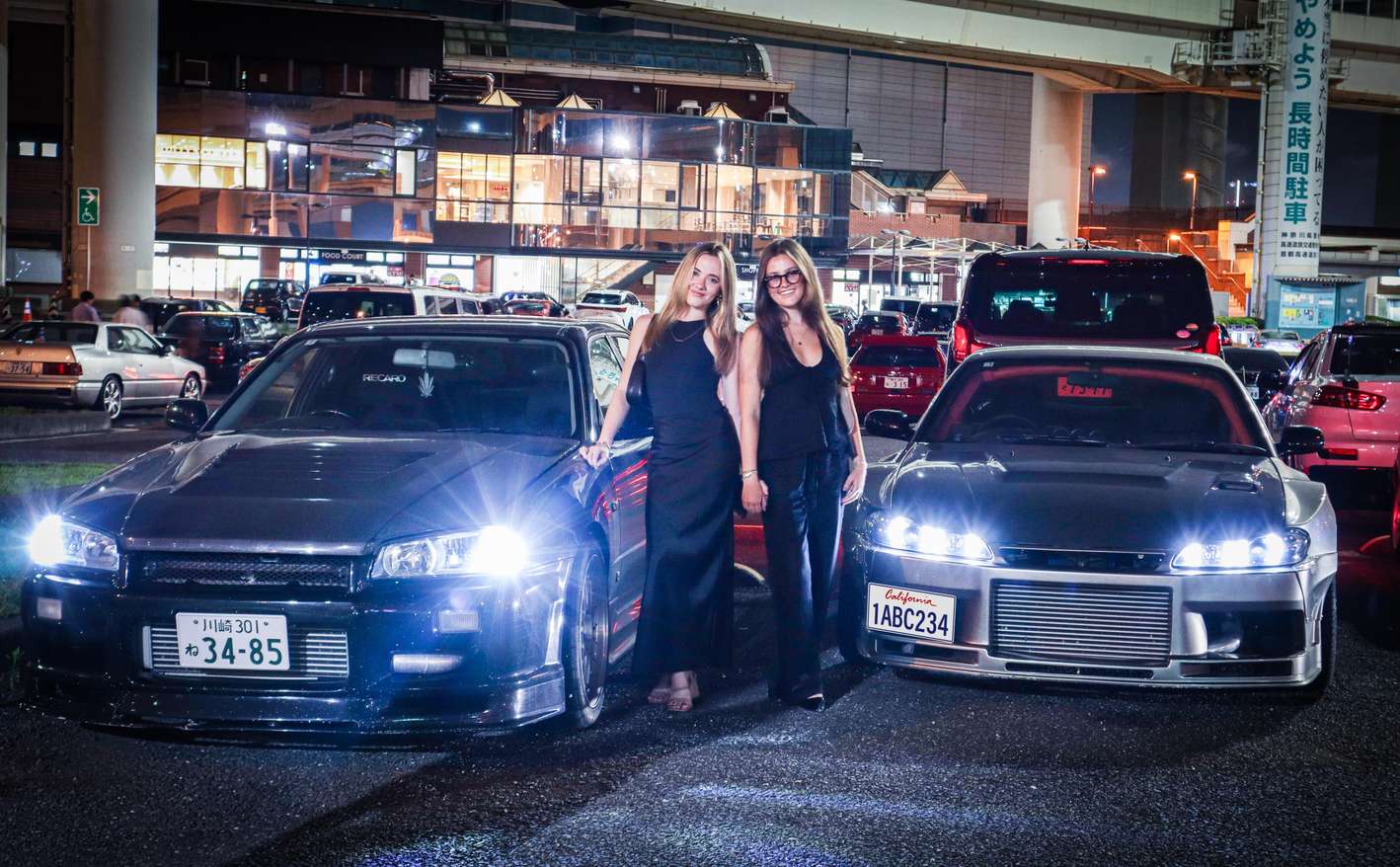
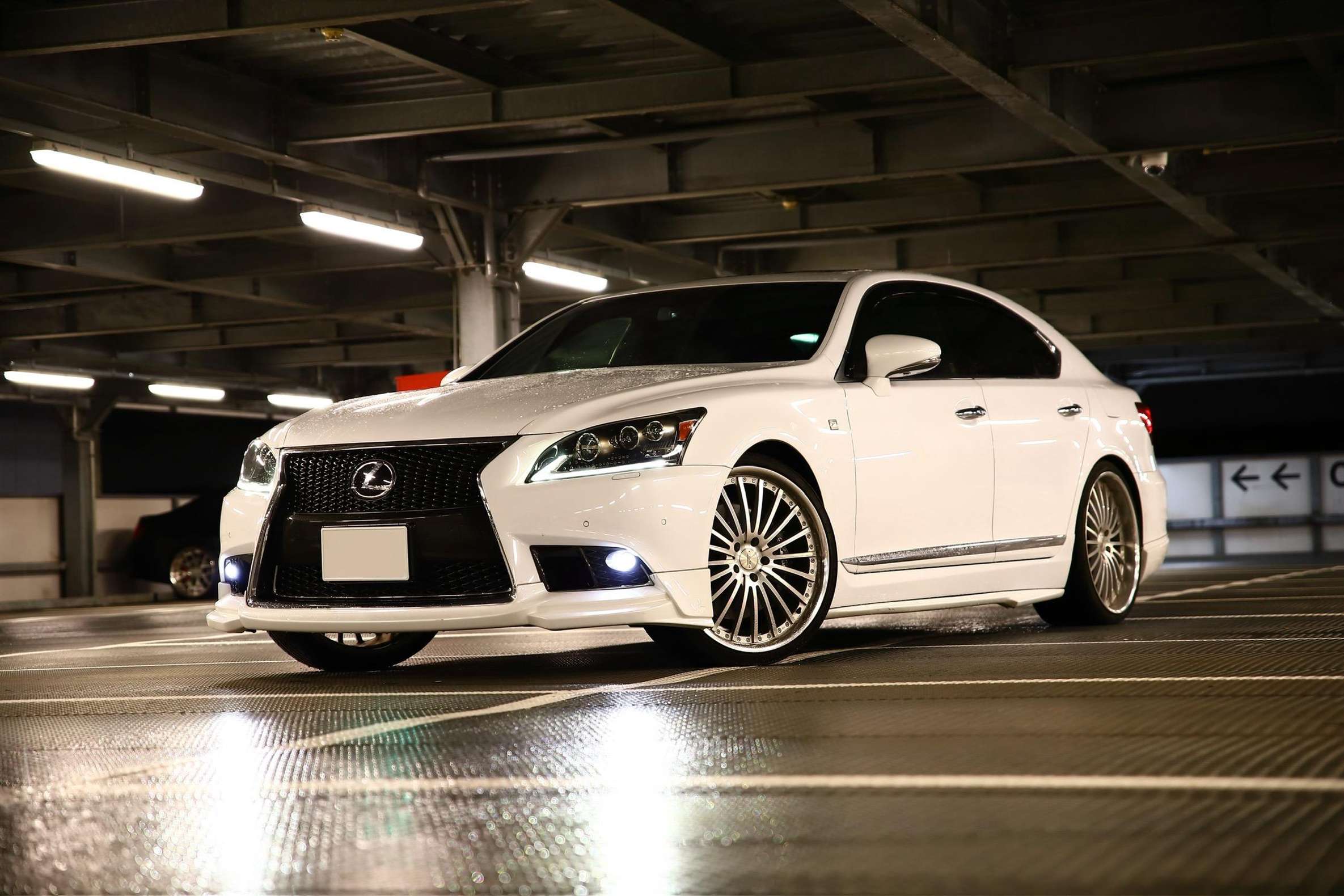
What the Daikoku car meet is really like at night
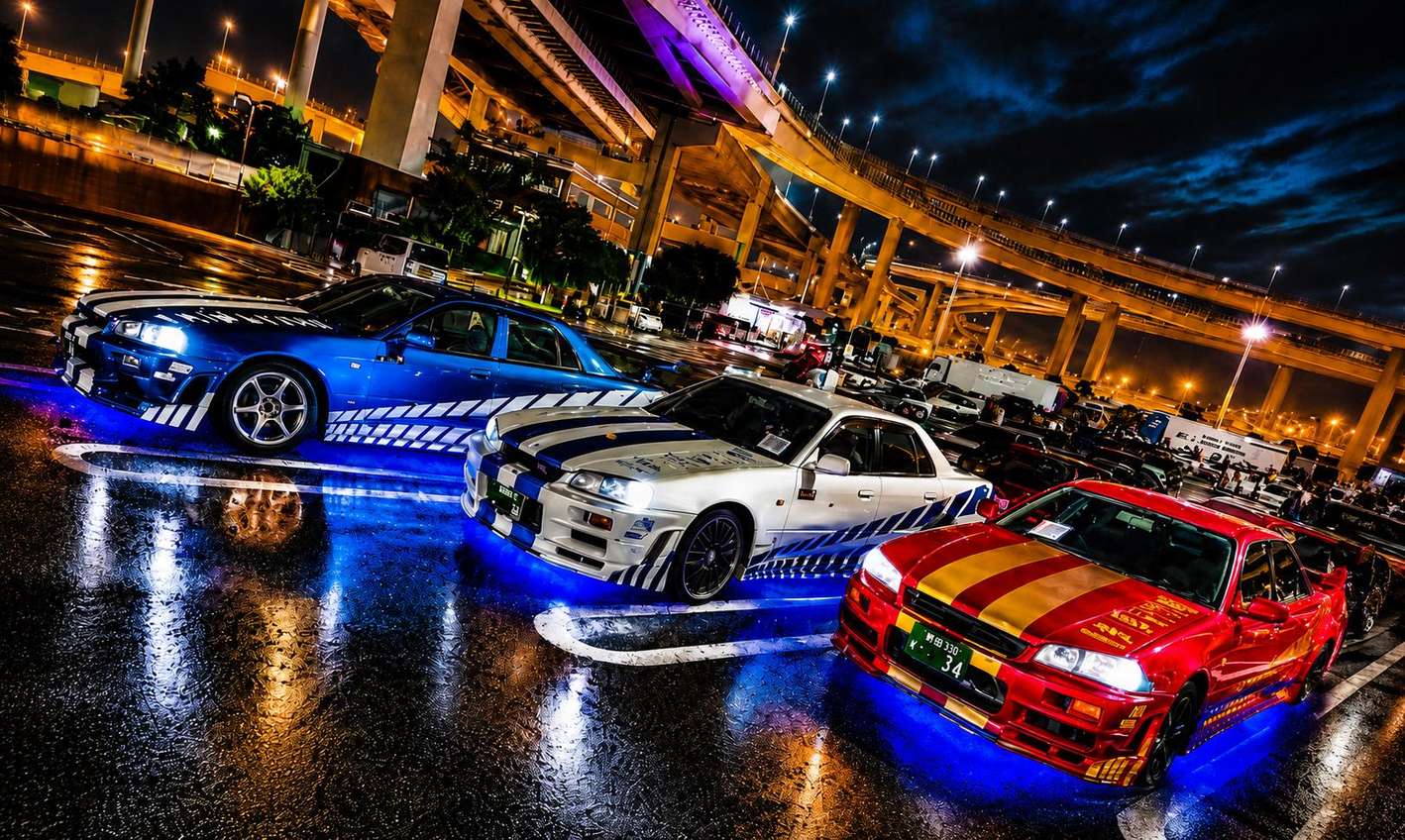
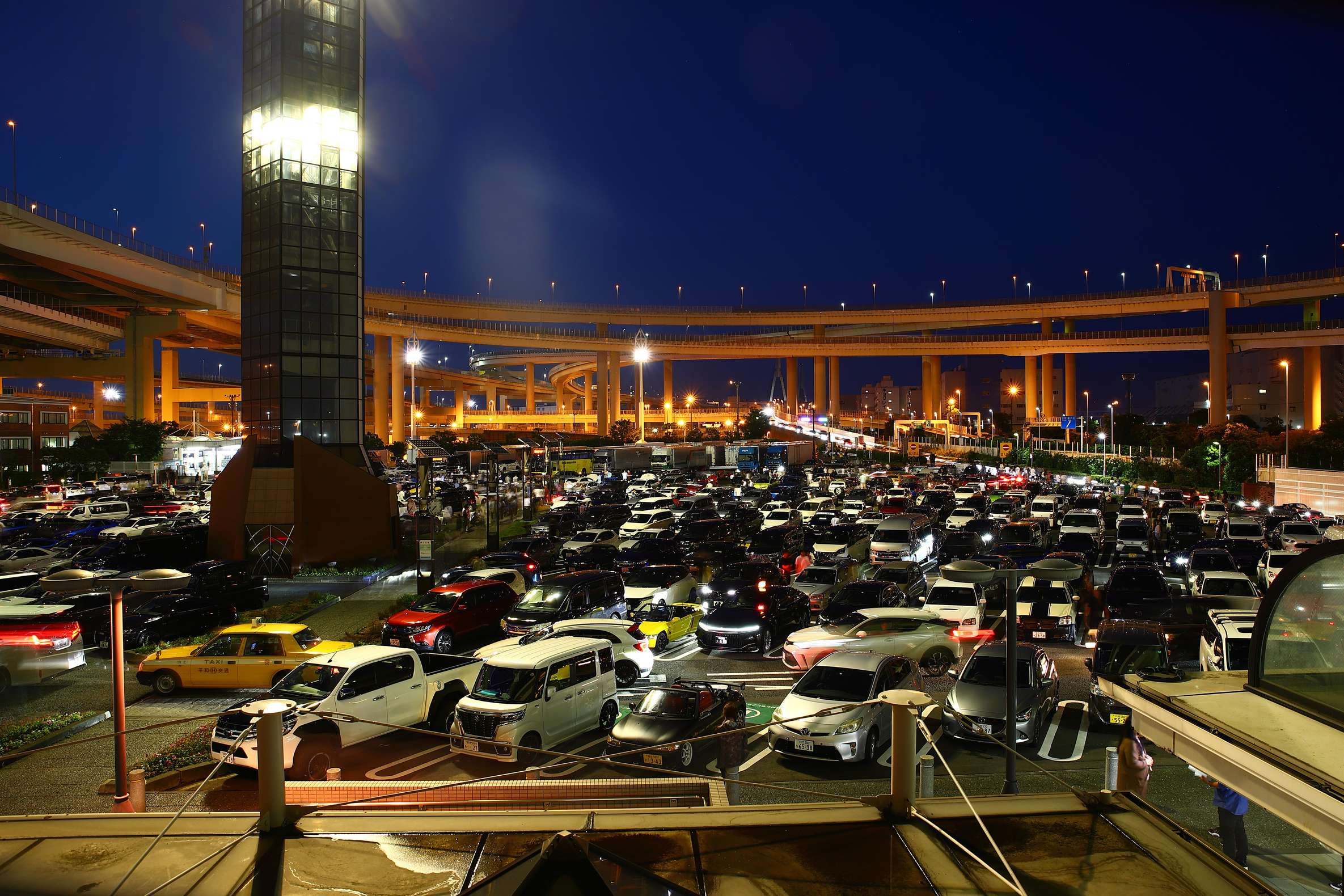
Think of a cars-and-coffee gathering that runs after dark, on an elevated rest stop with spiral ramps wrapping around the parking lot. Those ramps make a striking backdrop for photos, and on a busy night you hear revving engines and smell exhaust the whole time you are there.
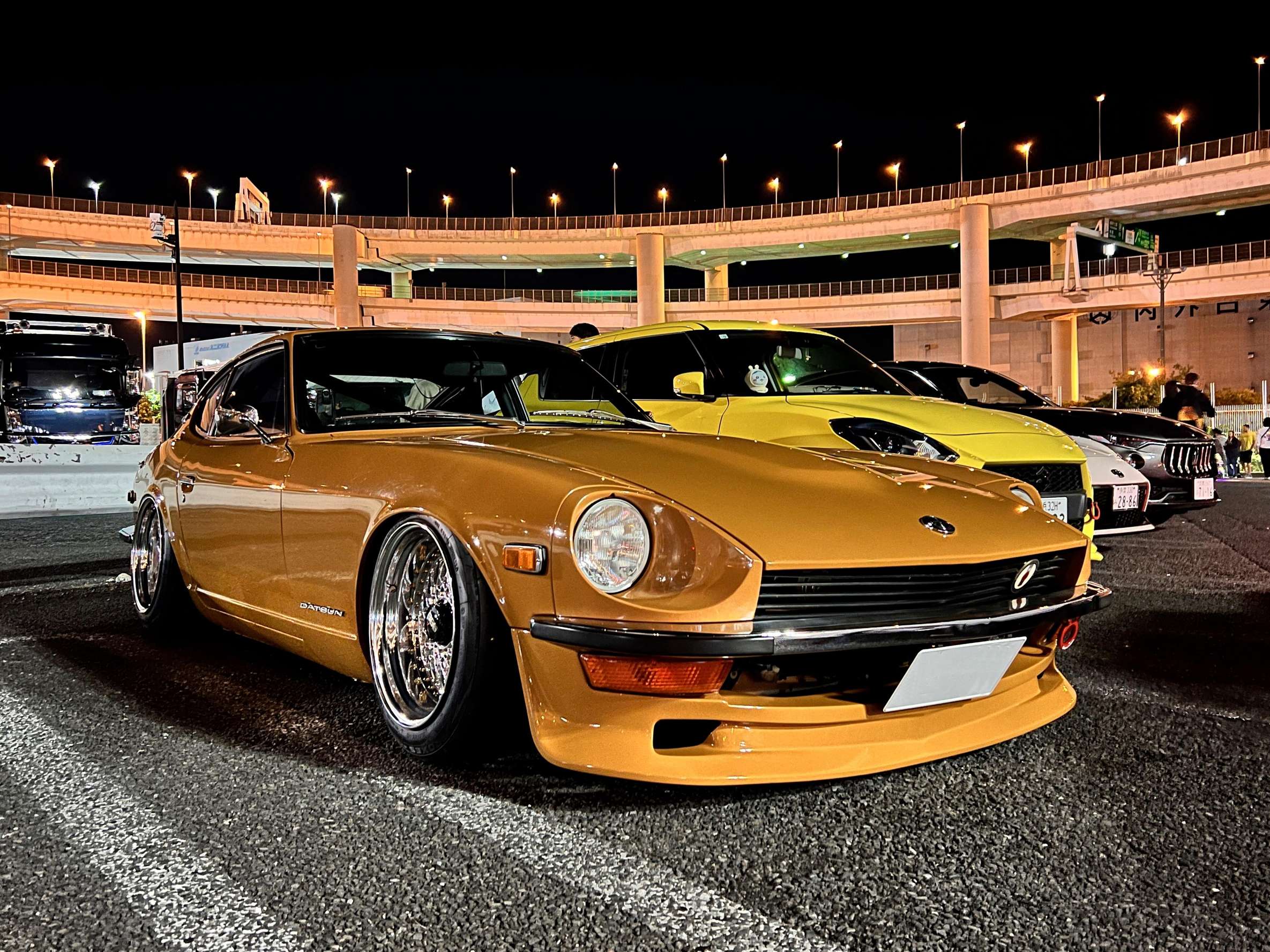
The mix of cars is the point. Supercars park next to kei cars and American muscle, tuned daily drivers next to garage queens, and nobody cares what you arrived in.
Owners are generally happy to talk about their builds if you approach them politely. There is no antagonism between the different car groups, and people come and go as they please.
You will not go hungry or thirsty while you wait. The PA has a restaurant, vending machines selling hot and cold food, and a Lawson convenience store, plus restrooms. There is usually time to walk the lot, browse the cars and take photos at your own pace.
When the Daikoku car meet disappoints - rain and thin nights
Honesty helps here. What you find depends on the night, and the crowd and cars vary a lot from one visit to the next.
Some nights have little to see, and a quiet visit is a matter of luck. Instagram reels flatter the meet, so go expecting randomness; nobody hands you a guaranteed wall of supercars.
Rain rarely kills the night. Tours run as scheduled in ordinary rain, and travelers have repeatedly found plenty of cars even on wet evenings, with guides handing out umbrellas.
What thins the lot is heavy rain, when fewer owners come out and there is less to film. Police closures are the other cut: a tour night at Daikoku can end after only a couple of hours.
The classic legend cars are also scarcer than the videos suggest. Most are over 25 years old and their owners are mostly over 60, and they rarely mix with tourists. On an ordinary night you are more likely to see flashy tuned builds than clean legend metal.
Season matters too. April is the busiest month for bookings, followed by October and September, while June, February and December are the quietest. June and September are also the wettest, averaging about 14 rainy days each, so pack for it and keep a backup plan.
Daikoku car meet etiquette - the rules that keep it open
The meet survives because visitors follow a short list of manners, and police watch behavior and act on complaints. The first rule is hands off.
Never touch, lean on or sit on someone's car, and never climb into one for a photo without asking the owner first. Disrespectful tourist behavior is the reason some locals stopped bringing their cars to Daikoku at all.
Photography has its own etiquette. Ask before photographing people or license plates, and before posting a car online. Keep flash off at night, especially into cabins or at faces. Drones are banned over the lot.
Movement matters as much as photos. Stay on the pedestrian walkways, never stand in driving lanes or between parked cars, and give way immediately when cars roll out. Do not block parking bays, do not rev engines or attempt burnouts, and keep your voice down. These are not loud parties.
Two conversational rules surprise first-timers: never ask an owner what a car costs or whether it is for sale, and if police arrive and clear the lot, follow their instructions without arguing and leave promptly.
Mistakes that get visitors in trouble at the Daikoku car meet
The biggest problem at the meet is tourists on the roadway. Walking into or out of Daikoku PA, or along roads you are not supposed to use, is illegal trespassing that can lead to arrest, and climbing the fence earns a huge fine or a night in jail.
The PA is fenced off from local streets for a reason.
The second mistake is transport. Do not take a taxi out to Daikoku assuming you can get one back. There is no taxi rank and nothing to walk to, so if the lot closes early you could be stranded. If police close the meet and everyone leaves, do not linger, especially with no ride waiting.
The third is expectation. Daikoku is a parking lot, and drifting there would bring the police down on the whole meet.
If drifting is what you came for, the legal answer is a circuit day, and Daikoku is the wrong place to look for it. Mind these three things and you will be the kind of visitor the regulars are glad to see.
If Daikoku PA closes - backup car spots and what is nearby
A closed lot can still give you a good night. When police shut Daikoku, tours pivot to alternatives such as Umihotaru PA out in the middle of Tokyo Bay on the Aqua-Line, or Tatsumi PA on the Bayshore Route, and you can choose to reschedule or take a full refund instead.
Umihotaru even runs its own indoor meet after Daikoku closes on Friday, Saturday and Sunday nights, and it draws a large turnout.
If you are on your own, Tokyo has walkable backups. Exotic cars park along Meiji Jingu Gaien's gingko street, itasha cars gather at the Akihabara UDX underground parking lot on Friday and Saturday nights, and the Autobacs Shinonome parking lot is a popular spotting area where the store hosts car events.
Shibuya near the crossing in the evening and the area in front of Akihabara Station at night both produce sightings too.
- 1Shinjuku Central Parkpark or garden4 min walkDirections
- 2Juniso Kumano Shrinetemple, shrine or church6 min walkDirections
- 3Sompo Museum of Artmuseum7 min walkDirections
Show all 7 places
- 4Japanese Sword Museummuseum11 min walkDirections
- 5Hanazono Shrinetemple, shrine or church15 min walkDirections
- 6Meiji Shrinetemple, shrine or church19 min walkDirections
- 7Shinjuku Gyo-enpark or garden20 min walkDirections
- 1Aoyama Kumano Shrinetemple, shrine or church9 min driveDirections
- 2Watari Museum of Contemporary Artmuseum9 min driveDirections
- 3Lifehouse International Churchtemple, shrine or church10 min driveDirections
- 4Meiji Shrine Outer Gardenpark or garden10 min driveDirections
- 5Ukiyo-e Ōta Memorial Museum of Artmuseum12 min driveDirections
- 6Yoyogi National Stadiumpark or garden14 min driveDirections
Daikoku itself sits on its own island, so there is nothing to walk to from the lot. The nearest cluster of non-car sights is central Yokohama's Minato Mirai waterfront, about a 30-minute drive away.
Getting to the Daikoku car meet without a car
Daikoku PA can only be reached by car on the Shuto Expressway, via the Bayshore Route or the K5 Daikoku Line.
It is fenced off from local streets, with no pedestrian gate, no taxi stand and no bus stop, so walking, bussing or taxiing to the gate does not work. A taxi can drop you at a place with no legal way in and no way back.
That is why most visitors join a guided tour. Tours handle the expressway driving, know which night and hour gives the best odds, and pivot to Umihotaru or Tatsumi if the lot closes. If Daikoku is unavailable, you can reschedule or take a full refund rather than lose the night.
One practical habit after booking: give the operator a contact method such as WhatsApp or Instagram, and turn notifications on. If anything changes before start time, the message comes through there, and operators typically email within 48 hours of booking and expect a reply.
Driving yourself to the Daikoku car meet - licences and rules
If you want the wheel, the paperwork comes first. To drive in Japan you need an International Driving Permit issued under the 1949 Geneva Convention.
A permit under the 1968 Vienna Convention is invalid in Japan even if your country signed it.
If your license is from Switzerland, Germany, France, Belgium, Monaco or Taiwan, you instead need your home license with an official certified Japanese translation, which you arrange online before you go. US visitors get their IDP from AAA or AATA before arriving. Sort this out before the trip, or renting is off the table.
On the road, keep left, wear seat belts at all times, and never use a phone while driving. Speeding 40 km/h over the limit leads to arrest and jail.
Where no limit is posted, regular cars stay under 60 km/h on ordinary roads and 100 km/h on expressways, though urban expressways often post 60. From September 1, 2026, residential roads without a center line or lane markings drop to 30 km/h.
For the self-drive GT-R tours, the driver must be at least 23, bring a physical license, the valid permit or translation, a passport, and complete advance registration. Digital or app-based licenses are not accepted. Route your sat nav to keep you on the expressway approach, and you will roll in with the rest of them.
Dressing for a night at the Daikoku car meet
The meet happens in the open, and you will spend most of it standing around, so dress for the season and for hours on your feet.
Tokyo nights at Daikoku run from about 1°C on winter nights to over 25°C in midsummer, and a light jacket matters even in the warmer months, because the bay breeze cuts through after midnight.
Comfortable shoes suitable for walking are the other essential, since you will cover a lot of the lot on foot. Bring a camera, and check the weather before you head out.
Tours ask for exactly this kit, and they also ask you to be ready for a late return on night drives, since the best hours run past midnight.
One small addition that pays off: something reflective or bright helps you stay visible to drivers moving through the lot after dark, and keep bags or metal accessories from brushing against the cars as you squeeze past.
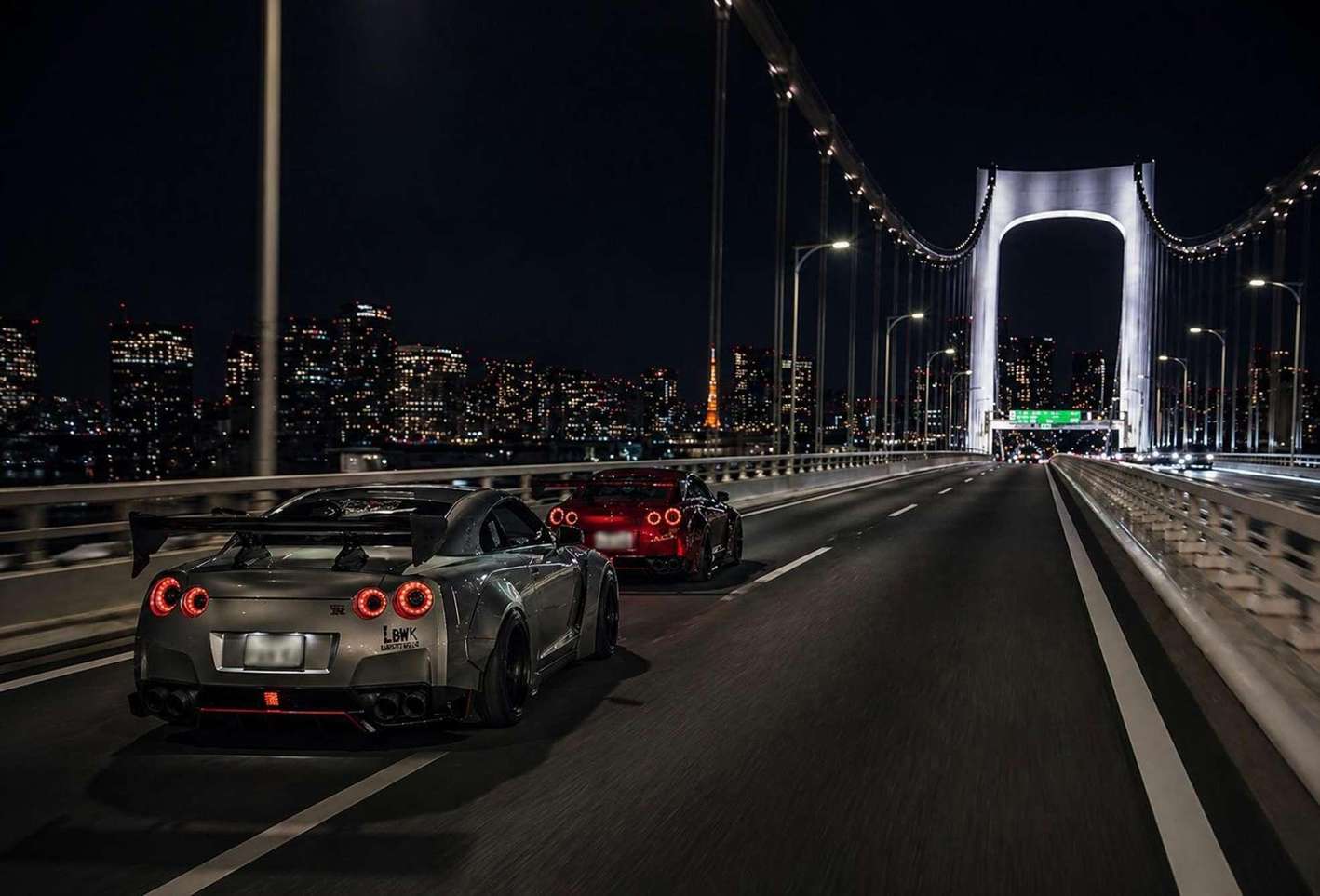
Aki was amazing! Booked the r34 Skyline, felt like the Tokyo Drift movie. Daikoku PA, Rainbow Bridge, Tokyo Tower. Amazing ride, views and cars. I'll book again next time in Tokyo.
Worth it, if you pick the right night
Anyone can go to the Daikoku car meet, and on a packed Friday or Saturday it is one of the best free shows in Tokyo.
Go in knowing the lineup changes nightly, rain and police can thin it out, and manners decide whether the meet survives. Time it for 9 pm on a weekend or a Sunday morning, and bring a jacket.
What anyone should know before booking a Daikoku car meet tour
Many tours include hotel pickup and drop-off, and some meet at a fixed point such as Tokyo Station instead. If pickup matters, pick a tour that states it, because a few shared options meet on foot at a set spot.
You ride as a passenger with a professional driver, so no licence is needed. On shared tours the car is assigned on the night; private tours let you pick the model, from an R34 Skyline to a GT-R R35, and some operators swap cars between stops.
Shared tours put you in a car with other guests, usually three or four seats per vehicle. Private bookings are for your group only, and some operators can spread a larger party across several cars in a convoy.
A tour covers the ride, the driver, fuel and tolls, plus time at Daikoku PA and often stops at Tokyo Tower, Shibuya or A-PIT Autobacs. Food, souvenirs and anything you buy at the stops come out of your own pocket.
Book at least 48 hours before your tour date. Tours sell out, and turning up in Tokyo hoping for a spare seat is a gamble. Some operators can fit in last-minute bookings over WhatsApp, so message early if your dates are tight.
If Daikoku PA closes on the night, operators move the meet to an alternative spot such as Umihotaru PA, or you can reschedule or take a full refund. Read the cancellation terms before you confirm, especially around weather.
At the meet, ask an owner before touching, sitting in or photographing a car, and stay off the roadways. Police watch the area and act on complaints, and climbing the fence into Daikoku brings a heavy fine or worse.
Daikoku is an informal gathering where cars come and go at odd hours, with bigger turnouts on weekend evenings and Sunday mornings. Some nights are quiet, and police can end a meet after a couple of hours, so treat the lineup as luck.
“Unforgettable evening with Kuroda in his GTR35, the sound, speed and control were unreal, like.”
Can anyone go to the Daikoku car meet? rules, police and safety
Can anyone go to the Daikoku car meet?
Yes. Daikoku PA is a public highway rest area, open around the clock, and anyone who arrives by car can park there. The parking area itself is free, so on a tour you are paying for the ride and the guide. There is no ticket, no organiser and no gate.
Is the Daikoku car meet legal?
Parking there is legal. The gathering is unofficial, though, and police monitor the lot and can ask groups to leave or close the whole area when things get rowdy. Revving, burnouts, blocking lanes and walking in from the expressway are all illegal. Keep it calm and you are fine.
Are Daikoku car meets illegal?
The meet itself is a legal, static gathering where people park, chat and look at cars. What is illegal is racing, drifting or dangerous driving on the site, and walking into the PA on foot.
Under Japanese law, groups of vehicles creating a hazard can be treated as a criminal offense, which is why police sometimes intervene.
Is it safe to visit the Daikoku car meet?
It is safe if you follow the rules. Stay out of the roadways, never touch or lean on a car without the owner's permission, and walk on the wider pedestrian areas. If police close the meet and everyone leaves, go with them, especially if you arrived without your own car.
What do the police do at Daikoku PA?
Police watch behavior at the parking area and act on complaints. They can shut down the meet on busy nights such as Christmas and New Year, and crackdowns have become more frequent because of tourist misbehavior. If they intervene, follow their instructions, do not argue, and leave promptly.
Can you see drifting at the Daikoku car meet?
No. Daikoku is a parking lot, and drifting there would bring the police immediately. Drifting on public roads is illegal anywhere in Japan. If you want to watch real drifting, look at circuits like Ebisu north of Tokyo, or time your trip for a D1 Grand Prix round.
How do I get to Daikoku PA as a tourist?
The PA is only reachable by car via the Shuto Expressway, with no bus or taxi stops. Distances are short: about 9 minutes from Shinjuku, 13 from Shibuya and 18 from Tokyo Station. Most visitors take a guided tour with hotel pickup, since a taxi out leaves you stranded on the way back.
Do I need a tour, or can I drive myself?
You can drive yourself in a rental car and stay as long as you like. A tour binds you to a time slot but handles the expressway driving and gets you back if police close the area. If you cannot drive or lack an international driving permit, a tour is the practical option.
What etiquette should I follow at the meet?
Ask before entering, touching or sitting in anyone's car, and ask before photographing people or their number plates. Keep quiet, with no revving or loud music, and stay out of the truck parking section. Disrespectful behavior is why some locals stopped bringing their cars, so the owners are watching.
Is the Daikoku car meet suitable for kids?
Families report the ride and the meet can be a memorable outing for young car fans. Age rules vary by tour: some take children from 5, others from 10 or 11, and children aged 5 to 7 who need a booster seat require contacting the tour provider beforehand. Check the age limit before booking.
What if the meet is quiet or closed when I go?
What you find depends on the night, and some visits have little to see. Heavy rain or police activity can close the PA, and tours then move to alternatives such as Umihotaru PA or Tatsumi PA. Weekend evenings and Sunday mornings tend to draw the biggest crowds.
Why do some car meets get shut down or banned?
A meet loses its footing when noise complaints, dangerous driving or trespassing pile up.
Under the Road Traffic Act, groups of vehicles creating a hazard can be treated as a criminal offense, and event permission in Japan can be withdrawn at short notice. Daikoku survives because visitors who park, chat and admire cars keep it calm.
Anyone can visit the Daikoku car meet - rules, police and safety
 If you like picking the right night to goDaikoku ScheduleWeekend nights draw the wildest crowds and Sunday mornings stay calmer, so the schedule page helps you time a Daikoku visit that matches the mood you want.
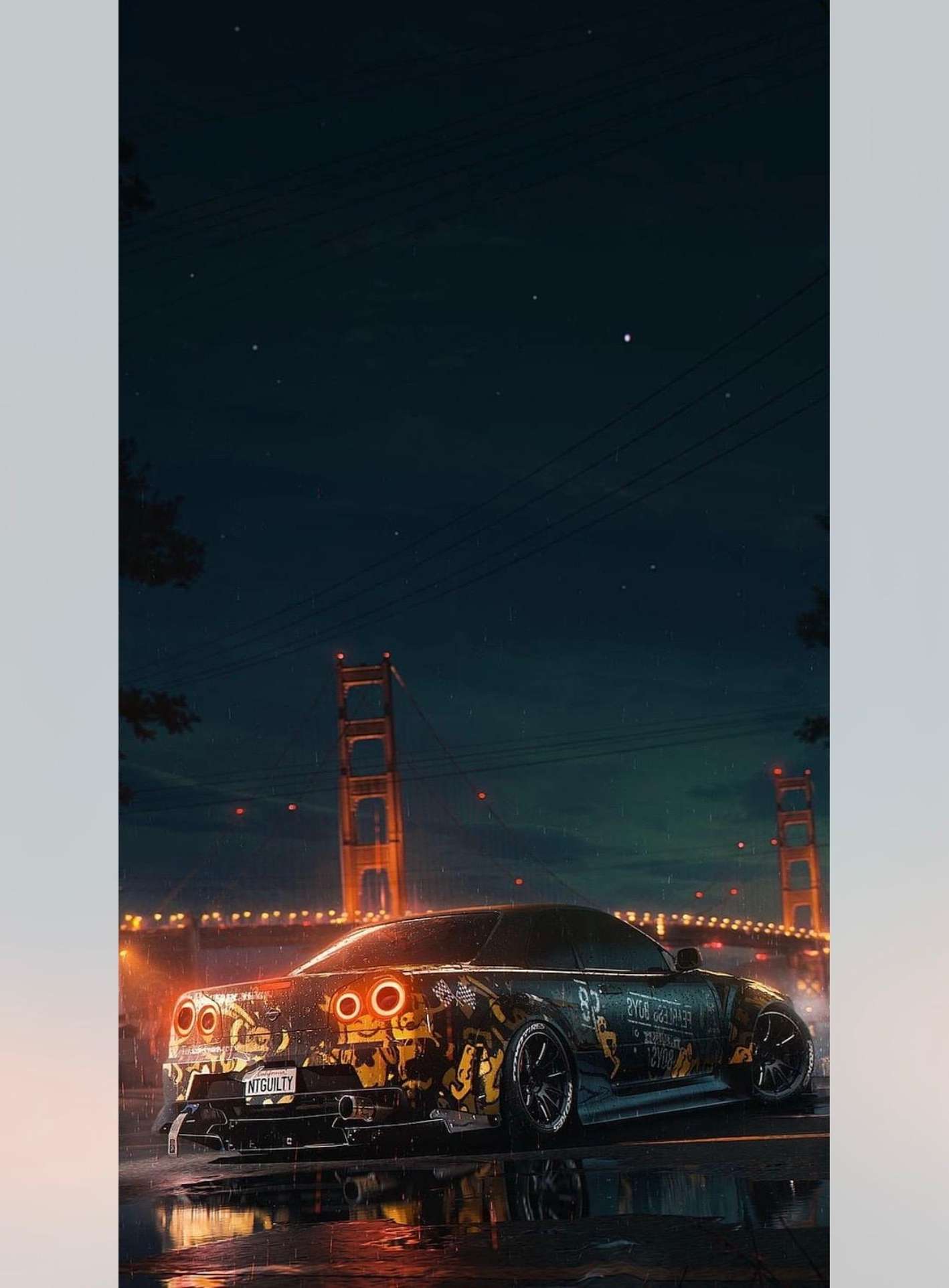 If you like figuring out how to get thereDaikoku DirectionsDaikoku PA sits on its own island in Tokyo Bay with no bus or taxi stops, so the directions page covers the car-only access and your transport options.
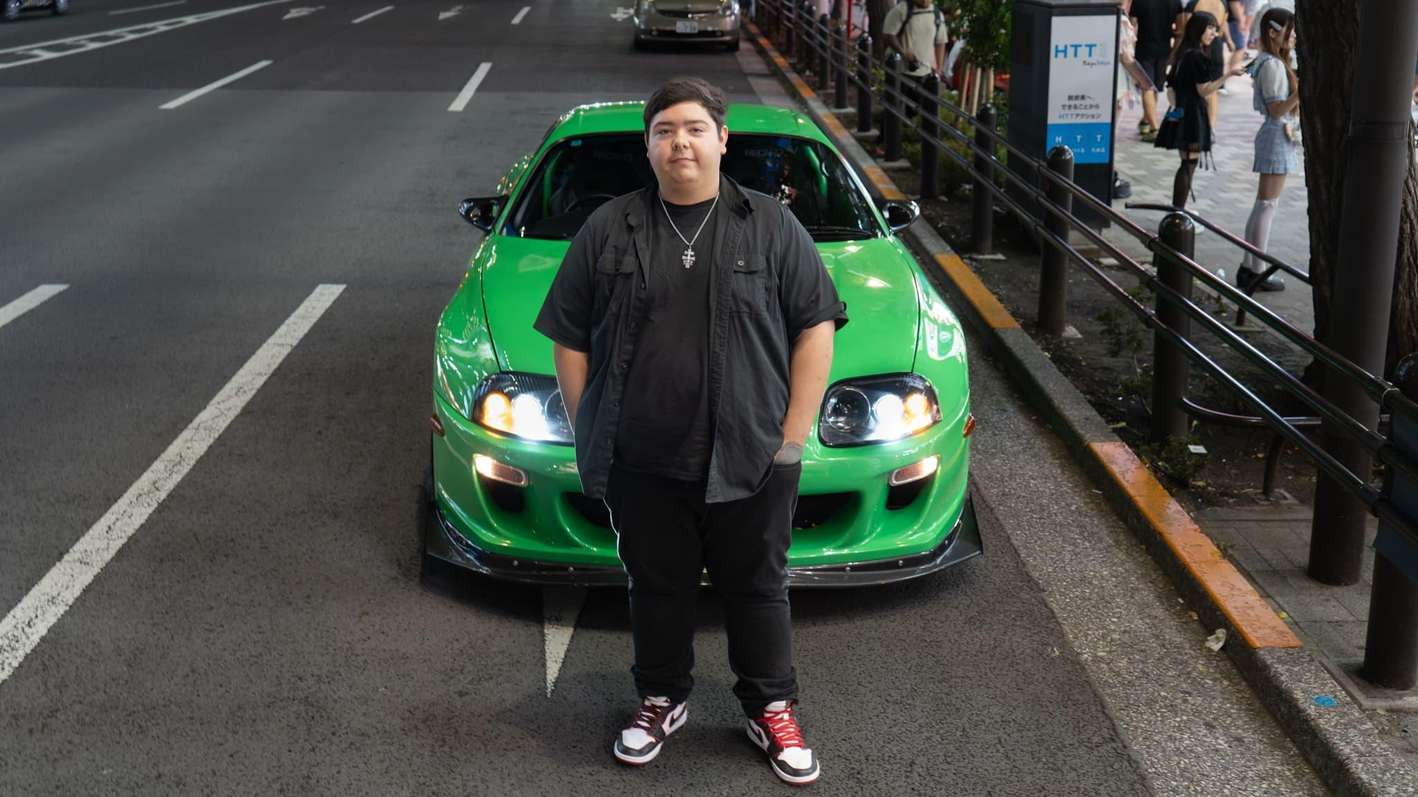 If you like riding to the meet in a modified JDM carDaikoku Supra TourA modified Supra night tour takes you to Daikoku PA with a professional driver, so no licence is needed and you arrive as part of the scene.