Our pickLikely to sell out
3 - 4 hours·English, Japanese
4.9(996)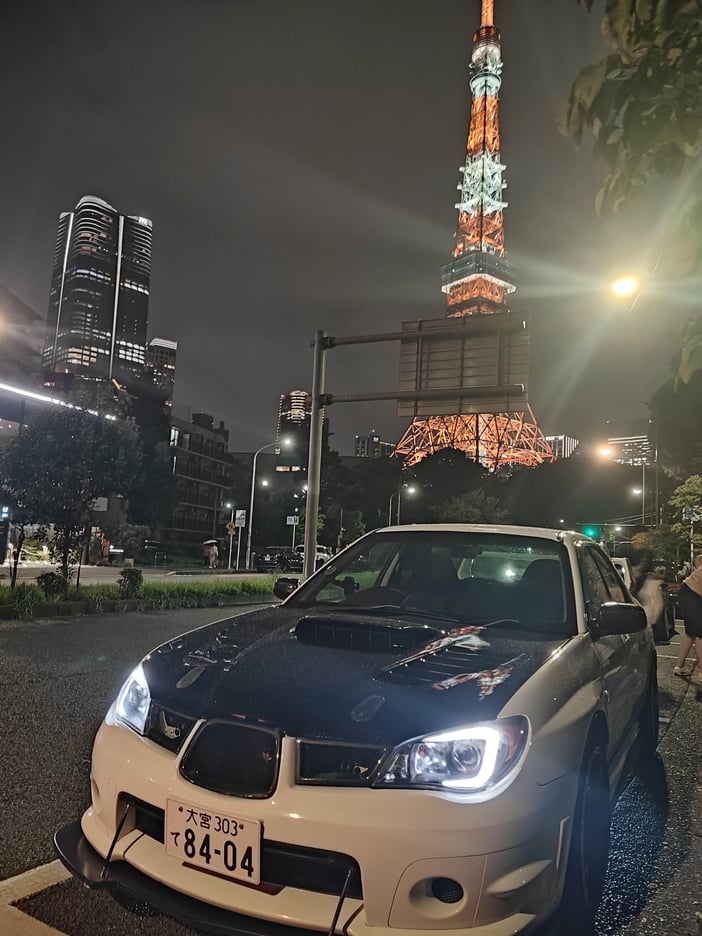
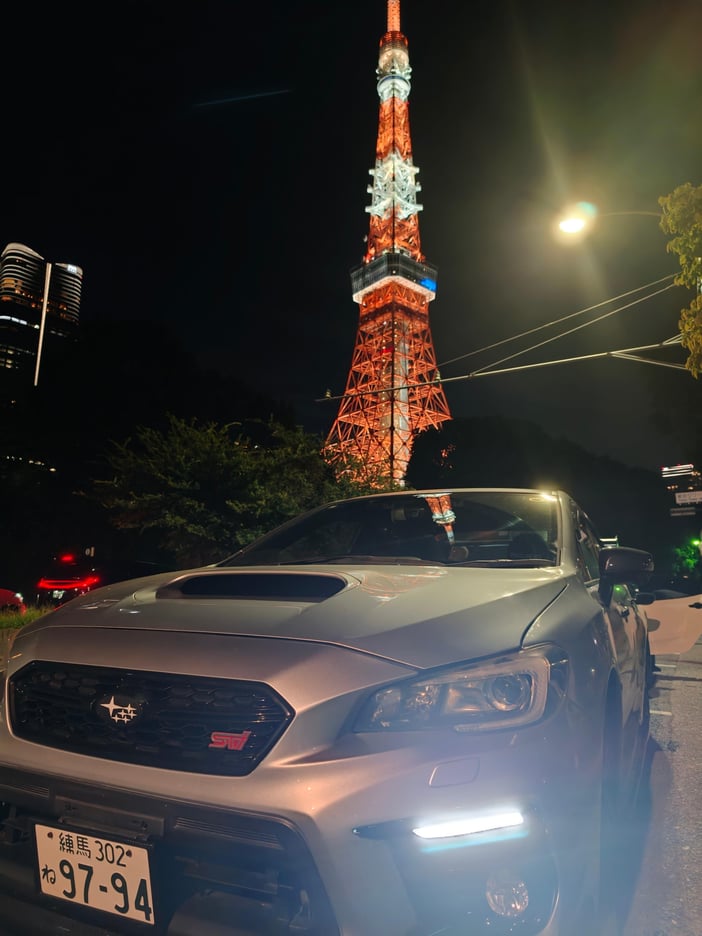
Tokyo: JDM Night Run in EVO, WRX & Skyline to Daikoku
Free cancellationHotel pickup included✅ Fuel, expressway tolls, and parking fees
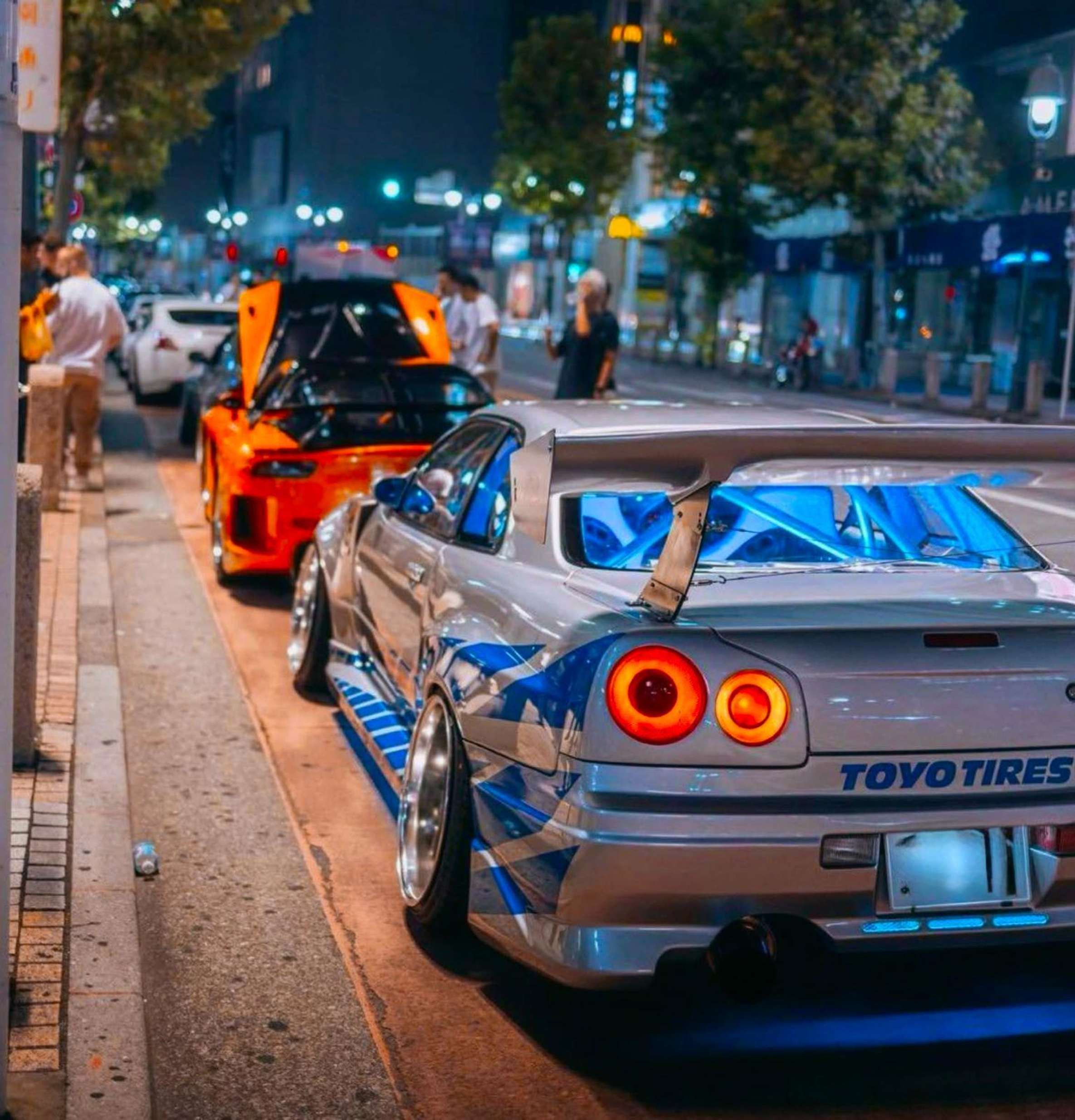
Want to rent an Evo in Tokyo and drive it yourself? Here the Evo comes to you as a passenger night run - a manual Lancer Evolution, the Wangan expressways, and the Daikoku PA car meet, guided by local JDM enthusiasts. Choose a date, book ahead, and take the closest seat to the wheel you can get without a driving permit.
Renting a Mitsubishi Evo in Tokyo means a self-drive car, and the Evo experiences sold here are passenger rides: a driver takes the wheel while you ride shotgun. If you want to hold the wheel yourself, a self-drive JDM tour or drift lesson is the format to look at.
The closest match on sale is the JDM Night Run in EVO, WRX & Skyline to Daikoku: a genuine manual Evo, WRX STI or Skyline on the Wangan and C1 expressways, ending at the Daikoku PA car meet with Tokyo Tower photos on the way. No driving license needed, since you ride as a passenger.
You came looking for a Lancer Evo rental in Tokyo, and here is the honest picture: the Evo experiences on sale here are passenger rides with a driver behind the wheel. If you want to drive the car yourself, this page will point you toward the self-drive options further down.
If you are open to riding in one, the Tokyo: JDM Night Run in EVO, WRX & Skyline to Daikoku is the strongest Evo night out on this site.
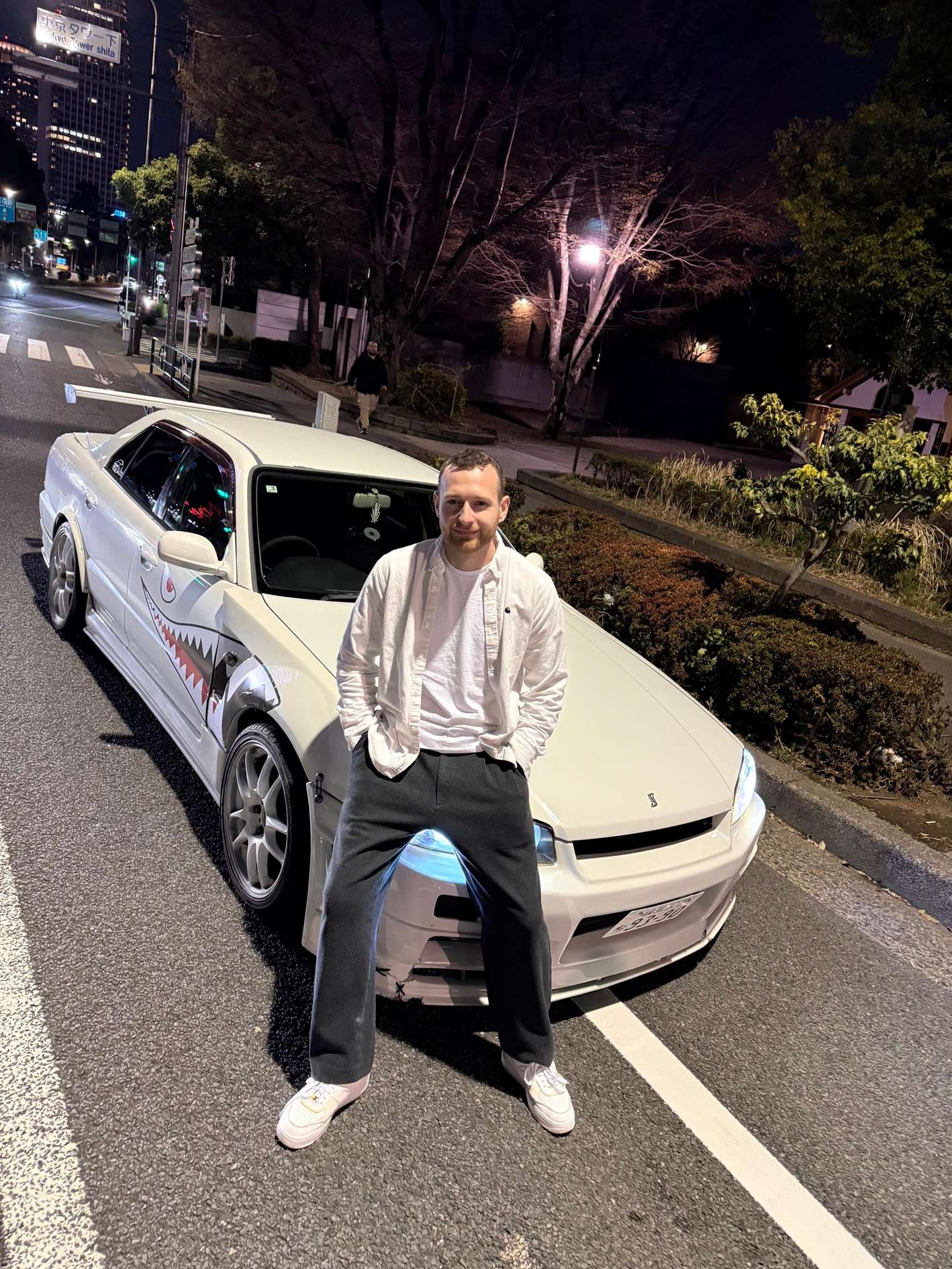
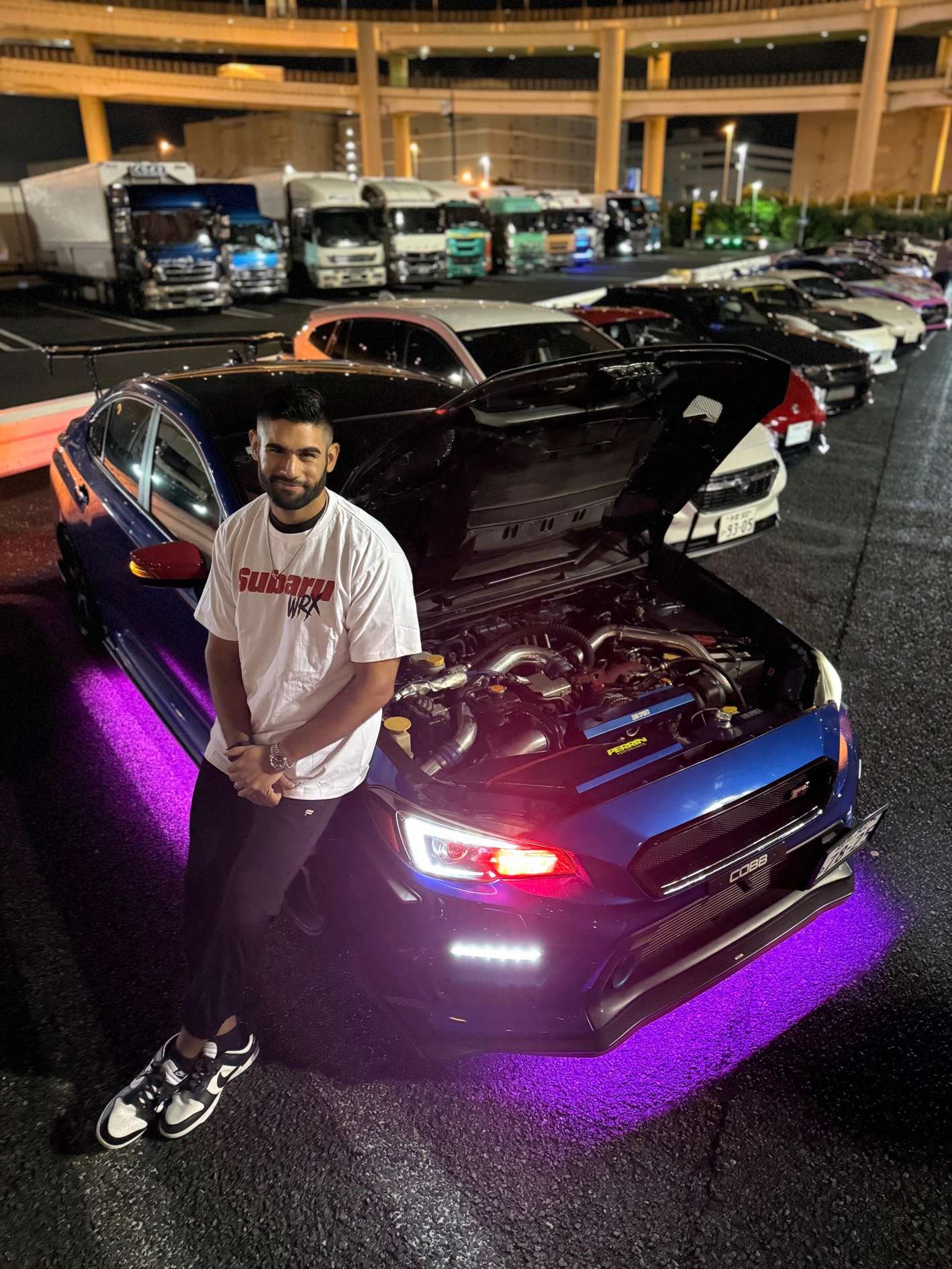
You ride in a genuine manual Mitsubishi EVO, WRX STI or Skyline, and the fleet never swaps in vans or ordinary cars.
The route covers the Wangan and C1 expressways, crosses Rainbow Bridge, and stops for photos at Tokyo Tower before reaching Daikoku PA, Japan's most famous car meet. Tolls, fuel, parking and an English-speaking host are all included, and hotel pickup is available.
It runs three to four hours, you can cancel up to 24 hours ahead for a full refund, and if the authorities close Daikoku on the night you can take a full refund instead of the alternative stop.
It suits anyone who wants the Evo experience without needing a driving permit, and it is unsuitable for pregnant travelers, people prone to motion sickness, and those over 60. Bring your passport or ID, and leave a WhatsApp contact after booking so the operator can reach you before departure.
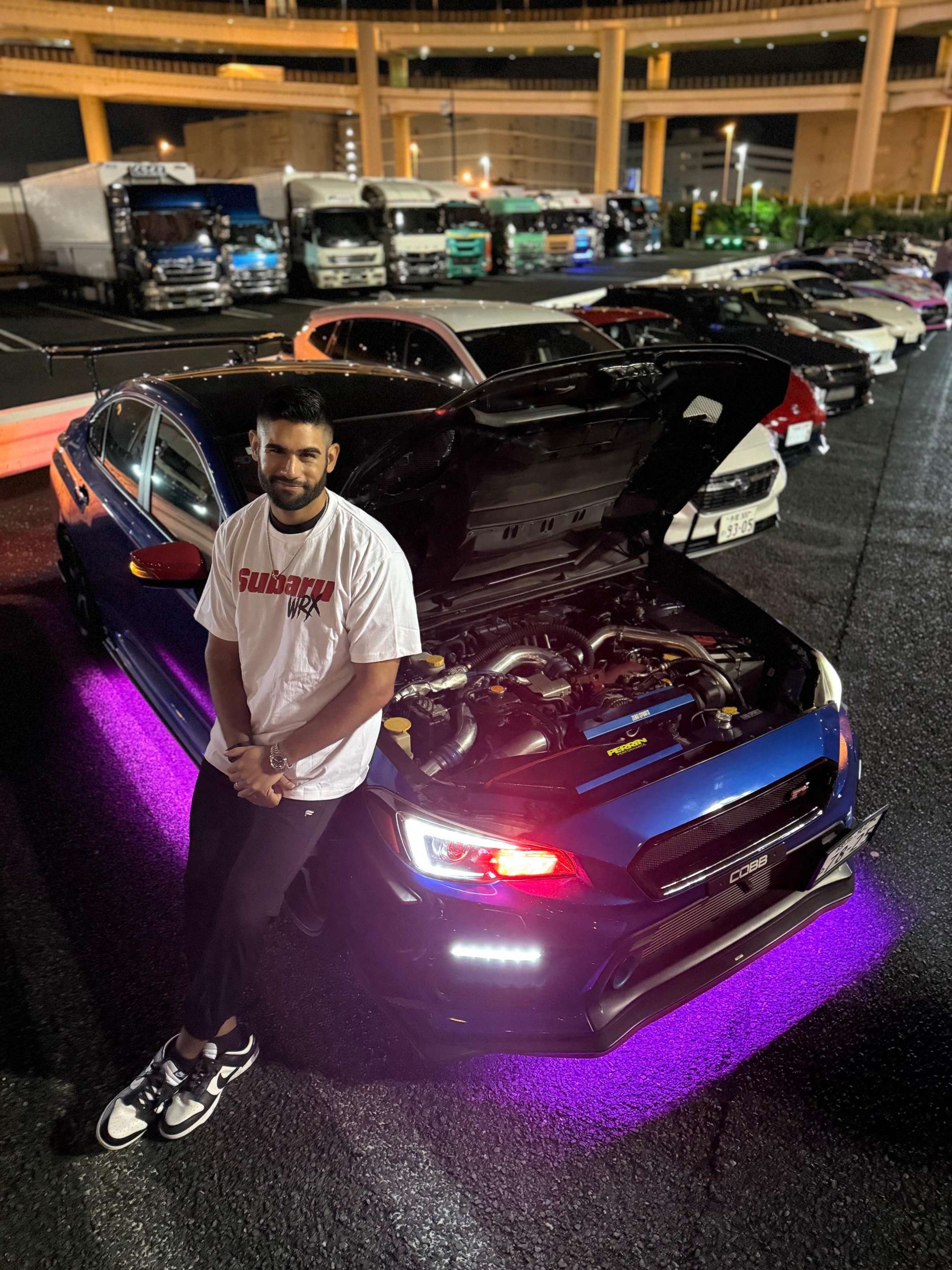
Green marks the lowest price. Prices per person.
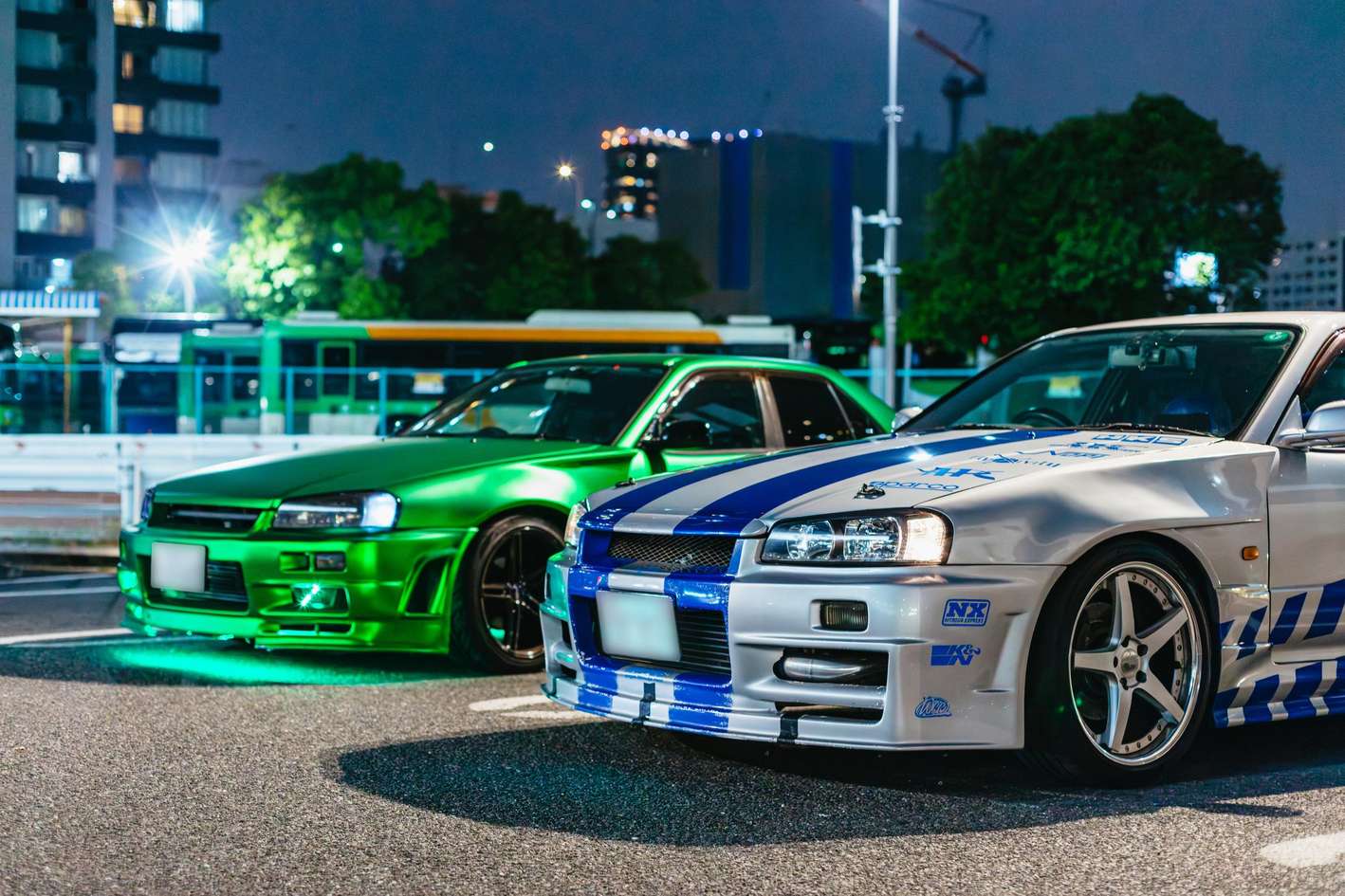
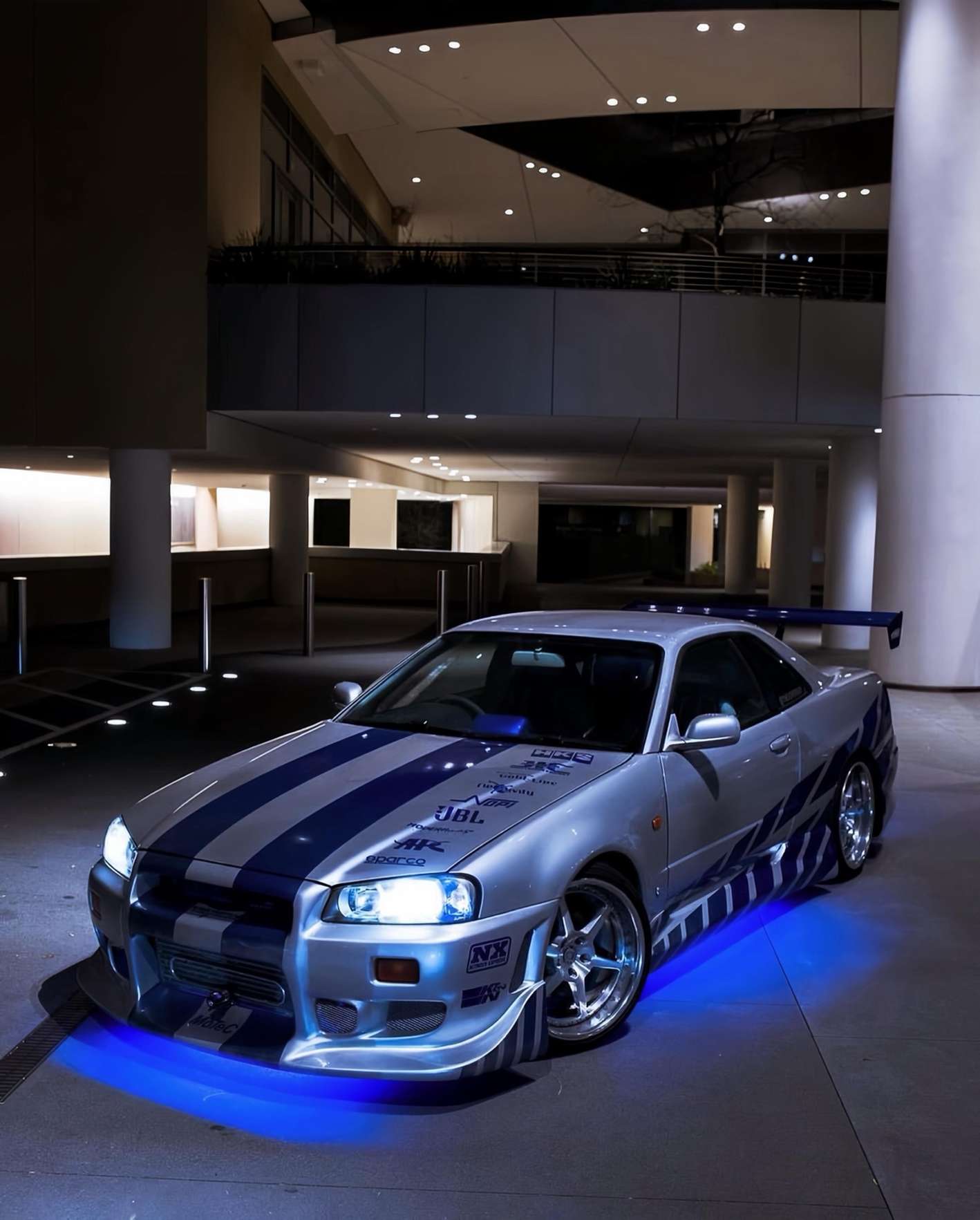
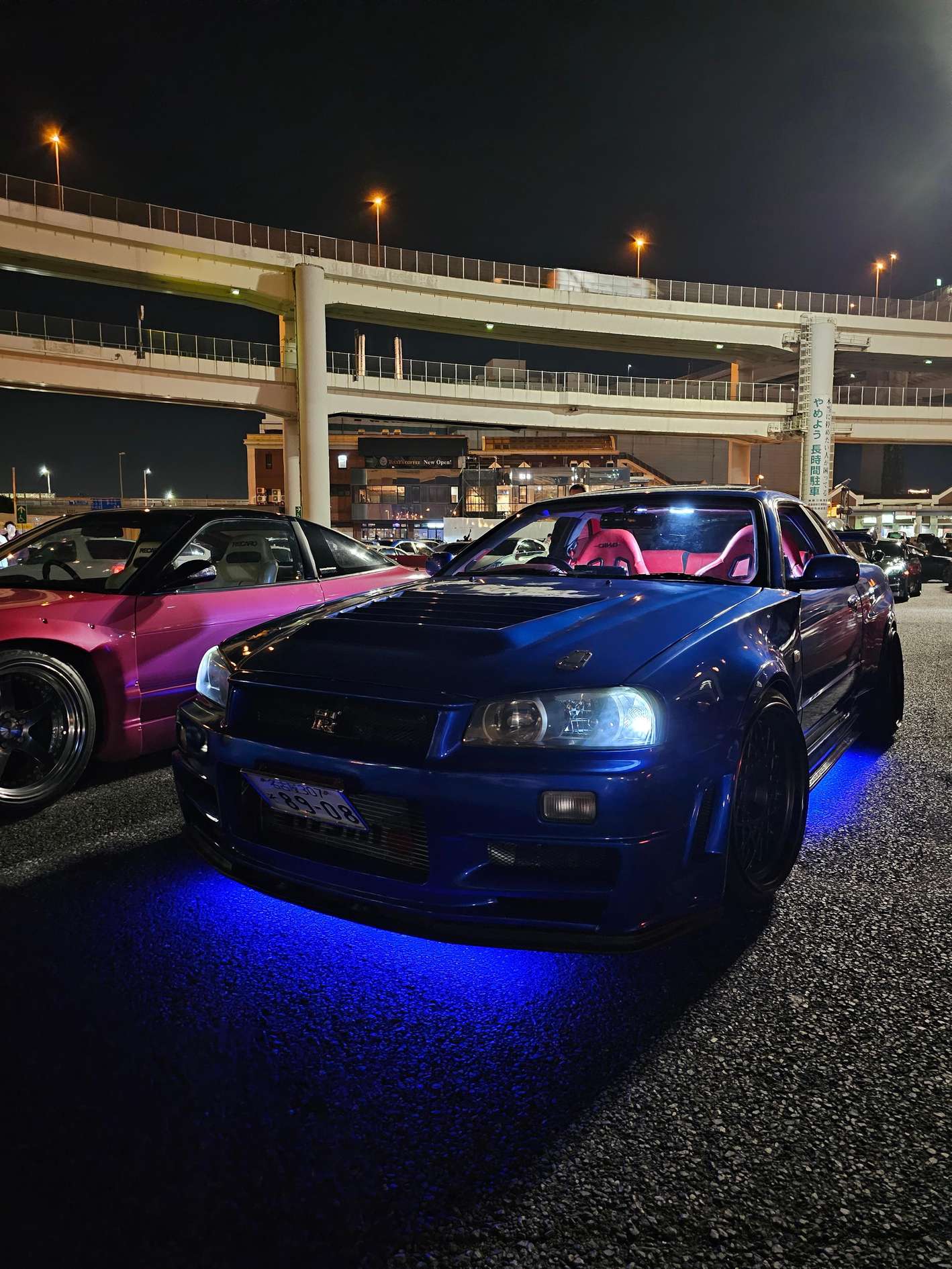
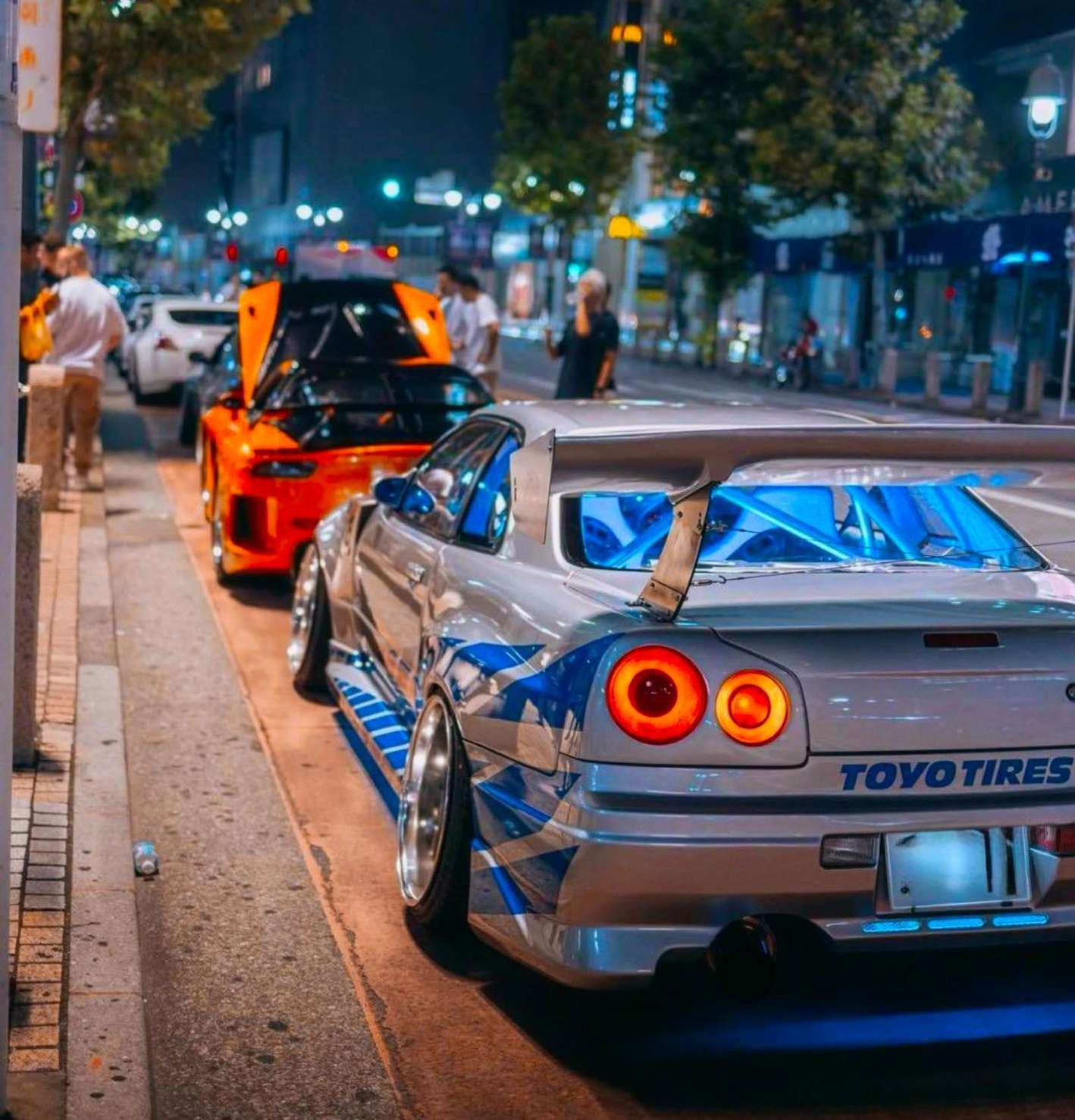
The night starts with the car itself: a manual Mitsubishi Evo, WRX STI or Skyline, never a van, with your driver from a local JDM club behind the wheel. You ride as a passenger, so no driving permit is needed.
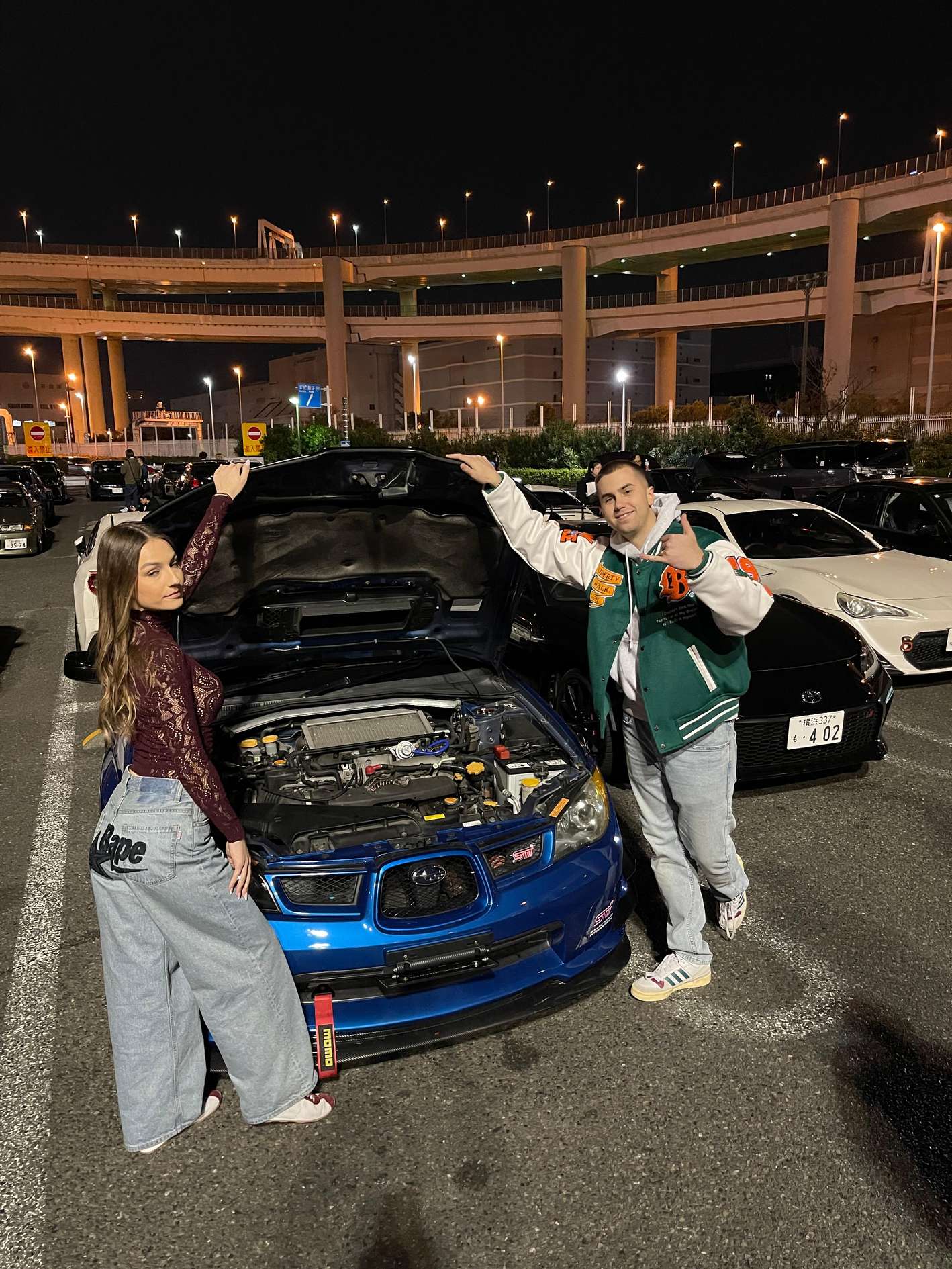
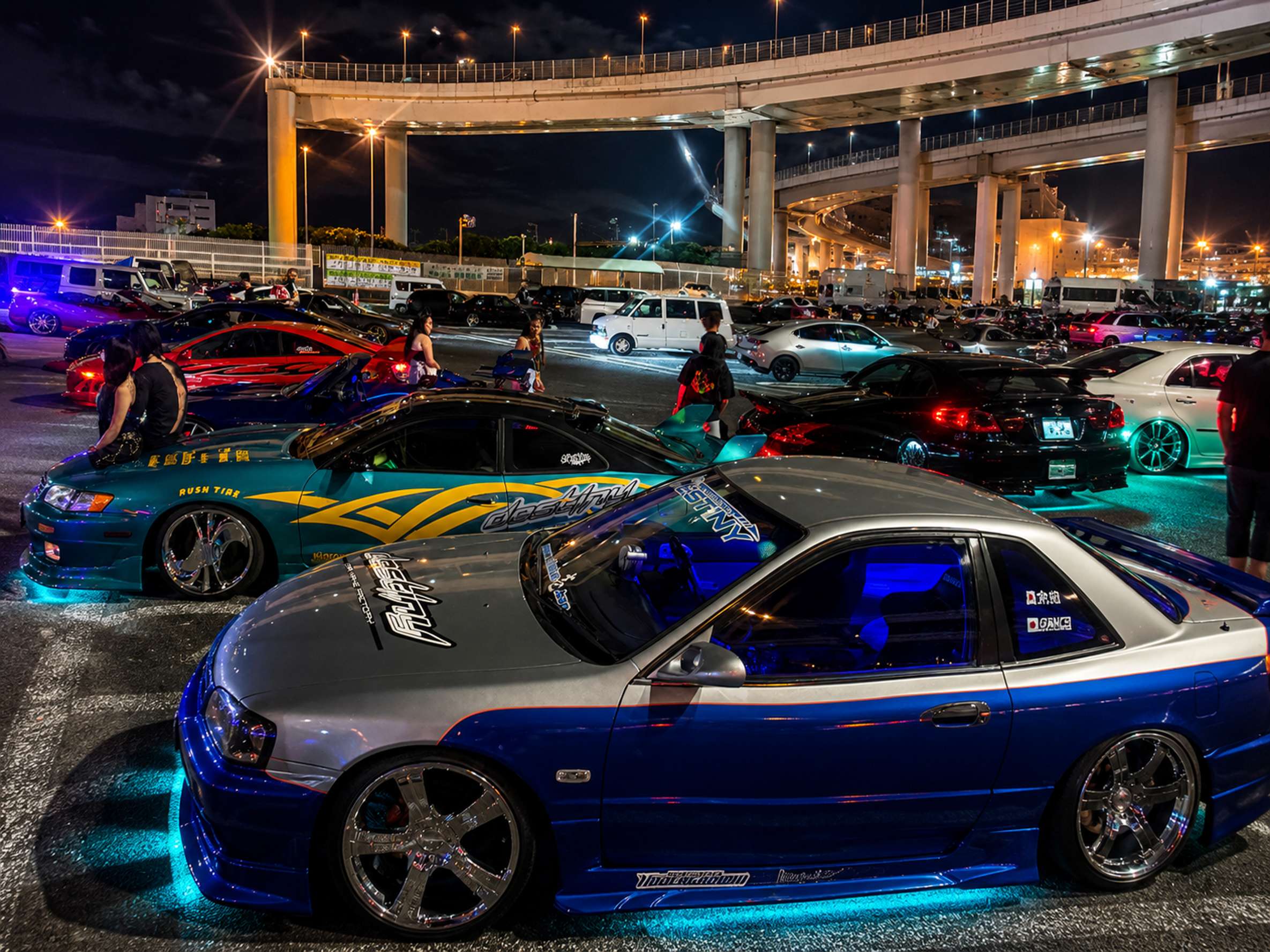
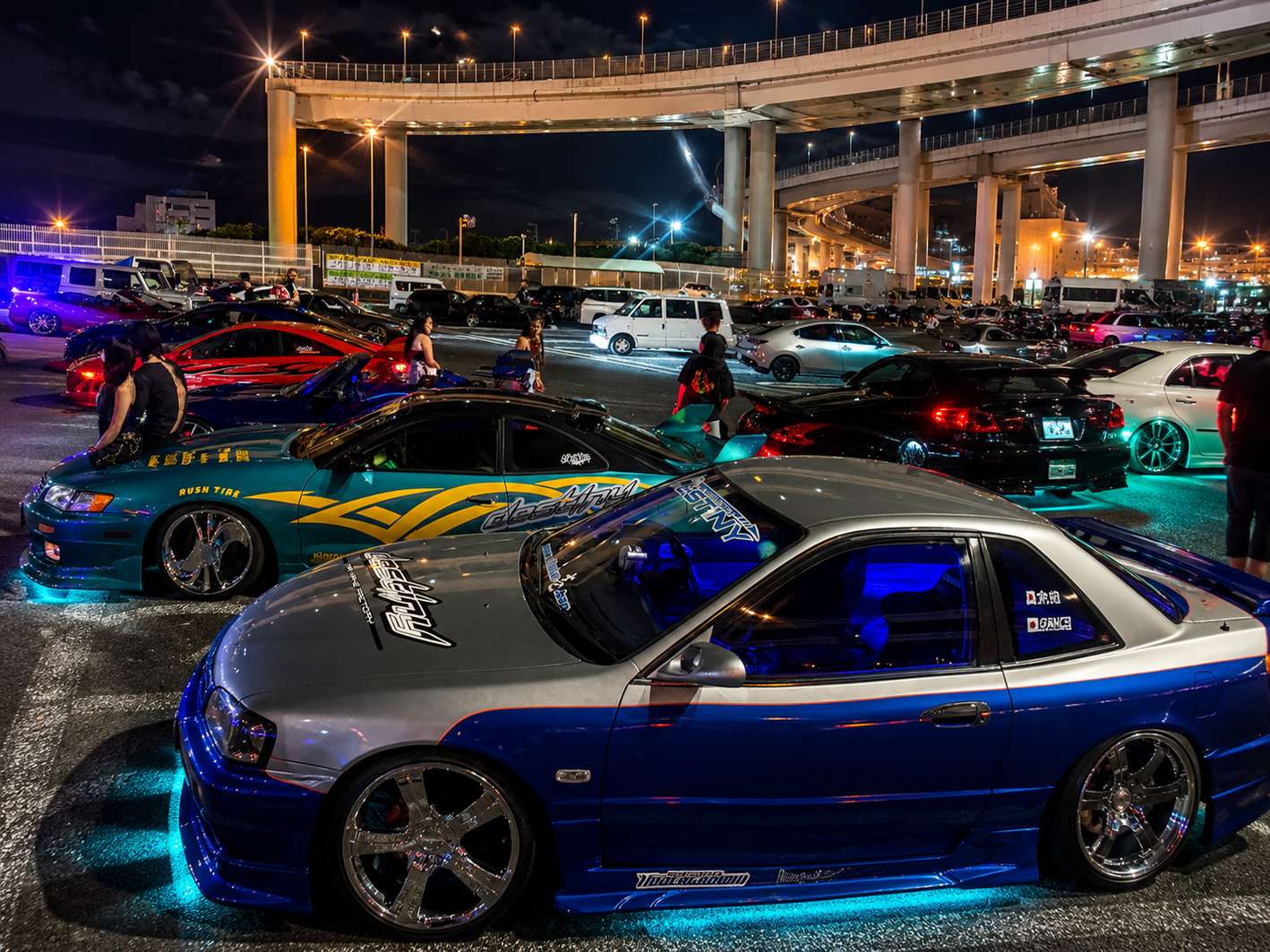
The route runs Tokyo's Wangan and C1 expressways, crosses Rainbow Bridge and ends at Daikoku Parking Area, the famous informal car meet on Tokyo Bay where modified cars gather most nights.
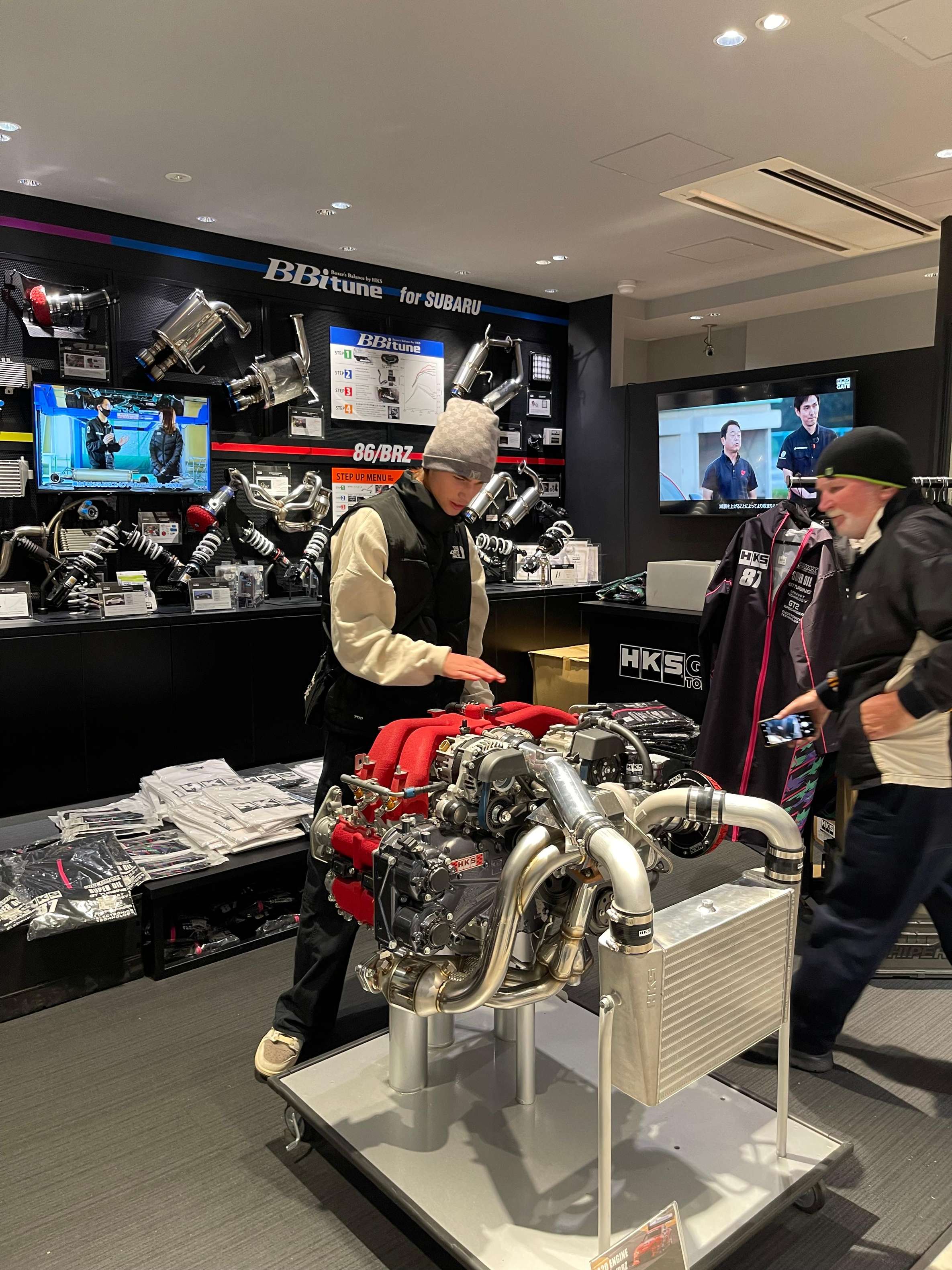
Expect about an hour on the ground at Daikoku walking the rows of GT-Rs, Supras and tuned street builds, then stops for photos at A-PIT Autobacs, Rainbow Bridge and Tokyo Tower. The whole run takes three to four hours, with tolls, fuel and parking covered and an English-speaking host explaining what you're looking at.
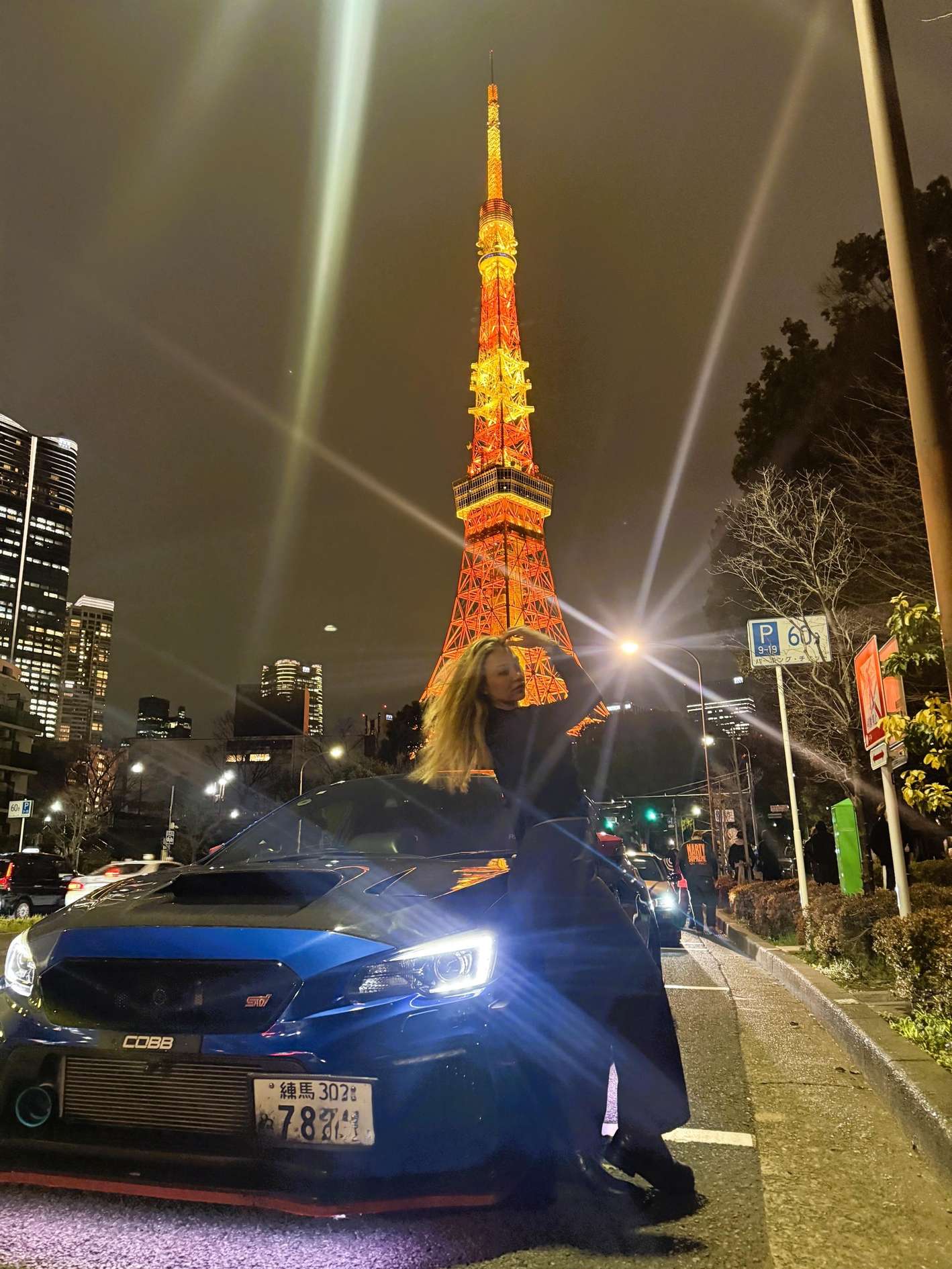
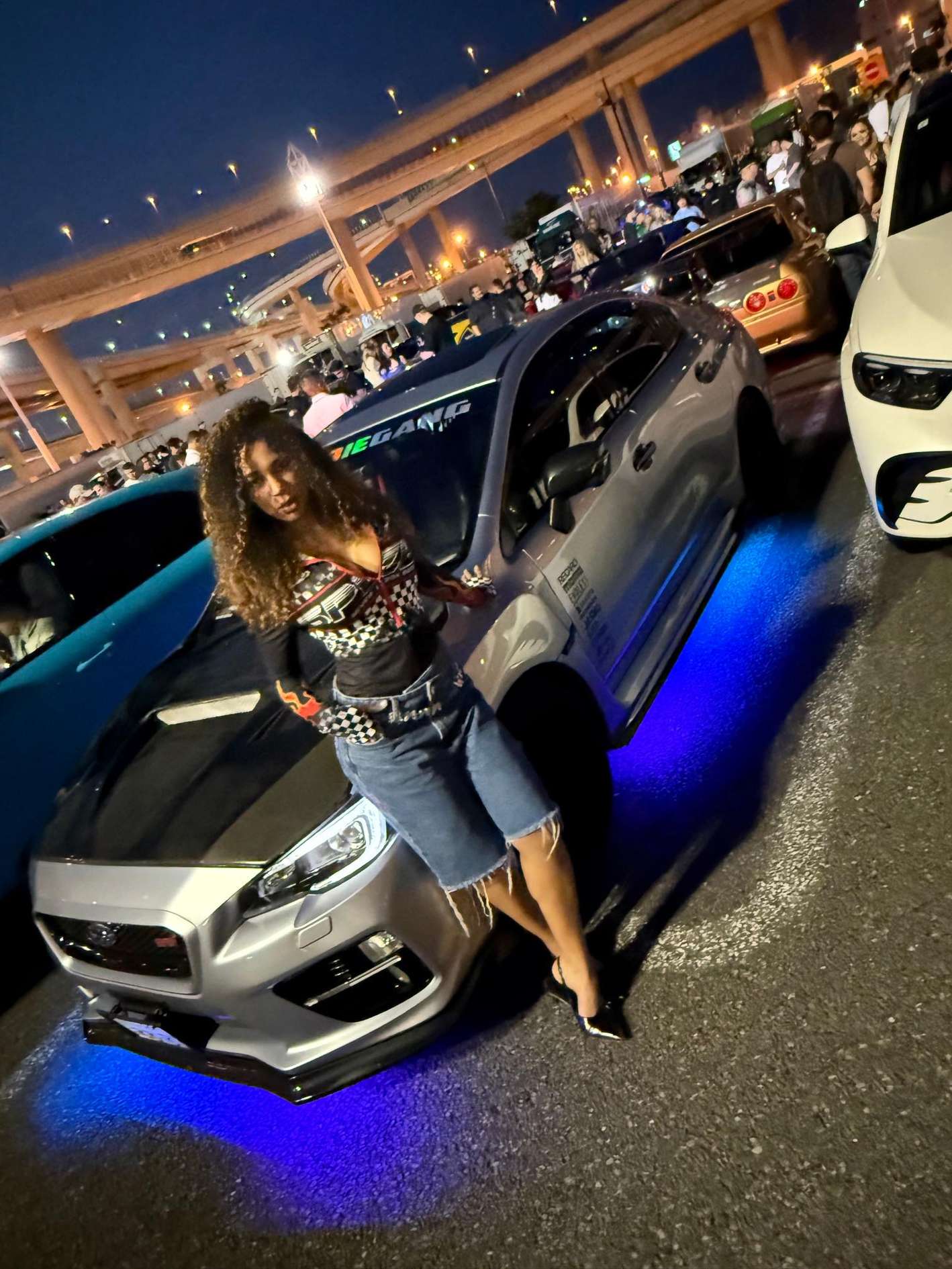
Max was friendly and a really skilled driver. Fun ride, always felt safe.
Unreal experience! Dylan was super knowledgeable and made it amazing. Car fan or adrenaline junkie, must do. 180km/h over Rainbow Bridge weaving through traffic with amazing cars. Book it!
Amazing experience. Ama was our driver and didn't disappoint. Daikoku, Rainbow Bridge, Tokyo Tower, all impressive. Highly recommend for car fans or anyone wanting to drive a cool city. Thanks Ama and team!
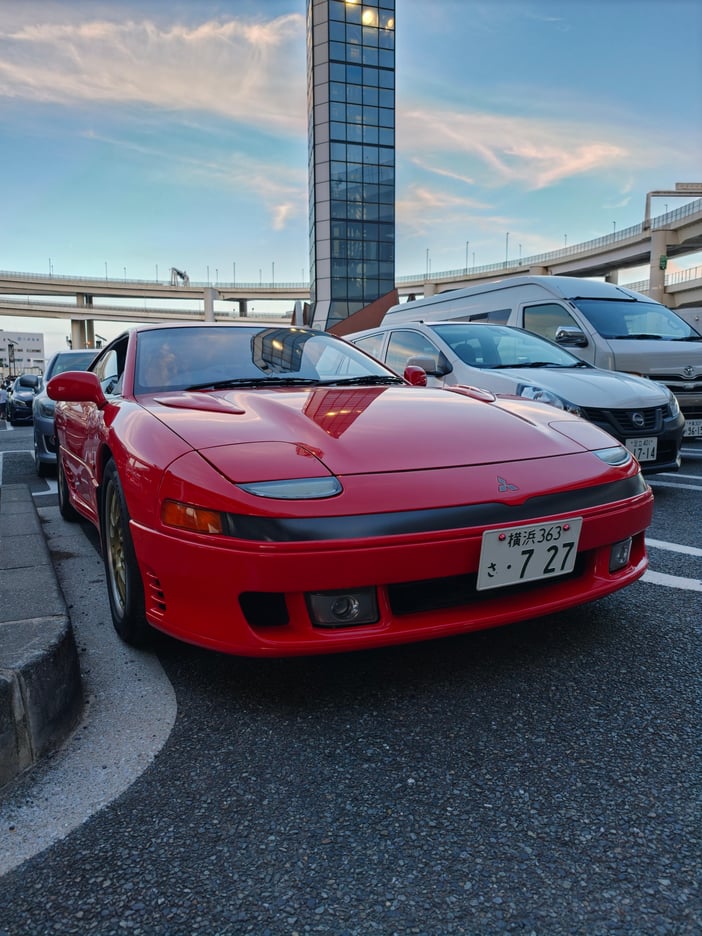
Amazing! I searched many tours, but this was the only affordable one including Autobacs, Tokyo Tower, and an hour at Daikoku. Driver was easy to talk to and I could even change the music.
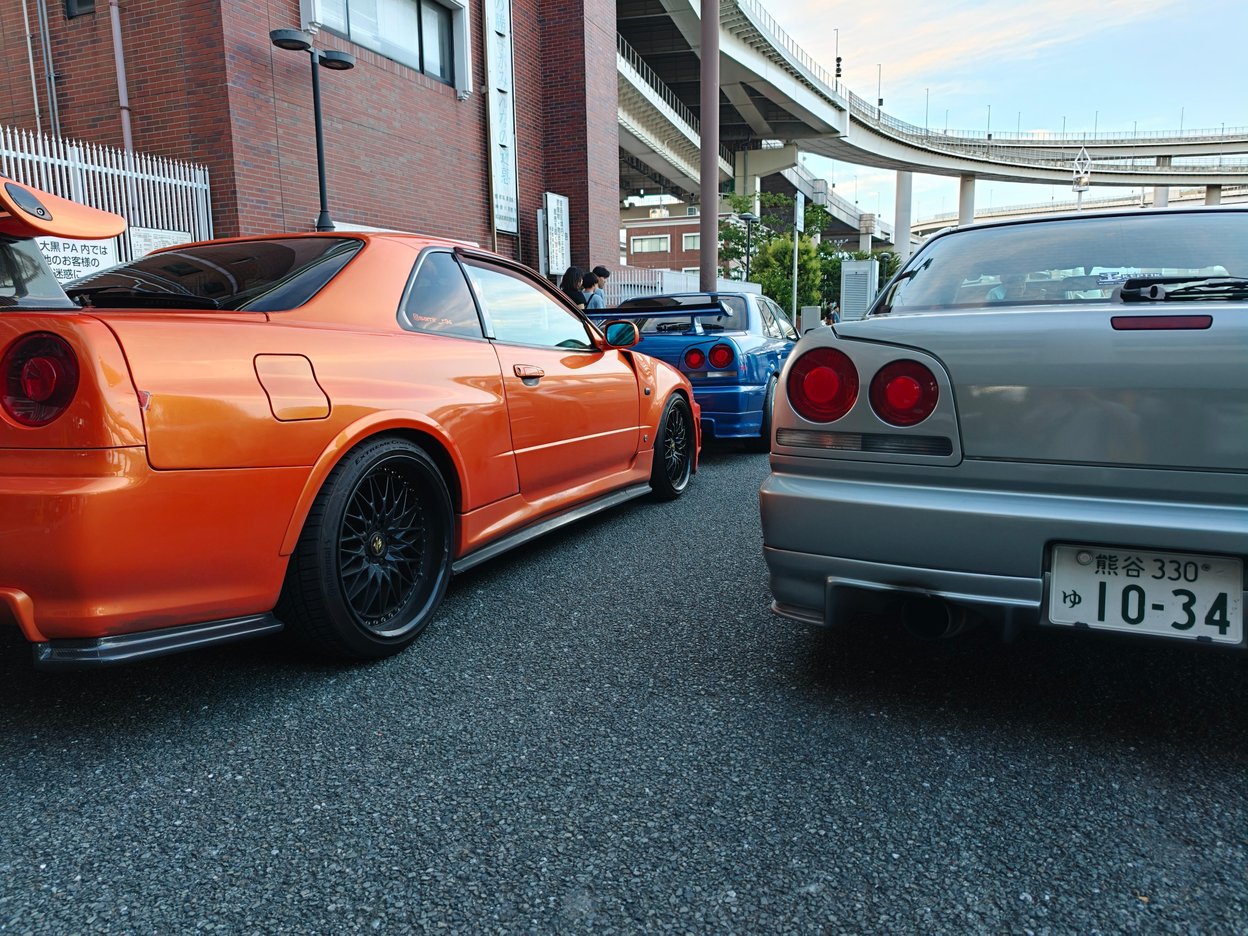
Must do in Tokyo. Driver Max was superb with great conversation.
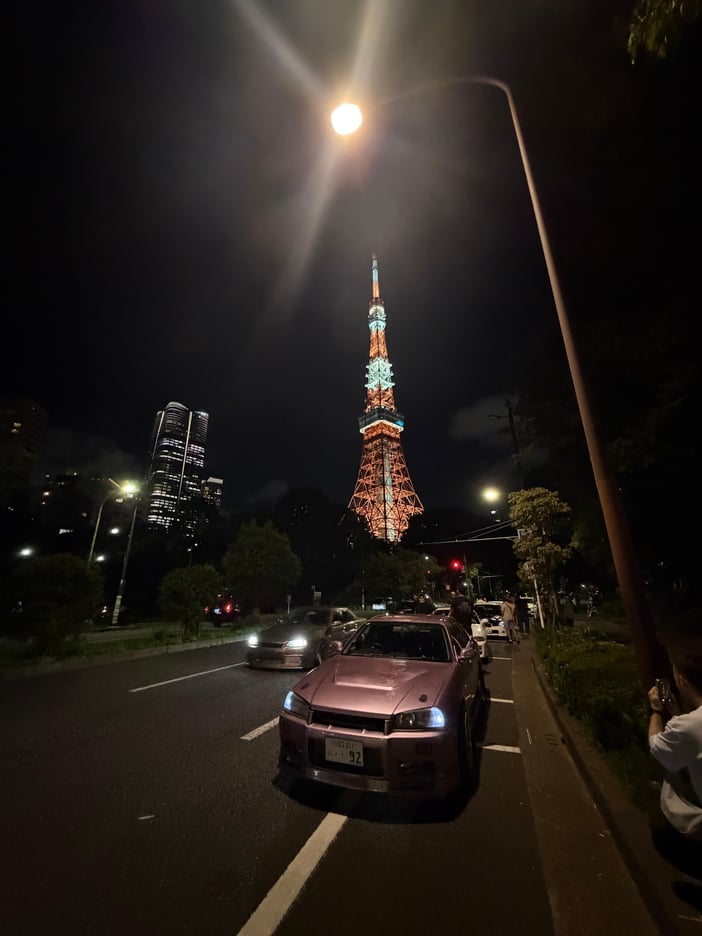
Max took us everywhere, shared cool facts about the city, recommended restaurants, and the conversations were just awesome. 100% recommend, we loved it!
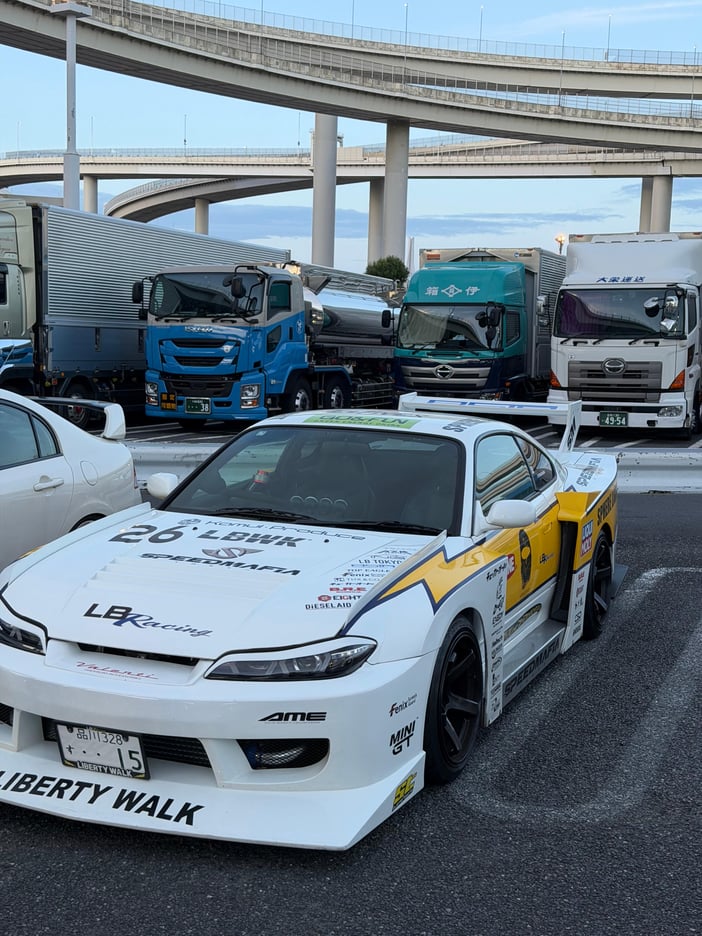
Kali made the night amazing, weaving through Tokyo traffic and letting us control the aux for our own music. Very fun! Awesome intro to Tokyo and a great way to experience the nightlife.
Choose a night early in your trip so a reschedule is still possible if the weather or a closure interferes. The night run runs all year, and winter and early spring bring the most clear skies between 9 pm and 2 am.
On the recommended night run you pick between the shared four-hour EVO, WRX and Skyline experience, a three-hour midnight highway run with hotel pickup, or a private 3.5-hour tour in a WRX STI or GT-R R35. The shared option keeps the group format; the private ones put one car aside for your group.
After payment you can cancel up to 24 hours in advance for a full refund. The operator sends an email within 48 hours, so check your mailbox and reply, then give them a contact such as WhatsApp or Instagram.
Your voucher works as a QR code on your phone, no printing needed. Check whether your option includes hotel pickup, and note that Japanese traffic rules mean pickup and drop-off have to be at the same location.
Bring your passport or ID card, wear comfortable shoes and clothes, and carry a light jacket because parts of the evening happen outdoors by the water. Eat beforehand, since food is not allowed in the vehicle and no meals are included.
You ride as a passenger in a manual JDM car, with the Mitsubishi EVO, Subaru WRX STI and Skyline as the usual lineup. One operator runs modified Evos from the VIII through the X, and on some tours you can name a preference, though the exact model depends on the night.
Most runs are shared, so you may ride with JDM fans from other countries in the same car. A driver takes three guests per car at most, and private options exist if you want the car to yourselves.
Fuel, expressway tolls and parking are covered, and an English-speaking host rides along to explain the cars and translate with owners. Food and personal spending stay on you, and there is no shopping stop on every version, so check the option details.
The Daikoku PA meet is informal and has no schedule, and police can close the entrance with no notice, most often on Friday and Saturday nights from around 8:30 pm. Weeknight visits are far less likely to end in a closure, and tours divert to spots like Umihotaru PA when the lot shuts.
Book a few days ahead, especially in April, September and October when these tours fill fastest. In quieter months like June, February and December, travelers often still get seats booking close to the day.
You can cancel up to 24 hours in advance for a full refund. If Daikoku PA closes on the night, you choose between rescheduling, continuing to an alternative spot, or taking the refund.
Bring your passport or ID card to the meeting point. As a passenger you need no driving license, which is the main difference from renting an Evo and driving it yourself.
The night run lists pregnant women, people prone to motion sickness and guests over 60 as unsuitable, and one operator caps guests at 70. The ride involves real expressway speed, so anyone uncomfortable with that should pick a calmer option.
The recommended night run includes hotel pickup, so you skip the trains and the last-train math after a late finish. Check availability for your accommodation when you book, and give the operator a WhatsApp or Instagram contact so updates reach you before departure.
No food, drinks, alcohol or smoking in the cars, and drifting is off the menu because it is illegal on public roads in Japan. Wear your seat belt, keep your voice reasonable at the meet, and never touch or sit in someone's car without asking the owner first.
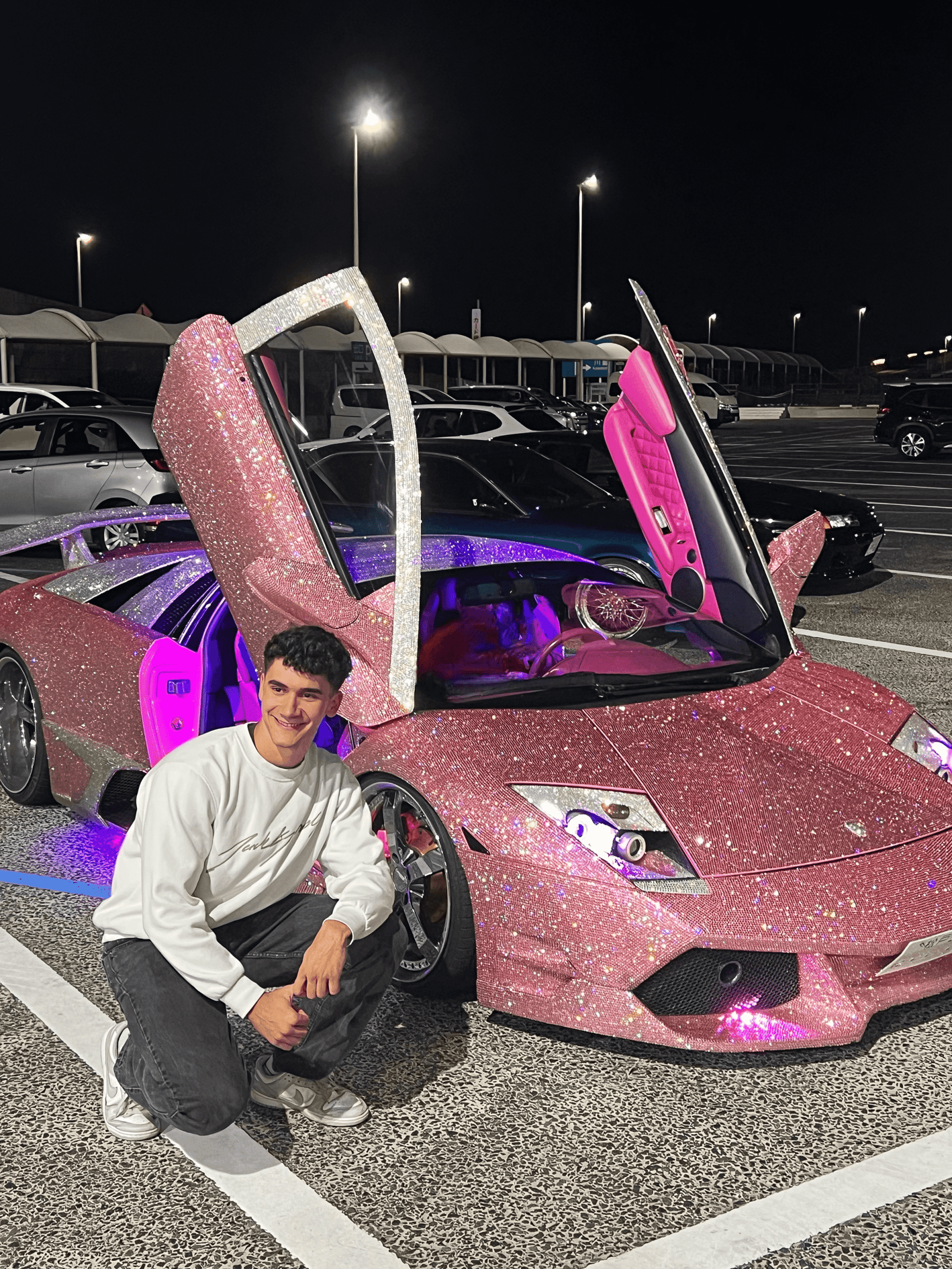
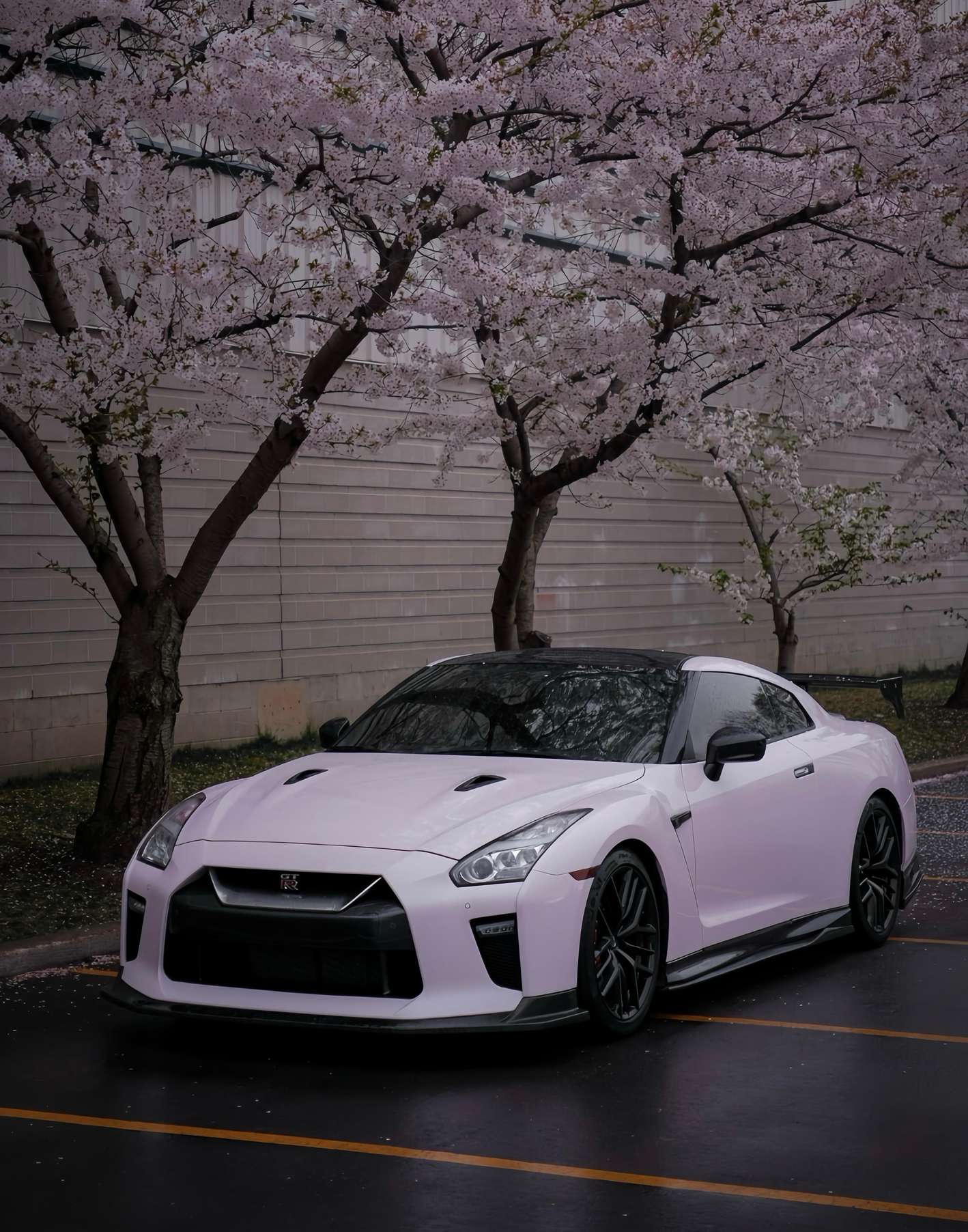
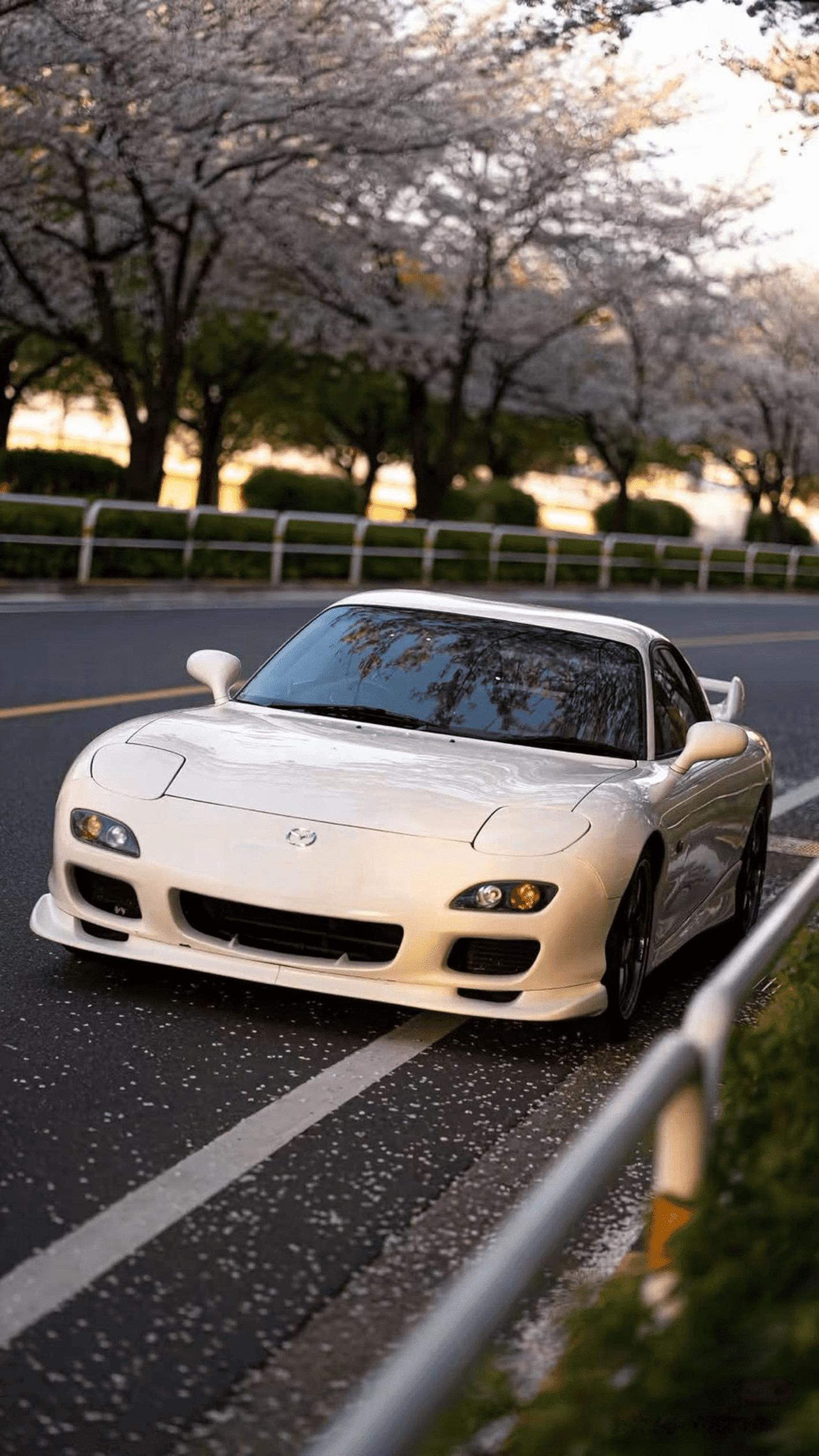
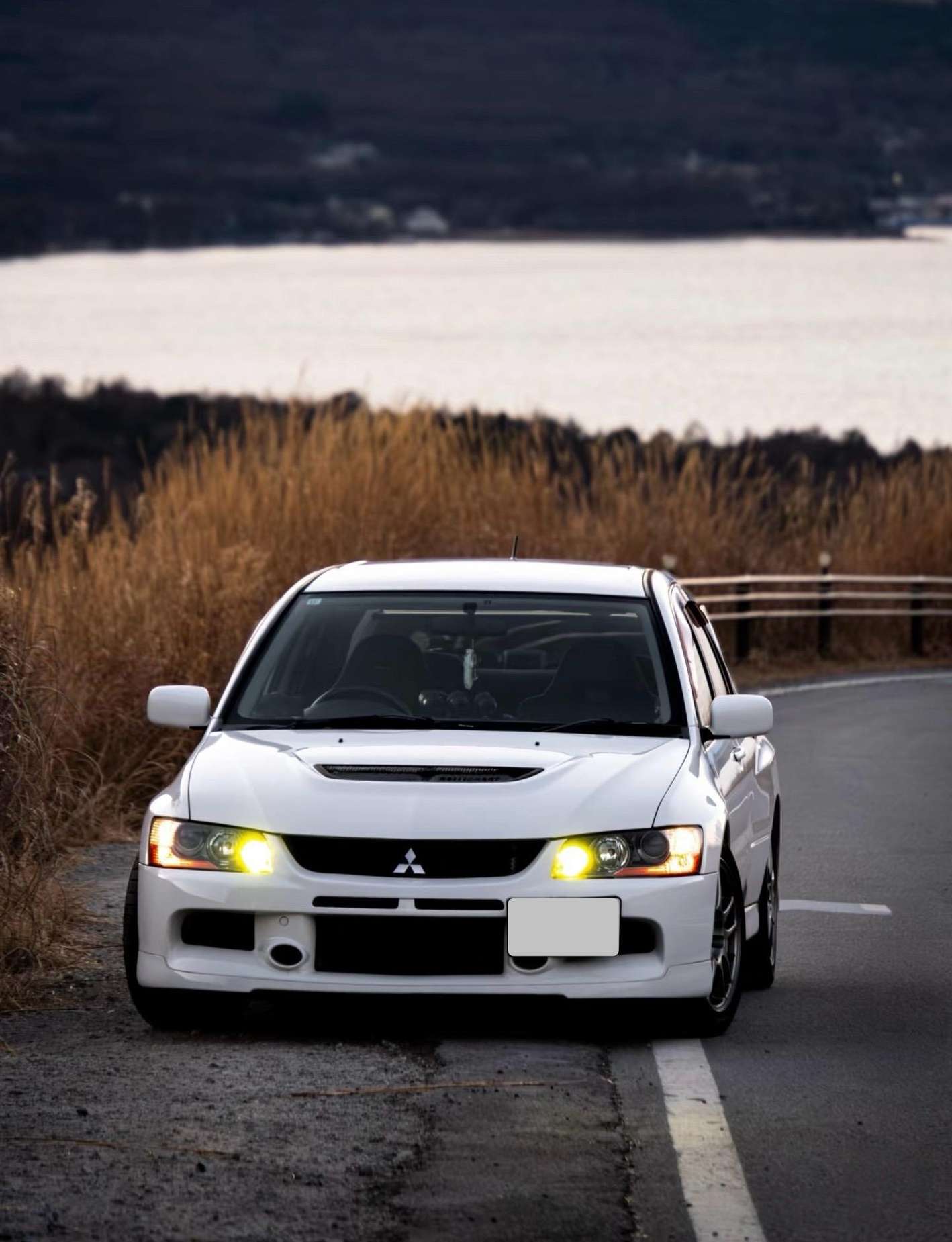
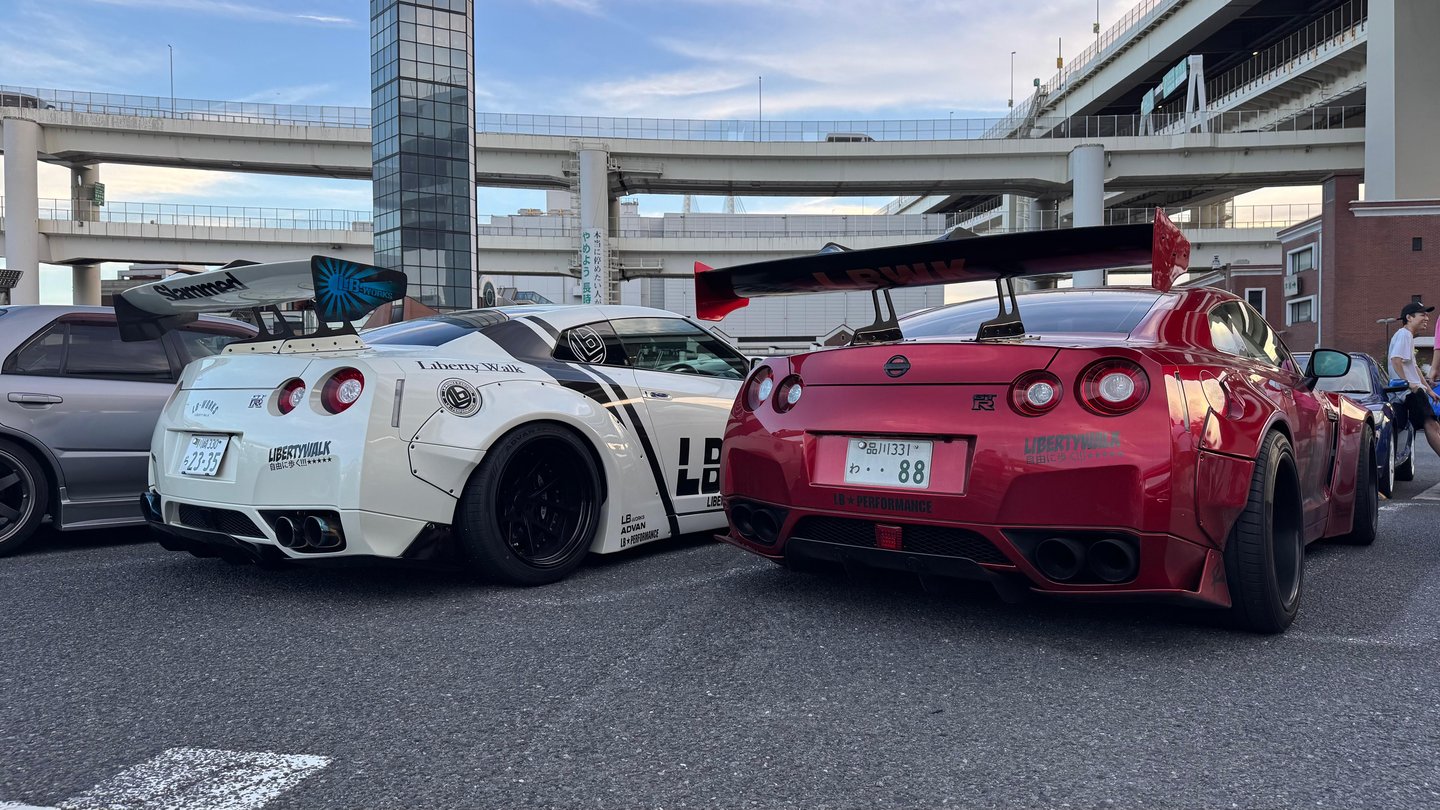
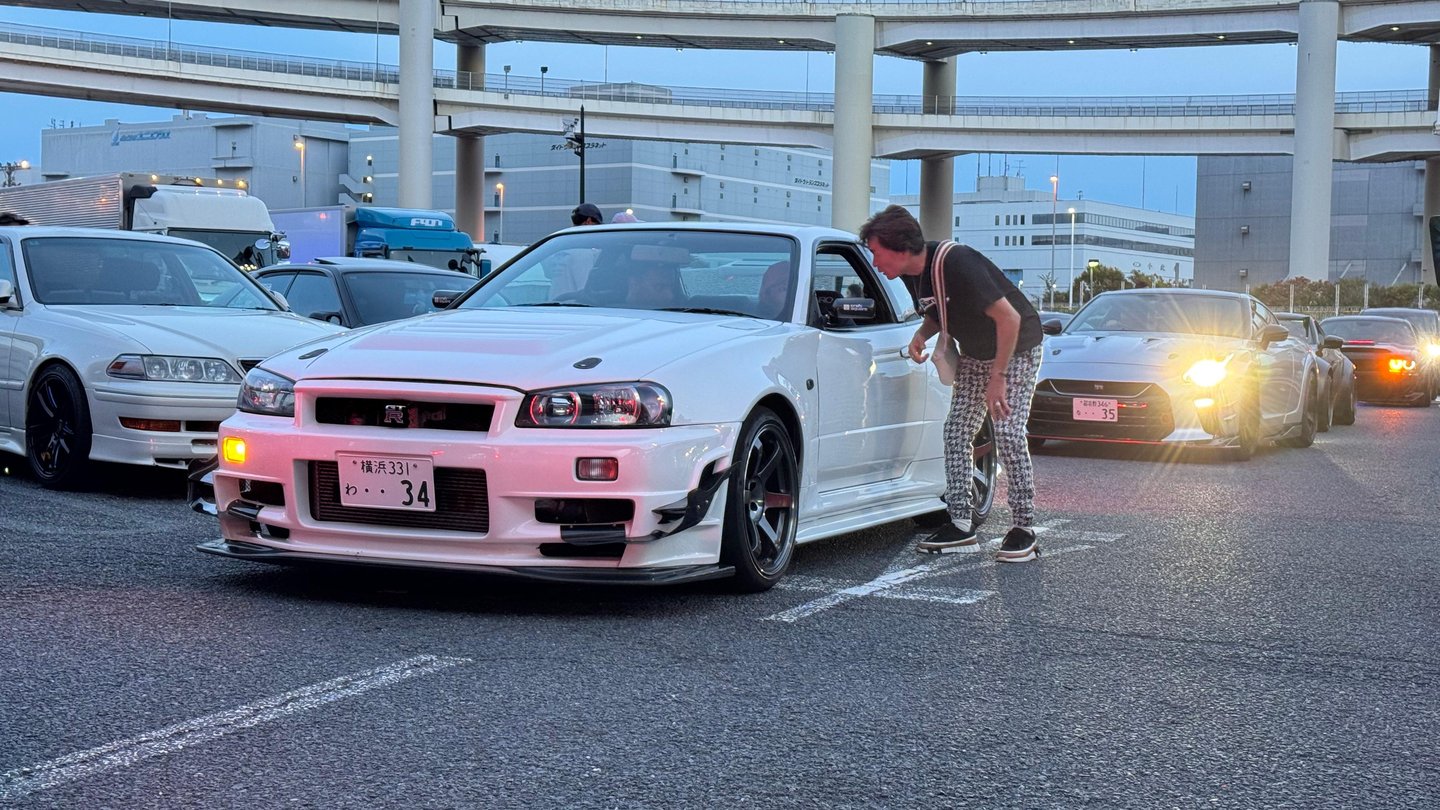
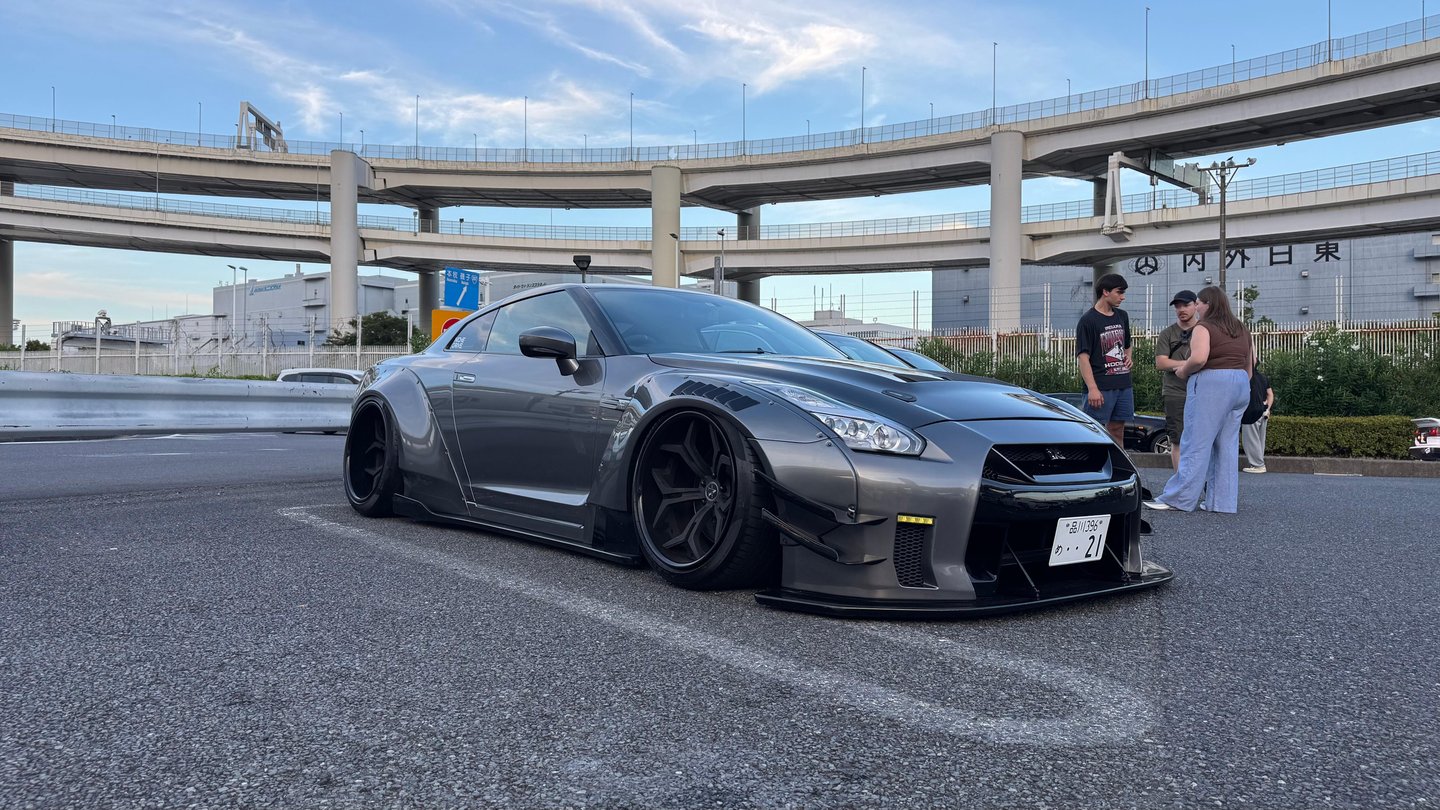
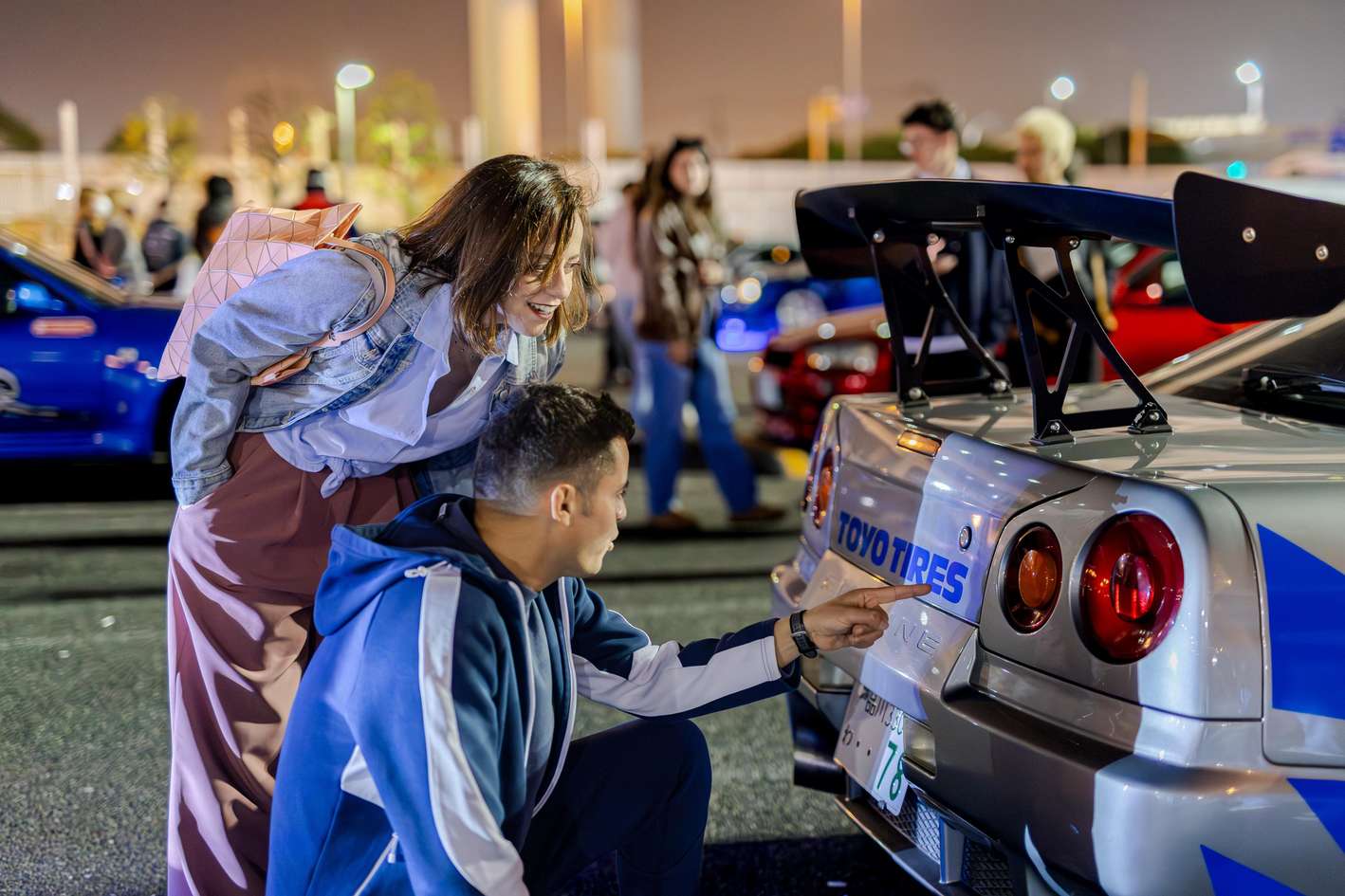
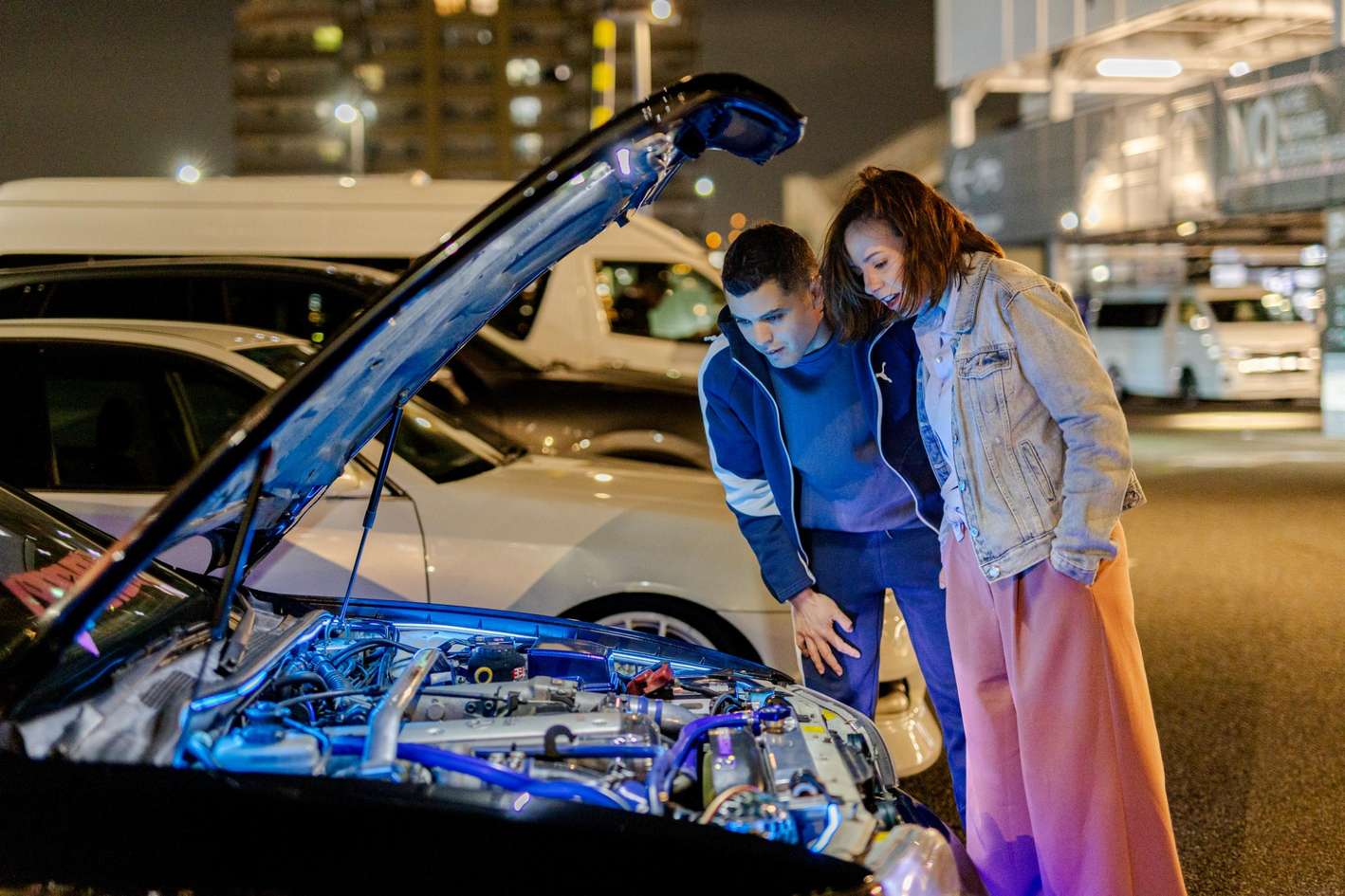
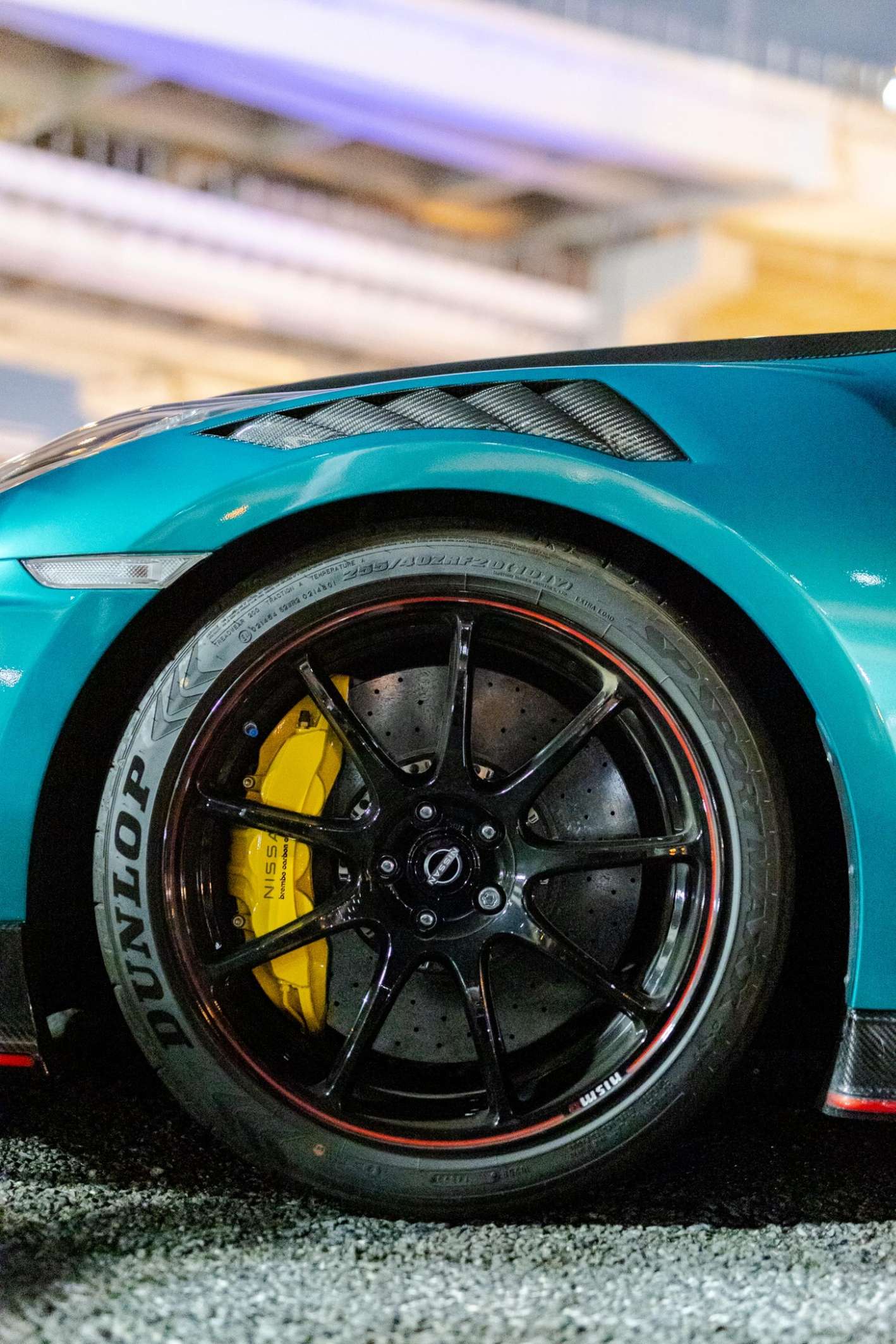
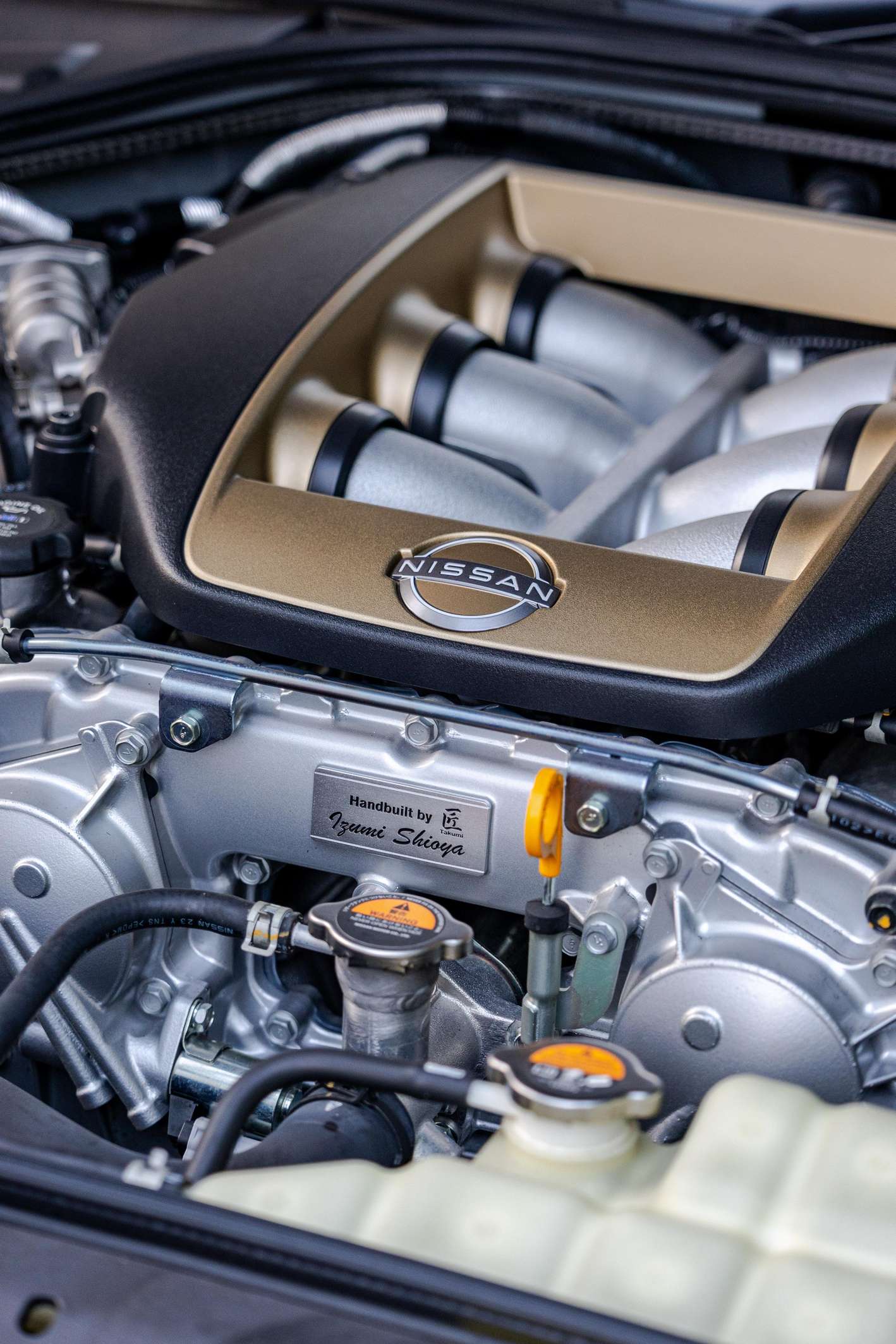
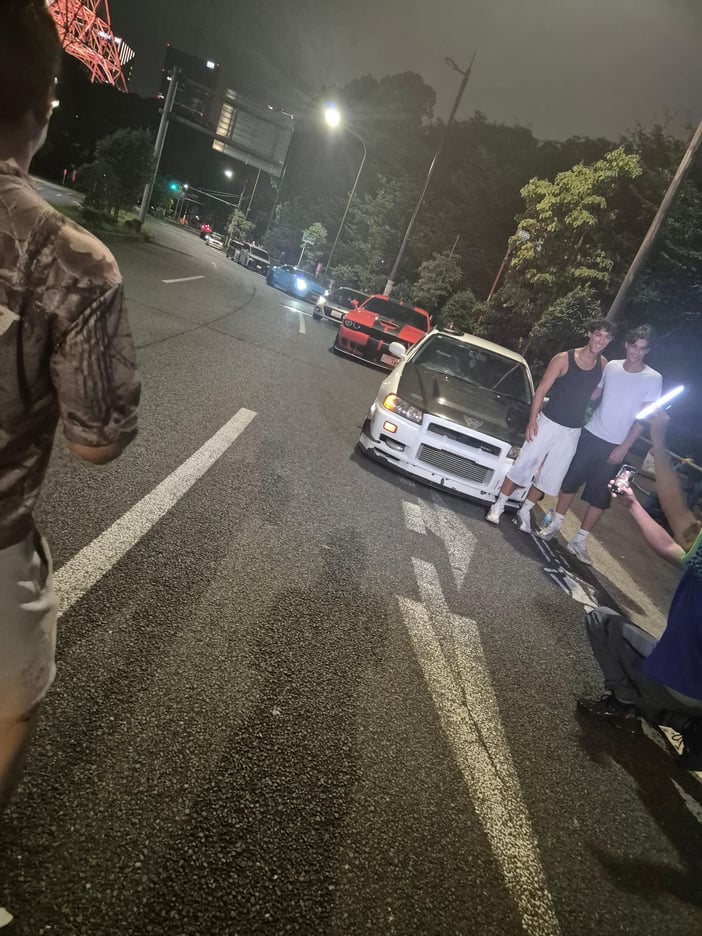
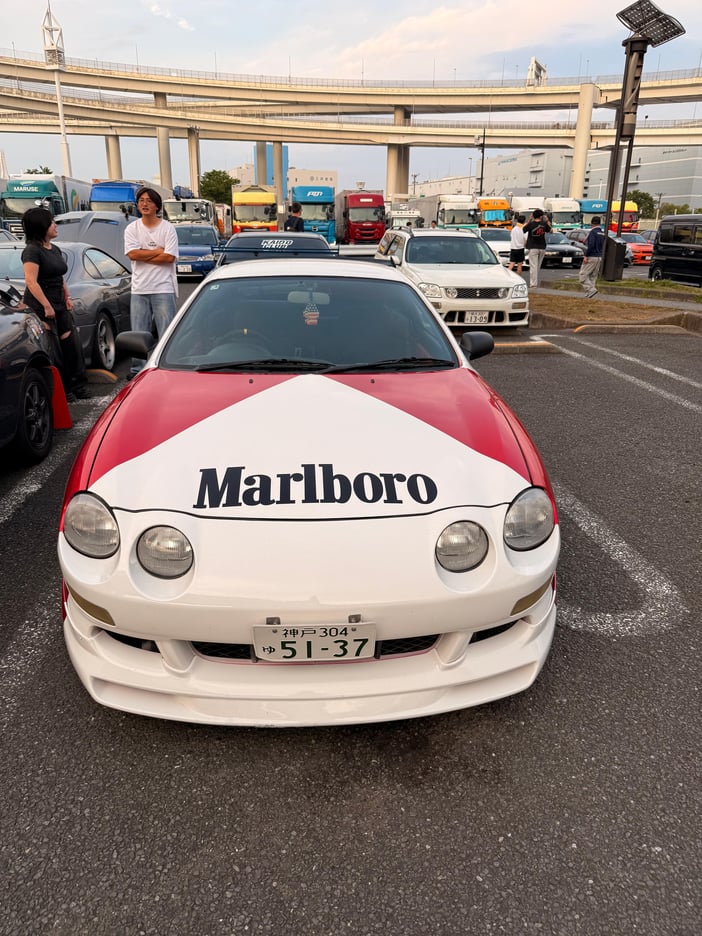
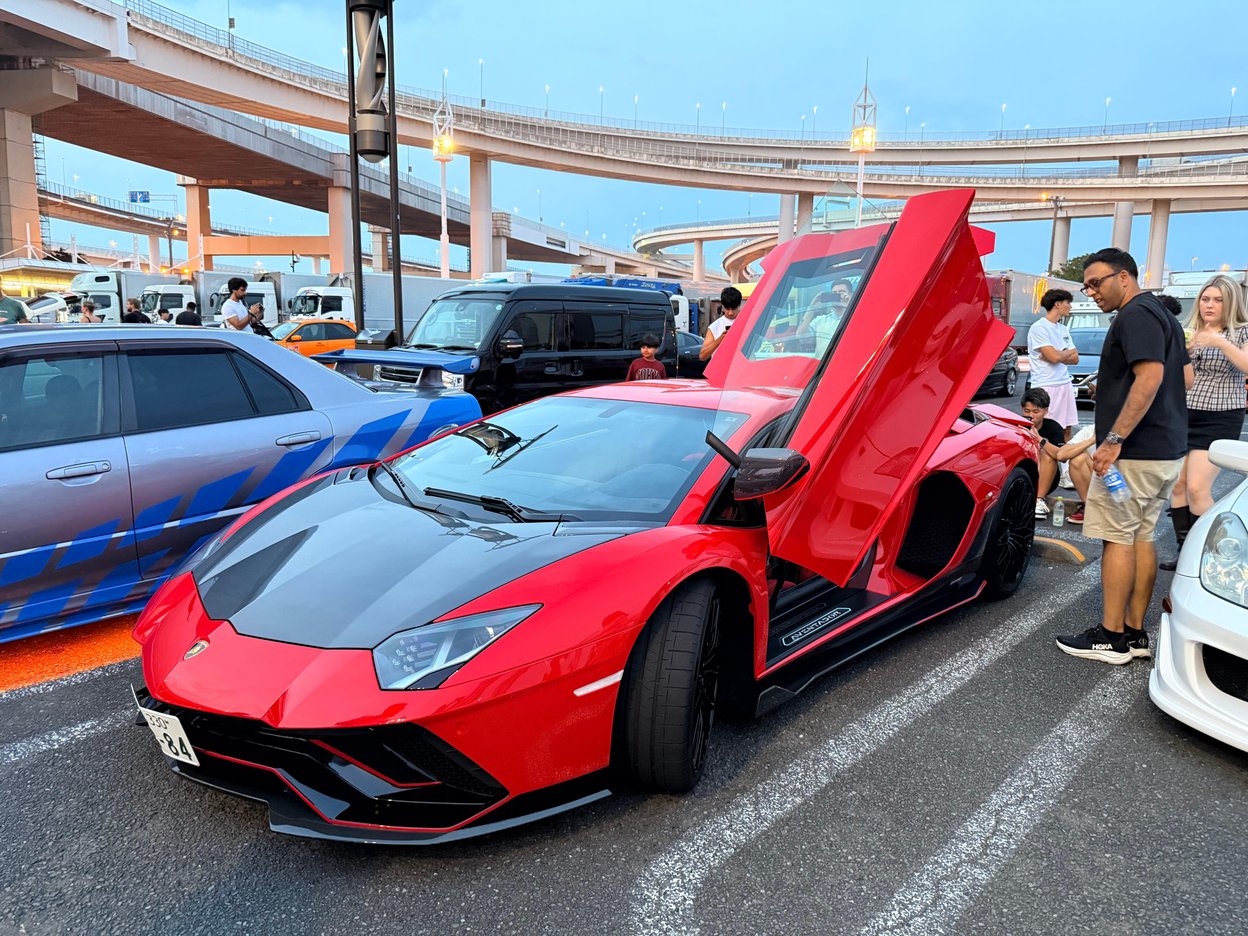
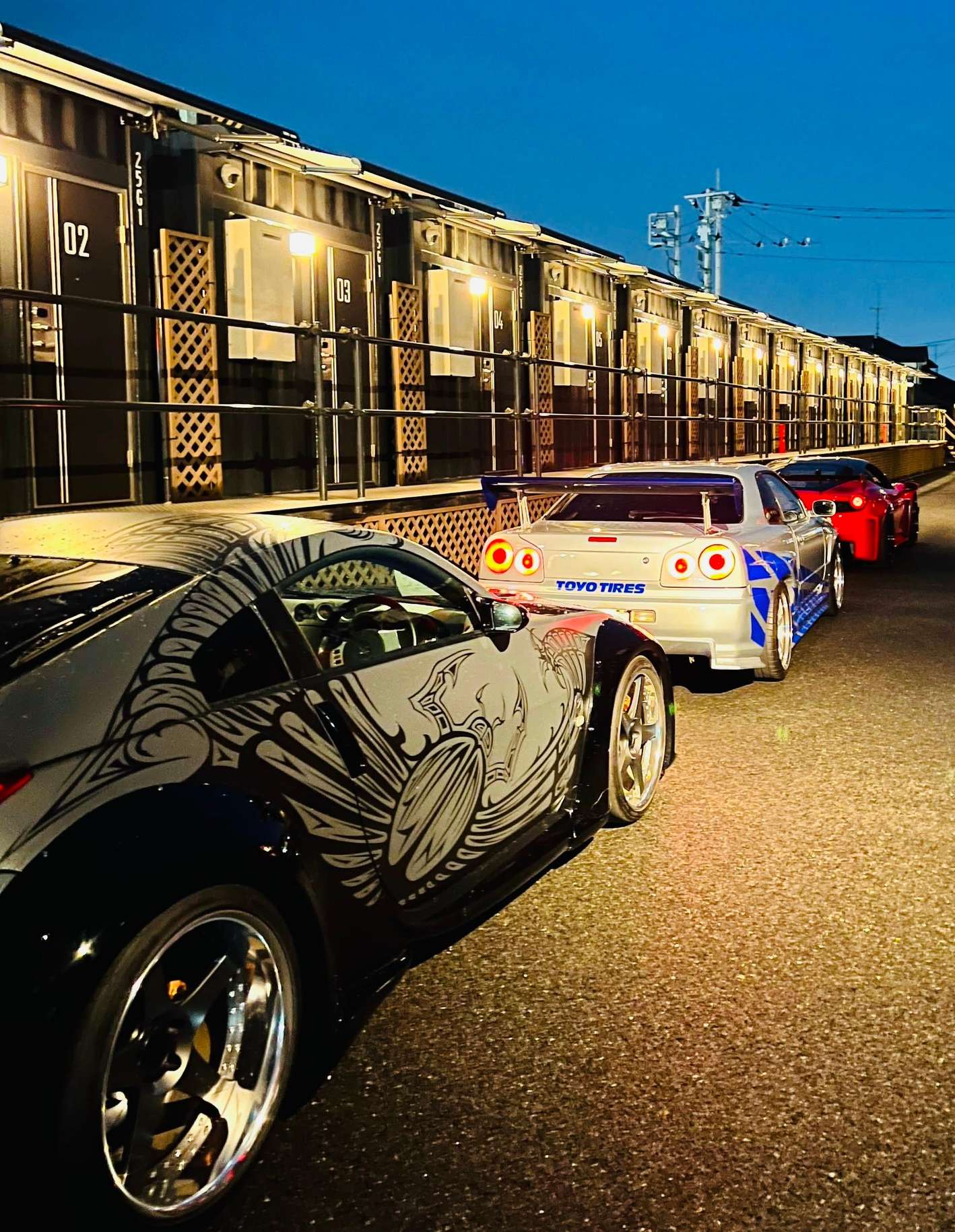
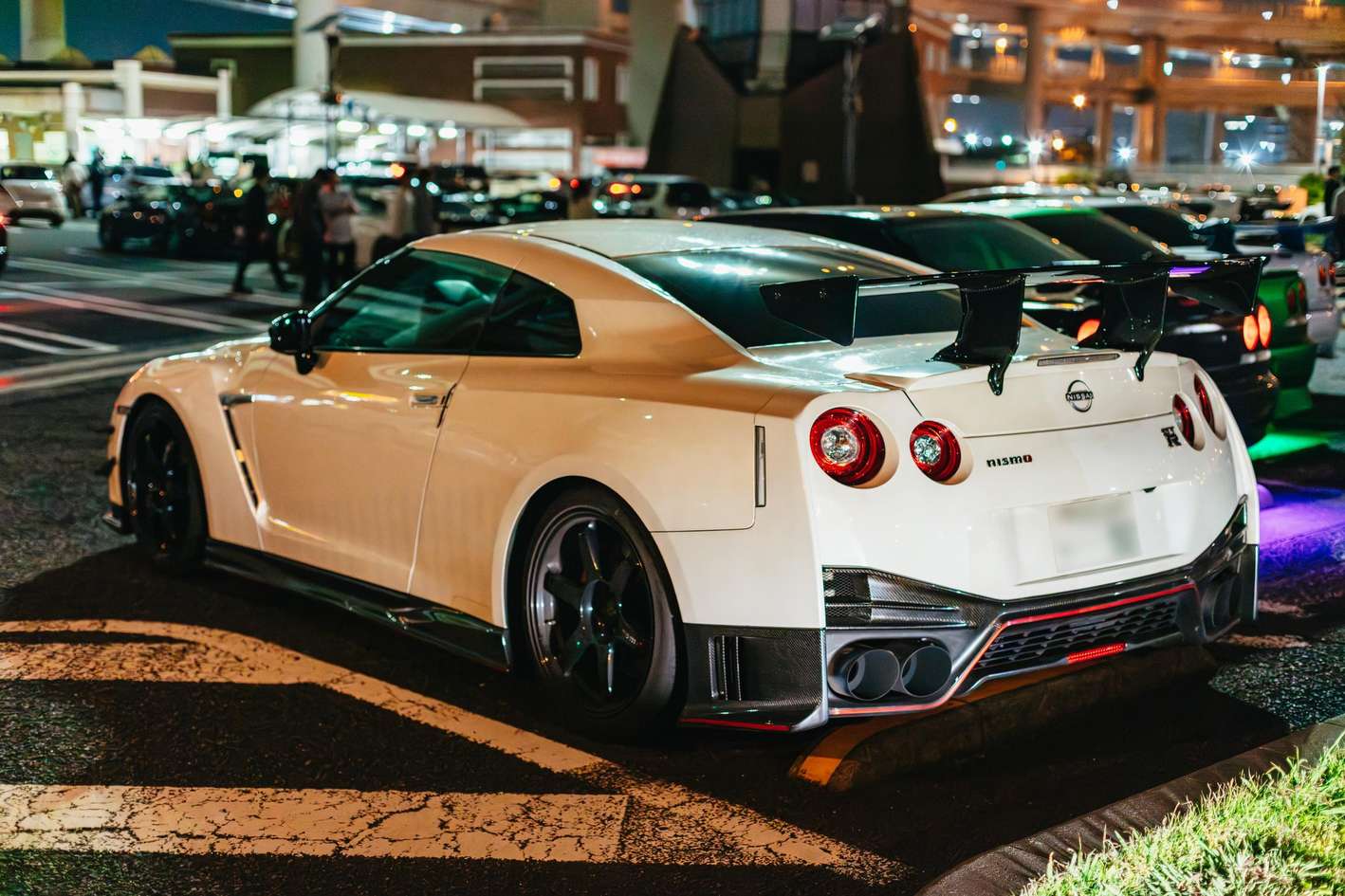
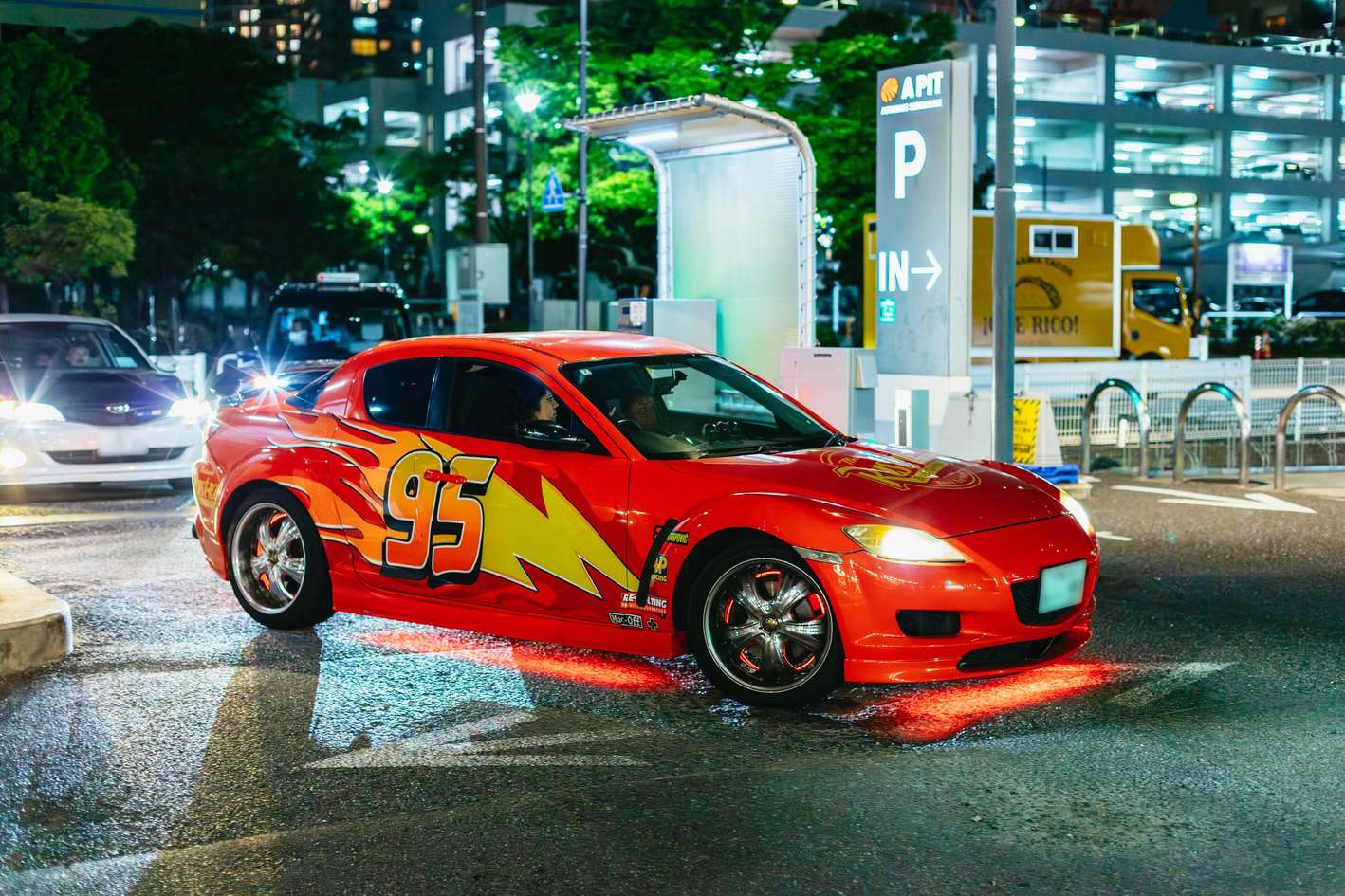
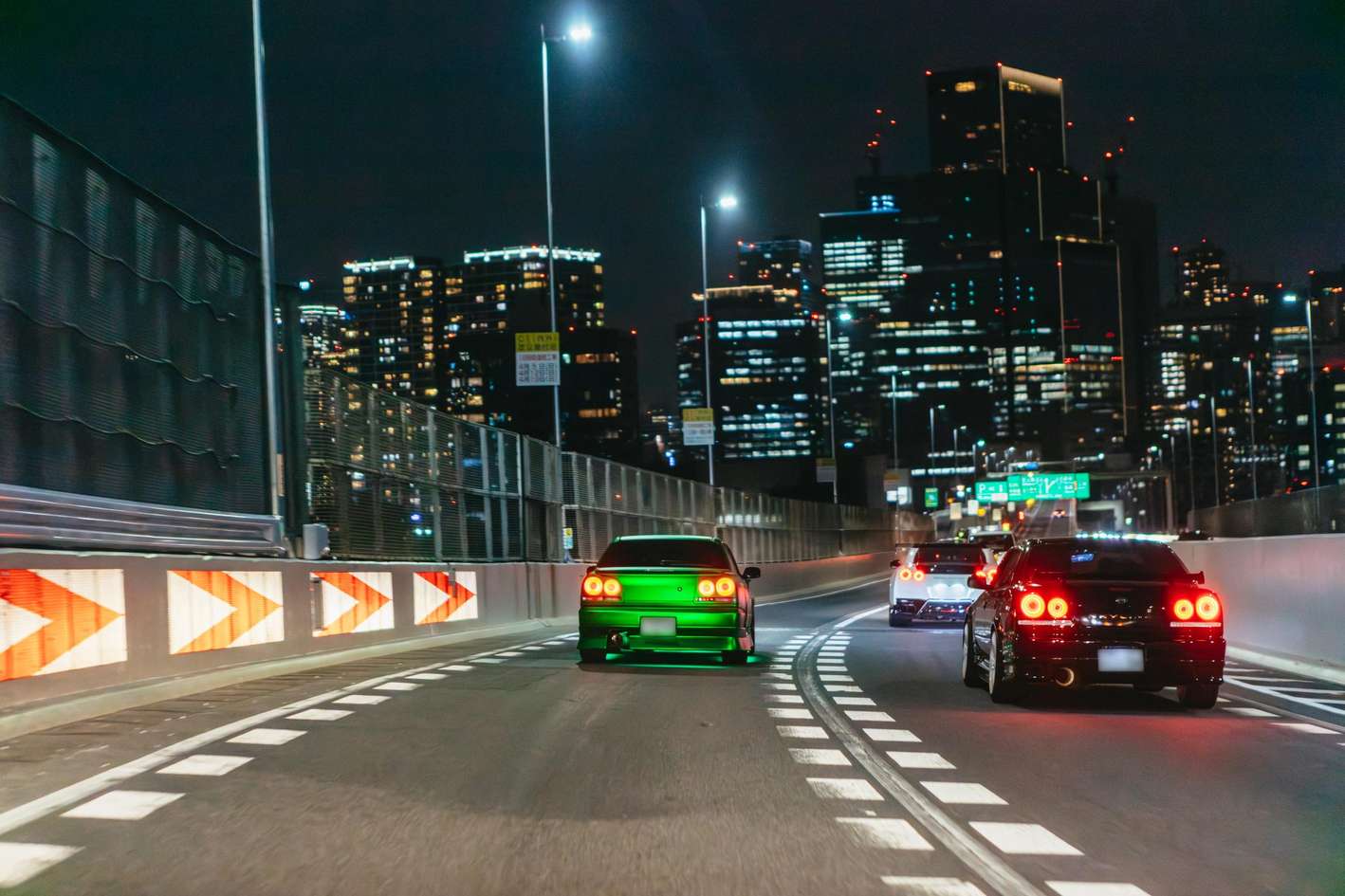
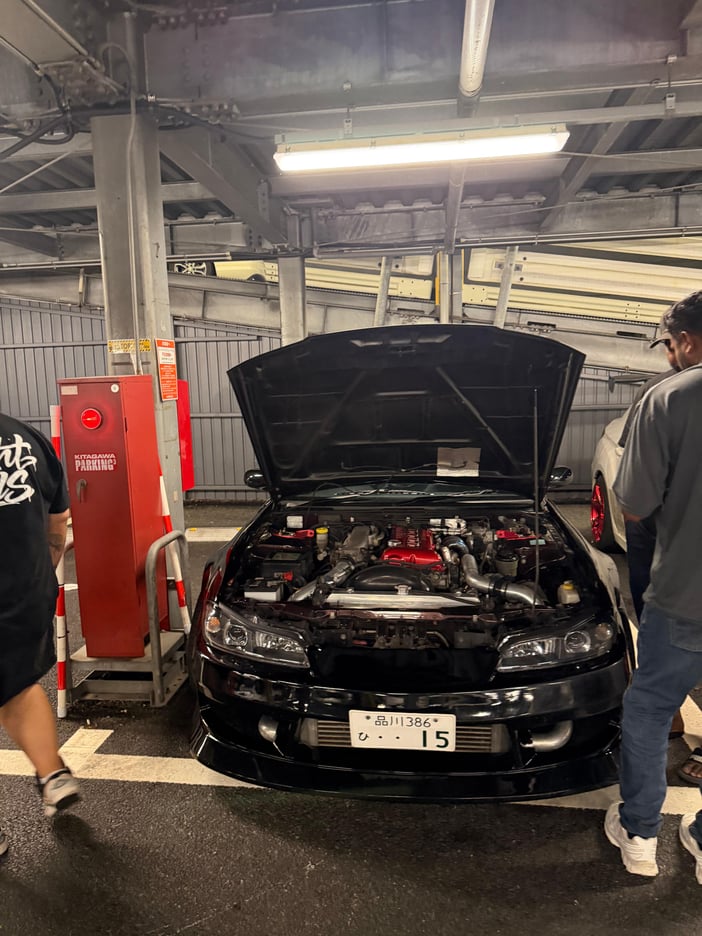
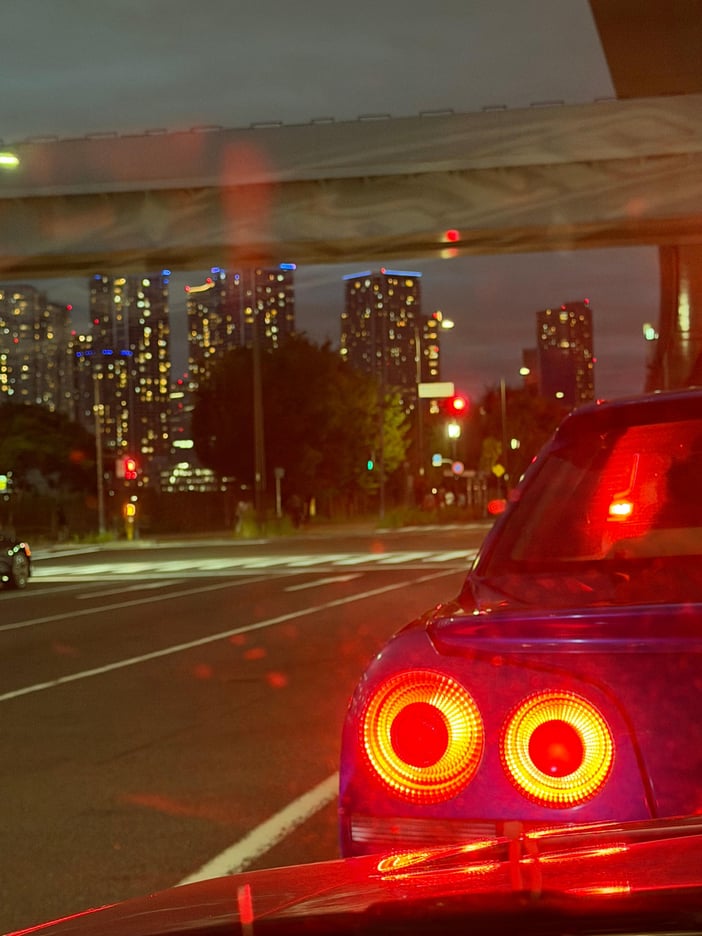
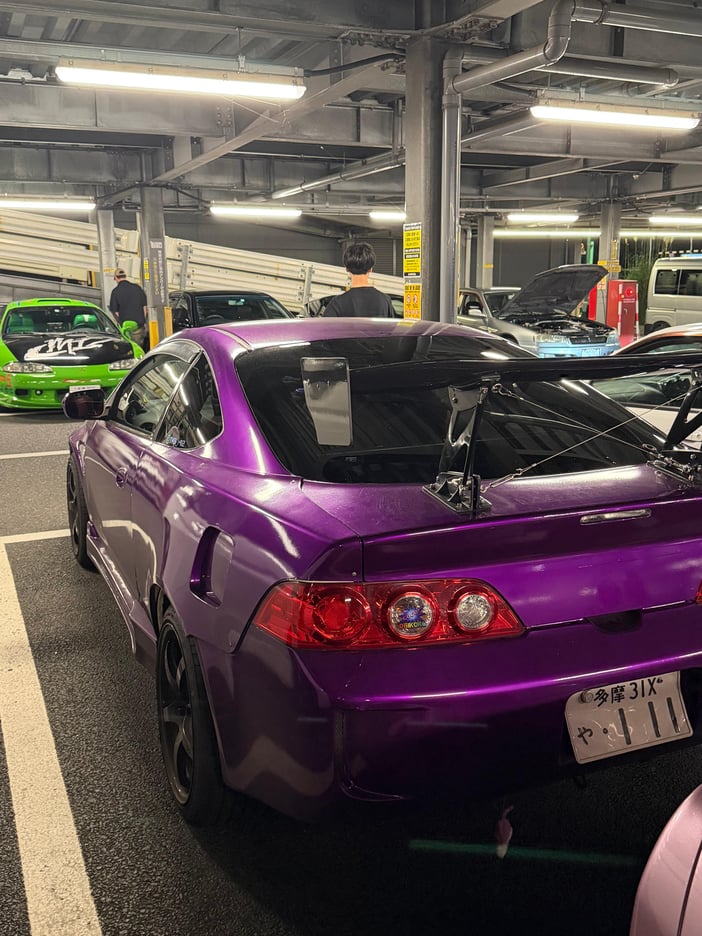
The Evo experiences sold here put you in the passenger seat of a real Lancer Evolution on the Wangan, ending at Japan's most famous car meet. Here is how to pick between them, and what to do if you want the driver's seat yourself.
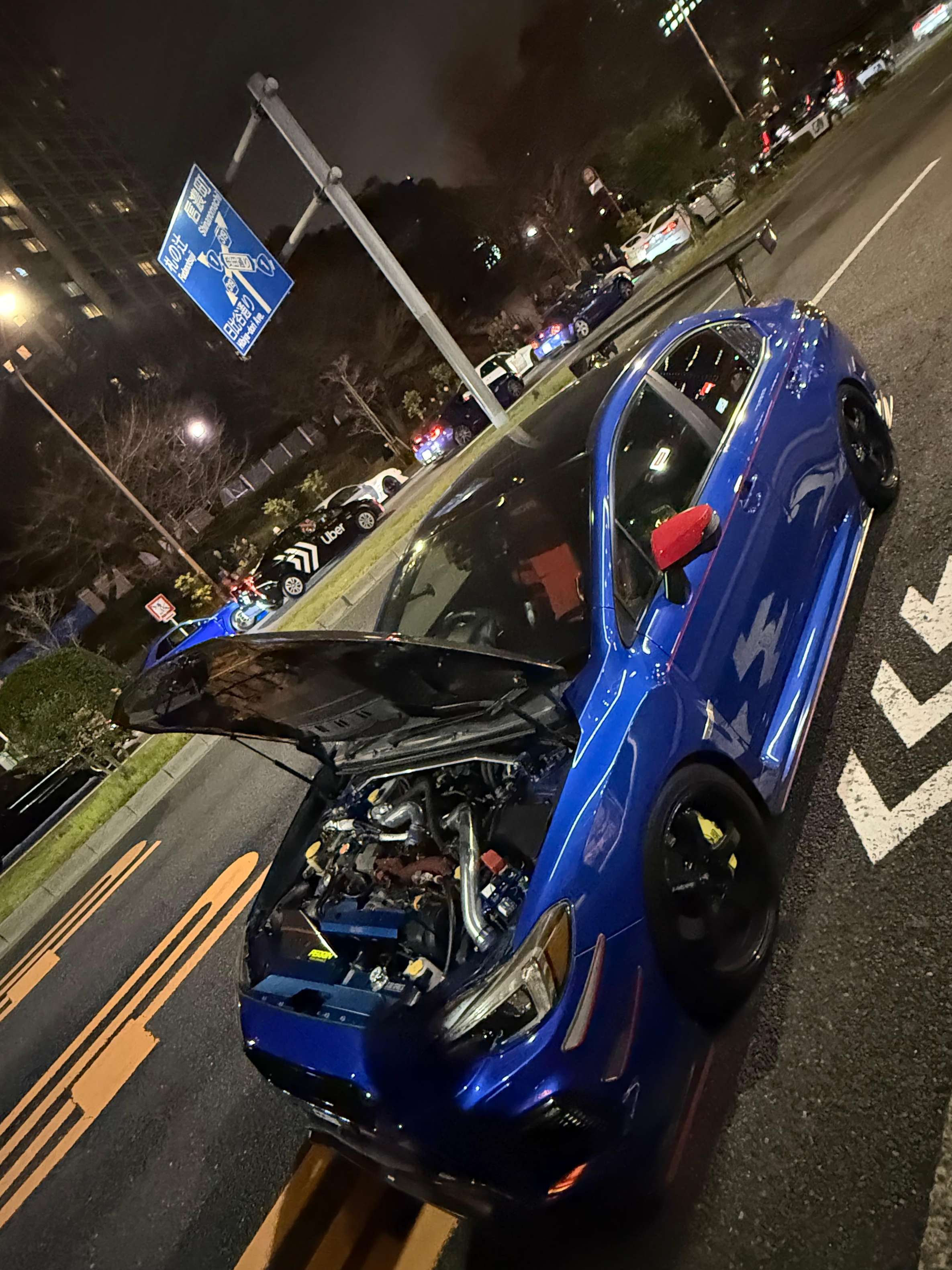
Every Evo experience on sale is a passenger ride with a professional driver, so no driving licence is needed.
Police close the Daikoku PA meet by about 8:30 pm on Thursday to Saturday nights, so early pickups matter.
April, September and October book out first; June, February and December are the easy months.
The search was simple: rent a Lancer Evolution in Tokyo, drive it yourself. The experiences on sale here answer it from the passenger seat: four night runs where a professional driver takes you and the Evo onto Tokyo's expressways, ending at the Daikoku PA car meet.
So the choice shifts. Instead of keys versus no keys, you are weighing which car you ride in, which route the night takes, and how much of the meet you see.
Tokyo: JDM Night Run in EVO, WRX & Skyline to Daikoku leads this page because it guarantees manual JDM cars, Evo among them, and never puts you in a van.
The trade runs both ways. A rental would need an international driving permit and comfort with left-side traffic; a passenger ride needs no licence at all and puts a local enthusiast behind the wheel.
A rental lets you linger at Daikoku as long as you like; a tour binds you to a fixed slot of roughly three to four hours.
| Tokyo: JDM Night Run in EVO, WRX & Skyline | Tokyo Drift Ⅲ Daikoku PA Modified JDM Car Ride | Tokyo: JDM Night Drive to Daikoku PA in Skyline R34 or Evo X | |
|---|---|---|---|
| Car | EVO, WRX STI or Skyline, manual, never vans | Evo VIII, IX or X among heavily modified cars | Skyline R34 GTT, Evo X or WRX STI |
| Drive or ride | Passenger ride | Passenger ride | Passenger ride |
| Duration | 3 to 4 hours | 3 to 4 hours | 3 to 4 hours |
| Daikoku PA | Yes, subject to access | Yes, with reschedule or refund if closed | Yes |
| Tokyo Tower and Rainbow Bridge | Photo stops | Photo stops | Photo stops |
| Autobacs stop | A-PIT Autobacs | A-PIT Autobacs | A-PIT Super Autobacs |
Evo-first readers go with the night run that names the Evo in its title. Meet-first readers weigh the car list and the route stops instead.
A tuned Evo 9 pulls onto the Wangan and the exhaust note fills the cabin before the turbo does its work.
From the passenger seat you hear everything: the dump valve, the tunnels on the C1 loop, the driver downshifting for the Rainbow Bridge climb. People who take these rides say the same thing afterwards. The car itself was the memorable part of the night.
That is the argument for riding. The Evo was built as a rally homologation special, ten versions from 1992 to 2016, all two-litre turbo and all-wheel drive, with four straight WRC drivers' titles from 1996 to 1999.
A guide who knows this tells you the story while the car proves it. The ride is the experience, and the meet at the end is the bonus.
There is a practical side too. Daikoku PA is hard to reach and the language barrier with owners is real, so a guide who translates and explains removes the friction a rental leaves with you.
Amazing experience. Ama was our driver and didn't disappoint. Daikoku, Rainbow Bridge, Tokyo Tower, all impressive. Highly recommend for car fans or anyone wanting to drive a cool city. Thanks Ama and team!
If that sounds like your kind of evening, the Tokyo: JDM Night Drive to Daikoku PA in Skyline R34 or Evo X runs the same C1 and Wangan routes with an Evo X in its lineup.
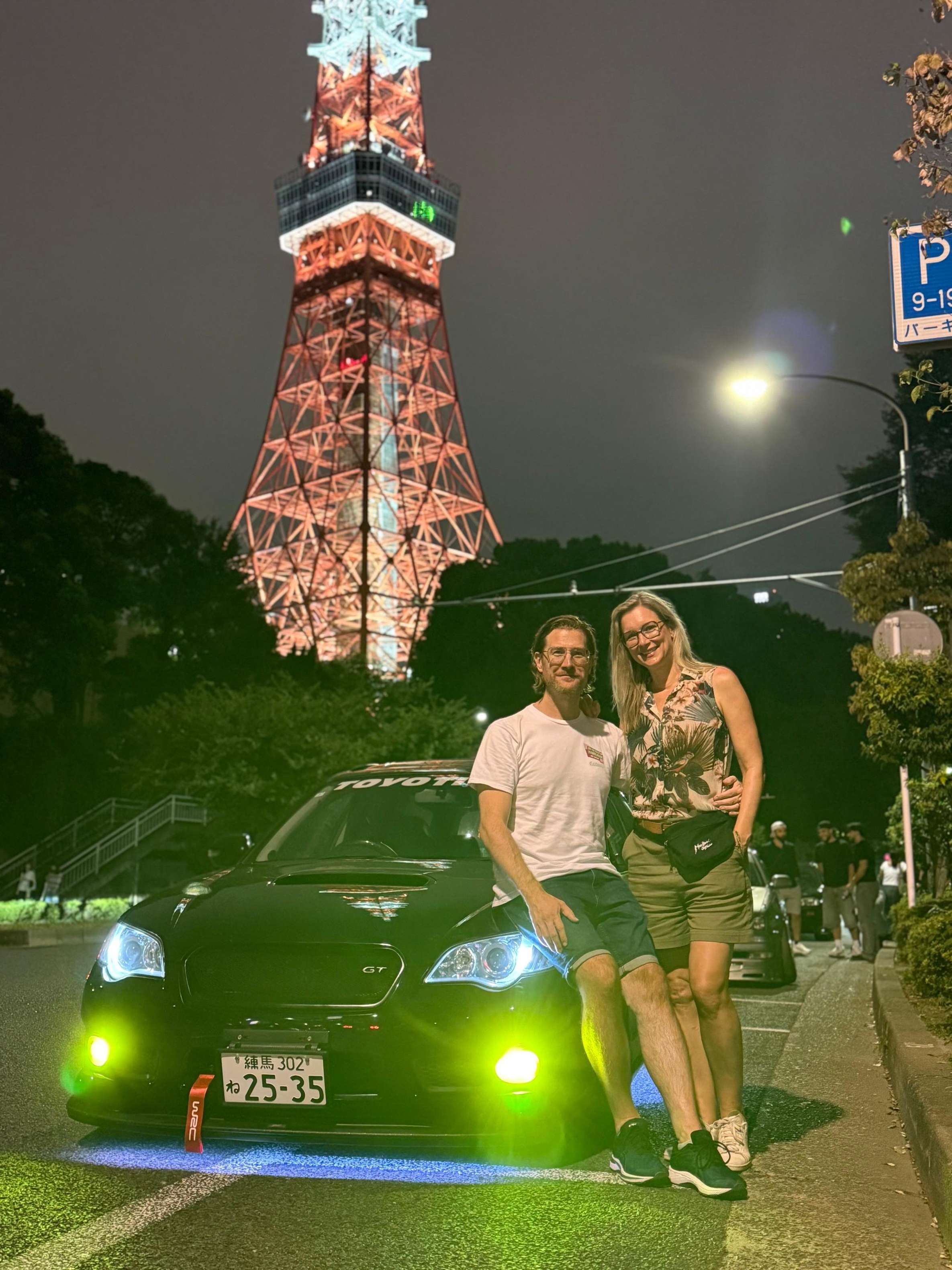
Pickup comes first, and on most Evo nights it can be arranged from Shinjuku, Shibuya City or Akihabara Electric Town. Japanese traffic regulations require drop-off at the same point, so plan your evening around one base.
The night then runs in a familiar shape. A short talk on the Lancer Evolution's history opens it, covering the WRC heritage and what makes the Evo X significant, which sounds like a lecture and lands more like a warm-up.
Photo stops follow: Tokyo Tower from outside, about half an hour of night views around Rainbow Bridge, and roughly 40 minutes inside A-PIT Autobacs Shinonome, the huge tuning and parts store where enthusiasts park up.
From Tokyo, Shibuya City or Akihabara
Short, before the driving starts
Short stop
Tokyo Bay on one side
Japan's largest tuning store
Guided visit, free time and photos
Same point, per traffic rules
The hour at Daikoku is the heart of it. Expect about an hour on the ground, walking the lot, and know that if Daikoku closes, the tour may substitute Umihotaru PA instead.
The Tokyo Drift Ⅲ: Fast·Furious Daikoku PA Modified JDM Car Ride runs this same shape with Evo VIII, IX and X among its cars.
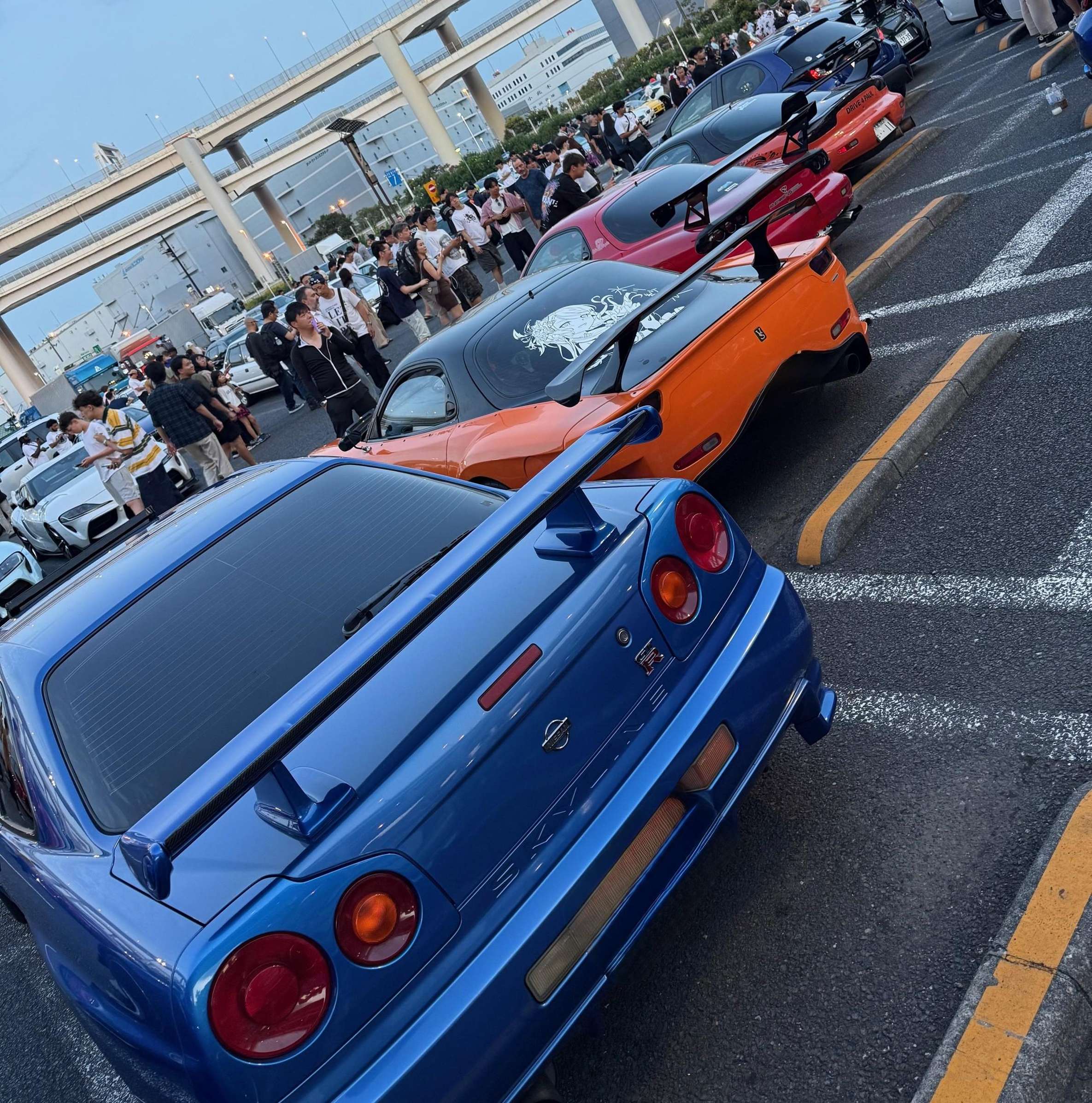
Friday and Saturday nights bring the biggest turnouts at Daikoku, with cars rolling in from early evening and the deepest crowds late. Those are also the nights most likely to end early.
Police and the expressway operator close the lot without notice, typically from about 8:30 pm on Thursdays, Fridays and Saturdays, and closures are decided on the night with no schedule published anywhere.
Operators work around it. Many pull Friday and Saturday pickups forward to 4 pm or 5 pm so you reach the meet before the shutters come down.
When Daikoku does close, most tours divert to a fallback lot such as Umihotaru or Tatsumi and the night goes on, and several offer a full refund if you decline the alternative. Weekday nights run quieter but rarely empty, and closures are rare Monday to Thursday.
Book the early pickup on a weekend night. It is the difference between an hour at the meet and watching the entrance close from the highway.
Daikoku PA can close without warning Police shut the meet down by about 8:30 pm on Thursday to Saturday nights, and closures are decided on the night with no schedule to check. Ask the operator in writing what happens if it closes before you pay.
One more thing worth fixing before you pay: the Tokyo: JDM Night Run in EVO, WRX & Skyline to Daikoku states its own clause, a full refund if Daikoku is closed and you would rather not take the alternative. That is the clause to look for on any listing.
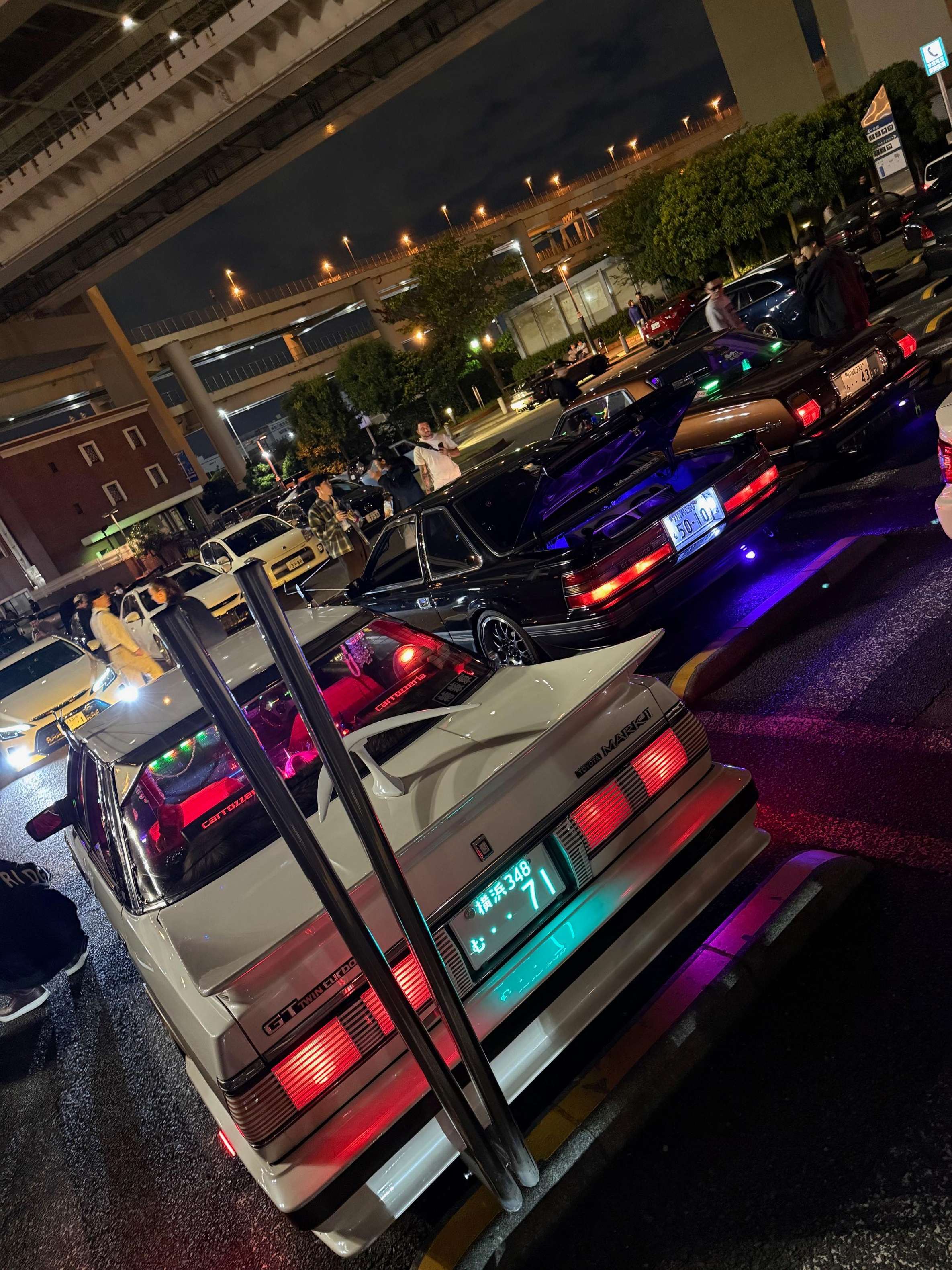
Evo night tours run all year, so the month you pick decides how big the crowd is and how hard the booking gets. April is the busiest by a wide margin, about one and a half times an ordinary month, with October and September close behind.
June, February and December are the quiet ones, and that cuts both ways: easier bookings and smaller crowds at the meets, though a thinner lineup of cars.
Rain is the other factor. June and September are the wettest months, and rain thins the meets, though it rarely kills them. Visitors in April 2025 found plenty of cool cars despite a wet night.
For the drive itself, winter and early spring give the most clear nights between 9 pm and 2 am, which is when the Wangan looks its best.
April: 5 out of 5 for how busy it gets. The busiest month of the year (150) with mild 19.6°C days and 19 sunny days, the best mix of full car meets and comfortable evenings.
Tap a month to read it.
January: 26.4 dry days. A quiet month with 26 dry days and cool nights around 0°C, so meets are thinner but tours run and the winter night skies are clear.
Tap a month to read it.
December: 26.8 sunny days. Quiet (73) with 25 dry days and mostly clear skies, but nights drop to 2.5°C, so dress warmly for the meets.
Tap a month to read it.
The practical read: April, September and October for atmosphere, book several weeks ahead. January, November or December for clear night skies and an easy booking. June if you want the quietest lots and do not mind an umbrella.
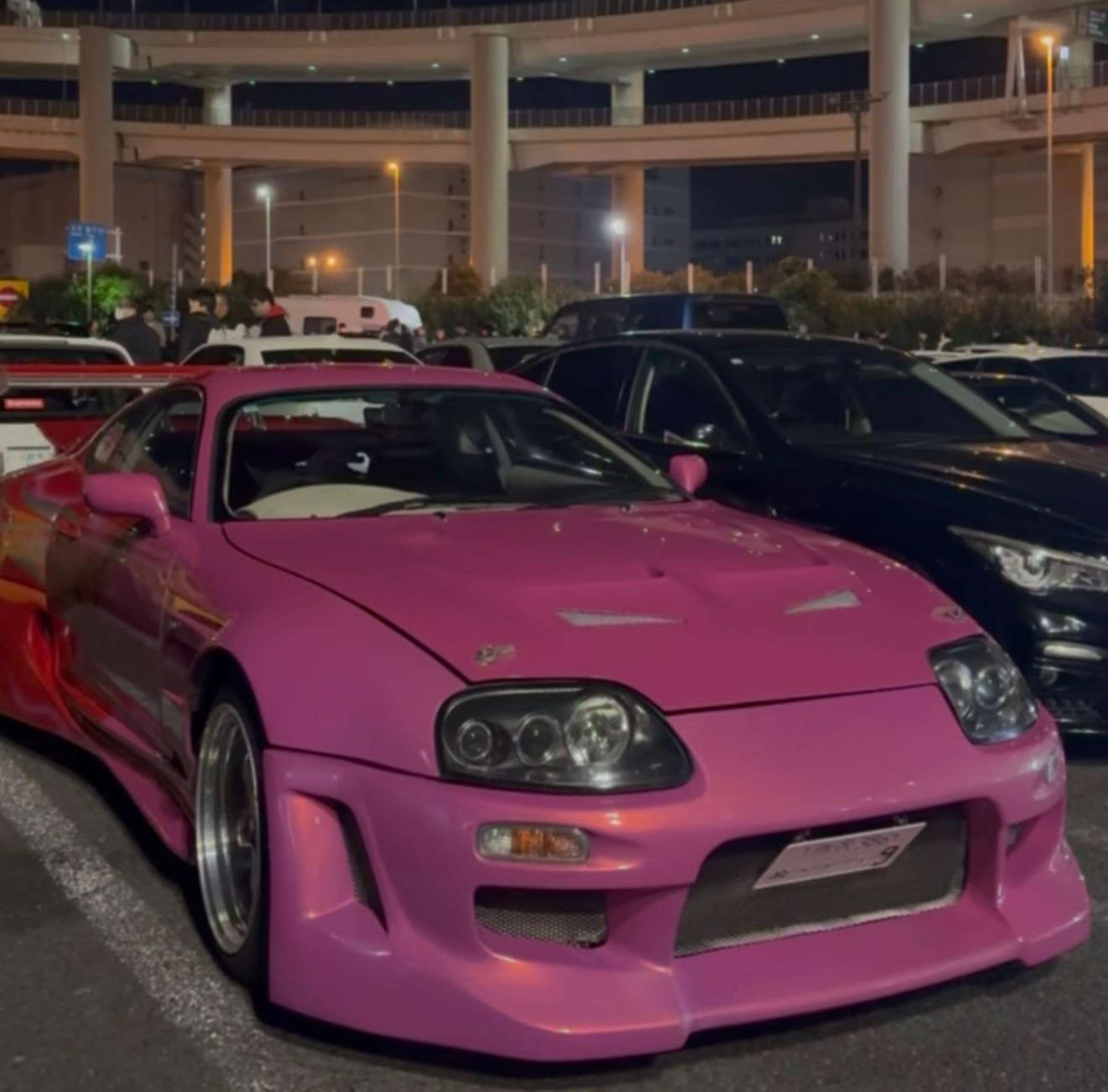
Four tours, one question: is the car the main event or the meet? If the Evo itself is the point, pick the tour that names it in the title and guarantees manual JDM cars.
If the meet is the point, the modified-car ride with the longest car list gives you the widest spread of builds at Daikoku.
Then check what each listing actually guarantees. A photo of a specific car on a listing does not reserve that car for you.
Ask in writing whether the Evo model and your seating are guaranteed on your date, and whether the vehicle type is locked in. If a listing only promises a van, you spend the night walking around the lot on foot.
Ask in writing whether the Evo model and seating are guaranteed for your date
Check the page names the actual cars before you pay
Read what happens when Daikoku closes, and ask in writing if the listing says nothing
Ask about them before paying, not after
A basic interest in cars is enough for any of these nights, no technical knowledge needed. The night run does not suit anyone who dislikes speed or motion: pregnant travelers, anyone prone to motion sickness and people over 70 are listed as unsuitable on one of them.
The Tokyo: JDM Night Run in EVO, WRX & Skyline to Daikoku states its guarantees plainly, which is why it leads this page.
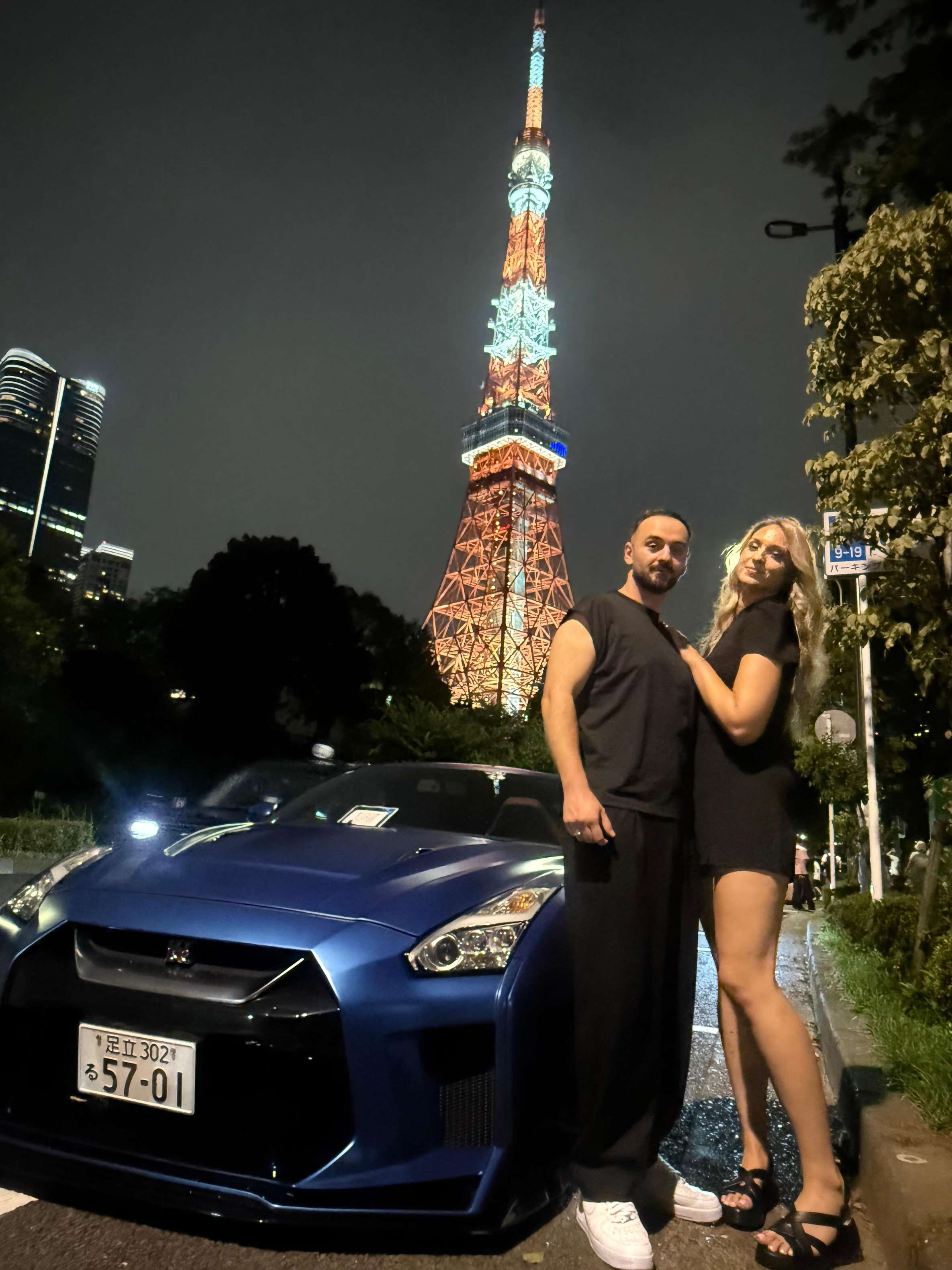
Daikoku PA sits on an artificial island inside the Shuto Expressway, and that fact decides your whole evening. There is no pedestrian entrance, no train, no bus stop and no taxi rank.
A taxi can drop you at the meet and then cannot pick you up again, which turns a do-it-yourself plan into a long walk along a highway shoulder.
The practical way in is the way the tours on this page run: a JDM car collects you at your hotel and drives in via the expressway, about an hour from central Tokyo, 39 minutes from Haneda and roughly an hour and three quarters from Narita without traffic.
Tolls, fuel and parking are covered in the tour price, so the expressway learning curve is not yours to climb.
Every route without a tour ends in no. If you have your own car or a rental, some operators let you meet the group directly at Daikoku, but for everyone else the guided ride is the only way in that works. That is a large part of why the passenger format exists at all.
Some readers will not be talked out of the driver's seat, and that is a legitimate trip. It just needs paperwork arranged before you fly.
To rent and drive in Japan you need an international driving permit based on the 1949 Convention, or for licences from Switzerland, Germany, France, Belgium, Monaco and Taiwan, an official Japanese translation of your home licence arranged through JAF online before you go.
US visitors get the IDP from AAA or AATA before arriving. Digital or app-based licences are not accepted, and drivers on self-drive JDM experiences must be at least 23.
Tokyo itself is a demanding place to start. Traffic keeps left, turning is the tricky part for the first day or two, and central parking is scarce and costly. Japanese drivers are courteous and speeds are low, which helps, but the roads that make an Evo worth driving sit beyond the city.
If the wheel still calls, self-drive JDM tours and drift lessons exist on this site in other formats, and JDM rental shops cluster around Shibuya, Ota near Haneda and Adachi in the north of the city.
The meet happens in the open, on an artificial island in the bay, and you spend a good part of the night standing in it.
Tokyo nights at Daikoku run from about 1°C in winter to over 25°C in midsummer, so dress for the season and add a light jacket even in warmer months. Comfortable shoes matter more than good ones; you will be walking a parking lot for an hour.
Space inside a sports car is tight, so leave the suitcase at the hotel. Most tours include no food or drinks, so eat beforehand and carry water. A camera or a fully charged phone covers the night shots at the tower and the bridge.
The booking itself is simple: bring your passport or ID to pickup, show the voucher on your phone, and be ready for a late return. Night runs end when the roads do, and traffic can stretch the finish.
An Evo with a WRC pedigree rolls in and parks three spaces away, and the instinct is to lean on the wing for a photo. That instinct is the problem.
Never touch, lean on or sit in anyone's car without being invited, and ask before photographing a car up close. Disrespectful behavior is why some local owners stopped bringing their cars to Daikoku at all.
The rest of the etiquette follows the same logic. Stay out of the roadways, keep your voice down, take your rubbish with you, and never rev an engine or attempt a burnout.
That is exactly what gets meets shut down by police, and the police do watch. Compliment the build instead of asking what it cost.
It is an informal gathering, more like Cars and Coffee at night, and the lineup depends on who turns up
Ask owners before close-ups, no flash into cabins at night, and blur plates before posting online
That is precisely what brings the police and closes the meet
Follow the rules and the night rewards you. Owners talk, engines get started on request, and you see a living scene rather than a staged one.
The Evo earned its name sideways, so the drifting question comes up on every one of these nights, and the answer is firm. Drifting on public roads is illegal in Japan.
The tours on this page say it themselves: drifting is not part of the experience, and the night is about car culture and the meet, not racing. The penalties are not symbolic.
Speeding 40 km/h over the limit leads to arrest, street-racing conduct carries up to two years' imprisonment, and a visitor on an international driving permit can be banned from driving in Japan for years for a Road Traffic Act breach.
The legal version of the sport exists, and it is good. Ebisu Circuit, north of Tokyo, is the legal home of Japanese drifting, with dedicated beginner courses and full-day schools that people describe as among the best experiences they have had.
The D1 Grand Prix holds a round in Tokyo in October and usually runs its final in Odaiba in November. Mobara and Nikko circuits, both within reach of the city, host a lot of drift events.
So keep the night run for the meet and the expressways, and give drifting its own day at a circuit. Both fit a trip; only one of them fits a public road.
Daikoku PA sits alone on its island, so the sightseeing happens at either end of the night. Most pickups start around Shinjuku, where a handful of sights sit within a short walk of the meeting point, useful if you arrive early.
Shibuya near the crossing in the evening and the free Akihabara UDX underground garage on Friday and Saturday nights are walkable car-spotting spots in their own right, with anime-wrapped itasha cars on the B2F level at UDX.
Across the bay from Daikoku, Minato Mirai in Yokohama holds the nearest cluster of proper sights: the CupNoodles Museum, the Yokohama Cosmo World amusement area and the maritime museums all sit within about a 15-minute walk of each other. Worth knowing if you extend the trip toward Yokohama the next day.
The Autobacs stop on the tours covers the shopping itch, since A-PIT Shinonome is Japan's largest tuning store and the parking lot there is a car-spotting spot in its own right. Between the meet, the expressways and the store, a single night covers most of what the Tokyo car scene does in public.
A self-drive Lancer Evo rental is not on sale here, and waiting for one costs you the night.
The Tokyo: JDM Night Run in EVO, WRX & Skyline to Daikoku delivers the closest thing: a manual Evo on the Wangan, Tokyo Tower and Rainbow Bridge photo stops, and an hour at the Daikoku meet, with a stated refund if Daikoku closes.
Book it before you arrive, take the early pickup on weekend nights, and go to Ebisu Circuit on another day if drifting is the real goal.
Short answers on riding an Evo in Tokyo, what the night run includes, and how the evening works.
The Evo experiences on this page are passenger rides with a driver behind the wheel, and they run to Daikoku PA, Tokyo Tower and Rainbow Bridge. If you want the car itself as the main event, the night run puts you in a genuine manual Evo for three to four hours of Tokyo expressway driving.
No. You ride as a passenger with a local enthusiast driving, so no license or international driving permit is needed. Just bring your passport or ID card for check-in.
Drifting on public roads is illegal in Japan, and the tours here keep to the law. The night run is about car culture: the meet at Daikoku PA, the expressways and the car itself. For real drifting, the Ebisu Circuit north of Tokyo runs legal lessons and ride-alongs on a closed circuit.
One night run rides in a Mitsubishi EVO, WRX STI or Skyline, all manual cars. Another tour runs modified Evo VIII, IX and X models to Daikoku PA alongside Skylines, RX-7s and Supras. The exact car depends on the night, so ask when booking if a particular model matters to you.
Police can close the lot without notice, and closures are decided on the night with no schedule to check in advance. On the recommended night run you can take a full refund instead of an alternative location, or agree to continue to another bay spot. Other tours offer rescheduling or a refund.
Most versions run three to four hours. A typical evening covers the Wangan and C1 expressways, Rainbow Bridge, a photo stop at Tokyo Tower, time at A-PIT Autobacs and about an hour at Daikoku PA. Traffic can push the end time later, so plan for a late return.
Friday and Saturday nights draw the biggest crowds, with the deepest turnout between 9 pm and 1 am. The trade-off is that police close the Daikoku meet by about 8:30 pm on Thursday to Saturday nights, so weekday visits run quieter and are far less likely to end in a closure.
Wear comfortable clothes and shoes for standing around outdoors, and bring a camera or a charged phone for night photos. A light jacket helps even in warmer months since the meet happens in the open by the water. Keep WhatsApp notifications on after booking, because operators message you before departure.
A basic interest in cars is enough, and the ride, city views and meet atmosphere work even for casual fans. The tours list pregnant women, people prone to motion sickness and older guests as unsuitable, since the expressway driving is quick. If you dislike speed, a daytime or van-based option may suit you better.
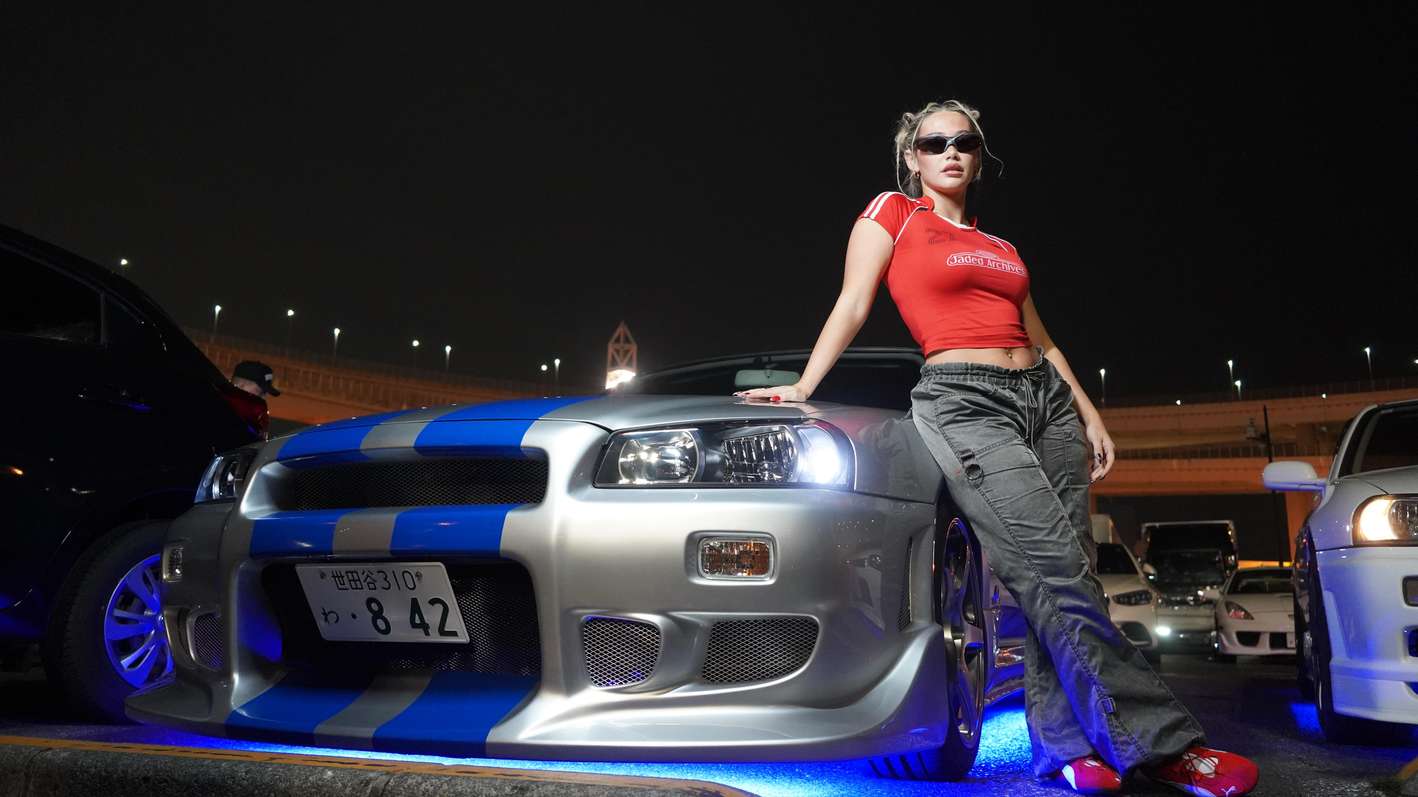
Self-drive JDM sports cars you can book in Tokyo, for when you want the wheel instead of the passenger seat.
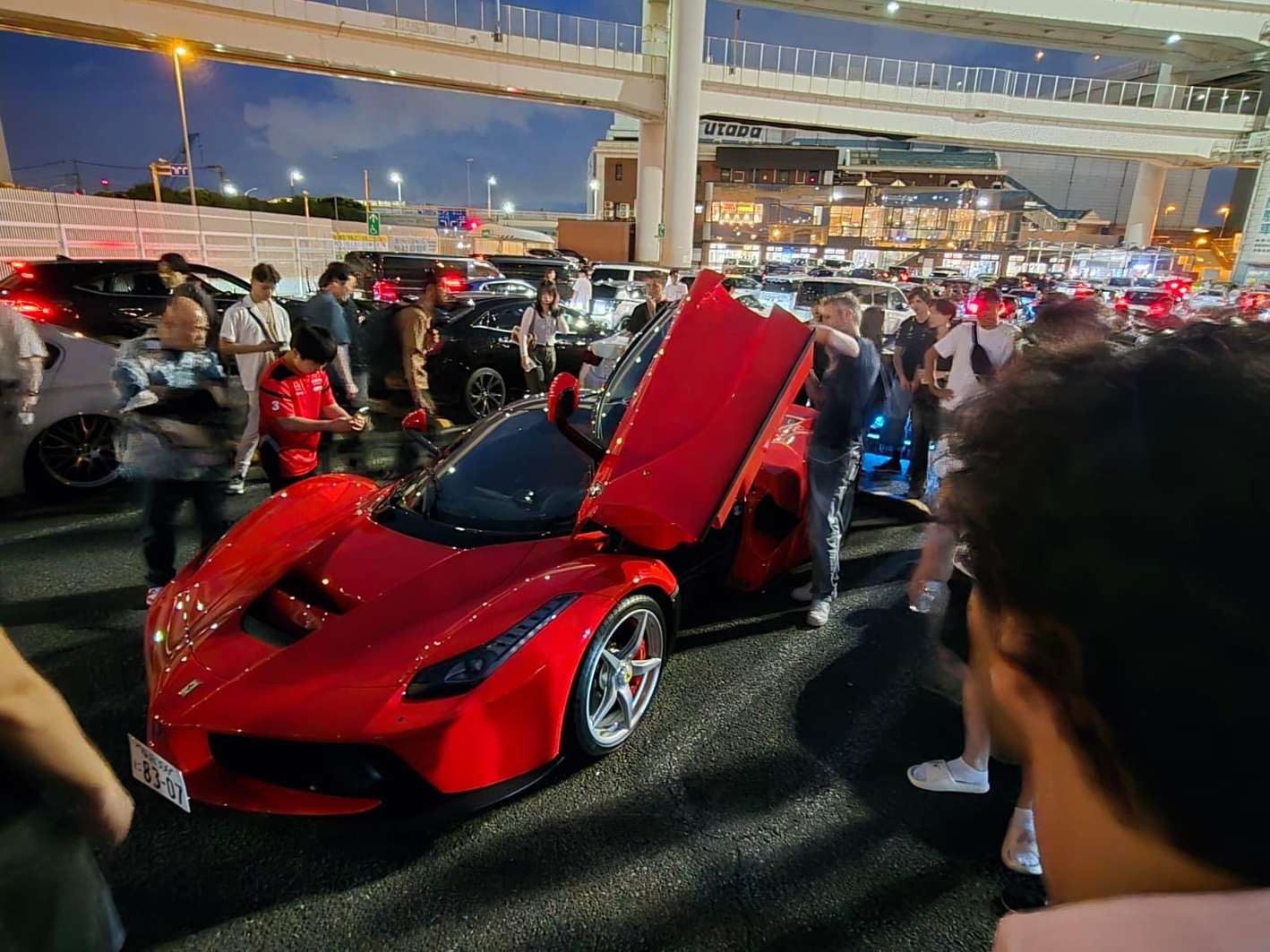
Whether an AE86 can be booked in Tokyo, and what to choose instead if a self-drive one is off the table.
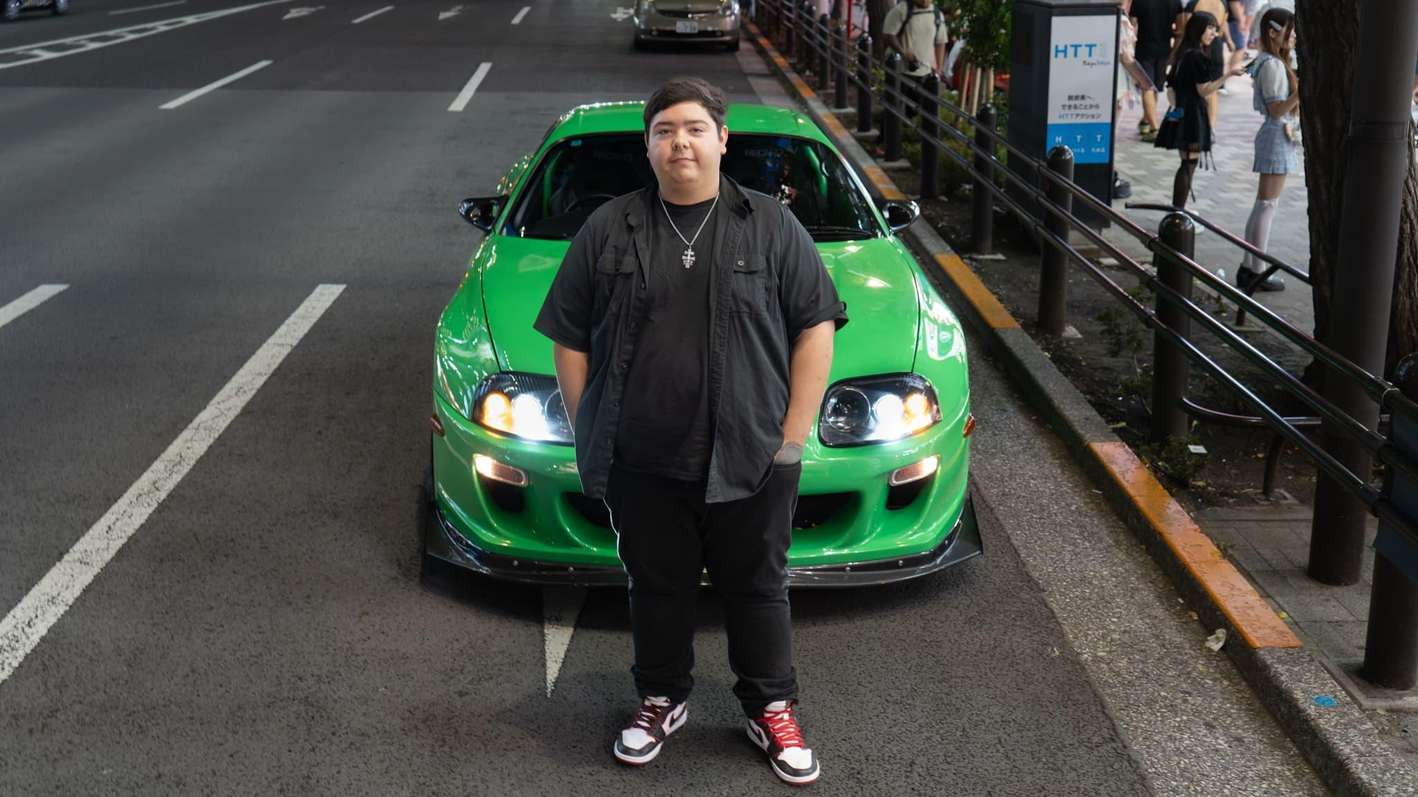
A direct answer on renting and driving a Supra in Tokyo, plus the closest ride options if you cannot.
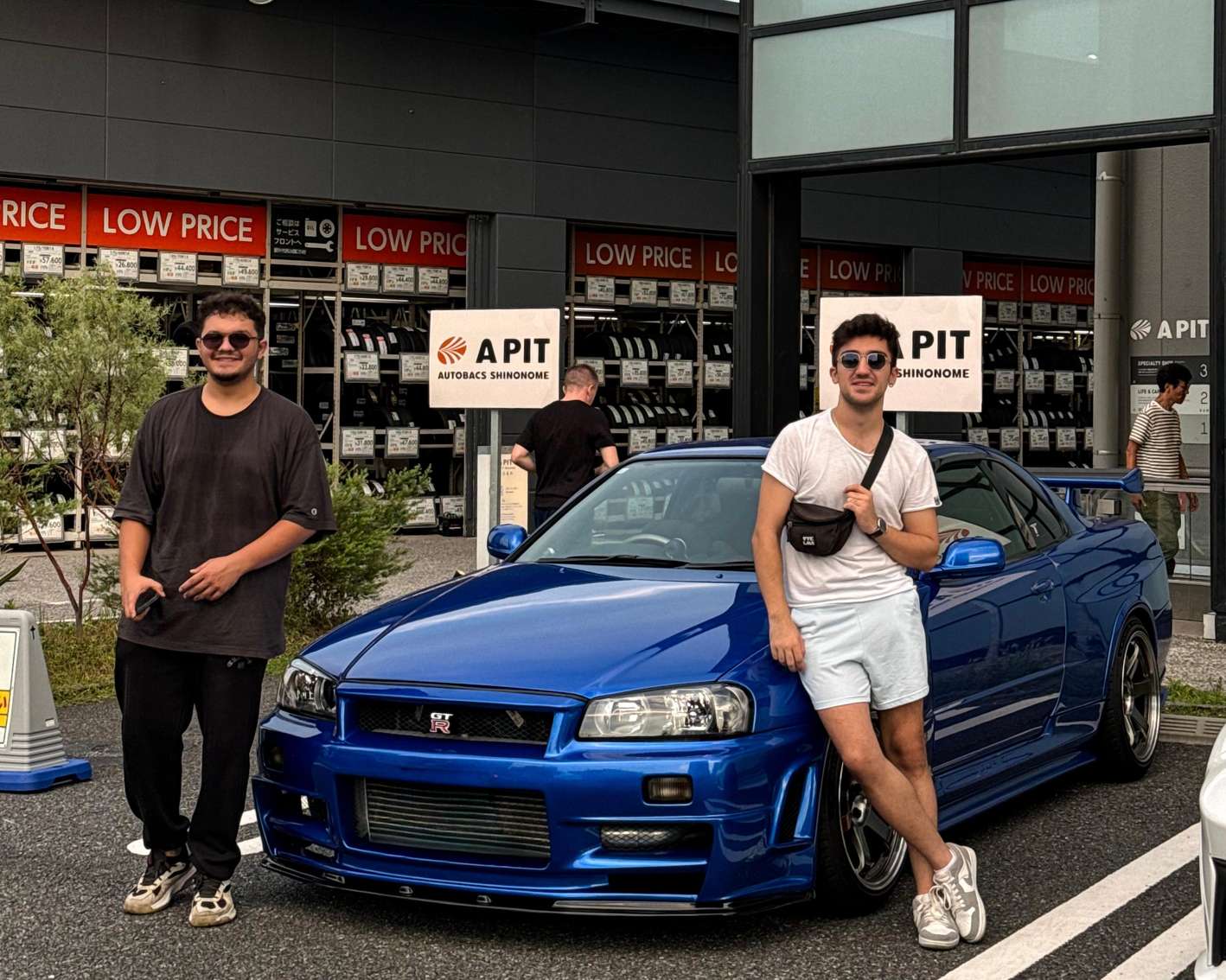
How an R32 GT-R self-drive rental compares with a guided GT-R ride, and which fits your night in Tokyo.
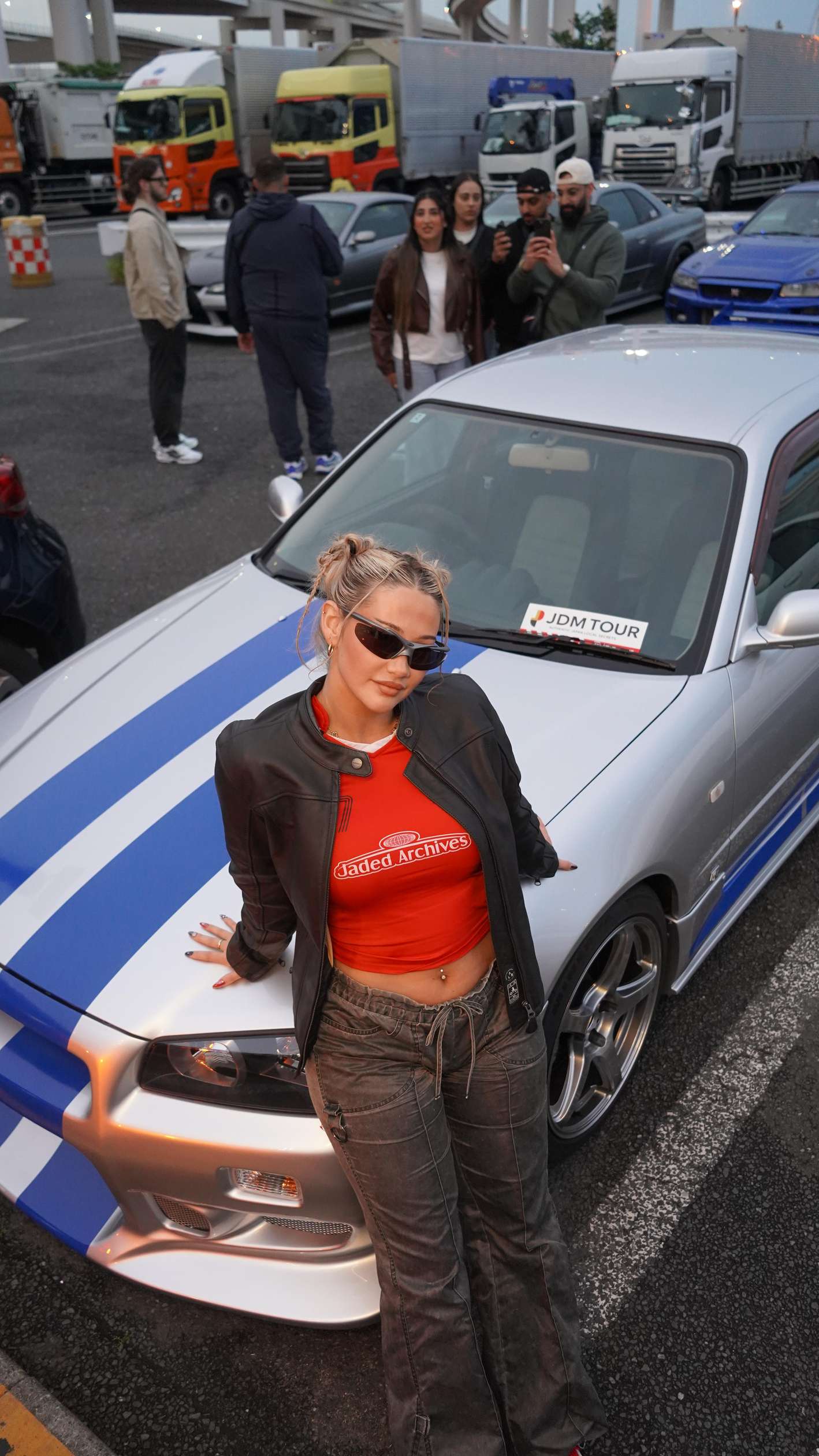
The R34 Skyline options in Tokyo, split clearly between driving the car yourself and joining a guided ride.
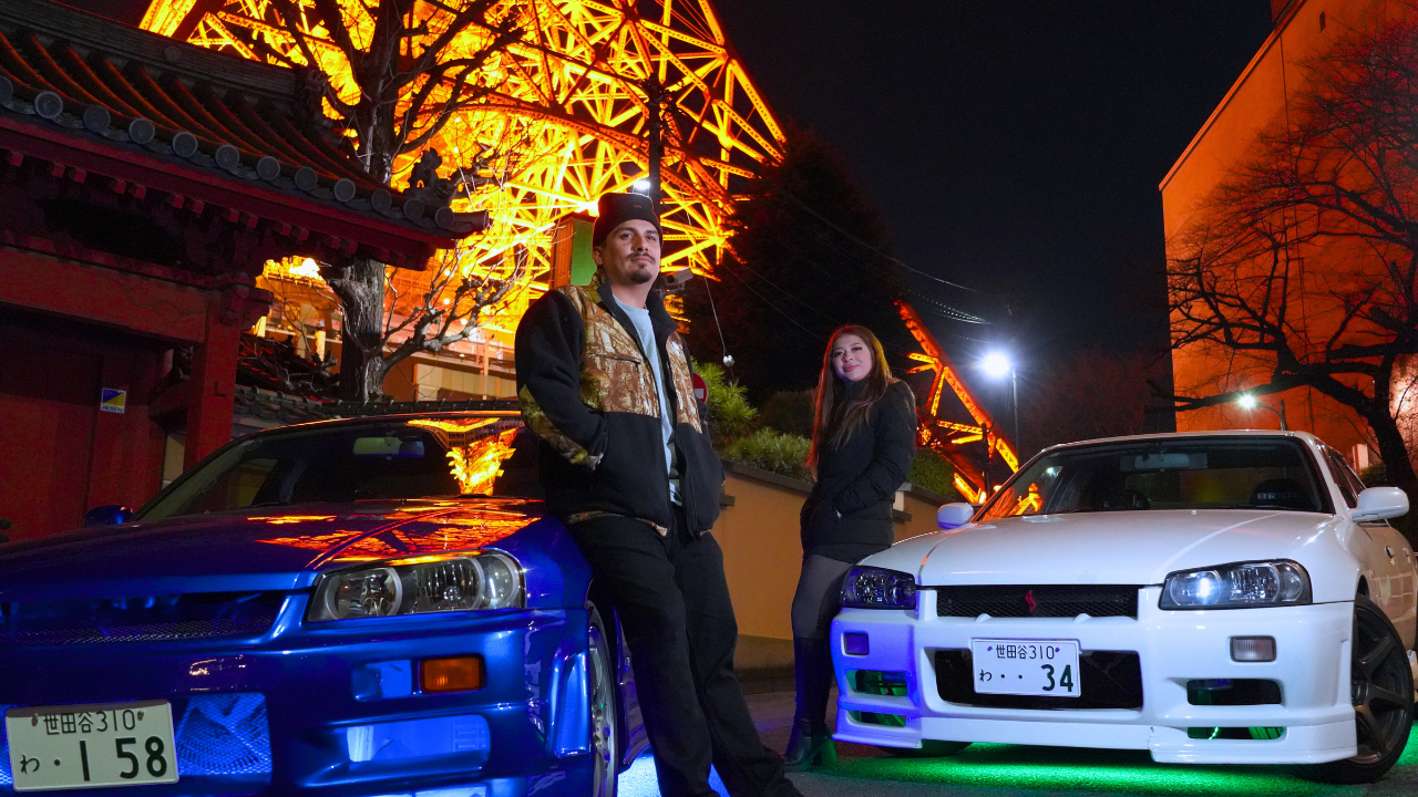
Every way to experience an R35 GT-R in Tokyo, with guidance on booking the specific model you want.
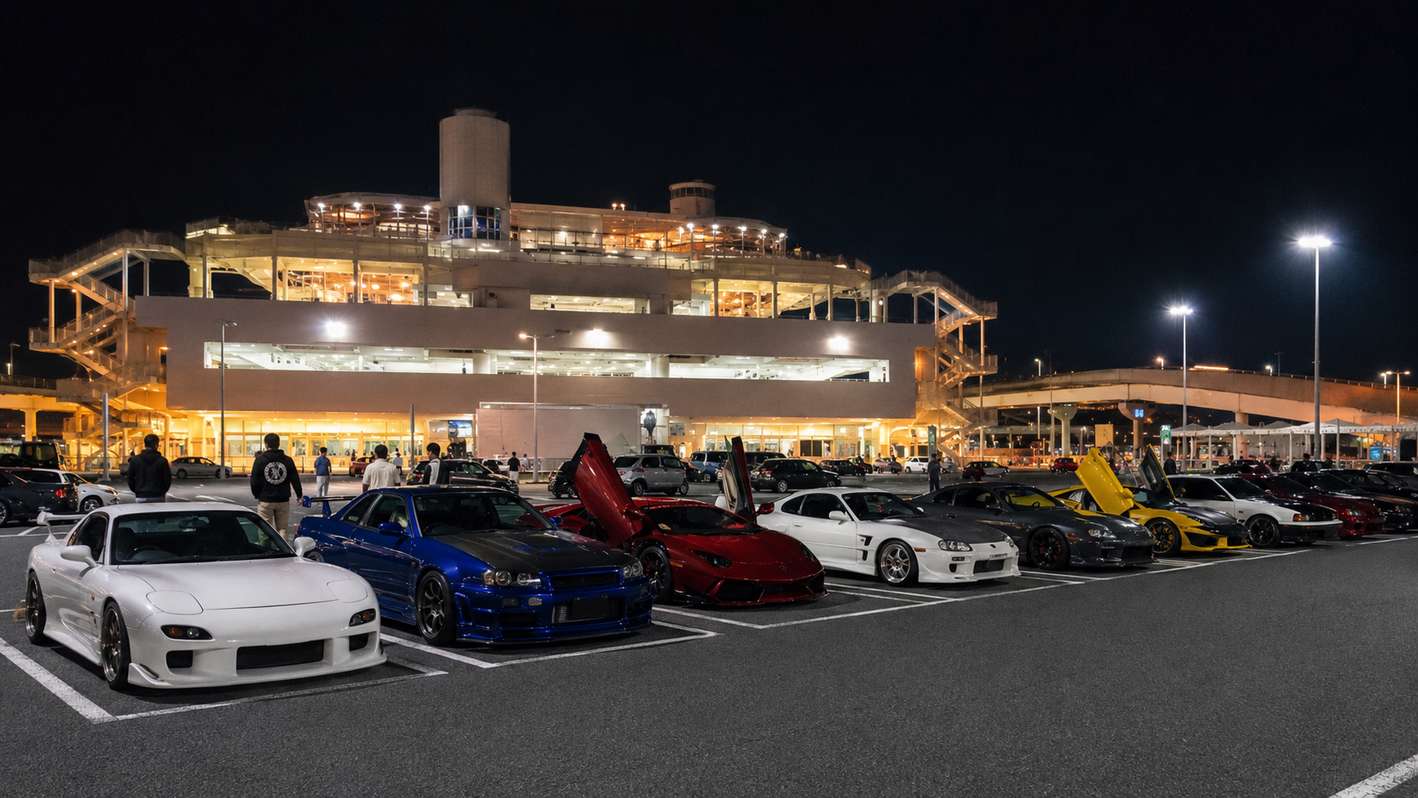
Tokyo's car meet spots compared, so you know where the Evo night run should take you and what each offers.
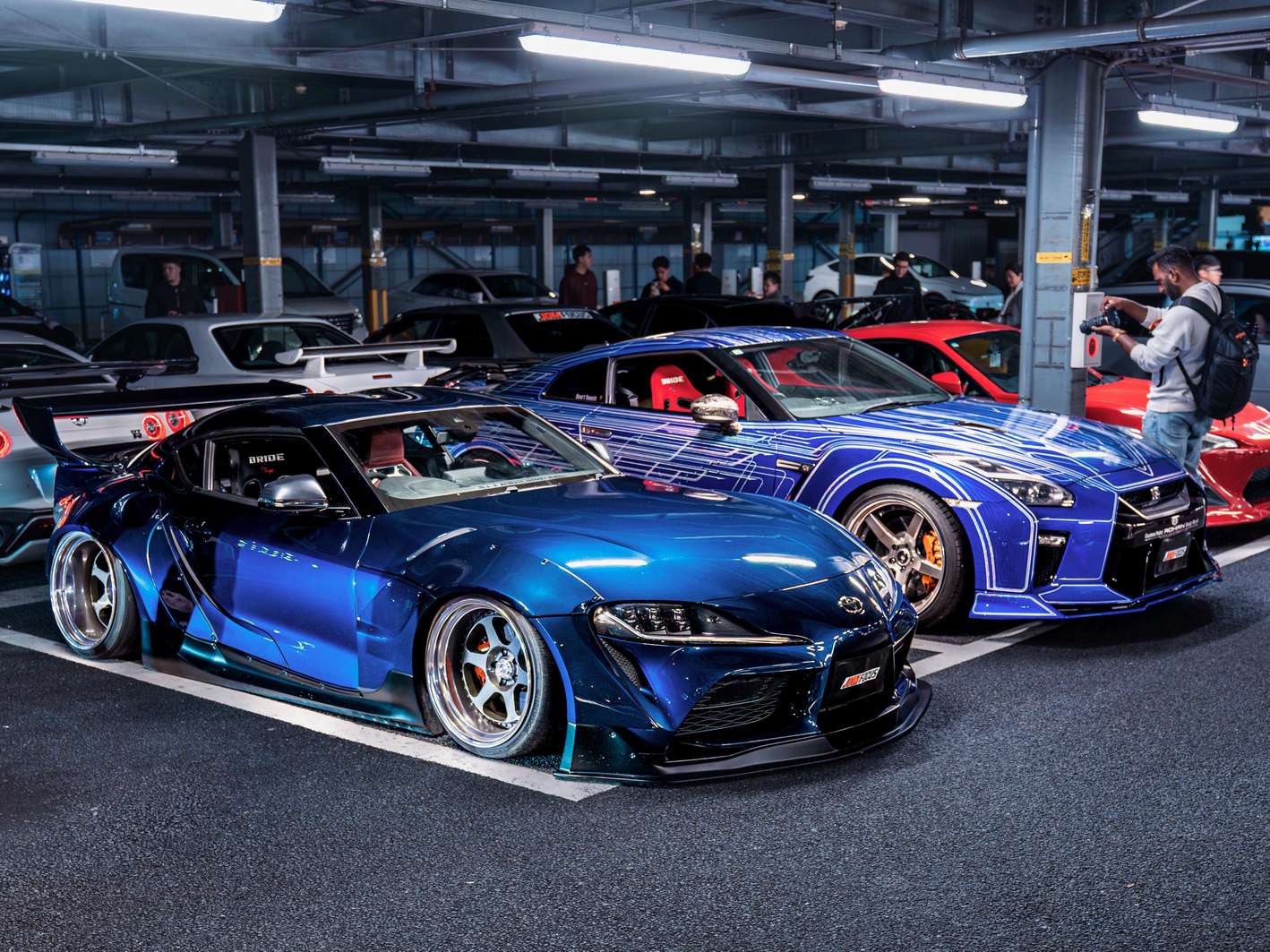
The Akihabara UDX underground meet: how to find it, what cars park there, and the rules for photographing them.
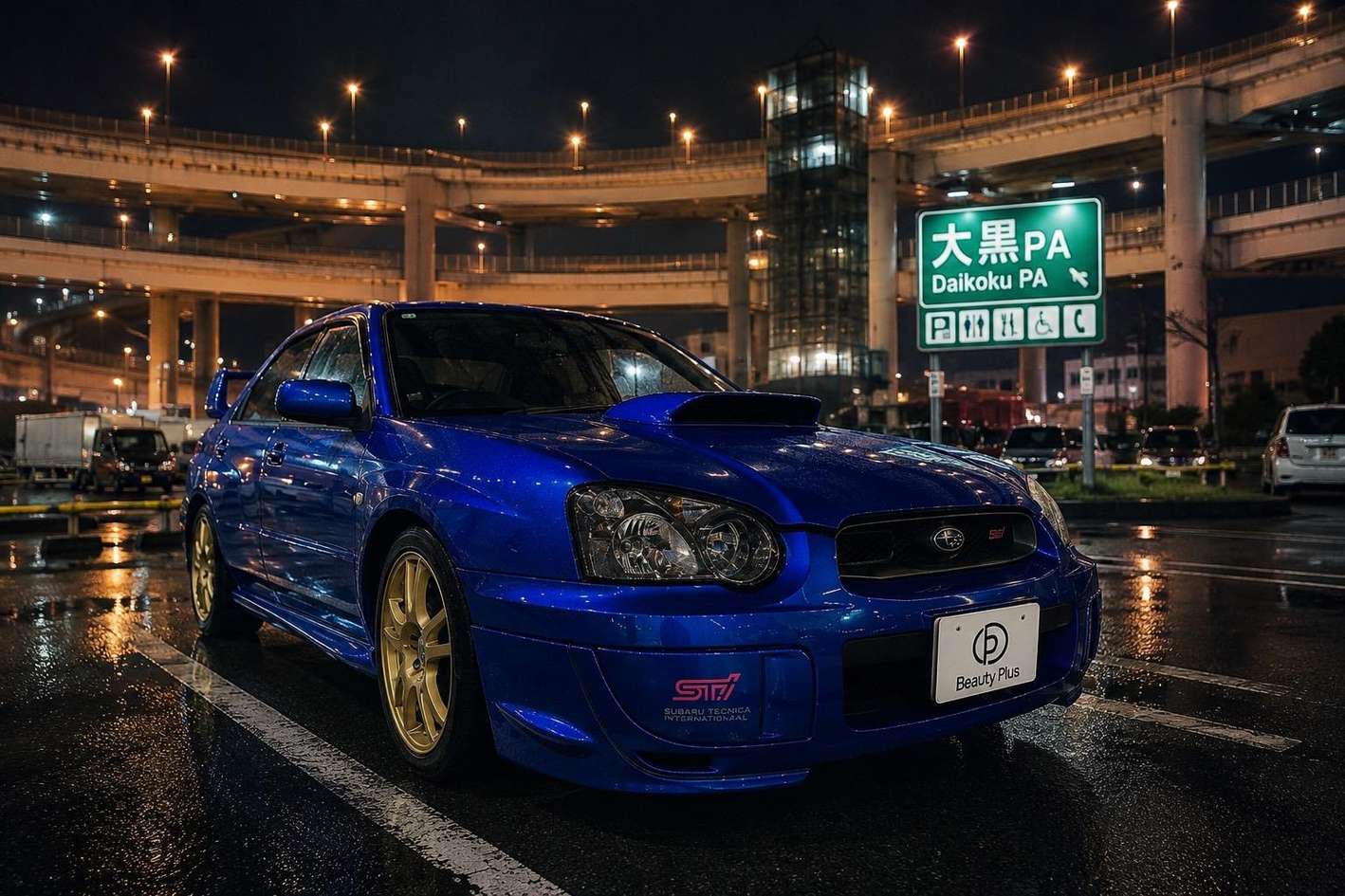
Tatsumi PA as a quieter bay-side alternative, with what to expect from a visit and how to approach it.
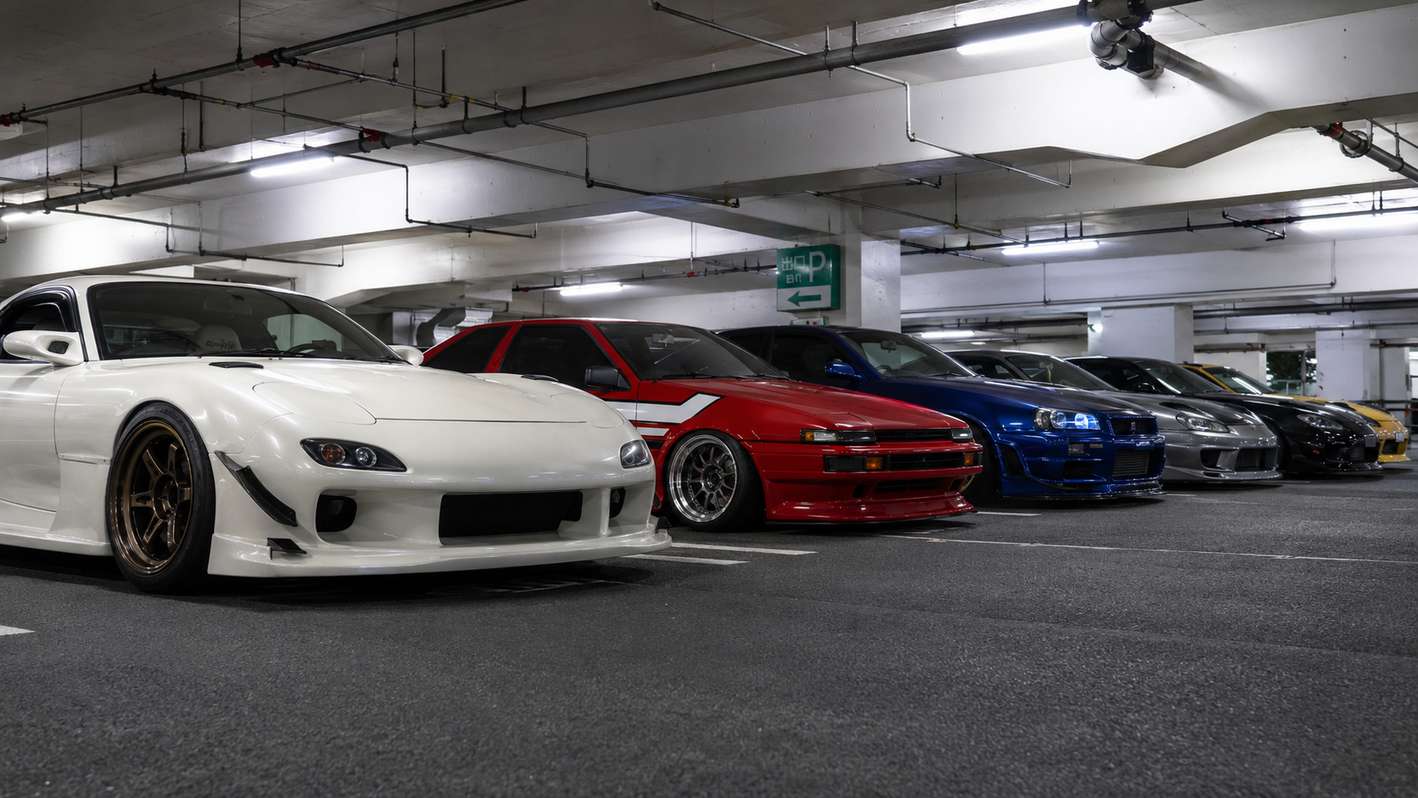
Umihotaru PA explained: the mid-bay meet spot tours divert to when Daikoku closes, and how to plan a visit.
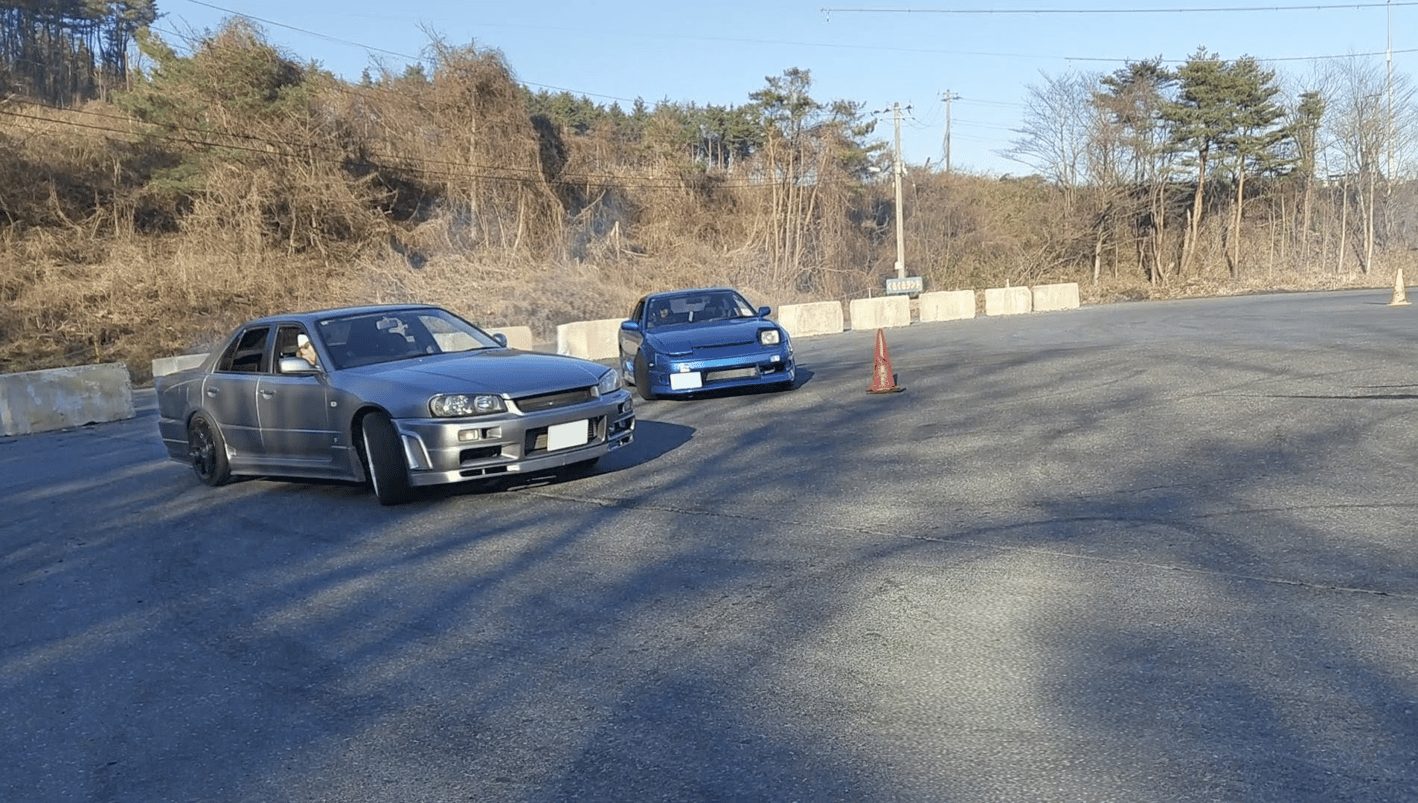
What the City Circuit Tokyo Bay car meet is, who can join, and how it works as a Daikoku-style night out.
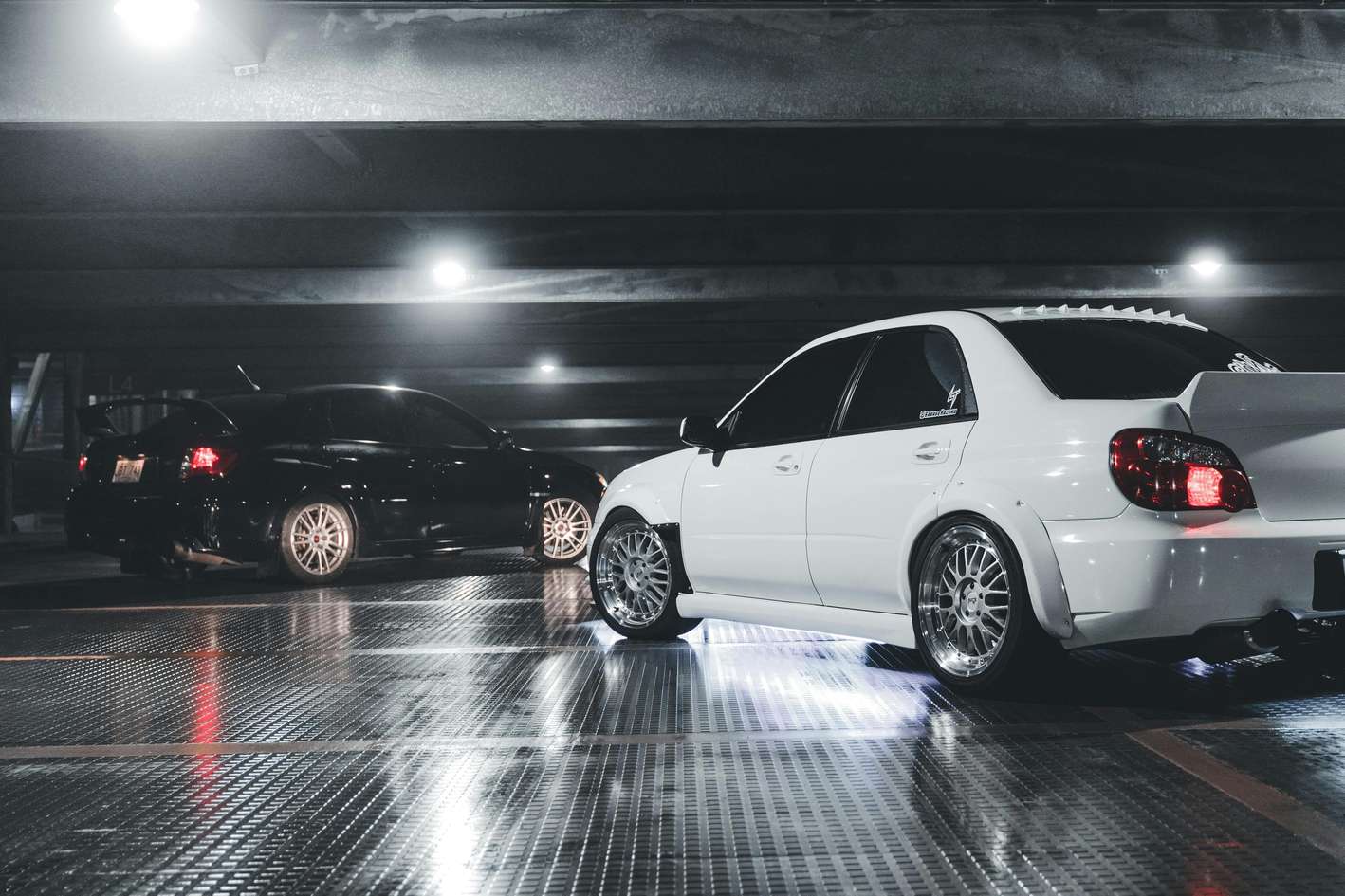
The Higashi Osaka parking area meet, its Friday and Saturday rhythm, and how to reach it by car.
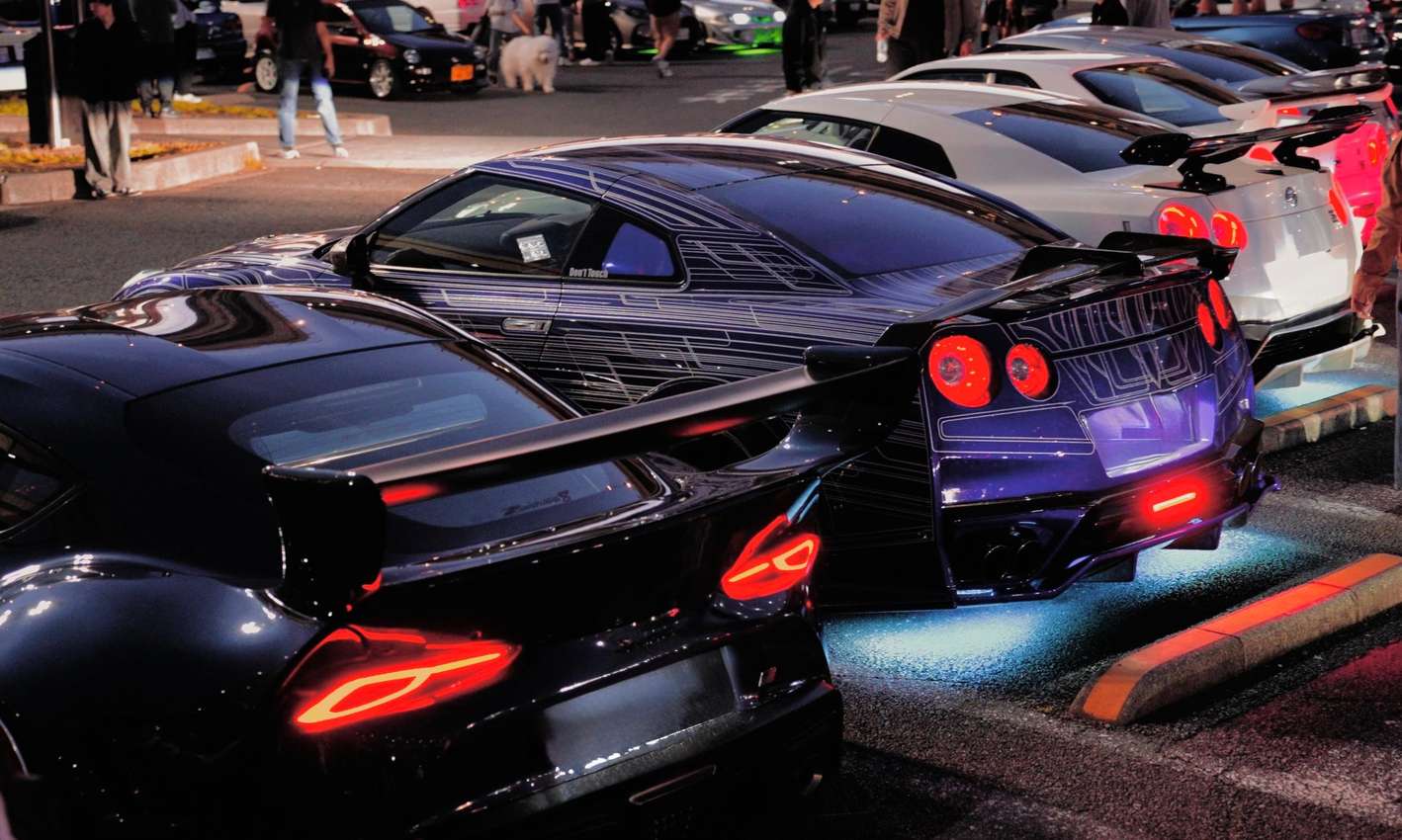
A full visitor's guide to Daikoku PA, the meet your Evo night run visits, from access rules to what to expect.
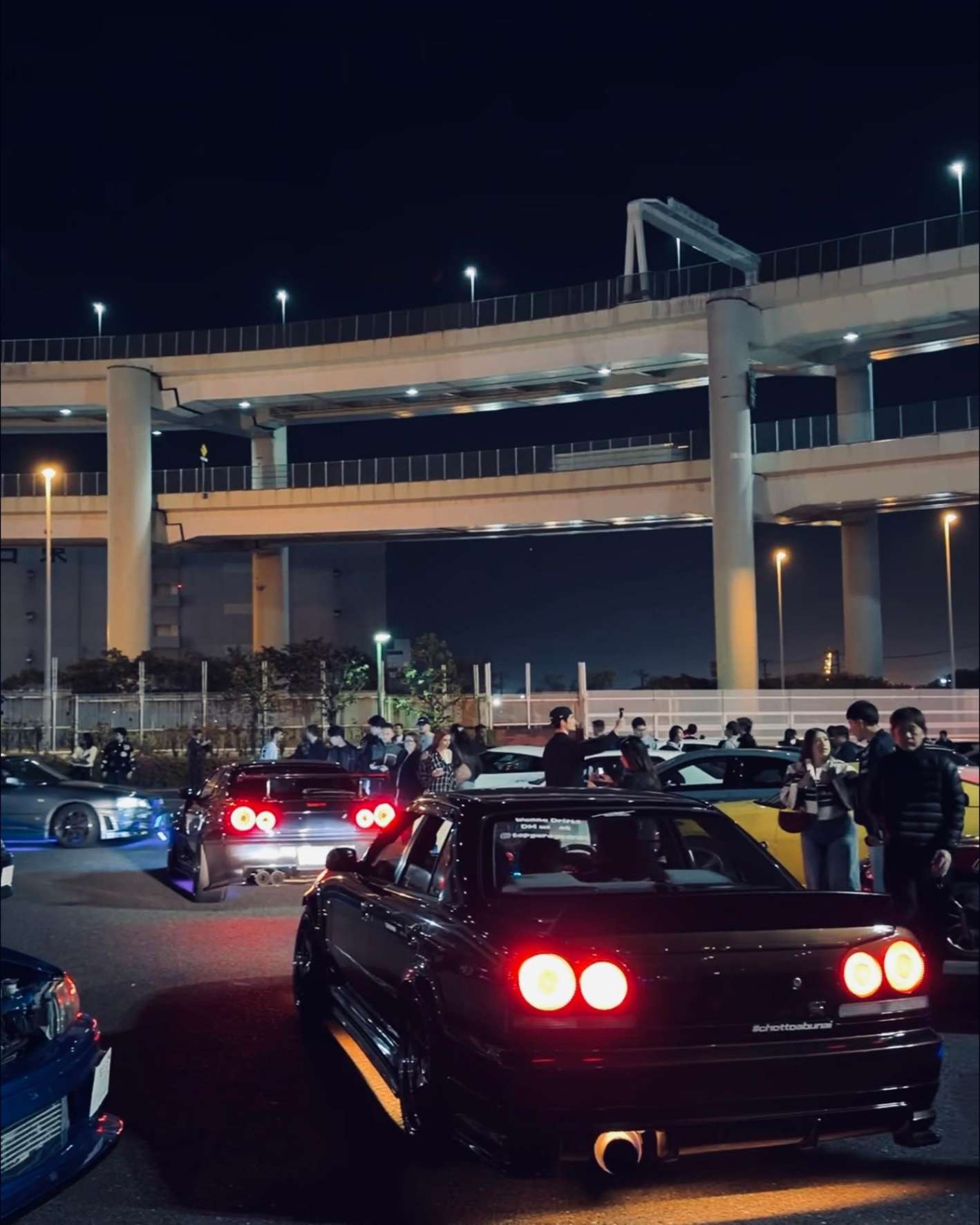
Which nights and hours draw the biggest Daikoku crowds, so you can time your Evo ride around the peak.
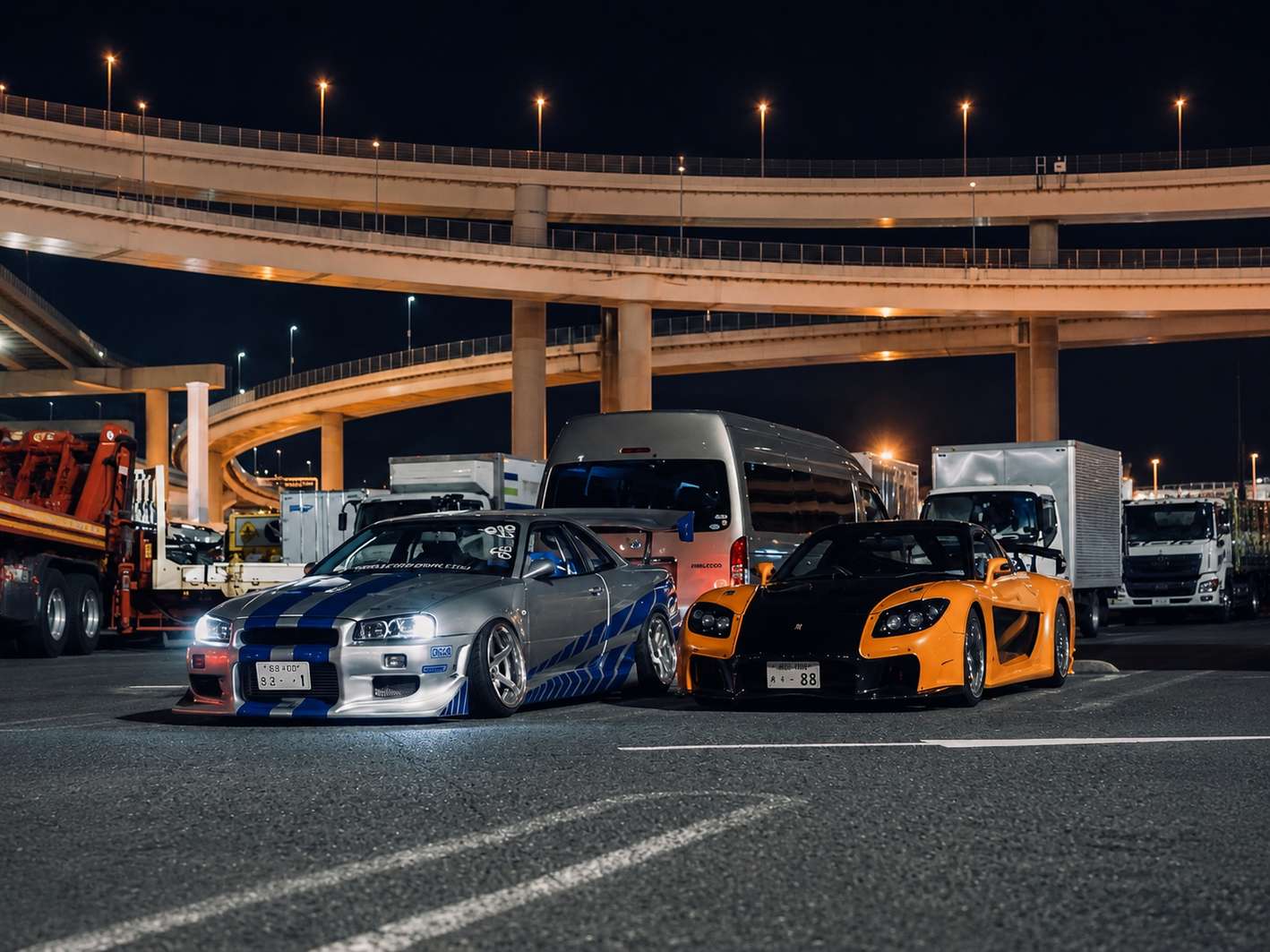
How to reach Daikoku PA, a highway rest stop with no train or taxi access, and why a tour solves it.
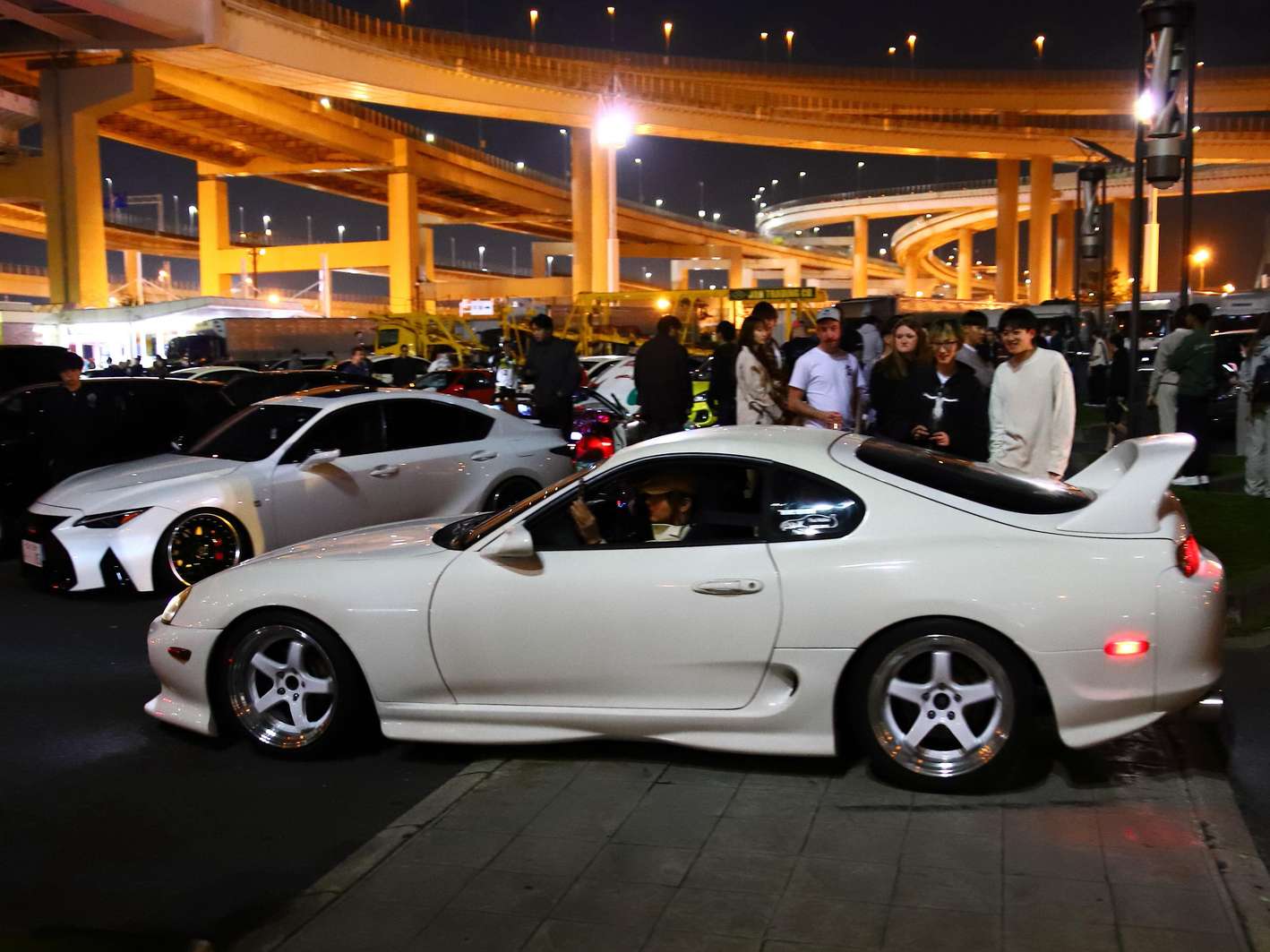
The visitor rules at Daikoku PA, from photo etiquette to police closures, before your first car meet.
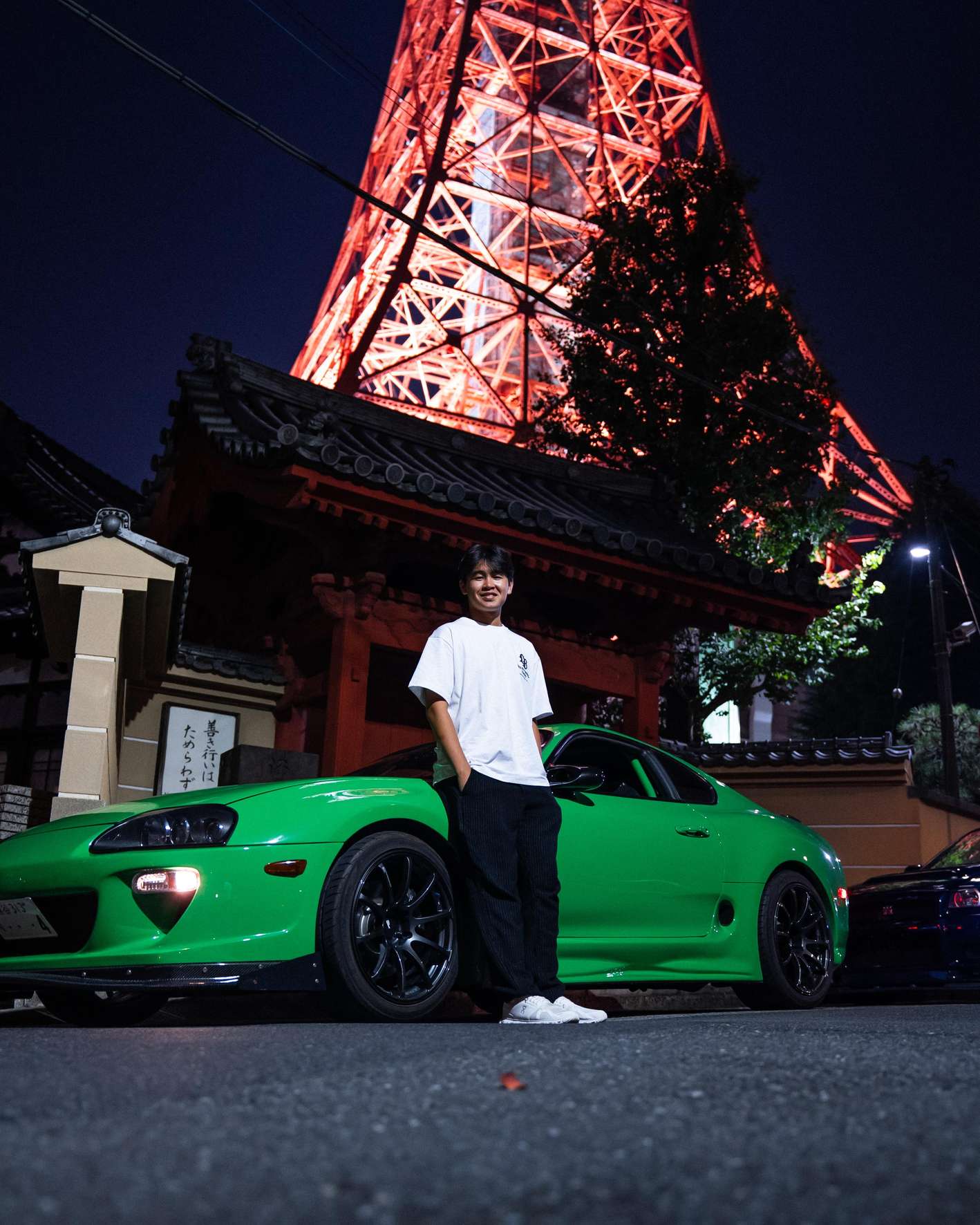
A Daikoku night trip built around a modified Supra, if you would trade the Evo for Toyota's legend.
Seeing the Daikoku meet from a Porsche Macan, a calmer ride format for the same famous parking area.
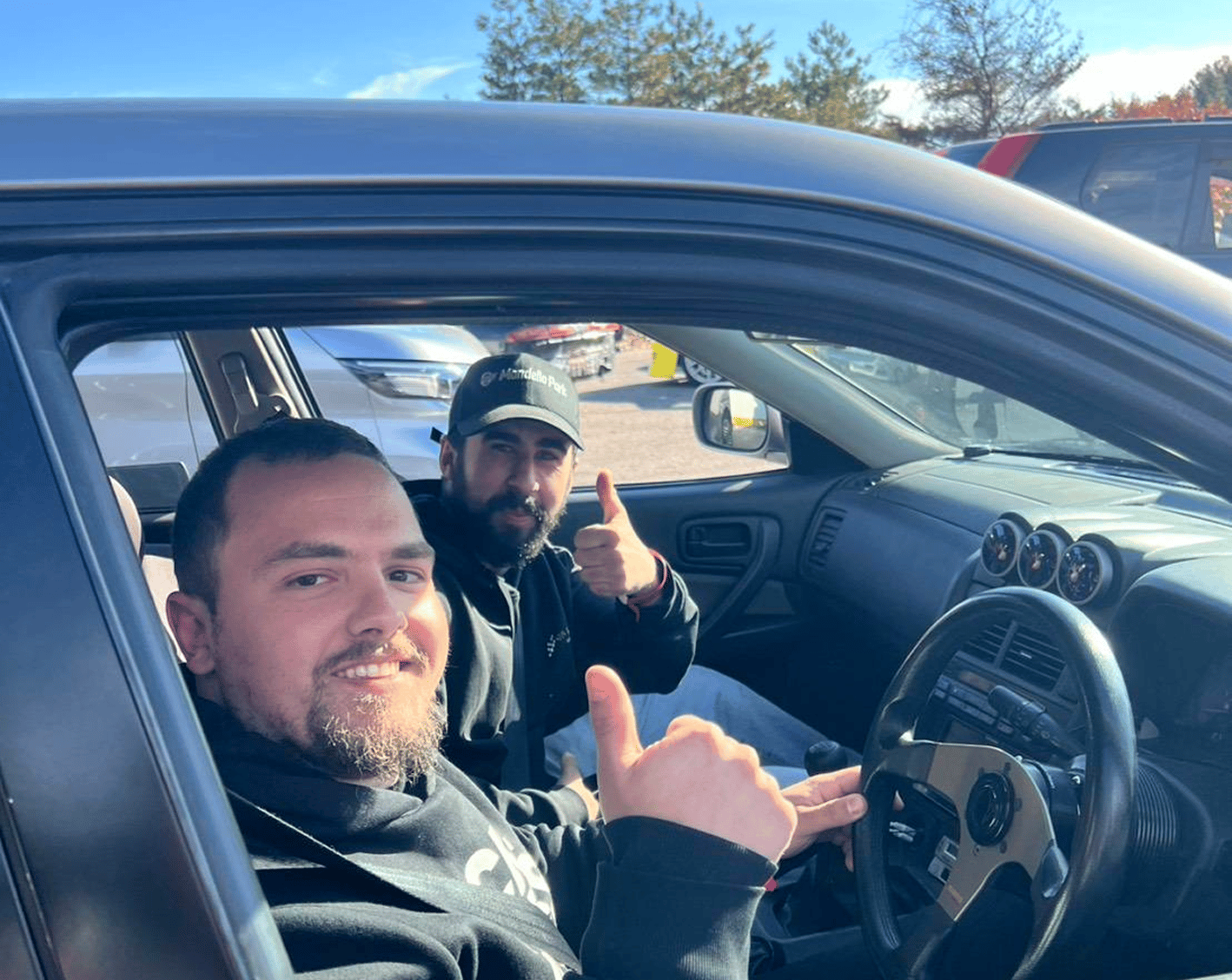
Where drifting actually happens near Tokyo, and how a viewing visit differs from a ride or a lesson.
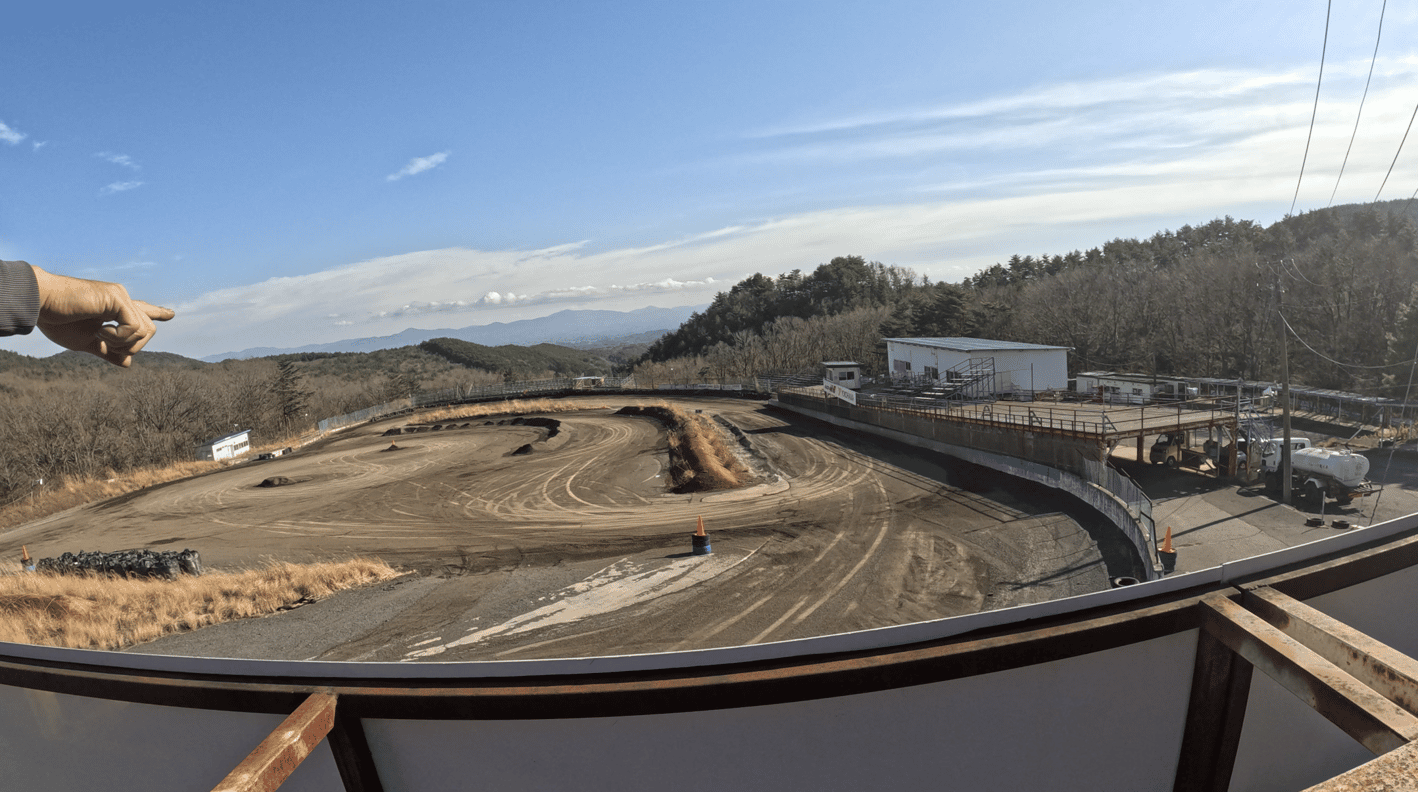
Where to watch real competitive drifting near Tokyo, including the D1 Grand Prix rounds worth timing a trip for.
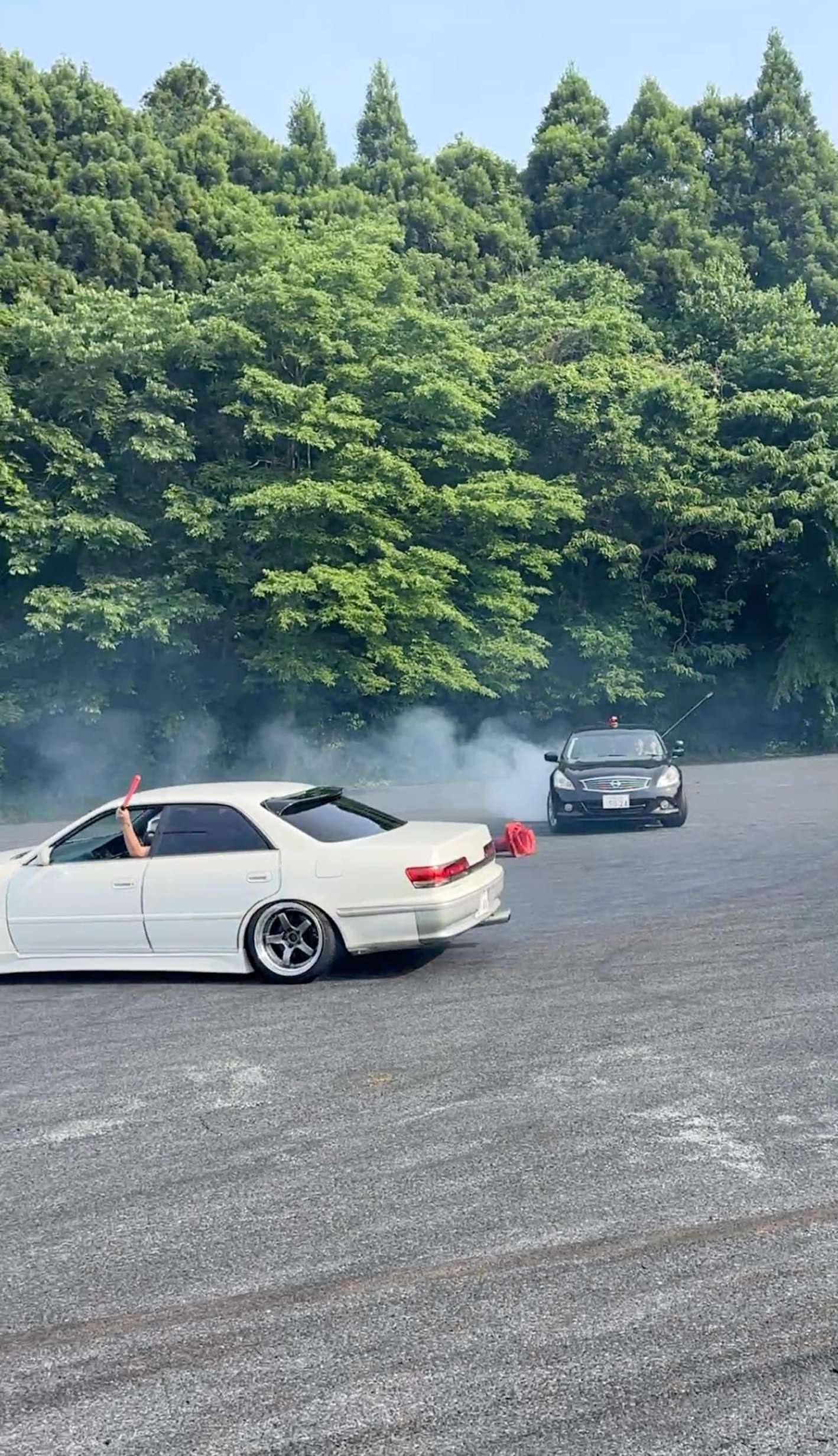
Drift lessons near Tokyo for beginners, from first donuts around cones to a full day at a real circuit.
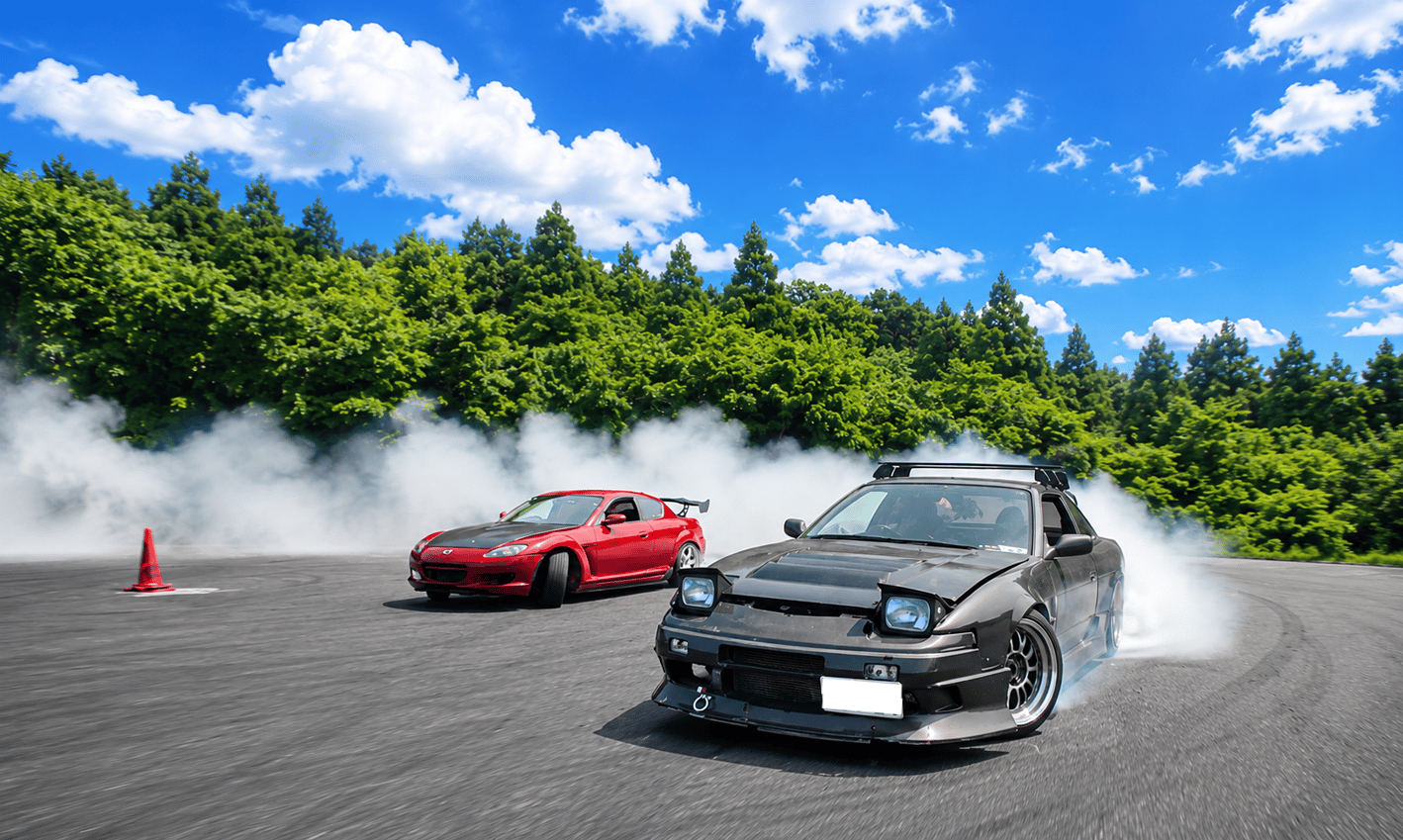
Track experiences where you drive a drift car yourself, the legal answer to street drifting you cannot do.
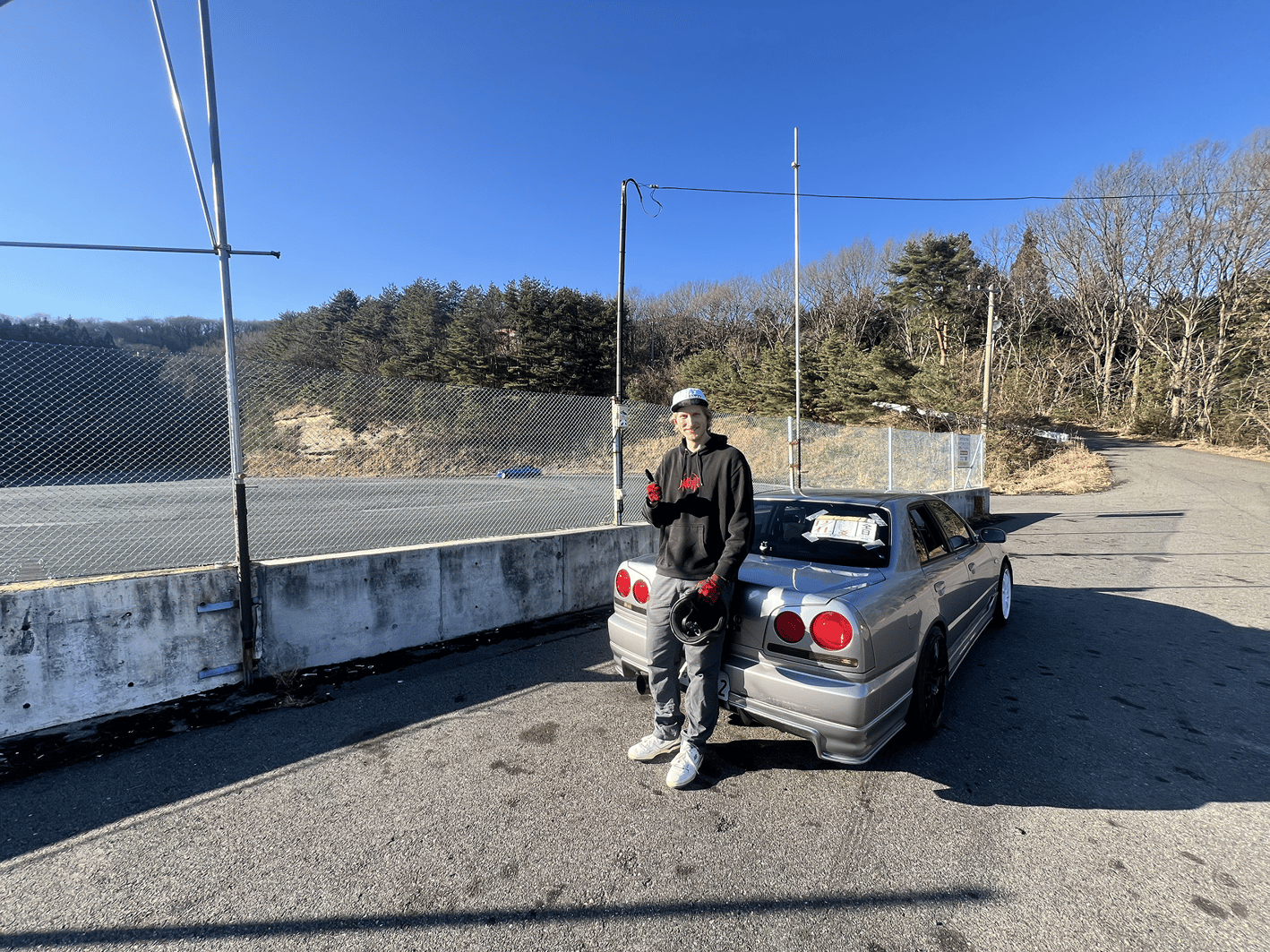
Guided drift rides and track days compared, so the excitement of drifting turns into something bookable.
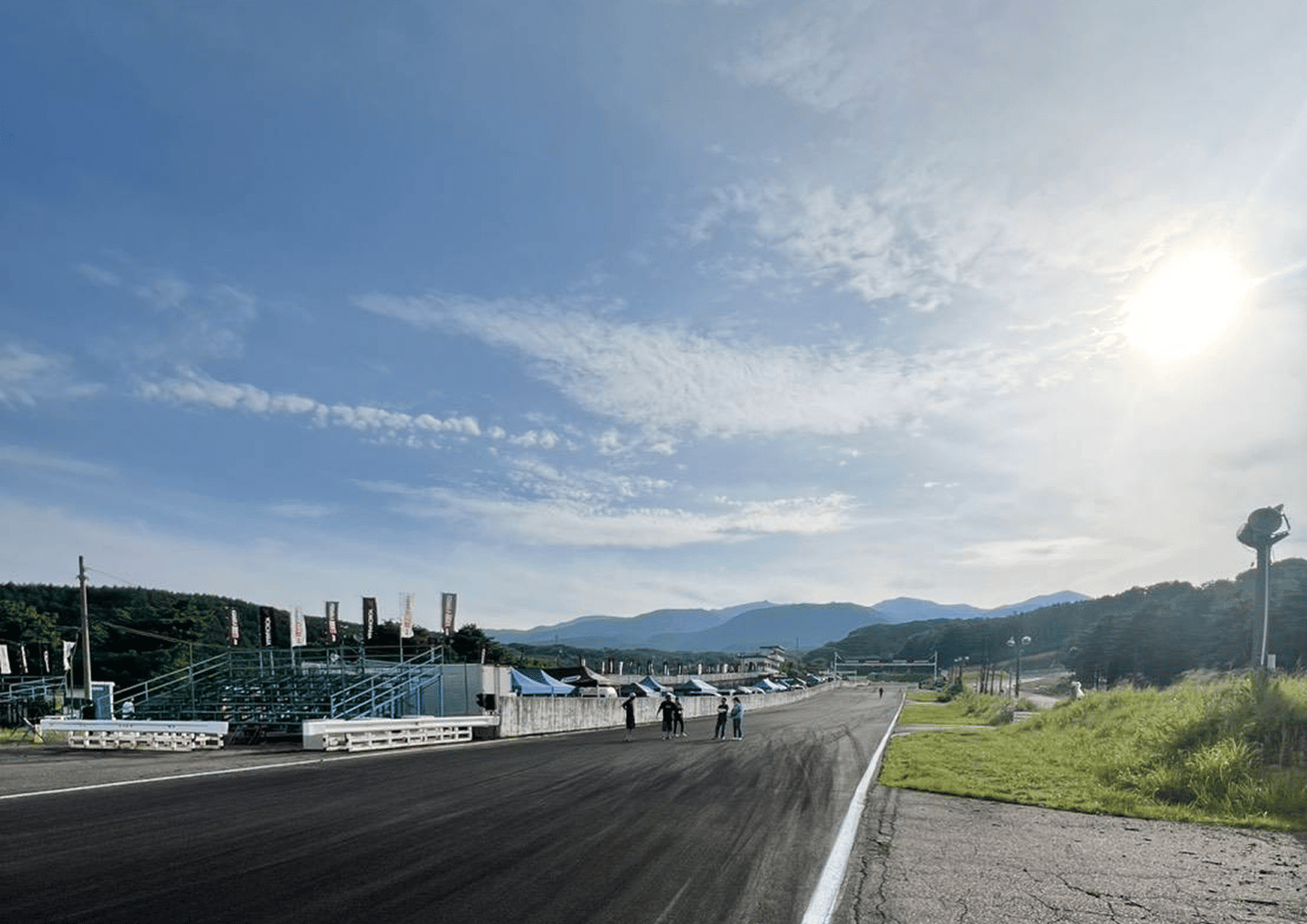
The Ebisu Circuit drift day from Tokyo: travel, instruction, track time and a pro ride-along in one trip.
Tokyo's JDM experiences side by side, useful if the Evo night run is one option among several you are weighing.
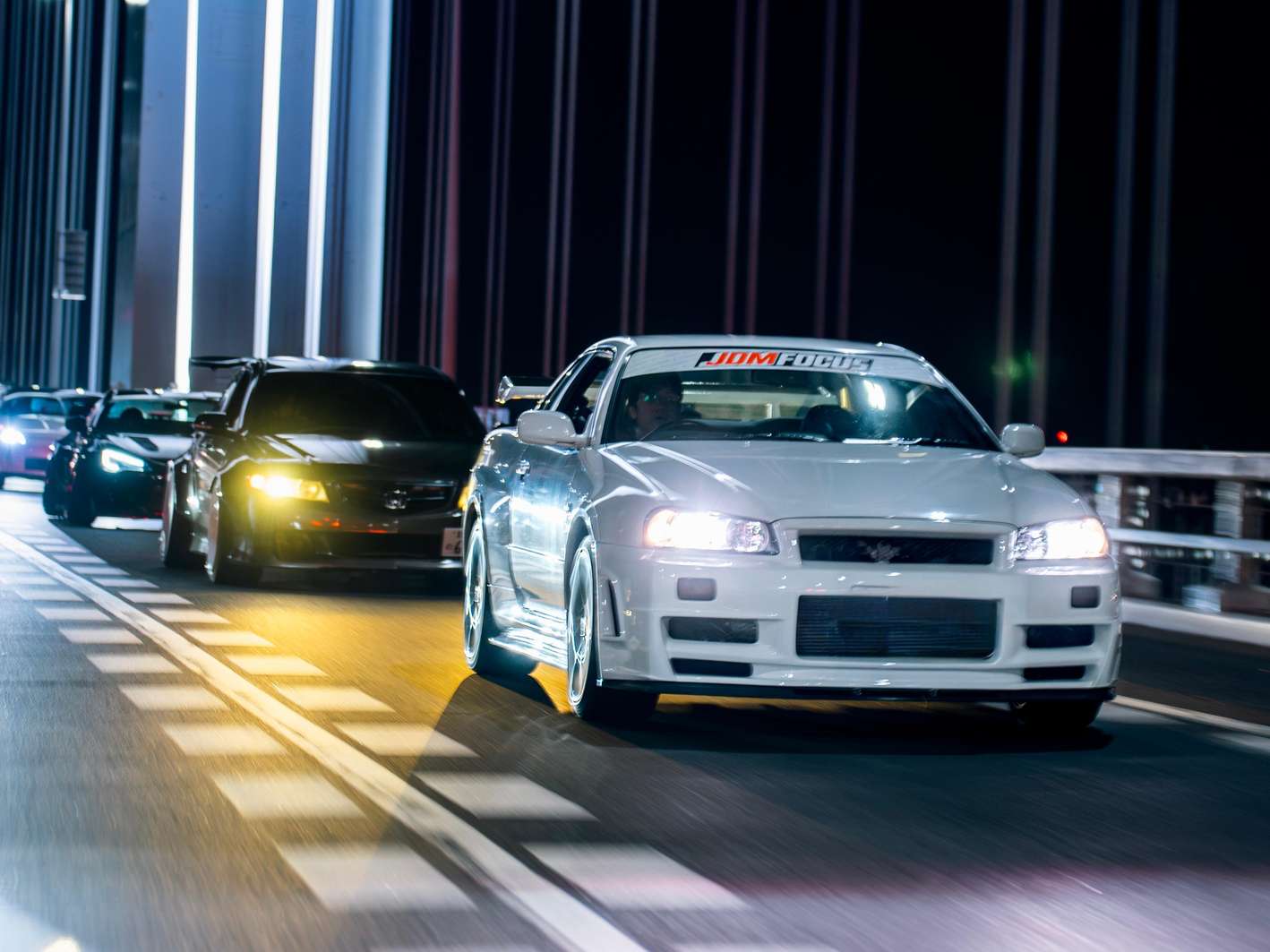
Nighttime car meet tours in Tokyo, the same format as the Evo run but with other cars and routes to compare.
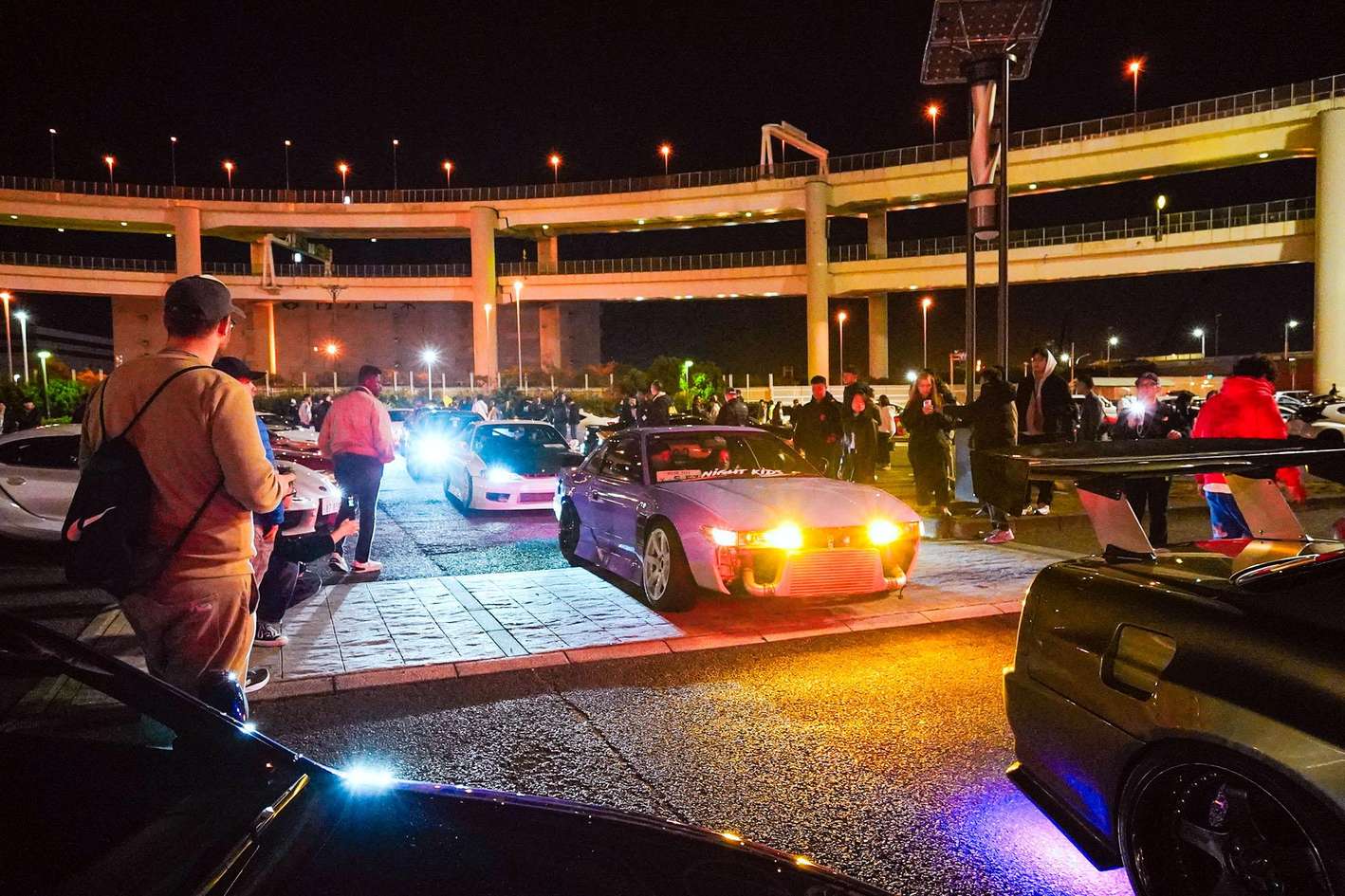
Daikoku PA night drives in detail, so you can pick the right car and route for your evening on the expressway.
Which guided rides include the Wangan and Bayshore cruise, the highway stretch that makes the night drive.
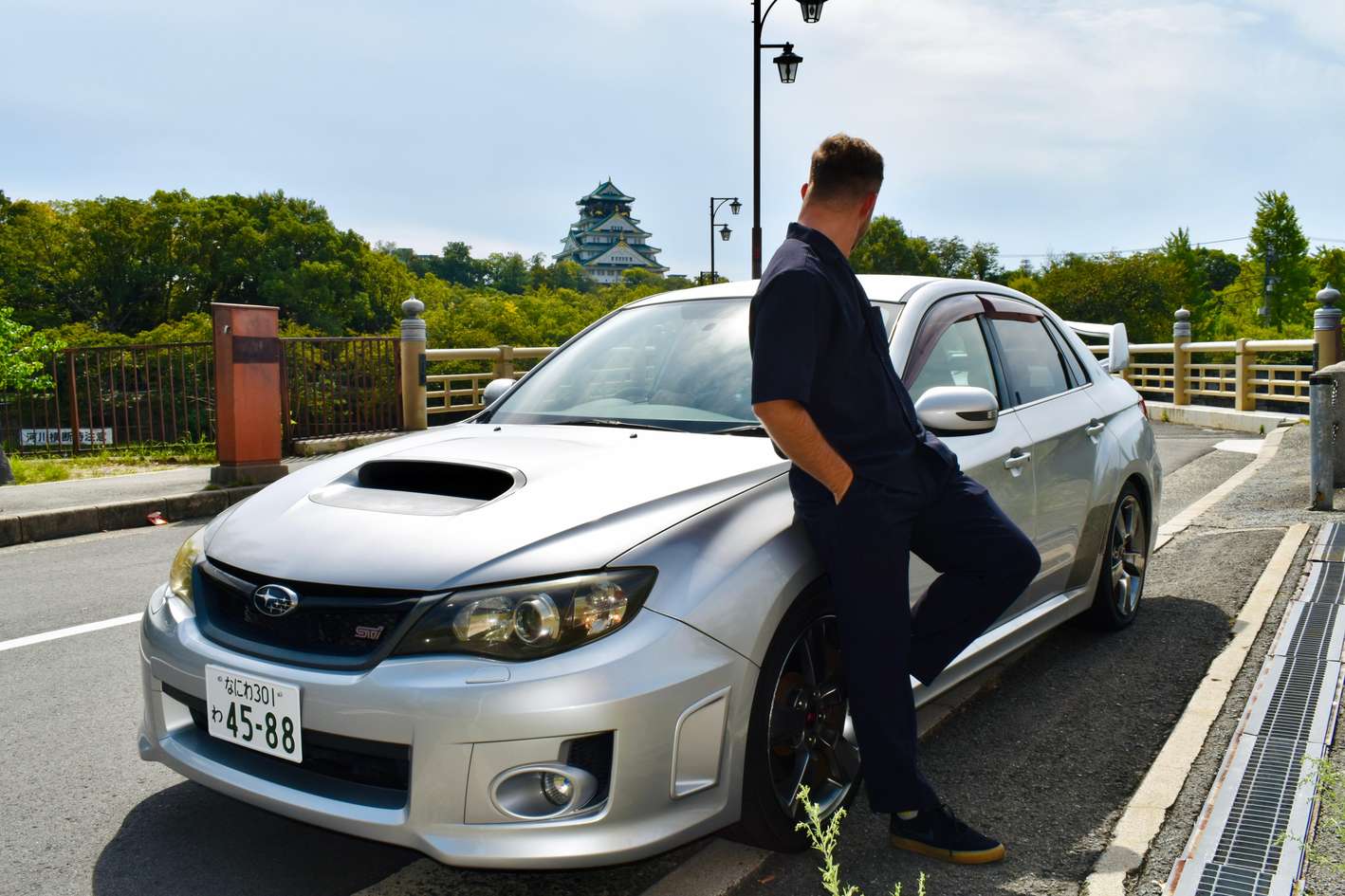
JDM experiences where you take the wheel, with the licence rules that decide whether you can drive in Japan.
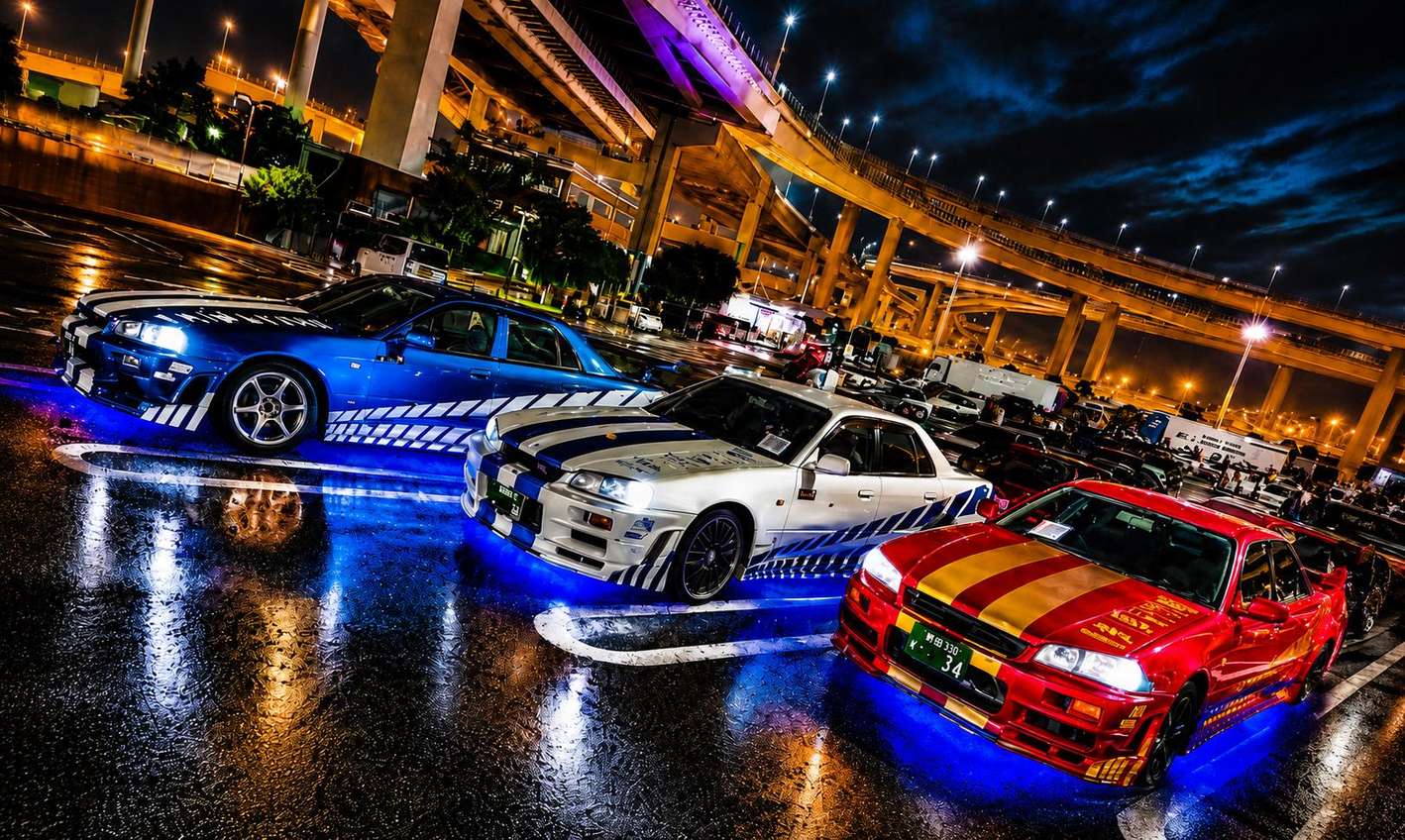
Private trips to Daikoku PA, if sharing a car with strangers on the Evo run is not how you want the night.
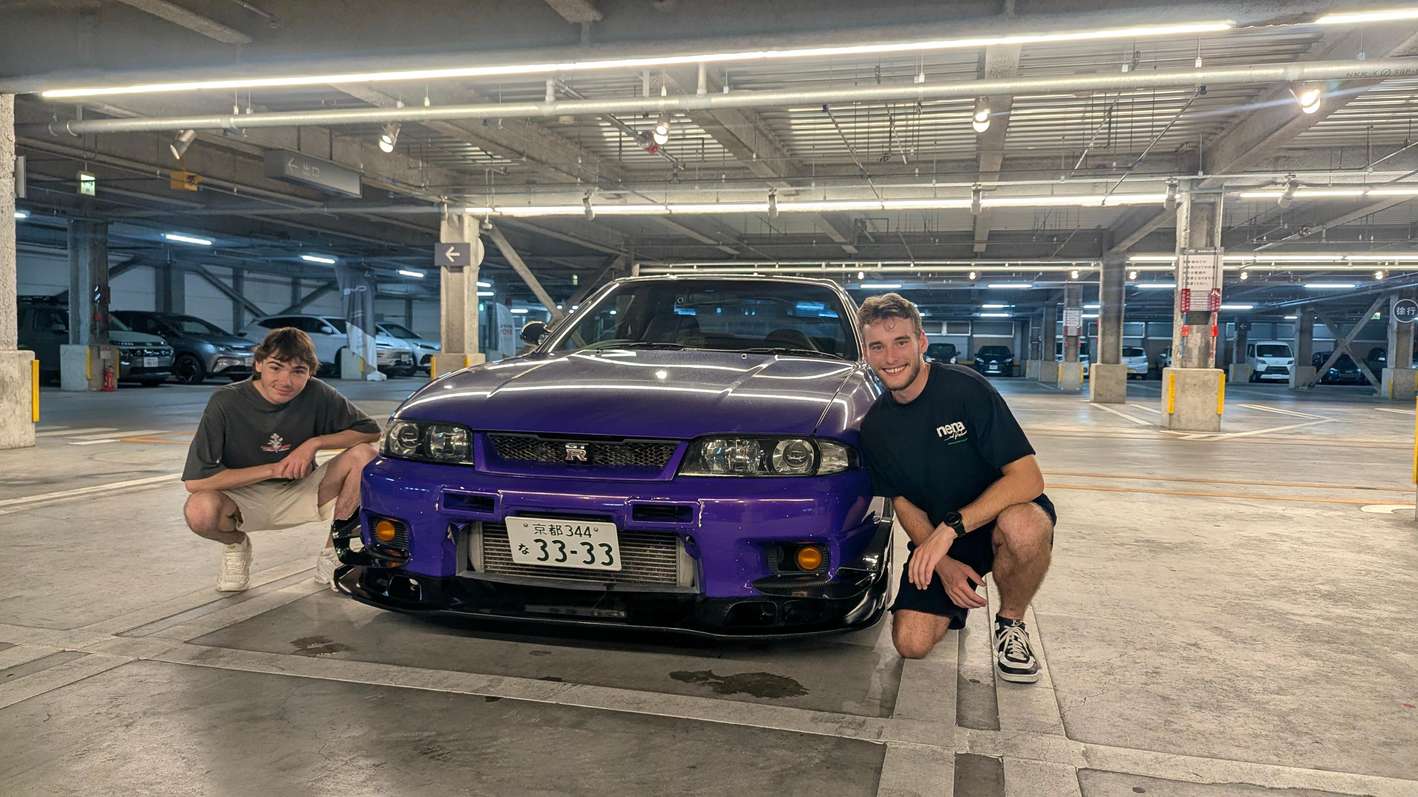
Kyoto's JDM meetup scene and how a car-culture stop could fit into a trip beyond Tokyo.
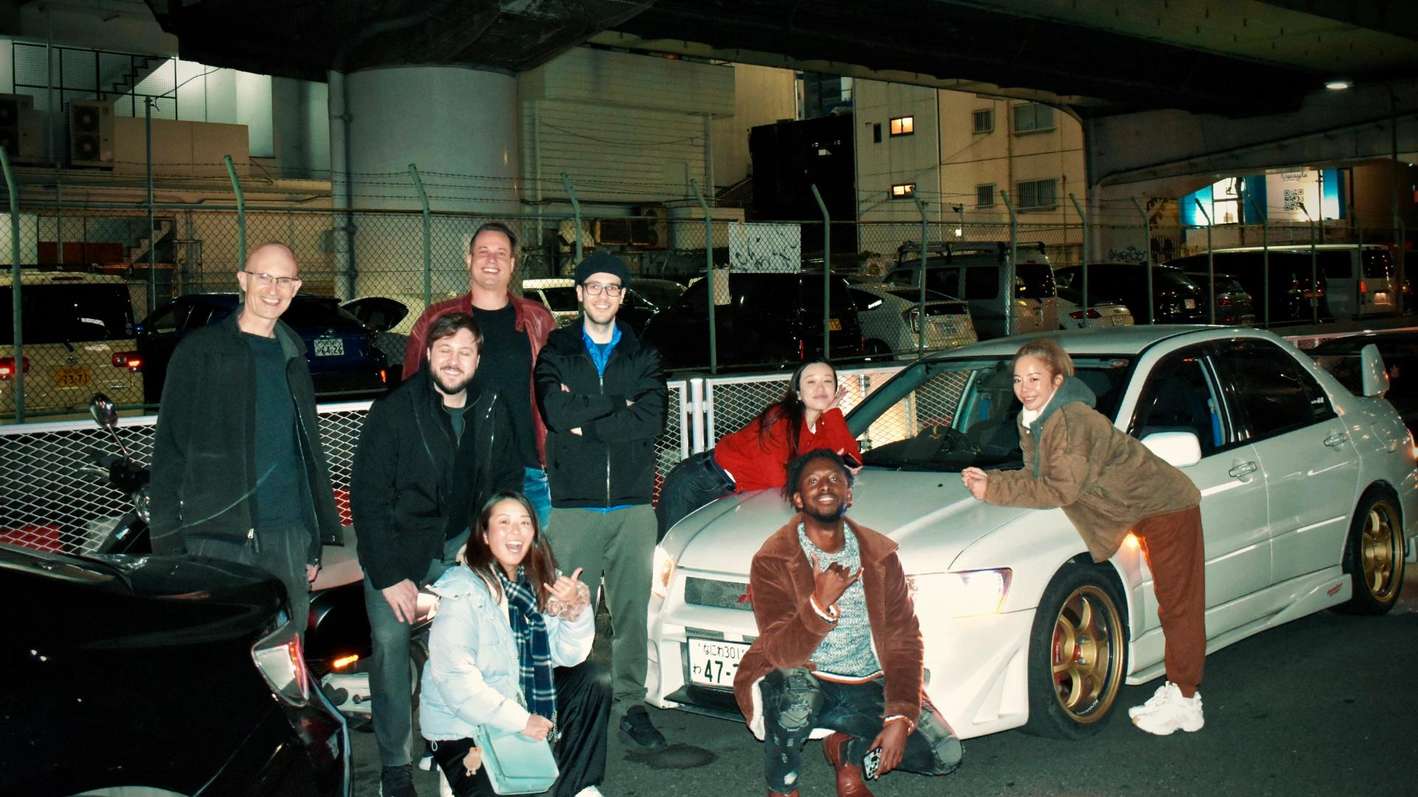
Osaka's night meets and parking areas, the Kansai counterpart to the bay-side scene you see from the Evo.
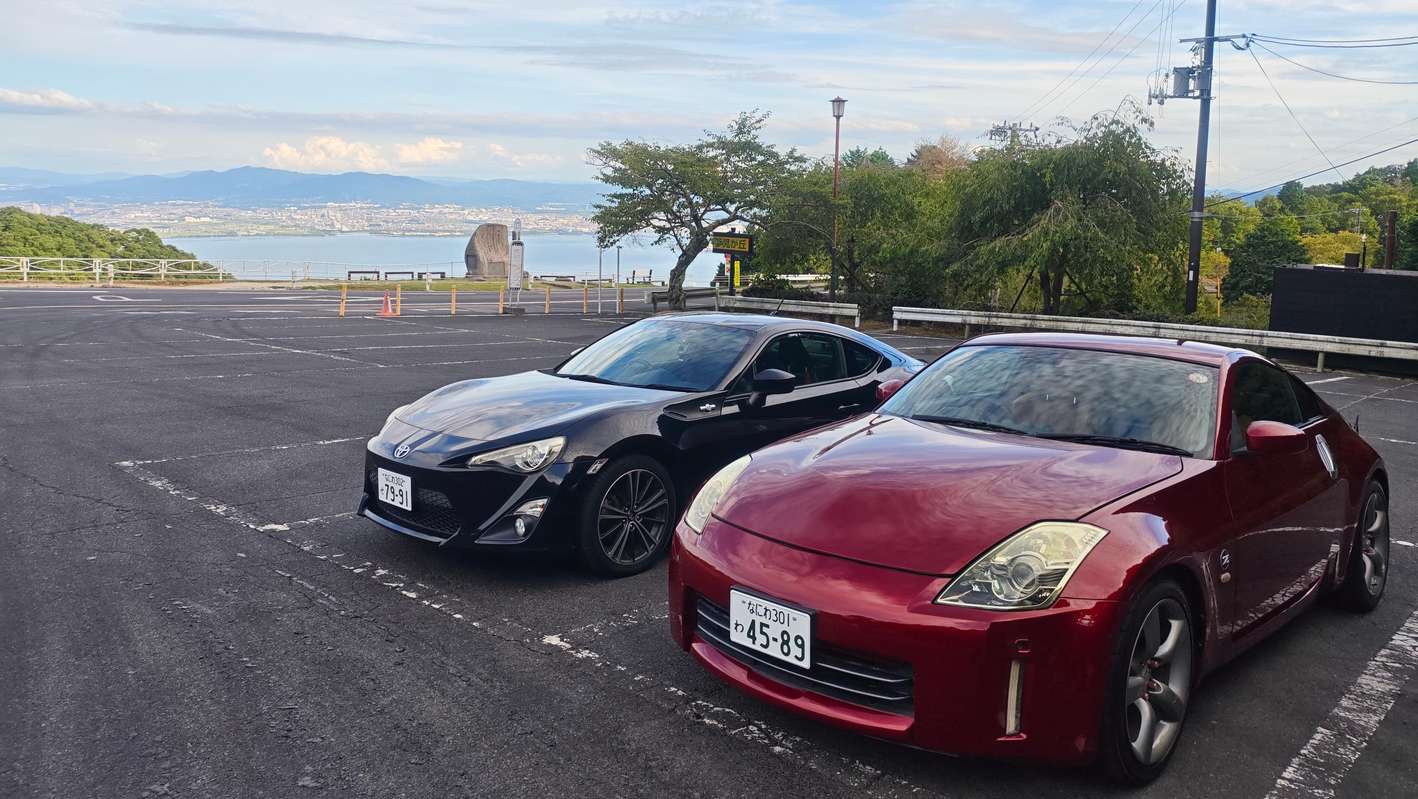
Sports car rentals in Osaka, if your Japan trip includes driving a JDM car somewhere other than Tokyo.
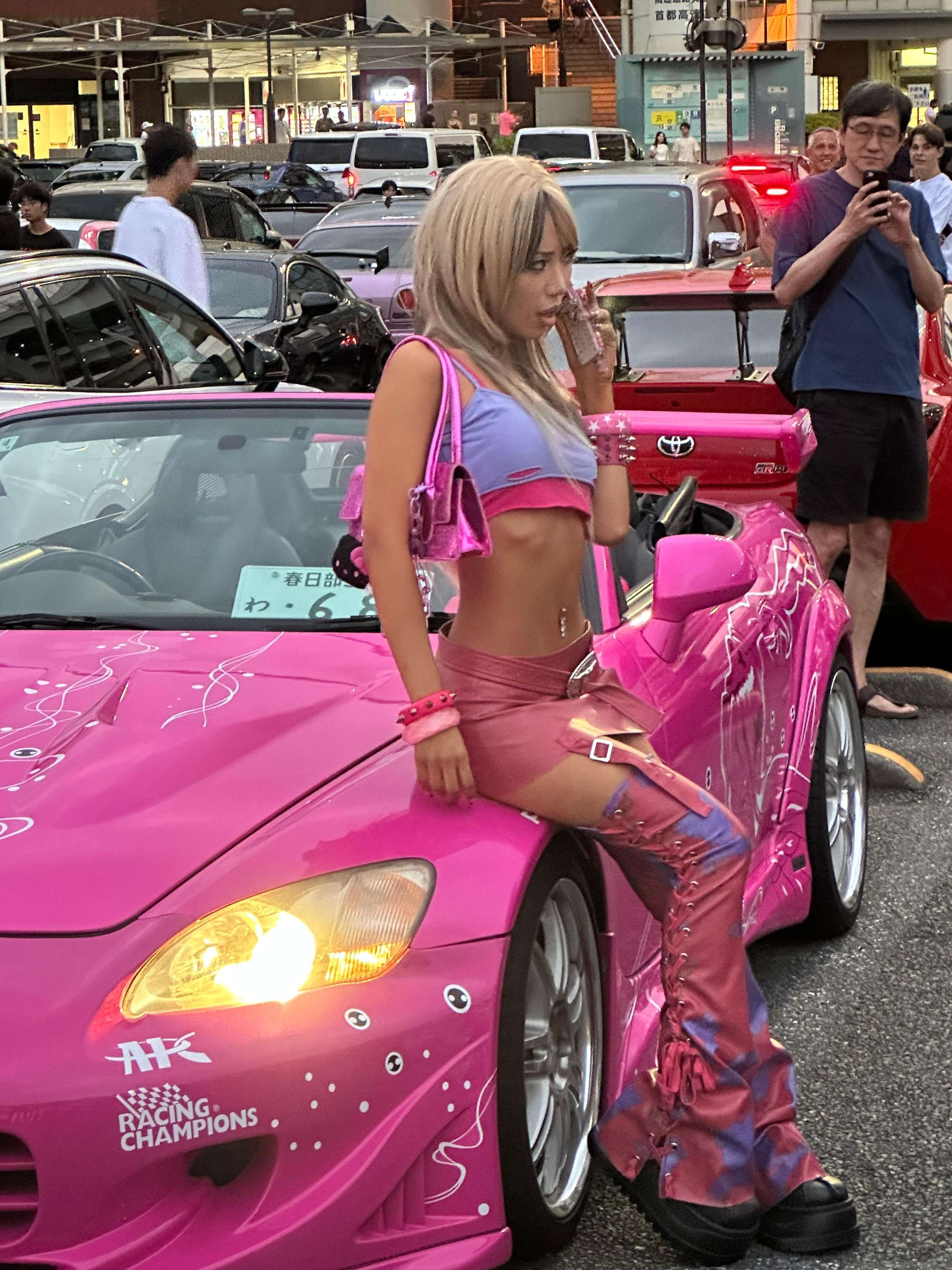
Pick a date and ride a manual Lancer Evo to the Daikoku car meet, with free cancellation up to 24 hours before you go.