Likely to sell out
4 hours·English, Japanese
4.9(18)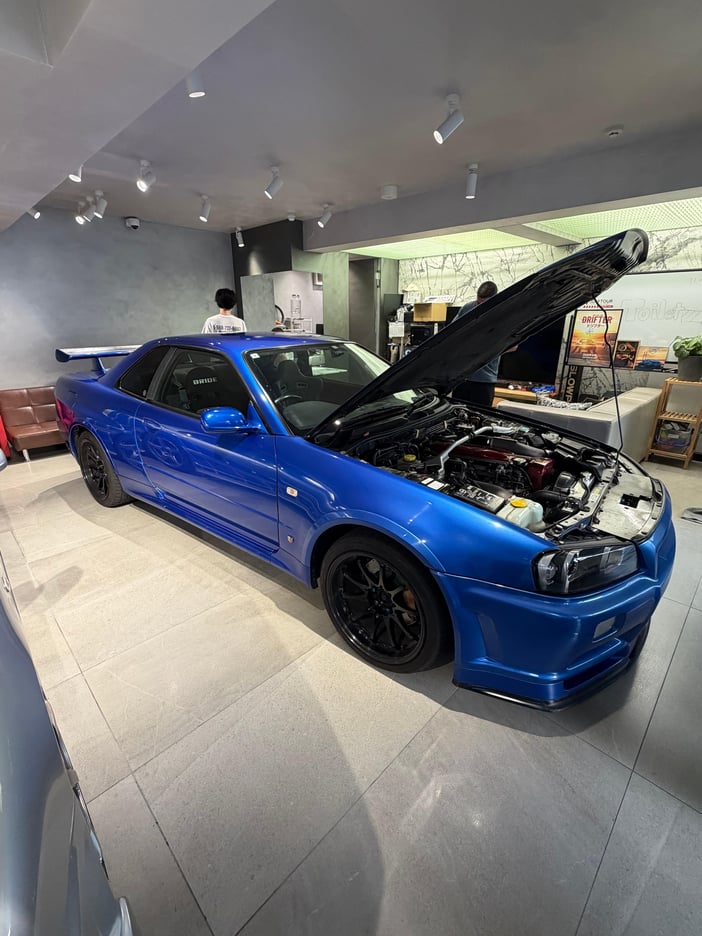
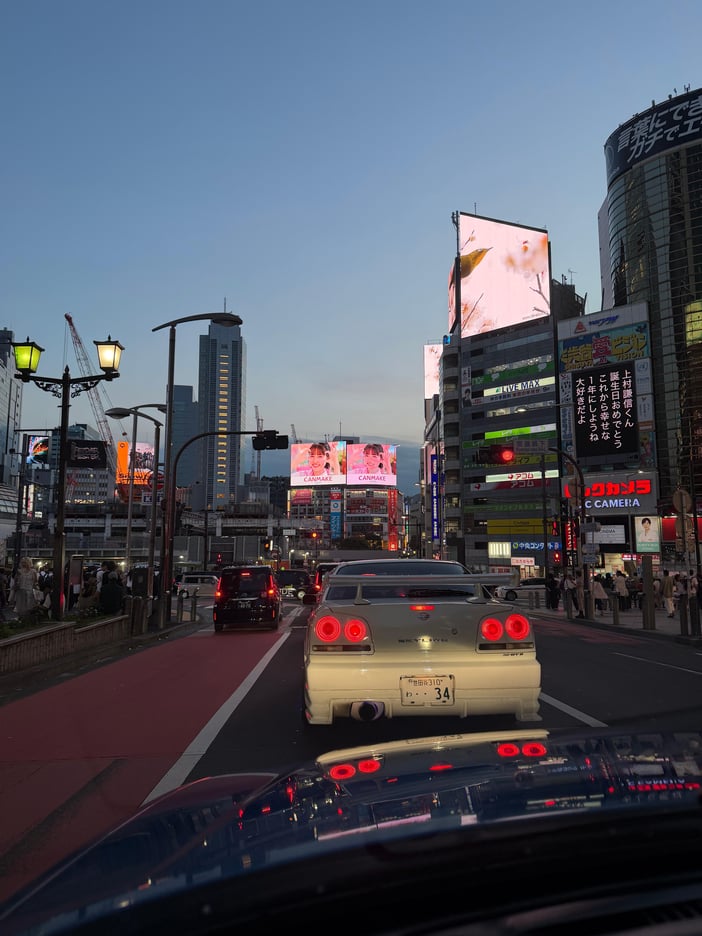
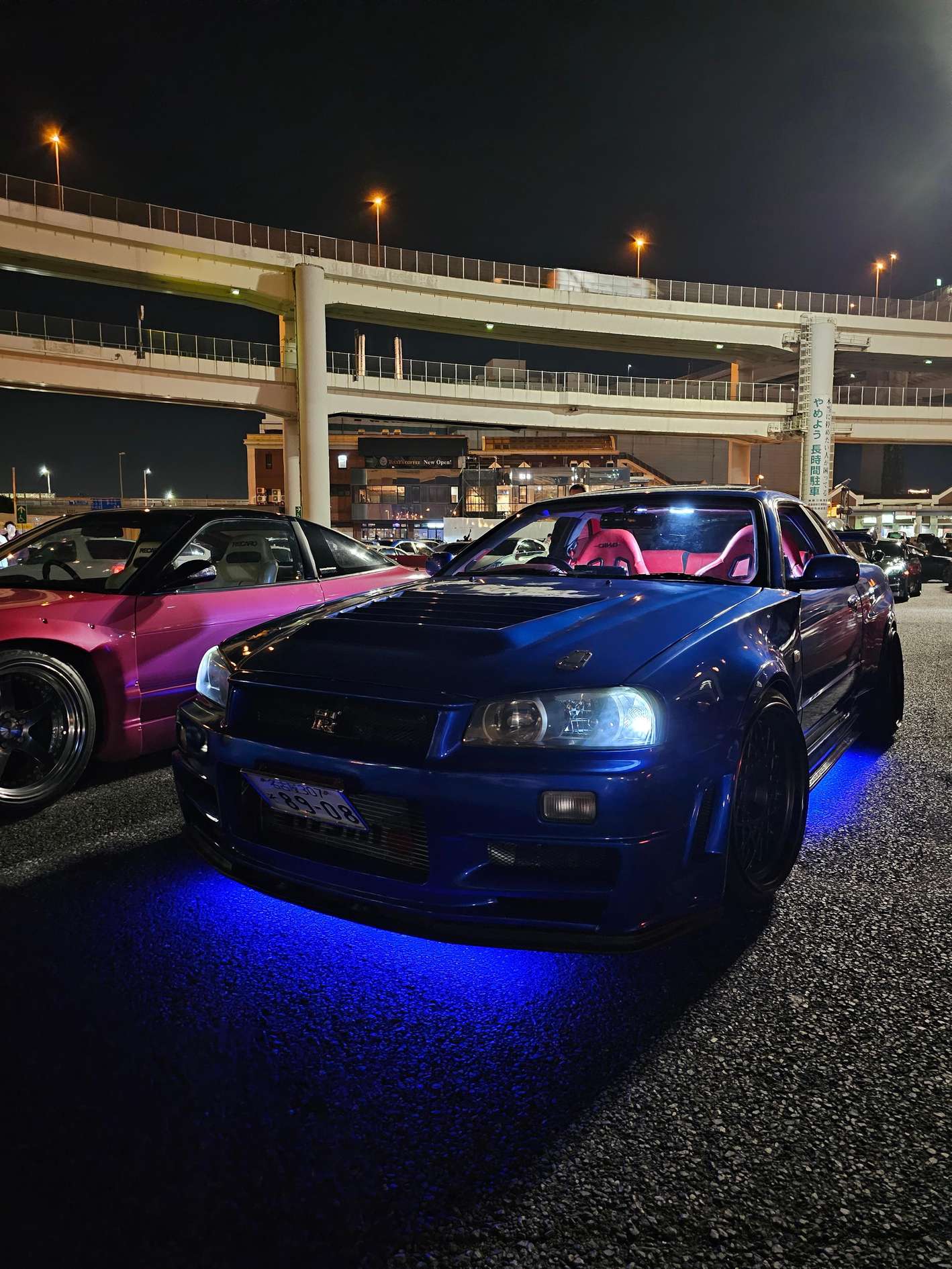
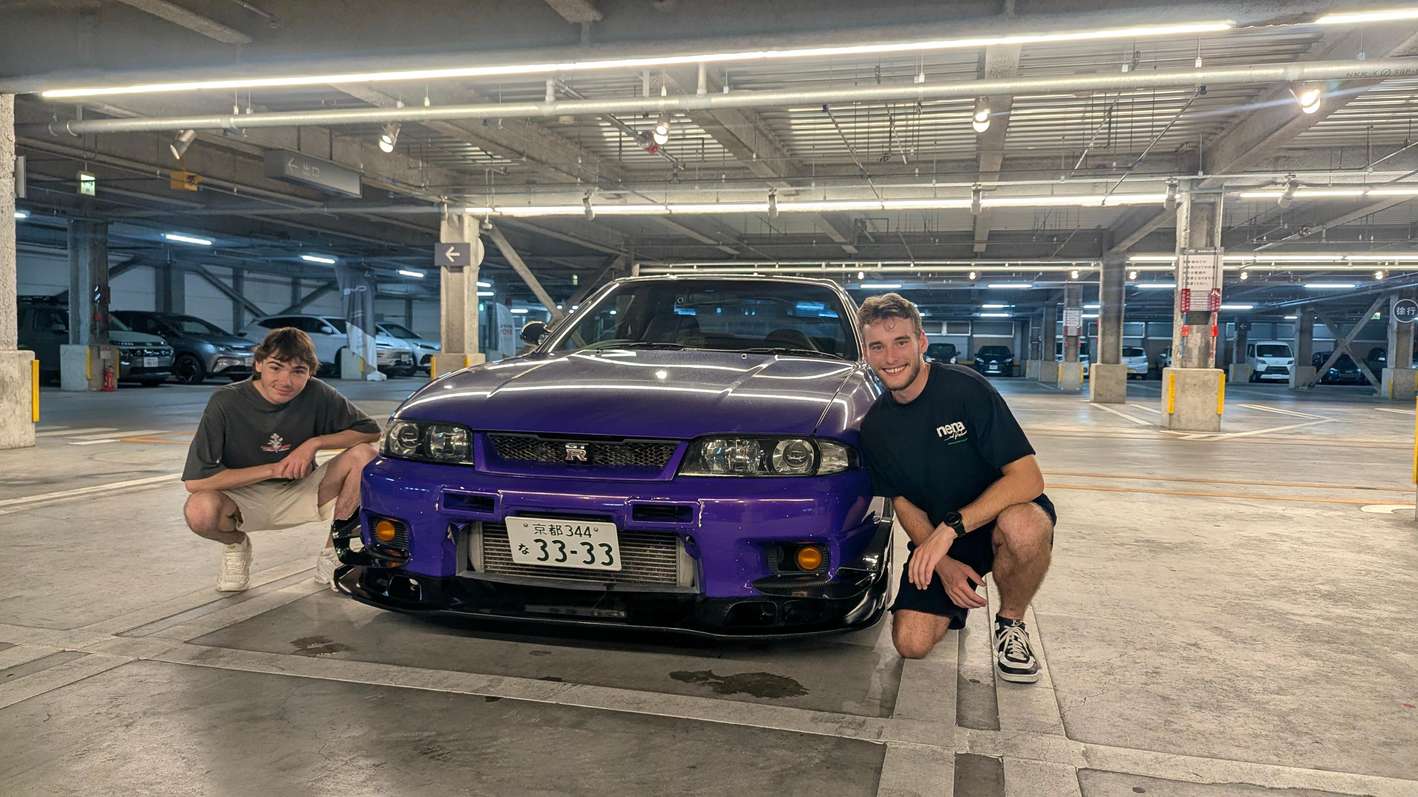
Tokyo Drift: Self-Drive R34/35 GT-R JDM Car Tour Daikoku PA
Free cancellationDrive a GT-R style customized Nissan SkylineConvoy
Rent a car in Tokyo with the right paperwork and drive it yourself. Foreigners can drive in Japan with a 1949 Convention IDP, or a JAF translation for six countries, and a guided self-drive GT-R tour takes you from Shibuya to Daikoku PA. Sort your documents before you fly, then book your night behind the wheel.
"Driving the R34 in Tokyo was a childhood dream come true. Grew up on Fast & Furious, and driving this legend where it was born felt unreal. Pro team, great vibe, unforgettable."
Foreign visitors can legally drive in Japan, but only with paperwork sorted before the flight. The permit decides everything, and it is the one thing no rental desk in Tokyo can fix for you on the day.
Yes, foreigners can rent and drive in Japan, but only with a 1949 Convention international driving permit or, for six countries, a JAF translation arranged before you fly.
Licences from Switzerland, Germany, France, Belgium, Monaco and Taiwan cannot use an international permit at all; they need a certified Japanese translation.
The JDM self-drive experiences here ask for drivers aged 23 or older with original physical documents, and a credit card for R34 drivers.
Missing any document on the day means no car and no refund, so check the paperwork a week before you travel.
Book the GT-R and popular models weeks ahead: April, September and October sell out first, and some 'R34 GT-Rs' for rent are lesser Skylines in body kits.
Arrange the permit or the JAF translation online before you leave home, and bring your original physical license and passport on the day. Arriving without them means no drive and no refund.
The short answer is yes. Foreign visitors can rent and drive in Japan, and people do it every week, from a small hybrid around the city to a Skyline on the expressway.
The catch sits at home, at the rental desk: the permit has to exist before you fly. Japan does not issue driving permits to arriving tourists, so whatever document you need, you arrange in your own country first.
For most visitors that document is an international driving permit, issued under the 1949 Convention by your national automobile association. Travelers describe getting one as easy: a short visit to an automobile club, a fee, and the booklet is in your hands. American travelers get theirs through AAA or AATA before departure.
What the permit does not settle is the car itself. Popular JDM models sell out weeks ahead, and the self-drive experiences on this site add their own age and document rules on top of the law.
Those are the next things to work through, and they decide whether you end up behind the wheel or in a very good passenger seat.
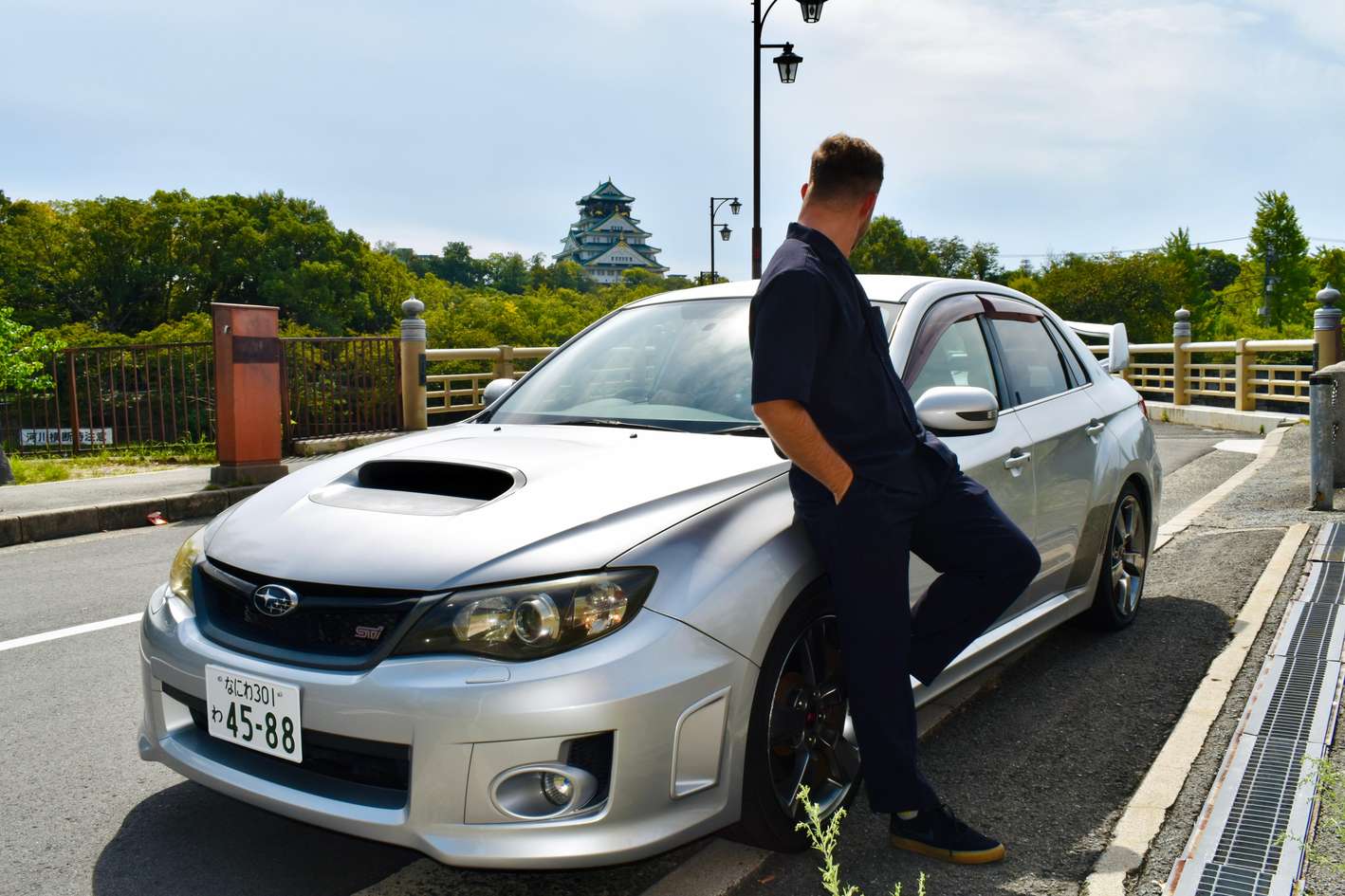
Where your licence was issued decides the document. Two routes exist, and most readers take the first one: an international driving permit, 1949 Convention only, obtained from the automobile association at home before departure.
Other versions of the international permit, including the newer 1968 format some countries now issue, do not work in Japan. Check the booklet says 1949 before you leave the counter.
The second route applies to licences from Switzerland, Germany, France, Belgium, Monaco and Taiwan. Those drivers cannot use an international permit at all. They drive on their home licence plus a certified Japanese translation, which the Japan Automobile Federation issues, and which you arrange online before the trip.
An American traveler paid a small fee to an automobile club for the permit route; the translation route costs a similar order and takes a similar wait, so neither should be left to the last week.
Whichever route is yours, the document travels with your passport and home licence. All three get checked together on the day.
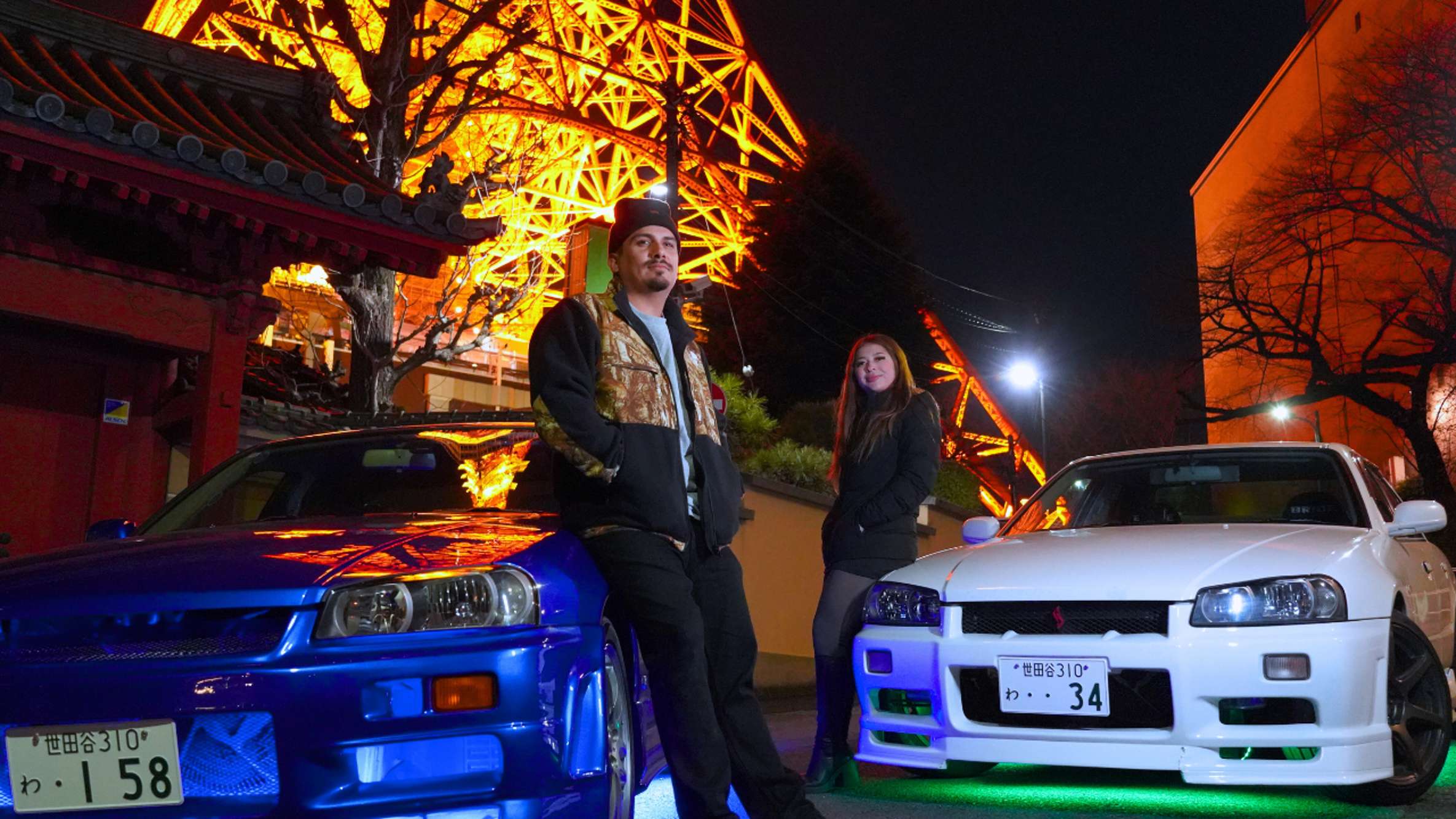
Japan's legal minimum driving age is 18. The JDM self-drive experiences on this site draw a stricter line: drivers must be 23 or older, with valid documents for Japan. Under 23, the wheel is off the table here, though the passenger seats and drift lessons further down leave plenty of night left.
Age is the easy test. The harder one is honest: are you a regular driver who can stay calm in unfamiliar traffic while following navigation? Tokyo roads are orderly and drivers are courteous, but they are also narrow, dense and mentally demanding when everything is new.
Prior experience with right-hand-drive cars or left-side traffic makes the adjustment much easier. People who have never driven in a dense city, or who are not comfortable with a manual gearbox, tend to enjoy the day less than they hoped.
First-timers who did a guided self-drive GT-R tour here recommend it without hesitation, and travelers who rented anyway say it was unreal, even in an ordinary car. The happiest ones value the full experience over outright speed. If that sounds like you, the R34 self-drive page walks the rules line by line.
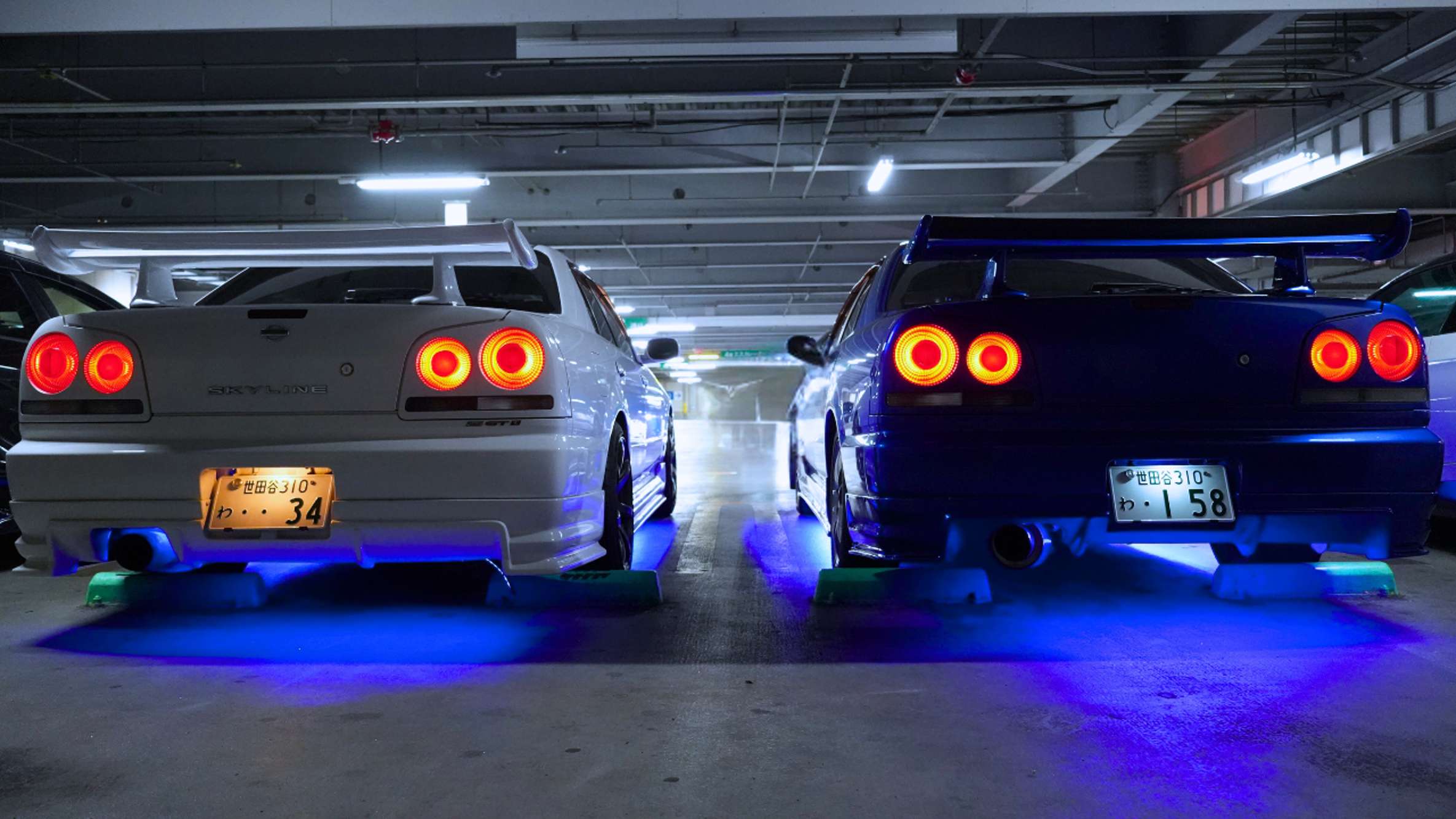
The counter moment is simple and unforgiving. Staff check three things together: your passport, your home licence and your permit or translation, all as original physical documents. On performance cars there is a fourth item: R34 drivers add a credit card to the pile, and a debit card will not be accepted.
Photocopies and phone photos do not count. Miss any single item and there is no participation and no refund. Travelers who have done this check the folder the night before, long before the airport.
Missing an original document on the day, passport, licence, permit or the credit card for R34 drivers, means no participation and no refund Lay out every original document the night before and keep them in your hand luggage where you can reach them
Staff then walk you through the basic road rules and the optional add-ons before handing over the keys. How long pickup takes varies.
Some readers with tight schedules asked the desk in advance whether to allow ten minutes or half an hour, and that is a sensible question to ask when you book. The inspection itself is quick; the paperwork and the rule briefing are what eat the time.
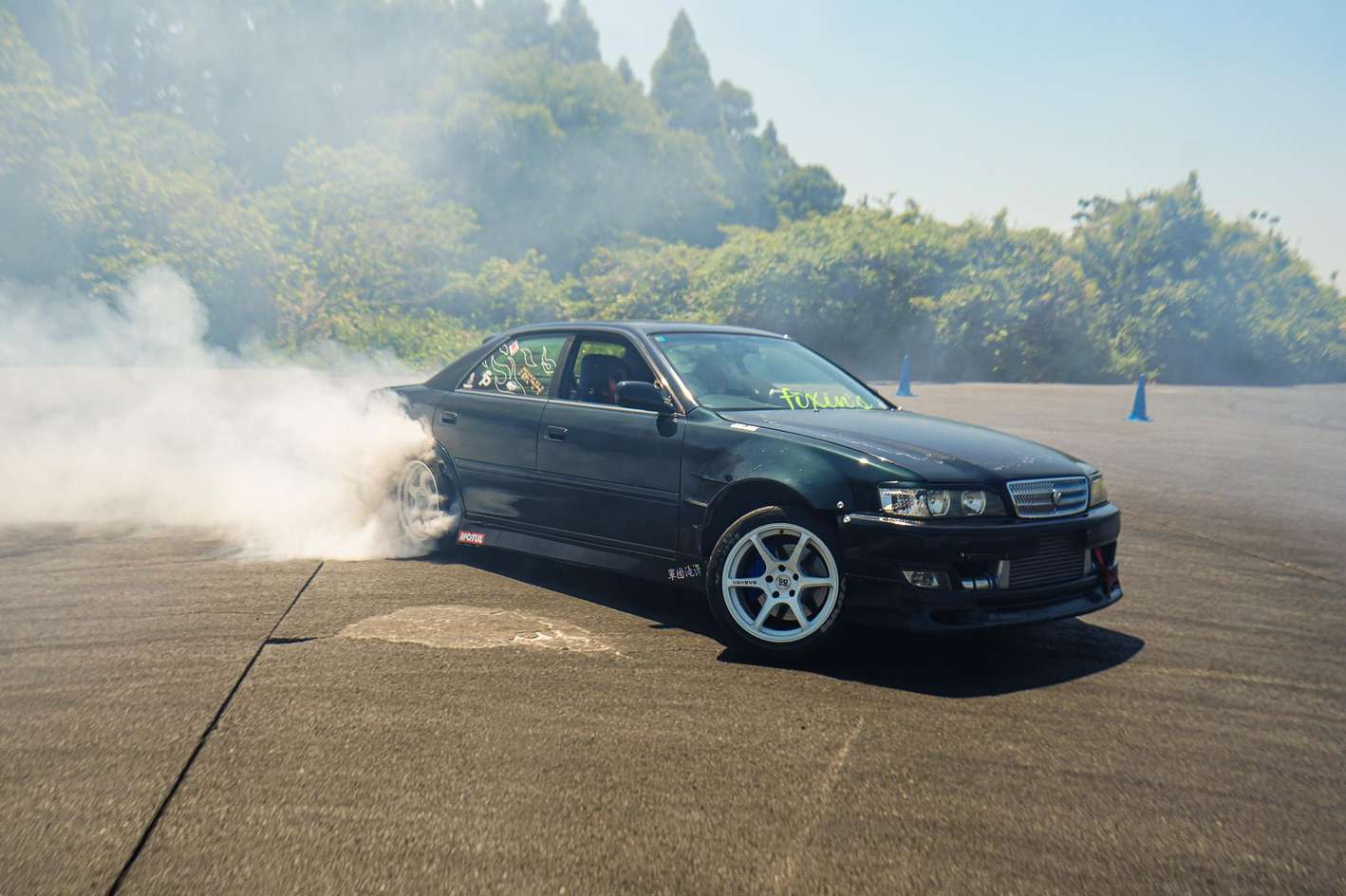
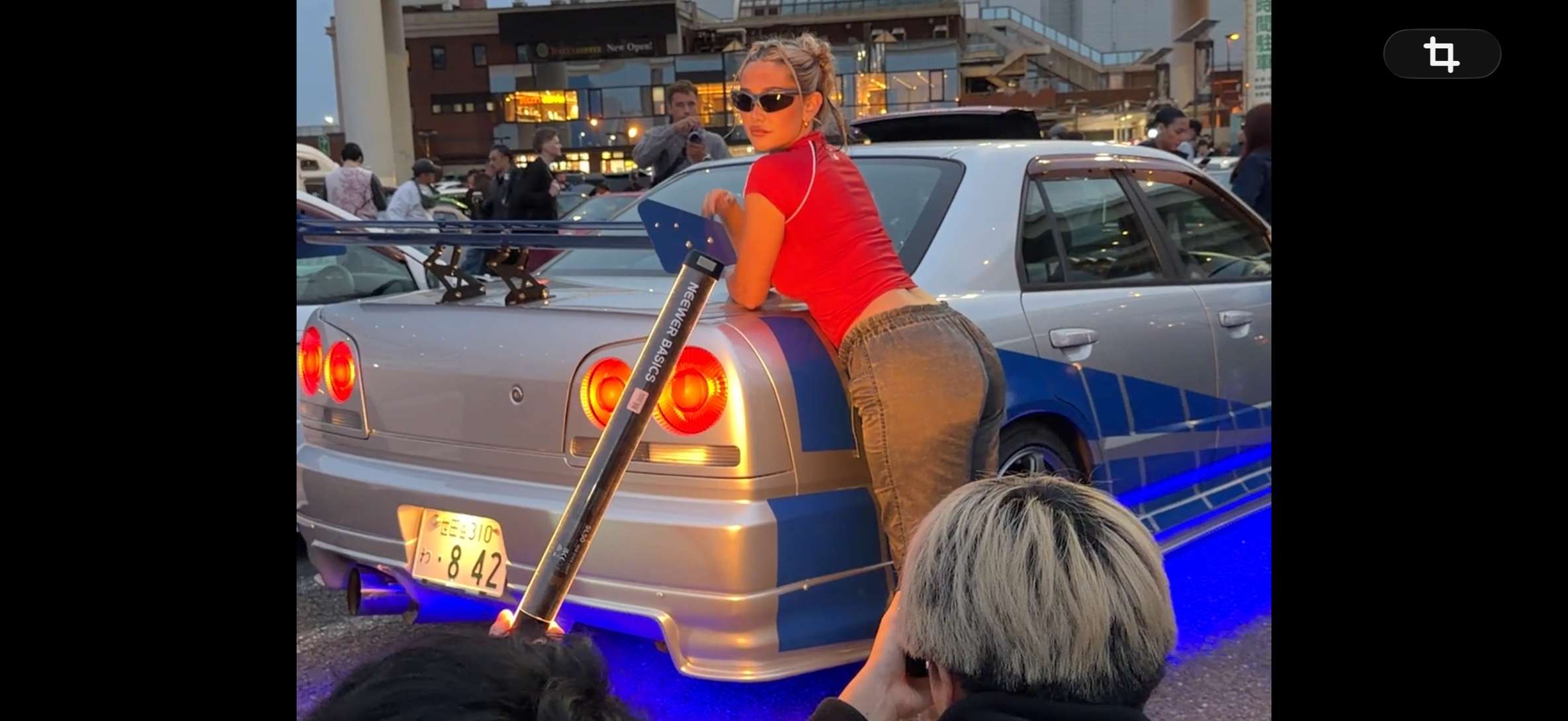
The big domestic rental brands have English websites, stations nearly everywhere and similar service, and they are where foreign visitors are usually steered, since smaller cheaper companies often will not rent to tourists. Book online weeks ahead, and note that returning to the same station is far cheaper than a one-way rental.
At pickup, documents get checked, the road rules are walked through, and you take the ETC card. Do not skip it. The card sits in a slot and records expressway tolls, which are added up and paid when you return the car.
Some expressway exits turn out to be ETC-only, which is stressful without one. Keep the card in its slot before you reach a toll gate.
Pay for the rental company's own insurance even if your credit card covers rentals. A flat tire was resolved on the spot for travelers with the agency cover, but took hours and a later reimbursement for the one who relied on the card.
Same-station return is cheaper than one-way
Ask how long it takes if your day is tight
Keep the card in its slot before the gate
About five minutes
None of these steps is difficult on its own. The friction sits at booking and at the toll gate, and once both are sorted the day runs itself. The return really does take about five minutes: staff inspect the car while you settle the tolls and payment.
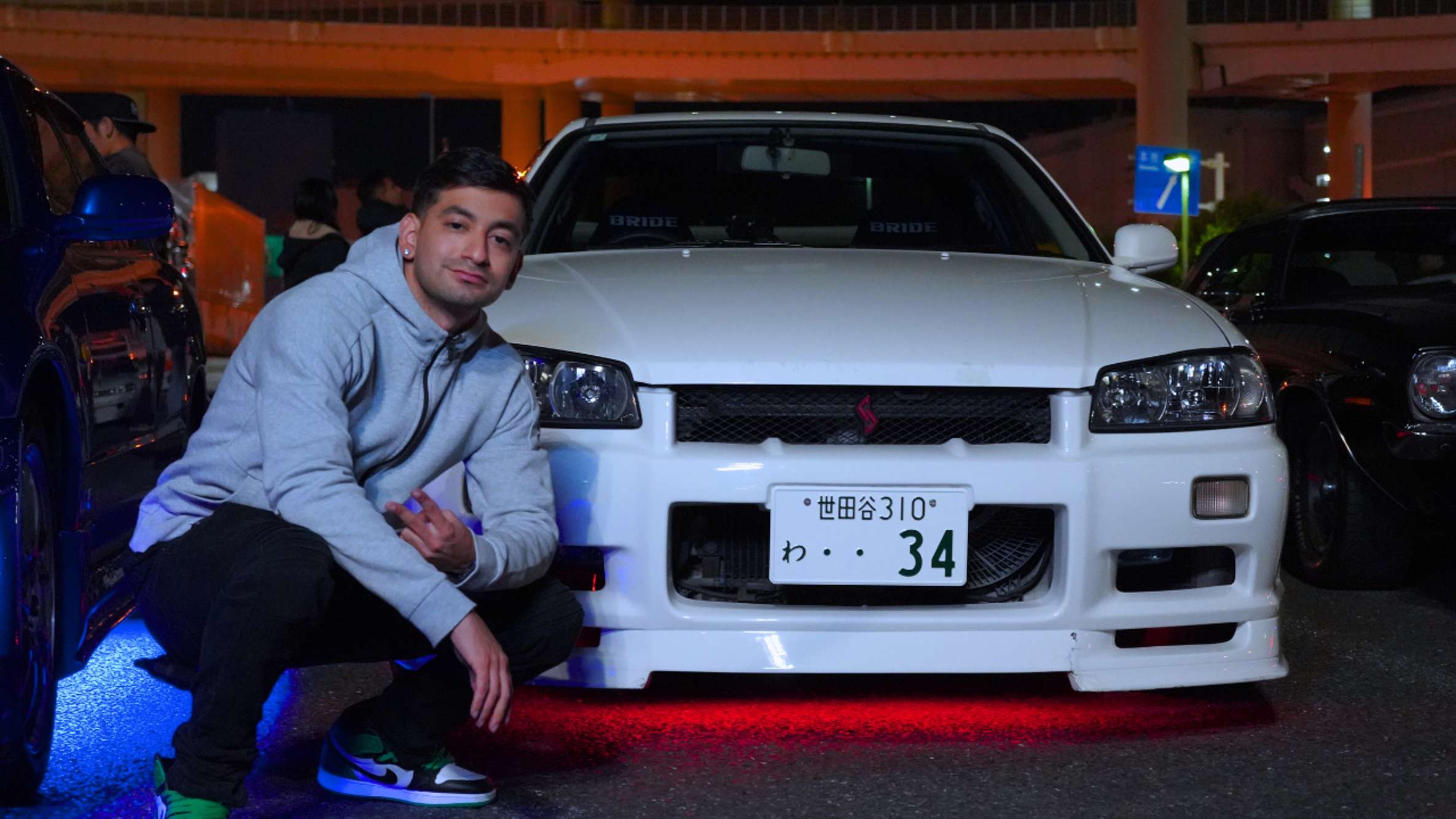
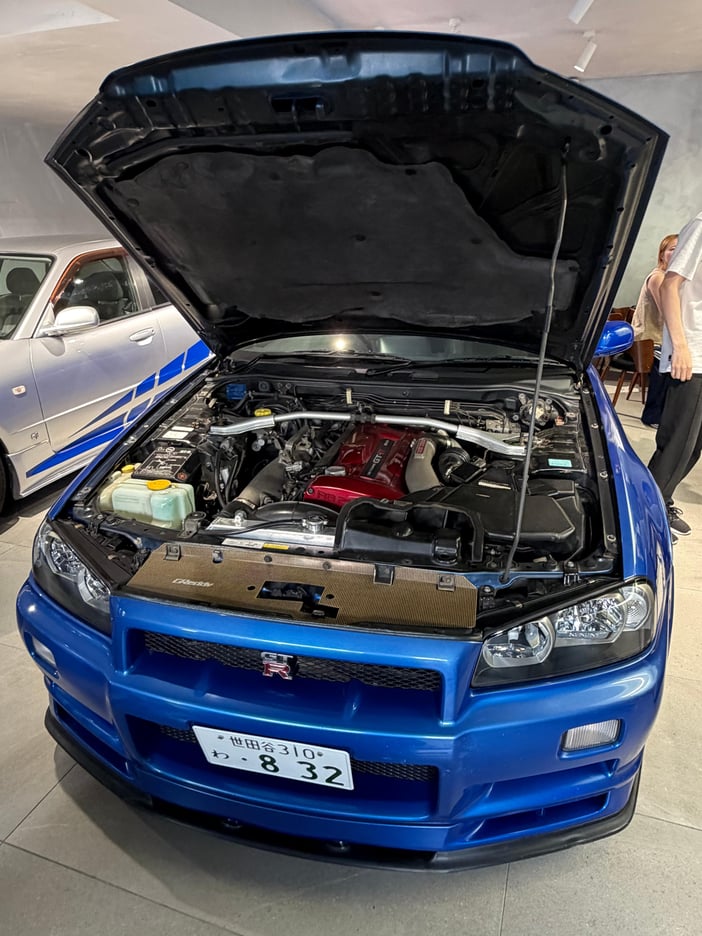
The dream cars are genuinely rentable. Specialists around Tokyo list the GT-R R35, Supra MK4, RX-7 and Skyline GT-Rs, with real R34 GT-Rs sitting at shops in Shibuya, Matsudo in Chiba and Noda.
Toyota's own rental site covers ordinary sporty cars like a GR Yaris. Popular models sell out weeks in advance, so the reservation goes in early.
Read the descriptions with a cold eye. Some R34 Skylines offered for rent are lesser Skylines wearing GT-R body kits, so confirm the car is a genuine GT-R before you pay R34 money.
Budget for two things beyond the daily rate: expressway tolls, which add up fast, and a damage excess that can run into four figures if the car is disabled.
If an unattended rental feels like a lot for a first night in Tokyo, the middle path is a guided self-drive.
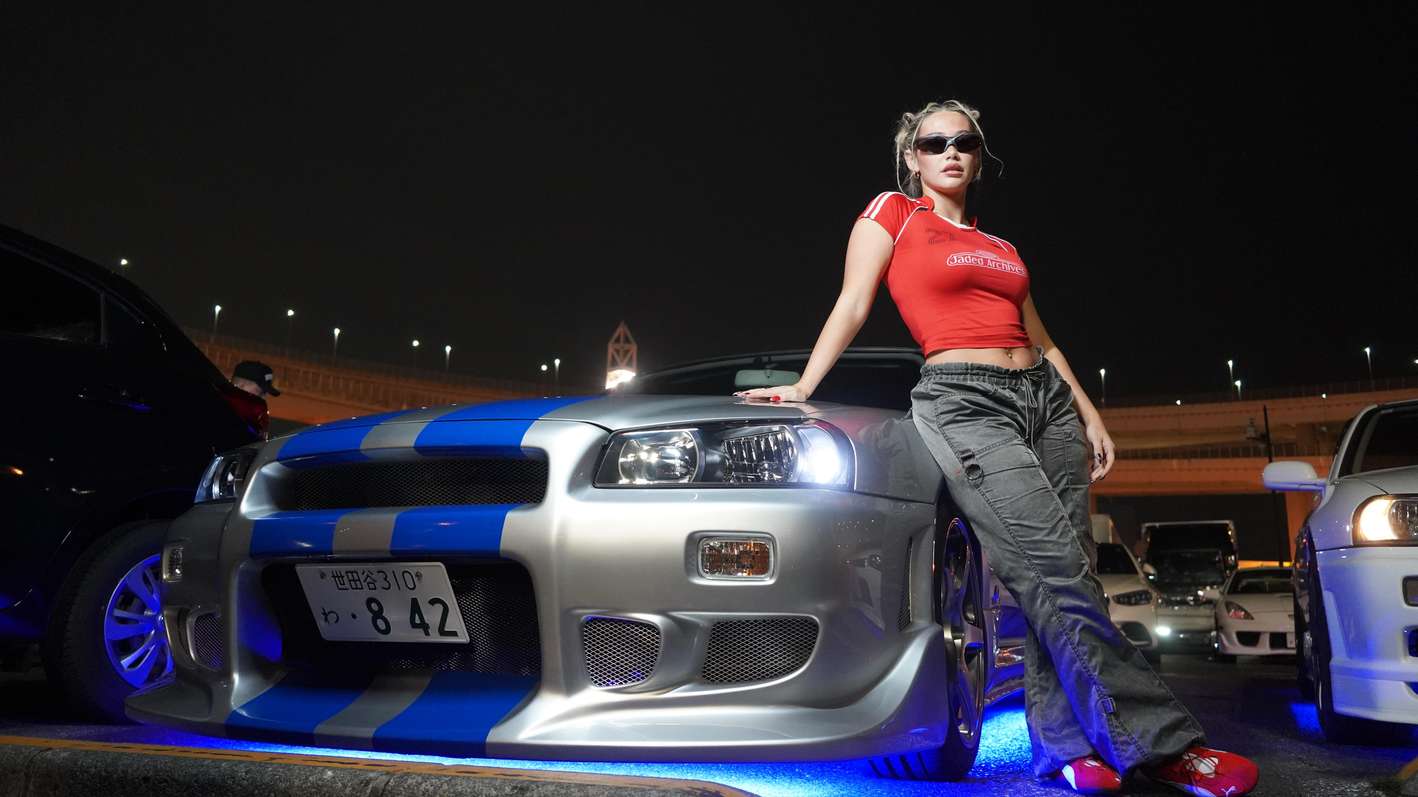
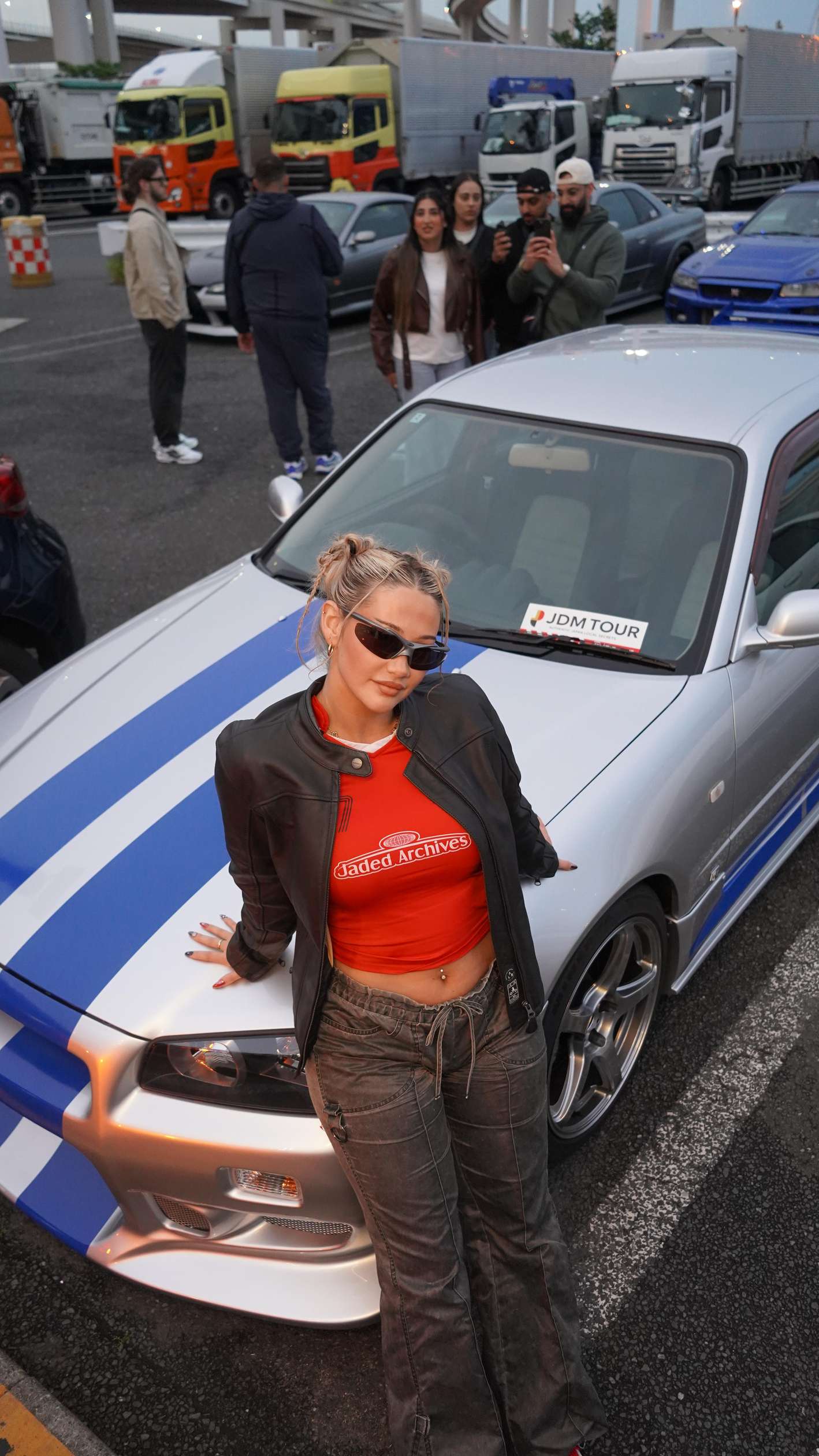
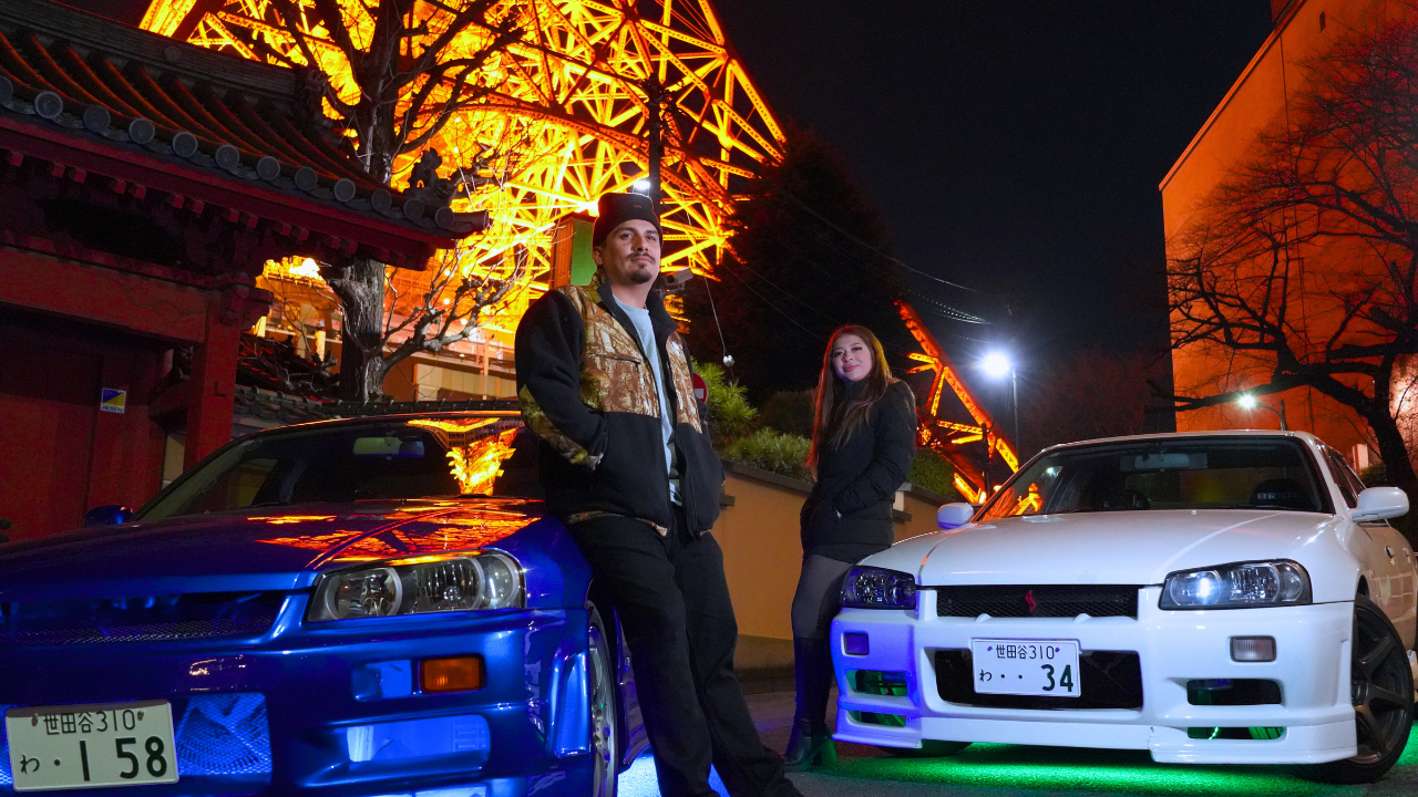
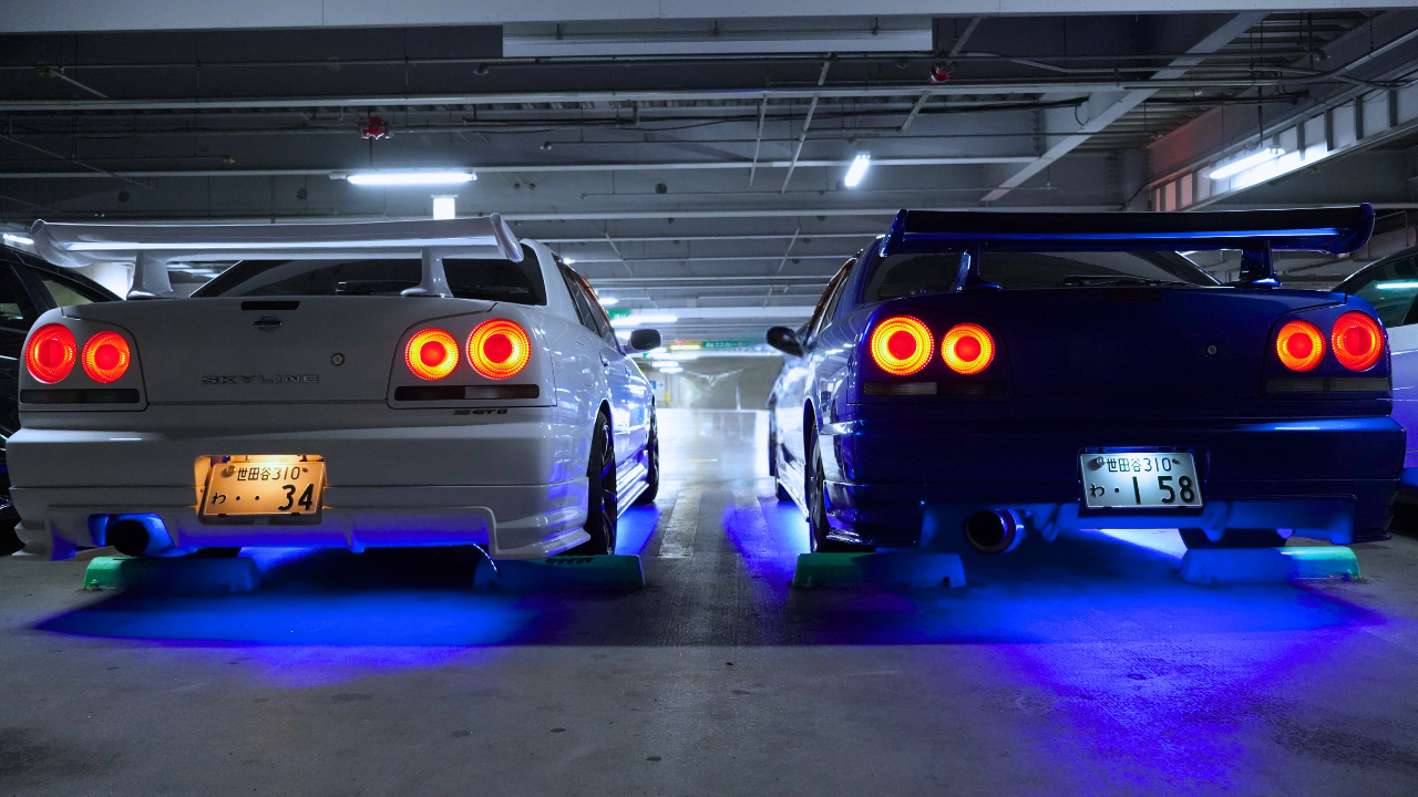
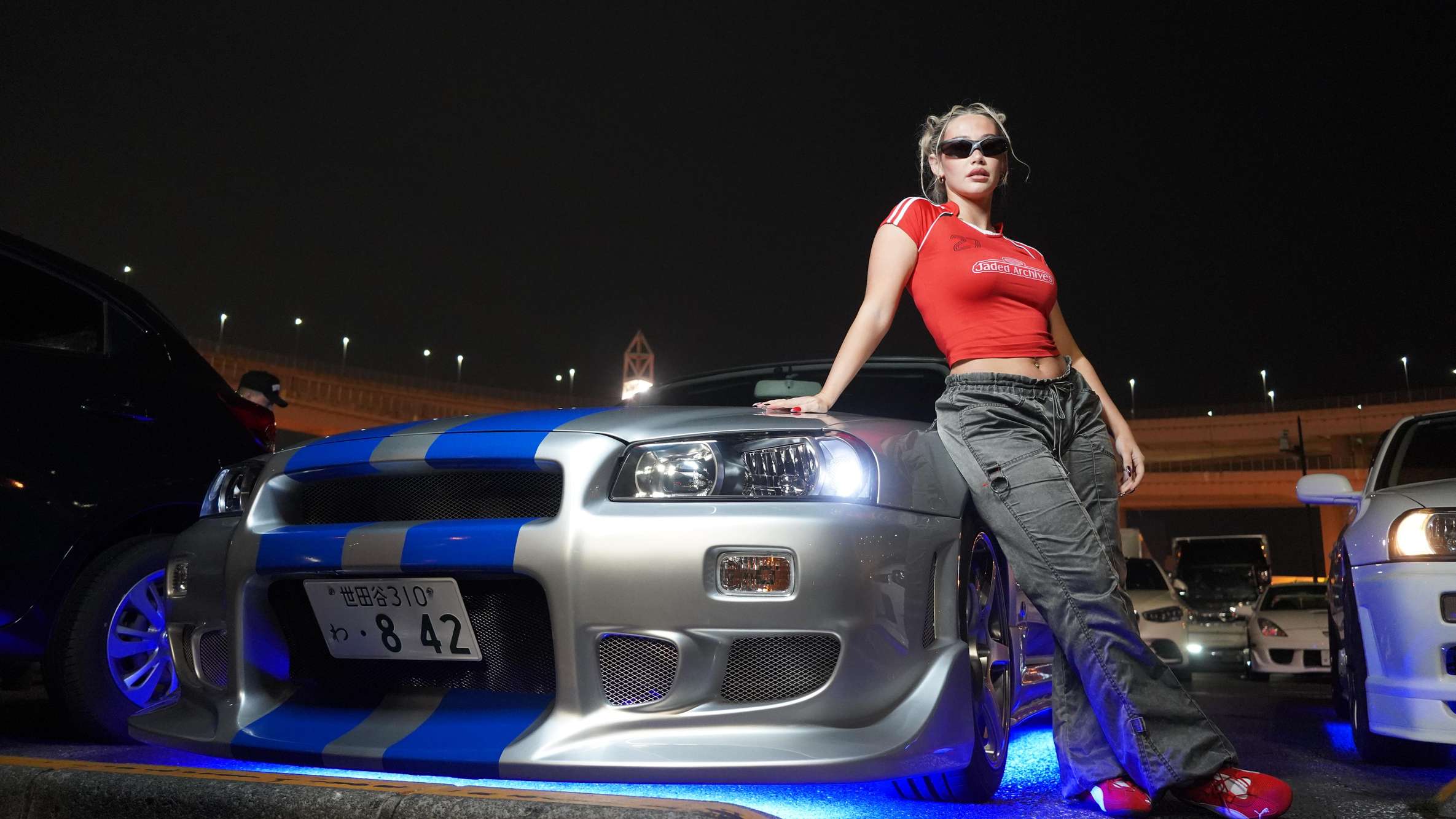
The Tokyo Drift: Self-Drive R34/35 GT-R JDM Car Tour Daikoku PA puts you behind a GT-R-style customized Nissan Skyline with an English-speaking guide, a convoy, Rainbow Bridge and a walk through Daikoku PA, over about four hours. Same documents, less navigation stress.
Confirm the car is a genuine GT-R before paying R34 money
Expressway driving adds up quickly, so plan the route before you leave the lot
Buy the agency's own insurance; a credit card policy can leave you waiting hours for reimbursement
The insider rows above are the three things people learn the expensive way. None of them kills the rental; they just move money and stress around. A genuine car, a planned route and the agency's own cover turn the whole thing into the drive you pictured.
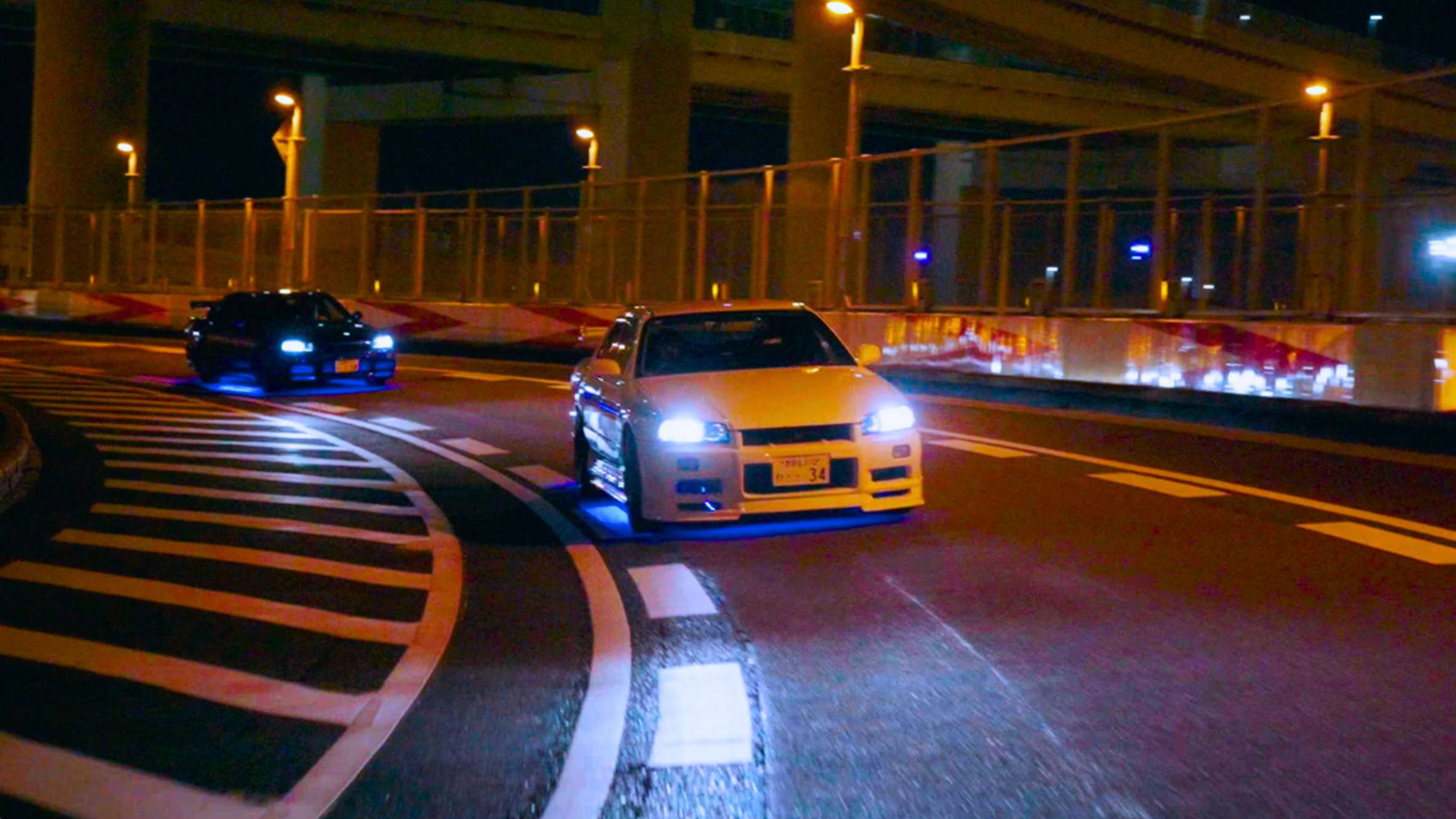
Traffic keeps left, and so does everything else. The indicator and wiper stalks are swapped compared with left-hand-drive cars, which is why so many first drives begin with a windshield wipe at a turn.
Right turns cross oncoming traffic, like left turns in the US, and in the dark it is easy to drift into the wrong lanes.
The rules with teeth: seat belts for everyone, no phone at the wheel, a full stop at red and yellow, and pedestrians first at crossings and on right turns. Parking violations are dealt with severely, so always use a parking lot; central street parking is scarce and costly anyway.
And the one that ends trips: 40 km/h over the limit leads to arrest and jail. Expressway limits run 80 to 100 km/h, city streets 40, side streets 30.
Two habits carry you through. If you miss a turn, drive on and let the navigation reroute; sudden braking causes more trouble than a missed exit ever will.
And do not trust Google Maps blindly downtown, where double-decked expressways and long tunnels can freeze it. Study the basic signs before you go and the first hour stops being a test.
Enforcement is real and 40 km/h over means arrest, so drive the posted numbers
Parking is the real constraint, not entry permits
Count on a small car, which suits the narrow streets anyway
The myths above are the three assumptions that cost first-timers the most. Drop them and the rules left to remember fit on a napkin: keep left, signal with the correct stalk, park in a lot, and treat the speed limit as a promise.
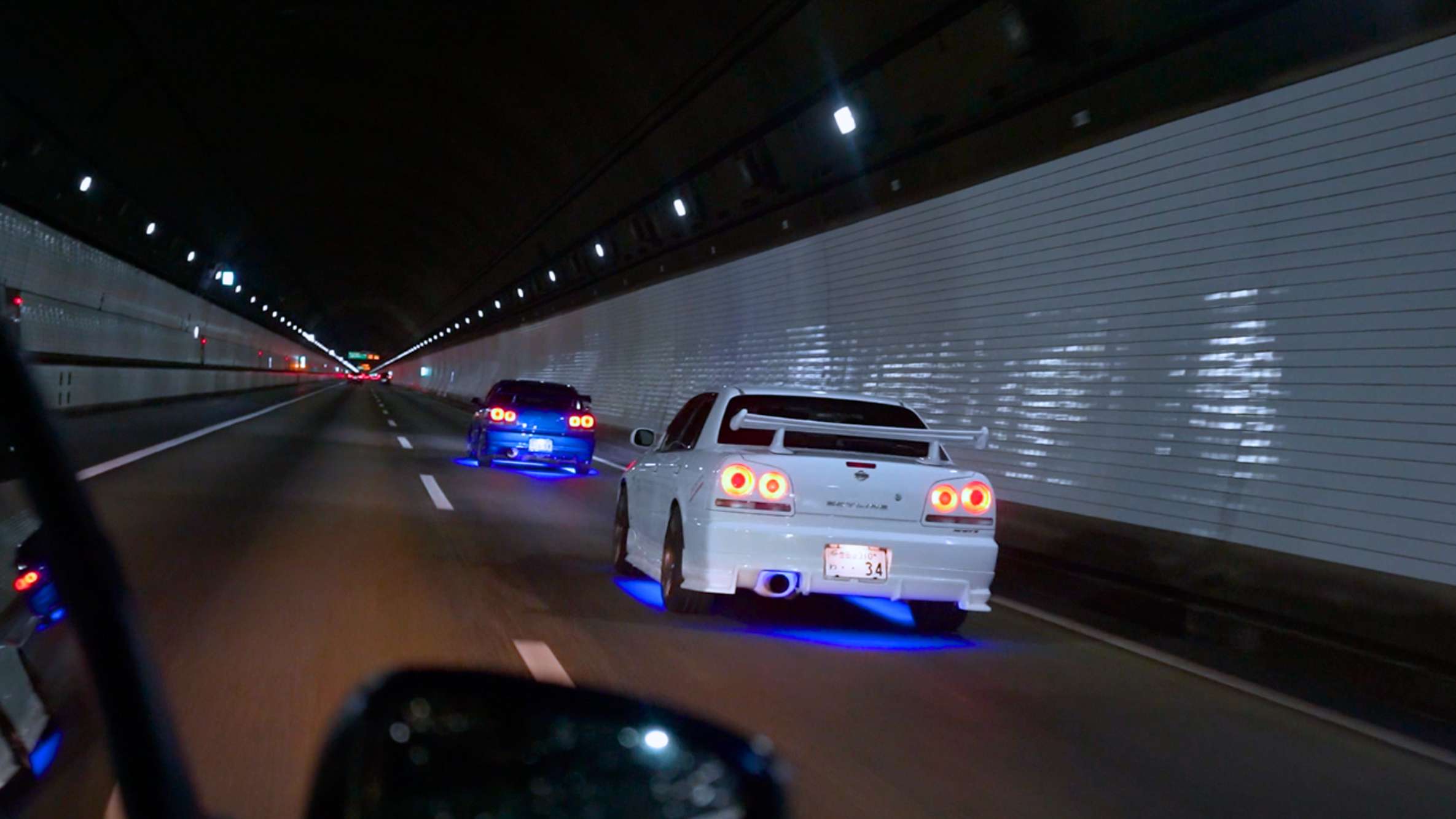
Plenty of readers finish the paperwork chapter and realize the wheel is not happening this trip. The car culture does not close.
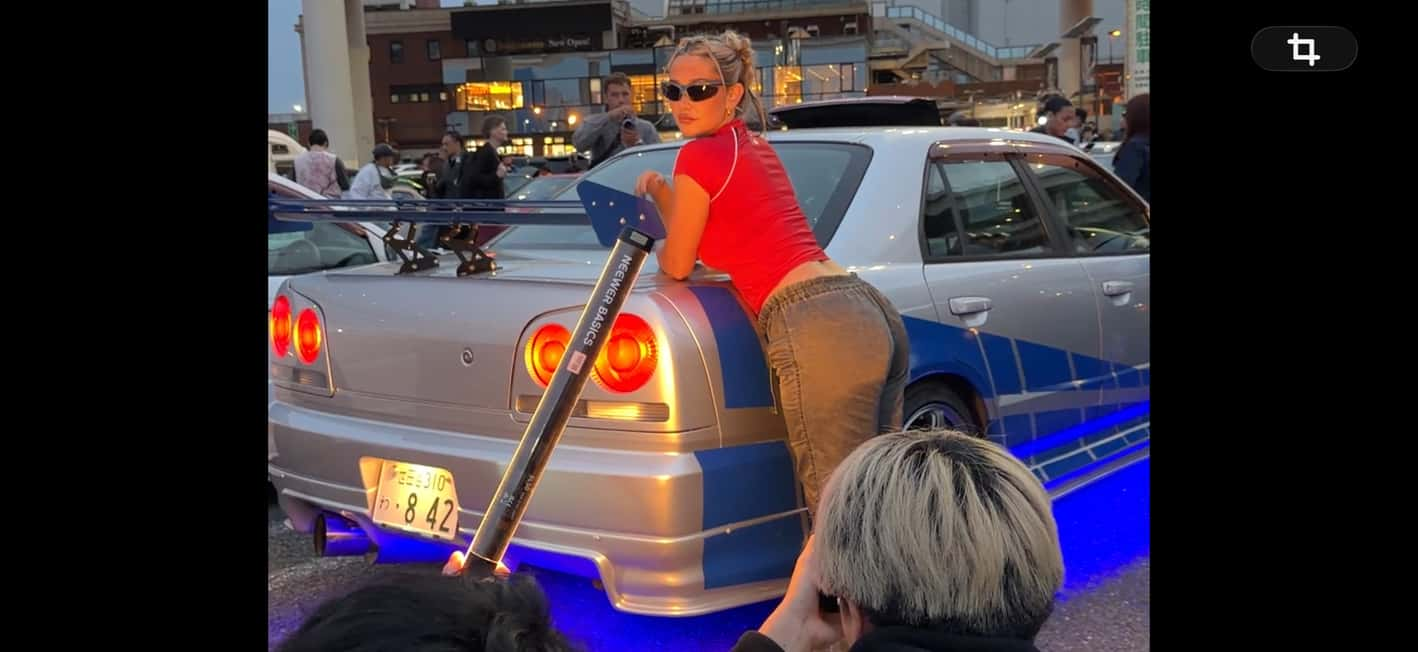
The passenger seat is the first answer. Night tours carry you across Rainbow Bridge to Daikoku PA in a genuine JDM car, with guides explaining the builds and helping with photos, and no driving permit involved at all.
The Evo night run page covers manual rides in an Evo, WRX STI or Skyline, and the R32 GT-R page covers private nights where the whole car is yours.
The hands-on answer is a drift lesson on a real circuit.
Drifting on public roads is illegal in Japan, so the legal version happens on closed tracks, and one Tokyo option needs no licence at all: a Chiba circuit session with round-trip transport from the city, helmets and gloves supplied, and instructors teaching donuts and figure eights from scratch.
Cars wear roll cages and harnesses, and you need long sleeves, long pants and closed shoes. The minimum age there is 18.
Either seat gets you the sound, the meet and the night. The wheel can wait for the next trip, with the permit already in the drawer.
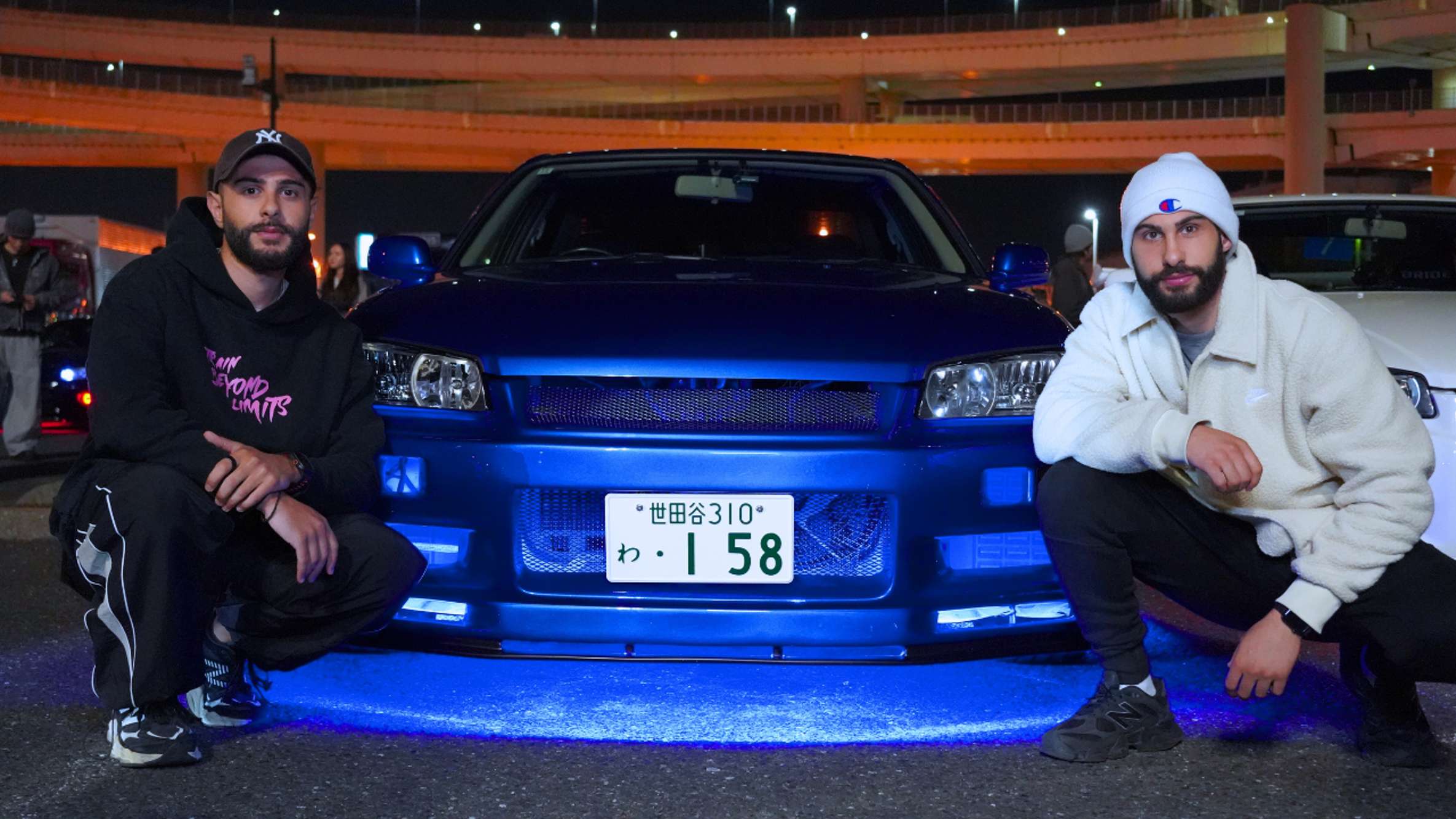
Tours and rentals run all year, but demand swings hard. April is the busiest month on the booking calendar, followed by October and September, and popular cars like the GT-R sell out weeks ahead in those stretches.
Book several days to a week out, earlier for a specific model. June, February and December are the quiet months, and travelers there often book within days, sometimes the same day.
Rain is the other variable. June and September are the wettest months, with roughly 14 wet days each, and rain thins the car meets: travelers describe Daikoku PA as somewhat empty in a downpour, though guides bring umbrellas and the tours still run.
One operator states there is no refund when weather affects how many cars show up, so go in knowing the meet is a gathering, not a show.
April: 5 out of 5 for how busy it gets. The busiest month of the year (150) with mild 19.6°C days and 19 sunny days, the best mix of full car meets and comfortable evenings.
Tap a month to read it.
January: 26.4 dry days. A quiet month with 26 dry days and cool nights around 0°C, so meets are thinner but tours run and the winter night skies are clear.
Tap a month to read it.
December: 26.8 sunny days. Quiet (73) with 25 dry days and mostly clear skies, but nights drop to 2.5°C, so dress warmly for the meets.
Tap a month to read it.
::
The chart's shape is the booking rule in one glance: the busy, drier months reward early reservations, the quiet months forgive a late one.
One last timing note from people who have driven here: avoid weekends and holidays on the expressways, when congestion can stretch a short trip into an afternoon. Weekday drives are calmer and the meets still have cars.
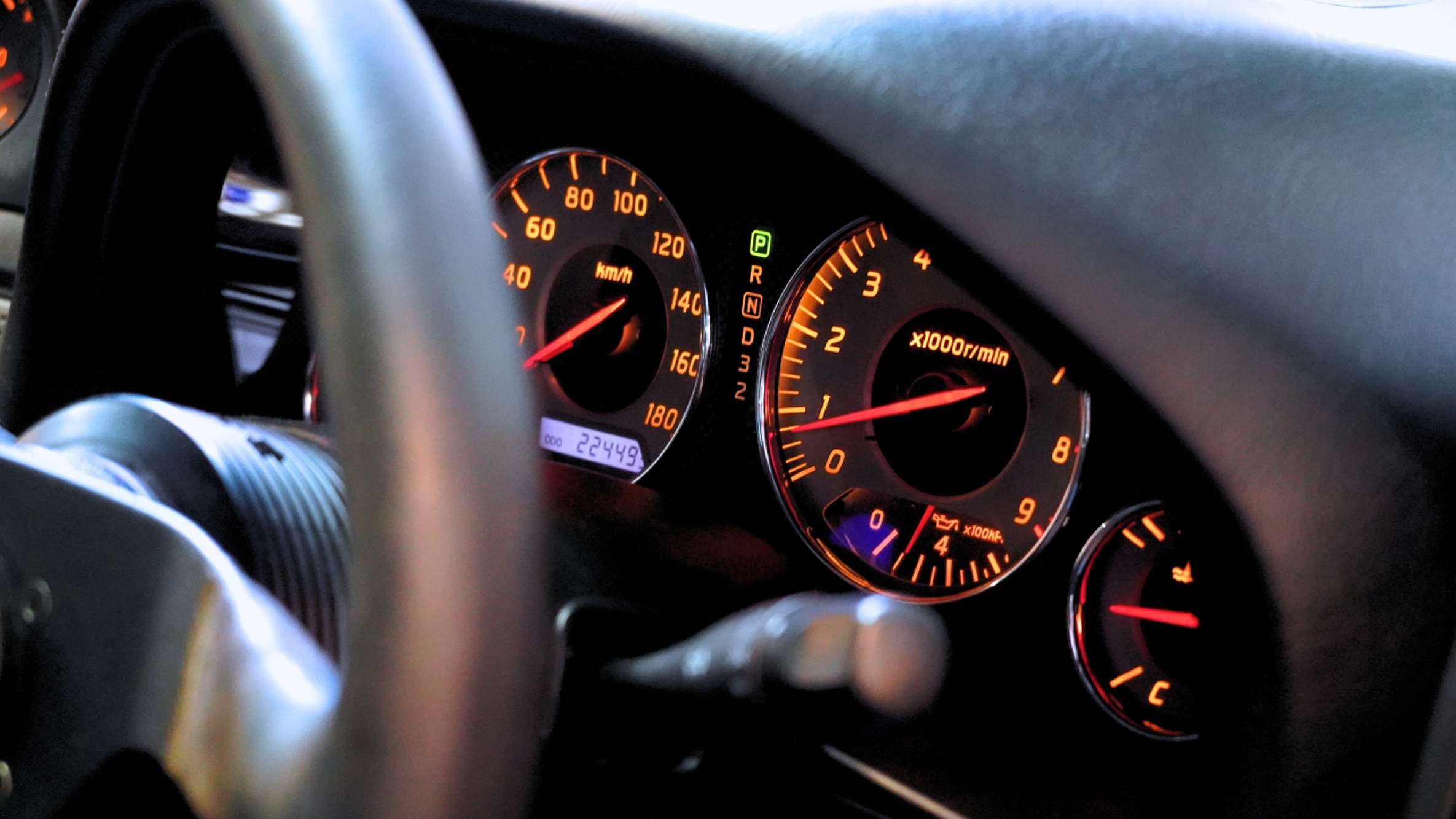
Central Tokyo is where the rental starts, not where it shines. The roads car people cross the world for sit to the southwest: Hakone Skyline, Ashinoko Skyline, Hakone Turnpike, Jukkoku Pass and the Izu Skyline.
A private sports-car tour from Tokyo covers Mount Fuji, Hakone Shrine, Lake Ashi and an onsen in one day, and a Hakone drive can finish early enough to ride the ropeway to Owakudani and try the black eggs. Rural roads around Fuji and Hakone suit a car far better than the city does.
If the car stays parked for a day, the neighborhood around the tour start rewards walking. Kuhonbutsu Joshin-ji temple sits eight minutes away, with Tamagawadai Park and Mangan-ji at twenty. A short drive opens up Todoroki Ryokuchi's green valley and the Meguro Parasitological Museum, which is exactly as strange as it sounds.
::
The pattern travelers settle into: a calm first drive, a bay night at Daikoku, then a full day on the Hakone passes once the left-side habit has set. That is the trip the rental was for.
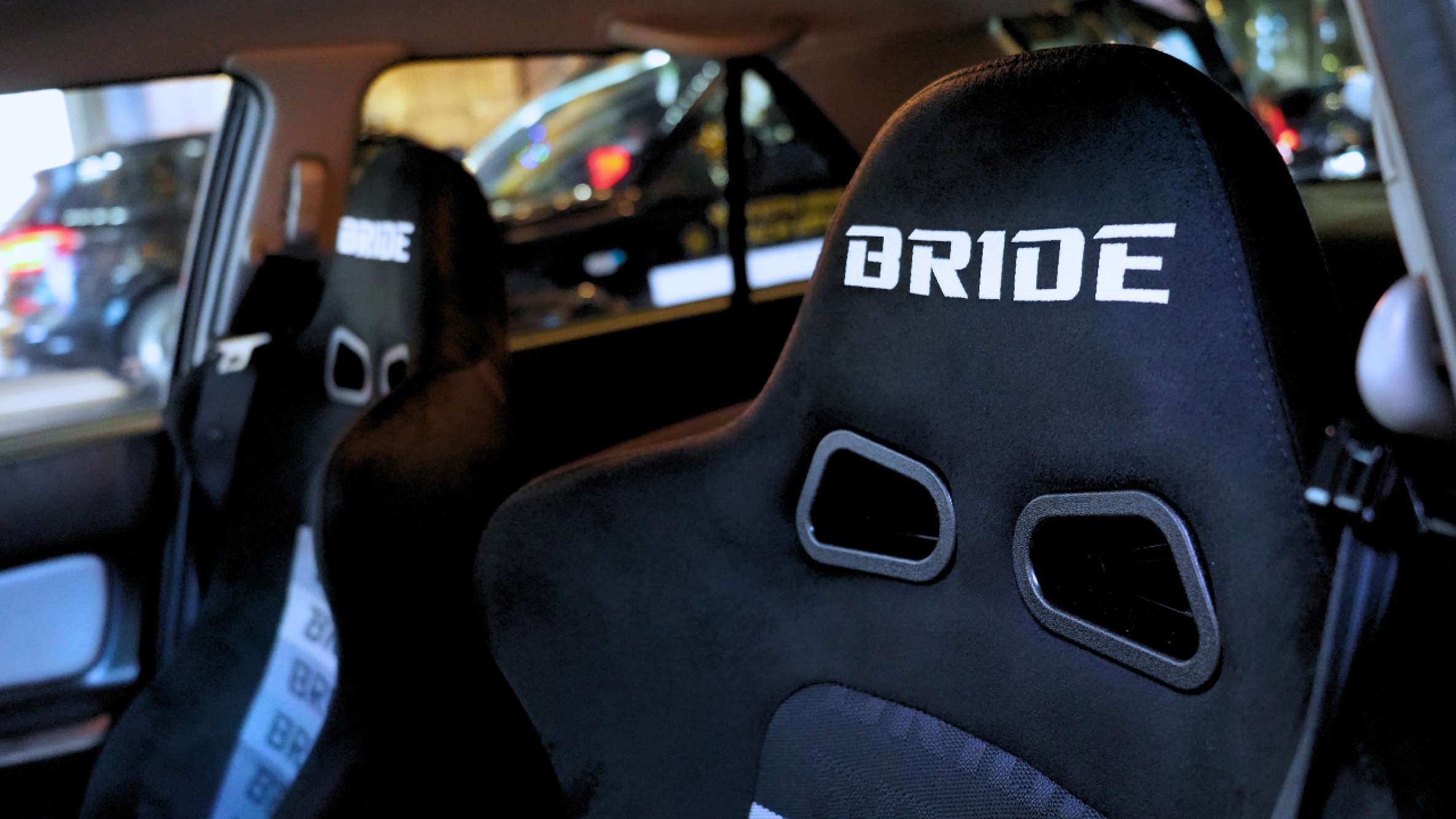
Renting a car in Tokyo is a real option for foreign visitors, and a rewarding one, provided the permit or translation was arranged at home and the documents travel as originals.
Drivers aged 23 and up with a 1949 Convention permit get the full self-drive night, and the guided R34 tour is the gentlest way in.
Everyone else still gets the meet, the expressway and the sound from a passenger seat, or a licence-free drift lesson on a closed circuit. Sort the paperwork first, book the car second, and the rest of the trip falls into place.
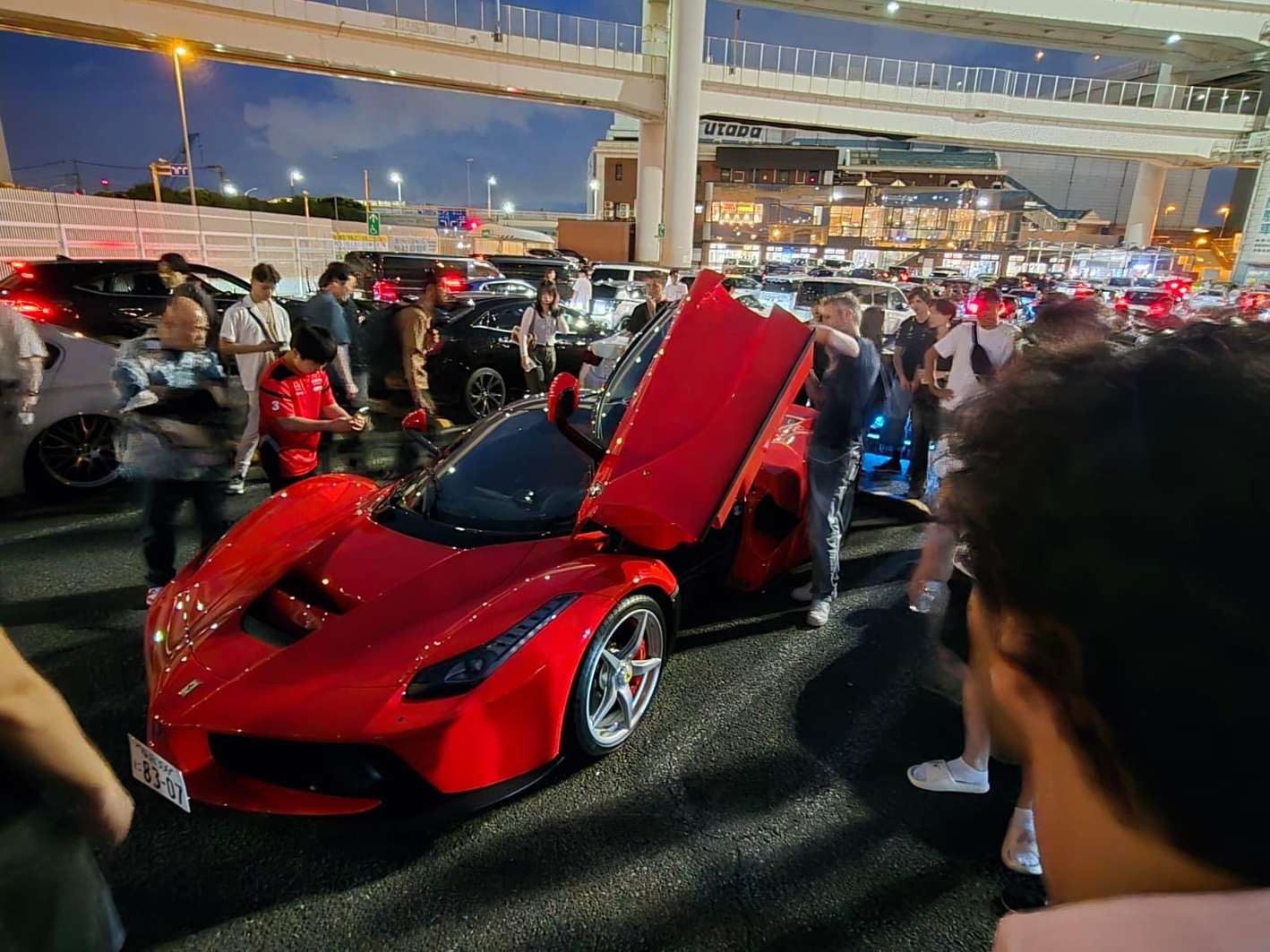
A bookable AE86 rental is hard to find in Tokyo, so this page lines up the rides and drives that come closest.
Read the guide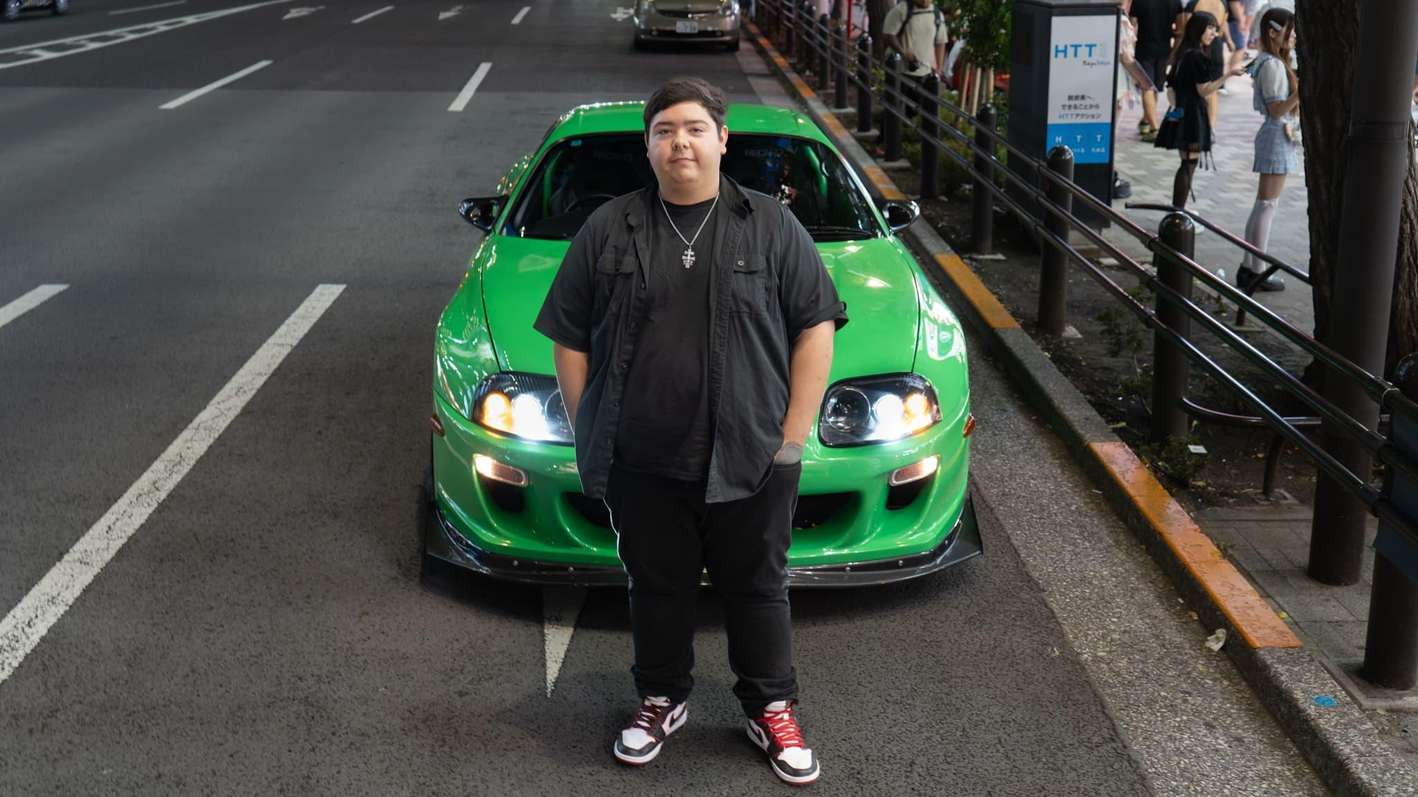
The Supra options here are passenger rides in a tuned Mk4 A80, with a self-drive Skyline for anyone who wants the wheel.
Read the guide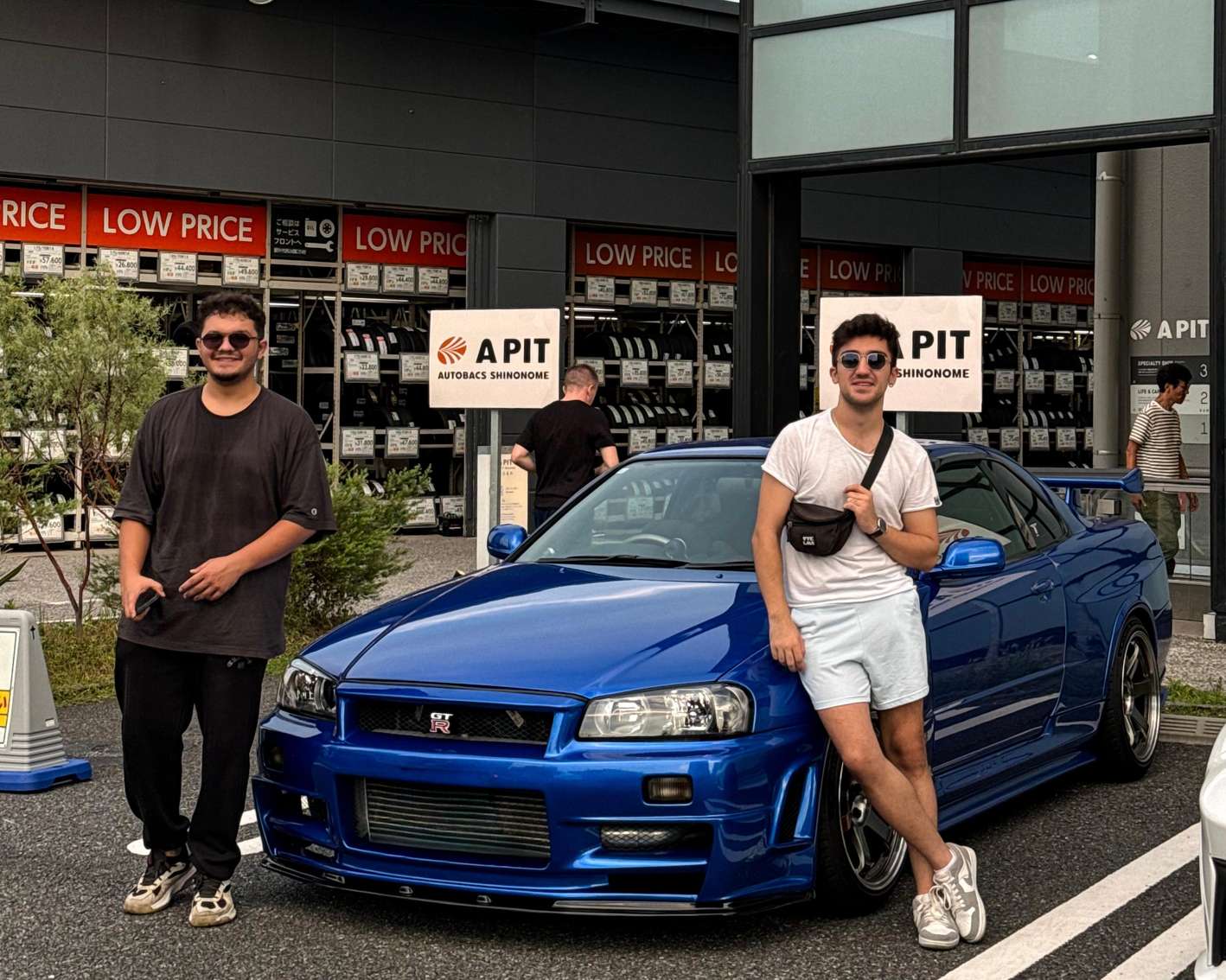
No R32 self-drive hire sits on the list, but a private night tour can put you in an R32, R34 or R35 with a guide.
Read the guideA four-hour self-drive night tour in a GT-R-style R34 Skyline, with Daikoku PA, Rainbow Bridge and an optional film of your drive.
Read the guide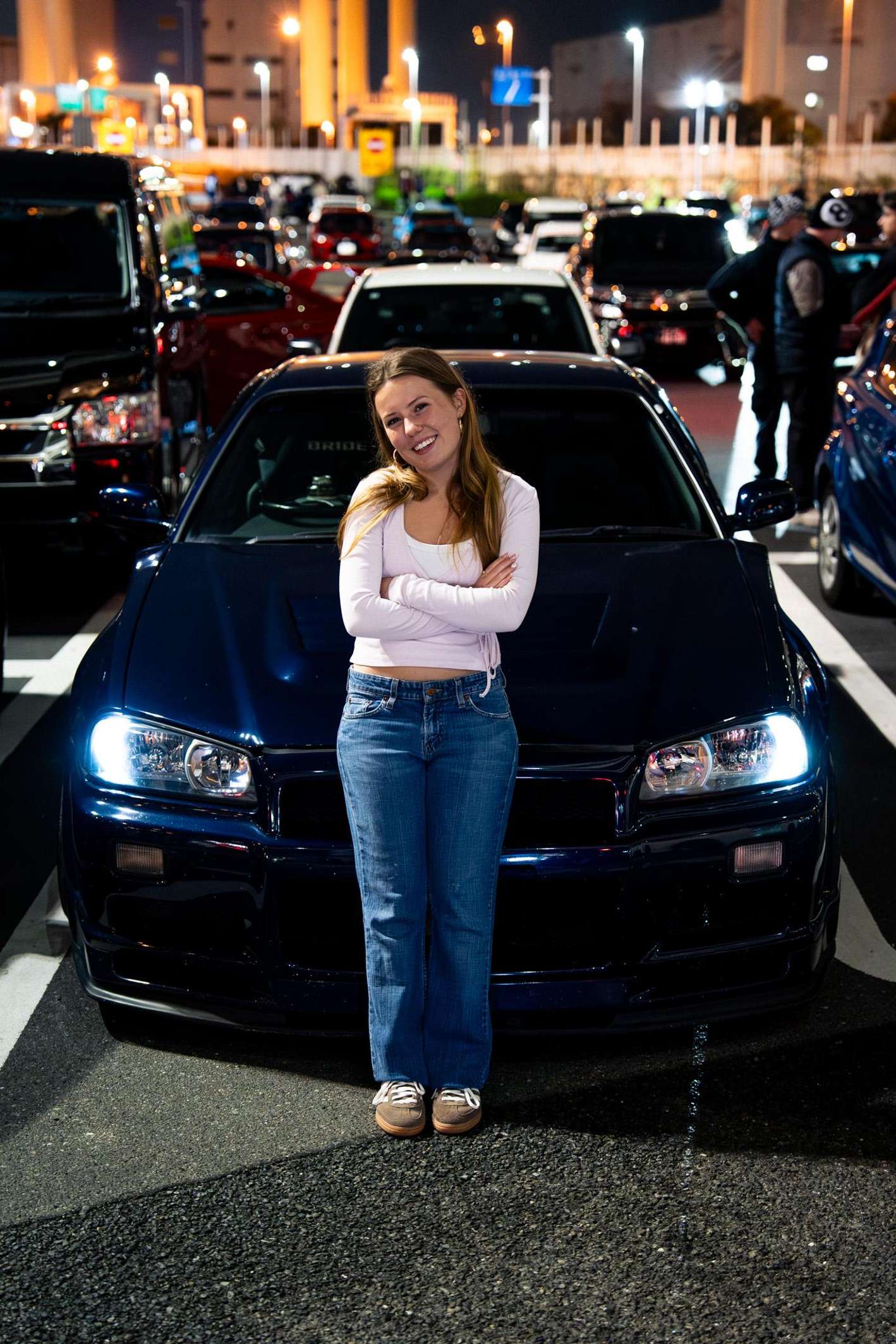
No standalone R35 hire here, but a self-drive Skyline night tour and several R35 passenger rides cover the car from both seats.
Read the guide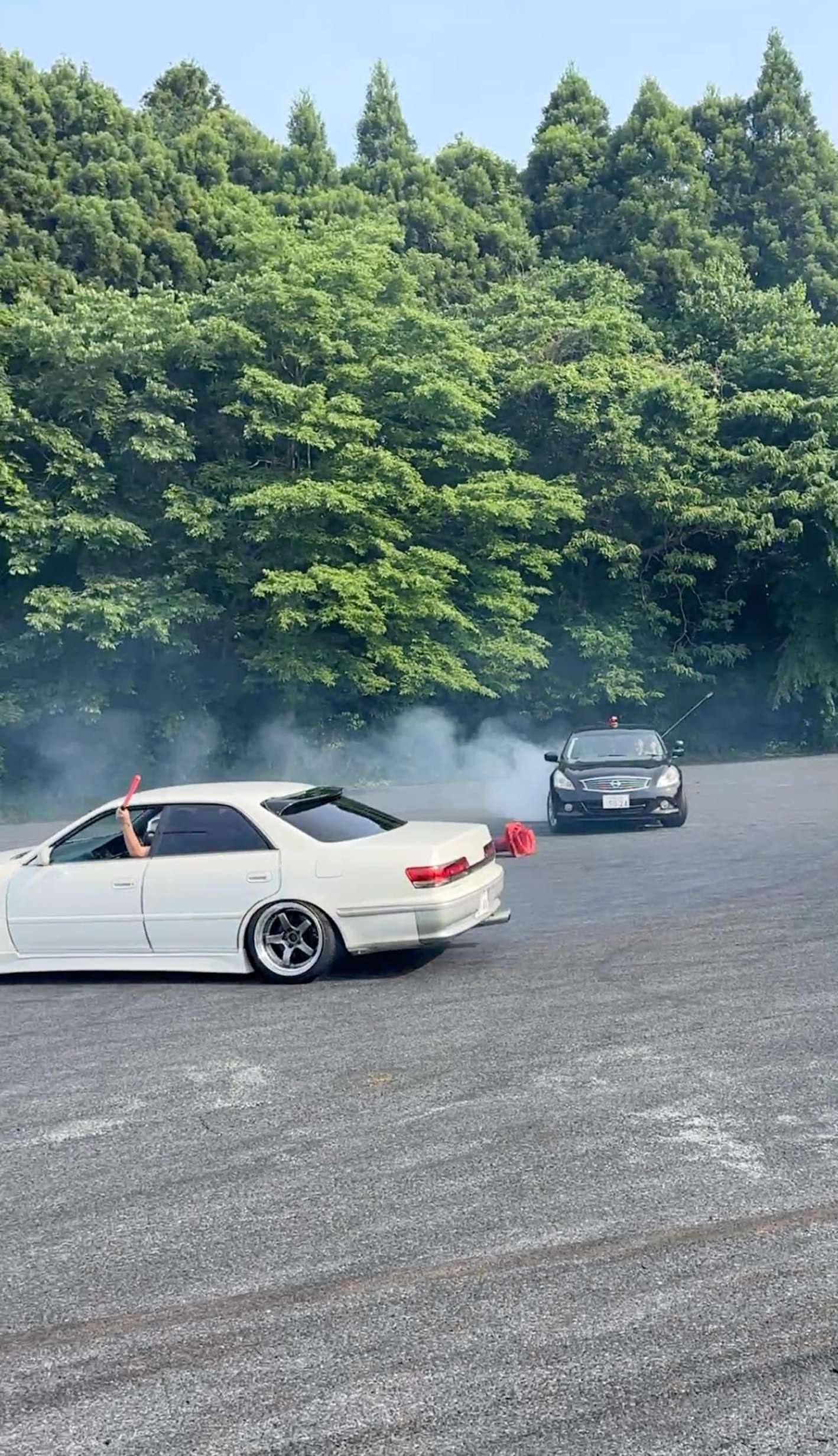
No S2000 rental or ride runs in Tokyo, so this page lines up a drift lesson, a circuit day and a Hakone drive instead.
Read the guide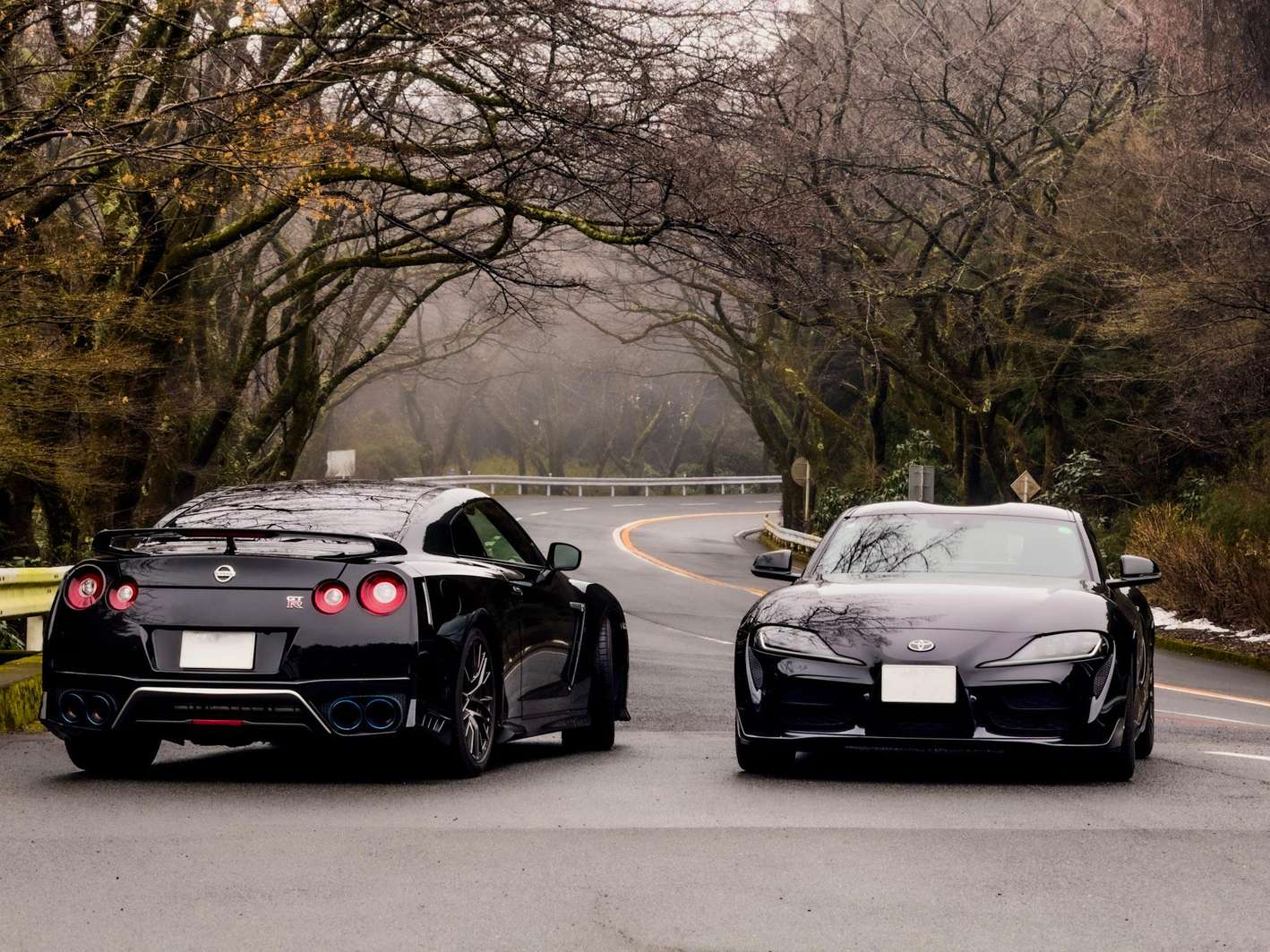
There is no independent MX-5 hire here; the closest seat is a private drift lesson in an assigned Miata.
Read the guide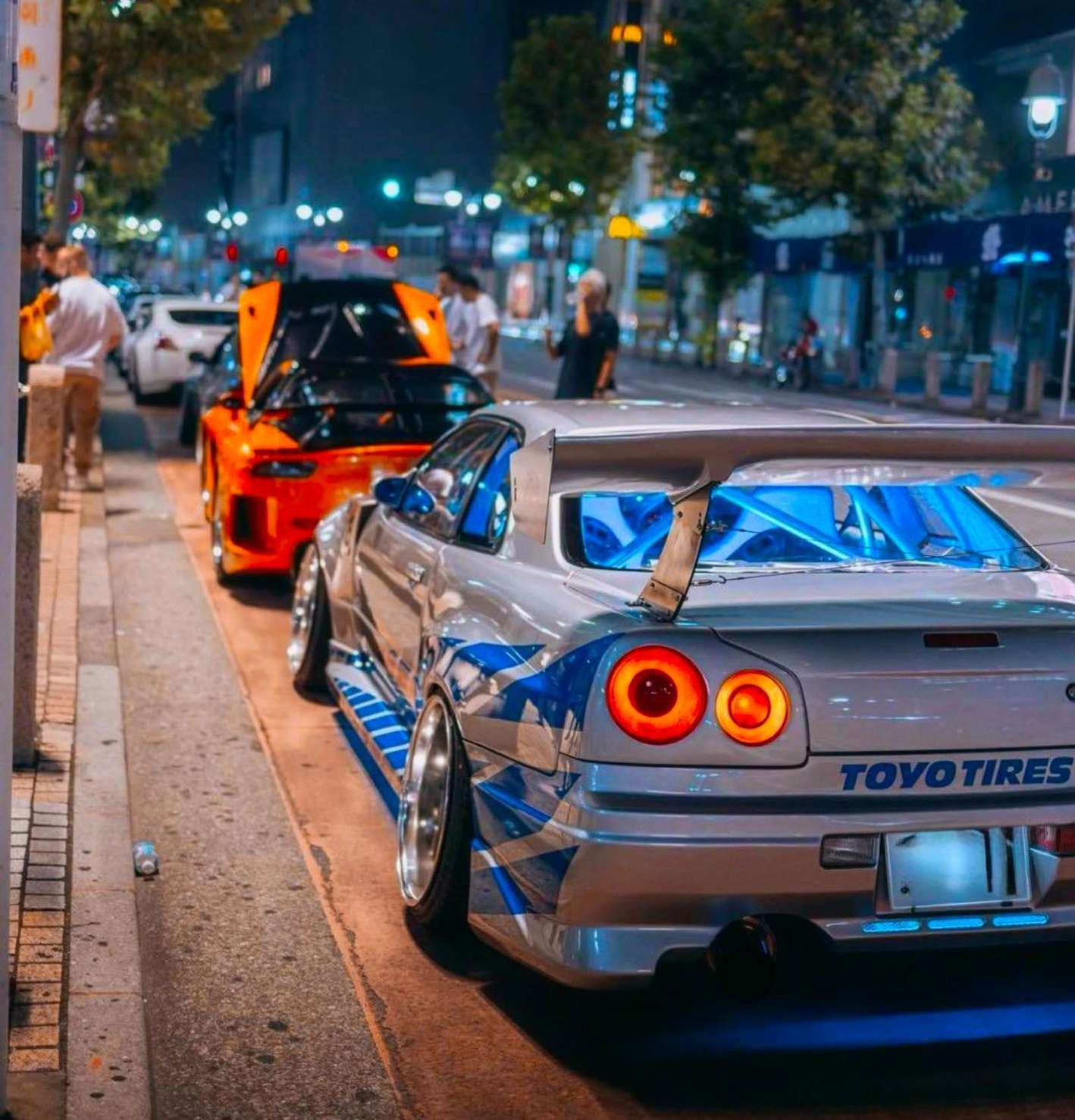
The Evo experiences here are passenger rides in manual Evo VIII, IX and X cars, with a self-drive drift lesson as the hands-on alternative.
Read the guide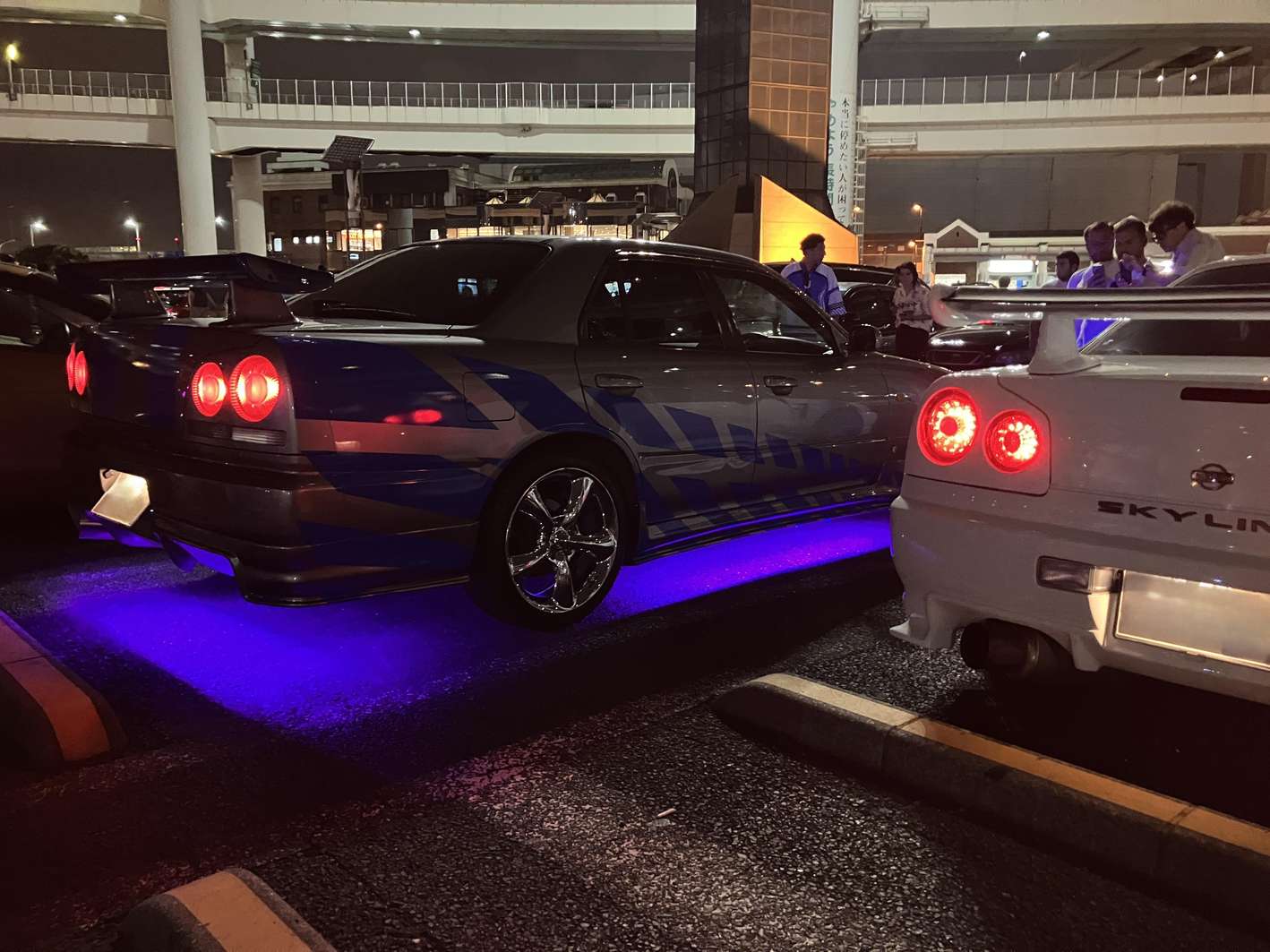
No standalone Silvia hire here, but Silvia rides run to Daikoku, and the S15 was a car Japan never exported.
Read the guide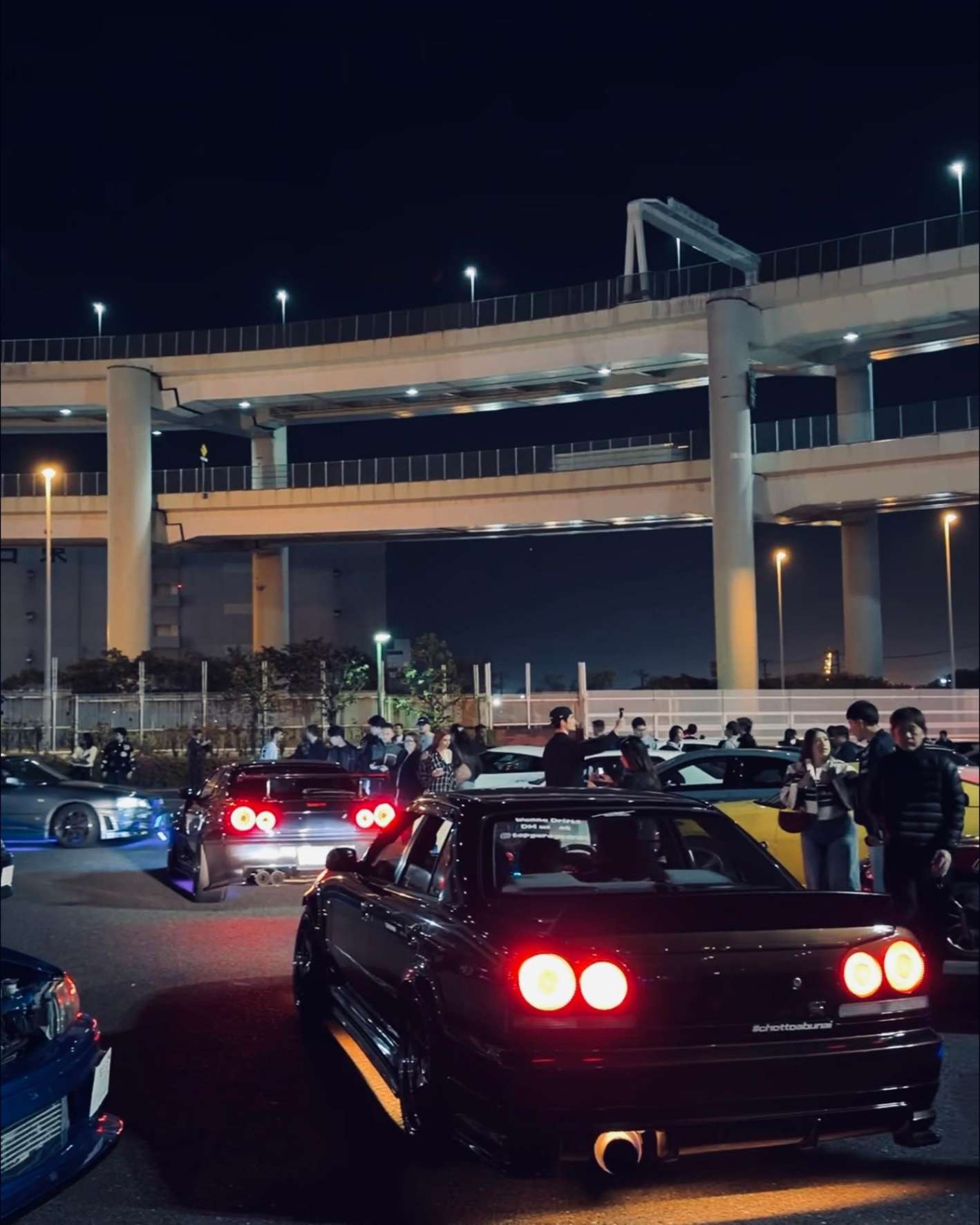
The Chaser Tourer V and Mark II Tourer V are separate cars, and neither comes as a rental here; a guided Daikoku ride is the closest match.
Read the guideEvery page here answers one question: can you drive that particular car in Tokyo, and if the exact rental is out of reach, what comes closest.
The Initial D hero car, and the truth about booking one
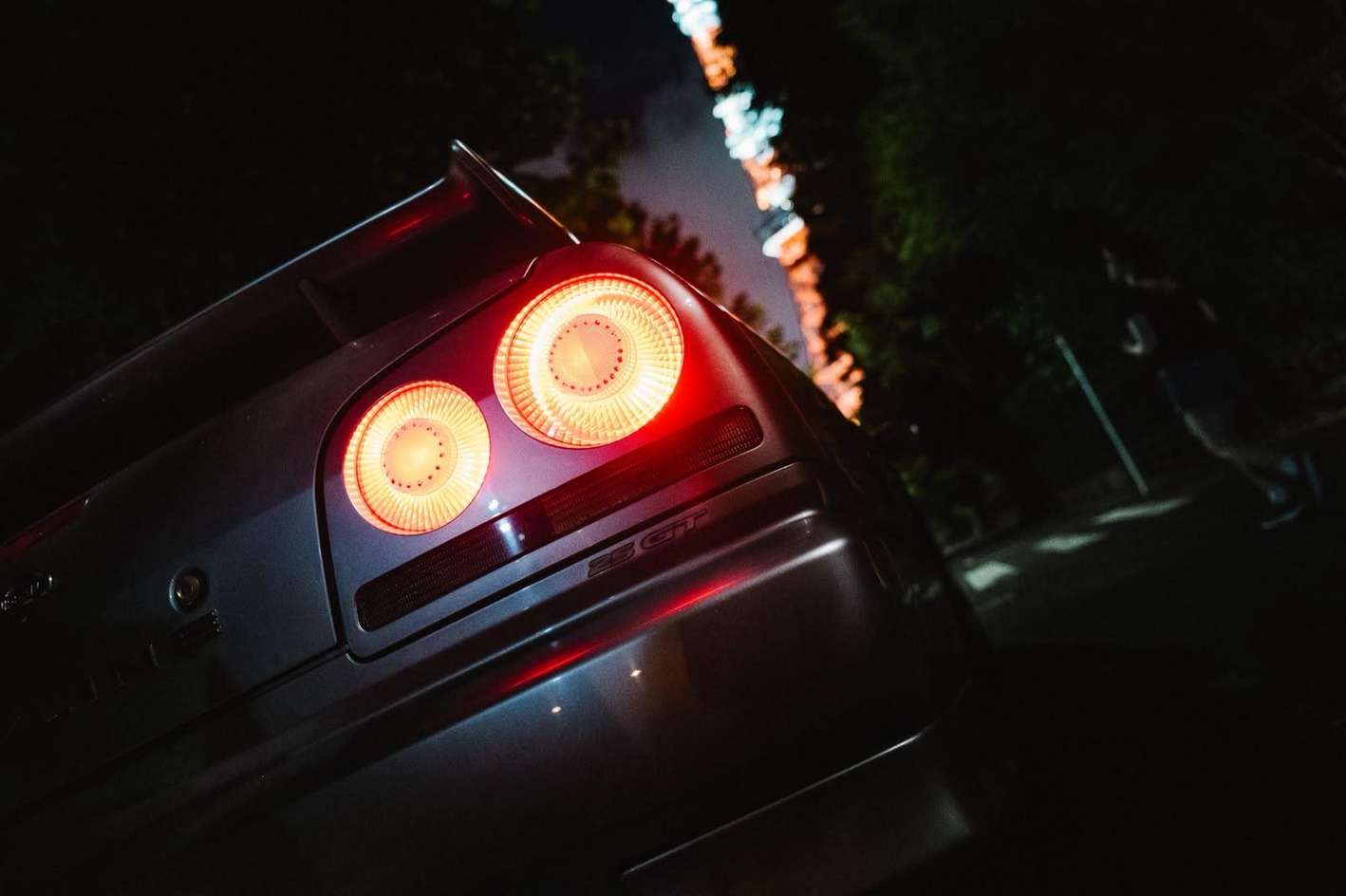
Both were manual, and the electric version ran Thursday and Friday afternoons only. That window has closed, and no regular AE86 hire sits on the booking list today.
What you can still do is ride to Daikoku PA in a modified JDM car and spend the evening among the real thing. The page walks you through those night rides, what the meet is like, and how to pick one that fits your night.
Ride in a tuned Mk4, drive a Skyline instead
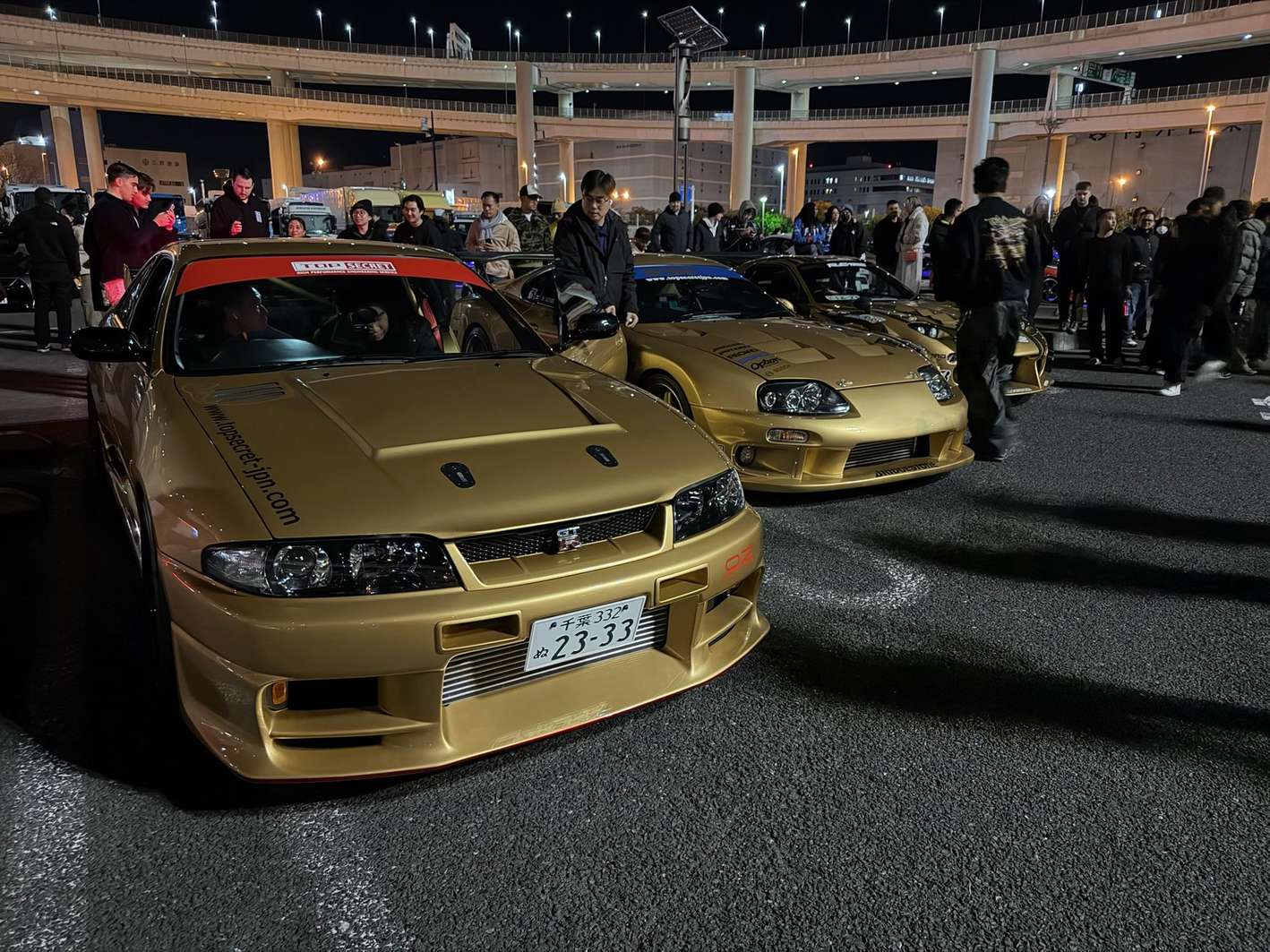
A tuned Toyota Mk4 Supra A80 picks you up at your hotel and runs Tokyo Bay at night, with a local English-speaking guide and a stop at Daikoku PA. The ride lasts about three and a half hours and starts near Kisarazu.
If driving is the point, the self-drive seat here is a GT-R-style Nissan Skyline on a guided night route, and it asks for drivers aged 23 or older with the right documents. The page lays out both so you can decide whether the car or the driving matters more.
Godzilla as a private passenger seat for the night
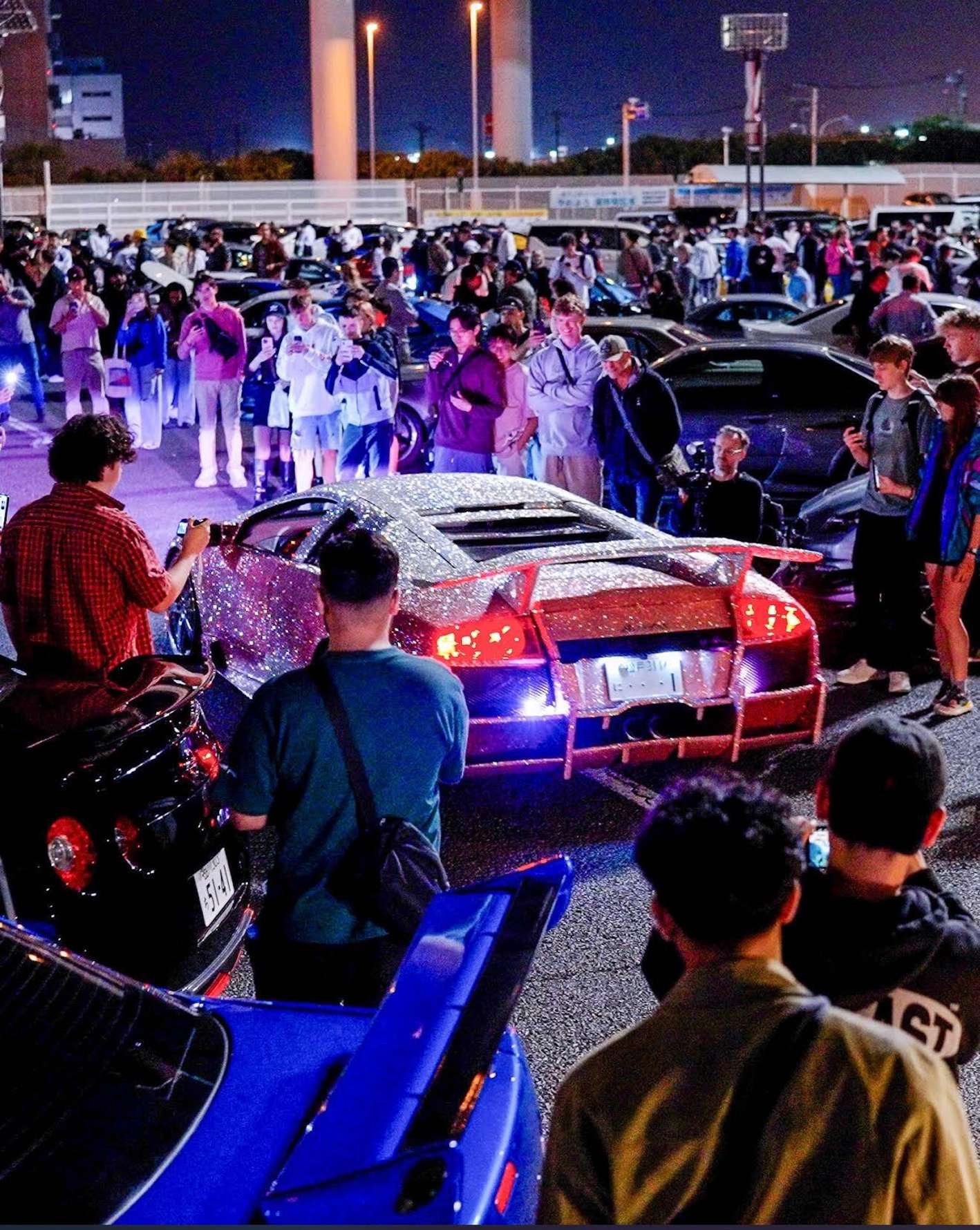
The private GT-R night tour lets you pick your generation, R32, R34 or R35, and rides the Shuto Expressway past Rainbow Bridge to Daikoku PA or Umihotaru when conditions allow. An English-speaking guide rides with you and the whole car is yours.
A second option runs a private R34 with hotel pickup and often a convoy of ten or more JDM legends. Both are passenger experiences, so no driving permit is needed, which suits under-23 travellers and anyone without the paperwork. The page helps you weigh a guaranteed model against the liveliest possible meet.
The one car here you can genuinely drive yourself
This is the closest thing to a real R34 rental on the site: you drive a GT-R-style customized Nissan Skyline from near Shibuya, cross Rainbow Bridge and walk Daikoku PA with an English-speaking guide along for the night. A photographer can cut you a cinematic video the next day.
The rules decide who gets in. Drivers must be 23 or older and carry original physical documents on the day: passport, licence and, for most visitors, a 1949 Convention international driving permit.
R34 drivers also bring a credit card. Miss any of it and there is no participation and no refund, so the page walks the document list line by line.
The modern GT-R, easy to ride and easy to drive
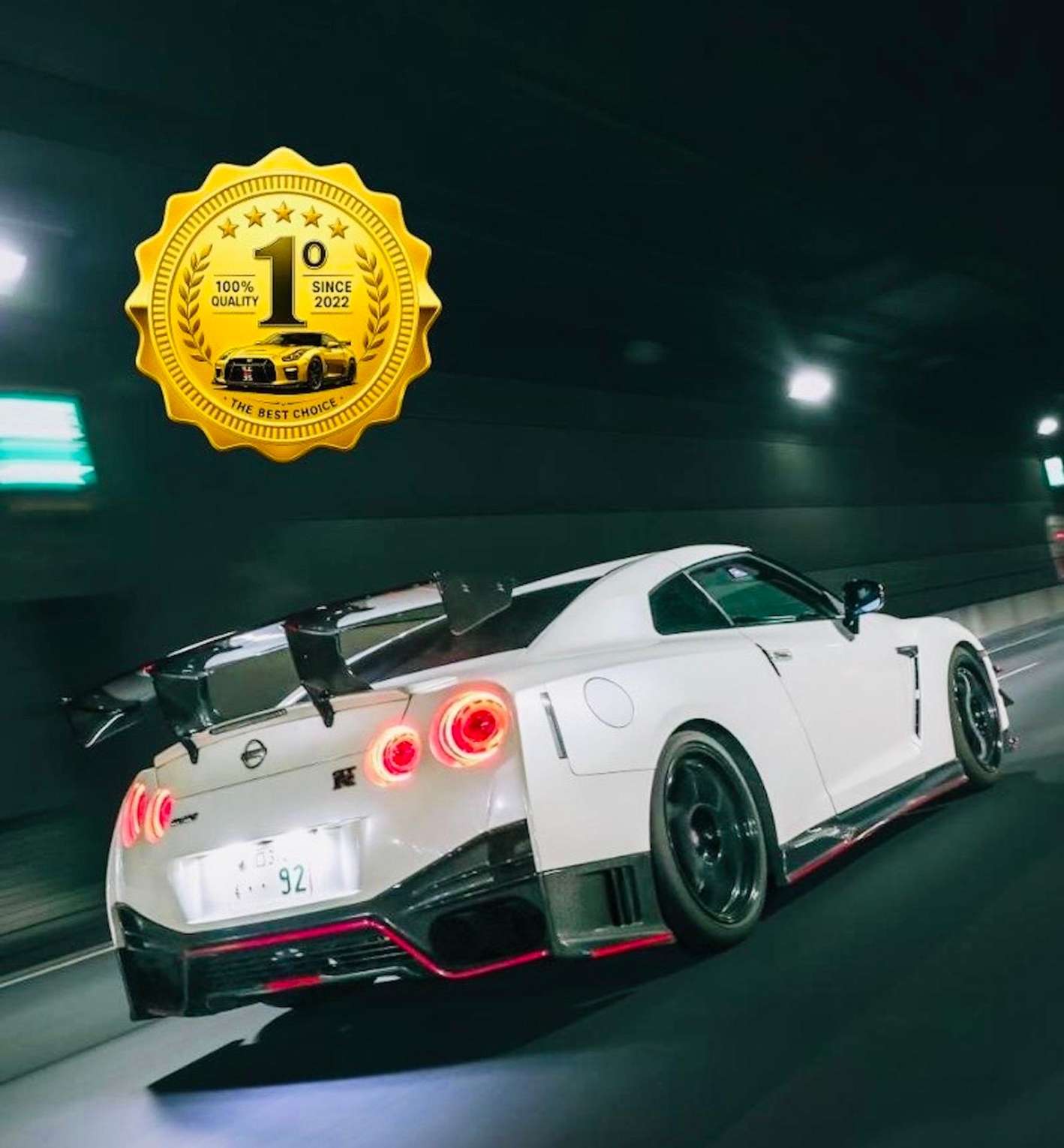
The R35 is the modern flagship of the GT-R line, wide, twin-turbo and comfortable in Tokyo traffic, and it shows up at Daikoku PA on weekend nights beside R34s, Supras and exotics. Passenger rides put you in one for a night run with photo stops at Rainbow Bridge and Tokyo Tower.
For the wheel, the self-drive tour offers an R35 option on its four-hour guided route, with the same age and document rules as the rest of the fleet. The page also points out that GT-R requests made on the day can miss out, so booking a few days ahead protects the car you want.
No S2000 on the books, so here is what to do with the day
The Honda S2000 you searched for has no rental and no ride on the list. What Tokyo does sell is a private six-hour drift lesson with an OG instructor, three hours of it behind the wheel, plus a shorter circuit session in a Toyota Altezza with round-trip transport from the city.
If you would rather keep the day scenic, a guided sports-car tour runs ten hours toward Hakone and Mount Fuji with hotel pickup, over passes car people travel across the world for. The page sorts the three by what you want from the day: skill, a circuit, or mountain roads.
The Miata comes with an instructor attached
The MX-5 is the car drift schools hand to beginners, and the private Tokyo lesson gives you six hours with three of practice, taught step by step by pros who grew up on Japanese mountain roads. Helmets and gloves come with it, and you need long pants and closed shoes.
An independent MX-5 to take away for the day is a different product, and it is absent from the list here. The page also covers the paperwork for anyone who does rent elsewhere: most visitors need a 1949 Geneva Convention international driving permit, their home licence and passport, arranged before they fly.
Manual Evo night runs, from the passenger seat
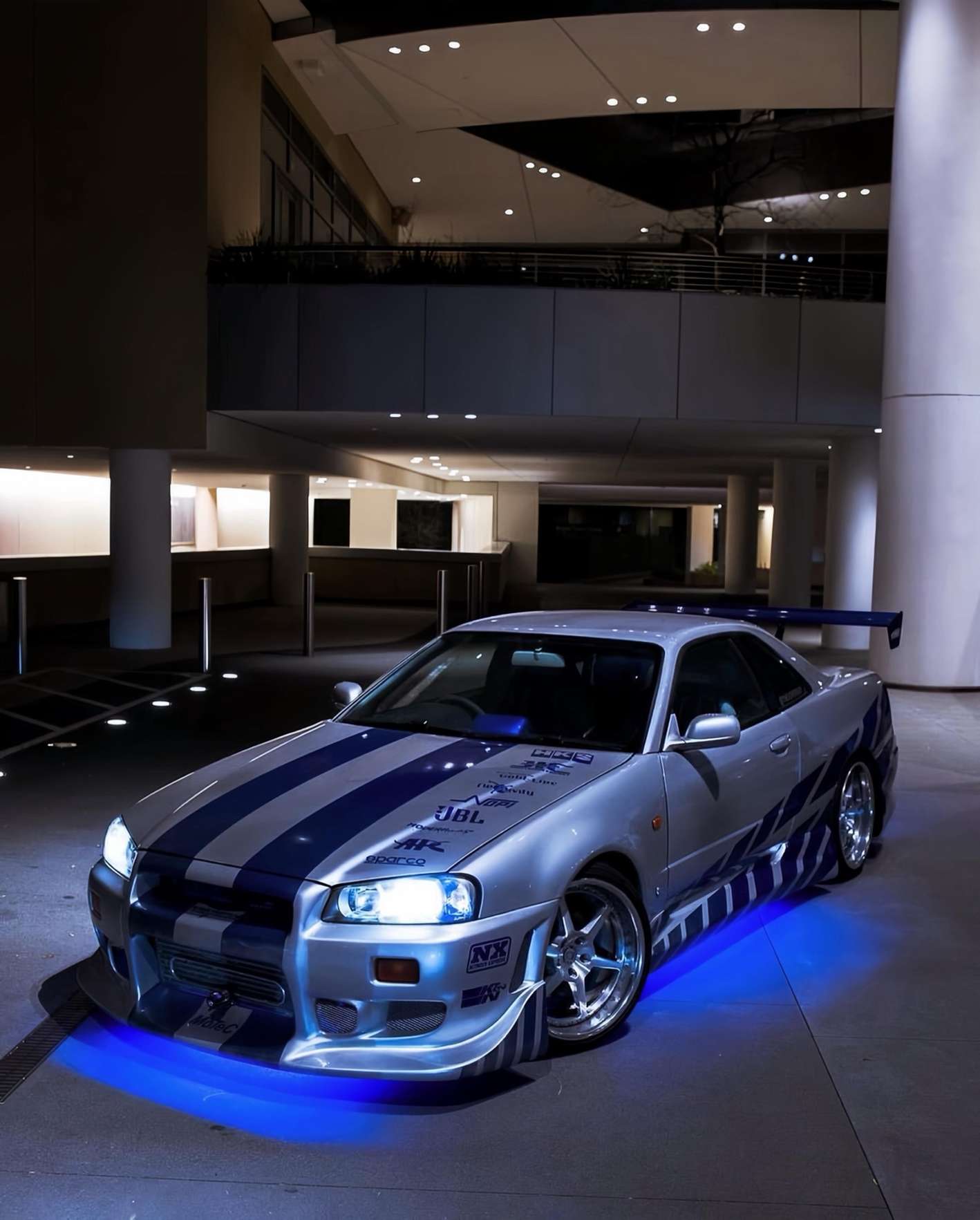
The night run puts you in a genuine manual Mitsubishi Evo, WRX STI or Skyline, never a van, and carries you across Rainbow Bridge to Daikoku PA with a photo stop at Tokyo Tower. Guides explain the WRC heritage and the tuning scene as you go, and the whole outing runs three to four hours.
Driving an Evo yourself is the missing piece: no self-drive Evo rental sits on the list. If your hands need to be busy, the drift lesson at a Chiba circuit teaches donuts and figure eights from scratch, no licence required. The page makes the passenger-versus-driver split plain before you book.
Japan-only S-chassis, seen best at a night meet
The Silvia is drift royalty: S-chassis cars have taken eleven D1 Grand Prix championships, and the S15 was sold only on the Japanese home market, which is part of why people hunt for one in Tokyo.
The tours here put you alongside that story with rides in a Silvia S15 to Daikoku PA or Umihotaru, plus a private R34 outing with hotel pickup if you want the car to yourself.
A rental contract for a Silvia is the piece the list lacks. The page helps you decide whether a guided ride through the meet scene satisfies the itch, or whether you should look at the self-drive Skyline tour for the wheel instead.
Two distinct sedans, neither on the rental list
The Chaser Tourer V and the Mark II Tourer V share a platform and a straight-six turbo, and fans argue about them the way people argue about Skylines.
Neither appears as a rental on the tours for sale here, so the honest starting point is a guided ride: one Daikoku tour runs small groups in a convoy where you can swap between an Evo, an R34 Skyline and other cars at each stop.
That ride lasts about three and a half hours with hotel pickup, and the meet lineup changes by night, so go for the scene as a whole. The page explains what separates the two models and what the closest rides actually put you in.
Compare JDM sports car hire options across Tokyo and pick the model that fits your trip.
Find out whether you can book an AE86 in Tokyo and what the alternatives are if not.
See how to rent and drive a Supra in Tokyo, with availability and booking details.
Sort out an R32 GT-R: what a self-drive rental involves and the closest guided rides.
Weigh driving an R34 Skyline yourself against joining a guided ride in one.
Get the full picture on R35 GT-R experiences in Tokyo, from rentals to guided drives.
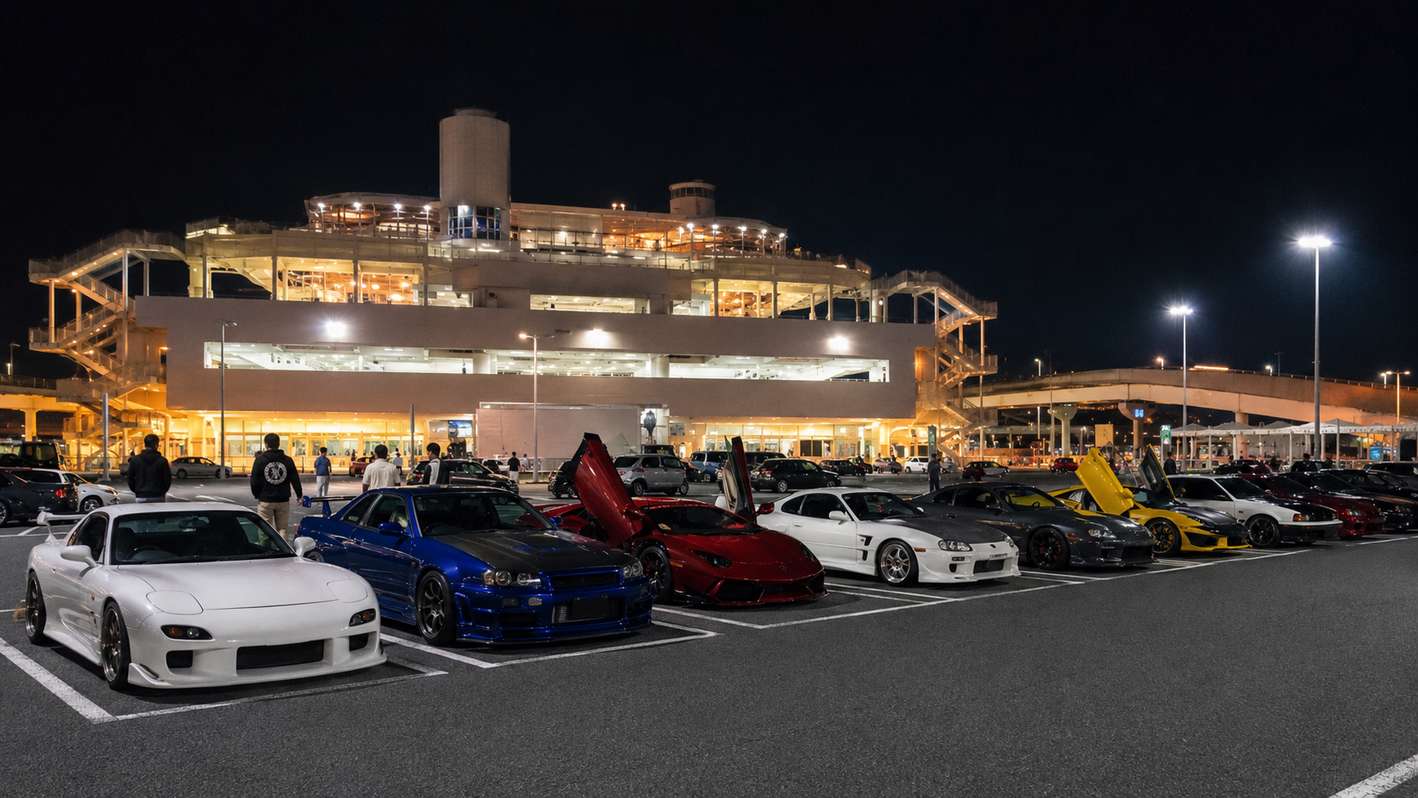
Map out Tokyo's car meet locations so you know where to point your rental at night.
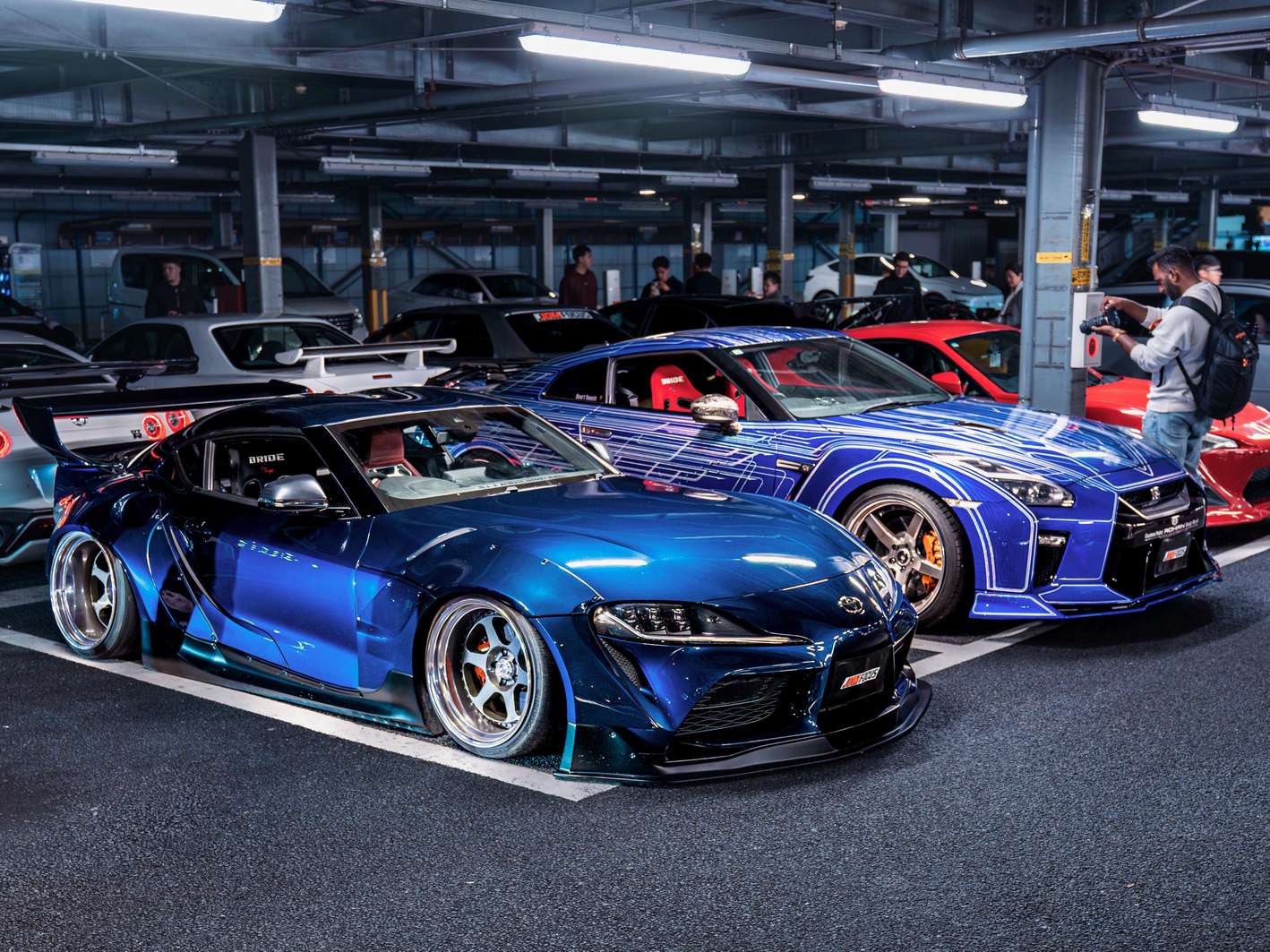
Plan a stop at the Akihabara UDX underground parking and its anime-wrapped cars.
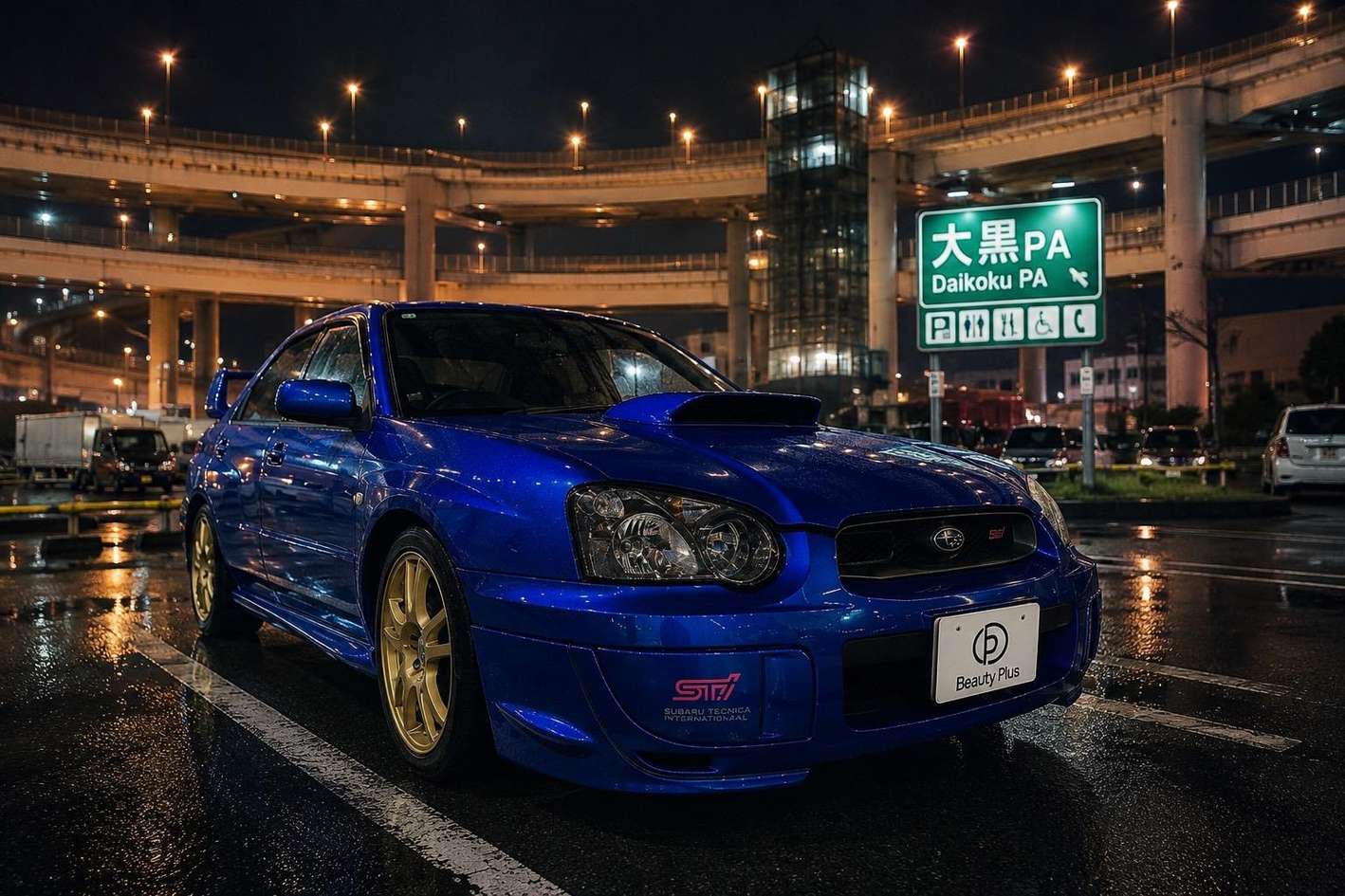
Learn what to expect at Tatsumi PA and how to approach a visit there by car.
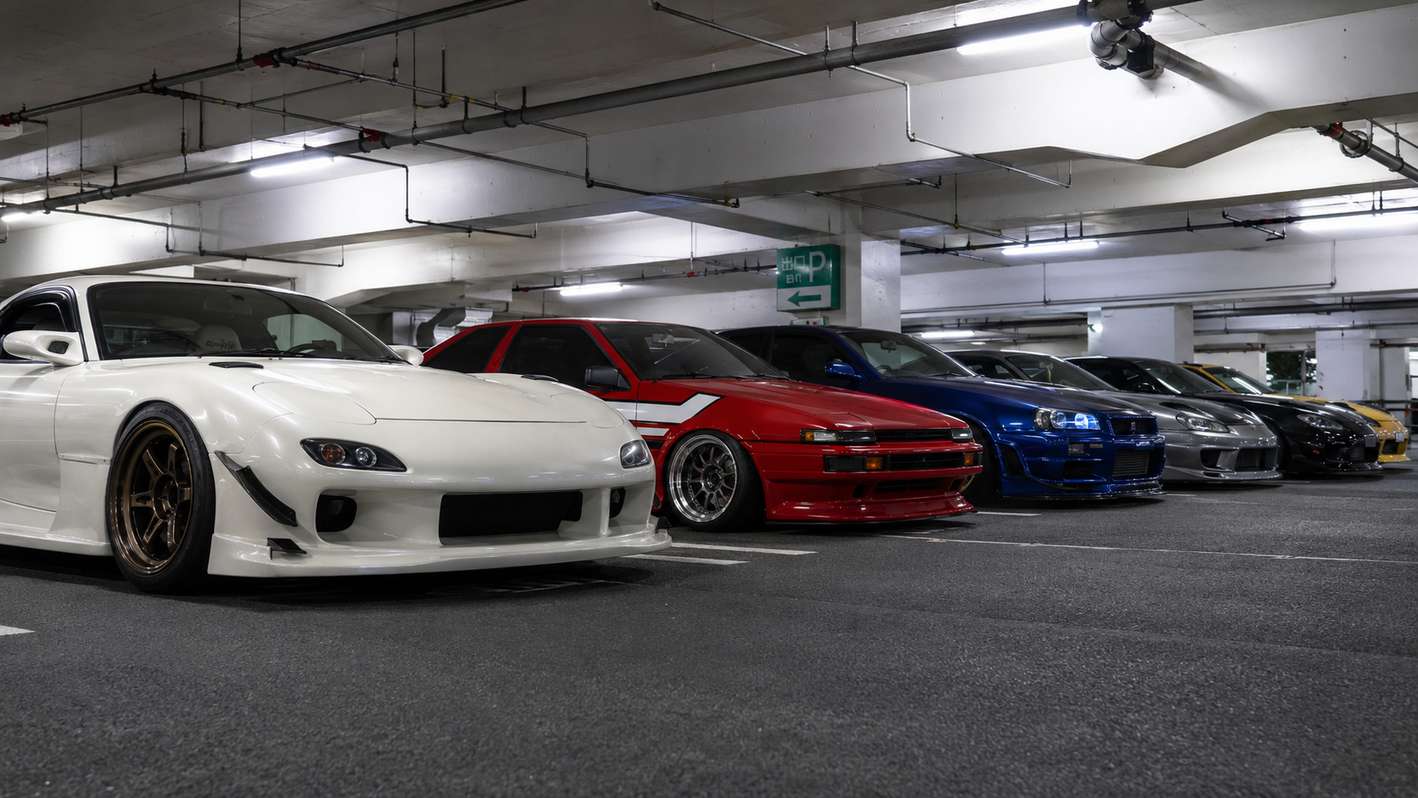
Work out how to reach Umihotaru PA on the Aqua-Line and when the cars show up.
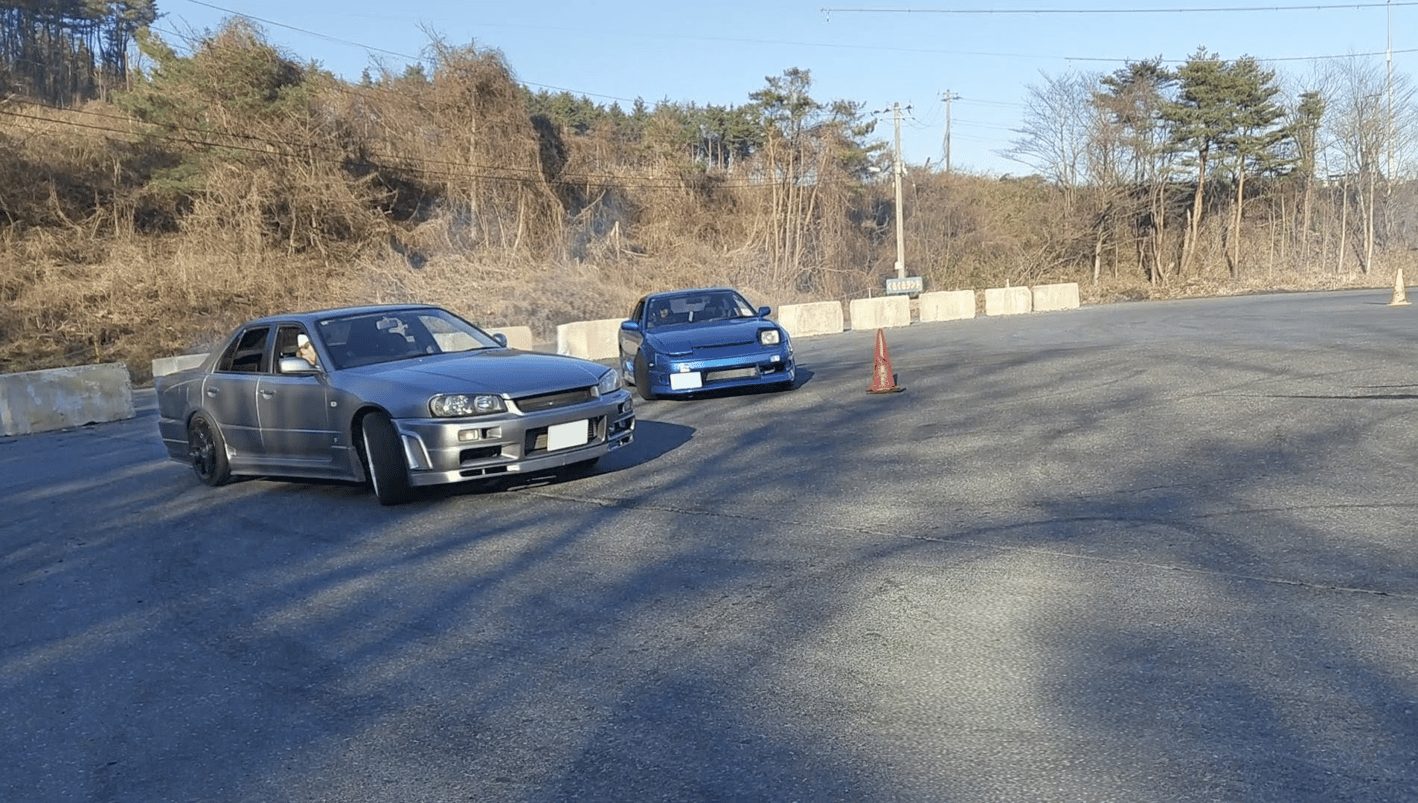
Get visitor information for the City Circuit Tokyo Bay meet at Daikoku PA.
Find the Higashi Osaka parking area and plan a Friday or Saturday evening visit.
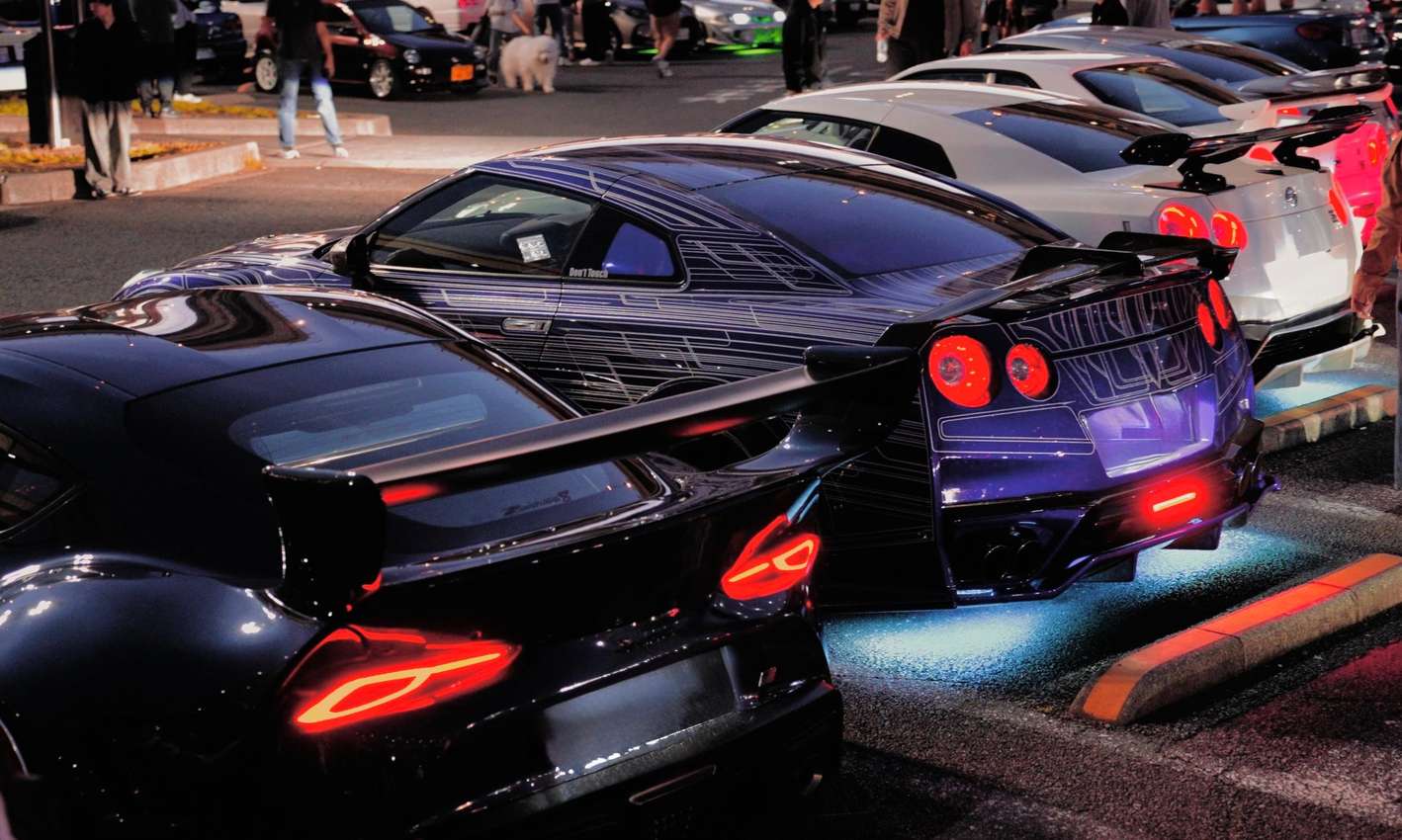
Read the Daikoku car meet guide before you drive there, from access to etiquette.
Pick the best day and time for Daikoku so your drive lands on a busy night.
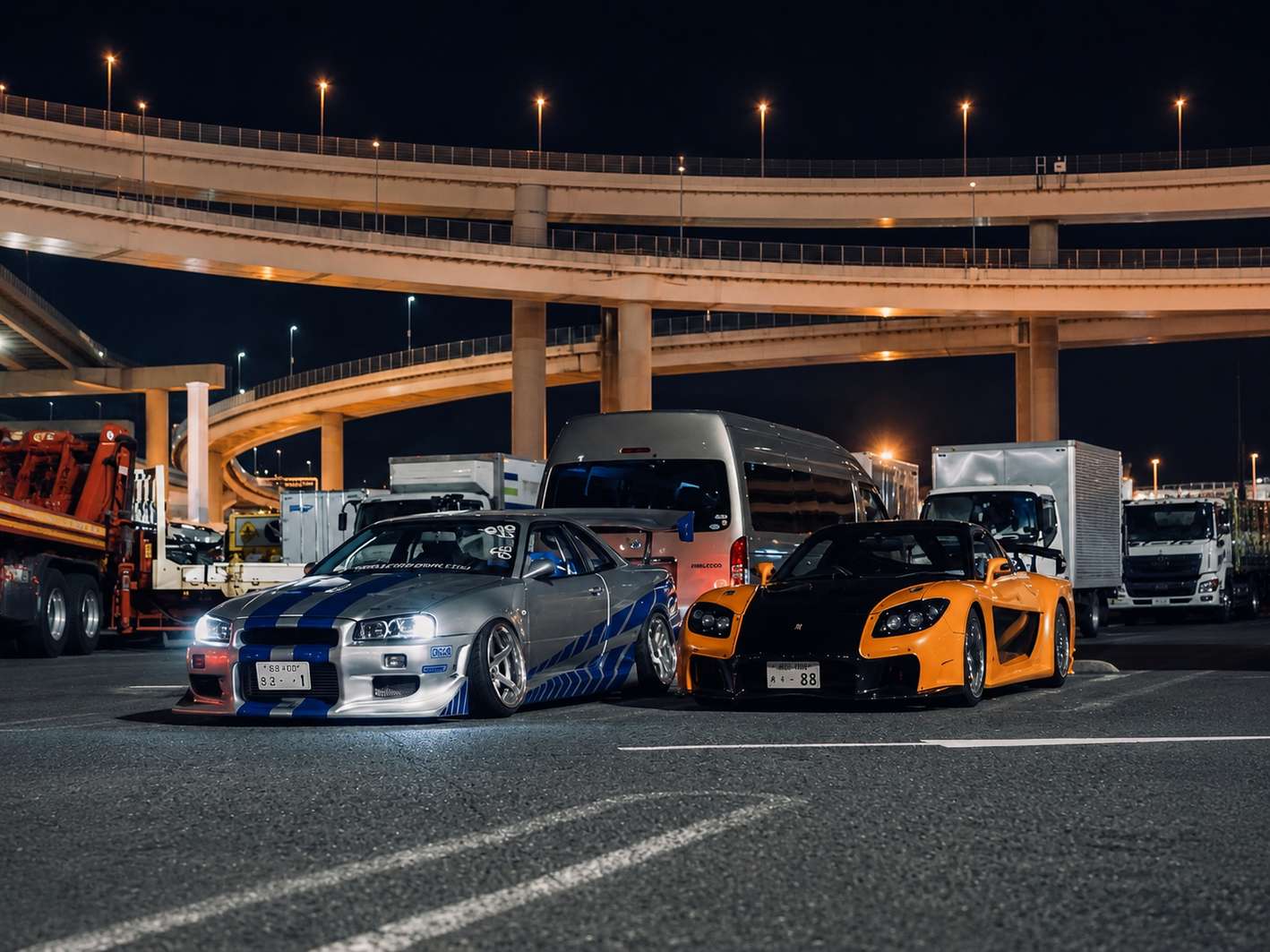
Get directions to Daikoku PA, which you can only reach in a vehicle on the expressway.
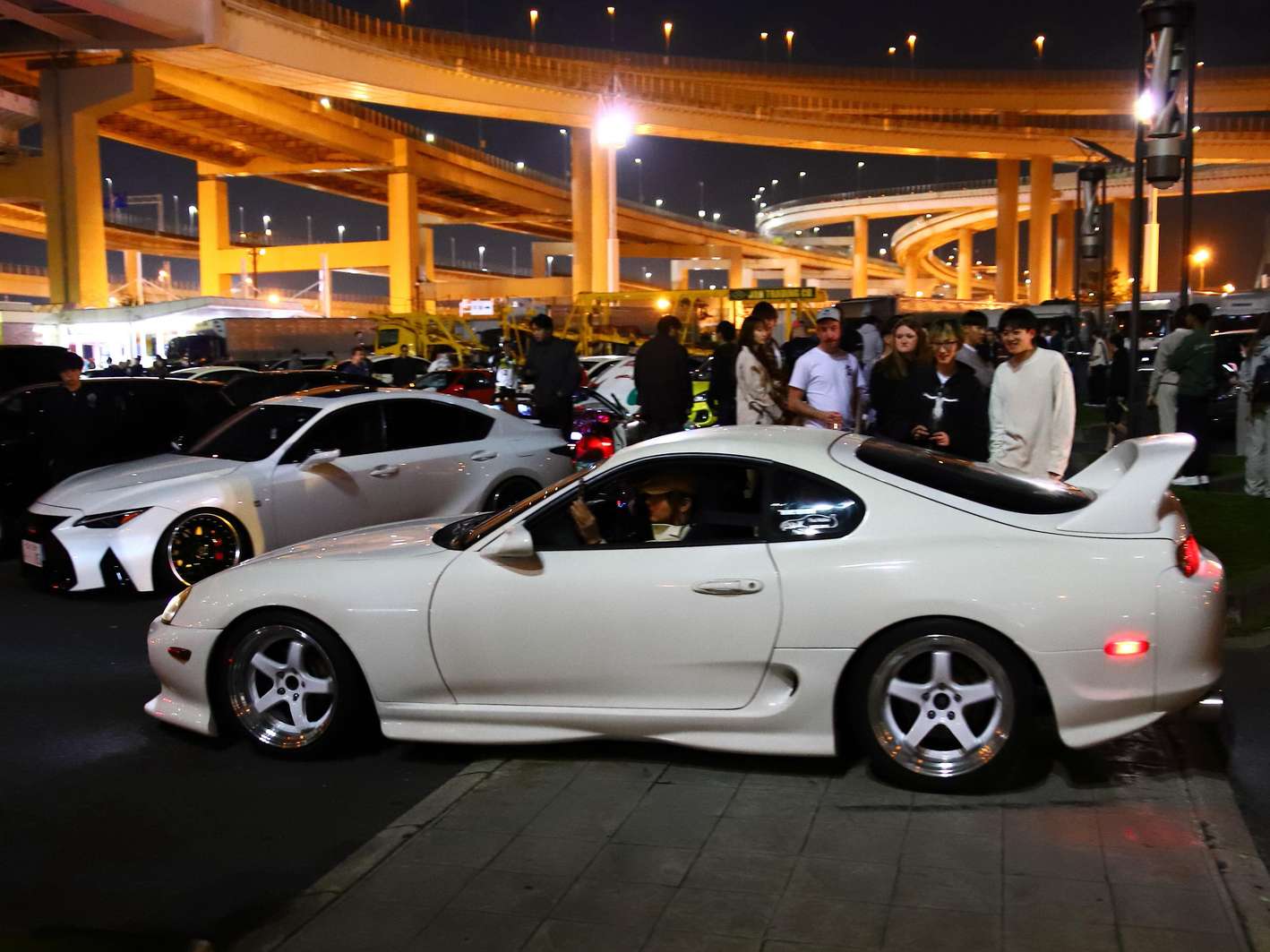
Check the visitor rules and police situation at Daikoku before you set off.
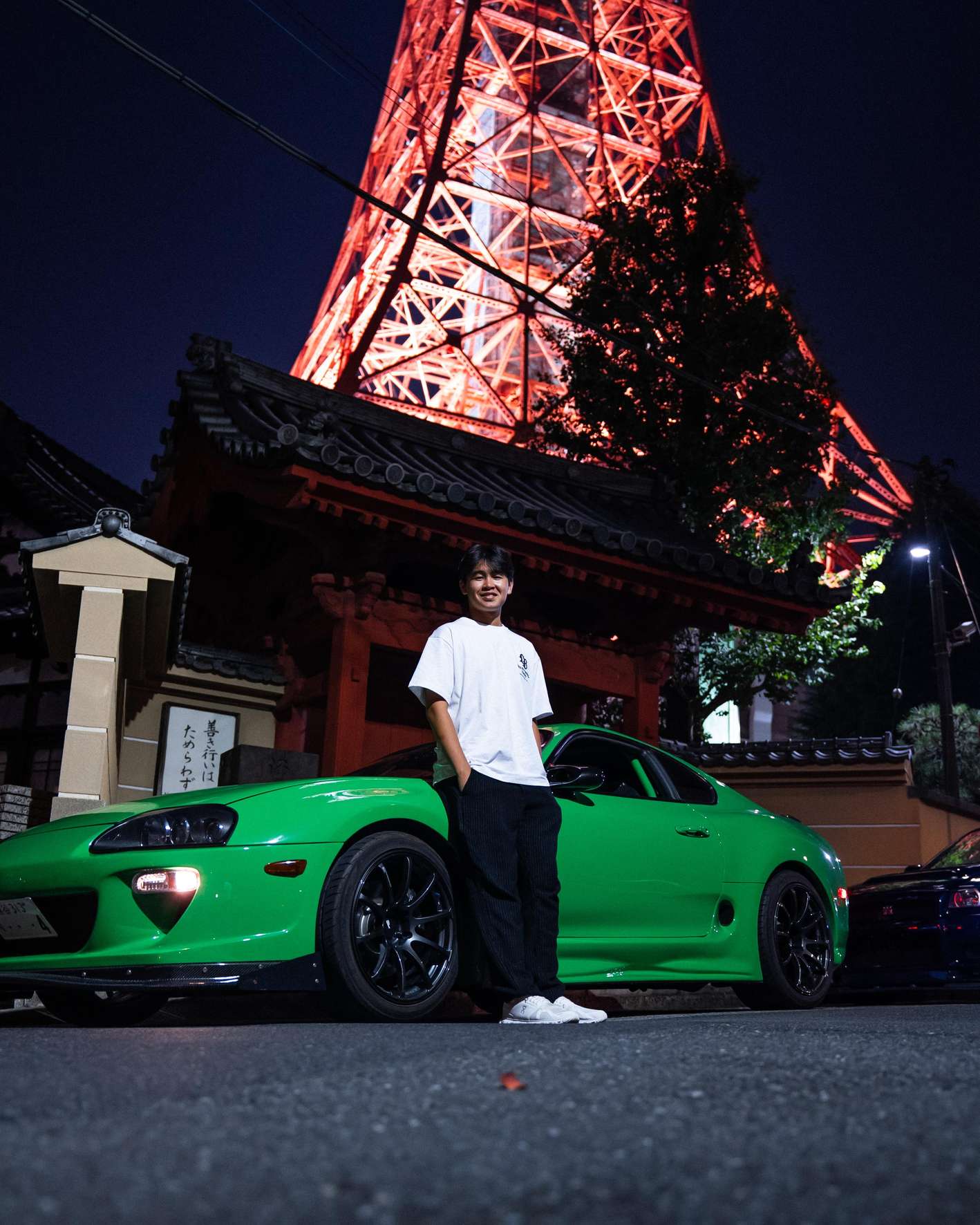
See the modified Supra night experience that pairs a Daikoku visit with an Mk4 ride.
Look at the Daikoku ride in a Porsche Macan if you want the meet without a JDM car.
Find where drifting happens near Tokyo and how to move from watching to trying it.
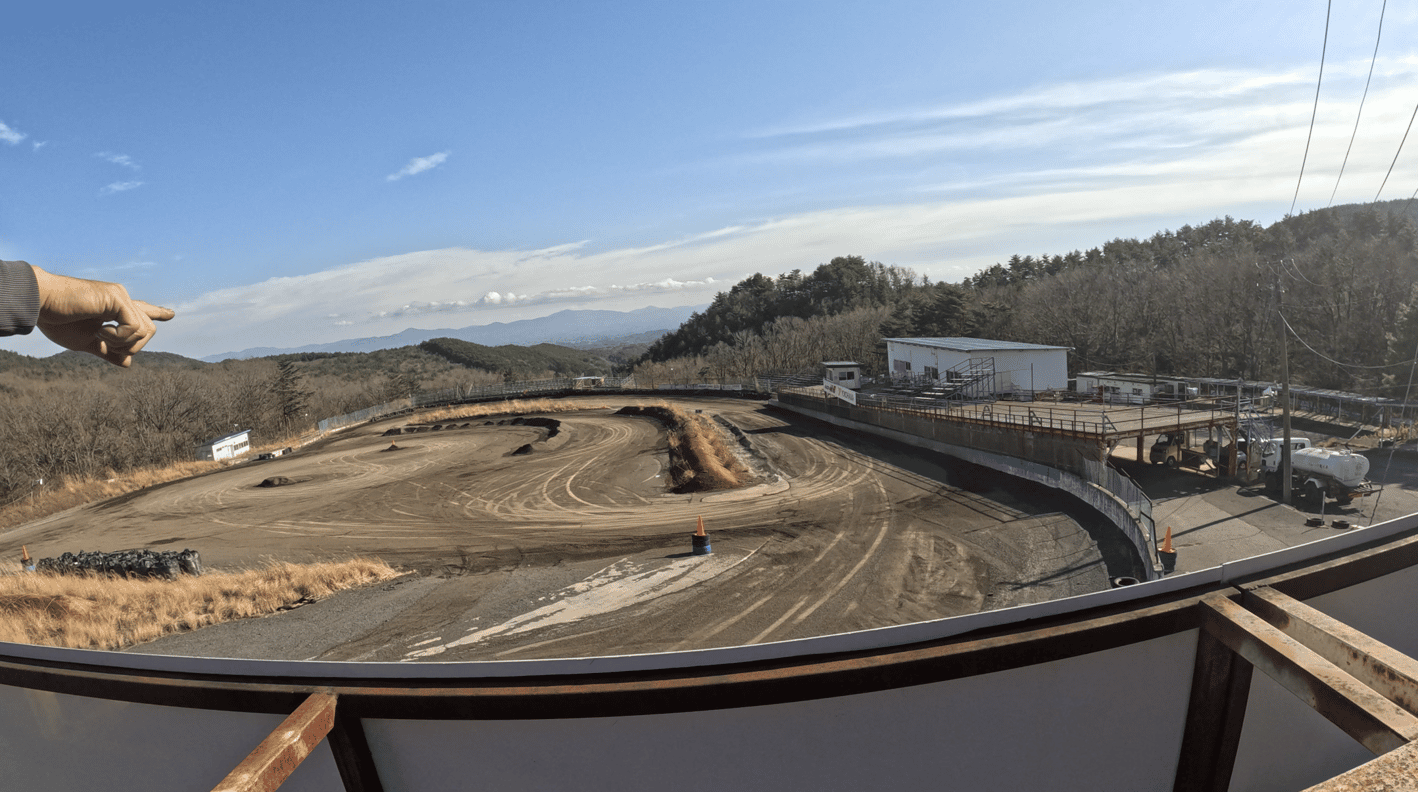
Get clear answers on where to see drift racing around Tokyo and when events run.
Compare drift lessons and schools, including the full-day option at Ebisu Circuit.
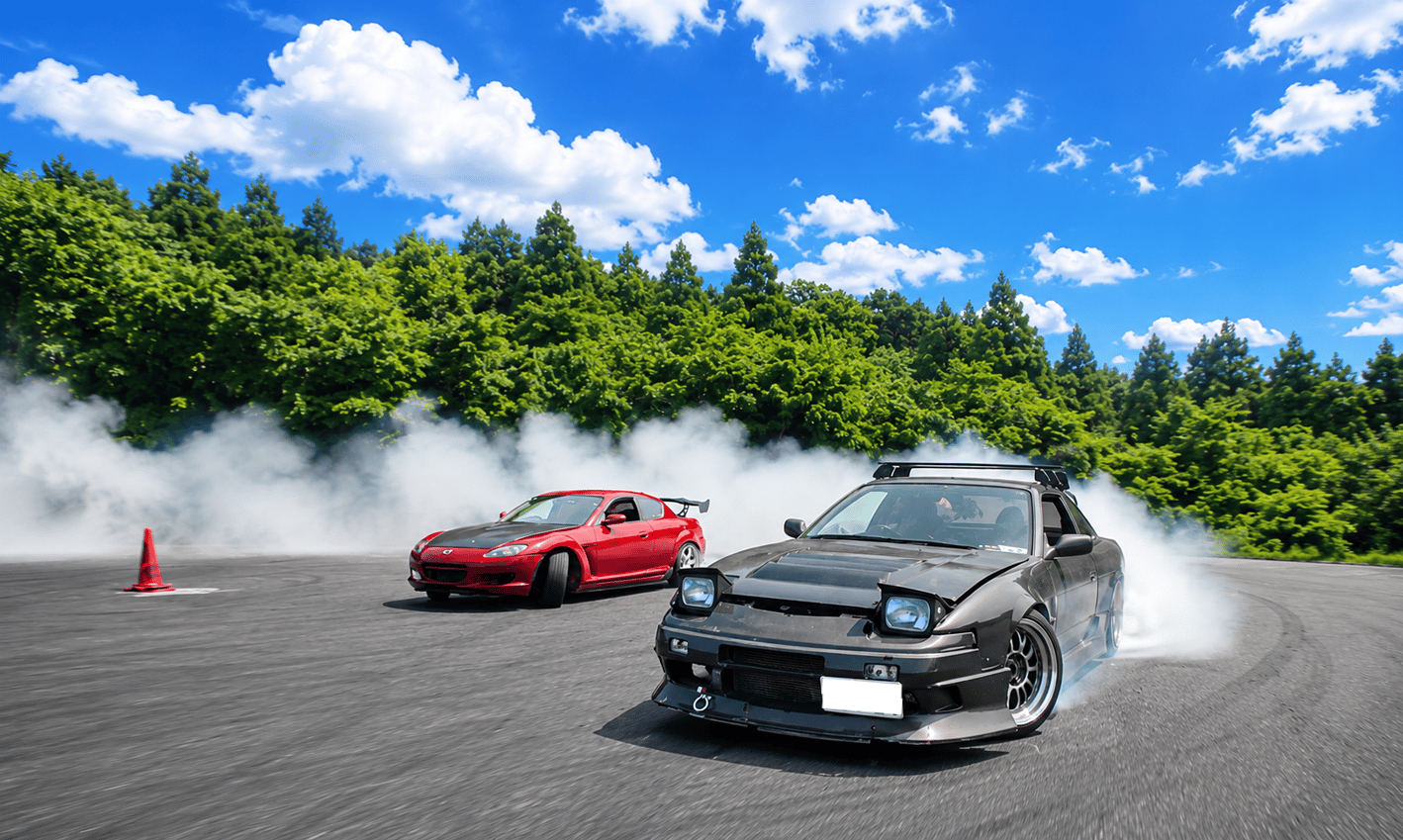
Choose a bookable track experience if you want to drift yourself, legally and safely.
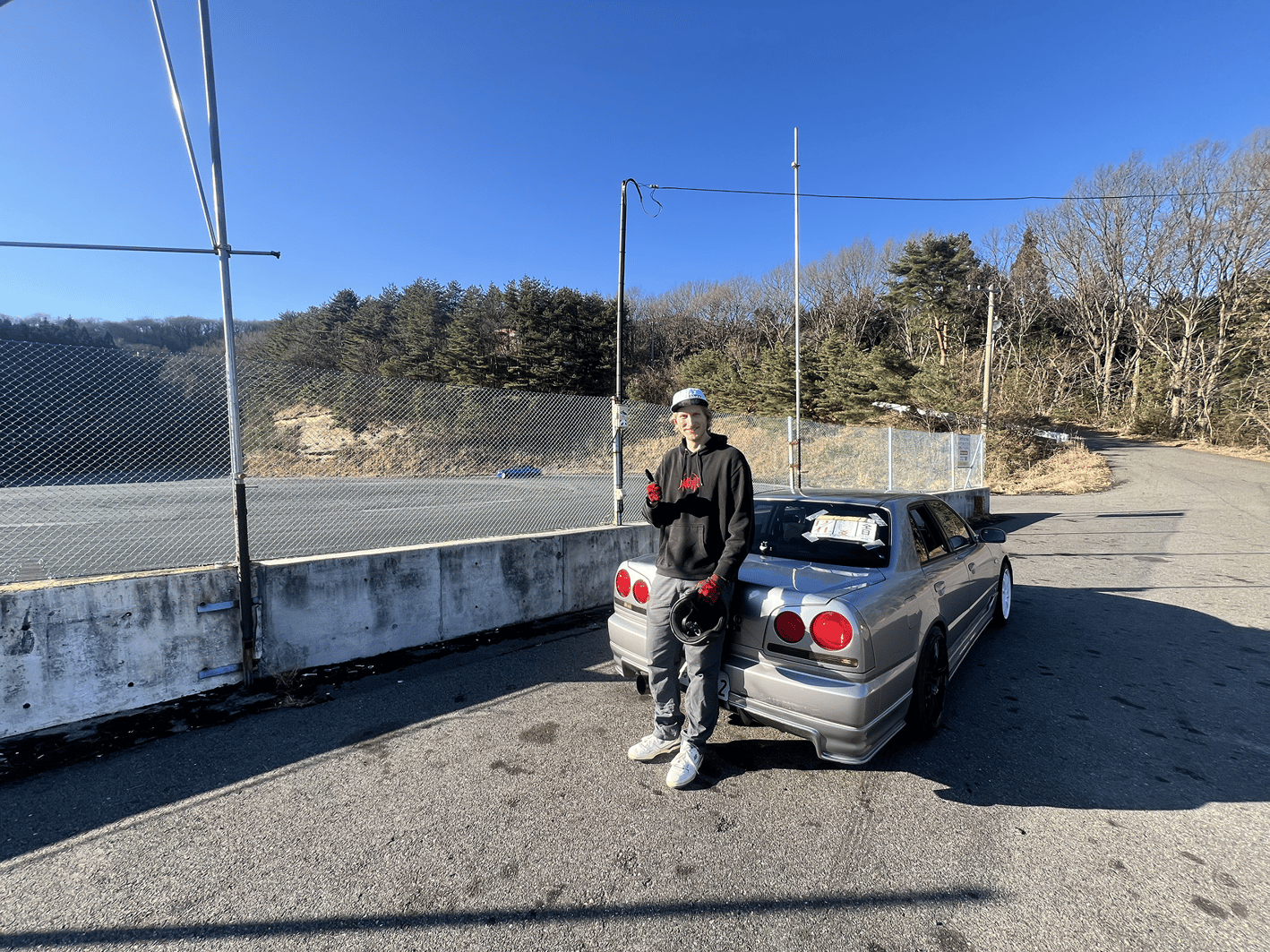
Browse guided drift rides and track days to find the Tokyo drift tour that suits you.
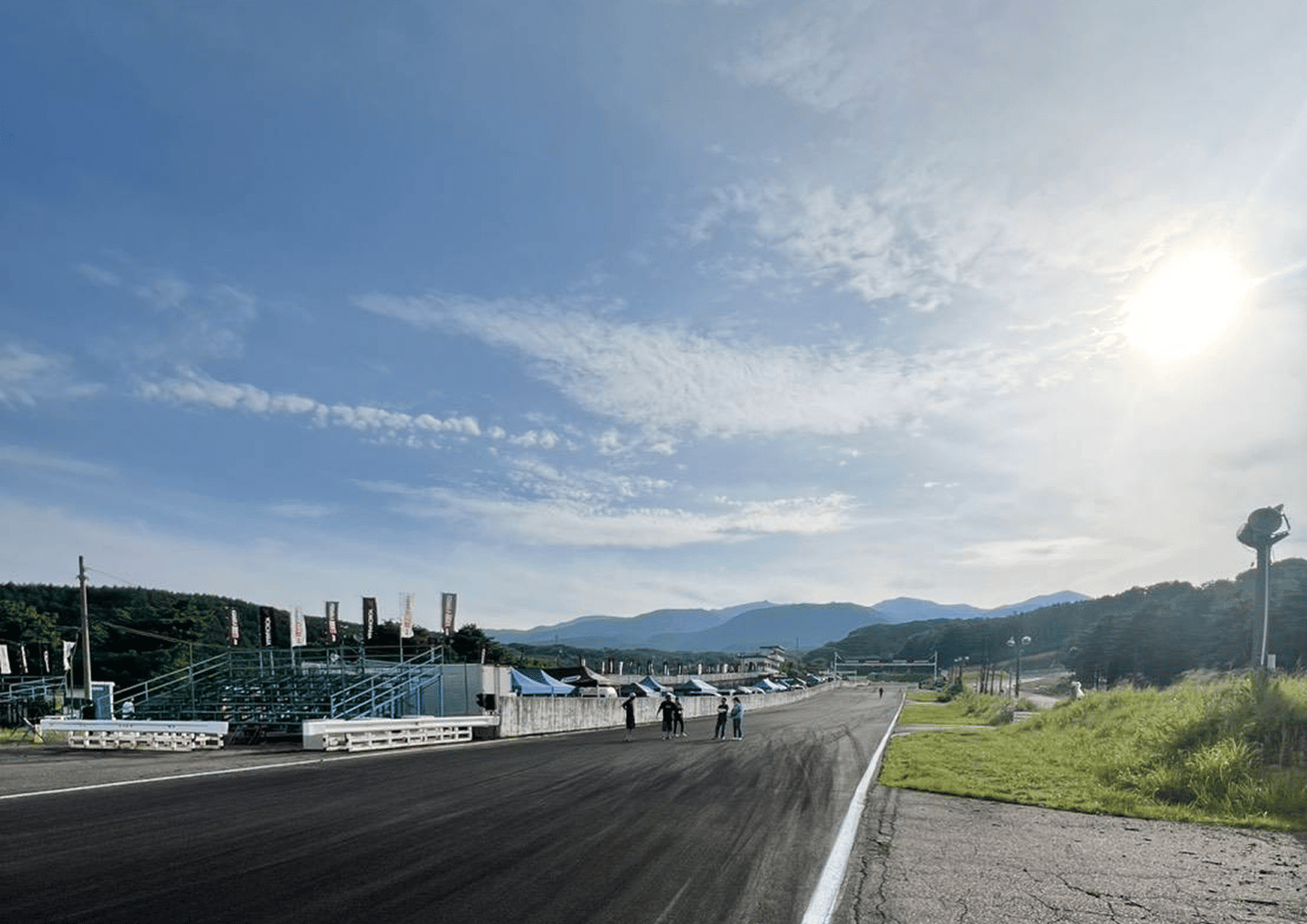
Plan the day trip from Tokyo to Ebisu Circuit for a drift experience in Gunma.
Compare JDM experience tours in Tokyo, from passenger rides to self-drive days.
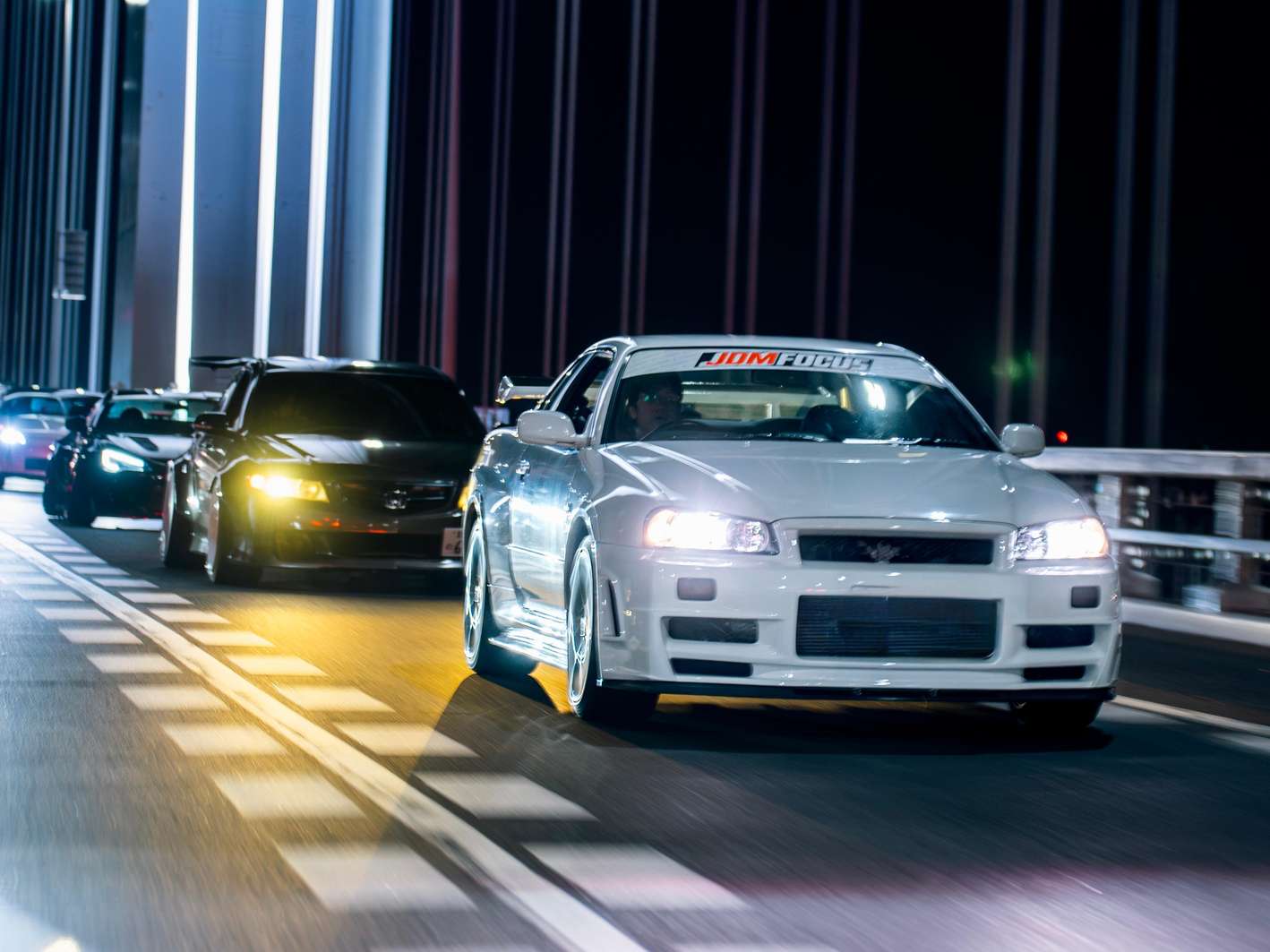
Find a car meet tour that gets you into Tokyo's nighttime scene without driving.
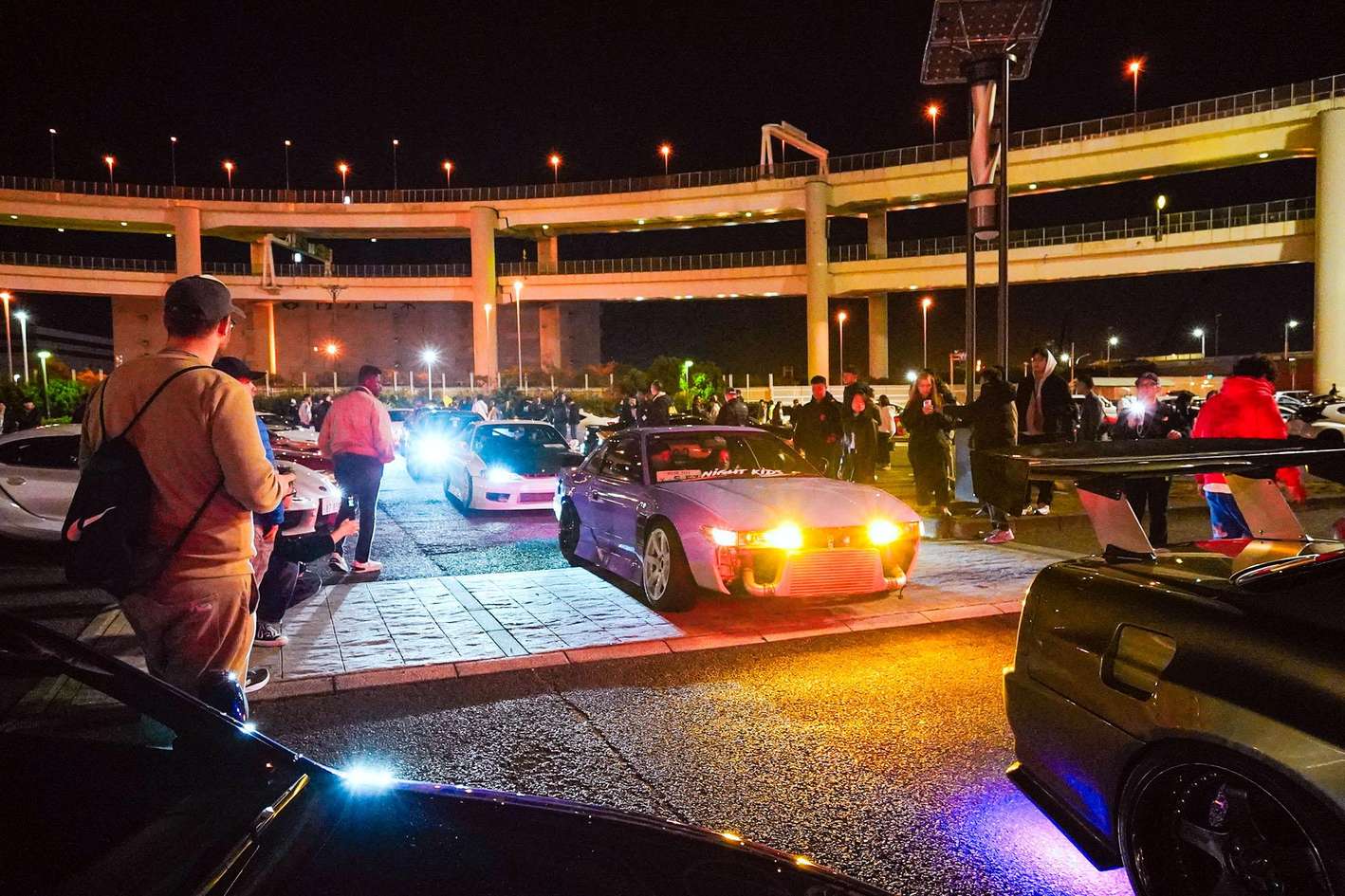
Book a JDM night tour to Daikoku PA if you would rather ride than take the wheel.
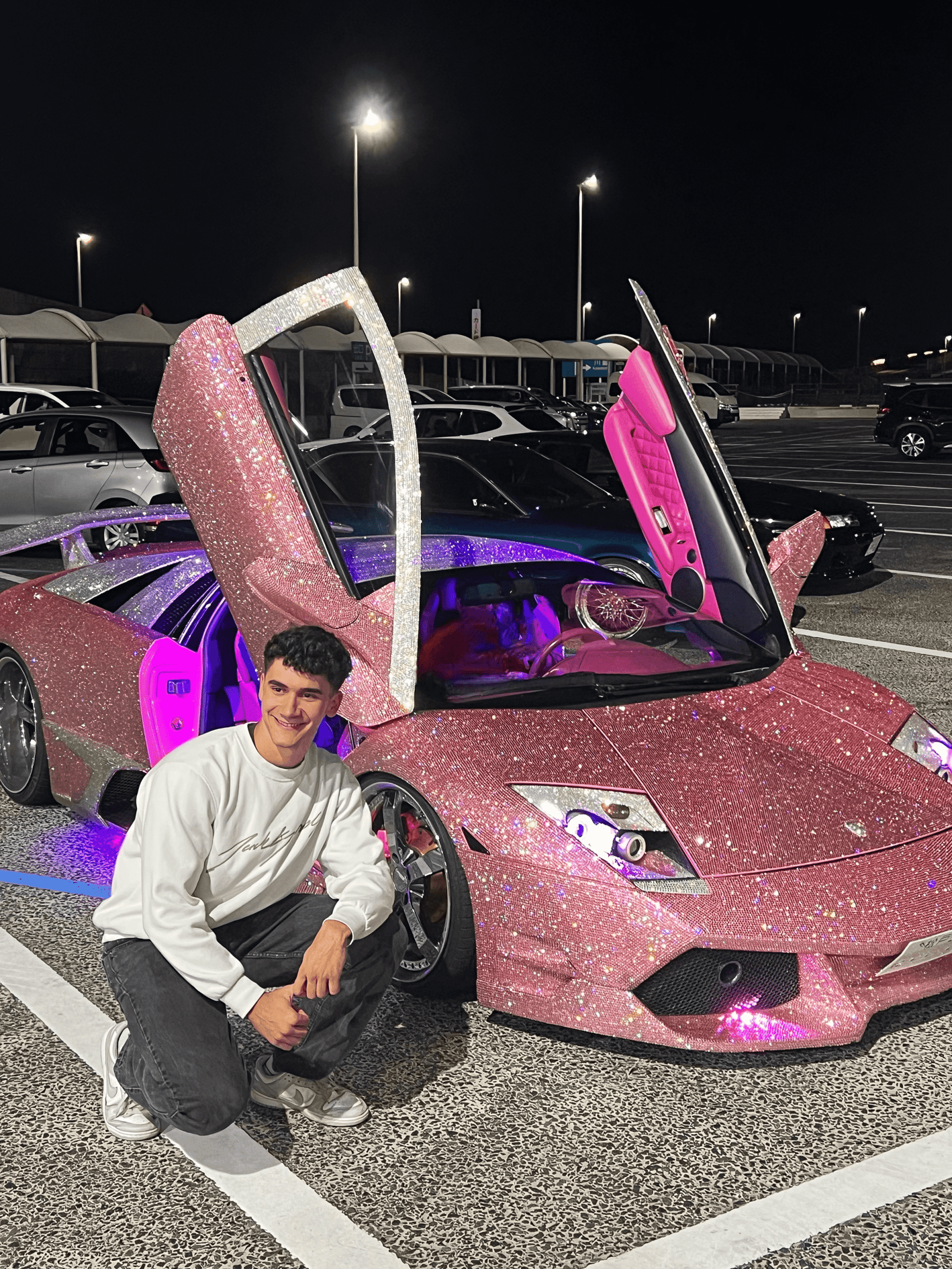
See which guided rides include the Wangan and Bayshore route at night.
Compare tours you can drive yourself, a middle ground between rental and passenger.
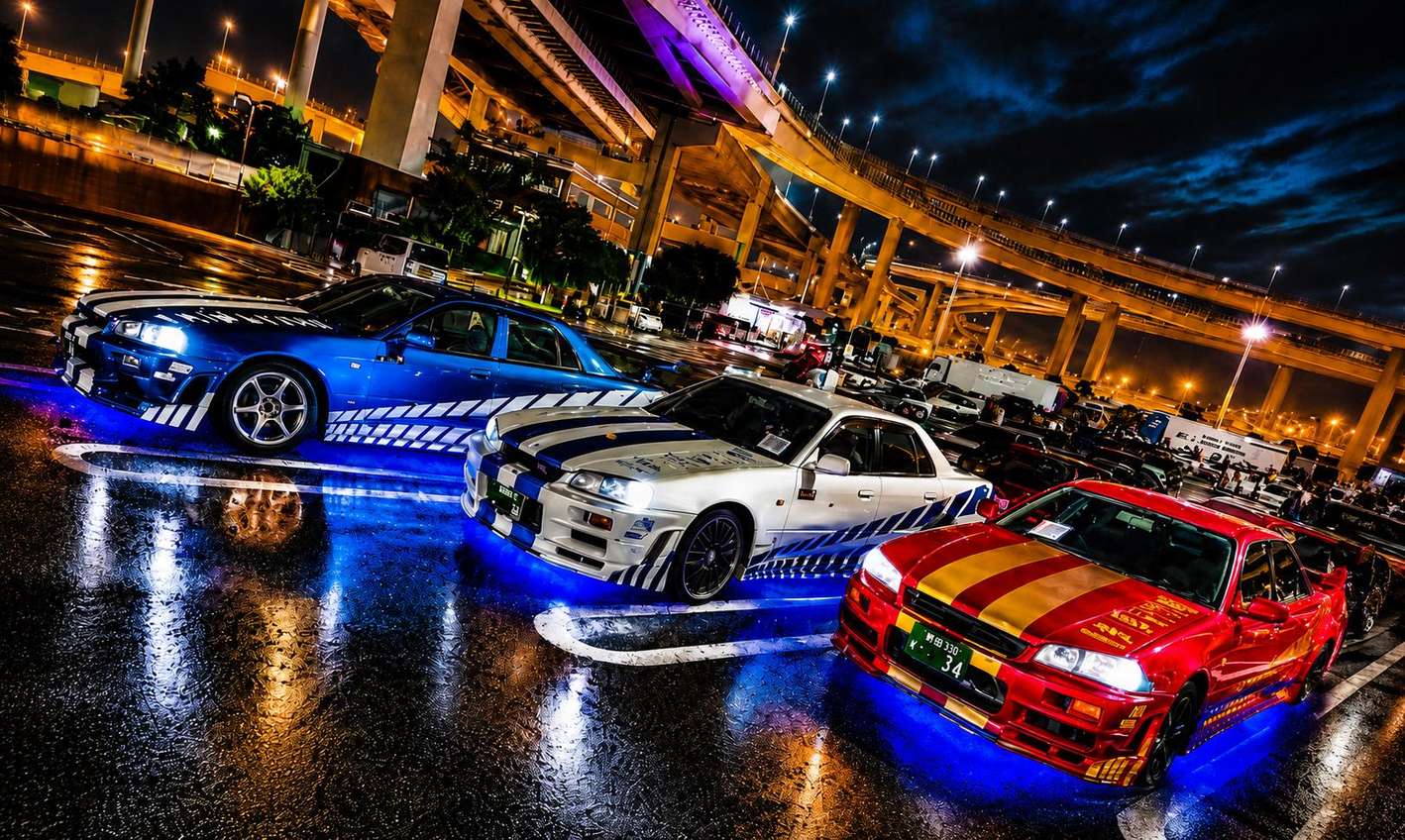
Book a private trip to Daikoku PA if you want the night to yourself and your group.
Short answers to the questions visitors ask before renting a car in Tokyo.
Yes, as long as you hold the right documents. Most visitors drive on an International Driving Permit issued under the 1949 Geneva Convention, carried with their home licence and passport. Popular JDM models often sell out weeks in advance, so reserve early if a specific car matters to you.
Bring your original physical documents: your home driving licence, your passport, and an International Driving Permit (1949 Convention only). Some self-drive experiences also ask R34 drivers to bring a credit card, so a debit card alone may not be enough for those bookings.
Drivers from Switzerland, Germany, France, Belgium, Monaco and Taiwan cannot use an international permit. You drive on your home licence with an official Japanese translation issued by JAF, which you arrange online before your trip, plus your passport.
The legal minimum age for driving in Japan is 18. For JDM self-drive experiences in Tokyo, the bar is higher: drivers must be 23 or older, and you bring all your original documents on the day or you cannot take part and get no refund.
Arrange it before you leave home, through the national automobile association in your country. It must be issued under the 1949 Geneva Convention; permits from other conventions are not accepted in Japan. An international permit lets you drive in Japan for up to one year from your arrival.
Yes. Rental companies in Tokyo offer models such as the Nissan GT-R R35, Skyline GT-R R32 and R34, and the Toyota Supra A80. Some R34 Skylines listed for rent are Skyline models with GT-R body kits, so check that the listing says GT-R. Book early, because these cars often sell out weeks ahead.
Keep to the left, wear seat belts, and carry your licence at all times. Default limits are 60 km/h on ordinary roads and 100 km/h on expressways, with lower posted limits common in the city. Speeding 40 km/h over the limit leads to arrest, and parking violations are dealt with severely.
No. Drifting on public roads is illegal in Japan, and rental agreements for sports cars state plainly that no drifting or stunts are allowed. If you want to try drifting, do it at a circuit: a self-drive drift lesson near Tokyo teaches beginners on a closed course with an instructor beside you.
Check whether fuel, insurance and tolls are included in your booking, and return the car with a full tank where a full-to-full policy applies.
You can still get the car experience as a passenger. Guided JDM night tours take you to Daikoku PA and along the Wangan Route in cars like the Skyline, EVO and WRX, no driving permit needed. Drift ride-alongs at a circuit are another option, and some accept complete beginners with no licence at all.
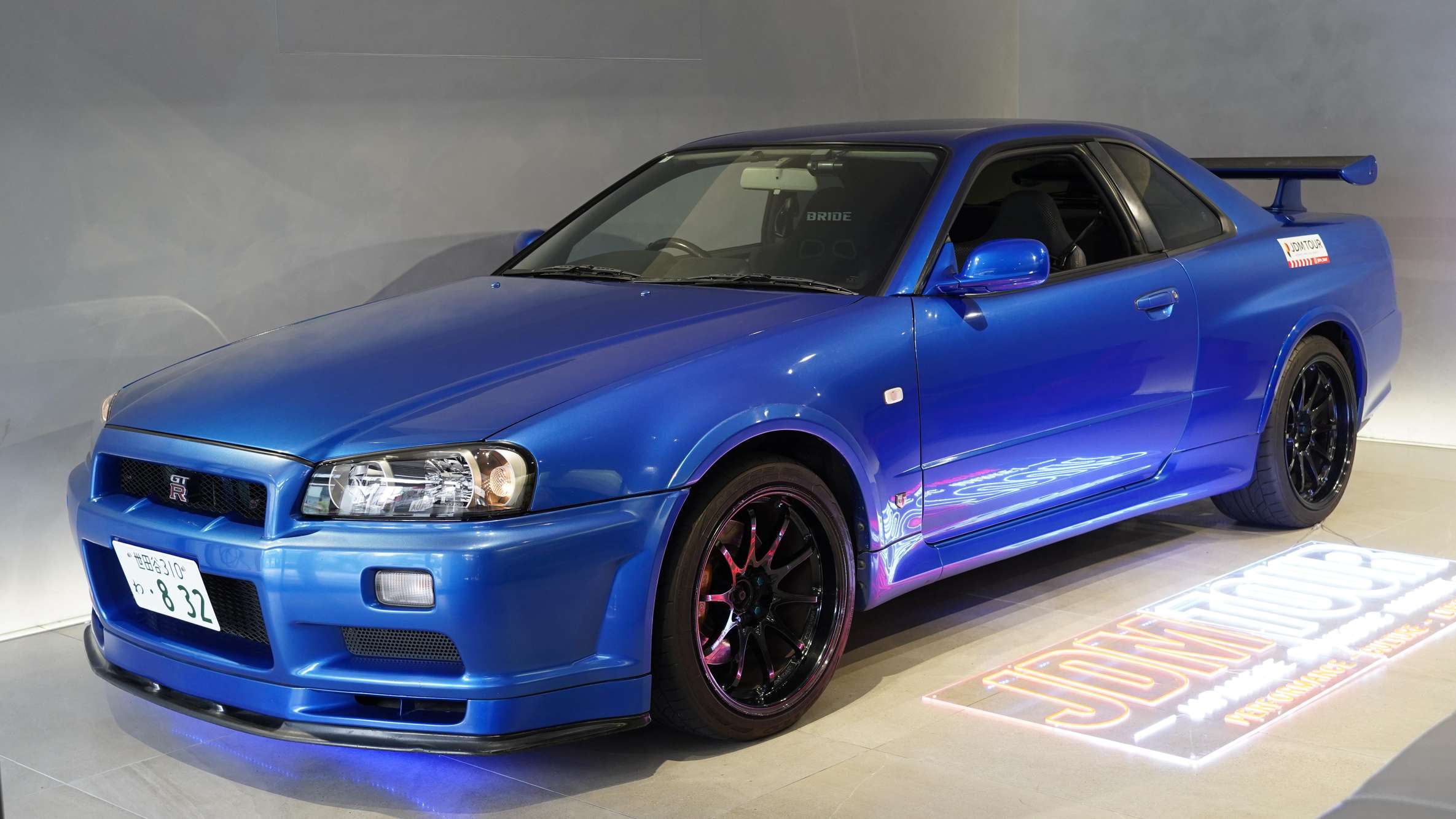
Pick your date, book ahead, and drive a Nissan Skyline or GT-R on Tokyo's night run to Daikoku PA, with free cancellation up to 24 hours before you go.