 Our top pick
Tokyo: Tokyo Drift-Themed Tour, Possible Daikoku PA Car Meet
Hotel pickup and drop-offSmall-group experienceVisit Tokyo Tower
From$127 /person
See dates and book Free cancellation · Hotel pickup
Reach the Daikoku car meet without wrong turns or a rental car. Pick a guided night ride with hotel pickup, an English-speaking driver, and JDM cars like the Skyline R34, then stand among GT-Rs and Supras at Japan's most famous parking area. Compare the tours below and book your seat before tonight fills up.
“Driving Skylines through Tokyo, guided by Ryo, an absolute legend! Super organized, time for photos and cars, amazing vibe. Like a Fast & Furious movie. Would do it again in a heartbeat! 🤩”
Every tour here picks you up at your Tokyo hotel, runs three to six hours and puts you inside a JDM car for the drive to Daikoku PA, with stops at Autobacs, Rainbow Bridge and Tokyo Tower along the way.
Our top pick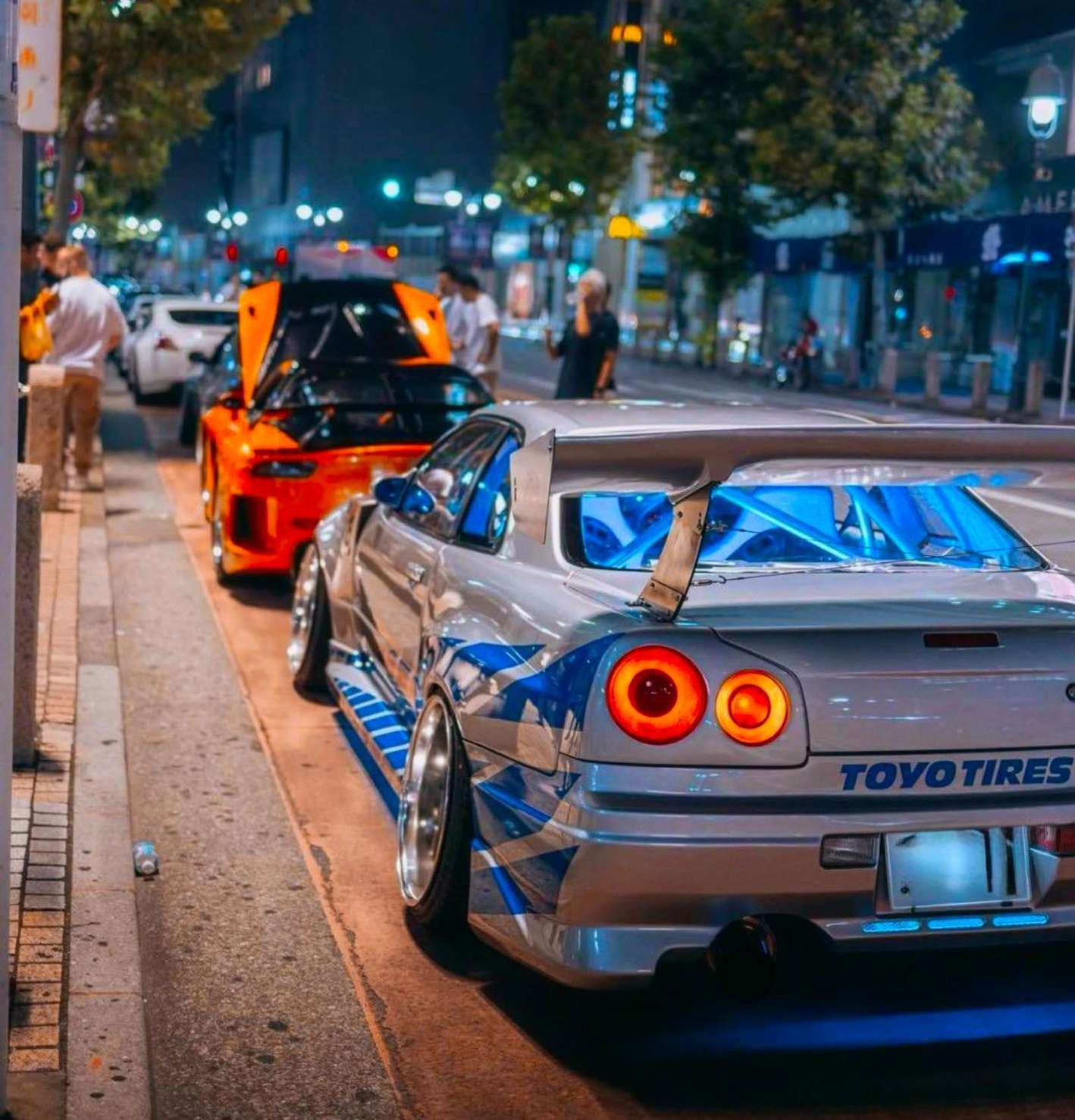
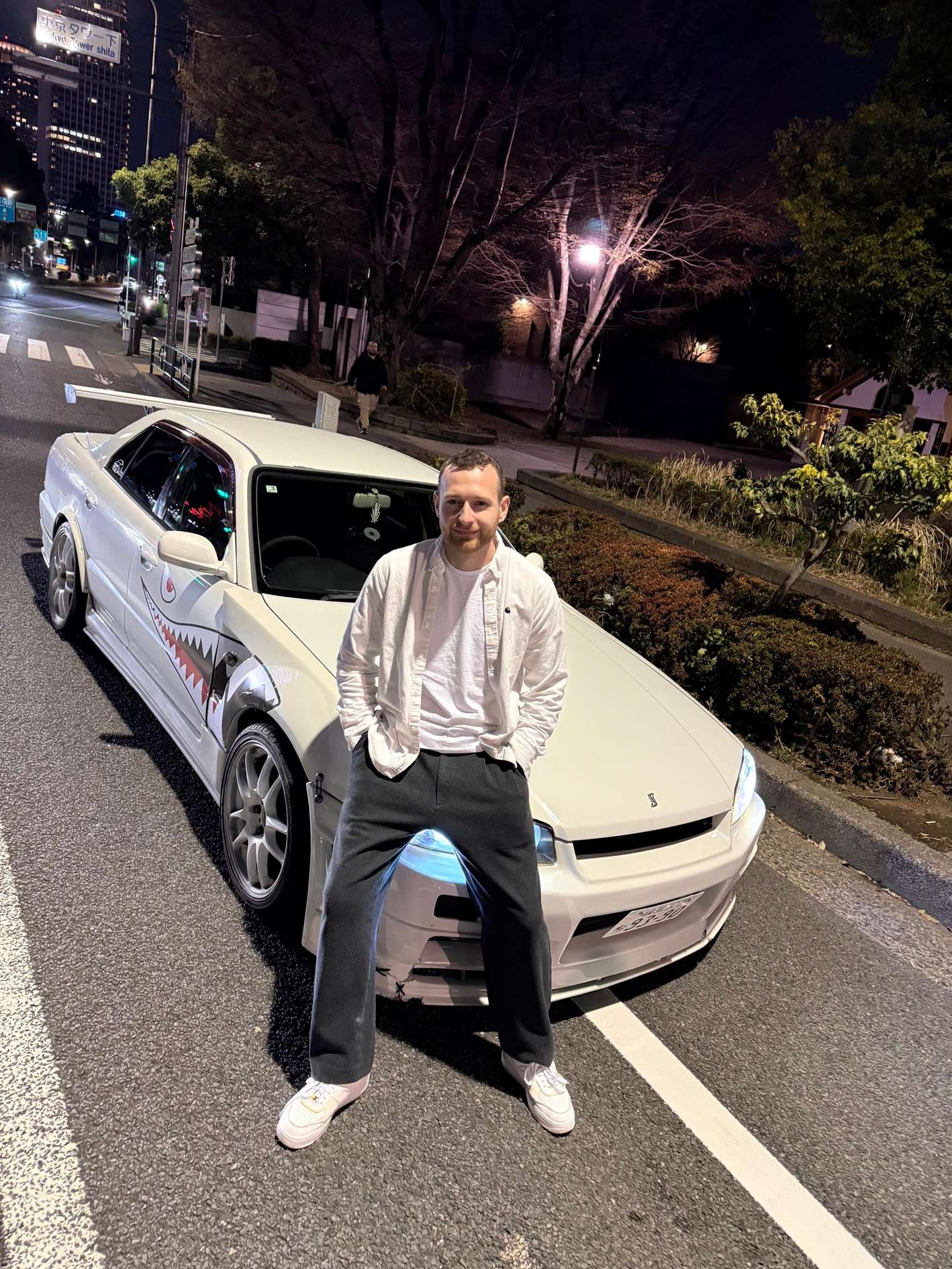
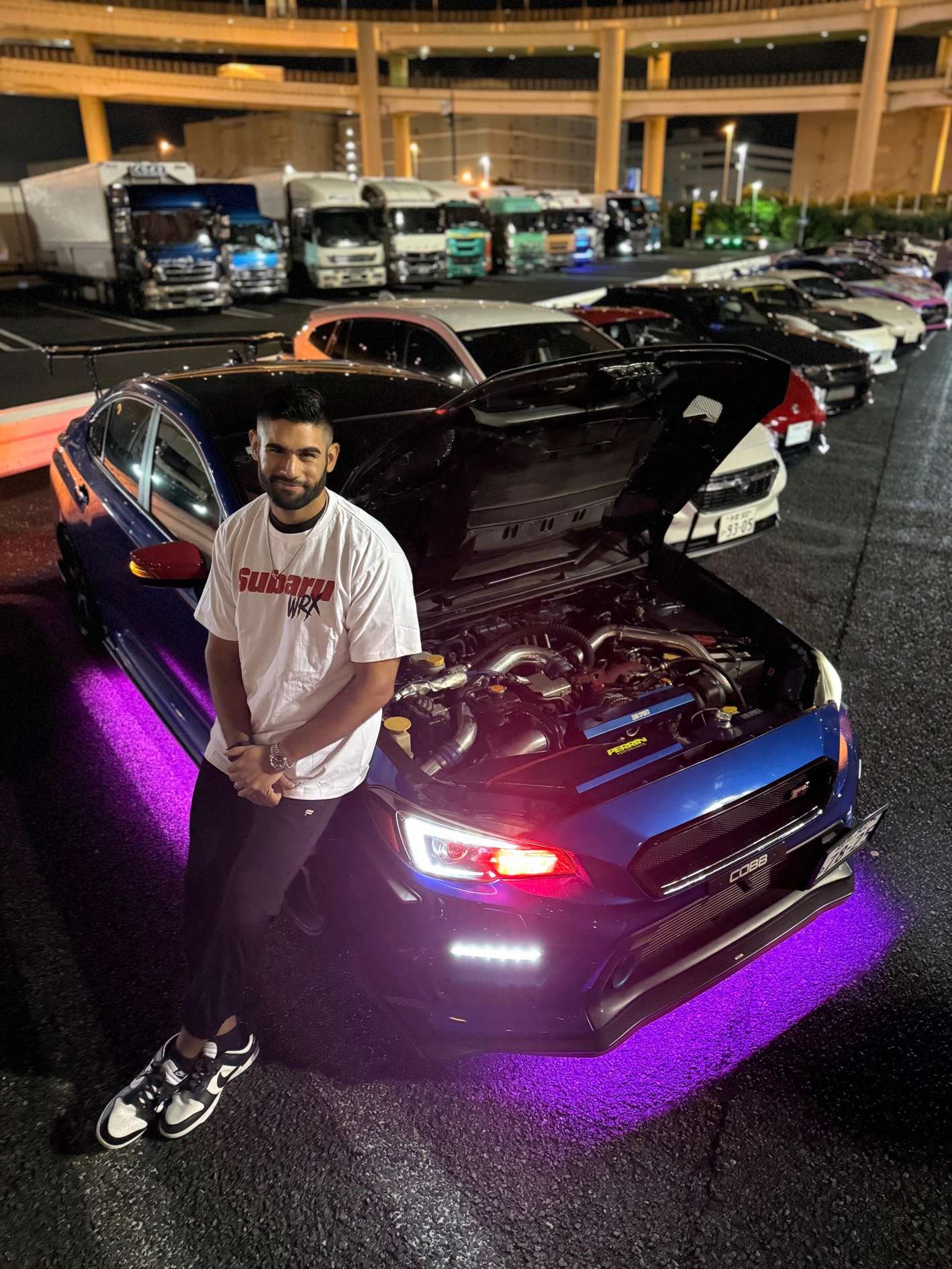
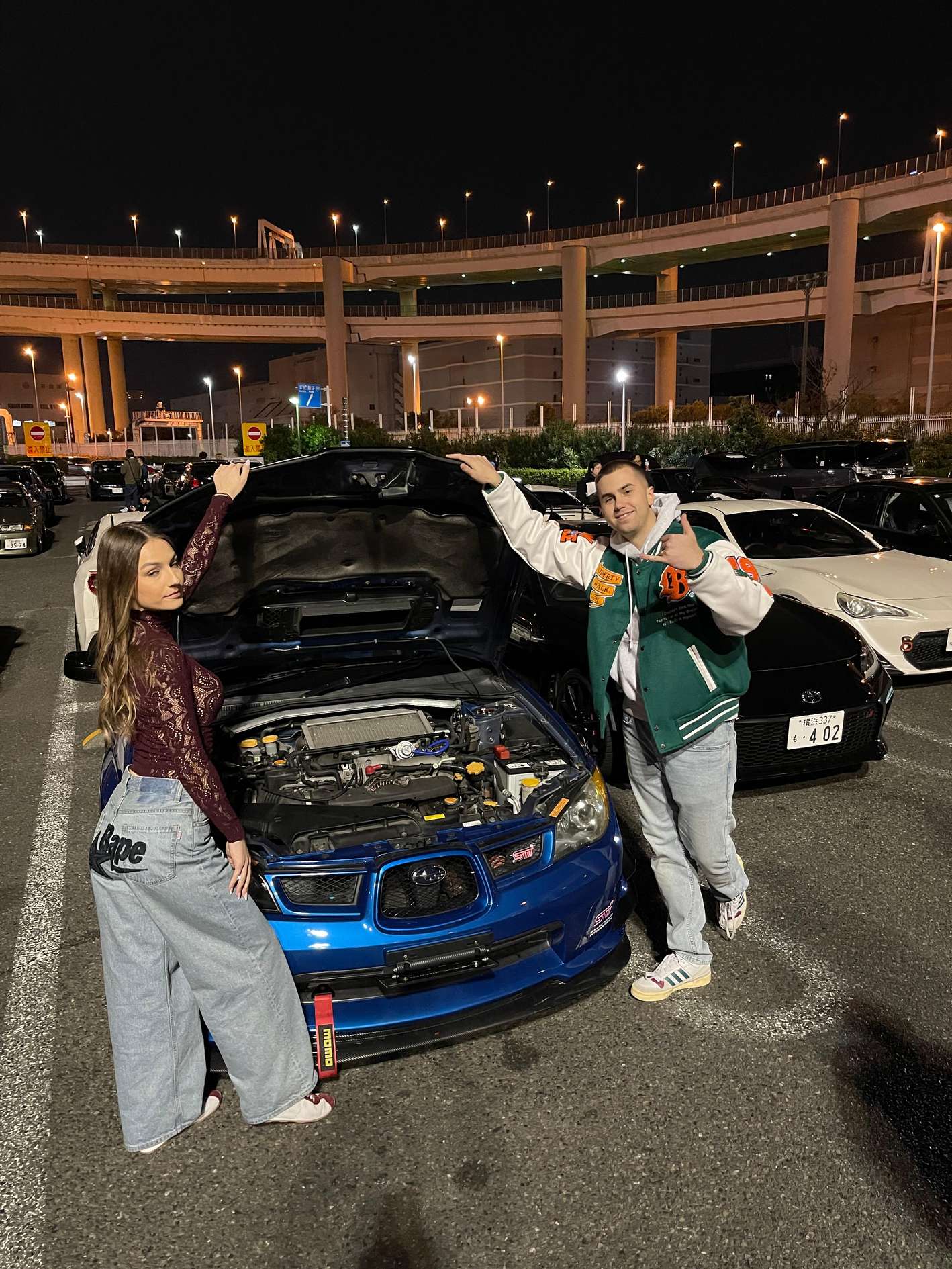
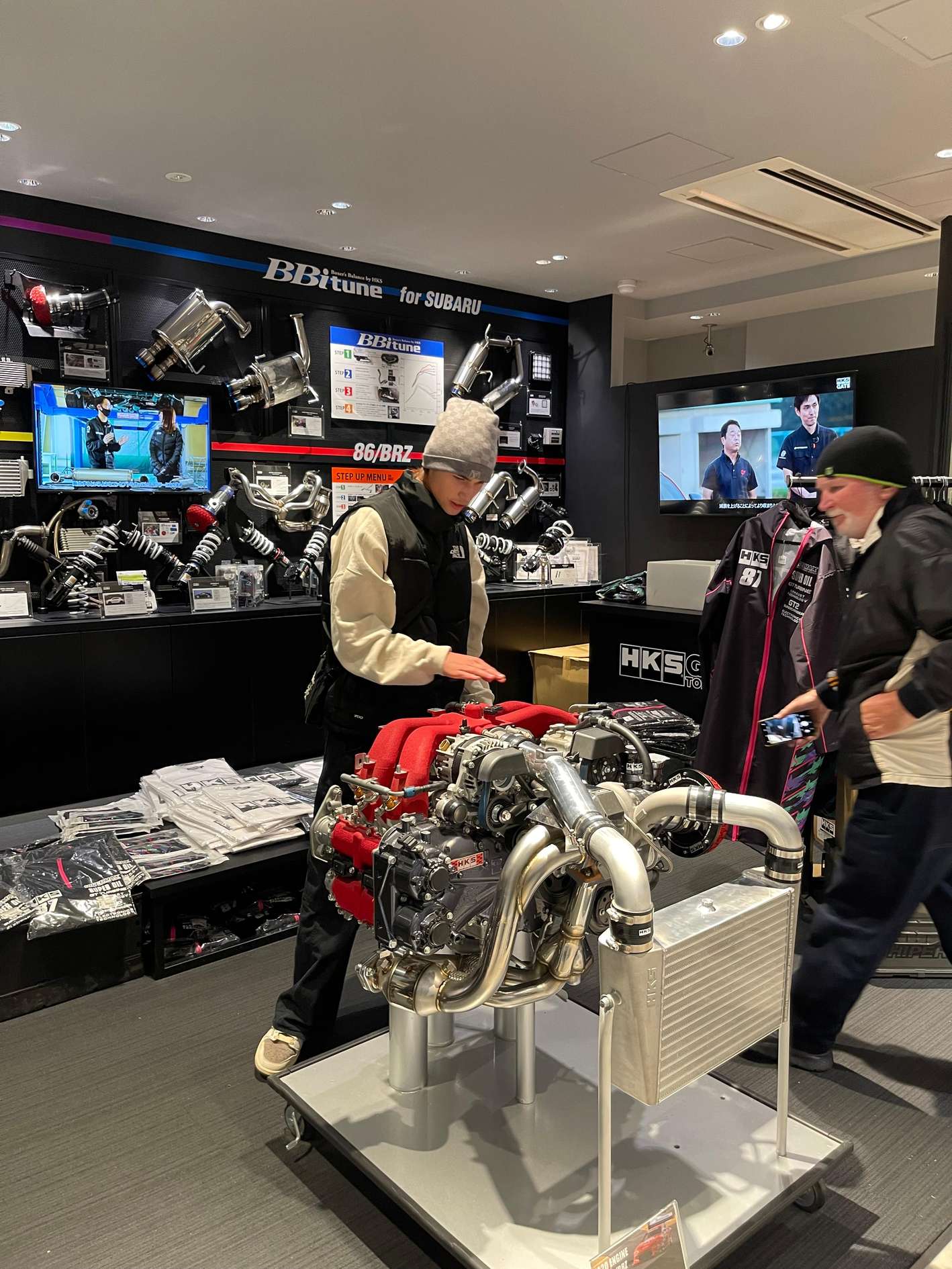
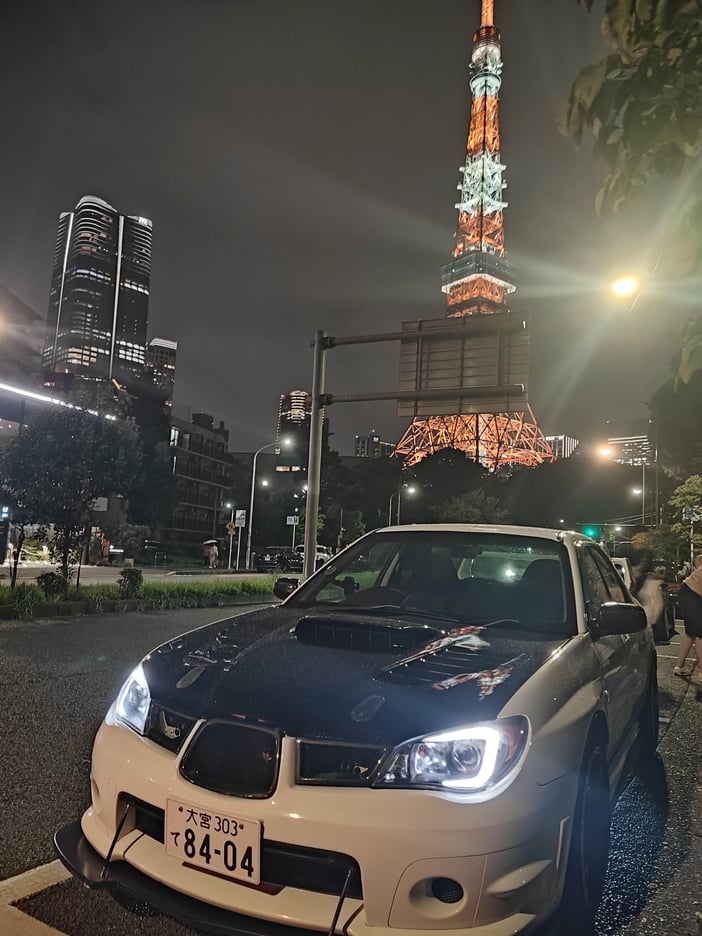
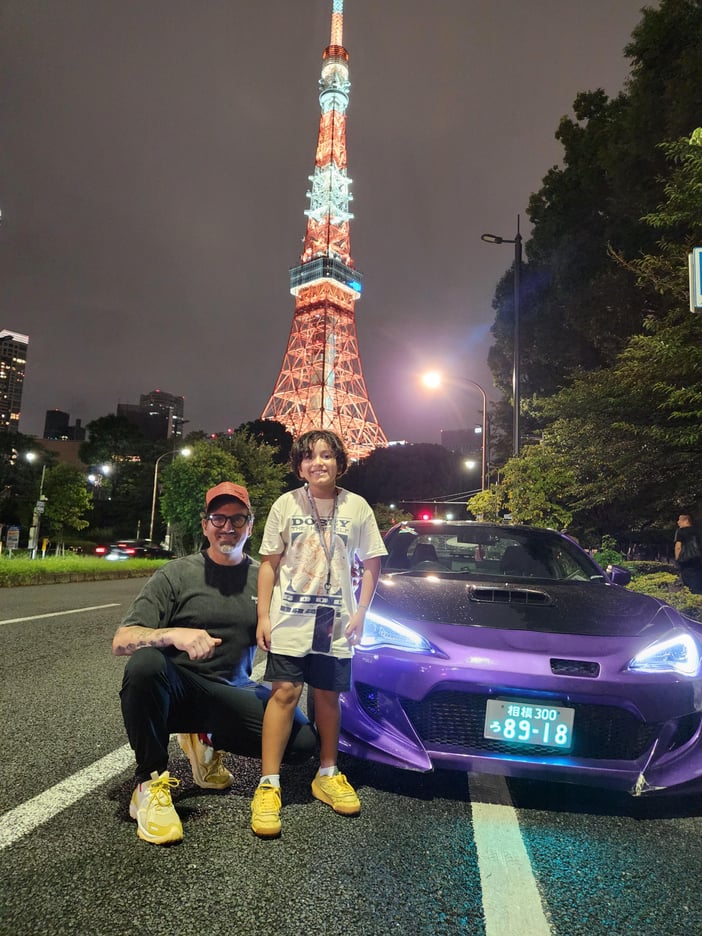
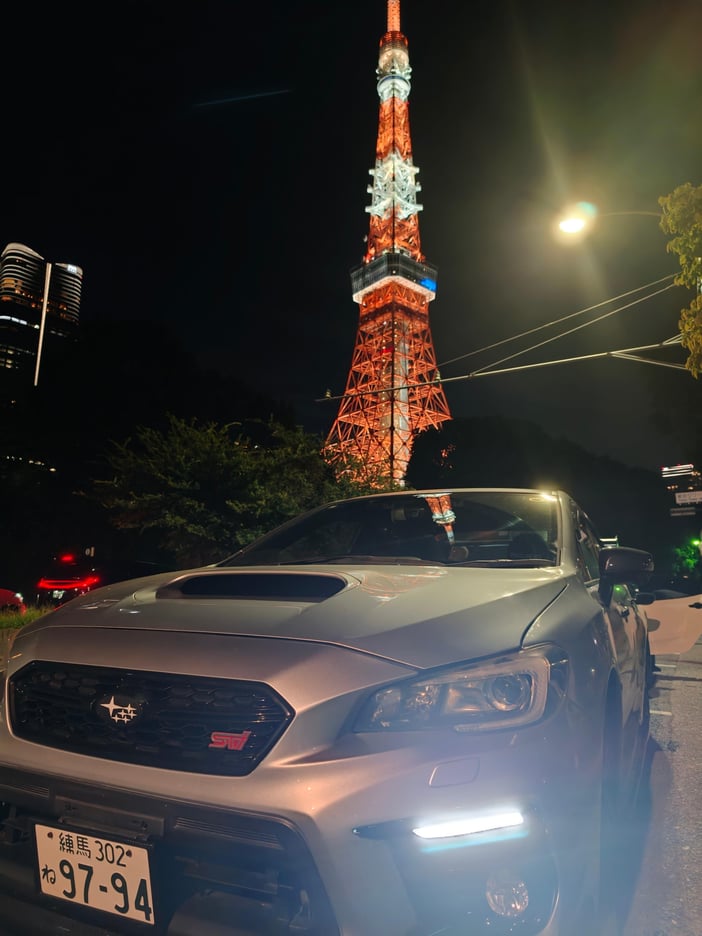
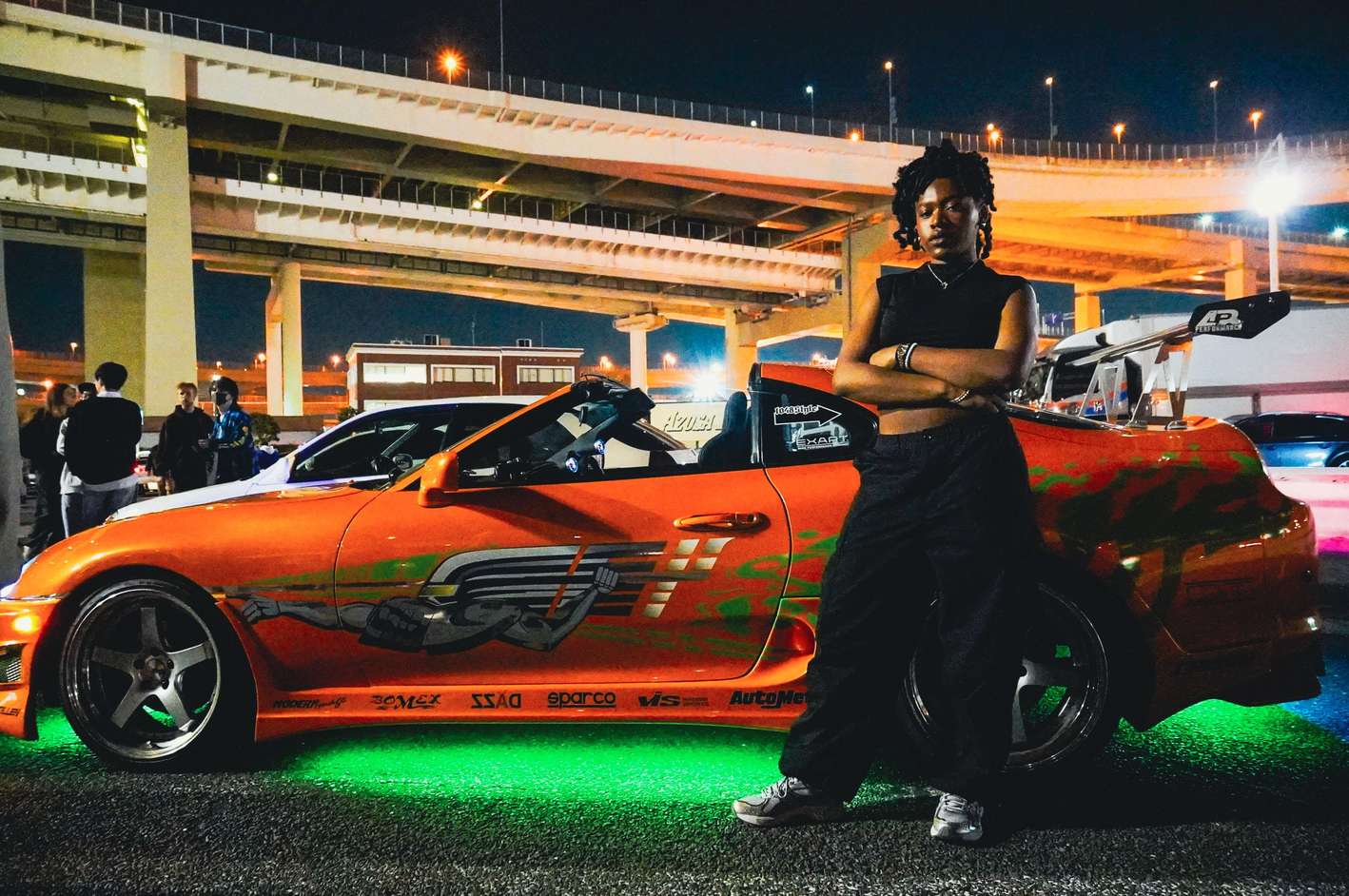
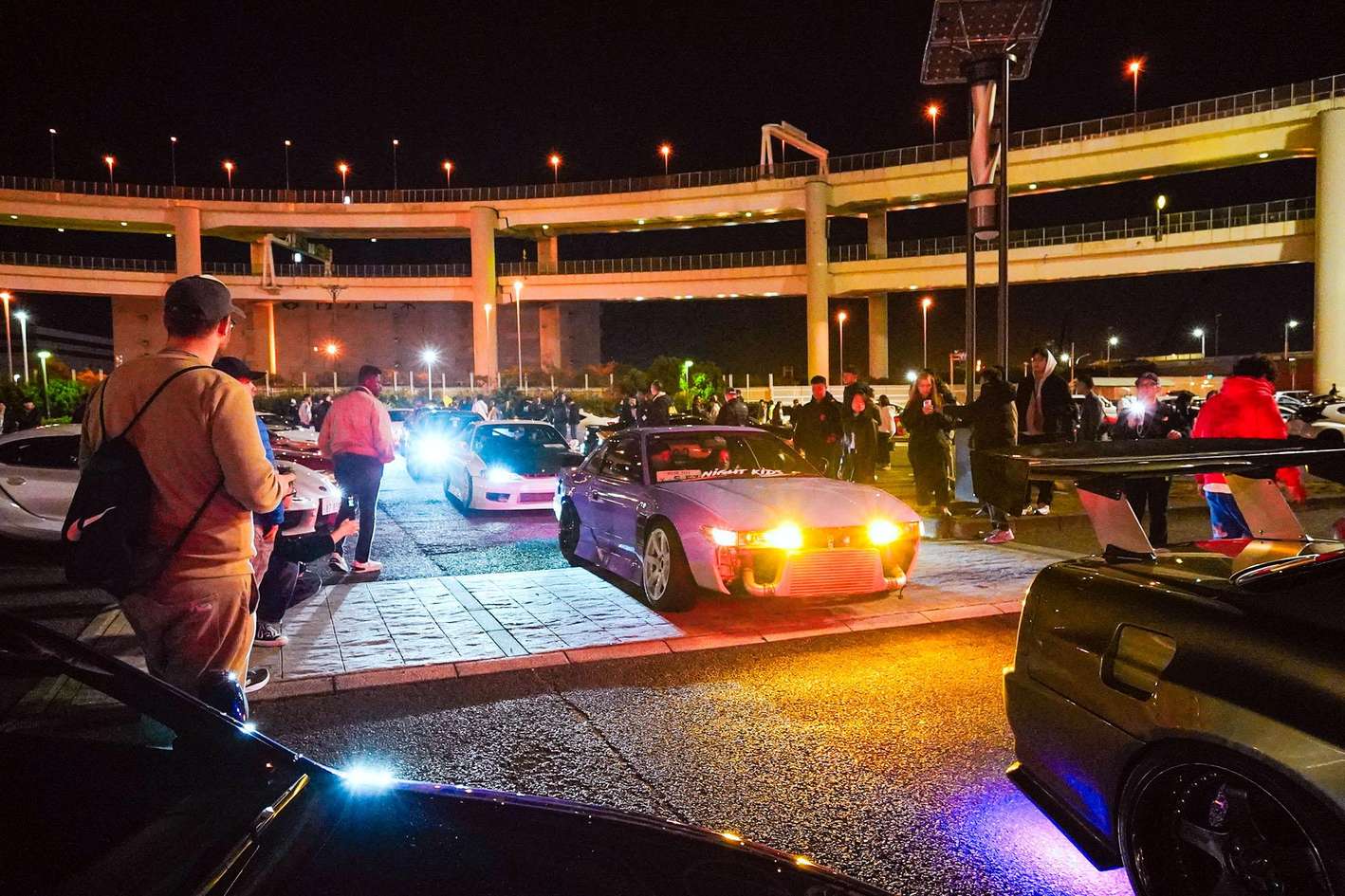
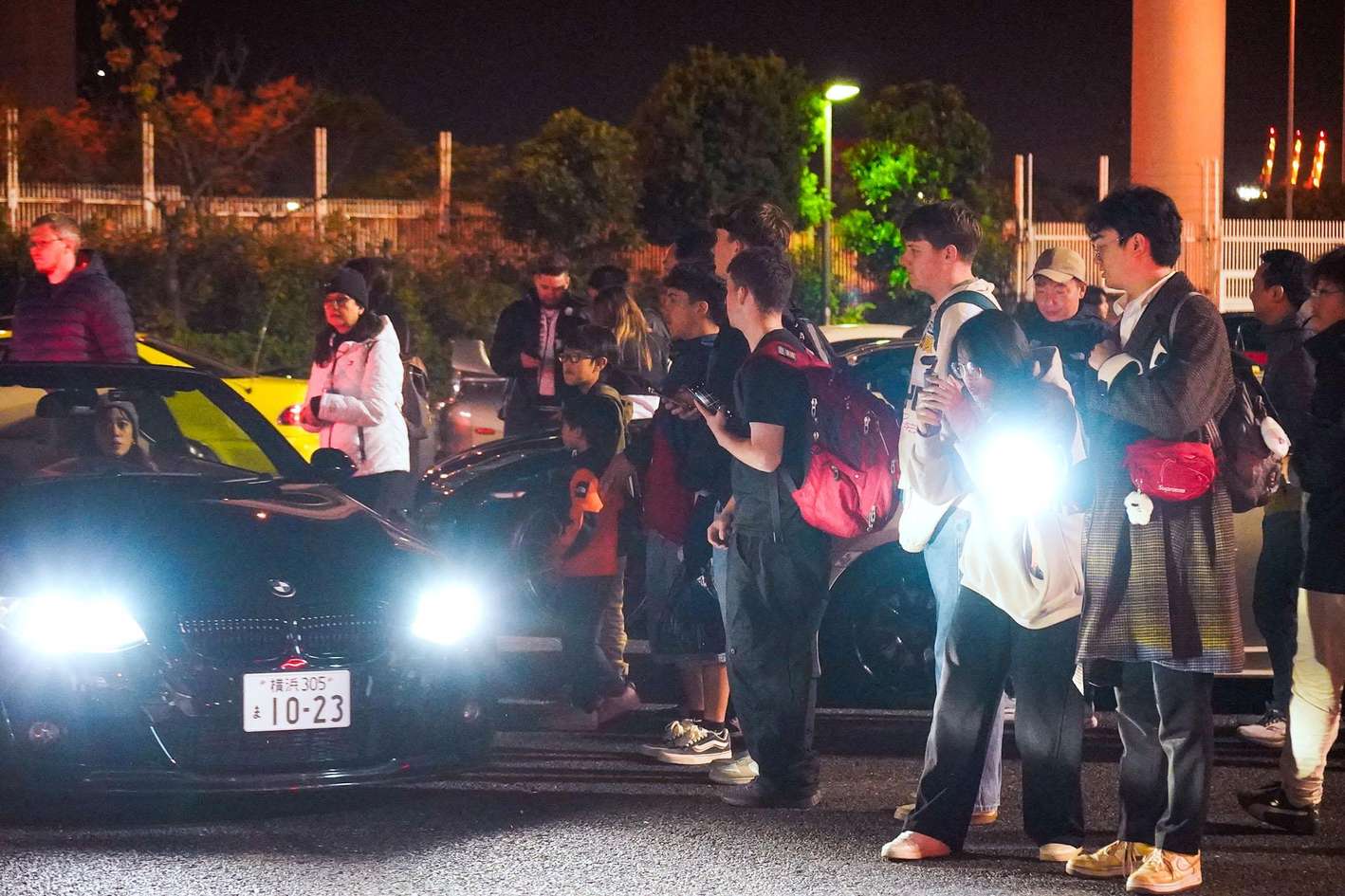
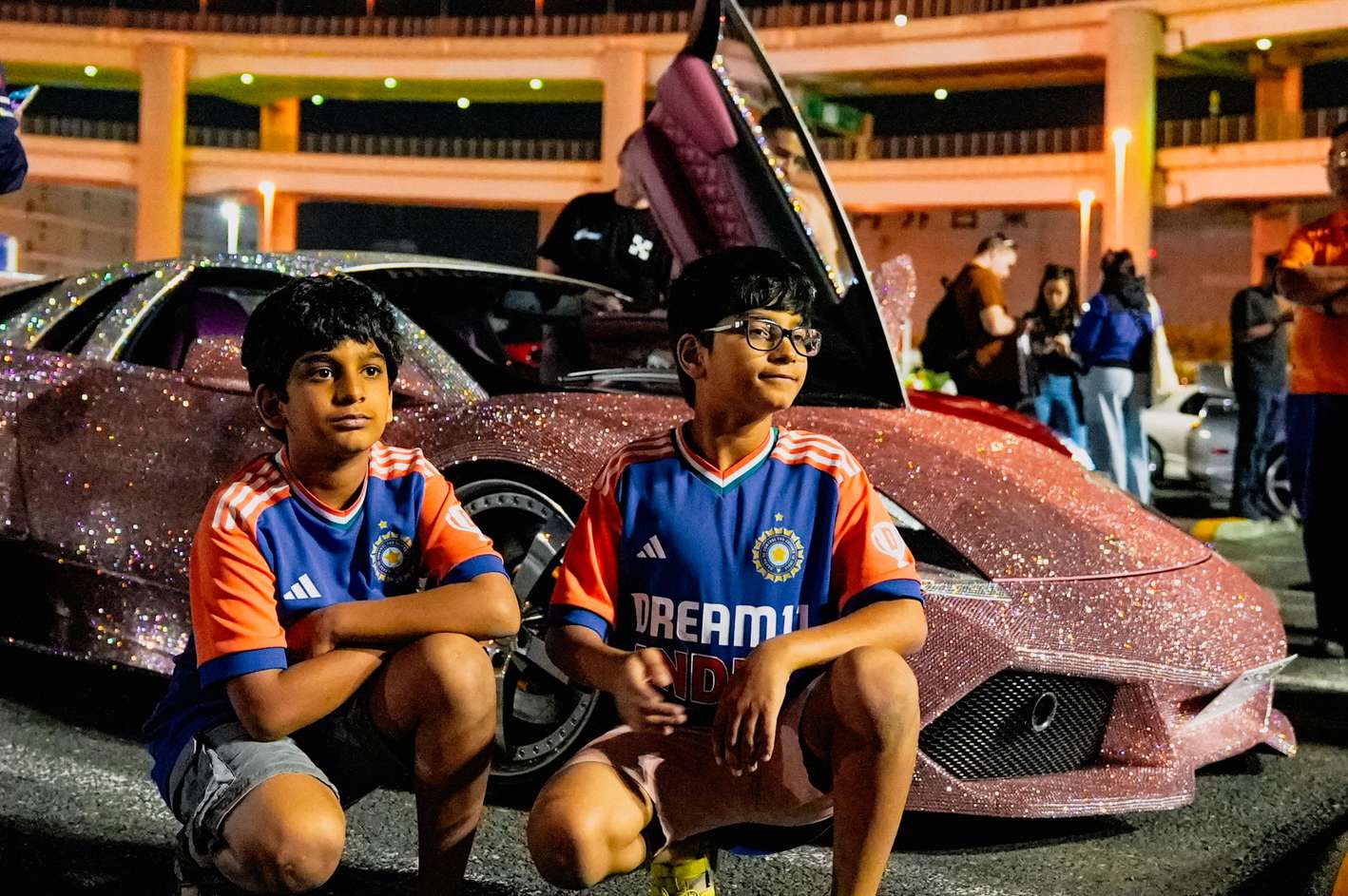
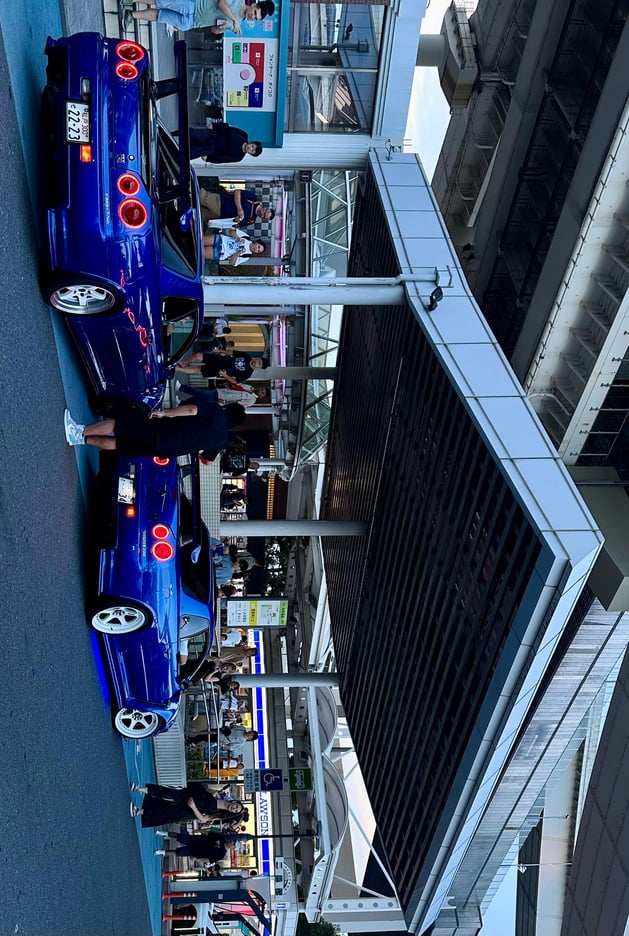
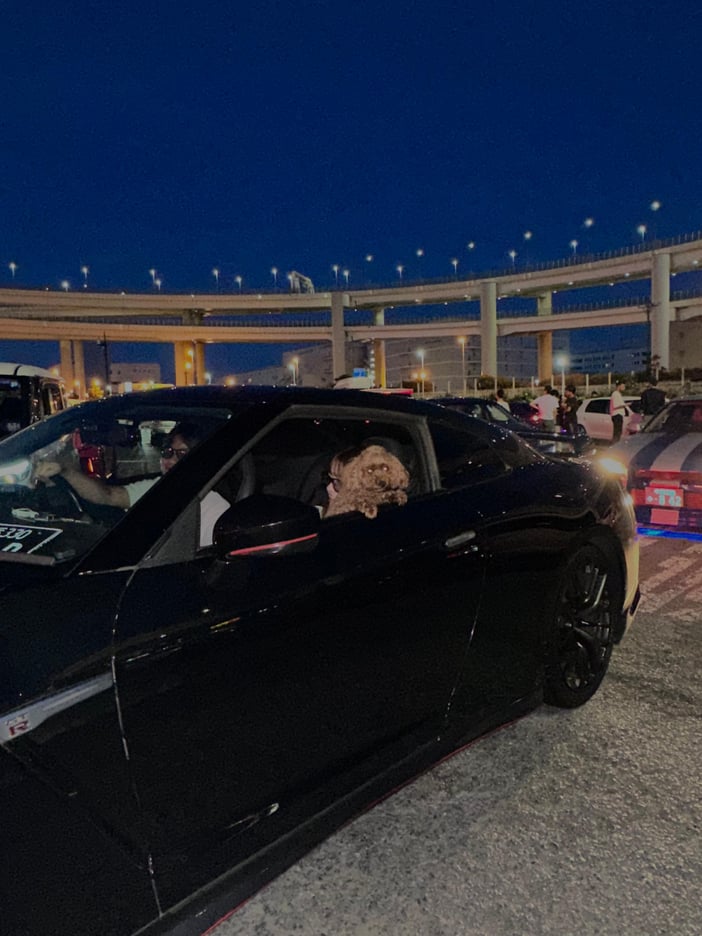
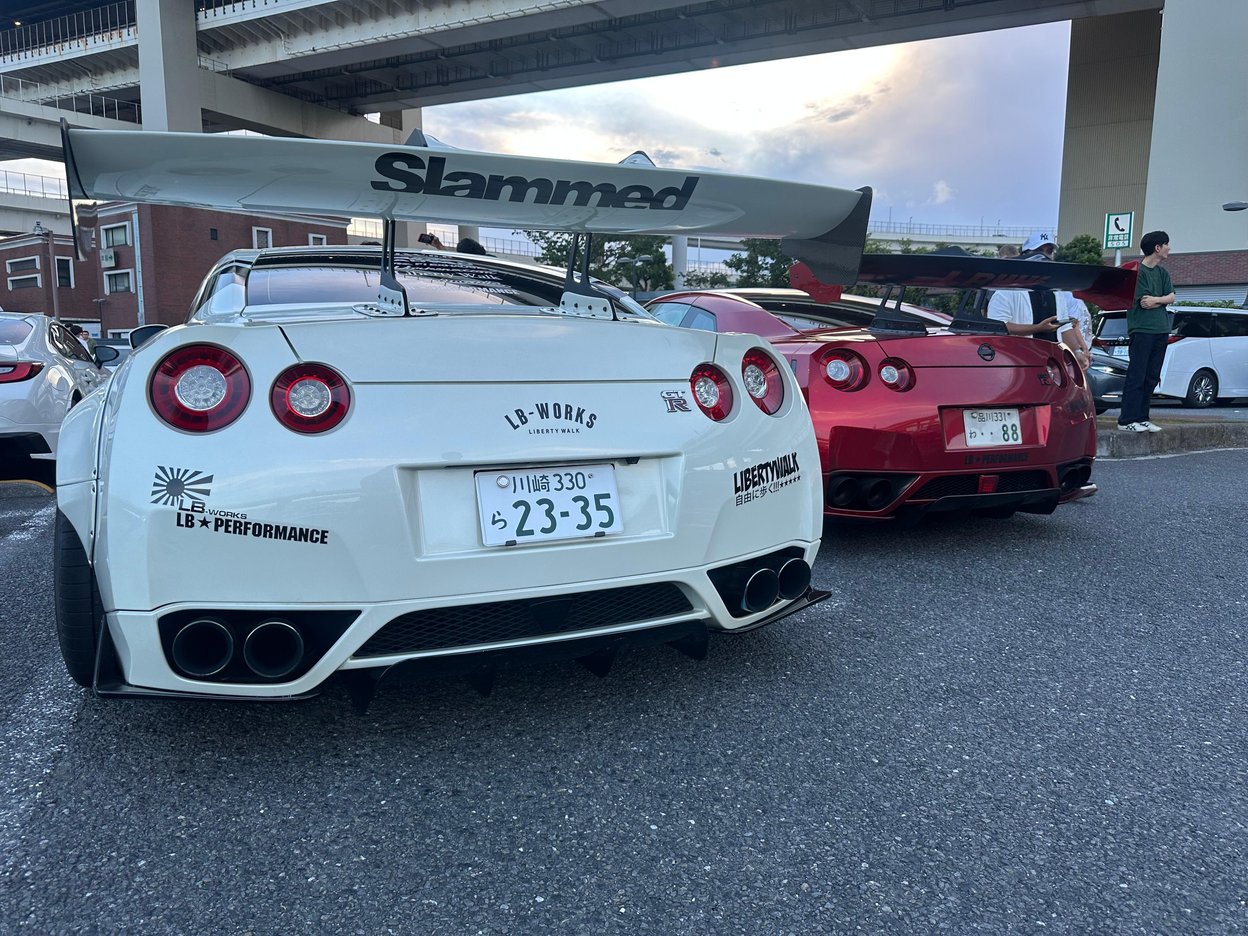
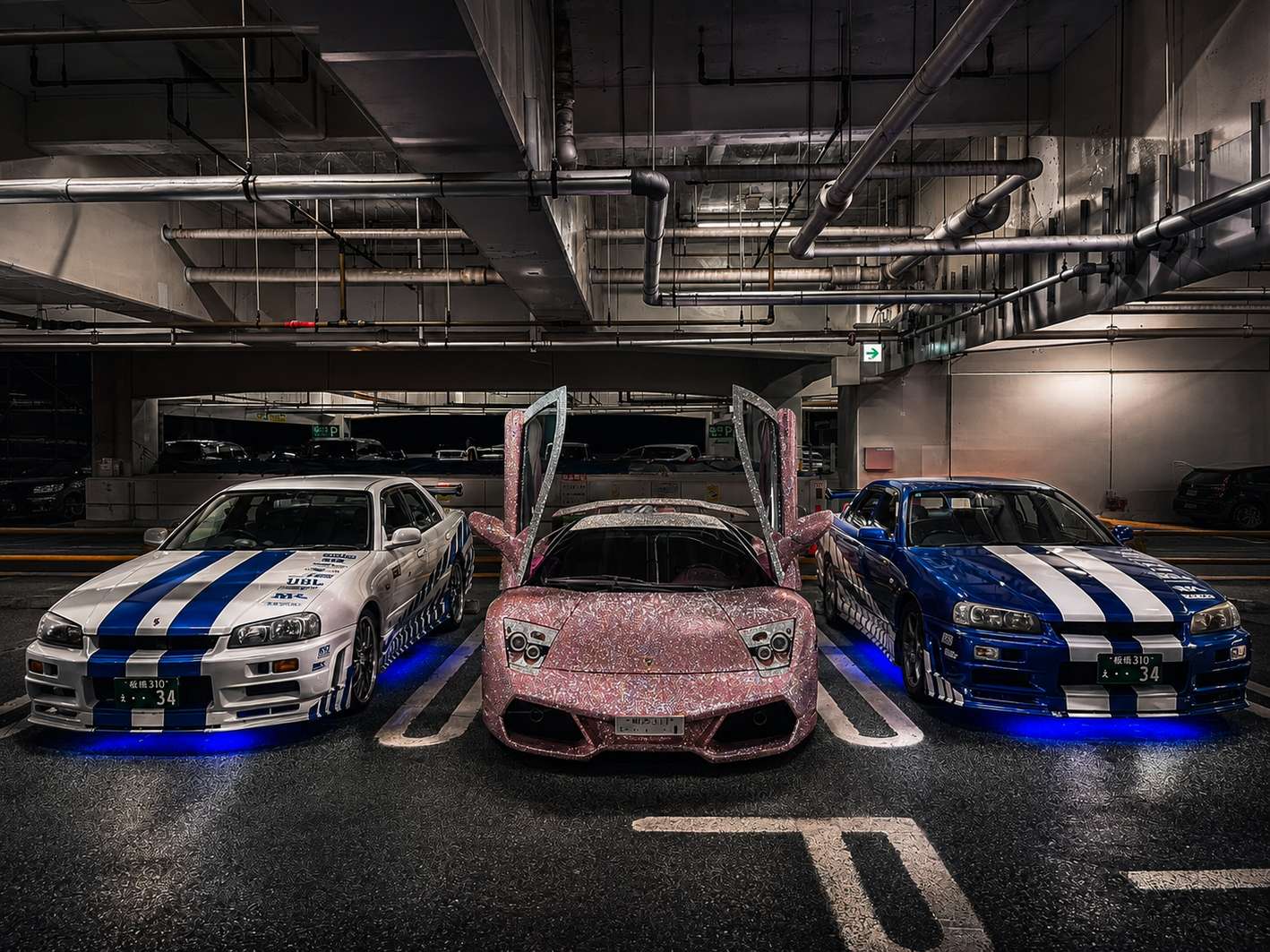
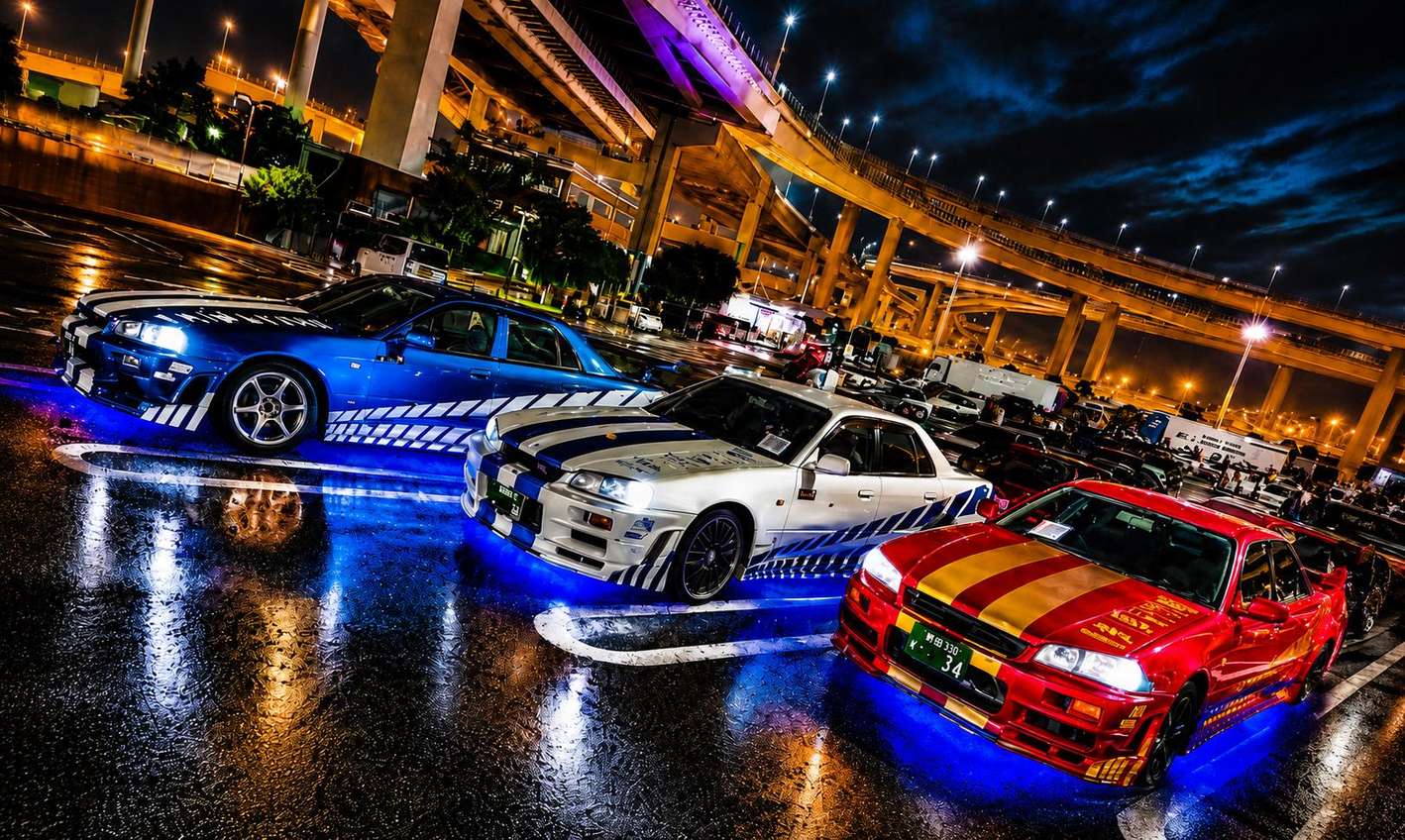
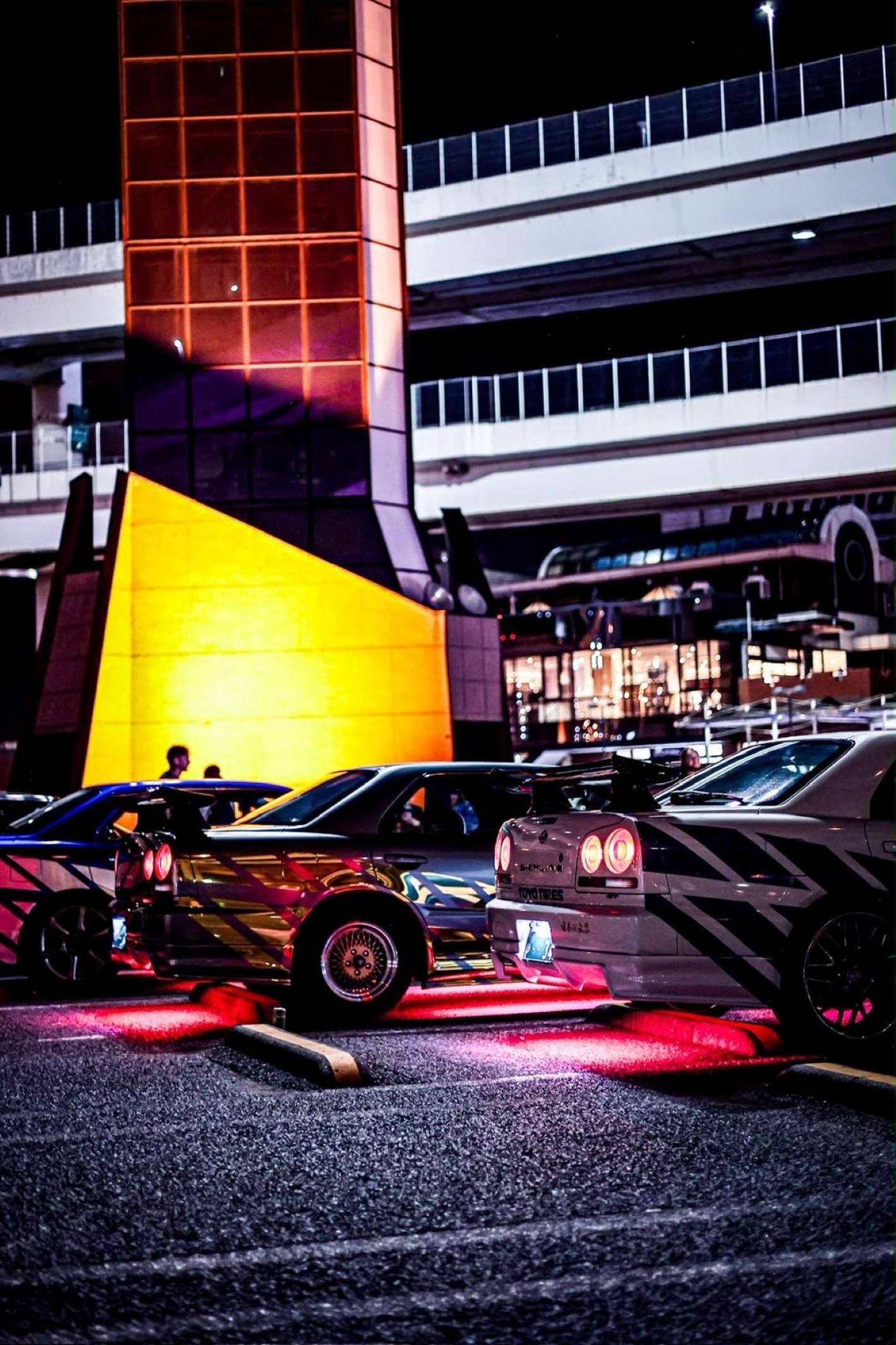
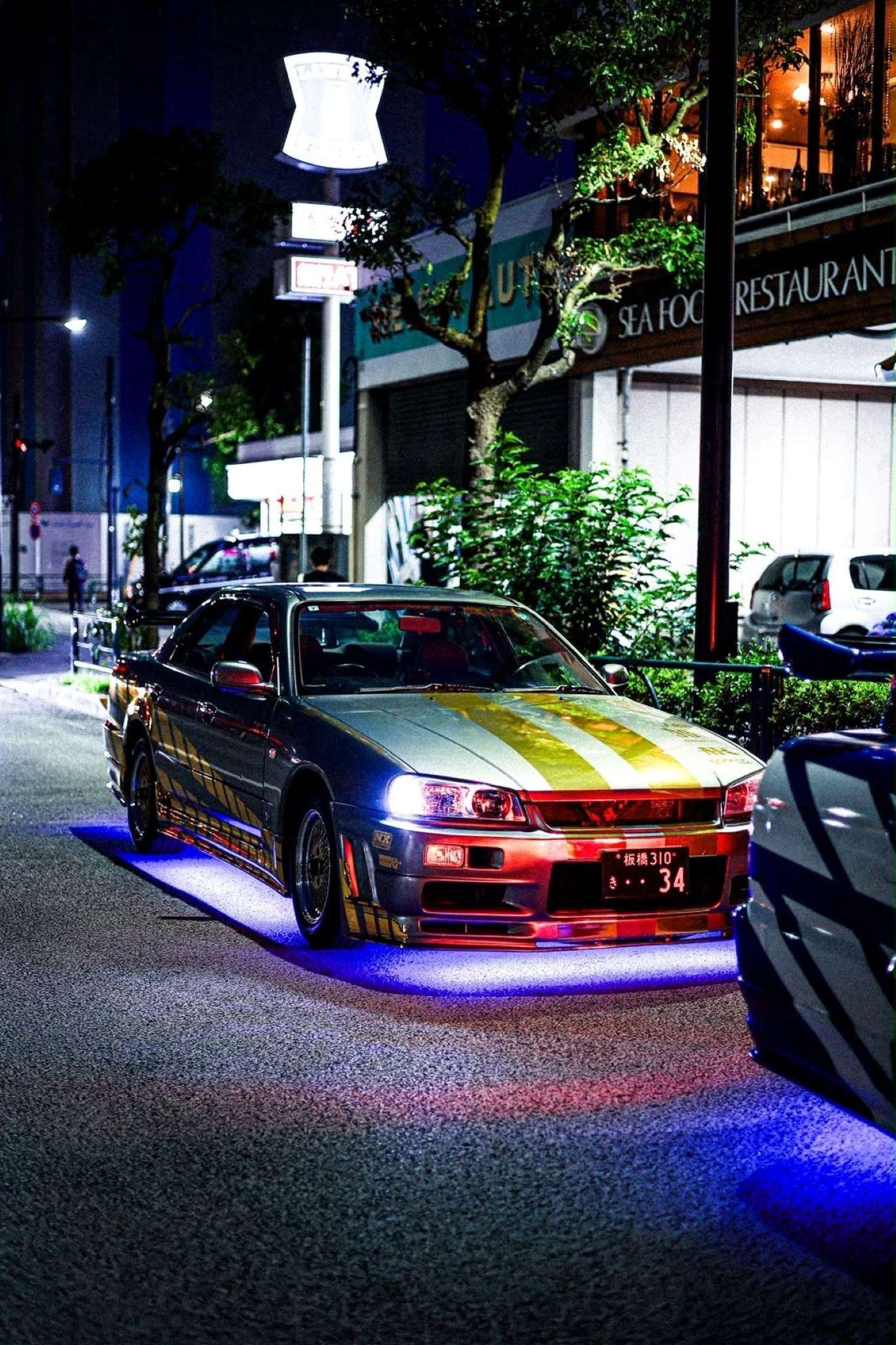
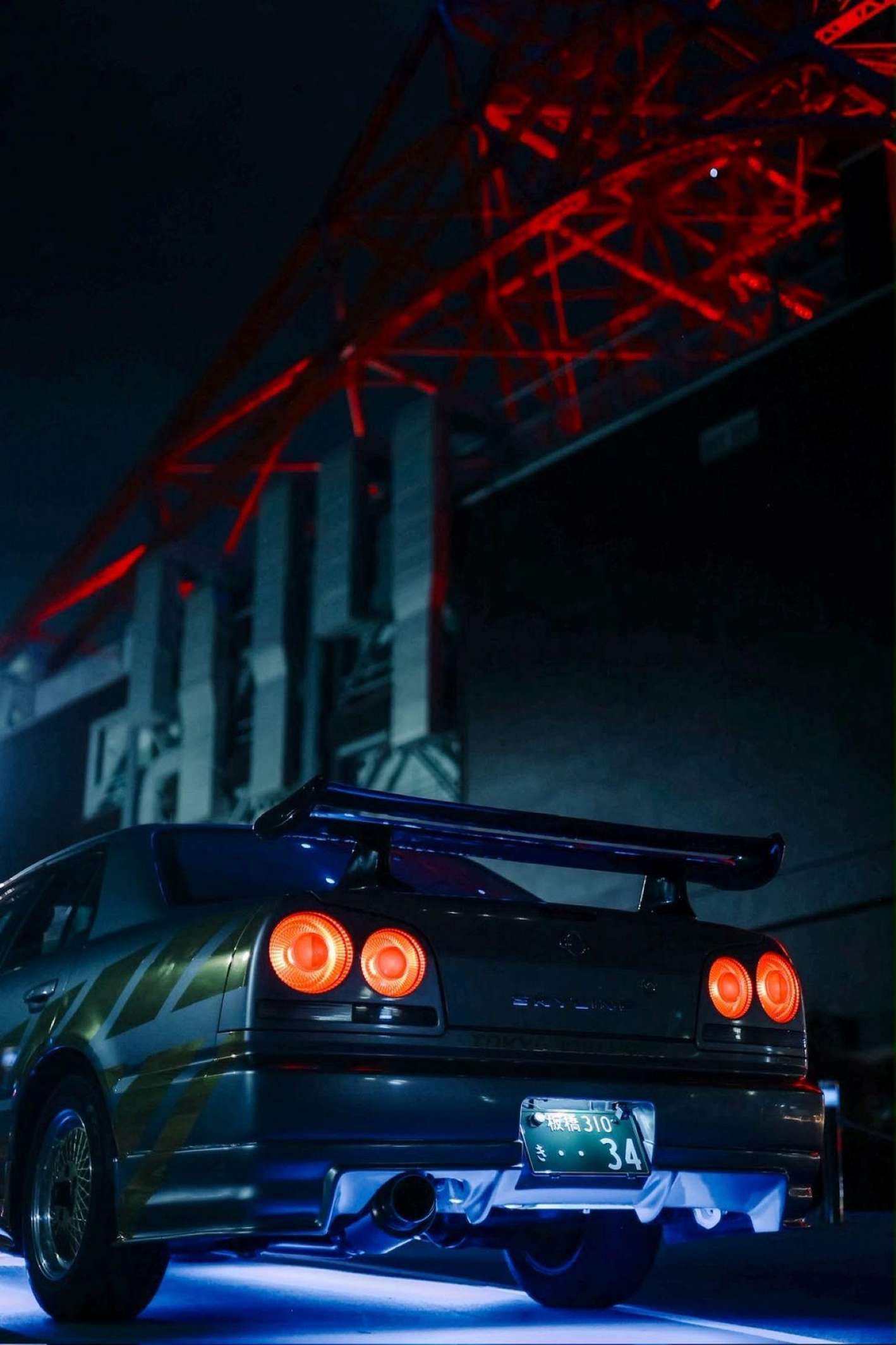
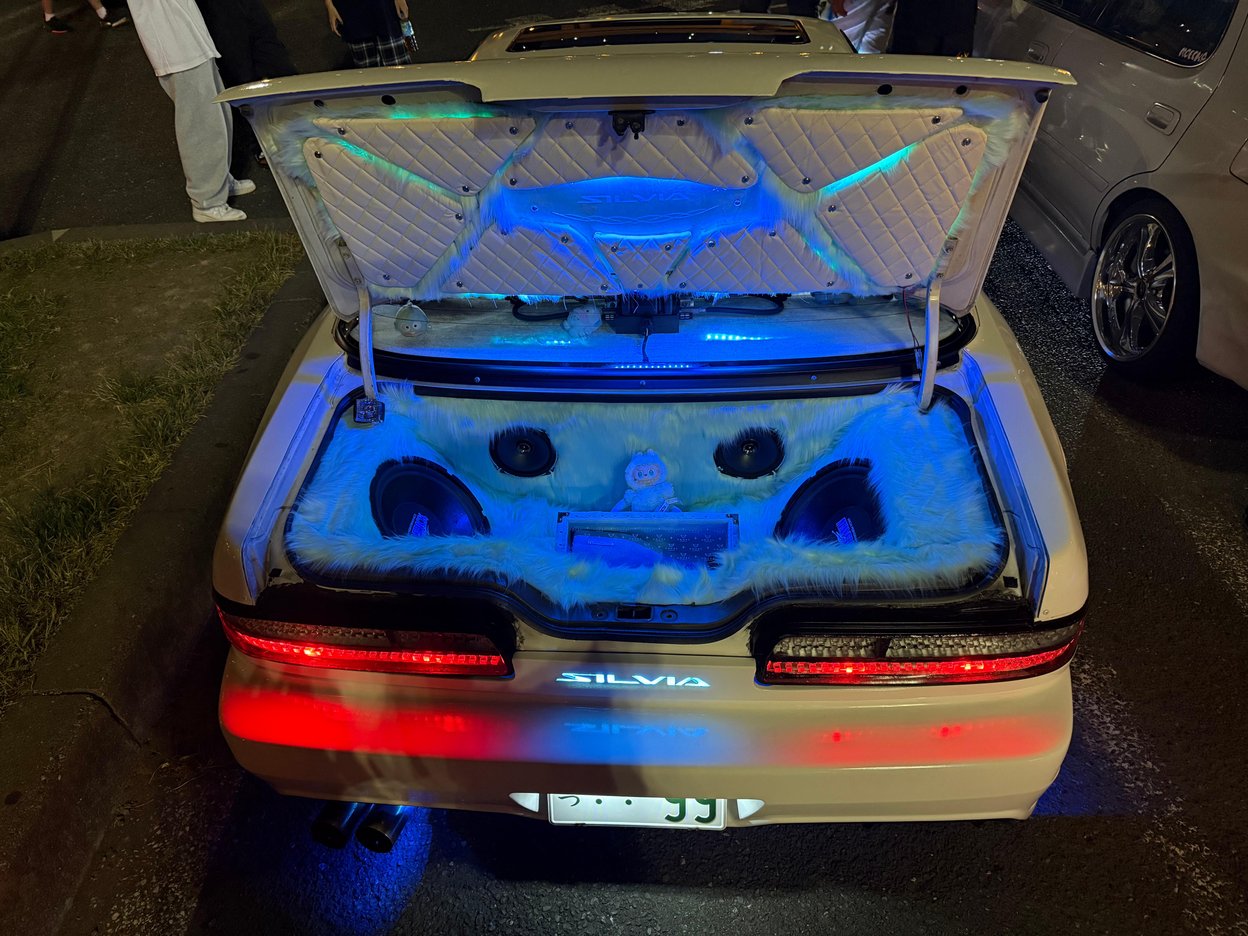
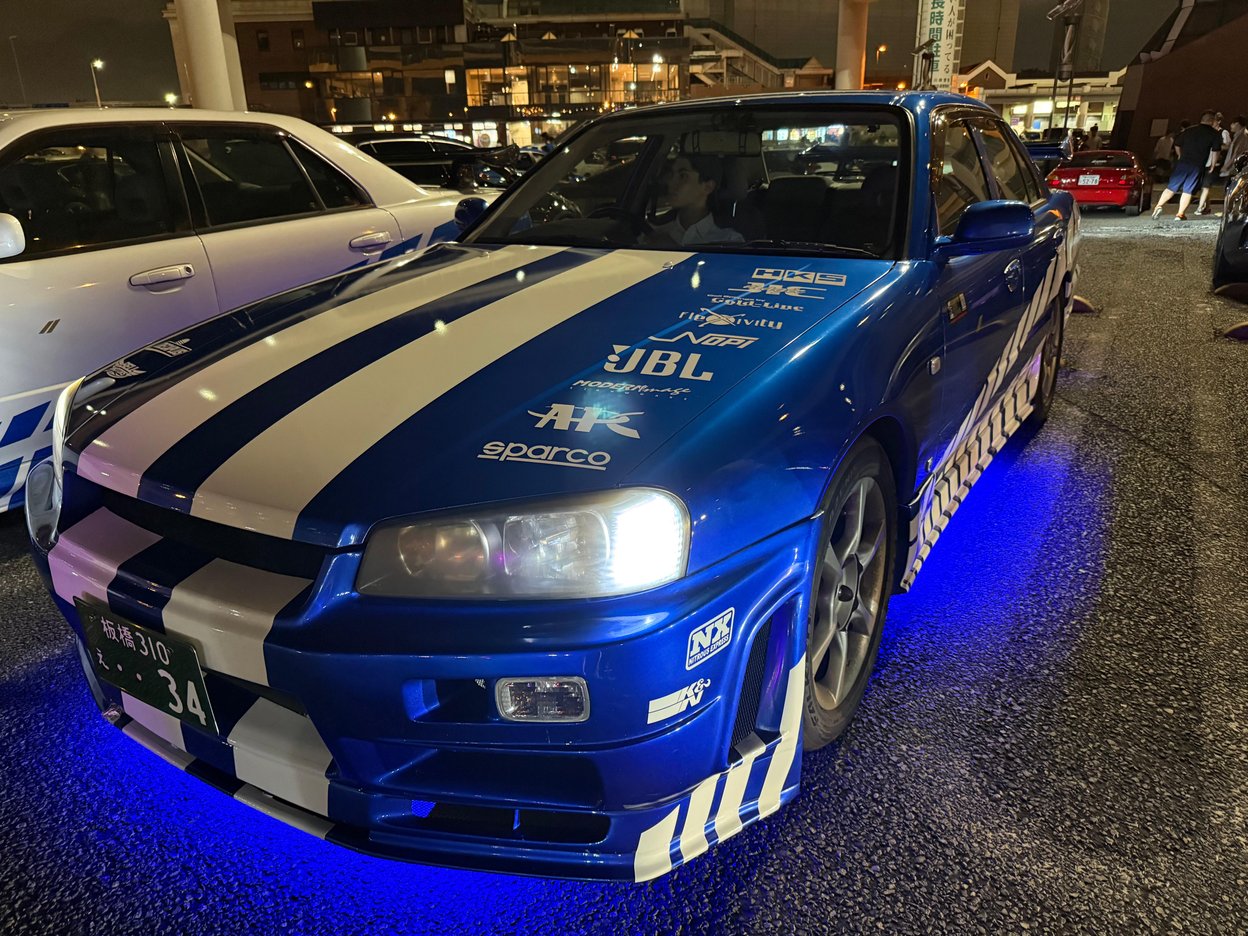
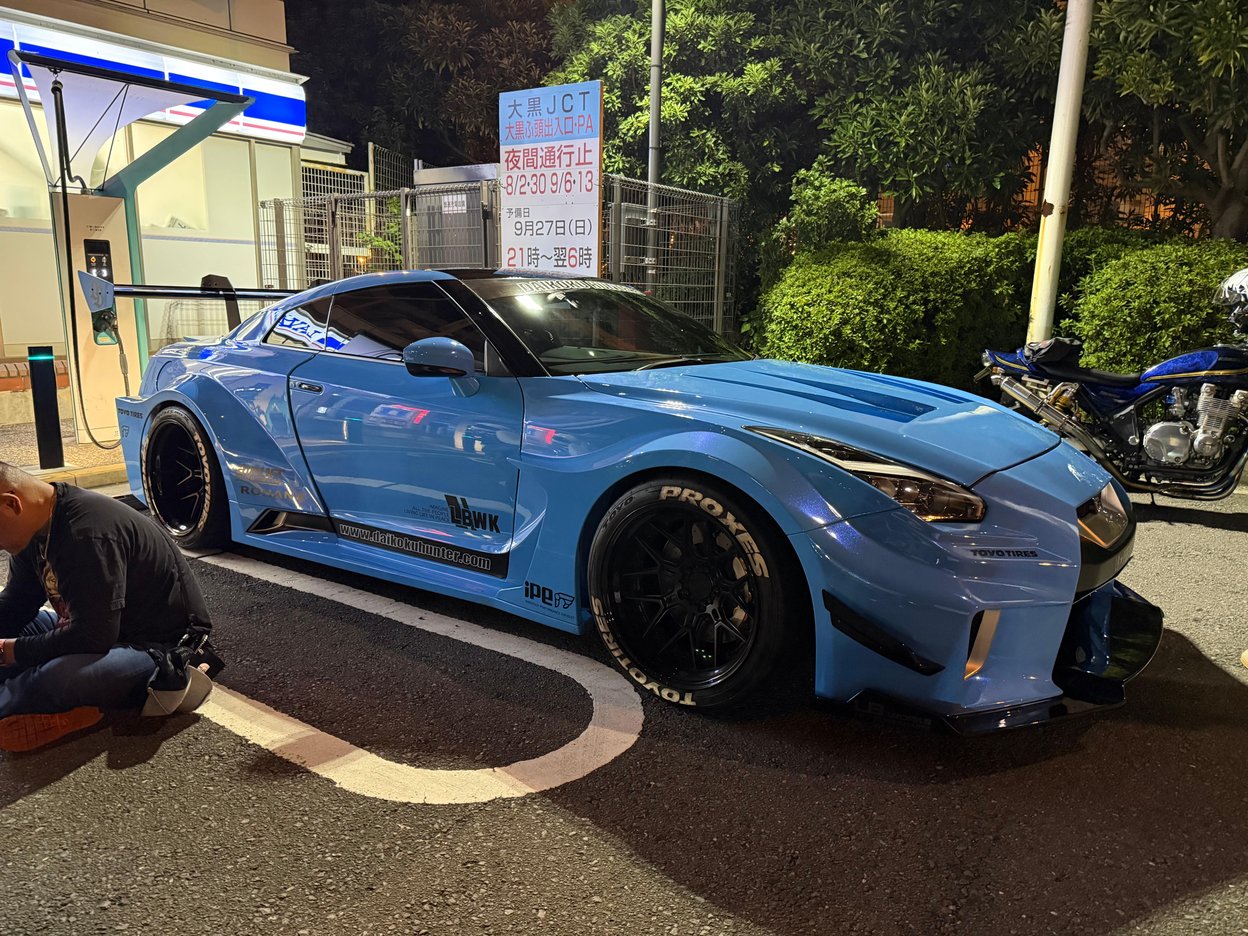
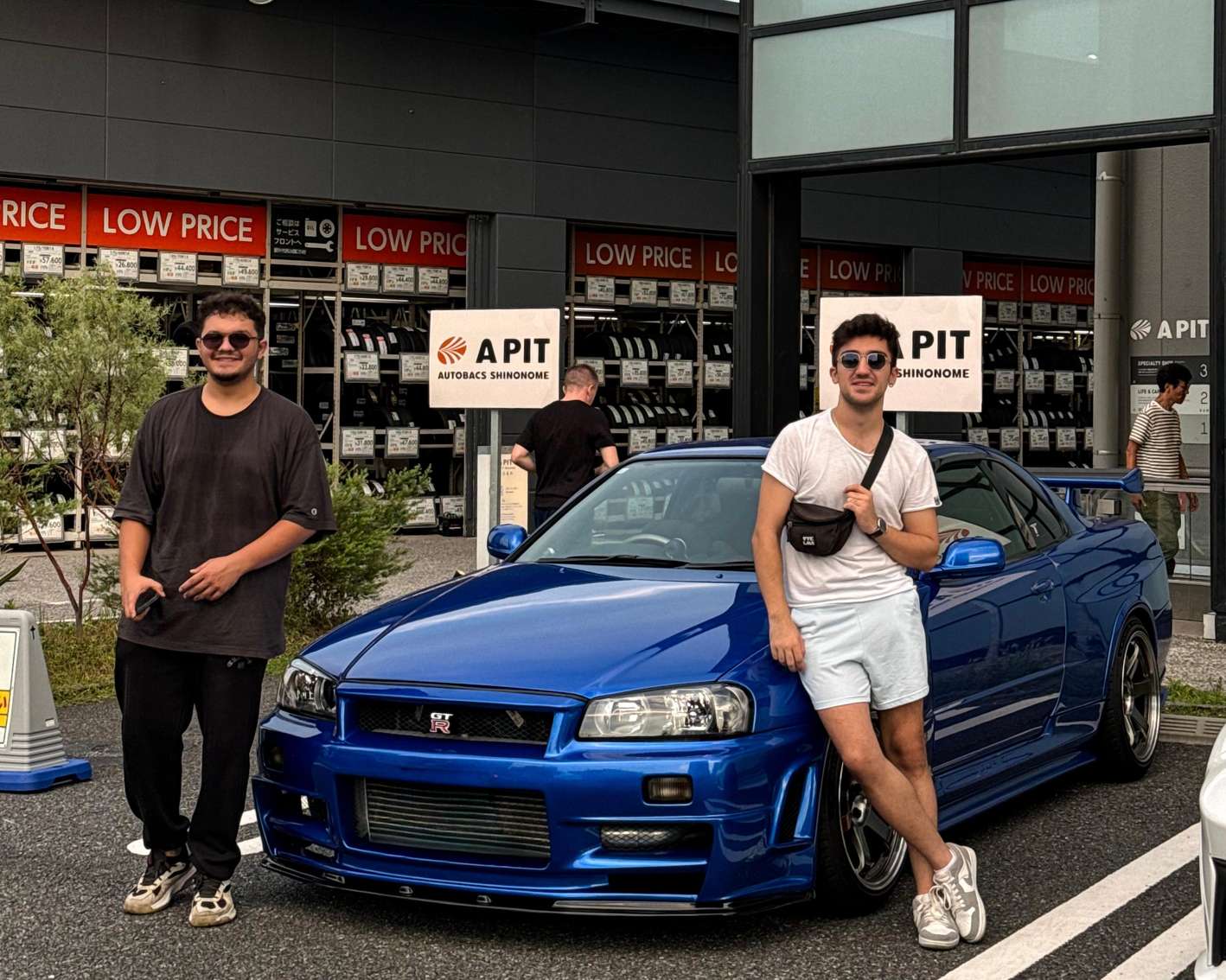
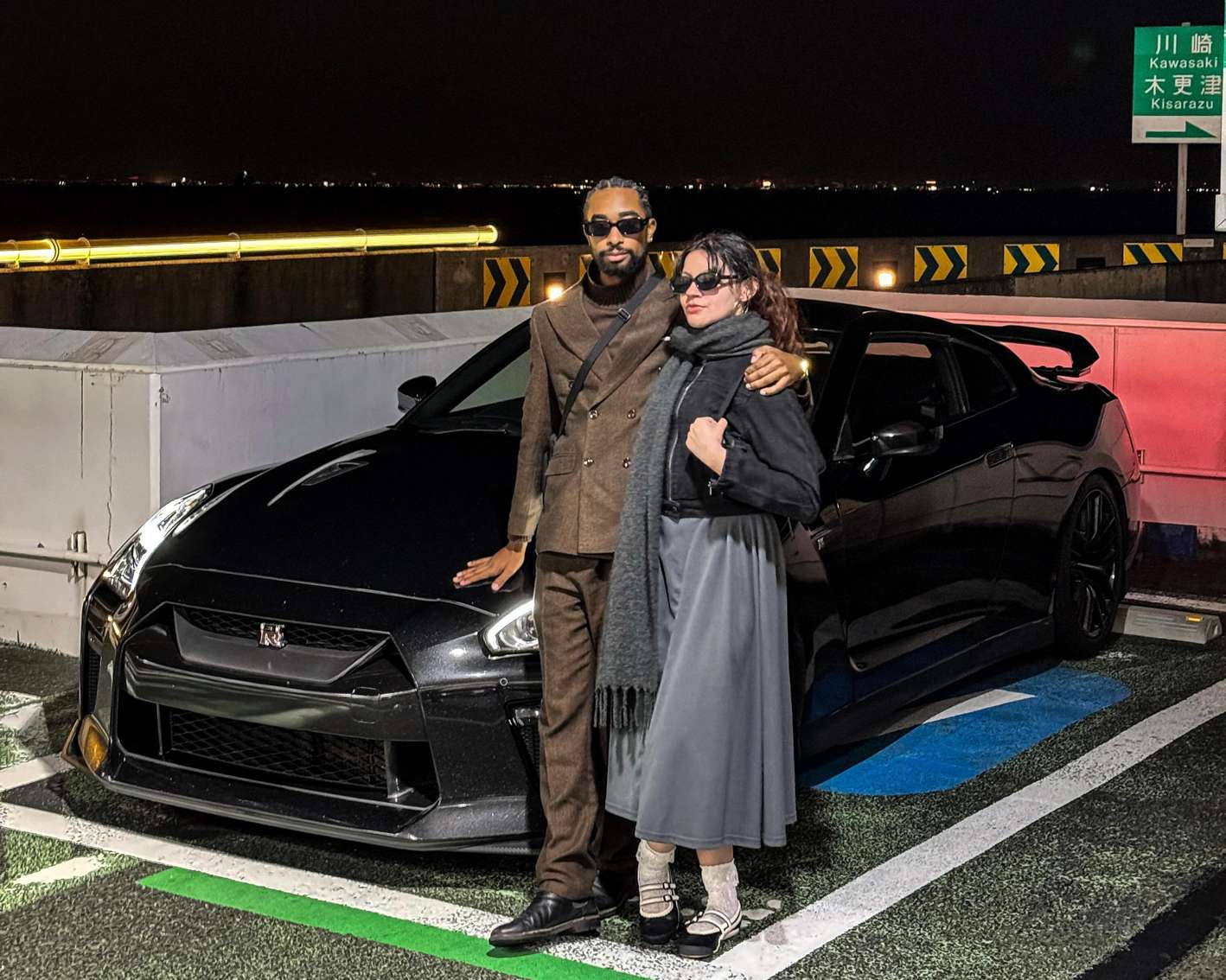
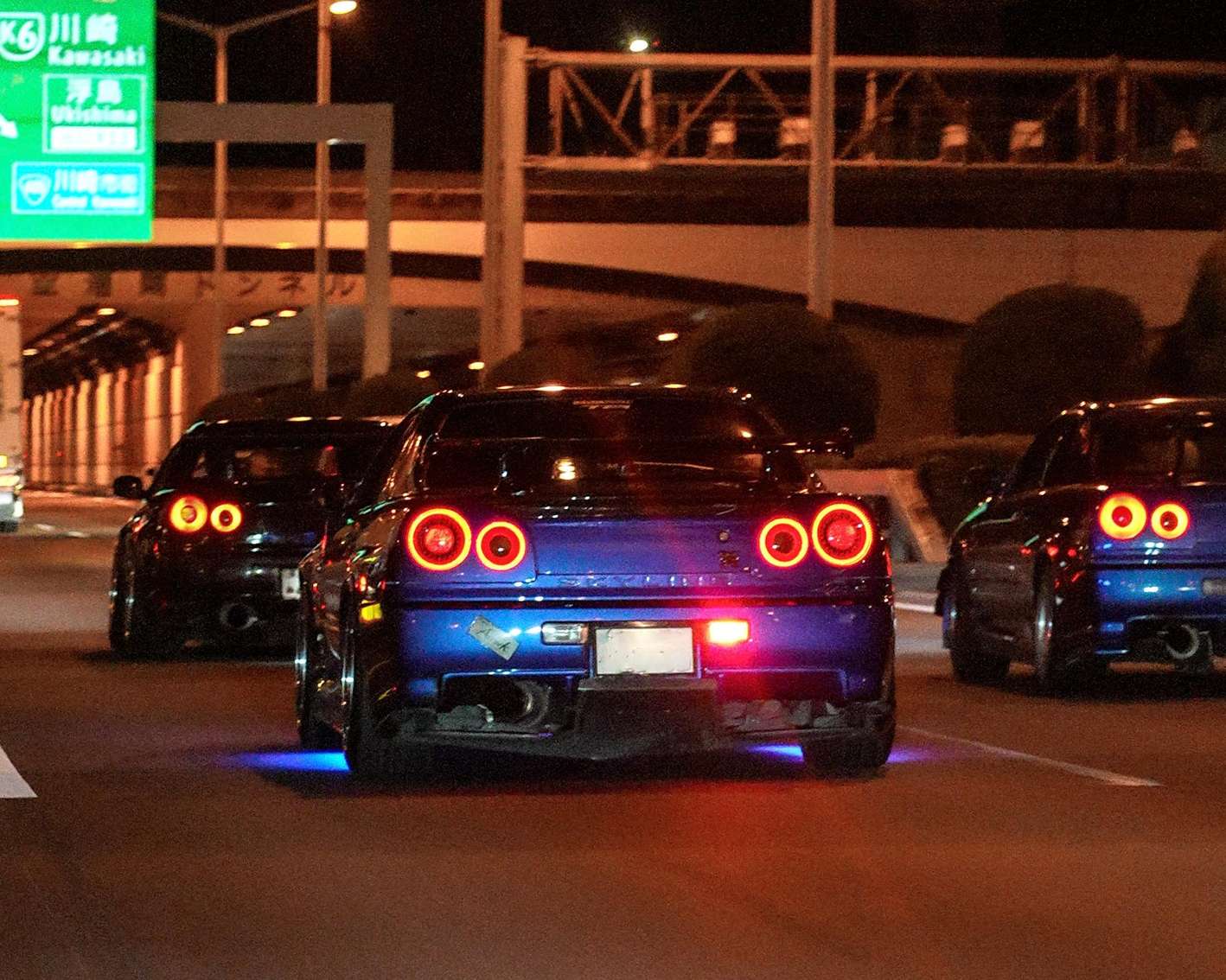
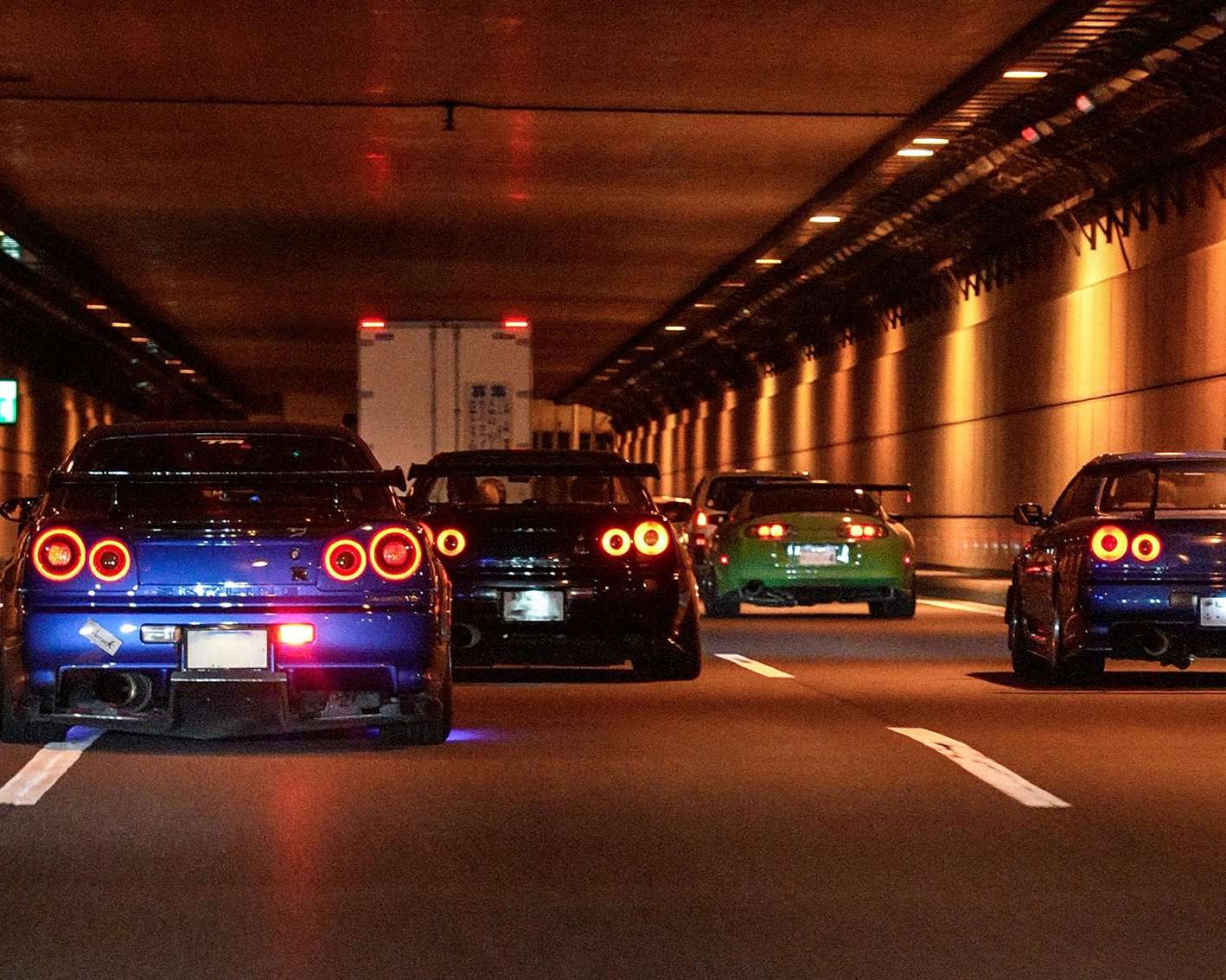
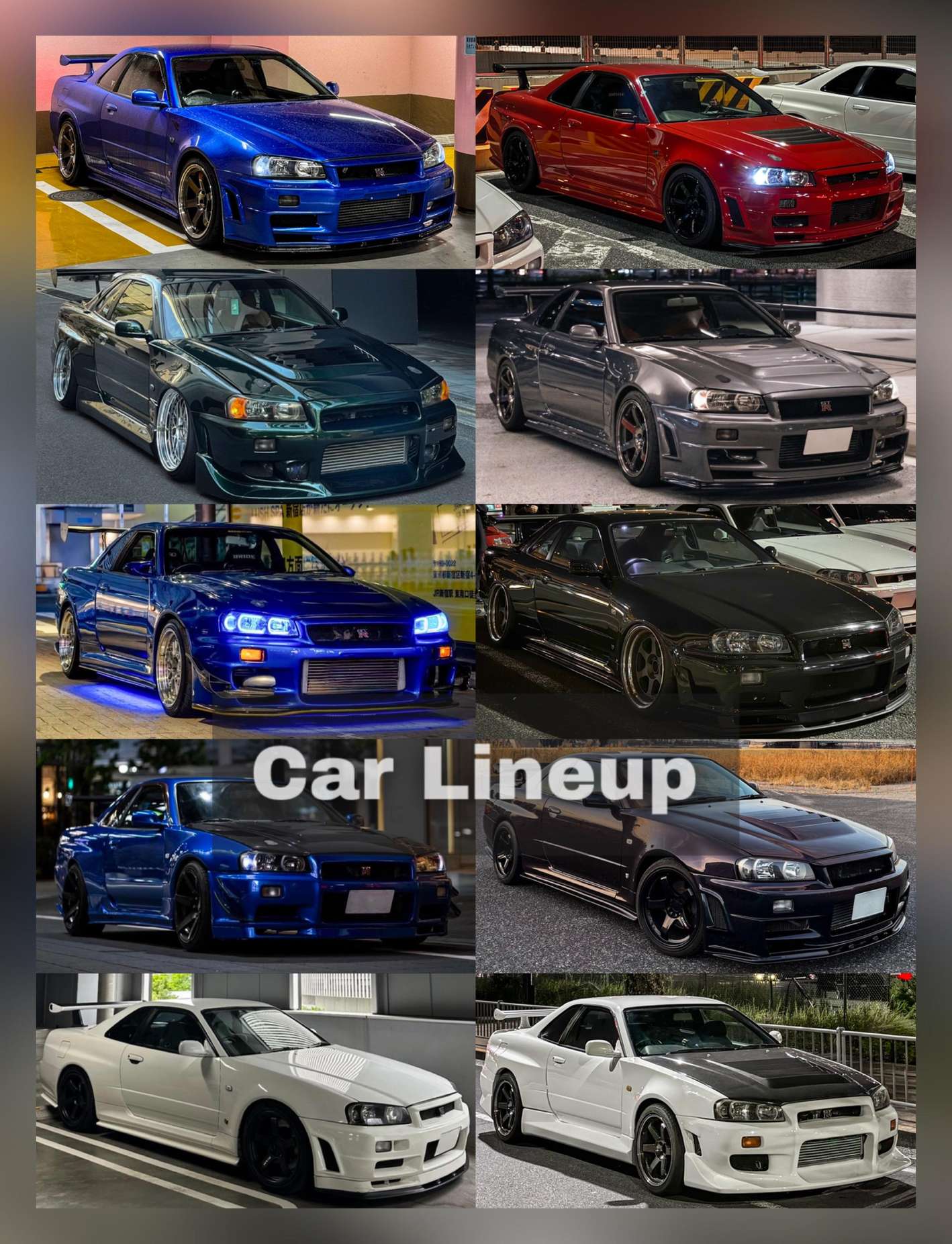
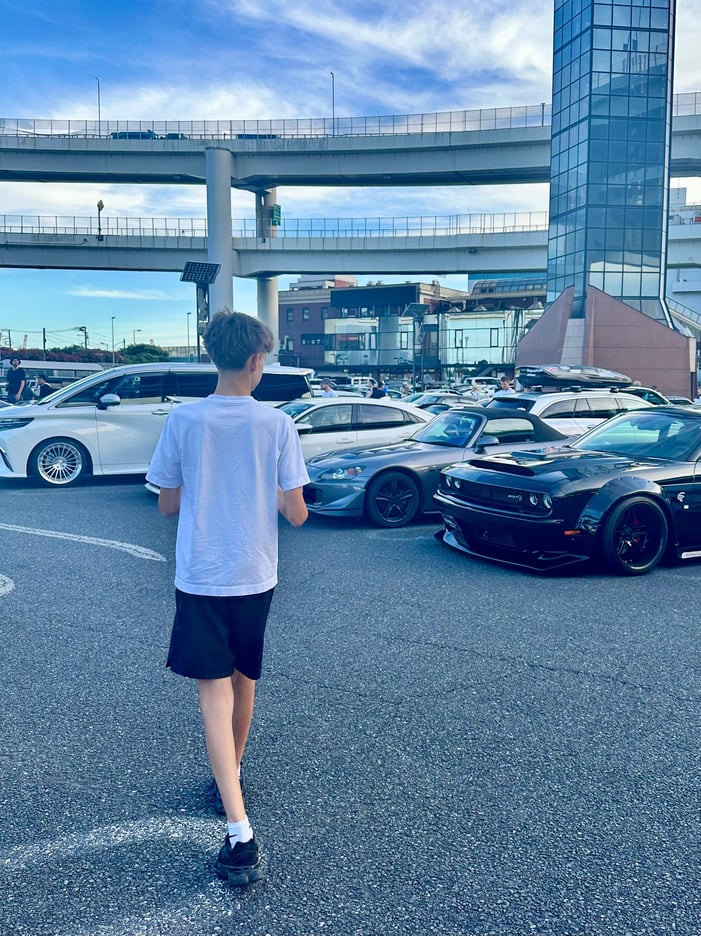
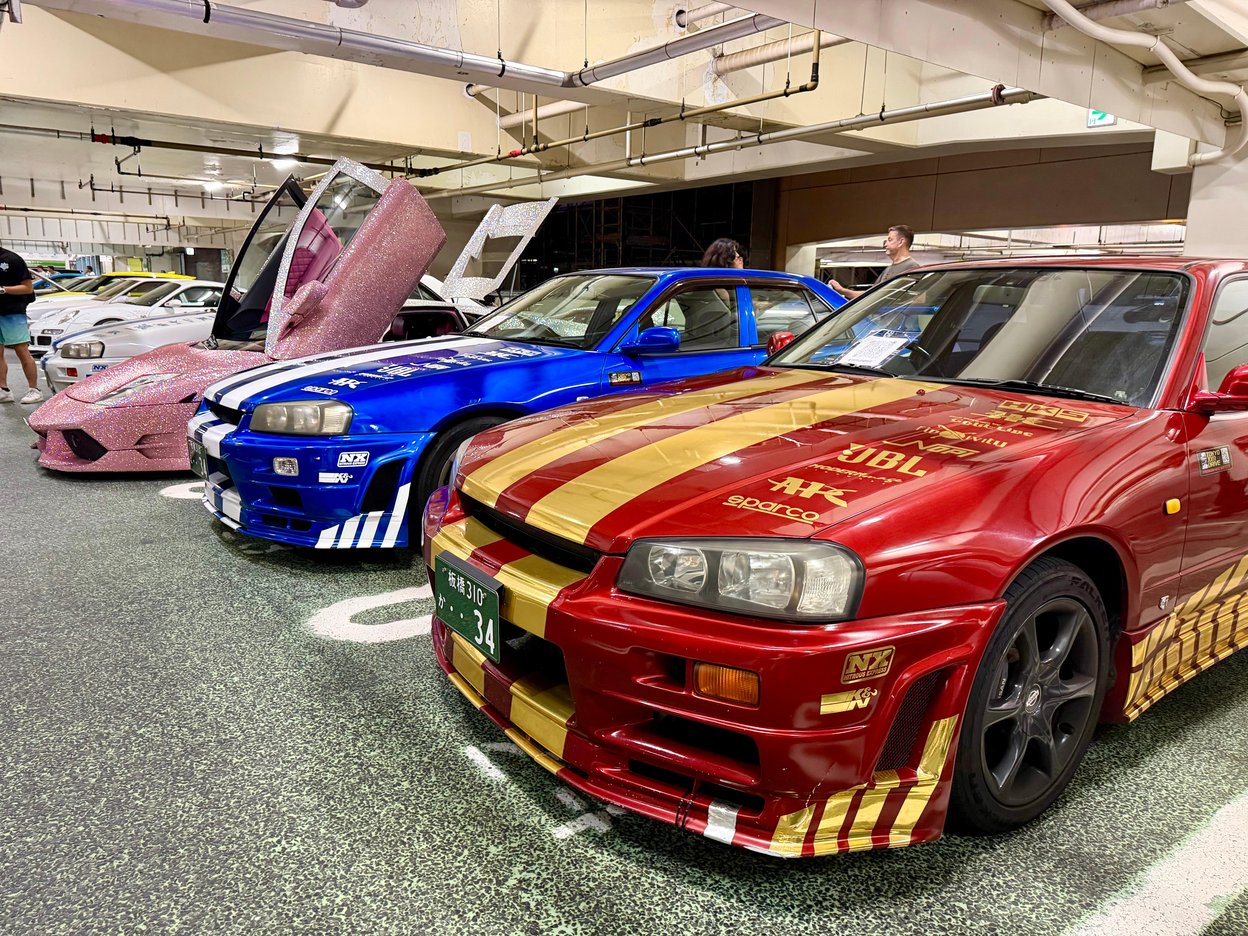
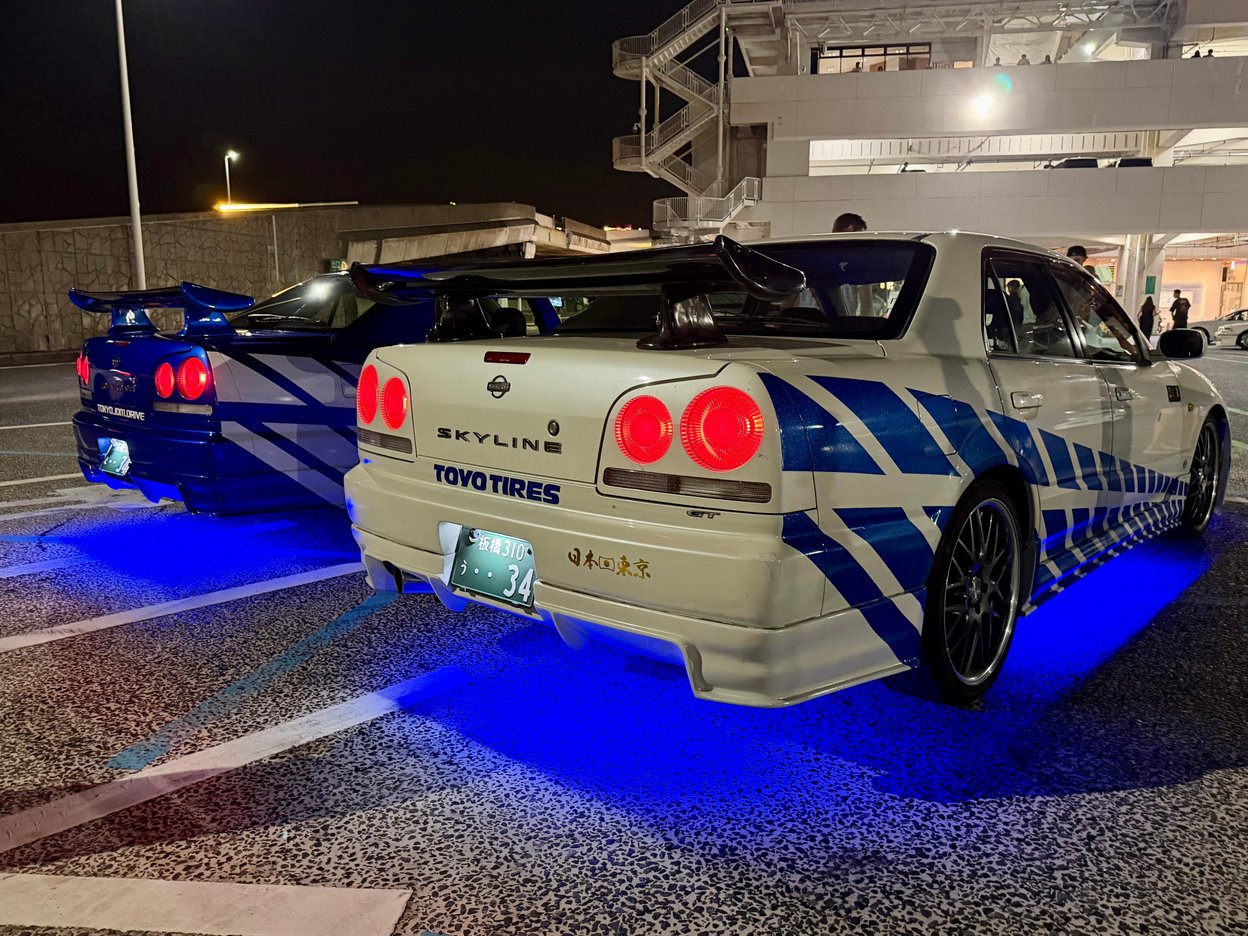
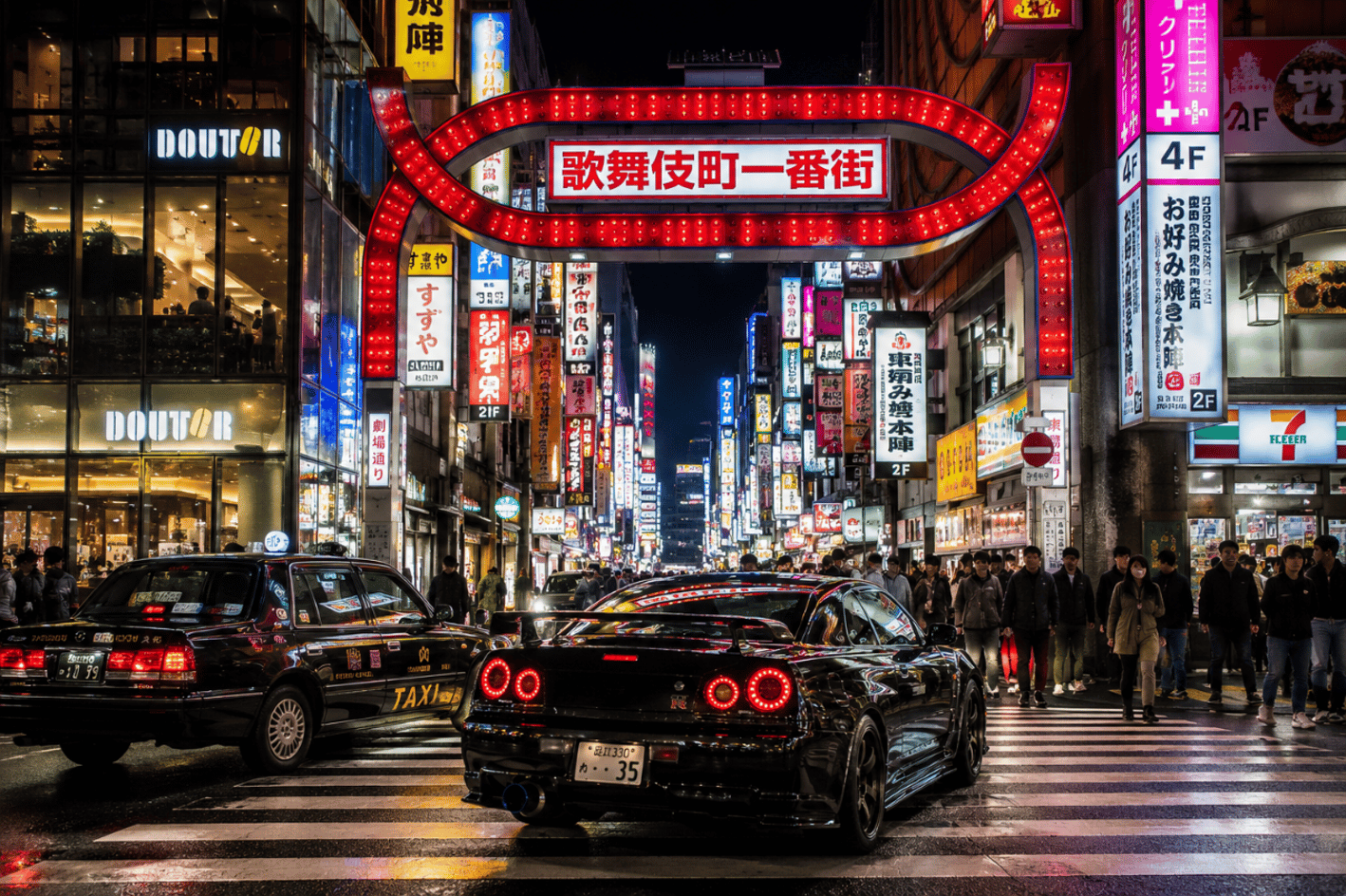
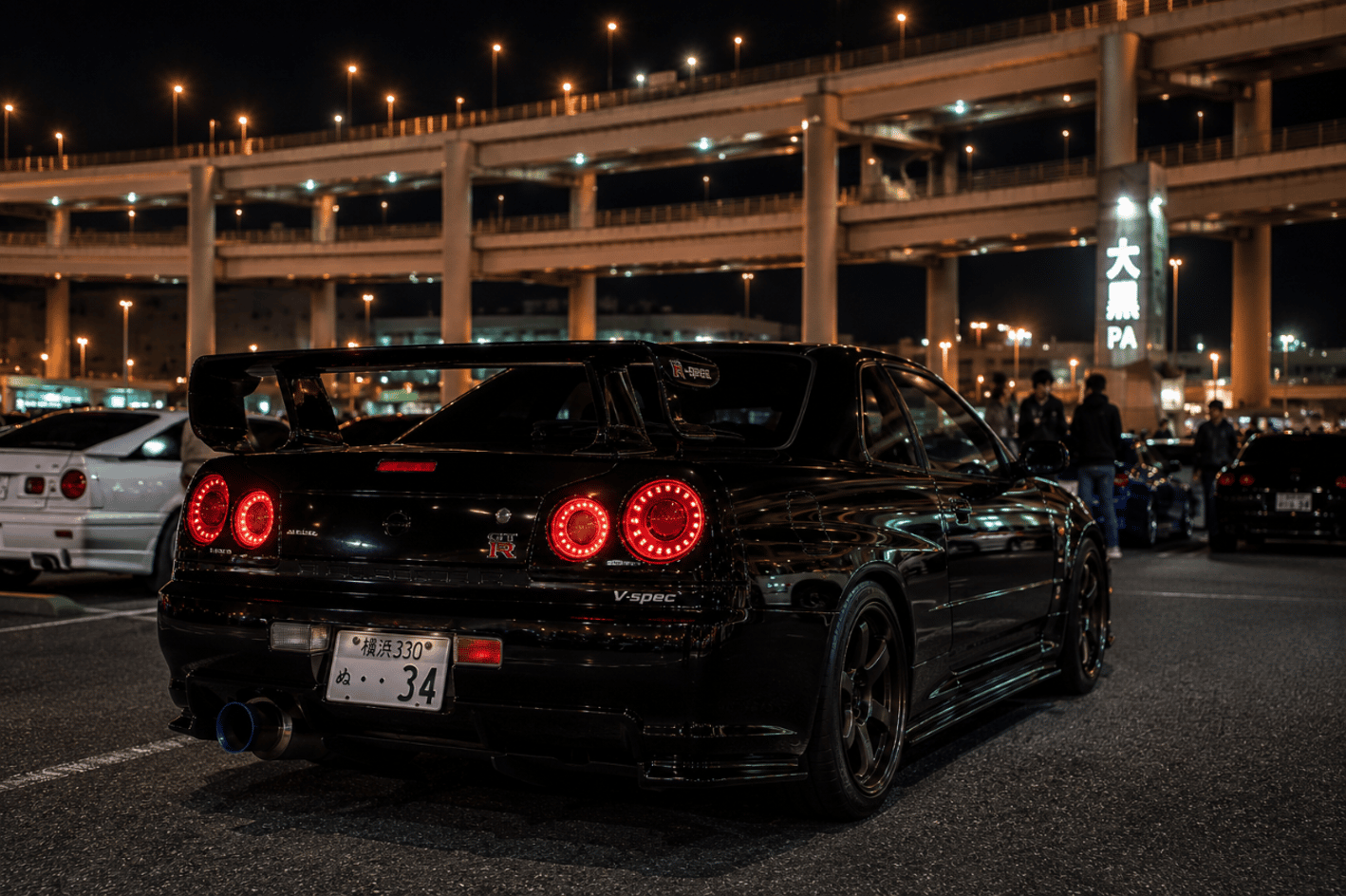
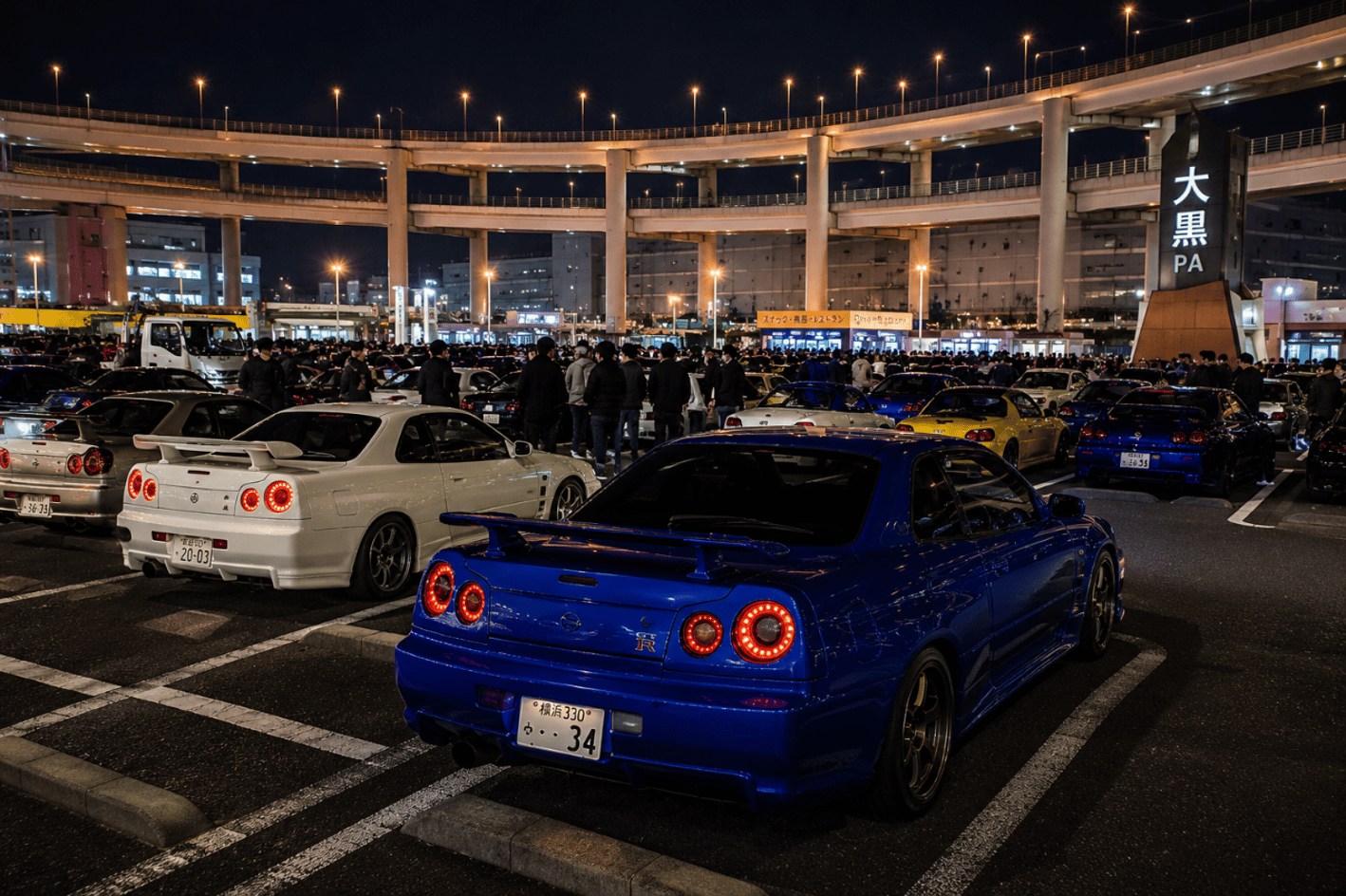
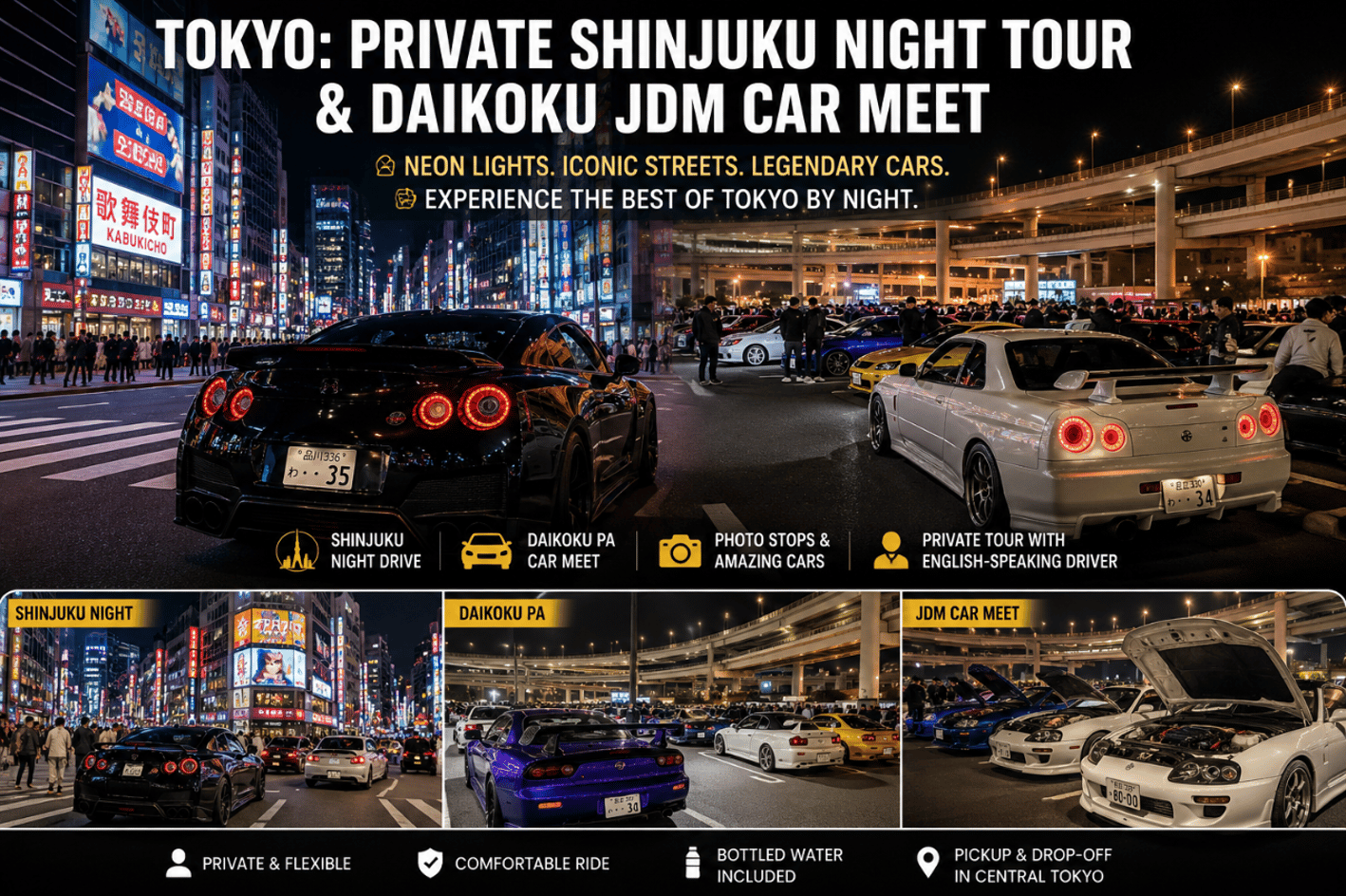
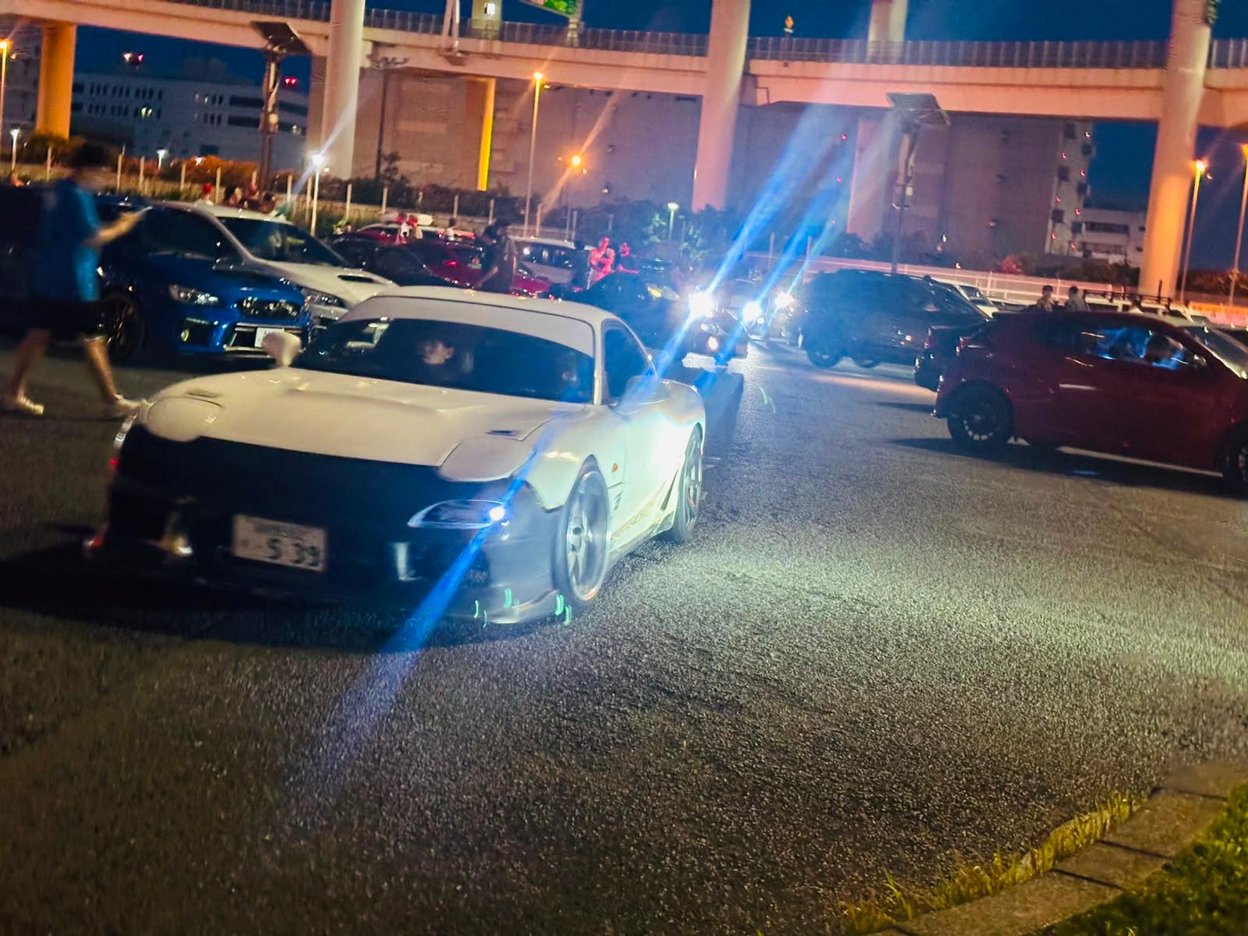
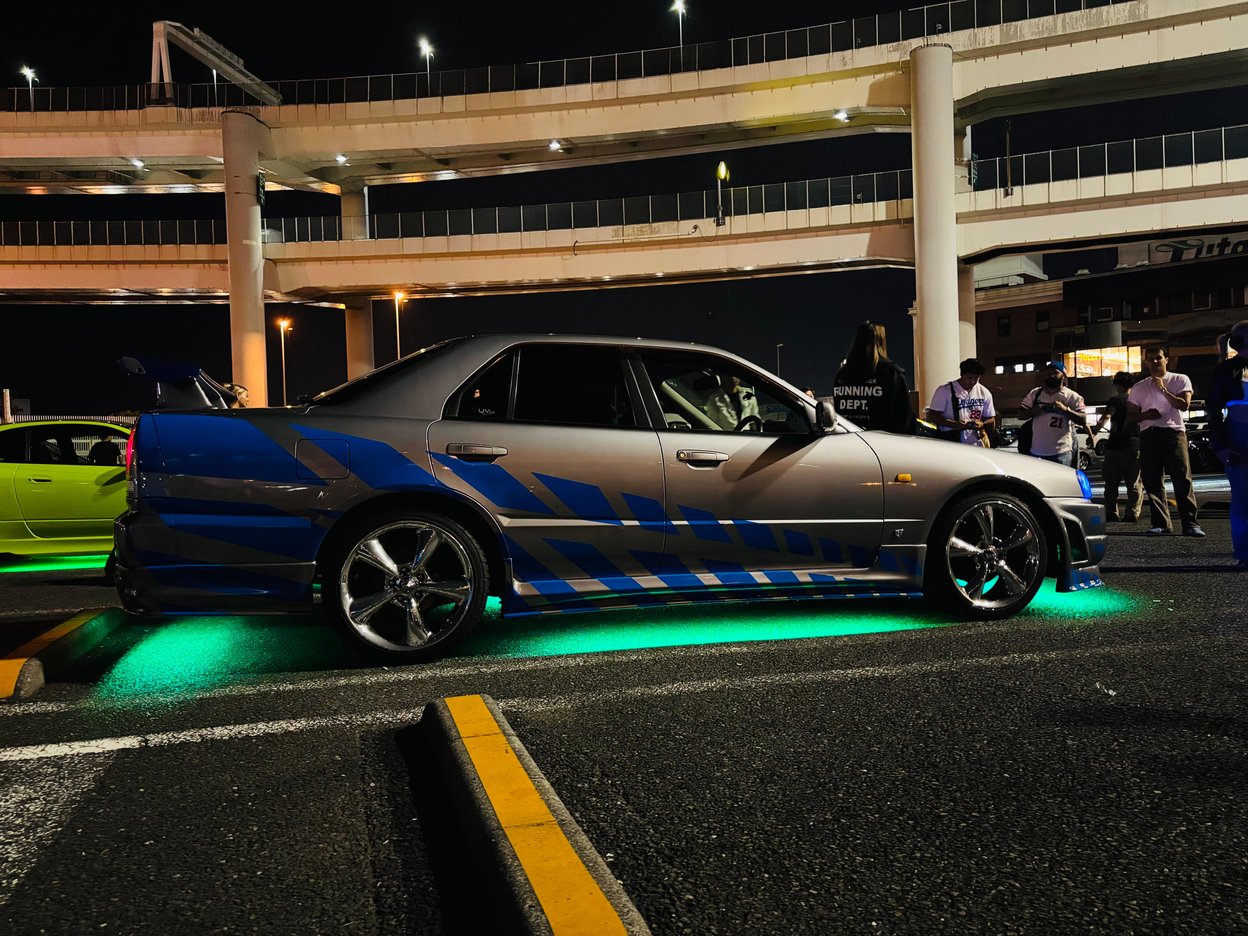
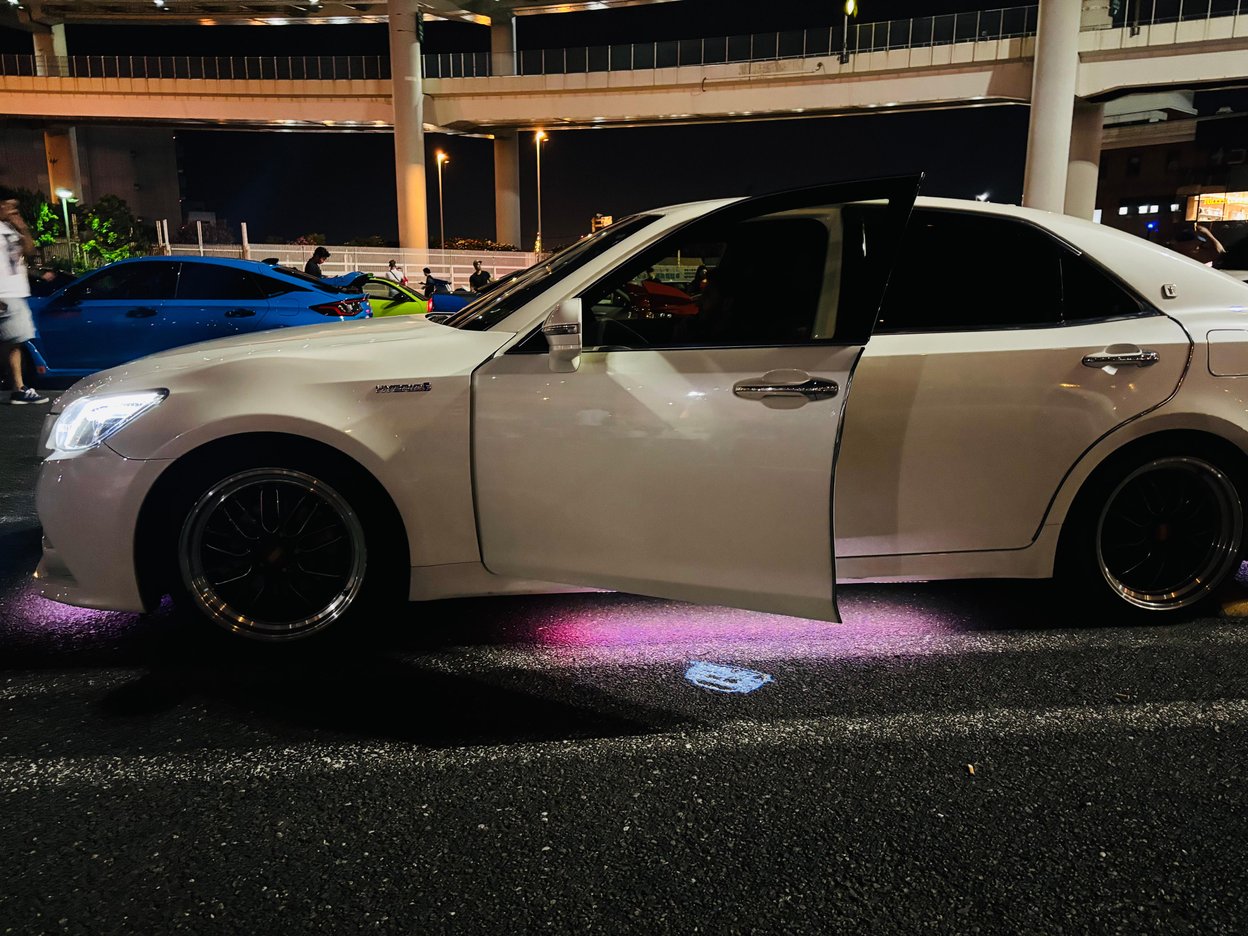
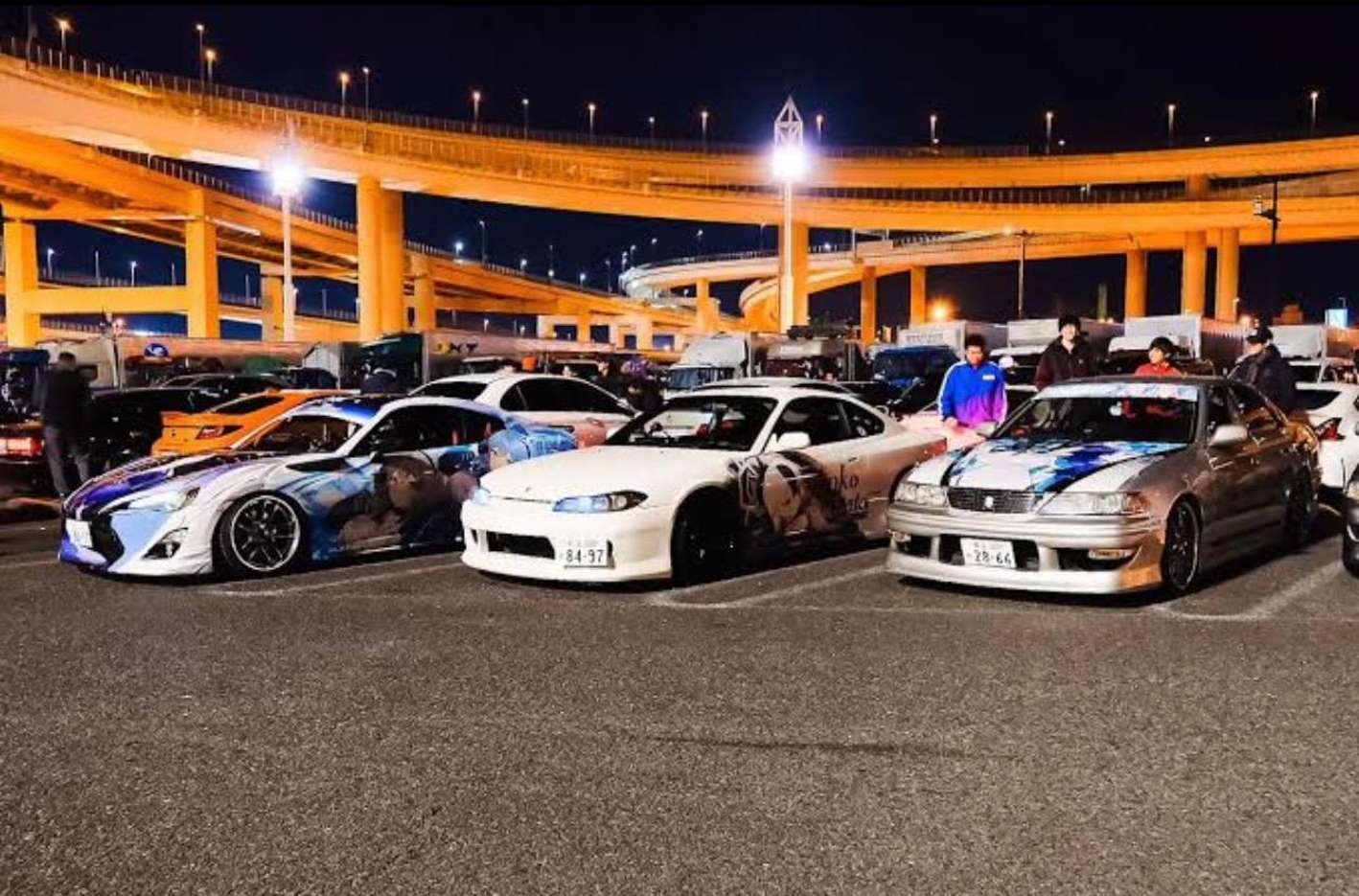
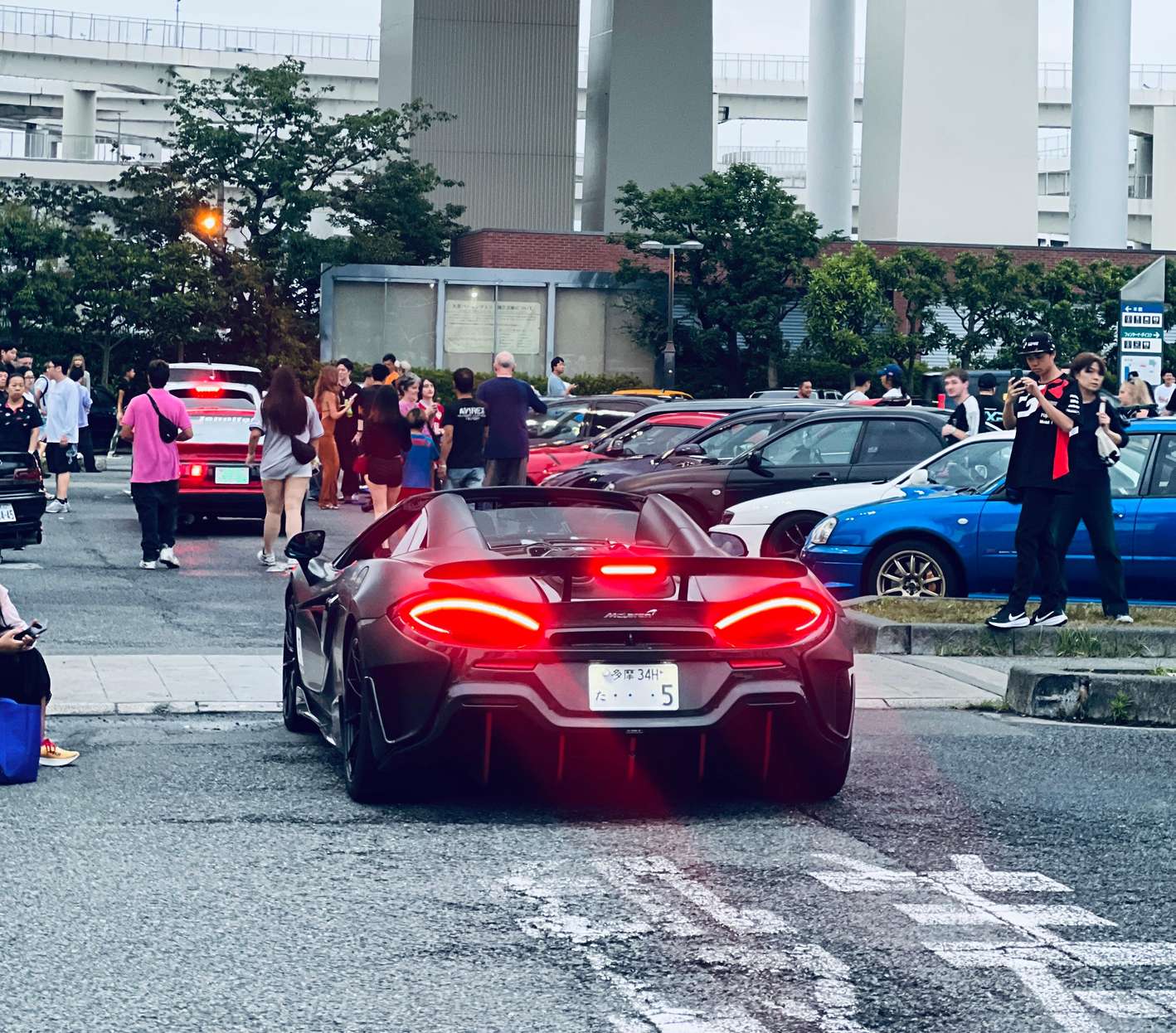
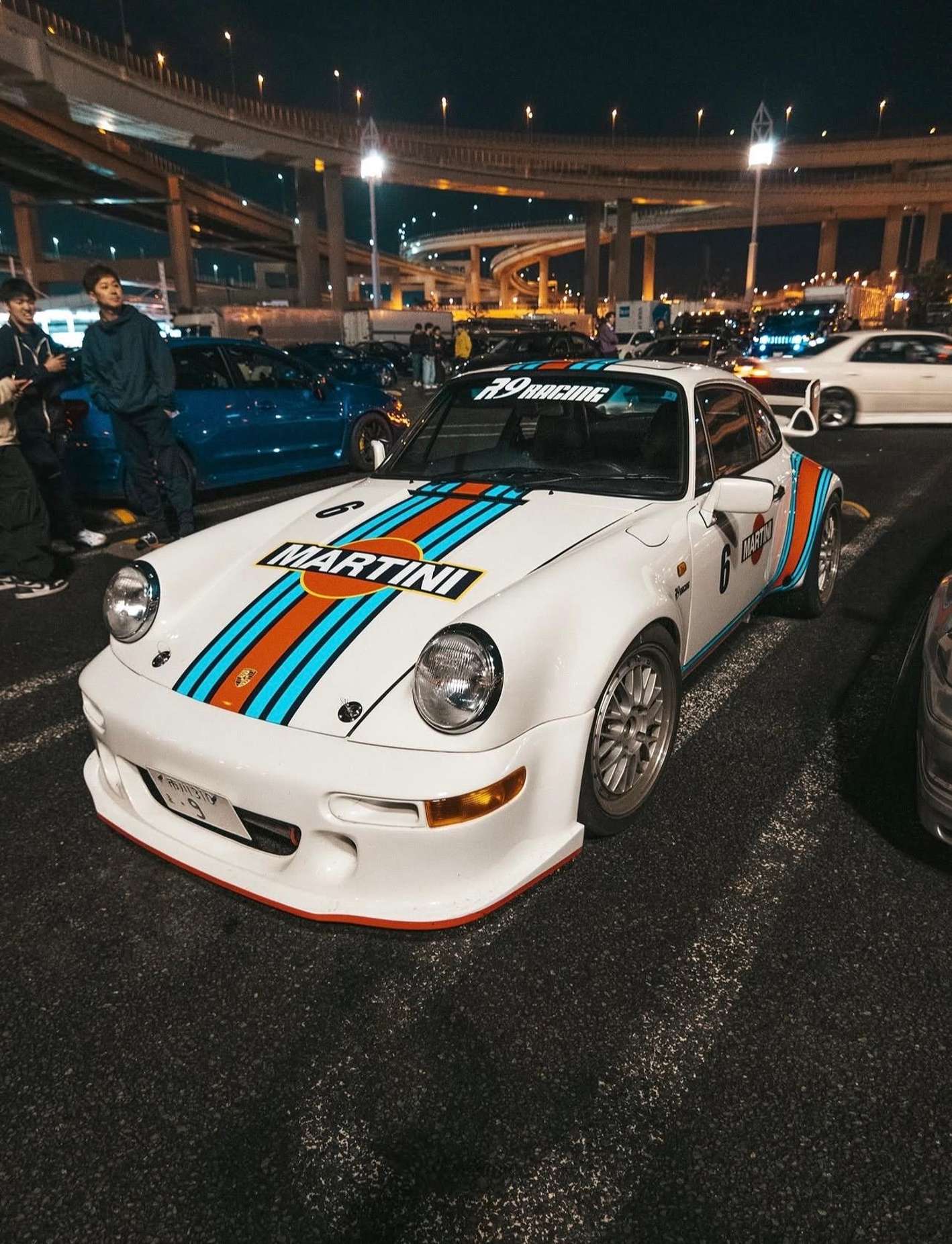
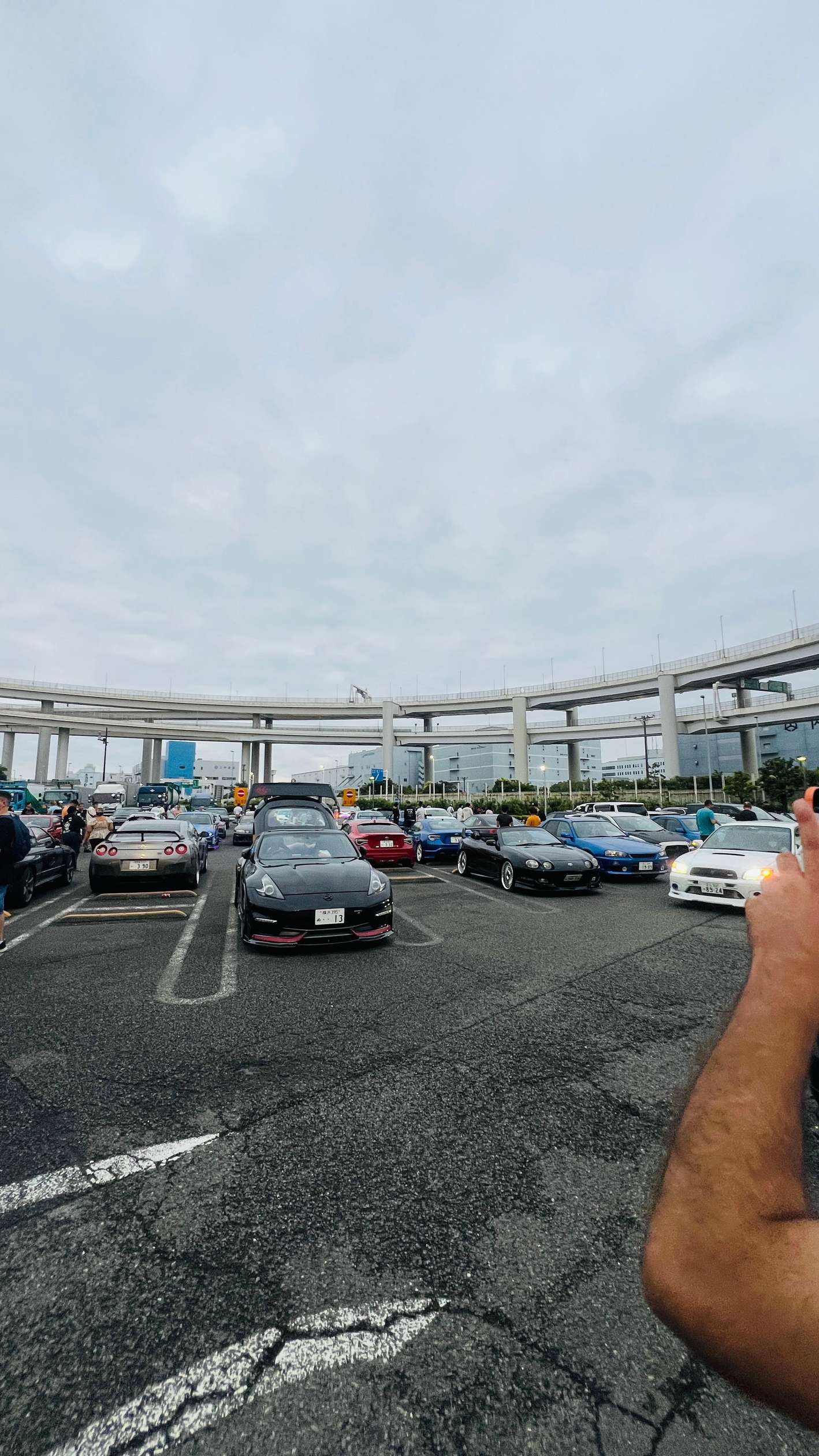
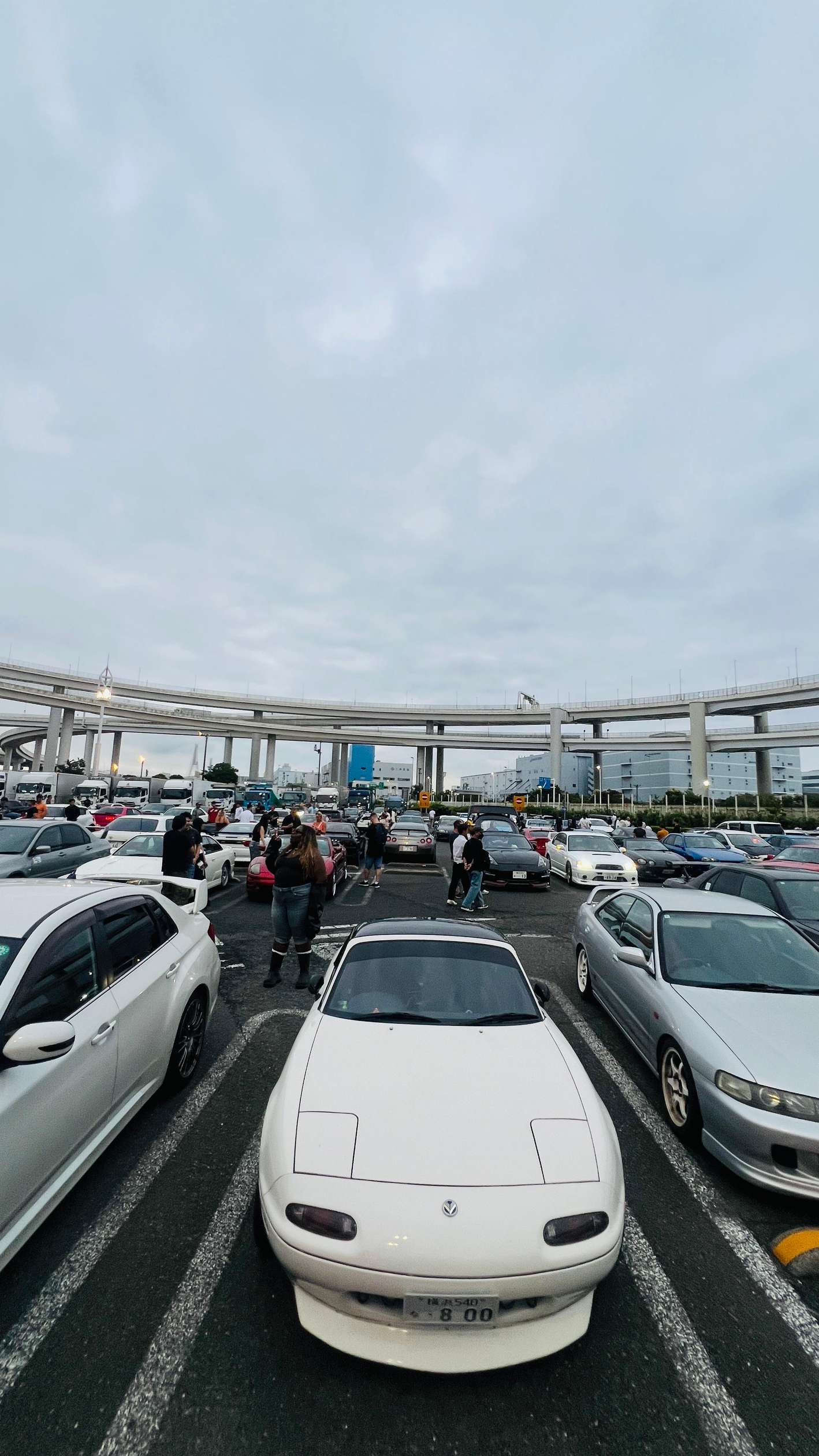
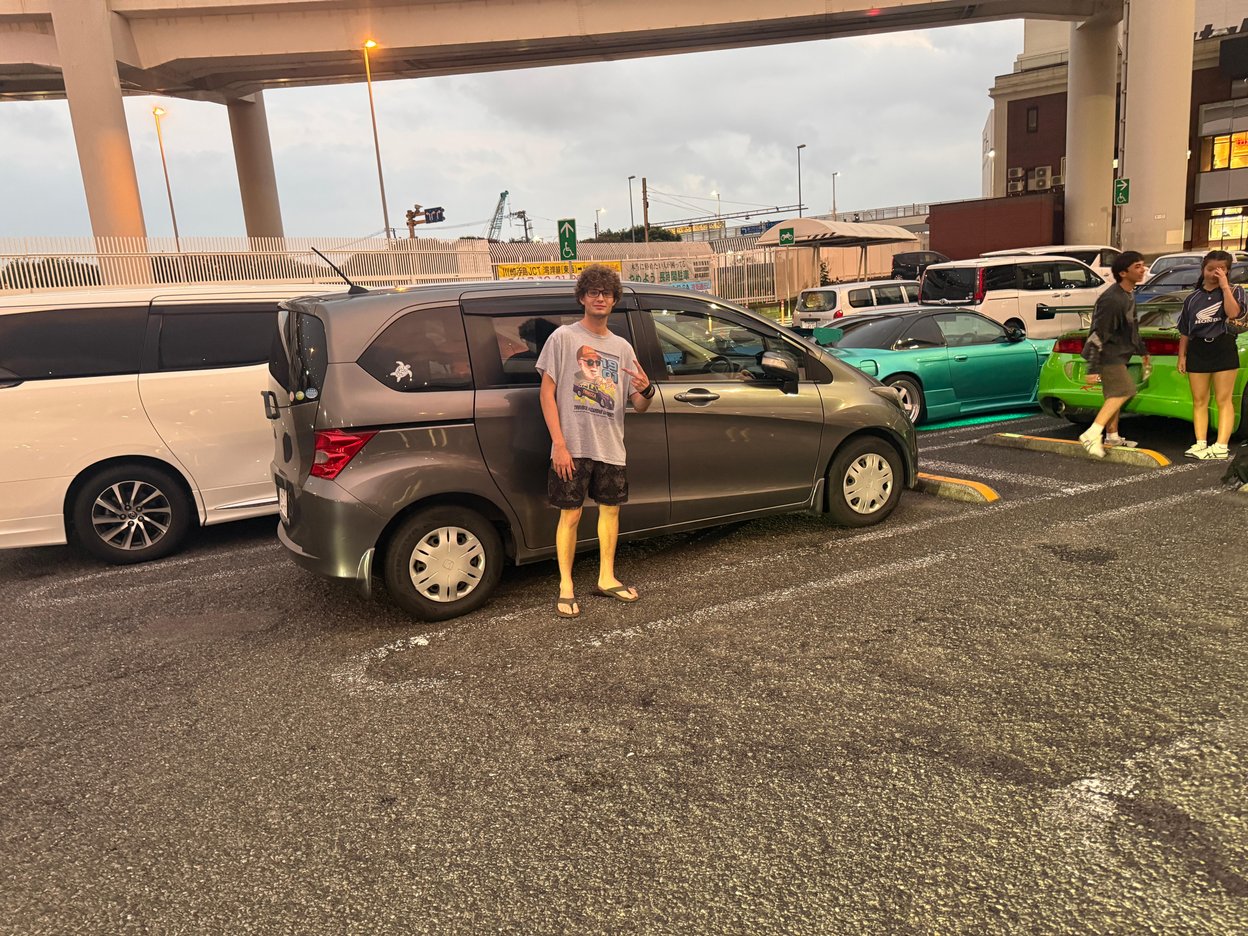
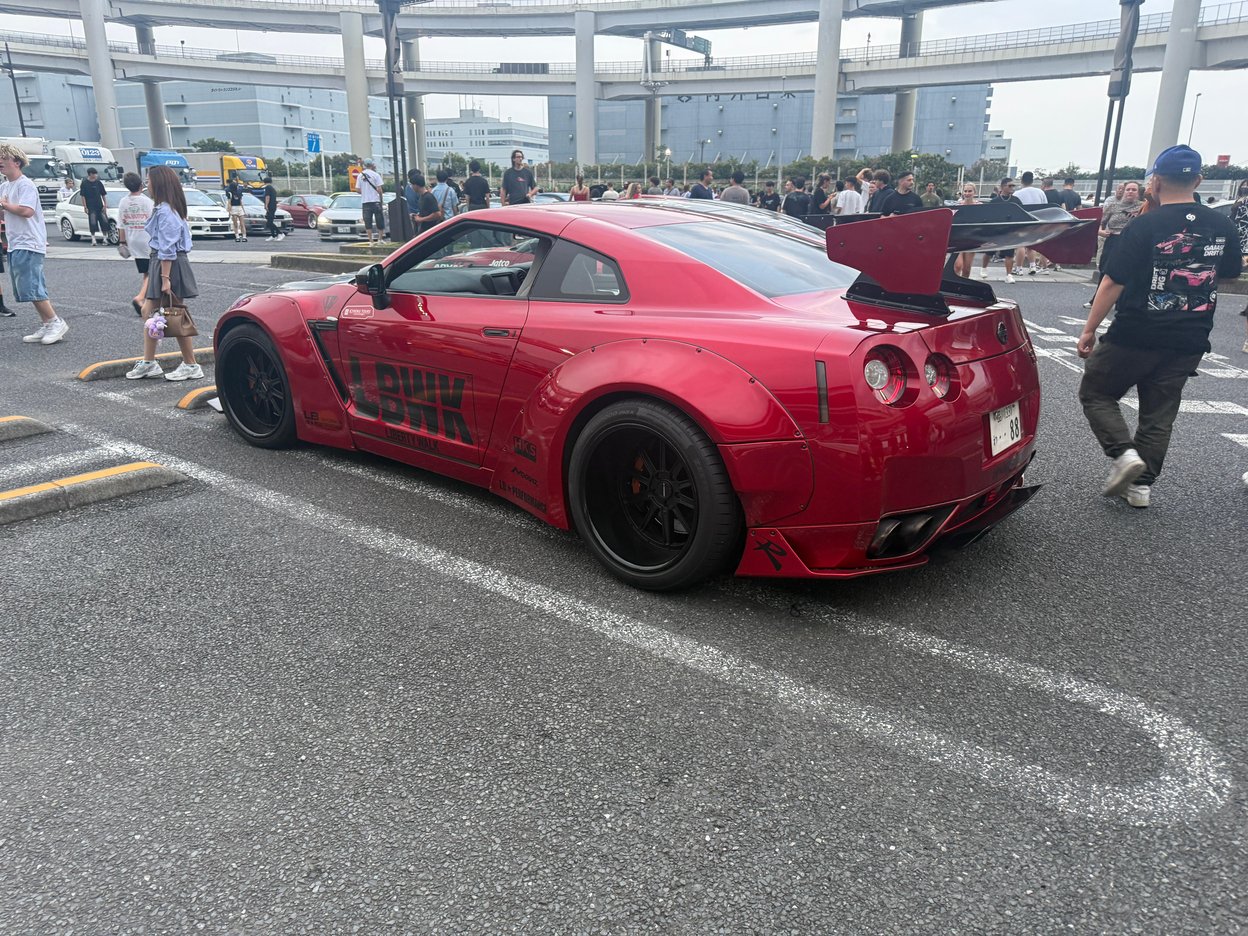
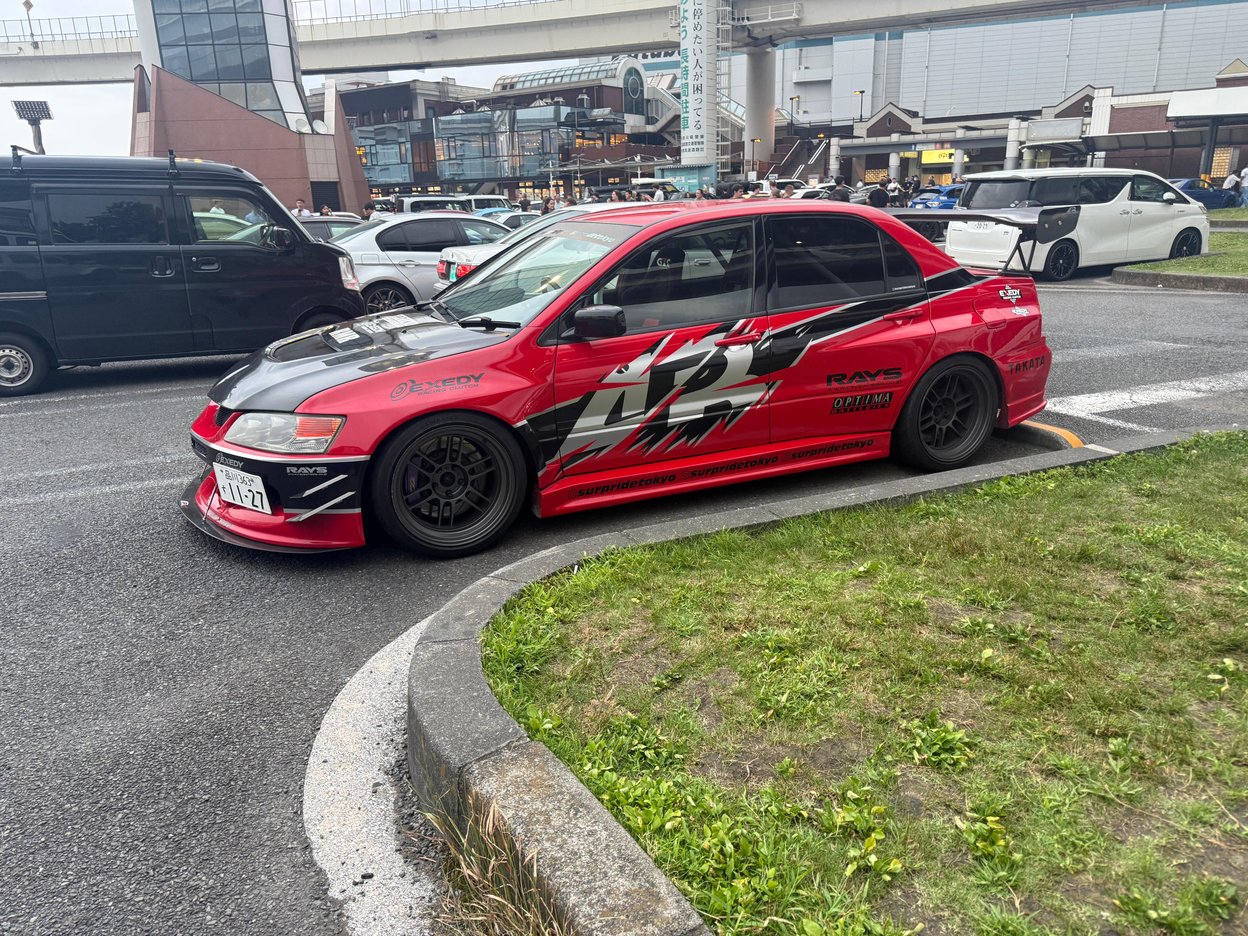
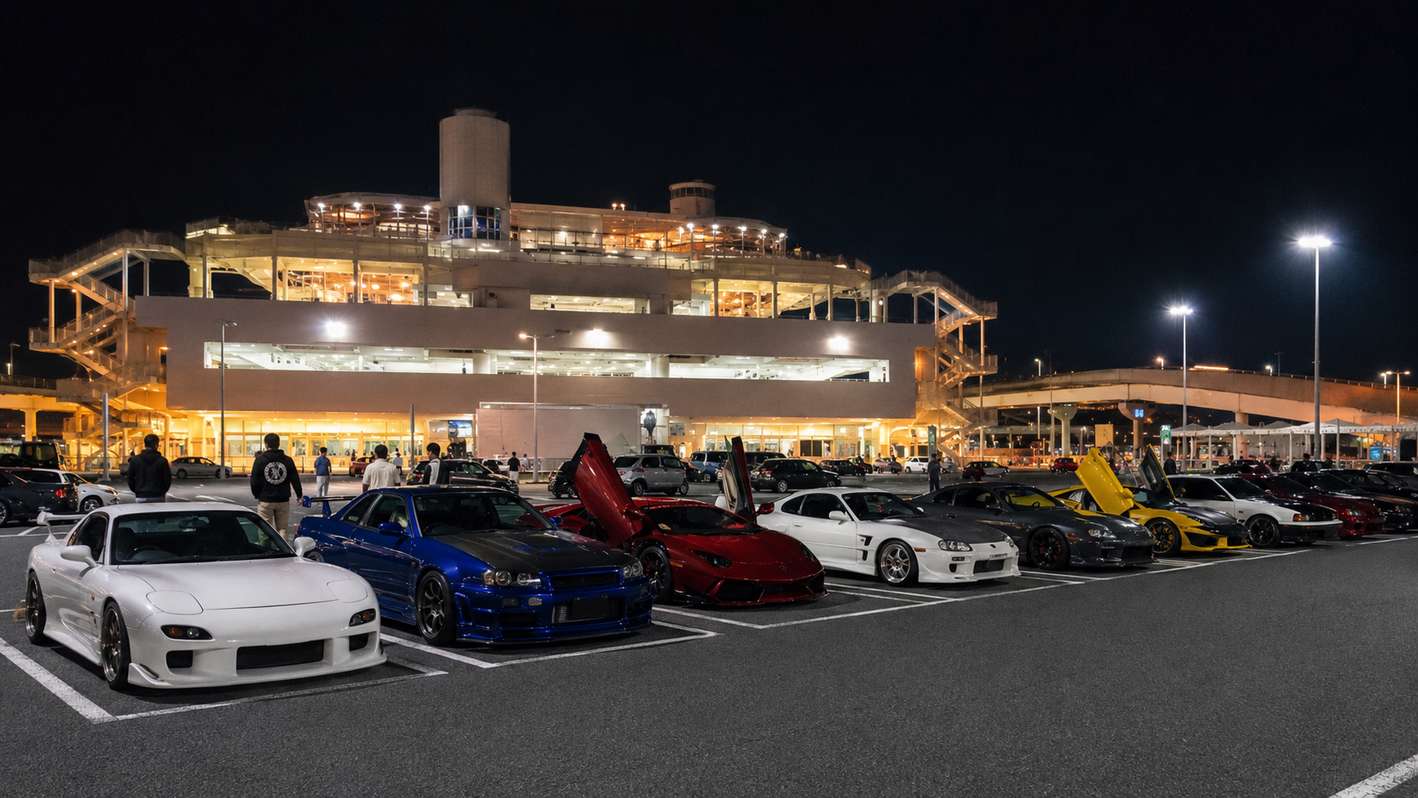
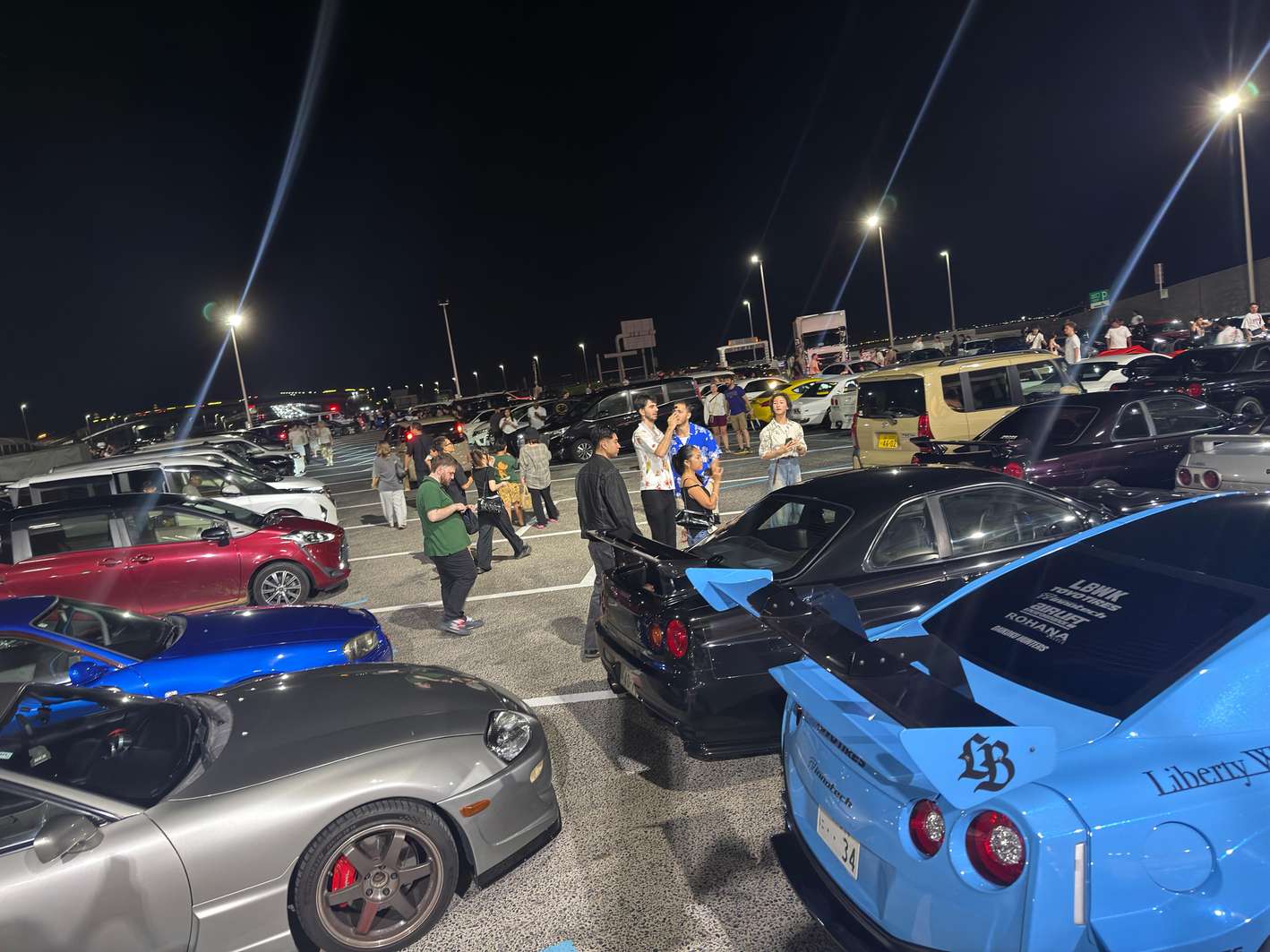
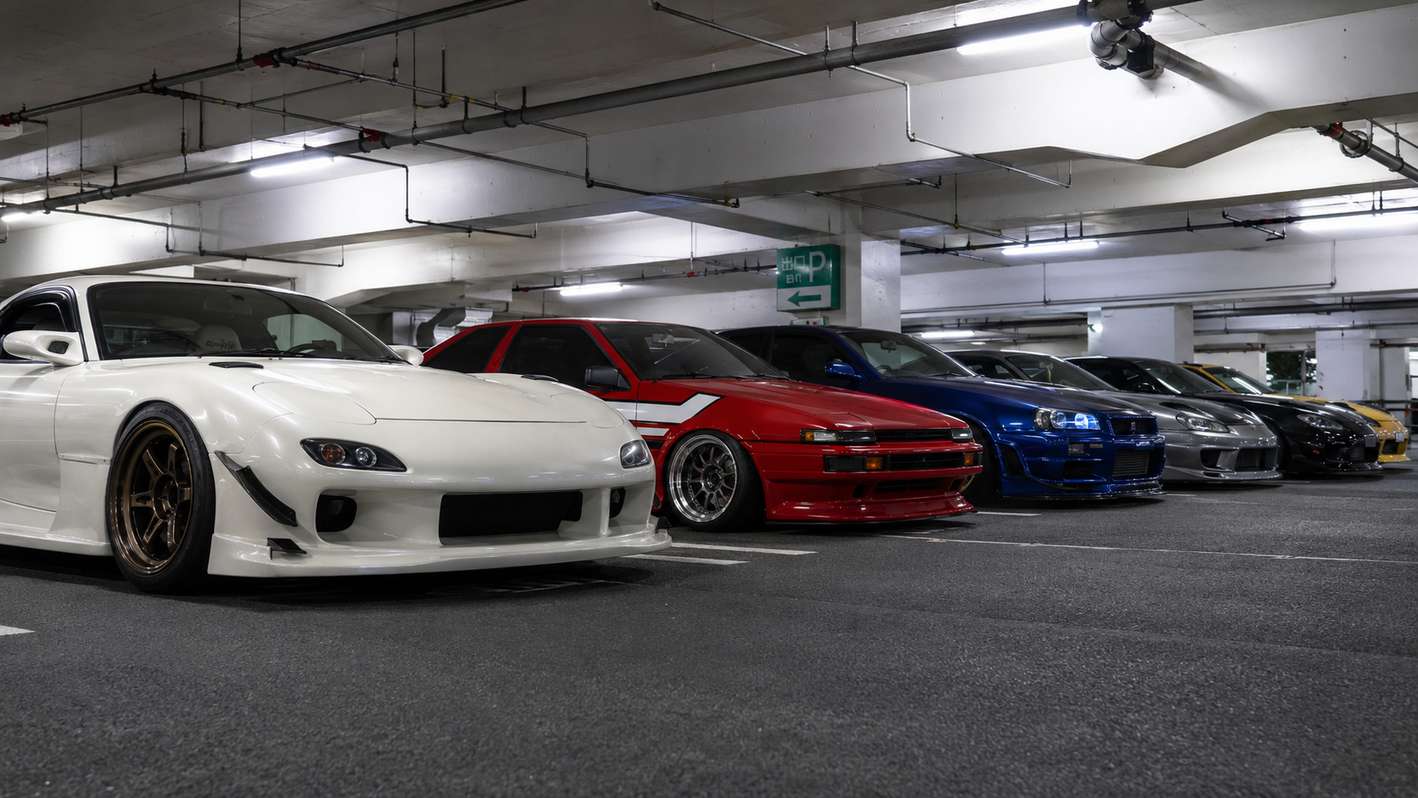
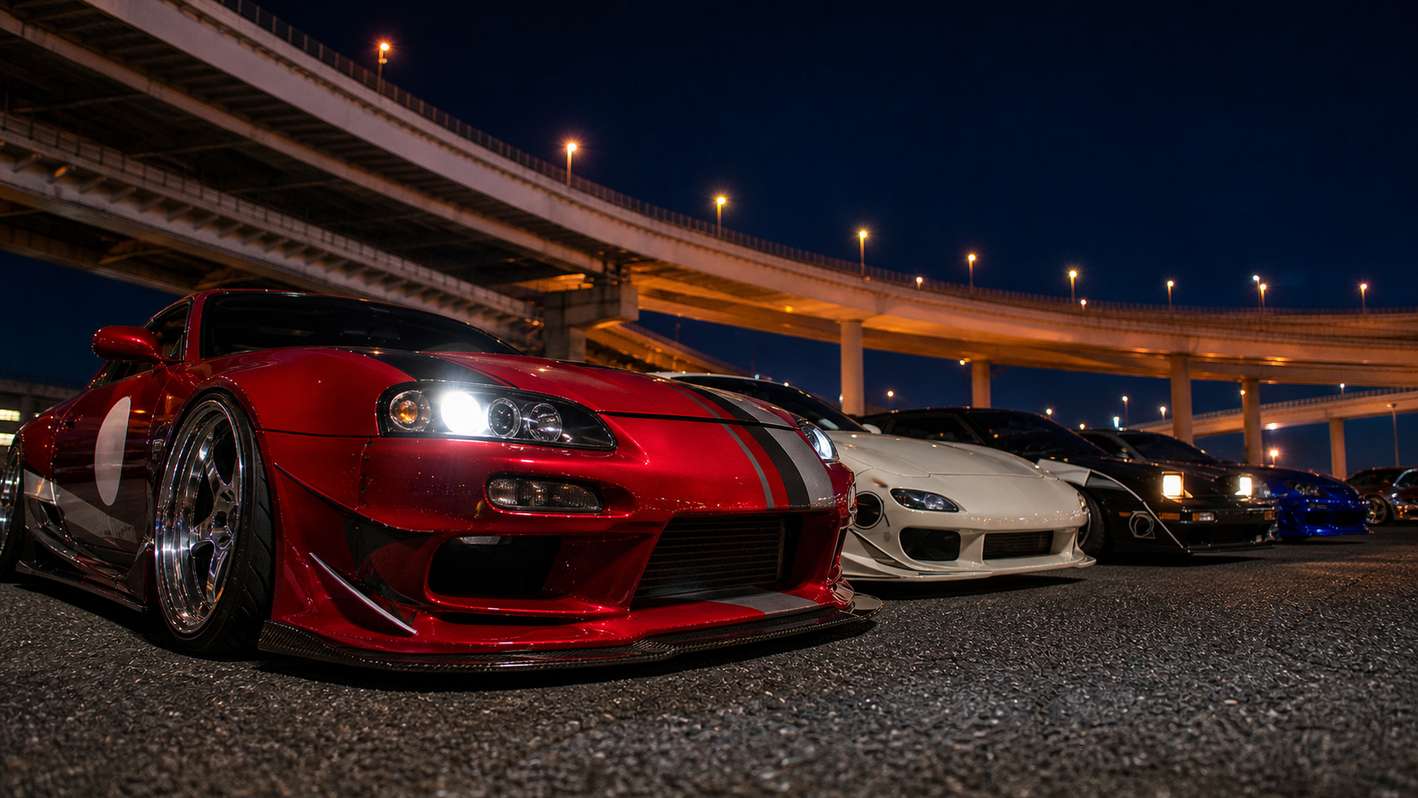
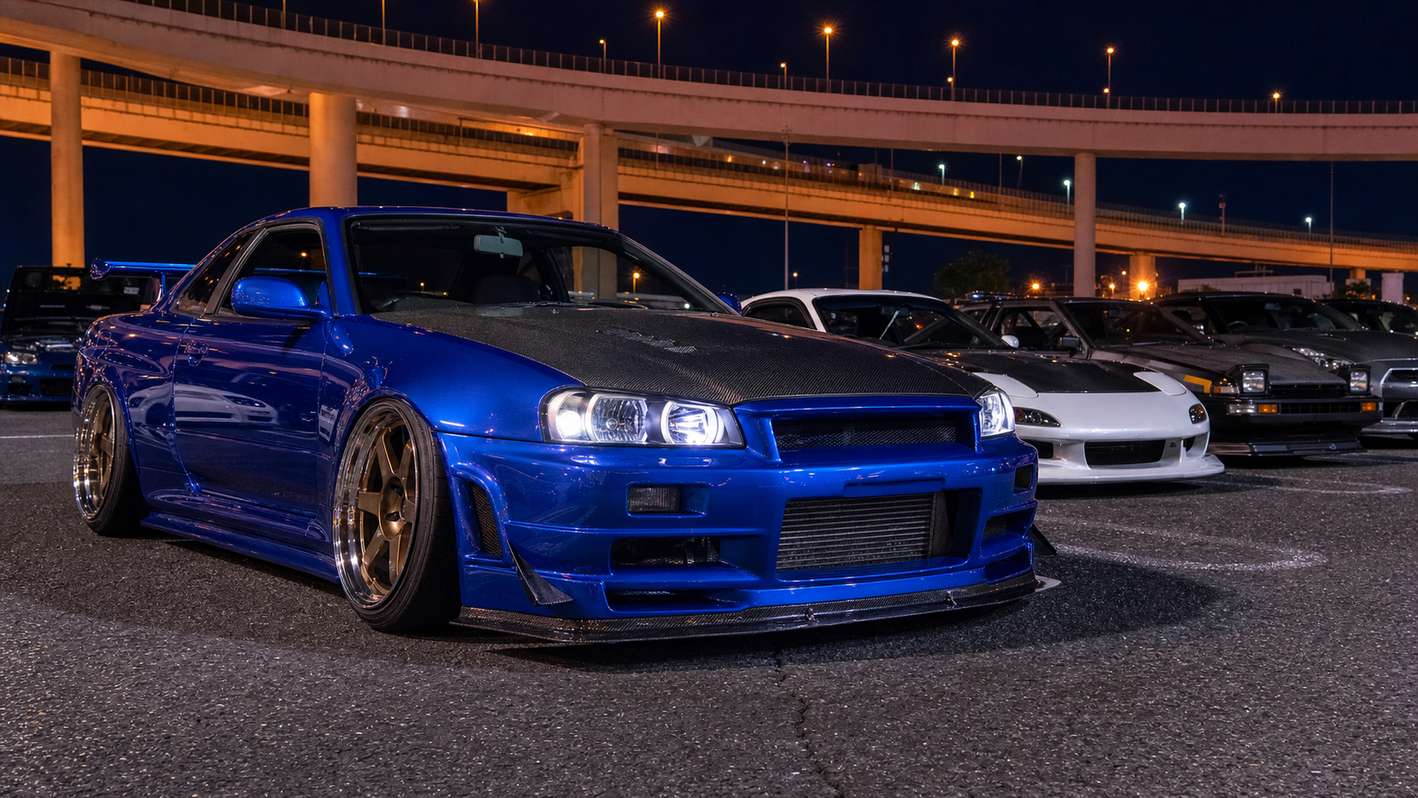
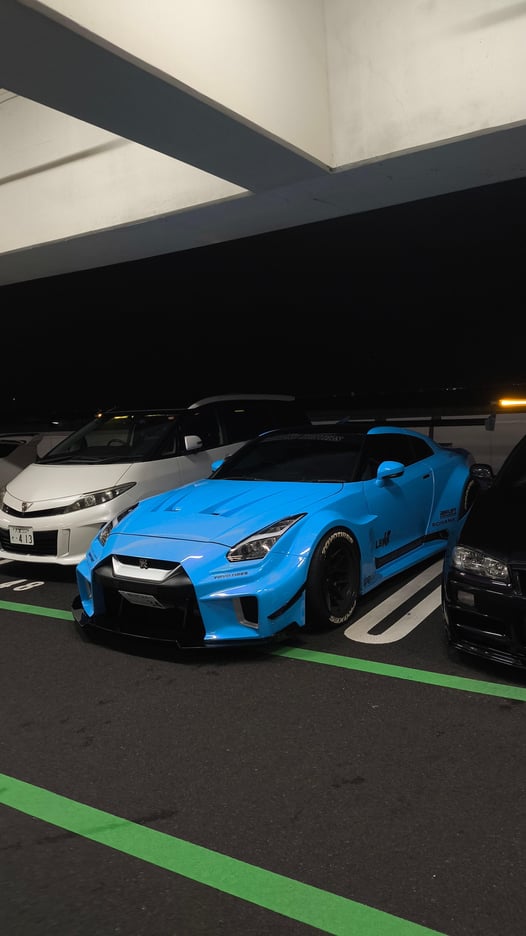
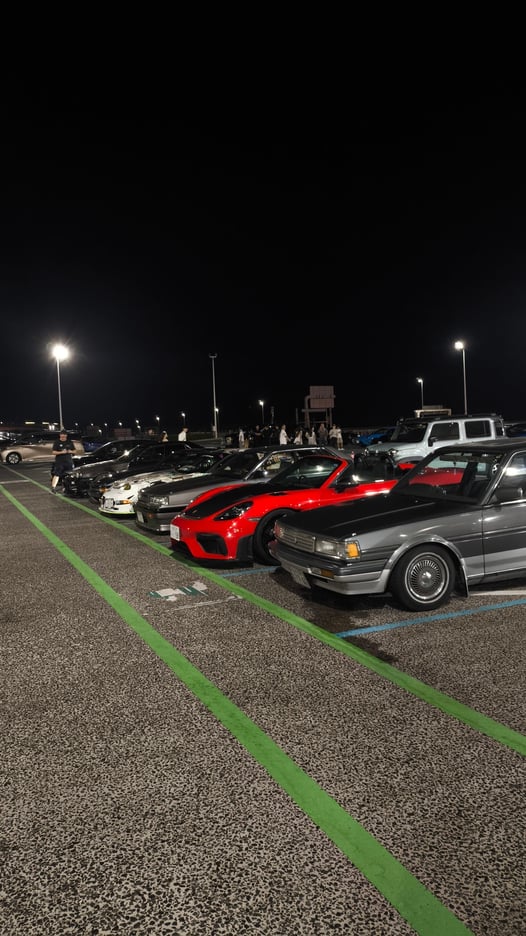
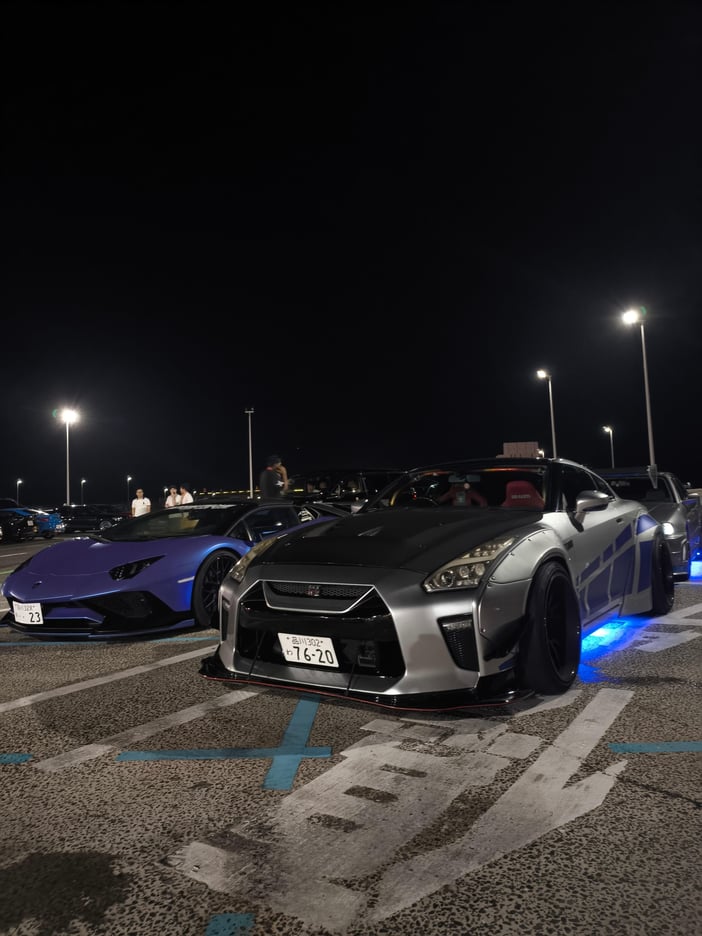
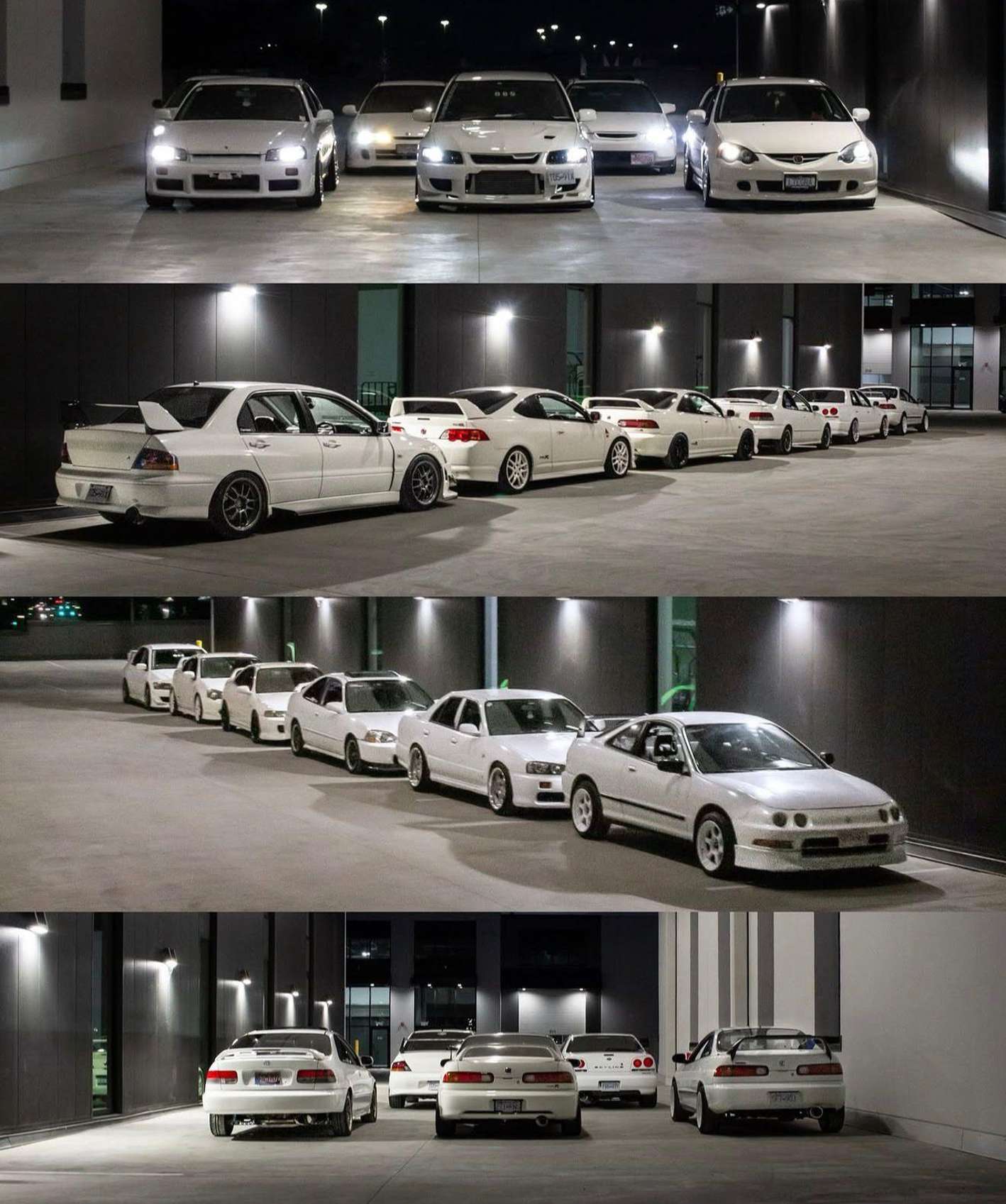
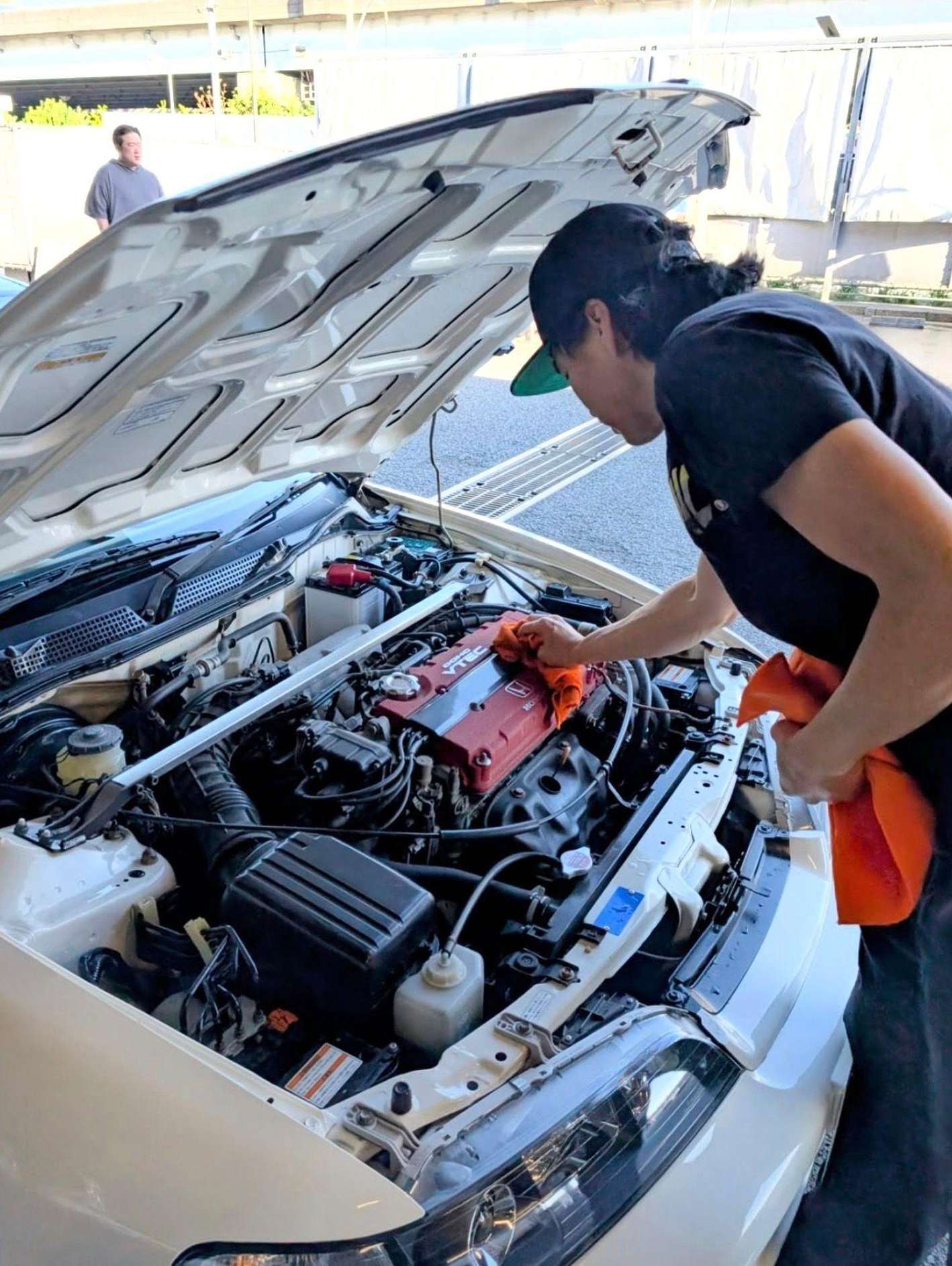
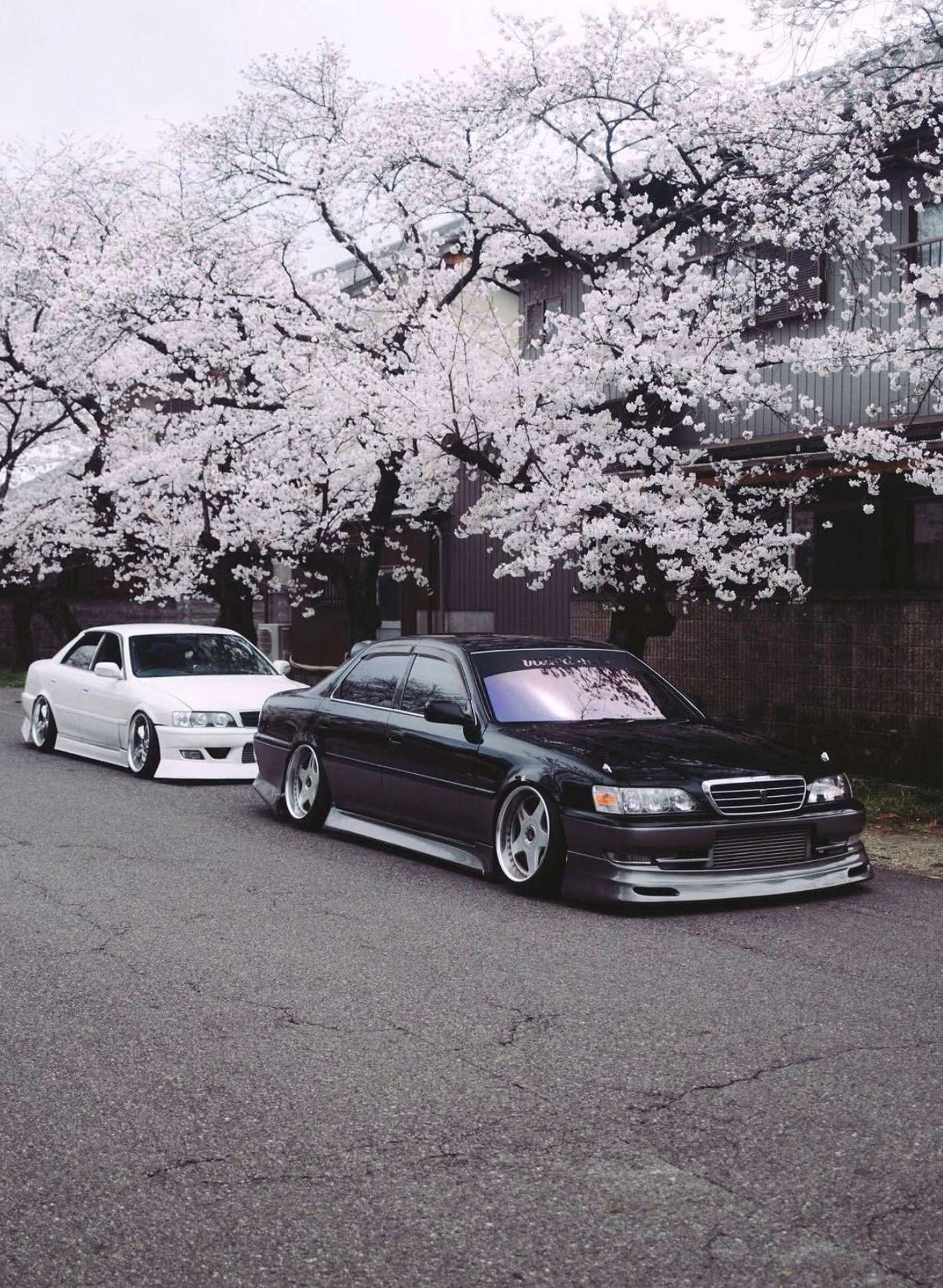
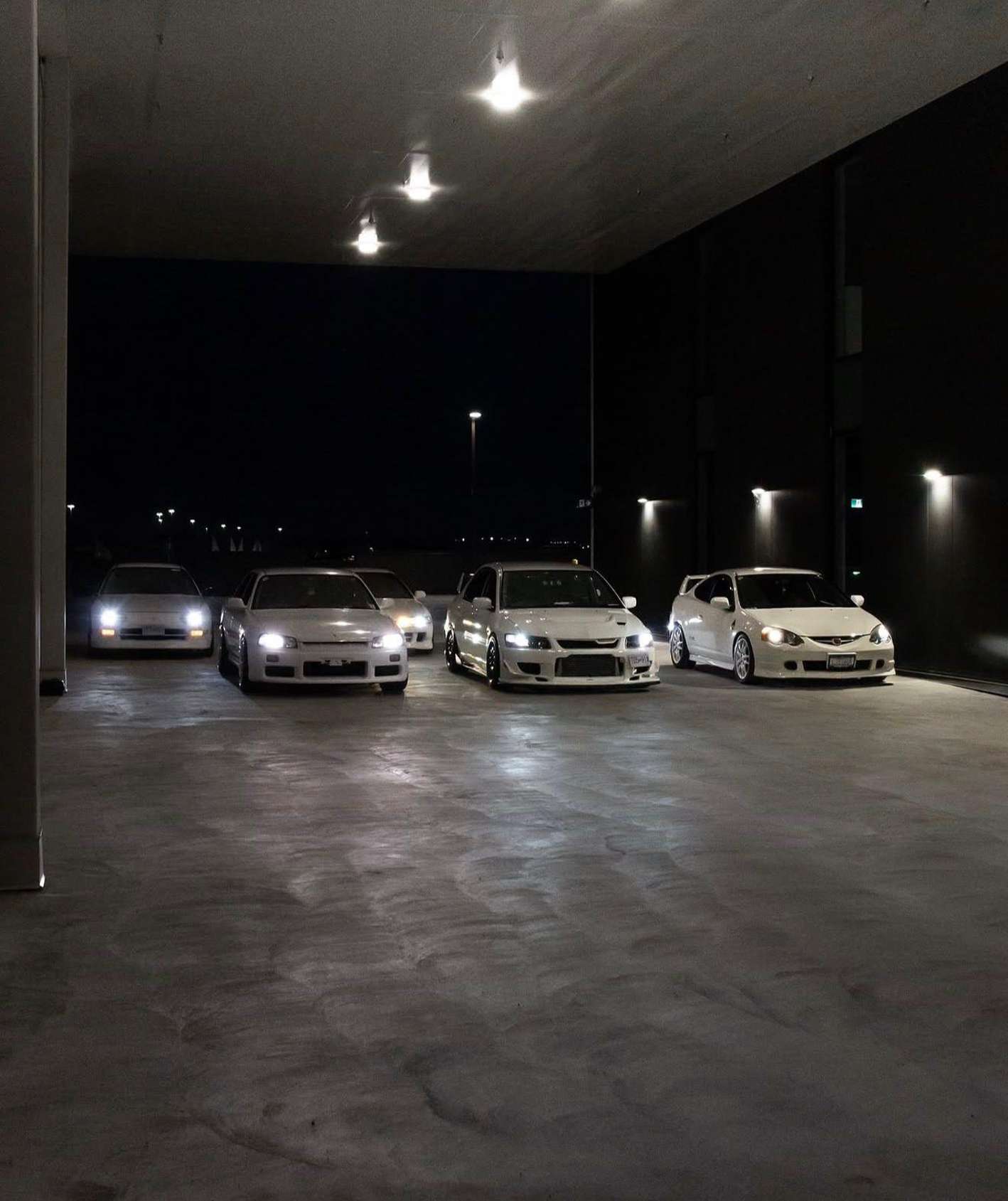
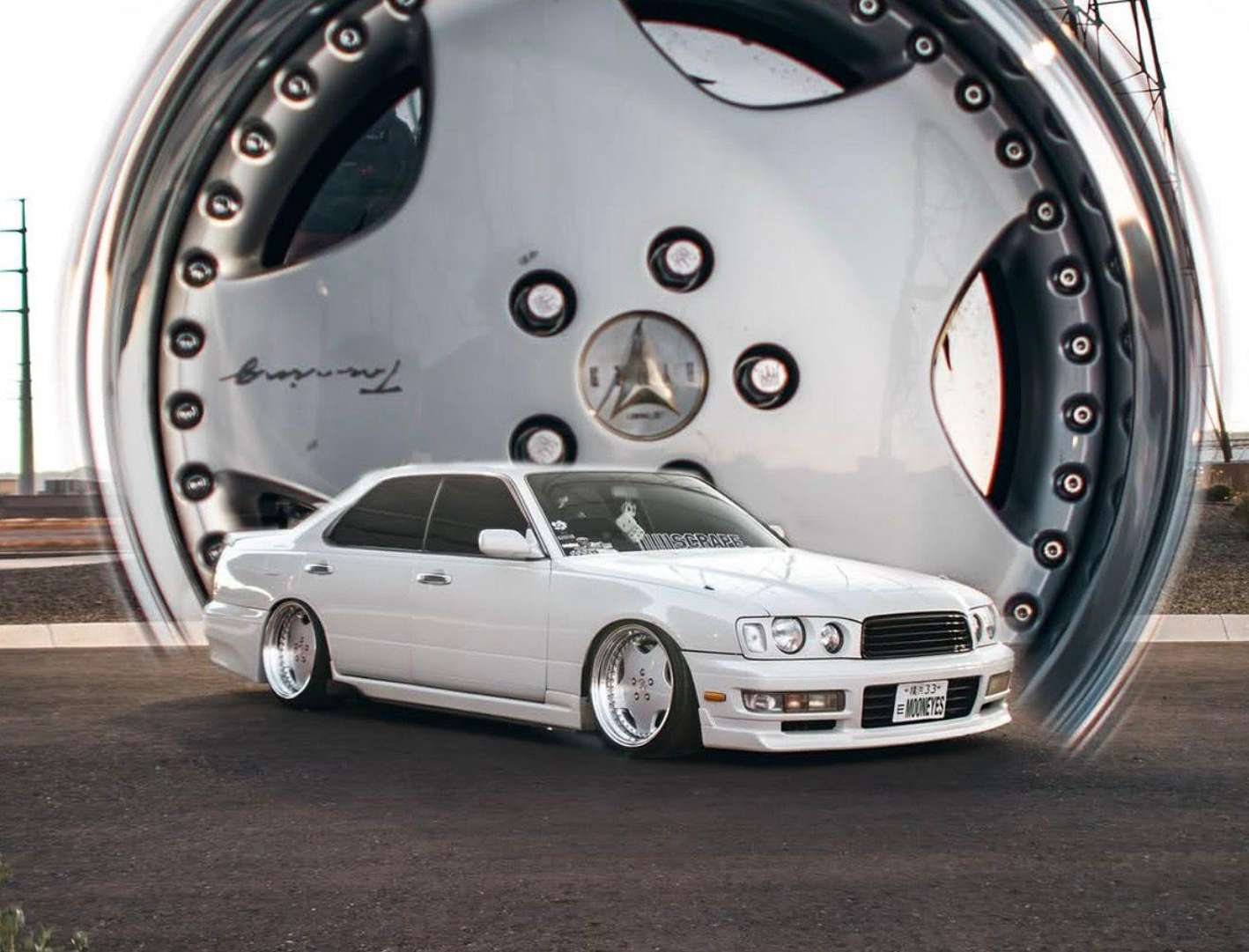
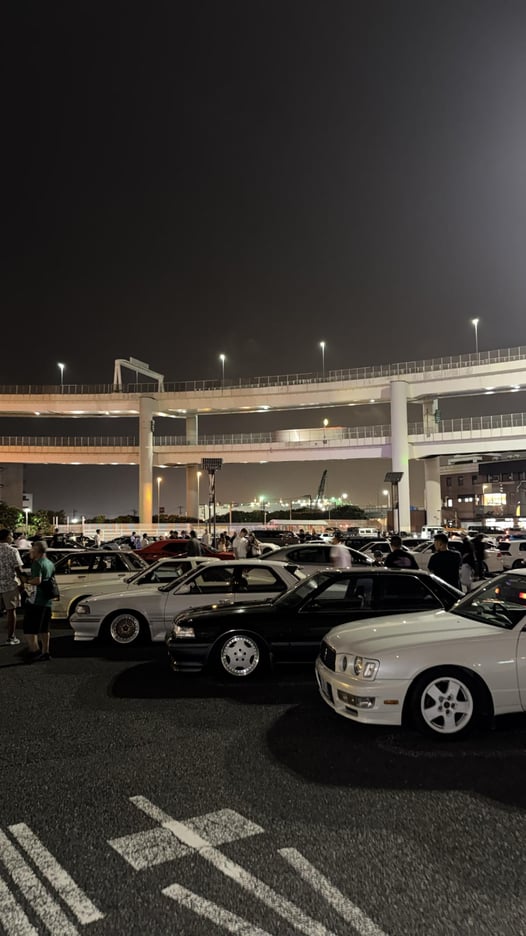
Daikoku PA sits on Tokyo Bay, inside the Shuto Expressway, and the only way in is in a vehicle already on the expressway. From Tokyo Station the drive runs about 31.3 km and takes around 38 minutes; from Haneda Airport it is about 19 minutes. The distance is short, but access decides how you travel.
There is no pedestrian entrance, bus stop or taxi rank, so walking or riding the train gets you nowhere. A taxi can drop you off, but the return late at night is difficult, which is why most visitors take a guided ride that starts with hotel pickup and handles the route.
Closures are decided on the night, so a guide checks road information for you and diverts to Umihotaru PA if Daikoku shuts. Allow a three to four hour evening for the trip.
Photo stop, Visit, Free time (1 hour)
Break time, Photo stop, Visit, Shopping (30 minutes)
Sightseeing, Scenic drive, Scenic views on the way (5 minutes)
Photo stop, Visit, Sightseeing (15 minutes)
Shibuya, Tokyo
Shibuya, Tokyo
Pass by (5 minutes)
Visit (1 hour)
Break time, Visit, Free time, Shopping (30 minutes)
Photo stop, Visit, Sightseeing (15 minutes)
東京駅丸の内北口タクシー乗り場, Tokyo
東京駅丸の内北口タクシー乗り場, Tokyo
Daikoku PA sits on the Shuto Expressway and has no pedestrian entrance, no taxi stand and no bus stop, so it cannot be reached on foot, by bicycle, by train or by taxi.
Plan to arrive inside a vehicle already on the expressway. A guided tour with pickup from central Tokyo handles the route, tolls and parking for you, and hotel pickup tours bring you back after the night ends.
The first thing most visitors learn about getting to Daikoku PA, they learn too late: there is no way in on foot. The parking area sits inside the Shuto Expressway, with no pedestrian gate, no bus stop and no taxi rank. The only way in is in a car already on the expressway.
So your real journey starts wherever a car with expressway access starts. Most guided rides start in central Tokyo, at a meeting point like Shibuya or Akihabara, or with pickup from your hotel wherever you stay in the city. Getting to that meeting point is simple by comparison.
Those taxi times run without traffic, and Tokyo does not always grant that. Leave a margin, especially at evening rush hour. From there the guide does the expressway part for you, and the night drive across Rainbow Bridge becomes the scenery instead of the navigation problem.
Your choice, then, comes down to two options: get behind the wheel yourself, or get driven. Everything that follows works out which one fits.
Fix the map in your head before you go, because the approach is odd. Daikoku PA sits on the artificial Daikoku-futo island in Tsurumi Ward, Yokohama, tucked inside Daikoku Junction, where the Bayshore Route meets the K5 Daikoku Line. The only entrance serves cars travelling on those expressways.
There is no turning off an ordinary street into this car park. The elevated highway carries you over the water, the signs for Daikoku appear at the junction, and the ramp drops you straight into the lot.
If your sat nav sends you to a local road beside the water, that is the wrong answer: those roads are cut off from the parking area completely, which is exactly why walking in is impossible and illegal.
Once you arrive, the space is generous. The car park holds 335 standard spaces, 58 for large vehicles and 5 accessible bays, and parking is free. On a big weekend night the lot fills and the entrance closes, so arriving early matters even with a car.
There is exactly one correct way in, and it runs on four wheels above the bay.
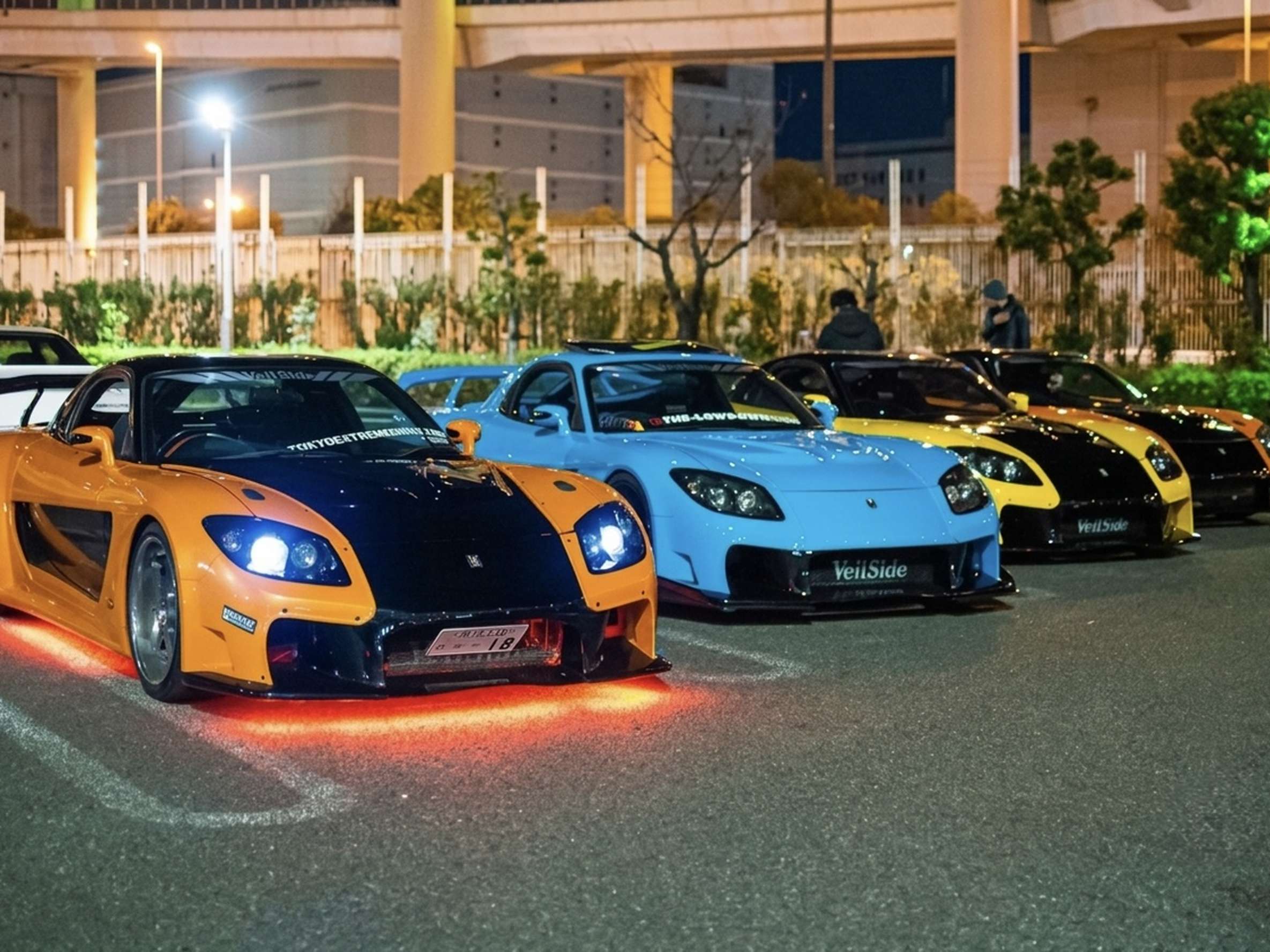
Put the three routes side by side and one drops out immediately. Public transport fails at the first step: no bus stop, no station, no taxi rank, and stepping onto the expressway on foot is illegal. The real comparison is between driving yourself and riding with a guide.
Driving yourself gives you the journey on your own terms, but it asks for paperwork and nerve: a licence valid in Japan, left-hand traffic, expressway tolls and your own eye on closure news.
Riding with a guide asks for none of that. You are picked up, driven across the maze of Tokyo by someone who knows it, and delivered back without being stranded if the lot shuts.
| Entry access | Travel time | Ease from Tokyo | Licence needed | Closure handling | |
|---|---|---|---|---|---|
| Self-driving | Expressway only via Bayshore or K5 | 38 min from Tokyo Station | Hard: unfamiliar left-hand city driving | Yes, IDP or JAF translation | You monitor road updates yourself |
| Public transport | None: no bus stop or station | Not possible by train or bus | Impossible: expressway-only access | None, you never drive | No transport means no closure plan |
| Guided tour | Driver enters via expressway for you | 69 min from Tokyo Station to pickup | Easy: central Tokyo hotel pickup | No licence needed | Staff check closures, offer Umihotaru |
The closure row matters more than it looks. Police shut the meet down regularly, and a driver alone with a closed entrance has nowhere to go. On a guided ride the night simply continues to Umihotaru or Tatsumi.
If you have a licence and appetite, drive. If any of that wobbles, the passenger seat is the easiest first-time way in.
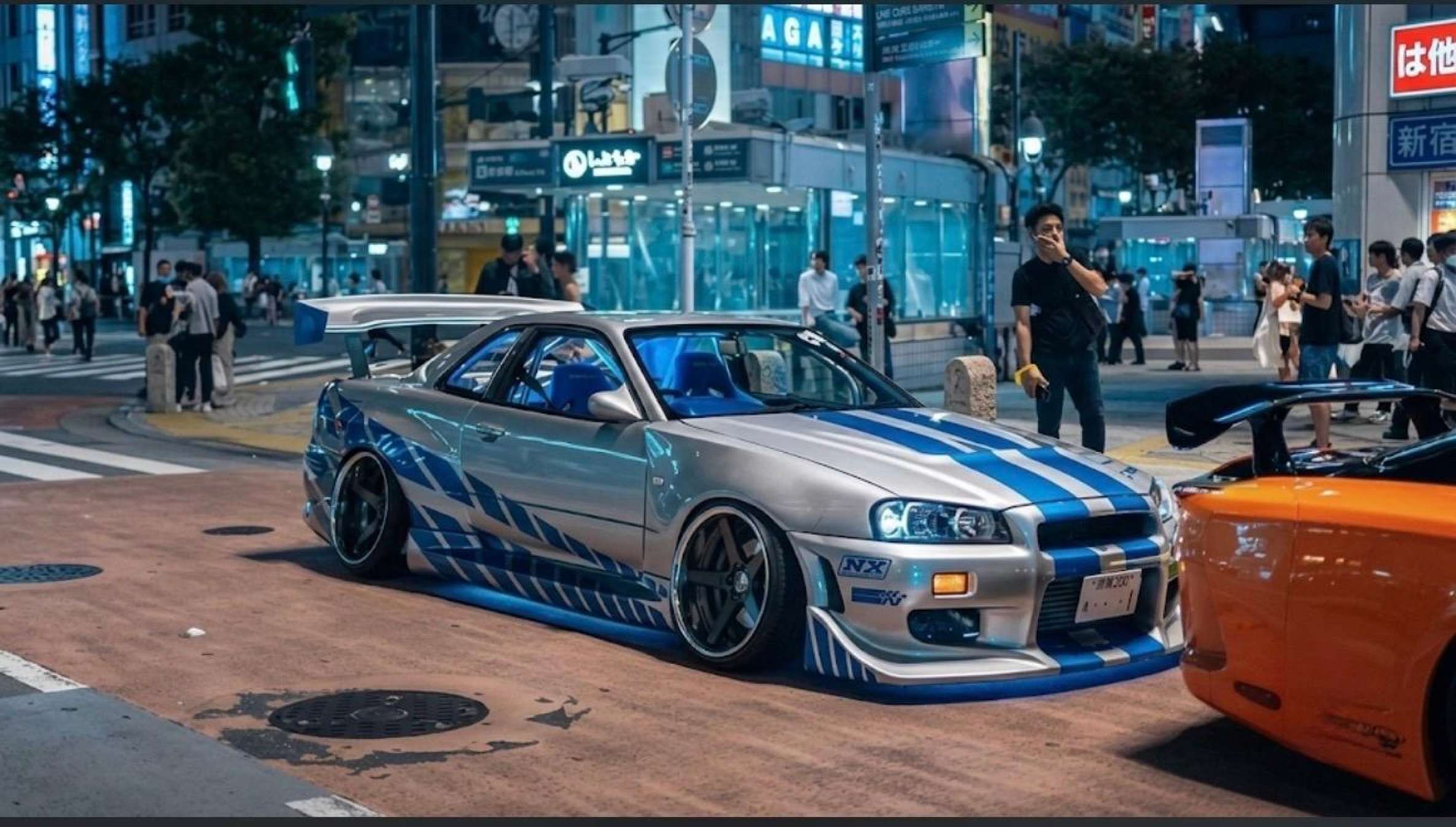
The paperwork decides this trip before the engine starts. To rent and drive in Japan you need an International Driving Permit issued under the 1949 Geneva Convention; a 1968 Vienna Convention permit is invalid even from a signatory country.
Licences from Switzerland, Germany, France, Belgium, Monaco or Taiwan follow a different path: your home licence plus an official Japanese translation arranged through JAF before you travel. Carry your passport alongside.
The route itself is straightforward once you are up on the expressway: aim for the Bayshore Route or the K5 Daikoku Line and follow signs to Daikoku.
Keep left, wear seat belts front and back, and remember the expressway limit runs at 60 km/h unless signed otherwise, with 100 km/h the theoretical expressway maximum. Tolls on the Metropolitan Expressway are distance-based and unavoidable.
Two habits save your night. Park only in marked spaces, because parking violations are dealt with severely, and take turning lanes consciously for the first day, since that trips up nearly everyone new to driving on the left.
Sort your licence documents before you leave home; there is no fixing them at the rental counter.
Booking a guided ride happens fully online in English, and confirmation arrives by WhatsApp with your driver's contact and pickup details. Book at least 48 hours ahead as standard; last-minute seats sometimes open up over WhatsApp, but tours sell out and turning up on the day hoping for a ride is a gamble.
Give the operator a WhatsApp or Instagram contact when you book, and keep notifications on, because they message you before departure if anything changes.
From there, the logistics are theirs. Staff check road and closure information themselves and explain any changes, so you never monitor updates. The driver-guide handles all on-site communication in English, including translation help with car owners, and the commentary runs informal: stories about the cars, answers to your questions, and photos taken on request.
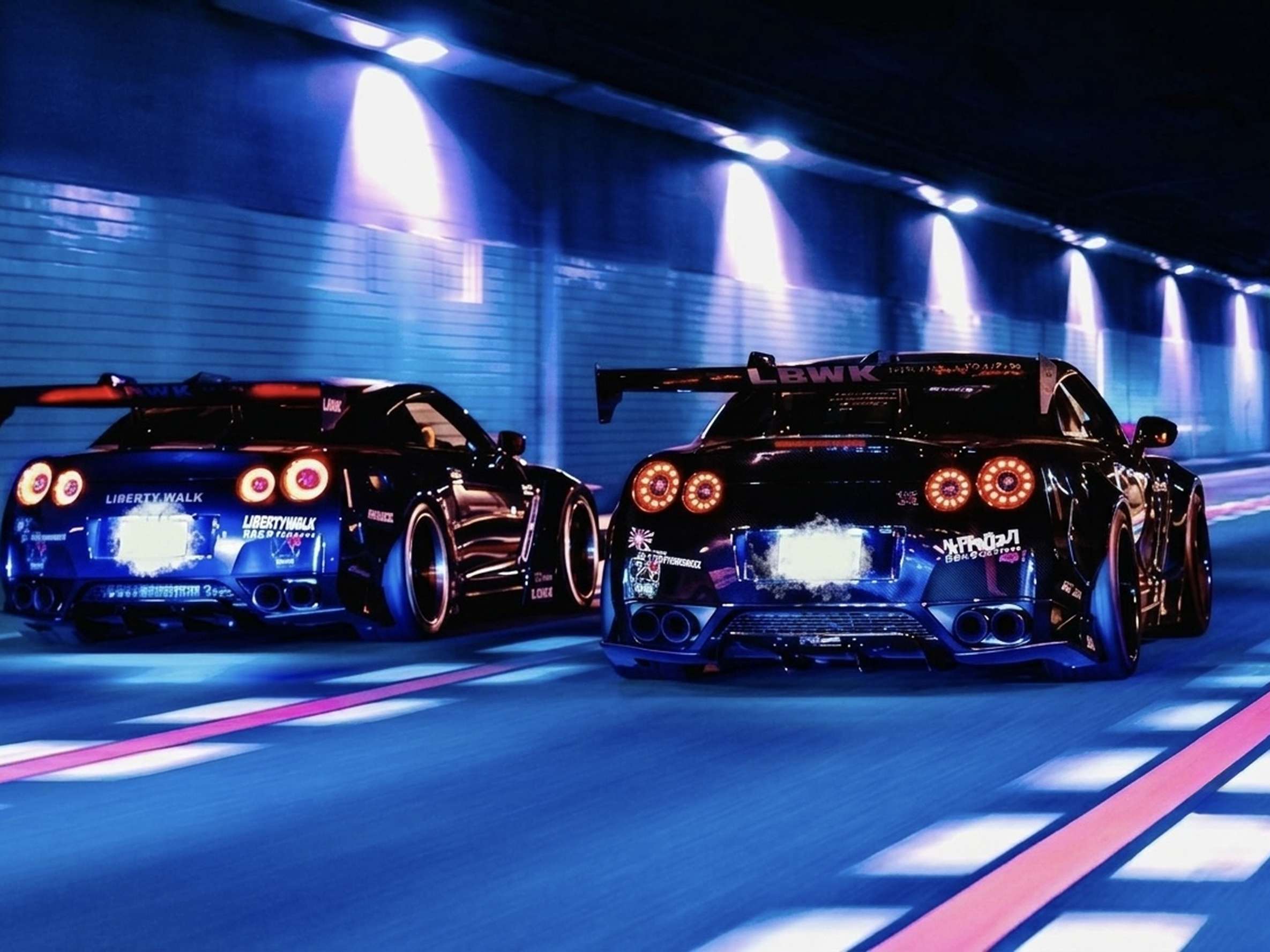
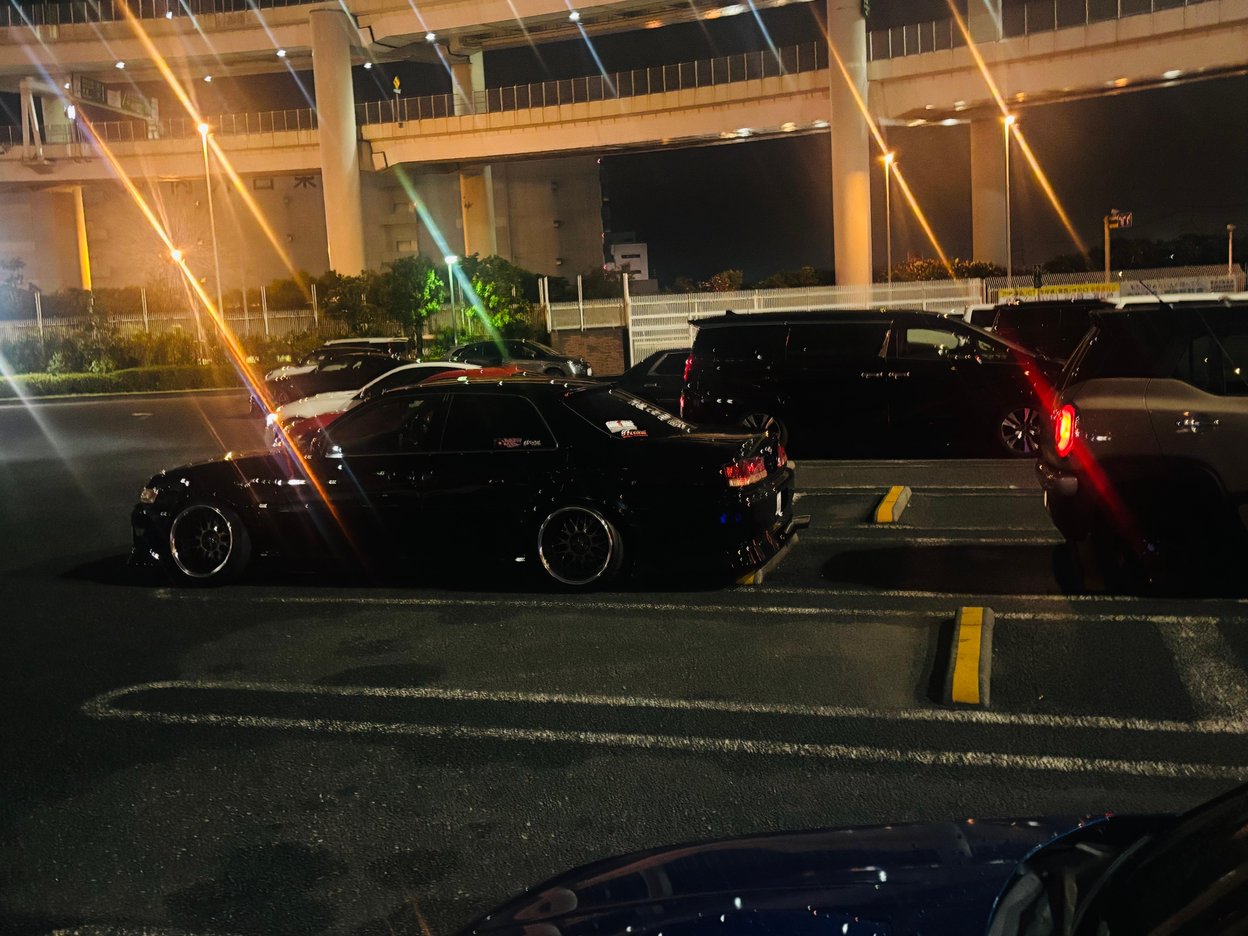
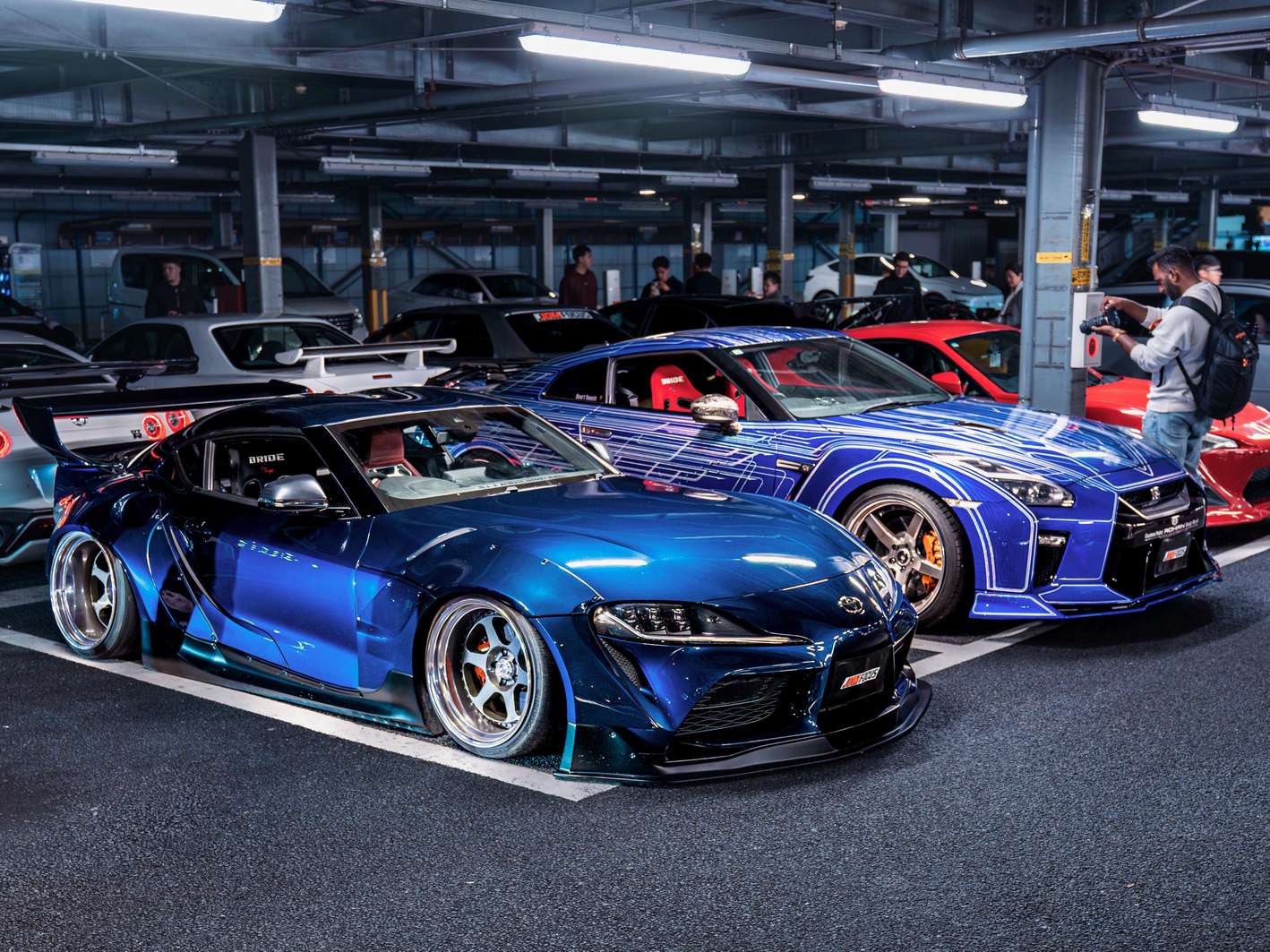
The passenger seat is part of the night. Many tours put you inside a genuine JDM car, an EVO, a WRX STI or an R34 Skyline, with Tokyo Tower and the Wangan expressway as the backdrop.
Unforgettable May 2026 trip with Dai in his stunning Skyline GTR R34. Effortless cornering. Daikoku PA was exhilarating, Fast and Furious-style cars everywhere! Only wished for more time at Autobacs.
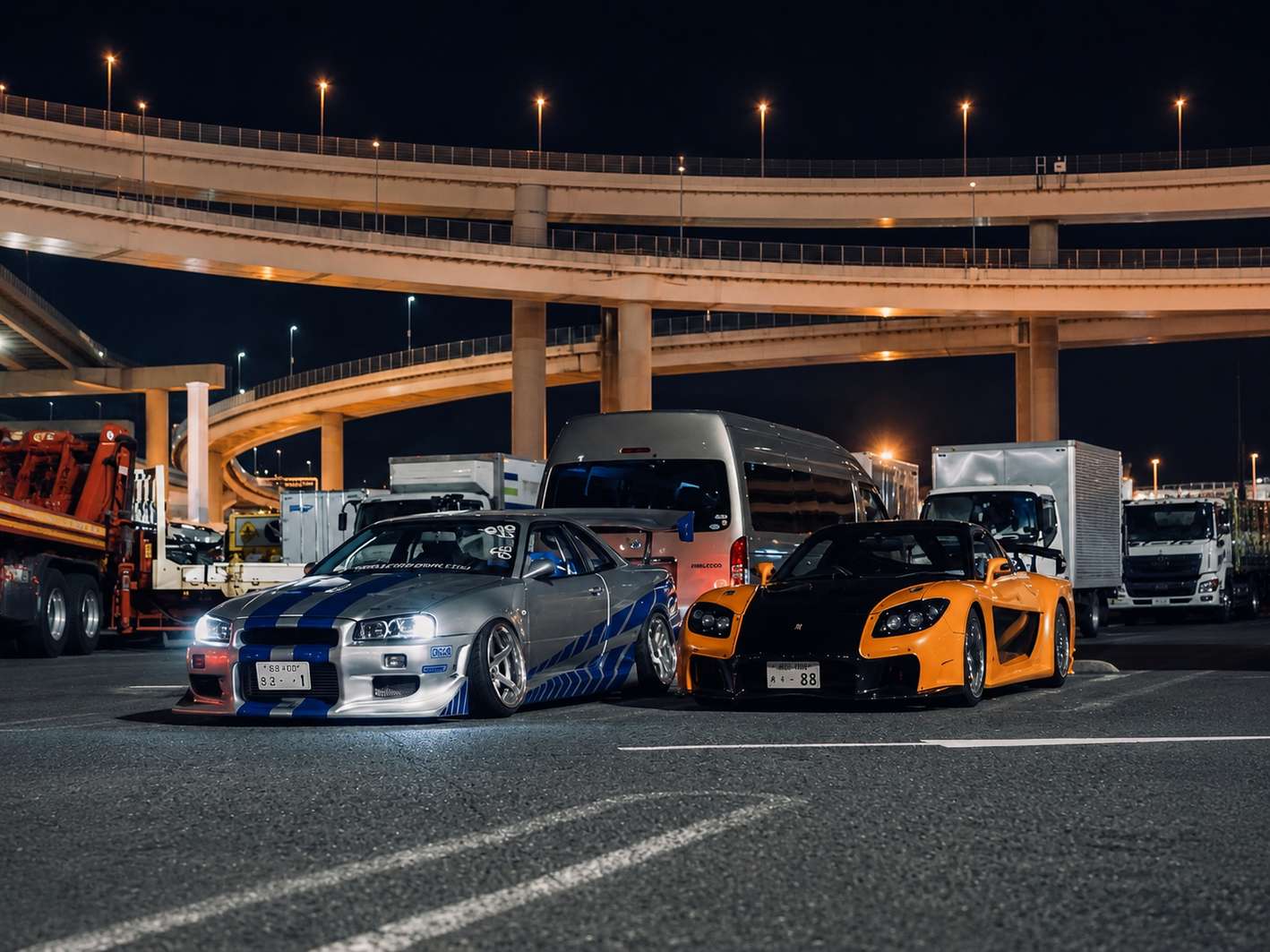
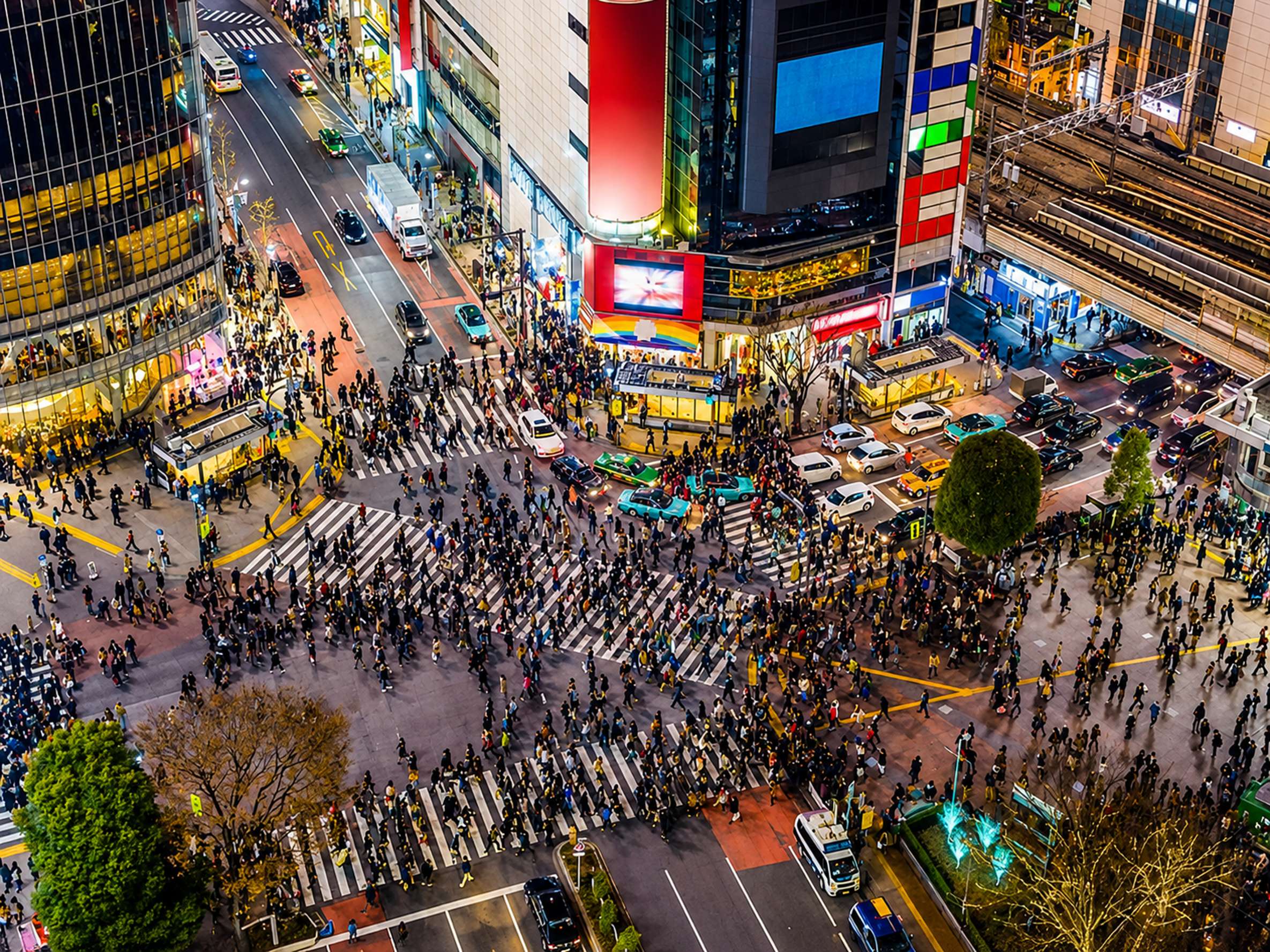
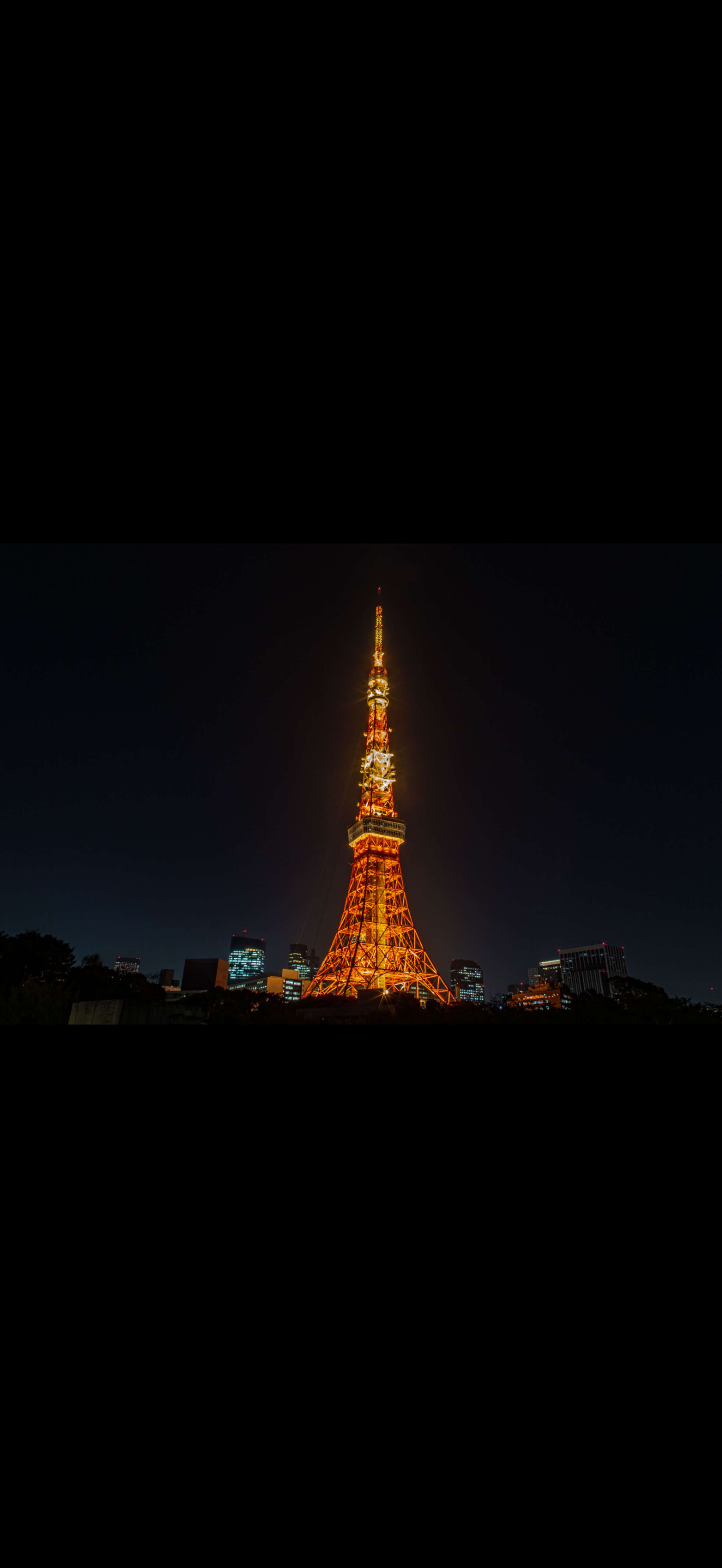
One Tokyo ride that makes this easy is the Tokyo Drift-Themed Tour, with Possible Daikoku PA Car Meet: hotel pickup and drop-off, a small group, and stops at Tokyo Tower and Shibuya Crossing on the evening route.
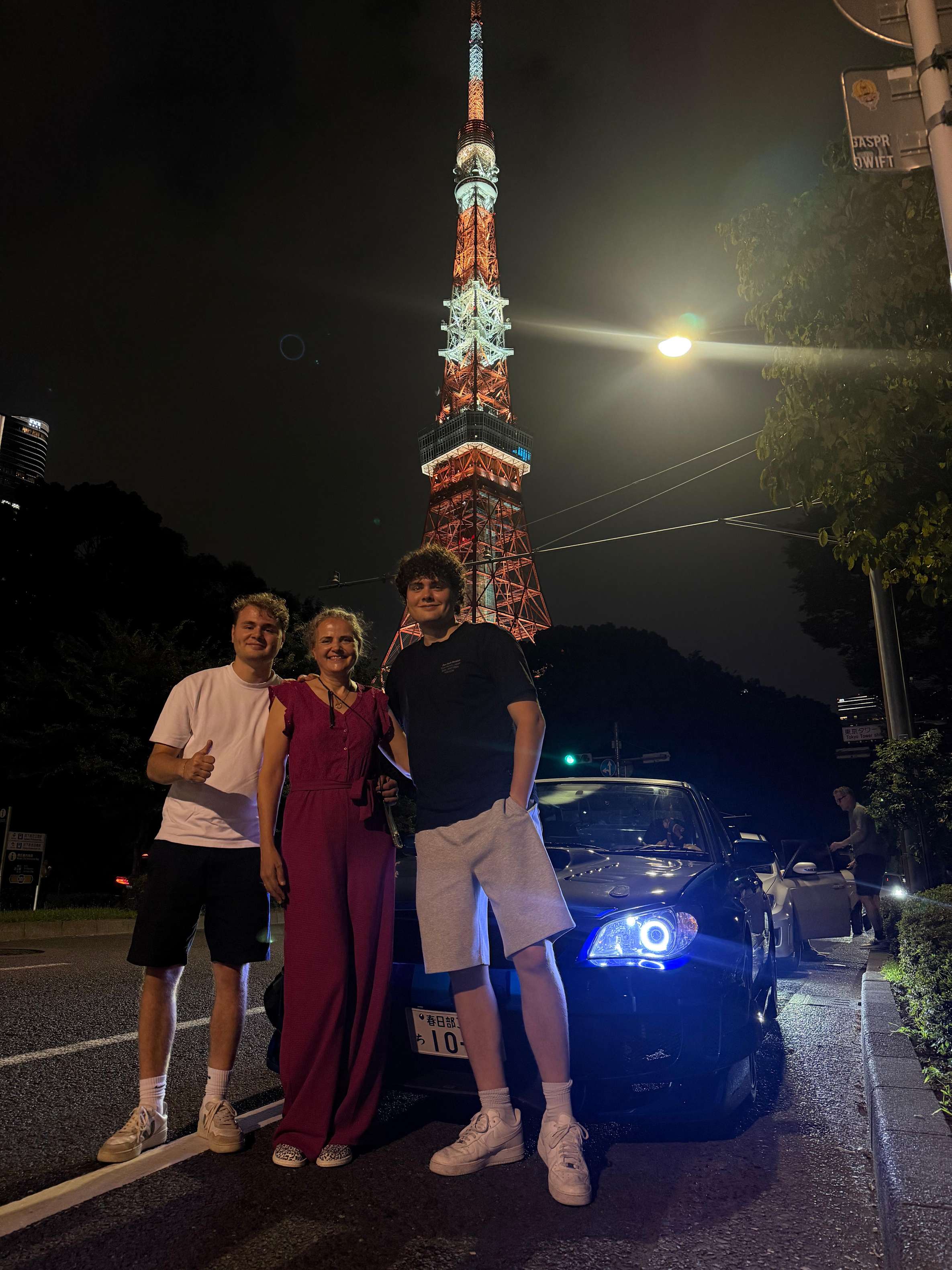
Once you step out among the GT-Rs and Supras, the manners you brought decide how welcome you are. The rule that carries everything else: never touch, lean on or enter a car without the owner's permission. Disrespectful tourist behaviour is the reason some locals stopped bringing their cars to Daikoku at all.
Photography is welcome. Exterior shots are generally fine. Ask before photographing interiors or number plates, and make eye contact with an owner rather than silently pointing a camera. If an owner declines, respect it and move on.
Stay out of the roadways. Walking on parts of the parking area you should not is the biggest problem at the meet, and trespassing tourists are what police act on. Keep your voice and volume down: no revving, no burnouts, no loud music, and never block a driving lane or a parking bay.
Aggressive noise is what gets the whole meet shut down by police
Owners remember the tourists who did, and some stopped bringing their cars
Exterior shots are fine; close-ups and plates are a real irritation for owners
Daikoku cannot be exited on foot, and lingering without a ride turns a good night into a bad one
If staff or police ask people to move on, comply quietly and leave slowly. Take your rubbish out with you; the lots often have no bins.
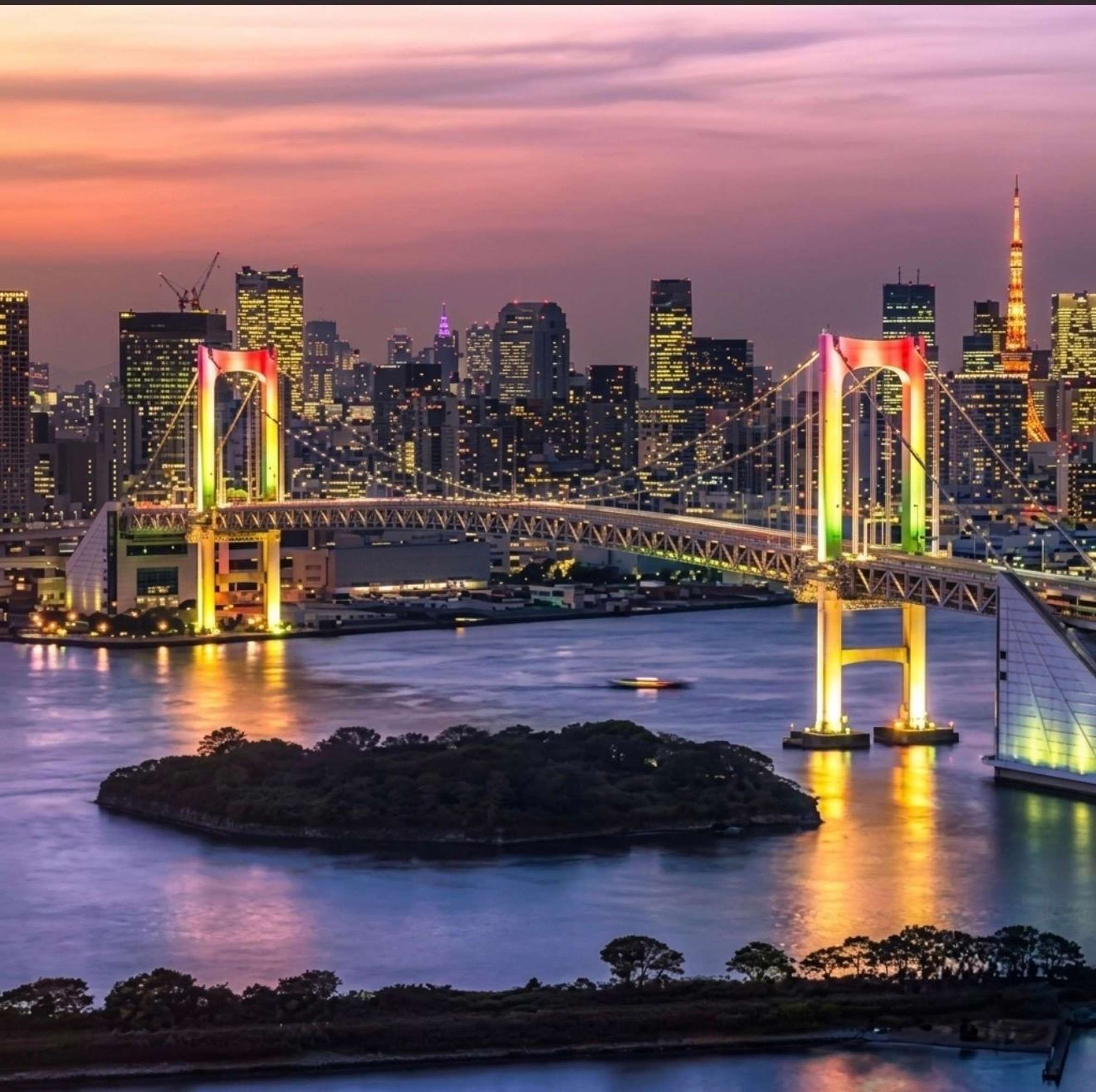
The meet runs with no organiser and nothing published in advance: cars show up on any night of the week, so the question is how big the turnout will be and whether the lot stays open.
Friday and Saturday nights draw the biggest crowds, with cars filling the lot from around 5 pm and the deepest crowd between 9 pm and 1 am Sunday mornings are the classic window for classics and exotics, a very different scene from the night gathering. Weeknights run far quieter but are rarely empty.
The two clocks do not run against each other, though they can look that way.
The 5 pm to 1 am span counts when the cars pile in on weekend nights; the 8:30 pm figure counts police closures, which hit most Friday, Saturday and holiday nights from about then, while Monday to Thursday closures are rare.
Closures are decided on the night, so no schedule exists to check, and once the gate is shut, do not count on it reopening.
April: 5 out of 5 for how busy it gets.
Tap a month to read it.
April and October draw the most visitors, so book those weeks well ahead; June and February stay quiet enough for last-minute plans. If Daikoku closes, most tours divert to a fallback lot such as Umihotaru or Tatsumi, and several offer a full refund if you decline the alternative.
Check that policy before you book, and dress for standing outdoors at night, from near-freezing winter evenings to midsummer warmth, with a light jacket even in warmer months.
By now the choice is narrow and clear. A guided tour suits anyone without a valid International Driving Permit, anyone uneasy about left-hand expressway driving in an unfamiliar mega-city, and anyone who would rather spend the evening looking at cars than watching closure updates.
When a weekend closure hits, the tour is the only way home with everyone else, in a car already on the expressway.
Driving yourself suits licence-carrying enthusiasts who want the journey to be their own, and the expressway approach through Daikoku Junction is a fine drive in its own right. Budget for tolls and pick your night with the closure risk in mind.
Anyone hoping to walk in, catch a train or take a taxi to the gate is chasing a route that does not exist. Pick one of the two real ways, sort it before you land, and the night takes care of itself.
Take a guided tour if you have no IDP, no taste for left-hand expressway driving, or no interest in tracking closures yourself; it is the safest way in and the one that still gets you home when police shut the lot.
Drive yourself if your paperwork is in order and the journey is part of the appeal. Abandon the idea entirely if you planned to walk in or arrive by train: there is no such route to Daikoku PA.
Highly recommend this JDM tour! Driver arrived on time, drove thrillingly, Daikoku Futo had amazing.
Aki was amazing! The r34 Skyline felt like Tokyo drift. Even non-car fans should book. Daikoku PA, Rainbow Bridge, Tokyo Tower, amazing ride, views, and cars. Booking again for sure.
Unforgettable May 2026 trip with Dai in his stunning Skyline GTR R34. Effortless cornering. Daikoku PA was exhilarating, Fast and Furious-style cars everywhere! Only wished for more time at Autobacs.
Max was super friendly and a skilled driver, felt safe the whole time. Great even if you don't know cars, enthusiastic and knowledgeable. Thrill plus Tokyo sightseeing. Recommended!
Great excursion: A Pit shop stop, then Daikoku, photo at Tokyo Tower.
So fun, my son loved riding up front. Driver Shahid was awesome, let us pick music and asked where we preferred dropping off. Patient, chatty, handled the busy traffic easily.
Good value. Driver Hassan was helpful, courteous, knowledgeable, the only way to enter the event area is by vehicle. Very affordable, would definitely do it again. Thank you!
Most reviewers name their guide first: they praise drivers who explained the cars and shared the culture all night.
Many reviewers came for the cars and found the night drive itself, tunnels and all, just as memorable.
Several travelers wished they had more time to browse the car parts shop on the way.
Daikoku PA sits inside the Shuto Expressway, so you can only arrive in a vehicle already running on it. Most visitors join a guided ride from central Tokyo or Yokohama, and the driver handles the junctions for you.
No. There is no pedestrian entrance, no bus stop and no taxi rank, and walking in is both illegal and dangerous. Arriving on foot is the single biggest problem the meet faces, so leave the rails behind and ride in.
It sits on the Daikoku-futo island in Tsurumi Ward, Yokohama, inside Daikoku Junction where the Bayshore Route meets the K5 Daikoku Line. The expressway approaches it from both Tokyo and central Yokohama.
Without traffic it is roughly 38 minutes from Tokyo Station and 42 minutes from Shibuya, 19 minutes from Haneda Airport. In practice you meet a tour or driver in the city and let them drive the expressway leg.
There is no address a taxi can reach and no gate for pedestrians, so a map pin alone will not get you there. The practical route is an expressway vehicle bound for the Daikoku exit, which a tour provides.
Yes, and it is free. The lot holds 335 standard spaces, 58 for large vehicles and 5 accessible spaces. On busy weekend nights the entrance closes once those spaces fill.
There is no schedule to check. Cars turn up any night of the week, with the biggest crowds on Friday and Saturday and a classic and exotic turnout on Sunday mornings. Weeknights run quieter but are rarely empty.
Police and the expressway operator can close the lot at short notice, with weekend evenings the likeliest time. Most tours carry on to another bay spot such as Umihotaru or Tatsumi, and some offer a full refund instead.
For most visitors, yes. You cannot be stranded there, you skip the expressway's maze of junctions, and you avoid being one of the pedestrians causing trouble at the meet. If you have no international driving permit, it is the obvious choice.
Many do. Several of the rides on this page include hotel pickup and drop-off across central Tokyo, so your only job is to be at your lobby on time, typically ten minutes before the stated departure.
You get a confirmation, usually through WhatsApp, with your driver's contact and pickup details. Keep notifications on, because operators message before departure if anything changes, such as a closure that night.
No. Booking happens online in English, and the driver-guide handles all on-site communication with owners and staff. Staff also monitor road and closure information themselves and explain any changes as the night goes on.
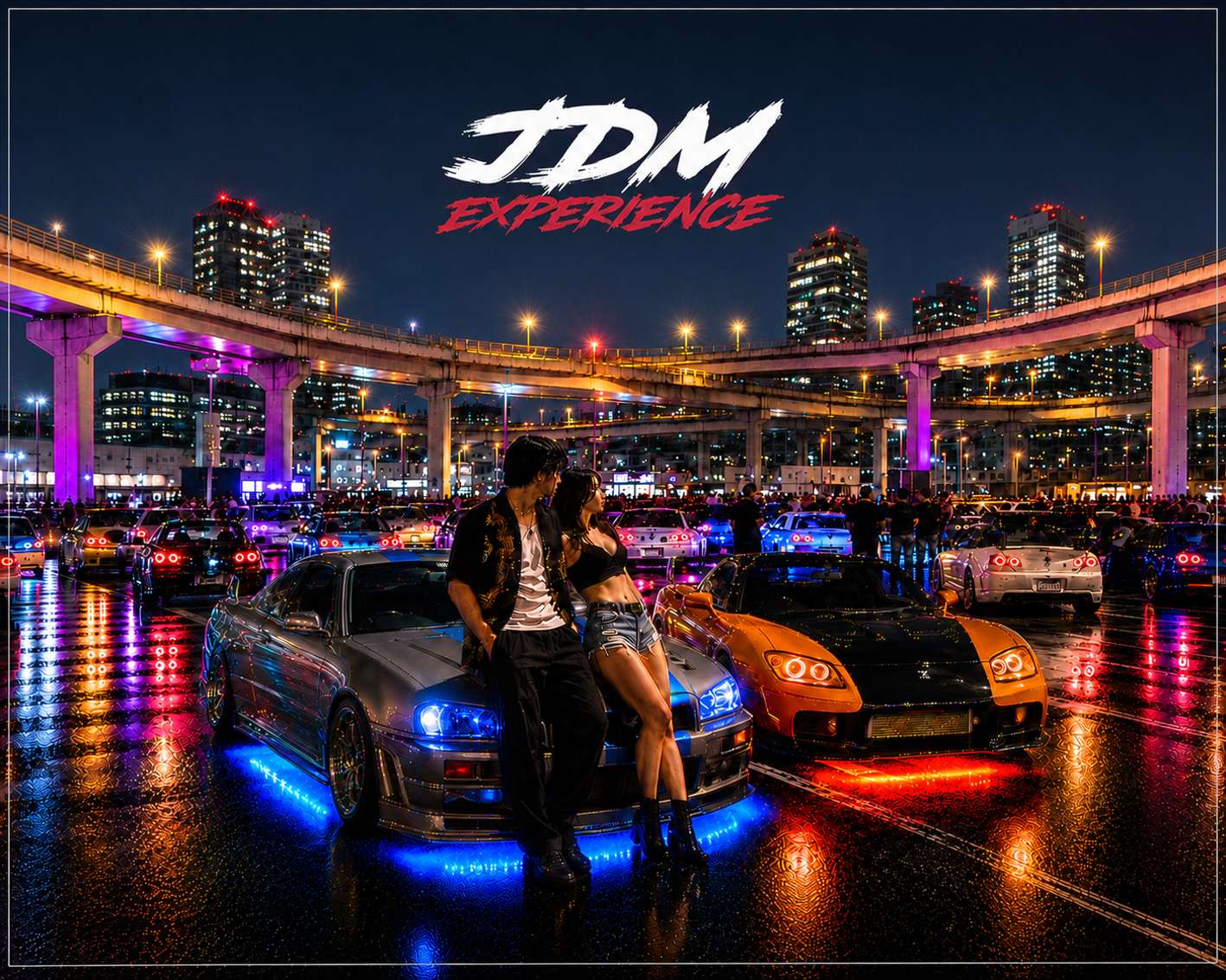
How to check whether the meet is happening, plus the access and visitor rules for anyone heading to Daikoku PA.
Which nights bring the biggest turnouts at Daikoku PA, so you can match the day you go to the cars you want to see.
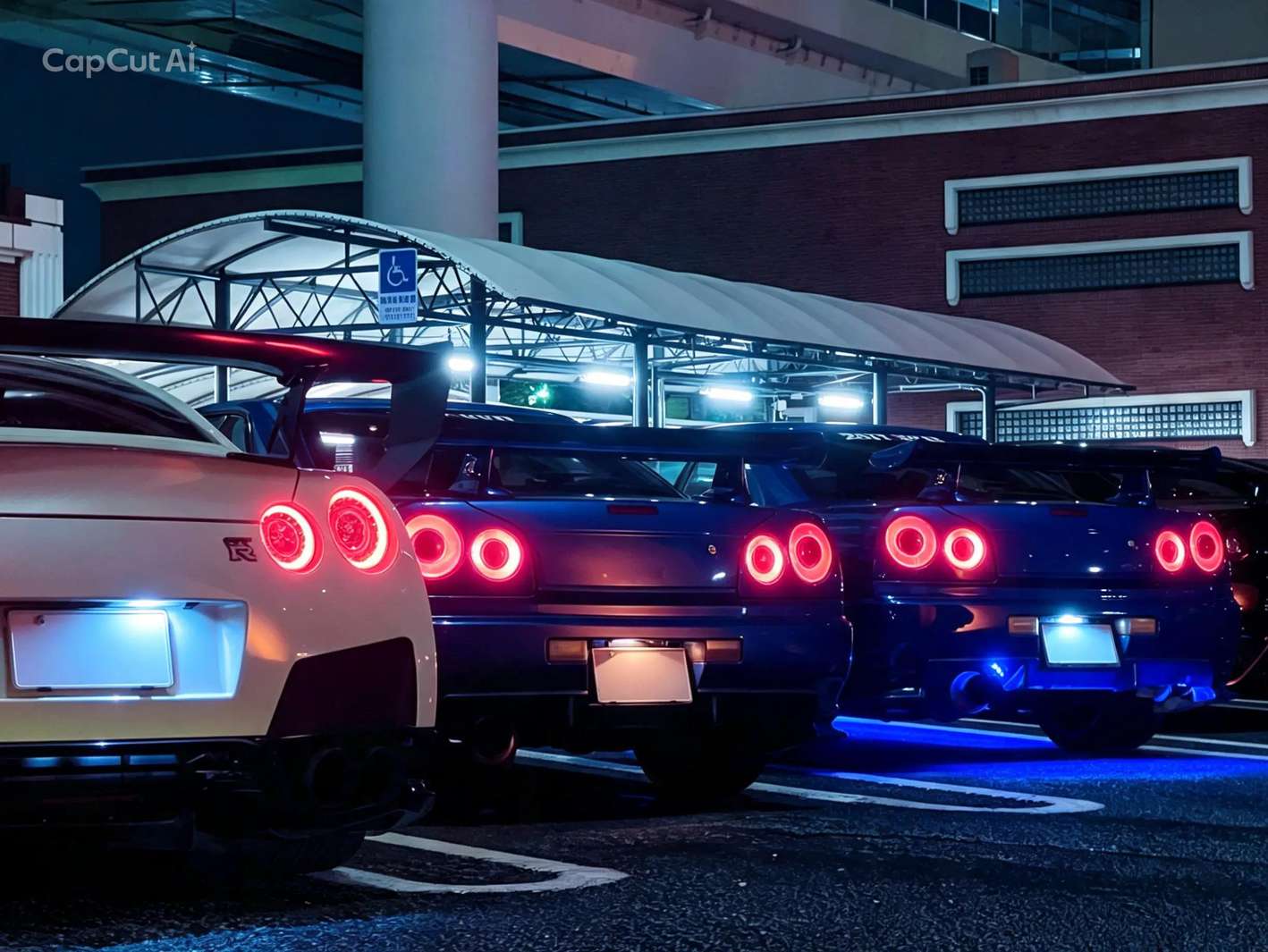
What police activity and legality actually mean for a first visit to Daikoku, answered plainly for nervous first-timers.
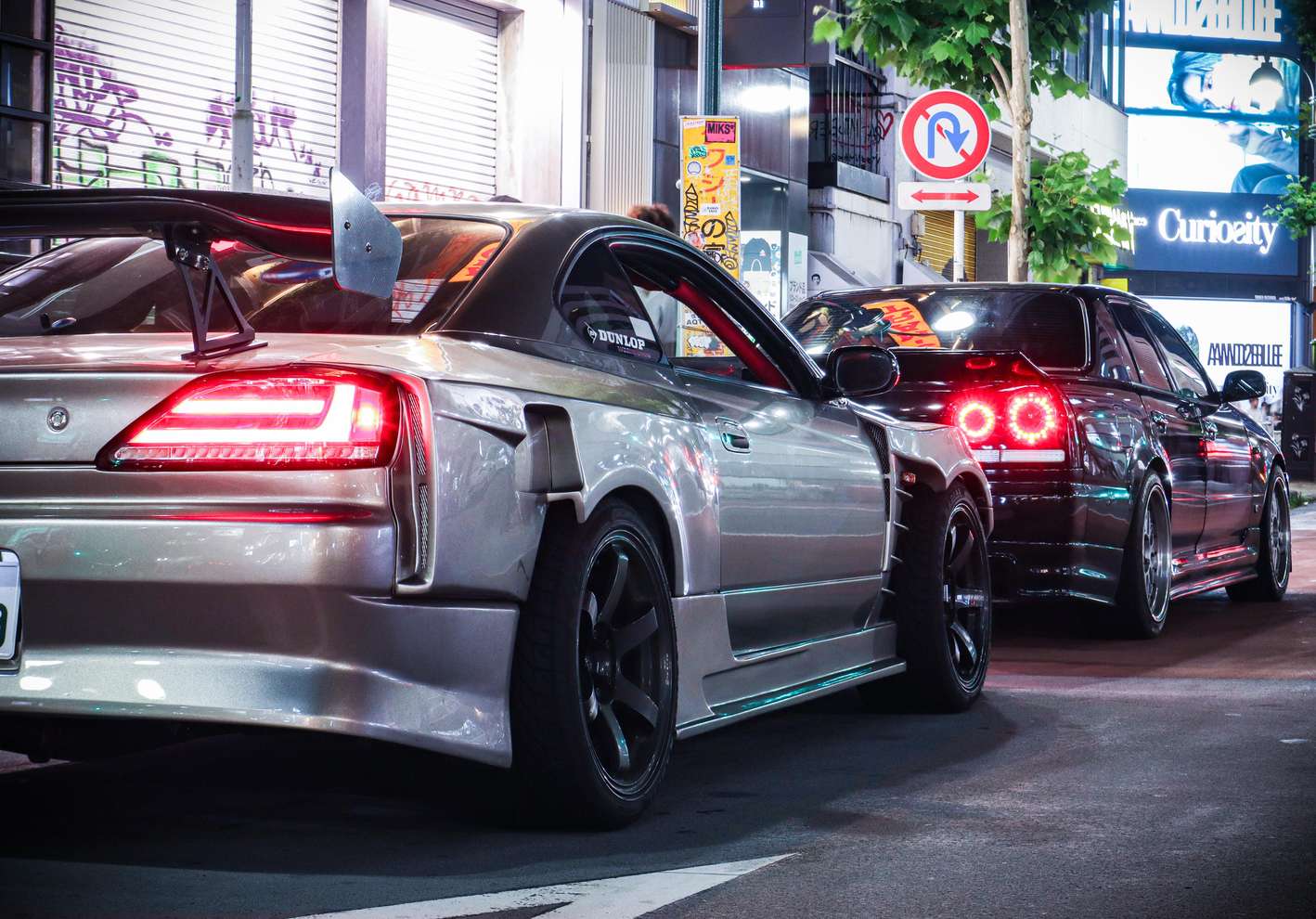
The Daikoku trip built around a modified Supra, with the Mk4 ride and parking-area stops laid out for booking.
How the Daikoku experience works from a Porsche Macan, including what it does and does not include before you book.
A Tokyo-to-Daikoku plan with pickup from Shinjuku, made easy to assess if that start point suits your hotel.
The full spread of Tokyo car meet locations, from highway parking areas to walkable city spots worth a look.
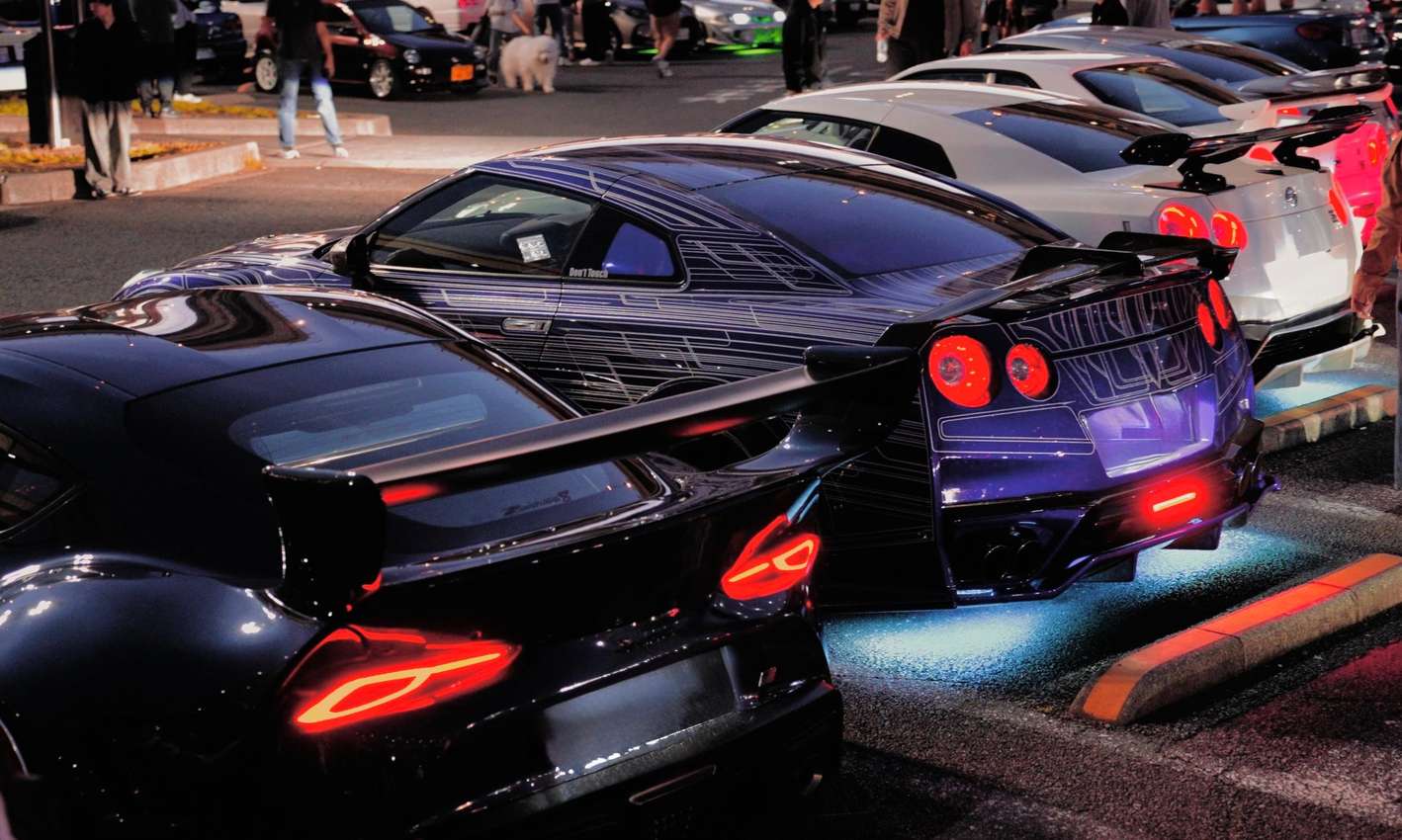
Where the Akihabara UDX meet sits and how the free underground parking works, for a night off the expressway.
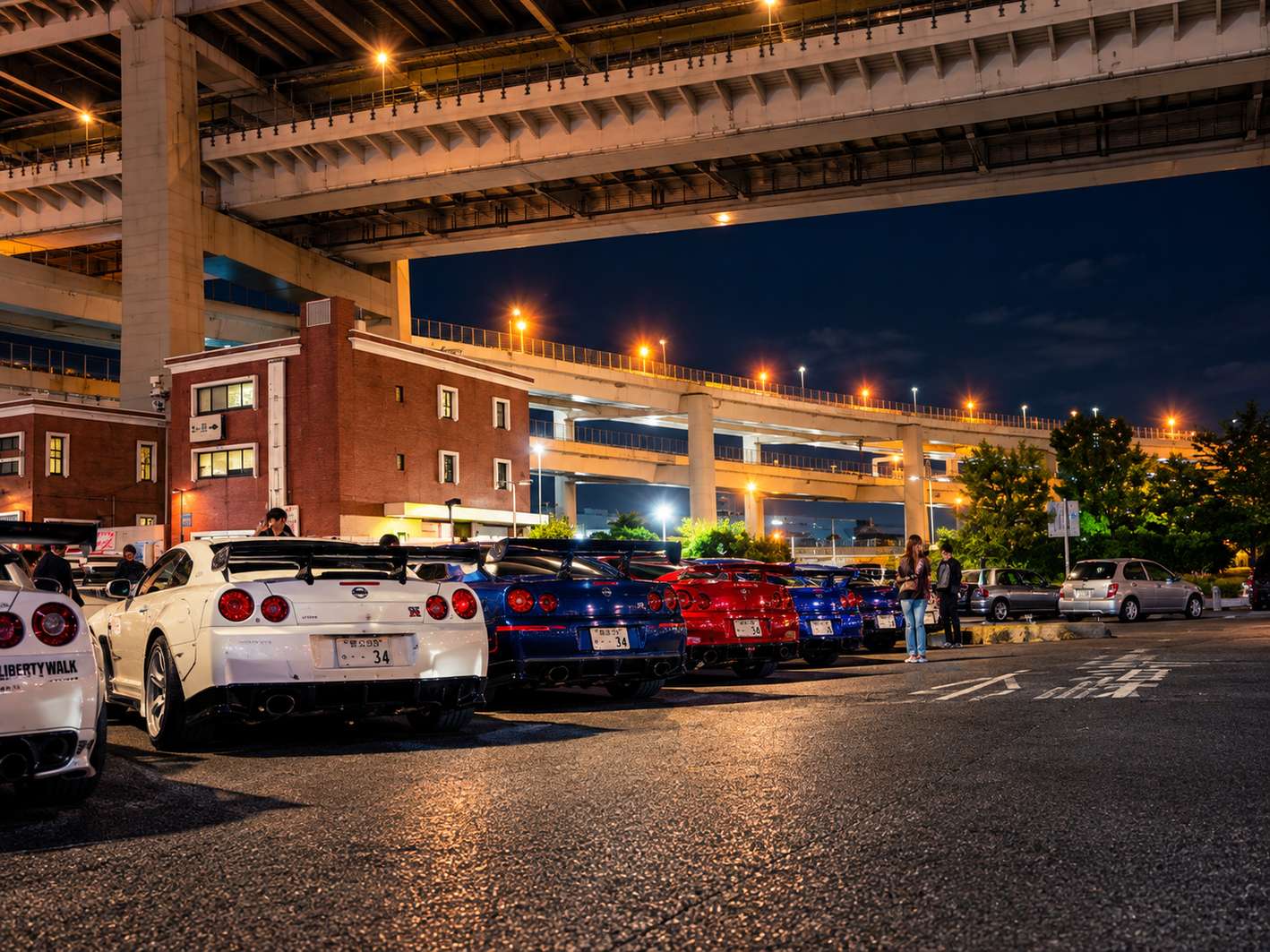
Tatsumi PA covered on its own terms, so a visit to this bay-side meet feels certain before you set out.
Umihotaru PA explained, from the Aqua-Line route to the meetup scene, for nights when Daikoku is closed.
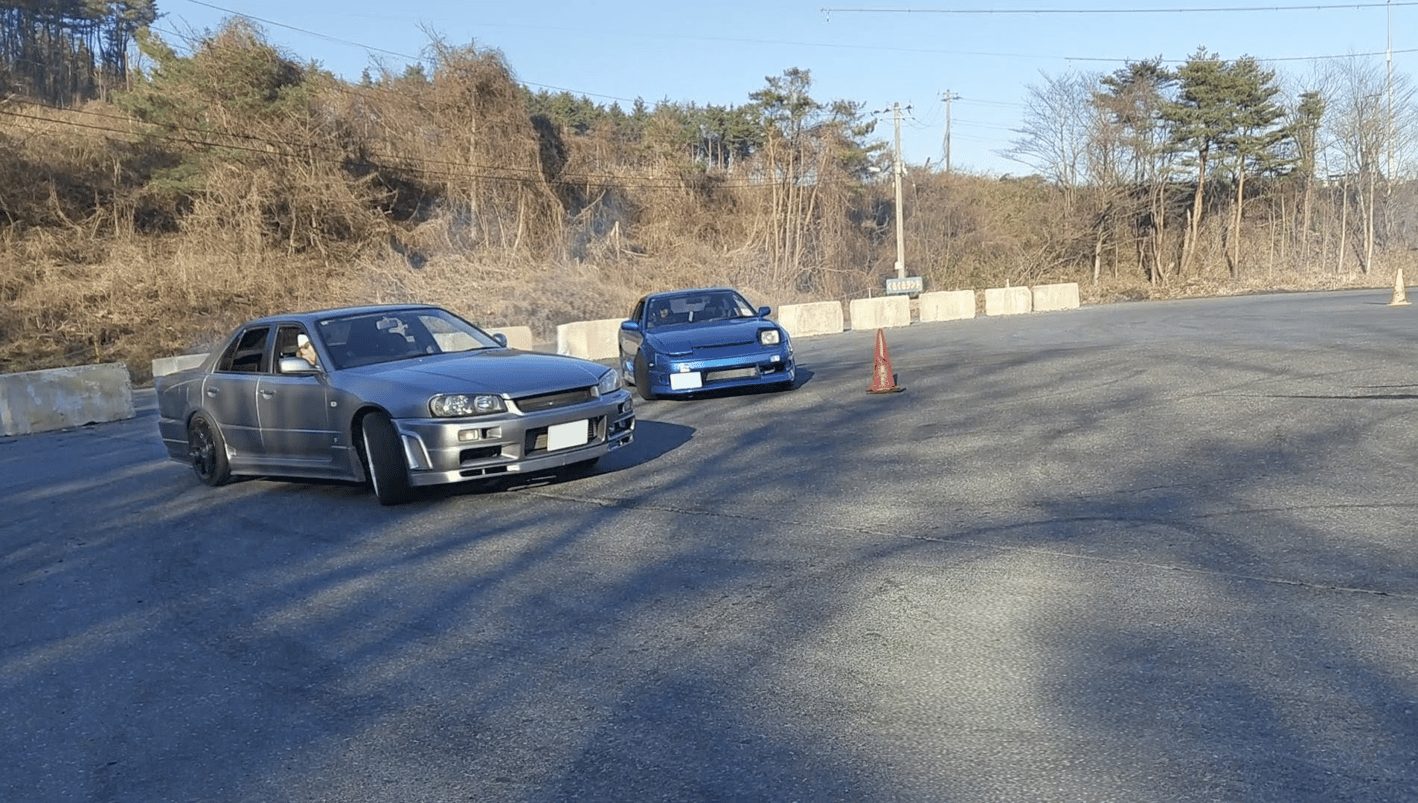
Visitor information for the City Circuit Tokyo Bay car meet at Daikoku, including how the kart racing fits in.
The Higashi Osaka parking area located and explained, if your trip stretches beyond Tokyo's bay meets.
Where drifting happens near Tokyo, and how watching, riding and trying it differ once you want more.
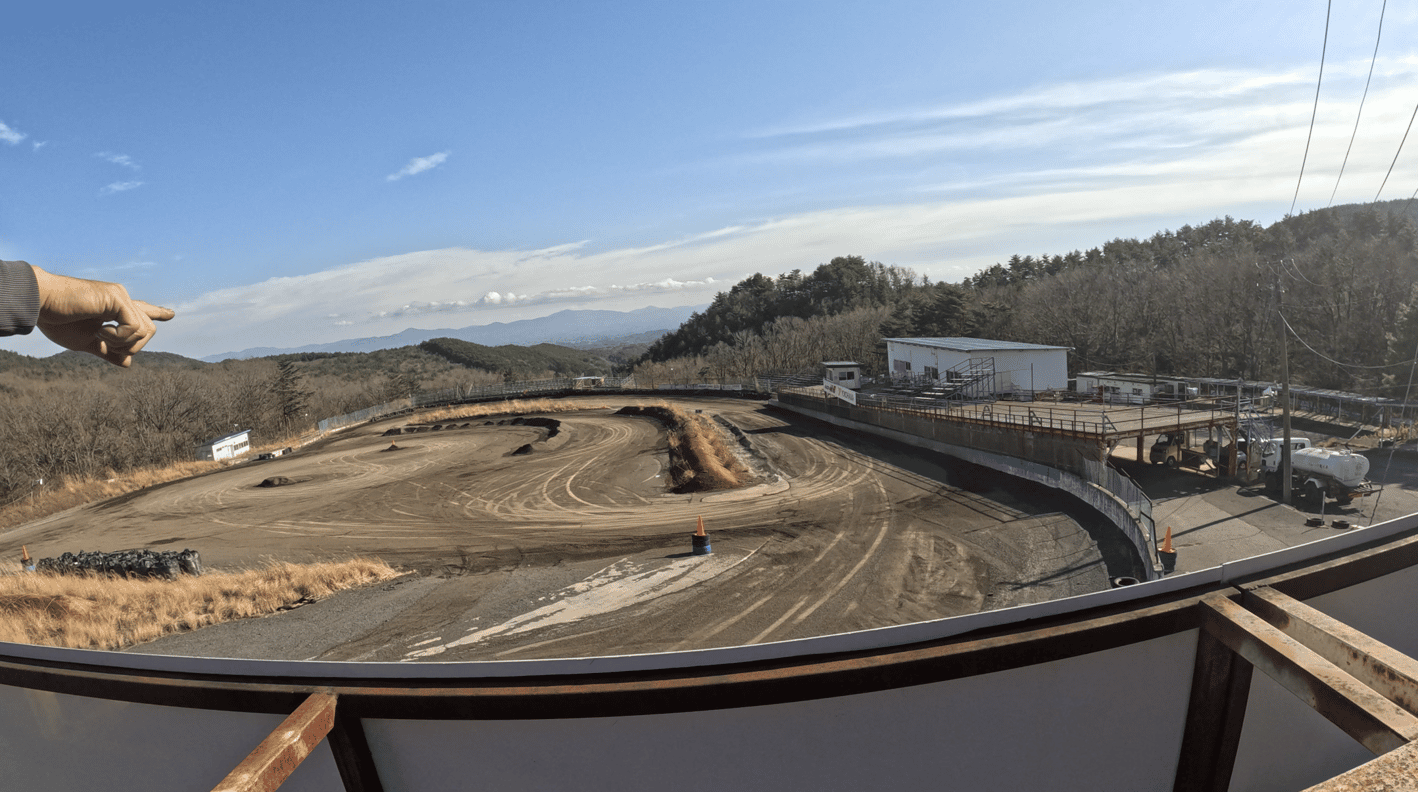
The organized events where real competitive drifting runs, timed to rounds like the D1 Grand Prix calendar.
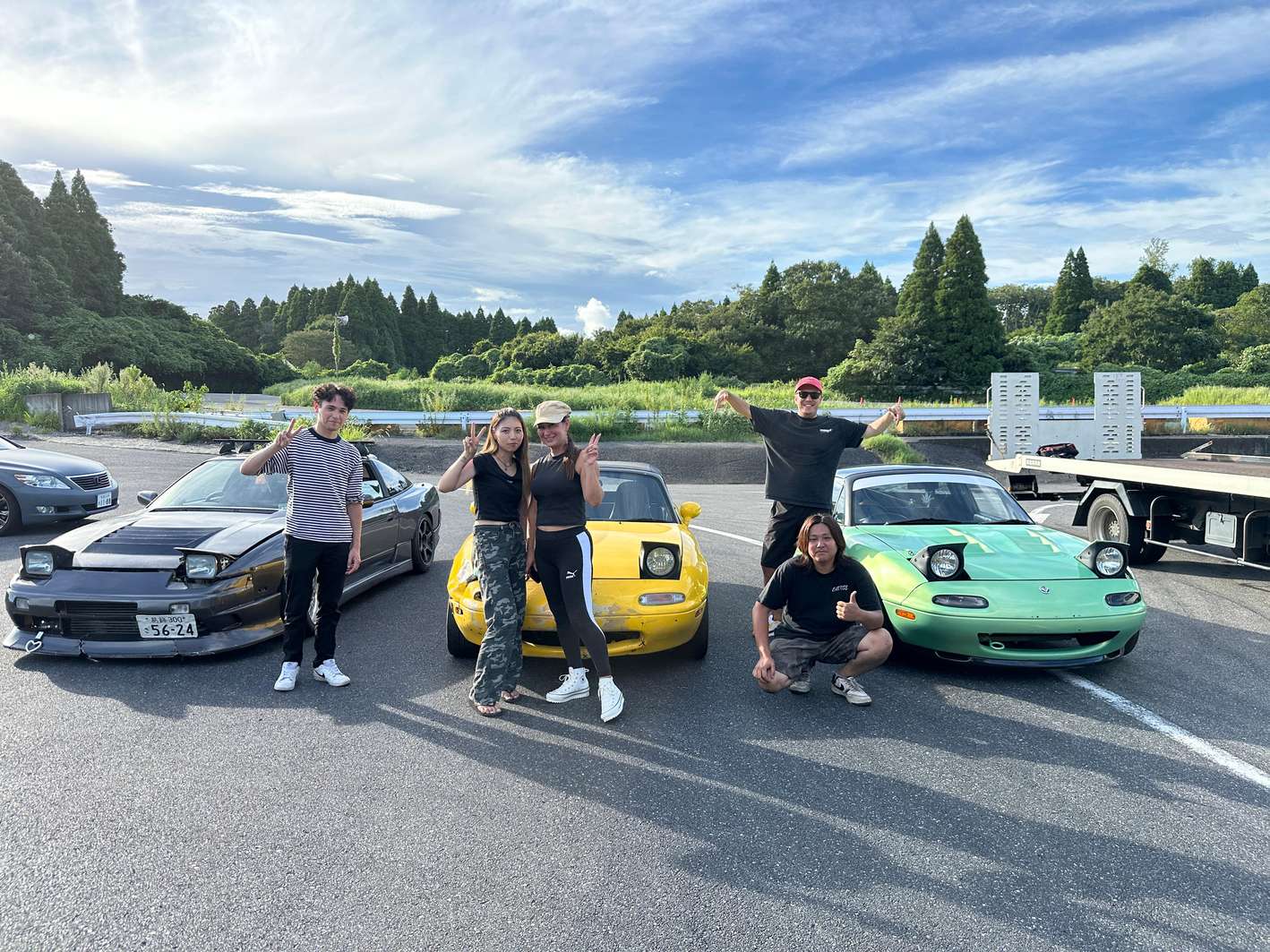
How a drift lesson works for a complete beginner, from the first circles around cones to a full track day.
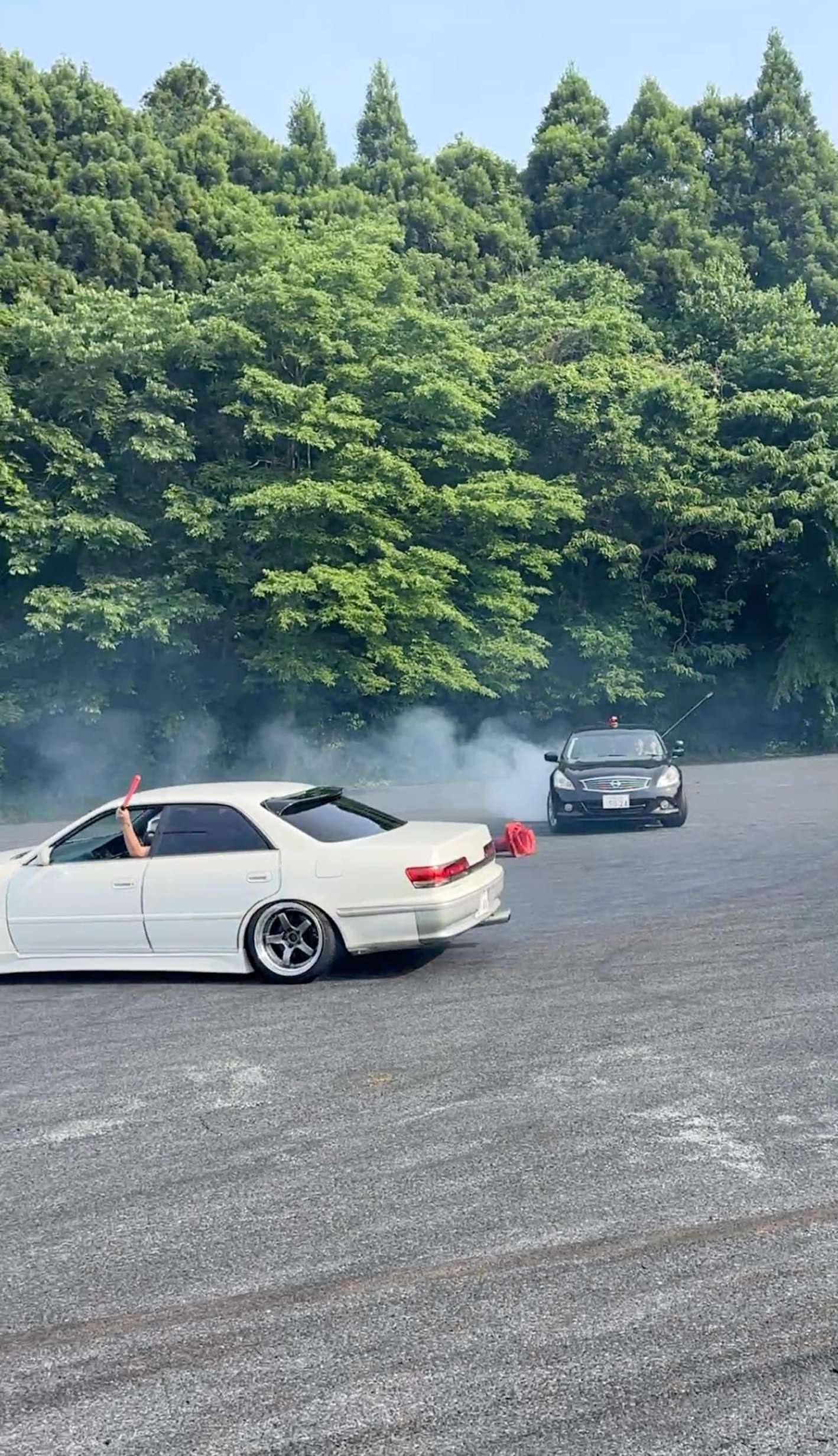
Track experiences where you drive the drift car yourself, with the booking steps laid out clearly.
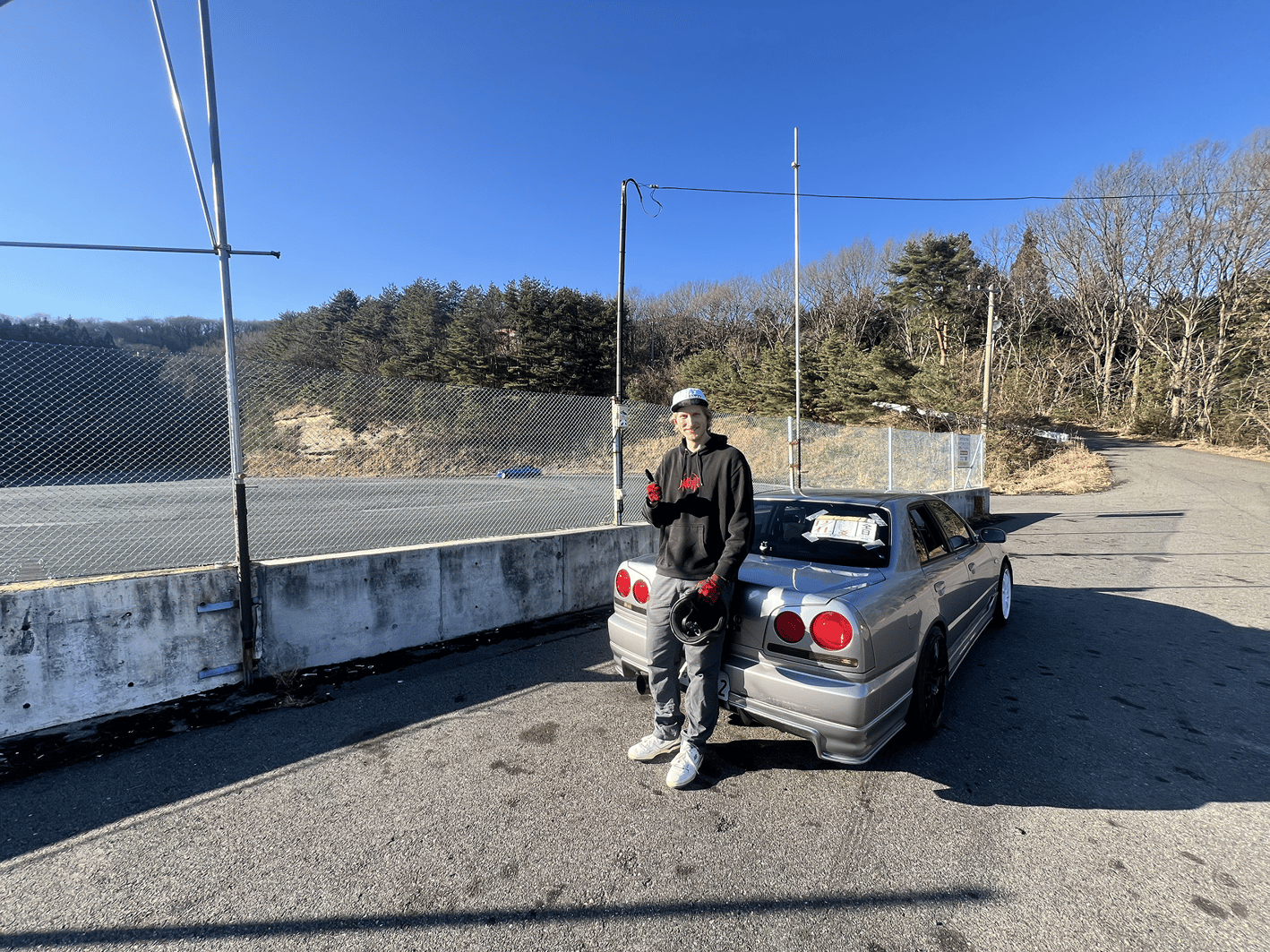
Guided drift rides and circuit trips compared, so the tour you pick matches how involved you want to be.
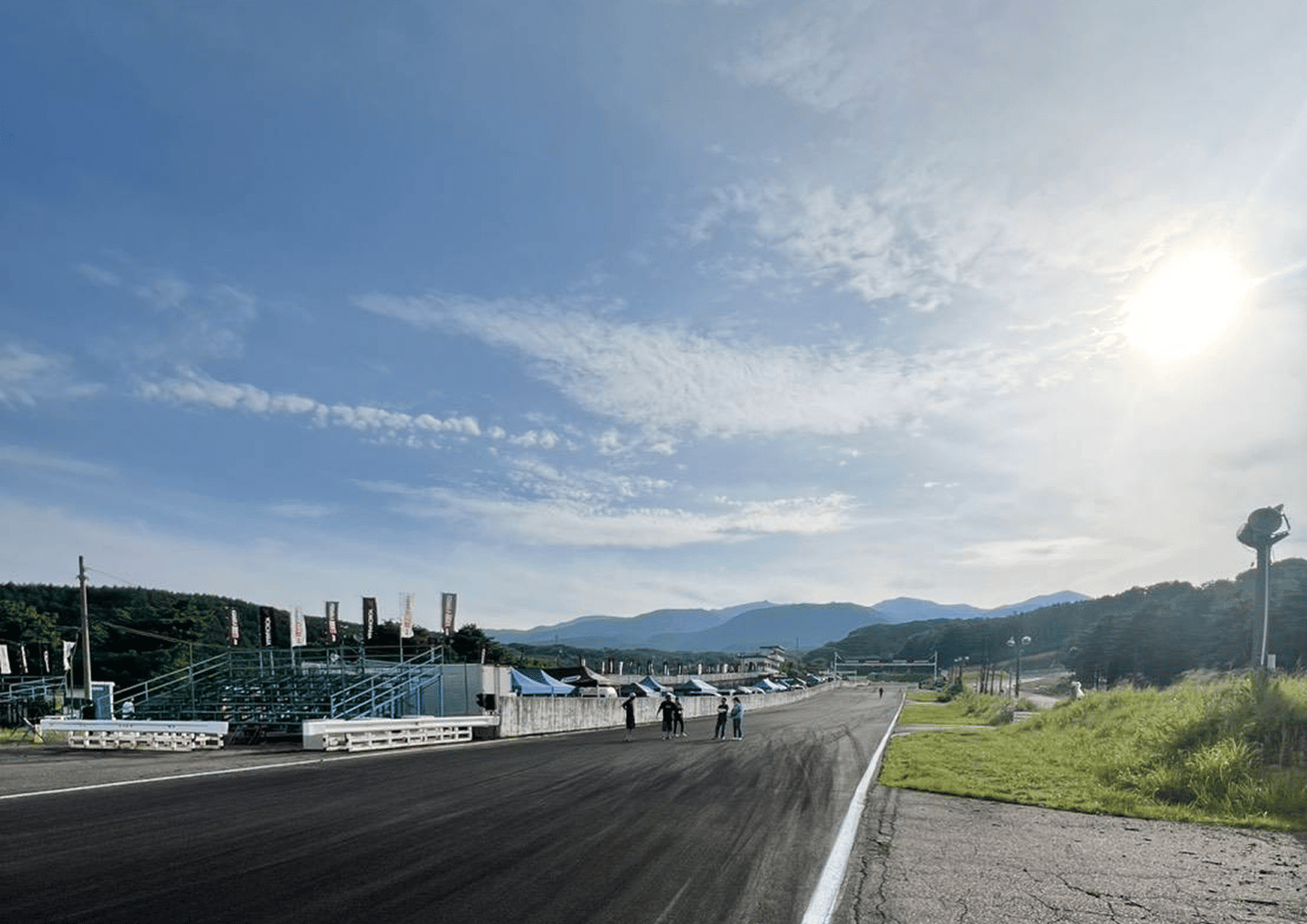
The trip from Tokyo out to Ebisu Circuit, planned in practical terms for a full drift day away from the city.
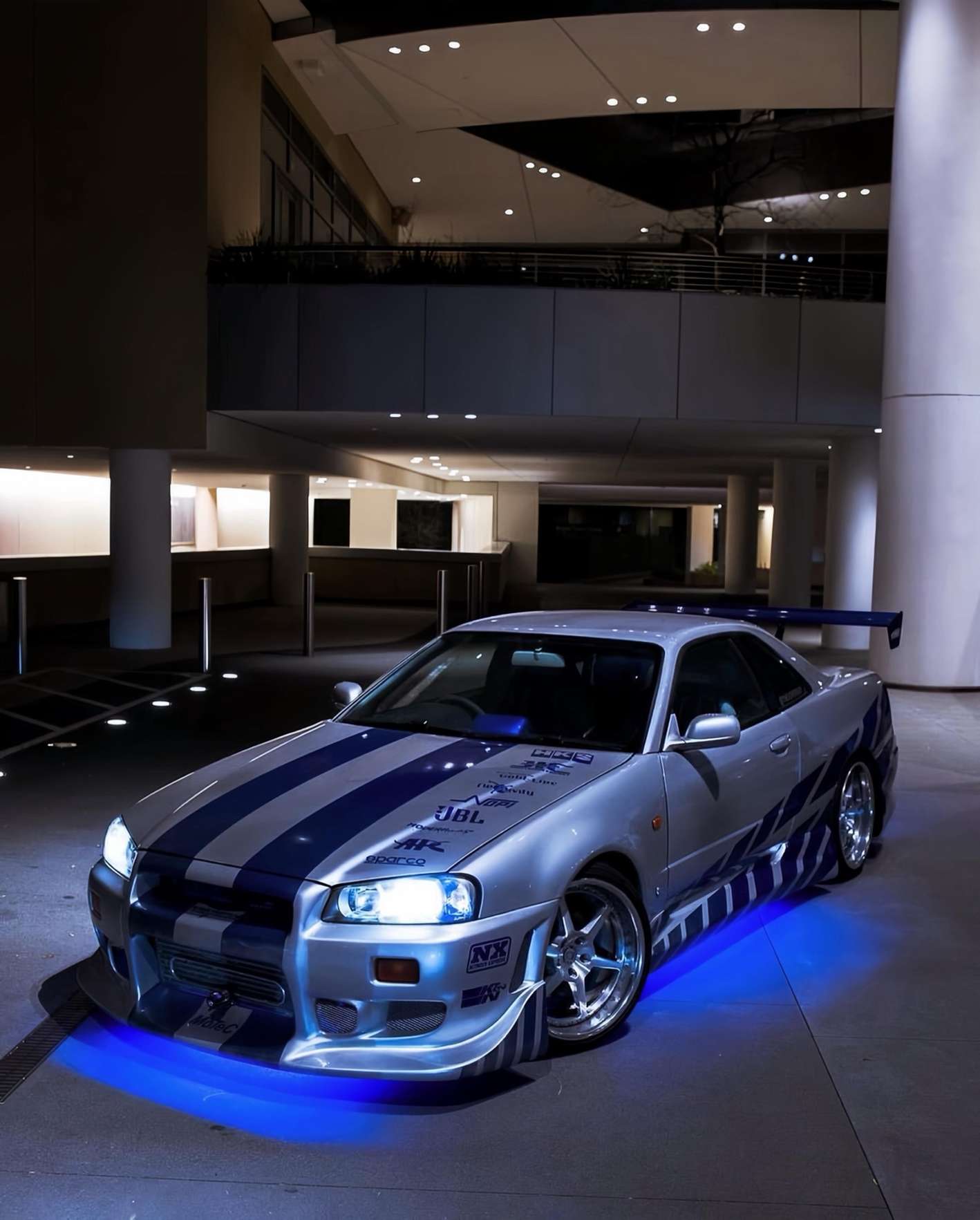
The kinds of JDM experience worth comparing, from passenger night rides to race circuit days, side by side.
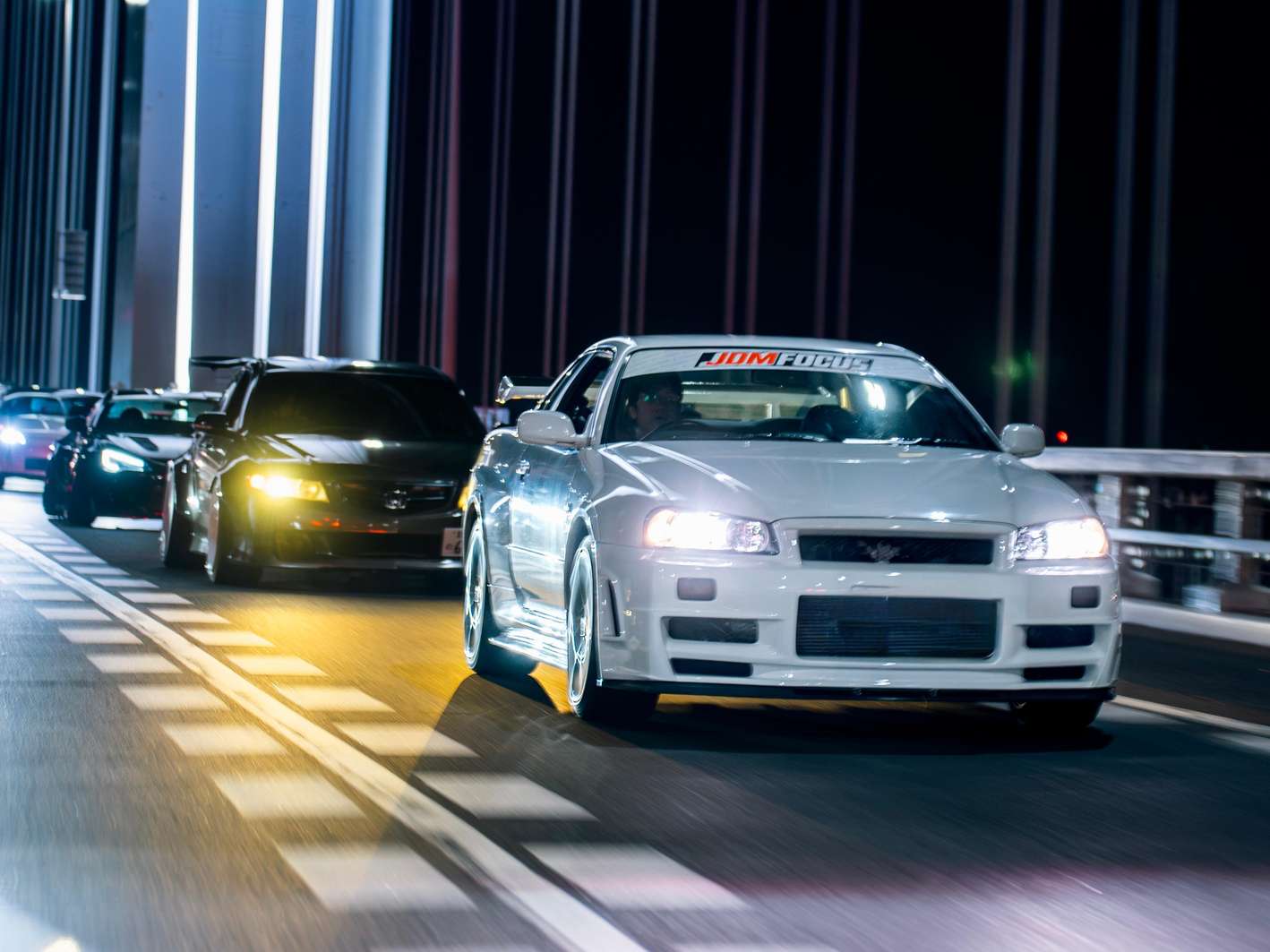
How the nighttime car meet tours work in Tokyo, and what a booked trip delivers on the night itself.
Daikoku PA night-drive options laid out, so you can choose the car and the route that suit your evening.
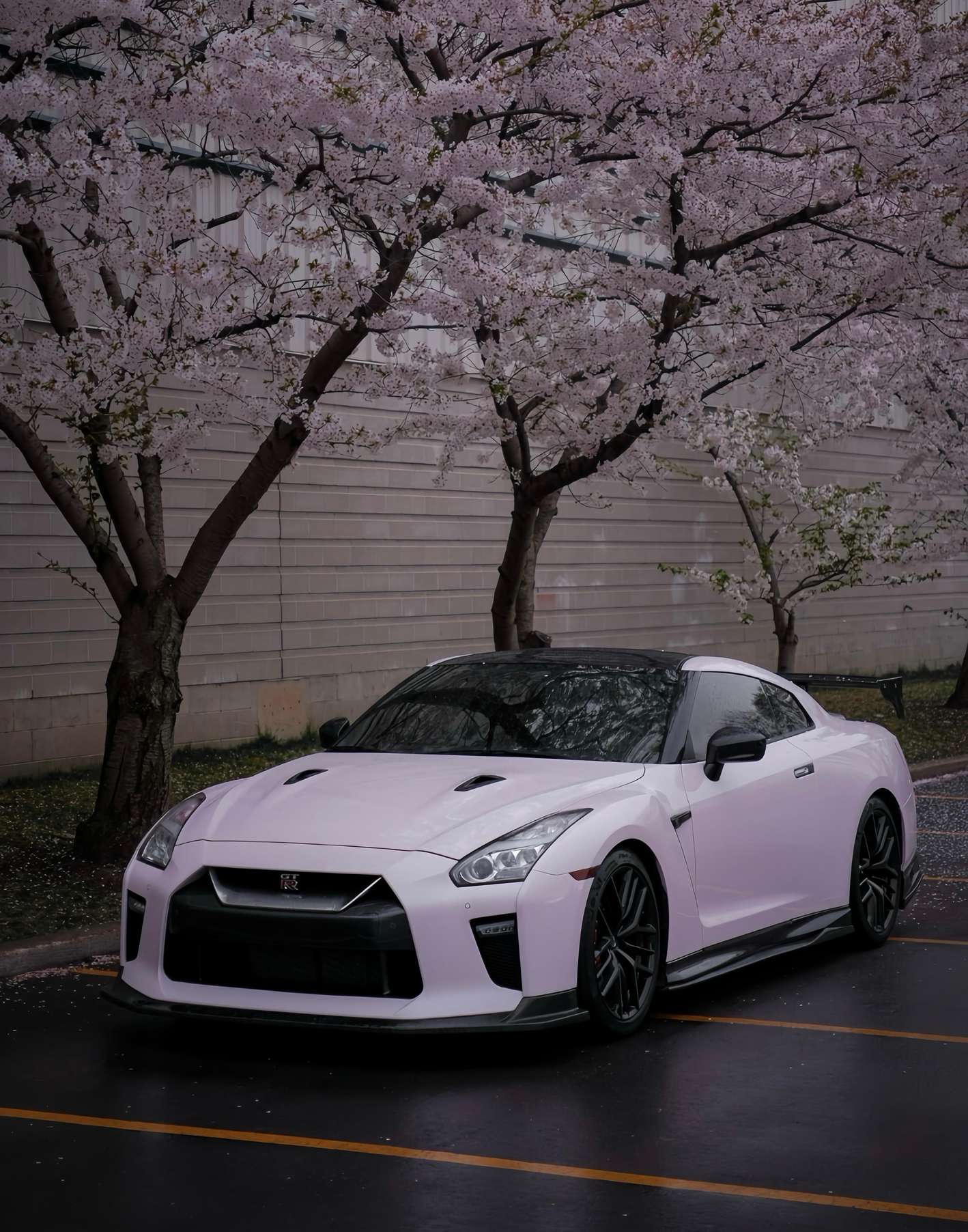
Which guided rides include the Wangan and Bayshore cruise, and what else those itineraries add on.
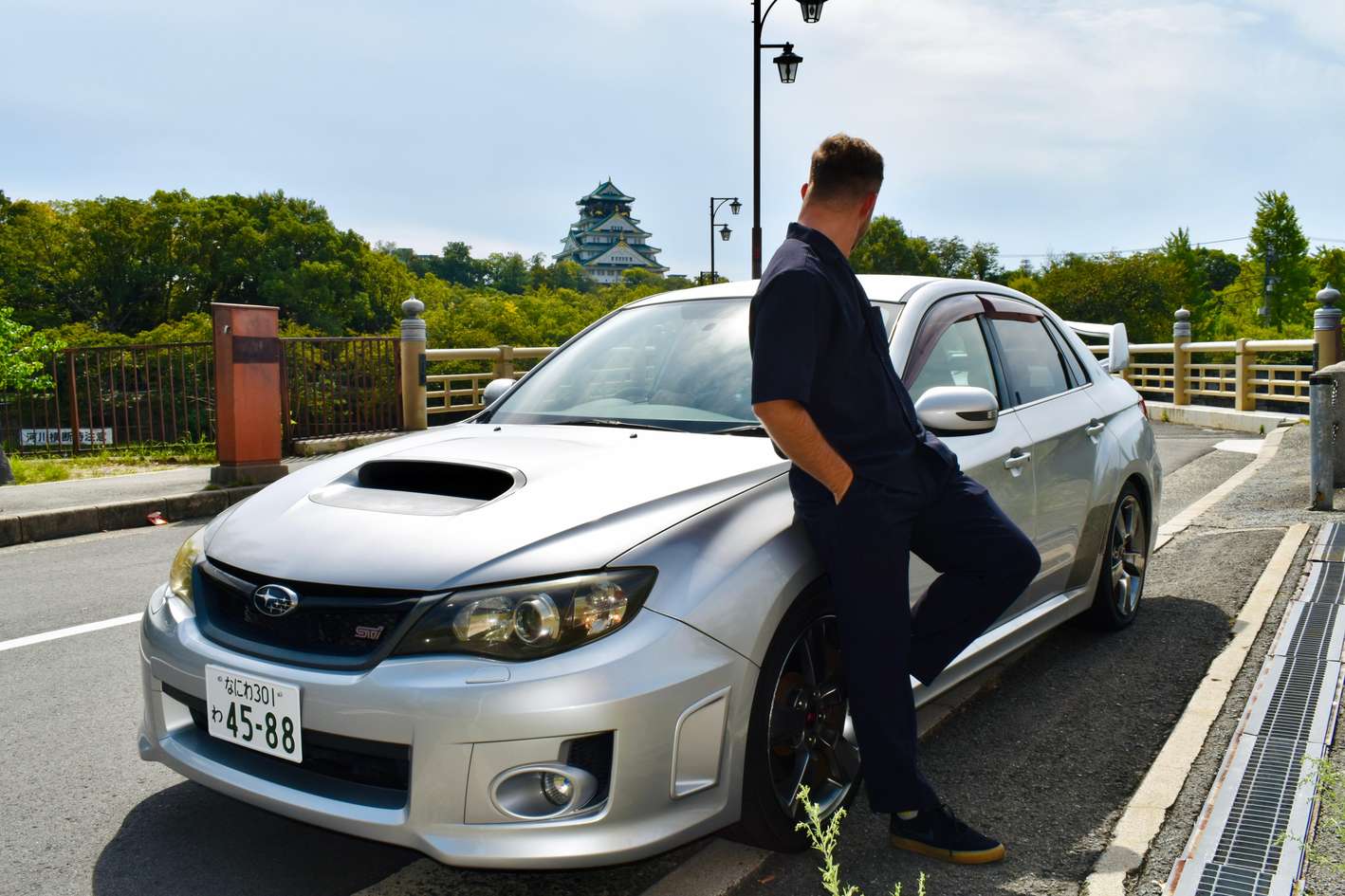
The difference between a tour you drive and one you ride, for visitors set on getting behind the wheel.
Private trips to Daikoku PA for groups who would rather skip shared tours and keep the car to themselves.
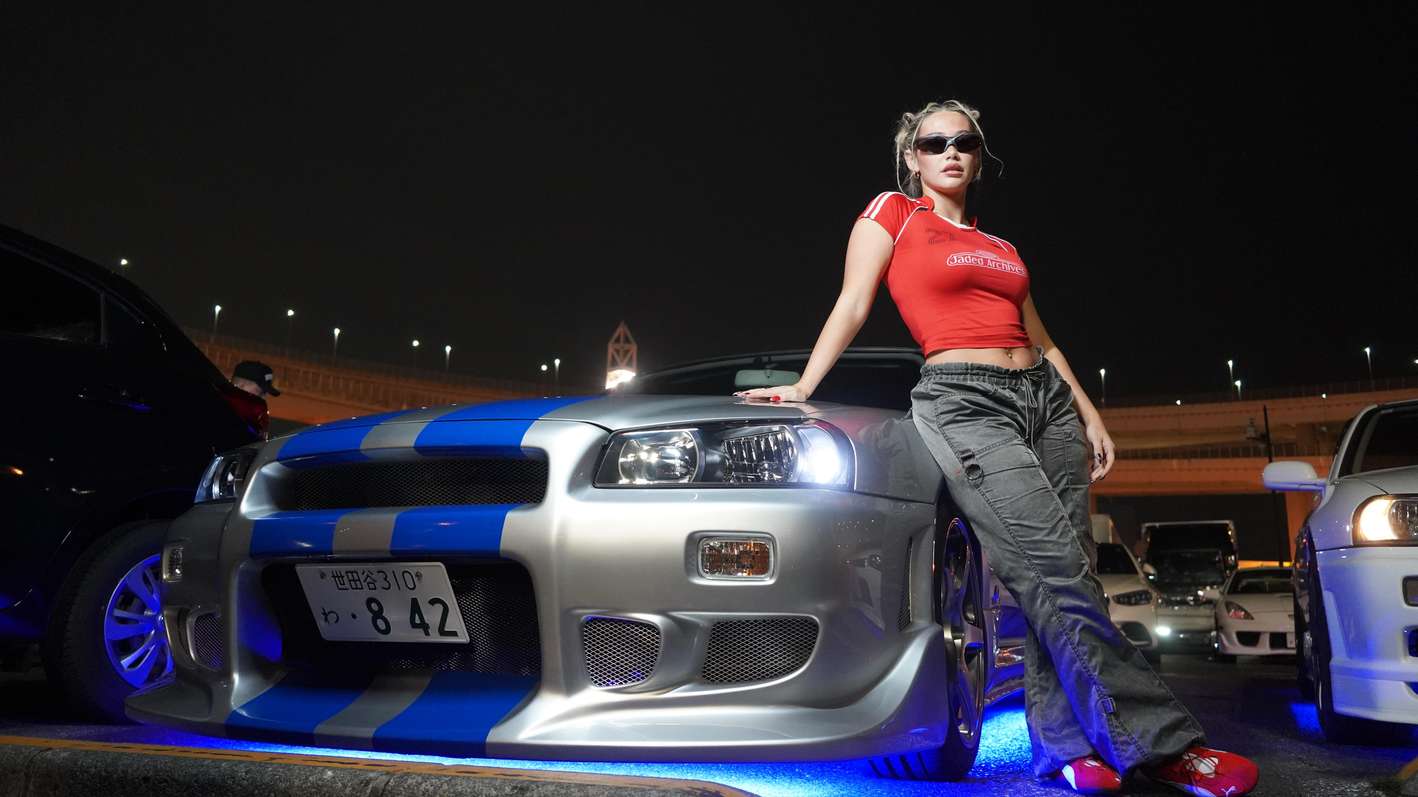
Where to rent a JDM sports car in Tokyo, from rental shops to self-drive tours with the paperwork explained.
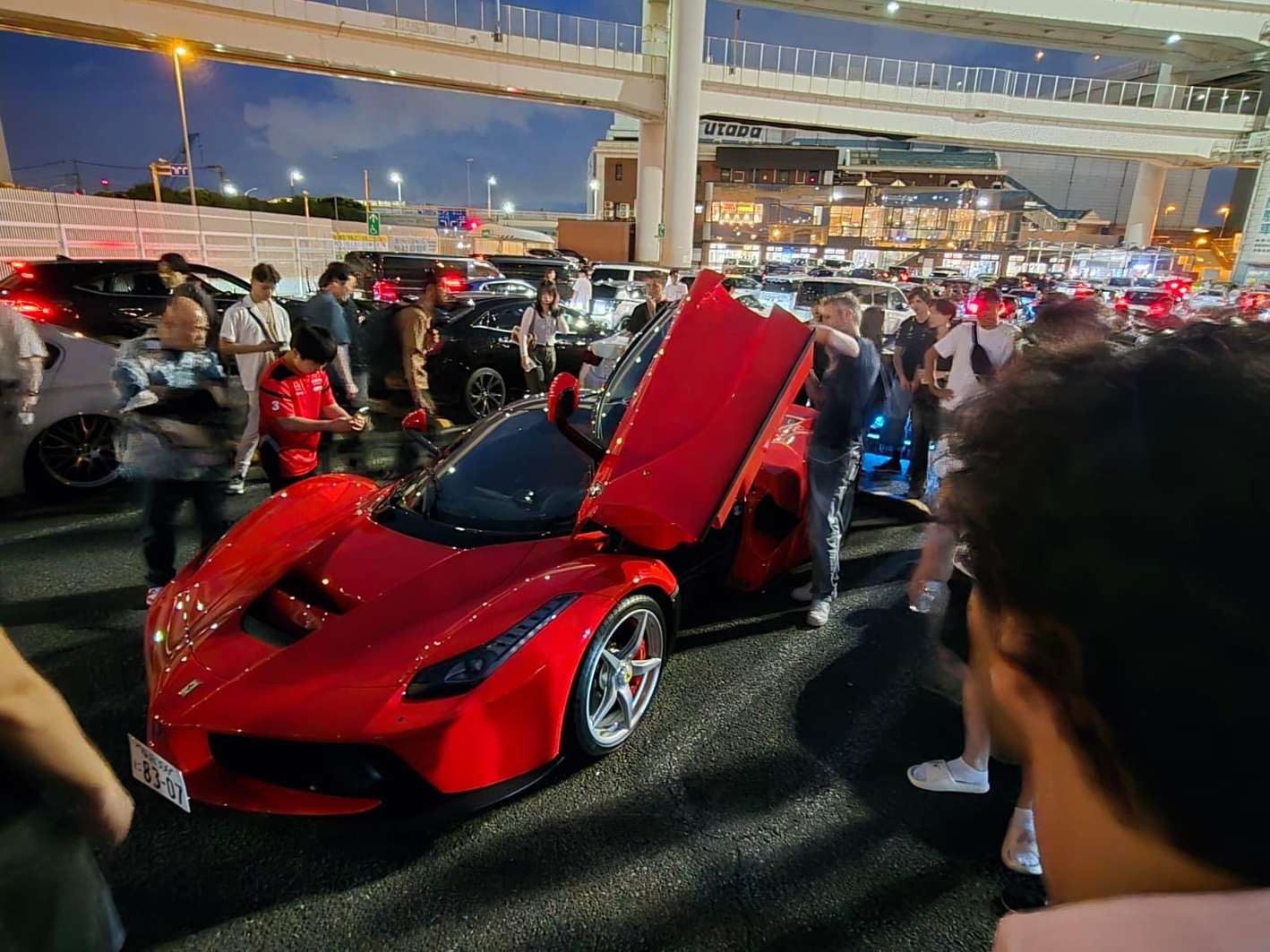
Whether an AE86 can actually be booked in Tokyo, and the closest options if that exact car is not on offer.
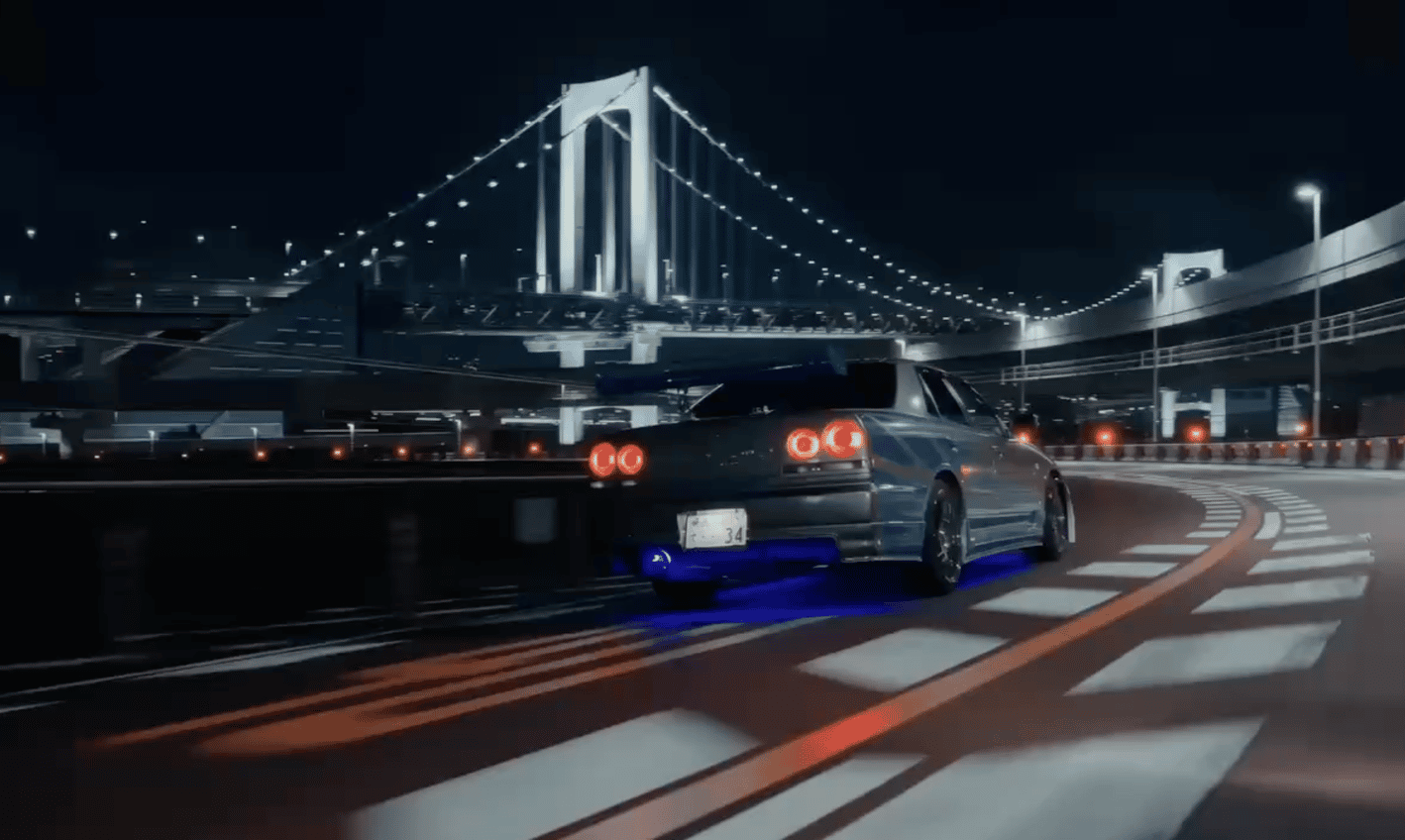
A direct answer on renting and driving a Supra in Tokyo, with the booking choices that follow.
How an R32 GT-R rental differs from a guided GT-R ride, and the nearest option to your search.
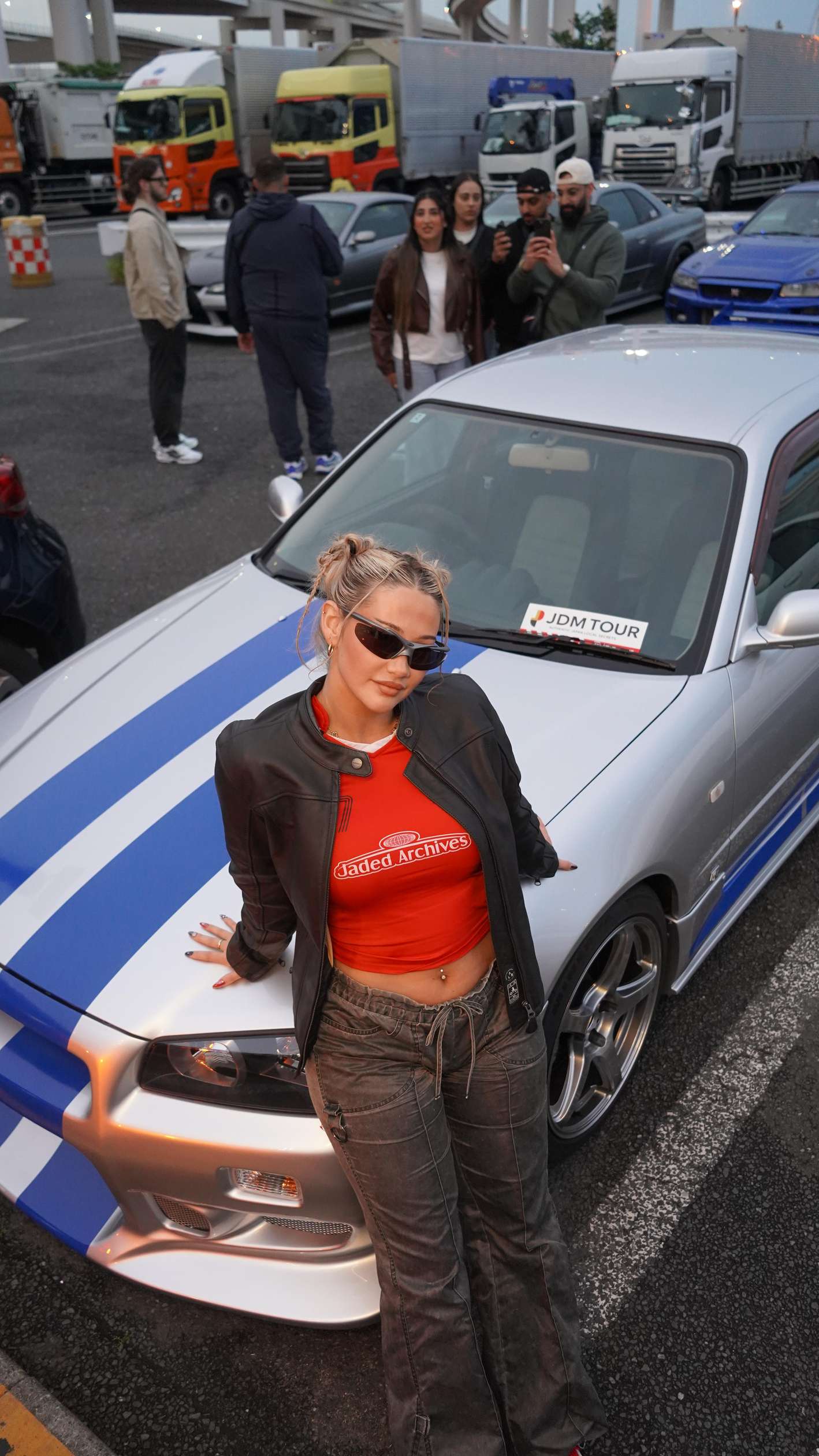
Renting an R34 Skyline in Tokyo versus joining a guided ride, with both routes laid out for comparison.
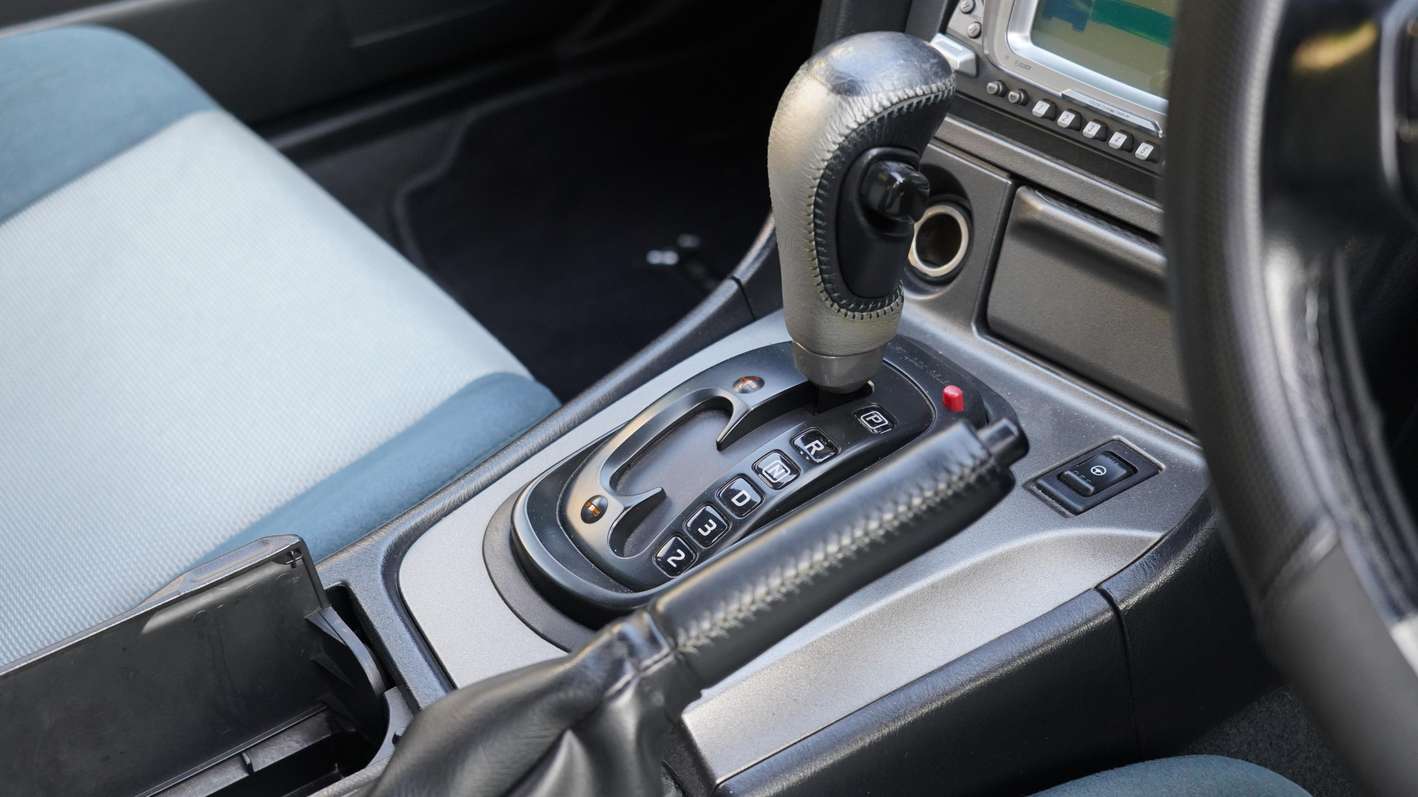
The ways to experience a Nissan GT-R R35 in Tokyo, and which booking route fits your budget and nerve.
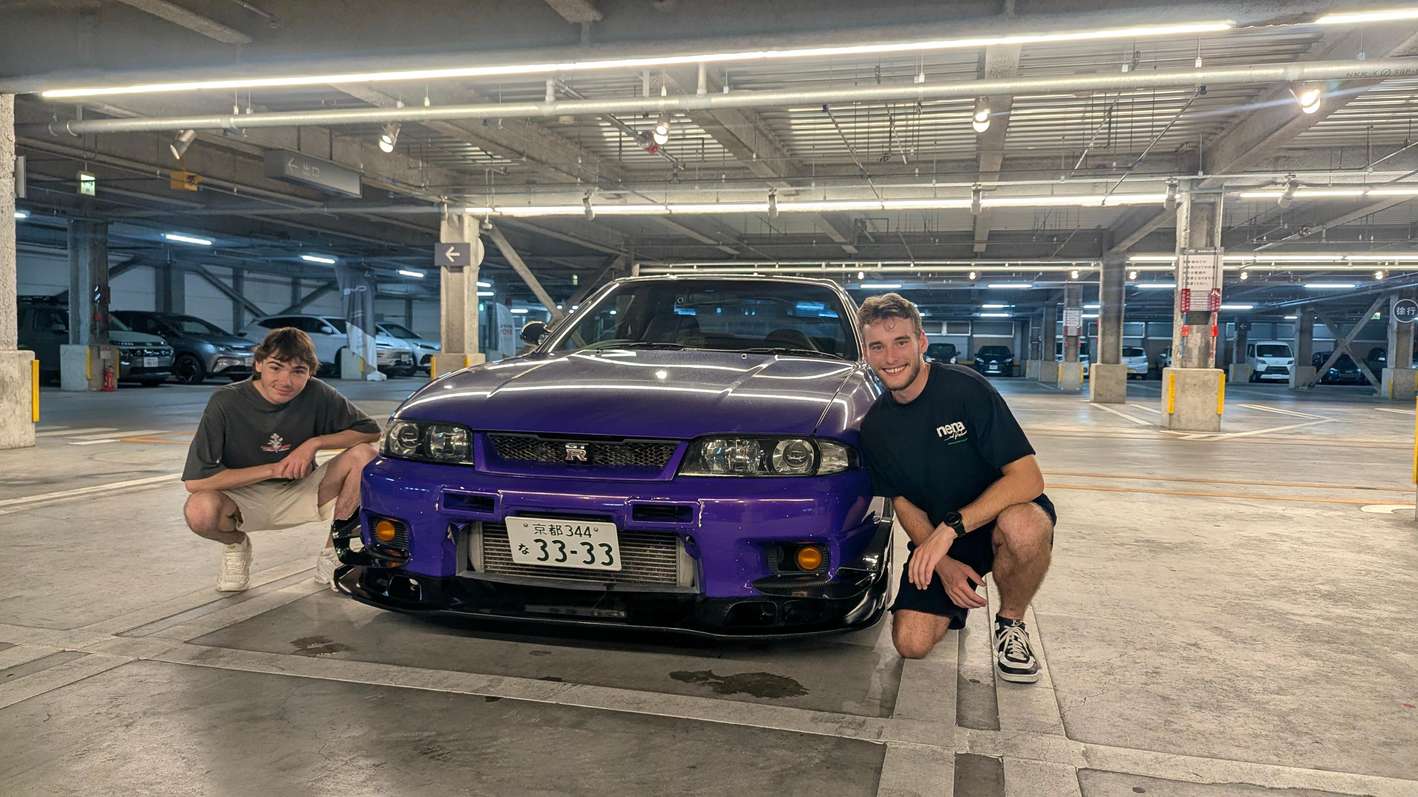
What Kyoto's meetup scene actually looks like, and how a JDM stop fits into a Kyoto day trip.
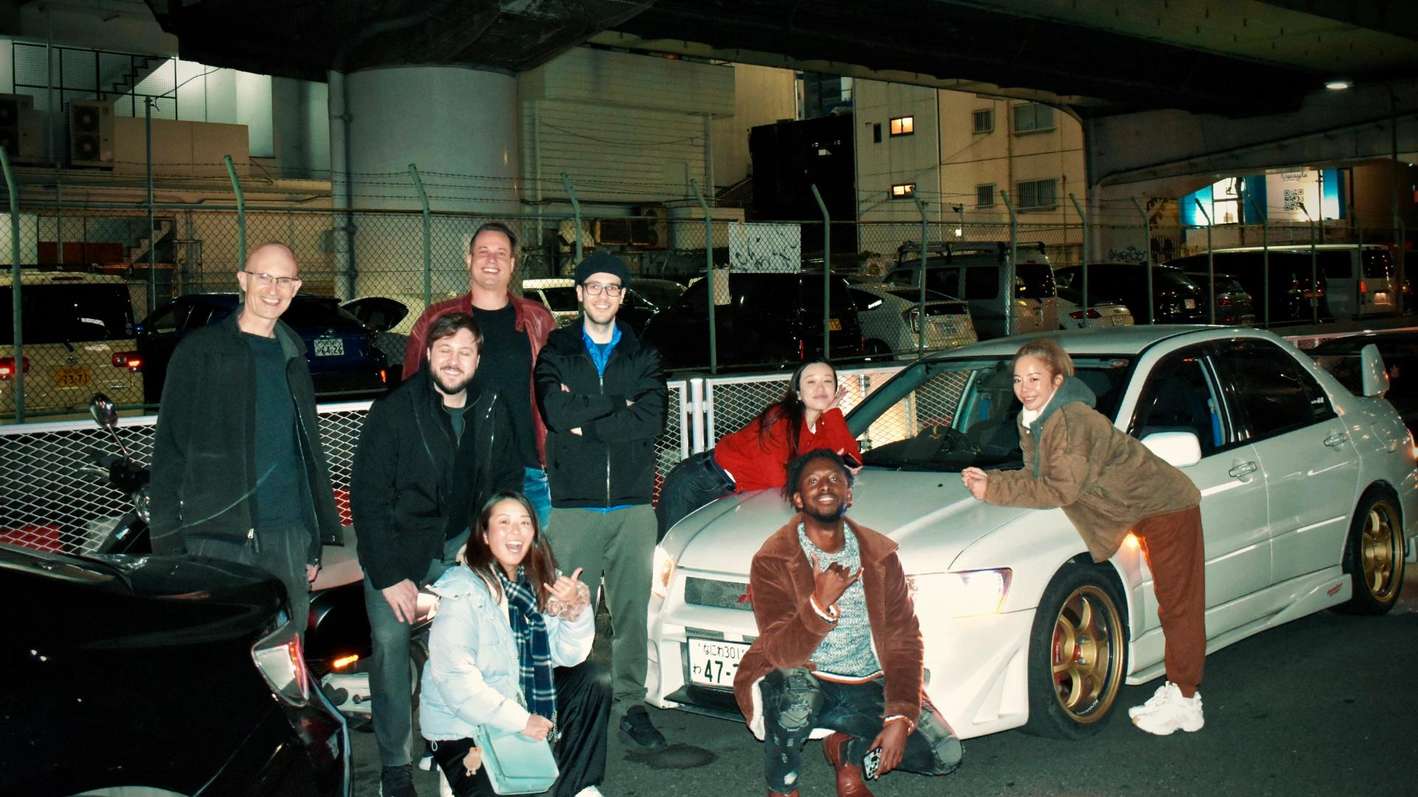
Osaka's night meet locations and parking areas, for a Kansai leg of the car scene around the bay loop.
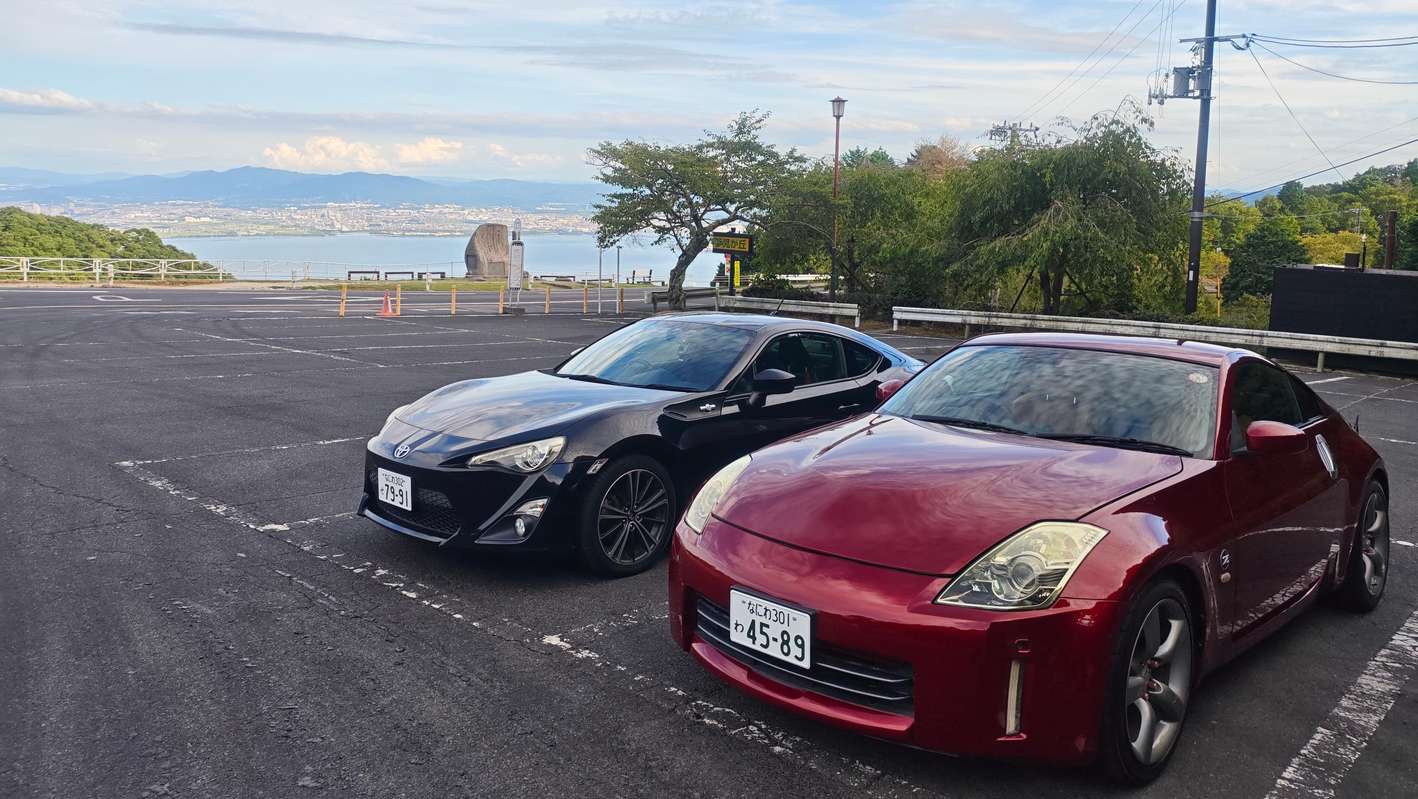
Self-drive sports car options in Osaka, with the licence rules and rental requirements sorted out.
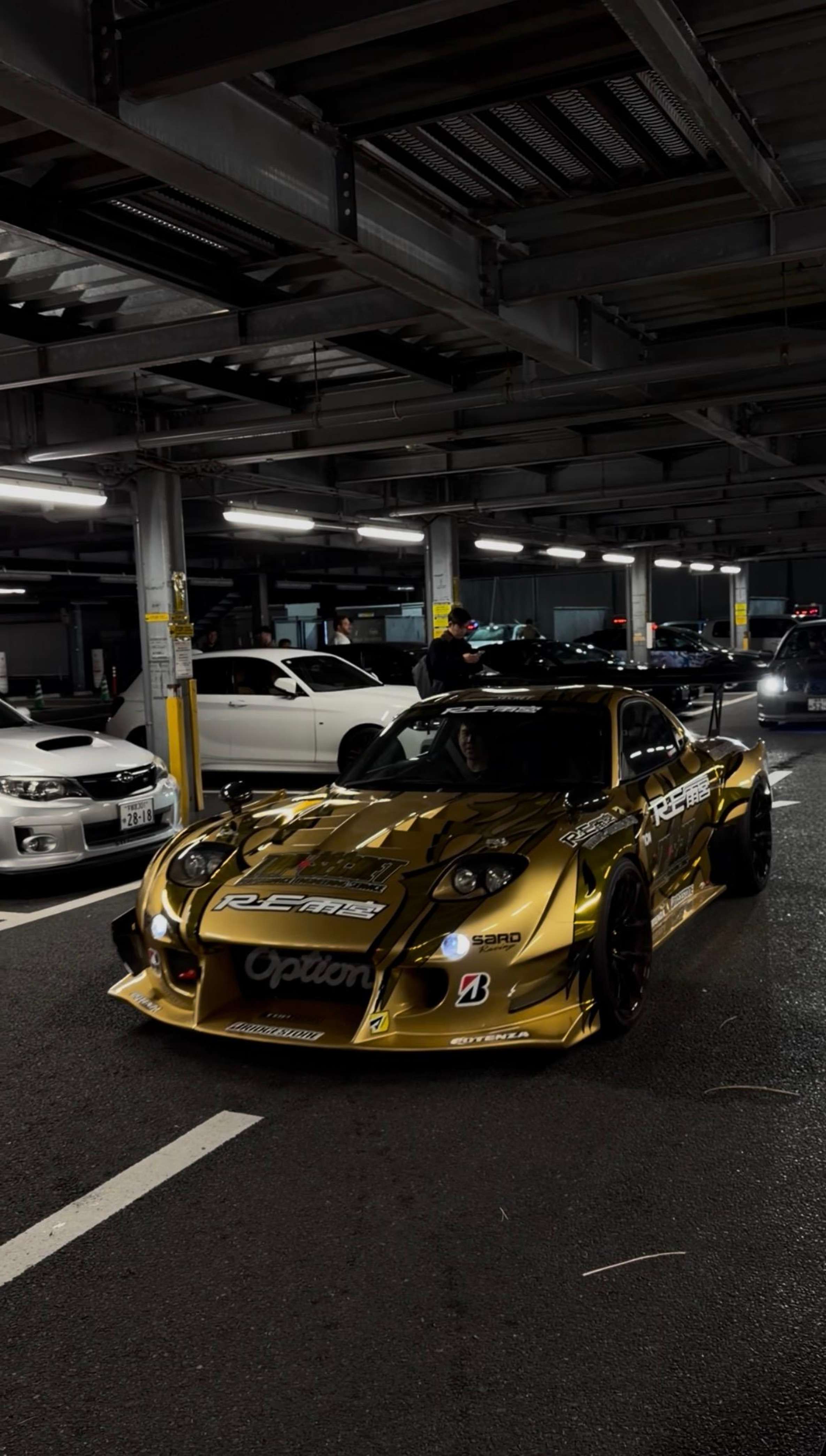
Book this Tokyo Drift-themed night ride with hotel pickup, and cancel free up to 24 hours before it starts.