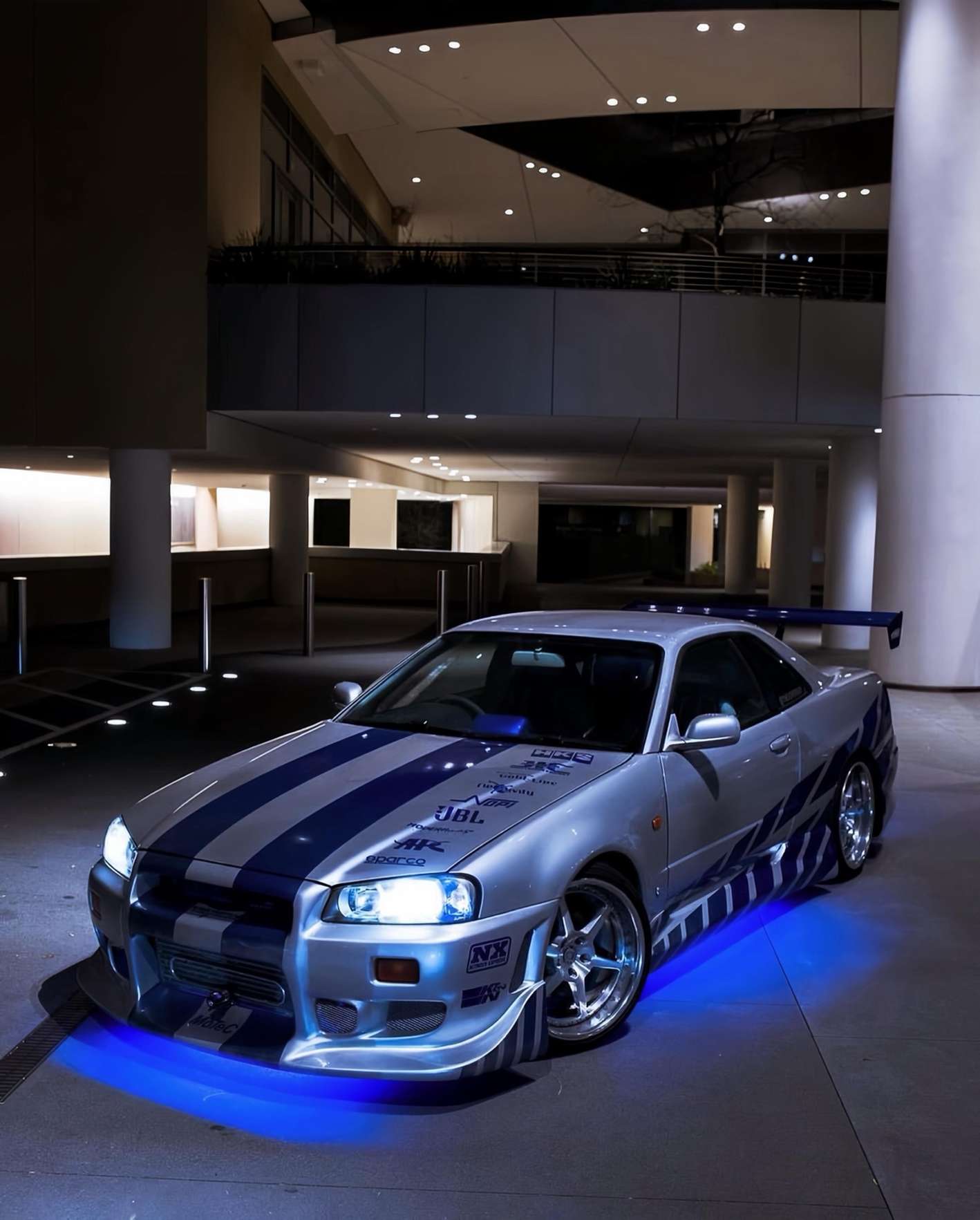
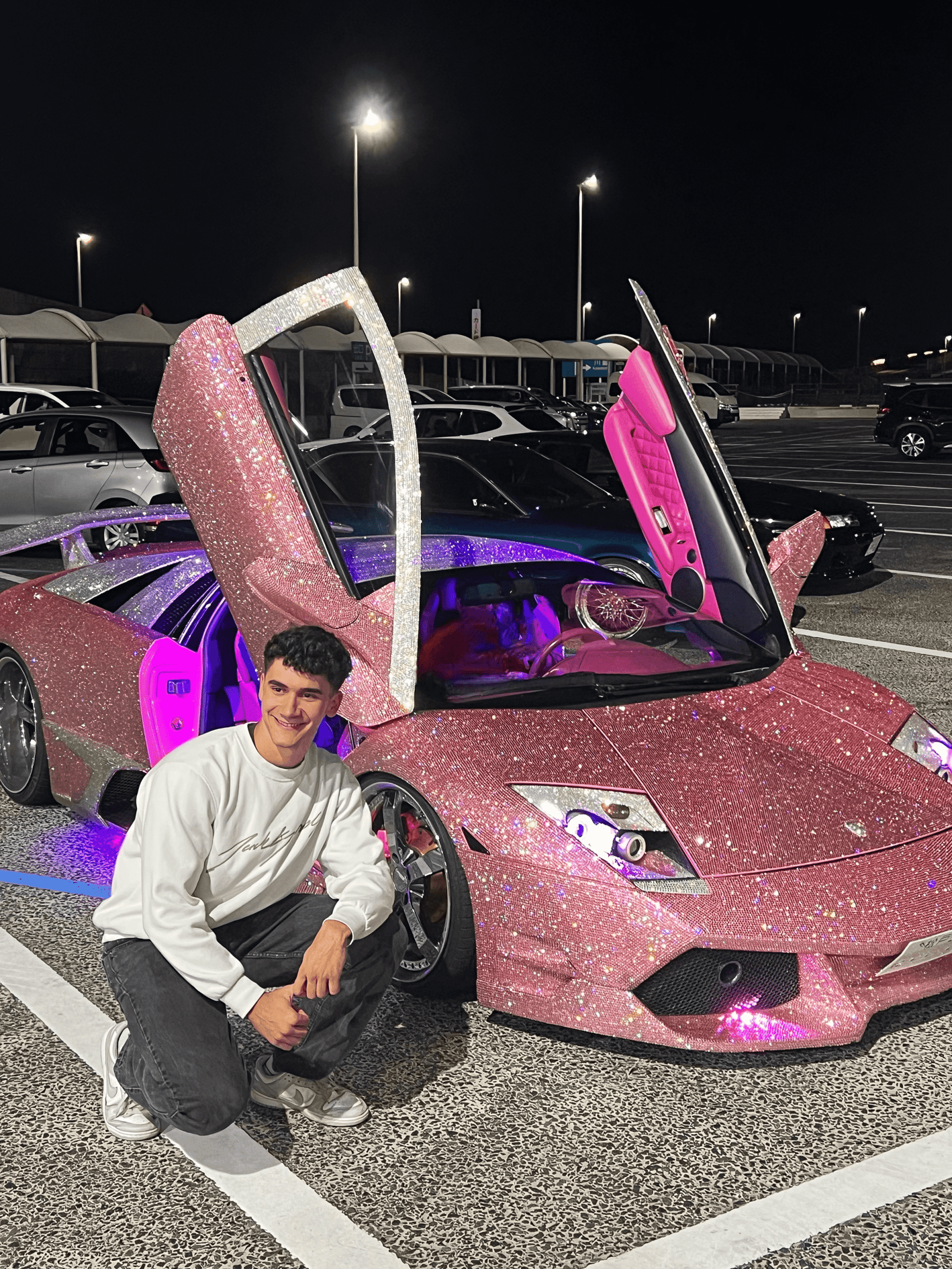
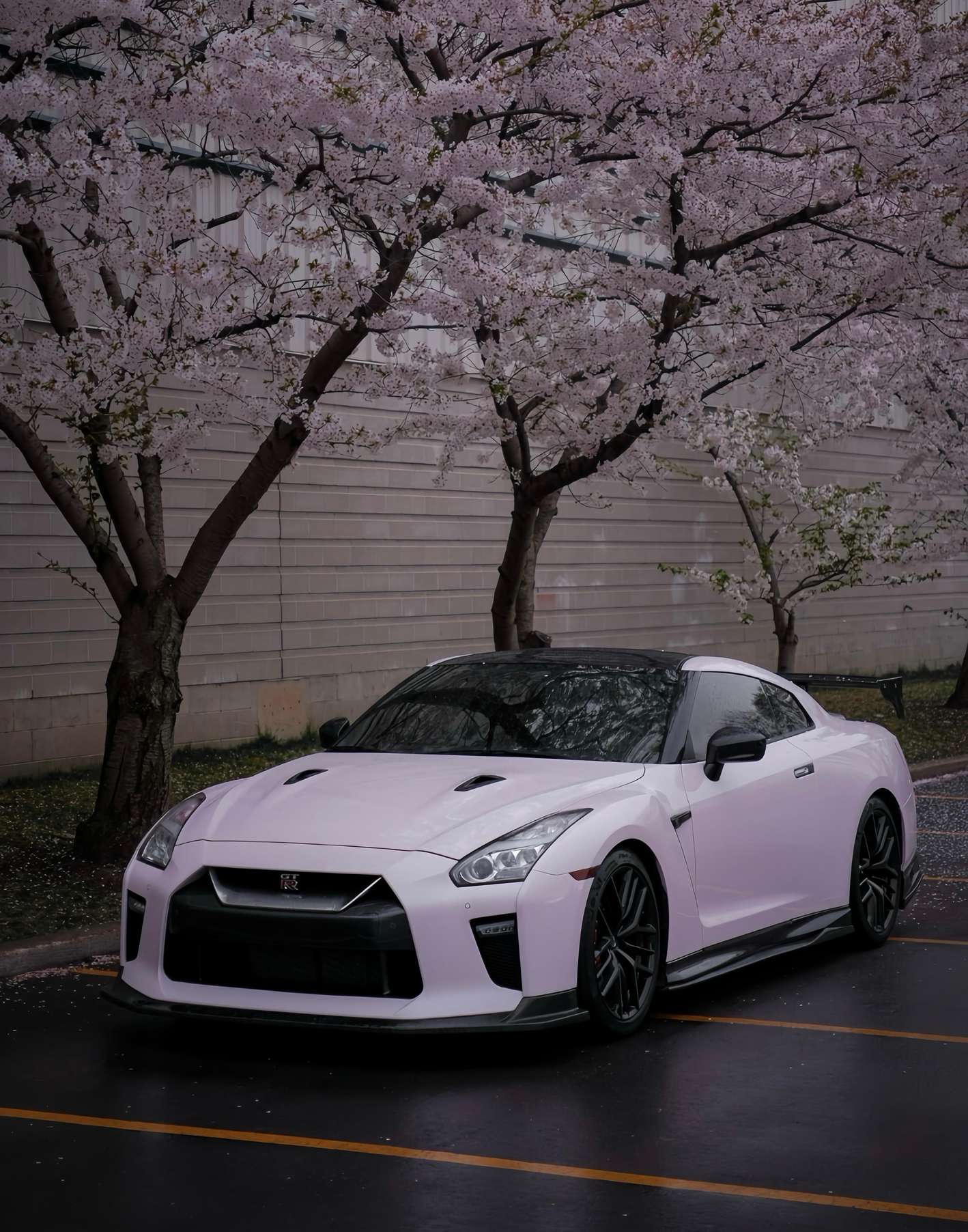
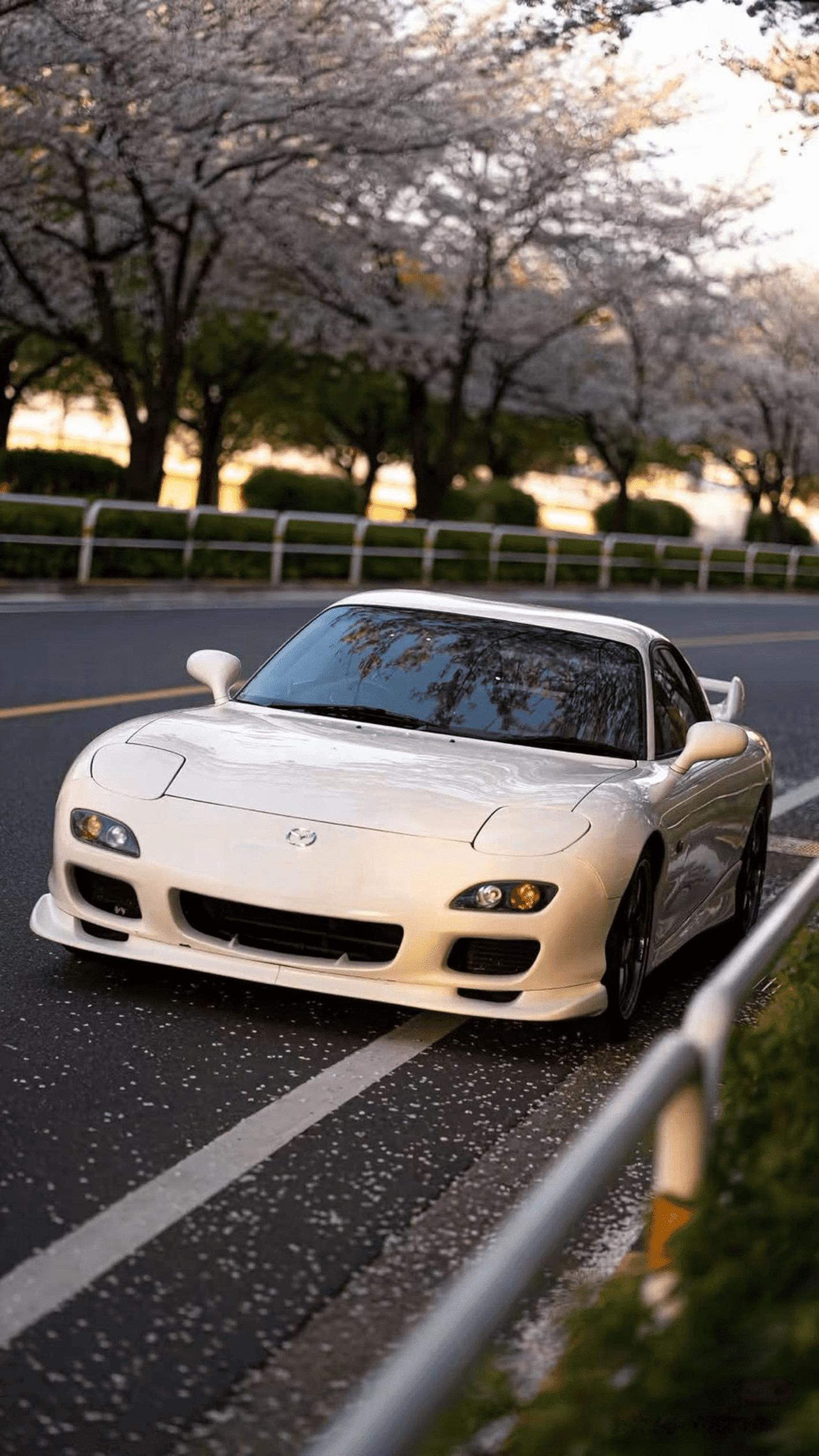
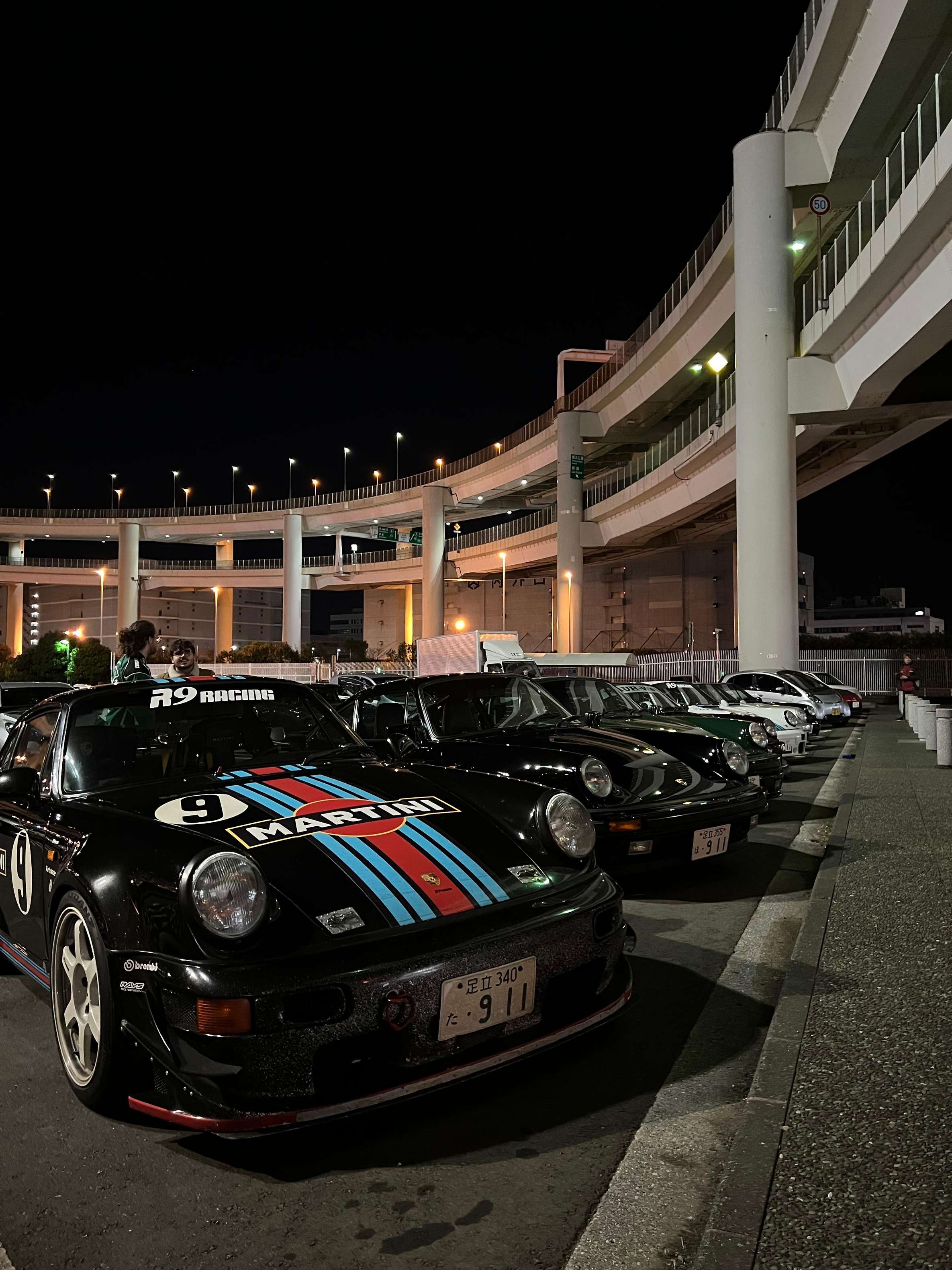
JDM Experience Tour: Explore Tokyo Car Culture - Japan Race Circuit Options
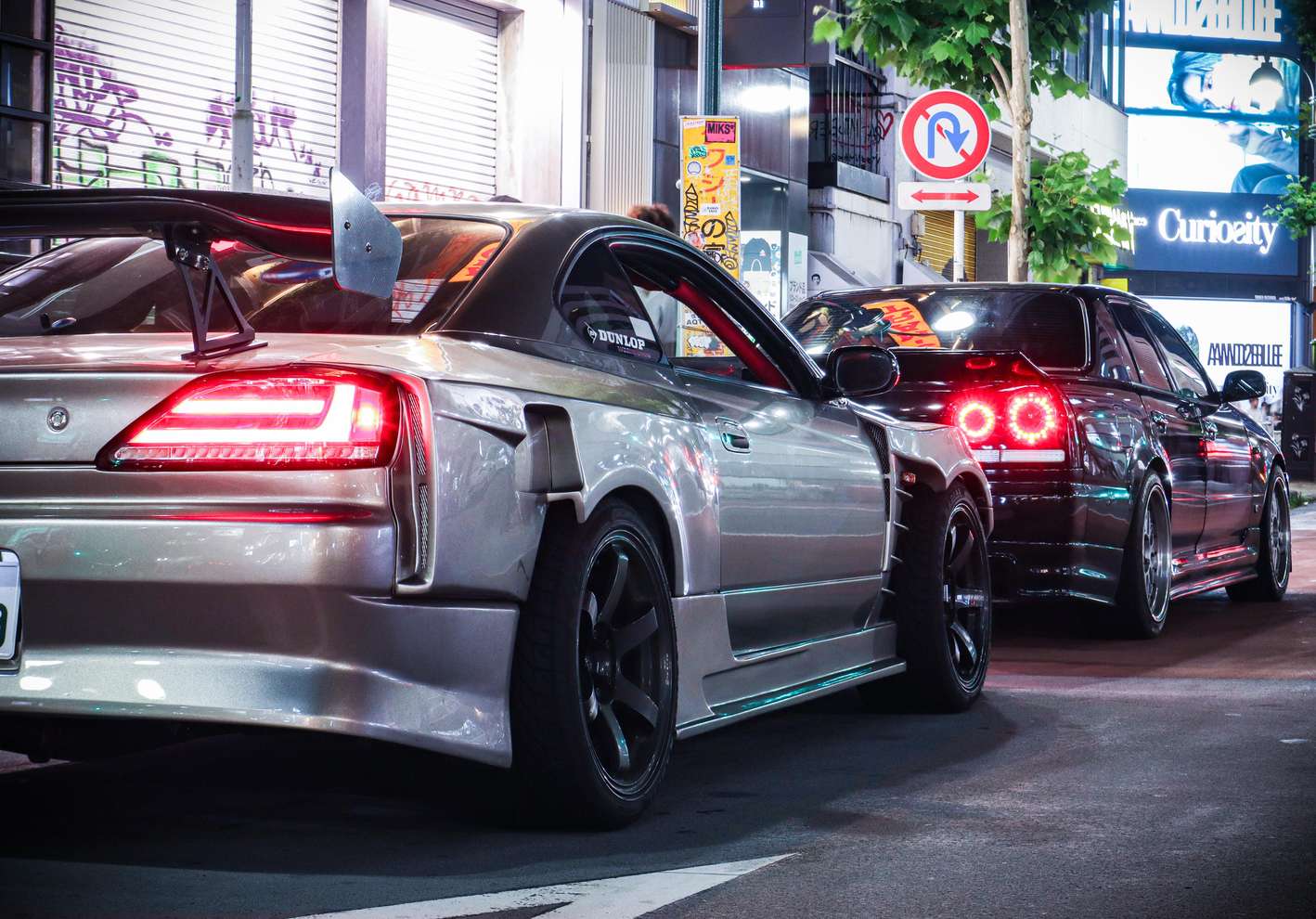
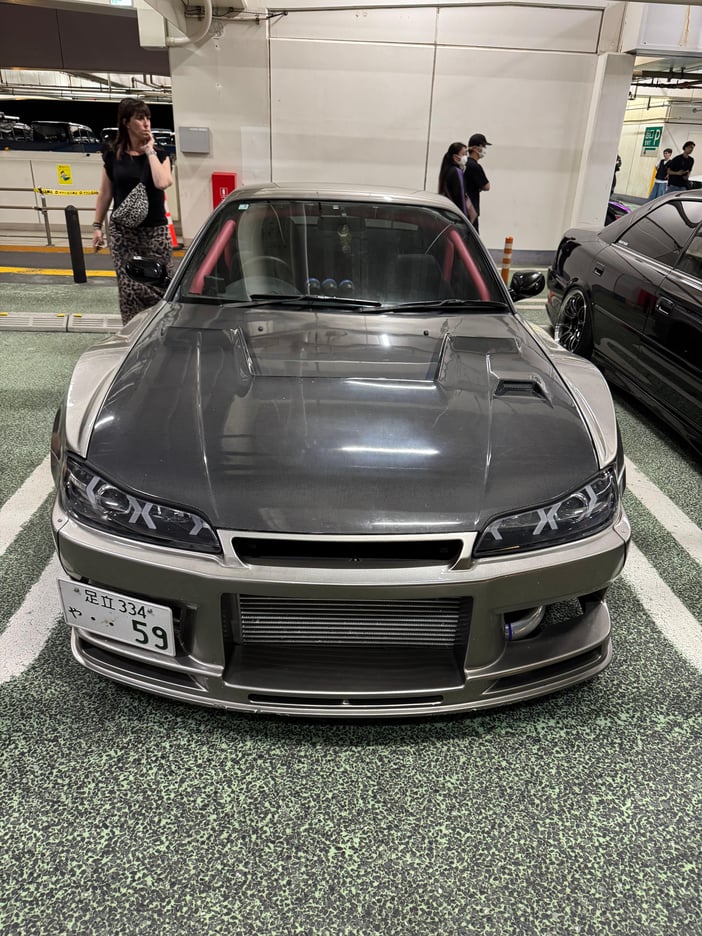
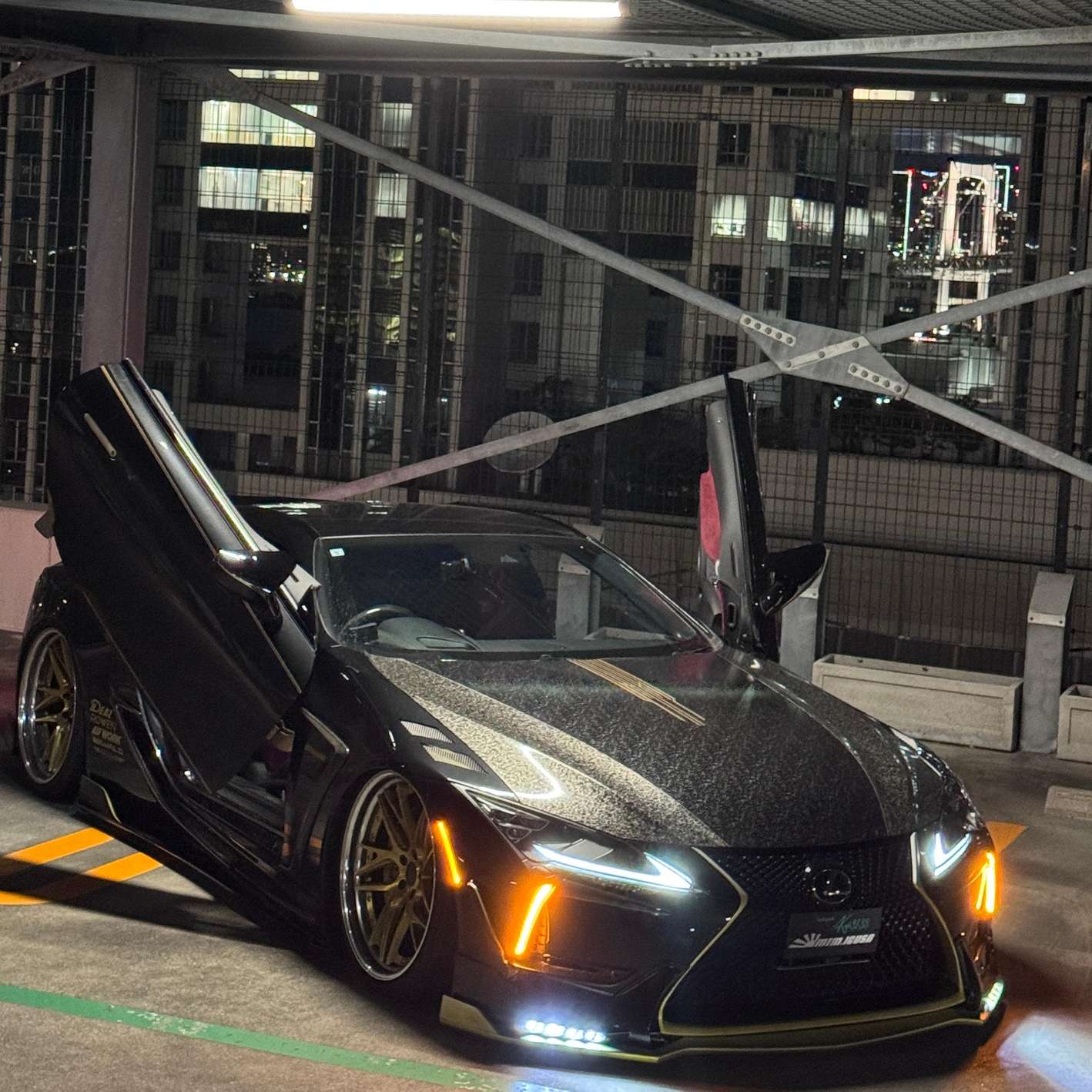
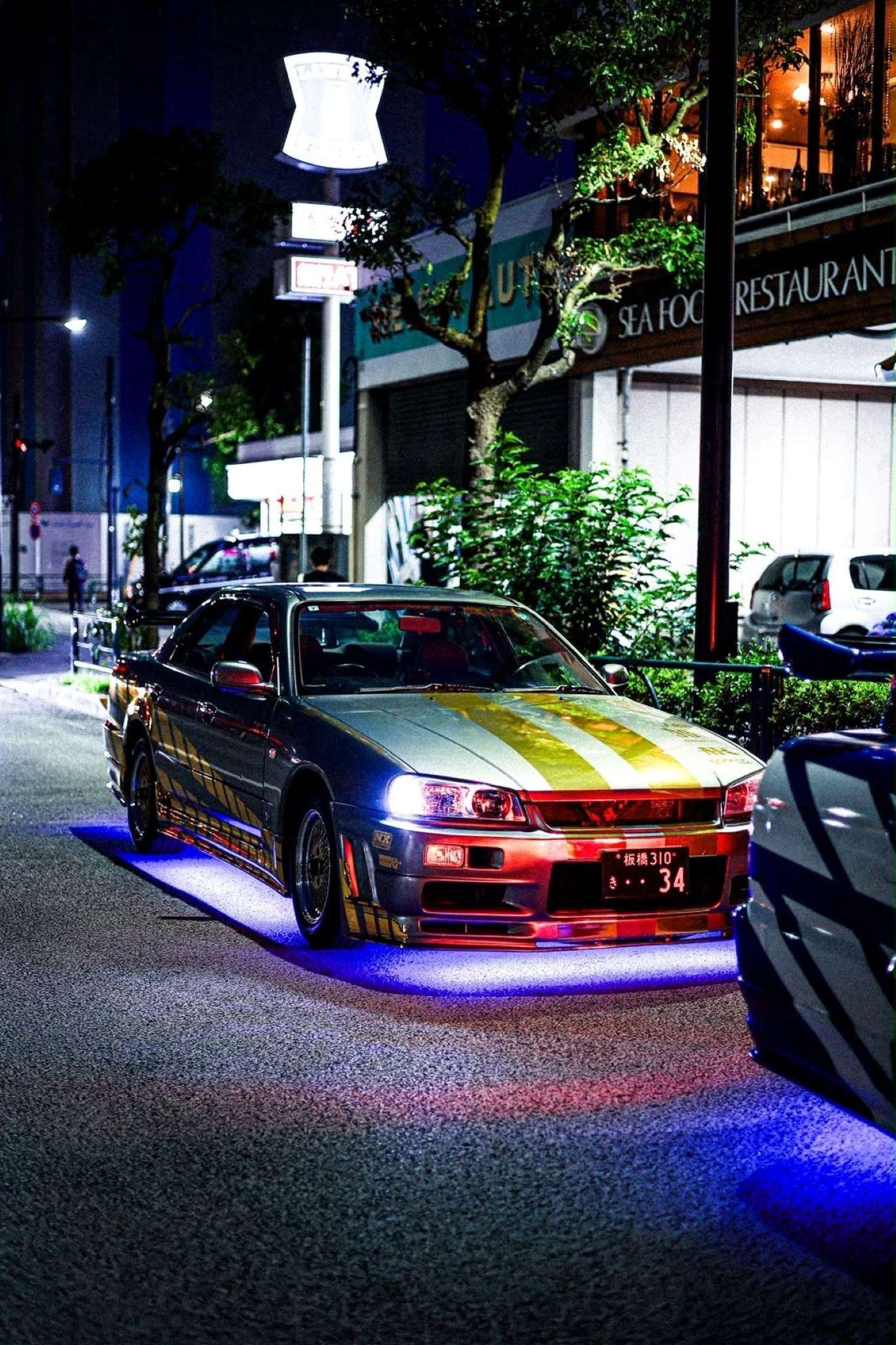
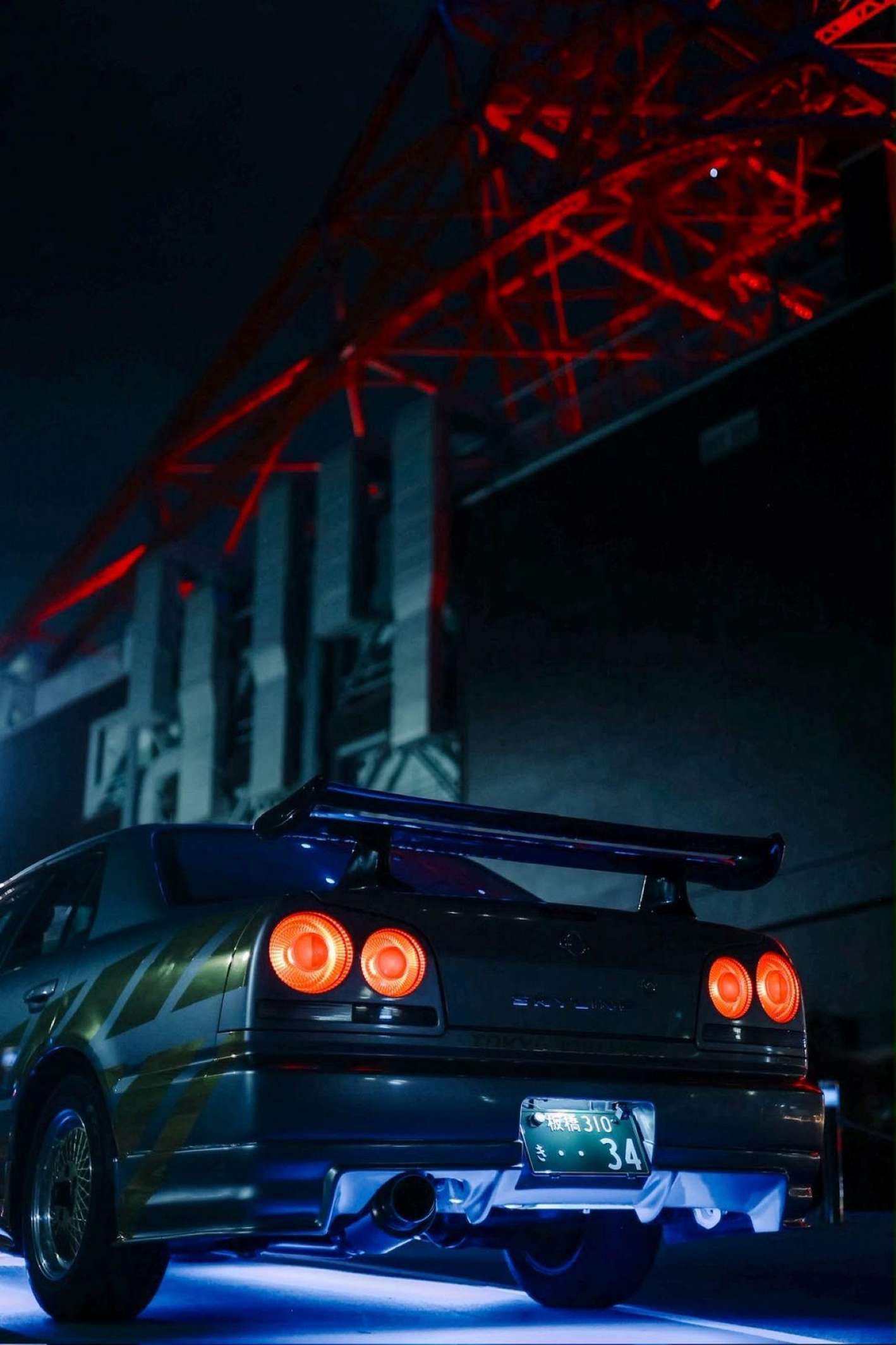
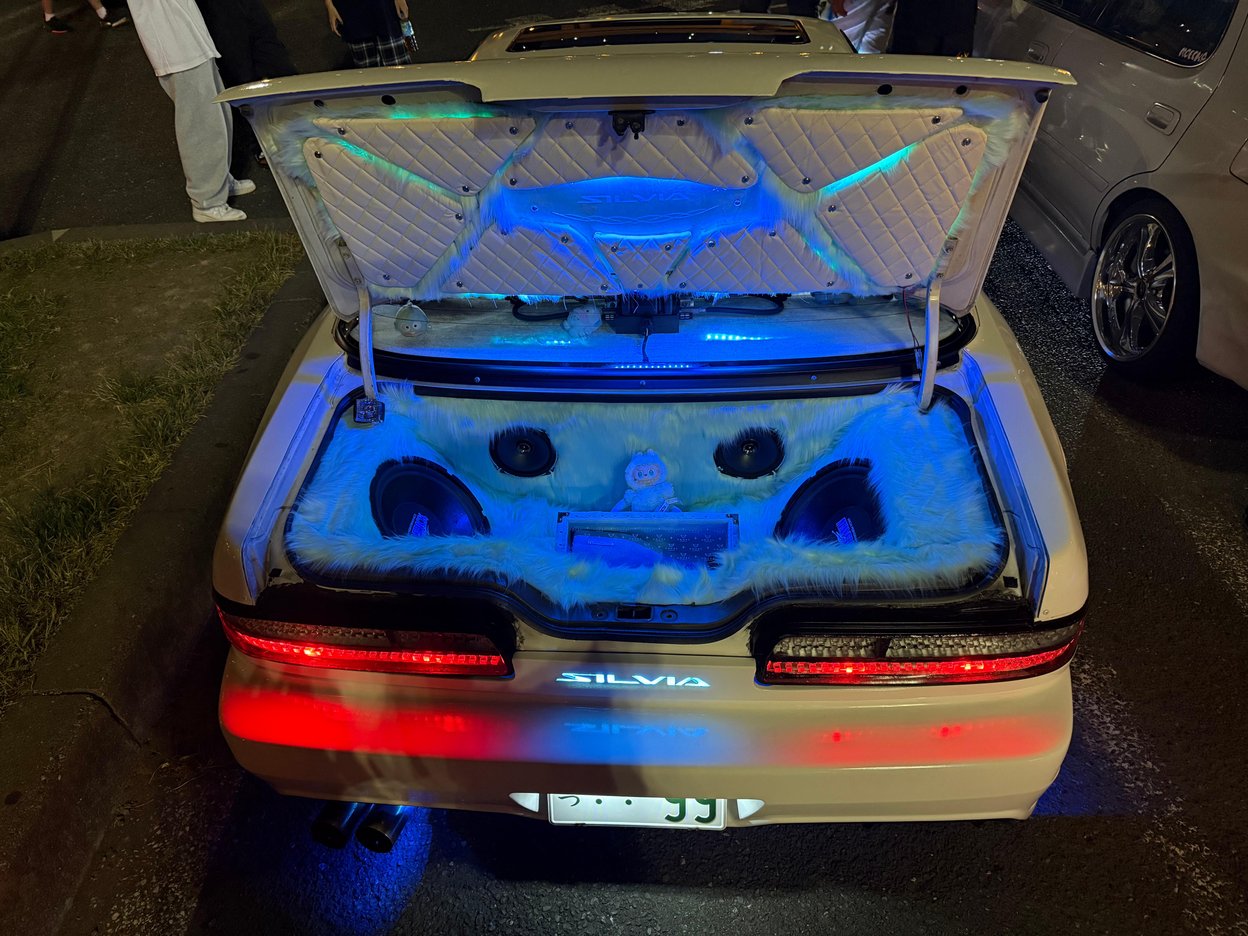
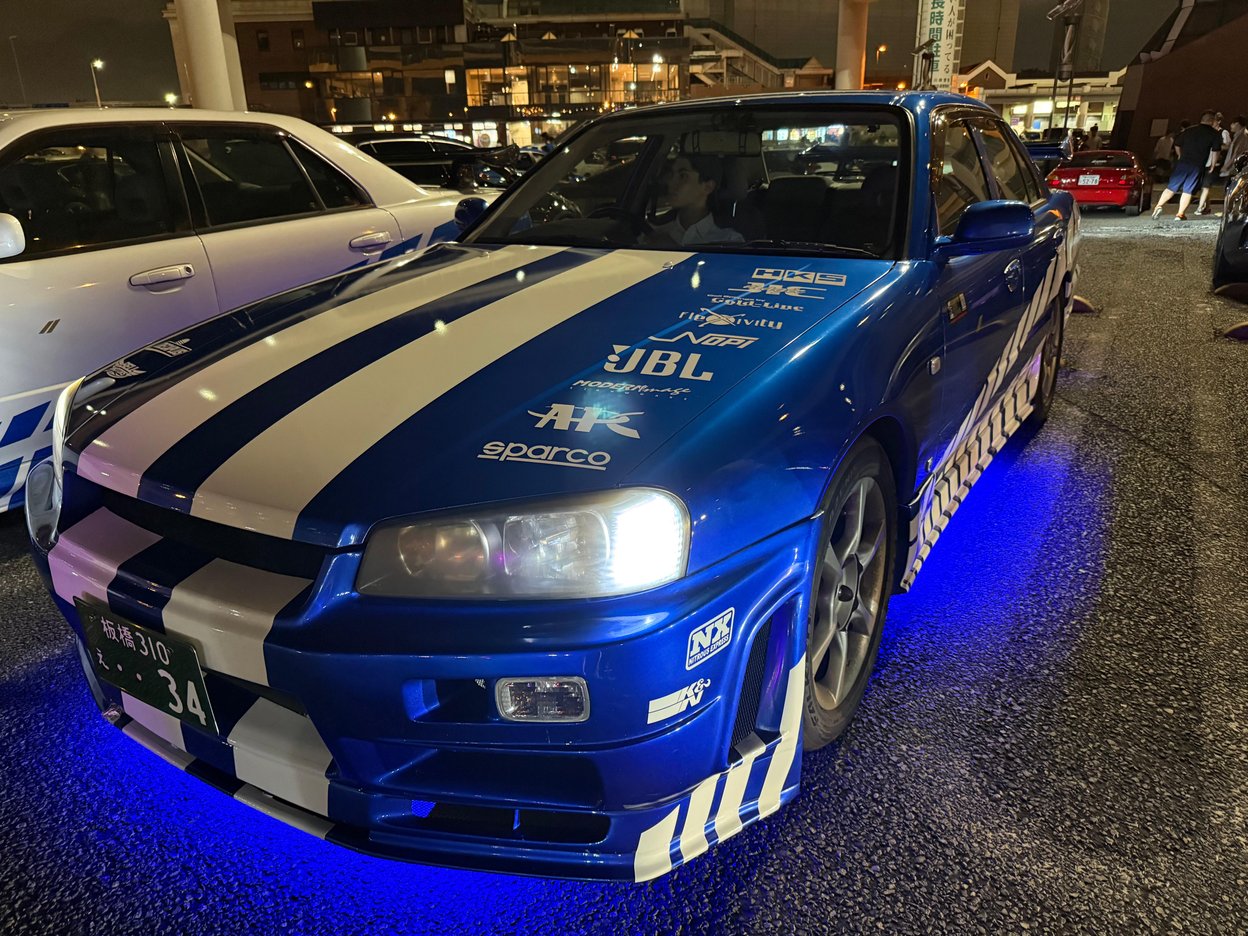
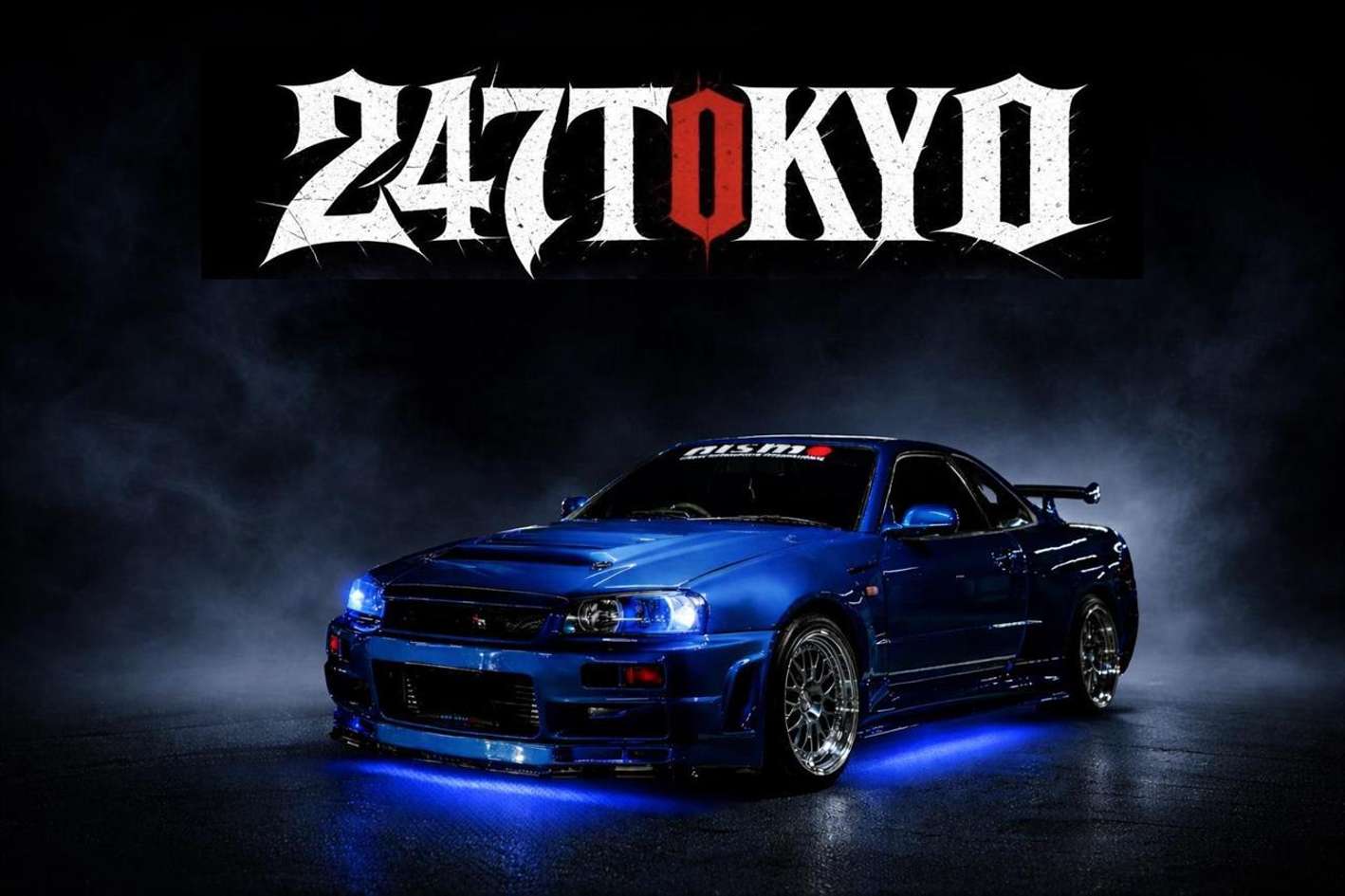
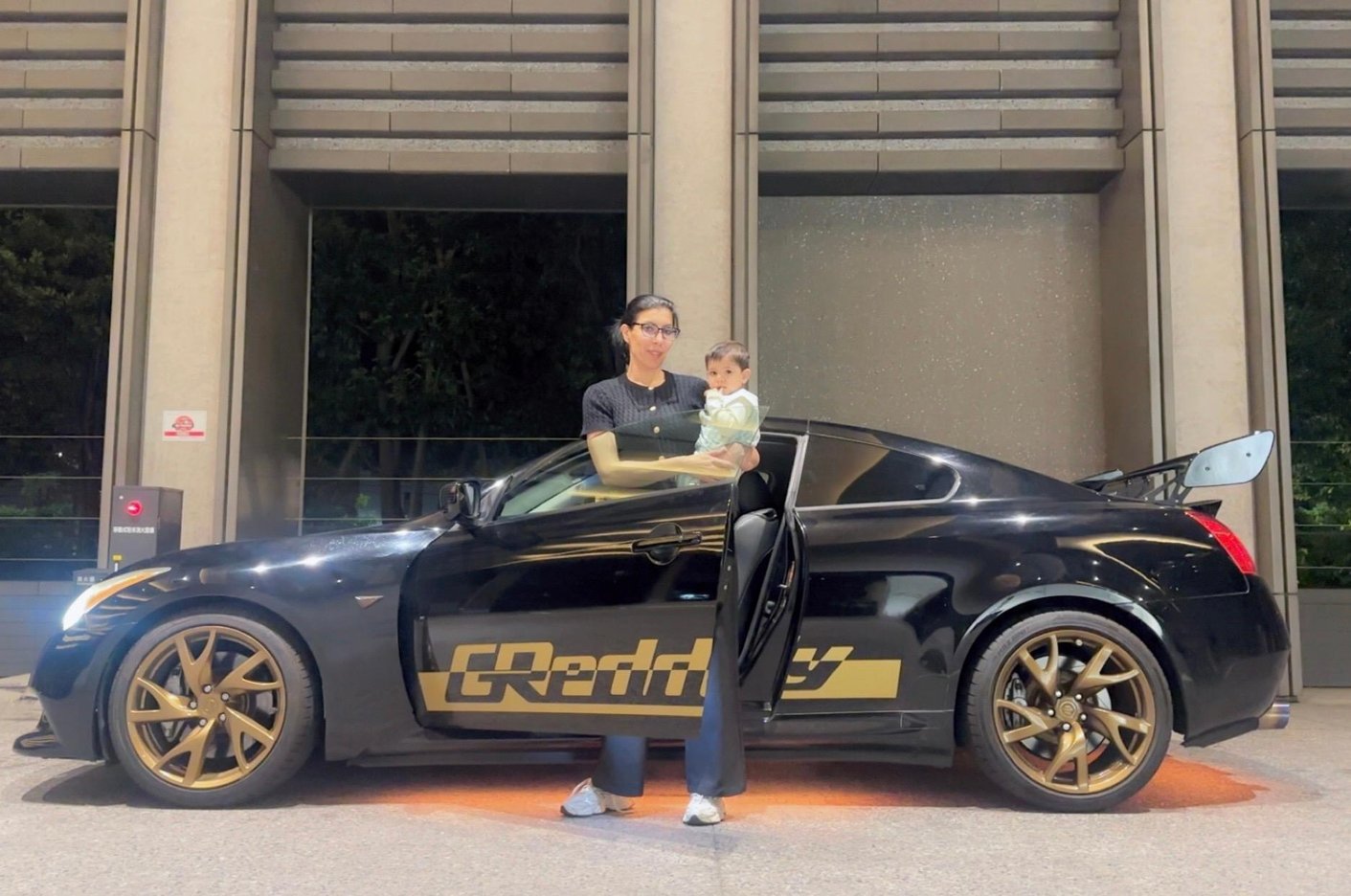
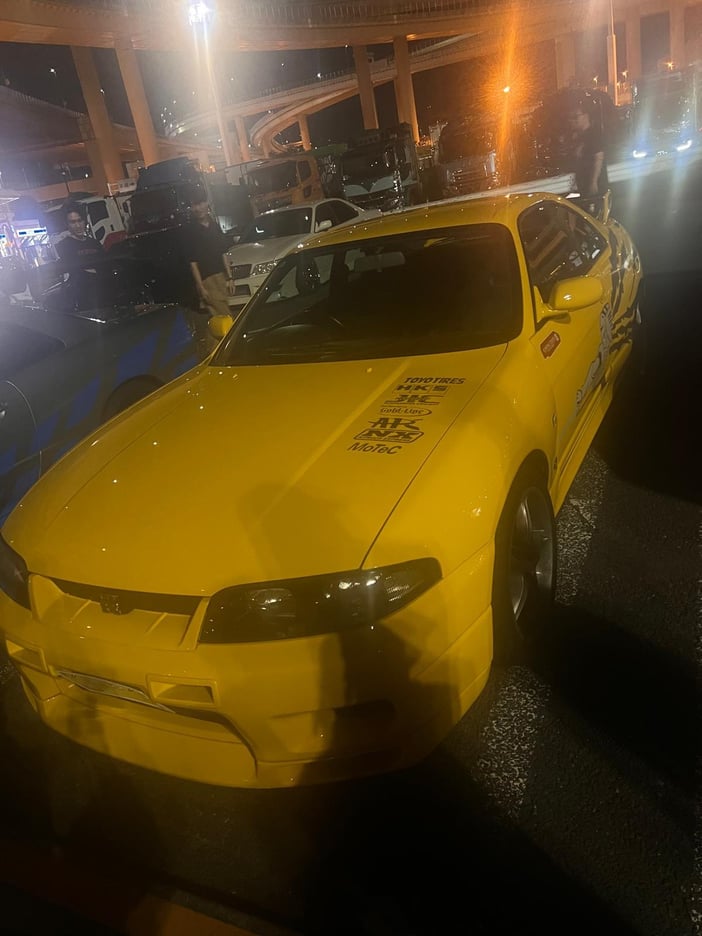
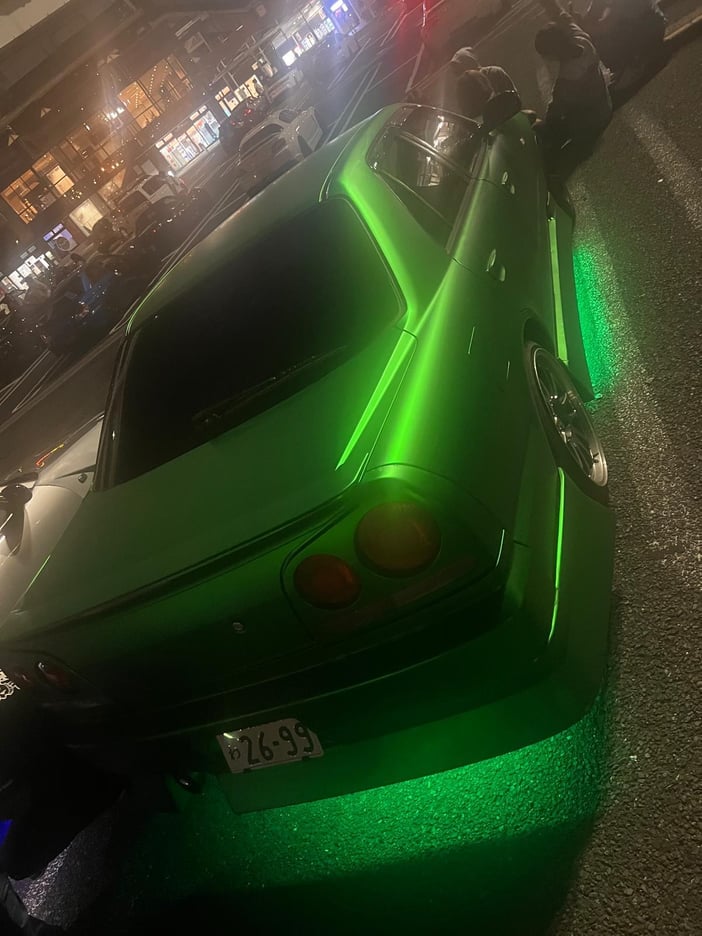
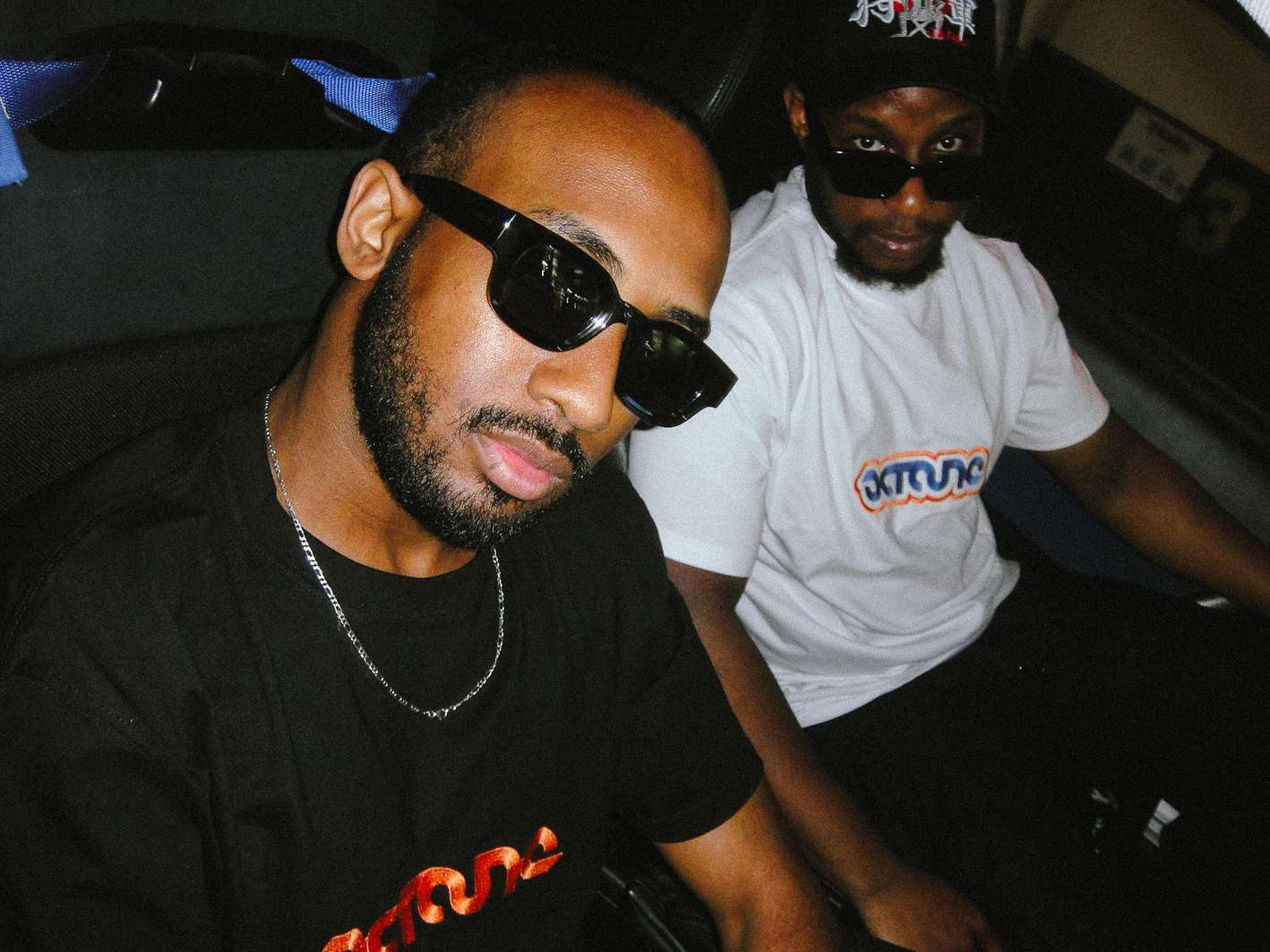
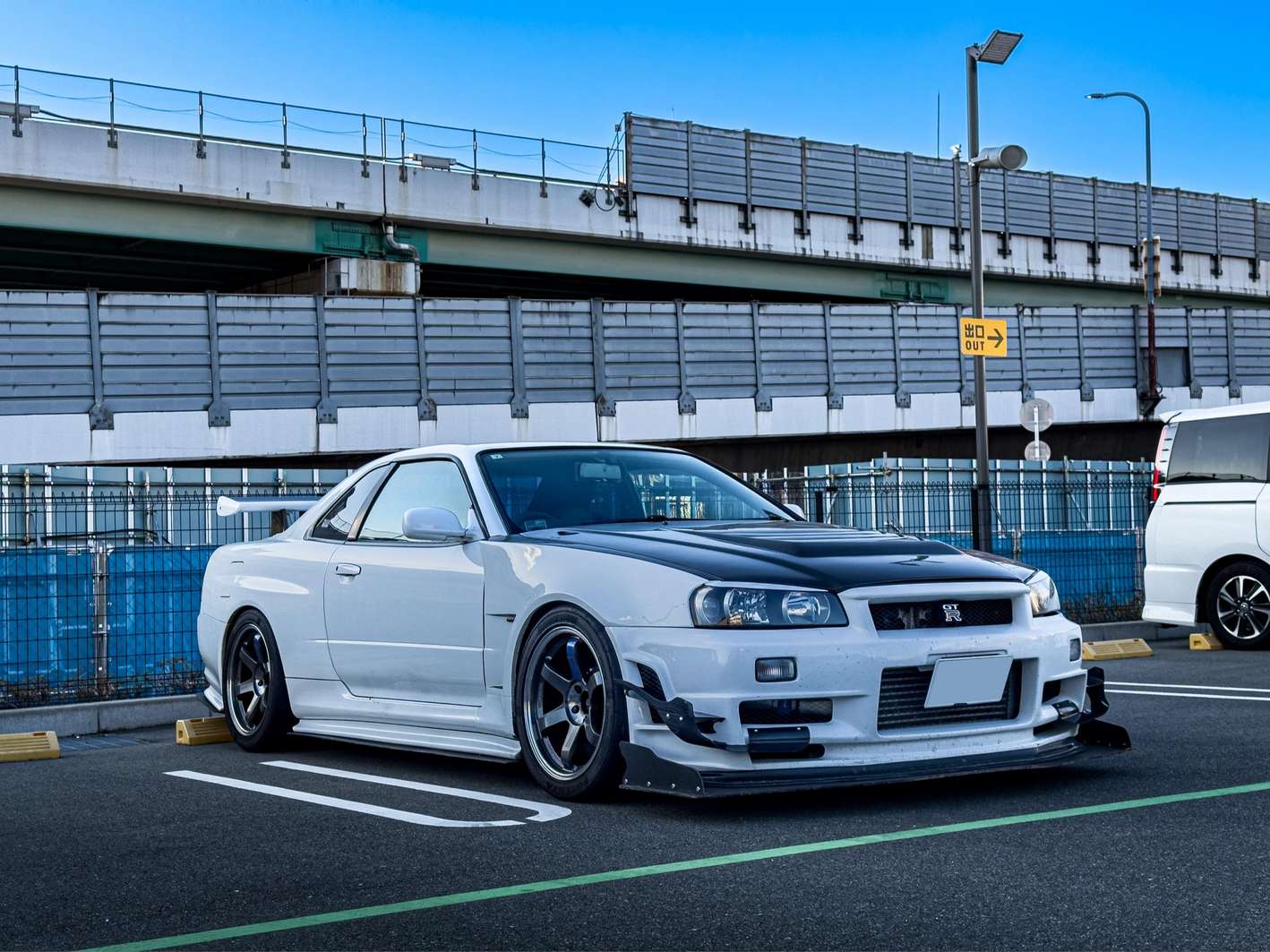
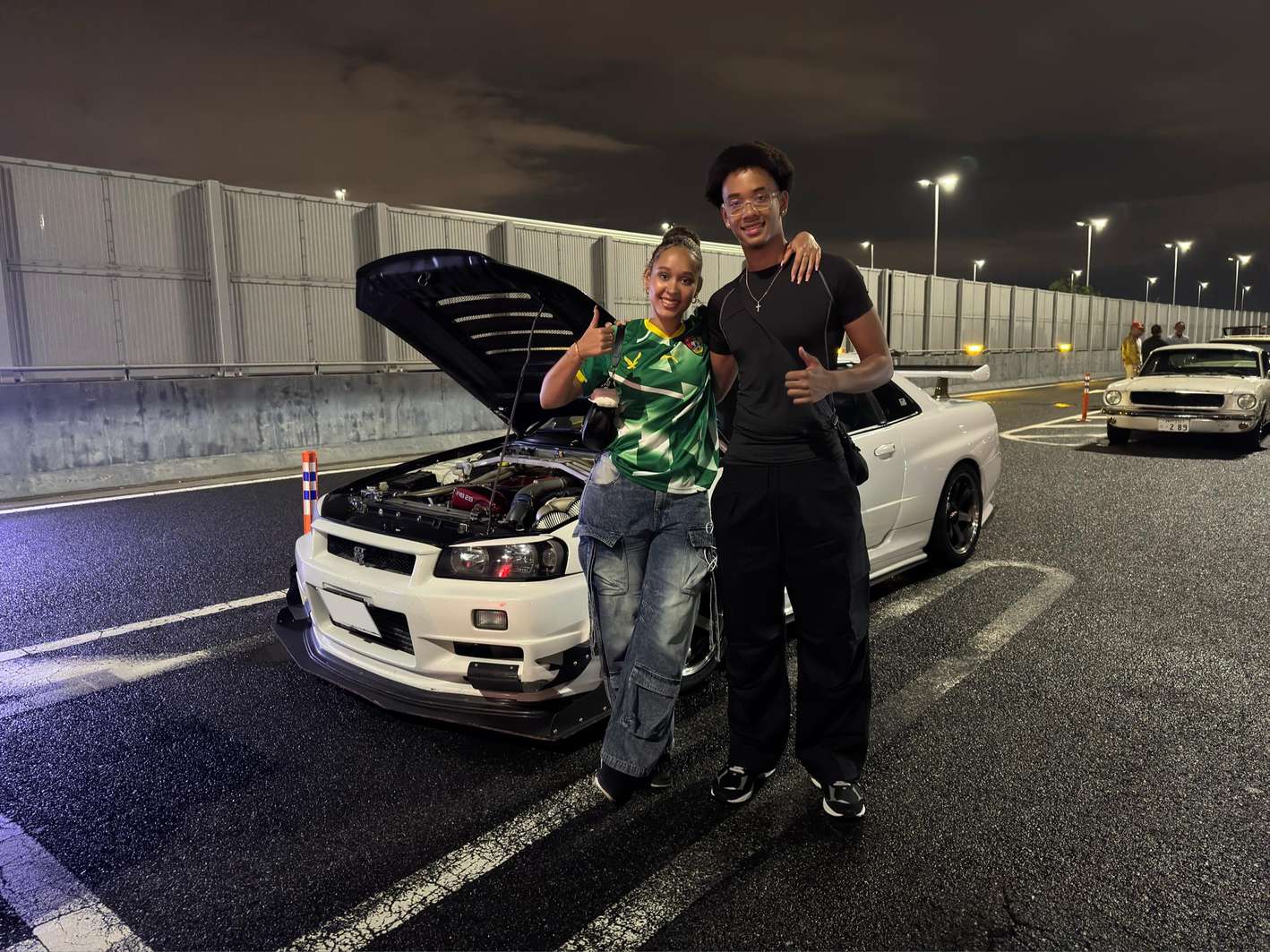
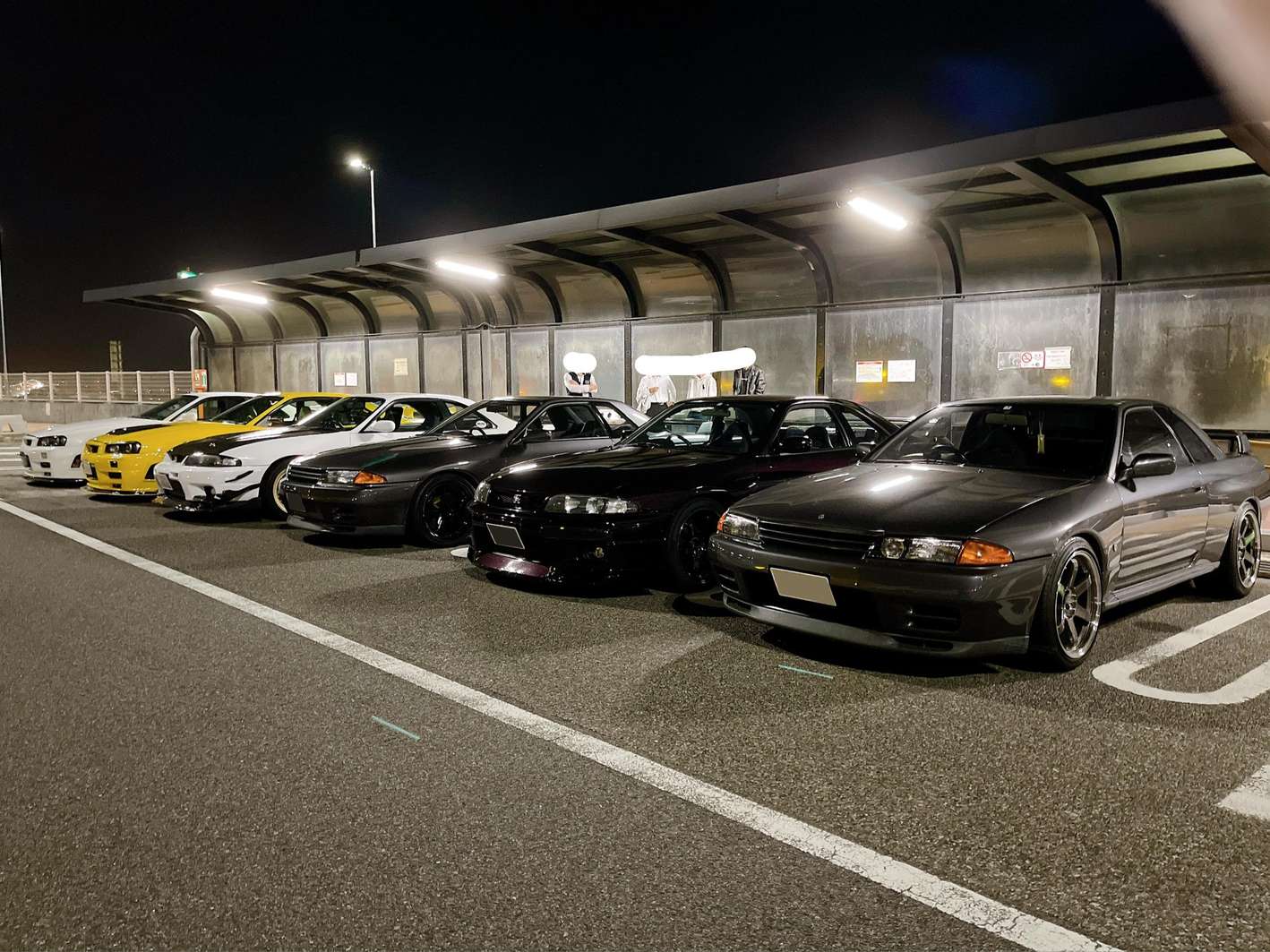
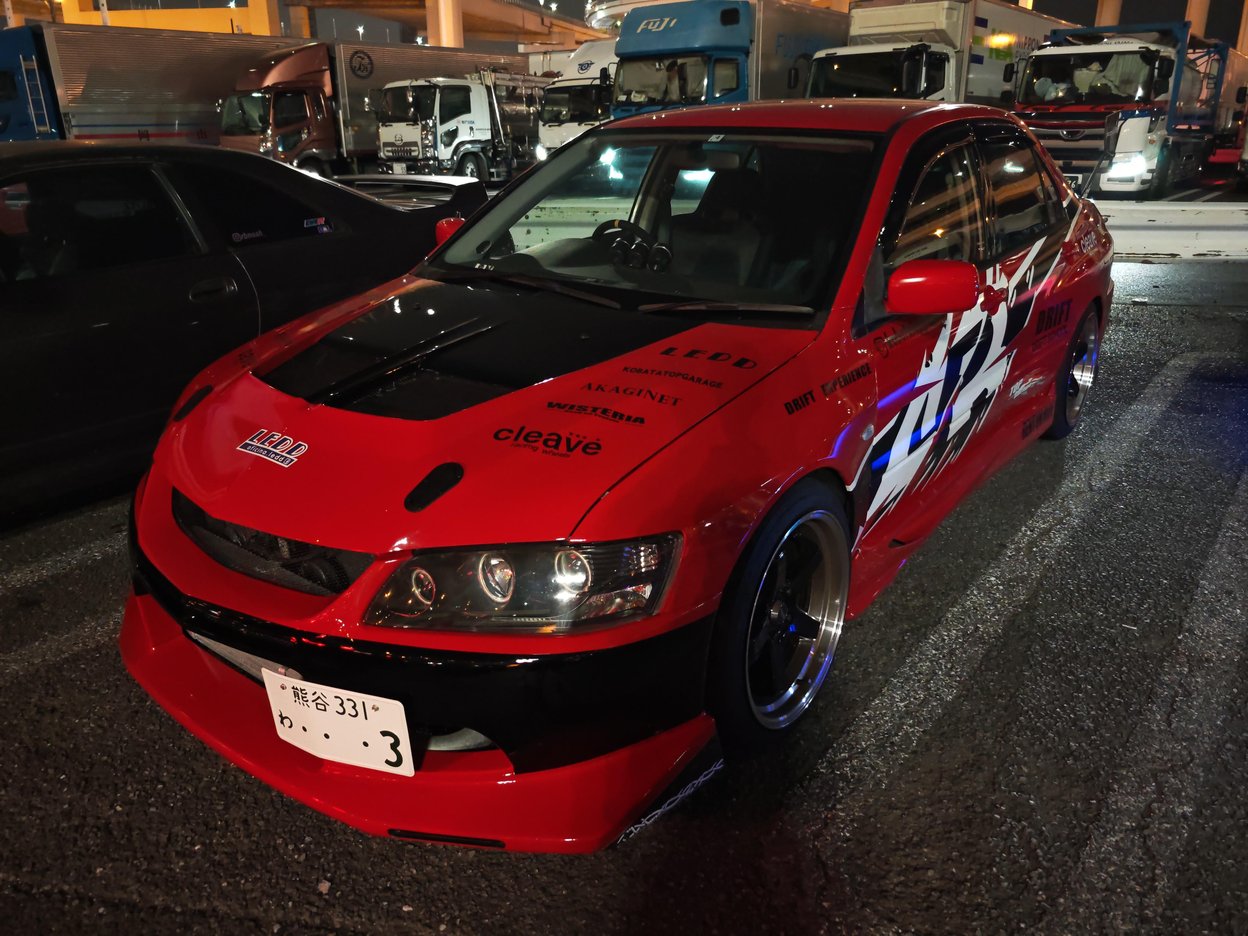
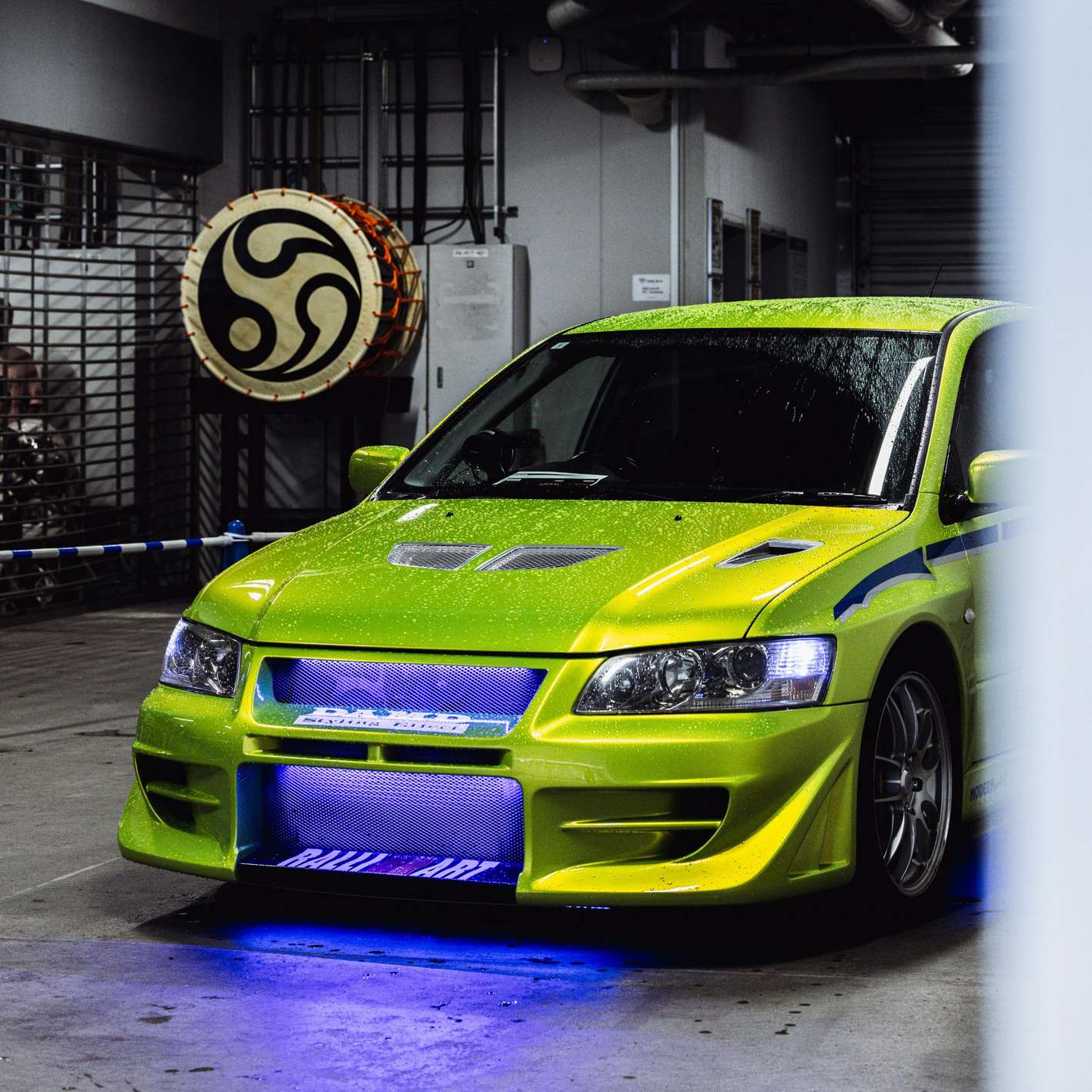
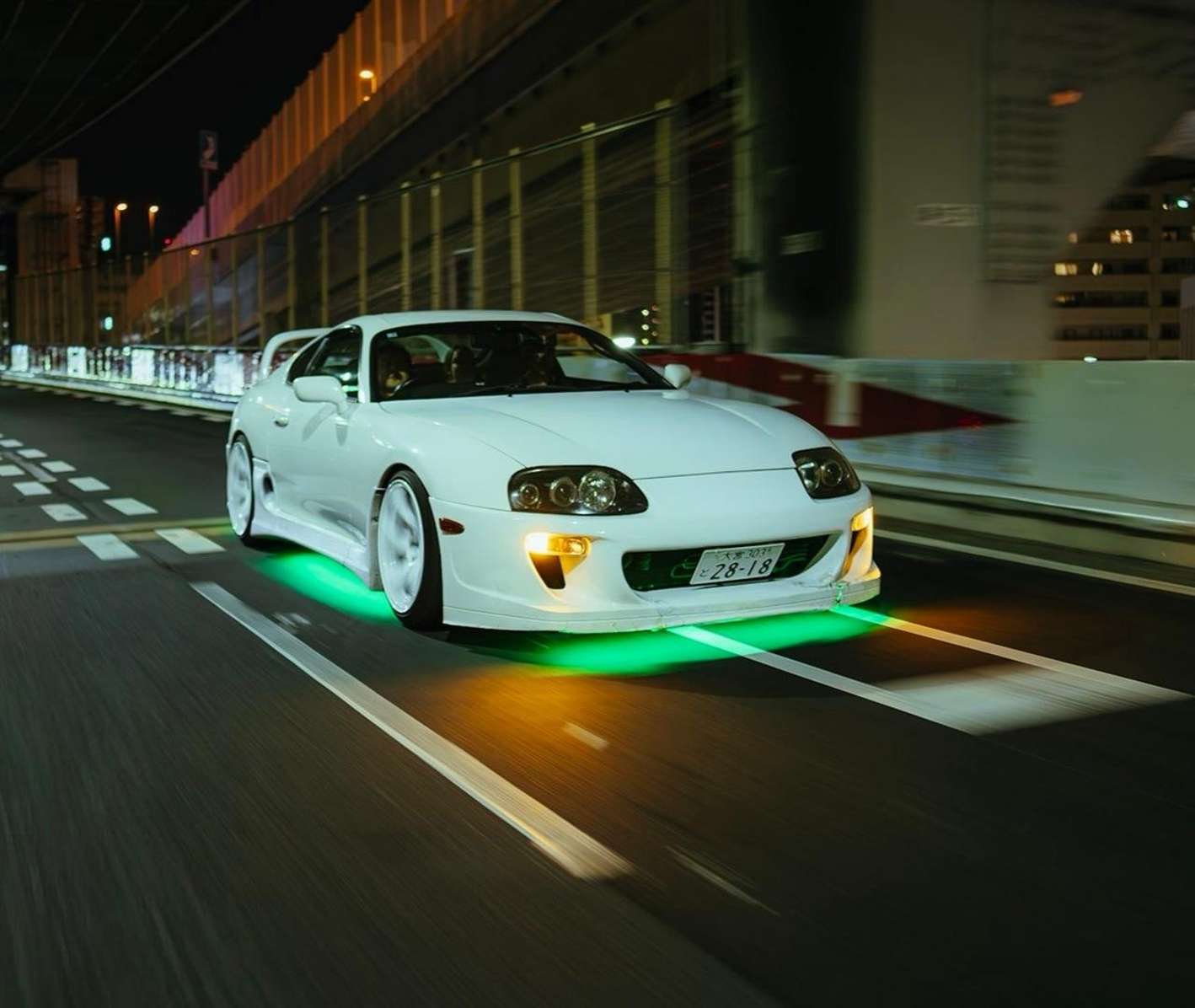
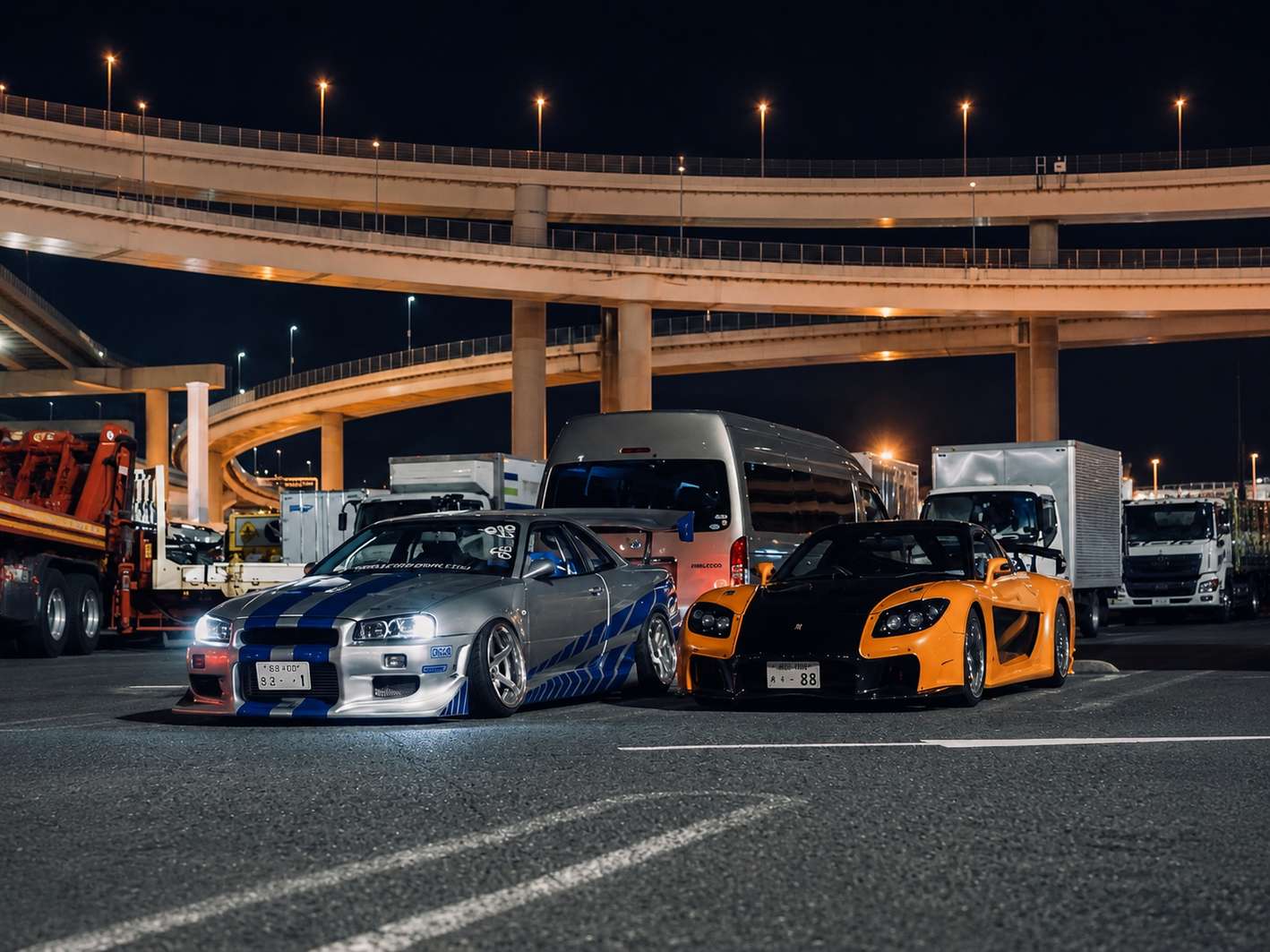
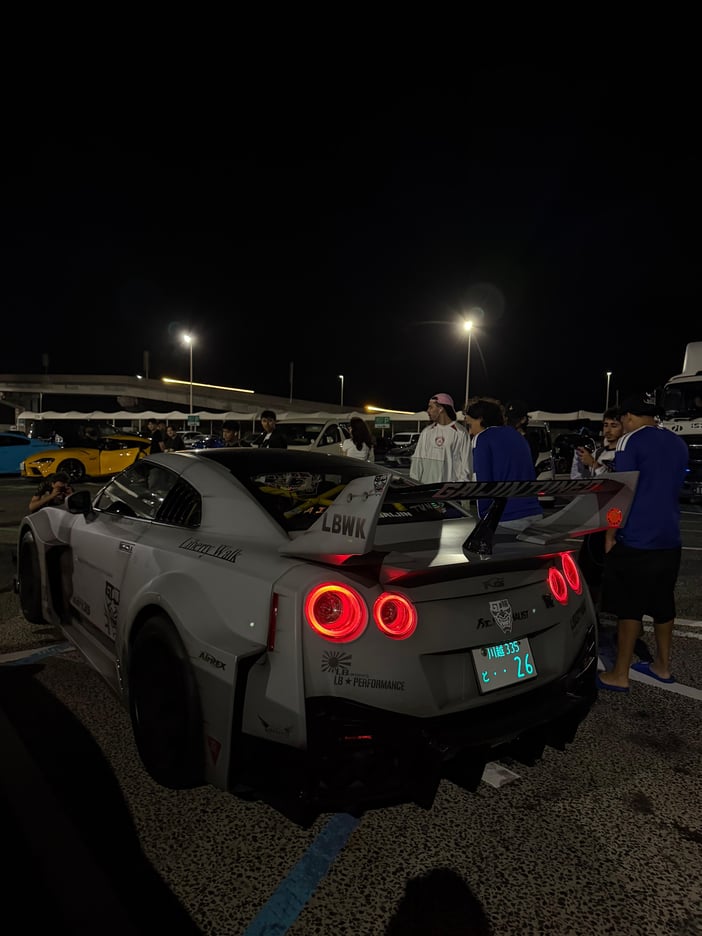
Ride shotgun in a real modified Skyline, Evo or Supra and walk the Daikoku PA car meet at night. Join thousands of JDM fans who crossed Rainbow Bridge with an English-speaking enthusiast guide, tolls and fuel included. Pick your night and book before the seats fill.
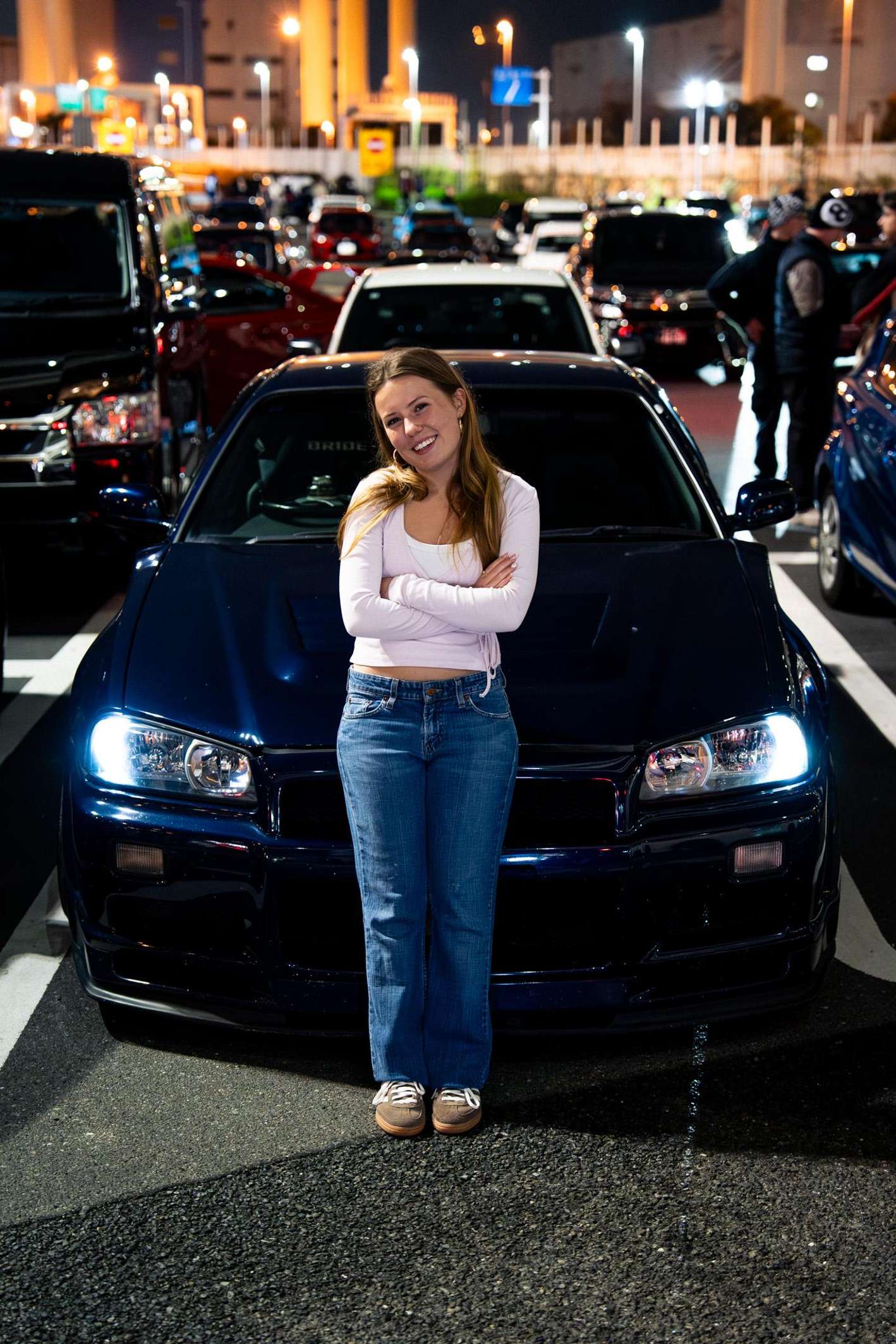
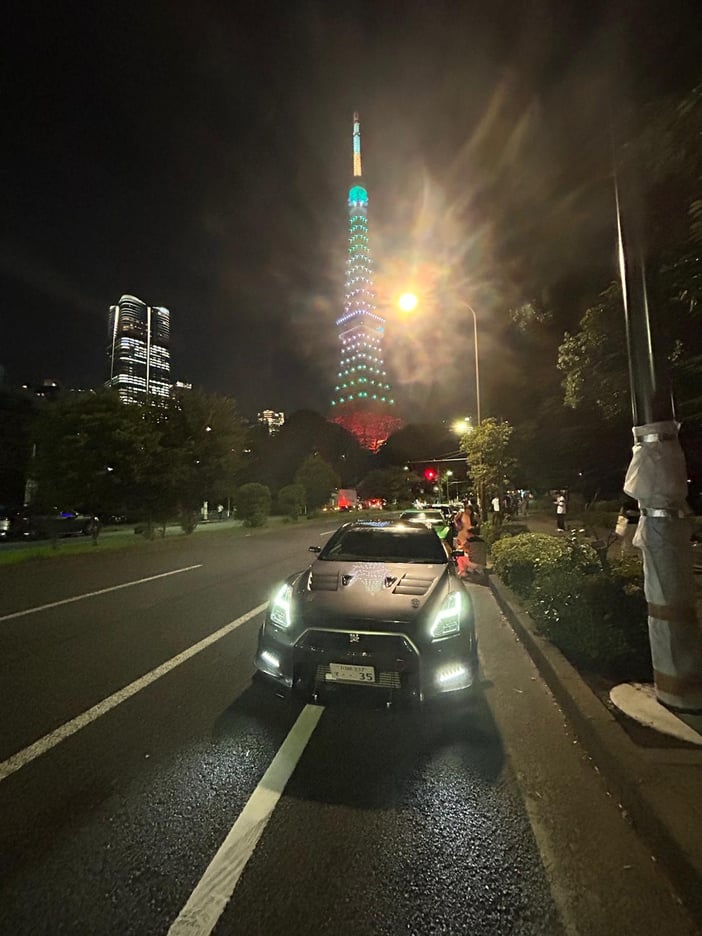
"Our driver Gabrielle was great. Daikoku closed early so we moved to another car park with plenty of cars. Loved the Rainbow Bridge drive and finishing at Tokyo Tower."
4.9★average rating15,624traveler reviews100%free cancellation88countries travelers came from
Choosing your JDM experience tour
A JDM experience tour in Tokyo comes in four main shapes: a guided night ride to a car meet, a full drift day at a circuit, a mountain-road anime pilgrimage, or driving a GT-R yourself. The one difference that decides it is whether you ride or take the wheel. Riders need no paperwork; drivers need a licence valid in Japan.
Ride-along toursNo international driving permit is needed, because a driver is arranged for you and you ride as a passenger.
Self-driveDrivers must be 23 or older and bring original physical documents on the day, including an International Driving Permit (1949 Convention) or, for licences from Switzerland, Germany, France, Belgium, Monaco or Taiwan, a JAF-certified Japanese translation.
GT-R self-driveR34 drivers must also bring a credit card, not a debit card, and failing the document requirements means no participation and no refund.
Daikoku closuresPolice can close the parking area without notice, most often on weekend nights from around 8:30 pm; tours then divert to a fallback spot such as Umihotaru PA, or you can take a full refund.
Booking aheadSort out your ride before you arrive in Tokyo, because tours sell out and turning up hoping for a seat is a gamble; GT-R requests made on the day may not be available.
Drift lessonsNo licence is needed on some private circuits, but circuit sessions require long sleeves, long trousers, closed shoes and gloves, with helmets supplied.
Etiquette at meetsNever touch, lean on or enter a car without the owner's permission, and ask before photographing close-ups.
What to wearComfortable shoes and clothes you can stand and walk in, plus a light jacket, since parts of the evening happen outdoors by the water.
SeasonApril, October and September are the busiest months, so book several days out then; June, February and December are quiet and often bookable late.
CommunicationLeave a WhatsApp or Instagram contact after booking and keep notifications on, because operators message you before departure if anything changes.
closurePolice can close the Daikoku PA car meet without notice, most often on Friday and Saturday evenings, and no schedule exists to check in advance.
Book a night with a fallback plan: most tours move the meet to another spot such as Umihotaru PA, and several offer a reschedule or full refund if you decline the alternative. Weeknights are far less likely to end in a closure.
JDM tour options compared
Cheapest way in
3.5 - 4 hours·Arabic, Chinese
4.7(134)
Tokyo: Daikoku or Umihotaru Tour ( SilviaS15 , Gr86 , 370Z )
The lowest entry on the page, with up to 1.5 hours on the ground at Daikoku PA or Umihotaru and a 4.7 rating from 134 reviews.
Free cancellationHotel pickup includedPhoto sharing via AirDrop or email
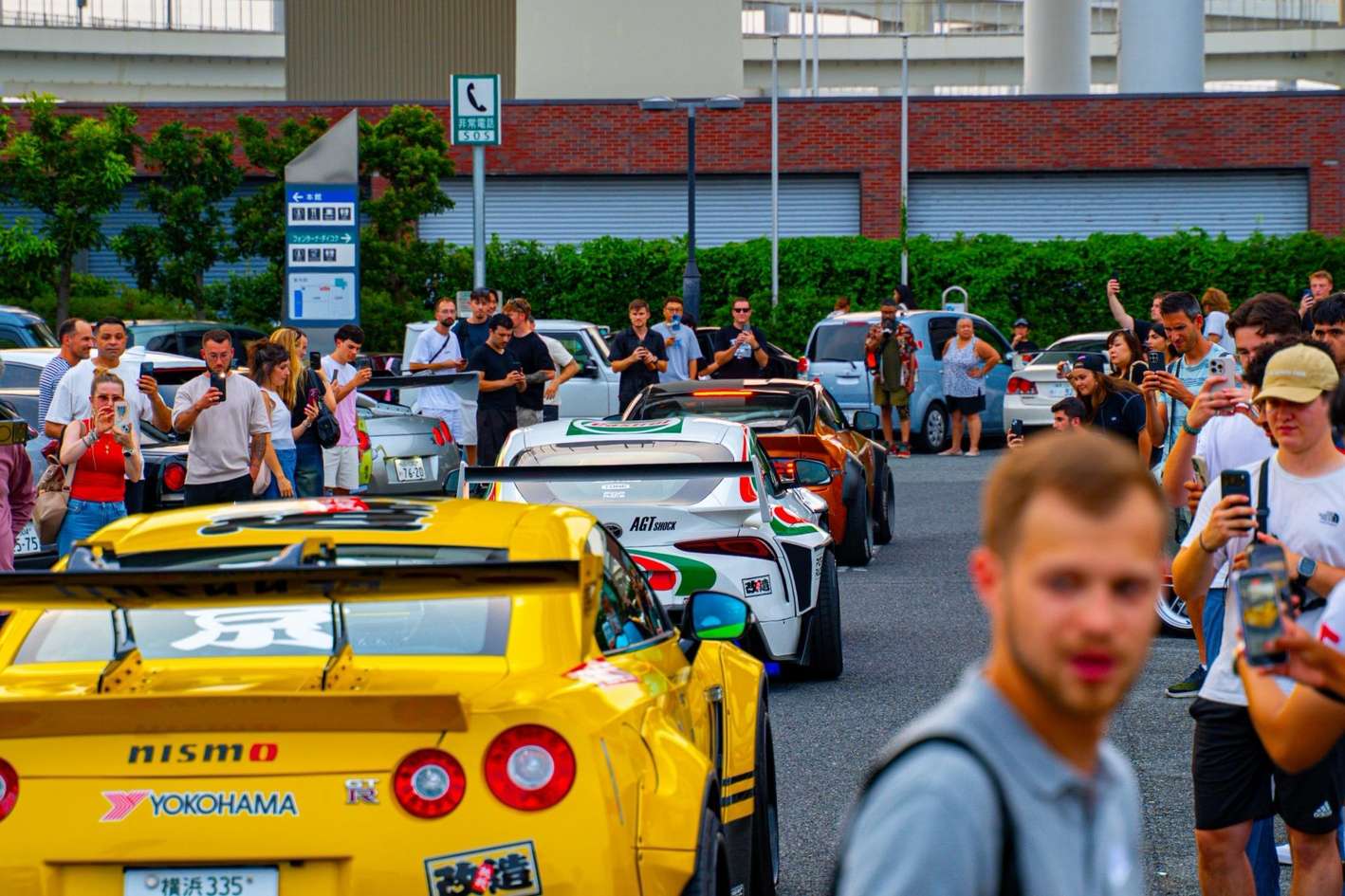
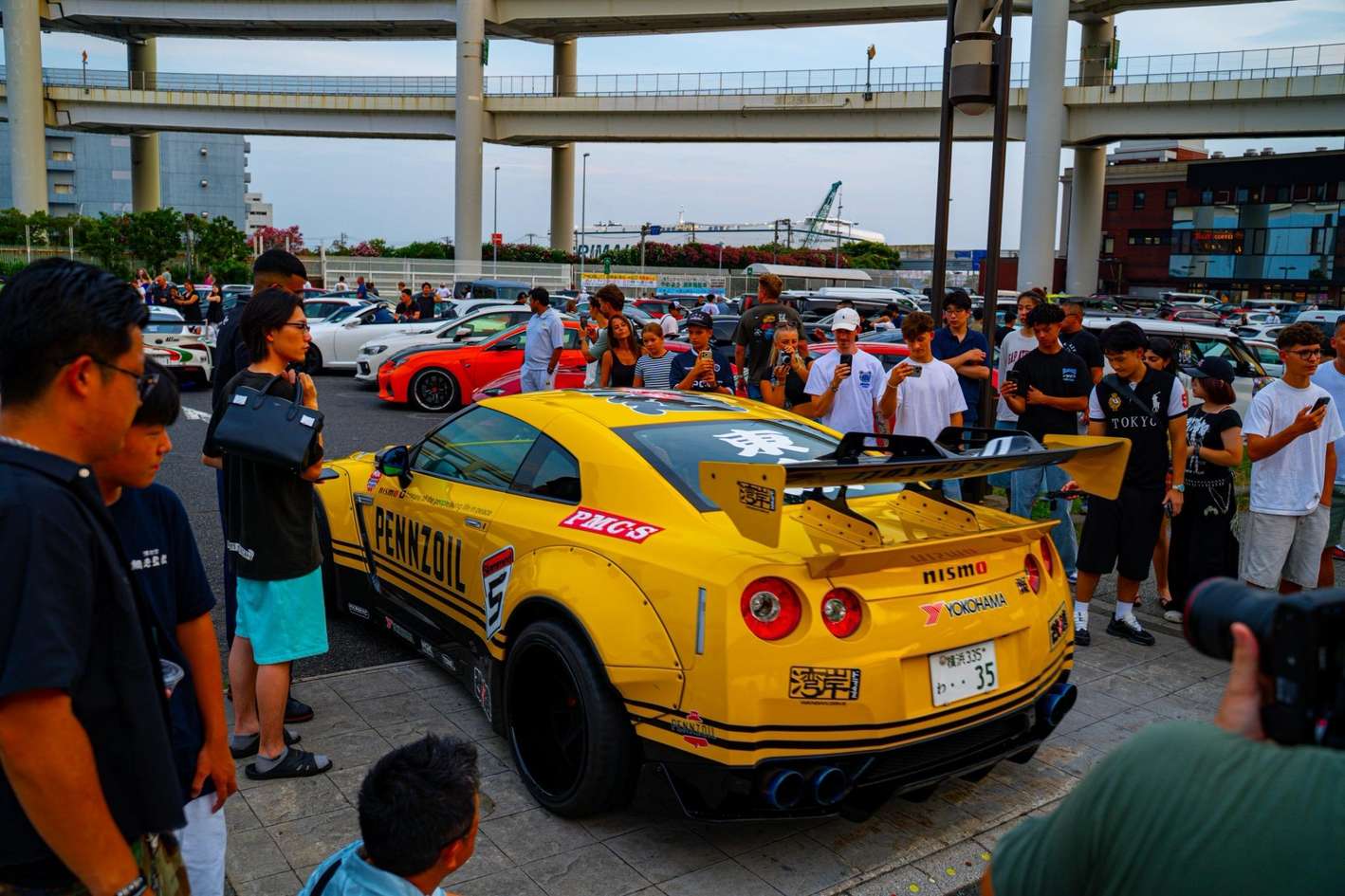
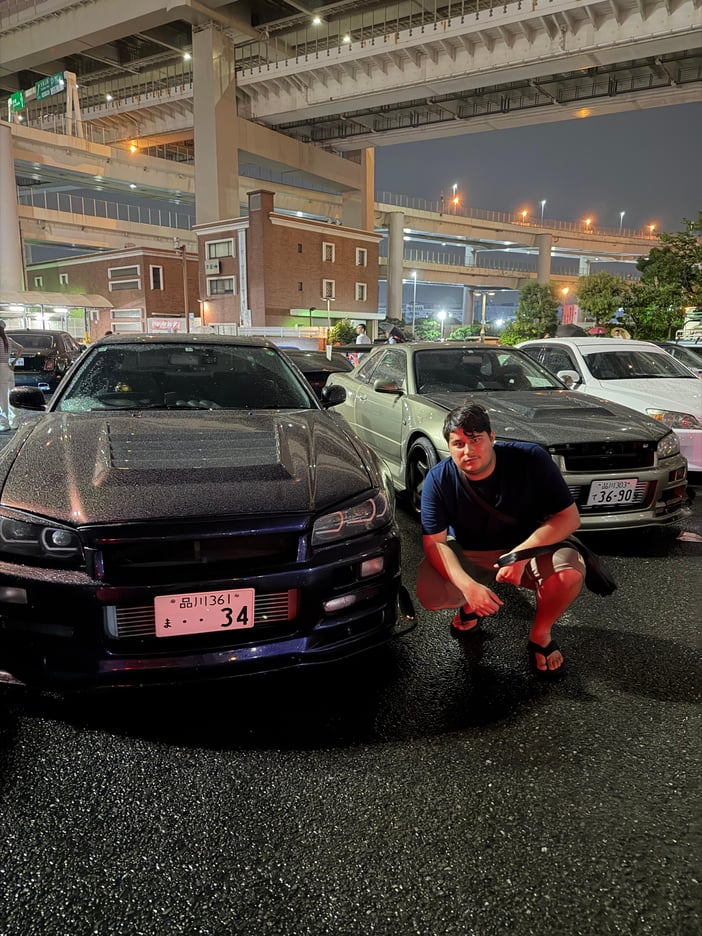
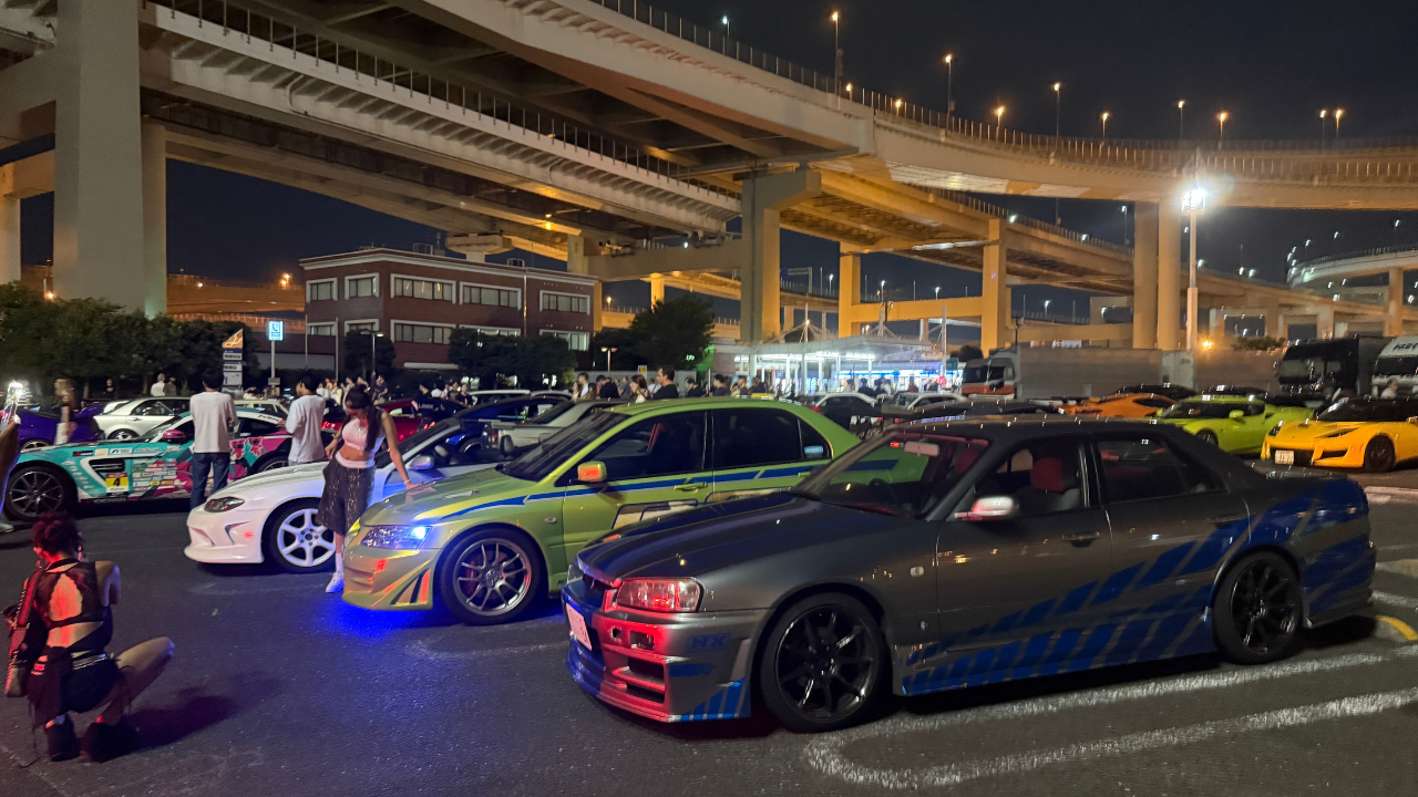
Joining a guided JDM car meet tour puts you inside the scene instead of outside it. You ride with a local enthusiast, walk the lot at Daikoku PA while owners idle their engines, and get help talking to people.
It suits anyone who wants the meet without sorting out how to reach a rest stop that has no pedestrian entrance.
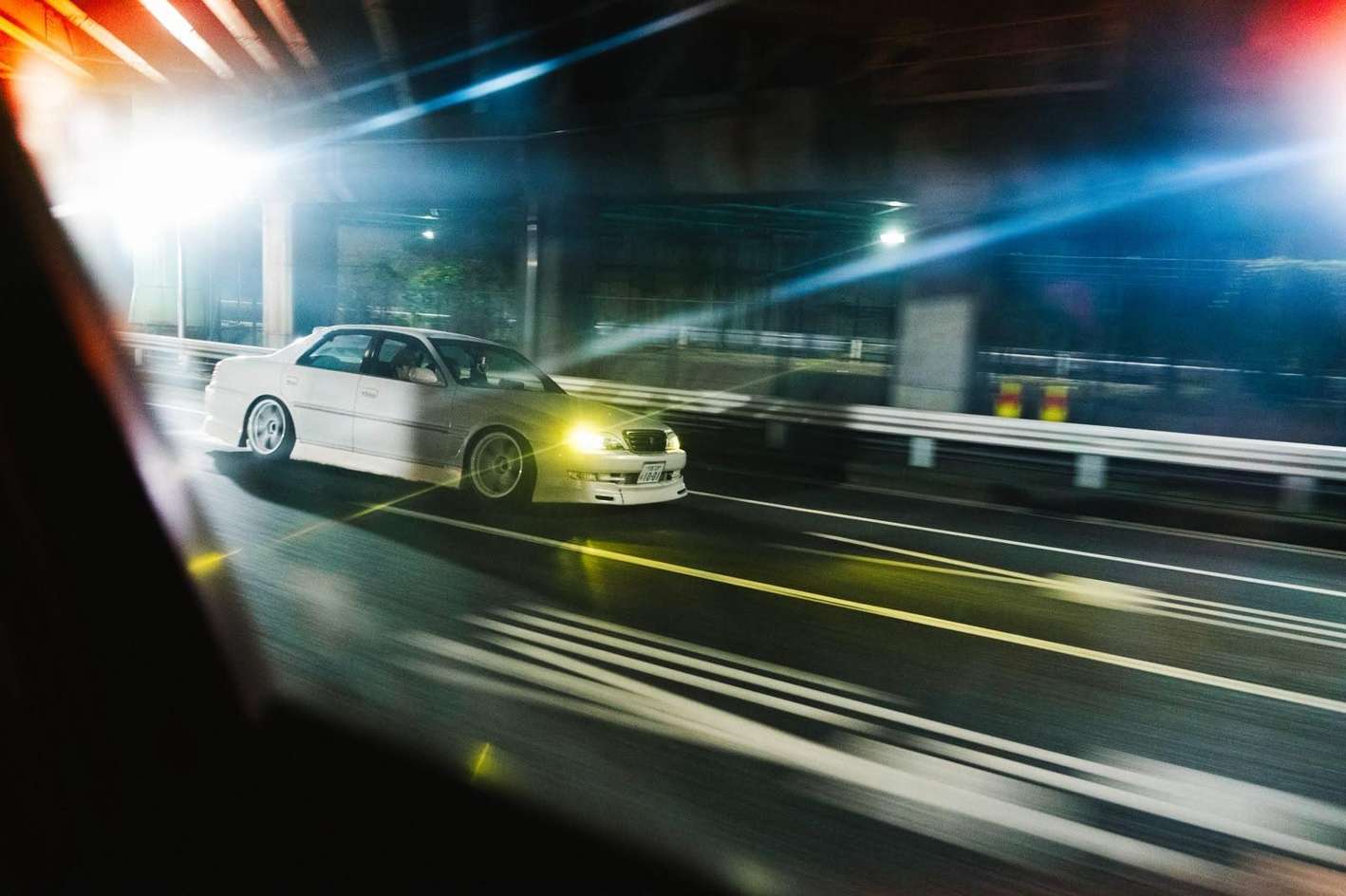
After 10 pm the expressways thin out and the city lights take over, which is why the JDM night tour is the classic format.
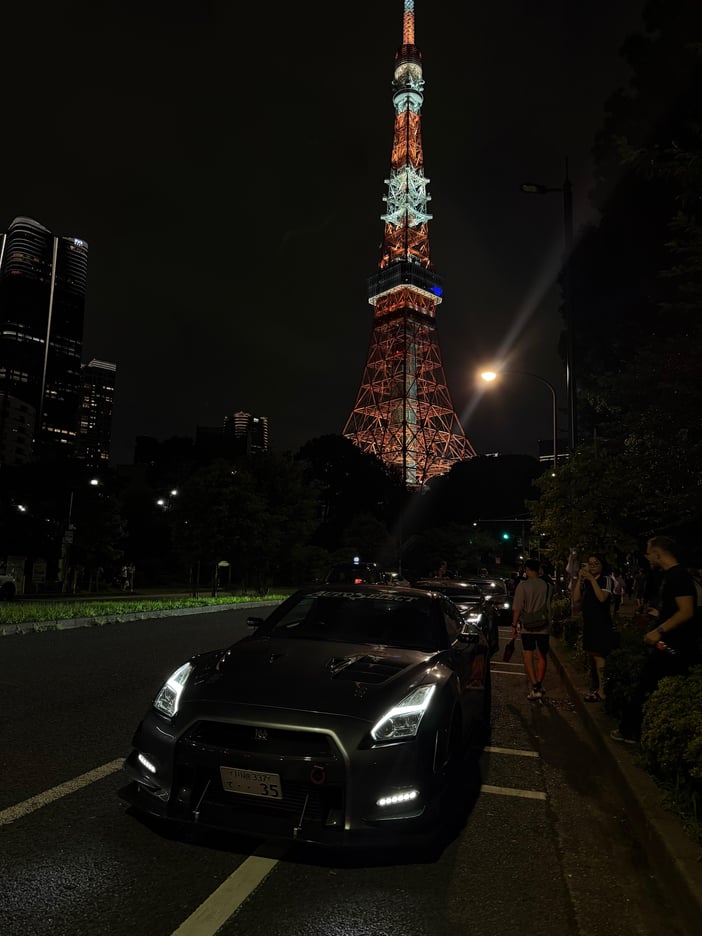
Expect a ride across Rainbow Bridge, a photo stop at Tokyo Tower and an hour on the ground at Daikoku PA, all in three to four hours. It works for first-timers and dedicated car fans alike.
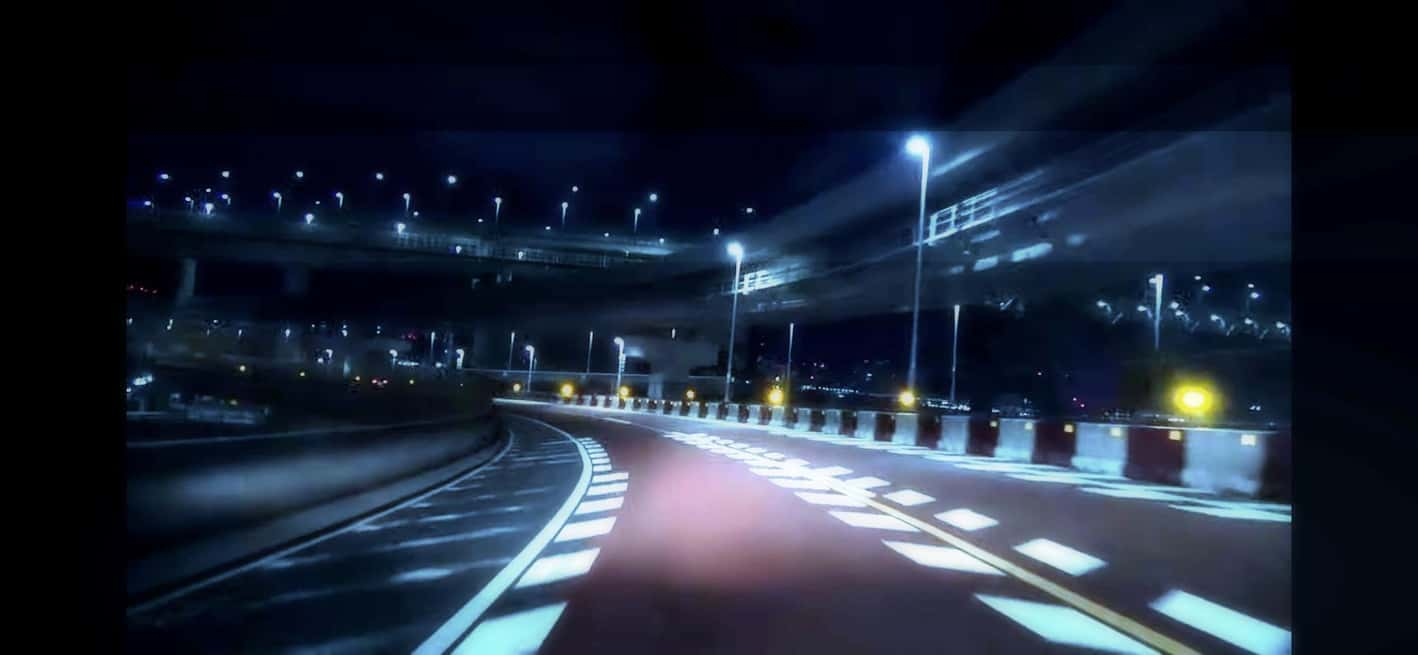
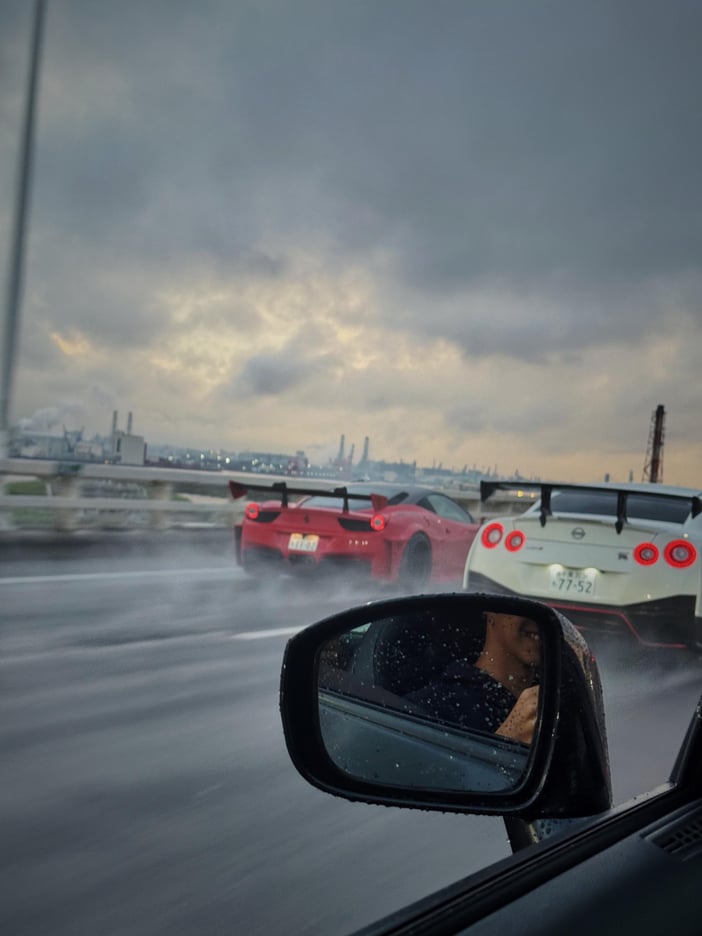
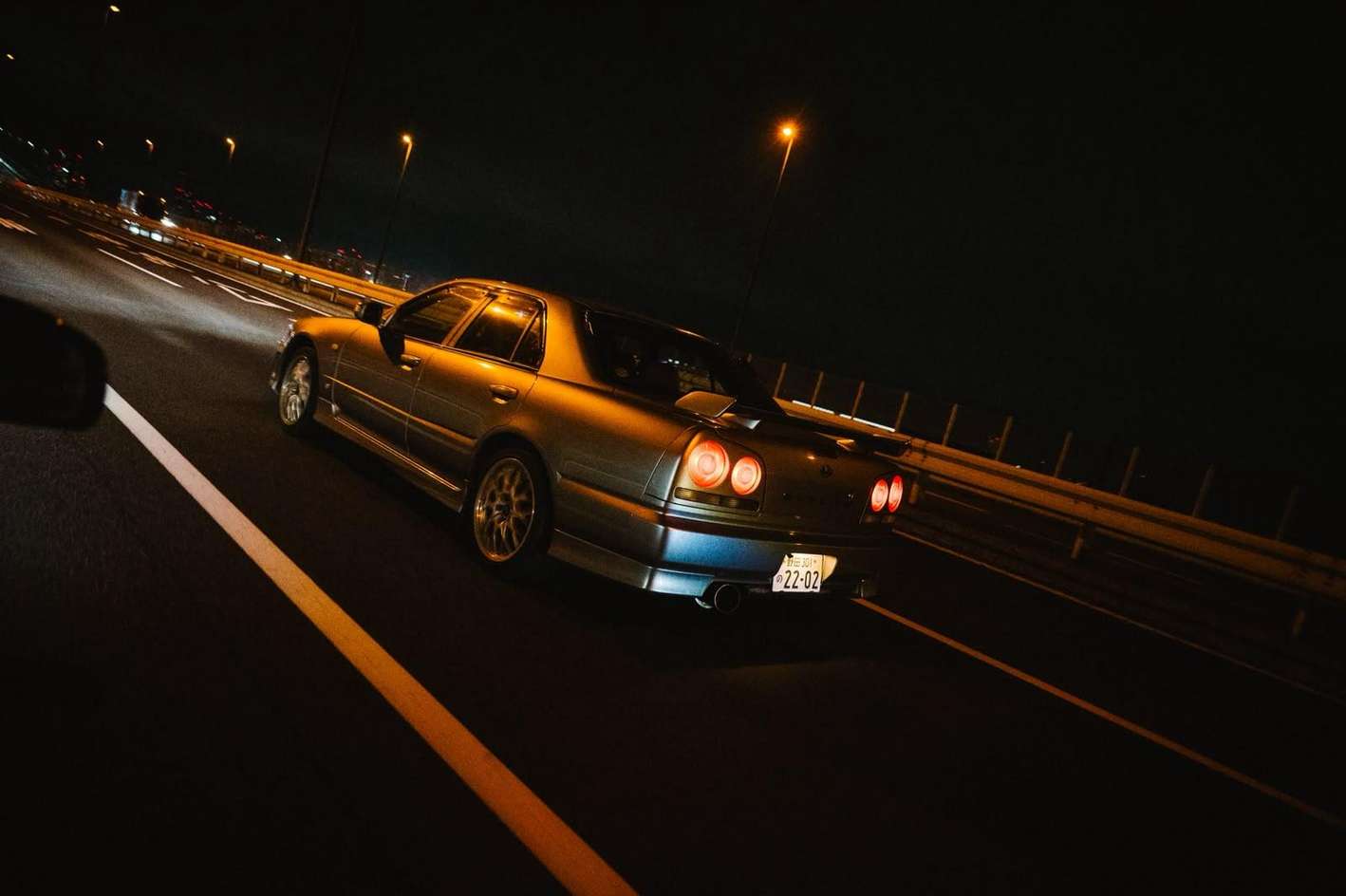
The Wangan and Bayshore routes are the roads behind the midnight runs, long straights along Tokyo Bay with the skyline sliding past.
On a JDM driving tour here you ride shotgun while a driver who knows the expressway handles the traffic and the tunnels. Choose it if the route itself matters as much as the stops.
Some JDM experiences put you in the driver's seat, either on a guided drive or through a rental arranged as part of the trip.
You need a licence Japan accepts, usually an International Driving Permit, and the paperwork matters, so sort it before you fly. This suits confident drivers who want seat time rather than a chauffeur.
A private JDM tour keeps the whole car for your group, with flexible stops and a driver who adjusts the night to what you want to see. You still get Daikoku PA, the expressways and the photo stops, just without sharing the back seat with strangers. It fits couples, families and anyone celebrating something.
Driving yourself to Daikoku PA is the most involved way in: an ETC-equipped car, tolls, left-side traffic and a rest stop reachable only from the expressway. The payoff is controlling the whole night, from route to timing at the meet. It rewards drivers who have their documents in order and enjoy Tokyo's roads.
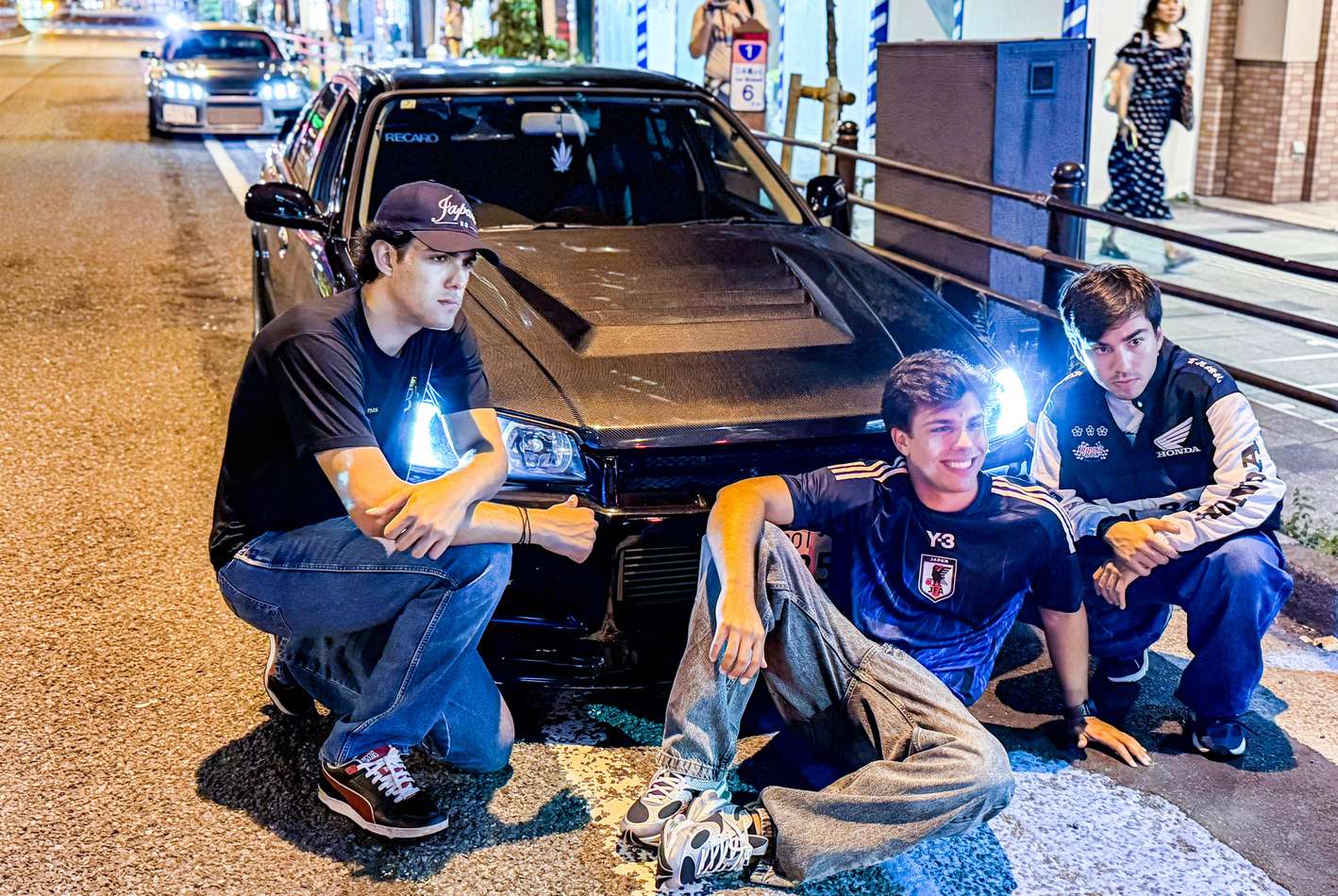
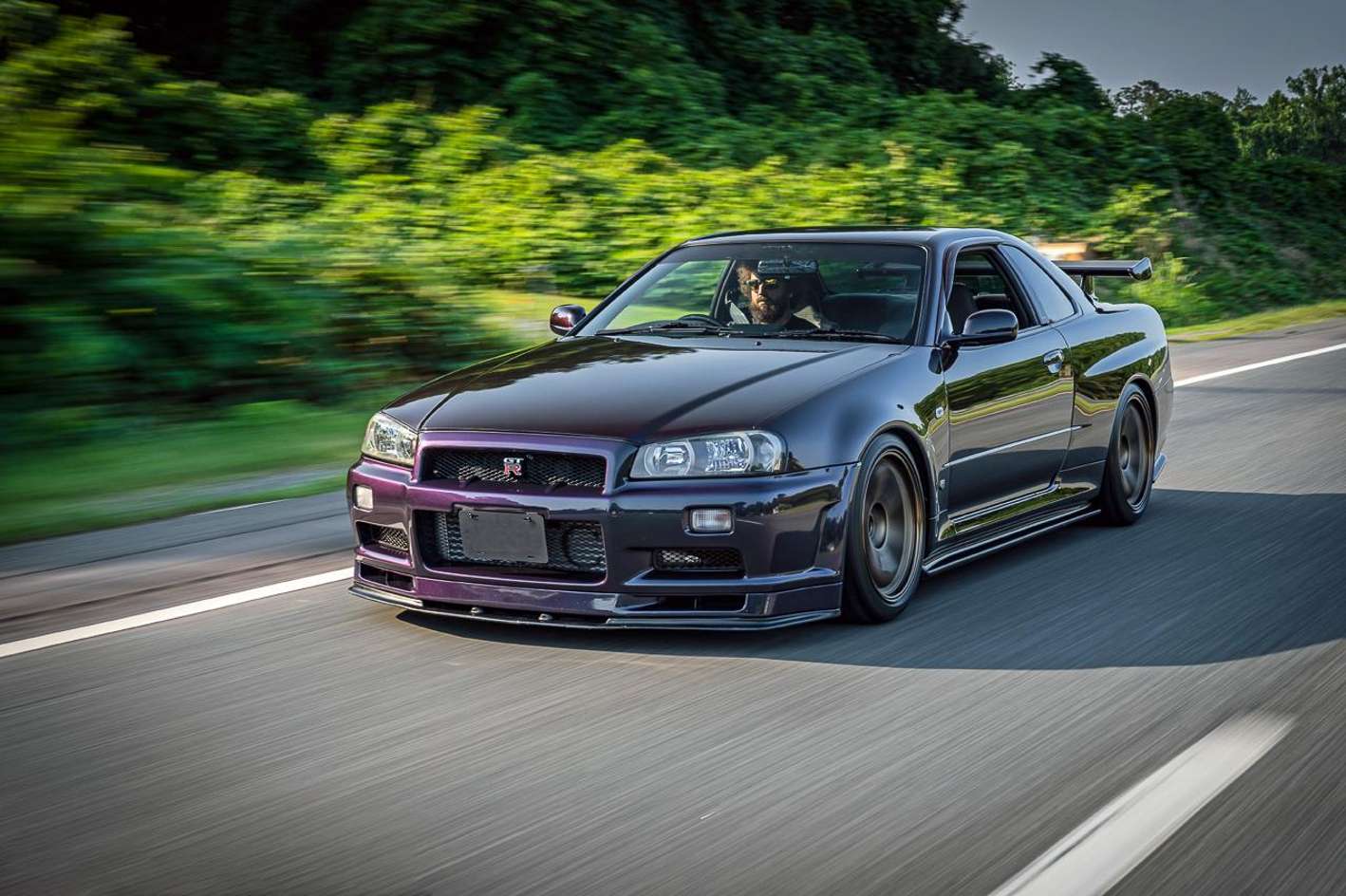
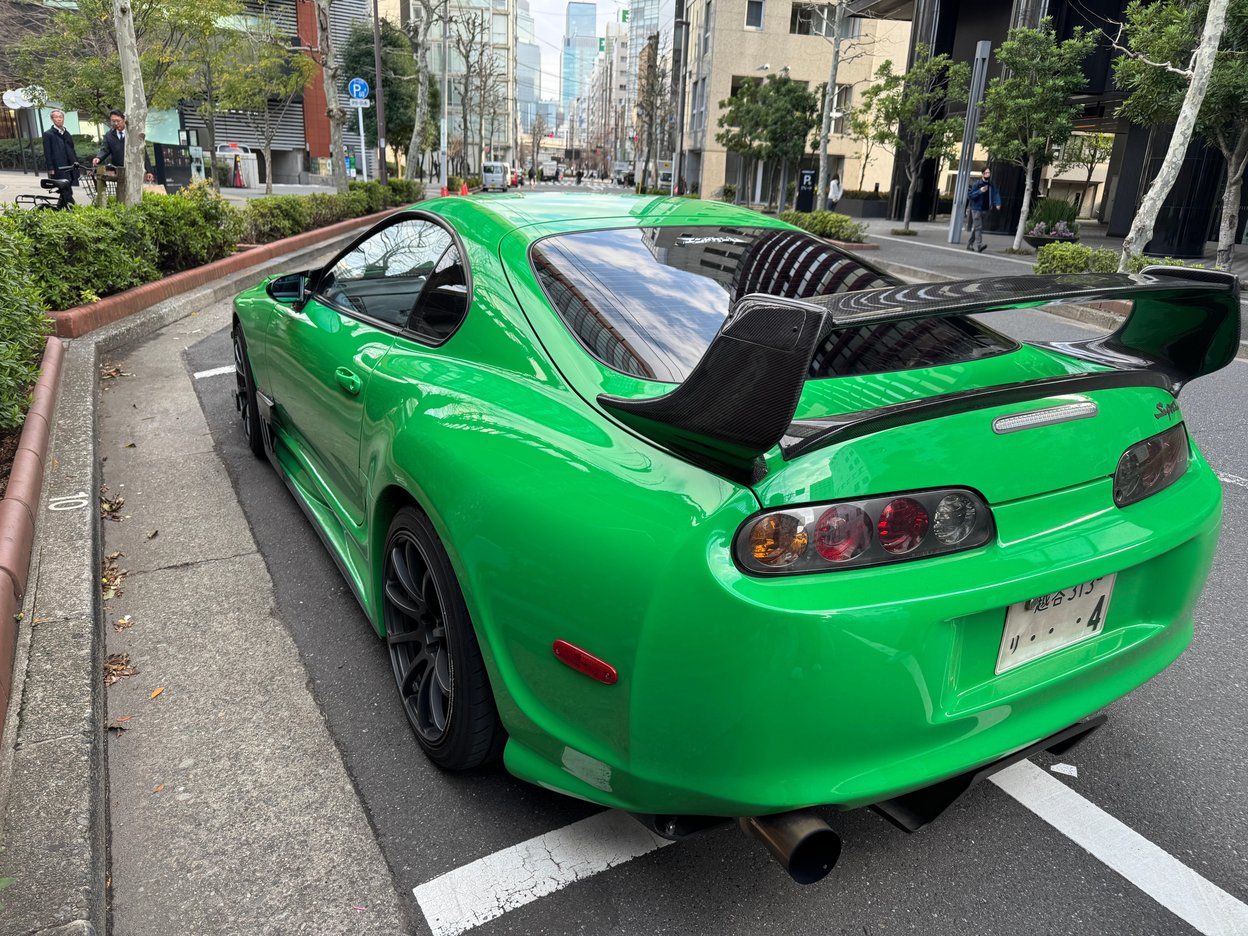
A passenger ride is the simplest JDM experience in Tokyo: no licence, no driving, just a seat in a modified Skyline, Evo or Supra while an enthusiast drives you to Daikoku PA.
You choose the car, the guide handles the route, and you step out at the meet with everyone else. Ideal if you want the scene with zero logistics.
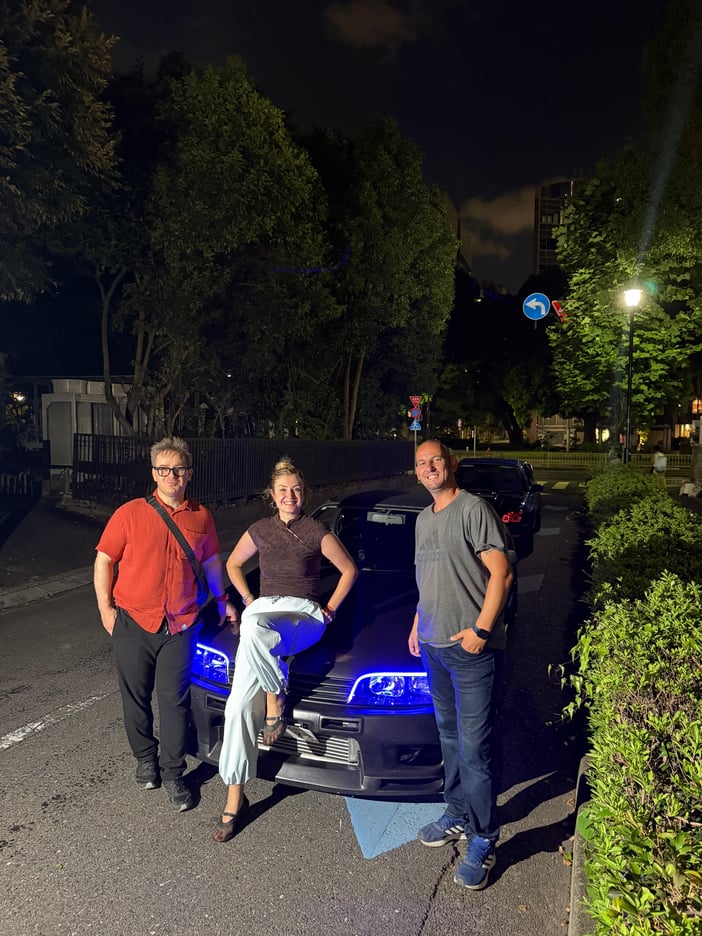
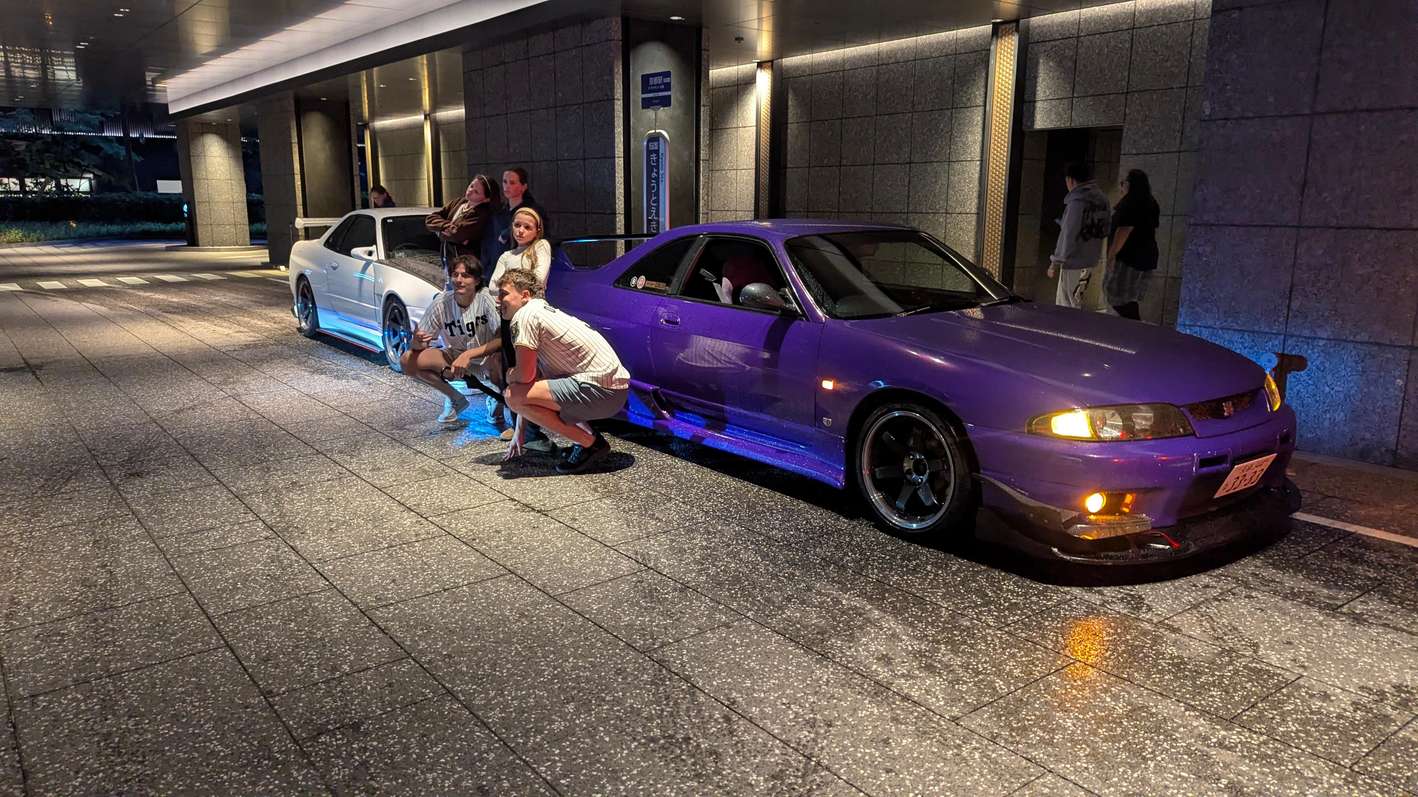
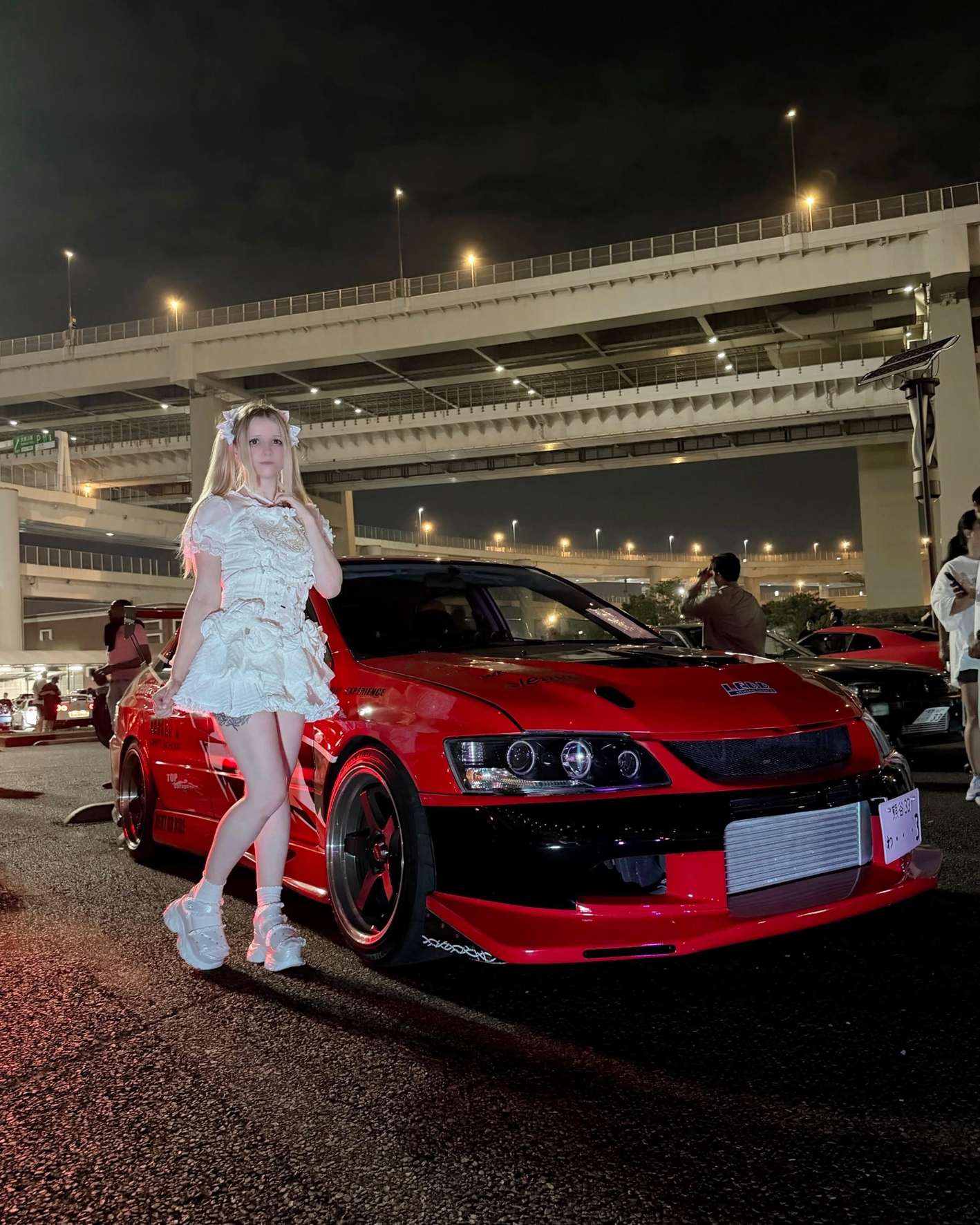
A JDM night photoshoot makes the camera the point of the evening. You pose with a modified car under Tokyo's neon, with a driver or photographer who knows which bridges, tunnels and parking areas shoot best after dark.
It suits travelers who want strong images of the scene, with or without a deep dive into car culture.
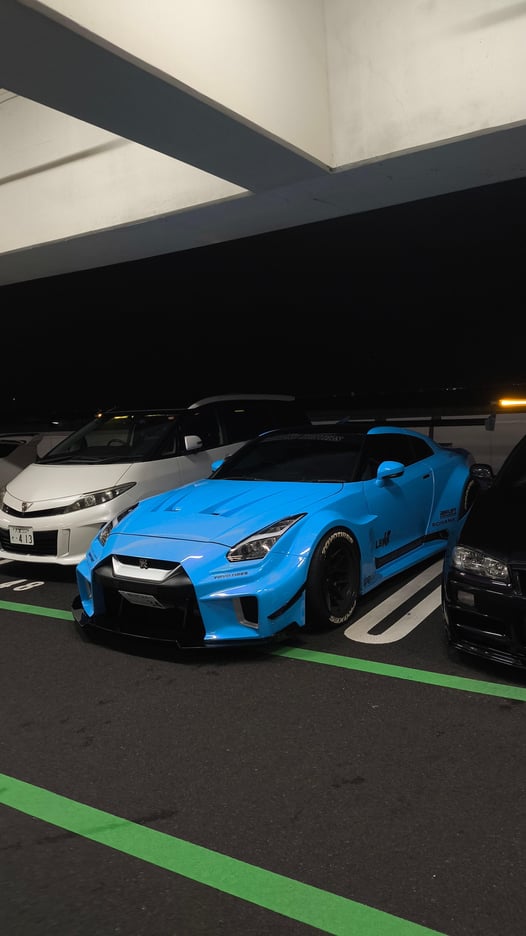
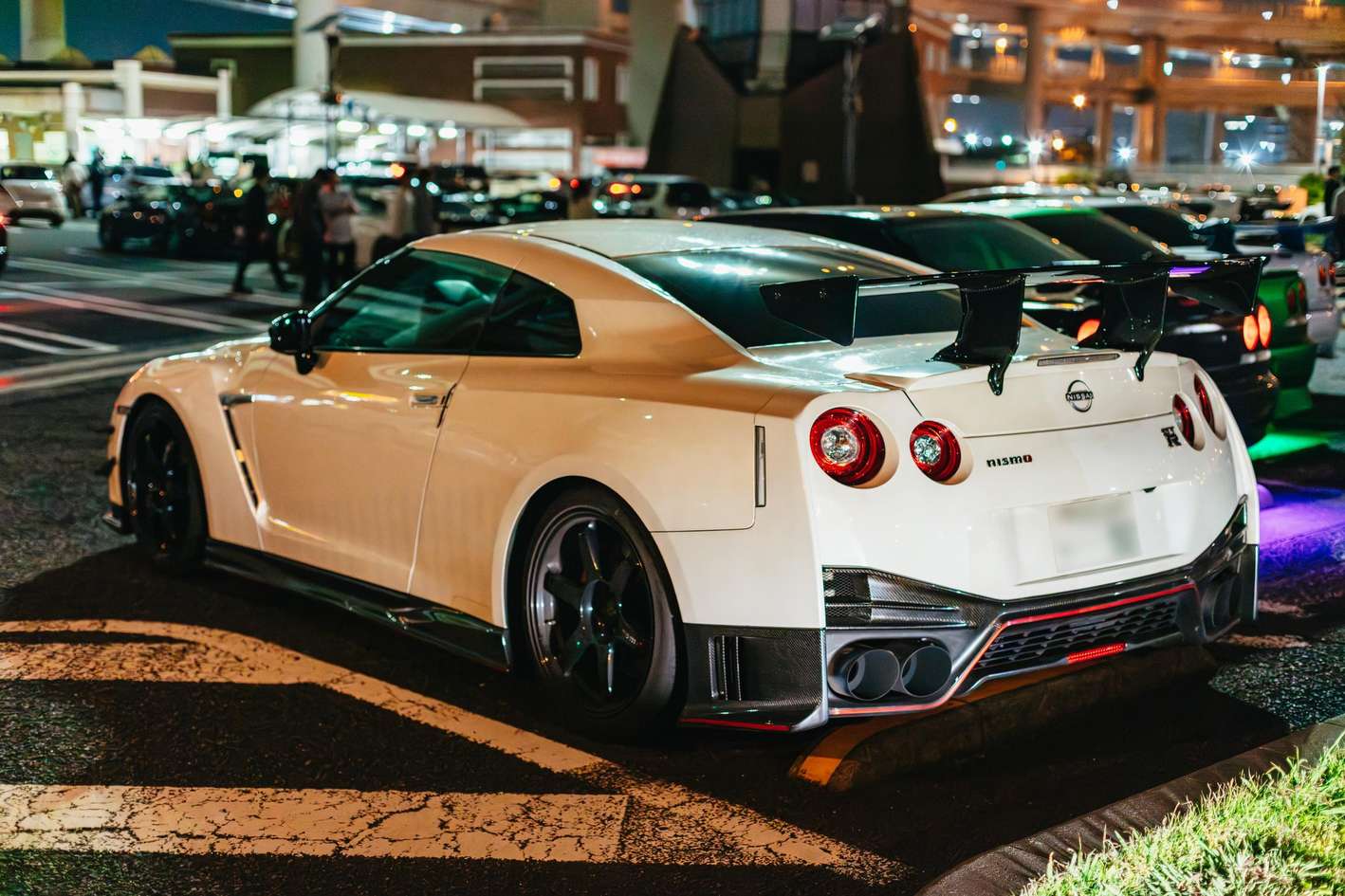
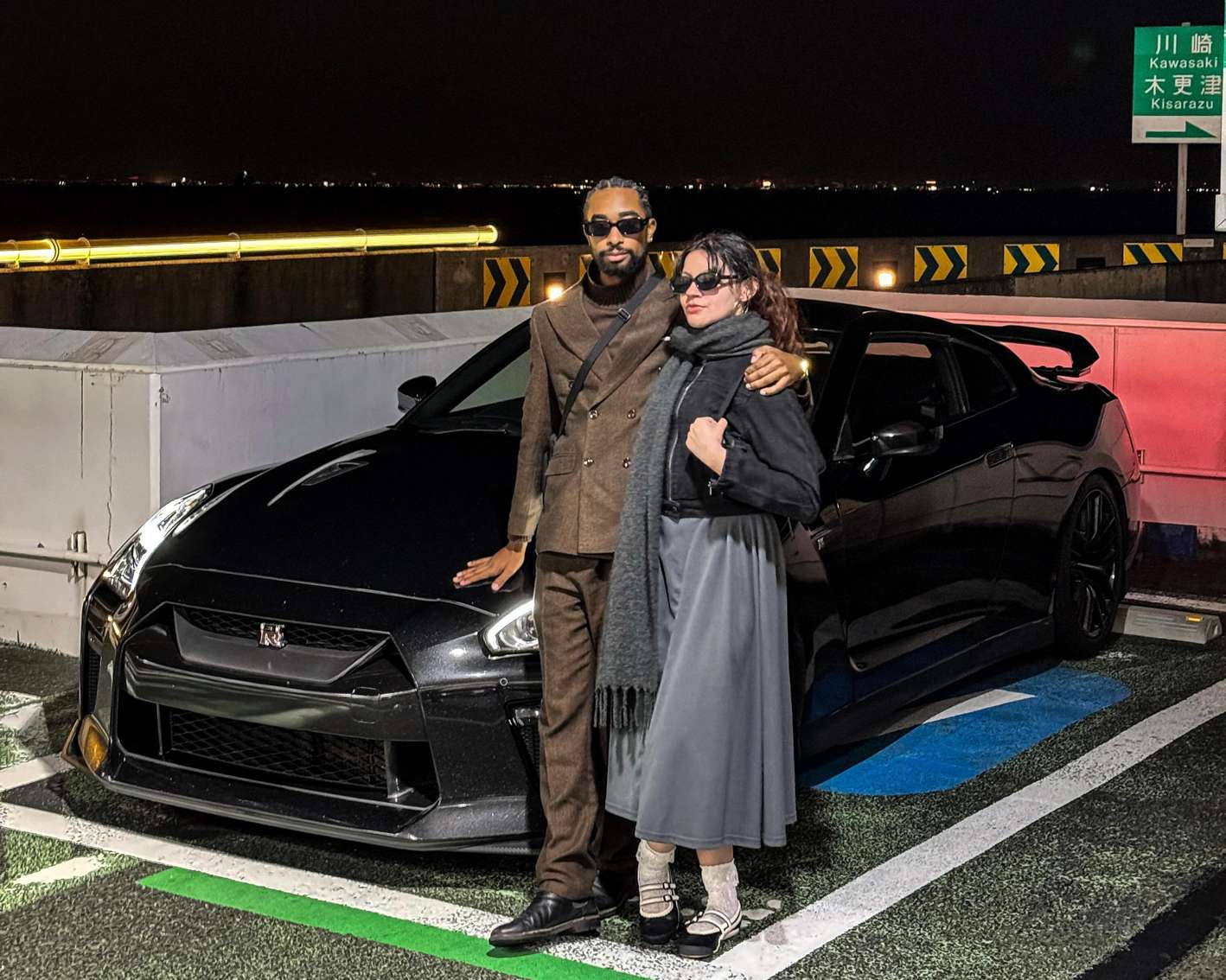
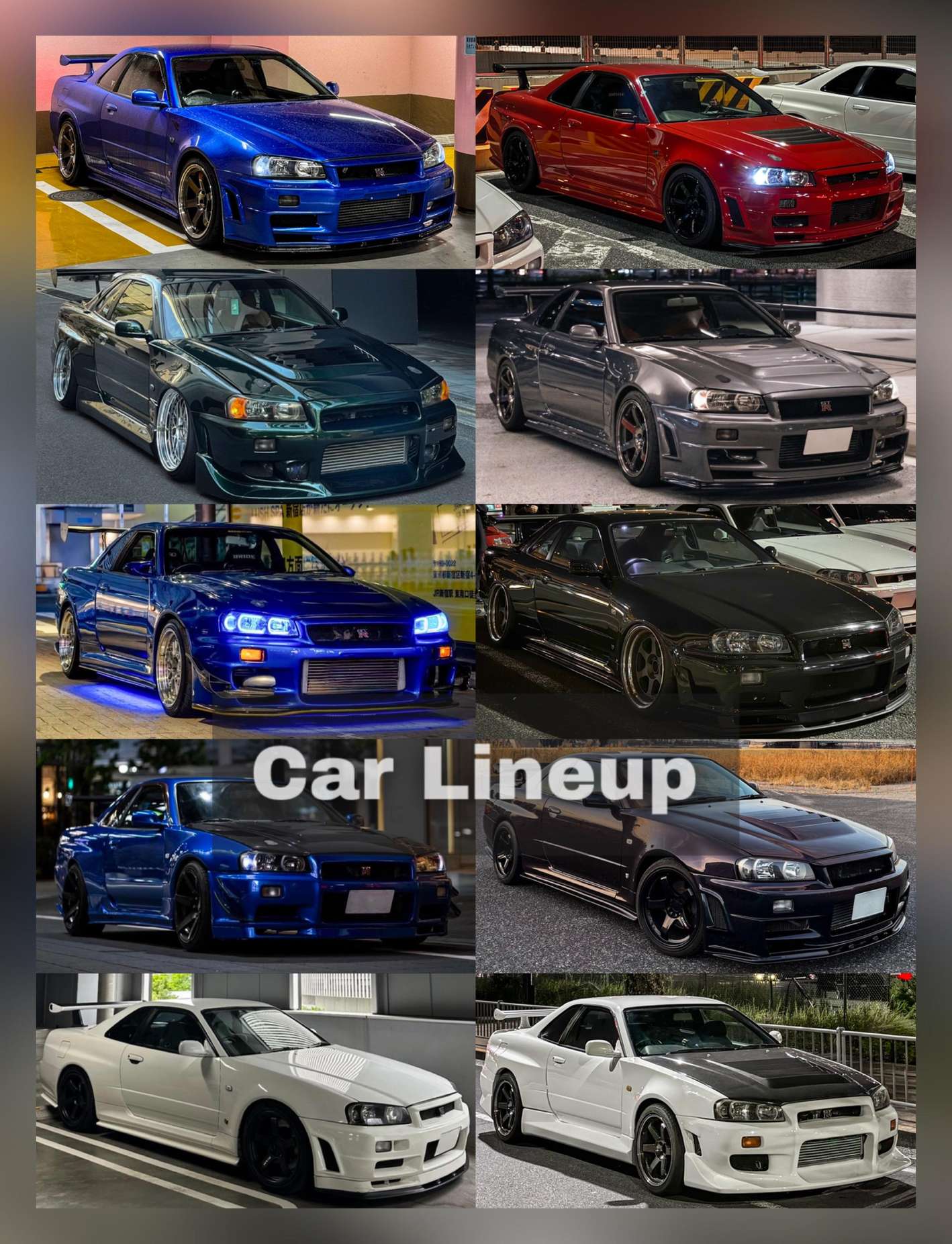
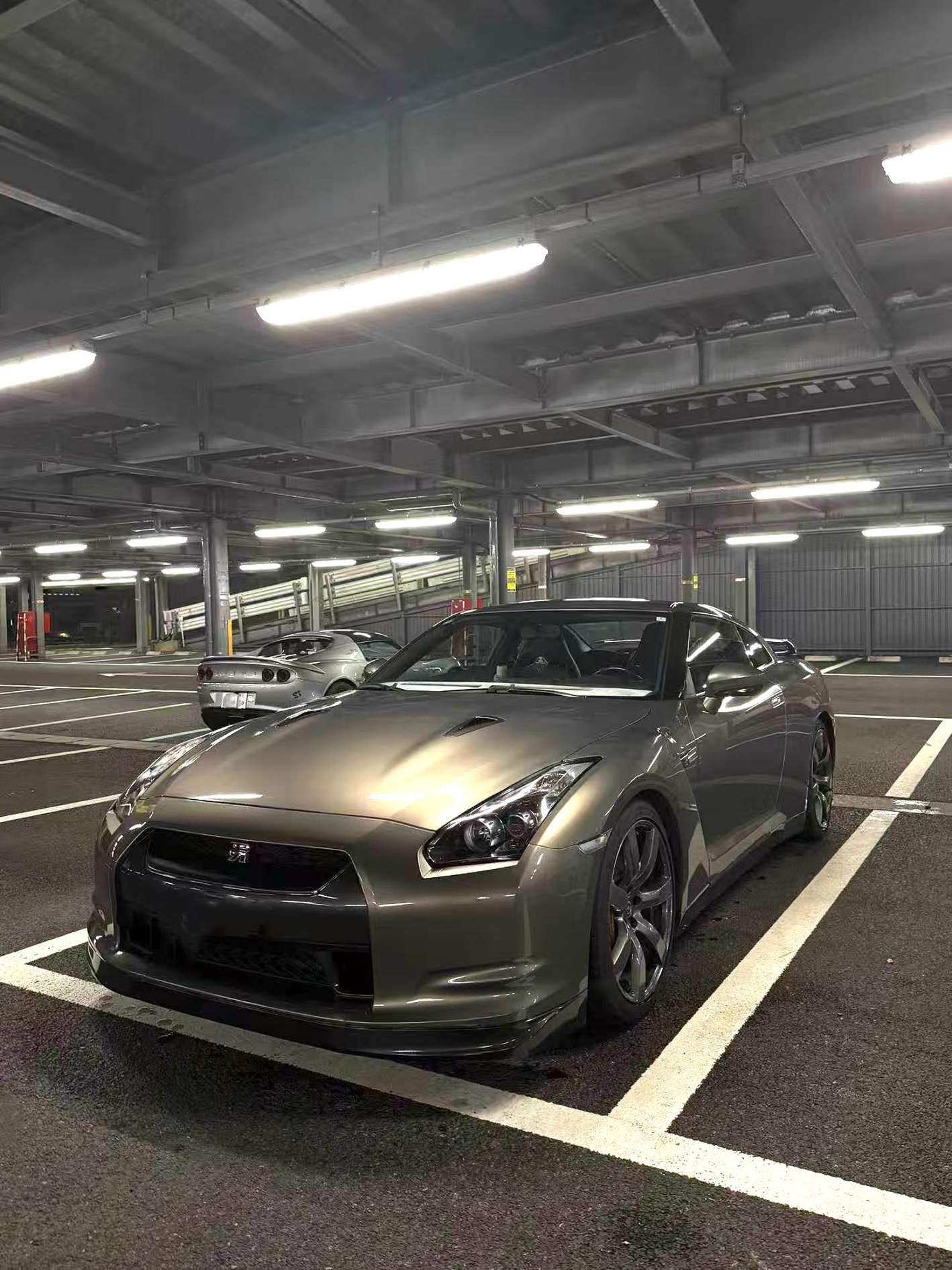
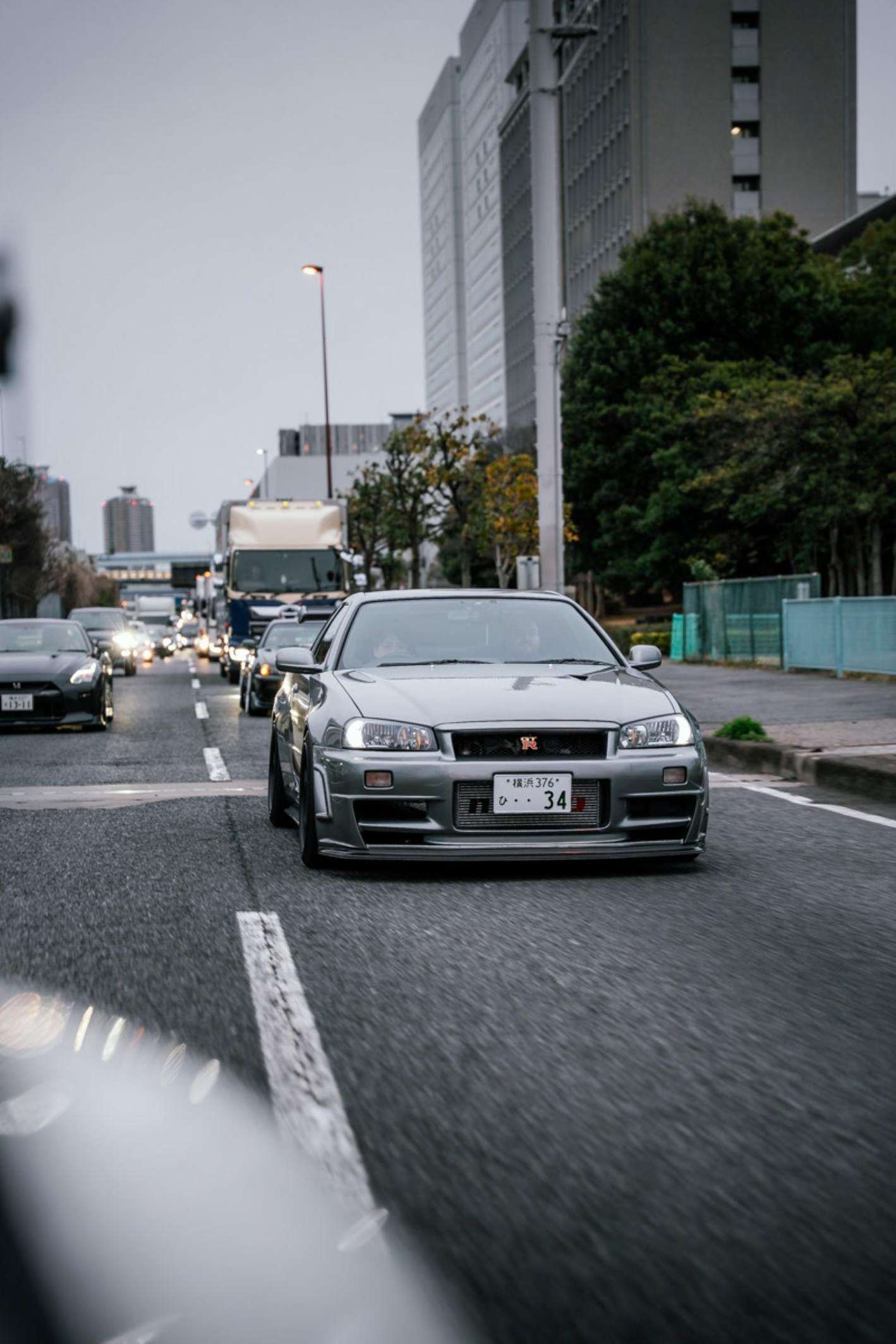
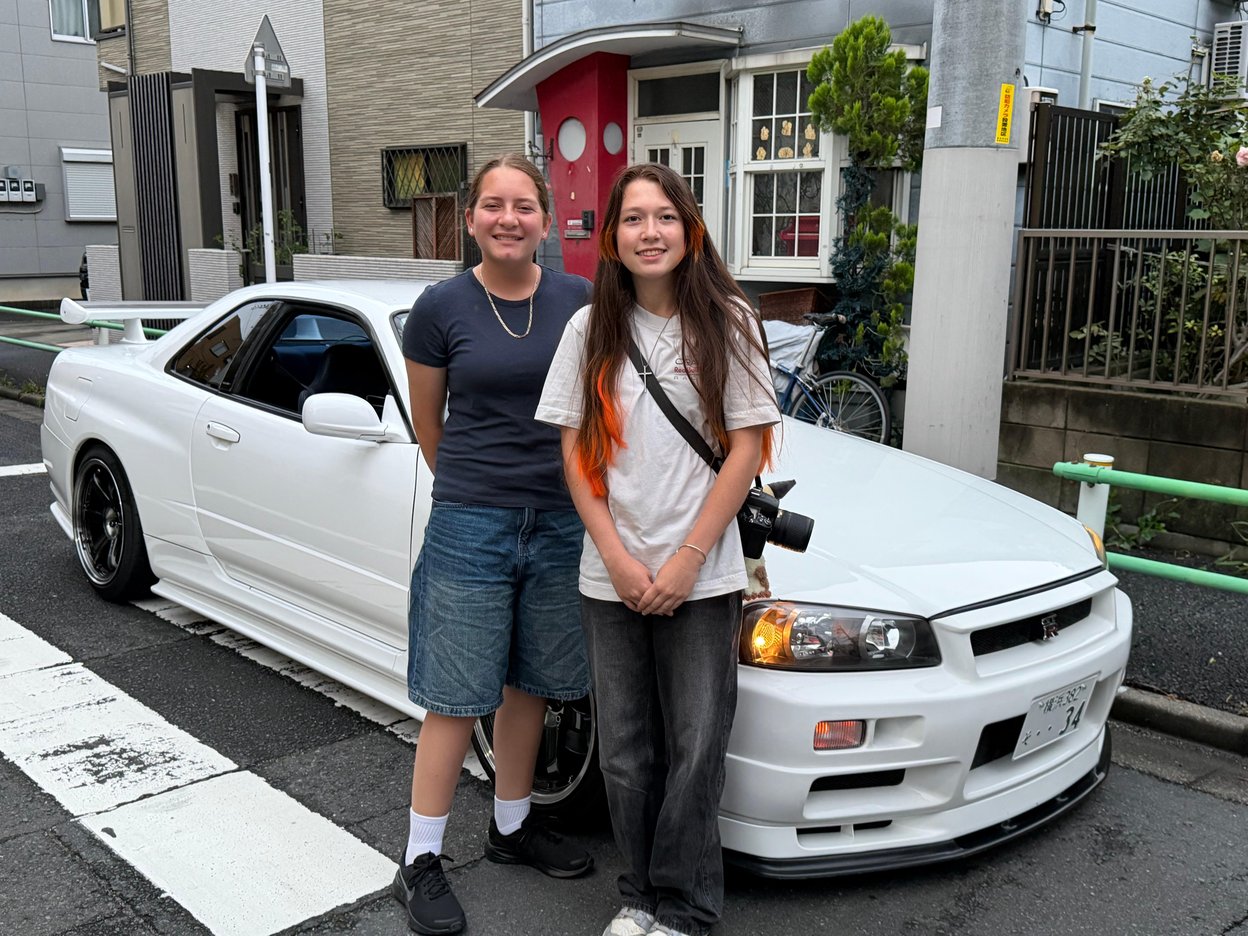
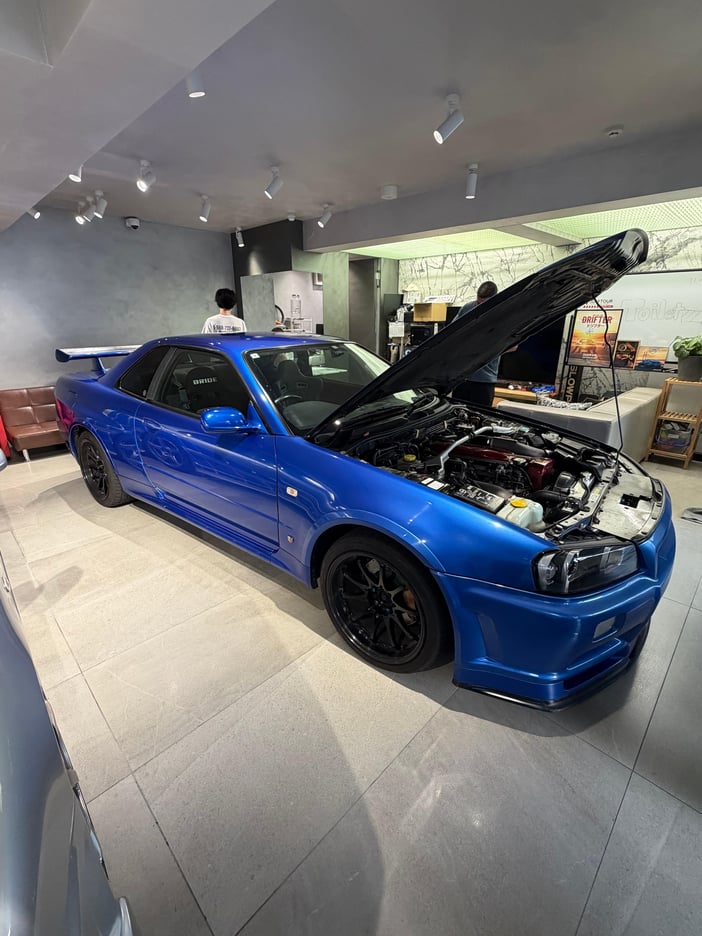
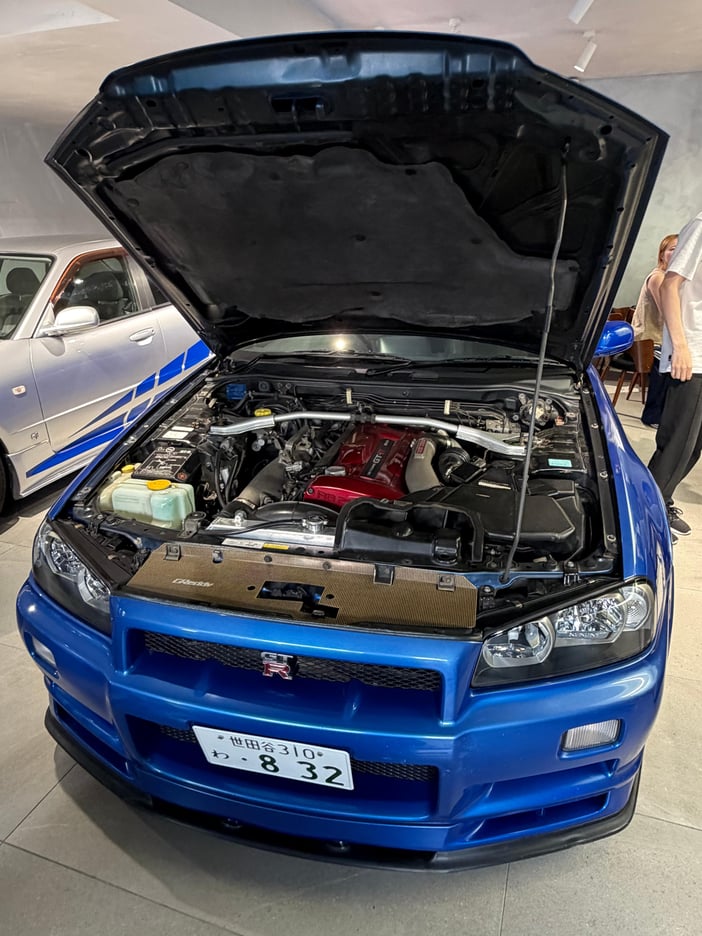
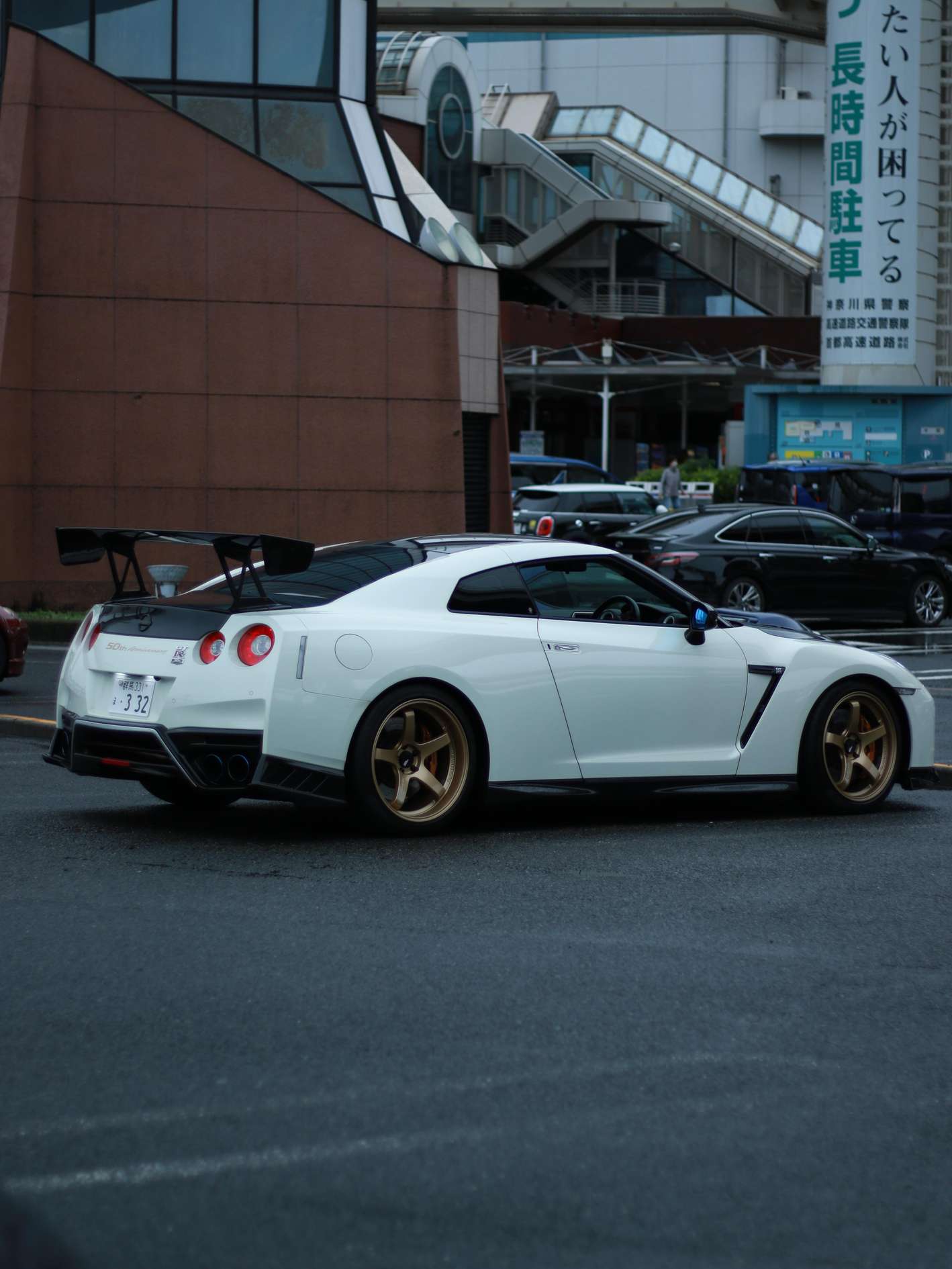
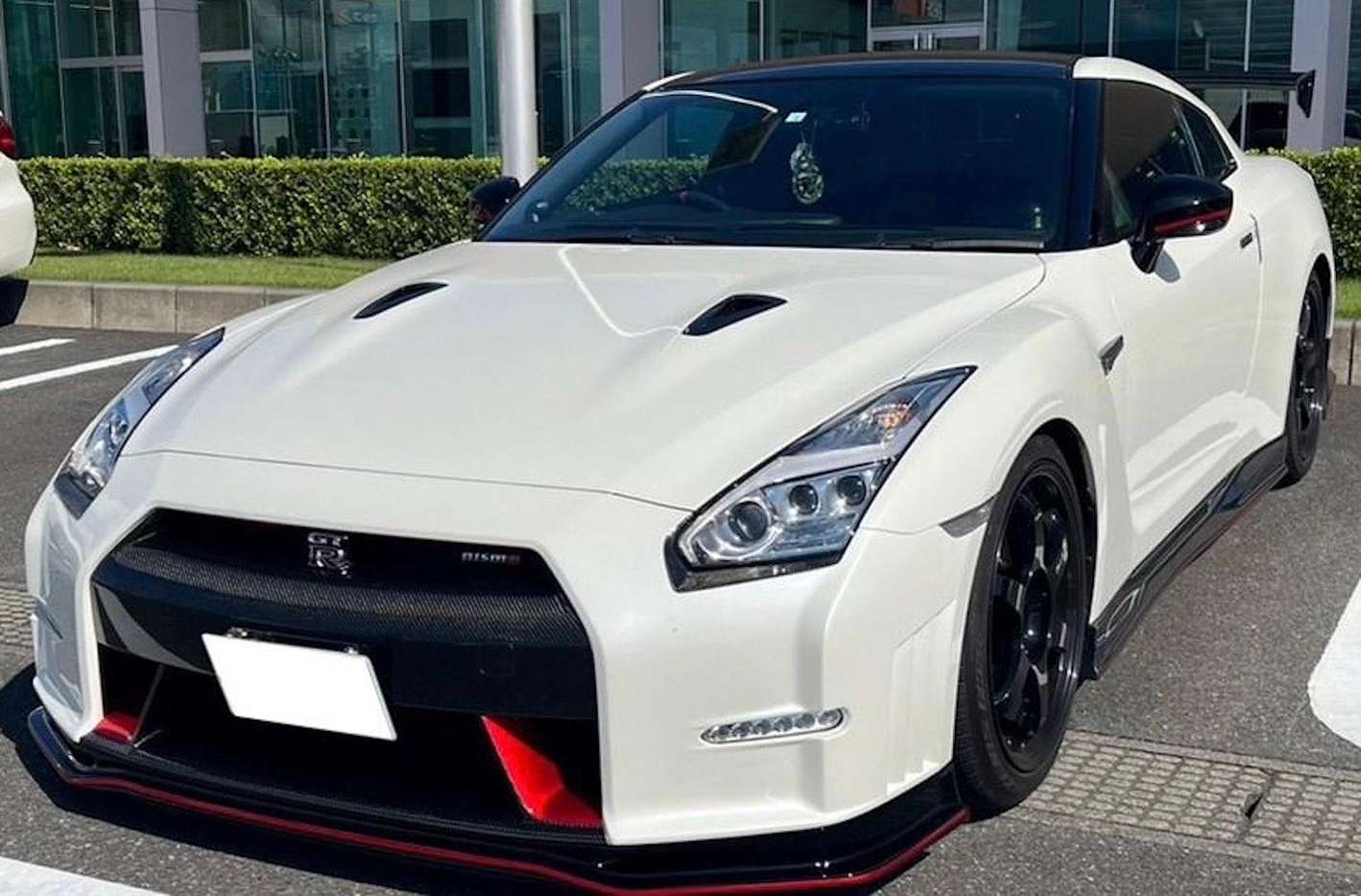
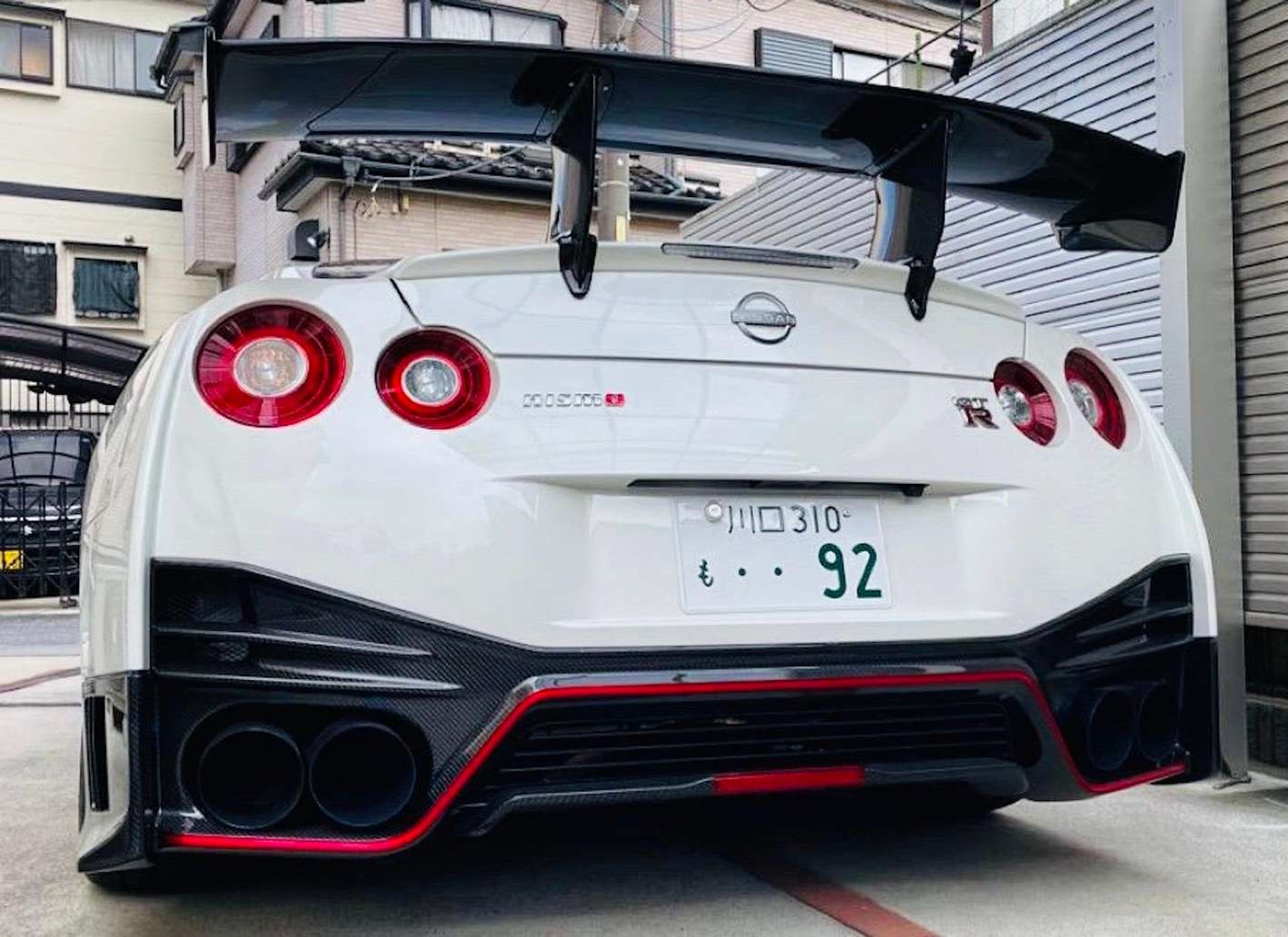
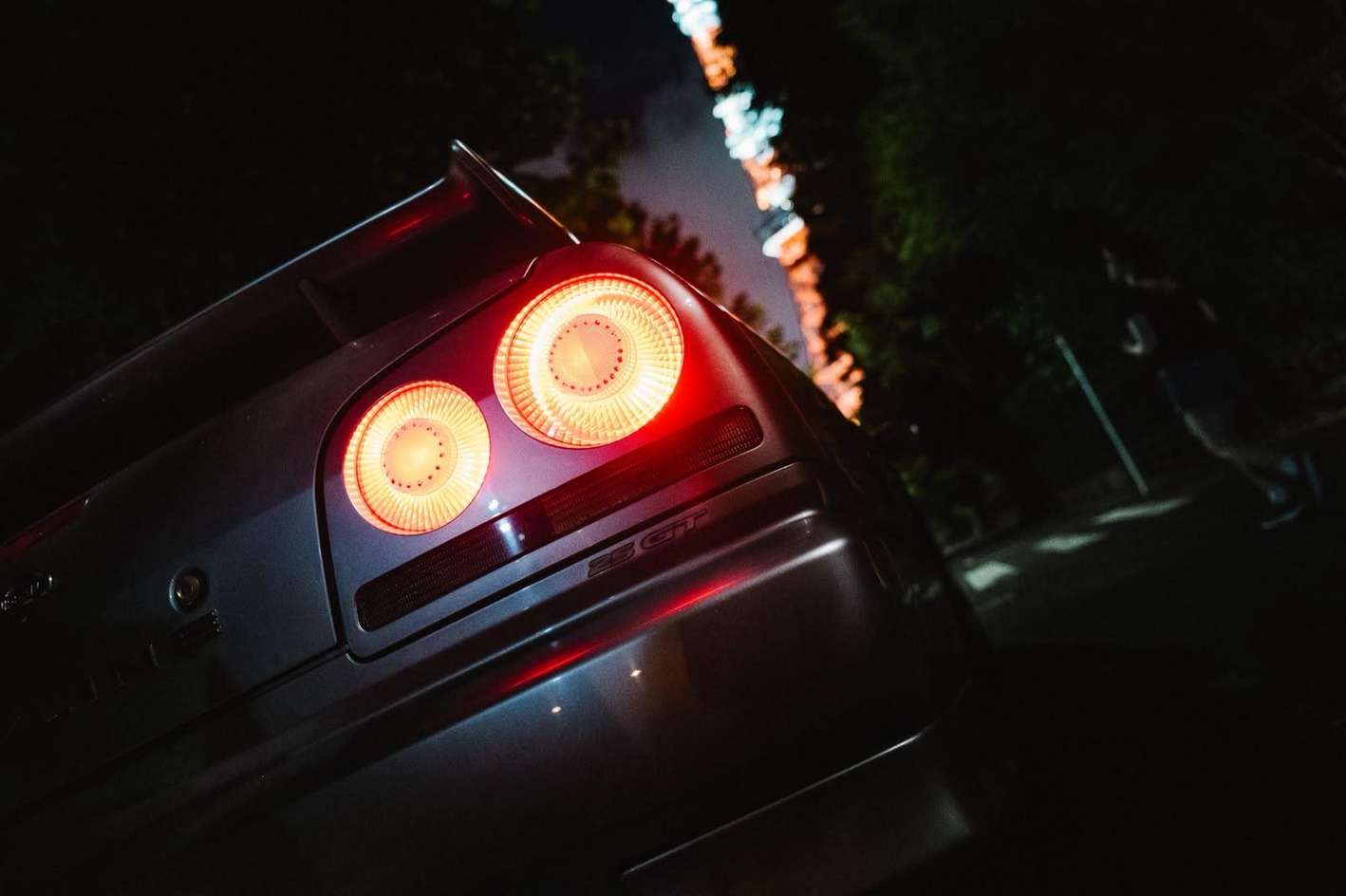
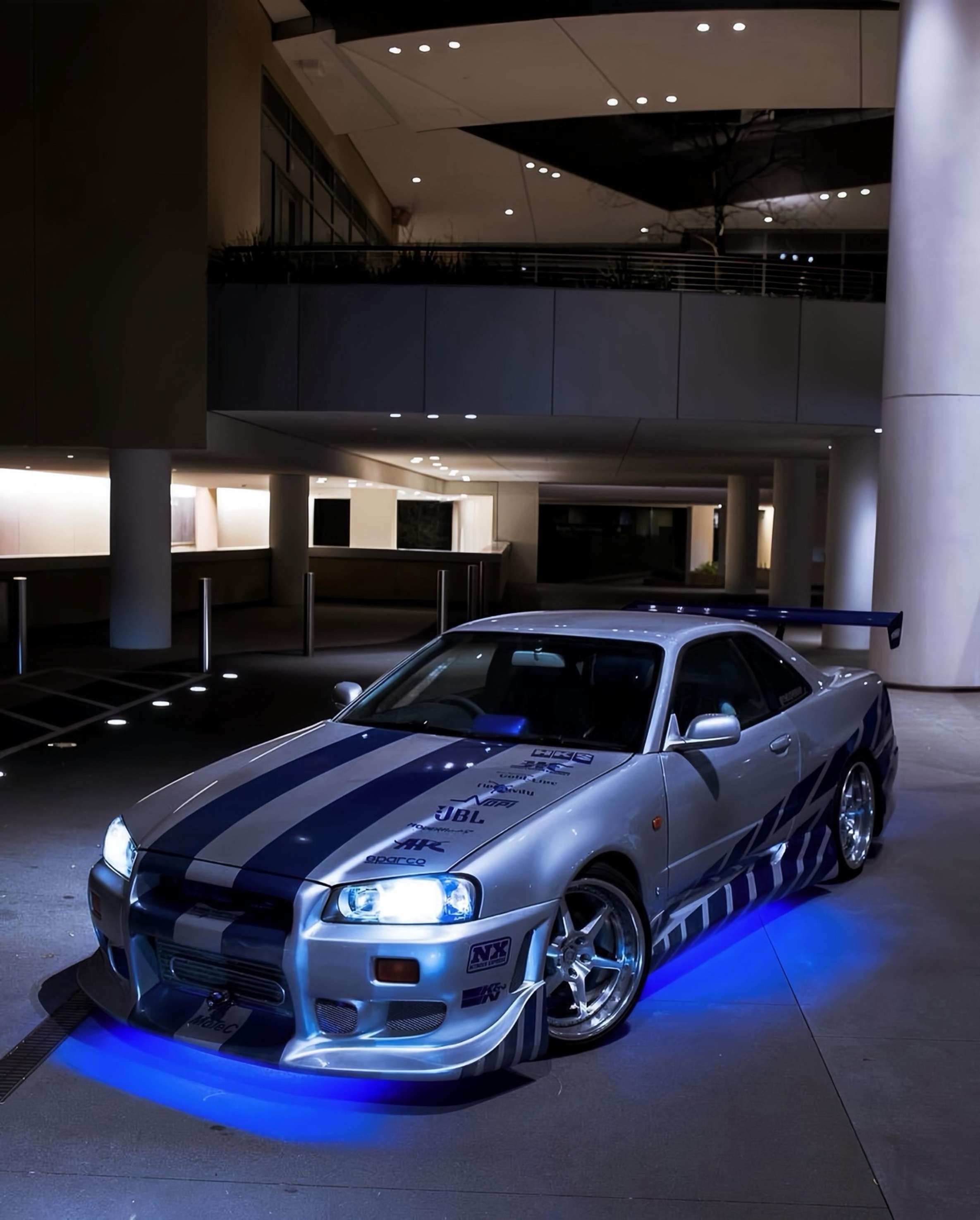
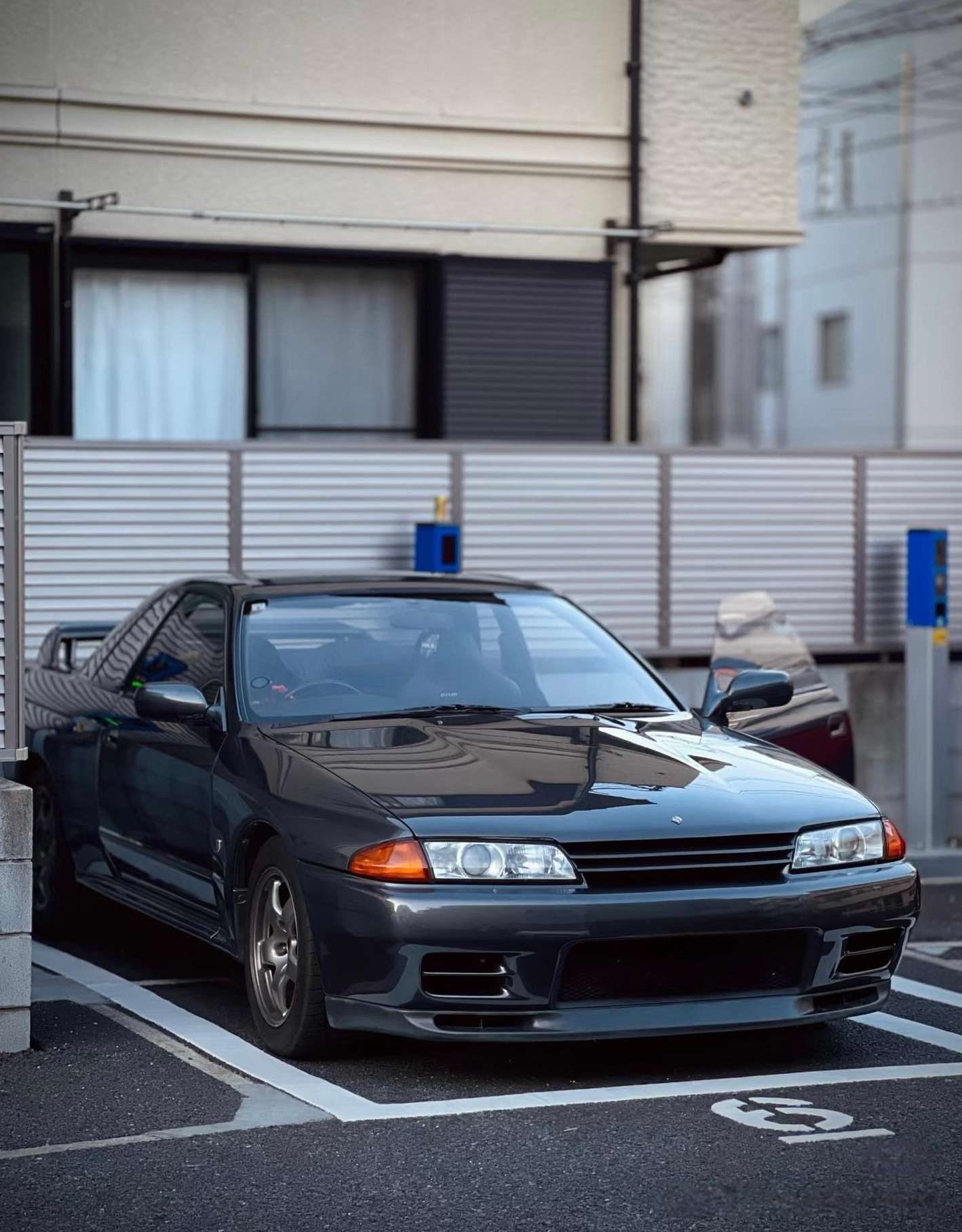
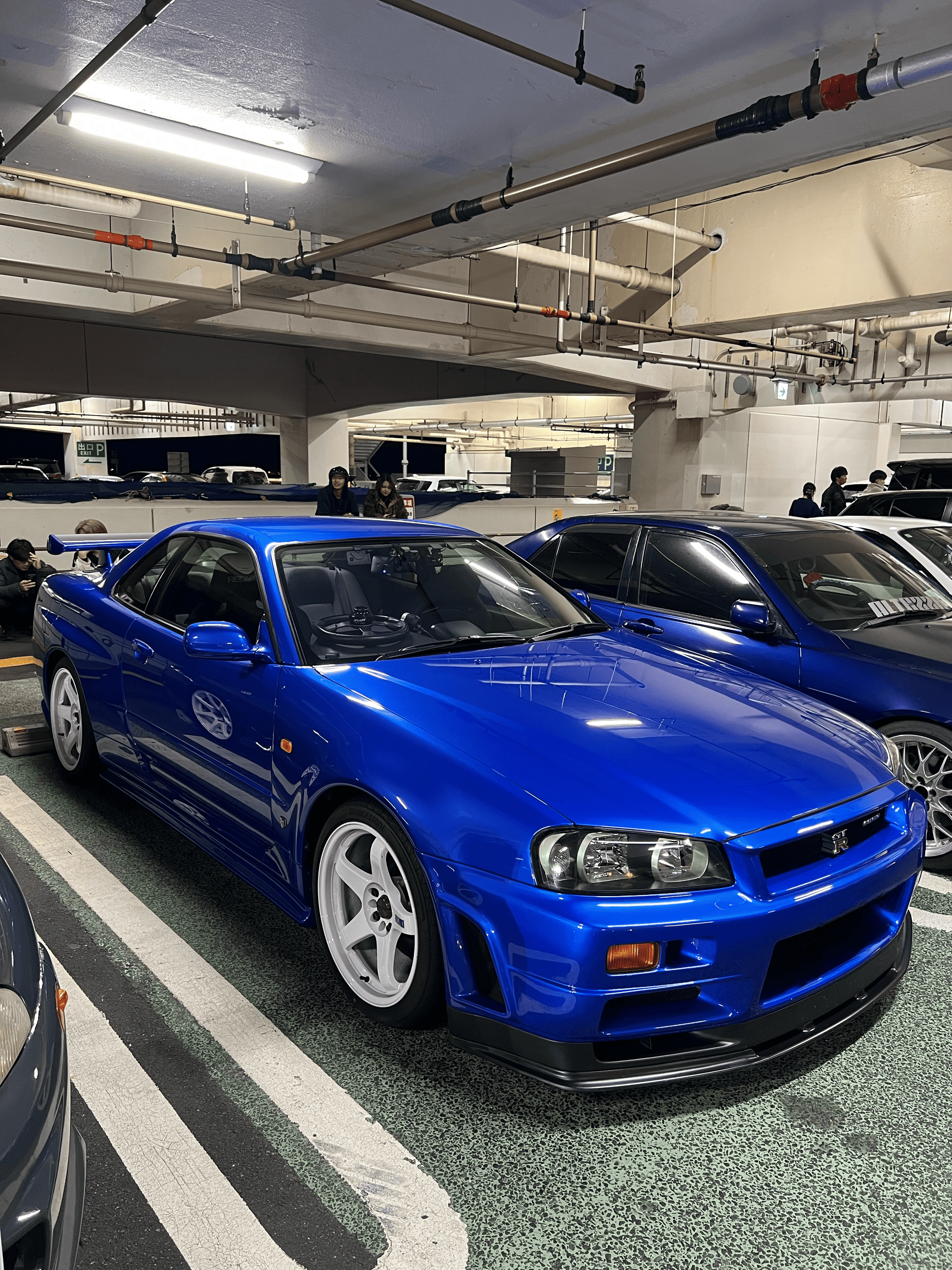
GT-R fans can pick between riding in an R34 or R35 to Daikoku PA, or booking a self-drive GT-R and taking the wheel themselves. The cars are privately owned and sometimes under maintenance, so confirm the exact model a couple of days ahead. This page suits anyone whose search started with a Skyline badge.
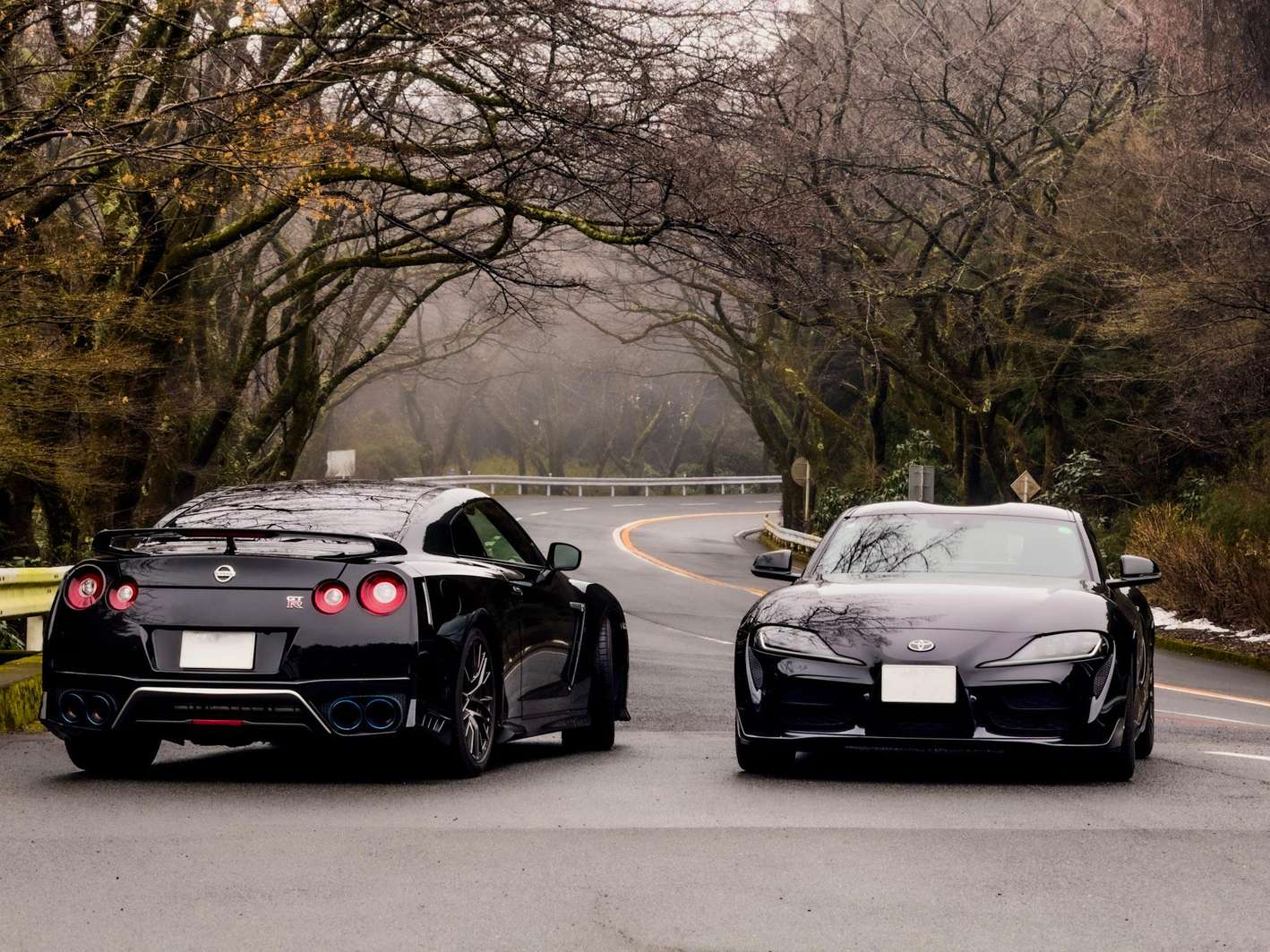
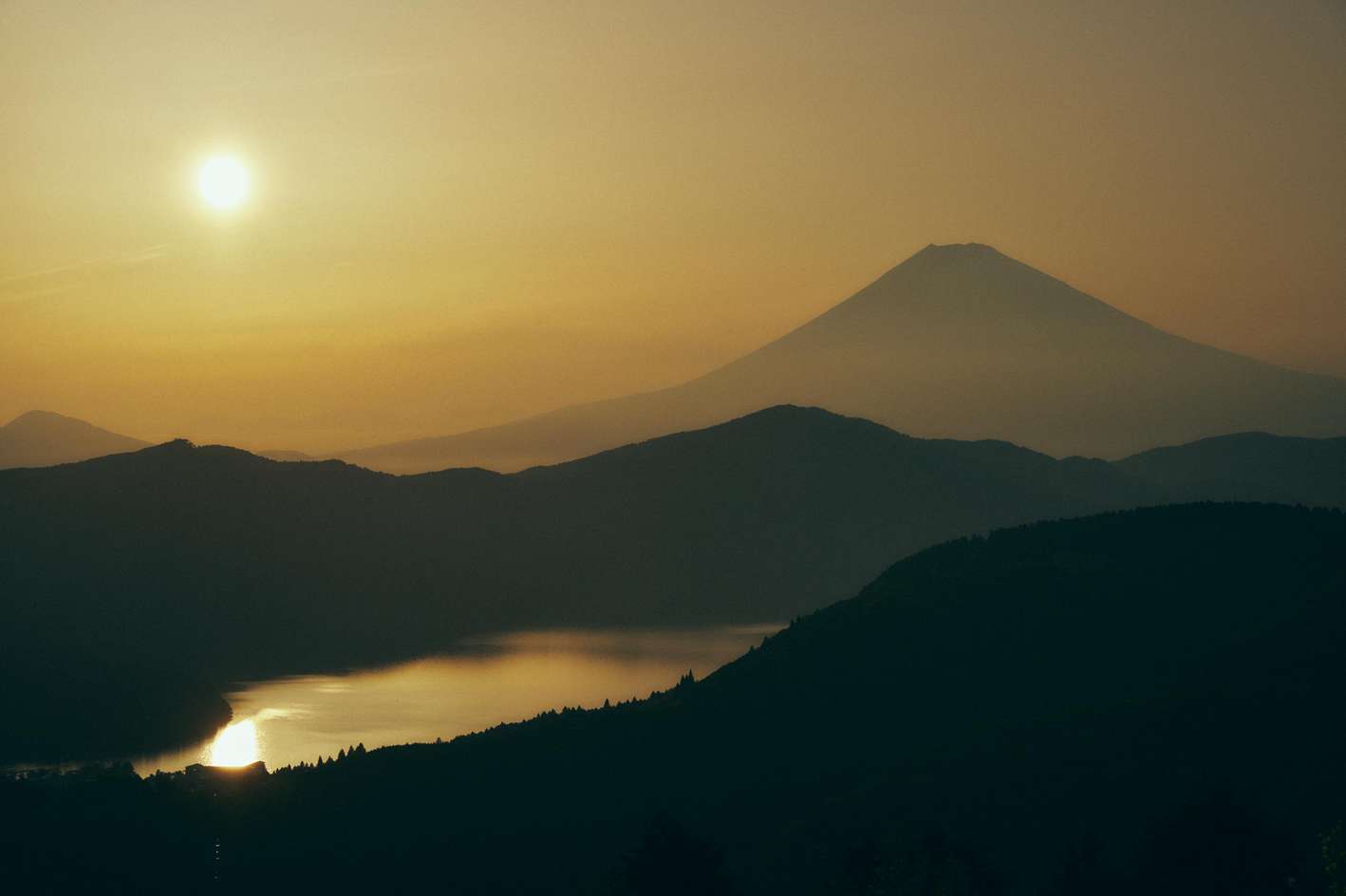
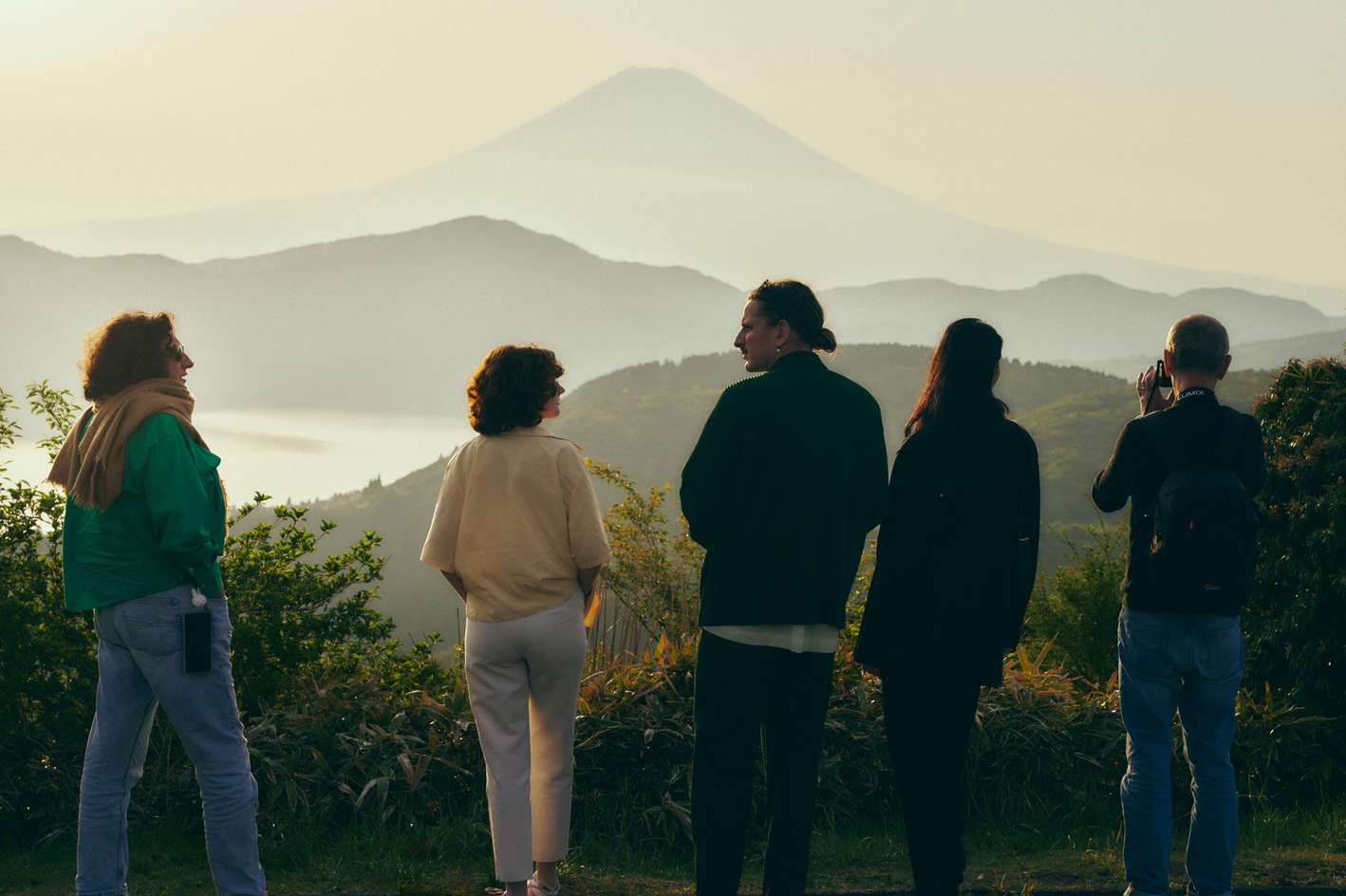
Point the car away from the city and the JDM drive changes character: mountain roads toward Hakone, Mount Fuji across the water and a private guide tailoring the day.
This is a full-day outing, roughly ten hours, in a sports car you ride in or drive. It suits travelers who want scenery alongside the car culture.
Osaka runs its own night scene, with meets at Higashi Osaka PA most Friday and Saturday evenings and a bay loop that rivals Tokyo's.
A local JDM tour there takes in the midnight expressways and the gathering spots, with hotel pickup. Choose it if your Japan trip includes Kansai and you want the scene in a second city.
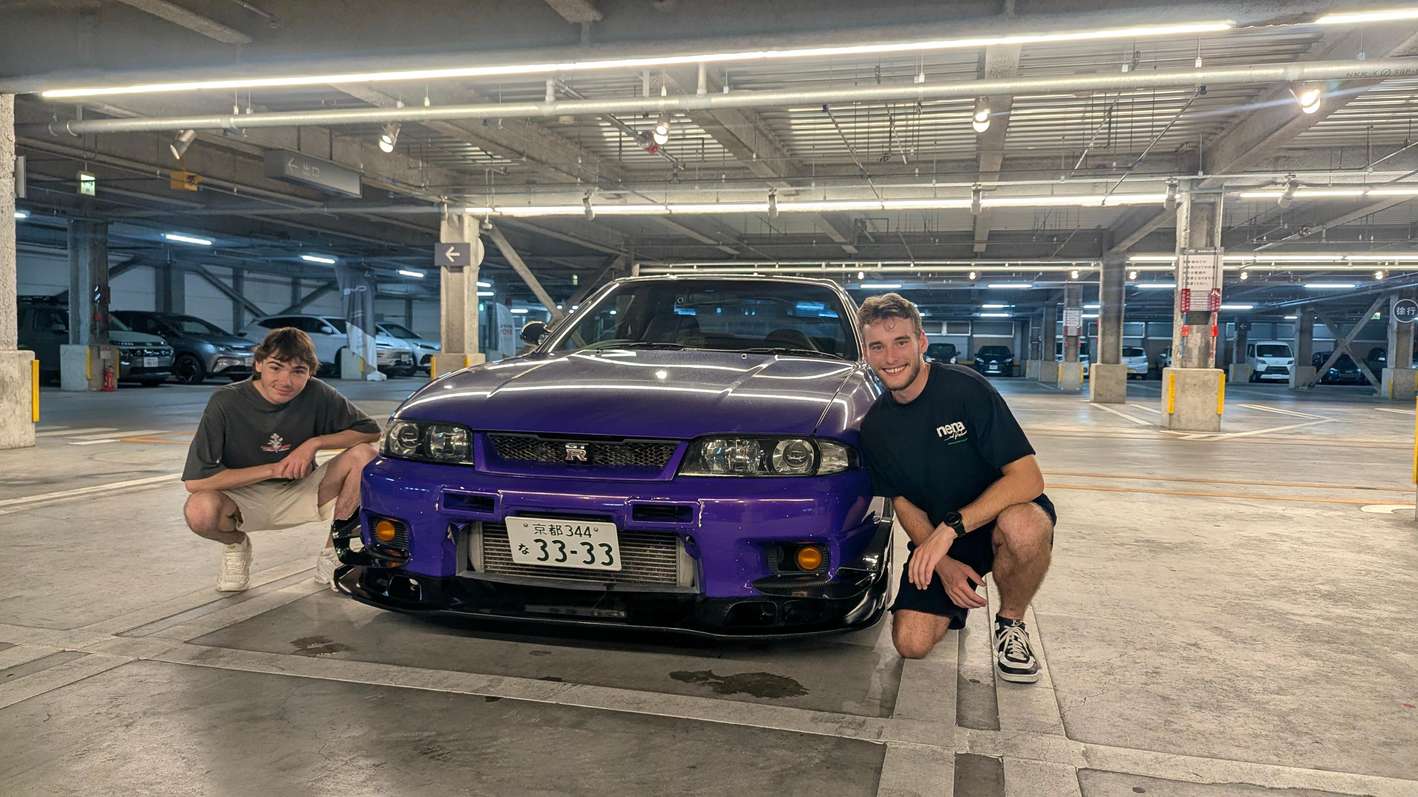
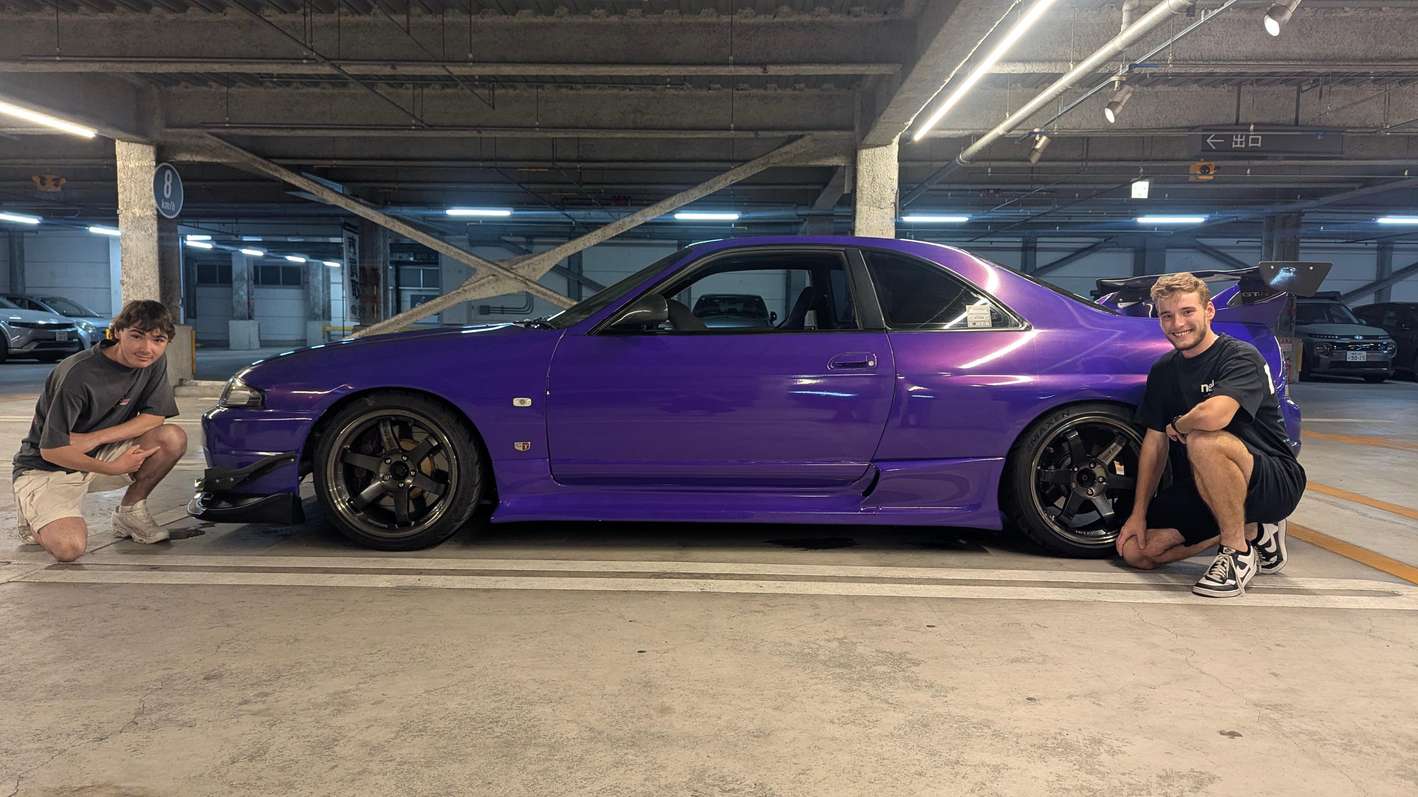
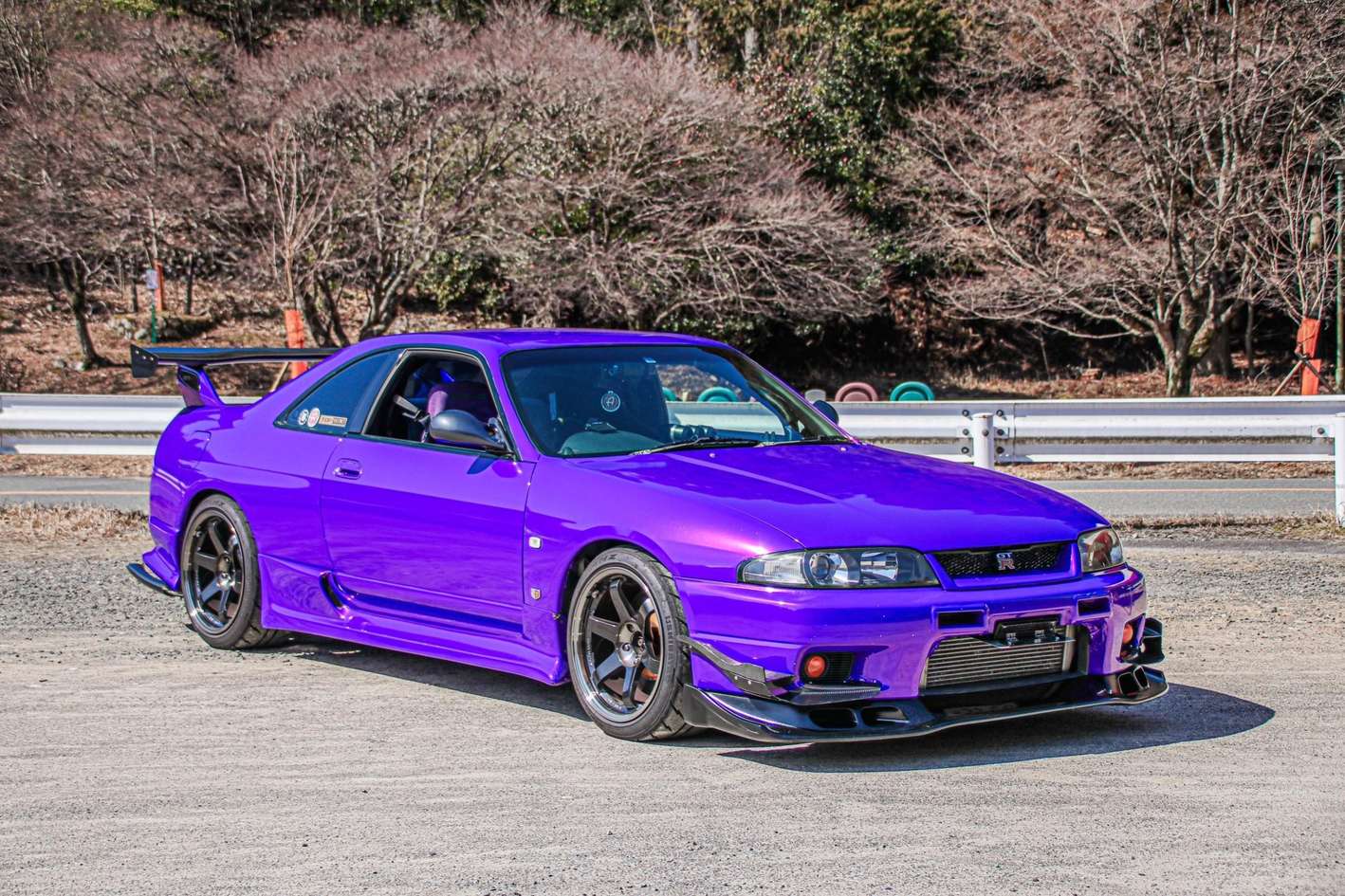
Kyoto's JDM outing is a short private ride in a 700HP Skyline GT-R R33 through the city's streets, with a guide who grew up there.
It lasts about an hour and a half, and for an extra fee the driver can take you to meets farther out. It fits travelers who want a taste of JDM power between temples.
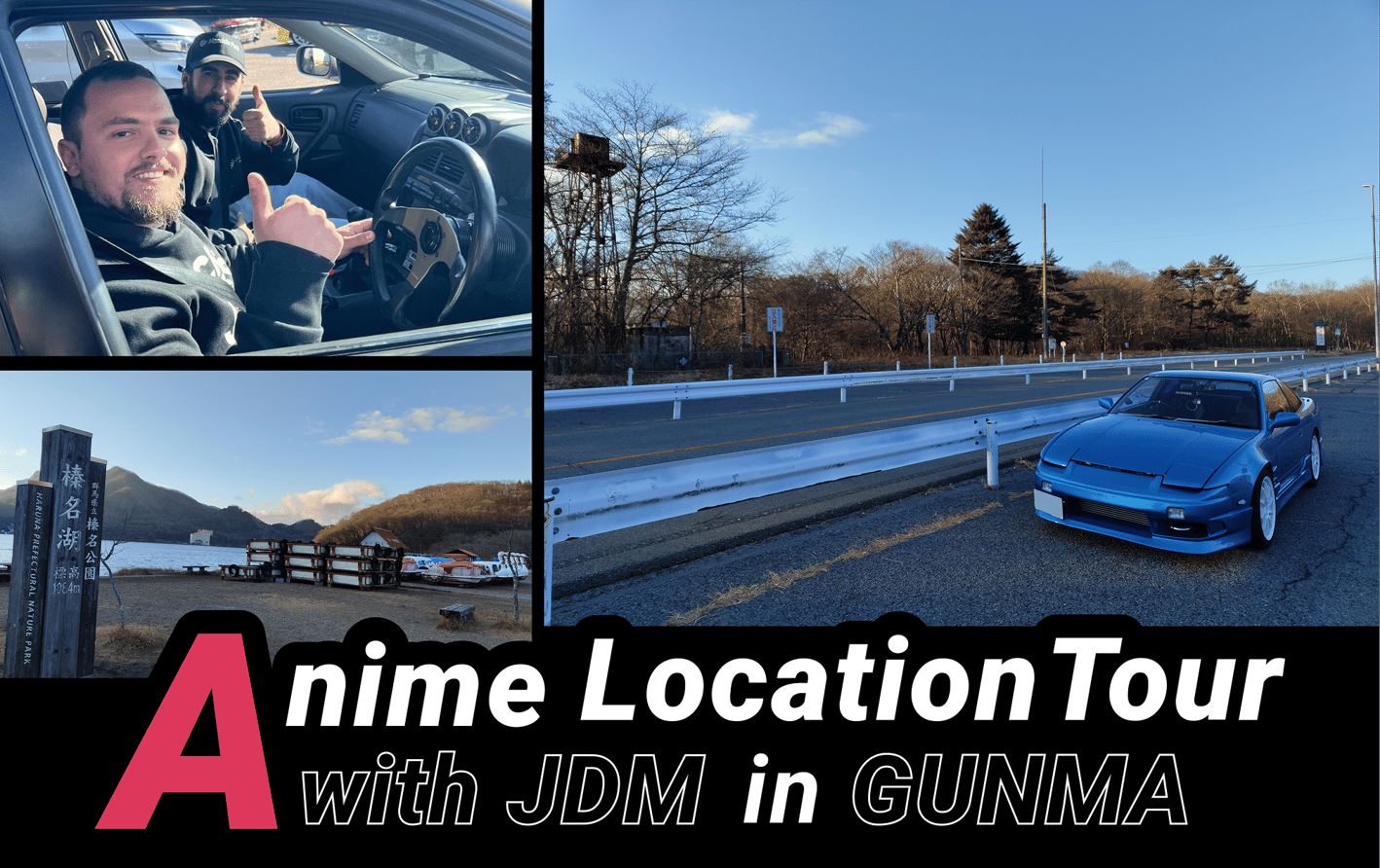
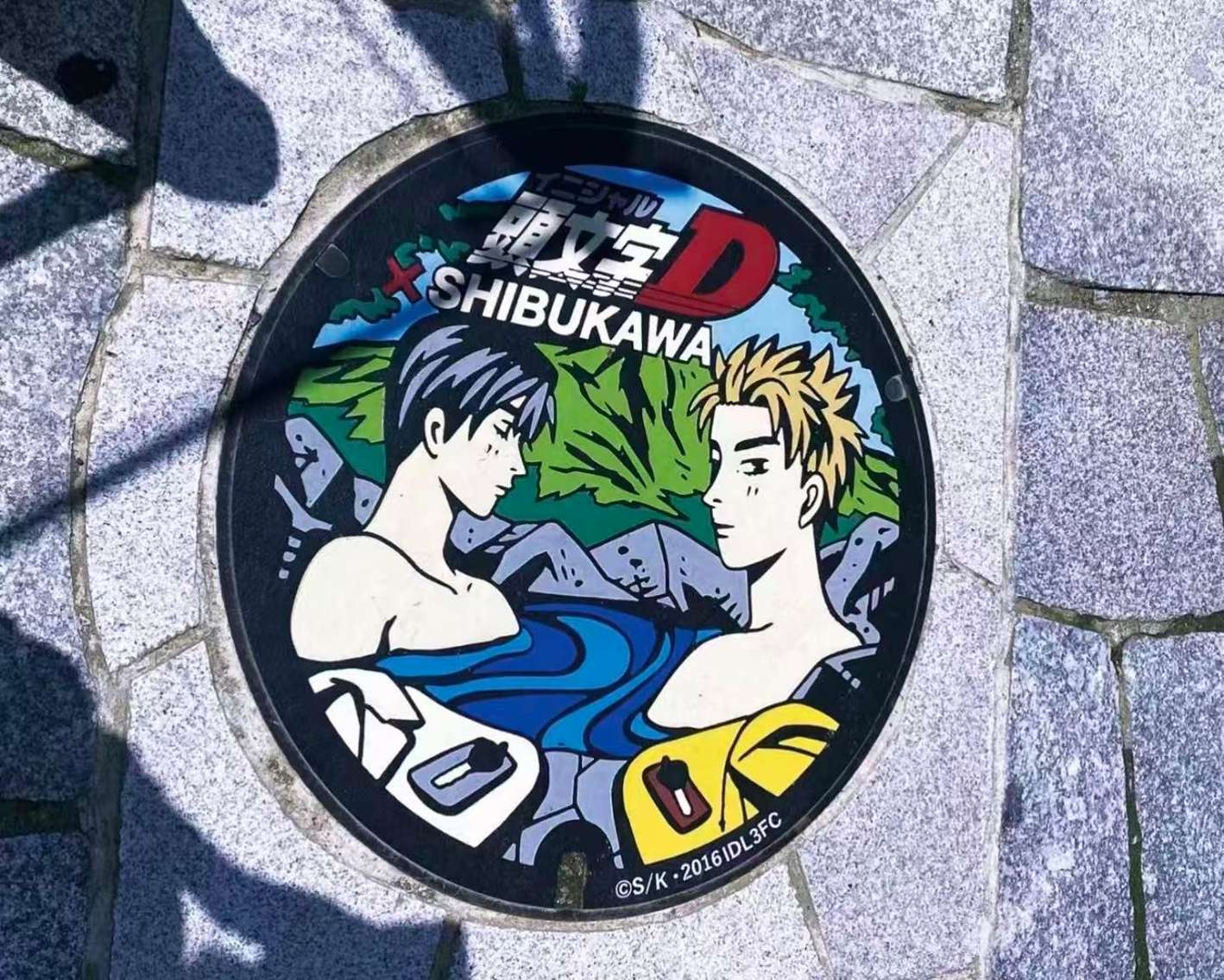
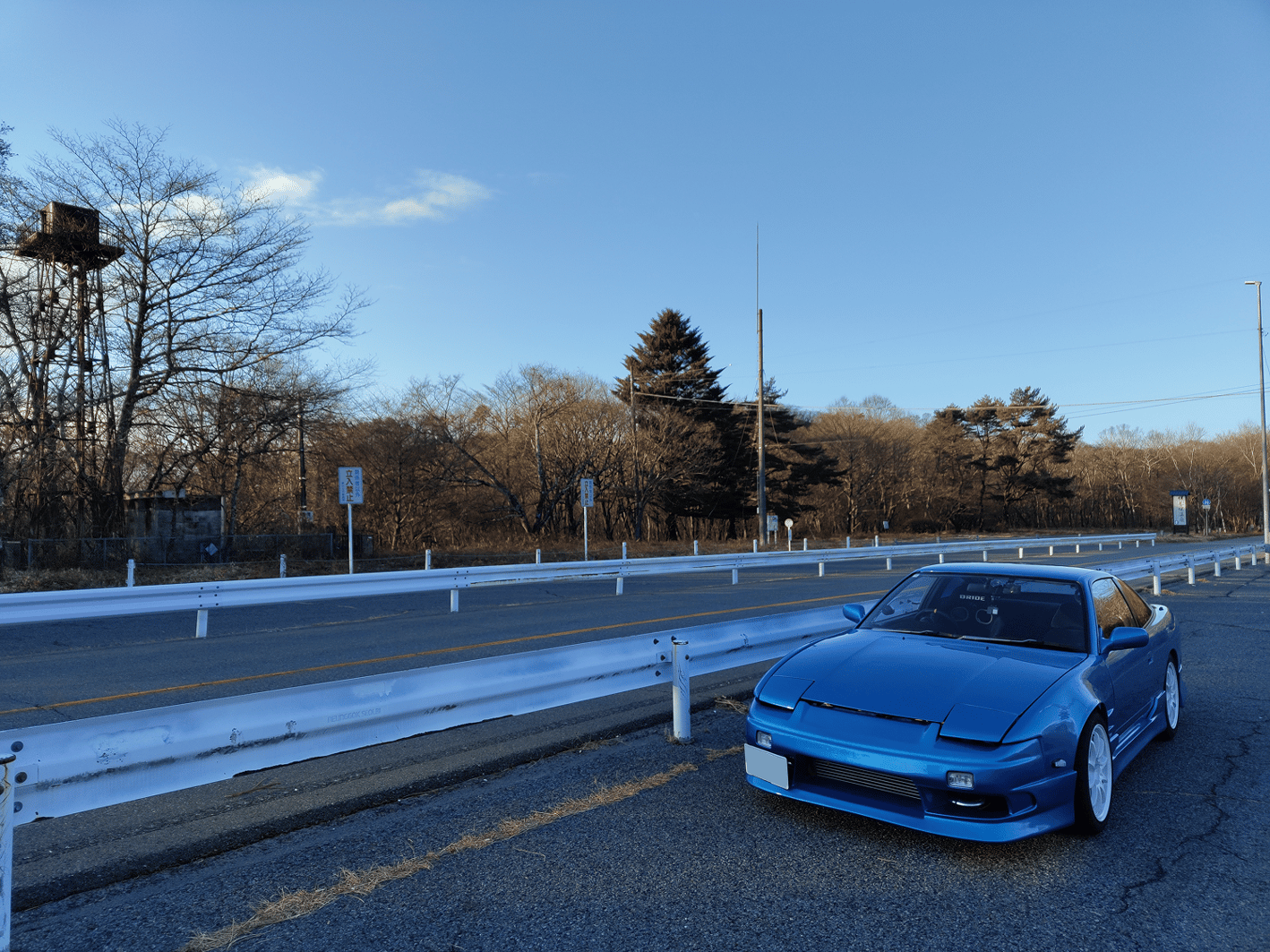
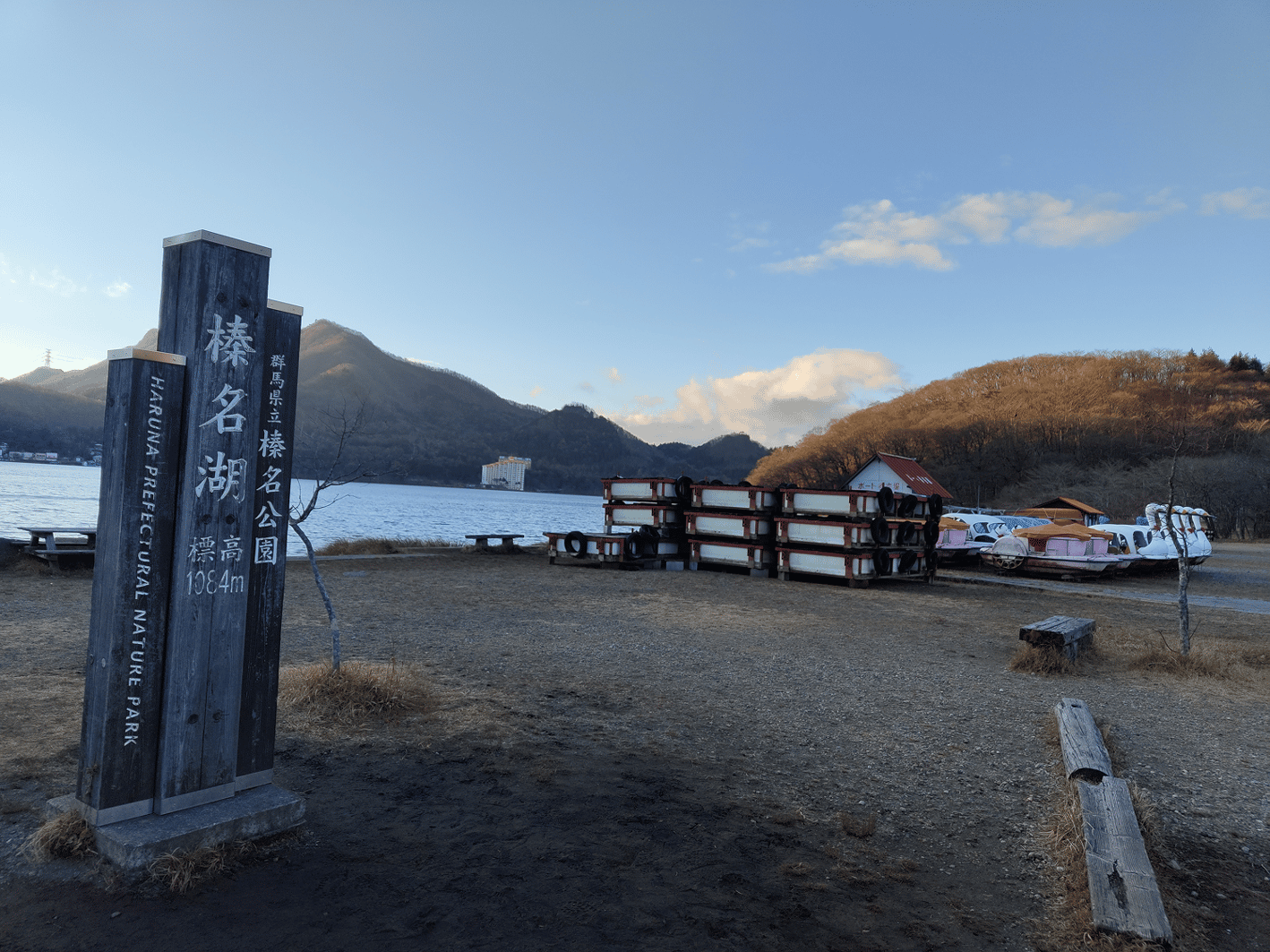
Initial D fans can ride the real Mount Haruna, the touge the anime calls Akina, on a day trip from Tokyo through Gunma. Tours vary from a full sweep of first-stage locations to a street-style run up and down the mountain passes. Take the downhill slowly; the hairpins reward patience more than speed.
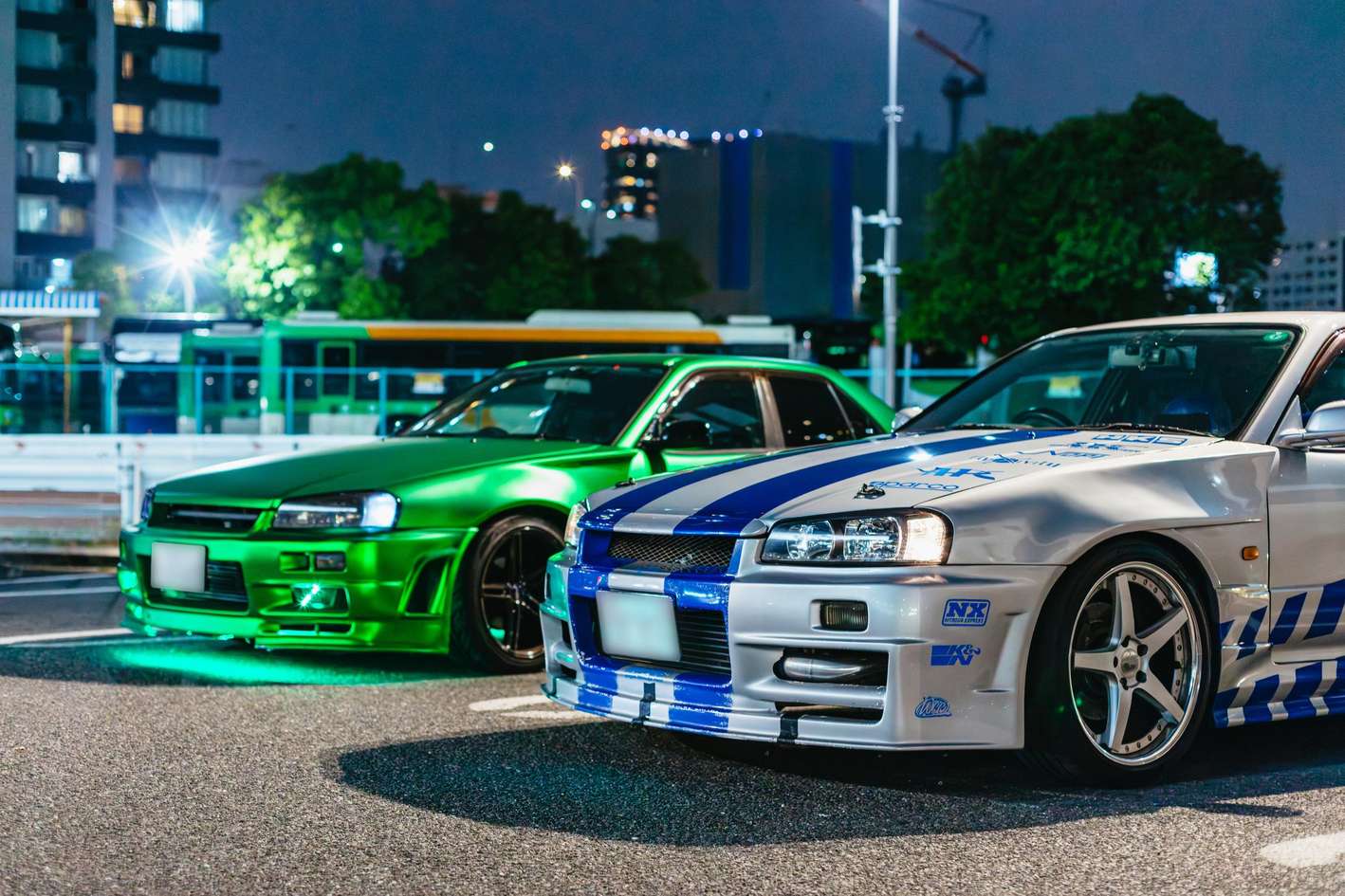
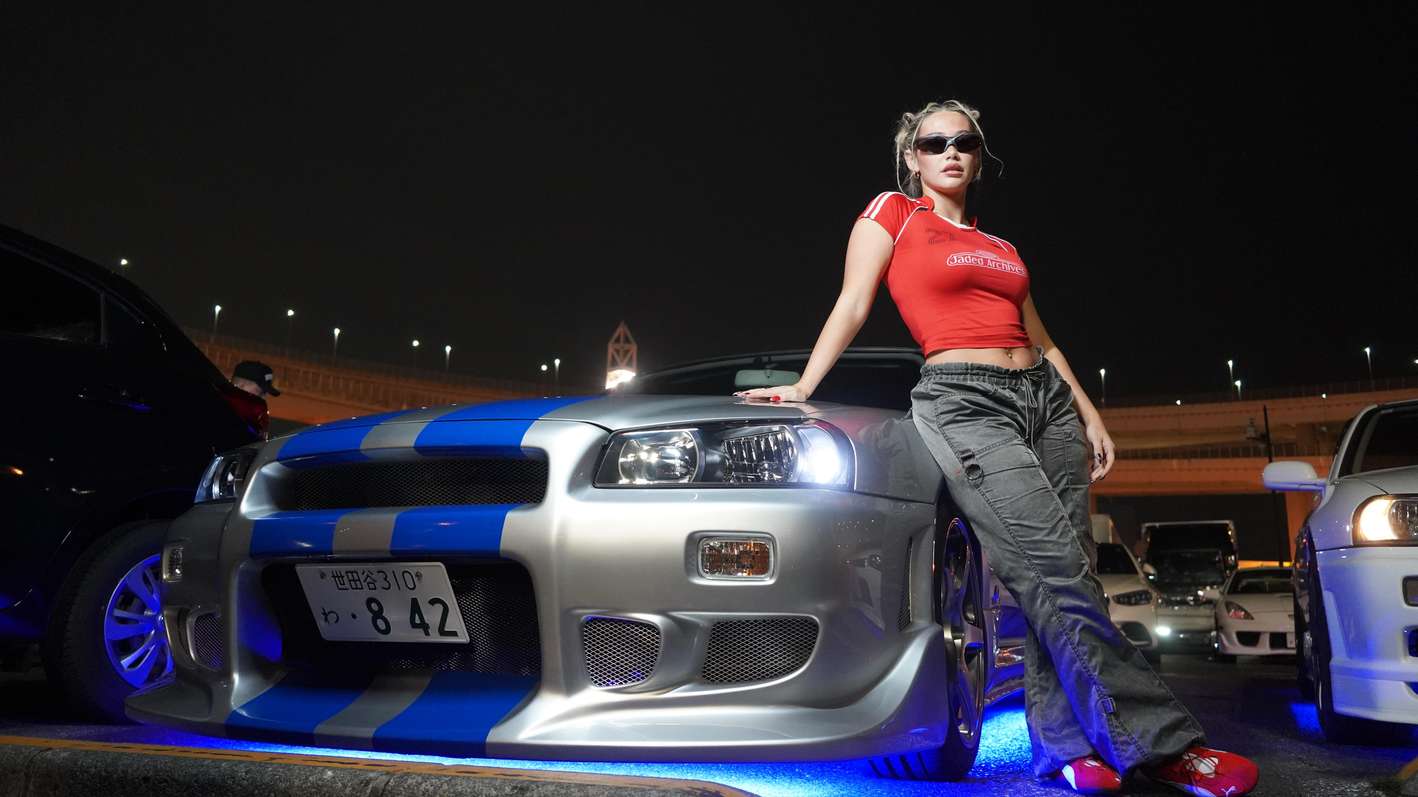
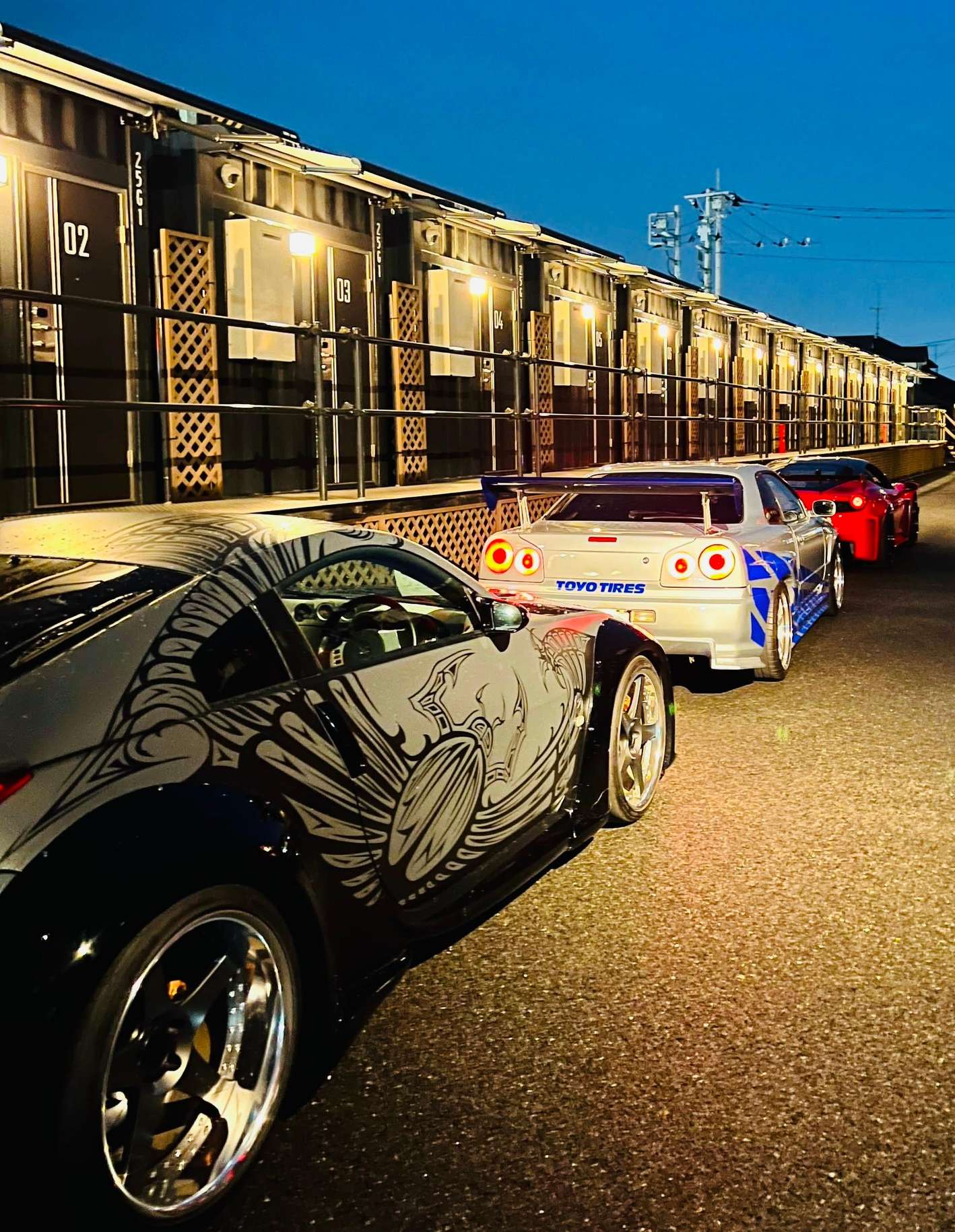
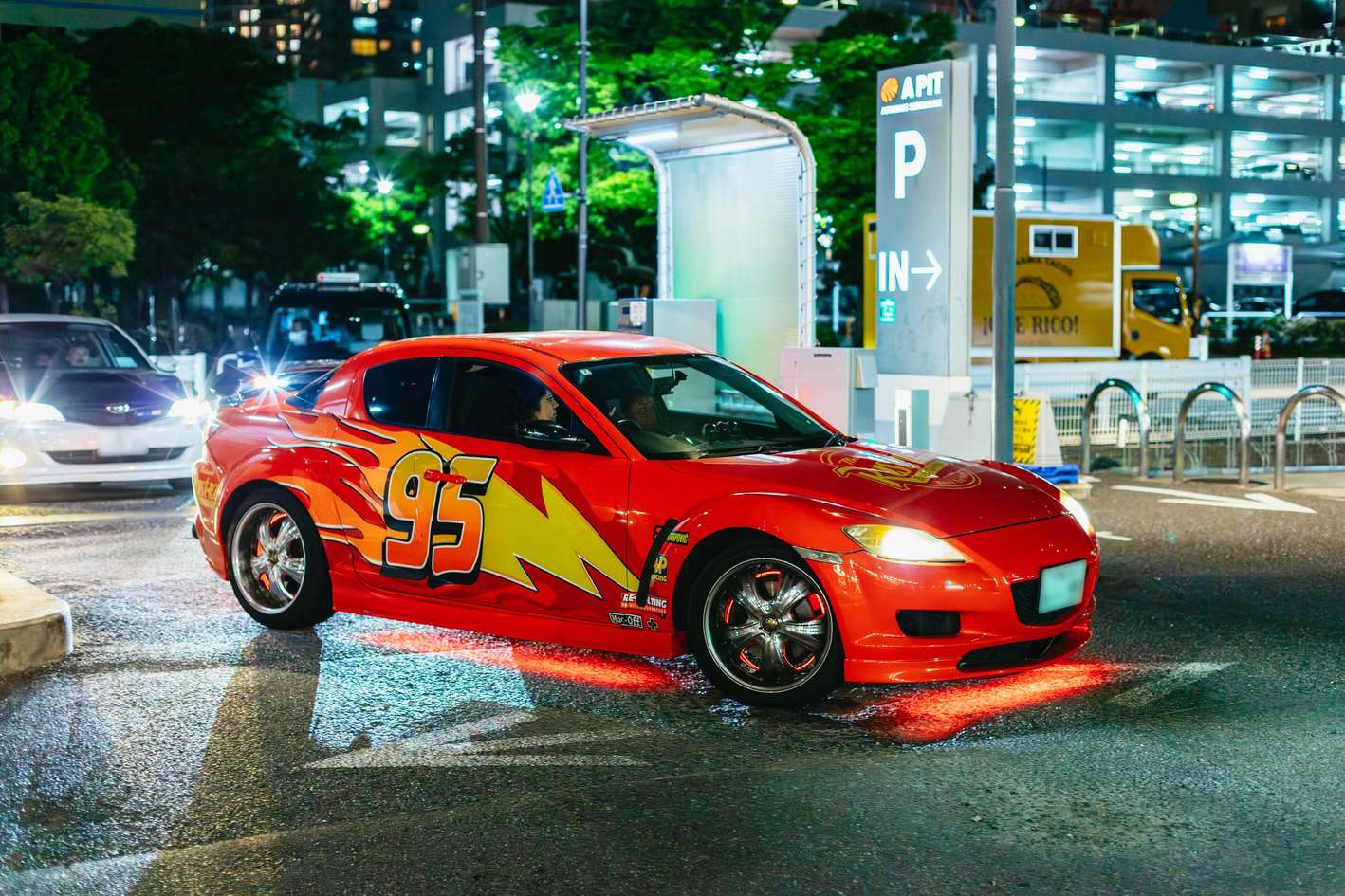
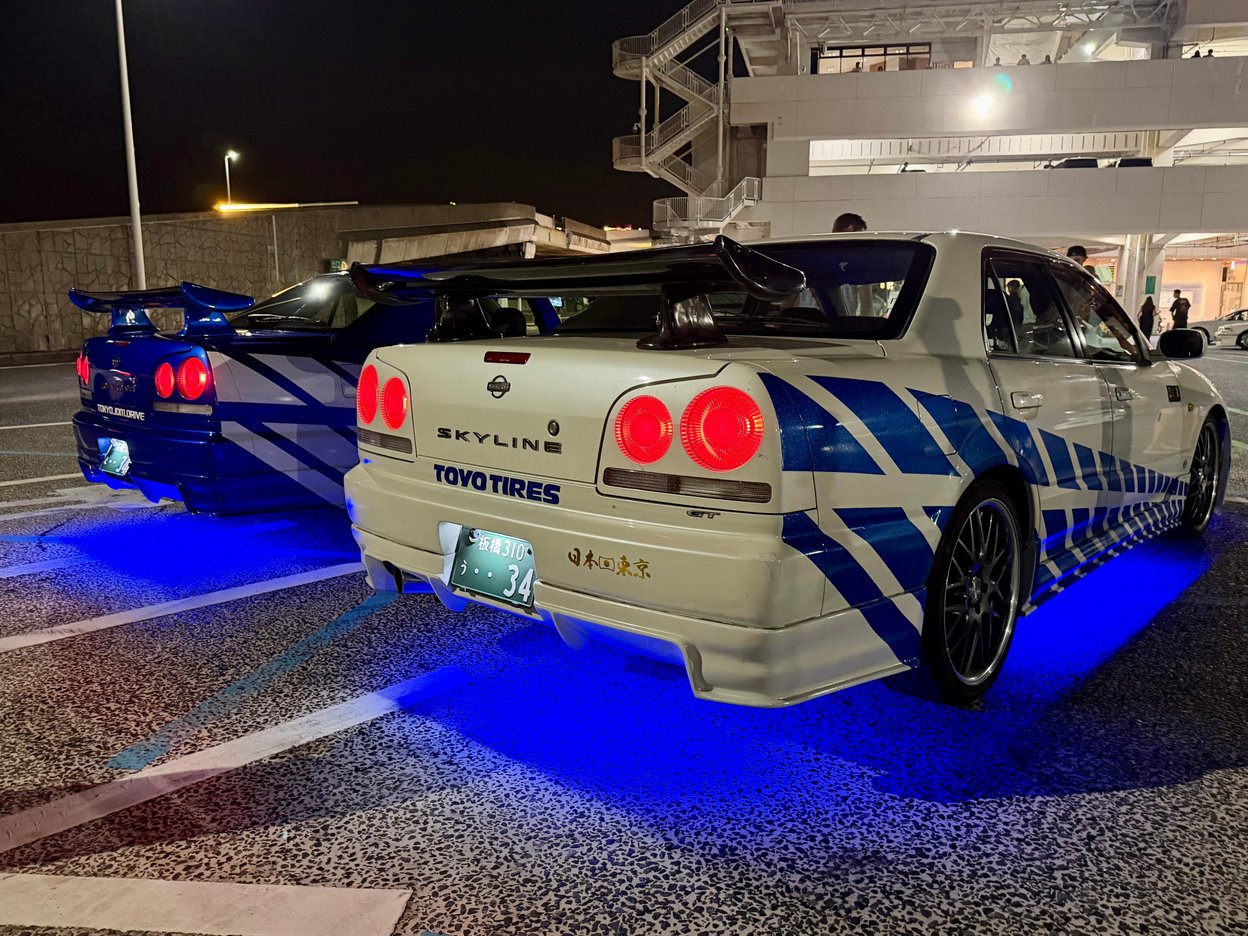
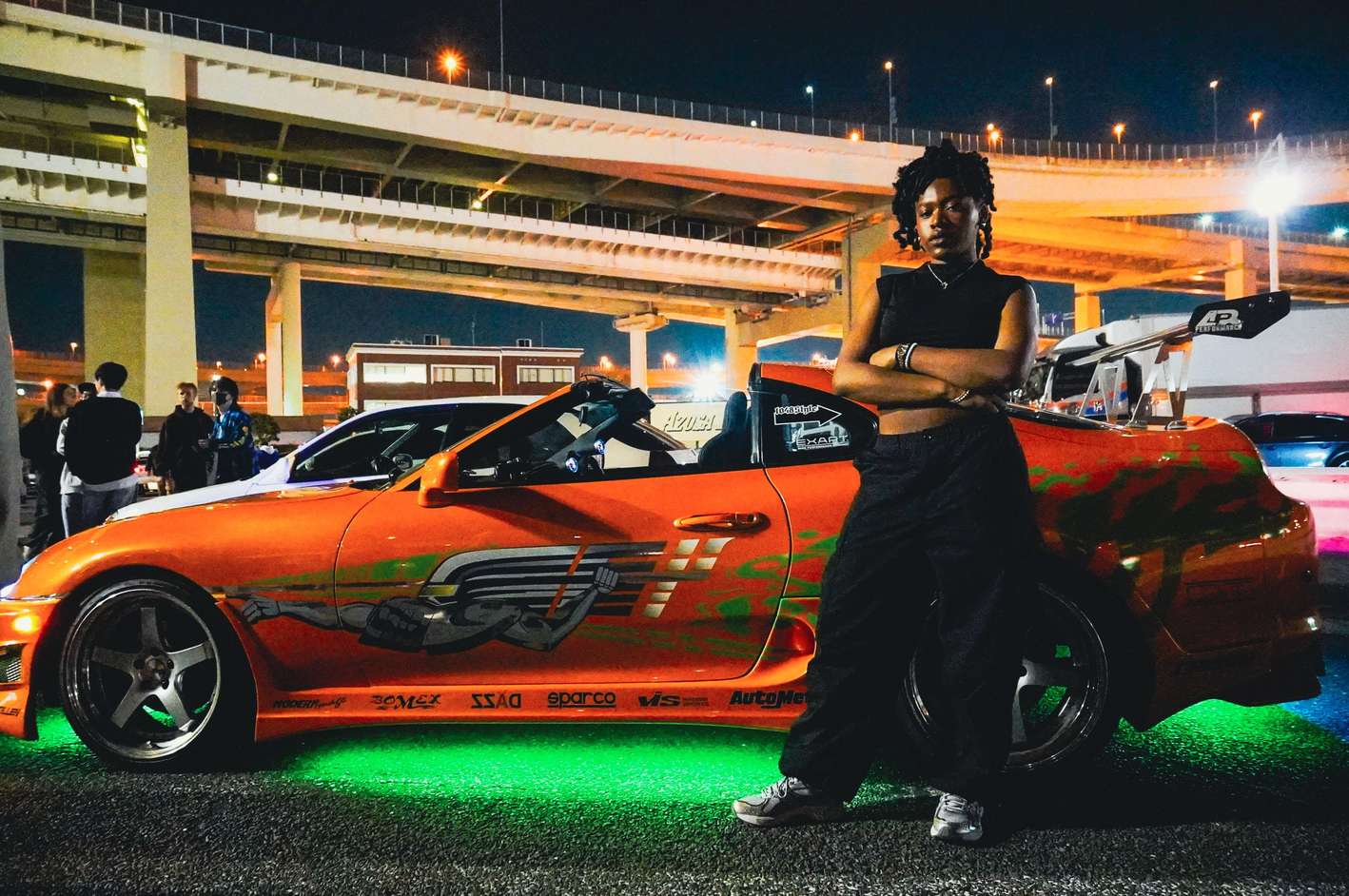
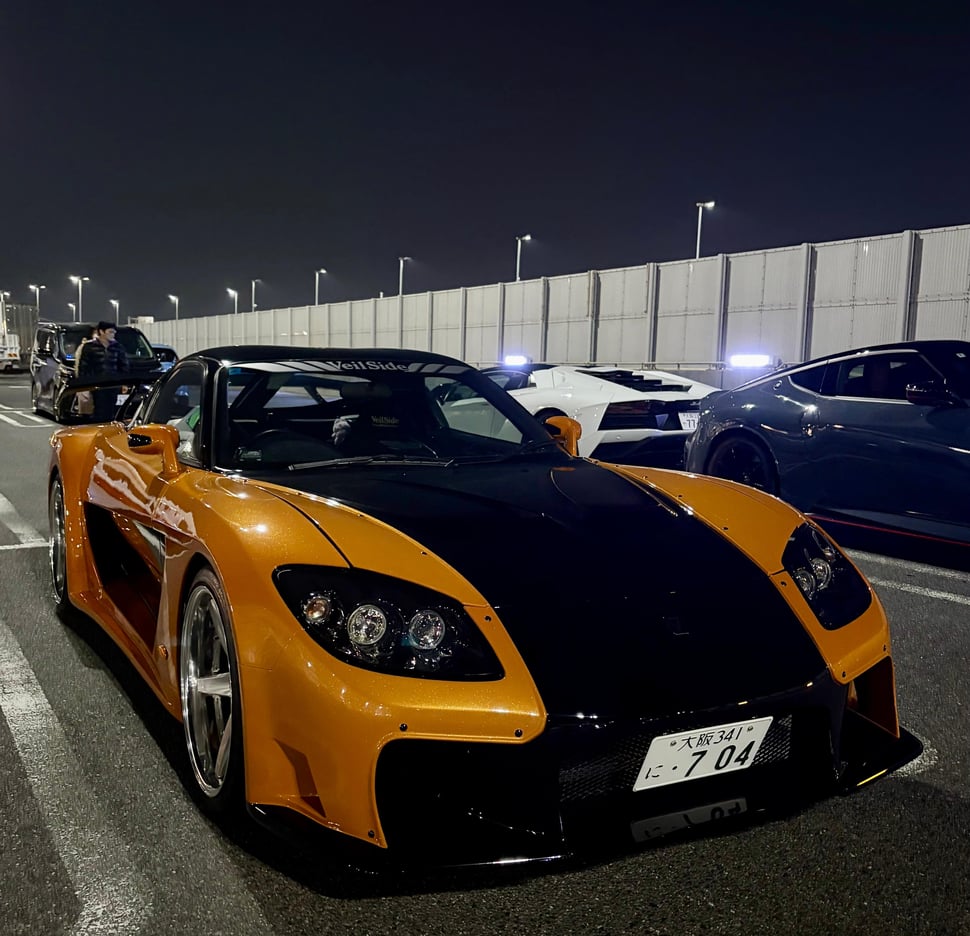
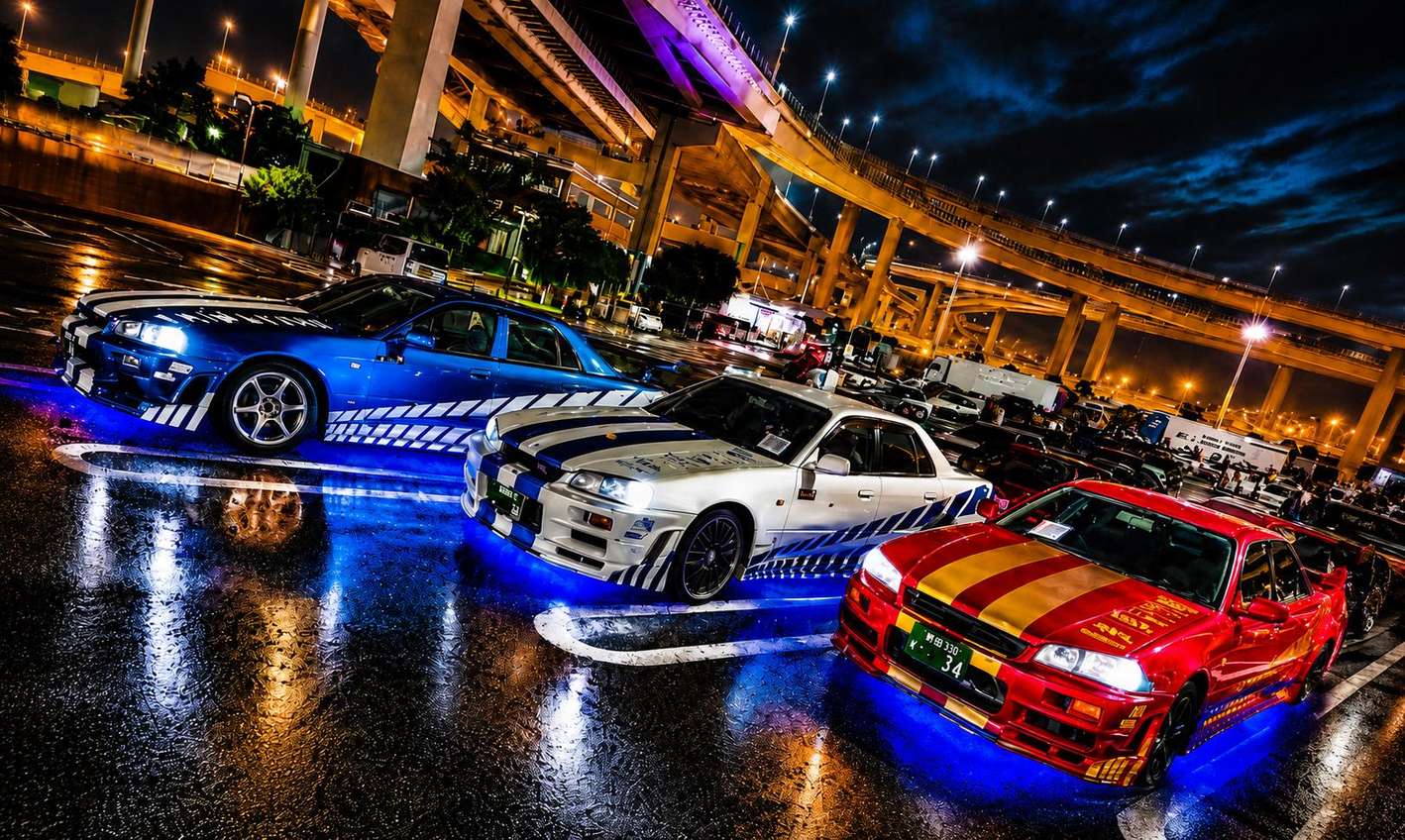
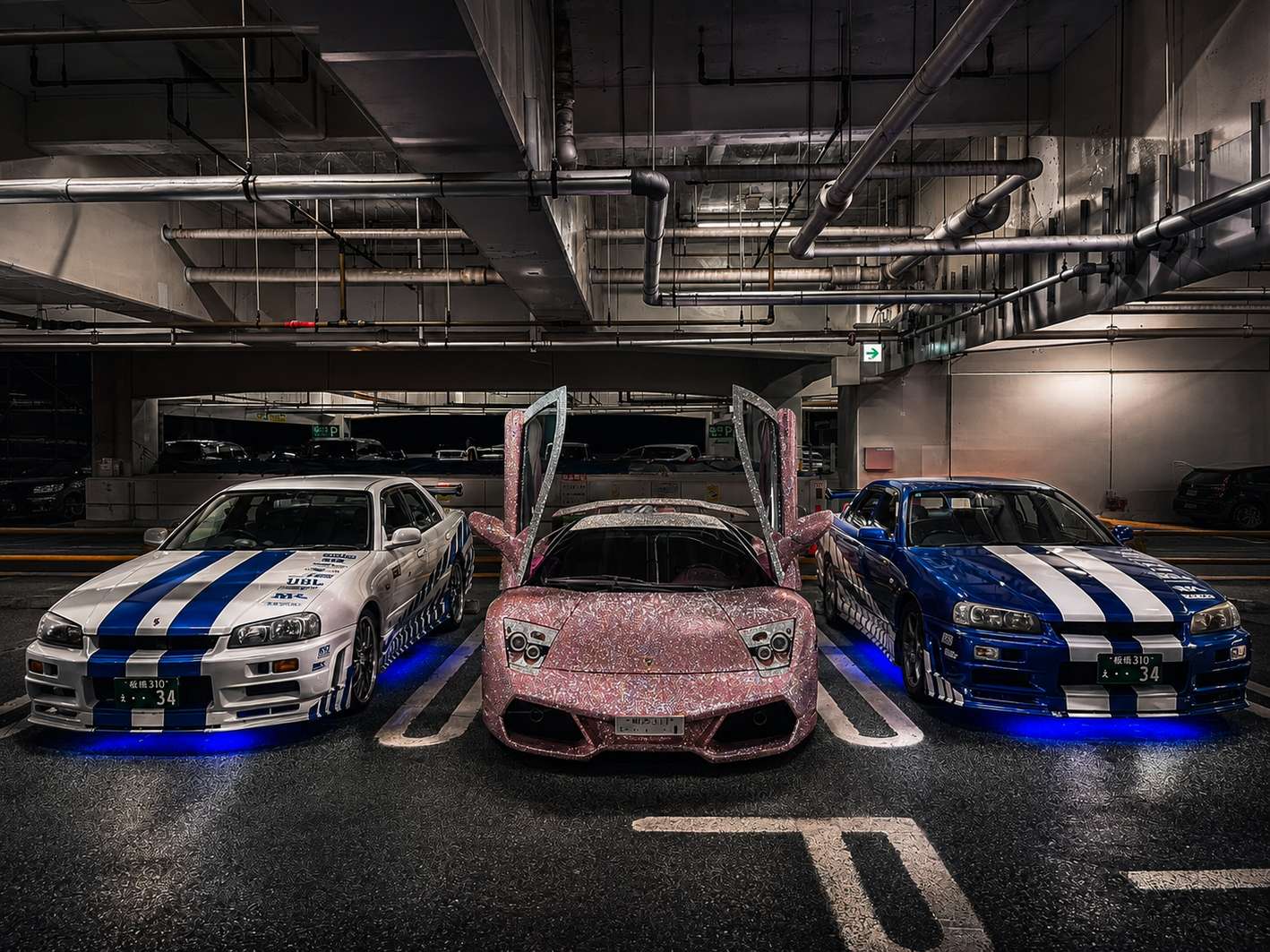
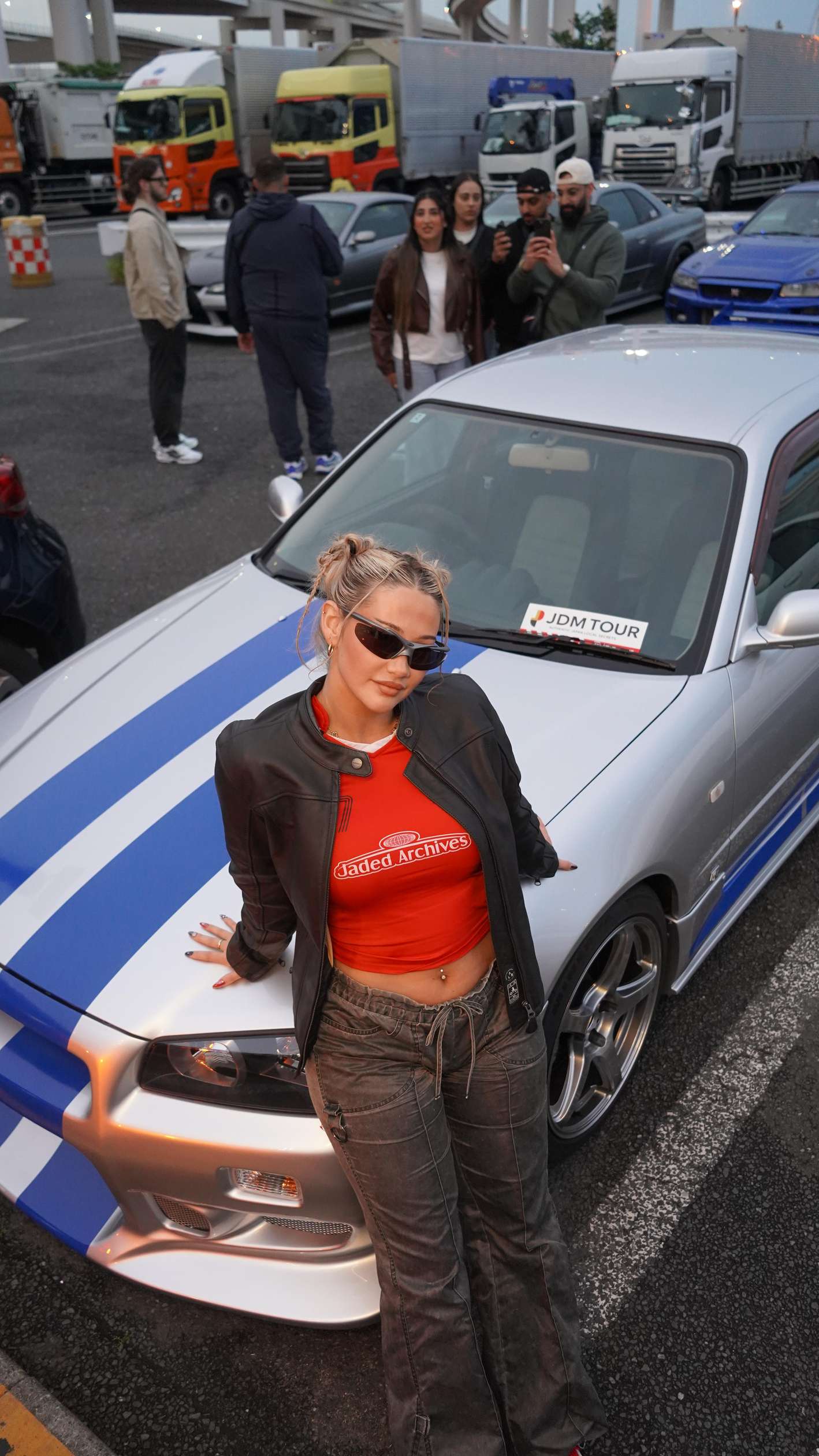
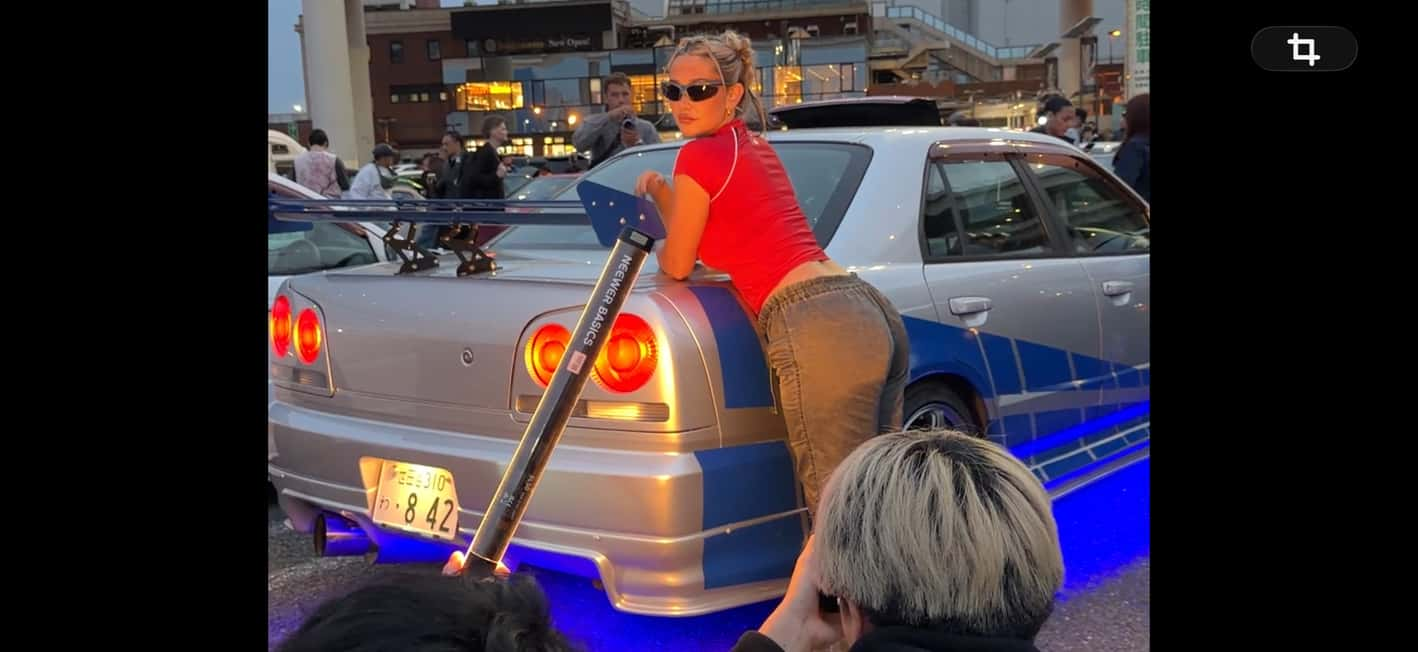
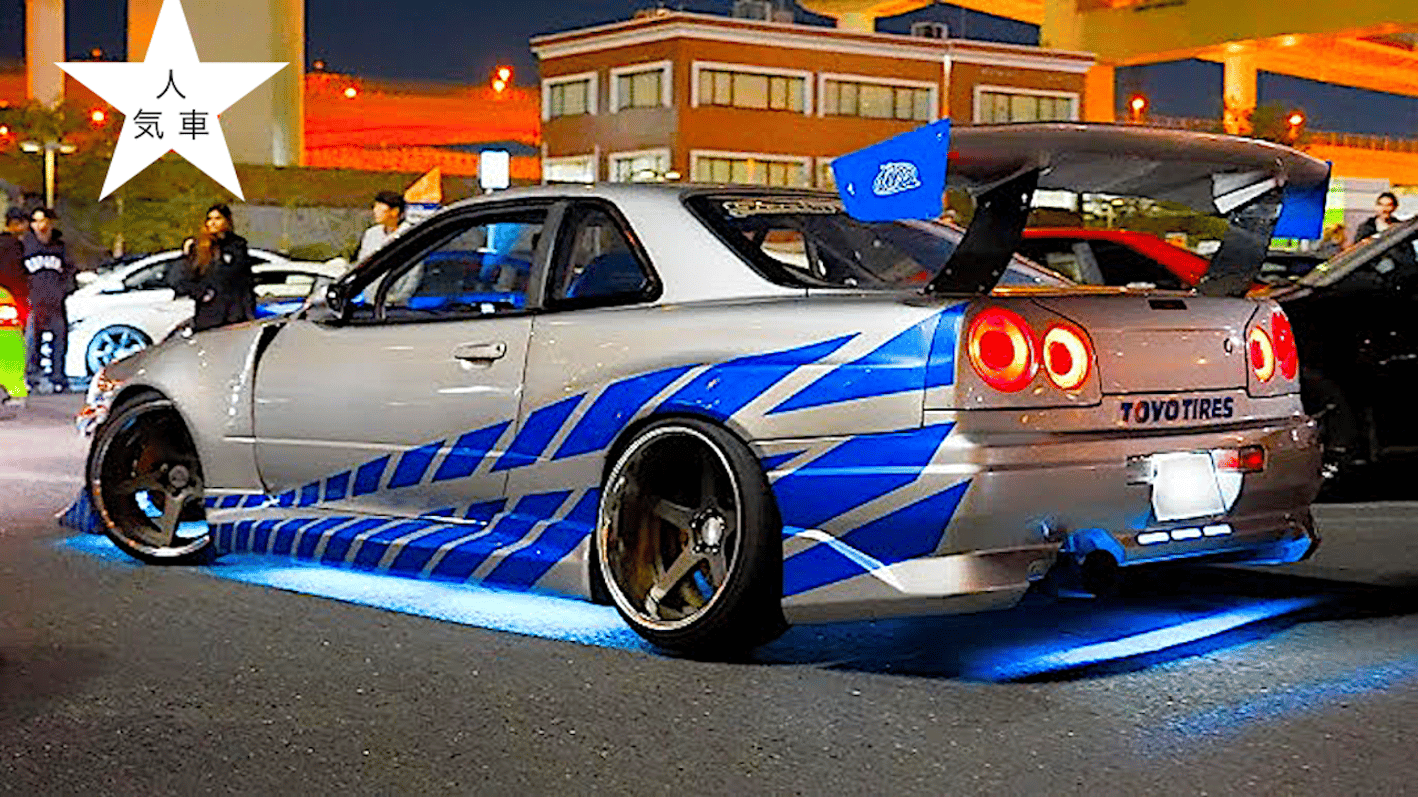
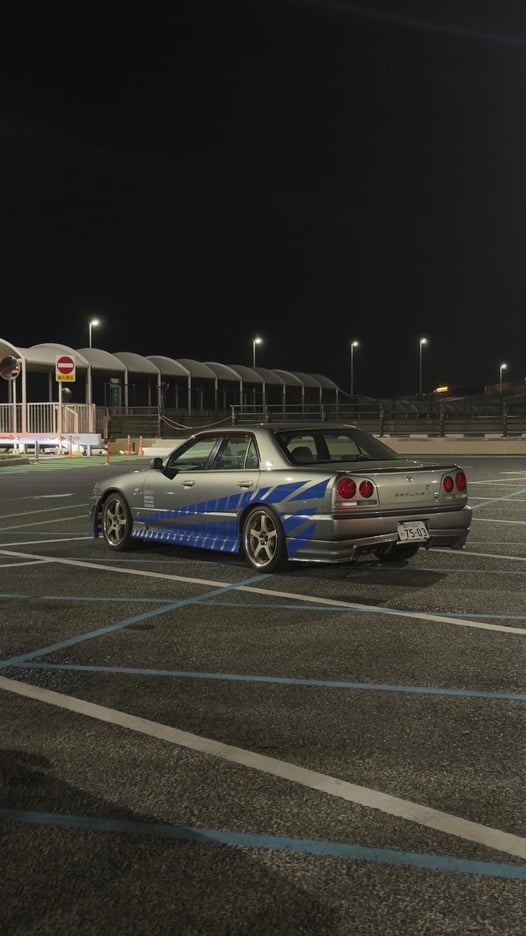
The Fast and Furious tours lean into the Tokyo Drift fantasy, with rides in movie-style Skylines and Supras past Shibuya Crossing, Tokyo Tower and the Daikoku PA meet. The film's drifting was shot in Los Angeles, but the locations are real and the night drive delivers the atmosphere. Great for fans of the movies.
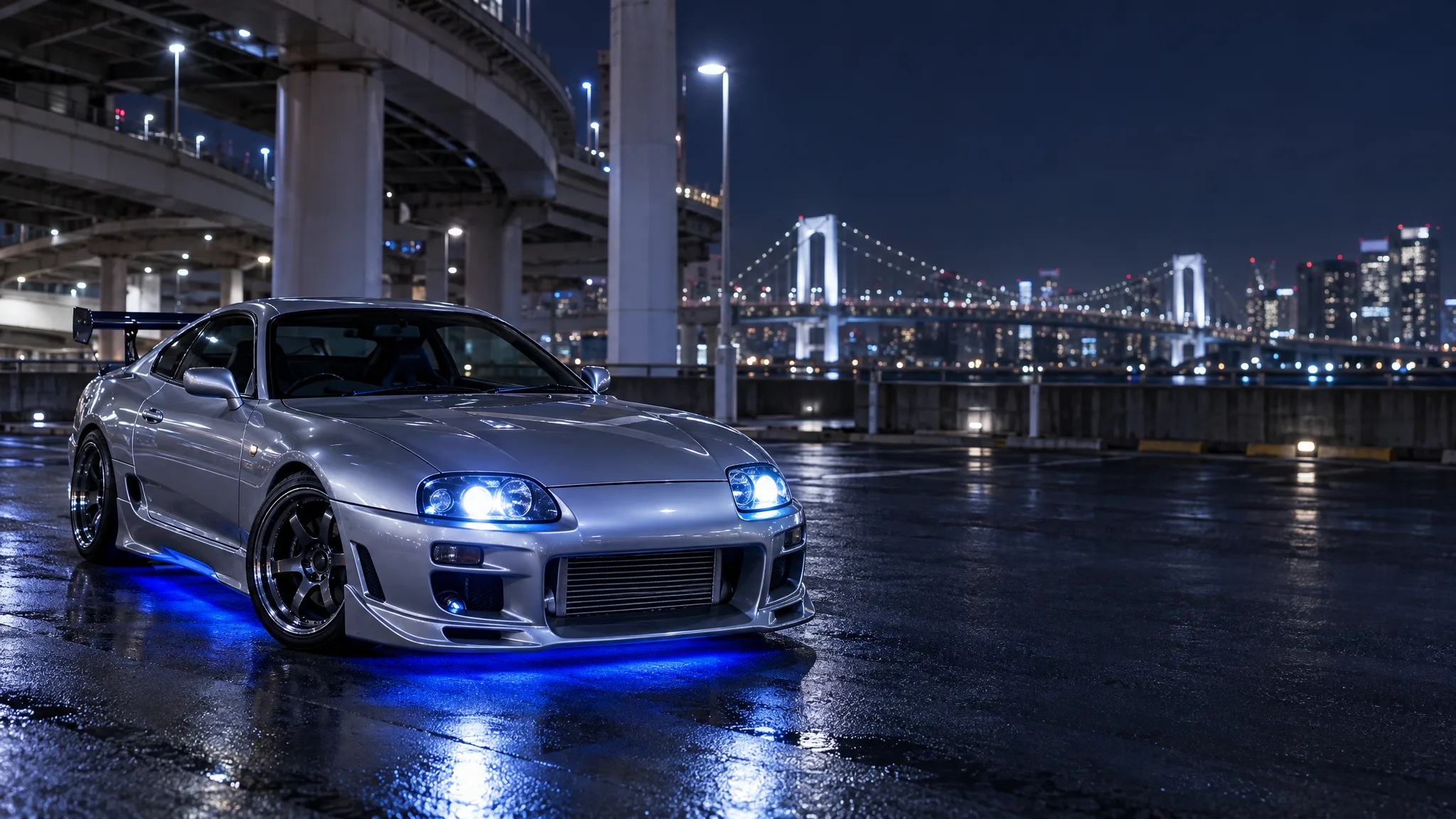
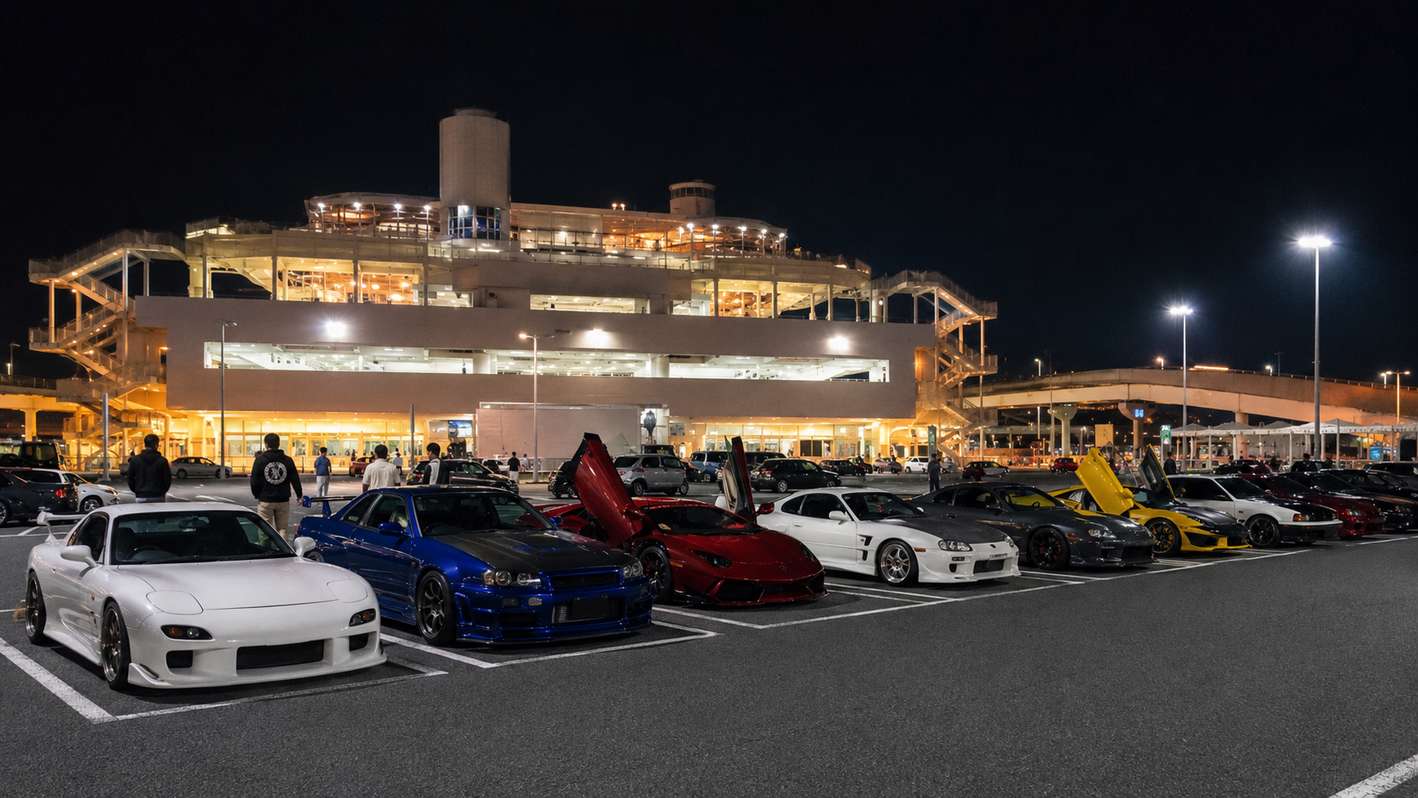
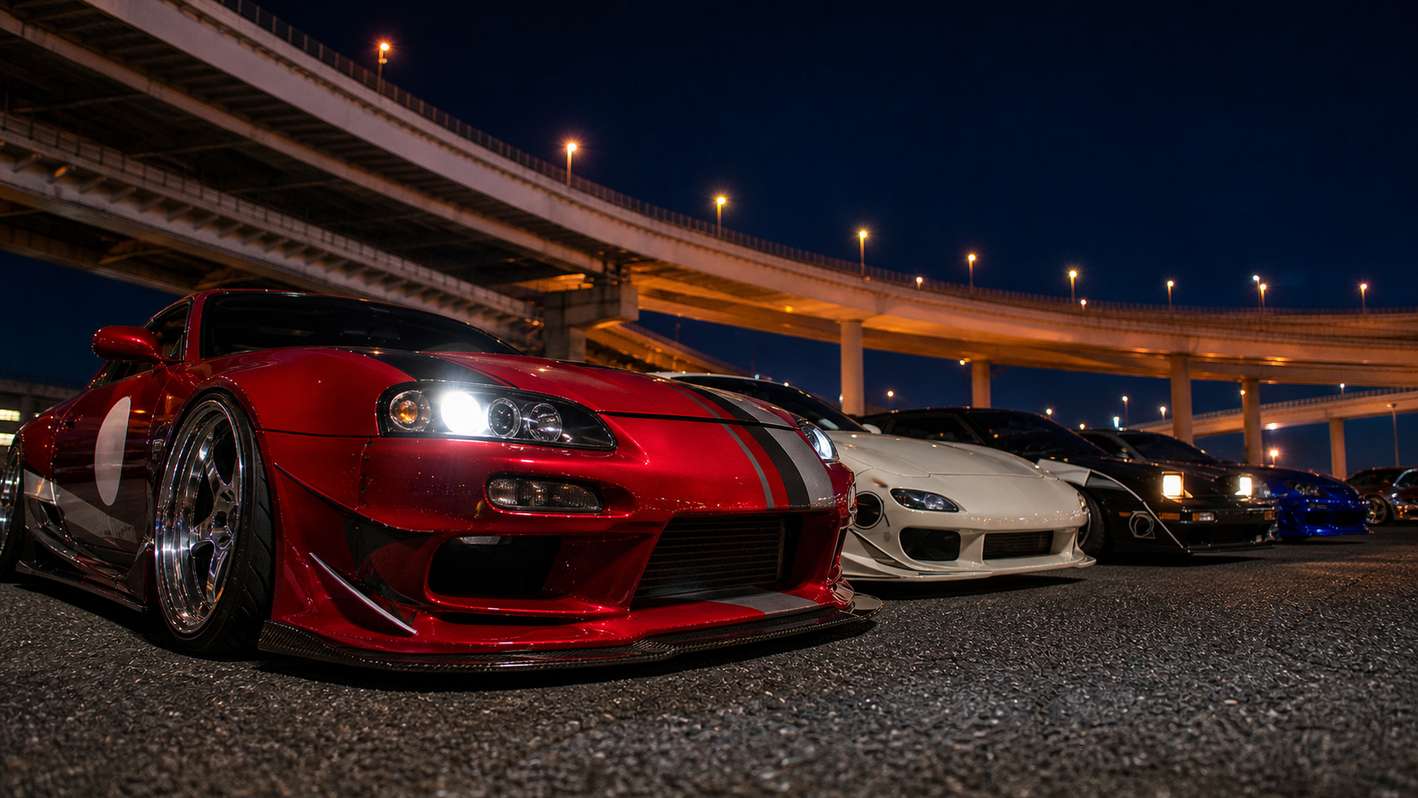
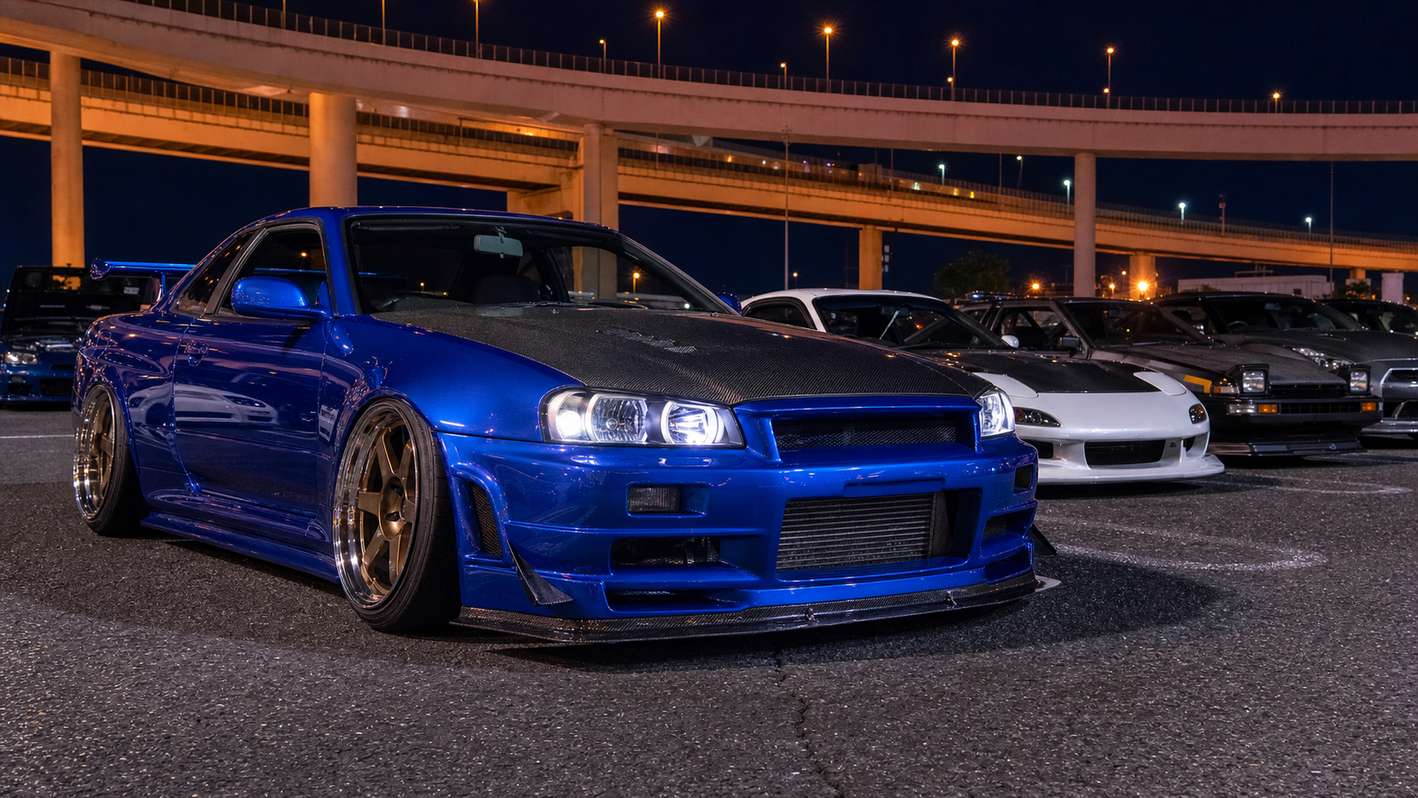
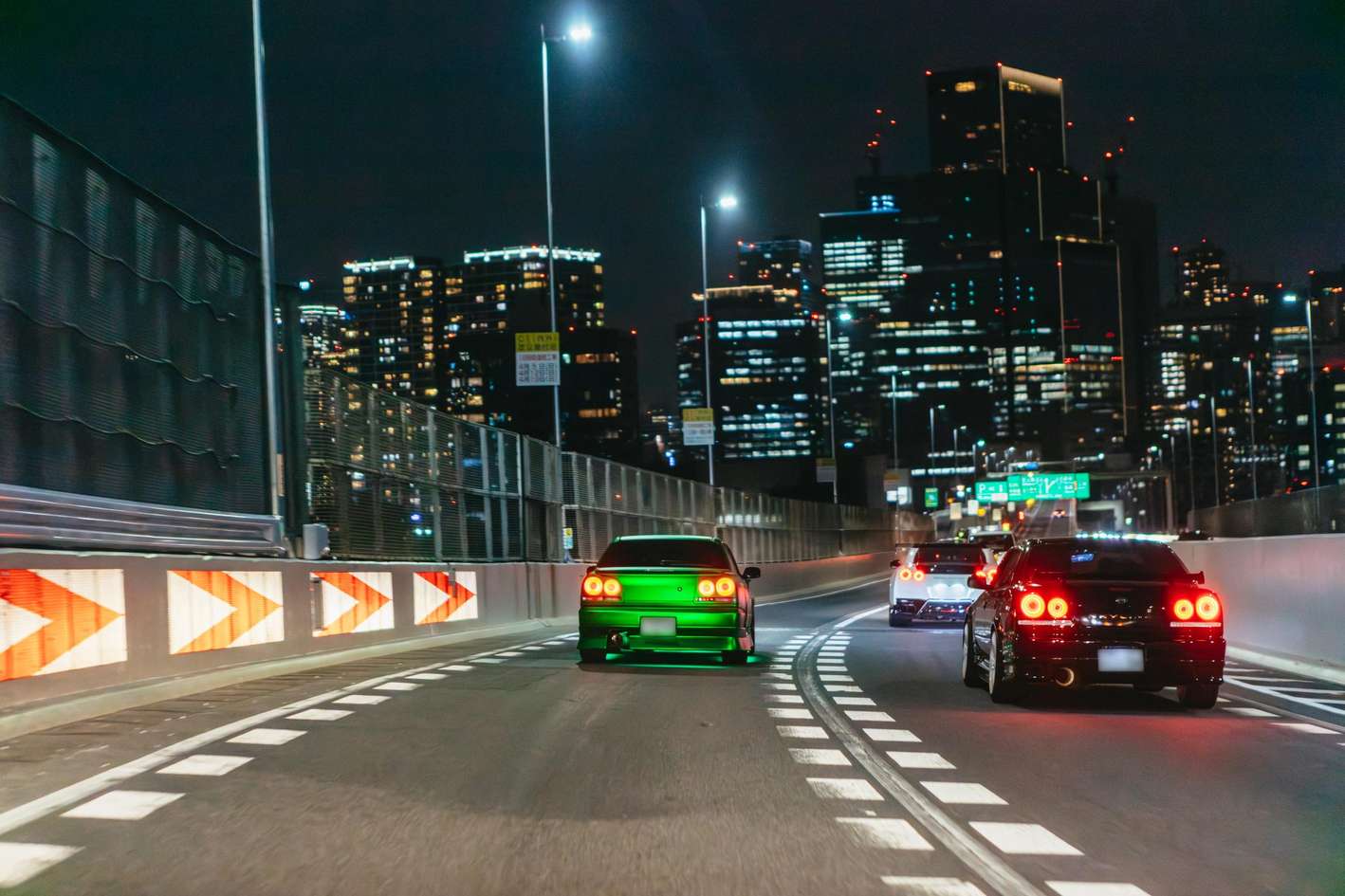
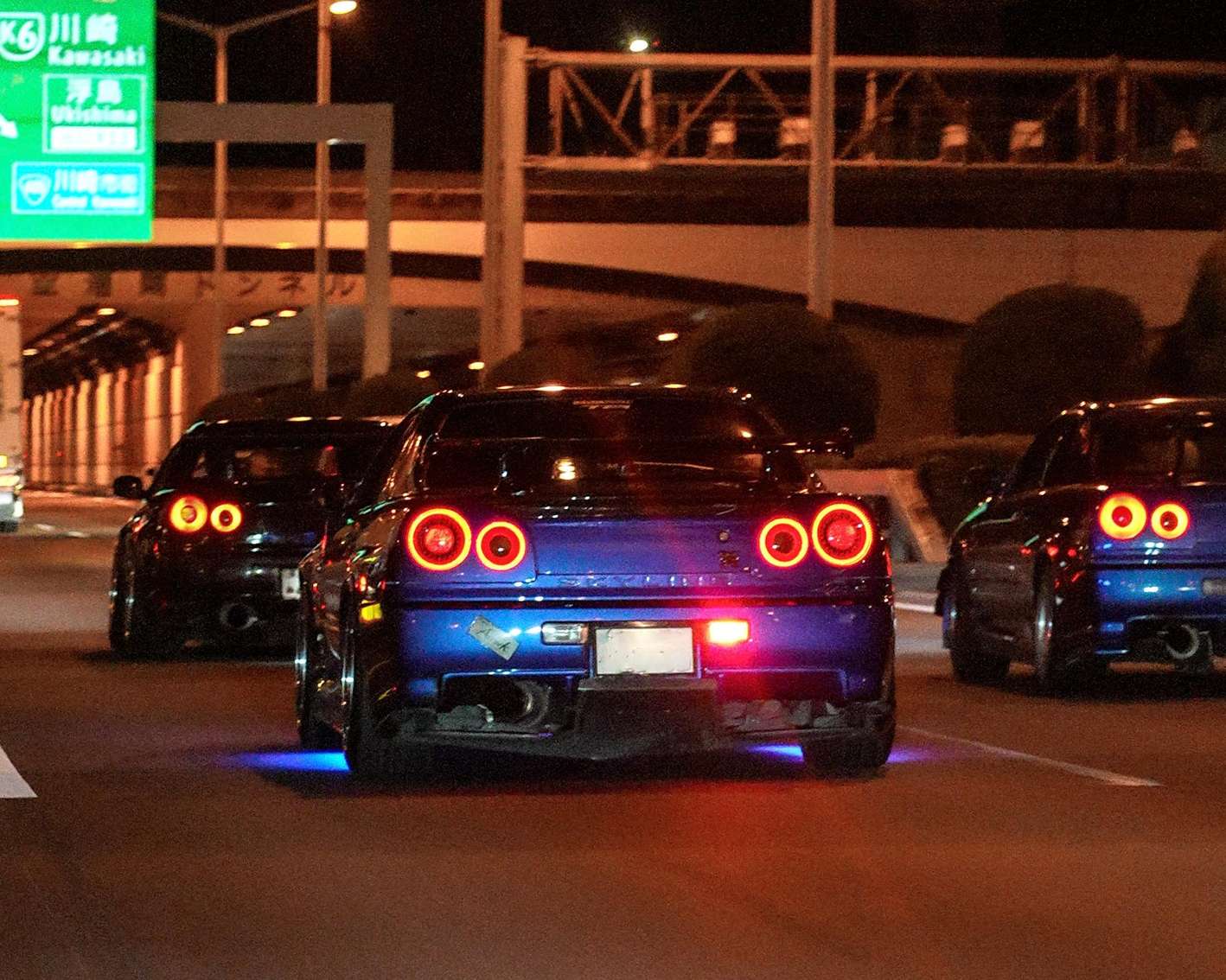
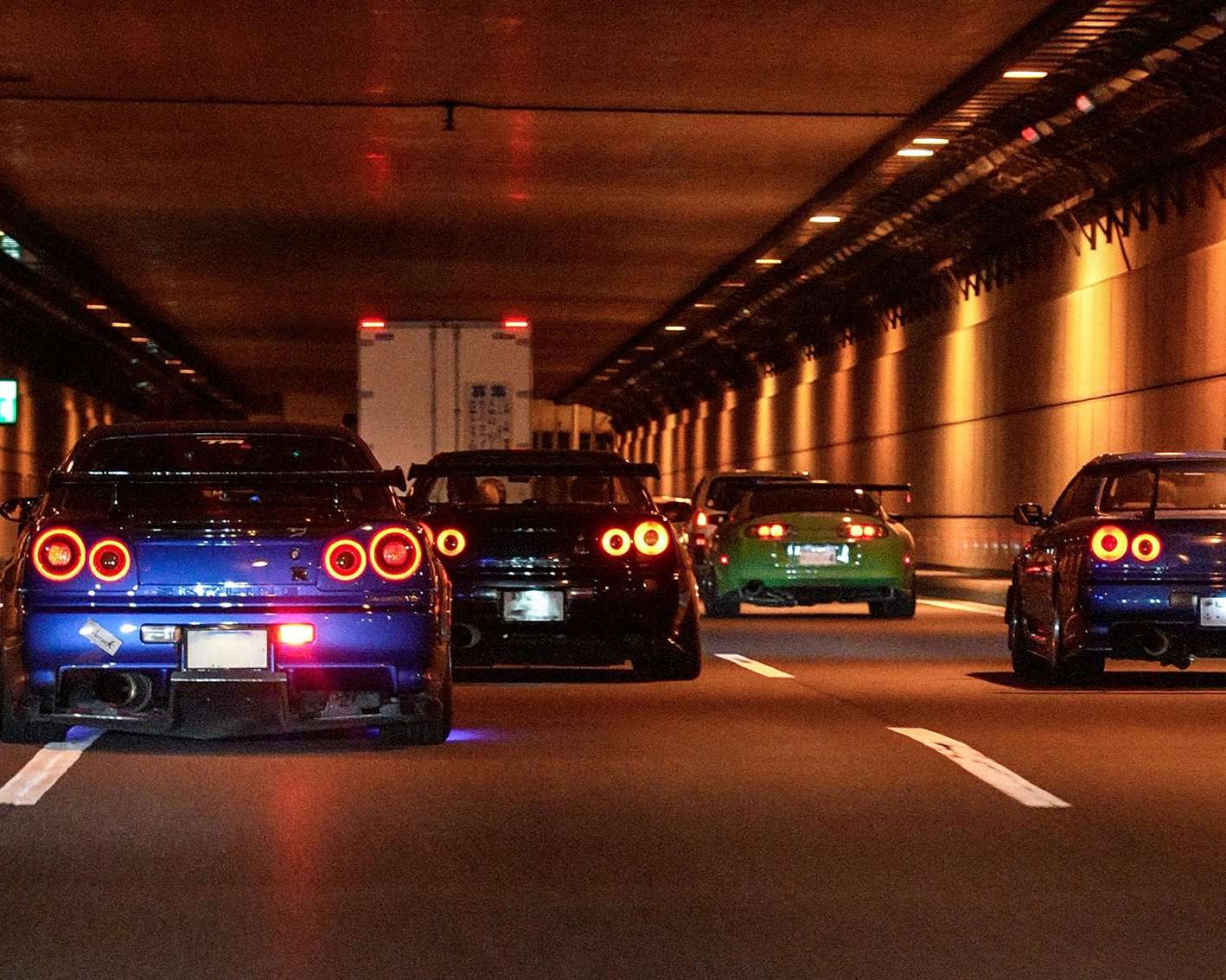
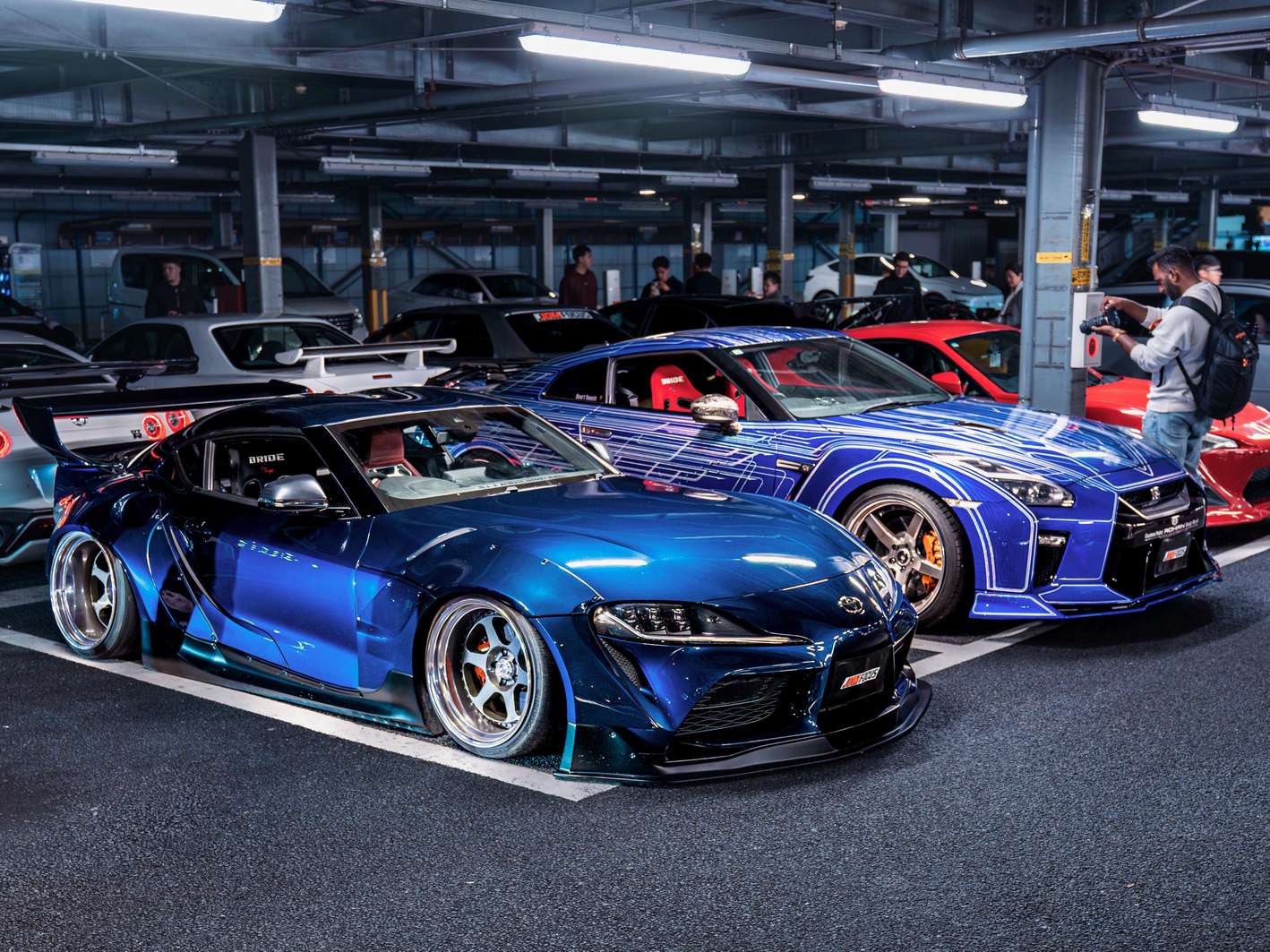
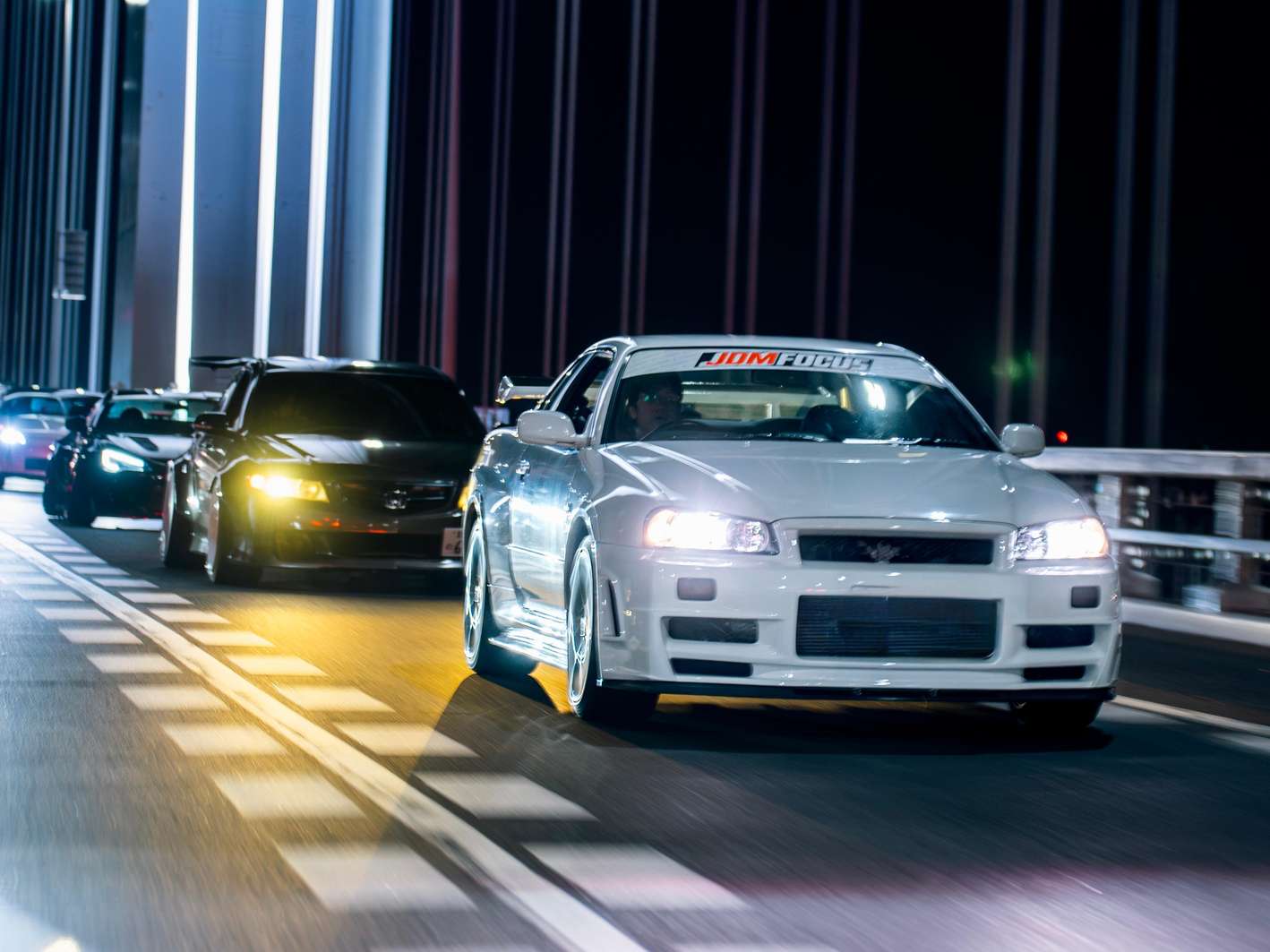
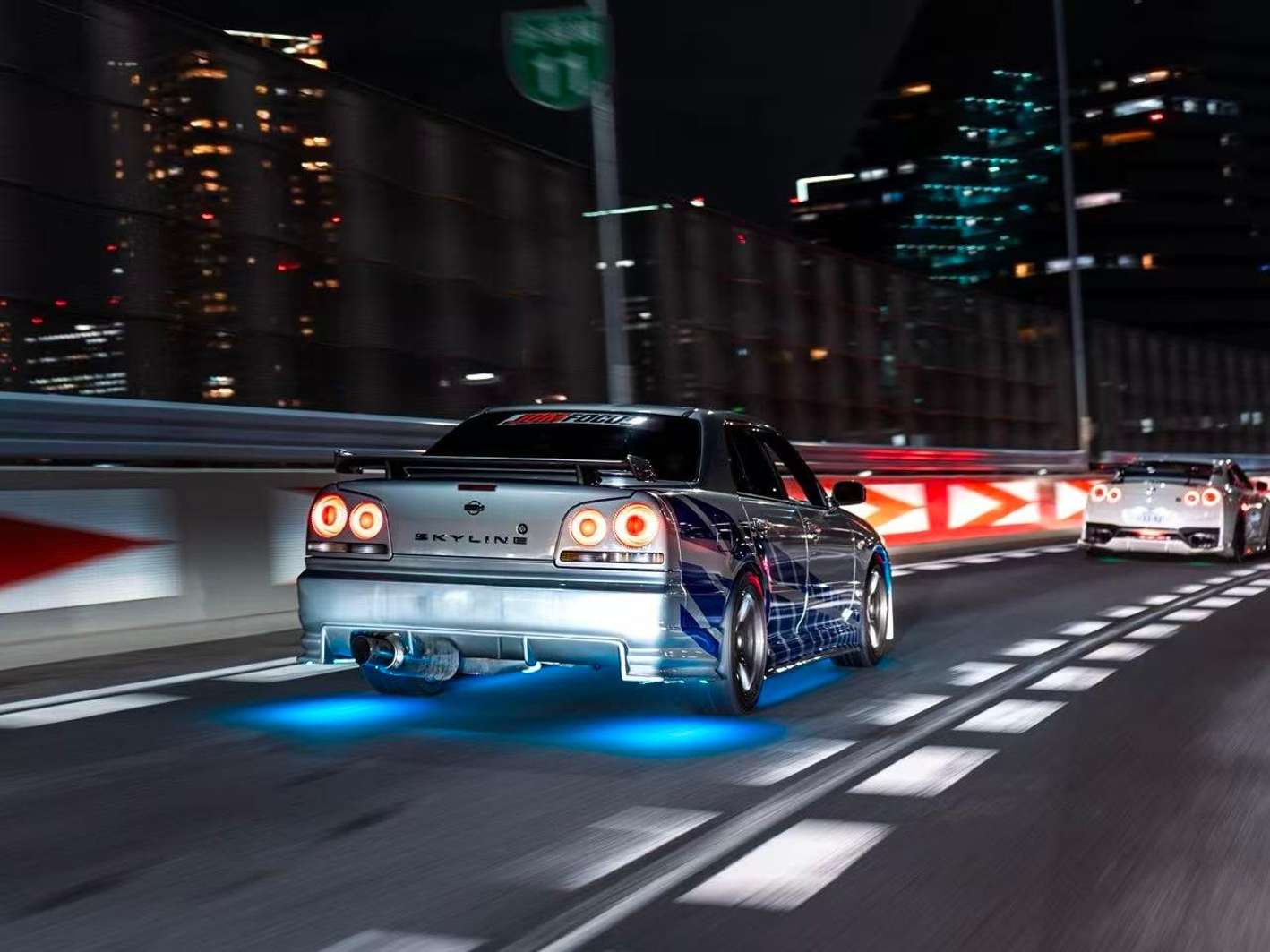
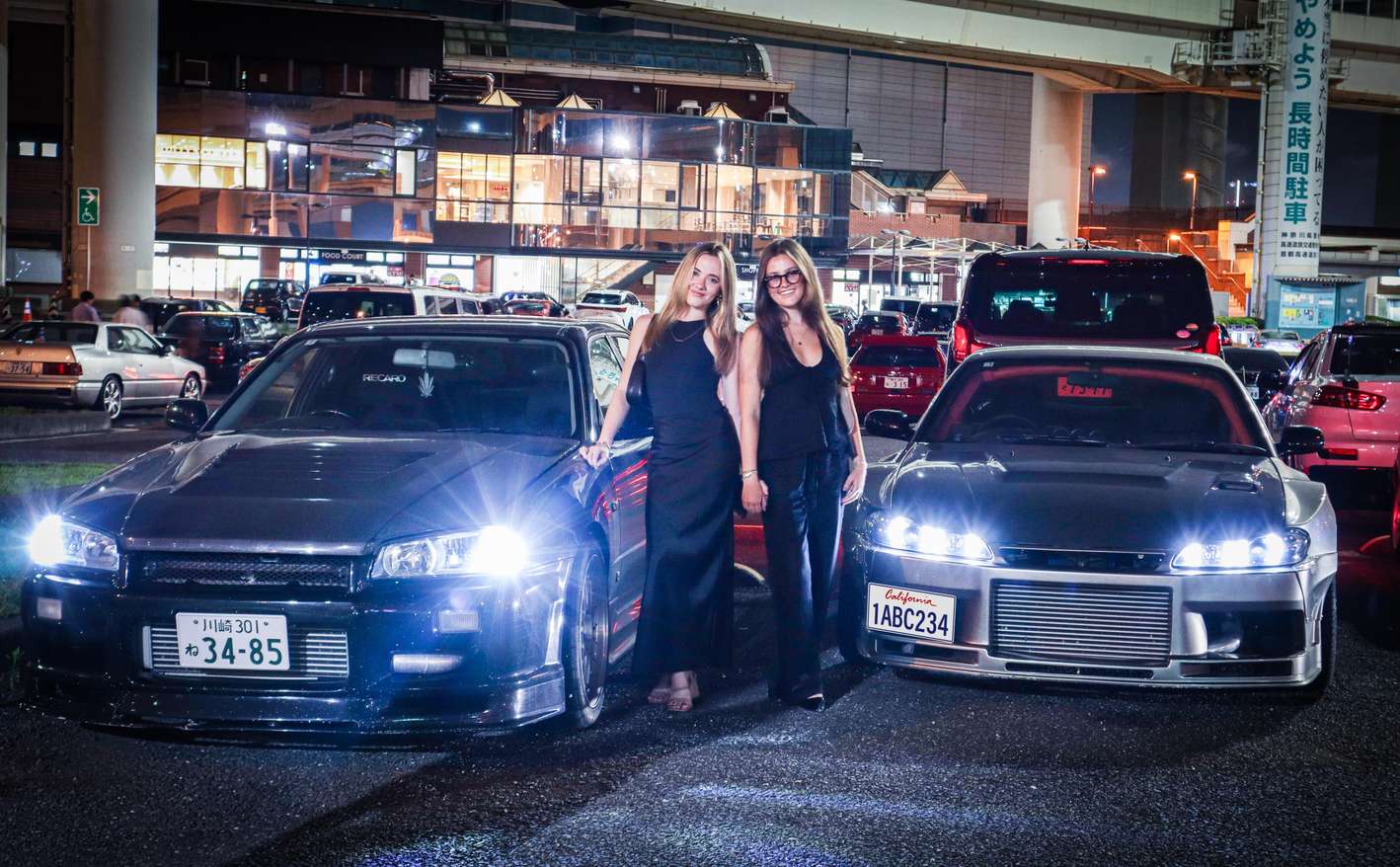
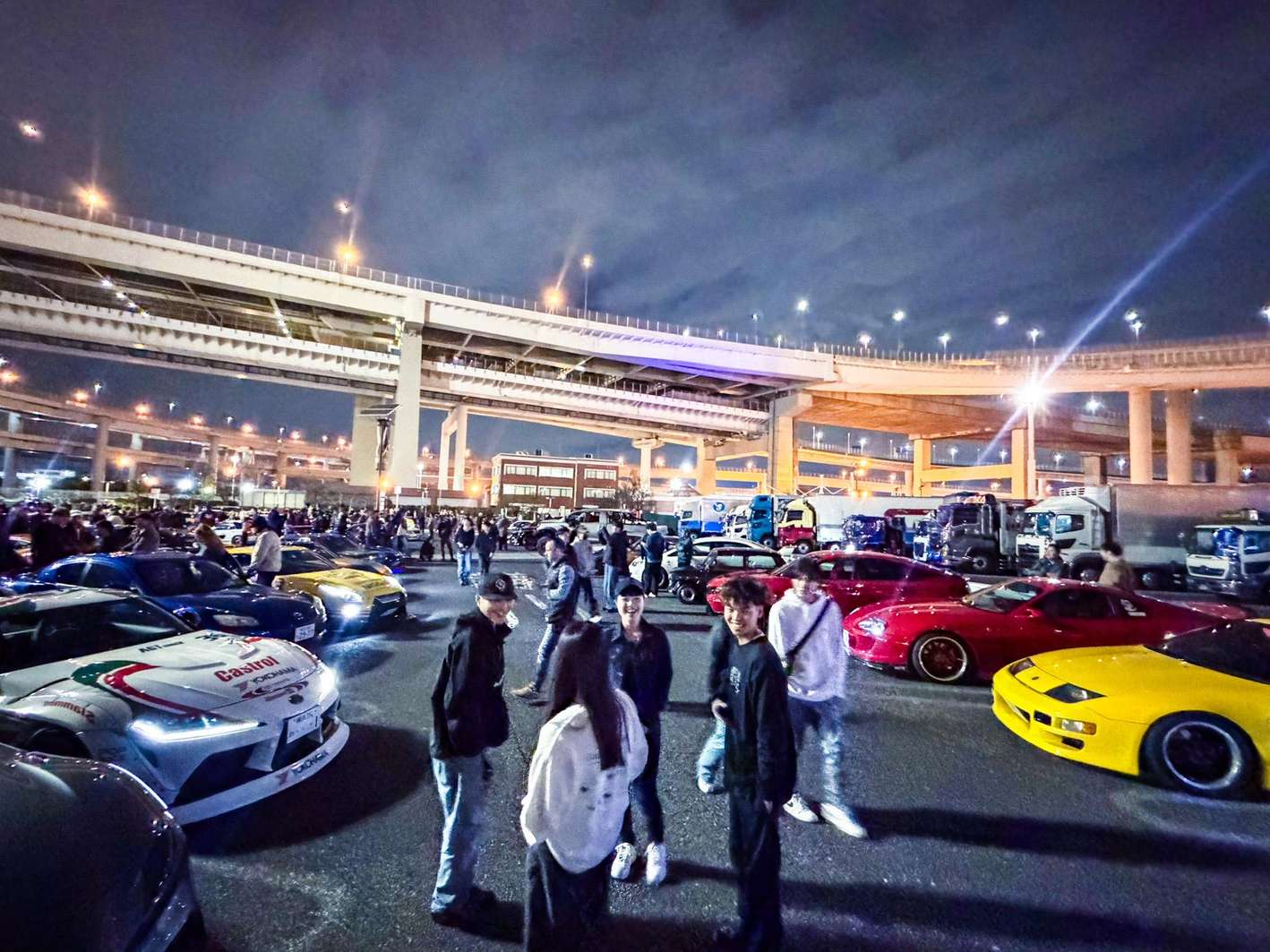
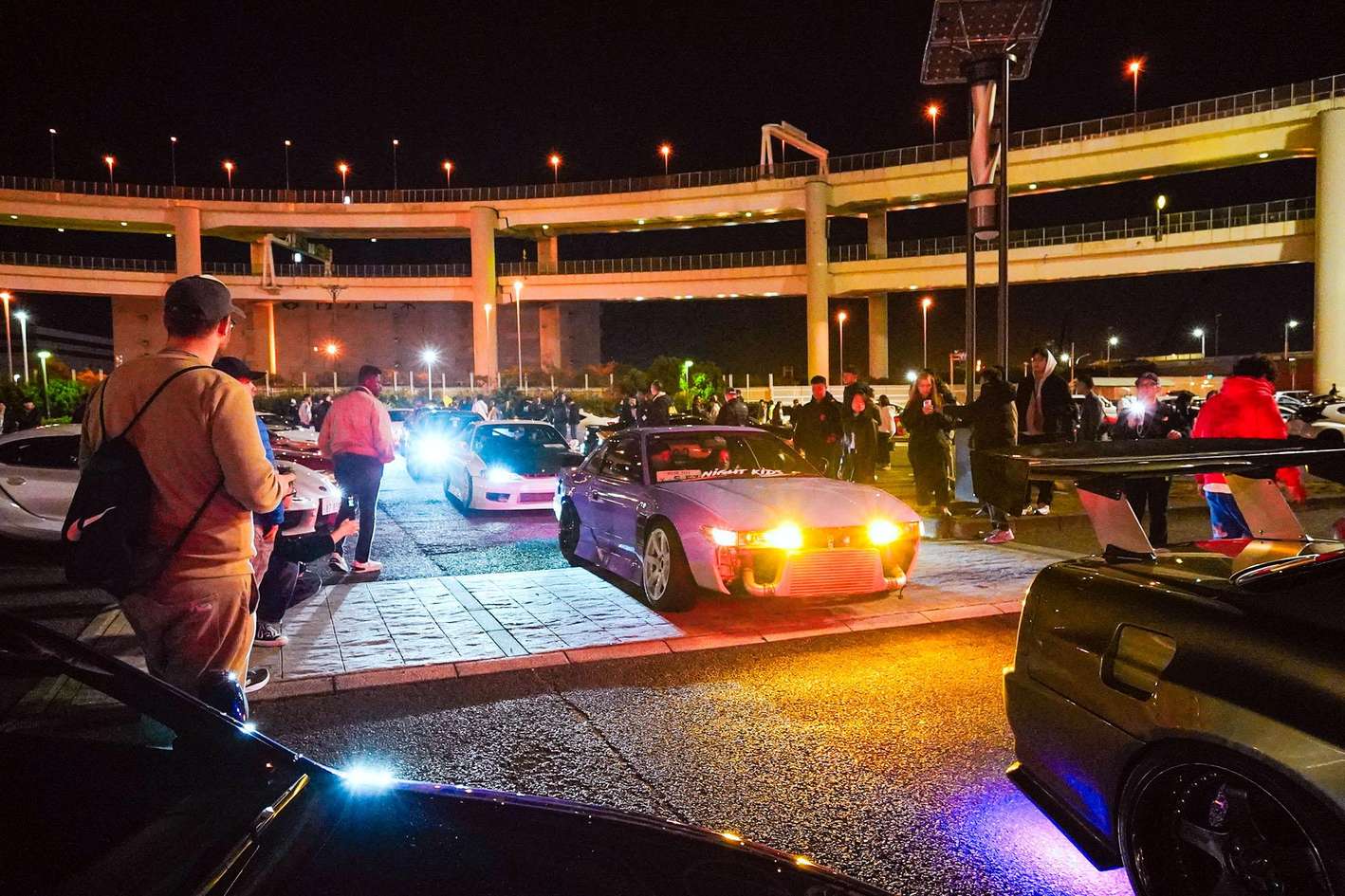
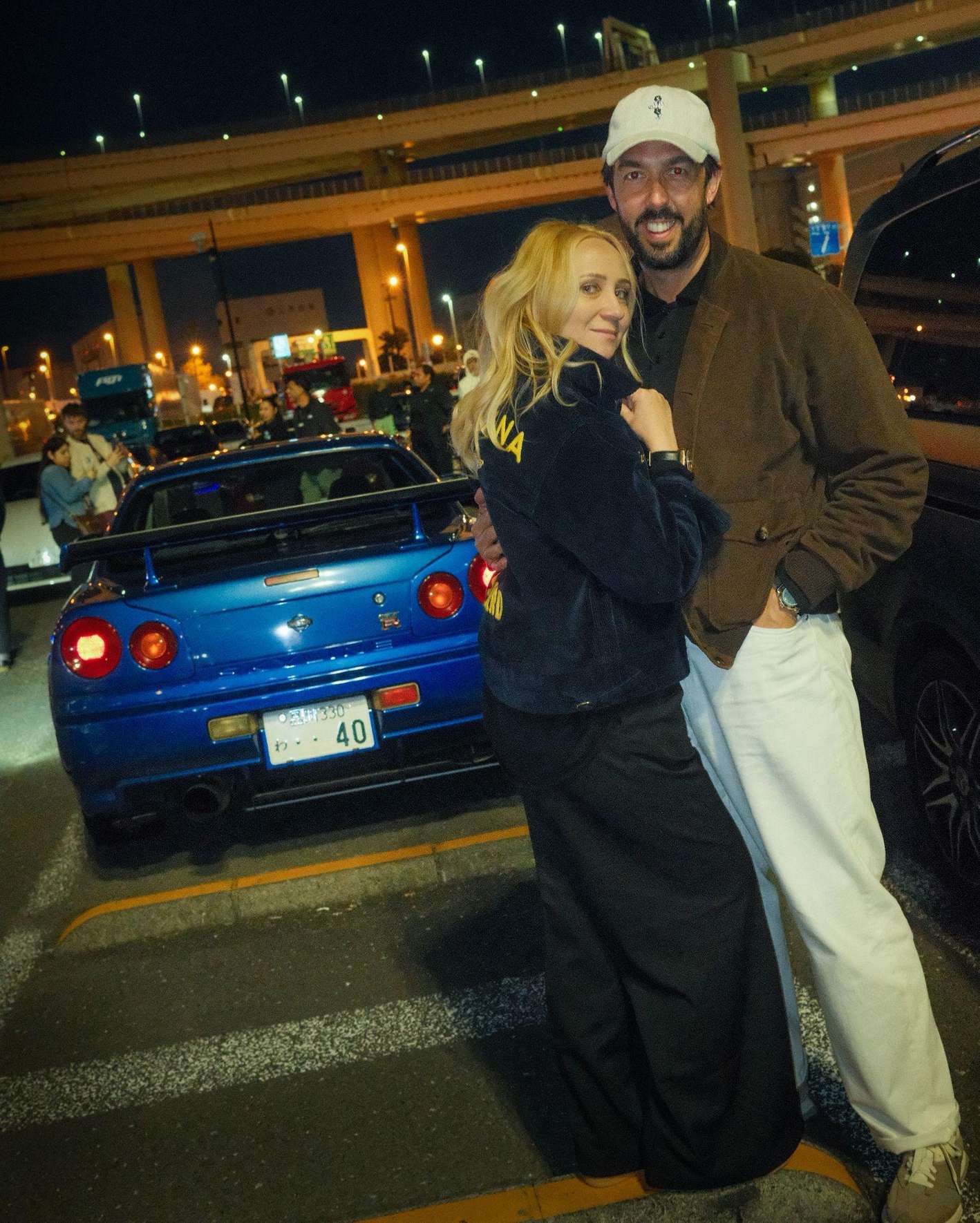
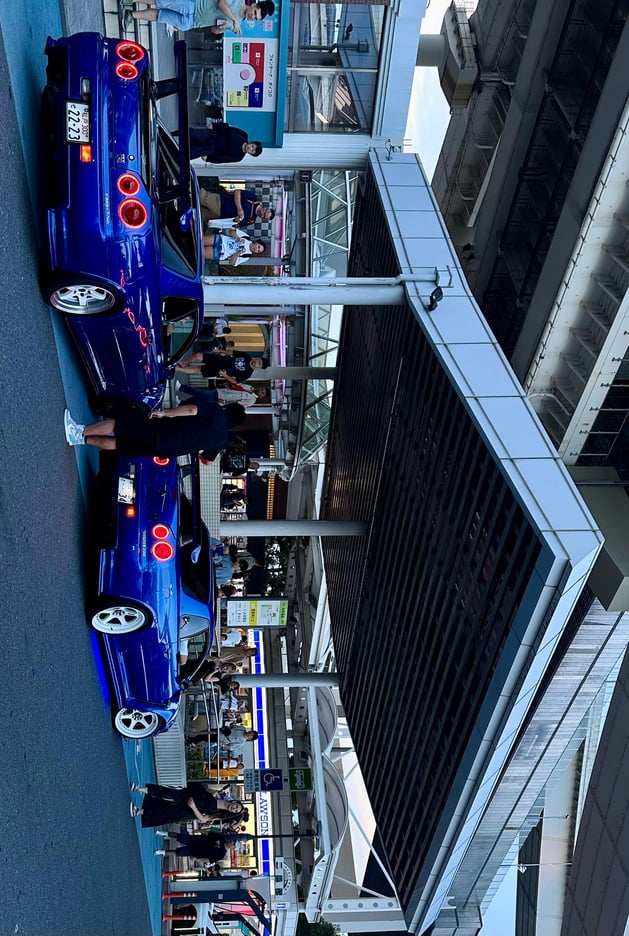
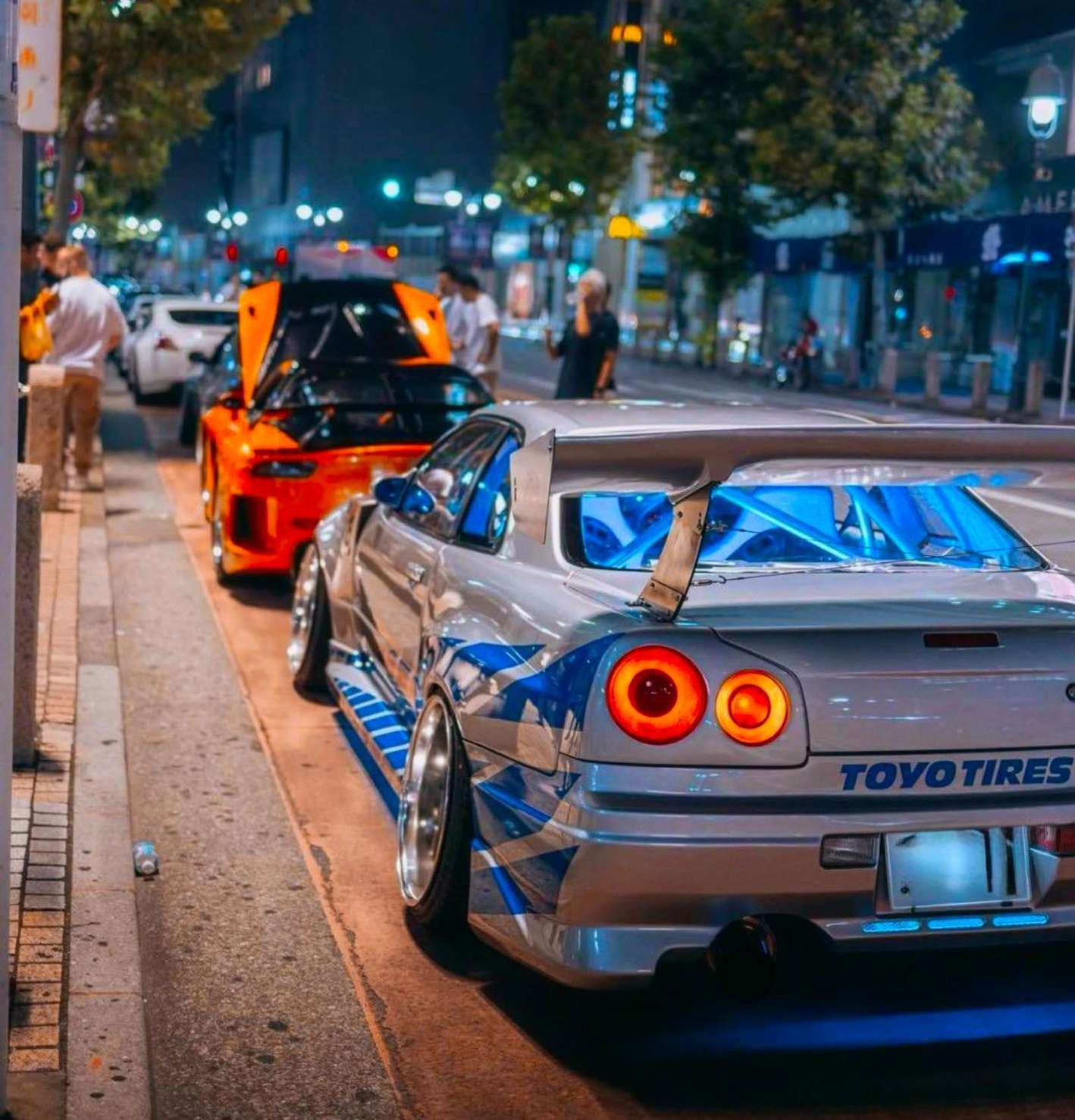
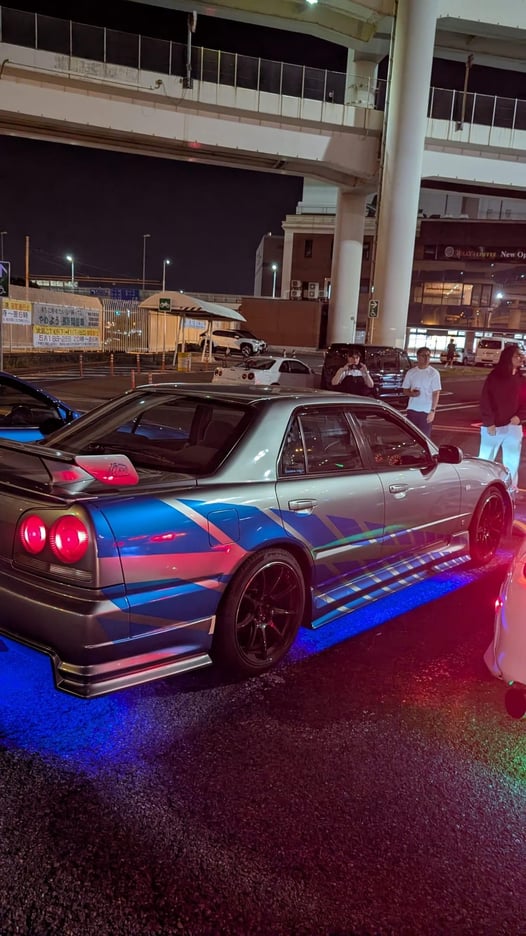
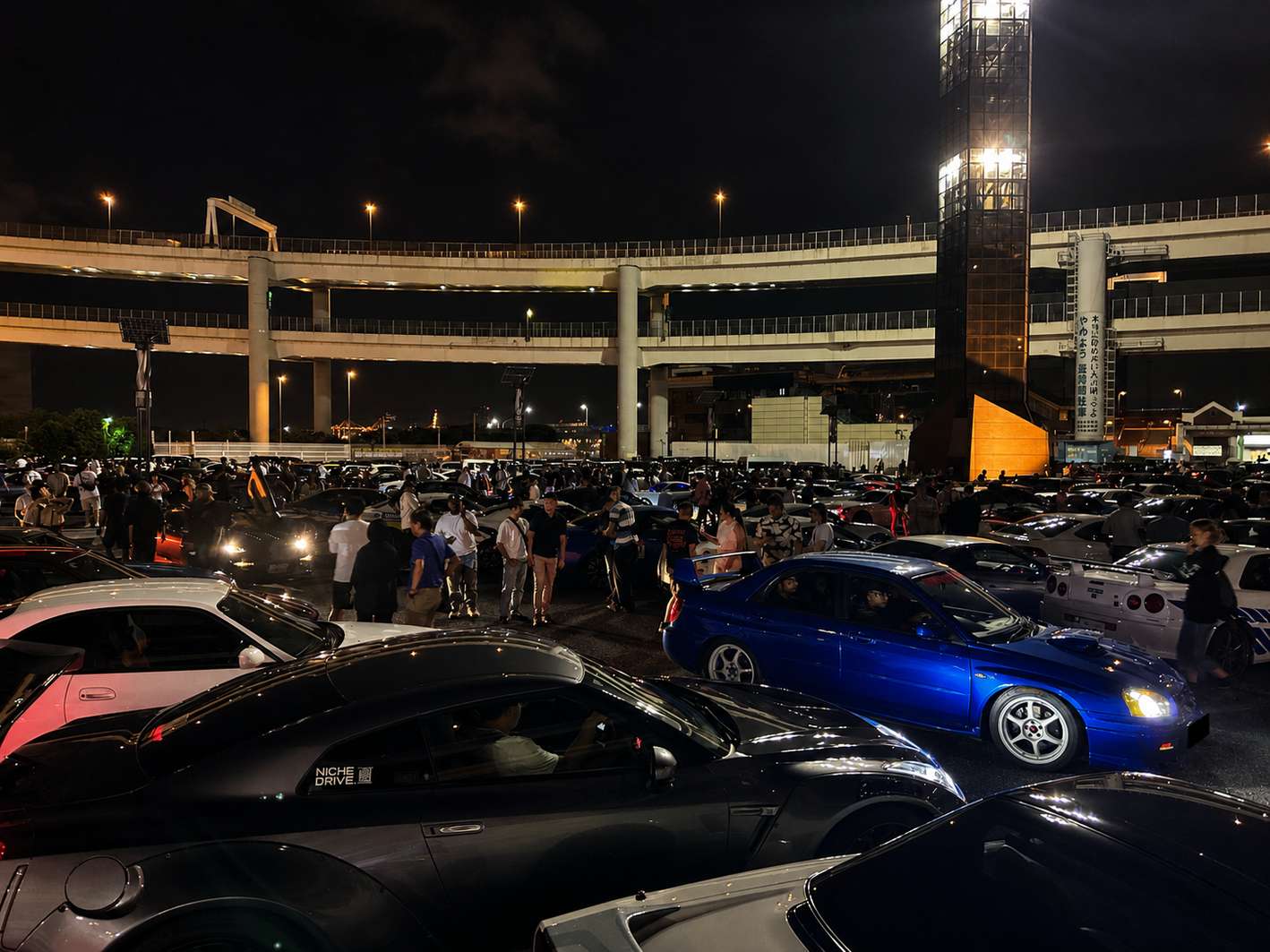
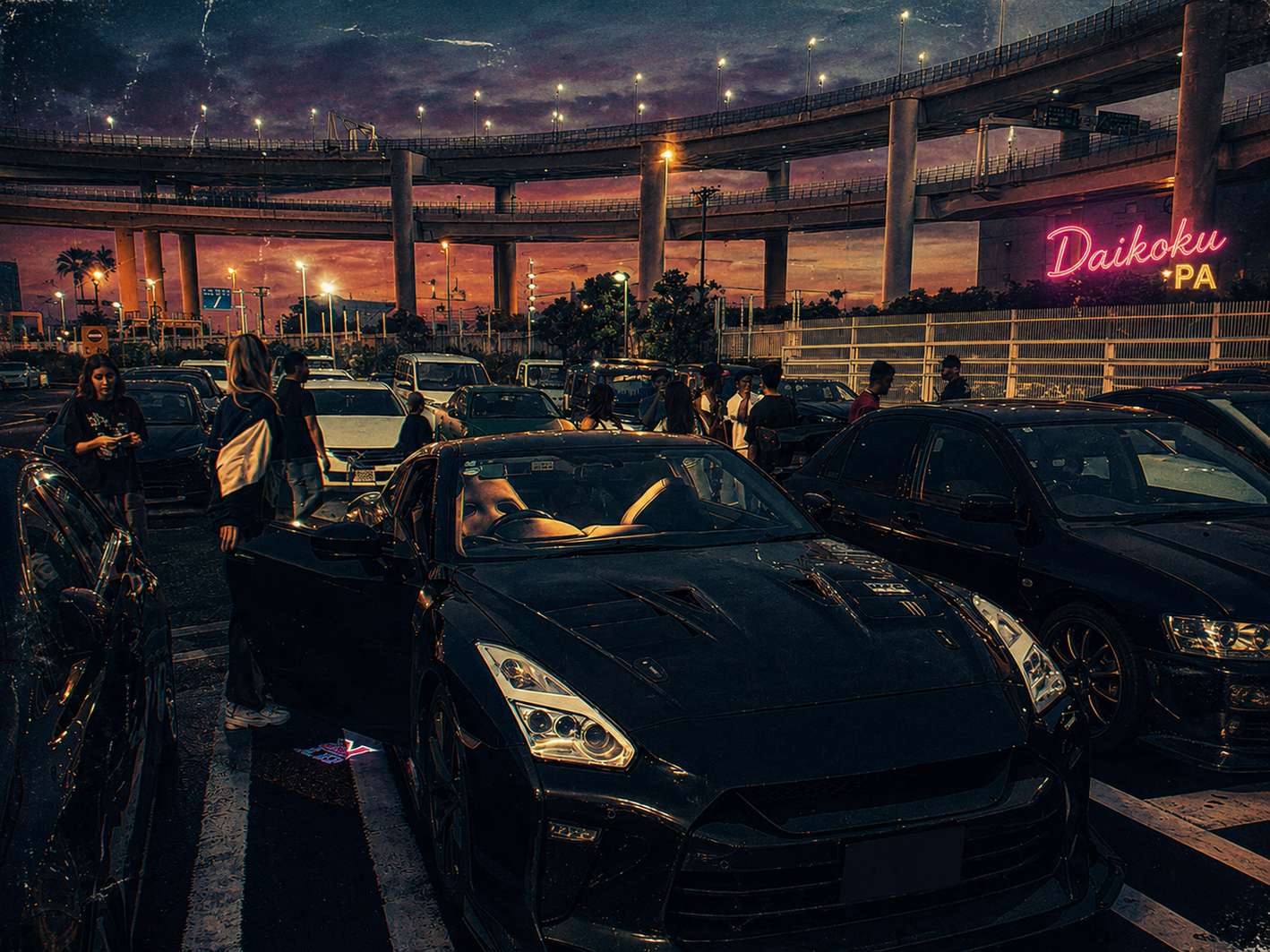
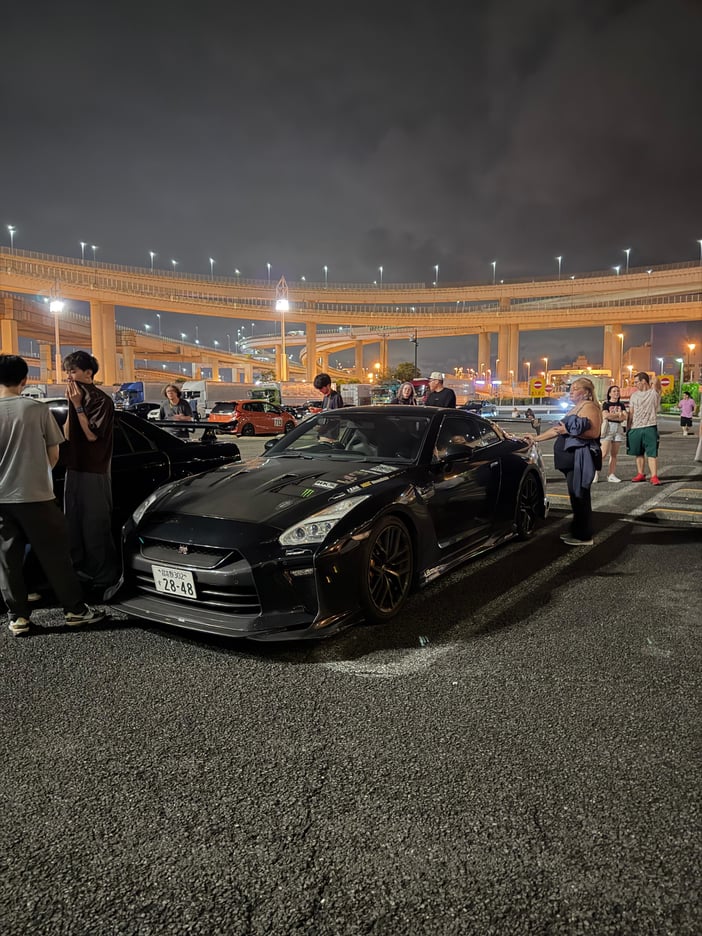
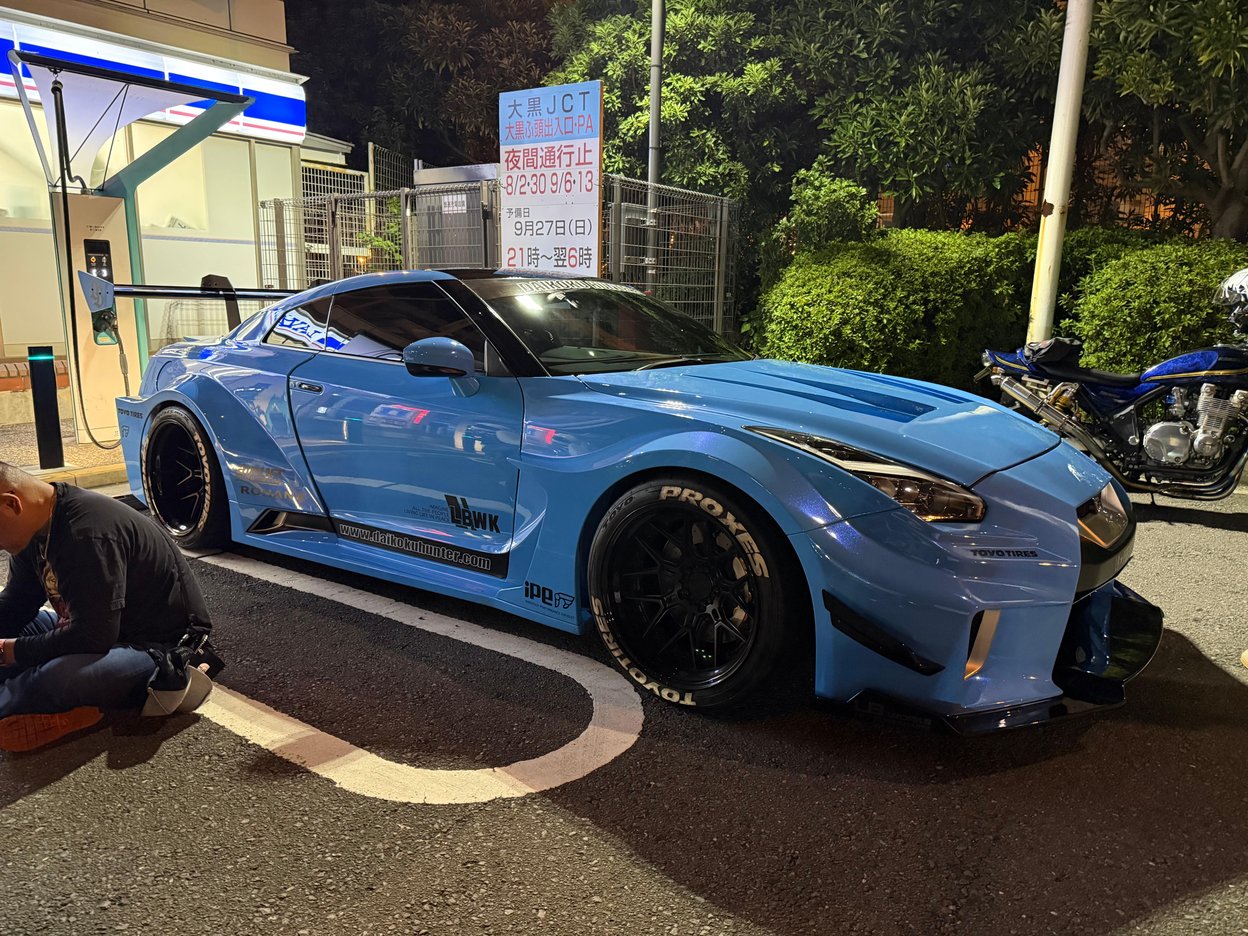
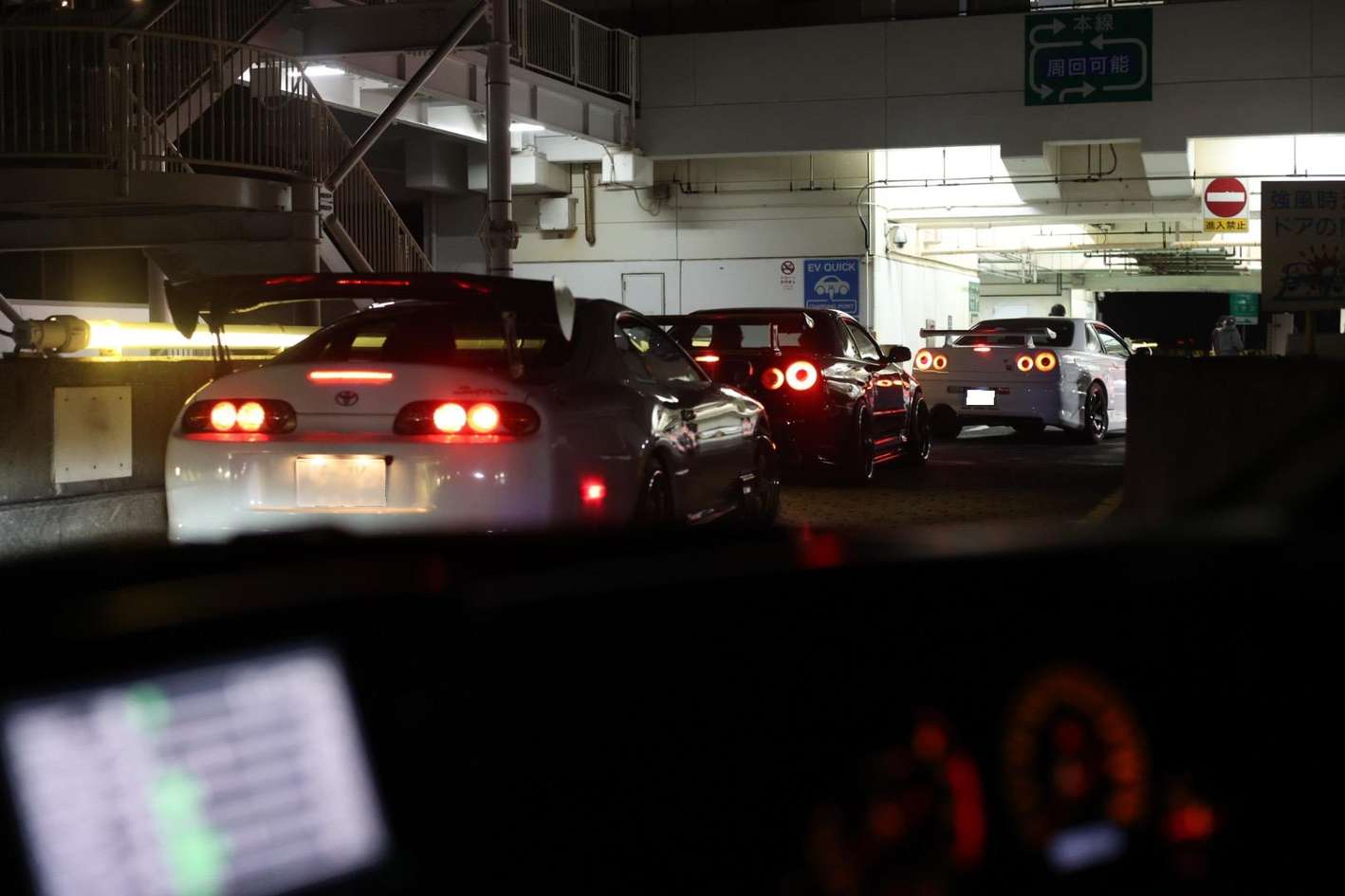
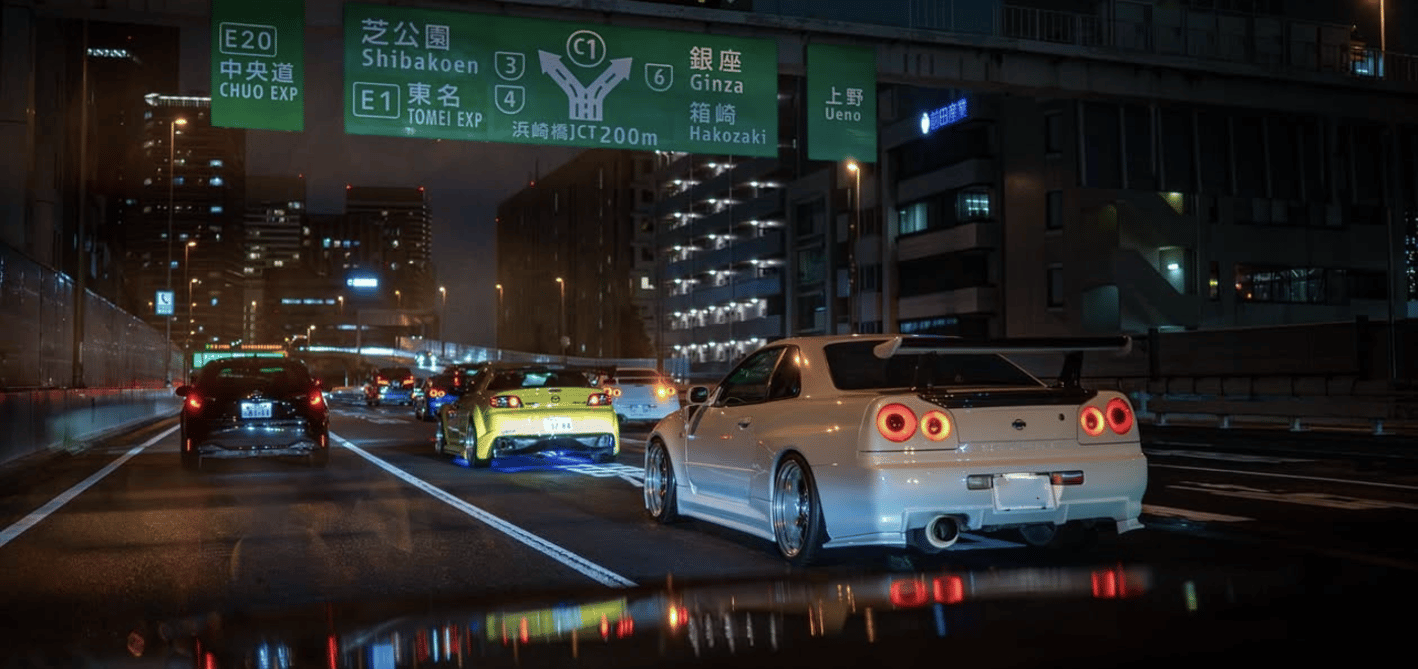
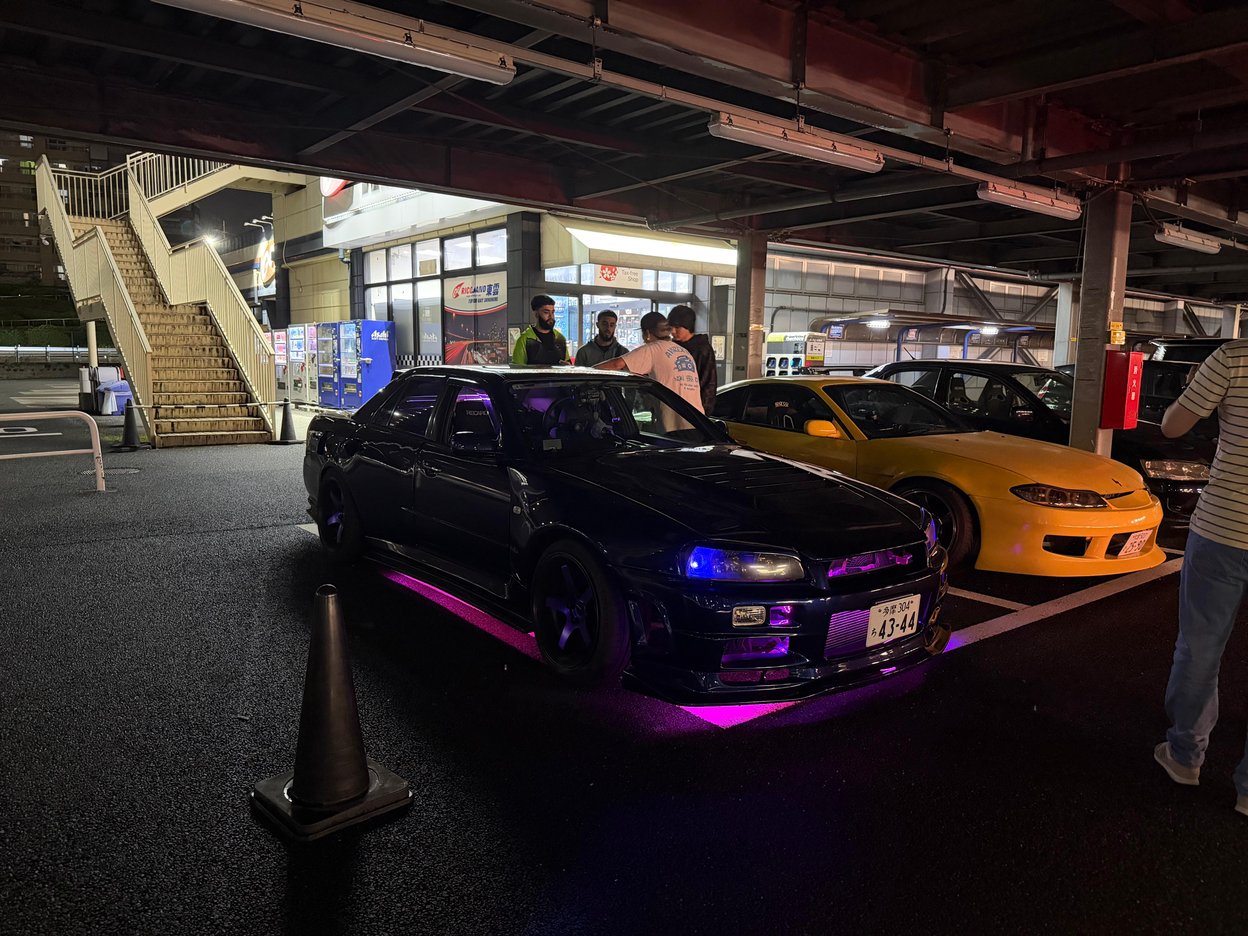
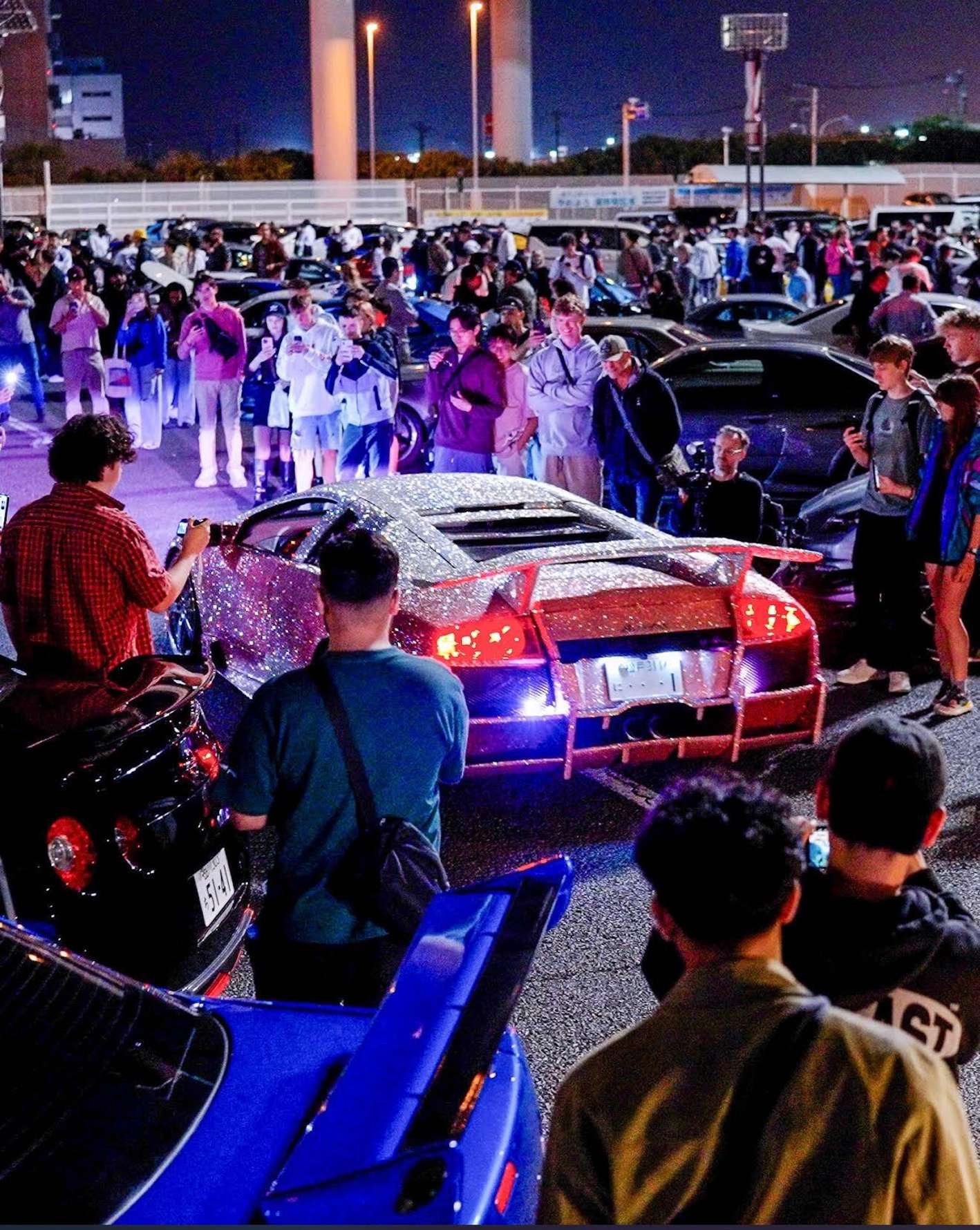
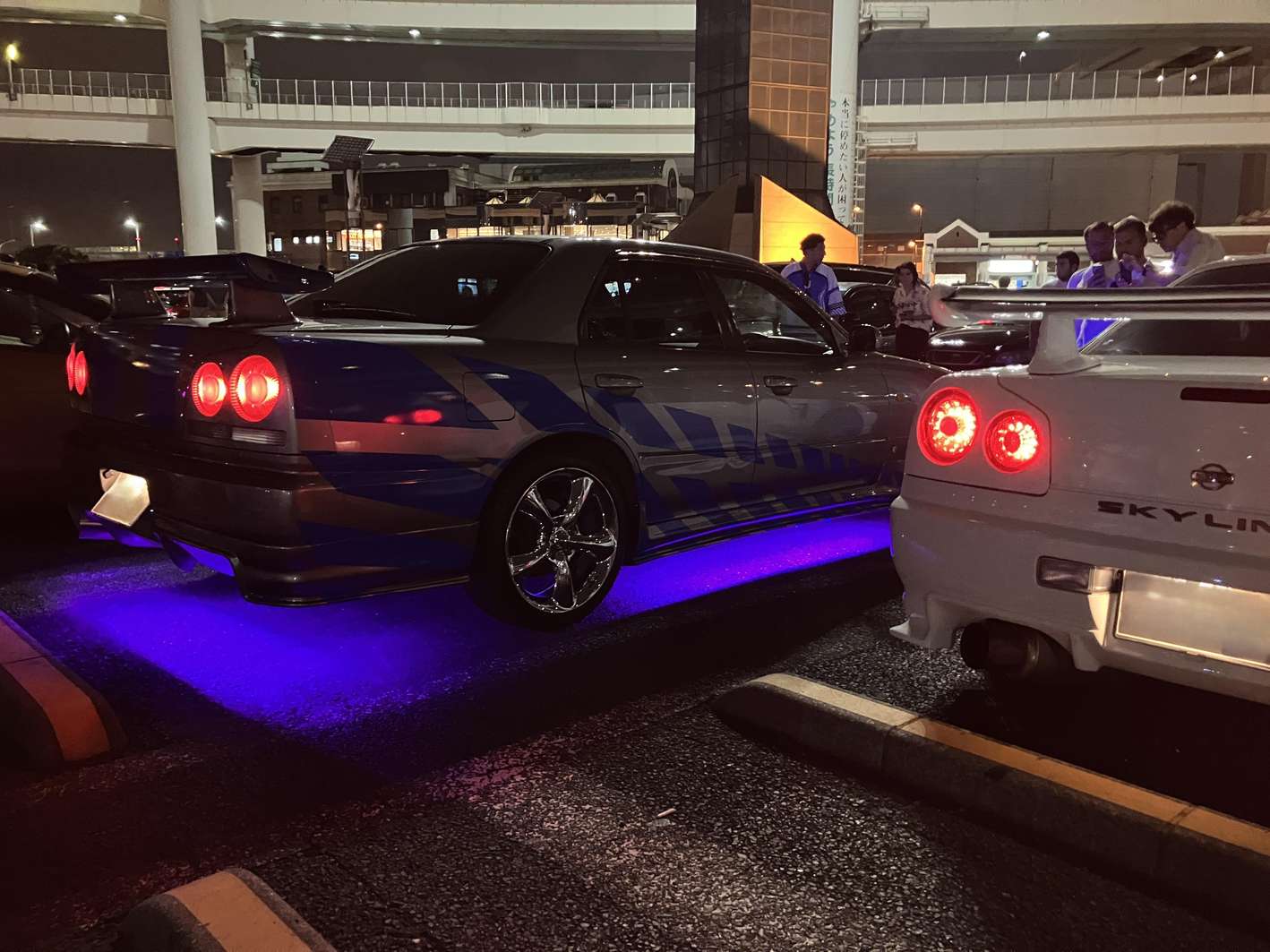
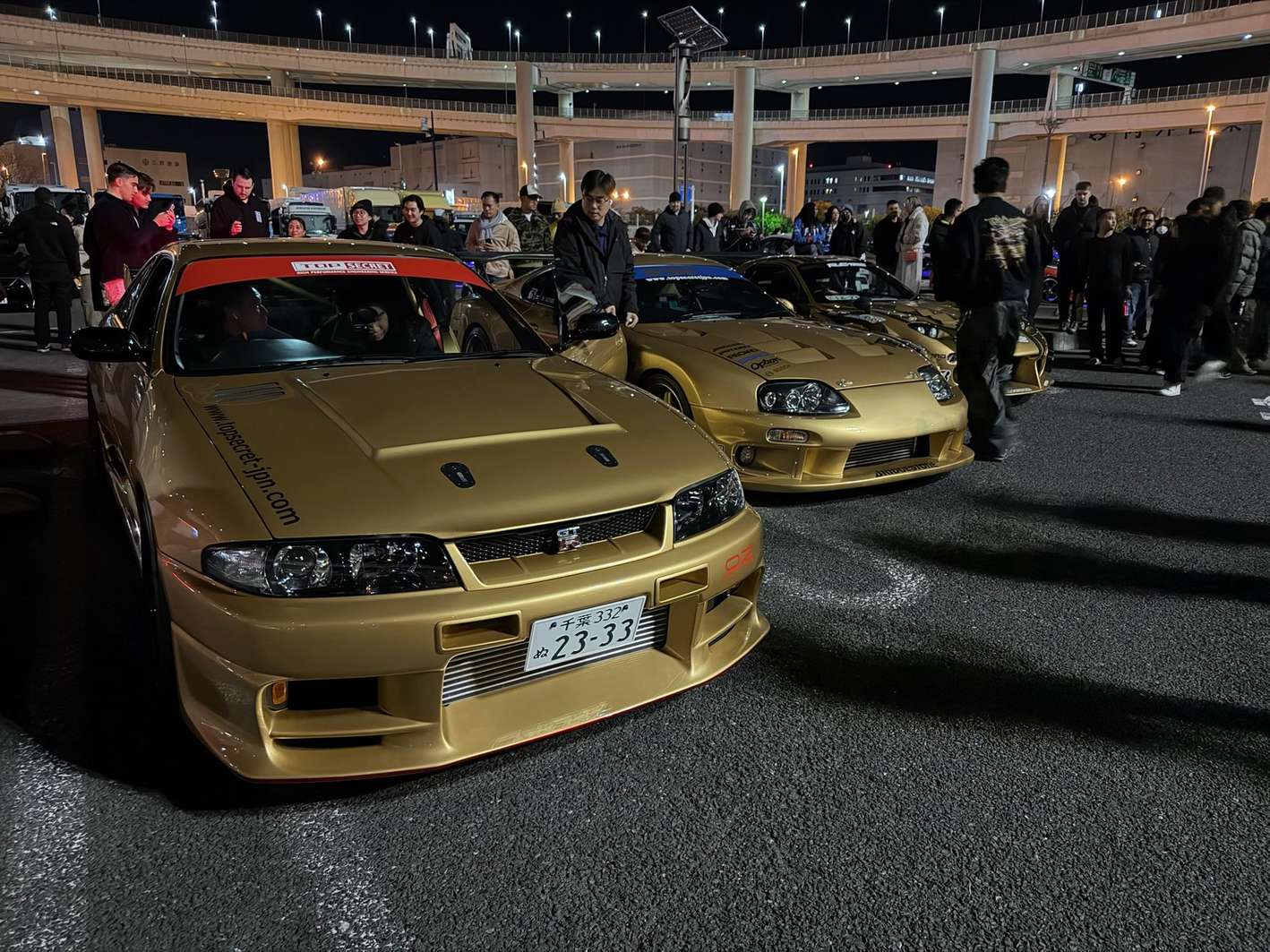
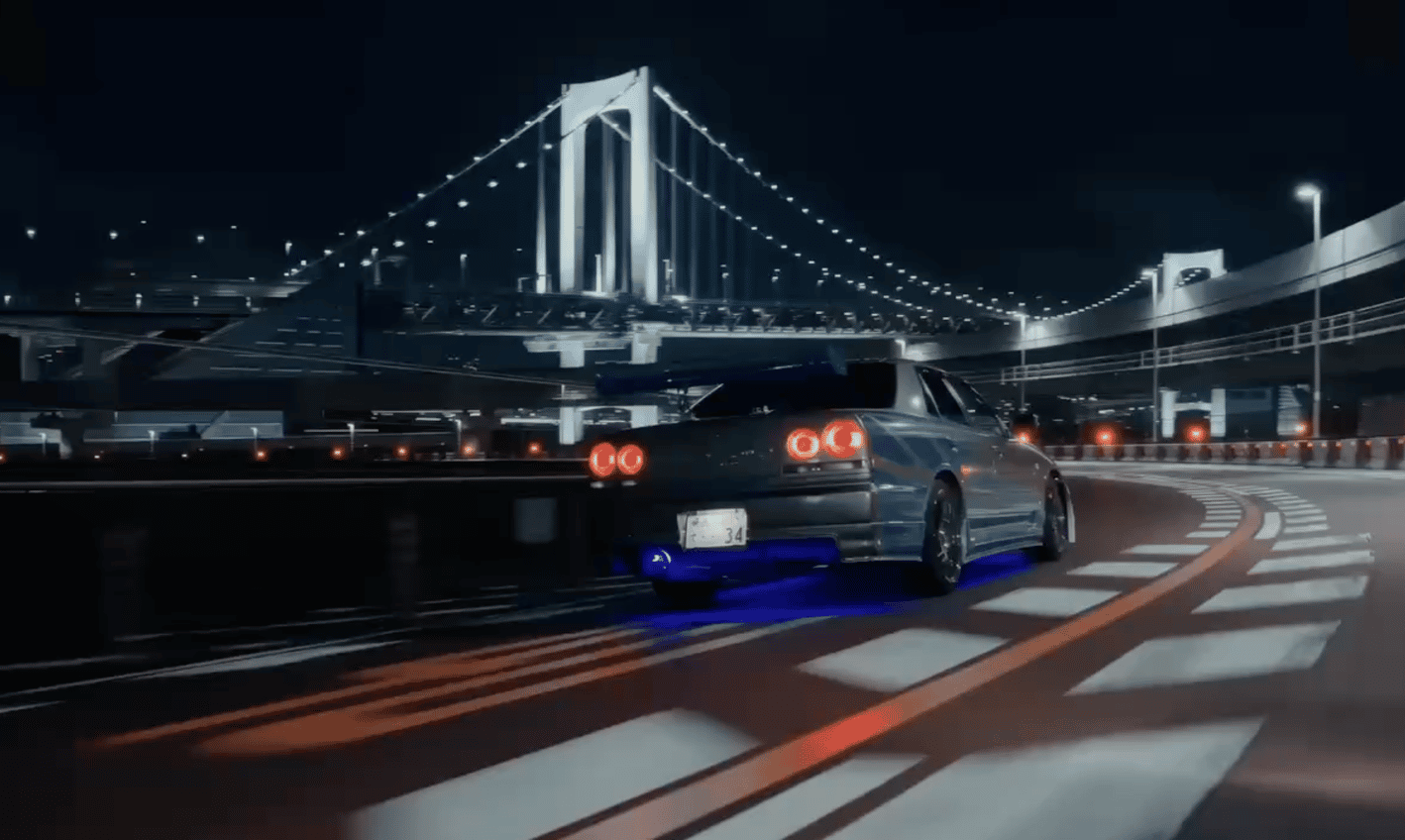
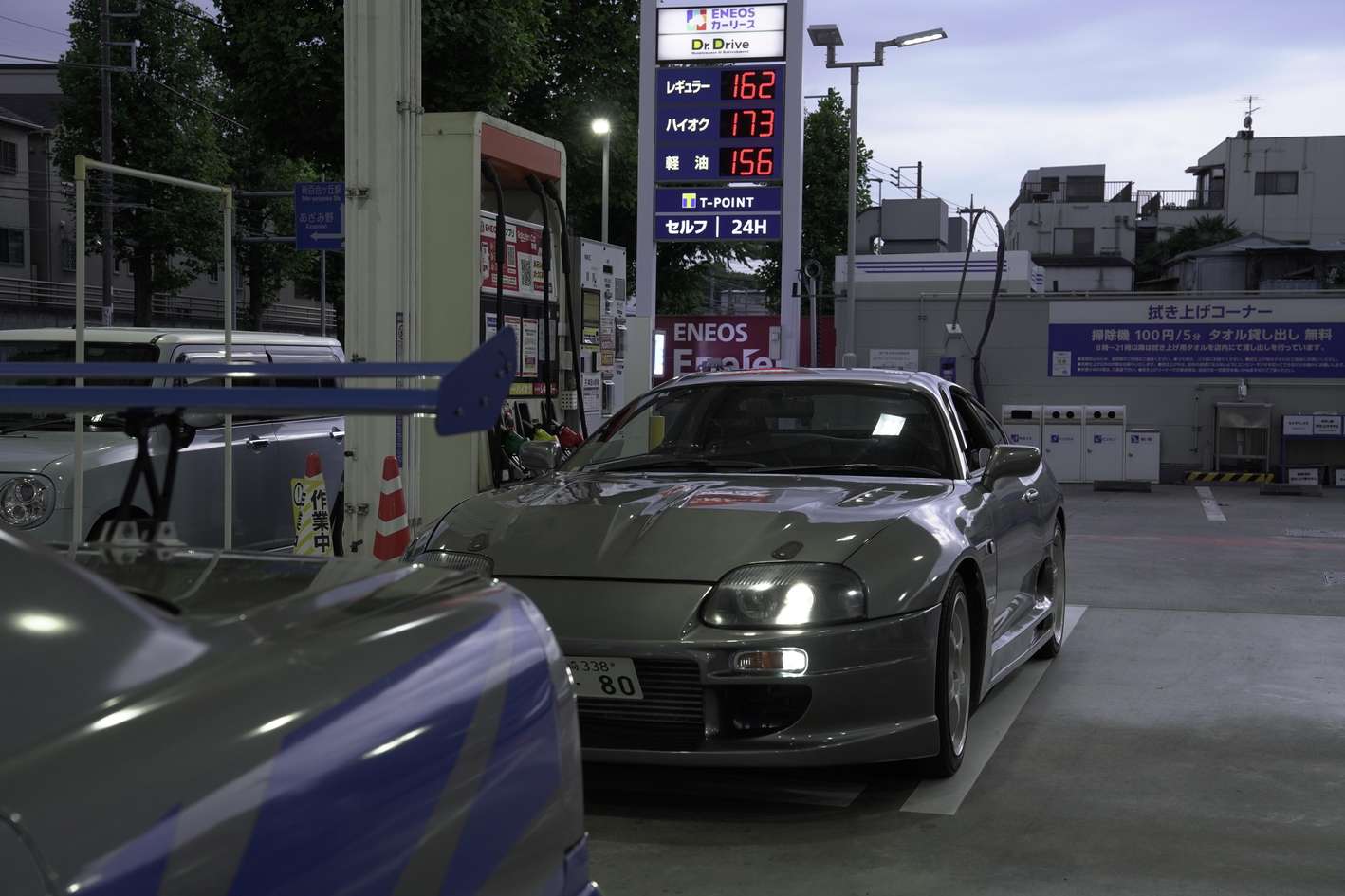
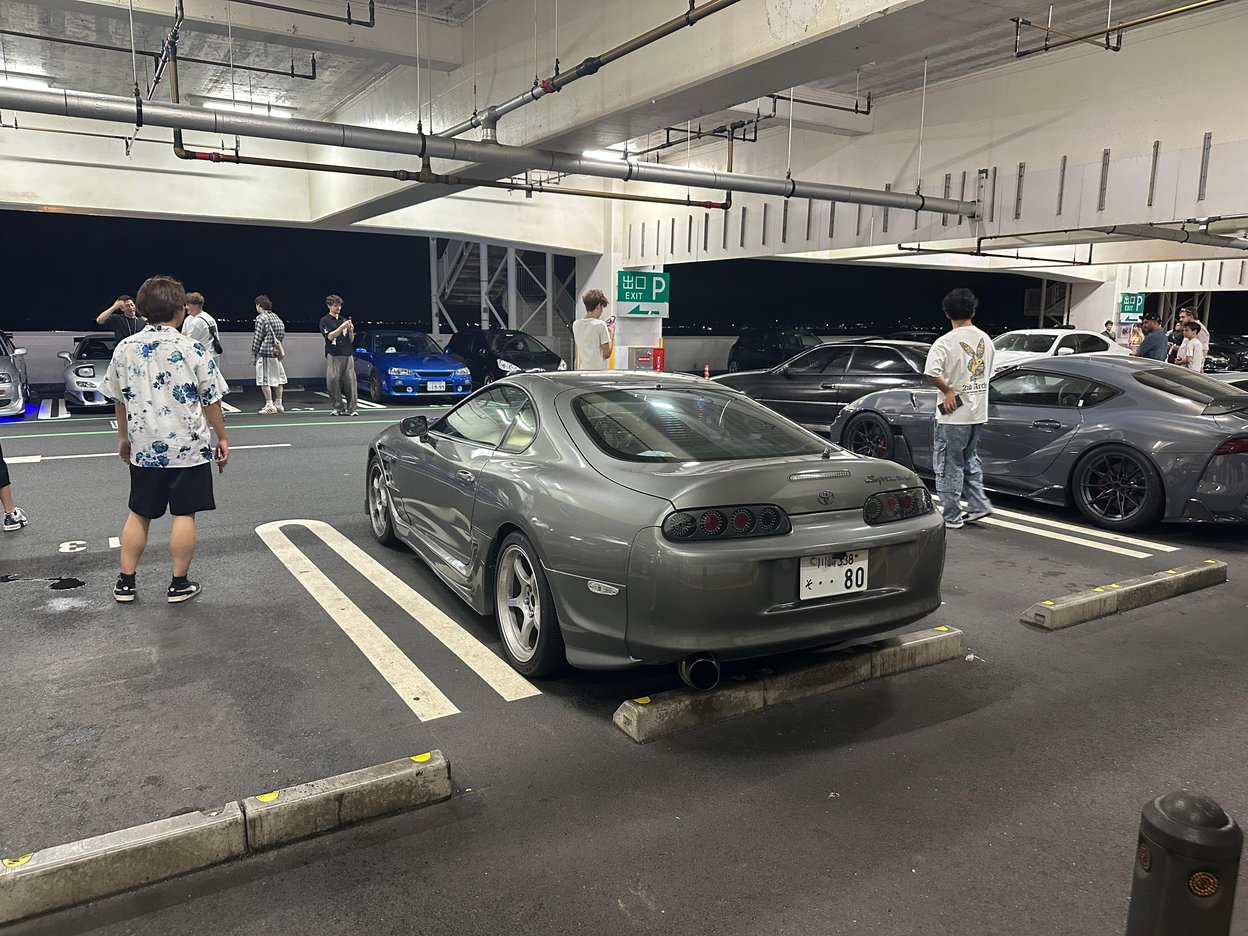
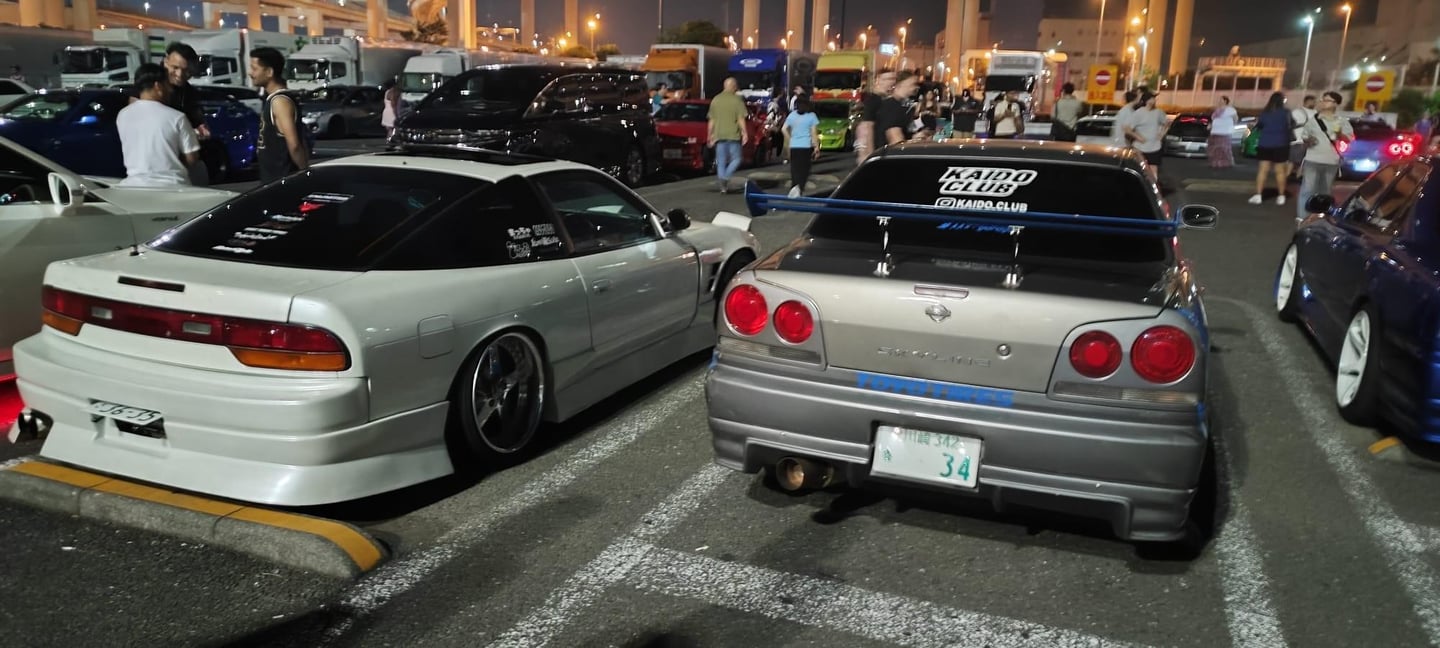
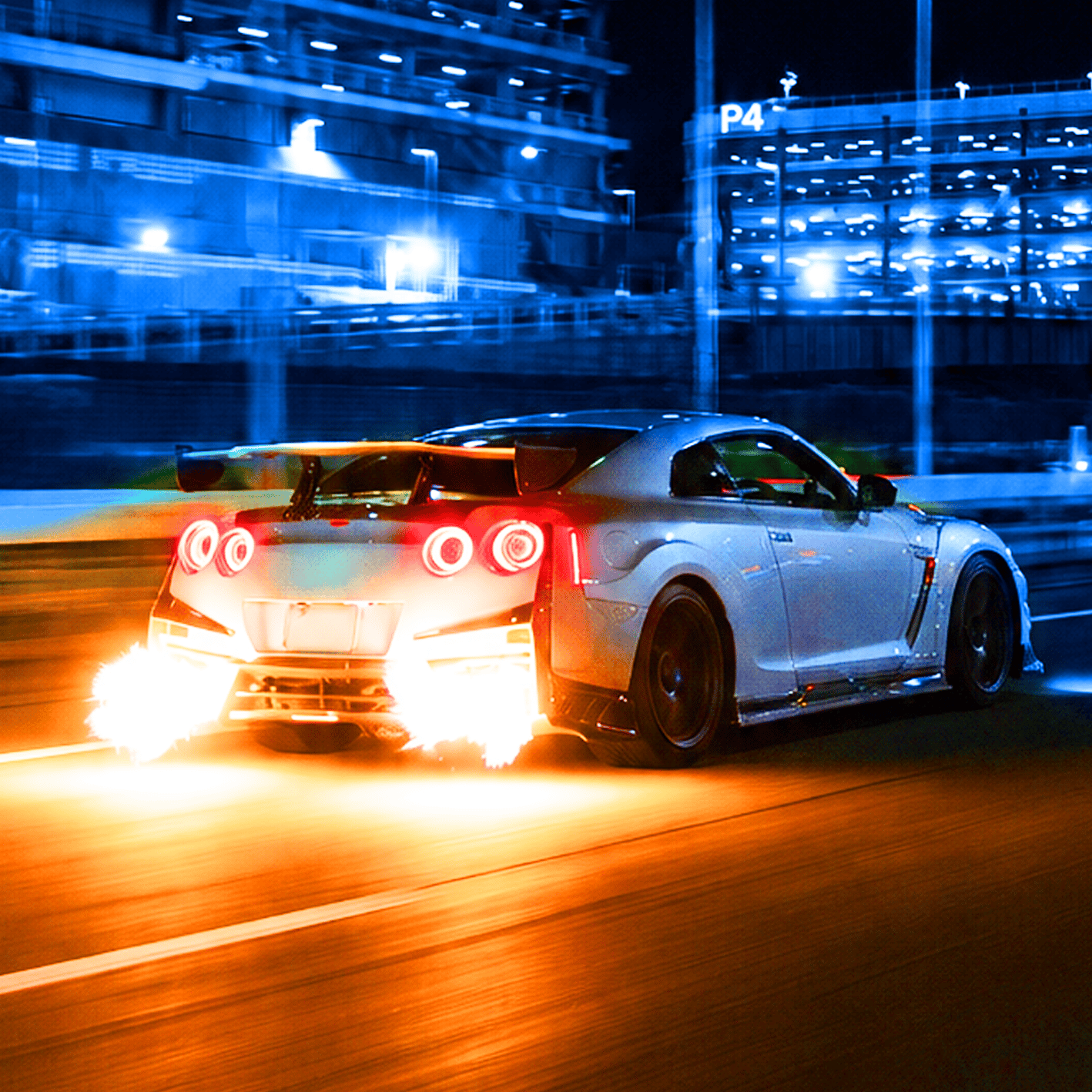
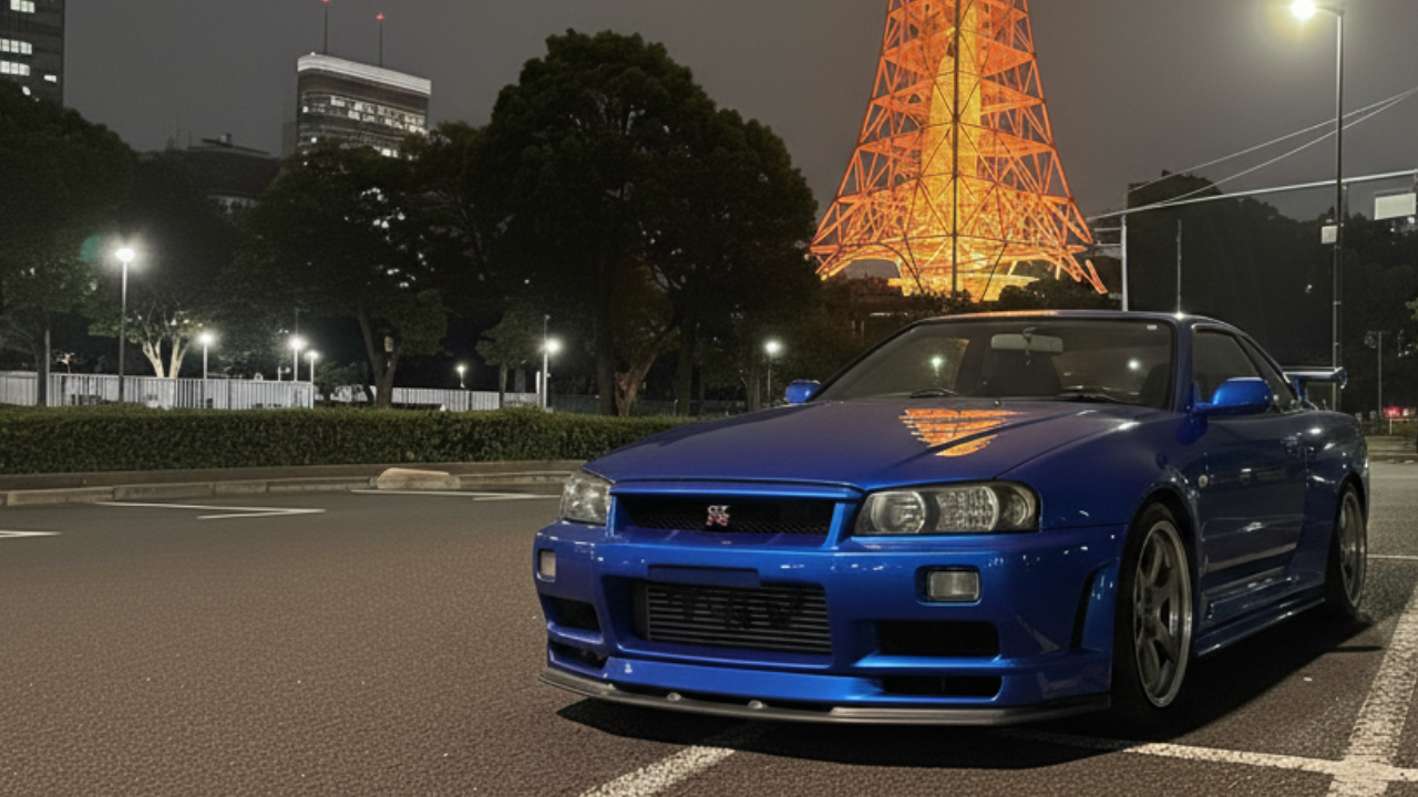
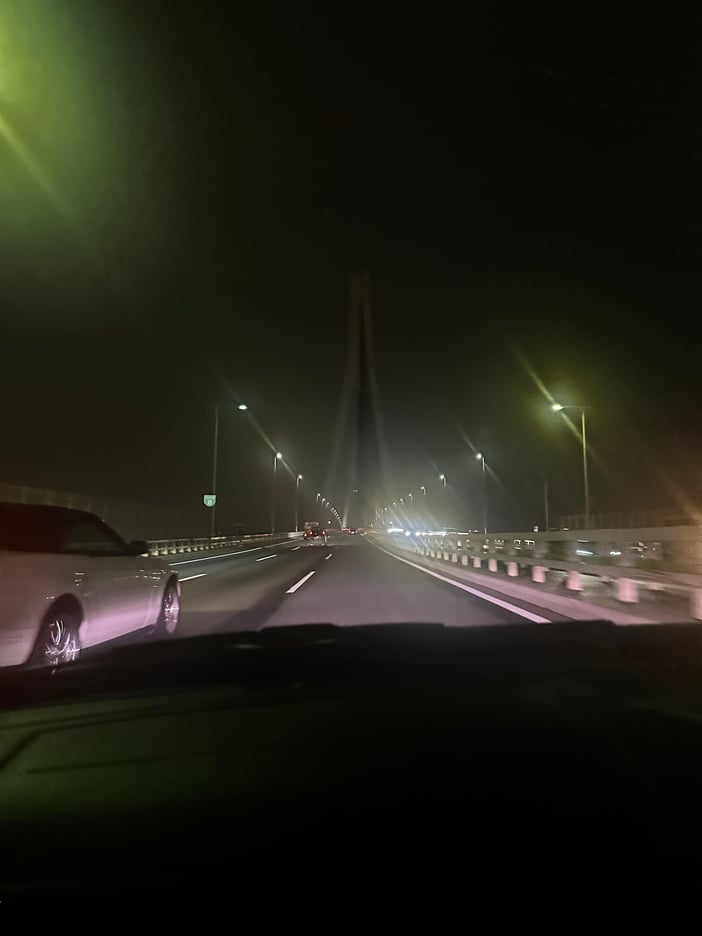
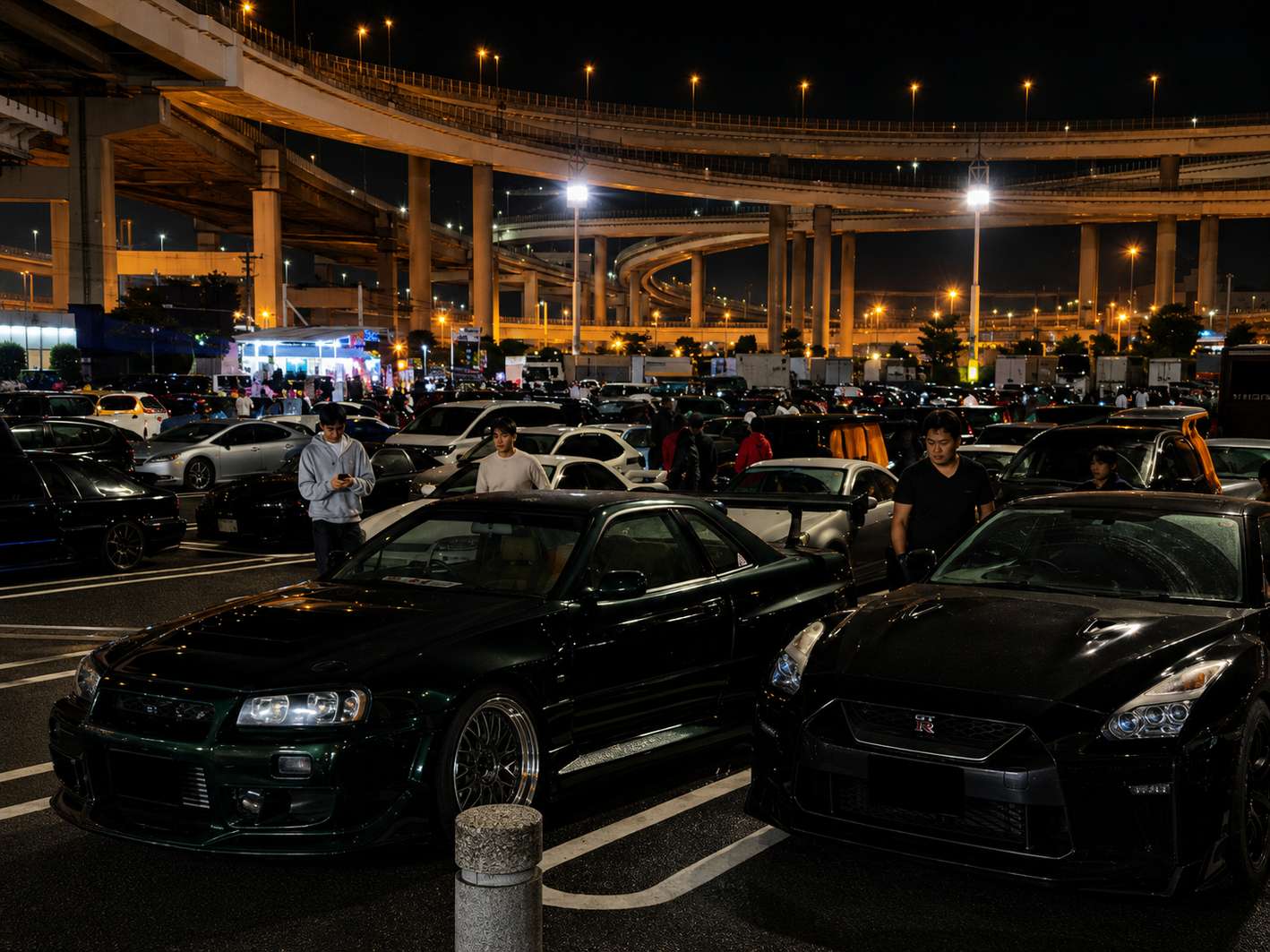
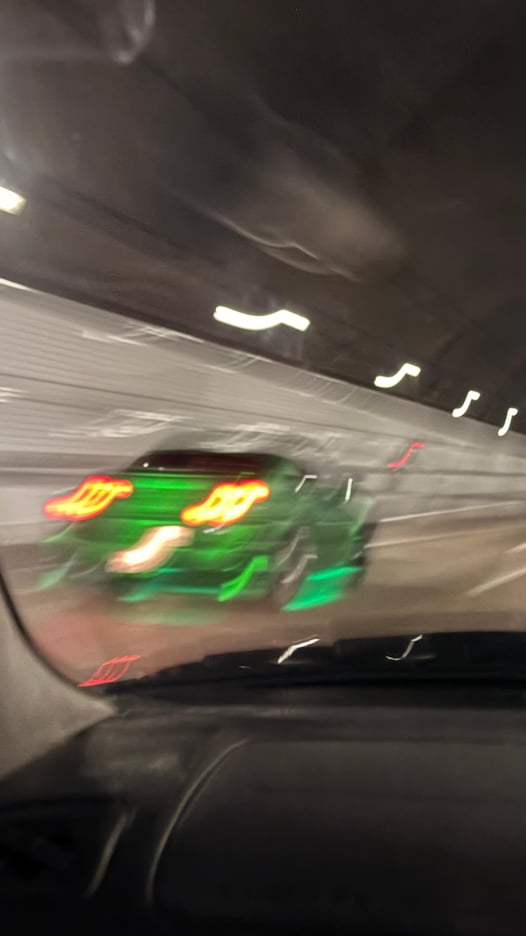
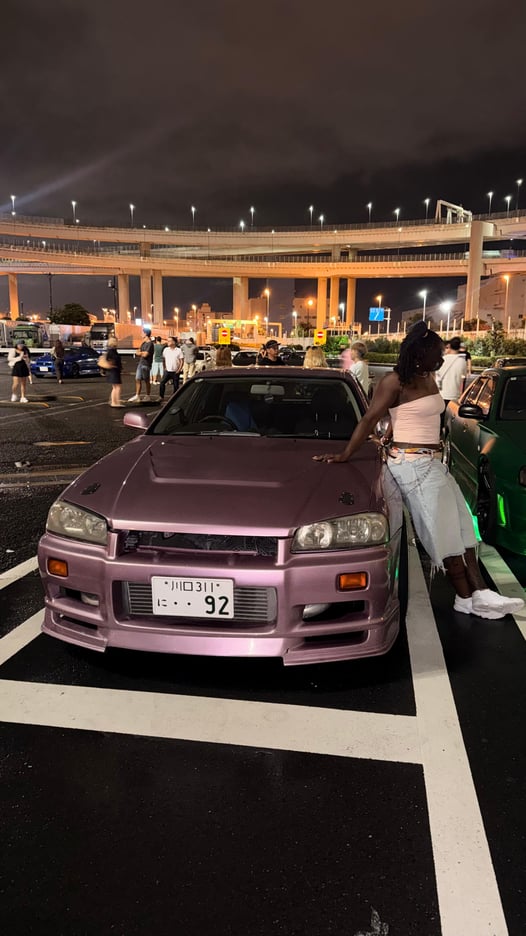
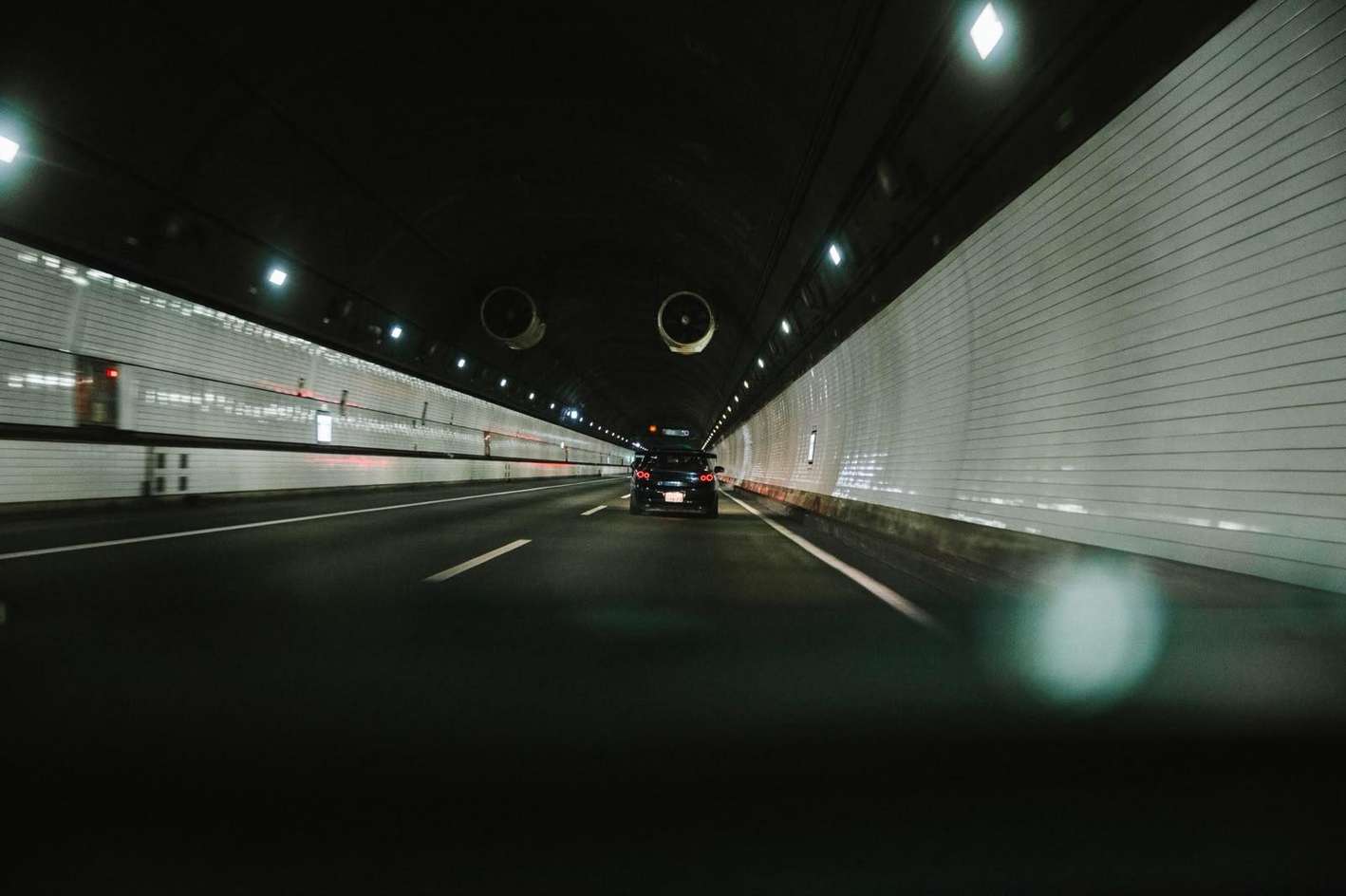
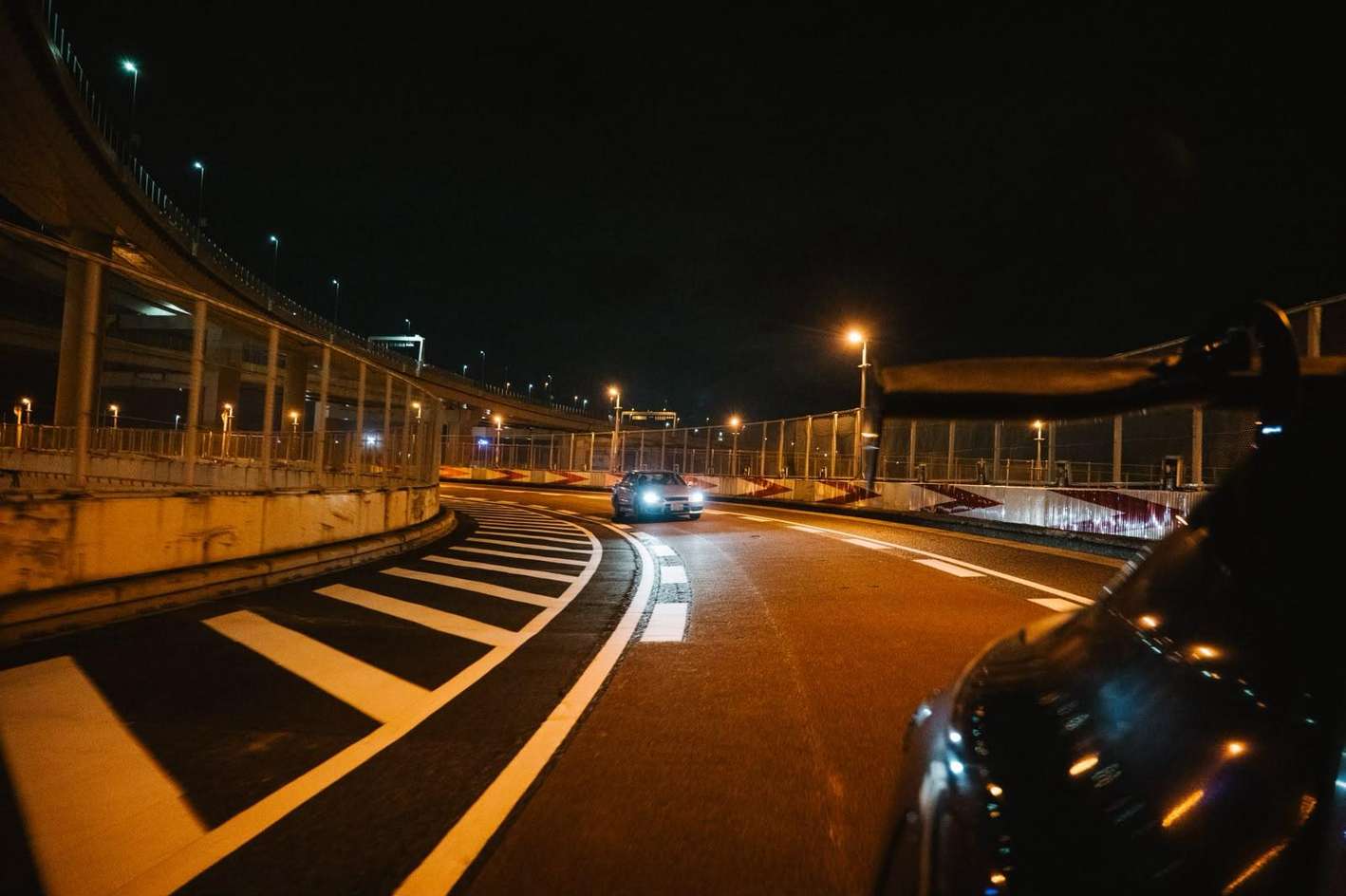
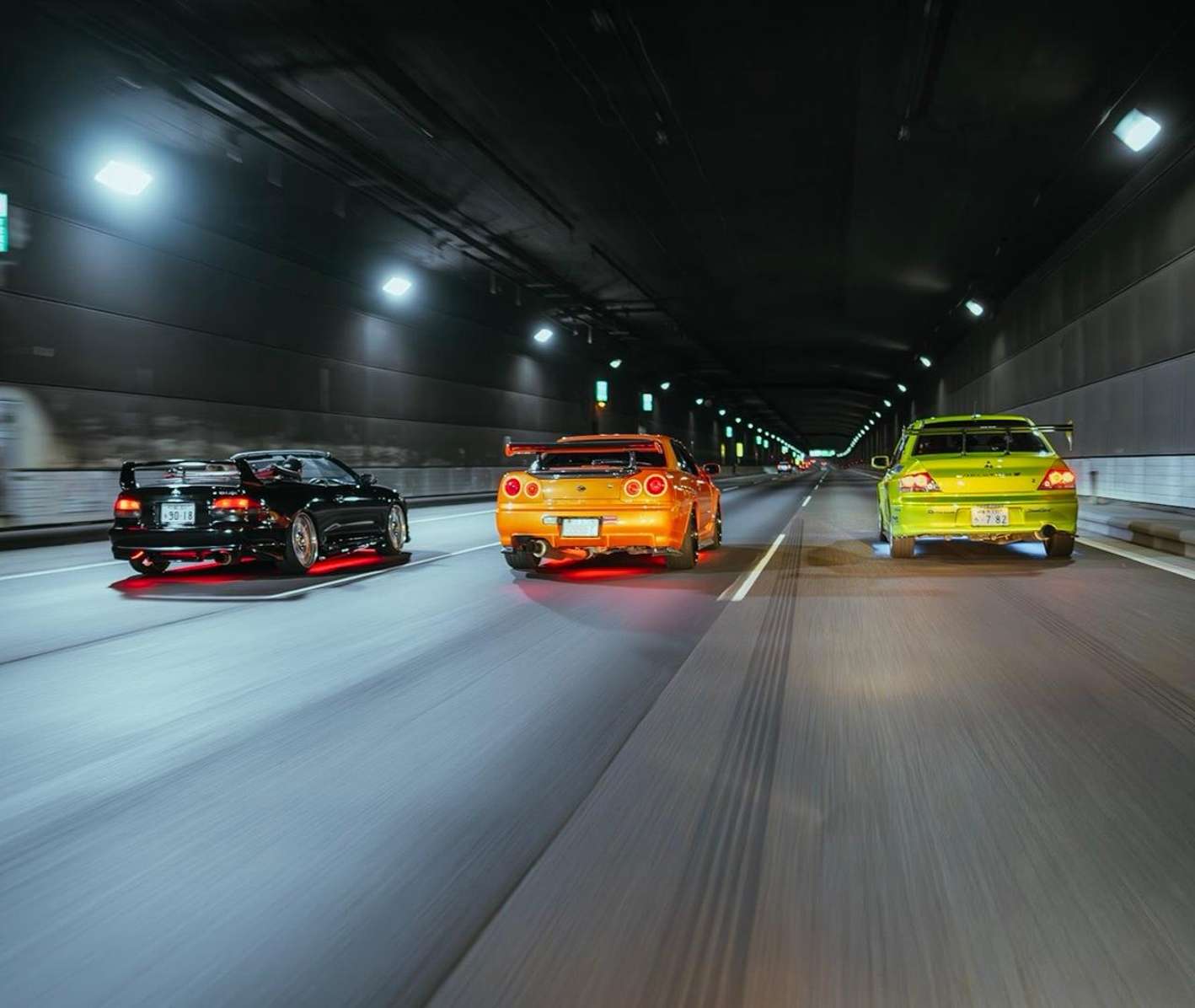
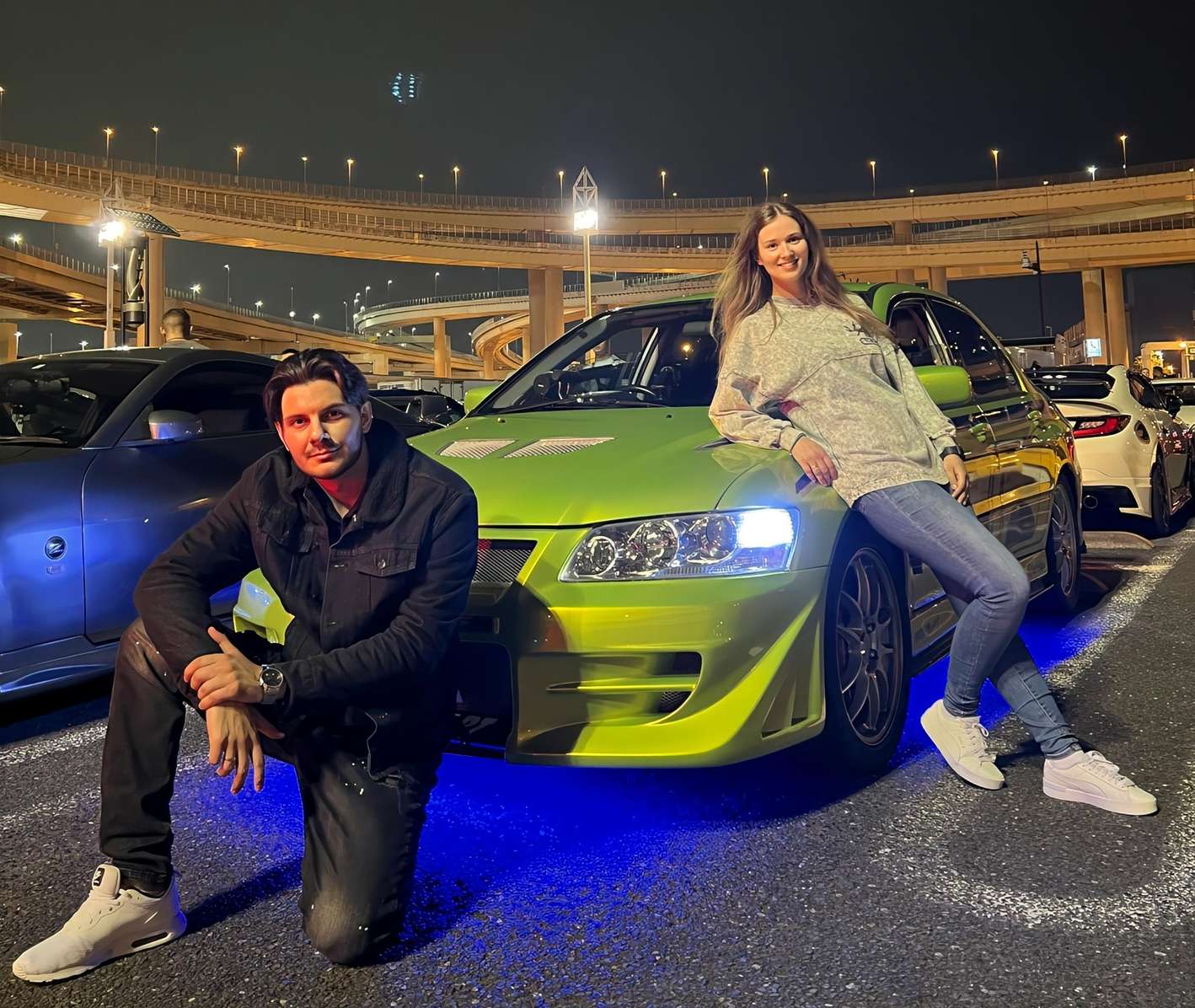
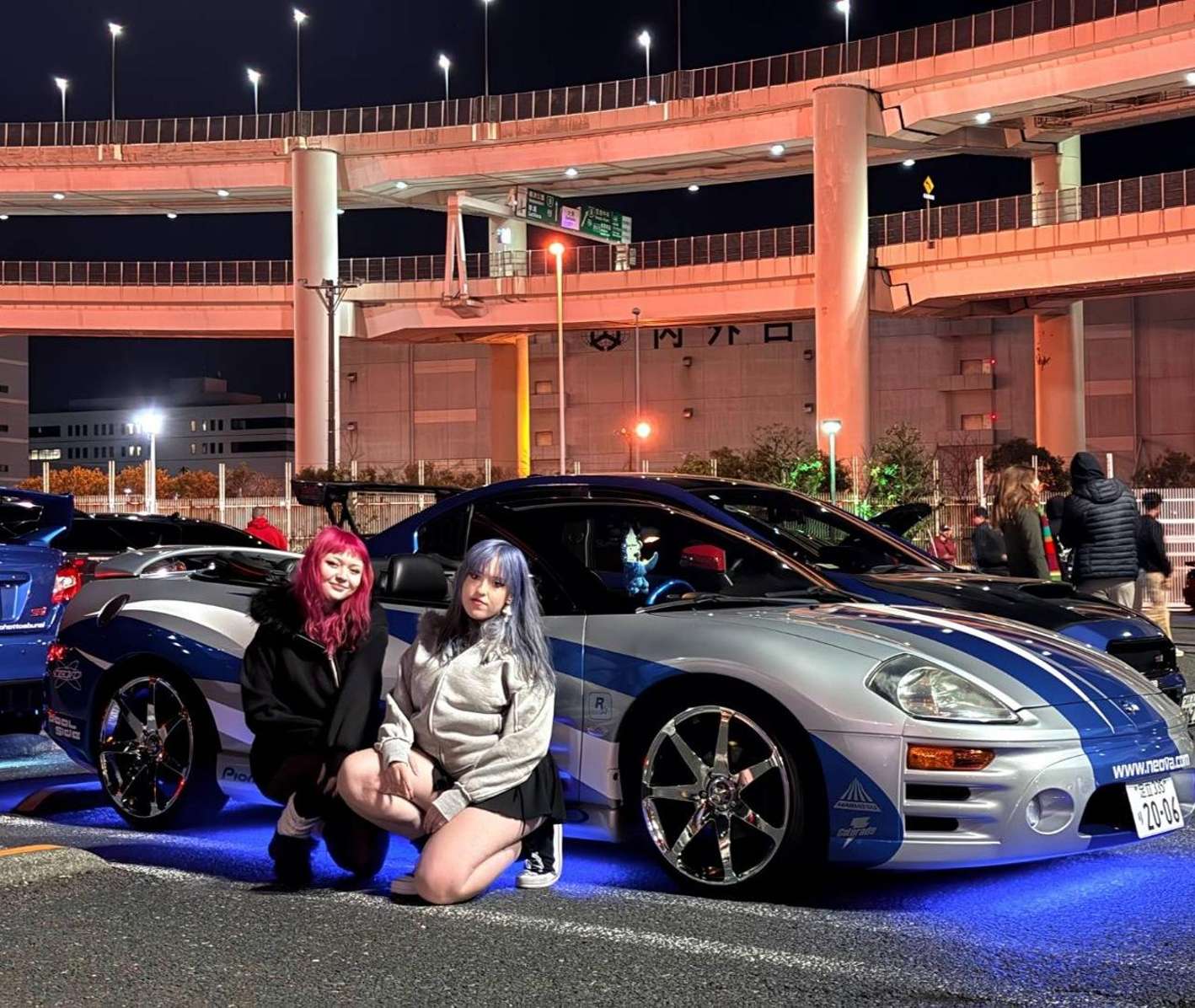
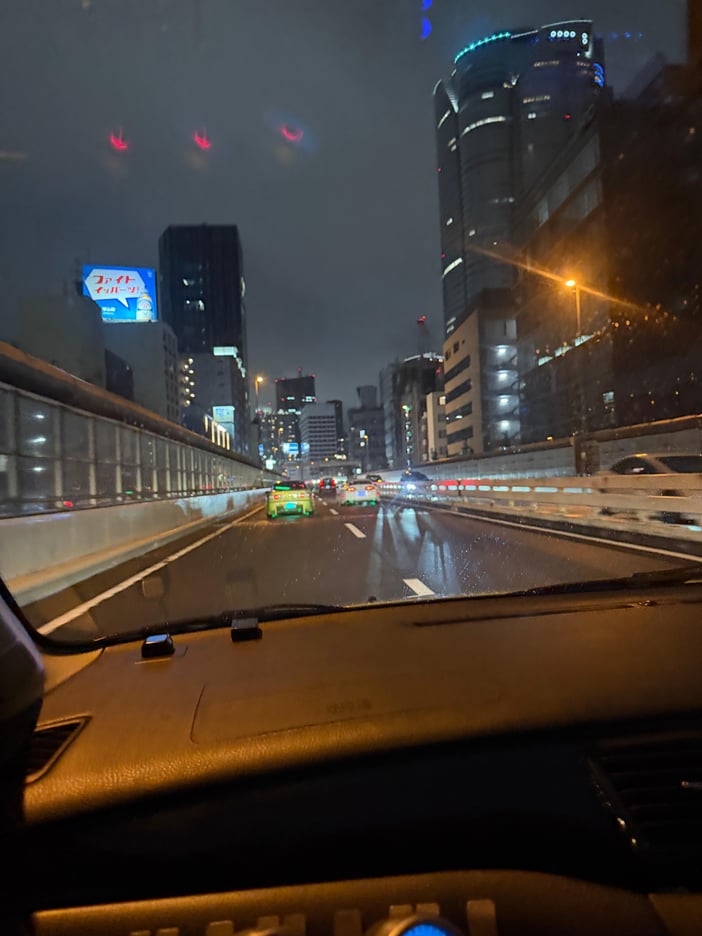
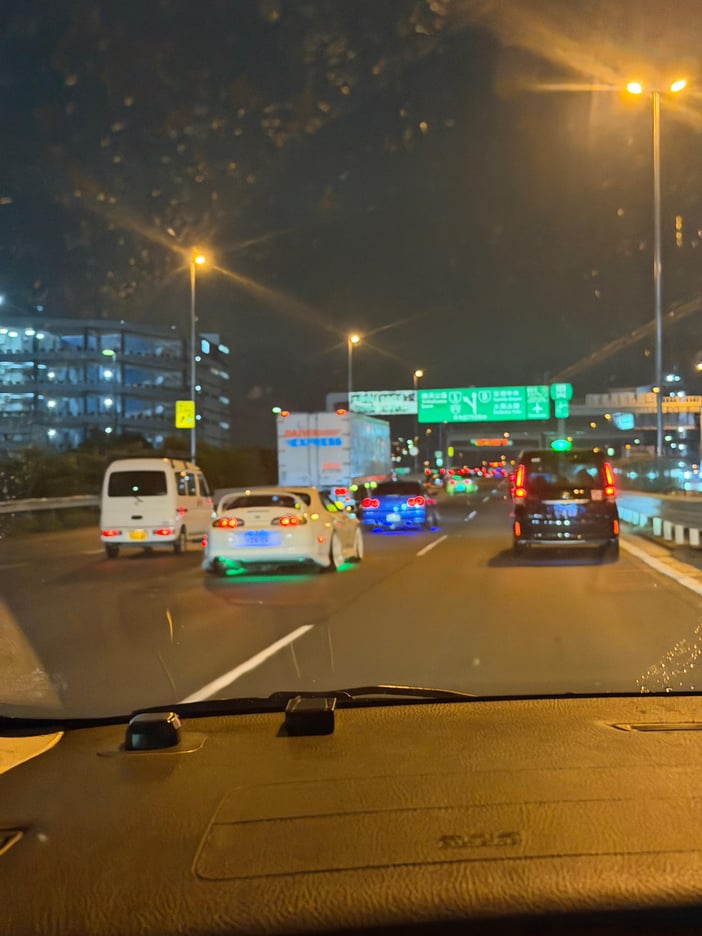
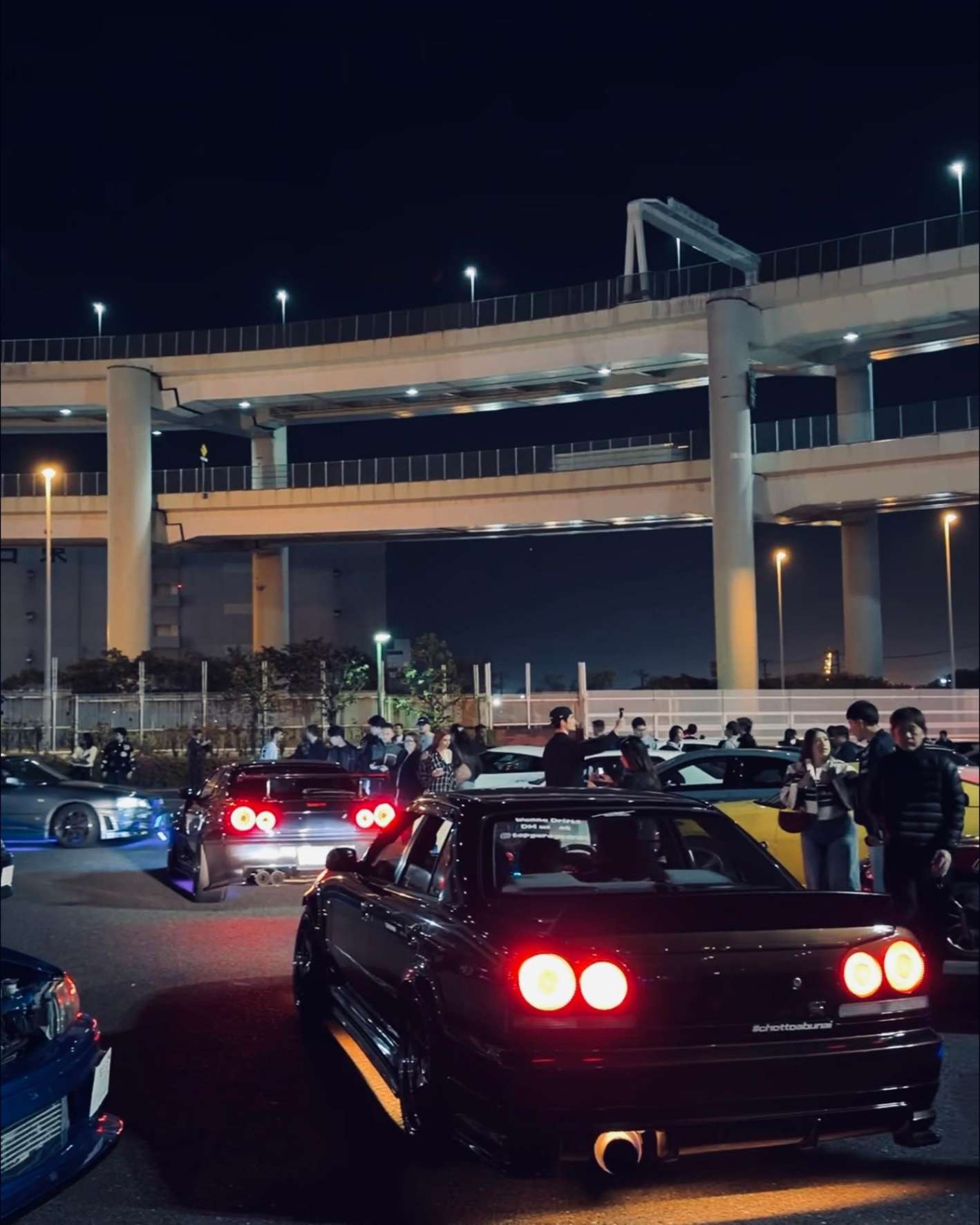
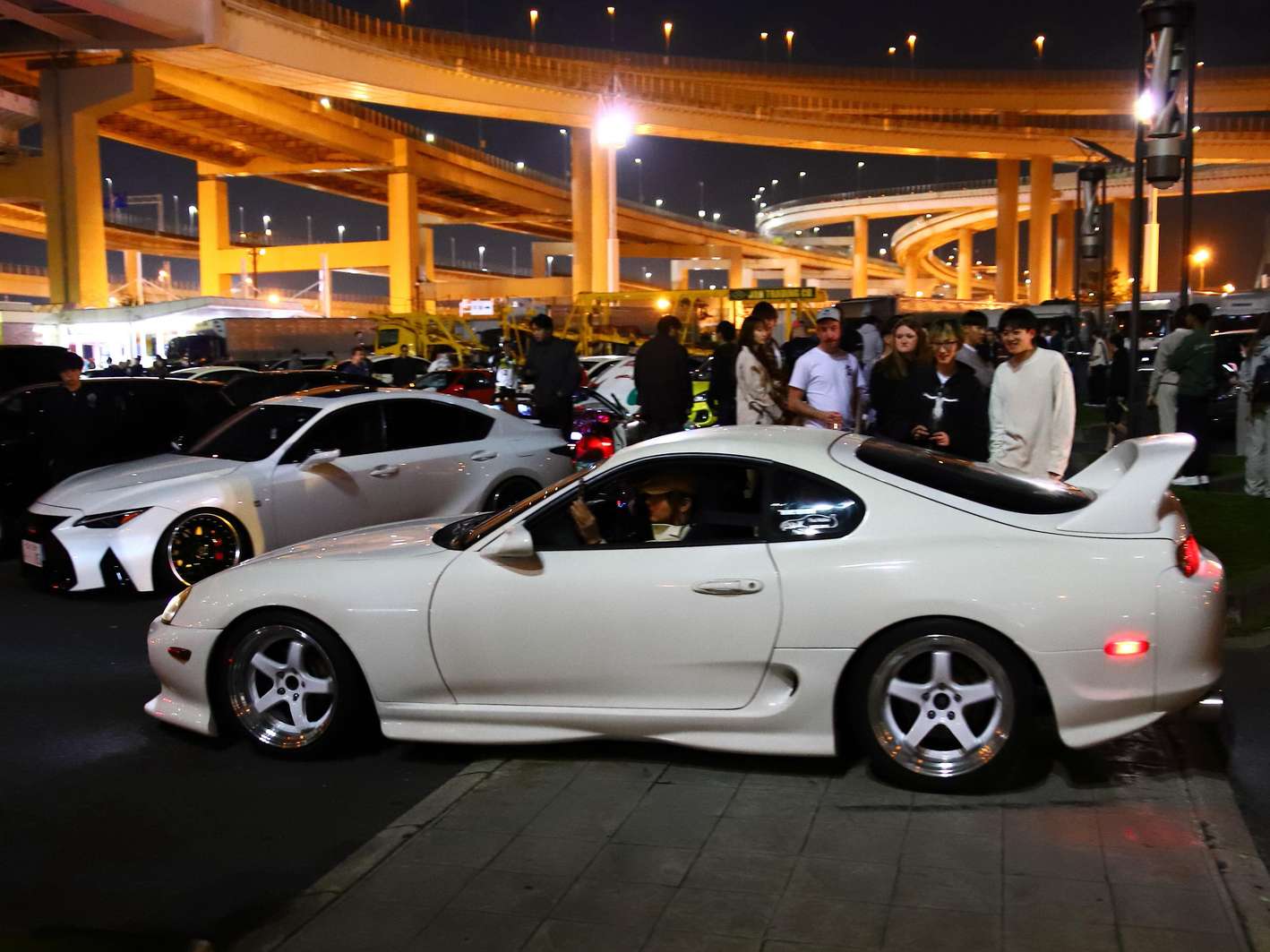
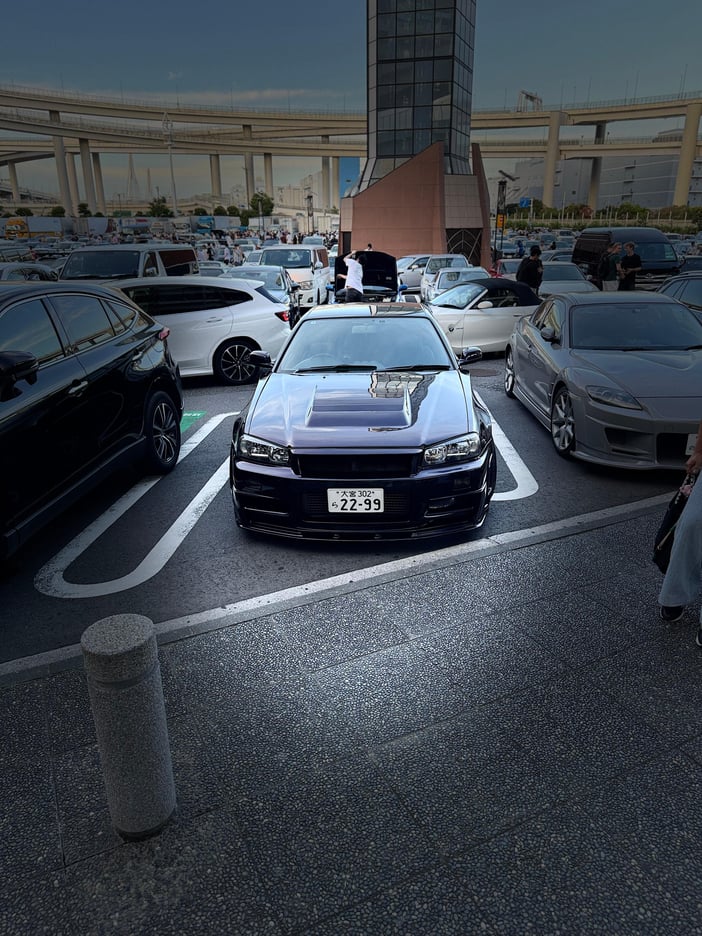
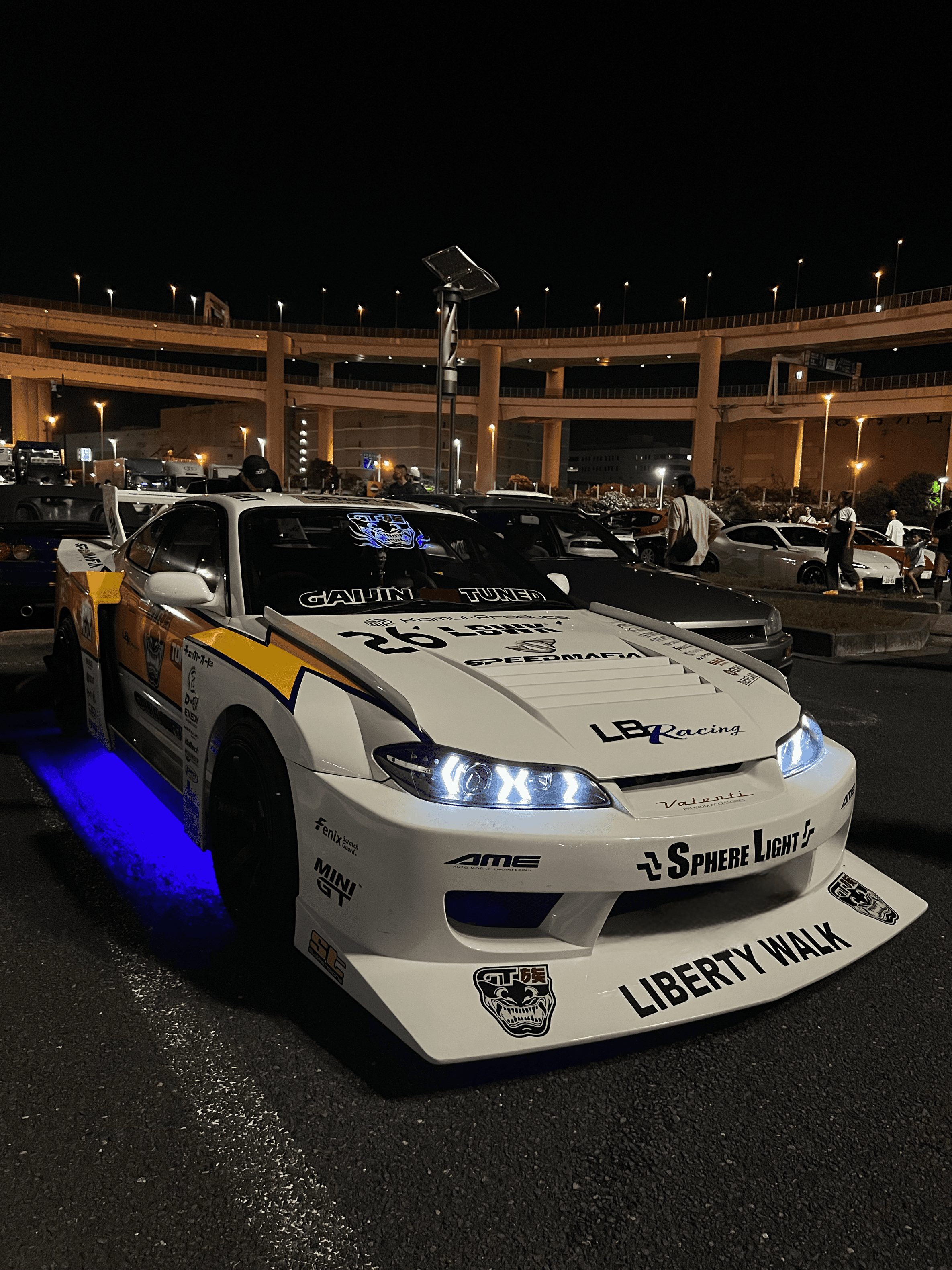
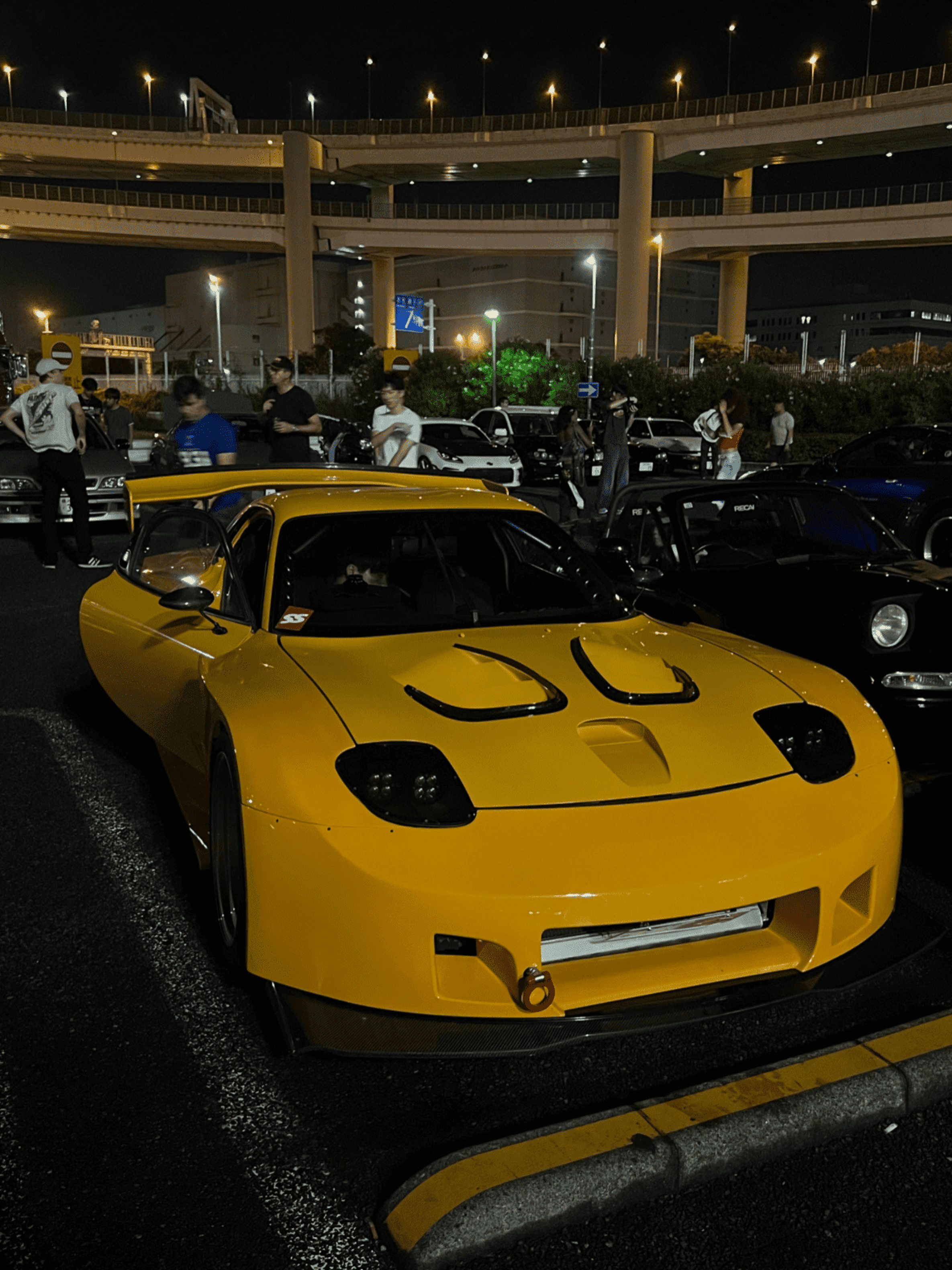
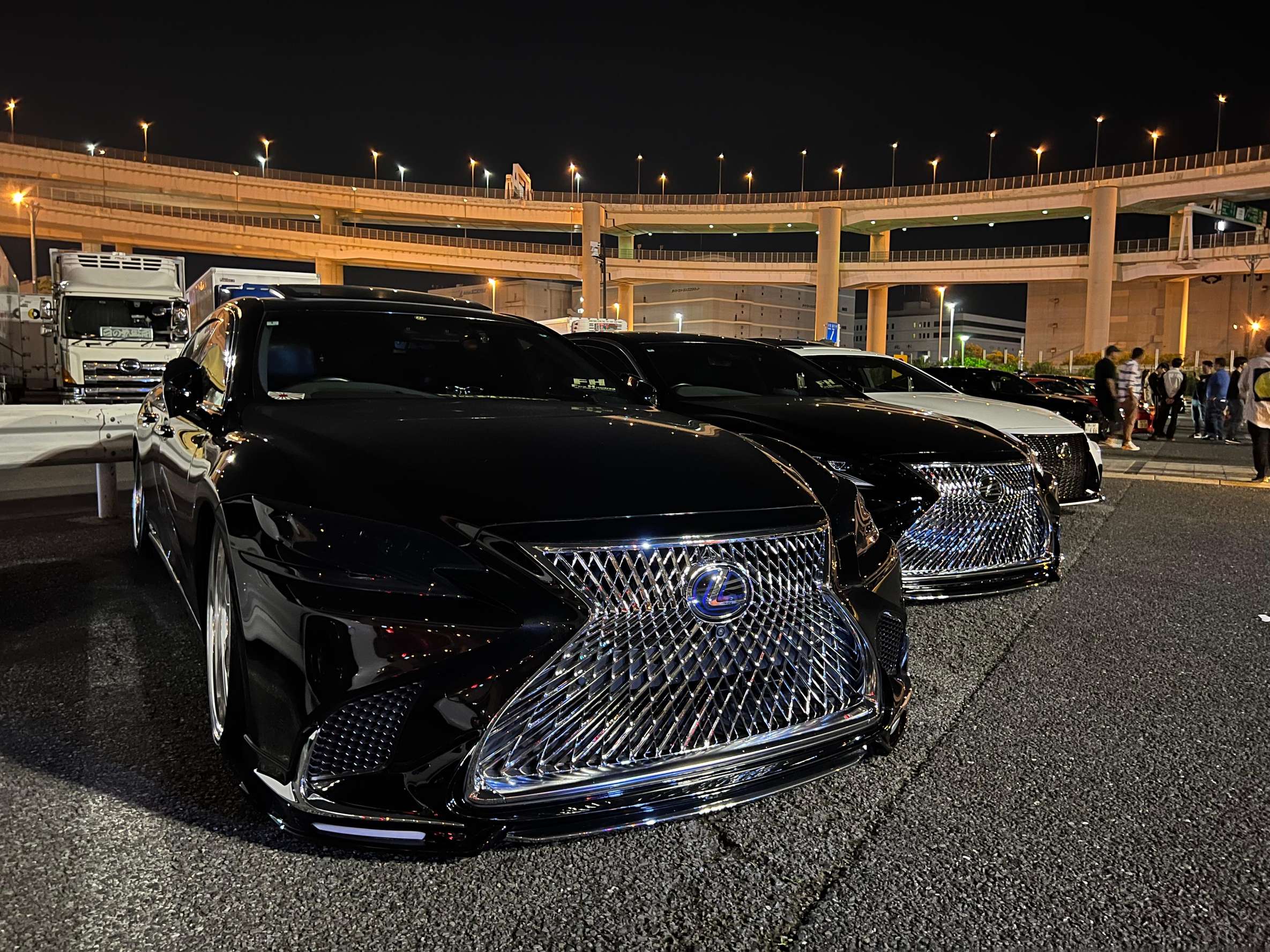
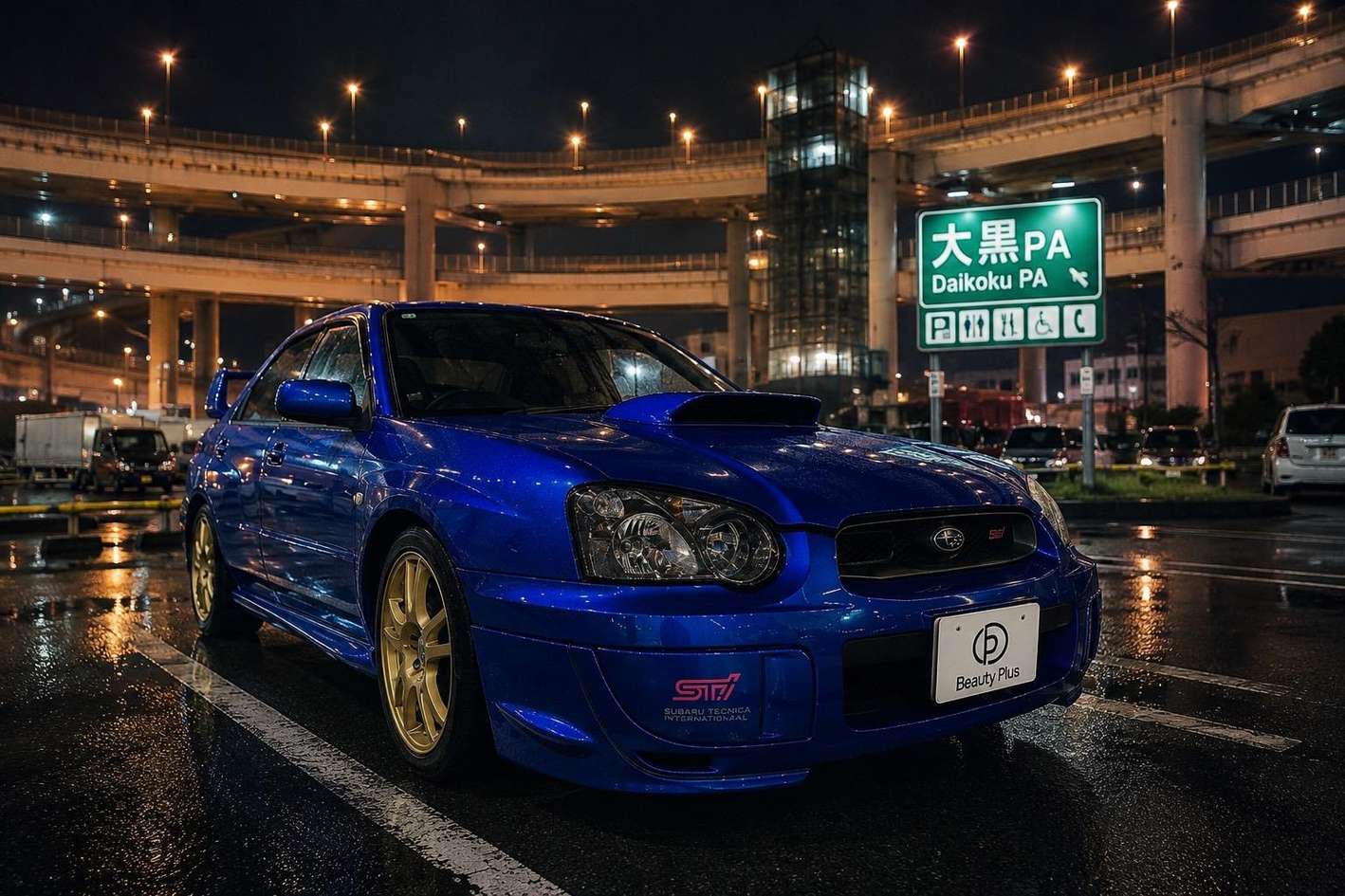
The night runs on Tokyo's expressways first. Your driver picks you up in a modified JDM car, crosses Rainbow Bridge with the bay lit up below, and pulls into Daikoku Parking Area for a full hour among the Skylines, Supras and drift builds that gather there every night.
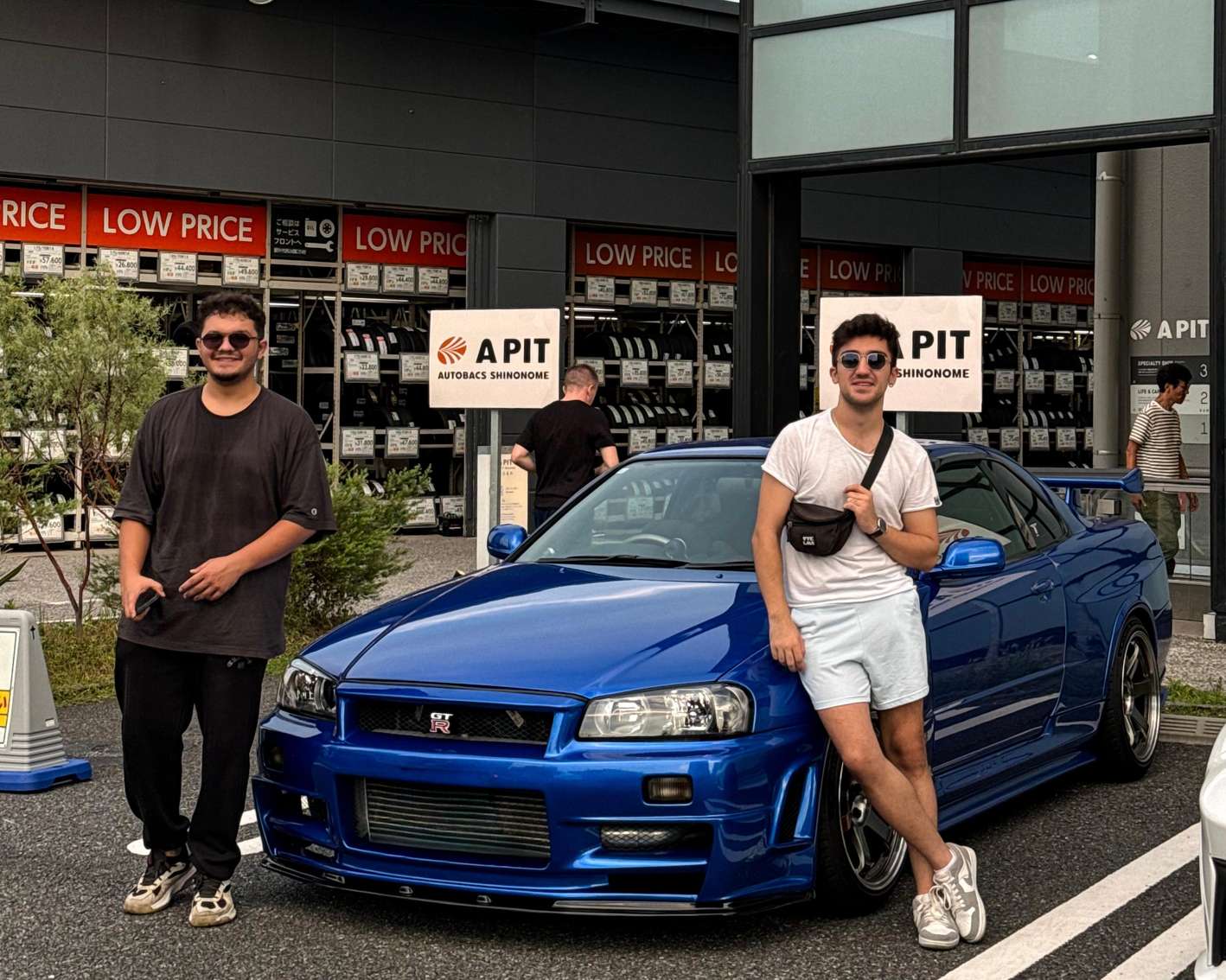
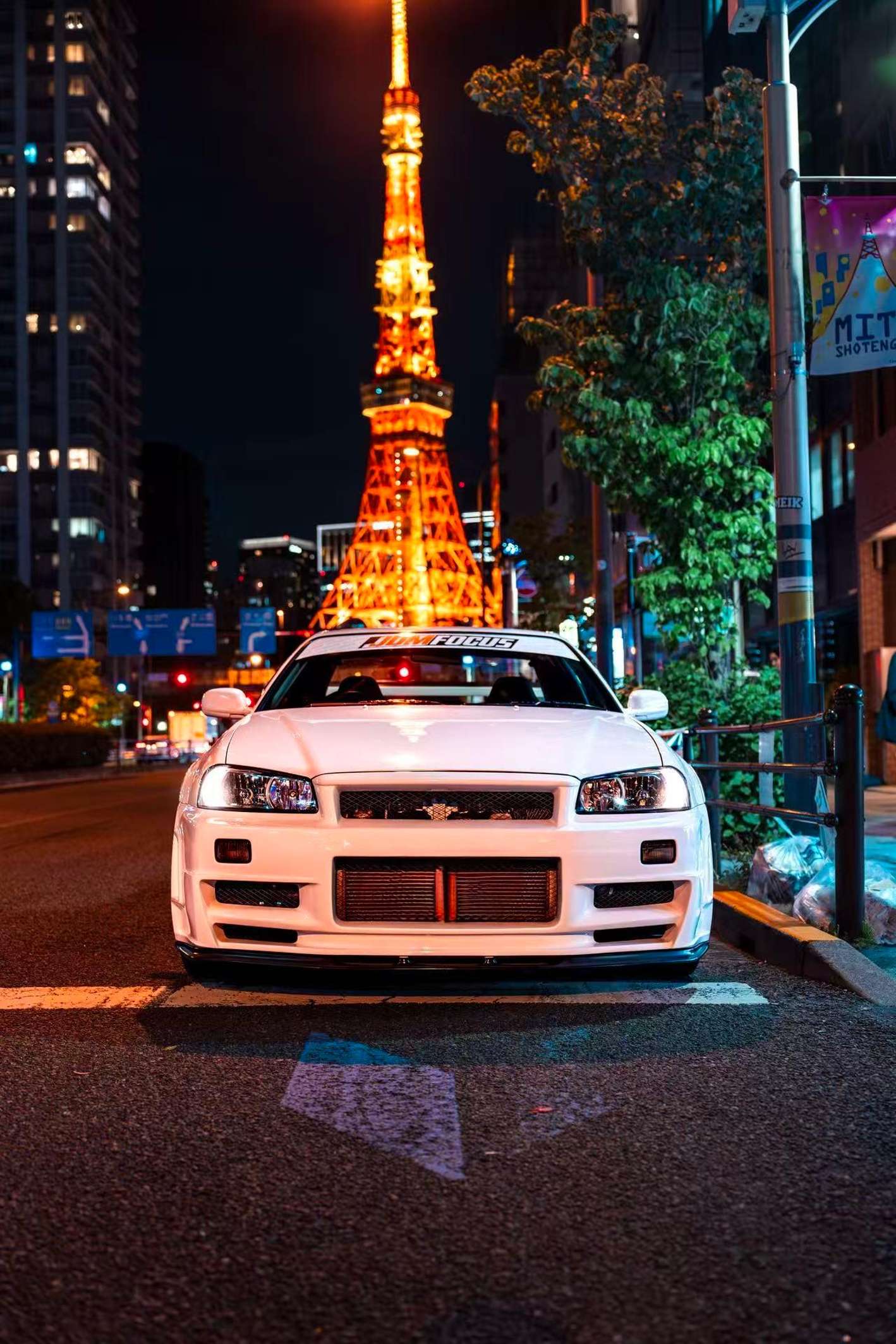
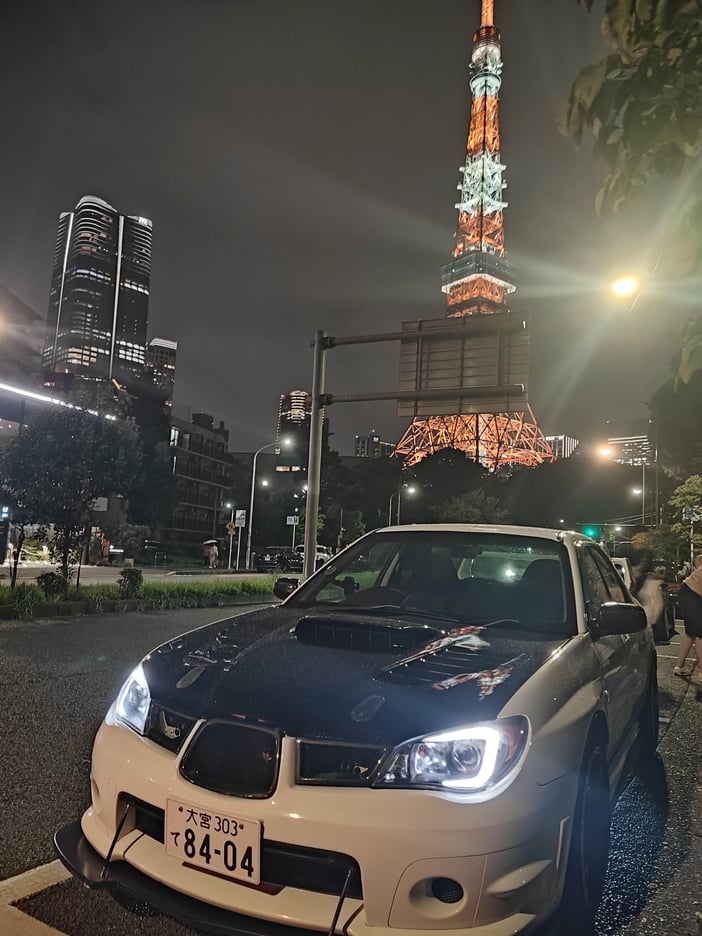
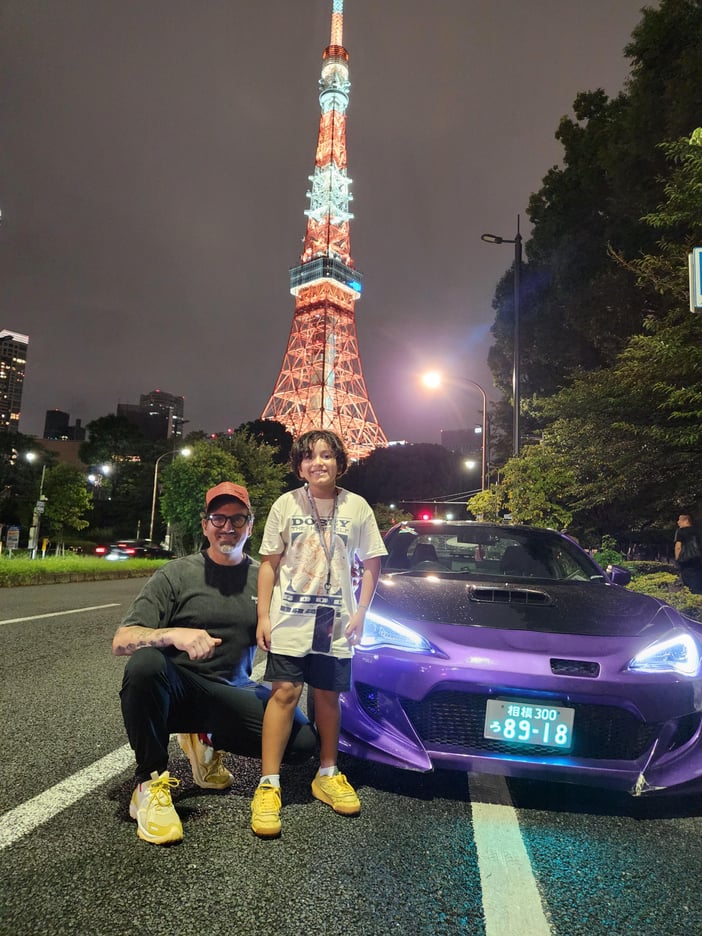
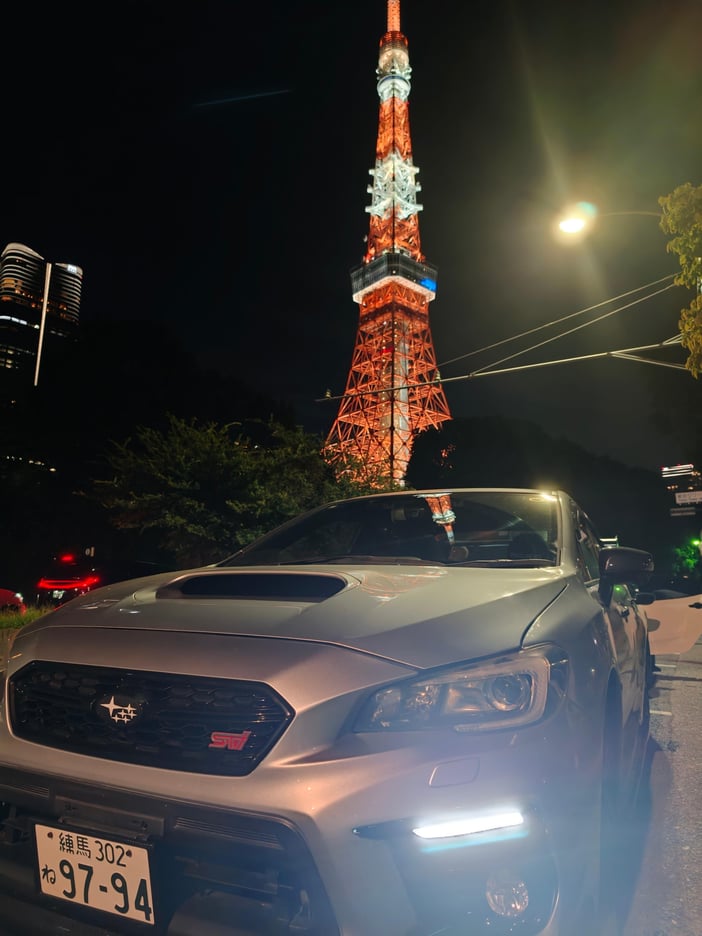
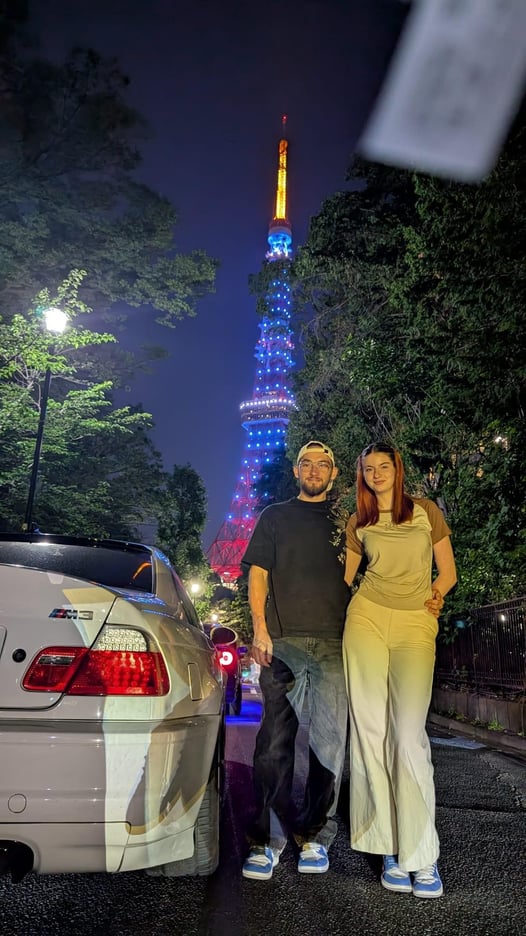
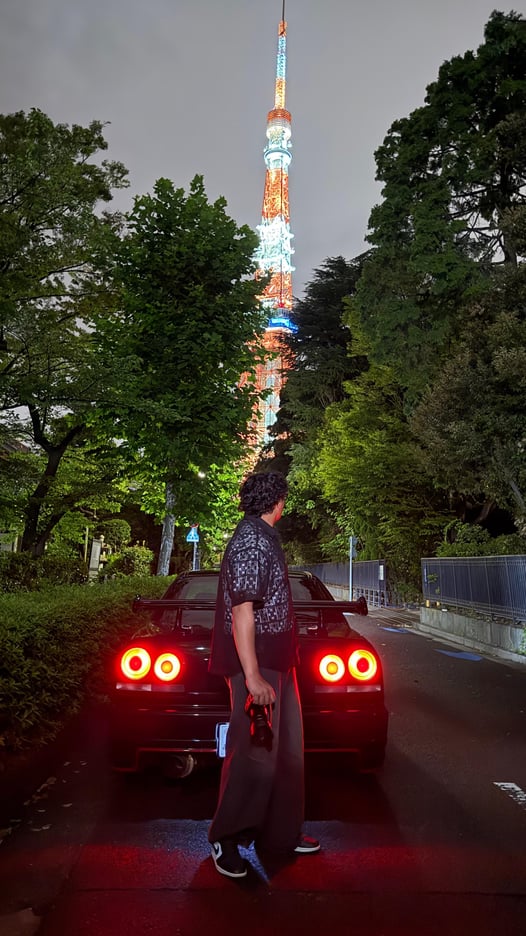
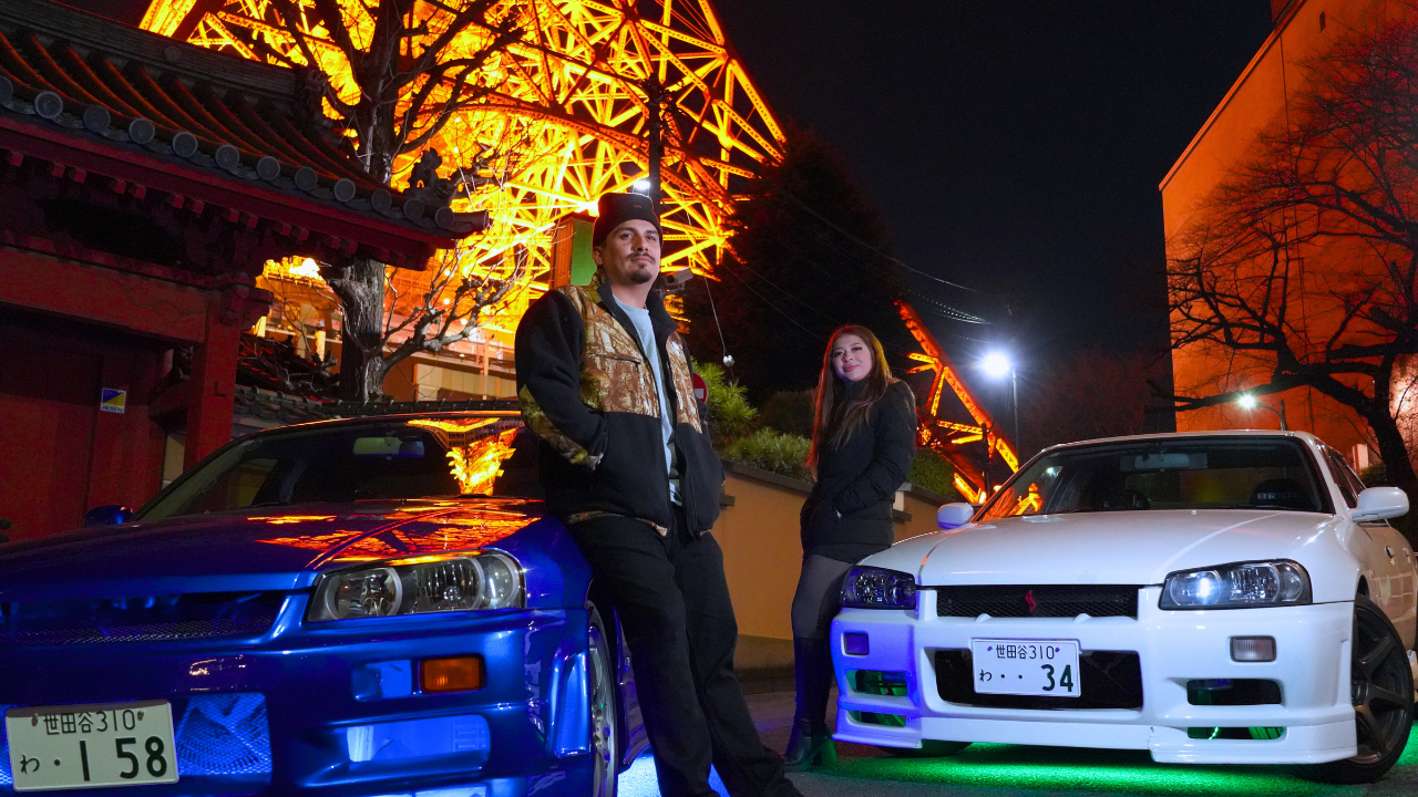
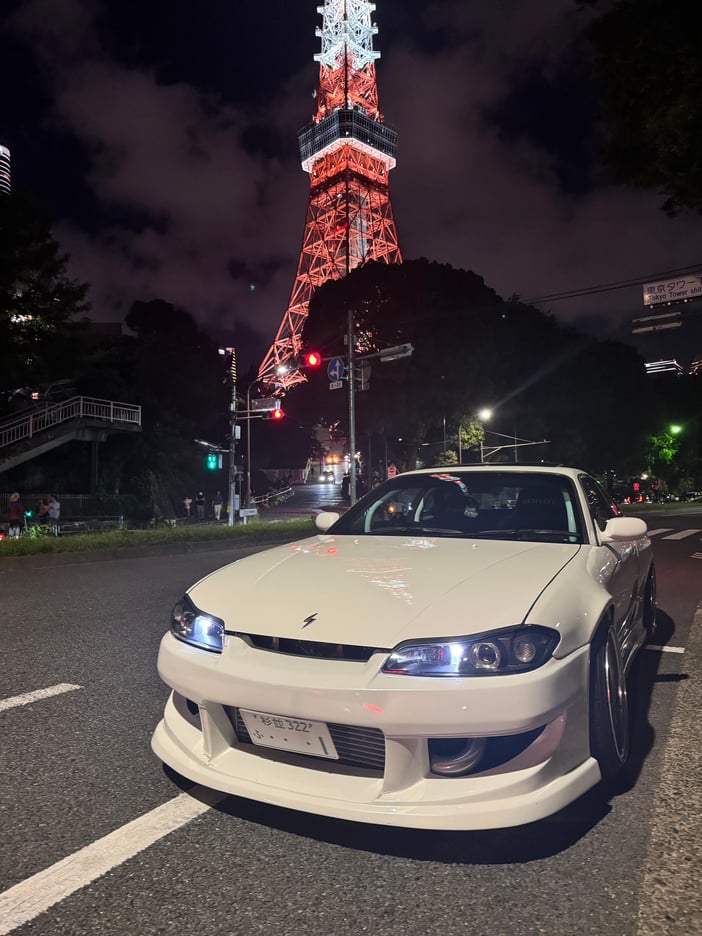
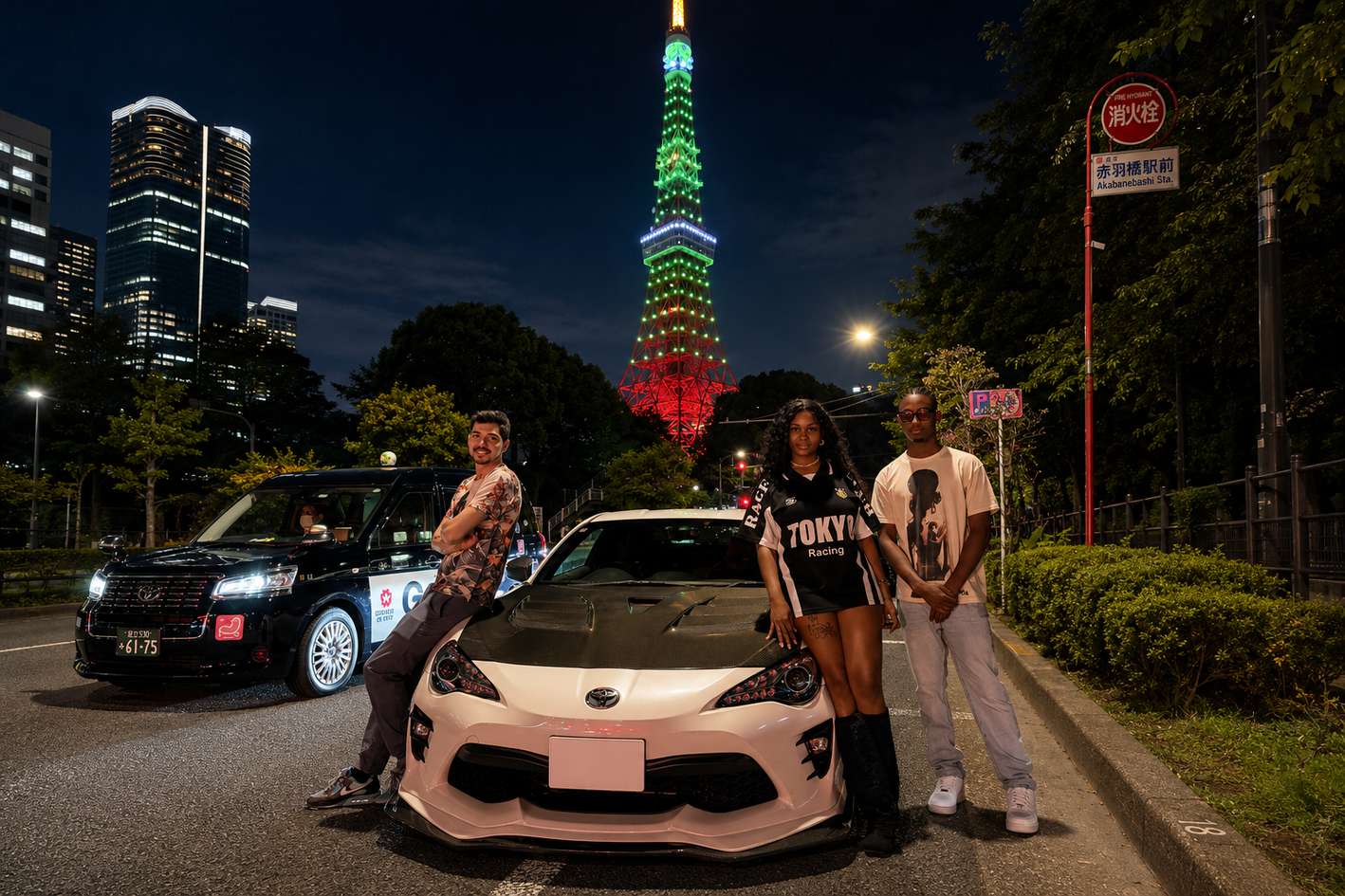
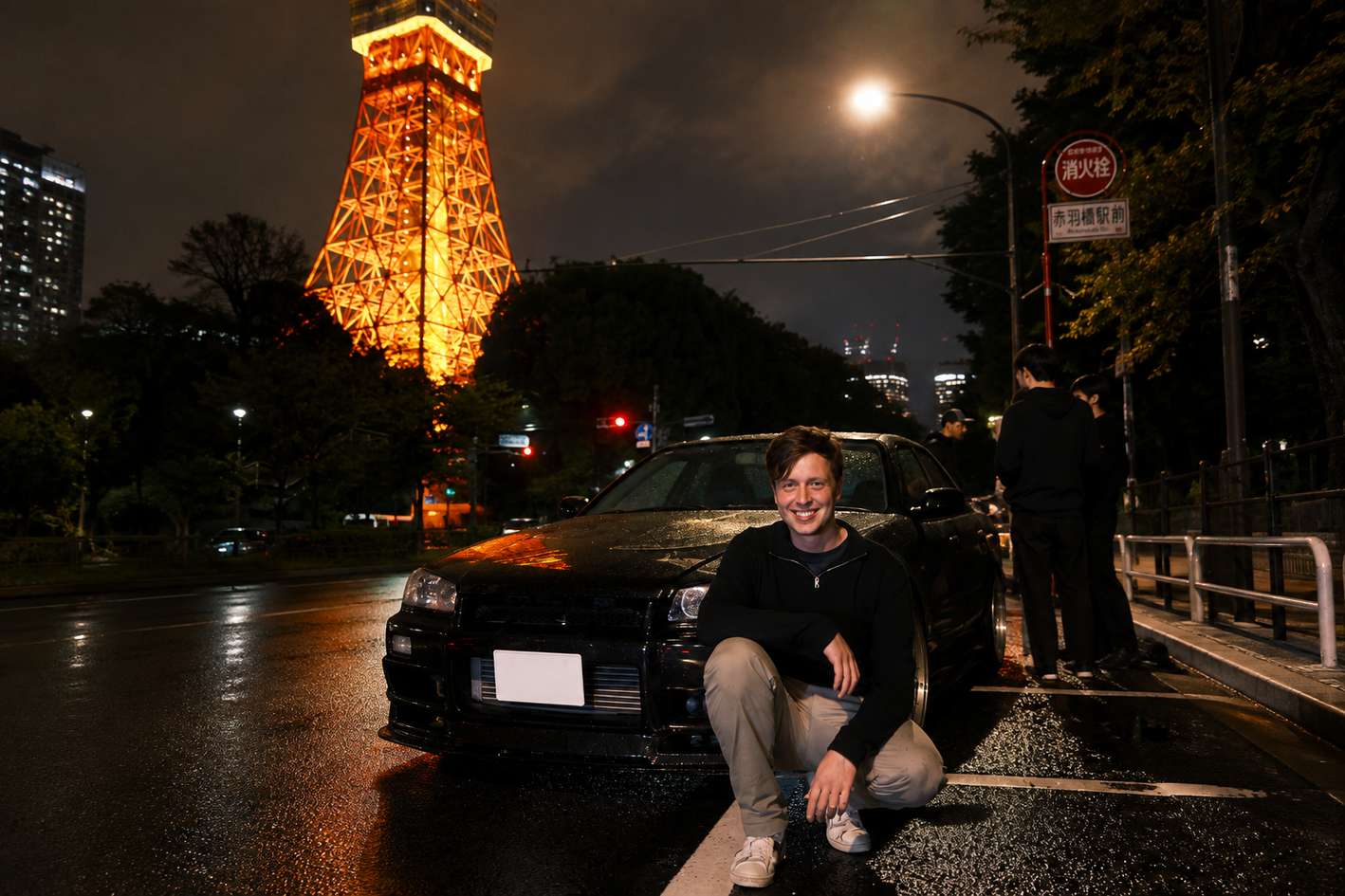
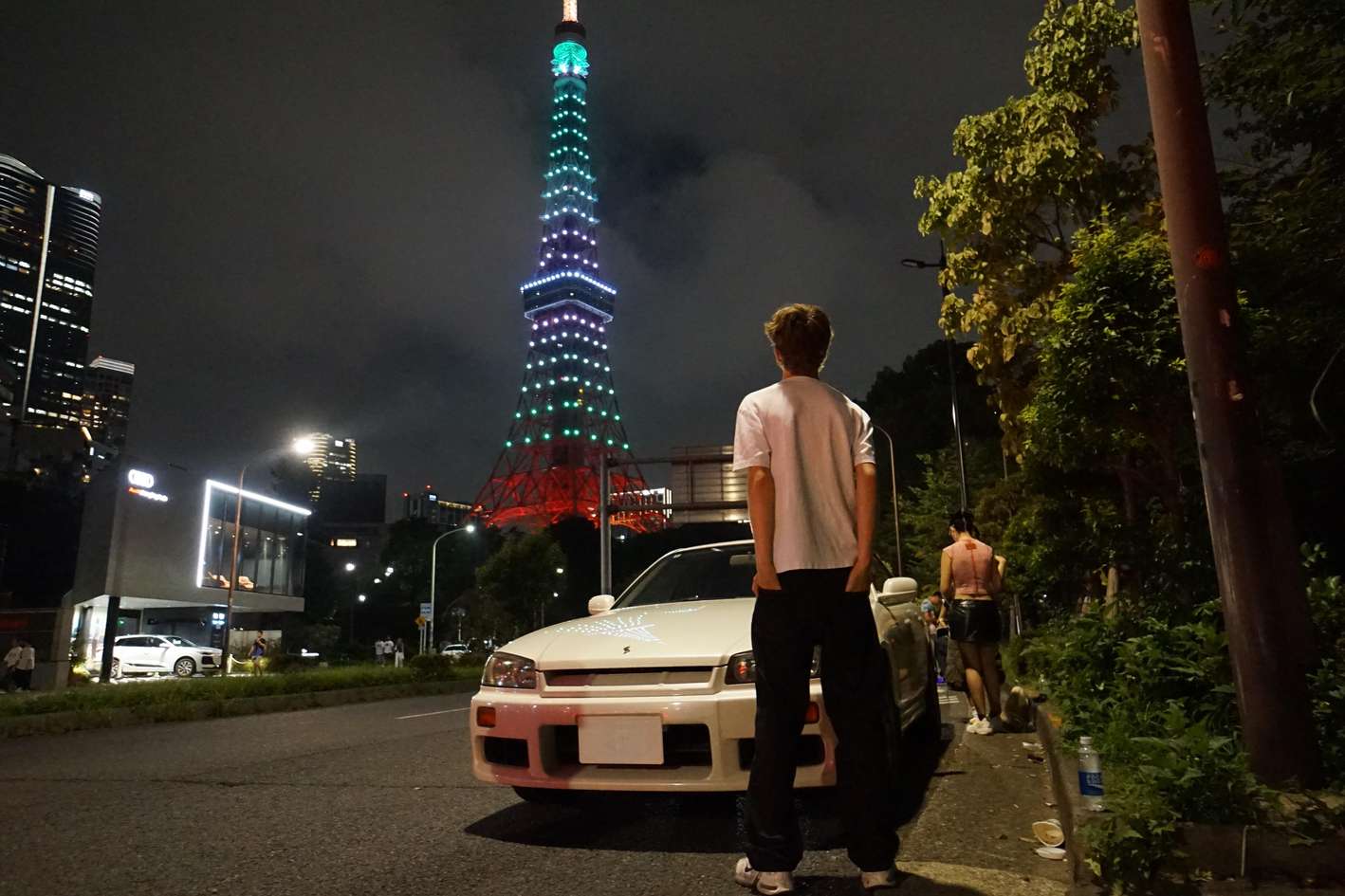
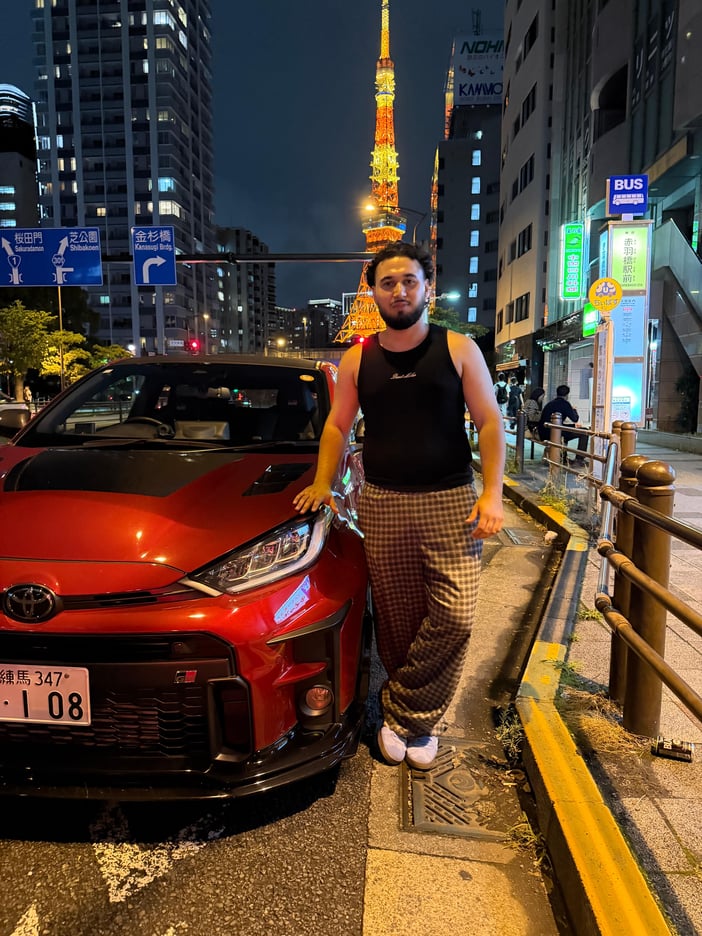
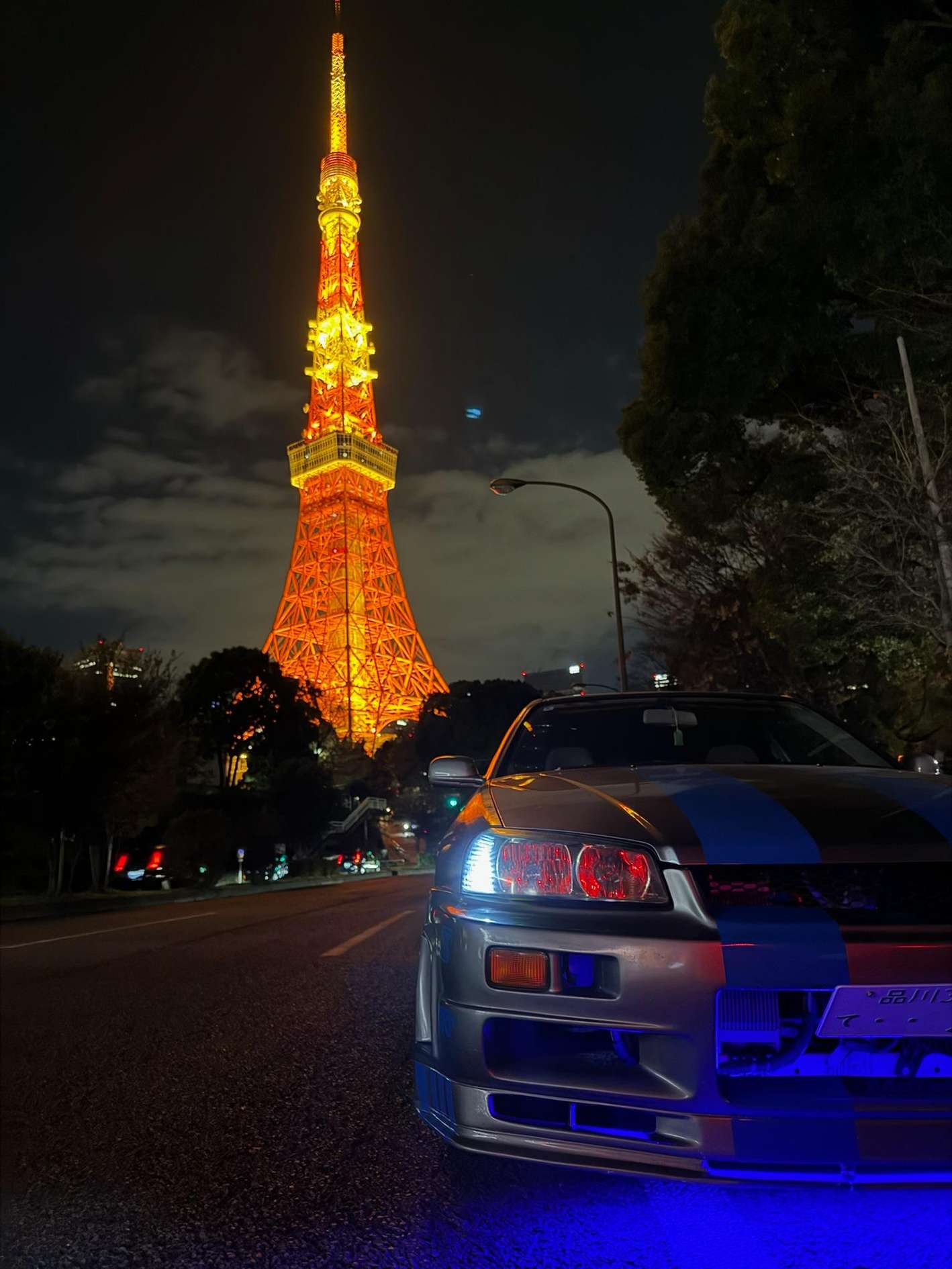
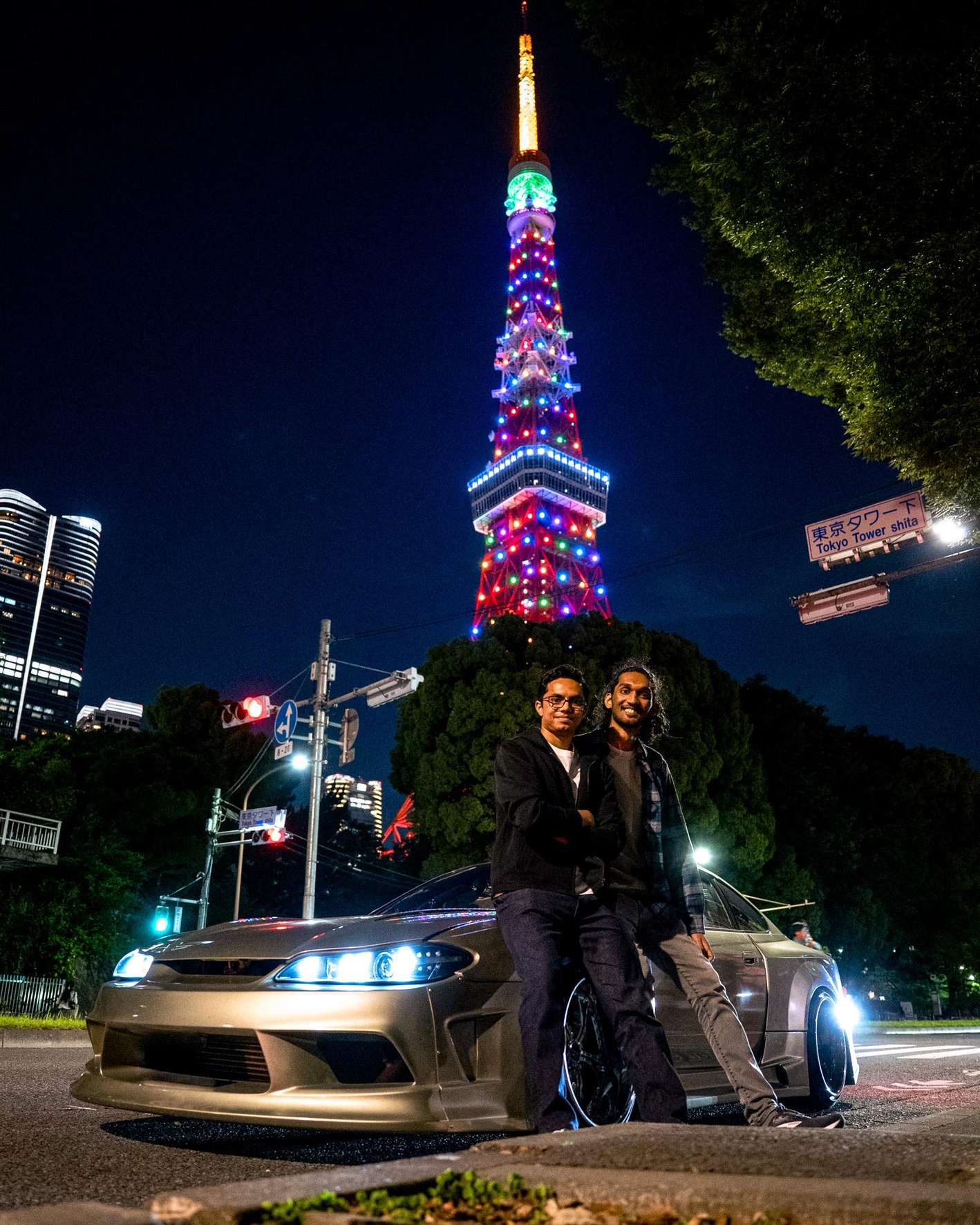
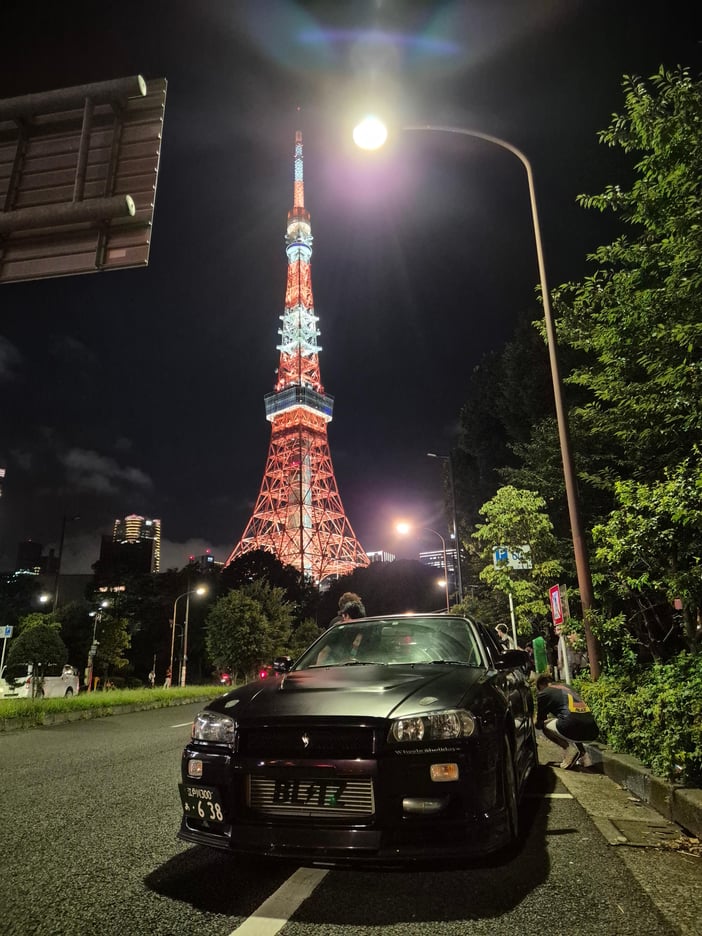
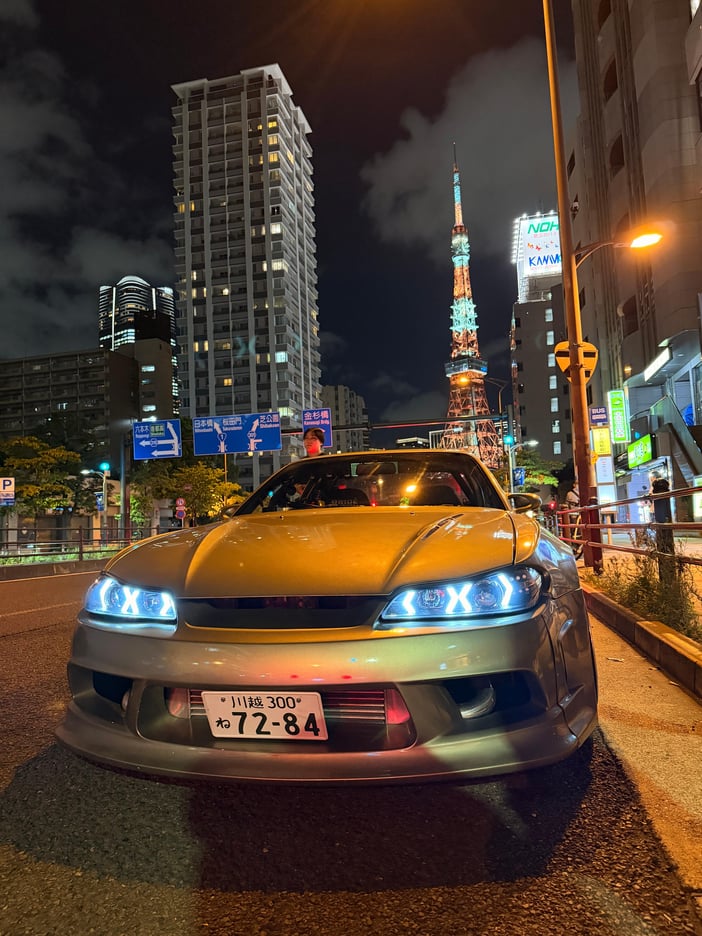
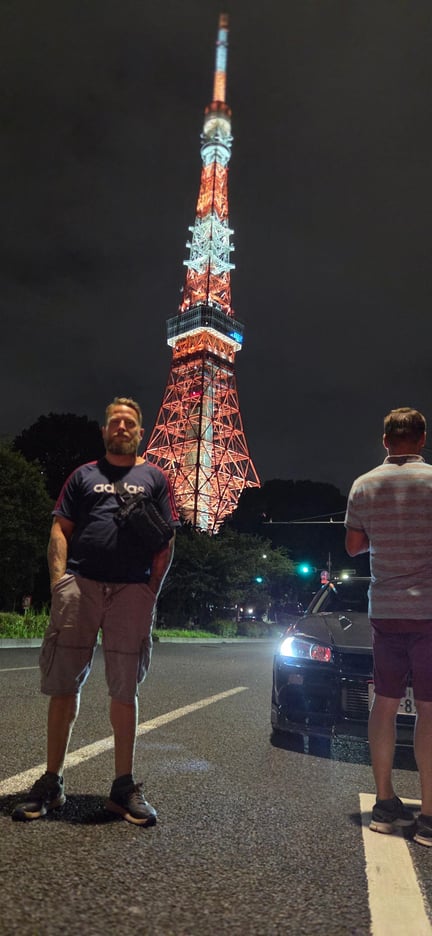
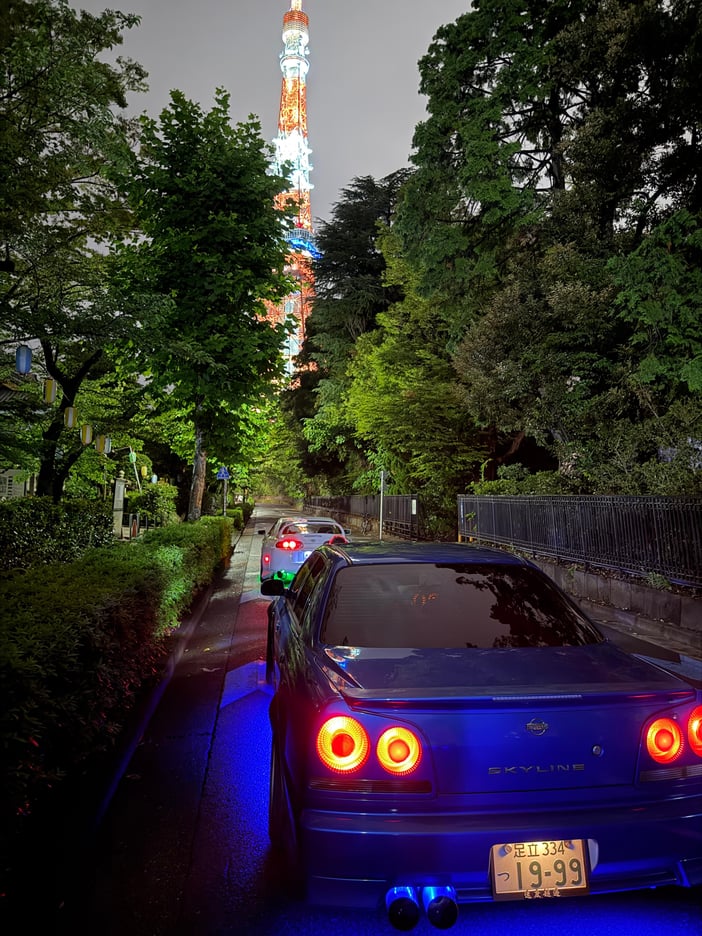
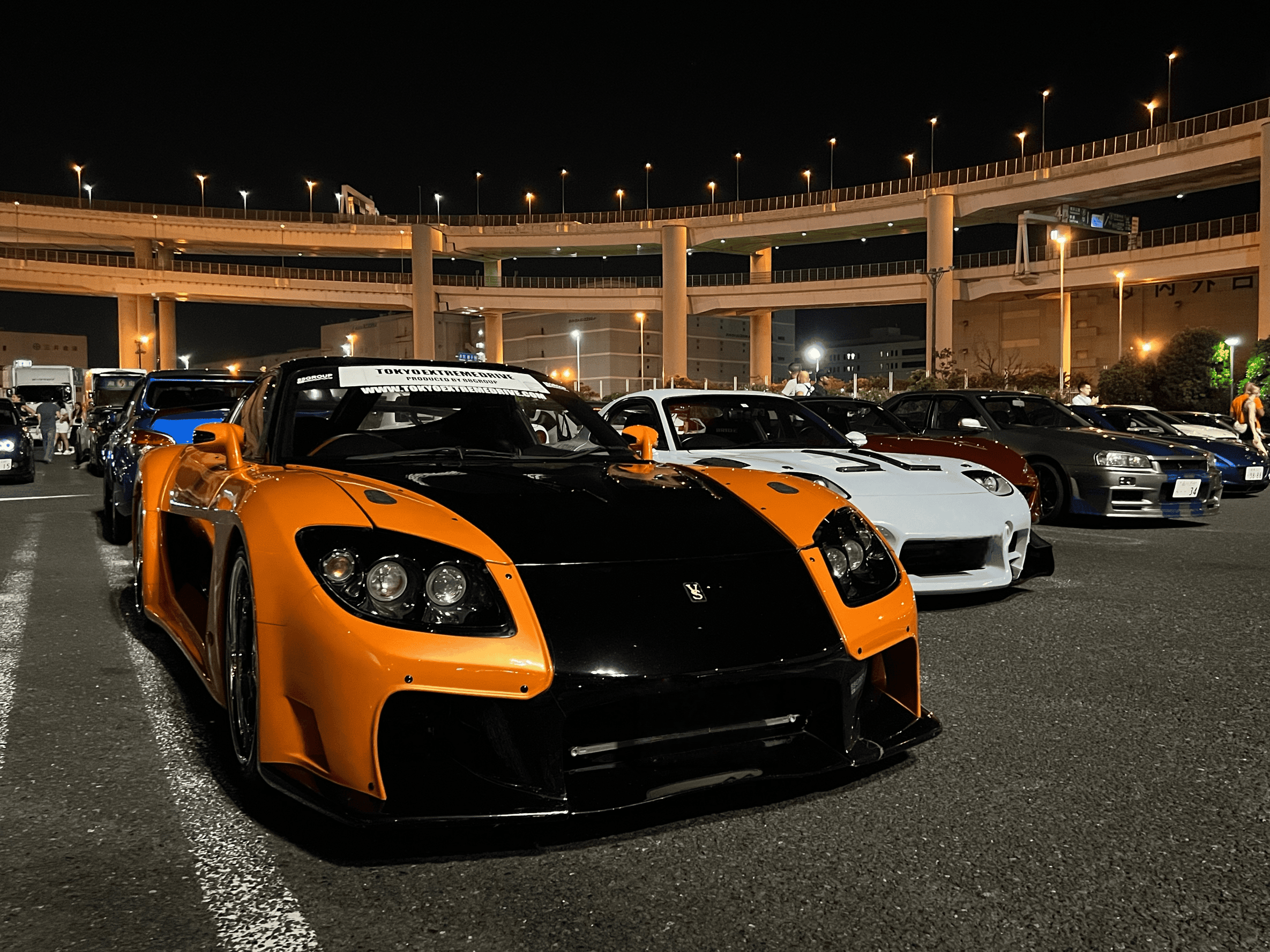
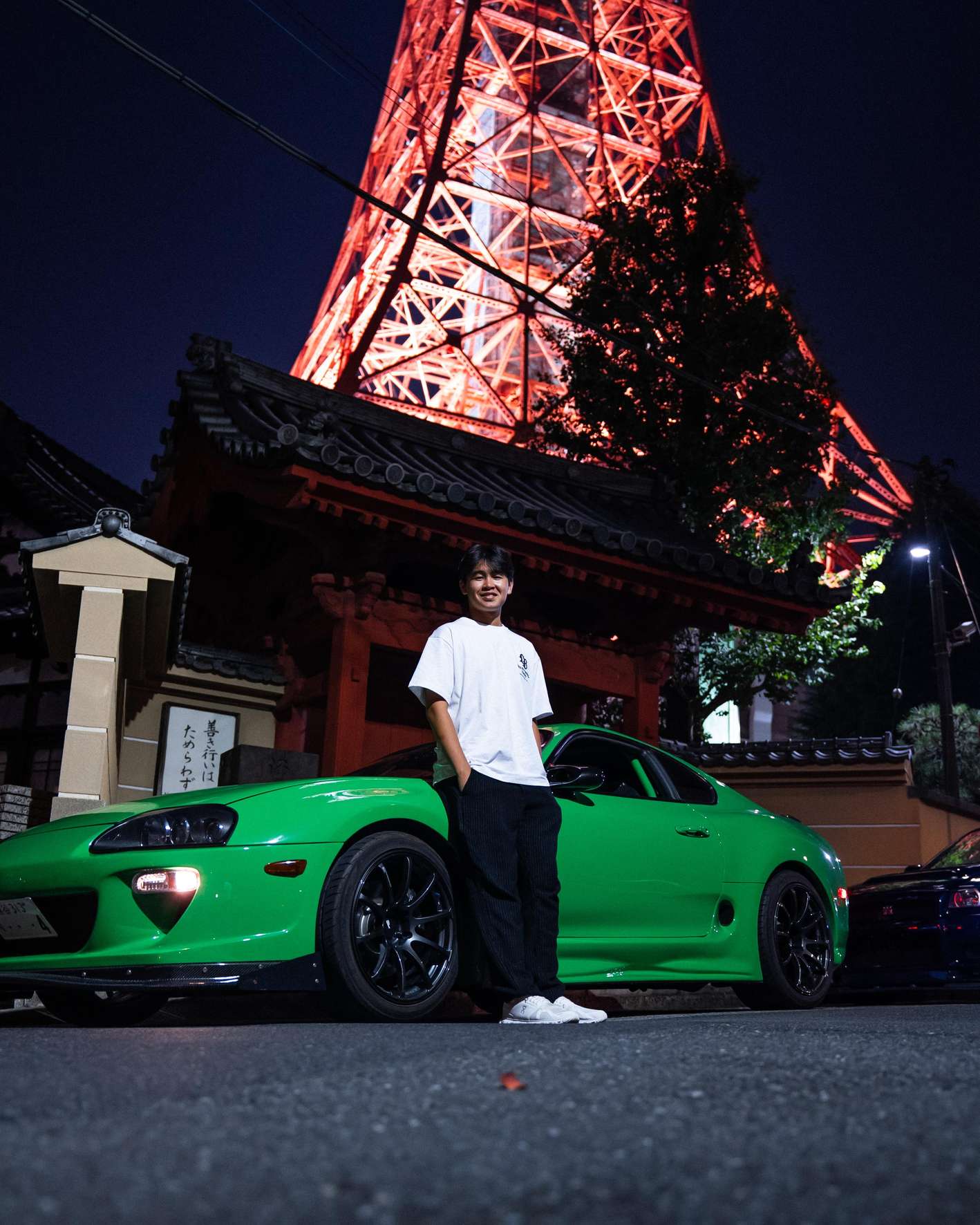
After the meet, the route continues: a stop at A-PIT Autobacs in Shinonome, Tokyo's largest car-supply shop, a photo break at Tokyo Tower, and a pass through Shibuya Crossing, the corner where Han drifted his RX-7 in Tokyo Drift.
Your driver doubles as your photographer, and tolls and fuel are already covered. Most versions run three to four hours, and you ride as a passenger the whole way.
Pickup2 places, depending on your optionThe Ariake convenience store where you were picked up. The tour drops you back here at the end of the night.Street View2Rainbow Bridge, Tokyo· 5 minThe white suspension bridge linking Tokyo to the bay islands. You cross it with the city skyline and Tokyo Bay lit up on both sides.Street View3Daikoku Parking Area· 60 minA highway rest stop on an artificial island in Tokyo Bay and the most famous informal car meet in the area. You get an hour of free time to walk the rows of modified cars, take photos and talk with owners; ask before entering or touching any vehicle.Street View4ShinonomeHome of A-PIT Autobacs, Tokyo's largest car-supply shop. You get time to browse tuning parts, models and car goods, a favorite stop for souvenirs.From this tour5Tokyo Tower· 20 minThe red-and-white lattice tower in central Tokyo. A 20-minute photo stop with your JDM car in front of the lit tower.Street View6Shibuya CrossingThe world's busiest pedestrian crossing, and the corner where Han drifted his VeilSide RX-7 in Tokyo Drift. A photo stop with your guide pointing out the movie spots.Street ViewDrop-off2 places, depending on your optionThe Ariake convenience store where you were picked up. The tour drops you back here at the end of the night.Street View
Included
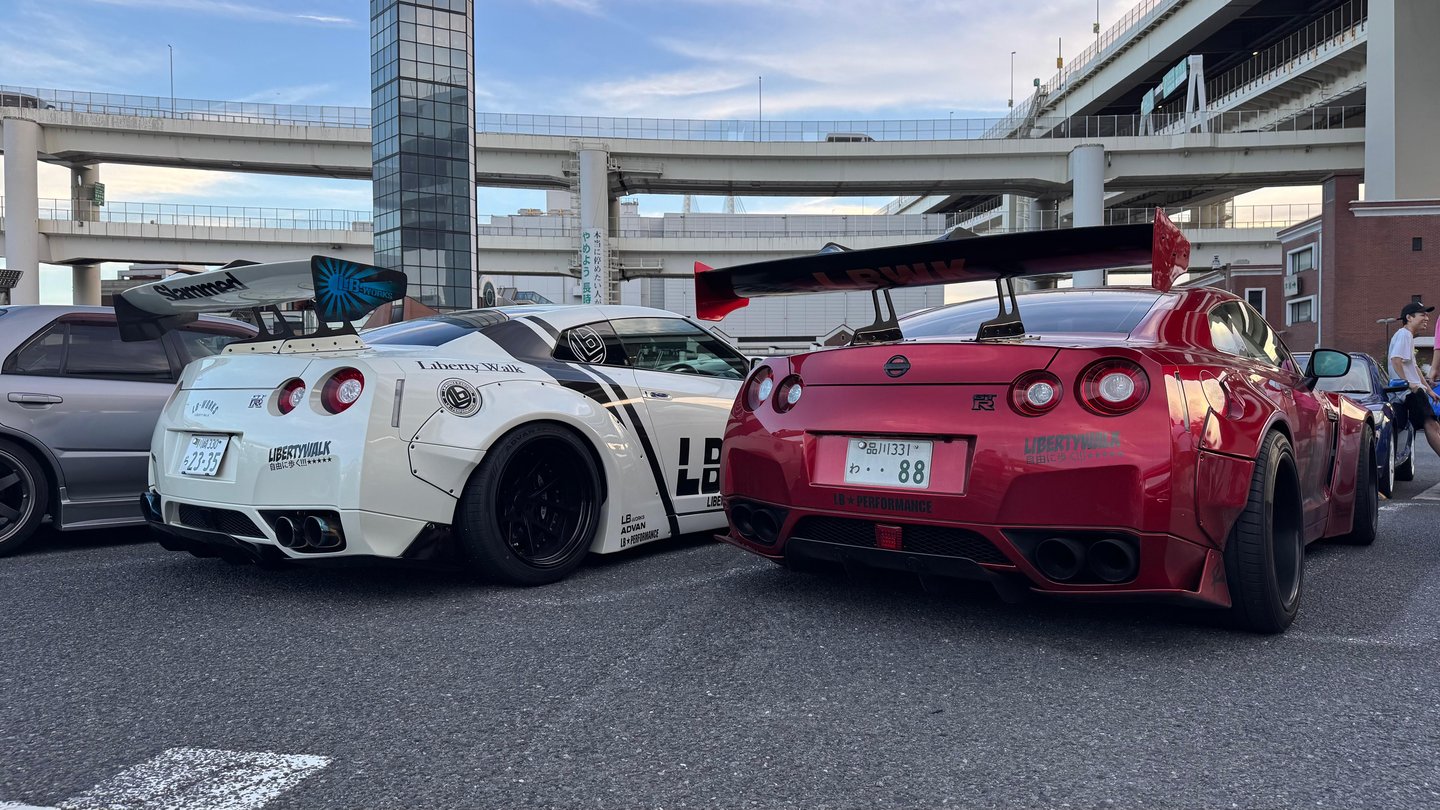
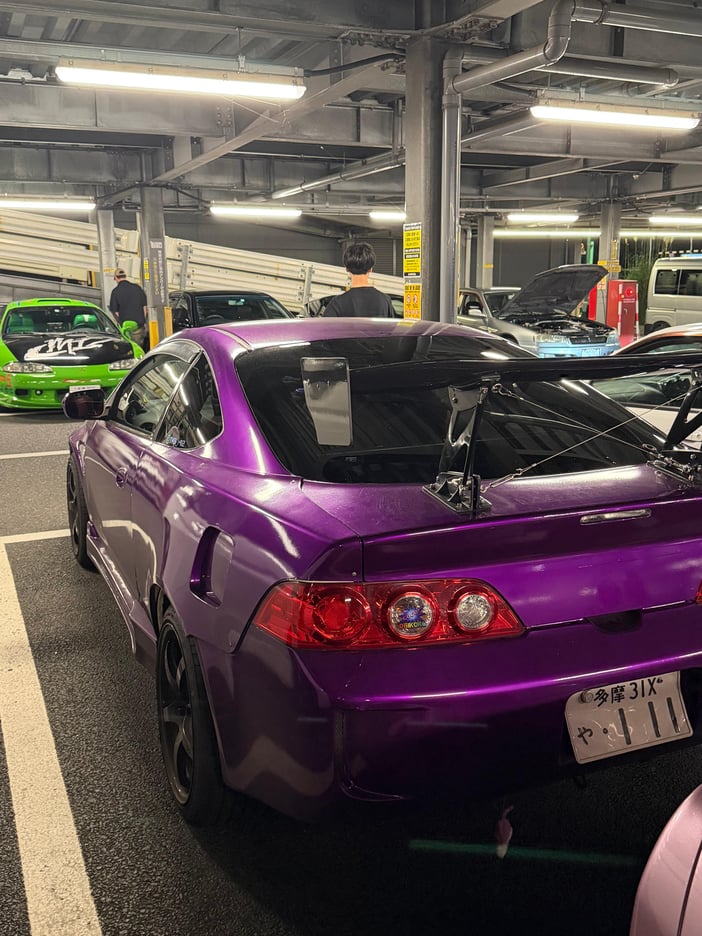
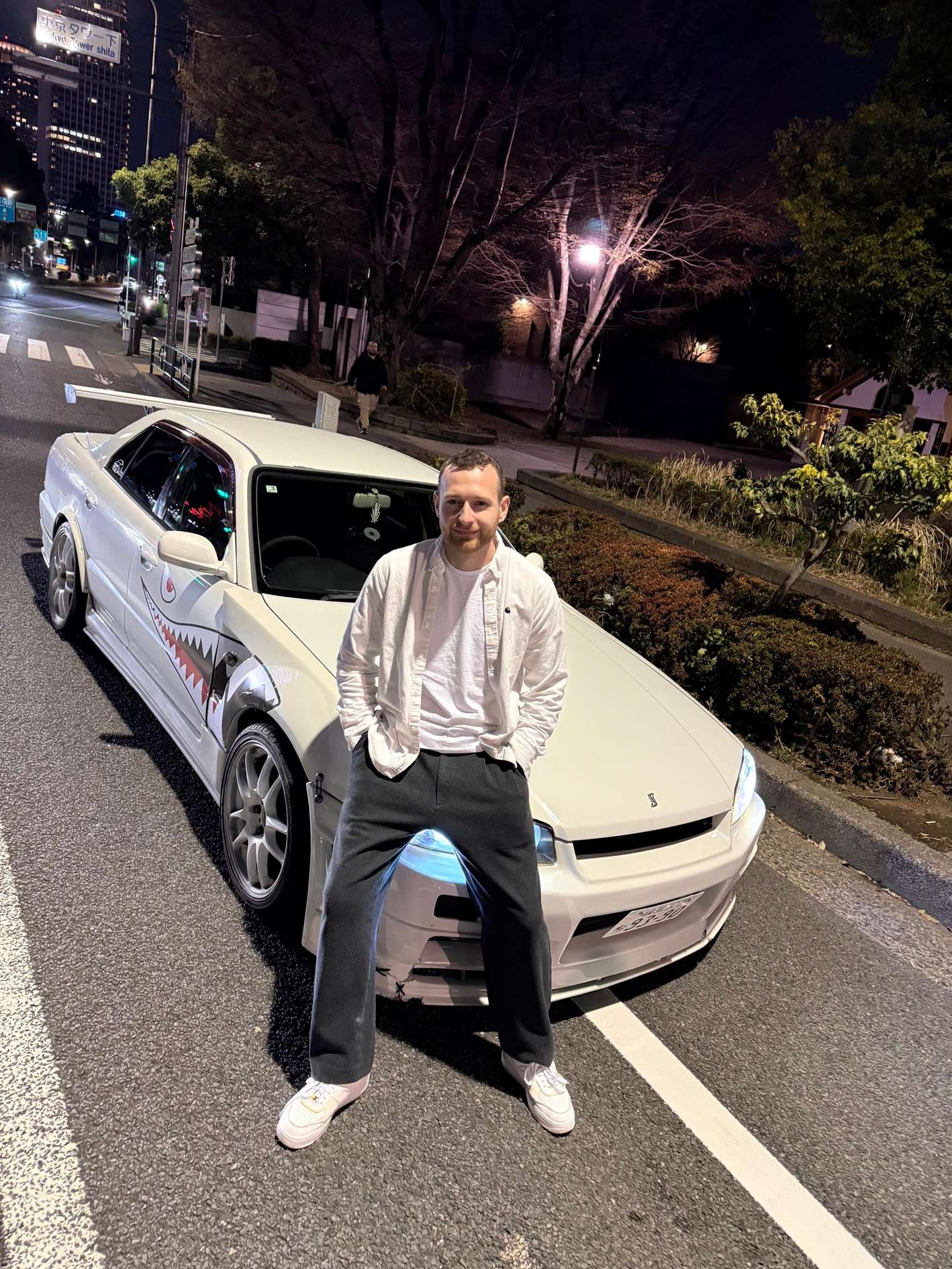
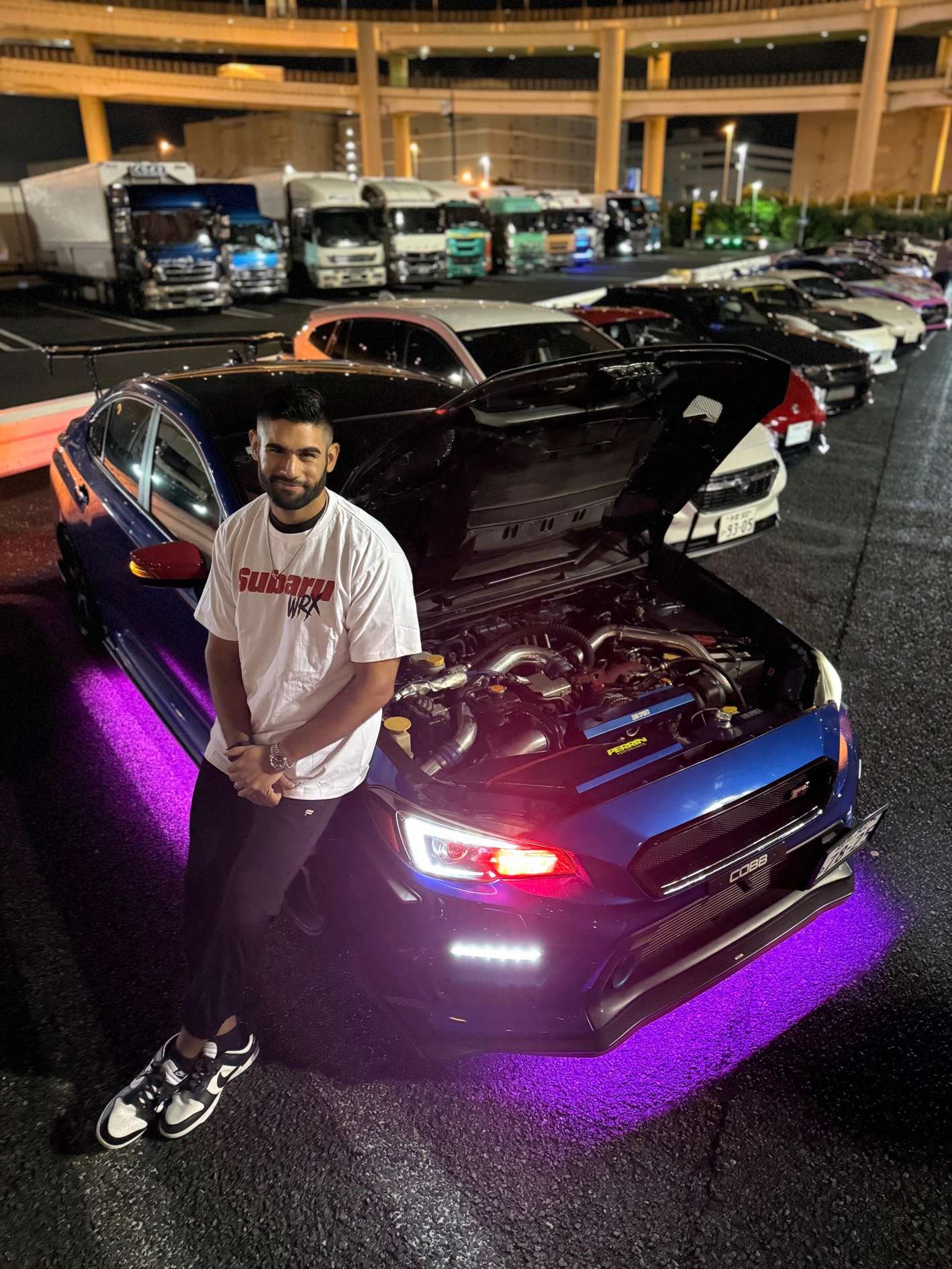
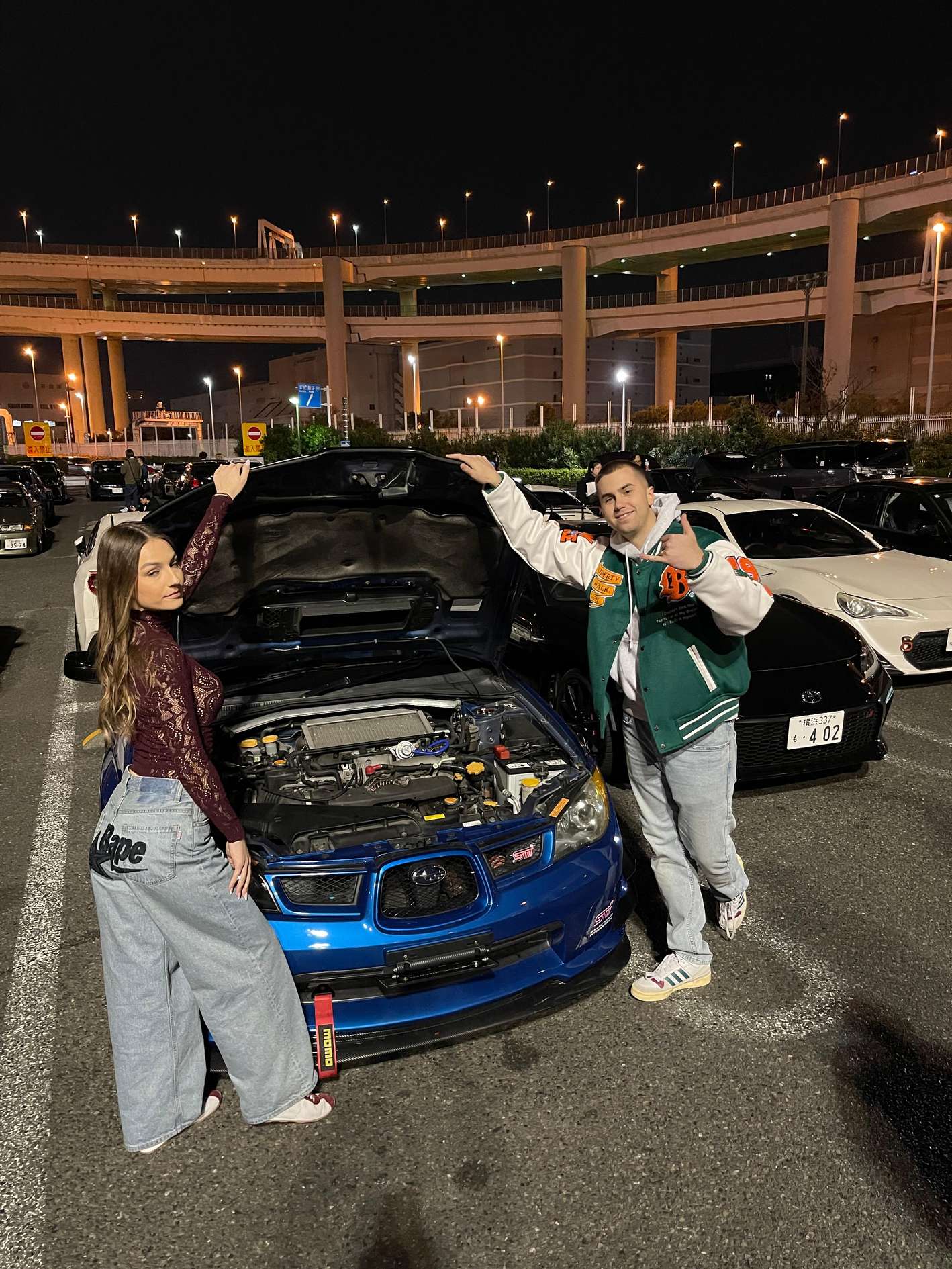
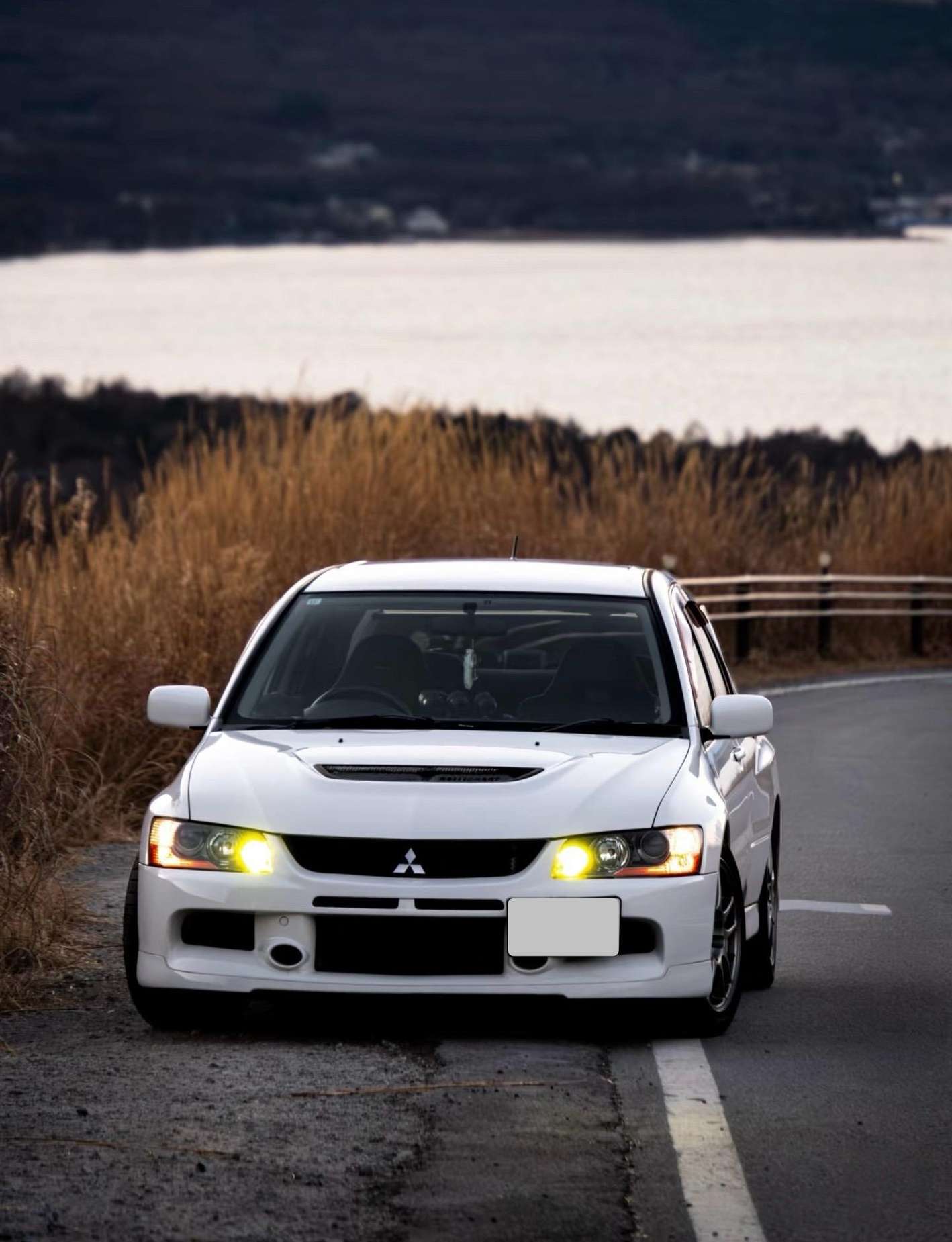
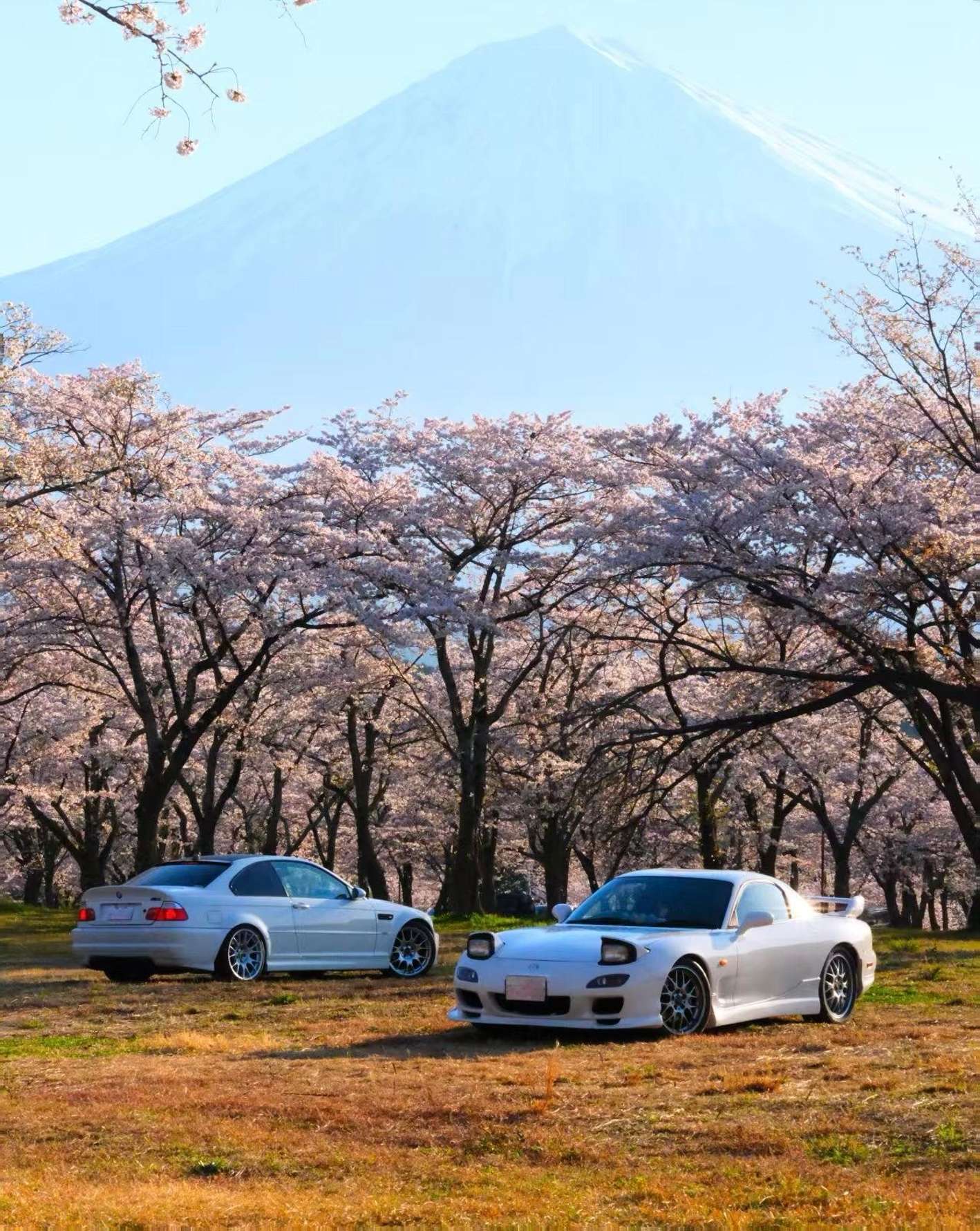
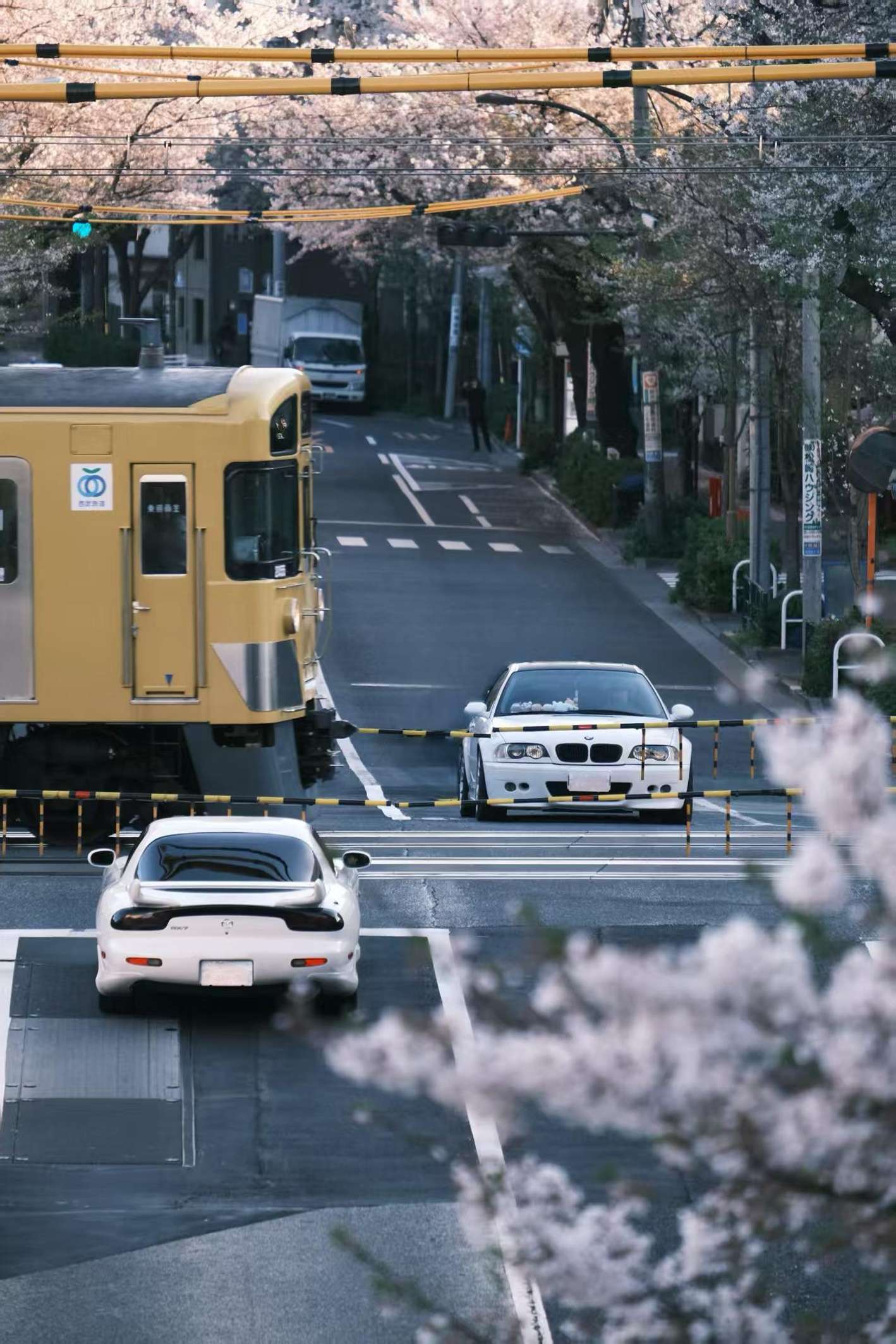
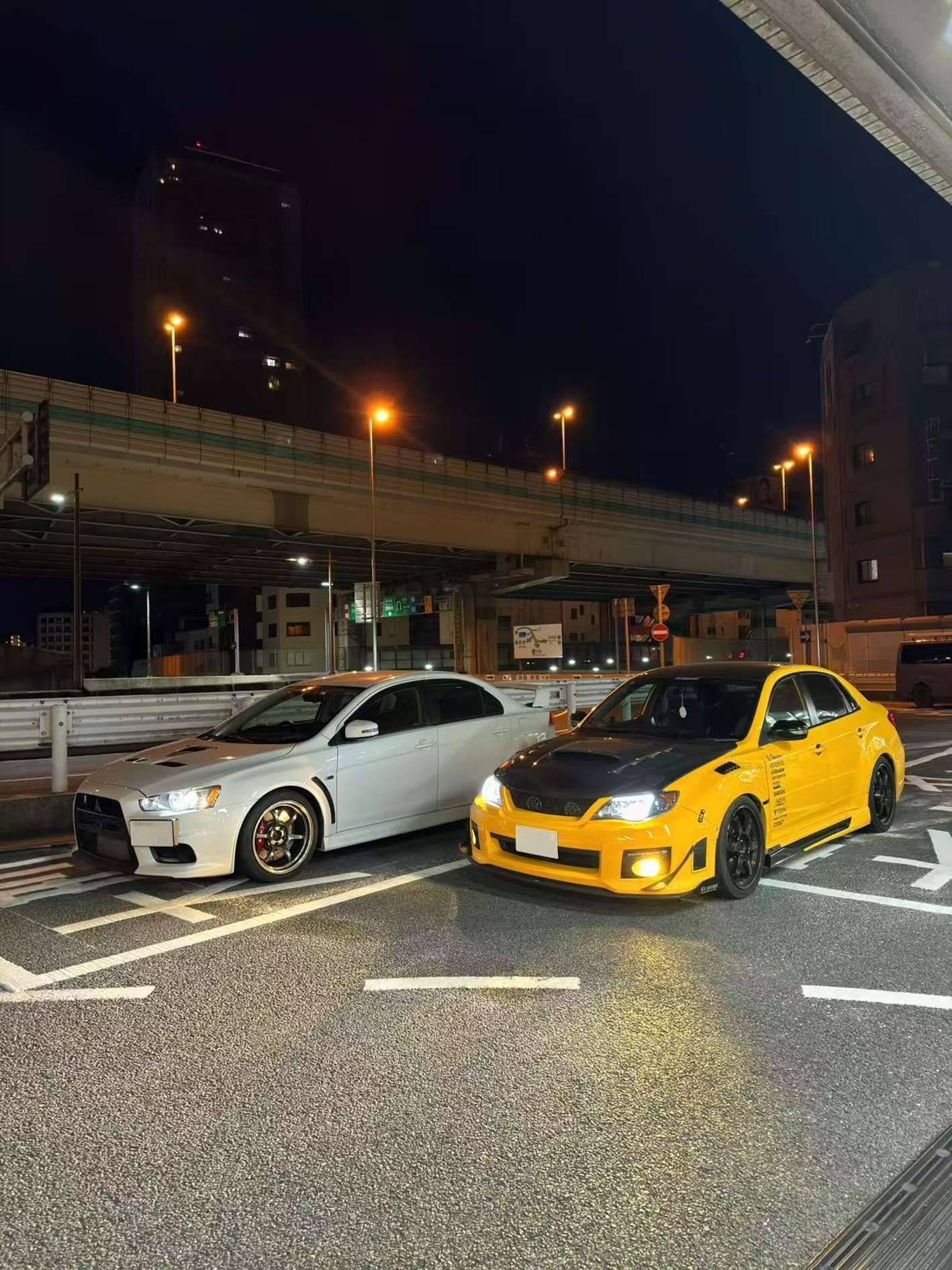
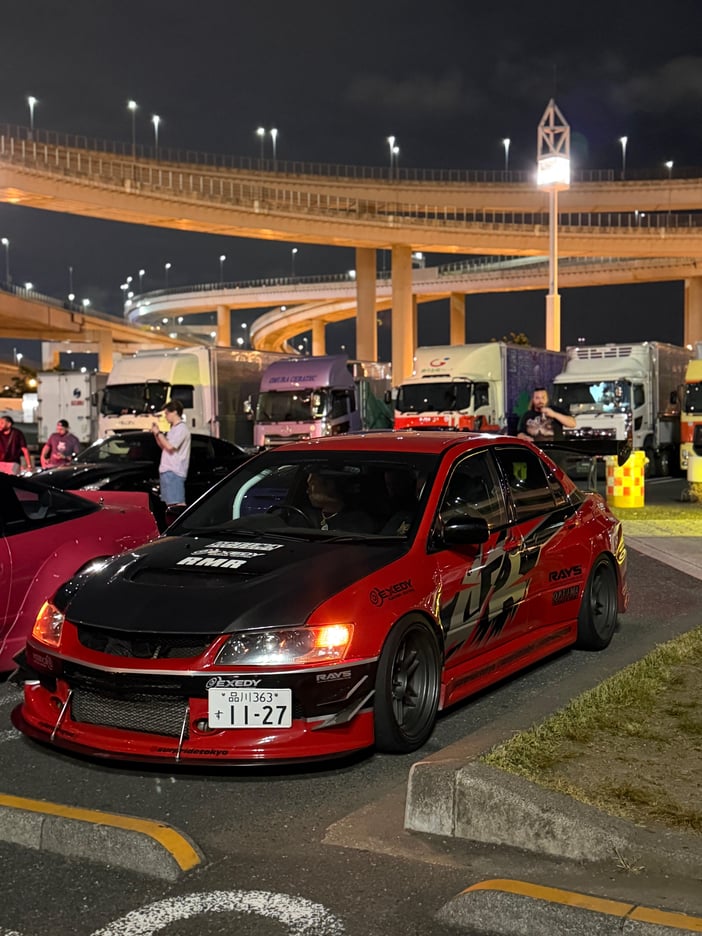
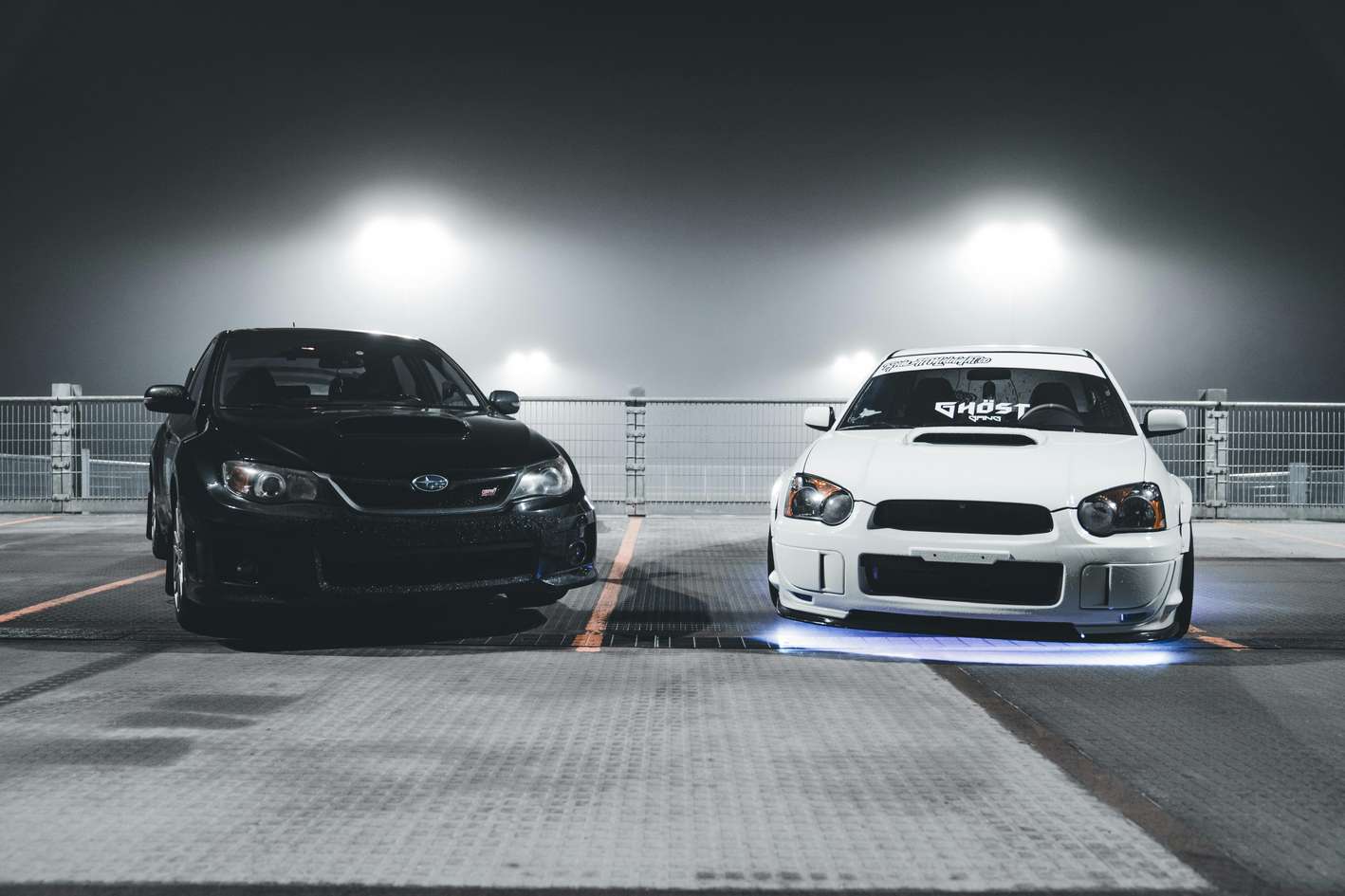
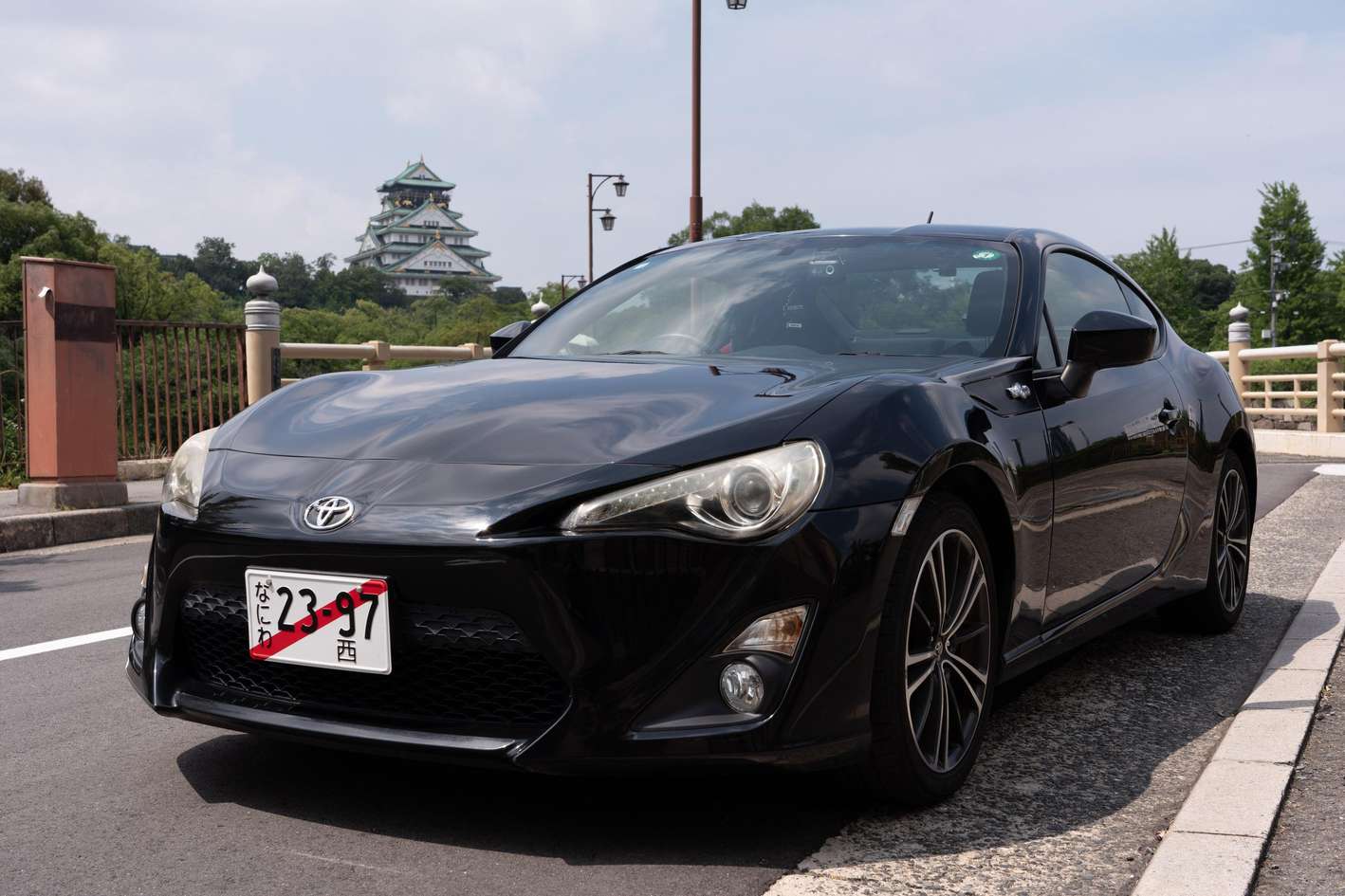
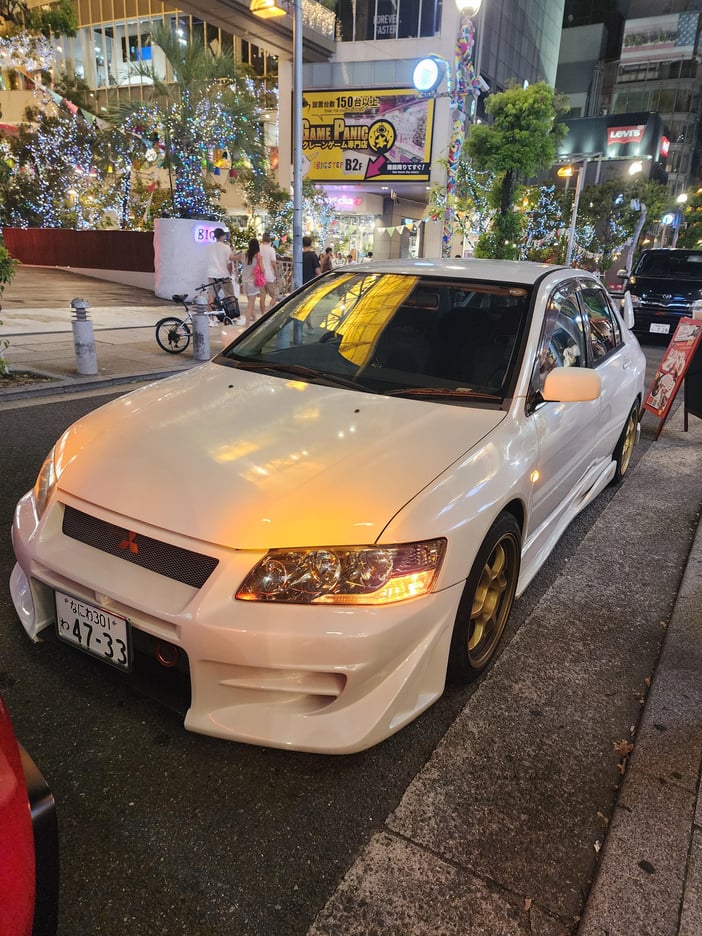
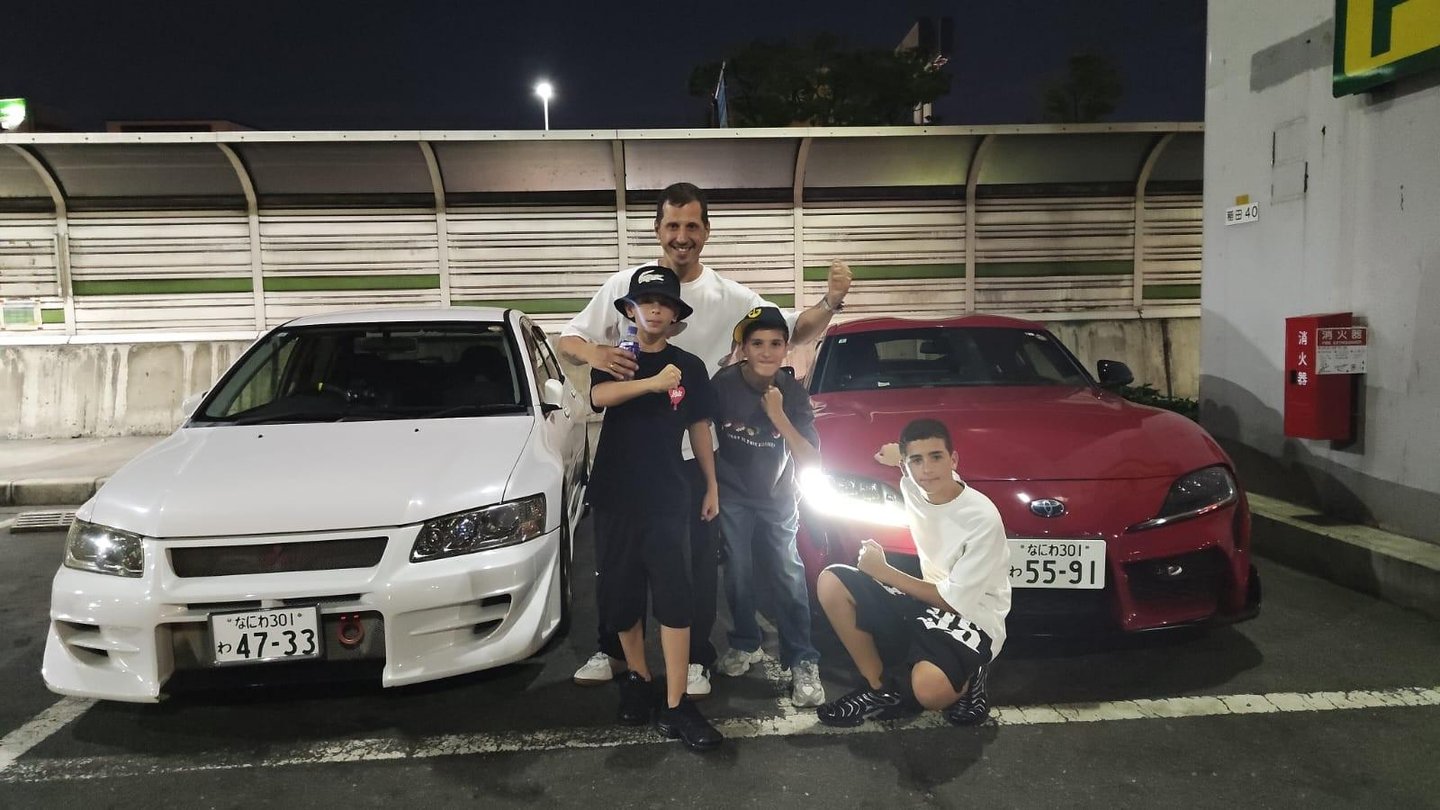
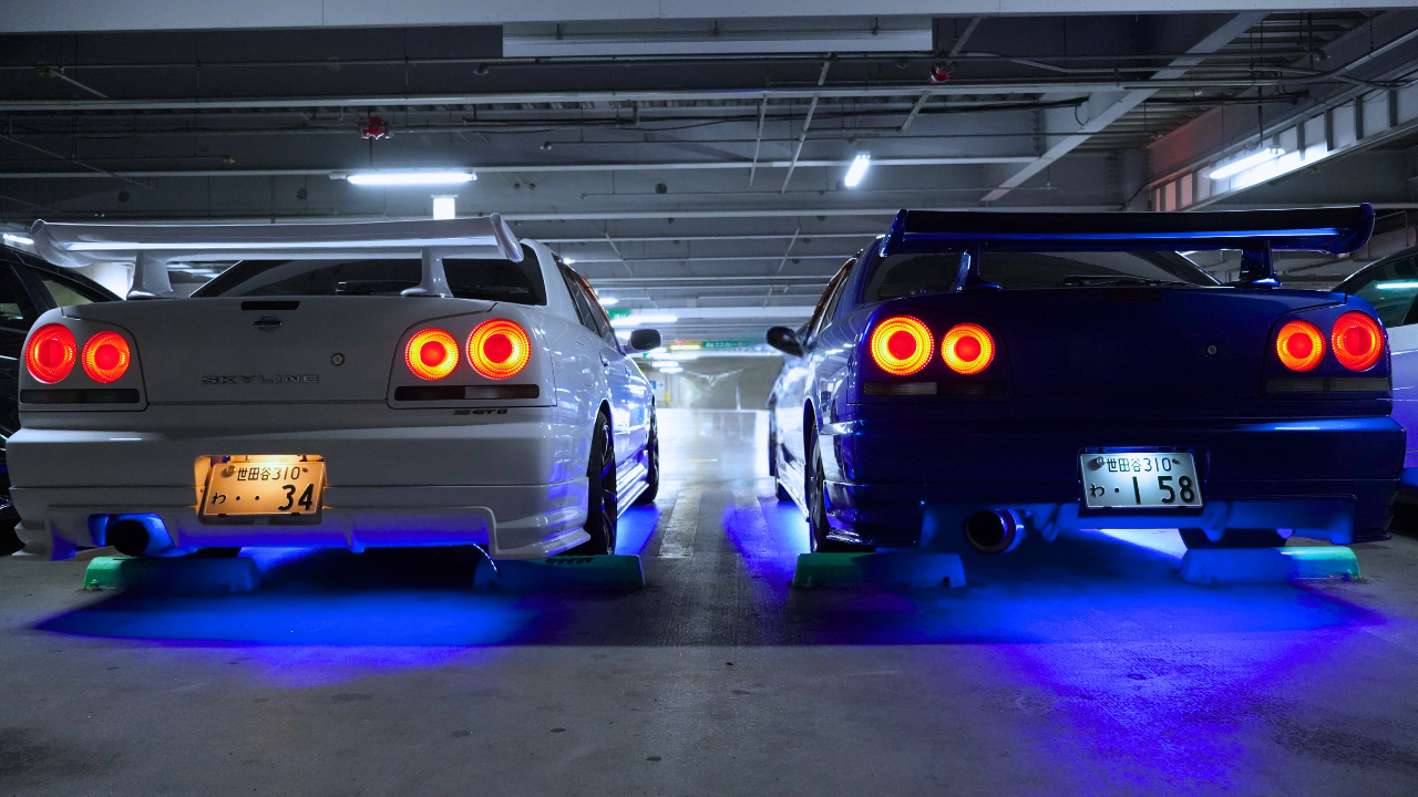
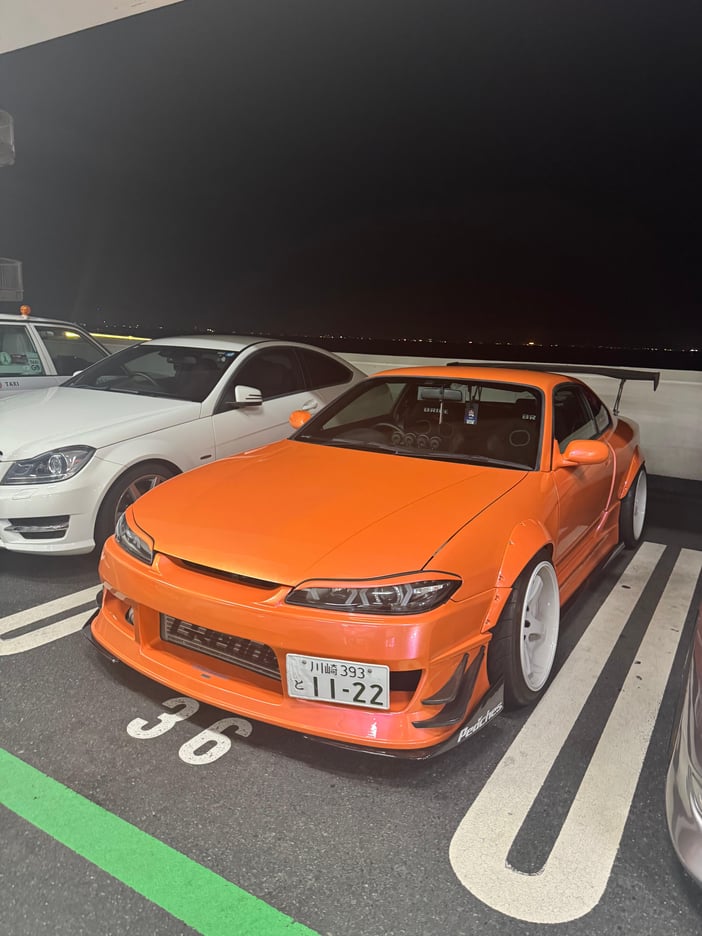
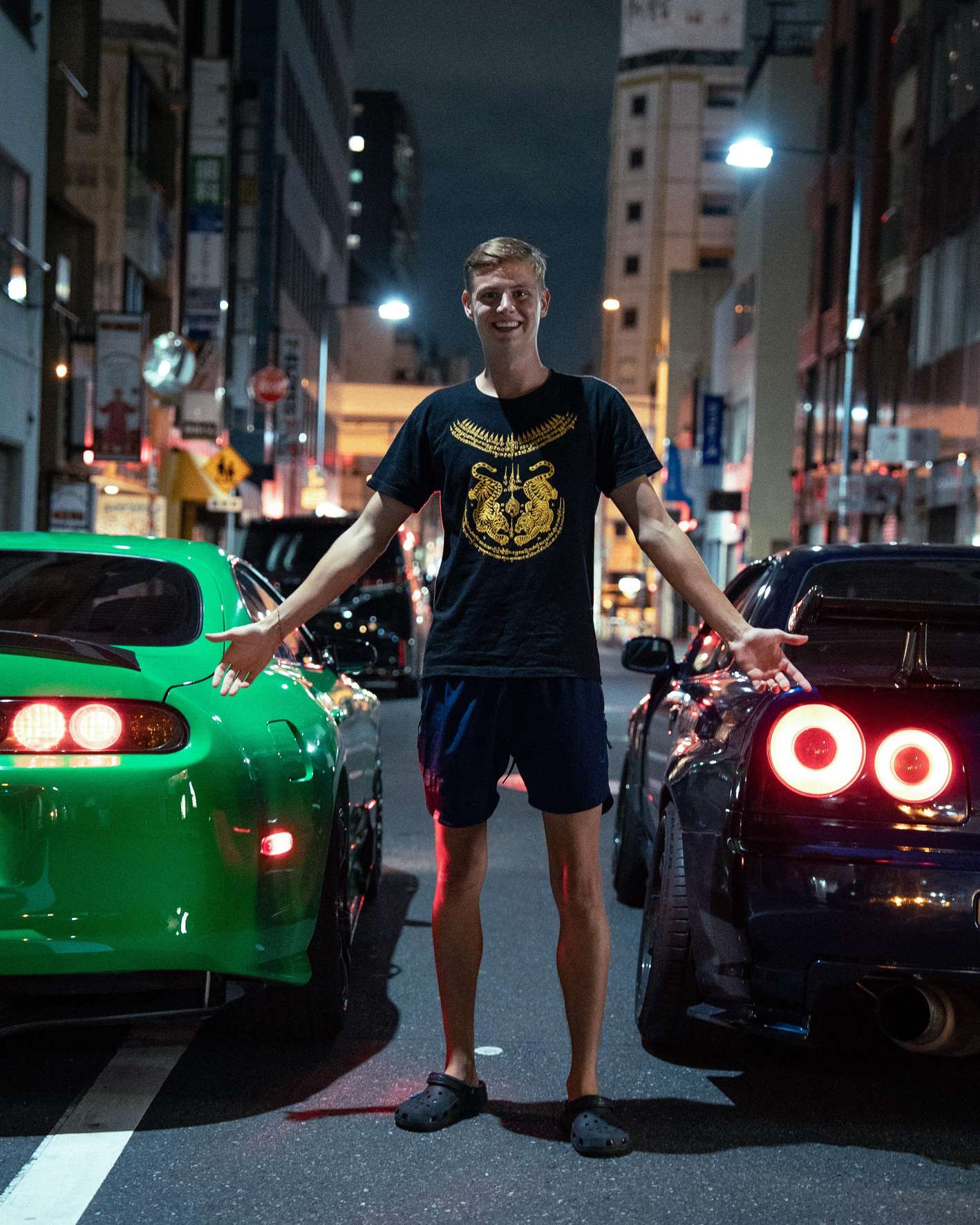
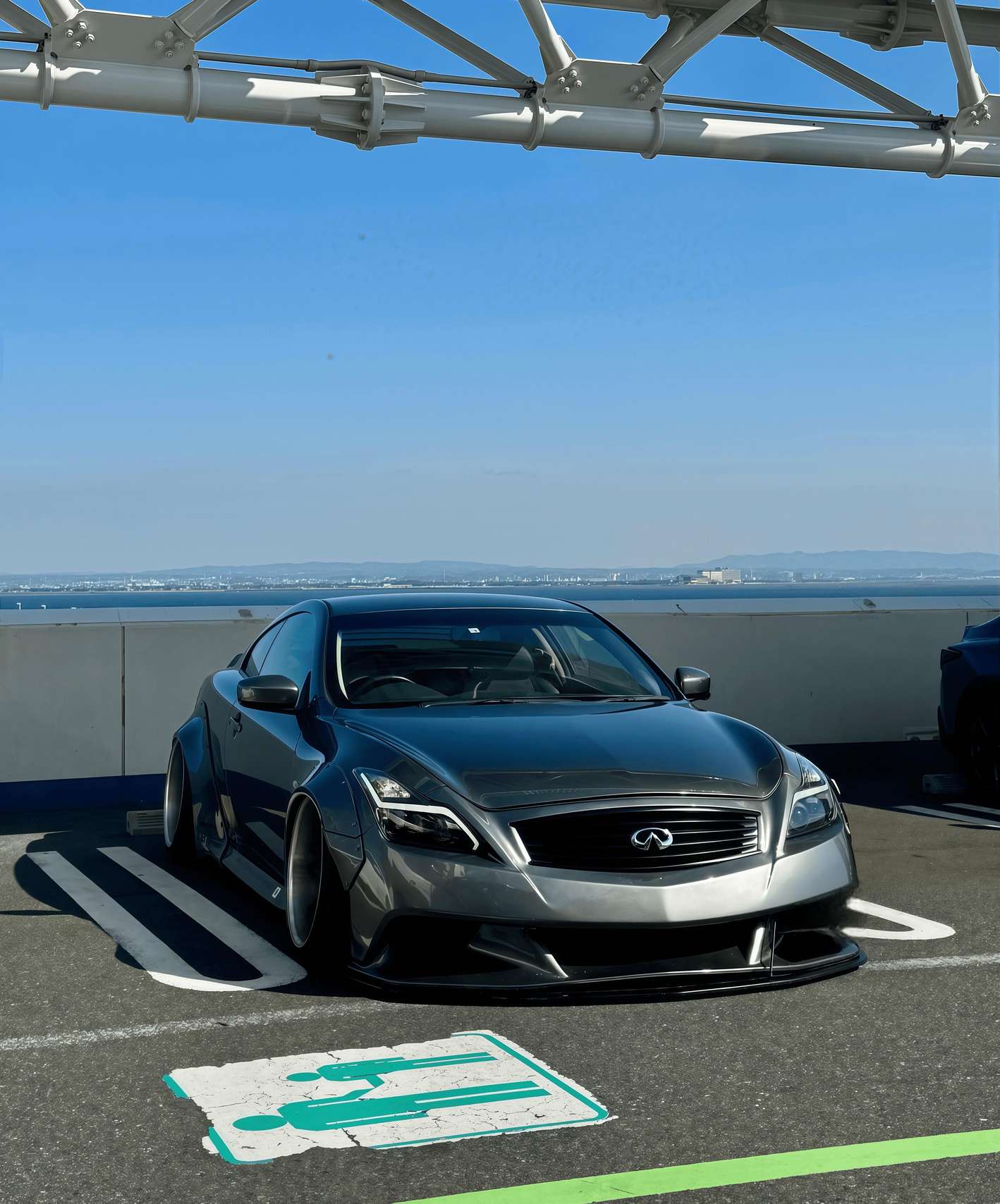
Midnight Bayshore Run Option, Enjoy complimentary hotel drop-off, no matter where you stay!English-speaking guide and JDM enthusiast: Feel free to ask any questions about modified cars.Ride in heavily modified cars such as Skyline ER34, Mitsubishi Evo VIII, IX & X, Mazda RX-7, Toyota Supra A80, Silvia S15, JZX100, Subaru WRX STI, Liberty Walk G37, Liberty Walk E92 M3, Skyline V35 & V36, Fairlady 300ZX, Mitsubishi Eclipse, Type R, Rocket Bunny 86, BMW E46 M3, etc., to Daikoku PA.You will be sharing the same car with JDM fans from all over the world, and enjoying this exciting and thrilling JDM night together!All-inclusive pricing: ETC tolls and fuel costs are covered.Driver & photographer: Capture your experience at the best photo spots along the route.
Not included
No pets allowed in the vehiclesNo going to any illegal street-racing spots outside the Daikoku parking areaMidnight Bayshore Run Option : This experience does not include Tokyo Tower sightseeing and AUTOBACS shopping stops.
Comparing JDM experience tours side by side
Green marks the lowest price. Prices per person.
Tour
Price
Duration
Pickup
Languages
Best for
Our pick
Tokyo Drift Ⅲ: Fast·Furious Daikoku PA Modified JDM Car Ride
4.7★ (1,358)
from $110per person
3 - 4 hours
yes
English, Japanese, Traditional Chinese
car fans who want the widest choice of modified JDM rides
Choose a night first, because the scene changes with the day: weekend evenings draw the biggest crowds at the meets, Sunday mornings bring classics and exotics, and weeknights run quieter. Some tours need booking at least 3 days ahead, so lock in your date before you fly.
Pro tipApril, September and October are the busiest months, so book several days to a week out then; in June, February or December travelers often still get in booking days ahead.
RecommendedFriday and Saturday pickups on some tours start earlier, around 4 pm to 5 pm, because police close the Daikoku lot by about 8:30 pm on those nights.
02
Choose the right option
Each tour lists several options, and they change more than the car: shared rides, private cars, midnight speed runs, morning exotics meets, or a van if your group is larger. Read what each option includes, since some skip Tokyo Tower or the Autobacs shopping stop and some add hotel pickup.
Pro tipIf a particular model matters to you, message the operator at least 48 hours before your date, because the cars are privately owned and sometimes under maintenance.
Common mistakeFirst-timers book the cheapest option and then expect a specific car. On shared tours the lineup depends on the day, and you usually cannot choose.
03
Pay and watch for confirmation
After payment the operator sends you an email within 48 hours, so check your mailbox and reply. Most tours let you cancel up to 24 hours in advance for a full refund, which makes booking early low risk.
Pro tipGive a contact method like WhatsApp or Instagram when you book, and turn notifications on. If anything changes, the operator messages you before the start time.
ImportantCancellation windows are strict: 24 hours before the tour is the usual cutoff for a full refund, so decide early if your plans shift.
04
Sort out pickup and meeting point
Check your voucher for where the night starts. Many tours pick you up at your hotel, some only within central Tokyo or the 23 wards, and others use a fixed meeting point such as a station. If pickup matters, confirm the arrangement the day before.
Pro tipSome tours drop you back at your hotel or any spot you choose inside central Tokyo at the end, so you can stay out late without worrying about the last train.
Common mistakeAssuming every tour includes pickup. Some start at a set meeting point, and showing up at the wrong place eats into your three to four hours.
05
Prepare for the night itself
Bring your passport or ID, wear comfortable shoes and clothes for standing around outdoors, and add a light jacket because parts of the evening happen by the water. Show the voucher QR code on your phone, no printing needed, and expect a late return on night runs.
ImportantYou need your original physical documents on the day, and if you booked a self-drive option a valid International Driving Permit or recognised licence is required.
RecommendedEat dinner and bring water first, since most tours include no food or drinks, and leave large bags behind because space inside the sports cars is tight.
What to know before you book a JDM tour
Can stop the dayGood to knowGood news
01
ChoosingWhat it is, who it suits, when to go
4
What you ride in
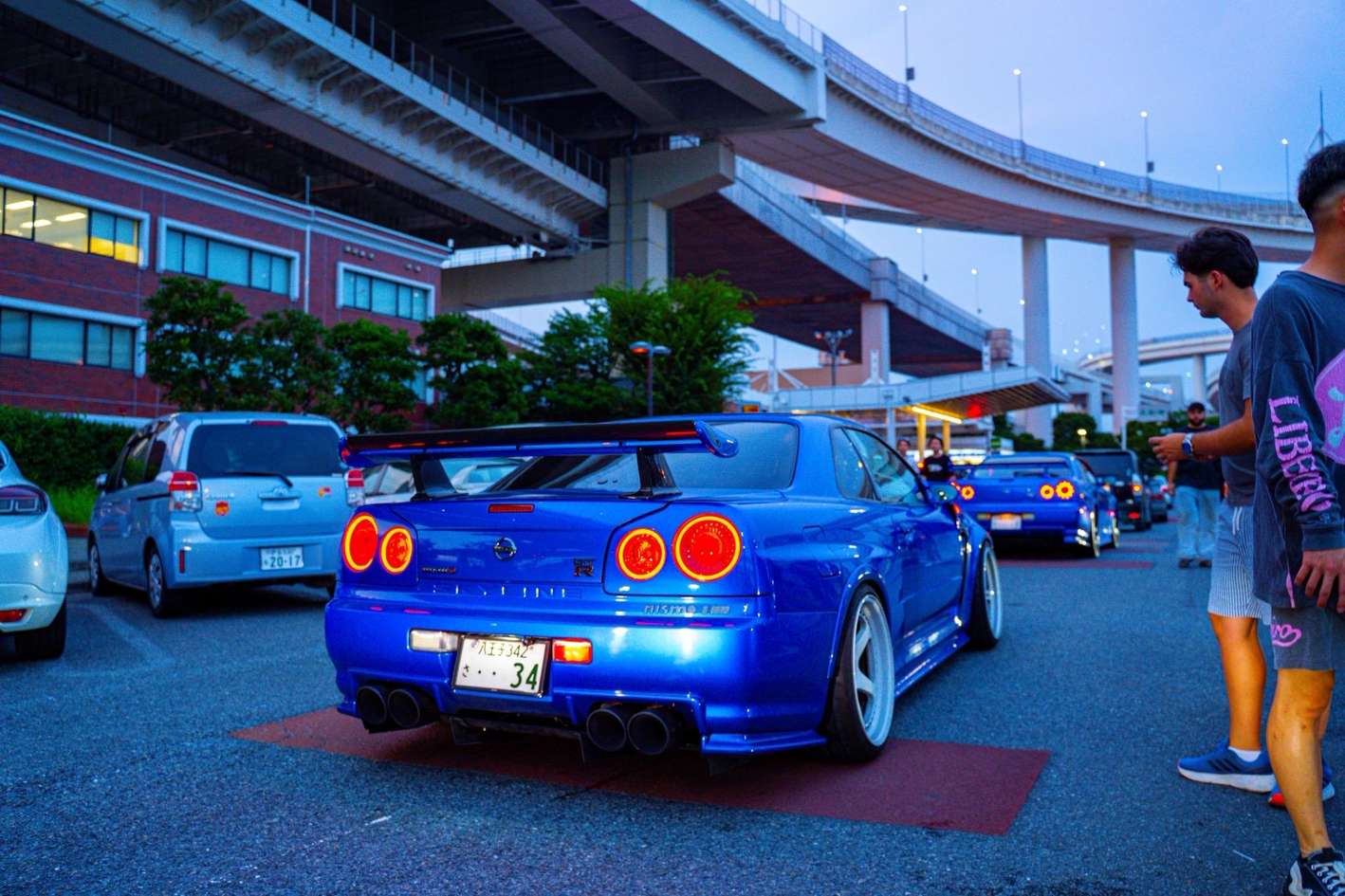
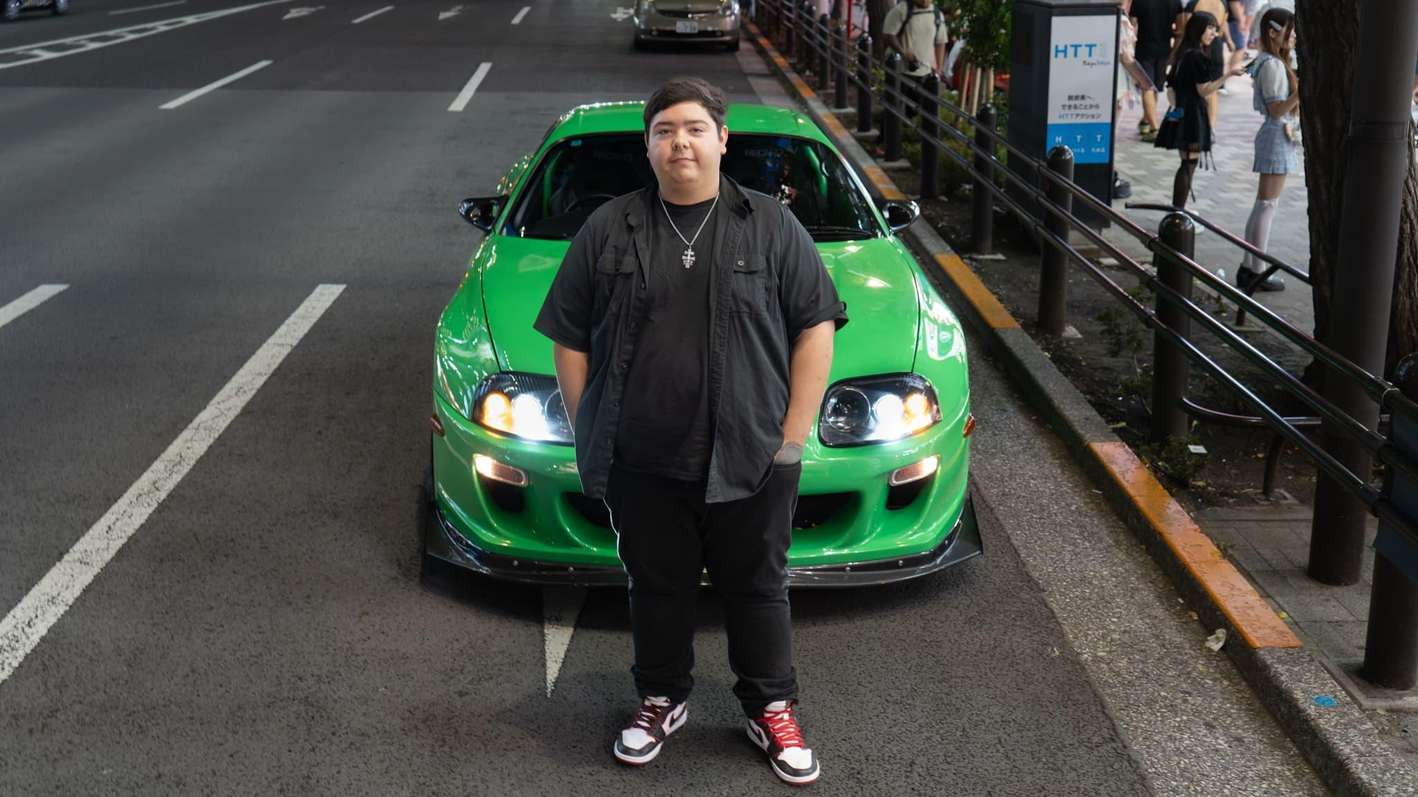
You ride as a passenger with a local enthusiast driving, in cars like the Skyline R34, EVO, WRX STI, Silvia or Supra. You generally cannot pick your exact car, though you can say what you like. Some operators swap guests between cars at stops, so you may sample several in one night.
Group size
Most cars take a maximum of three guests plus the driver, and some tours run as a convoy of several cars. Private options exist if you want the car to yourself, at a higher tier of the same tour. Large groups may be split across vehicles.
What's included
Expressway tolls, fuel and parking are covered in the tour price. Hotel pickup is included on many options. Food, drinks and personal shopping at stops like A-PIT Autobacs are extra, so eat before you go.
ClosuresCan stop the day
Daikoku PA is an informal gathering with no schedule, and police can close the lot on the night, most often on Thursday to Saturday evenings by around 8:30 pm. Weeknights are far less likely to end in a closure. No closure timetable exists to check in advance.
02
BookingHow far ahead, and what happens if plans change
2
Booking ahead
Sort out your ride before you arrive in Tokyo. Tours sell out, and turning up hoping for a seat is a gamble. April, September and October are the busiest months, so book several days ahead then; in quieter months a day or two often still works. If a specific car matters, confirm it at least 48 hours before.
Cancellation
You can cancel up to 24 hours in advance for a full refund on these tours. If Daikoku PA is closed on the night, you can usually reschedule free, join a visit to an alternative spot like Umihotaru PA, or take a full refund instead.
03
Before you goPapers, health, what to bring
2
On board
No alcohol, smoking or food in the vehicles, and no pets. Stay reachable on WhatsApp, because operators send a message before start time if anything changes. Wear comfortable clothes and shoes, and bring a light jacket since part of the evening happens outdoors by the water.
Who can joinCan stop the day
These are passenger rides, so no driving licence is needed. Check the option's limits before booking: some exclude pregnant travelers, people with heart problems or motion sickness, and a few have age caps for older guests or young children. No tipping is expected in Japan.
04
On the dayWhere to be, when, and how you get there
1
Pickup
Several of these JDM tours include hotel pickup and drop-off, and one drops you anywhere in central Tokyo at the end of the night. Others use a fixed meeting point, so check the option you book. Show your voucher as a QR code on your phone; no printout needed.
05
During the tourWhat is expected of you
2
Meet etiquette
At the parking areas, never touch, lean on or sit in anyone's car without the owner's permission, and ask before photographing individual cars or posting them online. Behavior is watched by police who act on complaints, so keep it respectful and stay out of the roadways.
Photos
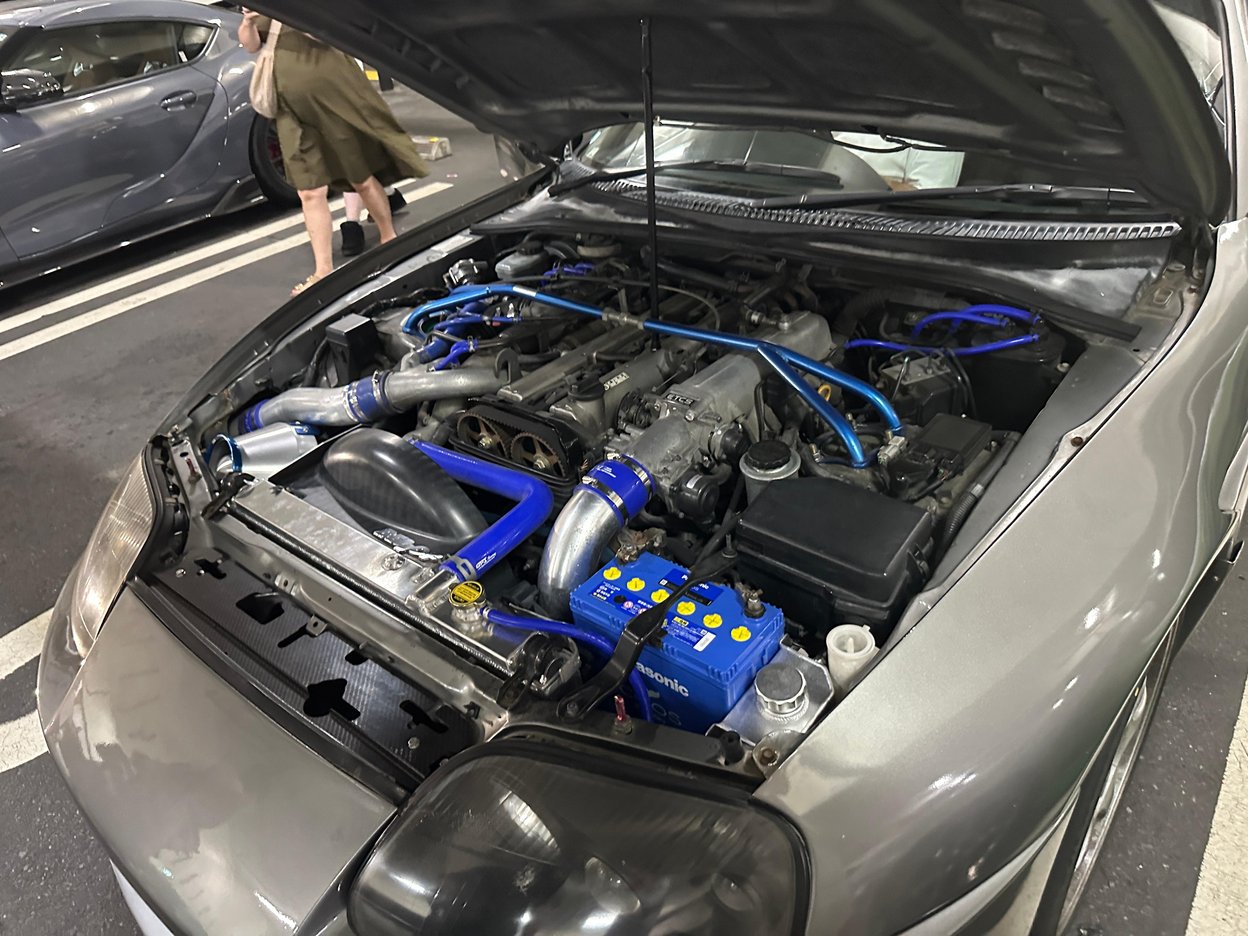
Photography is welcome at the meets, and drivers double as photographers at the best spots along the route, including Tokyo Tower and Rainbow Bridge. Exterior shots are generally fine; ask before shooting interiors or engine bays, and blur license plates before posting.
A JDM night in Tokyo - car meets, drives and drifting
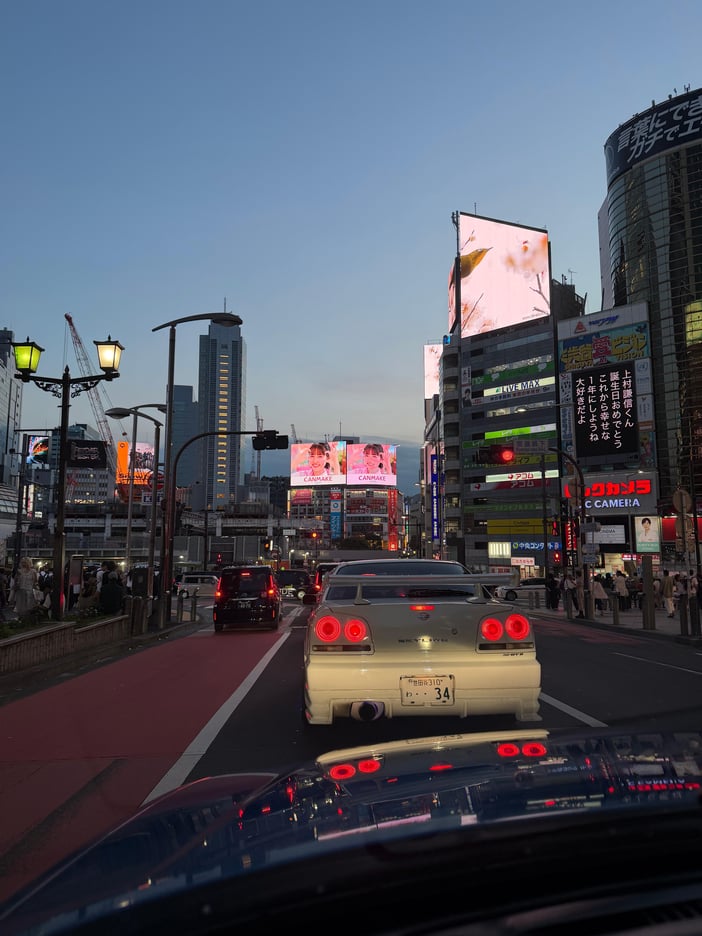
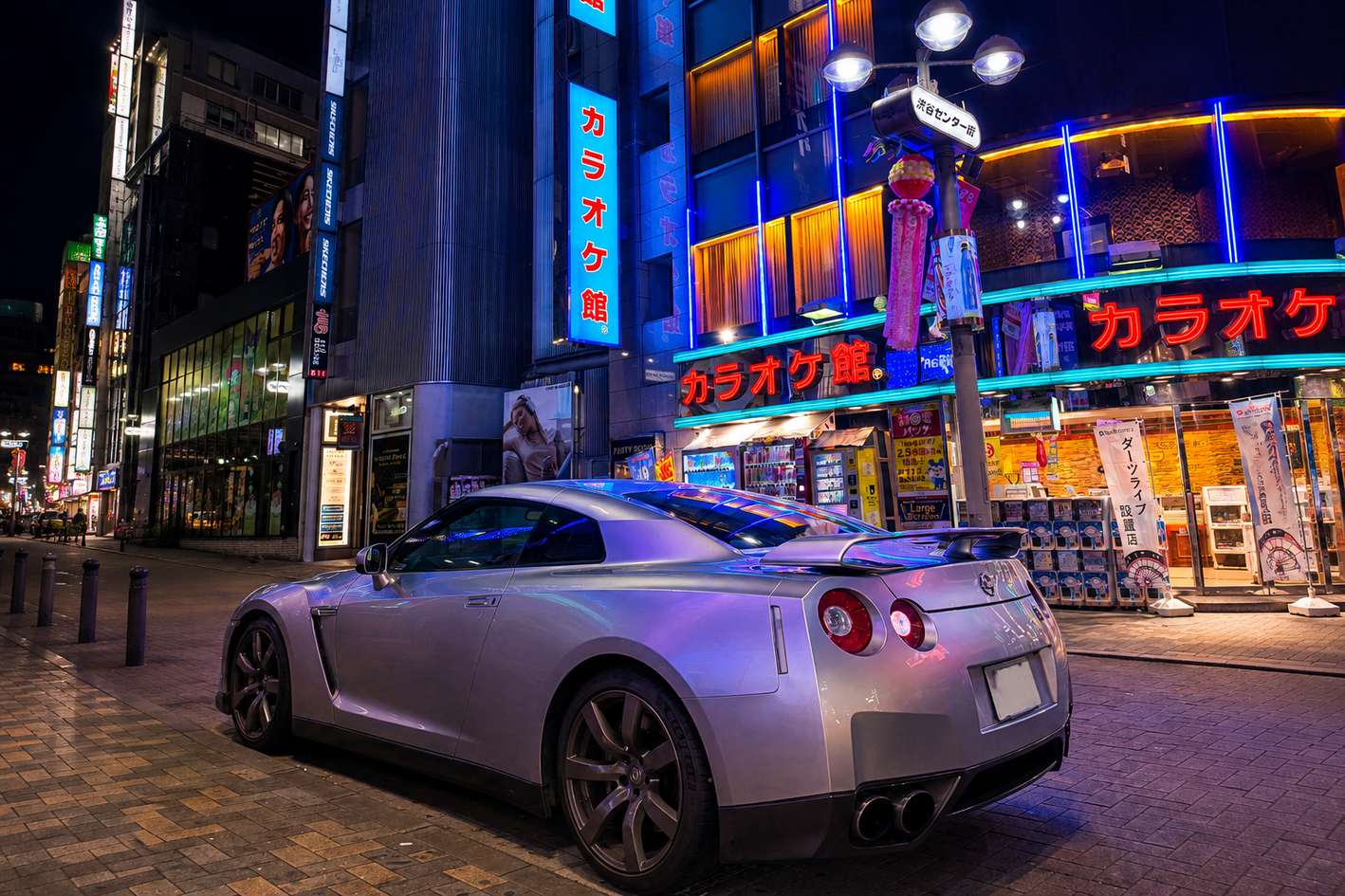
One night in Tokyo can take you from Shinjuku neon to a bay parking lot full of GT-Rs, and by the end of it you will know whether your JDM night is watching, riding, driving or drifting.
Yokohama· 35.63° N, 139.79° E
If you only remember three things
1
Most JDM tours run 3 to 4 hours, so plan for a late night.
2
Thursday is the insider's night at Daikoku; Friday and Saturday peak but risk a police closure by about 8:30 pm.
3
No drifting happens on public roads or at Daikoku; real drifting means a circuit lesson, and Ebisu is the classic.
Is a JDM night in Tokyo worth it
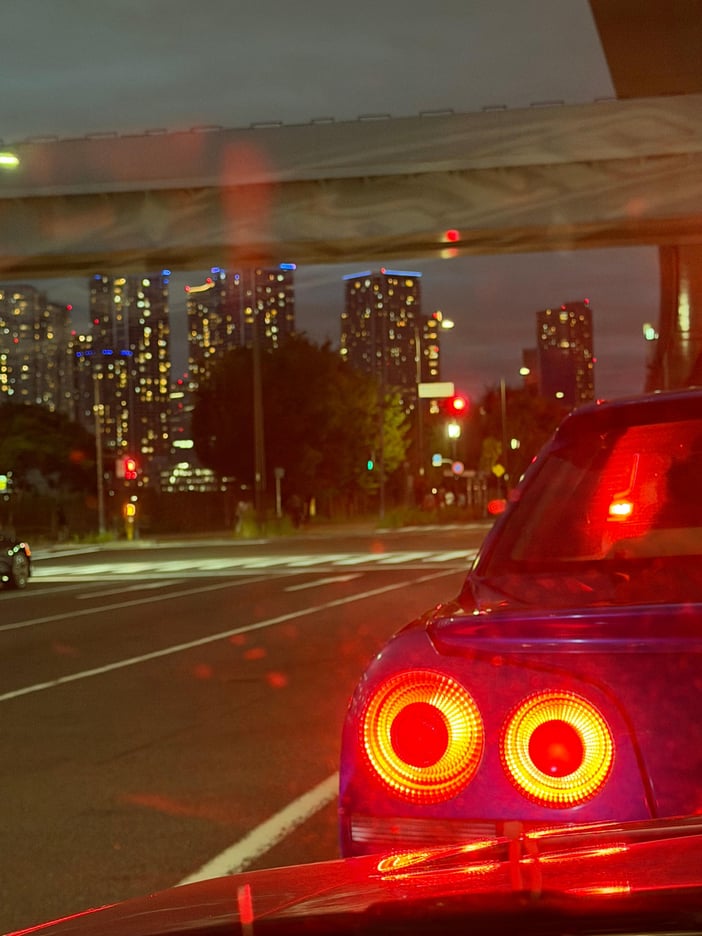
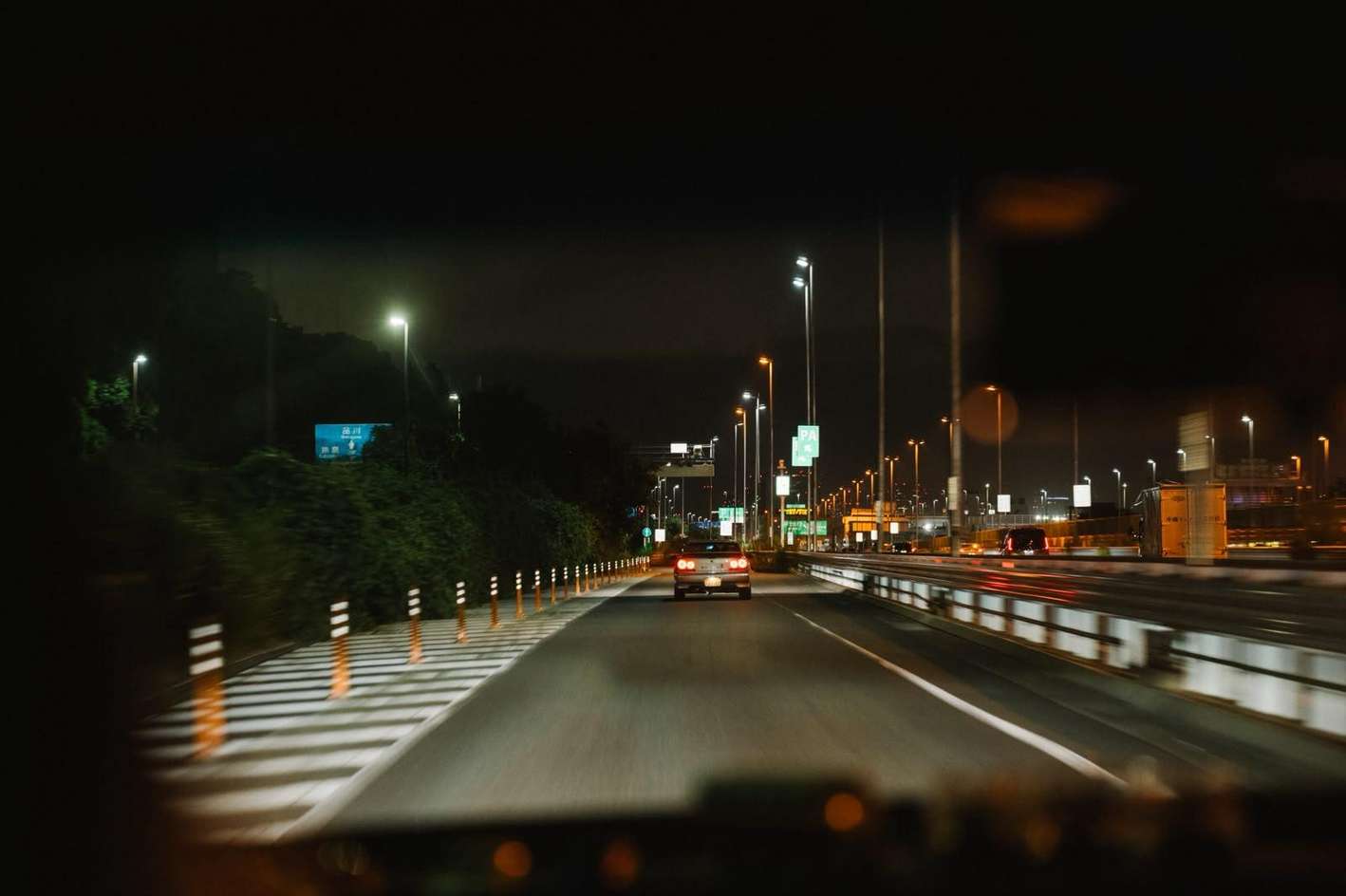
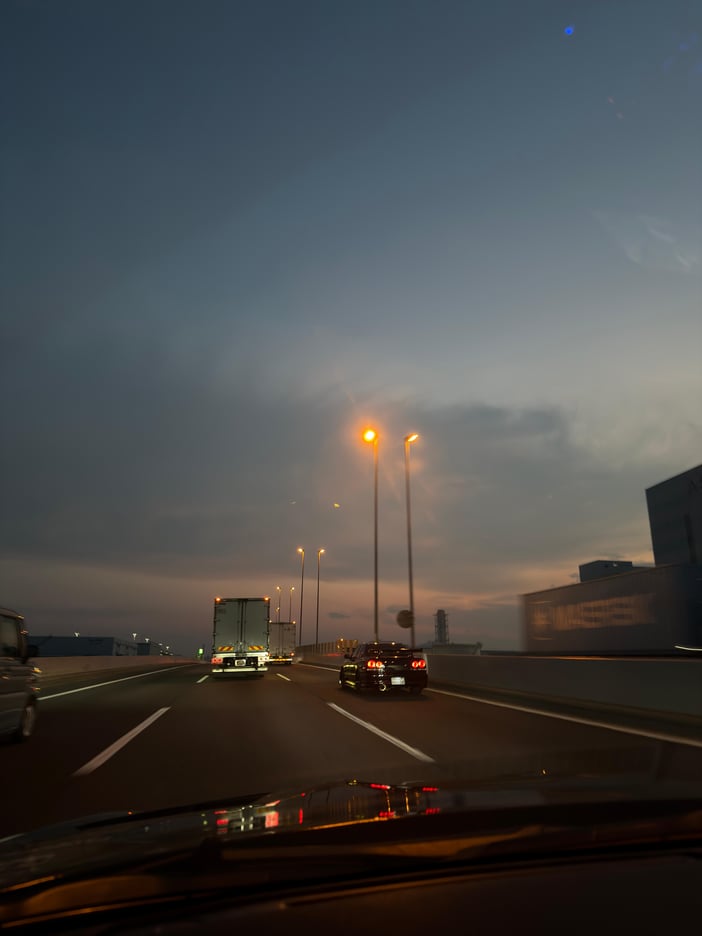
Past ten at night the Shuto Expressway turns into something else. Traffic thins, the tunnels light up, and Rainbow Bridge hangs over the bay like a runway.
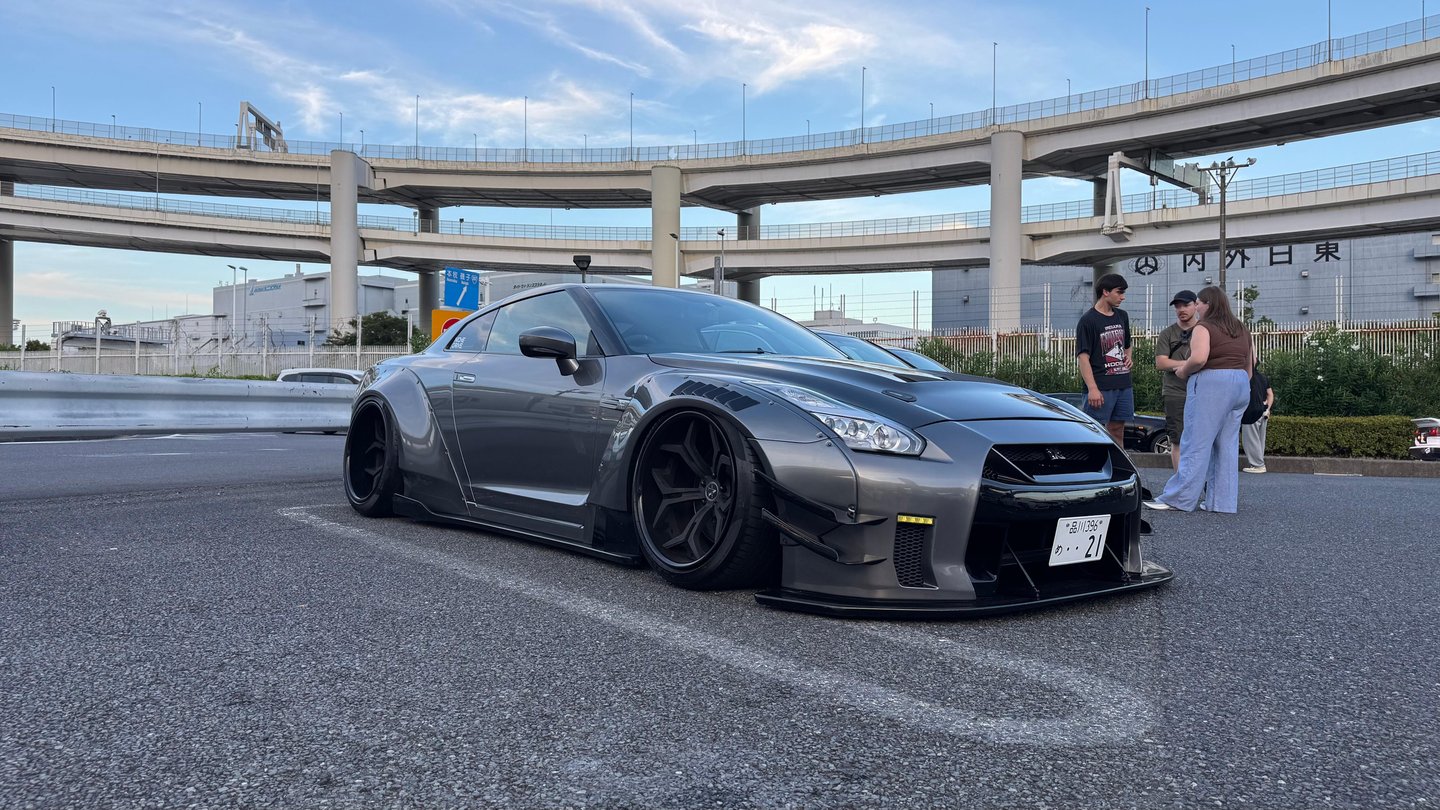
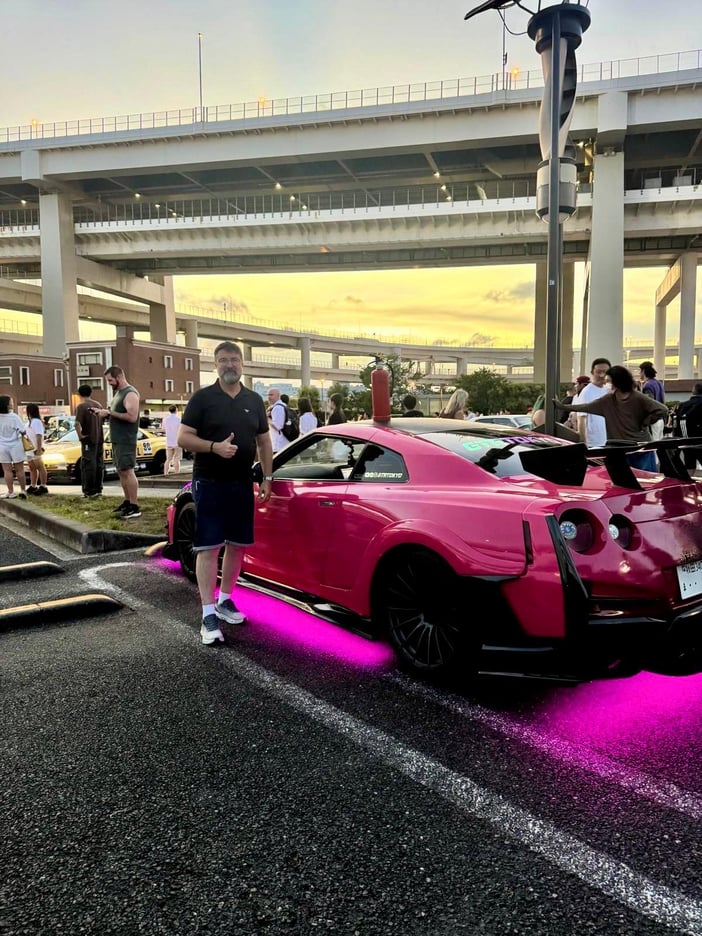
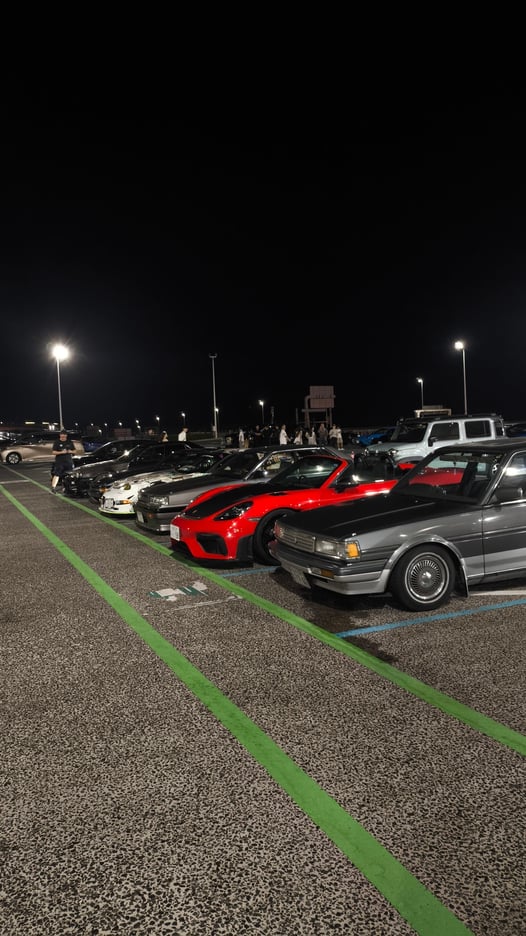
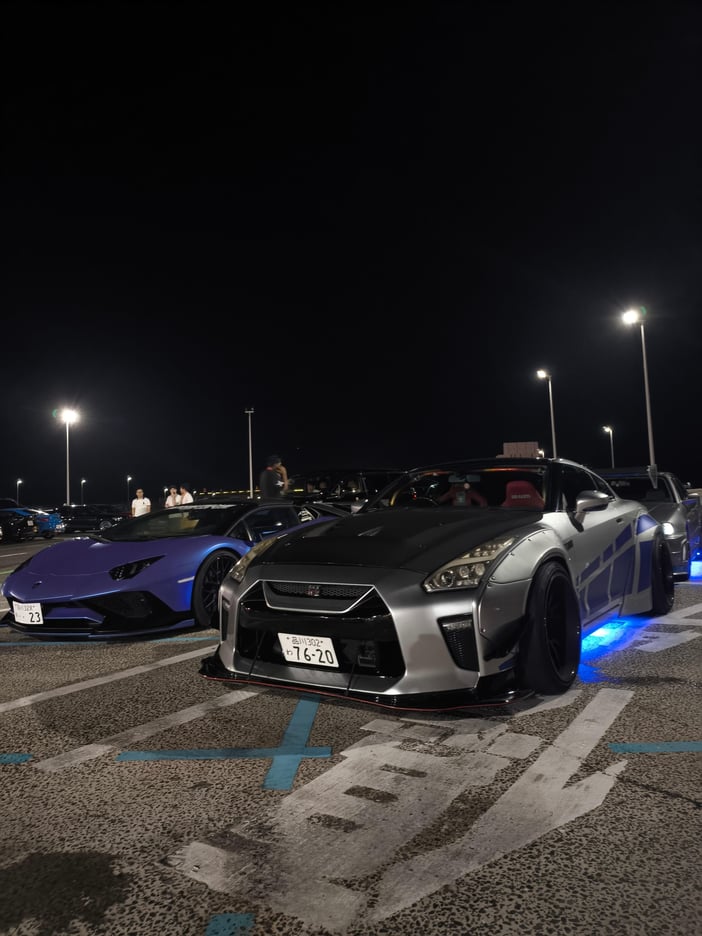
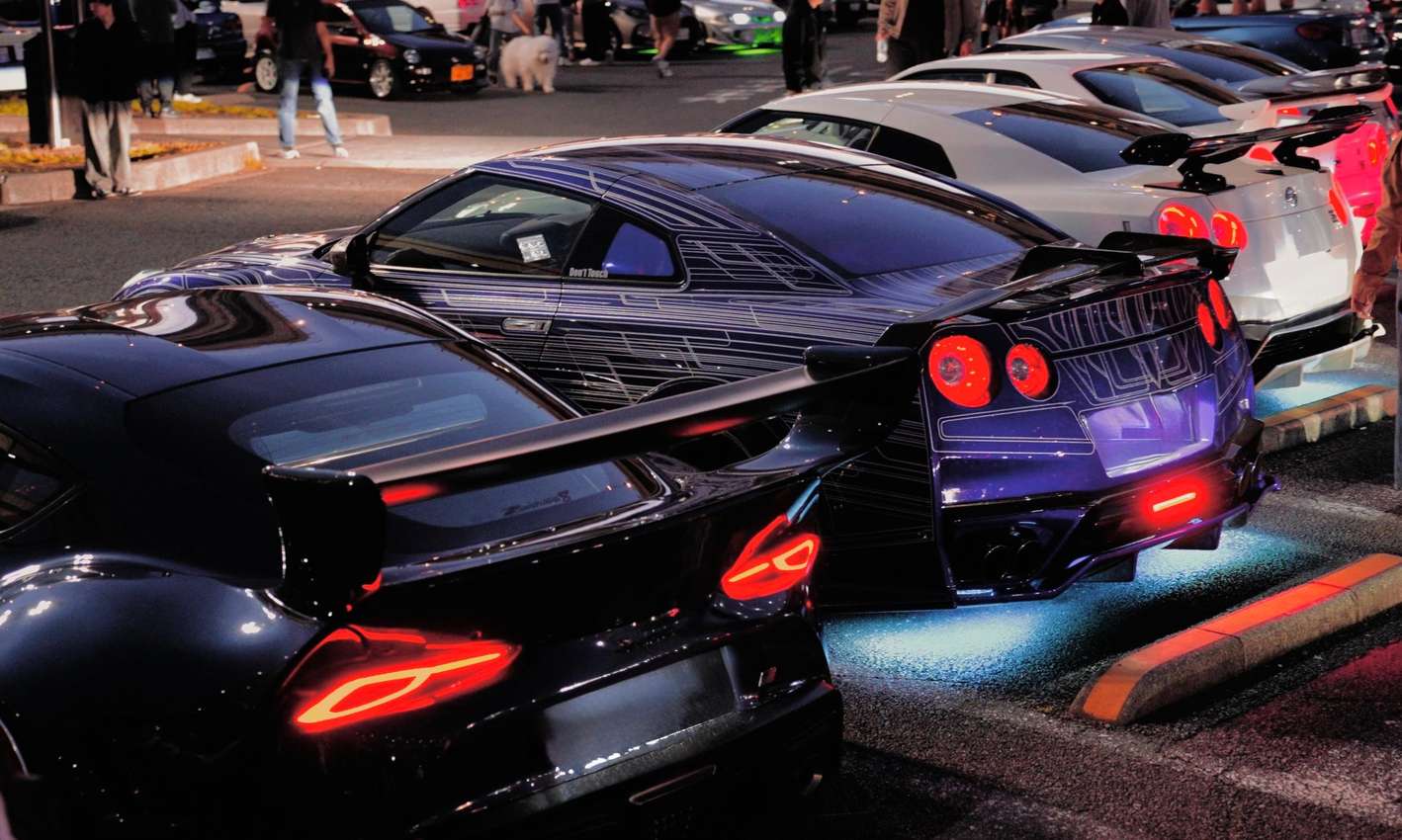
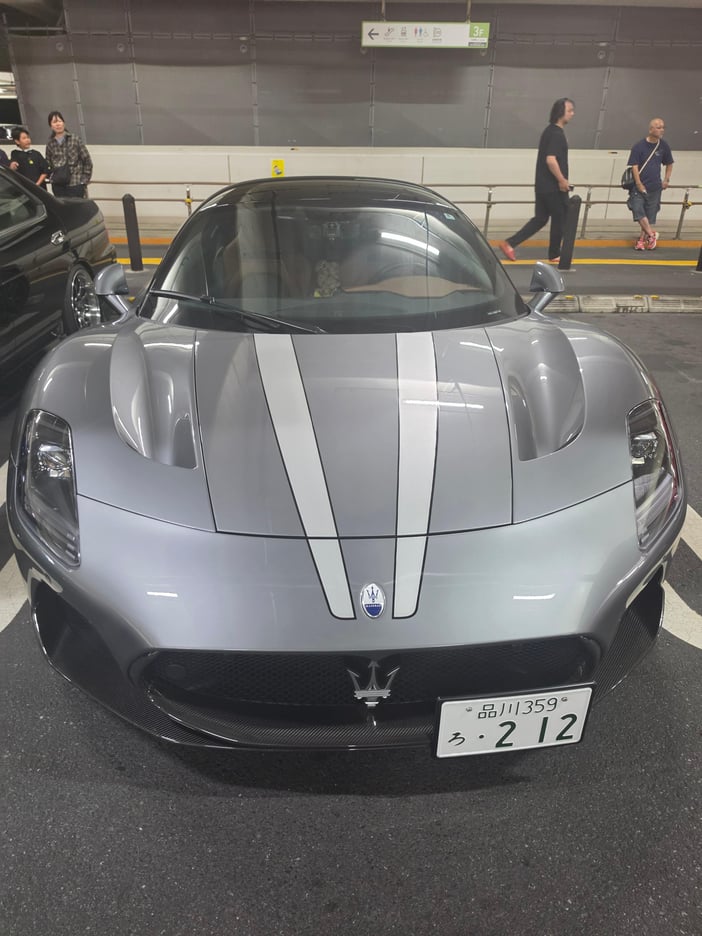
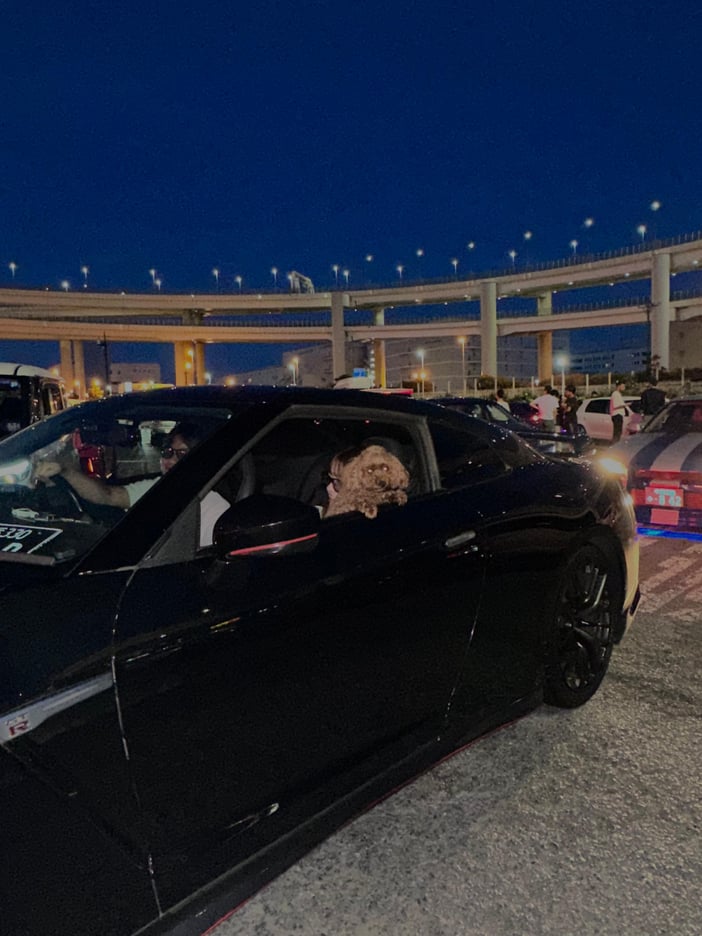
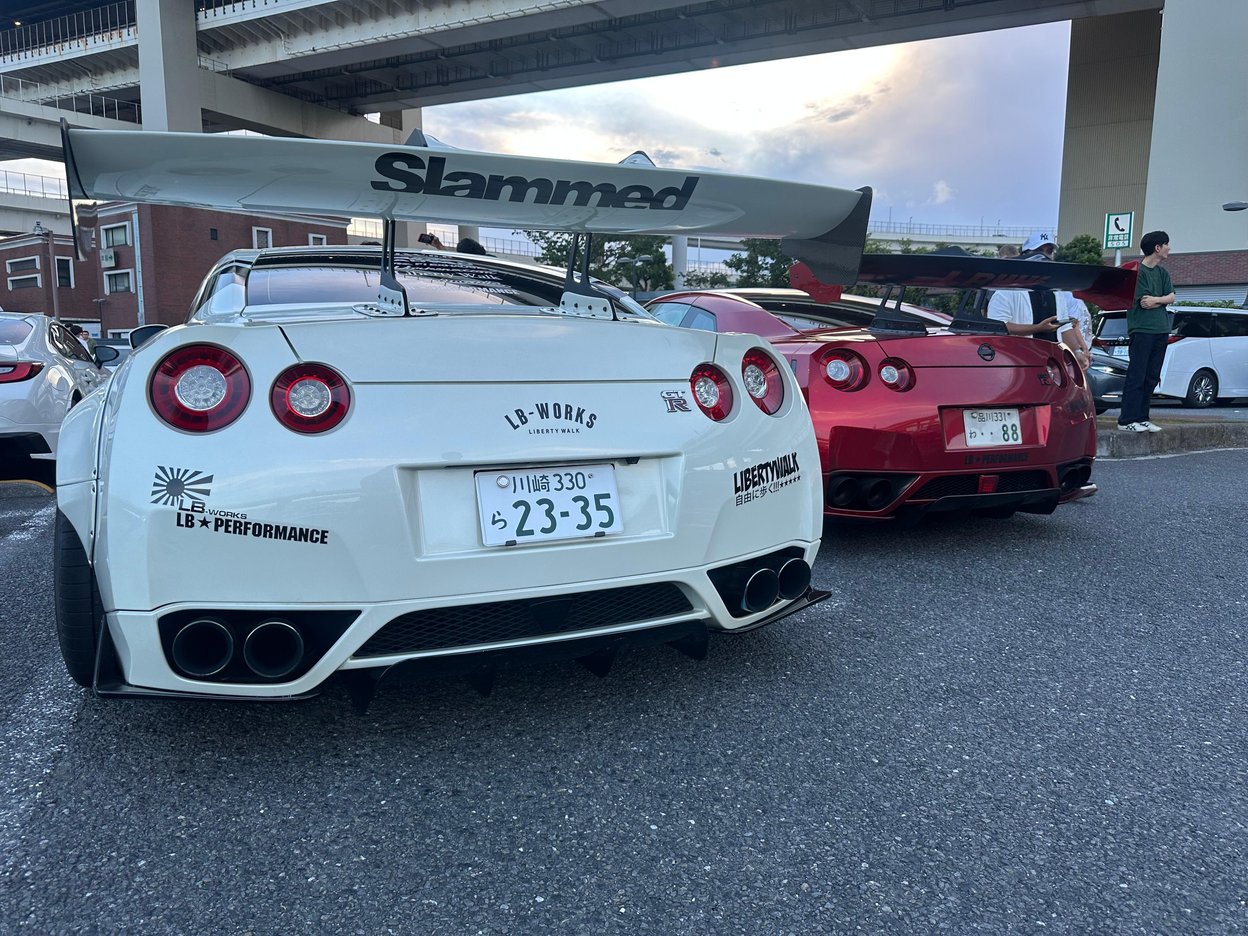
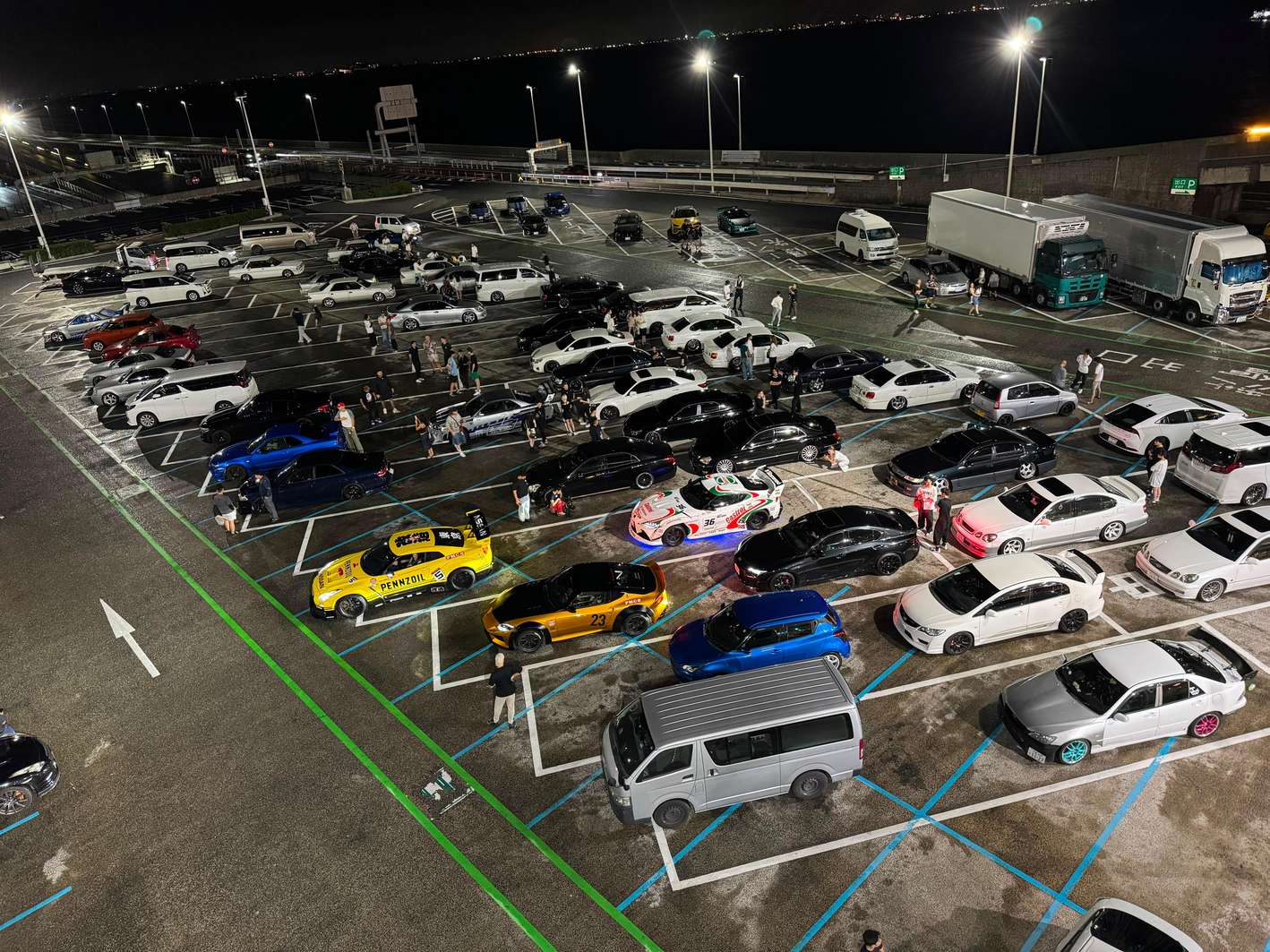
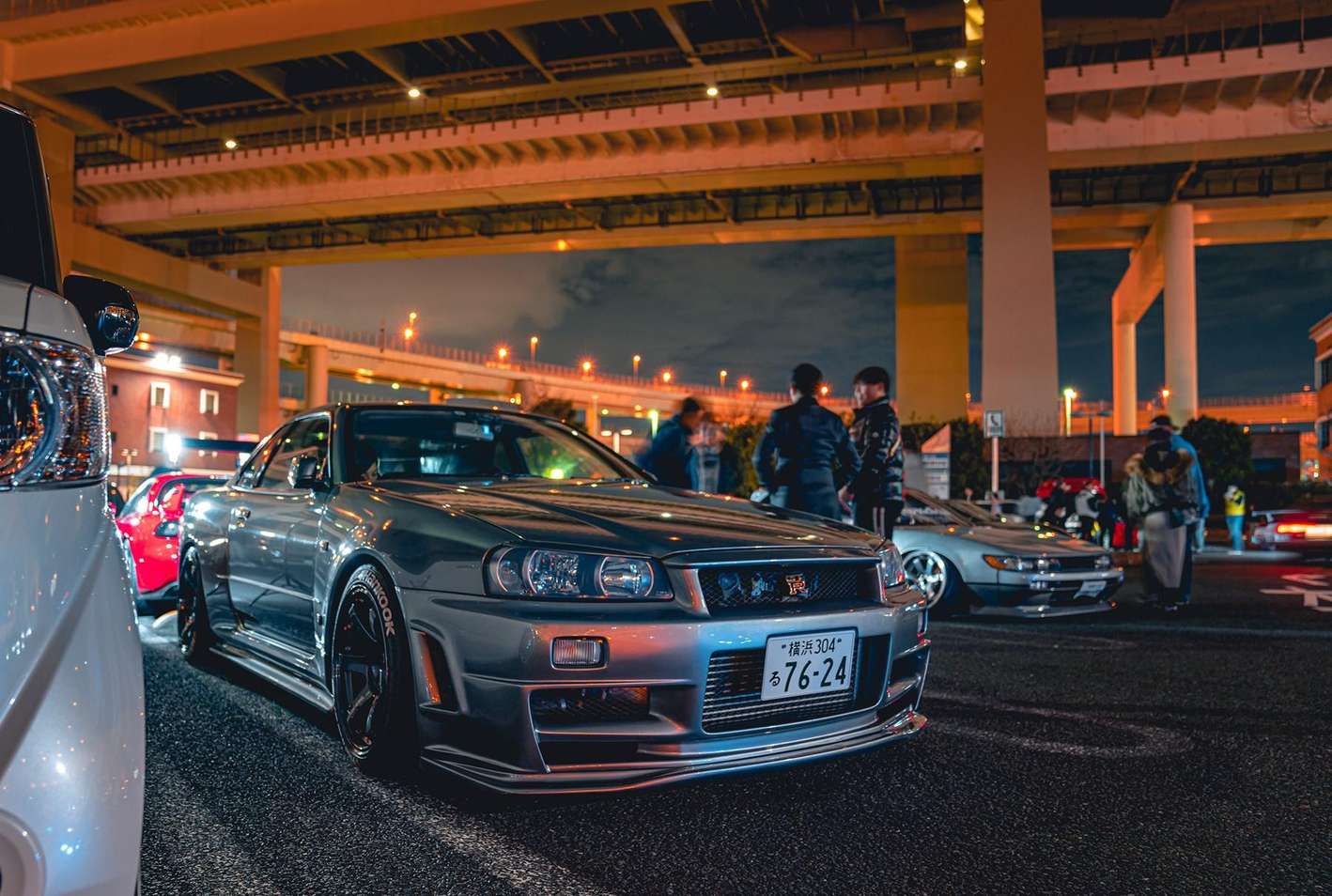
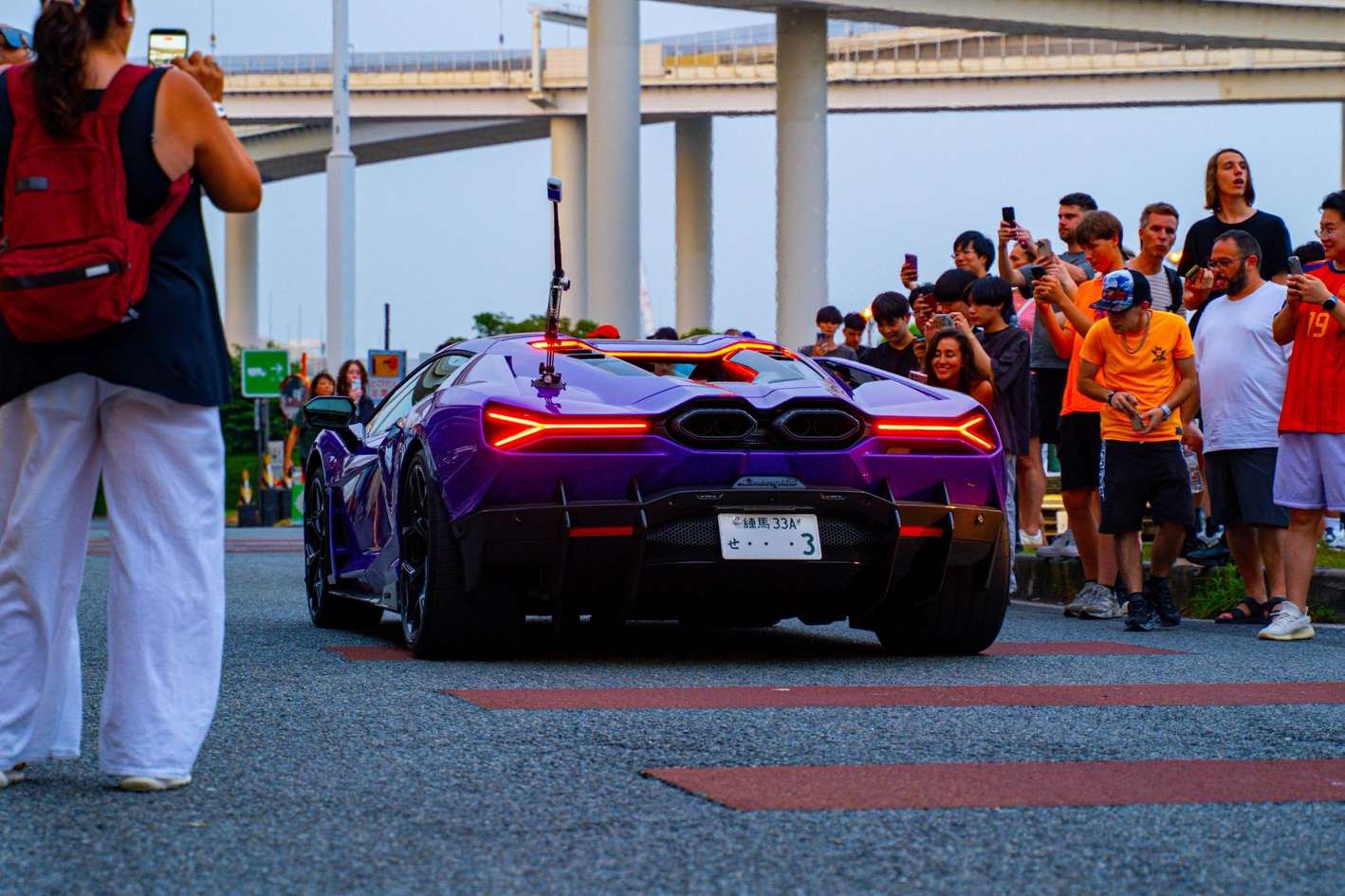
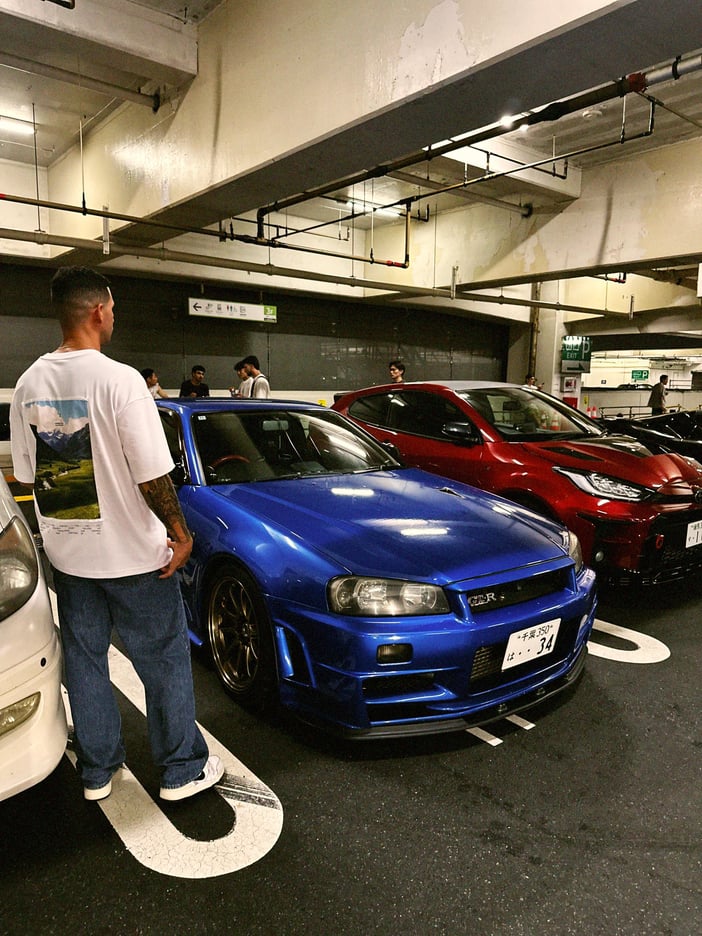
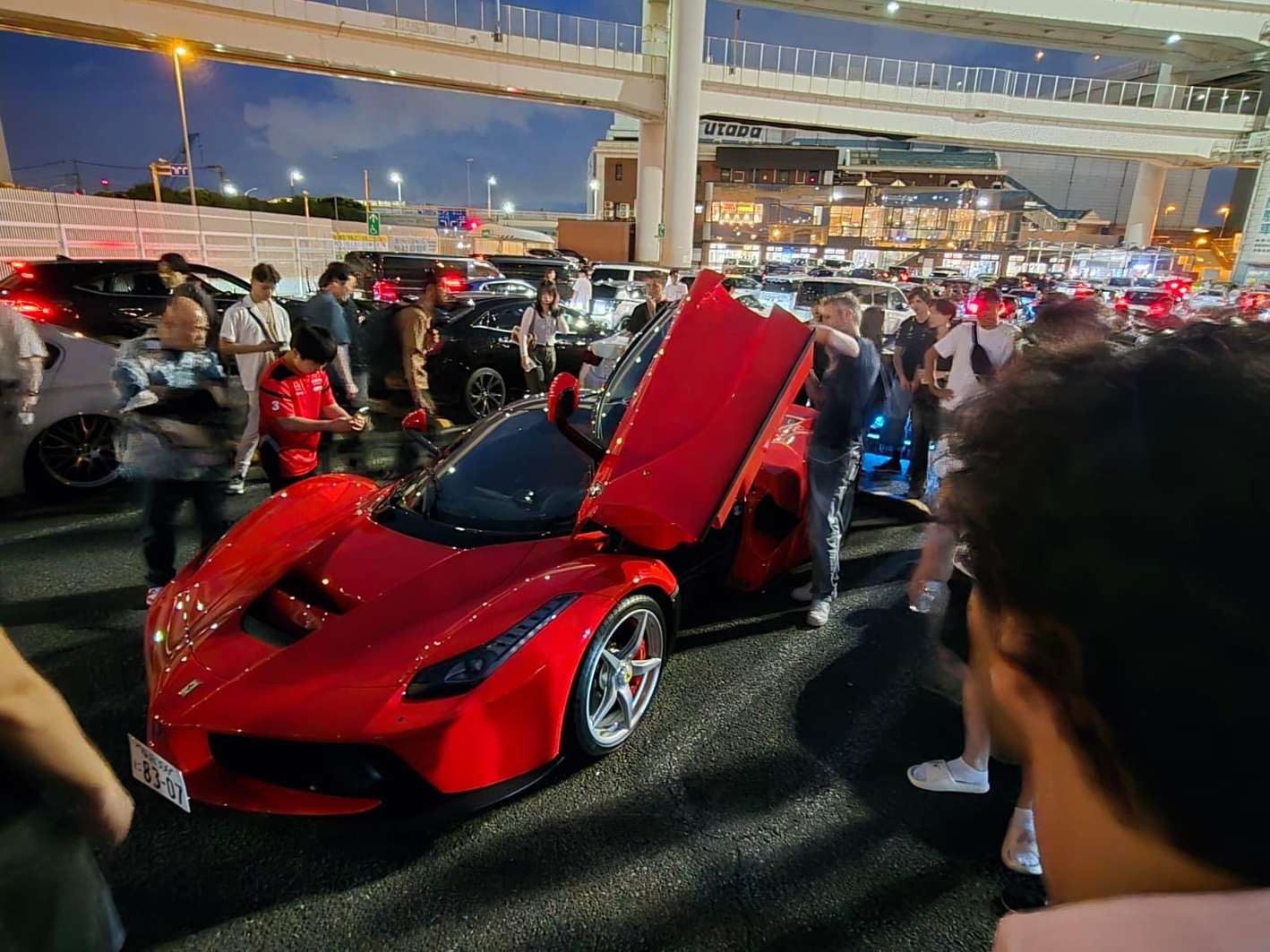
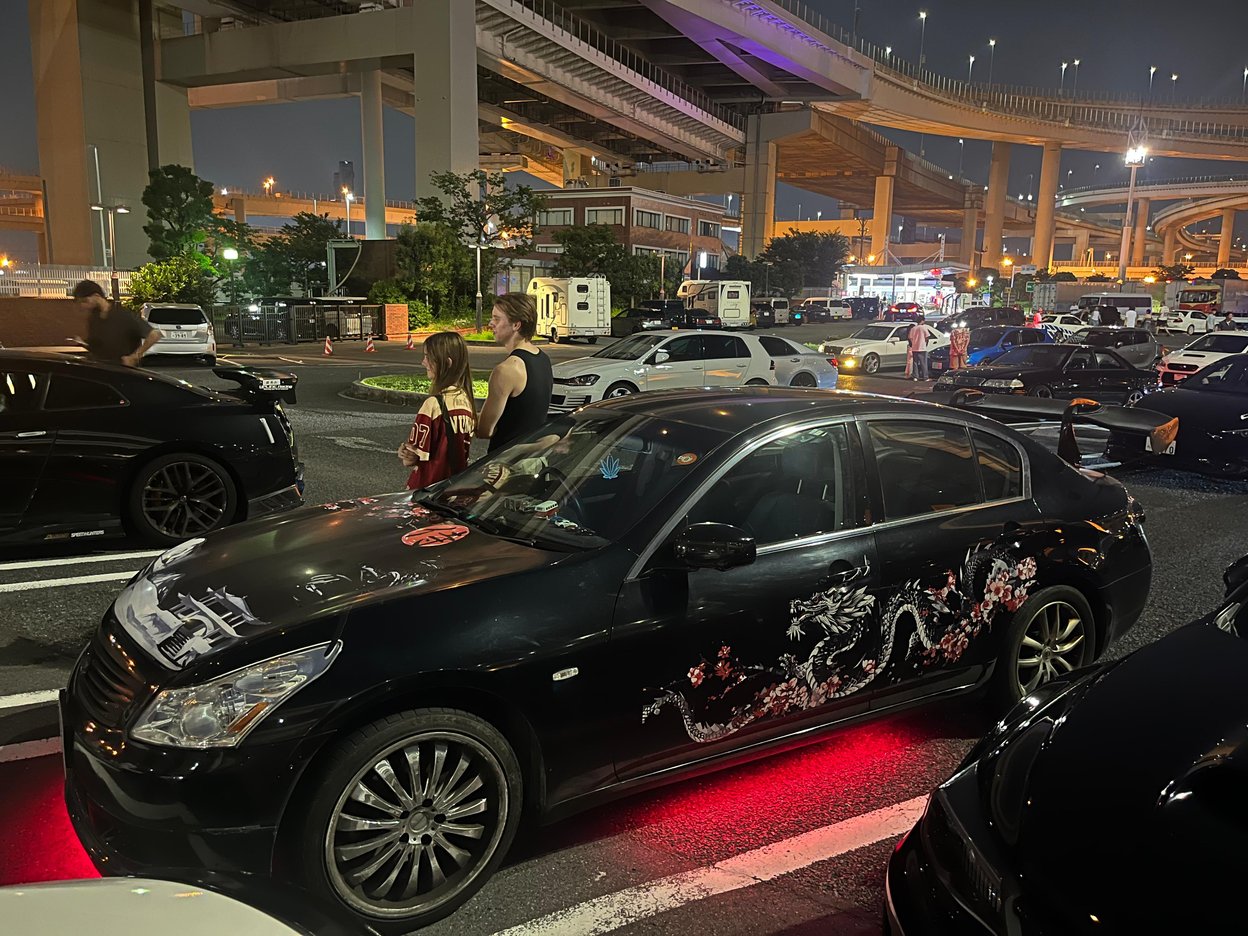
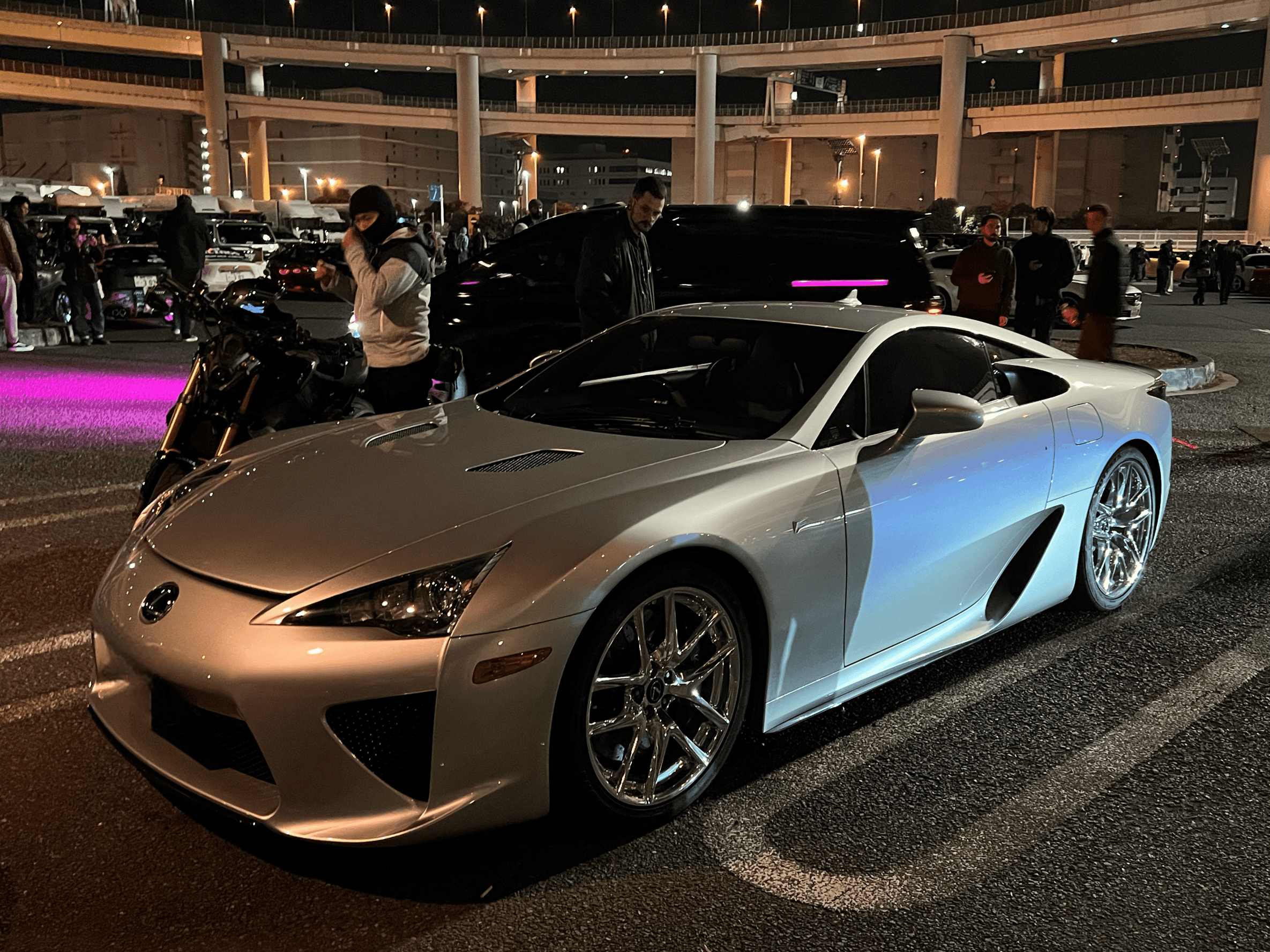
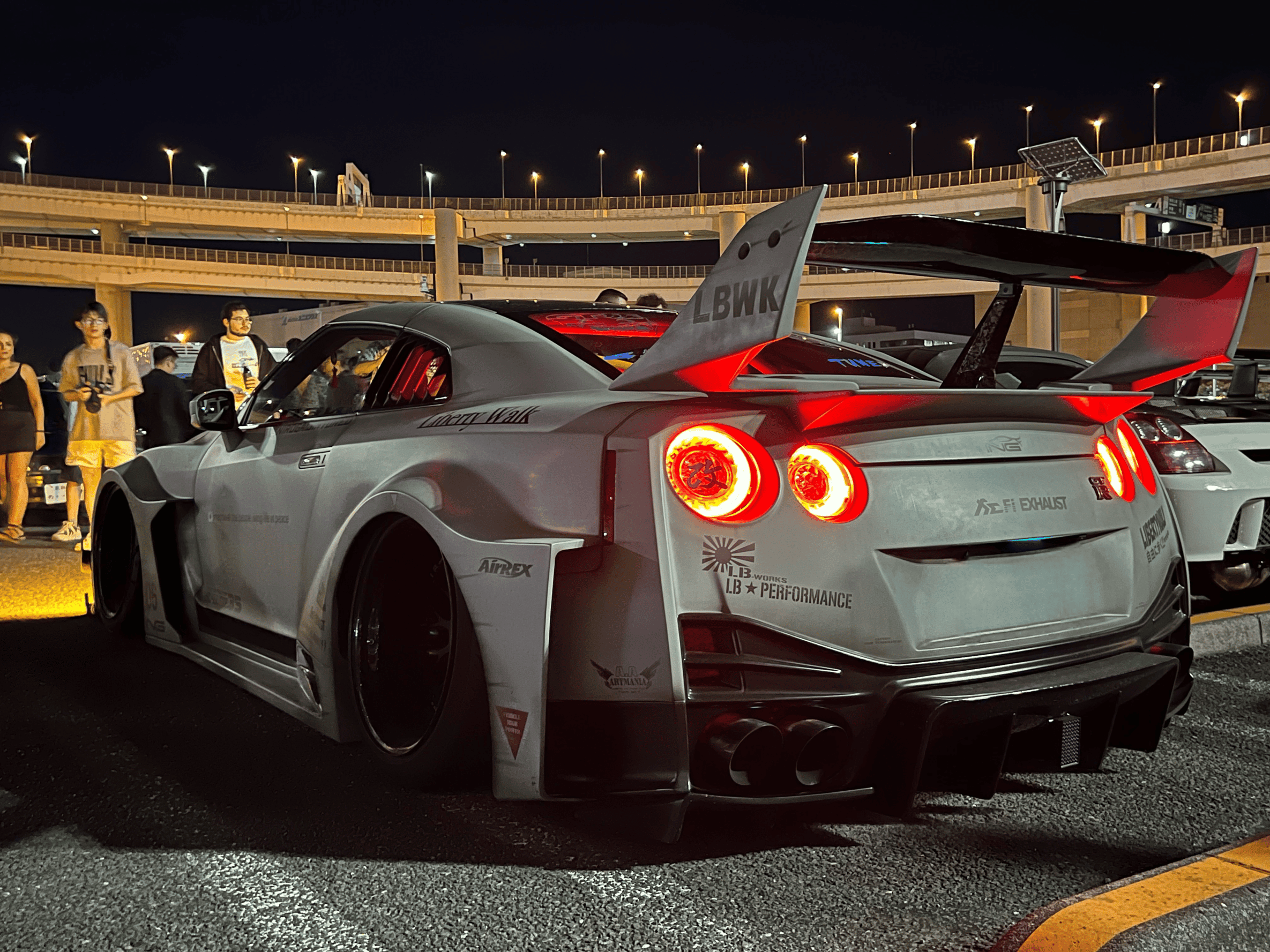
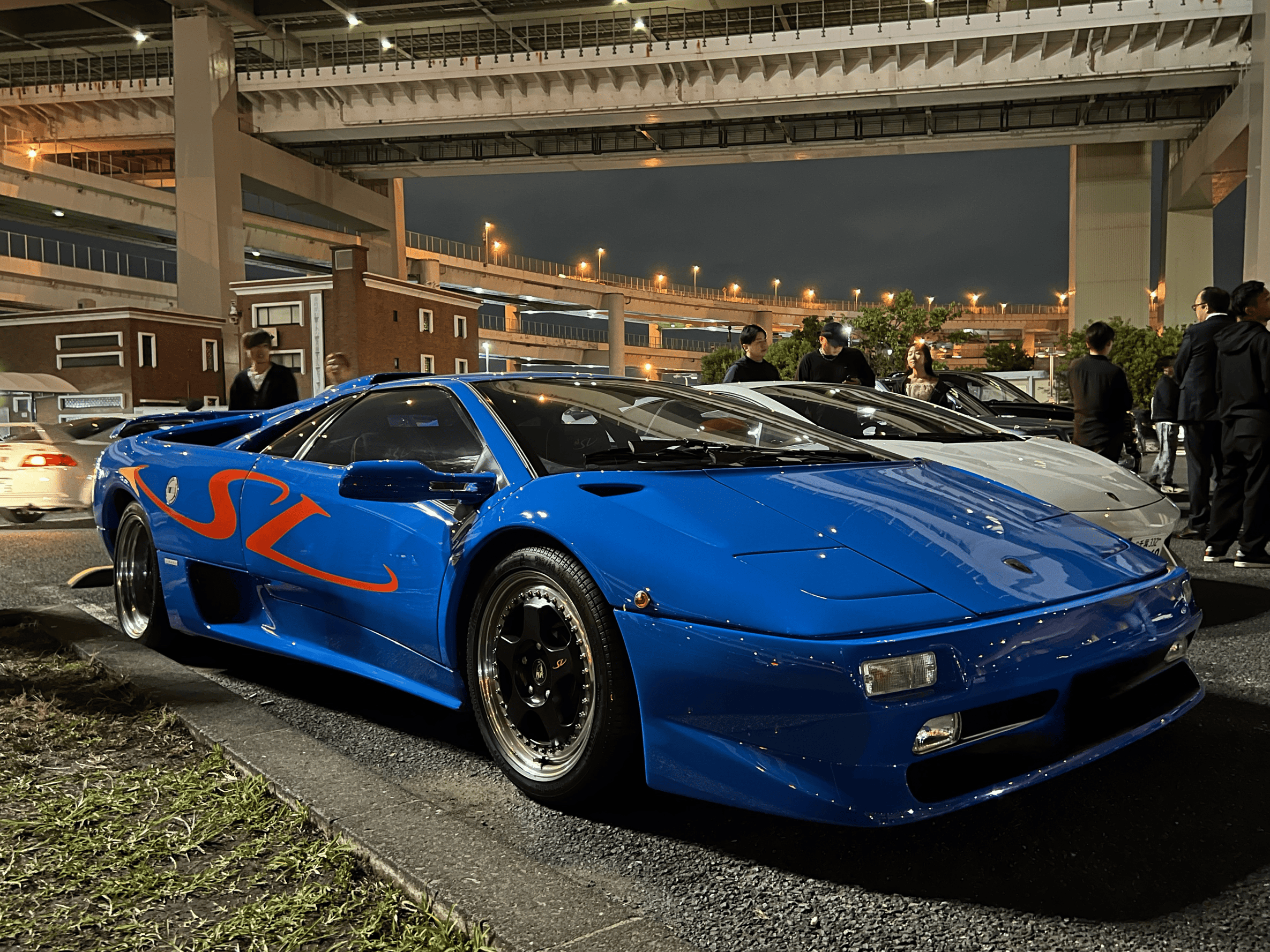
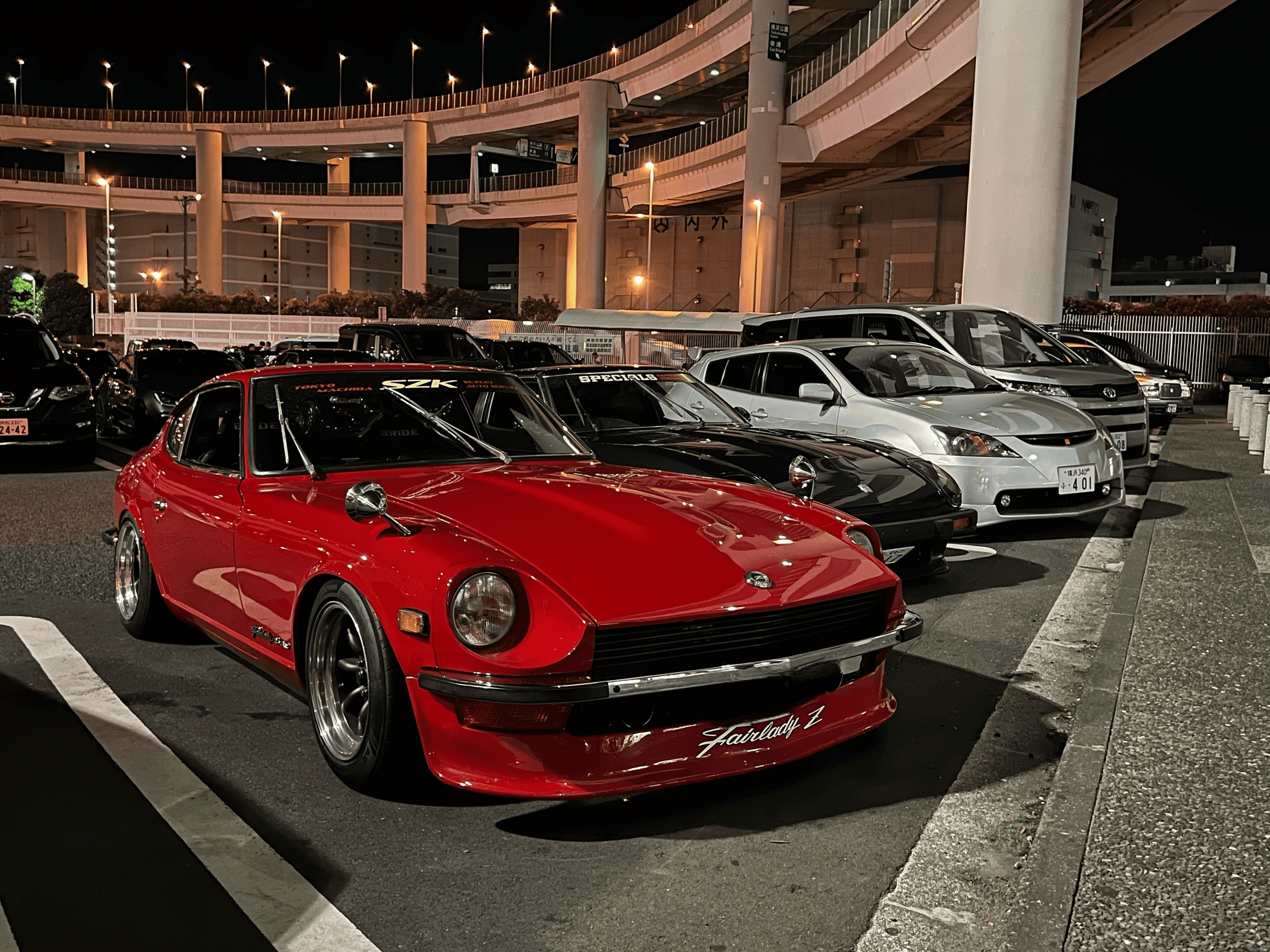
On the other side sits Daikoku PA, a rest stop where Skylines, Supras, drift builds and vintage Datsuns idle side by side. No other city can put this night together, and that is the honest case for going.
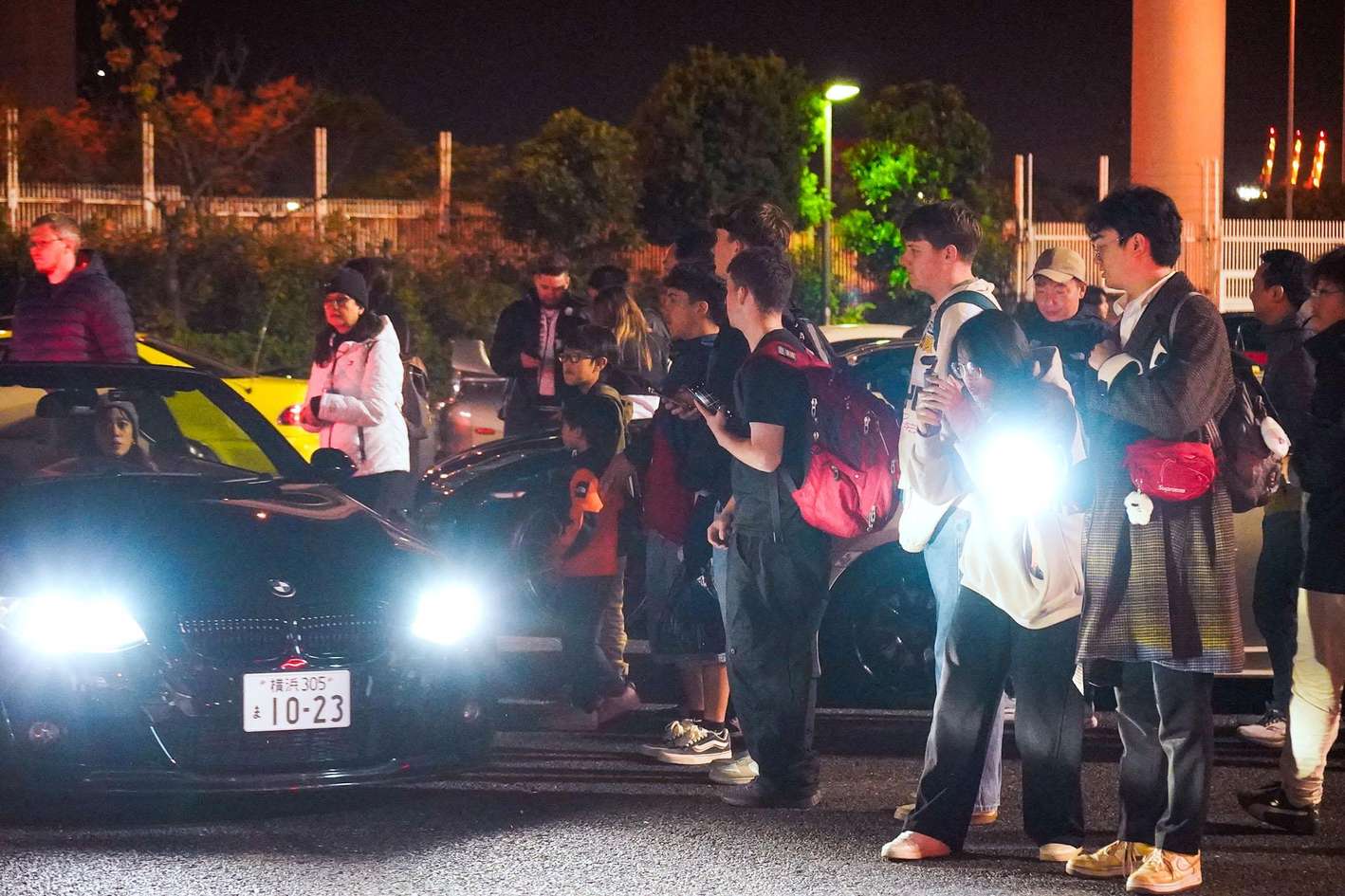
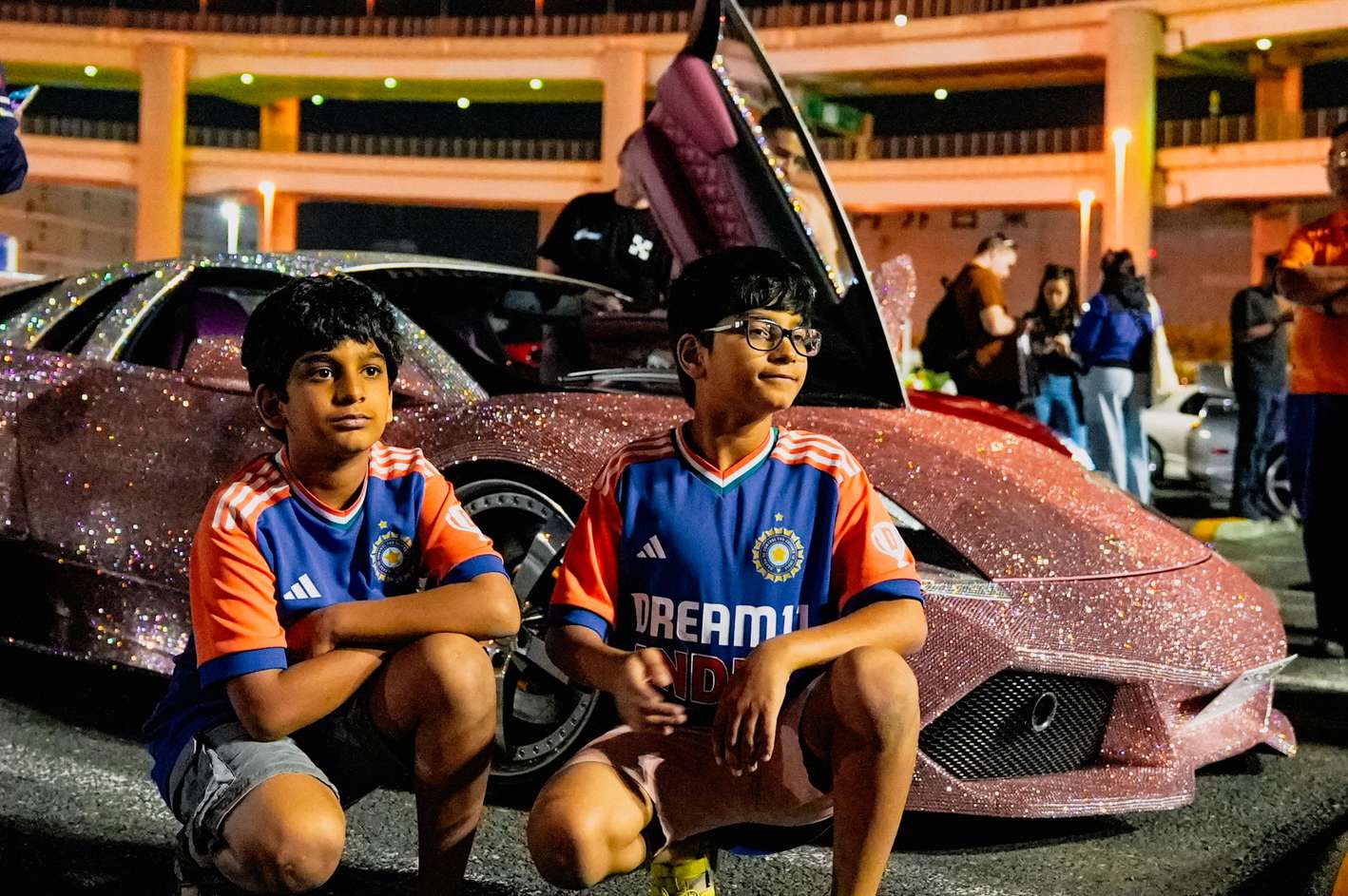
What you buy is a social scene; nobody is racing. Owners chat about their setups, engines idle, photos get taken. The community is welcoming and does not care whether your car is stock or a six-figure build.
Some nights underwhelm: one traveler found the meet thin and the whole outing not worth it. The lineup depends on the night, the weather and the police.
A traveler's note
Can't rate this enough. Professional drift instructor and expert mechanic let me fully enjoy the car and progress fast. First time drifting to figure 8s, unreal feeling. The team's enthusiasm is real.
If you are unsure about spending on a big outing, start with a shorter tour and upgrade next trip. The value is real when you know what you are buying: a ride through Tokyo's car culture, and the spectacle is never guaranteed.
Tour for this
Tokyo Drift Daikoku Car Meet GT-R35-34,R33,Silvia,GT86,Supra4.9★ (65) · 3.5 hours · Free cancellation
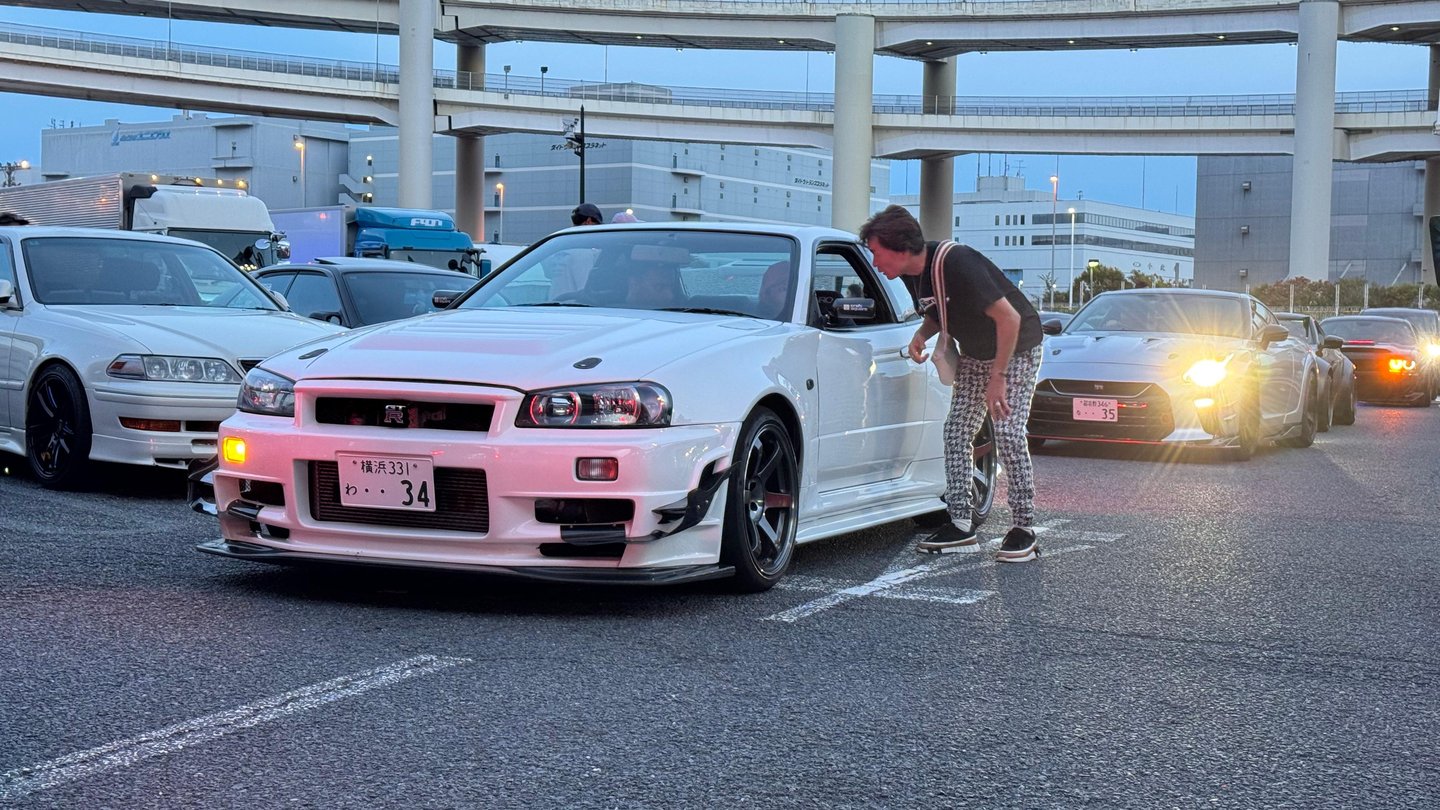
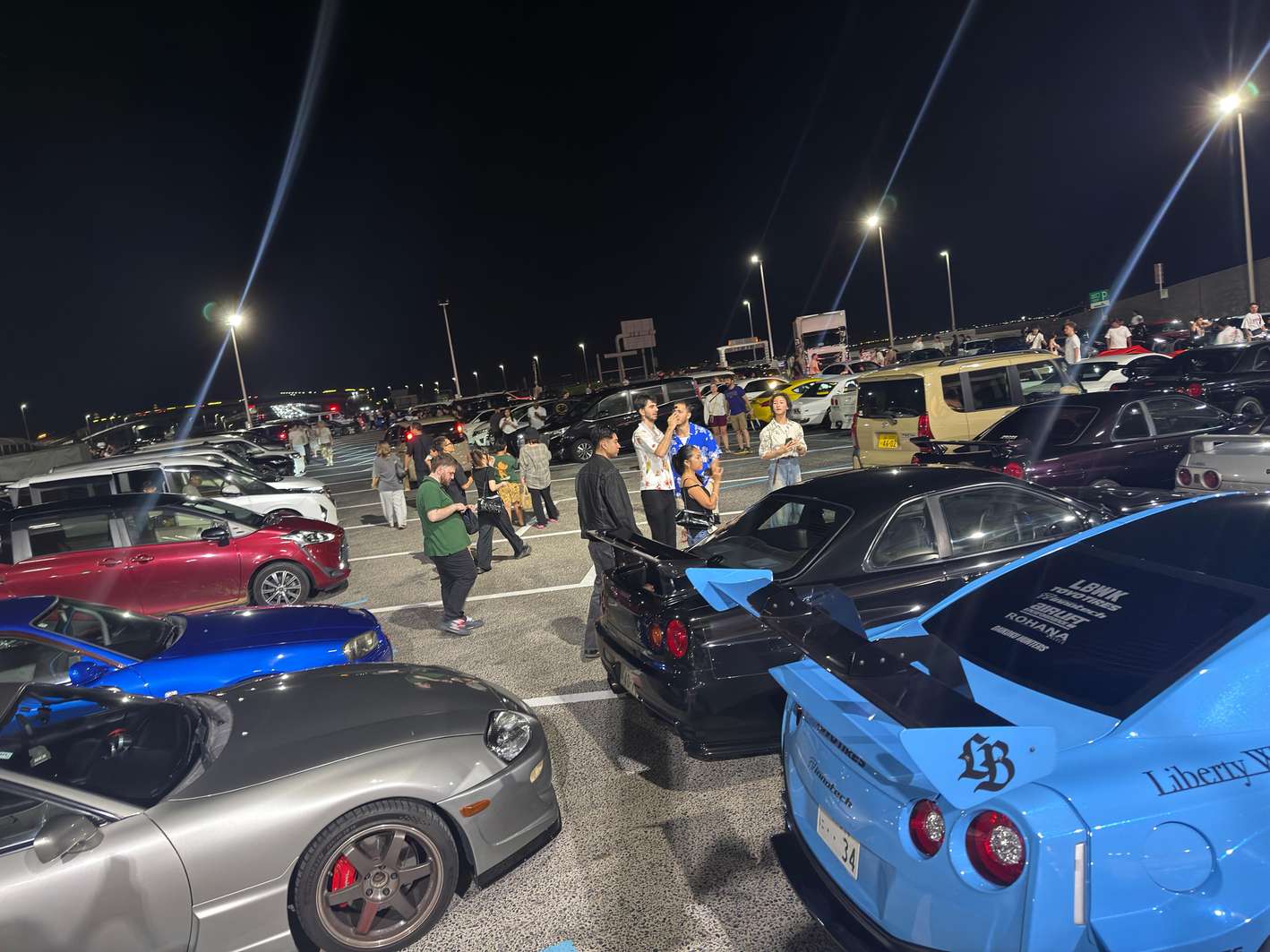
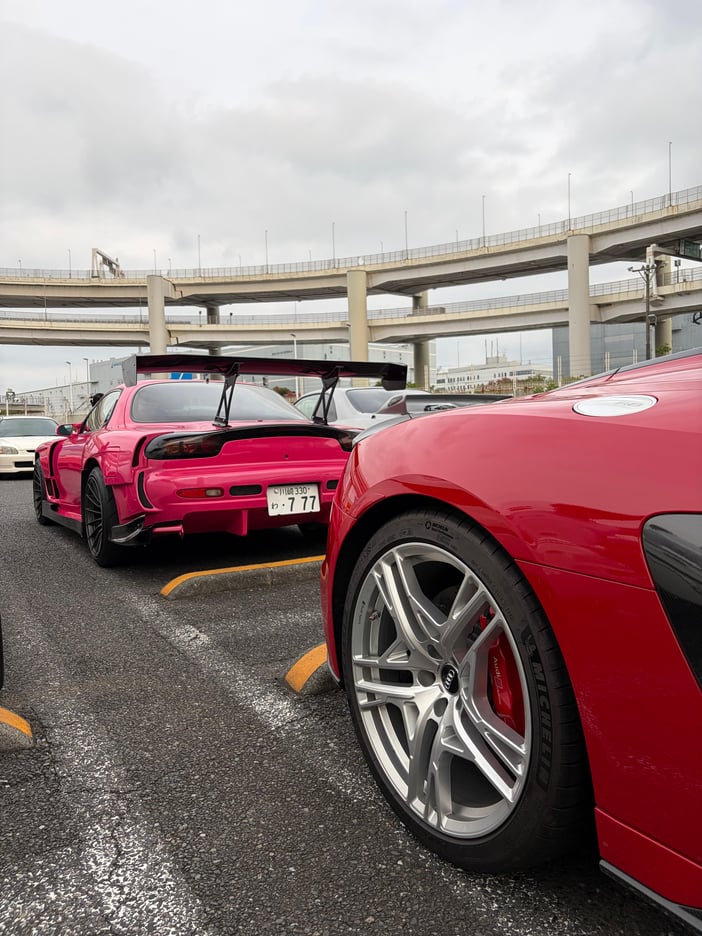
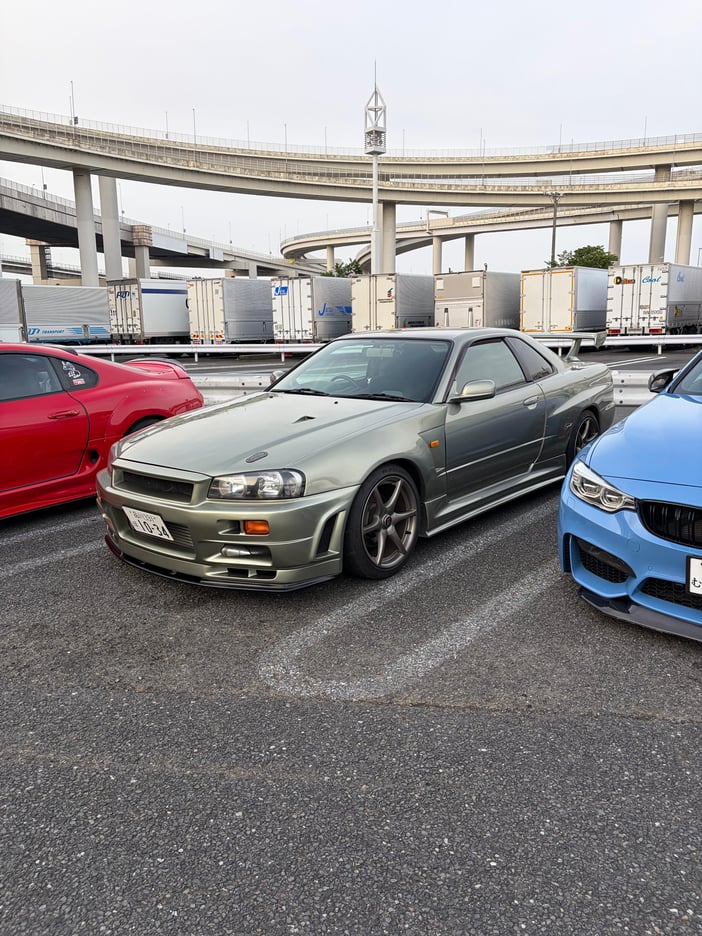
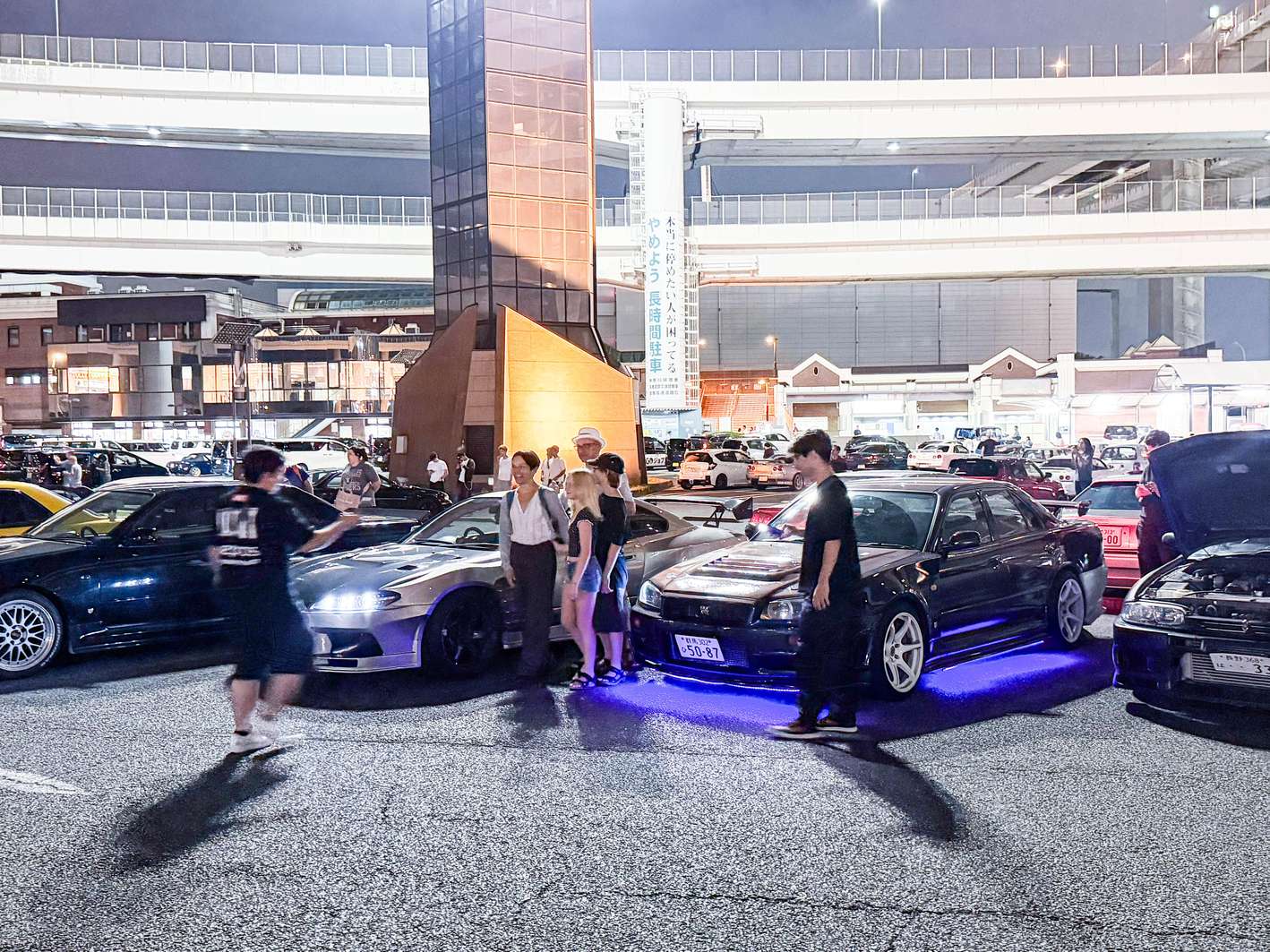
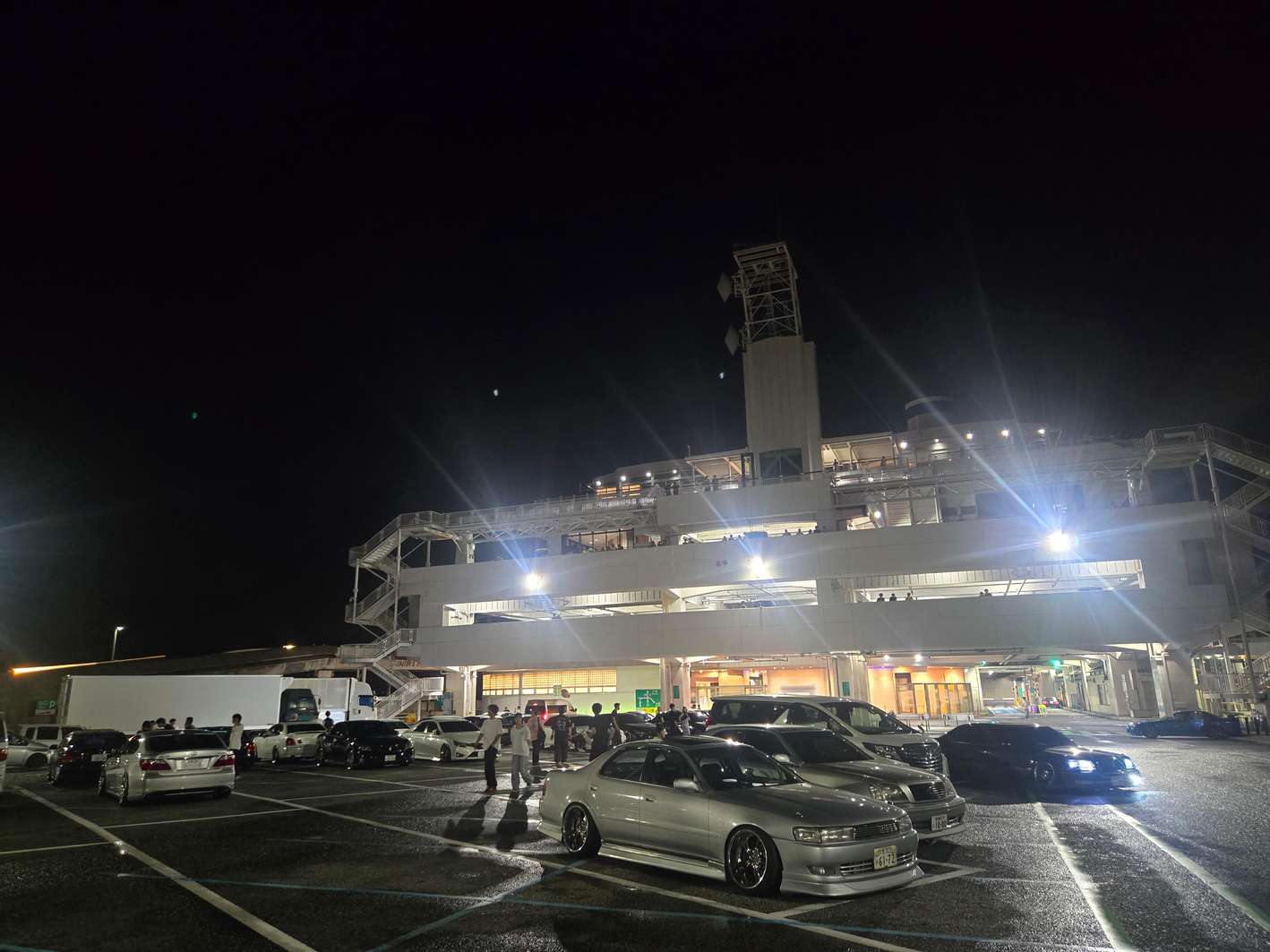
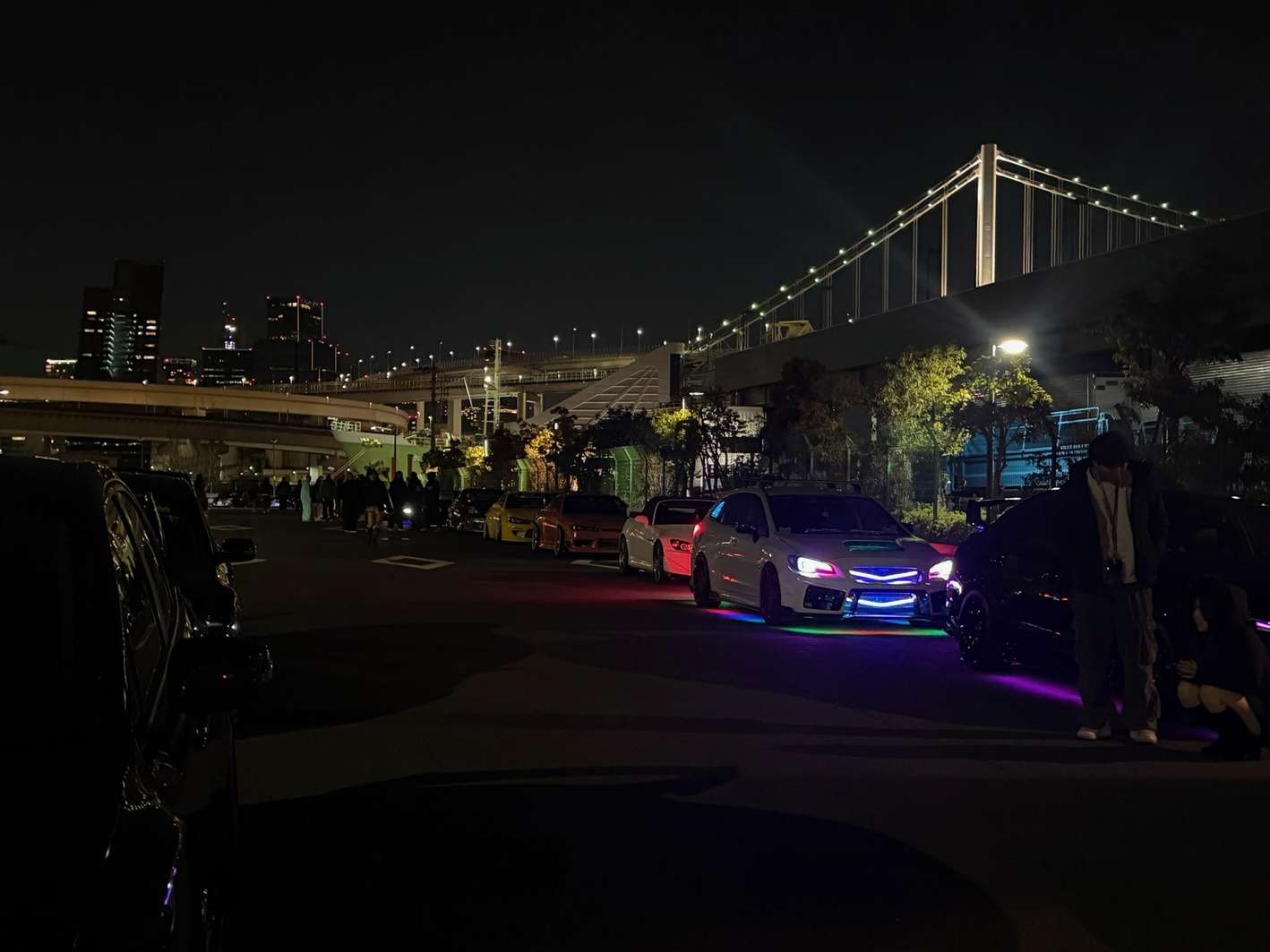
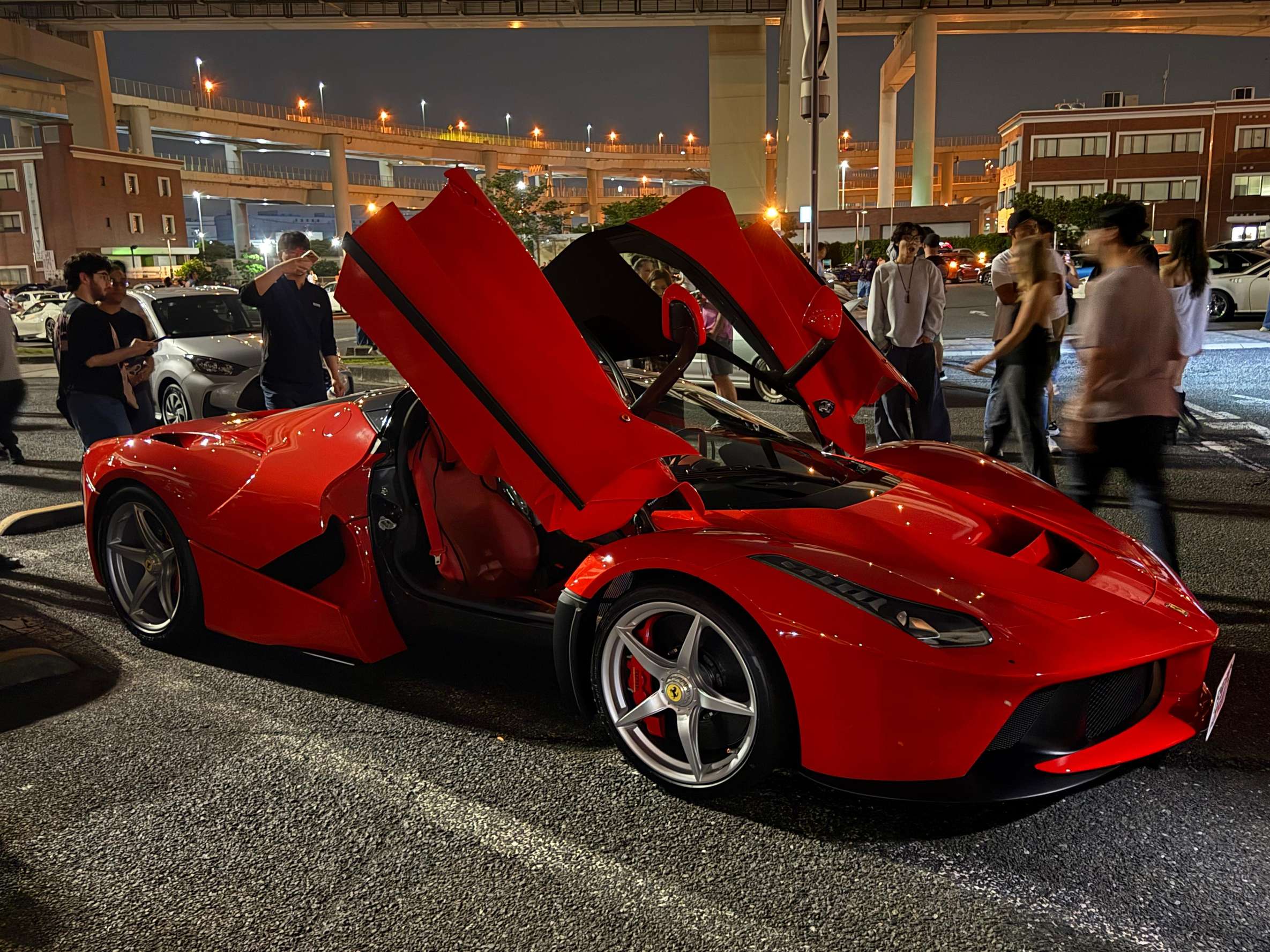
Daikoku PA is a tollway rest stop on an artificial island in Tokyo Bay, and the meet there is entirely informal. No organizer, no entry fee, no schedule.
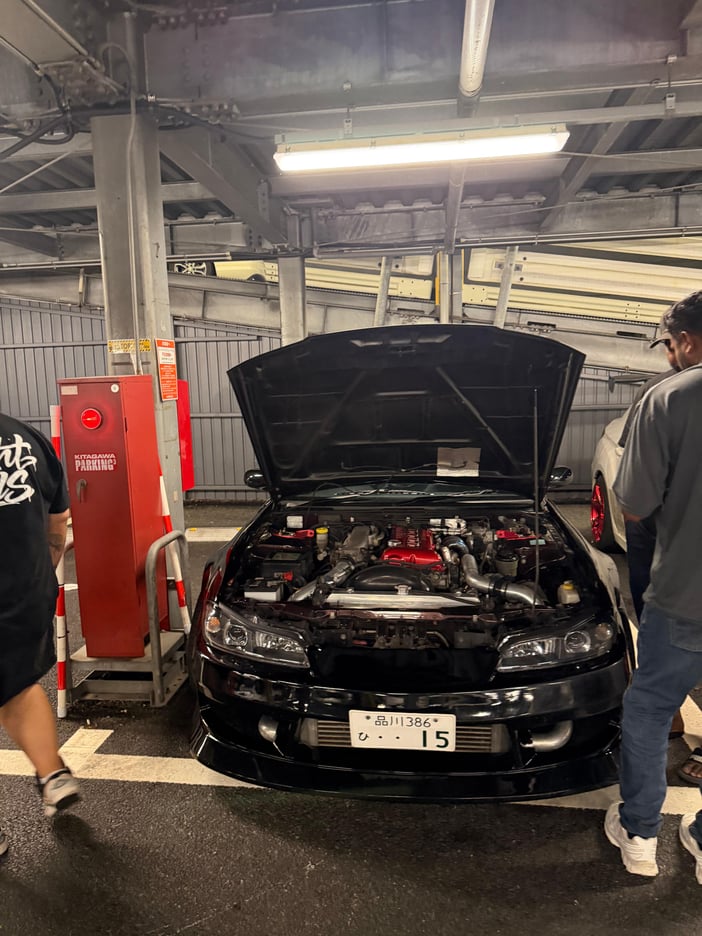
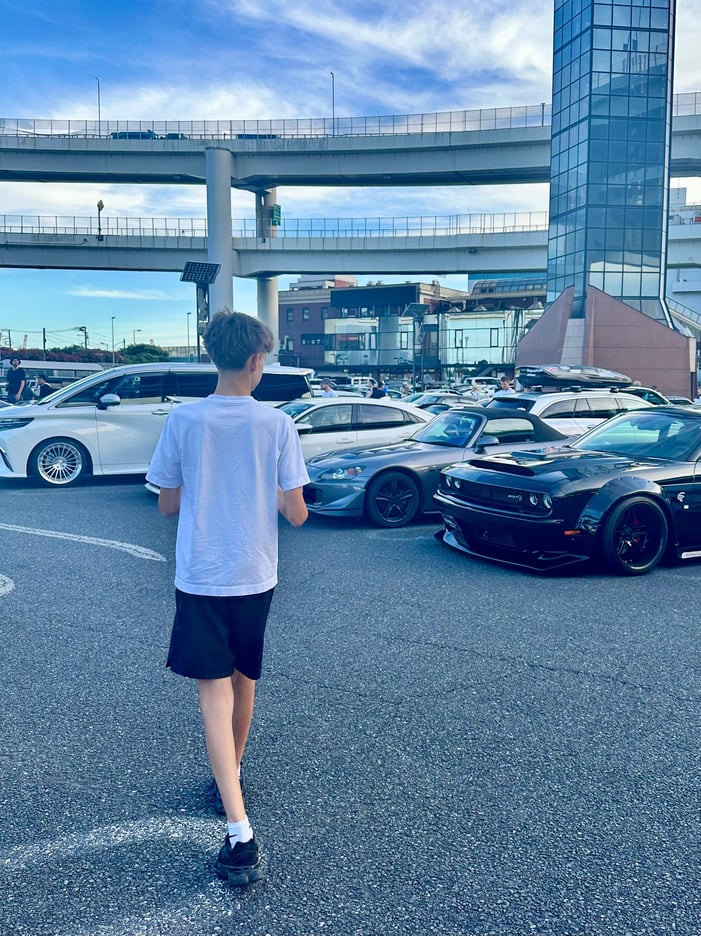
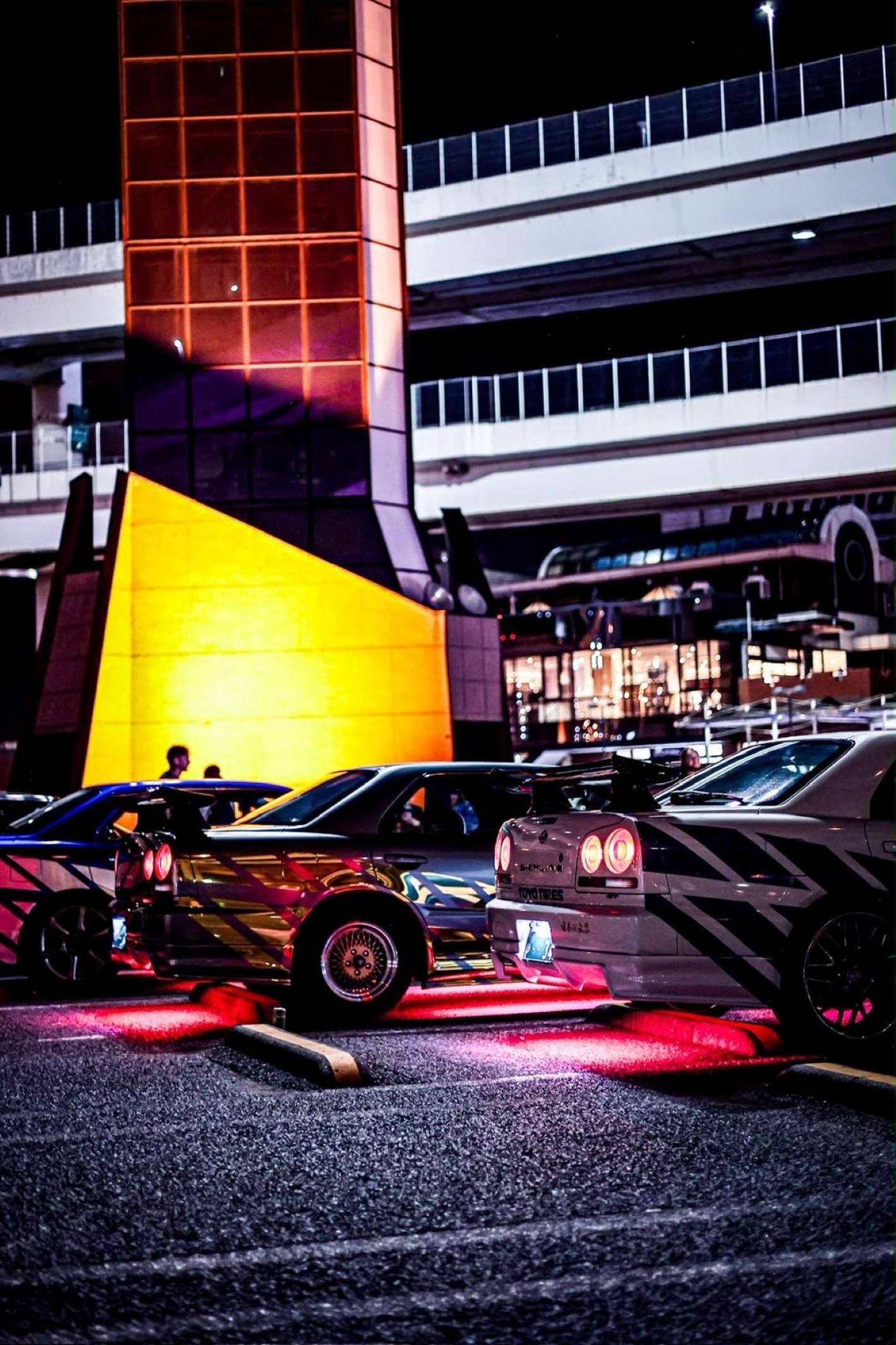
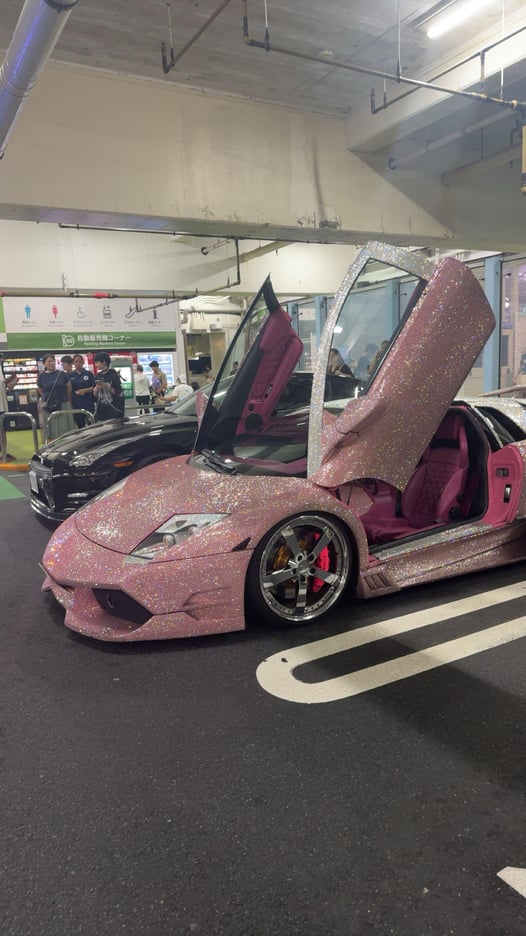
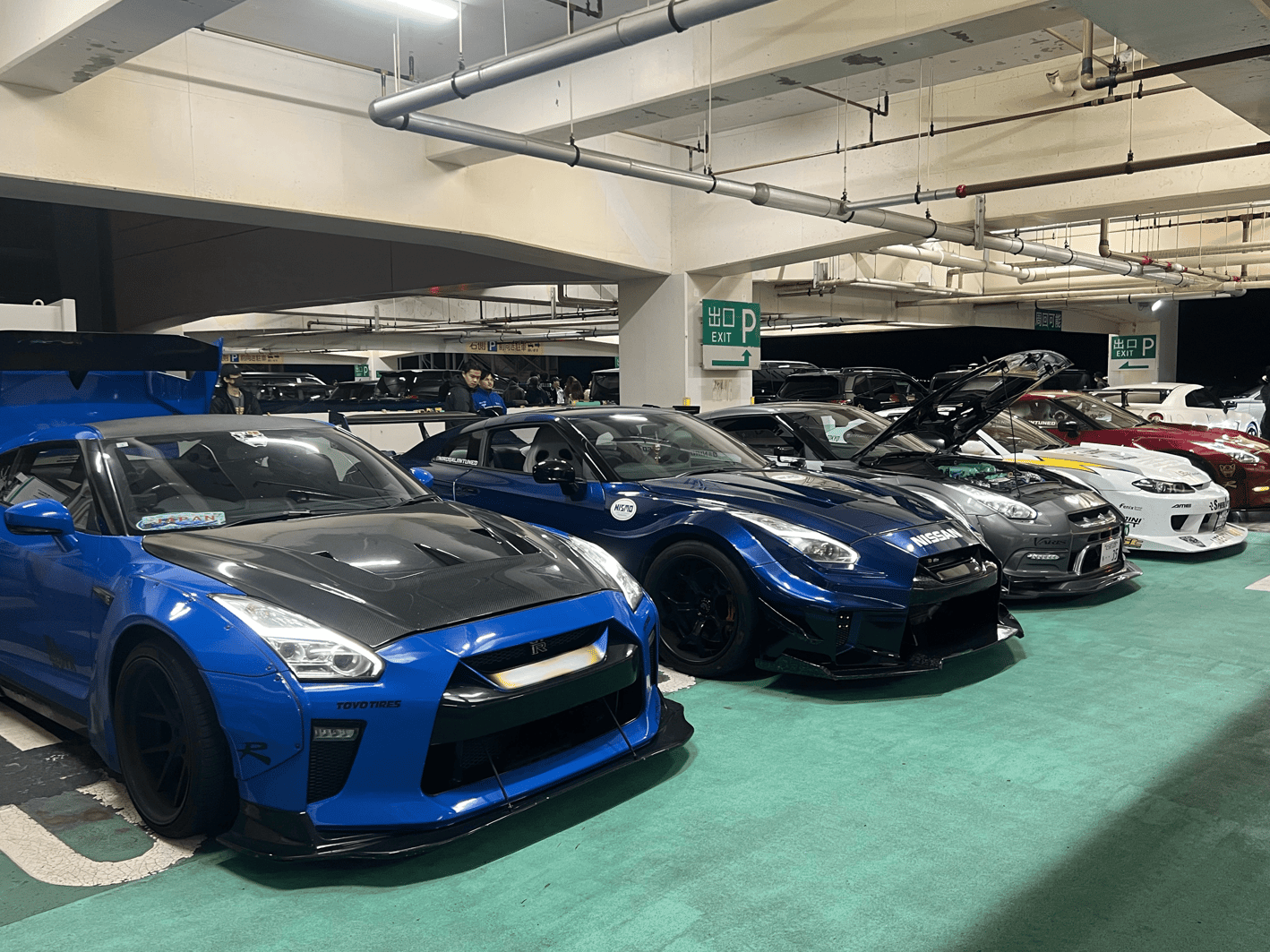
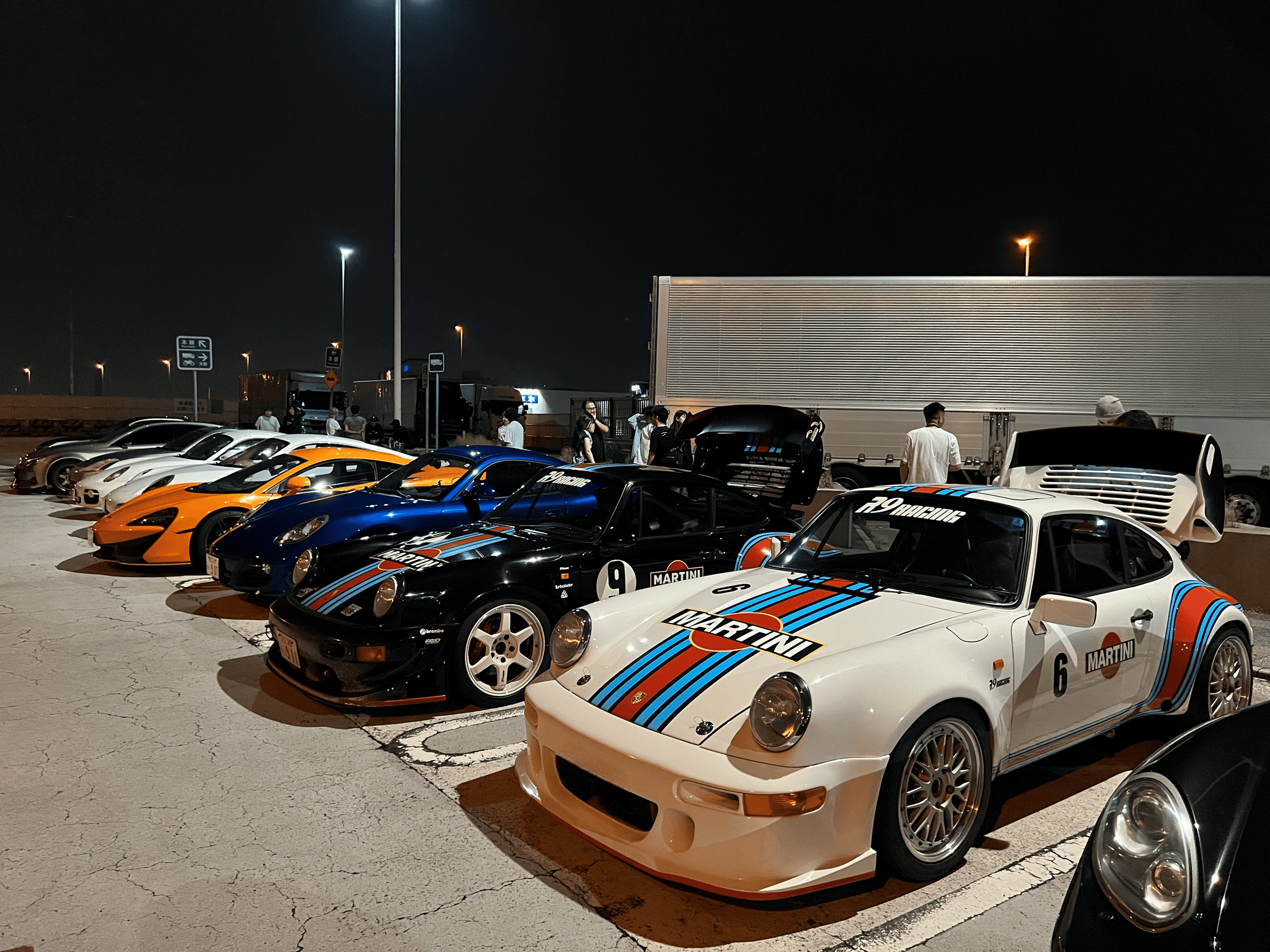
Enthusiasts show up most nights, with bigger turnouts on weekends, and the scene feels like Cars and Coffee, but at night. Owners park, open their hoods and talk.
That is a different animal from Tokyo Auto Salon, the annual convention-center show where aftermarket brands debut polished demo cars. A meet is privately owned, real-world builds, huge variety, zero polish. Both are worth your time; only one happens on any given night.
Myth vs reality
MythAny car rented in Japan is a JDM car
Reality
What people usually want is a modified car; any locally sold model is a different thing
MythYou need an expensive modified car to visit Daikoku
Reality
It is a normal highway rest area you can reach in any rental
MythYou can watch drifting at Daikoku
Reality
It is a parking lot; drifting there brings the police
Go expecting a gathering; the show is never guaranteed. The cars are the draw, the atmosphere is the bonus, and the spontaneity is the point.
Tour for this
Tokyo: JDM Night Run in EVO, WRX & Skyline to Daikoku4.9★ (996) · 3 - 4 hours · Hotel pickup · Free cancellation
How your JDM night on the road unfolds, hour by hour
The evening starts with pickup, usually around Shinjuku or from your hotel, and the first stretch is city driving out to the expressway.
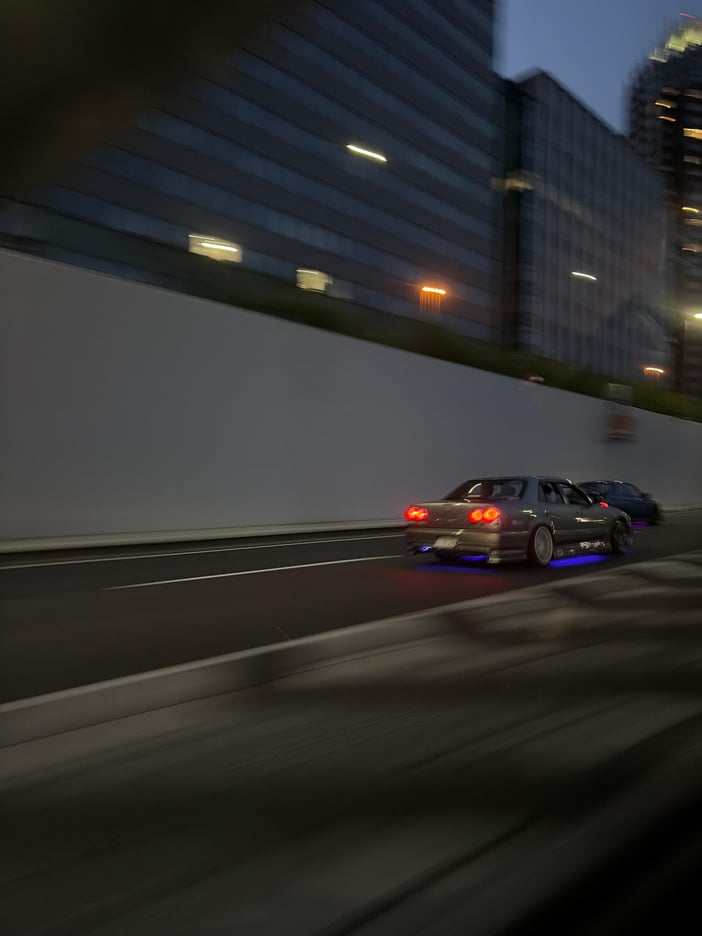
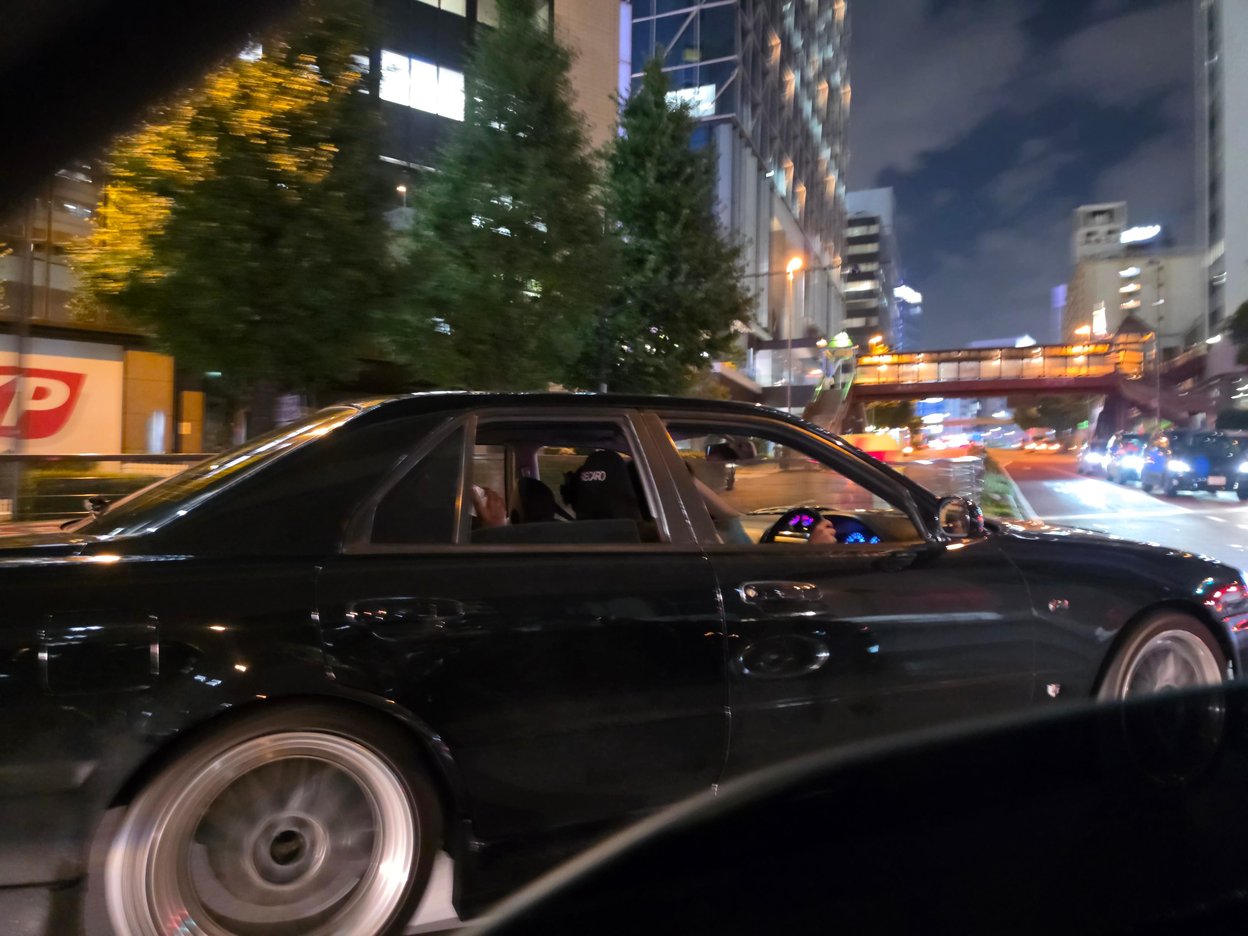
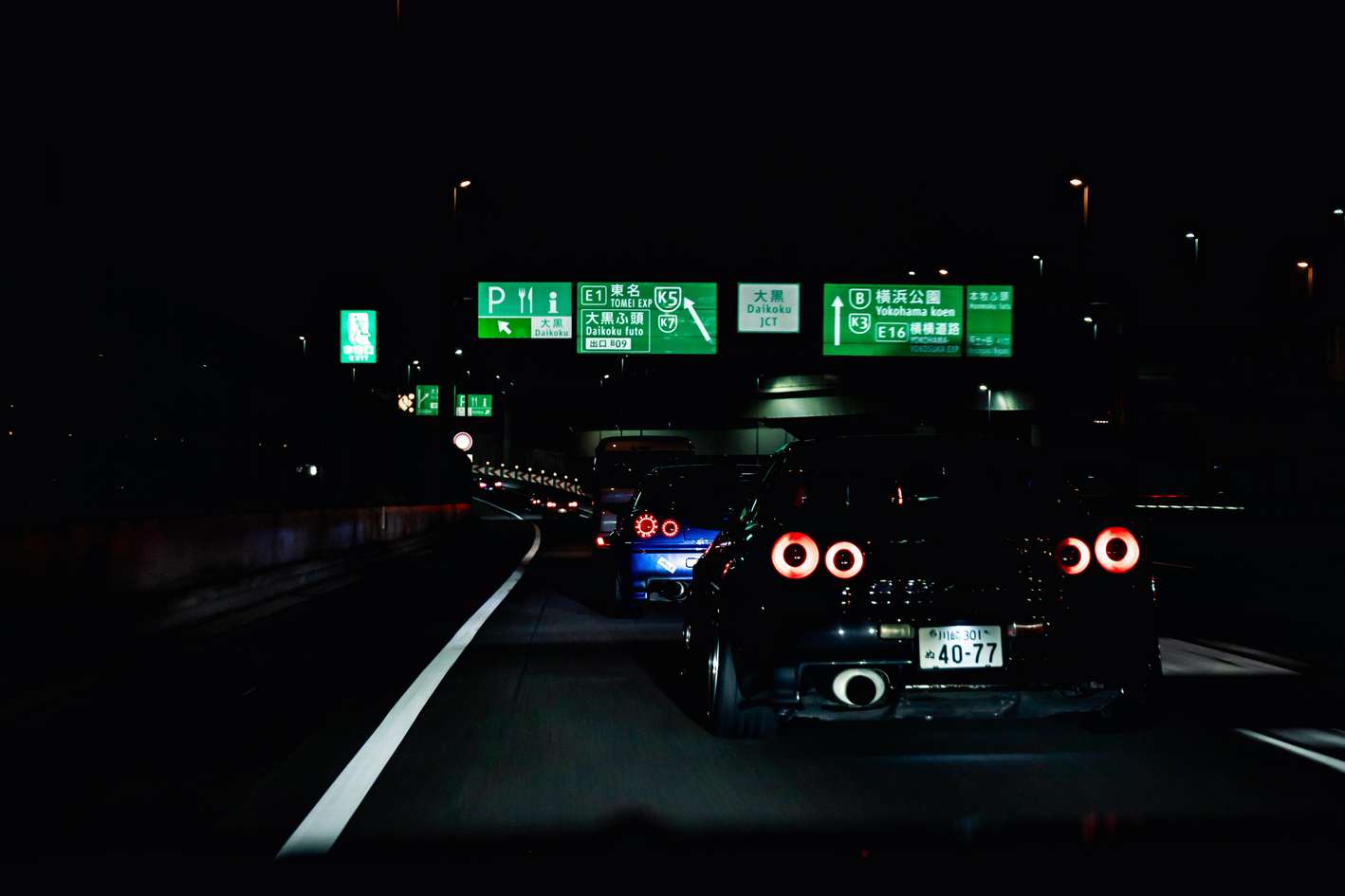
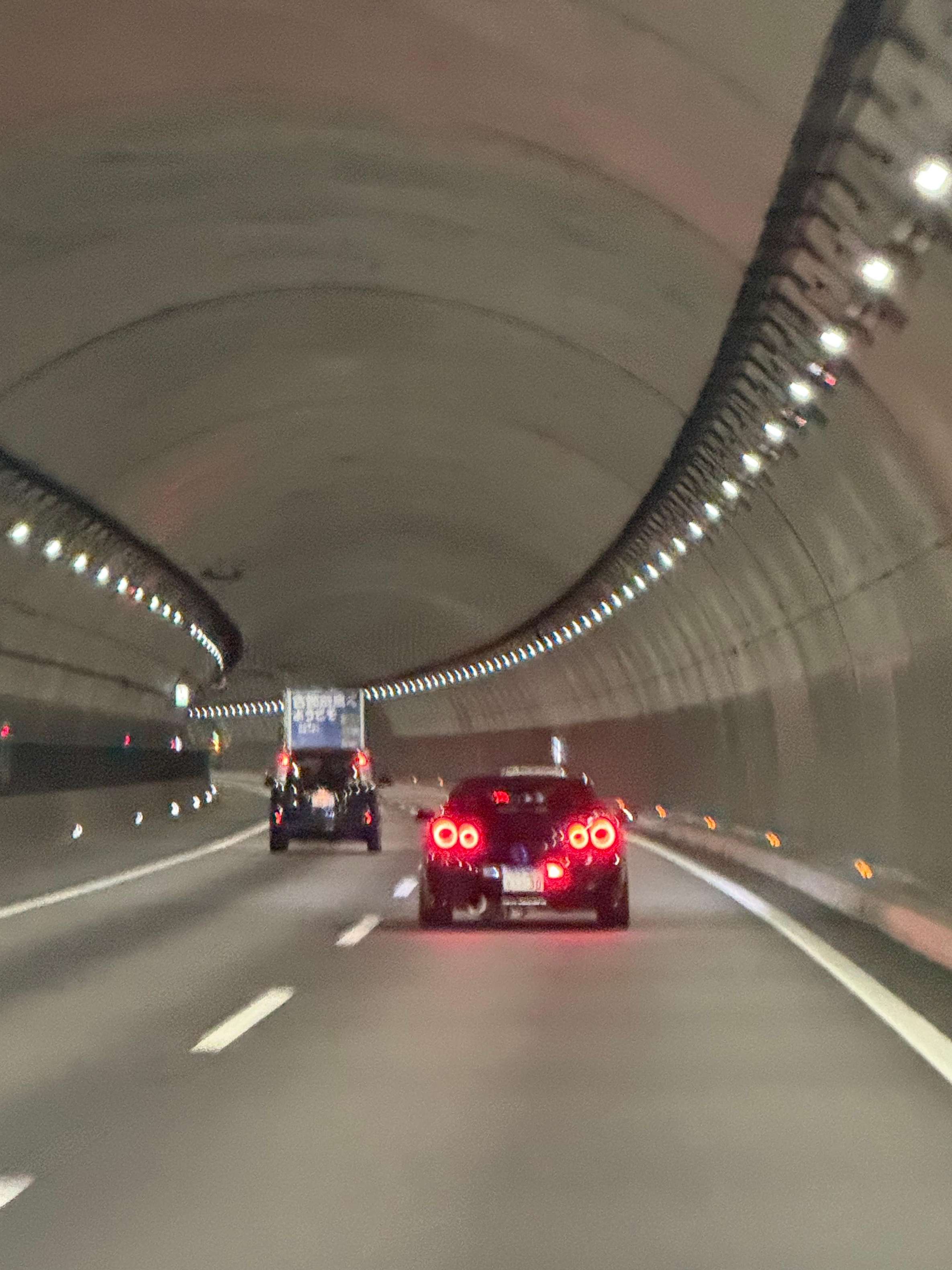
Then the tone changes: the Wangan Route opens up, tunnels flash past, and the driver crosses Rainbow Bridge with the bay lit up below. The drive between stops is half the experience, not just transport.
At Daikoku you get roughly an hour on the ground: walk the rows, look at builds, take photos. Most nights add a photo stop at Tokyo Tower and sometimes a stop at a big tuning shop. The whole outing runs three to four hours, so expect a late return.
How long do JDM driving tours in Tokyo take?
4 hoursUltimate Daikoku Car Meet duration
3 hoursGTR VIP Daikoku journey duration
A tour like Tokyo: JDM Night Run in EVO, WRX & Skyline to Daikoku packs that exact shape into one evening: a manual JDM car, the meet, and Tokyo Tower photos. Set expectations for the city legs, though; central Tokyo driving is slow, and the expressway is where the night earns itself.
Tour for this
Tokyo: Fast & Furious Daikoku JDM Night Tour - EVO,WRX&More4.9★ (534) · 4 hours · Hotel pickup · Free cancellation
The night you pick decides more than the tour you pick. Friday and Saturday are the peak: cars roll in from around 5 pm and the crowd builds deepest between 9 pm and 1 am.
That is also when police close the lot early, sometimes by 7:30 or 7:45 pm, so arriving early beats arriving late on a weekend.
How busy Daikoku PA car meets get by day of the week
Fri: the busiest. Friday night is one of the two peak nights, with cars rolling in from around 5 pm, but police can close the lot from about 7:30 pm, so come …
Bar height: how busy each day is, from very quiet to the busiestThe busiest: Fri
Tap a day to read it.
Thursday is the quiet favorite. Visitors report the lot packed like a weekend night, with far less chance of an early shutdown. Sunday evenings deliver too, occasionally with rare supercars. Monday to Wednesday run quieter but are rarely empty.
How busy the JDM tours are each month, with rain and dry days
April: 5 out of 5 for how busy it gets. The busiest month of the year (150) with mild 19.6°C days and 19 sunny days, the best mix of full car meets and comfortable evenings.
HighestMar to Apr, Sep to Oct
In betweenJan, May, Aug, Nov
LowestFeb, Jun to Jul, Dec
Darker: a higher how busy it gets score, out of 5
Tap a month to read it.
January: 26.4 dry days. A quiet month with 26 dry days and cool nights around 0°C, so meets are thinner but tours run and the winter night skies are clear.
HighestNov to Jan22.8 to 26.4 days
In betweenFeb22.2 days
LowestMar to Oct15.6 to 19 days
Darker months: higher, from 15.6 to 26.4 days
Tap a month to read it.
December: 26.8 sunny days. Quiet (73) with 25 dry days and mostly clear skies, but nights drop to 2.5°C, so dress warmly for the meets.
HighestAug, Dec to Jan24.2 to 26.8 days
In betweenFeb to Mar, Jul, Nov21.2 to 23 days
LowestApr to Jun, Sep to Oct16.8 to 19.6 days
Darker months: higher, from 16.8 to 26.8 days
Tap a month to read it.
Across the year, April is the busiest month for these tours, followed by October and September, so book those weeks out early. June, February and December are quiet, and June is also one of the wettest months.
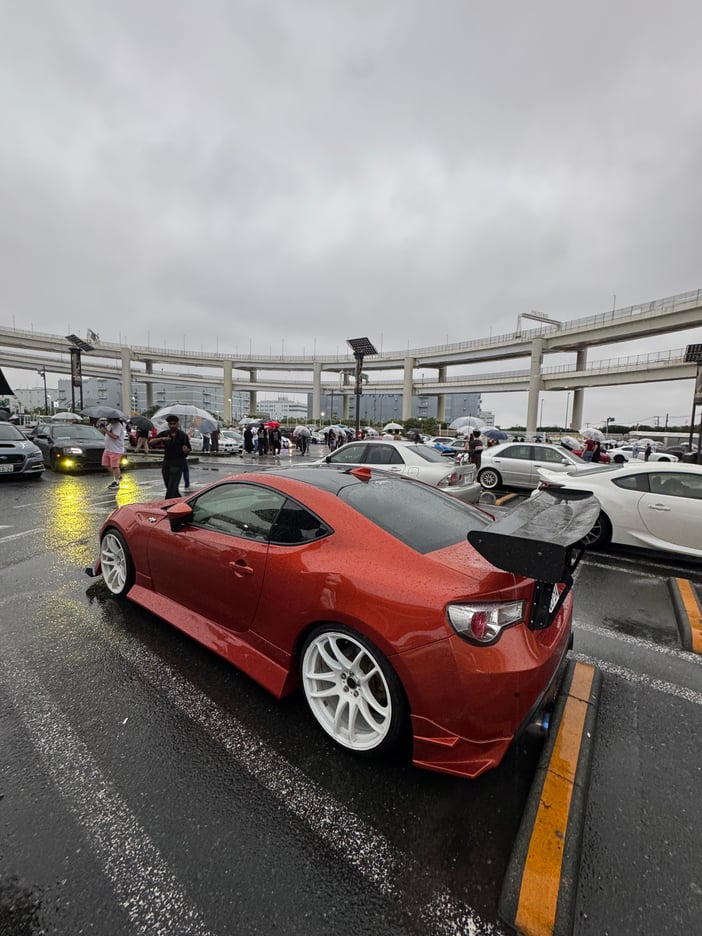
Rain thins the meets, and one operator offers no refund if weather cuts the car count, so a dry month is worth planning for.
Tour for this
Fast and Furious : Tokyo Drift Experience & Daikoku Car Meet4.9★ (368) · Hotel pickup · Free cancellation
Three formats, three different nights. On a guided passenger tour a professional driver is behind the wheel all evening and you ride; no licence needed, and the guide handles navigation, translation and photos.
On a self-drive outing you take the operator's car yourself, following a lead car, which needs a licence valid in Japan and the original documents on the day; drivers must be 23 or older.
Guided passenger tour
Self-drive JDM rental
Drift lesson
Licence needed
None
IDP or JAF translation
Circuit rules vary
Who drives
Professional driver
You
You, with an instructor
Stress level
Lowest
Highest
Moderate, on a closed course
What you get
Meet, night views, stories
Freedom of route and pace
Donuts and figure eights
Guided passenger tour
Licence needed
None
Who drives
Professional driver
Stress level
Lowest
What you get
Meet, night views, stories
Self-drive JDM rental
Licence needed
IDP or JAF translation
Who drives
You
Stress level
Highest
What you get
Freedom of route and pace
Drift lesson
Licence needed
Circuit rules vary
Who drives
You, with an instructor
Stress level
Moderate, on a closed course
What you get
Donuts and figure eights
Drifting is its own thing: a private lesson of about three hours on a closed circuit, helmets and gloves included, practicing donuts and figure eights. Beginners usually start on a Mazda MX-5, and a cheaper Skyline GTT gets you the same roads and photos as a premium car for far less.
Tokyo: JDM R34 Skyline drive & Daikoku PA car meet sits between the formats: a private R34 with a professional photographer driver, tolls and insurance included, for licensed travelers who want the car to themselves without navigating.
Tour for this
JDM Tokyo:The Fast and the Furious Tokyo Drift Experience4.9★ (164) · 3 hours · Free cancellation
Getting to Daikoku PA, and whether to drive yourself
Here is the access problem in one line: Daikoku PA sits inside the Shuto Expressway, so there is no way in on foot, by bike or by train.
A taxi can drop you off but there is no taxi rank to bring you back. The practical routes are a guided tour with hotel pickup, or your own car already on the expressway.
Most visitors take the tour, and for good reason: the operator collects you in the JDM car itself, handles tolls, and drives you in, about an hour from central Tokyo and under forty minutes from Haneda.
Tokyo Drift Ⅲ: Fast·Furious Daikoku PA Modified JDM Car Ride is that shape, with hotel drop-off and an English-speaking enthusiast guide.
Driving yourself is possible in any rental, modified or not, but the paperwork decides it: an International Driving Permit from the 1949 Convention, or for licences from Switzerland, Germany, France, Belgium, Monaco or Taiwan a certified Japanese translation arranged before you go.
You keep left, and the narrow crowded streets are the hardest part, not the expressway. Check your hotel's parking before renting; central Tokyo parking can be scarce and pricey.
Tour for this
Tokyo Drift with GTR35-R 700HP Fast & Furious Experience4.8★ (184) · 3 - 3.5 hours · Free cancellation
Police shut the Daikoku meet down regularly, and there is no schedule to check because closures are decided on the night.
On Thursday, Friday and Saturday the lot can close by about 8:30 pm; weekend-night closures became the norm through 2025 and 2026, and Monday to Thursday closures are rare. Once the entrance closes, do not count on it reopening.
Operators plan around it. Many pull Friday and Saturday pickups forward to 4 or 5 pm to beat the closure, and when the lot shuts most tours divert to a fallback such as Umihotaru or Tatsumi PA rather than stop the night.
Policies differ: some make the fallback free, some charge a detour fee, and several offer a full refund if you decline the alternative.
Book with an operator whose fallback and refund terms are clear before you go; a closed Daikoku alone is not a refund trigger on most tours.
Can stop the day
Police can close Daikoku PA on the night with no warning Book a licensed operator who diverts to Umihotaru or Tatsumi or refunds, and never a street tout
One more thing travelers repeat: plenty of rides advertised on booking platforms and by touts in Shibuya and Shinjuku are unlicensed, and tout rides to the parking areas charge tens of thousands of yen in cash. Book ahead, properly.
Tour for this
Tokyo: Daikoku Meet & Night Drive on a Tokyo Drift JDM Tour5.0★ (137) · 3 hours · Hotel pickup · Free cancellation
Dress for standing around outdoors at night, because the meet happens in the open by the water.
Tokyo nights run from near freezing in winter to warm and humid in midsummer, so the season decides the layer: a real coat from December to February, a light jacket in the shoulder months, breathable clothes in summer. A light jacket matters even on warm nights, when the bay breeze turns after midnight.
What to bring and wear for a Tokyo night drive
Dec to Feb: warm coat, glovesNights drop to about 0.5 to 3°C with the odd snow day, and you stand around open parking areas, so a real winter layer matters
Mar to May and Sep to Nov: light jacketEvenings sit around 9 to 22°C and feel cool once the sun is down, so one warm layer over normal clothes is enough
Jun to Aug: light, breathable clothesNights stay warm at 19 to 25°C and humid, so dress light and expect a muggy evening rather than a chilly one
Comfortable shoes and clothesTour operators ask for this directly; you get in and out of low sports cars and walk around the parking areas
Compact umbrella or rain jacketOne operator runs the tour even in rain, and only severe storms reschedule, so you may be outside in a shower
Camera or phone with space for photosOperators tell you to bring a camera; the night stops at Daikoku PA and Tokyo Tower are built around photos
Phone with WhatsApp notifications onOperators message you before the activity starts if anything changes, so keep notifications active
Voucher QR code on your phone
Shoes matter more than style. You get in and out of low sports cars and walk a big parking lot, so comfortable closed shoes and clothes you can move in.
Bring a camera or a phone with space, since the stops at Daikoku and Tokyo Tower are built around photos.
Keep WhatsApp notifications on; operators message before departure if anything changes, and show your voucher as a QR code on your phone. One operator runs the tour even in rain, so a compact rain layer earns its place in the bag.
Tour for this
Tokyo: JDM Performance Car Tour with Planned Daikoku Stop5.0★ (509) · 3 hours · Free cancellation
The rules at Daikoku are unwritten but enforced, first by owners and then by police. Do not touch, lean on or sit on anyone's car, and never open a door or climb in for a photo without being invited.
Disrespectful visitors are the reason some locals stopped bringing their cars, which thins the very scene you came for.
Photography is welcome, but ask before close-ups, before interiors or engine bays, and before posting online. Blur license plates. Stay out of the driving lanes, keep your voice down, take your rubbish with you, and never rev an engine or attempt a burnout; that is exactly what gets meets shut down.
What nobody tells you
Owners notice how you approach
A polite question about the build opens the conversation; asking what the car costs closes it
Guides can broker the chat
Your English-speaking guide translates and introduces you to owners
A compliment works across languages
Most owners speak little English, but enthusiasm and a translation app go far
Behave like a guest and the night opens up. People who go often say the best moments came from a conversation, not a photo.
Tour for this
Tokyo Drift Daikoku: Modified Supra Night JDM Experience5.0★ (62) · 3.5 hours · Hotel pickup · Free cancellation
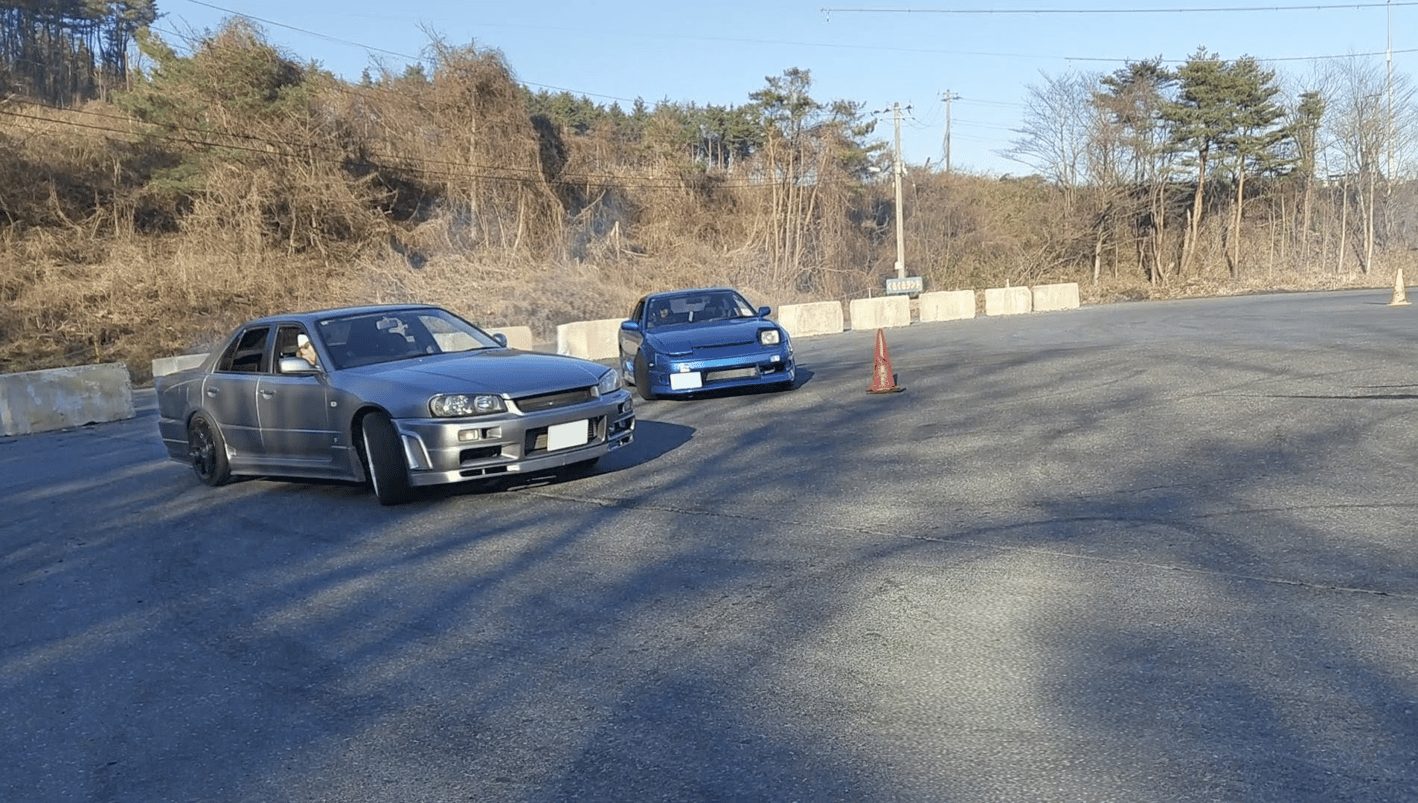
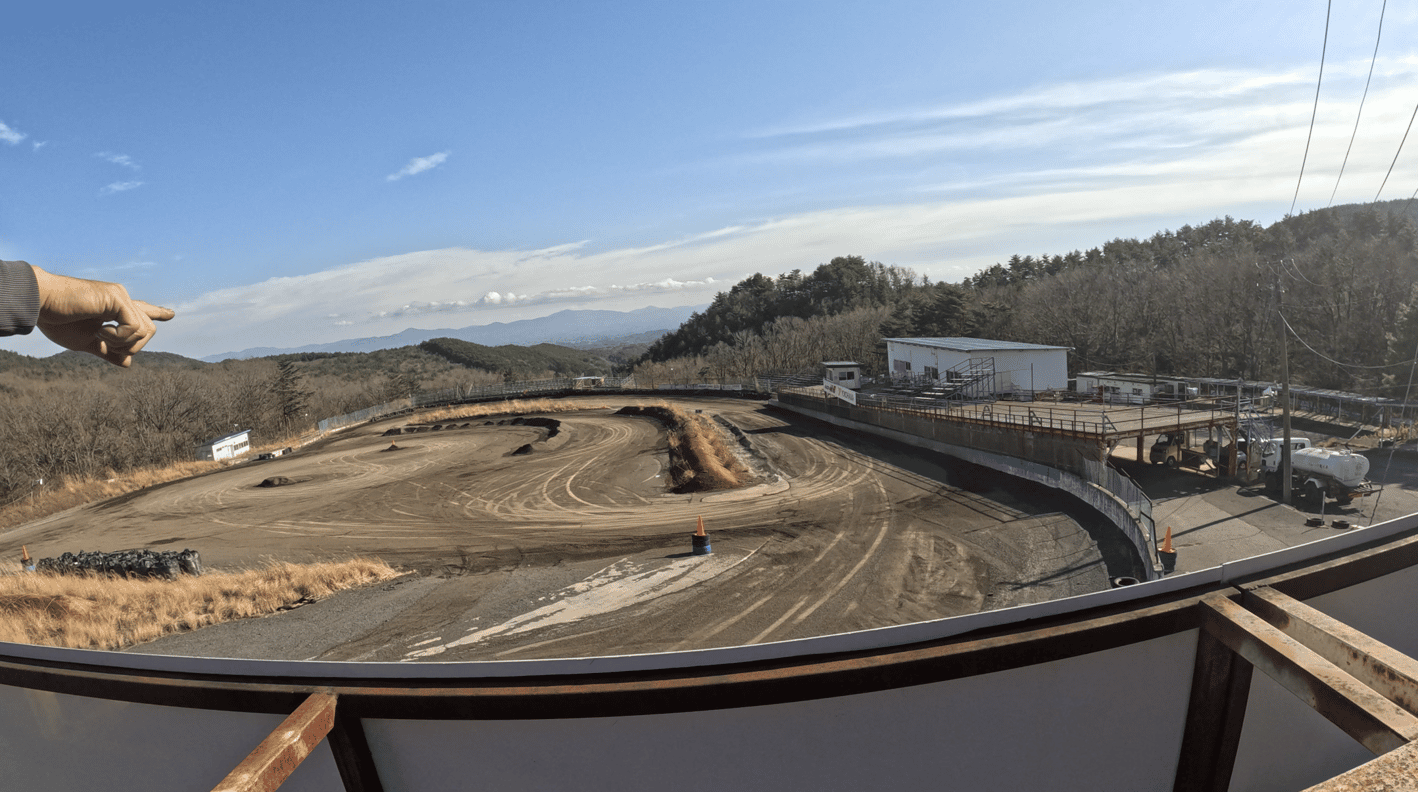
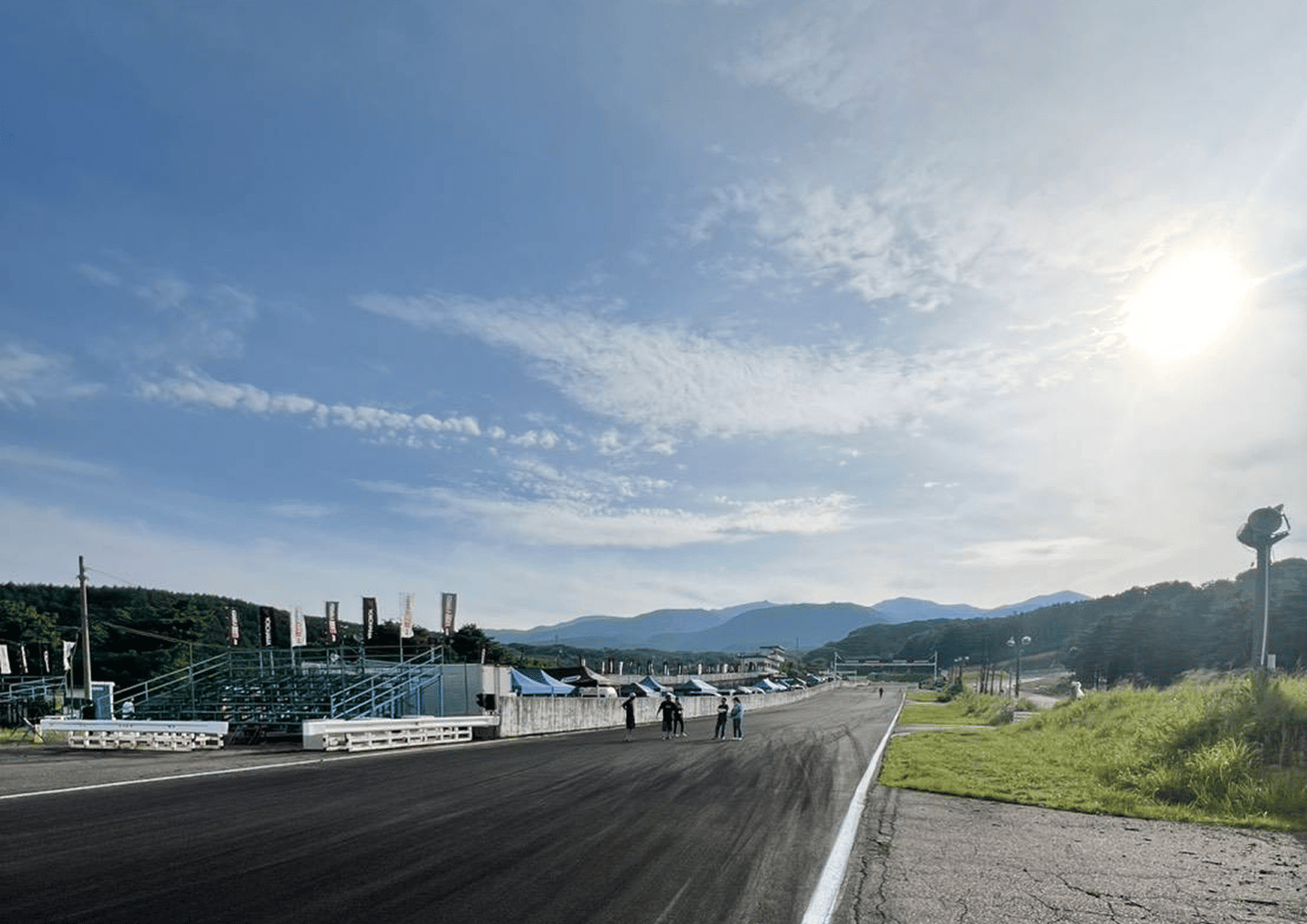
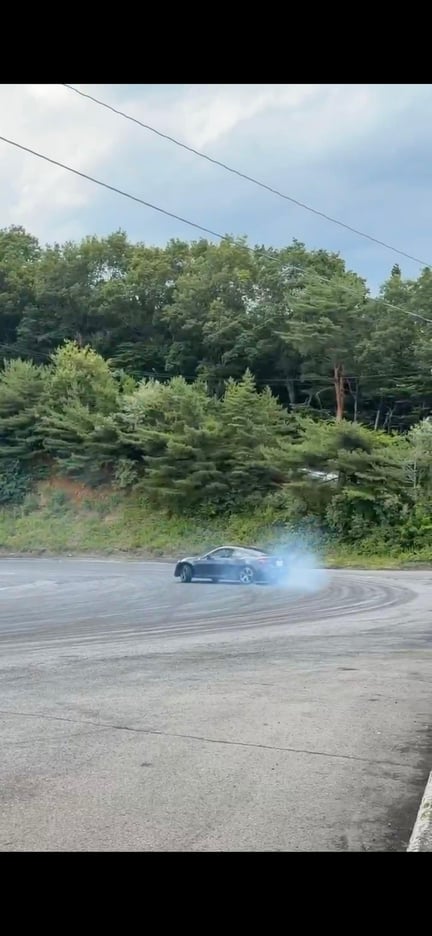
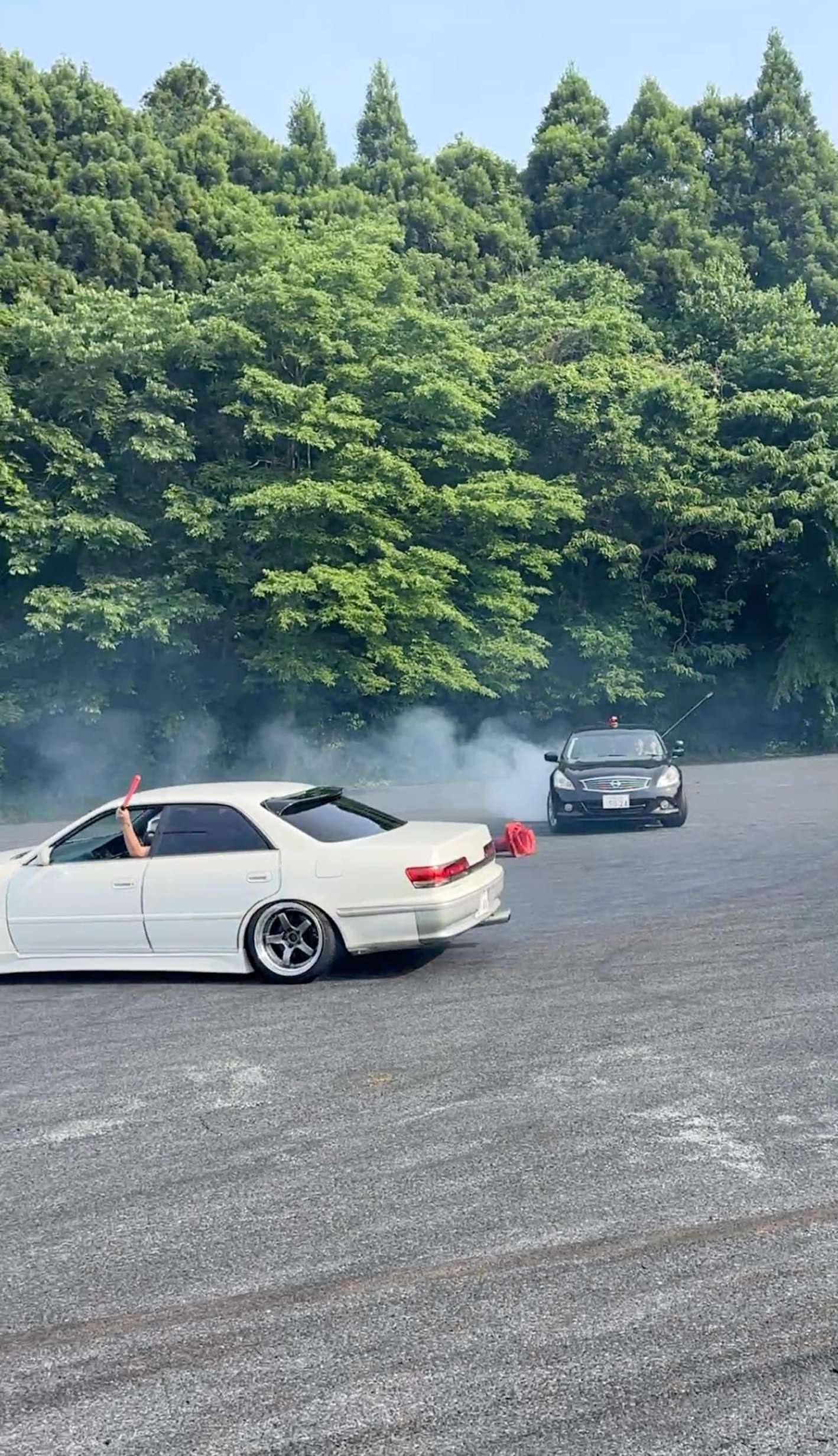
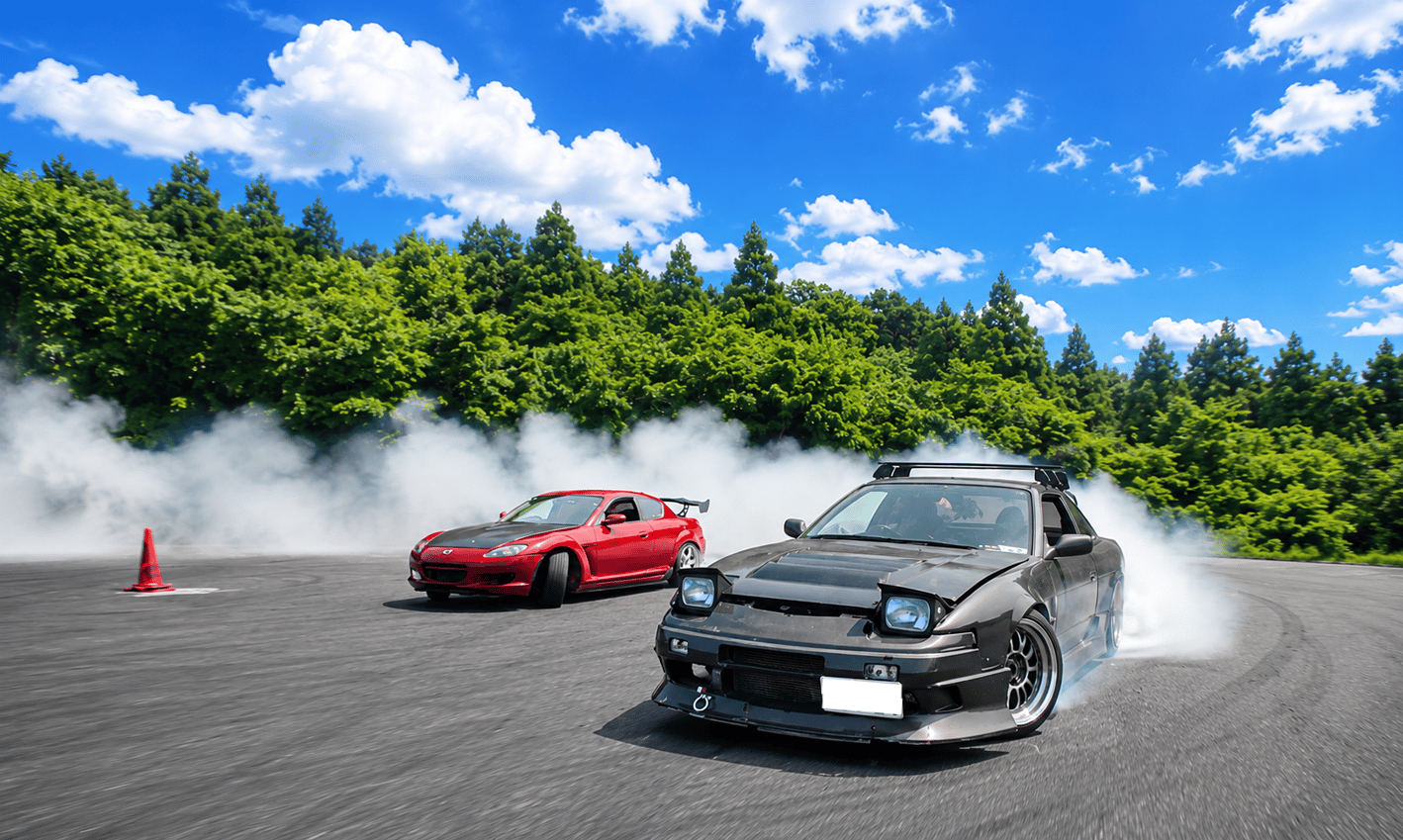
Separate the movie from the law first. Drifting on public roads is illegal in Japan, there is none at Daikoku, and there is no drift circuit in Tokyo at all. Every real drift experience means traveling to a circuit, in Chiba, Fukushima or Shizuoka.
The classic is Ebisu Circuit, north of Tokyo, where complete beginners start with circle work around cones on dedicated practice courses, one of them wet for easier slides. A full day with instruction, track time and a pro ride-along is the experience people describe as the best they have had.
Some private-circuit schools need no licence at all, since a closed course is not a public road, though most set a minimum age of 18 and an instructor rides with you.
Pro tipPro-tip Book drift lessons well ahead and check gear requirements: long sleeves, long pants, closed shoes. Beginners learn donuts in about an hour
To watch rather than drive, time your trip for the D1 Grand Prix, with a Tokyo round in October and the final usually in Odaiba in November, or catch events at Mobara and Nikko circuits. Street drifting spots stay secret; a local friend is the only realistic invitation.
Tour for this
TOKYO DRIFT 5.0 Real Fast & Furious Experience4.9★ (132) · 3 - 4 hours · Hotel pickup · Free cancellation
Other JDM car-spotting spots when Daikoku isn't the night
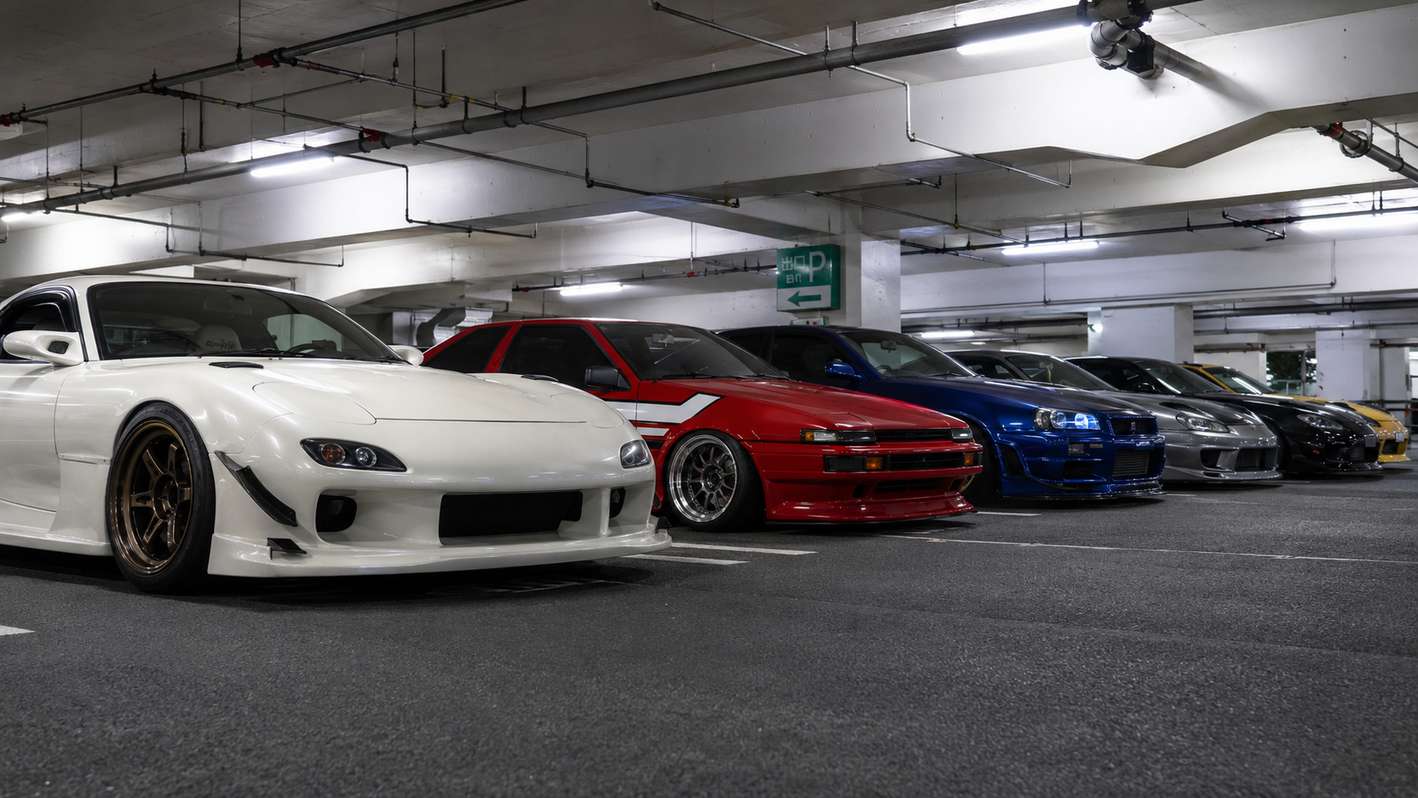
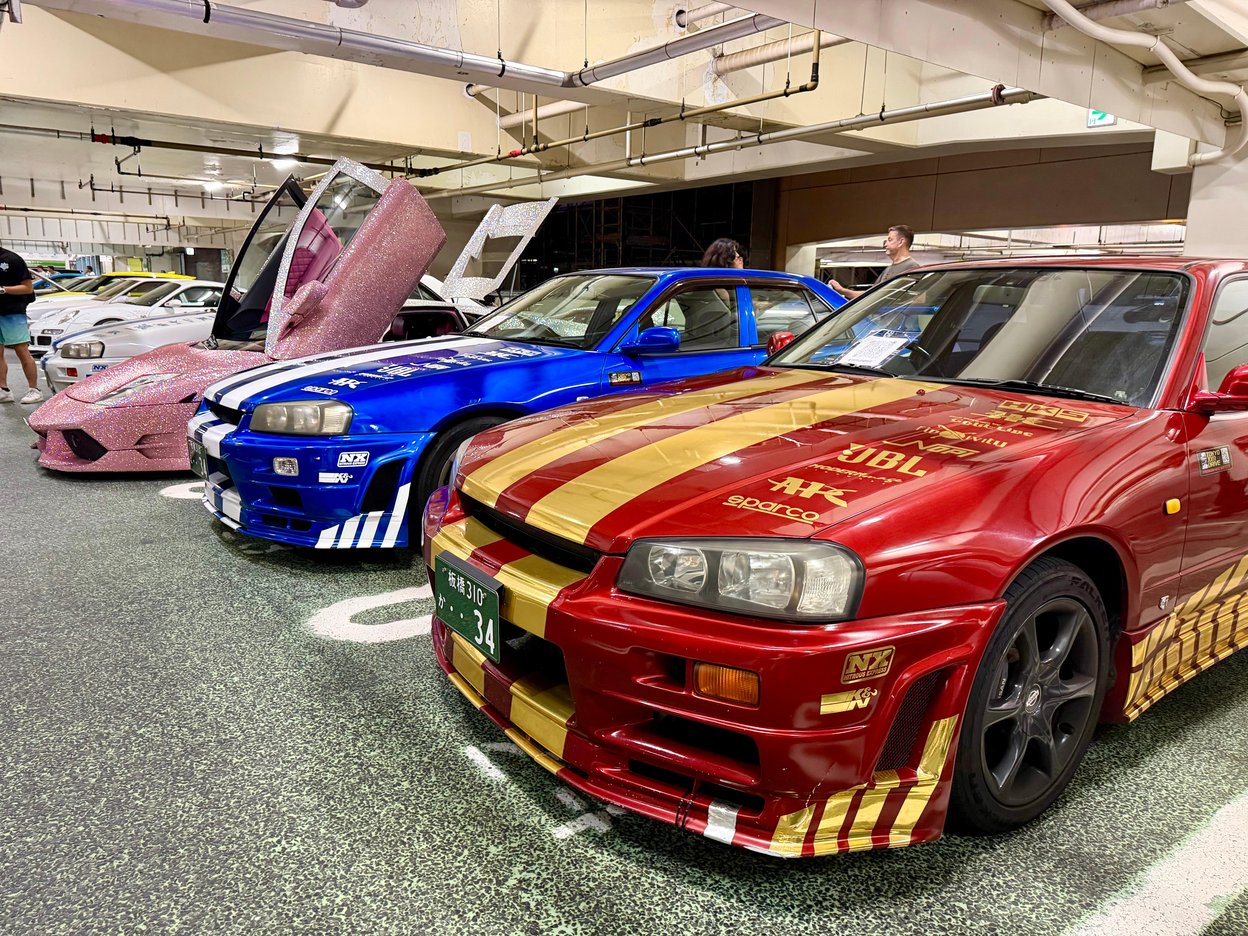
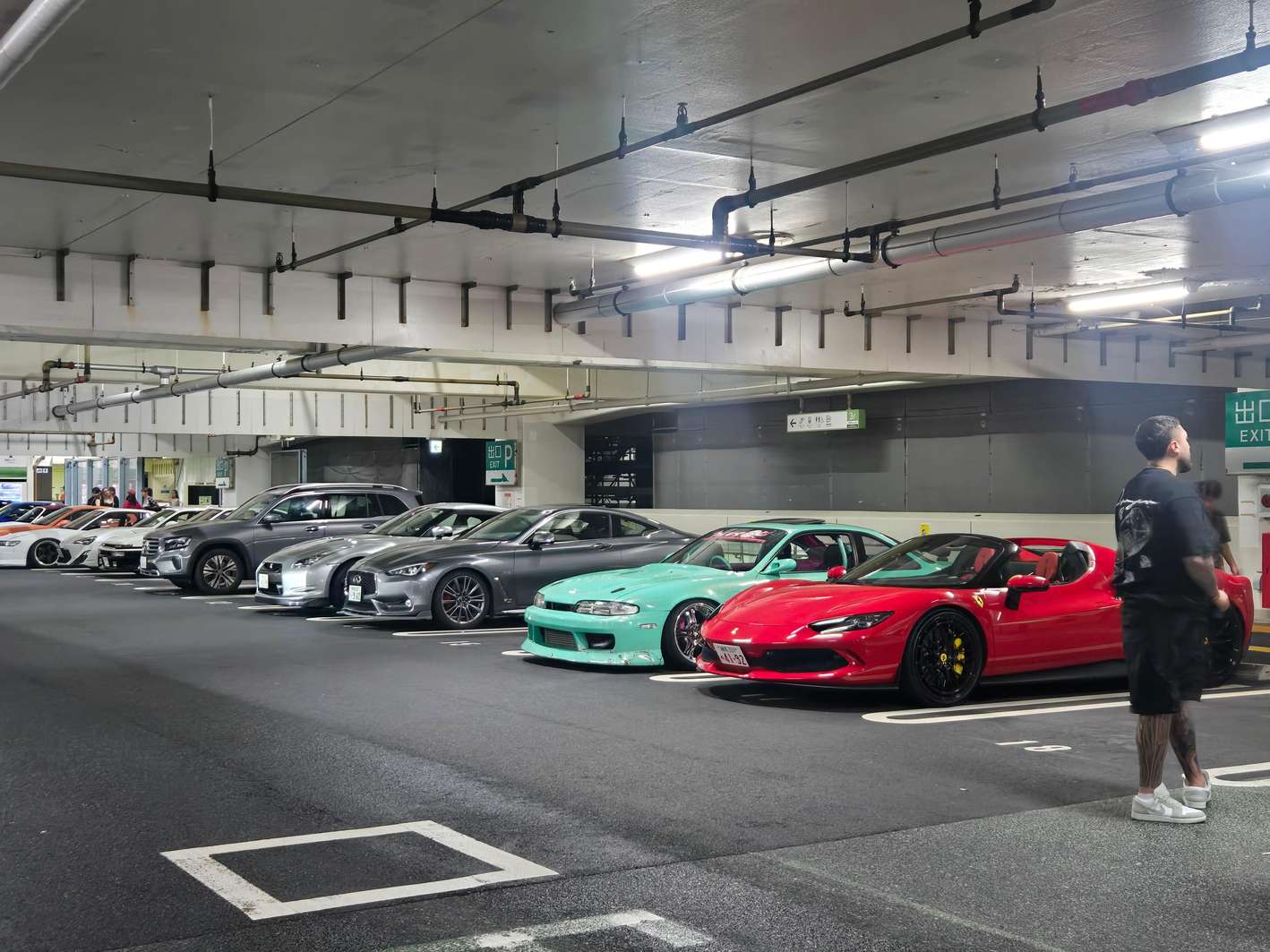
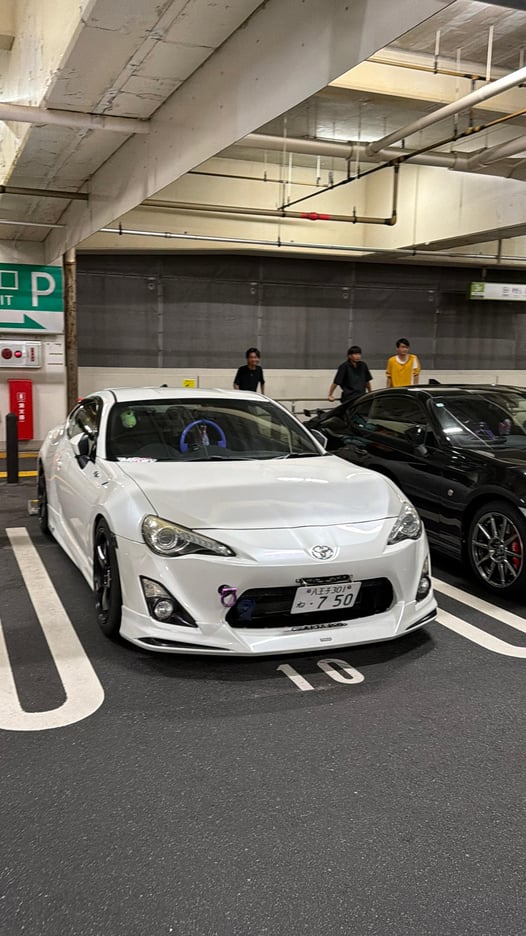
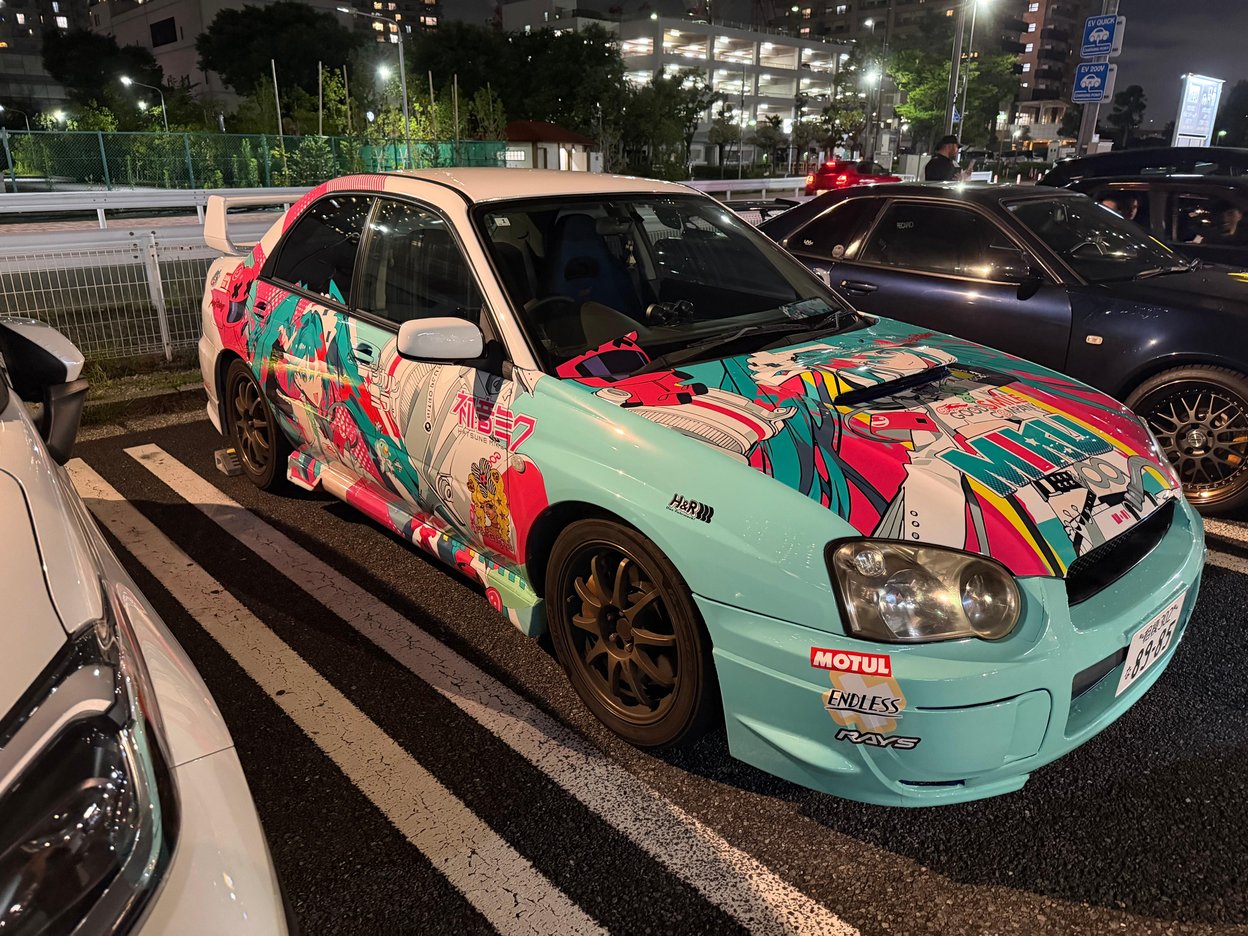
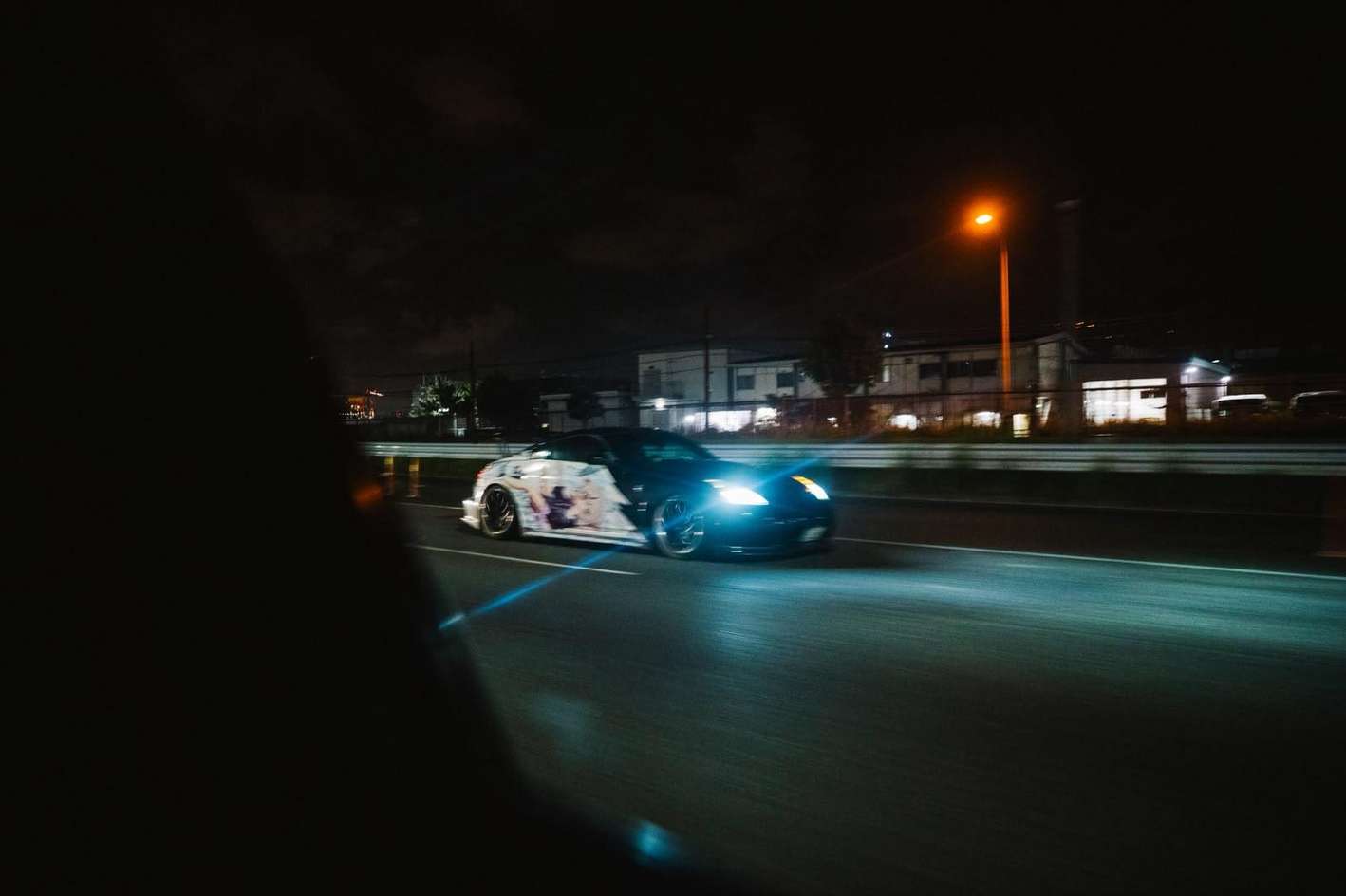
If the bay lots are closed or you want a no-planning evening, Tokyo has walkable backups. The Akihabara UDX underground garage, free and next to the station, fills with wrapped and anime-decaled cars on Friday and Saturday nights; security moves on anyone who stops too long to photograph, so keep it brief.
Shibuya near the crossing draws cool cars in the evening, and the Autobacs Shinonome parking lot hosts regular car events.
1
Evening
Shibuya crossing area
A few cool cars pass through on busy nights
2
Friday and Saturday night
Akihabara UDX garage B2
Free, walkable, itasha and wrapped builds
3
Event days
Autobacs Shinonome
Store-run car events in its lot
The scene is tied to roads, not one city. Tokyo Bay centers on Daikoku, Tatsumi and Umihotaru; the Kansai loop around Osaka and Kobe is the second pillar; Nagoya is a third.
Yokohama's docks are your best chance of glimpsing real street drifting. Countryside meets can hold a hundred or more cars, which Tokyo's scarce cheap parking makes impossible.
Tour for this
Tokyo: JDM Car Culture, Daikoku & Tokyo Drift Vibes4.8★ (715) · 4 hours · Free cancellation
Most pickups start around Shinjuku, which is worth arriving early for. Shinjuku Central Park sits four minutes away on foot, the Sompo Museum of Art seven, and Meiji Shrine and Shinjuku Gyo-en both within a twenty-minute walk. Fill the daylight hours before the night drive, since the tour will keep you out late.
Across the bay bridge from Daikoku, Yokohama's Minato Mirai packs the CupNoodles Museum, Cosmo World and the maritime museums within a short walk of each other, a good daytime pairing with any bay-side night.
The car-culture day trips most visitors miss sit further out: the Nissan Zama museum, the Fuji Speedway area with its visitors' center and motorsport museum, Honda's collection hall at Motegi, Nismo HQ, and the Tamiya and Spoon shops.
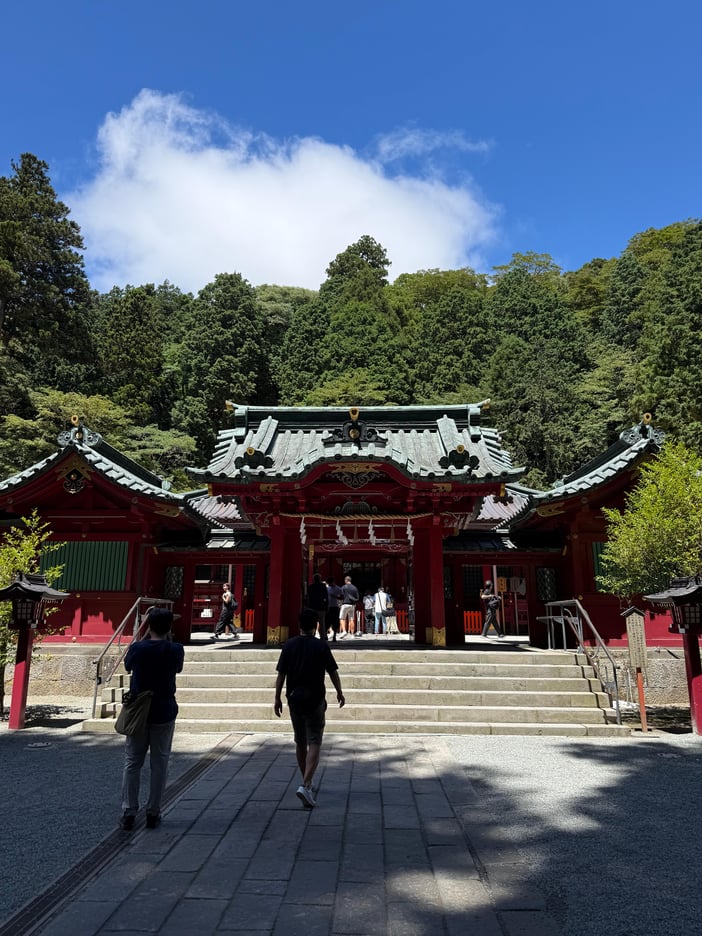
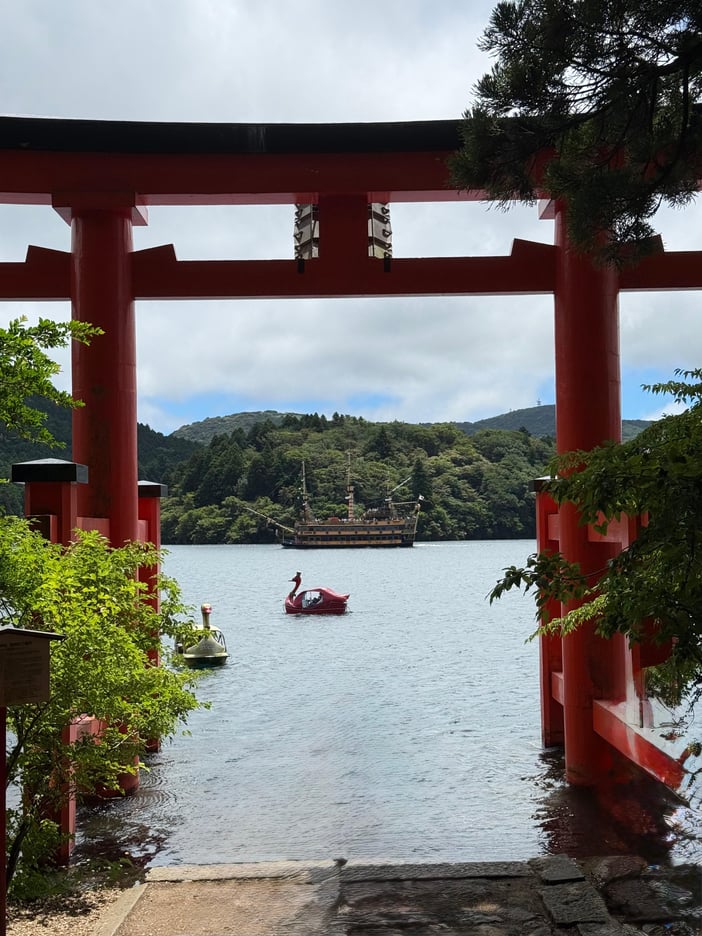
Factory tours need reservations, so book ahead. A Hakone driving day can finish by mid-afternoon with time for the ropeway to Owakudani before the evening bus back. Sketch the whole car-themed trip, not just the night.
Tour for this
Tokyo Night Drive: Wangan Highway, Daikoku & Tokyo Tower5.0★ (1) · 3 hours · Free cancellation
A JDM night in Tokyo delivers something no other city has: midnight expressways, Rainbow Bridge and a bay parking lot full of legends. Pick Thursday or a weekday for the best odds of a full evening, book a licensed operator with a clear fallback plan, and know which format you want before you pay.
Go for the ride and the atmosphere, and the night rarely disappoints.
Go ifYou want to see real Japanese car culture up close, not a staged showYou can stay out late; most tours run three to four hours and end near or after midnightYou are happy to be a respectful guest among owners and their cars
Skip ifYou expect drifting or street racing as part of the night; that is not what these tours areYou need a guaranteed spectacle on a fixed schedule; meets are spontaneousYou cannot handle a late night or standing outdoors in the season's weather
Our pick to book
Tokyo Drift Ⅲ: Fast·Furious Daikoku PA Modified JDM Car Ride4.7★ (1,358) · 3 - 4 hours · Hotel pickup · Free cancellation
Quick answers to the questions people ask before booking a JDM experience in Tokyo.
What is a JDM experience tour in Tokyo?
It is a guided outing built around Japanese car culture, usually a night ride in a modified JDM car with stops at Daikoku PA, Tokyo Tower and Rainbow Bridge. Most versions last three to four hours and you ride as a passenger, so no driving licence is needed.
Do I need an international driving permit for a JDM car tour in Tokyo?
Not for the standard tours. You ride as a passenger with a local driver, so no permit is required. You only need one if you book a self-drive option or rent a car yourself.
What is the difference between a JDM car meet and a car show?
A meet is an informal, free gathering of enthusiasts at a parking area with no schedule and no organizer. A car show is a ticketed event in a convention center with product debuts and demo cars. At a meet you see privately owned, real-world builds.
Can I watch drifting at Daikoku PA?
No. Daikoku is a parking lot, and drifting there would bring the police. Legal drifting happens at circuits like Ebisu, north of Tokyo, and organized events such as the D1 Grand Prix hold rounds in Tokyo in October.
Is drifting on public roads in Japan legal?
No. Drifting on public roads is illegal in Japan, and no advertised public-road drift events are open to tourists. If you want to try drifting yourself, a private lesson on a closed circuit is the way to do it.
What happens if Daikoku PA is closed on the night of my tour?
Police can close the lot without notice, most often on weekend nights from around 8:30 pm. Most tours divert to a fallback spot such as Umihotaru PA or Tatsumi PA, and several offer a full refund if you decline the alternative.
When is the best night to see the biggest car meet in Tokyo?
Friday and Saturday nights draw the biggest crowds, with cars filling the lot from around 5 pm and the deepest crowd between 9 pm and 1 am. Sunday mornings are the classic window for classics and exotics, and weeknights run quieter but are rarely empty.
What etiquette should I follow at a JDM car meet?
Never touch, lean on or sit in a car without the owner's permission, and ask before photographing close-ups. Do not rev engines or block lanes, take your rubbish with you, and keep your voice down. Behavior is watched by police who act on complaints.
Can I drive the car myself on a JDM tour?
On most tours, no: a professional driver is behind the wheel and you ride as a passenger. If you want to drive, look at self-drive options and rentals, which require a valid international driving permit or, for some countries, a JAF translation of your licence.
What should I bring on a JDM night tour in Tokyo?
Comfortable shoes and clothes, a camera or charged phone for night photos, and a light jacket because parts of the evening happen outdoors by the water. Eat beforehand and bring water, since most tours include no food, and leave large suitcases behind.
How far in advance should I book a JDM experience in Tokyo?
Sort out your ride before you arrive: tours sell out, and turning up hoping for a seat is a gamble. April, September and October are the busiest months, so book several days to a week out then, and confirm a specific car at least 48 hours ahead if one model matters to you.
Is a JDM car experience worth it if I am not a car enthusiast?
Many travelers say yes. The night drive through Tokyo's tunnels and across Rainbow Bridge is a highlight in its own right, the city views are spectacular, and the atmosphere at the meets is social and welcoming even if you cannot tell an Evo from a Silvia.