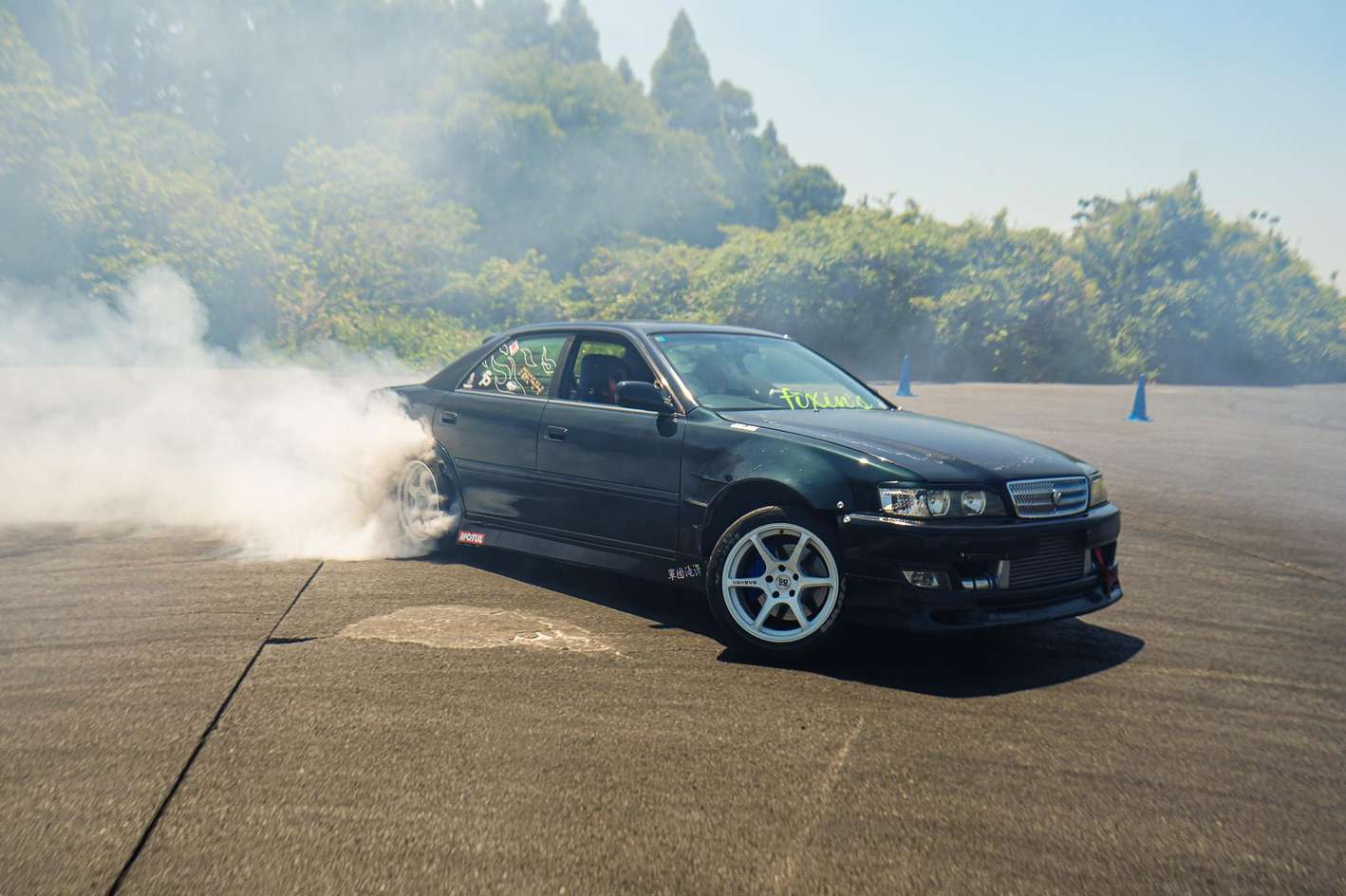
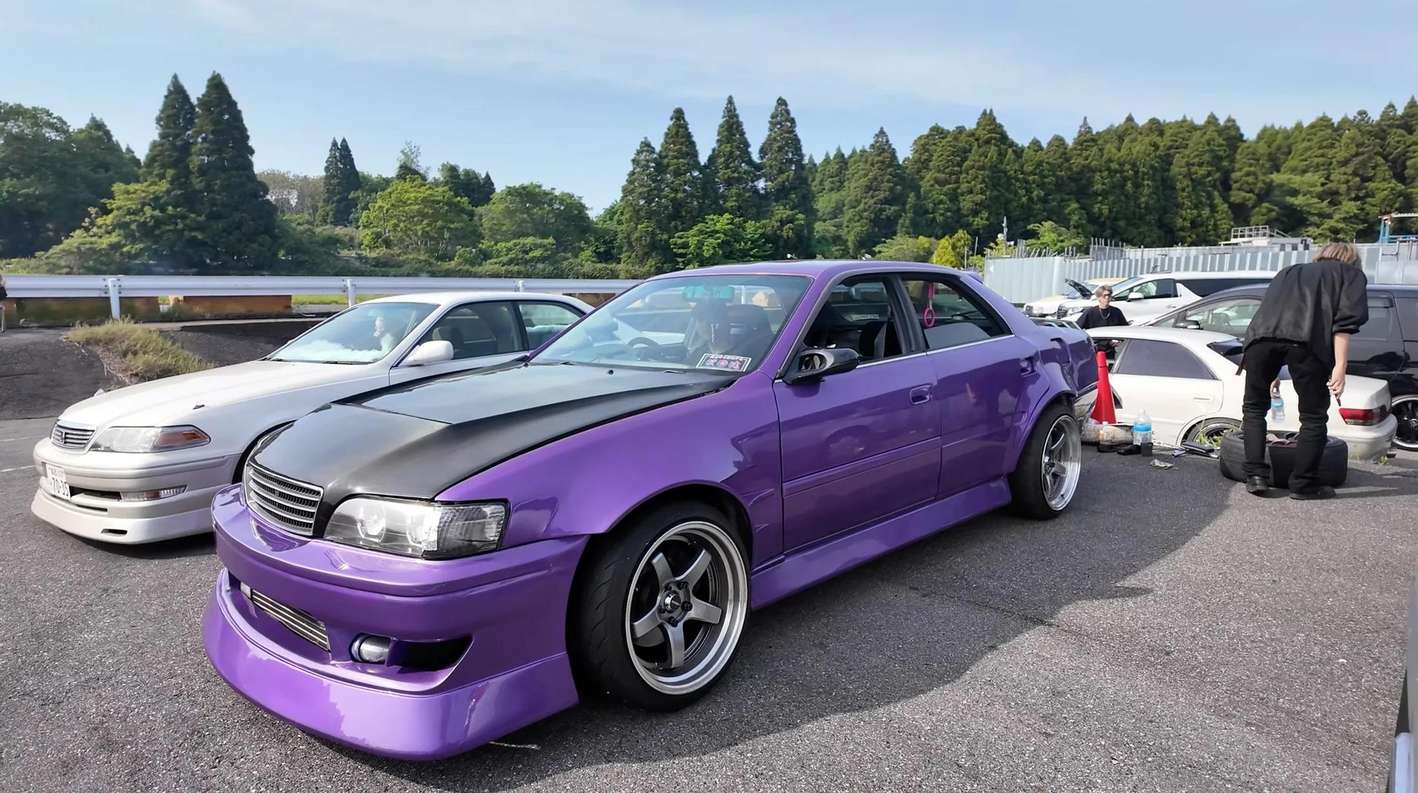
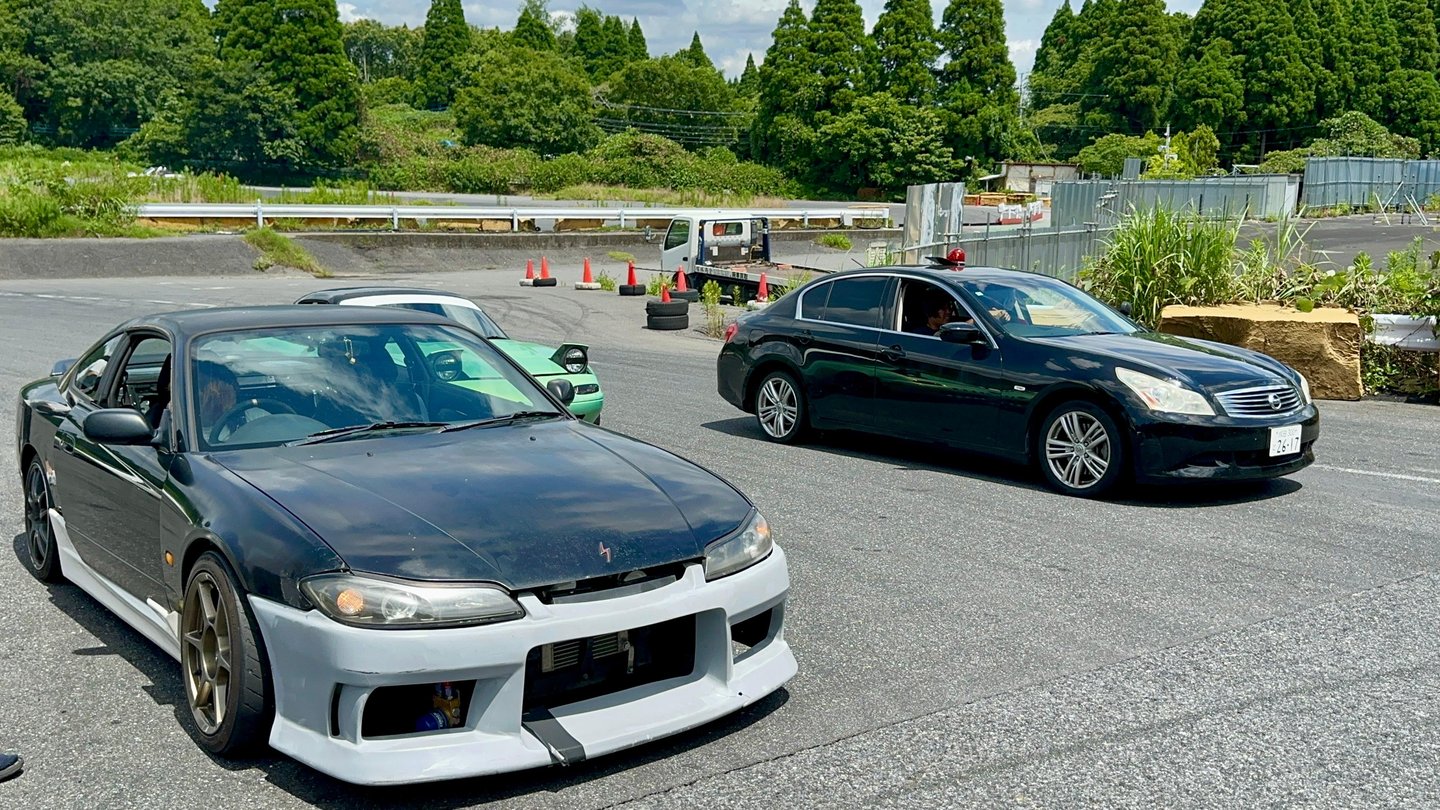
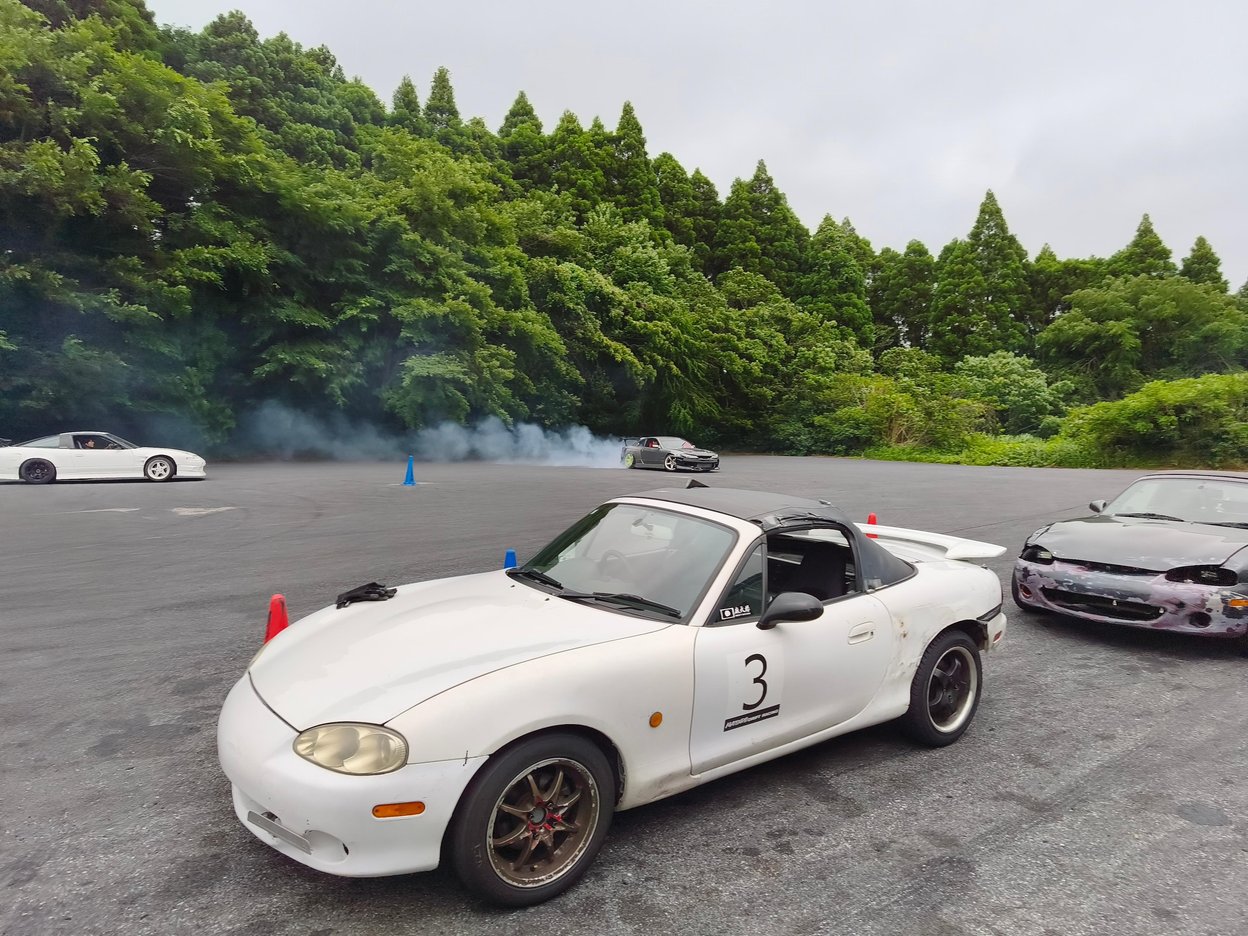
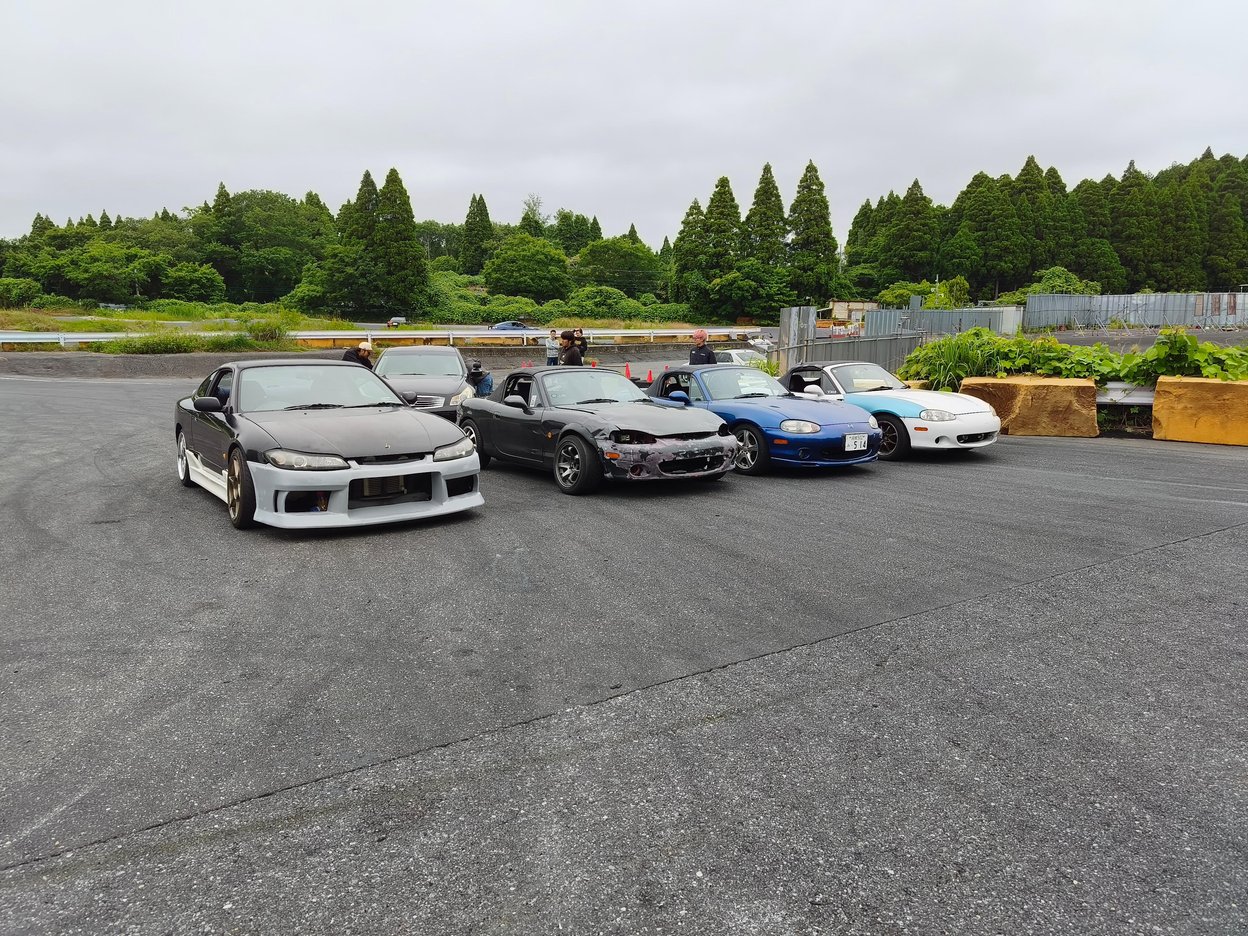
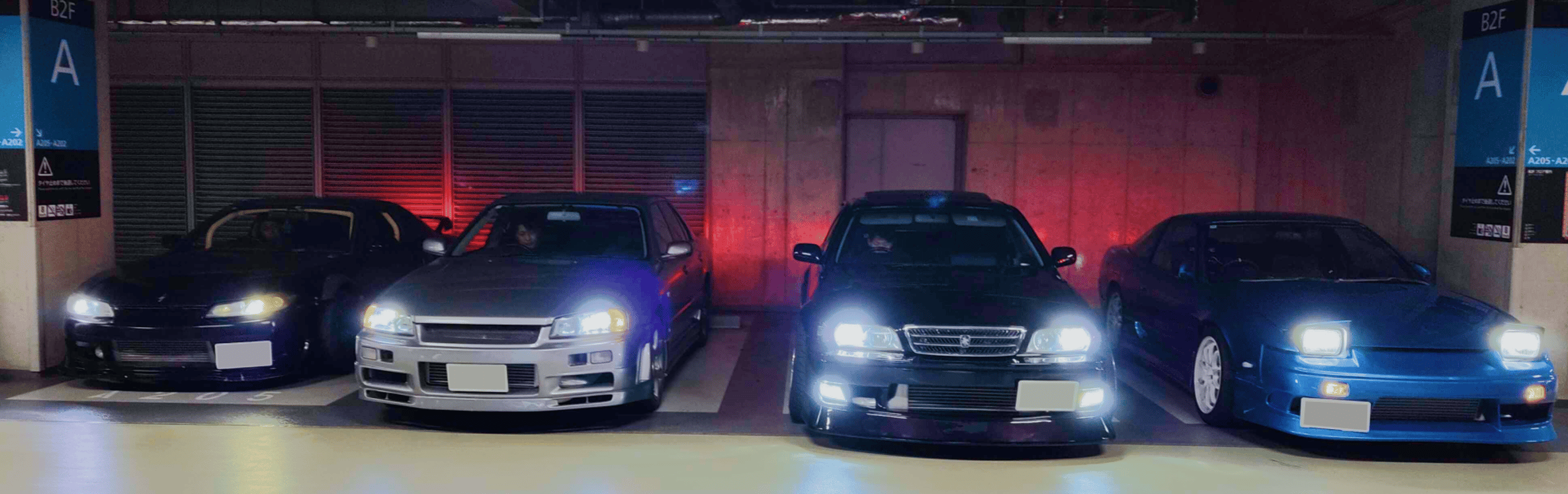
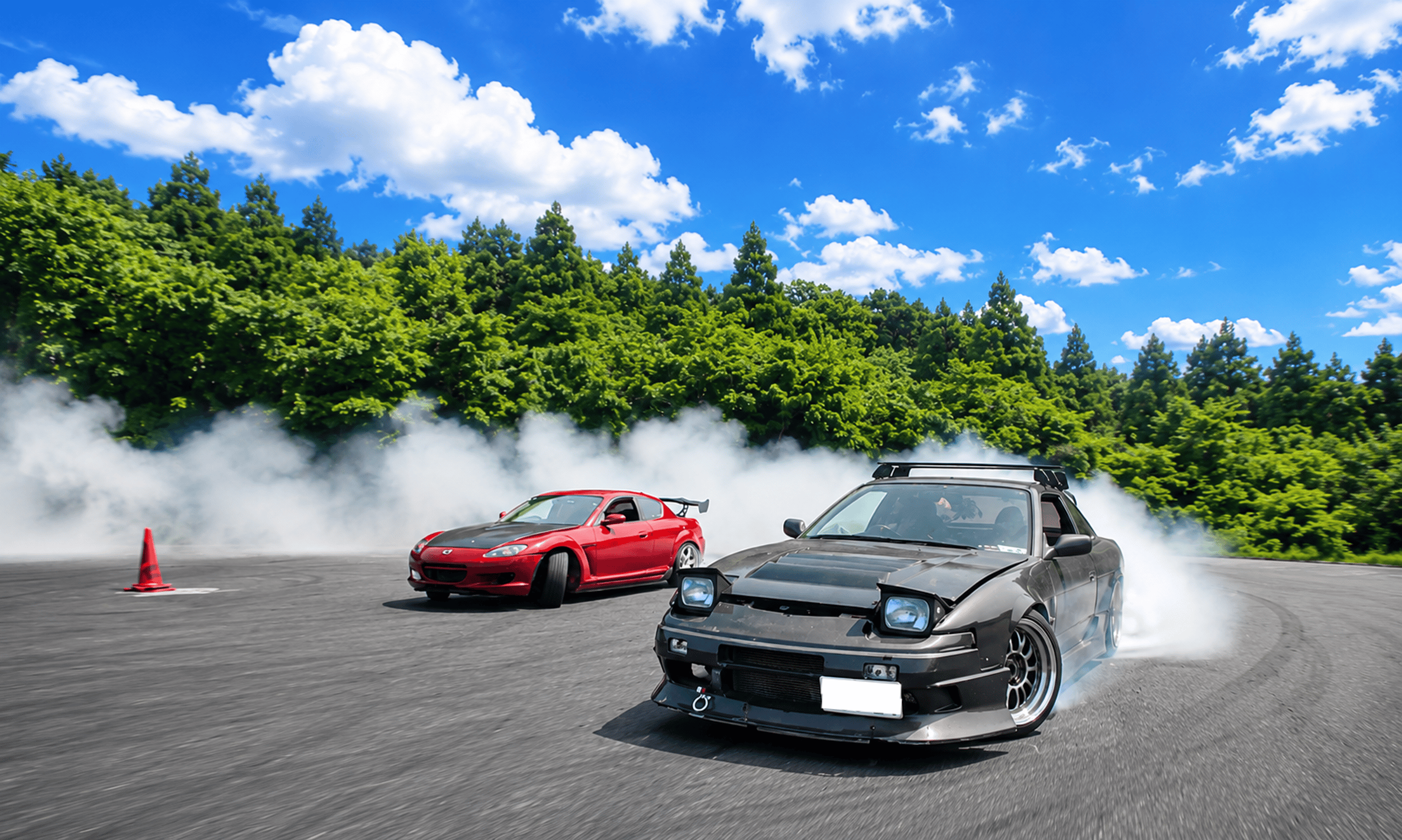
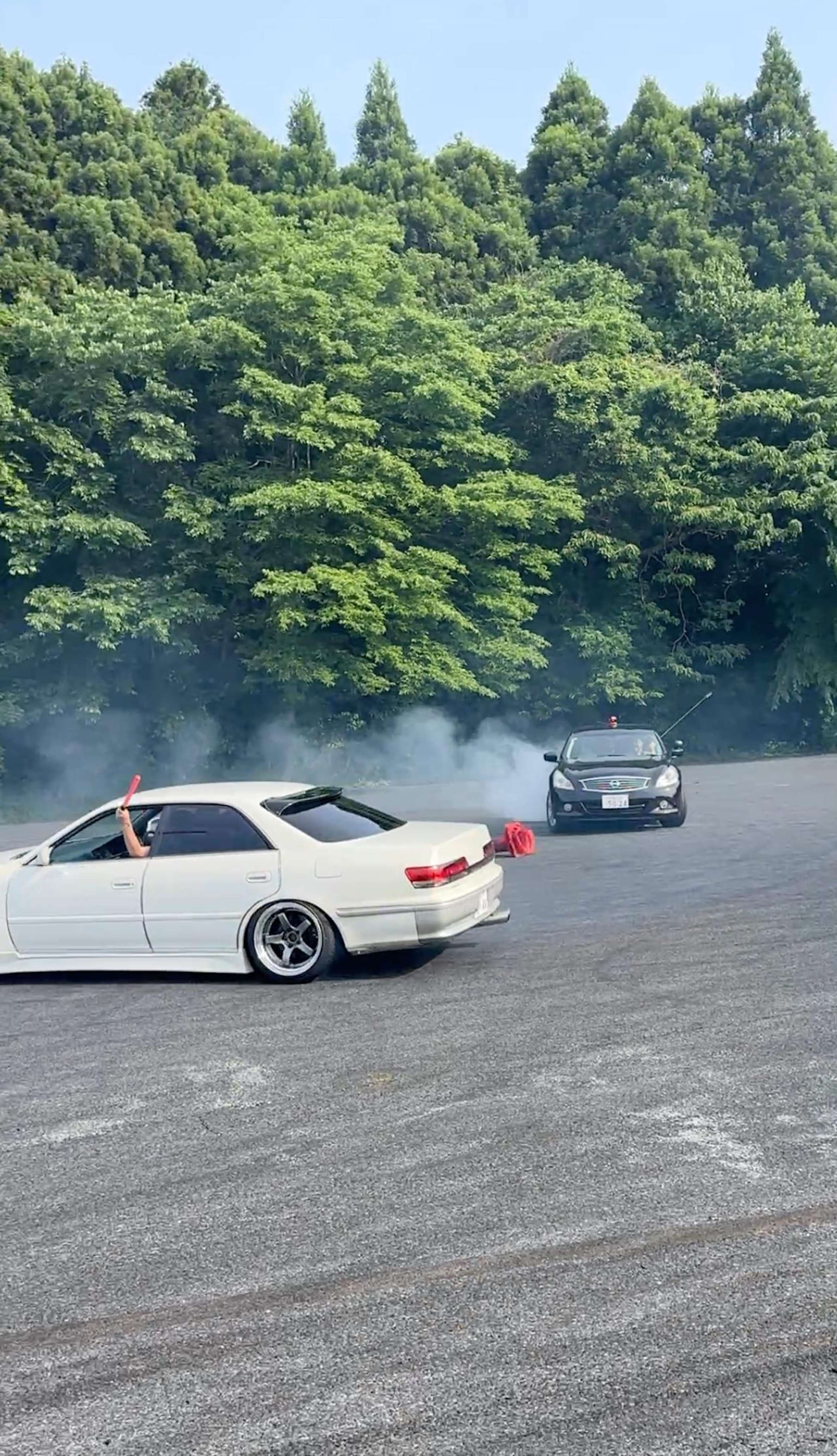
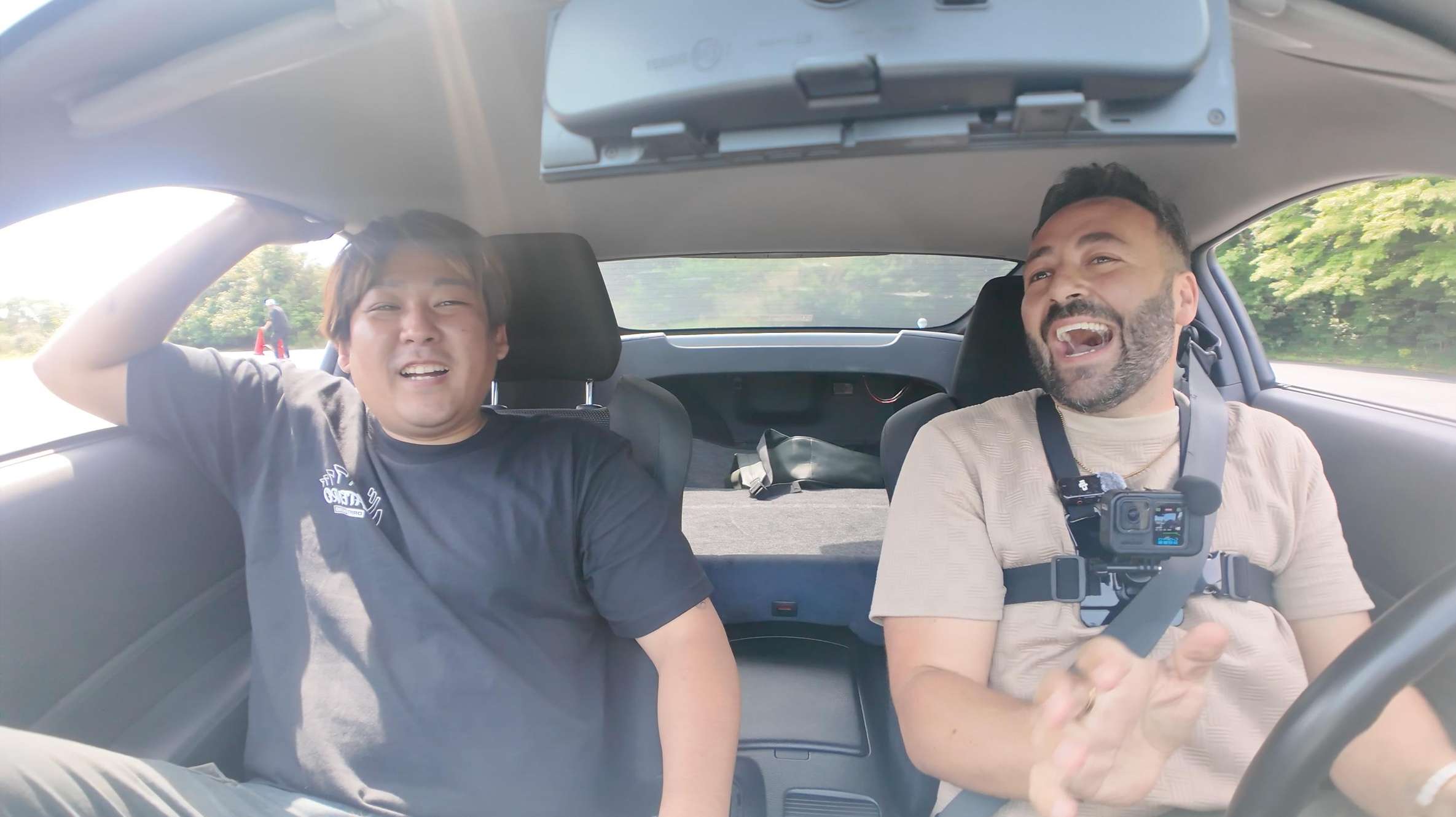
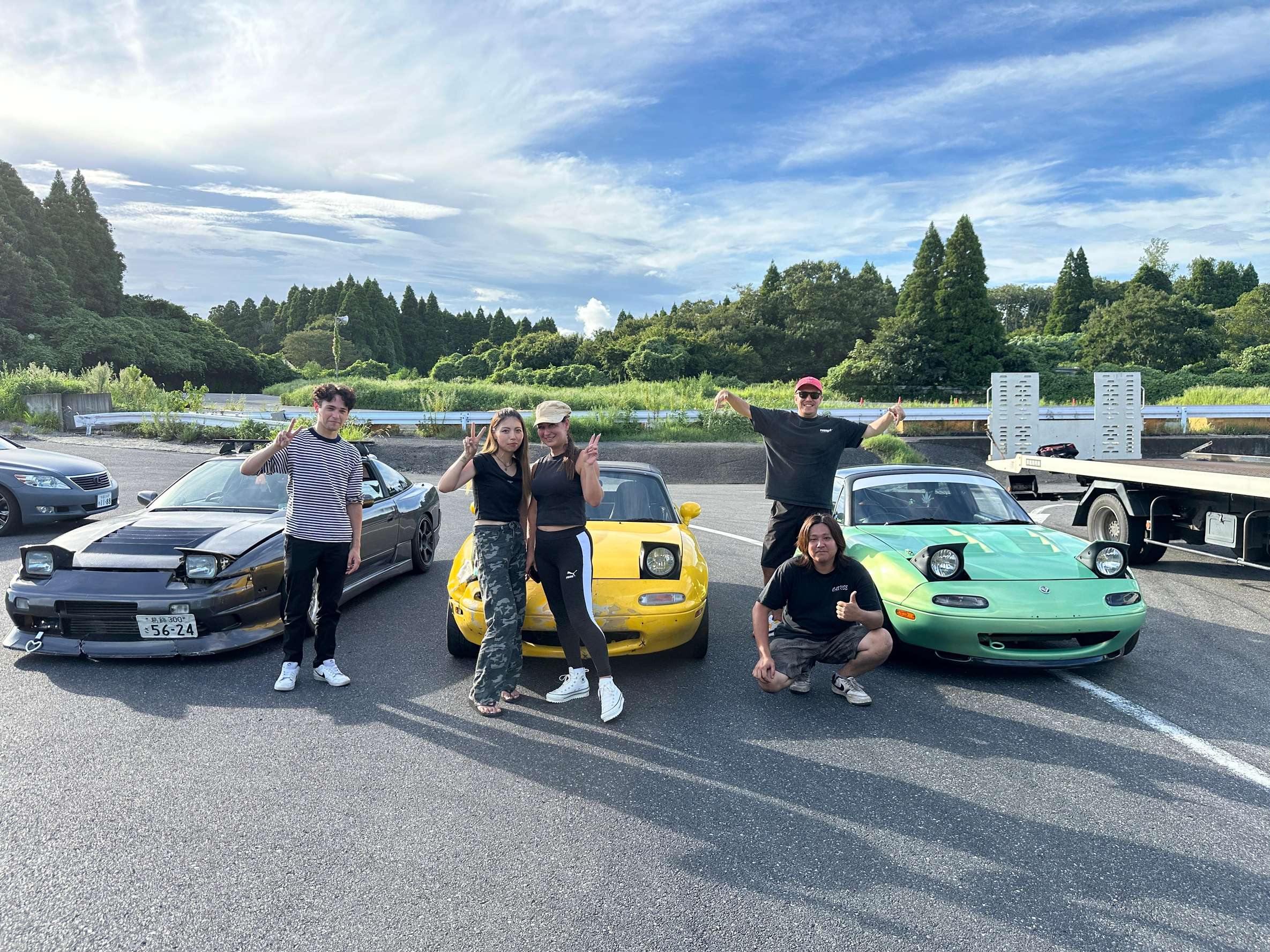
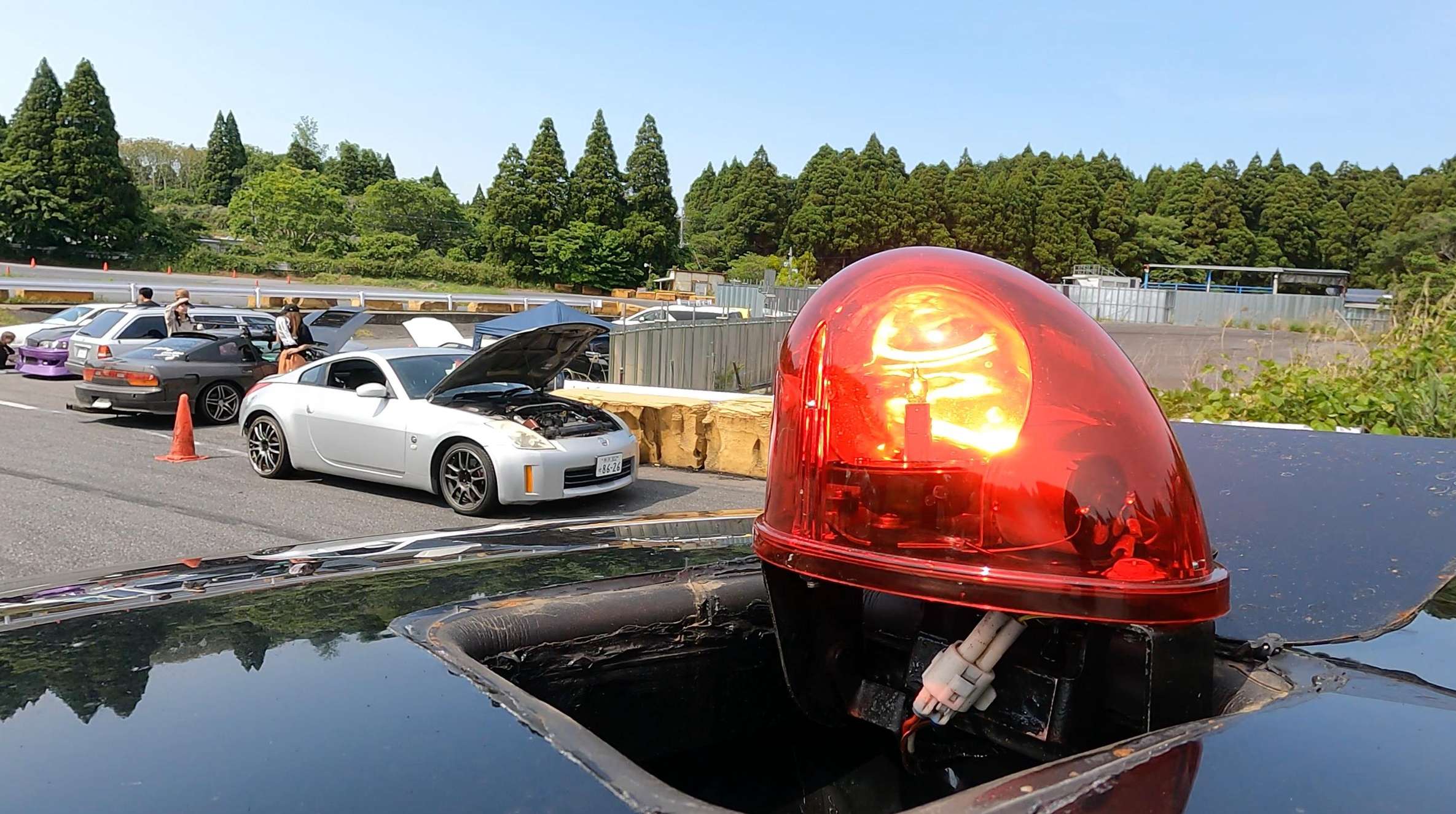
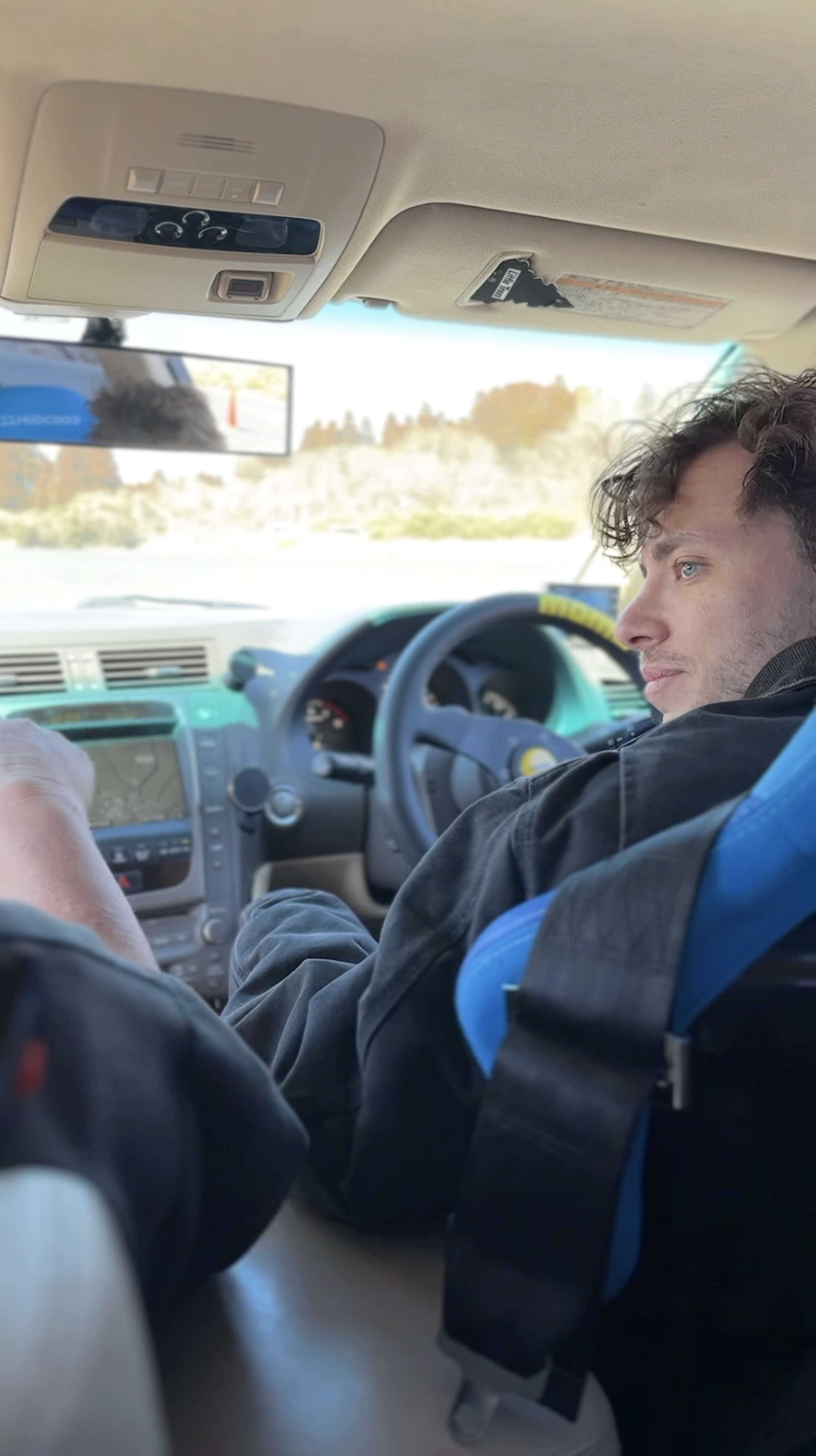
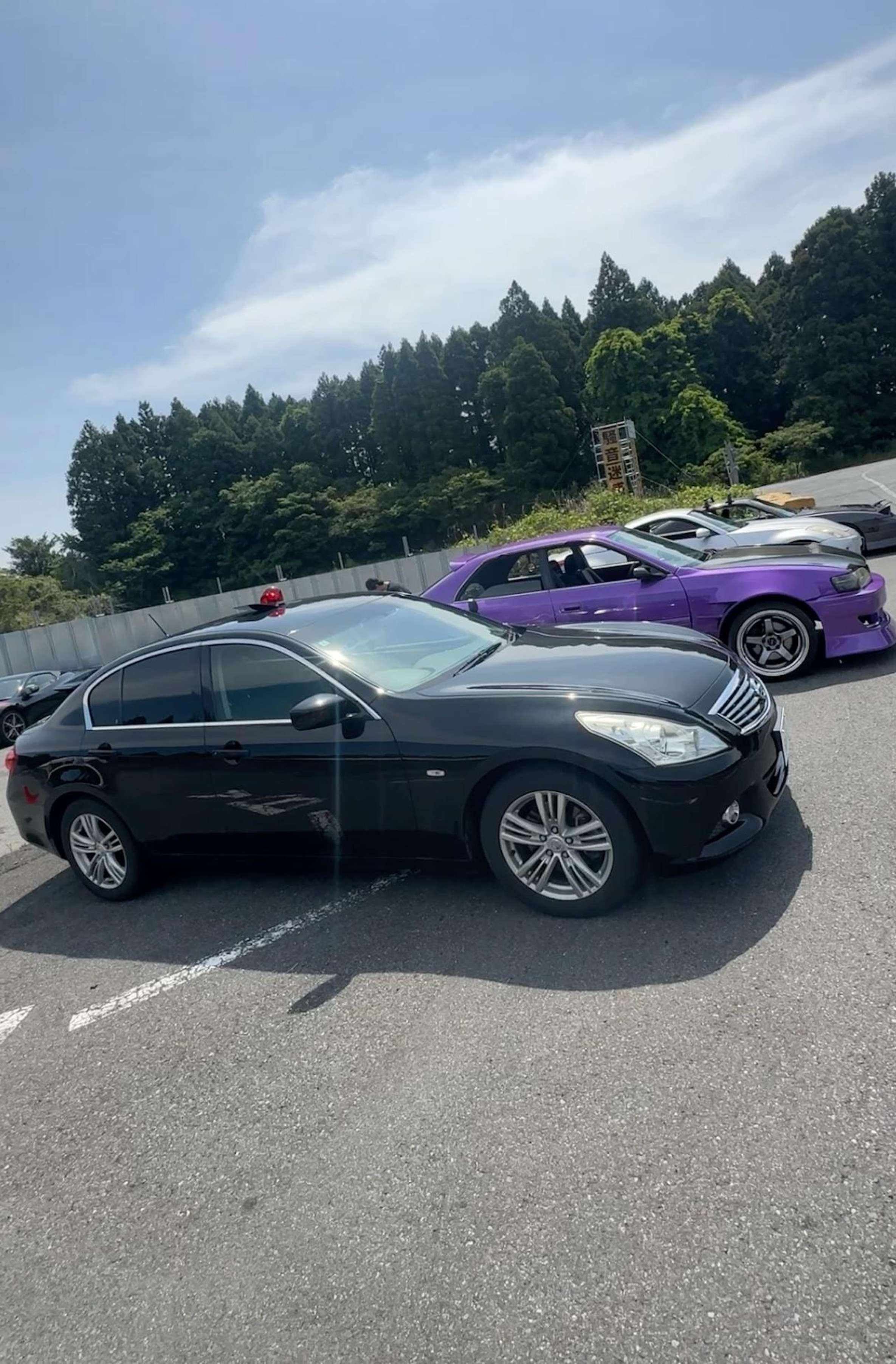
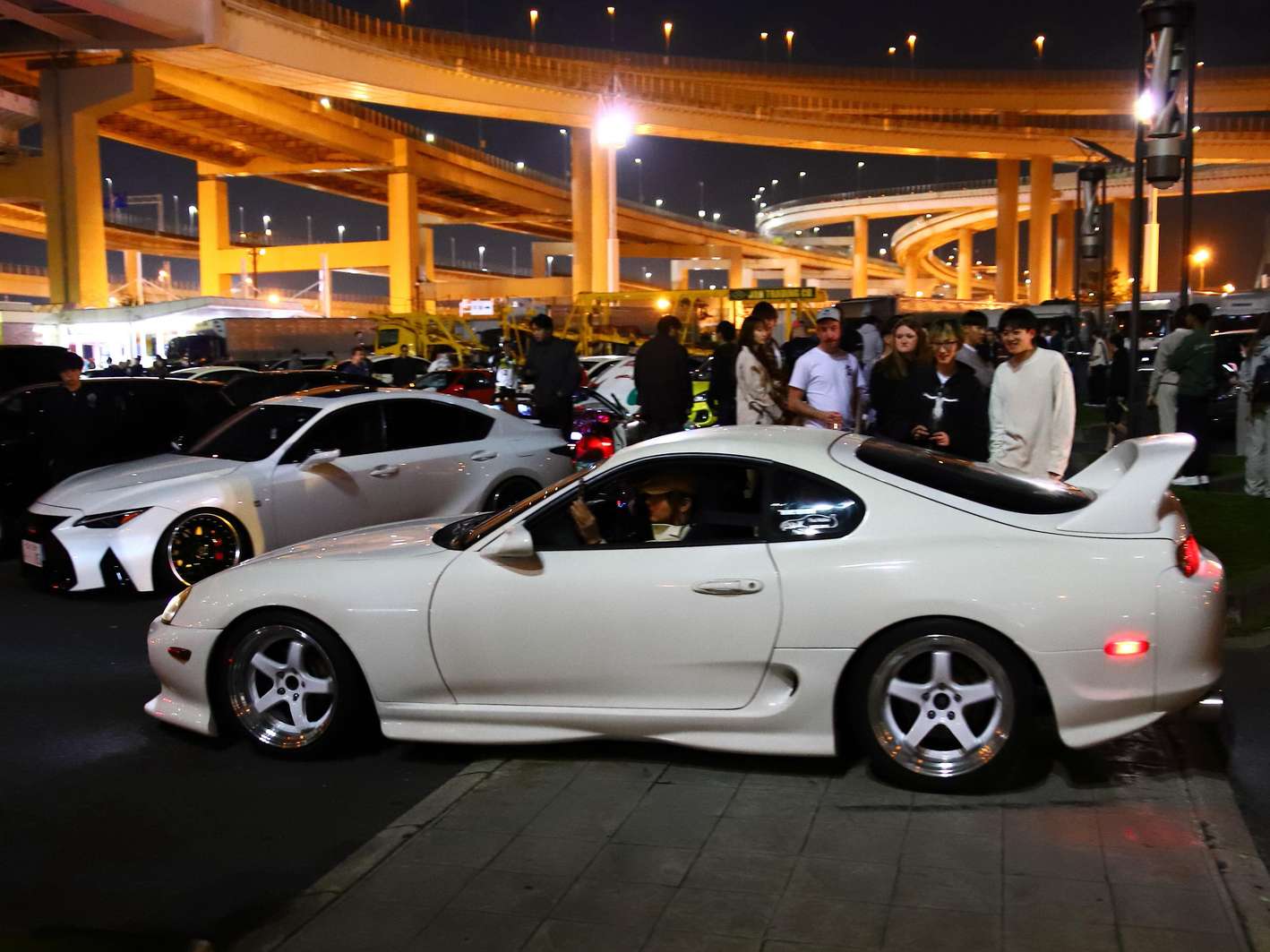
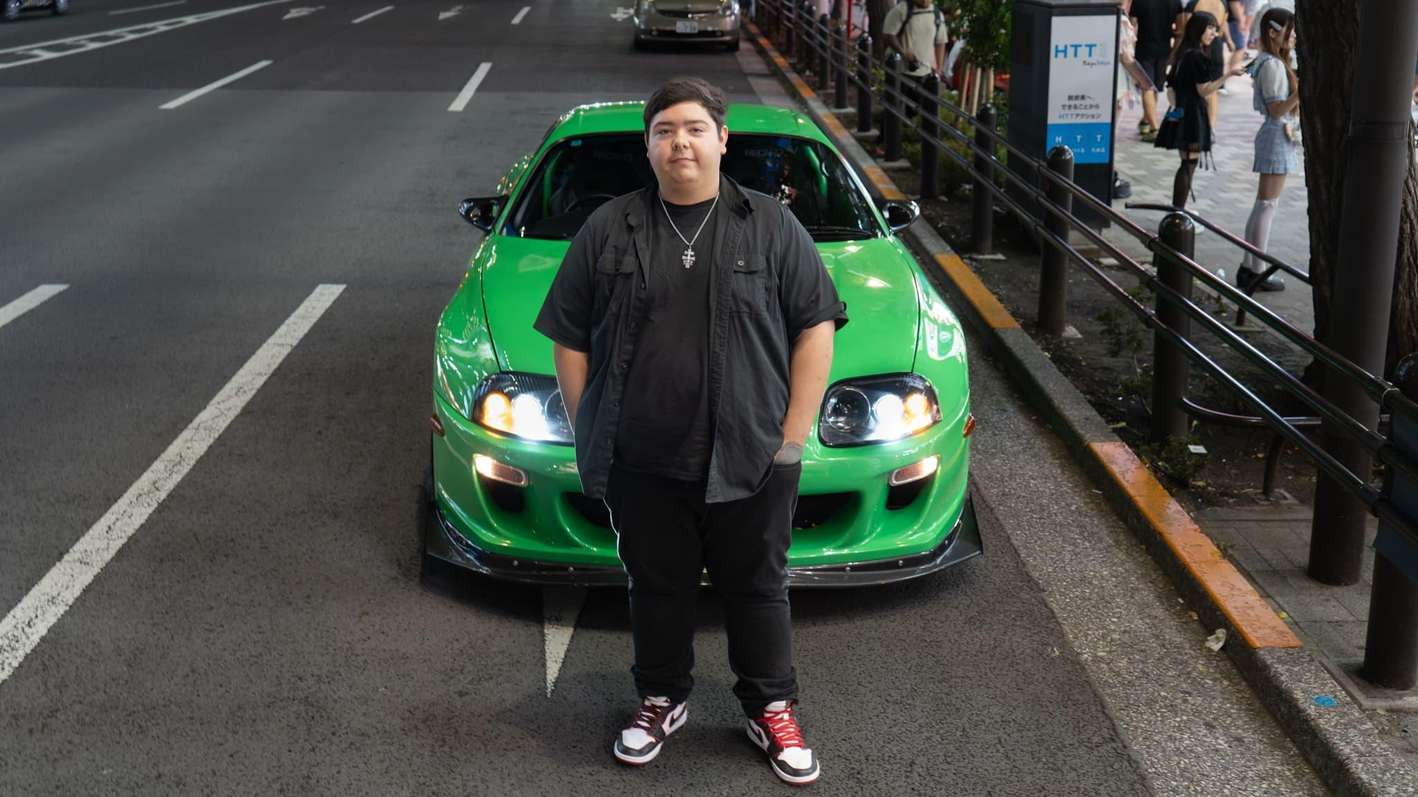
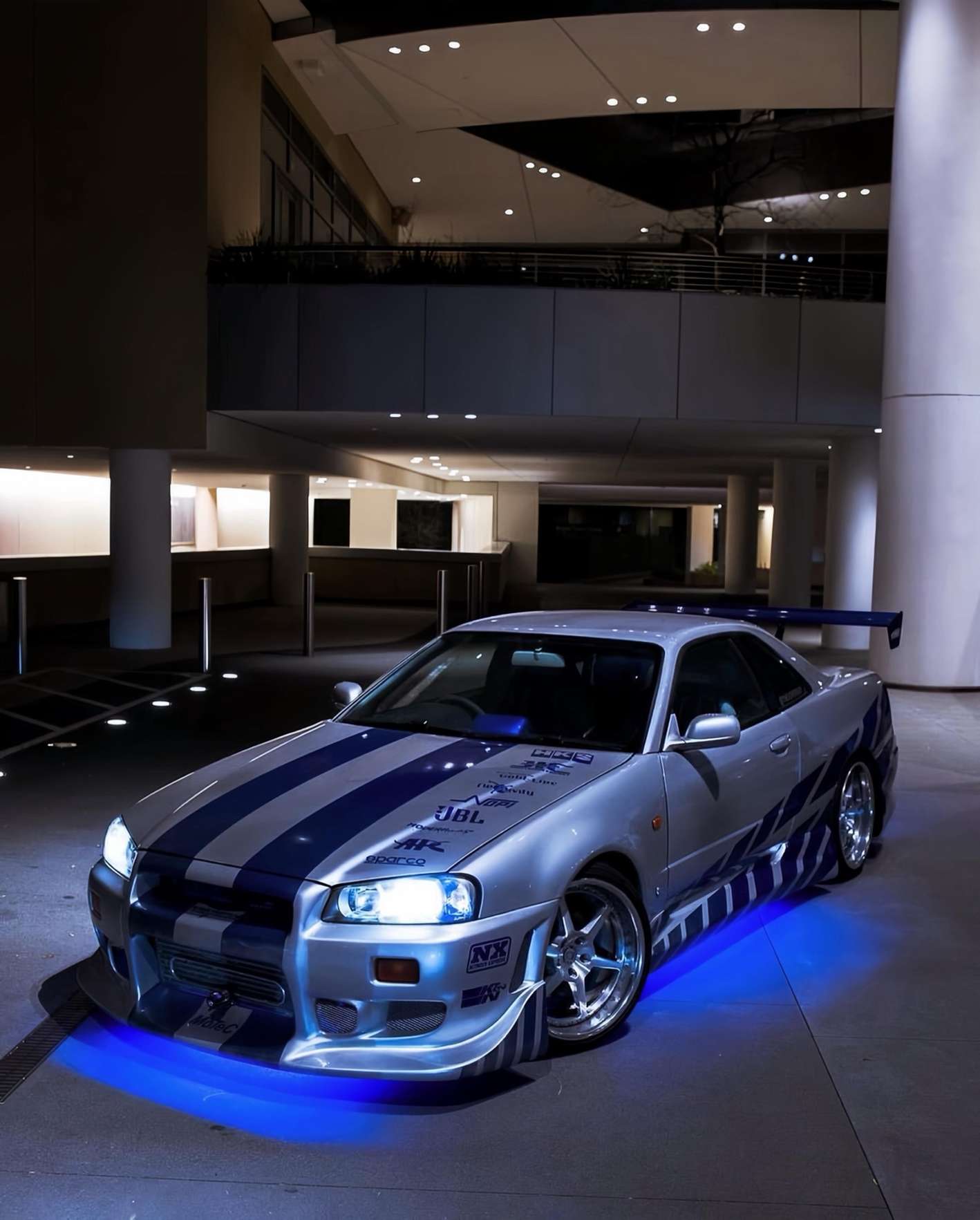
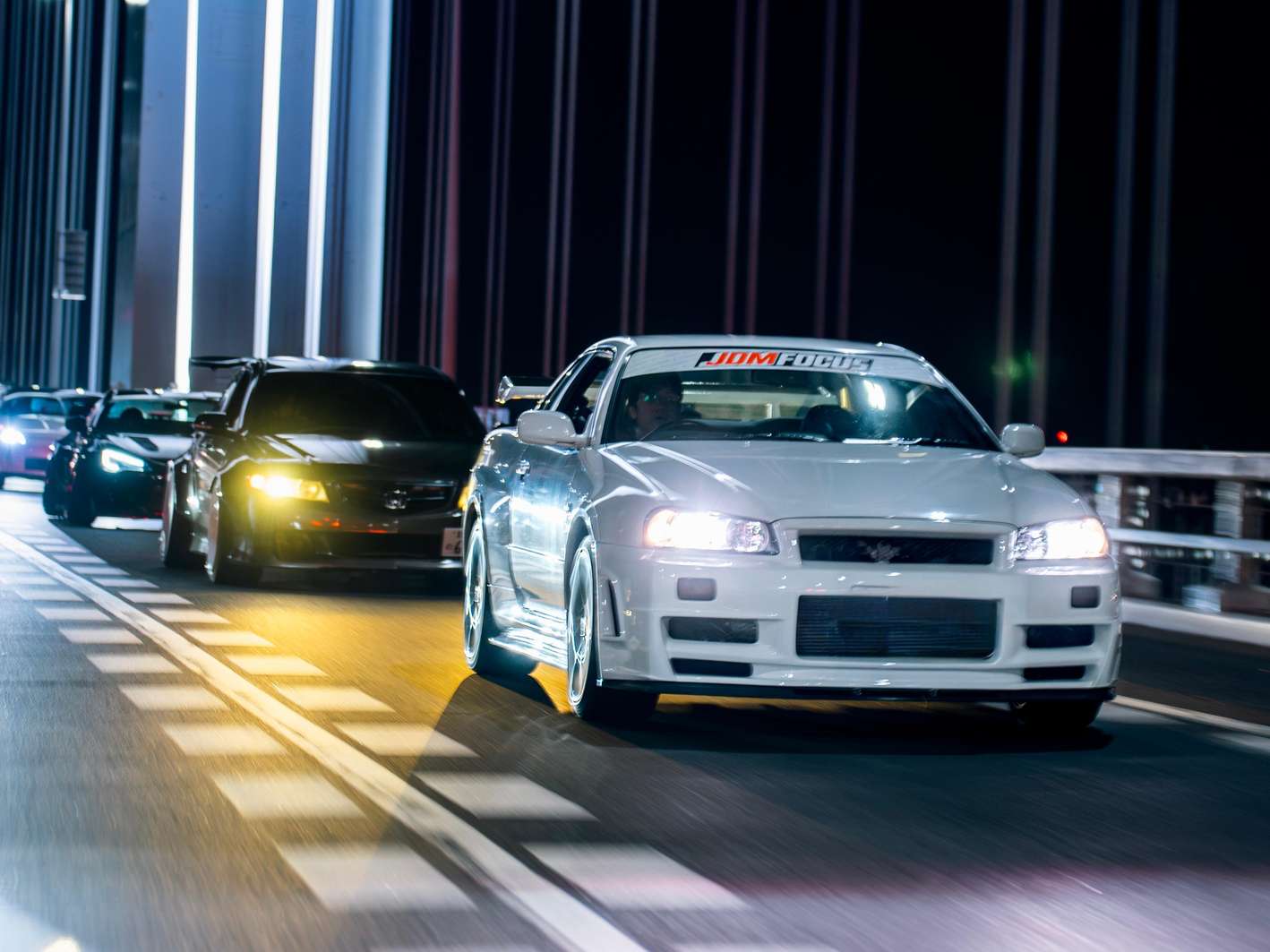
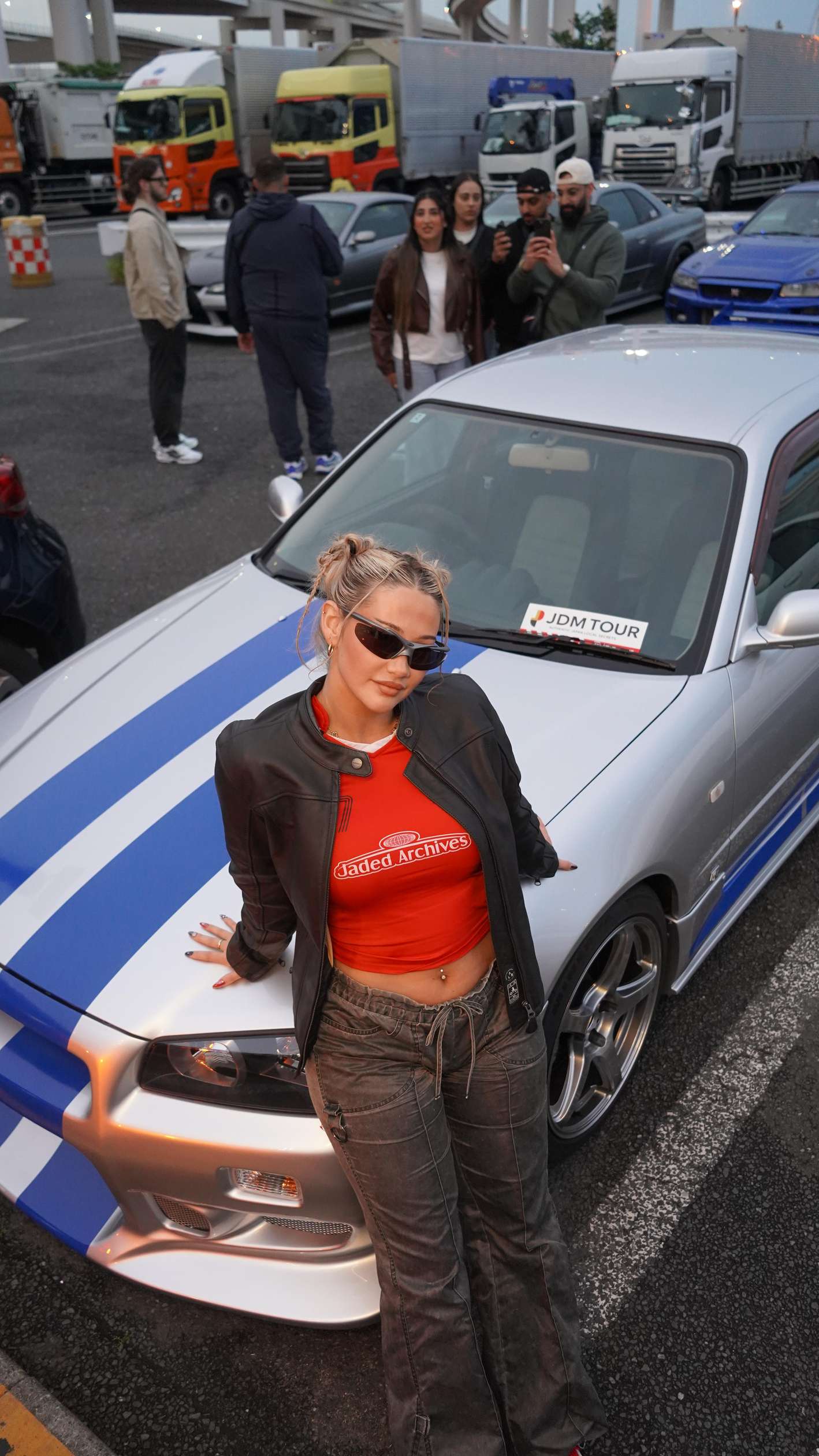
4.9578 drift fans chased down by the replica patrol car
Tokyo Drift Tour Guided Rides and Track Experiences
Book the drift night you actually want - ride shotgun with OG drift drivers, learn a donut in a private lesson, or take the wheel at Ebisu Circuit. Real drift-built JDM cars, closed circuits, hotel pickup from Tokyo, and a replica police chase to finish. Pick your seat and lock it in.
4.9★average rating578traveler reviews100%free cancellation41countries travelers came from
Tokyo Drift tour - which one fits you
A Tokyo drift tour comes in four shapes: a night ride to the Daikoku car meet, a full day at Ebisu Circuit, a ride-along with a replica police chase, or a lesson where you take the wheel yourself. The one difference that decides it is whether you watch and ride or actually drive. Riders get the atmosphere; drivers need a full day and long sleeves.
LicenceRide-along and night tours need no driving licence at all; self-drive drift lessons require no licence either, but self-drive car tours elsewhere on the site need an International Driving Permit or a JAF translation.
AgeDrift lessons have a minimum age of 18, and anyone under 18 must come with a parent or guardian; one self-drive experience is not suitable for children under 15.
What to wearThe circuit and lesson tours require long sleeves, long pants and closed shoes, and the lesson bans sandals, so pack sneakers.
ClosuresDrifting on public roads is illegal in Japan, so real drifting happens on closed circuits like Ebisu; you cannot see drifting at Daikoku PA, which is a parking lot.
BookingA private drift lesson is booked an average of 20 days ahead, so reserve early; peak months are April, October and September.
TimingA drift lesson takes about 3 hours with roughly 1.5 hours of transport each way from Tokyo, so the whole activity runs about 6 hours.
On boardThe Daikoku night tour bans smoking and vaping in the vehicles, with a cleaning fee for violations, and asks you not to sit on hoods or touch the carbon-fiber body kits.
GroupsOn the Daikoku tour your group may be split across two cars for seating, though both cars drive and park together.
MessagesOne night tour operator sends a WhatsApp message about an hour before the start, so keep notifications on after booking.
WeatherRain thins the car meets, and heavy rain or police activity can close a parking area, in which case tours move to a fallback spot such as Umihotaru PA.
closurePolice can close the Daikoku PA car meet on the night itself, and weekend nights are the most likely to end early, so no tour can guarantee the lot stays open.
Pick a tour that diverts to another bay spot such as Umihotaru or Tatsumi when Daikoku closes, and check the refund policy before booking so you know what happens if you decline the alternative.
Choosing your JDM Drift tour in Tokyo
Cheapest night ride
3 - 4 hours·Chinese, English
4.9(260)
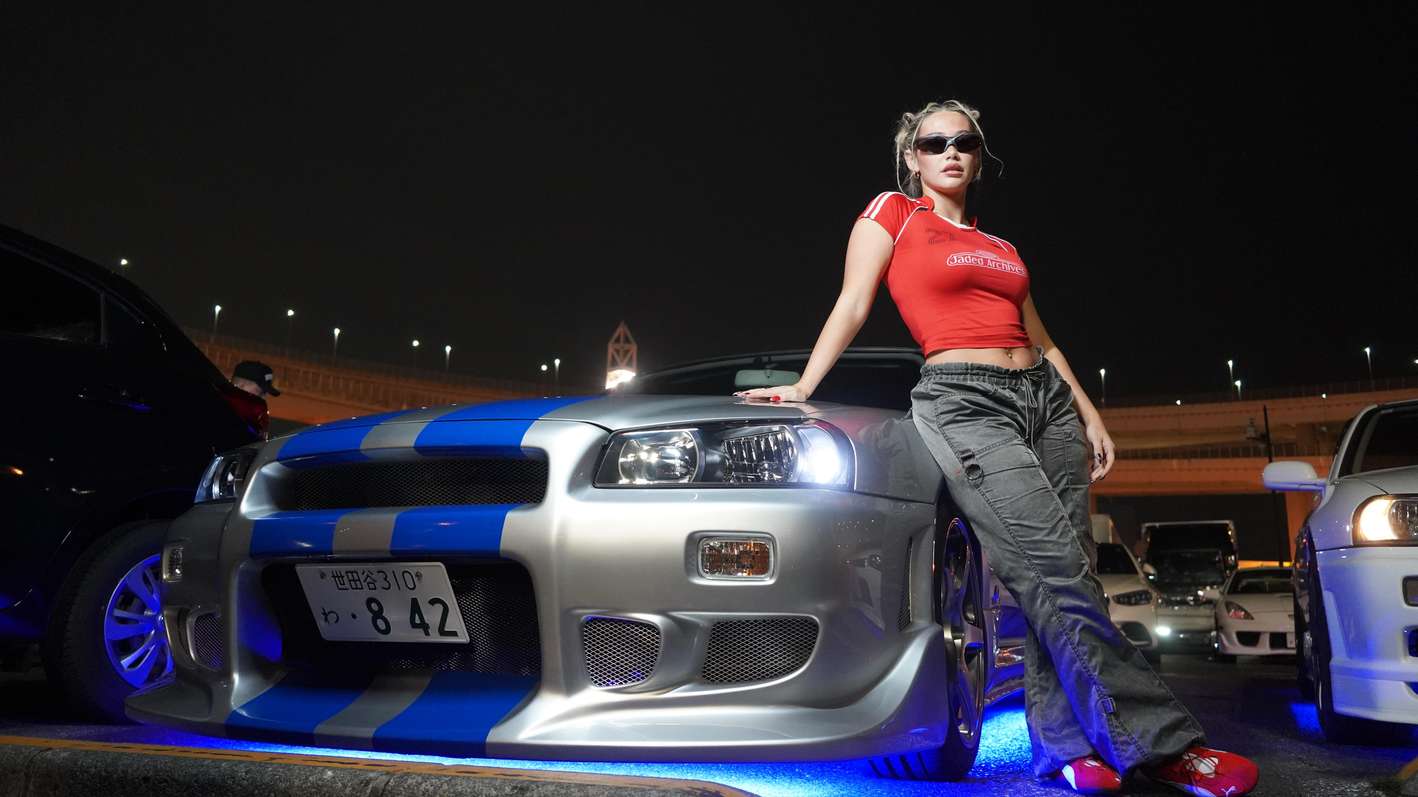
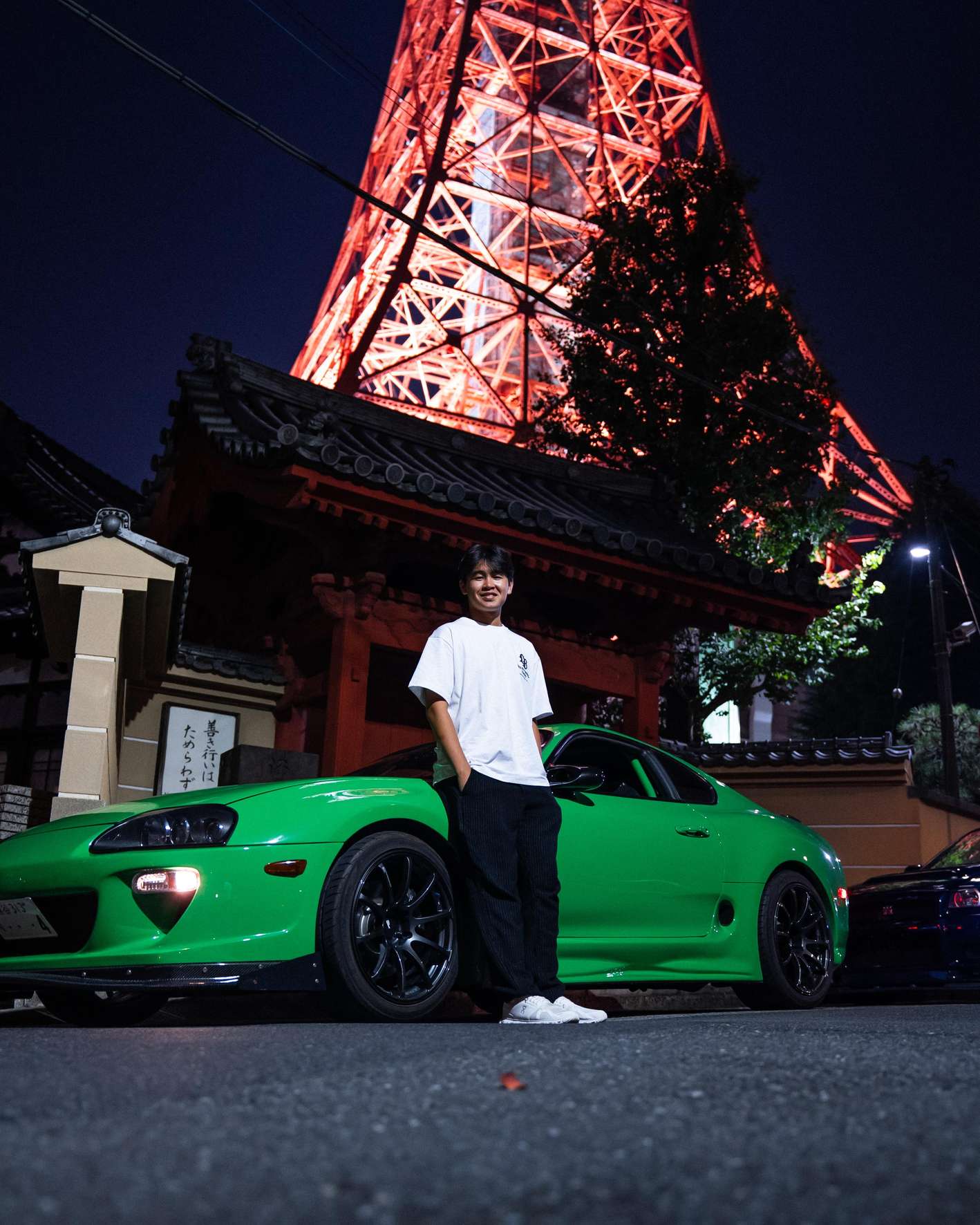
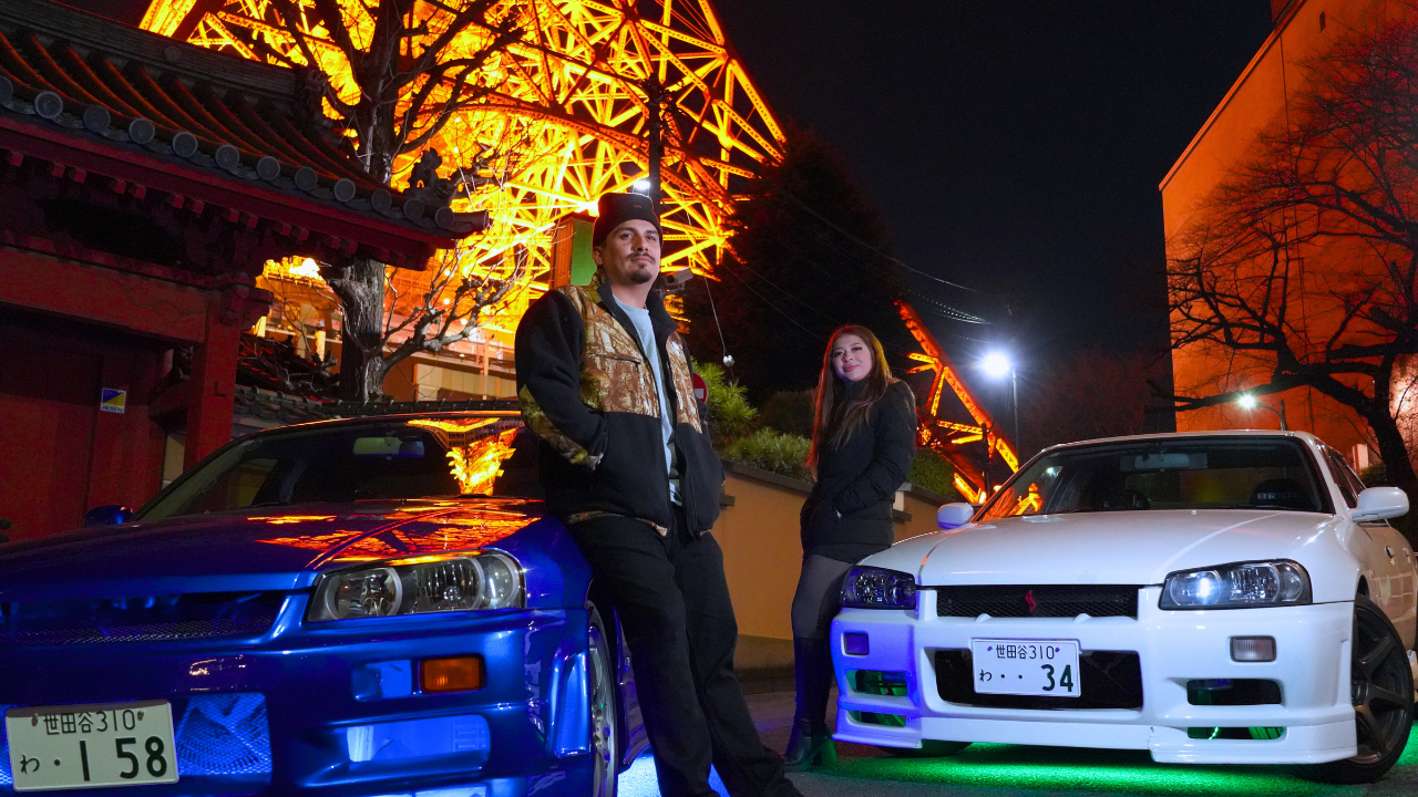
Fast and the Furious lll/Tokyo Tower/DAIKOKU PA/JDM Car Meet
The lowest entry on the page, and it packs Daikoku PA, Liberty Walk Tokyo, Shibuya and a Tokyo Tower photo stop into 3 to 4 hours.
Free cancellationNight city drive through Tokyo for scenic viewsPhoto and video support at recommended spots
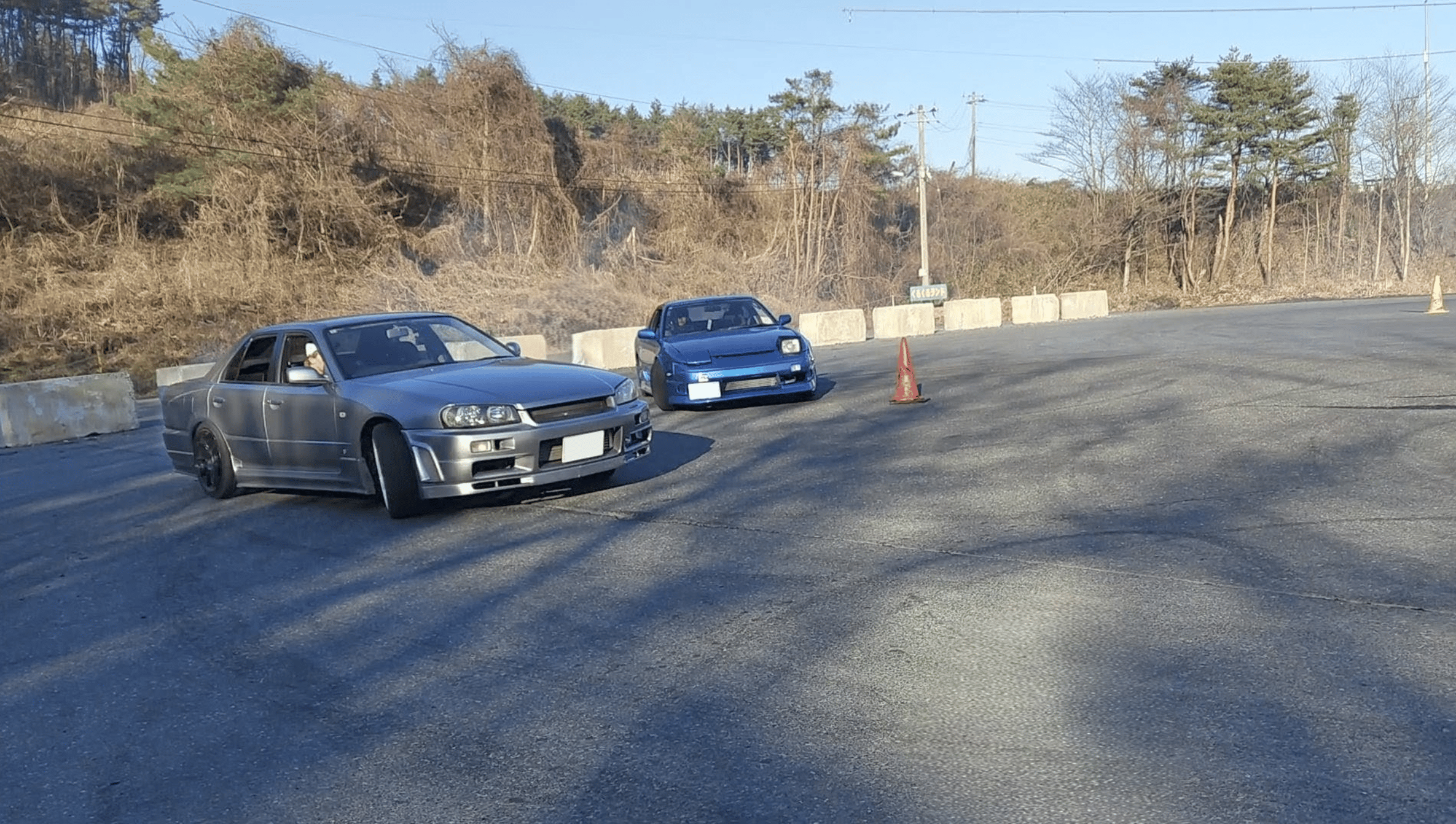
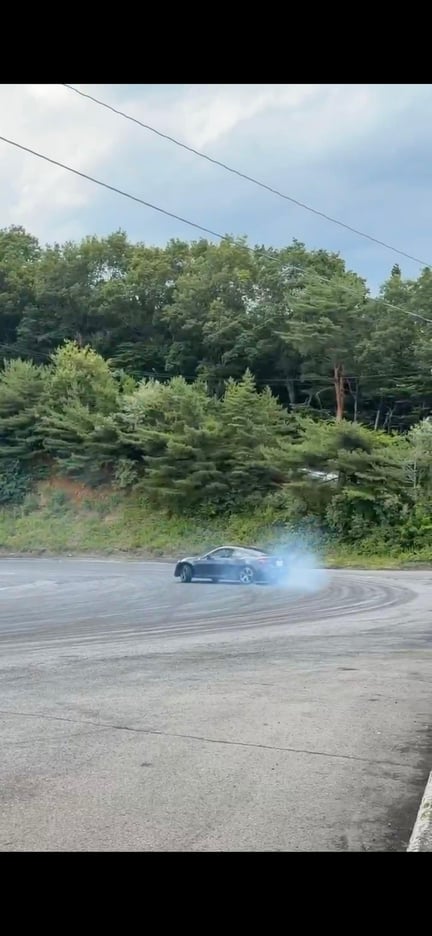
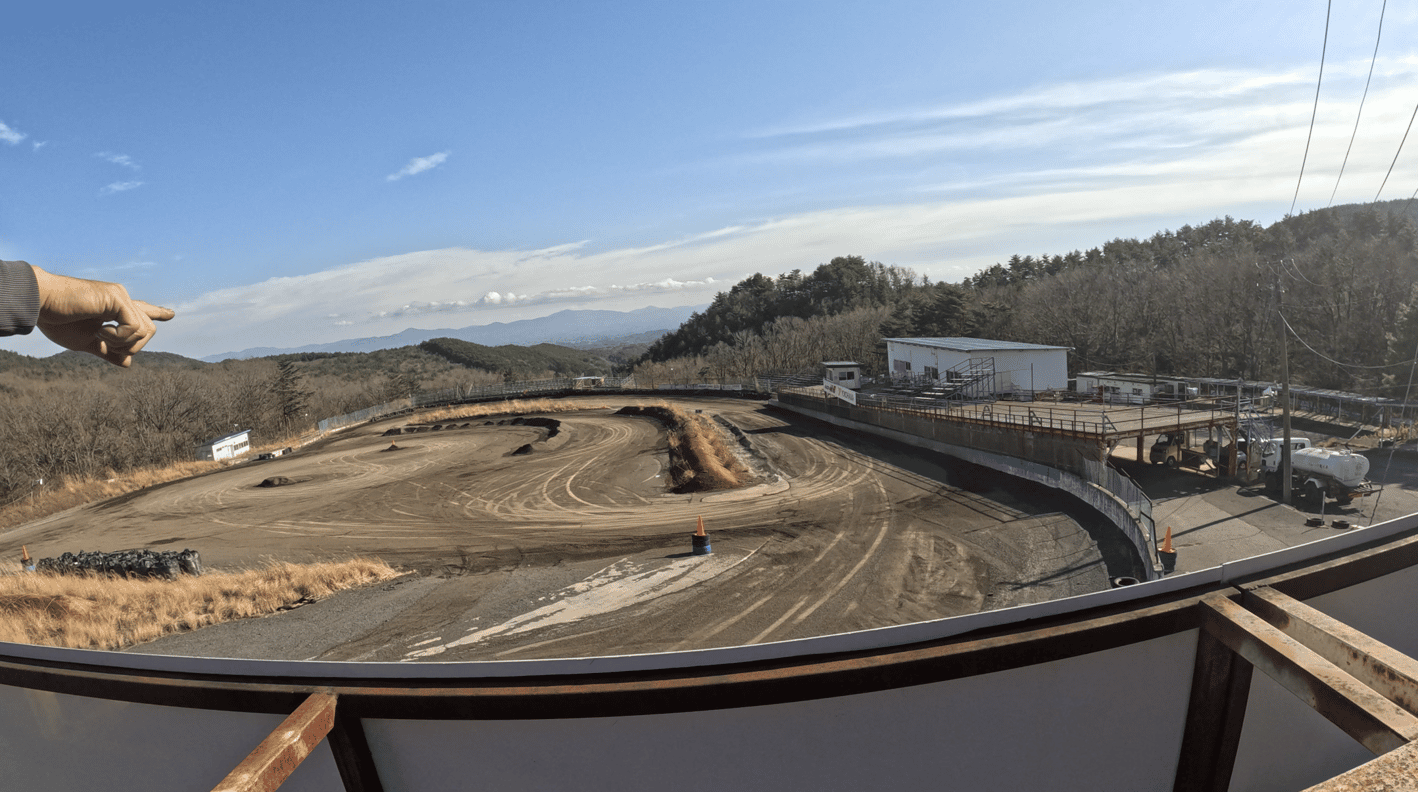
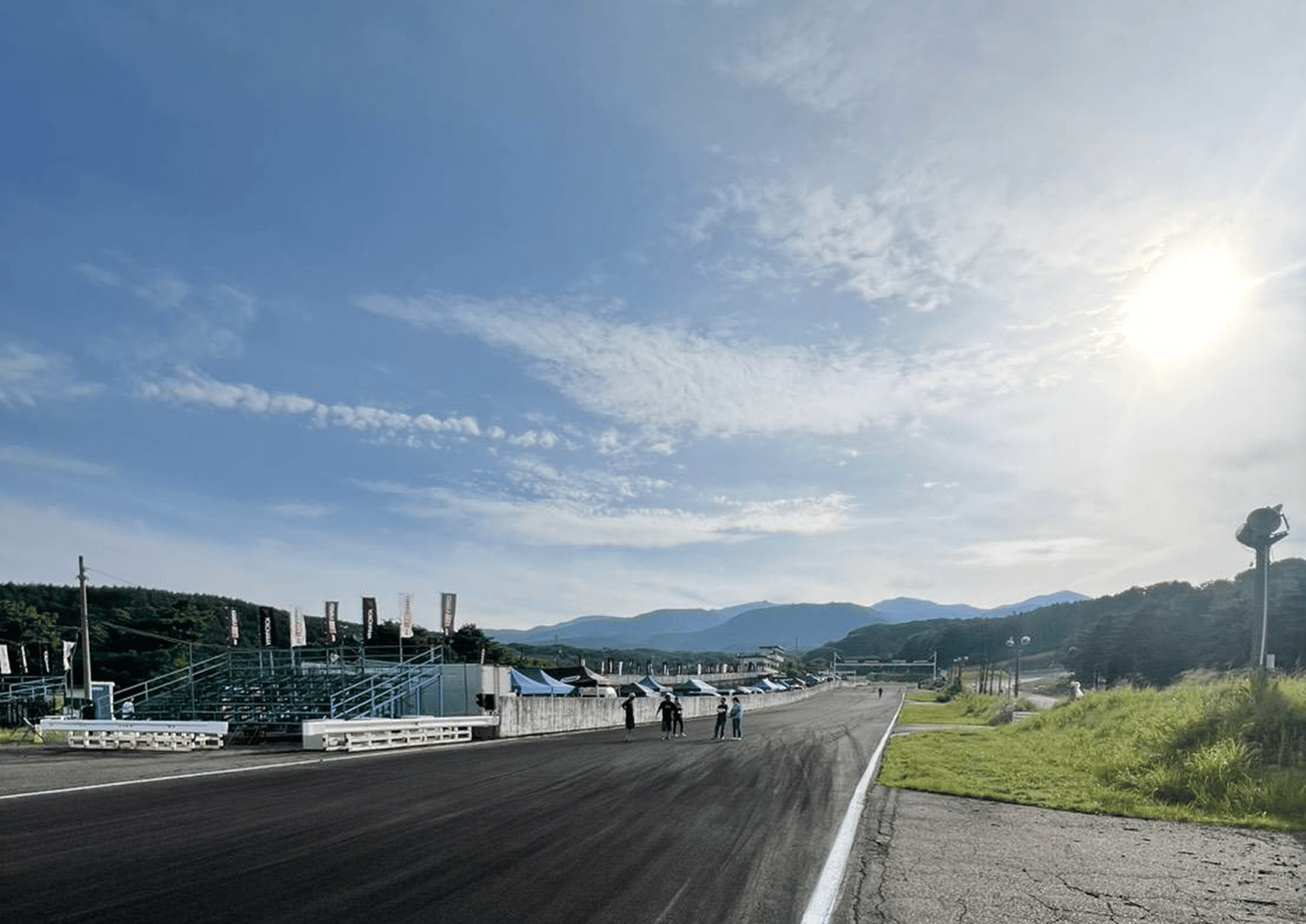
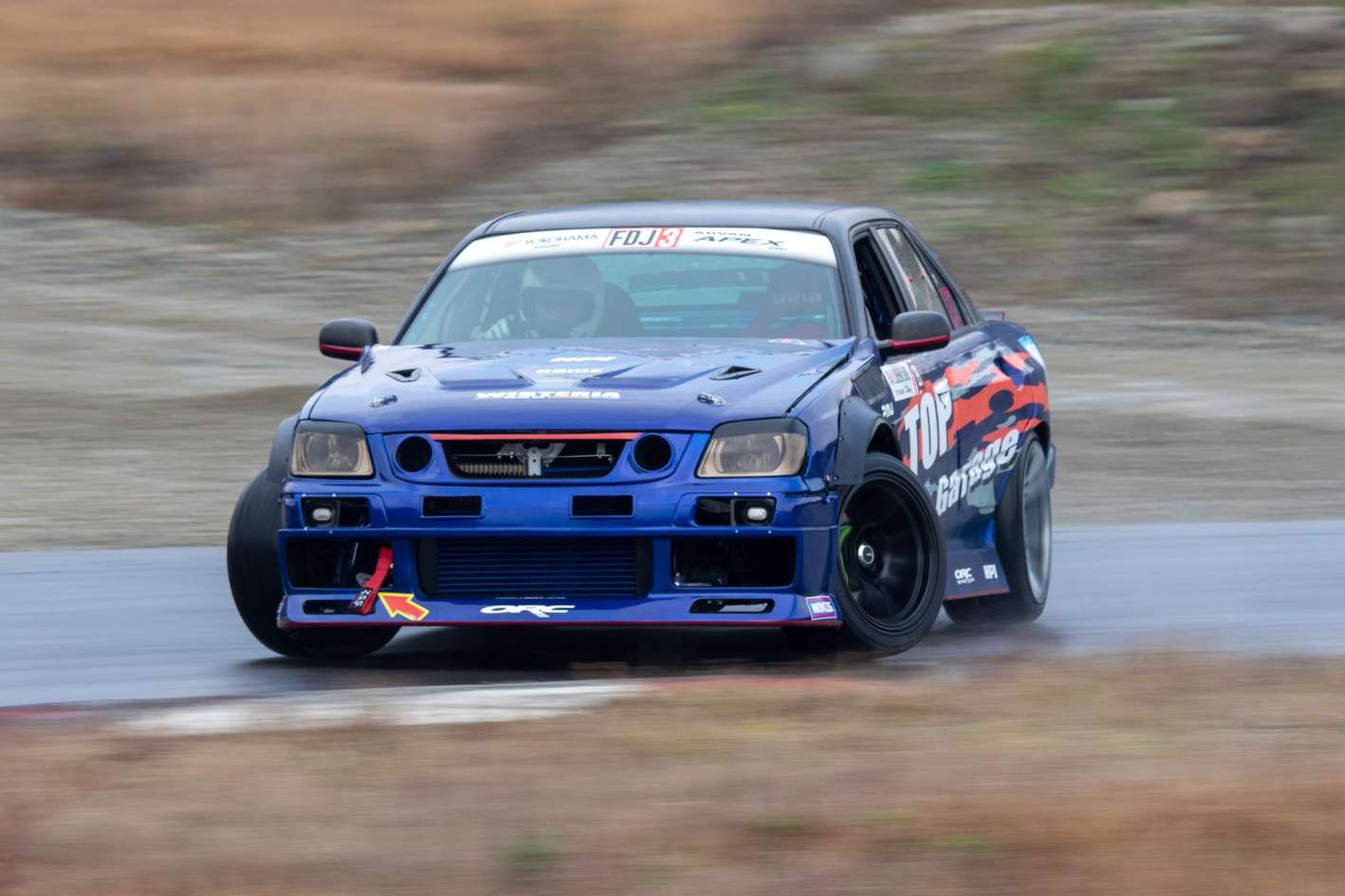
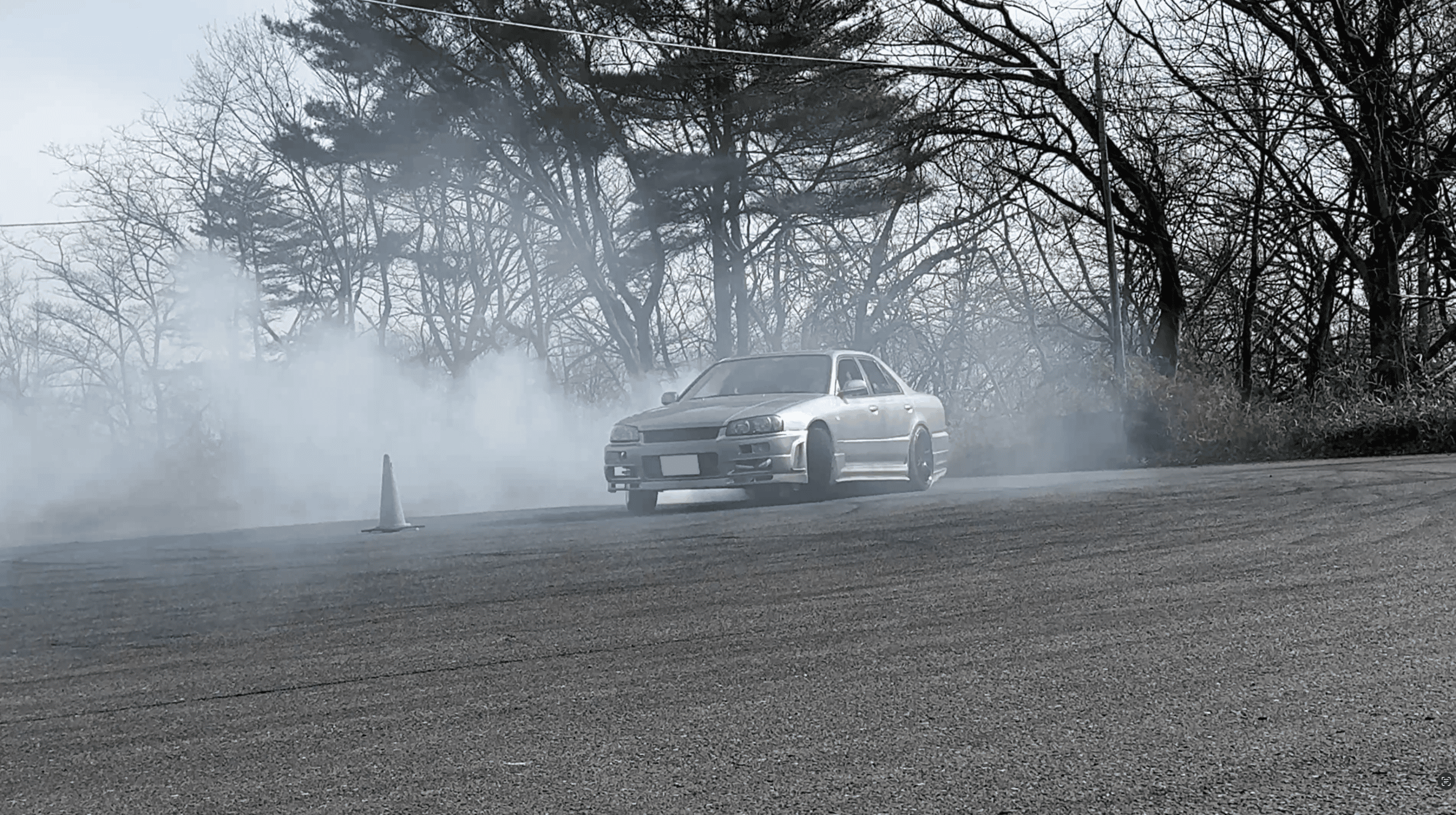
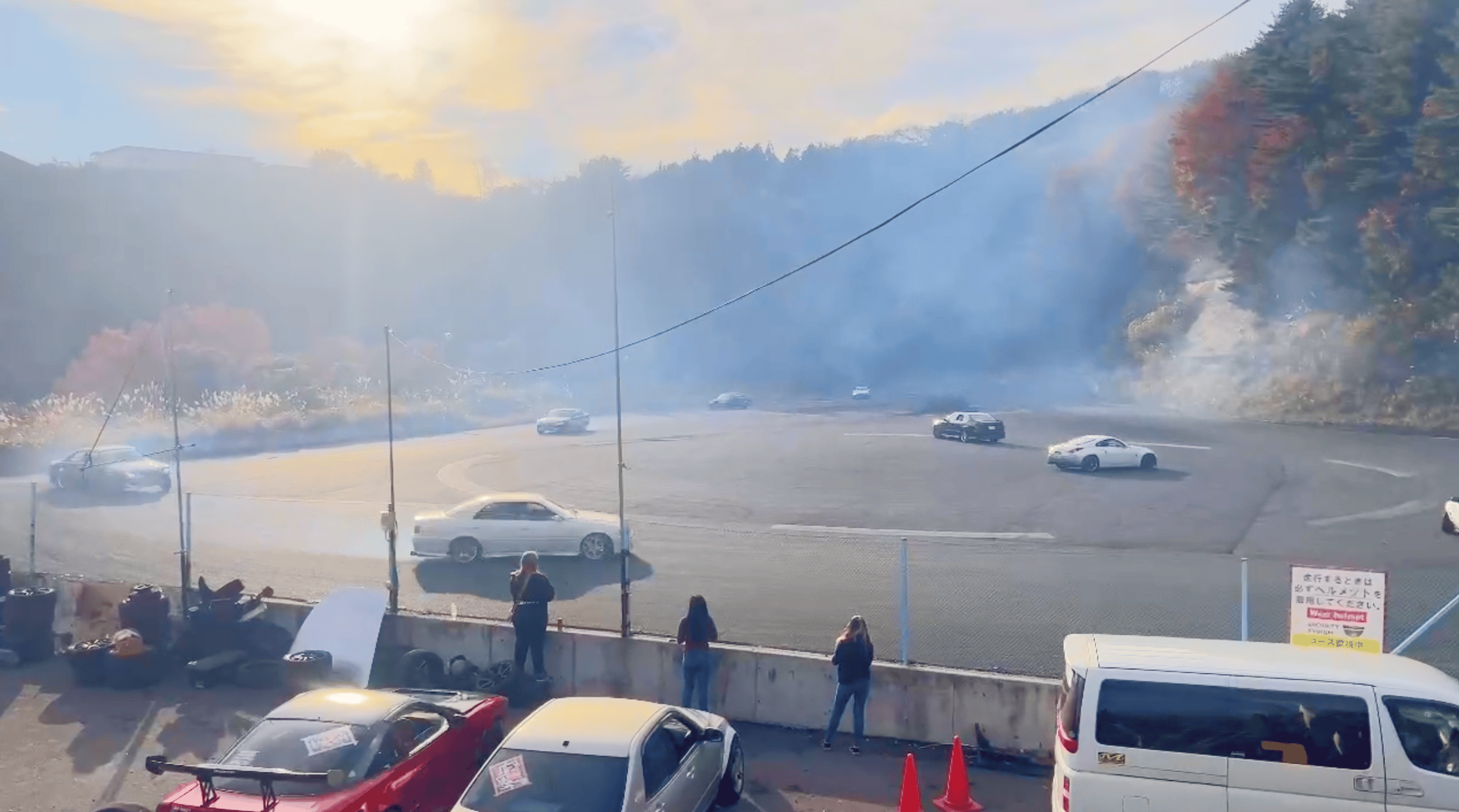
The day starts in Tokyo and ends with tire smoke in Fukushima. You ride out with a guide to Ebisu Circuit, the mountain complex north of Tokyo that drift fans treat as a pilgrimage site, and spend hours on the West Course learning to slide a JDM car under instruction.
The tour bundles the whole day: transport from Tokyo and back, circuit admission, fuel and tolls, a professional instructor, safety support, and a drift thrill ride as a passenger so you can watch a pro do it properly.
You also get time to walk the paddock, photograph the cars, and hear how the builds work. Bring a long-sleeved shirt and long pants; the circuit requires them on track.
PickupTokyoDrop-off back at your accommodation or a station inside the 23 wards at the end of the day.From this tourMeeting point港南ふれあい広場Street View3Hanyu PaSar Northbound· 30 minA rest stop on the expressway north of Tokyo, a chance to stretch your legs and grab a snack before the circuit.Street View4Ebisu Circuit West Course· 180 minYour class runs here for about three hours: instruction on the drift course, practice in a JDM car, and safety support throughout.5Ebisu Circuit· 180 minTime at the famous drift complex in the mountains of Nihonmatsu, with a passenger thrill ride with a pro and room to view and photograph the JDM cars.Street ViewDrop-off3 places, depending on your optionDrop-off back at your accommodation or a station inside the 23 wards at the end of the day.From this tour
Included
Drift experience at Ebisu CircuitJDM car driving experienceProfessional guideDrift thrill ride as a passengerTransportation from Tokyo to Ebisu CircuitViewing and photographing JDM cars
Not included
Personal expenses
Comparing every drift tour in Tokyo by format and time
Green marks the lowest price. Each price says whether it is per person or per group.
Tour
Price
Duration
Pickup
Languages
Best for
Our pick
Ebisu Circuit: Guided JDM Drift Practice & Ride-Along
4.9★ (72)
from $697per group
12 hours
yes
English, Japanese
drivers who want track time and a pro ride in one day
Choose a date first, then check what the weather usually does. April, October and September are the busiest months, so in those weeks book several days ahead. June and February are quiet, and last-minute spots are easier to find.
Pro tipWeekday nights are calmer at the car meets and less likely to end early in a police closure than Friday or Saturday.
Common mistakeLeaving the booking until you land. Tours sell out, and drift lessons get booked an average of 20 days ahead.
02
Choose the right option
Each tour lists several options, and they change more than the car. Read whether you ride as a passenger, drive yourself, or join a group or private session, and check the duration, since lessons run about 6 hours with transport while ride-alongs run 3 to 4.
Pro tipIf you want a specific car such as a GT-R, confirm the model at least 48 hours before, because the cars are privately owned and sometimes under maintenance.
RecommendedUnsure about spending on a full day? Start with a shorter ride-along and upgrade on a later trip.
03
Check the cancellation terms
Before paying, read the cancellation line on the tour card. Most tours on this page let you cancel up to 24 hours in advance for a full refund, which makes booking early low-risk.
Pro tipBook early precisely because the cancellation window exists. Locking a seat costs nothing if your plans change a day out.
Common mistakeAssuming bad weather means a refund. Rain thins the car meets, and one operator states there is no refund if weather affects the number of cars.
04
Sort pickup and documents
Many tours include hotel pickup, others meet at a fixed point such as Tokyo Station or Shinagawa, so check which applies before you pay. Self-drive options need your original licence, an International Driving Permit or a JAF translation, and your passport on the day.
ImportantDrivers must be at least 18 for drift lessons, and anyone under 18 needs a parent or guardian along. Bring your physical documents, copies are not enough for self-drive.
Common mistakeWearing sandals. Drift lessons require long sleeves, long pants and sneakers, and you sit out if you turn up in the wrong kit.
05
Watch for messages on the day
After payment you get a voucher with the meeting point and start time, and the operator emails within 48 hours, so reply to confirm. On the day, keep your messaging app notifications on, since updates often arrive about an hour before the start.
Pro tipTurn on WhatsApp notifications the moment you book. If a closure or route change happens, the message comes before you leave the hotel.
RecommendedEat beforehand and bring water, since most tours include no food, and pack a light jacket for standing outside at night.
What to know before you book your Tokyo drift experience
Can stop the dayGood to knowGood news
01
ChoosingWhat it is, who it suits, when to go
5
What you ride in
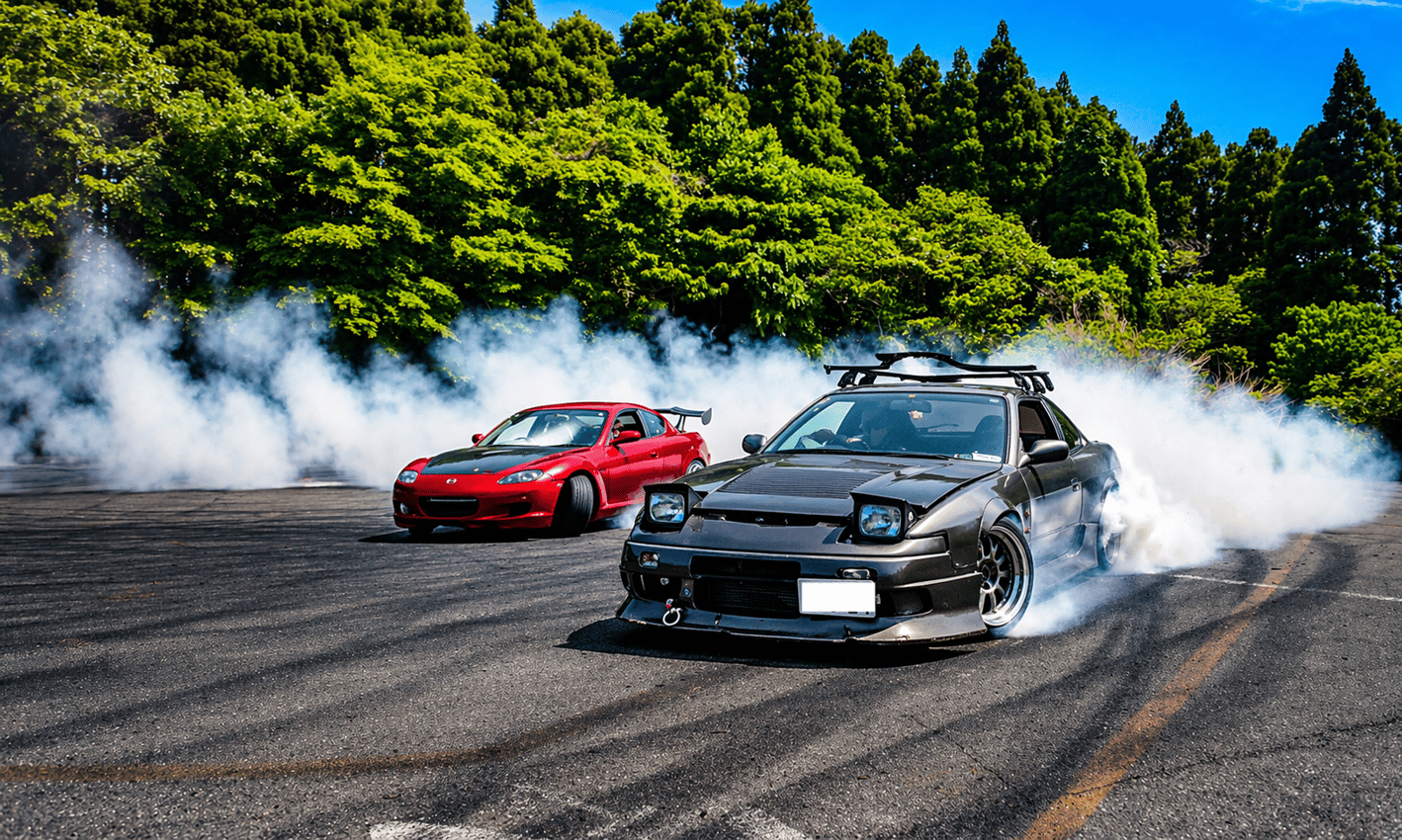
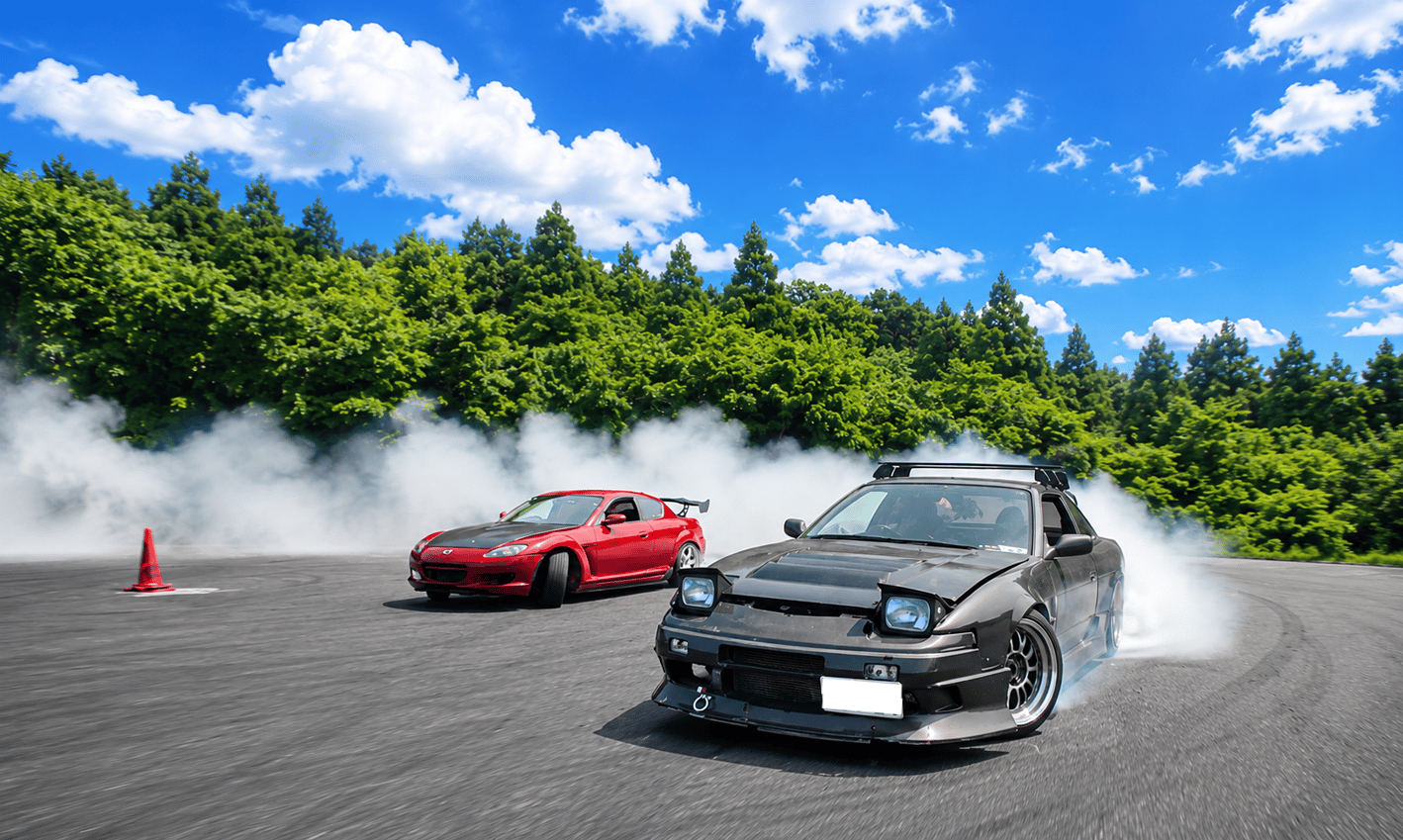
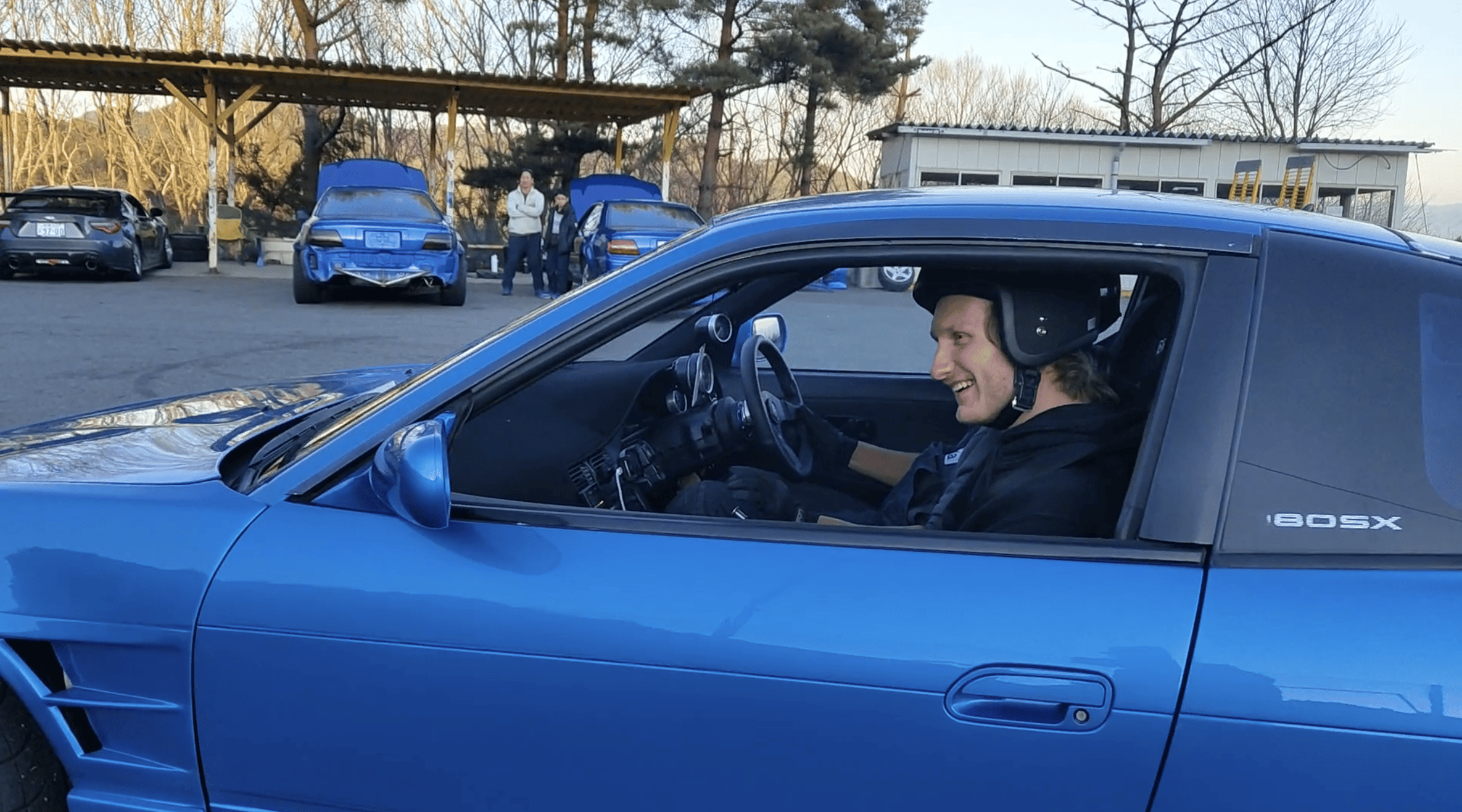
On the ride-along you sit in the passenger seat of a real drift car while an OG driver does donuts, figure 8s and high-speed e-brake turns. The replica police chase lets you pick a side: ride the car being chased, or ride the police car and chase it. Lessons put you behind the wheel of a Mazda MX-5, Nissan 350Z, RX-8 or 180SX depending on your level.
Sharing
The drift lessons are completely private, so it is just you, your instructor and the car. The ride-along and police chase run as private experiences too. The GT-R night tour is the shared option, with a mixed group in the car and stops along the way.
Included
The circuit experiences bundle the essentials: helmets and gloves, safety gear, fuel and tolls, and on the Ebisu trip the admission fee and a souvenir. The self-drive lesson adds a photographer and a high-skill passenger ride with a pro. Meals and personal expenses stay on you.
Booking ahead
Private drift lessons get booked an average of 20 days ahead, so lock yours in early rather than hoping for a slot once you land. Weekend dates go first. If a specific car matters to you, ask when booking, because availability shifts with the day.
Skill level
Beginners are the norm at these lessons. Instructors start you on basic circle work around cones, and most guests learn a donut within the session, some move on to figure 8s. No licence is needed for the passenger experiences, and the Chiba circuit lesson teaches manual right-hand-drive from scratch.
02
BookingHow far ahead, and what happens if plans change
1
Cancellation
You can cancel any of these experiences up to 24 hours in advance for a full refund, which makes it easy to hold a date while you sort the rest of your trip. If weather or a closure disrupts the plan, you have that same flexibility behind you.
03
Before you goPapers, health, what to bring
3
What to wearCan stop the day
Circuits enforce the dress code at the gate. For Ebisu you need a long-sleeved shirt and long pants; the self-drive lesson adds sneakers, and sandals are out. Helmets and gloves are supplied, so the clothing is the part you have to get right.
The law
Drifting on public roads is illegal in Japan, so every real drift session happens on a closed circuit. The movie scenes were fiction and mostly shot in Los Angeles. Self-drive options also require an original home licence with a 1949 Convention International Driving Permit, or a JAF translation for some countries, plus your passport.
Health and age
Drift lessons require participants to be at least 18, and under-18s can join only with a parent or guardian. One self-drive experience is unsuitable for children under 15. The street drift ride rules out people with heart or back problems, high blood pressure and motion sickness, so check the list before booking.
04
On the dayWhere to be, when, and how you get there
1
Pickup
Most drift experiences include pickup and drop-off, some from your hotel and the ride-along from Tokyo Station. The Ebisu Circuit tour collects you from Shinagawa and returns you anywhere in Tokyo's 23 wards. Reaching a circuit outside the city on your own would mean trains, buses and taxis, so the included transport carries real value.
Real Tokyo Drift - rides, lessons and the night scene
Drifting on public roads is illegal in Japan, so every real Tokyo drift experience happens on a circuit or in a passenger seat. The choice that matters is how involved you want to be: watching, riding, learning or driving.
Fukushima· 35.68° N, 139.65° E
If you only remember three things
1
Street drifting is illegal in Japan; the real thing happens on closed circuits like Ebisu, about 12 hours door to door from Tokyo.
2
Police close the Daikoku PA meet most Thursday to Saturday nights by about 8:30 pm, so check the operator's fallback plan before paying.
3
Self-drive lessons need no licence on a closed circuit, but bring long sleeves, long pants and sneakers; most guests hold a steady circle by day's end.
What drifting in Tokyo actually is, and whether it's worth your money
The tire smoke in The Fast and the Furious: Tokyo Drift was mostly filmed in Los Angeles, because drifting on public roads in Japan could never be permitted. That is the first thing to know before you book anything. Street drifting is illegal in Japan, and the sport lives on organized tracks.
What you can actually buy falls into three shapes. A lesson, where you drive a JDM car yourself on a closed course with an instructor beside you.
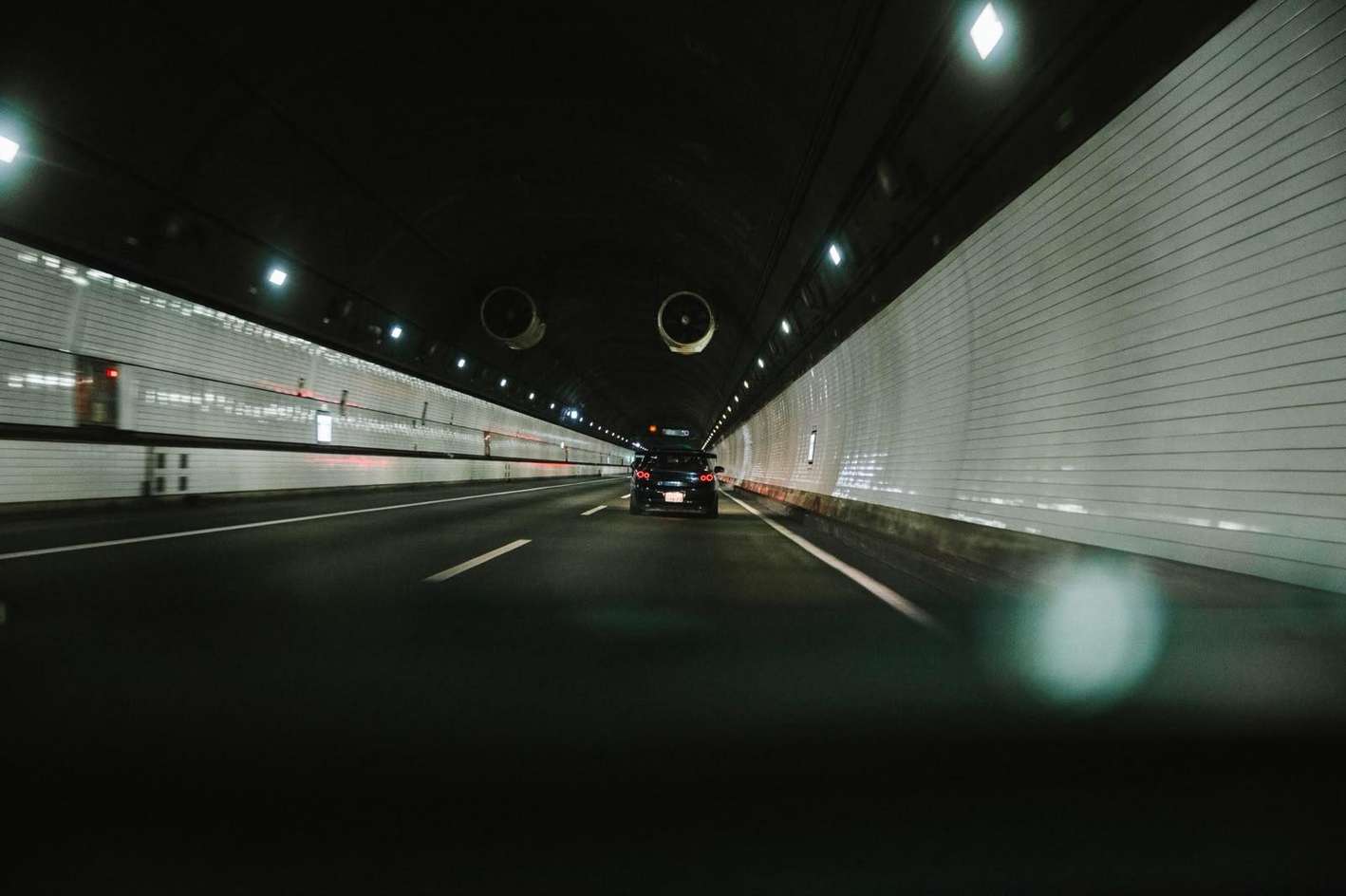
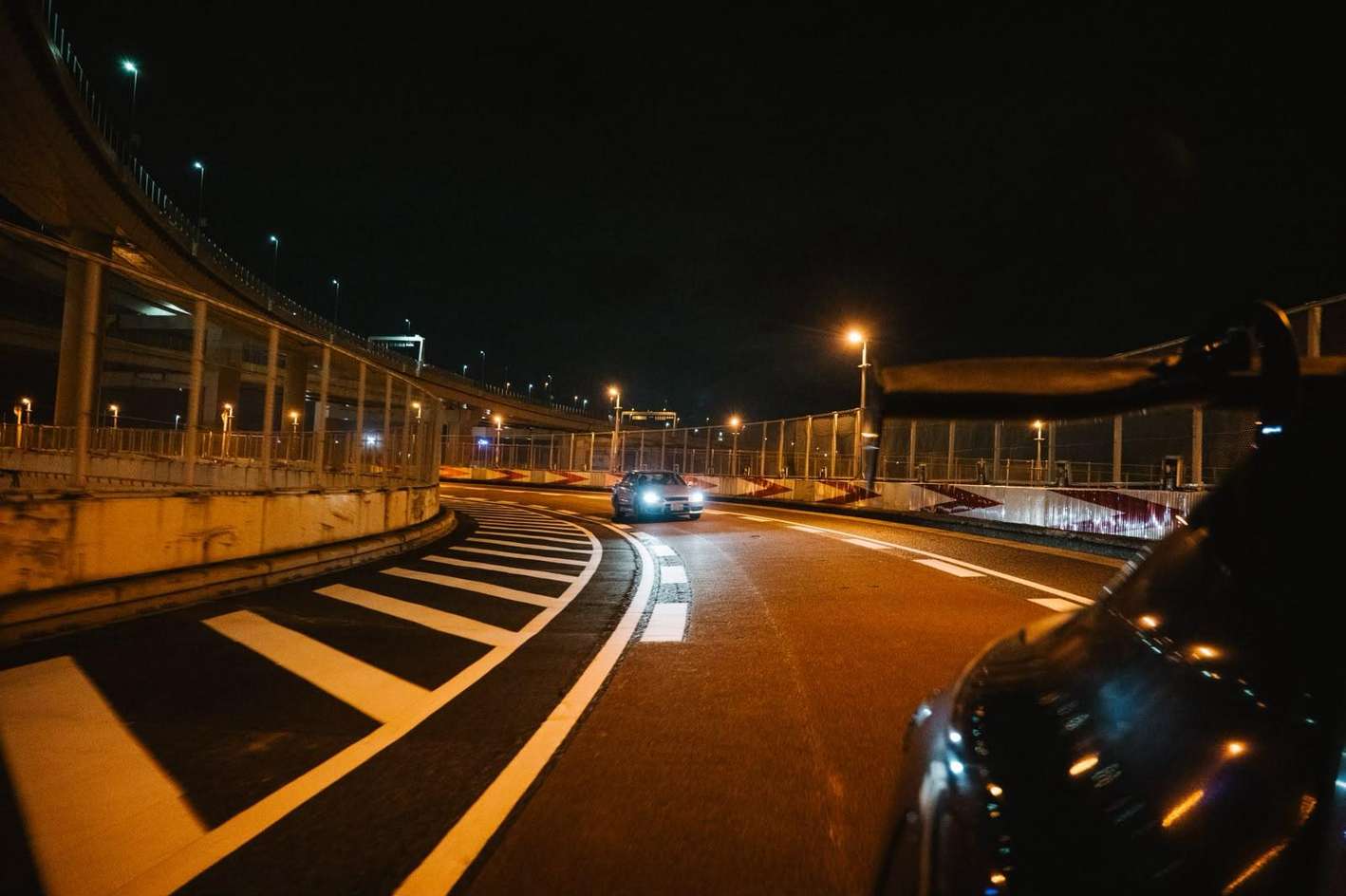
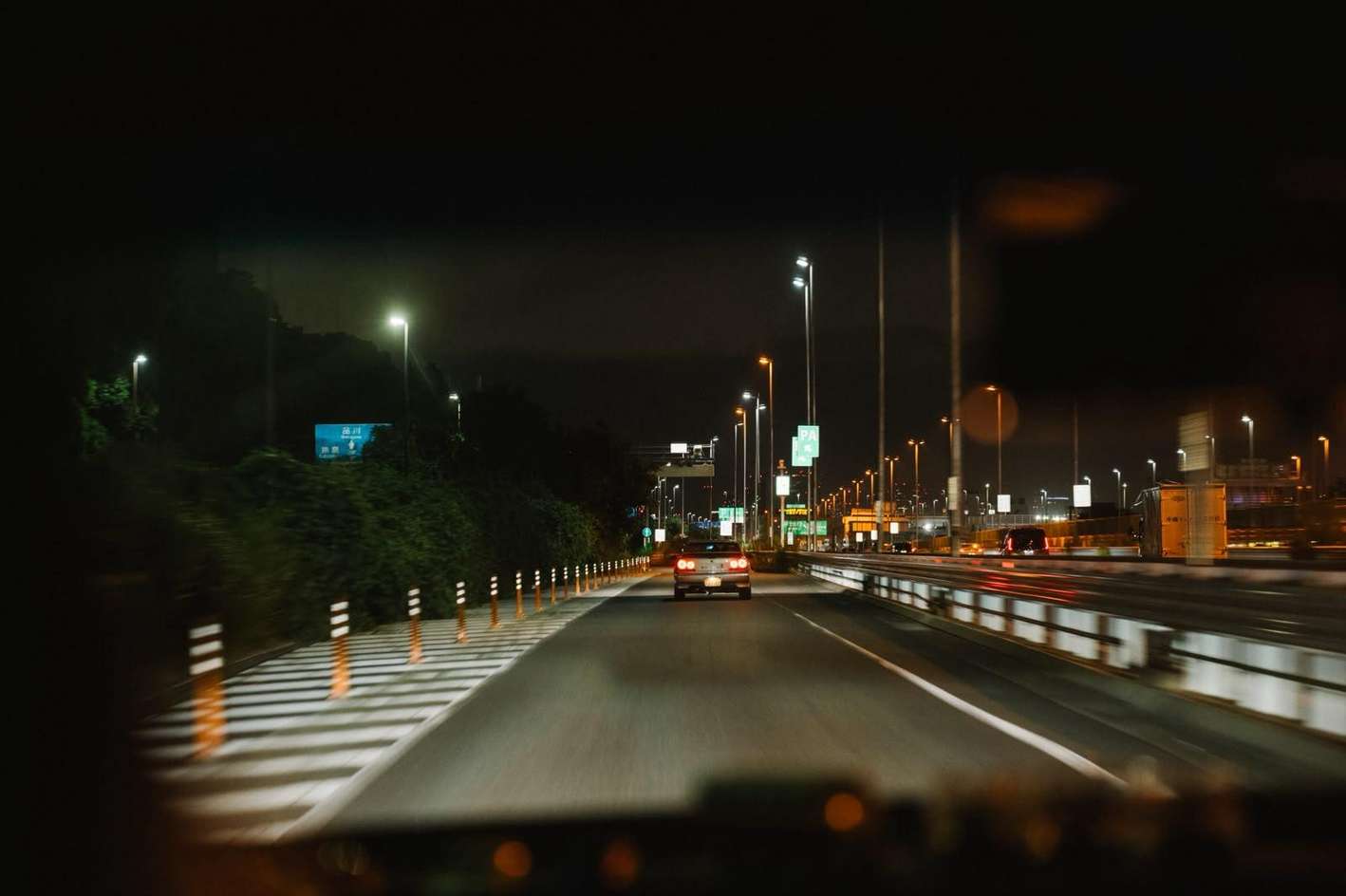
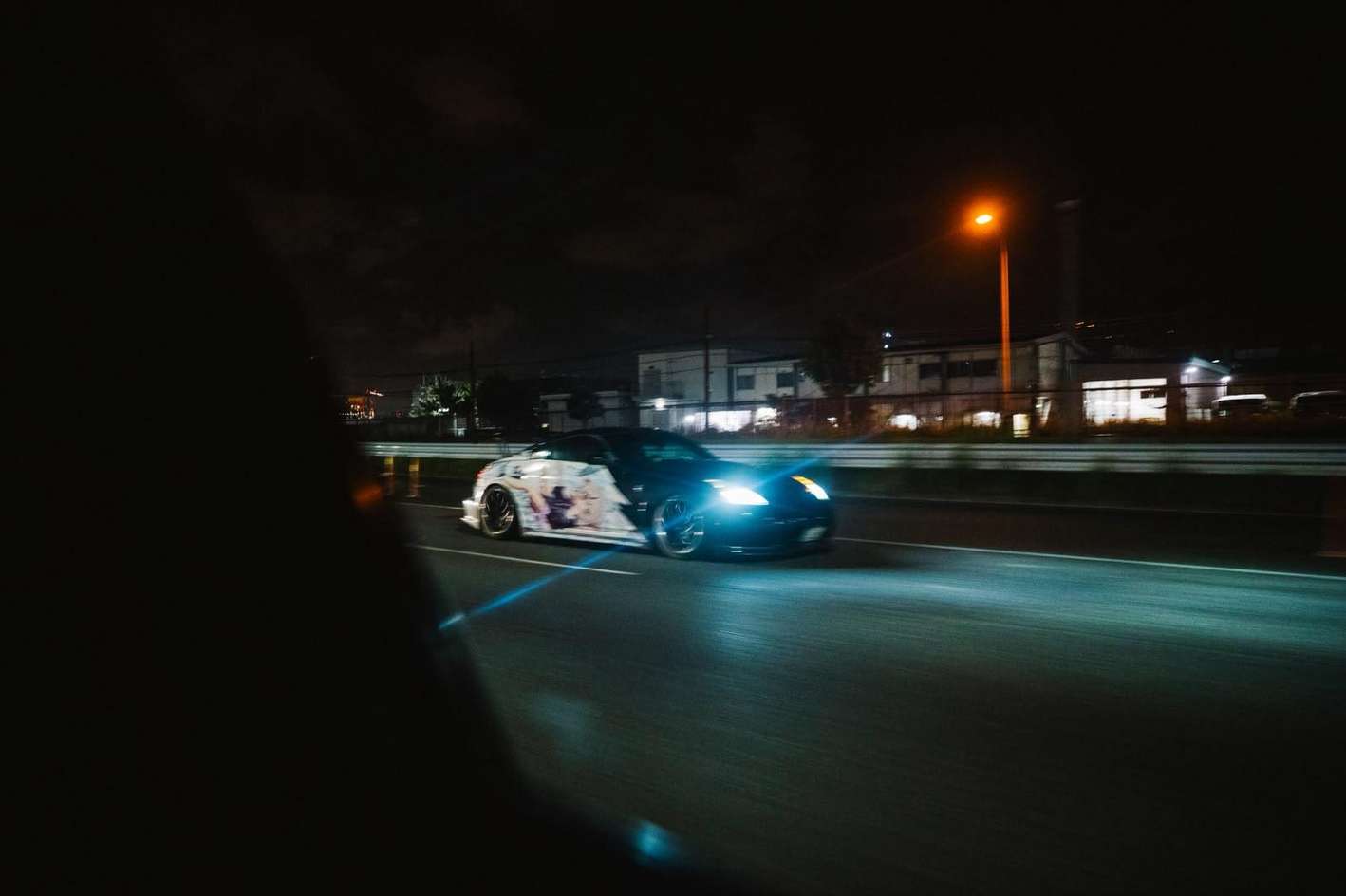
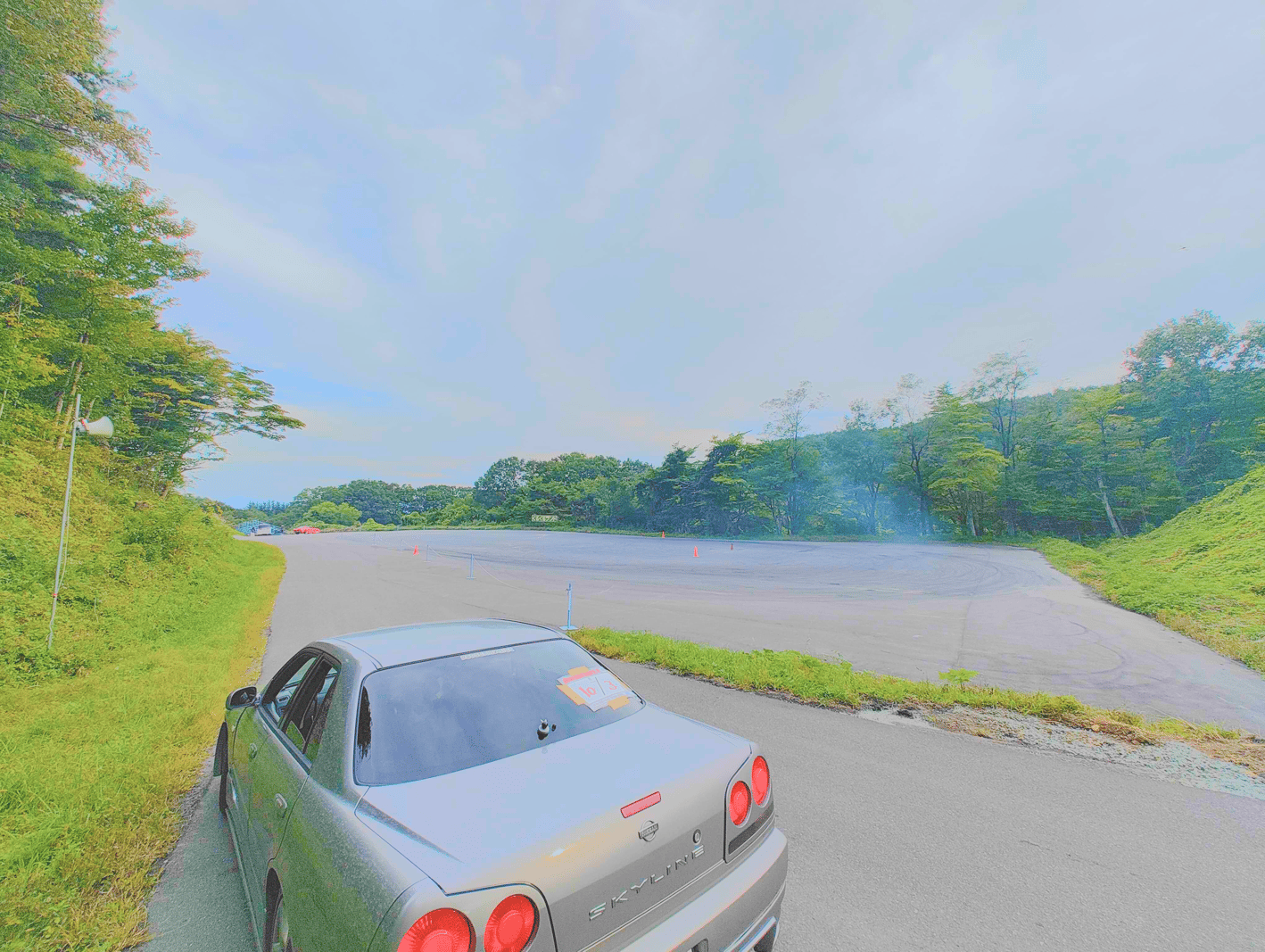
A passenger ride, where a professional drifts and you hold on. Or a night car-culture tour, riding in a tuned Skyline or Supra along the Wangan Route to a car meet, with no drifting at all.
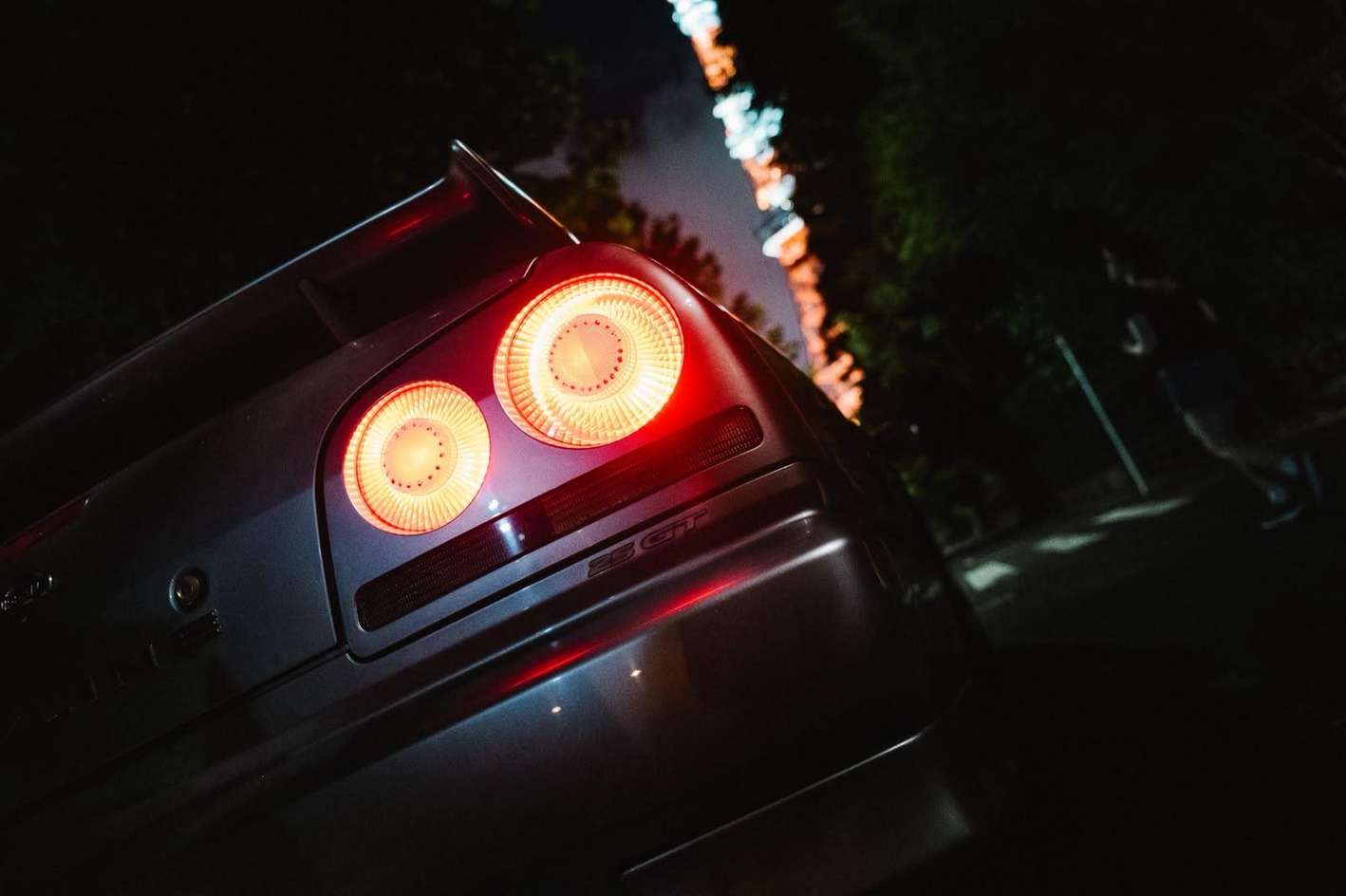
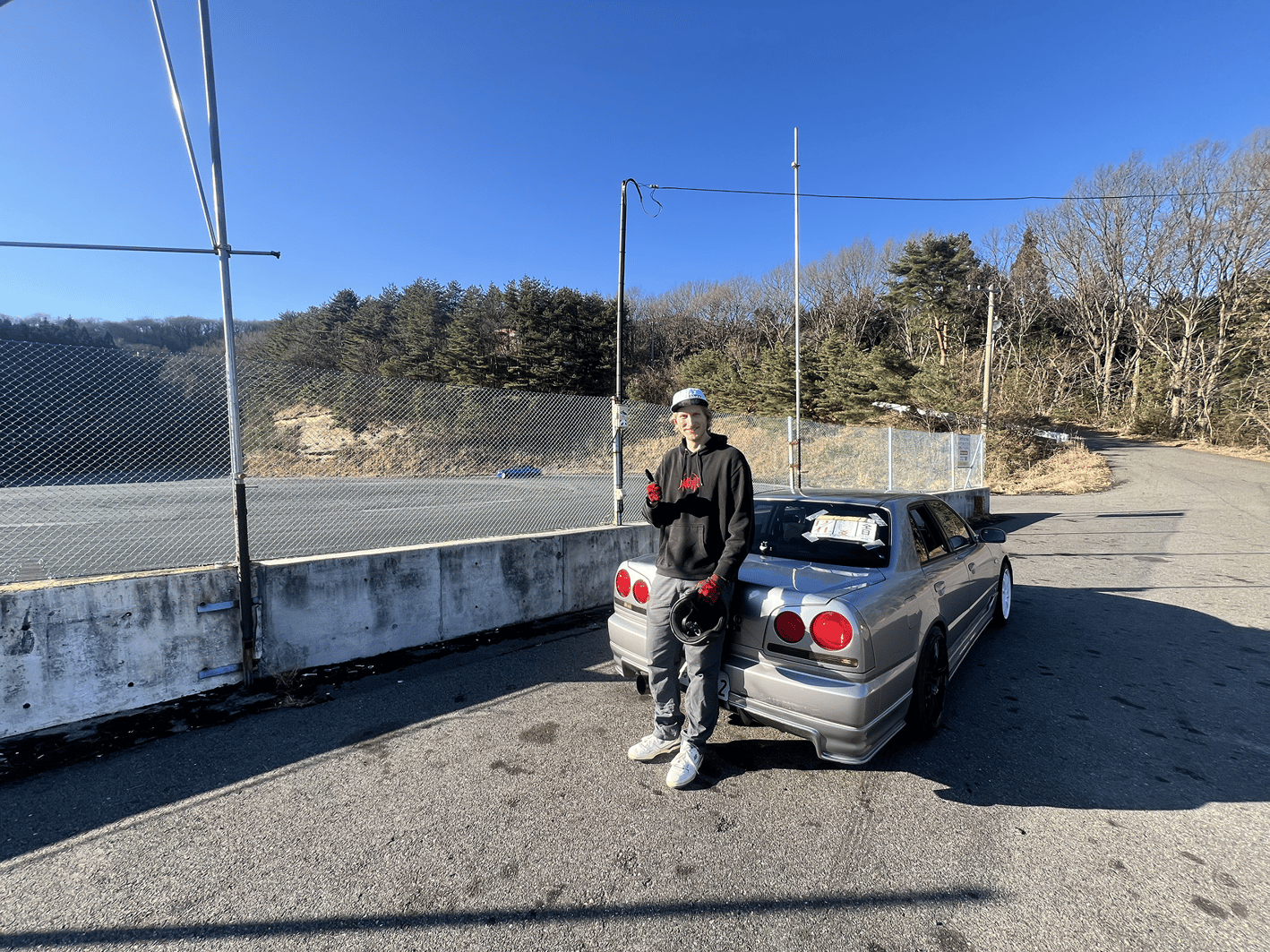
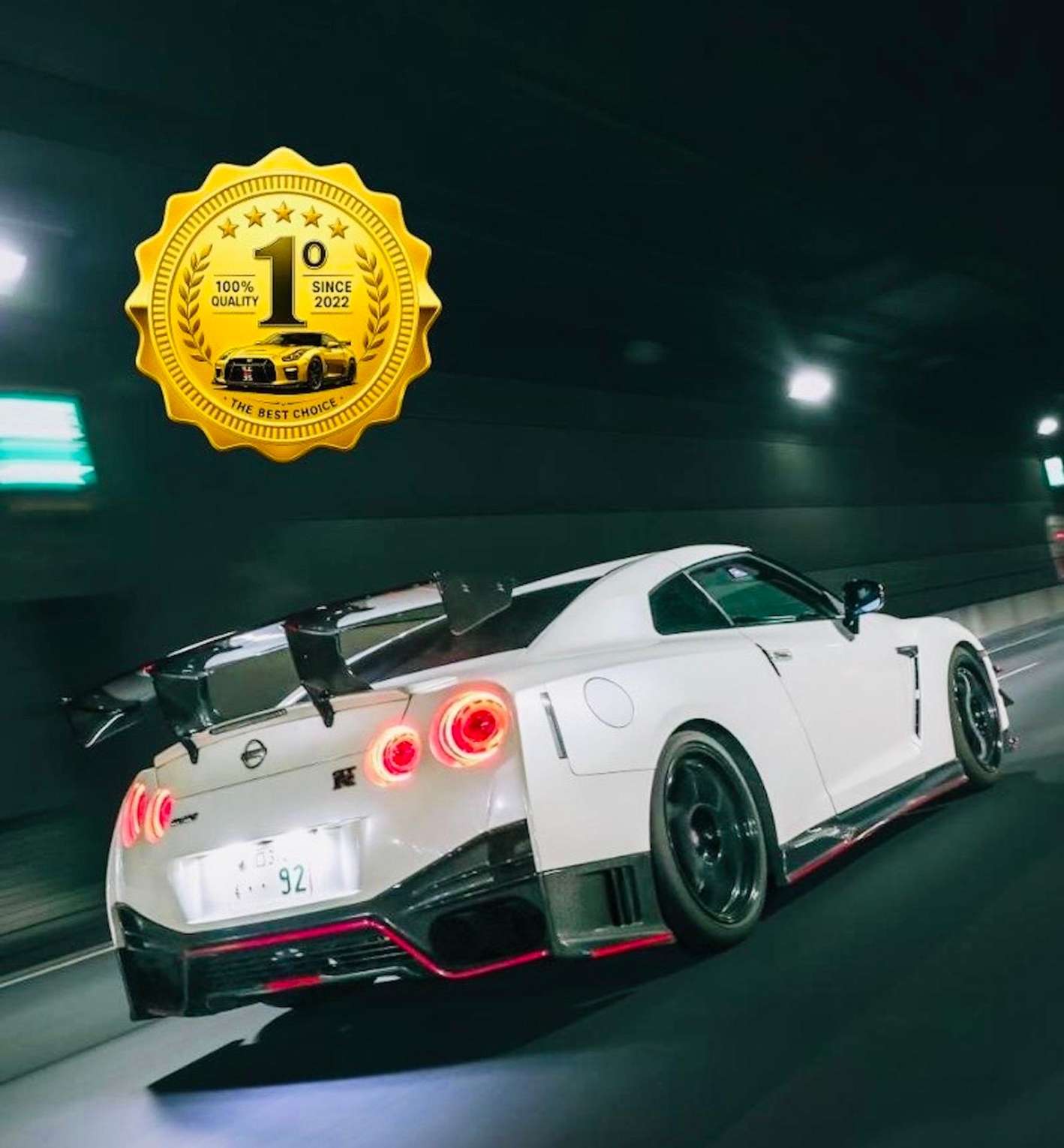
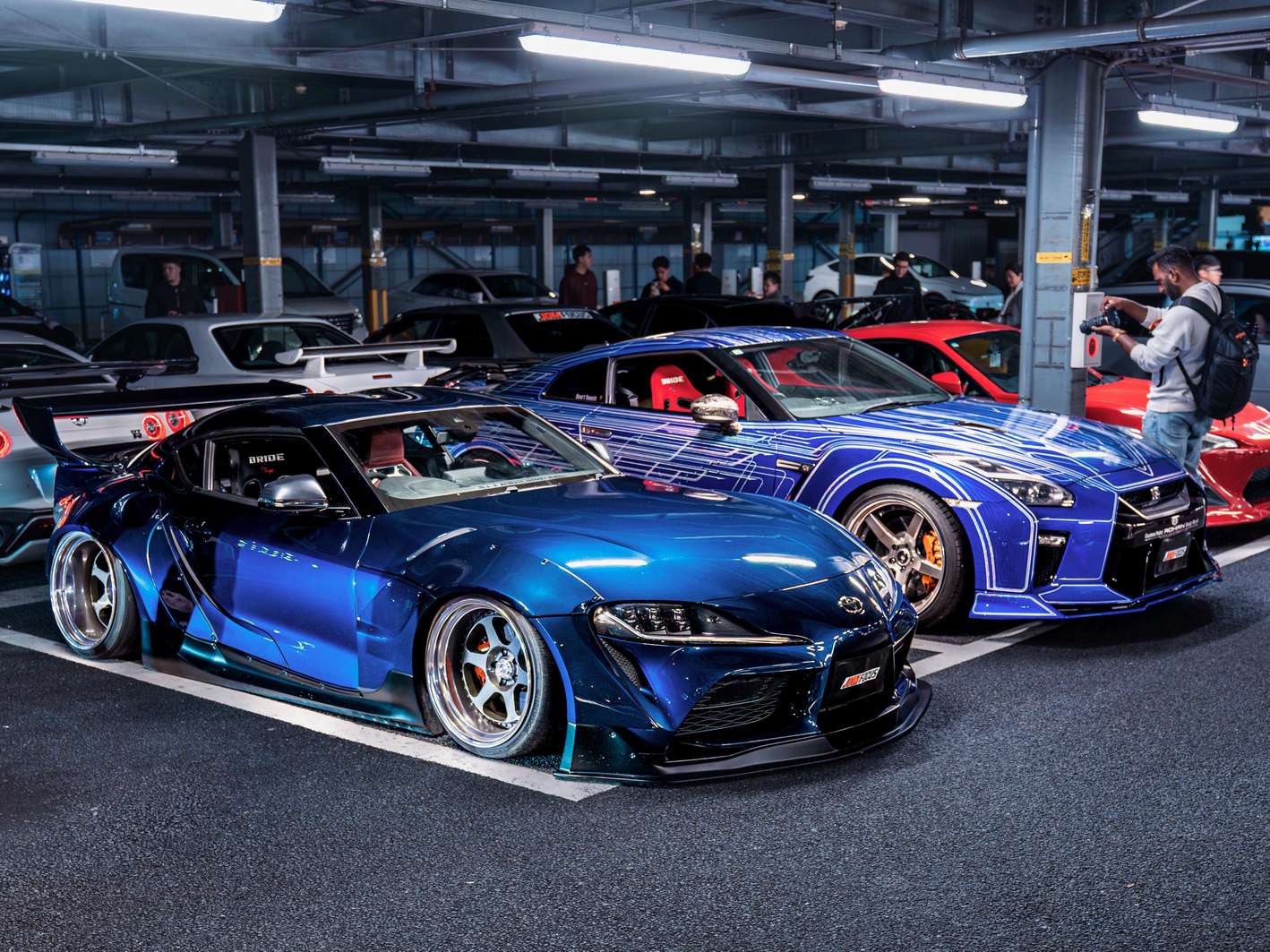
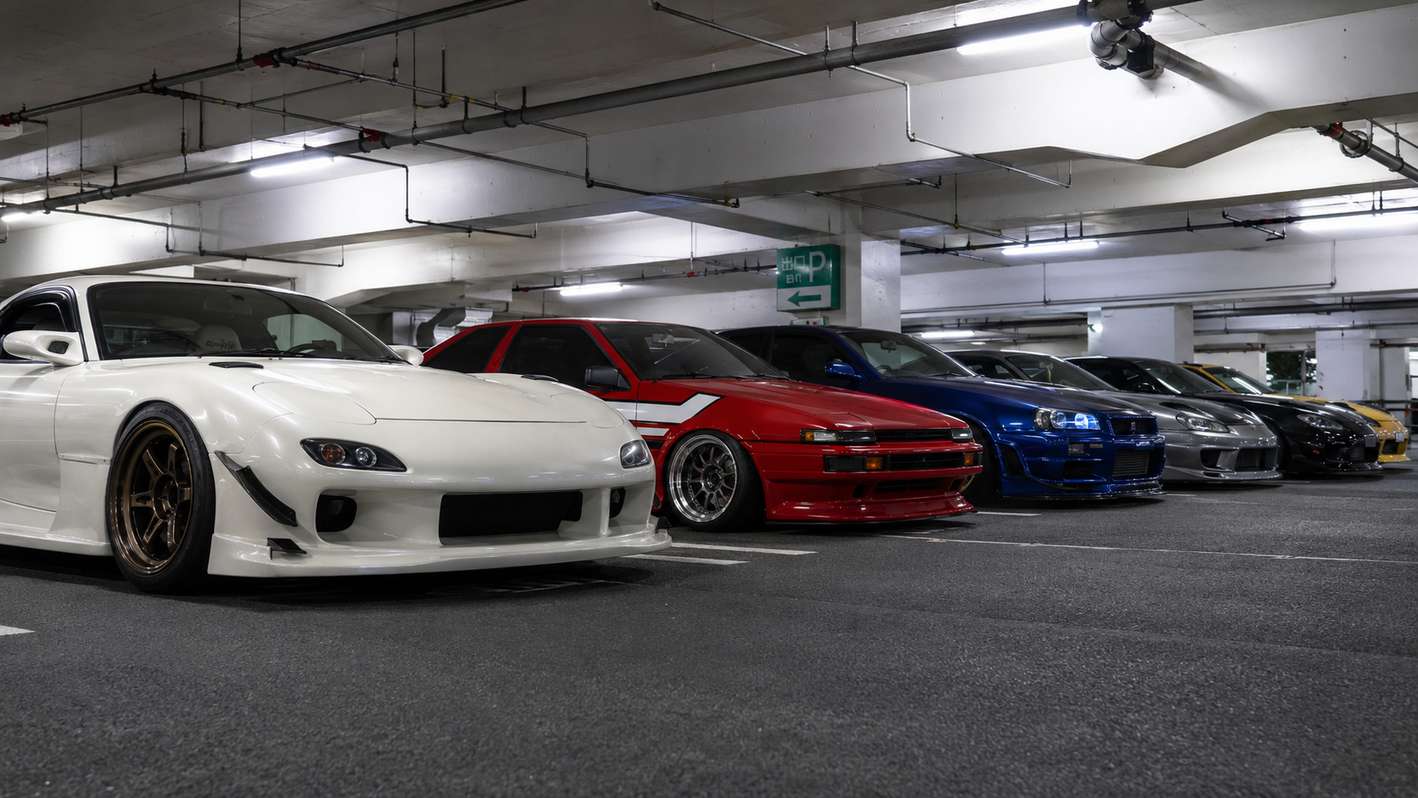
None of that makes it a lesser night. Travelers describe the driving as exciting yet controlled, and the cars themselves carry the story: the R32 GT-R earned its Godzilla nickname through five straight touring car titles, and the R34 became a symbol of JDM through movies and games.
You cannot see drifting at Daikoku PA, by the way. It is a parking lot, and sliding there would bring the police within minutes.
The assumptions people carry into booking mostly fall apart on contact, so it helps to see them side by side with what is true.
Myth vs reality
MythThe drifting scenes in Tokyo Drift are real Tokyo streets
Reality
Fiction, and mostly shot in Los Angeles
MythYou can watch drifting at Daikoku PA
Reality
It is a parking lot; drifting there brings the police
MythDriving a GT-R in Tokyo is like the movies
Reality
The roads are orderly, the limit is 60 km/h, and there is nowhere to race
MythA drift experience means street racing
Reality
Legal drifting happens on circuits like Ebisu, and lessons start from beginner level
Once the movie version is out of the way, what remains is still a genuine piece of Japanese car culture, and worth the money in any of the three forms.
Tour for this
Tokyo Drift with GTR35-R 700HP Fast & Furious Experience4.8★ (184) · 3 - 3.5 hours · Free cancellation
Watch, ride, or take the wheel - choosing your format
Four formats, four kinds of night. The ride-along, or drift taxi, puts you in the passenger seat while a professional slides; no licence needed, just a helmet.
The private lesson hands you the wheel for about 3 hours of practice, starting with donuts. Self-drive experiences beyond lessons ask for your original licence, a 1949 Convention International Driving Permit or a JAF translation, a passport and a minimum age of 18.
And the night JDM tour is car culture: a tuned car, the expressways and a meet, with the drifting left at the circuit.
Skill is not the barrier people fear. Drift lessons require no prior experience, and beginners learn donuts first, then figure 8s. Roughly 80% of lesson guests manage a donut, 40% reach figure 8s, and about 3% clear the graduation course.
Value depends on what you want. A ride-along package suits serious JDM fans because it bundles transport, a tuned car and meet access; it disappoints if speed is the whole point, since traffic slows the route.
A private lesson is worth it only if driving the car yourself is the goal, and it gets booked an average of 20 days ahead.
The three main formats line up like this when you put them next to each other.
Ride-along drift taxi
Private drift lesson
Night JDM tour
Who drives
A professional drift driver
You, with an instructor beside you
A guide, you ride
Licence needed
None
None on a closed circuit
None
Skill required
None, just hold on
Zero experience welcome
None
Time
About 4 hours
About 6 hours with transport
3 to 4 hours
Suits
Thrill seekers and movie fans
People who want to learn the technique
Car-culture fans and meet-goers
Ride-along drift taxi
Who drives
A professional drift driver
Licence needed
None
Skill required
None, just hold on
Time
About 4 hours
Suits
Thrill seekers and movie fans
Private drift lesson
Who drives
You, with an instructor beside you
Licence needed
None on a closed circuit
Skill required
Zero experience welcome
Time
About 6 hours with transport
Suits
People who want to learn the technique
Night JDM tour
Who drives
A guide, you ride
Licence needed
None
Skill required
None
Time
3 to 4 hours
Suits
Car-culture fans and meet-goers
One check before paying: carrying paying passengers in Japan requires a transport licence and a green plate. Ask in writing what permit covers the ride and what happens if Daikoku closes.
Tour for this
Self Drive Drifting Lesson with Pro Tokyo Drift Experience5.0★ (48) · 6 hours · Hotel pickup · Free cancellation
The police chase ride - three rounds with the OG drivers
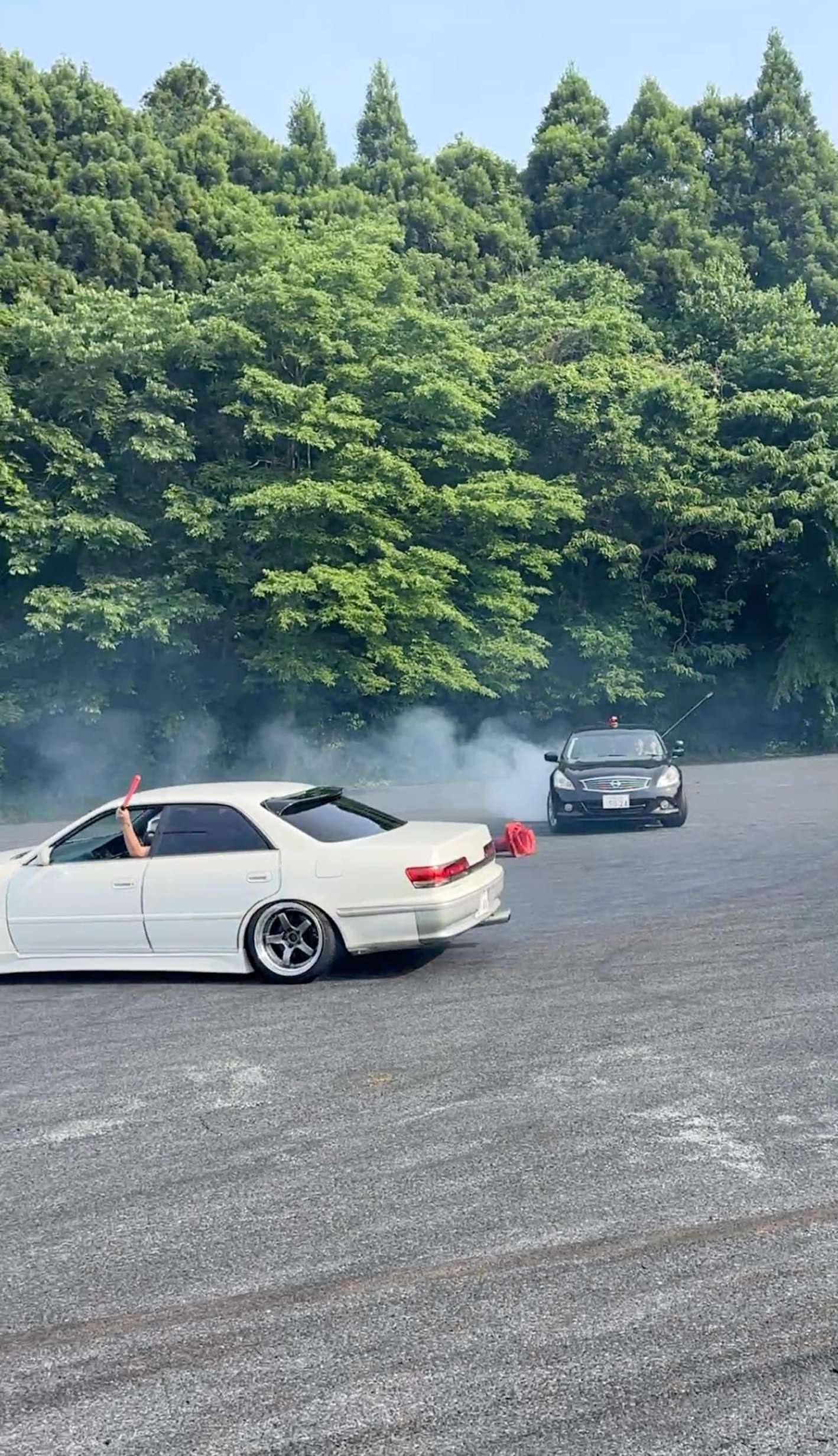
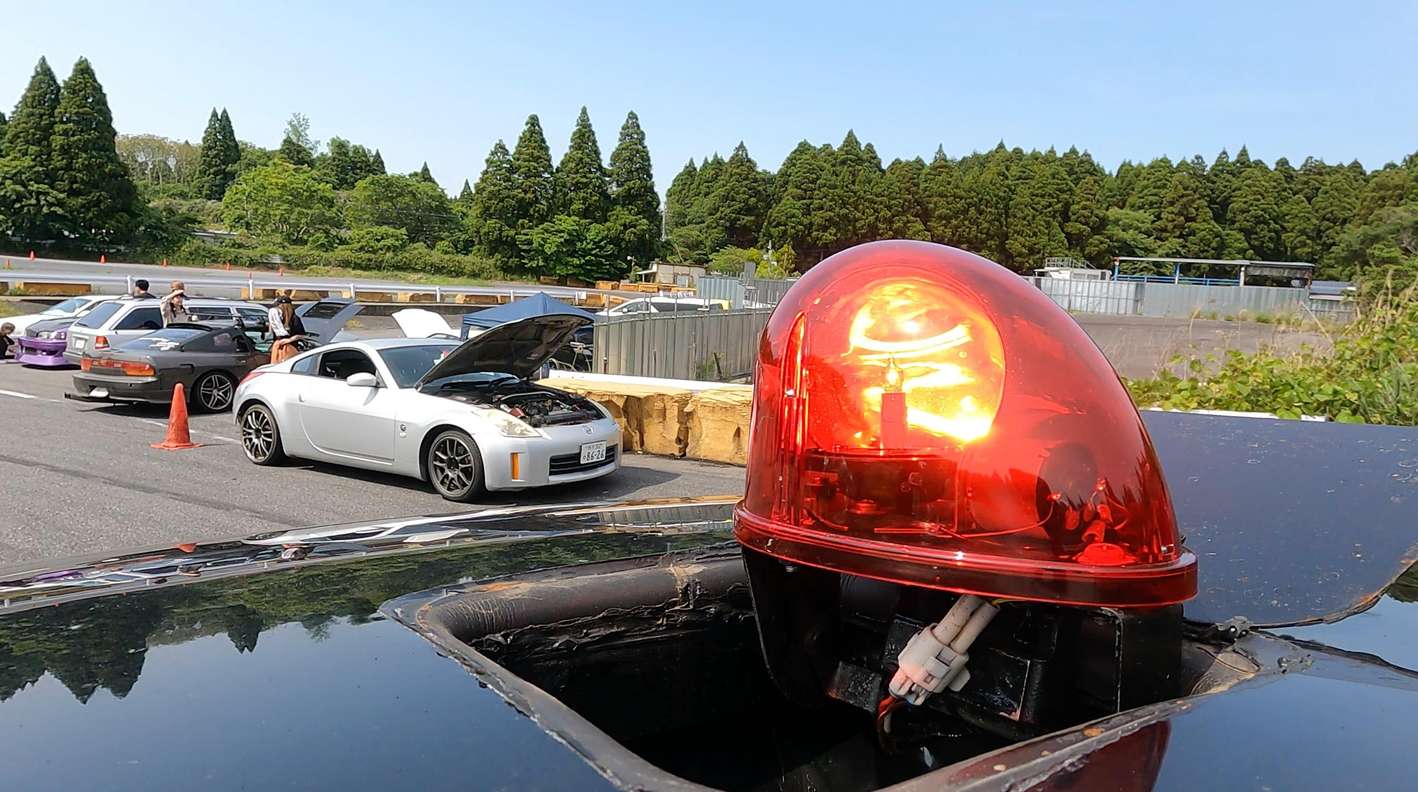
The Ride-Along Drifting Experience & Replica Police Chase near Tokyo is the one that made you search. It runs about 4 hours on a private circuit outside Tokyo, with free pickup and drop-off from Tokyo Station, helmets and gloves included.
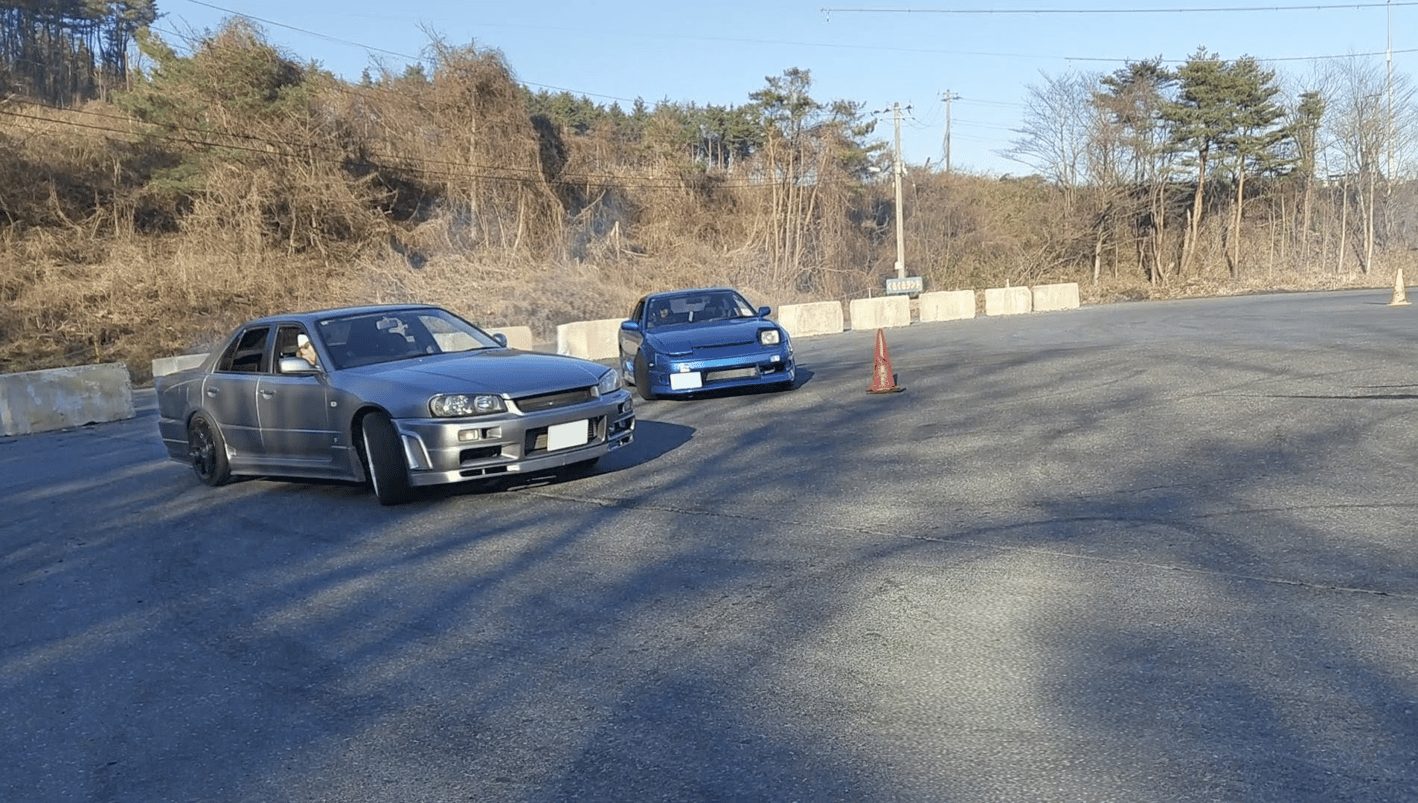
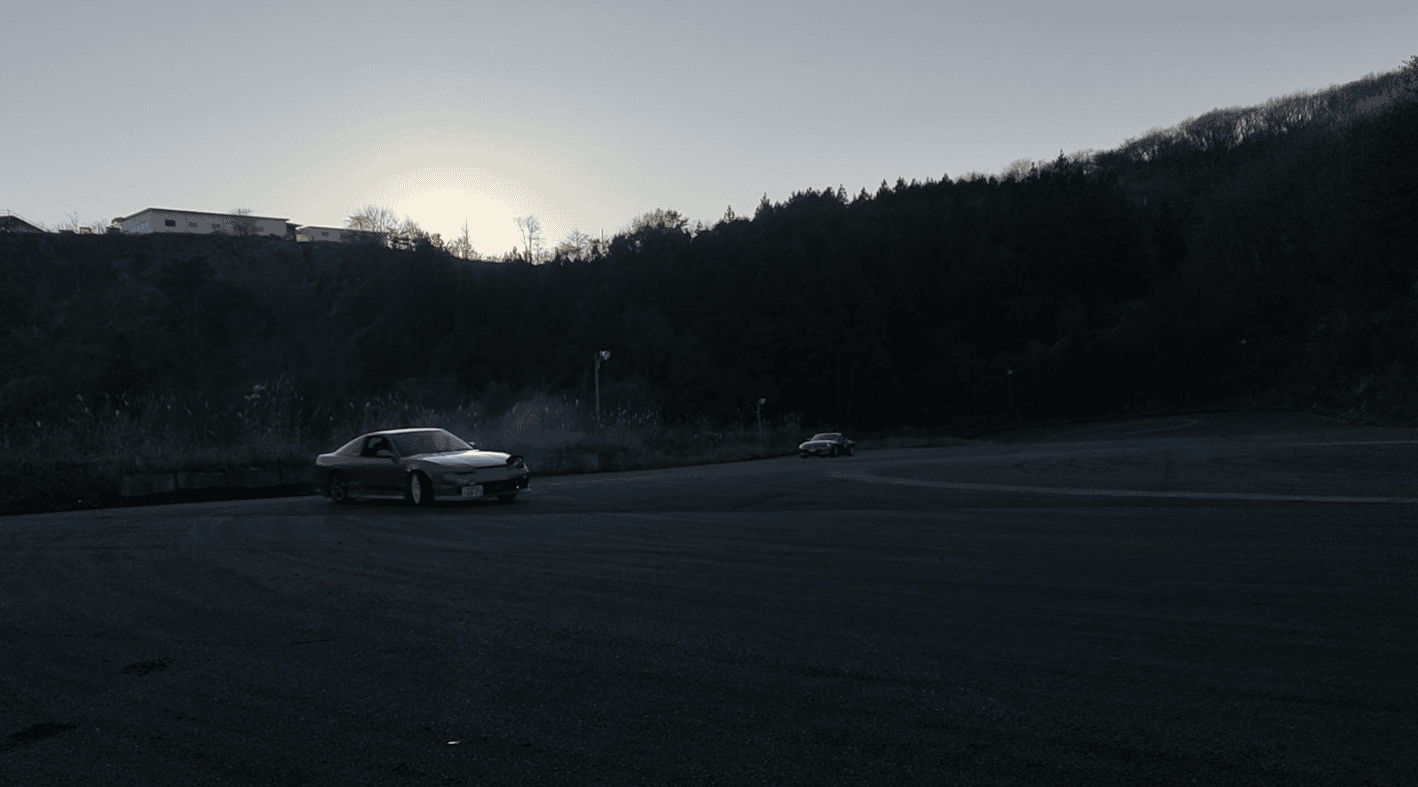
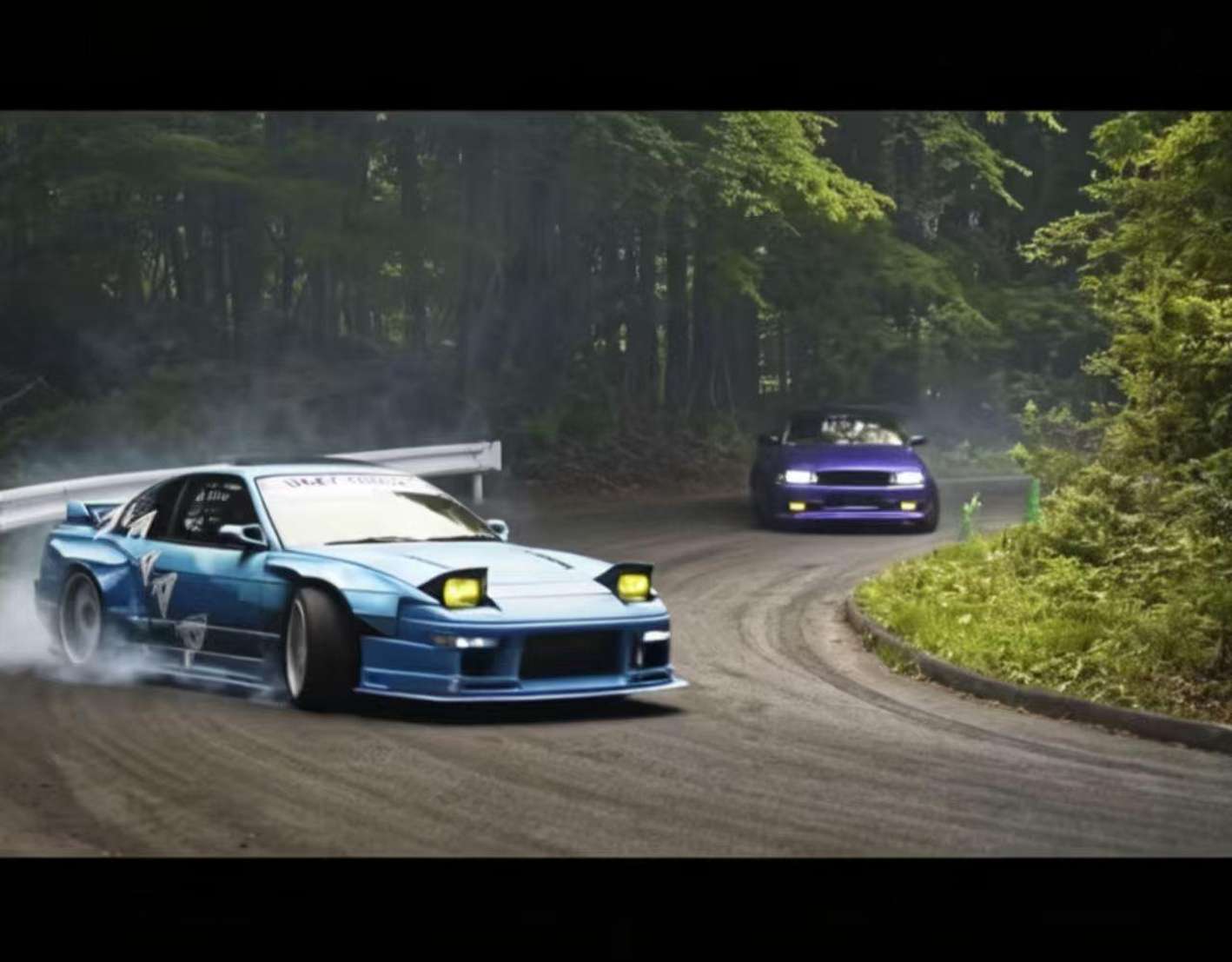
The shape of the night is simple. Three rounds per person, each more intense than the last. Round one is basic donuts and figure 8s from the passenger seat of a real drift-built JDM car driven by an OG drift driver.
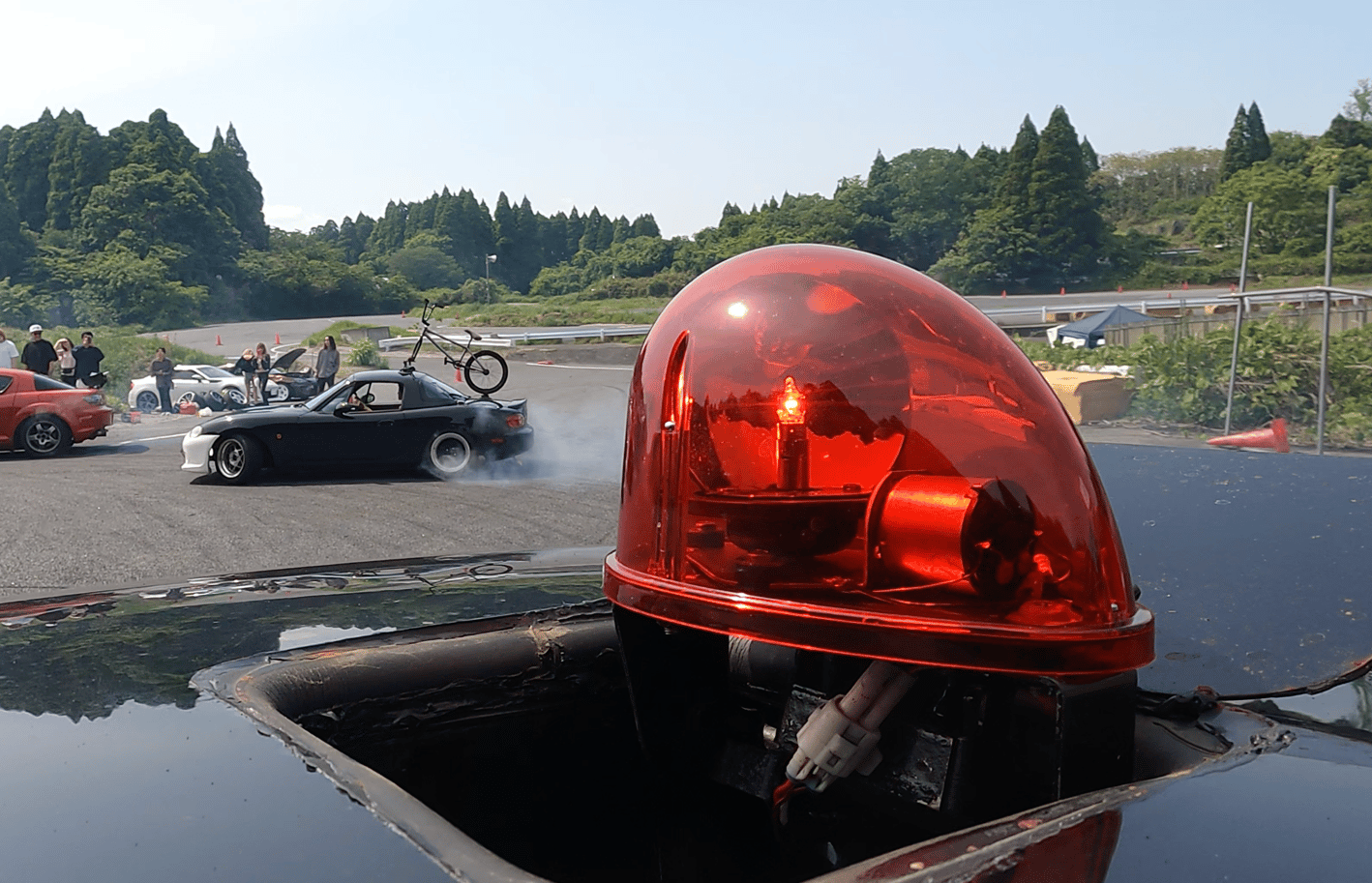
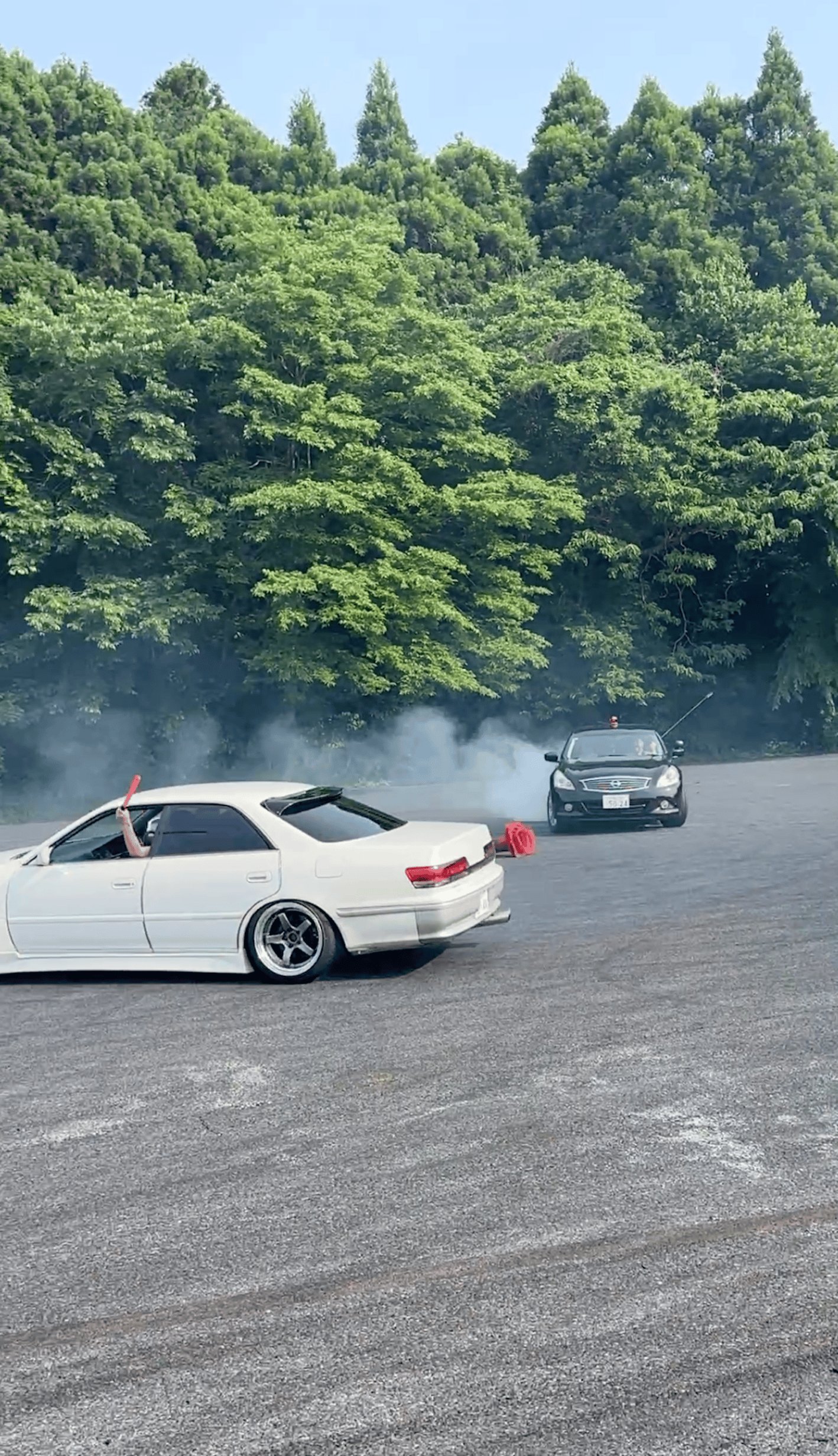
By round three you are into high-speed e-brake turns. Then comes the part people book it for: a choice. Ride the drift car while a replica undercover police car chases you, or sit in the police car and chase the drift car down.
Every person gets three rounds, so count on that as your night and treat any extra runs as a bonus. The drivers are the local OG crowd, and meeting them is half the point.
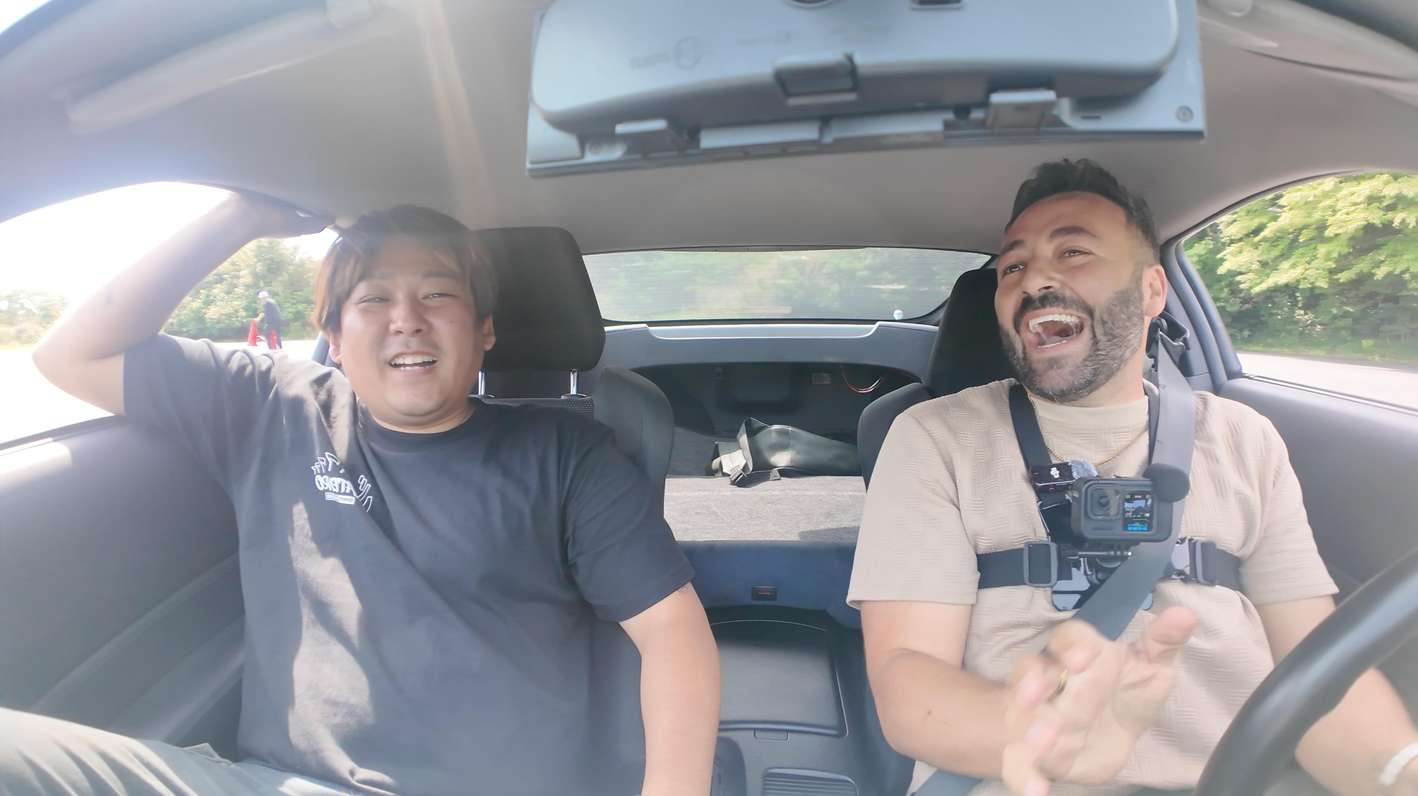
Travelers describe the sliding as an adrenaline-filled rush of speed, exciting yet controlled, and say they felt comfortable with how capable the drivers were. The smoke, the angle, the sound of the engine right behind your head: it lands exactly as the movies promised, and it is entirely legal.
Learning to drift yourself, even with zero experience
Most guests at a Tokyo drift lesson have never drifted before. Almost nobody arrives with seat time. The Self Drive Drifting Lesson with Pro Tokyo Drift Experience runs as a completely private lesson with an OG instructor, and because it happens on a closed circuit, no driving licence or International Driving Permit is needed.
The day is built around progression. Beginners start with basic circle work around cones, then learn a proper donut, and if that lands, a figure 8. Intermediate drivers move on to e-brake techniques and higher-gear changes, and everyone finishes with a graduation challenge course.
About 3 hours of practice is the standard, and the operator's own promise is a proper donut within that time. First-timers at the Chiba circuit typically hold a steady circle by the end of the day.
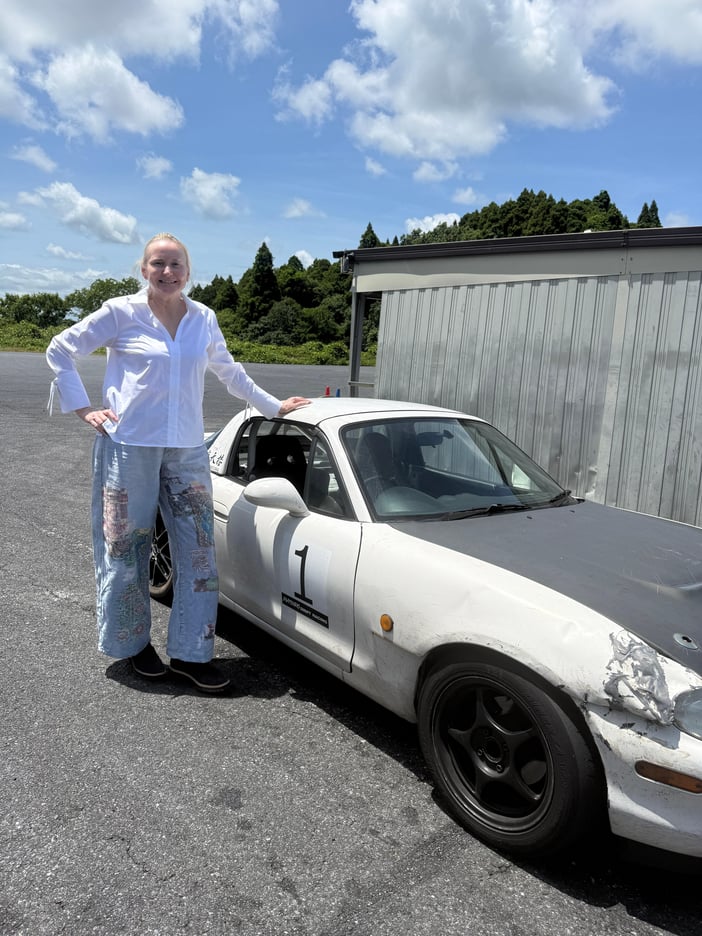
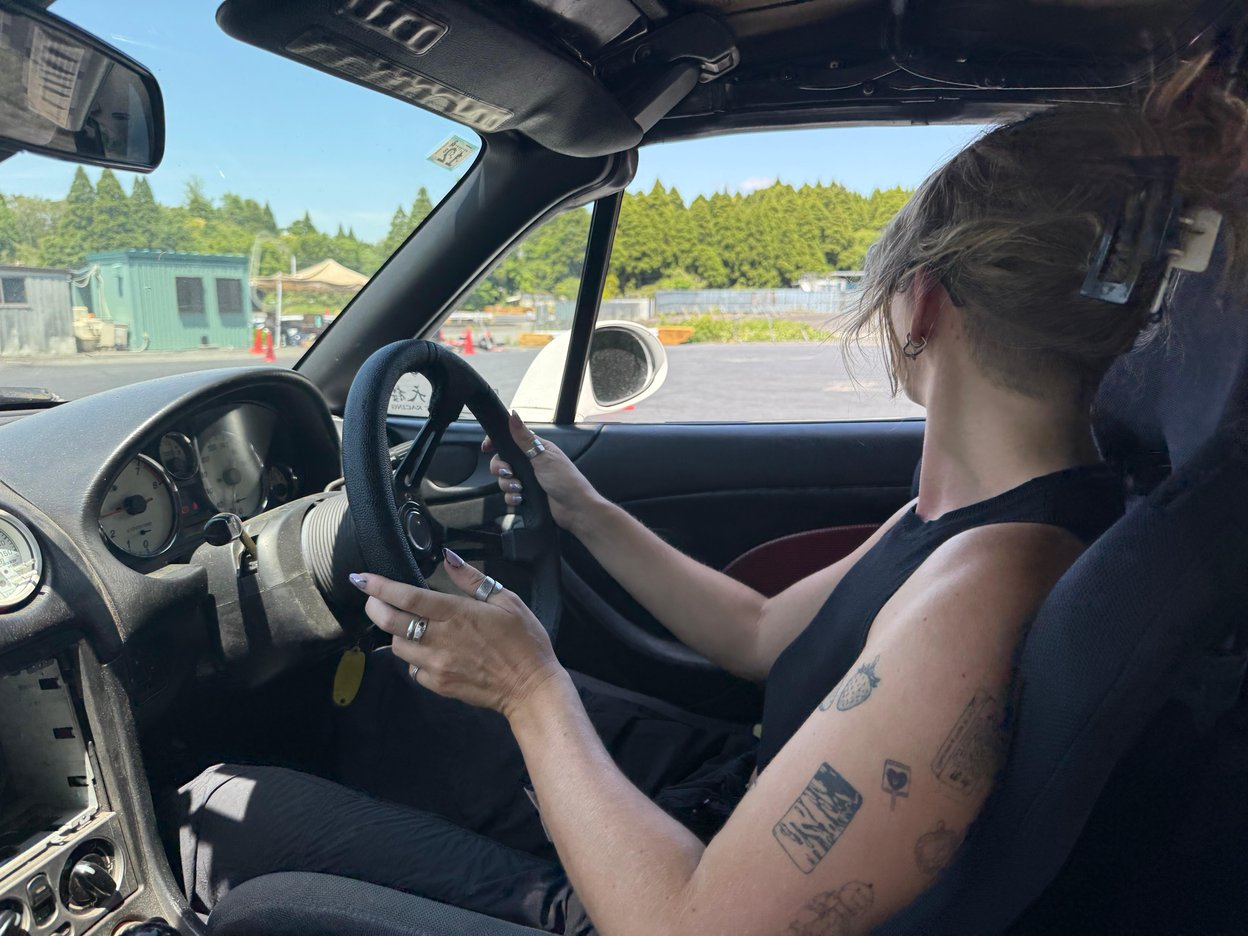
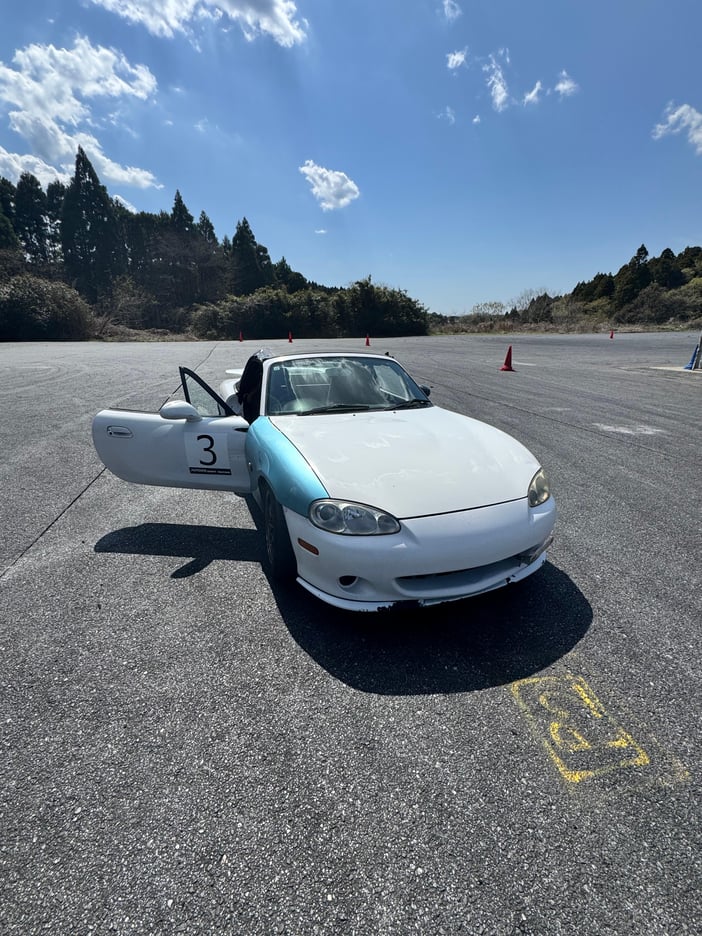
The cars are manual and right-hand drive, taught from scratch: a Mazda MX-5 NB for beginners, stepping up to a Nissan 350Z, RX-8 or 180SX as your skills grow. Helmets and gloves are supplied, and English-speaking translators and staff support the whole session.
Count on roughly 1.5 hours of transport each way from Tokyo, which makes the whole activity about 6 hours. Wear long sleeves, long pants and sneakers, and leave the sandals at the hotel.
Tour for this
Tokyo Drift Self-Drive Experience with Pro Instructor5.0★ (3) · 3 - 5 hours · Free cancellation
Ebisu Circuit - the full day at Japan's drift mecca
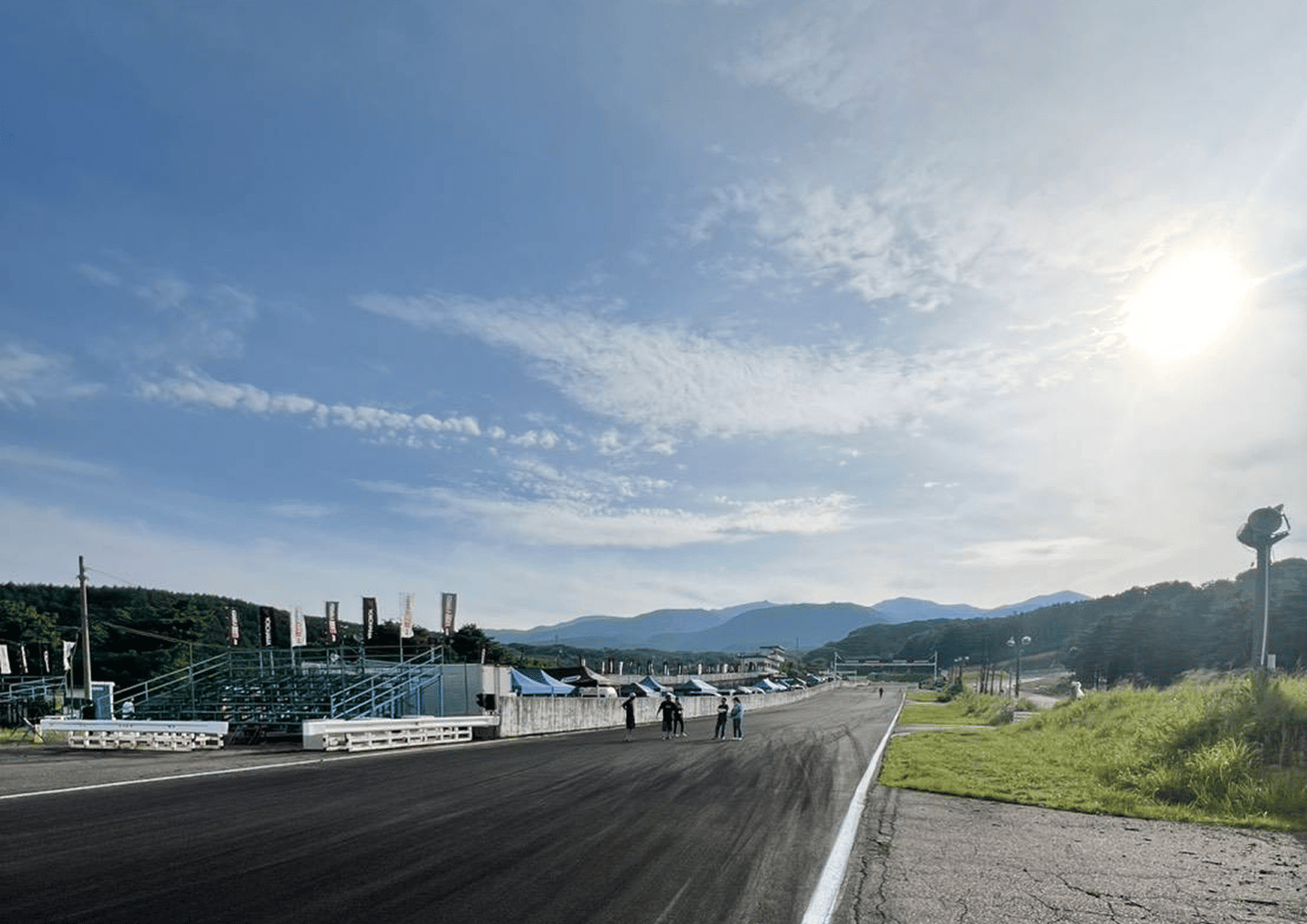
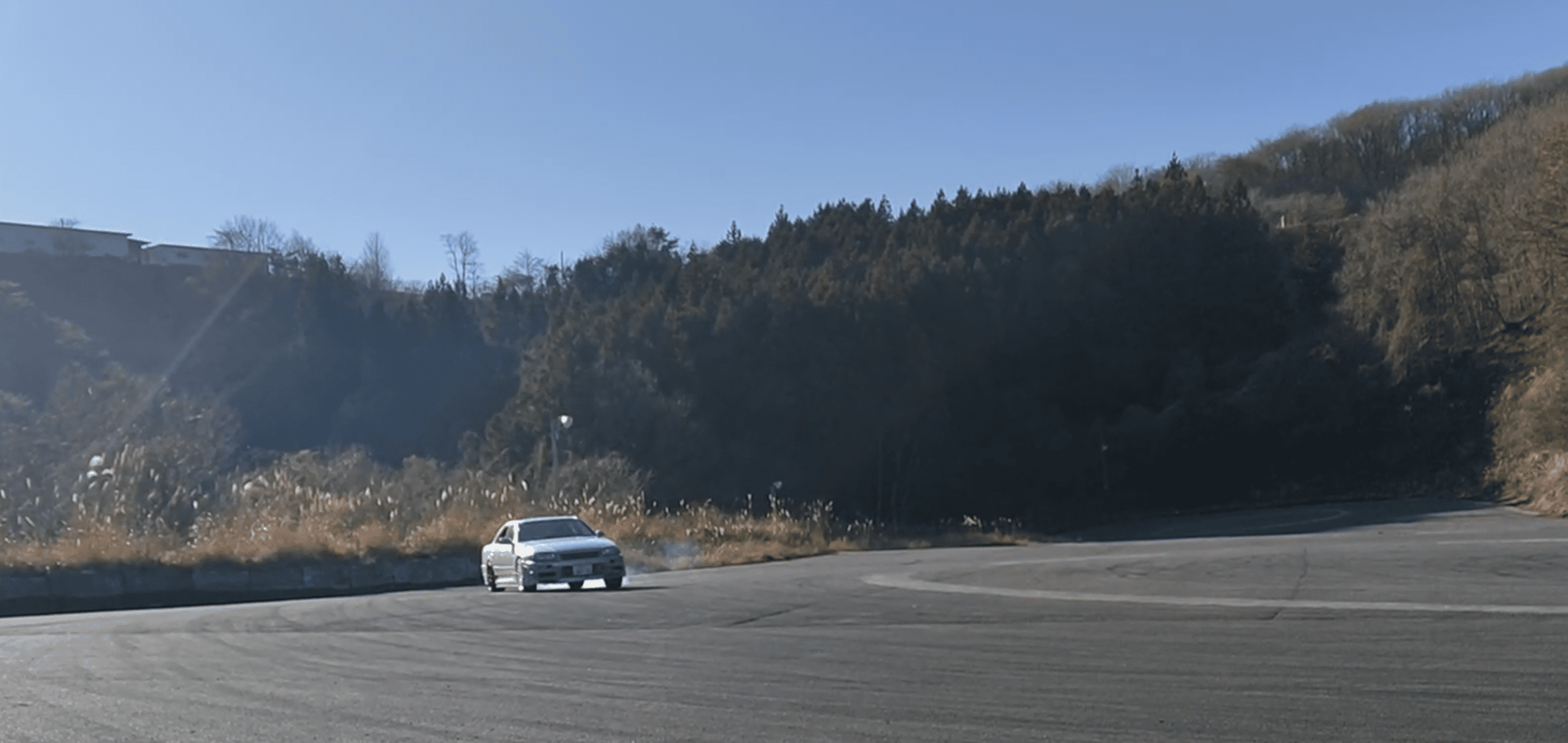
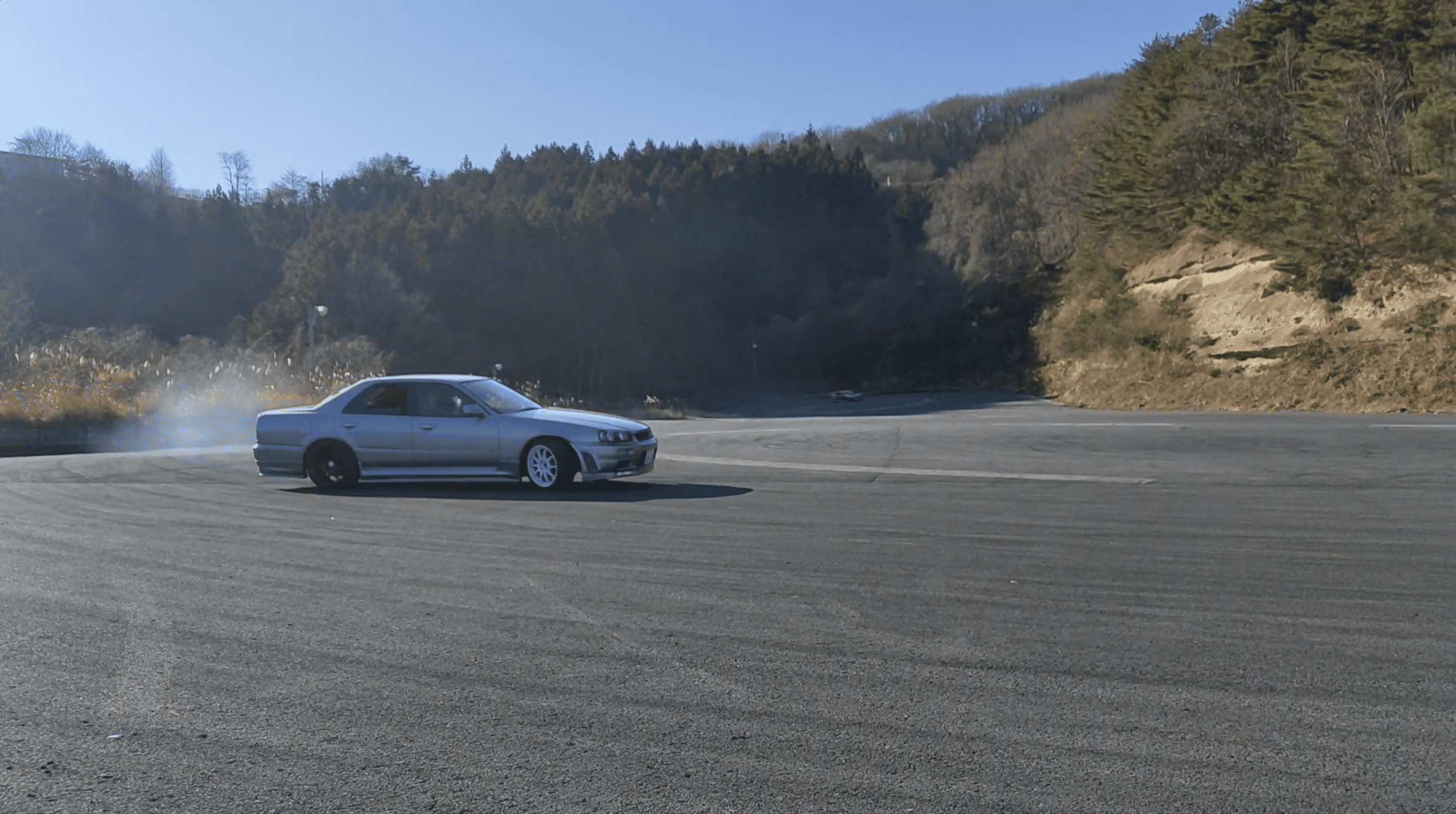
Ebisu Circuit sits in the mountains of Nihonmatsu City in Fukushima, north of Tokyo, and it exists precisely because street drifting is banned. It is the legal, safe-space answer to wanting the real thing, and enthusiasts travel from across the world for it.
The Ebisu Circuit: Guided JDM Drift Practice & Ride-Along makes the trip manageable: a 12-hour day with transportation from Tokyo, a professional guide, fuel and tolls, admission and a souvenir all handled. You get a JDM car driving experience with an instructor and safety support, plus a drift thrill ride as a passenger.
Beginners have their own ground here. The circuit runs dedicated practice courses called Kurukuru Land and Kurukuru Land 2, and the second one has a wet surface that is easier to learn on.
Complete newcomers start with basic circle turning around cones, and a first-timer can pick up the basics in about an hour of practice.
Is the long day worth it? A full-day drift school at Ebisu, with instruction, track time and a pro ride-along, is widely described as one of the best experiences people have had. If drifting is the reason you came to Japan, this is the day to clear in your schedule.
Tour for this
Ebisu Circuit: Guided JDM Drift Practice & Ride-Along4.9★ (72) · 12 hours · Hotel pickup · Free cancellation
When to come - the calendar of meets, rain and quiet months
Tours run all year, but the months are not equal. April is the busiest by a clear margin, followed by October and September, while June, February and December run quiet. Busy months mean book several weeks ahead; quiet months reward late planners, and travelers report booking within days of going.
Rain is the real weather story. June and September each average about 14 wet days, the wettest stretch of the year, and rain thins the car meets: fewer cars at Daikoku PA, slower drives, fewer photo chances.
One traveler found the lot somewhat empty after rain. What rain almost never does is cancel anything. Drivers run in the rain, hand out umbrellas, and one operator states the tour proceeds as scheduled, rescheduling only for a severe storm or road closures.
Note the fine print though: one operator gives no refund when weather shrinks the car meeting.
How busy the JDM tours are each month, with rain and dry days
April: 5 out of 5 for how busy it gets. The busiest month of the year (150) with mild 19.6°C days and 19 sunny days, the best mix of full car meets and comfortable evenings.
HighestMar to Apr, Sep to Oct
In betweenJan, May, Aug, Nov
LowestFeb, Jun to Jul, Dec
Darker: a higher how busy it gets score, out of 5
Tap a month to read it.
January: 26.4 dry days. A quiet month with 26 dry days and cool nights around 0°C, so meets are thinner but tours run and the winter night skies are clear.
HighestNov to Jan22.8 to 26.4 days
In betweenFeb22.2 days
LowestMar to Oct15.6 to 19 days
Darker months: higher, from 15.6 to 26.4 days
Tap a month to read it.
December: 26.8 sunny days. Quiet (73) with 25 dry days and mostly clear skies, but nights drop to 2.5°C, so dress warmly for the meets.
HighestAug, Dec to Jan24.2 to 26.8 days
In betweenFeb to Mar, Jul, Nov21.2 to 23 days
LowestApr to Jun, Sep to Oct16.8 to 19.6 days
Darker months: higher, from 16.8 to 26.8 days
Tap a month to read it.
So aim for April or October when you want the fullest scene and can book early. June or December suit late planners who want space and flexibility, and a wet forecast means a thinner meet, never a lost night.
Tour for this
Fast and the Furious lll/Tokyo Tower/DAIKOKU PA/JDM Car Meet4.9★ (260) · 3 - 4 hours · Free cancellation
Daikoku PA at night - the meet that may or may not happen
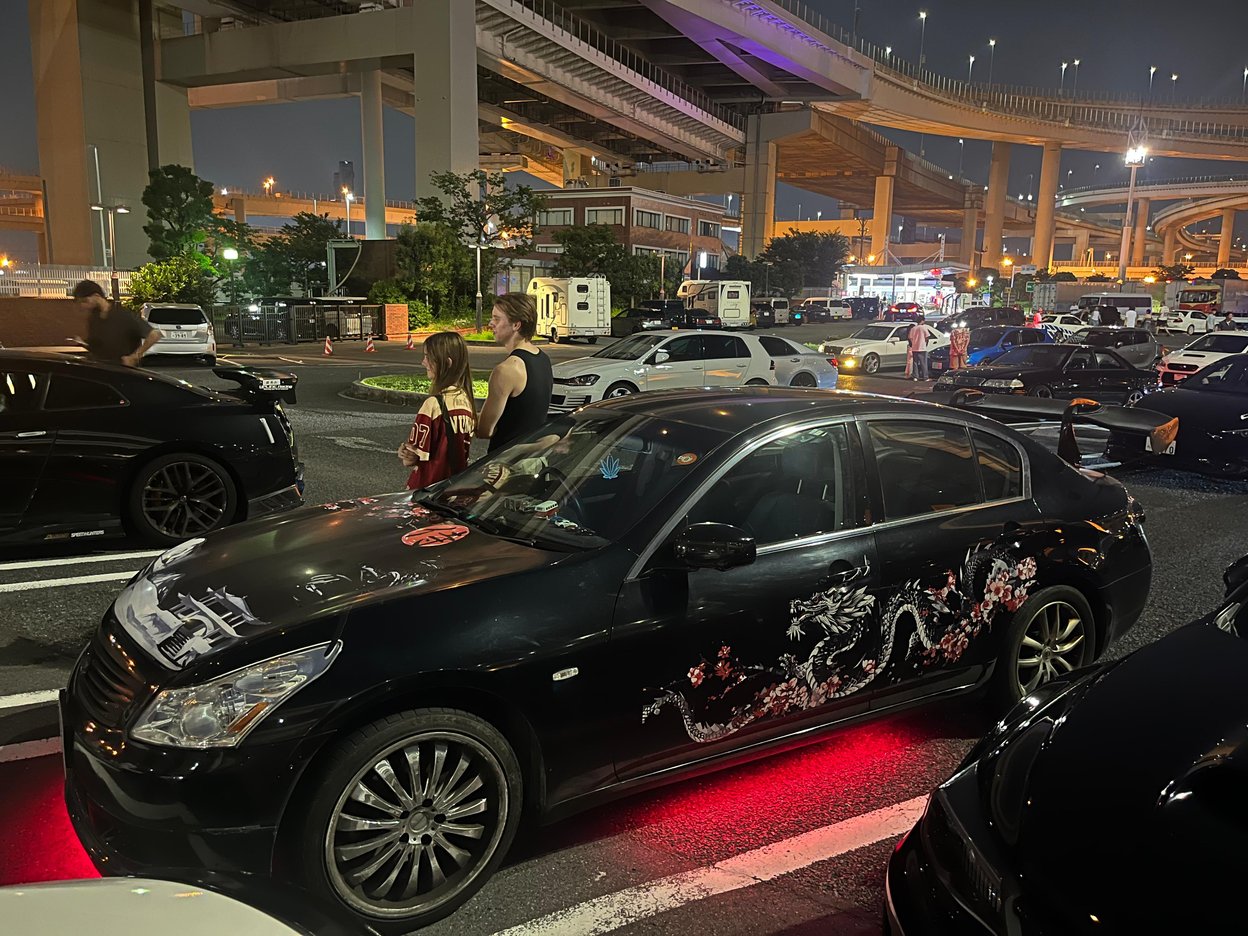
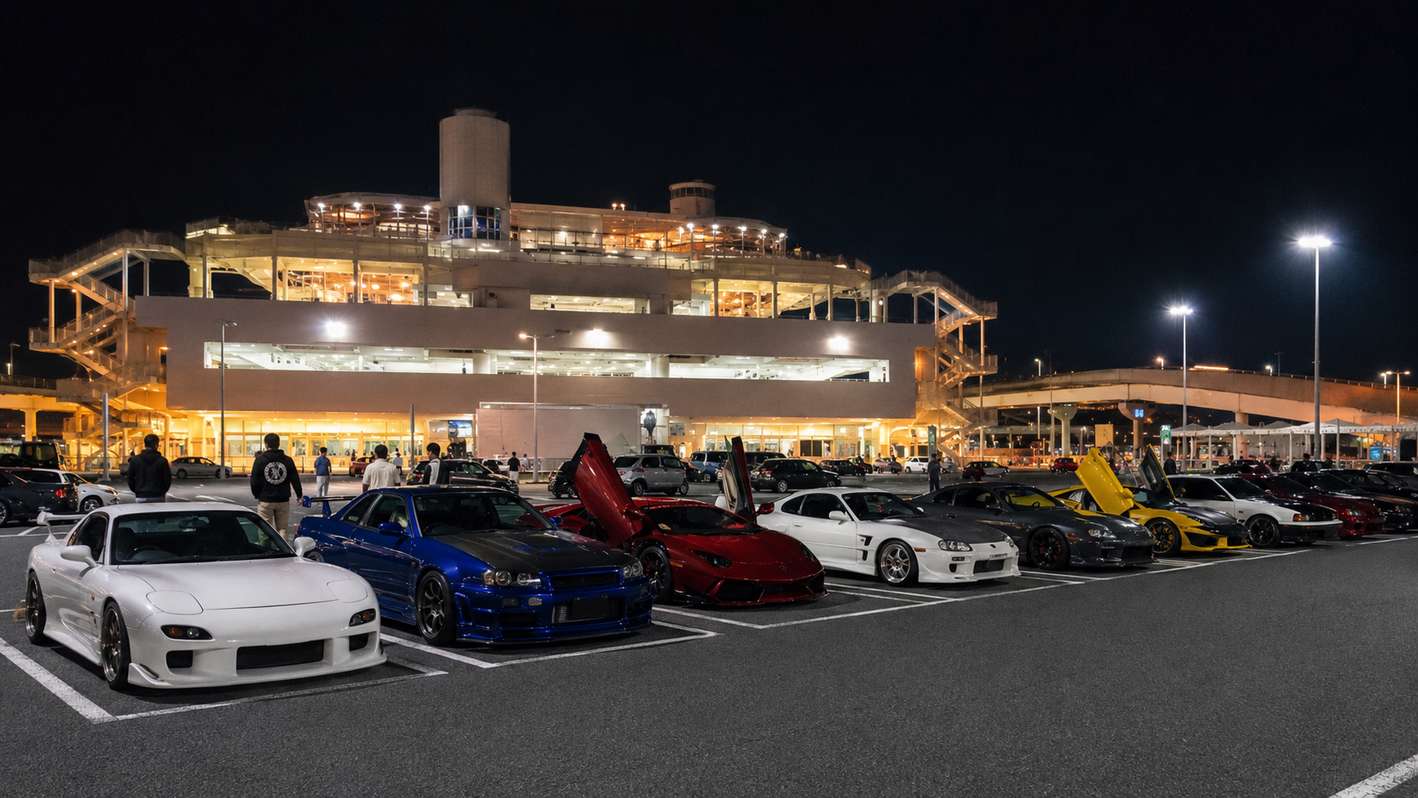
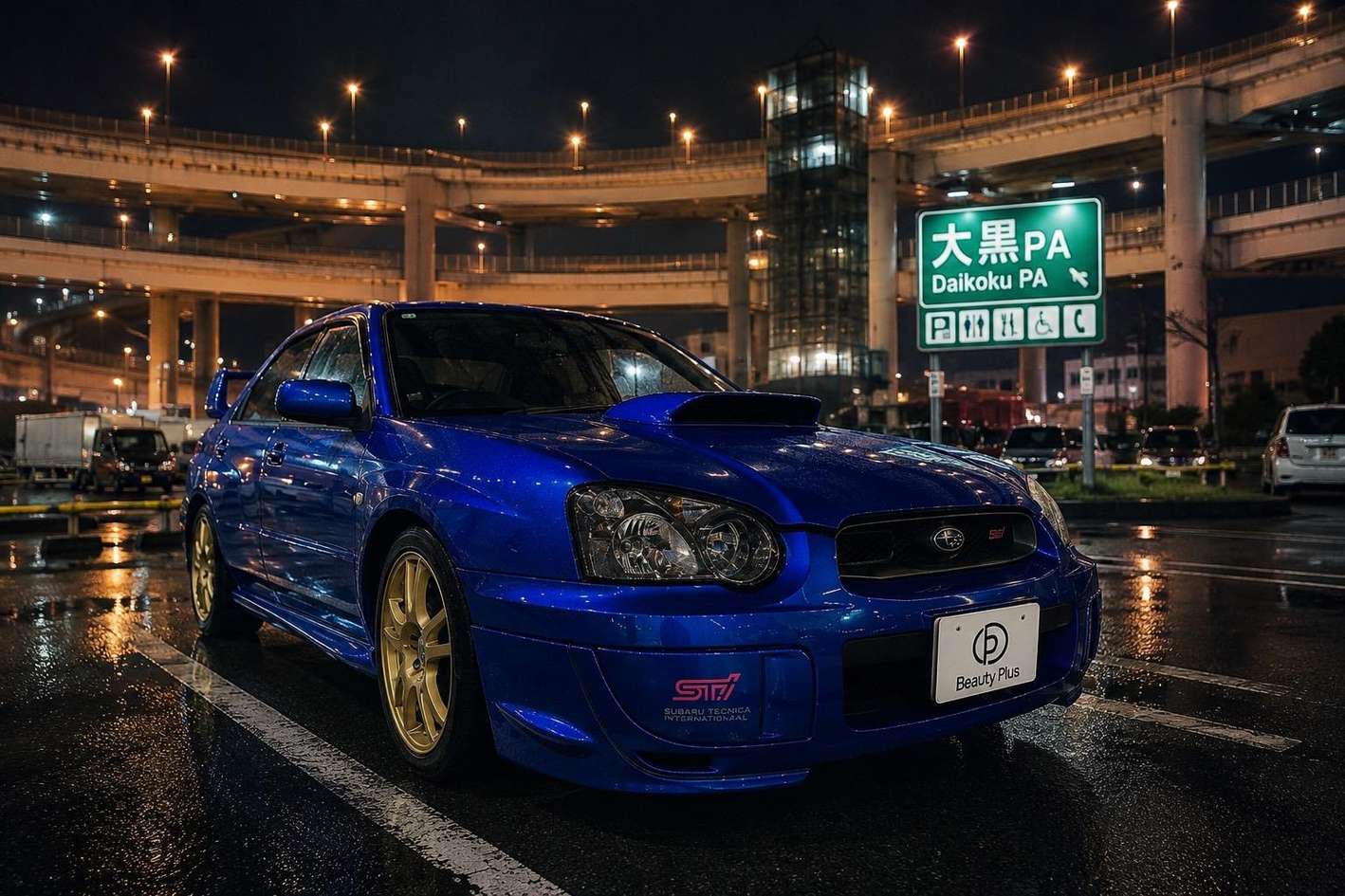
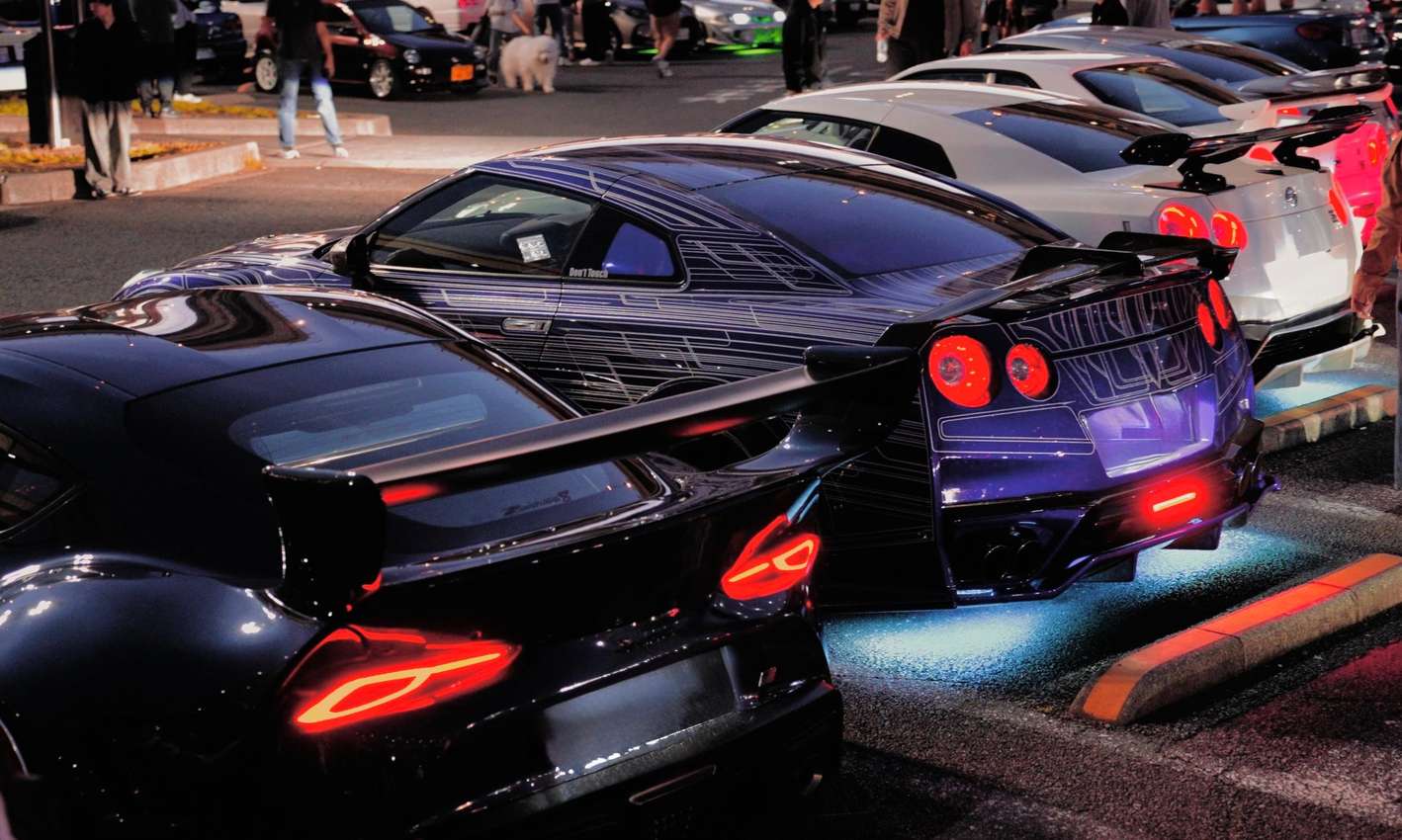
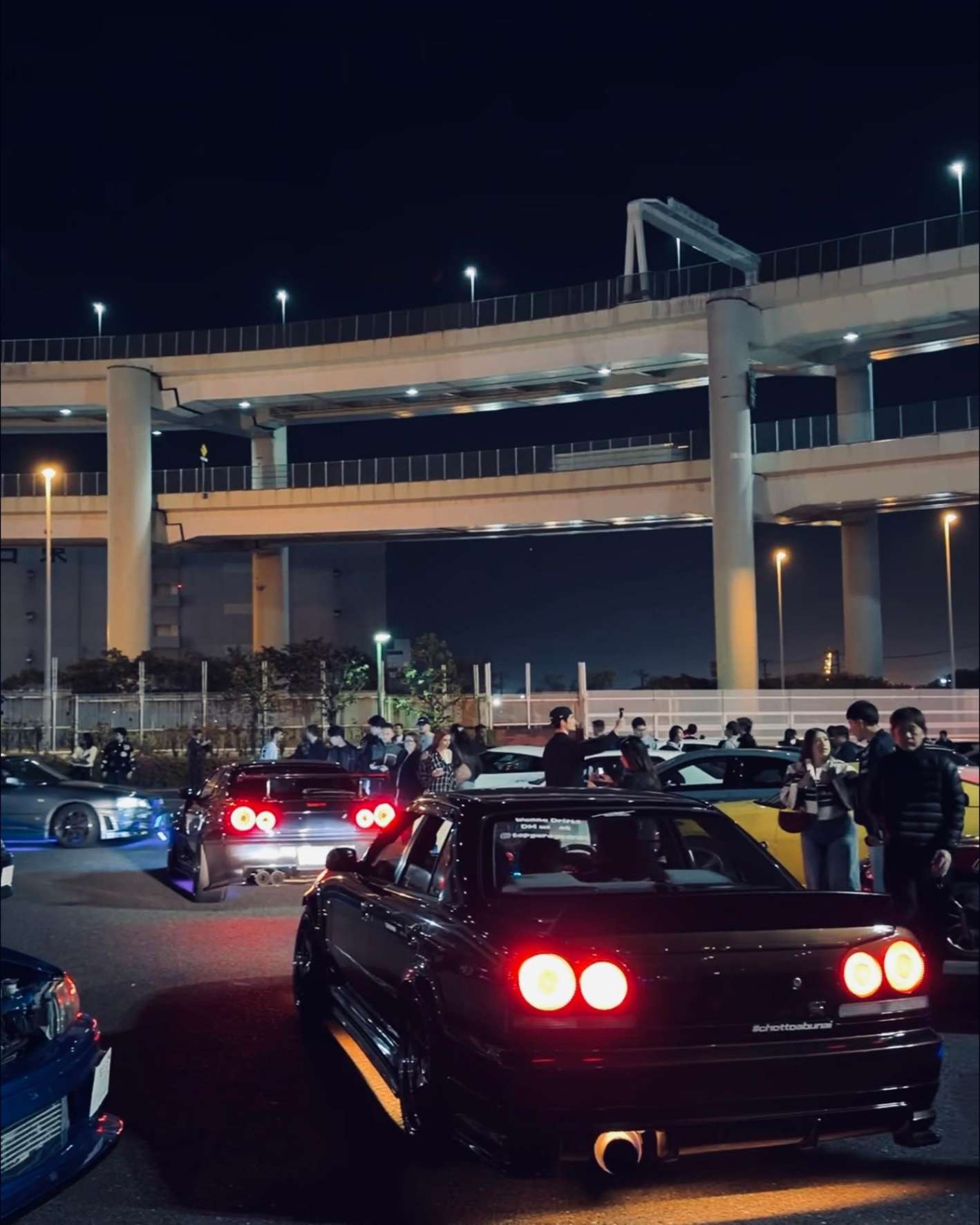
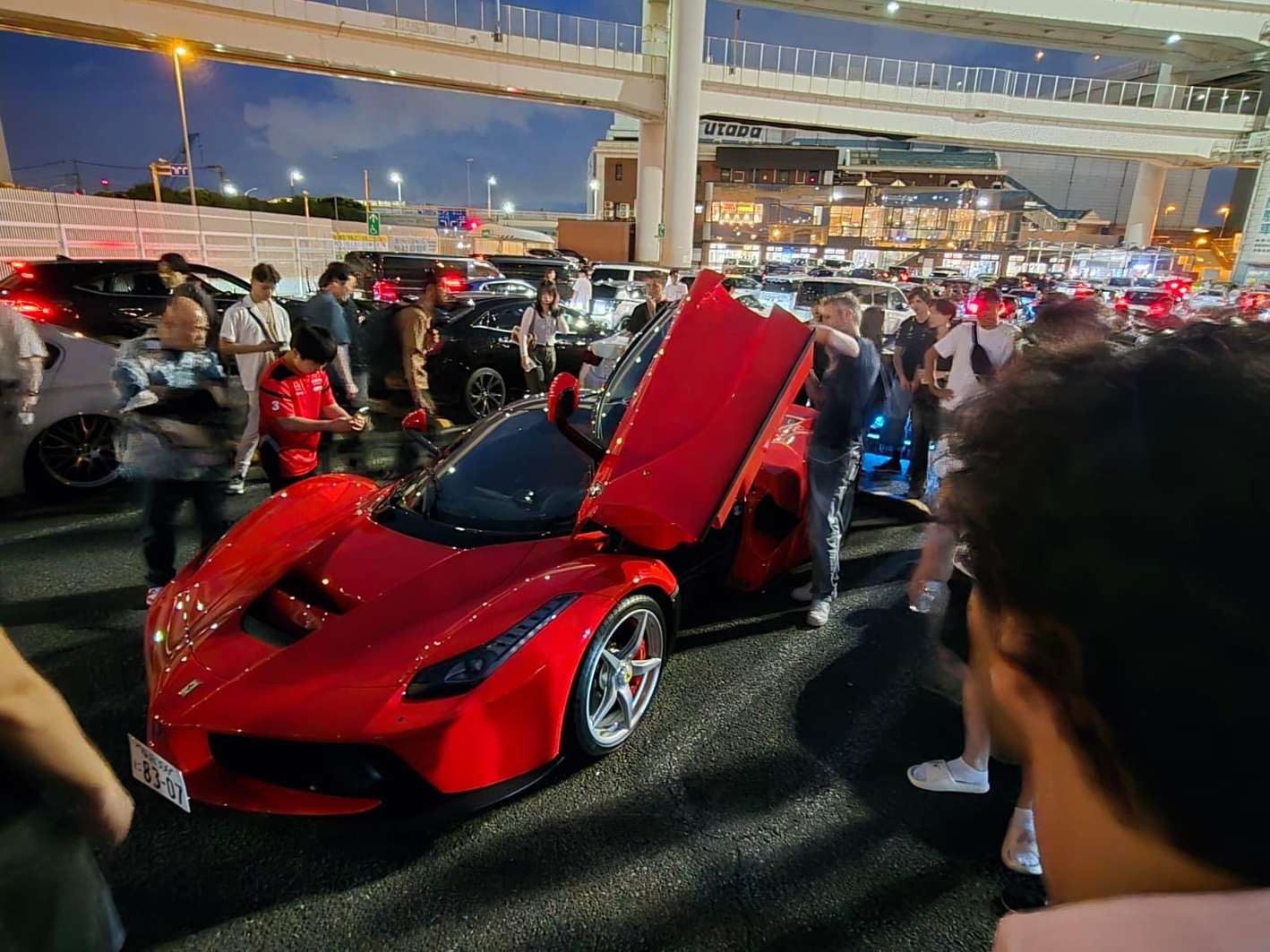
Daikoku Parking Area is the center of Japanese car culture, a rest stop on a toll highway at the north end of Yokohama where enthusiasts gather every night, with bigger turnouts on weekends.
Expect it to feel like Cars and Coffee, but at night: no organiser, no start time, no guaranteed line-up, just random people and their cars at odd hours.
The honest part comes now. There is no schedule to check, because the meet is spontaneous and nothing is published in advance.
What can end a specific night is police: on Thursday, Friday and Saturday nights the meets get closed down by about 8:30 pm, and weekend-night closures became the norm through 2025 and 2026. The entrance also shuts once the lot fills, with no notice.
Good operators plan around it. Many pull Friday and Saturday pickups forward to 4 pm or 5 pm to beat the closures.
When the lot shuts, most divert to a fallback such as Umihotaru or Tatsumi PA and keep the night going. Policies vary, and Daikoku being closed is usually not a refund trigger unless you decline the alternative.
Can stop the day
Police close the Daikoku entrance without notice, most often Thursday to Saturday by about 8:30 pm Read the operator's closure clause before paying, and confirm in writing what the fallback lot is
Weeknights are your safer bet if a guaranteed Daikoku visit matters most.
Getting to Daikoku - why there's only really one way in
Daikoku PA sits inside the Shuto Expressway on an artificial island in Tokyo Bay, and that location decides everything. There is no pedestrian entrance, no bus stop, no taxi rank and no train.
A taxi can drop you off, but it cannot pick you up again, and entering on foot is illegal. Tourists who tried have drawn police and media attention.
So the approaches narrow fast. From Haneda Airport a taxi covers the 39 minutes in, then strands you. Trains and walking are simply not possible from any starting point.
The practical way in is a guided tour with hotel pickup: the operator collects you in the JDM car itself and drives you in via the expressway, about an hour from central Tokyo, 39 minutes from Haneda, and roughly 1 hour 45 minutes from Narita without traffic.
Some operators also let you meet the group directly at Daikoku if you arrive in your own car.
Look at how the rows end: every approach without a tour comes up empty. Add the return problem, since taxis back from a bay rest stop late at night are costly and hard to find, and the guided ride stops being a luxury and becomes the logistics.
Driving yourself - licences, rentals and Tokyo's roads
If you would rather hold the wheel, the paperwork comes first.
To rent and drive in Japan you need an International Driving Permit under the 1949 Convention, or, for licences from Switzerland, Germany, France, Belgium, Monaco or Taiwan, your home licence plus a certified Japanese translation arranged through JAF before you go. Bring your passport, and carry your licence whenever you drive.
Rentals are findable. JDM specialists operate from stores near Haneda Airport in Ota and in Adachi in the north, with more pickup points around Shibuya, Chiyoda, Koto and Meguro, and one shop in Matsudo, Chiba, just outside the city.
Watch the extras: expressway tolls add up fast, and a damage excess applies if the car is disabled.
The drive itself is tamer than the fantasy. Tokyo's roads are orderly and considerate, with low speeds, few horns and a general 60 km/h limit on the expressways.
The C1 loop, a roughly 14.8 km circuit around central Tokyo, is legal to drive repeatedly, with tight tunnels and sweeping curves past Ginza and the Imperial Palace and no traffic lights.
The hard parts are narrow streets, left-side traffic and short merging lanes. And know the line you cannot cross: 40 km/h over the limit leads to arrest.
Driving yourself
Rent a car in TokyoCompare cars from the rental companies in one search, then pick yours.
Two dress codes, one trip. For any drift lesson or circuit day, the rule is strict: long sleeves, long pants and sneakers, no sandals. Helmets and gloves are supplied by the organizers, lesson cars carry roll cages and safety harnesses, and the session opens with a safety briefing and helmet fitting.
For a night meet, dress for standing around outdoors by the water. Tokyo nights at Daikoku PA run from near freezing in winter to over 25 degrees in midsummer, and the meet happens in the open, so a light jacket matters even in warmer months.
Comfortable shoes and clothes you can walk in, plus a camera or a charged phone for the night shots.
Bring your ID or passport on night runs, where it is explicitly required. Eat before you join, since most tours include no food or drinks, and leave the large suitcase at the hotel because space inside a sports car is tight.
One last habit: after booking, give the operator a WhatsApp or Instagram contact and keep notifications on. They message before start time, sometimes an hour out, and the email within 48 hours needs a reply.
Meet etiquette - how not to be the tourist who ruins it
The cars at these meets belong to their owners. Do not touch, lean on or sit in any vehicle without the owner's permission, and never open a door for a photo.
Photography is welcome, but ask before close-ups, before interiors or engine bays, and before posting online. Shooting without permission is a real irritation for owners, and disrespectful visitors are why some locals stopped bringing their cars to Daikoku at all.
Behavior is watched, and not just by owners. Police act on complaints, and the conduct that ends meets is specific: revving engines, burnouts, loud music, blocking driving lanes. None of it, and the night stays open. Stay out of the roadways too, because trespassing tourists walking into traffic are what kill these gatherings.
The upside of good manners is real. Start a conversation with a genuine compliment about the build, and doors open: one traveler struck up a chat at Akihabara and the owner revved his 4-AGE engine for him.
Never ask what a car cost or whether it is for sale. Take your rubbish with you, keep your voice down, and leave slowly.
What nobody tells you
Compliment the build and start a chat
An owner who feels respected might rev the engine or talk mods with you
Ask about prices or for-sale questions
It breaks the meet's unwritten rules and marks you as a tourist
Post photos straight away
Ask first, and blur license plates before anything goes online
Follow those lines and you become the guest owners are happy to see, which is the difference between watching a meet and being part of one.
Daikoku PA itself has nothing within walking distance. It sits alone on an artificial island reached by highway, so plan the rest of the day elsewhere.
The nearest cluster is Minato Mirai in Yokohama, a short drive across the bay bridge: the Curry Museum, the NYK Maritime Museum, the Port Museum, the Nippon Maru memorial park, Cosmo World and the CupNoodles Museum all sit within about a 15-minute walk of each other.
Back on the Tokyo side, most tours start around Shinjuku, and the neighborhood fills the hours before a night run.
Shinjuku Central Park is a 4-minute walk from the tour start area, with Juniso Kumano Shrine, the Sompo Museum of Art and the Japanese Sword Museum all inside 15 minutes on foot, and Meiji Shrine and Shinjuku Gyo-en worth the 20.
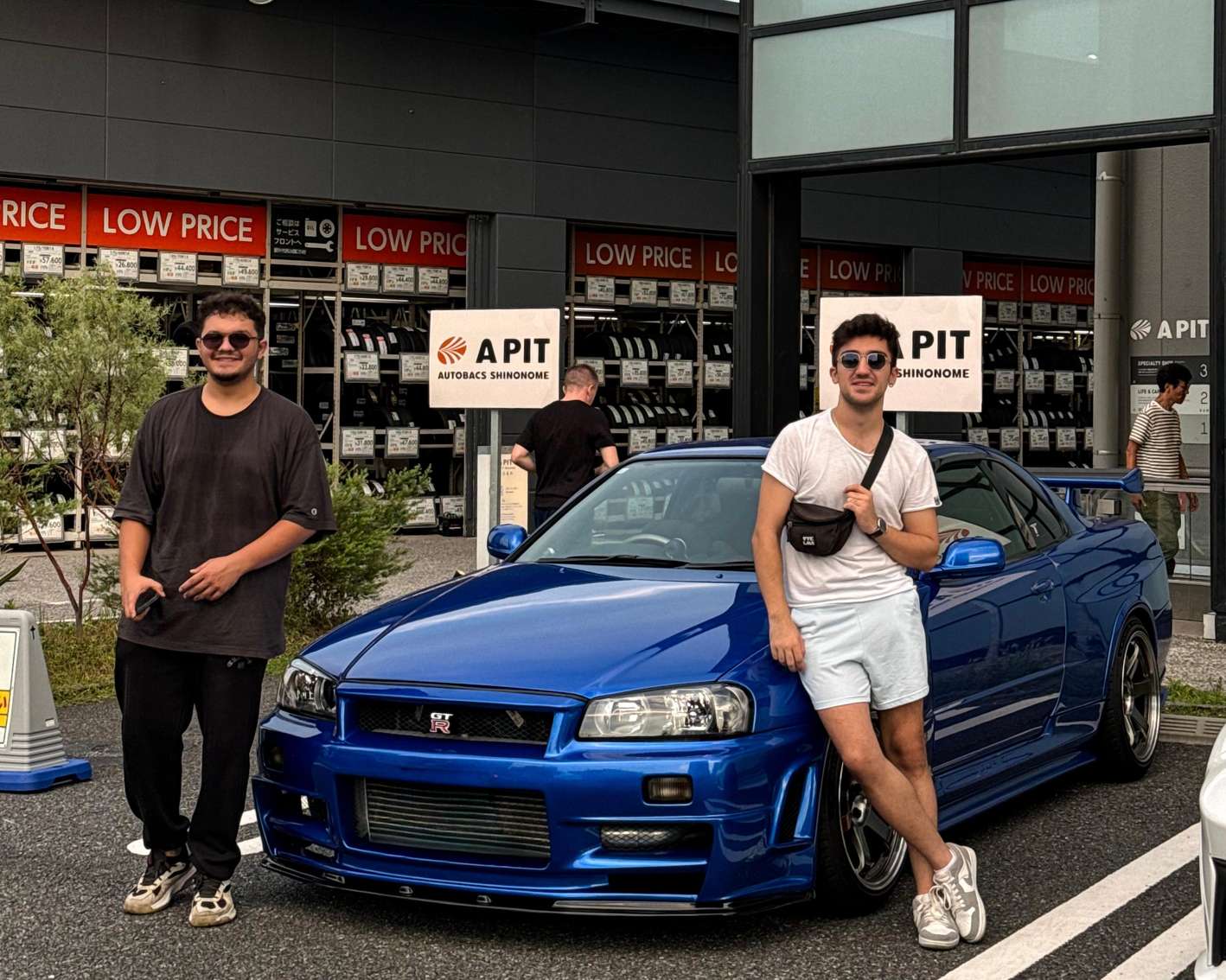
Car-spotting fills the gaps too. Shibuya near the crossing in the evening, the free Akihabara UDX underground garage on Friday and Saturday nights with its anime-wrapped ita cars, and the Autobacs Shinonome lot, which hosts car events of its own.
Stack one of these before pickup and the day becomes a full car-culture itinerary rather than a single stop.
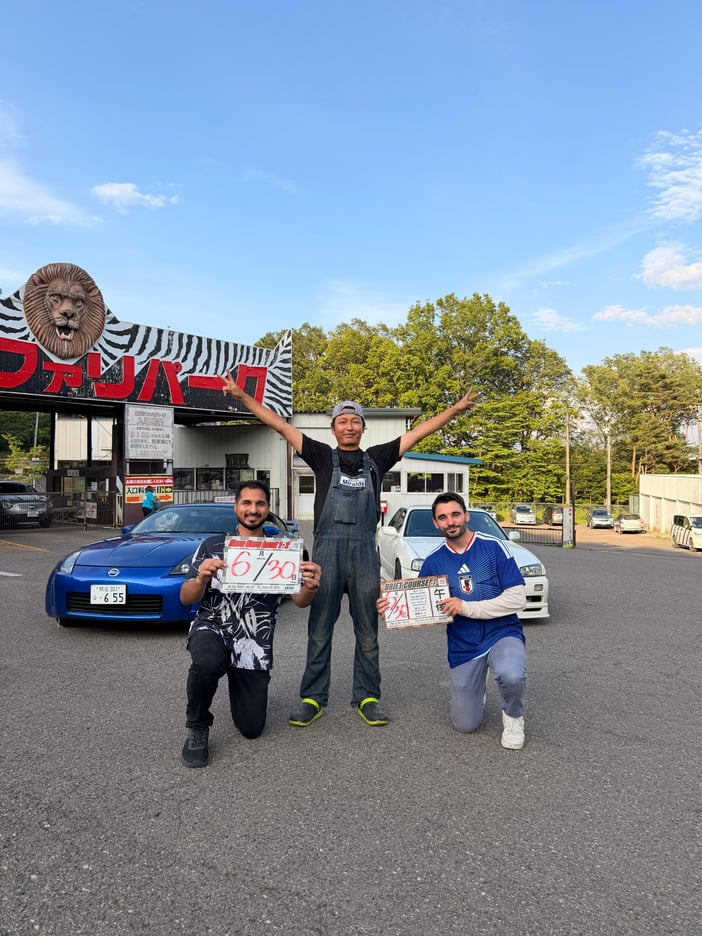
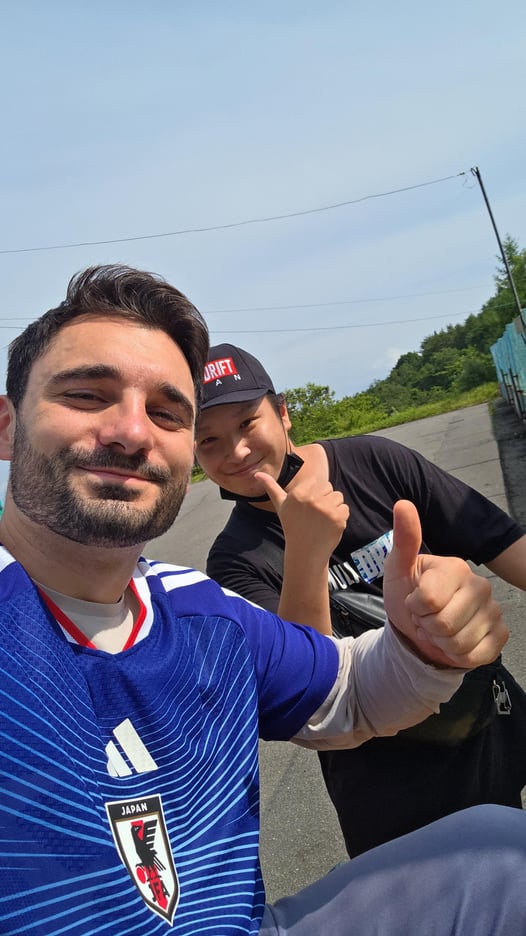
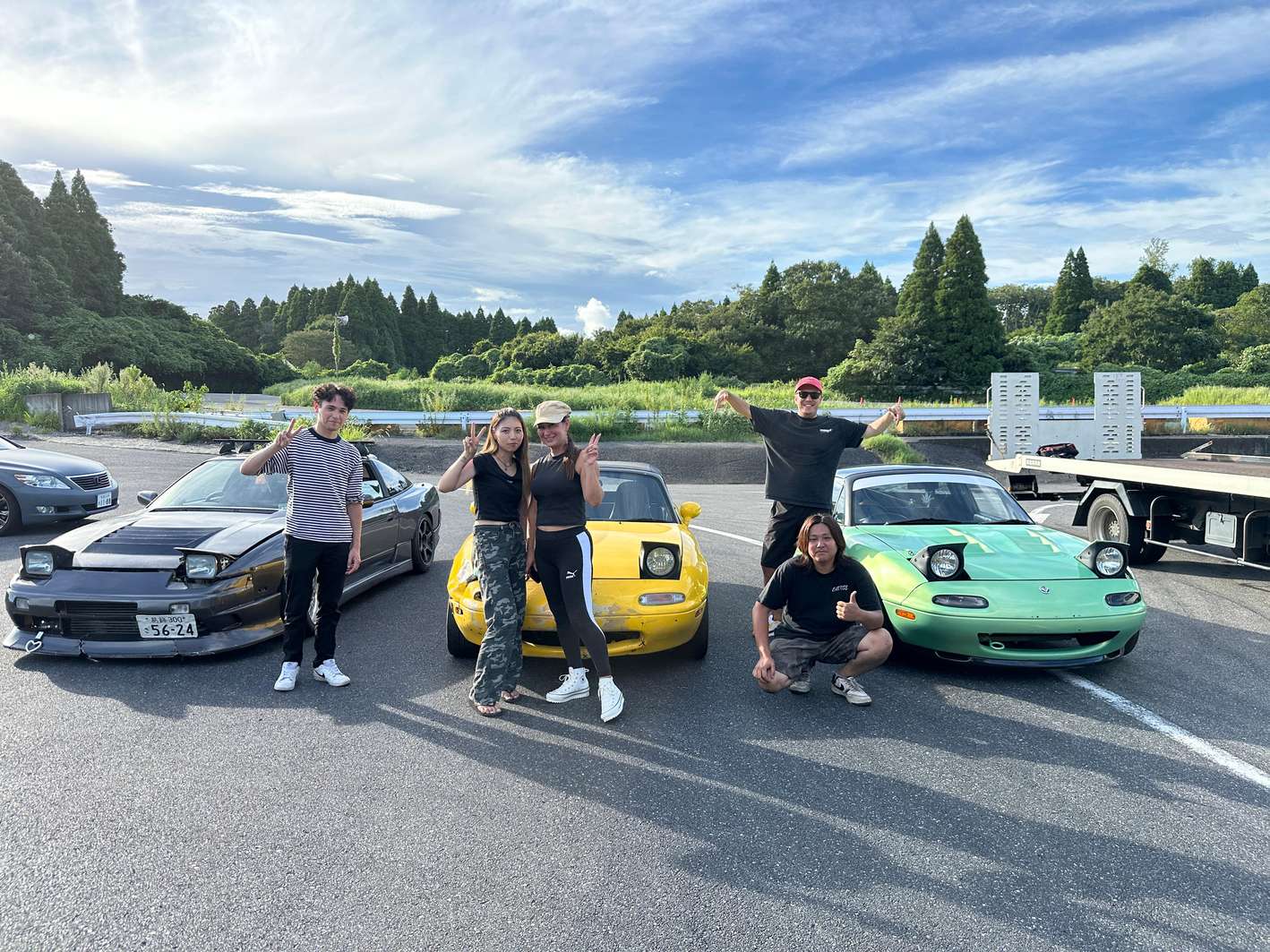
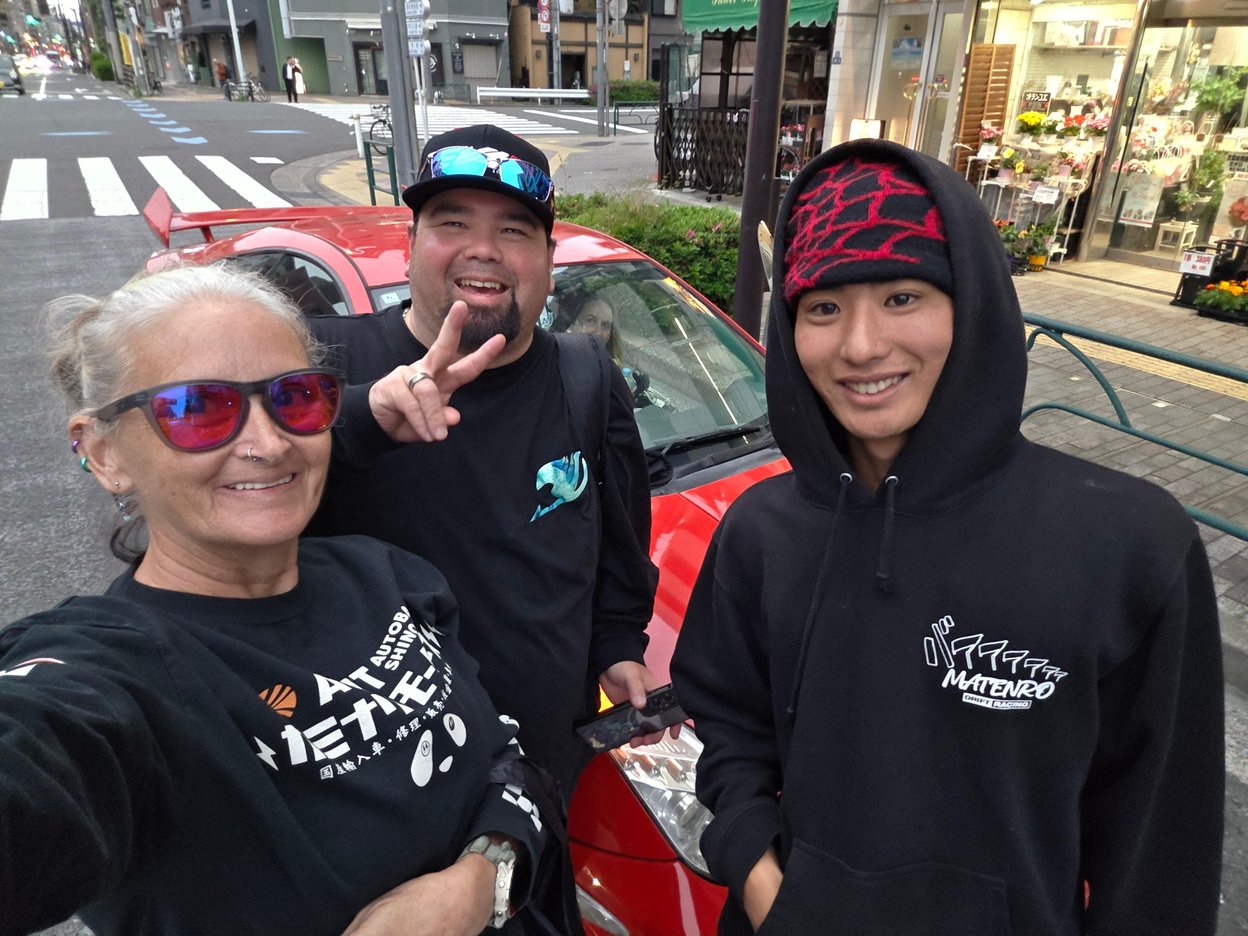
Shouta and Nori were the best, polite, kept us updated on plans. Drifting was easier to grasp than I expected, and their photos and videos were amazing.
A Tokyo drift experience delivers exactly what you search for, as long as you match the format to the appetite. Want the movie moment? Book the ride-along with the replica police chase.
Want the skill? The private 3-hour lesson needs no licence and welcomes total beginners. Want the scene? The night tour to Daikoku PA, with a fallback plan confirmed in writing.
Go ifYou want to feel real drifting legally, from the passenger seat or behind the wheel on a closed circuitYou have never drifted and want a patient private instructor, no licence requiredYou are happy to give a full 12-hour day to Ebisu Circuit, Japan's drift mecca
Skip ifYou expect to see street drifting on Tokyo's public roads, because that is illegal and does not happenYou want a guaranteed Daikoku PA visit on a Friday or Saturday night without a fallback planYou cannot wear long sleeves, long pants and sneakers for a lesson or circuit day
Our pick to book
Ebisu Circuit: Guided JDM Drift Practice & Ride-Along4.9★ (72) · 12 hours · Hotel pickup · Free cancellation
Quick answers on legality, licences, formats and what a drift experience in Tokyo really involves.
What exactly is a Tokyo drift tour?
It covers a few different formats: a ride-along on a private circuit with a professional drift driver, a self-drive lesson where you learn donuts and figure 8s, or a night drive in a JDM car with stops at car meets like Daikoku PA. Some experiences combine several of these in one booking.
Is drifting on public roads in Japan legal?
No. Drifting on public roads is illegal in Japan, so legal drifting happens on closed circuits. From July 2026, deliberately sliding the tires on public roads counts as dangerous driving under Japanese law.
Can I learn to drift as a complete beginner?
Yes. Lessons start from the basics, with patient instructors teaching donuts and figure 8s before moving to side-brake techniques. Most beginners learn a donut within a few hours of practice, and no prior drifting experience is needed.
Do I need a driving licence for a drift experience?
For self-drive lessons you need your original home licence, a valid 1949 Geneva Convention International Driving Permit (or an official Japanese translation for certain licences), a passport, and a minimum age of 18. Ride-alongs need no licence at all, so you can drift as a passenger either way.
What is a ride-along drift experience like?
You sit in the passenger seat while a professional drifts, usually on a private circuit. A typical ride-along gives each person three rounds of increasing intensity, starting with basic donuts and figure 8s and building to high-speed turns.
What happens in a police chase drift tour?
One experience near Tokyo uses a replica undercover police car: you either ride in a drift car being chased, or take the police car's passenger seat and chase a drifting JDM car yourself. It runs on a private circuit with OG drift drivers at the wheel.
How long does a drift lesson take?
The driving itself takes about 3 hours, but with roughly 1.5 hours of transport each way from Tokyo the whole activity runs about 6 hours. Full-day circuit experiences at Ebisu take even longer, so clear your schedule for the day.
What should I wear and bring to a drift lesson?
Long sleeves, long pants and sneakers are required; sandals are banned. Helmets and gloves are provided, and cars used for lessons carry roll cages and safety harnesses. Bring a camera too, since instructors and staff often help with photos.
Can children join a drift experience in Tokyo?
It depends on the format. Drift lessons require participants to be at least 18, with under-18s allowed only when accompanied by a parent or guardian. Some ride-along experiences let children join with a parent as long as they fit the harness safely, and one self-drive experience is not suitable for children under 15.
How do I know a drift tour is legitimate?
Carrying paying passengers in Japan requires a transport licence and a green license plate, so check that the operator is registered and insured.
A good listing names the actual cars you ride in, states its closure and cancellation terms, and refuses reckless driving and illegal modifications. Ask in writing what is guaranteed on your date before you pay.
Drift a JDM Car at Ebisu Circuit, straight from Tokyo
A full day from Tokyo to Japan's famous drift circuit: drive a JDM car, take a pro drift ride-along, and get dropped back at your hotel. Cancel up to 24 hours ahead for a full refund.