- 1
Arrange a 1949-convention International Driving Permit at home, or a JAF translation if your licence is from Switzerland, Germany, France, Belgium, Monaco or Taiwan.
- 2
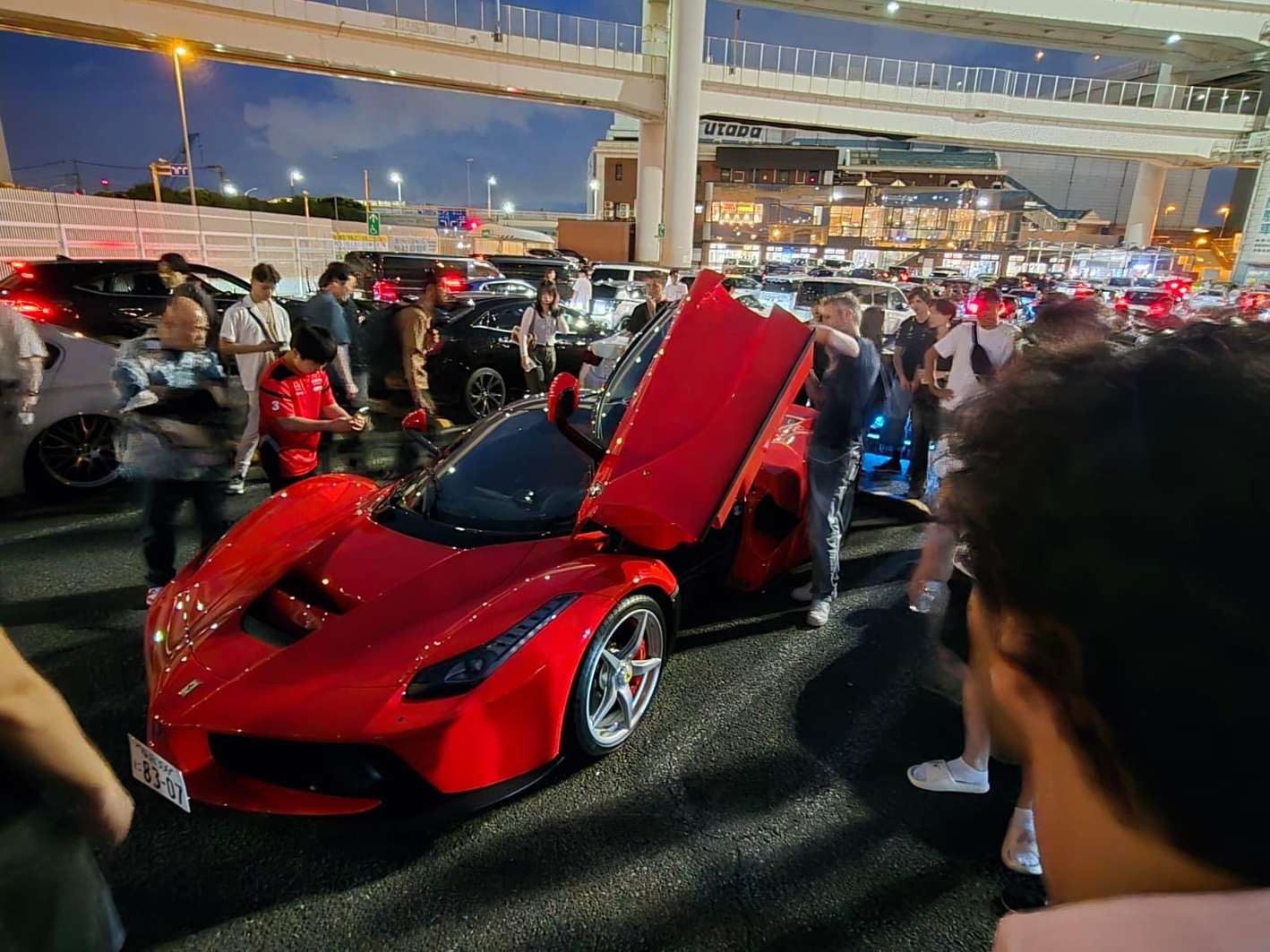
Police close the Daikoku PA meet by about 8:30 pm on Thursday to Saturday nights, which is why good operators pull weekend pickups forward to 4 or 5 pm.
- 3
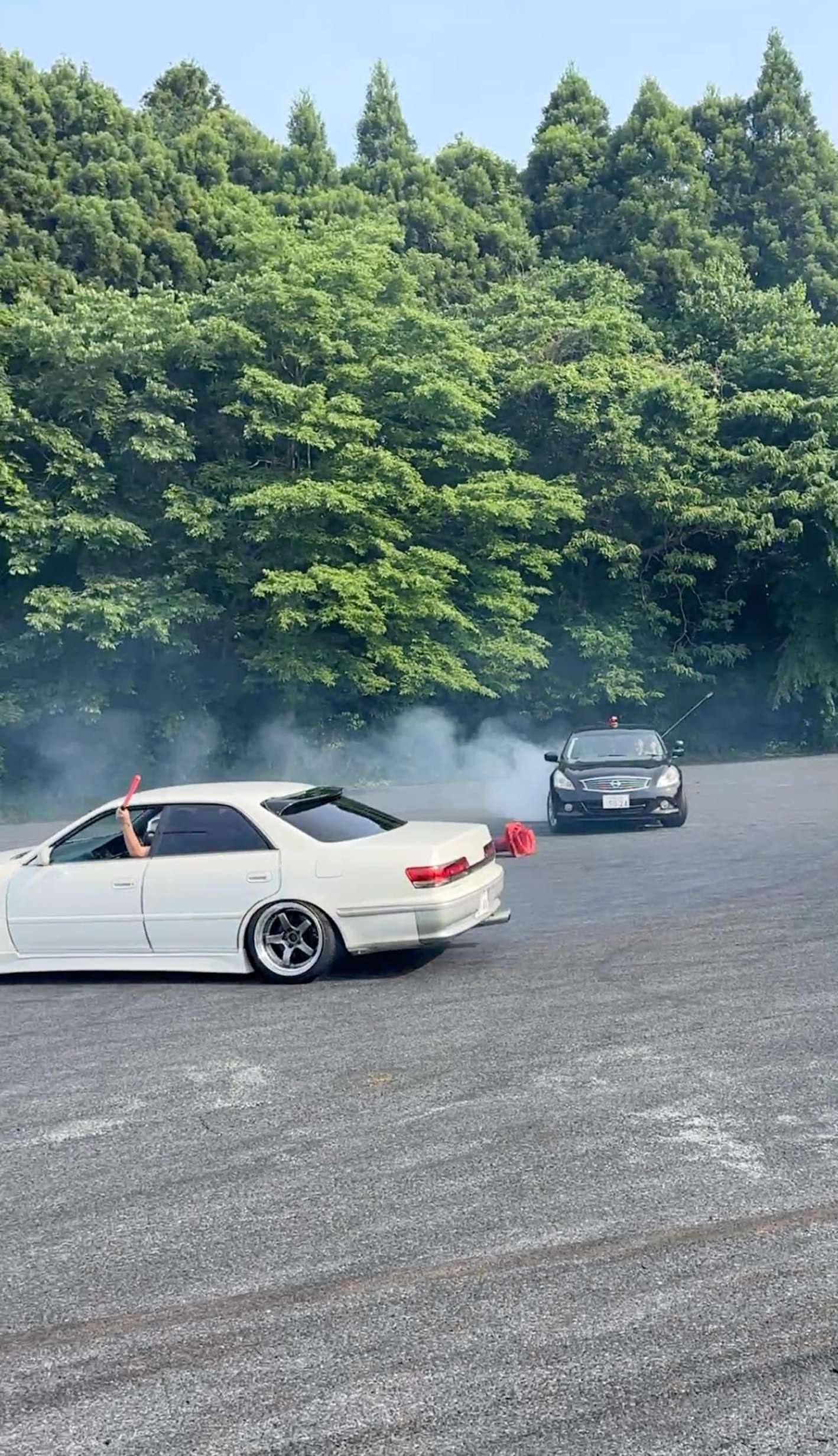
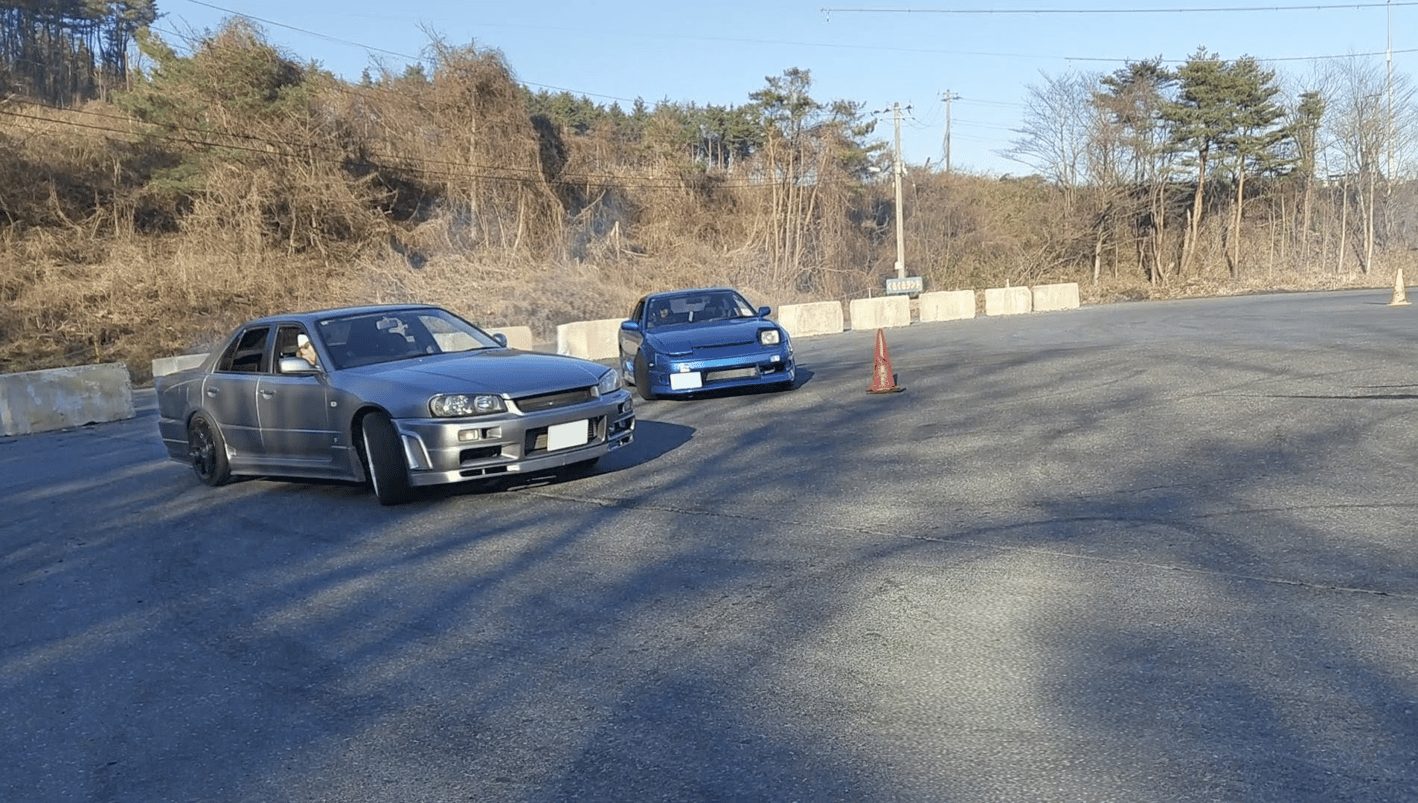
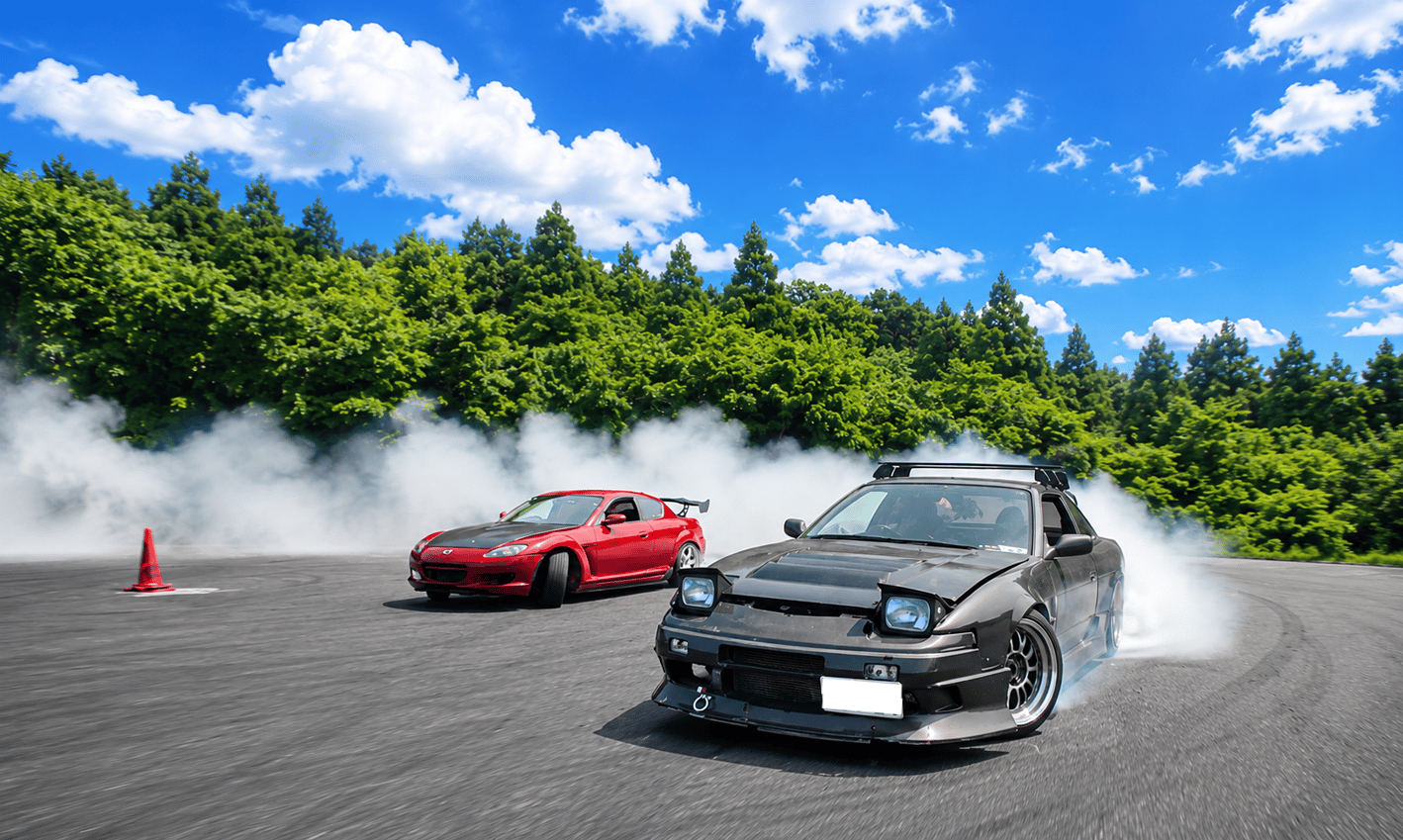
Drifting on public roads is illegal in Japan, so real drifting means a circuit like Ebisu or a D1 Grand Prix round, never the tour car.
Nissan GTR R34 Rental in Tokyo - what travelers said
 ★★★★★
Amazing evening! Guides were friendly and made everything easy.
Lachlan · United Kingdom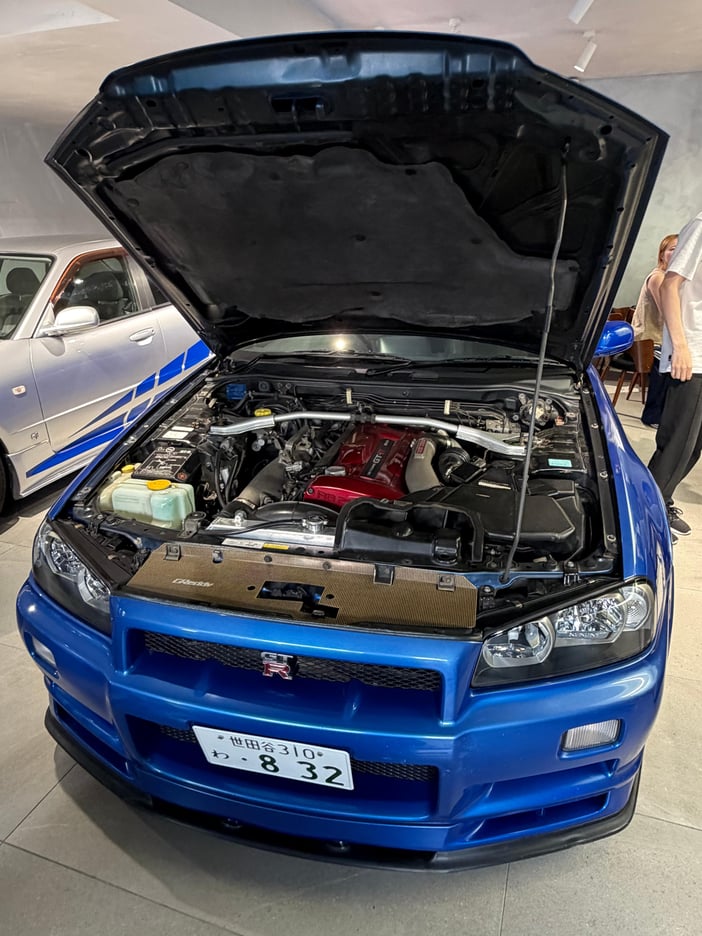 ★★★★★
Brilliant, loved every second. Cars were immaculate and well maintained, guides friendly and welcoming. My girlfriend knows nothing about cars and still really enjoyed it. Definitely recommend.
James · United Kingdom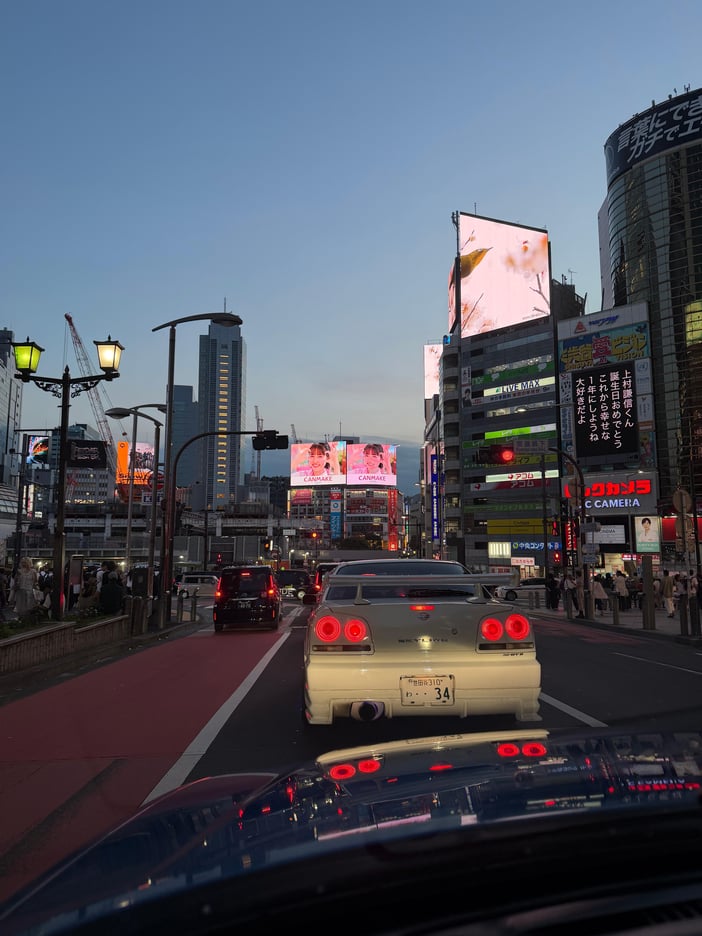 ★★★★★
Booked as a fun family activity. Staff were super friendly and made sure we had a good time. Awesome cars, great sights, and a cool car meet too. Recommend if you love cars.
Martin · United States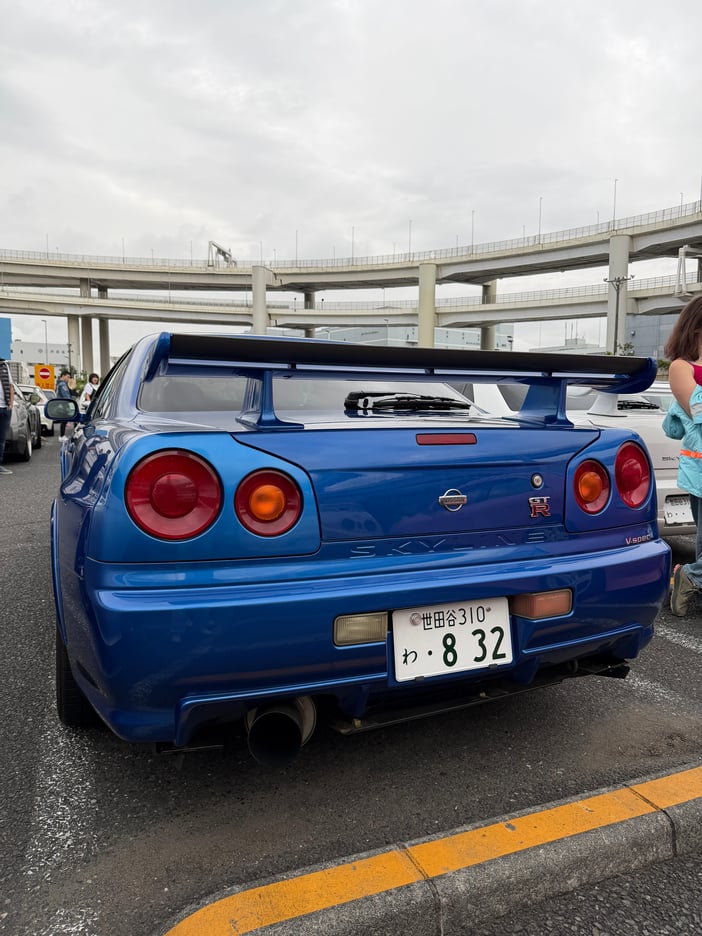 ★★★★★
Made the whole trip worth it, best car night ever. Car was sick, guides are awesome people. I'd do this 100 times. On the fence? From one car person to another, book it. 5/5
Cole · United States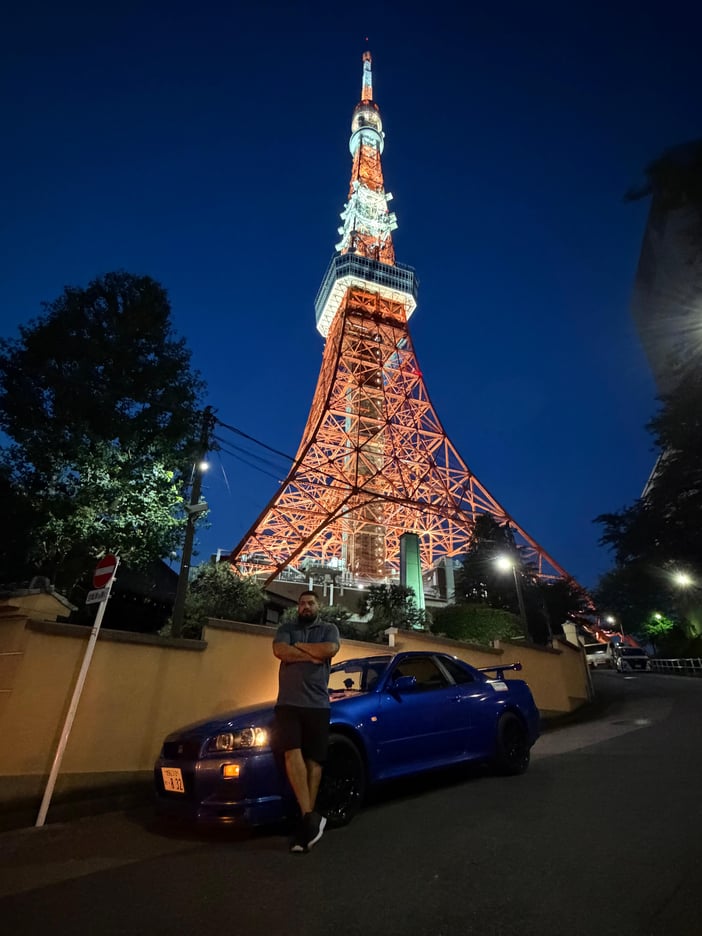 ★★★★★
A must for any car enthusiast and a highlight of our Japan trip.
David · United States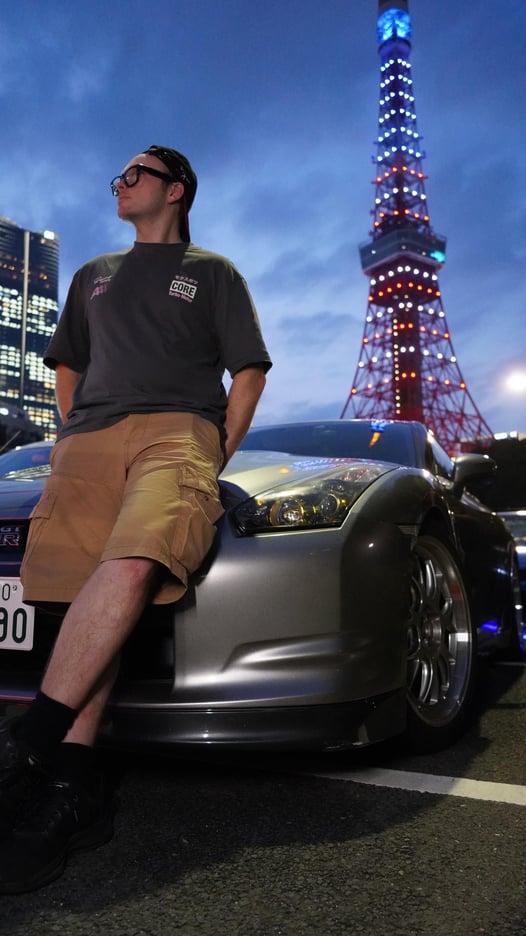 ★★★★★
Awesome people and cars. Will definitely be back next time I'm in Tokyo. Highly recommend for anyone into cars.
A traveler · Australia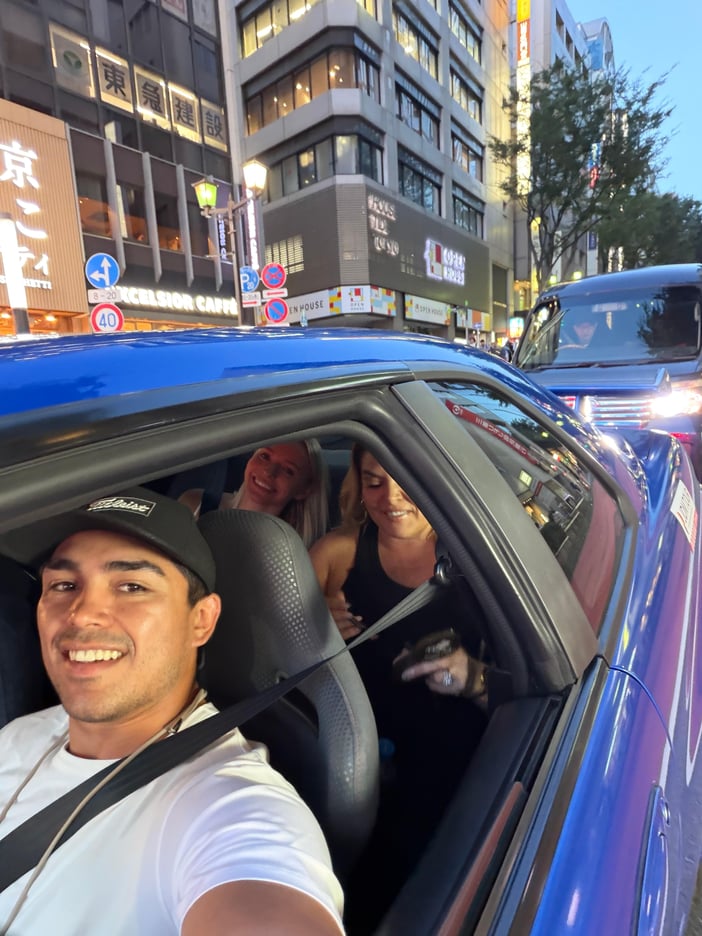 ★★★★★
Driving the R34 in Tokyo was a childhood dream. Grew up on Fast & Furious, and doing it in Japan where it was born felt unreal. Sound, power, precision. Pro team, unforgettable.
Paulina · Poland
Why the R34 Skyline belongs on your Tokyo trip
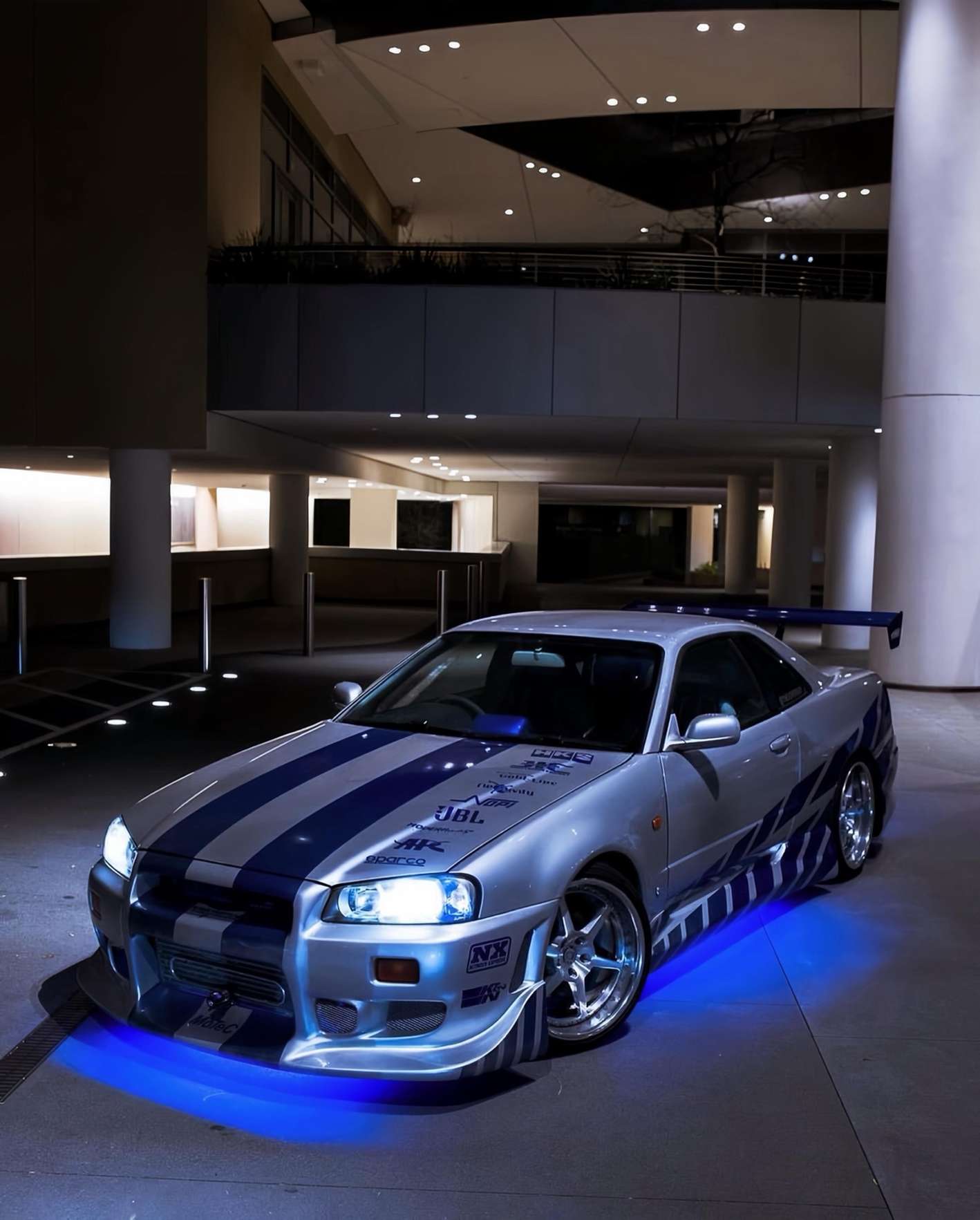
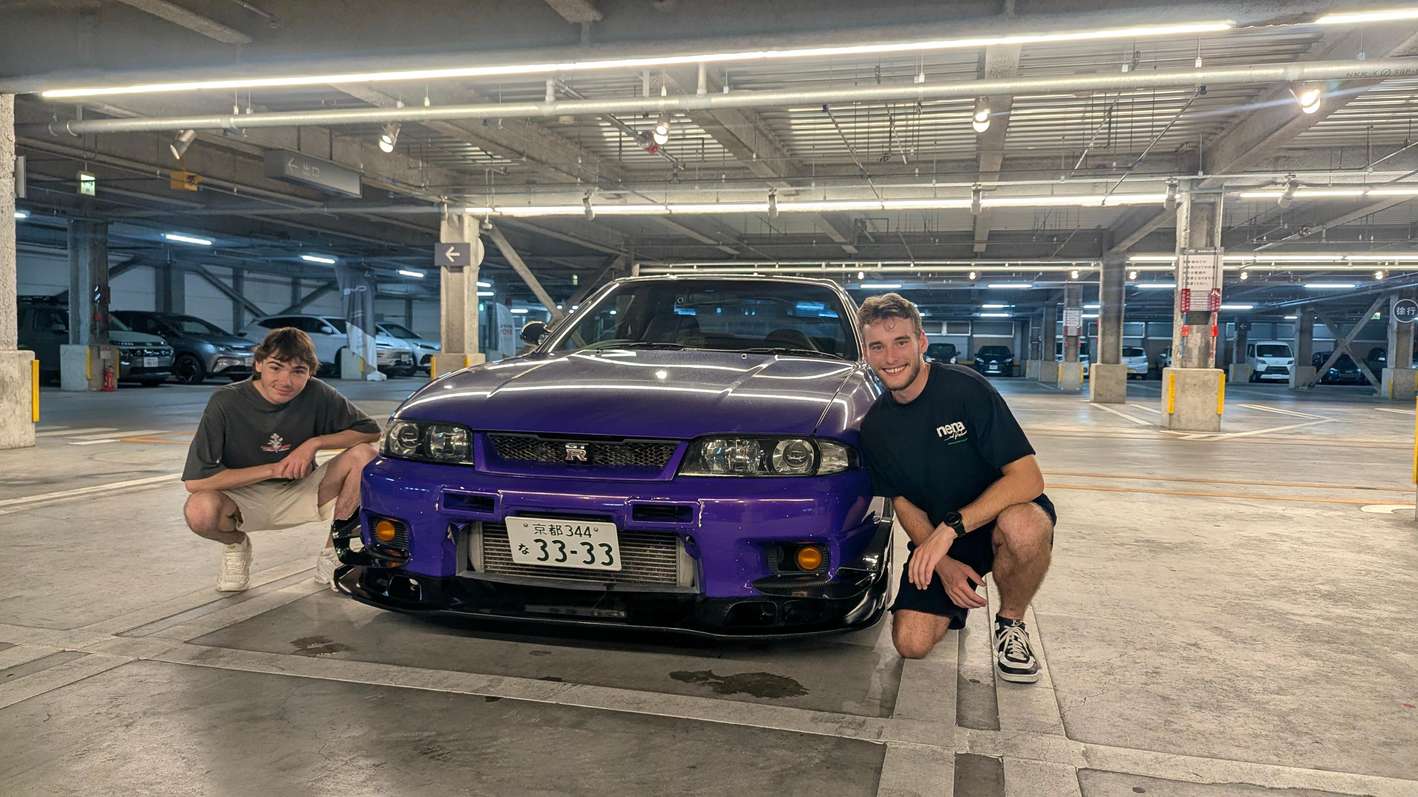
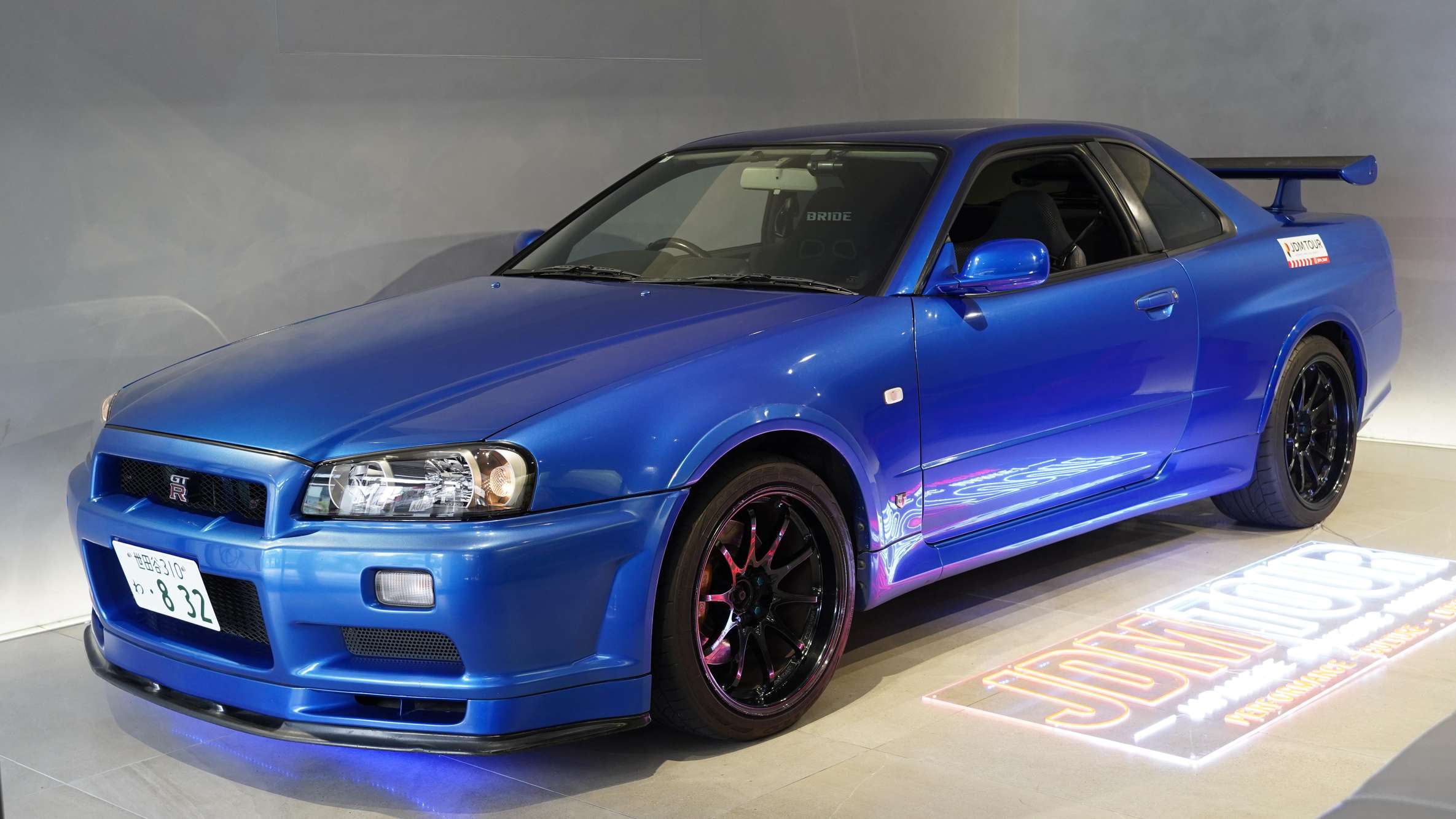
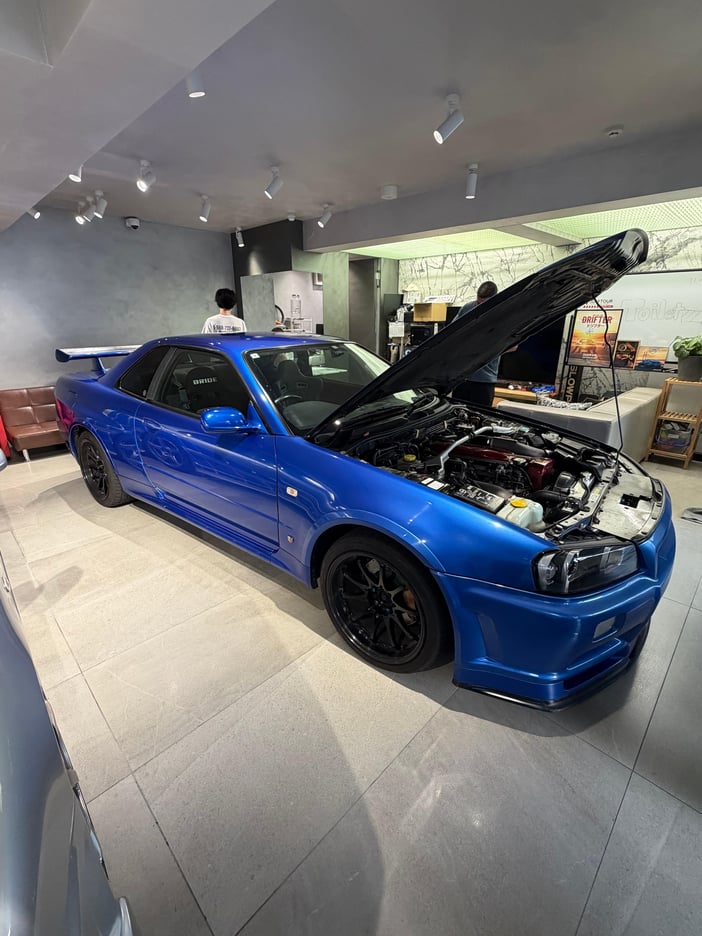
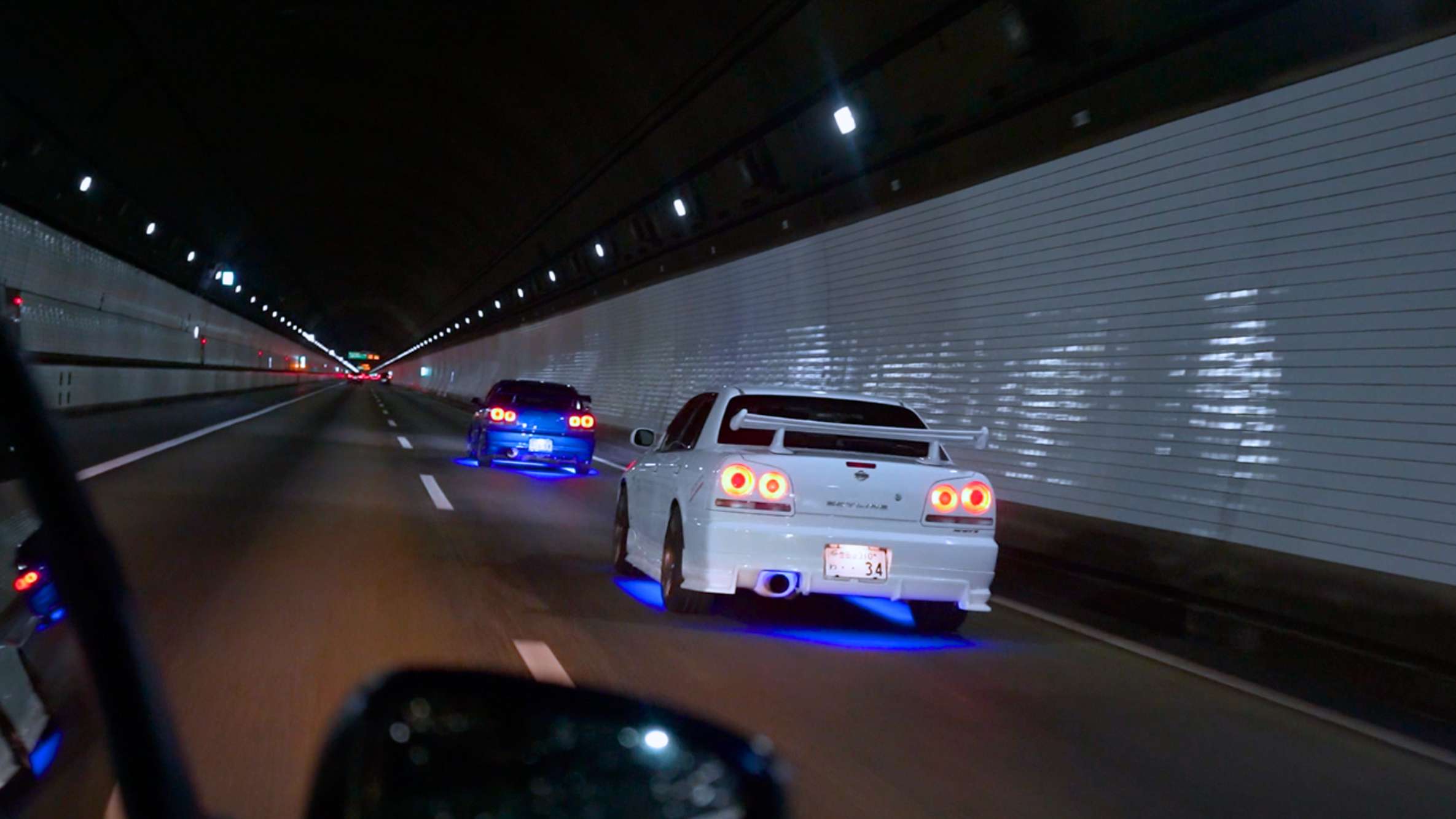
Few cars carry as much weight in Tokyo's car culture as the R34 Skyline GT-R. It was built from January 1999 to August 2002, only 11,578 examples left the line, and it became the car a whole generation knows from the Fast and Furious films.
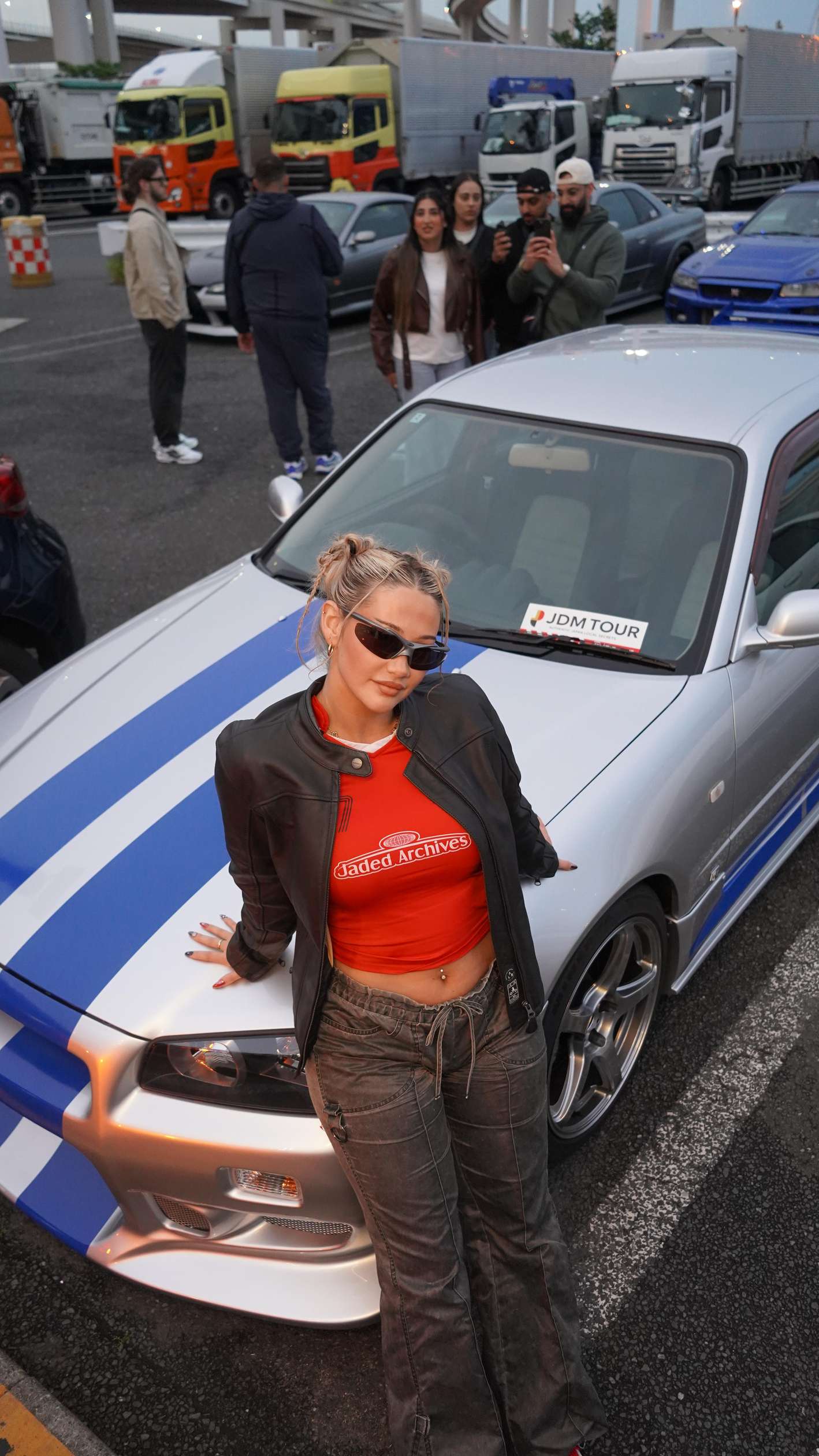
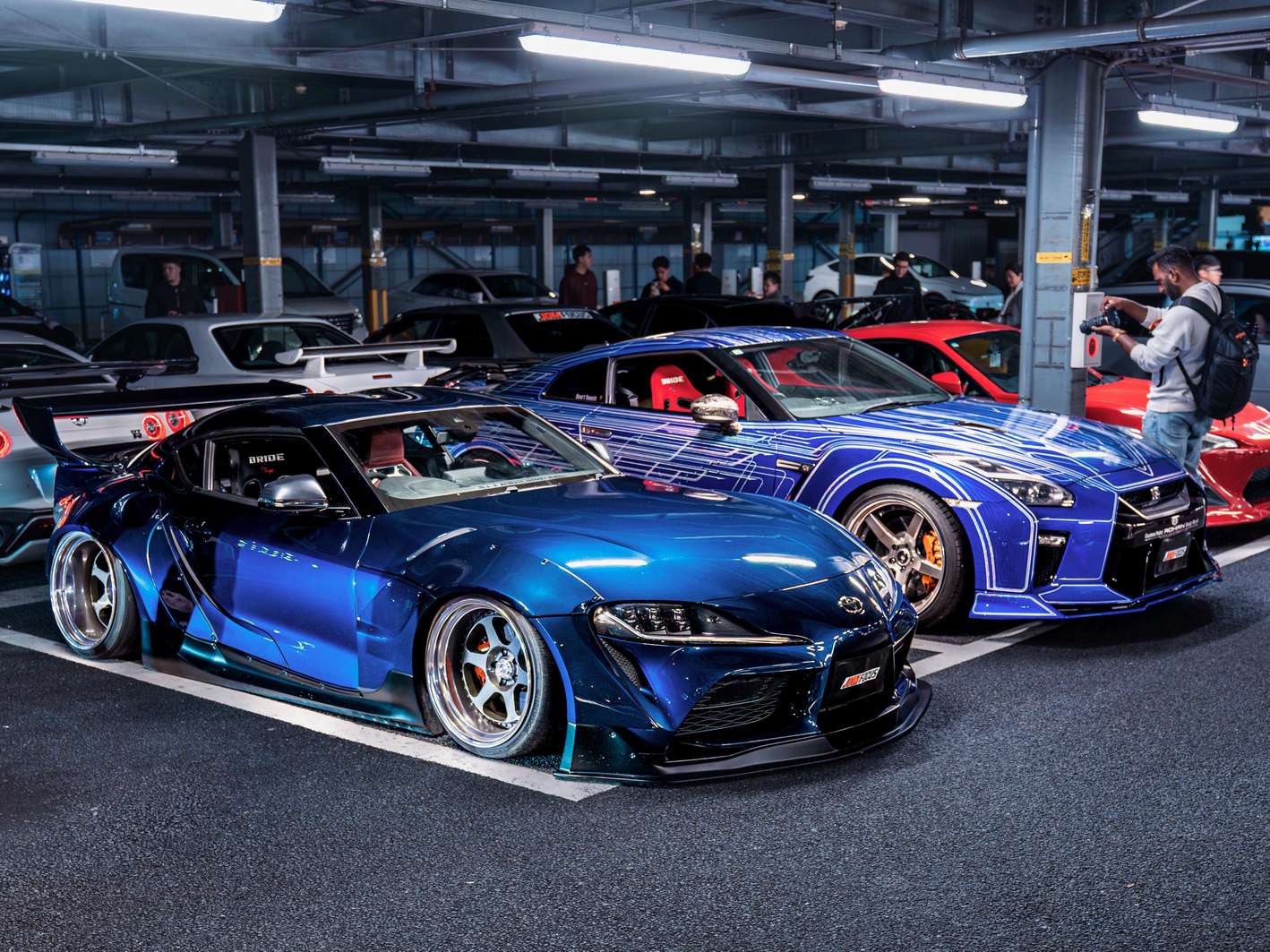
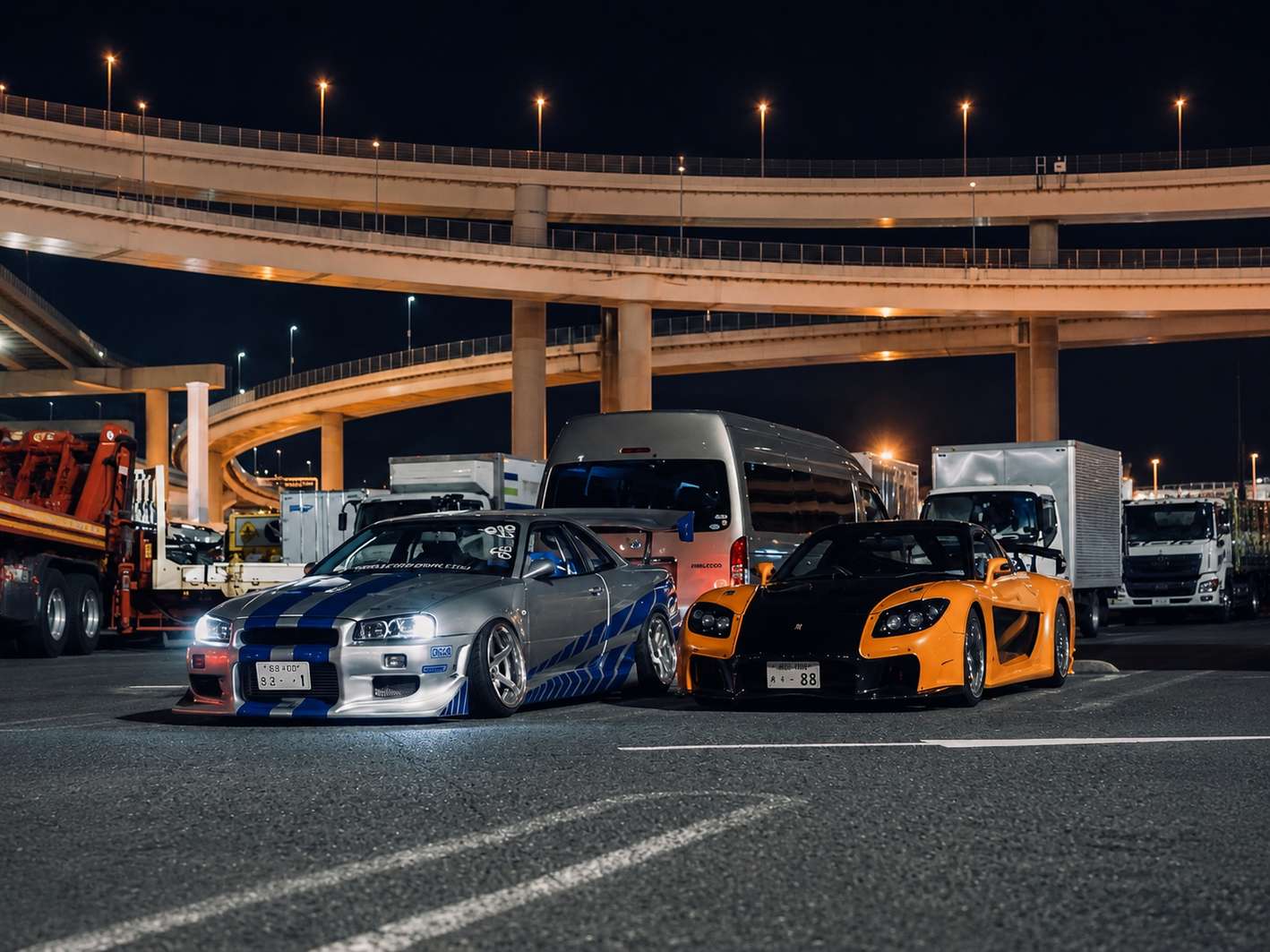
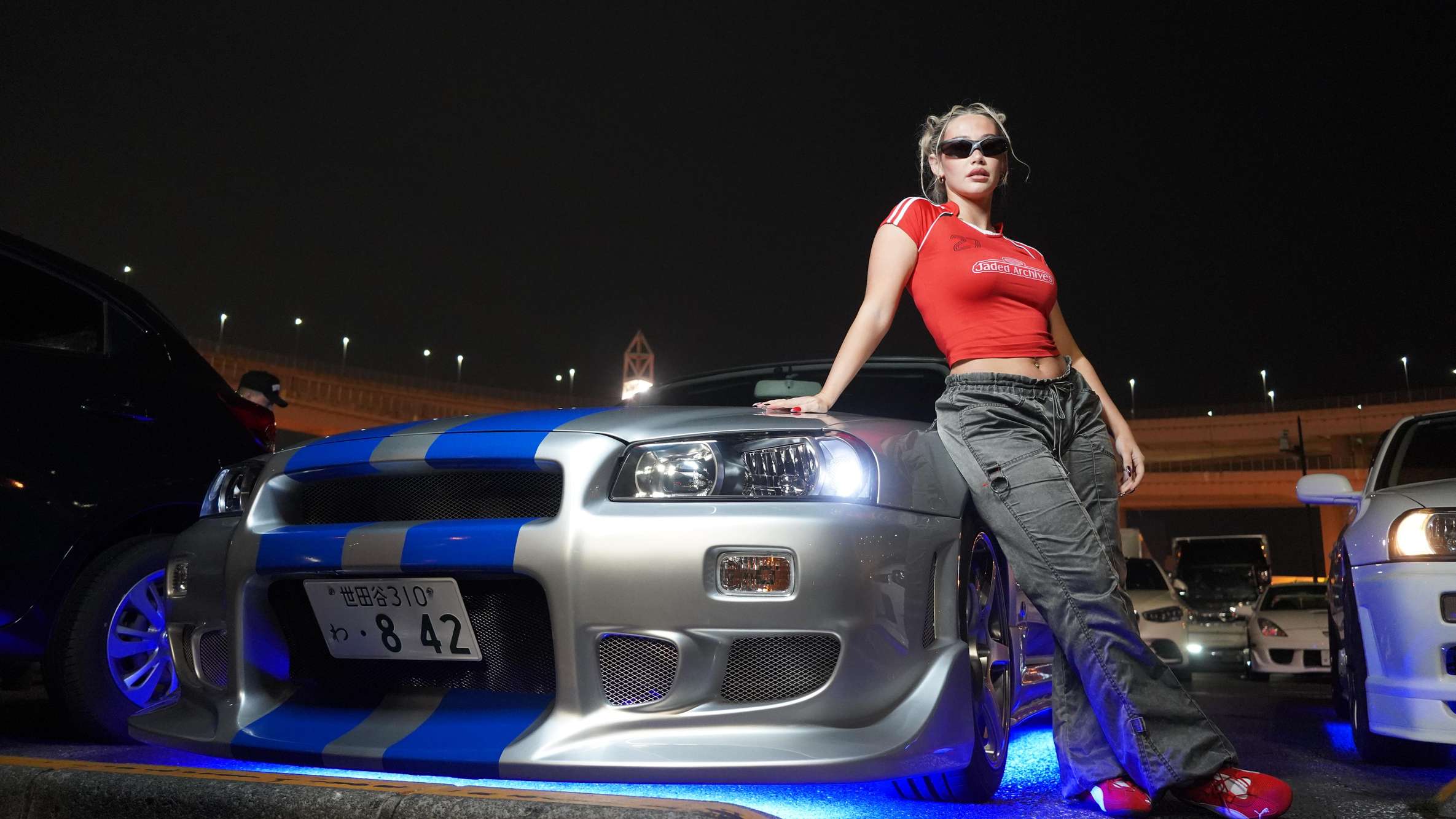
Tours here run it in many forms, from a Brian O'Conner styled R34 with a professional photographer driving, to private 700HP GT-R builds that join convoys of ten or more JDM legends.
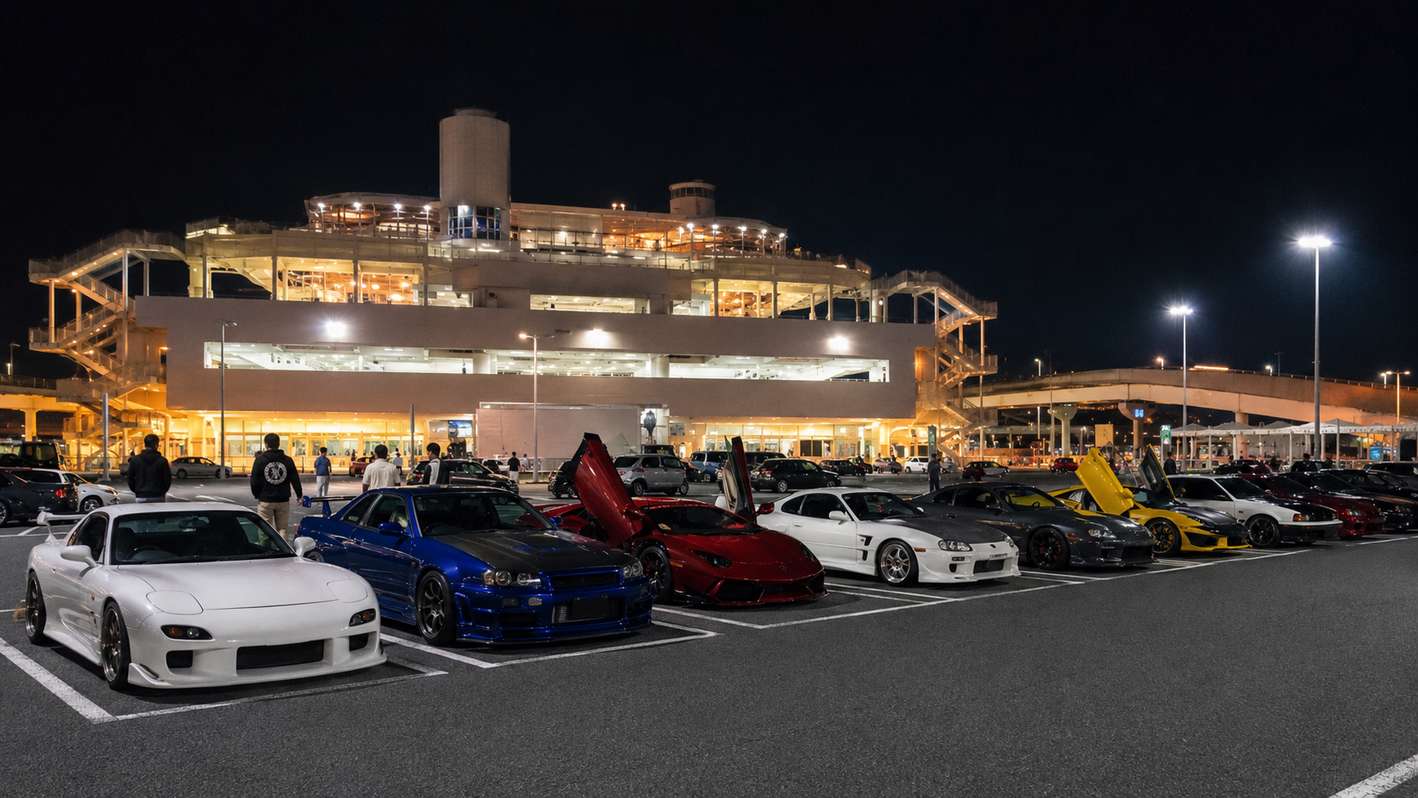
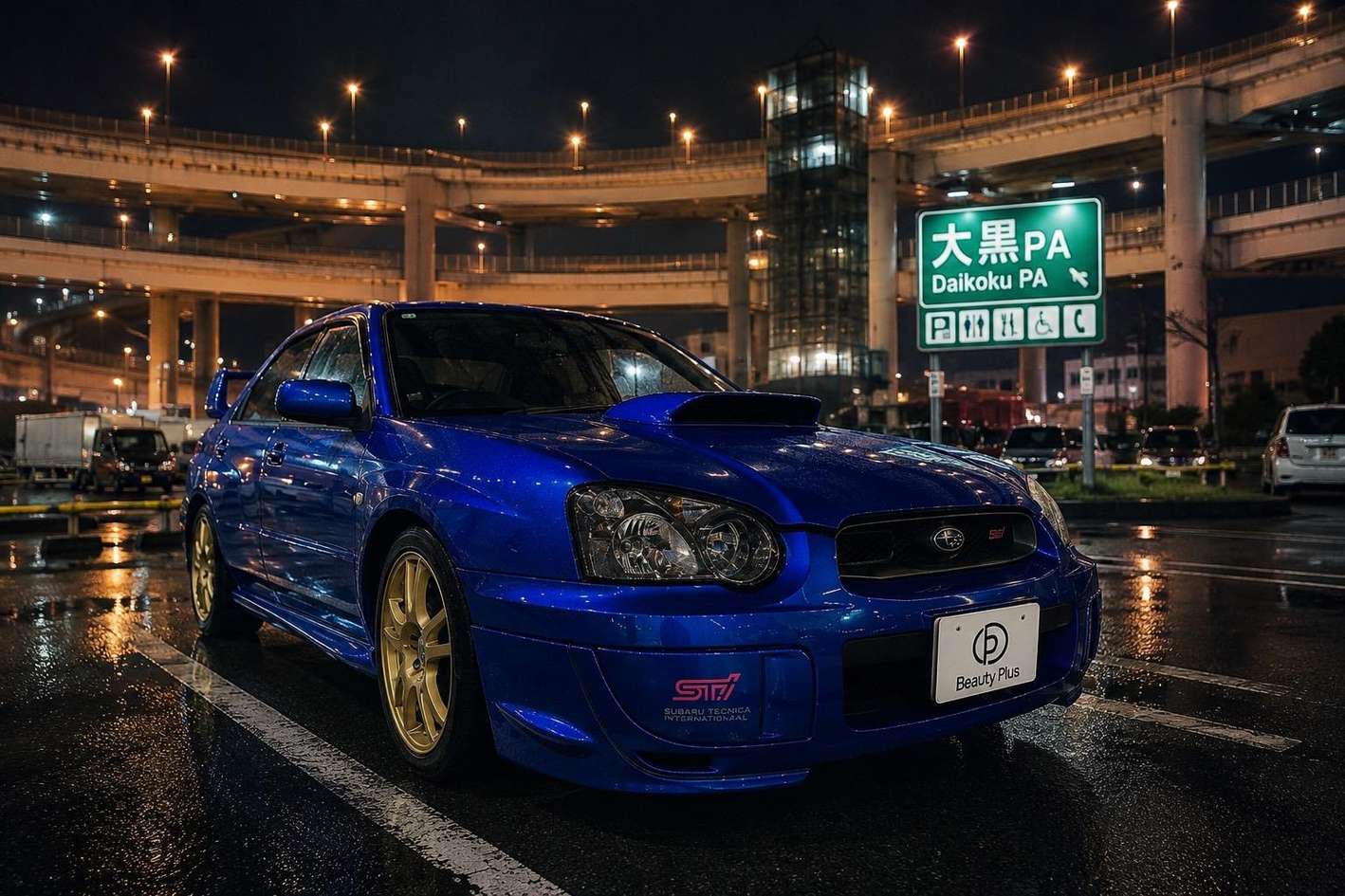
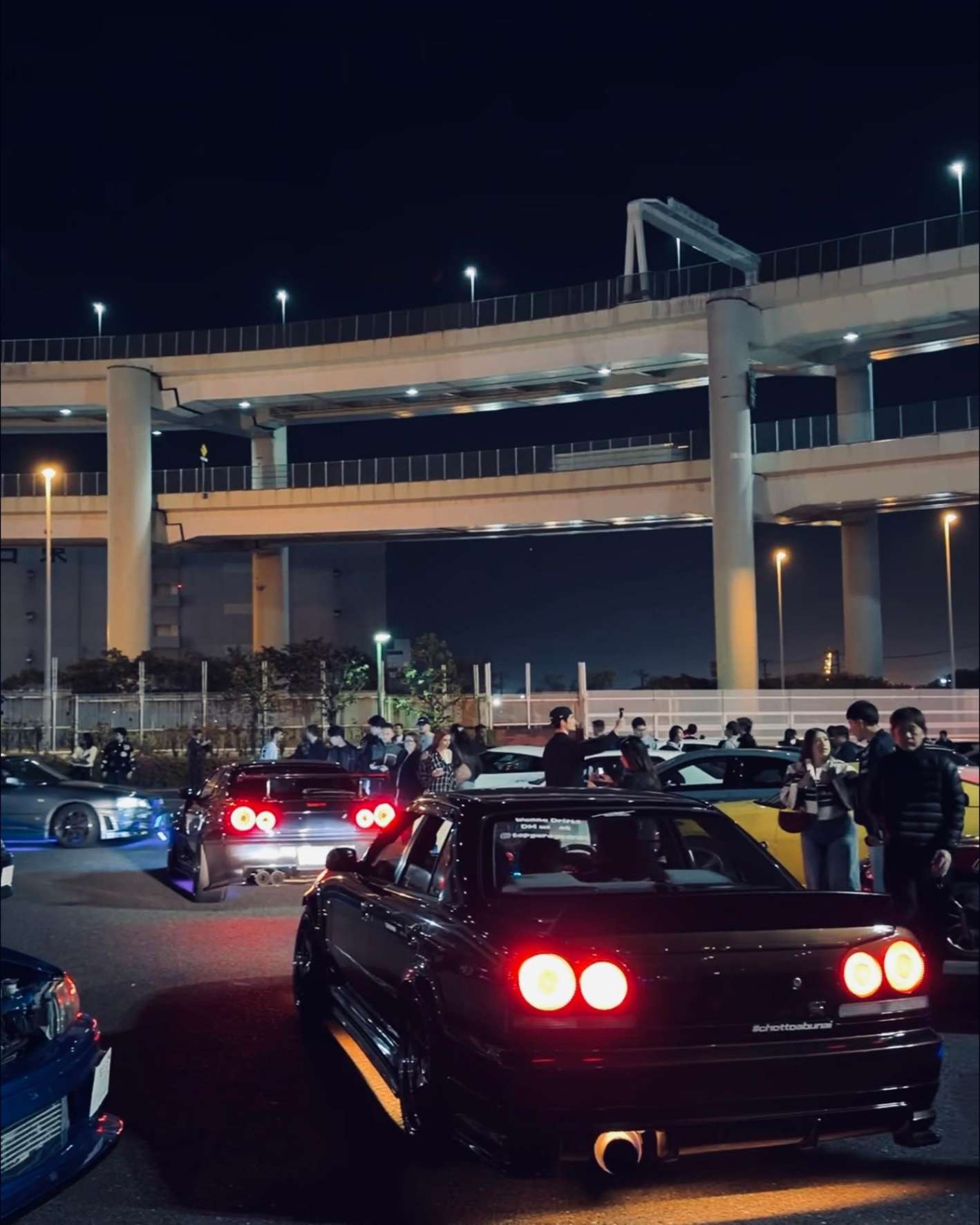
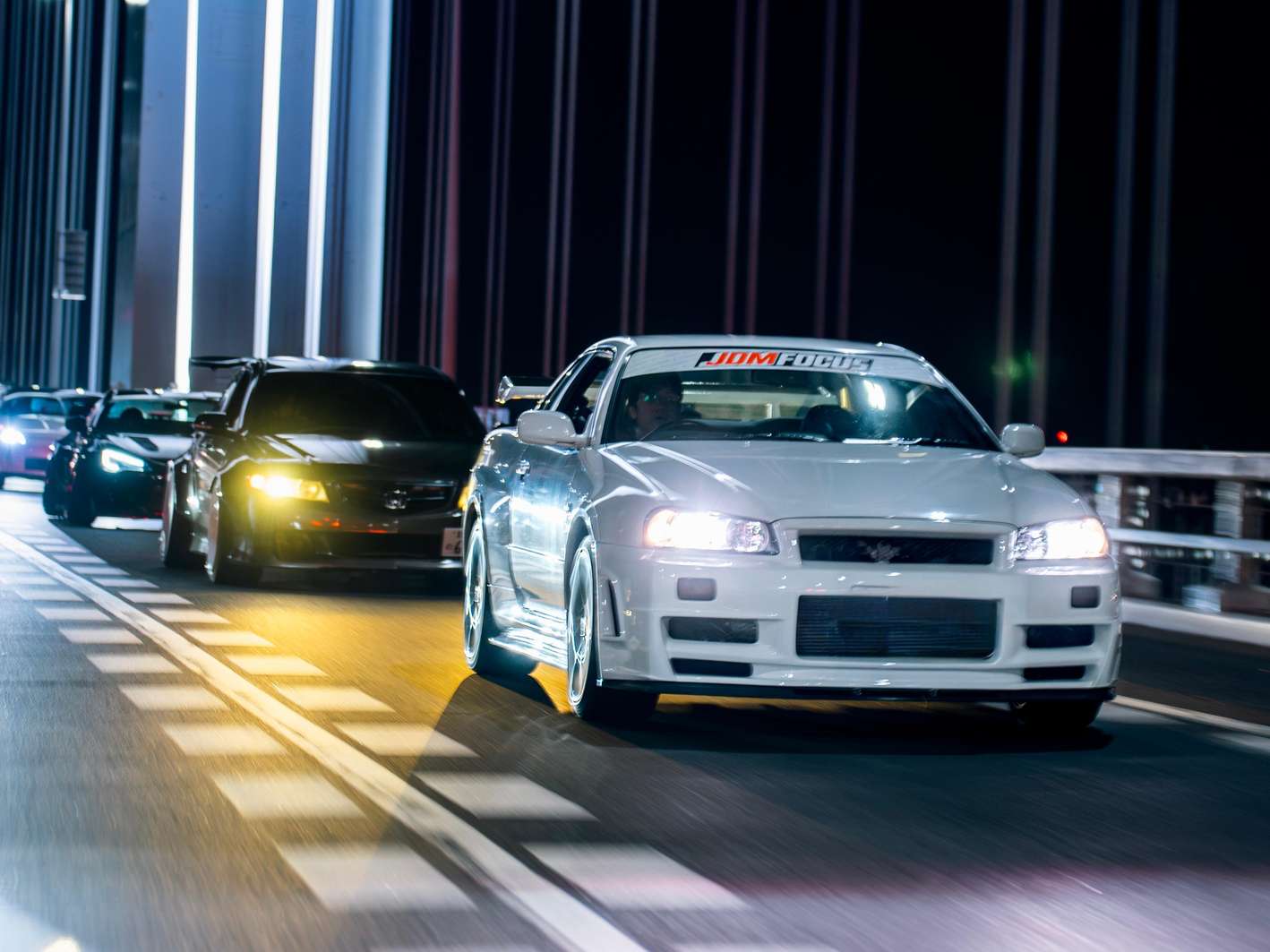
The night matters as much as the car. Tokyo's expressways, the Wangan Route and the C1 Loop, the Rainbow Bridge over the bay, and the Daikoku Parking Area meet are the settings people come for, and most tours string them together in three to four hours.
A two-hour night expressway run that starts at 8 pm buys better views and lighter traffic.
The season shapes what you wear, since the meet happens in the open air. Here is how the year breaks down for a night in the car.
April: 5 out of 5 for how busy it gets. The busiest month for JDM tours, with mild 19.6°C days and 17.8 dry days, the peak time to drive an R34 to Daikoku.
Tap a month to read it.
January: 26.4 dry days. Cold mornings near 0°C but the driest, clearest month, with about 14 hours of darkness for night runs and a steady flow of tours.
Tap a month to read it.
January: 18.3 clear dark nights. Cold mornings near 0°C but the driest, clearest month, with about 14 hours of darkness for night runs and a steady flow of tours.
Tap a month to read it.
Whatever the month, pack for standing outside after dark. One expectation to set early: the drive is legal, on public roads, at legal speeds. People who book for racing come away disappointed. Book for the car, the roads and the meet, and the night delivers.
Self-drive or ride-along in an R34
Two ways to experience the car, and the difference decides what you arrange before flying.
On a self-drive tour you take the wheel yourself.
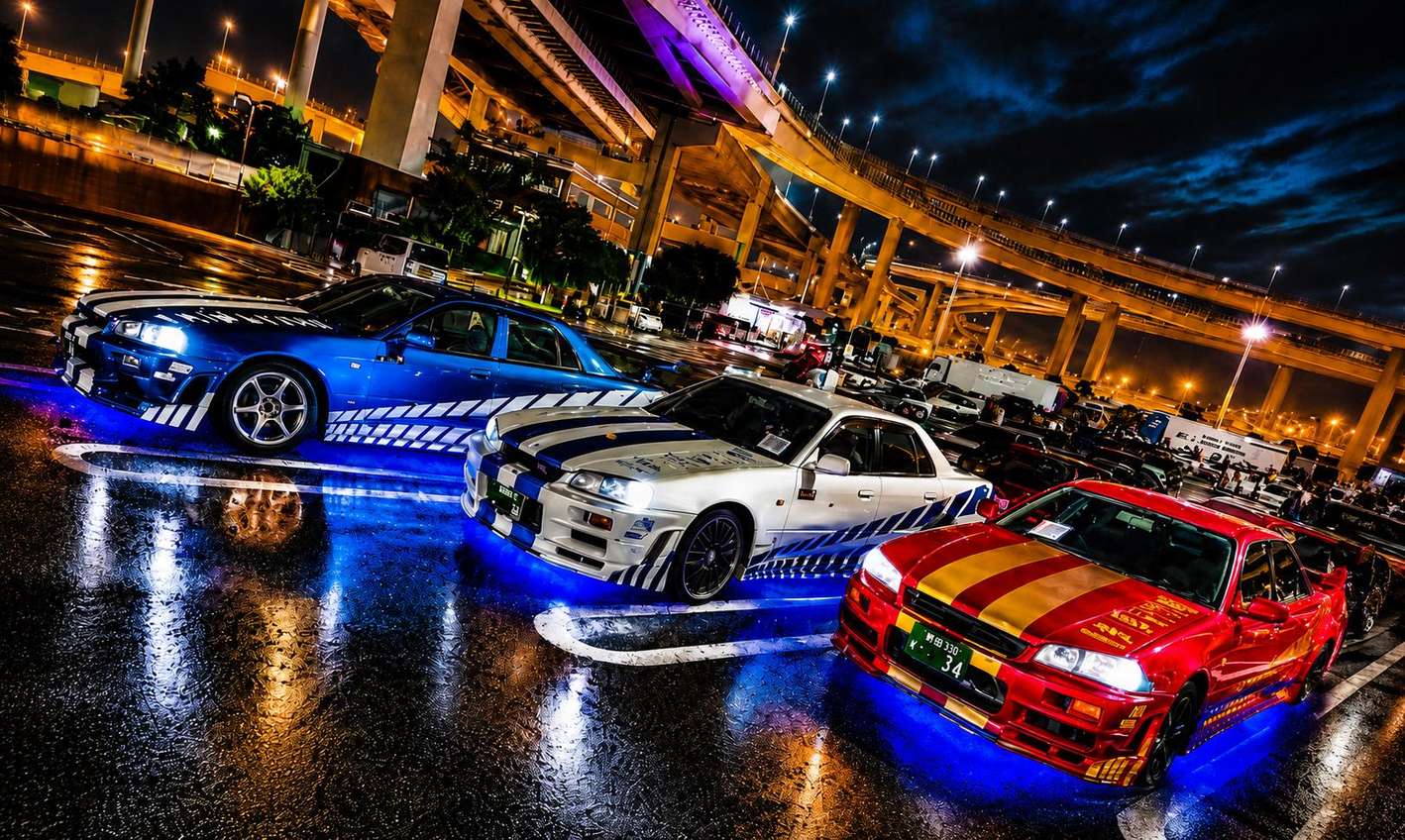
The self-drive option runs about four hours, puts you in a GT-R style customized Nissan Skyline including the R34, sends you out in a convoy with other R34s, includes a visit to Daikoku Parking Area and a trial photography session, and can add your own cinematic movie.
It demands the full document set: a 1949-convention International Driving Permit or a JAF translation, your passport, and a credit card, which R34 GT-R self-drive bookings require. Debit cards are declined for these cars.
On a ride-along you sit passenger while a local enthusiast drives. No licence is needed at all, which makes it the answer for anyone who arrived without the paperwork, and it frees you to shoot photos all night.
Ride-alongs come in shared and private form, in cars from an R34 GTT to a 630-horsepower R35 GT-R.
Self-drive suits licence holders who want the wheel and accept the paperwork. Ride-alongs suit everyone else, and photographers.
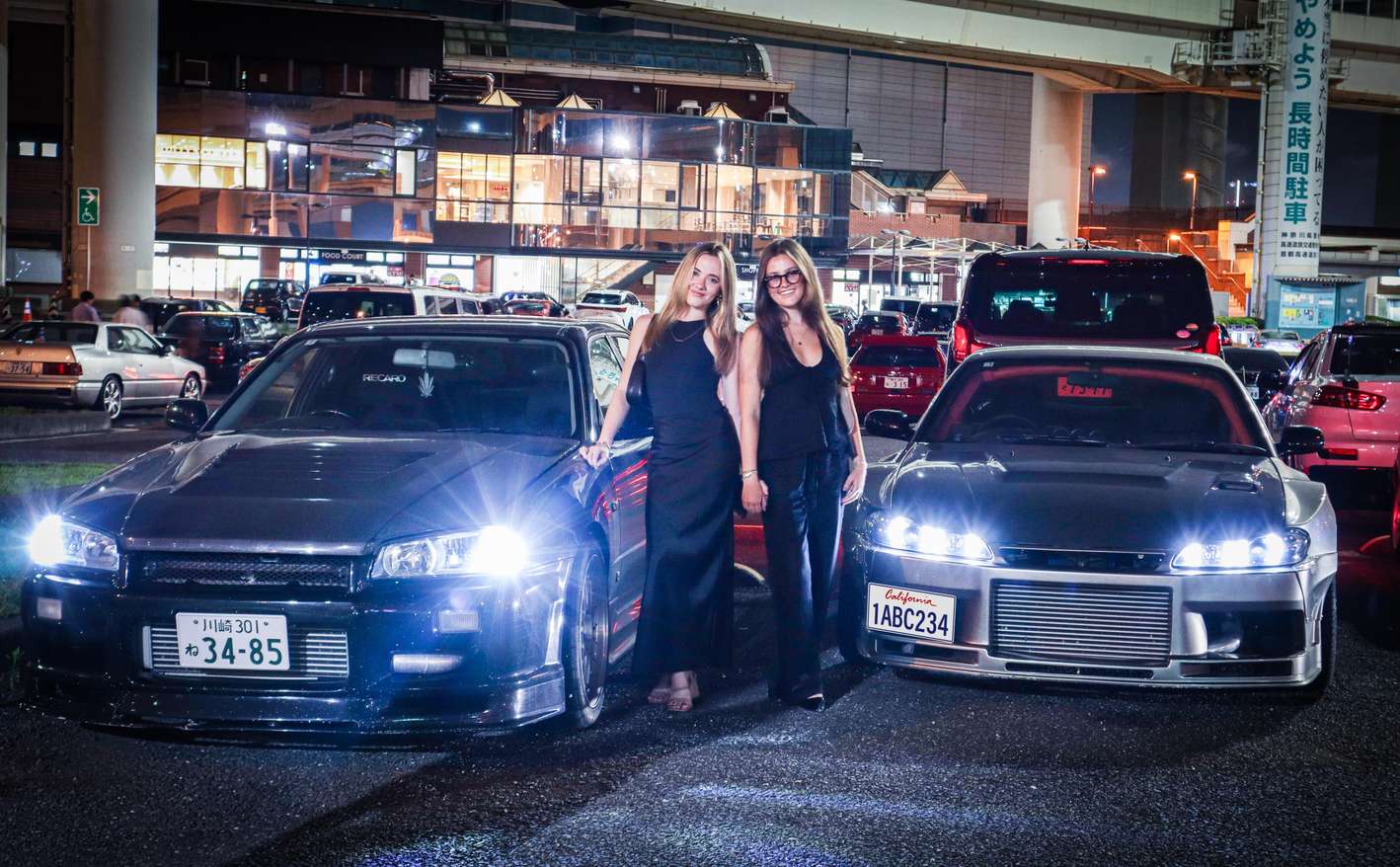
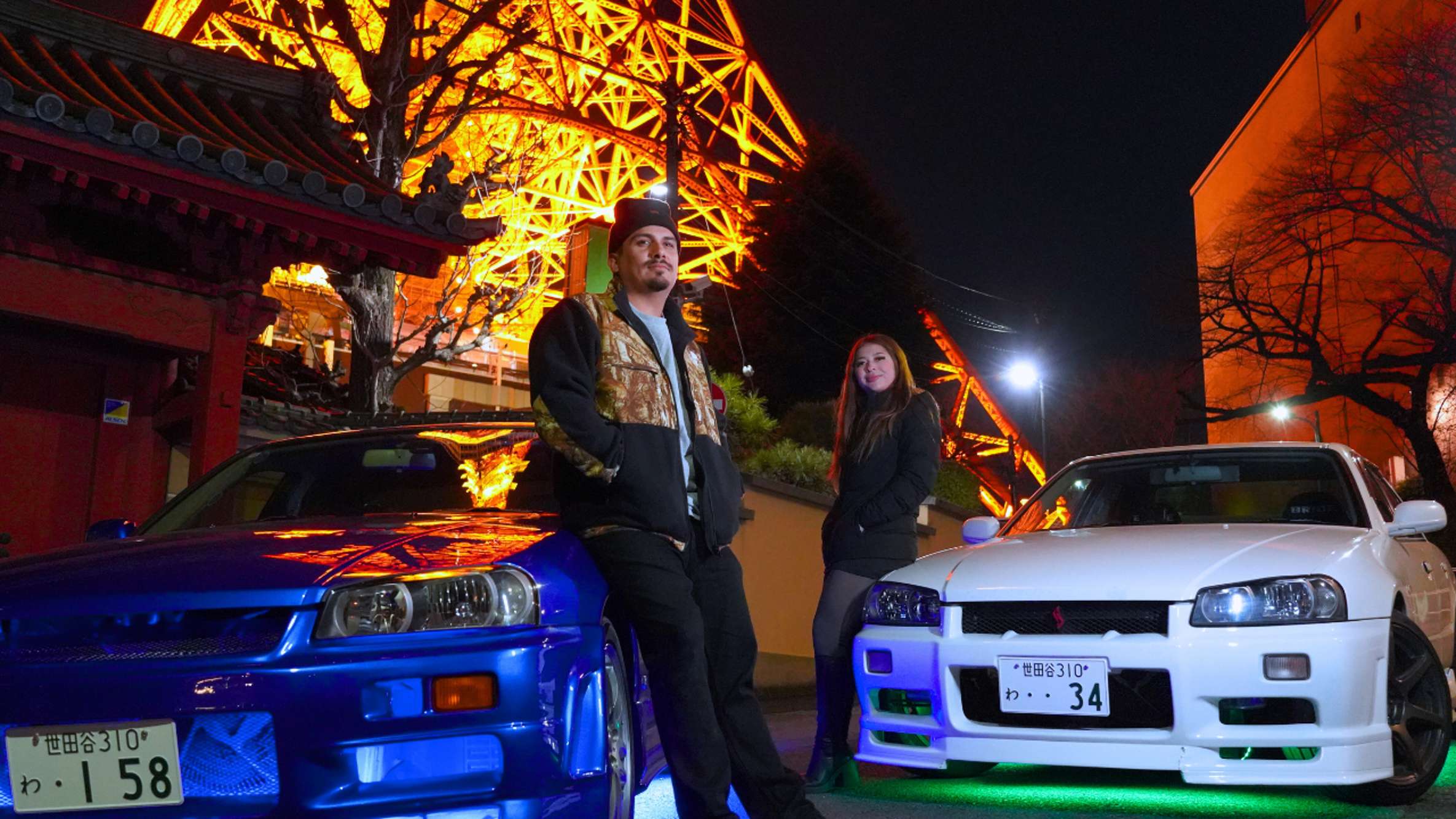
What a night drive in an R34 looks like
Most night runs follow the same shape, and it helps to know it before choosing. A typical three to four hour tour picks you up at your hotel or a set meeting point, then heads for the Shuto Expressway.
The Wangan Route and the C1 Loop carry you past the Rainbow Bridge, and some runs go through the underwater tunnel to Umihotaru, a parking area sitting in the middle of Tokyo Bay that hosts its own meets after Daikoku closes on Friday and Saturday nights.
Getting to Daikoku is part of the plan, since the lot sits on an expressway island with no street access. The tours handle that leg for you.
Whichever way you arrive, the driving is done for you on a ride-along, and the paperwork question disappears entirely.
Daikoku PA is the centrepiece, usually with an hour or so on the ground among the gathered cars. Many tours add a photo stop at Tokyo Tower and a pass through Shibuya Crossing, and some include thirty minutes at A-PIT Autobacs, the large car-supply store, or a stop at the UDX underground garage in Akihabara.
The whole evening runs in a familiar order, and it looks like this.
- 1StartMeeting point
- 21 hourTokyo
Scenic drive
- 31 hourDaikoku Parking Area
Break time, Photo stop, Guided tour, Free time, Shopping, Sightseeing
- 430 minTokyo
Scenic drive
- 55 minRainbow Bridge, Tokyo
Pass by
- 610 minTokyo Tower
Photo stop
Speeds stay legal throughout. One operator notes that groups of two may be split into different cars, worth knowing if you want to ride together.
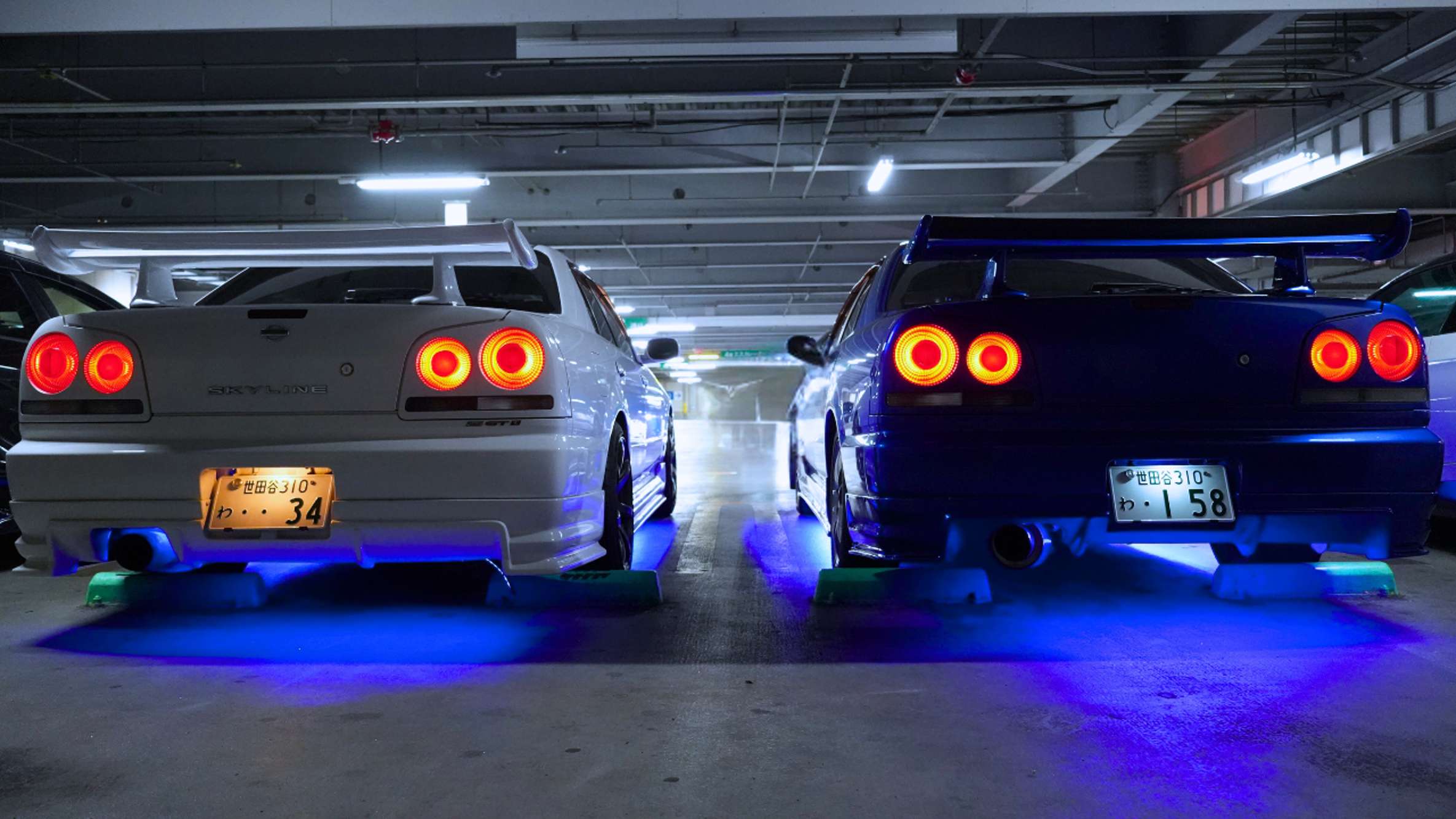
The best nights for Tokyo car meets
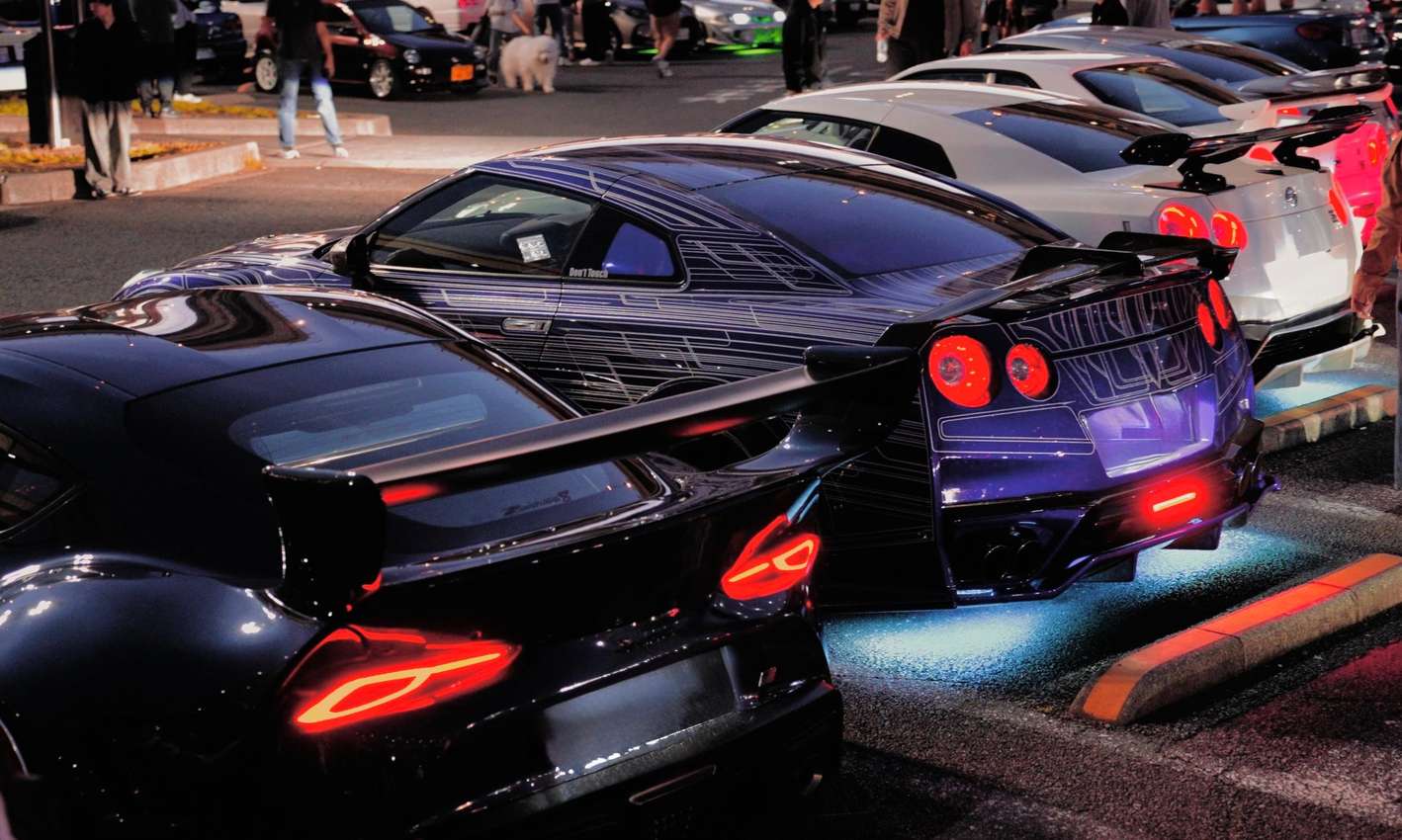
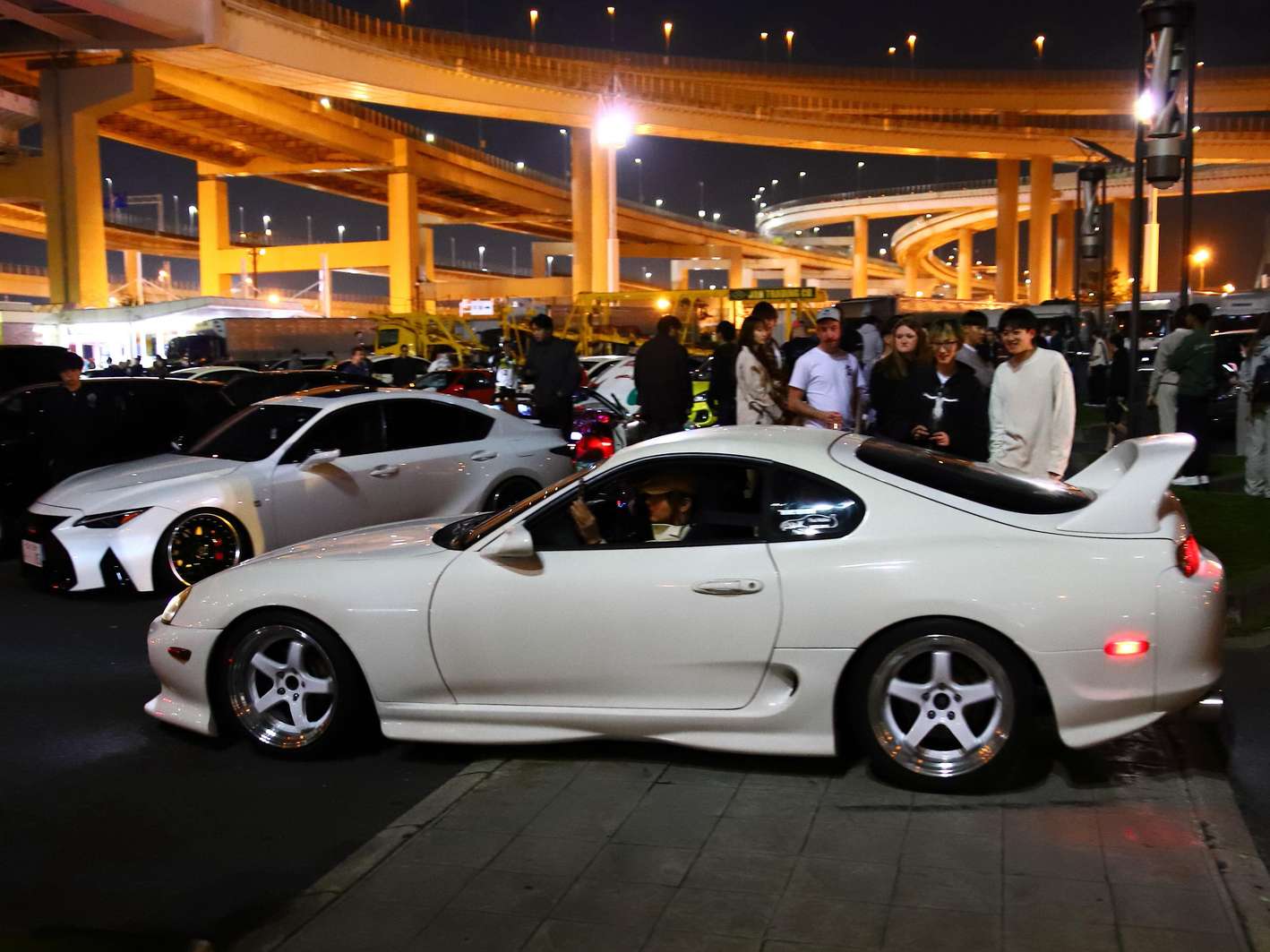
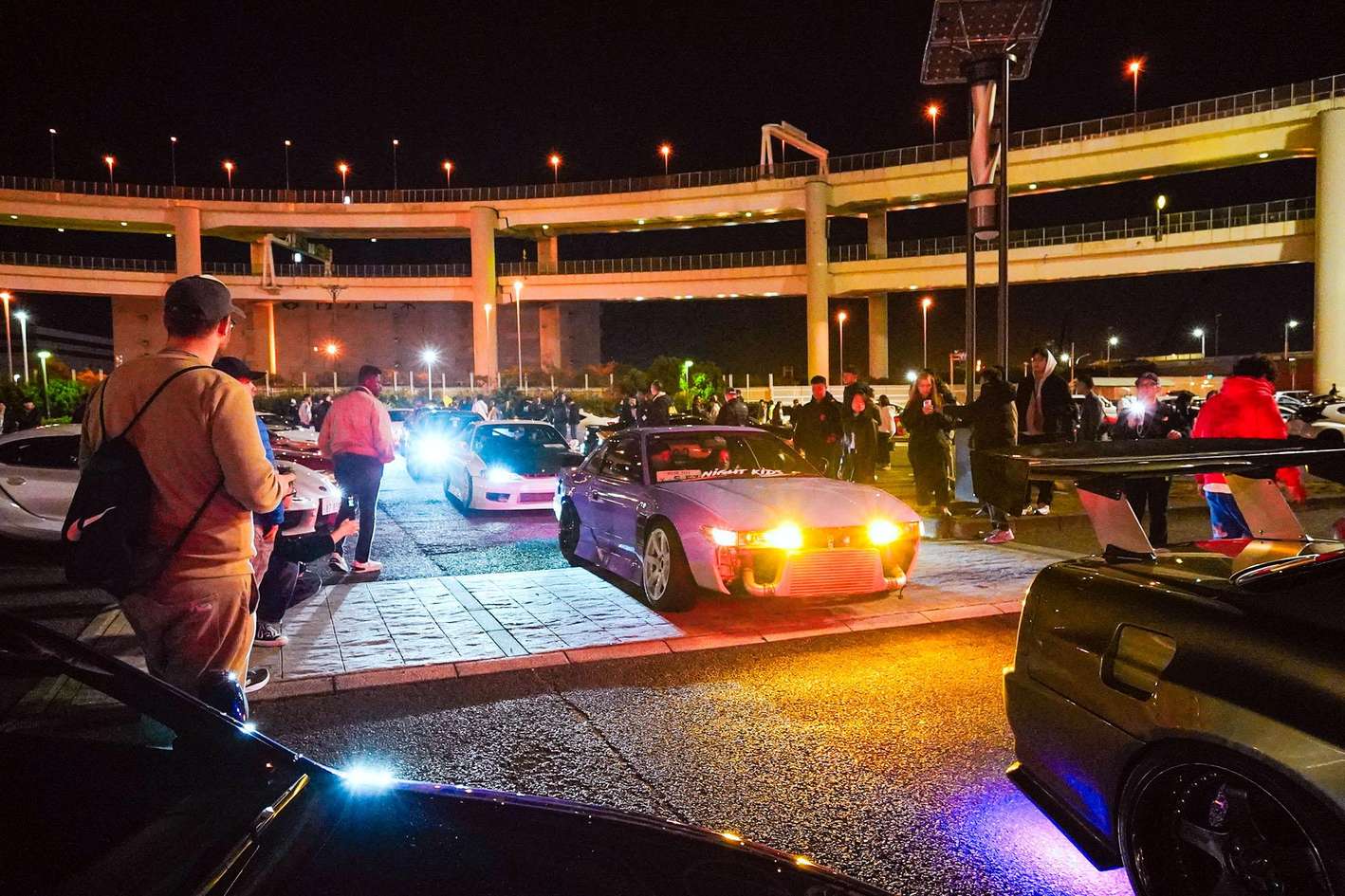
Daikoku PA has no schedule. It is an informal gathering, closer to a cars-and-coffee night than an event, with enthusiasts there most nights and bigger turnouts on weekends. Saturday brings the biggest meet energy if your dates flex, and weekday nights are far less likely to end in a police closure.
Sunday mornings run a different scene: hundreds of luxury, classic and super cars gather in a famous parking lot, and several tours build a morning option around it.
Because meets publish details only about a month ahead, check close to your trip dates. Curated English-language listings with maps and daily updates exist, the Instagram page ts.japan.tours keeps a Google Sheet of scheduled car events in Japan, and the Discover JDM app helps find meets.
Event permission can be withdrawn at short notice, so hold a backup. Walkable fallbacks include Shibuya near the crossing in the evening, the Akihabara UDX underground garage on Friday and Saturday nights, and the Autobacs Shinonome parking lot.
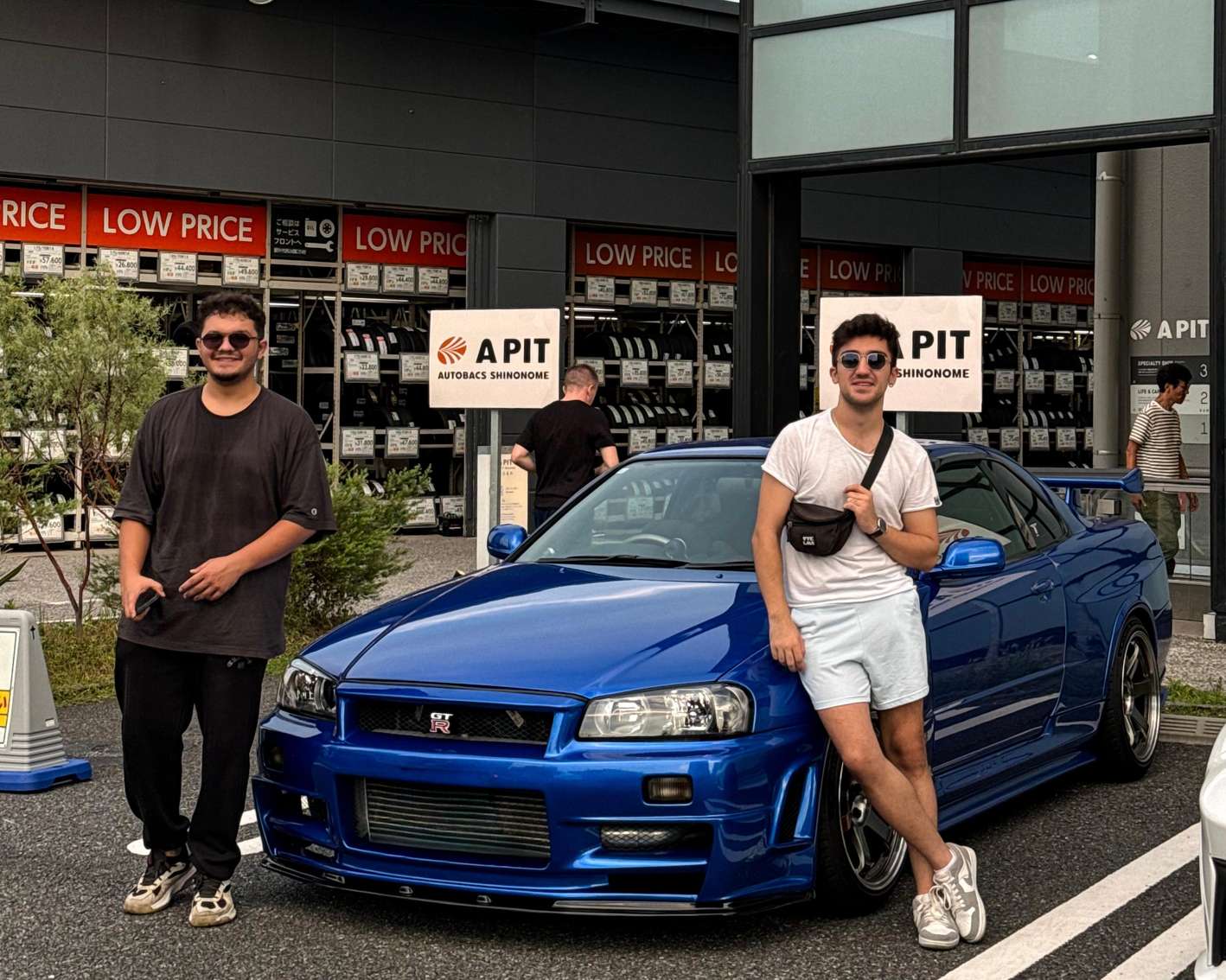
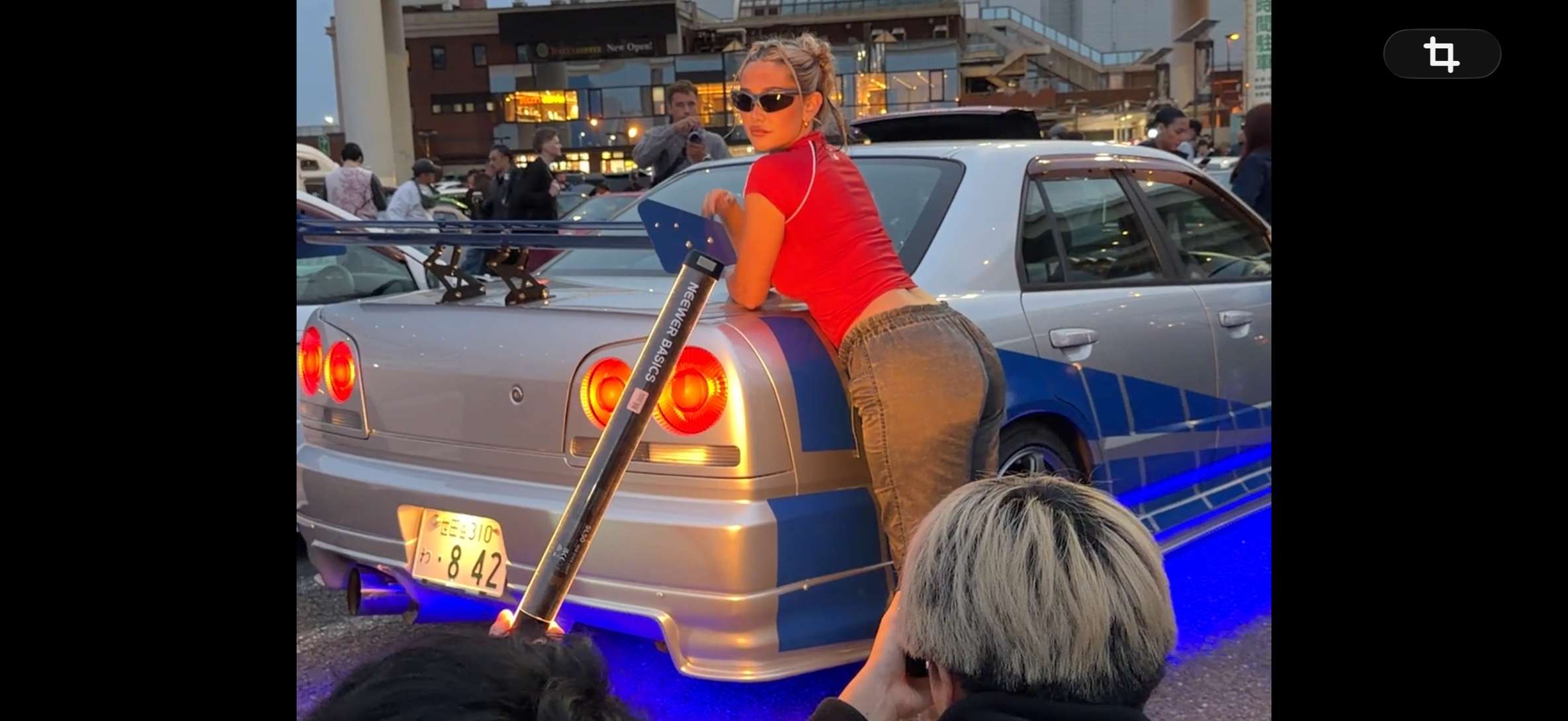
Private R34 tours or shared night runs - choosing your Nissan GTR R34 rental in Tokyo
Shared tours put you in a mixed group, often three or four guests per car, at the friendliest prices on the page. They run most nights, cover the standard route, and suit solo travelers and couples who want the scene without a big spend.
Private plans change the character of the night. A private R34 Skyline drive gives you the car with a photographer driver, routes and stops adjusted to your pace, and a calmer version of the meet away from the crowded social-media scenes.
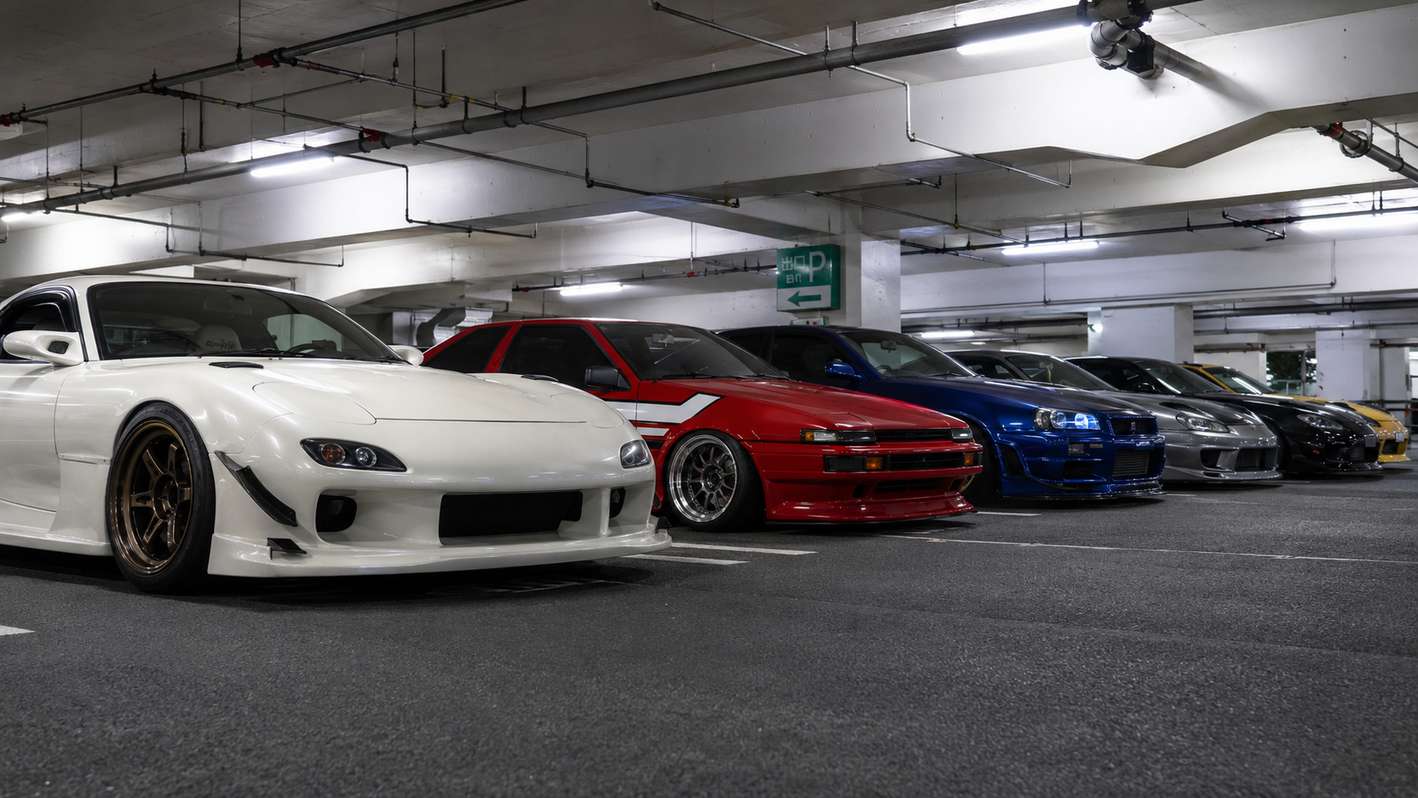
Private GT-R options go further: a 550HP or 700HP R34 GT-R, a 630HP R35, or a private ride in a convoy of ten or more JDM legends including R34s, GT-Rs, Supras and RX-7s. Hotel pickup and drop-off come standard on the private plans.
The trade is simple. Shared means less control over car, timing and stops. Private means the car is yours, the schedule bends to you, and the night runs at your pace. If a guaranteed seat and a defined return matter, choose the private, licensed option.
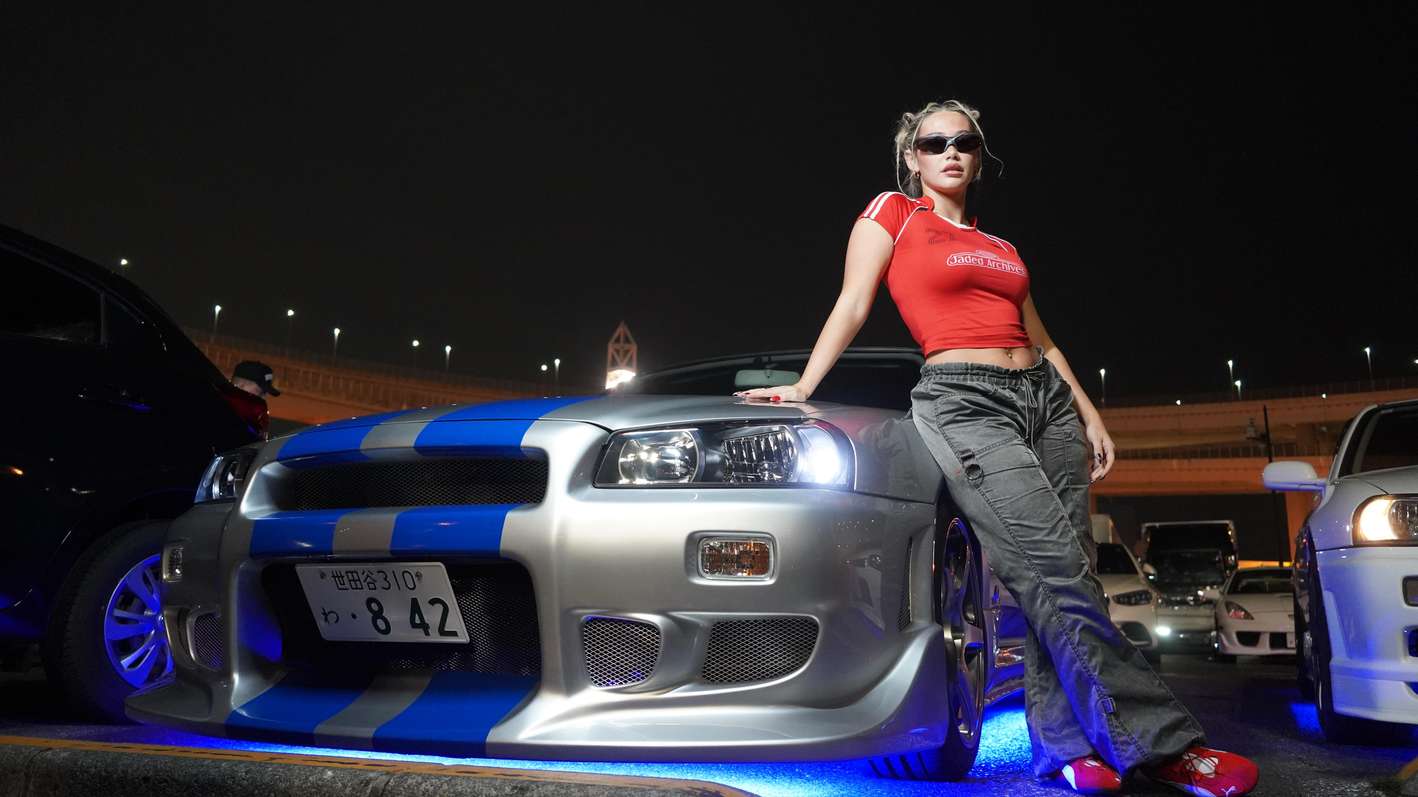
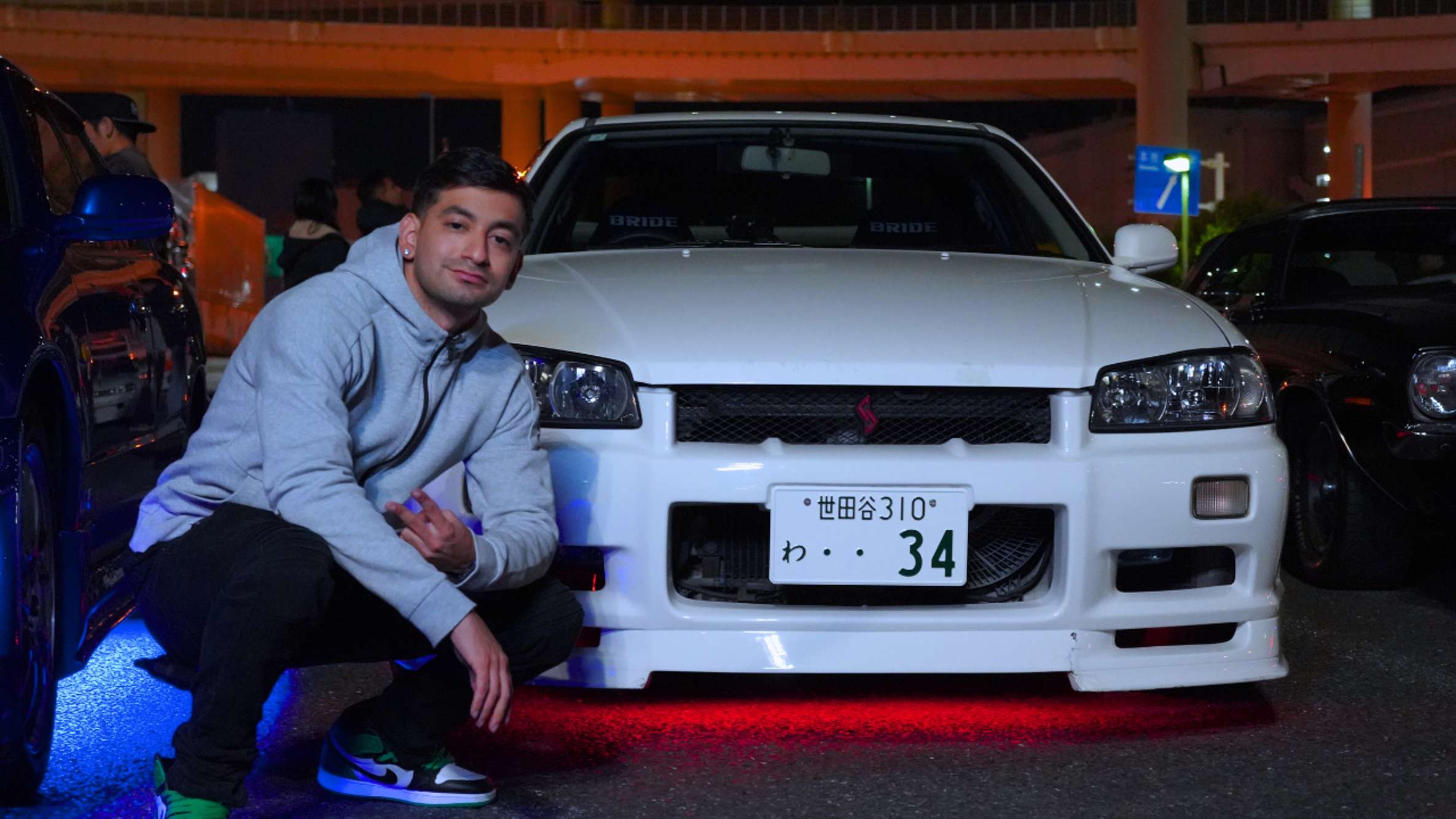
Documents and rules to drive in Japan
Paperwork decides this trip before anything else. To drive in Japan you need an International Driving Permit under the 1949 Convention, plus your passport, and you arrange the permit at home before you fly. US visitors get theirs through AAA or AATA.
Licences from Switzerland, Germany, France, Belgium, Monaco and Taiwan work differently: they need an official JAF translation of the licence, arranged online before departure. You may drive in Japan for up to one year from arrival, or until the permit expires, whichever comes sooner.
The self-drive R34 tours add one more requirement. R34 GT-R self-drive bookings ask for a credit card; debit cards are declined.
No 1949-convention International Driving Permit arranged before travel means no self-drive, and some nationalities cannot use an IDP at all. Sort this out weeks ahead, because a missing permit ends the plan at the counter.
On the road the rules are strict and enforced. Keep to the left, wear seat belts all round, and put children in child seats.
Stop for pedestrians on crosswalks, yield when turning right, never cross solid yellow lines, and come to a full stop at stop signs.
Speeding 40 km/h or more over the limit on an expressway can bring arrest, immediate licence suspension, up to six months in prison or a fine. Tolls apply on the Metropolitan Expressway. Report every accident to the police on 110, and carry your licence whenever you drive.
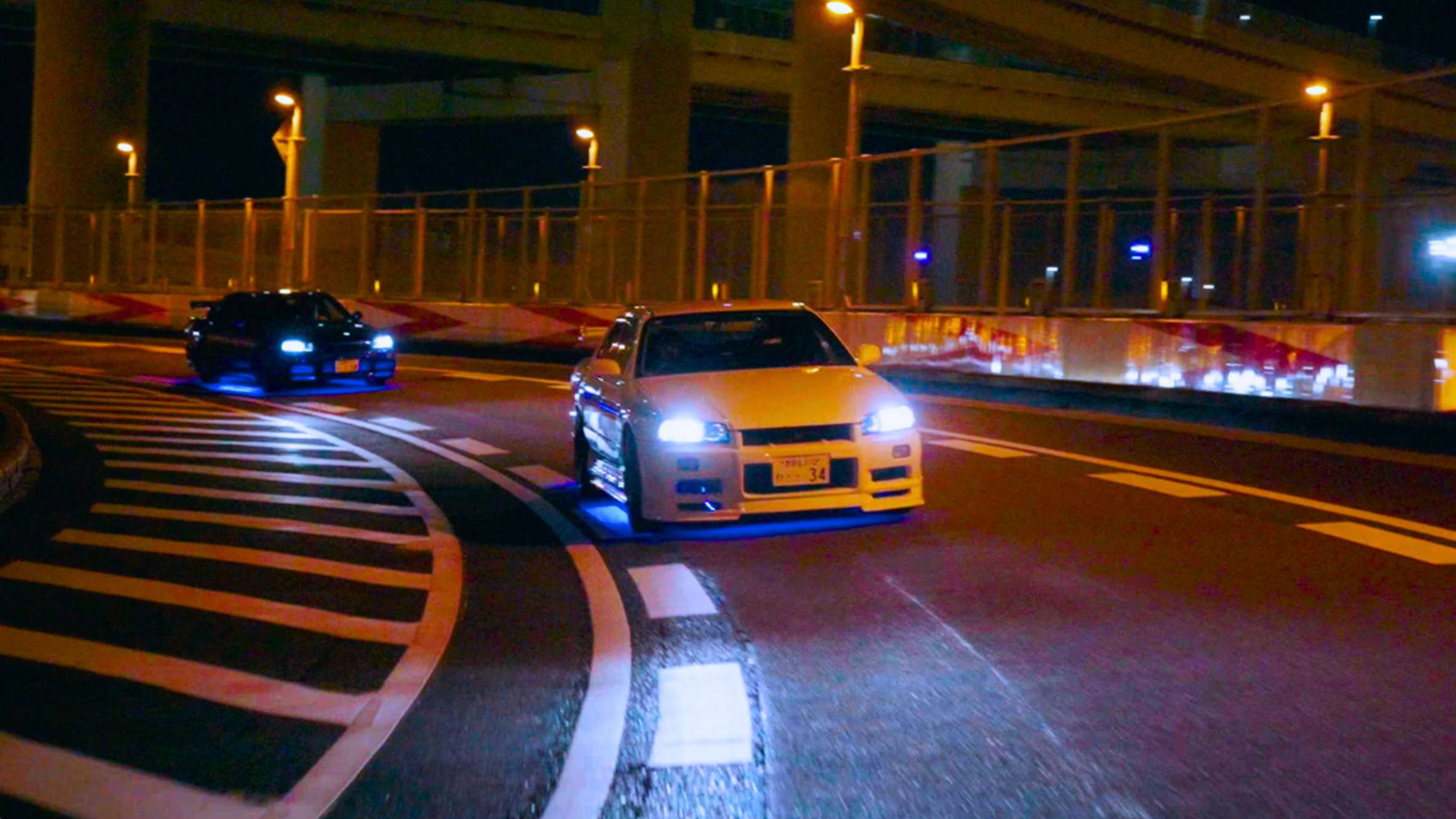
What the R34 Skyline GT-R actually is
The R34 GT-R runs the RB26DETT, a 2.6-liter twin-turbo inline-six, officially rated at 276 horsepower though the real output was higher.
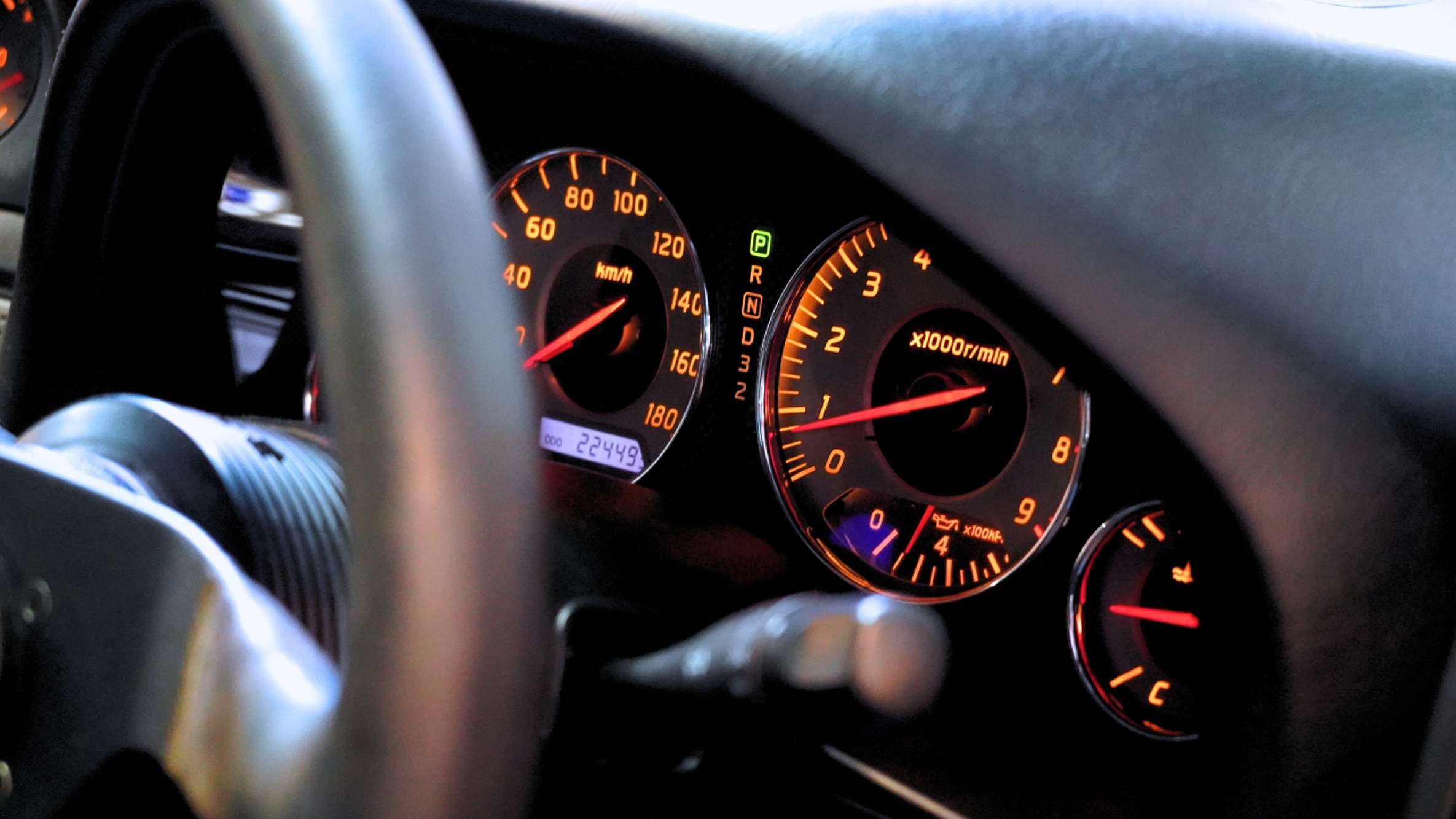
It does 0 to 100 km/h in 5.4 seconds, with an electronically limited top speed of 251 km/h. In 1999 it lapped the Nurburgring Nordschleife in seven minutes 52 seconds, the fastest road-legal production car of that era.
Under the skin it carries the ATTESA E-TS all-wheel-drive system with active torque vectoring, four-wheel steering called Super HICAS, Brembo brakes with 324 mm front rotors, and a six-speed manual co-developed with Getrag.
It was the last GT-R with a manual gearbox; the R35 switched to a dual-clutch automatic. The R34 is also 75 mm shorter than the R33, with a 55 mm shorter wheelbase.
One detail catches every first-timer at the wheel: the first-gear lockout ring, which you must pull before first gear will engage, fitted to prevent accidental downshifts. Expect it, and the box makes sense immediately.
Production ran in two series, 7,066 and 4,512 cars, across 14 versions, and the Nismo Z-Tune pushed the engine to 2.8 liters in a run of just 19 cars.
How to choose an R34 tour and avoid disappointment
The listing title tells you less than you think, so work through a short checklist before paying. Confirm whether the tour includes self-driving or is a ride-along with a driver, and check that the booking page names the actual cars you will ride in or drive.
A photo of a specific car does not reserve that car for you, so ask whether the vehicle type and seating are guaranteed.
A higher price for a tuner car brings no promise of a better one, and these are modified enthusiast machines whose condition and feel vary, so keep expectations sensible.
Carrying paying passengers in Japan requires a transport license and a green license plate, so ask in writing what permit covers the ride and what insurance covers passengers.
Read the legal notice and package details, which are the actual contract, and ask about cancellation terms since many operator pages leave them unstated. Check the meeting and drop-off points for your chosen option, and how far the car's base sits from your hotel.
Guide quality shapes the night more than anything, so message the provider about guide matching. A good listing also states in advance what happens if Daikoku is closed. The table below pulls the deciding points together.
- A guide with youLive tour guide
- Free cancellationCancel up to 24 hours in advance for a full refund
- Book now, pay laterReserve your place and pay closer to the date
- A small groupSmall group
- Hotel pickupNo, you meet at the start
- Your language12 languages, English, Japanese, Bulgarian and more
Two rows deserve a second look before you pay. Free cancellation up to 24 hours ahead matters on this page more than most, because a closed Daikoku lot or a weather change can reshape the night, and hotel pickup decides whether you arrange your own way to the start.
If a tour misses one of these, know what you are giving up before you book it.
When Daikoku PA closes and what happens instead
One thing can reshape the night, and it is worth understanding before you book.
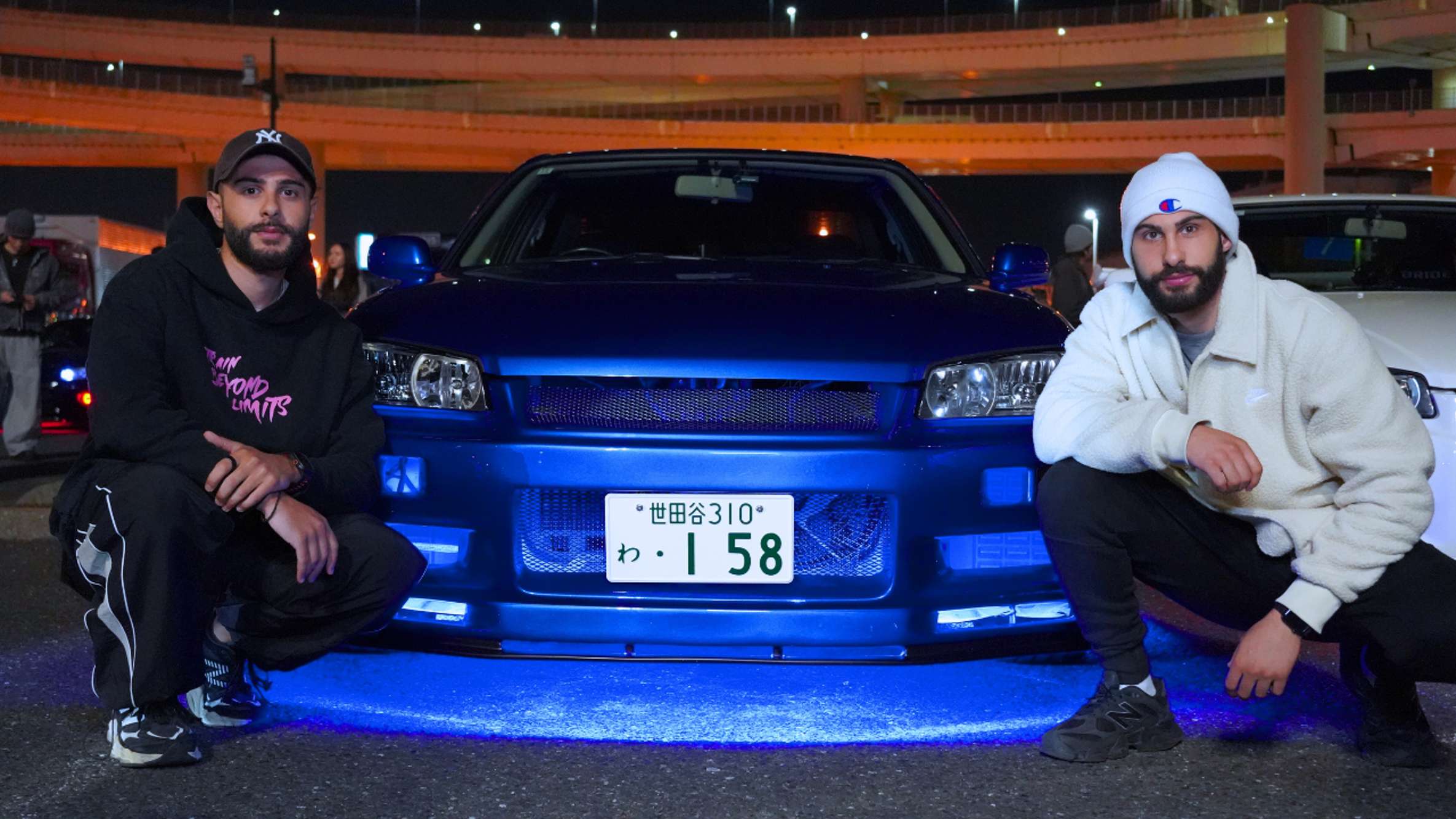
Police and the expressway operator close the Daikoku PA entrance without notice, typically on Fridays, Saturdays, three-day weekends and holidays from about 8:30 pm, and on Thursday, Friday and Saturday nights the meets are usually shut down by about 8:30 pm.
Recurring weekend-night closures became the norm in 2025 and 2026. Closures are decided on the night, so there is no schedule to look up in advance, and once the entrance has closed you should not count on it reopening.
Operators respond in two ways. Many pull Friday and Saturday pickups forward to 4 pm or 5 pm, which is why some tours start earlier than you might expect.
When the lot closes, most tours continue to a fallback such as Umihotaru or Tatsumi PA, though policies vary: one charges an extra detour fee, one makes the fallback free, and several offer a full refund if you decline the alternative. On one operator's tours the night simply continues to another bay spot.
Read the closure clause before paying, and ask the operator in writing what happens on a closed night. Weekday visits are much less likely to end in a closure than weekend nights.
Where drifting fits legally in Tokyo
If drifting is the reason for the trip, know where the line sits. Drifting on public roads is illegal in Japan, and there are no advertised public-road drift events open to tourists.
From July 21, 2026, deliberately sliding the tires so the car becomes hard to control counts as dangerous driving, and causing death or injury that way becomes the crime of dangerous driving resulting in death or injury.
Running in a street-racing group violates Article 68 of the Road Traffic Act, with up to two years in prison, a fine and licence revocation.
The legal routes are good ones. D1 Grand Prix, the top competition series, holds rounds in Osaka in September and Tokyo in October, with the final round usually in Odaiba in November.
Qualifying runs solo runs judged on angle, line, style and speed, then finals run as tandem battles in a knockout from 32 drivers down to one. Near Tokyo, Mobara Circuit and Nikko Circuit host plenty of drift events.
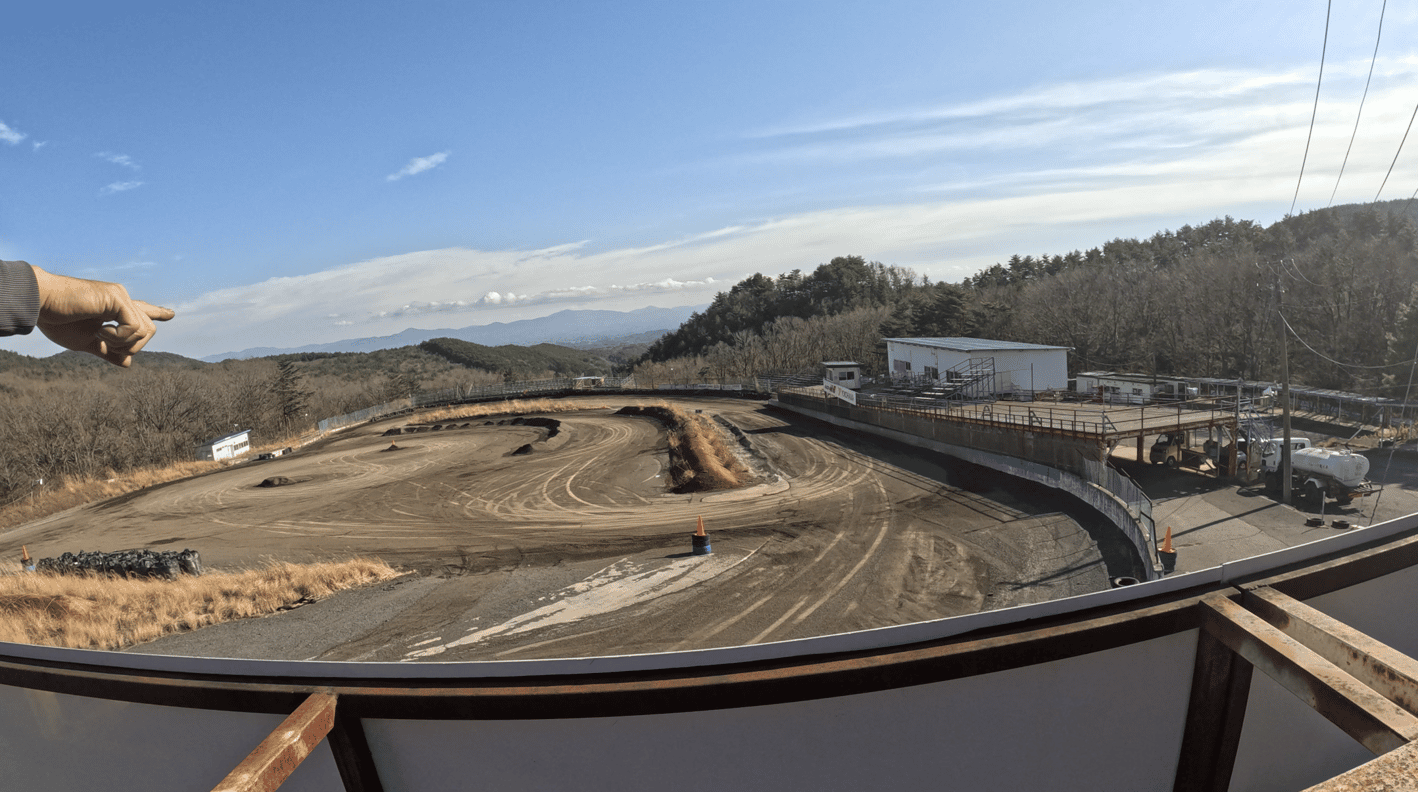
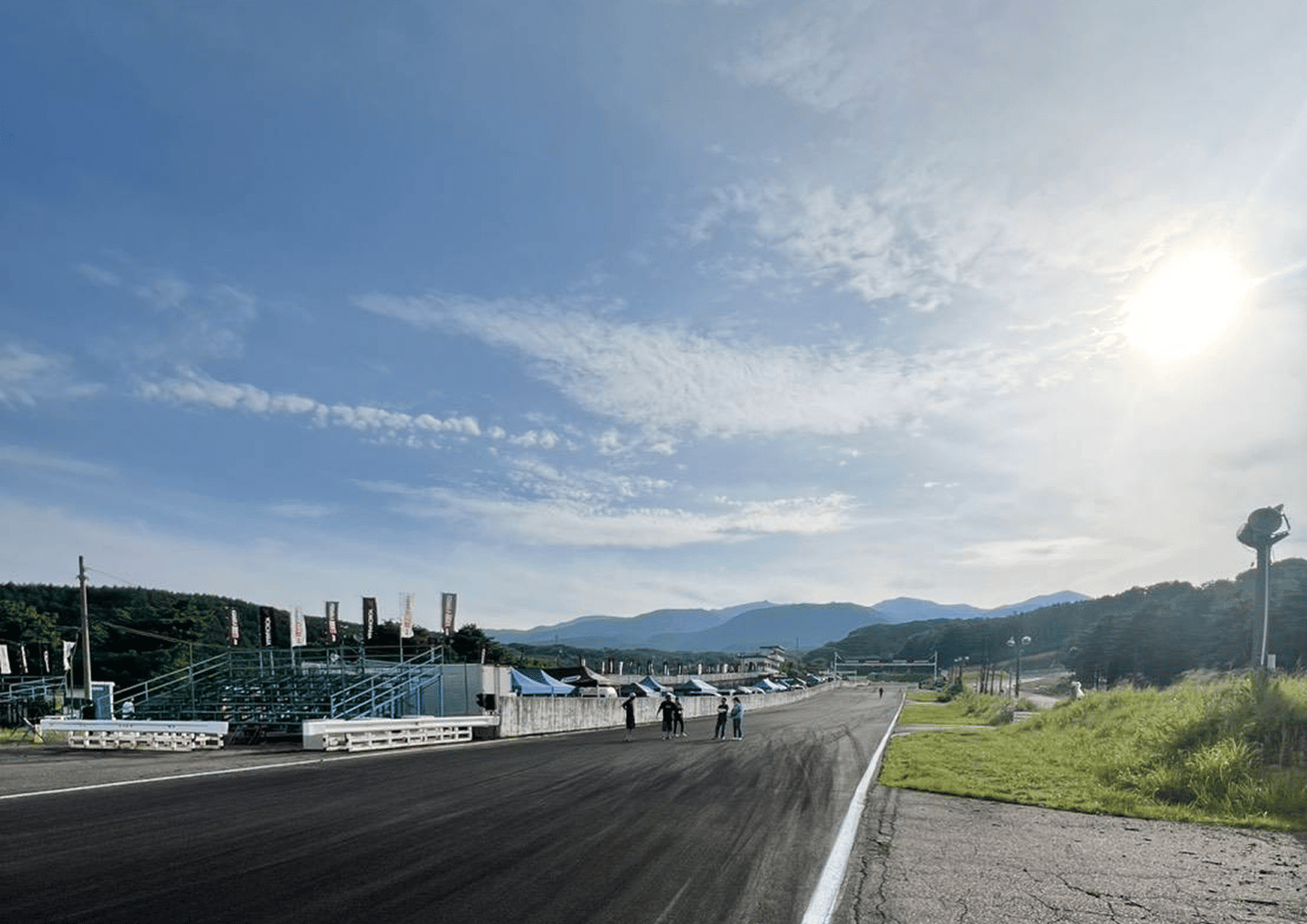
To try it yourself, Ebisu Circuit north of Tokyo runs beginner lessons on dedicated practice courses called Kurukuru Land, where a complete beginner can learn the basics in about an hour. Full-day drift schools there with instruction, track time and a pro ride-along are among the best experiences people describe having in Japan.
Etiquette at a Tokyo car meet
Daikoku works because owners bring their cars, and a few rules keep it that way. Never touch, lean on, or sit on a car without the owner's permission, and never enter a vehicle uninvited.
Disrespectful tourist behavior is the reason some locals stopped bringing their cars to Daikoku, and behavior is watched by police who act on complaints.
Photography is welcome, with manners. Exterior shots are generally fine, but ask before photographing interiors or engine bays, ask before close-ups of individual cars, and avoid flash into cabins or faces at night.
Blur or crop license plates before posting online. If an owner is busy or not making eye contact, respect that and move on. Do not ask about prices or whether a car is for sale; compliment the build instead.
Keep your voice down, do not rev engines or attempt burnouts, and stay out of the roadways and driving lanes. Drones are banned because Tokyo sits in a restricted no-fly zone.
Carry your trash out, since the lots often have no bins, and use the designated smoking area. Chat with owners where the mood allows; one traveler struck up a conversation at Akihabara and got to hear an AE86 owner rev his 4-AGE.
What else to see around the tour start
The car culture does not stop when the tour ends, and much of it needs no booking at all. Shibuya near the crossing comes alive in the evening, and in front of Akihabara Station at night.
The Akihabara UDX underground garage, free to enter and close to the station, holds wrapped and ita cars customized with anime decals on the B2F level, best on Friday and Saturday nights.
The Autobacs Shinonome parking lot is a popular spotting area and the store hosts car events. The Nissan Heritage collection, UpGarage, A Pit Autobacs and Liberty Walk Harajuku are all reachable by train, and exotic cars line Meiji Jingu Gaien as a quieter backup.
A note on UDX: stopping to photograph cars can get you moved on by security, and repeat visits have brought police and a fine, so keep any stop brief.
If you have a free morning or evening around the tour start, the temples and parks nearby fill it easily. Here is what sits within reach.
- 1Kuhonbutsu Jōshin-jitemple, shrine or church8 min walkDirections
- 2Mangan-jitemple, shrine or church20 min walkDirections
- 3Tamagawadai Parkpark or garden20 min walkDirections
- 1Zenyōmitsu-jitemple, shrine or church9 min driveDirections
- 2Himonya Parkpark or garden13 min driveDirections
- 3Todoroki Ryokuchipark or garden16 min driveDirections
- 4Hasegawa Machiko Art Museummuseum18 min driveDirections
- 5Meguro Parasitological Museummuseum18 min driveDirections
- 6Futako Shrinetemple, shrine or church19 min driveDirections
A quiet temple or park makes a good counterweight to a loud night in a GT-R, and everything on the walk list costs nothing and needs no booking. Save the drive list for a free afternoon, then head to the meeting point rested.
What to know before you book a Nissan GTR R34 rental in Tokyo
Many R34 tours include hotel pickup and drop-off in central Tokyo, and some run from a fixed meeting point like Shibuya Station instead. If you want pickup, request it when booking and send your hotel address; same-day requests are often not possible, so ask the day before.
Check which actual car you get before booking. Some tours let you request a color or model, others assign a car on the day, and a few run a surprise pick from a fleet. On one tour only the R34 Skyline is a JDM vehicle, so if that matters, confirm it in writing.
Shared rides can mean other guests booked into the same car; private plans keep the car to your group. Some tours run in convoys of ten or more JDM cars, which adds to the feeling of joining the local scene on the expressways.
On the private R34 tours the listed price typically covers the professional driver, fuel, expressway tolls, insurance and tax. Meals, drinks and personal expenses are on you. Some tours add WiFi on board and an air-conditioned cabin.
Sort out your ride before you arrive in Tokyo. Tours sell out, and turning up hoping for a seat is a gamble. If a specific car matters to you, message the provider early, because the car you want may be parked far from your hotel.
Most tours let you cancel up to 24 hours in advance for a full refund. If Daikoku PA is closed and cannot be visited, operators offer an alternative location or a full refund, and severe weather or a vehicle breakdown is covered the same way.
The house rules are simple: no smoking, no food and no alcohol in the vehicle. At Daikoku PA, never touch or sit on someone's car without asking the owner first, and stay out of the roadways. Police watch the meet and act on complaints.
Most tours run three to four hours, usually at night. Saturday brings the biggest car-meet energy at Daikoku, and weekend evenings and Sunday mornings draw the widest selection of cars. Heavy rain or police activity can close the PA, in which case tours move to another spot such as Umihotaru.
Photo help is built in on several tours: a photographer driver shoots stills and rolling video, guides suggest viewpoints and stop at scenic spots, and some plans include pro DSLR photos edited and shared a few days later. Bring your own camera too.
Tipping is not expected in Japan. One tour lists a tip for the guide as optional, so a gratuity is welcome but never required. Budget nothing extra for it.
Worth it with the paperwork sorted
An R34 night in Tokyo delivers when three things line up: your permit arranged at home, a Saturday or a weekday night, and expectations set on legal speeds and a meet that police can close.
Book a licensed operator, confirm the closure plan in writing, and the car, the bridge and the parking area do the rest.
Nissan GTR R34 Rental in Tokyo - your questions answered
Can a foreigner rent and drive an R34 GT-R in Tokyo?+
Yes, as long as you hold the right documents. Self-drive tours let you take the wheel of a GT-R-style Skyline, including an R34, provided you meet Japan's driver document requirements before you arrive.
What licence do I need to drive an R34 in Tokyo?+
You need an International Driving Permit of the 1949 Geneva Convention type, arranged in your home country before travel. Some countries instead use a JAF translation of their licence, so check which applies to yours.
Do I need a credit card to rent an R34 GT-R?+
Yes. R34 GT-R rentals ask for a credit card, so bring one instead of a debit card. Have it ready before the day to avoid a scramble at pickup.
How old do I have to be to self-drive a GT-R in Tokyo?+
Self-drive GT-R tours require drivers to be 23 or older, with an international driving permit and your original licence documents. If you are under that age, a guided ride with a professional driver is the way in.
What is the difference between self-driving and riding as a passenger?+
On a self-drive you take the wheel while a guide leads in a separate vehicle, so you need a licence. On a guided tour you ride as a passenger with a professional driver, and no licence is required.
What should I check before paying for an R34 experience?+
Confirm in writing what is guaranteed on your date: the meeting time, meeting point, which car you get, the finish point and the return plan. A photo of a specific car on a listing does not reserve that car for you.
What extra costs come with renting a JDM car myself?+
Watch the expressway tolls, which add up fast on a night run, and the damage excess that applies if the car is disabled. Ask for both figures in writing before you book.
How do I know a JDM tour is properly licensed?+
Carrying paying passengers in Japan requires a transport permit, and legitimate operators run vehicles with a green plate, liability insurance and legally modified cars that pass Japanese inspection. Ask in writing what permit covers the ride and what insurance covers passengers.
Is driving a GT-R in Tokyo like the movies?+
The roads are orderly and there are few places to race on the open road, so book for the car, the setting and the culture. The night expressways, Rainbow Bridge and the Daikoku meet are what make it special.
What happens if Daikoku PA is closed on my night?+
It can close for police activity, weather or capacity, so read the closure clause before paying. A good operator states its alternative in advance, often Umihotaru PA, and some offer a refund if no substitute works.
I am nervous about driving in Tokyo. Should I still self-drive?+
Self-drive plans are aimed at confident drivers, and Tokyo's fast night traffic and confusing highway branches can feel overwhelming at first. If driving on the left in a mega-city worries you, book a plan where a staff member drives you along the same route.
Will I be able to talk with the guide in English?+
English is the default language on most tours, and guides share stories about Japanese car culture and answer questions along the way. Some tours use translation devices, while a few cannot guarantee fluency in other languages such as German or French.