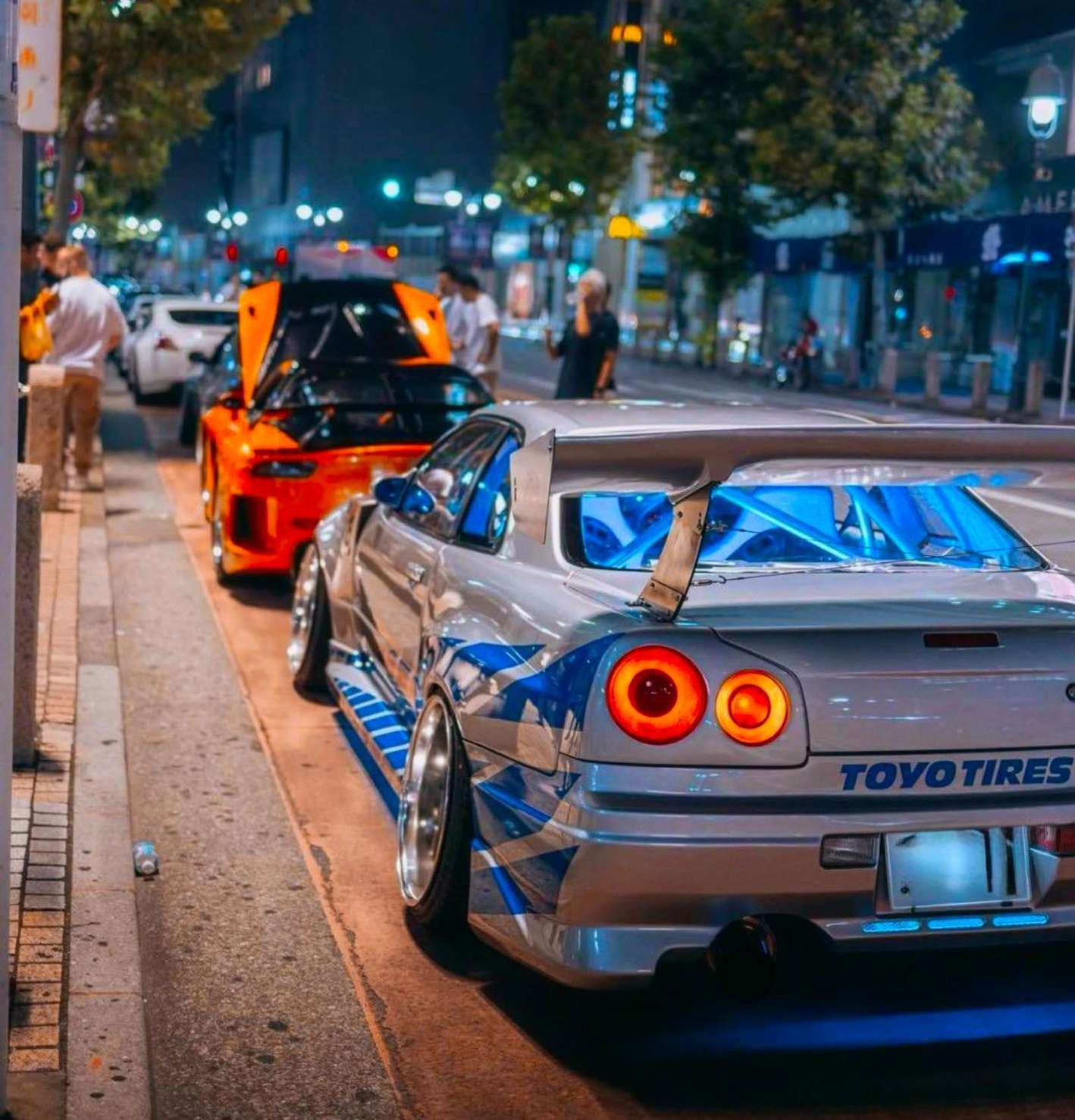
 Closest match
Tokyo: JDM Night Run in EVO, WRX & Skyline to Daikoku
✅ Fuel, expressway tolls, and parking fees✅ Photo opportunities at each stop
From$107 /person
See dates and book Free cancellation · Hotel pickup
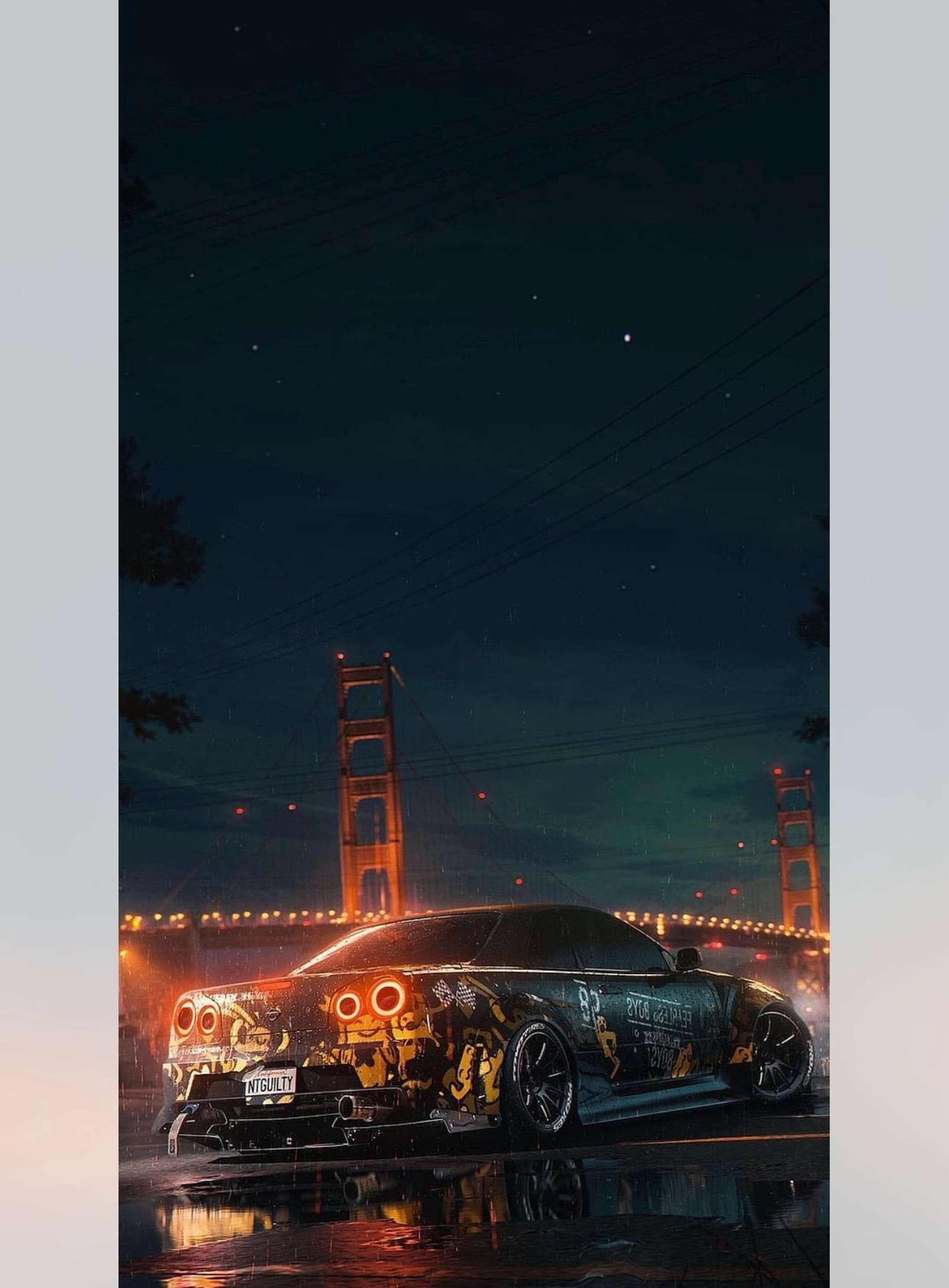
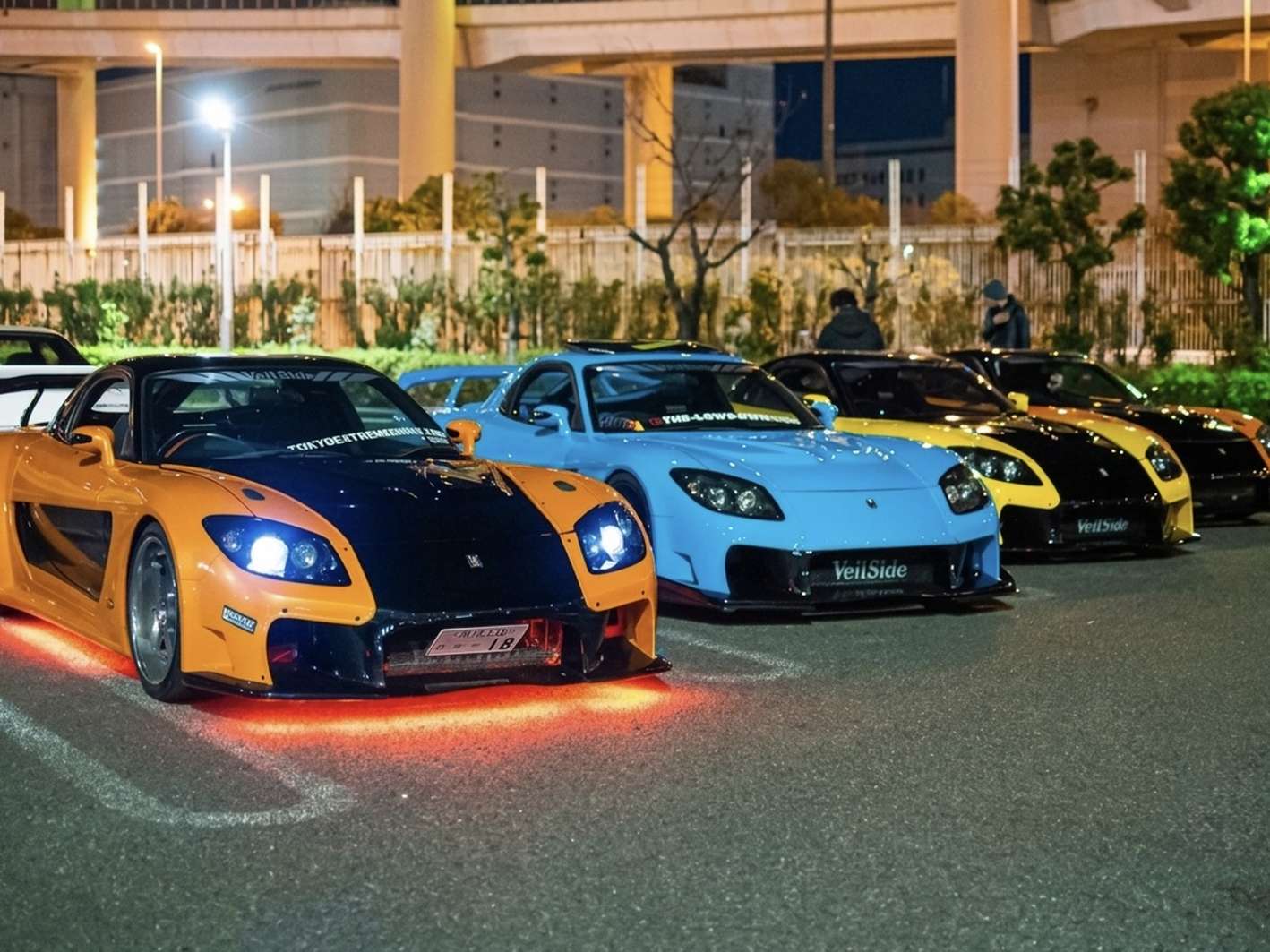
See Daikoku PA car meet the easy way. Ride in a manual JDM car with an English-speaking guide, hotel pickup from Shinjuku, and about an hour on the ground among GT-Rs, Supras and RX-7s. Join thousands of JDM fans who crossed Rainbow Bridge with us.
“May 25, 2026: my family rode with Dai in his gorgeous Skyline GTR R34. He glided through corners effortlessly. Daikoku PA was exhilarating, Fast and Furious-style cars straight out of the movies!”
Each of these tours picks you up in central Tokyo and runs about three to four hours: an expressway night drive, roughly an hour walking the meet at Daikoku PA, and photo stops like Tokyo Tower along the way.
Closest match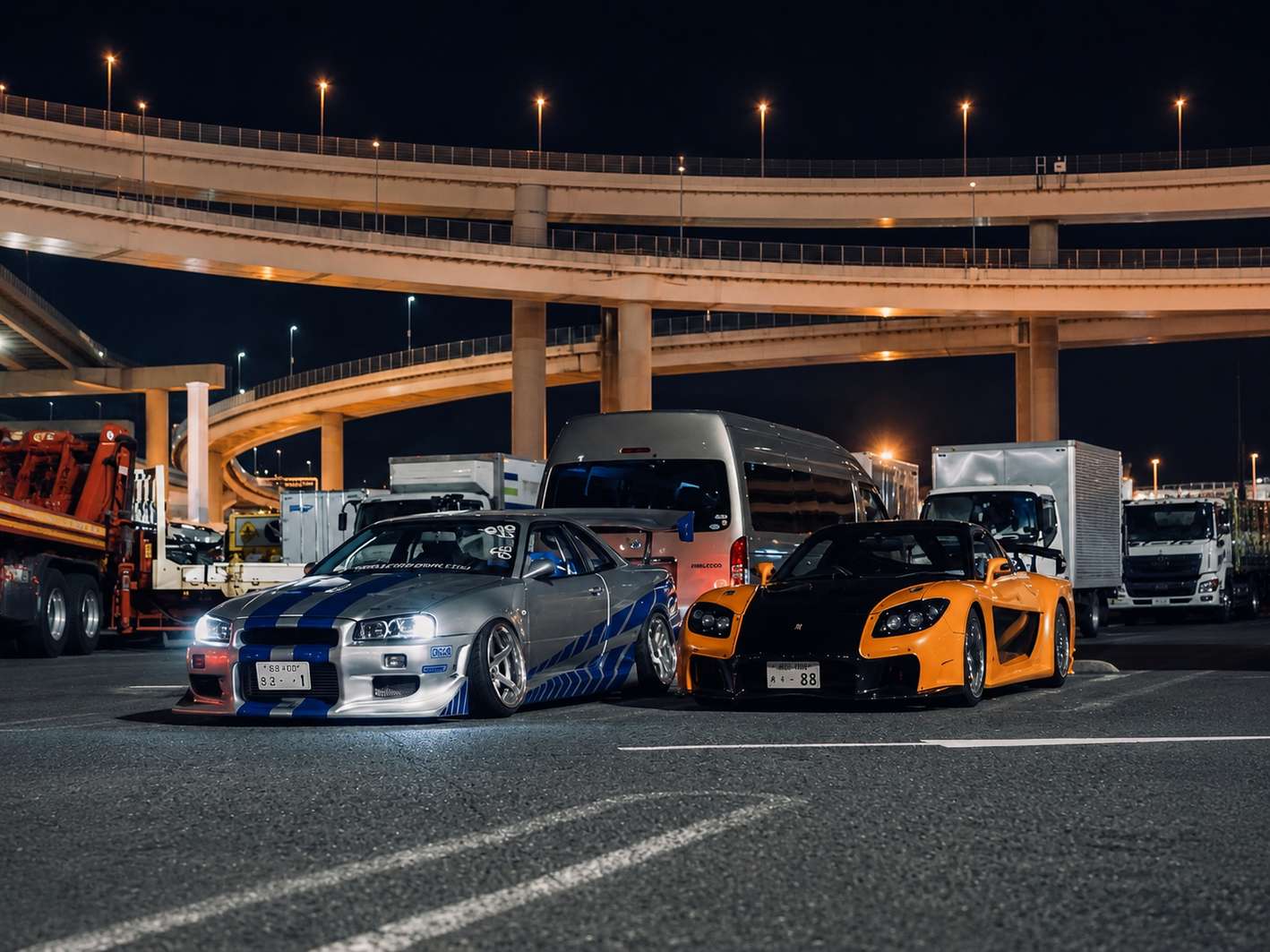
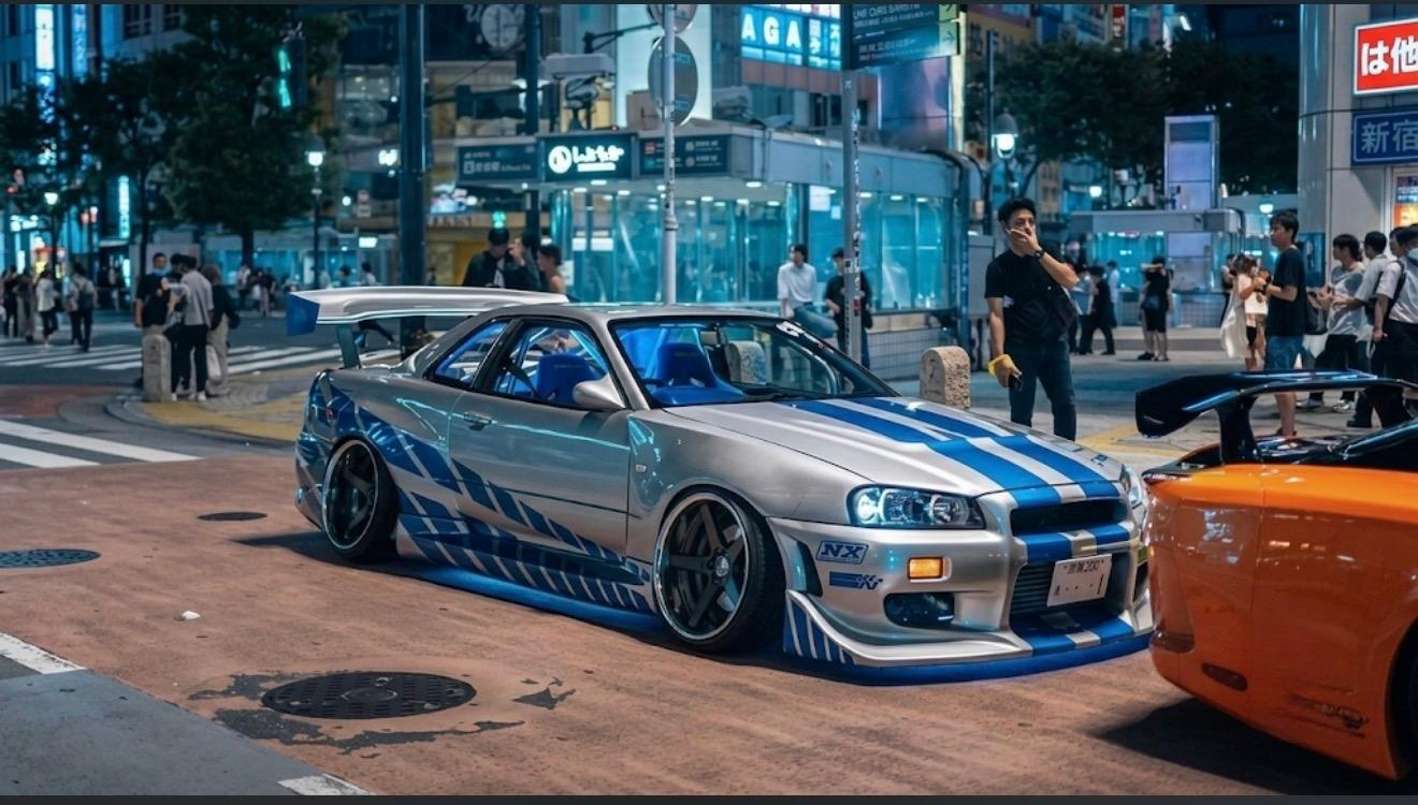
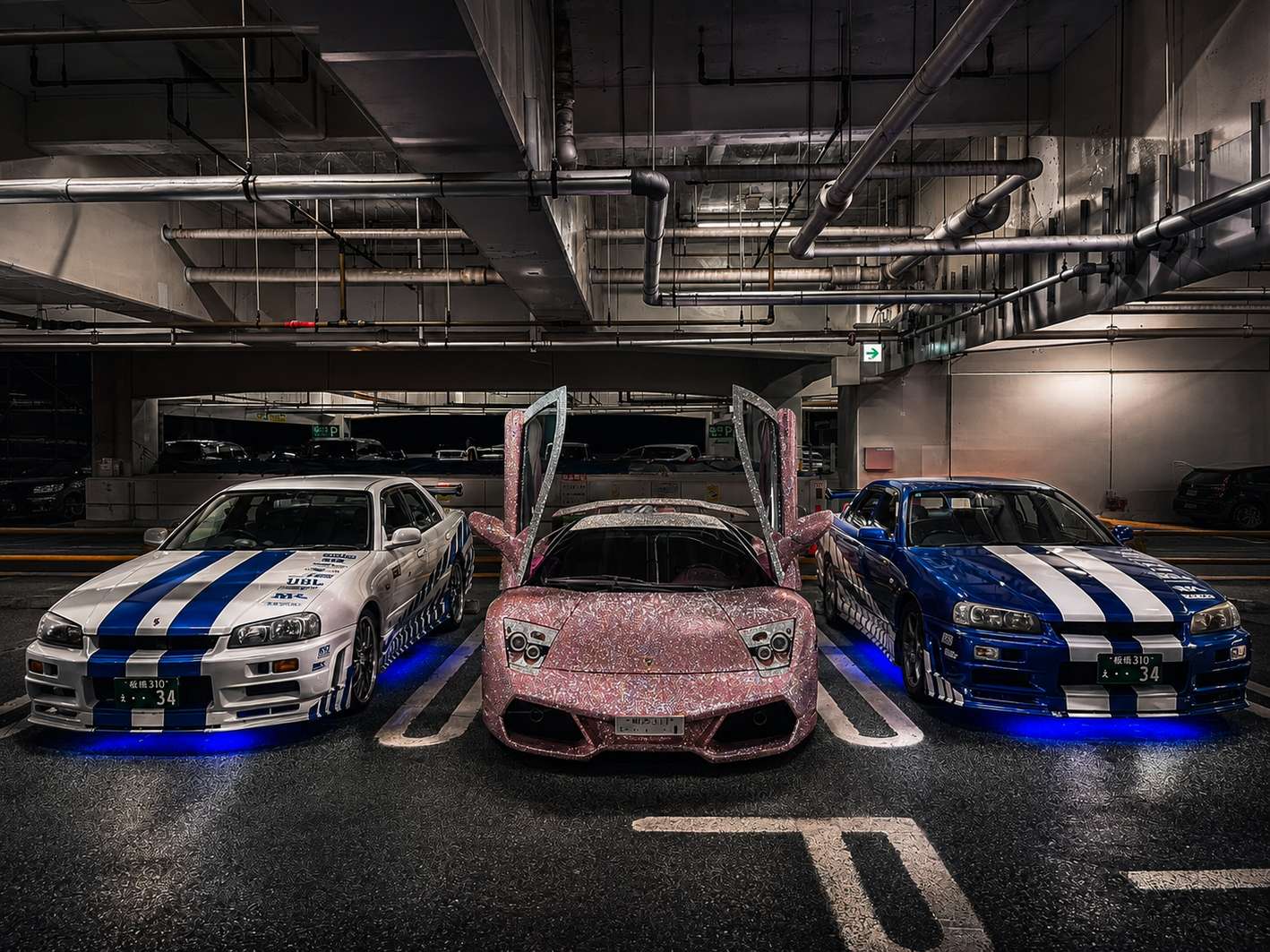
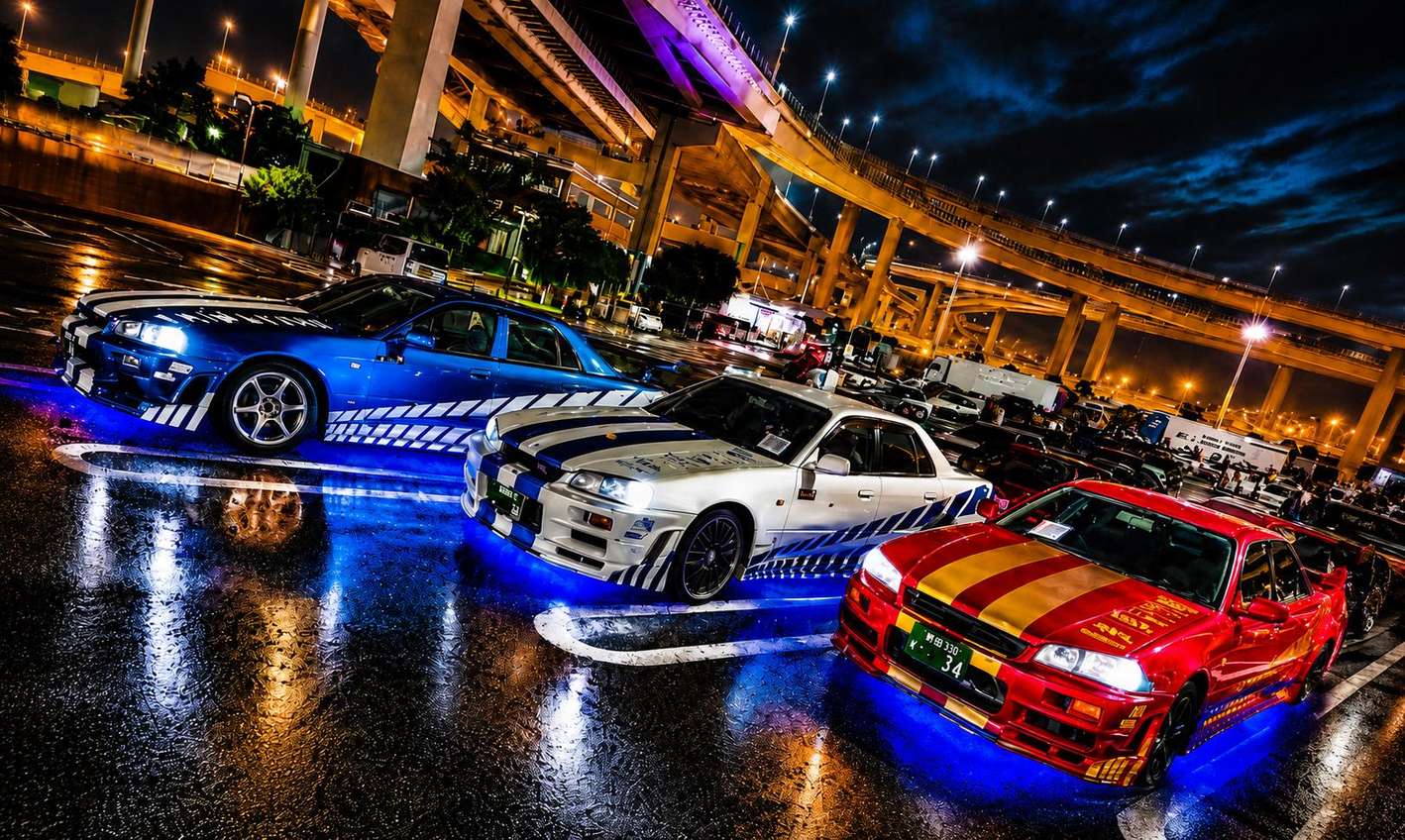
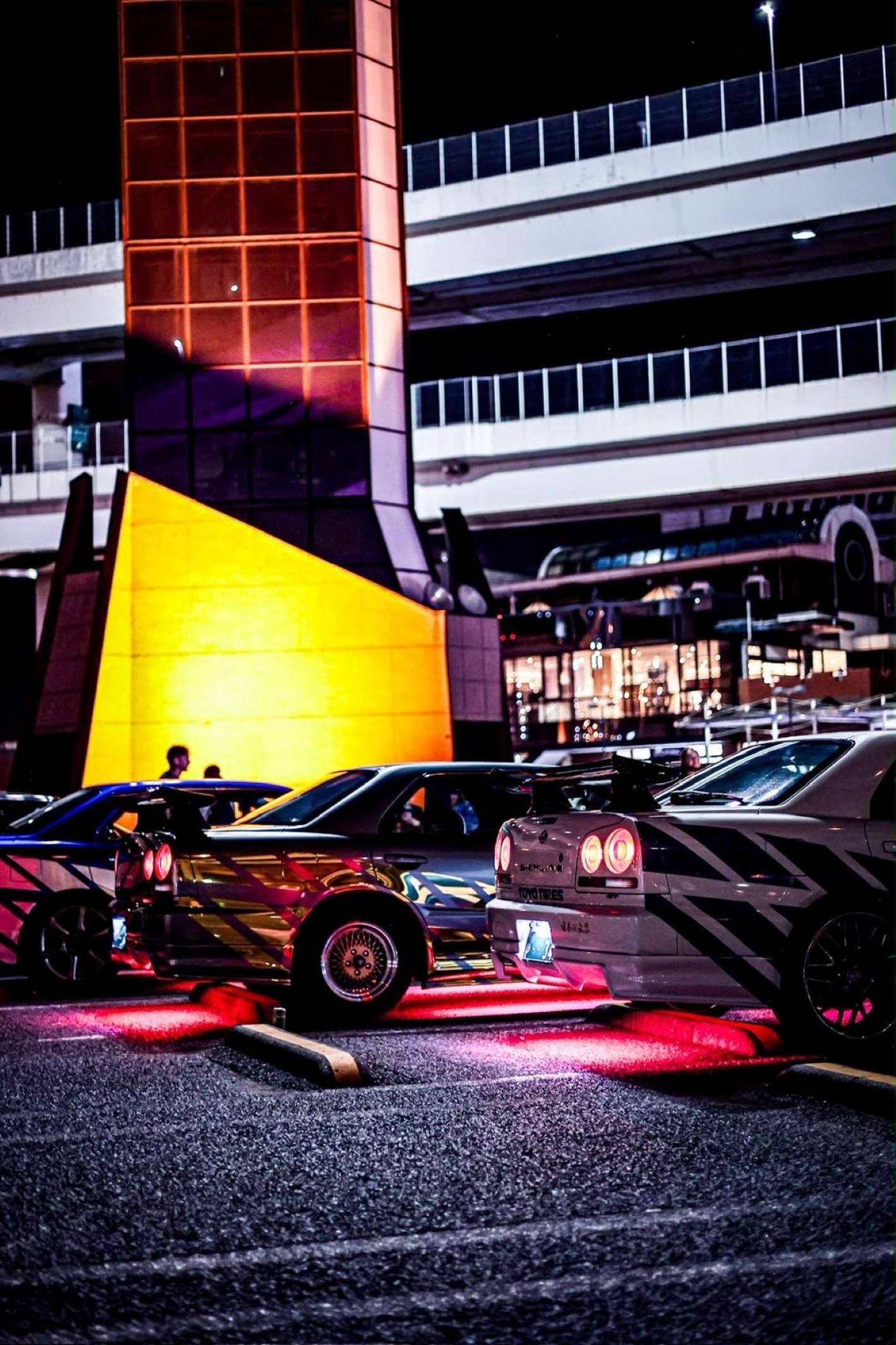
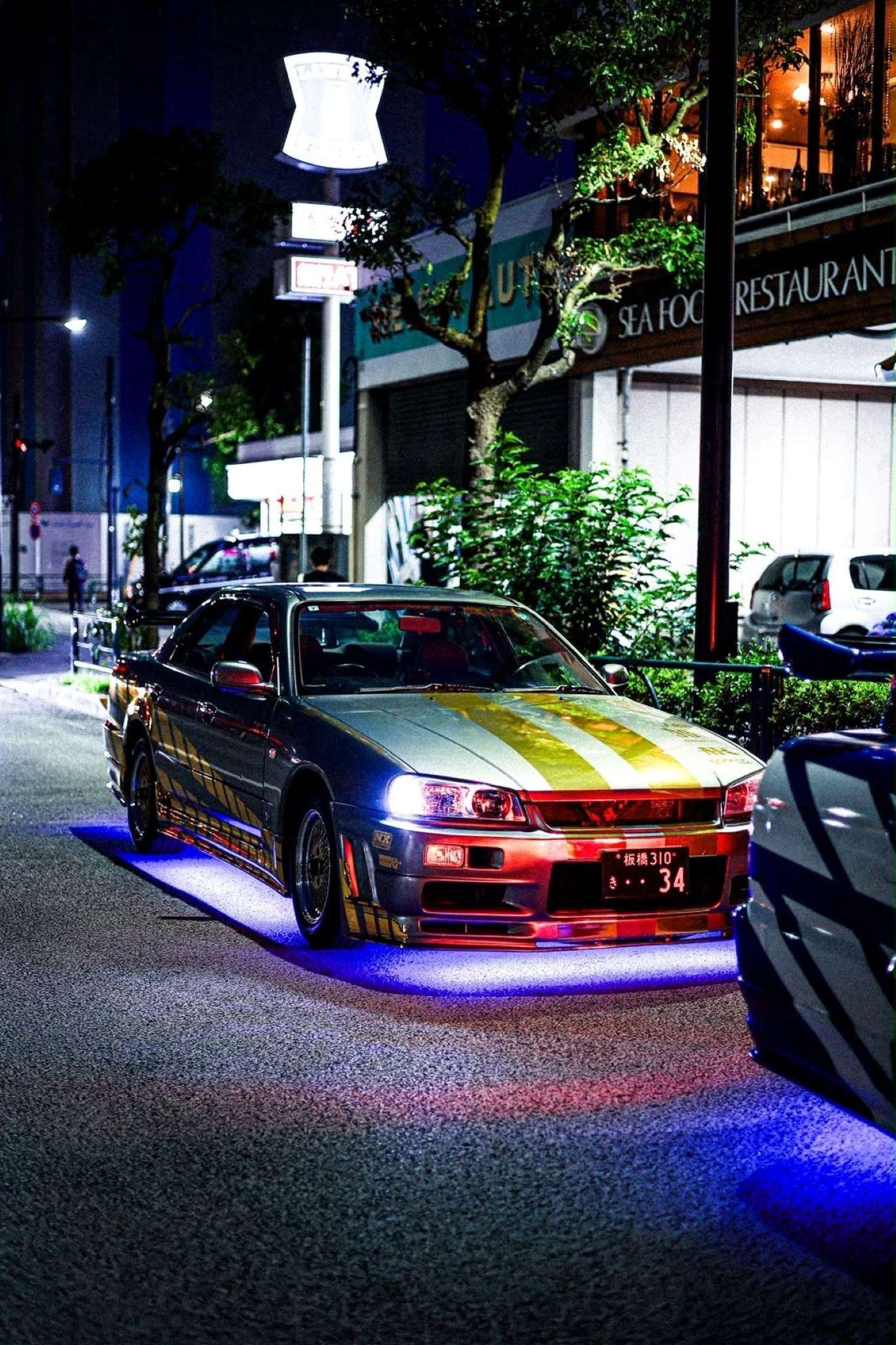
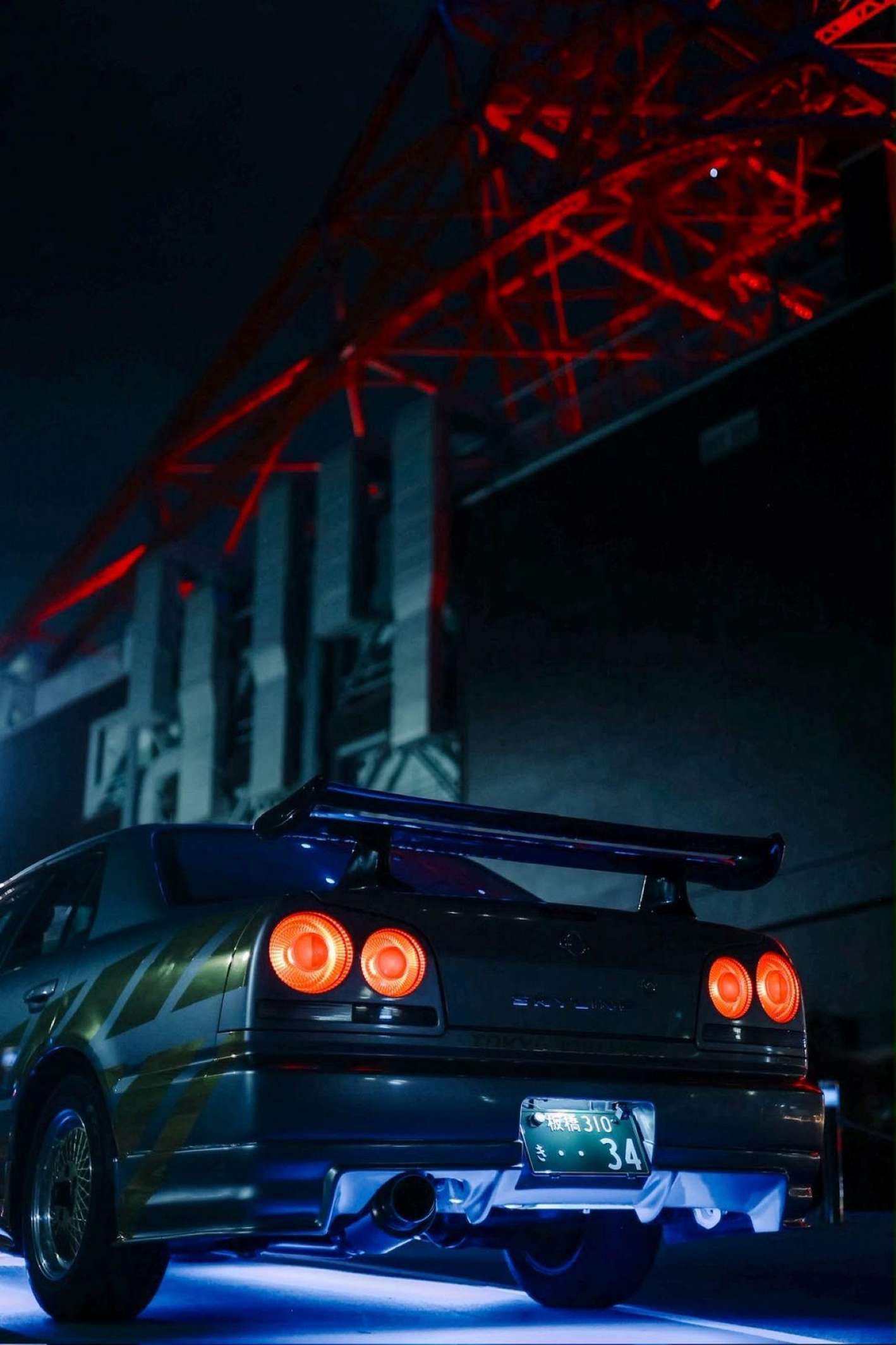
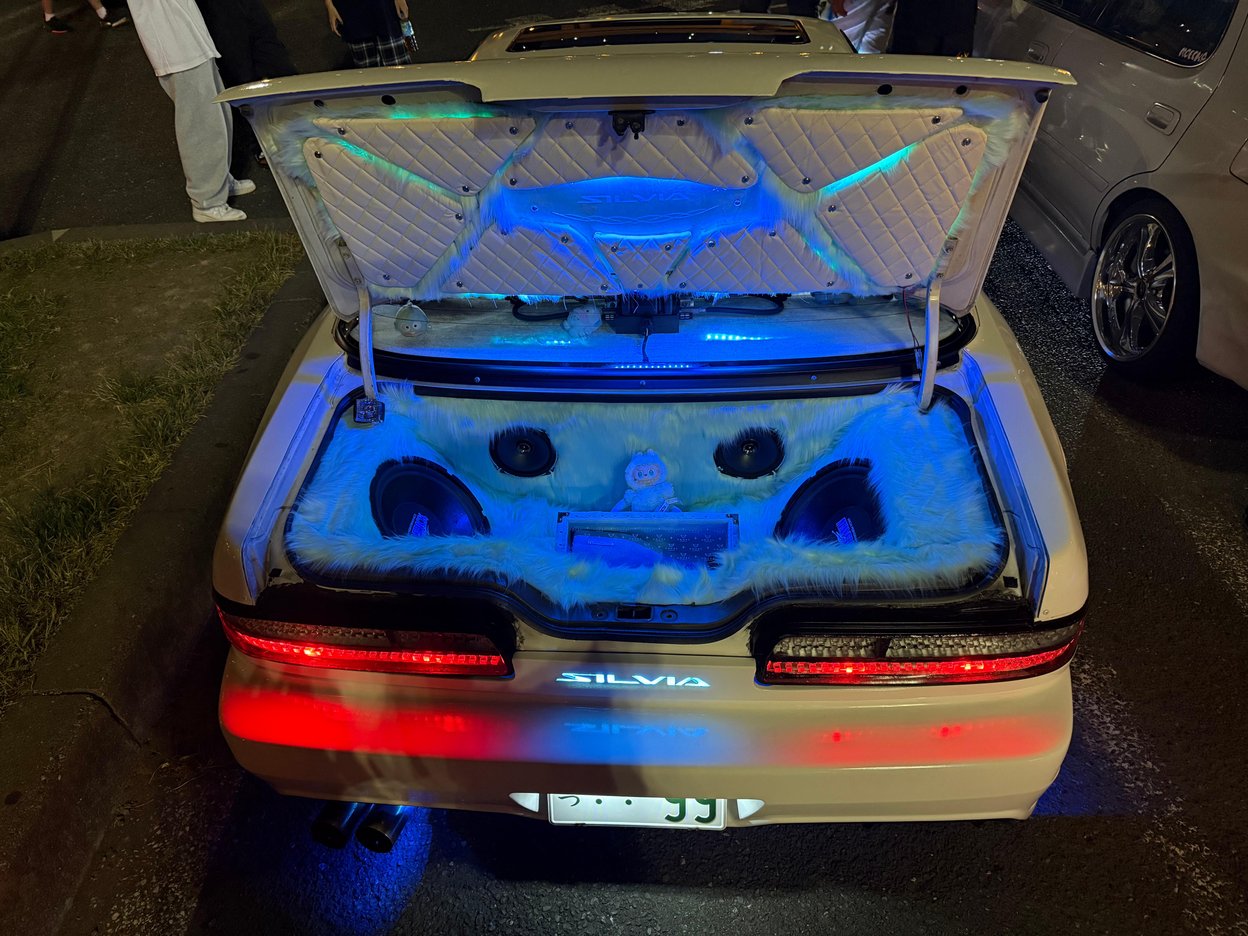
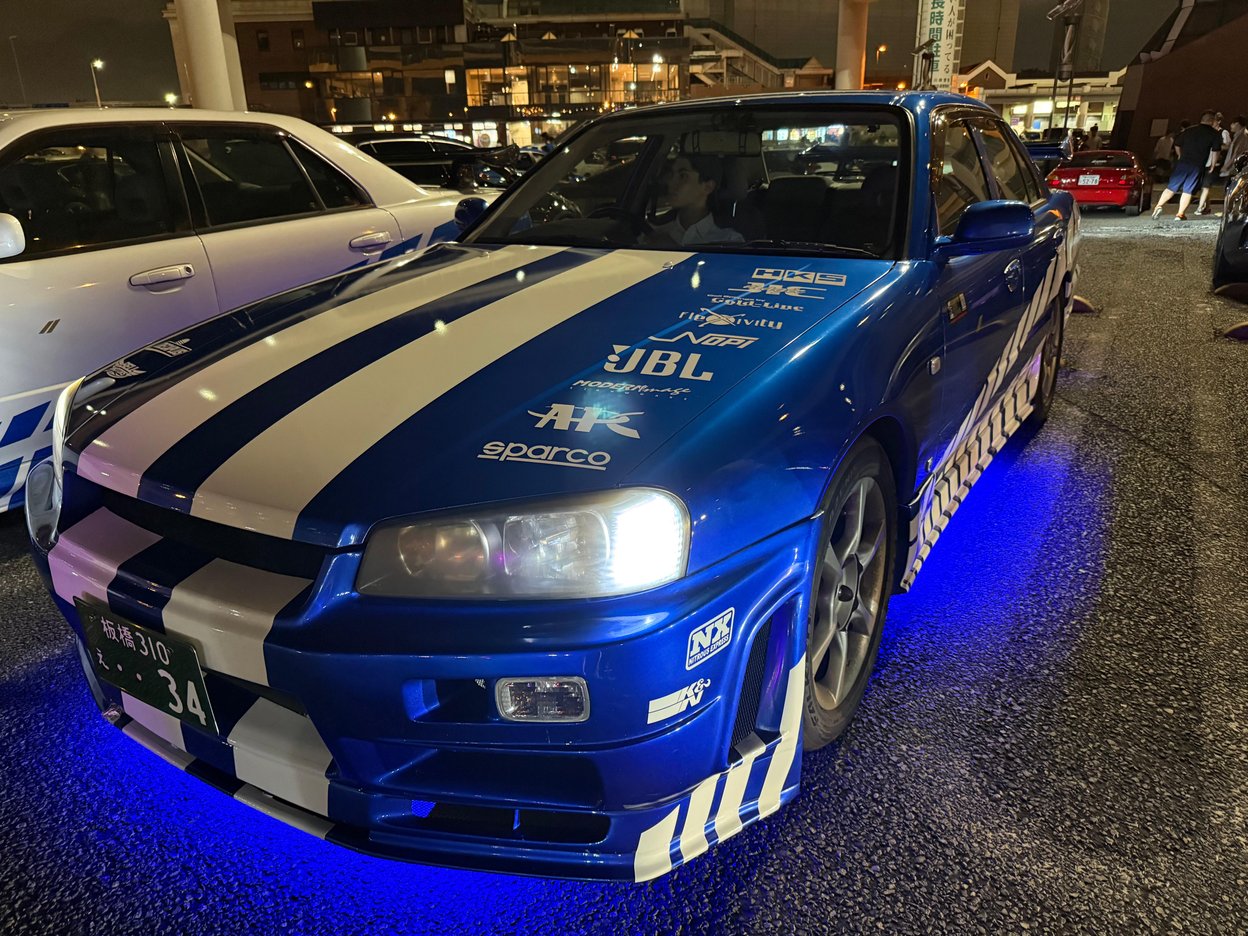
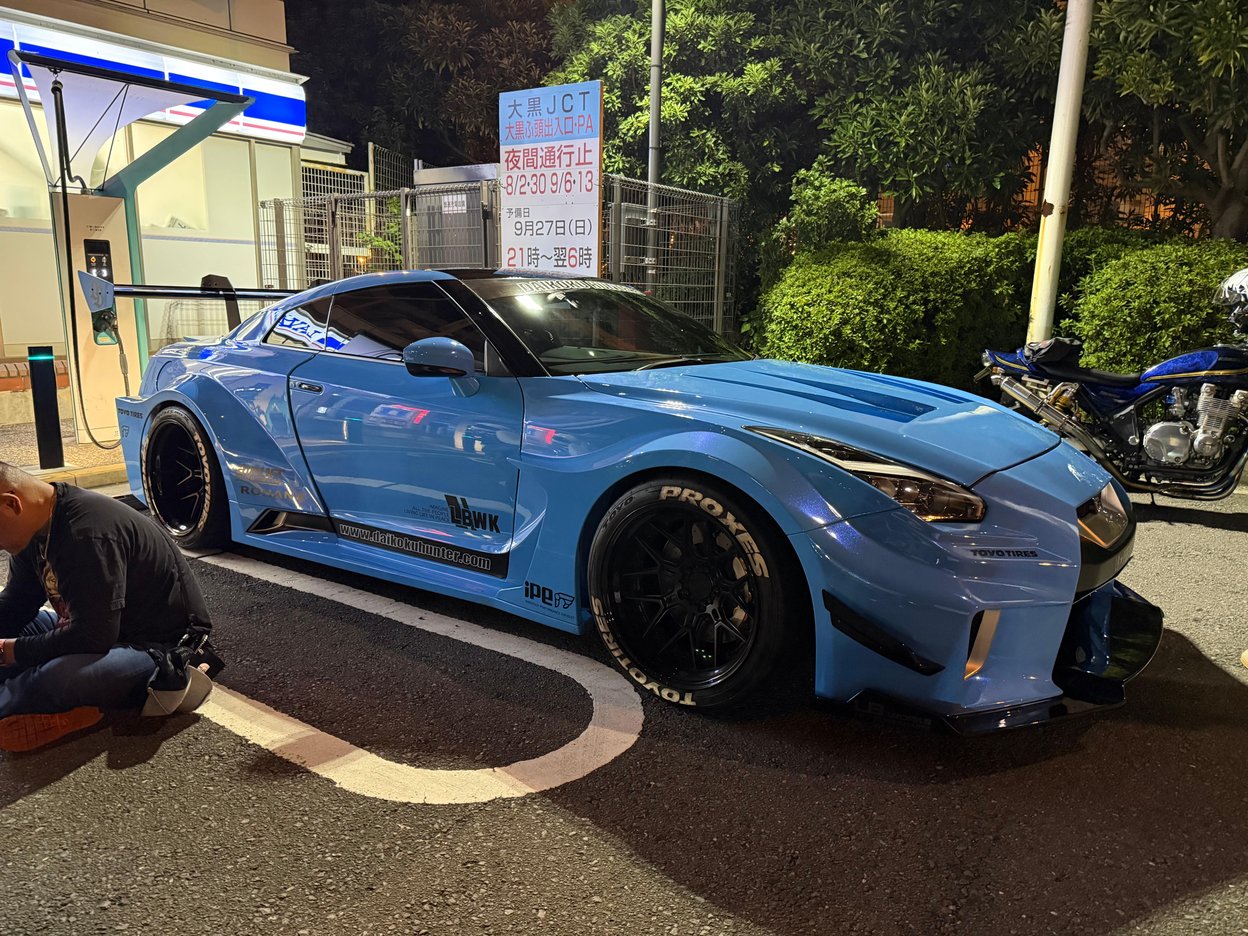
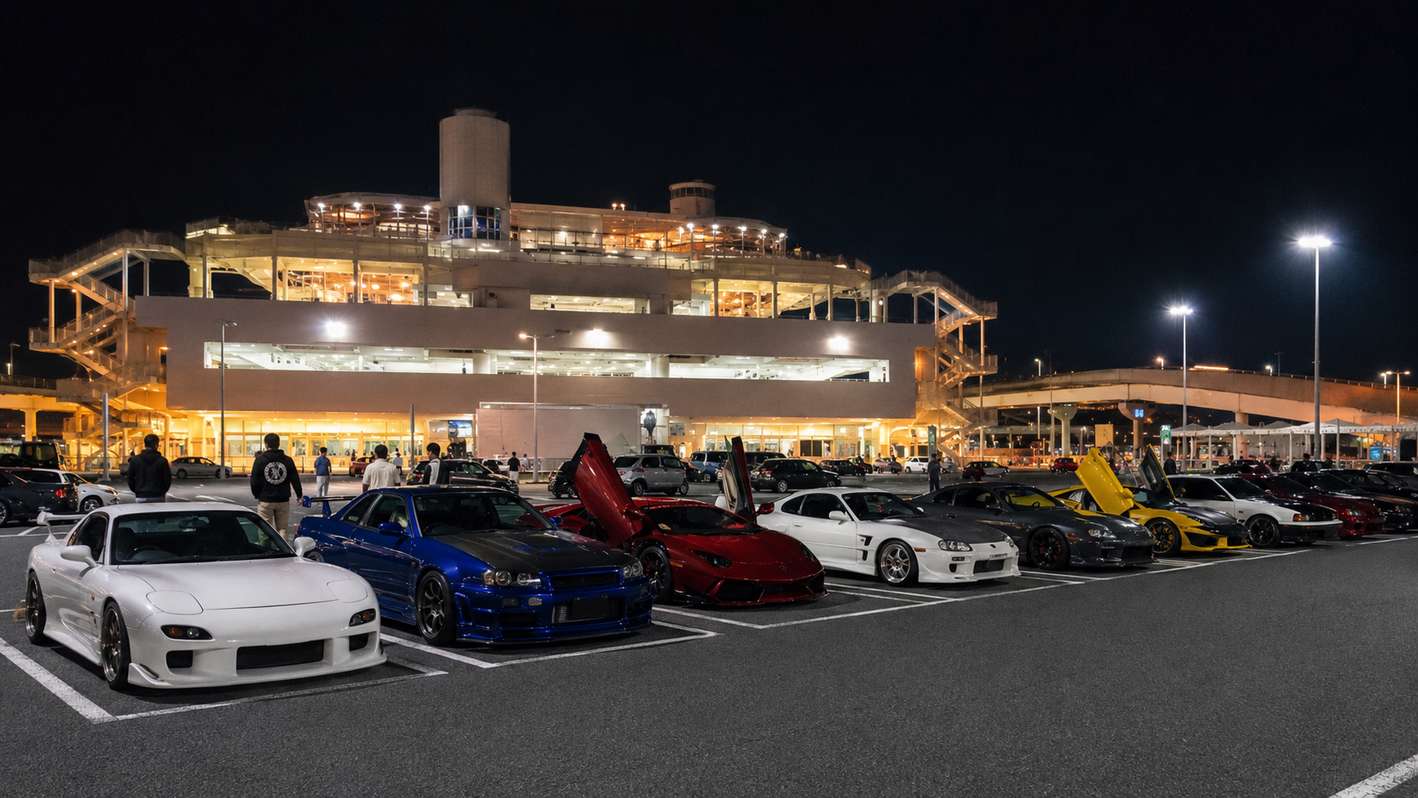
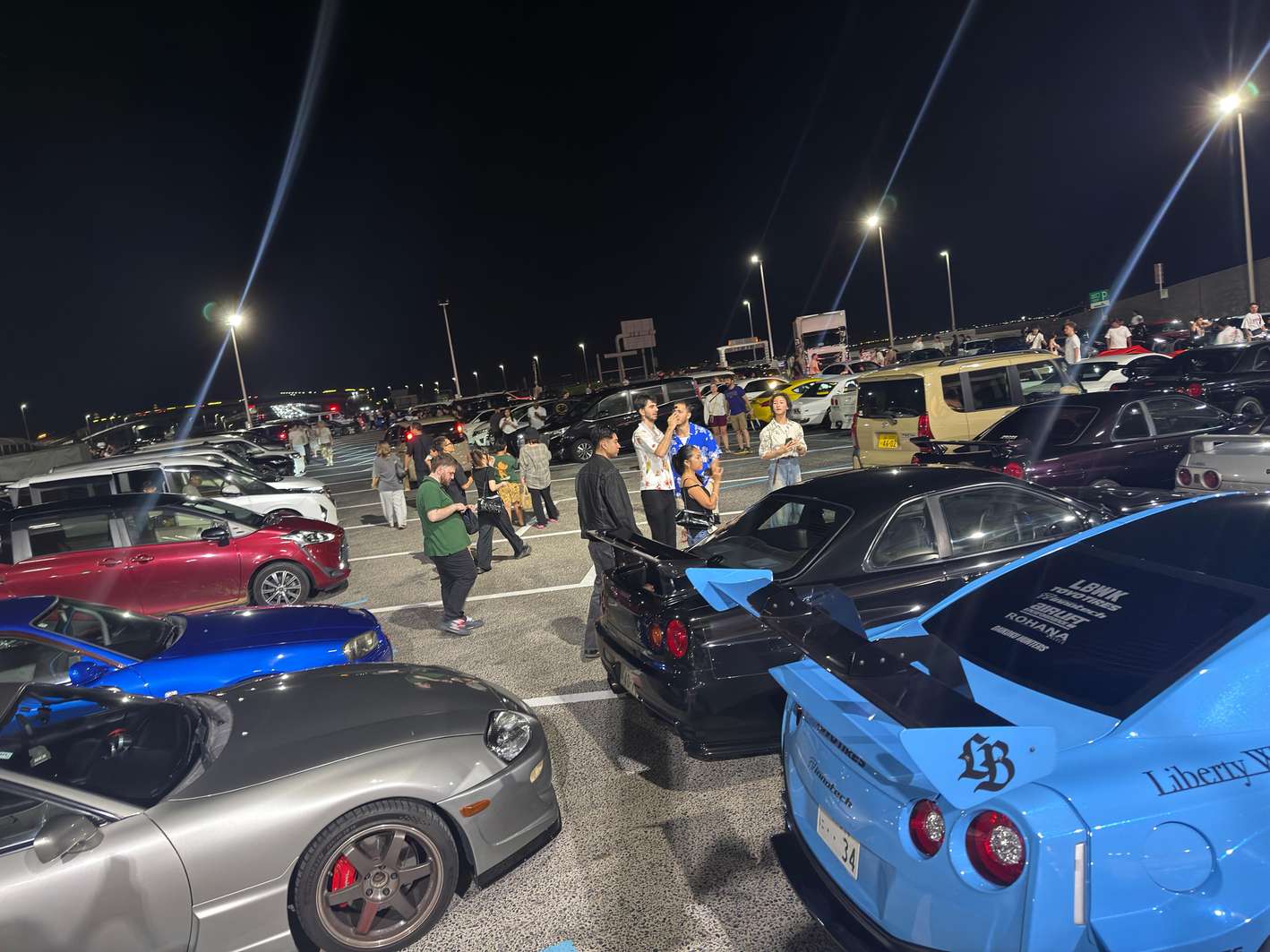
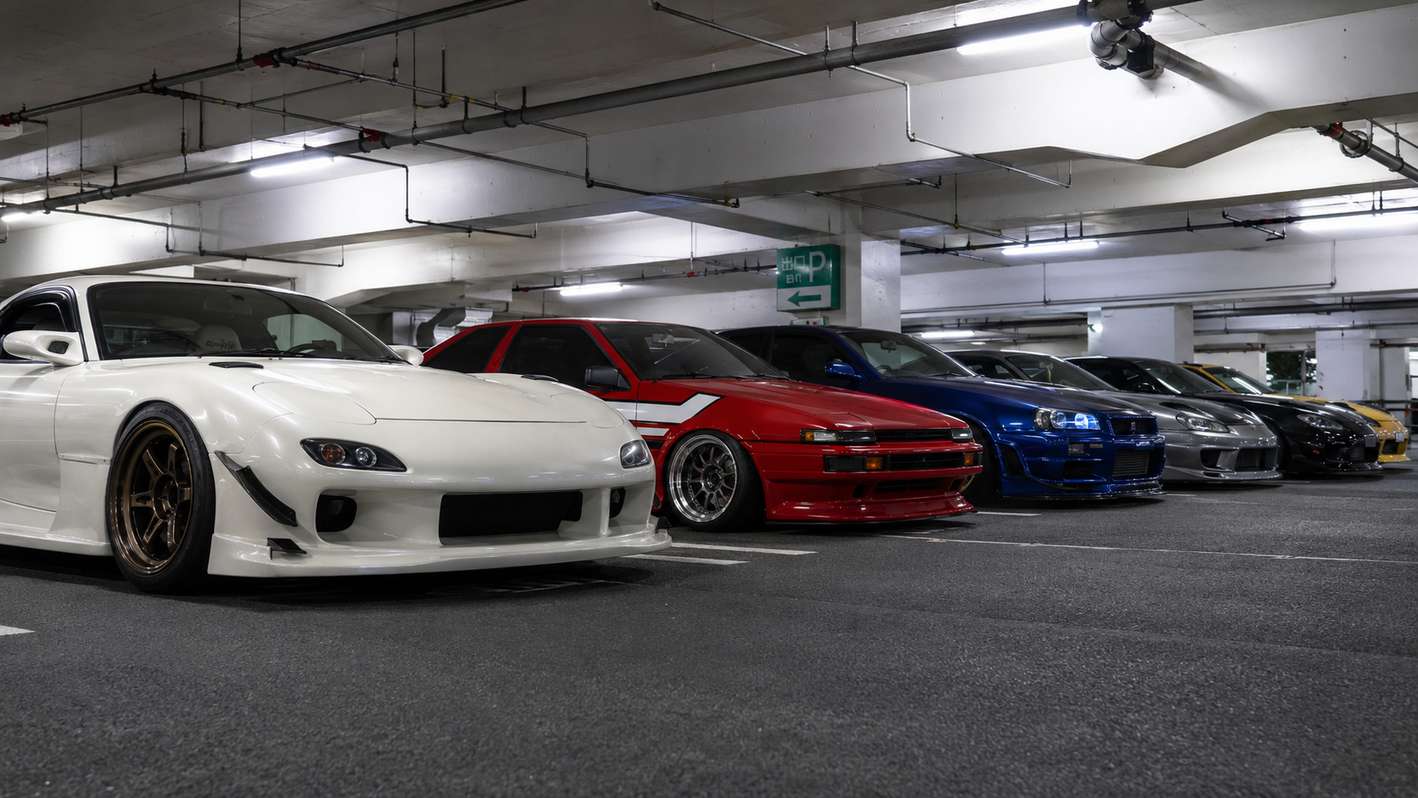
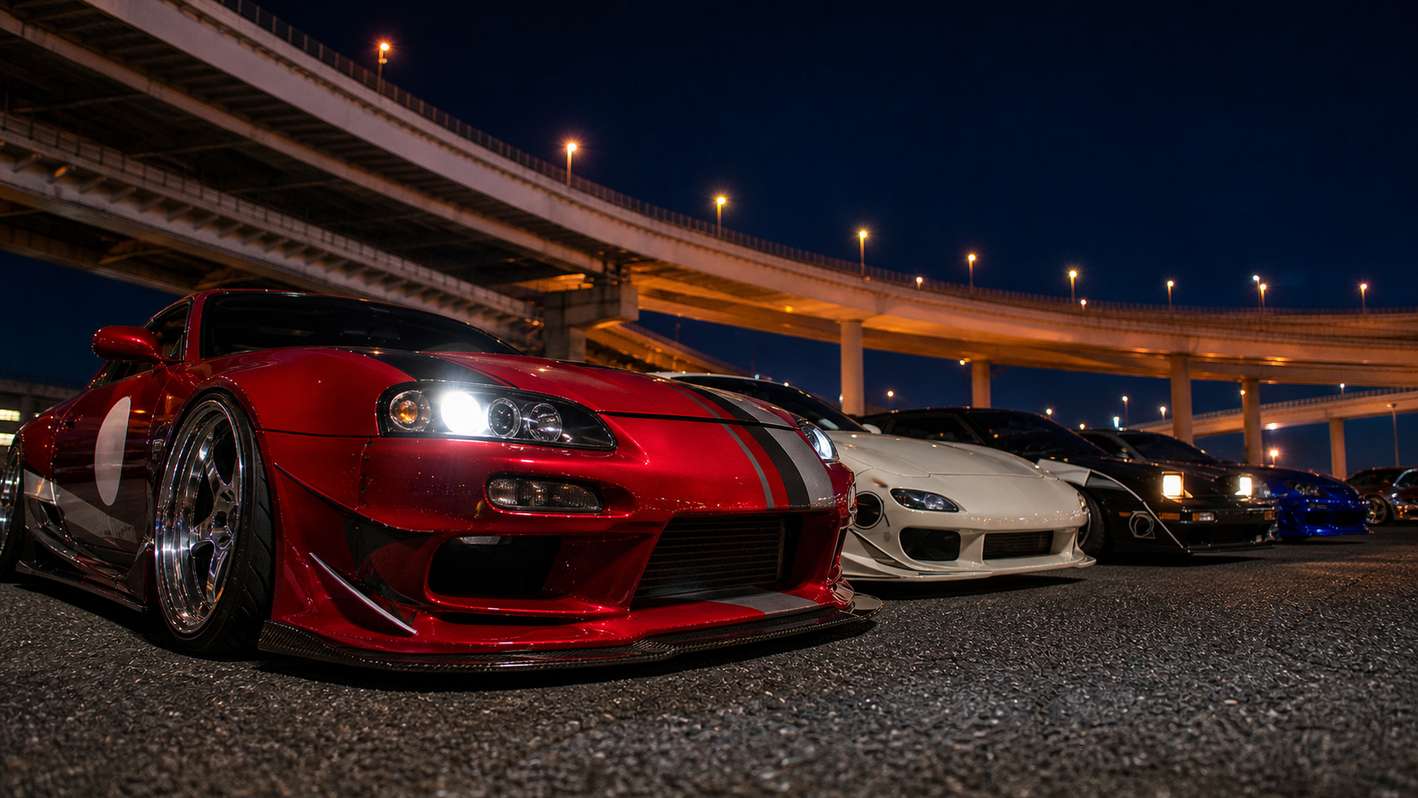
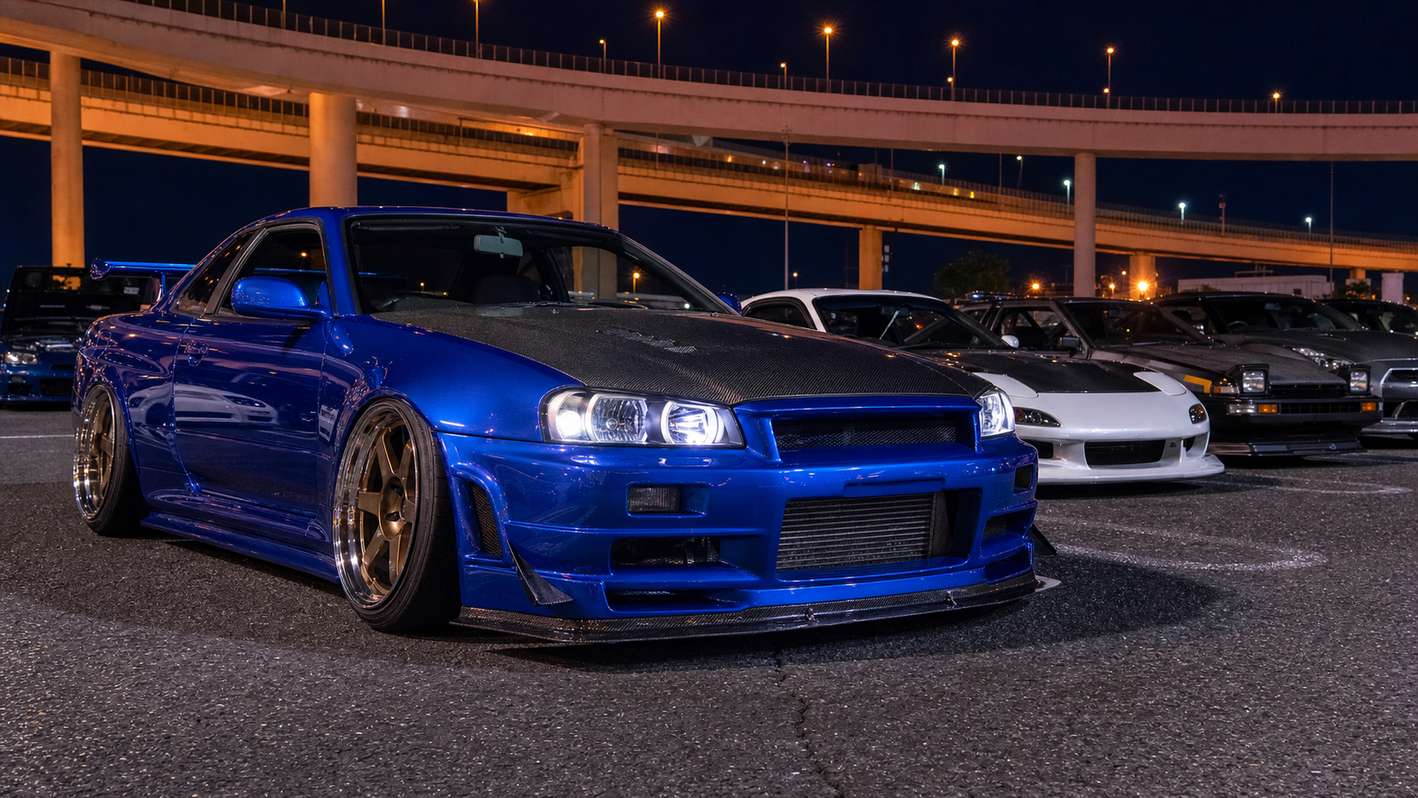
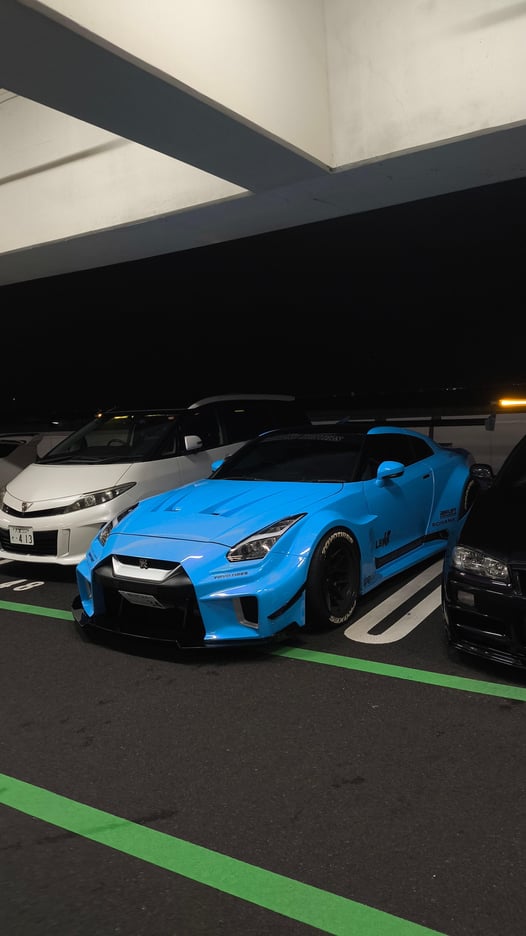
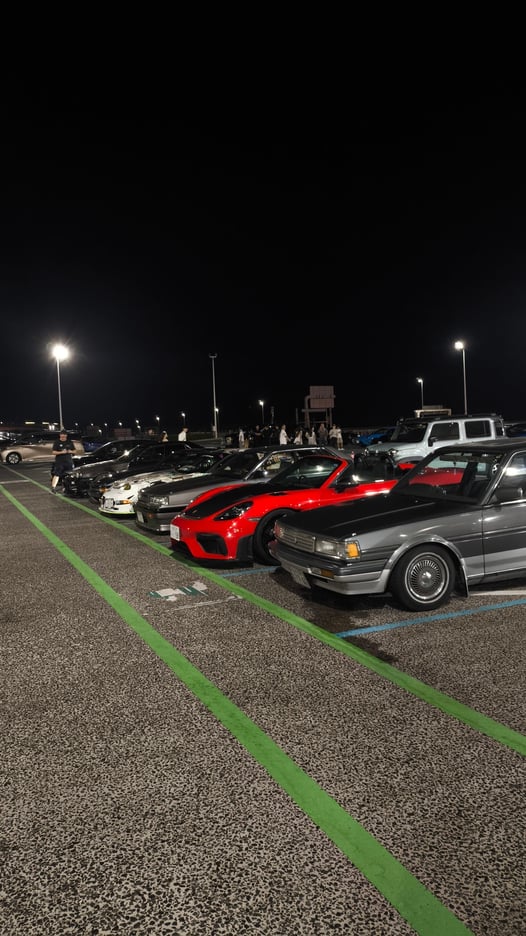
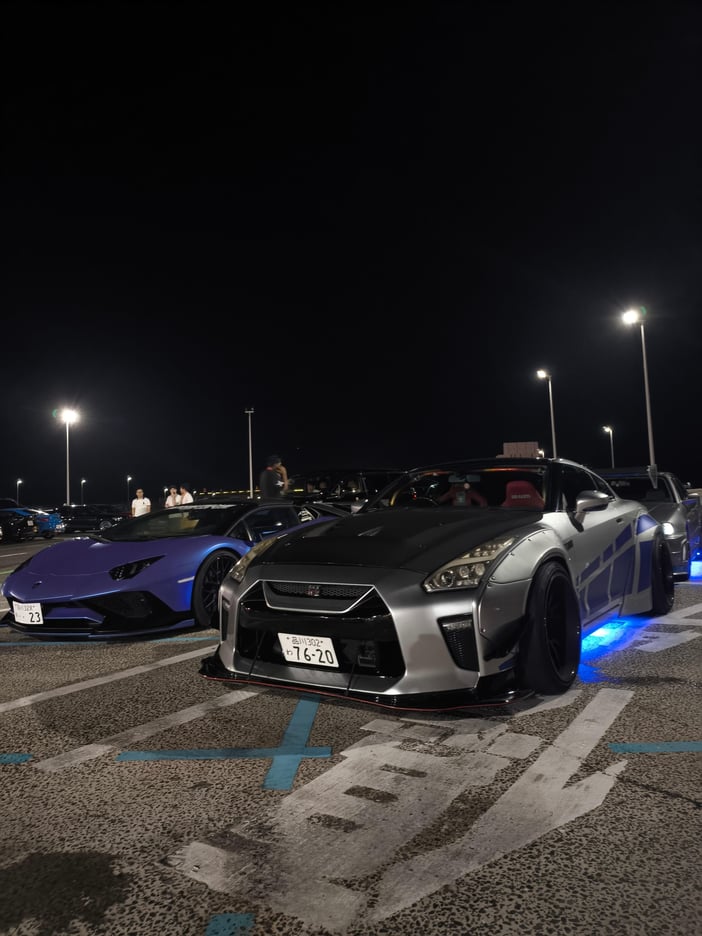
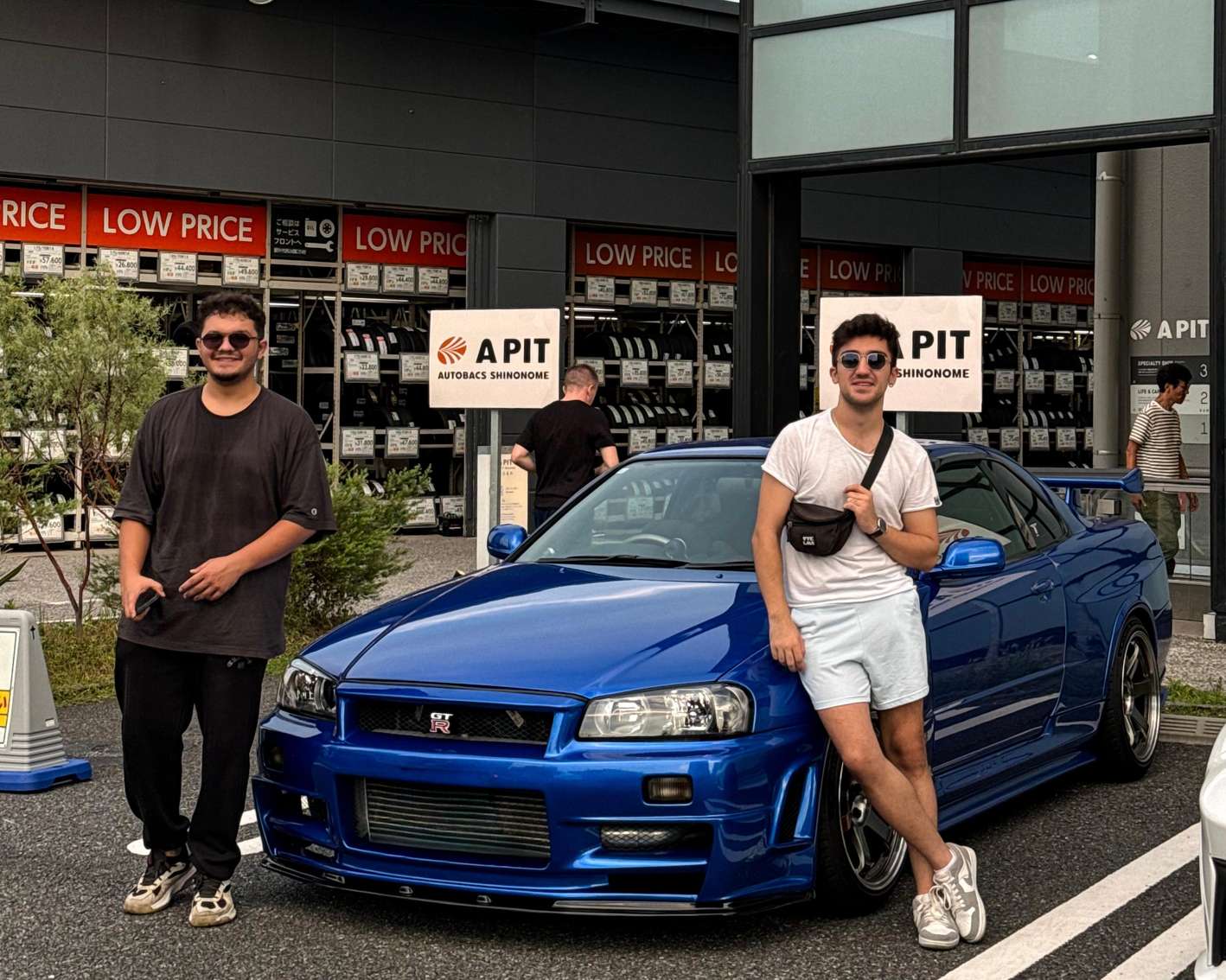
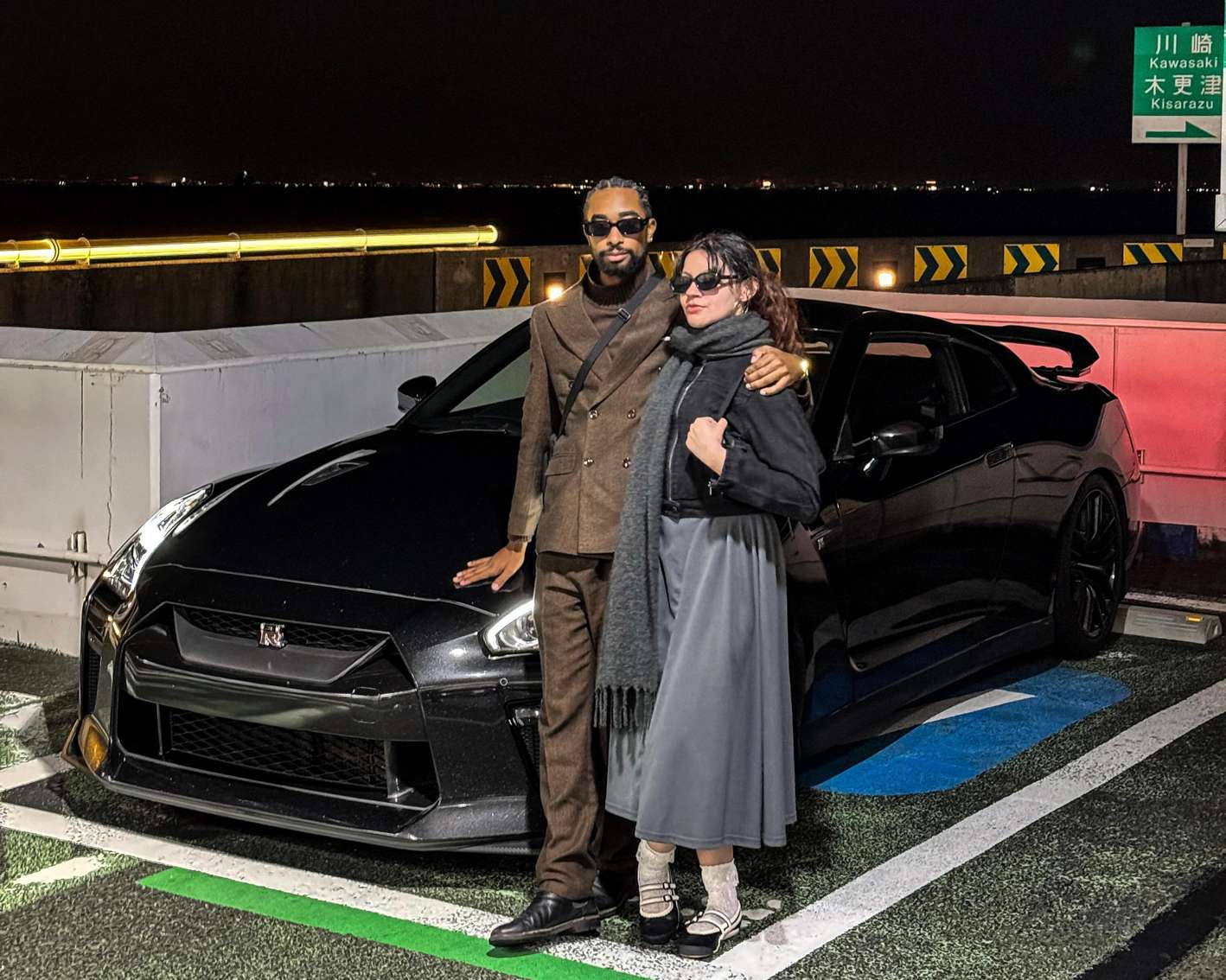
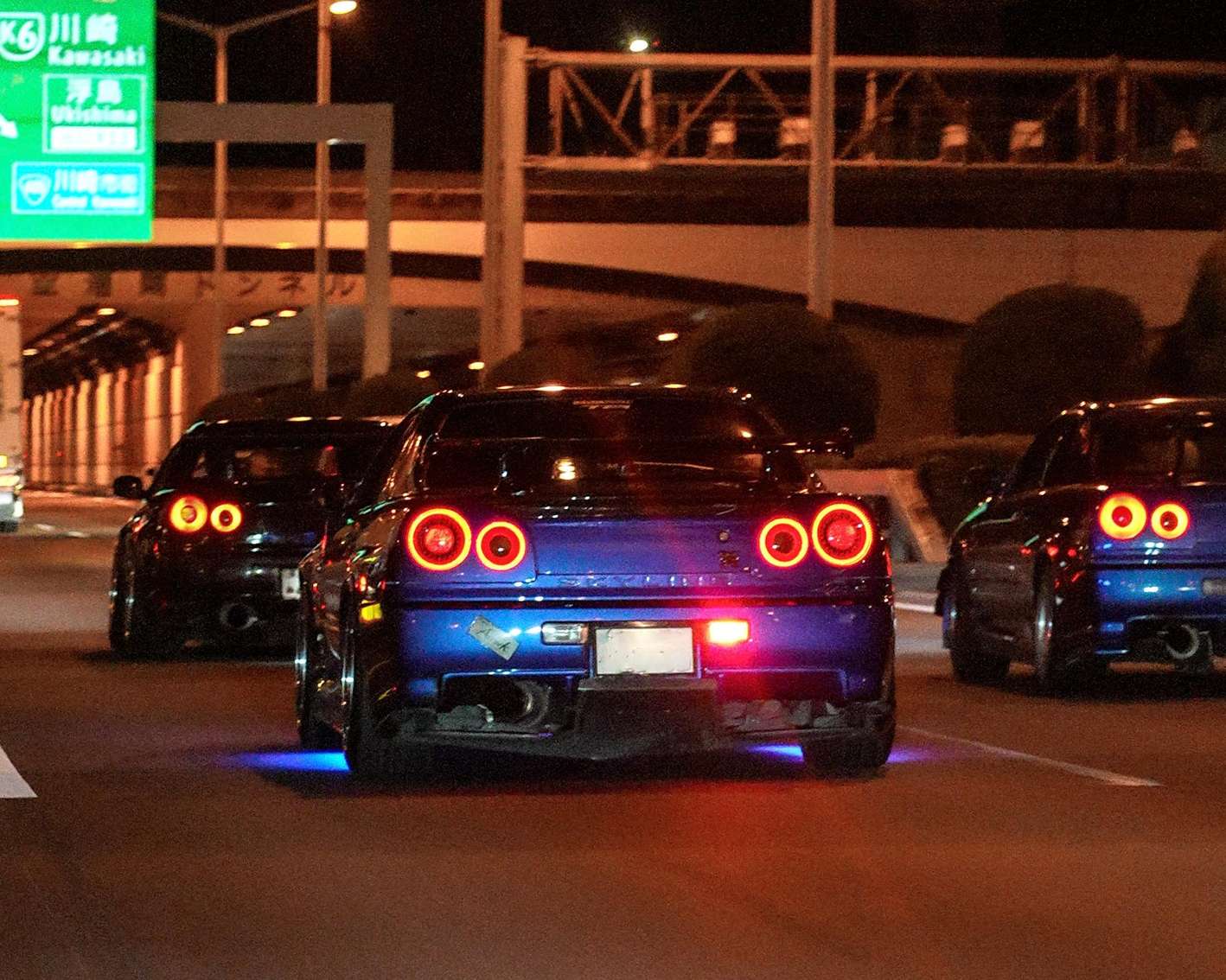
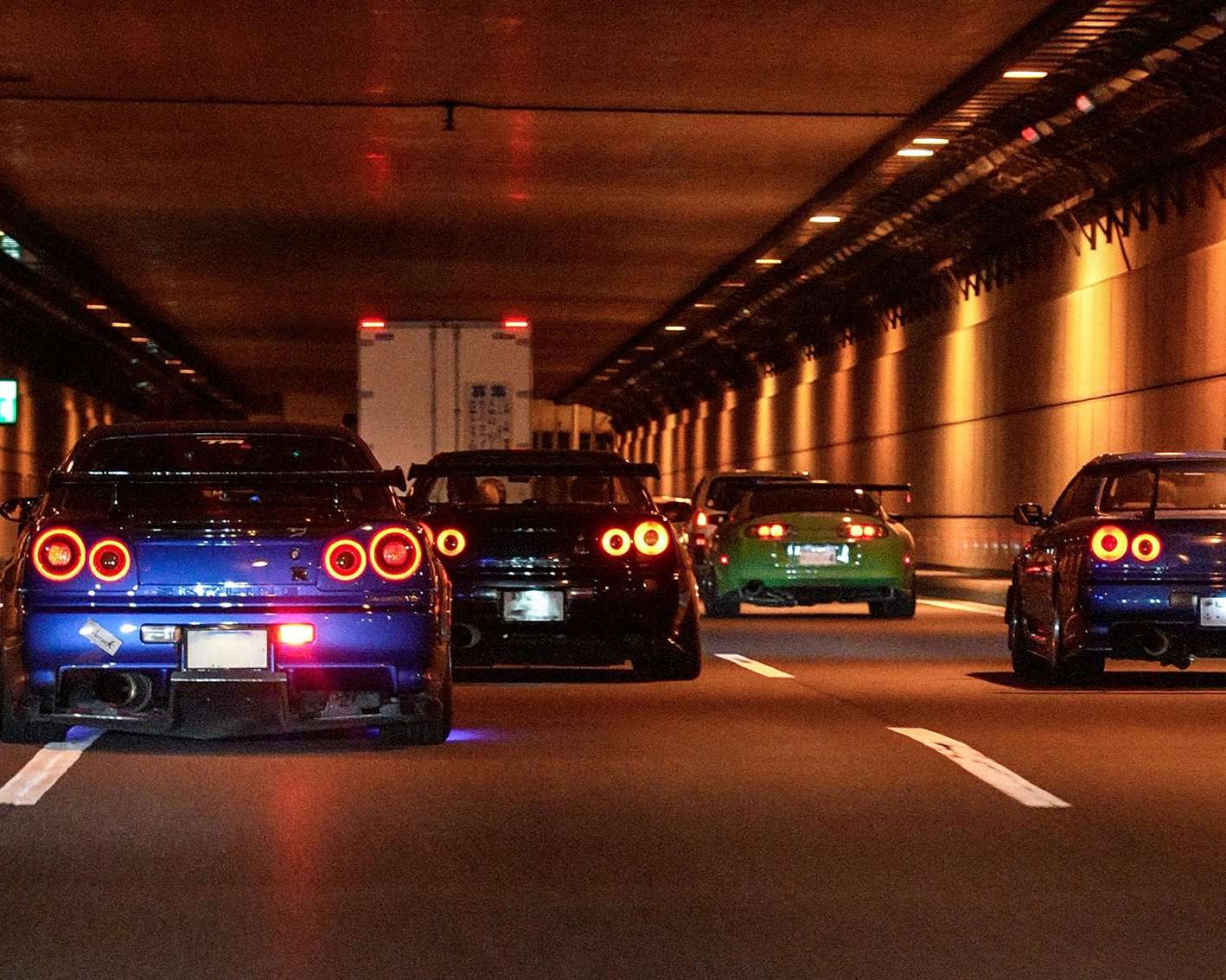
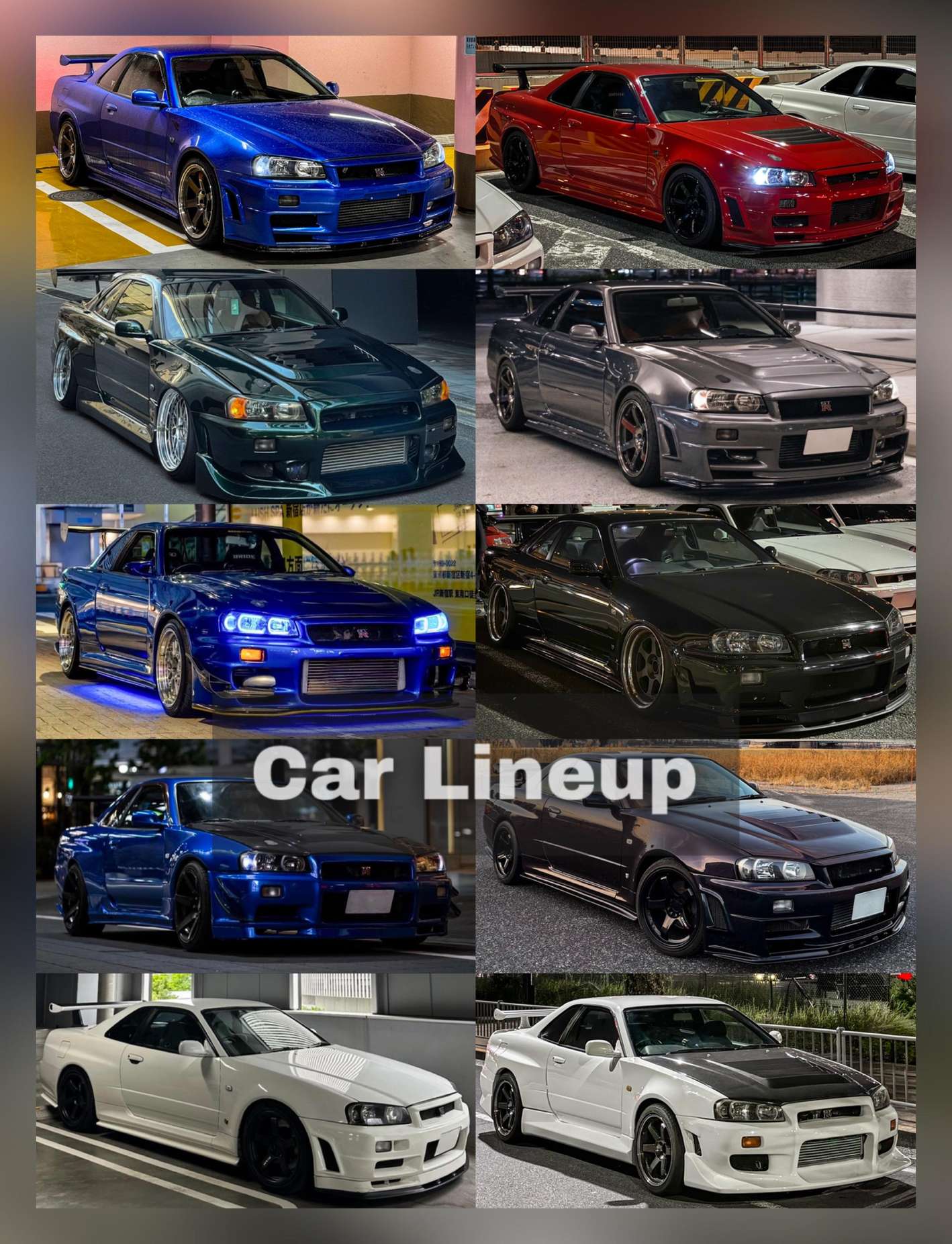
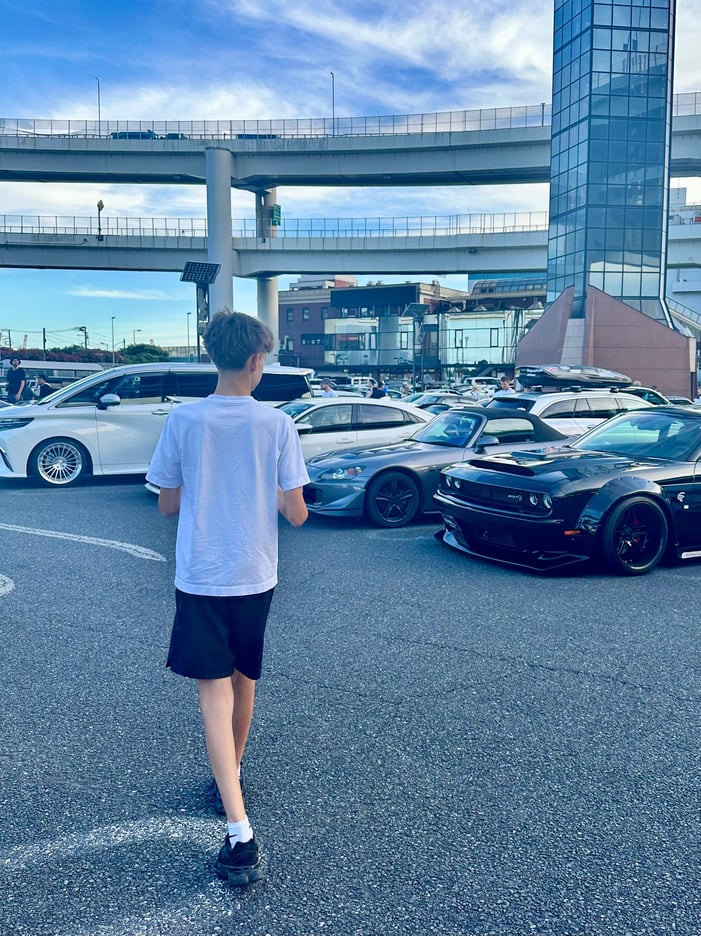
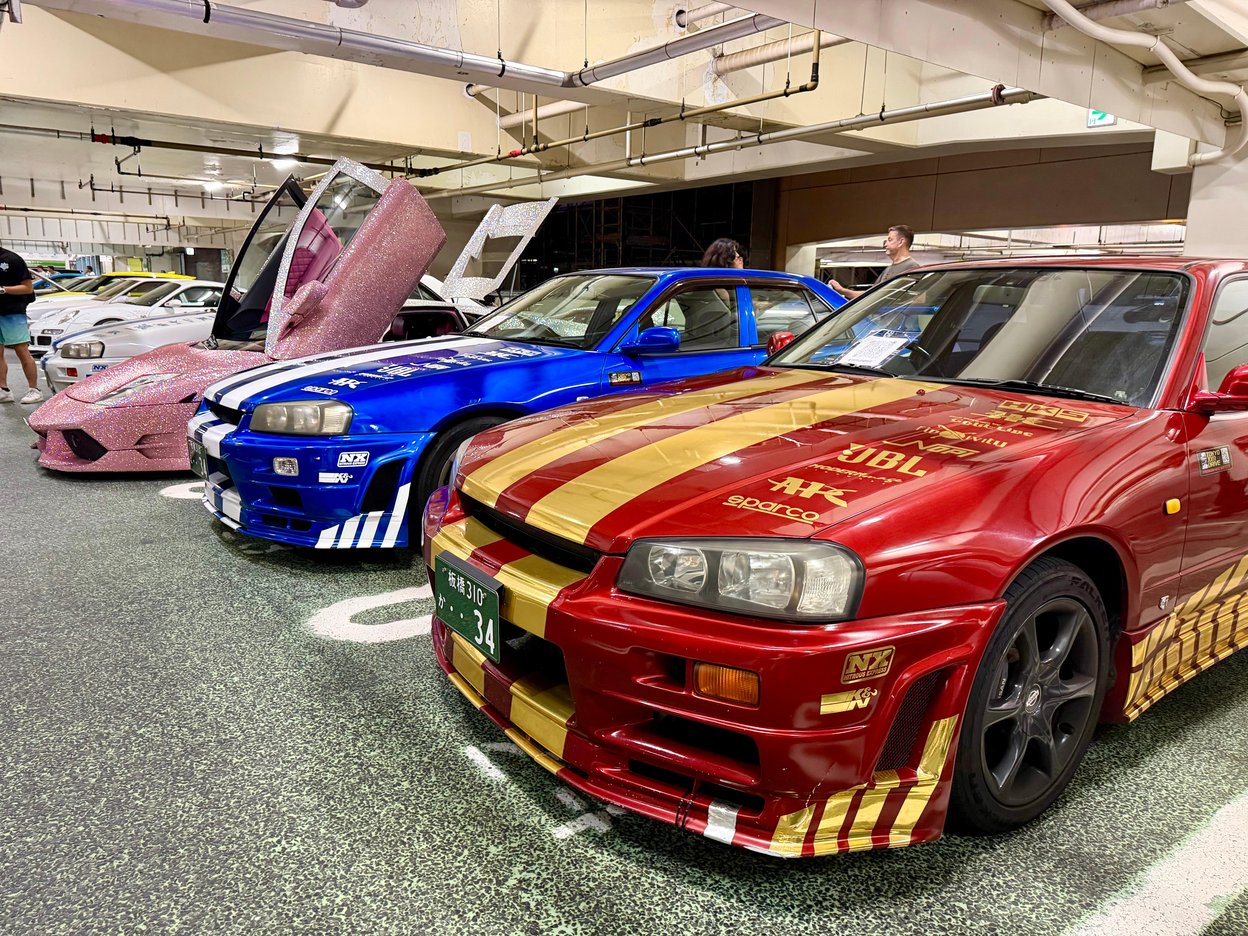
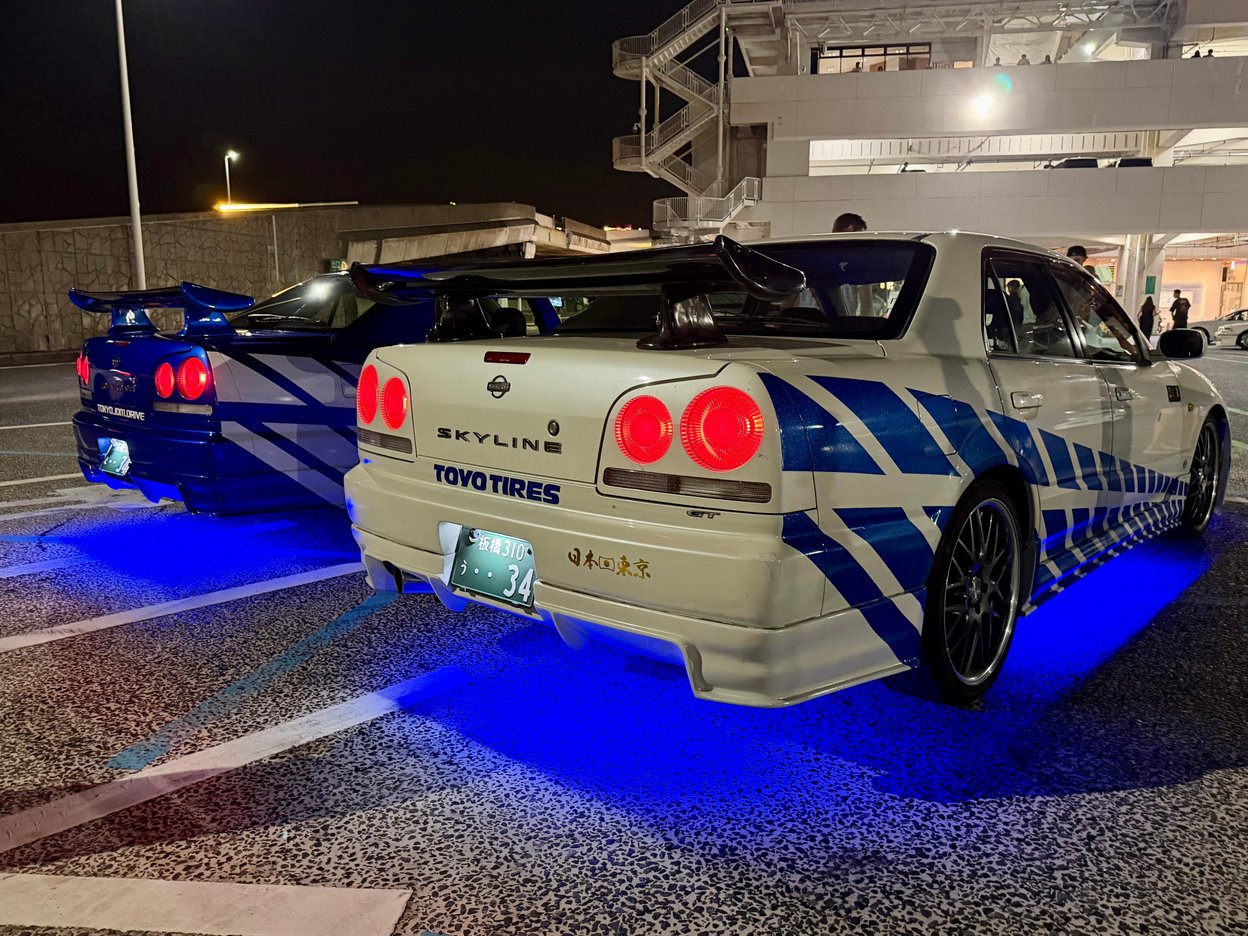
Aki was amazing! Booked the r34 Skyline, felt straight out of Tokyo Drift.
May 25, 2026, unforgettable night with Dai in his beautiful Skyline GTR R34. Smooth through every corner. Daikoku PA was exhilarating, full of Fast and Furious-style cars.
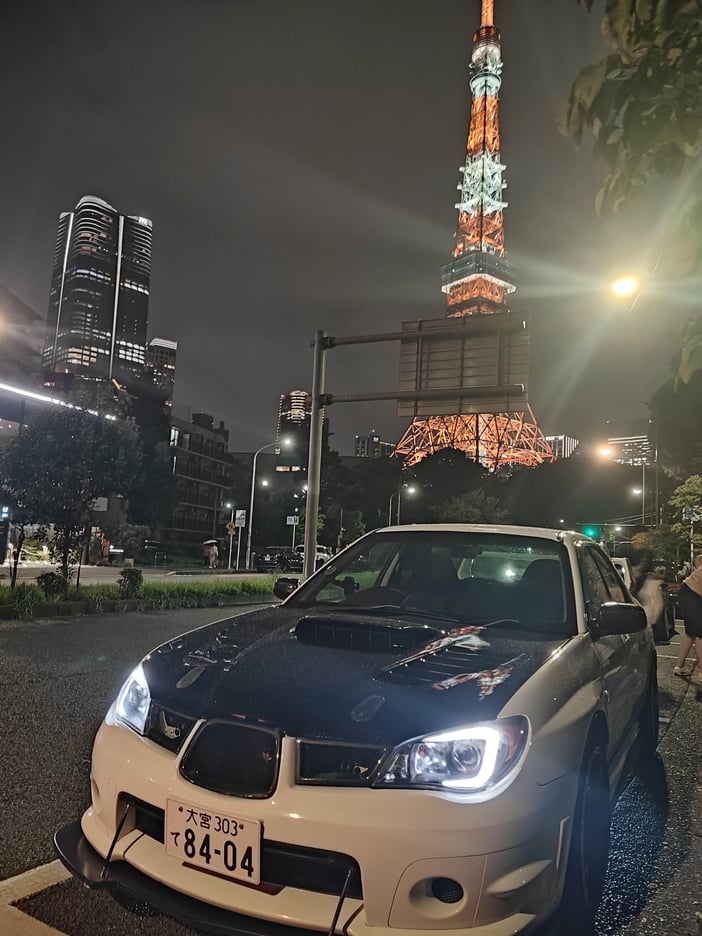
Max was super friendly and a skilled driver, always felt safe. He knew so much about the cars and shared it enthusiastically, even for non-car people.
Super excursion: A Pit store, then Daikoku PA, photo stop at Tokyo Tower. Affordable way to reach the car meet, comfy van, kind driver/guide using a translator to communicate easily. Highly recommend 😍
Best night of my life! Rode with Yuya and his convoy to Daikoku PA, he introduced us to other drivers..
One of the best experiences ever! Drove Skylines through Tokyo with Ryo, an absolute legend. Perfectly organized, plenty of time for photos and soaking in the vibe.
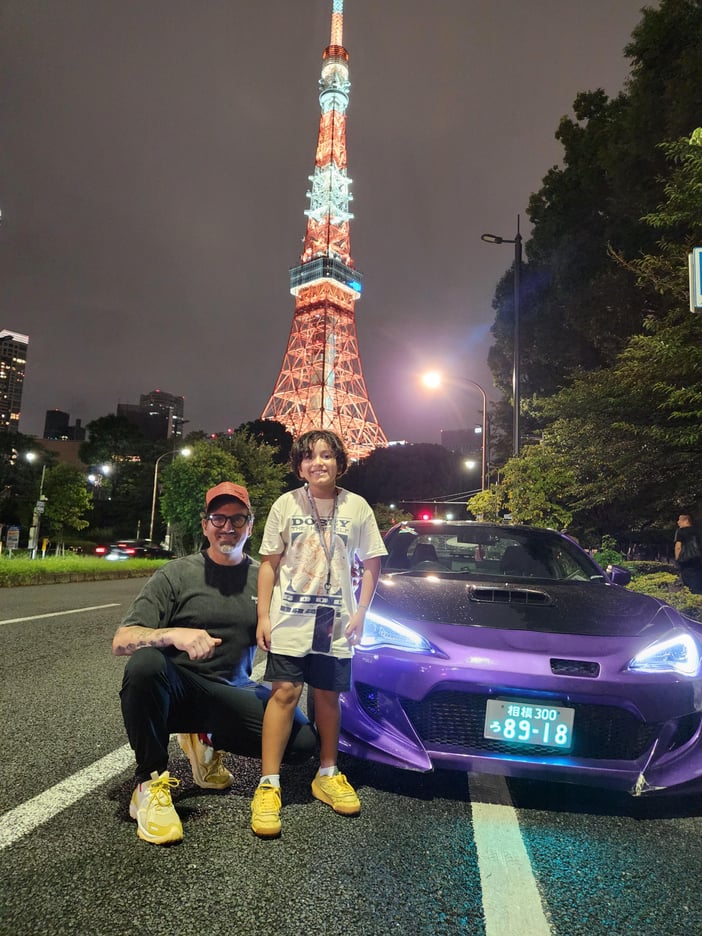
Still can't believe how UNREAL this was! Dylan was super knowledgeable. Car fan or adrenaline junkie, it's a must, how often do you go 180km/h over Rainbow Bridge weaving through traffic? Book it!
The driver made the night, and they name him: Max, Yuya, Tatsuya, Rukia and Aki come up again and again.
Many travelers who cared little about cars found they enjoyed the drive and city views just as much as the meet.
Several families wished they had more time at the Autobacs parts shop, and one couple wanted a driver who spoke more English.
Choose the night you want the meet and book online in English. Standard bookings should be made at least 48 hours before the tour date, so plan the Daikoku night first and work the rest of your trip around it.
The shared option puts you in an EVO, WRX or Skyline with other guests for a 3 to 4 hour run to Daikoku PA. The private options keep the car, a GT-R R35 or a 550 HP WRX STI, for your group only, and both include hotel pickup.
You get a WhatsApp confirmation with your driver's contact and pickup details. On a marketplace booking you usually hear from your guide directly only 24 to 48 hours before the tour, so expect the quiet stretch after payment.
Hotel pickup and drop-off in central Tokyo is included on the private options, and the night run covers the Rainbow Bridge, Wangan Route, Umihotaru PA and Daikoku PA in roughly 3 to 4 hours. Confirm your hotel is in the pickup area when booking.
Have your WhatsApp open and be at your hotel ahead of the pickup time. You ride as a passenger all night with a driver-guide, who handles the route, parking and talking to car owners at the meet.
Daikoku PA sits at the north end of Yokohama, a parking area under a highway interchange, and the drive there is part of the night. Tours leave central Tokyo in the late afternoon or evening and cross the Rainbow Bridge before running the expressway toward the bay.
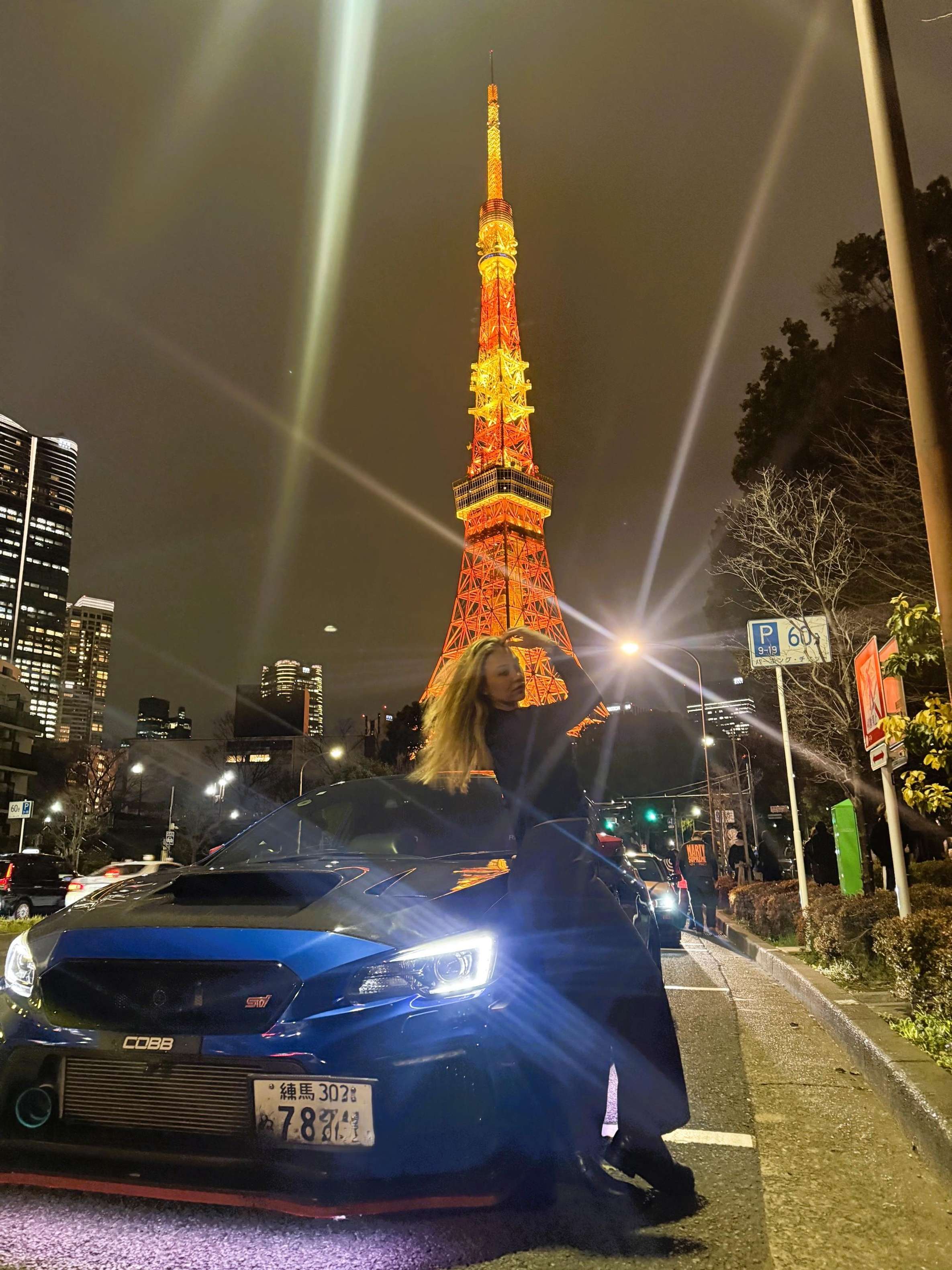
The route itself decides the flavor of the night. Some tours add Tokyo Tower photo stops, a browse at a car-supply shop, or Shibuya Crossing; others skip sightseeing and run the Wangan straight to the meet.
If Daikoku's entrance closes for the night, the car crowd crosses Tokyo Bay and Umihotaru PA builds later, so some tours switch there. Either way you are back in Tokyo around midnight.
Photo stop, Visit, Free time (1 hour)
Break time, Photo stop, Visit, Shopping (30 minutes)
Sightseeing, Scenic drive, Scenic views on the way (5 minutes)
Photo stop, Visit, Sightseeing (15 minutes)
Shibuya, Tokyo
Shibuya, Tokyo
Shibaguchi Gomon Gate Remains, MEGA Don Quijote, ARC'TERYX アークテリクス 新宿ブランドストア, 1-chōme-22-5 Minamiikebukuro, 1-chōme-1-1 Dōgenzaka
Shibaguchi Gomon Gate Remains, MEGA Don Quijote, ARC'TERYX アークテリクス 新宿ブランドストア, 1-chōme-22-5 Minamiikebukuro, 1-chōme-1-1 Dōgenzaka
Shibaguchi Gomon Gate Remains, MEGA Don Quijote, ARC'TERYX アークテリクス 新宿ブランドストア, 1-chōme-22-5 Minamiikebukuro, 1-chōme-1-1 Dōgenzaka
Shibaguchi Gomon Gate Remains, MEGA Don Quijote, ARC'TERYX アークテリクス 新宿ブランドストア, 1-chōme-22-5 Minamiikebukuro, 1-chōme-1-1 Dōgenzaka
Shibaguchi Gomon Gate Remains, MEGA Don Quijote, ARC'TERYX アークテリクス 新宿ブランドストア, 1-chōme-22-5 Minamiikebukuro, 1-chōme-1-1 Dōgenzaka
Break time, Free time, Shopping (30 minutes)
Sightseeing
Break time, Photo stop, Free time, Walk (1 hour)
Break time, Photo stop (15 minutes)
MEGA Don Quijote, ARC'TERYX アークテリクス 新宿ブランドストア, Shibaguchi Gomon Gate Remains, 1-chōme-22-5 Minamiikebukuro, 1-chōme-1-1 Dōgenzaka
MEGA Don Quijote, ARC'TERYX アークテリクス 新宿ブランドストア, Shibaguchi Gomon Gate Remains, 1-chōme-22-5 Minamiikebukuro, 1-chōme-1-1 Dōgenzaka
MEGA Don Quijote, ARC'TERYX アークテリクス 新宿ブランドストア, Shibaguchi Gomon Gate Remains, 1-chōme-22-5 Minamiikebukuro, 1-chōme-1-1 Dōgenzaka
MEGA Don Quijote, ARC'TERYX アークテリクス 新宿ブランドストア, Shibaguchi Gomon Gate Remains, 1-chōme-22-5 Minamiikebukuro, 1-chōme-1-1 Dōgenzaka
MEGA Don Quijote, ARC'TERYX アークテリクス 新宿ブランドストア, Shibaguchi Gomon Gate Remains, 1-chōme-22-5 Minamiikebukuro, 1-chōme-1-1 Dōgenzaka
Daikoku PA sits under a live expressway interchange, and police occasionally close its entrance on busy Friday and Saturday nights for crowd control, so a booked tour can end up redirected.
Book with an operator that plans for this: most switch to Umihotaru PA, the roofed rest stop in Tokyo Bay where the car crowd moves, and the better tours refund you in full if you would rather not change plans.
Daikoku PA is a rest stop on the Shuto Expressway at the north end of Yokohama, a short drive from central Tokyo. It is not a purpose-built attraction.
It is a public highway parking area where enthusiasts show up with their cars on their own schedule, which makes it feel like a cars-and-coffee gathering that runs at night.
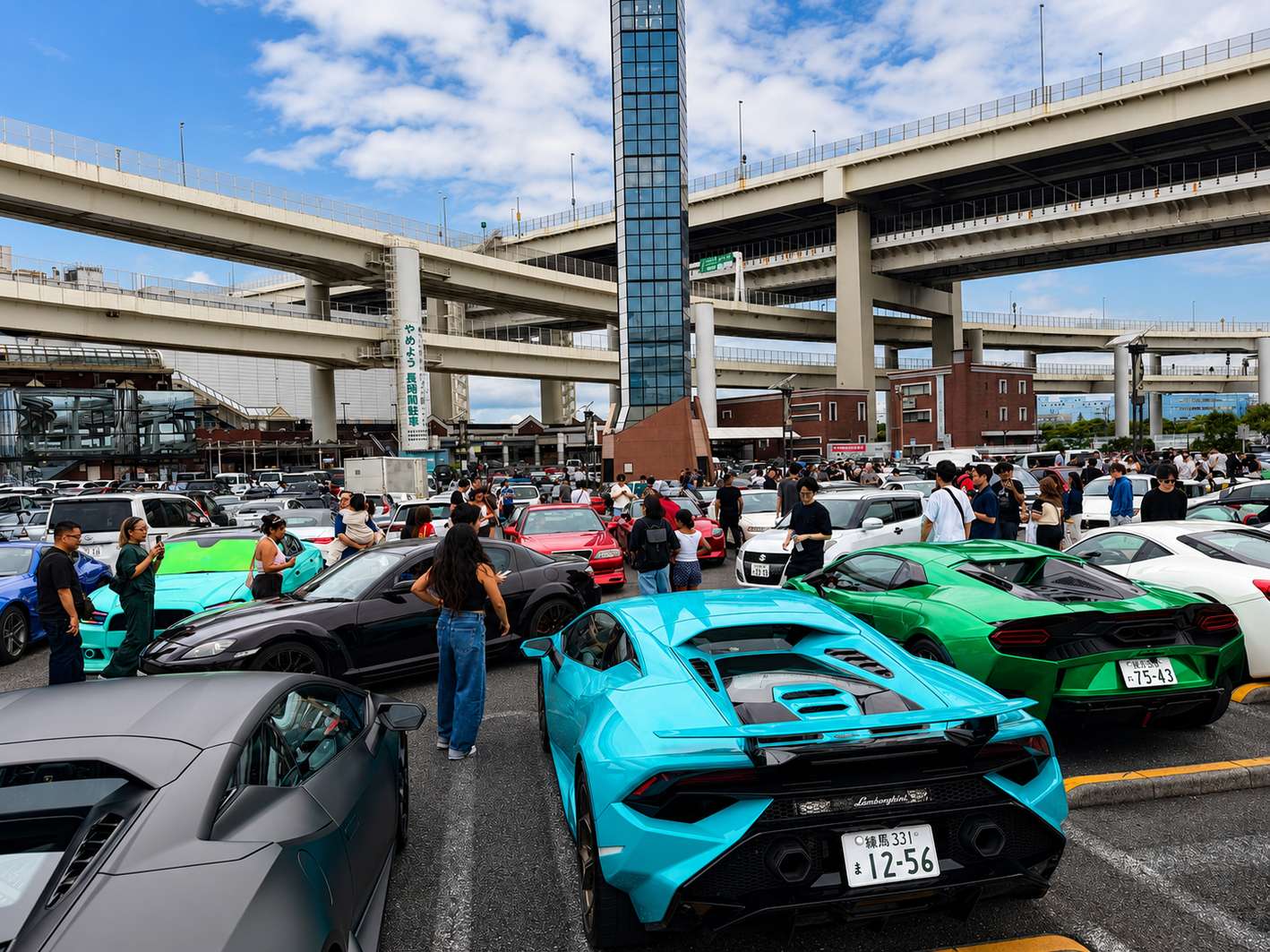
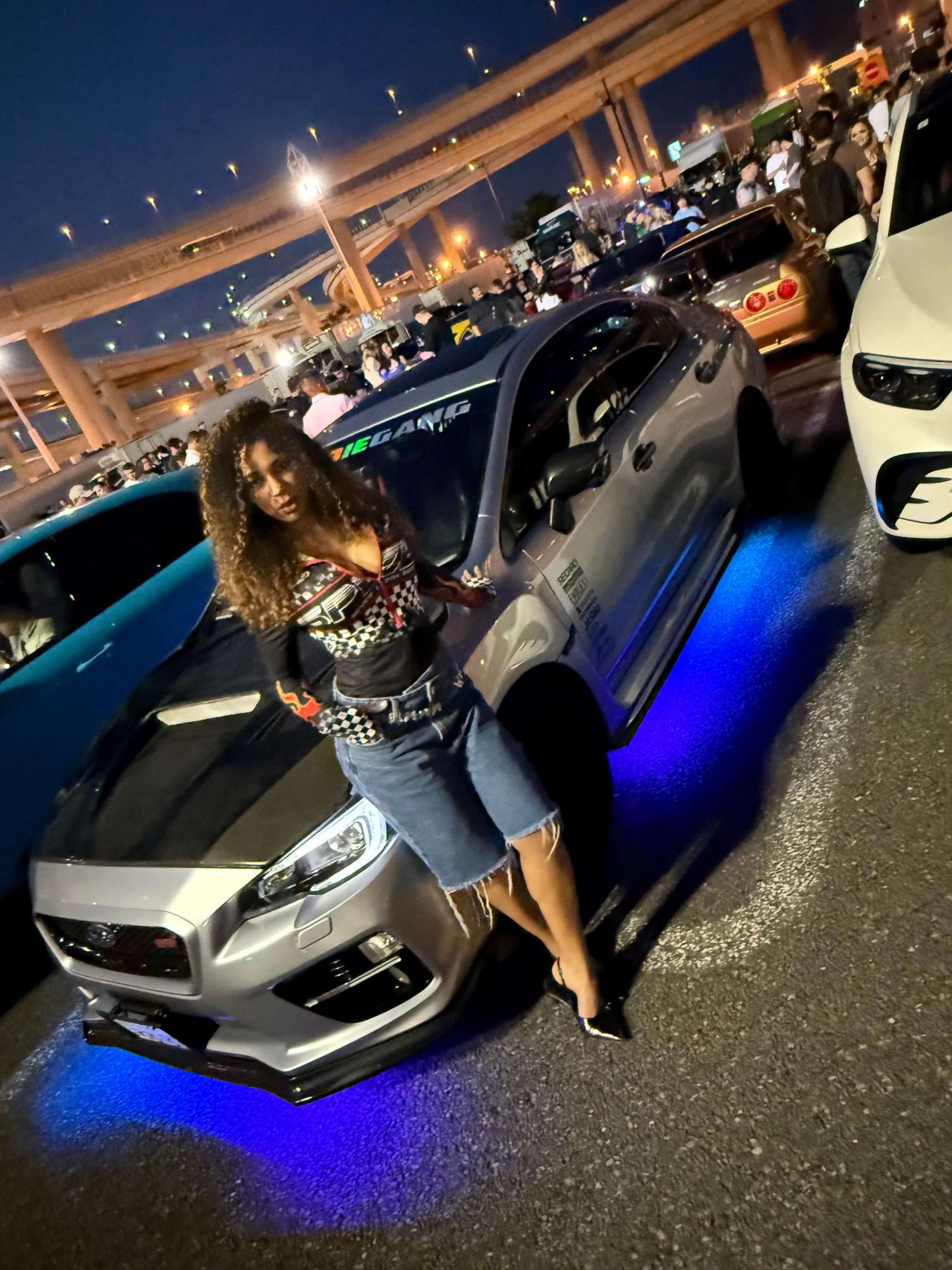
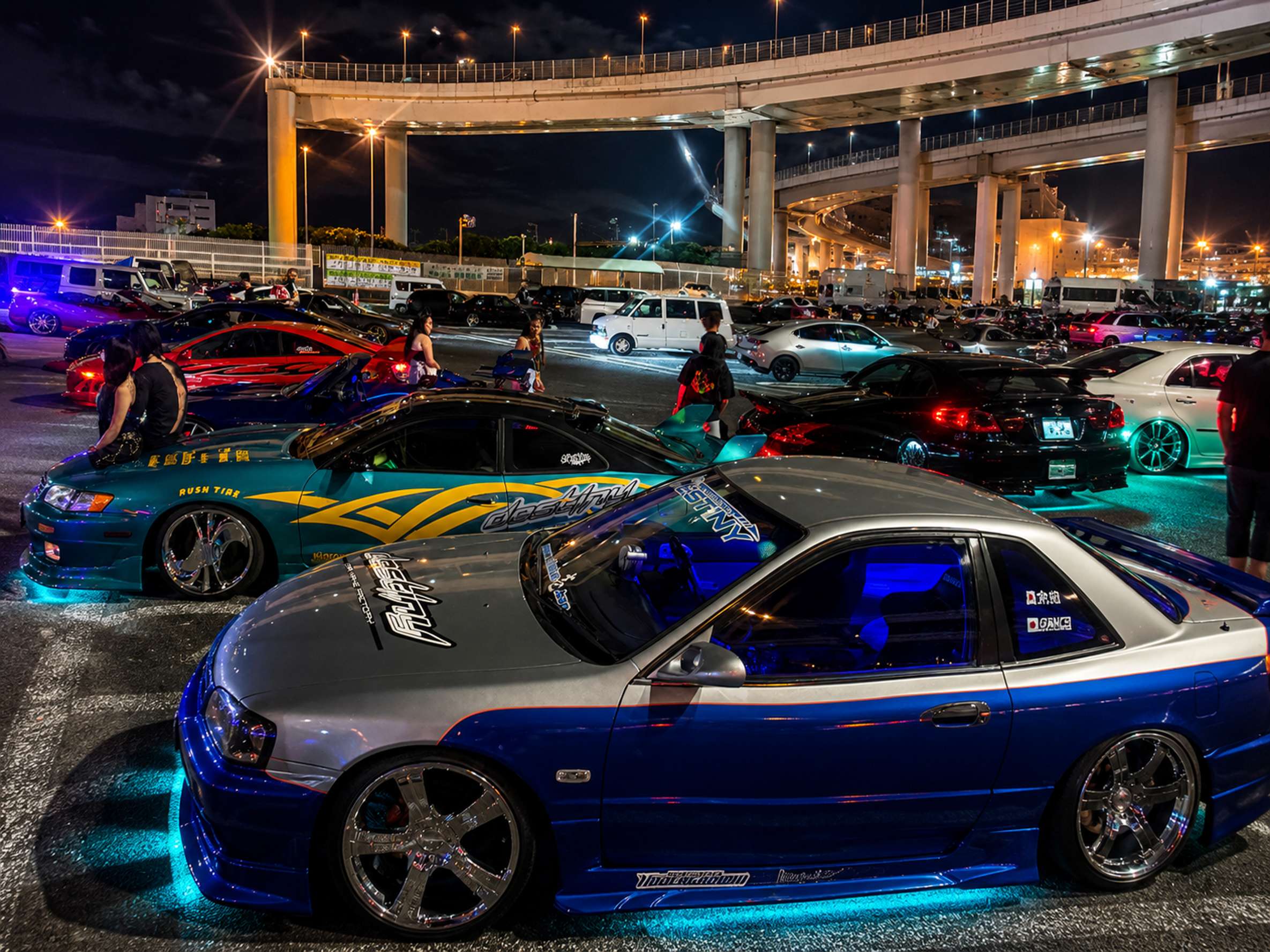
There is no organizer and no program. Cars arrive every night of the week, with bigger turnouts on Friday, Saturday and Sunday, and the lineup changes by the hour as owners come and go. On a good night you will see modified Skylines, Supras, RX-7s, widebody builds and supercars parked side by side.
Two practical facts shape everything else. The parking area is only reachable by car, so you cannot walk in or take a train. And because the gathering is informal, police can restrict the lot without notice.
That combination is why most visitors arrive on a guided tour with a driver who knows the night, or in a rental car with the right paperwork.
The parking itself is free. What a tour adds is the ride, the driver and the local connection.
Most night tours follow the same shape. You are picked up in central Tokyo, usually late afternoon or early evening, and driven onto the Shuto Expressway. The route runs the C1 loop, crosses Rainbow Bridge with Tokyo Bay on one side, and continues along the Wangan Line toward Daikoku.
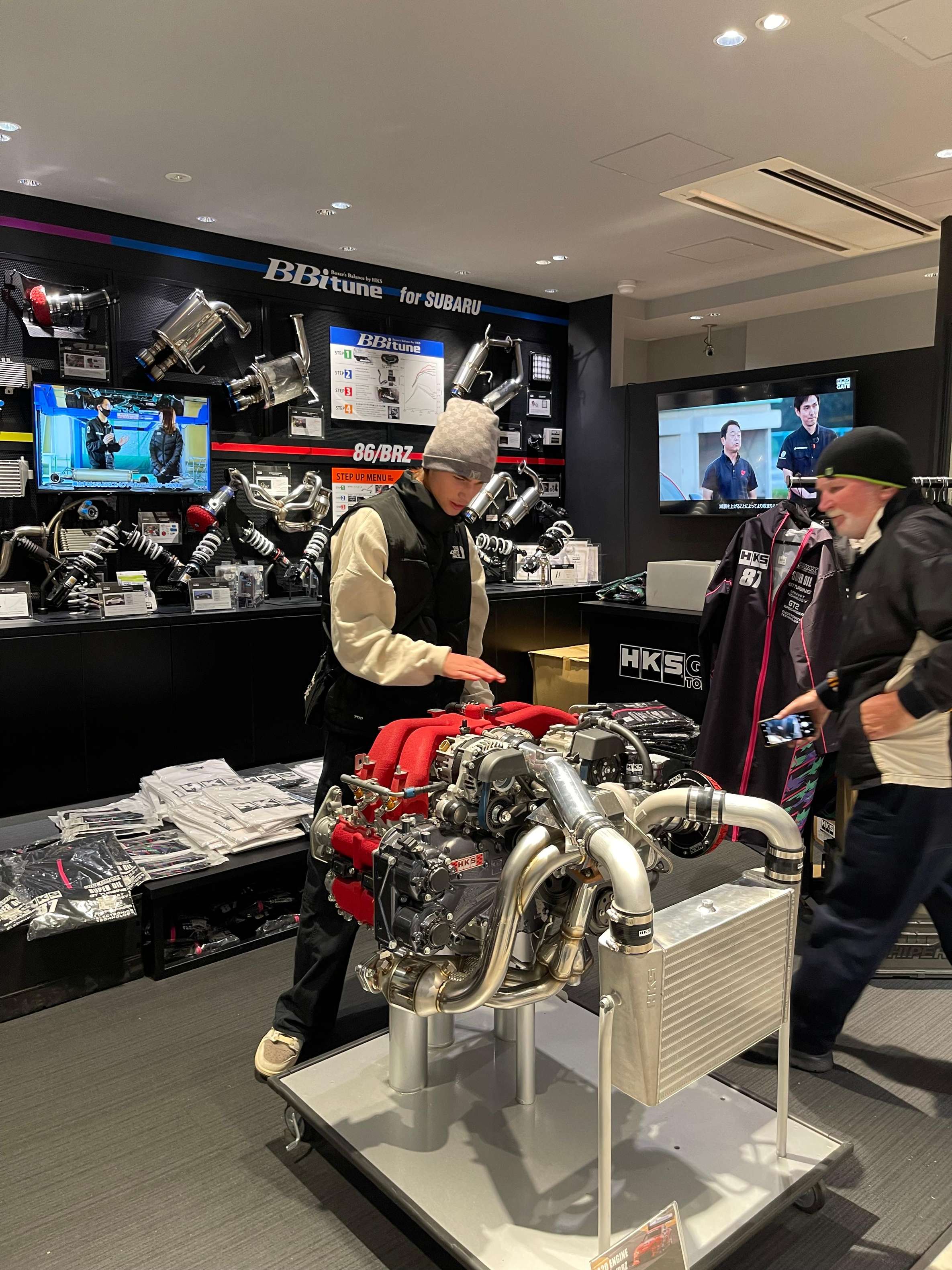
From Monday to Thursday many tours also stop at A PIT Shinonome, a tuning shop and car-supply store that enthusiasts treat as a stop in its own right. Weekends run straight to the meet instead, because the shop matters less than the lot.
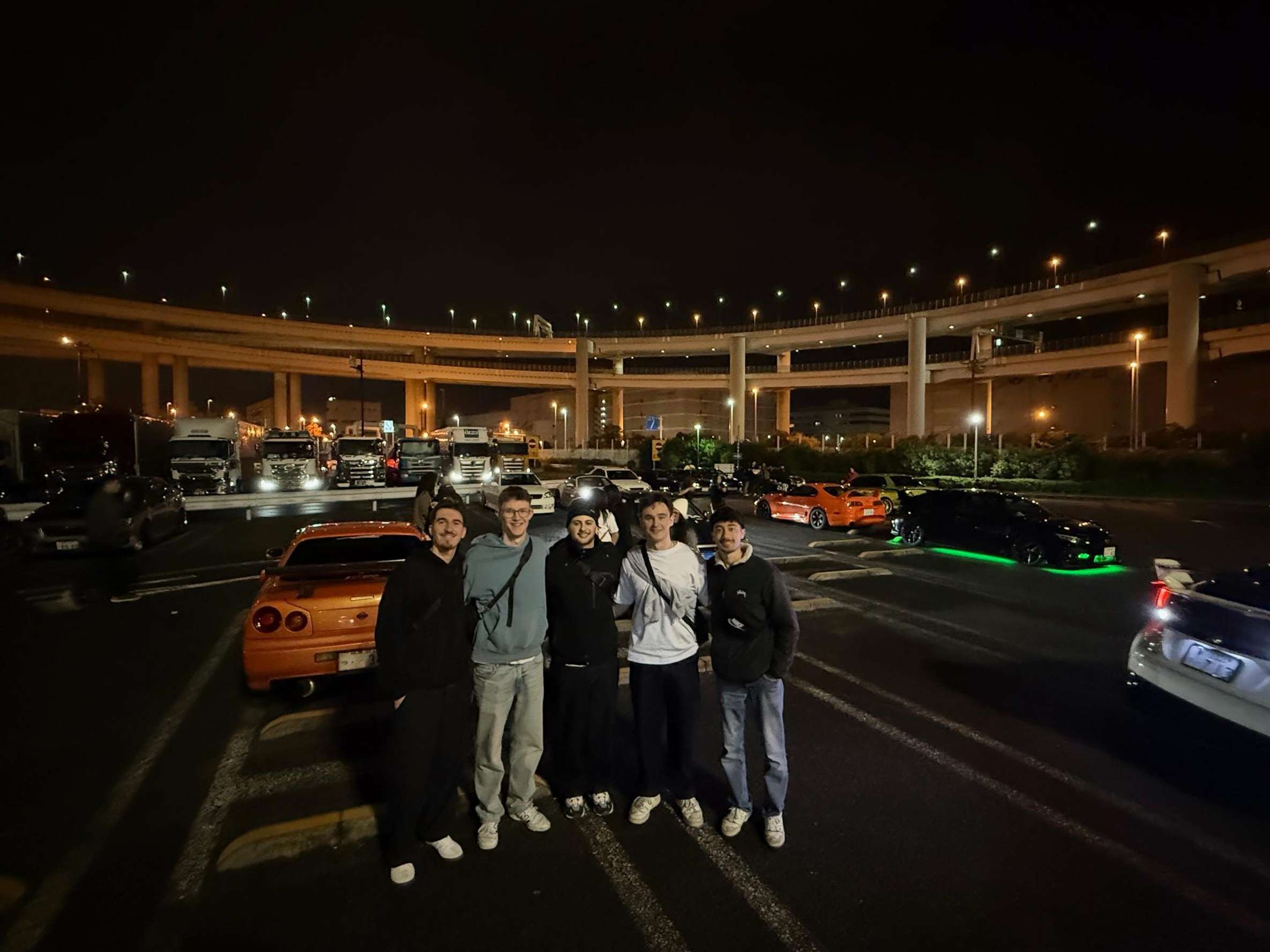
At Daikoku PA you get about an hour on the ground. The parking area has a 24-hour Lawson, a food court, restrooms and vending machines, so you can eat while the cars come and go.
Walk the lot slowly. Cars cluster by style, and the rows change as owners arrive and leave. Your driver-guide handles owner permissions and takes photos if you ask.
On the way back most tours stop at Tokyo Tower for night photos, then drop you off in the city close to midnight.
Before you book, run your eye down the timeline below; it is the shape of the night you would be paying for.
Pickup in central Tokyo, usually late afternoon or early evening Night drive over Rainbow Bridge and the C1 loop Optional A PIT Shinonome stop on weeknights About 60 minutes walking the lot at Daikoku PA Tokyo Tower photo stop Drop-off in central Tokyo near midnight
Notice the proportions in that list. Out of three or four hours, only about sixty minutes belong to the lot, and the rest is the drive. If that ratio suits you, any of the night tours on this page delivers it.
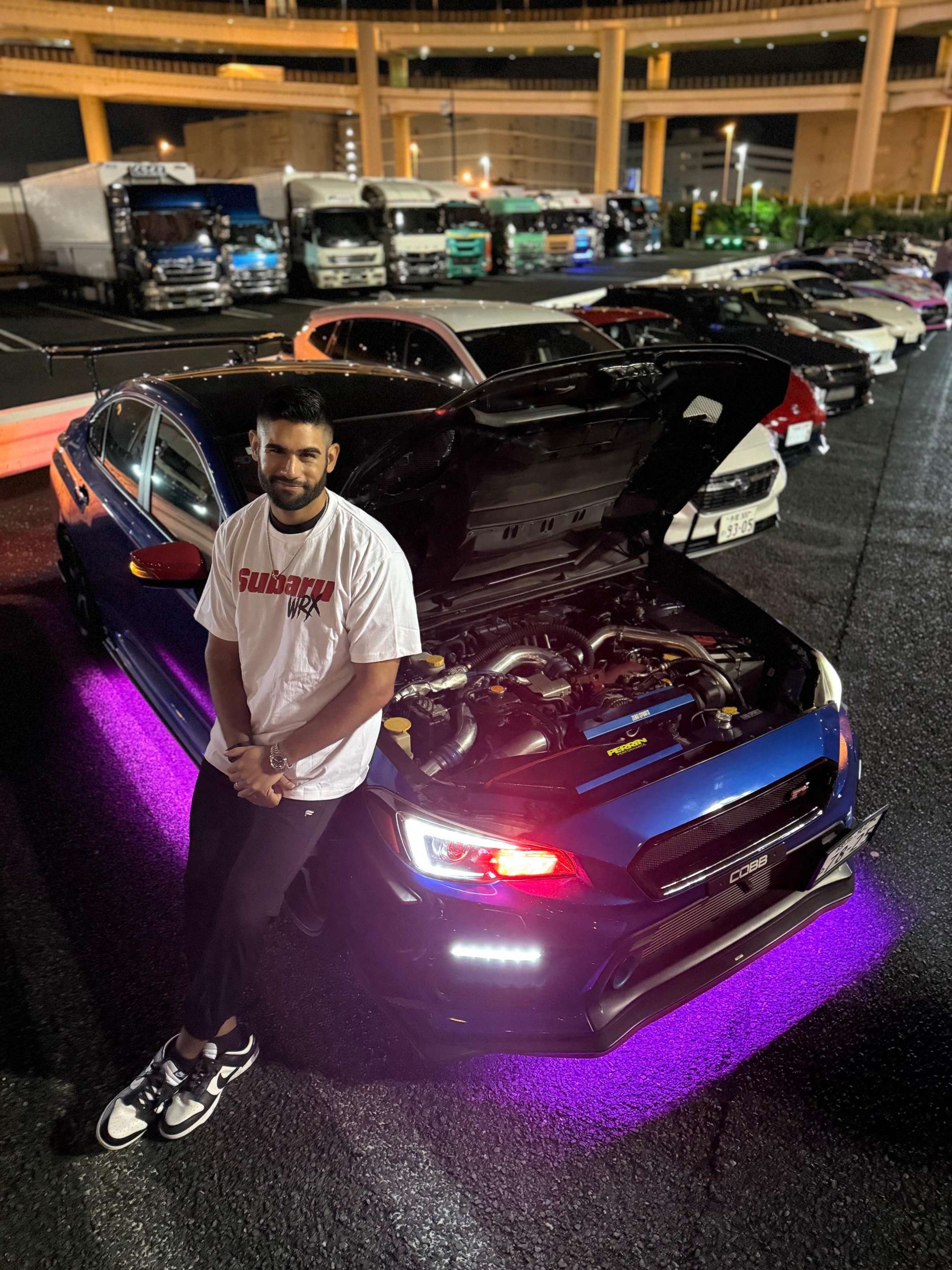
The lot has almost no signage and no staff handing out rules, but the manners are firm. Never touch, lean on or sit in someone's car without asking. Do not photograph interiors or number plates without permission, and if an owner declines, accept it on the spot.
Some local owners have stopped bringing their cars because of visitors who did not ask, which is exactly why the few minutes it takes to say hello matters.
Stay out of the driving lanes and off the roads leading in and out. Walking into or out of Daikoku PA on foot is illegal, and people who do it are the single biggest problem the meet has.
Drive slowly in the car park if you are behind a wheel, and keep noise down: no revving, no burnouts, no loud music.
Police watch the area and act on complaints. If staff or police tell you to move, or the lot closes and everyone leaves, go with them and do not linger. A refusal there is the small price everyone pays for the meet existing at all.
The habit worth practicing before you arrive is a simple one: ask.
Make that habit automatic and owners open up; skip it and the whole lot gets tighter for everyone who comes after you.
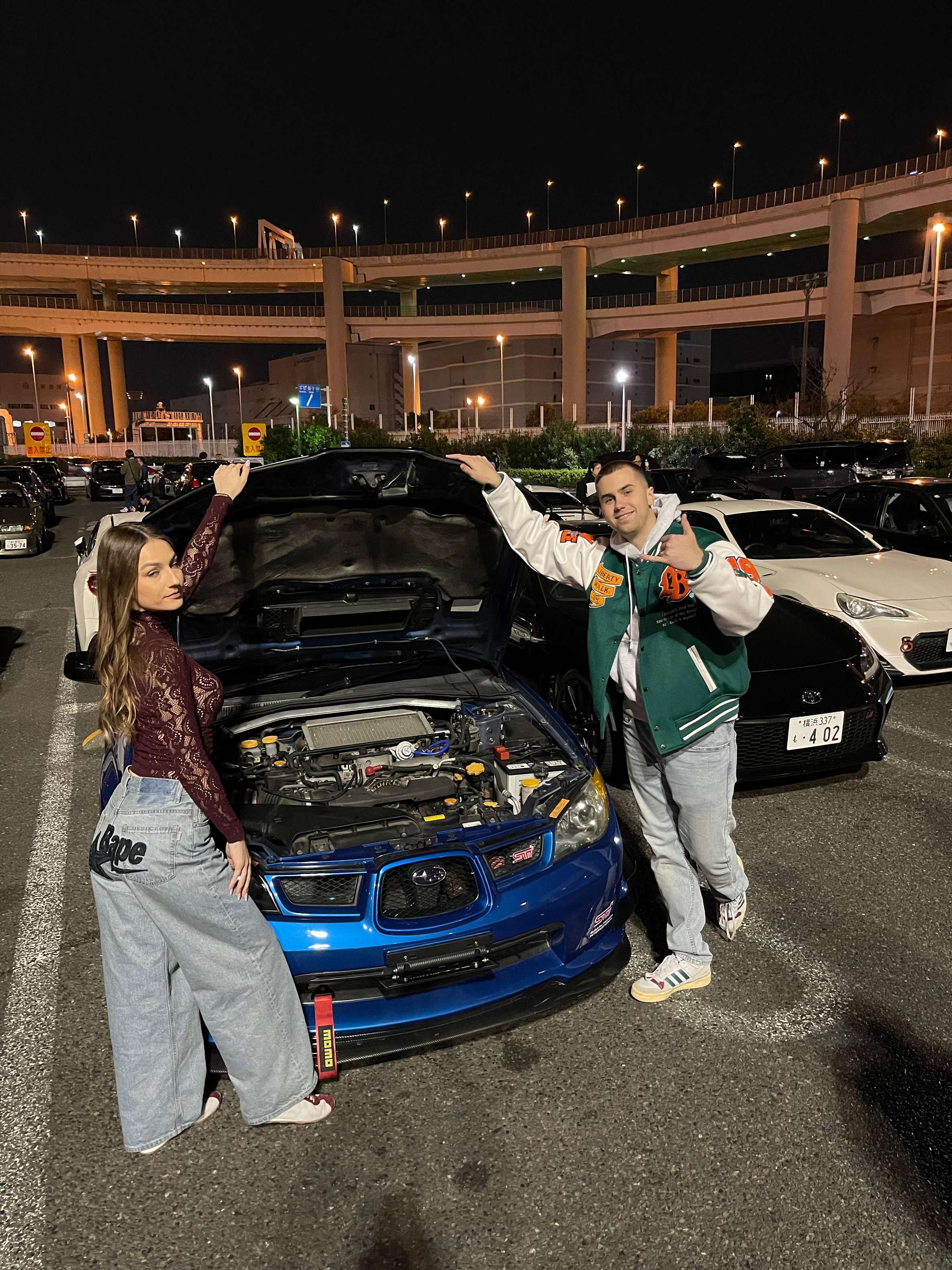
The Fast and the Furious: Tokyo Drift is the reason many visitors come, so it is worth saying plainly what the film does not show. Drifting on public roads is illegal in Japan. The movie's drift scenes were mostly shot in Los Angeles, because permission to drift on Japanese public roads could not be obtained.
Daikoku PA is a parking lot. Nobody drifts there, and anyone who tried would bring the police down on the whole meet. No tour advertises drifting as part of the night.
Real drifting as a sport lives at circuits and events. The D1 Grand Prix holds competition rounds in Osaka in September and Tokyo in October, and its final round is usually held in Odaiba in November, so timing your trip to that date puts you at the top of the season.
Close to Tokyo, Mobara Circuit and Nikko Circuit host a lot of drift events through the year.
For the full experience, the Ebisu Circuit north of Tokyo is the legal answer: a dedicated drift complex where you can watch, and on some tours, ride.
Two assumptions account for most of the disappointment, so check yours against the pair below before booking.
Drifting is part of the Fast and Furious tour. It is not. Drifting is illegal on Japanese public roads and no Daikoku tour performs stunts. You can watch drifting at Daikoku PA. You cannot. It is a parking lot, and a drifter there would end the meet for everyone.
If either line described your plan, adjust it now: aim a trip at the Odaiba final in November for competition drifting, or give a day to Ebisu for the real thing on a circuit.
There is no schedule to check for the Daikoku meet, because none exists. Cars show up any night of the week. What you are choosing is the size of the crowd.
Friday and Saturday nights draw the biggest turnouts. One tour operator's own note says the lot starts filling from around 5 pm on those nights, while people who go often put the first cars closer to 7 pm; both describe the same build-up, counted from different starting points.
The deepest crowd falls between 9 pm and 1 am Sunday morning is the classic window for classics and exotics in a calmer setting. Weeknights run far quieter, but the lot is rarely empty.
The month matters too. April is the busiest month for these tours, followed by October and September, with March and November also above average, so book several weeks ahead in those months. June, February and December are the quietest, and travelers there often book within days of going, sometimes on the day itself.
One timing figure deserves a second look. A tour operator's booking notes give the weekend closure window as 7:30 pm to 2 am, while travelers' reports place the actual police closures at about 8:30 pm, most often on Thursday to Saturday nights.
The earlier time is that operator's own padding; plan on the lot being usable until roughly 8:30 pm on Friday and Saturday.
The two charts below put the hours and the months side by side. Read them together when you pick your night.
Sunday morning brings vintage Japanese cars and supercars in a calmer setting, a completely different vibe from the night tours.
Evening tours start around 6 pm with an hour's drive to Daikoku, but on Friday and Saturday the parking area is closed from 7:30 pm and the me…
Midnight runs starting at 10:30 pm still find plenty of JDM cars, and late-night traffic is lighter for longer, smoother highway cruising; A…
What that chart means for a Friday or Saturday booking: an evening pickup at 6 pm reaches the lot right as the closure window opens, so those nights live or die on the operator's fallback plan. A later start, or a weeknight, sidesteps most of that risk.
April: 5 out of 5 for how busy it gets.
Tap a month to read it.
Treat the months as a booking calendar and the dayparts as a clock. The five- and four-point months sell out weeks ahead; the two-point ones forgive a booking made days before you go.
One thing can change the night more than anything else: the police. The entrance to Daikoku PA can be closed without notice once the lot overflows, most often on Friday and Saturday nights from about 8:30 pm, and increasingly on three-day weekends and holidays.
The closure is decided on the night by the expressway operator working with police, so there is nothing to look up in advance.
No tour can promise entry. What differs between operators is what happens after. Most divert to a fallback lot such as Umihotaru PA, a mid-sea parking area on the Wangan route, or Tatsumi PA, and carry on with the night instead of cancelling.
Some make the detour free, some charge for it, and several offer a full refund if you decline the alternative lot. Others run regardless of closures.
Once the entrance has closed, do not count on it reopening that night.
Before you pay, read the small print on closures; it is the clause that decides whether a closed lot spoils the evening or just reroutes it.
Daikoku PA can close without notice on any night, most often Friday and Saturday from about 8:30 pm, and no operator can guarantee entry. Check the cancellation and fallback policy before you book, because a closed lot alone is not always a refund trigger.
An operator who answers the closure question clearly has handled it before, and that answer is worth as much as the car they put you in.
Daikoku PA sits inside the expressway system, and that single fact decides how you arrive. There is no footpath in, no taxi stand and no bus stop. Arriving on foot, by bicycle or by moped is illegal and dangerous, and it is exactly the behavior that has drawn media and police attention to the meet.
You arrive by car or not at all. That leaves two routes. A tour picks you up in central Tokyo, handles the tolls and the expressway entrances, and drops you back at the end of the night, which is why it is the way most visitors see the meet.
The second route is a rental car of your own, which works if you hold the right licence paperwork and are comfortable with Tokyo's expressways.
Either way, plan for the drive itself to be part of the night.
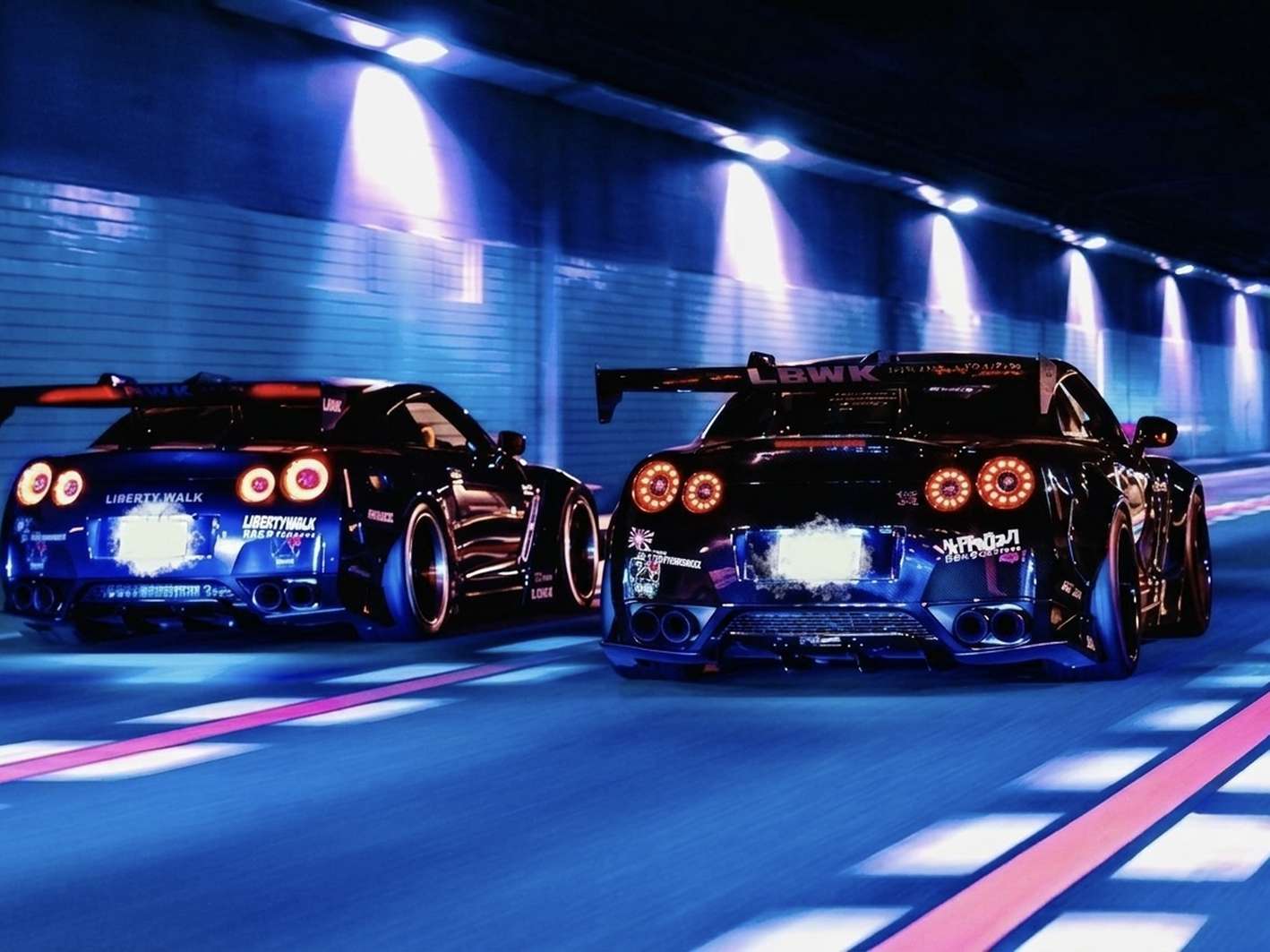
The run over Rainbow Bridge and down the Wangan Line, with the city lit up on one side, is a large part of what people remember. The lot is the destination, and the road there is the rest of it.
Most night tours pick you up somewhere in central Tokyo, and Shinjuku works as well as any: the hotels, the food and the expressway access make an early-evening pickup easy, and a night ending near midnight drops you back close to where you started.
Plan your evening backwards from the pickup time. Eat before you go if you want your hour at Daikoku spent walking the lot instead of queueing at the food court, though the Lawson and the food stands are there if you get hungry.
Wear comfortable shoes; you will be on your feet for most of the hour on the ground.
While you are in the neighborhood by day, the map below shows what sits within reach of the pickup area.
Worth the drive:
None of these are car spots; they are the daytime filler around a night built for Daikoku. Fit them into the afternoon and keep the evening free for the meet.
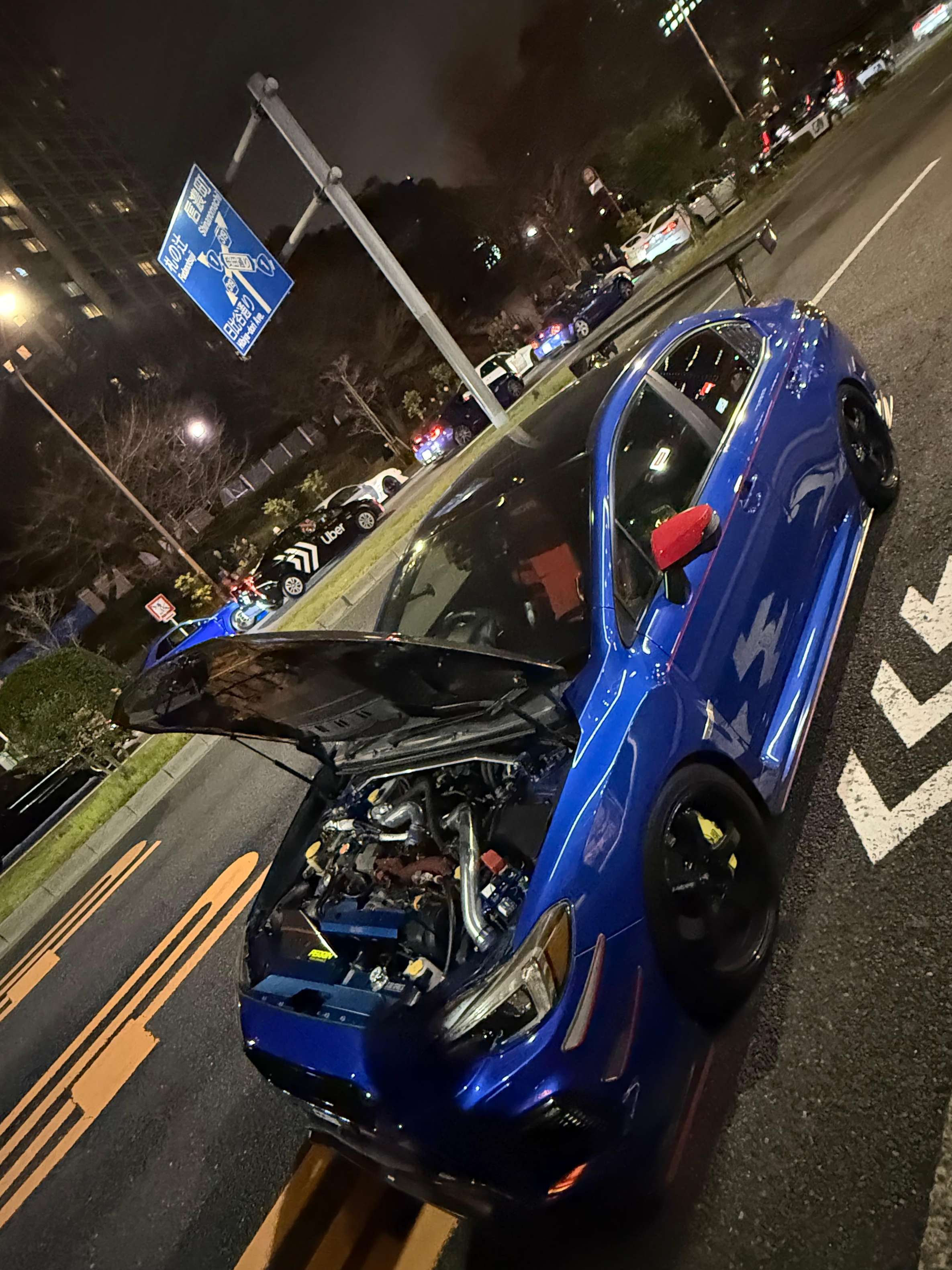
Look closely at the booking options before you choose, because the word tour covers two different nights. On several tours, the base options are shared rides: other guests may be booked into the same car as you, and on some tours every option except the top private package works that way.
Sharing keeps the entry price down and, for many visitors, is part of the fun of a mixed group.
A private booking changes the arithmetic. No strangers, flexible stops, and a car reserved for your group only. One tour runs an R34 Skyline night on exactly those terms: hotel pickup and drop-off included, no shared rides, and a convoy of more than ten JDM legends to join on the road.
Super excursion: A Pit store, then Daikoku PA, photo stop at Tokyo Tower. Affordable way to reach the car meet, comfy van, kind driver/guide using a translator to communicate easily. Highly recommend 😍
The gap between the two is widest at the meet itself. In a shared car your hour on the ground belongs to a group's pace. Privately, the hour belongs to you.
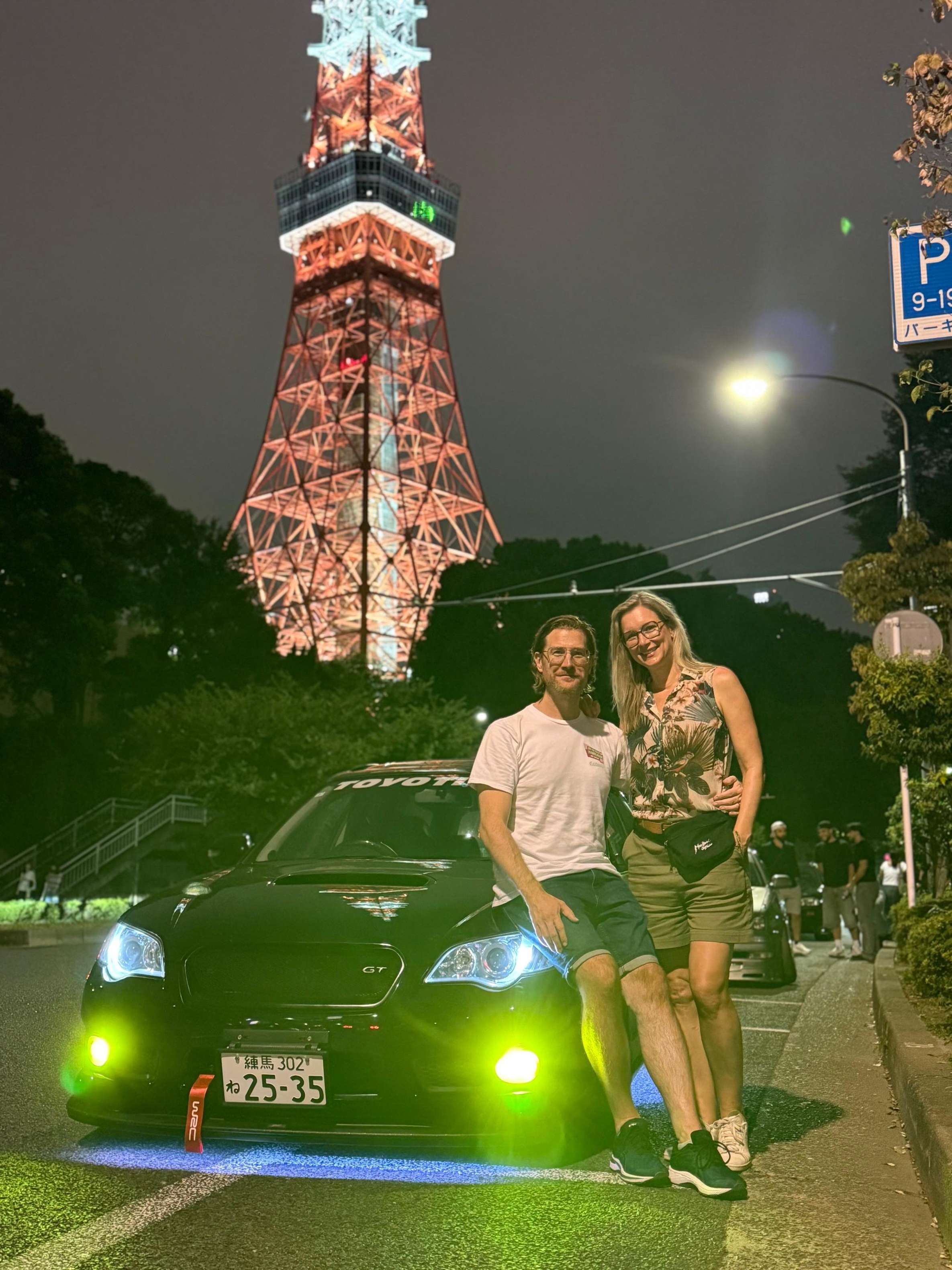
A driver who knows the scene does three jobs that a map cannot. At the meet, an English-speaking guide welcomes questions about modified cars, explains what you are looking at, and translates when you want to talk to an owner, which matters more than it sounds in a lot where few conversations start in English.
The commentary is informal. It is not a lecture; how much you hear depends on the guide, the group and the evening. Guides also help with the practical side: suggesting viewpoints, taking photos on request, and managing owner permissions so you can get close to cars you would otherwise only photograph from a distance.
There is a limit worth knowing. Paid tours give a set amount of time on the ground, often around an hour to an hour and a half for walking around and taking pictures, and the clock does not stretch.
If more time in the lot matters to you, look at the longer private options, which run three to six hours and adjust stops to suit you.
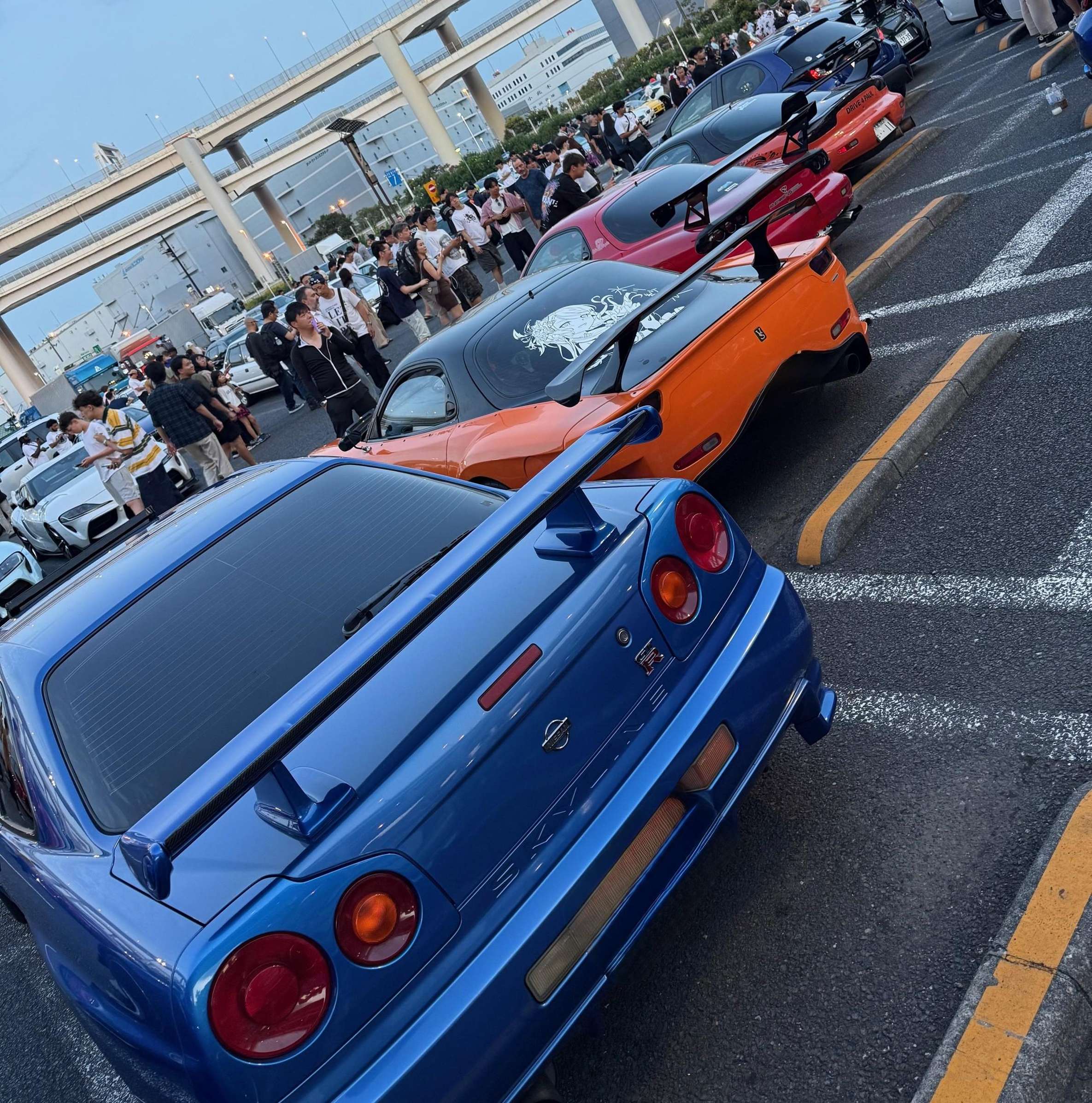
You do not need a tour to set foot in Daikoku PA. It is a public parking area, open around the clock, and parking there is free. What you need is a car and the paperwork.
To rent and drive in Japan, most visitors need an International Driving Permit under the 1949 Convention, plus their passport. Licences from Switzerland, Germany, France, Belgium, Monaco and Taiwan instead need a certified Japanese translation, arranged online before you go. Sort this out at home; no rental desk will waive it.
Tokyo has a real choice of JDM rental specialists, with pickup points around Shibuya, near Haneda Airport, in Asakusabashi and out towards Chiba, where one operator keeps its R34 GT-R. A GR Yaris or an LC can be rented through Toyota's own site in Japan.
The driving itself is the honest challenge. Japan drives on the left, and turning across lanes is the part that trips visitors for the first day or so.
Tokyo's drivers are courteous and the expressways are orderly, but the tolls add up and the signs run in Japanese. If you already hold an IDP and fancy the freedom, it works. If the paperwork sounds like homework, the tour exists for you.
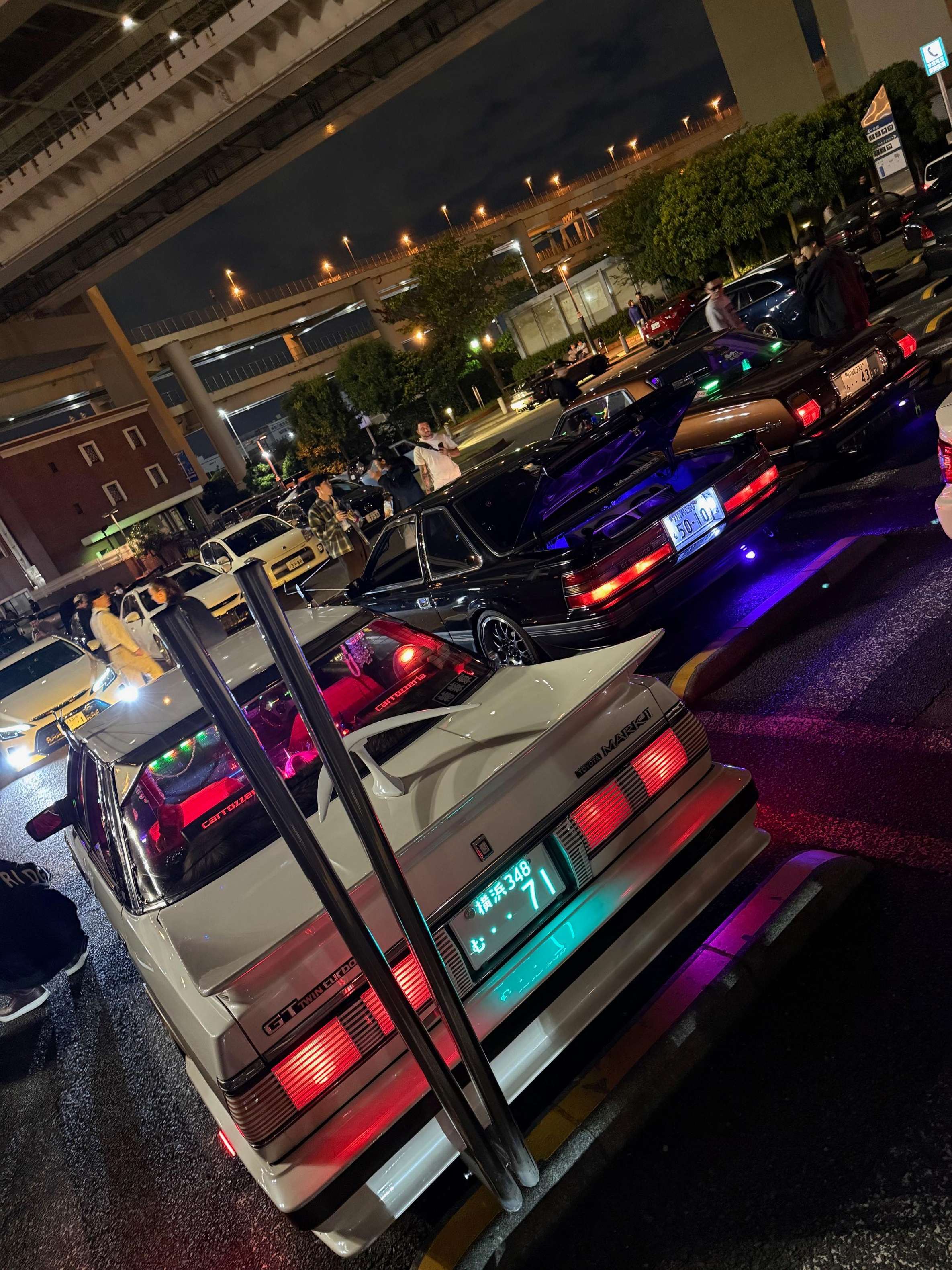
Take a tour if any of these apply: you do not hold an International Driving Permit, you want a driver who knows the etiquette and the owners, or you want a plan that adapts when police close the lot.
The parking is free, so what you are buying is the ride, the access problem solved, and a bridge into a scene that does not advertise itself.
Go on your own only if you already have the permit, a rental booked, and a taste for expressway tolls and left-side driving at night. On your own you set the hour and the pace, and you carry the risk alone.
The list below names the ways a Daikoku night is run here, and what each one delivers; match the row to what you want from the hours.
Whichever row you pick, the closing question stays the same: who handles the night when the lot closes. The tours with a clear answer to that are the ones worth booking.
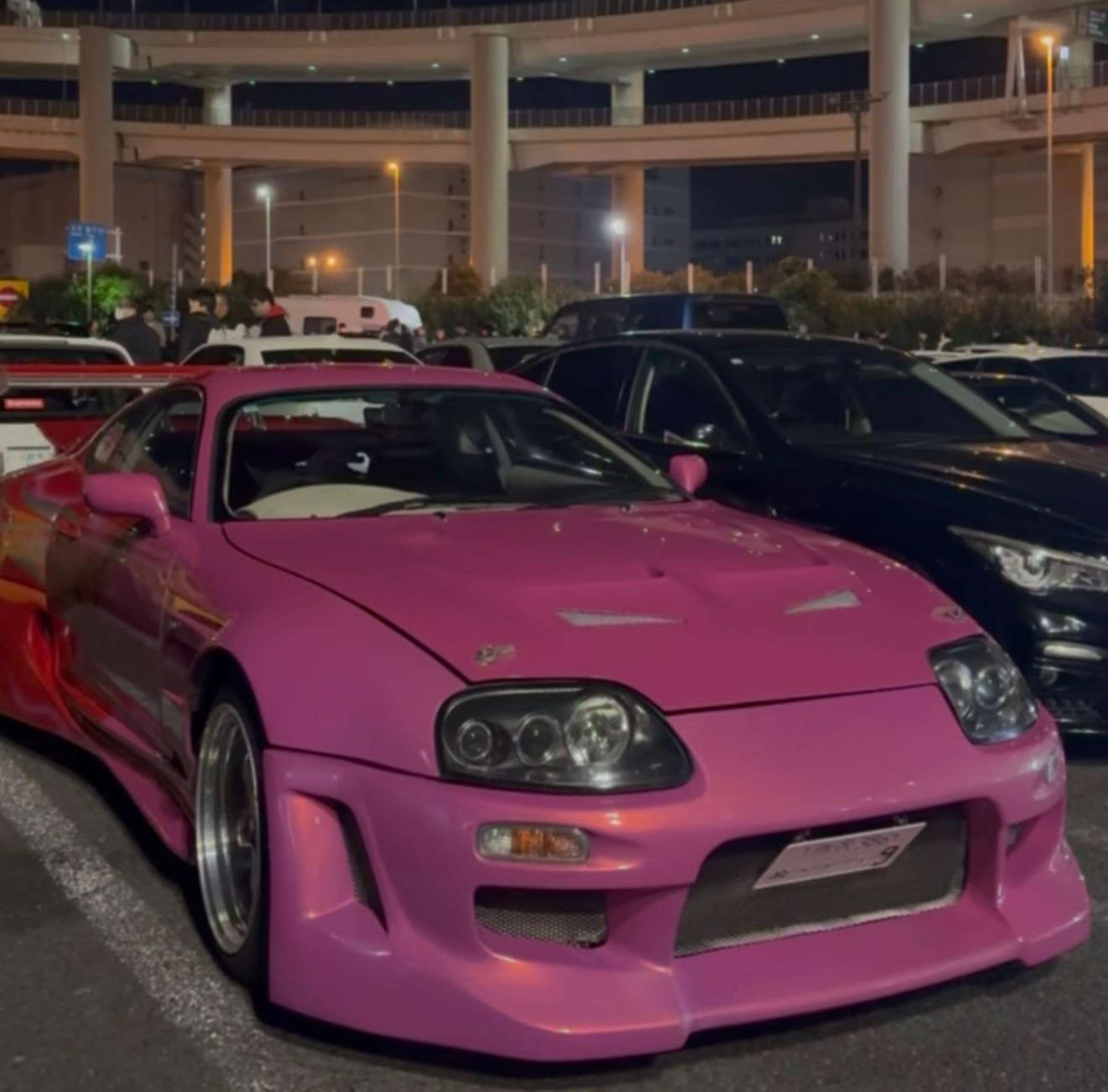
For nearly every visitor, a guided night tour is the right way to see the Daikoku PA meet: pickup from central Tokyo, the expressway run included, an hour on the ground with a driver-guide, and a fallback plan when police close the lot.
Pick your night before you pick your car. Friday and Saturday bring the deepest crowds, weeknights a calmer lot, Sunday morning the classics.
Yes, with a line drawn around it. Daikoku PA is a public highway rest area, open 24/7, and parking there is free and legal. What is illegal is the behavior around the edges: revving, burnouts, street racing and walking in the roadways, and police can shut the whole lot down when it gets rowdy.
You cannot reach Daikoku PA by train, bus, taxi drop-off or on foot. It sits inside the Shuto Expressway with no pedestrian gate, so the only way in is in a vehicle already on the expressway.
A tour solves that, or you can drive there yourself in a rental car and pay the parking area nothing.
The parking area itself is free. The price covers the ride there and back, the car, the driver-guide who handles the route and the etiquette at the meet, plus extras like photo stops at Tokyo Tower or Rainbow Bridge.
No, and no operator can promise it. The gathering is informal, with enthusiasts showing up most nights and bigger turnouts on weekends. What can end a night early is a police closure, decided on the spot with no notice.
There is no schedule to check, since nothing is published in advance. Search #daikoku or #大黒PA on social media for real-time reports from the lot, and line up a backup spot such as Tatsumi PA or Umihotaru in case of a closure.
Friday and Saturday nights draw the biggest crowds, with cars rolling in from around 5 pm and the deepest turnout between 9 pm and 1 am. Sunday mornings have a calmer feel and the classics and exotics. Weeknights run far quieter but are rarely empty.
Yes, and it happens. Police shut the meet down by around 8:30 pm on Thursday, Friday and Saturday nights, and the entrance can close without notice once the lot fills, most often on weekends. If that happens, most tours switch to an alternative spot, reschedule, or refund you.
You will not. Drifting on public roads in Japan is illegal, and the movie's scenes were mostly shot in Los Angeles. Daikoku PA is a parking lot where drifting would bring the police within minutes. What you get instead is the real gathering: modified cars, owners and exhaust notes.
Most tours give you about an hour on the ground, and some up to an hour and a half. That is enough to walk the lot slowly, see how the cars cluster by style, and photograph the ones that catch your eye.
Ask the owner before touching or entering any car, and never sit on one for a photo. Some locals have stopped bringing their cars because of careless tourists, so quiet, respectful behavior is what keeps the meets alive.
Yes. Several tours run entirely in English, with driver-guides who are JDM enthusiasts themselves. One tour even includes an English-speaking guide with translation devices for conversation on site.
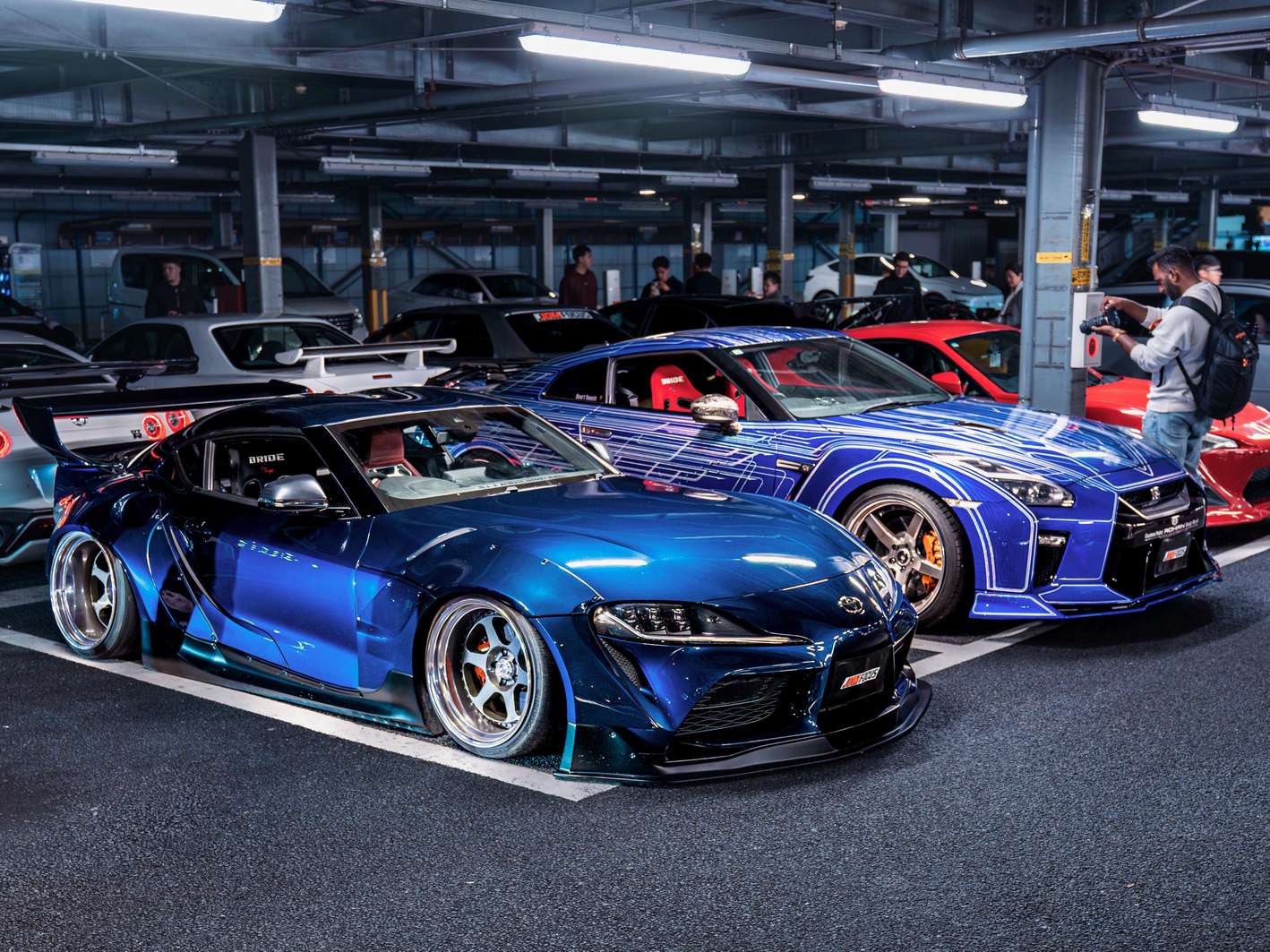
Know the meet's rhythms, the access rules and what to do if the night changes before you go.
Pick the right evening: weekends draw the biggest crowds and weekdays still bring out good cars.
See why a car is the only way in and which routes from central Tokyo put you there fastest.
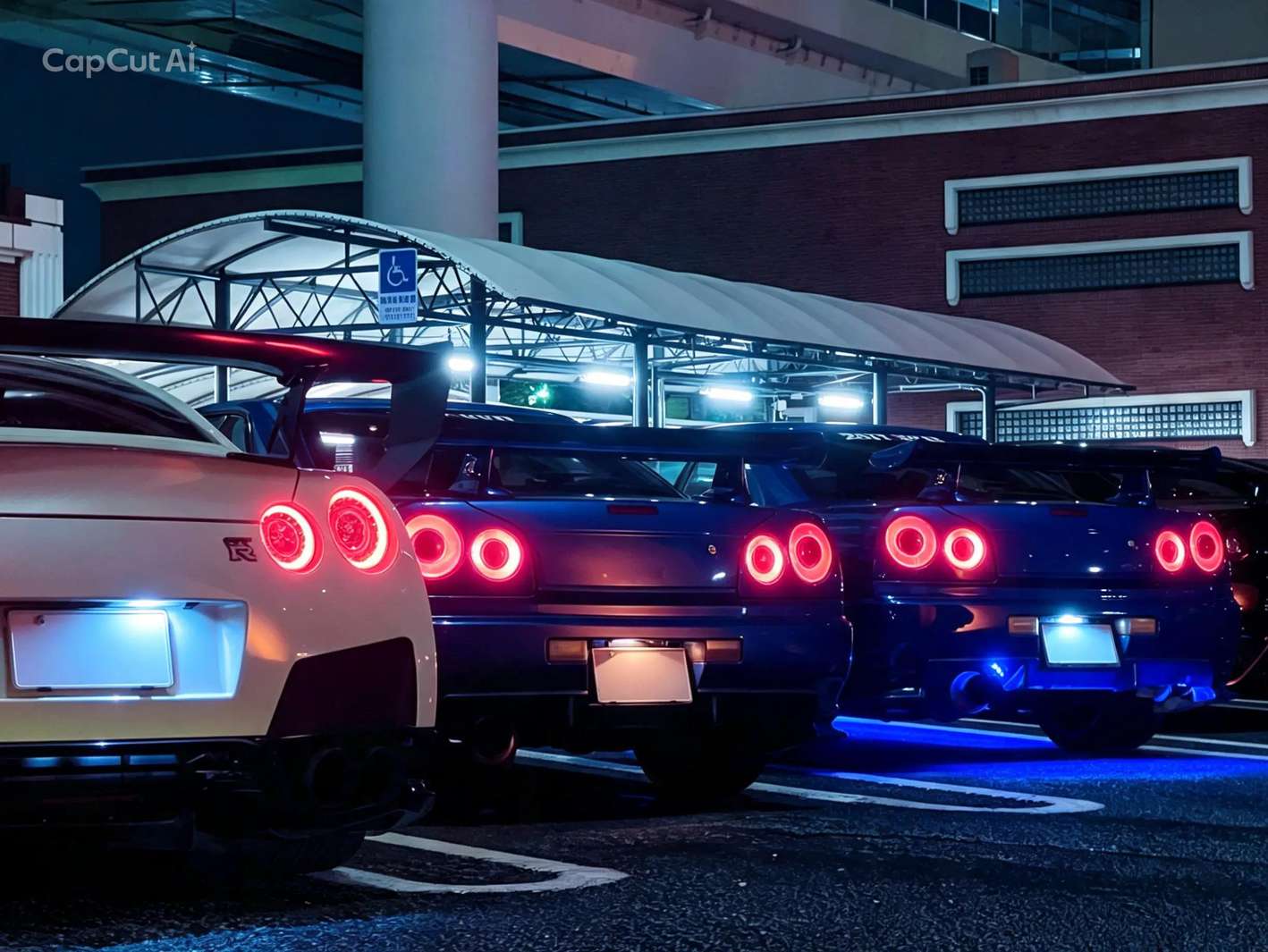
First time at a Japanese meet? Learn the etiquette owners expect and how police handle complaints.
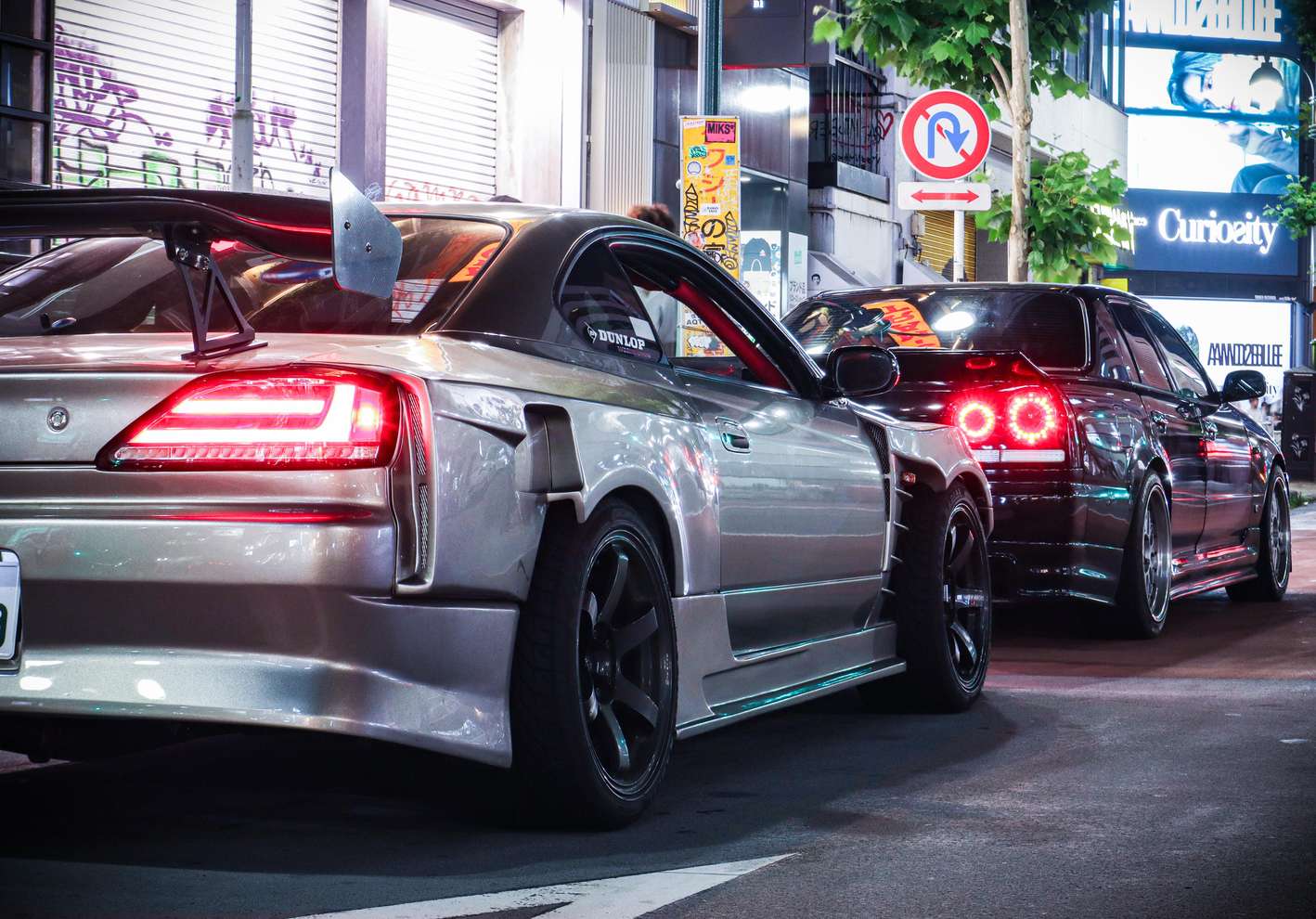
If a Supra is the ride you want, compare the night trips that put you in a modified Mk4.
See the meet from a Porsche Macan instead and decide whether that ride suits your night.
Daikoku is one of several spots: compare Shibuya, Akihabara and the bay-side parking areas.
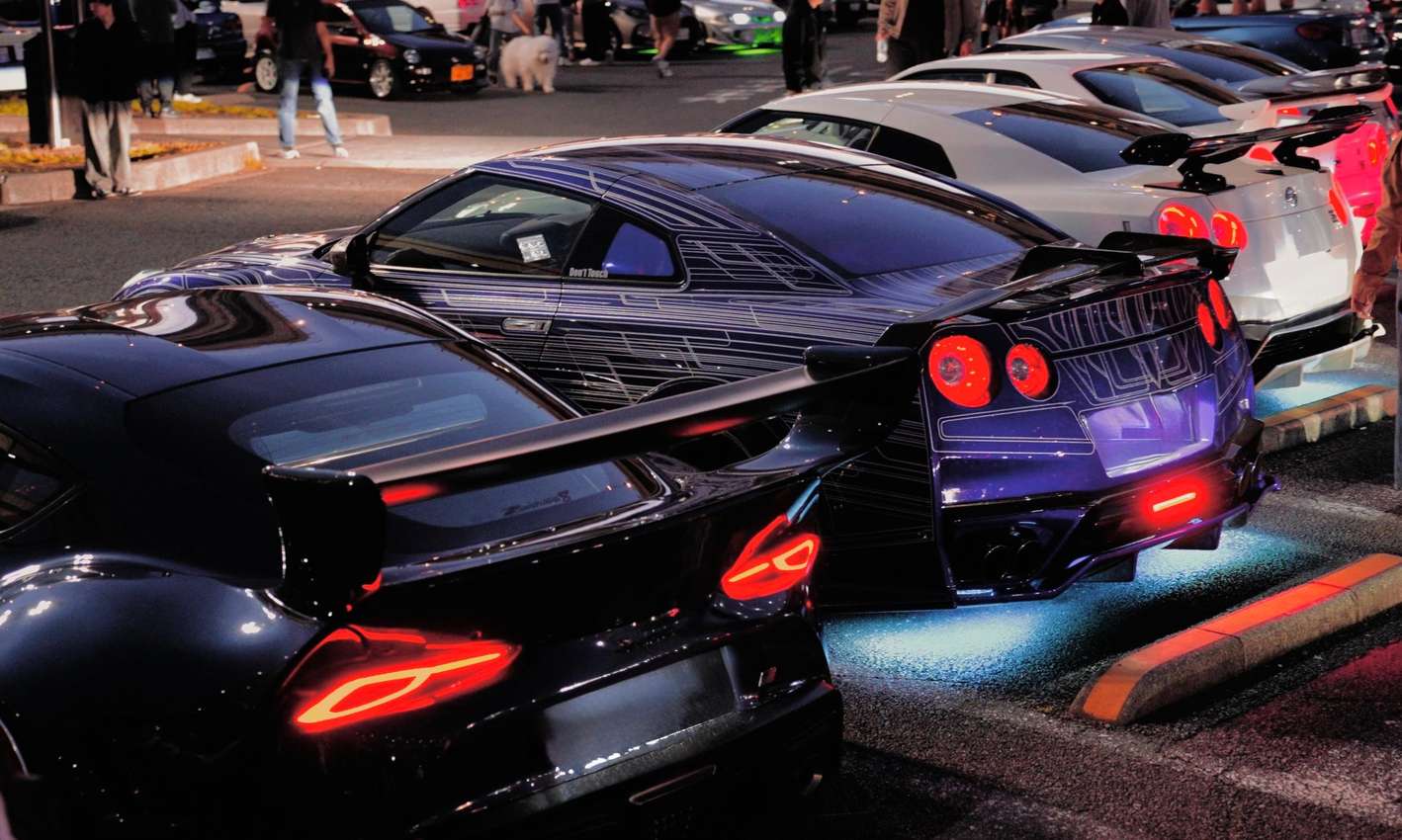
A free, walkable underground garage near the station, with wrapped and anime-decaled cars on B2F.
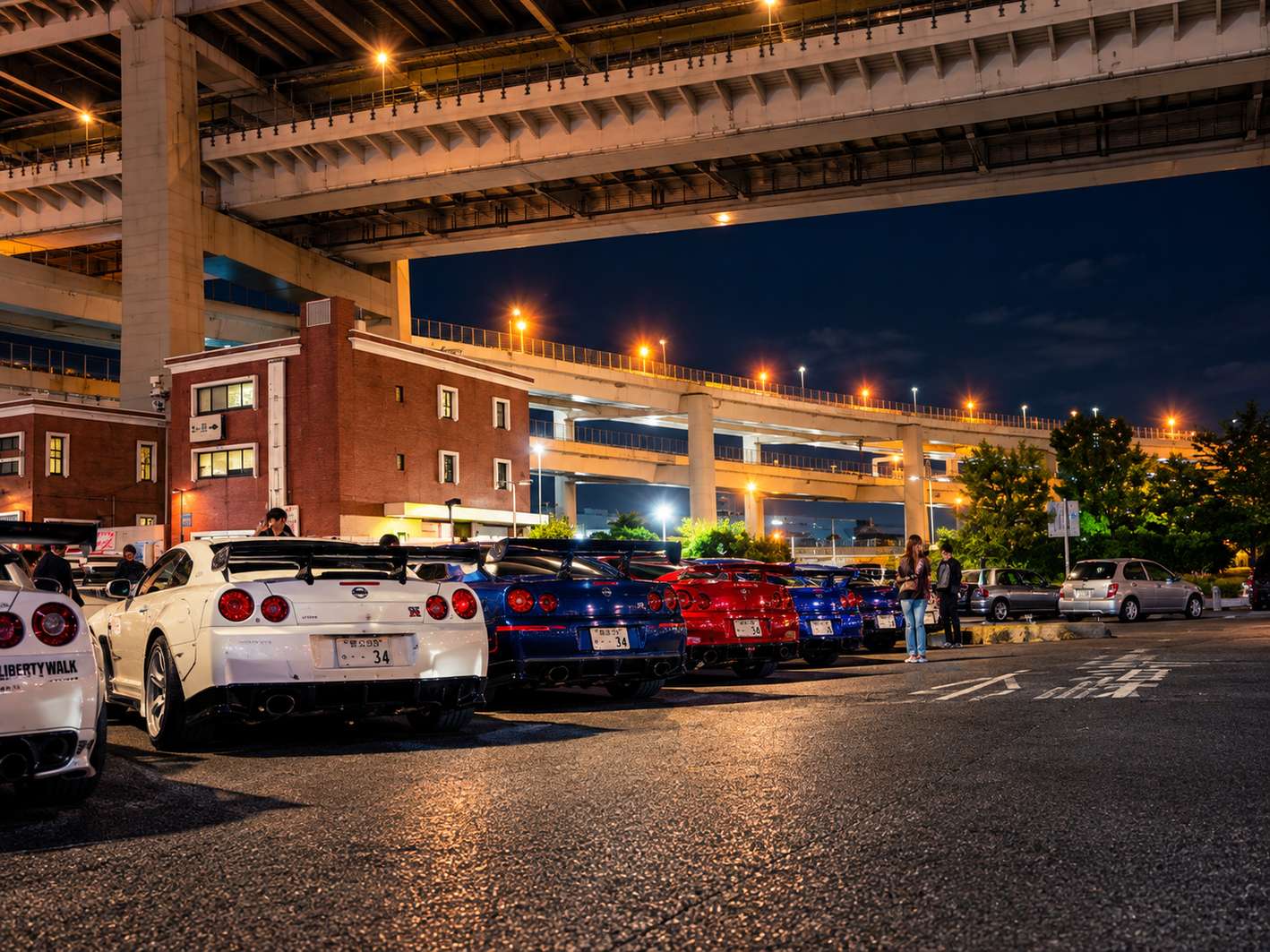
A quieter meet spot with its own character, plus practical notes on how to approach a visit.
A ship-shaped rest stop in Tokyo Bay where the crowd moves when Daikoku's gate shuts for the night.
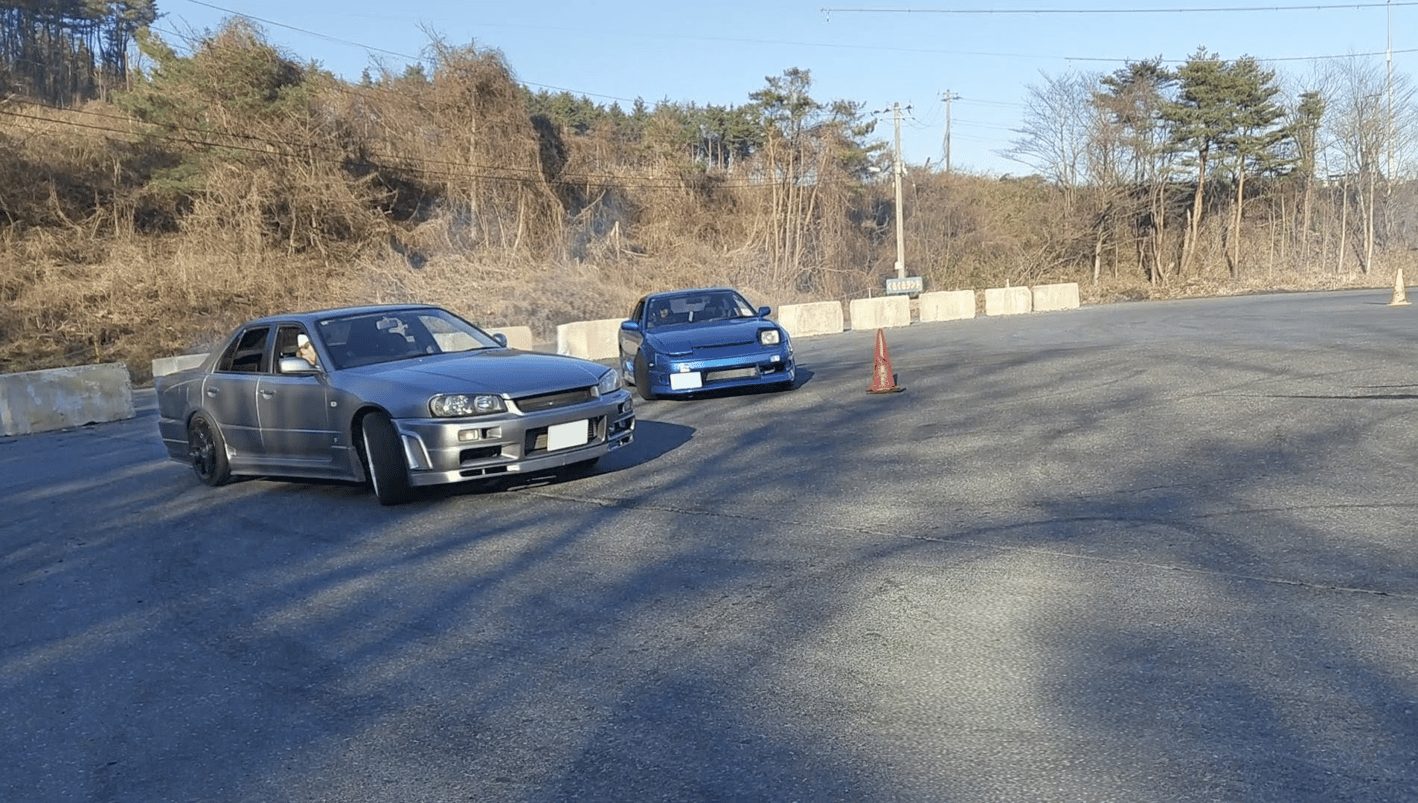
Venue-focused information for this bay-side meet, so you know what a visit involves before going.
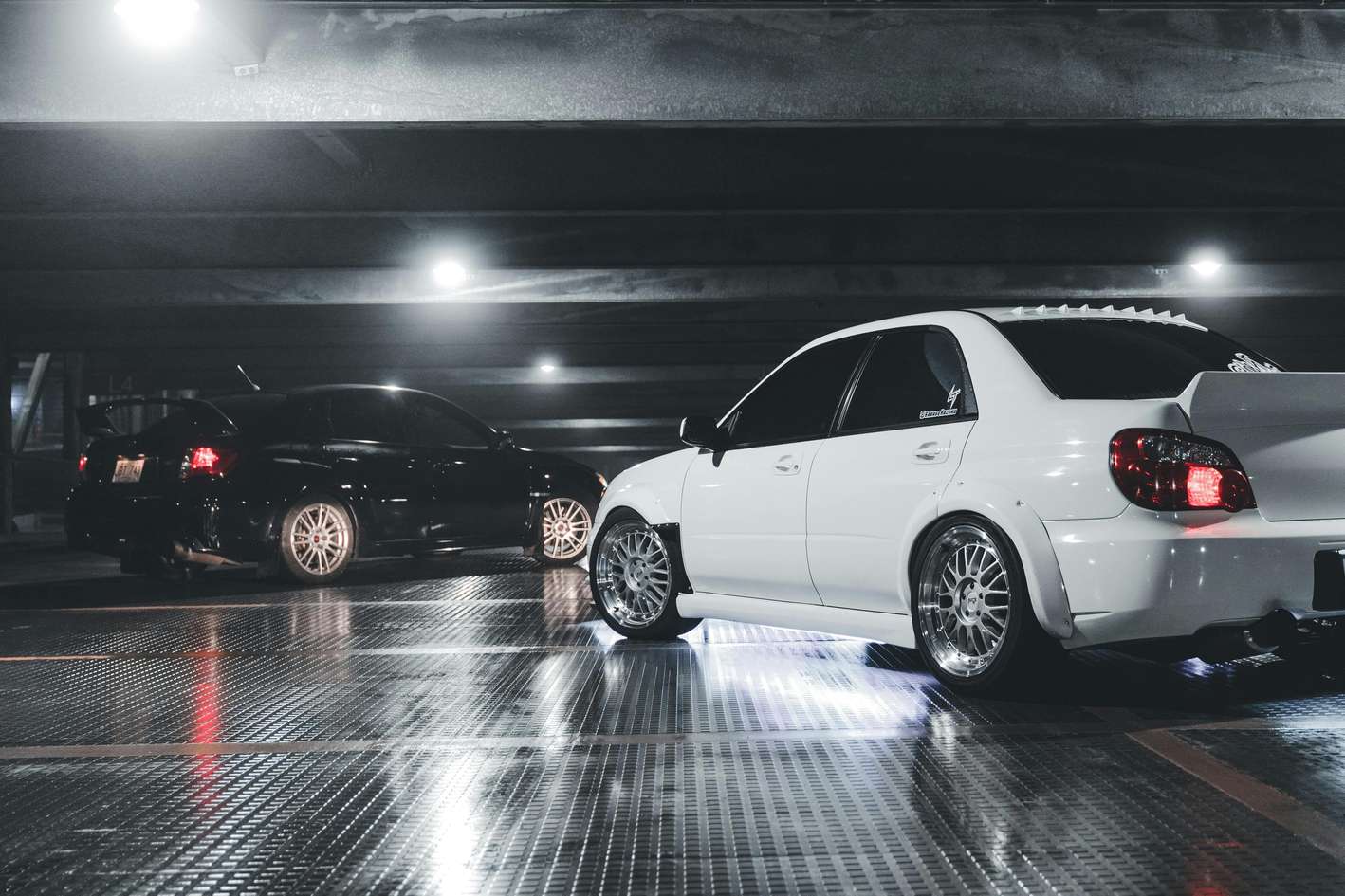
This Osaka parking area holds meets most Friday and Saturday evenings, so time your trip to those nights.
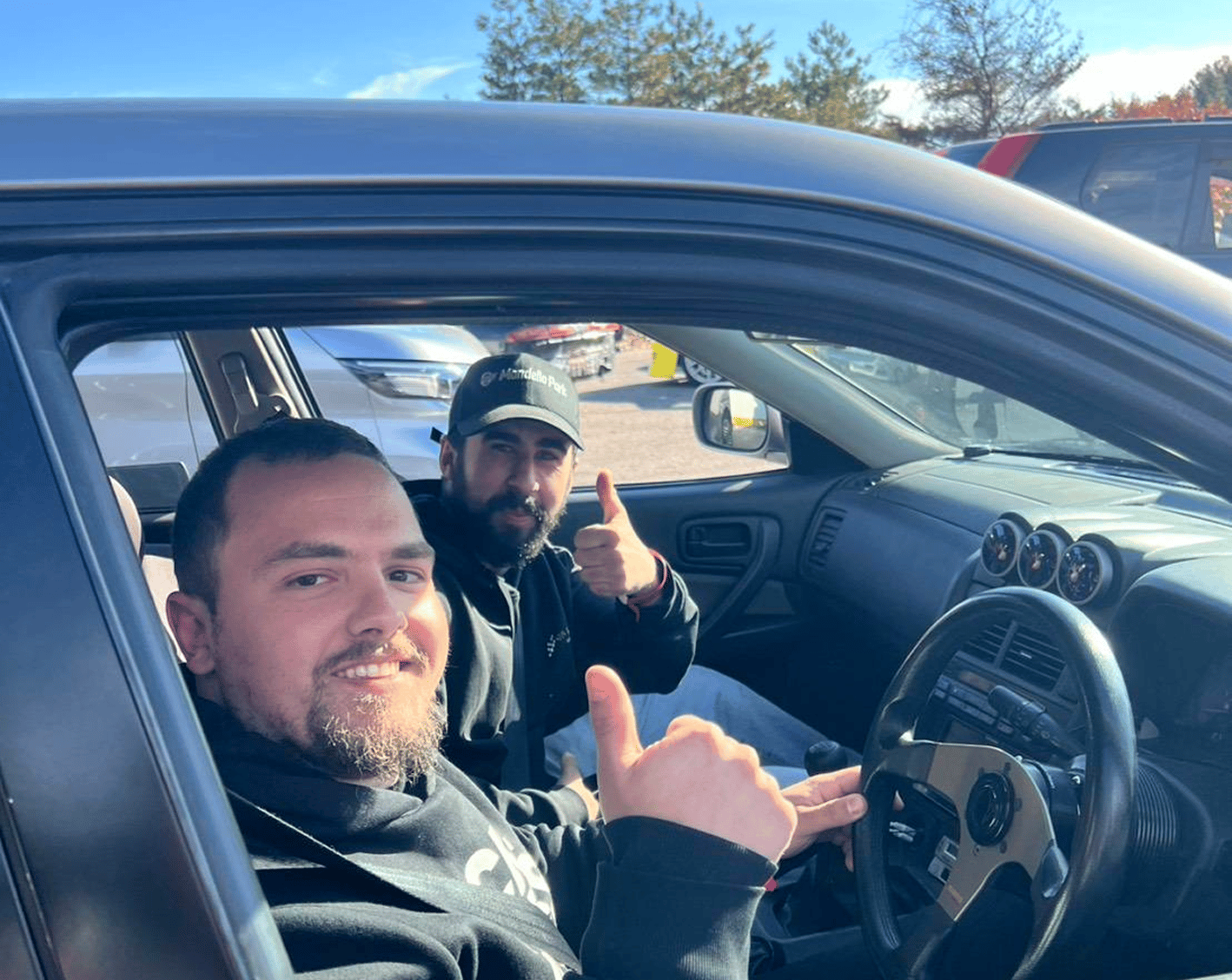
Drifting on public roads is illegal in Japan; here is where you watch it or try it legally.
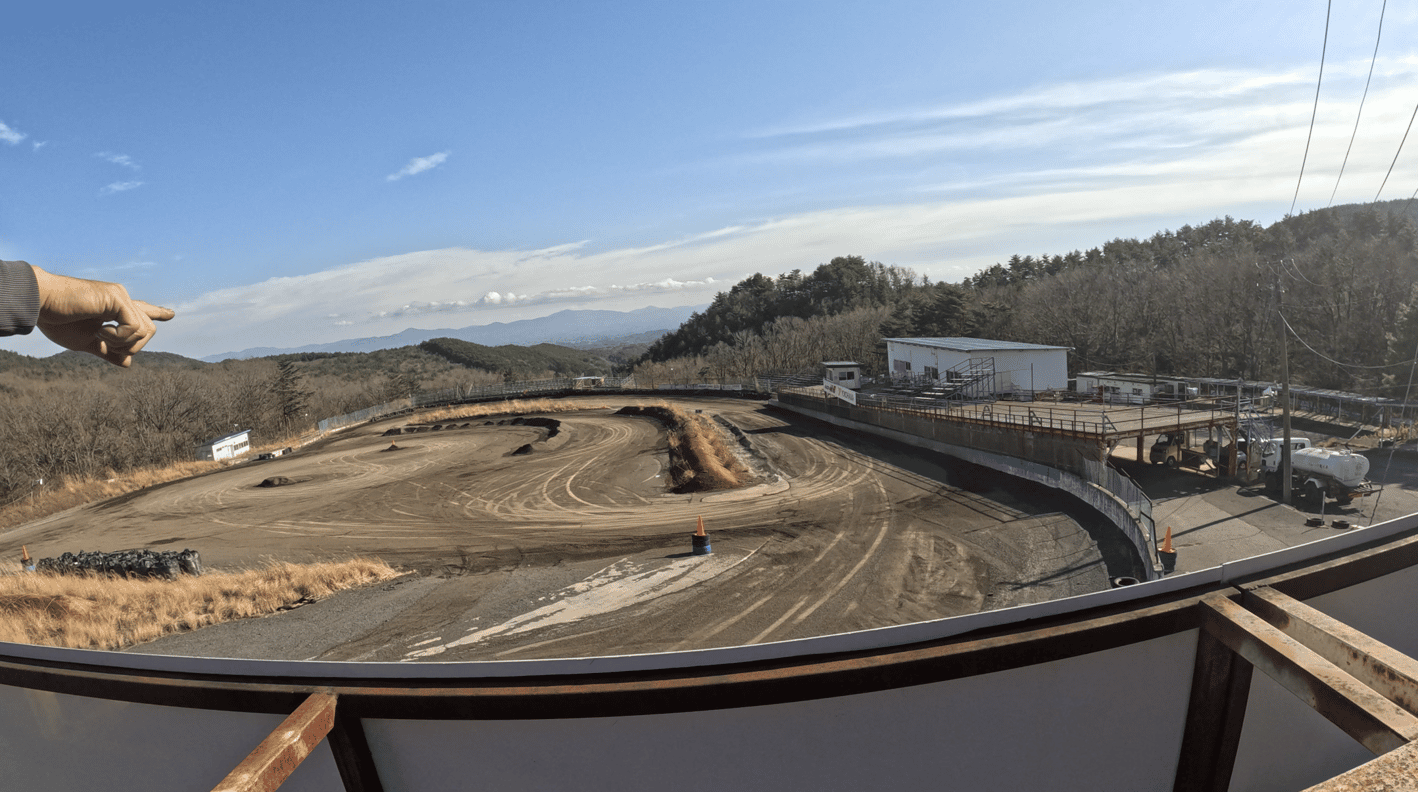
D1 Grand Prix rounds run in Tokyo in October, and circuits near the city host drift events too.
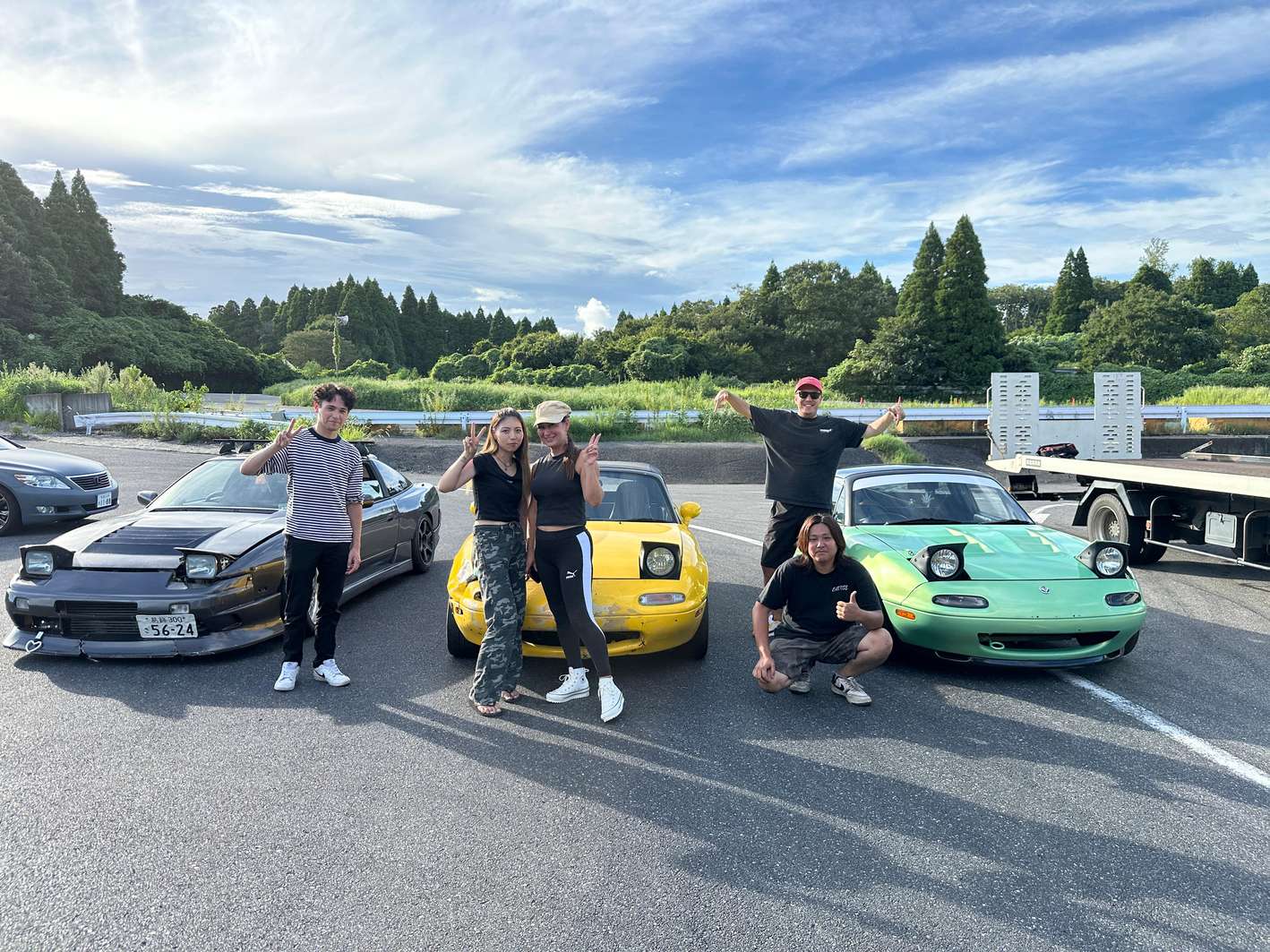
A private lesson with a pro instructor near Tokyo can teach you donuts and figure eights from zero.
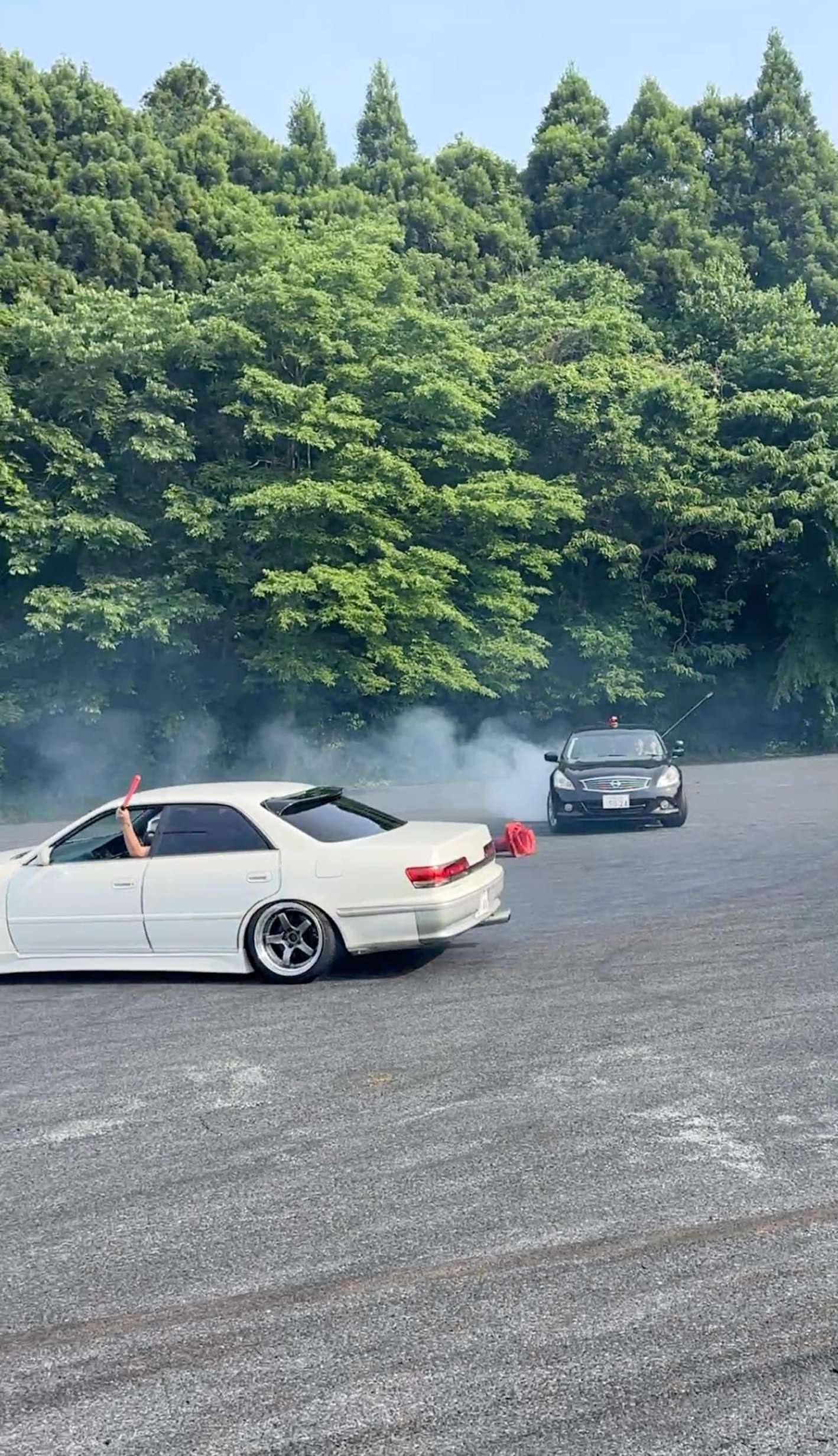
Drive a drift car yourself on track, with the licence rules and booking options spelled out.
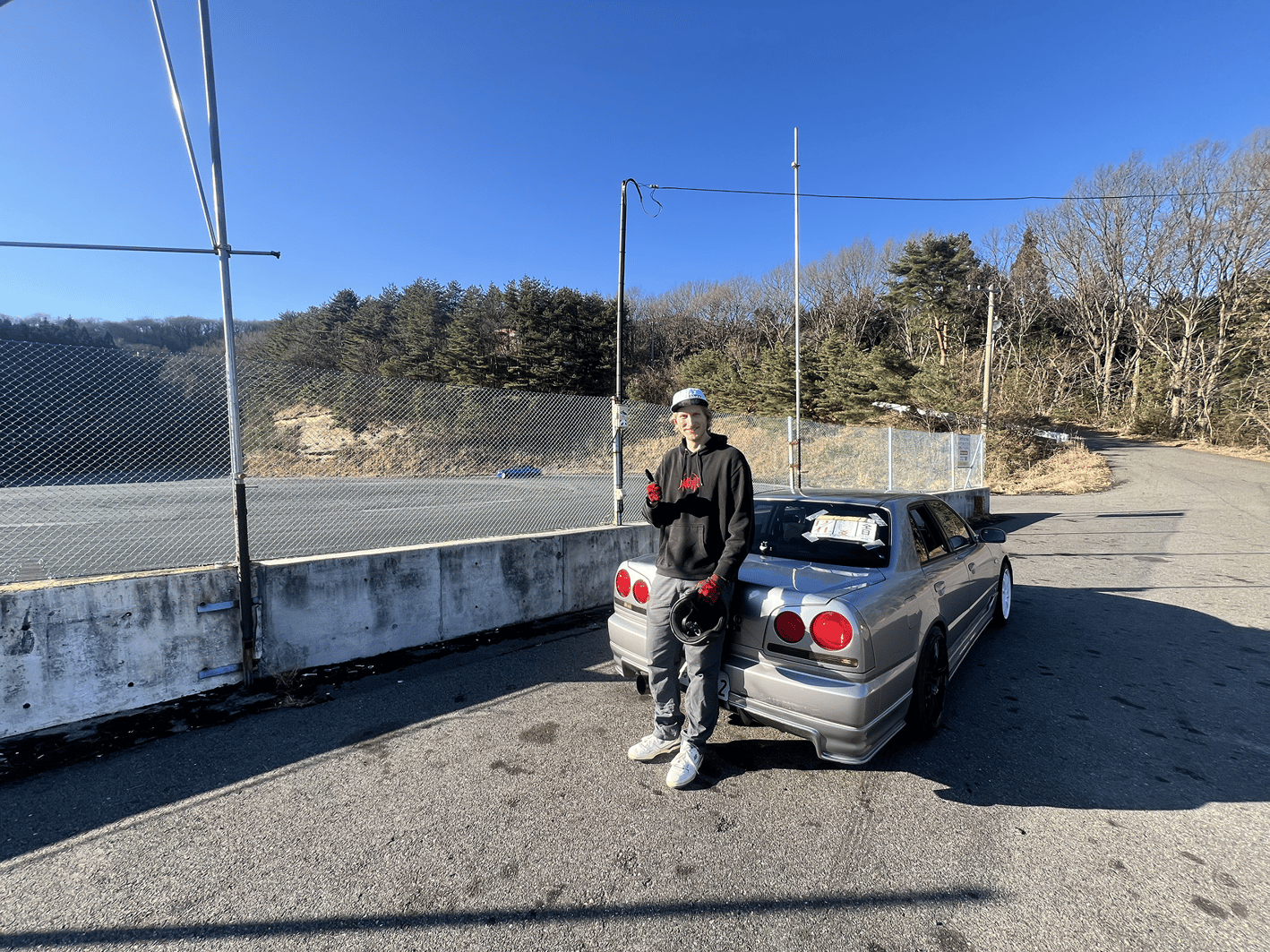
Guided rides and track experiences that deliver the drift thrill without the legal grey areas.
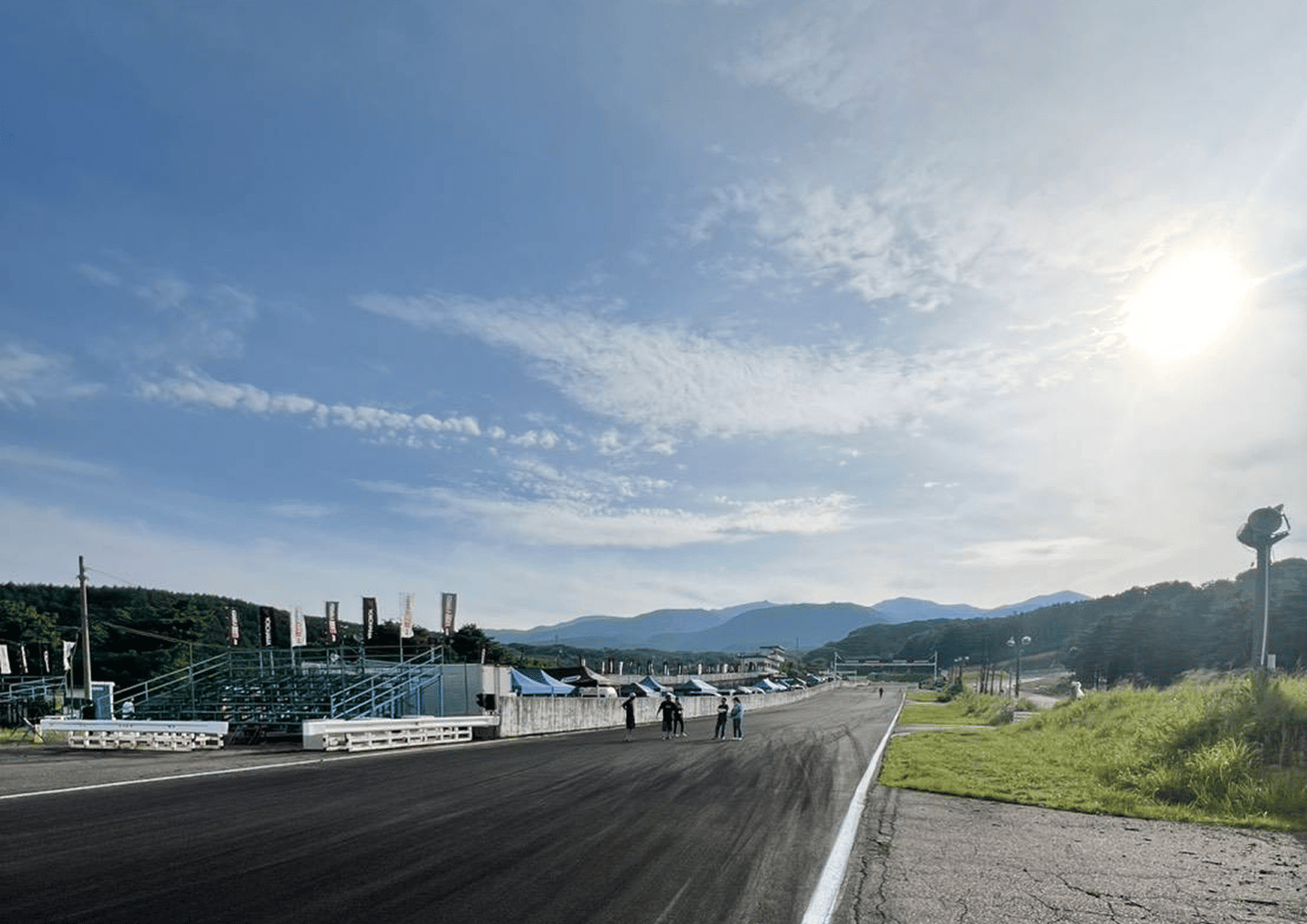
A full day trip from Tokyo to Ebisu Circuit, with insurance options and a 12-hour itinerary.
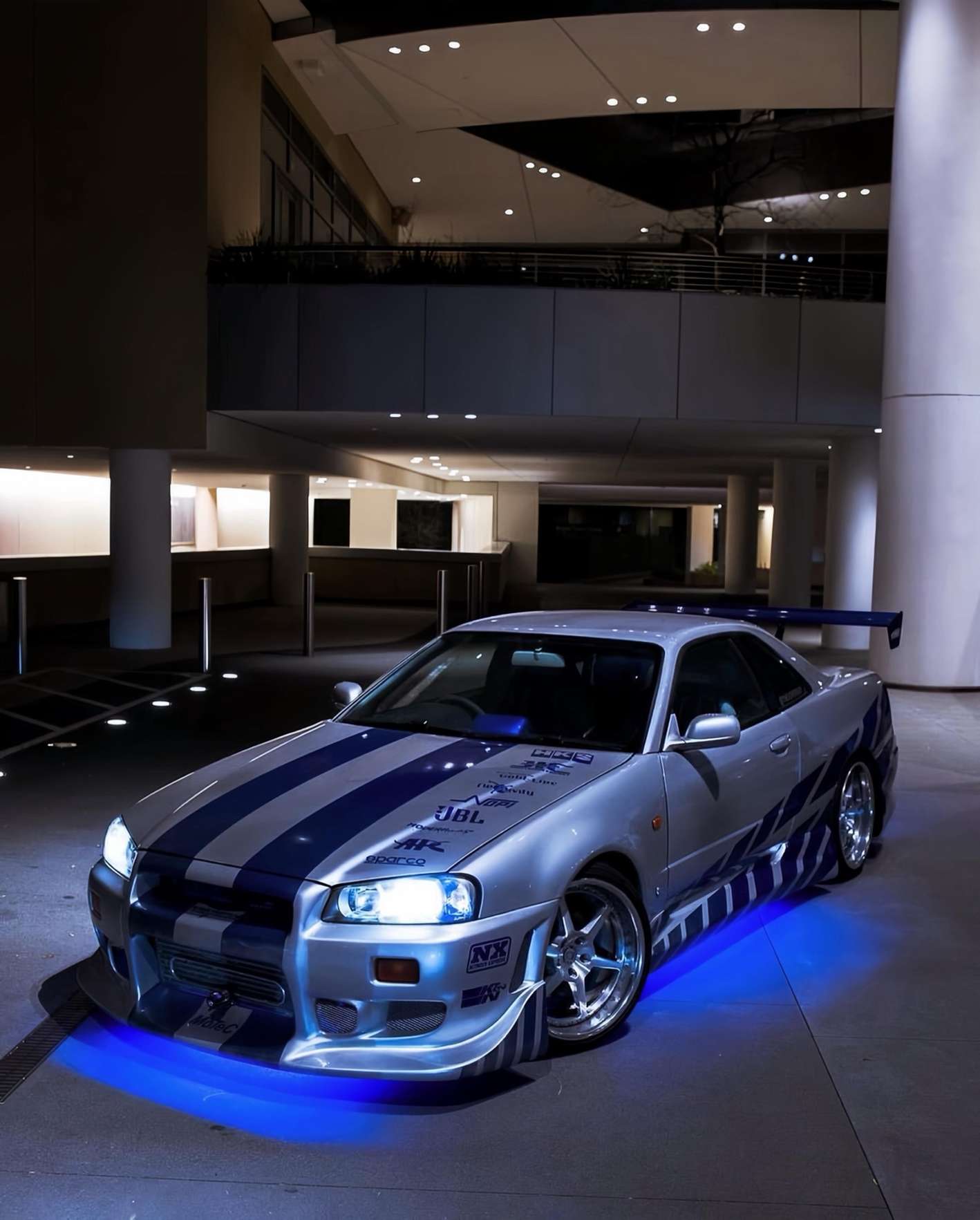
Compare ride-along tours, meet visits and track days to find the JDM experience that fits you.
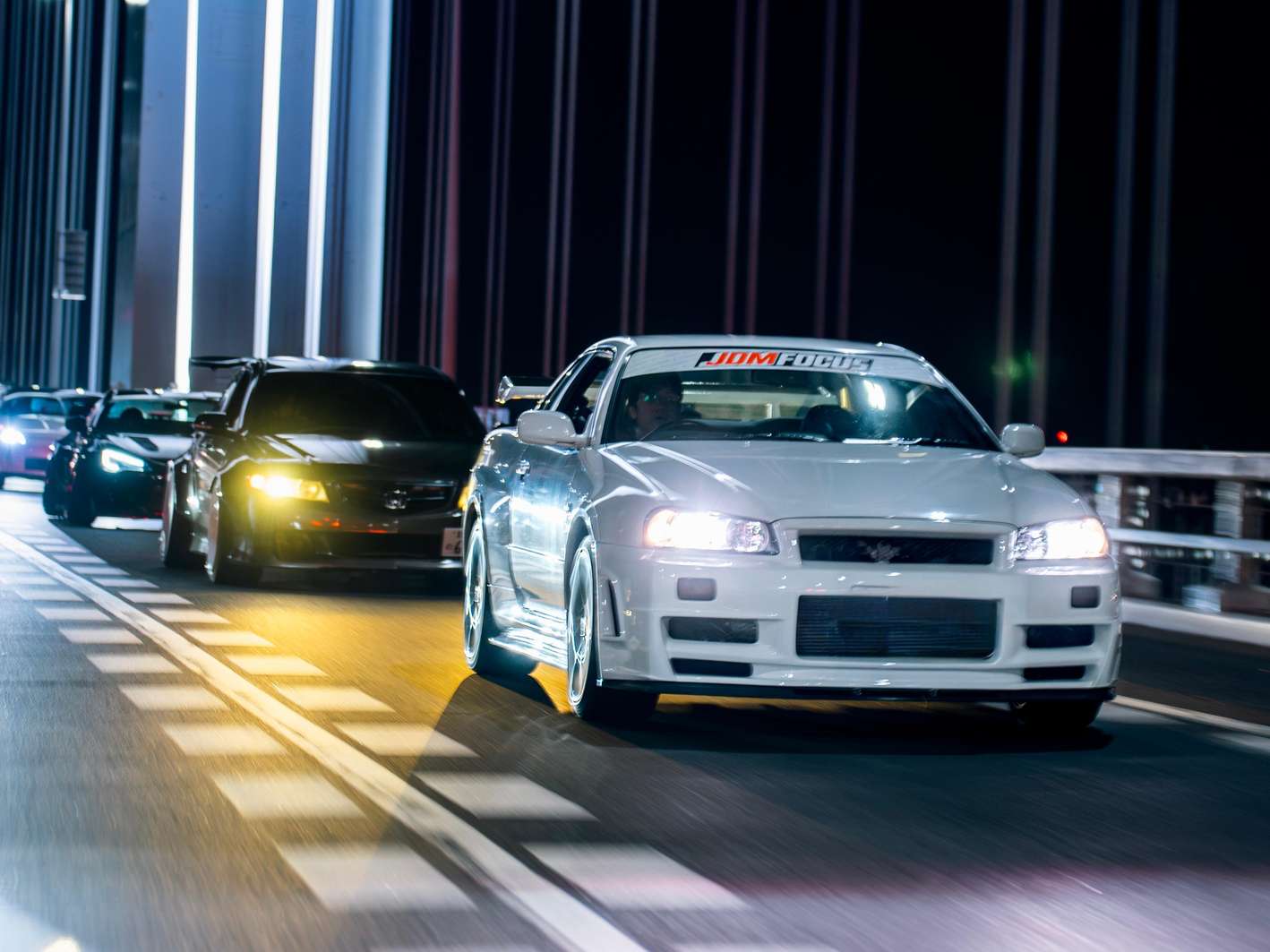
A guided night trip handles the expressway driving, parking and etiquette while you ride shotgun.
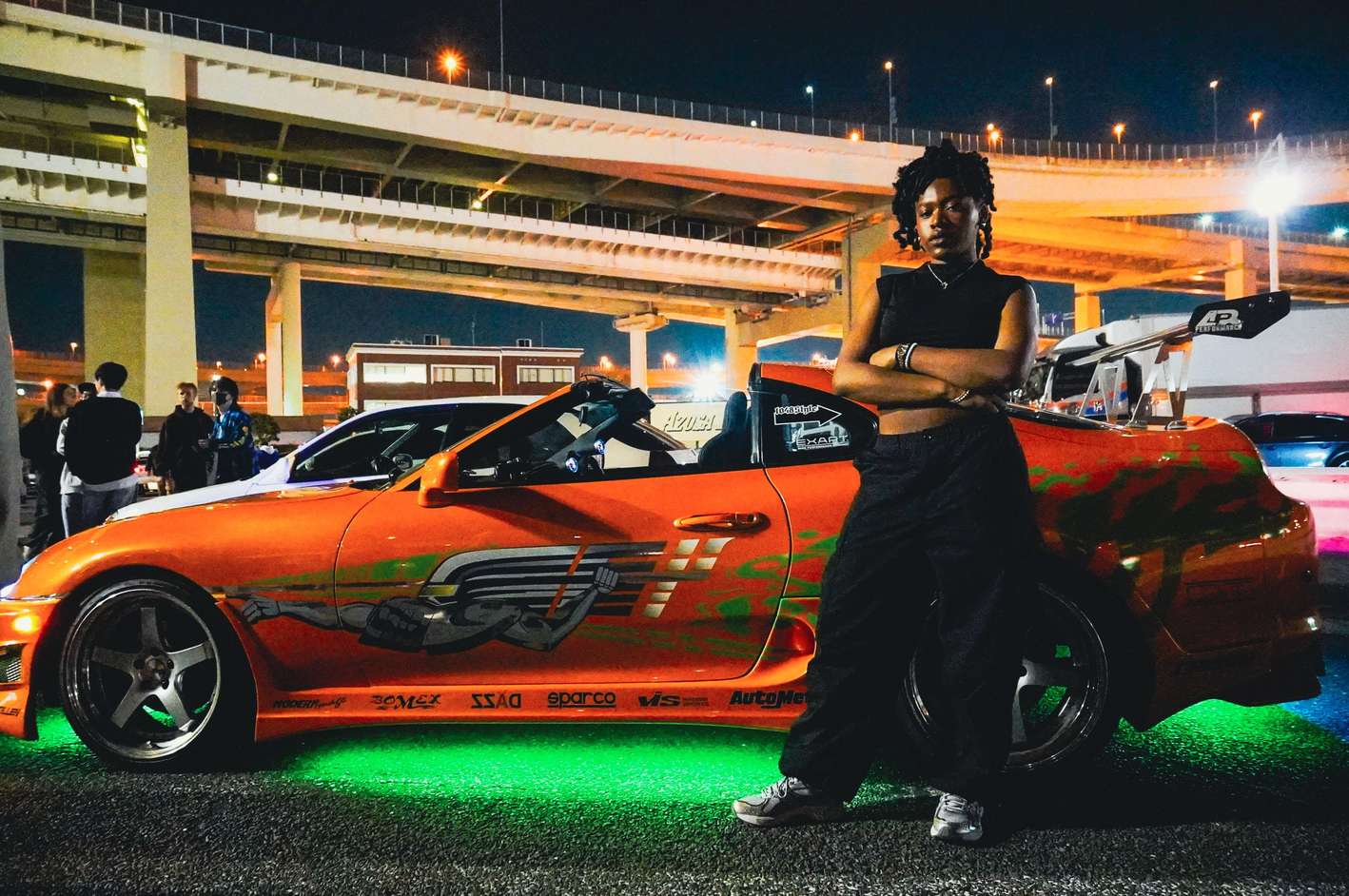
Night drives to Daikoku run roughly from late afternoon pickup to midnight, with the meet at its fullest.
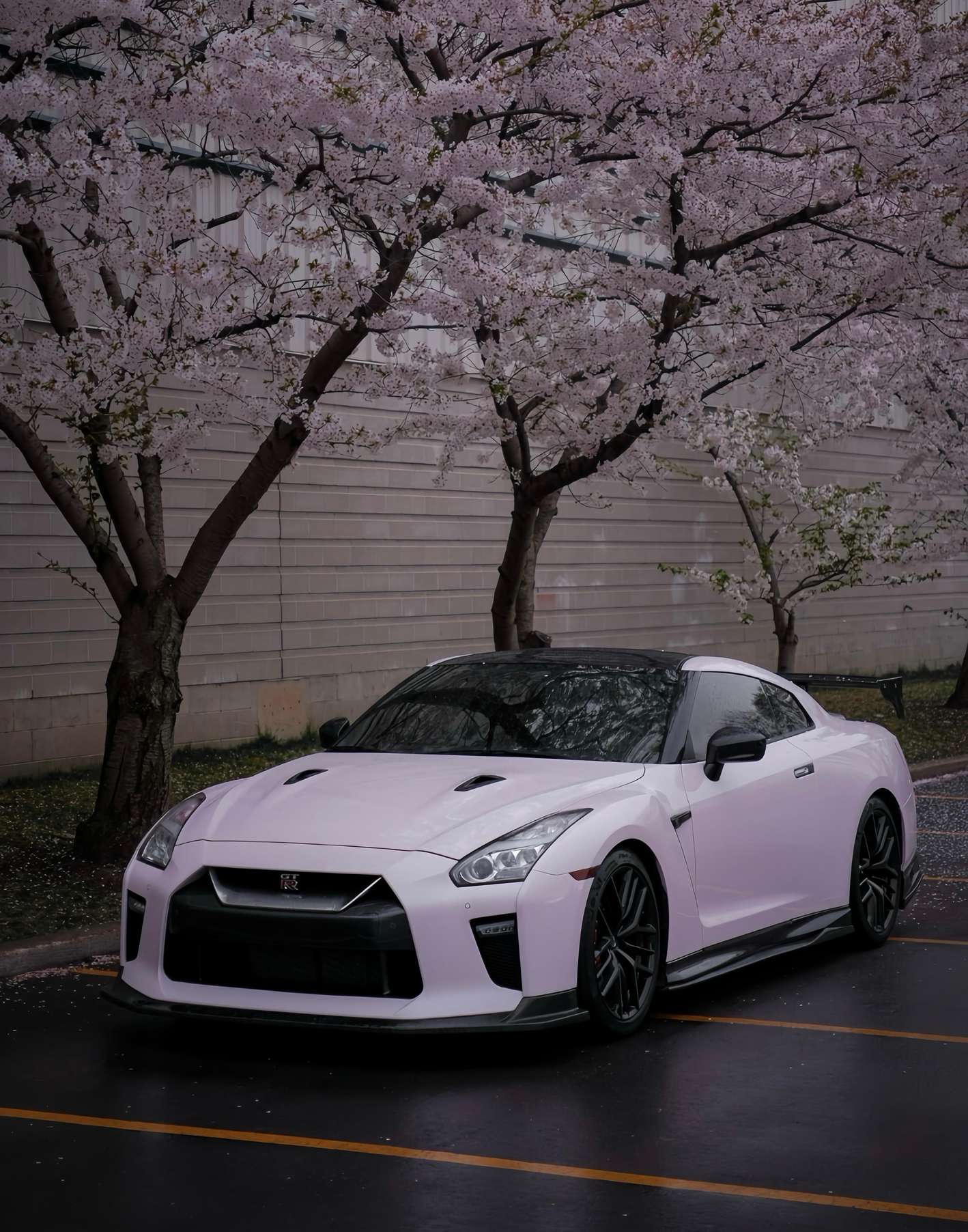
The Wangan and Bayshore routes are the drive itself; see which tours build the night around them.
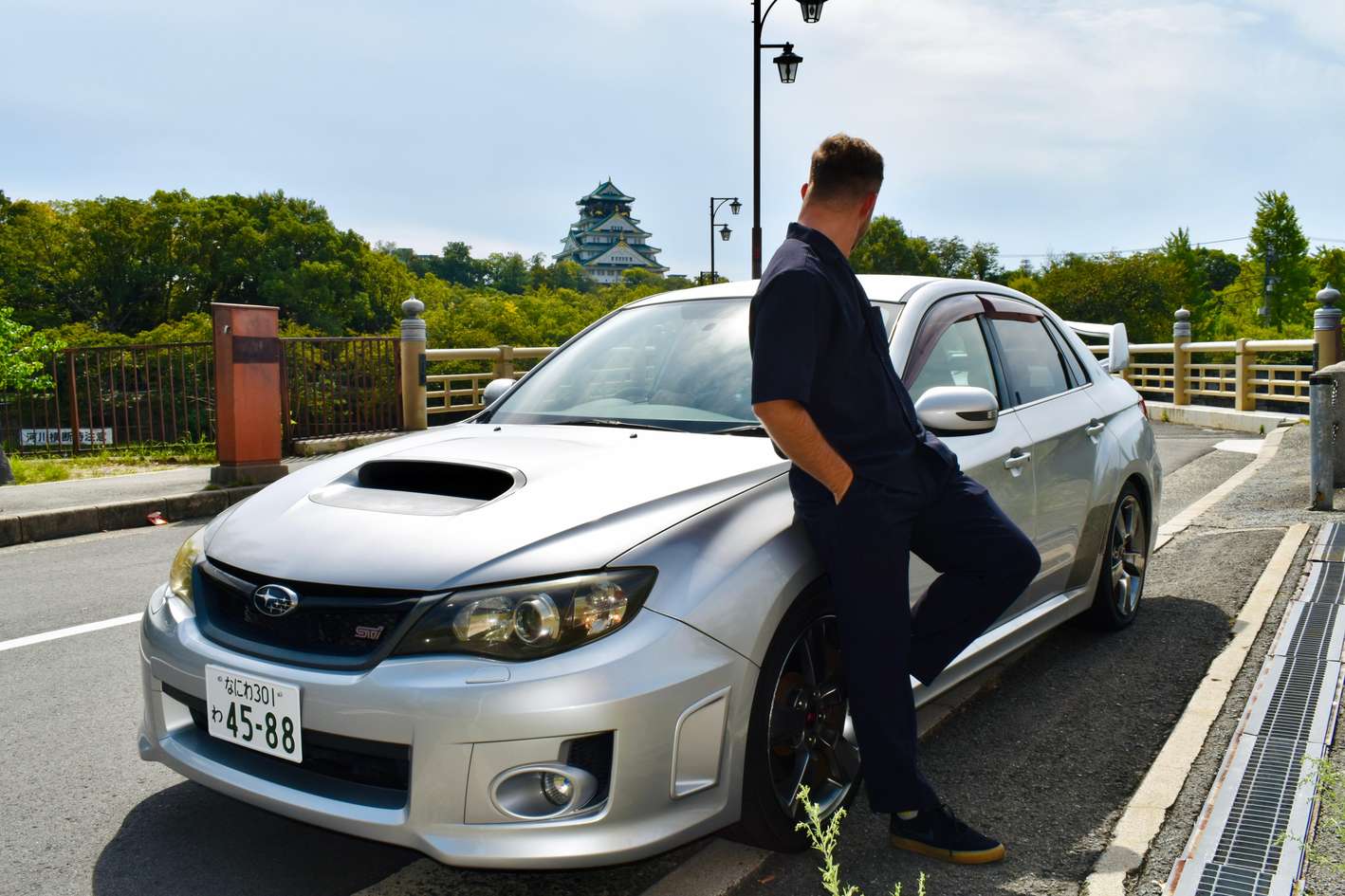
Want to drive a JDM car yourself? An international driving permit opens the self-drive options.
A private trip means no shared car, flexible stops and a driver-guide who handles everything.
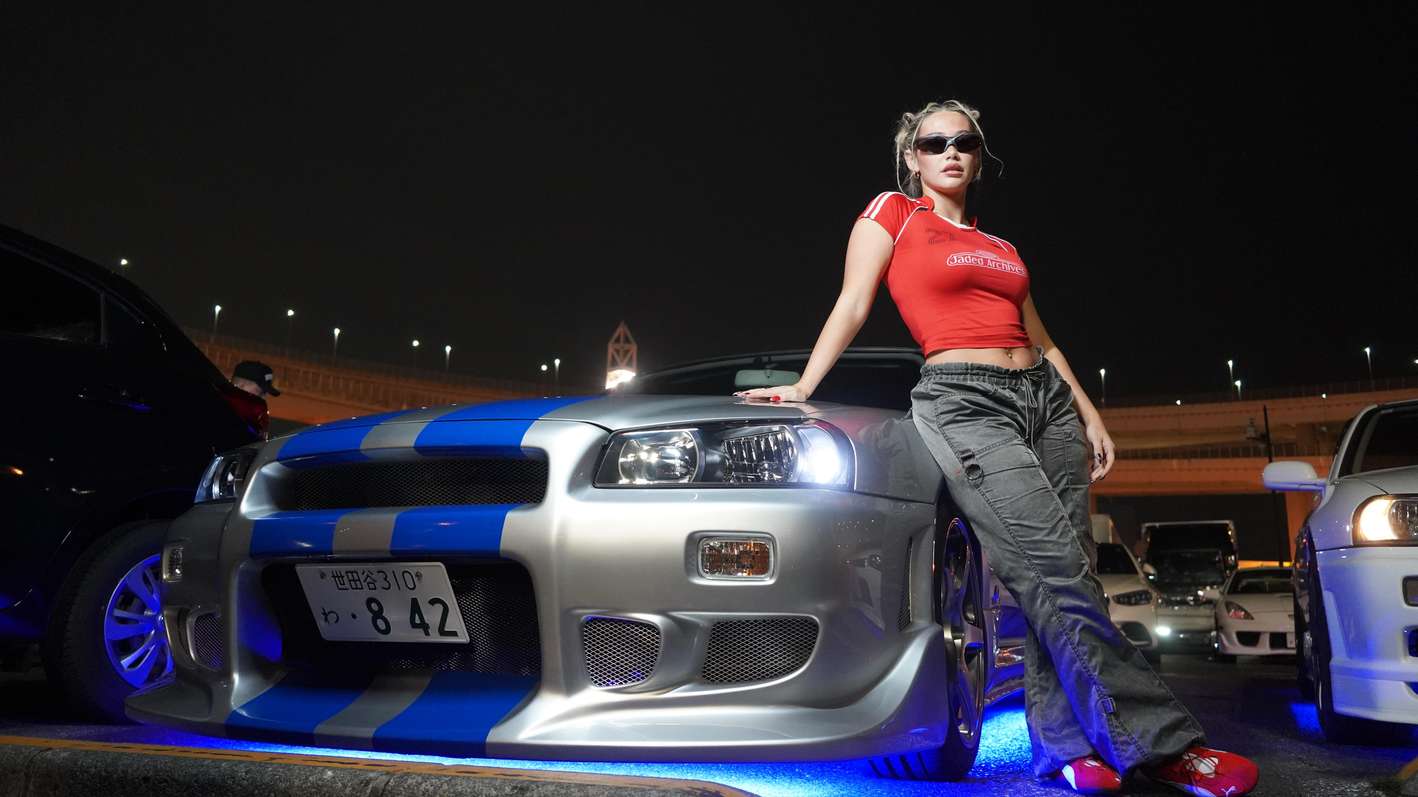
From GT-Rs to lightweight coupes, see what you can hire and what each booking requires.
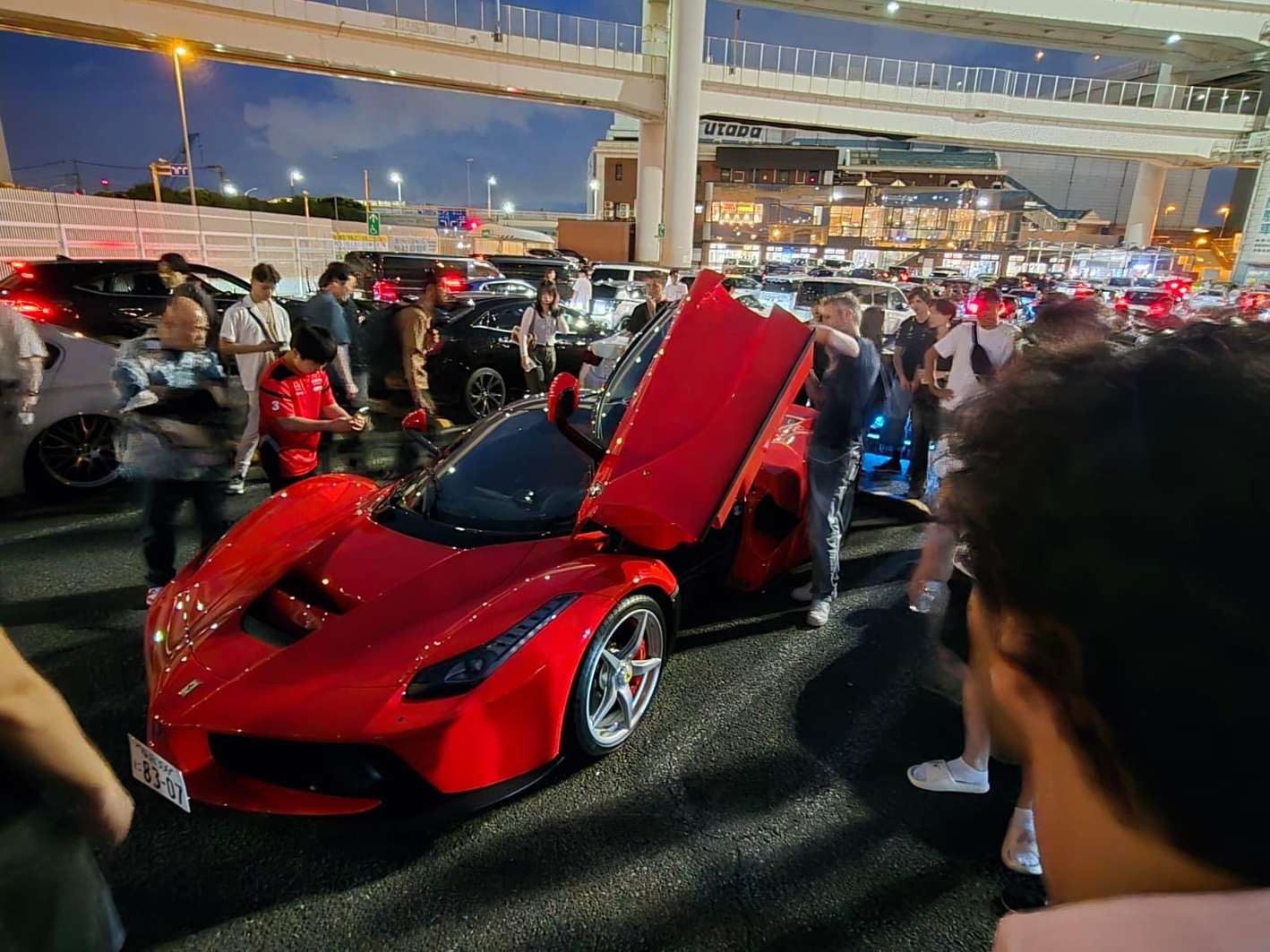
AE86 searches get a direct answer here about whether that car can be booked in Tokyo.
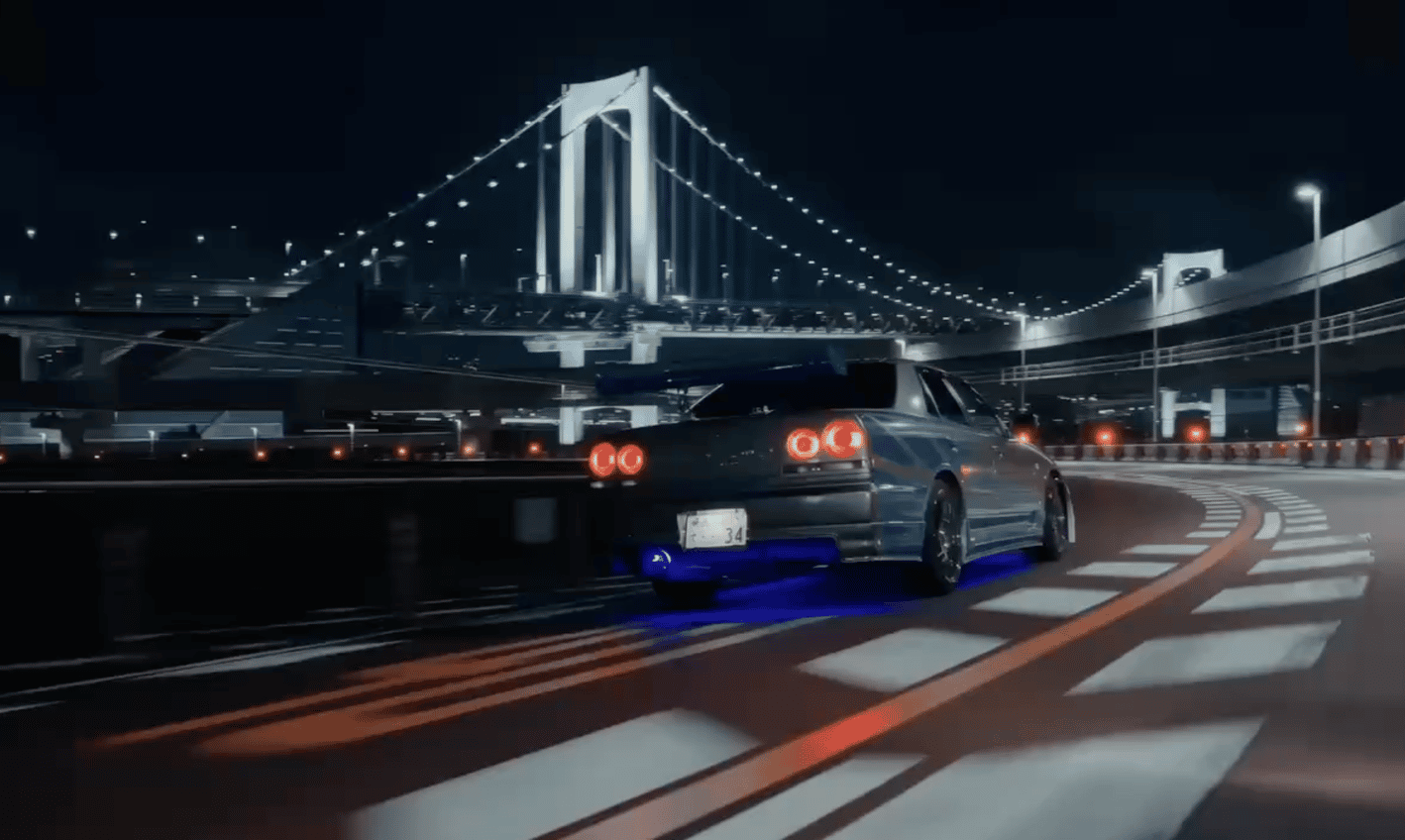
A direct answer on Supra availability in Tokyo and the closest ways to get behind one.
R32 fans can weigh a self-drive rental against a guided GT-R ride before booking.
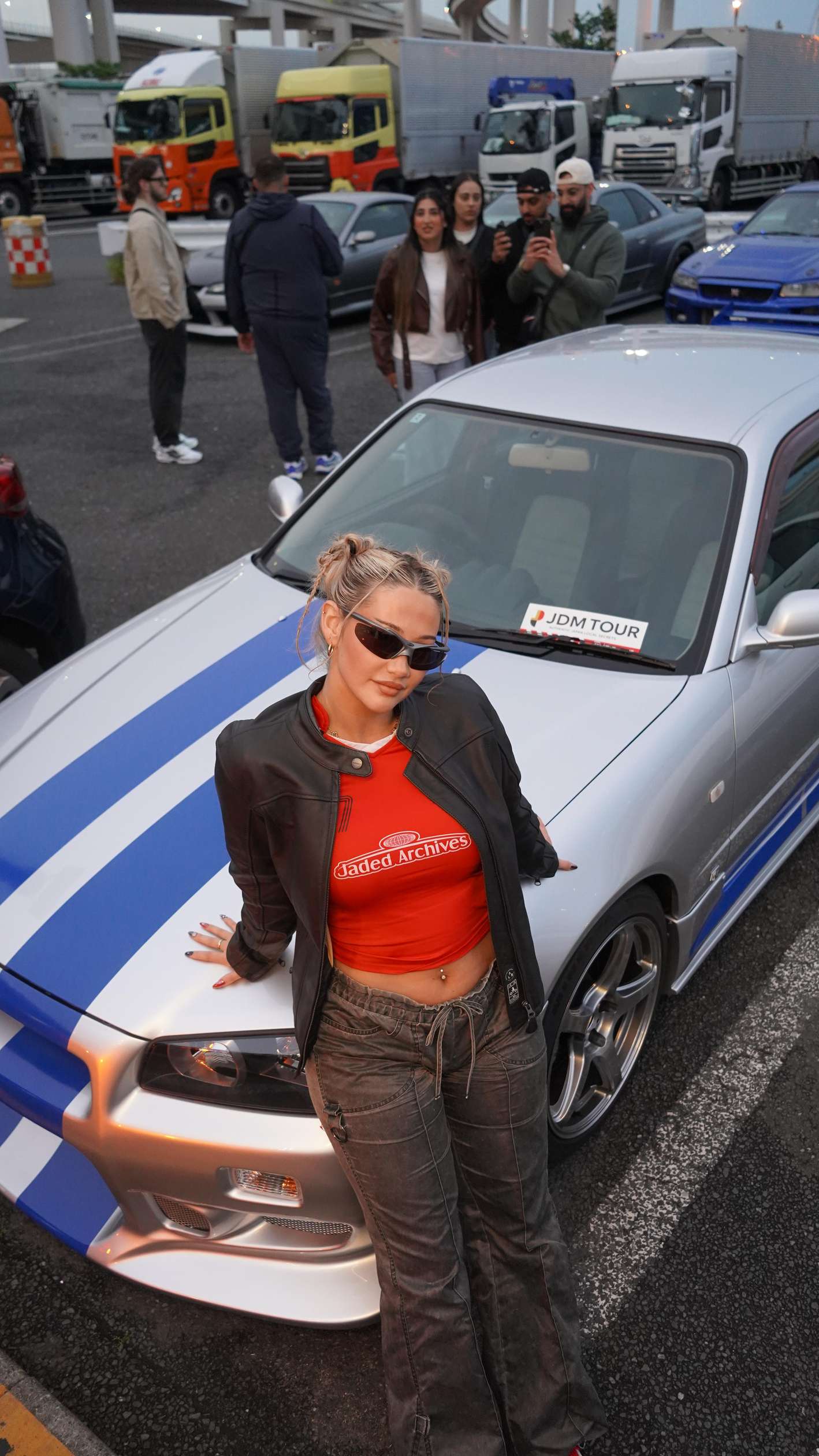
The R34 draws the most attention in any lot; compare driving it yourself with a guided ride.
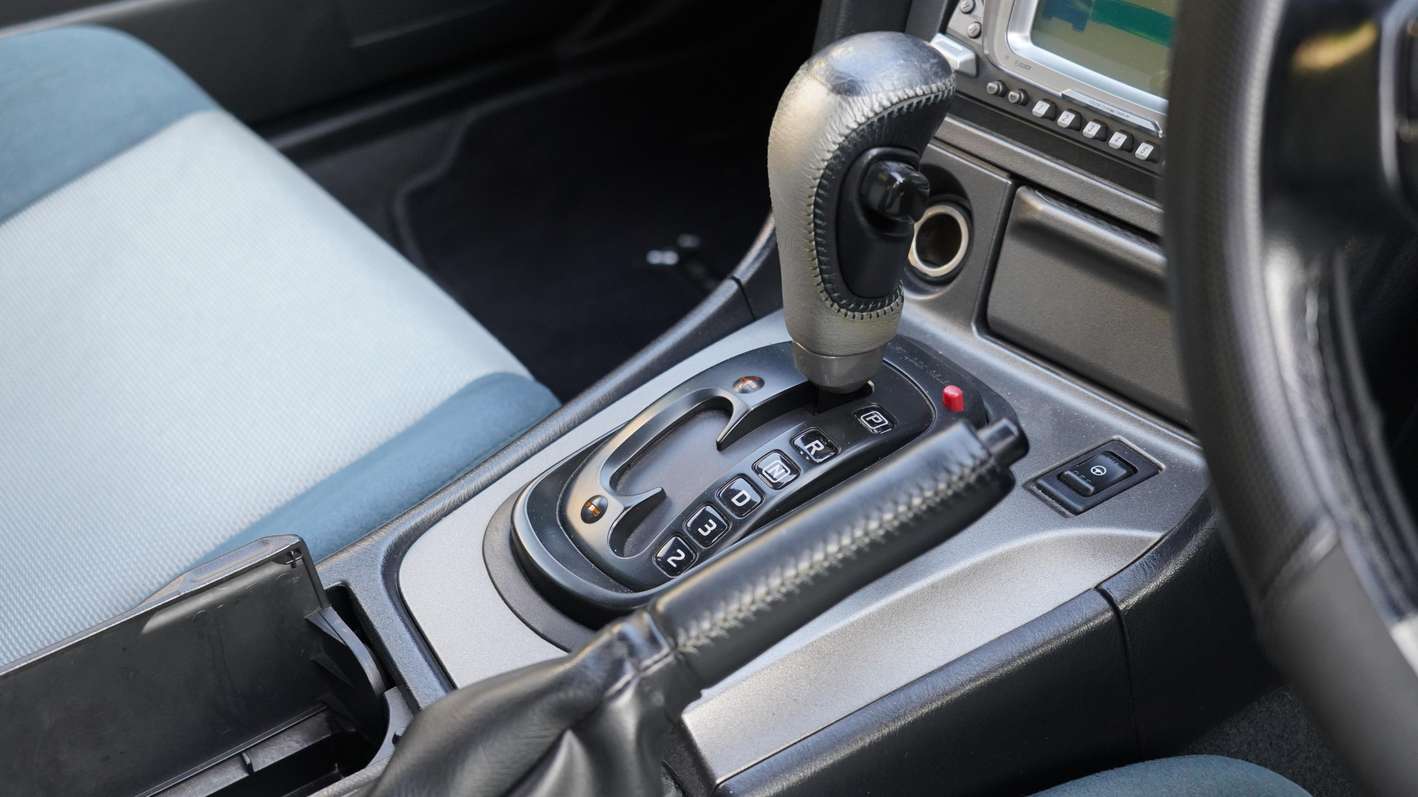
Twin-turbo R35 power, with the car details and booking routes laid out for R35 searchers.
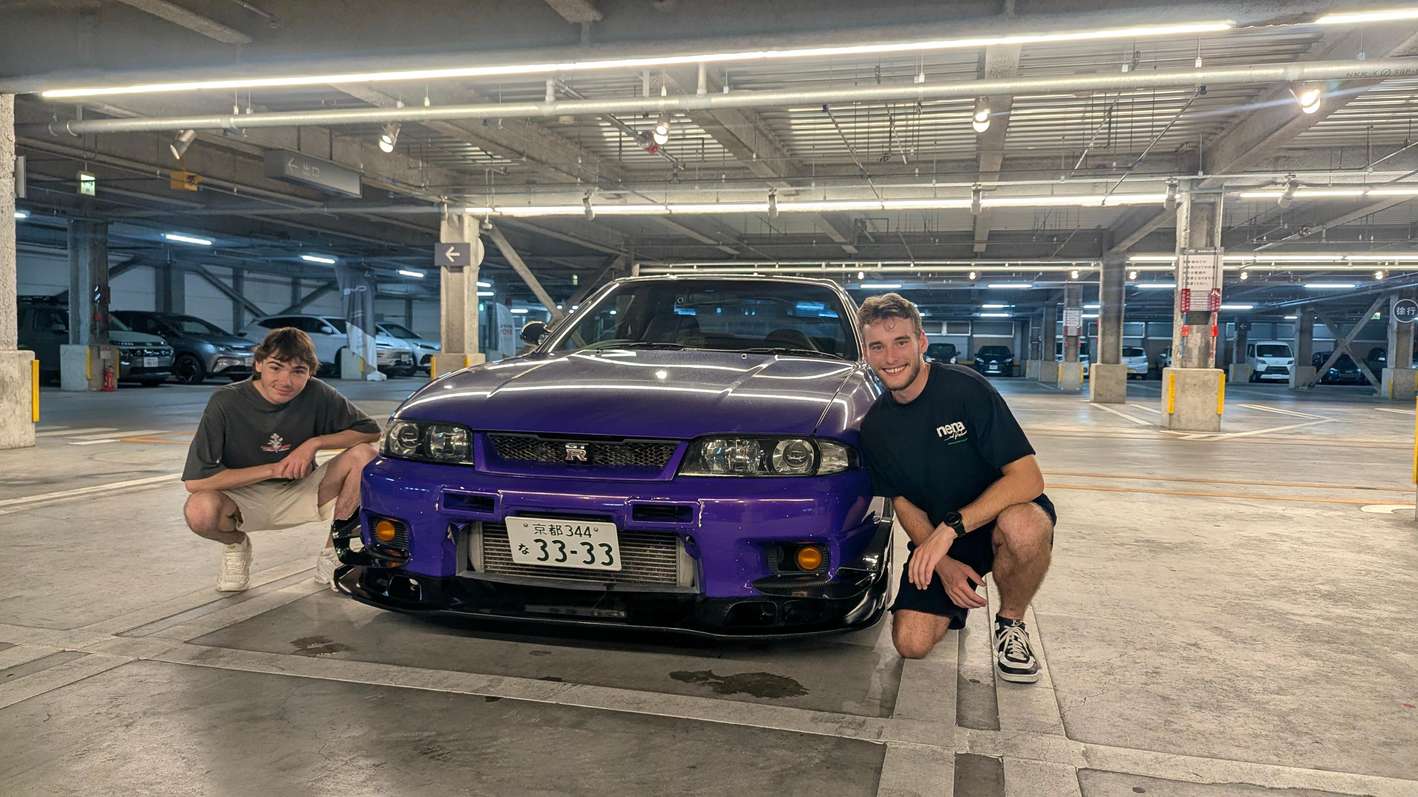
Kyoto's meetup scene works differently from Tokyo's; here is how to fold it into your trip.
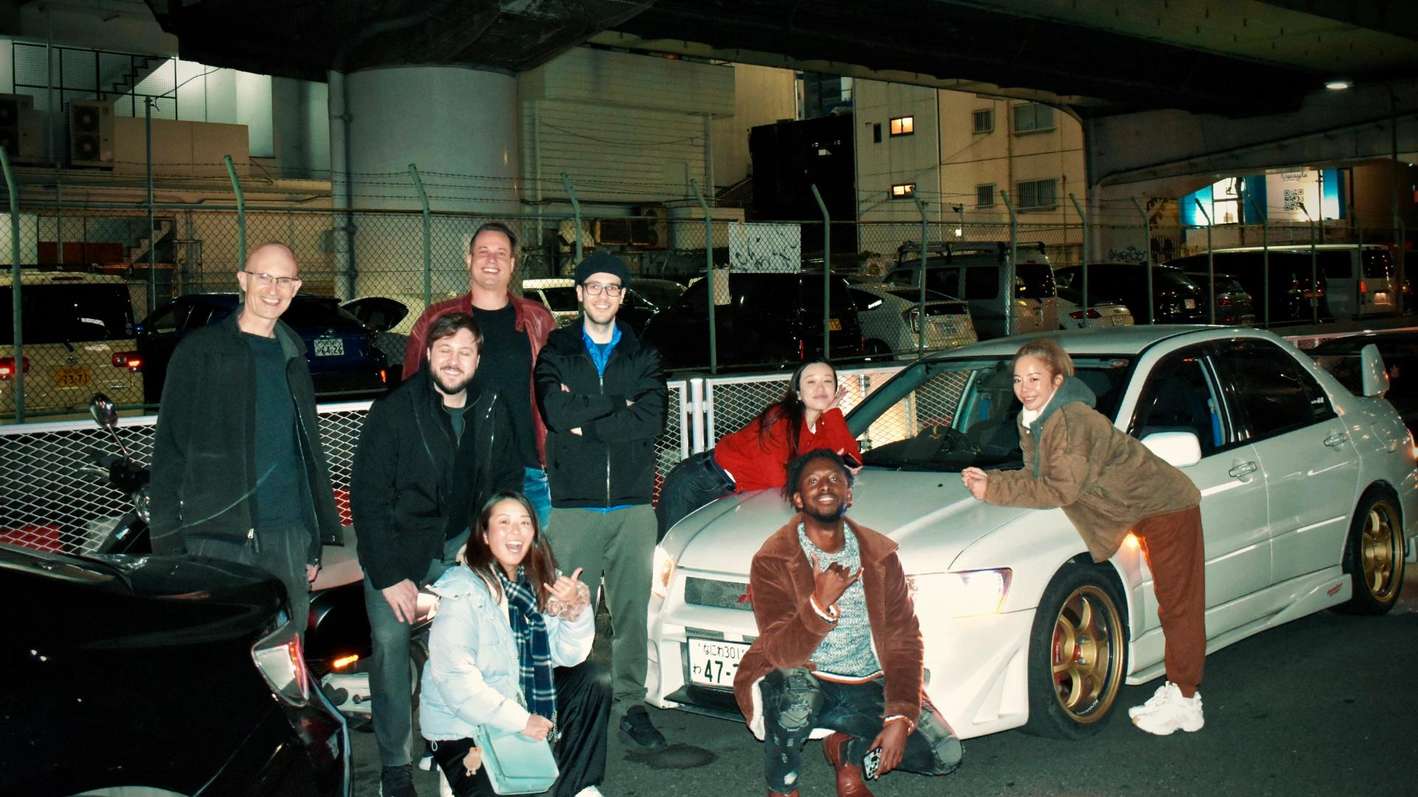
Osaka's night meets and parking areas, plus a drift option at a circuit for a full weekend.
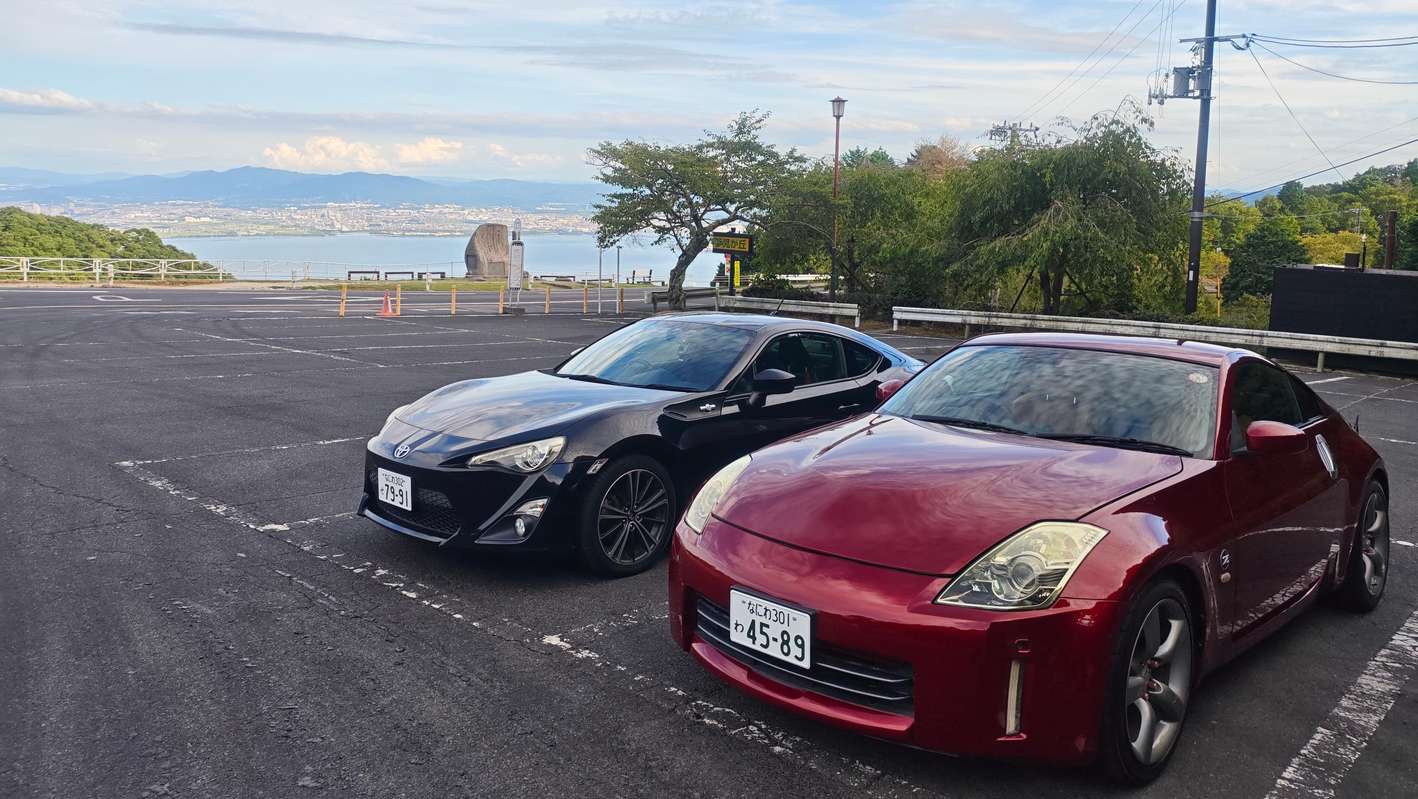
Self-drive sports car hire in Osaka, and how it differs from the guided rides in Tokyo.
Pick a date, book this guided night run to Daikoku PA in a manual EVO or WRX STI, and cancel free up to 24 hours before.