Likely to sell out
12 hours·English, Japanese
4.9(72)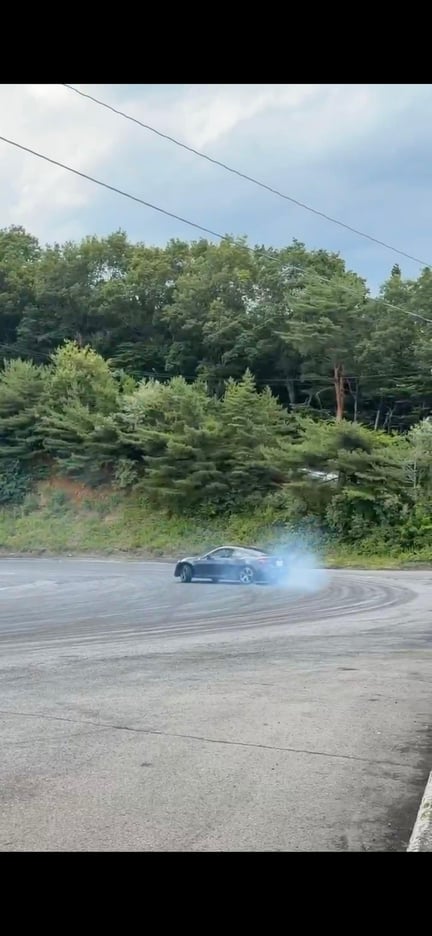
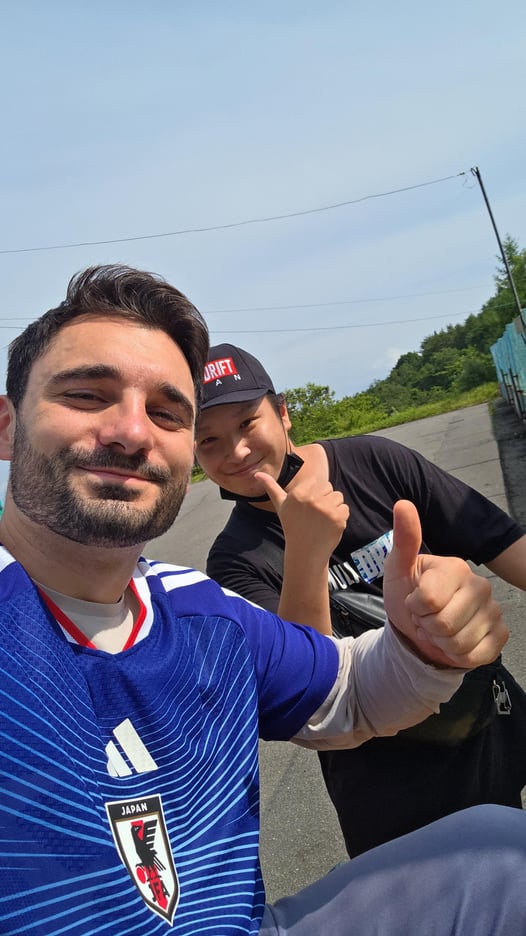
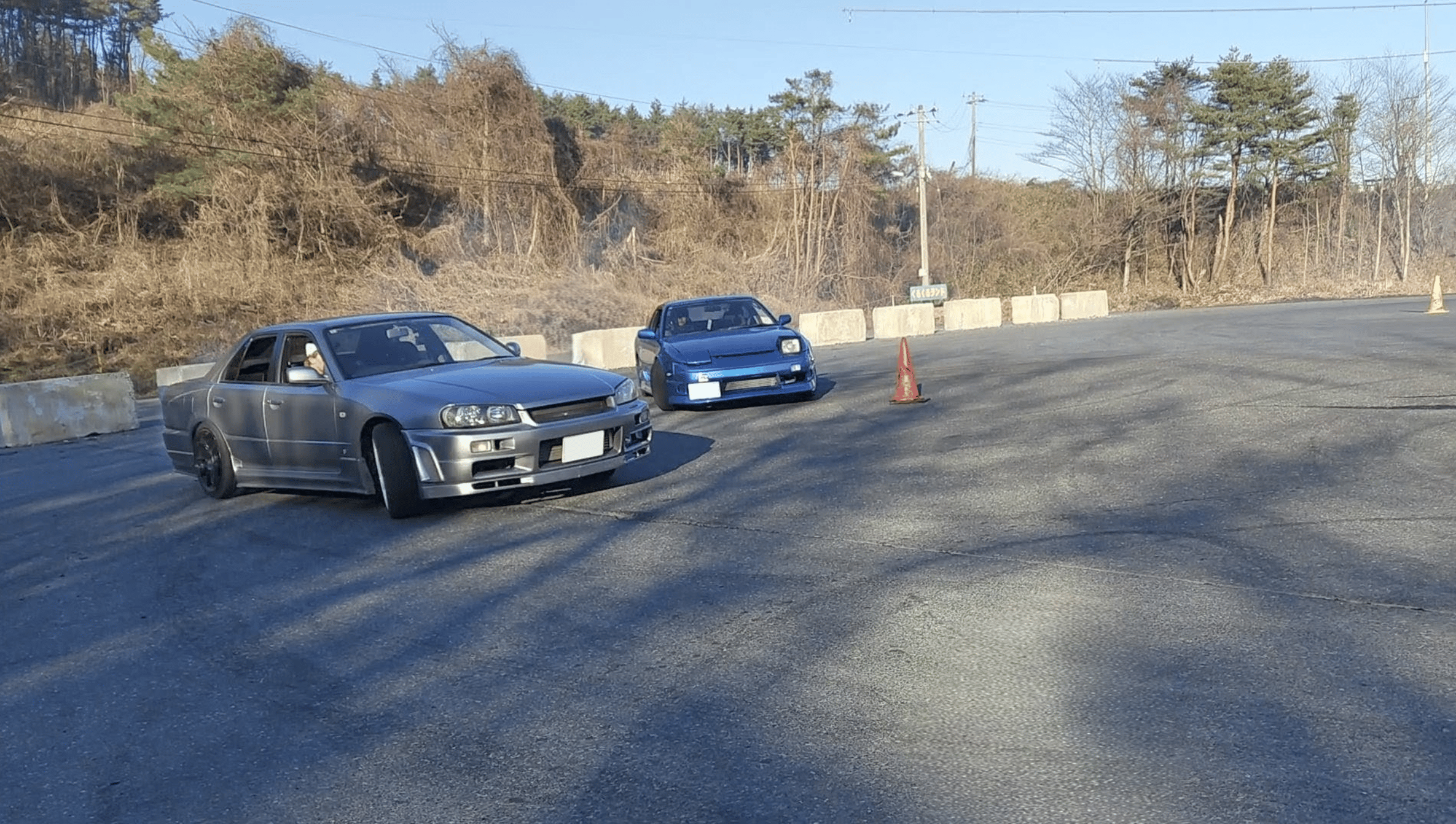
Ebisu Circuit: Guided JDM Drift Practice & Ride-Along
Free cancellationHotel pickup includedDrift experience at Ebisu Circuit
You came for the cars, the lights and the sound of tuned engines by the bay. Get the visitor facts for the meet, then book a night drive to Daikoku PA or a drift day at Ebisu Circuit with guides who live this scene. Pick your night, sort your ride before you land, and walk the lot like a regular.
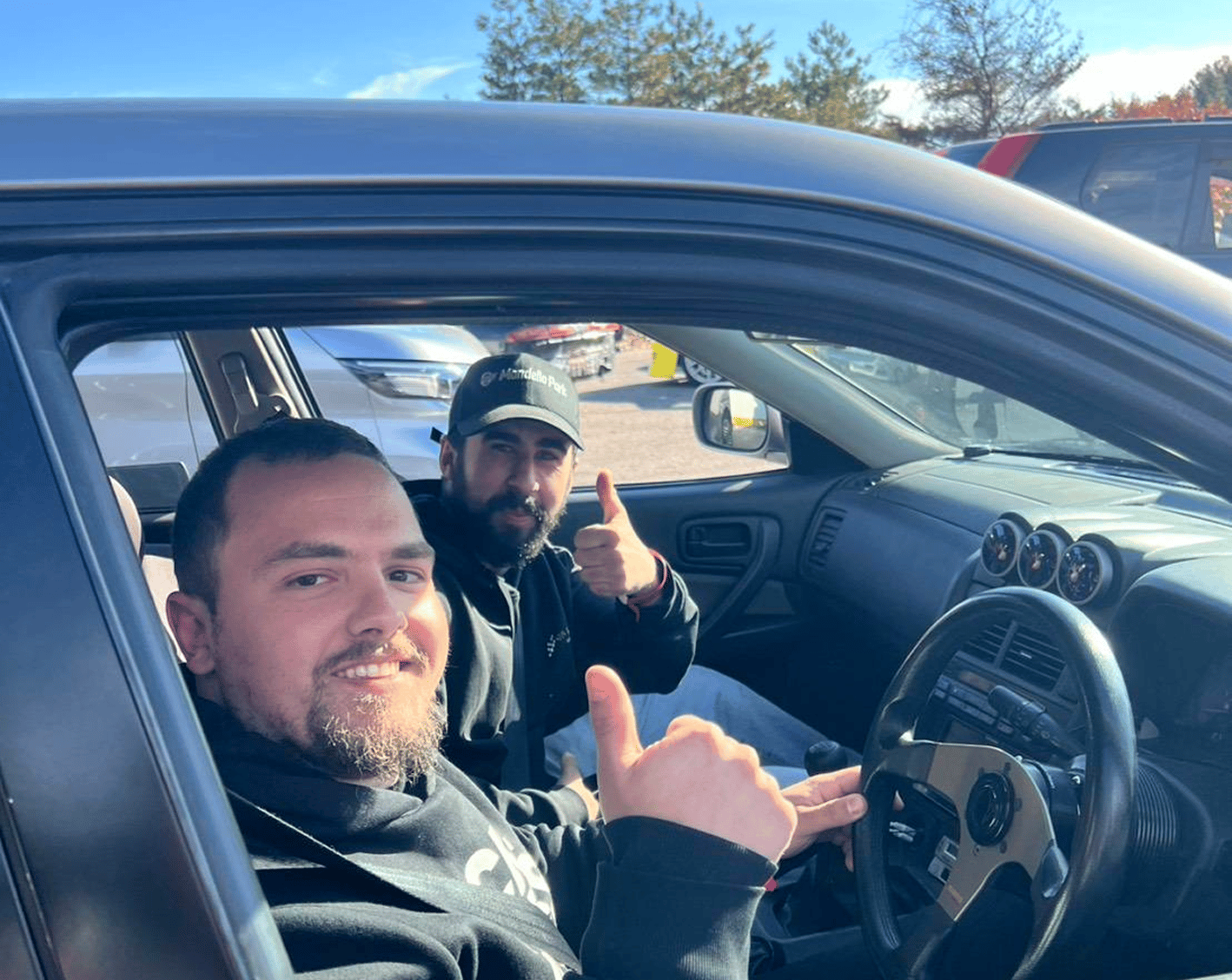
"Shouta and Nori were the best guides! So polite, kept us updated the whole time. Drifting clicked faster than expected, their photos were amazing, food and drinks included, plus hotel drop-off. 10/10!"
The meet runs on scheduled evenings from 6 pm to 10 pm, and most public events cost nothing to watch. Whether your night delivers depends on the lot staying open and how you get there, and both are fixable with a little planning.
The meet is a formally organized evening event, 6 pm to 10 pm on its scheduled dates, with free spectator entry at most public events.
Daikoku PA, the bay's famous gathering spot, has no pedestrian entrance, so a guided tour with hotel pickup is the practical way in.
Police can close Daikoku without notice on weekend nights from about 8:30 pm, and no schedule exists to check in advance.
At the kart track, 150cm is the height for a driver's seat, cash is not accepted, and sandals get swapped for rental shoes.
Drifting on public roads is illegal in Japan; legal sliding happens at circuits like Ebisu or in a private lesson near Tokyo.
Bring a card or set up a mobile payment method before you go, and arrive 30 minutes early if you booked ahead, since registration closes 45 minutes before closing or earlier once slots fill.
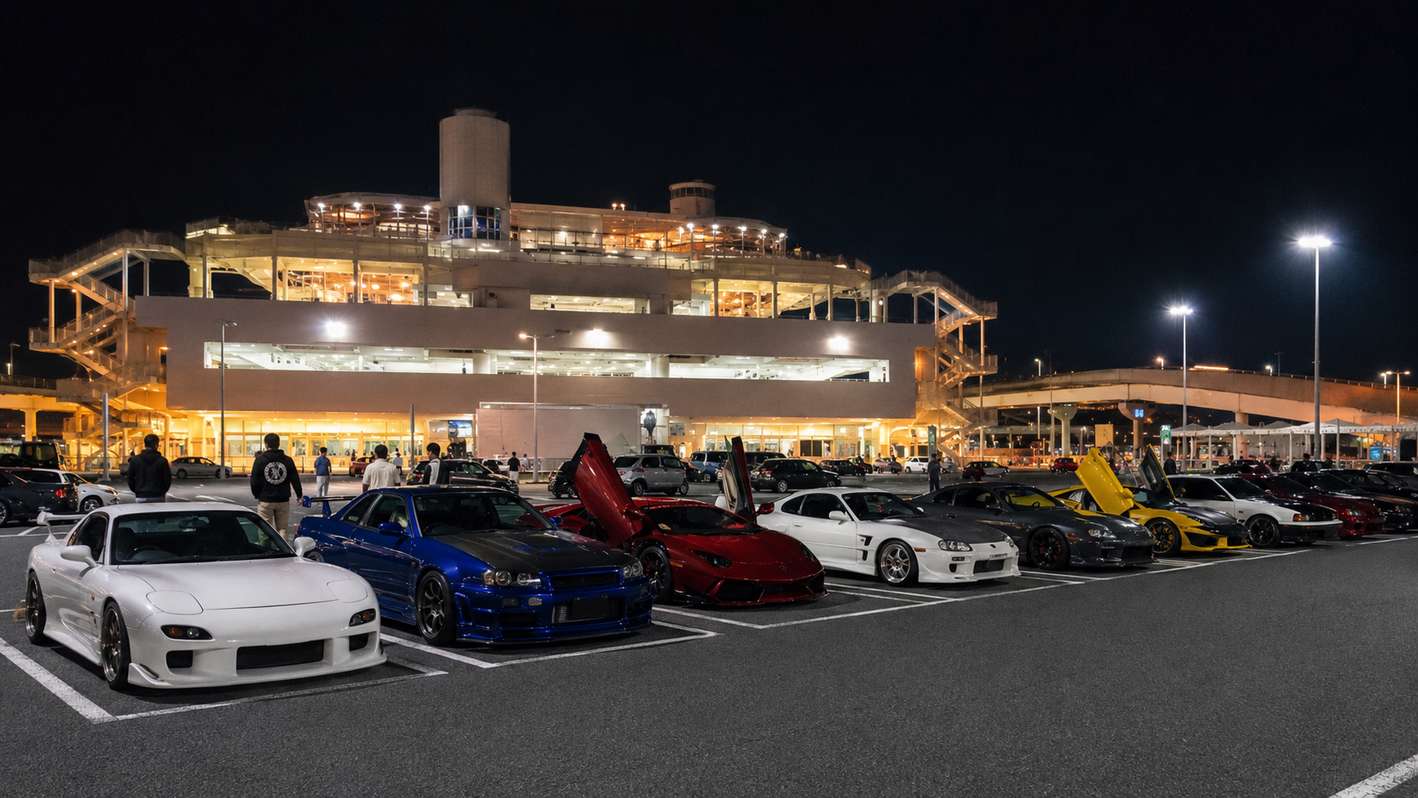
Engines idle, owners lean against fenders talking setups, and phones come out every time something loud rolls in. A Tokyo Bay car night is a social gathering first, and the cars are the conversation.
Daikoku PA, the most famous spot in the area, is a tollway rest stop where enthusiasts turn up every night, with bigger turnouts on weekends. Think Cars and Coffee, but after dark.
Meets vary enormously in scale, from around 50 cars at a small scheduled gathering to 500 at a festival, so set your expectations by the specific event. There is no ticket, no start time and no guaranteed line-up.
Whoever drives in is the show. Some nights that means a wall of tuned Skylines and Supras; other nights it is a handful of builds and a lot of chat.
One calibration helps. The YouTube super-meets with rows of clean legend cars are largely gone: those legends are now over 25 years old, their owners mostly over 60, and they rarely come out for tourists.
What you are more likely to see is flashy tuned metal, the wackier the better, and owners happy to talk about it. The scene runs on appreciation and photography, and the community welcomes anyone who behaves.
Gathering at a public parking area is legal, and that is all a car meet is. Police close entrances to manage crowding and noise; the gathering itself breaks no law. The line that matters is behavior: burnouts, blocking lanes and touching cars are what get people in trouble, and what gets whole meets shut down.
Police do watch, and they do act on complaints. They have increased crackdowns on car gatherings in recent years, run vehicle inspections at Daikoku PA where modified cars sometimes get fined on the spot, and can close the lot without notice.
At the organized City Circuit Tokyo Bay events the picture is simpler: controlled events under strict venue safety rules, with free general spectator entry at most public ones.
For a visitor, the practical rules are short. Photography is welcome, but ask before close-ups or before posting cars online. Never touch, lean on or sit in a car without the owner's say-so. Do that, and owners chat with you all night.
Meets are social gatherings in public rest areas; racing and burnouts are the illegal part
Police close entrances to manage crowding and noise when a lot overflows
Trouble comes from burnouts, blocking lanes and touching cars, not from looking
So show up as a guest and the law never enters the picture. The organized City Circuit Tokyo Bay events are controlled gatherings under strict venue safety rules, and most public ones let spectators in free. What decides your evening is the same at both: how you carry yourself around other people's cars.
Daikoku PA sits inside the Shuto Expressway on Tokyo Bay, and the only way in is in a vehicle already on the expressway. No pedestrian entrance, no bus stop, no taxi rank. Walking, cycling or training it gets you exactly nowhere, and entering on foot is illegal besides.
Transport decides the whole plan before anything else. From Haneda Airport it is about a 19-minute drive, from Tokyo Station about 38 minutes, from Narita roughly an hour and a half.
A taxi can drop you, but there is no rank waiting to take you back, which turns the return trip into the trap. A rental car works if you hold an International Driving Permit, or a JAF-translated licence for some countries.
The way most visitors do it, and the way they praise afterwards, is a guided tour with hotel pickup. The driver handles the expressway entry, the tolls and the route, and you step out at the meet with nothing to arrange.
If you are starting from central Tokyo rather than an airport, pickup shortens the ride to around 36 minutes.
Going independently buys you freedom. Most public events have free spectator entry, you wander the displays at your own pace, chat with owners, grab street food from the trucks, and can book kart laps or simulators without anyone's schedule but your own. No licence is needed for the karts, and beginners are welcome.
A guided tour buys you access and context instead. Tours run a fixed route, end at the meet with no hotel drop-off, and the scheduled stop timing can feel pressured.
What you get back is an enthusiast guide who explains the cars, translates with owners, takes photos on request, and opens a private club meet that independent visitors never see.
One operator runs a Daikoku or Umihotaru outing with an English-speaking guide, live translation, tolls and parking covered, and up to an hour and a half on the ground.
| Guided tour | Independent | |
|---|---|---|
| Getting there | Hotel pickup, expressway handled for you | Rental car with an IDP, or a taxi with no easy ride back |
| What you see | Public meet plus a private club meet | Public displays, food trucks, kart laps and simulators |
| Commentary | Enthusiast guide, translation with owners, photo help | None unless you start the conversations |
| Flexibility | Fixed route and stop timing | Your own pace all evening |
| If the lot closes | Operator diverts to a fallback spot or refunds | You reroute yourself, late, in the dark |
After booking, leave a WhatsApp or Instagram contact and keep notifications on. Operators message before departure if anything changes, and an email usually arrives within 48 hours.
There is no schedule to check, because the informal meets are simply whoever drives in. Cars show up every night of the week; the night you pick only changes how many.
Friday and Saturday draw the biggest crowds, with cars rolling in from around 5 pm and the deepest crowd between 9 pm and 1 am. Sunday mornings belong to classics and exotics in daylight. Weeknights run quieter but are rarely empty.
The one thing that can cut your night short is a police closure, and no closure schedule exists anywhere.
The entrance shuts without notice once the lot fills, most often on Friday and Saturday nights from about 8:30 pm, and once it is closed do not count on it reopening.
Weekday visits rarely end in a closure. Operators answer this by pulling weekend pickups forward to 4 pm or 5 pm, and when the lot shuts most divert to a fallback such as Umihotaru or Tatsumi rather than refund, though several offer a full refund if you decline the alternative.
April: 5 out of 5 for how busy it gets.
Tap a month to read it.
Busy months are April, then October and September, so book those weeks out early; in June, February and December travelers often book within days.
For the organized City Circuit events, details publish only about a month ahead, so check close to your dates and follow the organizers on Instagram, where changes post first. Always hold a backup: permission can be withdrawn at short notice, and some meets never come back.
The driving side of the venue needs no licence, just height. Riders must be at least 150cm for a single-seater or the driver's seat of a two-seater, and 105cm for the kids' karts or the passenger seat.
There are no age or weight limits beyond reaching the pedals, and if a kart spins, staff can slow it remotely.
The small print turns people away at registration, not the rules themselves. Payment is cashless only, so cash in your pocket buys nothing. Sandals, platform shoes and high heels are not allowed, though the venue lends shoes and trousers for skirts, so nobody is turned away for footwear.
Helmets are rented, but you buy a face mask to wear underneath, and gloves come free. Your own helmet is fine only if it is full-face or fully shielded.
A same-evening kart lap is realistic, no planning required
Miss the window and your slot may go to a walk-in
Skirts and sandals are not a dealbreaker, just a swap
Large luggage has nowhere to go, so travel light
You watch a short training video before riding, unless you are in the 105cm-plus EV karts. Riding runs in rain except in typhoon-level weather, and weekly races are cancelled in rain. Action cameras stay off during regular runs; they are allowed on private runs only.
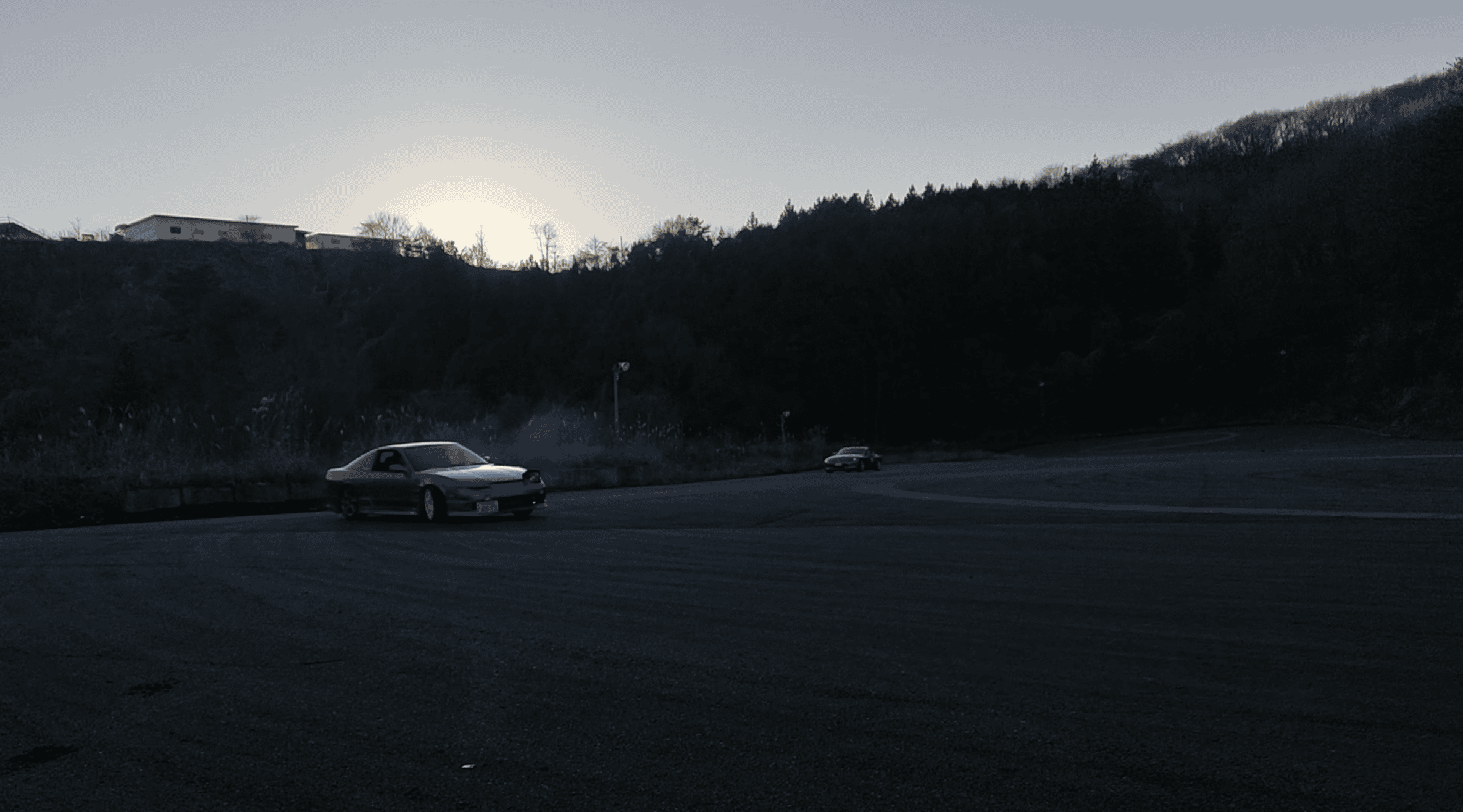
The owners who bring their cars out are lending the night its whole atmosphere, and a few visitors have already cost everyone some of it. Disrespectful behavior is why some locals stopped bringing their cars to Daikoku, and trespassing tourists walking the roadways are part of what got the meets restricted.
The rule that covers almost everything: ask first. Before you photograph a car up close, before you lean in for an interior shot, before you post anything online.
Exterior shots are generally fine, but flash into cabins at night irritates, and plates get blurred or cropped before posting. Never touch, lean on or sit in a car without an explicit invitation.
The rest is ordinary courtesy. Keep your voice down, stay out of driving lanes, carry your trash out since the lots often have no bins, and use the designated smoking area.
Drones are banned, Tokyo being a no-fly zone. Compliment the build rather than asking what it cost or whether it is for sale. And if an owner is busy or not making eye contact, walk on.
Do that, and you are the guest people talk to; one traveler struck up a conversation and got an AE86 owner revving his engine as a demonstration.
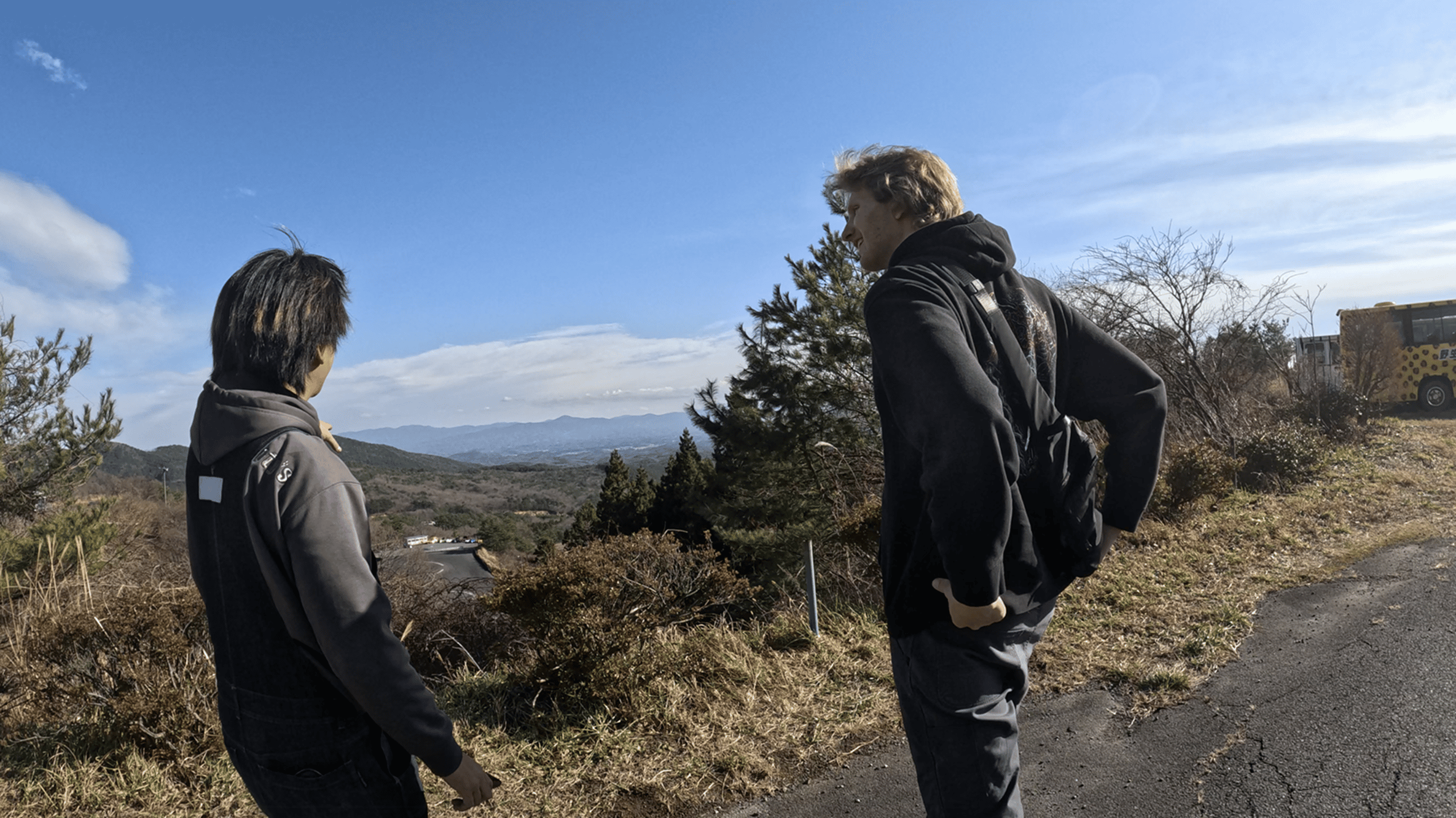
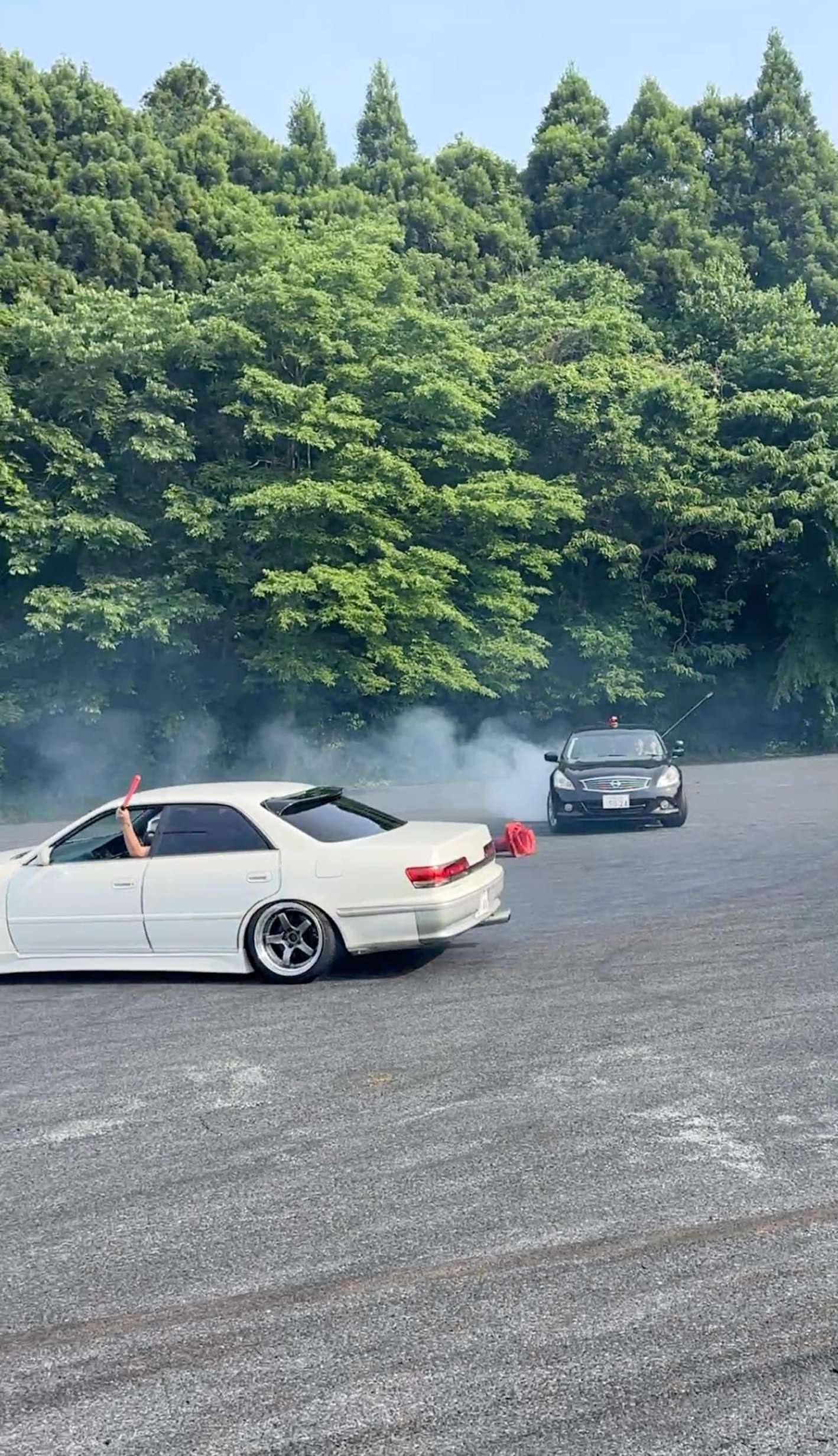
Watching is one night; driving is a different trip. The legal line first: drifting on public roads is illegal in Japan, and there are no advertised public-road drift events open to tourists.
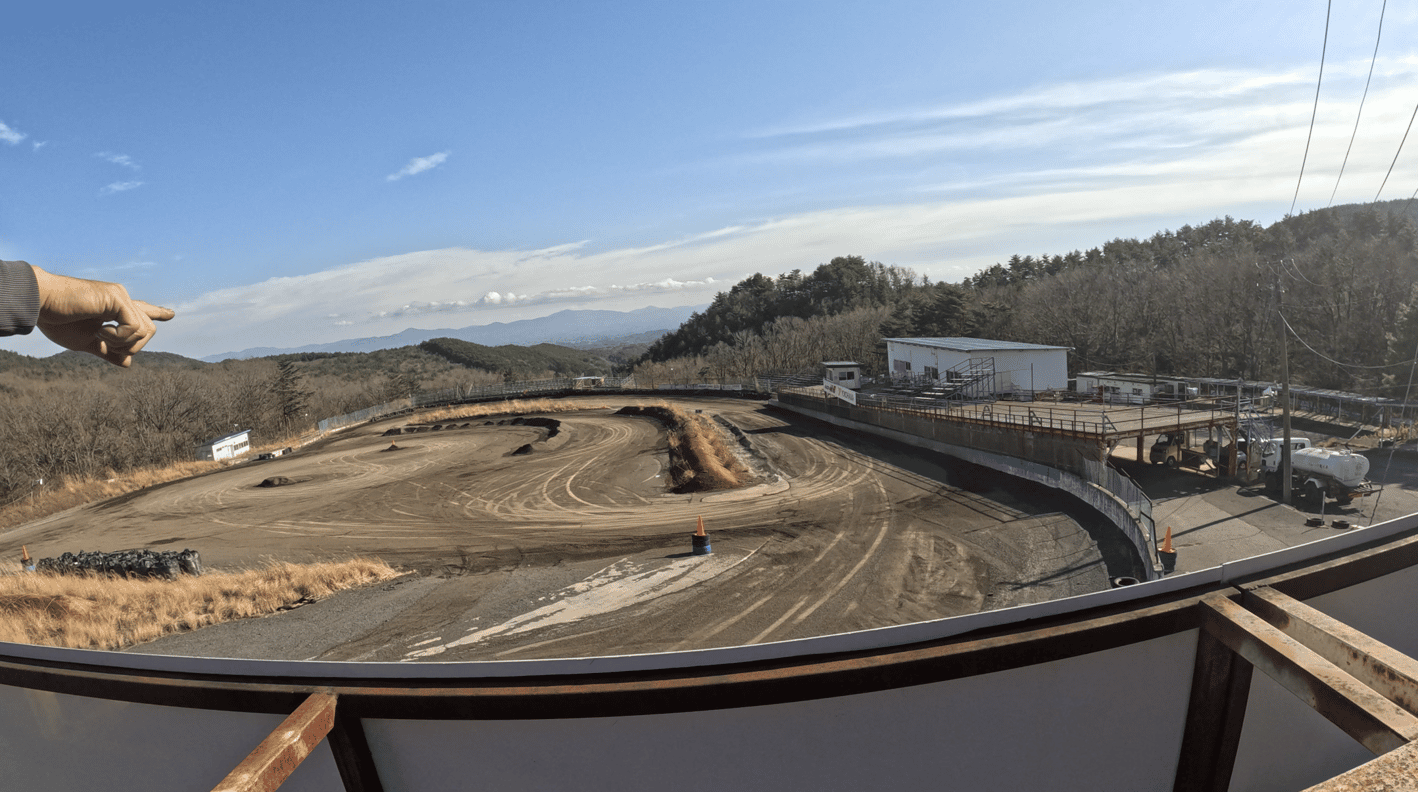
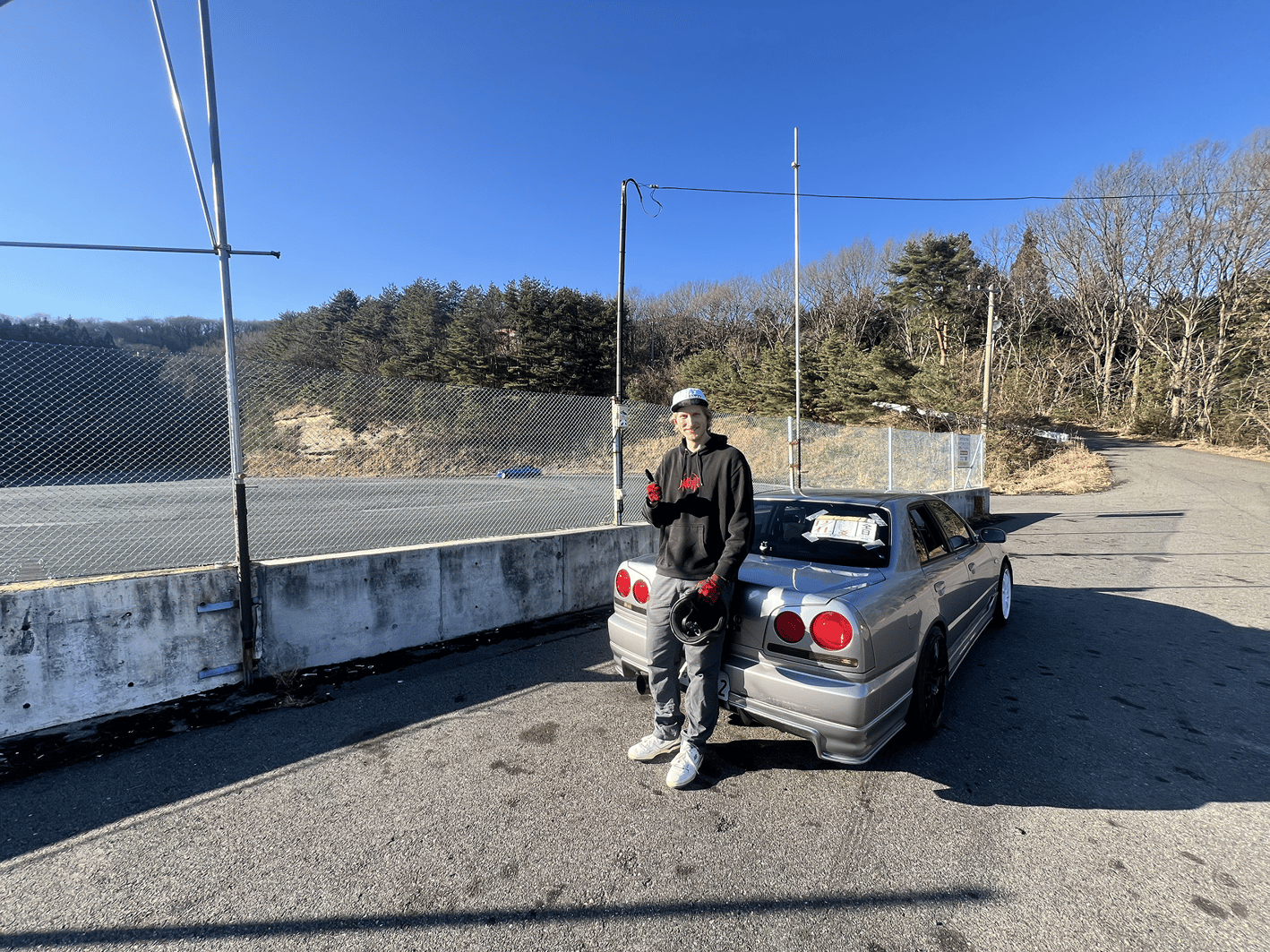
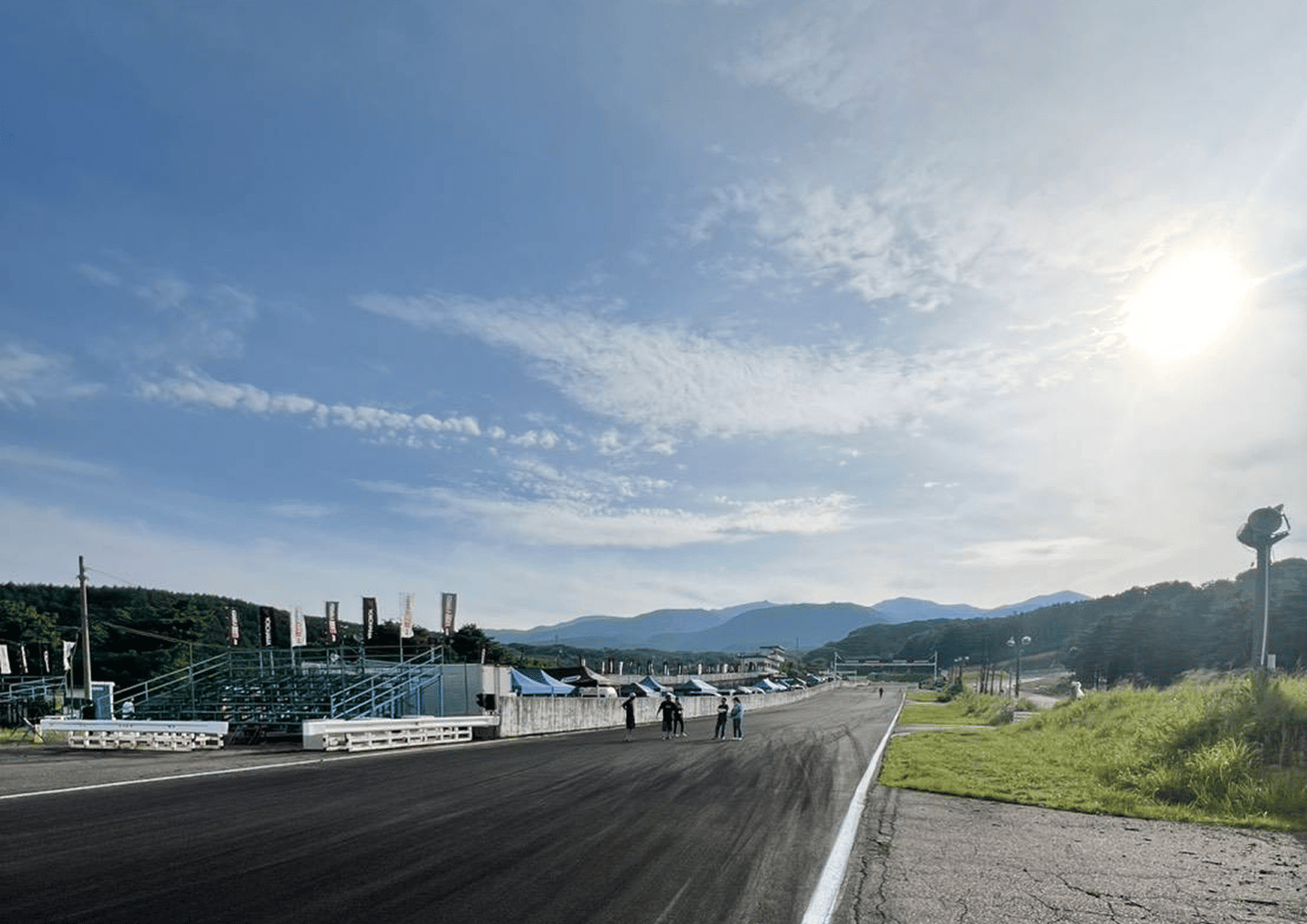
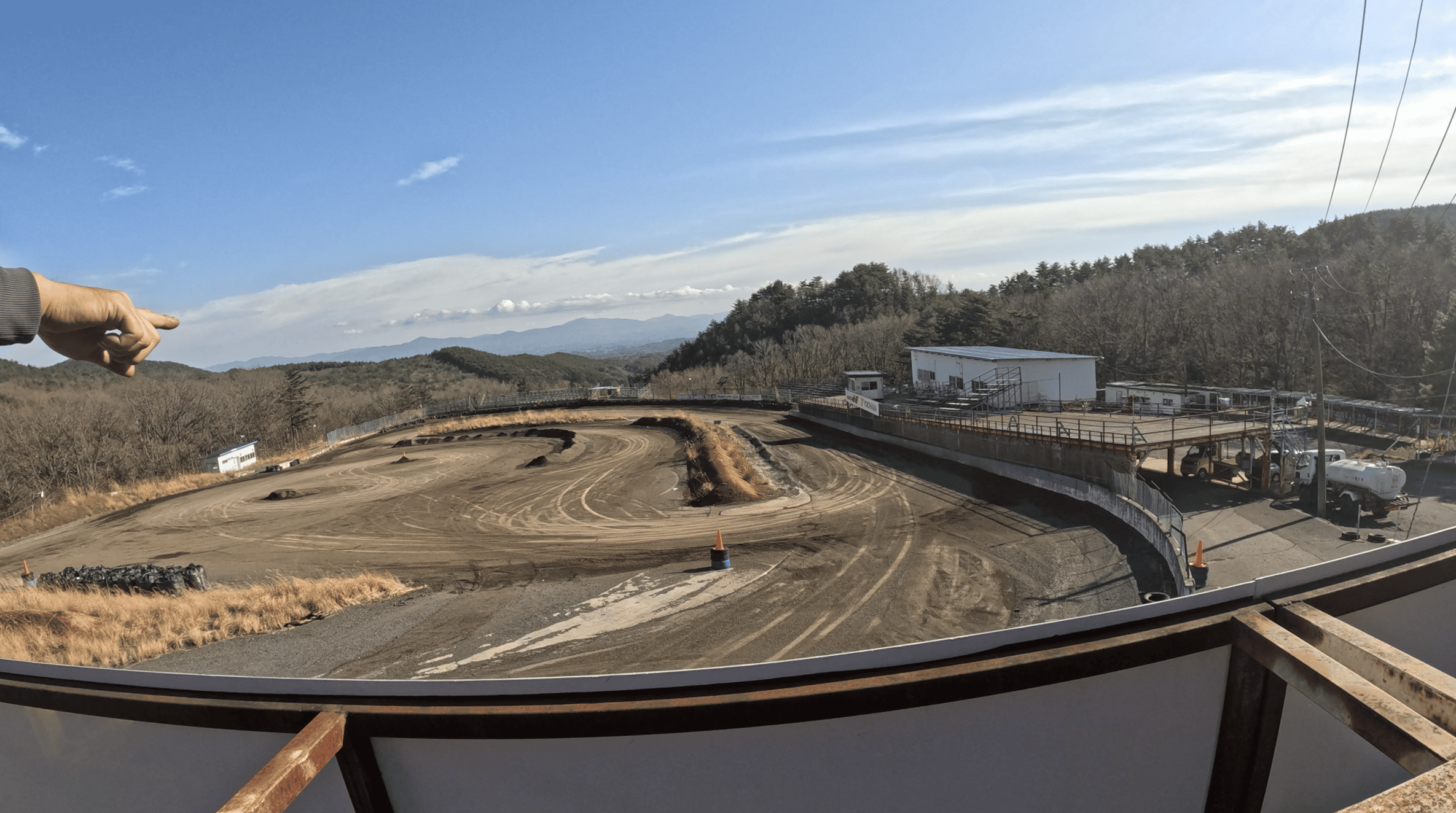
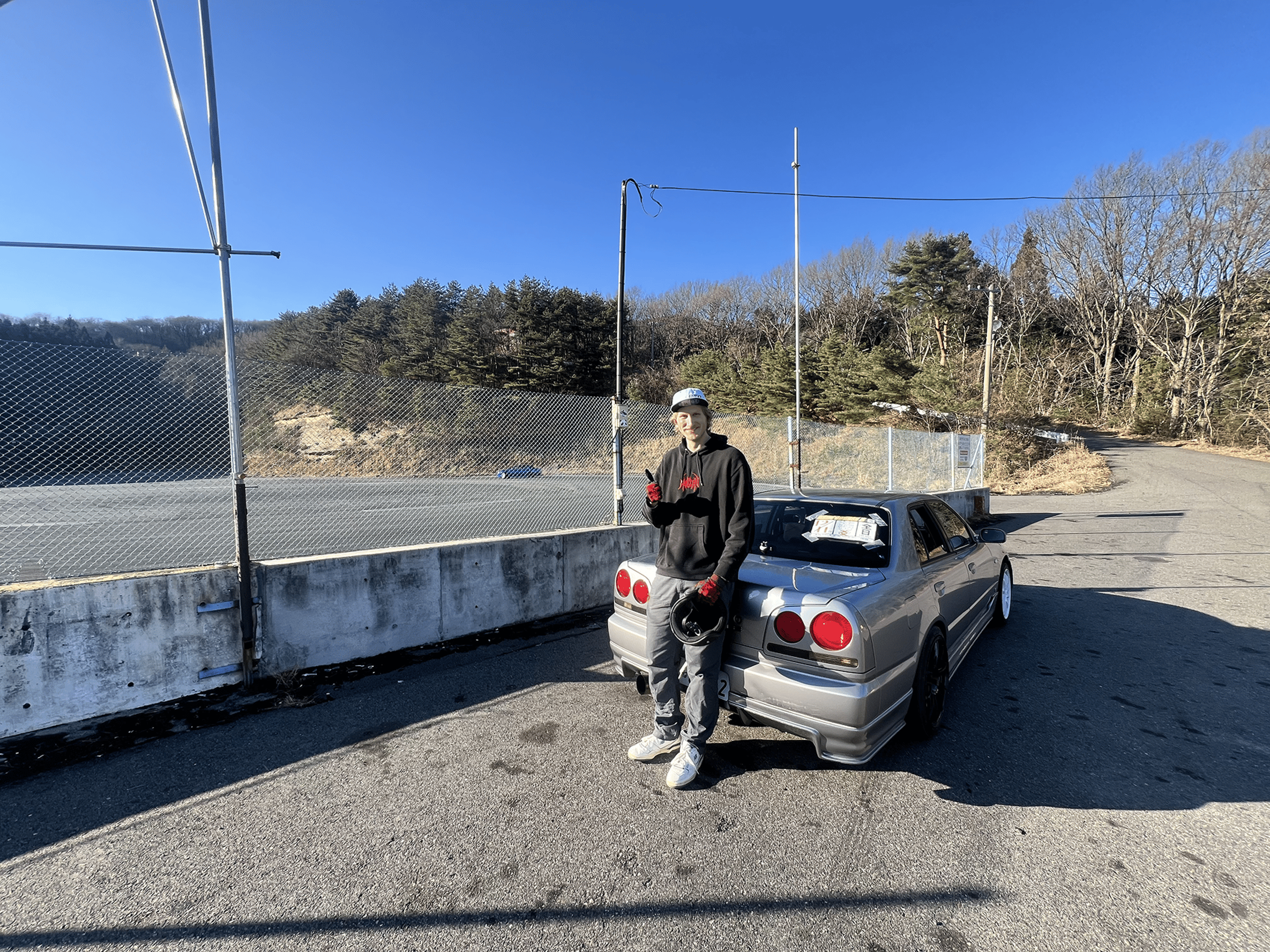
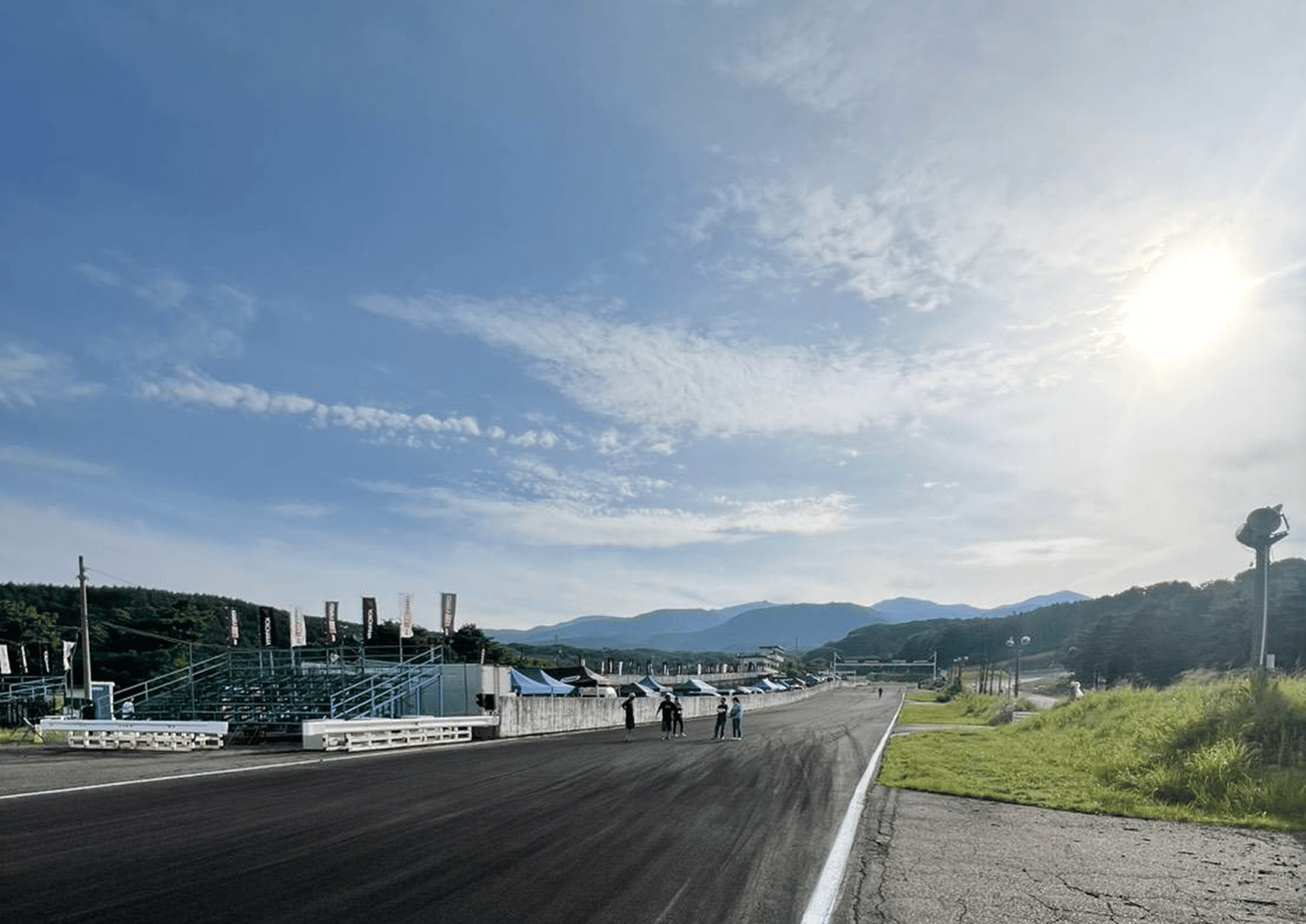
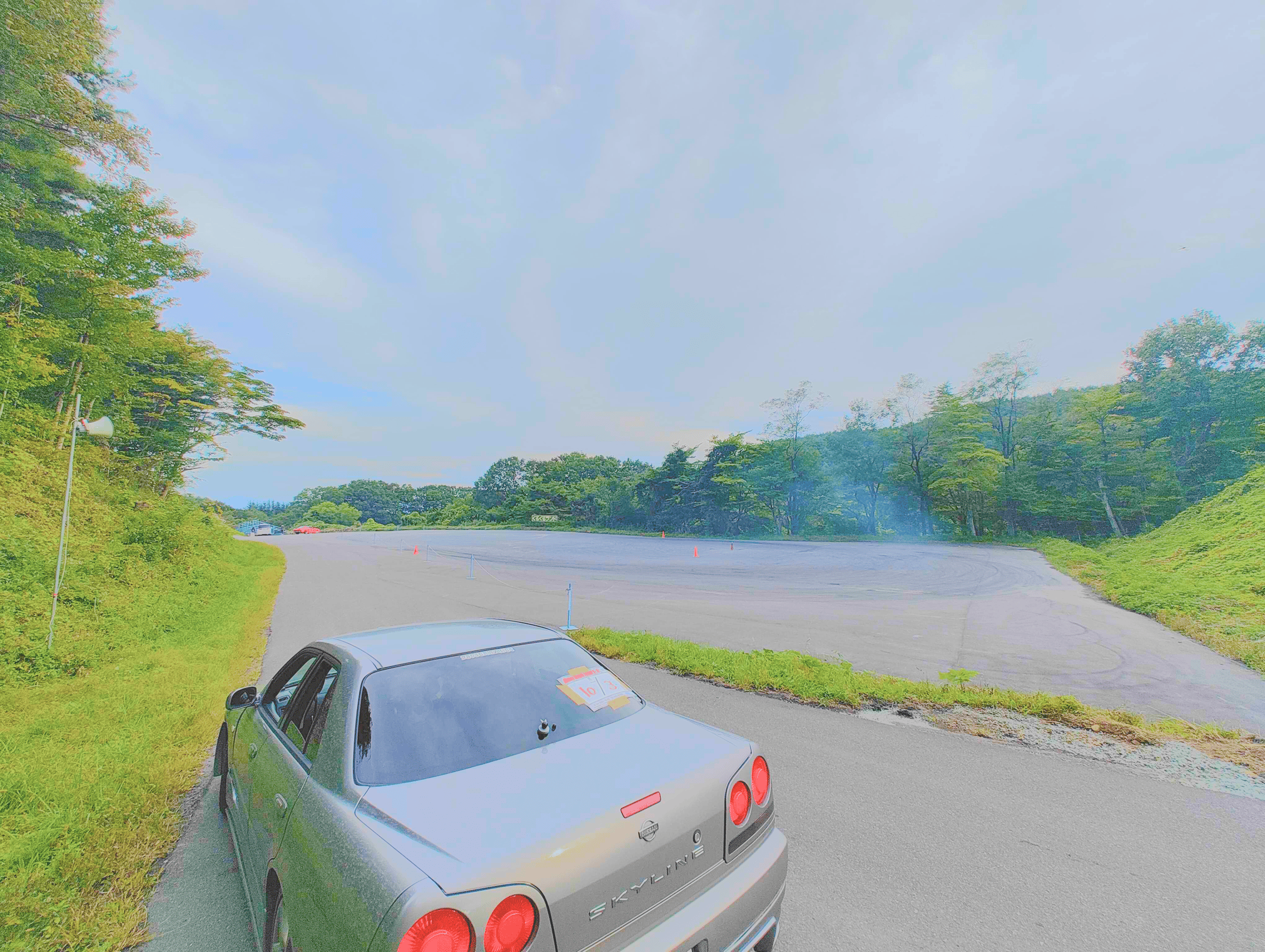
Legal sliding happens at circuits, and Ebisu, north of Tokyo in Fukushima, is the famous one, with dedicated beginner courses where a first-timer can pick up the basics in about an hour.
Closer to Tokyo, a private lesson puts you behind the wheel the same trip. The Self Drive Drifting Lesson with Pro Tokyo Drift Experience runs six hours with hotel pickup, three hours of practice with OG drift instructors, and beginners start on donuts and figure eights before moving up.
Helmets and gloves are provided; you bring long sleeves, long pants and sneakers, no sandals. Minimum age is 18, and lessons start with a safety briefing on cars fitted with roll cages and harnesses.
If renting to drive yourself instead, the paperwork comes before the fun: an International Driving Permit from the 1949 Convention, or for licences from Switzerland, Germany, France, Belgium, Monaco or Taiwan a certified Japanese translation, plus your passport.
Get the permit for every potential driver before you leave home, not just the main one. Beginners on track usually start in an MX-5 and move up to an RX-8 or 350Z once the basics stick.
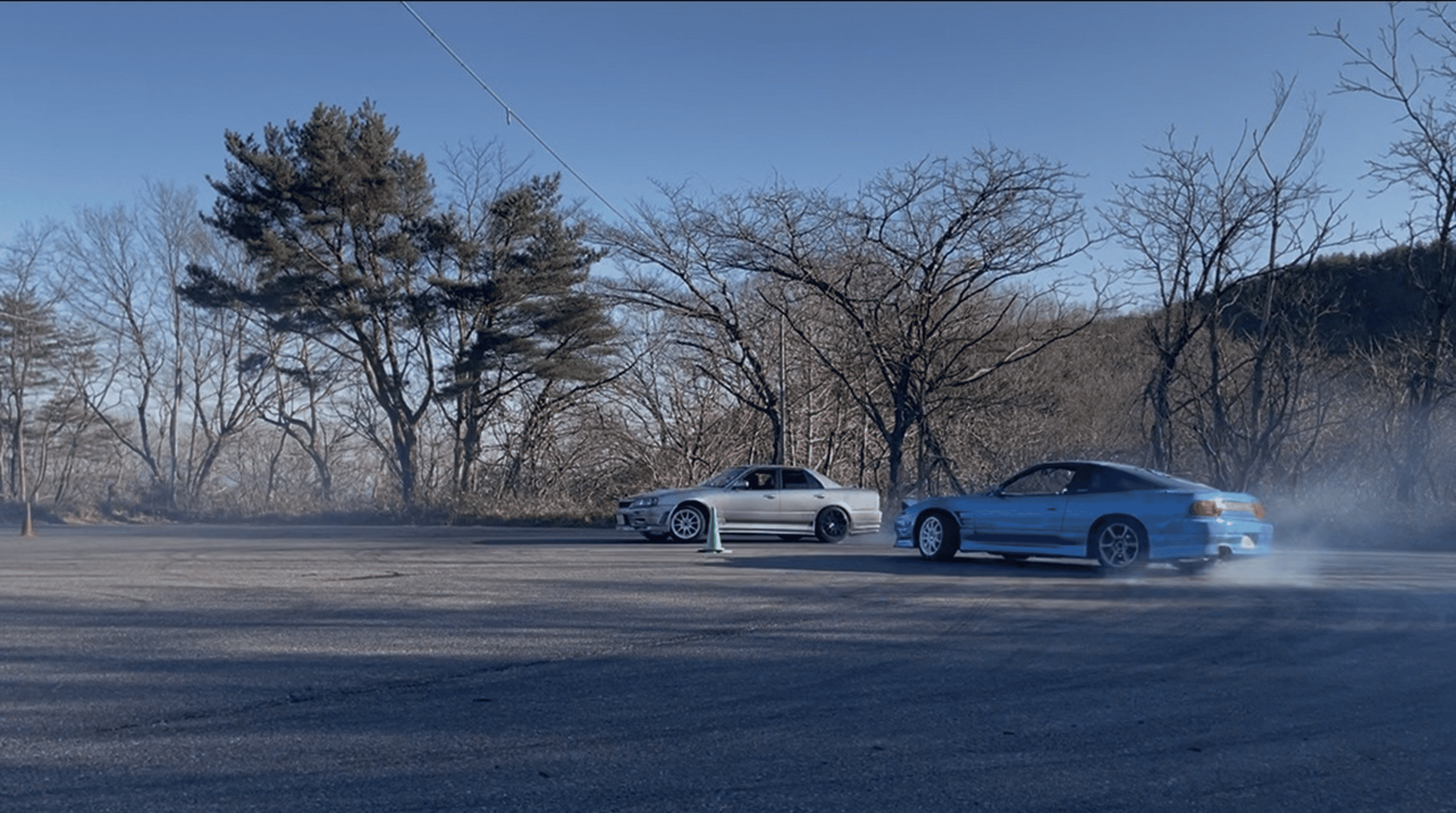
A bay night leaves daylight hours to fill, and the city has walkable backups. Shibuya near the crossing in the evening and the area in front of Akihabara Station at night both turn up cool cars, and the underground garages in Shibuya and Akihabara are free to walk into on Friday and Saturday nights.
The Autobacs Shinonome lot hosts car events of its own, and exotic cars line up along Meiji Jingu Gaien.
If drifting is the real draw, time the trip around an event. D1 Grand Prix holds a round in Tokyo in October and its final, usually in Odaiba, in November.
Mobara and Nikko circuits, both reachable from Tokyo, host plenty of drift days. And check what else lands on your weekend: big events like Tokyo Auto Salon can coincide with your dates and are worth combining into one trip.
Pack for standing outdoors by the water: comfortable shoes, clothes you can move in, a camera or a charged phone, and a light jacket even in warmer months.
Eat dinner and bring water before joining, since most tours include no food. Leave the big suitcase behind, keep your messaging notifications on for operator updates, and know that rain thins the meets without usually killing them.
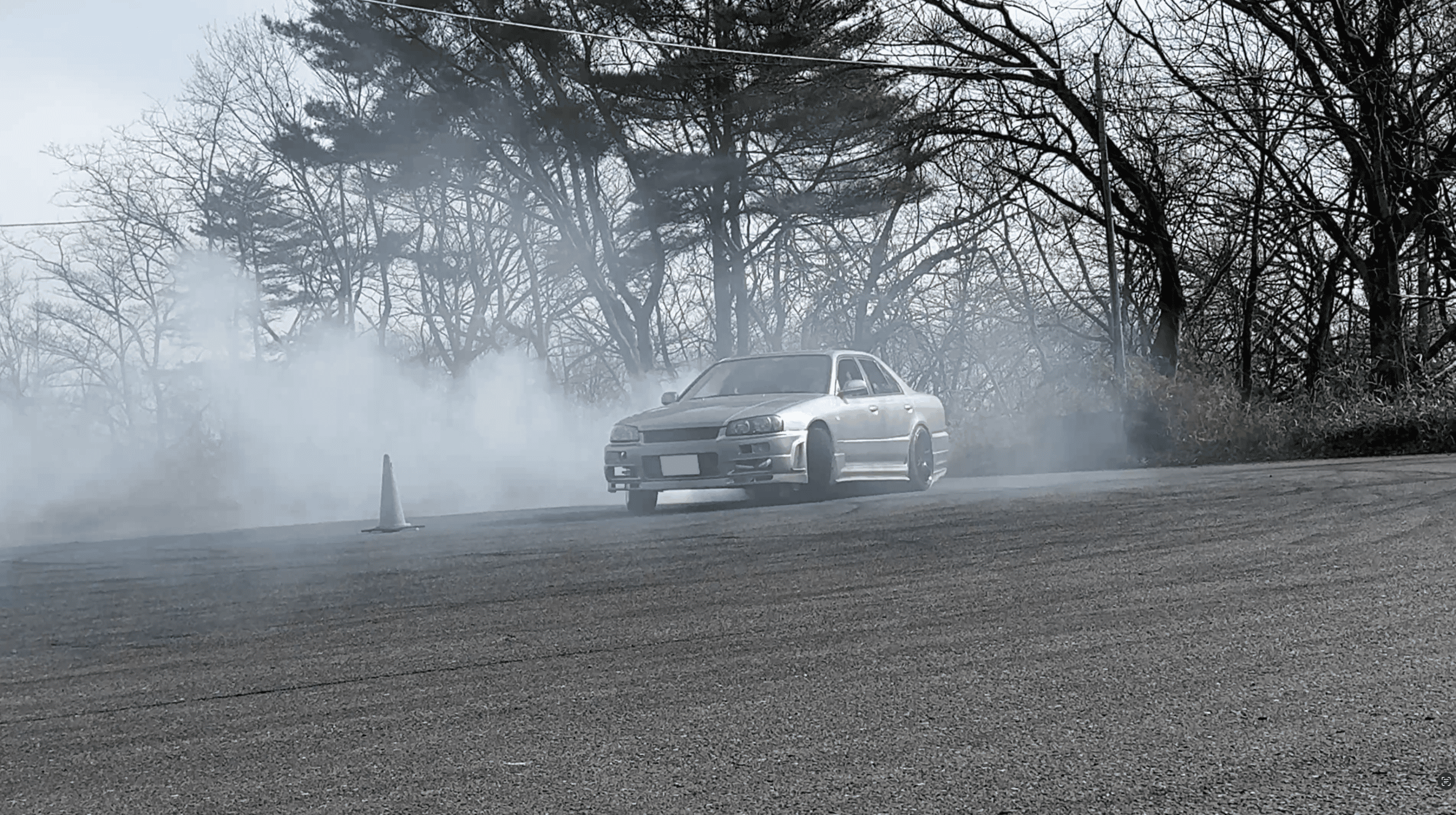
A night at the bay meets delivers exactly what it promises: real cars, real owners and a social scene you can walk into for free at the organized events. What it does not promise is a schedule, a guaranteed line-up or a way in on foot.
Pick your night for the crowd you want, sort transport before you land, behave like a guest, and the evening works. If the driving itch takes over, a circuit or a private lesson turns watching into doing.
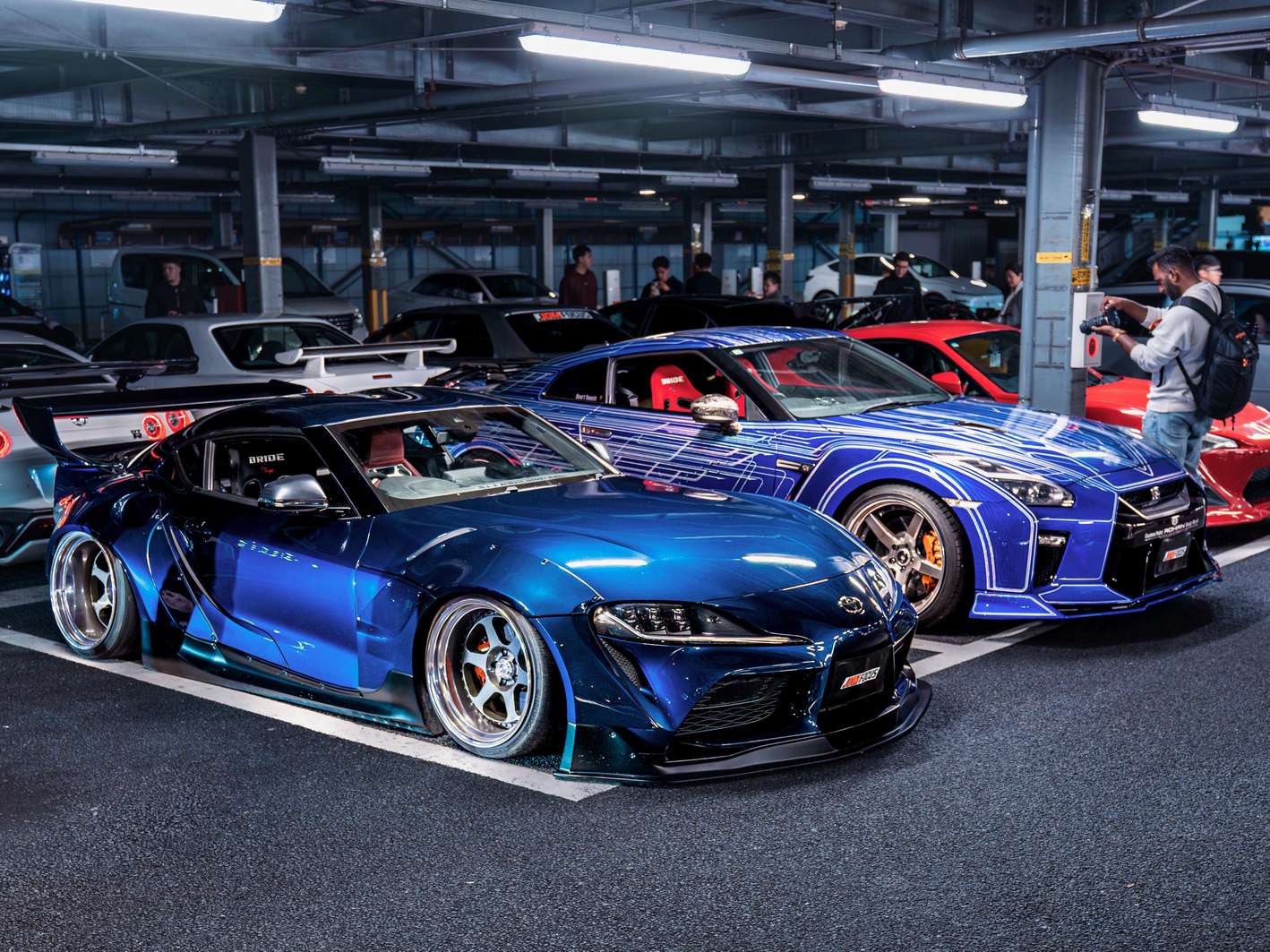
The easiest meet to reach on foot, with anime-wrapped cars on the B2F level near Akihabara station.
Read the guide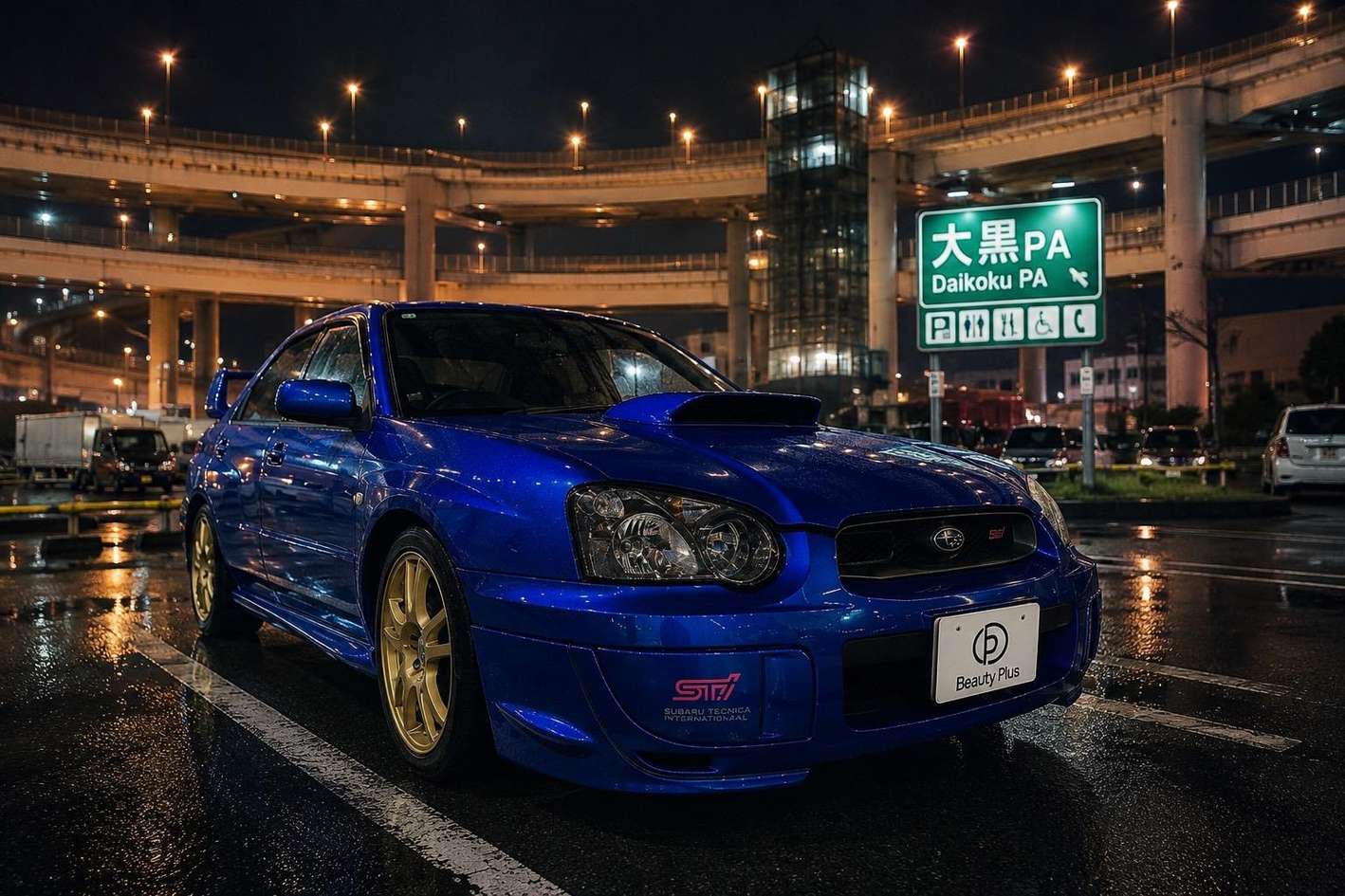
The calm, conversational alternative to Daikoku, with a bayside walk afterwards if the cars are few.
Read the guideBay views, restaurants and a roofed lot where the meet carries on even in wet weather.
Read the guide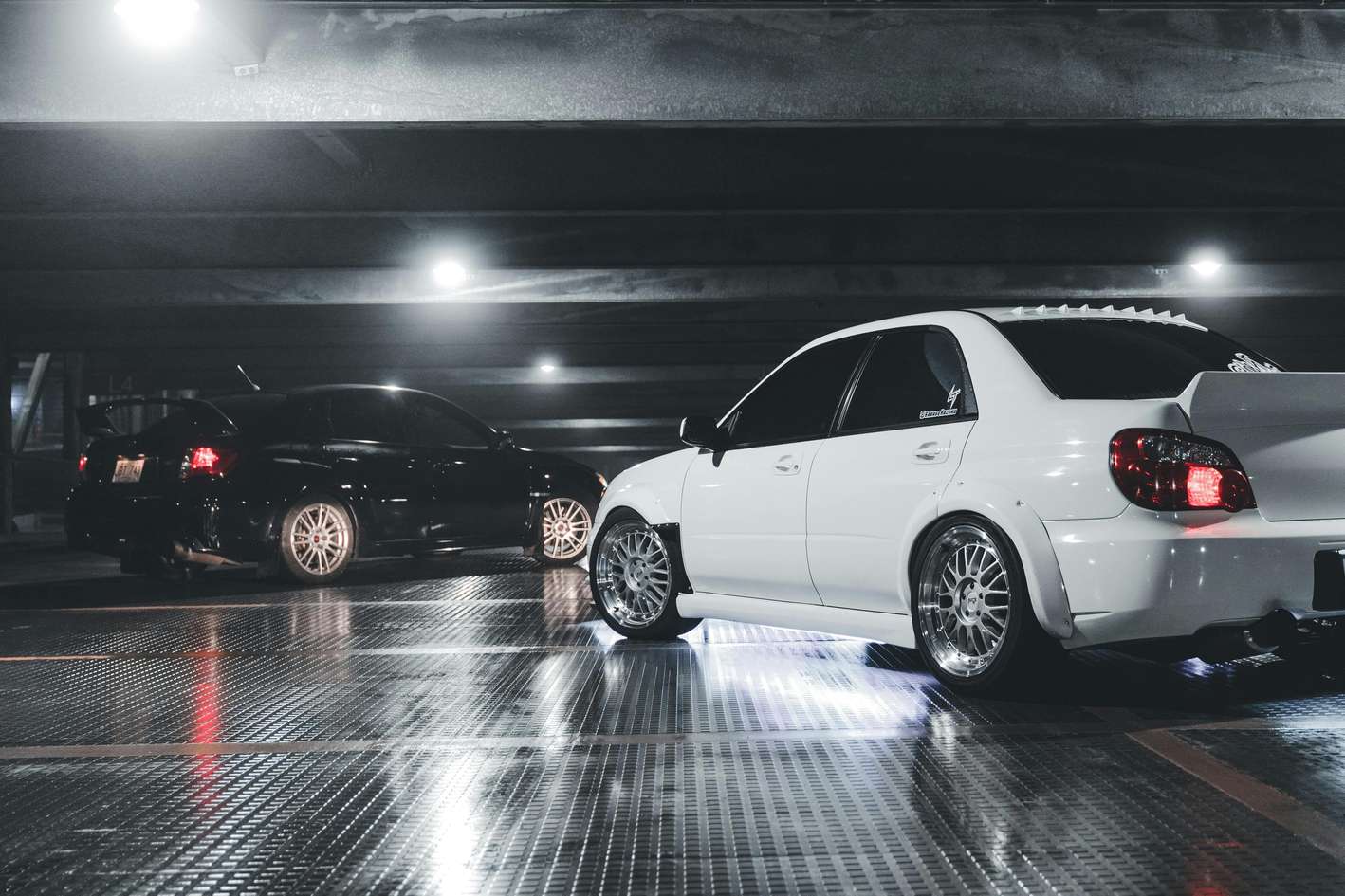
A lively Friday and Saturday gathering of Skylines, Supras, exotics and drift Nissans, if you are in Osaka.
Read the guideThe bay's meets come in different shapes: a walkable garage, quiet expressway stops, and Osaka's own version of Daikoku.
A free underground garage where itasha park among everyday cars on weekend nights
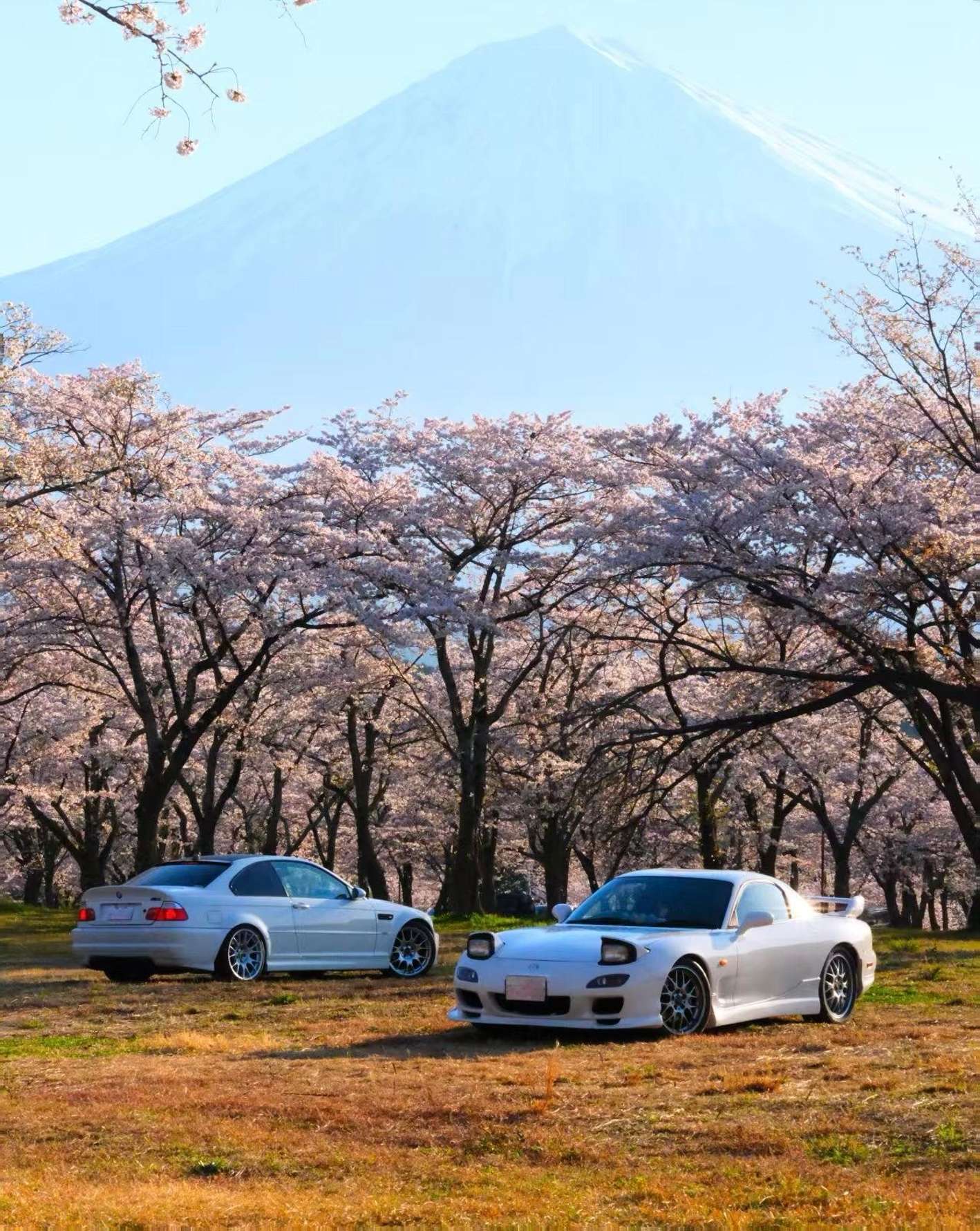
The UDX underground parking sits a short walk from Akihabara station, and the elevators take you straight down to the B2F level where wrapped and anime-decaled cars park among ordinary commuters' vehicles.
On Friday and Saturday nights the itasha crowd shows up, usually 20 to 30 cars and up to 50 on a busy evening. It costs nothing to walk in.
Treat it as a bonus stop on an Akihabara evening rather than the main event. Security has tightened up, so photographing cars can get you moved along, and repeat visits have brought police and a fine. Ask before any close-up shot, keep your hands off the paintwork, and keep your voice down.
A smaller, quieter rest stop where about 10 cars gather on a typical night
Tatsumi PA sits on the Tokyo side of the bay, and on a typical night you find roughly 10 cars against the hundred or more that fill Daikoku on its big evenings.
That smaller scale is the appeal: owners have time to talk, and the setting by the water makes an easy walk even when the lineup is thin.
The practical side decides it. There is no pedestrian entrance and no public transport, so you need your own car or a guided tour that stops there.
Restroom access late at night is unreliable, so plan around that, and pick a dry evening over a wet one. Ask an owner before any close-up photo, and never lean on a car.
A roofed parking area mid-bay where cars gather under cover, rain or shine
Umihotaru is a working rest area on an artificial island halfway along the Tokyo Wan Aqua-Line, and its parking lot sits under a roof, so the gathering goes on even when rain empties other spots.
Around it you get 360-degree water views, restaurants and shops, so the stop pays off even on a night when few cars appear.
Saturday around 10 pm is the clearest reported peak, and cars show up on most nights the tours run, so a scheduled visit is a reliable way to see something.
Getting there means a car or a highway bus from Kawasaki, and the return trip is the part to sort out first: check the last bus before you go, and remember storms can close the Aqua-Line itself.
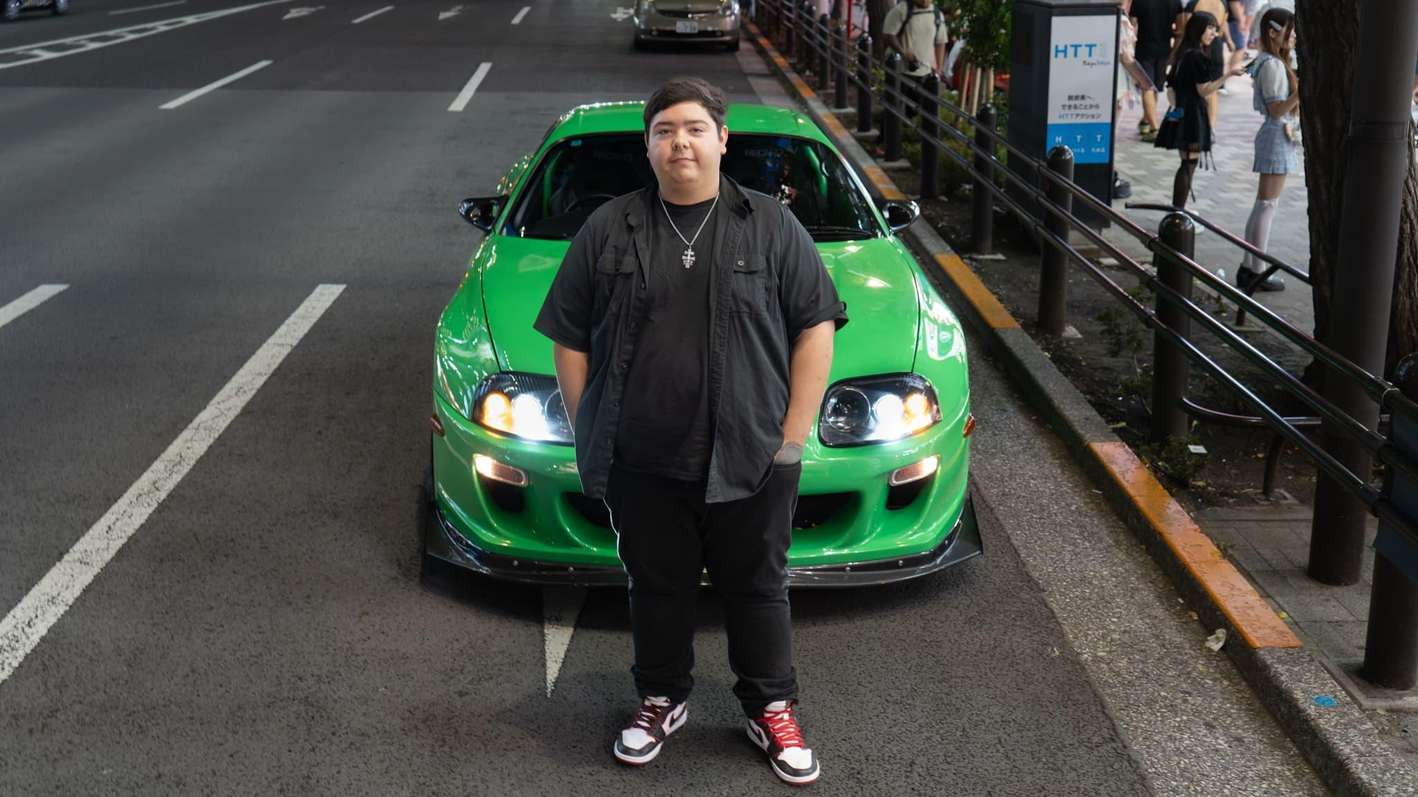
3.5 hours · ★ 5.0 (62)Tokyo Drift Daikoku: Modified Supra Night JDM ExperienceFrom $190 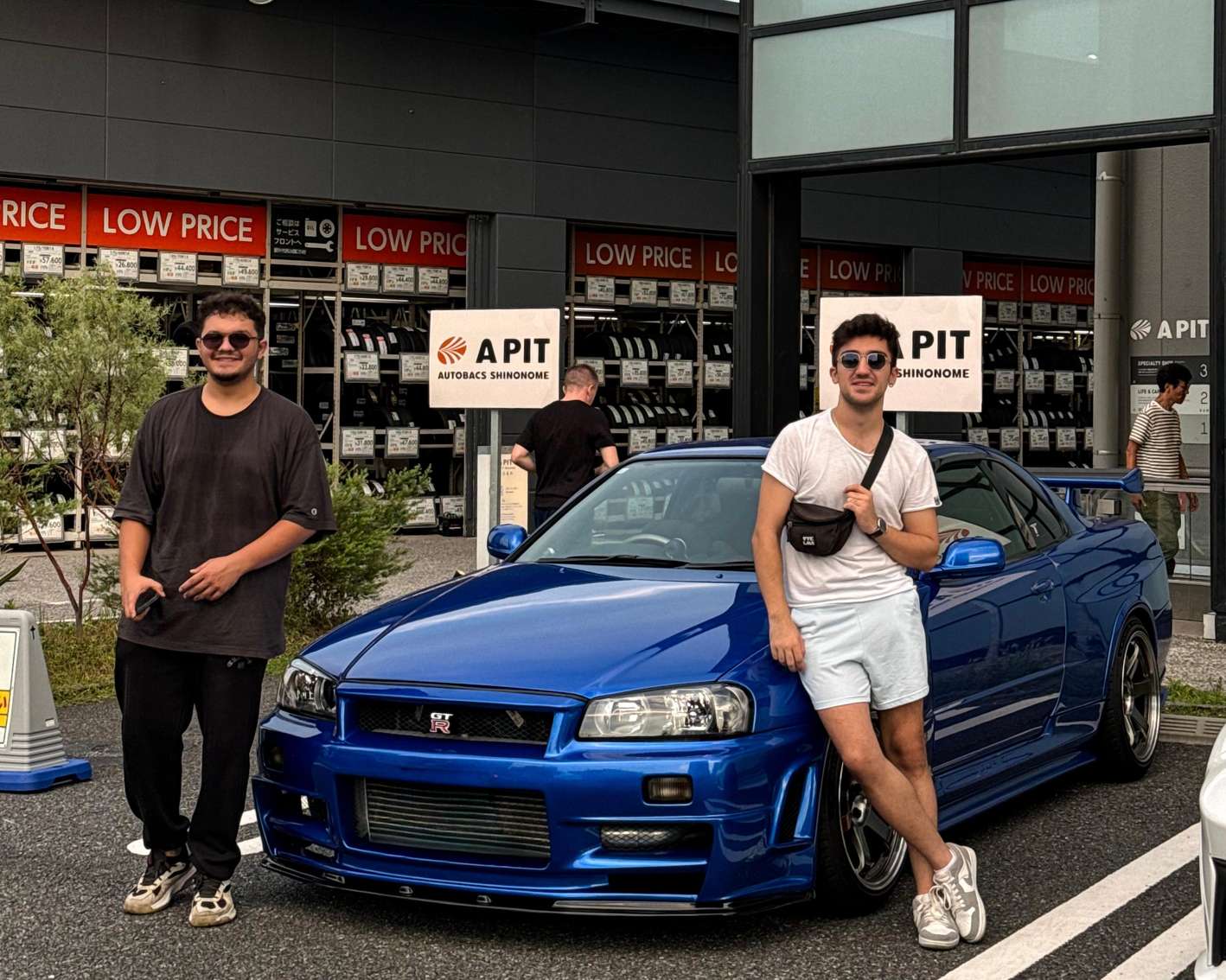 3 hours · ★ 4.9 (181)【R34】Daikoku PA Private Tour, Tokyo JDM Night ExperienceFrom $444 /group
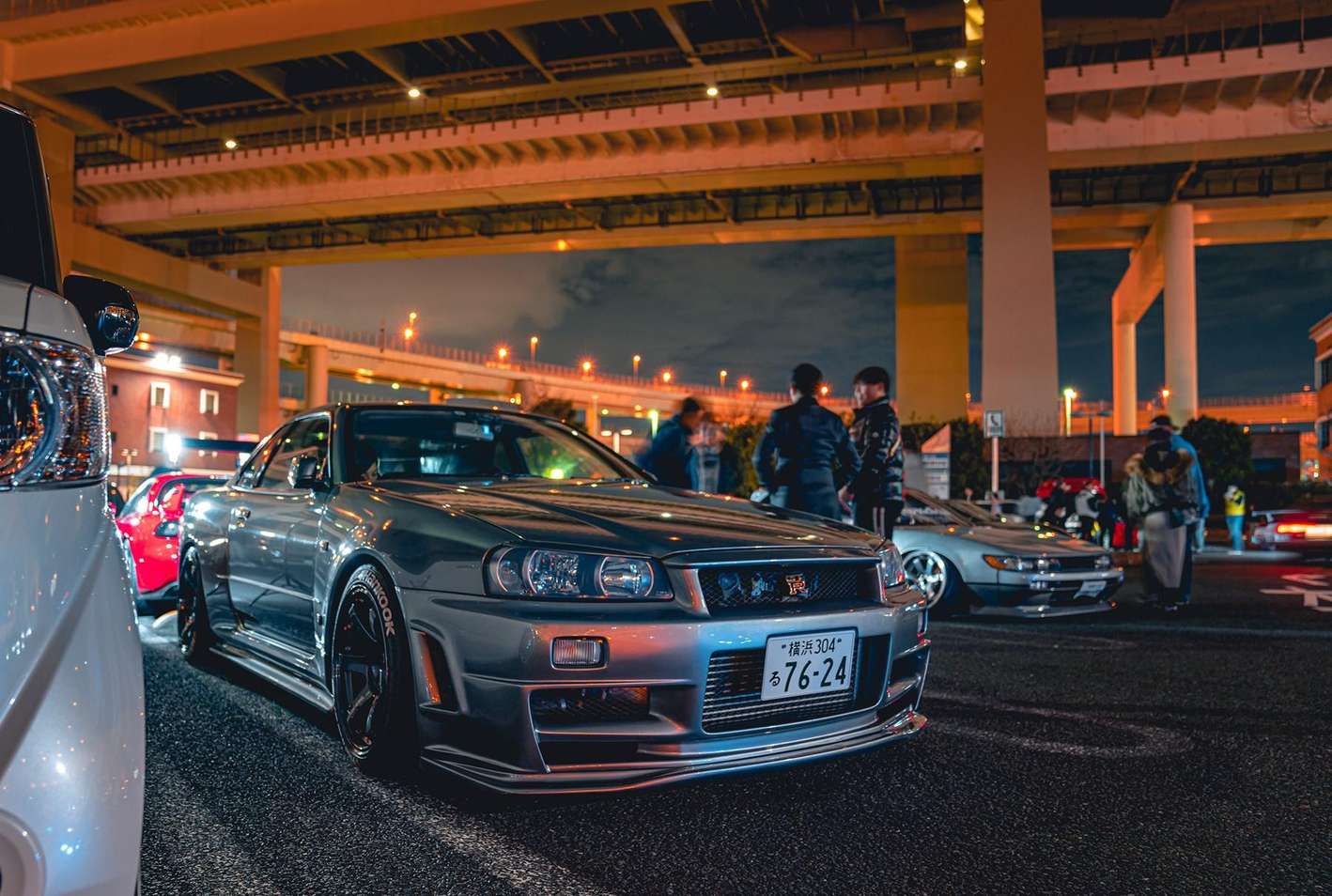 3 - 4 hours · ★ 4.9 (183)Daikoku & Tokyo Private JDM Tour in 700HP R34 GT-RFrom $595 /group
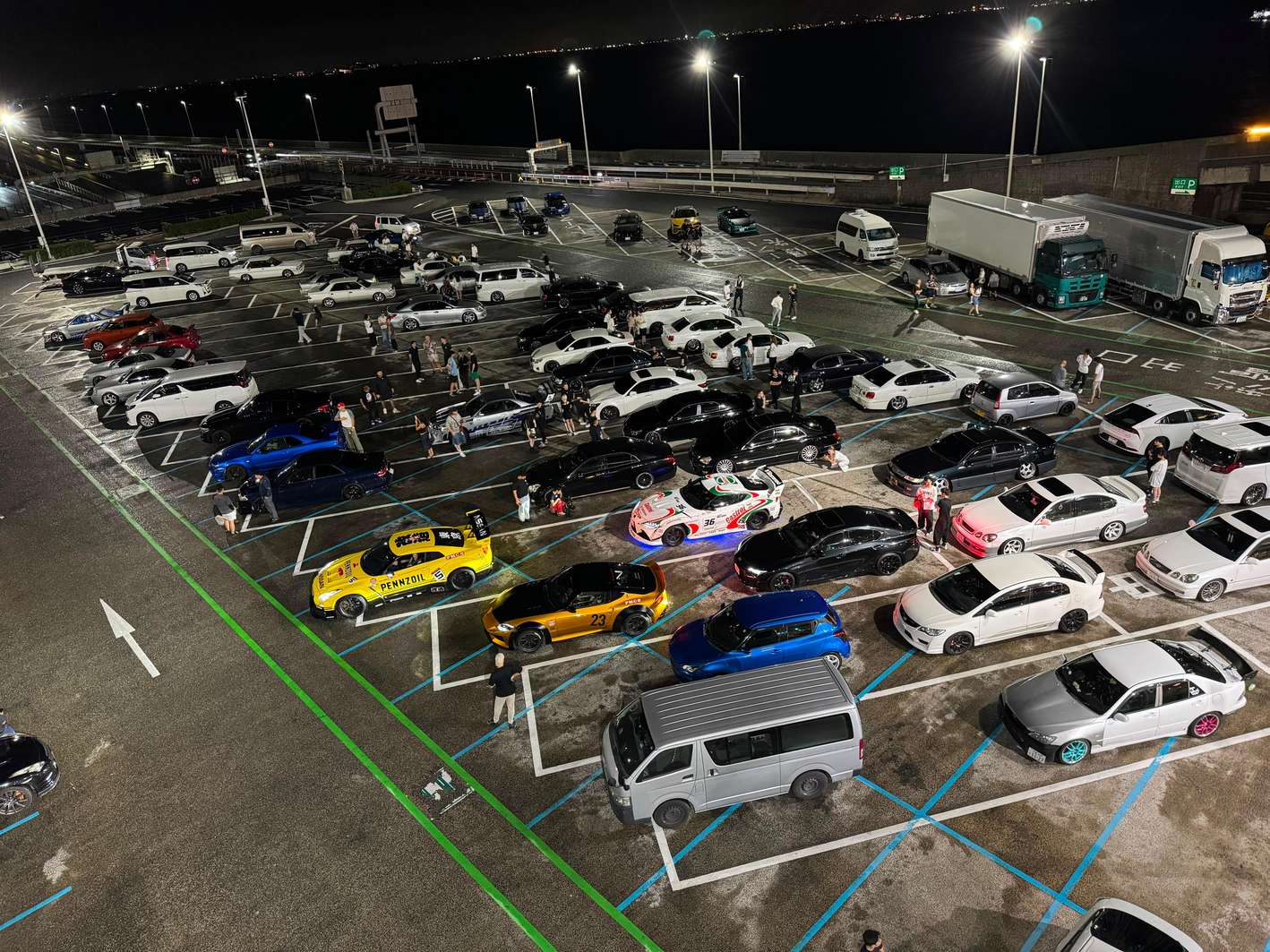 4 hours · ★ 4.8 (85)Tokyo: JDM Legends Ride in a Modified Car to Daikoku PAFrom $108
Osaka's answer to Daikoku, with more than 250 cars on the busiest weekend nights
Higashi Osaka PA is Osaka's version of Daikoku, and on its best nights the lot fills with more than 250 cars: Skyline GT-Rs, tuned Supras, Lamborghinis, slammed VIP cars, lowriders and drift Nissans side by side.
The mood is relaxed and social, owners line cars up for photos and talk modifications, and the night ends with a loud group departure. Late evening between 10 pm and midnight is when it is most alive.
It sits on a toll expressway, so you reach it by car only, and seeing cars there is a hit-or-miss lottery, so treat any sighting as a bonus.
Police are on site, and a crackdown once caught illegally modified cars on the spot. Without wheels, aim for Rinku Town or Amemura instead and save this one for when you have a rental.
Compare Tokyo's popular car meet locations side by side before you pick the night and the lot for your trip.
Get the layout of Akihabara UDX's underground parking and what its anime-wrapped cars are about.
Settled on Tatsumi PA? This page walks you through the location and how to approach a visit there.
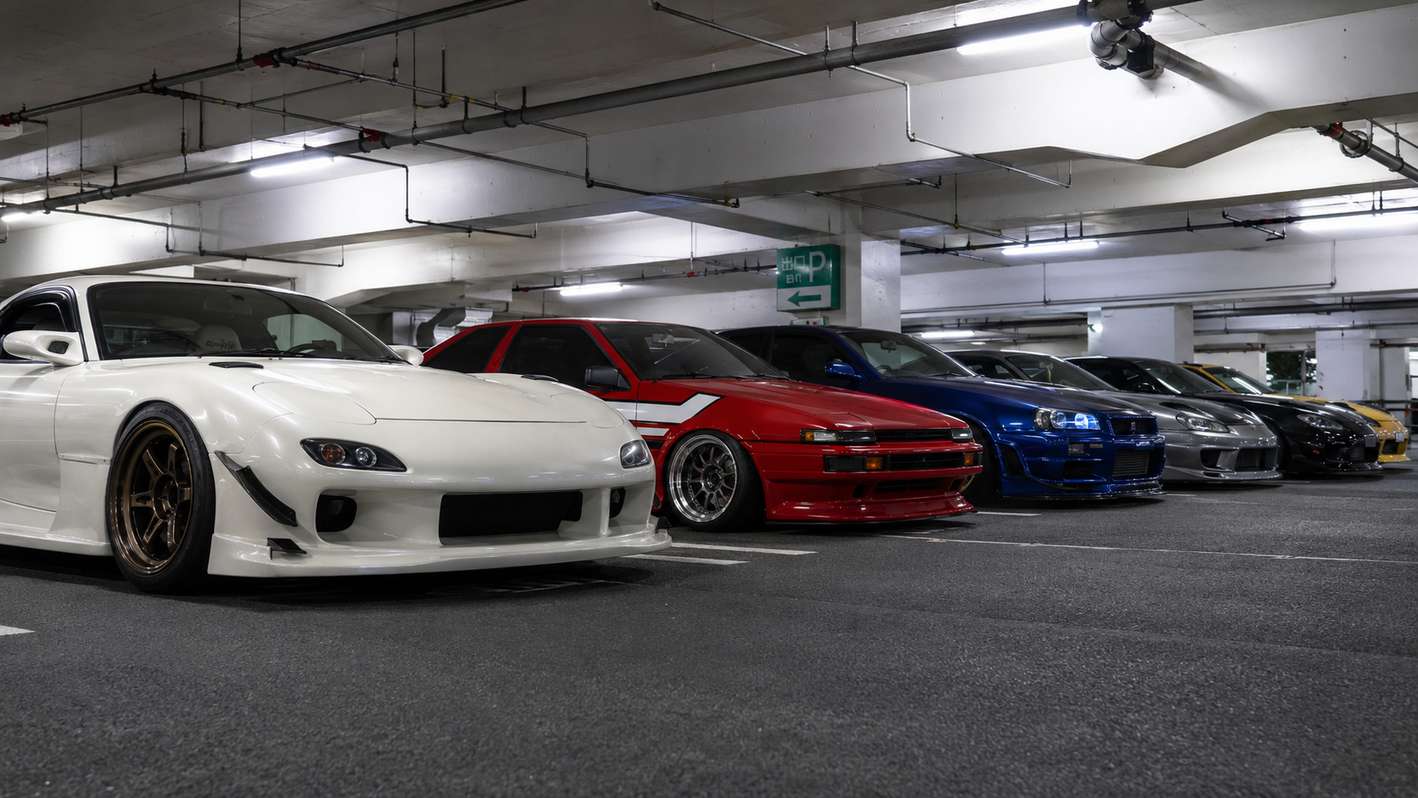
See how the Umihotaru meet works on its artificial island and how to plan a night on the Aqua-Line.
Heading to Osaka? Find out where the Higashi Osaka PA meet happens and which evenings draw the cars.
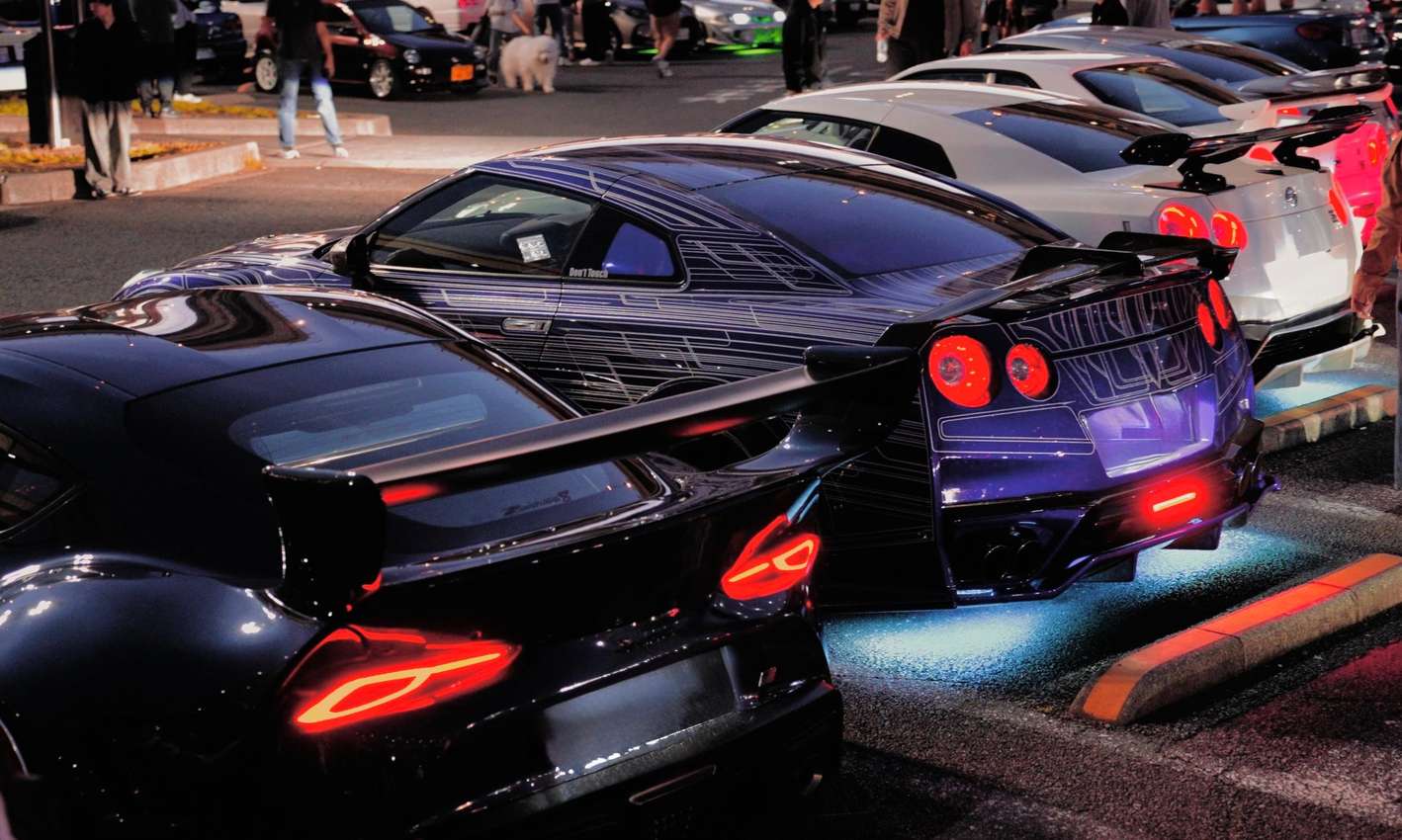
The Daikoku guide covers access, visitor rules and how to check whether the meet is on for your night.
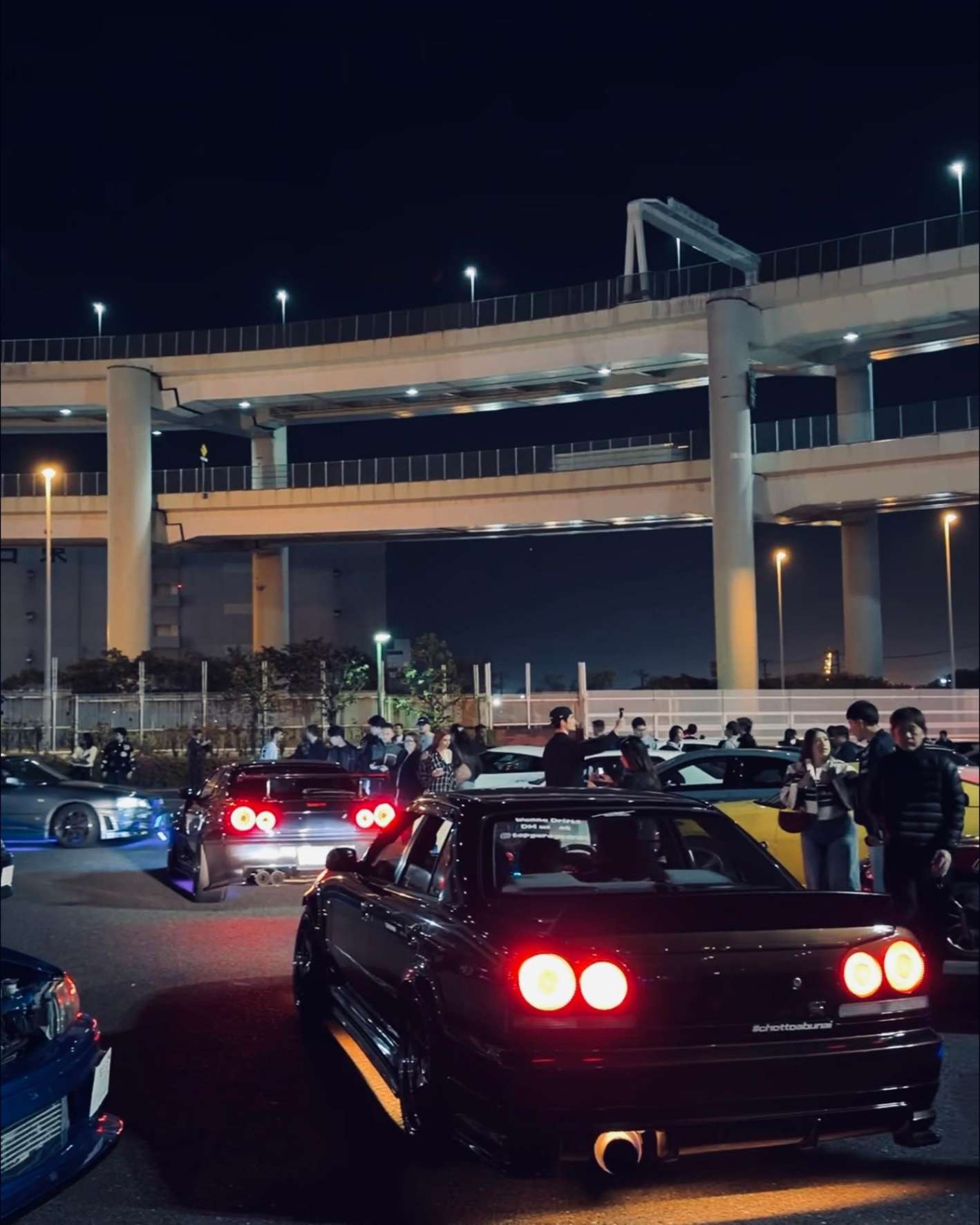
Work out the best day and hour for Daikoku, from weekend peaks to the quieter weeknight turnouts.
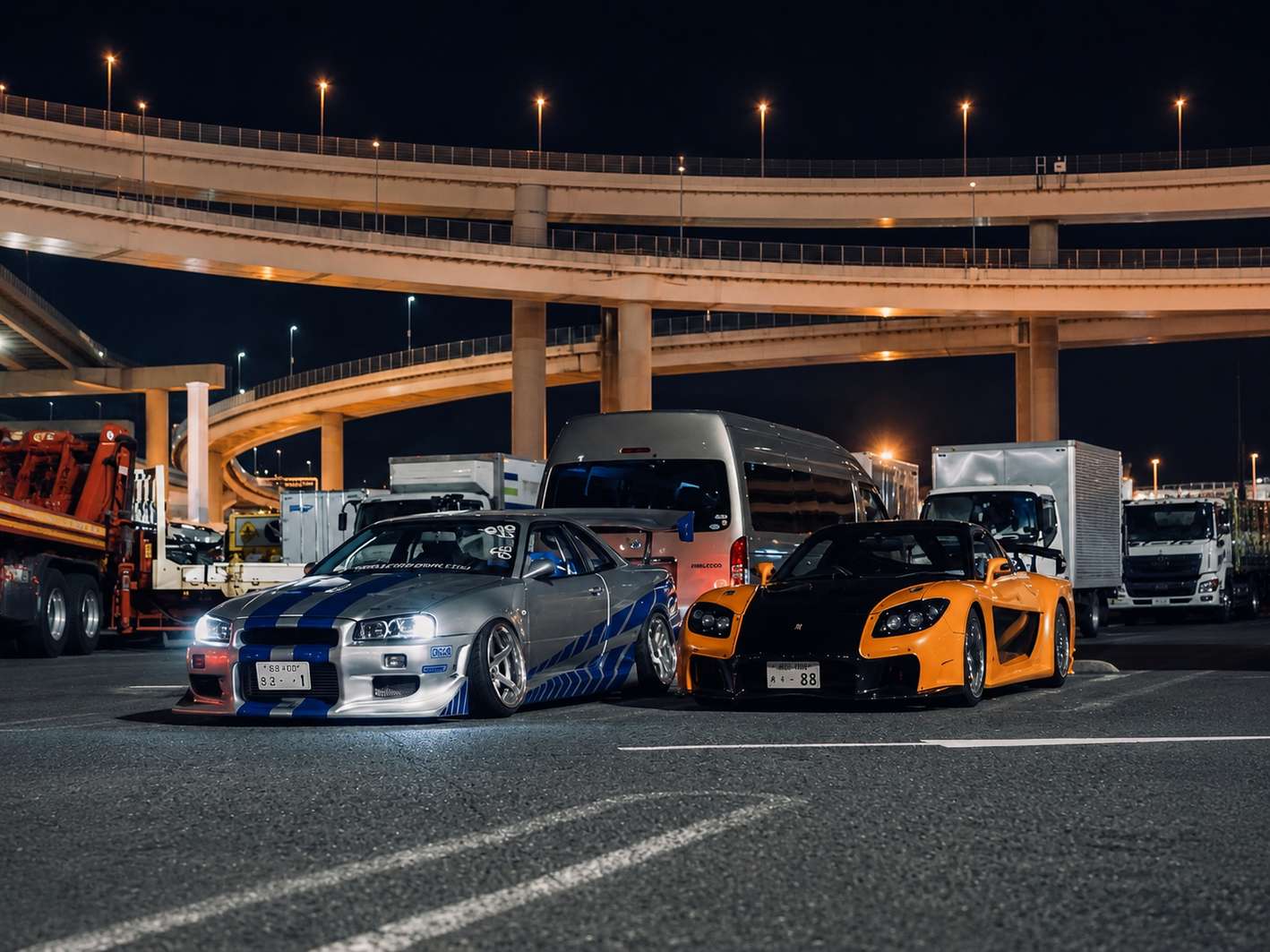
Daikoku sits inside an expressway with no walk-in entrance, so here are the routes and transport options.
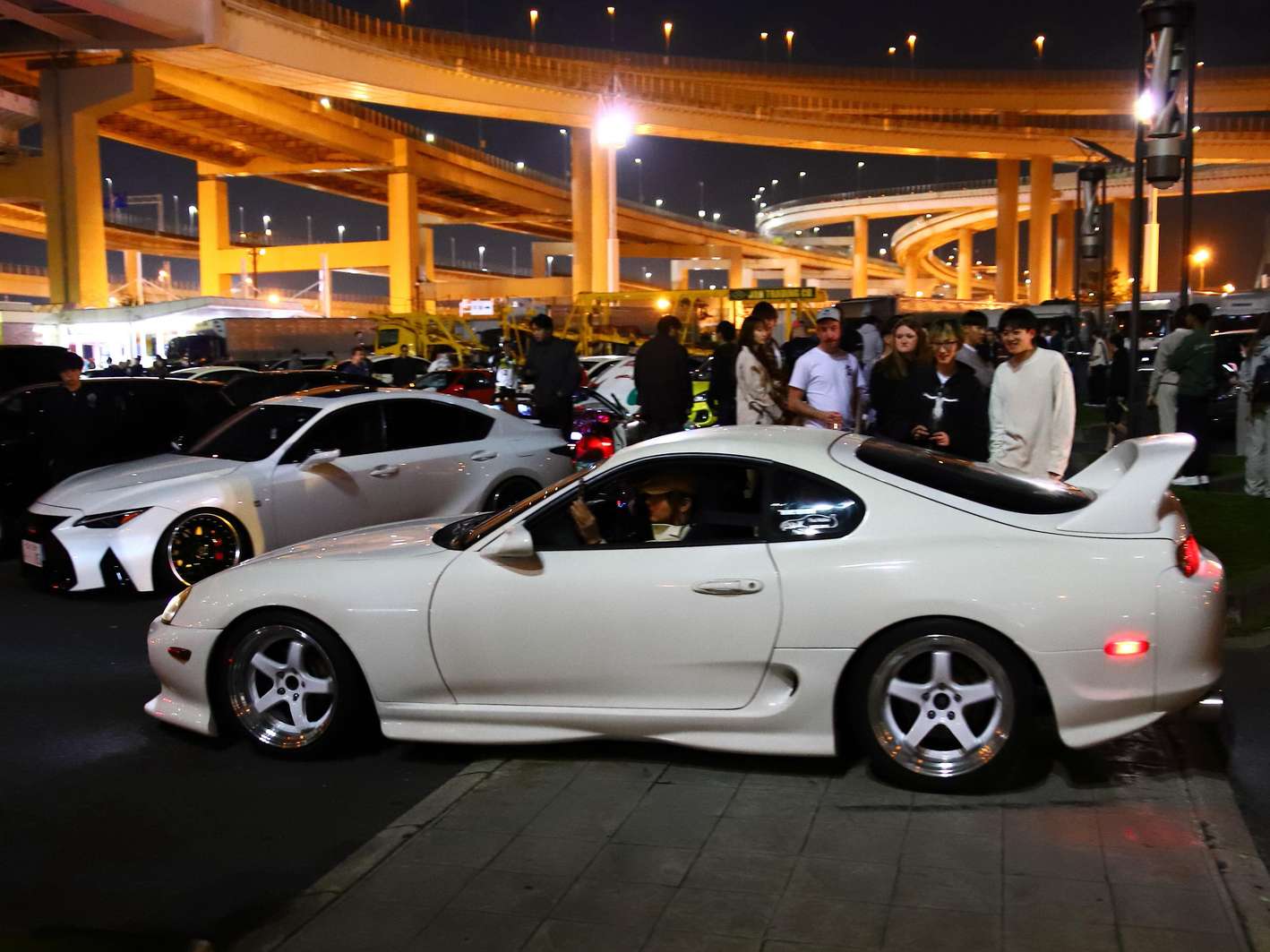
First time at Daikoku? This page explains who can go, what the rules are and how police closures work.
If a modified Supra ride to the meet sounds like your night, this page helps you choose the right option.
See the Daikoku meet from a Porsche Macan instead, with what that ride includes and how to book it.
Want to watch drifting or try it? This page separates viewing spots, passenger rides and lessons.
Find the circuits and events near Tokyo where real competitive drifting actually happens on a schedule.
Ready to learn? Compare drift lessons and schools, including what a beginner's first session looks like.
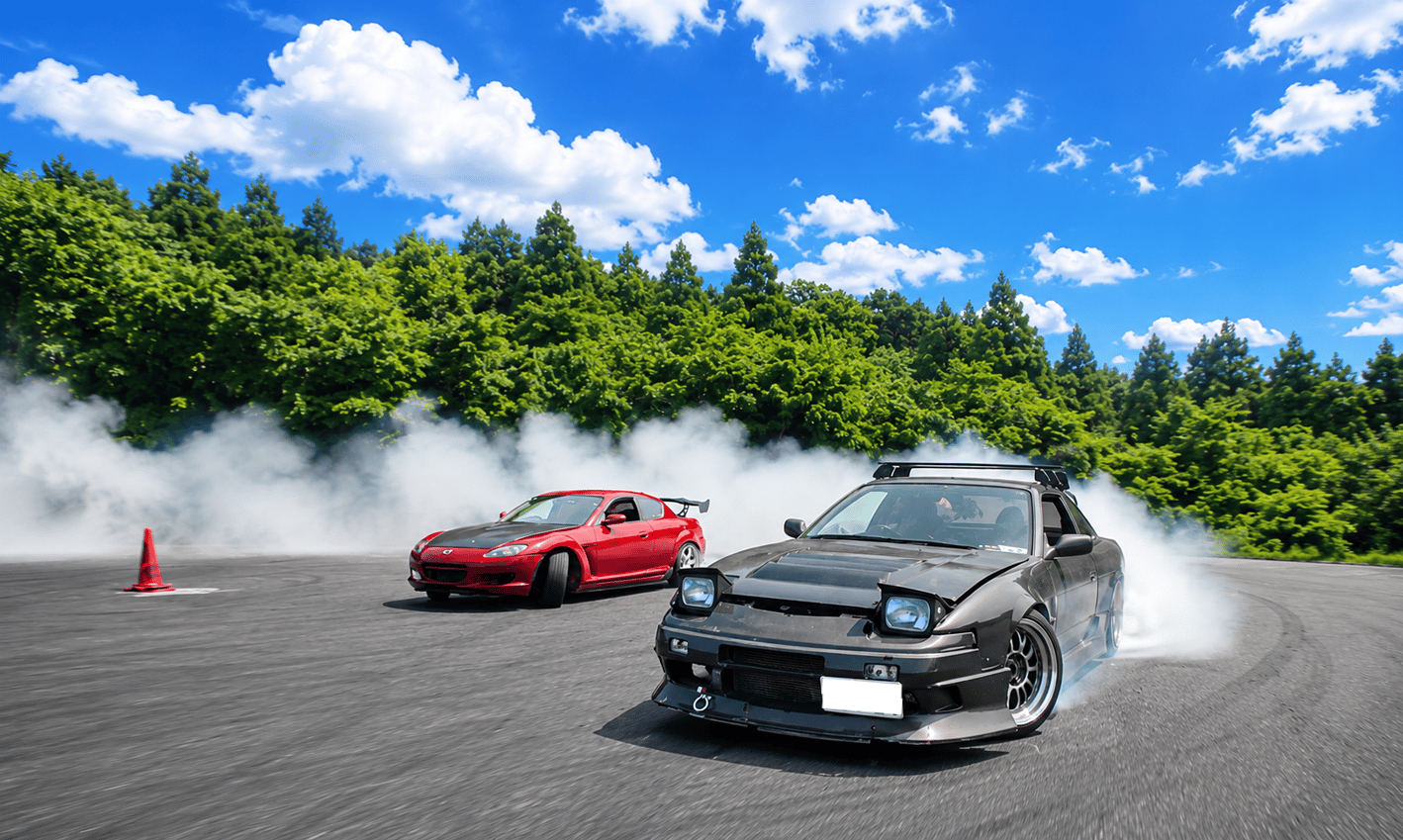
Turn the wheel yourself: this page maps the self-drive drift options on closed tracks near Tokyo.
Guided drift rides and track trips compared, so you can pick the experience that matches your nerve.
Everything about the Ebisu Circuit outing from Tokyo, from the drive up to the drift ride and lesson.
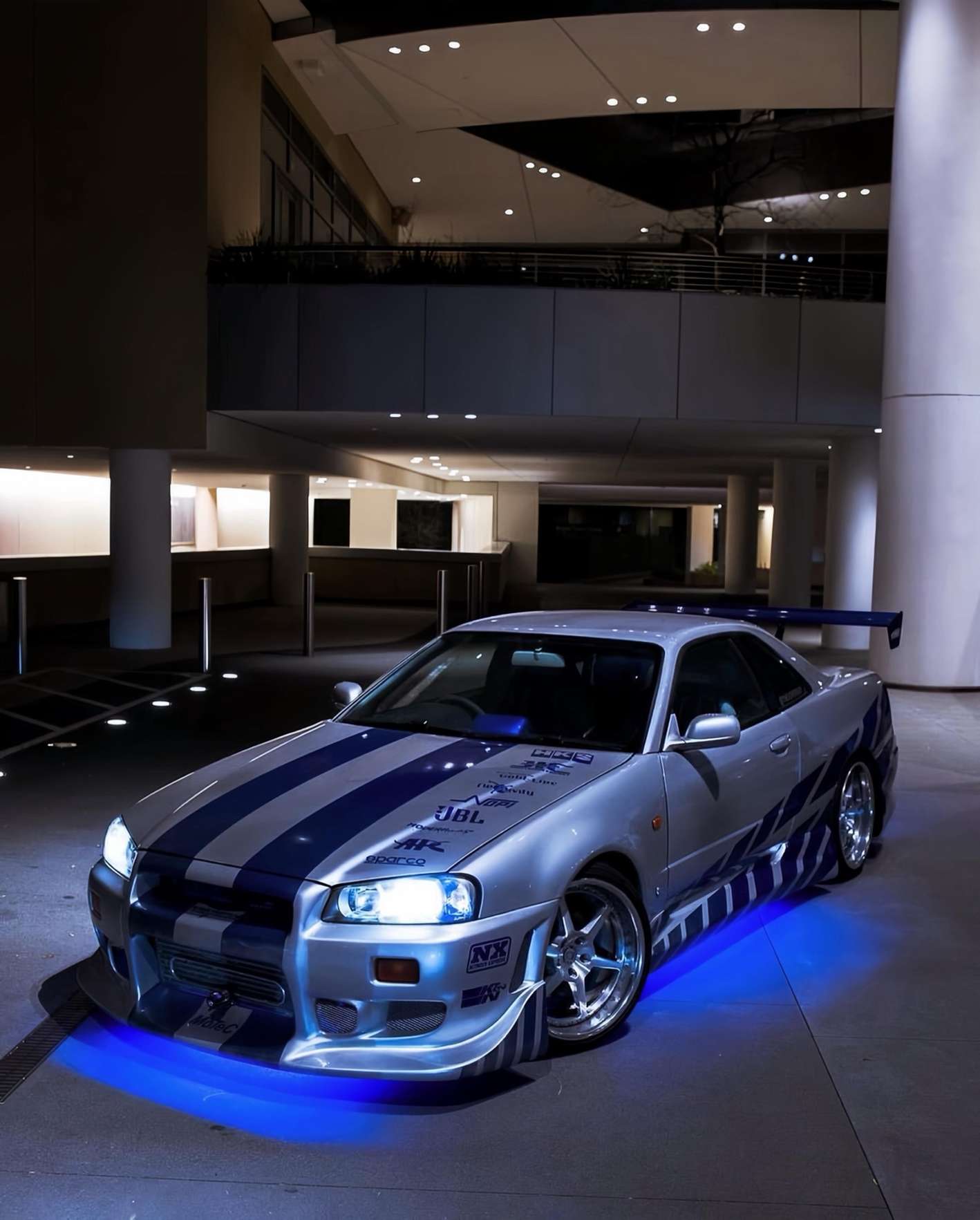
Not sure which kind of JDM experience suits you? This page lines up the tours so you can compare.
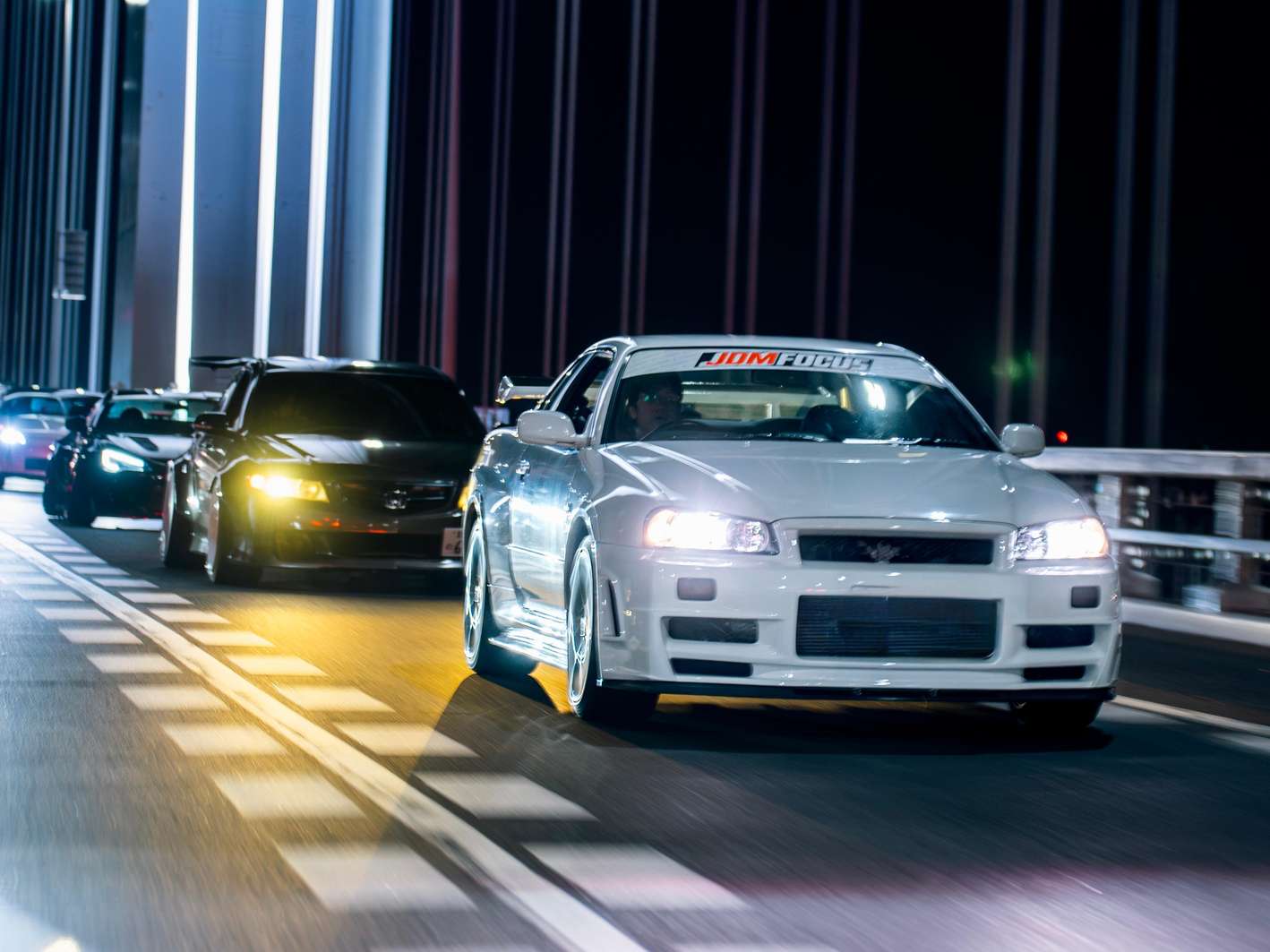
Join Tokyo's nighttime meet scene on a guided trip, with what the tours include and how they run.
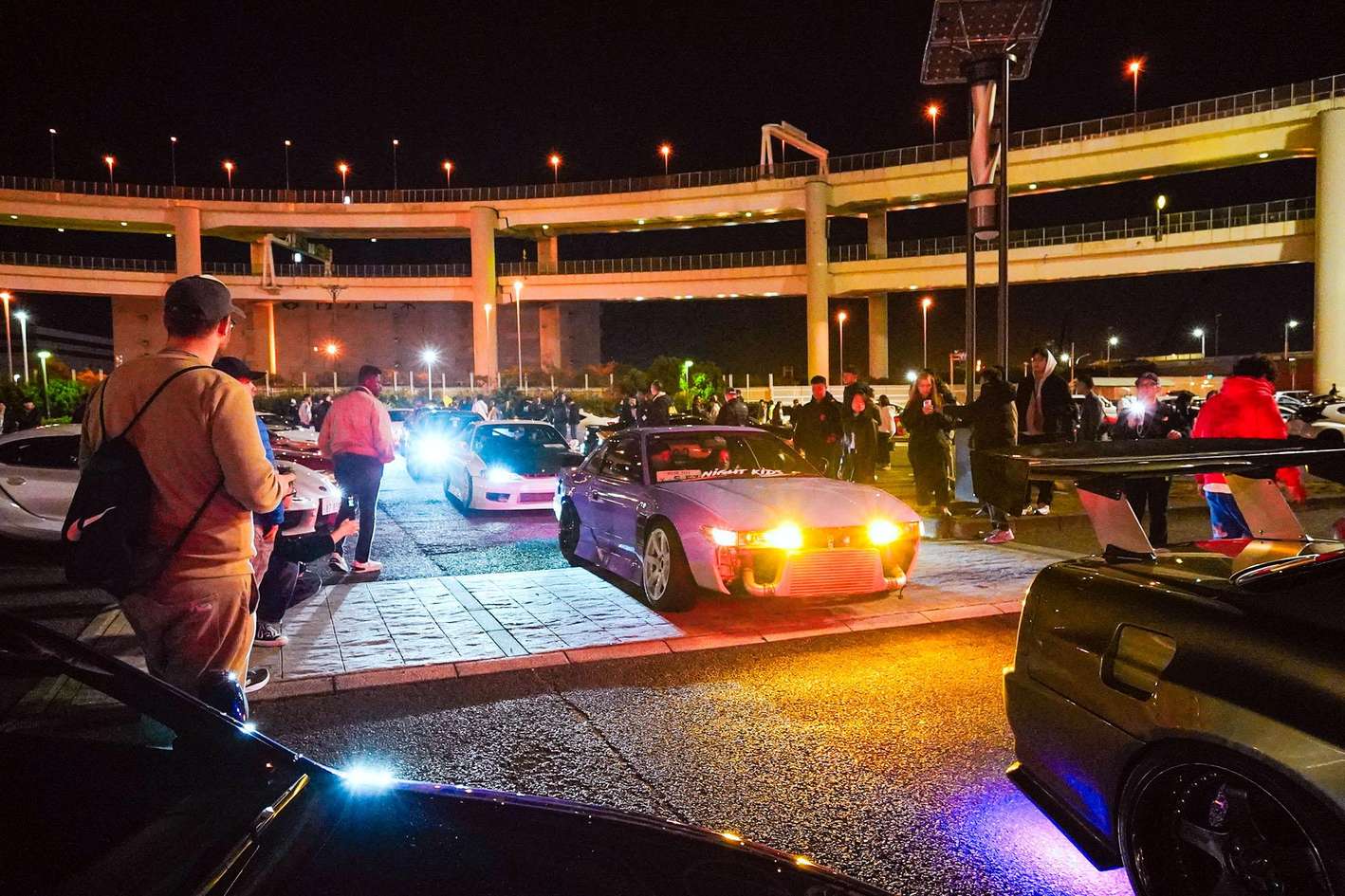
A night drive to Daikoku PA is the classic JDM outing; here is what the night tour options deliver.
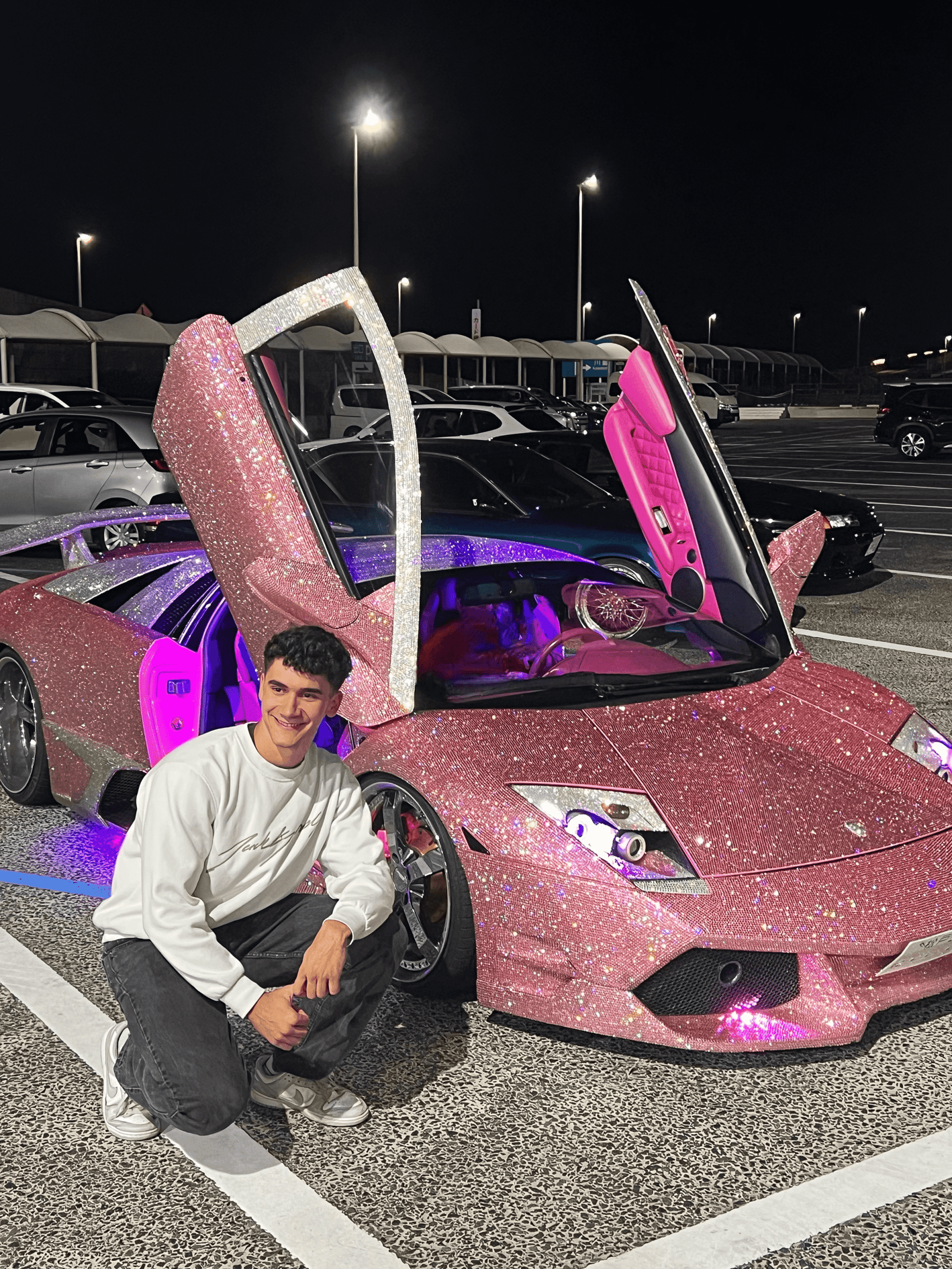
The Wangan and Bayshore route is a night drive in its own right; see which guided rides include it.
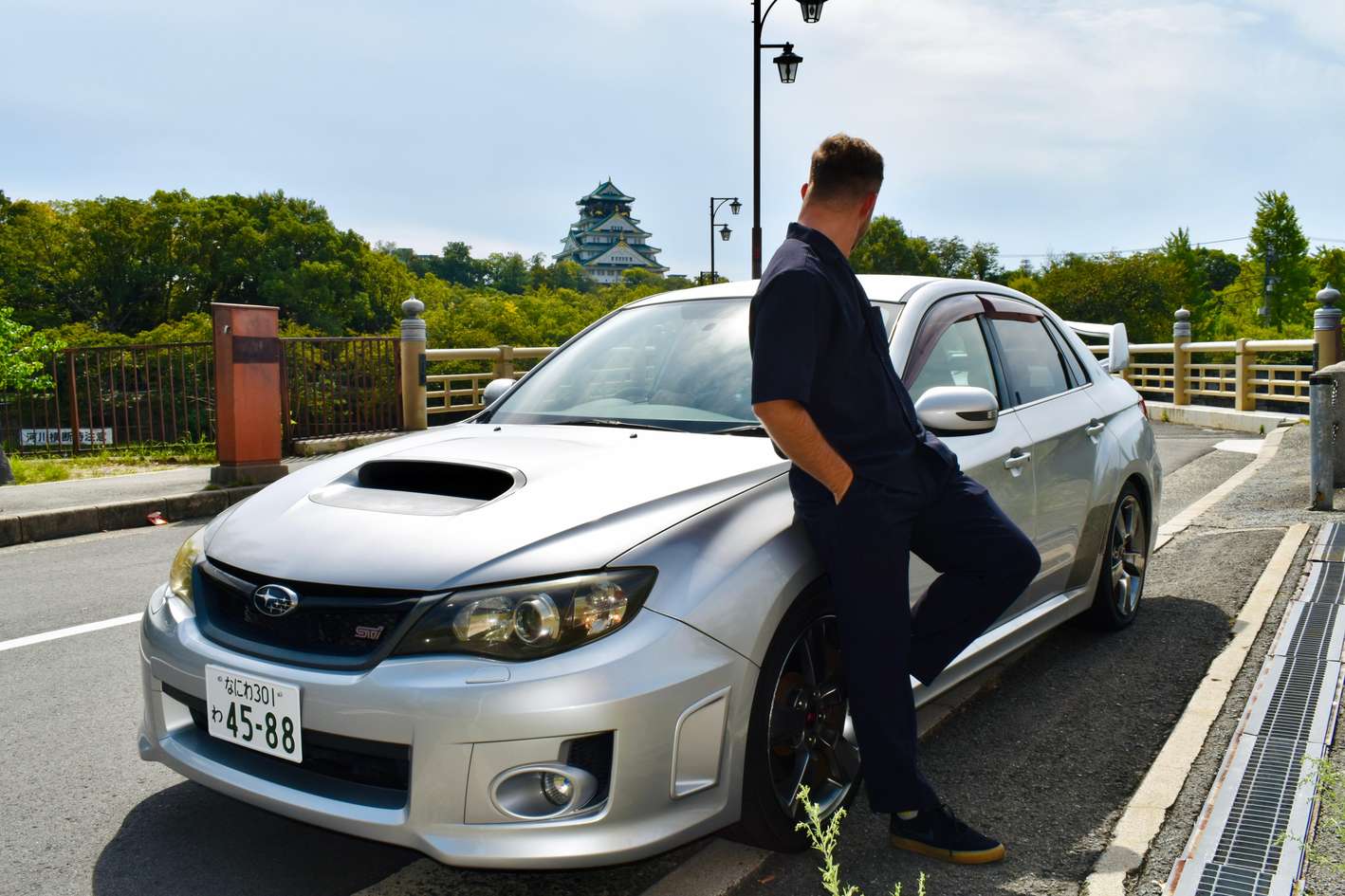
Riding or driving? This page sorts the guided JDM drives from the rentals you take the wheel of.
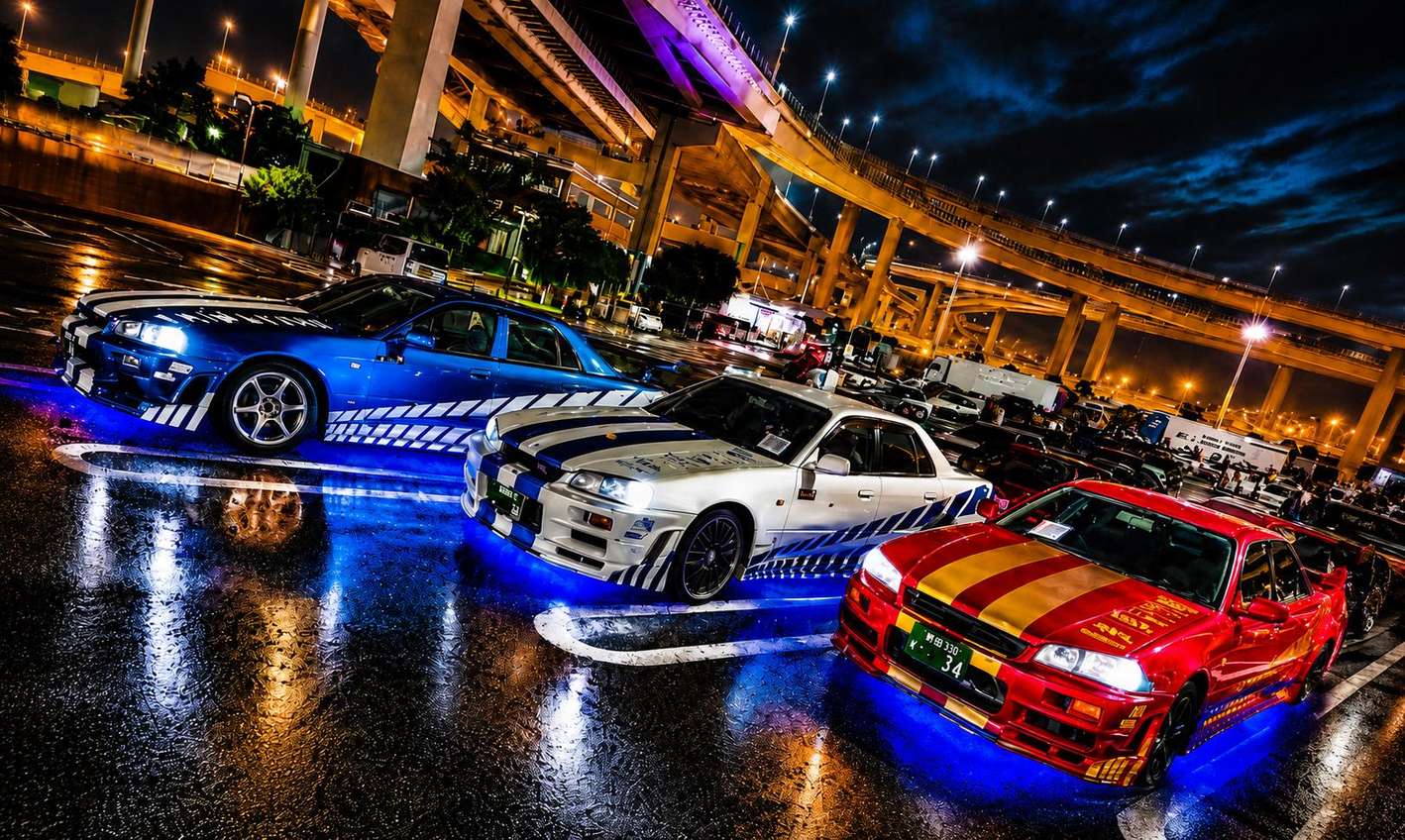
Already know you want a private trip to Daikoku PA? Compare the private tour options here.
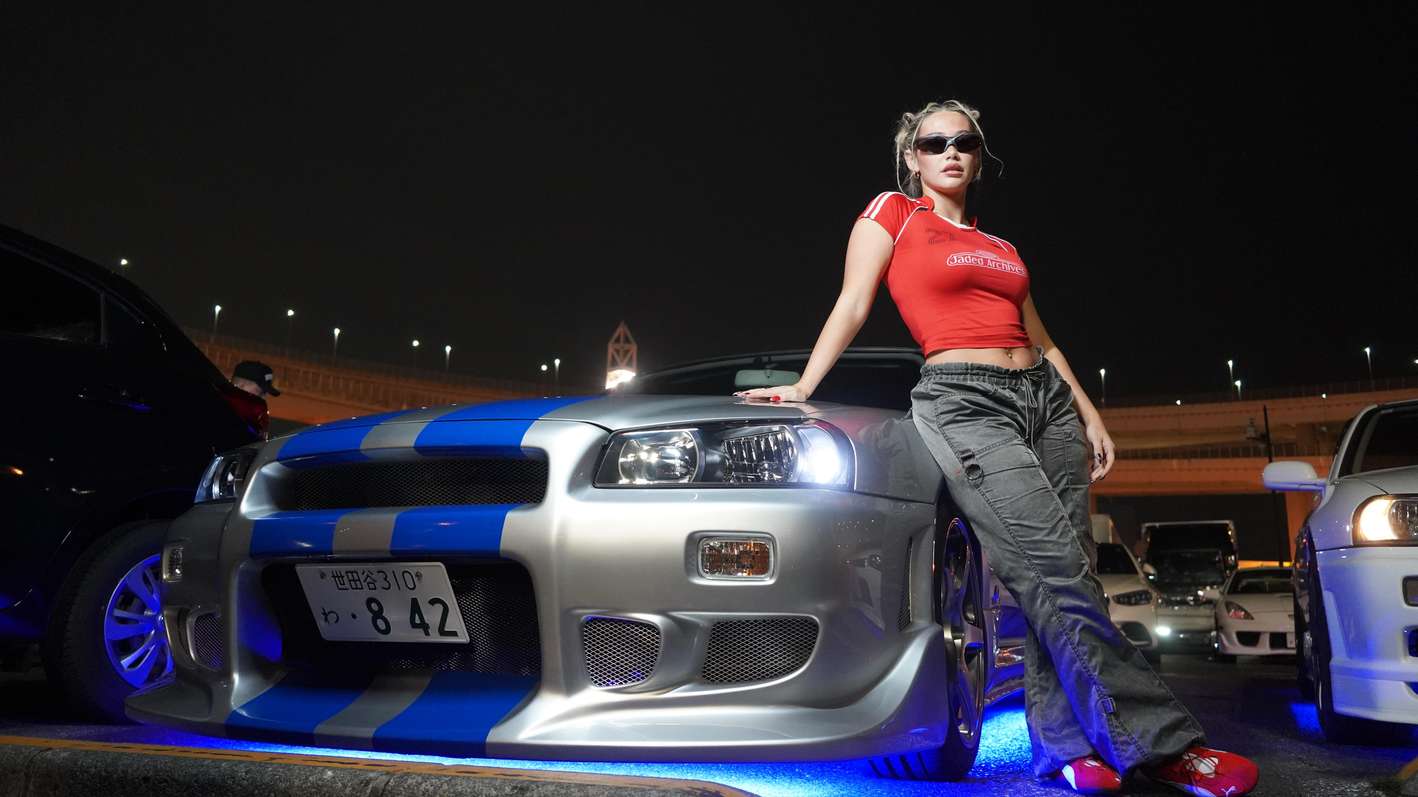
From GT-Rs to Miatas, see which JDM sports cars you can rent in Tokyo and what each booking involves.
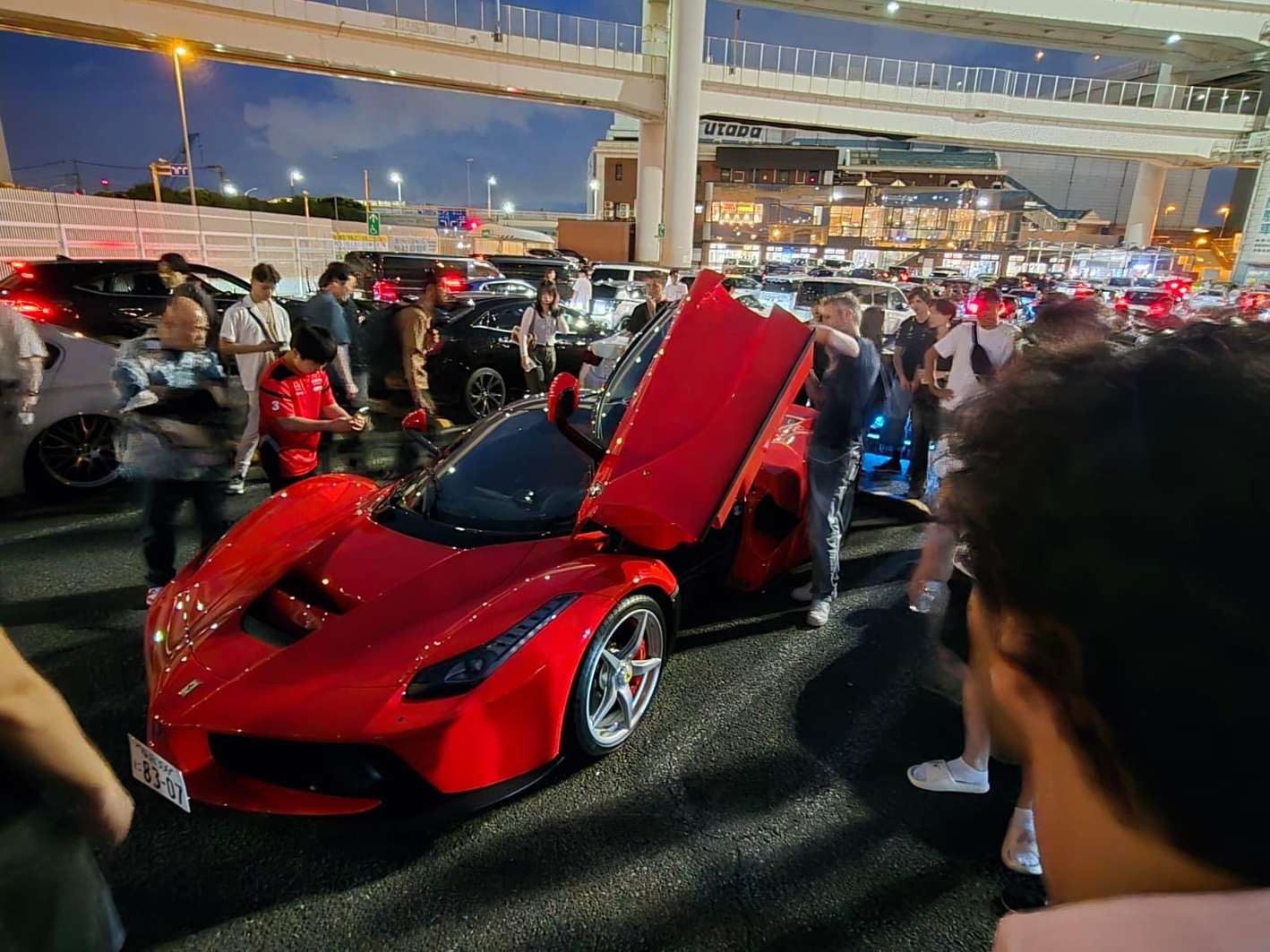
Chasing an AE86 in Tokyo? This page answers what is actually bookable and what the closest options are.
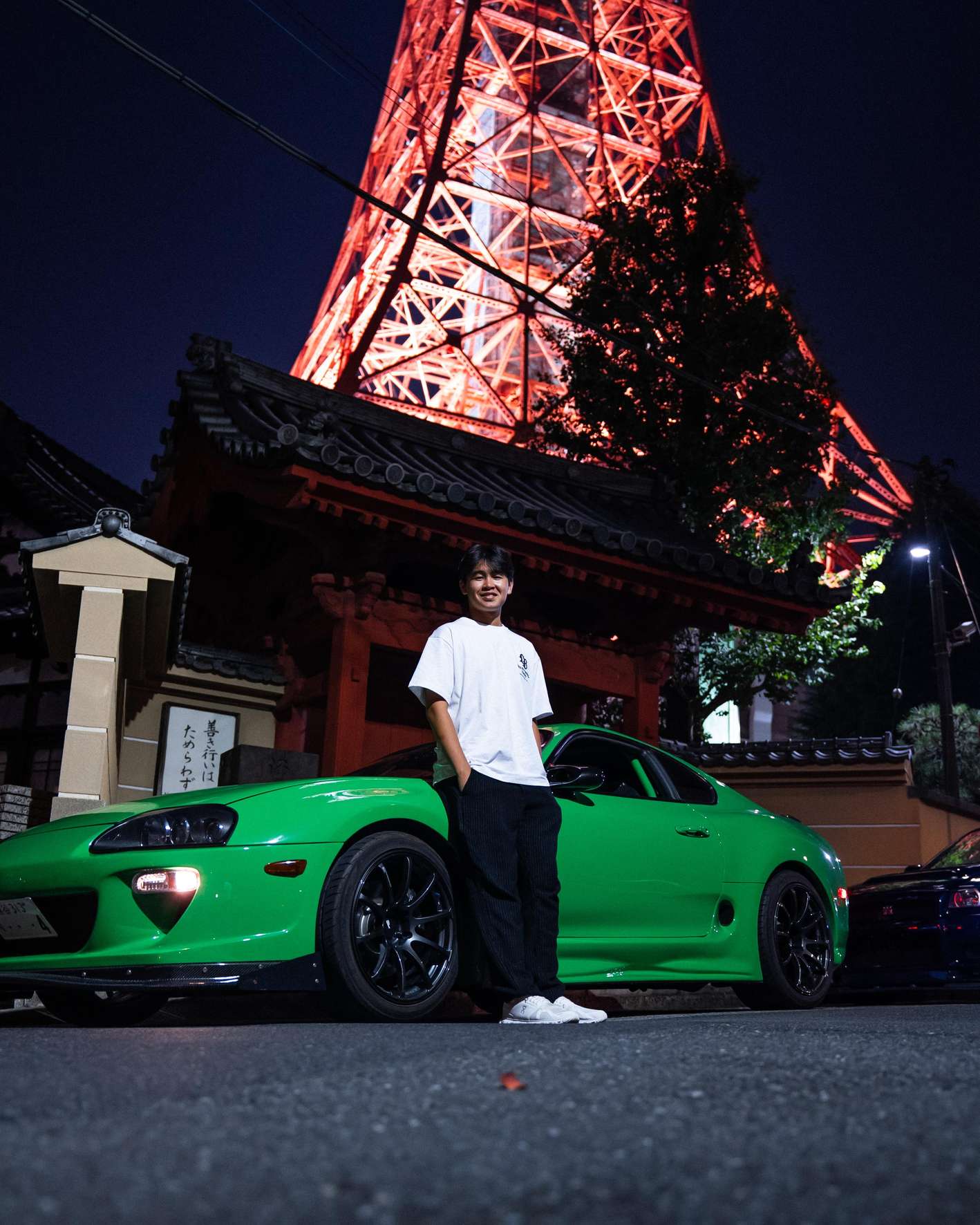
A direct answer on renting and driving a Supra in Tokyo, plus how to pick between the available cars.
R32 on your mind? See the rental and guided ride options for this Skyline and how the two differ.
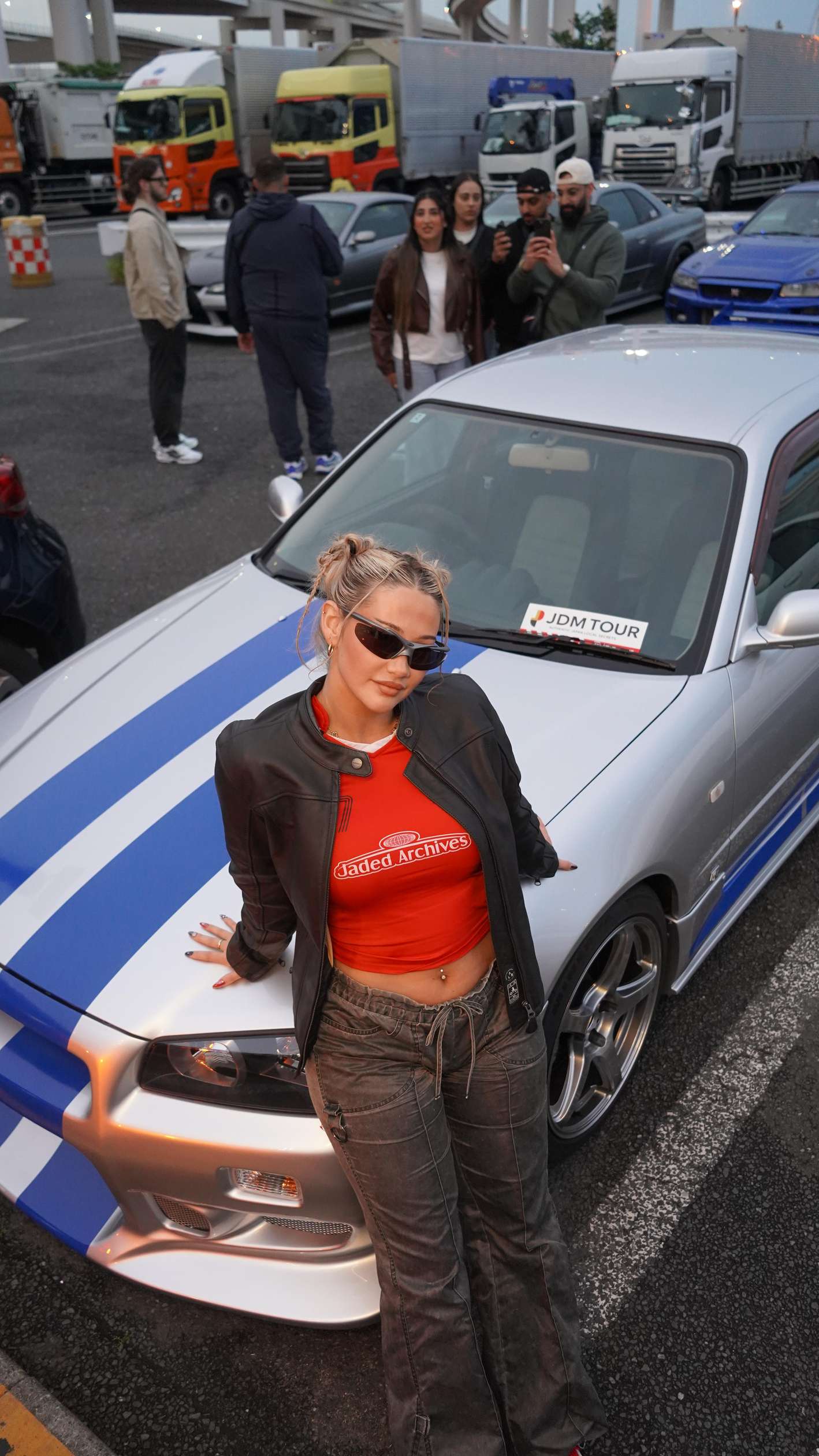
Drive an R34 yourself or ride in one: this page lays out both routes for the Skyline you searched for.
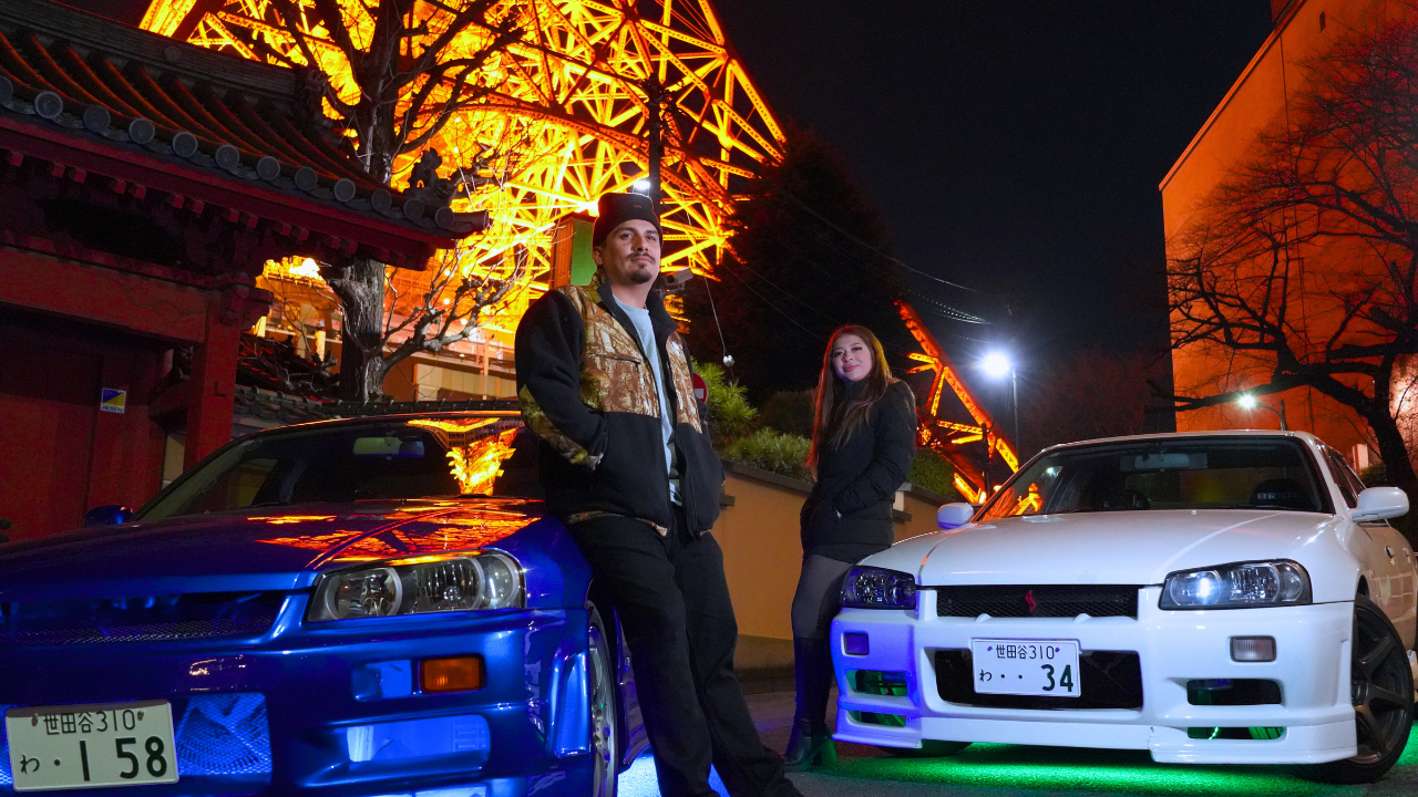
Everything on experiencing an R35 GT-R in Tokyo, from self-drive rentals to guided night rides.
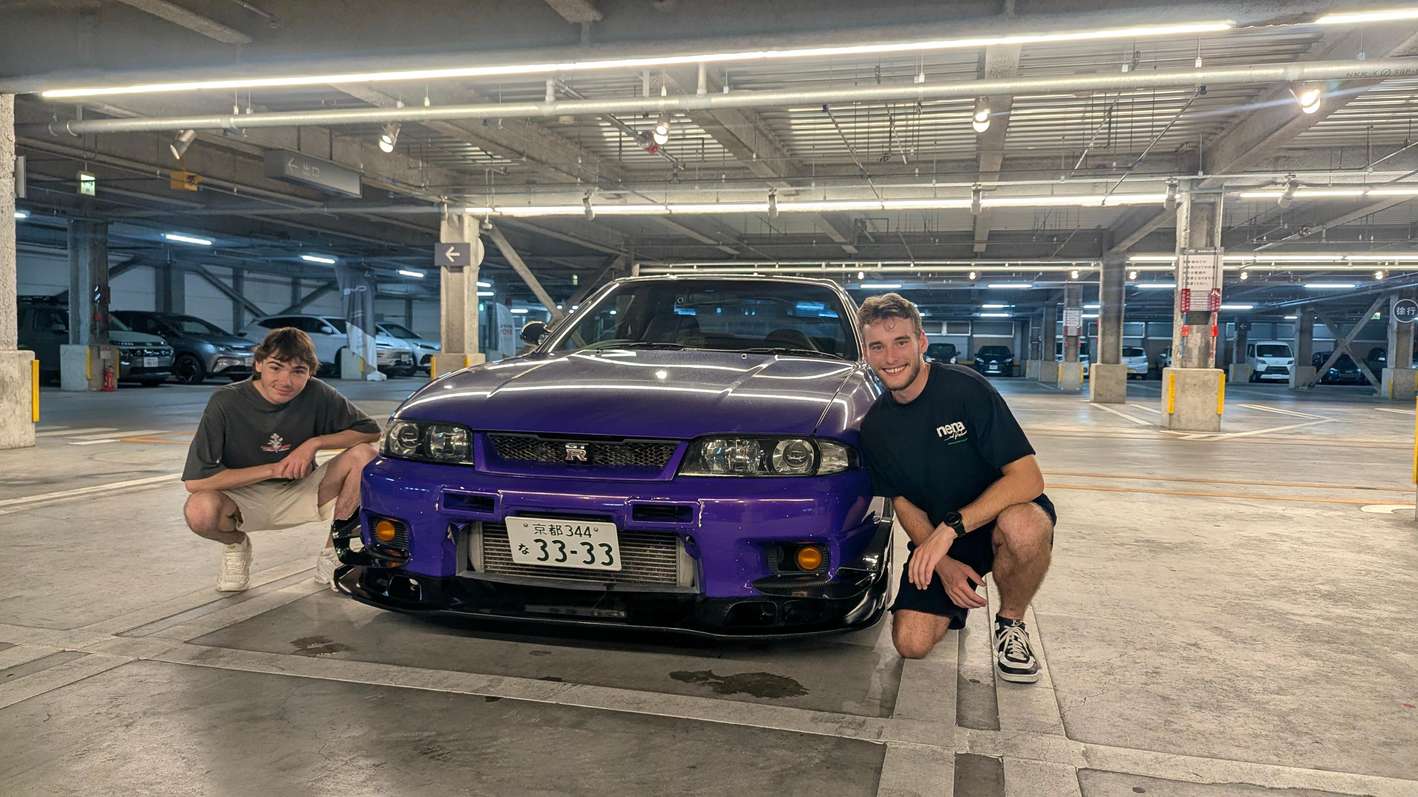
Kyoto's meet scene works differently from Tokyo's; this page explains what to expect and where to go.
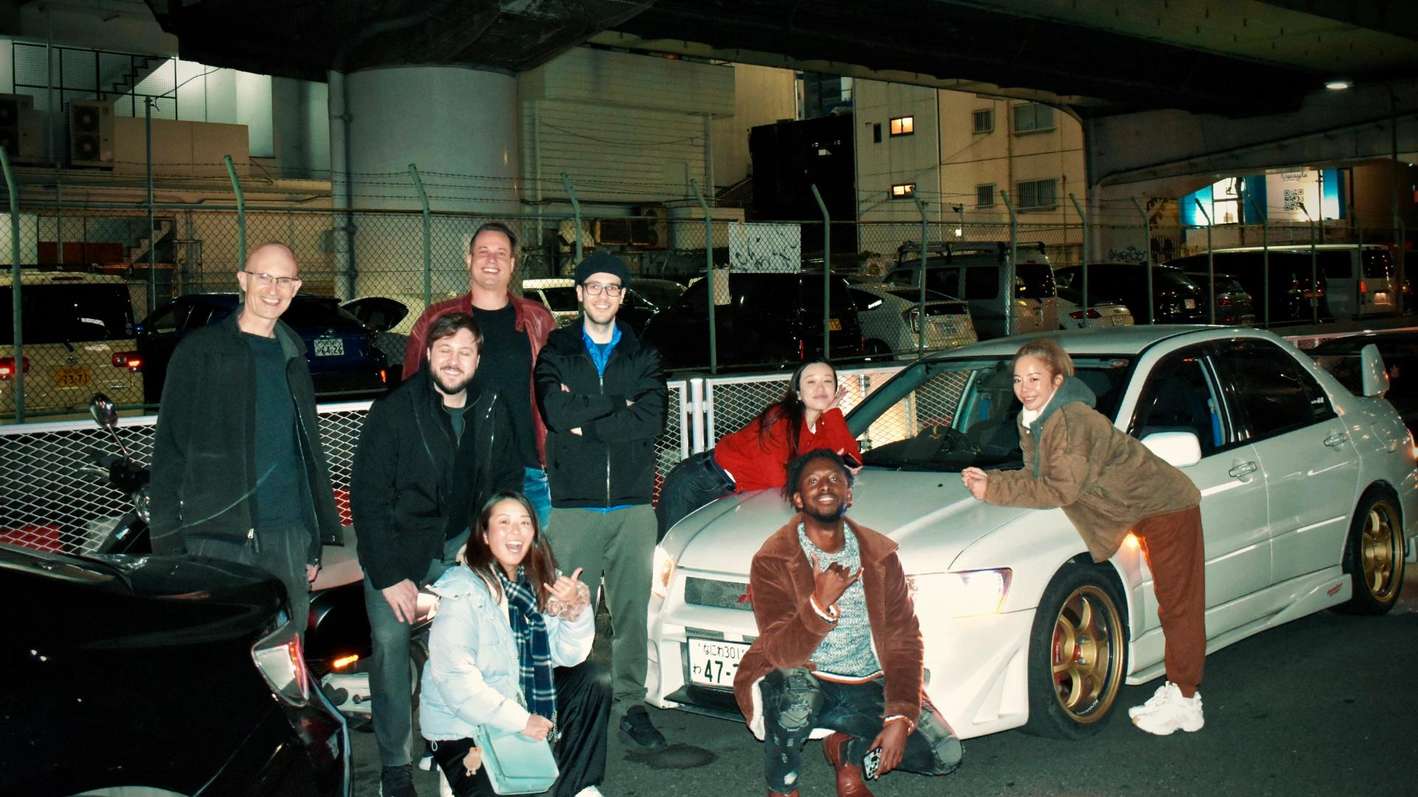
Osaka's night meets and parking areas mapped out, with the Friday and Saturday rhythms that matter.
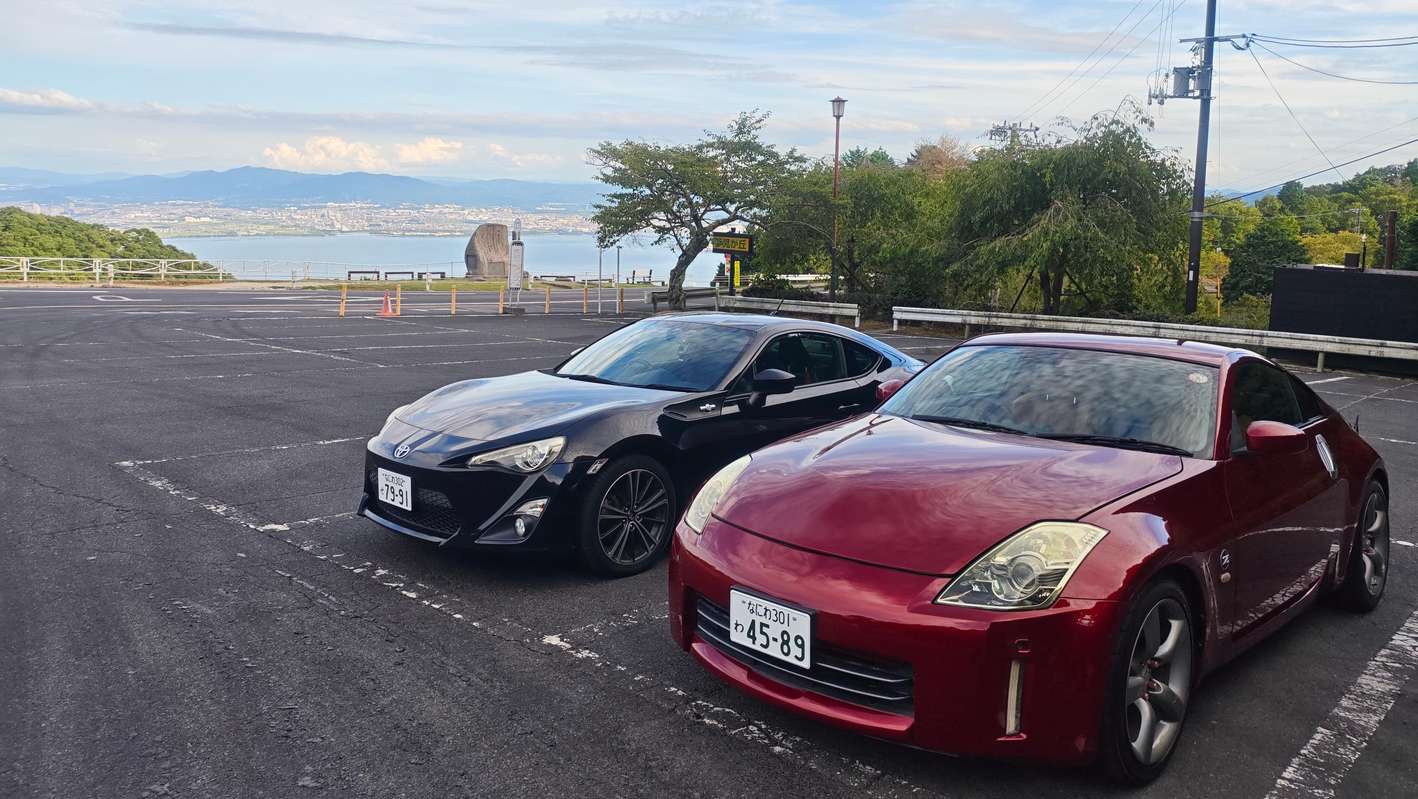
Want to drive in Osaka instead? Compare the sports car rentals there and their booking requirements.
The practical questions visitors ask before going, answered plainly.
The meet happens at Daikoku Parking Area, a rest stop inside the Shuto Expressway on Tokyo Bay. There is no pedestrian entrance, no bus stop and no taxi rank, so walking, cycling or taking a train gets you nowhere.
Most visitors take a guided tour with hotel pickup; a taxi can drop you off, but getting back late at night is the hard part.
There is no official schedule. Daikoku PA is a public rest area and the meet is simply whoever drives in, so cars show up every night of the week.
Friday and Saturday nights draw the biggest crowds, with the peak running from around 8 pm to 11 pm. Sunday mornings bring classics and sports cars in daylight, a very different scene.
Daikoku PA is a tollway rest stop where an informal gathering happens. There is no organiser, no start time and no guaranteed lineup, and it is not an official tourist attraction with a show. Expect it to feel like Cars and Coffee, but at night: owners chatting, engines idling, photos being taken.
Social and relaxed. Owners hang out, talk about their builds and welcome respectful visitors, and the wackier cars get celebrated rather than judged. It is lively but orderly, loud but never chaotic. Modern meets lean toward appreciation and photography, so you can enjoy the evening even if you are not a dedicated car enthusiast.
You can, but only in a vehicle already on the expressway. Independent visitors can wander the displays, chat with owners and grab street food, and most public events have free spectator entry.
A guided tour adds an enthusiast guide, structured stops and photography, though the fixed route and timing can feel a little pressured to some people.
No license is needed to ride the karts at the venue, and beginners are welcome. Riders must be at least 150 cm tall for the single-seater or two-seater driver's seat, or 105 cm for the kids' kart and passenger seat.
There are no age or weight limits as long as you can reach the pedals and sit in the seat.
Never touch, lean on or sit in a car without the owner's permission, and ask before photographing close-ups or posting cars online.
Do not rev engines or do burnouts, keep your voice down, and stay out of the driving lanes. Behavior is watched by police who act on complaints, and how visitors act decides whether meets like this survive.
Police and the expressway operator can close the lot entrance without notice, most often on Friday and Saturday nights from around 8:30 pm. Closures are decided on the night, so there is no schedule to check in advance.
Most tours divert to a fallback spot such as Umihotaru or Tatsumi PA, and several offer a full refund if you decline the alternative.
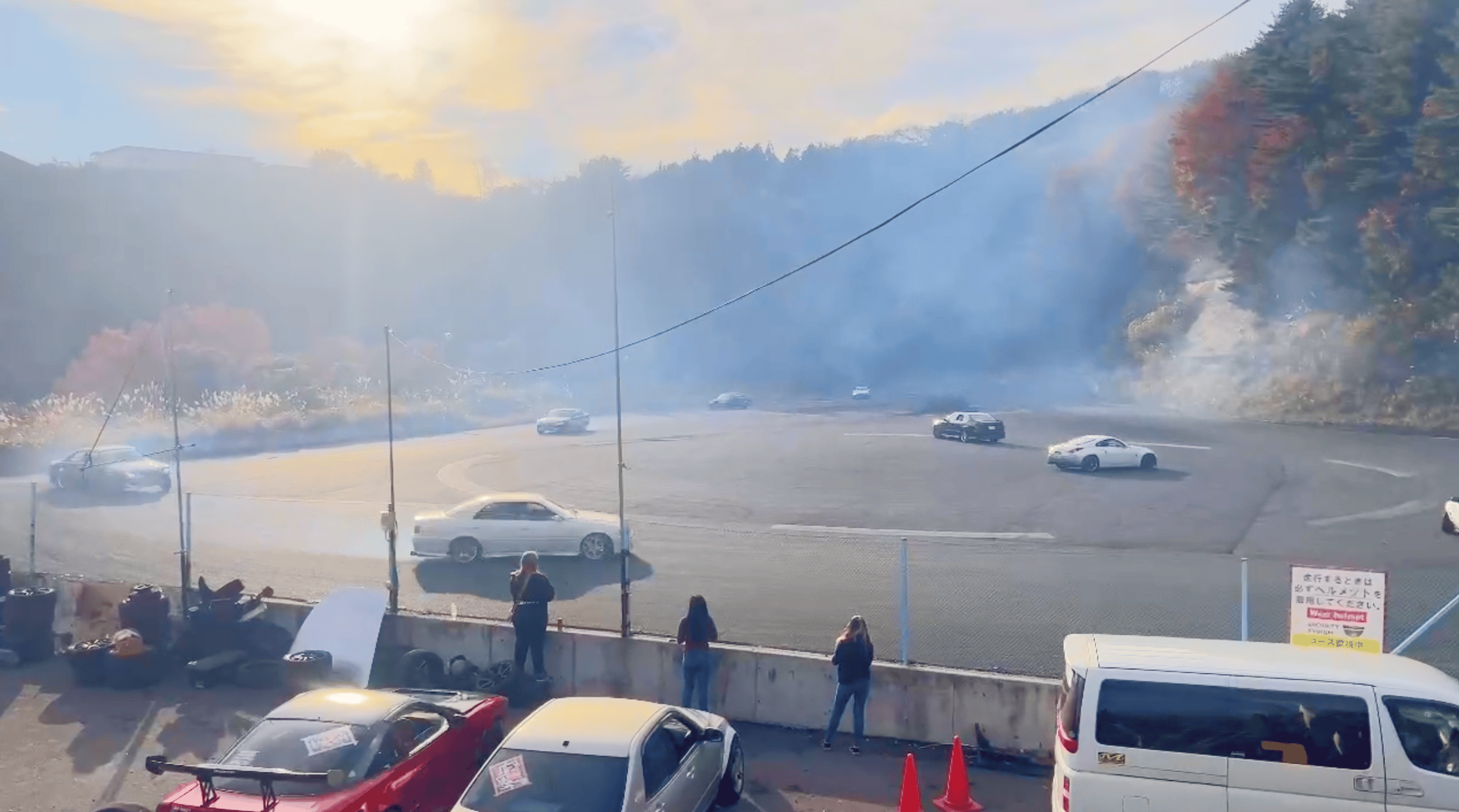
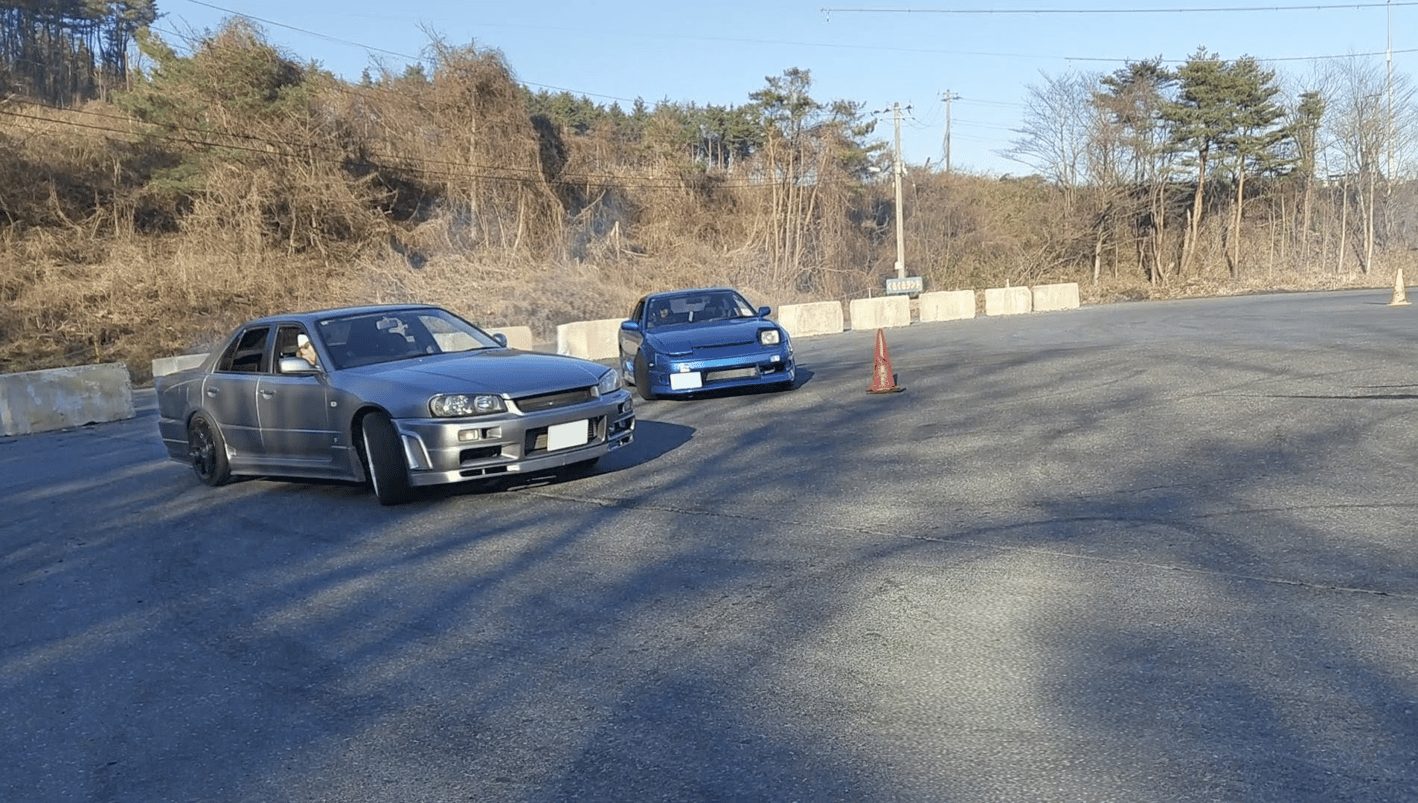
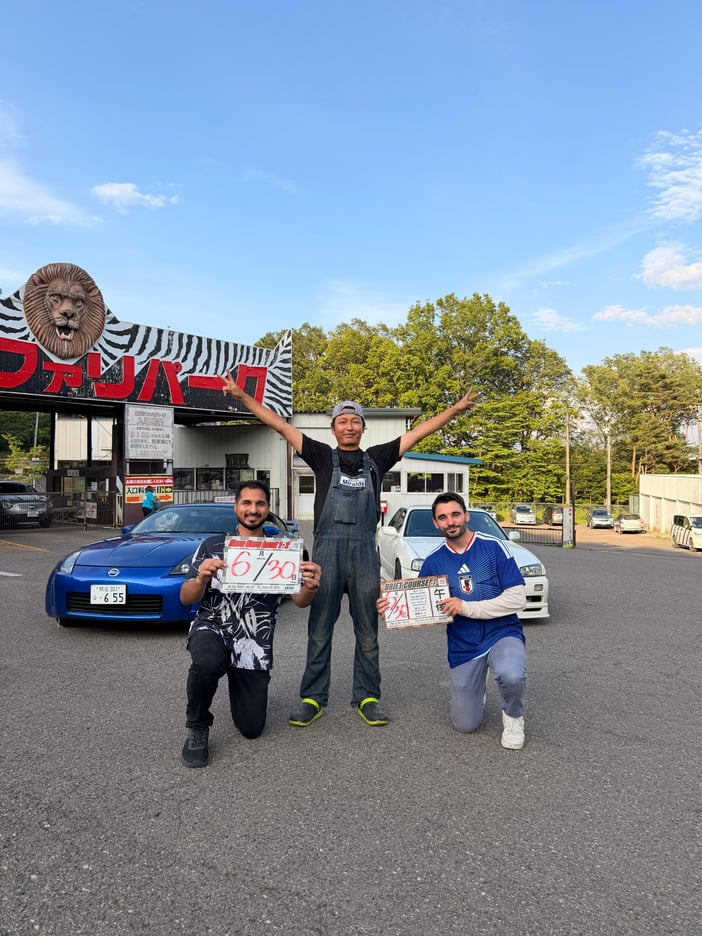
This 12-hour Ebisu Circuit day trip includes transport from Tokyo, a drift lesson and a pro ride-along, with free cancellation up to 24 hours in advance.