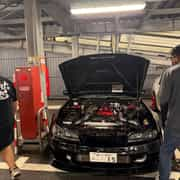
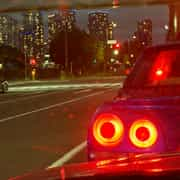
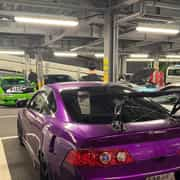
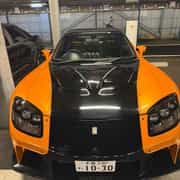
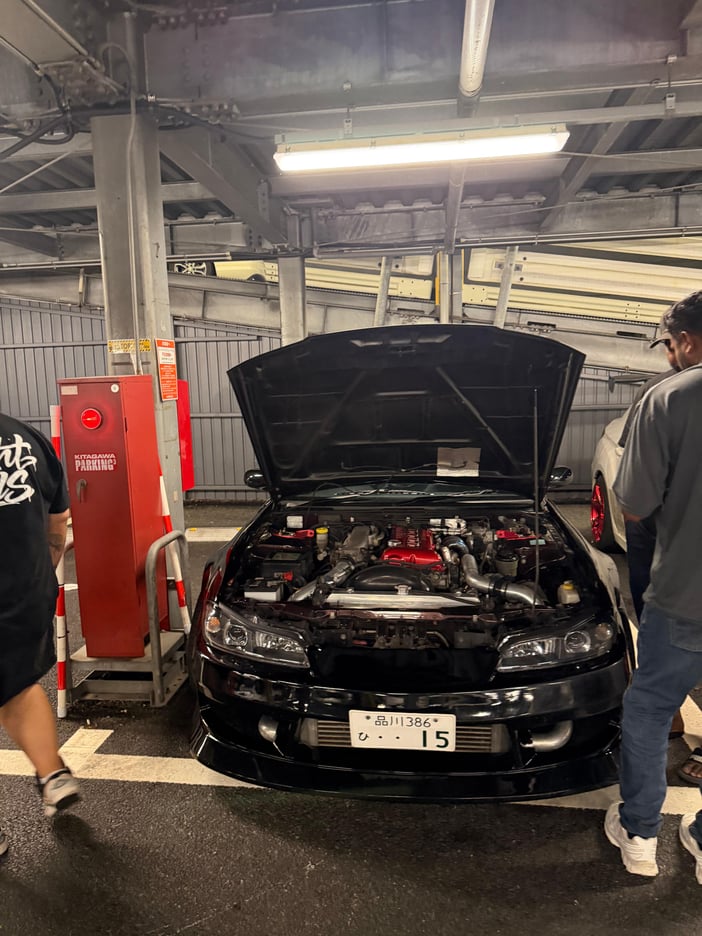
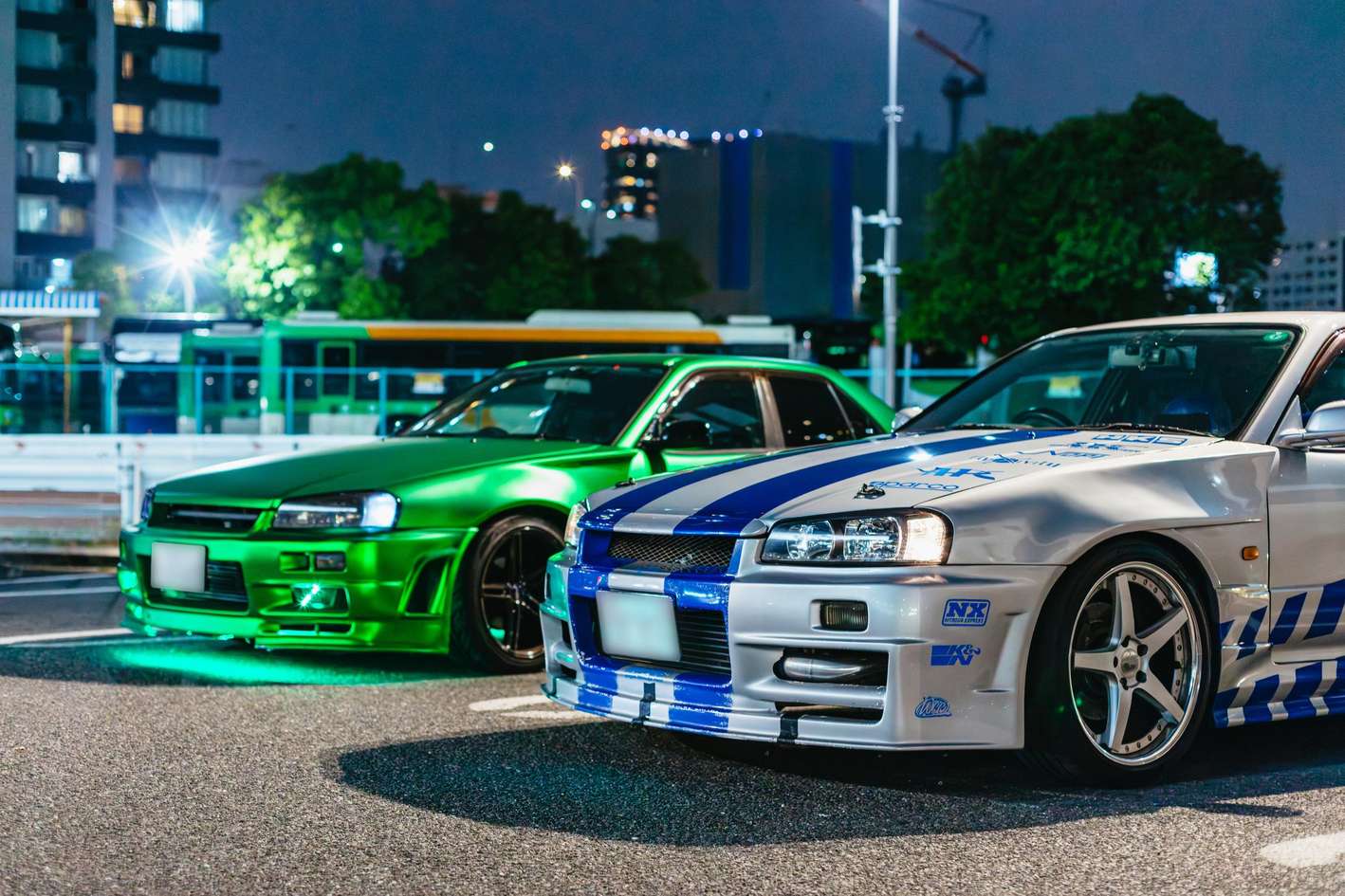
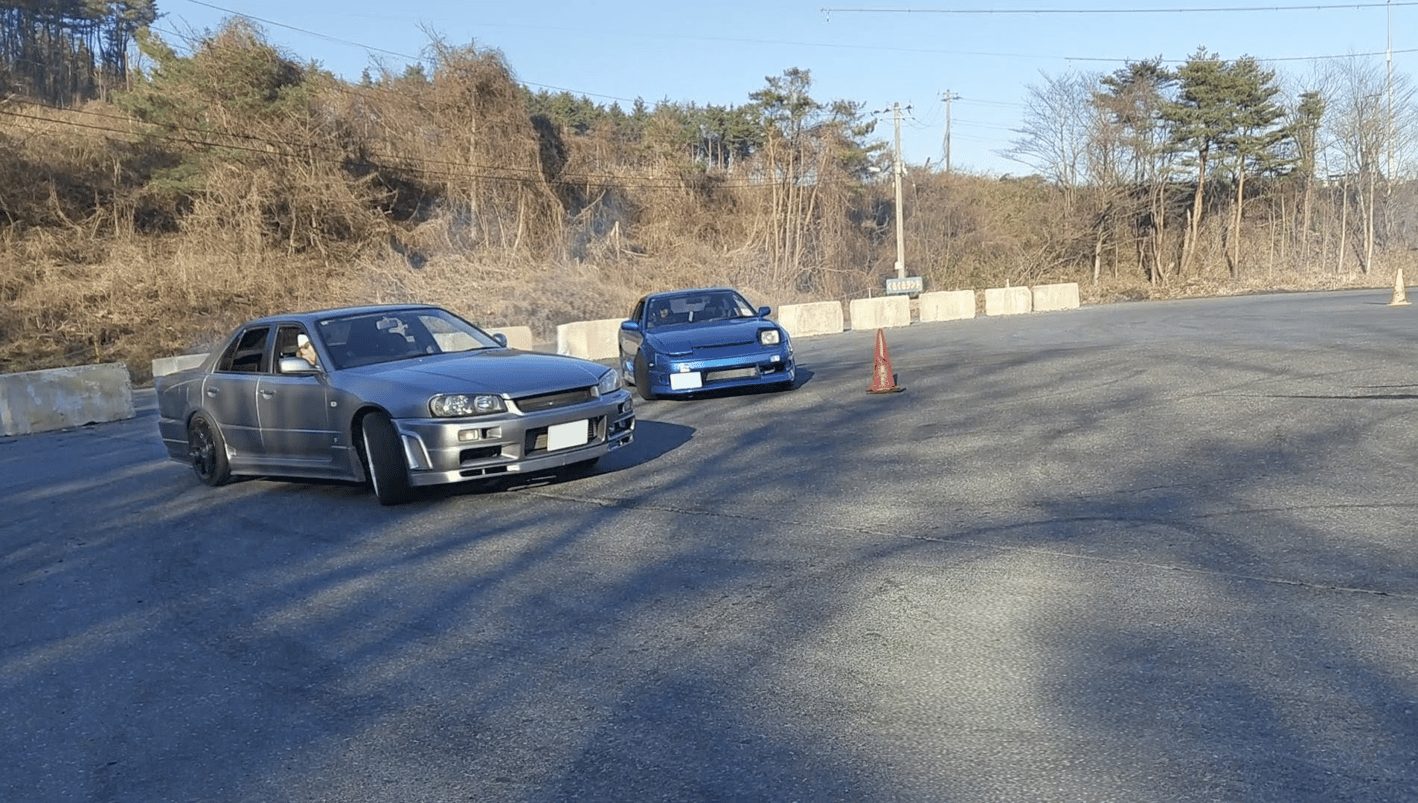
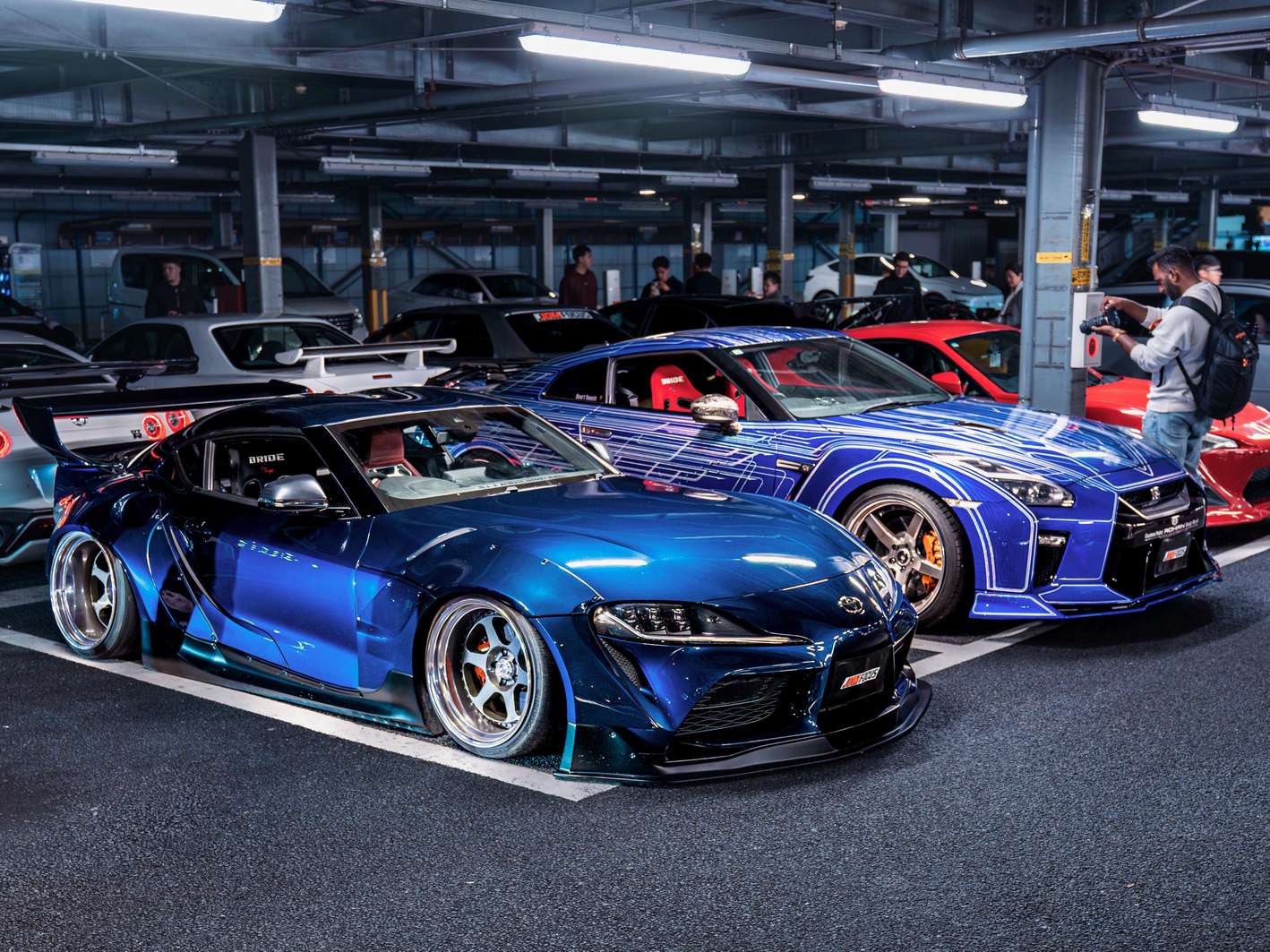
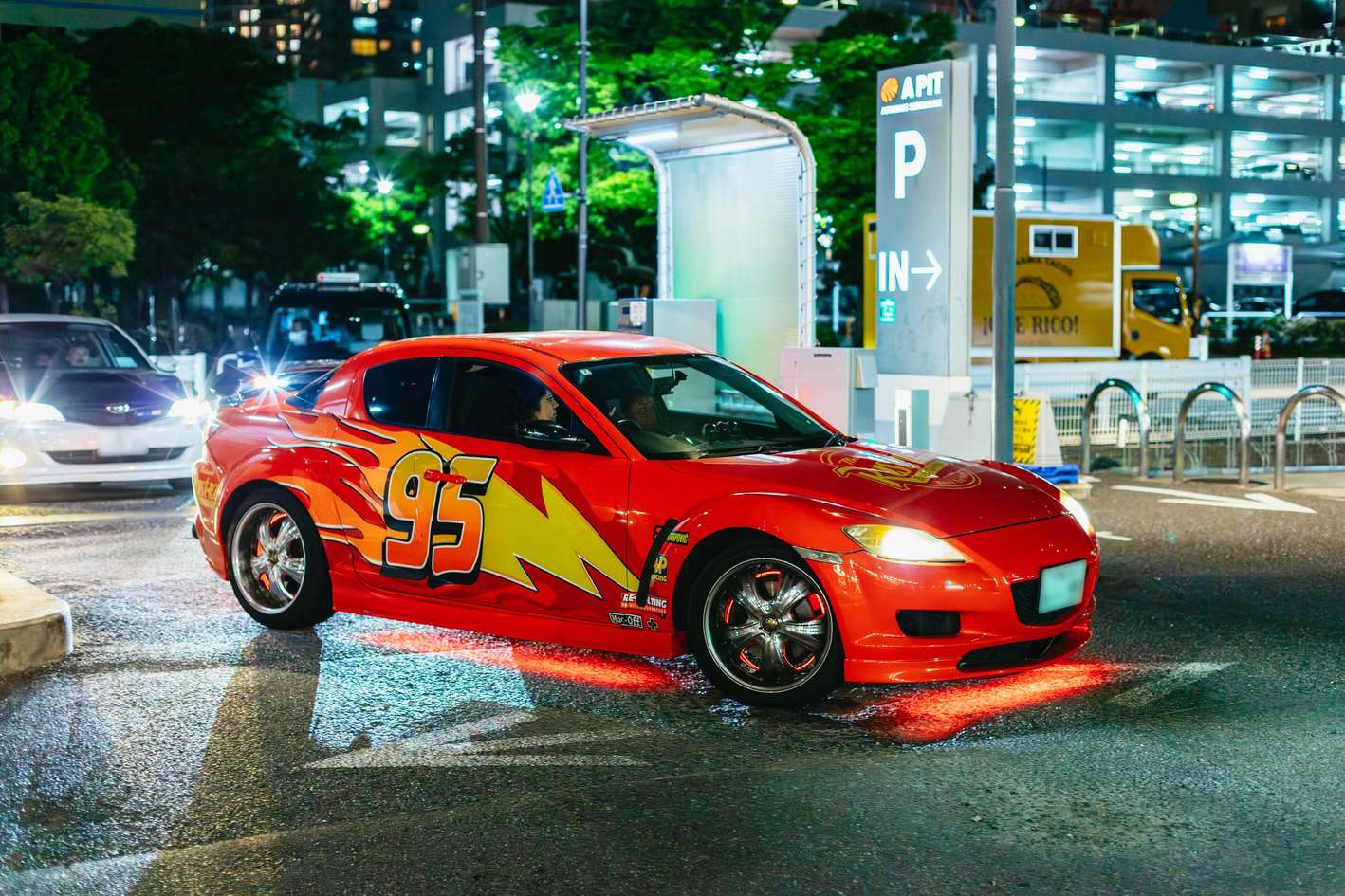
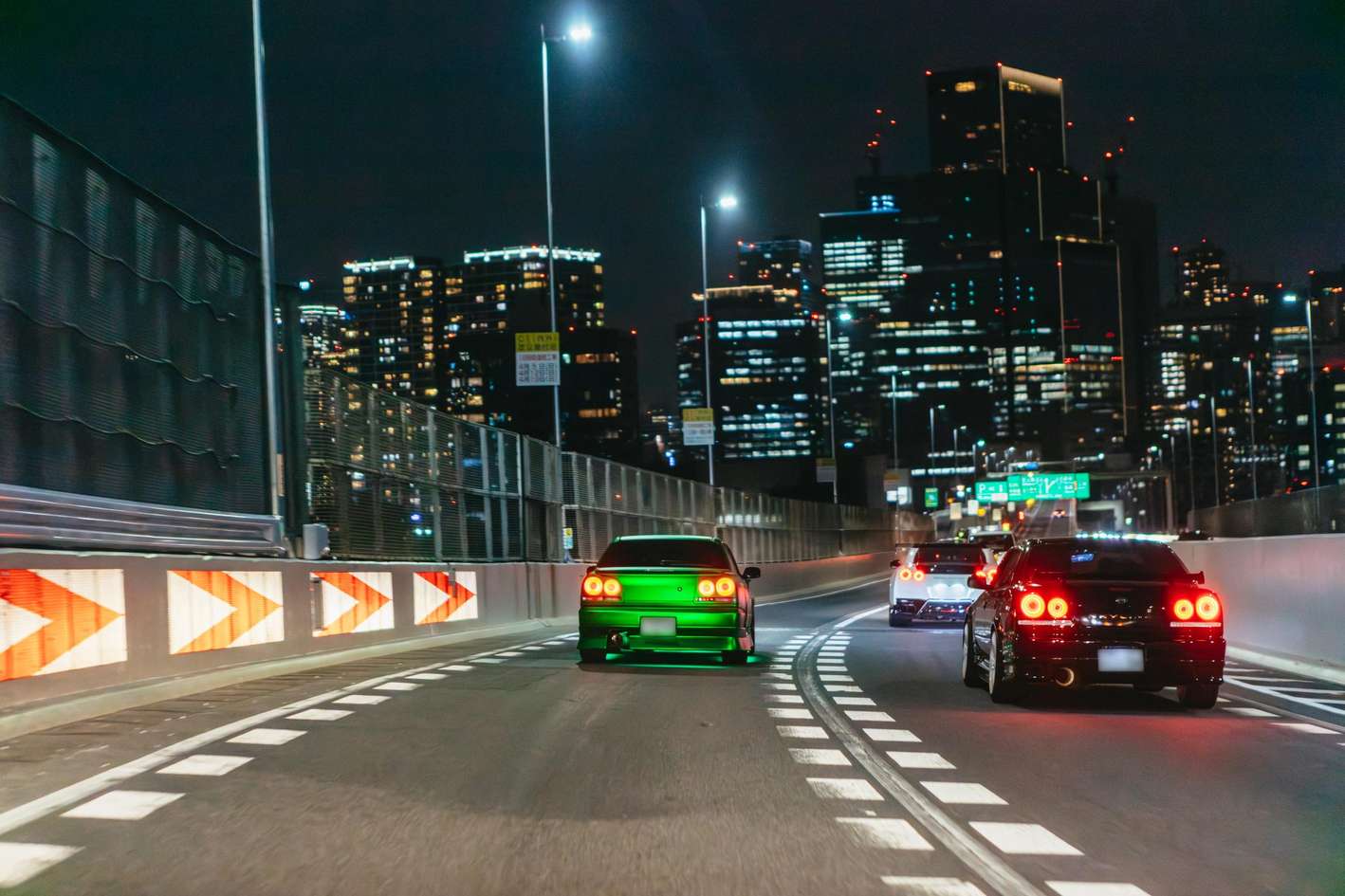
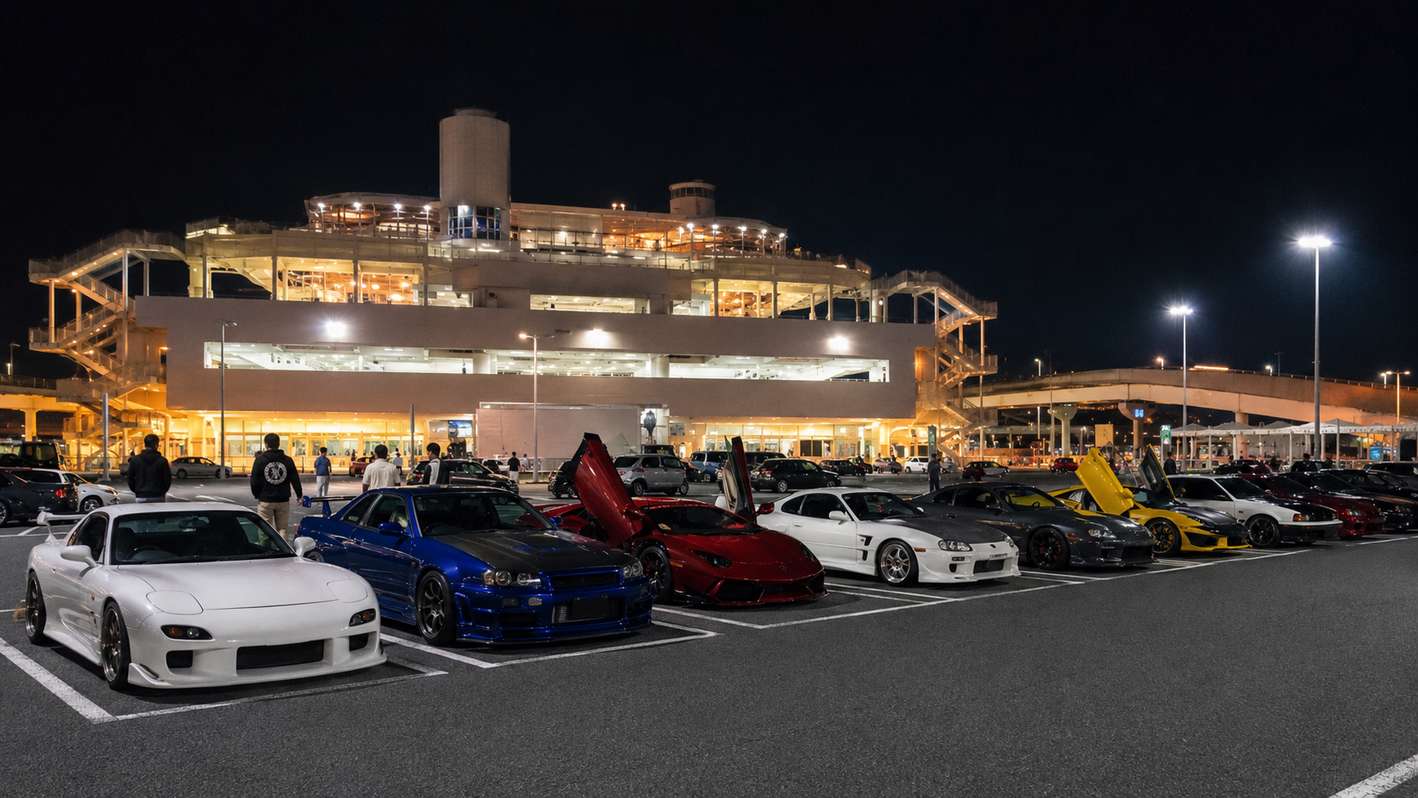
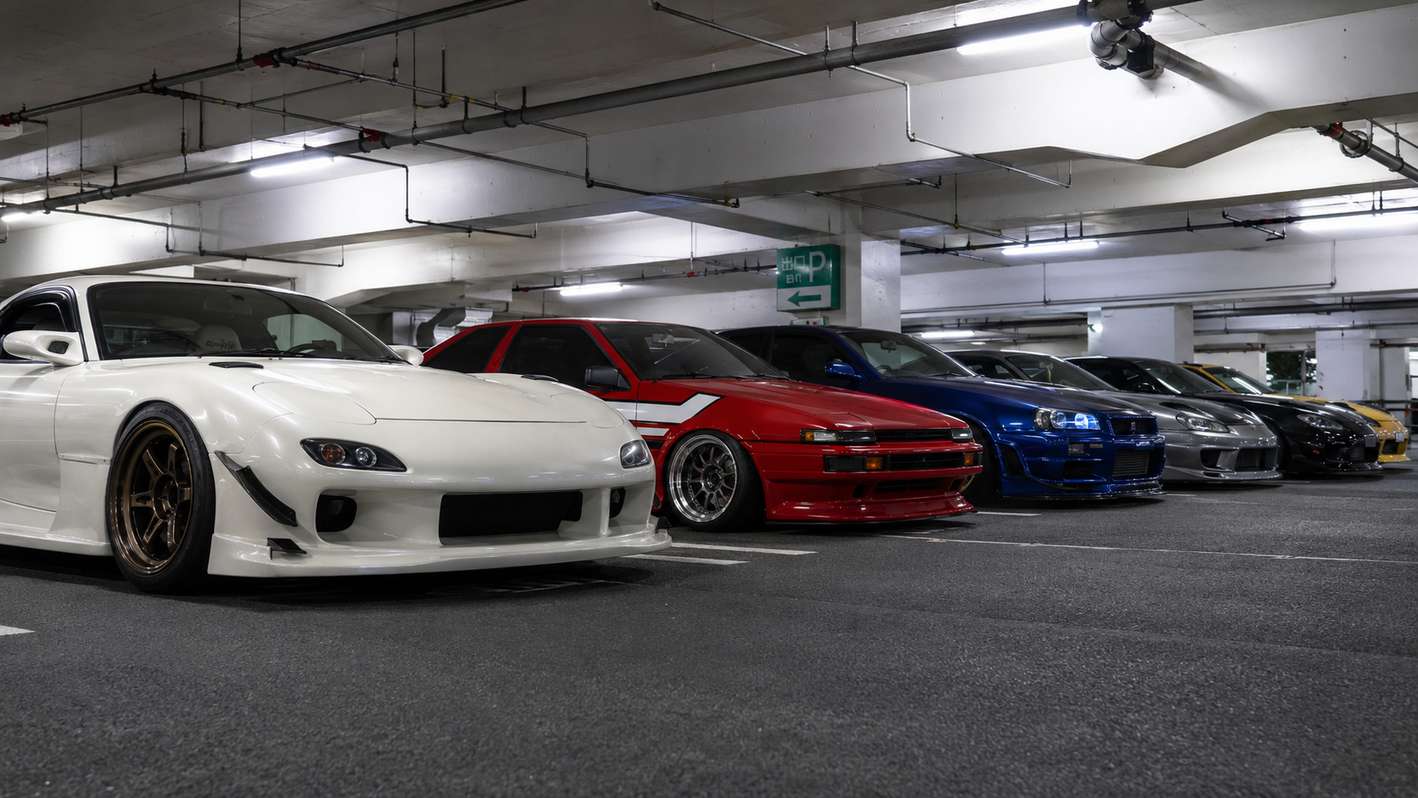
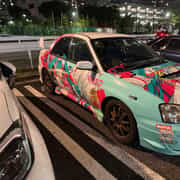
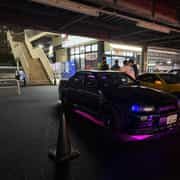
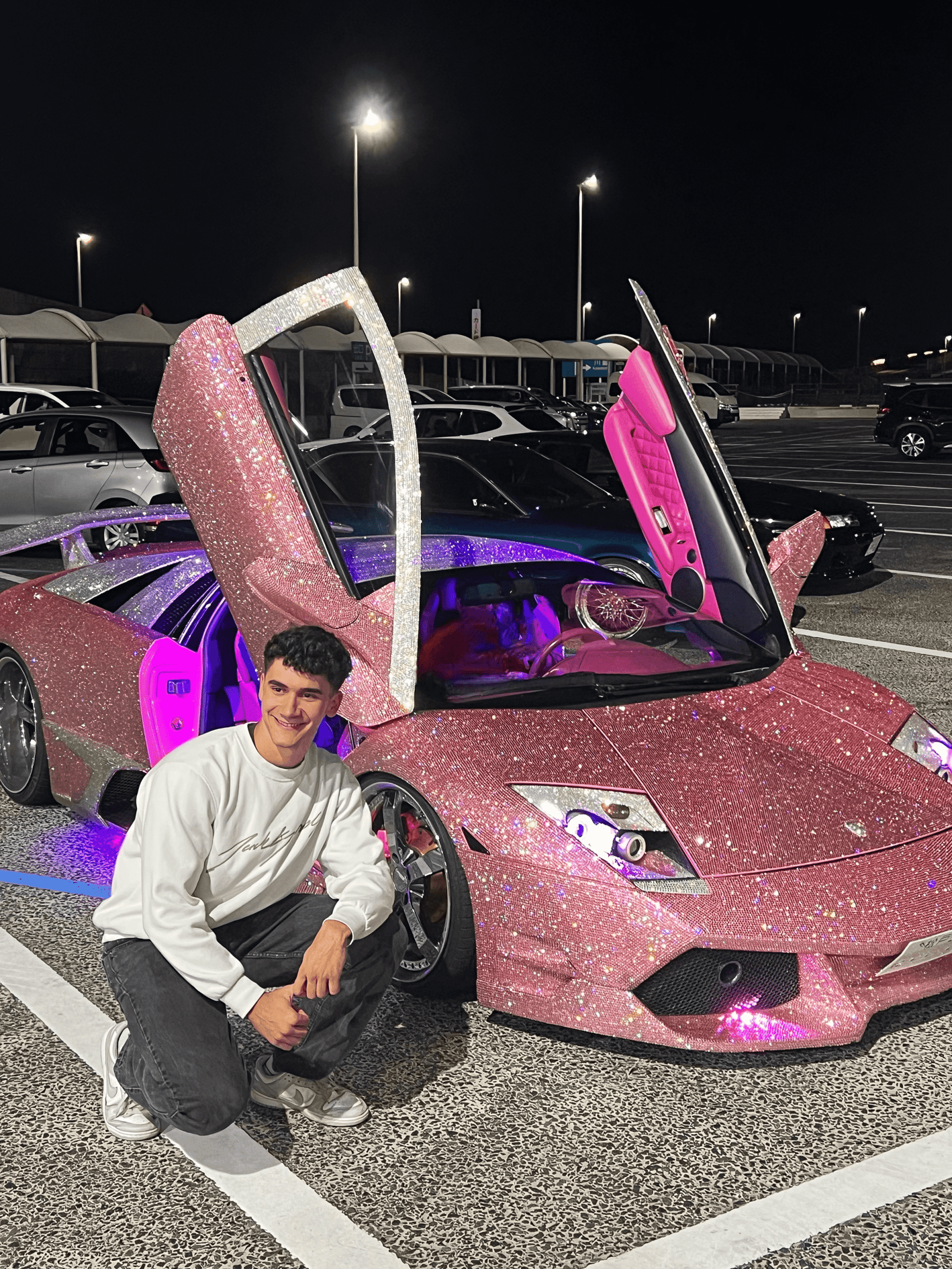
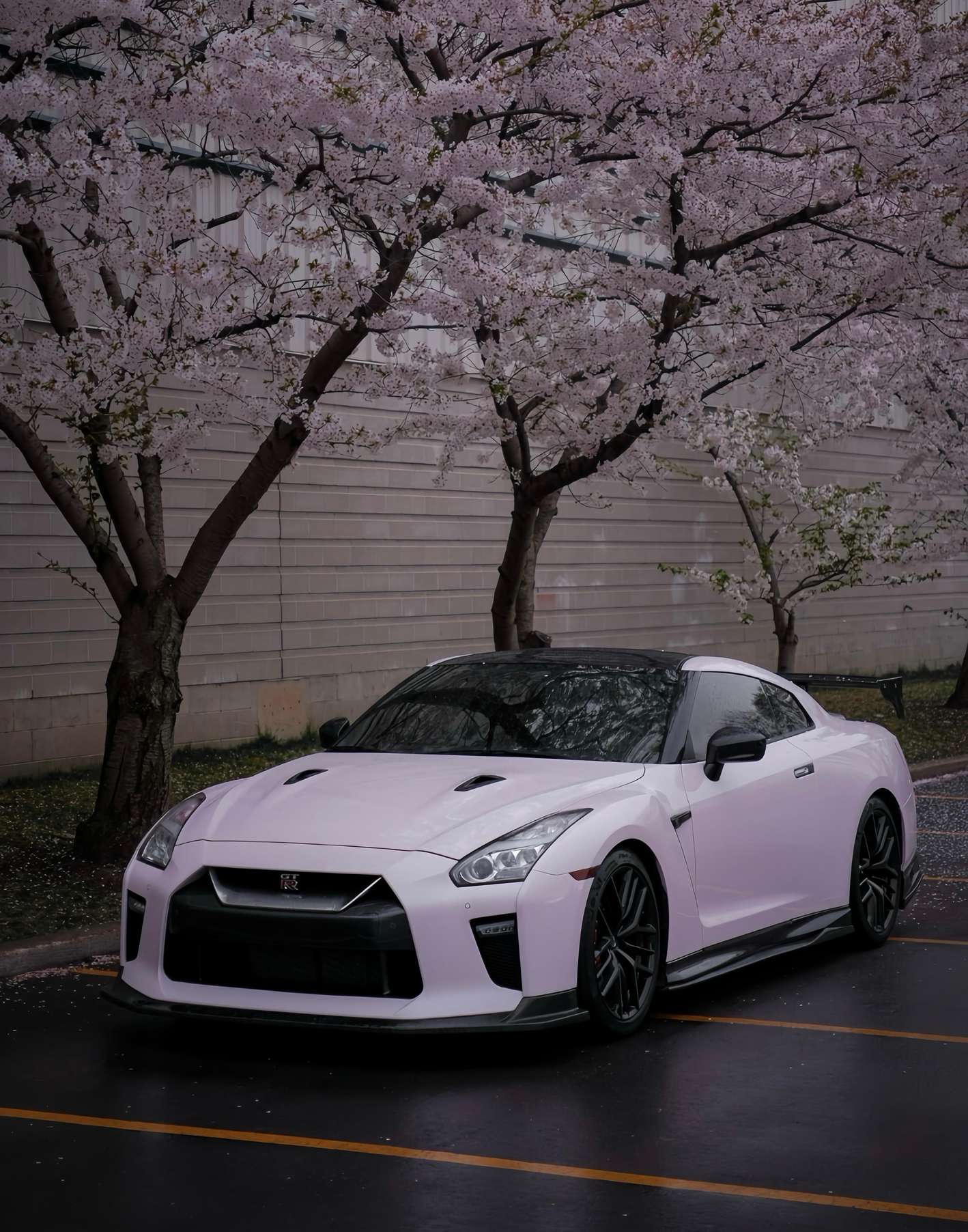
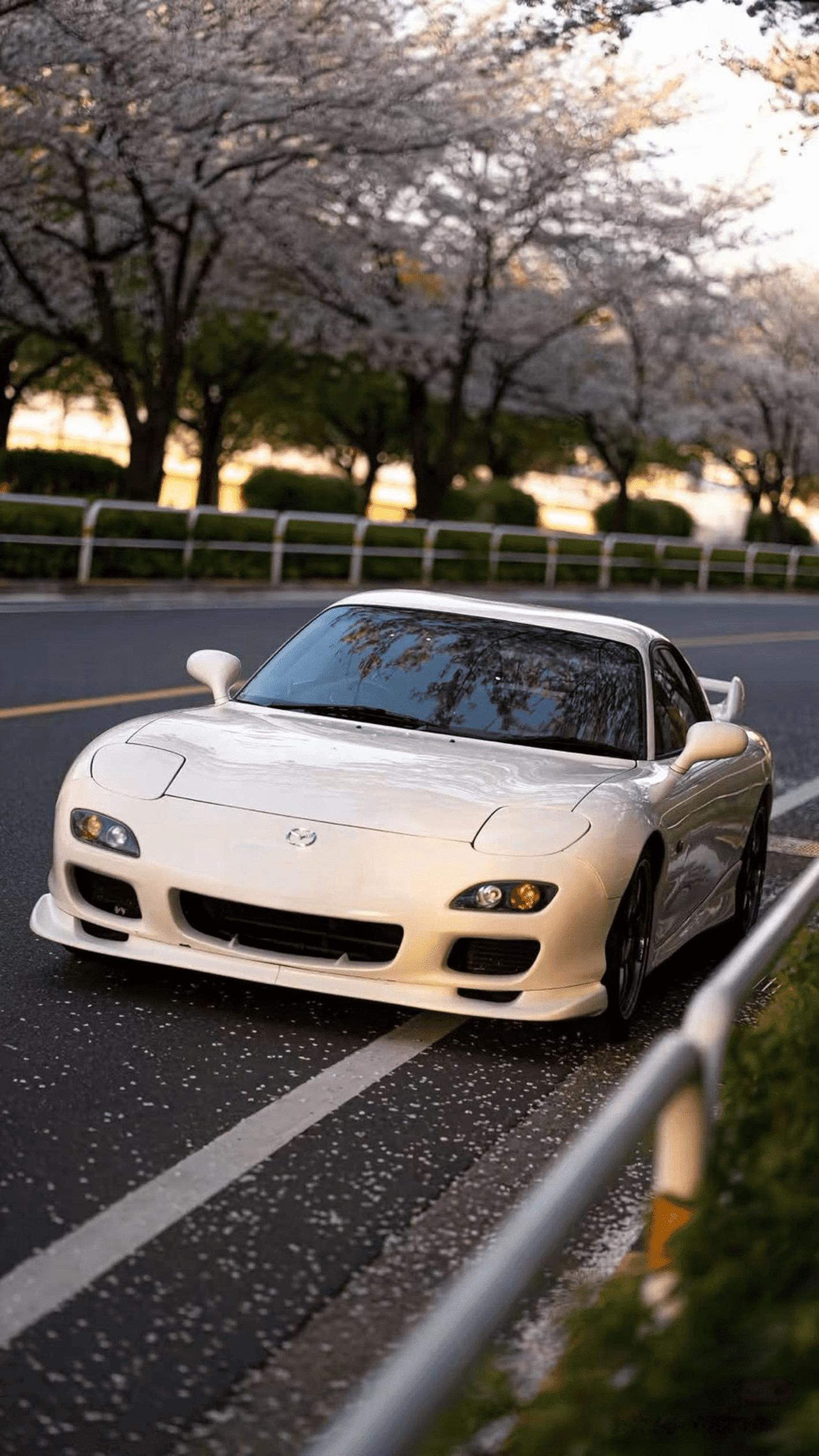
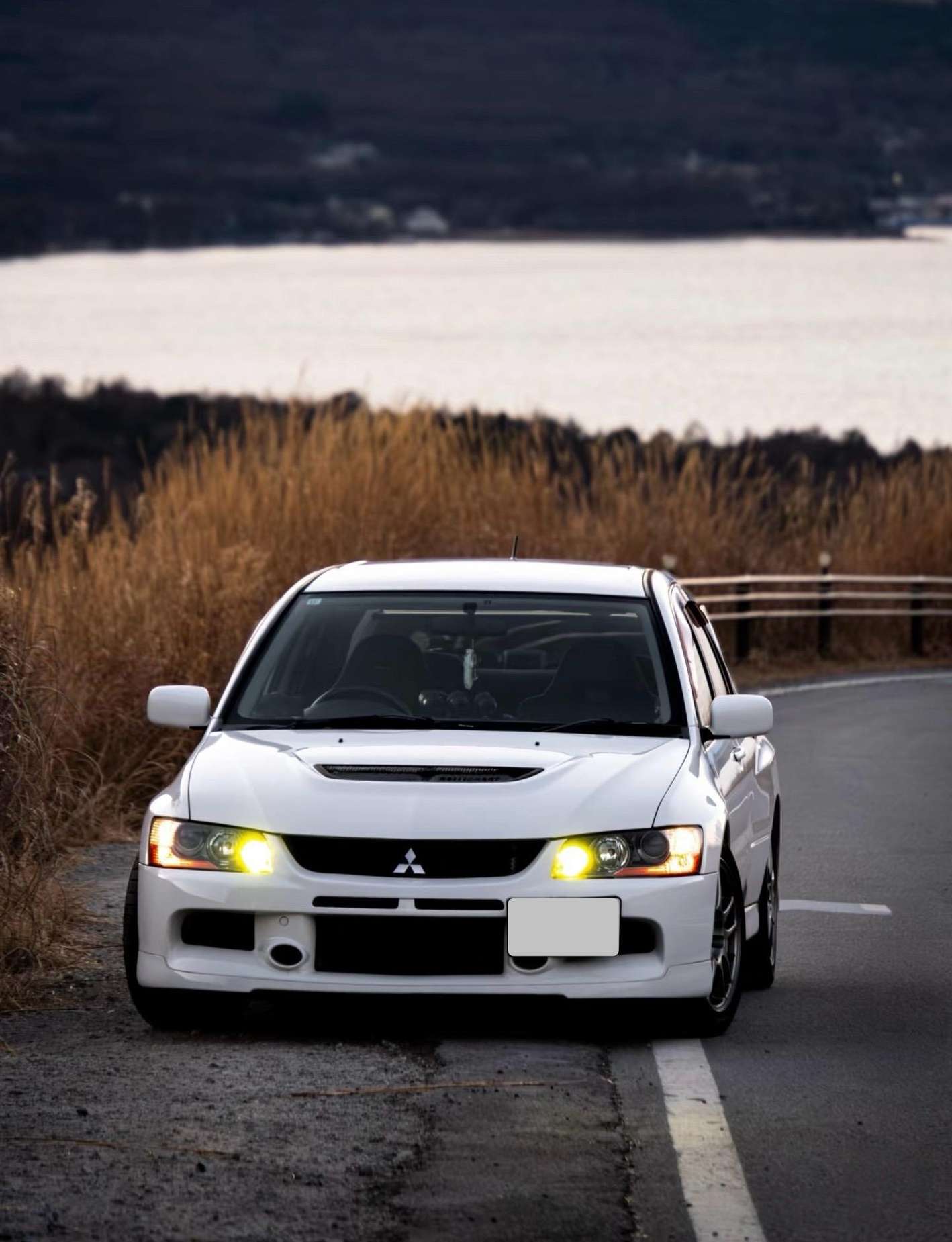
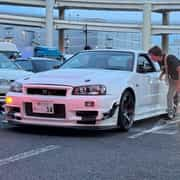
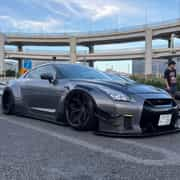
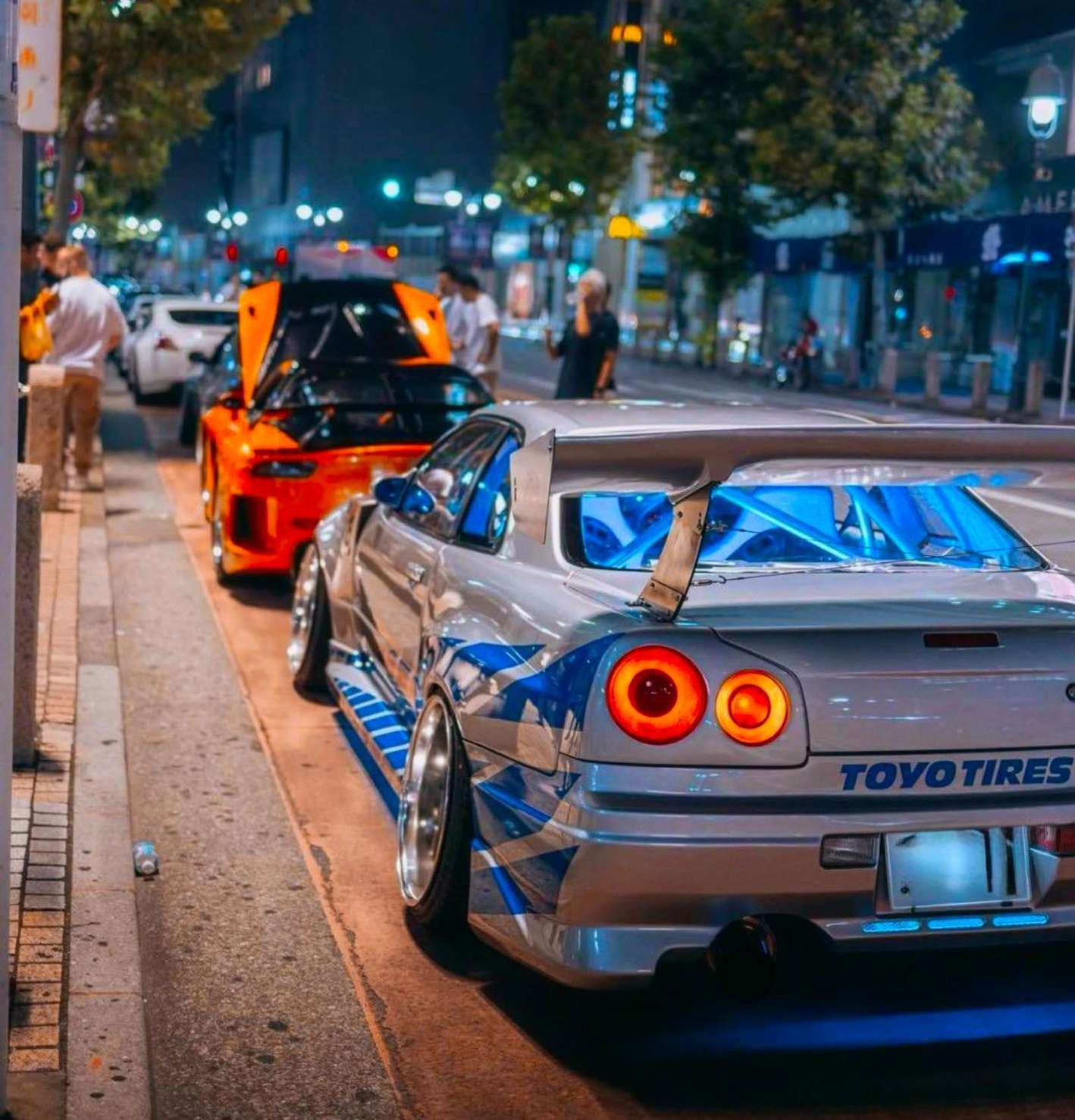
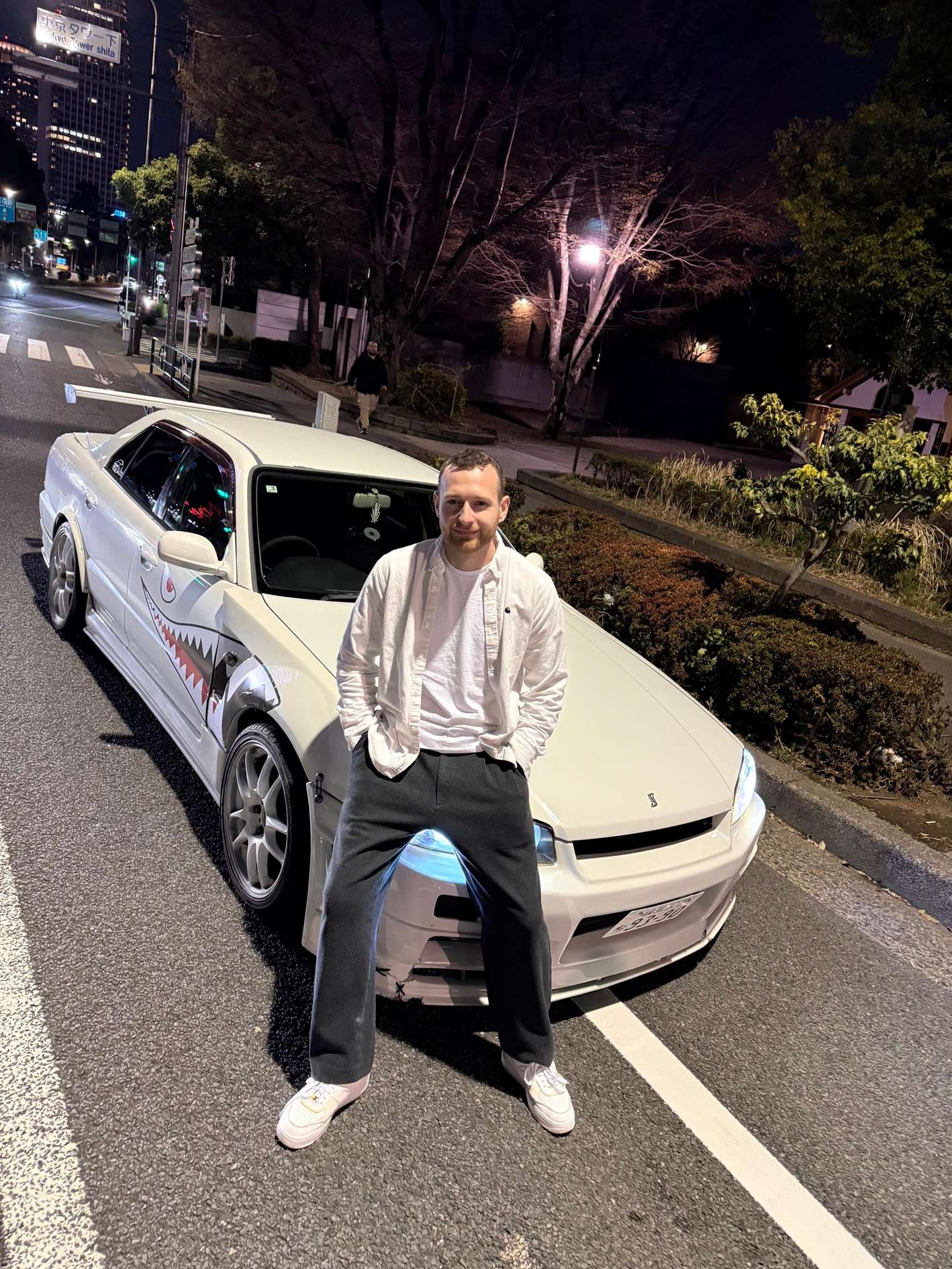
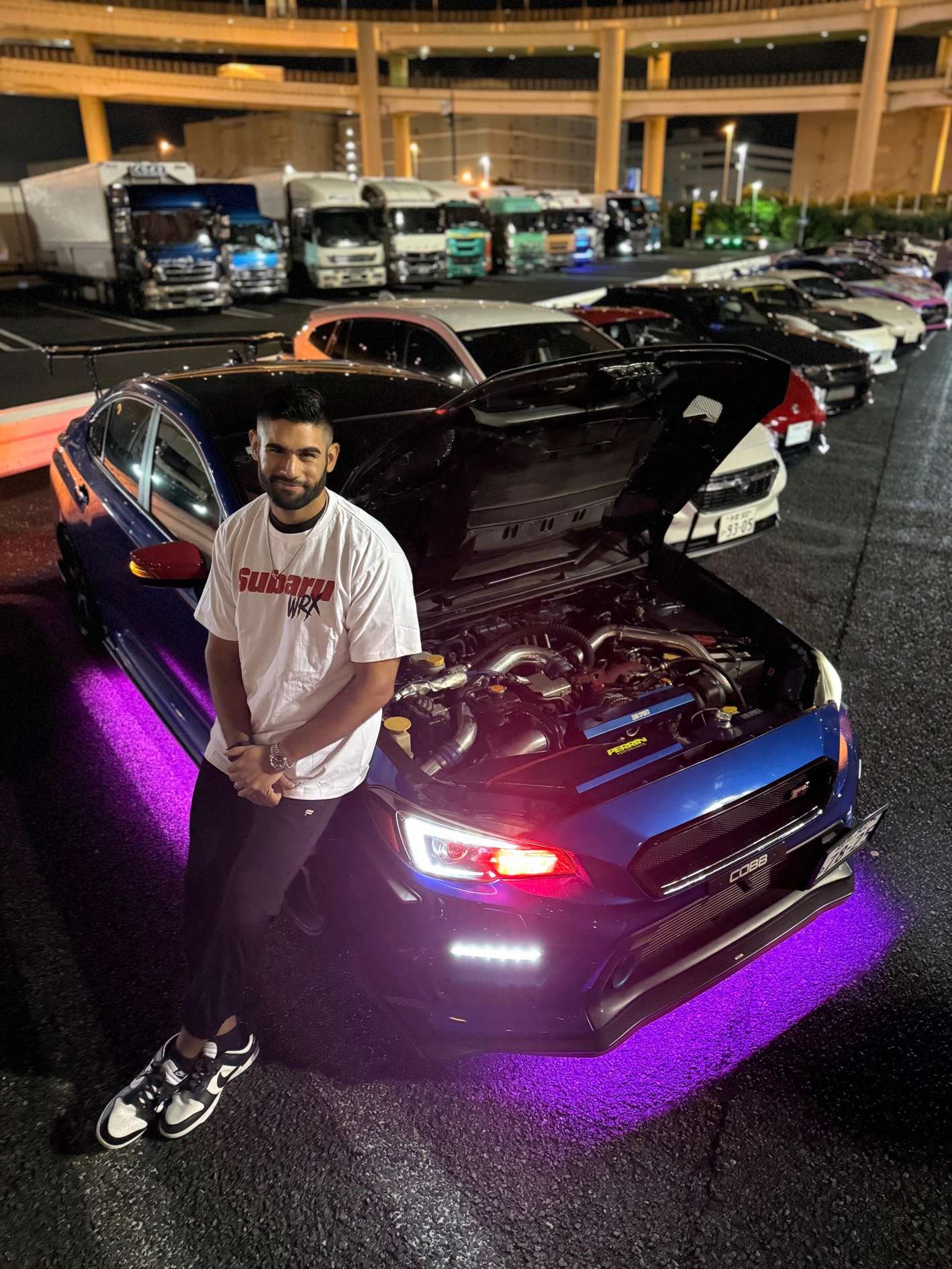
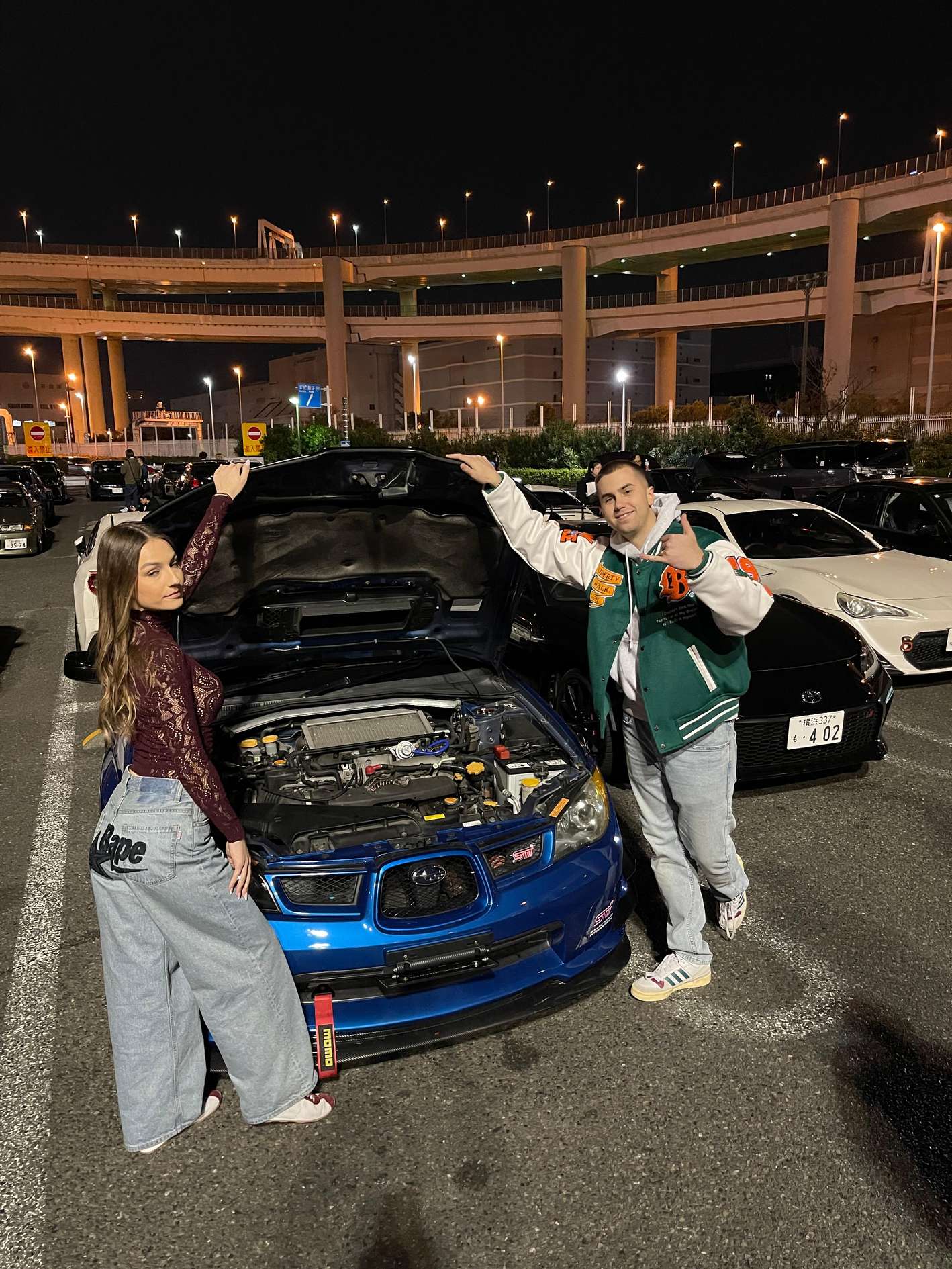
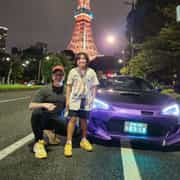
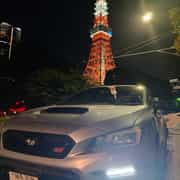
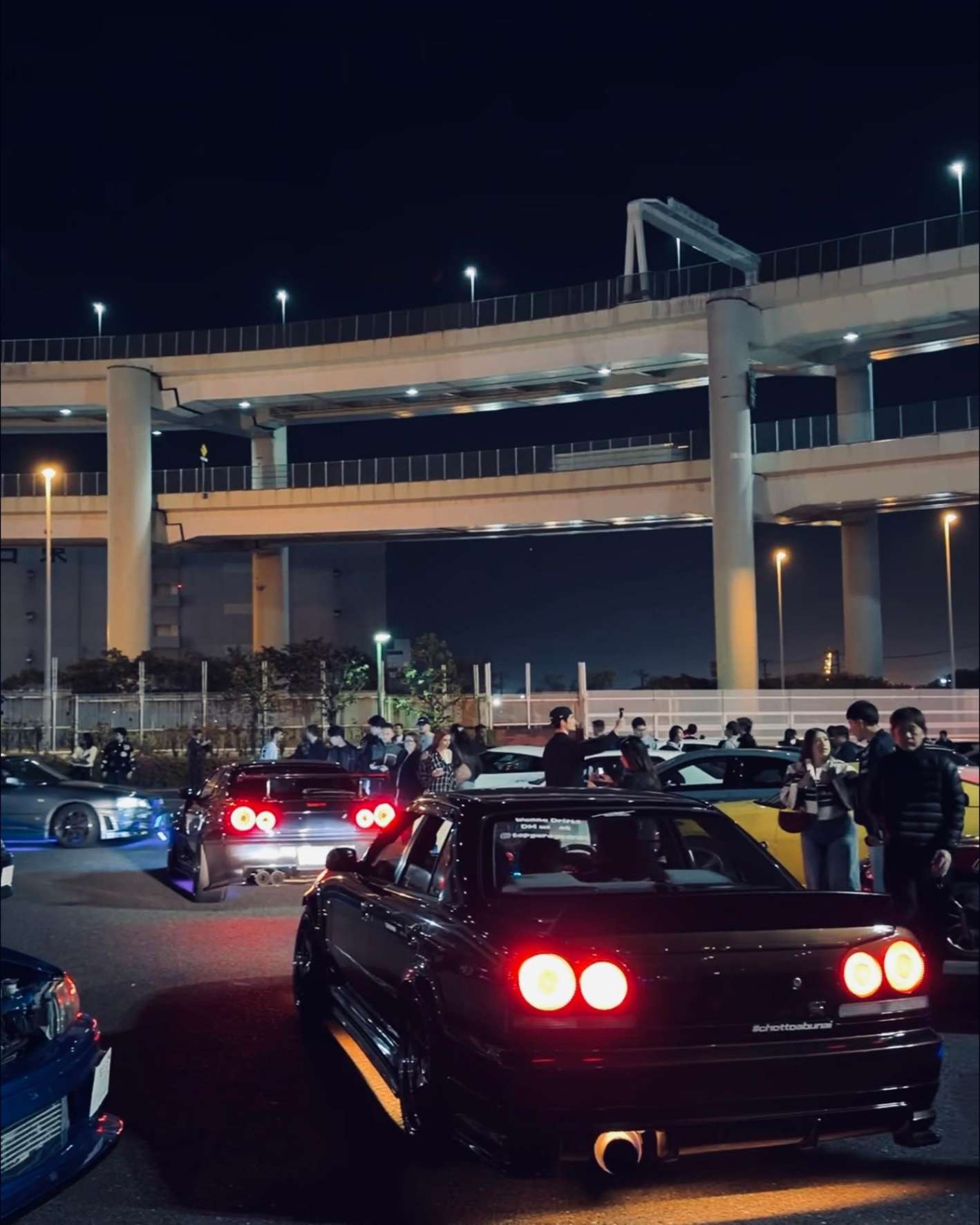
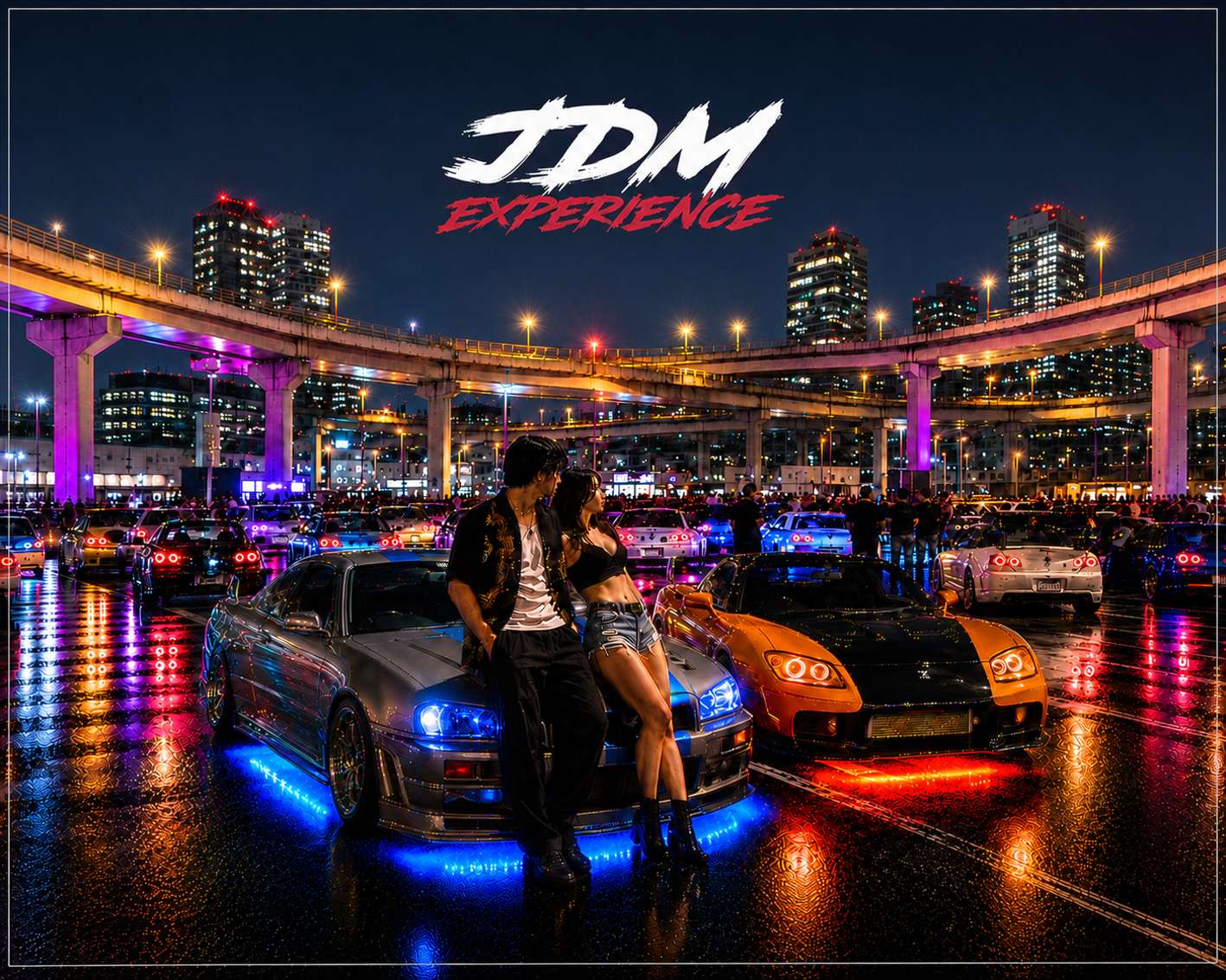
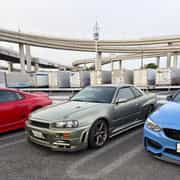
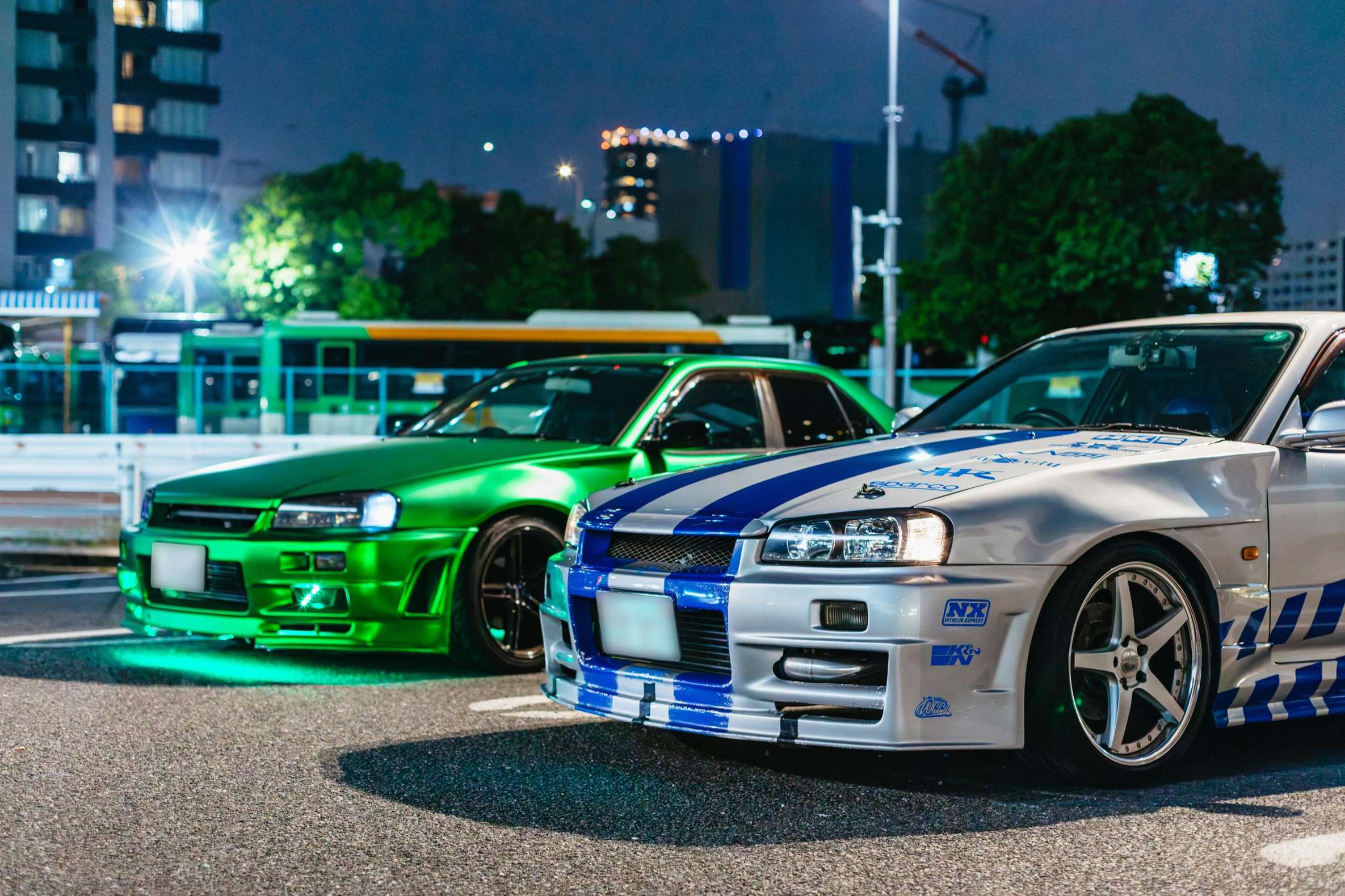
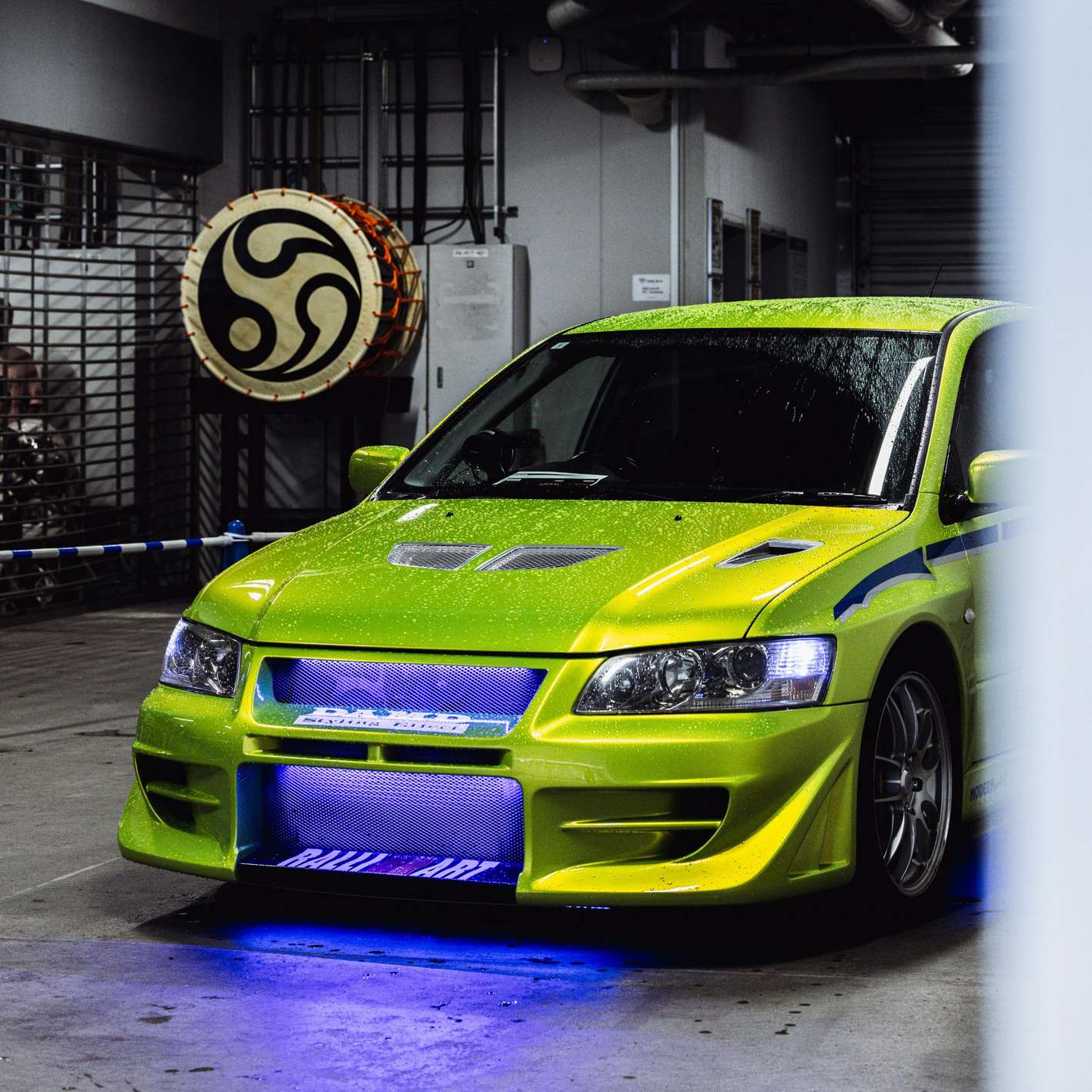
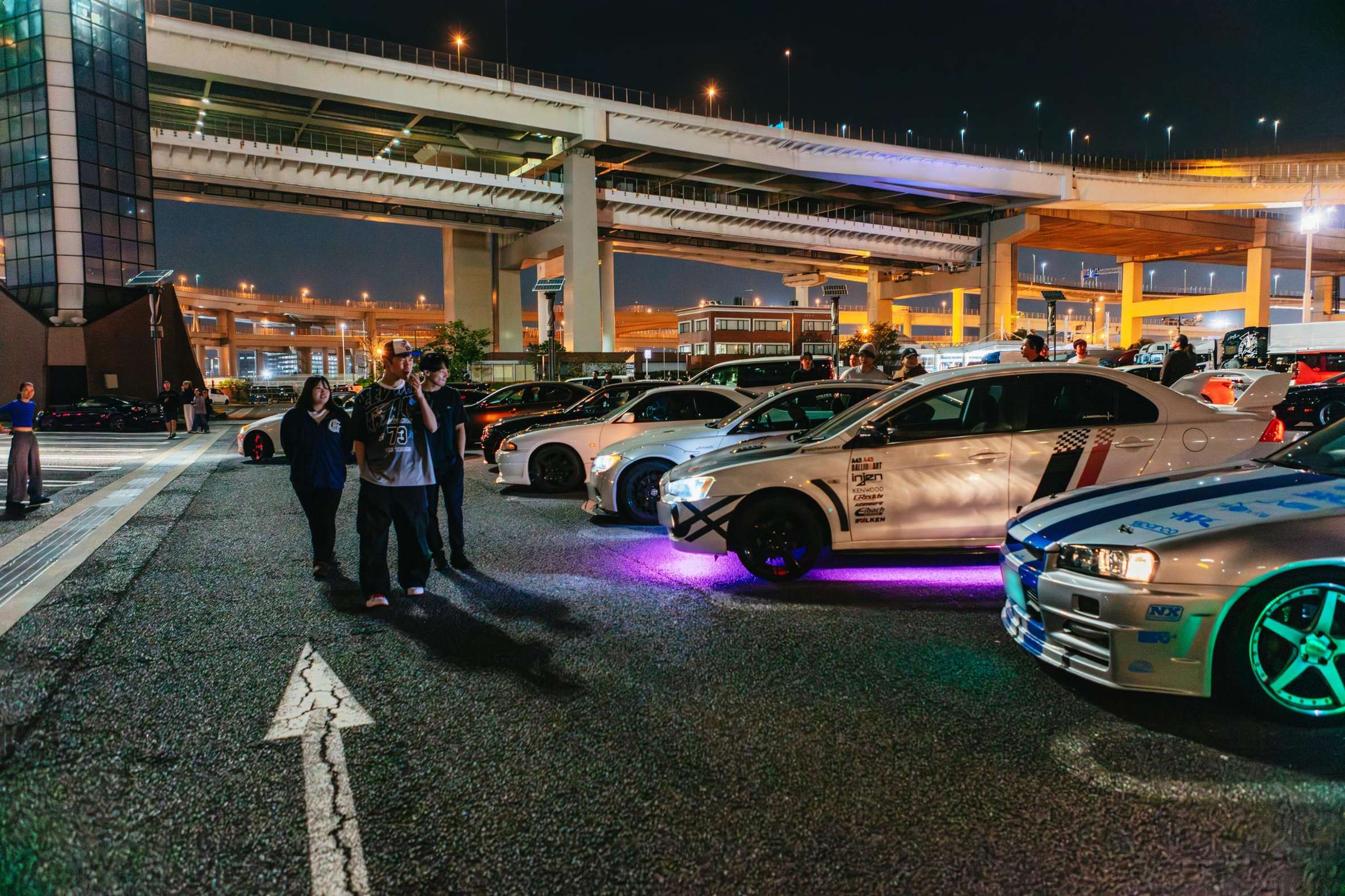
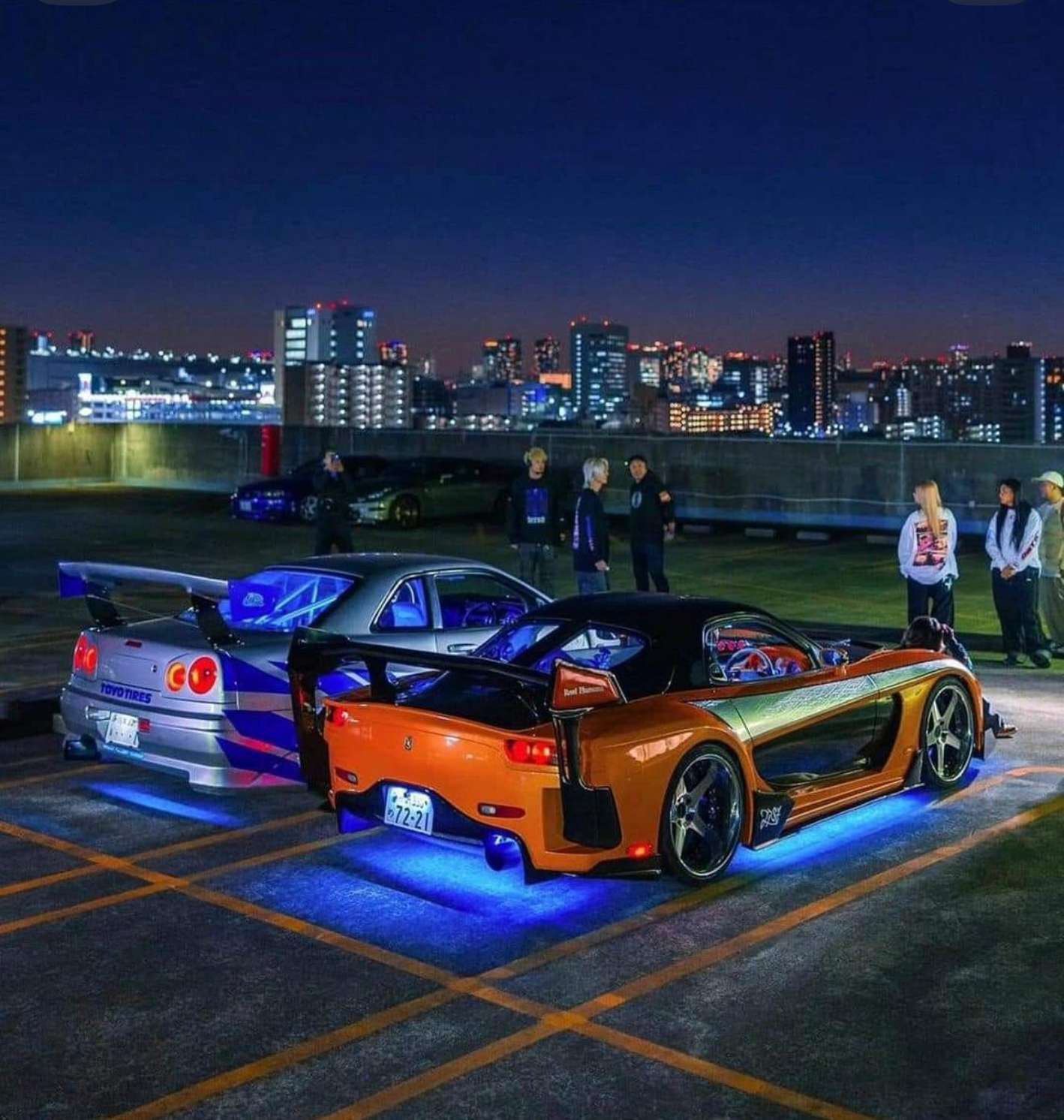
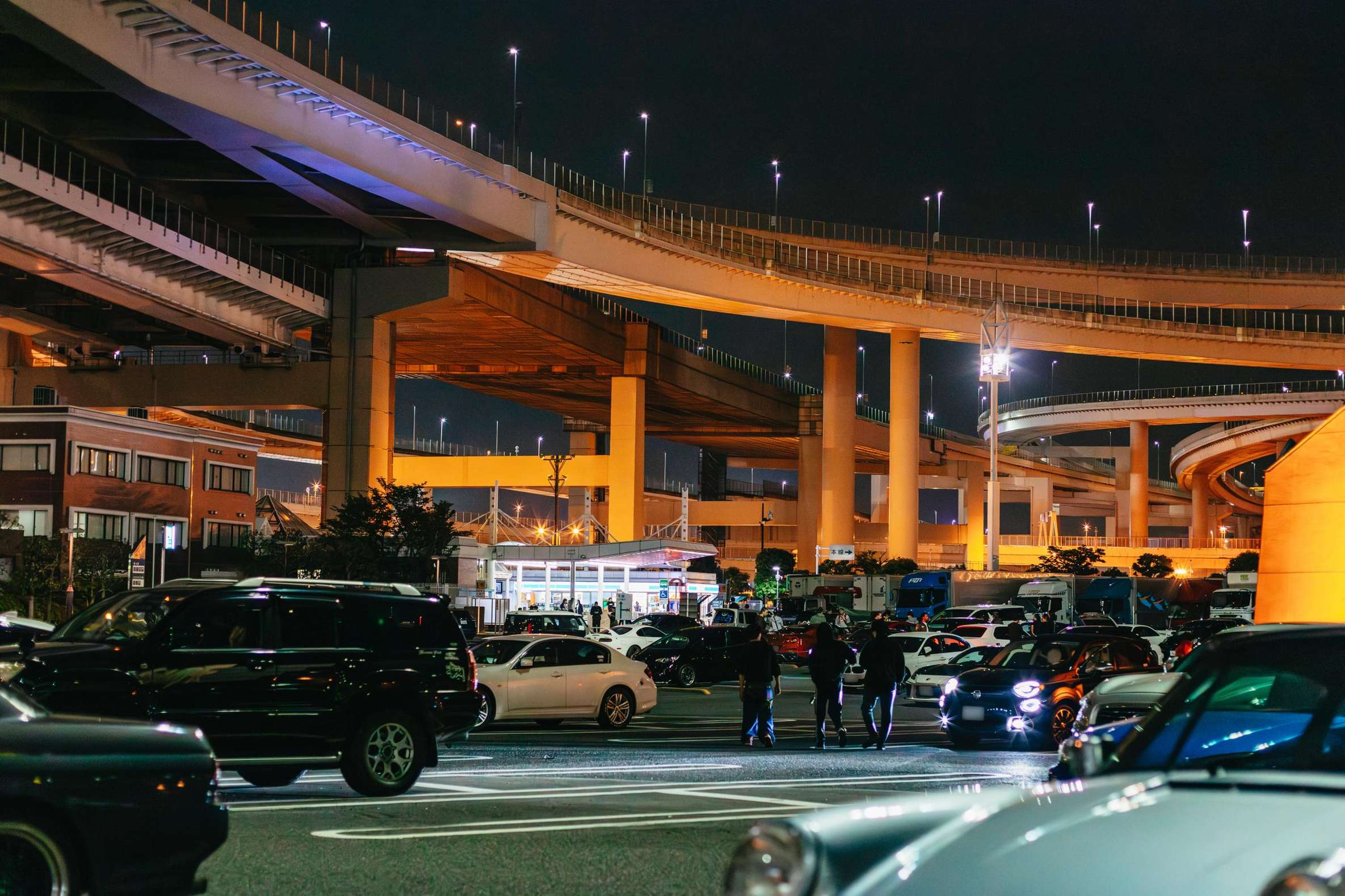
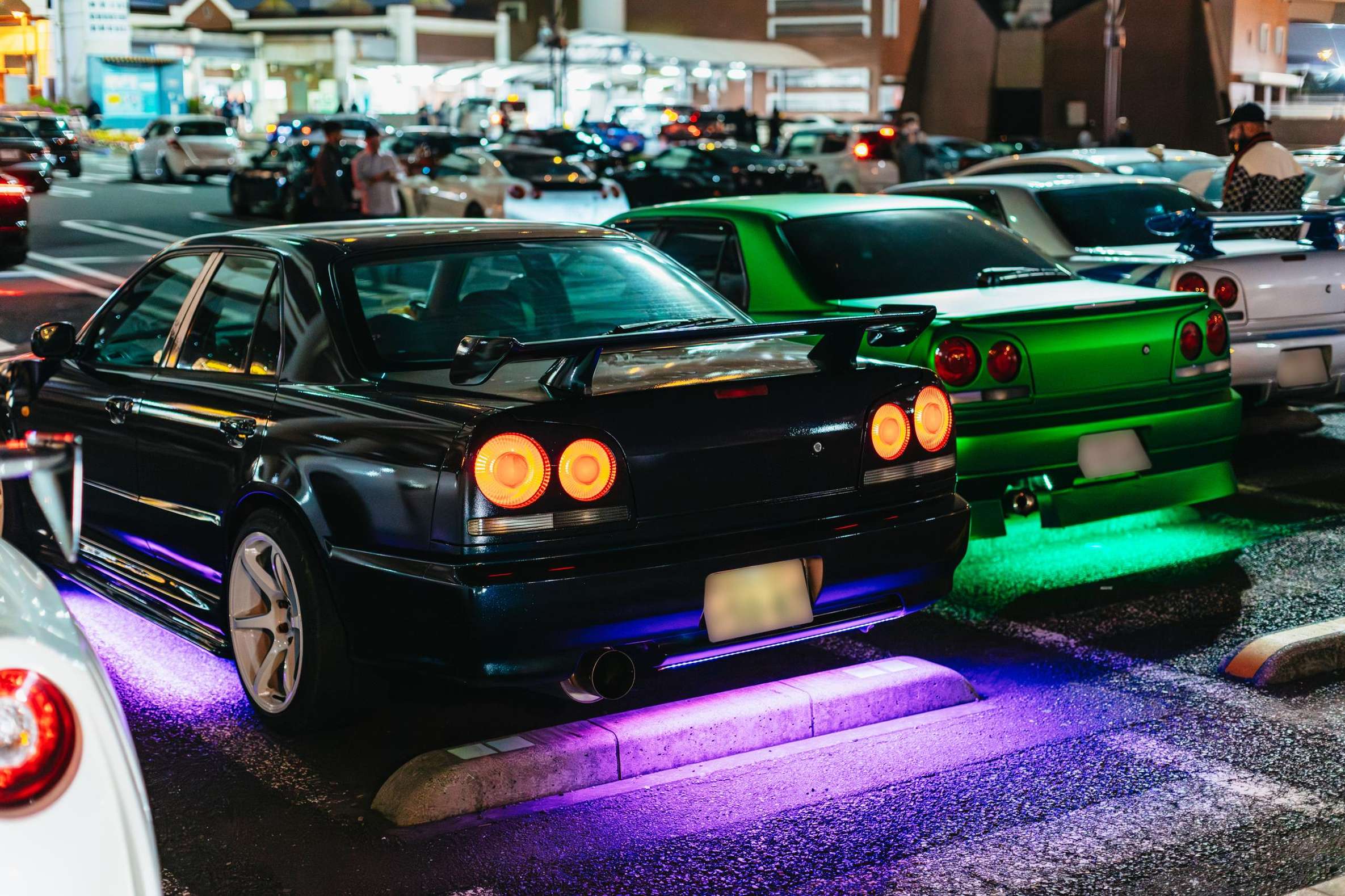
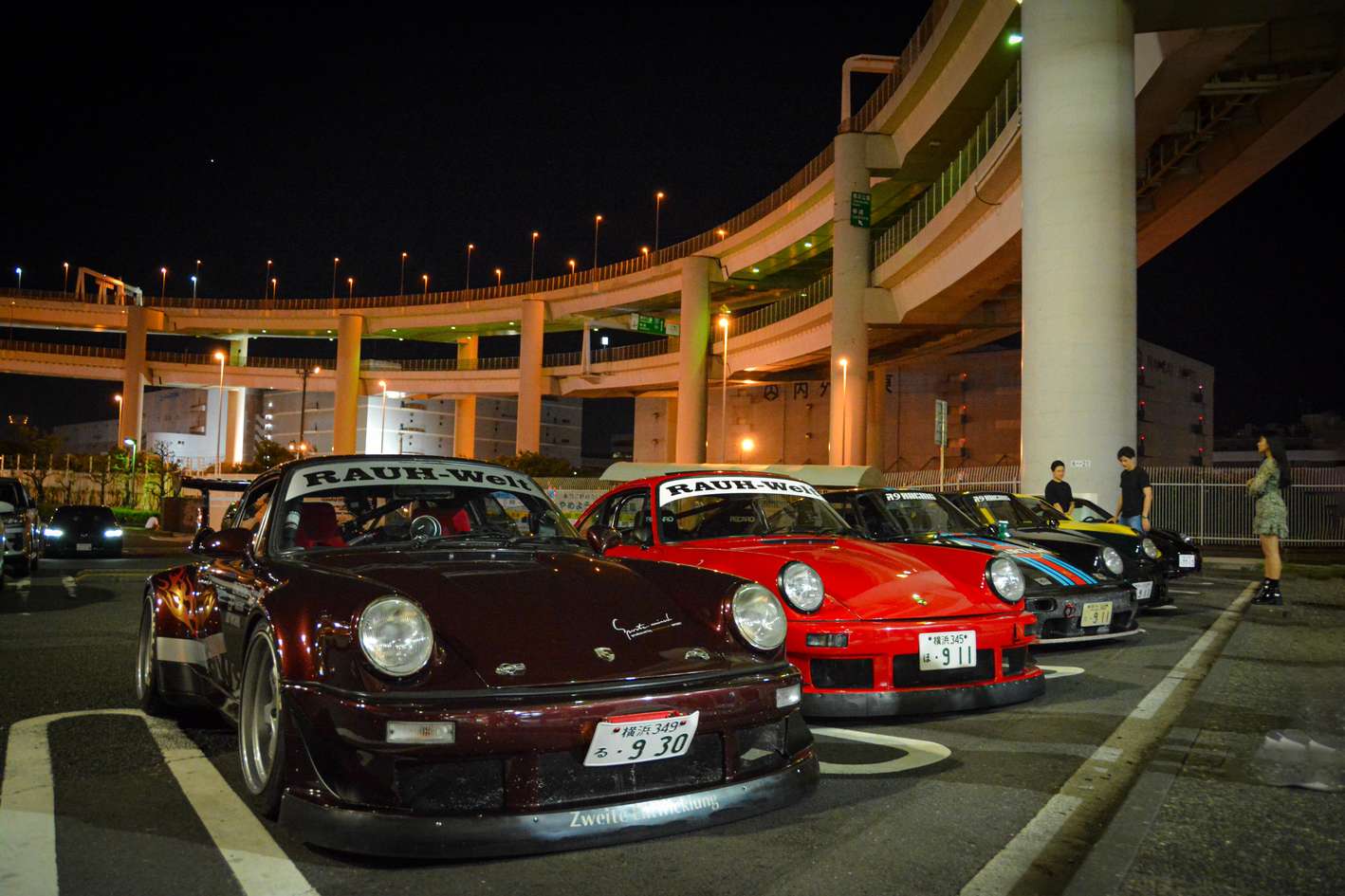
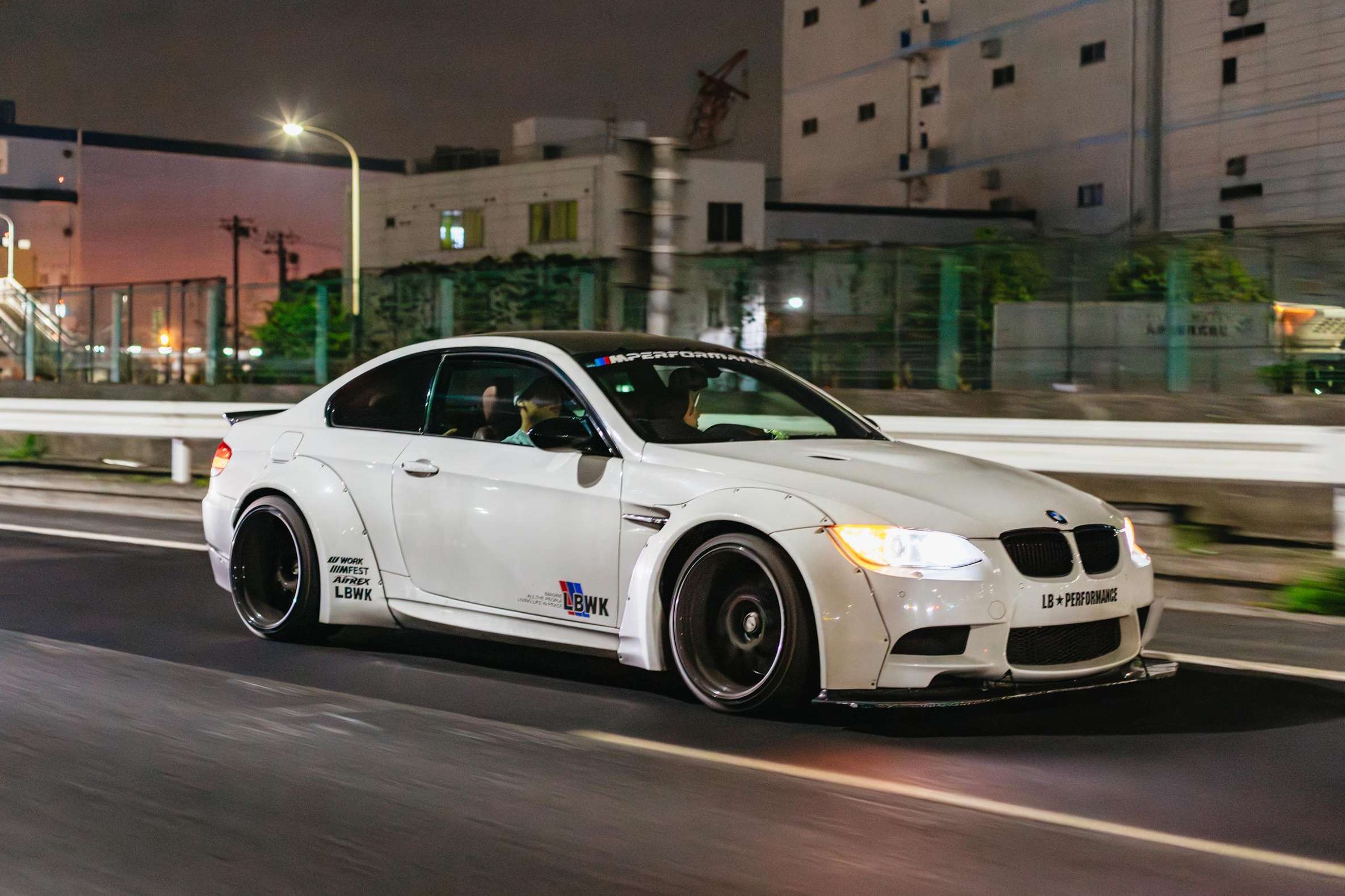
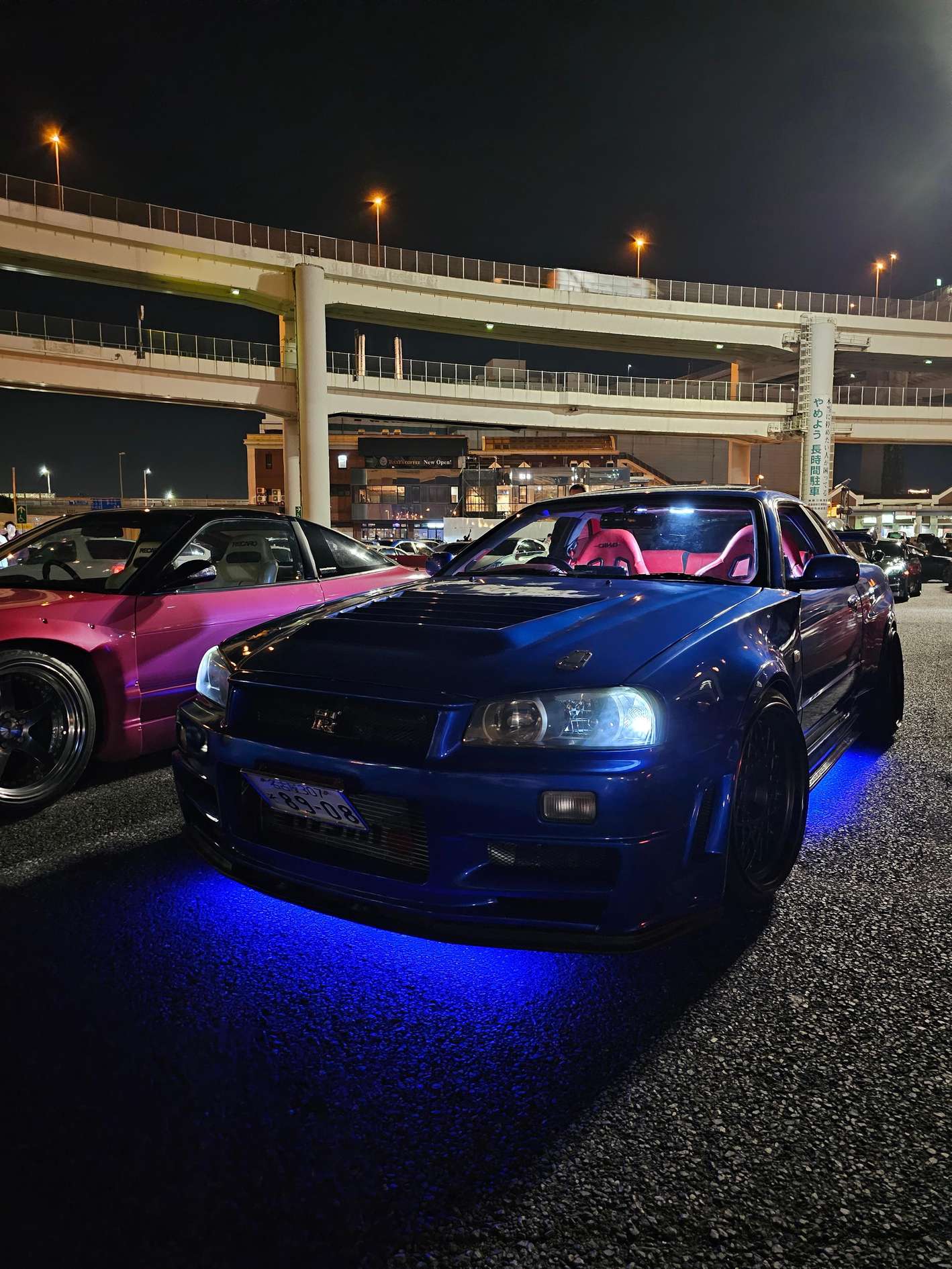
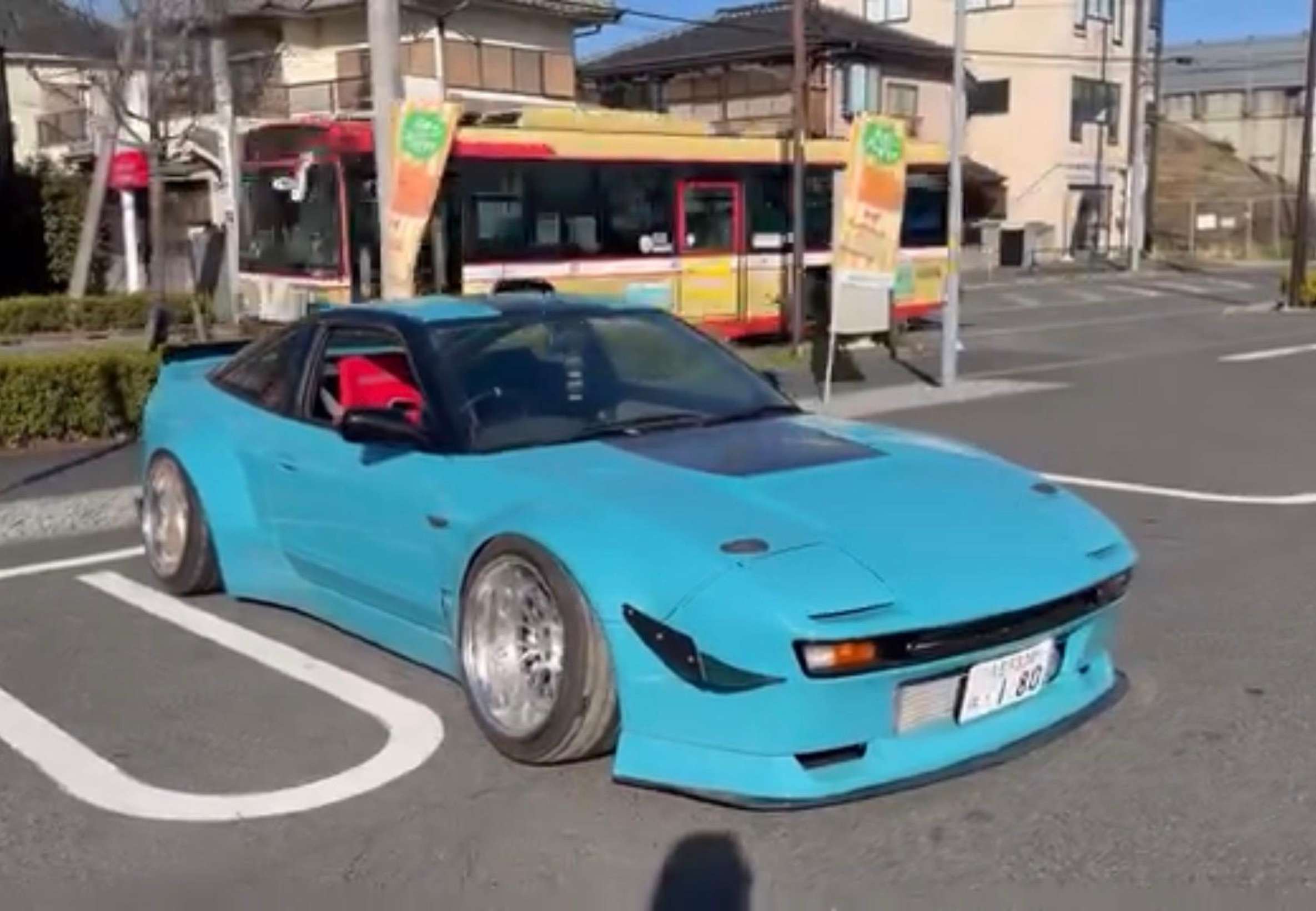
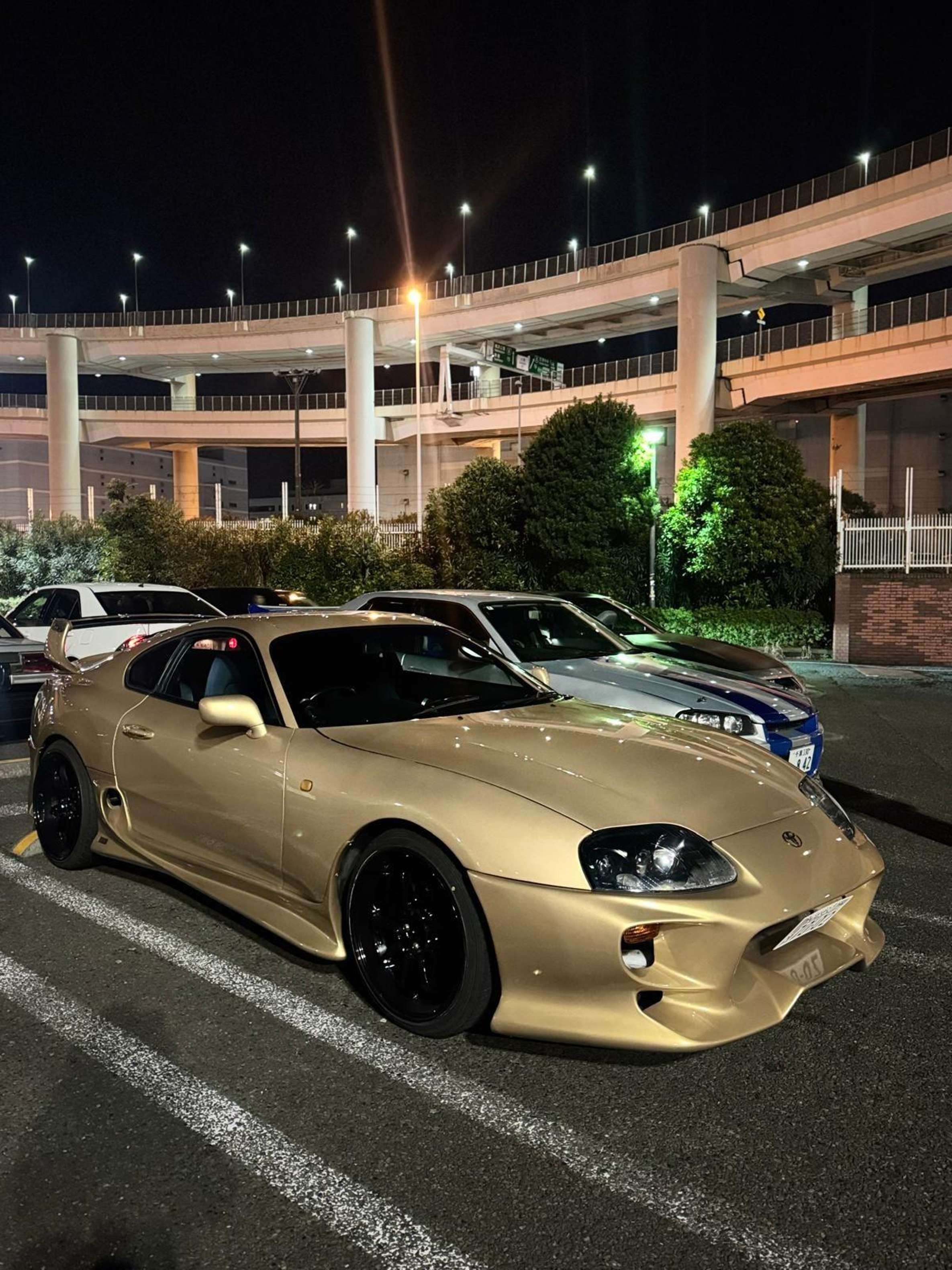
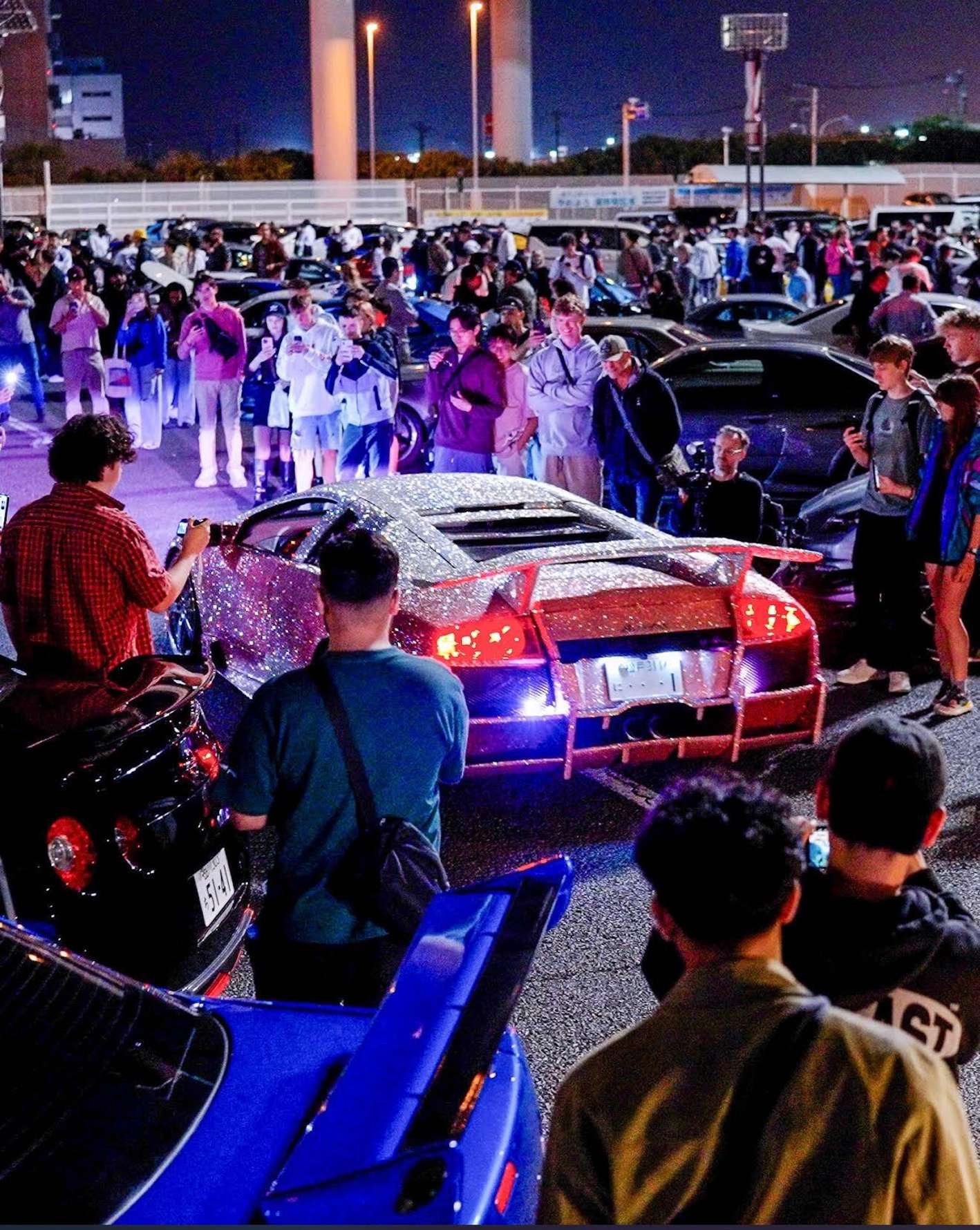
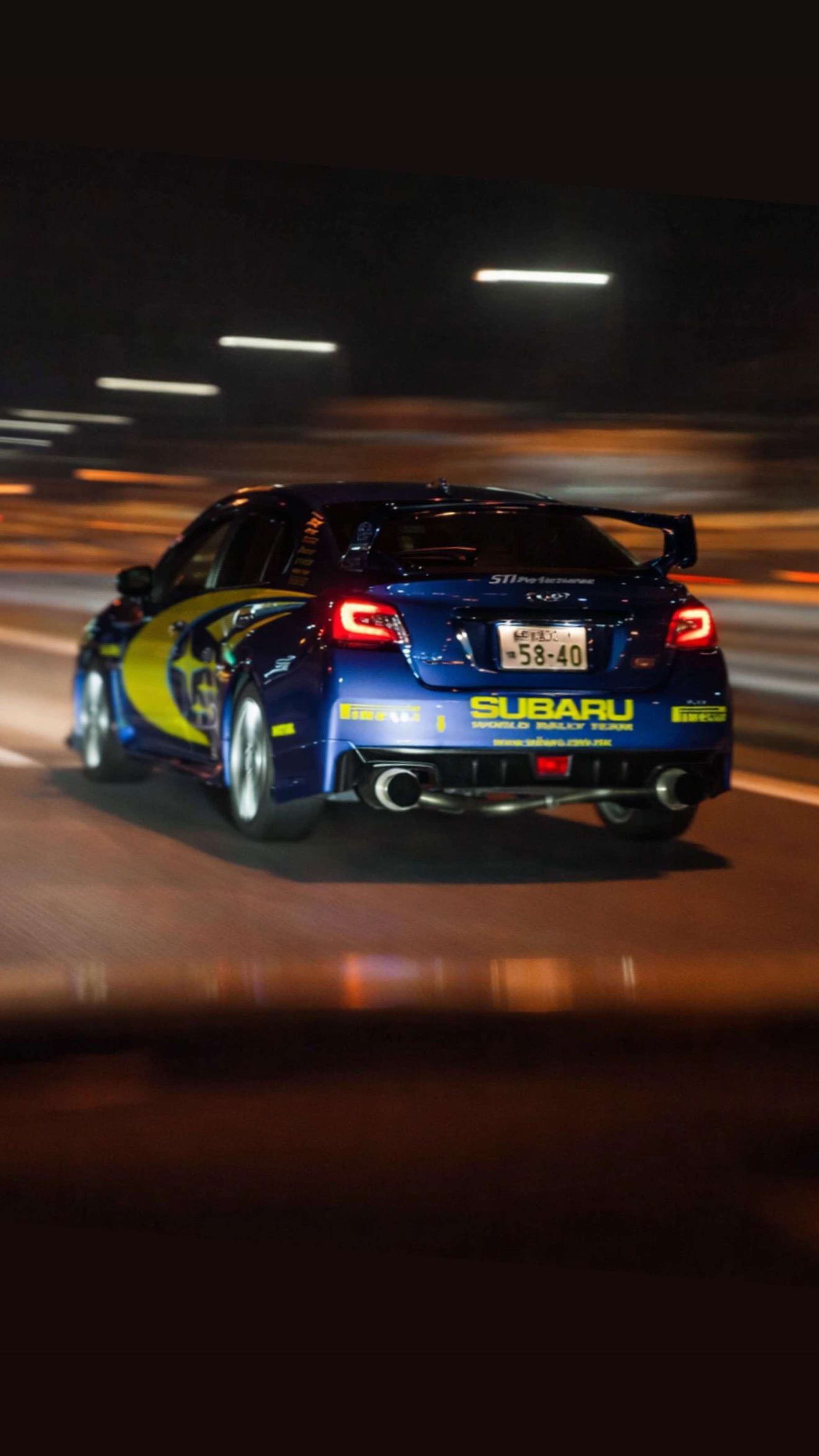
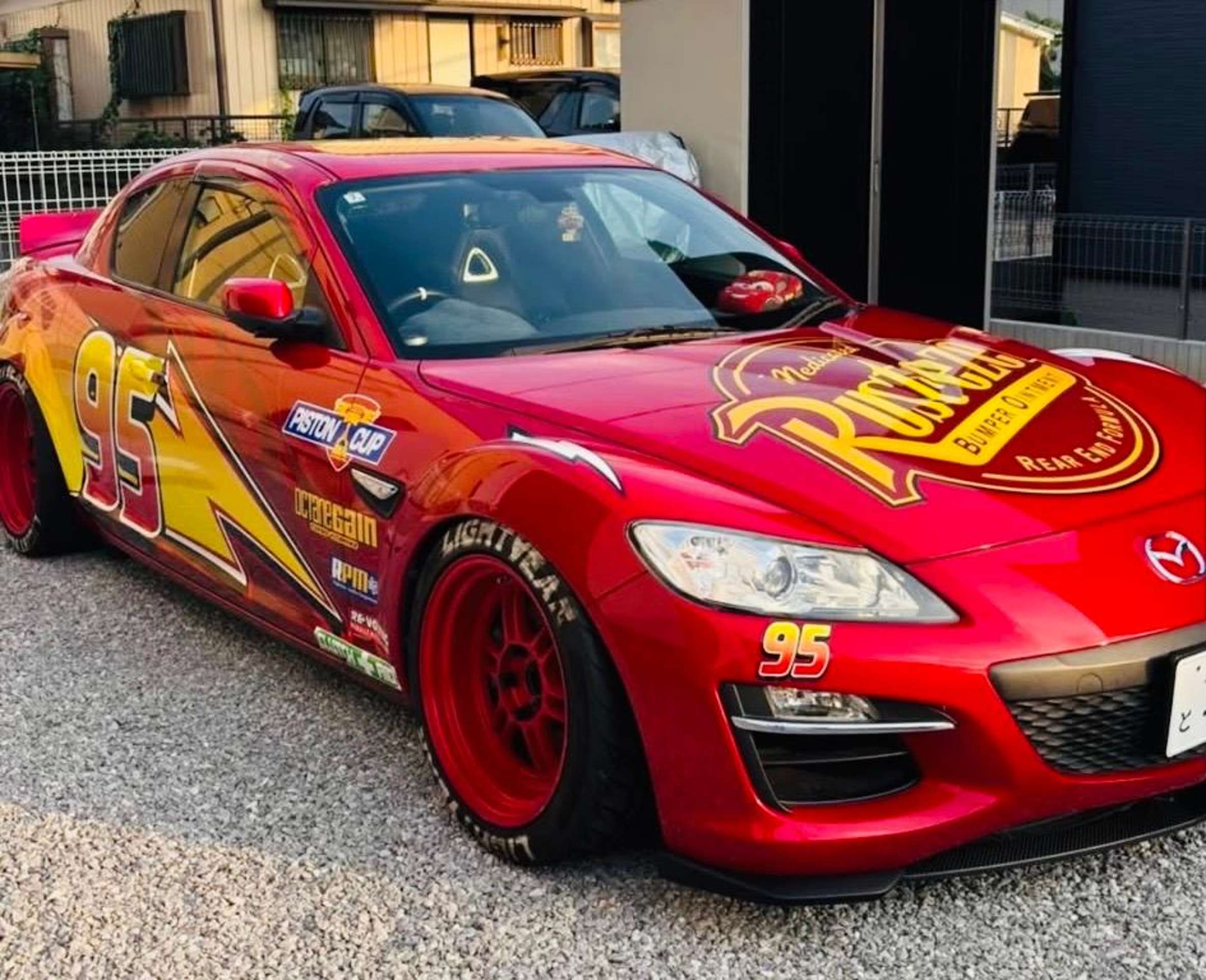
Tokyo Drift Experience Daikoku PA Car Meet Tour in a JDM Legend
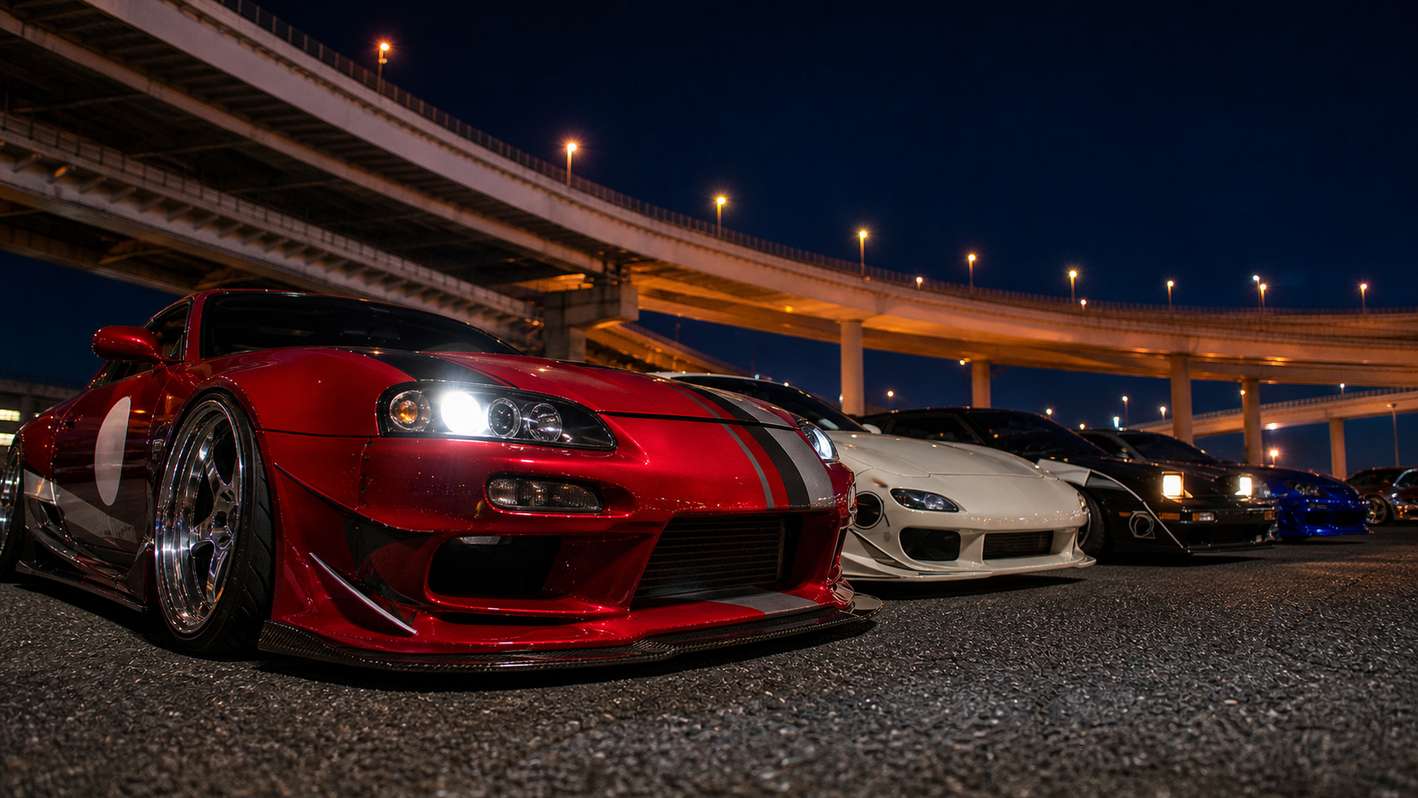
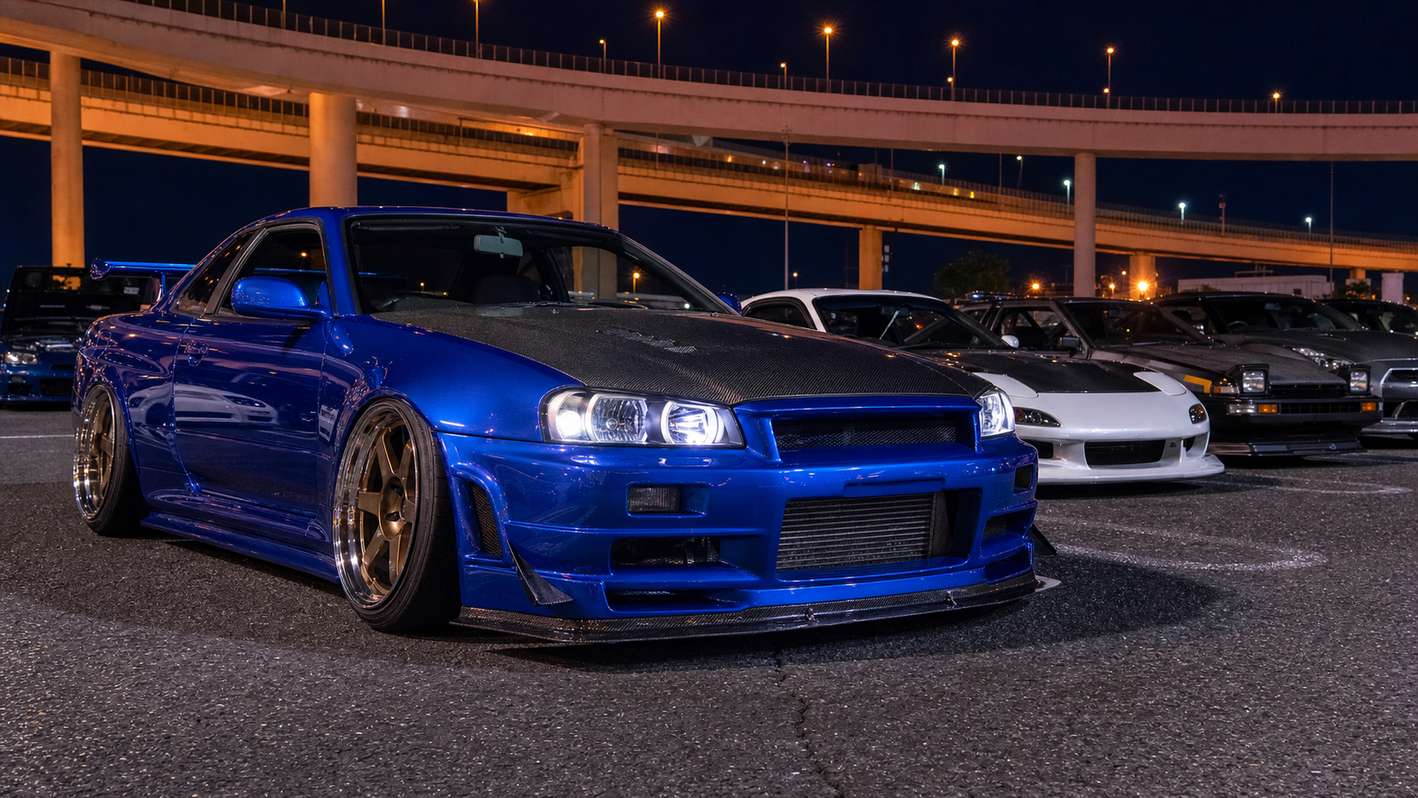
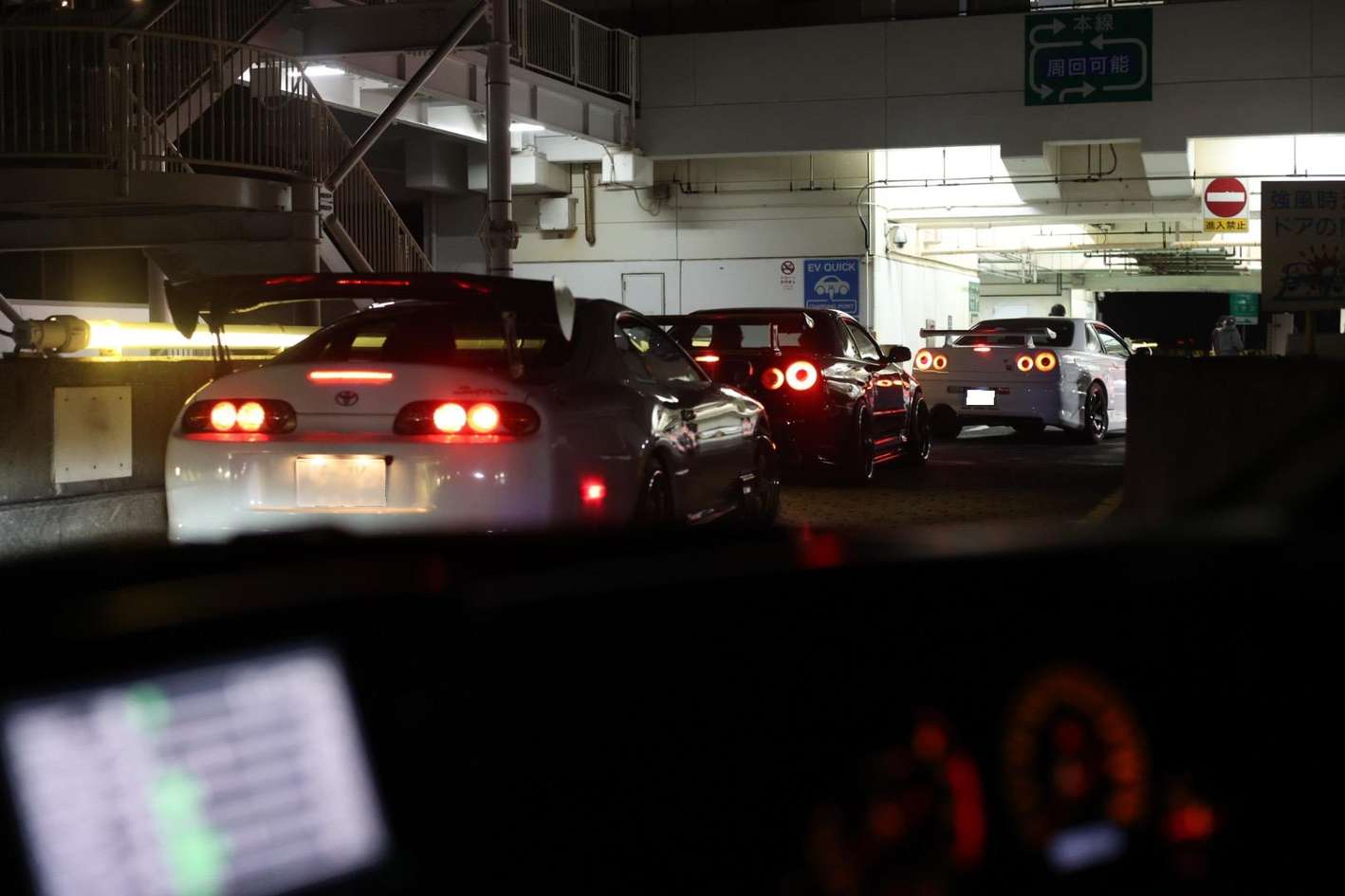
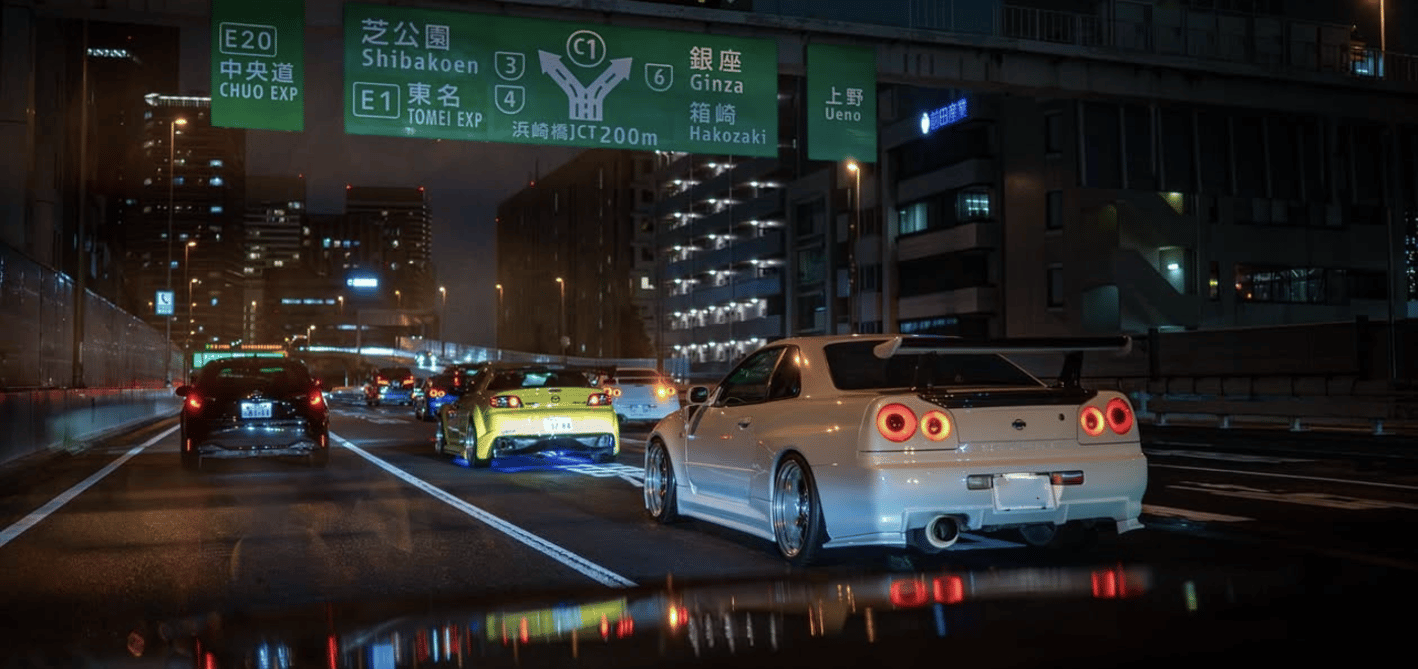
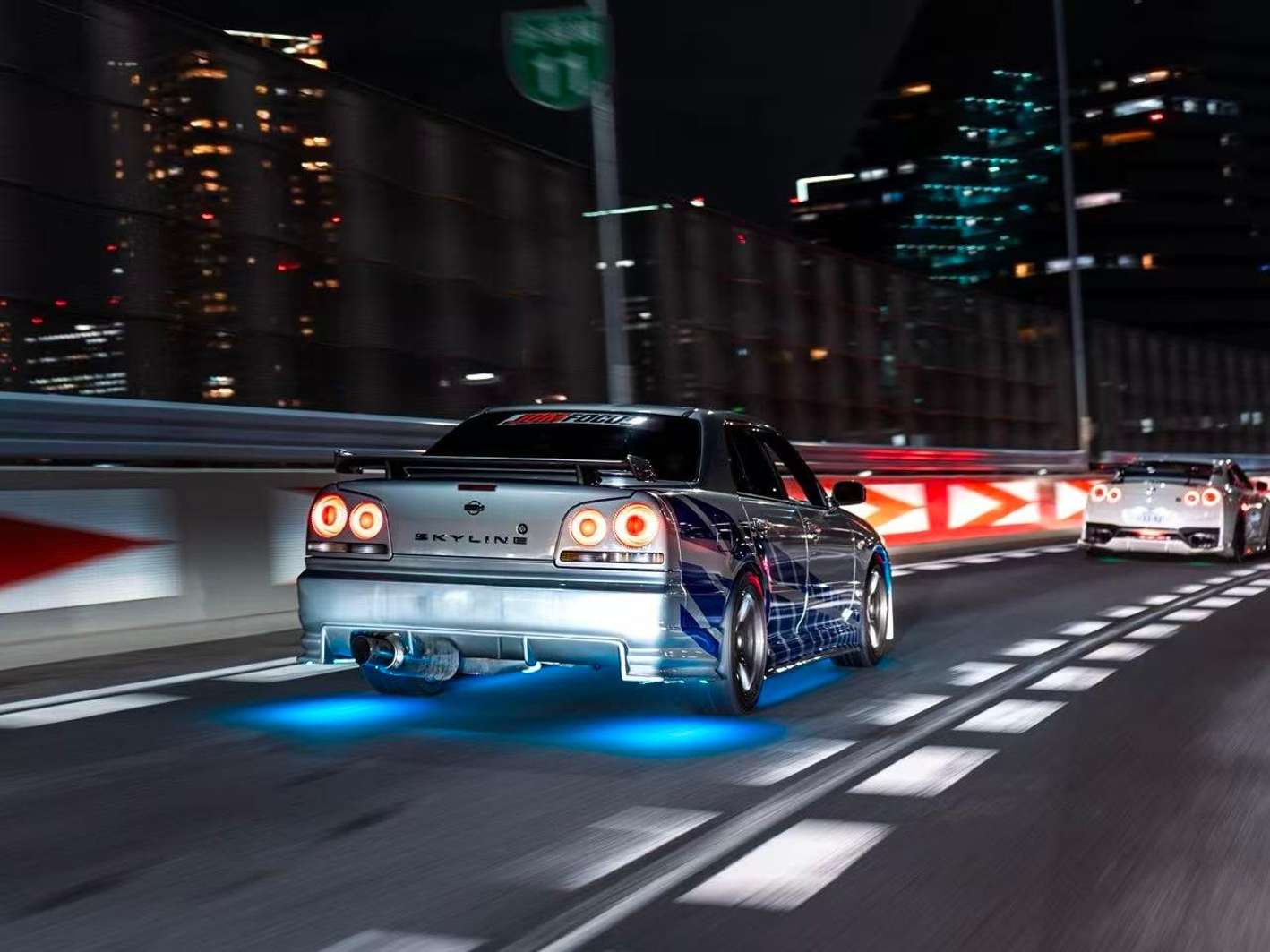
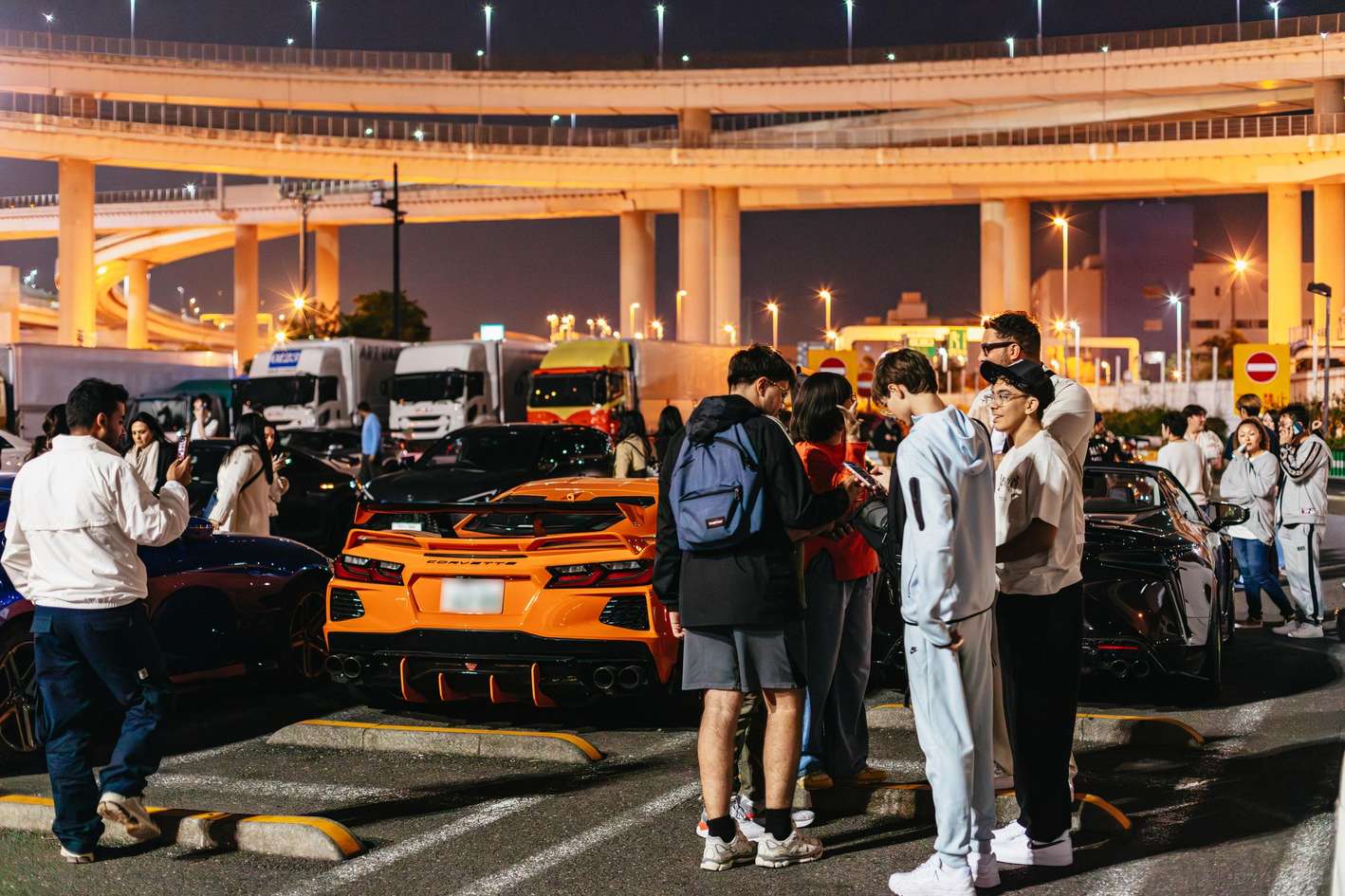
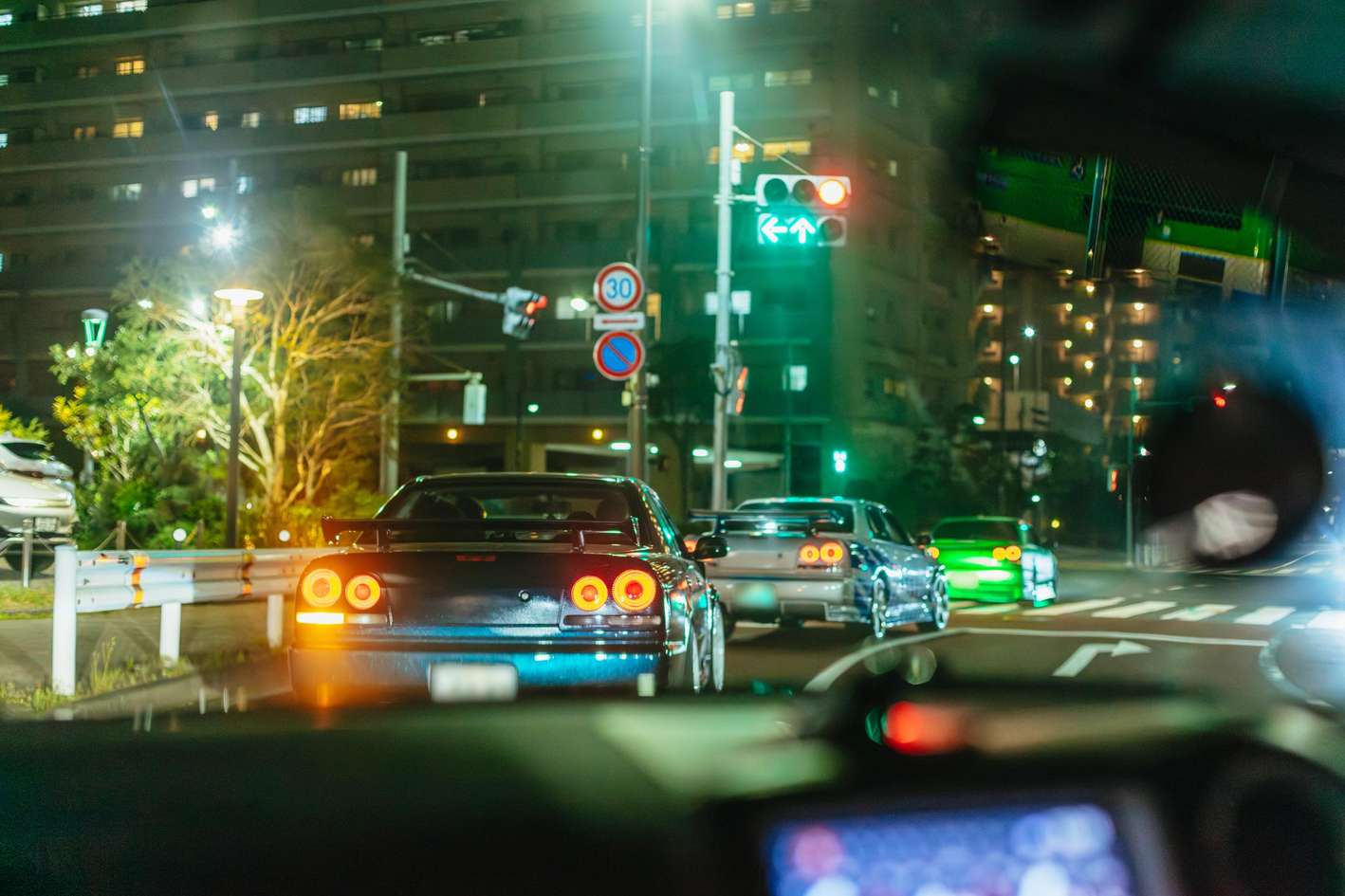
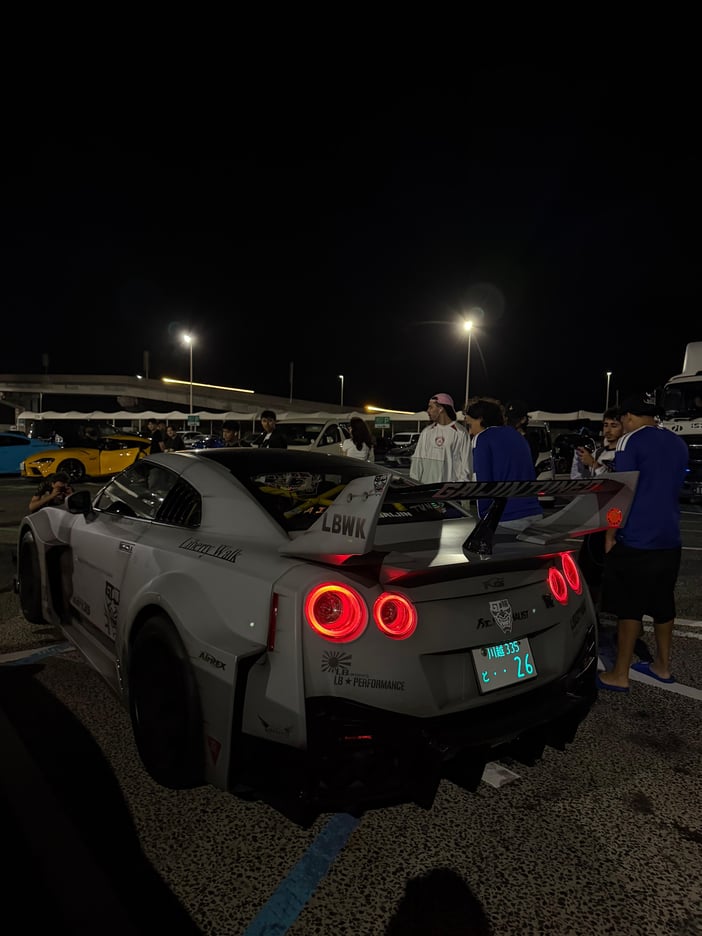
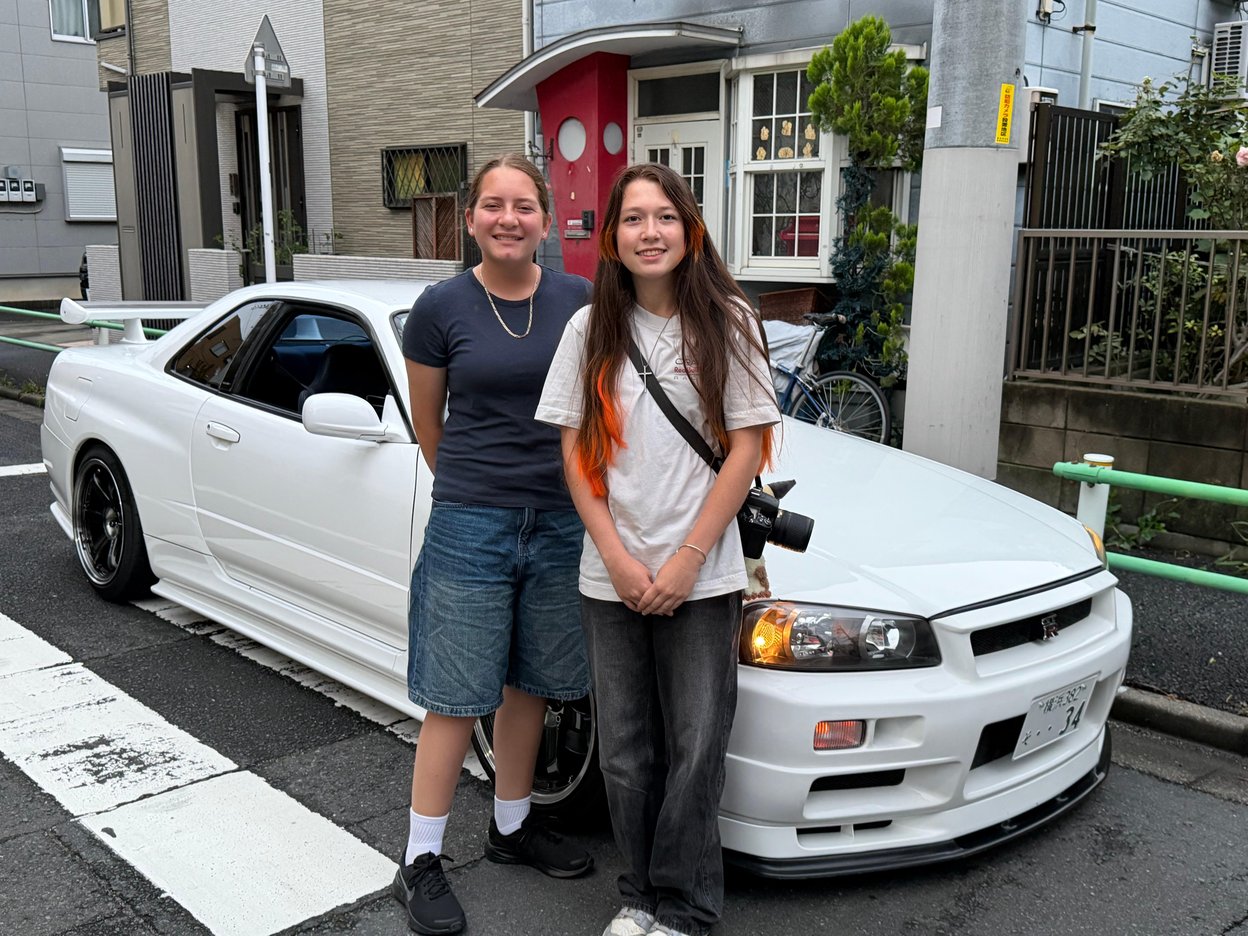
Ride shotgun in a real JDM legend to the Daikoku car meet. Join thousands of travelers who cruise Tokyo's highways at night with local enthusiast drivers, stop at Tokyo Tower, and walk among GT-Rs and Supras. Book your night on the Wangan.
4.9★average rating15,733traveler reviews100%free cancellation87countries travelers came from
Which Tokyo Drift Experience fits you
A drift-themed night in Tokyo comes in three shapes: a guided ride-along to the Daikoku car meet, a full day at a circuit learning to drift yourself, or a night cruise in a tuned JDM car with no drifting at all. The deciding factor is simple: who holds the wheel, and how much of the day the cars take up.
LicenceRide-along tours need no driving permit because a driver is arranged for you; to drive yourself at a circuit you need a valid licence, and an International Driving Permit (1949 Convention) or, for Switzerland, Germany, France, Belgium, Monaco and Taiwan, a licence plus a JAF translation arranged before you go.
Daikoku closuresPolice close the Daikoku PA entrance without notice, most often on Friday and Saturday nights from around 8:30 pm; most tours divert to Umihotaru or Tatsumi PA, and several offer a full refund if you decline the alternative.
BookingTours sell out, and GT-R requests made on the day may not be available, so book a few days ahead; April, October and September are the busiest months and need more lead time.
AccessDaikoku PA has no pedestrian entrance, so walking in is illegal; the only way in is by vehicle on the expressway, which is why nearly everyone takes a tour with pickup.
EtiquetteAt the meets, ask before touching or entering any car and before photographing one up close; no revving, burnouts or loud music, since that is what gets meets shut down.
What to wearComfortable shoes and clothes for standing around outdoors at night, plus a light jacket; drift lessons require long sleeves, long pants and closed shoes, with helmets and gloves provided.
TimingNight tours run from late afternoon pickup to midnight or later, so plan a late return and keep WhatsApp notifications on, since operators message before departure.
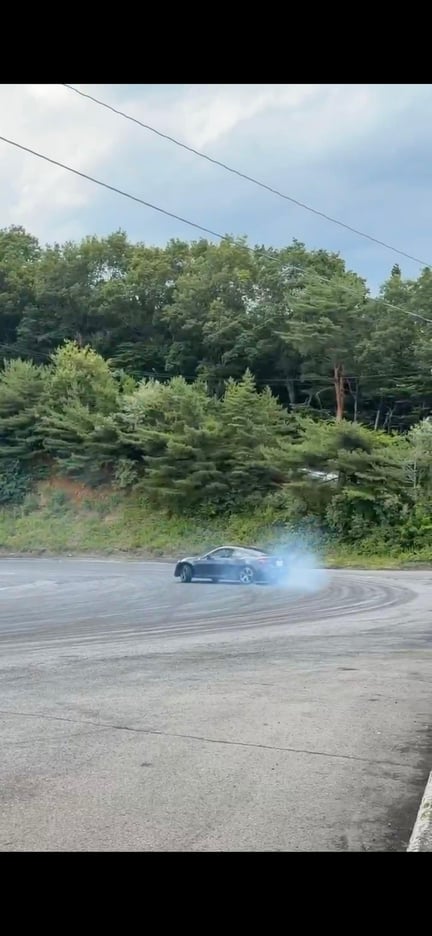
DriftingDrifting on public roads is illegal in Japan, so every ride-along is a legal road drive; real drifting happens at circuits like Ebisu or at events such as the D1 Grand Prix.
Drifting experiences in Tokyo - pick the one that fits you
A drift-themed night in Tokyo can mean a ride to a car meet, a private GT-R cruise, or a track lesson. Here is how they differ.
On a budget
4 hours·English
3.8(10)
Tokyo JDM Tour: Daikoku + Autobacs + More + Hotel Pickup
The full circuit in one night: the Daikoku meet, a tuning-shop stop, and hotel pickup so the logistics disappear.
Daikoku PA car meetA PIT Autobacs stopHotel pickup included
The night starts in Shibuya or on the Odaiba waterfront, where you check in and meet the driver who will take you out to the Tokyo car meet in a modified JDM car.
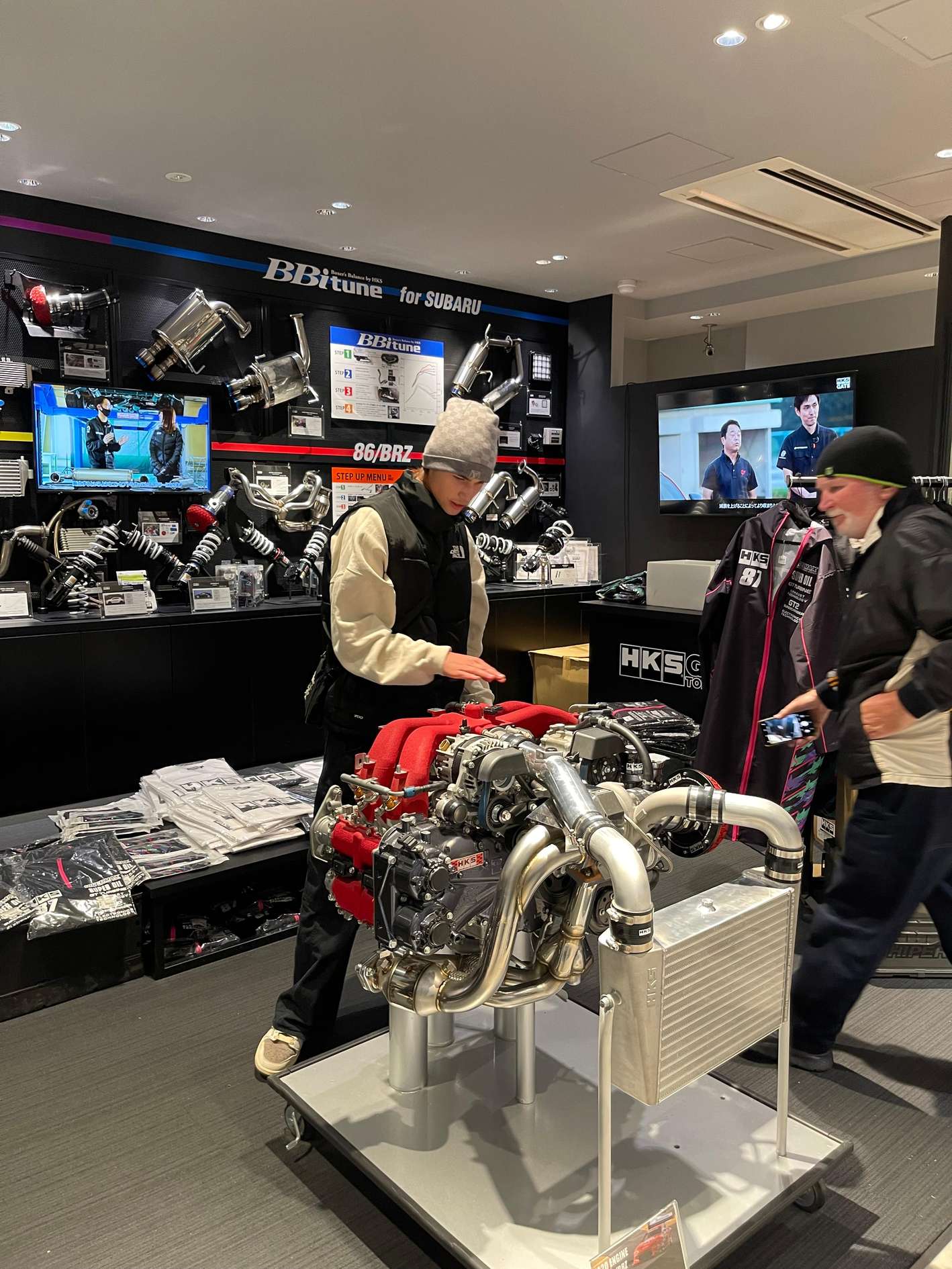
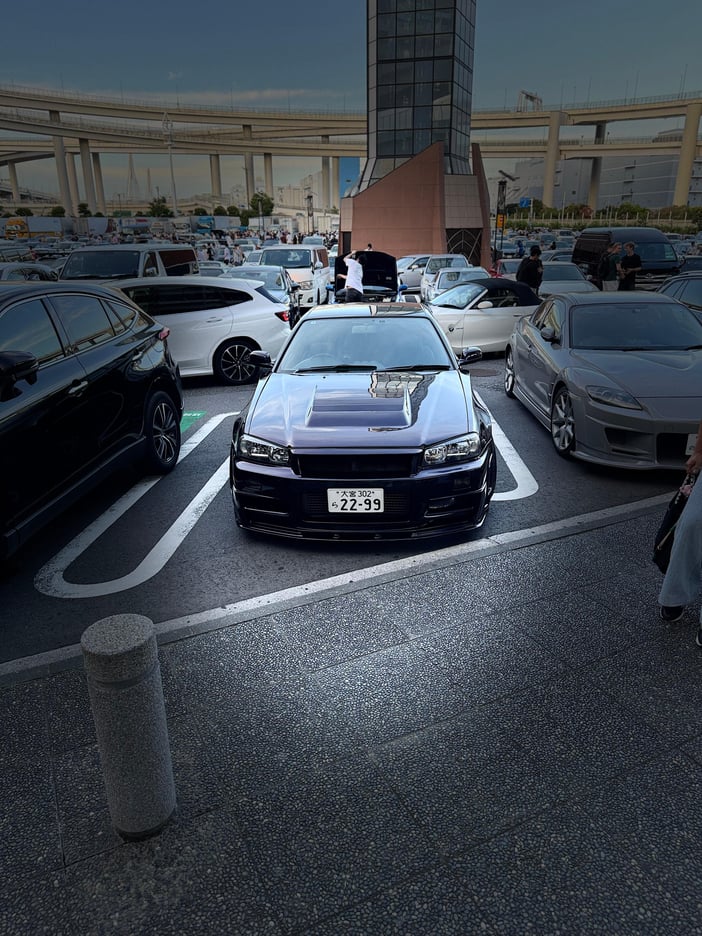
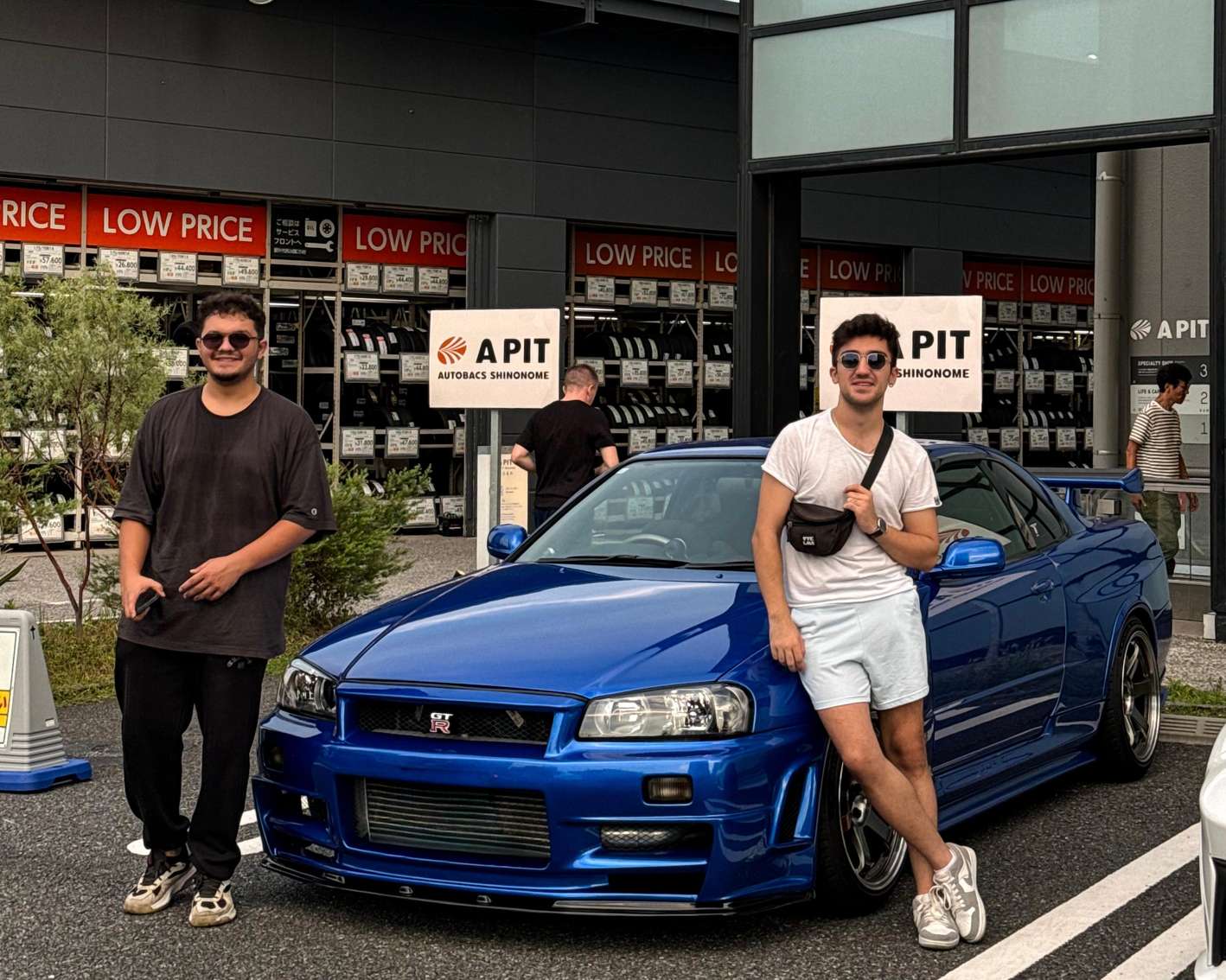
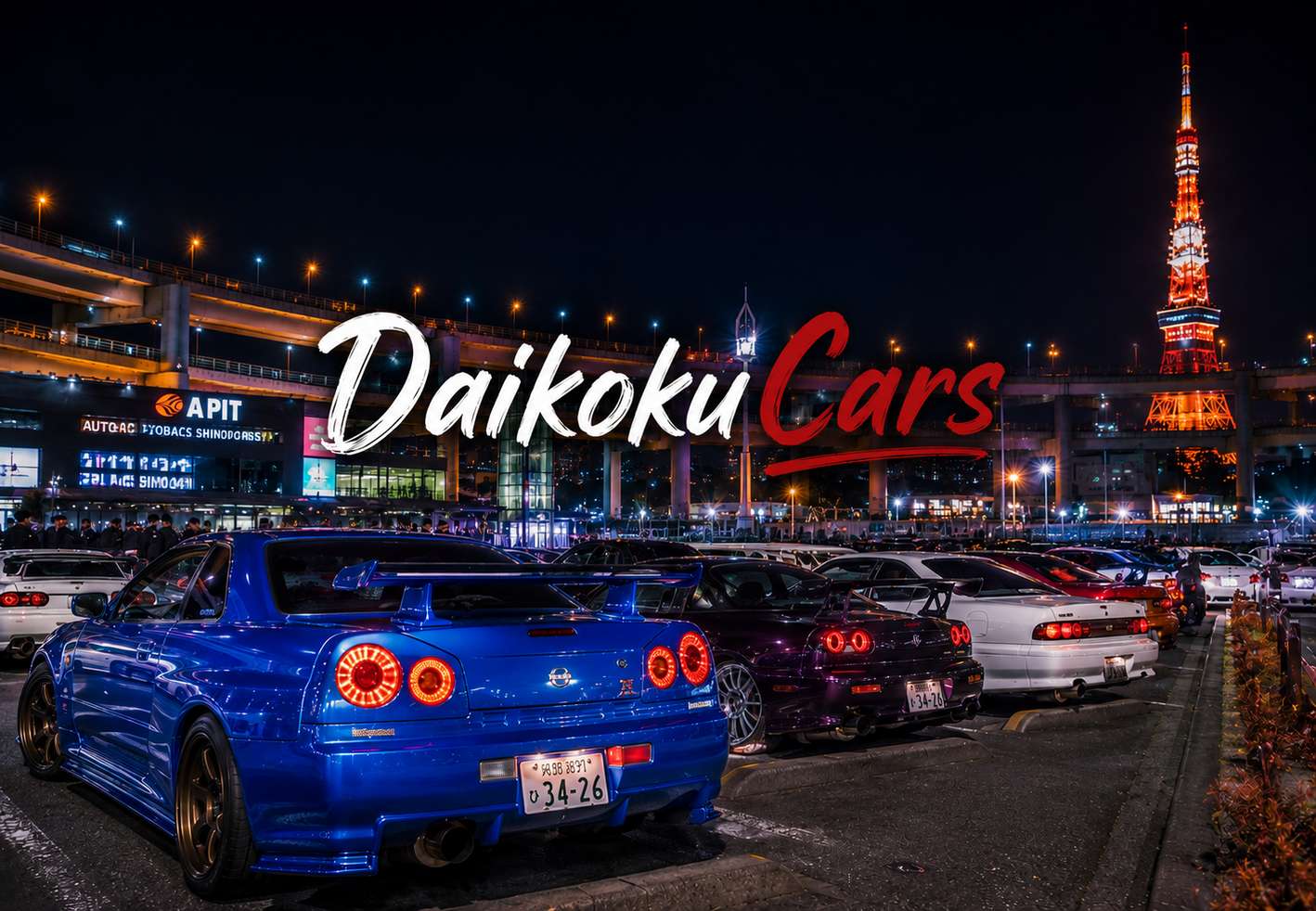
From there the route runs through Tokyo's car-culture stops: half an hour of shopping at a large tuning-parts store in Shinonome, then the expressway out to Daikoku Parking Area for about an hour among the cars gathered there.
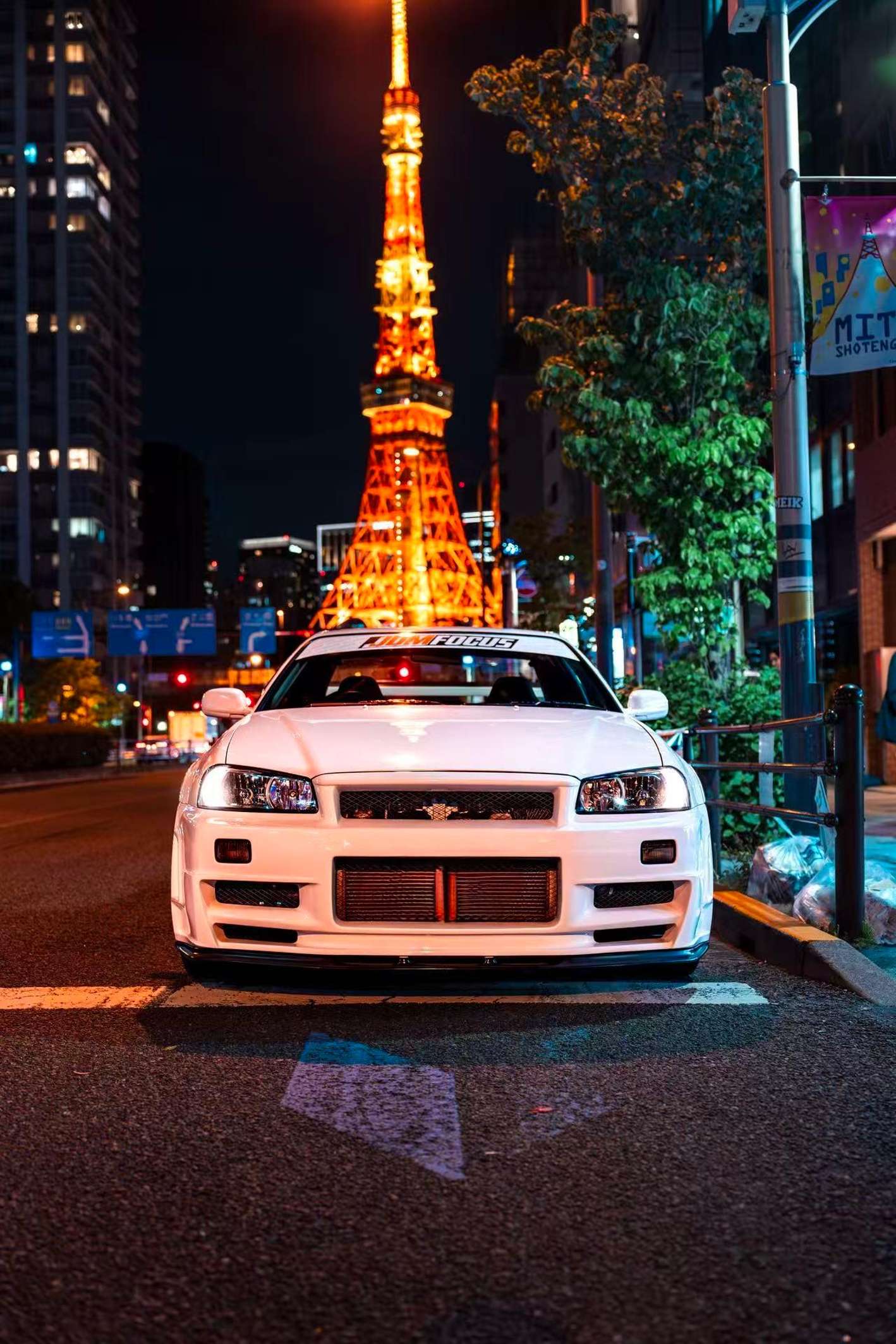
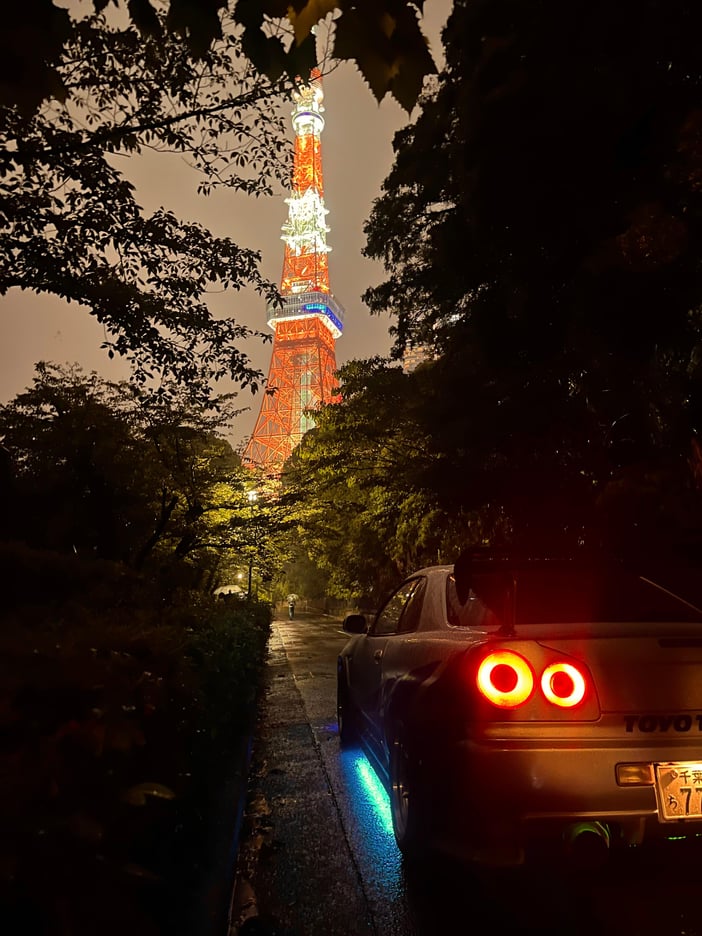
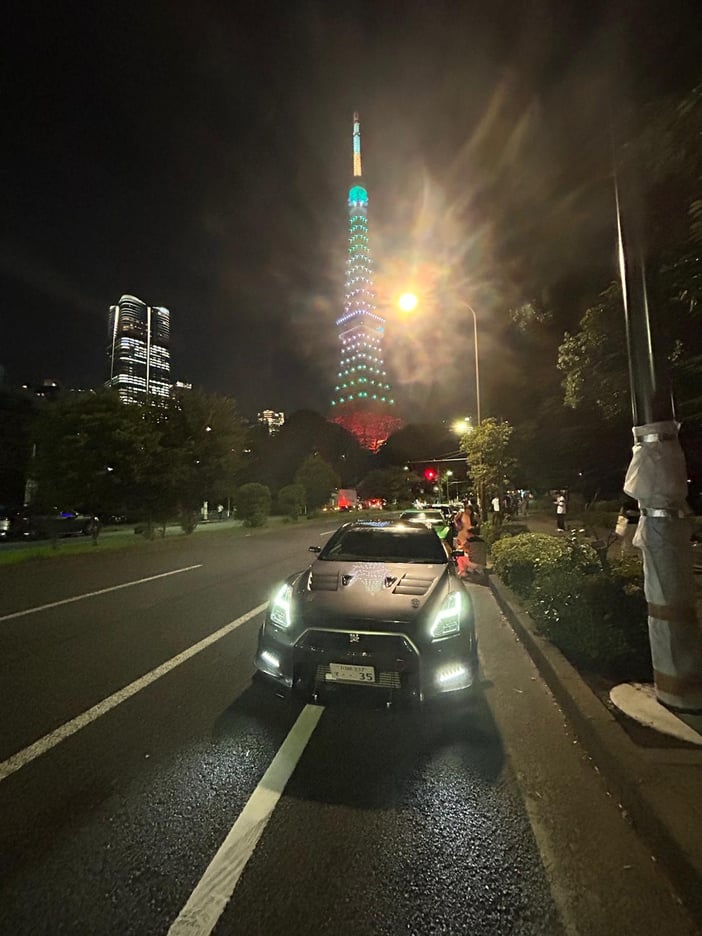
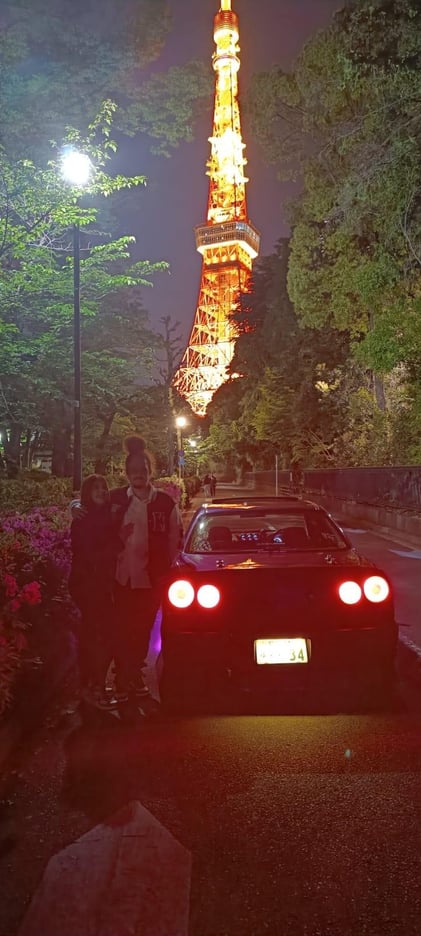
On the way back you stop for photos at Tokyo Tower and pass through Shibuya before drop-off. Every tour on this page is a passenger ride at legal speed, with fuel, tolls and a guide included, and most run three to four hours.
Meeting point3 places, depending on your optionThe tour ends where it started, at the Shibuya café and simulator spot.Street View2autobacs Shinonome· 30 minA large car-supply and tuning store near Toyosu. You get about 30 minutes of free time to browse parts, models and car goods.3Daikoku Parking Area· 60 minA rest stop on the Shuto Expressway in Tokyo Bay and the most famous informal JDM car meet in the area. You spend about an hour walking among the cars; ask owners before touching or entering any vehicle.4Tokyo Tower· 20 minA photo stop with the lit tower as a backdrop, and a chance to stretch your legs before the run back into the city.5Shibuya City· 10 minA short pass through Shibuya, where modified cars gather around the crossing in the evening and the neon streets are at their busiest.From this tourDrop-off4 places, depending on your optionA drop-off point in central Shibuya for guests ending the tour there.Street View
Included
Drop-off at accommodation inside Tokyo central area.Exclusive selection of JDM sports carsProfessional drivers/guides available in English, Portuguese, Japanese, SpanishFuel and toll feesStops at iconic sightseeing spots
Not included
Personal expensesWe cannot guarantee that your driver/guide will be fluent in a foreign language such as German, Italian, French, or ArabicEach driver only takes three people, and there are many daily customers. Some Japanese speak basic English for the tour, not for a long conversation where personal topics or curiosities about random subjects come up
How to book a drift experience in Tokyo
01
Pick the right night
Choose a date first, then think about the day of the week. Friday and Saturday nights draw the biggest crowds at Daikoku PA, with cars filling the lot from around 5 pm, while weeknights run quieter but rarely empty.
Pro tipApril, October and September are the busiest months for bookings, so reserve several days ahead then; in June, February and December travelers often still get in booking just days out.
Common mistakeLeaving the booking until you are already in Tokyo. Tours sell out and turning up hoping for a seat is a gamble.
02
Choose your option
Each tour lists several options, and they change more than the car. A Midnight Run option skips sightseeing stops like Tokyo Tower and Autobacs shopping, while a Sunday morning option swaps the night meet for exotics and supercars in daylight.
Pro tipIf a specific car matters to you, message the operator at least 48 hours before, since the cars are privately owned and sometimes under maintenance.
Common mistakeBooking the cheapest option without reading what it changes. Some run shorter, some drop the photo stops, and one operator's shared option puts you in whatever JDM car is available that night.
03
Pay and watch for messages
After payment, the operator sends you an email within 48 hours, so check your mailbox and reply. Add a contact method such as WhatsApp or Instagram when asked, because updates before departure arrive there.
Pro tipTurn on WhatsApp notifications straight after booking. If anything changes, the message comes before starting time, sometimes about an hour before.
ImportantCancellation terms run on a 24-hour clock. Cancel or reschedule more than 24 hours ahead for a full refund; inside that window you lose it.
04
Sort pickup or meeting point
Check the option's pickup details when booking. Many tours collect you at your hotel or Airbnb, and one operator includes complimentary pickup and drop-off within central Tokyo for rides starting after 10 pm. Others use a fixed meeting point instead.
Pro tipHotel pickup removes the hardest part of the night, since Daikoku PA sits on an expressway and has no pedestrian entrance, no bus stop and no taxi rank.
Common mistakeAssuming every option includes pickup. Some tours meet at a set spot, so confirm before you plan your evening around a door collection.
05
Prepare for the day
Have your passport or ID ready, since tours ask for it. Wear comfortable shoes and clothes for standing around outdoors at the meet, bring a camera and a light jacket, and show your voucher QR code on your phone when you arrive.
RecommendedCheck the weather before you go. Rain rarely kills the meet, but it thins the cars, and one operator states there is no refund if weather affects the turnout.
ImportantIf Daikoku PA closes on the night, most tours divert to another bay spot such as Umihotaru, and several offer a full refund if you decline the alternative.
Ride Tokyo Drift movie spots in a modified JDM Car
This run puts the movie in the route. Your driver points out Shibuya Crossing, the corner where Han slid his RX-7, then takes the C1 and Bayshore Route out to Daikoku PA, with photo stops along the way.
You ride as a passenger in a heavily modified car, so no driving permit is needed. It suits travelers who want the film locations named and explained while a local enthusiast drives.
Movie spots, namedThe route covers Shibuya Crossing, the C1 Loop and the Bayshore Route, with the Tokyo Drift stories behind them.
Rated by 1,300+ ridersIt holds a 4.7 rating from more than 1,300 reviews, and tolls, fuel and an English-speaking enthusiast guide are included.
If Daikoku closesPolice sometimes close the lot early. If Daikoku PA is unavailable, you can reschedule free or take a full refund.
Free cancellation up to 24 hours ahead, so you can hold a night now and decide later.
What to know before booking a drift experience in Japan
Can stop the dayGood to knowGood news
01
ChoosingWhat it is, who it suits, when to go
2
Group size
Most cars take three riders plus the driver, so groups larger than that get split across vehicles. Some tours run a convoy of several cars and let you swap at stops, which is the closest you get to riding in a whole fleet in one night.
Daikoku closuresCan stop the day
Police close the Daikoku PA entrance without notice, most often Friday and Saturday nights from about 8:30 pm, and there is no schedule to check. Most tours divert to Umihotaru or Tatsumi PA instead, and operators pull weekend pickups earlier to beat the closure.
02
BookingHow far ahead, and what happens if plans change
3
Choosing a car
On most tours the operator assigns the car, and a photo of a Skyline on the listing does not reserve it. You can usually say which models you like, and some operators confirm a specific car if you message them at least 48 hours ahead.
Booking ahead
Book a few days out; on-the-day requests for a specific car may not be available. Demand peaks in April, October and September, so in those months give it a week. In quieter months travelers often still get in booking a day or two ahead.
Cancellation
The tours here let you cancel up to 24 hours in advance for a full refund. If Daikoku PA is closed and you decline the alternative location, several operators refund you in full, so read the closure clause before you pay.
03
Before you goPapers, health, what to bring
3
What to wear
Wear comfortable shoes and clothes you can stand and walk in, and bring a light jacket because parts of the night happen outdoors by the water. Tokyo nights at the parking areas run from near freezing in winter to over 25°C in midsummer.
DocumentsCan stop the day
On a guided ride-along you ride as a passenger, so no driving licence is needed. Self-drive options are different: you need a licence valid in Japan, the original physical documents on the day, and drivers must be 23 or older.
Age and health
Several tours exclude pregnant women, people with heart problems and those prone to motion sickness, and some set upper age limits around 60 to 70. Drift lessons require long sleeves, long trousers and closed shoes, and most have a minimum age of 18.
04
On the dayWhere to be, when, and how you get there
2
Pickup
Many of these tours collect you at your hotel or Airbnb and drop you back there, so you never have to find a meeting point in the dark. A few run from a fixed start point instead, so check the listing before you book.
What's included
Expressway tolls, fuel and parking are covered on the tours here, and hotel pickup is often part of the deal. Food, drinks and personal spending are on you, so eat before you go and bring water for the outdoor stops.
05
During the tourWhat is expected of you
2
Meet etiquette
Never touch, lean on or sit in anyone's car without permission, and stay out of the roadways at the parking area. Ask before photographing a car up close, and skip the revving and burnouts, which are what get meets shut down.
Photos
Photography is welcome at the meets, and guides often take pictures and suggest the best viewpoints. Keep your phone's messaging notifications on, because operators send updates on WhatsApp or Instagram before departure if anything changes.
The Tokyo Drift guide - what the night really looks like
The movie's drifting was filmed in Los Angeles, and street drifting is illegal in Japan. The real Tokyo Drift night is a legal ride to a living car scene, and choosing the right version of it is what this guide settles.
Yokohama· 35.66° N, 139.70° E
If you only remember three things
1
Every Tokyo Drift tour is a passenger ride at legal speed; real drifting happens only on circuits like Ebisu.
2
Police close Daikoku PA on packed weekend nights from about 7:30 pm, so check the operator's fallback clause before paying.
3
Traffic on the Shutoko thins after 10 pm, which is why the best night drives run late.
Is the Tokyo Drift fantasy real in Tokyo?
The drifting scenes in The Fast and the Furious: Tokyo Drift are fiction, and most of them were shot in Los Angeles, because nobody could get permission to slide cars on Japanese public roads. Street drifting is illegal in Japan, and there are no advertised public-road drift events open to tourists.
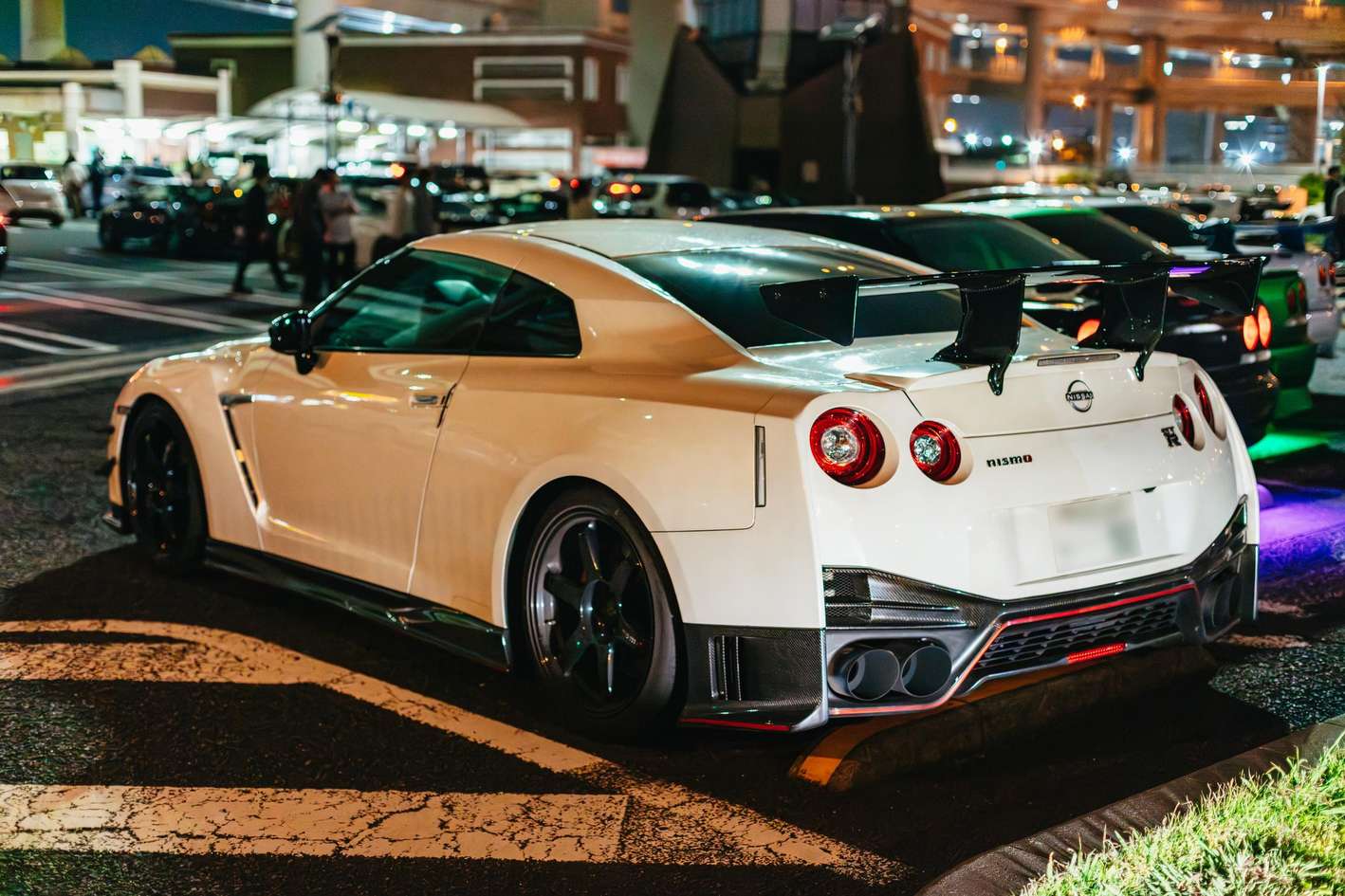
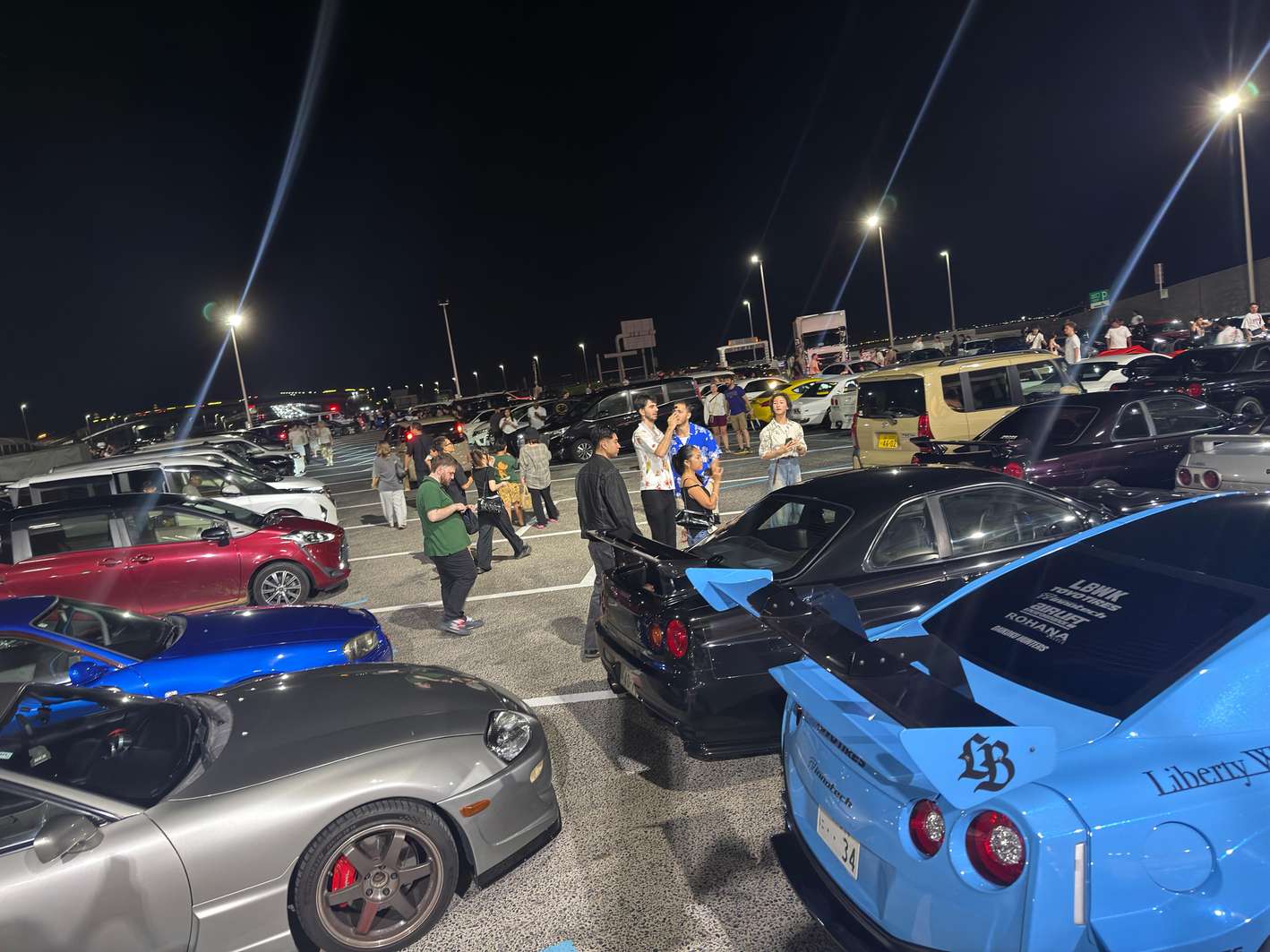
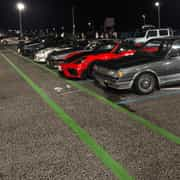
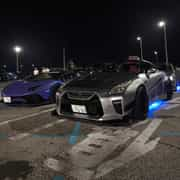
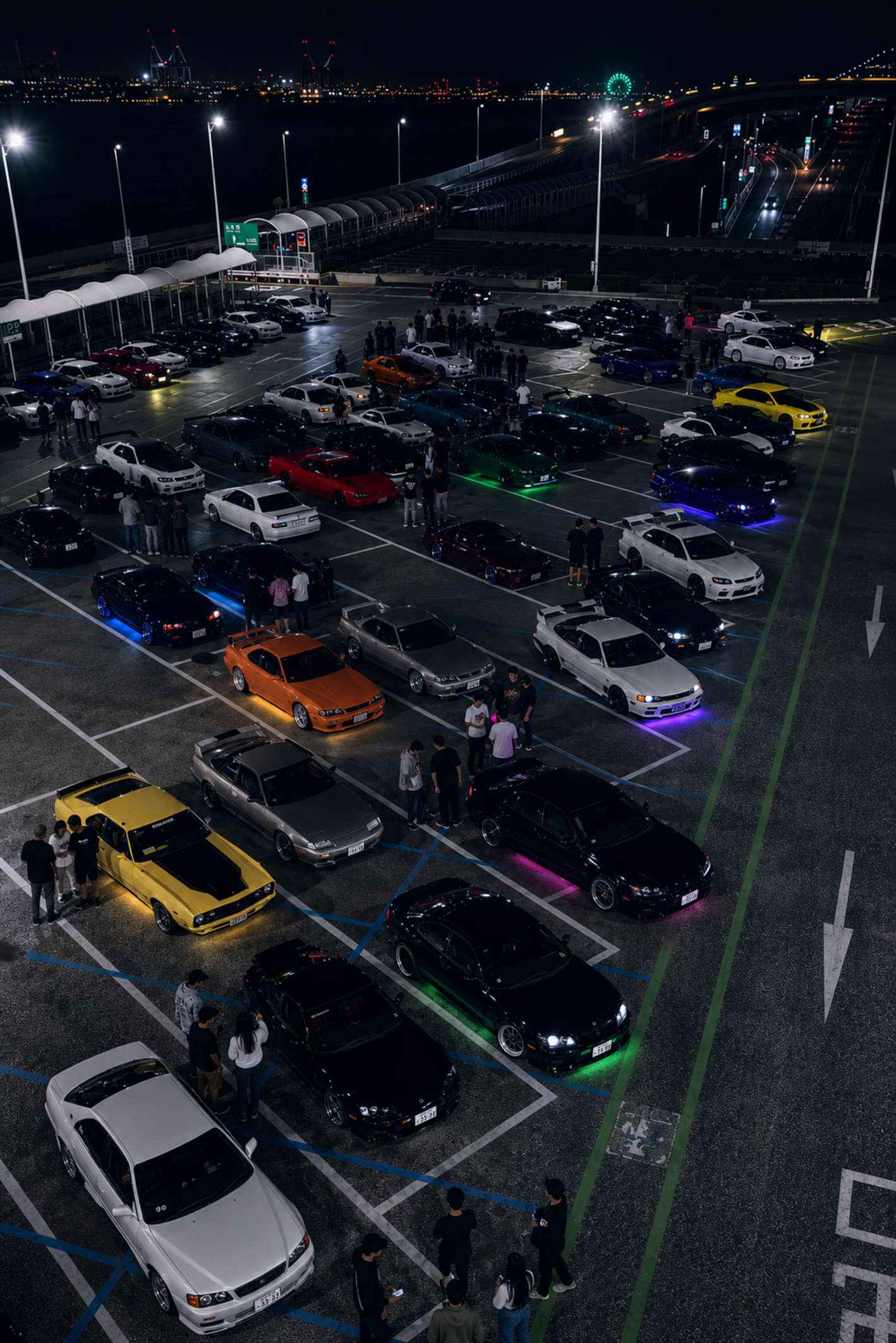
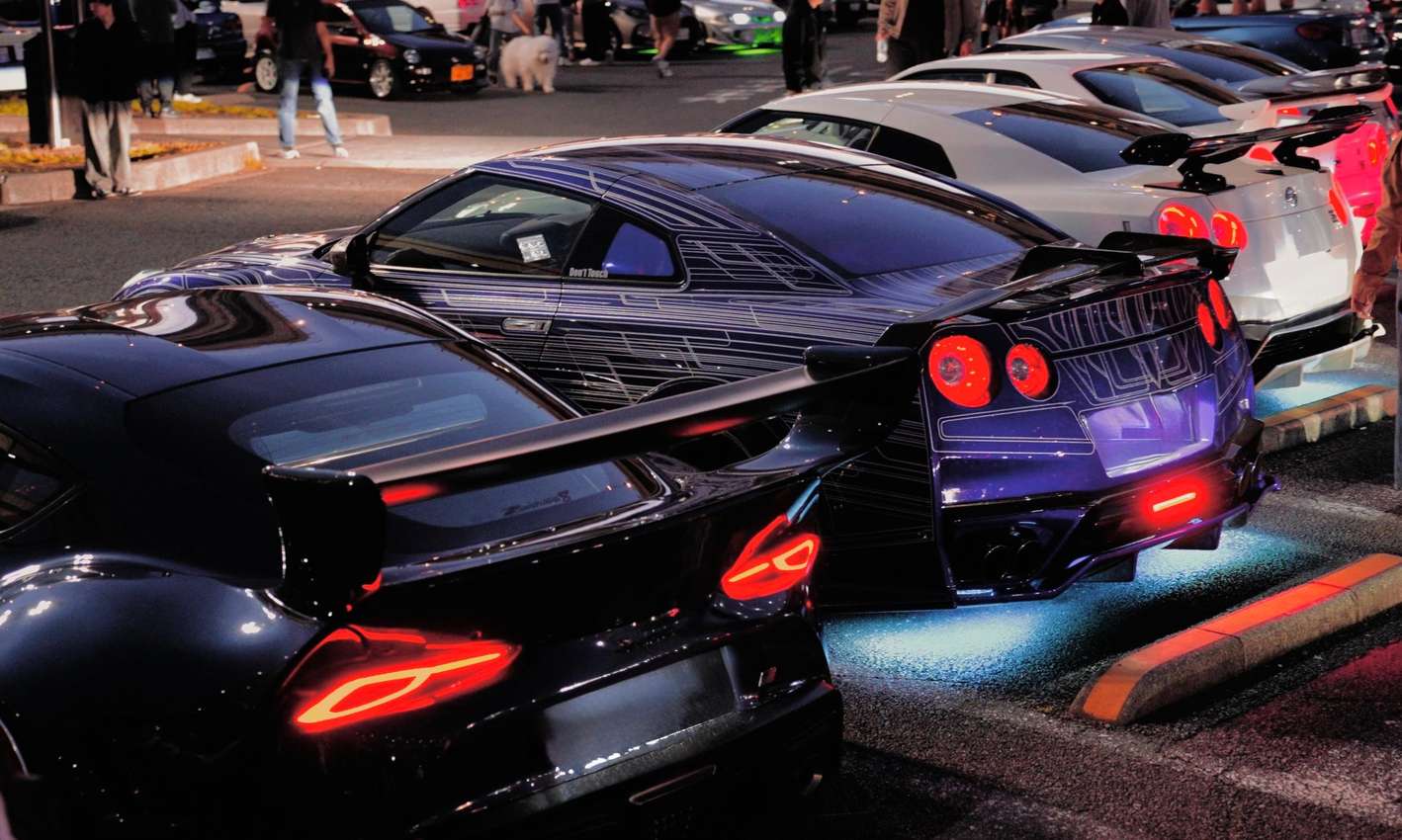
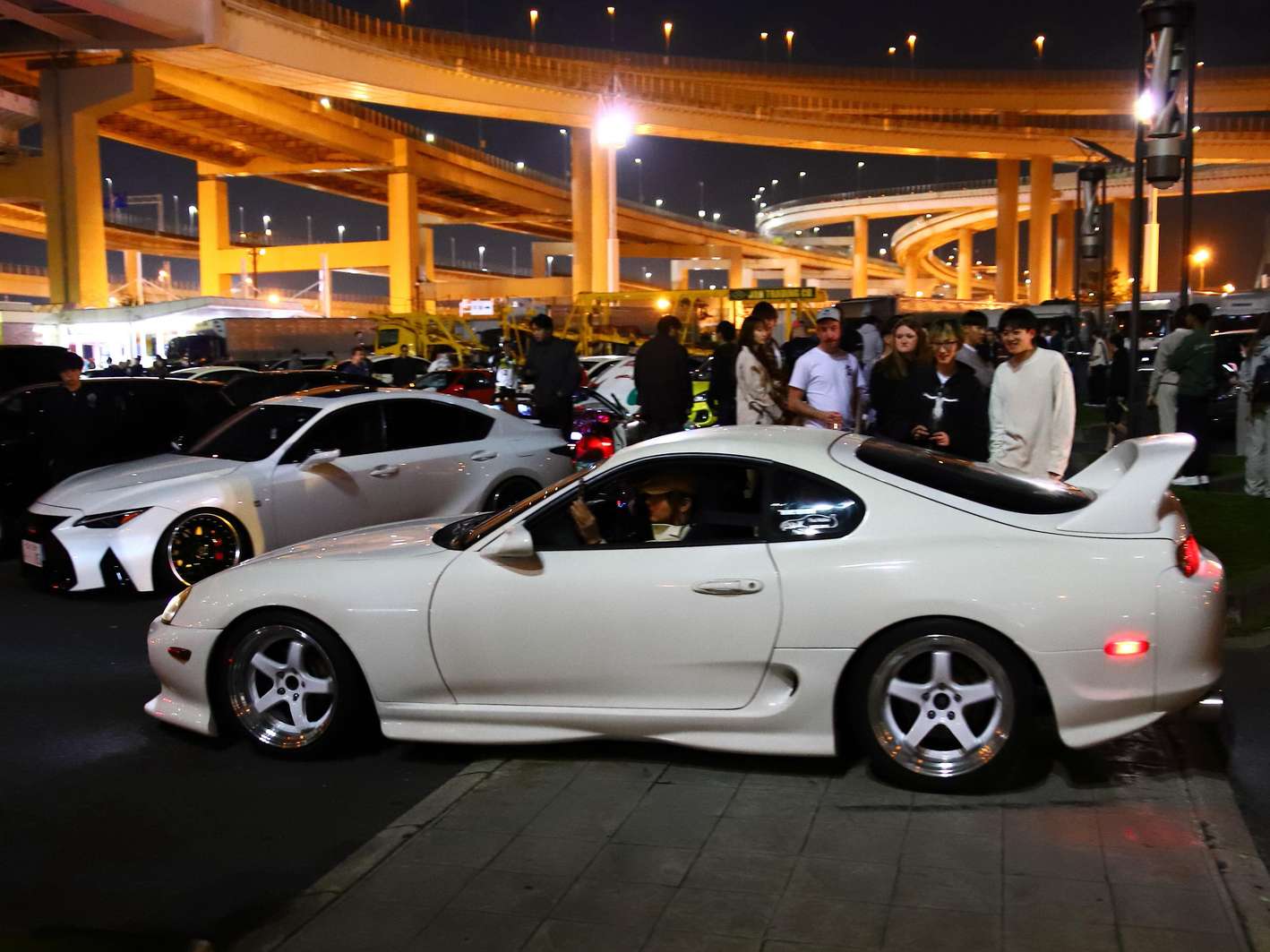
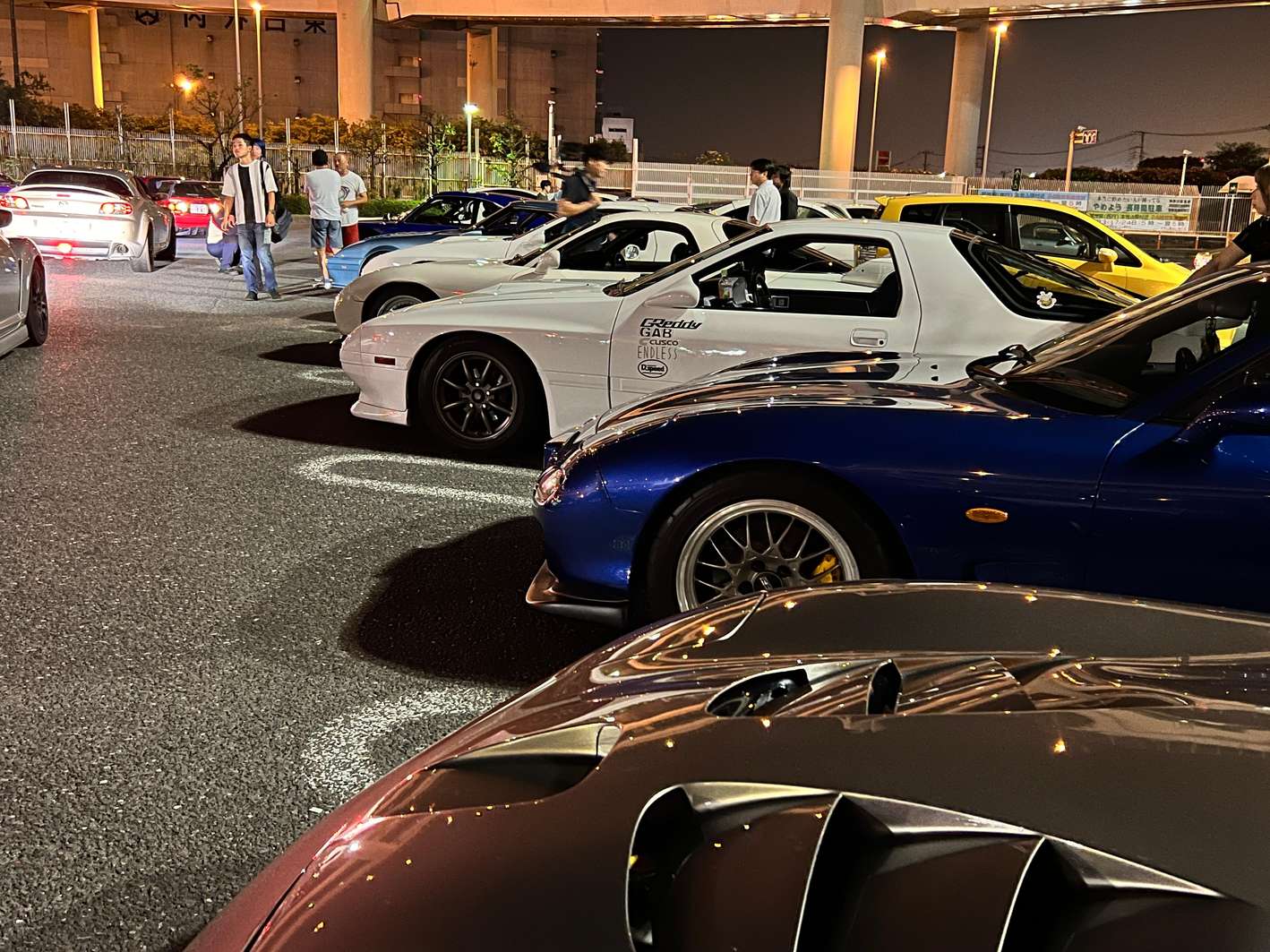
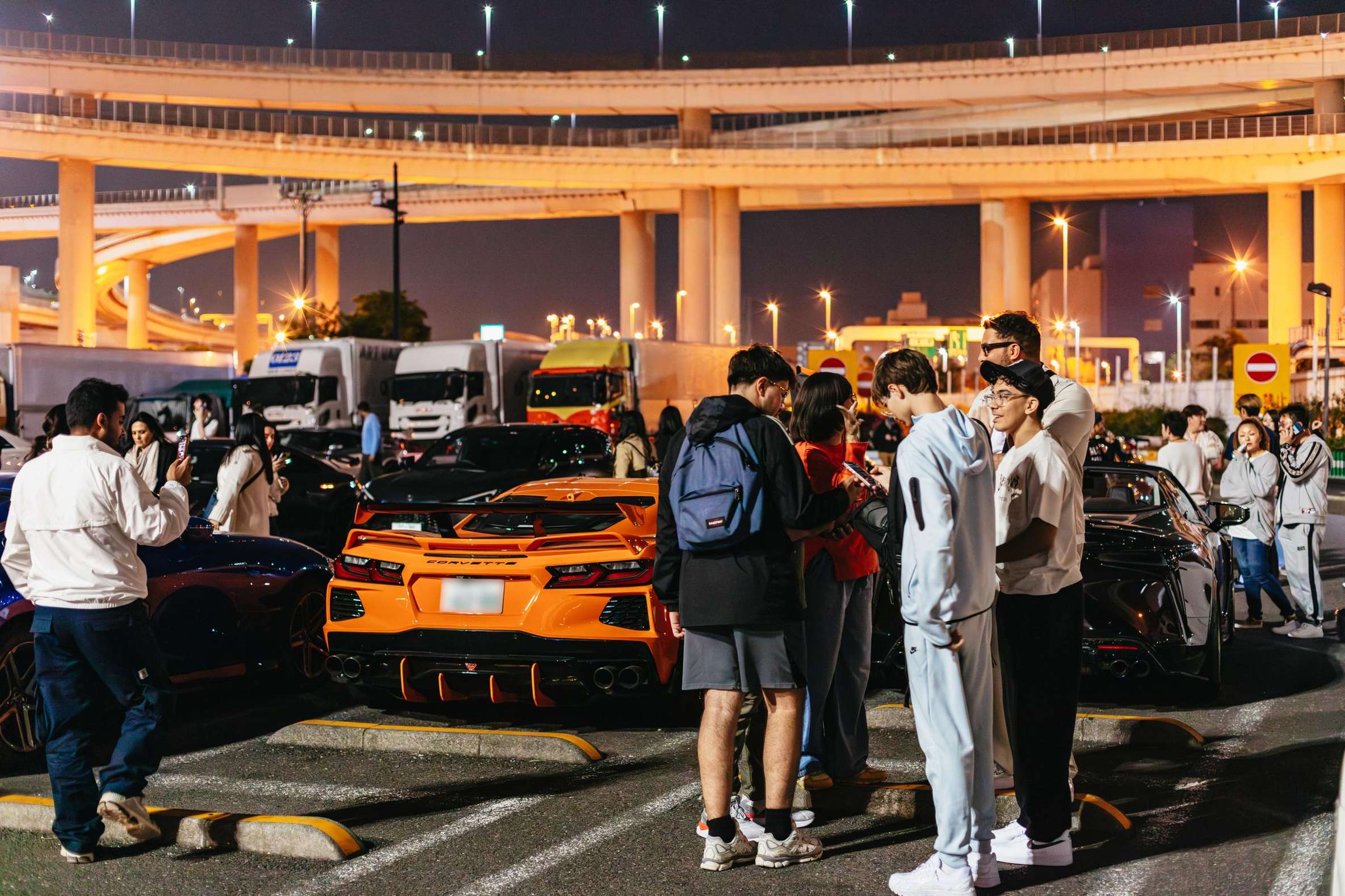
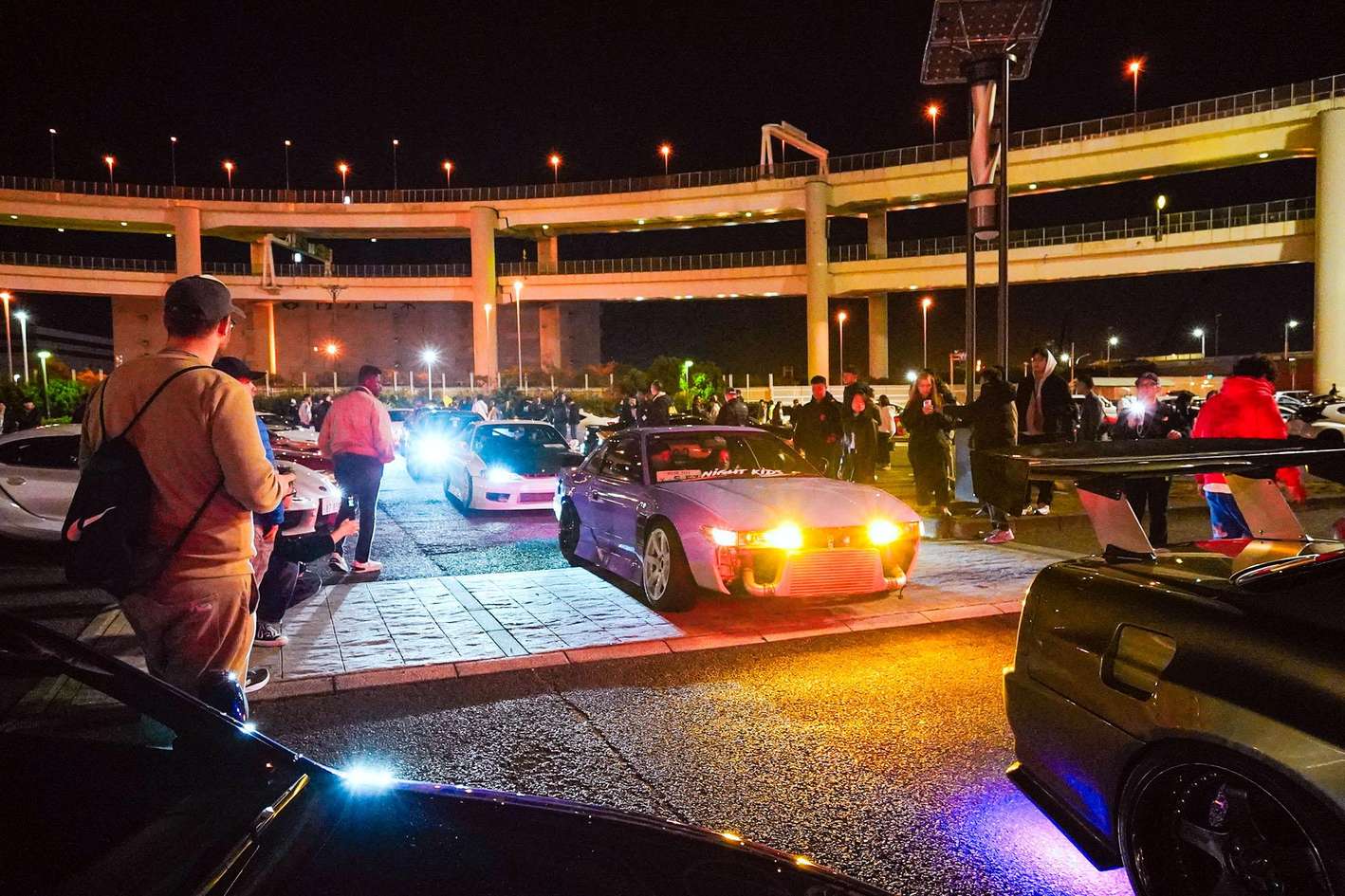
So the real thing is different, and better in its own way. Daikoku Parking Area, on an industrial island in Yokohama, is the actual heart of the car scene the film drew from, though it is not confirmed as a filming location. Owners gather there most nights, engines idling, builds on display.
Expect a living car meet, not a movie set. The lineup changes by the night, the weather and the season, and police can close a meet that gets too noisy. You get about an hour on the ground at Daikoku on a typical tour, riding shotgun the whole evening at legal speed.
Myth vs reality
MythThe movie's drifting was filmed in Los Angeles
Reality
Japan never granted permission to drift on public roads, and street drifting is illegal
MythDaikoku PA is a Tokyo Drift filming location
Reality
It is not confirmed as one; it is the real scene the film drew from
MythYou will see a YouTube-sized meet full of legend cars
Reality
The classic scene has changed; the lineup varies by night and Daikoku has become a tourist pit stop
MythThe tours let you drift
Reality
Every Tokyo Drift tour is a passenger ride-along at legal speed, and drifting on public roads is illegal
Go in with recalibrated expectations and the night delivers: a legal ride in a modified JDM car, an hour among real enthusiasts, and Tokyo's expressways after dark.
Tour for this
Tokyo: Fast & Furious Daikoku JDM Night Tour - EVO,WRX&More4.9★ (534) · 4 hours · Hotel pickup · Free cancellation
What the night actually looks like, minute by minute
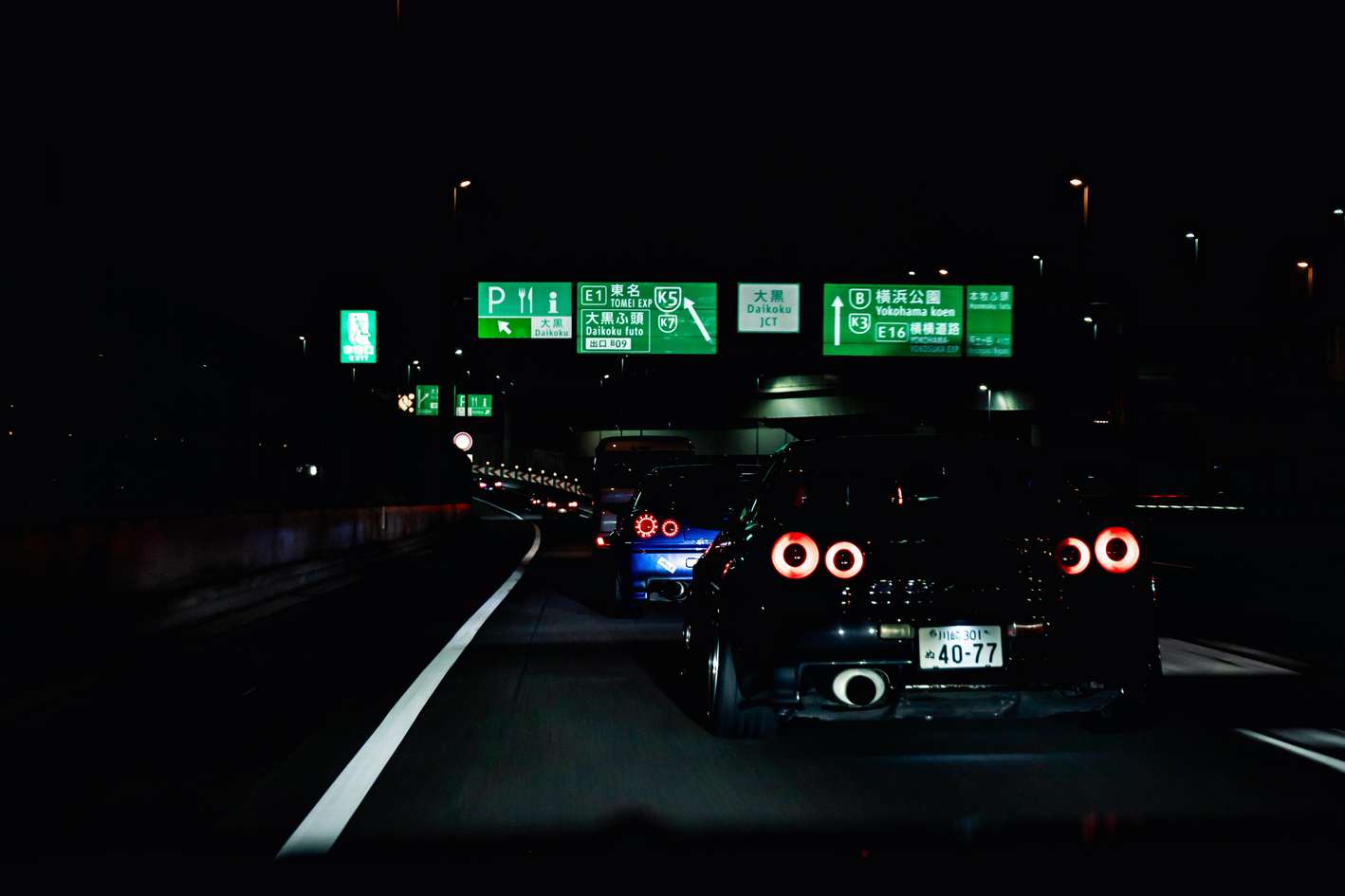
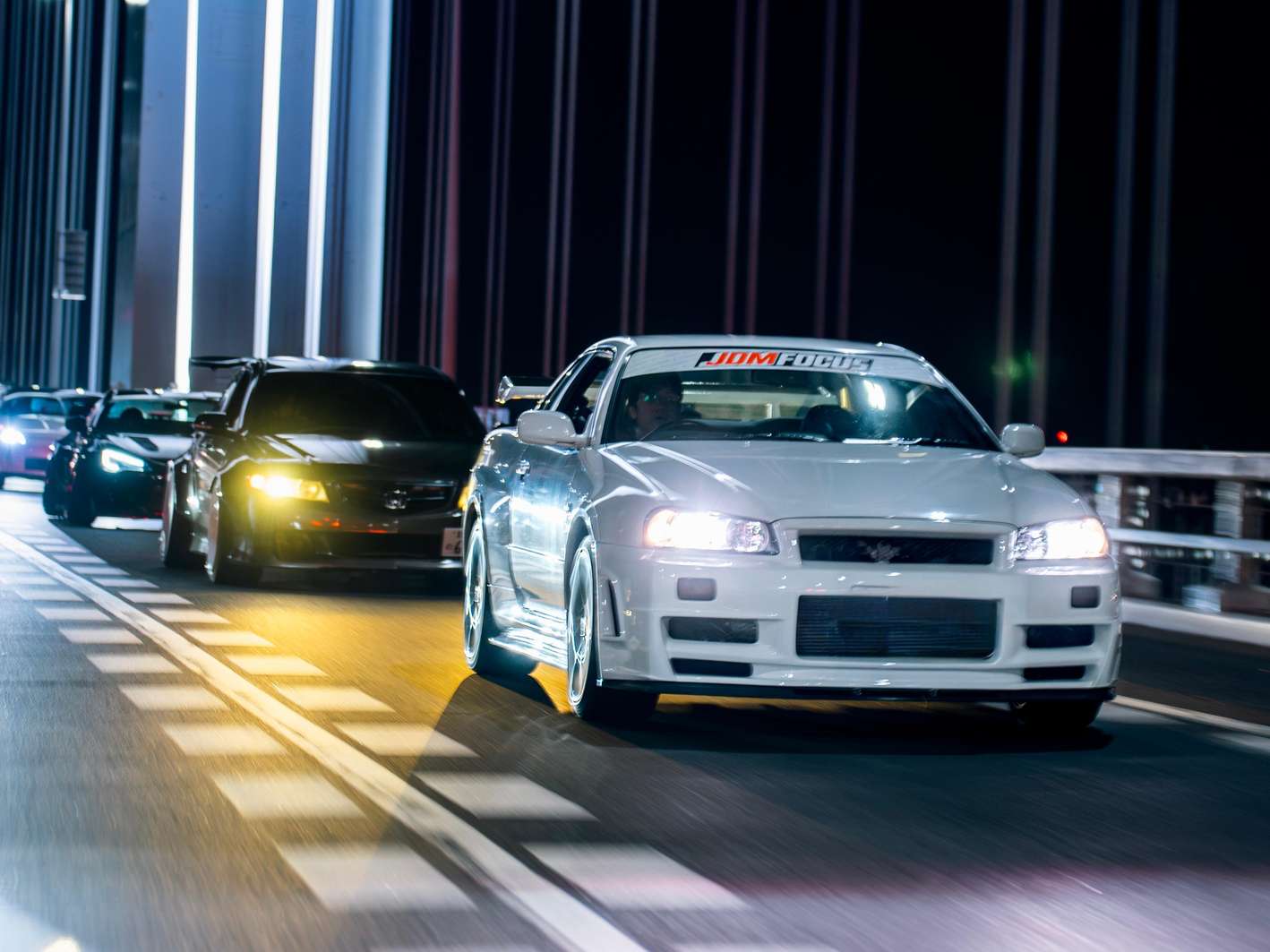
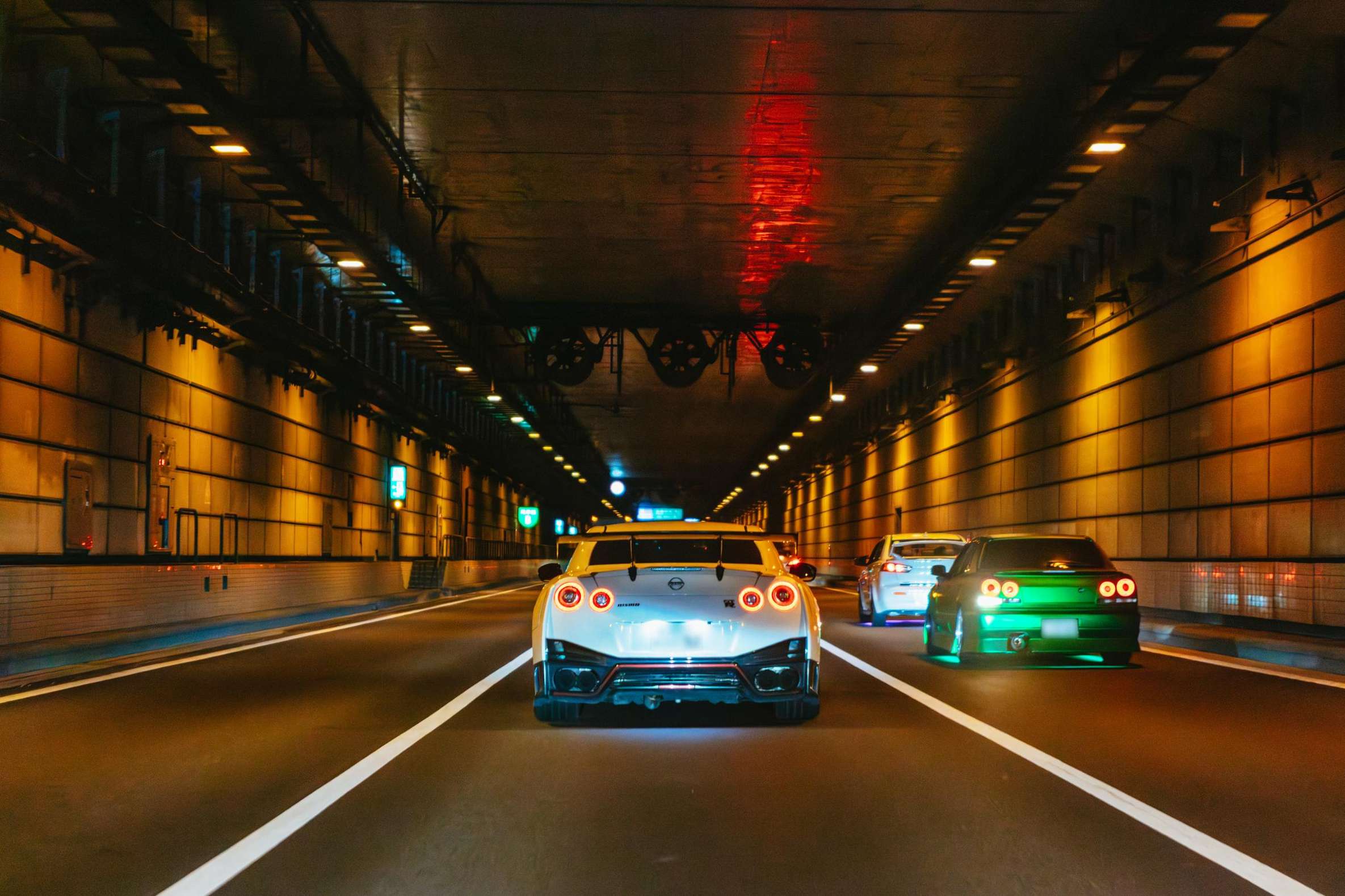
A night tour runs from late afternoon pickup to midnight or later. The shape stays similar across operators: a modified JDM car collects you in central Tokyo, the driver cruises the Wangan and C1 expressways, and Rainbow Bridge and Tokyo Tower light up along the way.
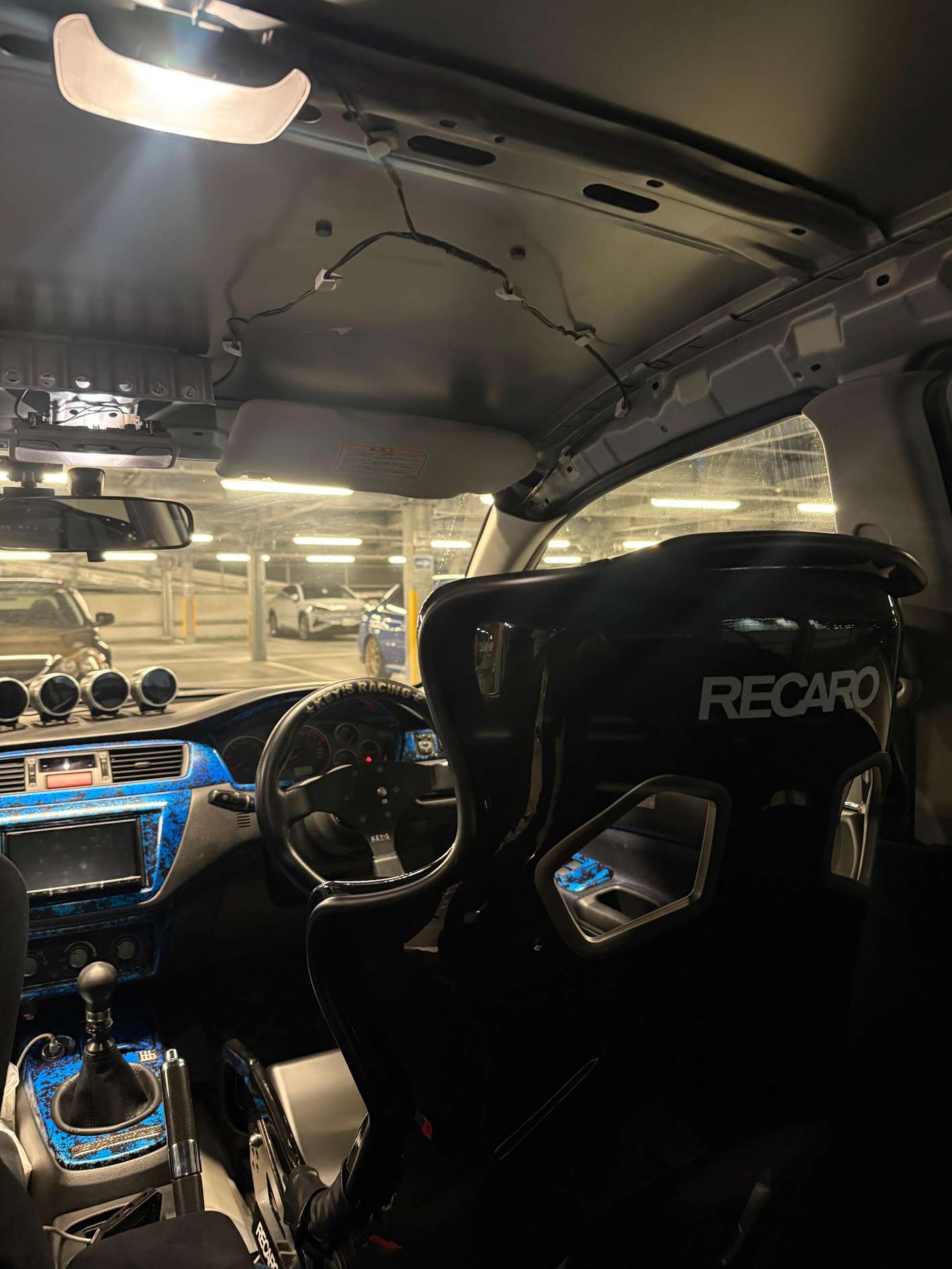
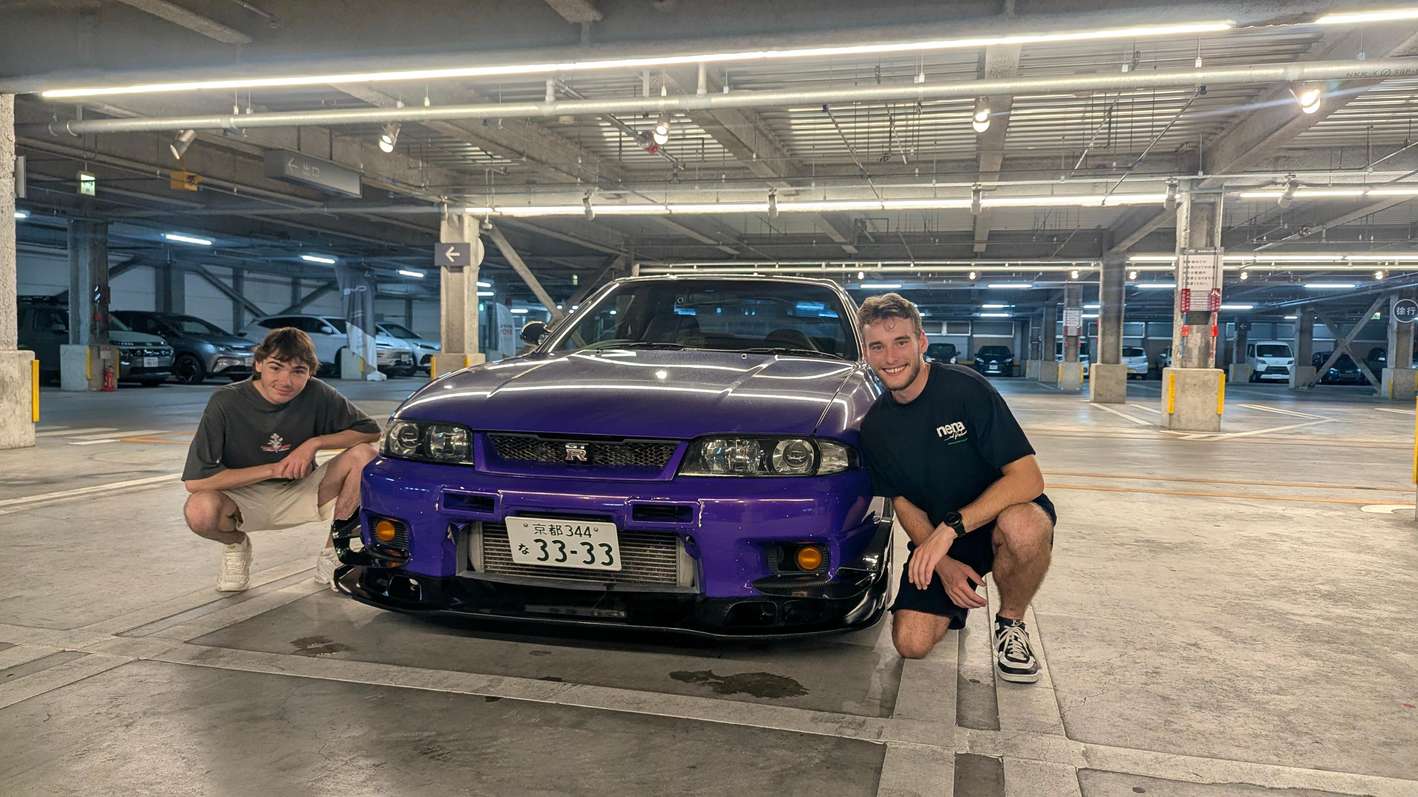
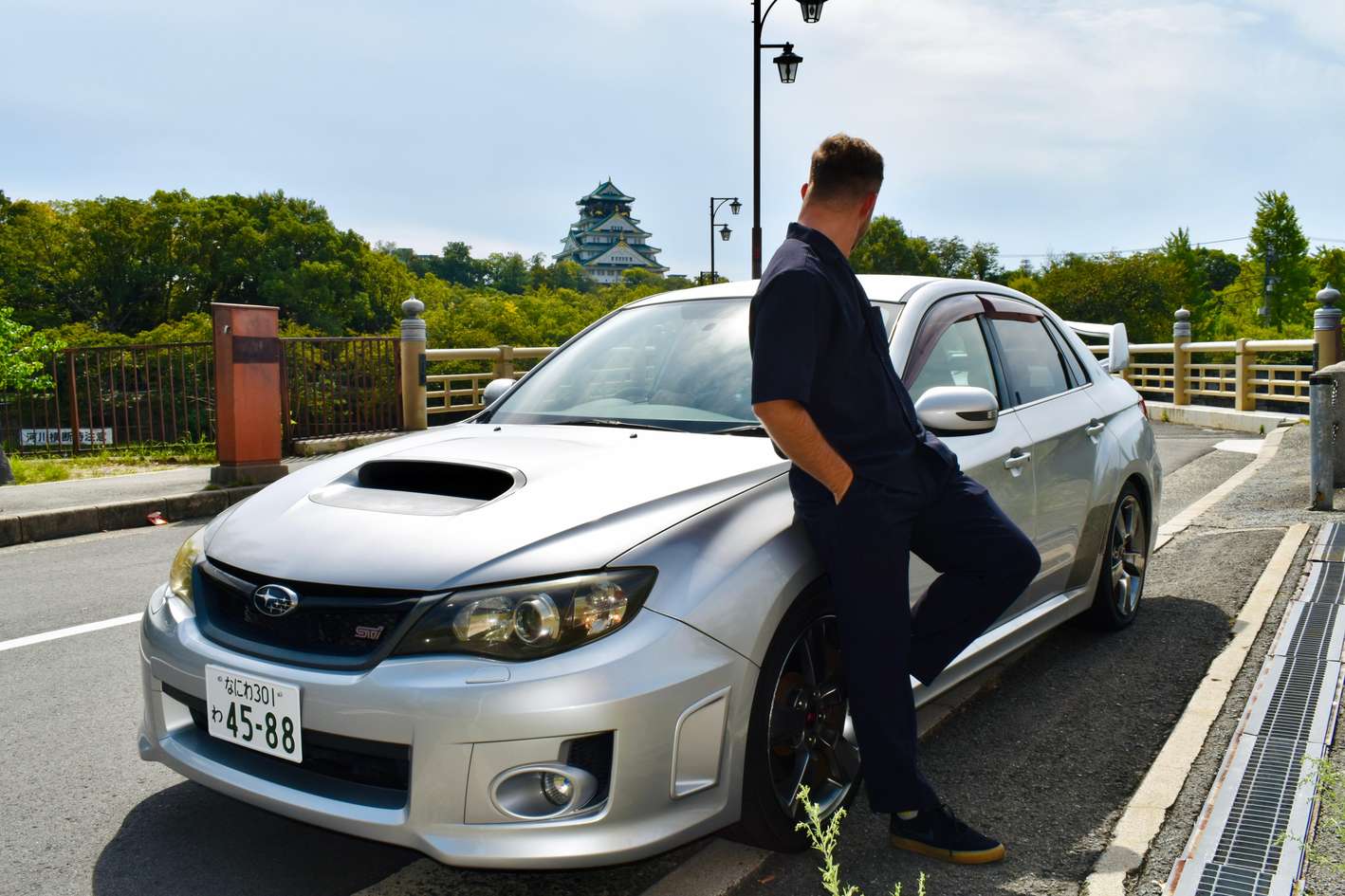
On the Tokyo: JDM Night Run in EVO, WRX & Skyline to Daikoku you ride in a manual Japanese performance car, never a van, with an English-speaking host from a local car club.
1
Late afternoon
Pickup in central Tokyo
Operators pull Friday and Saturday pickups forward to 4 pm to 5 pm to beat the closures
2
Early evening
Wangan cruise and Rainbow Bridge
The bay routes look far better at night than by day
3
Evening
A PIT Autobacs stop
Tokyo's largest tuning store, visited while it is still open
4
About an hour
Daikoku PA at its fullest
Walk the lot, photograph cars, talk with owners
5
Late night
Tokyo Tower photo stop and return
Expect a late evening departure and return
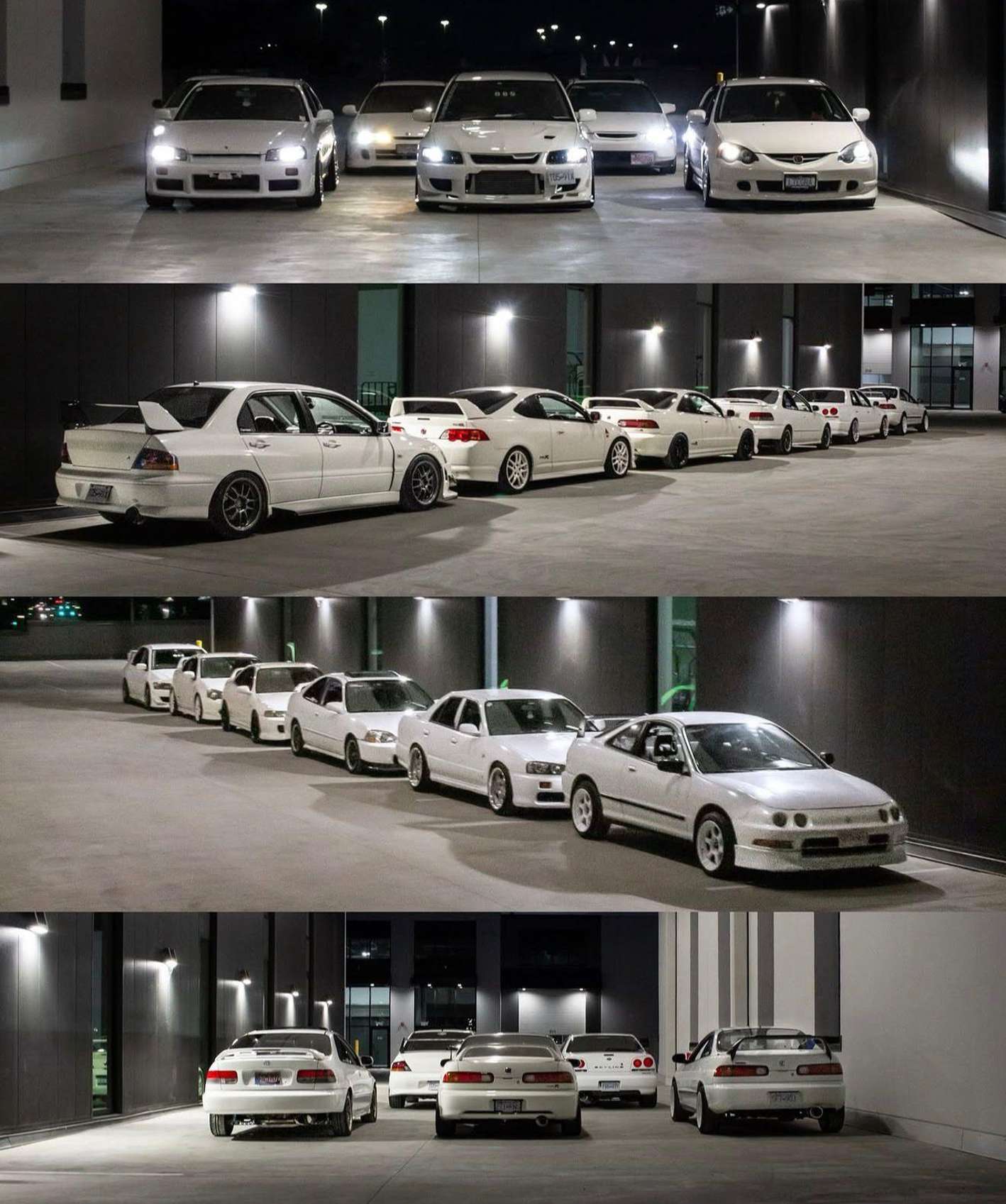
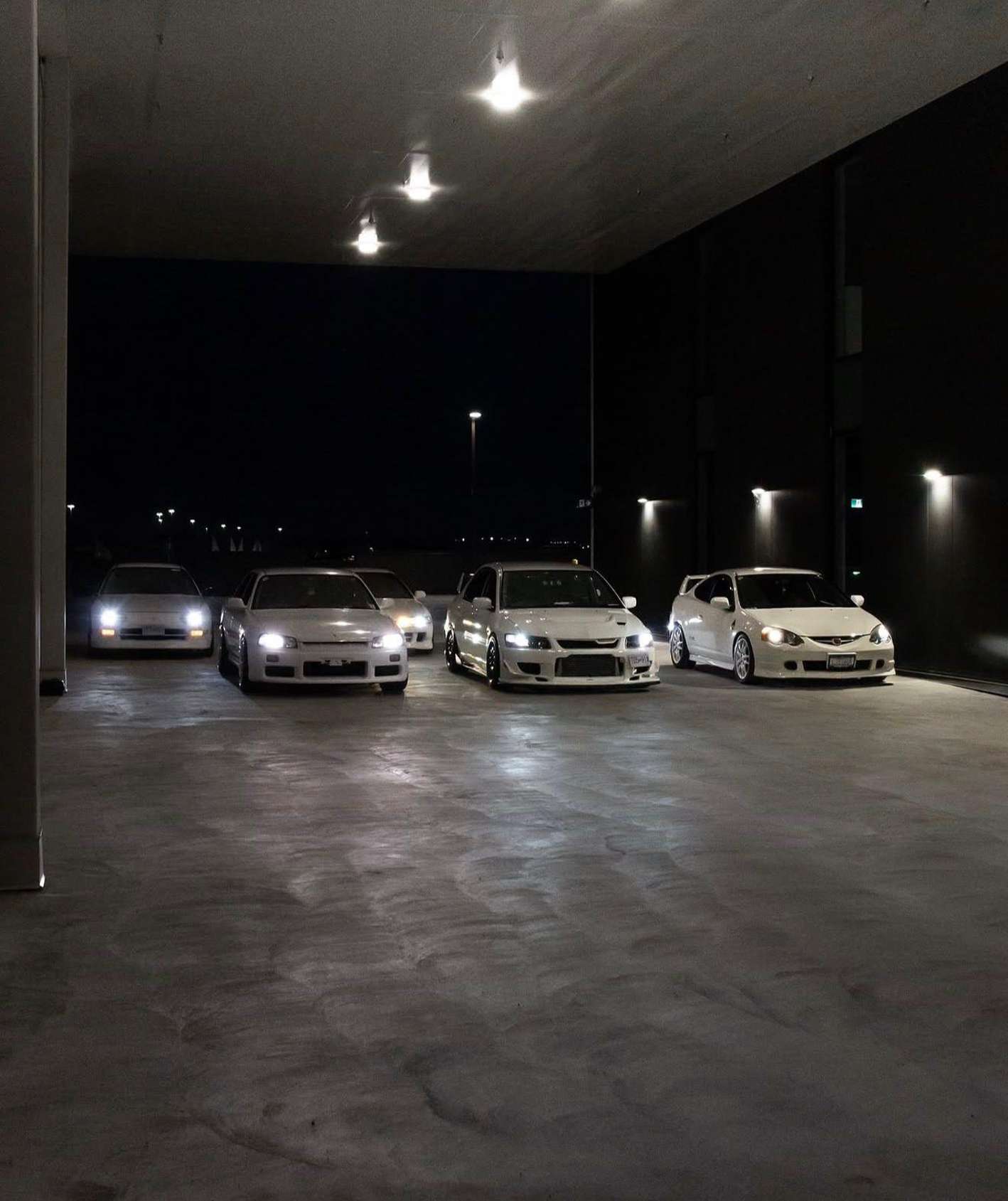
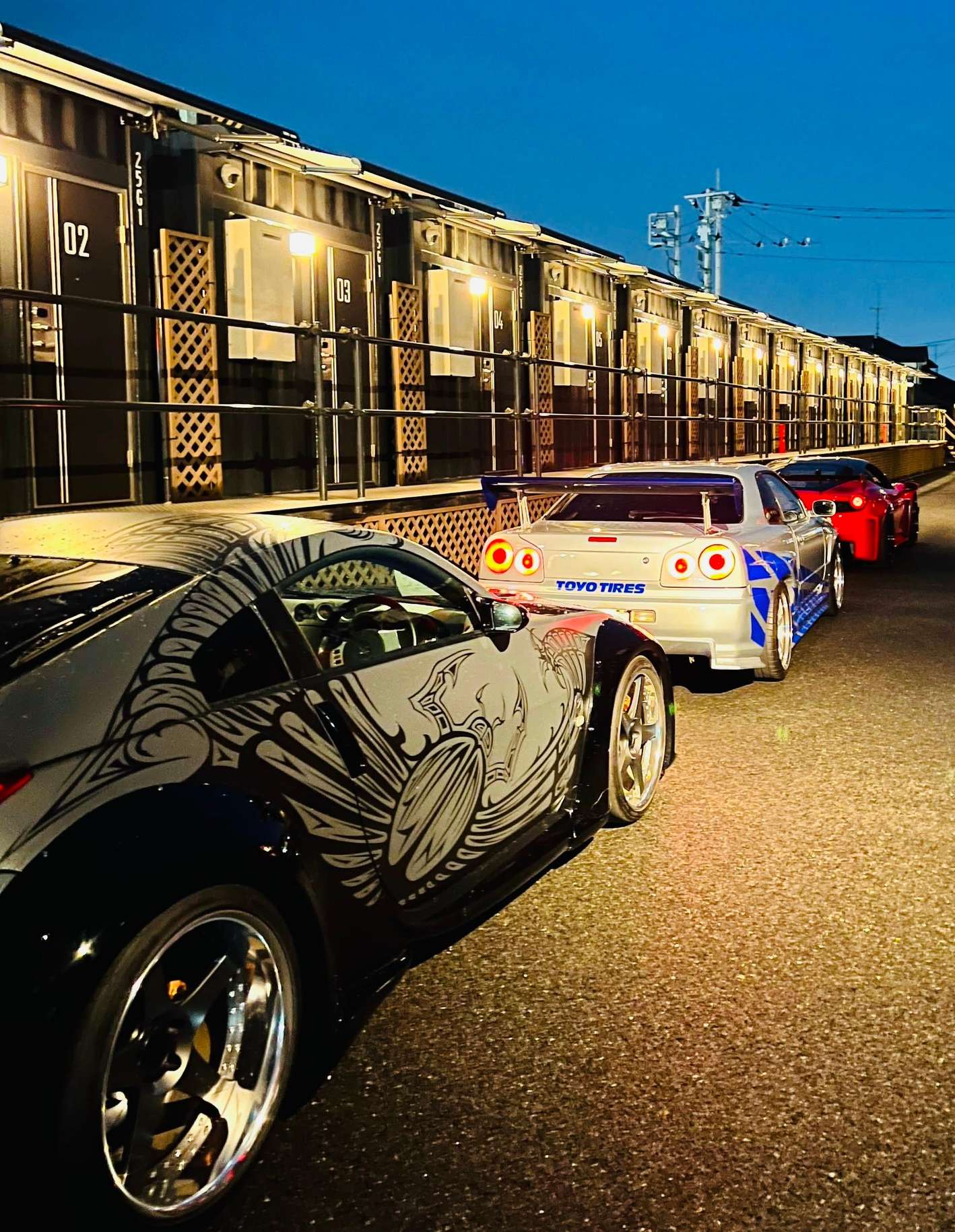
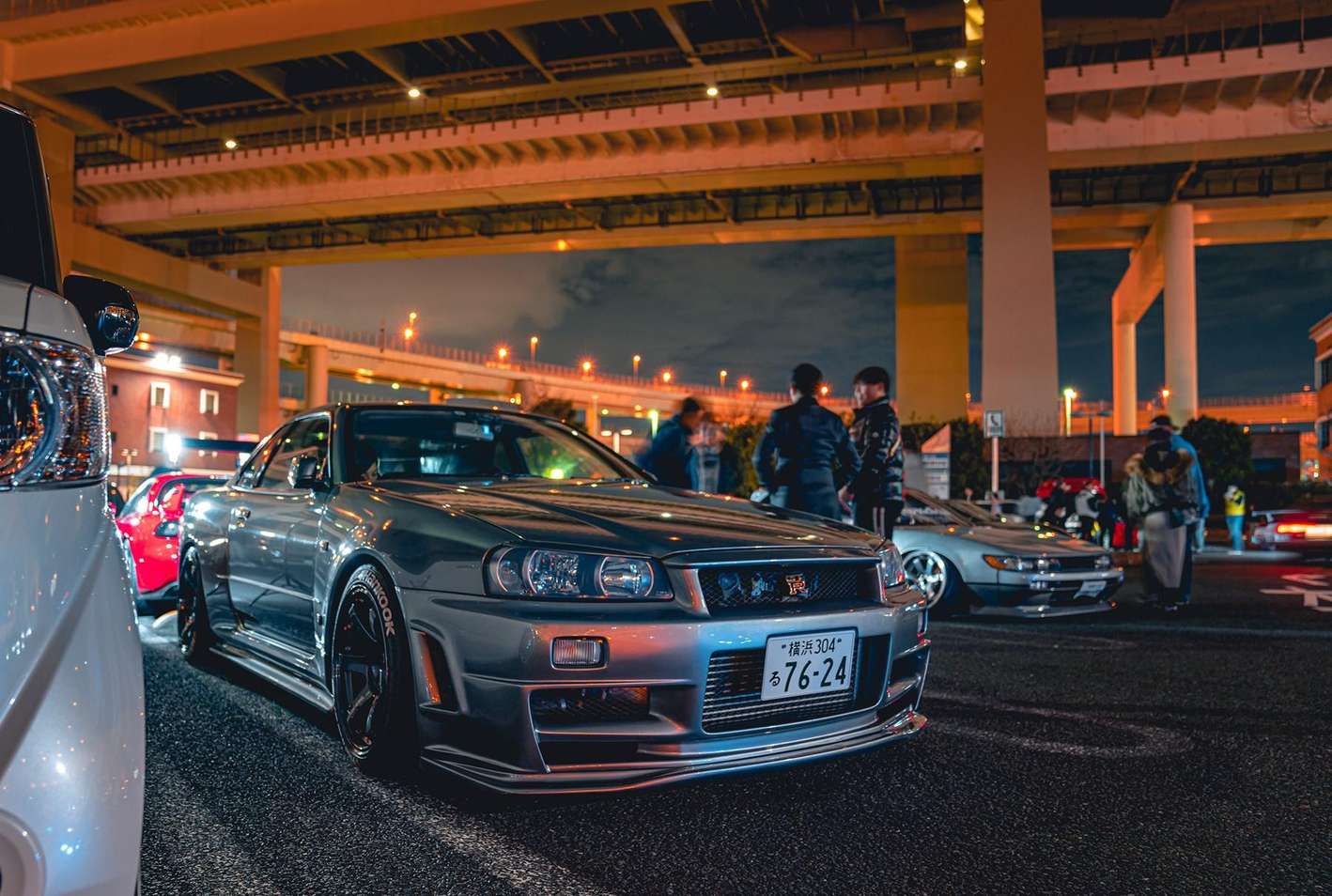
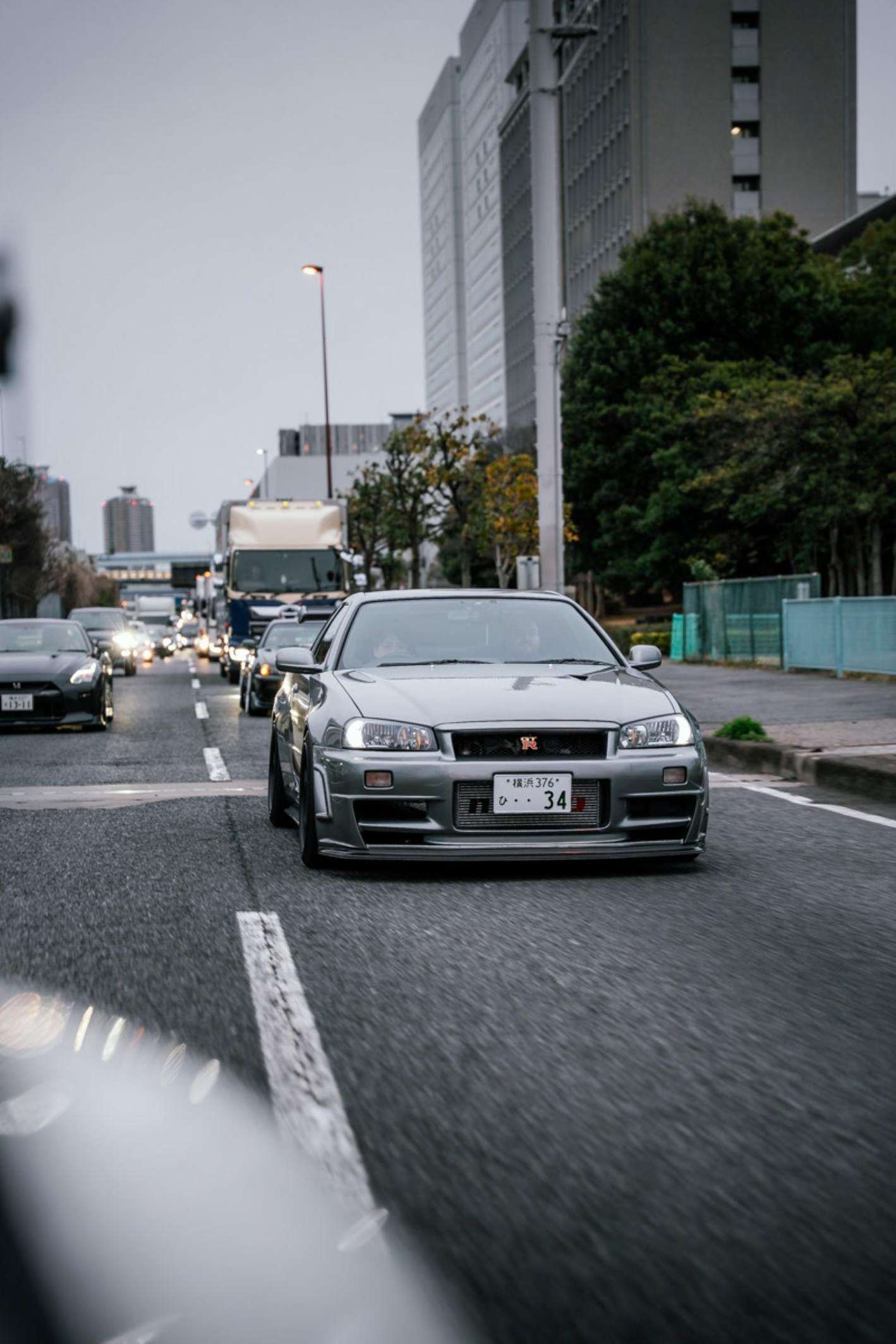
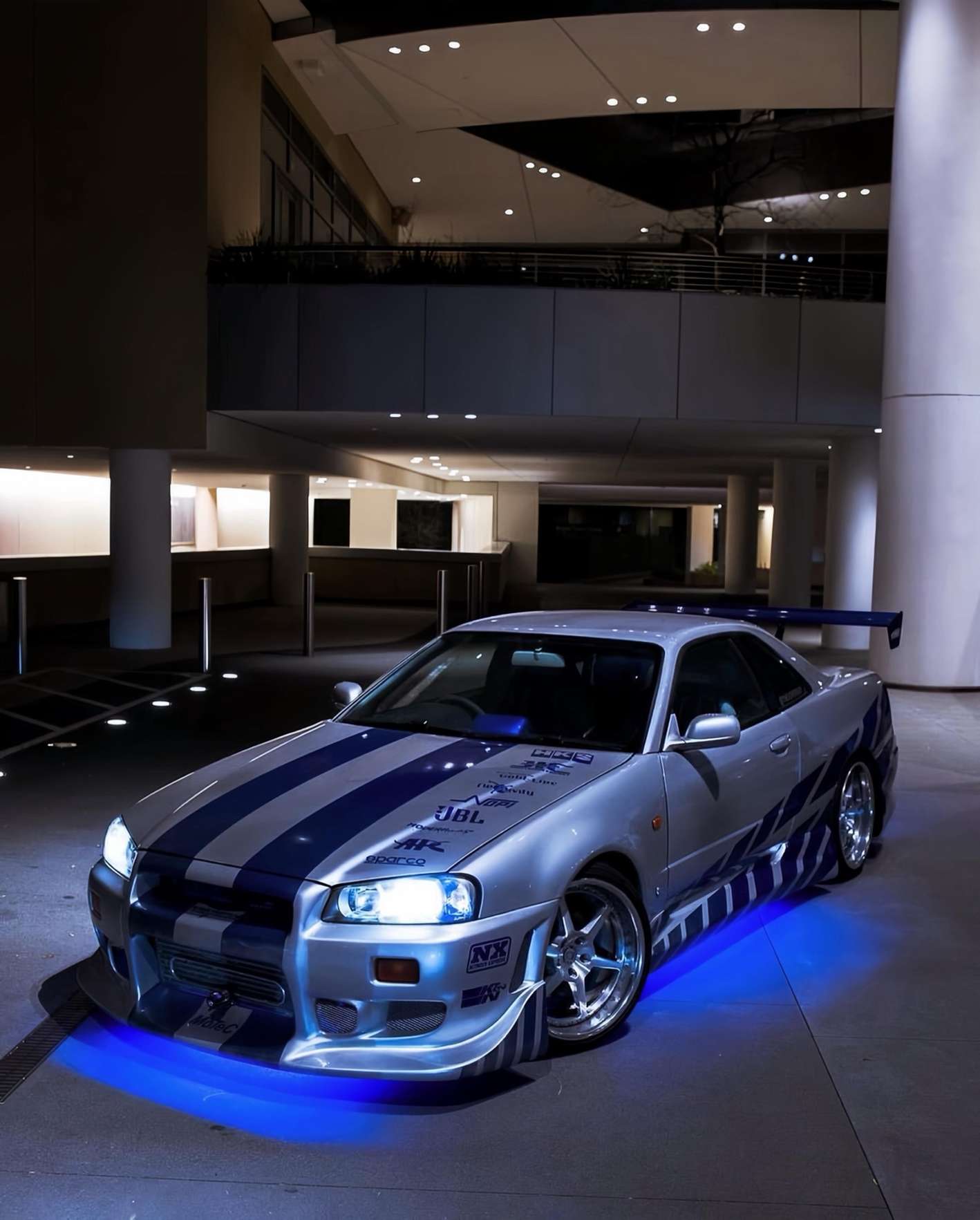
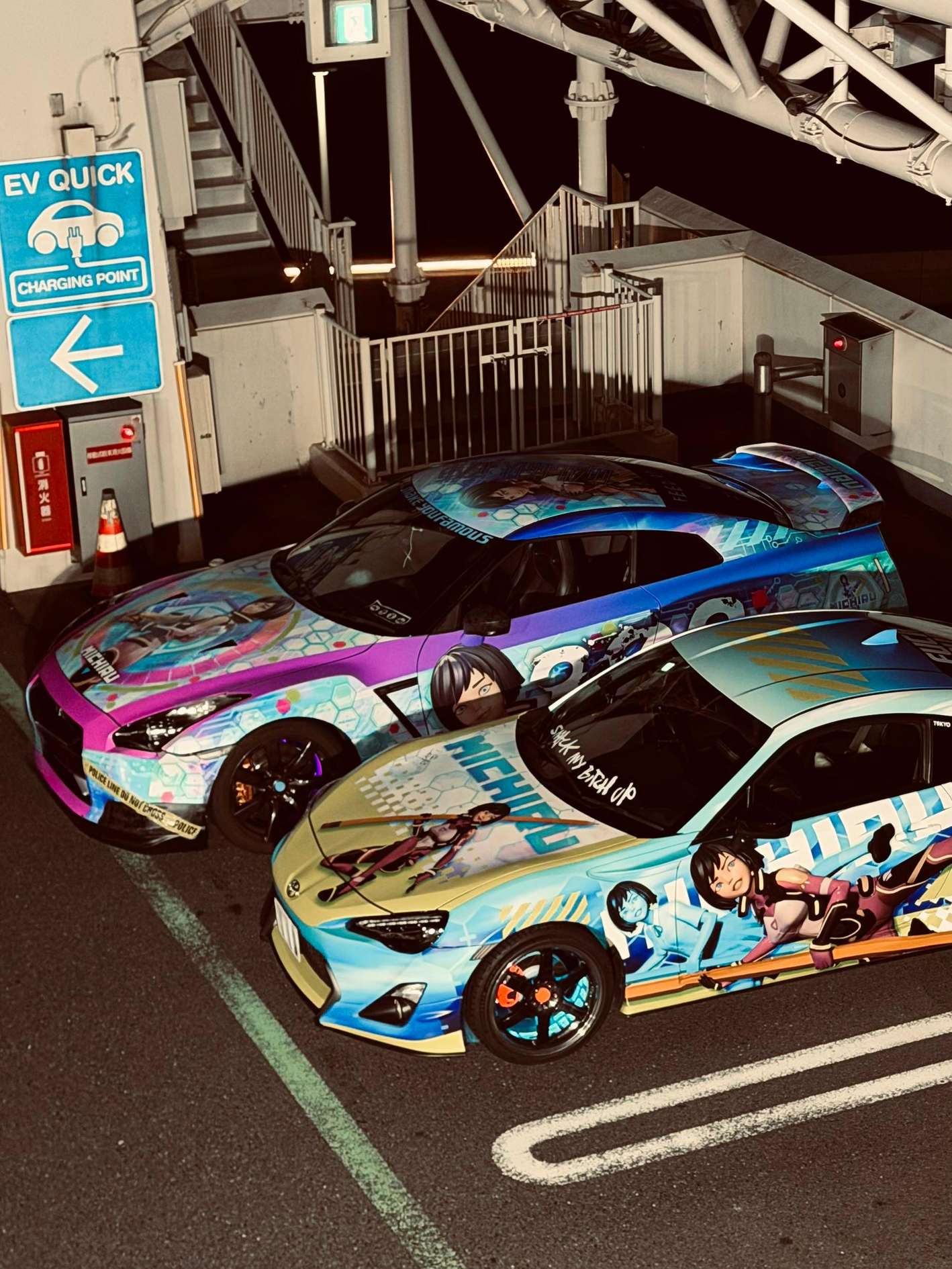
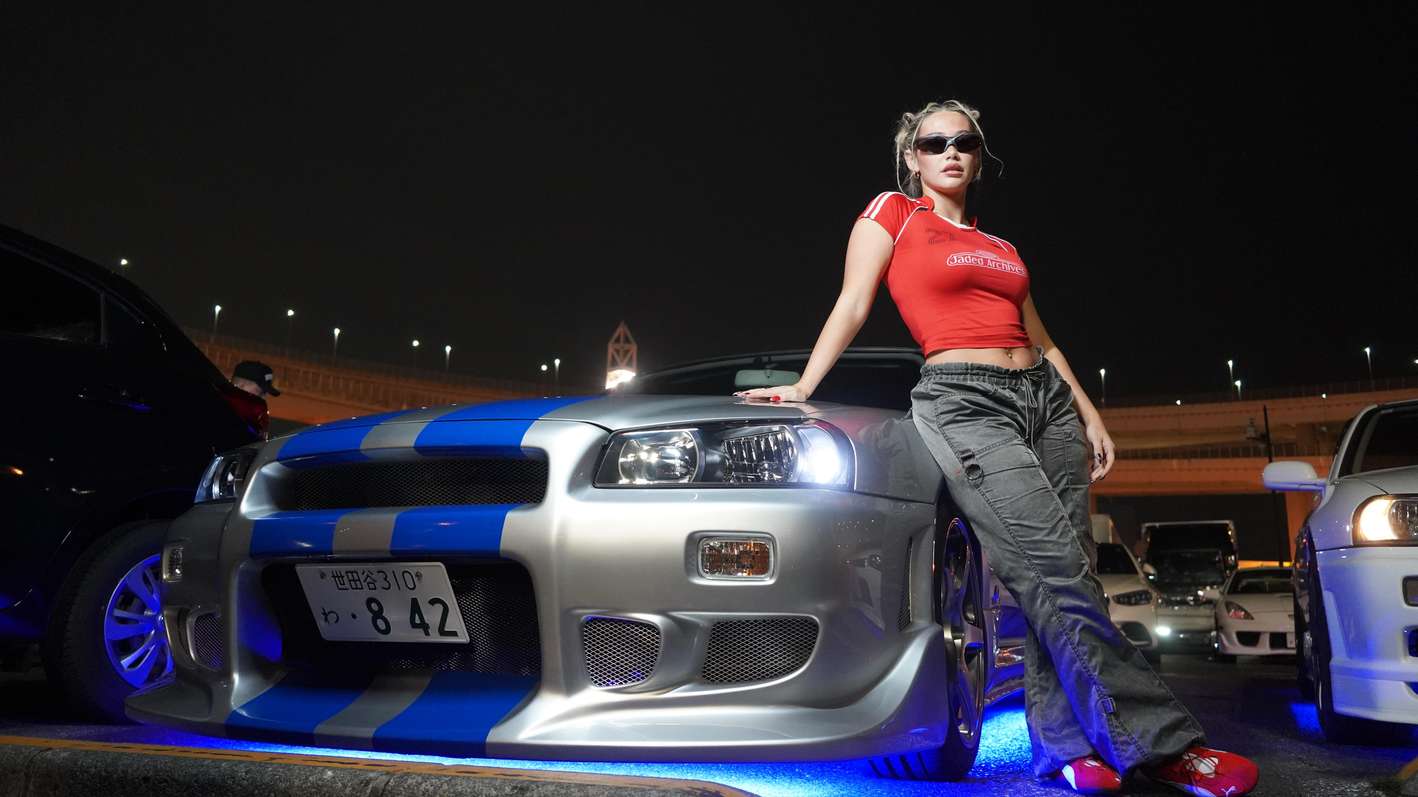
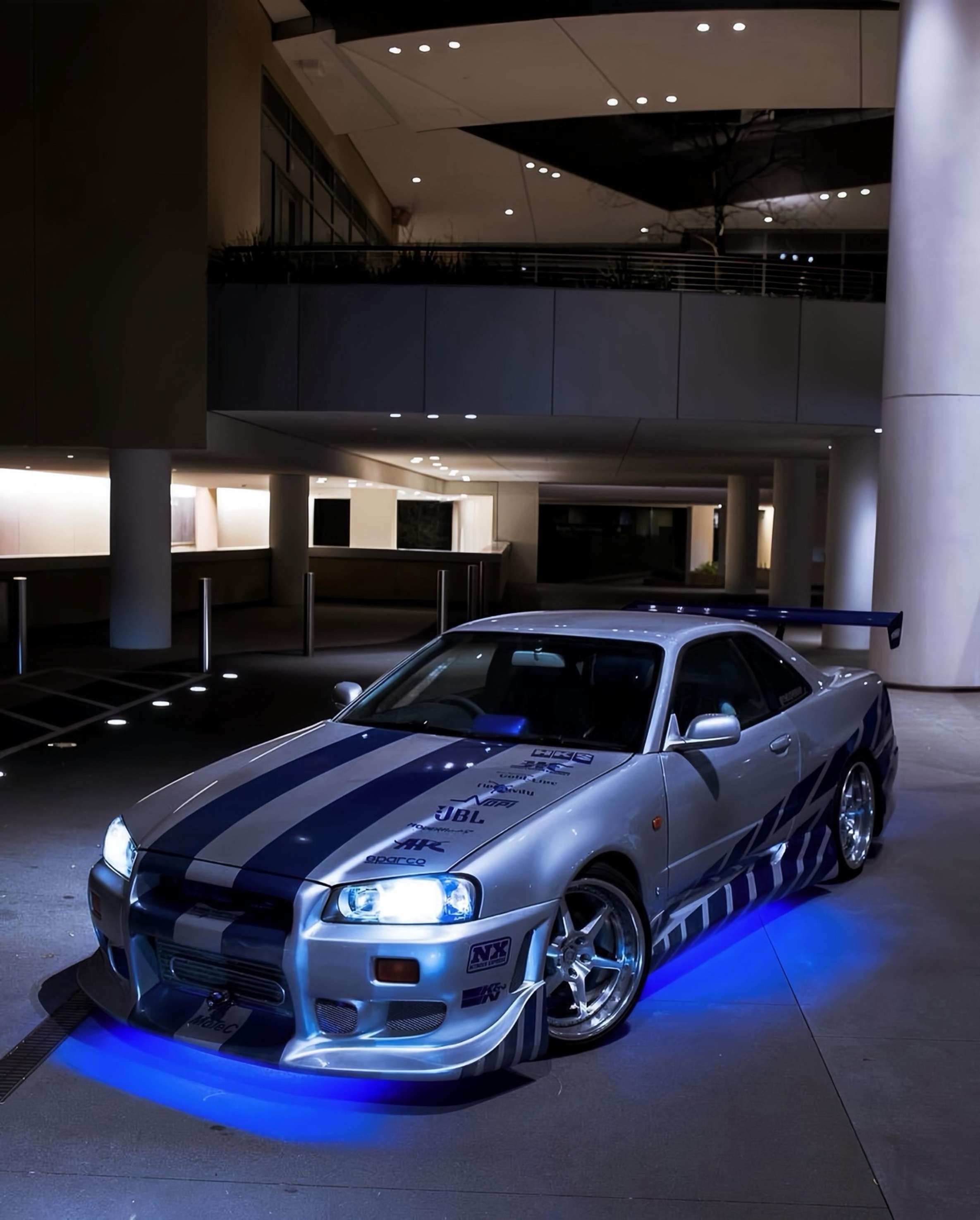
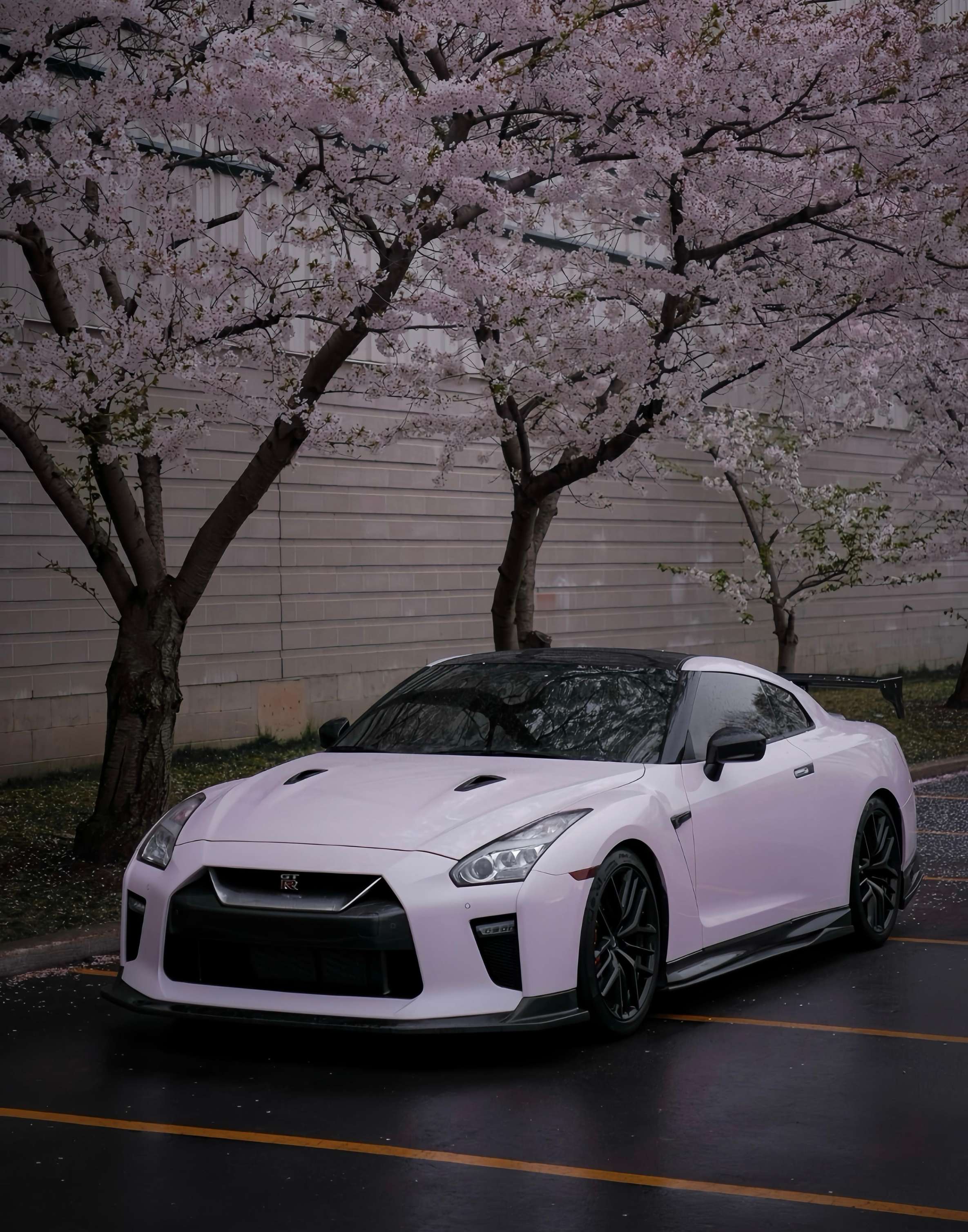
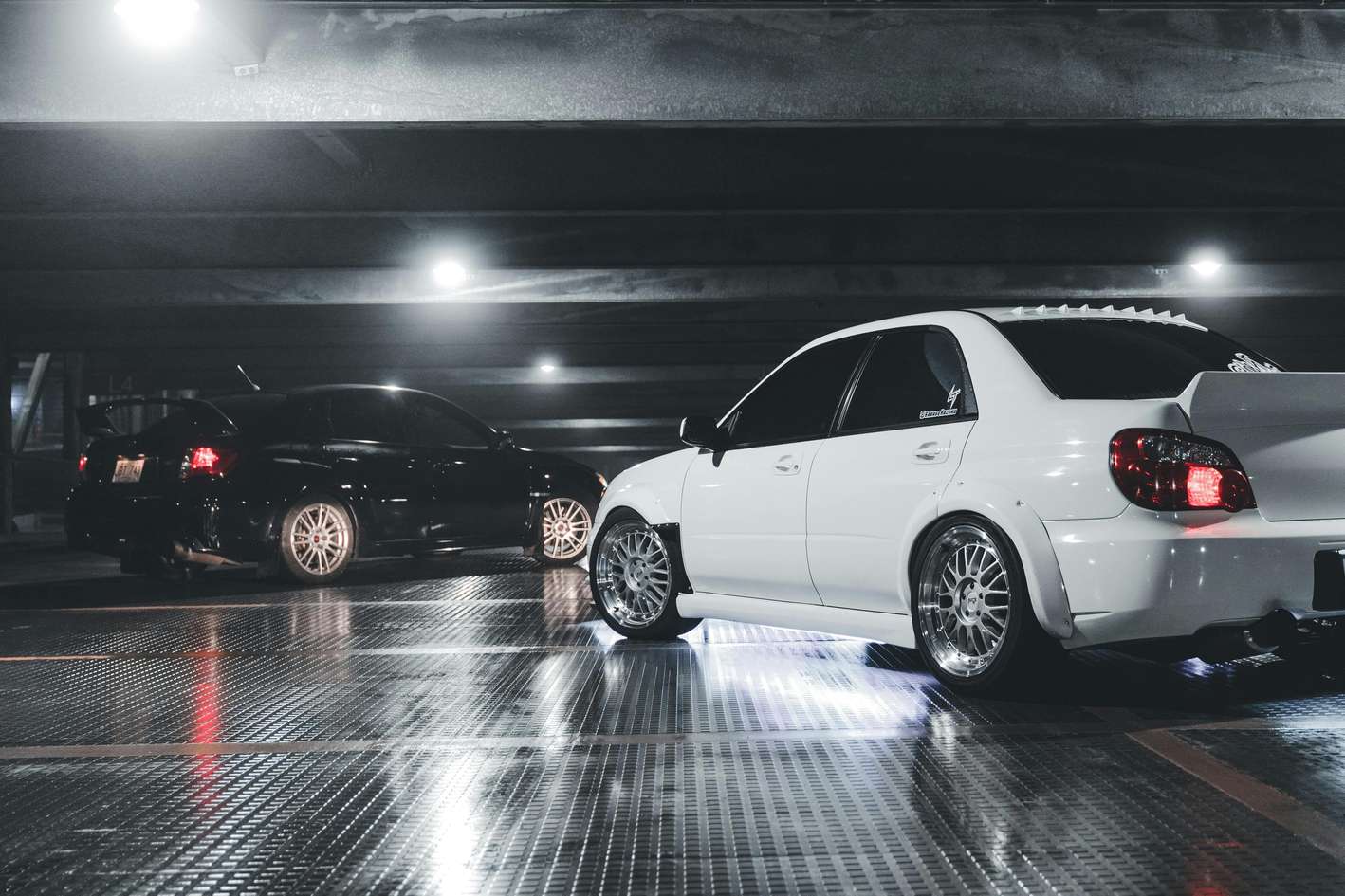
The cars themselves carry the movie with them. Tours run fleets of modified Skylines, Evo VIII through X, RX-7s, Supra A80s, Silvia S15s and Chasers, the models that made the film's cast famous, and the S15 is the car fans still call the Mona Lisa.
Daikoku through the day and night: what each part delivers
Sunday morning9 am to noon
Sunday morning brings vintage Japanese cars and supercars in a calmer setting, a completely different vibe from the night tours.
Evening7 pm to 9 pm
Evening tours start around 6 pm with an hour's drive to Daikoku, but on Friday and Saturday the parking area is closed from 7:30 pm and the me…
Night Peak9 pm to 11 pm
Midnight10:30 pm to 2 am
Midnight runs starting at 10:30 pm still find plenty of JDM cars, and late-night traffic is lighter for longer, smoother highway cruising; A…
QuietBusyThe busiest
Read the dayparts against your own energy: a Sunday-morning visit shows you classics in daylight, while a midnight run trades crowd size for smooth, empty expressways. The guide is a bigger part of the night than people expect.
Good ones share the history behind the cars, explain what you are looking at, answer questions and take photos at the stops. Travelers describe the driving as exciting yet controlled, and the drive itself, tunnels and bridges and city lights, as a highlight in its own right.
Tour for this
Tokyo: JDM Night Run in EVO, WRX & Skyline to Daikoku4.9★ (996) · 3 - 4 hours · Hotel pickup · Free cancellation
Ride-along, self-drive or drift lesson - which one is yours?
Three formats, three different nights. On a guided ride-along a professional driver is behind the wheel all night and you never drive, so no licence is needed.
On a self-drive convoy you drive the operator's car yourself on public roads, following a lead car, which means a driving permit valid in Japan, your original documents on the day, and drivers aged 23 or older.
On a circuit drift lesson you learn donuts and figure eights on a closed course with an instructor, helmets and gloves included, and some venues need no road licence at all because the circuit is private property.
Guided ride-along
Self-drive convoy
Circuit drift lesson
Who drives
A professional driver, all night
You, following a lead car
You, with an instructor alongside
Licence needed
None
Permit valid in Japan, original documents on the day
Often none, closed circuit
Age limits
Varies by operator; some rides not suitable under 15 or 16
Drivers 23 or older
Some lessons 18 or older, under-18s with a guardian
What you do
Ride to Daikoku PA and the expressways
Drive Tokyo's roads in a JDM car
Practice donuts and figure eights for about 3 hours
Suits
First-timers and anyone wary of left-side traffic
Licensed drivers who want the wheel
People who want to drift, legally
Guided ride-along
Who drives
A professional driver, all night
Licence needed
None
Age limits
Varies by operator; some rides not suitable under 15 or 16
What you do
Ride to Daikoku PA and the expressways
Suits
First-timers and anyone wary of left-side traffic
Self-drive convoy
Who drives
You, following a lead car
Licence needed
Permit valid in Japan, original documents on the day
Age limits
Drivers 23 or older
What you do
Drive Tokyo's roads in a JDM car
Suits
Licensed drivers who want the wheel
Circuit drift lesson
Who drives
You, with an instructor alongside
Licence needed
Often none, closed circuit
Age limits
Some lessons 18 or older, under-18s with a guardian
What you do
Practice donuts and figure eights for about 3 hours
Suits
People who want to drift, legally
Beginners with zero drifting experience can join a lesson. Most guests have never drifted before, and first-timers hold a steady circle by the end of the day. Children can join some ride-alongs with a parent as long as they fit the harness safely.
If you want the meet without driving, the Daikoku:Experience Tokyo's Car Culture in Iconic JDM Cars keeps groups to three riders per car and lets you swap between cars at each stop, from an Evo 9 to an R34 Skyline.
Tour for this
JDM Tokyo:The Fast and the Furious Tokyo Drift Experience4.9★ (164) · 3 hours · Free cancellation
There is no schedule to check, because the Daikoku meet is informal and unorganized. Cars show up any night of the week, so the question is not whether it happens but how big it gets and whether the lot stays open.
Friday and Saturday are the peak nights. Cars fill the lot from around 5 pm and the crowd runs deepest between 9 pm and 1 am. That is also the risk: police have closed the entrance as early as 7:30 pm on packed weekend nights, and weekend closures became the norm through 2025 and 2026.
Weeknights trade crowd size for staying open. Monday to Thursday closures are rare, the lot runs far quieter, and it is rarely empty. Sunday morning is the classic window for classics and exotics, calmer and easier to photograph than a weekend night.
Which nights the Daikoku PA meet fills up
Sat: the busiest. The biggest turnout of the week, but also the night most likely to end early: police have closed the lot as early as 7:30 pm on packed weeke…
Bar height: how busy each day is, from very quiet to the busiestThe busiest: Sat
Tap a day to read it.
The day of the week matters far more than the month, though the big Japanese holiday periods, Golden Week in late April and early May, Obon in mid-August and the New Year stretch, spike the crowds and make an early closure more likely.
Tour for this
JDM Tour to Daikoku PA Fast and Furious Tokyo Drift Experience5.0★ (91) · 3 hours · Free cancellation
Tours run all year, and the calendar mostly matters through rain. April is the busiest month for bookings, followed by October and September, while June, February and December are the quietest, and travelers in the quiet months often still get in booking close to the day.
June and September are the wet months, with rain on roughly half the days, and rain thins the meets. One operator warns weather can cut the number of cars at the meeting, and it does not refund for that, so a wet-week trip means smaller crowds.
Rain rarely ruins a Daikoku night. Operators run as scheduled in ordinary rain and only reschedule for severe storms or road closures. Travelers repeatedly report plenty of cars even in the rain, and guides hand out umbrellas. The heavy-rain evenings are the ones visitors describe as quieter, with fewer cars and less to film.
How busy the JDM tours are each month, with rain and dry days
April: 5 out of 5 for how busy it gets. The busiest month of the year (150) with mild 19.6°C days and 19 sunny days, the best mix of full car meets and comfortable evenings.
HighestMar to Apr, Sep to Oct
In betweenJan, May, Aug, Nov
LowestFeb, Jun to Jul, Dec
Darker: a higher how busy it gets score, out of 5
Tap a month to read it.
January: 26.4 dry days. A quiet month with 26 dry days and cool nights around 0°C, so meets are thinner but tours run and the winter night skies are clear.
HighestNov to Jan22.8 to 26.4 days
In betweenFeb22.2 days
LowestMar to Oct15.6 to 19 days
Darker months: higher, from 15.6 to 26.4 days
Tap a month to read it.
December: 26.8 sunny days. Quiet (73) with 25 dry days and mostly clear skies, but nights drop to 2.5°C, so dress warmly for the meets.
HighestAug, Dec to Jan24.2 to 26.8 days
In betweenFeb to Mar, Jul, Nov21.2 to 23 days
LowestApr to Jun, Sep to Oct16.8 to 19.6 days
Darker months: higher, from 16.8 to 26.8 days
Tap a month to read it.
If you want the fullest lot and the longest evenings, aim for April or the September-to-October stretch. If you want an easier booking and a calmer lot, the quiet months do the job.
Tour for this
Daikoku:Experience Tokyo's Car Culture in Iconic JDM Cars4.9★ (872) · 3.5 hours · Hotel pickup · Free cancellation
This is the one thing that can genuinely disrupt the night. Police and the expressway operator close the Daikoku PA entrance without notice, most often on Fridays, Saturdays, three-day weekends and holidays, typically from about 8:30 pm, and on packed weekend nights as early as 7:30 pm.
Closures are decided on the night, so there is no schedule to check in advance and no way to look one up.
Once the entrance has closed, do not count on it reopening. Operators pull Friday and Saturday pickups forward to 4 pm or 5 pm to get in ahead of the closures, and most tours divert to a fallback lot such as Umihotaru or Tatsumi when the lot shuts.
Policies differ: one operator charges extra for the detour, one makes the fallback free, and several offer a full refund if you decline the alternative lot.
Ask in writing what happens when Daikoku is closed before you pay. A closed lot is not a refund trigger by default, and the tours that refund in full do so only when you turn down the alternative.
Can stop the day
Closures are decided on the night by Shutoko and police with no published schedule; on packed weekend nights the lot can close from about 7:30 pm and once closed it does not reopen Check the operator's fallback and refund clause in writing before you pay, and keep your messaging app notifications on so you see any update before departure
With the clause settled, a closure becomes a detour instead of a ruined night, and the bay has more than one lot worth an evening.
Reaching the meet - getting to a parking area when no train goes there
Daikoku PA sits inside the Shuto Expressway on an artificial island in Tokyo Bay, and there is no pedestrian gate, no bus stop and no taxi rank. Walking in is illegal, and police arrest people who try it. The only way in is in a vehicle already on the expressway.
Every tour therefore starts in central Tokyo and drives you in. Your real journey is from wherever you stay to the meeting point, which tours set in places like Shibuya or Akihabara, or at your hotel.
Ways to get to the Daikoku PA tour meeting points in Tokyo
Plan the evening around the pickup time, since the lot itself has no address you can walk to.
From Haneda Airport it is roughly half an hour by taxi to the closest start; from Tokyo Station about 20 minutes without traffic; from Shinjuku the shortest hop of the three.
A taxi can drop you at a meeting point, but it cannot drop you at Daikoku itself, and getting back from the bay late at night is difficult, which is why most travelers let a tour handle the driving, the tolls and the route.
Tour for this
Tokyo: JDM Night Drive to Daikoku PA in Skyline R34 or Evo X4.9★ (179) · 3 - 4 hours · Free cancellation
Driving yourself in Tokyo - worth it or a headache?
Renting your own JDM car is possible, and the paperwork comes first: an International Driving Permit from the 1949 Convention, or for licences from Switzerland, Germany, France, Belgium, Monaco or Taiwan a certified Japanese translation arranged before you go, plus your passport.
Then the honest part. Tokyo driving is slow, with even 5 km in the suburbs taking 10 to 25 minutes, parking near central hotels is expensive or non-existent, and the expressway junction signs are hard to follow without navigation. Check your hotel's parking before renting.
The reward is real, at the right hour. Traffic on the Shutoko thins dramatically after 10 pm and is smoothest between 1 am and 3 am on weeknights.
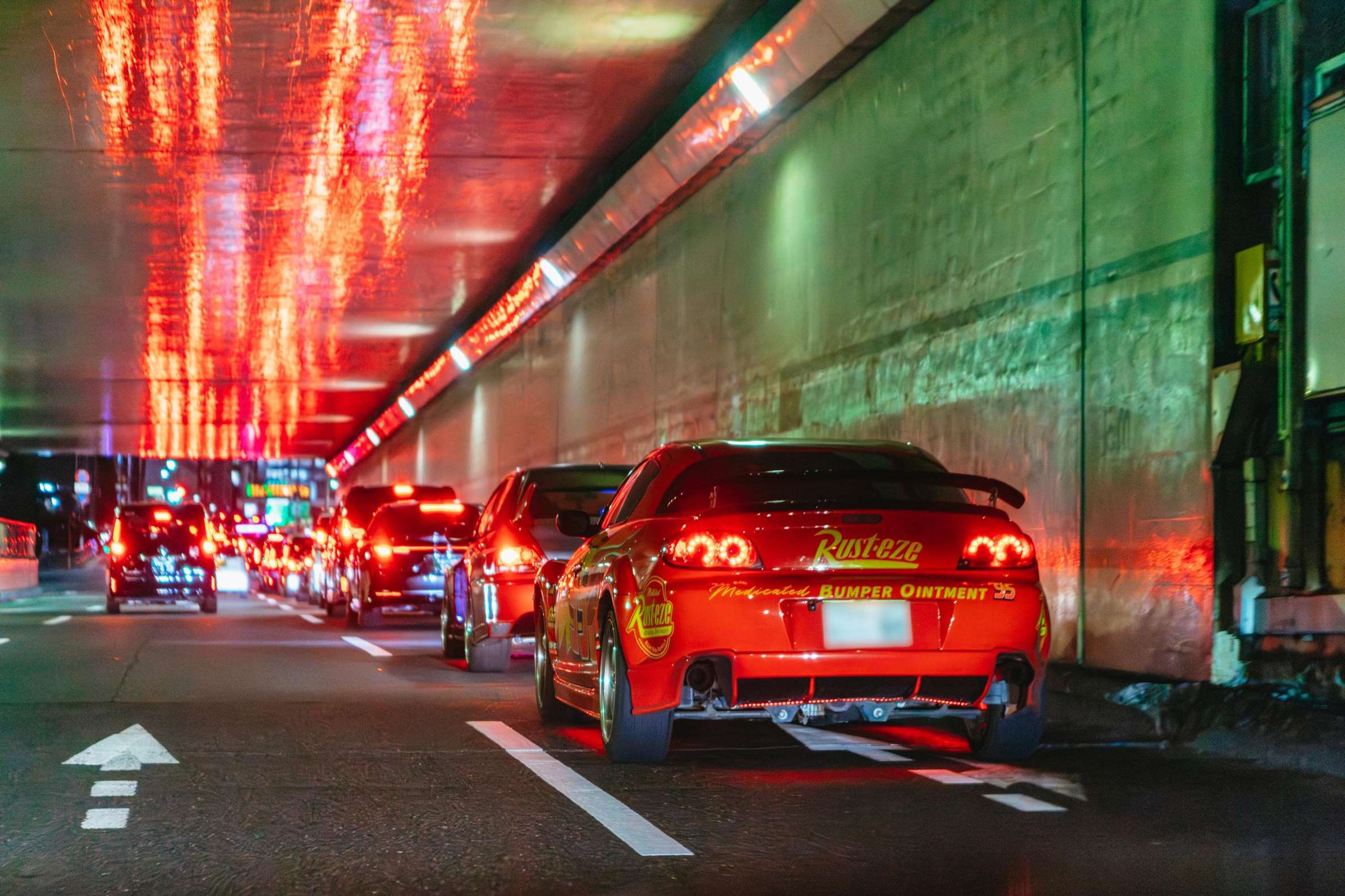
The C1 loop is clogged by day and comes alive at night, and Rainbow Bridge and Tokyo Tower look far better after dark. Night driving is generally safe, though rain multiplies the crash risk and the late traffic is mostly trucks.
Pro tipTraffic thins dramatically after 10 pm and is smoothest 1-3 am on weeknights; check your hotel's parking situation before renting, and request a car with foreign-language navigation
For a first visit, a guided tour or a self-drive convoy with a lead car is the smarter move: no navigation, no toll learning curve, and someone else handling the route when a lot closes.
Driving yourself
Rent a car in YokohamaCompare cars from the rental companies in one search, then pick yours.
What to wear and bring for a night at the lot or a day on track
Two different dress codes, depending on the format you chose.
At Daikoku you are standing around outdoors at night, in the open by the water. Tokyo nights at the lot run from about 1 degree on winter nights to over 25 in midsummer, so a light jacket matters even in warmer months.
Wear comfortable shoes and clothes you can walk and stand in, and be ready for a late return.
On a drift track, the rules are stricter than the weather. Drift venues require long sleeves, long trousers and closed shoes, and sandals are banned, even in Chiba's July heat, which sits above 30 degrees.
One July visitor to a Tokyo drift lesson warned it was hot and you have to wear jeans and a long-sleeve shirt. Helmets and gloves are supplied at the lessons, and the cars carry roll cages and harnesses. Drink plenty of water, use sunscreen and stay out of the sun between sessions.
Rain does not cancel either kind of day. Tours run in ordinary rain, and visitors have found plenty of cool cars at the lot despite a downpour.
Tour for this
Tokyo: Daikoku Meet & Night Drive on a Tokyo Drift JDM Tour5.0★ (137) · 3 hours · Hotel pickup · Free cancellation
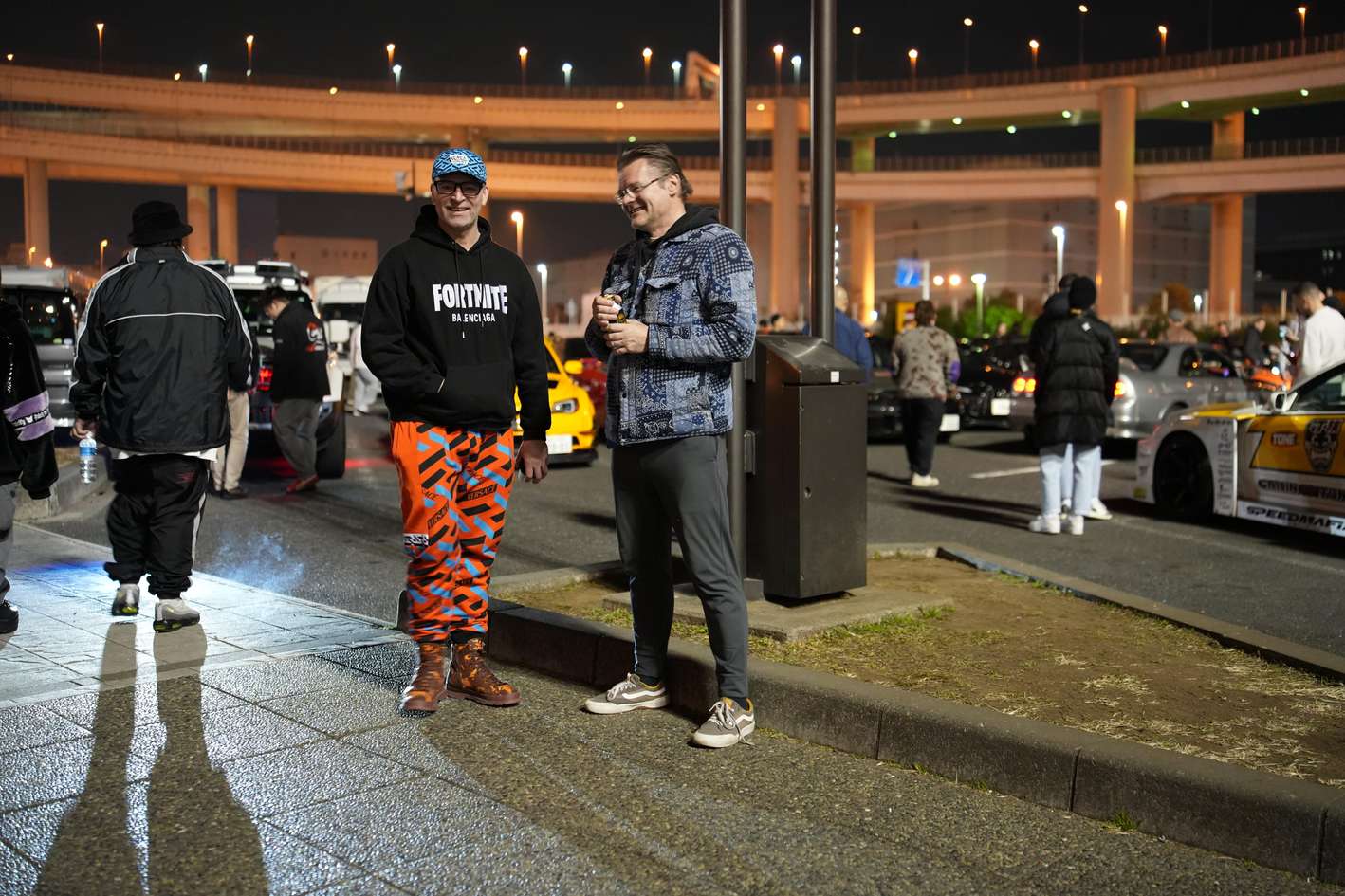
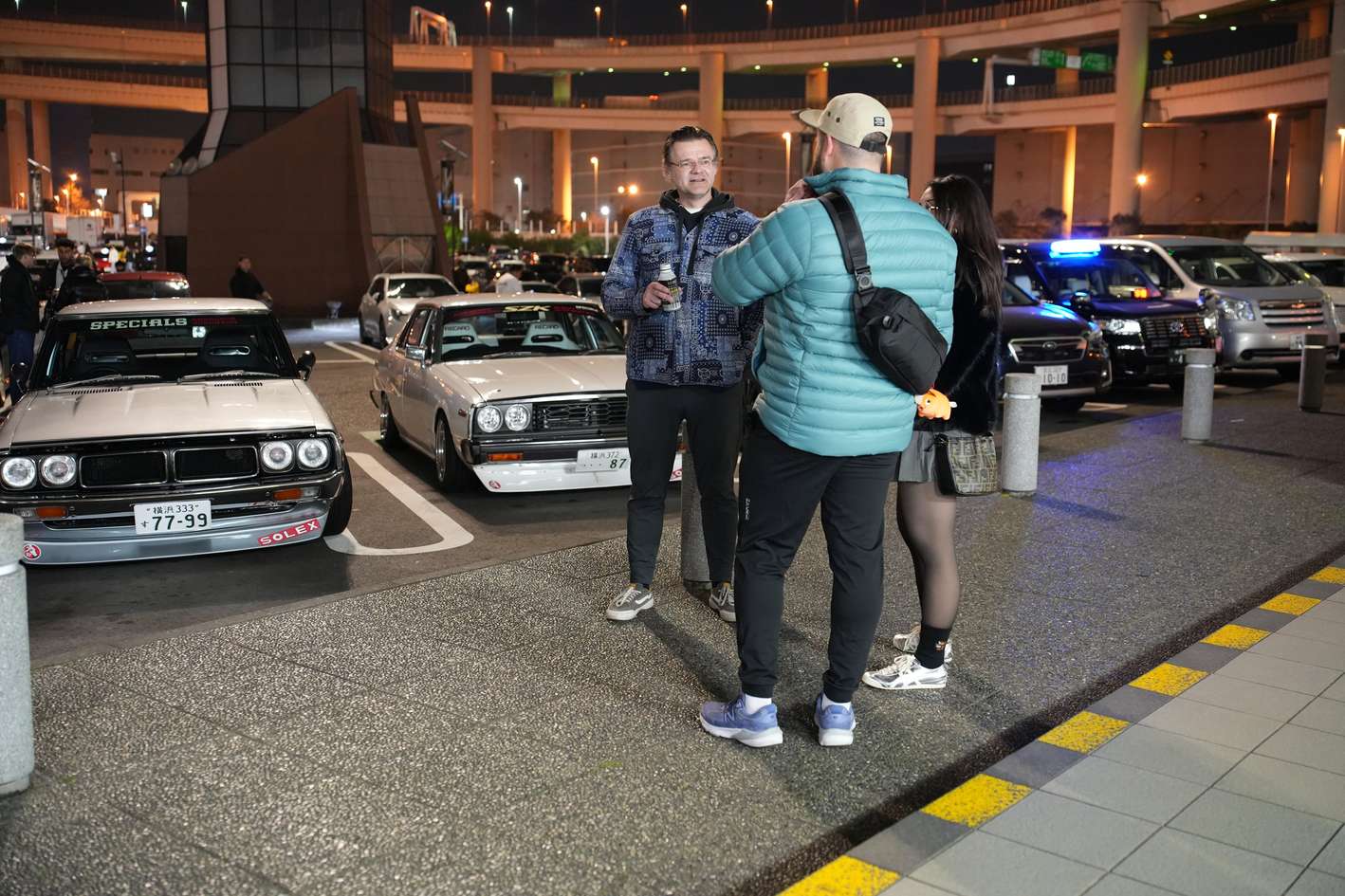
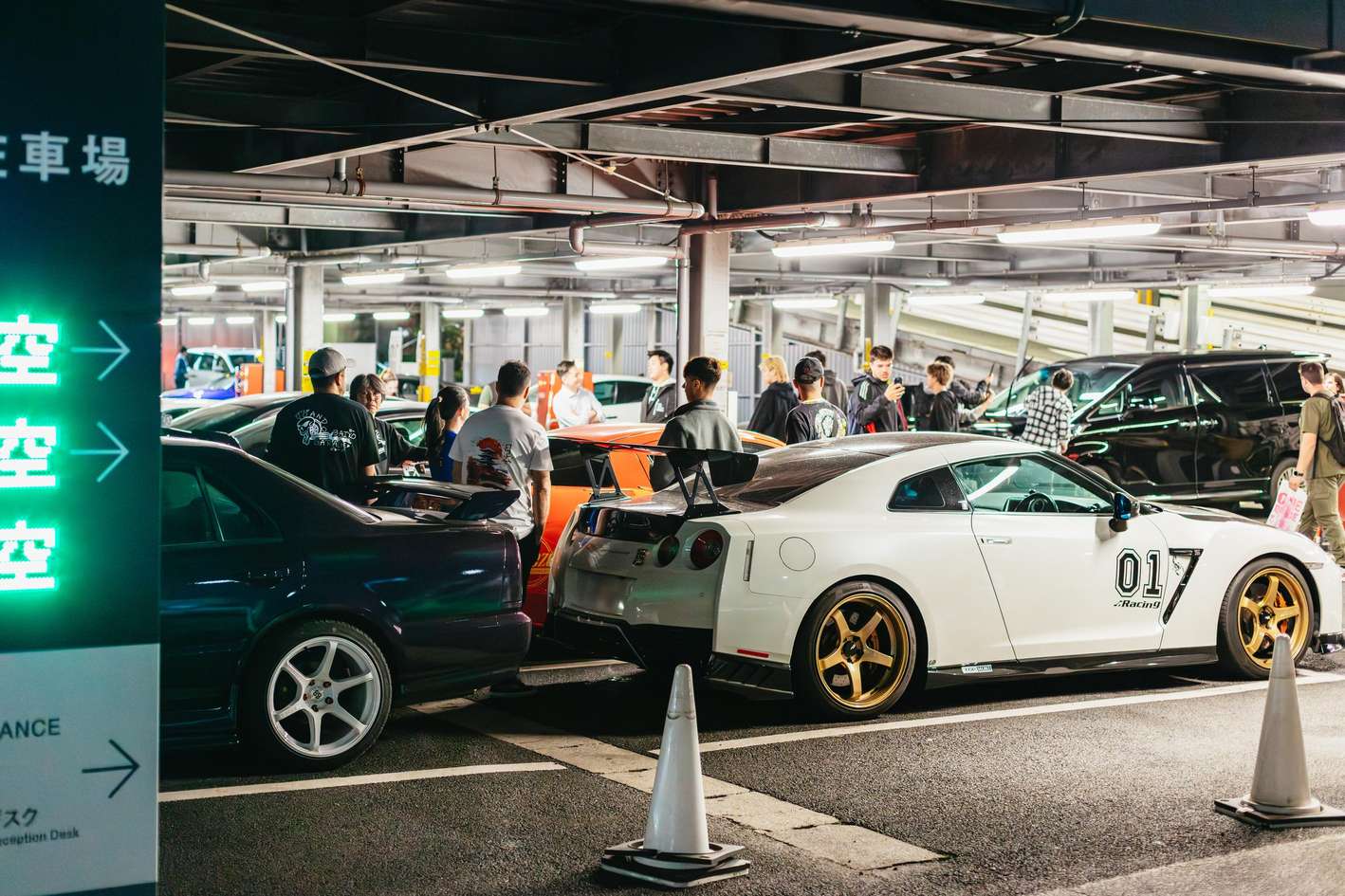
The scene at Daikoku is social: owners chat about their setups, engines idle, photos get taken, and the wackier builds are celebrated. There is no entry fee and no fixed schedule, and the atmosphere is lively but orderly.
The rules that hold it together are simple. Never touch, lean on or sit in someone's car without asking, and never enter a vehicle without the owner's permission. Stay out of the roadways. Ask before photographing a car, especially close-ups, and before posting cars online.
Disrespectful tourists are why some locals stopped bringing their cars to Daikoku. Behavior is watched by police who act on complaints, and trespassing visitors are part of what threatens the meets themselves.
What nobody tells you
Some locals stopped bringing their cars to Daikoku because of disrespectful tourist behavior
Owners notice who asks before touching a car, and the welcoming side of the scene opens up to the people who do
Do not rev engines or attempt burnouts
That is exactly what gets meets shut down by police
Do not ask owners about prices or whether a car is for sale
Compliment the build instead; it starts the conversation
Most Japanese enthusiasts do not speak conversational English, but a translation app or mentioning the JDM car you drive at home works well. Guides often help bridge the conversation.
Tour for this
Tokyo JDM Tour: Daikoku Car Meet Luxury Night Drive5.0★ (1) · 5 hours · Hotel pickup · Free cancellation
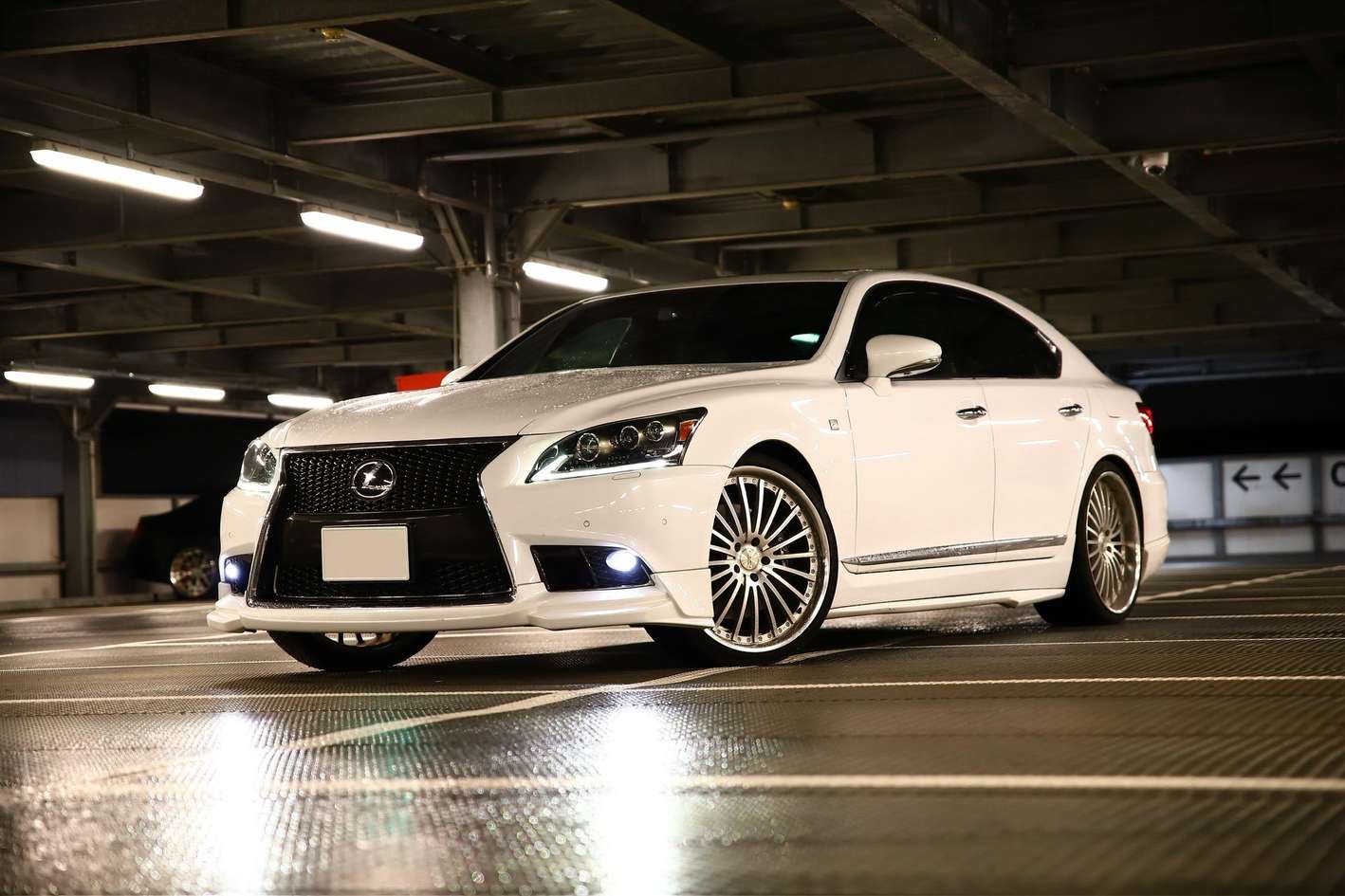
Carrying paying passengers in Japan requires a transport licence and a green license plate, and not every listing on the booking platforms has one. A legitimate operator states it is registered and insured, runs legally modified cars that pass Japanese inspection, and refuses reckless driving and illegal street racing.
Check the booking page names the actual cars you will ride in. A photo of a specific car does not reserve it for you, so ask whether the vehicle type is guaranteed, and confirm a particular model at least 48 hours ahead if it matters, since the cars are privately owned and sometimes under maintenance.
If a listing says van, you walk around the lot while a guide drives you there, so confirm the JDM ride itself if that is what you booked for.
Ask four things in writing before you pay: what permit covers the ride, what insurance covers passengers, what happens when Daikoku is closed, and the cancellation terms. The legal notice and package details are the actual contract, not the title or the photos.
Book before you arrive in Tokyo. Tours sell out, and turning up hoping for a seat is a gamble. After booking, provide a contact method such as WhatsApp or Instagram, watch for the operator's email within 48 hours, and keep notifications on, because updates come before starting time.
Tour for this
Tokyo: JDM Performance Car Tour with Planned Daikoku Stop5.0★ (509) · 3 hours · Free cancellation
Beyond the night - real drifting and the rest of the car scene
If watching real drifting is the goal, time the trip for the D1 Grand Prix, Japan's professional series. Its season finale runs at the Odaiba special venue in Tokyo Bay in mid-November, over a weekend, and a Kick Off Drift exhibition comes to Makuhari Messe in Chiba each January.
Near Tokyo, Mobara Circuit and Nikko Circuit host a lot of drift events, and Ebisu Circuit north of Tokyo is the legal answer to wanting to try it yourself.
Back in the city, some spotting needs no car at all. The Akihabara UDX underground garage and the Shibuya underground garage are free and walkable on Friday and Saturday nights, and the Autobacs Shinonome parking lot hosts car events.
Nothing sits within a 20-minute walk of Daikoku itself, so pair the meet with spots reached by car: A PIT Autobacs for tuning parts, Tatsumi PA on the Tokyo side of the bay, or Umihotaru out in the water, which is where tours go when Daikoku closes early.
A few museums in Yokohama, including the Nissan Engine Museum, make an easy daytime add-on.
Fill the rest of the itinerary with a daytime JDM tour, a rental day, or a second night on a different lot.
Tour for this
Tokyo: JDM Car Culture, Daikoku & Tokyo Drift Vibes4.8★ (715) · 4 hours · Free cancellation
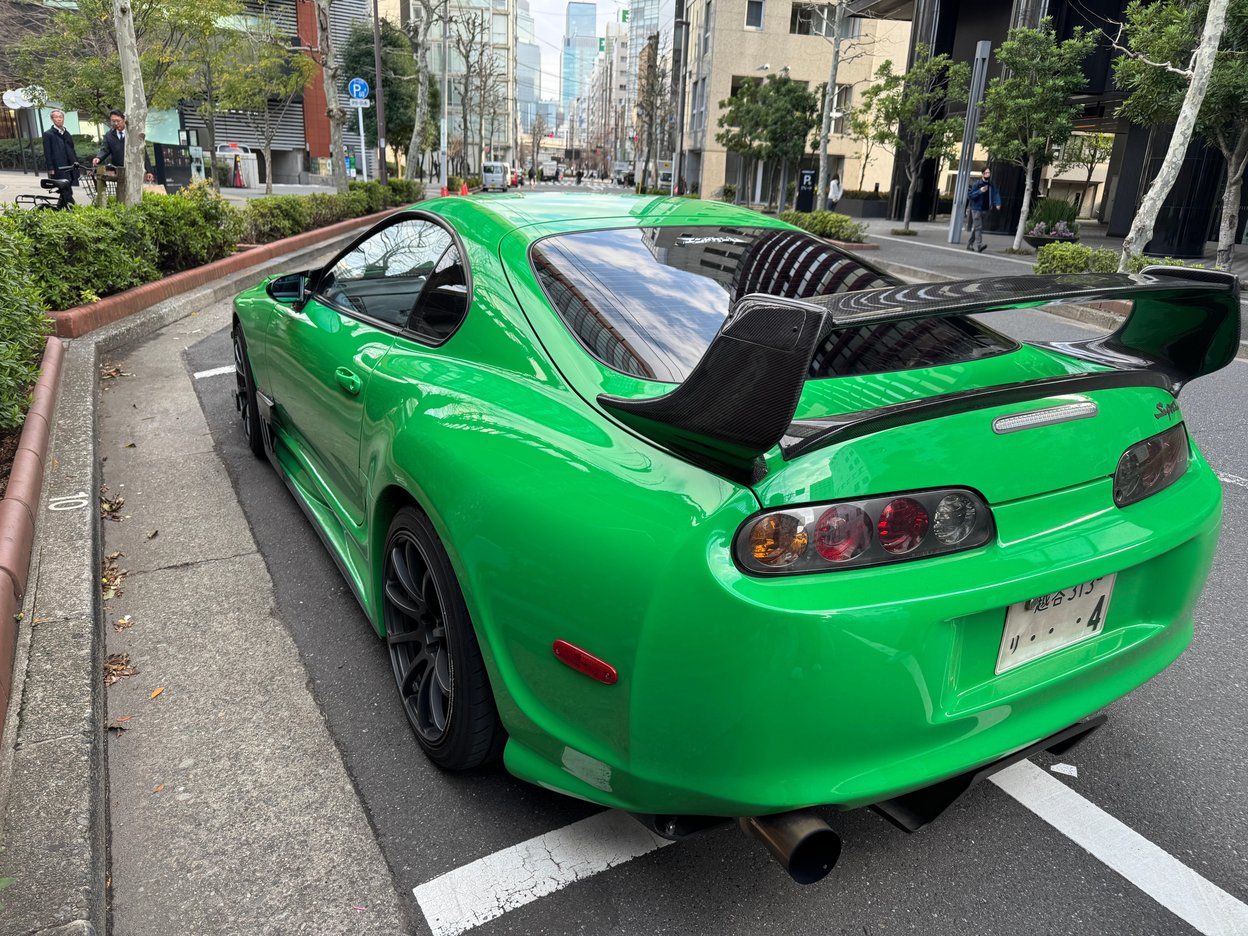
Grew up in Texas dreaming of Supras, this fulfilled it. Four hours with Mizuki in his bright green Supra, Akihabara to Shibuya. Highways, tunnels, Rainbow Bridge, Daikoku. GTRs sliding by, pure JDM magic.
A Tokyo drift night is a legal ride-along to a real car meet, and it rewards people who book with the movie fantasy set aside. Pick your format first, then your night, then your operator's closure clause.
Book a week or more ahead in the busy months, keep WhatsApp notifications on, and treat a closed Daikoku lot as a detour to Umihotaru instead of a ruined night.
Go ifYou want to see Japan's car scene up close and accept that the drifting in the movie was filmed in Los AngelesYou book before arriving in Tokyo and check the operator's fallback and refund clause in writingYou are happy riding shotgun at legal speed, or you hold the right permit to drive yourself
Skip ifYou expect to drift on public roads or see street racing on a tour nightYou need a guaranteed lineup of legend cars at Daikoku on a specific nightYou cannot handle a late return, since night tours often end at midnight or later
Our pick to book
Tokyo: Fast & Furious Tokyo Drift III Experience4.8★ (5,784) · 3 - 4 hours · Free cancellation
Straight answers on legality, closures, permits and what a drift night in Tokyo really involves.
Can you actually see drifting on the streets of Tokyo?
No. Drifting on public roads is illegal in Japan, and the drifting scenes in the Tokyo Drift movie were mostly shot in Los Angeles because filming permission in Japan was never granted. Real drifting happens at circuits like Ebisu, or at organized events such as the D1 Grand Prix.
What is a Tokyo Drift tour, then, if there is no drifting?
It is a passenger ride-along at legal speed, usually three to four hours, in a modified JDM car such as a Skyline, Supra or Silvia, with stops at the Daikoku PA car meet, Tokyo Tower and Rainbow Bridge. A professional driver is behind the wheel all night and you do not drive.
Is the Daikoku car meet like the movie?
Expect owners hanging out with their cars, and a lineup that varies by night. Daikoku is a real tollway rest stop where enthusiasts gather informally, and it is the scene the film drew from, but it is less theatrical than the film and police may close a meet if it gets too noisy.
How often do police shut down the Daikoku PA meet?
Regularly on weekend nights. On Thursday, Friday and Saturday the police tend to close the meet down by about 8:30 pm, and the entrance can shut without notice once the lot fills. Most tours divert to a fallback lot such as Umihotaru or Tatsumi, and several offer a full refund if you decline the alternative.
Are these tours legal?
The rides themselves are legal road trips with no drifting, but travelers warn that not every JDM tour on booking platforms is properly licensed, since carrying paying passengers in Japan requires a license and a green plate. Booking through a major platform gives you a route to a refund if something goes wrong.
Do I need an international driving permit?
Only if you plan to drive yourself. For a passenger ride-along, no permit is needed. To rent and drive, most countries need a 1949 Convention International Driving Permit obtained at home before arrival, while drivers from Switzerland, Germany, France, Belgium, Monaco or Taiwan need their home licence plus an official JAF translation.
Can I join a drift lesson as a complete beginner?
Yes. Lessons on closed circuits near Tokyo take people who have never drifted before and teach from scratch, including manual right-hand-drive cars.
A beginner starts with steady circle drifting around a cone, and most first-timers hold a steady circle by the end of the day. No road licence is needed because the circuit is private property.
What is the difference between a ride-along and a self-drive drift lesson?
A ride-along is a passenger experience: a professional driver handles the wheel all night while you take in the cars and the meet. A self-drive lesson is a private session on a closed circuit, about three hours of practice with helmets and gloves, working toward a donut or figure 8 under an instructor.
Does rain ruin a Daikoku night?
Ordinary rain does not. Tours run as scheduled, guides hand out umbrellas, and travelers report plenty of cars even in wet weather, though the lot is usually thinner. Heavy rain means fewer cars and calmer drives, and severe storms or road closures are the only things that trigger a reschedule.
Is a drift-themed night suitable for kids?
Often, yes, for the ride-along tours. Families report that the ride and the car meet make a memorable shared outing for young car fans, and some operators let children join with a parent as long as they fit the harness safely.
Self-drive lessons and some ride experiences have minimum ages, so check the tour's rules before booking.
Ride a real JDM fleet on the Fast & Furious drift night
Pick a date, ride shotgun through Tokyo's night highways to the Daikoku car meet, and cancel up to 24 hours ahead for a full refund if plans change.