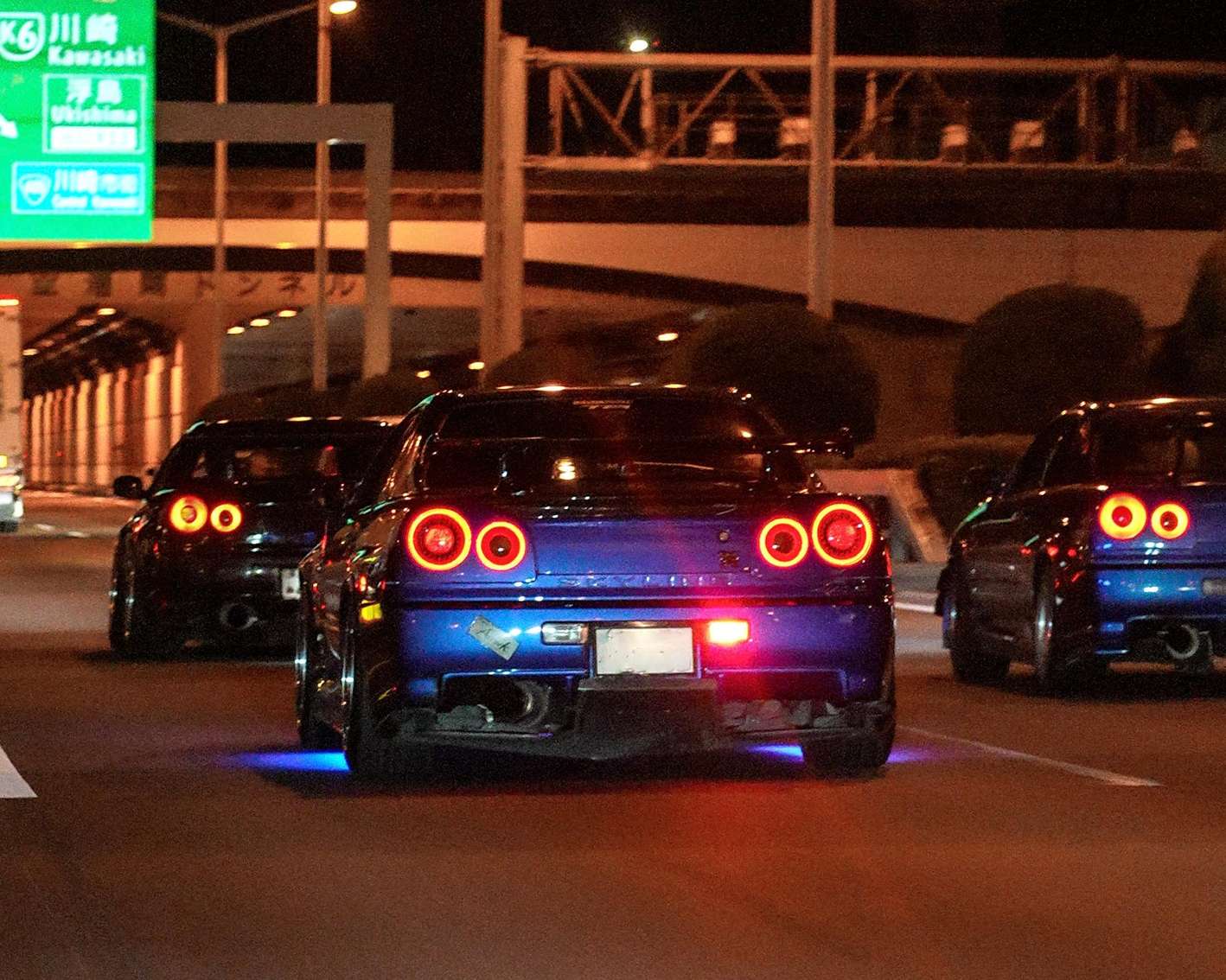
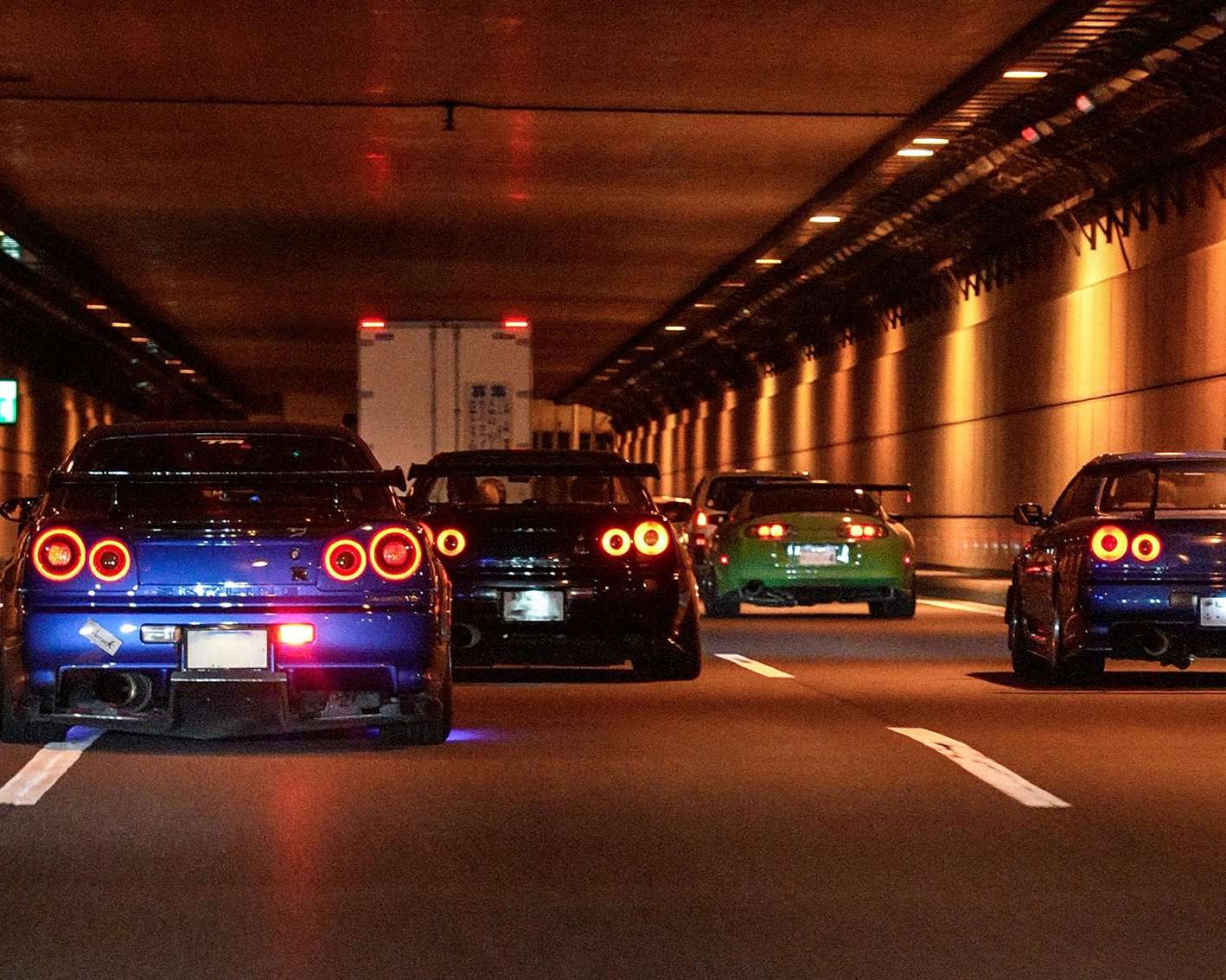
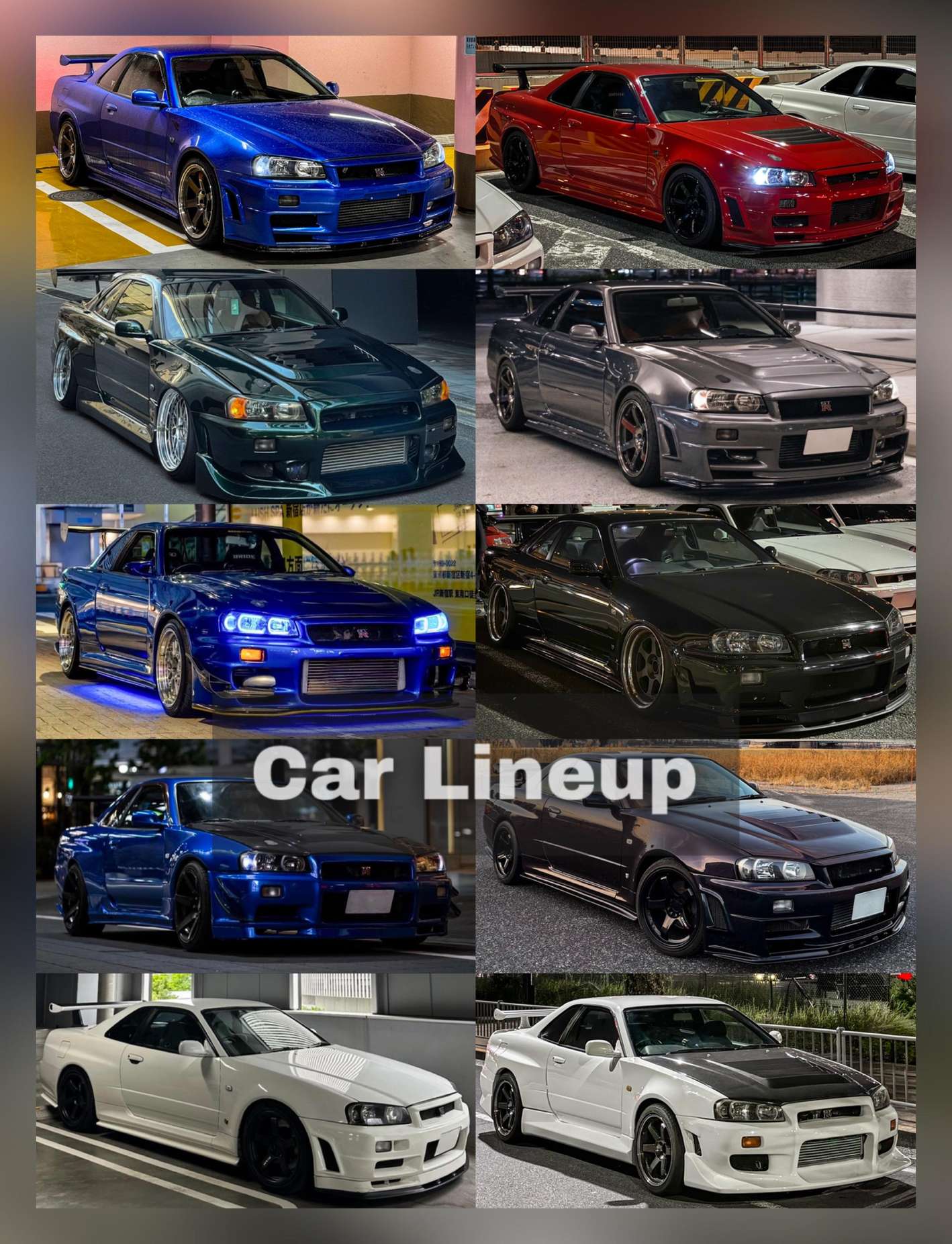
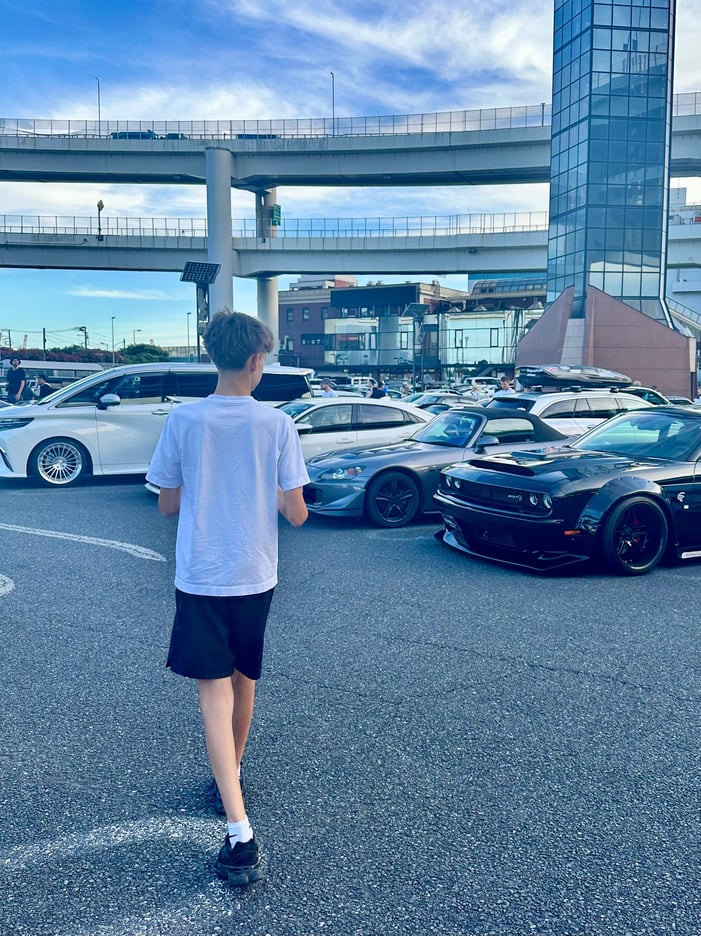
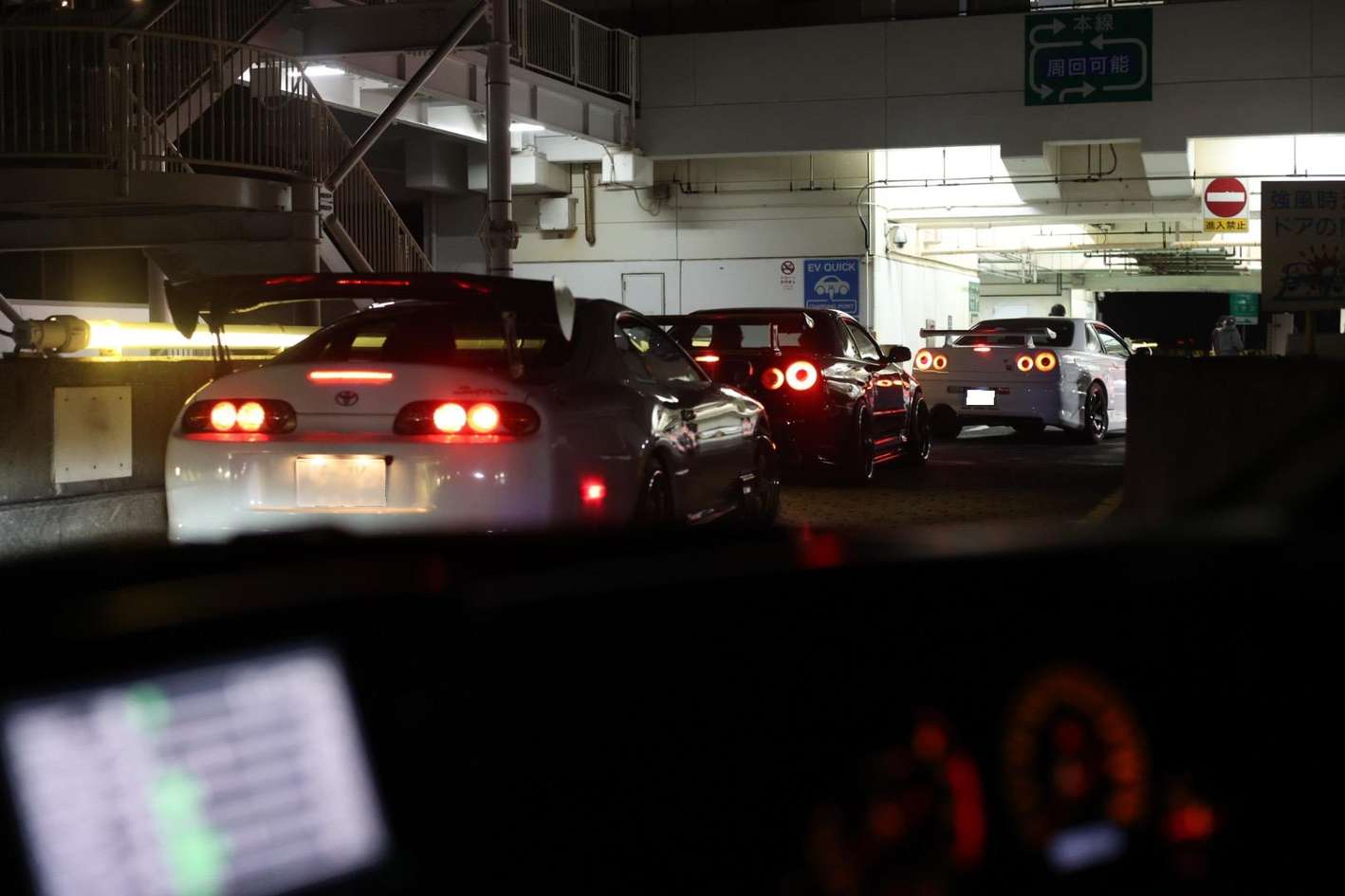
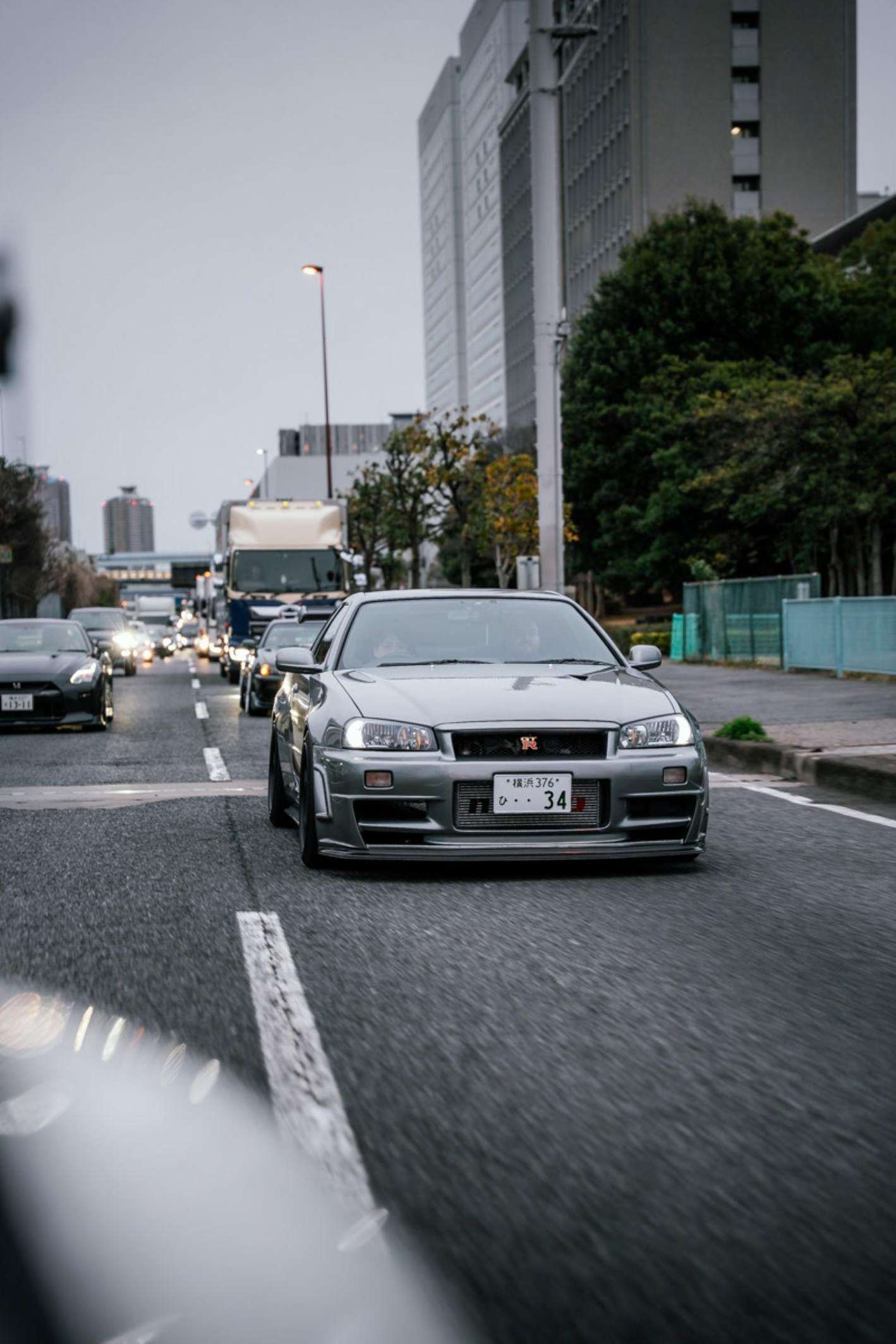
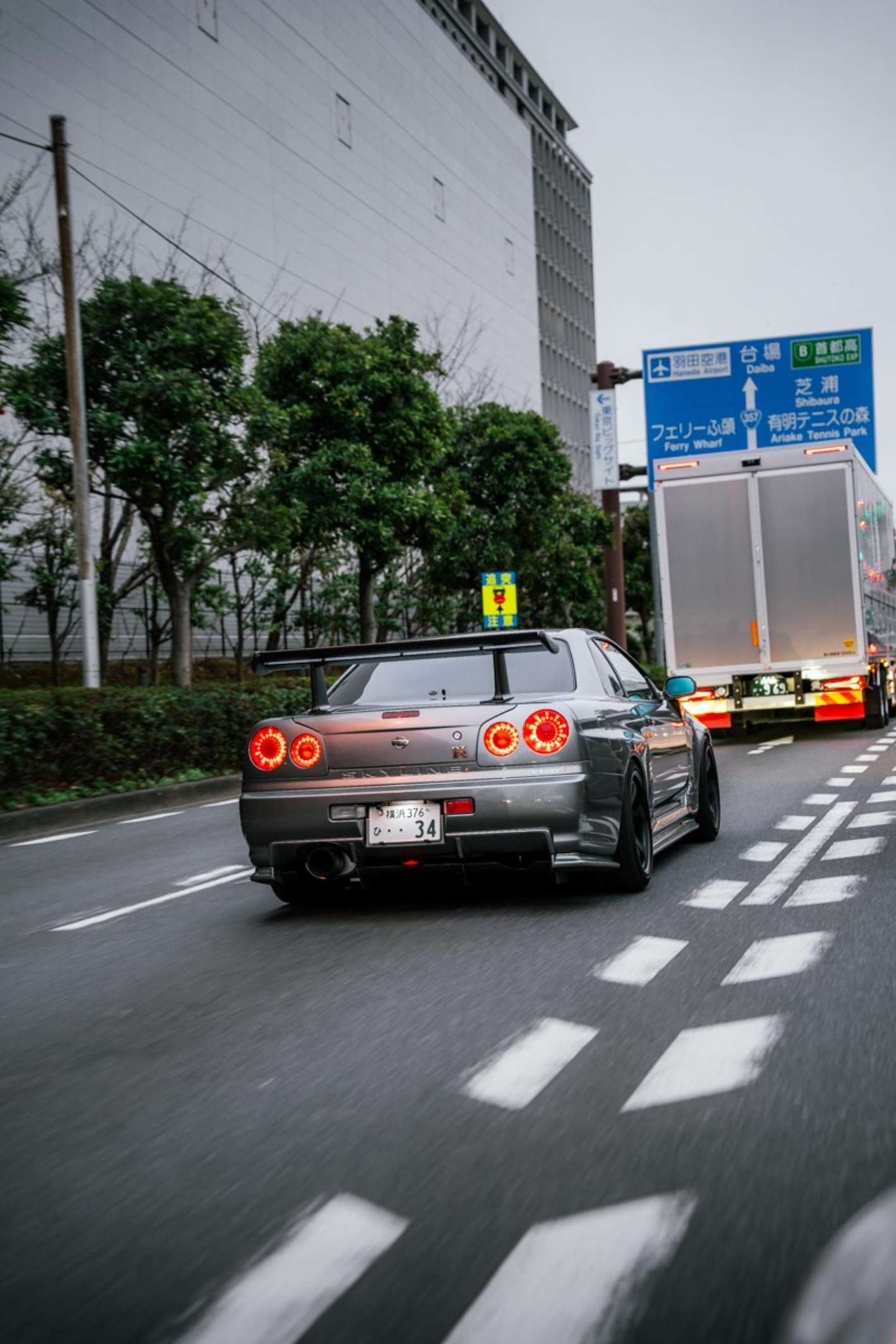
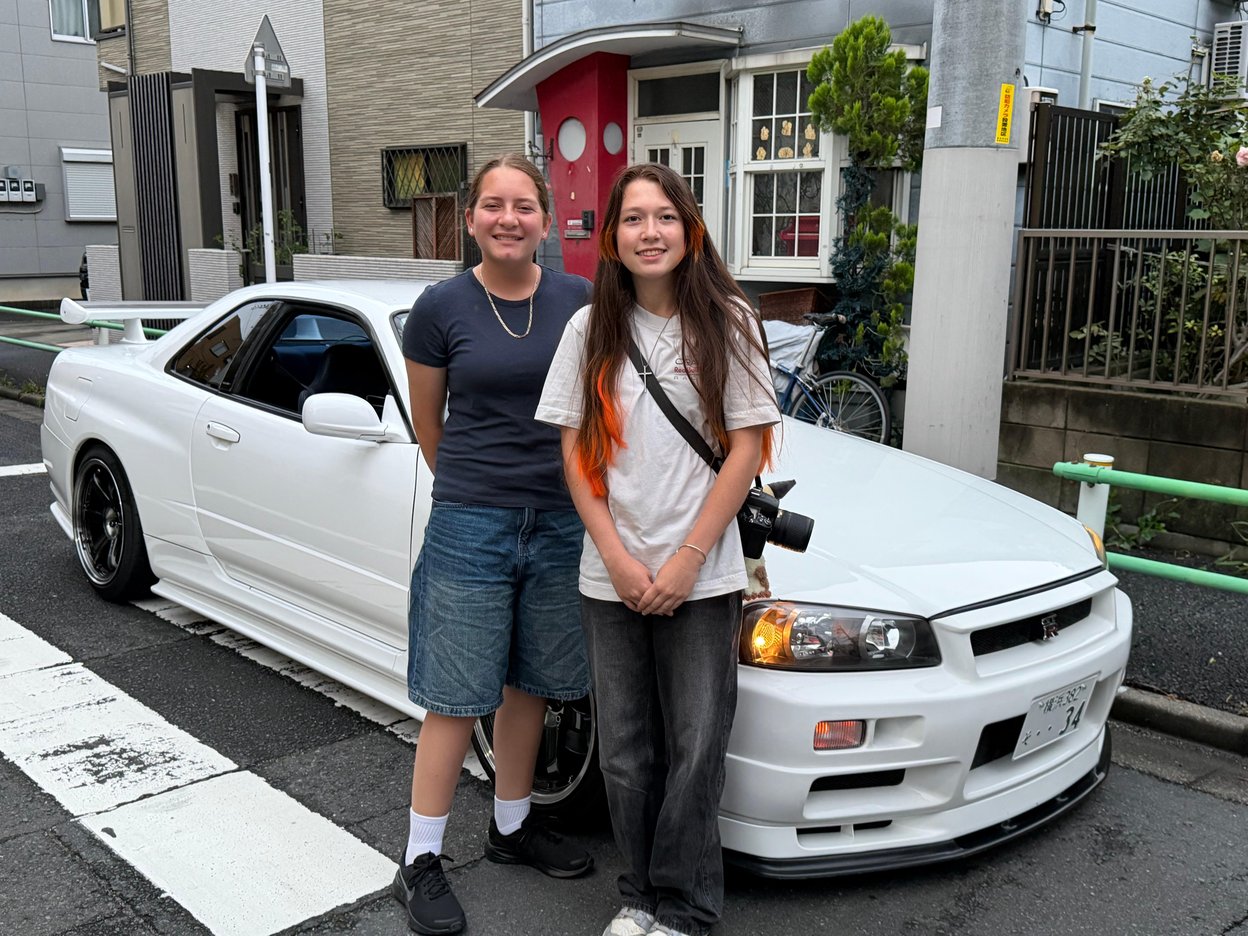
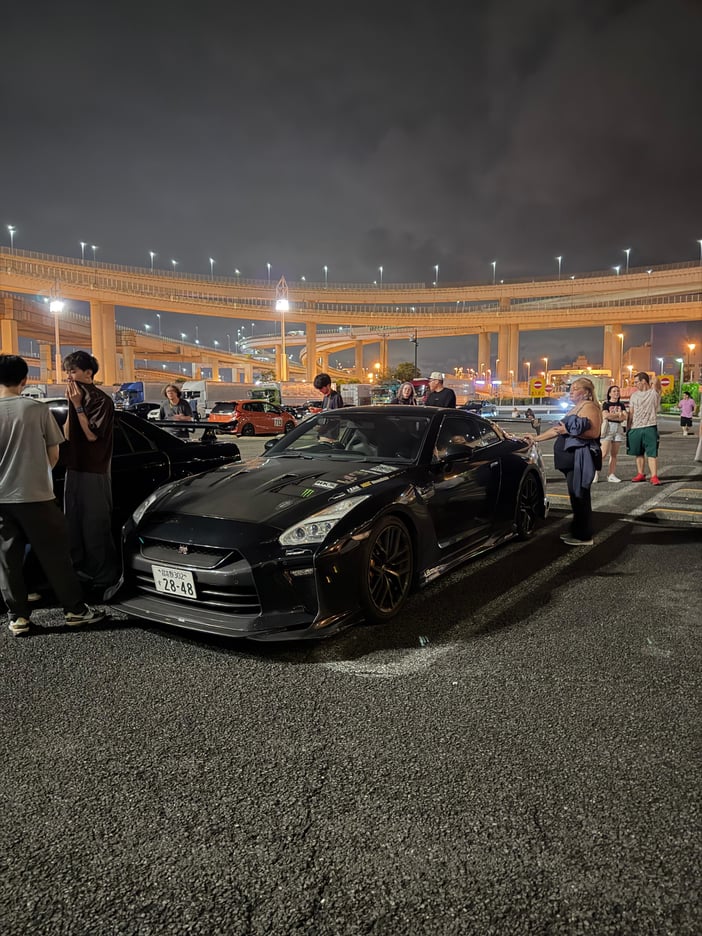
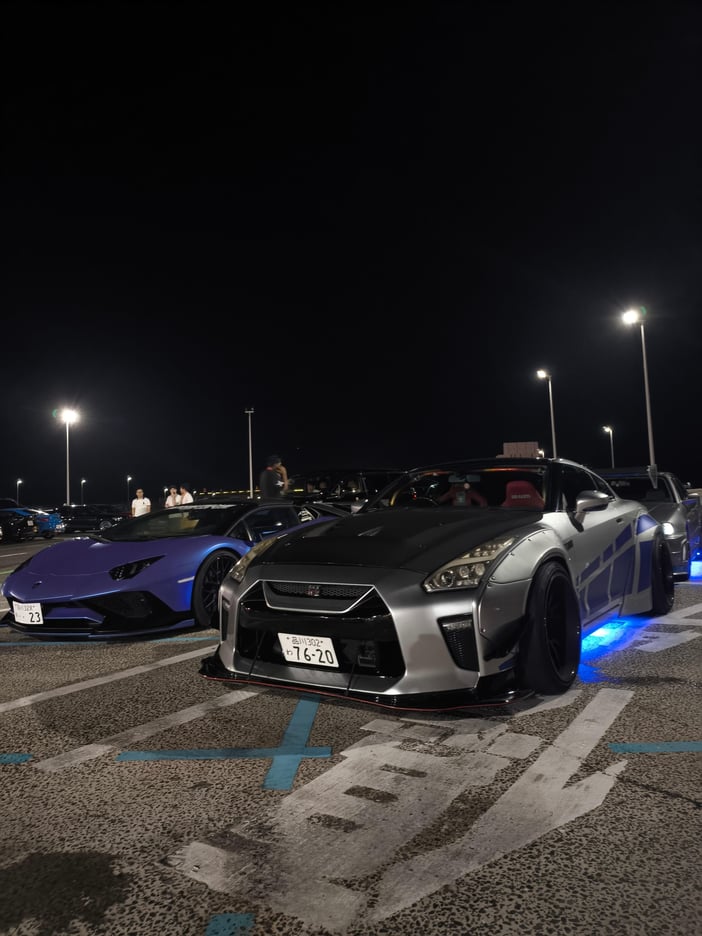
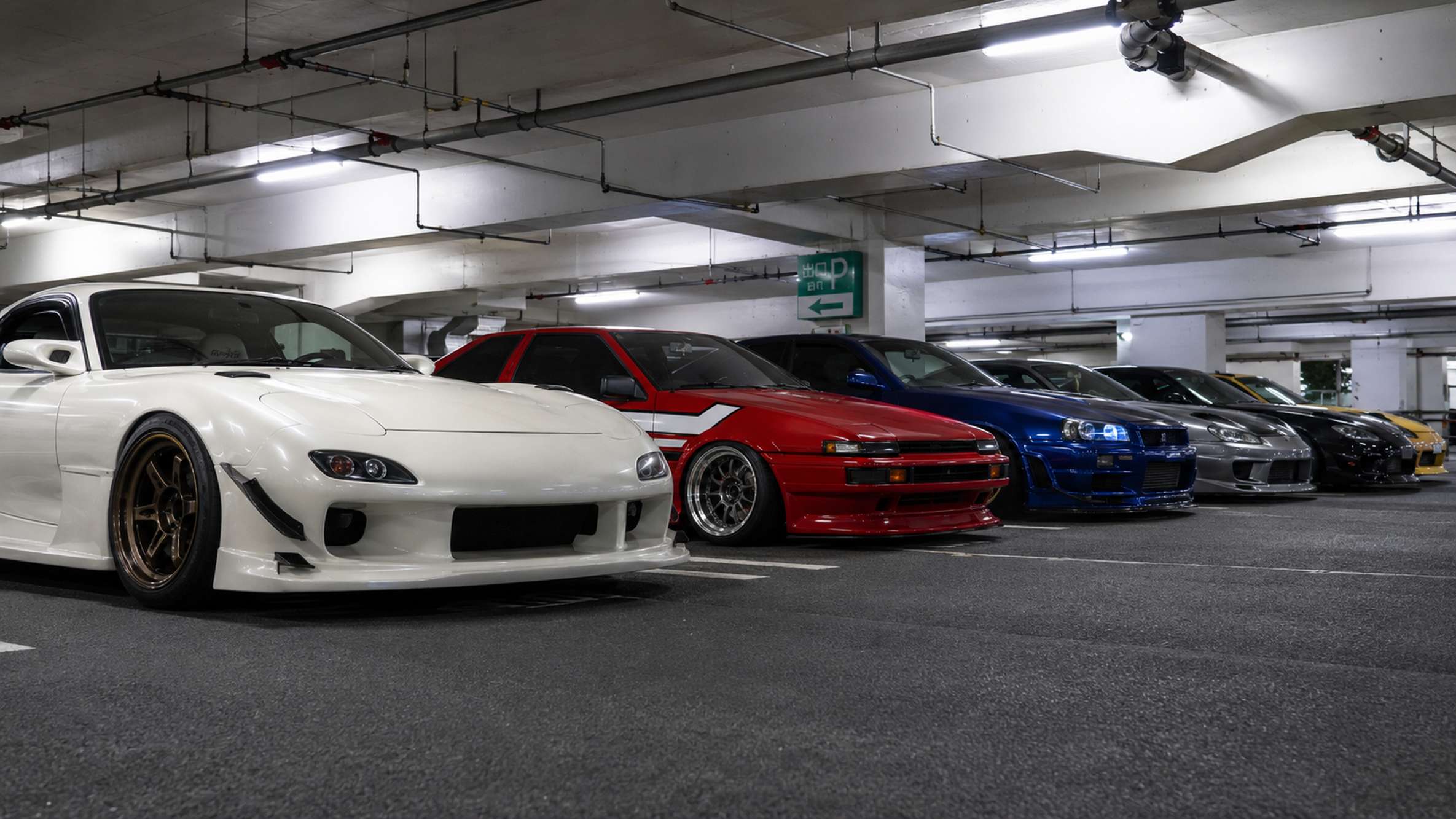
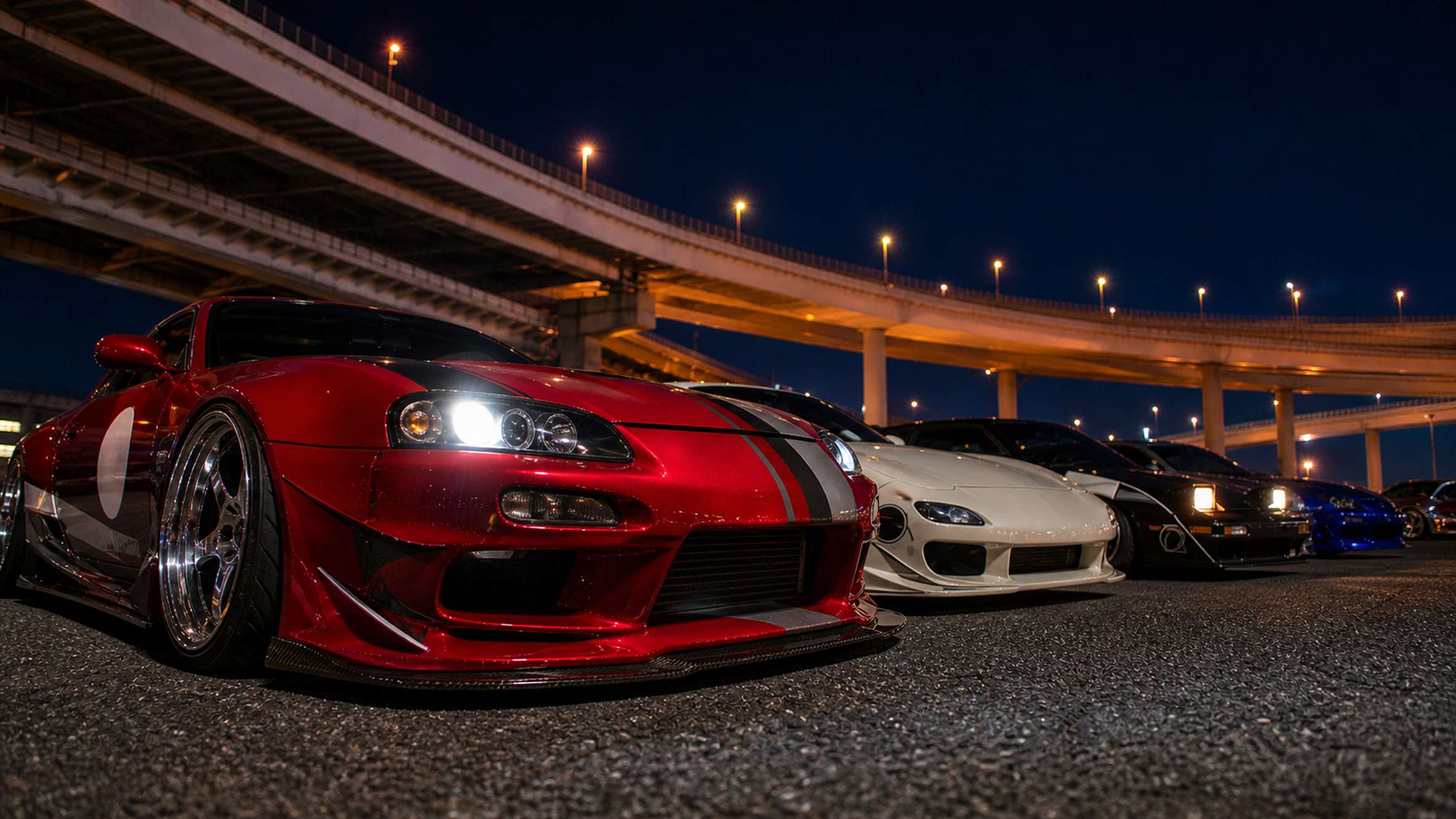
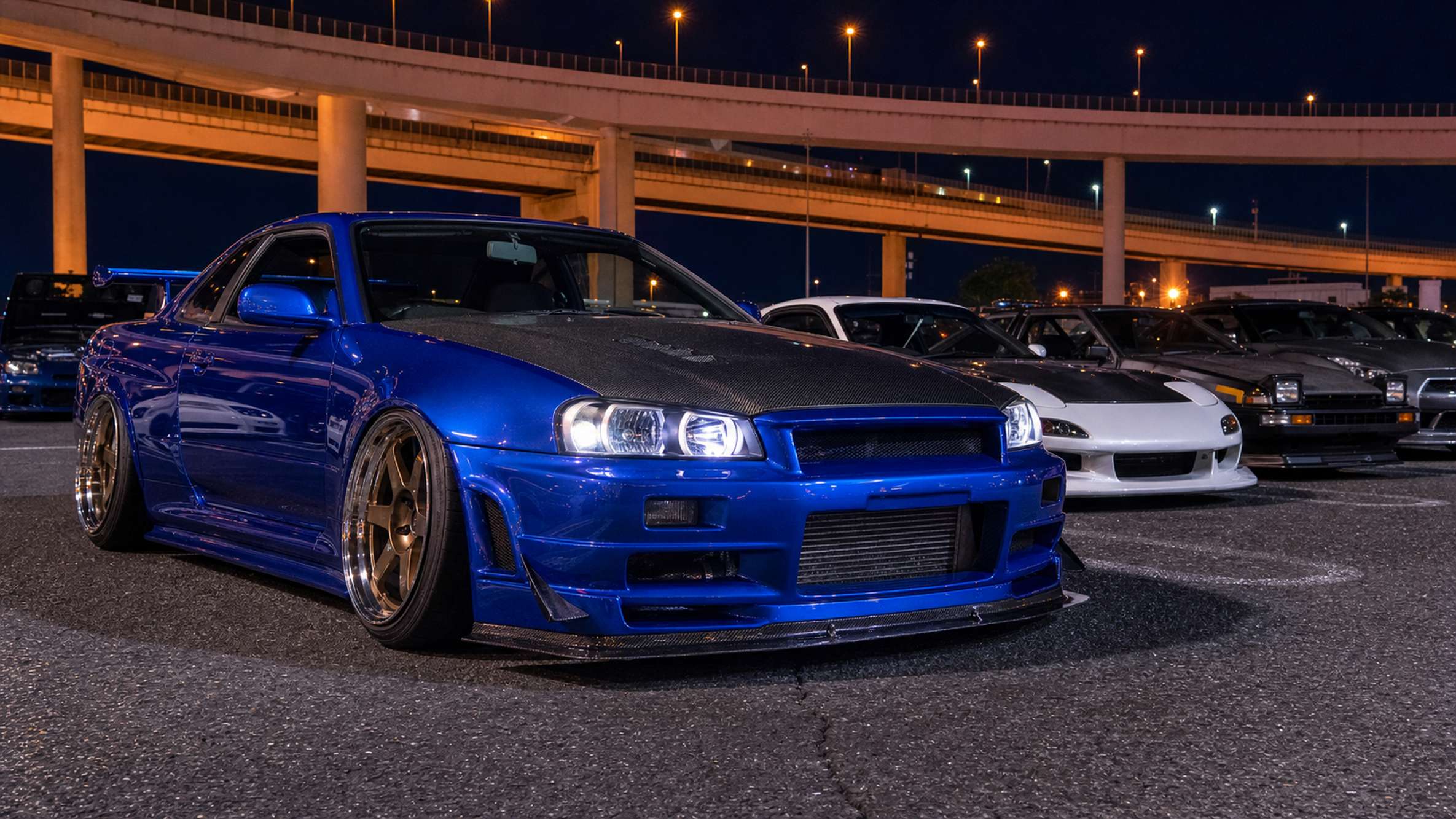
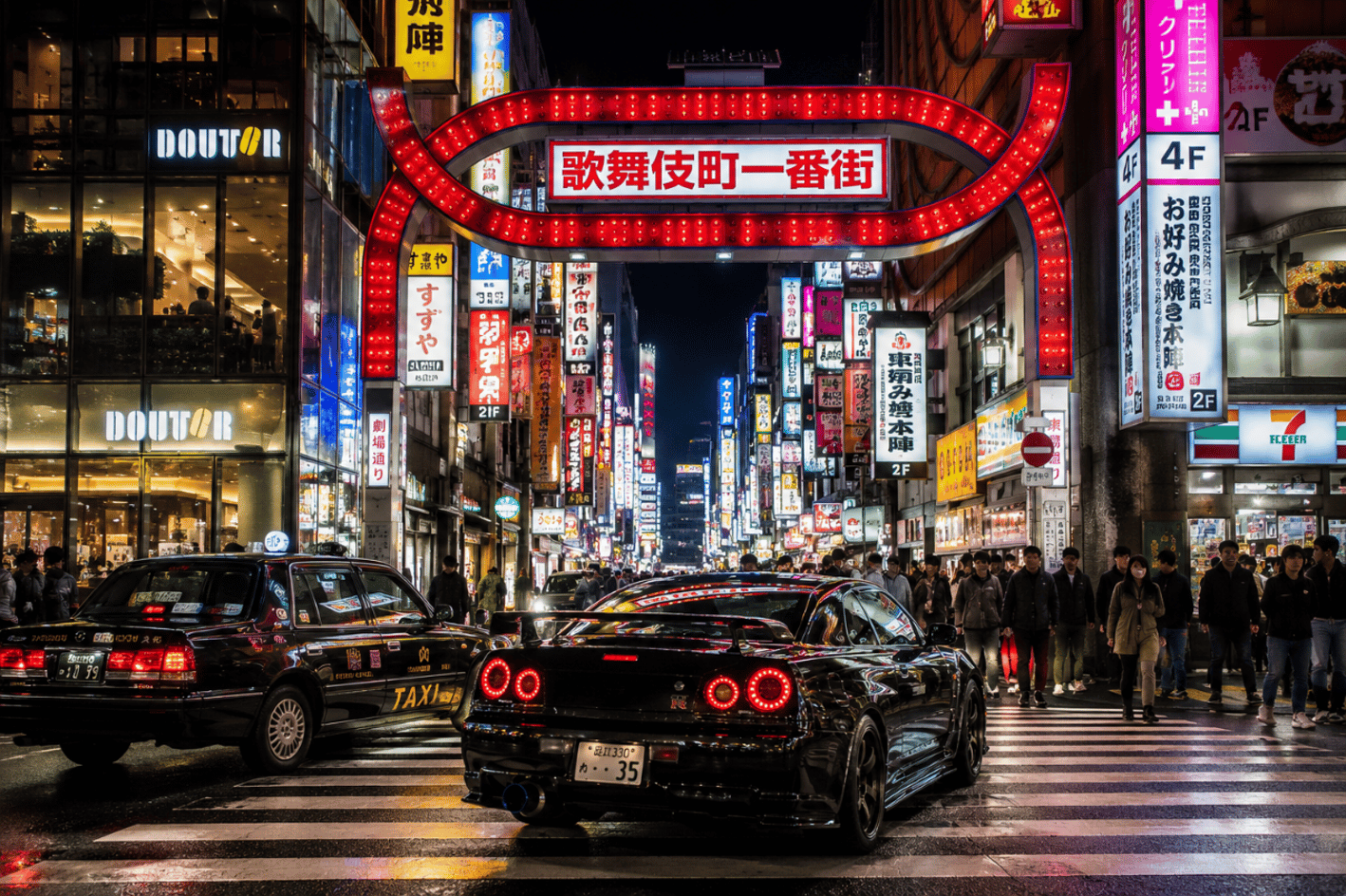
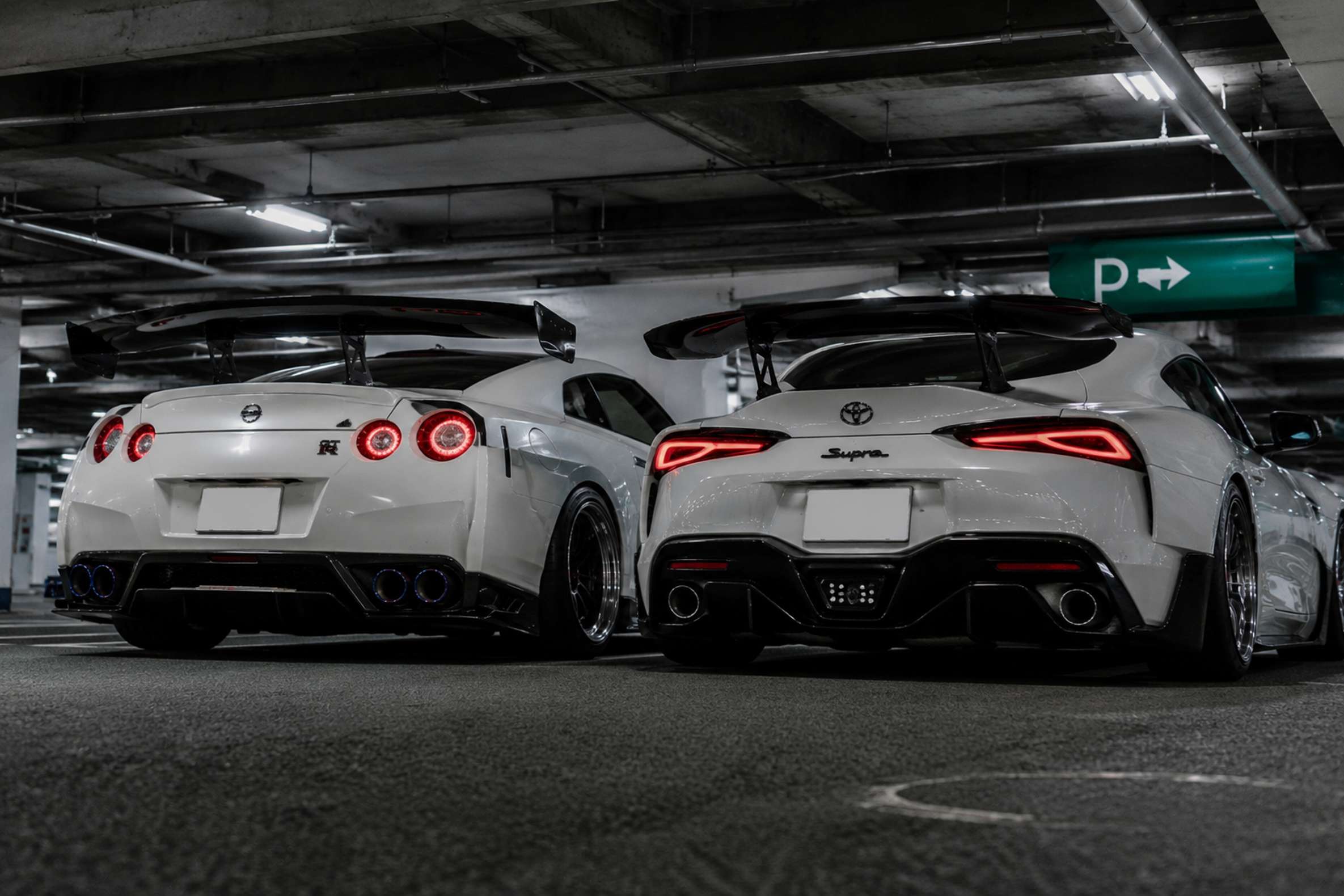
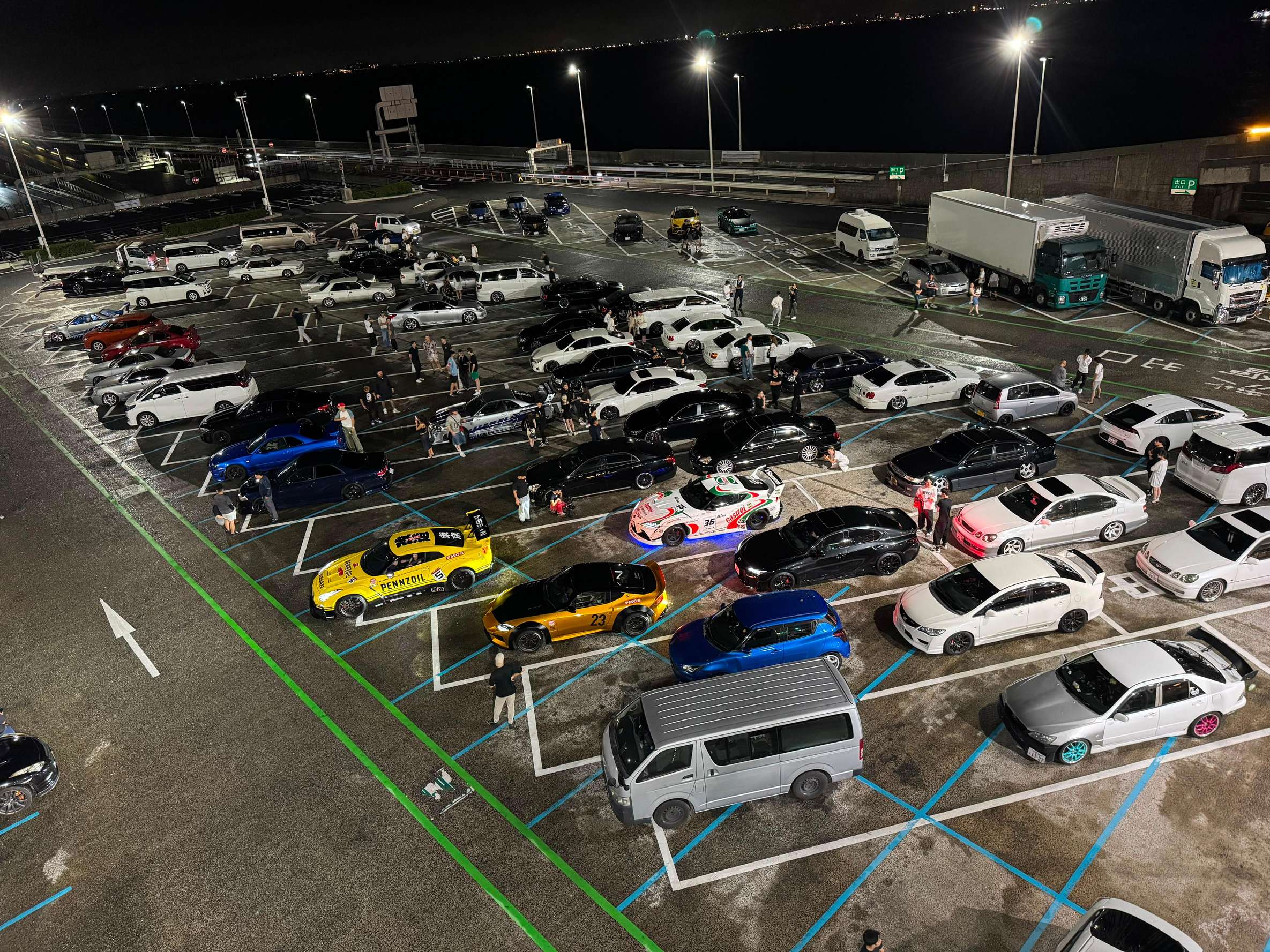
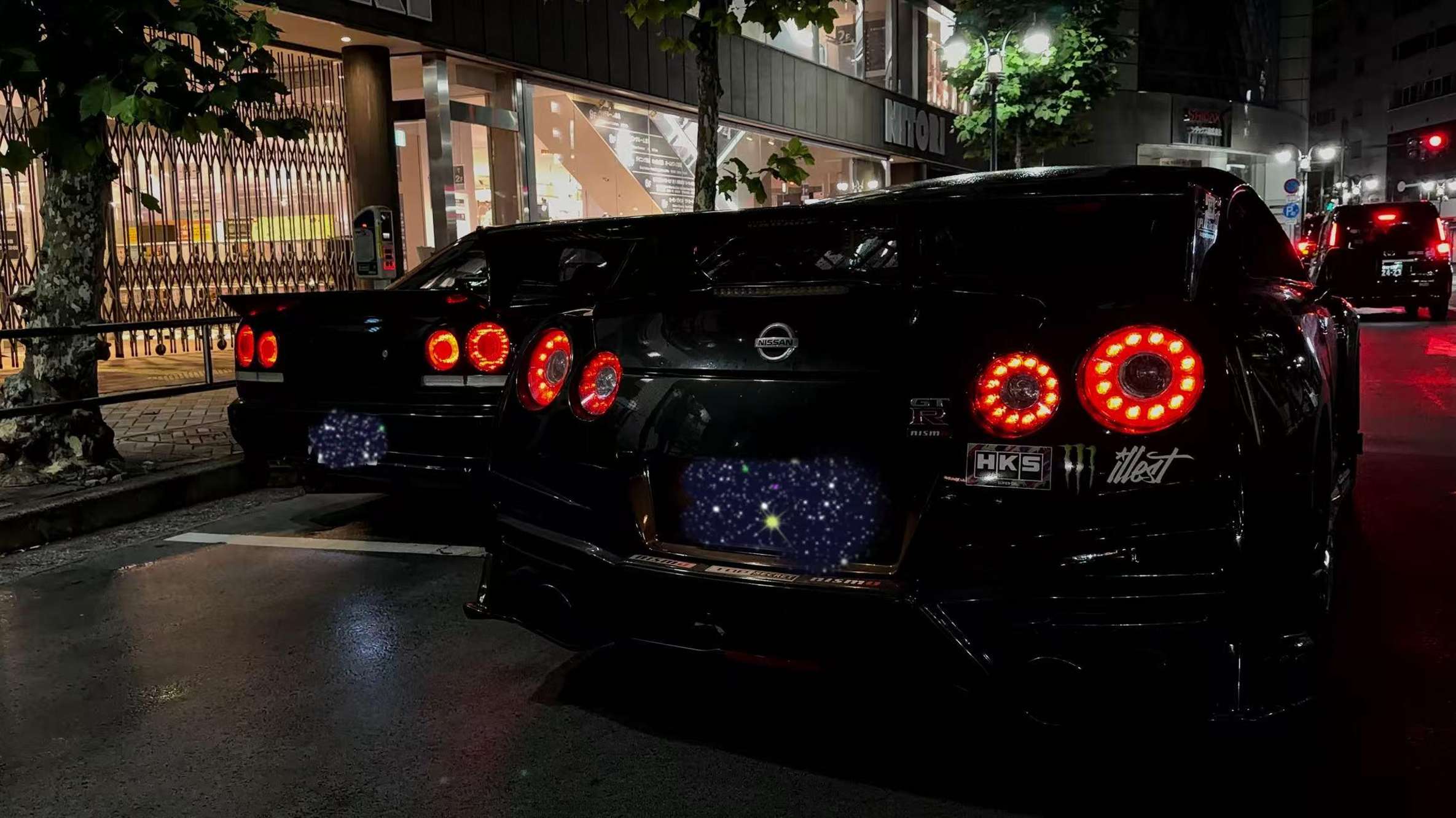
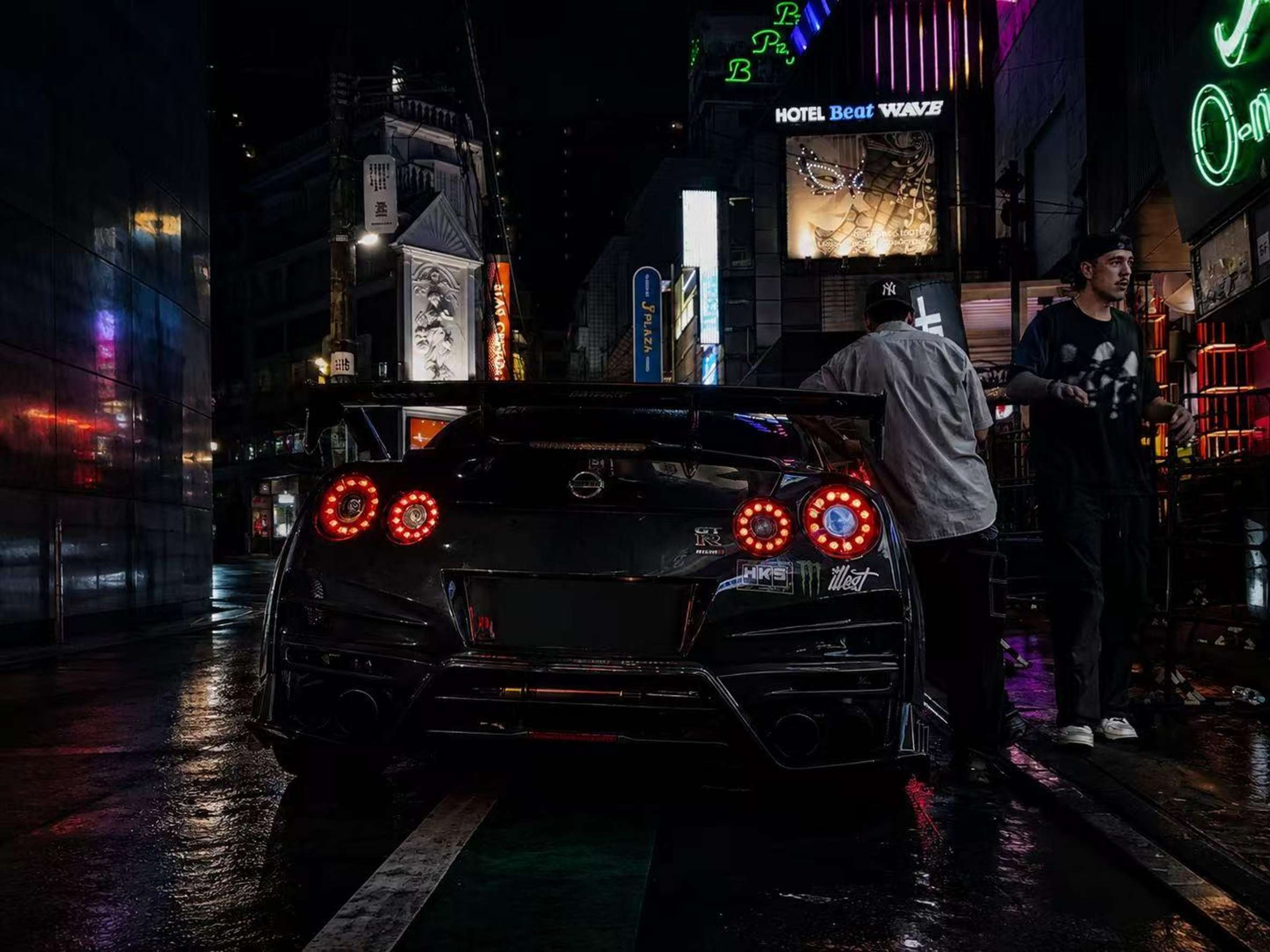
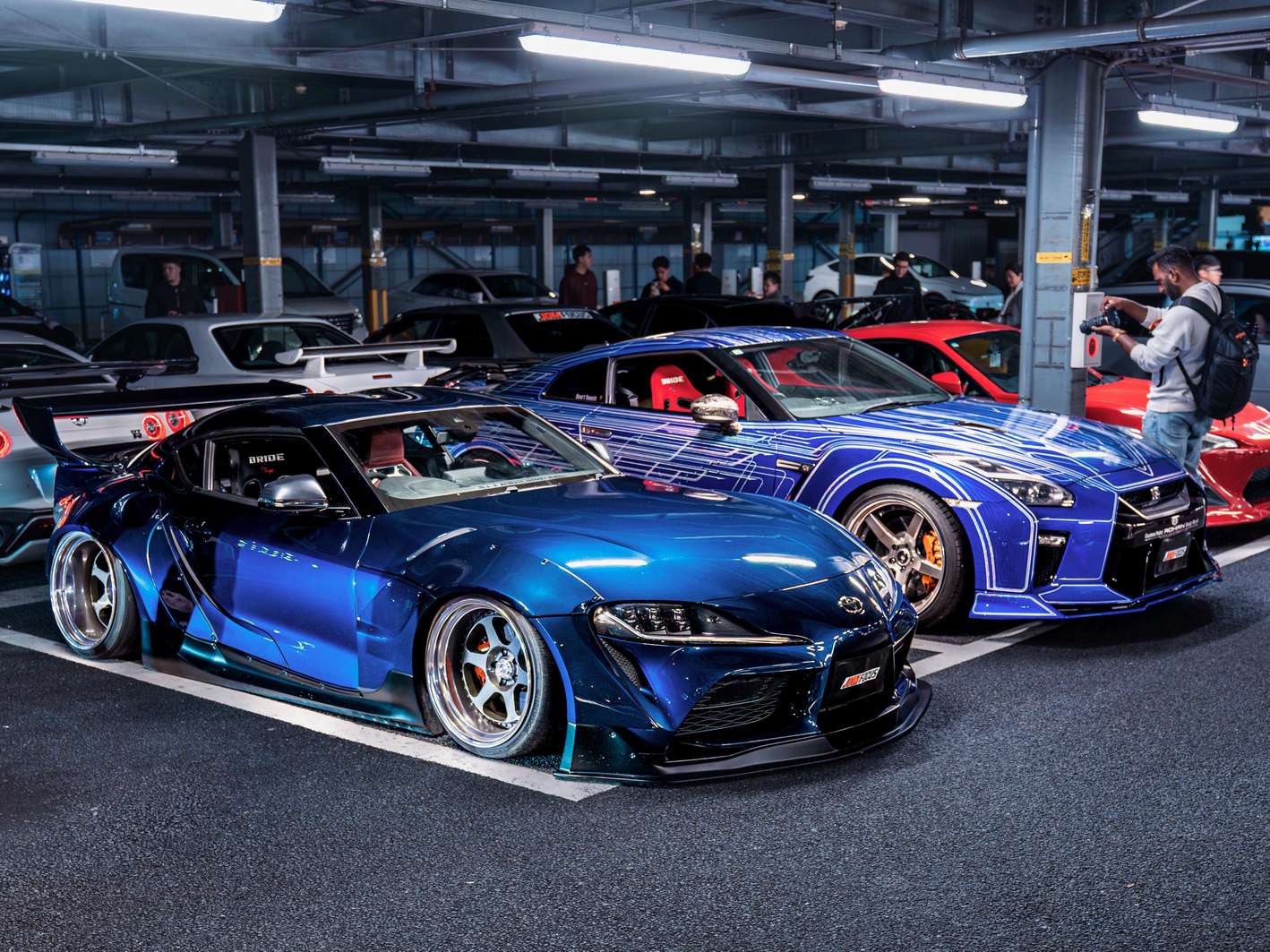
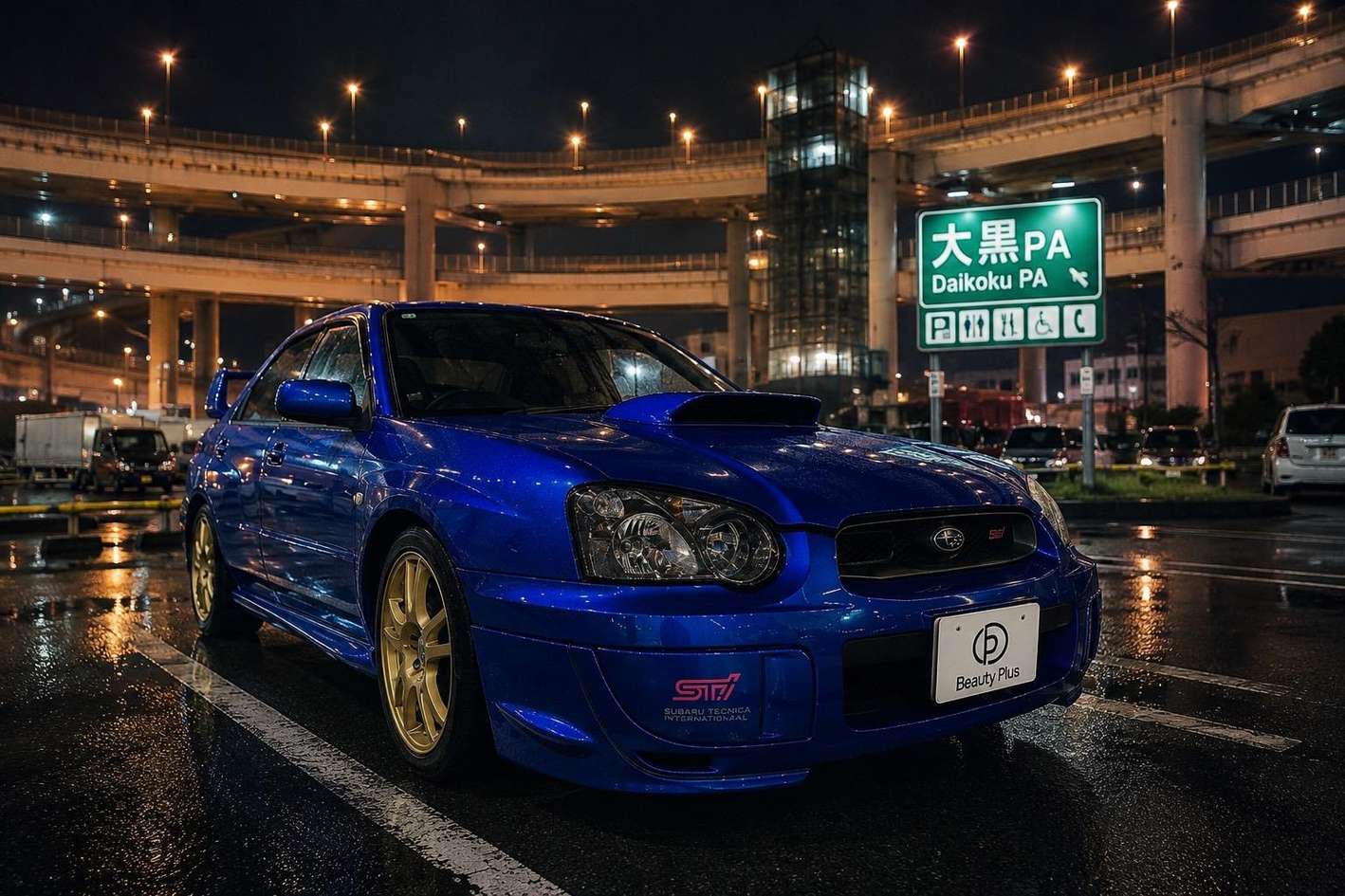
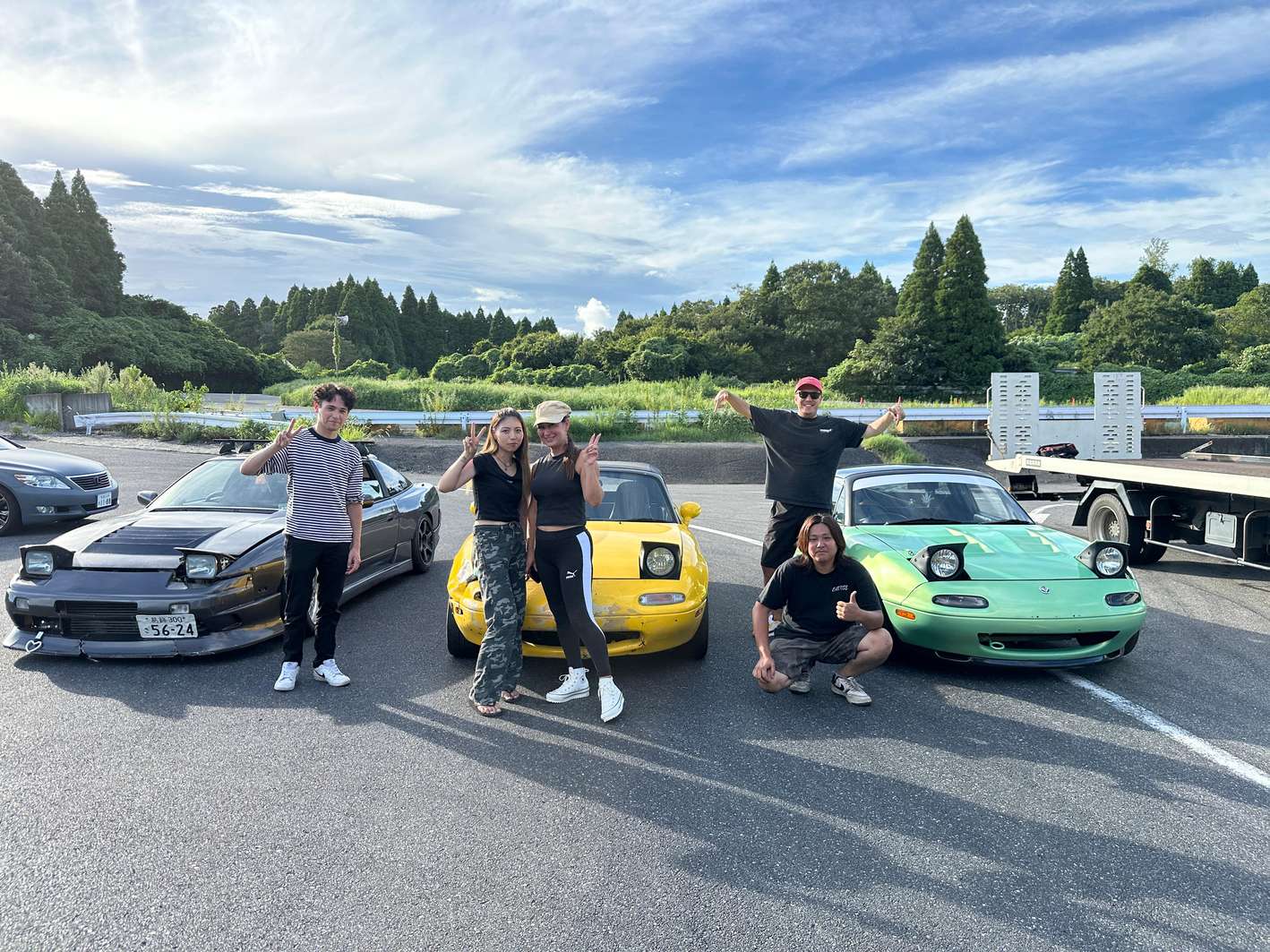
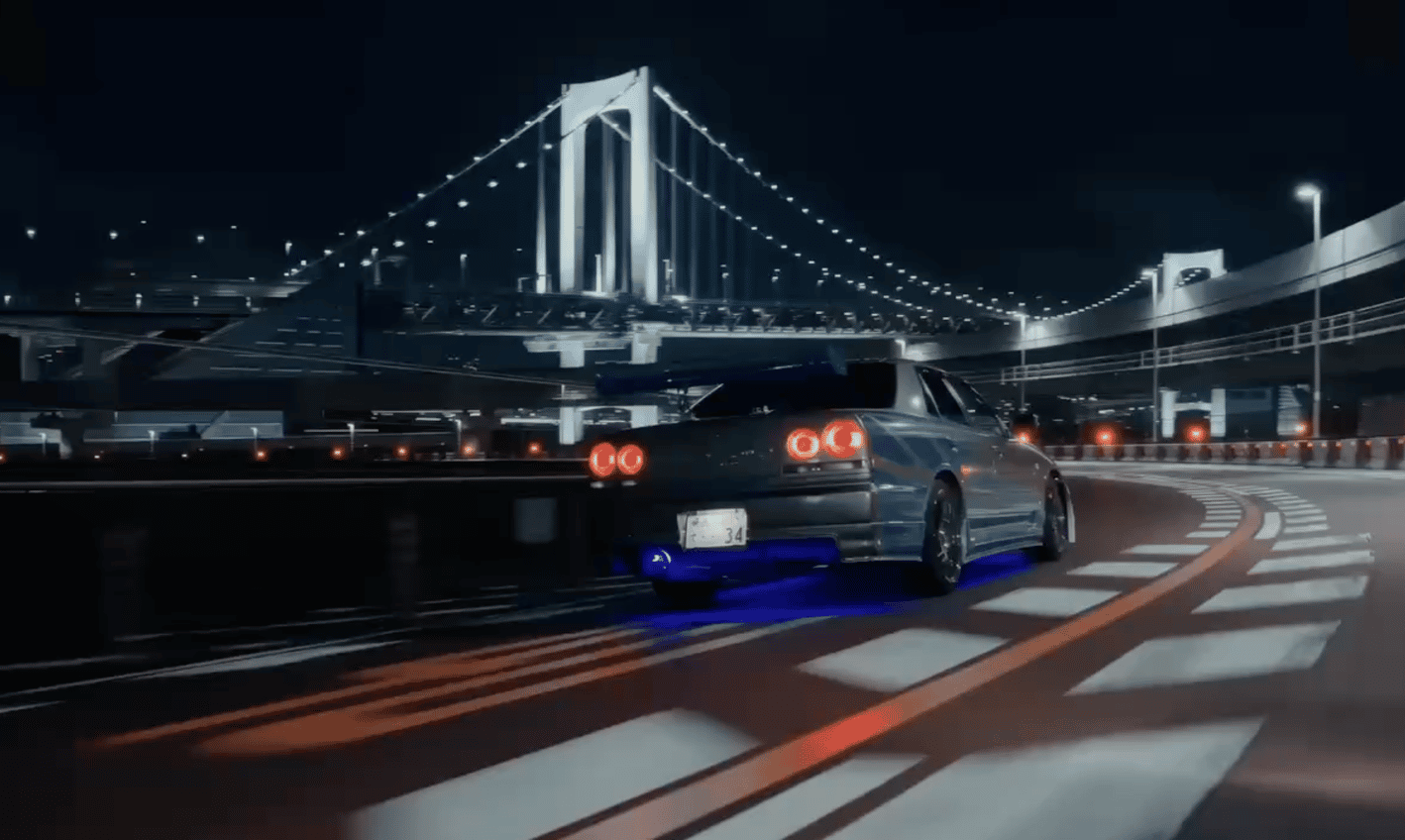
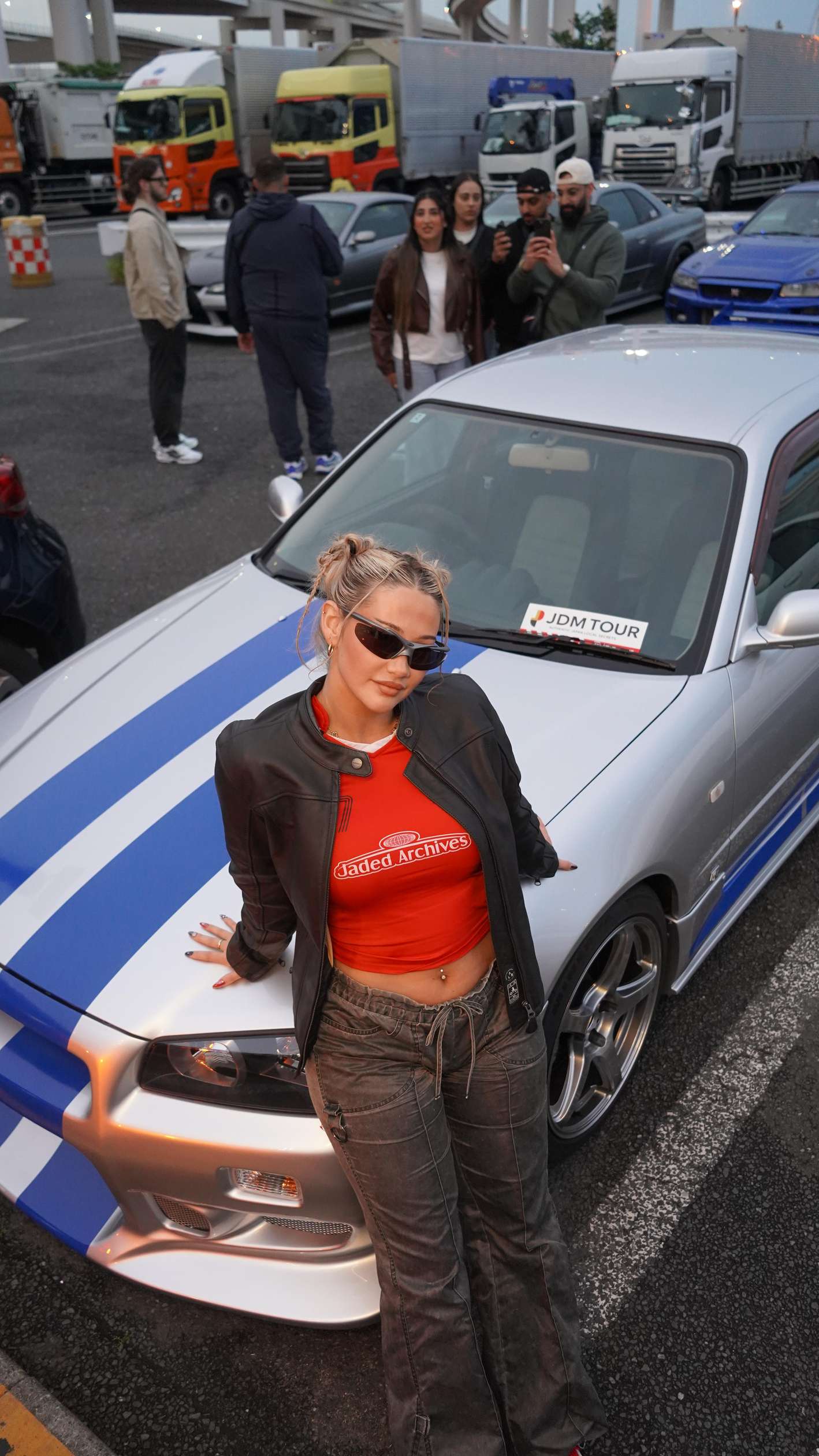
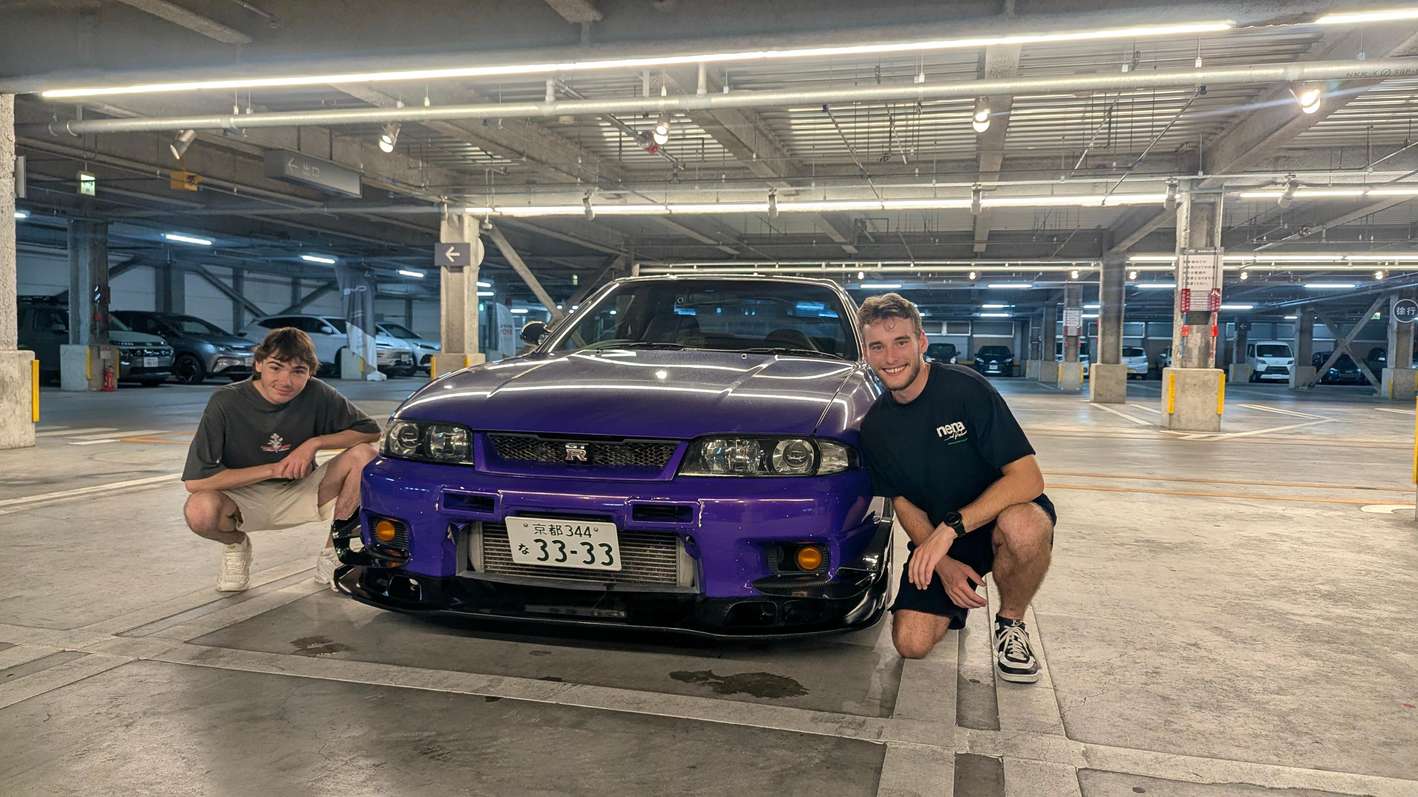
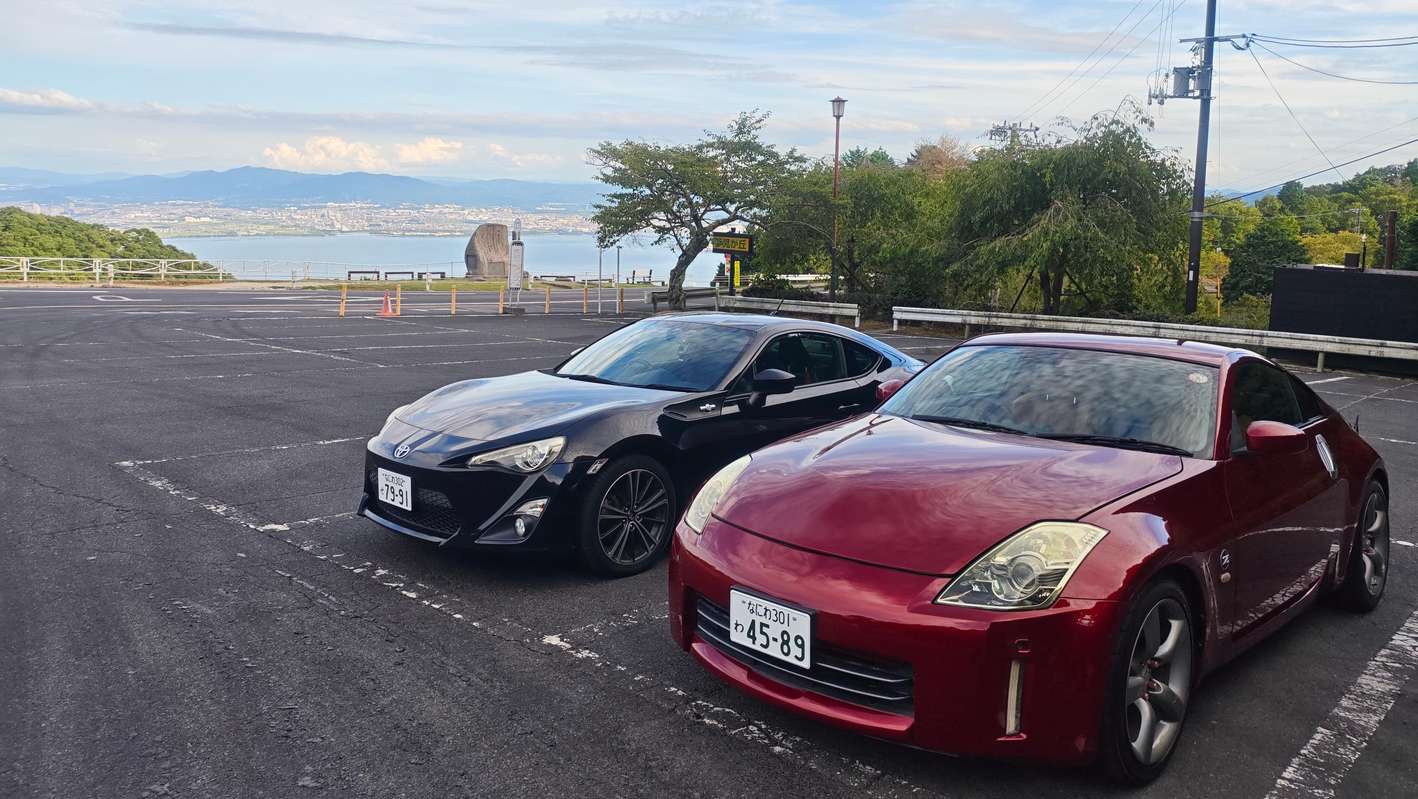
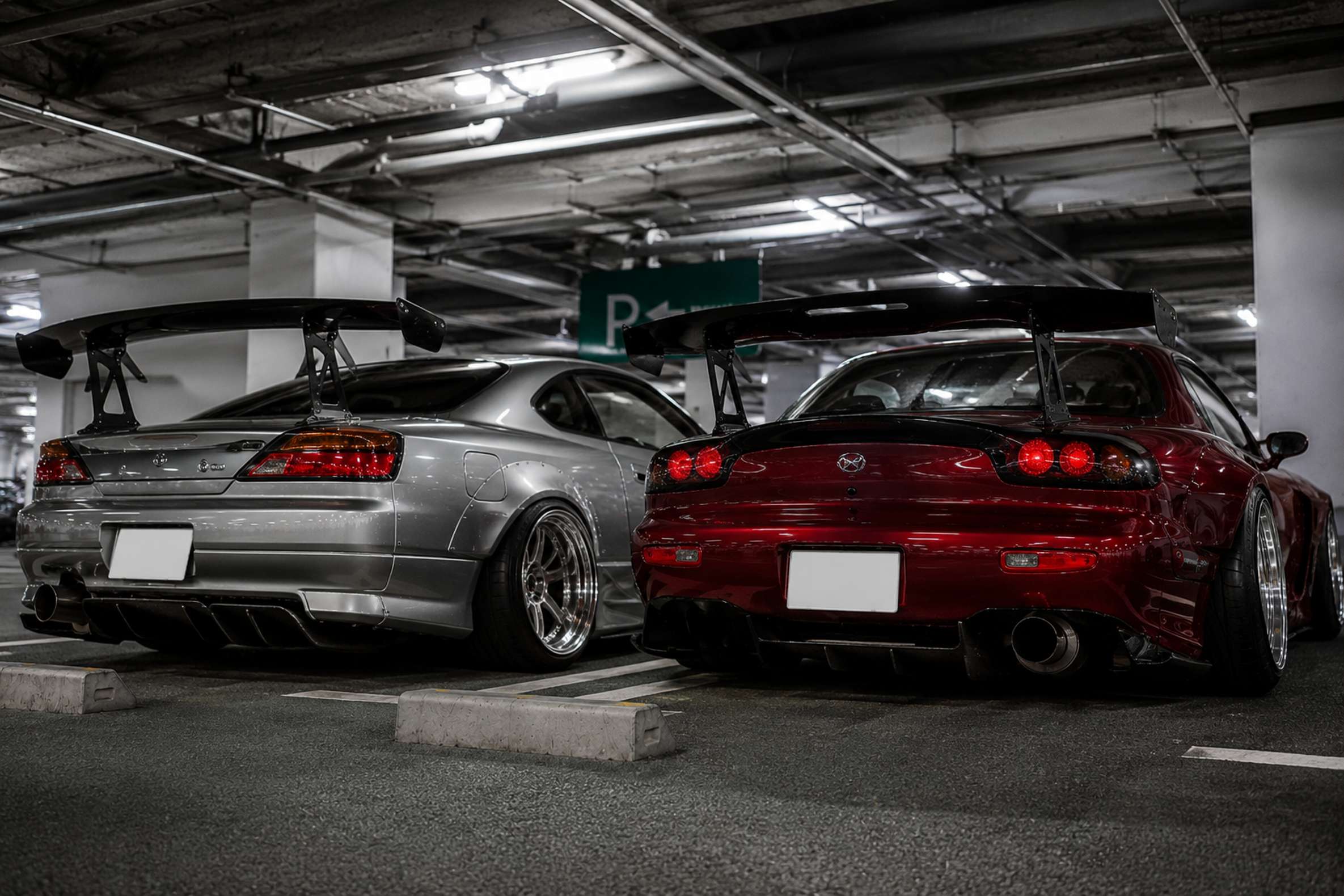
Umihotaru Car Meet PA Location and Meetup Information
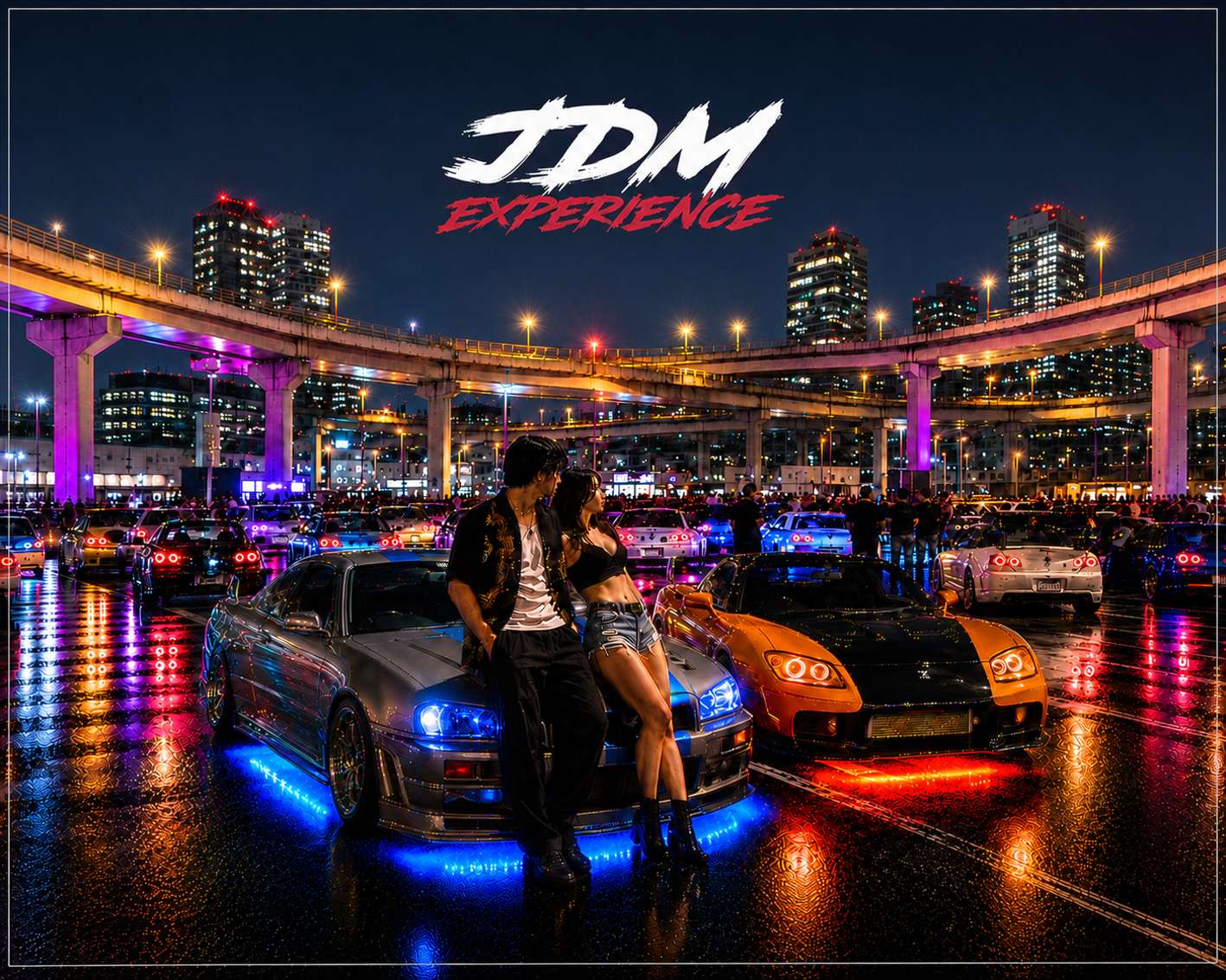
Stand under the roofed lot of a rest stop in Tokyo Bay while Skylines and RX-7s roll in. Go with a local guide who drives you across the Aqua-Line, handles tolls and timing, and gives you the etiquette briefing before you meet the cars. Cars show up on most nights, so book your seat and see the scene.
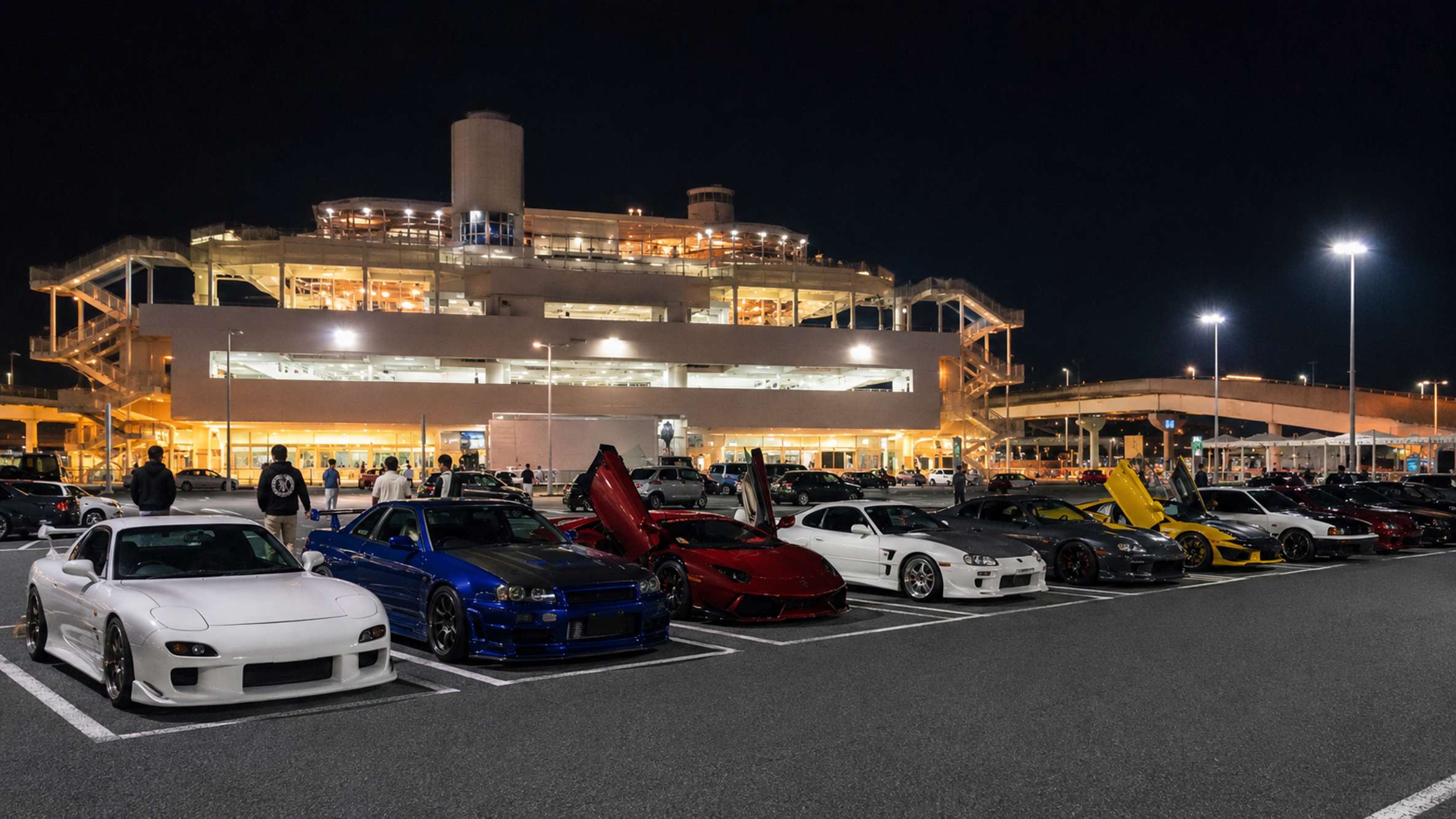
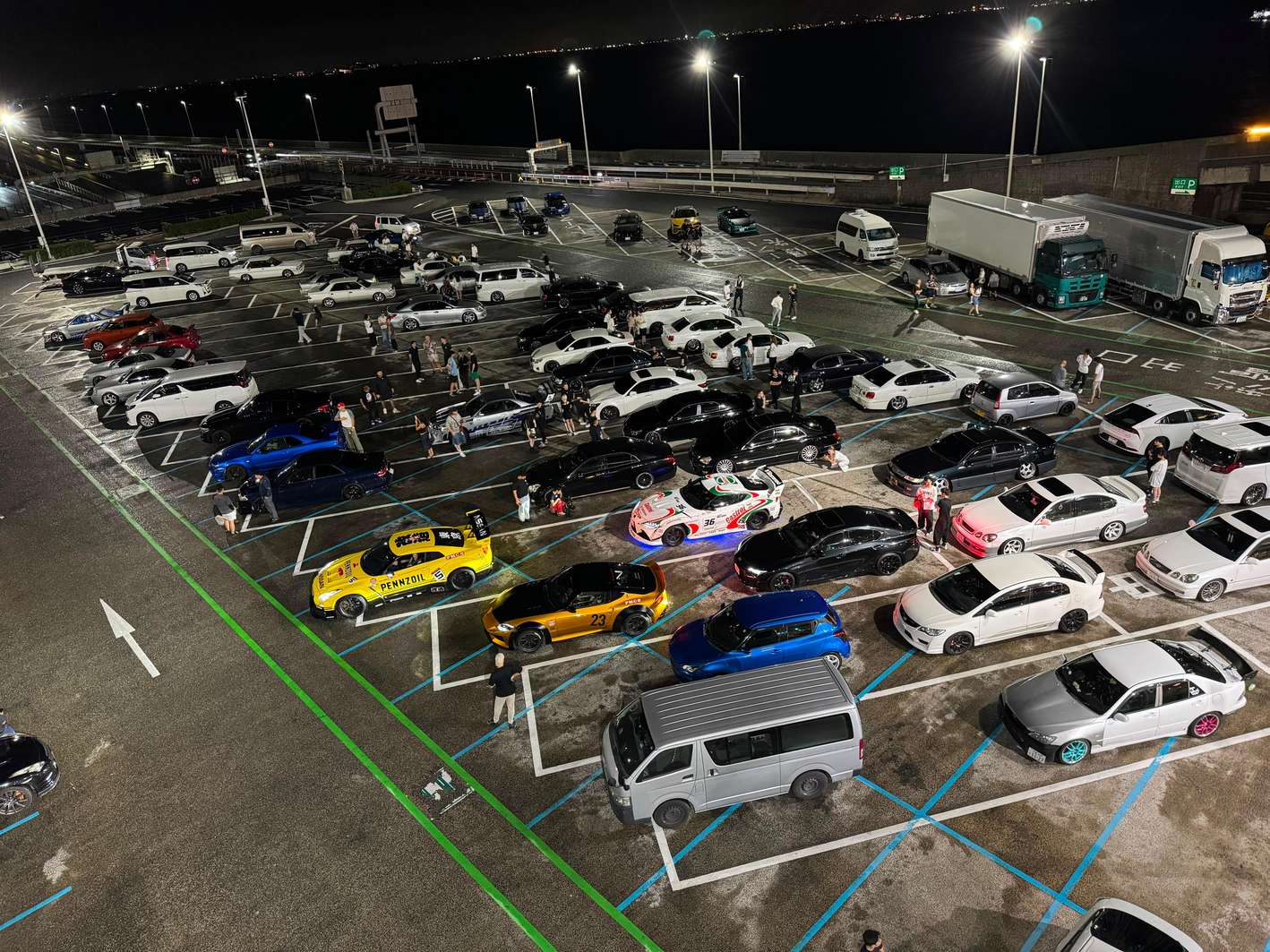
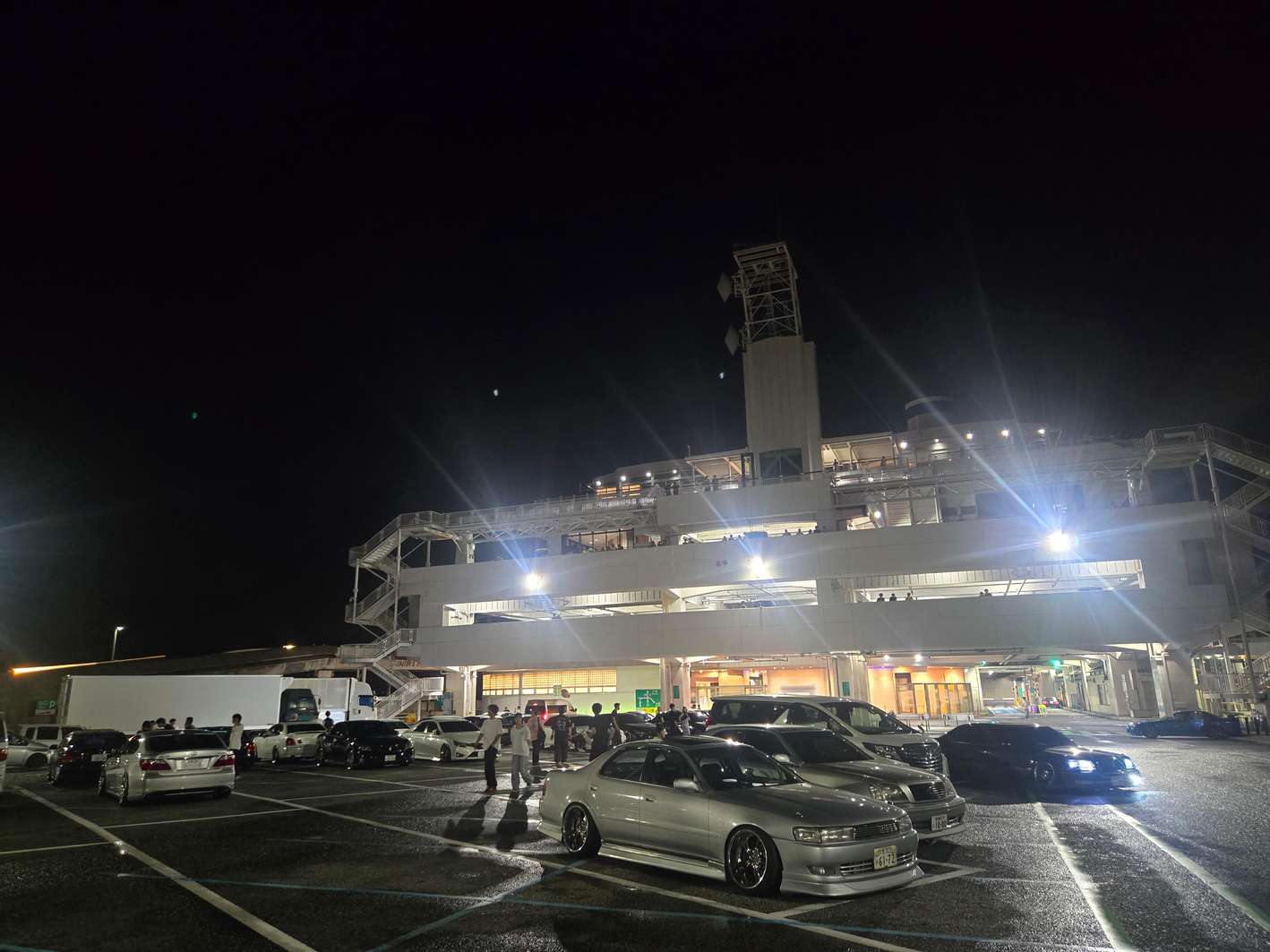
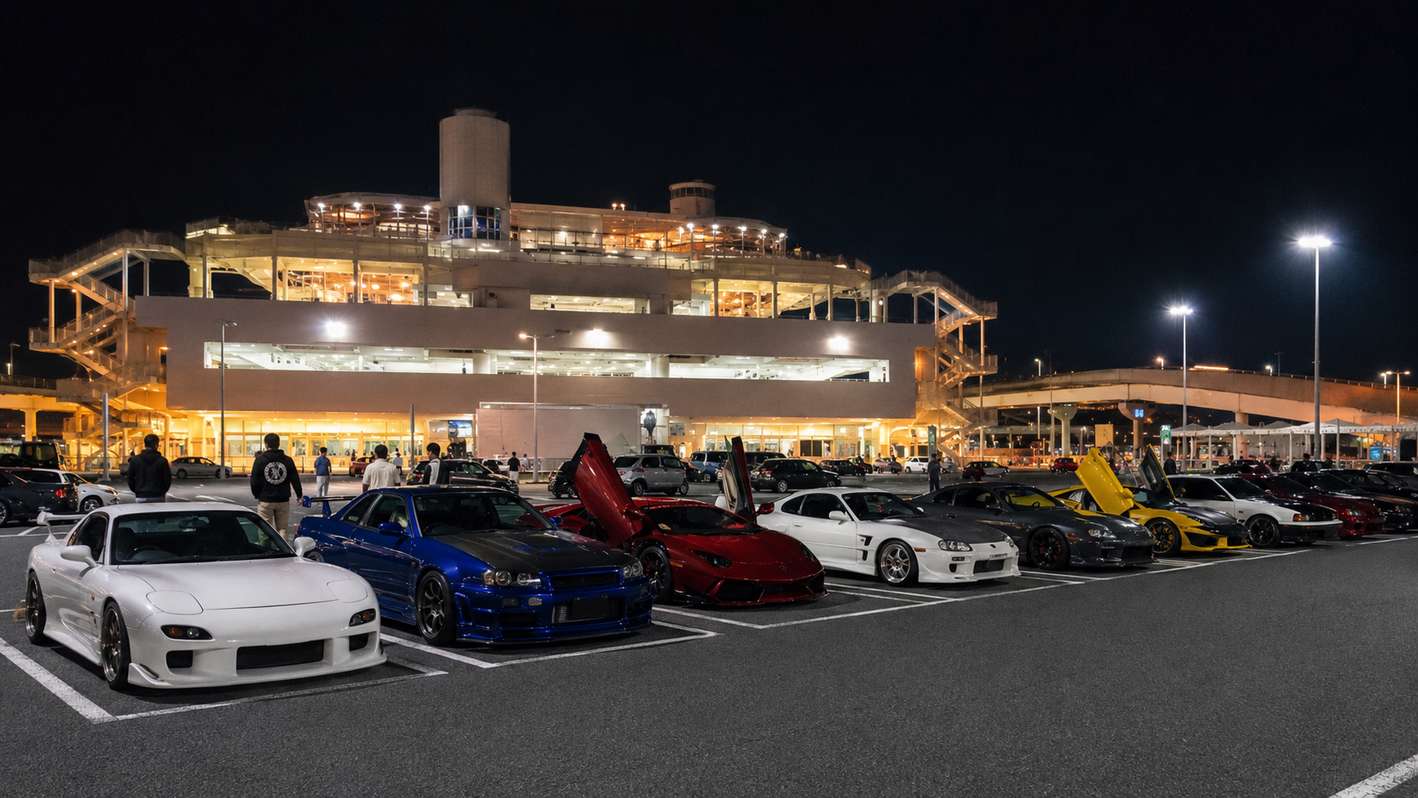
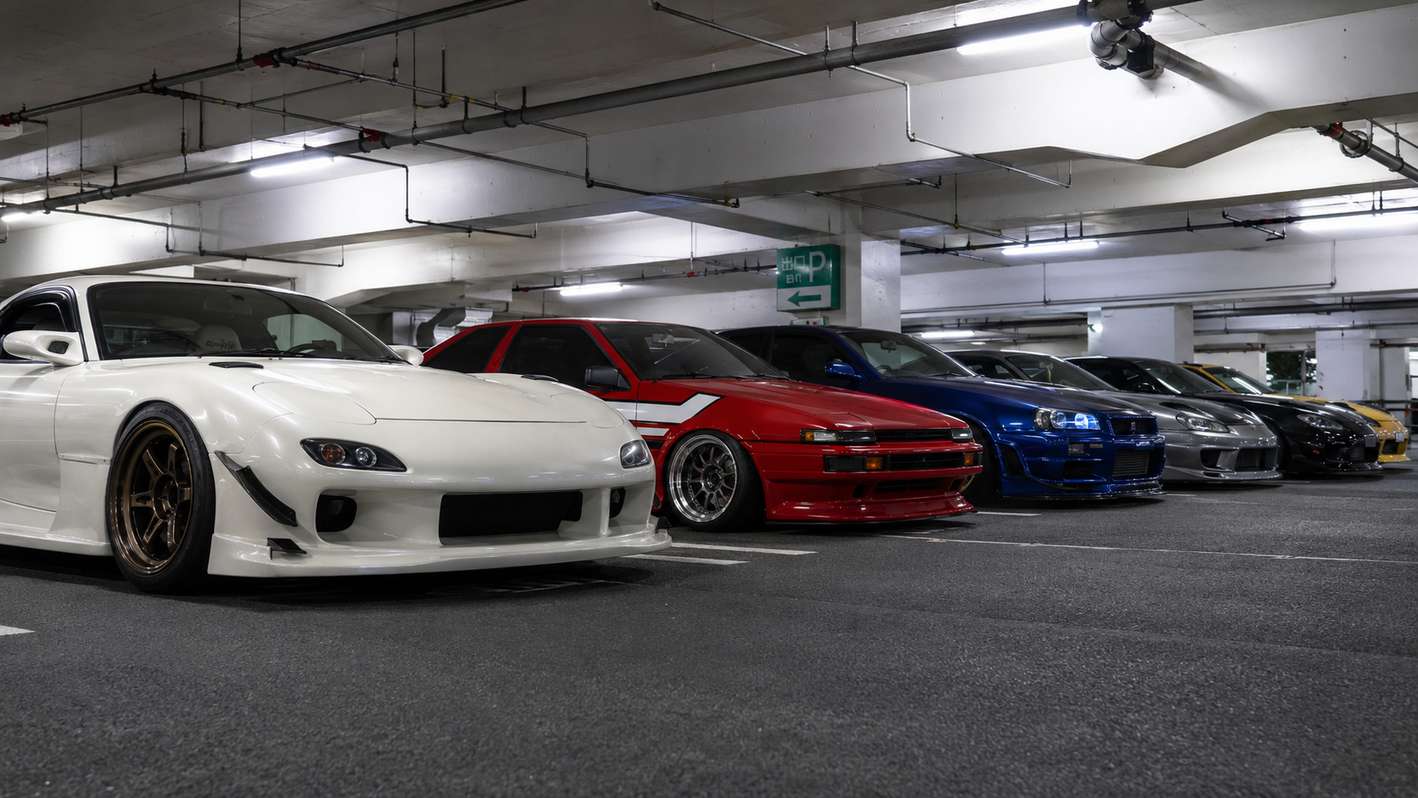
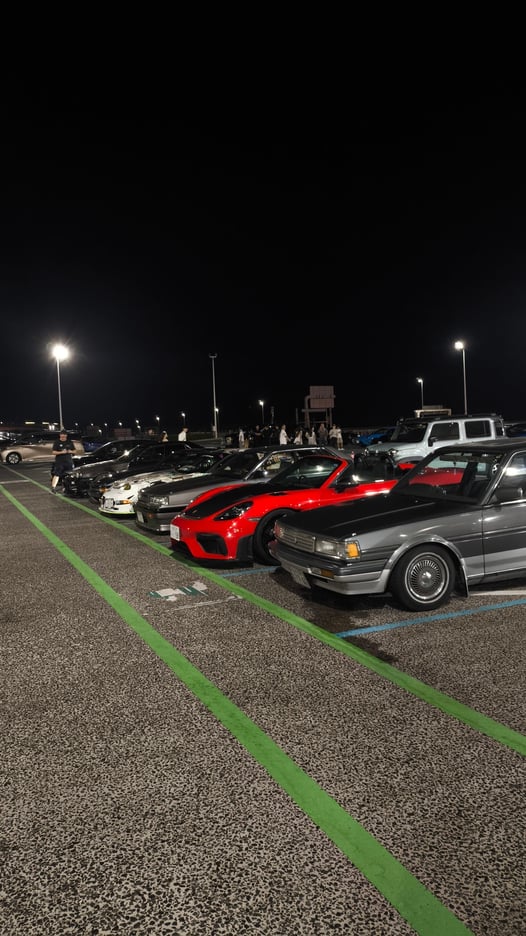
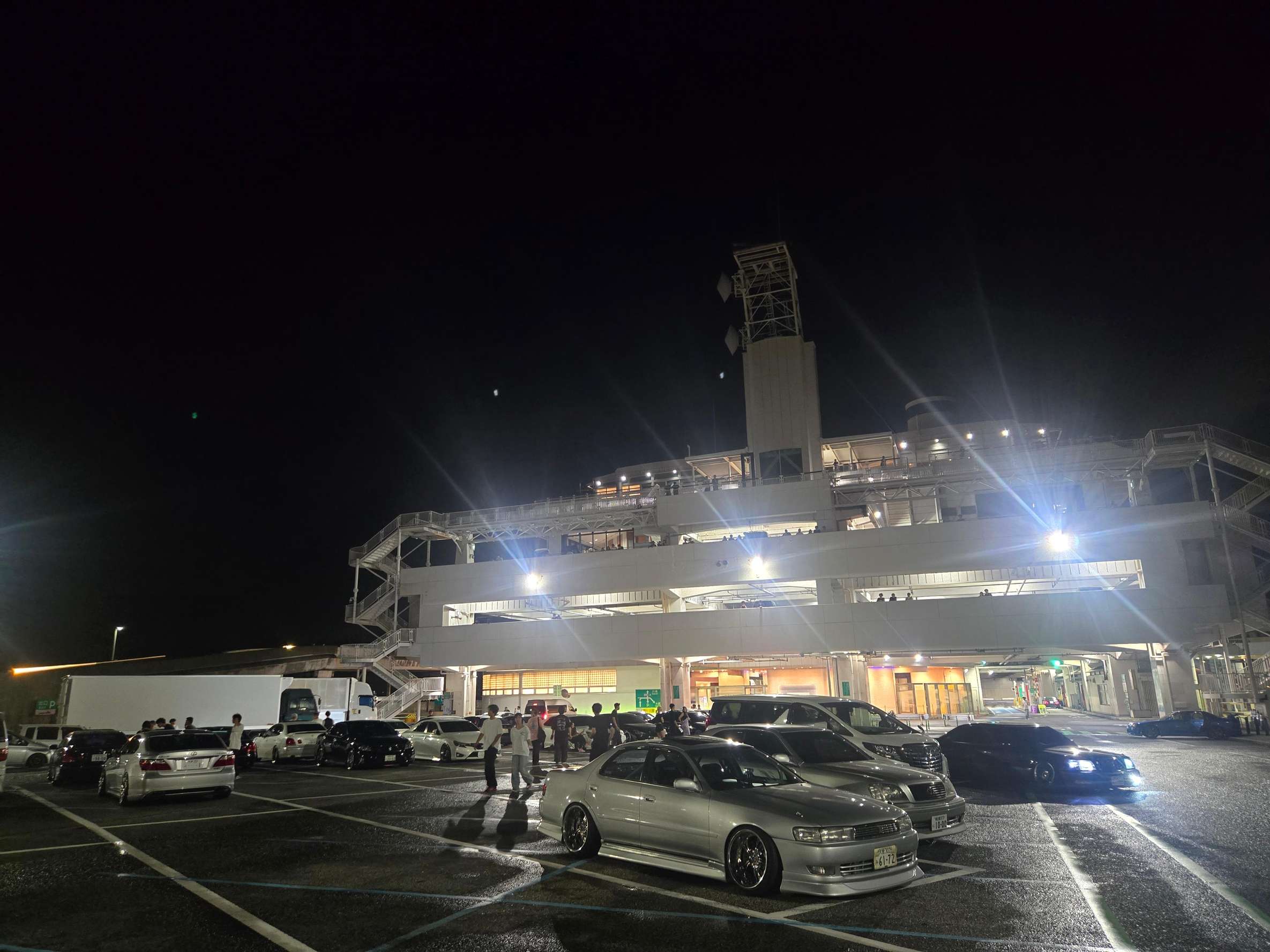
Umihotaru is a five-story rest stop shaped like a ship in the middle of Tokyo Bay, and the JDM crowd fills its roofed parking floors on weekend nights. Picking the right night, the right way in and a backup plan decides whether the trip pays off.
If you only remember five things
1
There is no schedule: the gathering fills when drivers arrive, above all Friday and Saturday nights, often after Daikoku PA closes early.
2
Saturday around 9 pm is the strongest bet, and regulars say 9:45 pm is not too late to still see cars.
3
You need a car to reach the lot, so the real choice is renting and driving the Aqua-Line yourself or taking a guided night with hotel pickup.
4
Gathering at a public rest area is legal, but revs, burnouts and blocked lanes are what get entrances closed.
5
The roof over the lot means rain thins the crowd without ending it, though turnouts swing from packed to quiet night to night.
accessUmihotaru PA sits on an expressway in Tokyo Bay, so there is no pedestrian entrance, no bus stop on site is the only public option, and missing the last bus of the day leaves you stranded.
Go with a guided tour that includes hotel pickup and drop-off, or if visiting independently, check the transit bus timetable from Kawasaki or Kisarazu stations before you go and know your return time.
Itasha under a roof, three minutes from the station
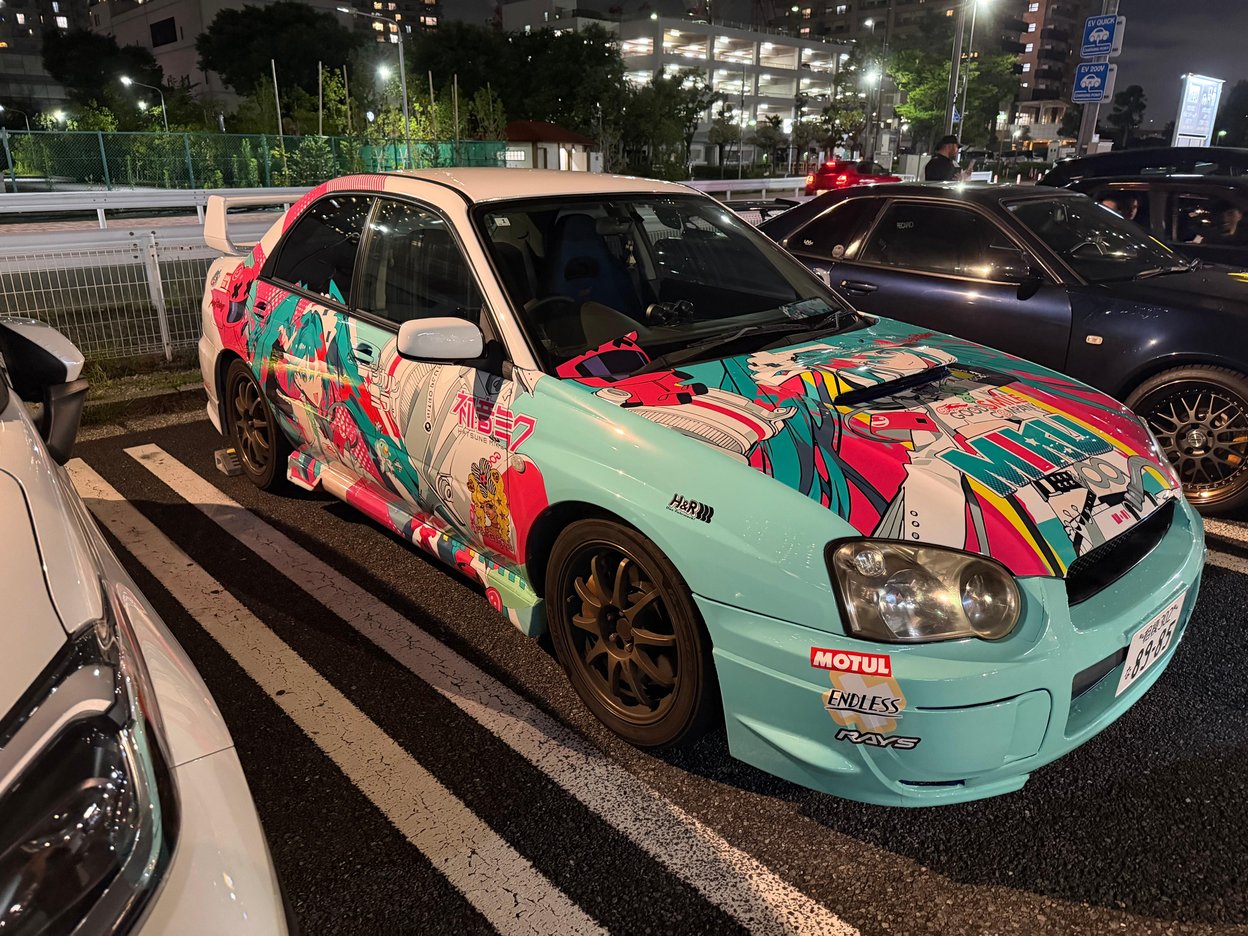
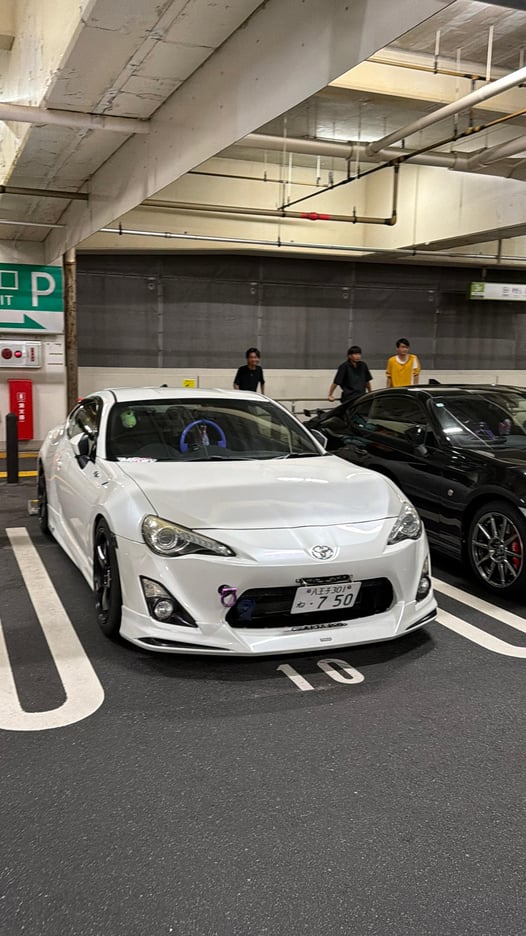
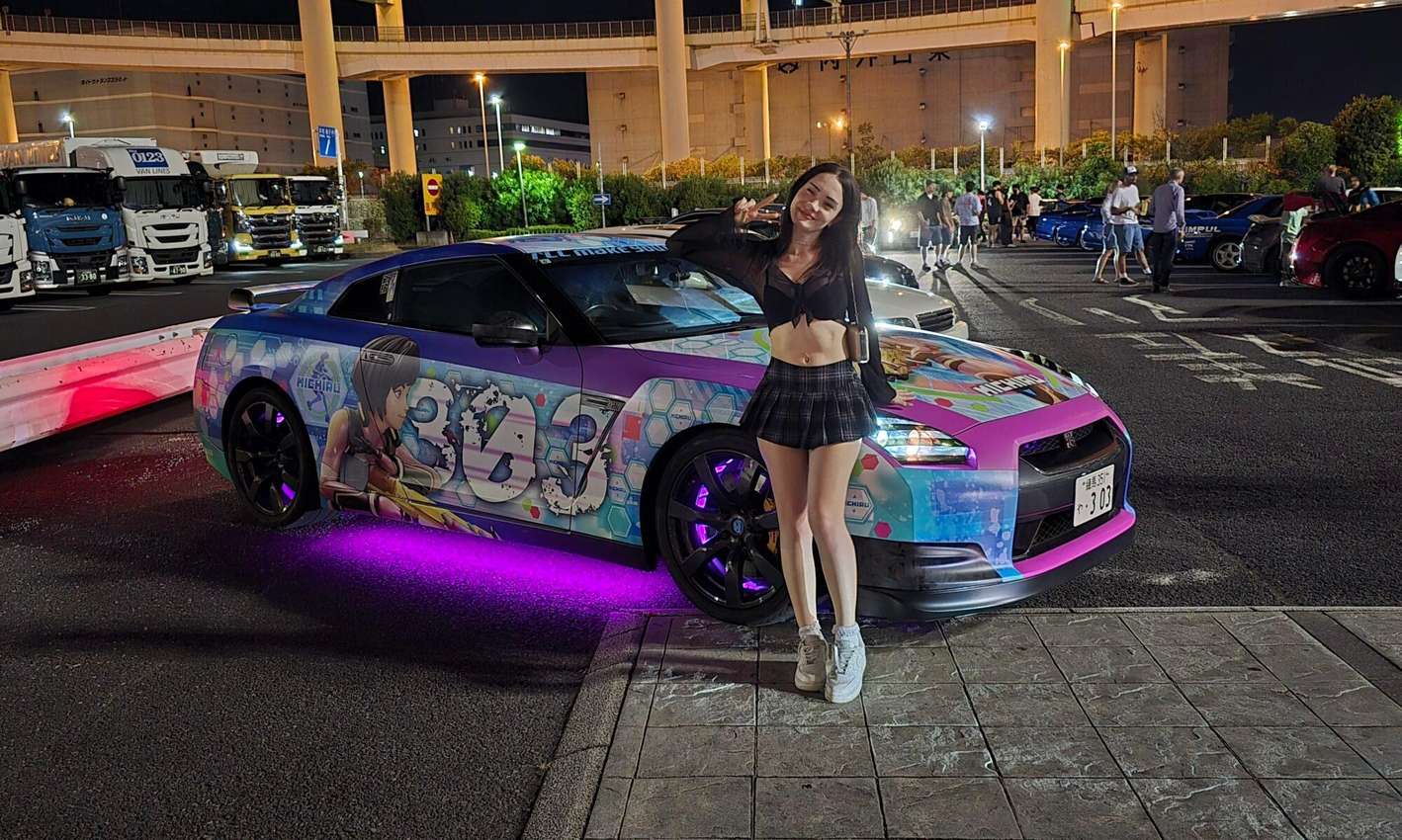
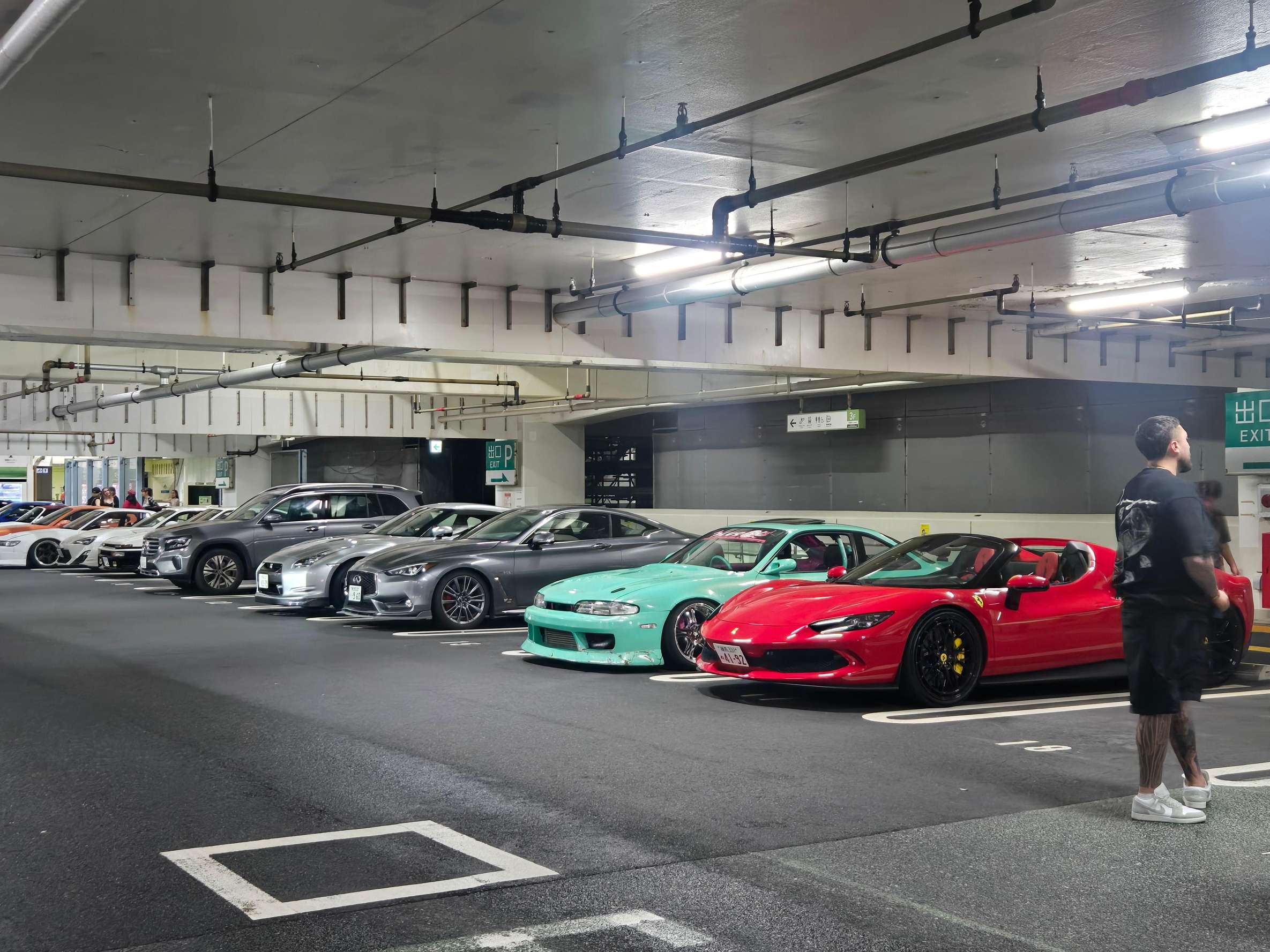
Before the bay, start with the easiest car night in Tokyo. Three minutes on foot from Akihabara Station, the UDX underground garage holds some of the best itasha in the city, cars wrapped floor to ceiling in anime art on the B2F level.
Pro tipKeep moving past the wrapped cars. Stopping to shoot them is what draws security.
Entry is free, the roof keeps the rain off, and no booking of any kind is involved.
How you behave in it decides how the night goes.
This is a working garage people actually park in, so treat it that way: walk the aisles with your hands in your pockets, and keep moving past the wrapped cars, because stopping to set up photographs draws security, and repeat visits have brought police and a fine.
Pick UDX when you want itasha and a calm night on foot, no car and no booking. The meets have grown popular enough that you need no deep car knowledge to enjoy it. We cover the garage in full on our Akihabara UDX car meet page.
Tour for this
Tokyo: Founder-Led Tour of the Daikoku JDM Car Meet4.6★ (153) · 2.5 hours · Free cancellation
Tatsumi PA sits on the expressway by Tokyo Bay, a short drive from Daikoku, and tours often roll the two into a single evening. The meet is whatever the drivers bring that night: Skylines, tuners, the odd exotic, with no organiser and no published line-up.
Common mistakeShowing up at a highway lot on foot. You cannot reach Tatsumi except in a car on the expressway.
Rules run strict here because the lot is highway infrastructure. Keep noise brief, never block a lane, and follow staff and police when they move people on. Leave the drone at the hotel.
There is no train, no bus stop and no way in except as a vehicle already on the expressway, so a tour with pickup is the practical way in.
If Daikoku closes on your night, Tatsumi is often the fallback, which is why knowing the lot doubles your odds of seeing something. Our Tatsumi parking area guide has the detail.
Tour for this
【R34】Daikoku PA Private Tour, Tokyo JDM Night Experience4.9★ (181) · 3 hours · Hotel pickup · Free cancellation
Want to drive something yourself? City Circuit Tokyo Bay
Some readers want a seat in something, and the bay has an organised evening for exactly that. City Circuit Tokyo Bay runs kart sessions at Daikoku on scheduled dates from 6 to 10 pm, with the meet carrying on around the circuit, and most public events cost nothing to watch.
Pro tipBring a card. The desk does not take cash.
A licence plays no part here, only height. Riders from 105cm can take a passenger seat, and 150cm gets you a driver's seat, with no age limit and no weight limit.
Under-18s need parental consent for the weekly race. Sandals get swapped for rental shoes at the desk, where cash is refused, and staff can slow a kart remotely if it spins, so first-timers ride easy.
Choose this when you want a fixed schedule and something to drive yourself. Our City Circuit Tokyo Bay guide covers the rest.
Tour for this
Tokyo: Silvia S15, GR86 or 370Z Tour to Daikoku or Umihotaru4.7★ (134) · 3.5 - 4 hours · Hotel pickup · Free cancellation
If your trip also touches Kansai, Osaka runs its own version of the bay scene. Higashi Osaka PA packs more than 250 cars into a toll-road rest stop most Friday and Saturday nights, busiest between 10 pm and midnight, with Skyline GT-Rs and tuned Supras alongside Lamborghinis, lowriders and drift Nissans.
Common mistakeExpecting the Instagram wall of supercars every single night. Turnouts are random.
Manage the expectations Instagram sets. Reels flatter these meets, and the real thing is a lottery, so treat any sighting as a bonus. Street racing, burnouts and blocking the lot are what get gatherings in trouble, and police have closed a packed PA before, which made national news.
The lot has no train or bus, so come in your own car or on a tour. Without wheels in Osaka, Amemura's Triangle Park is the walkable fallback. See our Higashi Osaka PA guide.
Tour for this
Tokyo JDM Legends: Daikoku PA & Modified Car Experience4.8★ (85) · 4 hours · Free cancellation
No schedule exists for this gathering, and that is the first thing to accept. It is a pop-up that fills when drivers arrive, above all on Friday and Saturday nights, and often after Daikoku PA closes early and the crowd relocates across the bay.
Pro tipA 9:45 pm arrival is fine. Regulars still see cars at that hour.
The week splits cleanly. Weeknights run quiet: a few passing builds and small groups, with tours stopping only as a scenic bay stop. Friday brings the first real crowds, and Saturday is the night that fills.
Travelers on the tours report finding plenty of cars on a Saturday around 9:15 pm with Daikoku closed, and regulars say arriving around 9:45 pm is not too late.
When the Umihotaru car meet happens in the week
Sat: the busiest. Saturday night is the best bet: travelers on the tours find lots of cars at Umihotaru in the evening, often after a 9 pm start once Daikoku …
Bar height: how busy each day is, from very quiet to the busiestThe busiest: Sat
Tap a day to read it.
Read the split as a simple rule: aim your one bay night at Saturday from 9 pm, keep Friday as the second choice, and treat a weeknight visit as a bonus bay stop with views.
A Friday night also shows a scene the daytime never does, and cars show up pretty much any night these tours run, so a scheduled visit is a reliable way to see something.
Tour for this
Tokyo: Private Daikoku JDM Night Tour, Shinjuku on Request5.0★ (14) · 6 hours · Hotel pickup · Free cancellation
Is standing in a toll-road lot at night even allowed?
The worry most first-timers carry onto the Aqua-Line is whether the whole thing is some grey-market gathering. It is not. Gathering at a public rest area is legal, and police close entrances to manage crowding and noise, which means the meet itself sits on the right side of the law.
Common mistakeHunting for a secret racing scene. It is illegal and policed, and the lot is just owners hanging out.
What gets a night shut down is behavior. Revving engines, burnouts and aggressive driving inside the lot can close the entrance for everyone, and peak nights can still bring temporary restrictions or police presence regardless. Park only in permitted spaces, keep lanes clear, and follow staff when they move people on.
Ask before photographing people or filming owners, especially for close-ups or cabin shots, and never touch a car without permission.
When the lot shuts down
Aggressive driving, revs or burnouts inside the lot can get the entrance closed for everyone, and peak nights can still bring temporary restrictions or police presence Keep your voice and engine down, park inside the lines, and do exactly what staff and police ask
The alert above is the one rule that touches everyone at the lot. Follow it and you have done your part; the crowd's behavior is the only thing that ends a meet early.
Tour for this
Daikoku & Tokyo Private JDM Tour in 700HP R34 GT-R4.9★ (183) · 3 - 4 hours · Hotel pickup · Free cancellation
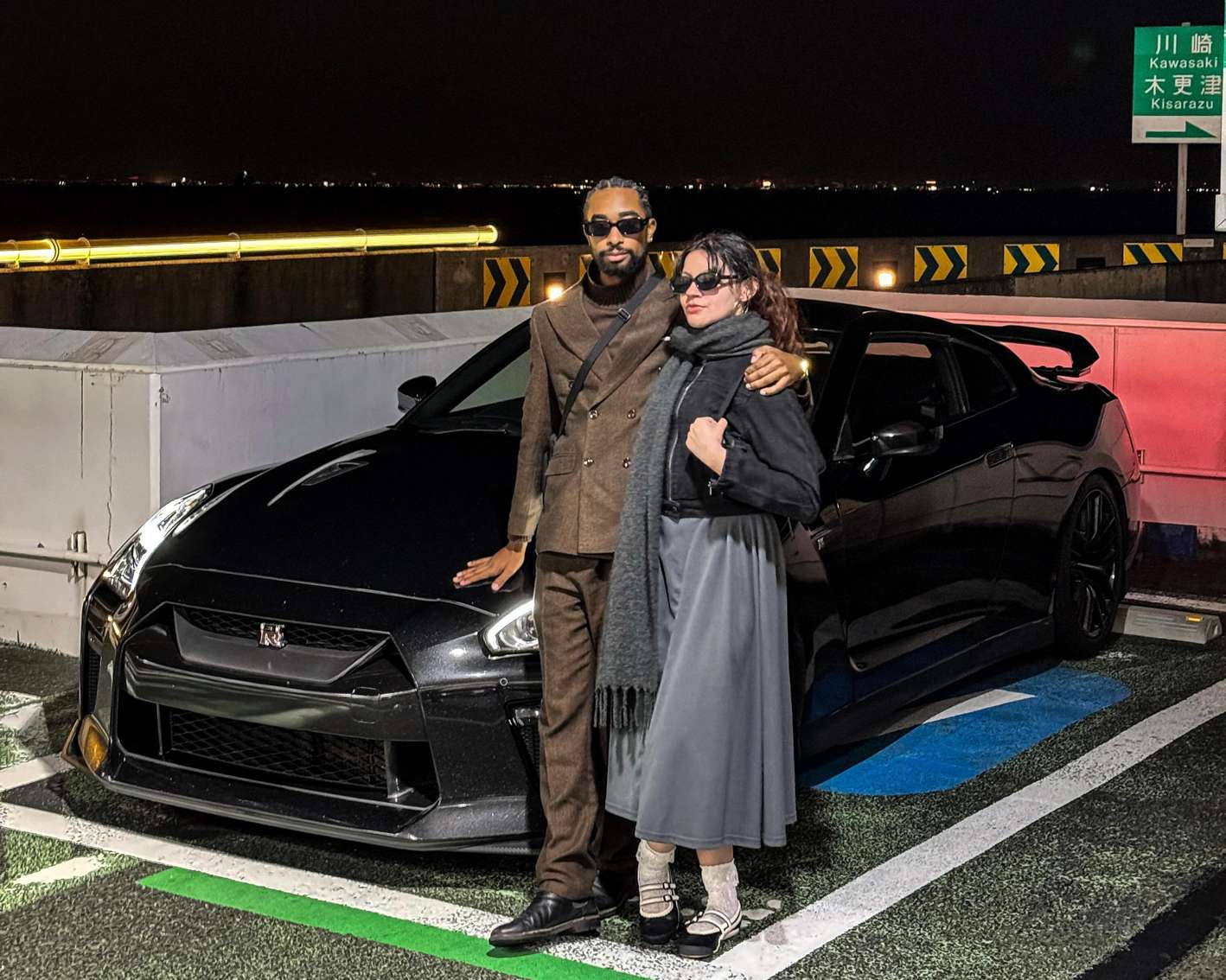
One fact decides the whole trip: Umihotaru sits on an artificial island midway along the Aqua-Line toll road, with no train, so you need a car no matter what.
Pro tipIf a particular car matters to you, ask which model you get before paying so there is time to switch.
Taxis out there cost plenty and the late-night return is unreliable, so the real choice is a rental and the expressway yourself, the highway bus from Kawasaki, or a guided night.
A guide carries most of the evening for you. On a guided JDM tour no driving licence is needed, because you ride as a passenger, with hotel pickup and drop-off, tolls and fuel covered, a bilingual driver handling parking and chatting with owners, and about an hour on the ground.
Our Tokyo: Silvia S15, GR86 or 370Z Tour to Daikoku or Umihotaru runs 3.5 to 4 hours and gives you up to 1.5 hours at the meets, with a guide and live translation.
A multi-spot meet tour covering Daikoku, Tatsumi and Umihotaru ran about a mid-range tour fee per person.
Getting there, three ways
Rental car
Bus from Kawasaki
Guided tour
Hassle
Route, tolls and parking are all yours
Cheap, but the last bus is a hard deadline
Pickup, tolls and routing handled for you
Licence
IDP or JAF translation needed
None
None, you ride as a passenger
Late-night return risk
You drive back tired
Miss the last bus and you are stuck
Dropped back at your hotel
What the guide carries
Nothing, you carry it all
Nothing
Etiquette briefing, photos, translations
Rental car
Hassle
Route, tolls and parking are all yours
Licence
IDP or JAF translation needed
Late-night return risk
You drive back tired
What the guide carries
Nothing, you carry it all
Bus from Kawasaki
Hassle
Cheap, but the last bus is a hard deadline
Licence
None
Late-night return risk
Miss the last bus and you are stuck
What the guide carries
Nothing
Guided tour
Hassle
Pickup, tolls and routing handled for you
Licence
None, you ride as a passenger
Late-night return risk
Dropped back at your hotel
What the guide carries
Etiquette briefing, photos, translations
The table comes down to how much of the night you want to carry yourself. Rent if the Aqua-Line drive is part of the fun; take a tour if the meet is the point.
Tour for this
Tokyo: Silvia S15, GR86 or 370Z Tour to Daikoku or Umihotaru4.7★ (134) · 3.5 - 4 hours · Hotel pickup · Free cancellation
Drivers who take the wheel themselves get the Aqua-Line run: a highway that dives under the sea and rises onto a bridge in open water, with the lot about 24 minutes from Haneda, 44 from Tokyo Station and 45 from Shibuya.
Common mistakeArriving without the right permit. A 1949 Convention IDP or a JAF translation is checked before you rent.
Paperwork comes first. You need an International Driving Permit from the 1949 Convention, or, for licences from Switzerland, Germany, France, Belgium, Monaco or Taiwan, your home licence with a certified Japanese translation arranged through JAF before you go, plus your passport.
You keep to the left, turn right by yielding to oncoming traffic, and pay tolls on both the Shuto Expressway and the Aqua-Line.
Self-drivers returning the same way can turn back at Umihotaru and are charged a one-way toll. In Chiba, avoid late-afternoon traffic if you are heading back to Tokyo. Orix is the rental company self-drivers recommend for this.
Ways to get to the Umihotaru car meet
To Umihotaru Parking Area · midway on the Tokyo Wan Aqua-Line
Cross the Rainbow Bridge then the Aqua-LineDirections →
1 hr 10 min42 km by expressway
Train
No rail link to an island toll rest stop
—Not possible
The routes say it plainly: every workable way in is behind a wheel, and the two marked impossible really are. Set out from Haneda if you can, because the shortest run leaves the most evening for the meet itself.
Umihotaru is a five-story rest stop in the middle of the sea, three parking floors below restaurants and shops on the top two, with views over Tokyo, Yokohama and, on a clear night, Mount Fuji.
Pro tipCount the bay views as part of the value. A quiet night here still beats most Tokyo evenings.
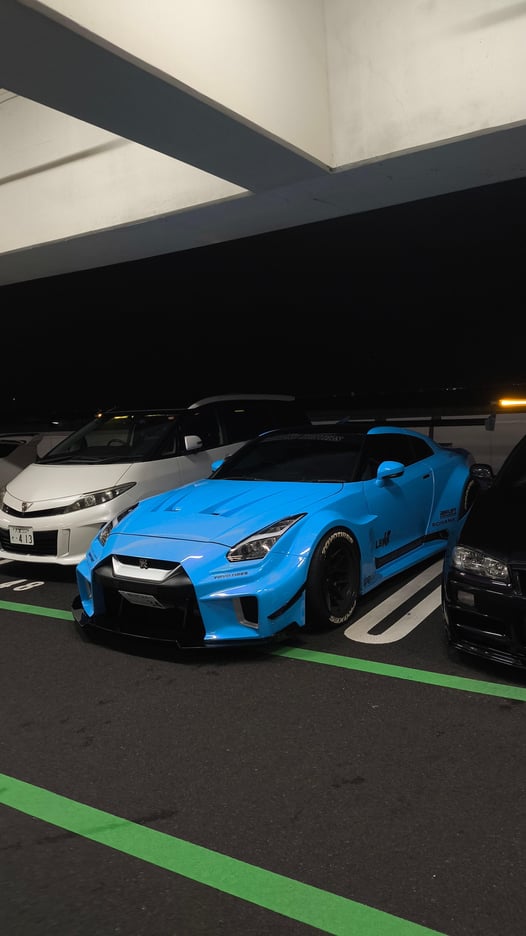
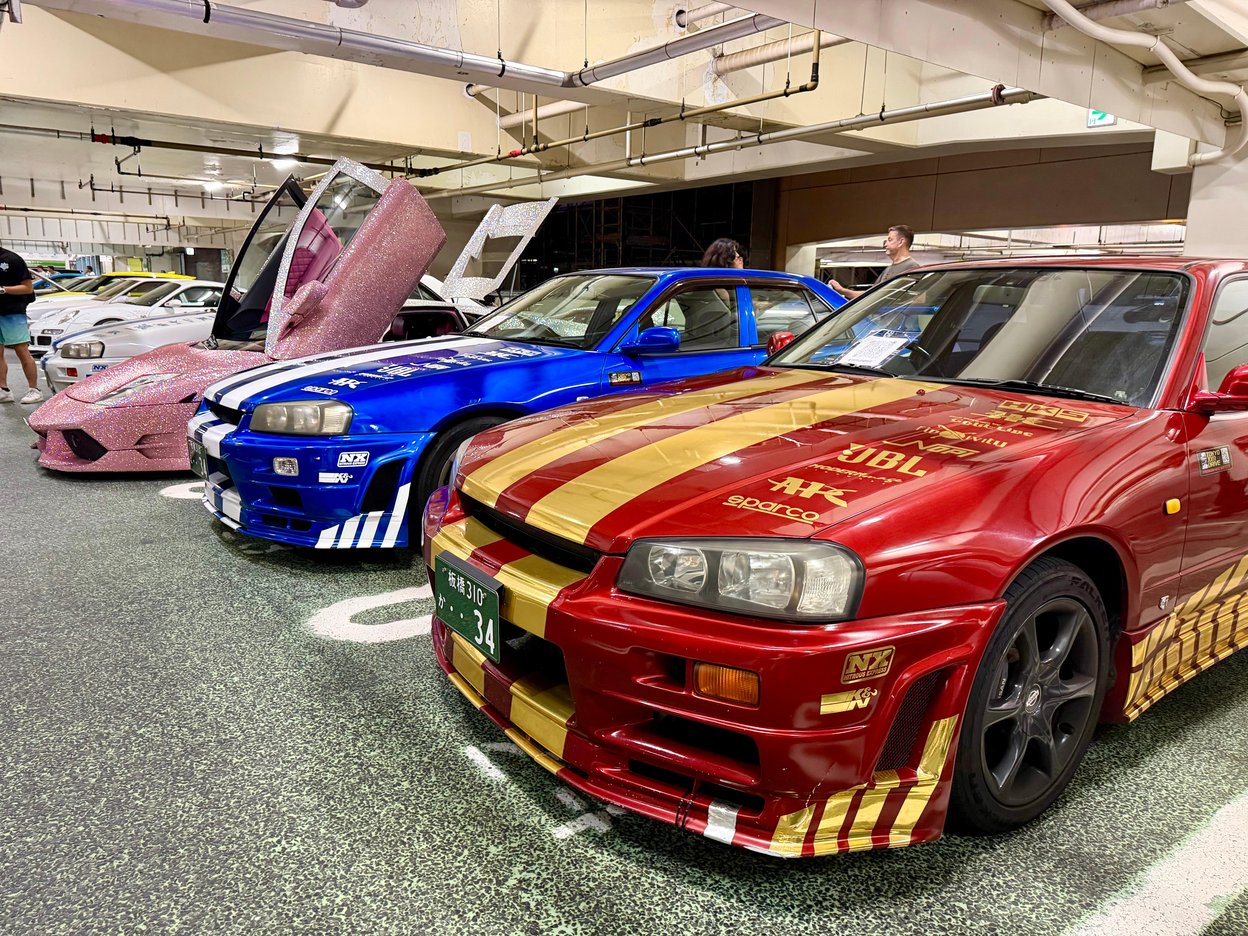
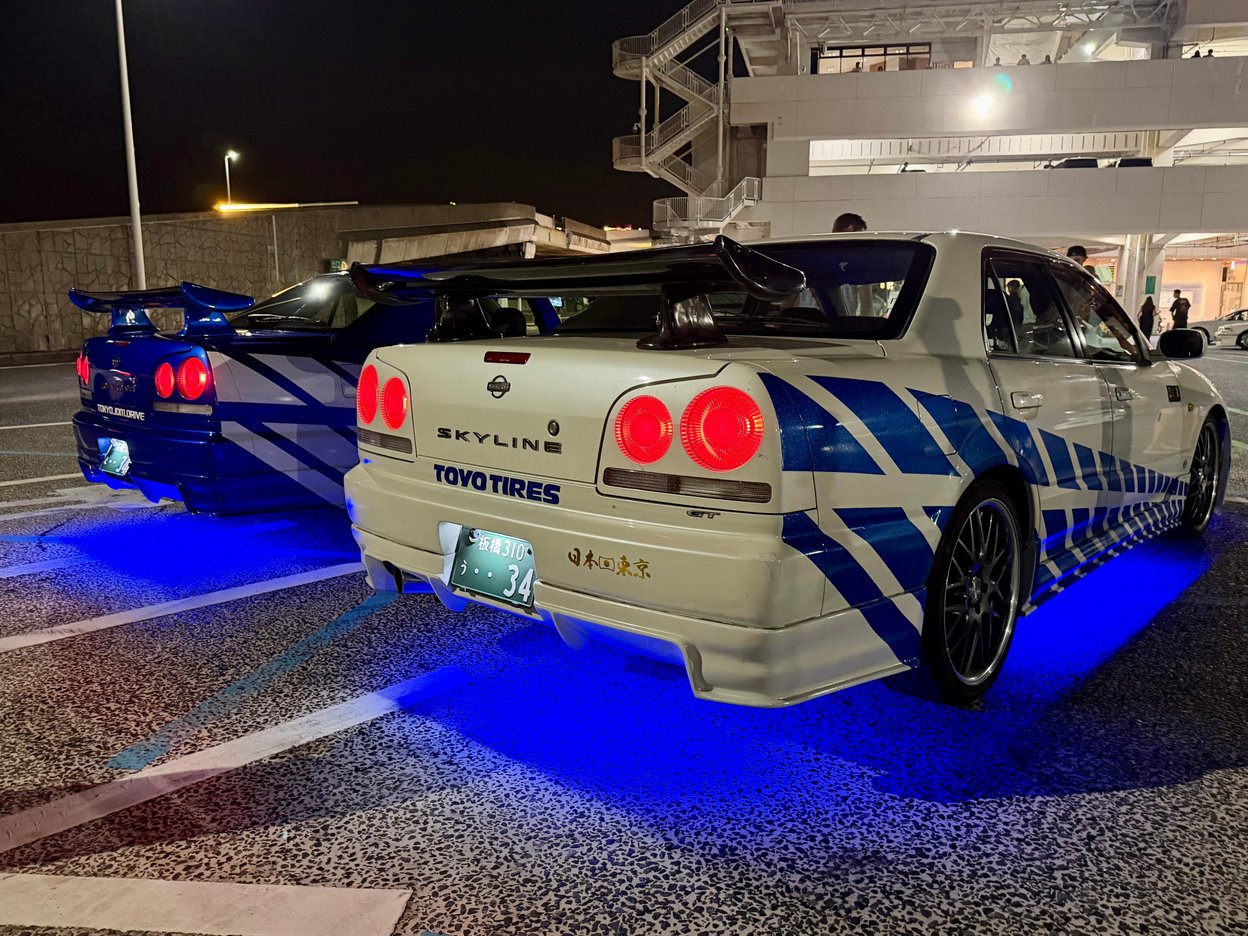
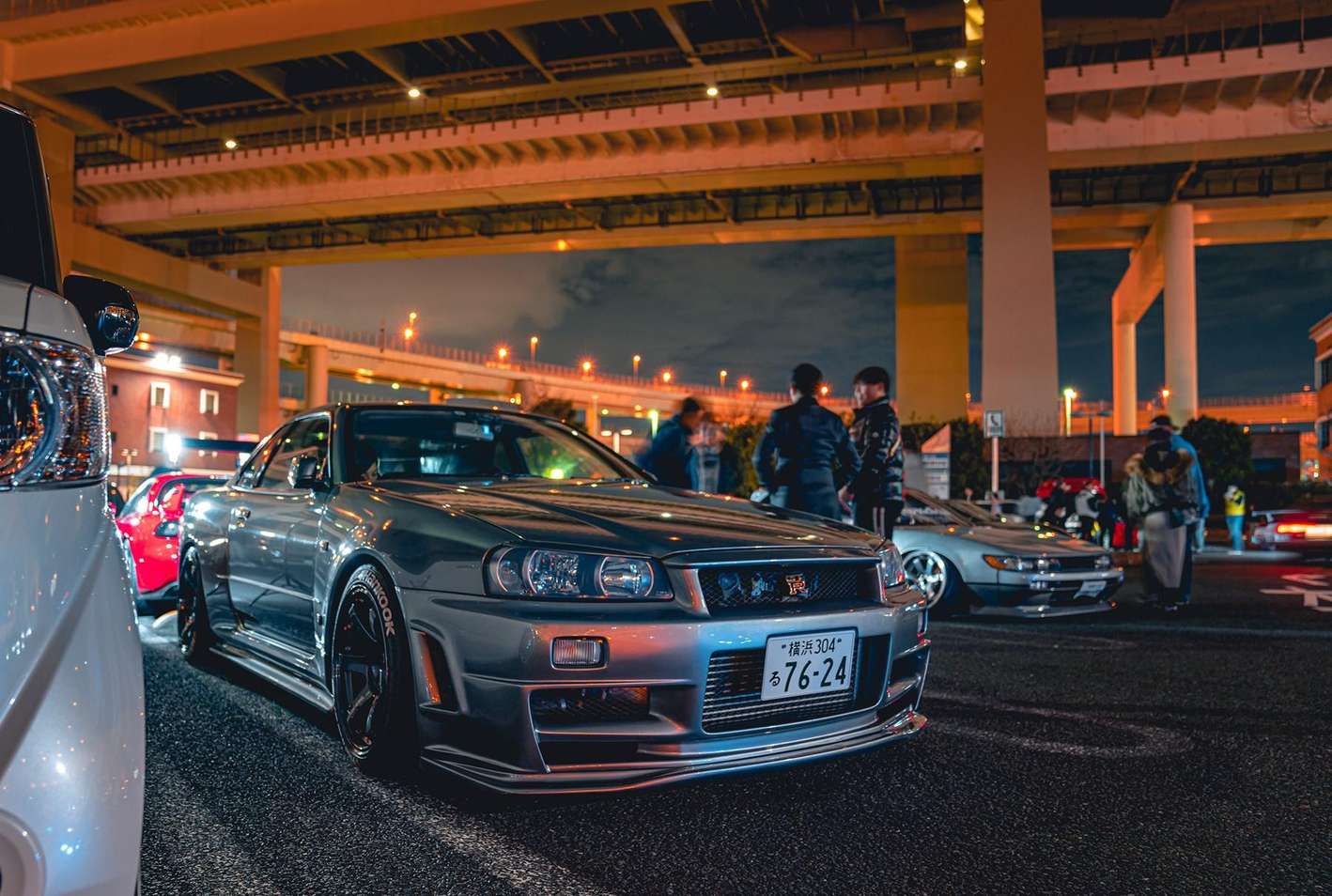
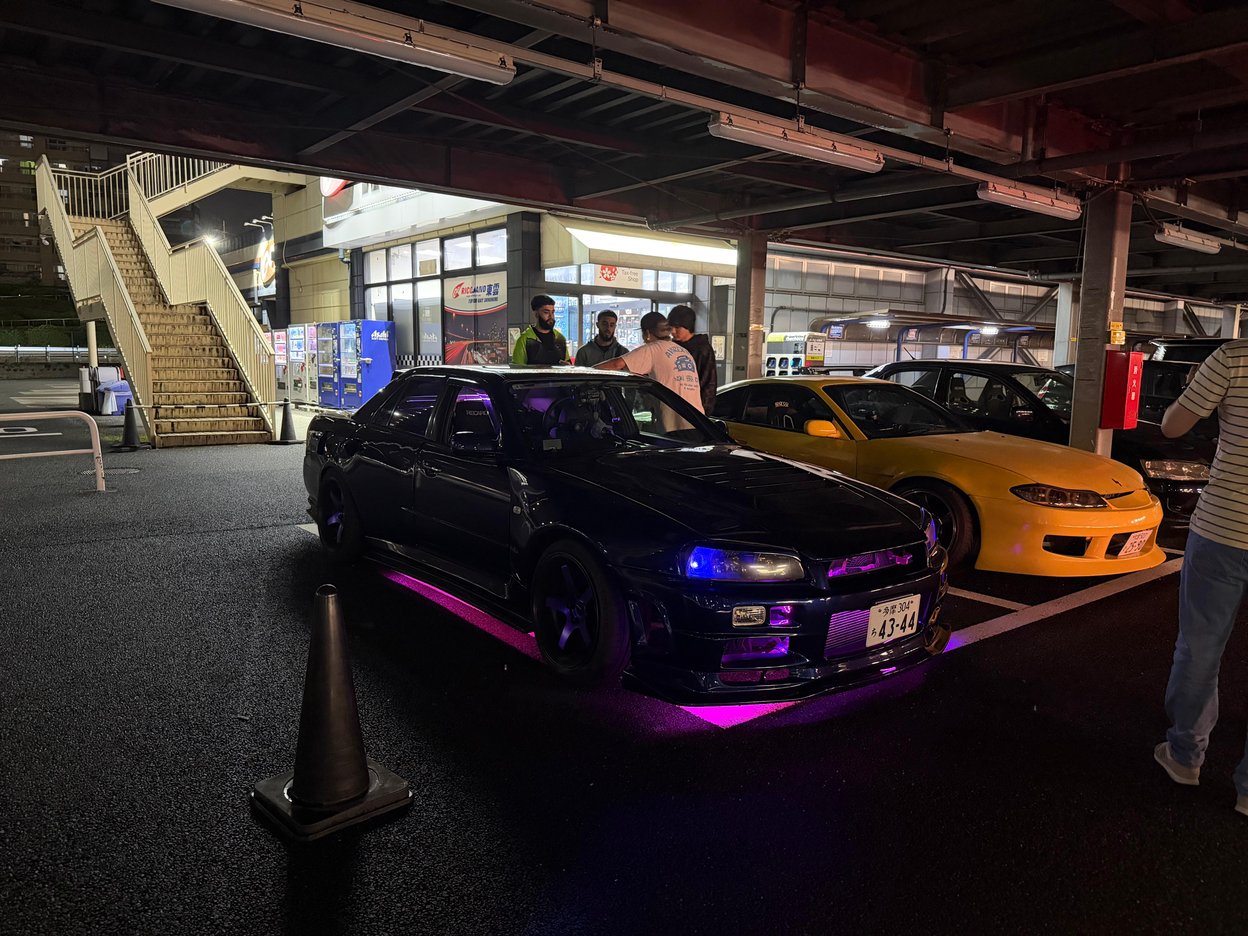
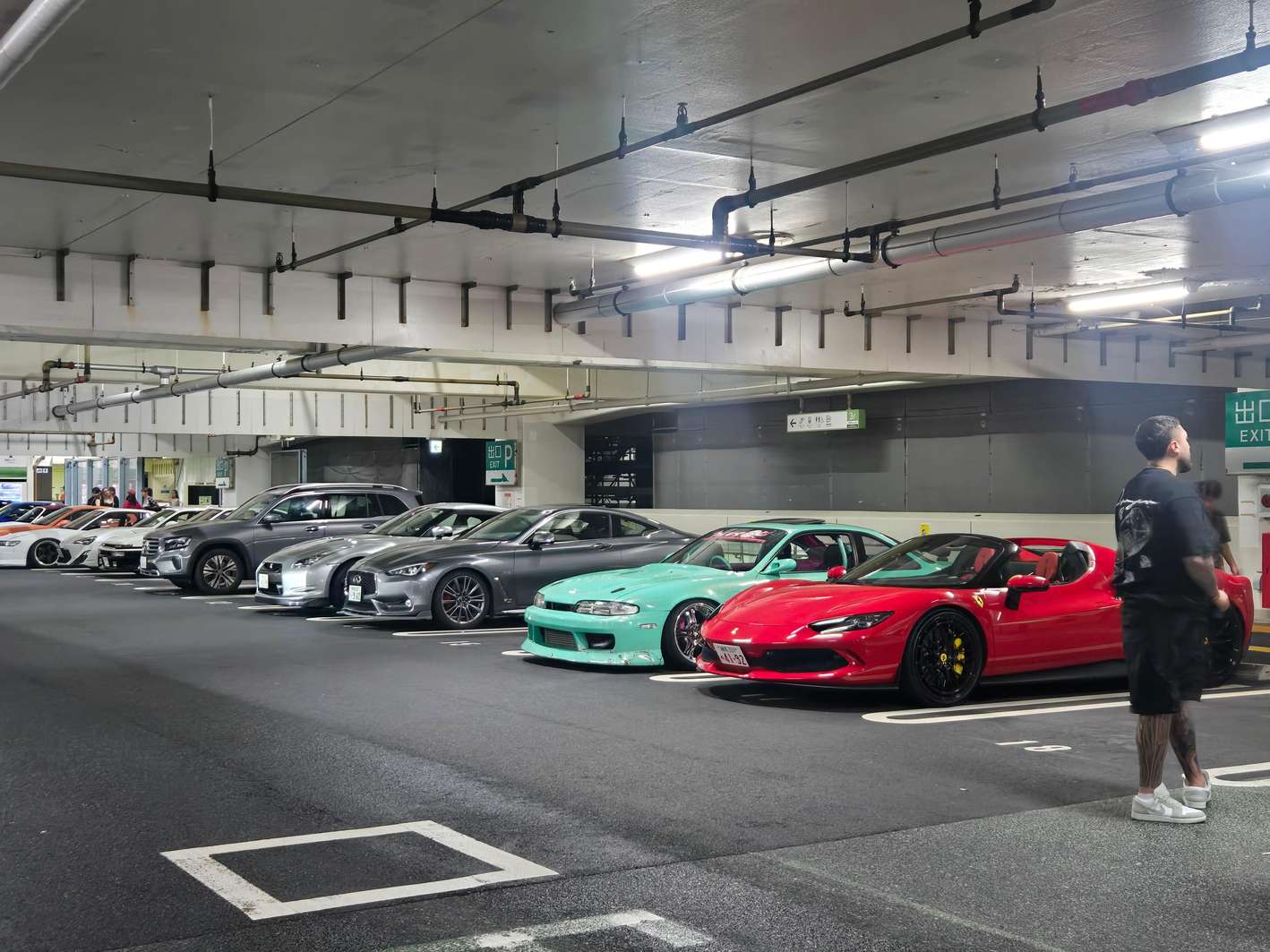
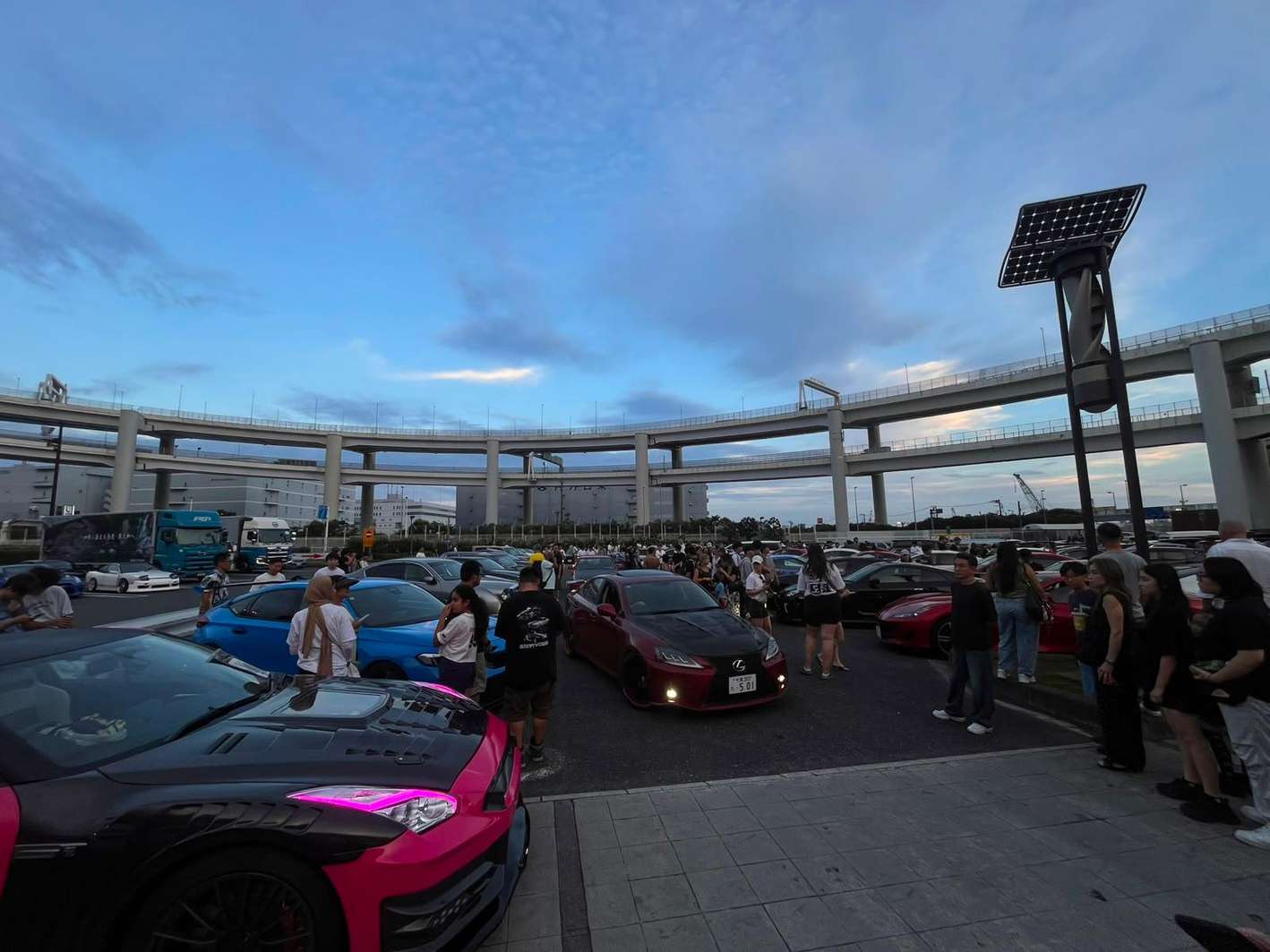
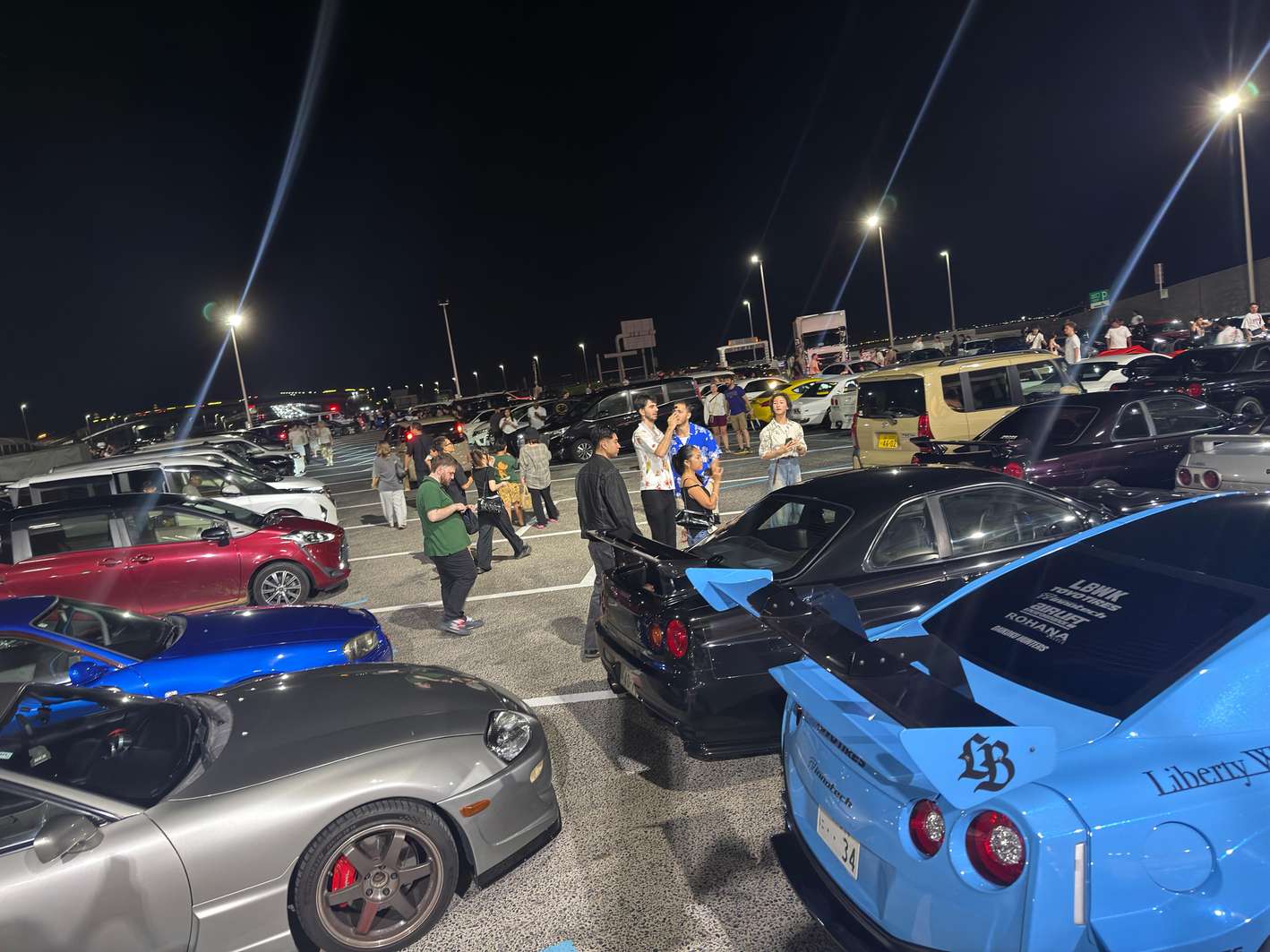
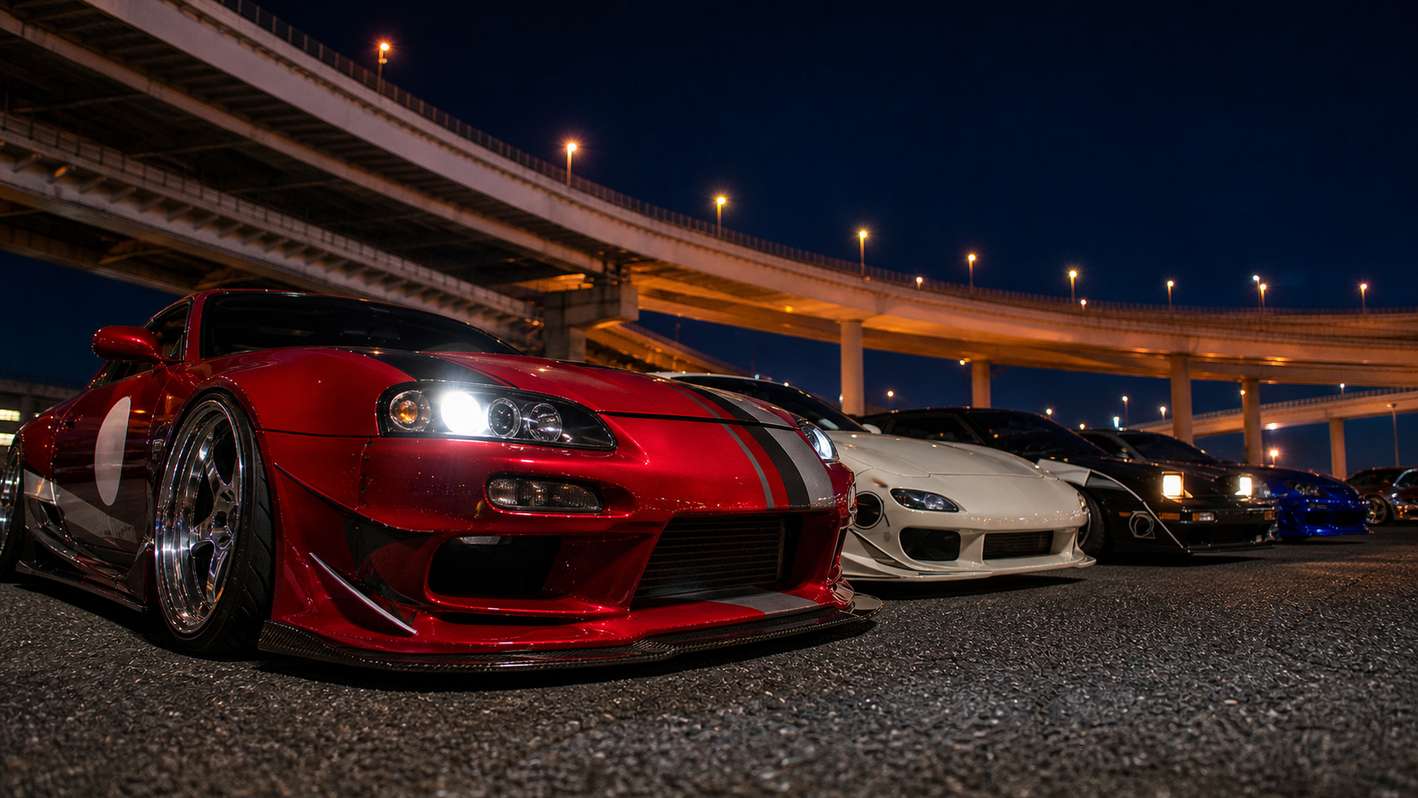
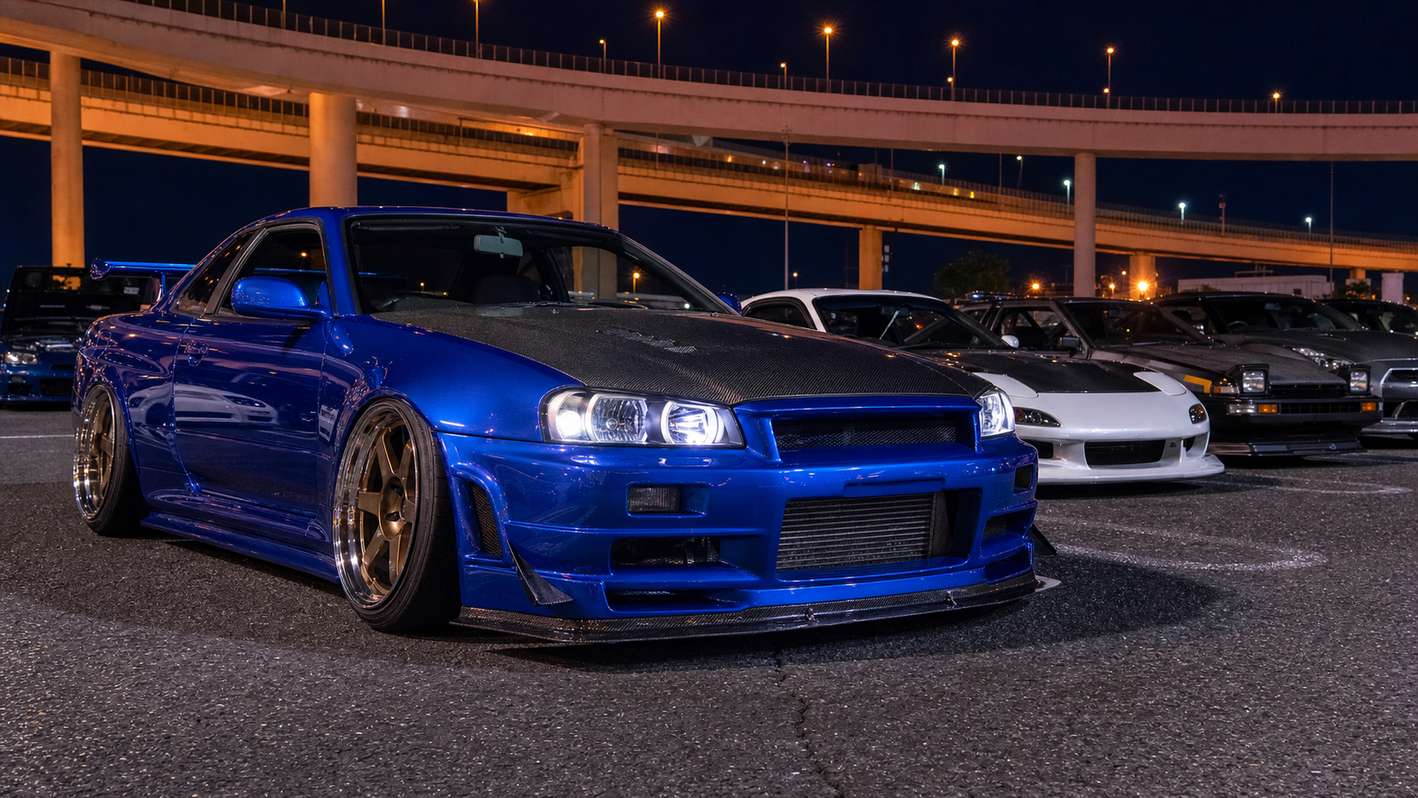
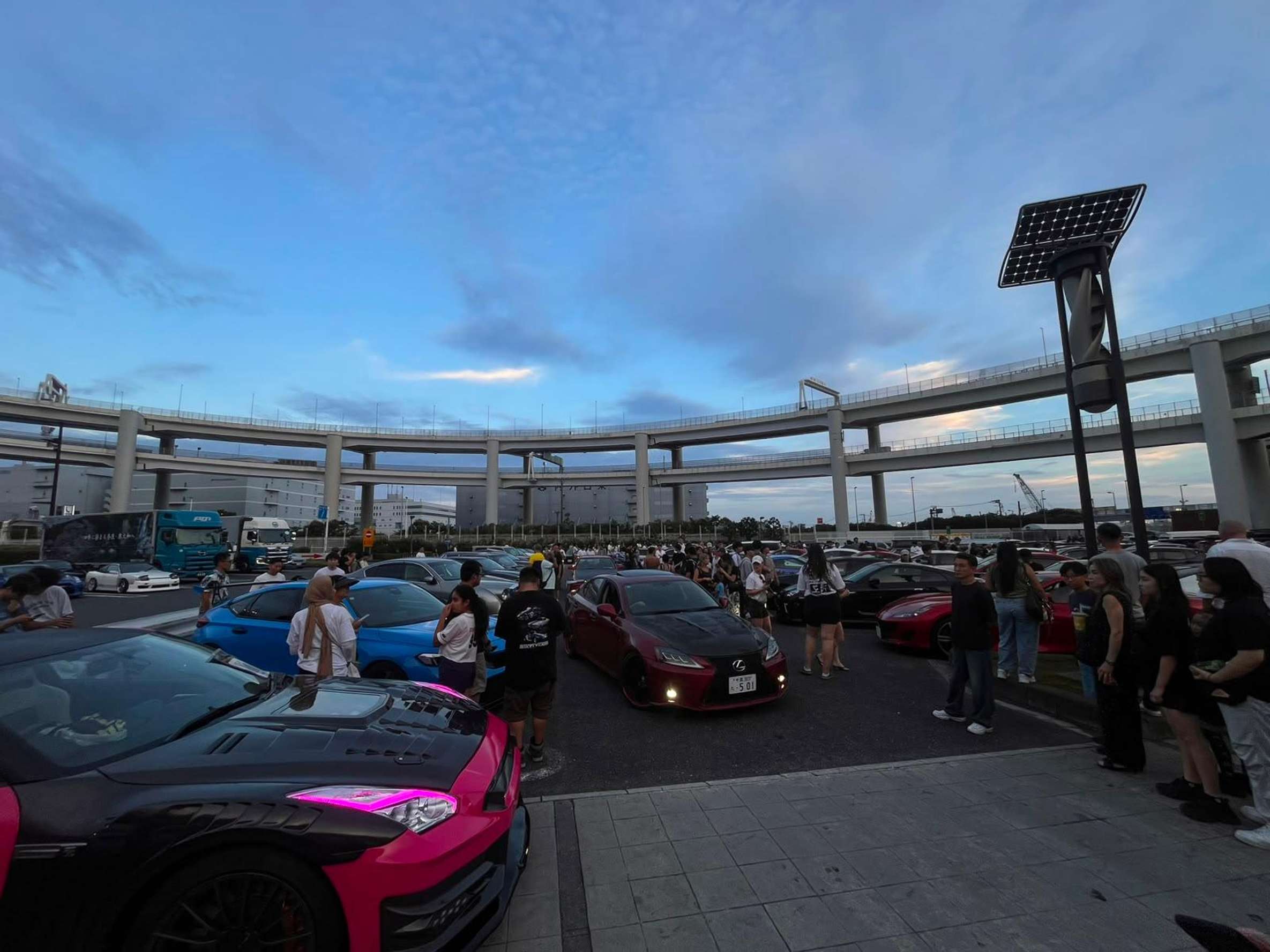
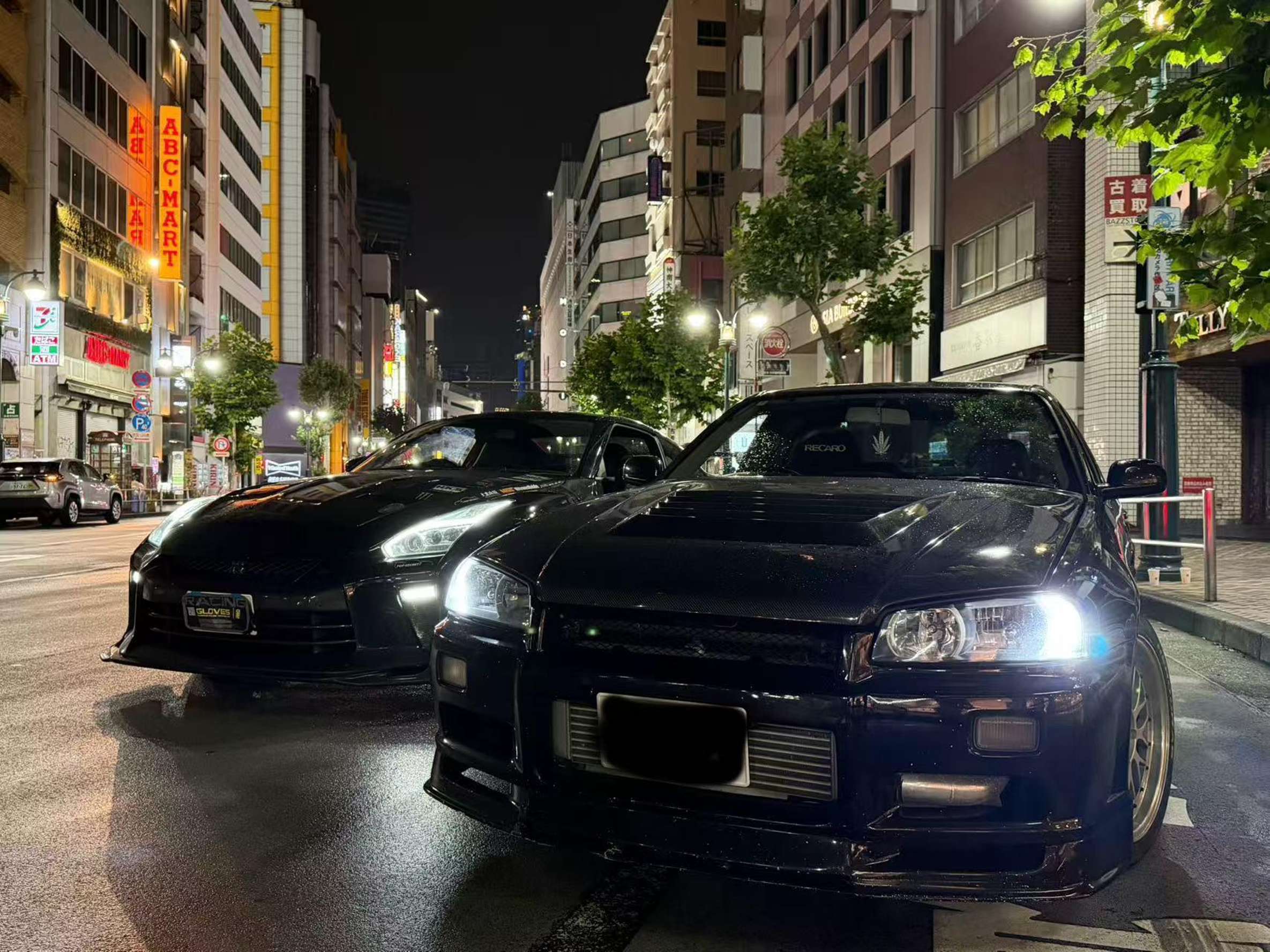
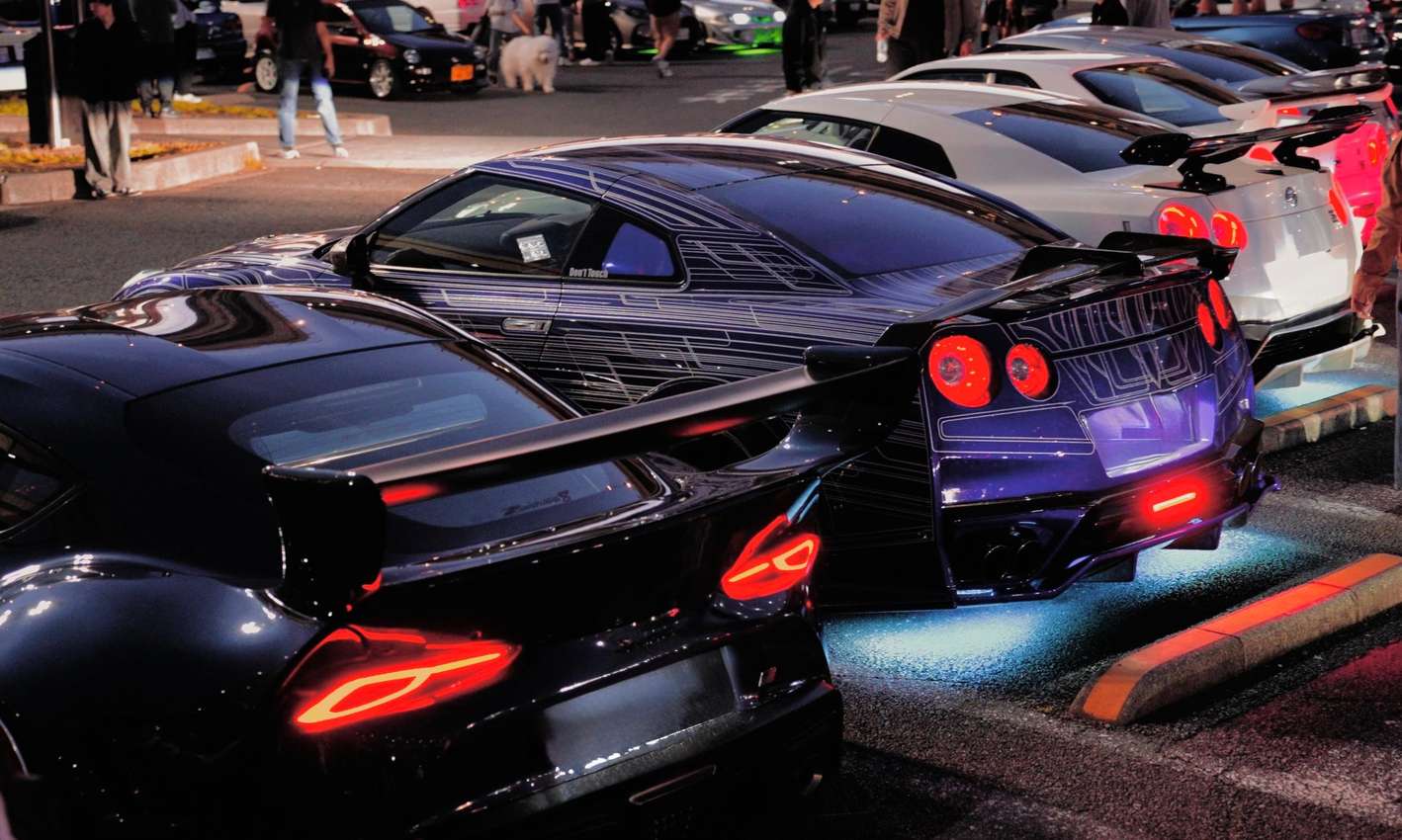
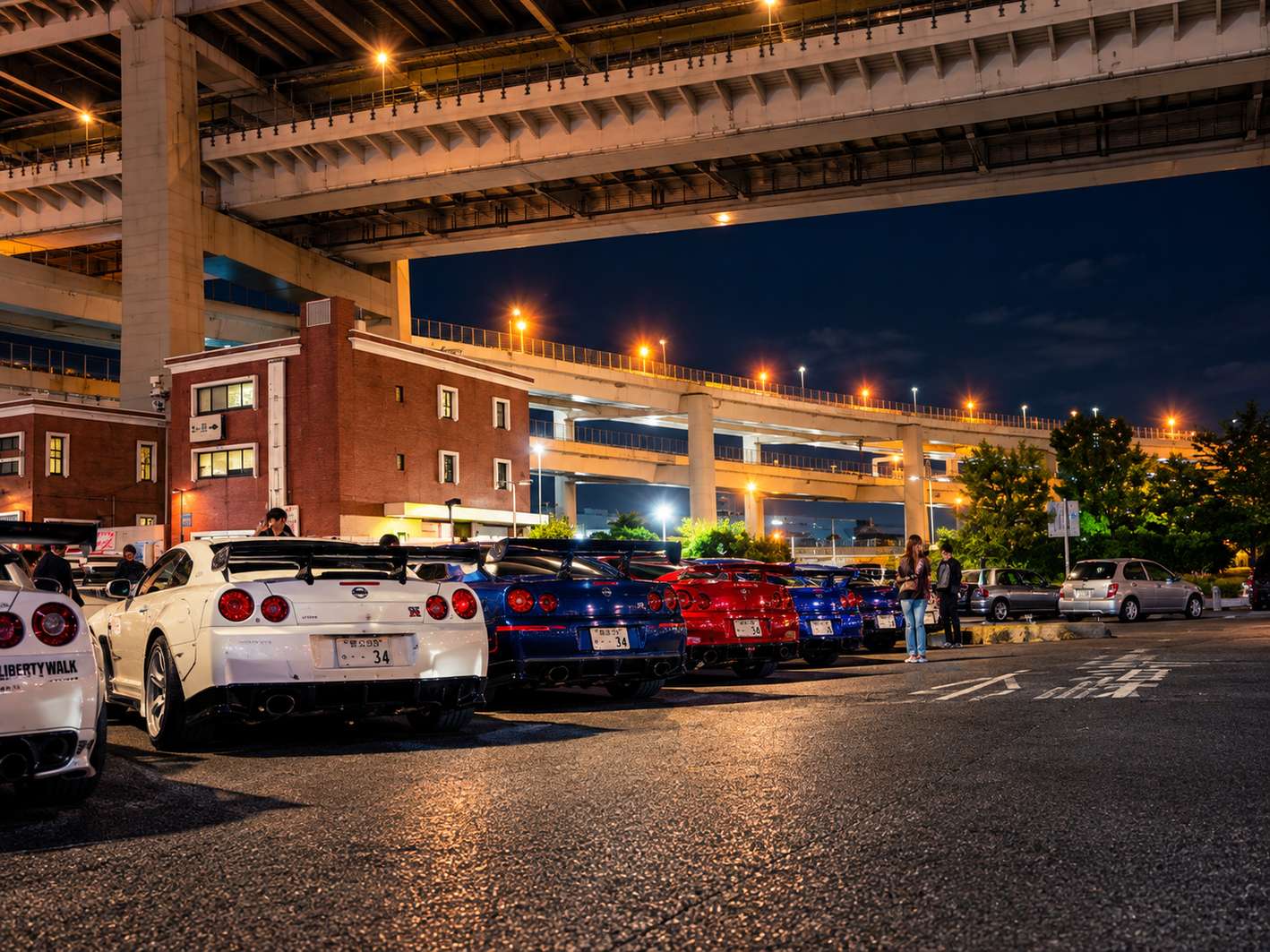
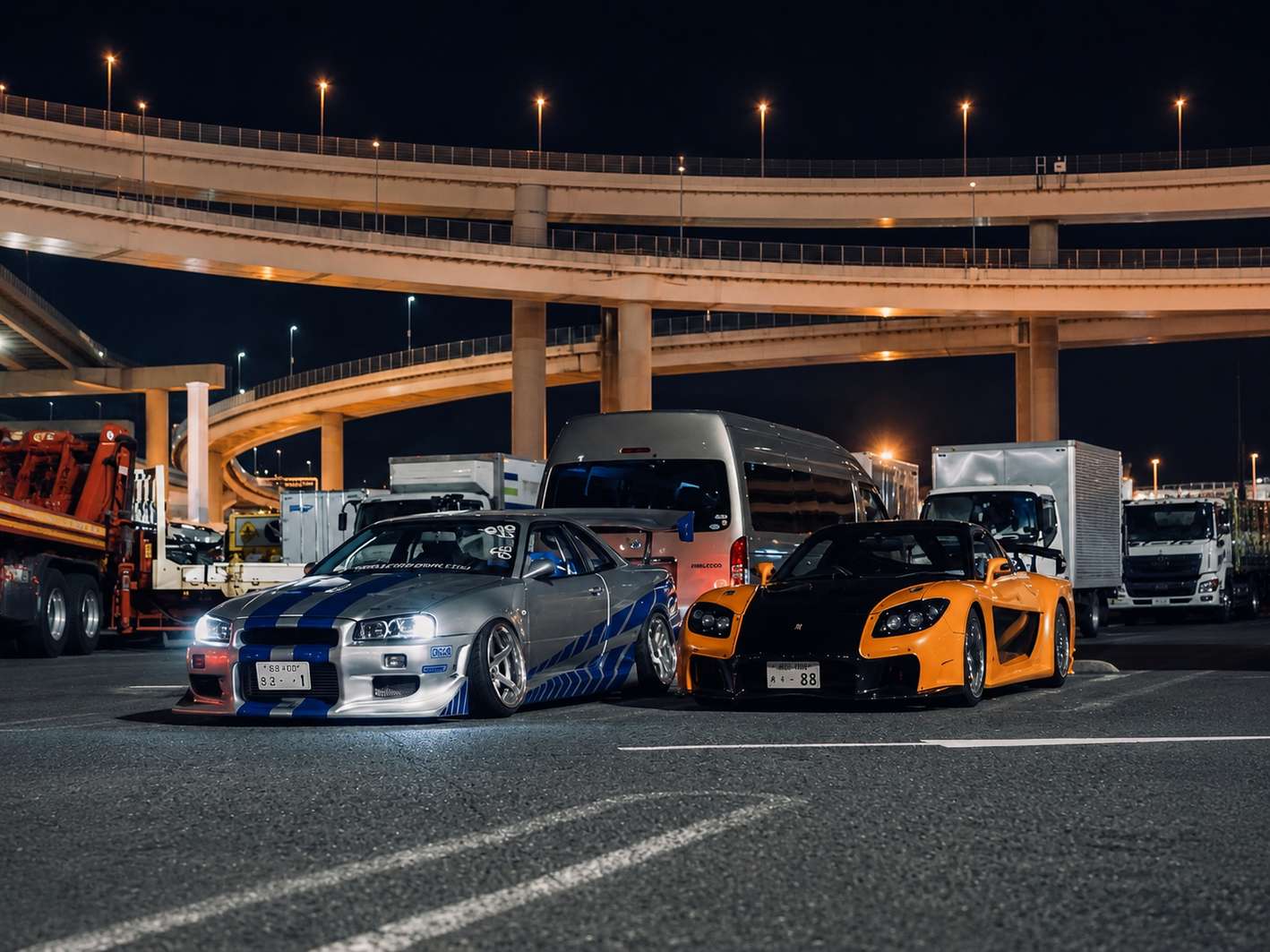
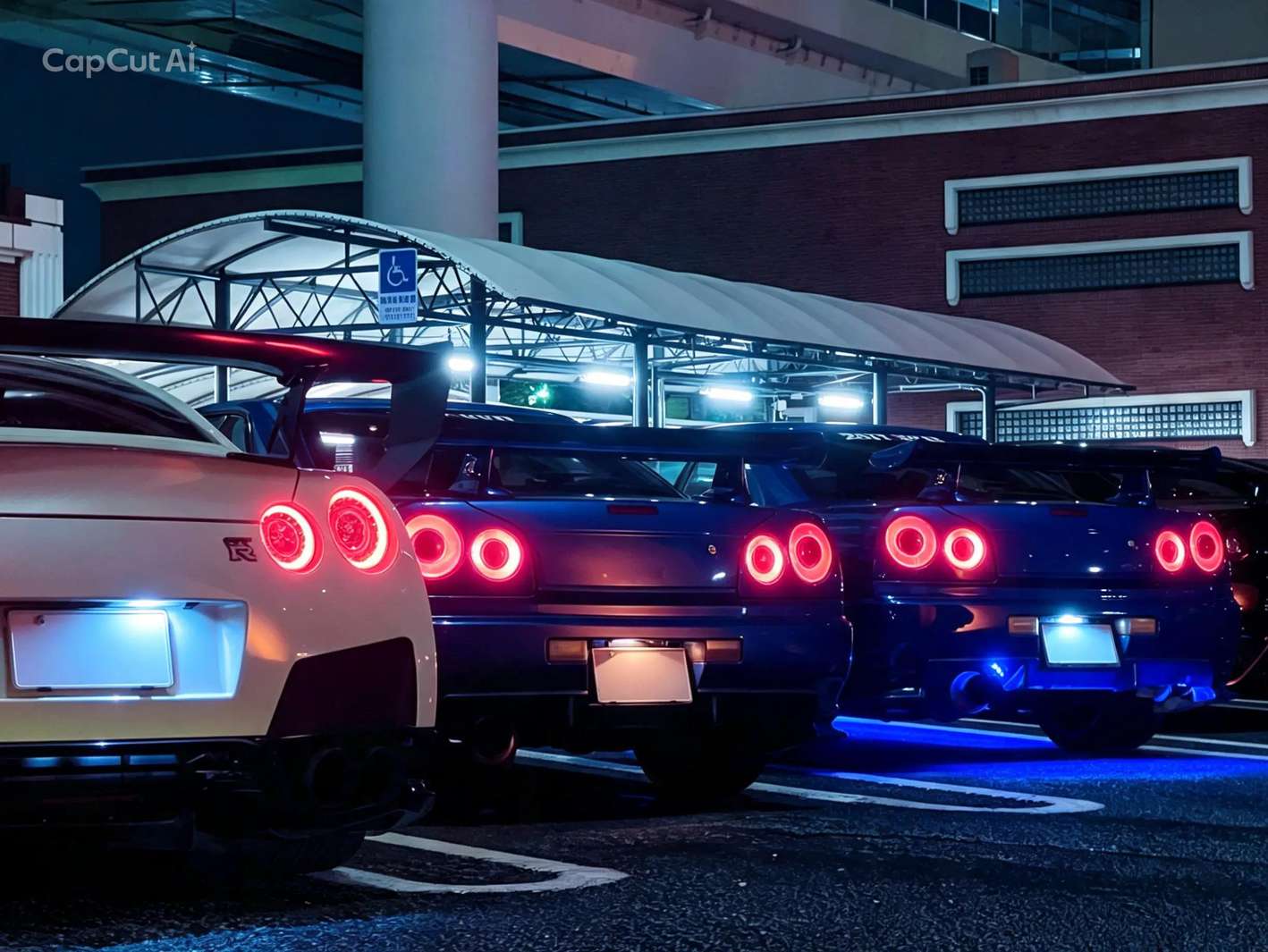
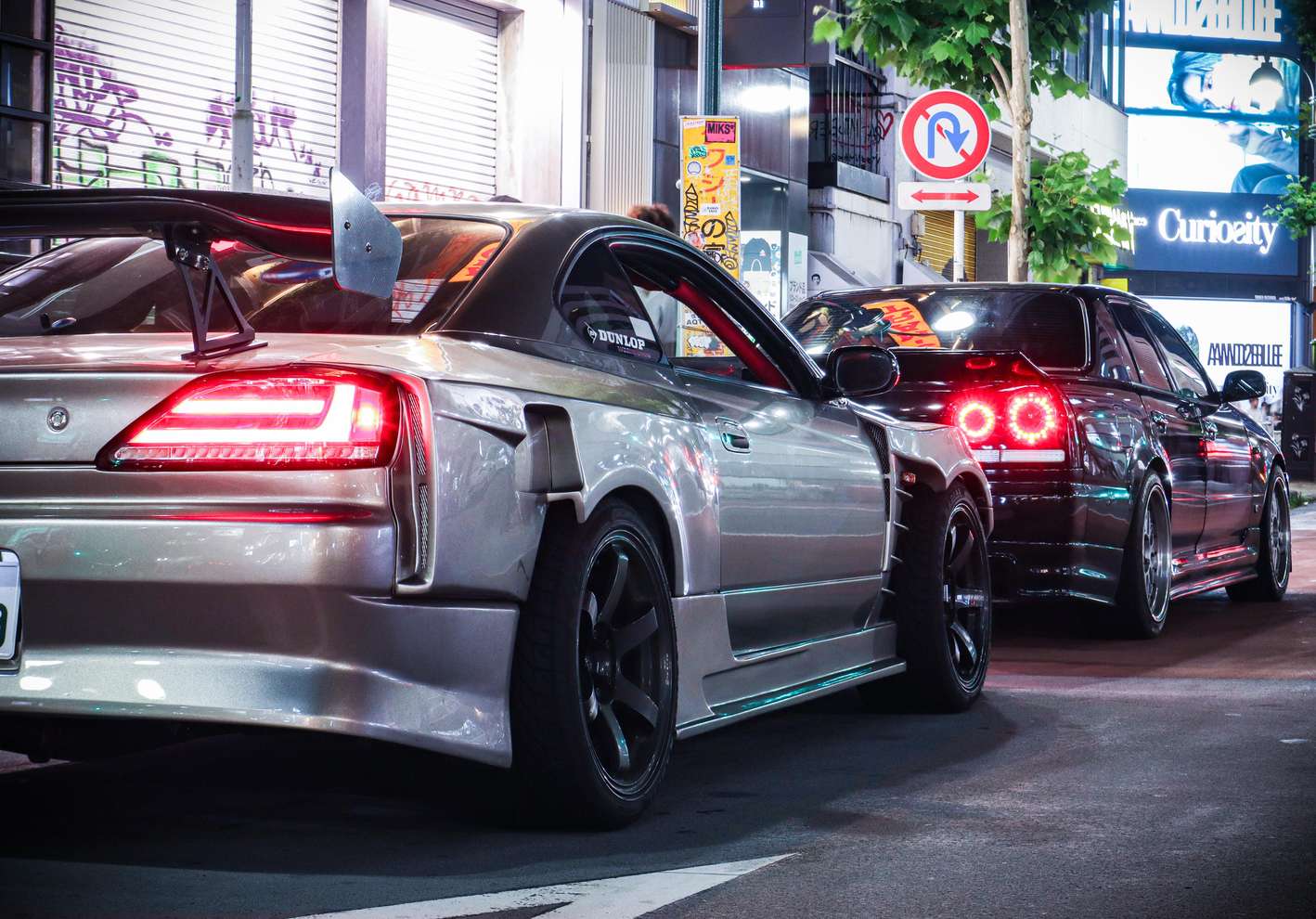
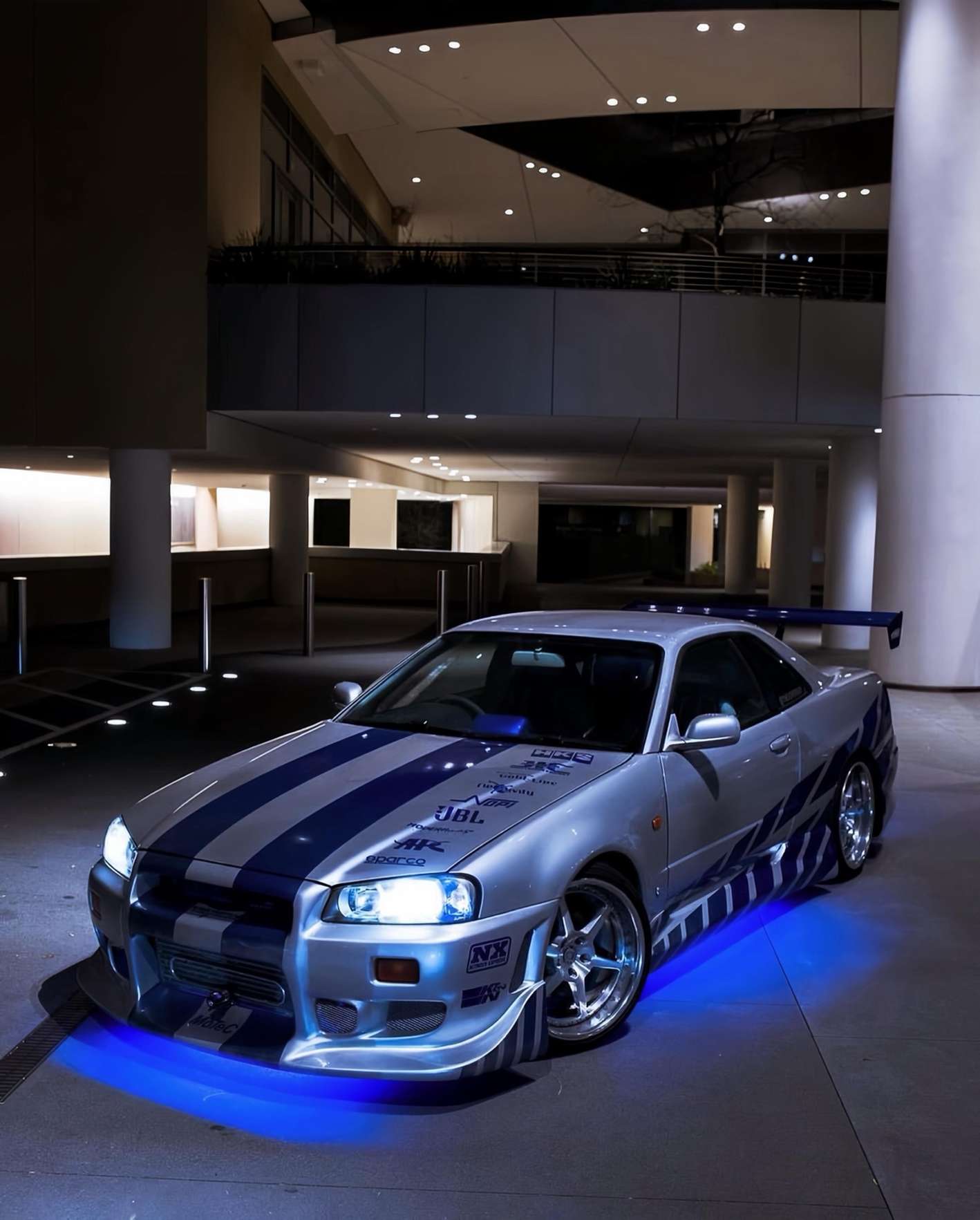
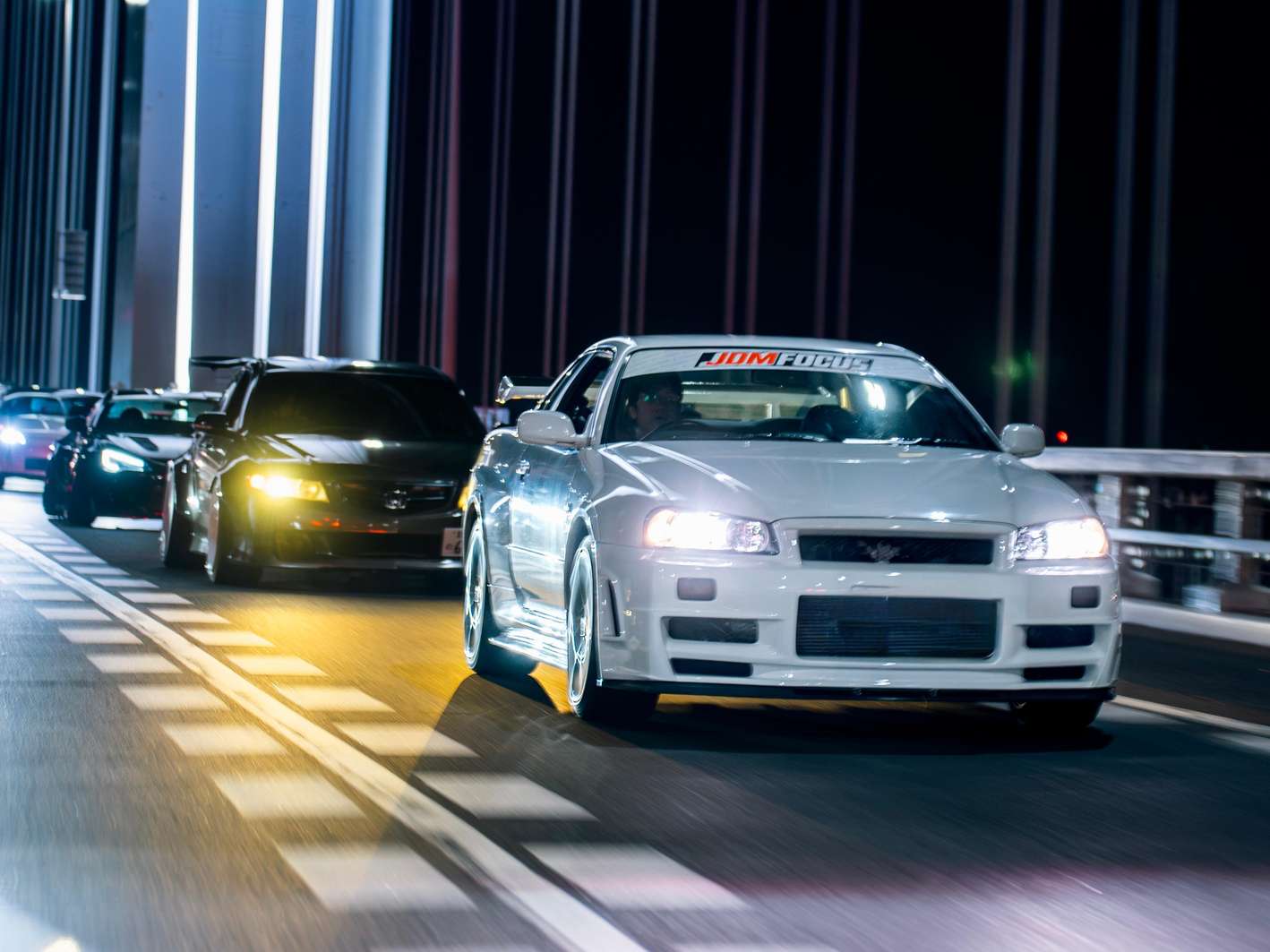
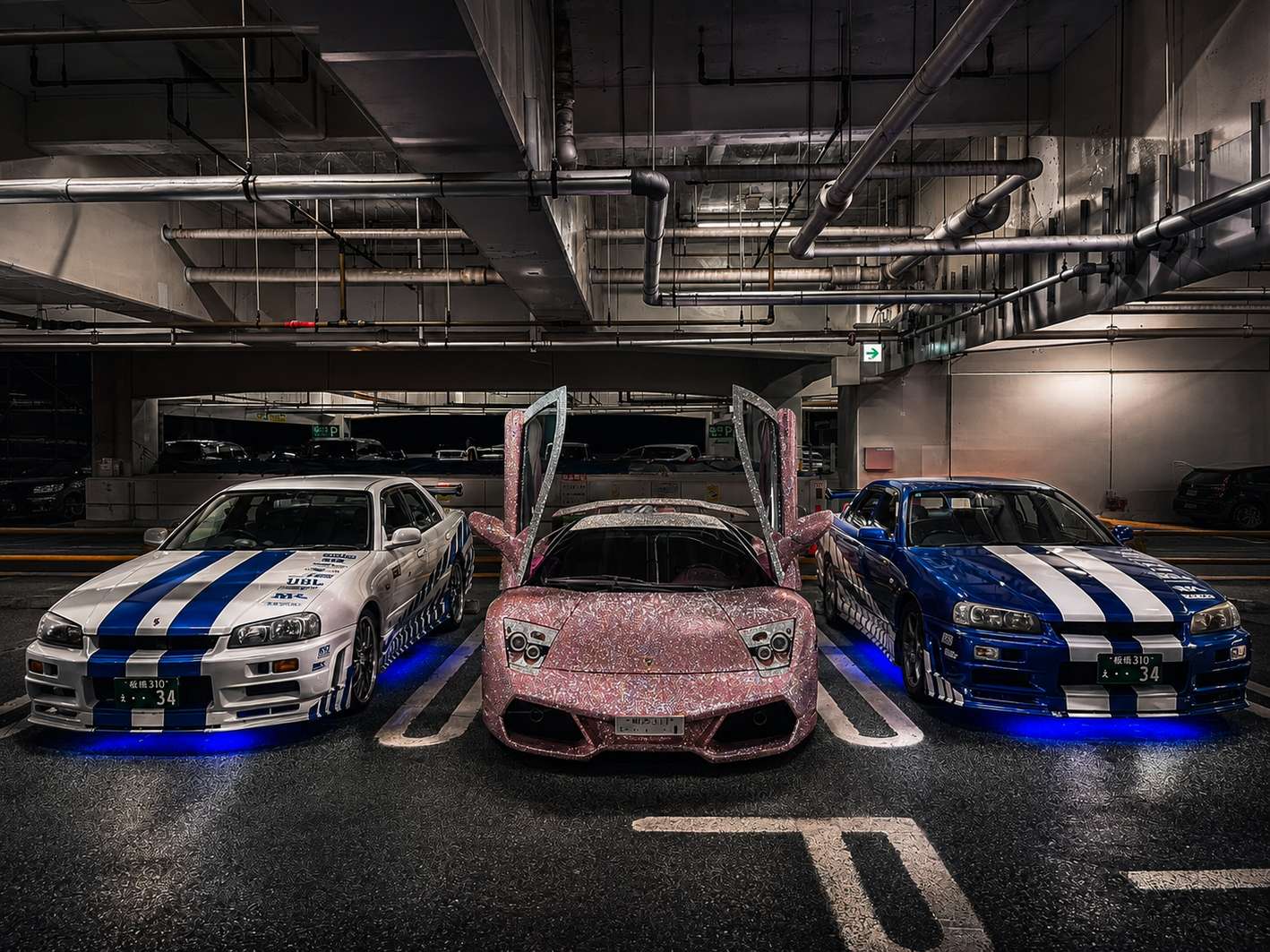
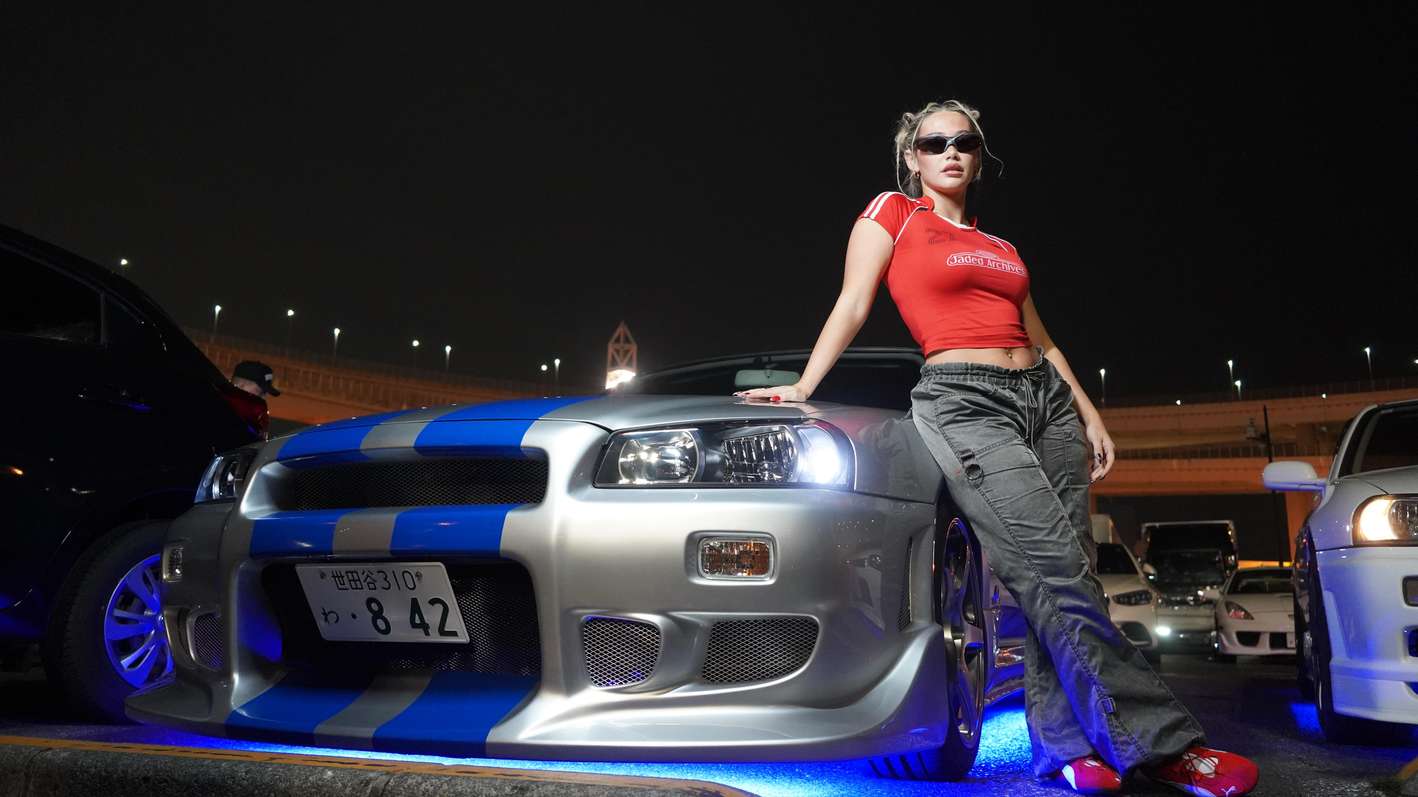
The car side is informal, run by no club and no team: Skyline GT-Rs, Supras and WRX STIs show up regularly, and RX-7s are a signature sight, the lot having hosted the annual RX-7 gathering. NSXs and GR models pass through too.
Turnouts swing hard. One night the lot fills with cars still arriving, the next it is much quieter.
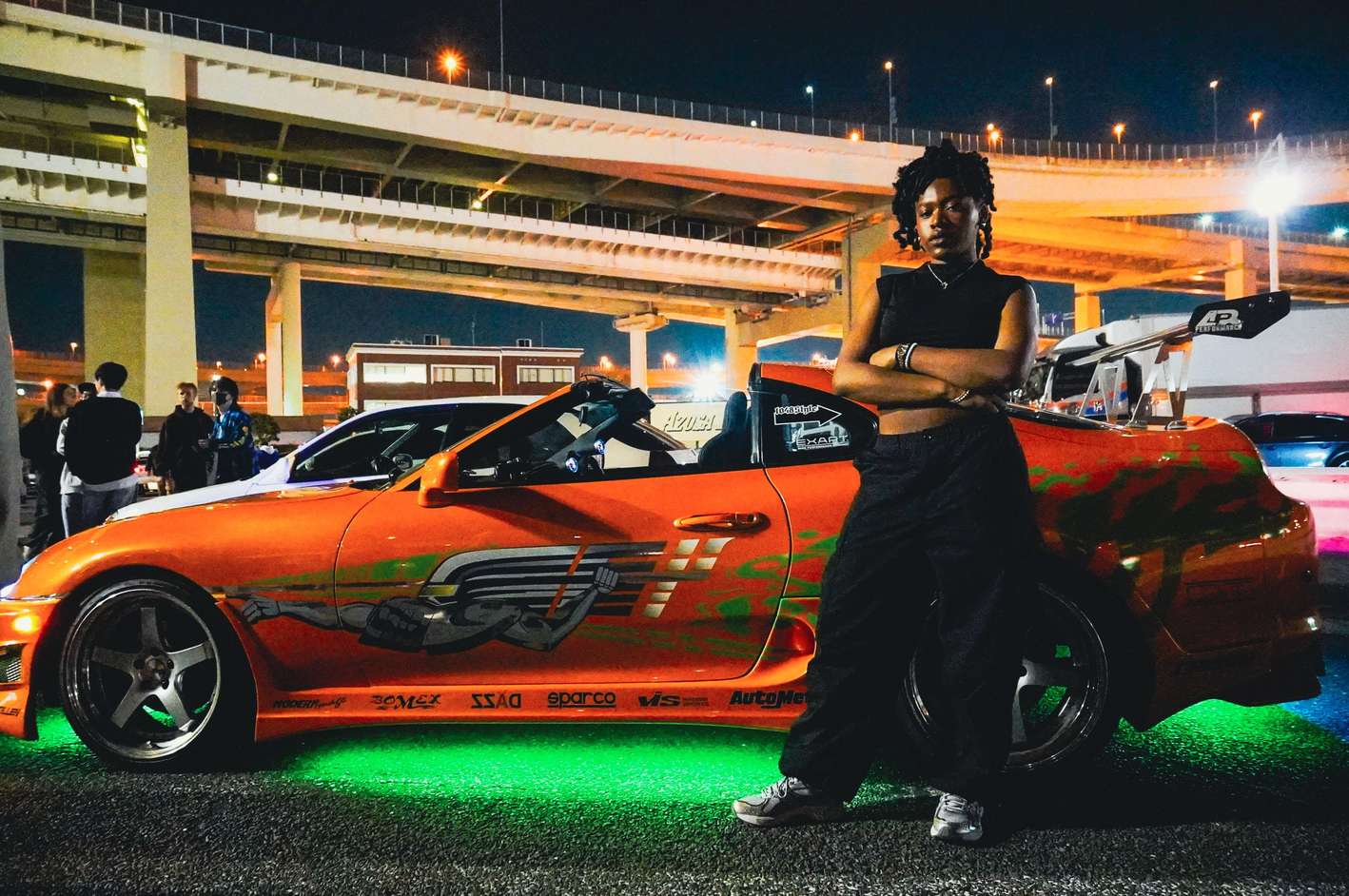
Rain thins the crowd even under the roof, though it can also push owners across the bay when the lots they meant to visit have nowhere else to go. Some of the flashiest movie-style cars belong to people running paid tours, not to the old guard.
Come for the bay views as much as the cars, because a quiet night at Umihotaru is still a good night out.
What nobody tells you
The roof over the lot means meets run here through rain
You still see custom cars in a downpour, just fewer of them
Regulars rate the bay views and restaurants even on a carless night
The building is worth the trip in its own right, so a quiet meet is not a wasted one
Both rain statements are true at once
Rain leaves fewer cars overall, yet owners displaced from closed outdoor lots sometimes add to the count, which is why turnouts stay unpredictable
The pattern behind those rows is worth remembering. Anything you read about a guaranteed wall of cars is selling you something; the honest promise is variety, views and a good chance on the right night.
A few checks separate a good guided night from a bad one. Carrying paying passengers in Japan requires a licence and a green license plate, so confirm the operator is properly registered before paying anything in advance. Check their Instagram, where new services and their latest cars show up first, and read recent reviews.
Common mistakeLeaving the booking until you land in Tokyo. Tours sell out and you end up begging strangers for seats.
Then ask the question that matters most: which actual car will you get? Requests are never guaranteed, availability shifts with maintenance, and one outing swapped a silver R34 for a white one mid-repair. Confirm the driver's name and the car before the day.
After booking, give them a WhatsApp or Instagram contact and leave notifications on, because operators message before start time and email within 48 hours. Sort the ride before you fly: tours sell out, and hoping for a seat in Tokyo is a gamble.
Our Tokyo: Founder-Led Tour of the Daikoku JDM Car Meet runs 2.5 hours with a Tokyo tuning-garage owner in a 600HP GT-R R-35, all tolls included.
What to check before booking a guided meet night
Check
Why it matters
Our pick
What to look for
How the founder-led Daikoku tour measures up
Licence and green plate
Properly licensed operators carry paying guests on green plates
Runs from a Tokyo-based tuning garage, a long-standing operator
Which actual car
Requests are never guaranteed; confirm the model before the day
The founder's own tuned GT-Rs, not a rental fleet
Communication channel
WhatsApp or Instagram contact, with updates before start time
Emails within 48 hours of booking
Refund position
Free cancellation and a clear weather-and-closure policy
Free cancellation up to 24 hours ahead
The demand behind that table has a calendar. Check the month you are travelling before you decide how early to book.
How busy it gets, month by month
April: 5 out of 5 for how busy it gets.
HighestApr to Jul, Sep
In betweenOct
LowestAug, Nov to Mar
Darker: a higher how busy it gets score, out of 5
Tap a month to read it.
Those counts come from the tours' own booking record, so they measure when other travelers reserve, and the busy months are exactly when turning up hopeful fails. In April, May, June or September, lock your night before you fly.
Tour for this
Tokyo: Founder-Led Tour of the Daikoku JDM Car Meet4.6★ (153) · 2.5 hours · Free cancellation
Closures are decided on the night, so there is nothing to look up in advance. Police and the expressway operator shut the Daikoku entrance without notice, typically from about 8:30 pm on Fridays, Saturdays, three-day weekends and holidays, and weekend-night closures became the norm in 2025 to 2026.
Pro tipOperators pull Friday and Saturday pickups forward to 4 pm or 5 pm to beat the closures. Book the early slot.
When Daikoku closes, most tours divert to Umihotaru or Tatsumi, and several refund in full only if you decline the alternative. Once the entrance has closed, do not count on it reopening.
Weather is the softer variable. Heavy rain or police activity can close a lot outright, and a rainy night with barely any cars is the letdown travelers mention most, so check the forecast before committing your last evening. The roofed lot at Umihotaru carries on through ordinary rain.
When the night changes
If this happens
What happens then
Daikoku PA closes for the night
Most tours divert to Umihotaru or Tatsumi instead of refunding
You decline the alternative lot
Several tours refund in full; otherwise a closure is not a refund trigger
Heavy rain or police activity shuts the stop
Operators move on to another car-viewing spot or reschedule
Access fails on the night for traffic or works
Rebooking or a refund is the usual answer, per each tour's terms
One detail in those rows rewards early bookers: operators pull Friday and Saturday pickups forward to 4 pm or 5 pm to beat the closures, which is why the early slots sell first and see the fullest lots.
Pro tipPair the night meet with the Daikanyama morning cruise and you see both faces of the scene.
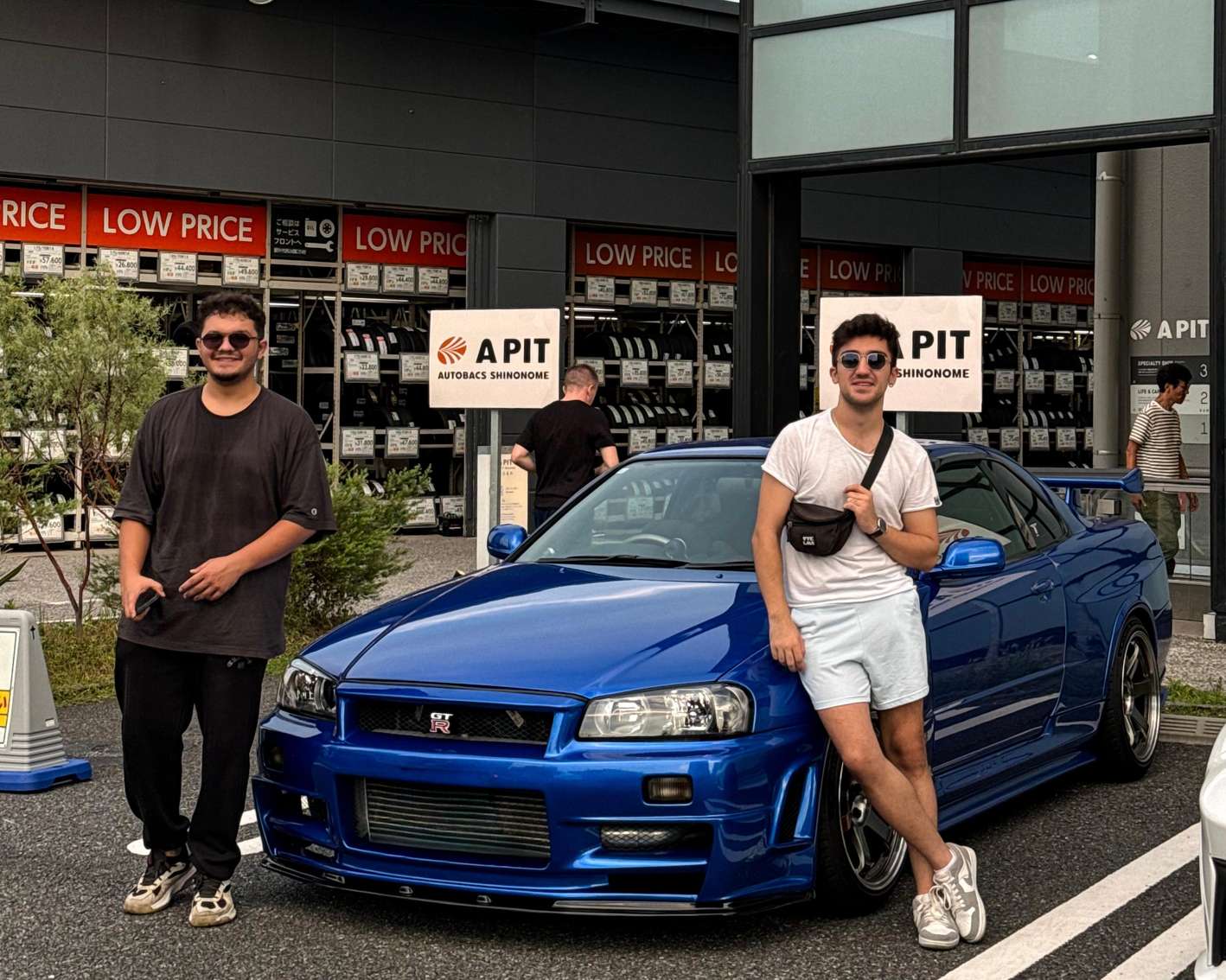
Shibuya near the crossing in the evening and the area in front of Akihabara Station at night both produce sightings on foot, the Shibuya and Akihabara UDX underground garages run free on Friday and Saturday nights, and the Autobacs Shinonome lot is a popular spotting area where the store hosts events.
Exotic cars line up along Meiji Jingu Gaien as another backup.
The one most visitors miss is the Daikanyama Morning Cruise at the Tsutaya T-Site parking lot, a daytime meet with rare old cars, though its official updates have turned irregular, so check close to the day. Tokyo tours also start from Shinjuku, and the neighborhood fills a daytime hour easily.
Those stops fill the hours before a 9 pm meet without rushing anyone. Pair the Daikanyama morning cruise with the bay at night and you see both faces of the scene in one day.
Umihotaru rewards planning more than luck. Go for the bay views as much as the cars, and the night works even when the turnouts swing quiet. A guided tour removes the tolls, the routing and the last-bus risk, and Saturday from 9 pm is the night that pays off.
Go ifYou want a Tokyo car meet with bay views, roofed against rain, on a Friday or Saturday nightYou would rather ride with a bilingual guide than navigate the Aqua-Line toll road yourselfYou are chasing RX-7s, GT-Rs and Supras in a setting most tourists never reach
Skip ifYou expect a scheduled show with a guaranteed line-up of legend cars every nightYou have no car and no tour, since there is no train to the island and the last bus is a hard deadlineYou want to drift or see street racing, which is illegal and heavily policed in Japan
Our pick to book
Tokyo: Silvia S15, GR86 or 370Z Tour to Daikoku or Umihotaru4.7★ (134) · 3.5 - 4 hours · Hotel pickup · Free cancellation
Tokyo's car scene spreads across several lots and garages. Here is how each one works, and who it suits.
City garageAkihabara, central Tokyo
Akihabara UDX
Anime-wrapped itasha in a free underground garage by the station
Akihabara's UDX underground garage holds some of Tokyo's best itasha, the cars wrapped in anime art, and the lot sits three minutes on foot from the station. Entry is free, the wrapped cars park on the B2F level, and the roof means rain never touches anything.
Walk the aisles with your hands in your pockets. Security moves people on for stopping to photograph cars, and repeat visits have brought police and fines, so treat it as a working garage you pass through. Pick UDX when you want itasha and a calm night with no car and no booking.
The expressway lot tours use as their fallback when Daikoku closes
Best forVisitors pairing Tatsumi with Daikoku on one guided night
Tatsumi PA sits on the expressway by Tokyo Bay, a short drive from Daikoku, and tours often roll the two into a single evening. The meet is whatever the drivers bring that night: Skylines, tuners, the odd exotic, with no organiser and no published line-up.
Rules run strict here because the lot is highway infrastructure. Keep noise brief, never block a lane, follow staff and police when they move people on, and leave the drone at the hotel.
You reach Tatsumi only by vehicle on the expressway, so a tour with pickup is the practical way in. If Daikoku closes on your night, Tatsumi is often the fallback, so knowing the lot doubles your odds.
Getting thereExpressway only, by car or tour
Best nightsFriday and Saturday, paired with Daikoku
Typical crowdRolling turnouts, no fixed line-up
Rain coverOpen air
How it scoresvs. the other car meets
Ease of accessFair
Crowd sizeGood
ReliabilityGood
Rain coverFair
Choose it ifYou want a bay lot that pairs with Daikoku on one night
An organised evening at Daikoku with karts you can drive yourself
This is the bay's organised evening. The kart circuit at Daikoku runs on scheduled dates from 6 to 10 pm, and most public events cost nothing to watch while the meet carries on around them.
A licence plays no part here; height does. Riders from 105cm can take a passenger seat, and 150cm gets you a driver's seat. Sandals get swapped for rental shoes, cash is refused at the desk, and rain only stops play in severe weather.
Staff can slow a kart remotely if it spins, so first-timers ride easy. Choose this when you want a fixed schedule and a seat in something yourself.
Osaka's answer to Daikoku, with 250-plus cars on a good Friday
Best forCar fans spending a Friday or Saturday in Osaka with wheels
Osaka's answer to Daikoku packs more than 250 cars into a toll-road rest stop most Friday and Saturday nights, busiest between 10 pm and midnight. The mix runs from Skyline GT-Rs and tuned Supras to Lamborghinis, lowriders and drift Nissans.
Seeing cars there is a hit-or-miss lottery, so treat any sighting as a bonus. The lot sits on a toll expressway with no train or bus, and police have closed packed meets there before, so come by your own car or on a tour. Without wheels in Osaka, Amemura's Triangle Park is the walkable fallback.
Getting thereToll expressway, by car or tour
Best nightsFriday and Saturday, 10 pm to midnight
Typical crowdOver 250 cars on a good night
Rain coverOpen air
How it scoresvs. the other car meets
Ease of accessFair
Crowd sizeBest
ReliabilityFair
Rain coverFair
Choose it ifYou are in Osaka on a Friday or Saturday night with a car or a tour booked
Quick answers to what visitors ask most about the parking-area meet in Tokyo Bay, before you plan the night.
Kisarazu2026
The lot is roofed, so rain does not touch the meet. Come on a Friday or Saturday night and bring a jacket for the sea breeze.
When does the Umihotaru car meet happen?
Weekend evenings and nights draw the biggest crowds, above all Friday and Saturday, when drivers relocate across the bay after Daikoku closes. There is no fixed schedule: the gathering fills in when the cars show up.
Is there a schedule or official event listing I can check?
No. Umihotaru is a public parking area where enthusiasts gather on their own, so nothing is published in advance. A tour night is a reliable way to see something, since cars show up pretty much every night these tours run.
Can I visit the meet without a tour?
Yes, but you need a car. Umihotaru sits on the Tokyo Wan Aqua-Line, so you can drive in yourself or take a transit bus from Kawasaki or Kisarazu stations. Check the bus timetable before you go, because missing the last bus of the night is a real possibility.
What happens to the meet when it rains?
The parking lot sits under a roof, so the meet carries on in the rain. You will still see custom cars, just fewer of them, and the bay views and shops stay open regardless.
What kinds of cars show up at Umihotaru?
Skyline GT-Rs, Supras, RX-7s, NSXs, WRX STIs and Lancer Evolutions are all regular sights, and Umihotaru has hosted an annual RX-7 gathering. Turnout varies, so treat any single model as a hope rather than a promise.
Are there rules I should follow at the meet?
Park only in permitted spaces, keep lanes clear, and never touch or lean on someone's car. Ask before photographing owners or shooting interiors, keep your voice down, and skip revs and burnouts, since that kind of thing gets entrances closed.
Is attending the car meet legal?
Gathering at a public rest stop is legal. When police close an entrance, they do it to manage crowding and noise. Temporary restrictions and police presence can still happen on peak nights, so follow any instructions from staff or officers.
What does a guided tour include that going alone does not?
A guide handles the driving, the tolls and the route, includes hotel pickup and drop-off, and briefs you on meet etiquette while helping with photos. You also get a fallback plan, since operators reroute when a parking area closes on the night.
Pick your car and ride to the Umihotaru PA car meet
Ride a Silvia S15, GR86 or Fairlady Z to a night meet in Tokyo Bay, with up to 1.5 hours on the ground and free cancellation up to 24 hours ahead.