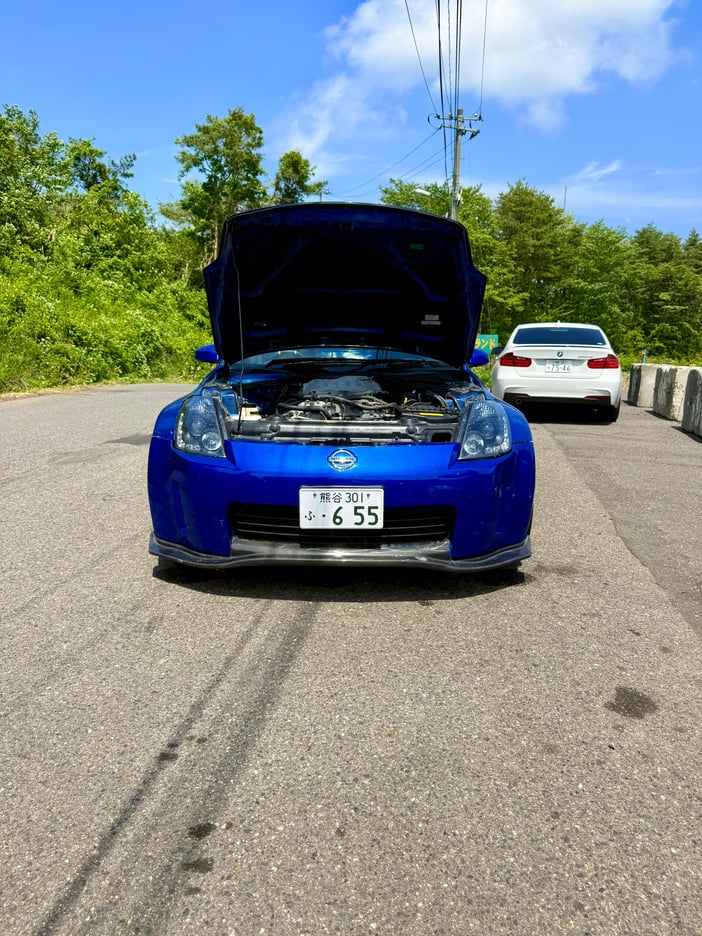
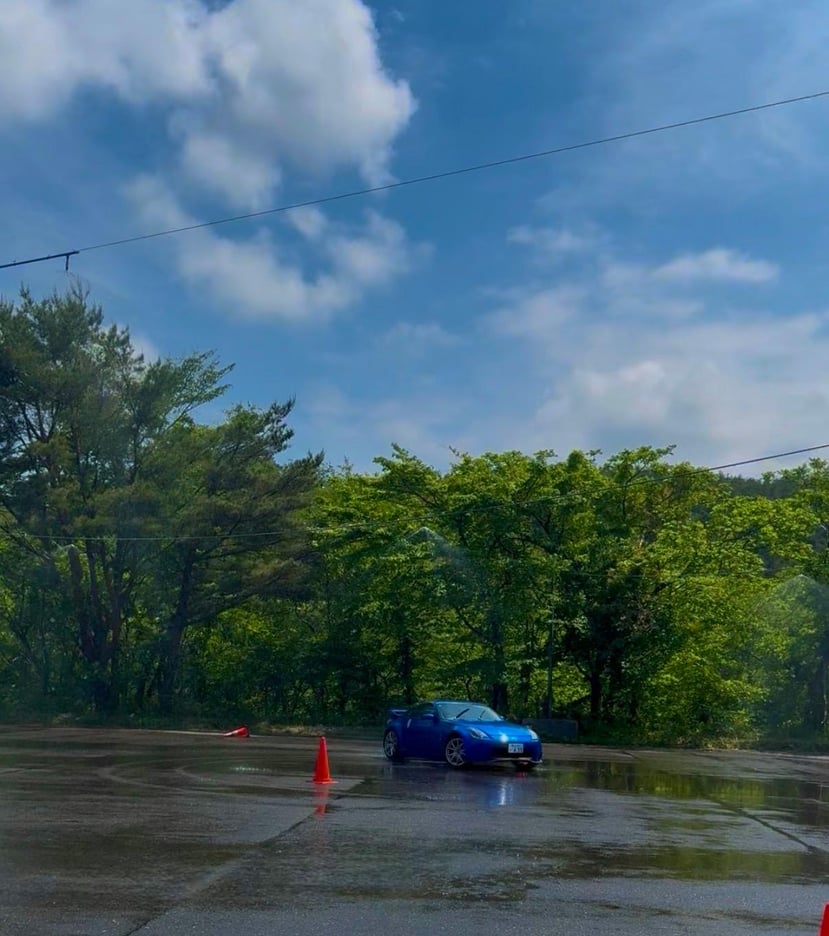
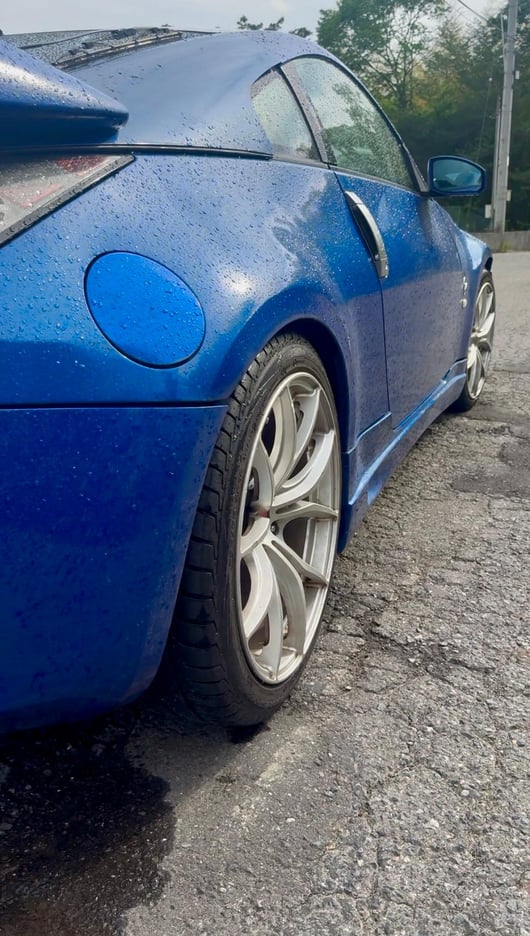
The drift ride at Ebisu Circuit has height and health limits: passengers must be at least 140 cm tall, and people with heart conditions or other health problems are advised to check with a doctor first.
Measure any younger passengers before booking and mention any health condition when you reserve, so the operator can confirm the ride is safe for your group.
Why Ebisu Circuit is the drift mecca worth leaving Tokyo for
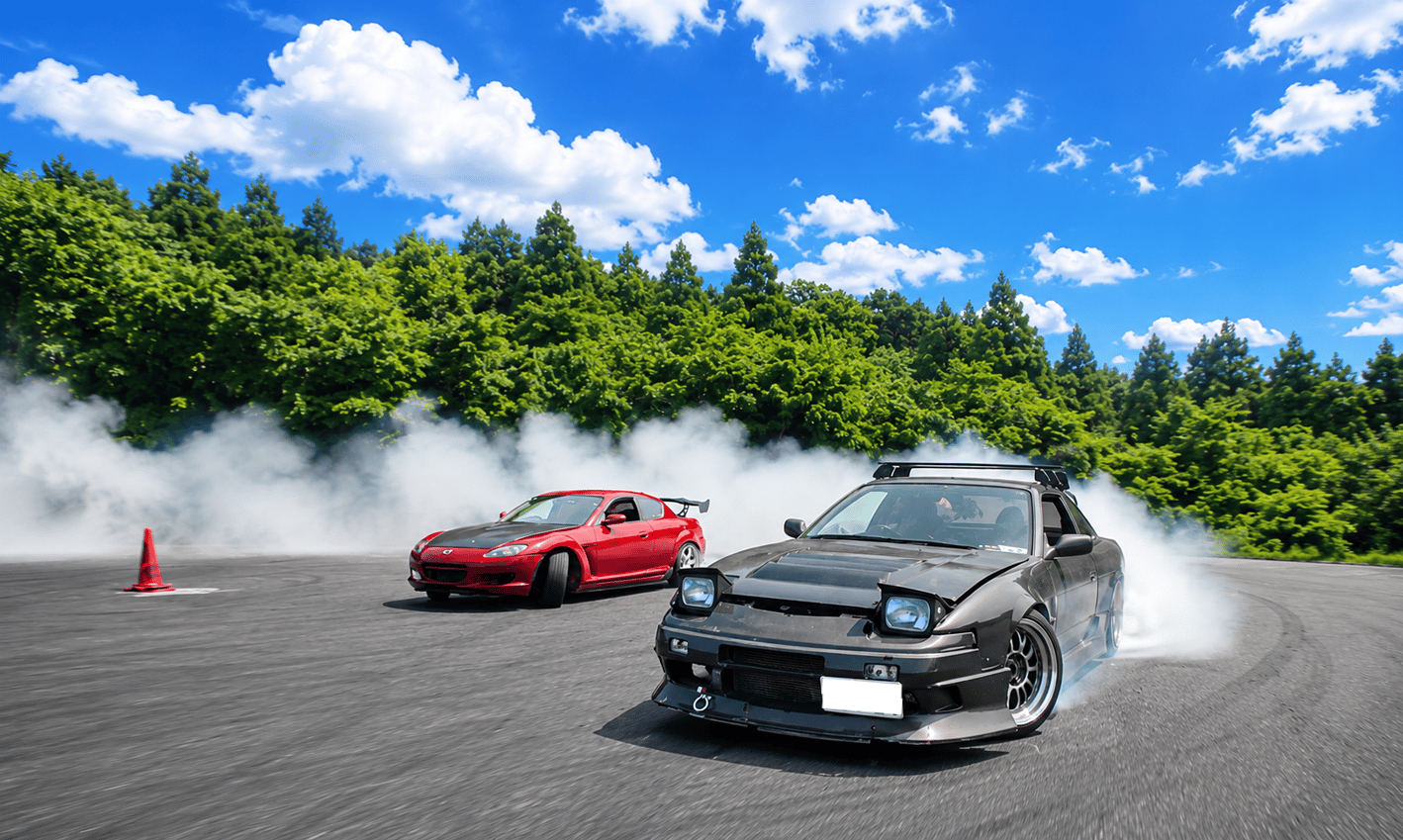
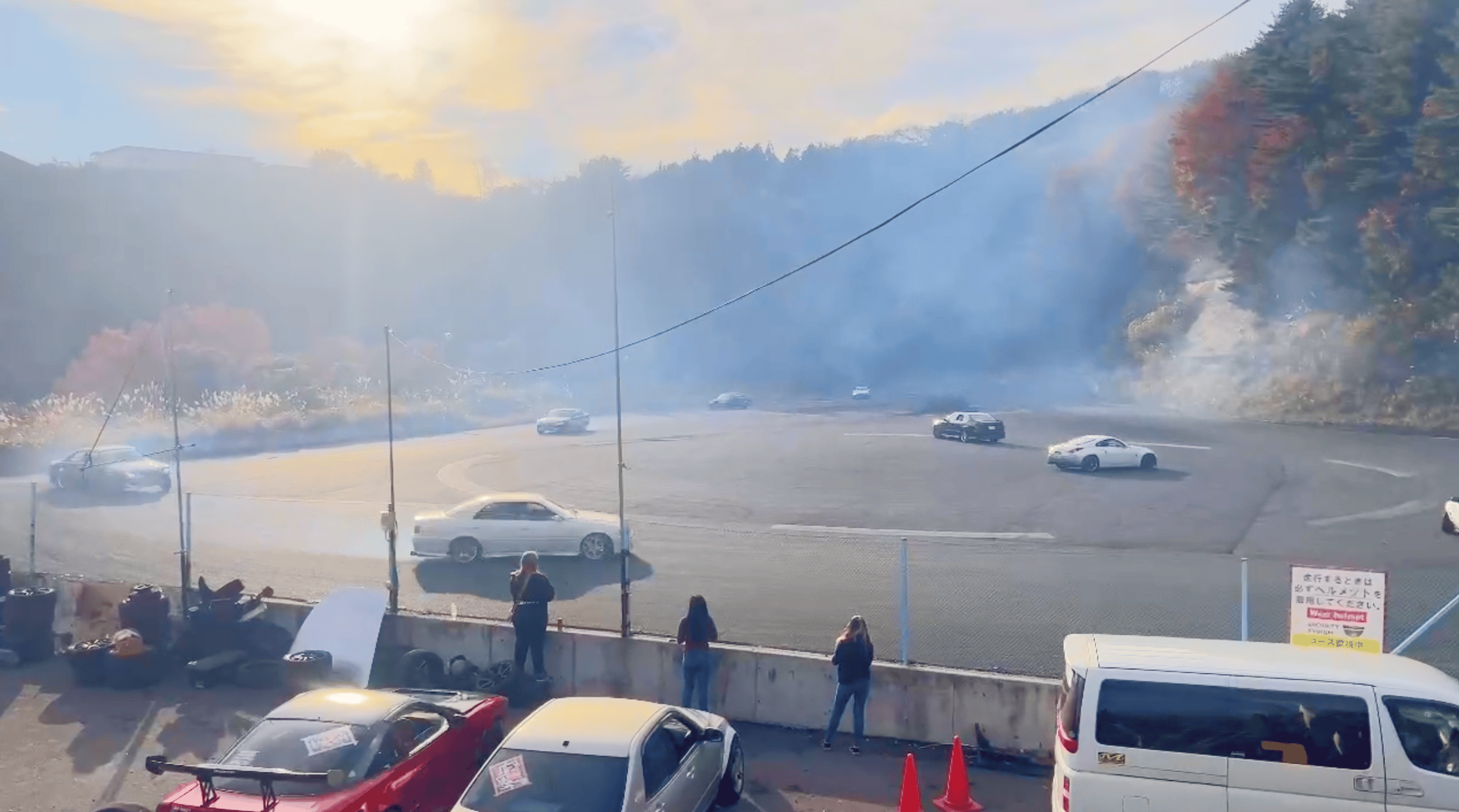
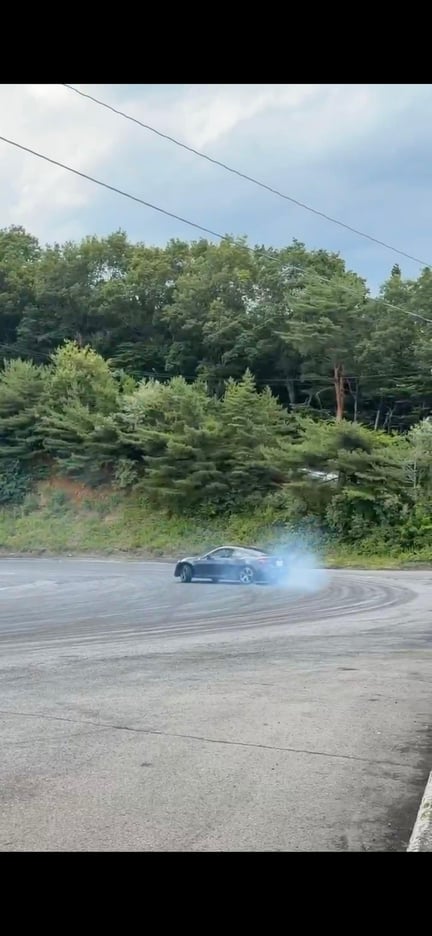
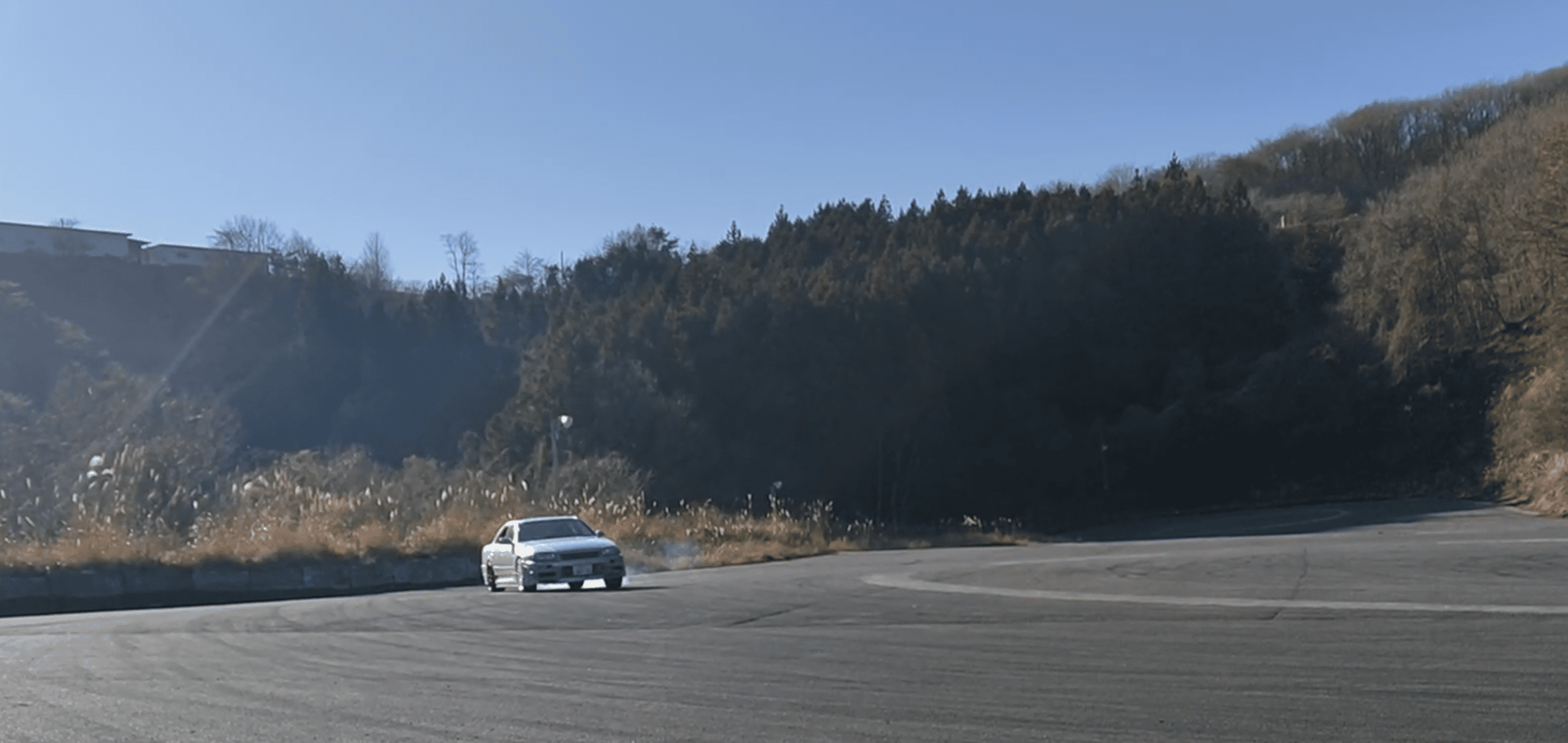
Tire smoke hangs over a mountain valley in Nihonmatsu City, Fukushima. Cars run right next to each other, engines screaming, and the crowd is a mix of local drivers and visitors from a dozen countries. This is Ebisu Circuit, and people who follow drifting call it the drift mecca.
Tokyo and Kanagawa have no real drift circuit of their own.
The nearest proper drifting sits in Chiba, about 1.5 hours out, and the only drifting inside Tokyo itself is the D1 Grand Prix finale on a temporary Odaiba course, which you watch rather than do. For hands-on track time, Ebisu is the legal, purpose-built answer.
The complex holds seven layouts, five of them built for sliding. On regular days the atmosphere stays focused on the driving itself.
A full day here, with instruction, track time and a pro ride-along, is described by travelers as one of the best experiences they have had. That is the case for giving up most of a day in the mountains.
Very patient pickup, kind the whole drive, shared music, stories and car knowledge. The instructor was friendly, patient and great at demonstrating past the language barrier. Best experience I've ever had.
That verdict comes from people who made the trip, and it is the reason the two hours north is worth planning around.
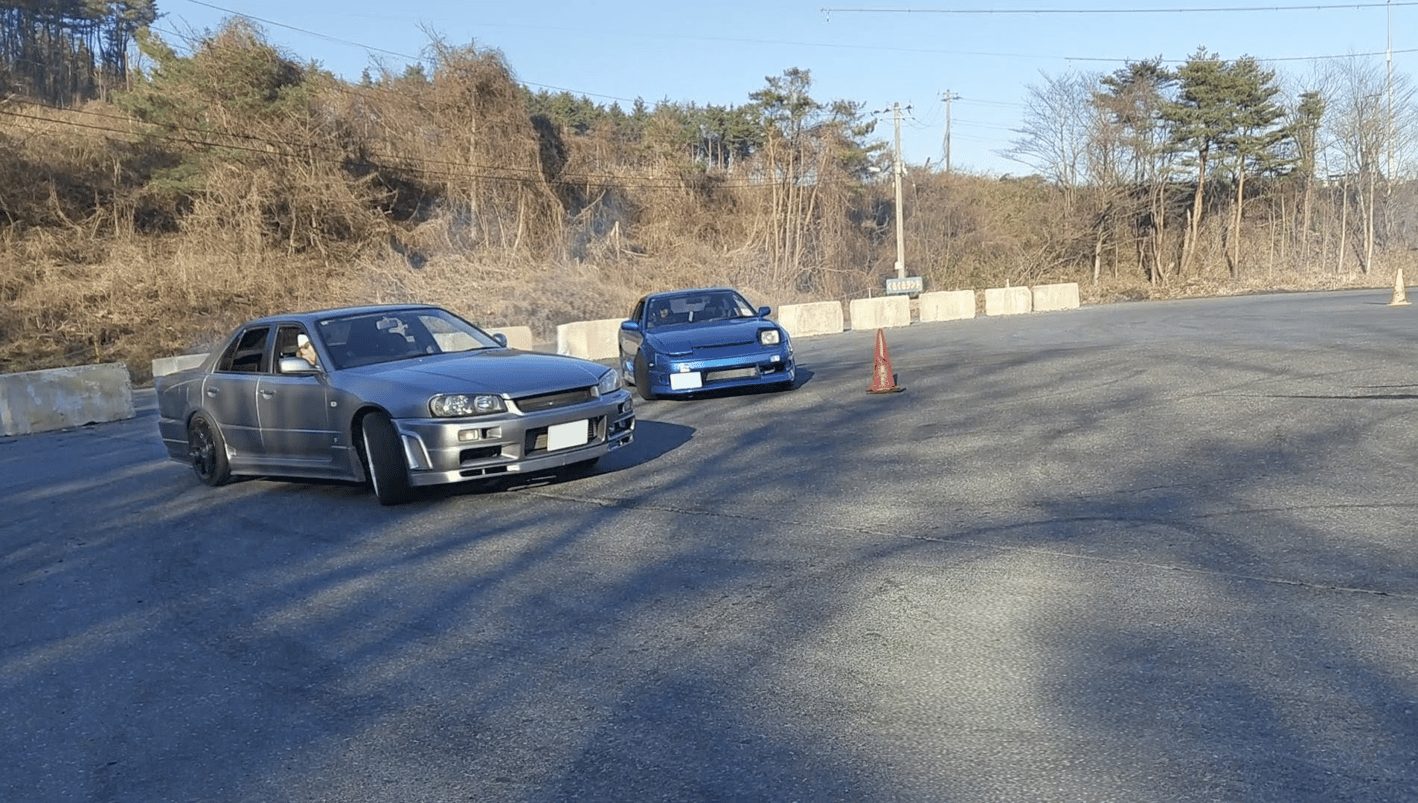
Tokyo drift experiences compared - driving yourself or riding shotgun
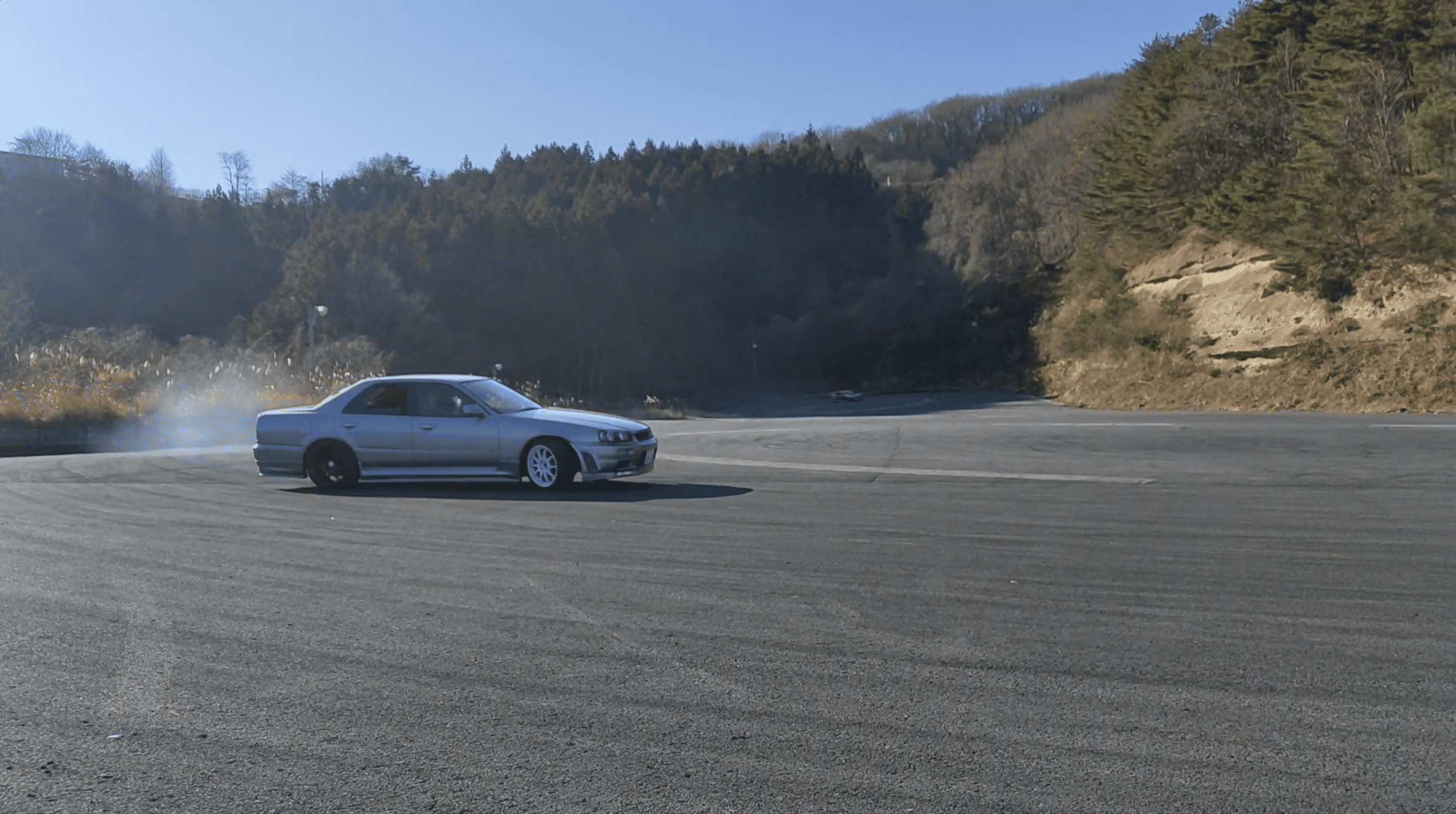
The choice comes down to who holds the wheel. At Ebisu, the guided day puts you behind the wheel of a JDM car for practice, then hands you a passenger seat for hot laps. The drift ride there is passenger only, inside a Silvia S15 with professional drivers, about an hour of sliding.
Closer to the city, the options shrink in drift time. A self-drive lesson on a private closed circuit gives you about 1.5 hours of actual hands-on sliding inside a six-hour day.
A street drift culture ride is a passenger run of 5 to 20 minutes per person near Tokyo, worthwhile for a dedicated fan, hard to justify for the mildly curious.
Serious about driving? The Ebisu day is the one worth building your trip around. It suits people willing to give up most of a day; packed schedules are better served by the shorter closed-circuit options. Beginners are welcome at every level, and on a closed course you can take part without a driving licence.
The table below lines up every format on the points that decide it: who drives, what skill it asks, where it happens and how much sliding you actually get.
| Driver involvement | Skill level needed | Environment | Drift time you get | Transport included | |
|---|---|---|---|---|---|
| Guided Practice & Ride-Along | You drive plus passenger ride | Beginners welcome | Ebisu Circuit track | Full day | From Tokyo, about 3.5 hours |
| Ebisu Drift Ride | Passenger only | None, you ride | Ebisu Circuit track | About 1 hour | From Tokyo included |
| Self-Drive Lesson | You drive, about 1.5 hours | Complete beginners | Private closed circuit | About 1.5 hours | Pickup included, 6 hours total |
| Self-Drive Experience | You drive | Beginners taught donuts | Closed circuit | 3 hours practice | Roundtrip from Tokyo |
| Ride-Along & Police Chase | Passenger, three rounds | No licence needed | Private circuit | Three rounds | not known |
| Street Drift Culture | Passenger ride | None, you ride | Street near Tokyo | 5 to 20 minutes | Hotel pickup |
- Driver involvement
- You drive plus passenger ride
- Skill level needed
- Beginners welcome
- Environment
- Ebisu Circuit track
- Drift time you get
- Full day
- Transport included
- From Tokyo, about 3.5 hours
- Driver involvement
- Passenger only
- Skill level needed
- None, you ride
- Environment
- Ebisu Circuit track
- Drift time you get
- About 1 hour
- Transport included
- From Tokyo included
- Driver involvement
- You drive, about 1.5 hours
- Skill level needed
- Complete beginners
- Environment
- Private closed circuit
- Drift time you get
- About 1.5 hours
- Transport included
- Pickup included, 6 hours total
- Driver involvement
- You drive
- Skill level needed
- Beginners taught donuts
- Environment
- Closed circuit
- Drift time you get
- 3 hours practice
- Transport included
- Roundtrip from Tokyo
- Driver involvement
- Passenger, three rounds
- Skill level needed
- No licence needed
- Environment
- Private circuit
- Drift time you get
- Three rounds
- Driver involvement
- Passenger ride
- Skill level needed
- None, you ride
- Environment
- Street near Tokyo
- Drift time you get
- 5 to 20 minutes
- Transport included
- Hotel pickup
Read the drift time column first. It is the number that separates a full day of track work at Ebisu from a short passenger run, and it should settle the format before anything else.
Where each of these actually takes place matters just as much, since some run on the Ebisu tracks and others sit on private circuits or streets near the city.
- 1Guided Practice & Ride-AlongYou drive plus passenger rideDirections
- 2Ebisu Drift RidePassenger onlyDirections
- 3Self-Drive LessonYou drive, about 1.5 hoursDirections
Show all 5 places
- 4Self-Drive ExperienceYou driveDirections
- 5Street Drift CulturePassenger rideDirections
If the map puts your preferred format hours apart, that is your answer on logistics too: the Ebisu formats cost a full day, the city formats cost an evening.
Guided JDM drift practice and ride-along at Ebisu Circuit
The full Ebisu day works like this: you are collected in Tokyo, driven north to the circuit, given a professional guide and instructor, and you get both sides of drifting.
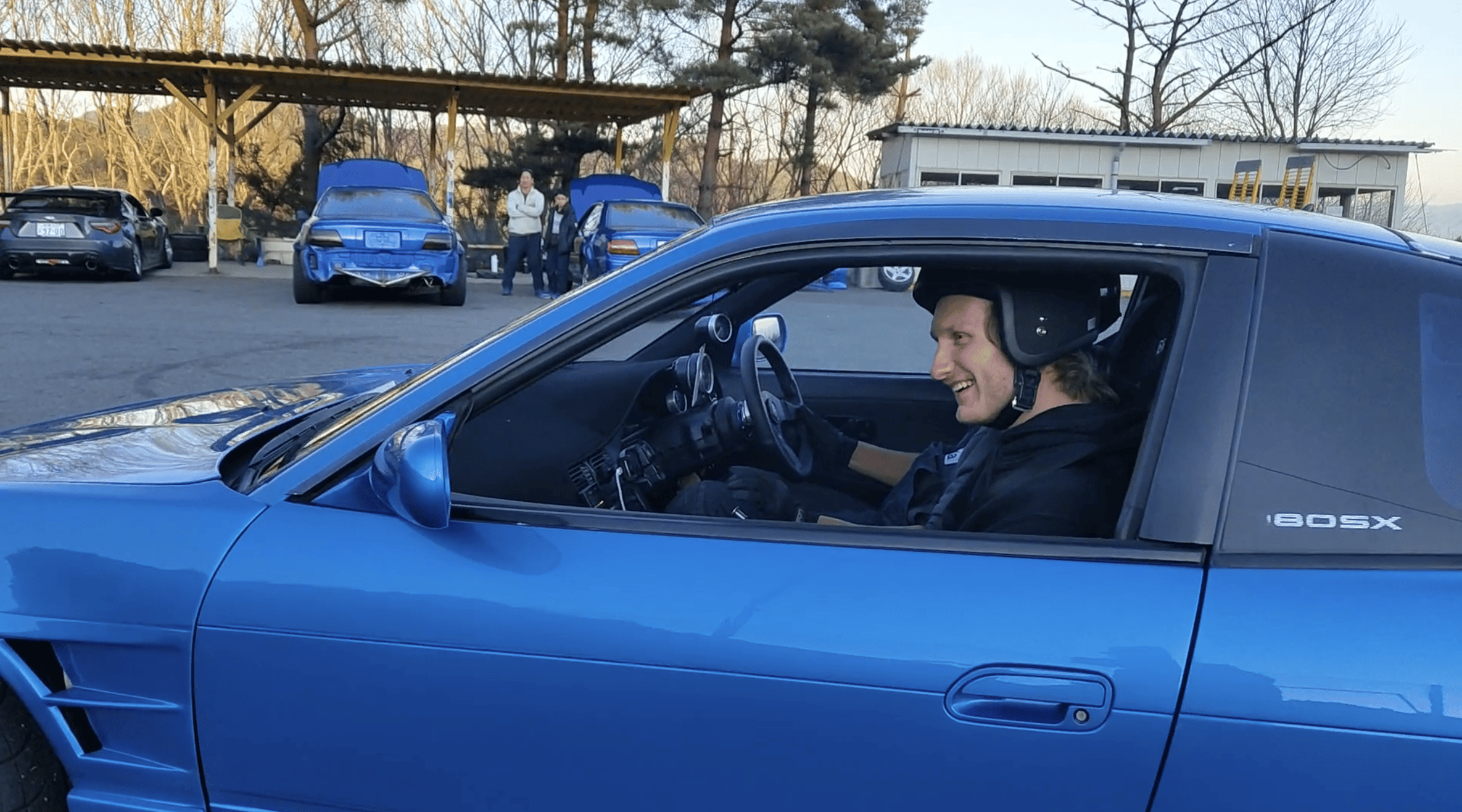
First you drive a JDM car yourself, learning to slide it under supervision. Then you climb into the passenger seat for a drift thrill ride, the part where someone else shows you what the car can really do.
About 30 minutes of seat time plus passenger hot laps is the shape of the ride-and-drive, and the whole outing runs 12 hours door to door, with drop-off back inside Tokyo's 23 wards.
The Ebisu Circuit: Guided JDM Drift Practice & Ride-Along tour covers transport, admission, fuel, tolls, a souvenir and safety support, so the only thing you organize is yourself.
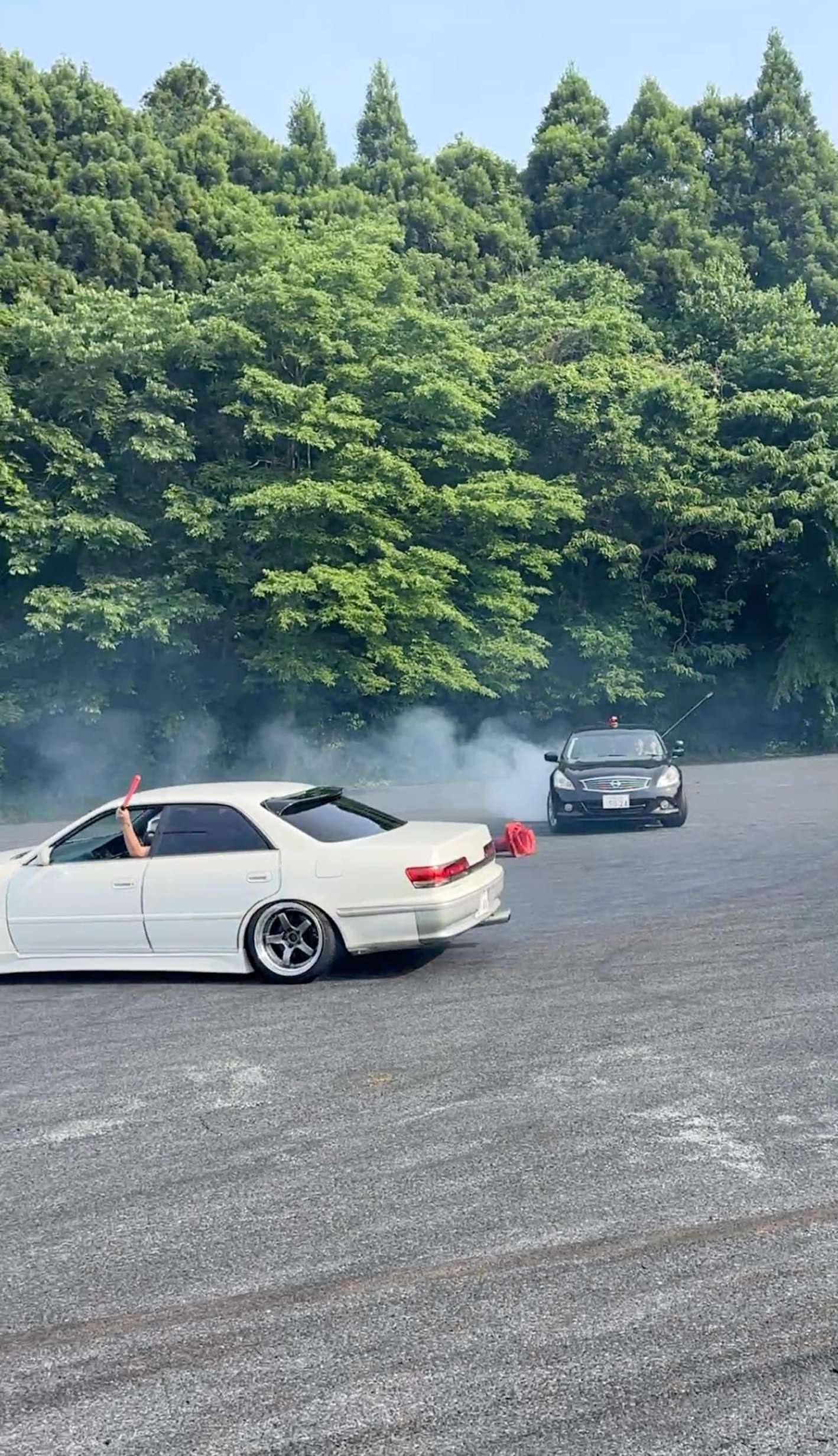
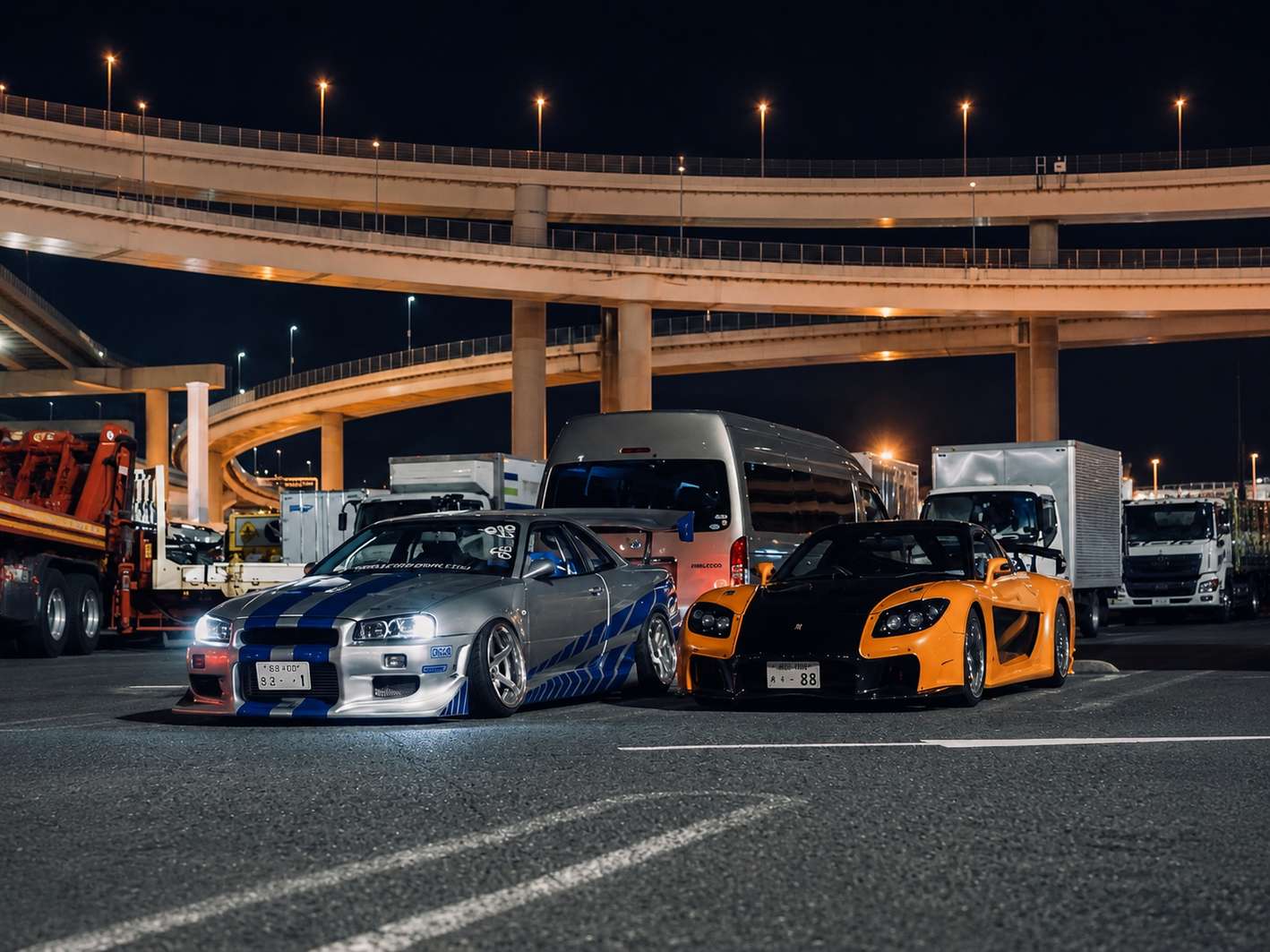
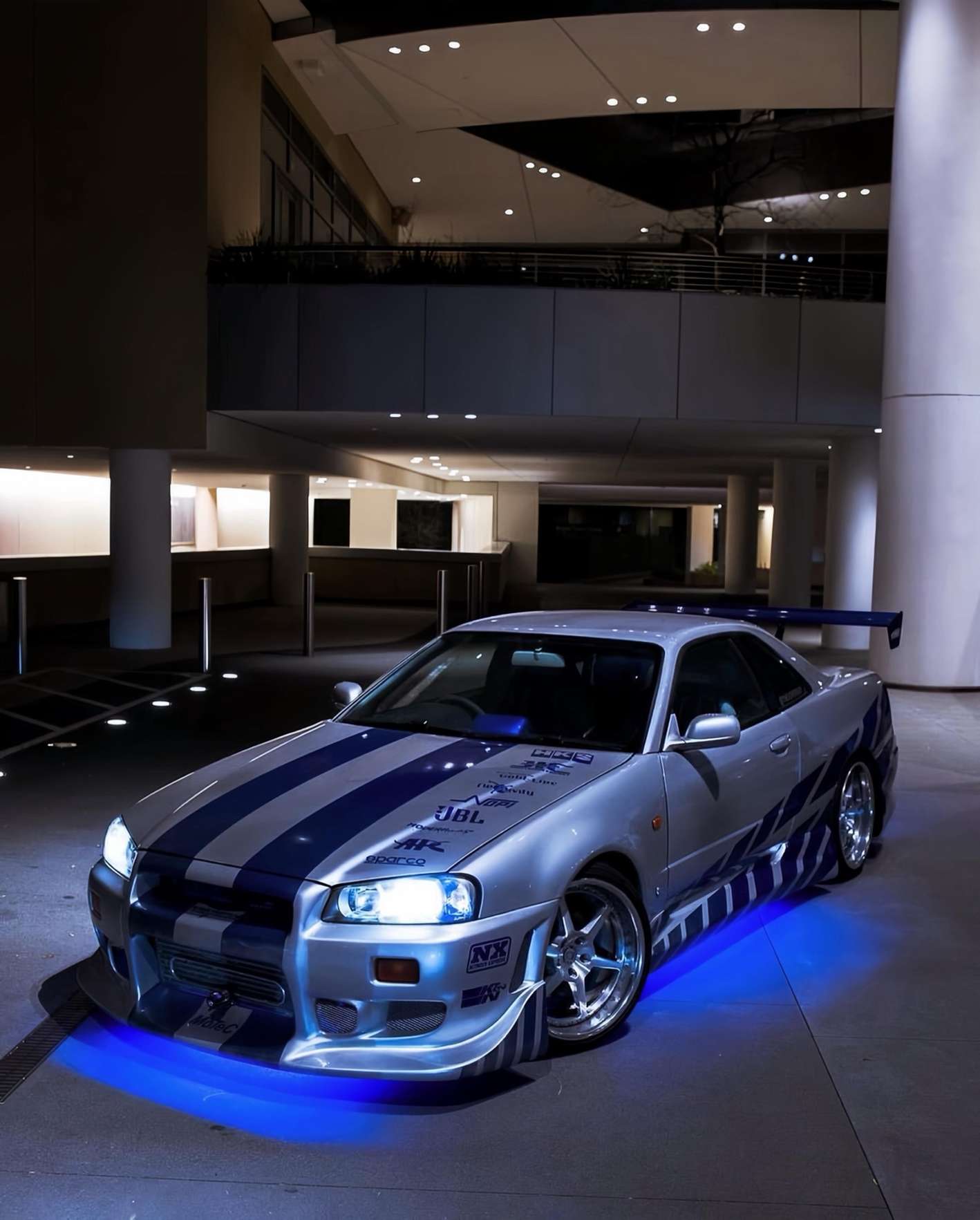
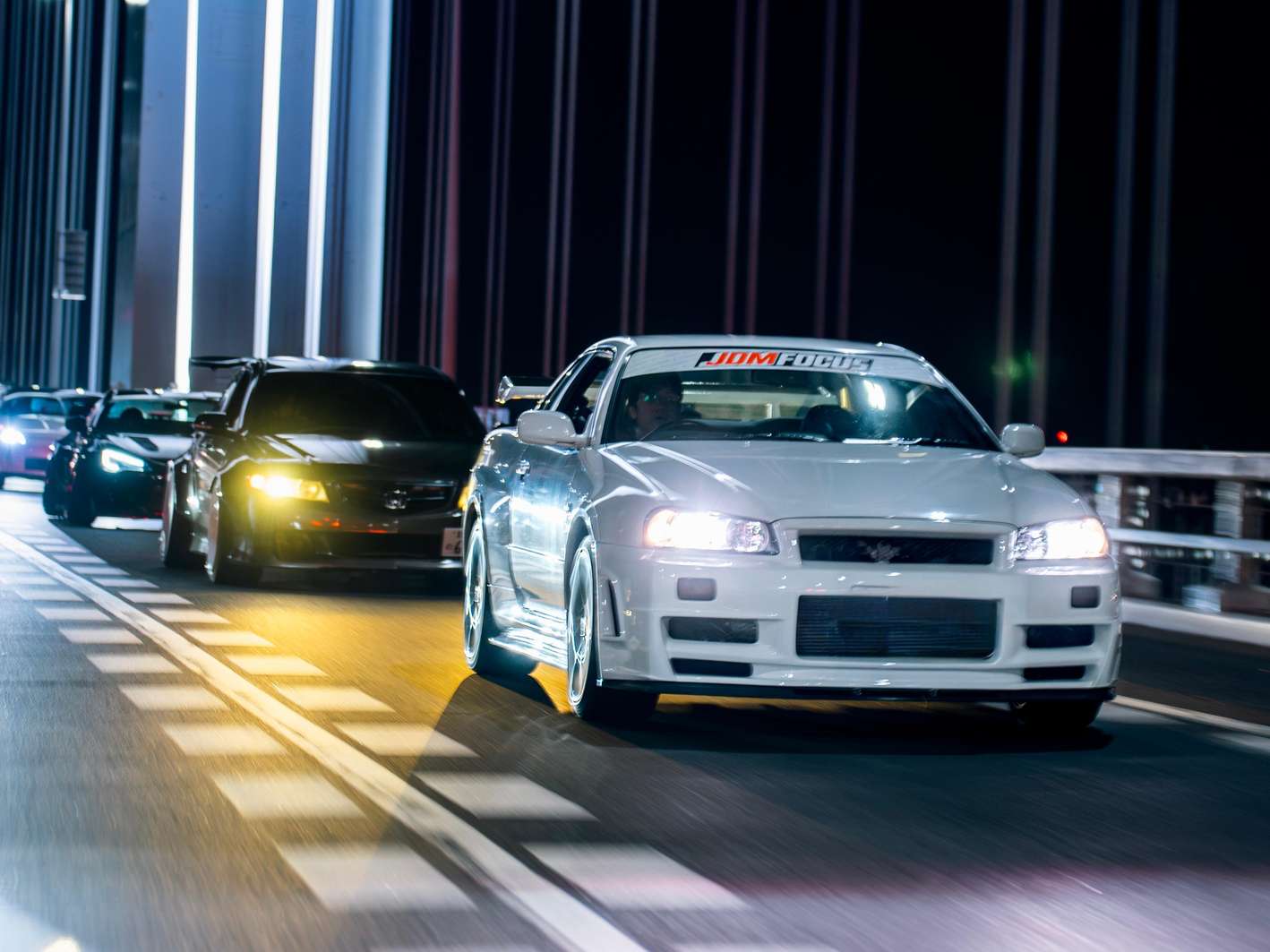
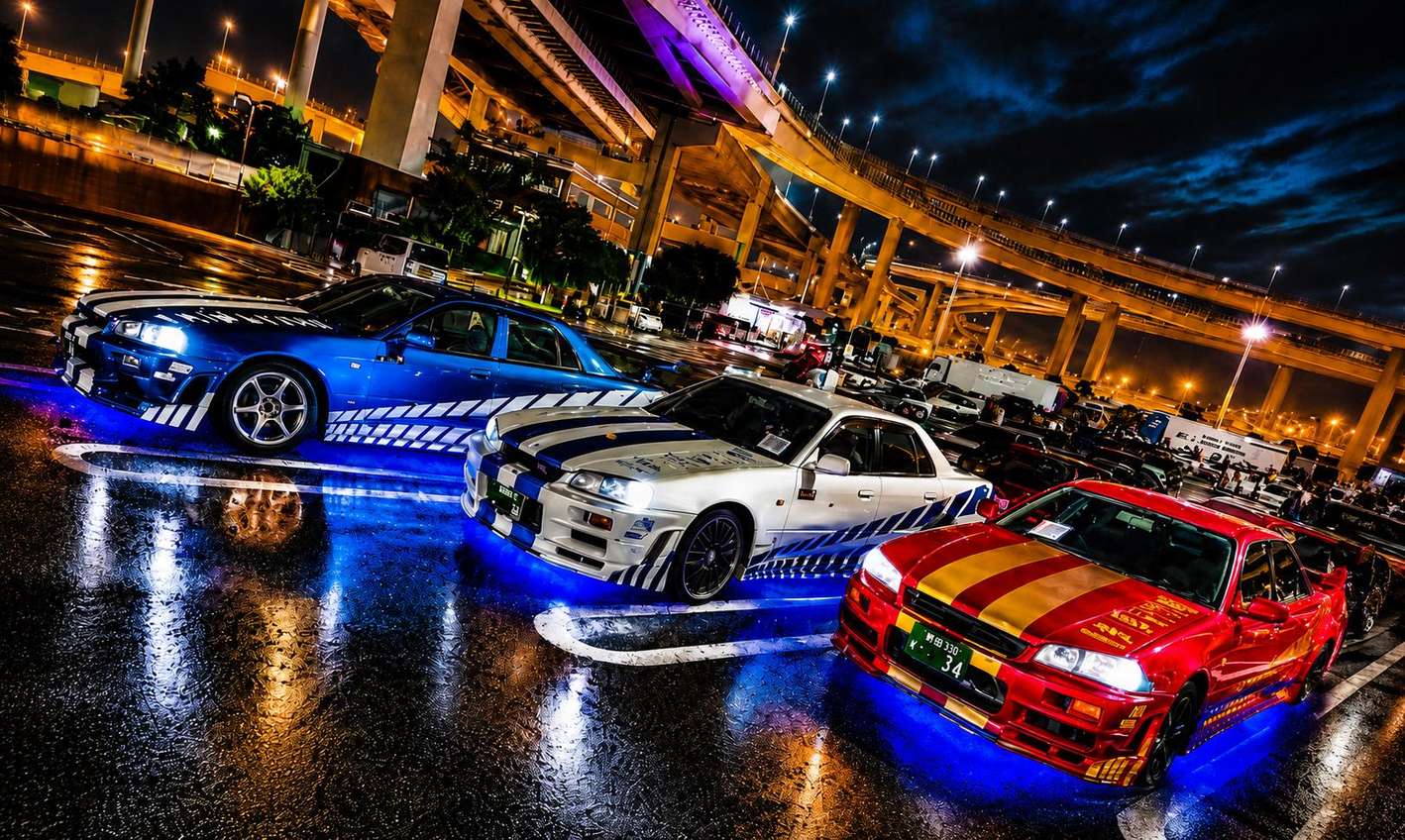
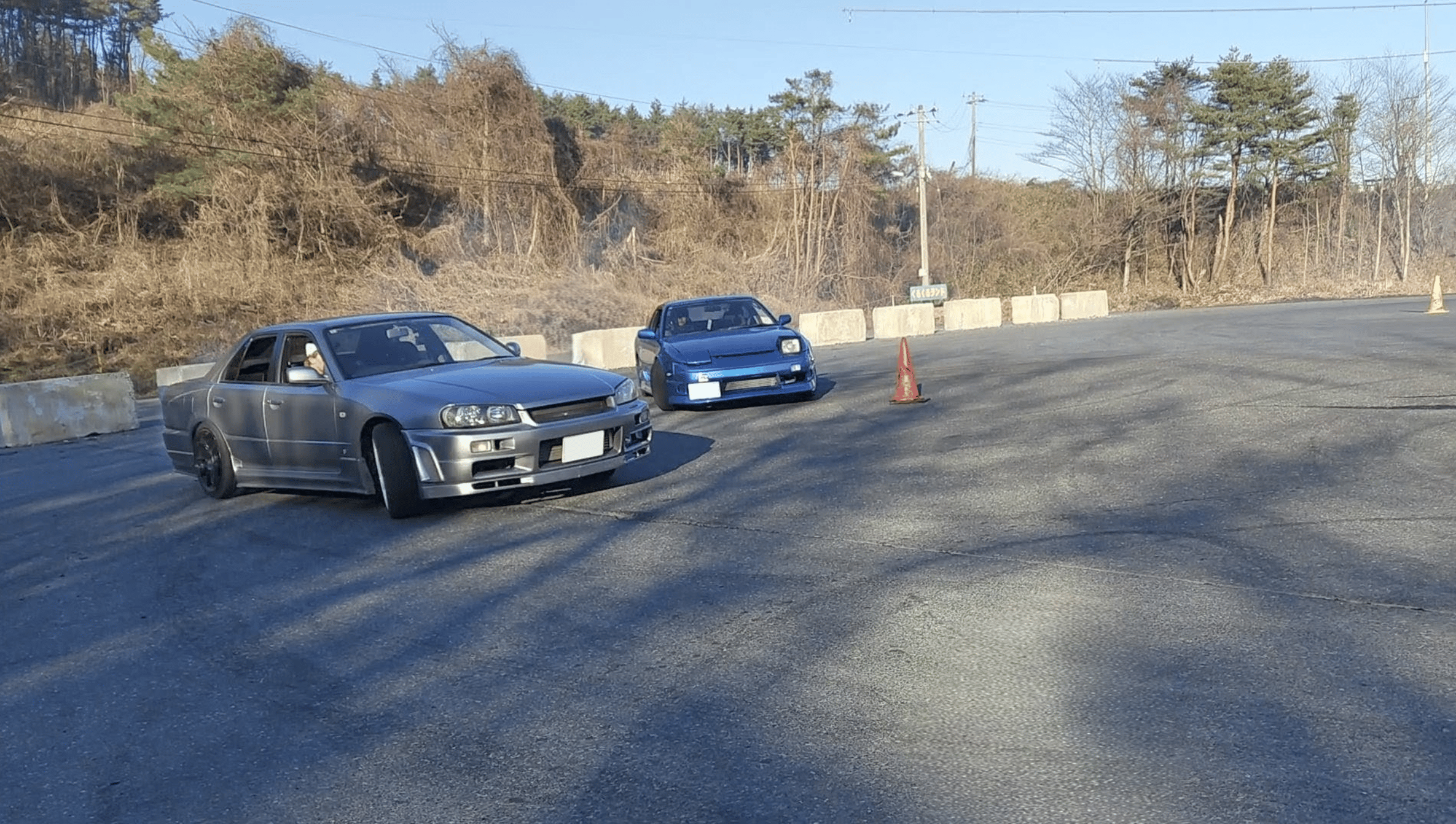
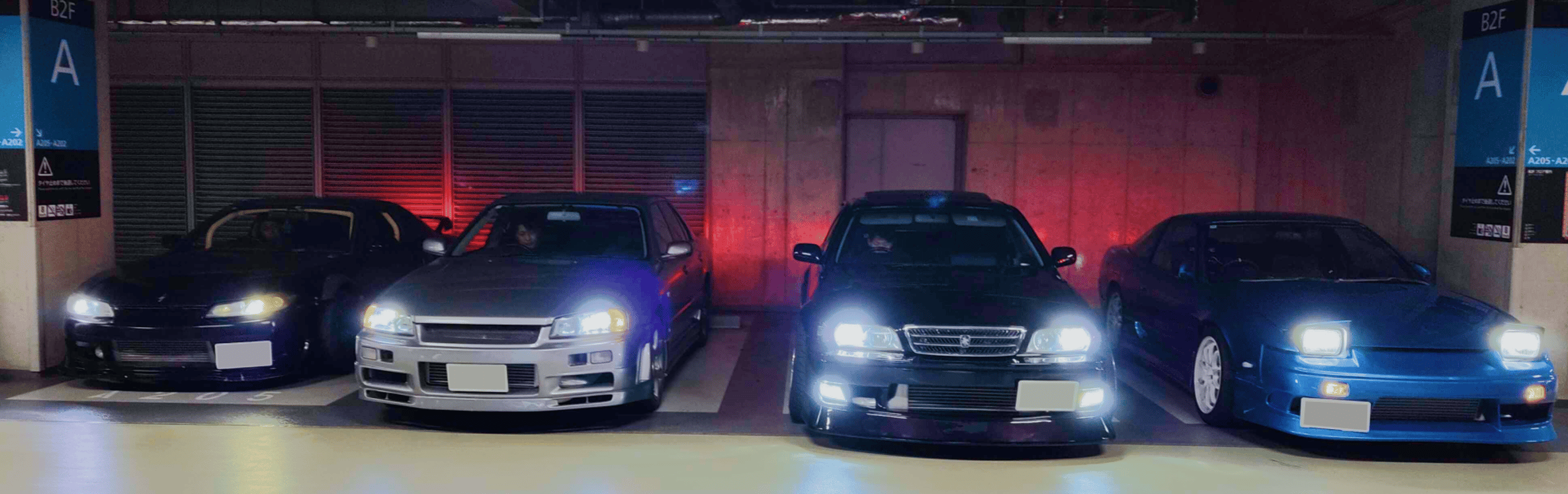
The cars matter too. The drift rides at Ebisu run in an iconic Nissan Silvia S15, one of the cornerstones of the drift scene, and the circuit's drift taxis are a modified Toyota Chaser and Mark II driven by actual D1 drivers from Team Orange.
If you want the full picture of Japanese drifting in one day, this is the format that delivers it.
Getting from Tokyo to Ebisu Circuit
Open a map and the distance looks almost nothing. Do not trust it. The transfer from a Tokyo hotel to Ebisu Circuit takes about 3.5 hours each way once traffic is counted, and travelers report the drive up is busy. A quick highway stop breaks the trip.
That is the hidden cost of the day: roughly seven hours on the road for a day at the circuit. Plan it as a full mountain day out of the city, with the sightseeing hours kept for another day.
Eat before you go and bring water; one operator tells guests exactly that, and travelers on the Ebisu day trip say the driver stops for food and drinks on the way up.
Going independently is possible by Shinkansen to Koriyama, then the Tohoku Line to Nihonmatsu and a bus to Safari Park-mae, but it stacks connections on a mountain road. The guided transfer exists for a reason.
The rows below put the three ways of getting there side by side, with the trap spelled out.
Whichever way you go, the meeting point sits in central Tokyo, and the hours before departure are yours to fill.
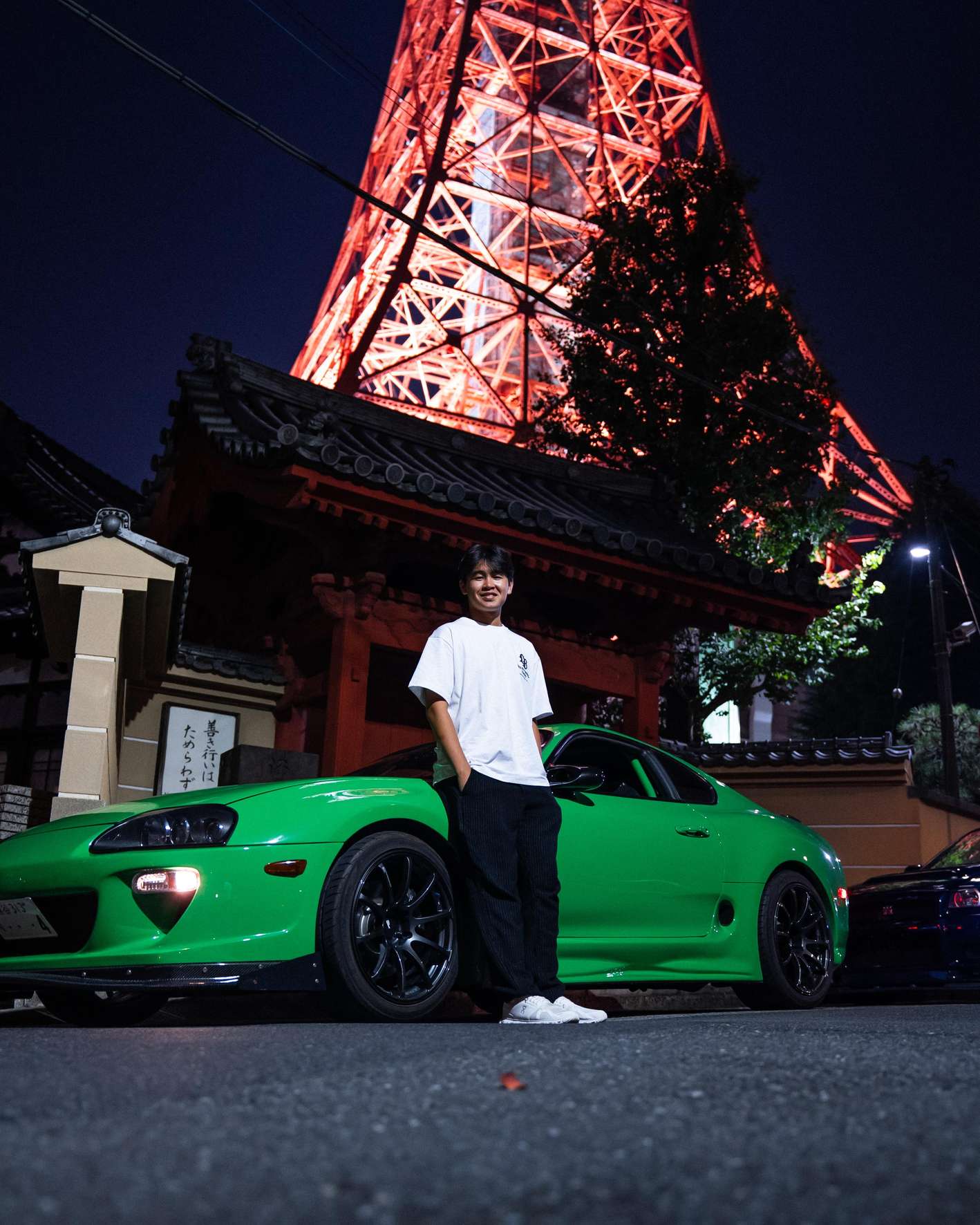
The area around the start point has plenty to fill a spare morning. Temples like Sengaku-ji sit within a short walk, Tokyo Tower is about 16 minutes by car, and the Tennōzu Isle waterfront is 13 minutes on foot.
- 1Tōzen-jitemple, shrine or church10 min walkDirections
- 2Koyasan Tokyo Betsuintemple, shrine or church12 min walkDirections
- 3Hara Museum of Contemporary Artmuseum13 min walkDirections
Show all 9 places
- 4Tennōzu Islesight13 min walkDirections
- 5Sengaku-jitemple, shrine or church14 min walkDirections
- 6MoN Takanawamuseum15 min walkDirections
- 7Shōman-jitemple, shrine or church16 min walkDirections
- 8Hatakeyama Memorial Museum of Fine Artmuseum17 min walkDirections
- 9Kamezuka Parkpark or garden20 min walkDirections
- 1Fushimi Sanpō Inari Shrinetemple, shrine or church13 min driveDirections
- 2Kyū Shiba Rikyū Gardenpark or garden13 min driveDirections
- 3The History Museum of J-Koreansmuseum14 min driveDirections
- 4Shiba Tōshō-gūtemple, shrine or church14 min driveDirections
- 5Shiba Parkpark or garden15 min driveDirections
- 6Tokyo Towerviewpoint16 min driveDirections
If your pickup runs early, treat these as an afternoon plan for the day before rather than a morning scramble.
Drifting laws in Japan - why the track is the only real option
Half-hoping for a street drift moment is natural, and the answer is a hard line. Drifting on public roads is illegal in Japan, and police classify drift racing on public roads as illegal street racing.
There are no advertised public-road drift events open to tourists. Every legitimate option happens on a circuit or private land, which makes Ebisu not the tame choice but the only legal one.
The second thing to know is about who drives you. Carrying paying passengers in Japan requires a transport licence and a green license plate, and travelers warn that not every JDM tour on booking platforms has one. Ask in writing what permit covers the ride and what insurance covers passengers before you pay.
Three beliefs trip people up here, and the rows below correct them.
Street drifting spots are kept secret from outsiders, and drifting on public roads is illegal; the track is the real option
Carrying paying passengers requires a licence and a green plate; check the operator before paying
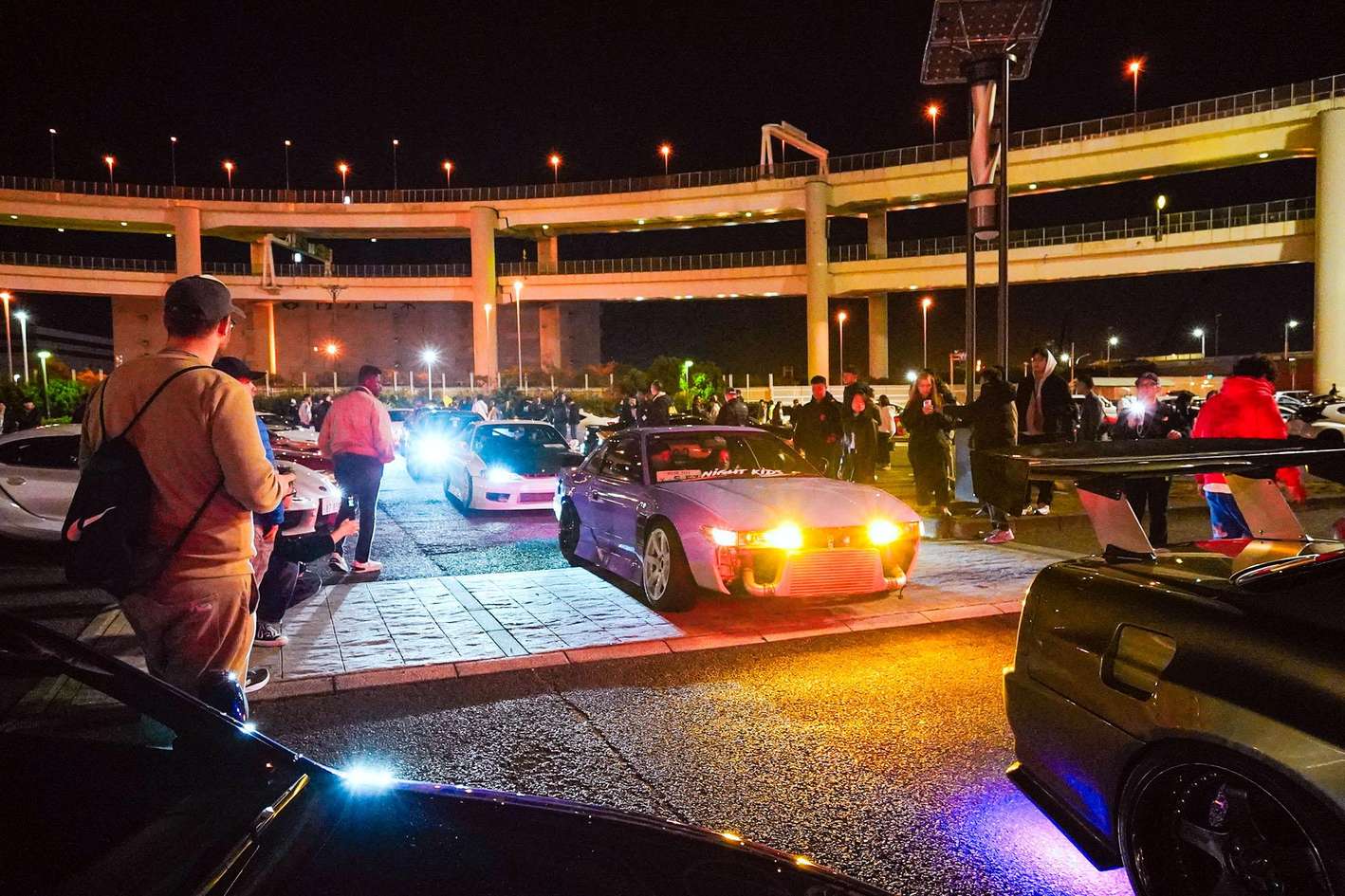
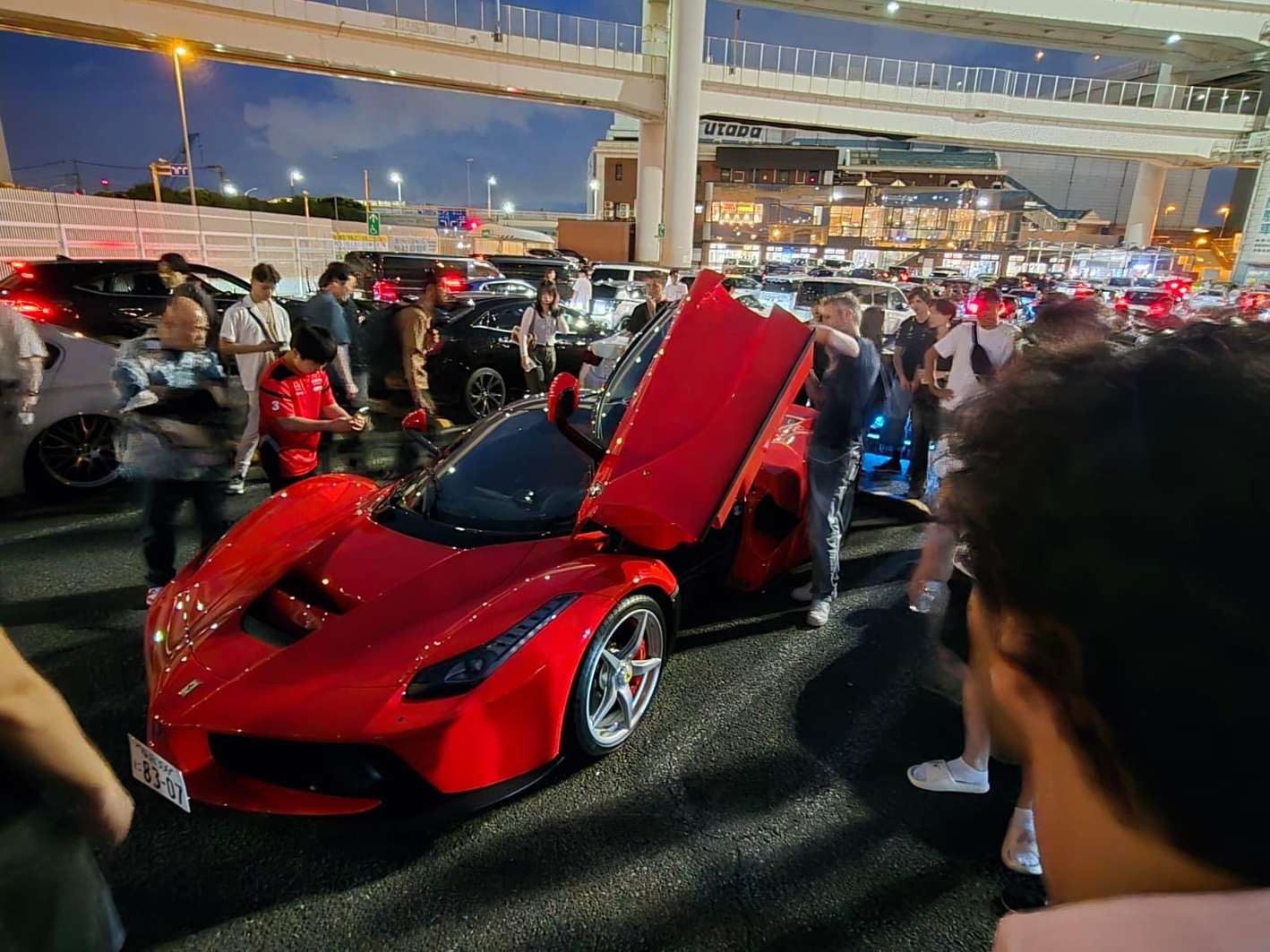
Meets like Daikoku are gatherings you walk around; actual sliding happens on circuits like Ebisu
Skill level, age limits and who can actually drift
Complete beginners fill these courses; the instructors expect them. Ebisu has dedicated practice courses for drift novices, Kurukuru Land and Kurukuru Land 2, and the second one has a wet surface that makes sliding easier to learn.
A first-timer starts with basic circle turning around cones and can pick up the basics in about an hour of practice. Donuts and figure eights come next, with patient instructors alongside.
No licence is needed on a closed circuit, so you can take part without an International Driving Permit. On age and health, the Ebisu drift experience states no specific restrictions, though the drift taxi asks passengers to be at least 140 cm tall, and anyone with a heart condition should ask their doctor first.
One packing rule decides whether you get on track at all.
Fitness needs are basic: you should be able to walk 500 metres unaided and grip a wheel firmly. Winter adds one wrinkle, since snow can threaten a lesson day, and organizers confirm by email right up to the day before, sometimes shoveling the practice area clear themselves.
A day of drifting at Ebisu Circuit - tracks, cars and atmosphere
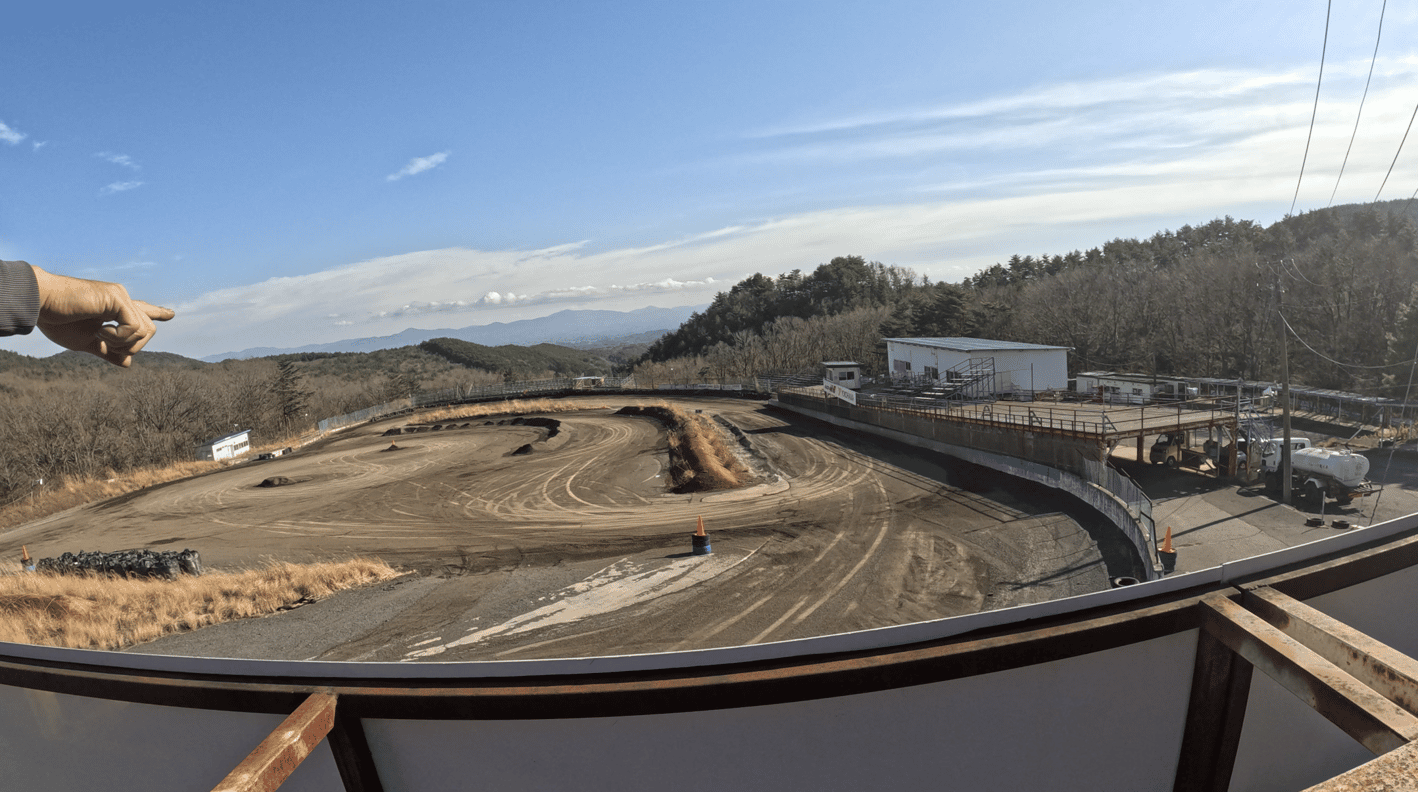
Seven layouts make up the complex, four of them built purely for drifting: the North, South, School and Touge courses.
The East and West courses normally belong to grip and time attack racing, and they only open to sliding three times a year at the Drift Matsuri festivals, a whole weekend of around 44 hours of non-stop drifting. The 2026 dates are May 9-10, August 22-23 and November 14-15.
On a regular day the mood stays on the driving itself. At the matsuri it turns into a festival, with night-time sliding, drivers of many nationalities chatting across language barriers, and a camaraderie where strangers help each other repair cars. People come back year after year for it.
The sounds carry the day: engines, screeching tires and smoke. The etiquette that keeps you welcome is simple. Ask before photographing someone's car, never ask a private driver for a passenger ride, and watch from safe places.
Here is how the hours actually fall, from pickup to drop-off.
- 1Early morningTokyo pickup
The long transfer north begins, with a highway stop for food and drinks
- 2MiddayArrival and briefing
Helmet on, instructor assigned, first cone circles on the beginner course
- 3AfternoonYour driving blocks and hot laps
Seat time in a JDM car, then passenger rides to see what the pros do
- 4EveningDrop-off in Tokyo
Back inside the 23 wards after a full mountain day
That shape holds on any date you pick; what changes with the season is whether the tracks are open at all.
Best months for an Ebisu Circuit drift trip
The circuit runs all year, but the calendar matters.
Late spring and autumn are the sweet spot: April is the busiest month on the Ebisu tours, with mild afternoons around 20 degrees and about 18 dry days, and October is nearly as good, the driest, most comfortable stretch of the year. September through November all hold up well.
Winter is the season to plan around. From December to March it snows in the Fukushima mountains, and some or all tracks can close under snow cover, with the North and Touge courses typically shut in mid-winter. Winter does bring lower entry fees and thinner crowds, if you accept the risk of a shortened day.
One date worth knowing if you stay in the city: the D1 Grand Prix finale, officially named 2026 TOKYO DRIFT, runs at the Odaiba special venue on November 14 and 15, 2026. Ebisu itself hosts D1 rounds in late September, so a drift-event trip and a drift-driving trip can share a month.
The chart below shows how busyness, dry days and track conditions move through the year.
April: 5 out of 5 for how busy it gets. The peak month: mild, mostly dry, and spring Matsuri opens all seven tracks.
Tap a month to read it.
January: 26.4 dry days. Cold and quiet with a snow-closure risk, but the cheapest drift rates of the year on the tracks that stay open.
Tap a month to read it.
April: 5 out of 5 for drifting conditions. The busiest month on the tours with mild 19.6°C days and about 18 dry days, and spring Matsuri weekends open all seven tracks.
Tap a month to read it.
Use it to pick your month, then check whether the format you want is even running then.
The rows confirm the pattern: the Ebisu formats breathe with the seasons, while the city-based options run through the winter months when the mountain tracks sit under snow.
Tour or on your own - which Ebisu drift experience is right for you
The verdict splits cleanly. If you want your hands on the wheel, take the guided Ebisu day and book it before you leave home.
Tours sell out, and turning up in Tokyo hoping for a seat is a gamble first-timers regret. The transfer, admission, instructor and drop-off are handled, which is most of the value on a 12-hour mountain day.
If your interest is mild, a shorter passenger experience closer to the city serves you better than seven hours of road for one circuit. Be honest with yourself about which traveler you are before you commit the day.
A few things first-timers only learn the hard way are worth knowing before you pay.
What nobody tells you
Tours sell out and by then the seats are gone
That text is the actual contract; the title and photos are marketing
Meeting point, activity, finish point and return plan; some listings deliver far less than the title suggests
Check that the listing names the actual cars, and ask what permit and insurance cover the ride. A legitimate operator states both without hesitation.