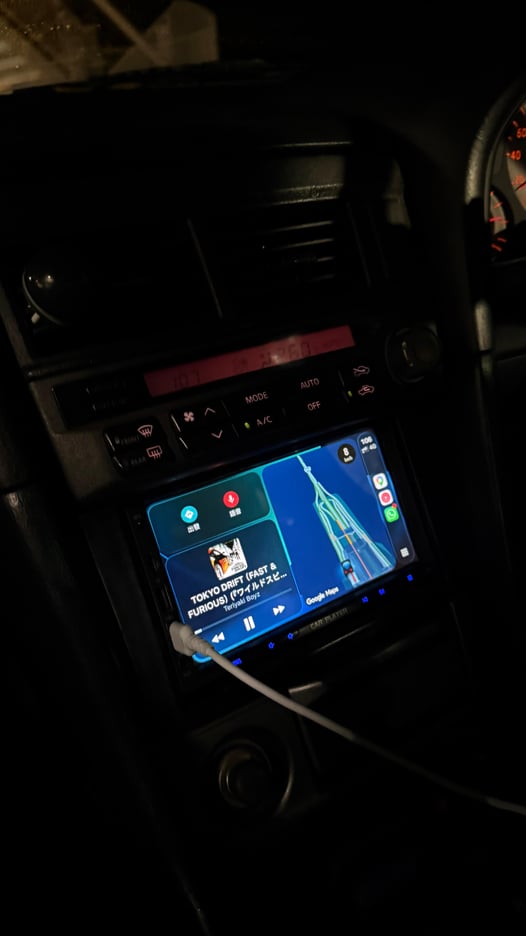
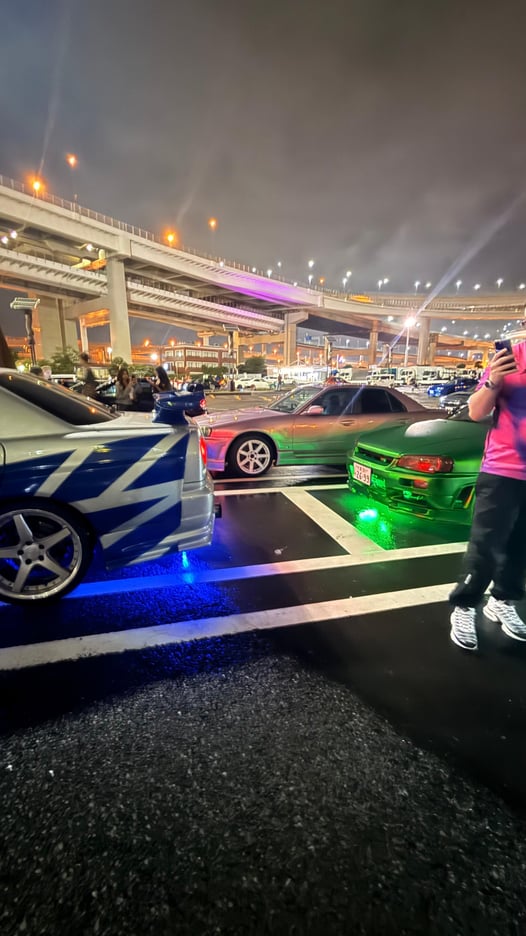
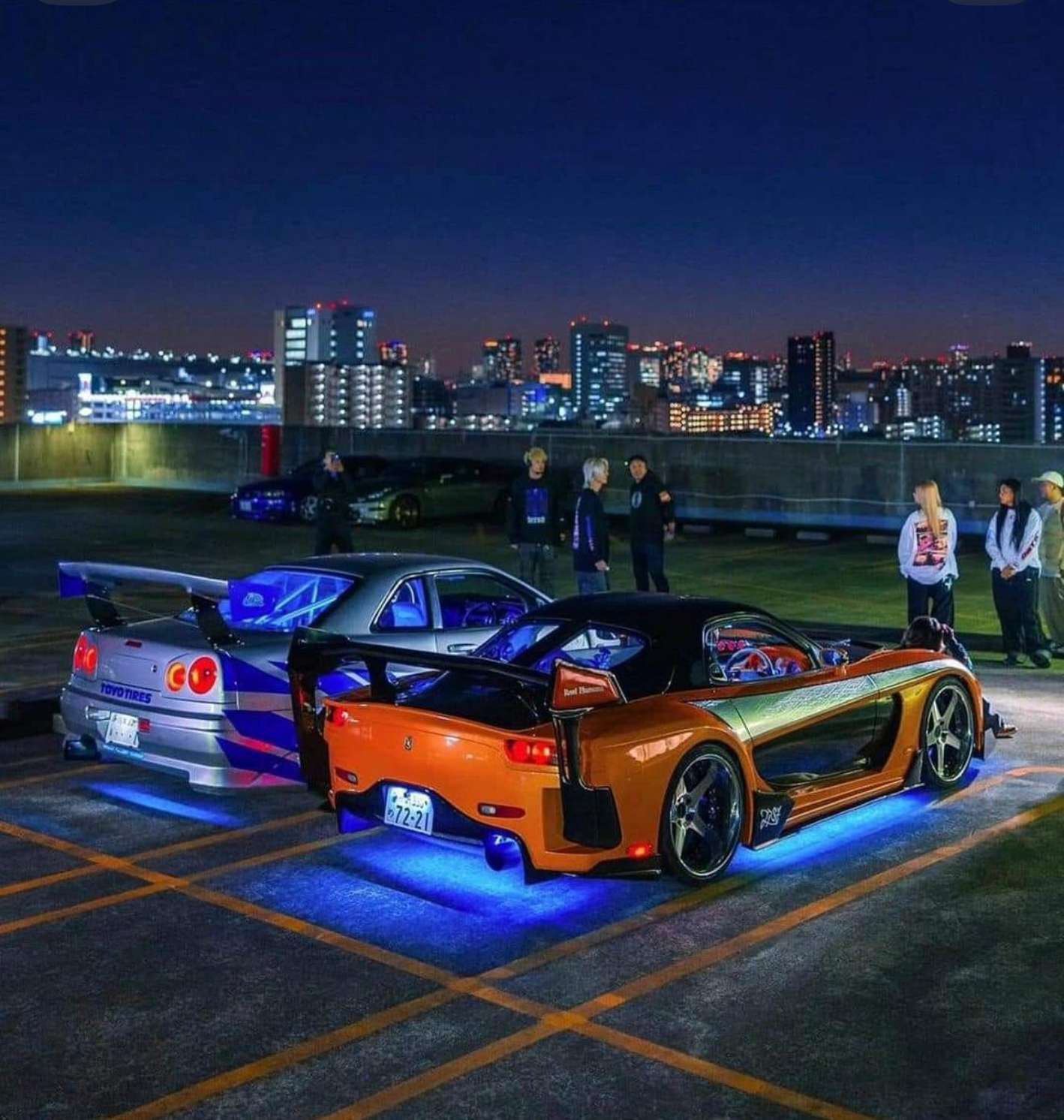
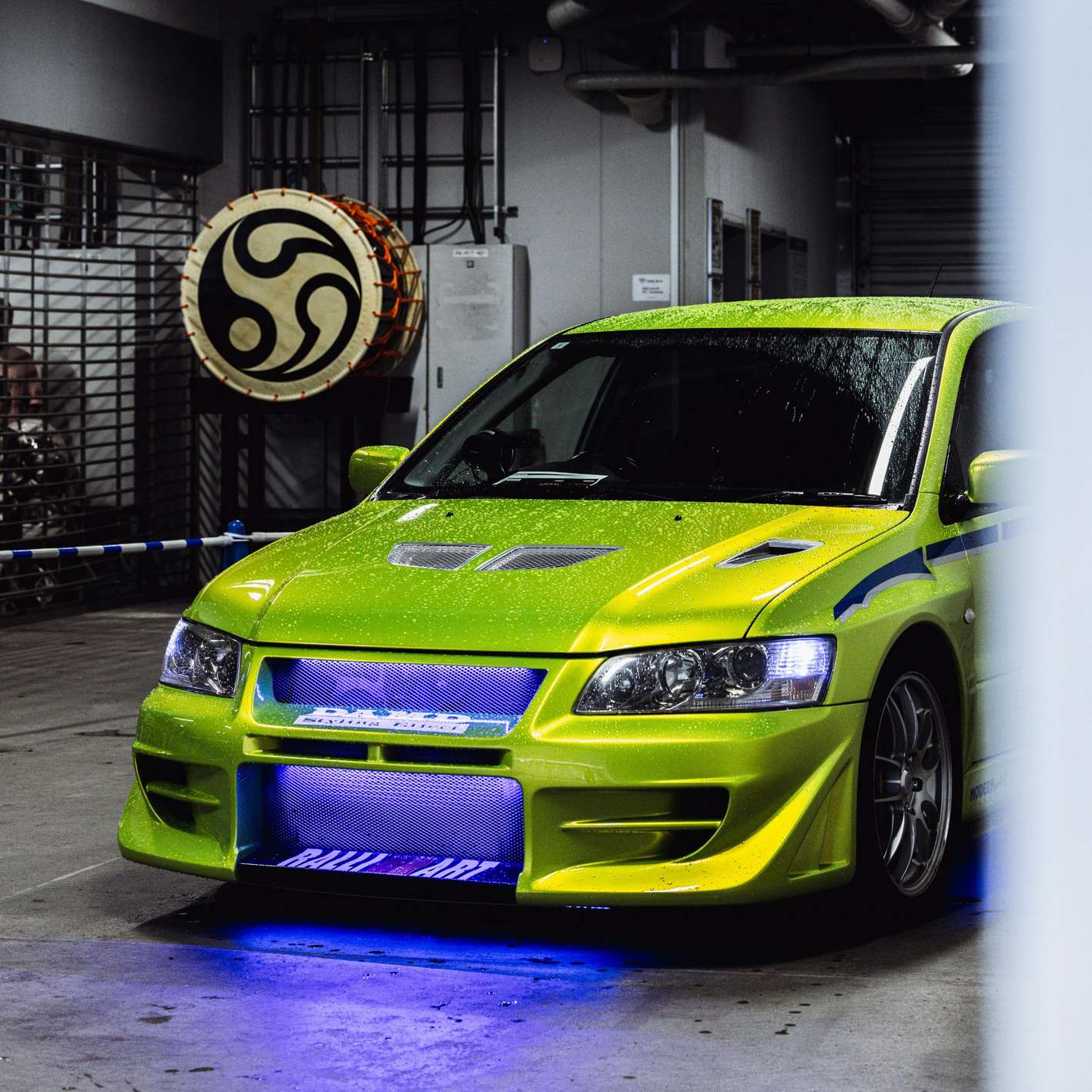
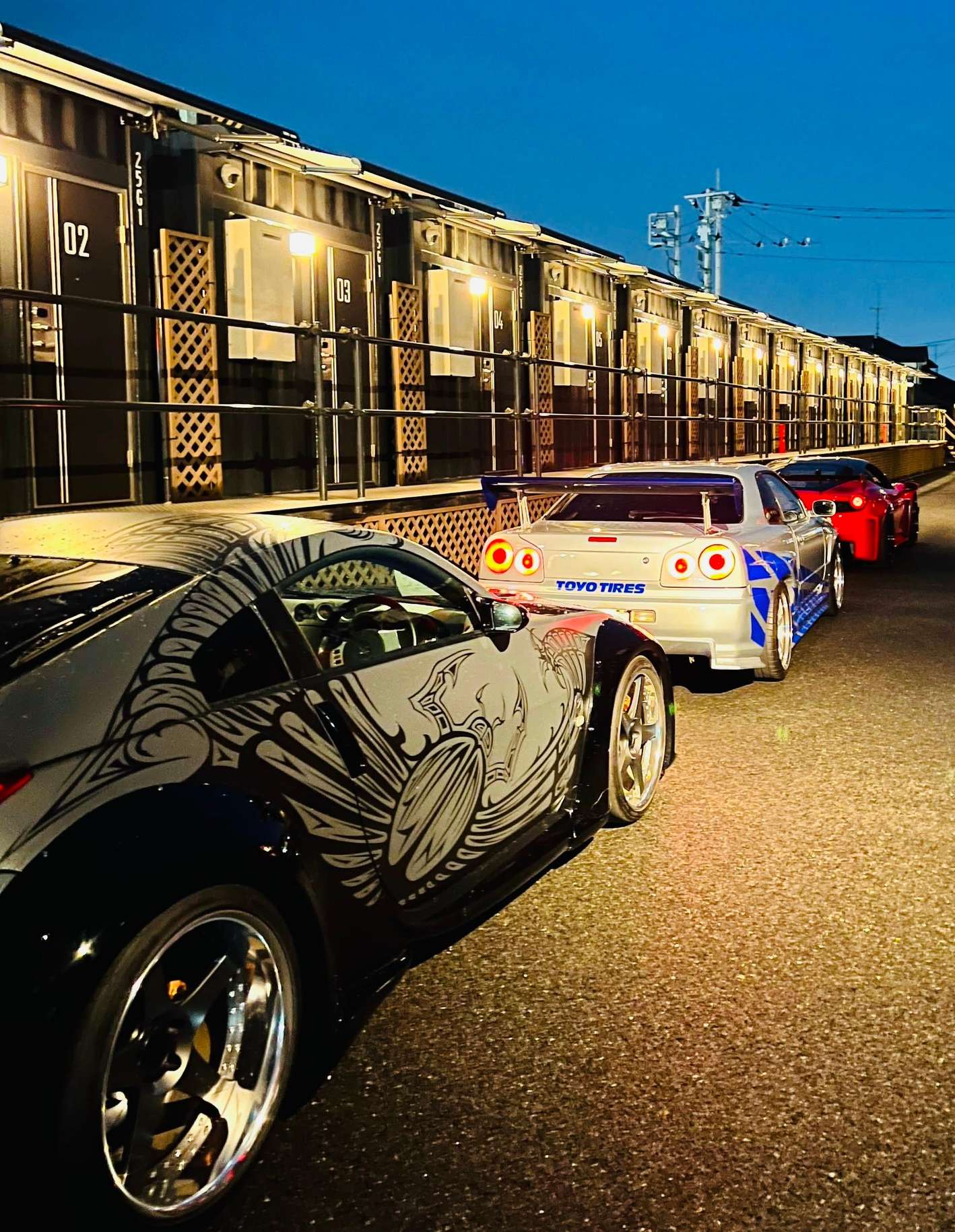
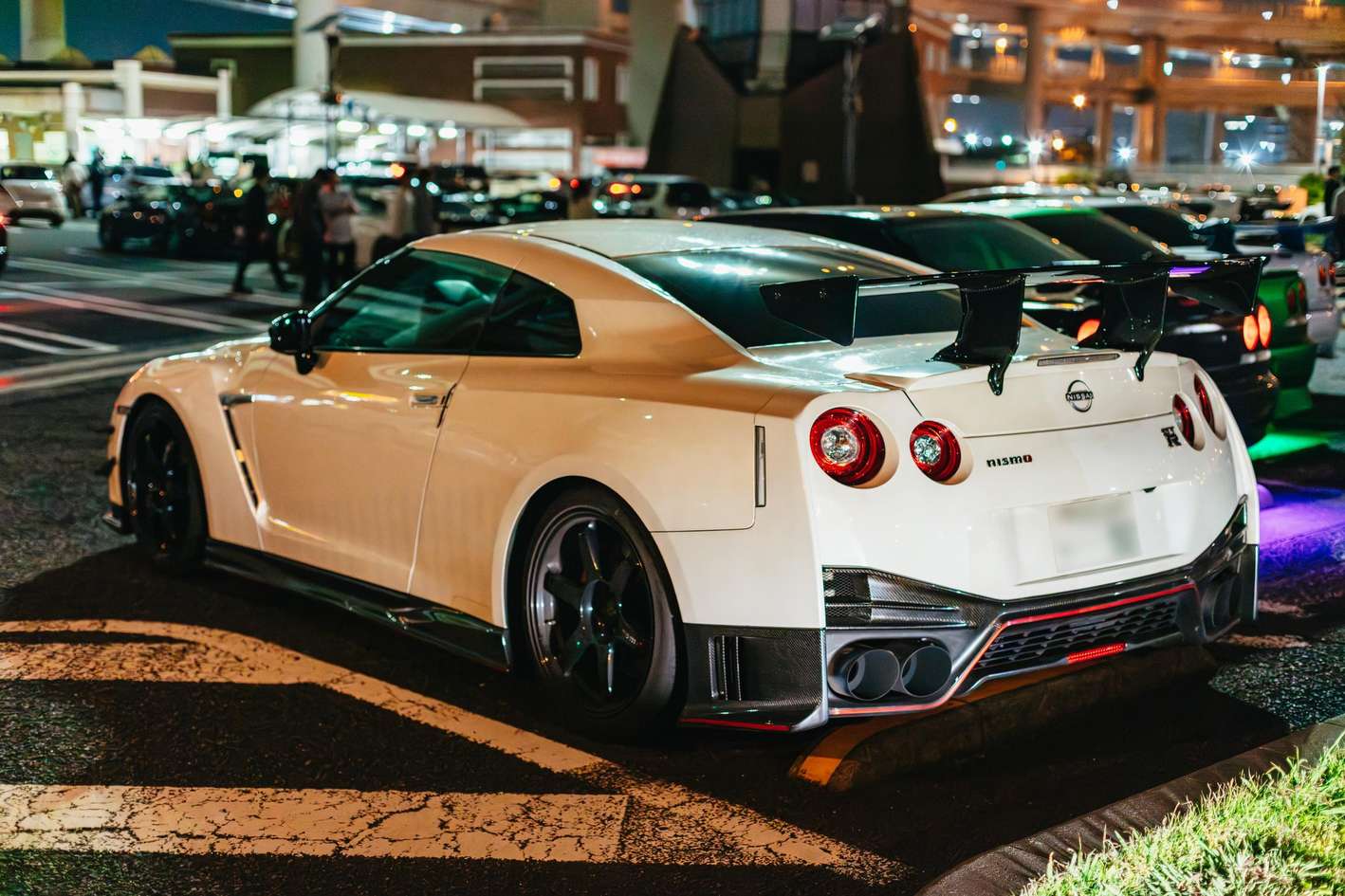
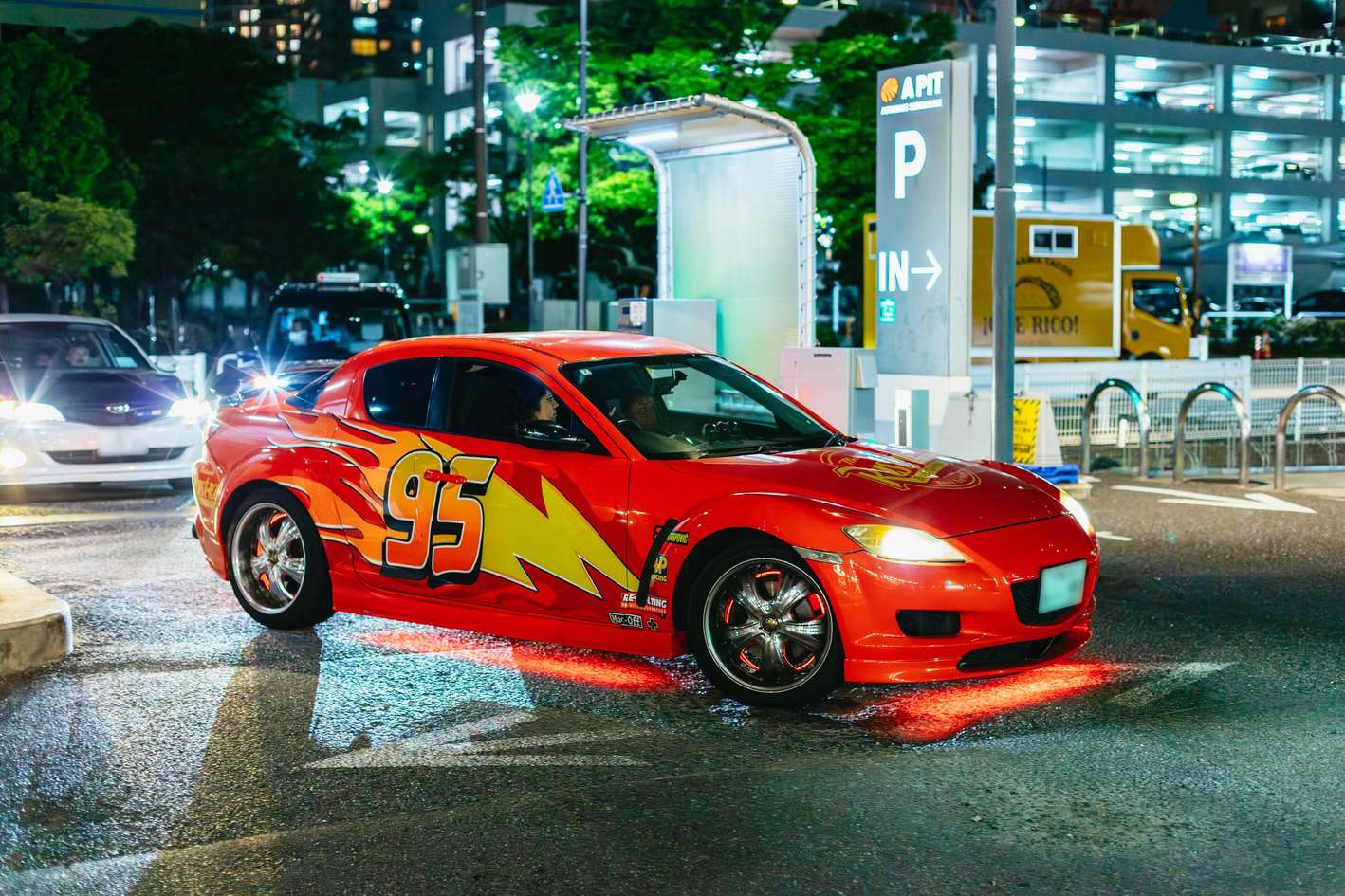
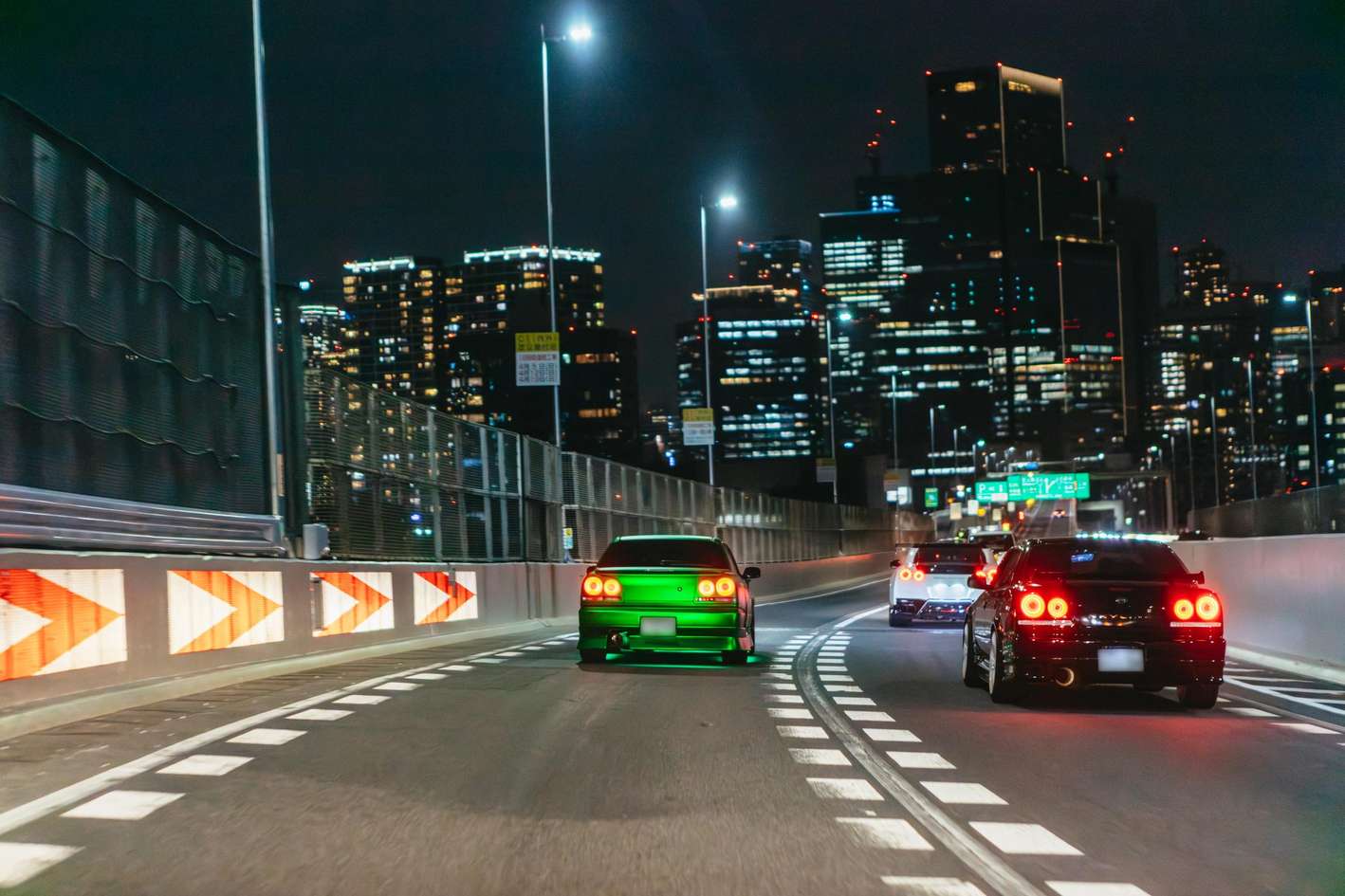
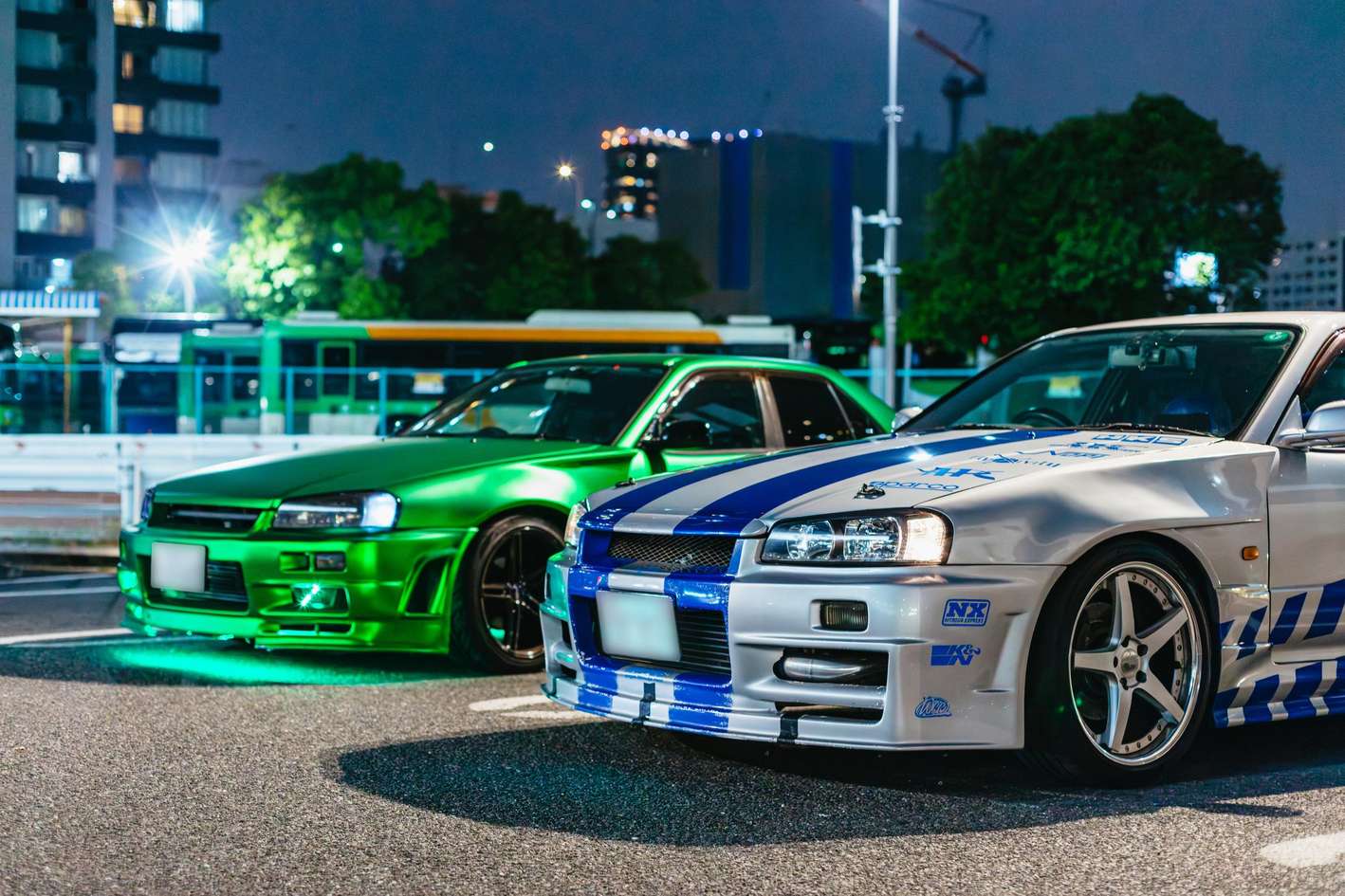
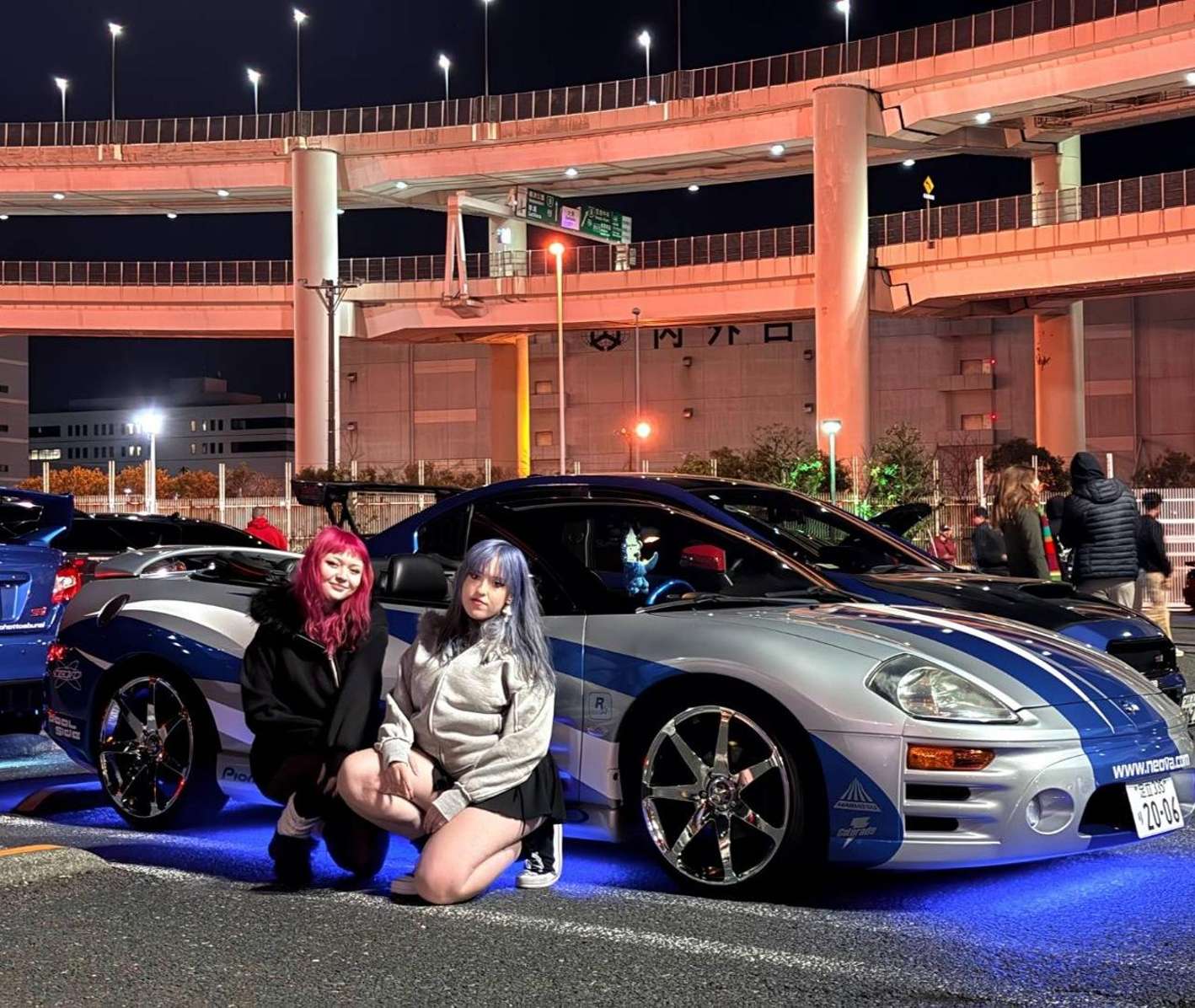
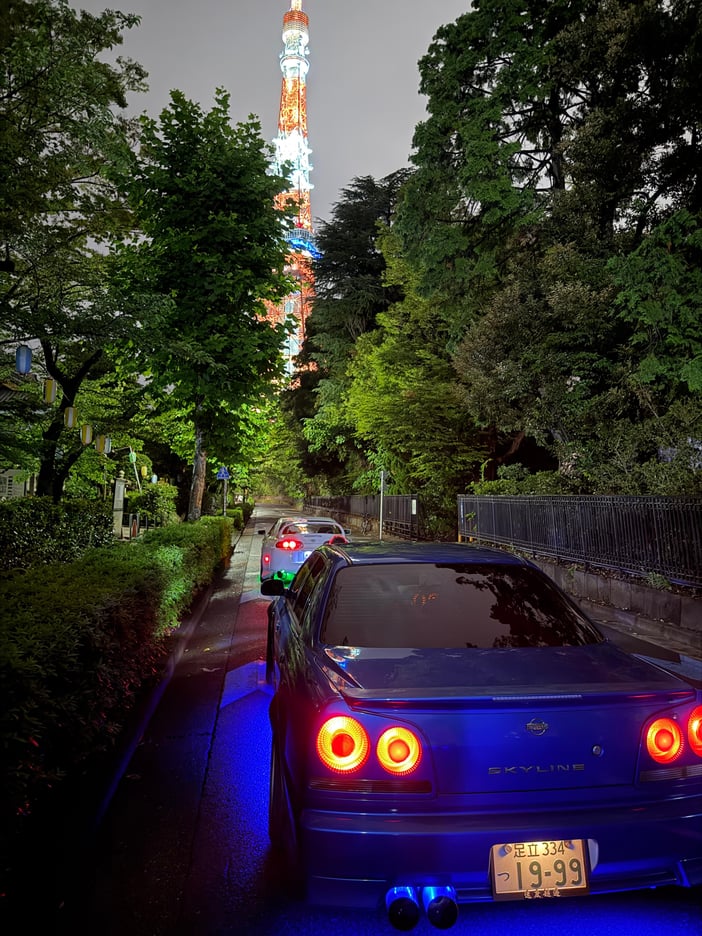
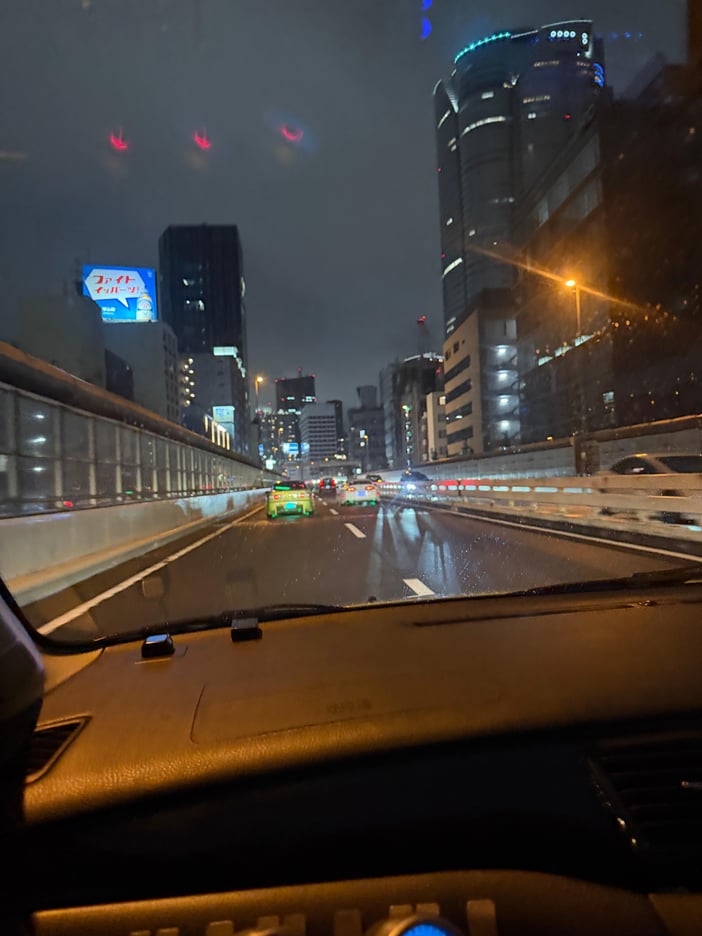
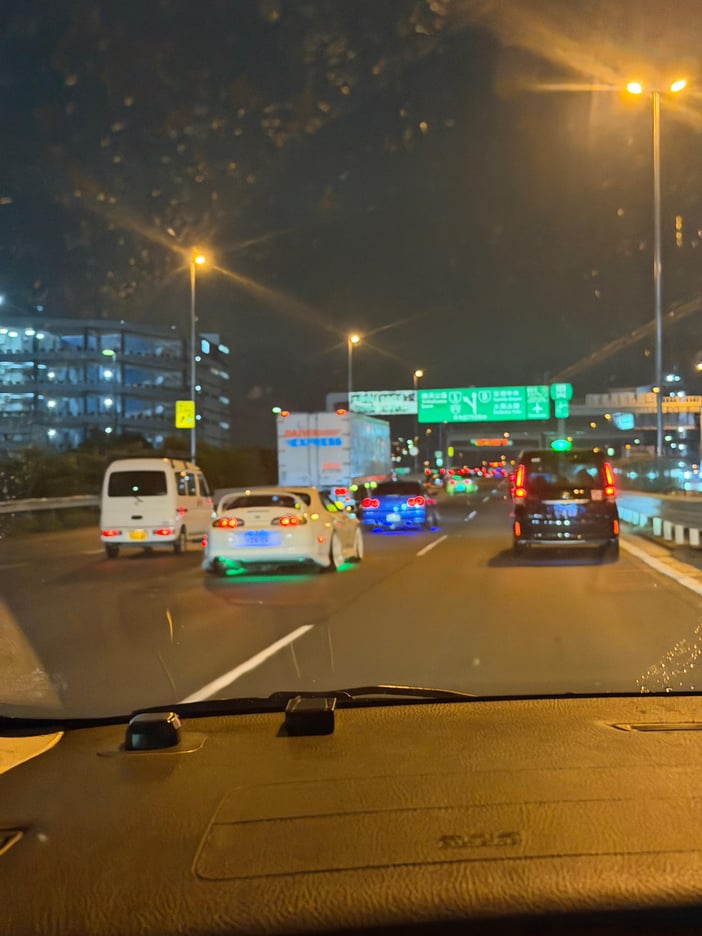
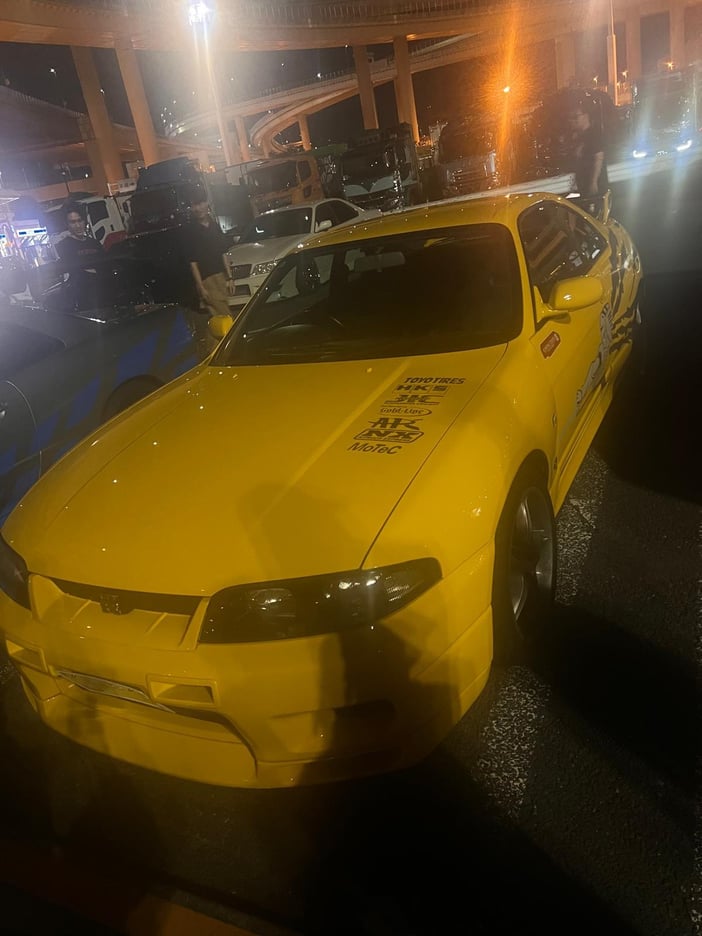
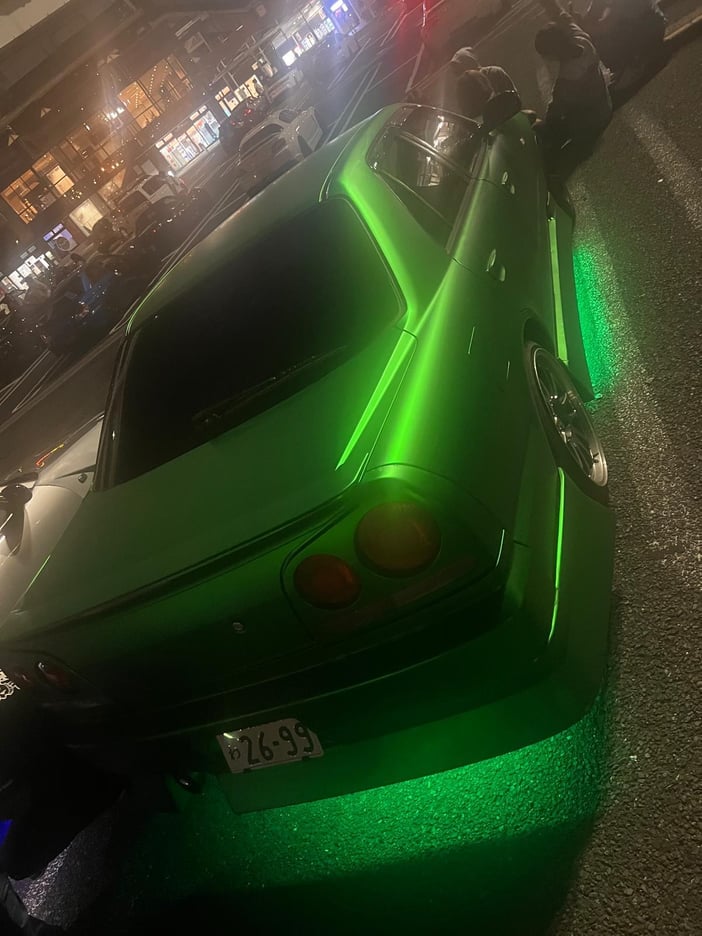
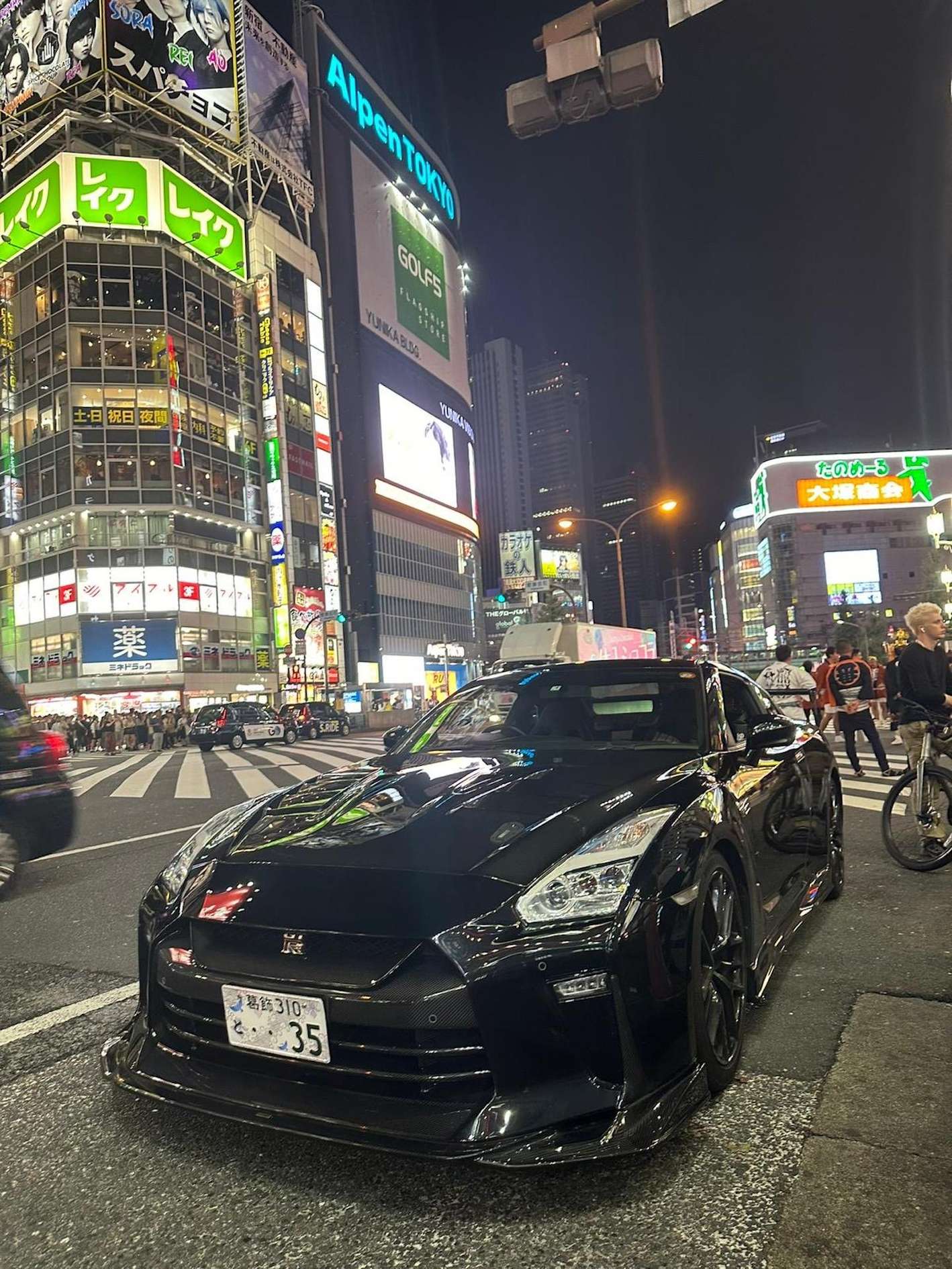
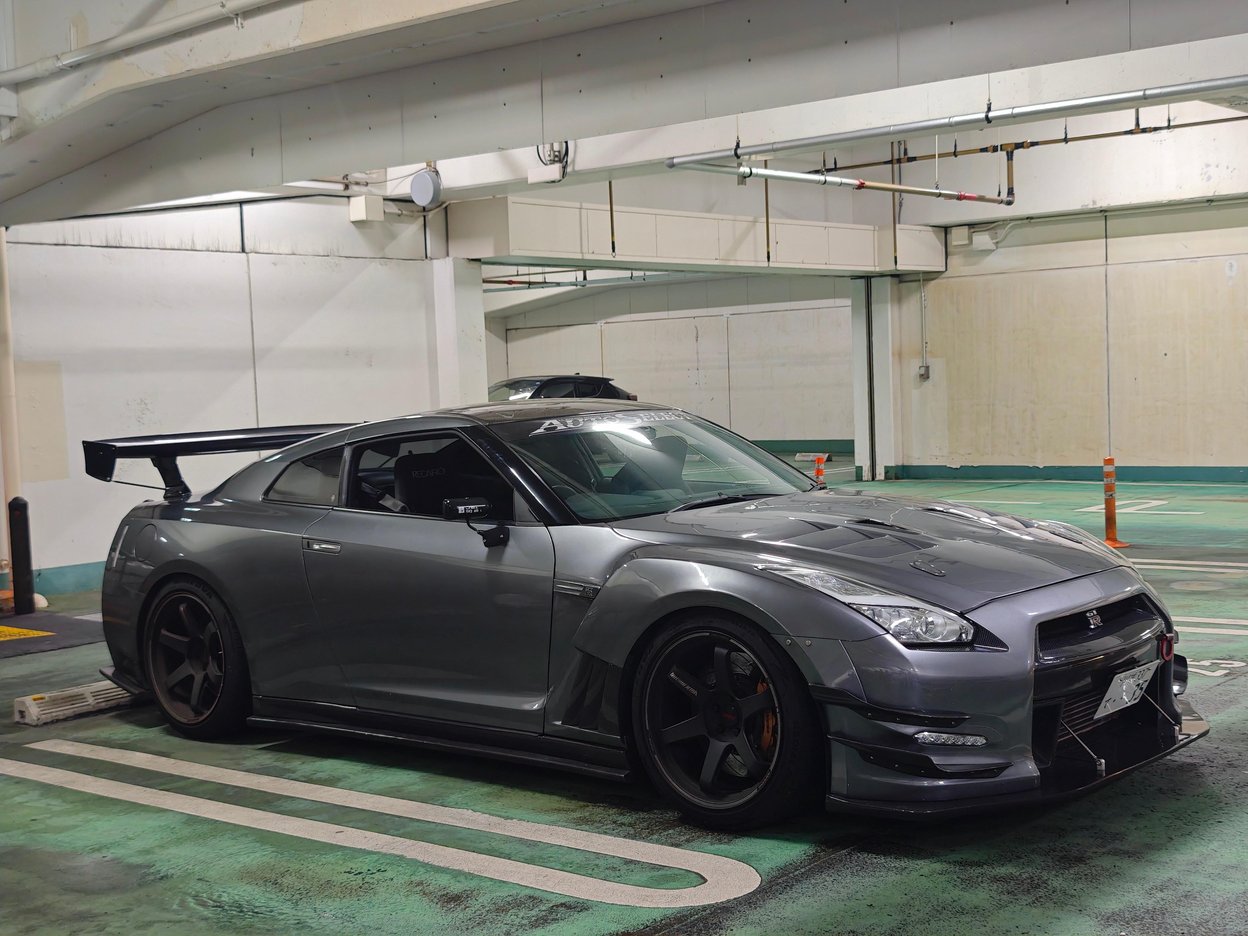
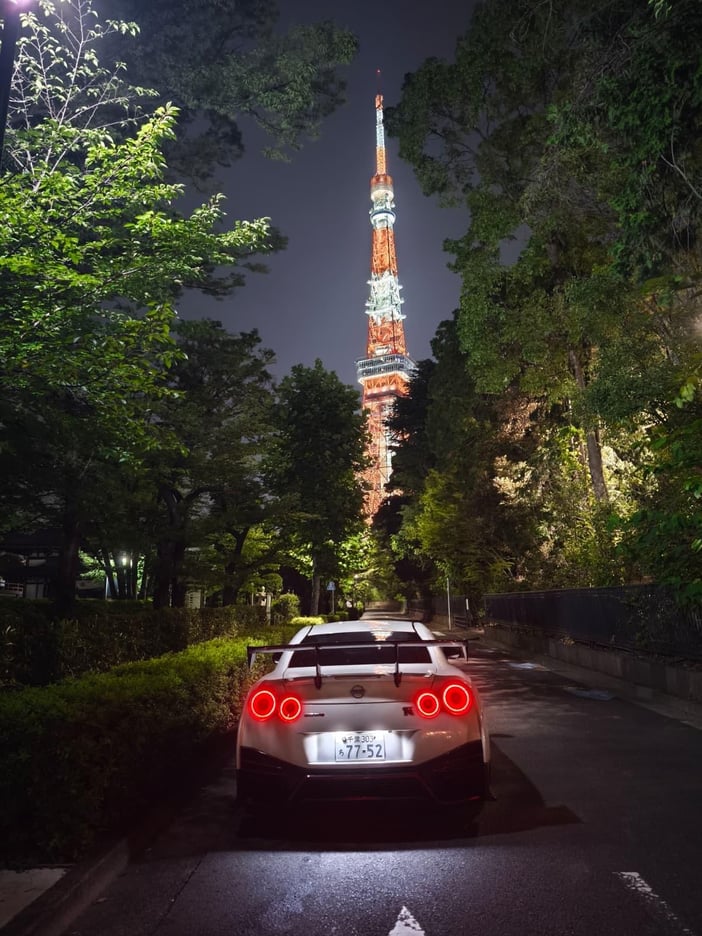
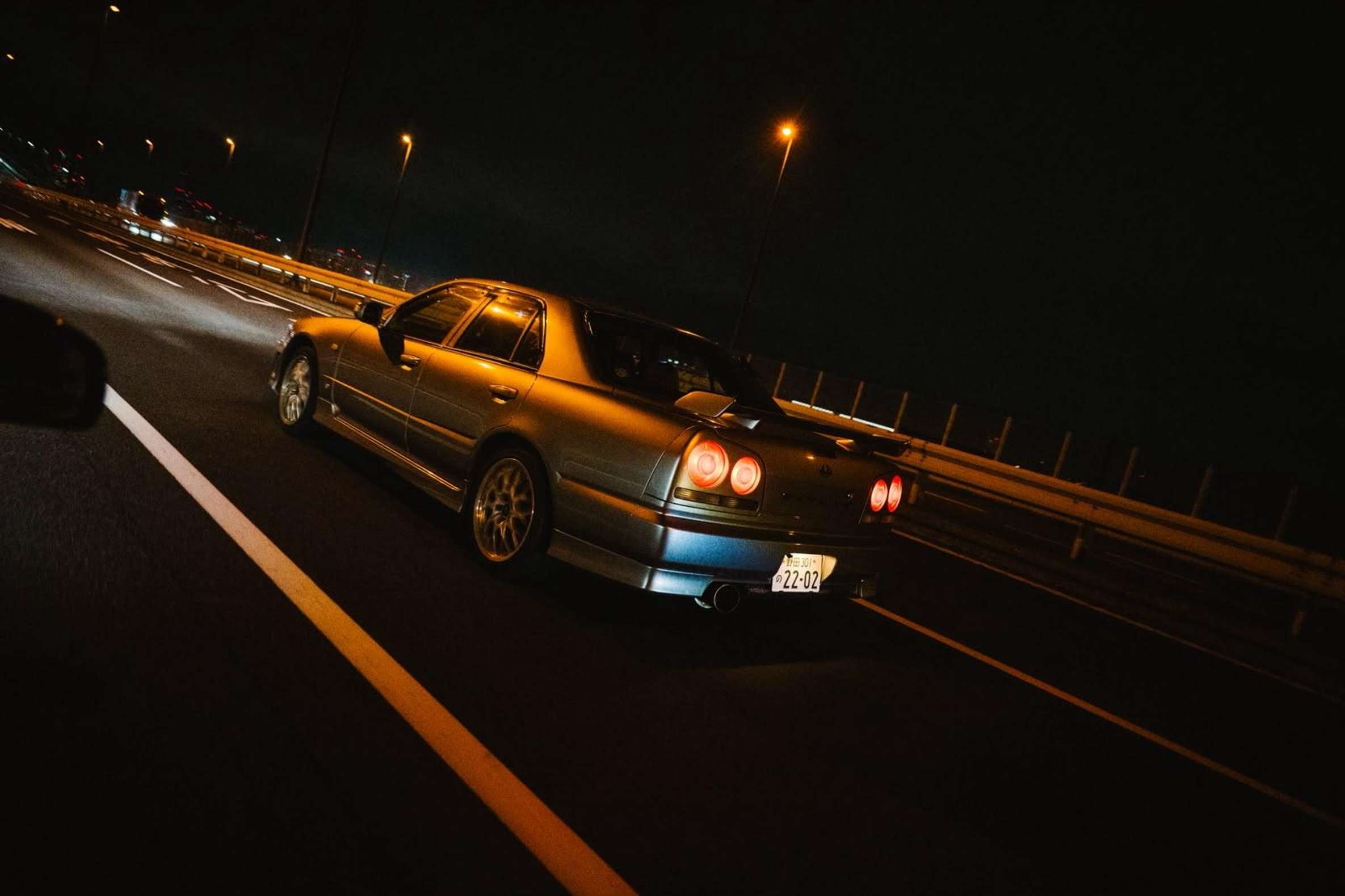
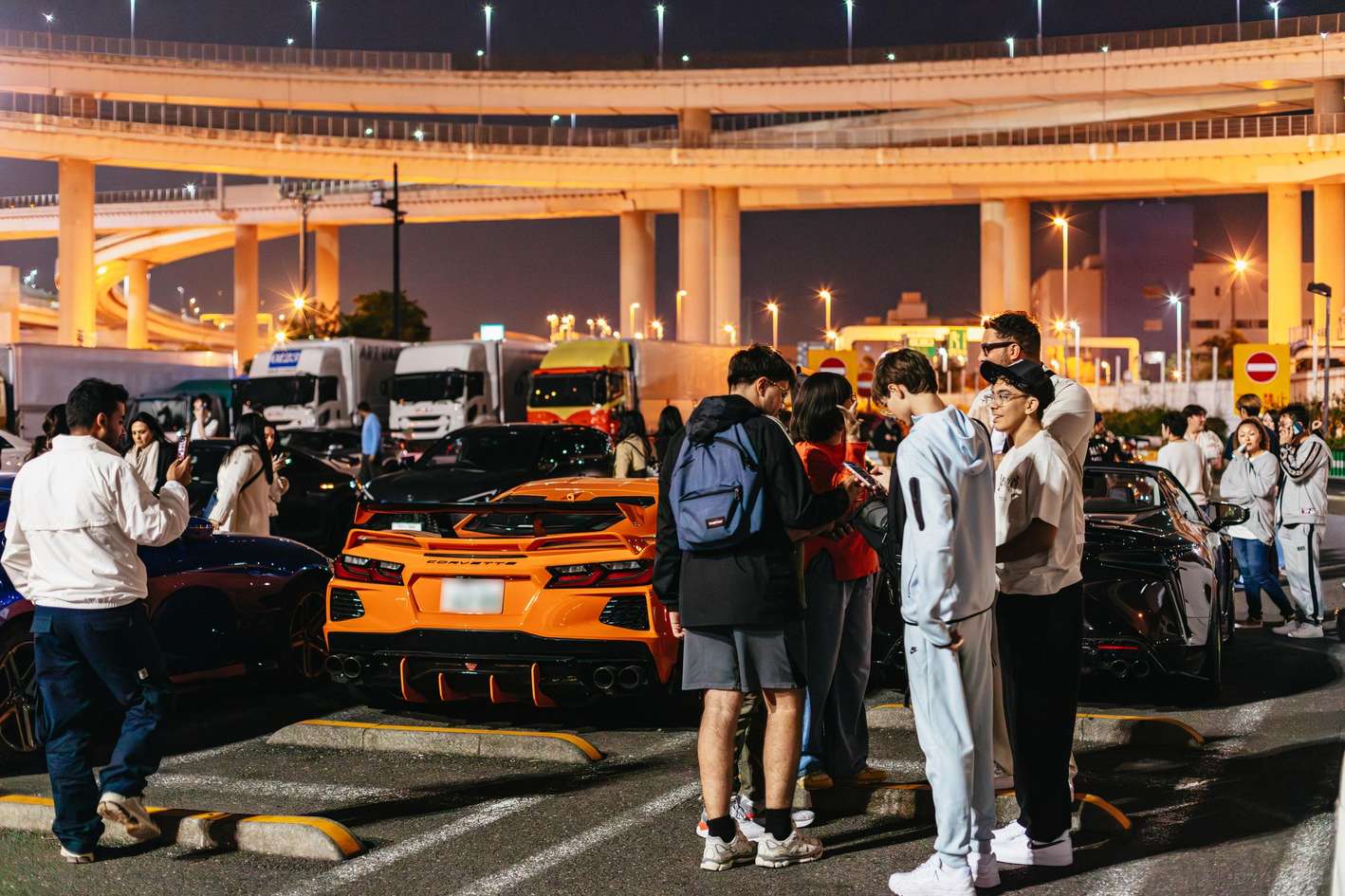
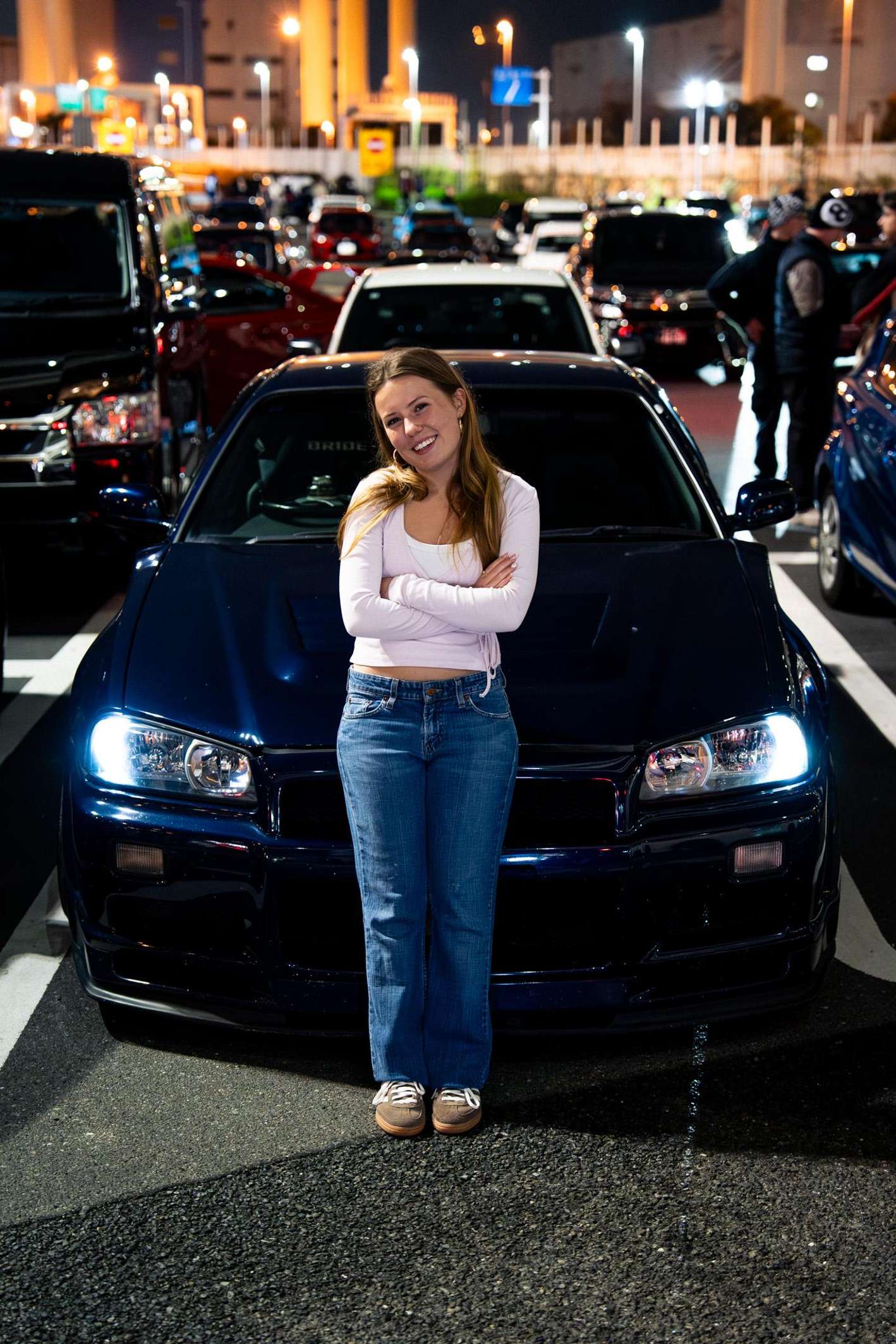
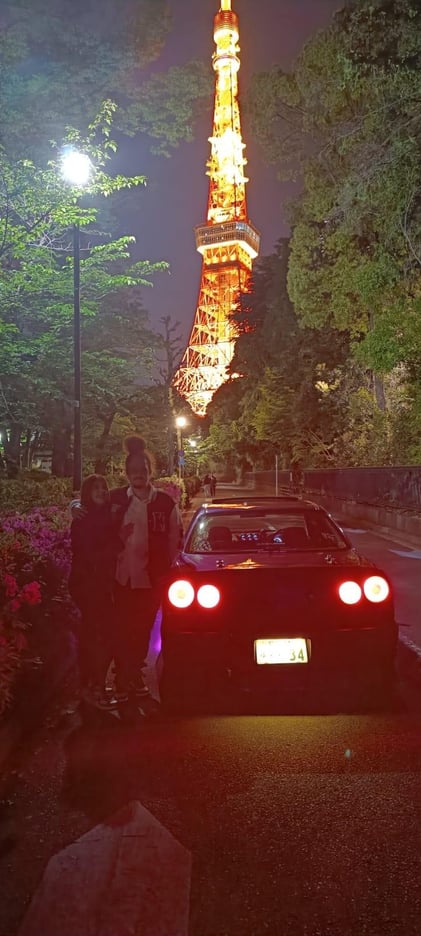
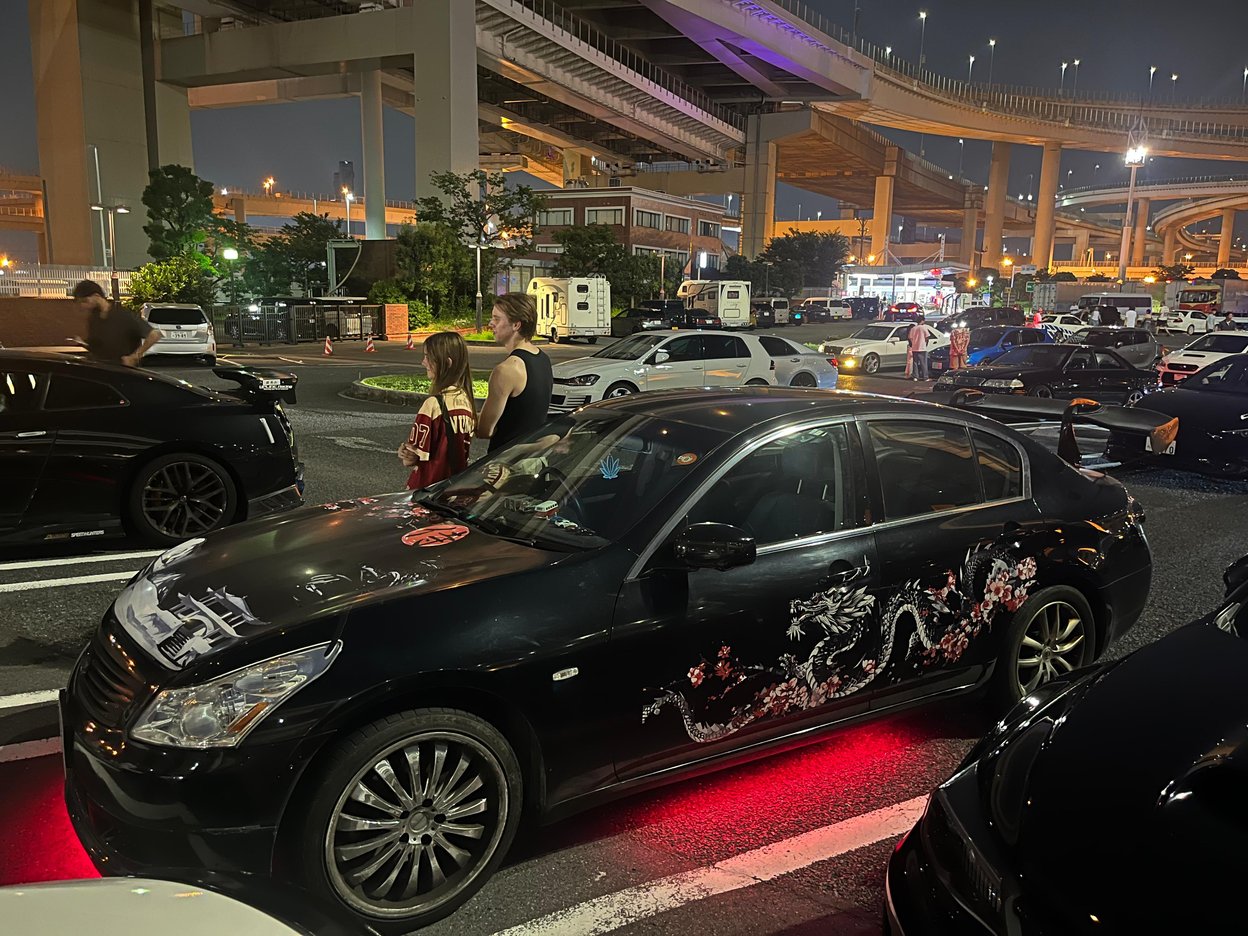
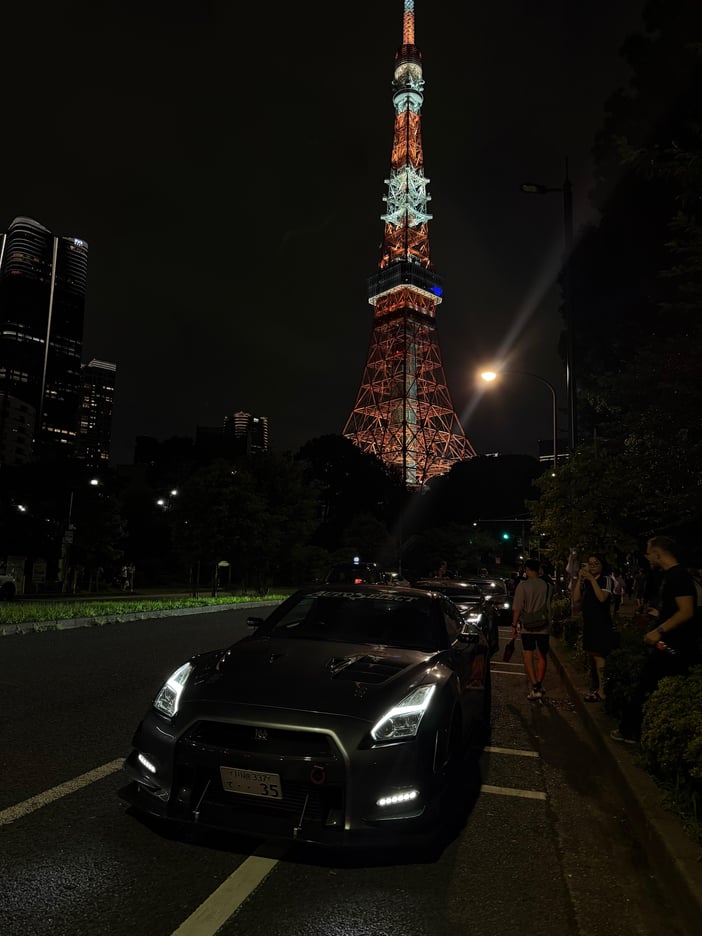
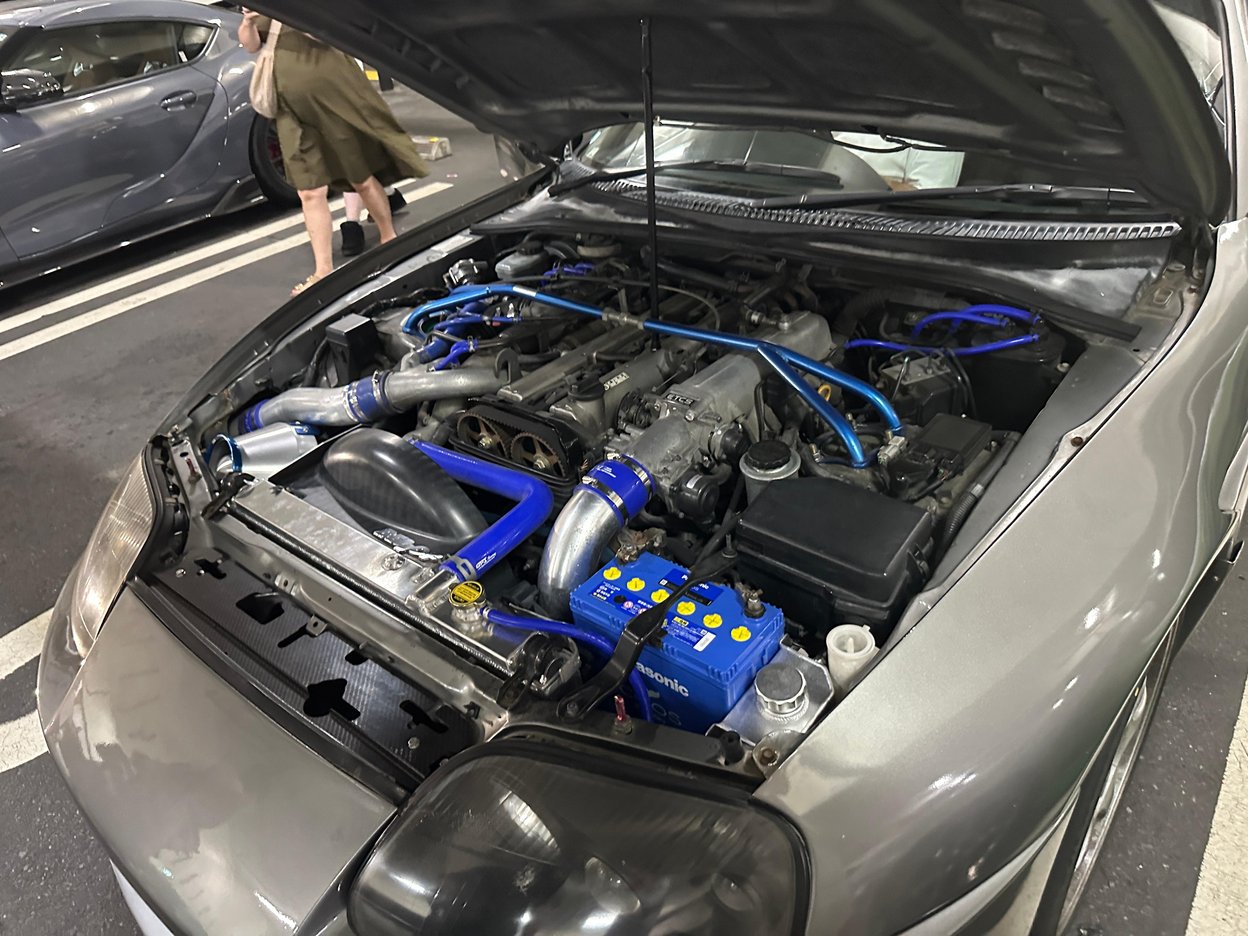
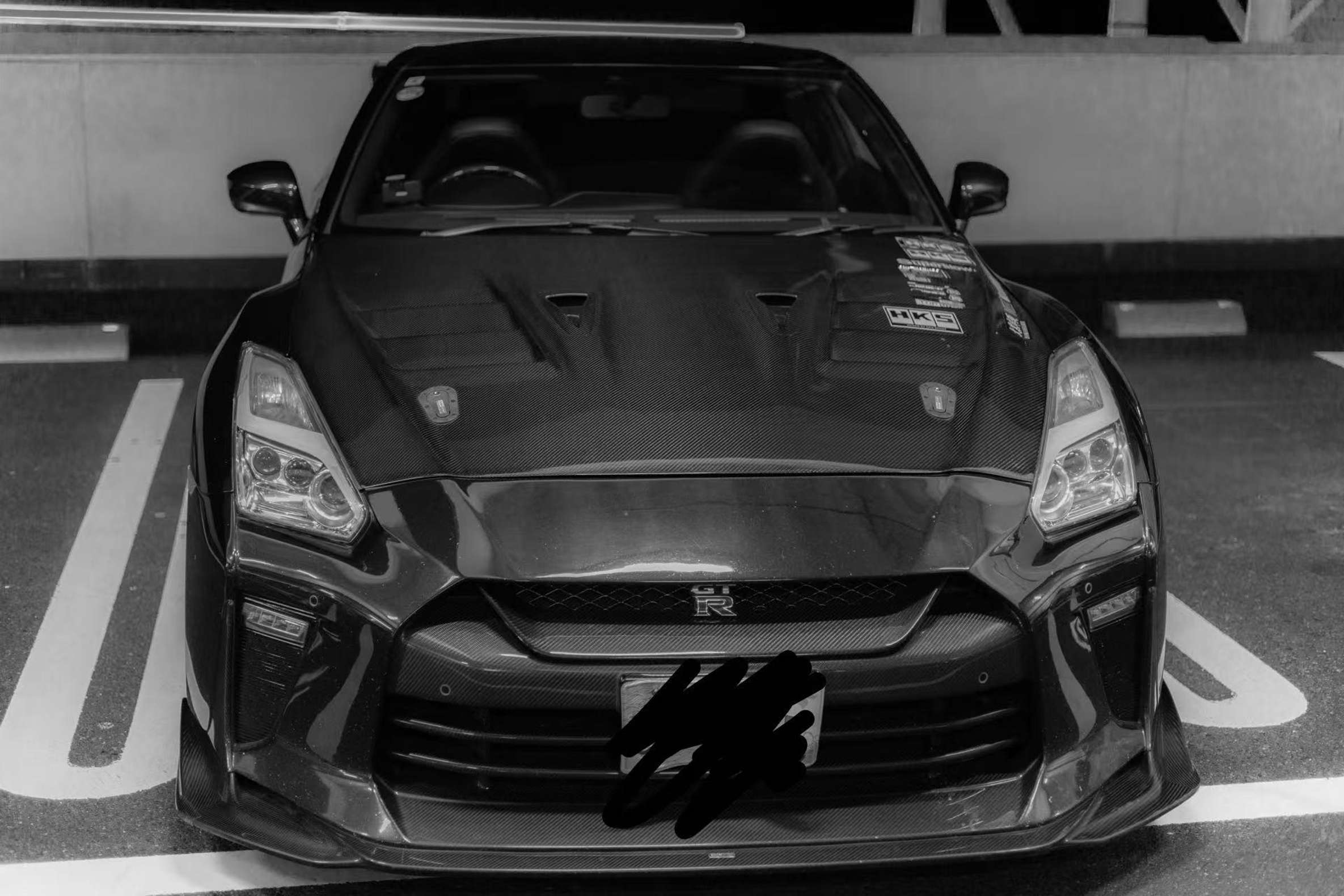
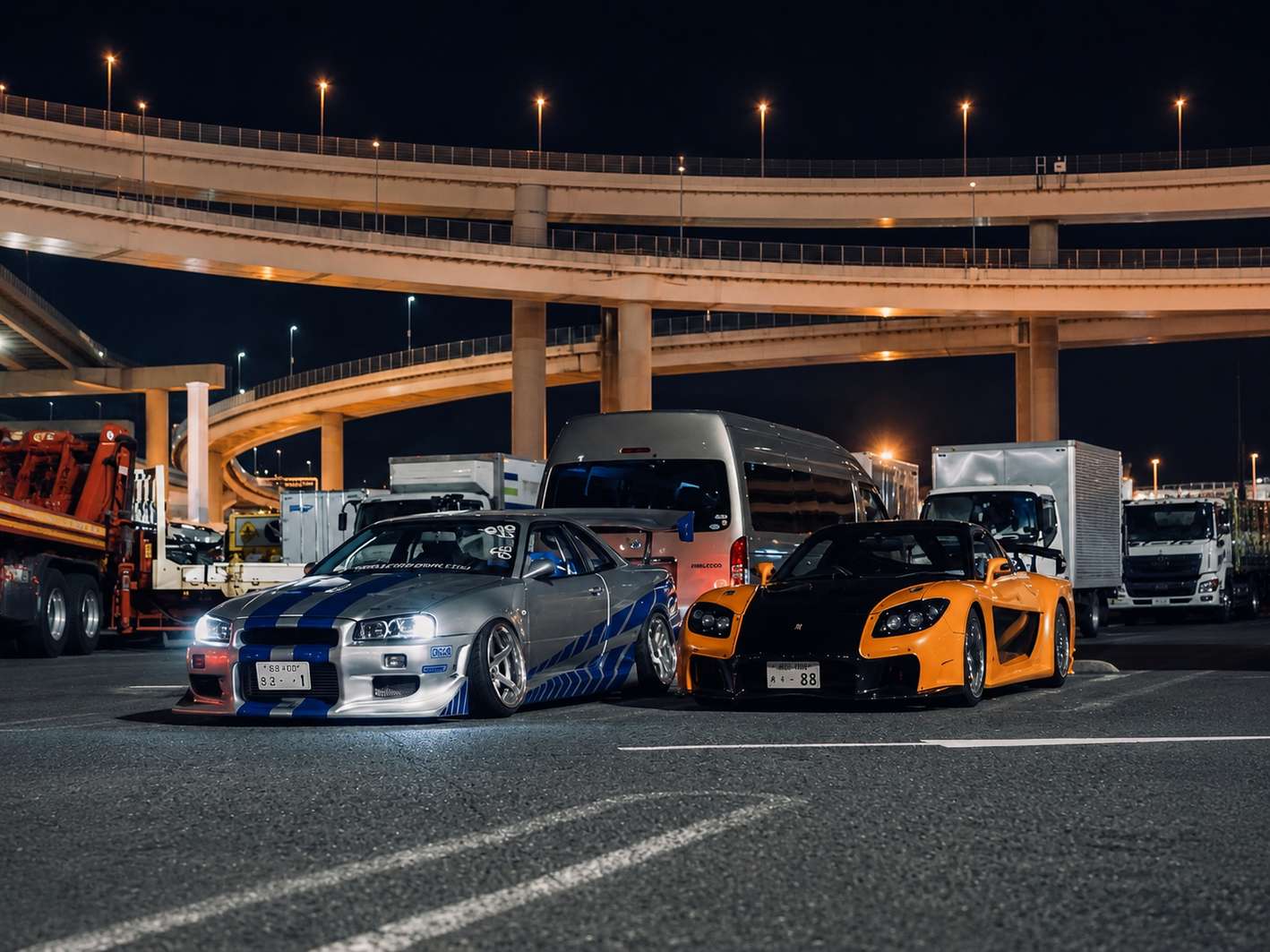
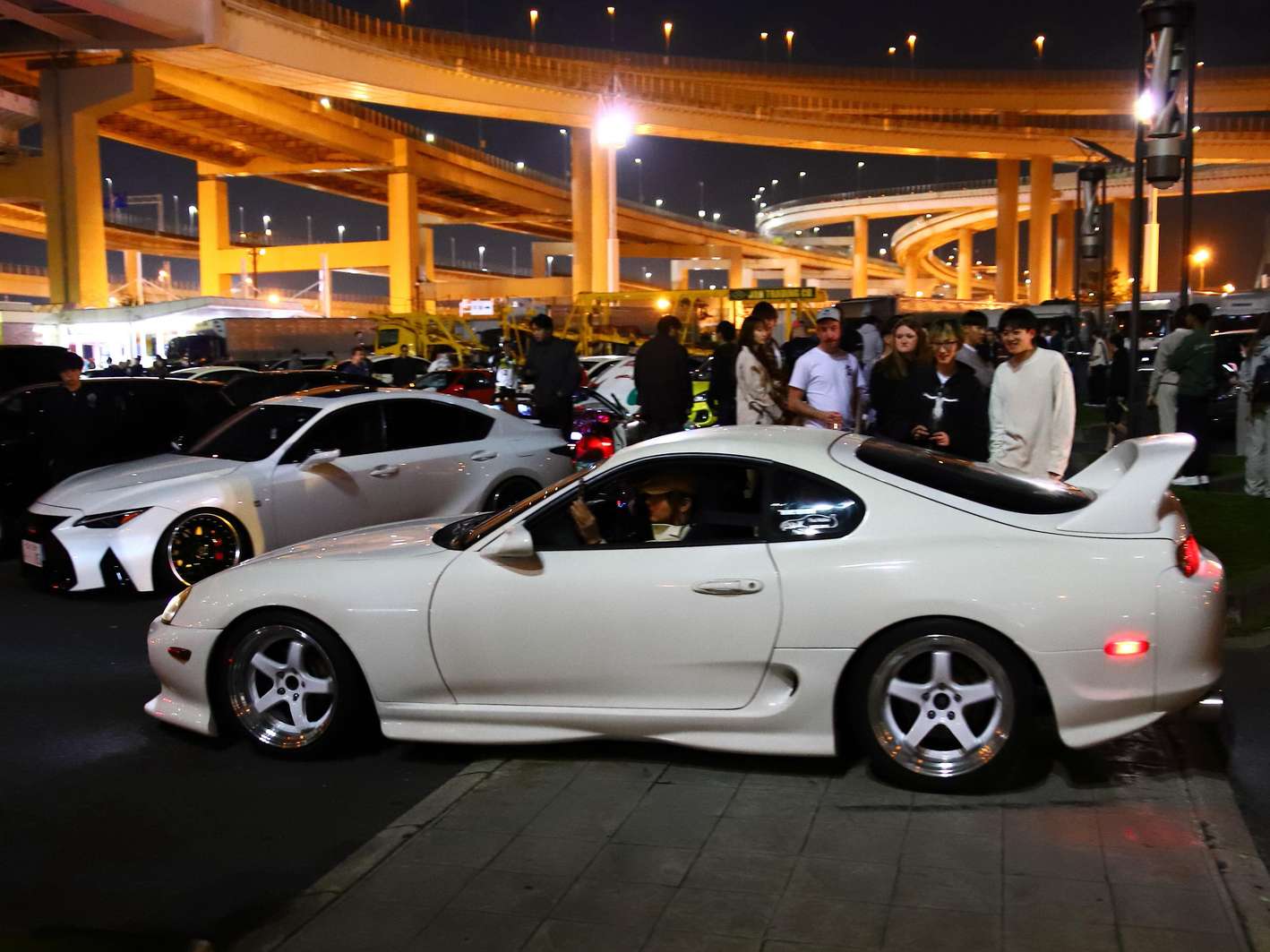
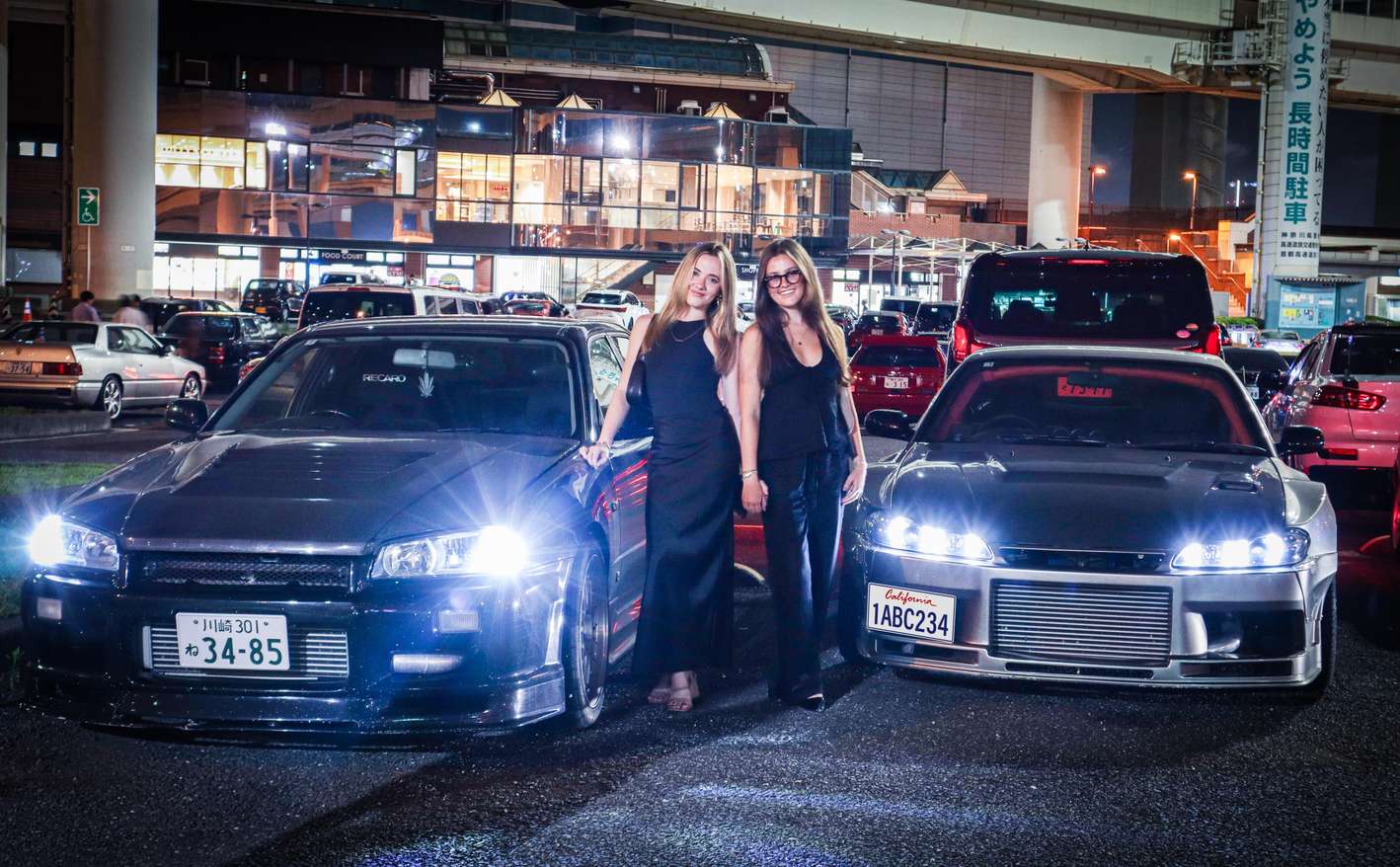
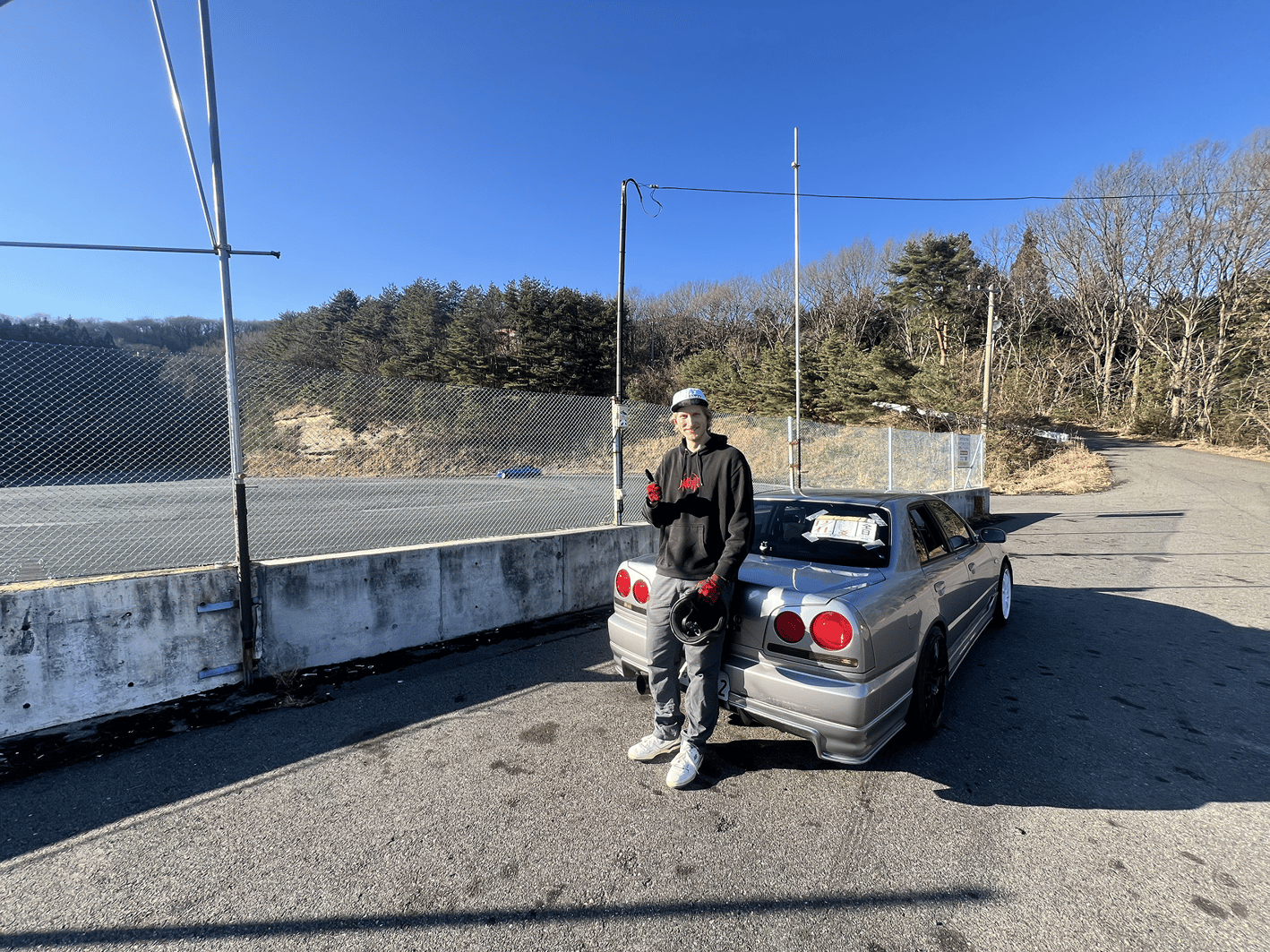
4.97,431 drivers put their R34s on the Wangan for this
Fast and Furious Car Tour in Tokyo Themed Experience in Japan
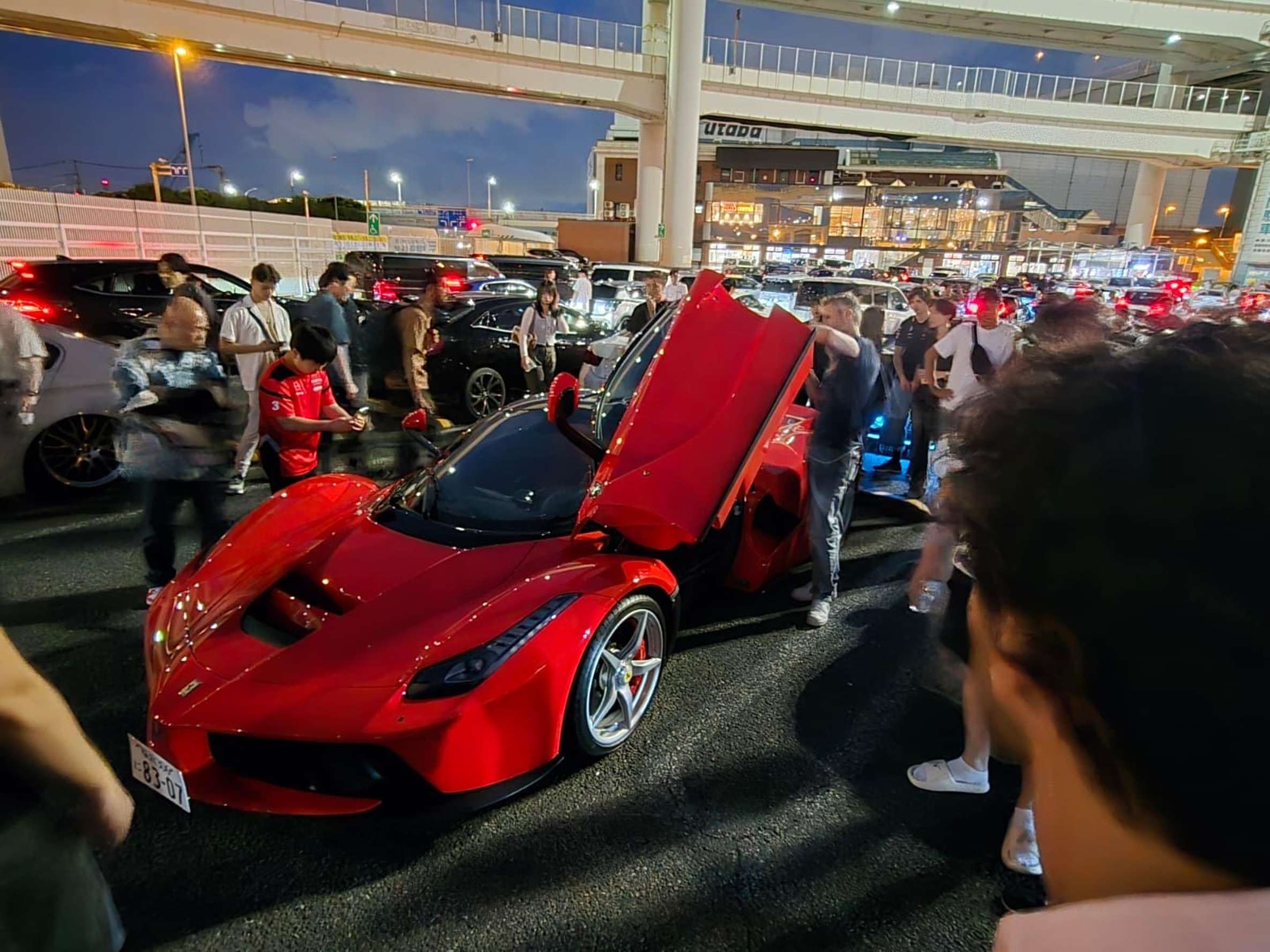
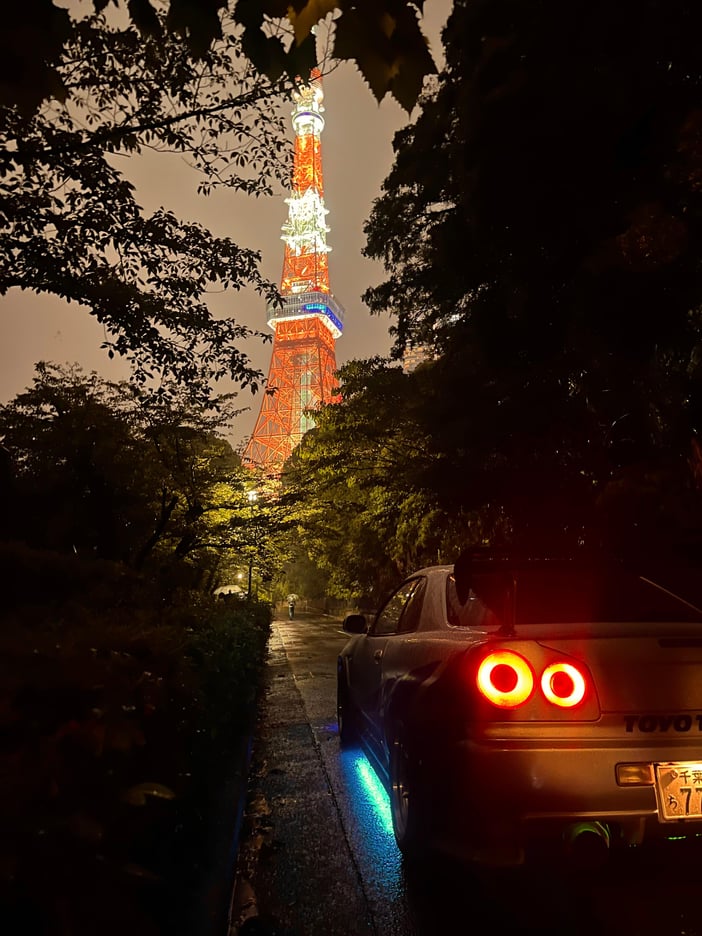
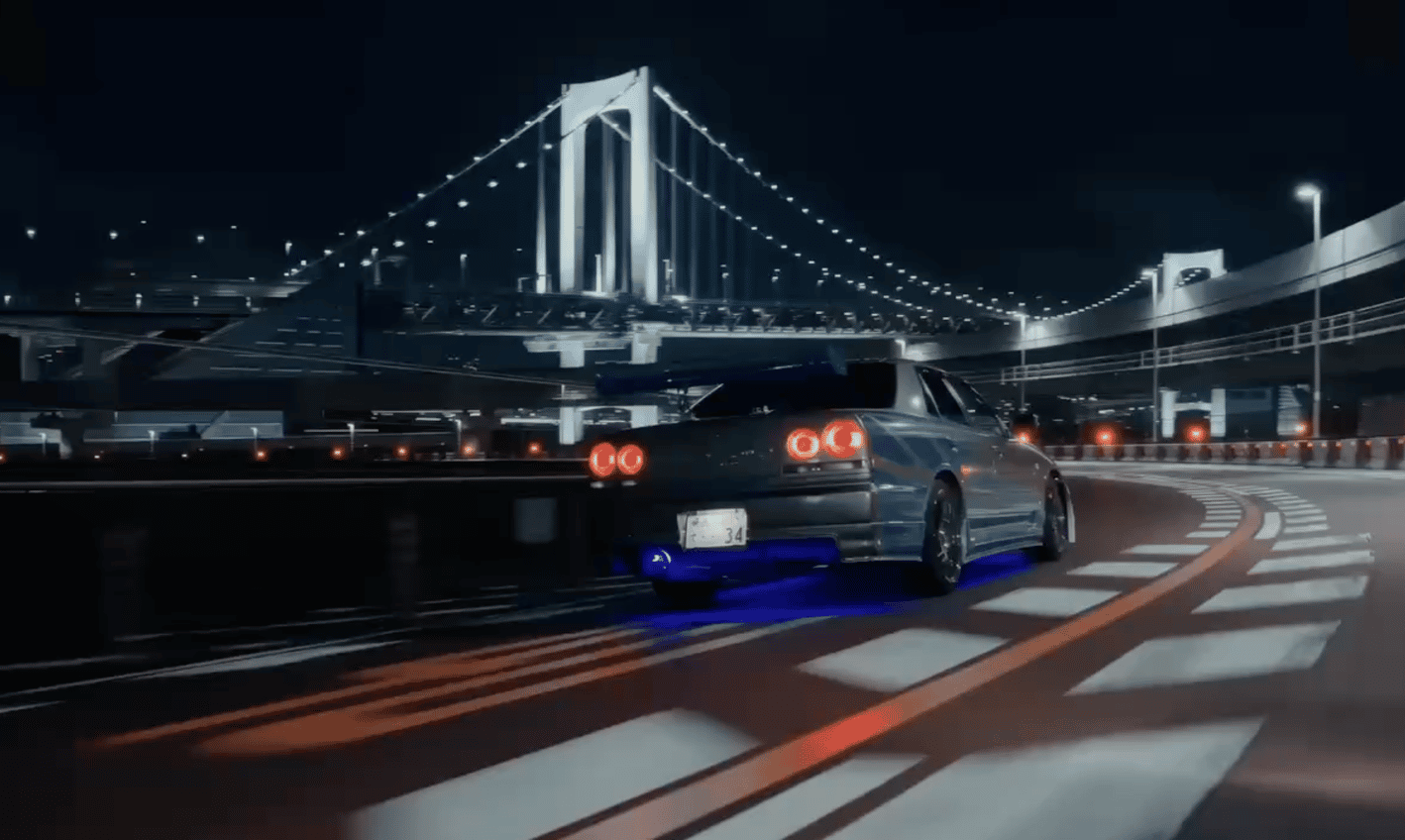
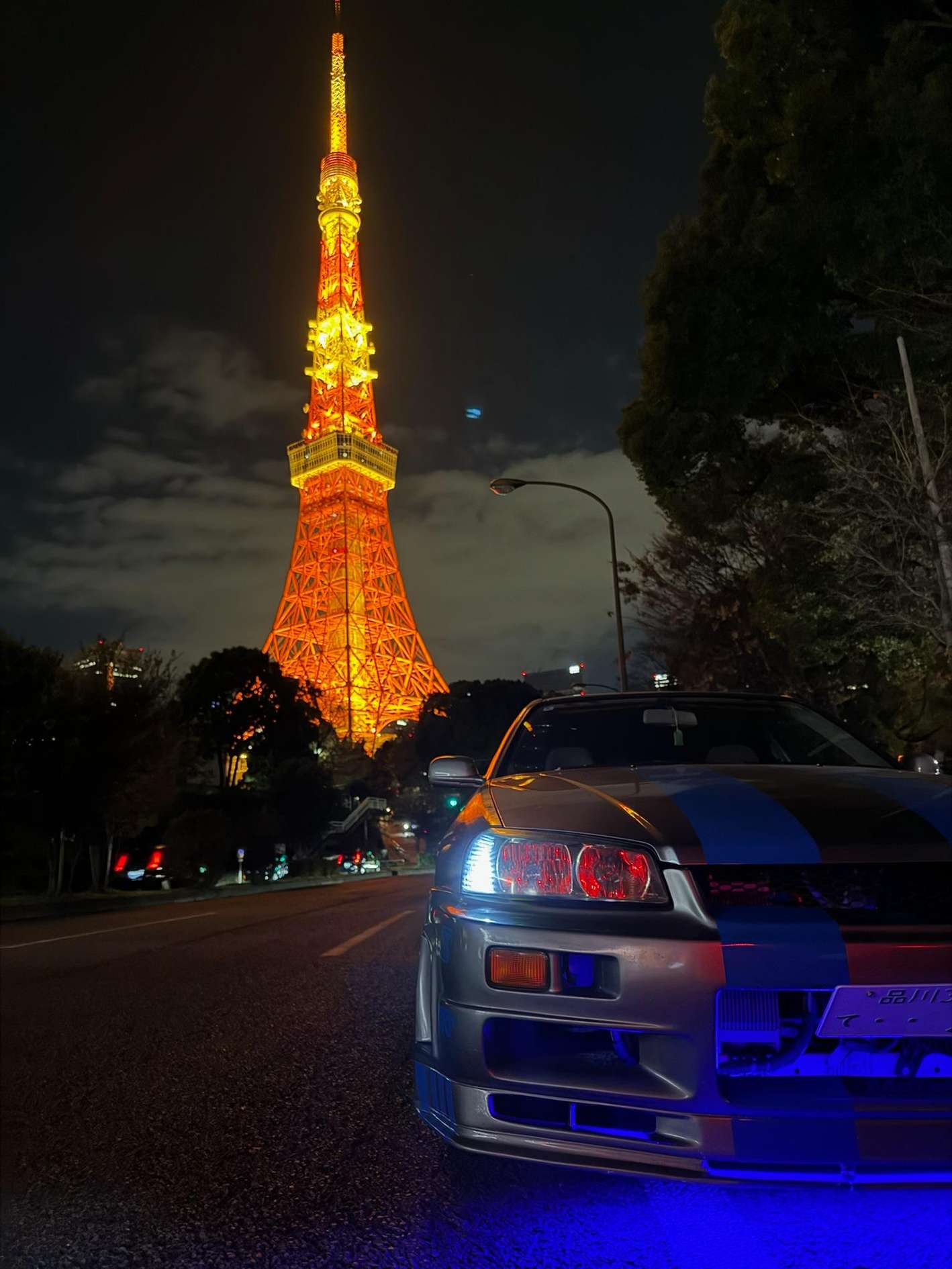
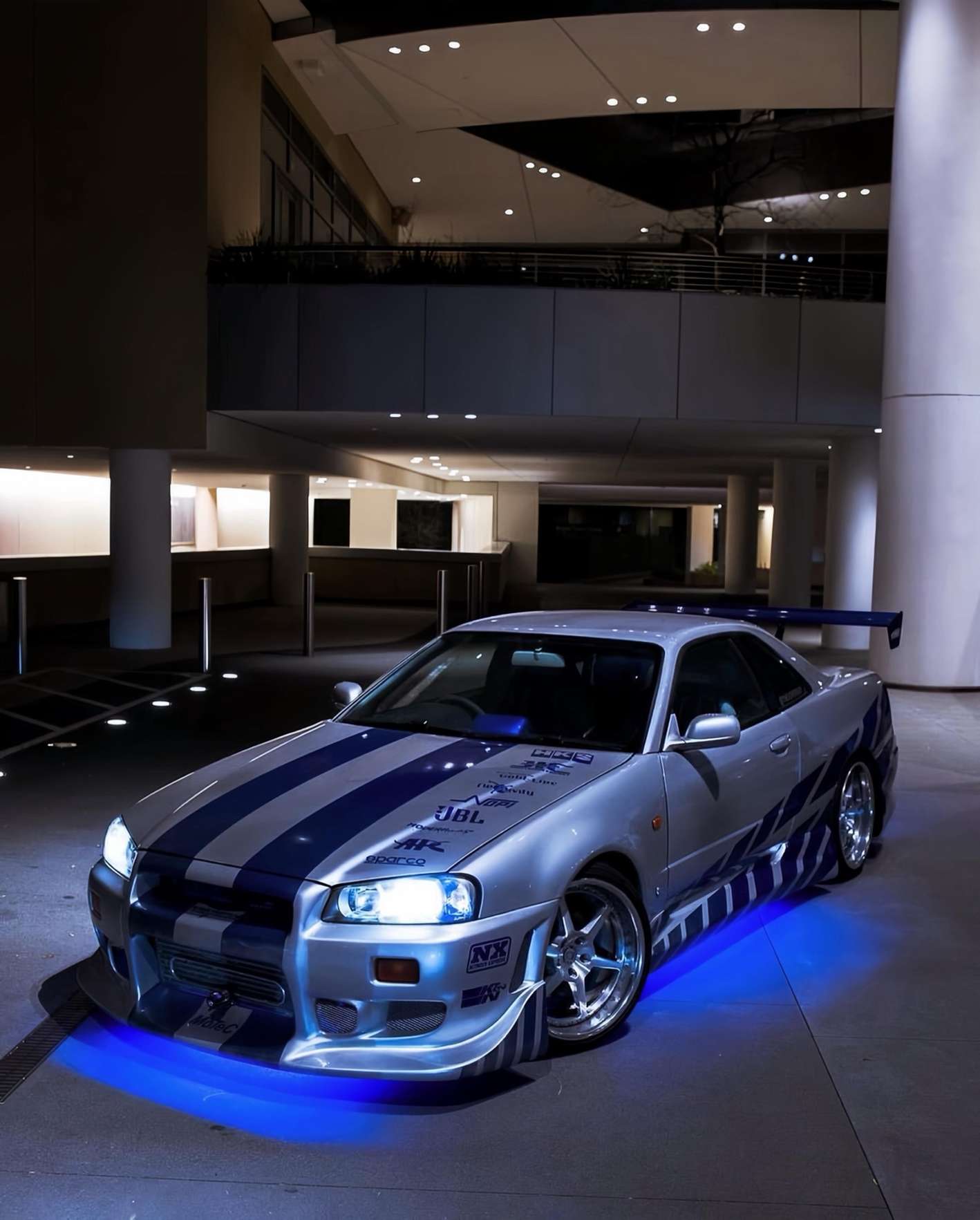
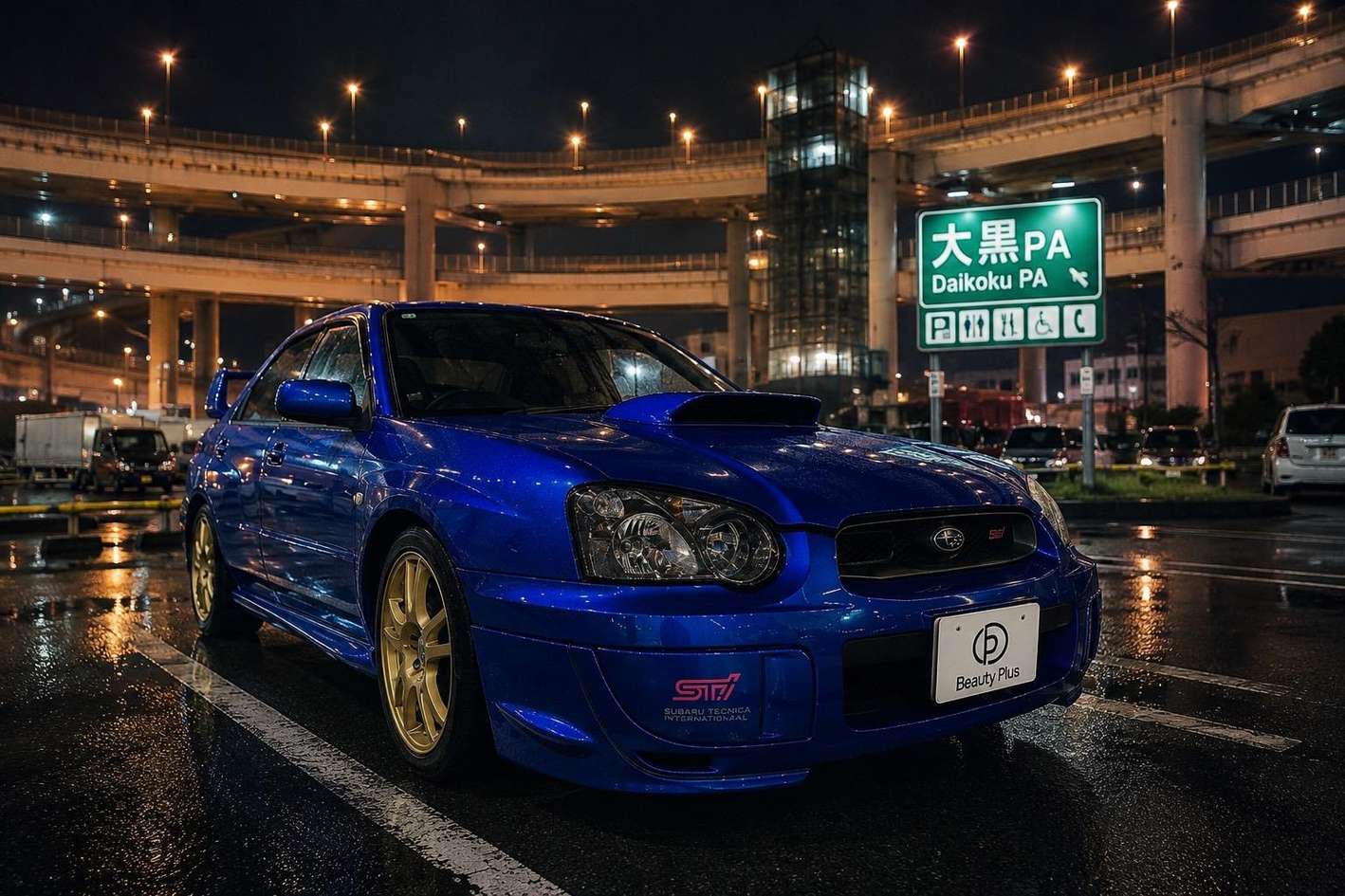
Book your Tokyo Drift night now and ride shotgun in a modified Skyline, Supra or GT-R through Tokyo's tunnels, over Rainbow Bridge and straight into the legendary Daikoku PA car meet, with local enthusiast drivers behind the wheel and photo stops at Tokyo Tower and Shibuya along the way. Pick a date, secure your seat before the fleet fills up, and step into the scene the movies only showed.
"WOW, absolutely otherworldly! Went solo and everyone was so sweet and welcoming. Plenty of time for drives, photos, and meet & greet. Do the pickup, they drop you off too, zero worries!"
4.9★average rating7,431traveler reviews100%free cancellation60countries travelers came from
Choosing your fast and furious car tour in Tokyo
The themed tours here split into three kinds: a night ride in a modified JDM car with stops at Daikoku PA and Tokyo Tower, a location tour focused on filming spots and photos, and a convoy run where several sports cars travel together. All are passenger rides, so no driving licence is needed.
LicenceNone needed, every tour here is a passenger ride with a driver arranged for you.
ClosuresPolice can close the Daikoku PA meet at short notice, most often on weekend nights, and tours then move to another spot or refund you.
CancellationAll these tours allow free cancellation up to 24 hours before the start.
BookingCheck WhatsApp notifications after booking, because operators message you before the tour if anything changes.
WeatherRain rarely stops the ride, but fewer cars may turn up at the meet when the weather is bad.
SeatingMost cars take three guests maximum, and some tours split friends across two cars that drive together.
AgeThe minimum age is 18 on most tours, and under-18s must be accompanied by an adult or guardian.
On boardNo smoking or vaping in the cars, and seat belts stay on at all times.
ClothingWear comfortable shoes and clothes, and bring a jacket, since the meet happens outdoors at night.
CarsLeave the paintwork alone, never sit on a car or lean on it for photos without the owner's permission.
importantOrdinary rain will not cancel your fast and furious car tour in Tokyo, but it can thin out the Daikoku car meet, and a severe storm or road closure is the only thing that triggers a reschedule.
Check the weather before the night, keep your messaging app notifications on so the operator can reach you before departure, and bring a light jacket since parts of the evening happen outdoors by the water.
Fast and Furious car tours in Tokyo - which one to book
Most popular
3 - 4 hours·English, Portuguese
4.8(5,784)
Tokyo: Fast & Furious Tokyo Drift III Experience
The most reviewed themed tour here: 4.8 from 5,784 riders, with a fleet of 40 sports cars and a Daikoku PA stop.
Free cancellationExclusive selection of JDM sports carsFuel and toll fees
Fast and Furious car tour in Tokyo - what you'll see
9 stopsabout 2.5 h12 places
A modified JDM car picks you up and the night runs through the places you know from Tokyo Drift: Shibuya Crossing, the Hachiko corner, Rainbow Bridge over the bay, then the Wangan Route out to Daikoku PA. A driver does all the driving, so no international permit is needed.
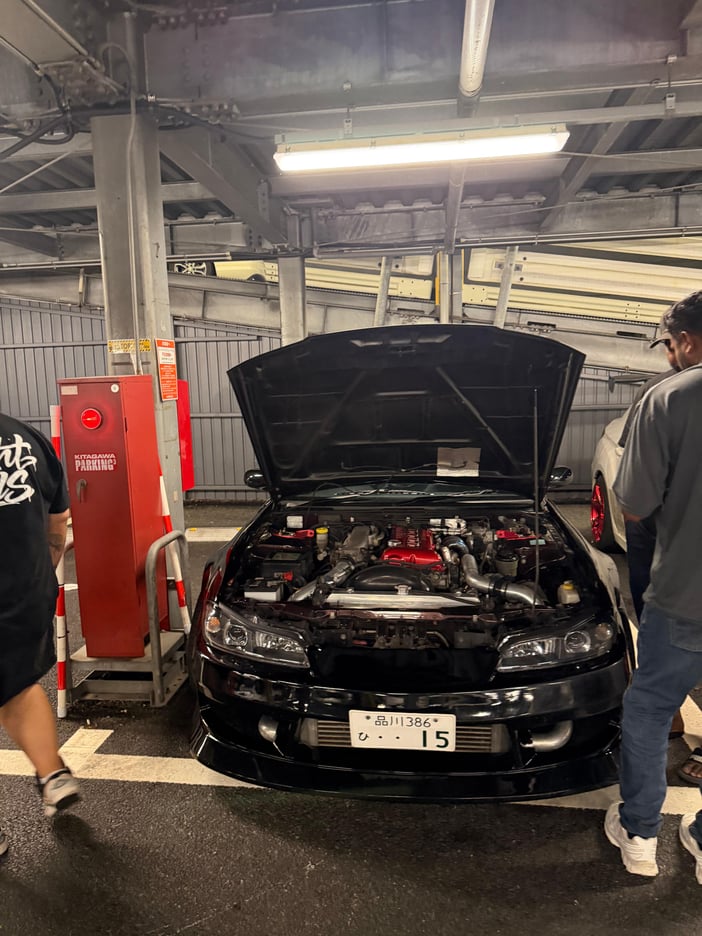
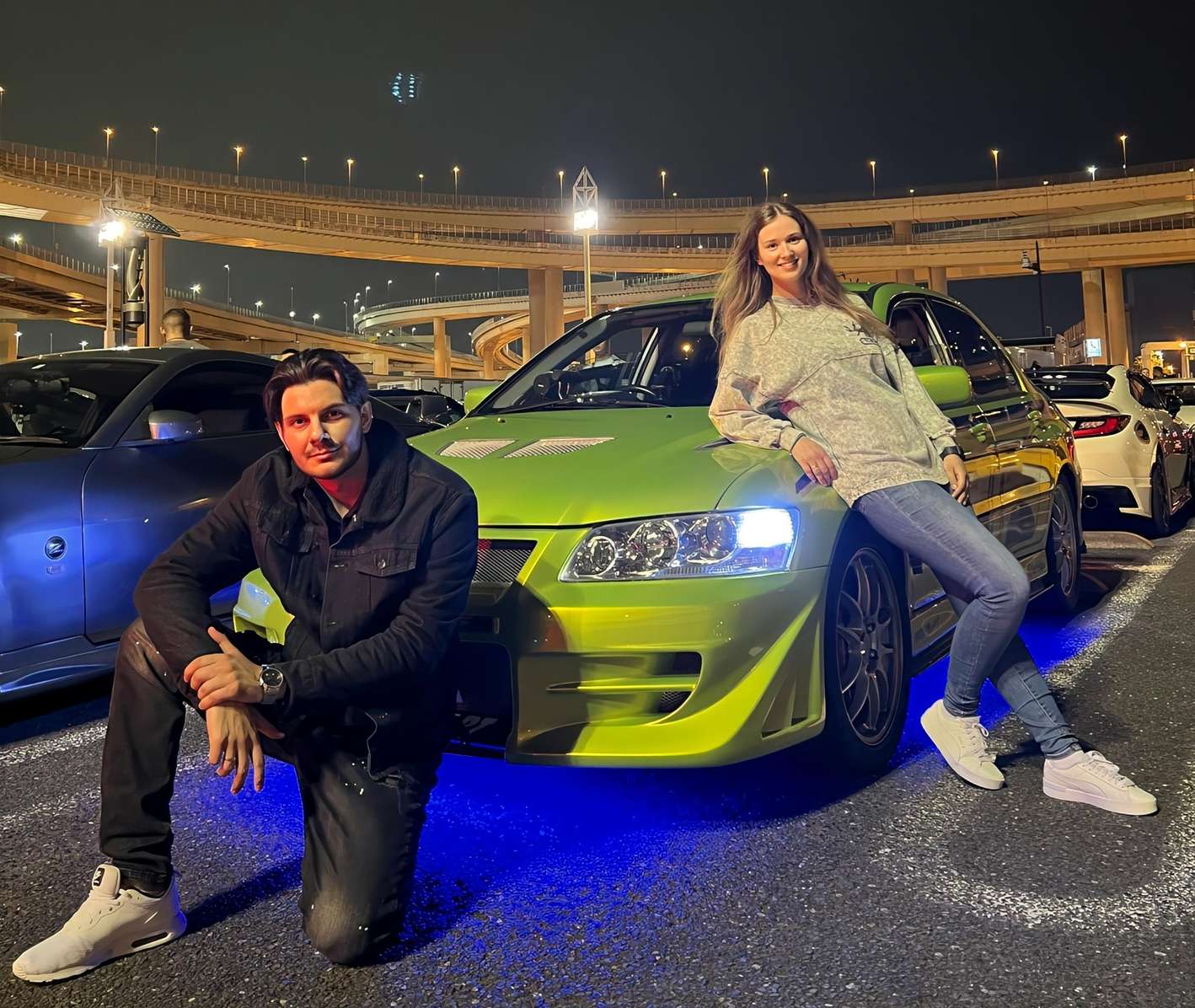
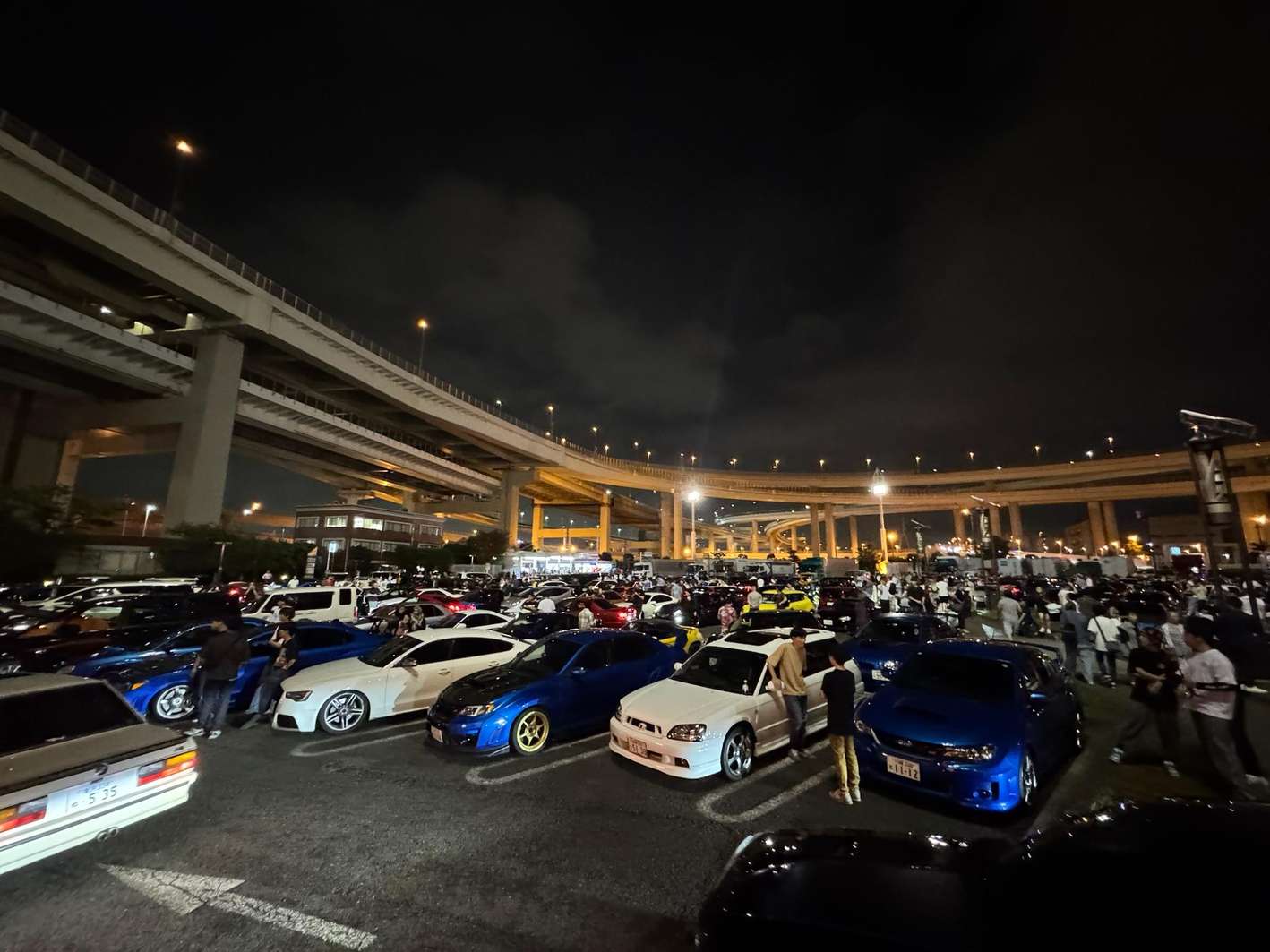
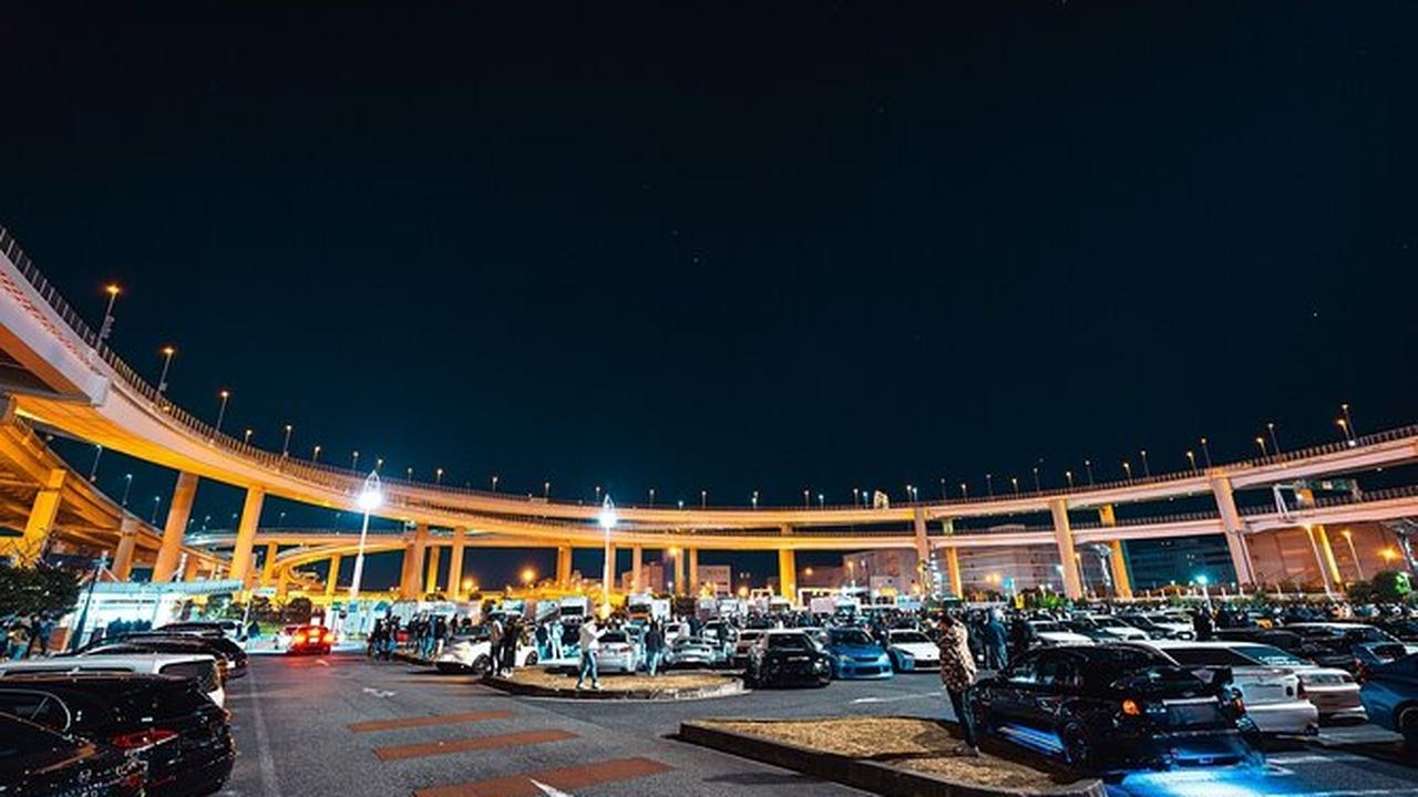
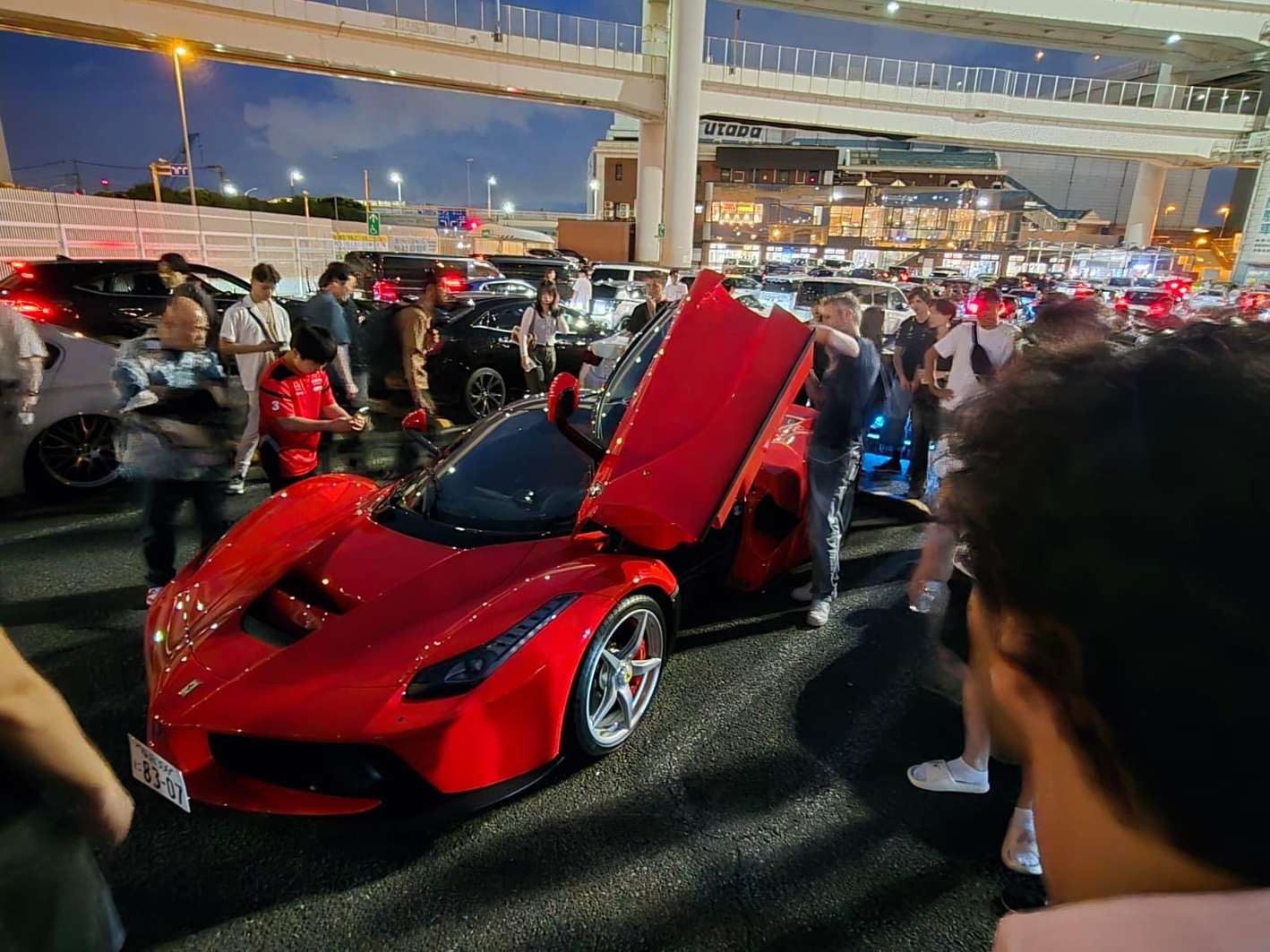
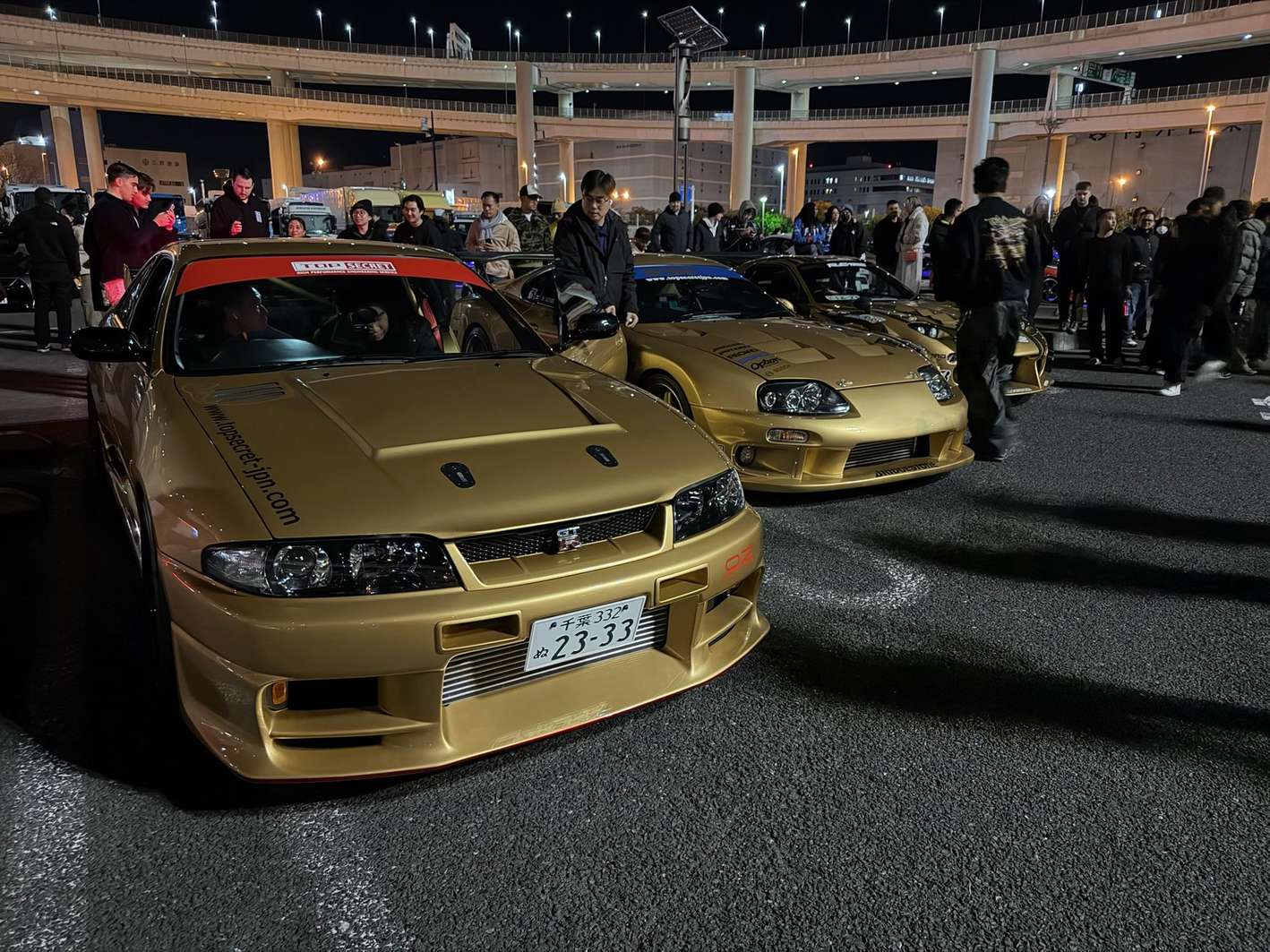
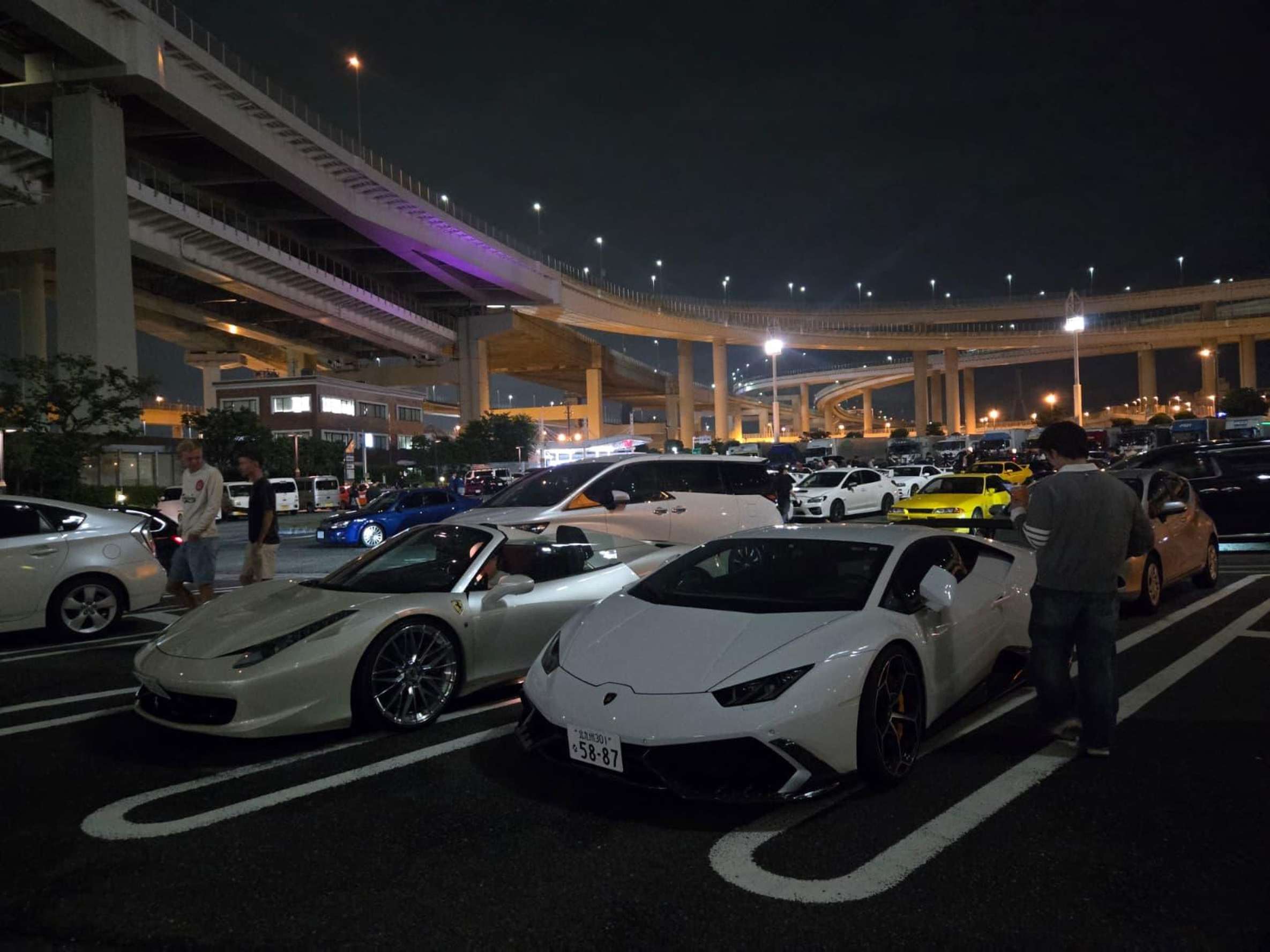
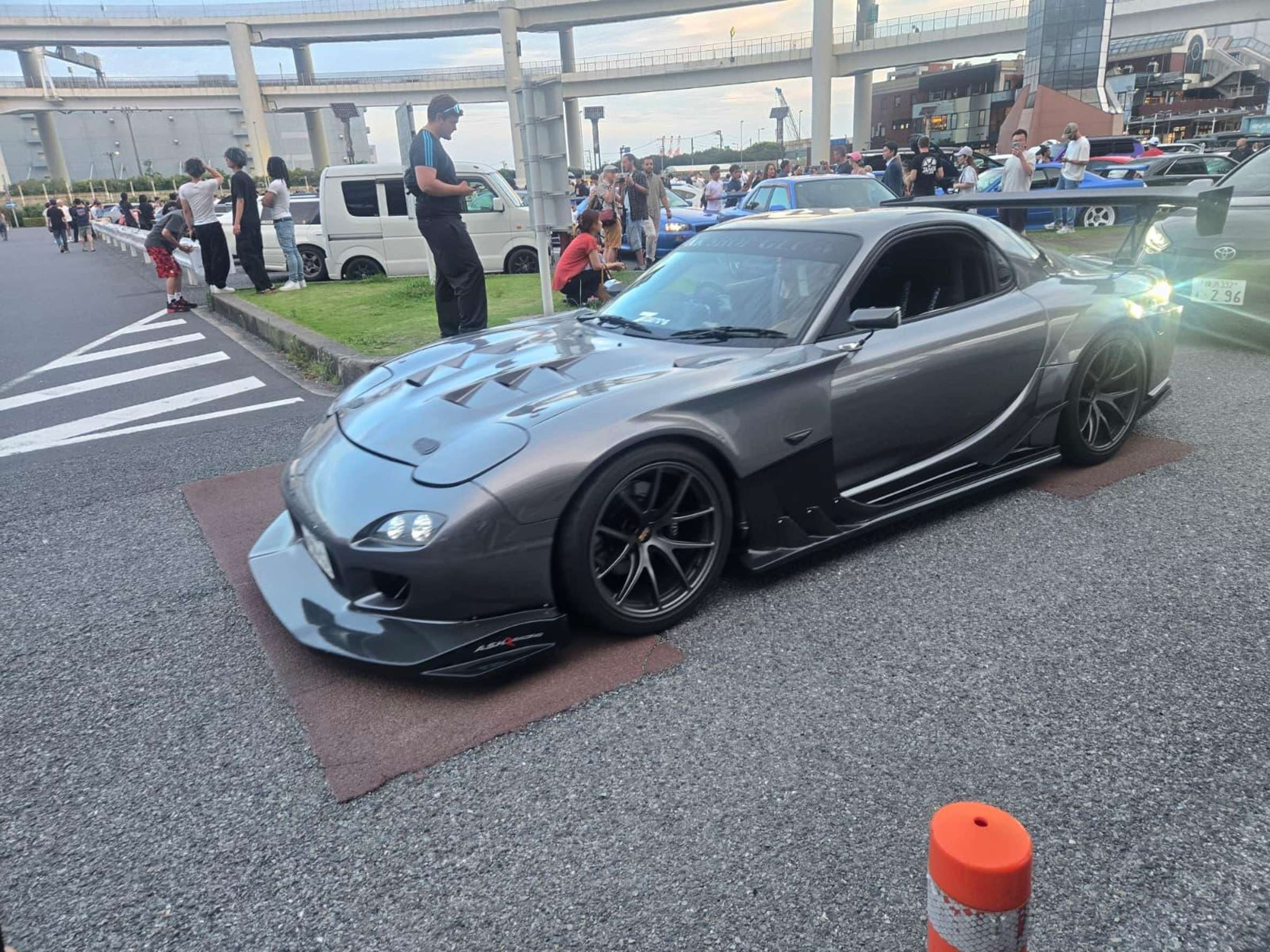
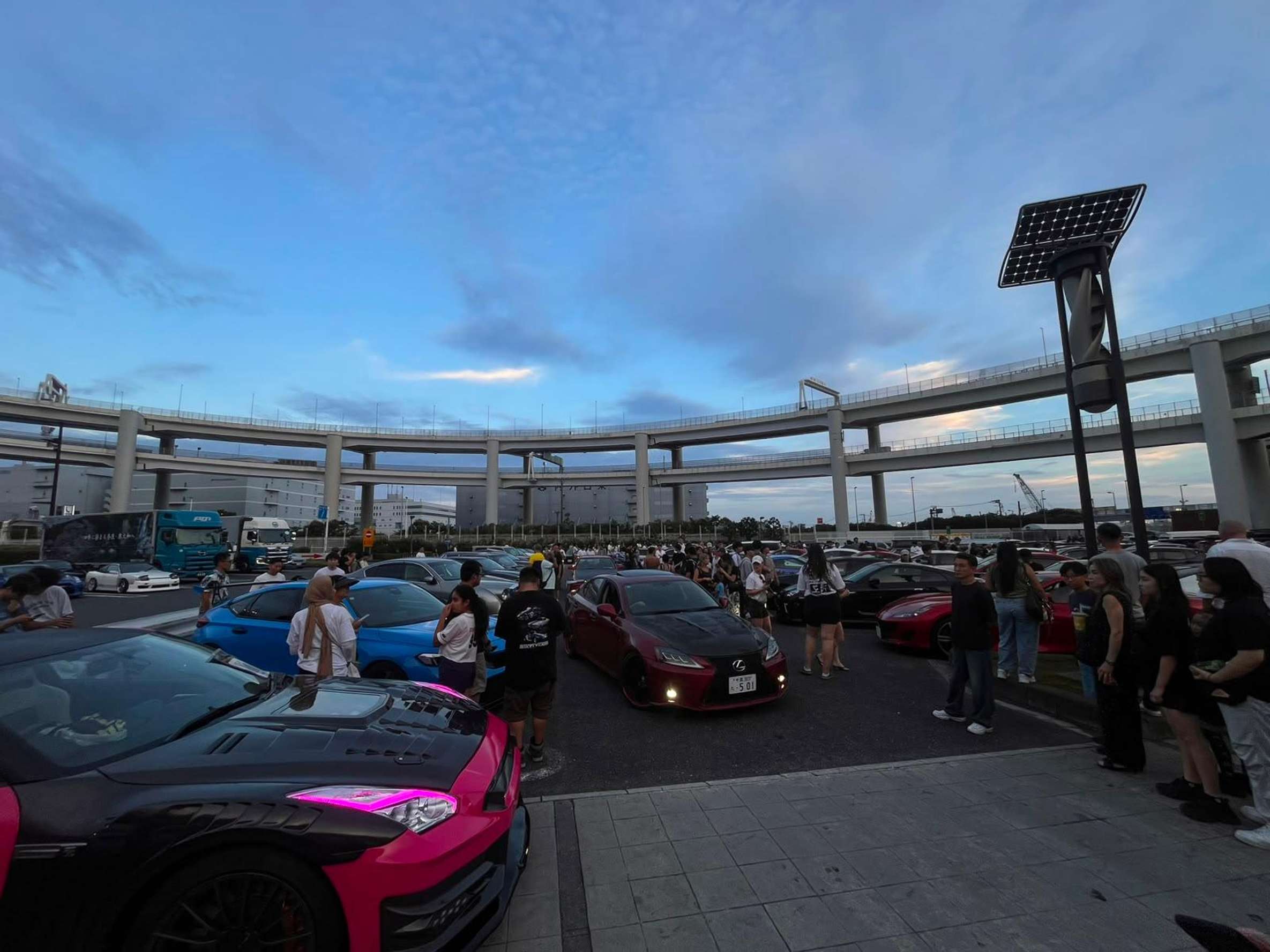
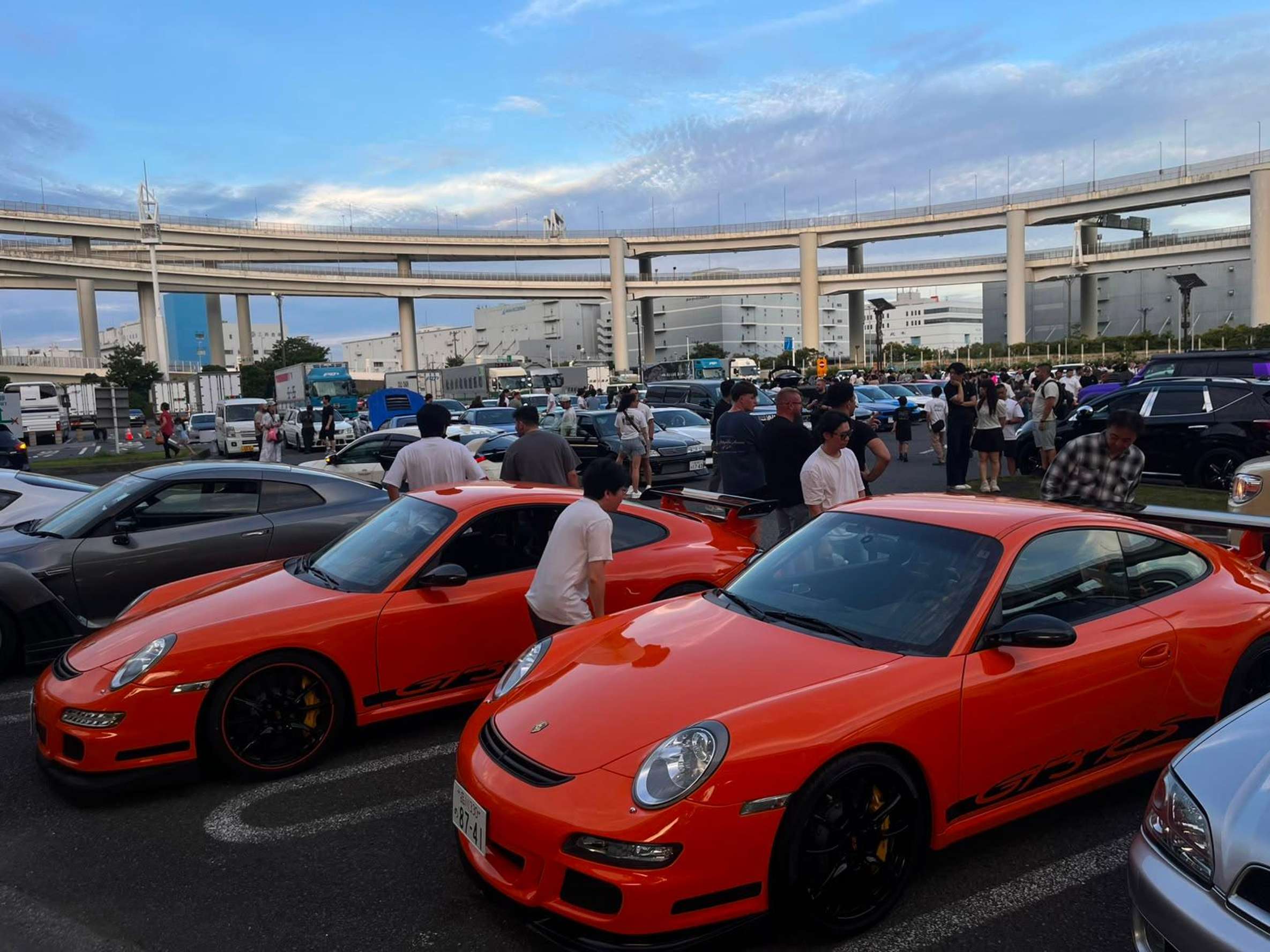
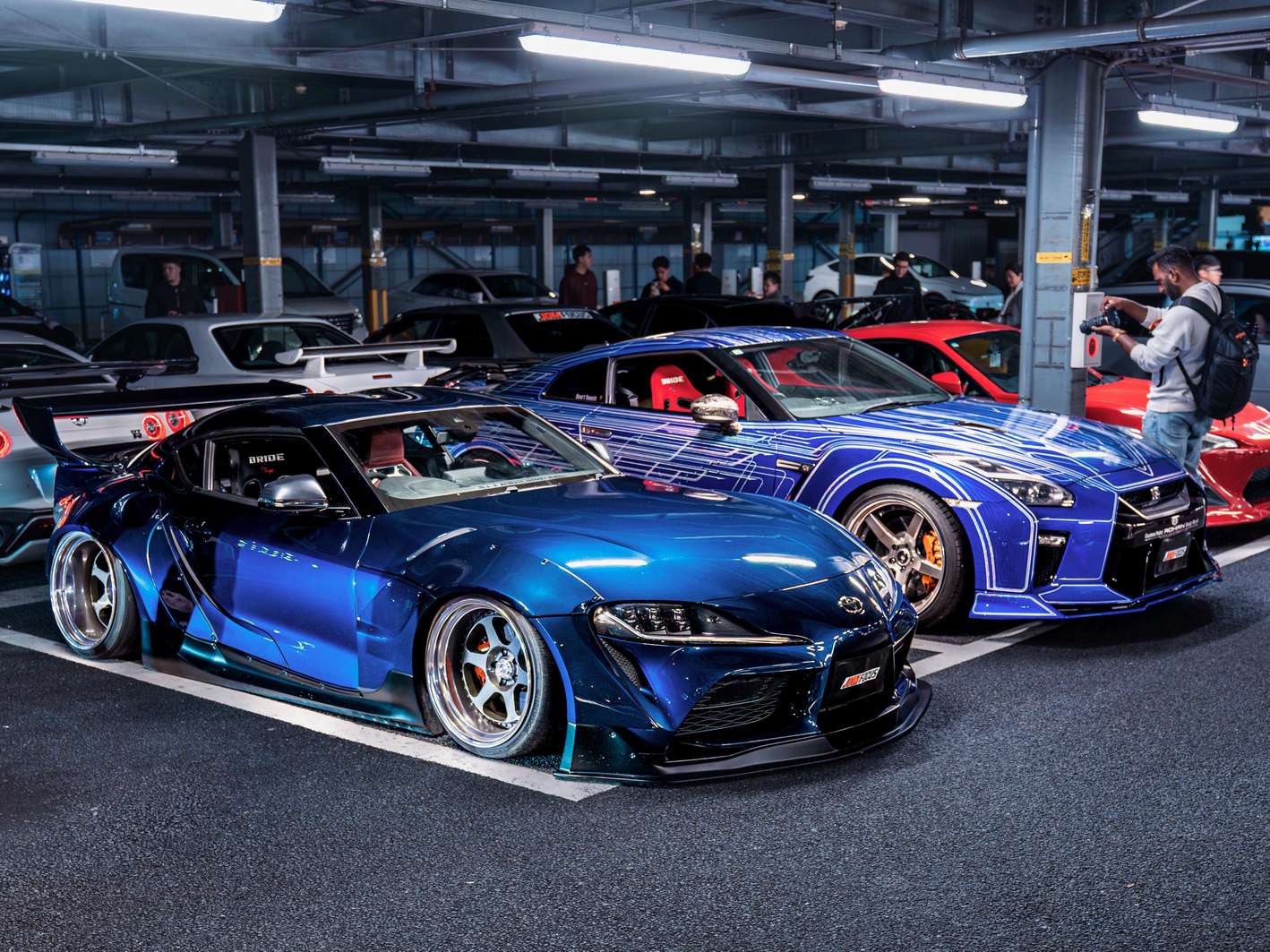
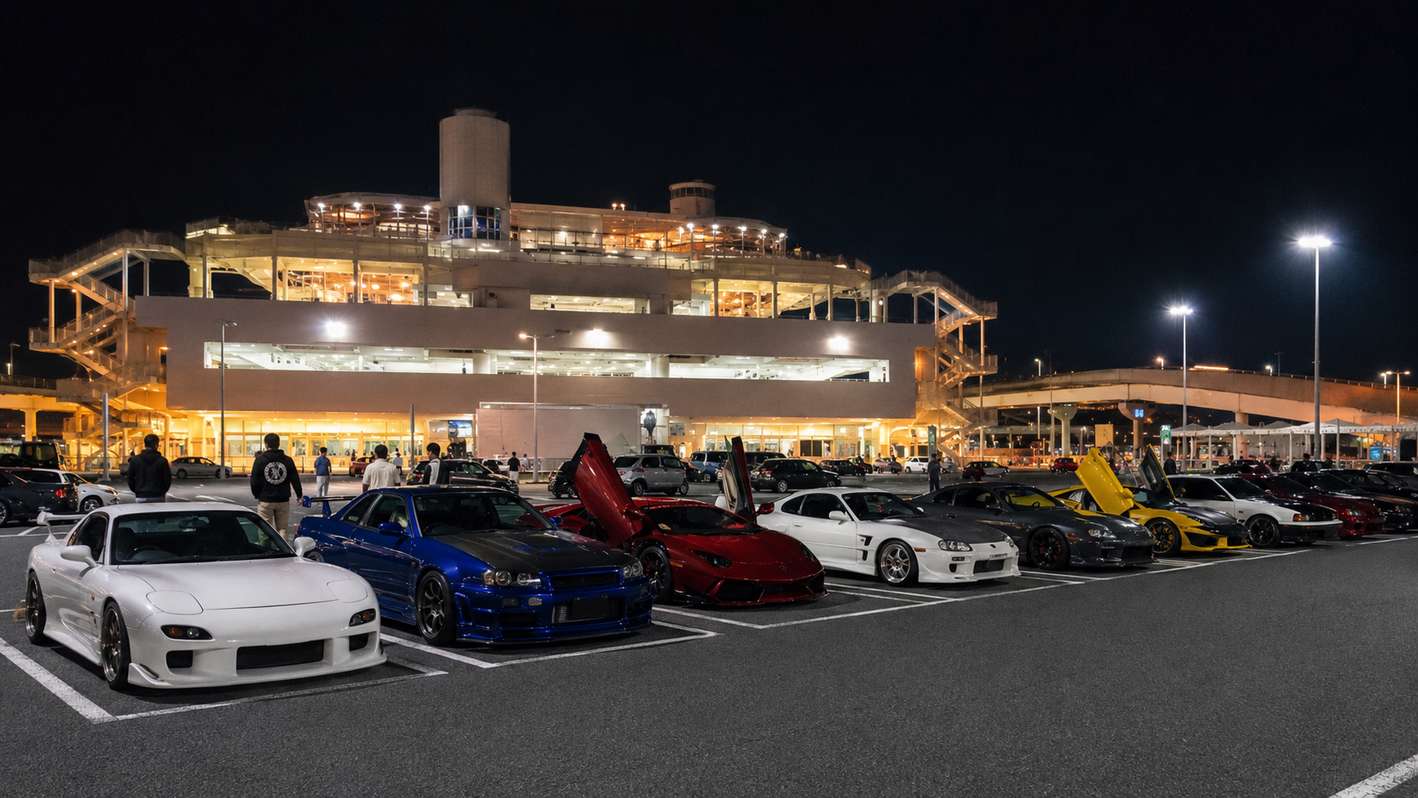
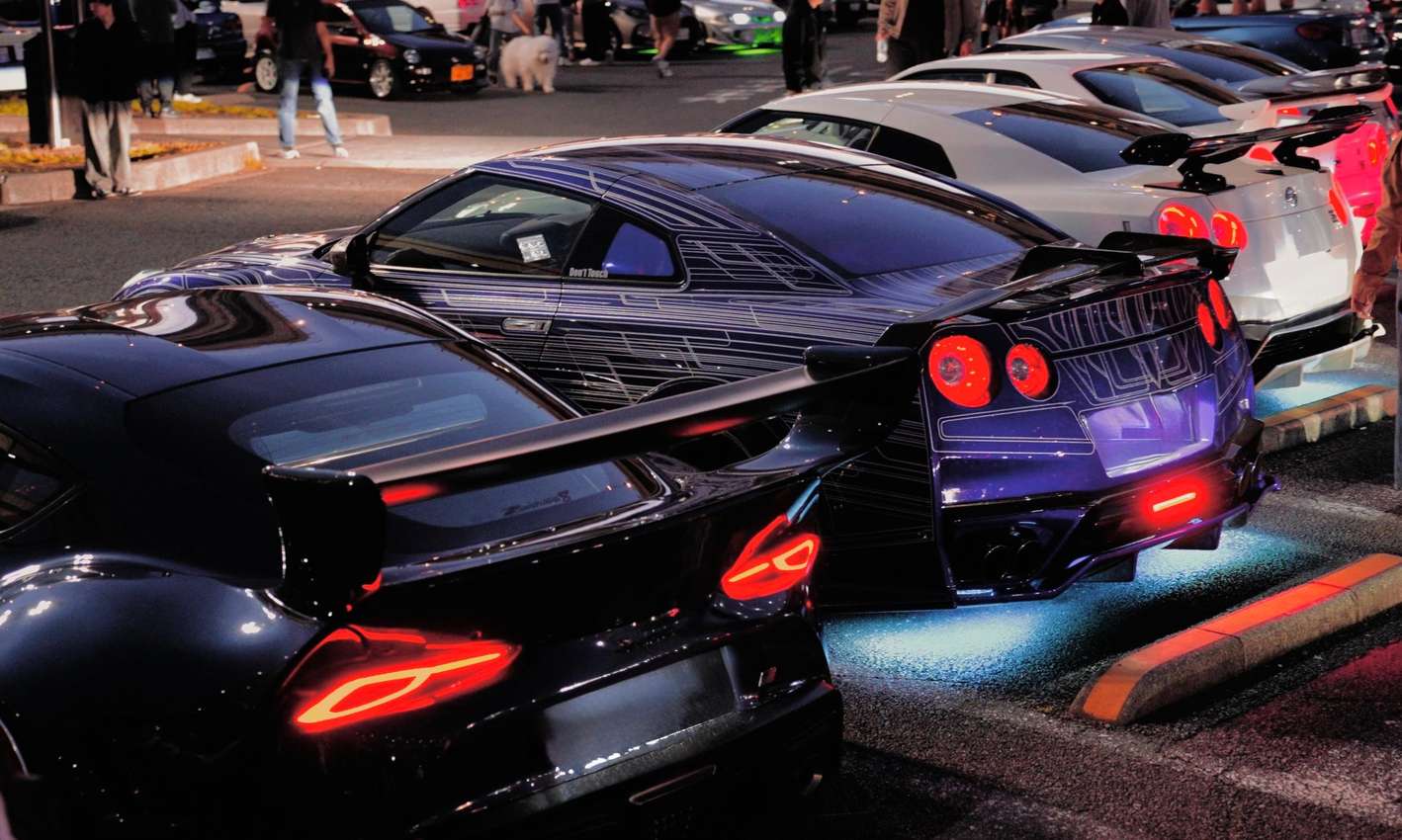
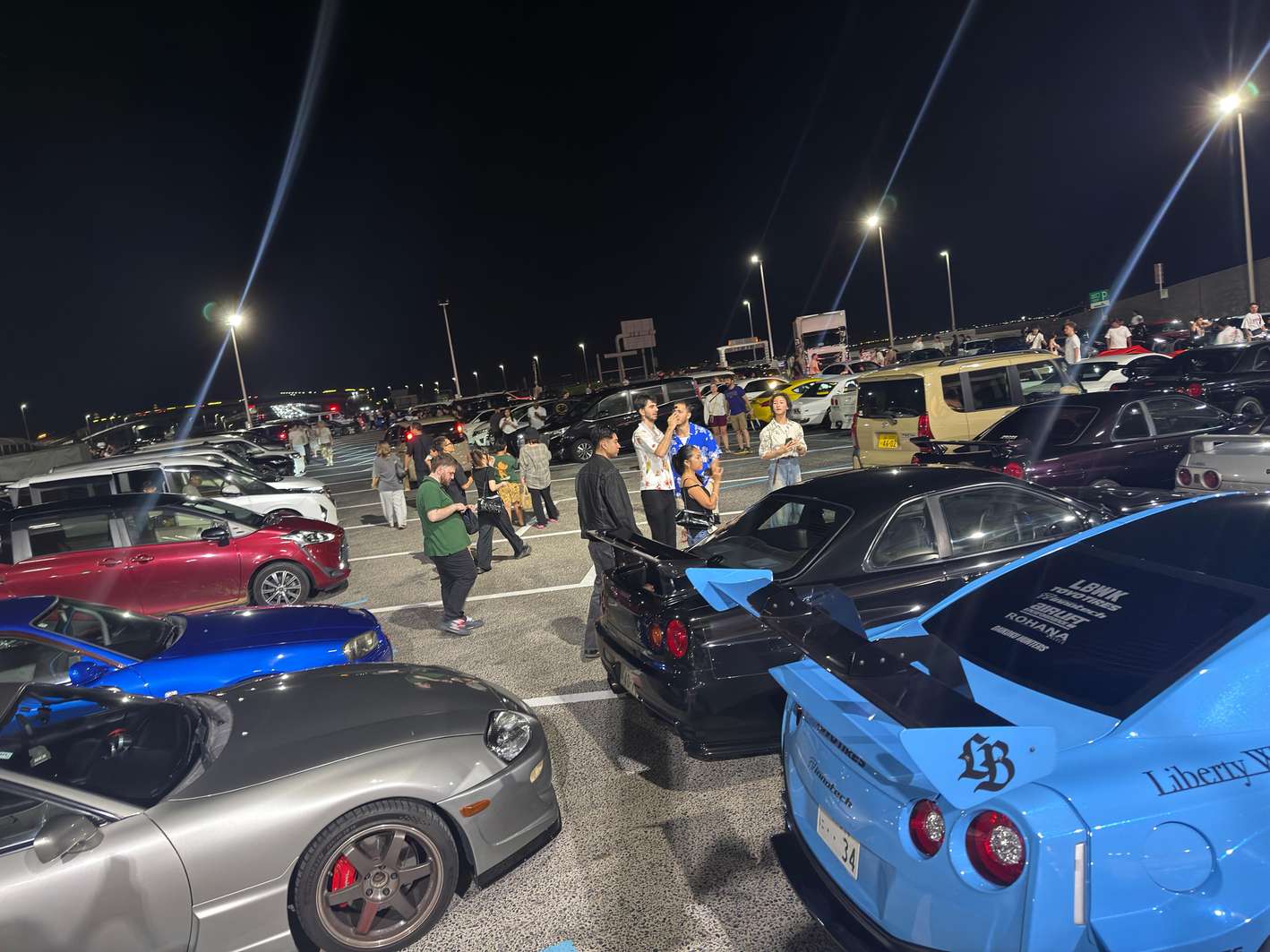
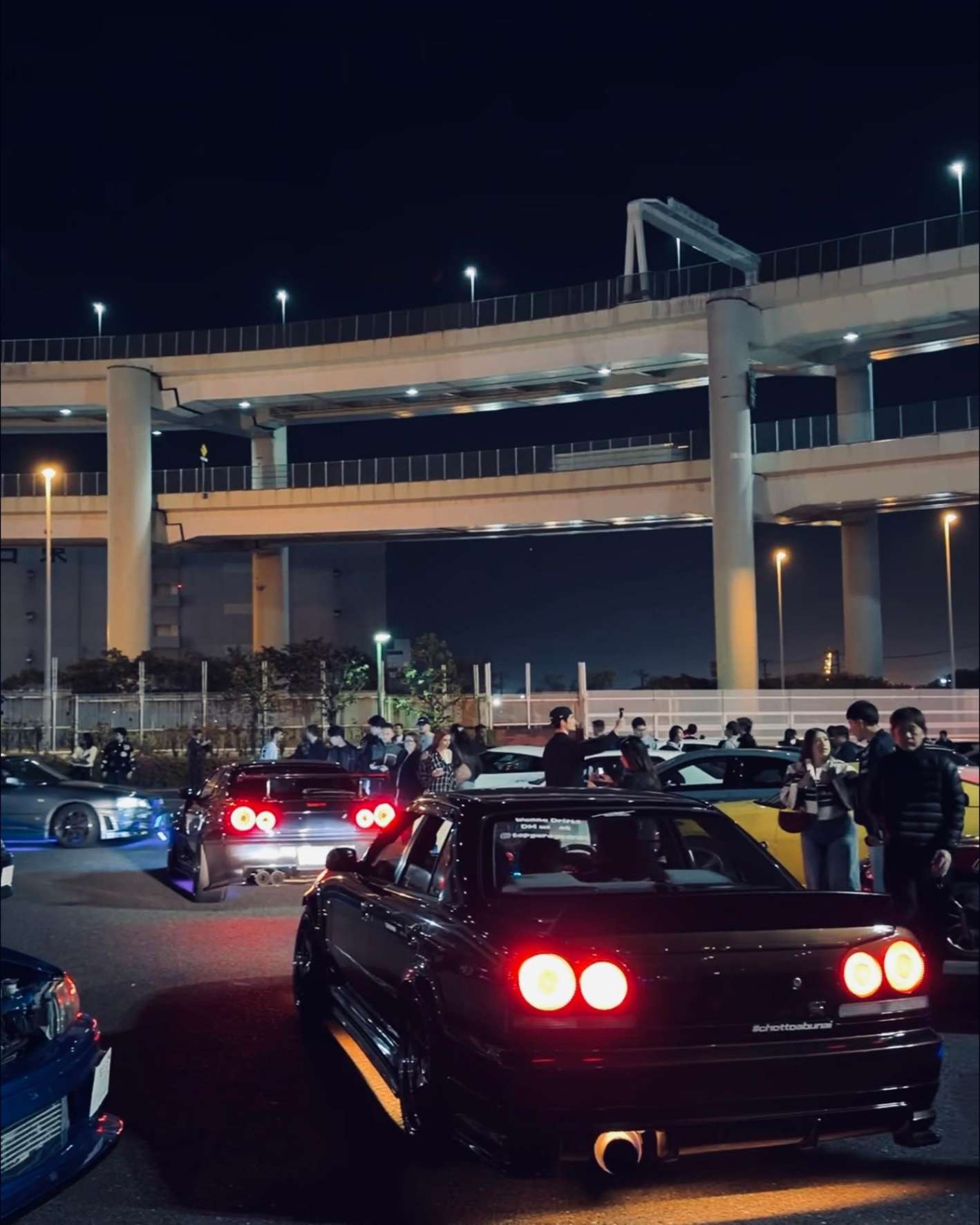
Daikoku PA is the heart of the night. Enthusiasts gather there every evening with bigger turnouts on weekends, and you get around 45 minutes to walk between the cars and take photos.
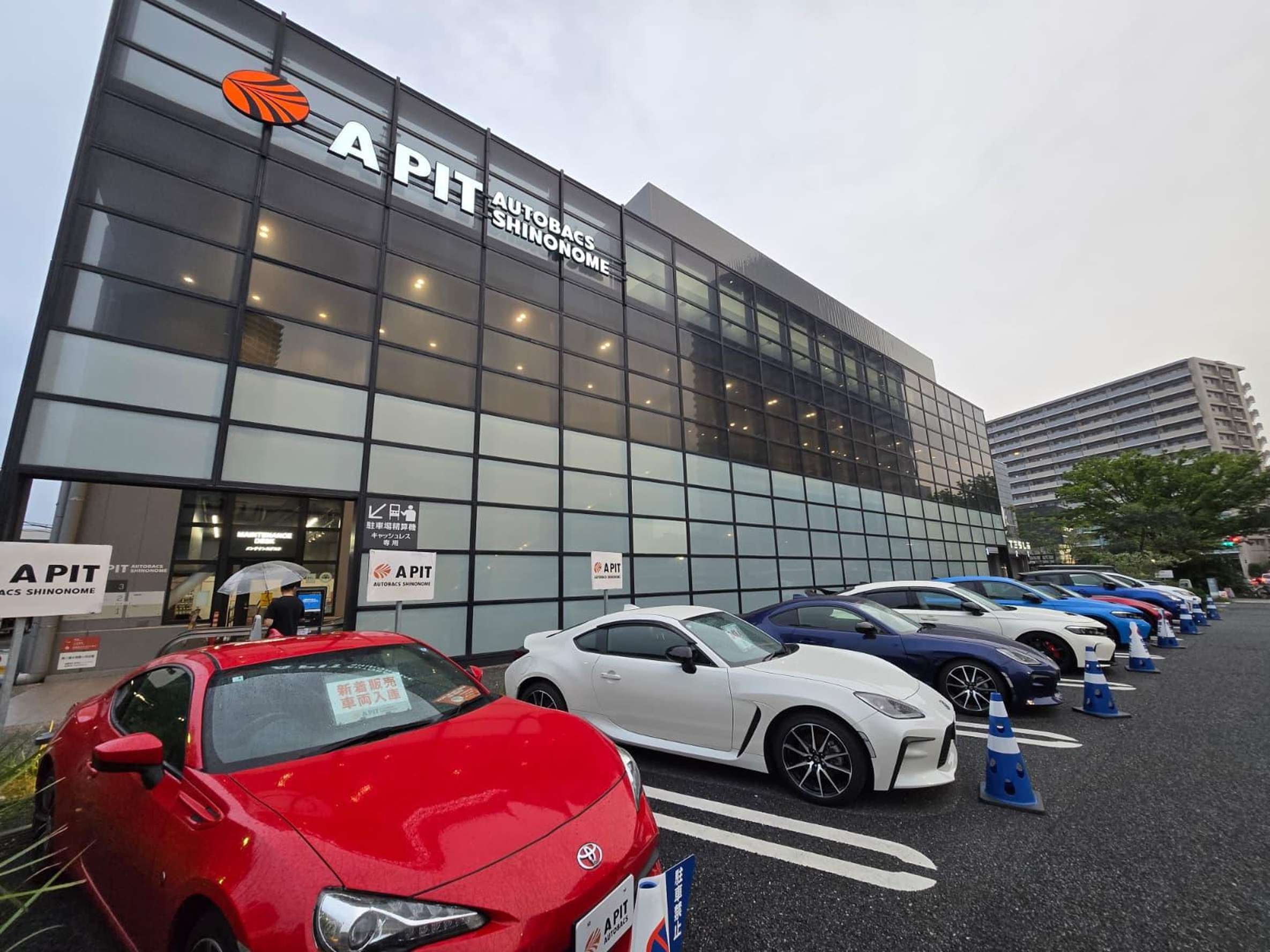
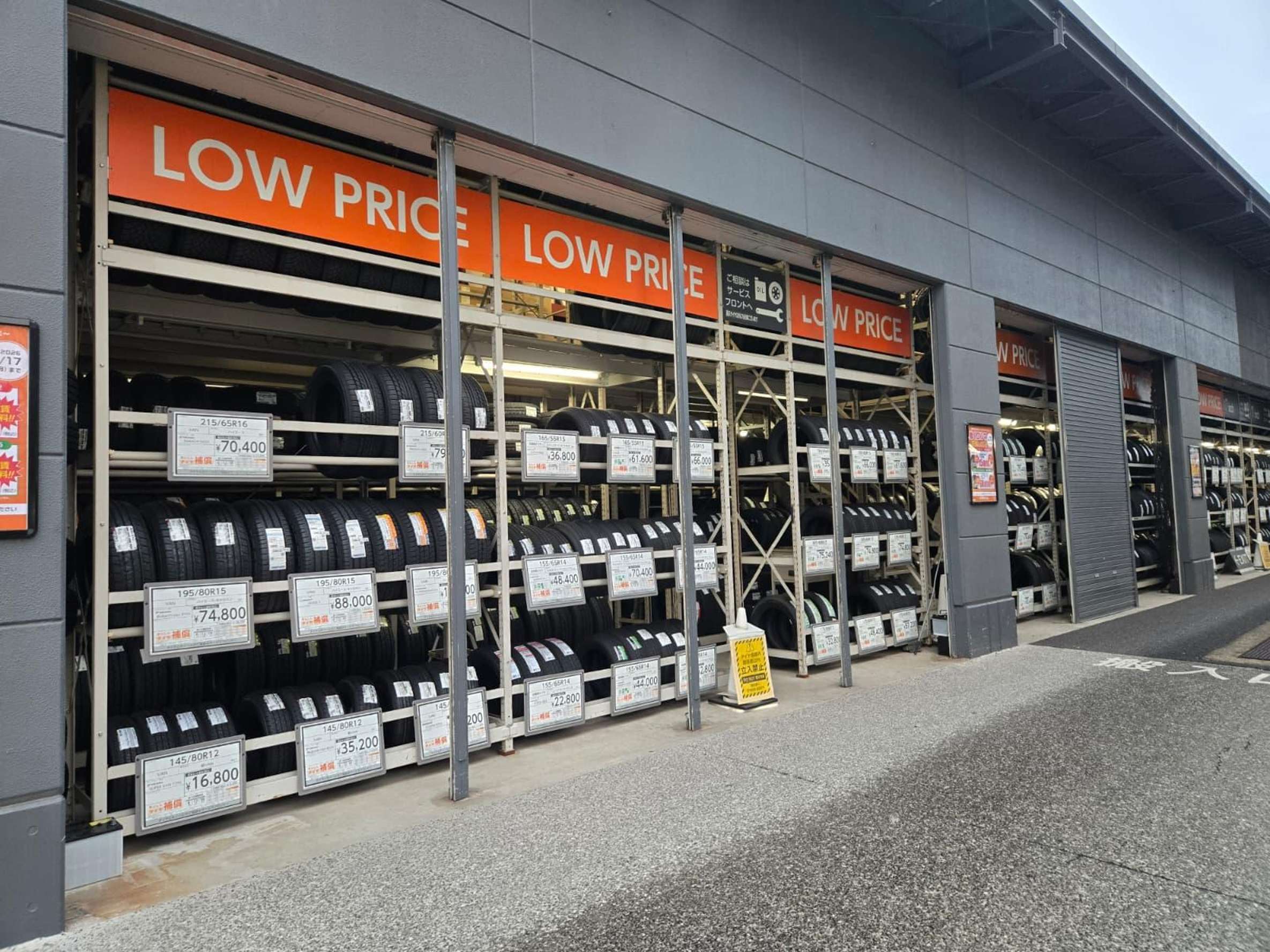
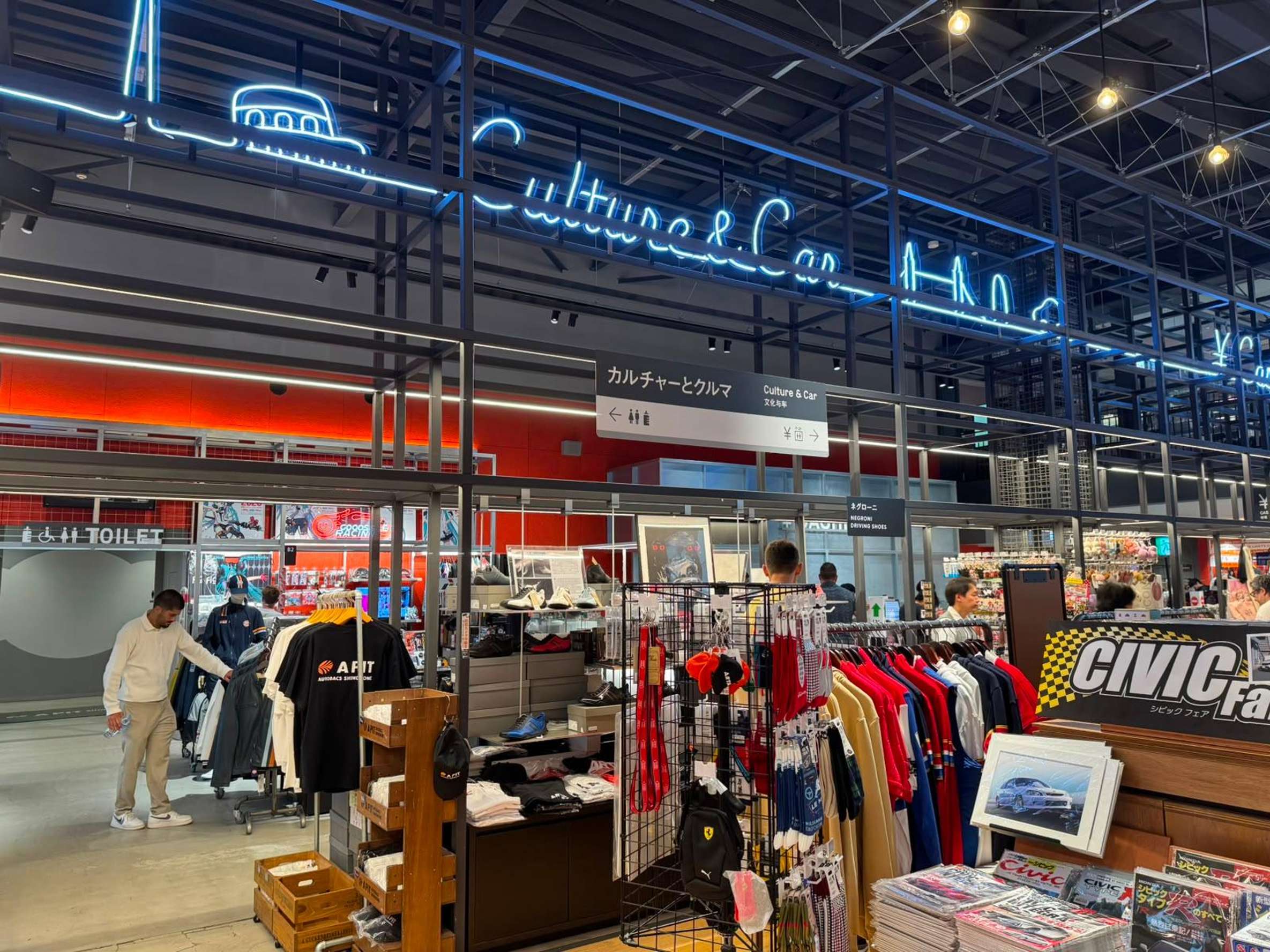
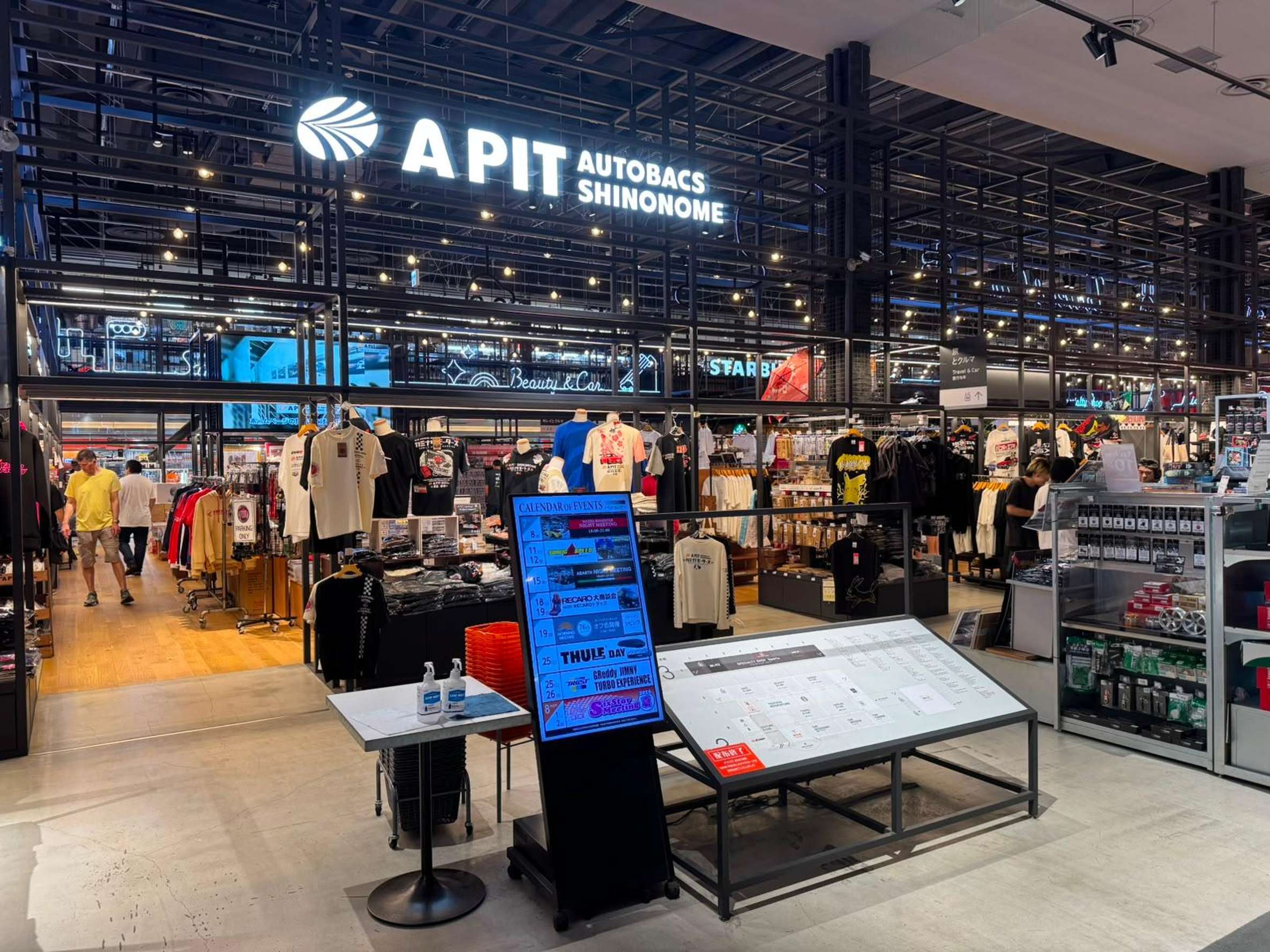
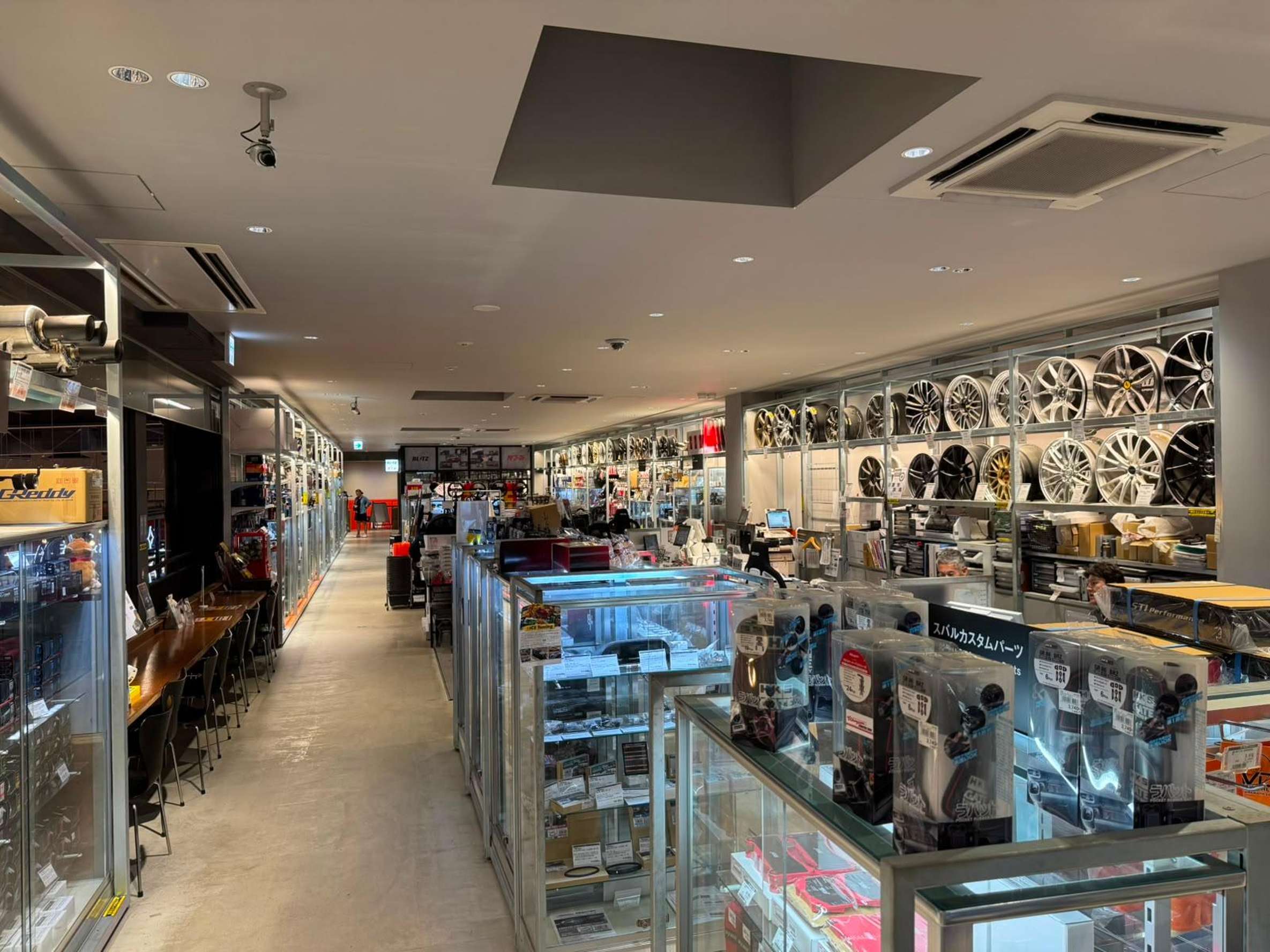
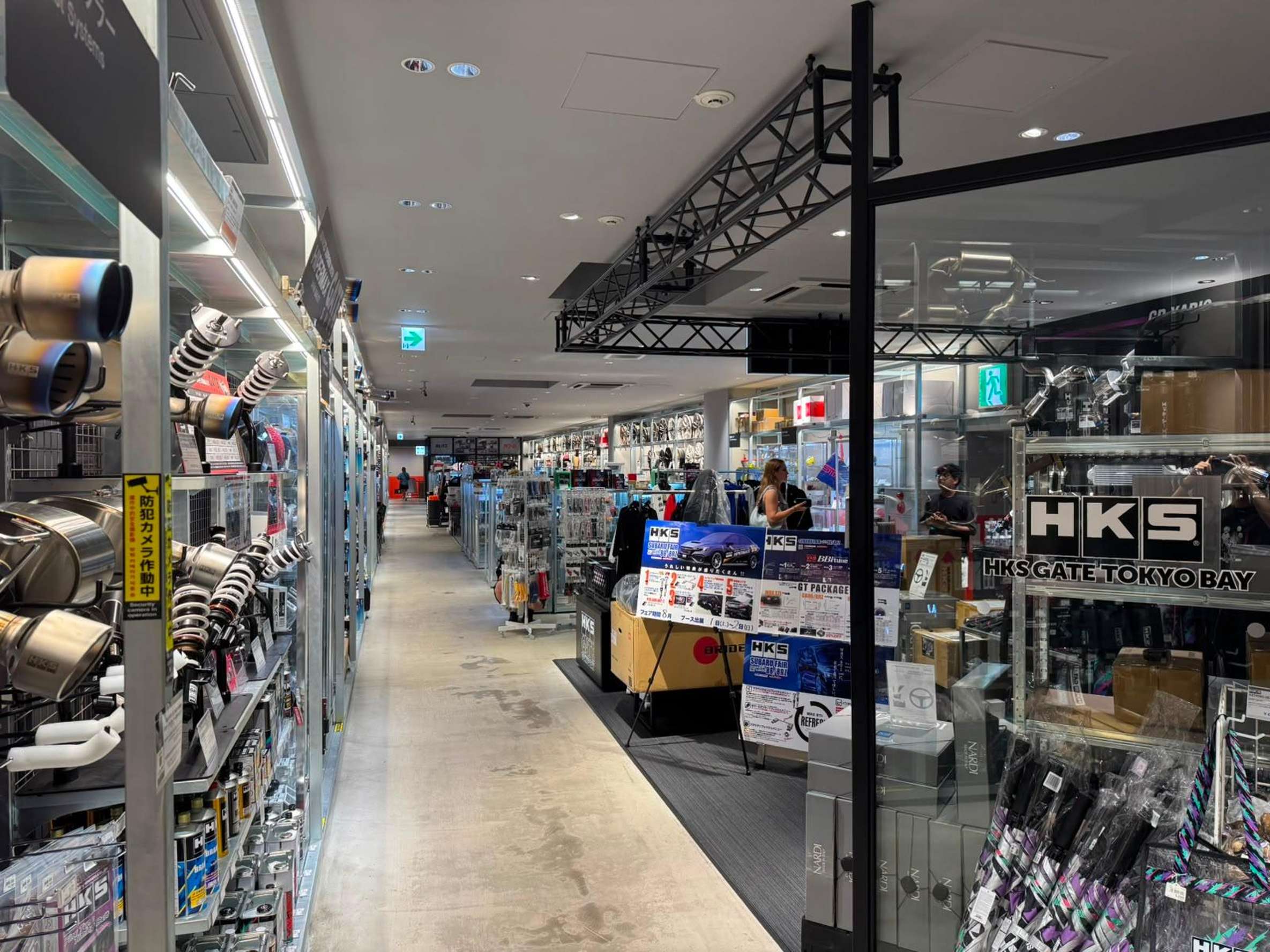
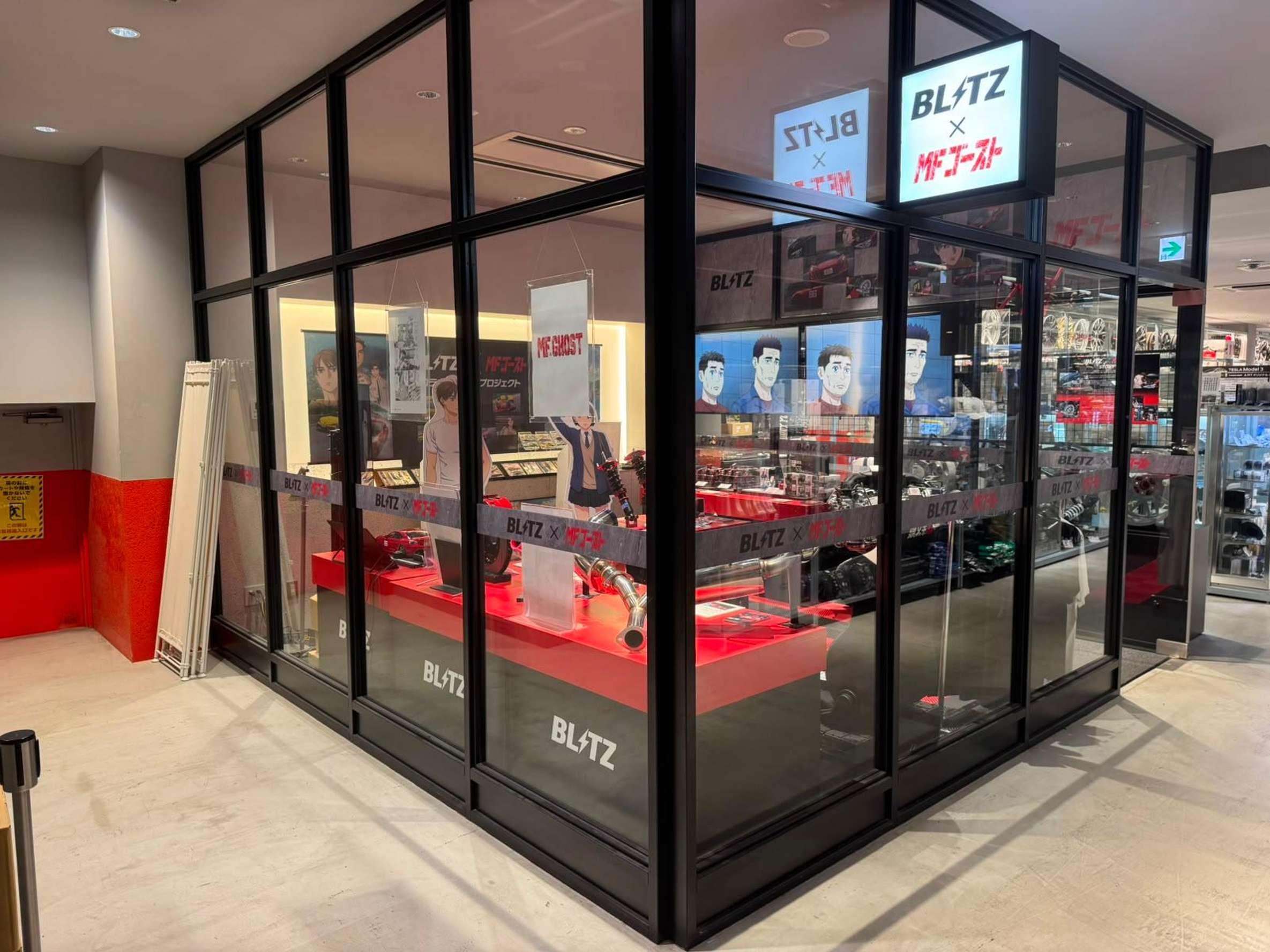
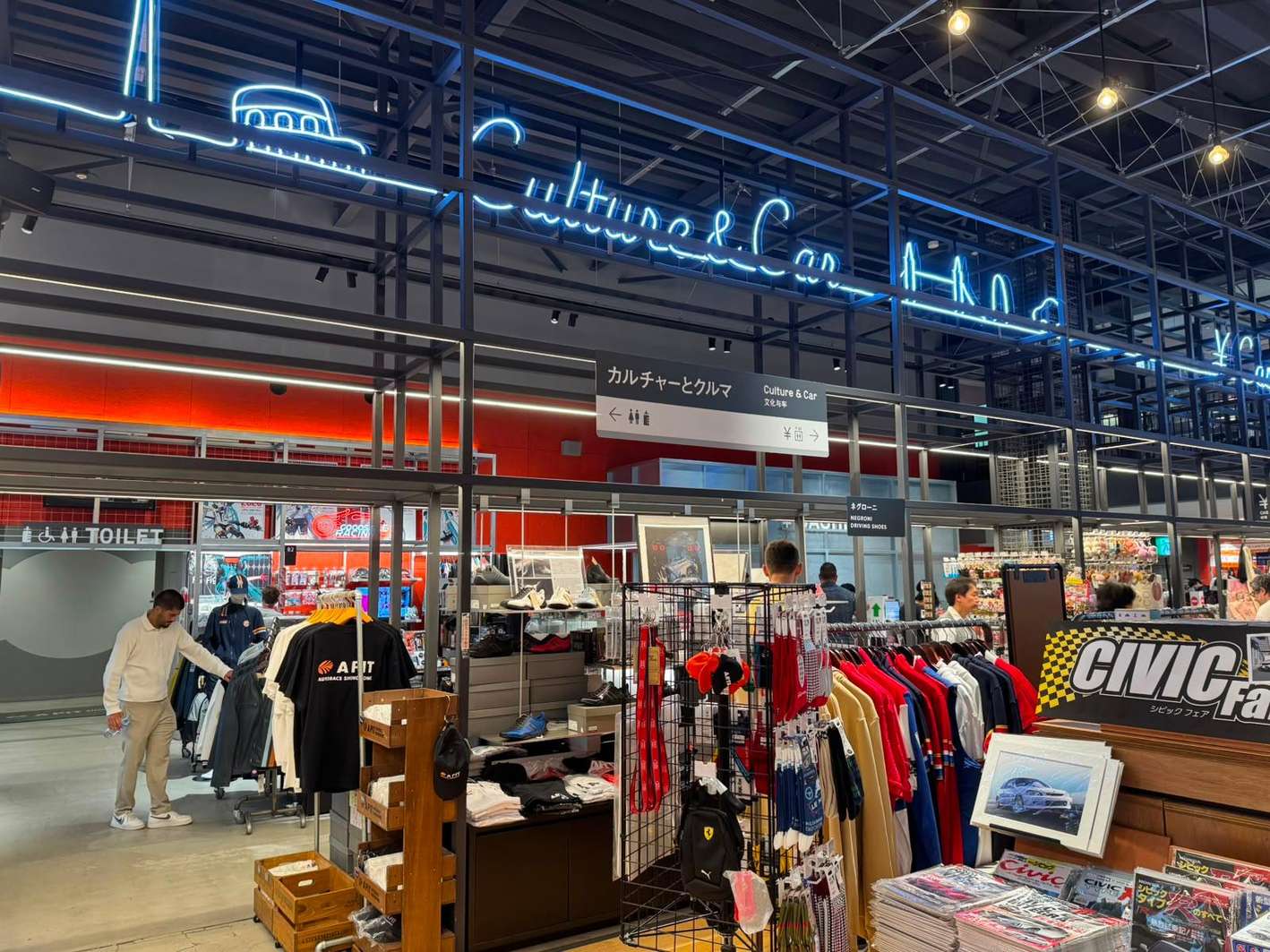
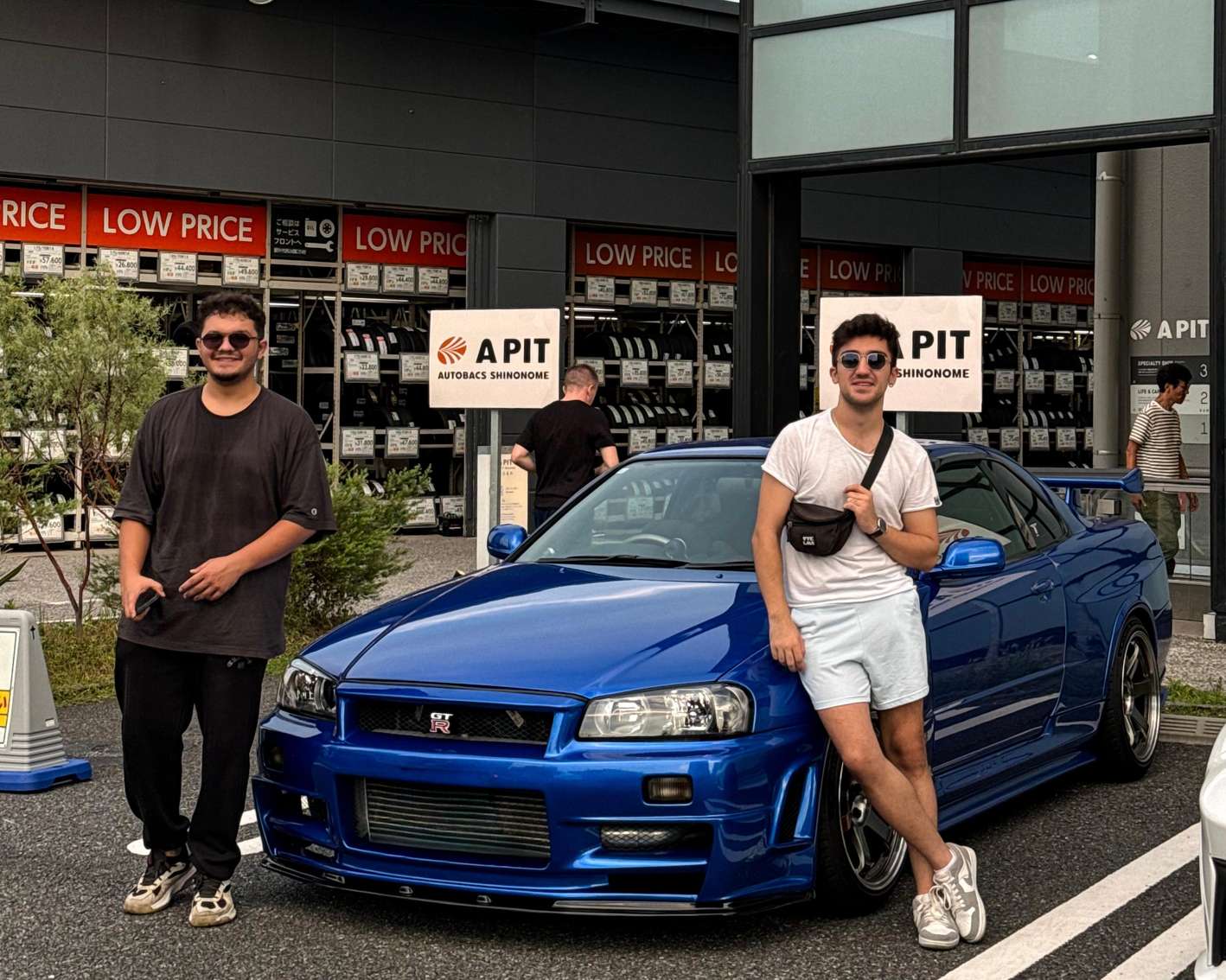
Tours add shopping stops too: Liberty Walk Tokyo and the A PIT Autobacs store in Shinonome. Guides explain what you see, take photos at the right spots, and drop you back in central Tokyo afterwards.
Meeting point2 places, depending on your optionDrop-off at the clock tower if this was your meeting point. Central Tokyo hotel drop-off is offered as an alternative.Street View2LIBERTY WALK TOKYO· 40 minThe showroom of Japan's famous widebody tuning brand. Browse apparel, accessories and collectibles, and see the bold kit styling up close.Street View3Shibuya Crossing· 5 minYou ride through the neon streets and pass the world's busiest pedestrian crossing in the car.Street View4Hachiko Statue· 5 minA short walk by the famous loyal-dog statue outside Shibuya Station, a quick photo stop near the crossing.Street View5Rainbow Bridge· 0 minThe car crosses the bridge over Tokyo Bay, with the skyline and Odaiba in view. Best seen lit up at night.Street View6Daikoku Parking Area· 45 minThe legendary JDM car meet, actually at the north end of Yokohama. About 45 minutes to walk among GT-Rs, Supras and tuned street builds. Only reachable by car.7autobacs Shinonome· 30 minA PIT Autobacs, Tokyo's largest car-supply shop. Half an hour of shopping and browsing tuning parts and merch.Street View8Shiba Park· 10 minA break and photo stop near Tokyo Tower, with city views and time to stretch your legs.From this tourDrop-off2 places, depending on your optionDrop-off point for guests who started here. Your guide sets you down where the night began.Street View
Night city drive through Tokyo for unforgettable scenic viewsOpportunity to see Rainbow Bridge with Tokyo Bay night viewsPhoto and video support at recommended spotsInsurance and support for safe driving (driver or passenger included)Enjoy complimentary hotel drop-off or designated location drop-off within central areas of TokyoYou do not need an international driving permit, as we will arrange a driver for you
Not included
Food and drinksPersonal expensesSmoking and drinking
Picking the fast and furious car tour that fits your night in Tokyo
Green marks the lowest price. Prices per person.
Tour
Price
Duration
Pickup
Languages
Best for
Our pick
Fast and the Furious Tokyo DriftIII Experience
4.9★ (533)
from $107per person
3 hours - 1 day
no
Chinese, English, Japanese
movie-location fans who want Liberty Walk plus Daikoku
Most reviewers praise their driver by name, calling them friendly, skilled guides who took great photos.
Best surprise
Several reviewers who knew little about cars still loved the night drive and the meet at Daikoku.
Most common wish
A few couples wished the stop at Daikoku PA had lasted a little longer before the night ended.
Booking a Fast and Furious car tour in Tokyo
01
Pick your date and think season
Tours run all year, but April, September and October fill first. June and September see about 14 wet days a month, and rain thins the car meets. Guides bring umbrellas and rides still go ahead, so a wet forecast means fewer cars rather than a lost evening.
RecommendedBook several weeks ahead for spring and autumn, and keep a backup date in mind in rainy season
Pro tipWeekday nights are calmer at Daikoku, and Monday to Thursday visits run a far lower chance of the entrance closing
02
Choose the right option
Options change the car and the pace: the standard ride, a midnight run on the Wangan Route, or a seat in a modified GT-R R35. Every option keeps the Daikoku PA stop and the night highway loop, so pick by car and by which stops you care about.
Common mistakeFirst-timers book the cheapest option and then expect a specific car. The standard seat rotates through the fleet, so upgrade if one model matters to you
Pro tipIf you want Liberty Walk or A PIT Autobacs in the mix, check the option list, since some versions treat those stops as optional
03
Pay and watch your inbox
After payment you get an email within 48 hours, and the operator asks you to reply. Keep WhatsApp notifications switched on, because if anything changes, a message arrives before start time, sometimes about an hour before.
Pro tipAdd your WhatsApp or Instagram when you book so updates reach you before the meeting point details do
Common mistakeSilencing notifications. Missed messages are the commonest reason people miss the start
04
Sort your documents
You ride as a passenger with a local driver, so no international driving permit is needed. Bring your passport or ID card to the start, since operators check it against the booking.
ImportantCarry your original passport, not just a photo of it, on the night
Common mistakeAssuming you can smoke or vape in the car. One operator charges a large cleaning fee for it
05
On the day
Wear comfortable shoes and clothes you can stand around in at the meet, and bring a camera with a charged phone. Eat before you go, because food and drinks are not included, and expect a late finish after the night drive.
ImportantLeave large bags behind, as space inside a modified JDM car is tight and your group may ride in two cars that travel together
RecommendedOn weekend nights, go for an early pickup slot so you reach Daikoku before the evening crowds build and the lot risks closing
What to know before booking a Fast and Furious car tour
Can stop the dayGood to knowGood news
01
ChoosingWhat it is, who it suits, when to go
3
Car choice
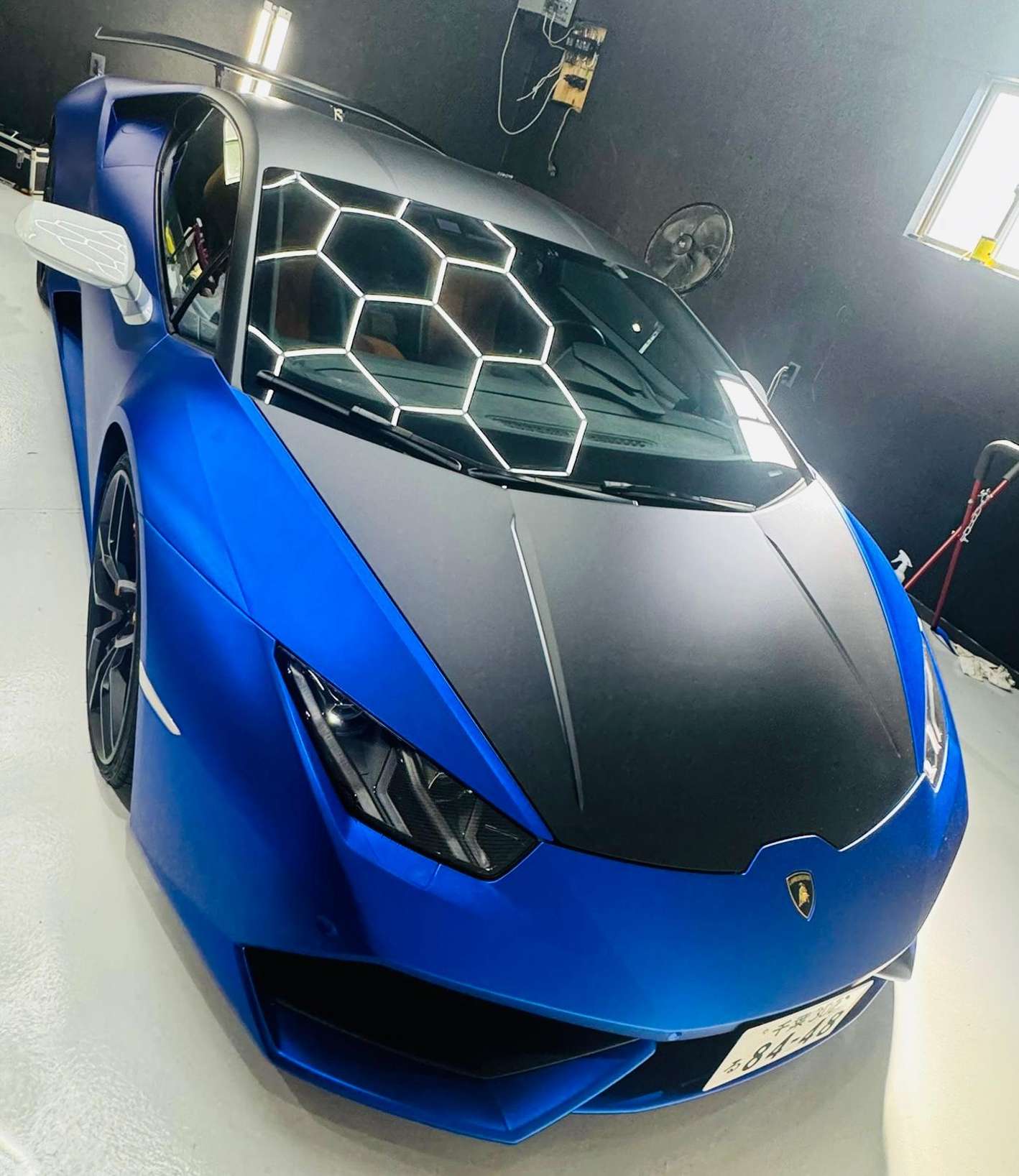
The operator assigns the car from its fleet, so you can say which model you love but may not get it. GT-R R35, Supra MK4 and R34 Skyline rides exist as separate options you can book. One convoy tour picks your car at random from group size and availability. You rarely choose the exact car.
Sharing
Each car seats a maximum of three guests. Larger groups may be split across two cars that drive, park and leave together, which one operator flags before the night. Another tour runs as a full convoy of sports cars moving through Tokyo as one.
Book ahead
Book a few days ahead in the busy months of April, September and October. One operator warns that same-day GT-R requests may go unmet and asks guests to confirm a specific model at least 48 hours before the ride.
02
BookingHow far ahead, and what happens if plans change
2
Cancellation
If plans change, you can cancel up to 24 hours in advance for a full refund. That window leaves room to reshuffle a Tokyo itinerary without losing the booking.
ClosuresCan stop the day
Daikoku PA can close with no notice once the lot fills, and police shut the meet down by about 8:30 pm on Thursday to Saturday nights. Tours then divert to Umihotaru or Tatsumi PA, and most give a full refund if you decline the alternative.
03
Before you goPapers, health, what to bring
3
Included
Tours bundle the essentials:
Fuel and expressway tolls
Photo and video support at the best stops
Insurance and a driver, so you ride without a licence
Central Tokyo hotel drop-off on some tours
Food, drinks and personal expenses stay on you, and smoking in a car brings a heavy cleaning fee.
DocumentsCan stop the day
Bring your passport or ID card on the night. You ride as a passenger with a driver arranged for you, so no international driving permit is needed. Keep the passport handy, since some operators check it before departure.
Health and age
Pregnant travelers and people with heart conditions are asked not to book several of these tours. Some set a minimum age of 18, with younger riders allowed only alongside an adult. The cars are modified, so the ride stays firm from start to finish.
04
On the dayWhere to be, when, and how you get there
1
Pickup
Most of these rides meet at a set point in central Tokyo, and several run hotel or Airbnb pickup and drop-off within the central area. Booking for three people unlocks pickup on one GT-R themed tour. The confirmation email holds your exact meeting spot.
05
During the tourWhat is expected of you
1
Meet etiquette
At Daikoku you can look and photograph freely, but never touch, lean on or enter a car without the owner's say-so. Ask before posting close-ups online. Police watch behavior at these meets and act on complaints, so compliment the build and leave the asking about prices at home.
Fast and furious car tours in Tokyo - what the night really is
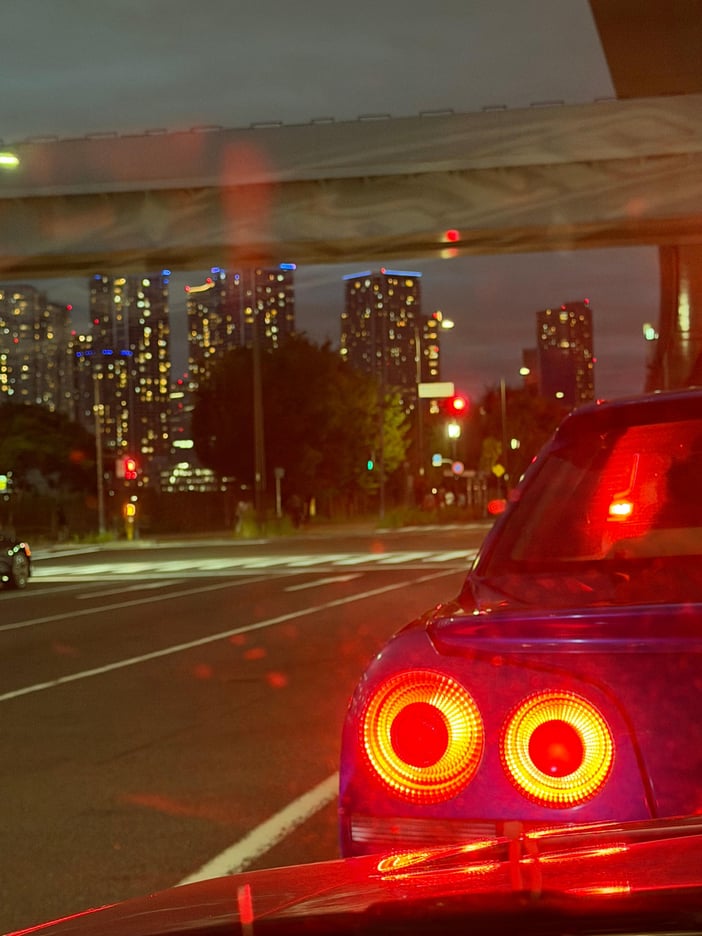
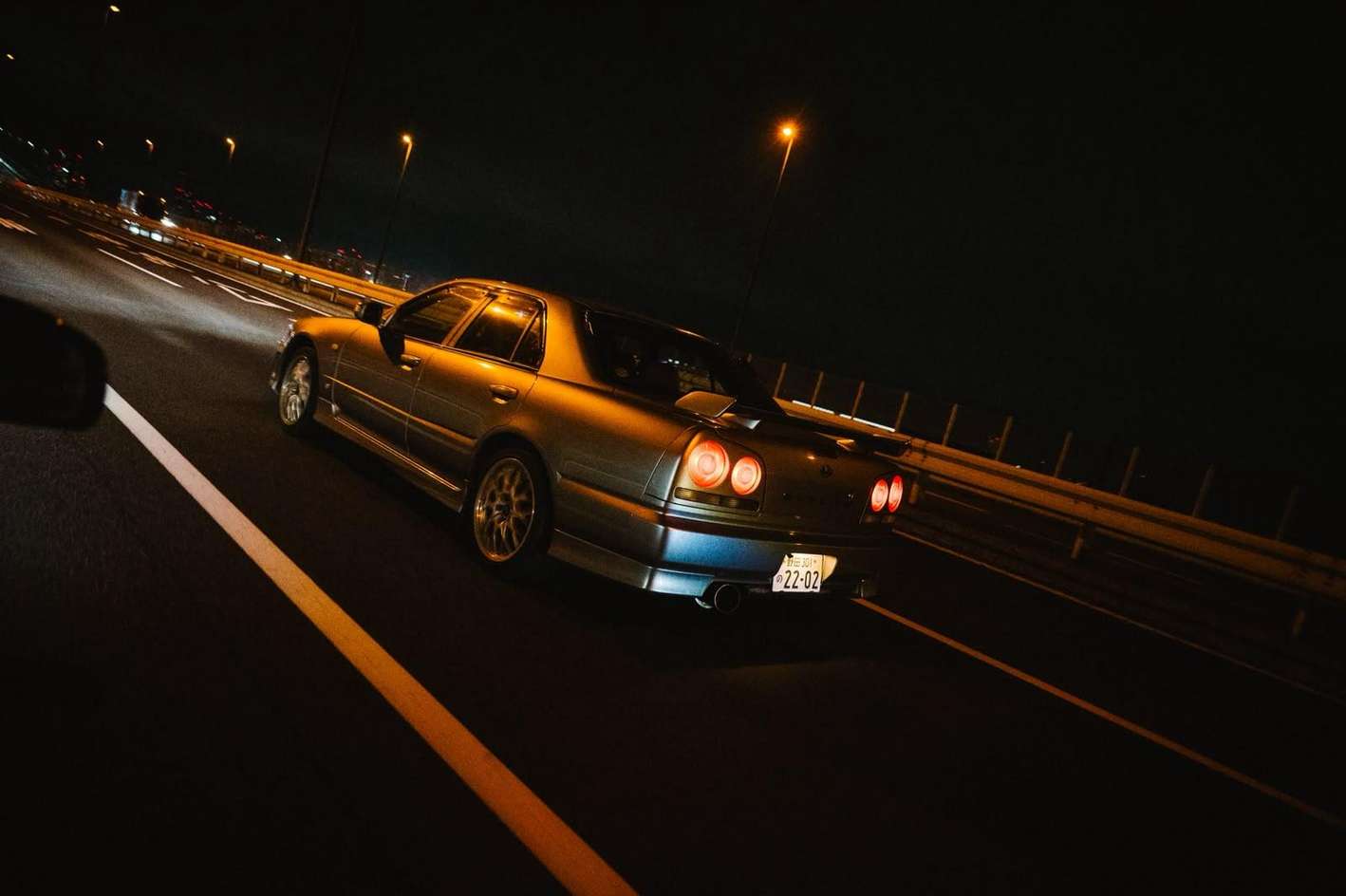
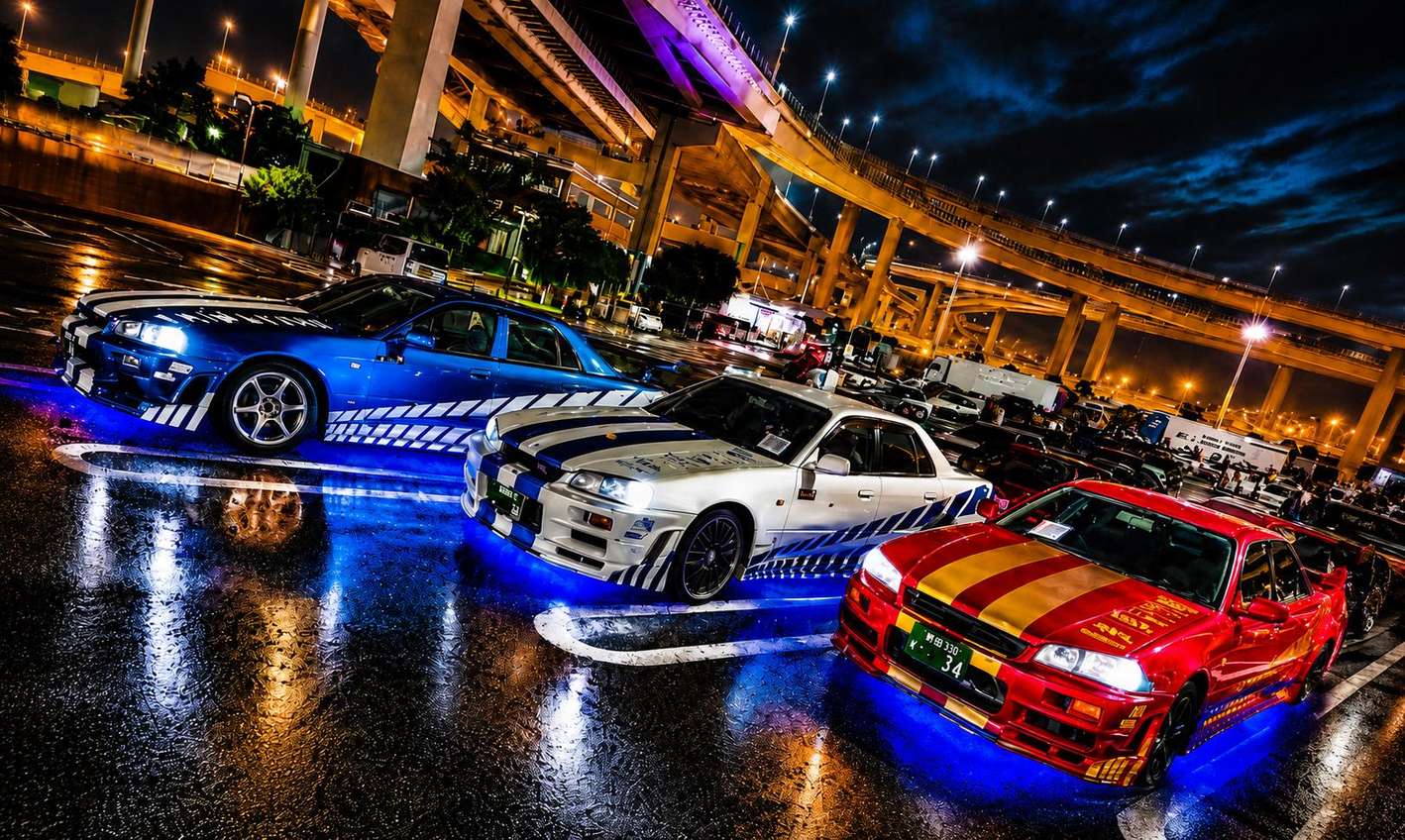
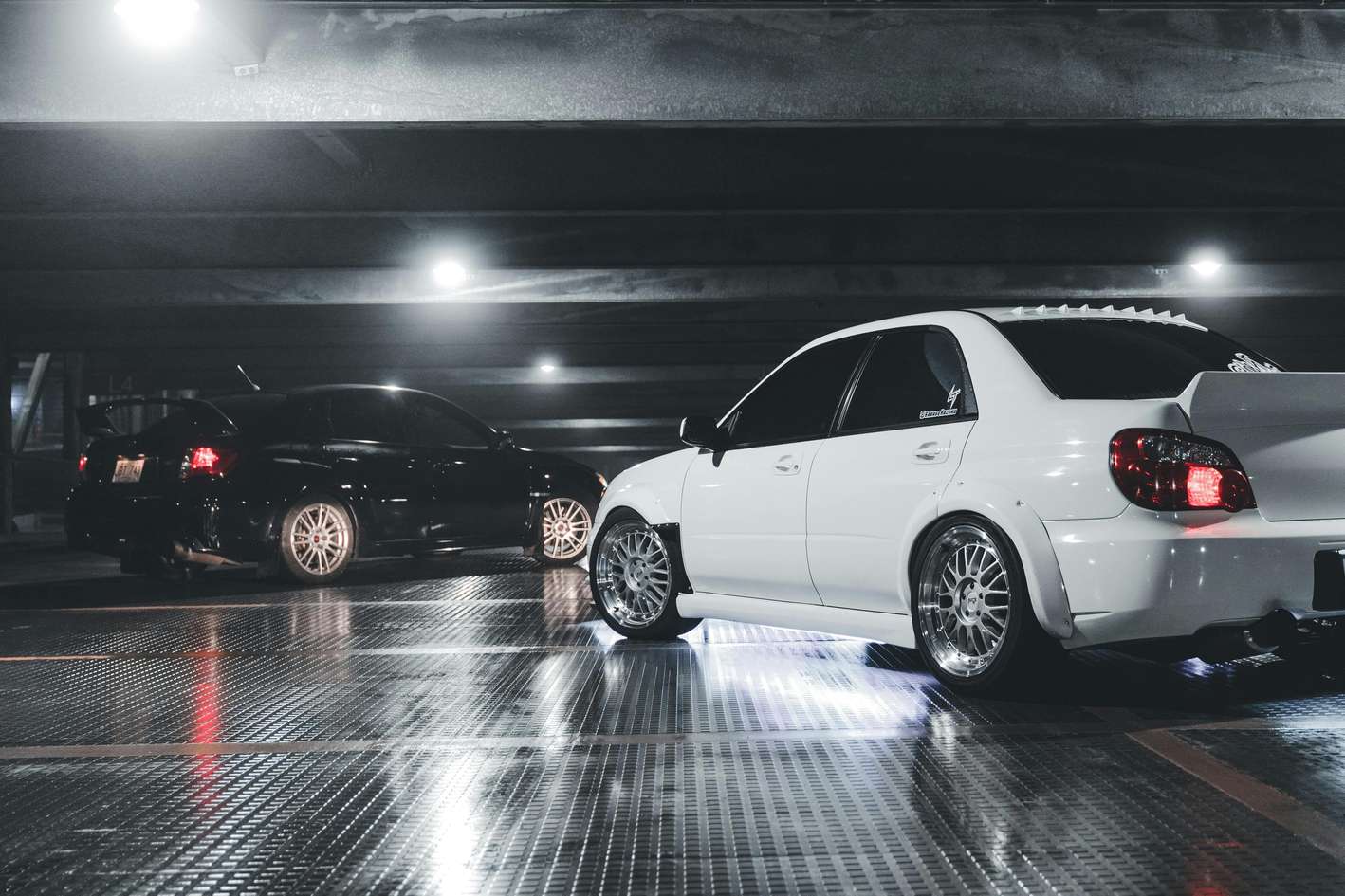
A modified Skyline idling at the curb in Shibuya, the Wangan Route after dark, a parking lot full of owners' builds at midnight. What a themed night really includes, which one fits you, and how to book it right.
Yokohama· 35.67° N, 139.70° E
If you only remember three things
1
Pick Thursday, or a 4 to 5 pm weekend pickup, because the lot can close by about 8:30 pm.
2
Every themed tour here is a passenger ride: no licence needed, no driving, and no drifting on the road.
3
Cancel free up to 24 hours before, keep WhatsApp notifications on, and leave your first Tokyo day free.
Is a fast and furious night in a Tokyo car tour actually worth it?
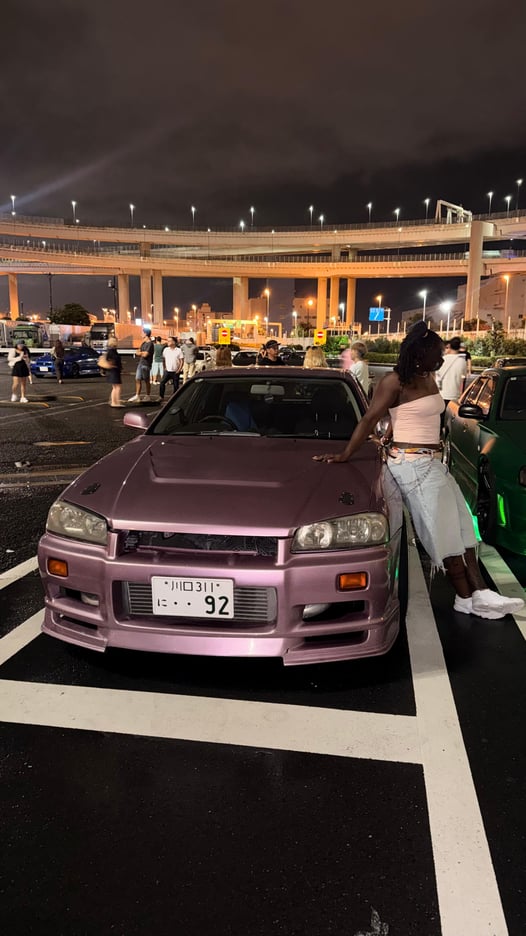
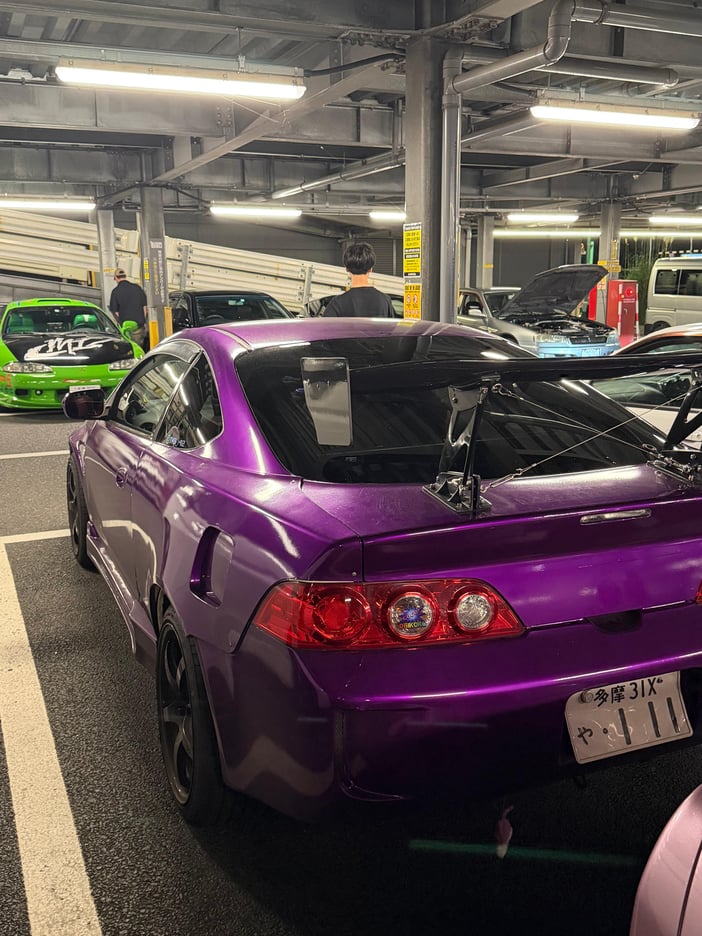
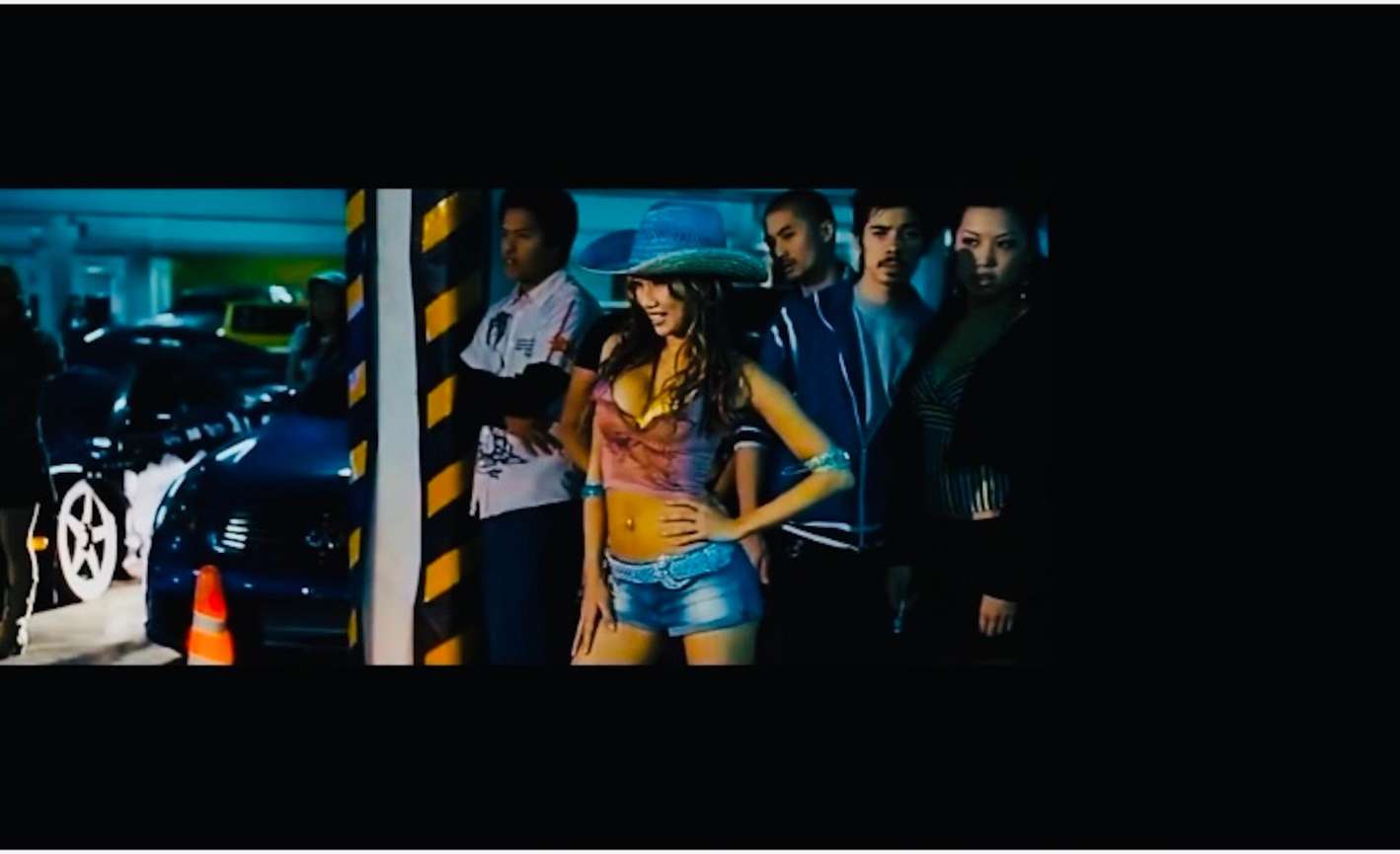
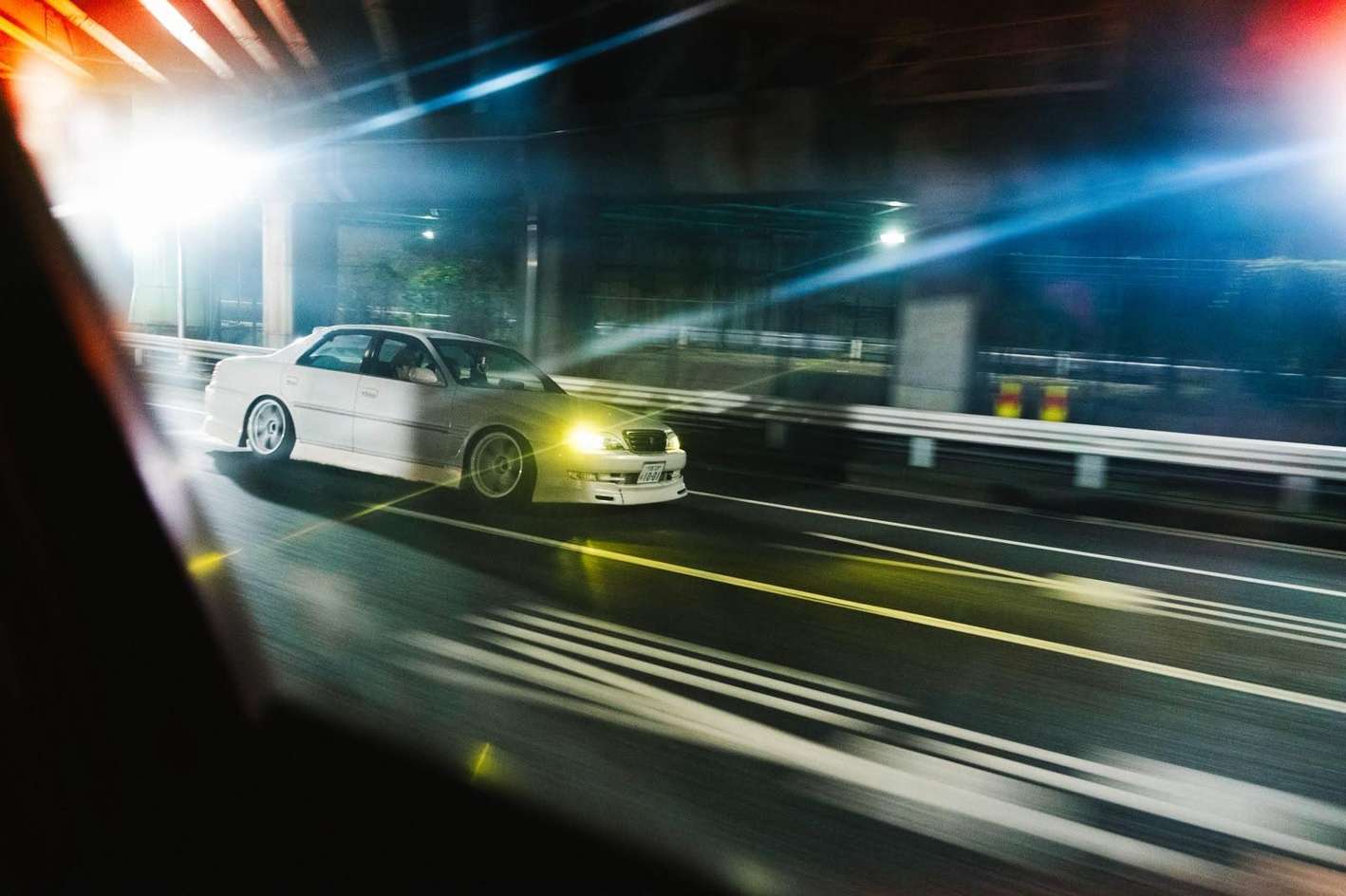
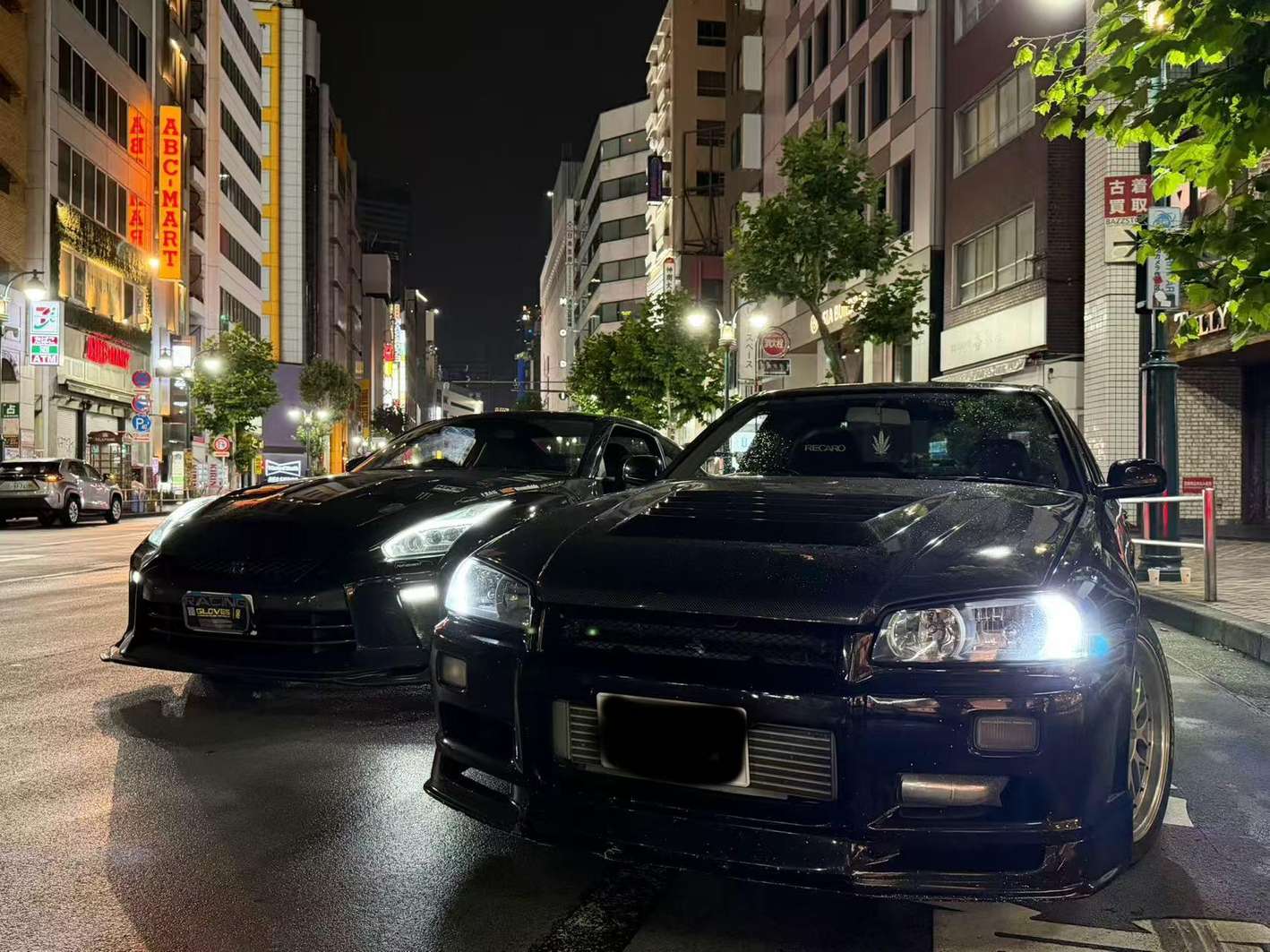
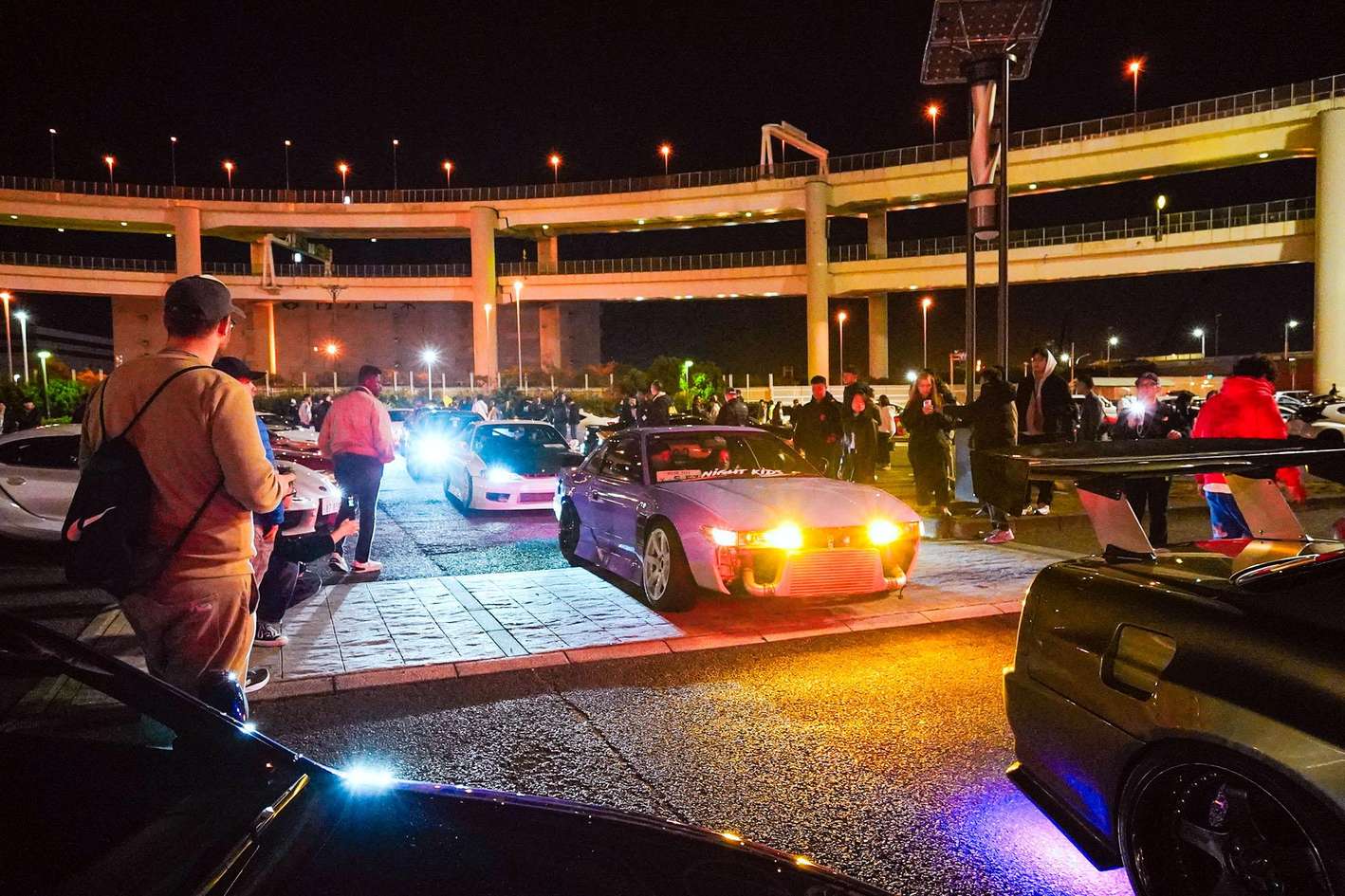
Night falls on a Shibuya meeting point and a row of modified Skylines and Evos idles at the curb, exhausts popping. That is the moment the movie promised. What follows is quieter than the film: a guide drives, you ride, and the night ends in a parking lot full of strangers' cars.
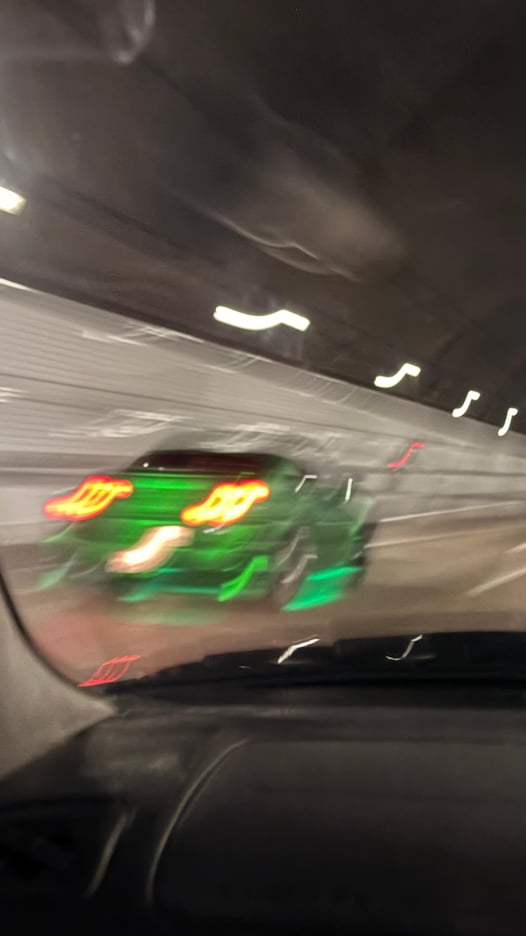
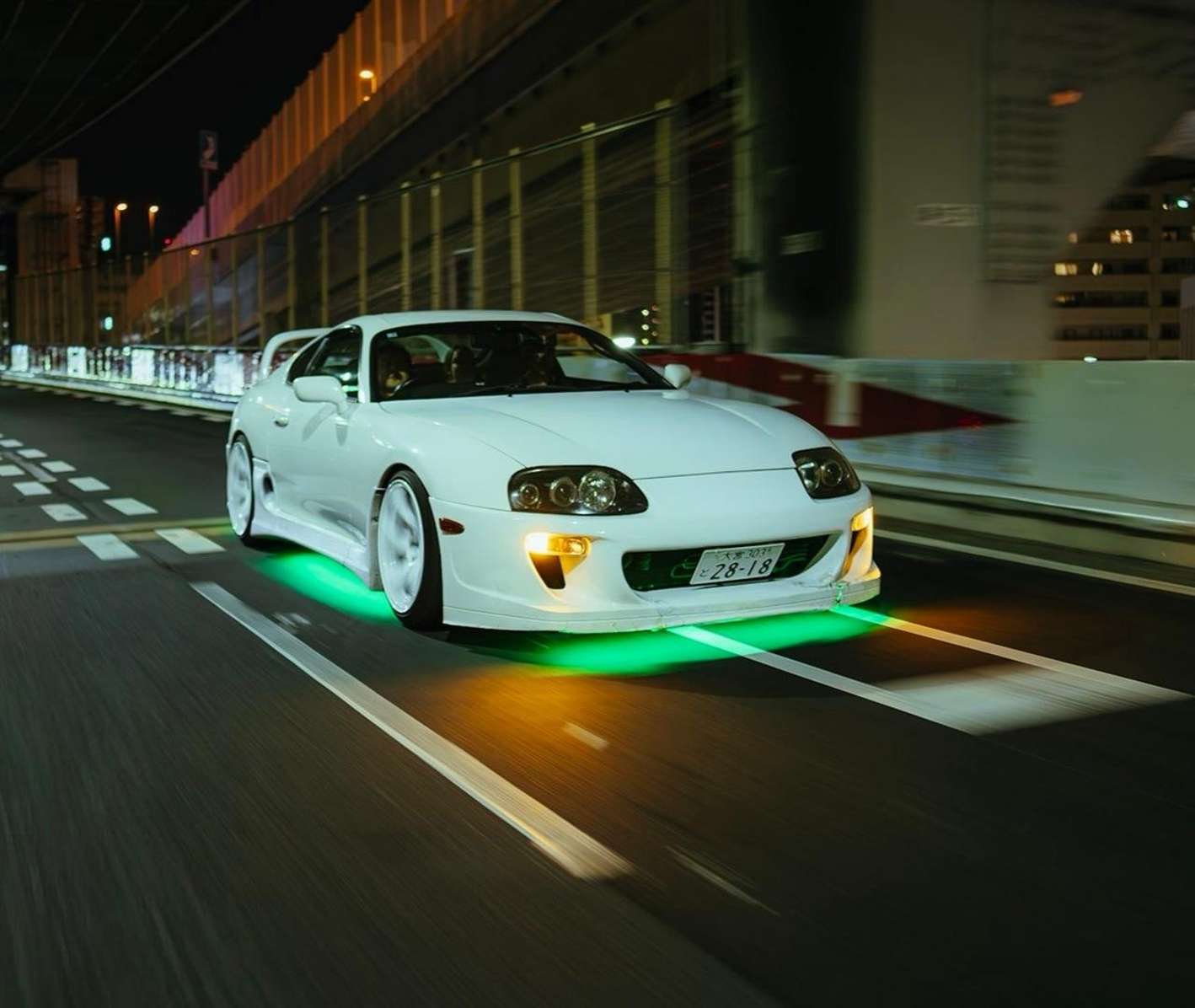
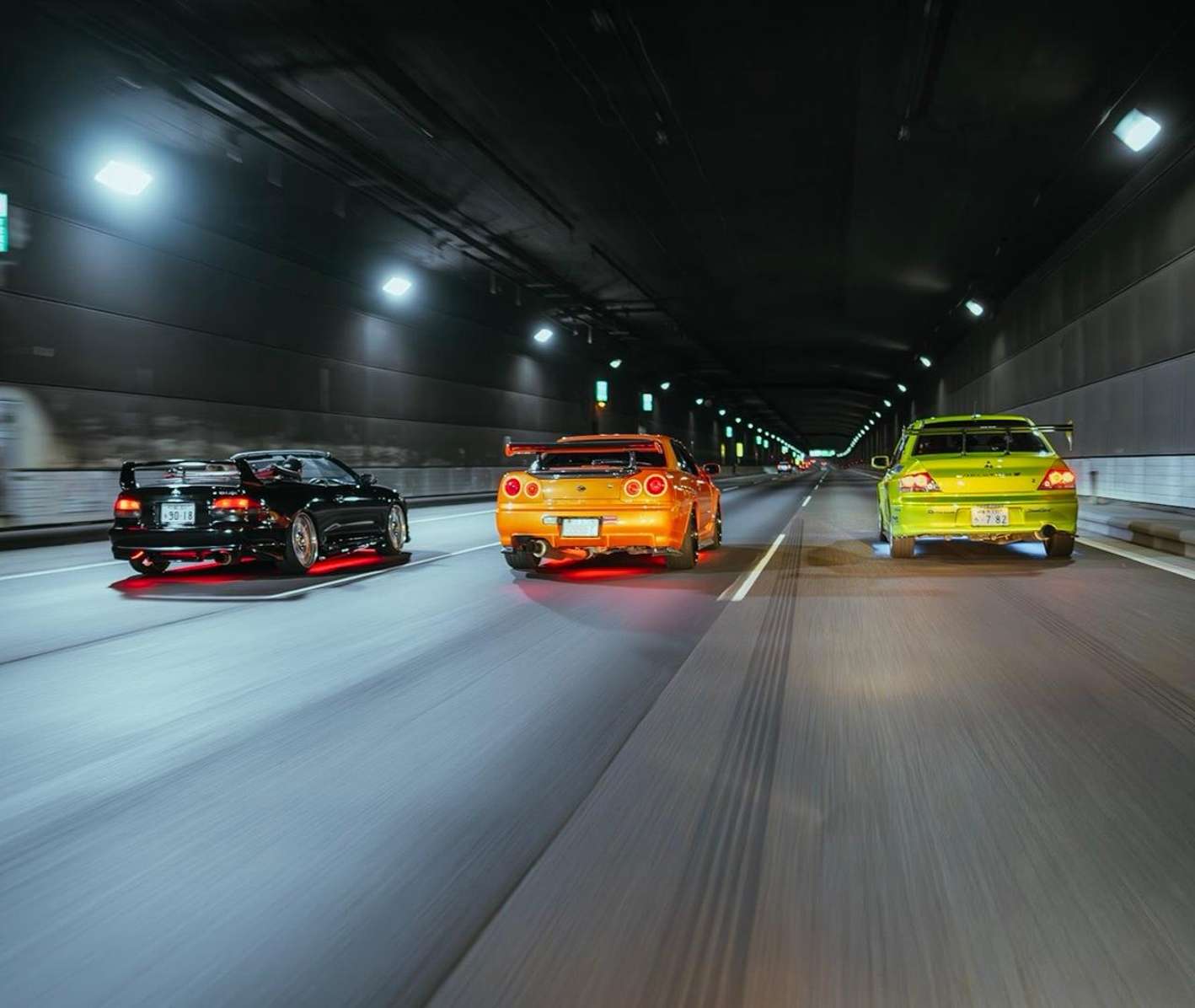
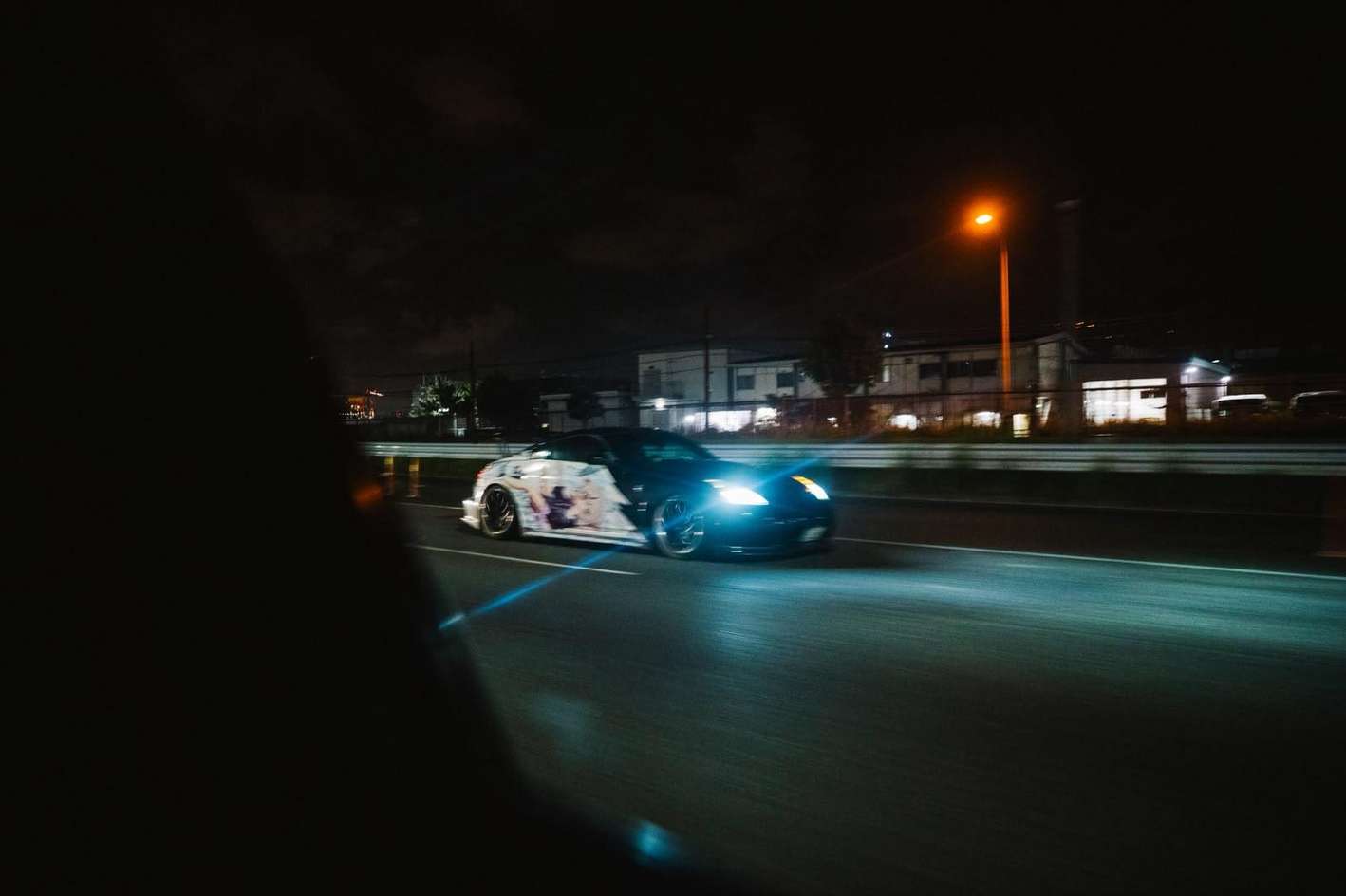
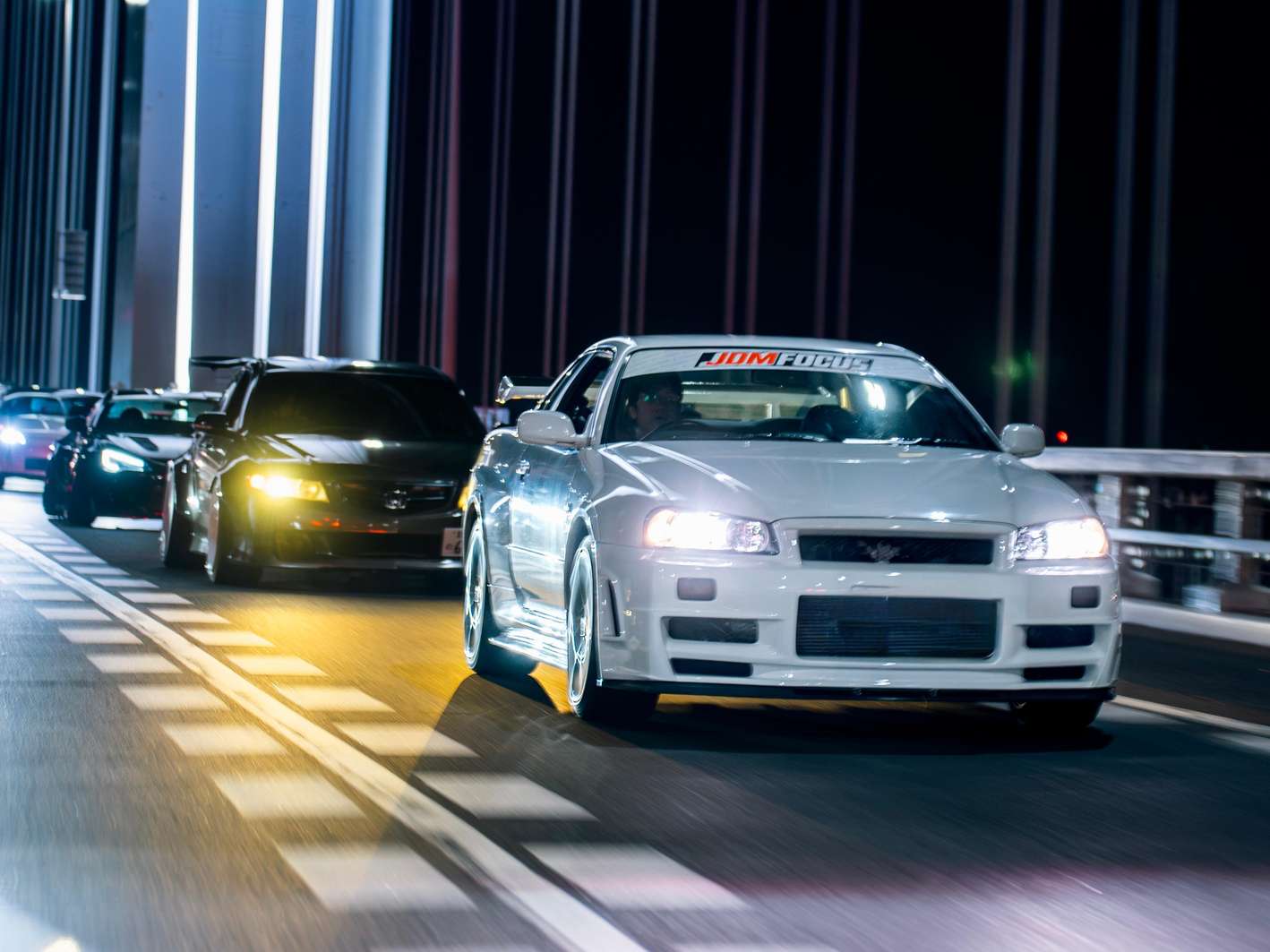
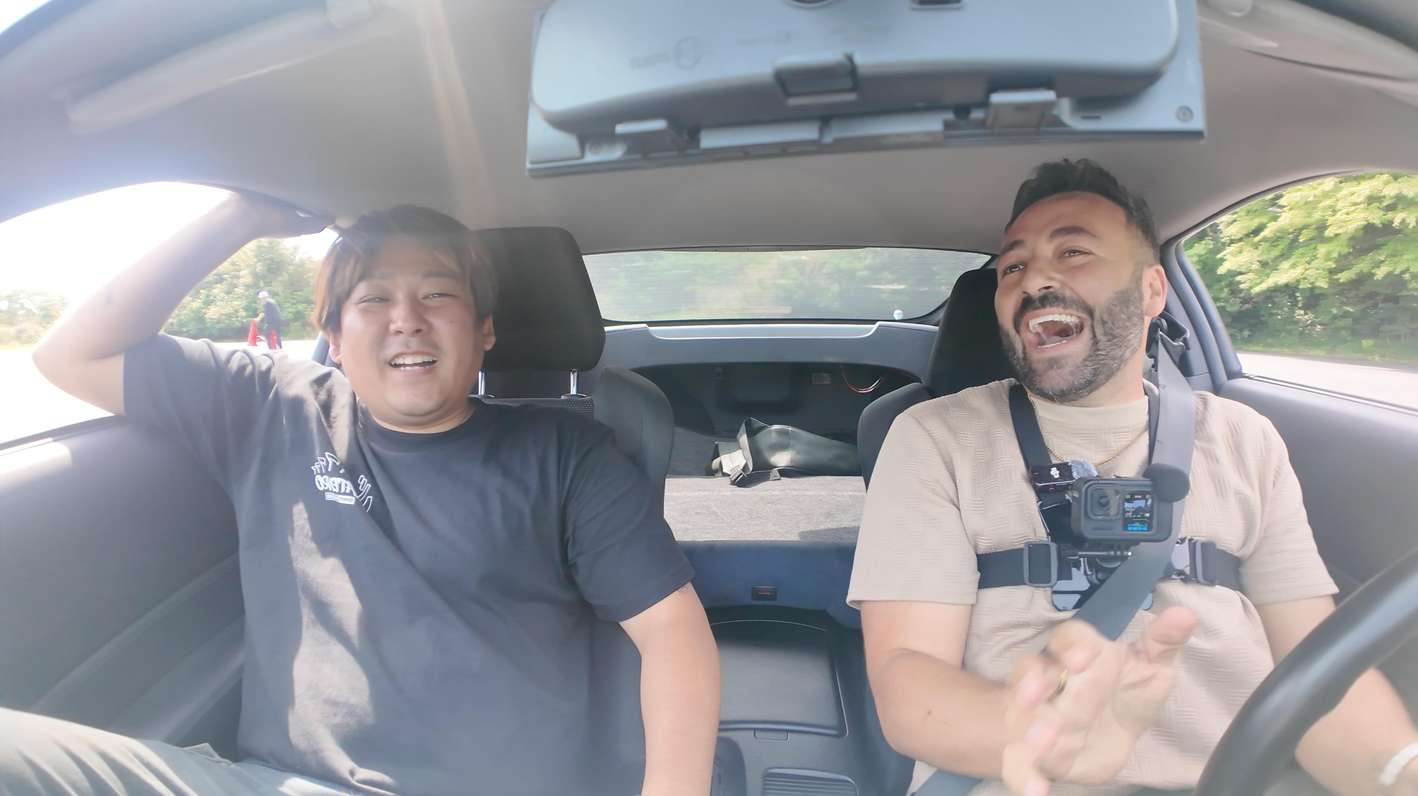
The ride itself is the draw. Drivers who compete or build cars take you through tunnels, across Rainbow Bridge and onto the Wangan Route, and the convoy of tour cars around you makes it feel like the scene has let you in.
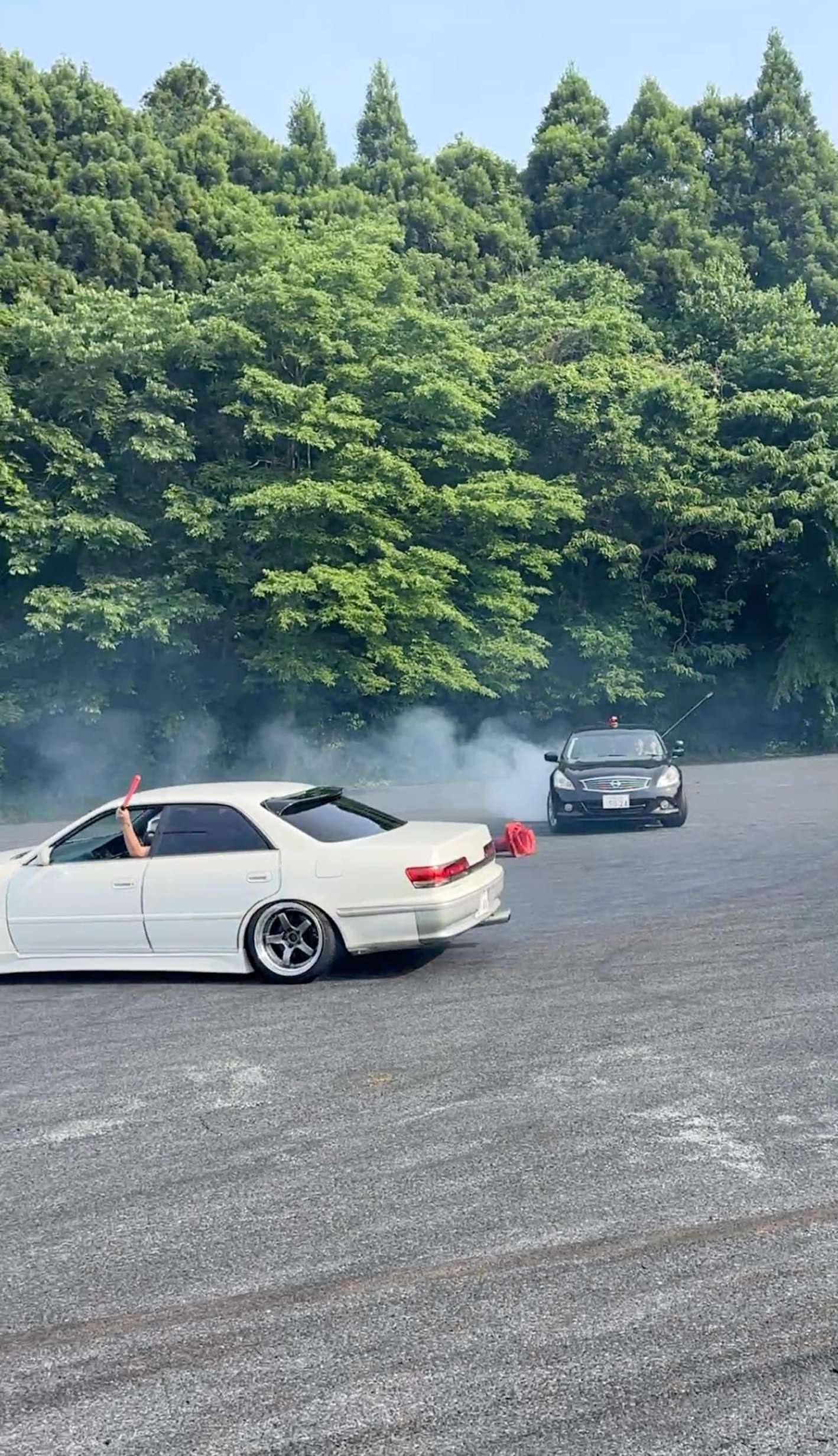
No drifting happens on the street. Street drifting is illegal in Japan and no legitimate tour does it; the themed night gives you the locations, the cars and the meet.
It thrills car-mad teenagers, photographers chasing night shots and anyone who wants the thrill without driving. It disappoints travelers who expected to take the wheel or watch cars slide sideways, and it is a poor match for anyone pregnant or carrying a back or heart condition, because the passenger seat gets energetic.
Here is what people wrongly assume, and what the night really gives.
What people wrongly assume
MythYou get to drive the car yourself
Reality
You ride as a passenger; a resident driver handles the car all night
MythThe tour includes drifting
Reality
Drifting on public roads is illegal in Japan, so a themed tour covers the locations, the cars and the meet
MythDaikoku PA is an official show with a guaranteed line-up
Reality
It is an informal gathering of owners; what turns up depends on the night
Read those three lines once more before you book. They are the gap between the film in your head and the evening you will actually get, and they decide whether this night thrills or disappoints you.
Tour for this
Tokyo: The Fast and the Furious Tokyo Drift JDM Convoy Tour4.9★ (164) · 3 hours · Free cancellation
What the fast and furious car night in Tokyo looks like, hour by hour
Most themed nights run three to four hours and cover about 110 km, or 68 miles, from central pickup to Daikoku and back. The shape barely changes between operators: a modified JDM car, a loop of expressway, a stop at a tuning shop, then the parking area where the meet happens.
The Tokyo: Fast & Furious Tokyo Drift III Experience runs exactly that loop, with 30 minutes inside A-PIT Autobacs, Tokyo's largest car-supply shop, and a drop-off at your hotel inside central Tokyo at the end.
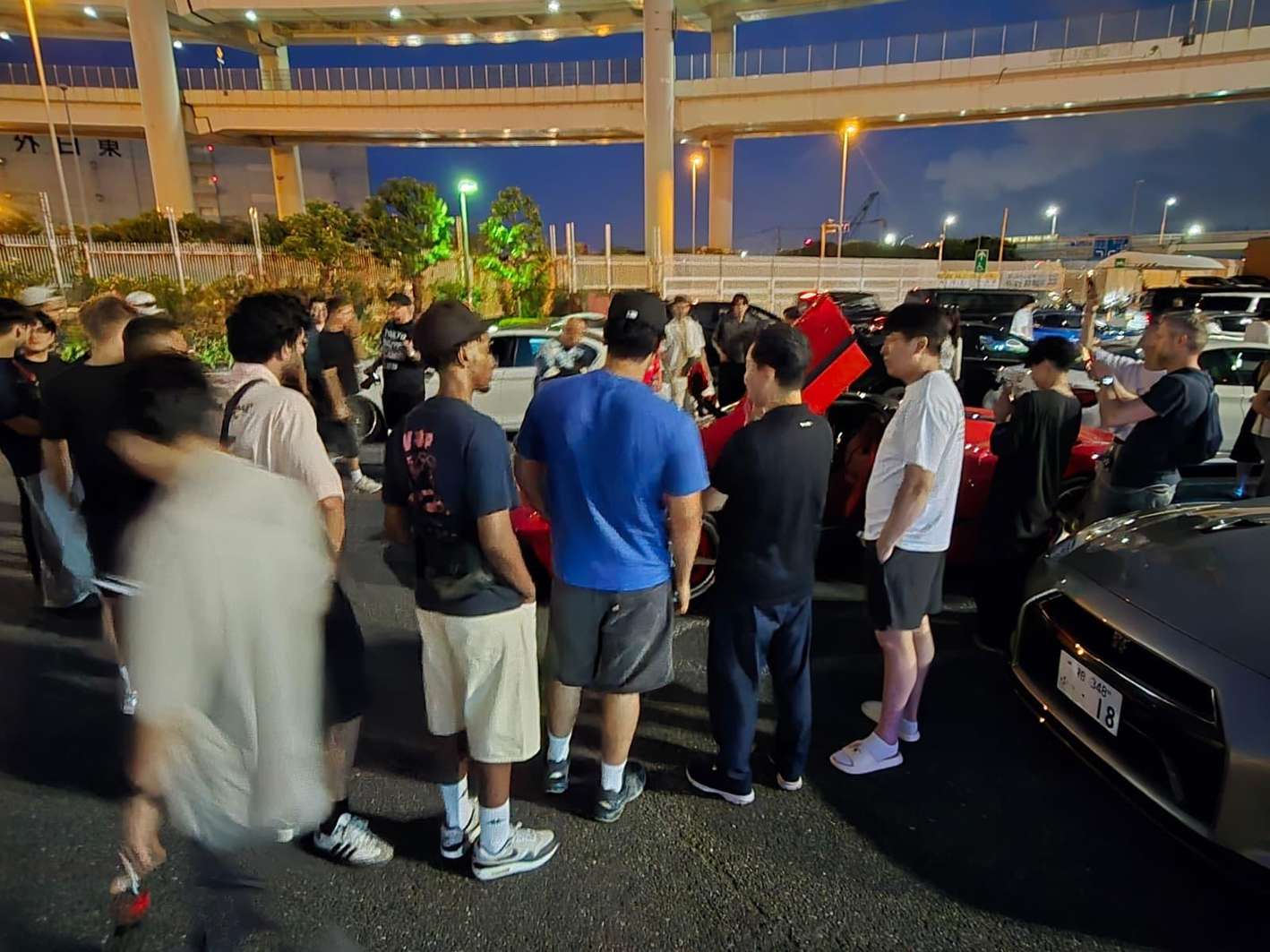
Daikoku is the part people remember. Owners park their builds side by side, and your guide translates for the owners, answers questions about the cars and takes photos on request. The commentary stays casual, and how much you get depends on the guide and the evening.
How the night unfolds
1
Evening pickup
Your guide meets you in central Tokyo
Confirm the exact point in your booking messages
2
First hours
Expressway run through the C1 Loop and across Rainbow Bridge
Tokyo Bay views from inside the car
3
Mid-tour
About 30 minutes at A-PIT Autobacs
Time to browse tuning parts and gear
4
Main stop
Walk among the cars at Daikoku PA
Free entry, and the line-up changes nightly
5
Late
Drop-off at your hotel in central Tokyo
Night runs end late, so plan the next morning gently
That timeline is the whole purchase, so check it against what you want before paying. Keep your booking confirmation handy; on multi-stop tours, different guides do not always know what is included or in what order.
And the drive between stops is dead time only if you let it be: Tokyo's tunnels, bridges and city lights make the run a highlight in its own right.
Tour for this
Tokyo: Fast & Furious Tokyo Drift III Experience4.8★ (5,784) · 3 - 4 hours · Free cancellation
Which night to pick for your fast and furious car experience
Daikoku PA builds in two directions on a weekend, and they work against each other.
Cars begin arriving in the late afternoon and the deepest crowd runs from about 9 pm to midnight, but the police closures start earlier, from about 8:30 pm on Thursday through Saturday nights. The biggest show and the earliest shutdown sit on the same nights.
Operators answer by pulling Friday and Saturday pickups forward to around 4 or 5 pm, early enough to be inside before the closures build. That is the trade you are making when you book a peak weekend night: the most cars, and the shortest window to see them.
How busy Daikoku PA car meets get by day of the week
Fri: the busiest. Friday night is one of the two peak nights, with cars rolling in from around 5 pm, but police can close the lot from about 7:30 pm, so come …
Bar height: how busy each day is, from very quiet to the busiestThe busiest: Fri
Tap a day to read it.
The weekday rows above tell the easier story. Thursday is the insider's night, with travelers reporting the lot packed like a weekend and far less closure risk. Sunday evening still draws rare supercars, and Monday to Wednesday stay quiet but almost never empty.
Season matters less than the night of the week, but rain counts. June and September are the wettest months, rain on roughly one day in two, and rain thins the meets; operators run anyway, one of them warning only that it takes no responsibility for a thin line-up.
April is the busiest month for bookings, then October and September, so those months need earlier booking too.
How busy the JDM tours are each month, with rain and dry days
April: 5 out of 5 for how busy it gets. The busiest month of the year (150) with mild 19.6°C days and 19 sunny days, the best mix of full car meets and comfortable evenings.
HighestMar to Apr, Sep to Oct
In betweenJan, May, Aug, Nov
LowestFeb, Jun to Jul, Dec
Darker: a higher how busy it gets score, out of 5
Tap a month to read it.
January: 26.4 dry days. A quiet month with 26 dry days and cool nights around 0°C, so meets are thinner but tours run and the winter night skies are clear.
HighestNov to Jan22.8 to 26.4 days
In betweenFeb22.2 days
LowestMar to Oct15.6 to 19 days
Darker months: higher, from 15.6 to 26.4 days
Tap a month to read it.
December: 26.8 sunny days. Quiet (73) with 25 dry days and mostly clear skies, but nights drop to 2.5°C, so dress warmly for the meets.
HighestAug, Dec to Jan24.2 to 26.8 days
In betweenFeb to Mar, Jul, Nov21.2 to 23 days
LowestApr to Jun, Sep to Oct16.8 to 19.6 days
Darker months: higher, from 16.8 to 26.8 days
Tap a month to read it.
Last rule: keep your first Tokyo day free. Long-haul flights slip, and even an early departure with a long layover has cost travelers their meet night. Book the tour for day two or three.
Tour for this
JDM Tour to Daikoku PA Fast and Furious Tokyo Drift Experience5.0★ (91) · 3 hours · Free cancellation
When the fast and furious car night hits a police closure
Nothing about Daikoku PA is scheduled. It is an unofficial gathering with no organizer, no published line-up, and whether it happens on a given night depends on the police situation. Closures are decided that evening, so there is no schedule to check in advance and no page anywhere that tells you.
Police can close the lot any night, without notice. On Thursdays through Saturdays they often shut the meets down by about 8:30 pm, and since 2025 recurring weekend closures have become the norm. Once the entrance closes, do not count on it reopening later that night.
This is where a booked tour earns its money. When Daikoku closes, most tours divert to another bay spot, usually Umihotaru PA out in the bay or Tatsumi PA on the Tokyo side, and several offer a full refund if you decline the alternative.
A traveler who drove out alone in a taxi can be stranded, with no pedestrian gate and no taxi rank to leave from.
One line captures the whole risk, so read it before you choose a night.
The one thing that can stop the visit
Daikoku PA can be closed by police without notice on any night, and no advance schedule exists Book a tour that diverts to Umihotaru or Tatsumi and refunds you if you refuse the alternative, and treat the closure as part of the night
That alert is the reason the pickup times in the last chapter matter. A tour built around a 4 to 5 pm pickup has already planned for the closure you cannot control.
Tour for this
Fast and the Furious Tokyo DriftIII Experience4.9★ (533) · 3 hours - 1 day · Free cancellation
How to choose your fast and furious car tour in Tokyo
What separates the themed tours is narrower than it looks. Nearly all of them ride the C1 Loop and Rainbow Bridge, stop at Daikoku and end around Tokyo Tower or Shibuya. The real questions are the car, the format and who holds the wheel.
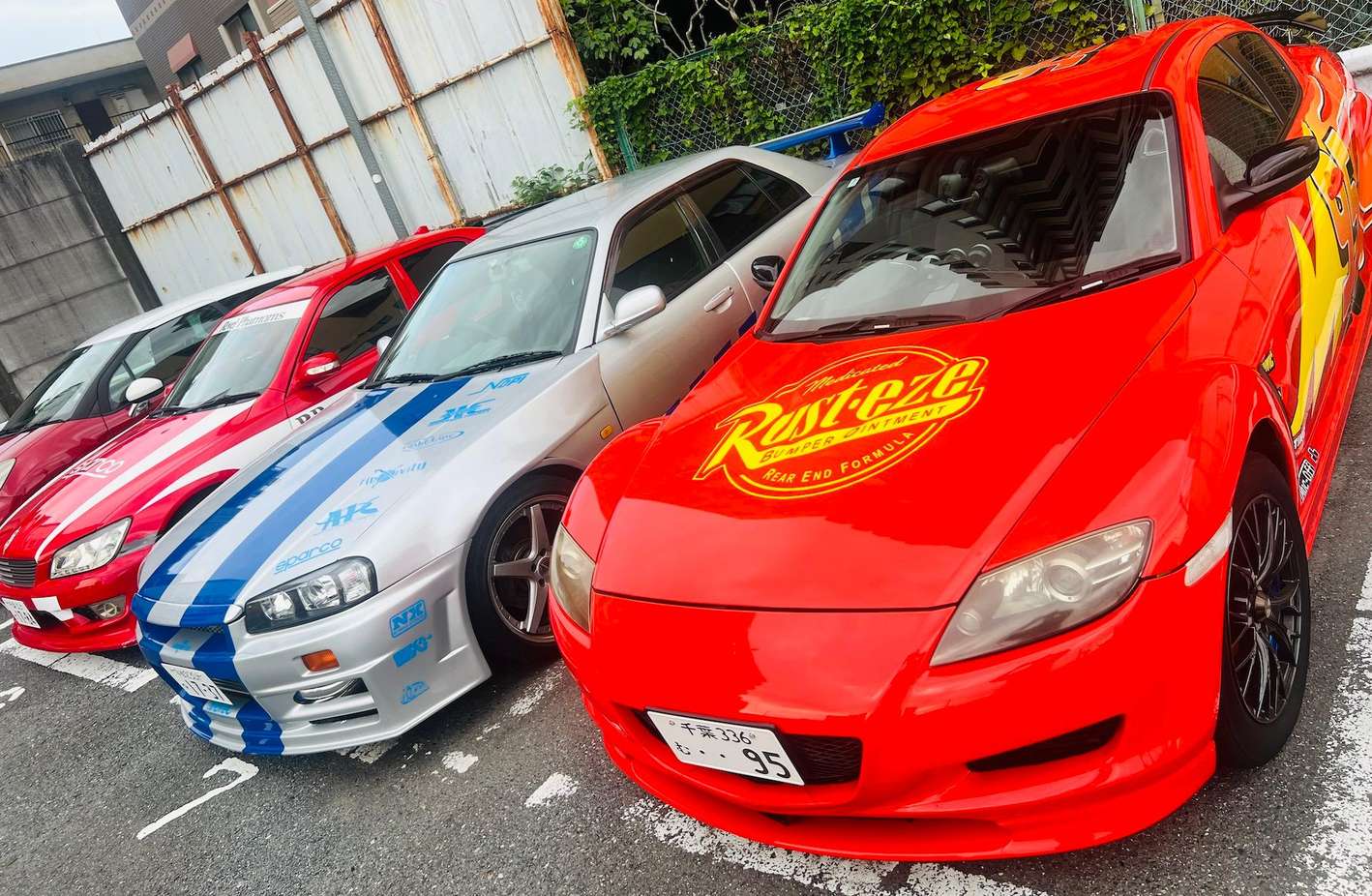
If a specific car matters, check it before booking. The JDM Tokyo: The Fast and the Furious Tokyo Drift Experience puts you in a convoy of sports cars where you choose between a Supra 80, a Skyline R34, a Lancer Evolution and an open-top convertible, guided by an English-speaking Japanese local.
Other tours let you name a preference but assign the car on the day.
The mid-priced themed loop takes the opposite approach: a large mixed JDM fleet with no specific car promised, 30 minutes at A-PIT Autobacs, and a hotel drop-off in central Tokyo.
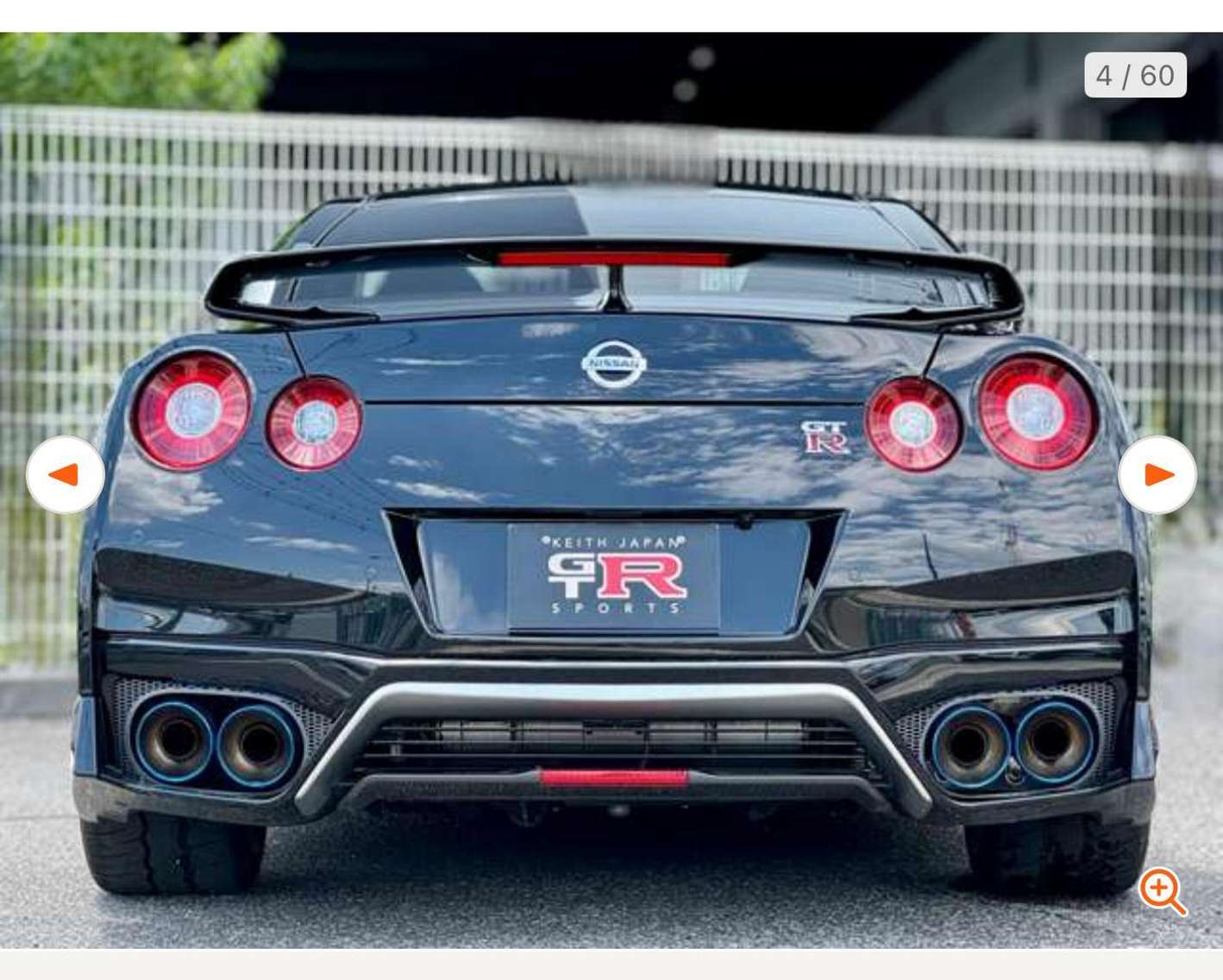
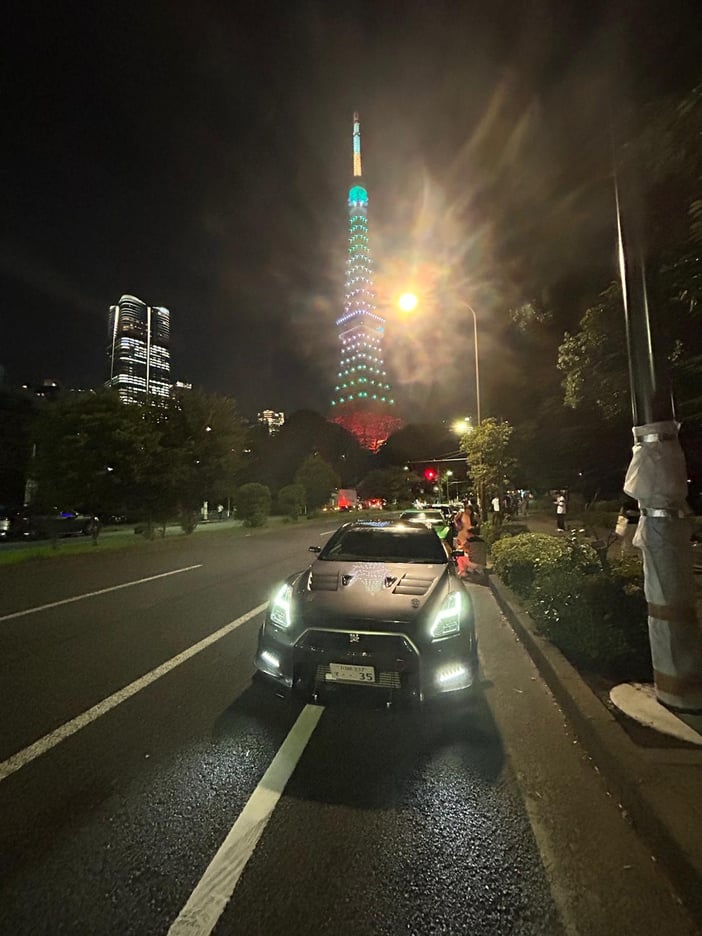
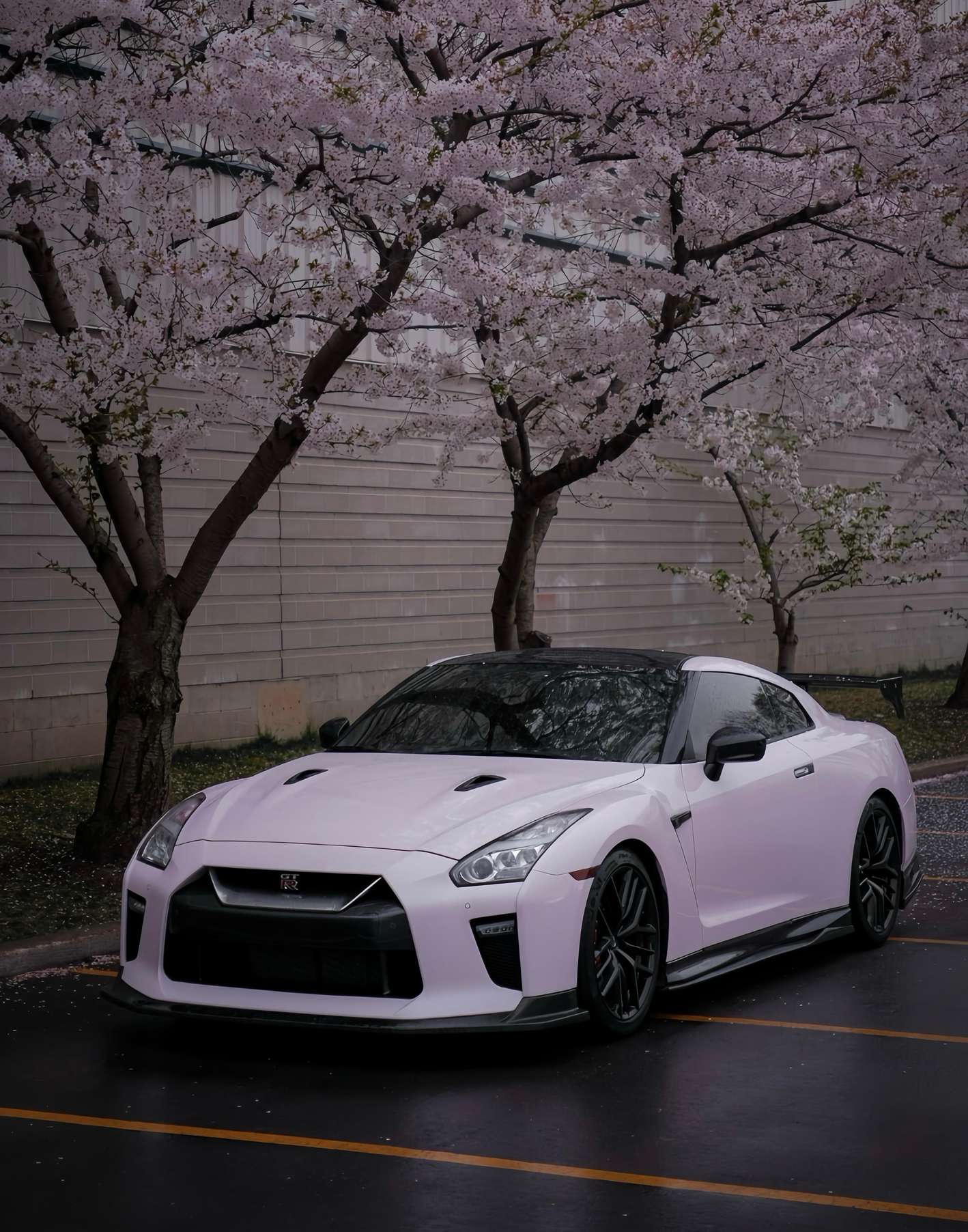
The GT-R-focused ride instead narrows everything to one car, with variants including Nismo and Liberty Walk builds, and hotel or Airbnb drop-off when three people book.
Ride or drive decides the rest. Every themed tour here is a passenger ride with a resident driver, so no licence is needed at all. A self-drive version exists elsewhere, but it asks for an international driving permit, an age of 23 or older, and calm expectations about orderly Tokyo traffic.
So the choice comes down to three lines on each card: the car, whether Daikoku anchors the night, and who drives. Match those to your reason for searching and the decision makes itself.
Tour for this
Tokyo Drift with GTR35-R 700HP Fast & Furious Experience4.8★ (184) · 3 - 3.5 hours · Free cancellation
If the fast and furious car night leaves you wanting real drifting
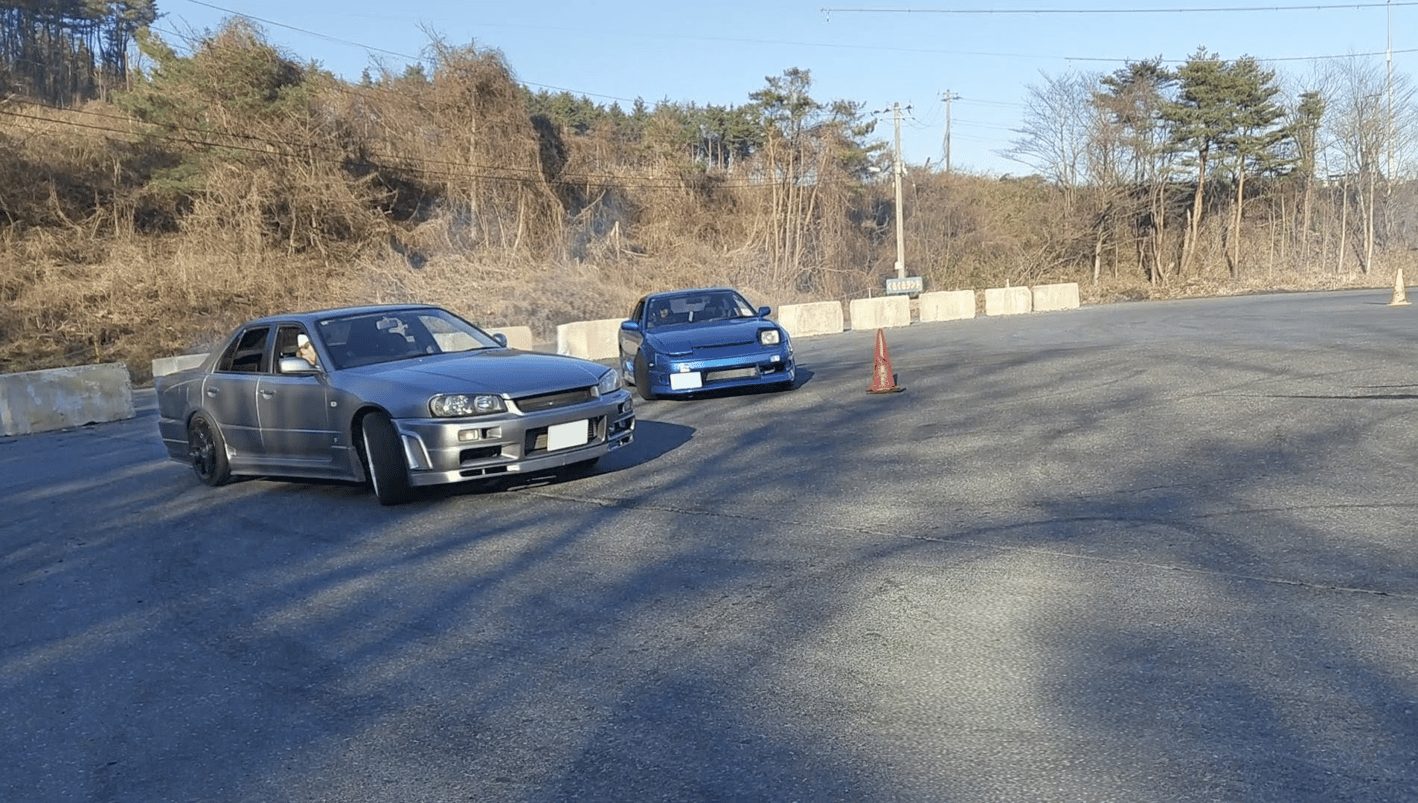
Daikoku PA is a parking lot. Sliding tires there brings the police, and no themed tour drifts on public roads because that is illegal in Japan. If the movie put you there for sideways cars, the honest answer is a circuit.
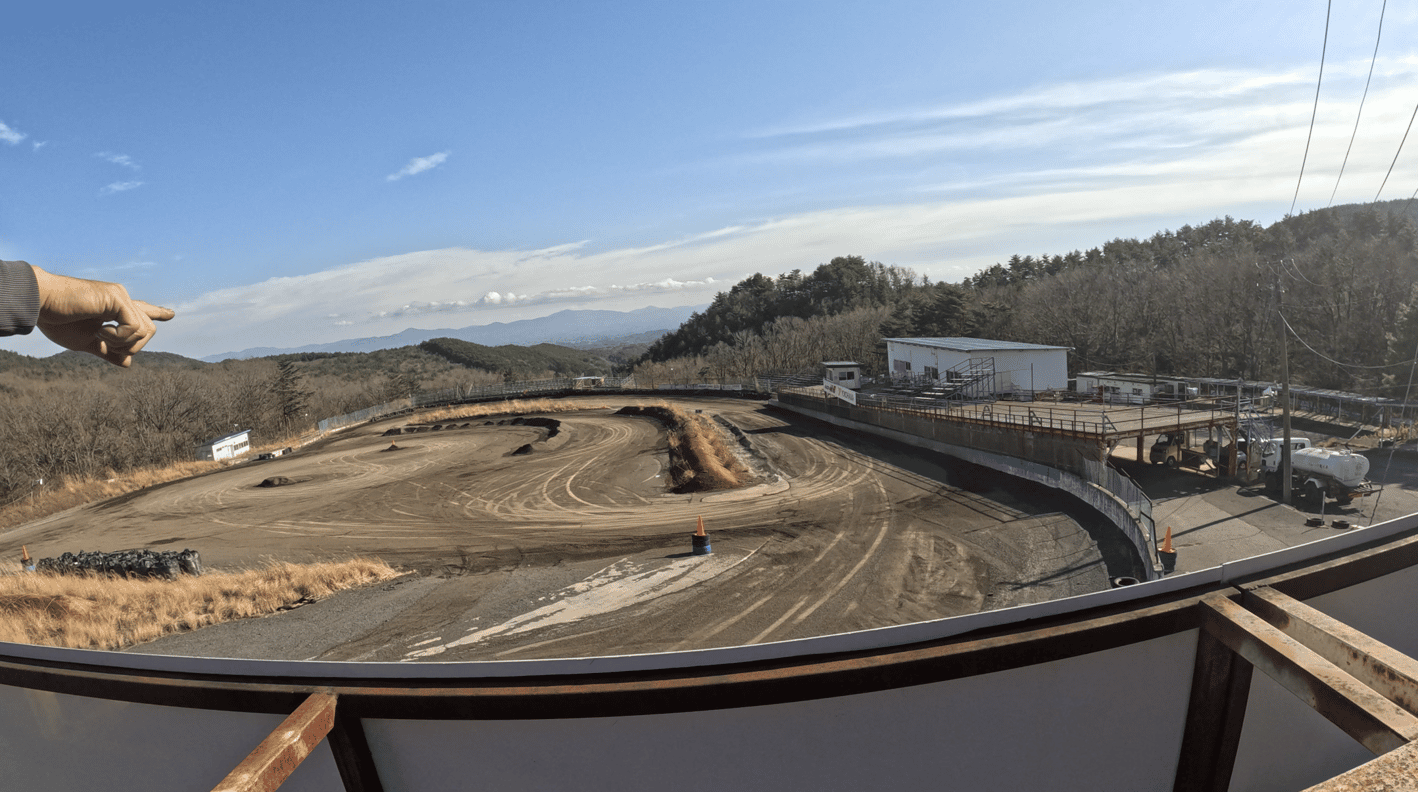
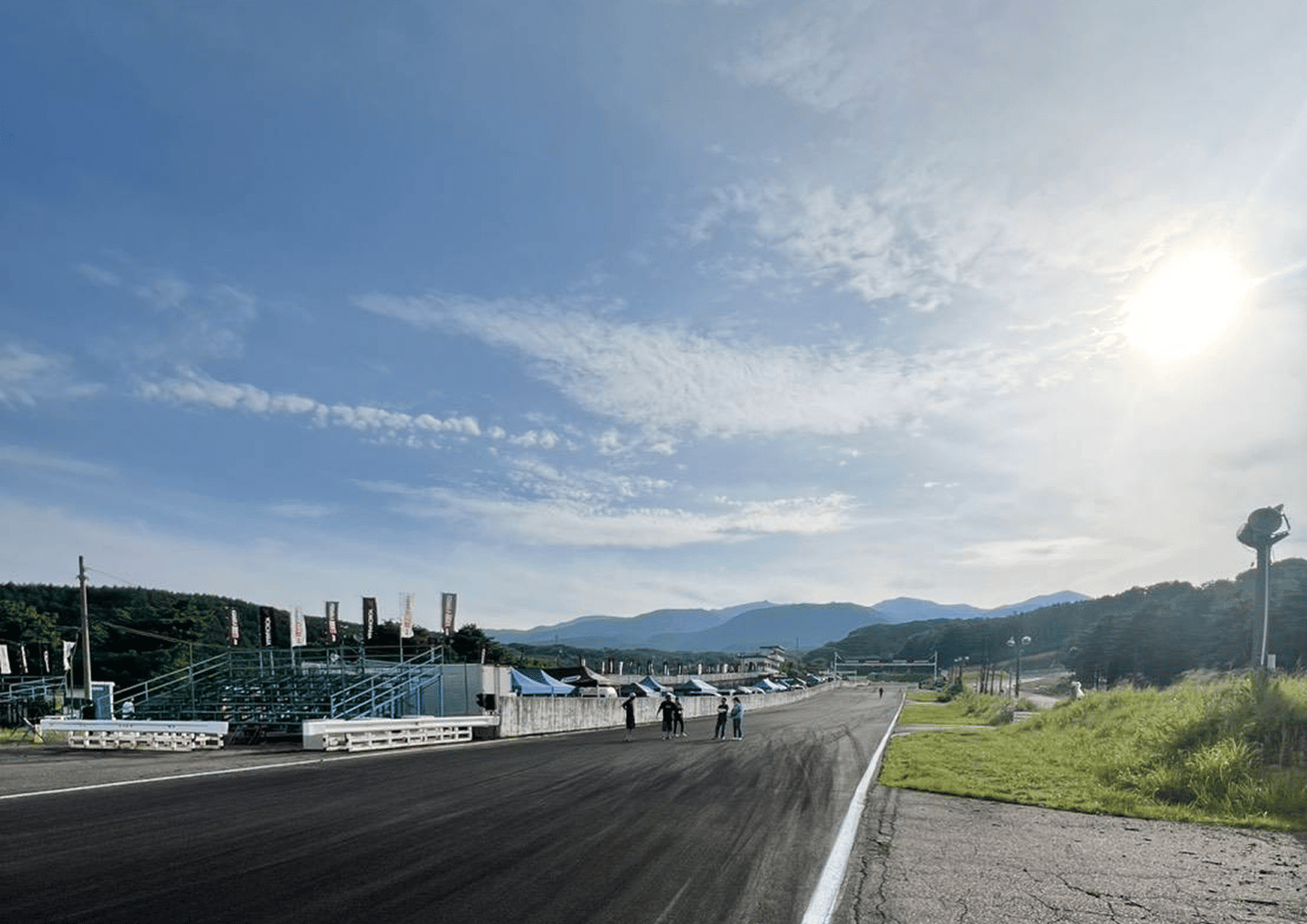
The legal home of it is Ebisu Circuit in Fukushima, a full day from Tokyo, and closer is Minami Chiba Circuit next to Tokyo, where a closed-circuit lesson runs about three hours with hotel pickup and needs no driving licence because the circuit is private land.
Beginners start with steady circles around cones and often pull off a proper donut within three hours. Helmets and gloves come with the lesson, and closed shoes, long sleeves and long trousers are required.
Private half-day lessons run expensive, and a passenger drift taxi gives only about 5 to 20 minutes of ride time, worth it for the committed, hard to justify for the mildly curious.
A traveler's note
Esperienza fantastica! Night loop past Shibuya, Odaiba, Rainbow Bridge, Tokyo Tower, then an hour at the Daikoku meet surrounded by incredible cars. Three hours flew by. Consigliatissima!
That quote is the honest budget for a circuit day: most of it is travel and teaching. So separate the two trips, the themed night for the locations, the cars and the meet, a circuit day for the slide. Forcing one to be the other disappoints on both.
Tour for this
TOKYO DRIFT 5.0 Real Fast & Furious Experience4.9★ (132) · 3 - 4 hours · Hotel pickup · Free cancellation
Getting to the fast and furious car tour meeting point
Daikoku PA itself cannot be reached by train, bus, taxi drop-off or on foot. It sits inside the Shuto Expressway with no pedestrian gate, no bus stop and no taxi rank, so the only way in is in a vehicle already on the expressway. Every themed tour here starts in central Tokyo and drives you.
That makes your real journey the run from wherever you sleep to the meeting point. Tours meet or pick up in Shibuya, Akihabara or at your hotel, and from Haneda Airport the drive runs about 47 minutes without traffic, about 69 minutes from Tokyo Station and 80 from Shinjuku.
Ways to get to the Daikoku PA tour meeting points in Tokyo
Use those three starting points to place yourself. Stay near Shibuya or Akihabara and the meeting point is minutes away; stay out west in Shinjuku and budget the full 80 minutes.
The Tokyo Drift with GTR35-R 700HP Fast & Furious Experience removes even that leg, with hotel or Airbnb drop-off anywhere in central Tokyo, fuel, tolls and comprehensive insurance included, and pickup available when three people book.
Whichever tour you pick, arrive early; the convoy leaves as a group, and a latecomer watches the formation pull away.
Tour for this
Fast and the Furious III/Tokyo Tower/Daikoku PA/JDM Car Meet4.9★ (260) · 3 - 4 hours · Free cancellation
A themed night spends half its time outdoors in open parking areas, so dress for the season, because the meet happens outside. January nights drop to about 0.5°C and need a real coat.
Summer nights stay warm at 19 to 25°C but humid, so dress light and still carry a light jacket for standing around by the water. One operator runs the tour even in rain, so a compact rain layer earns its space.
What to bring and wear for a Tokyo night drive
Dec to Feb: warm coat, glovesNights drop to about 0.5 to 3°C with the odd snow day, and you stand around open parking areas, so a real winter layer matters
Mar to May and Sep to Nov: light jacketEvenings sit around 9 to 22°C and feel cool once the sun is down, so one warm layer over normal clothes is enough
Jun to Aug: light, breathable clothesNights stay warm at 19 to 25°C and humid, so dress light and expect a muggy evening rather than a chilly one
Comfortable shoes and clothesTour operators ask for this directly; you get in and out of low sports cars and walk around the parking areas
Compact umbrella or rain jacketOne operator runs the tour even in rain, and only severe storms reschedule, so you may be outside in a shower
Camera or phone with space for photosOperators tell you to bring a camera; the night stops at Daikoku PA and Tokyo Tower are built around photos
Phone with WhatsApp notifications onOperators message you before the activity starts if anything changes, so keep notifications active
Voucher QR code on your phone
That list is the whole packing problem solved, from coat to camera. Two items on it save the night outright: put WhatsApp notifications on after booking, because operators message you before departure if anything changes, and expect an email within 48 hours that you should answer.
Carry your voucher as a QR code on your phone; a printout adds nothing.
Sort cash at the airport, before you head into the city. Foreign cards are refused at some ATMs, small shops may not make change, and coin lockers take coins only. Nothing on this night is expensive, but a meet runs on conbini stops and vending machines.
Tour for this
Tokyo: Daikoku JDM Ride, Request the R34, Supra or GT-R R354.8★ (135) · 3 hours · Free cancellation
The lot at Daikoku runs on courtesy, and the owners are watching. Look closely at any car you like, but never touch it, lean on it or sit on it without asking.
Some locals have stopped bringing their cars at all because of tourists who treated parked builds as photo props, and the police act on complaints.
Photography is welcome, and asking first usually opens a conversation. A compliment about the build works in any language; a camera pointed at the interior does not. Do not ask what a car cost or whether it is for sale.
What nobody tells you
Compliment the build, never ask the price
Owners take it as respect for the work, and a price question closes the conversation
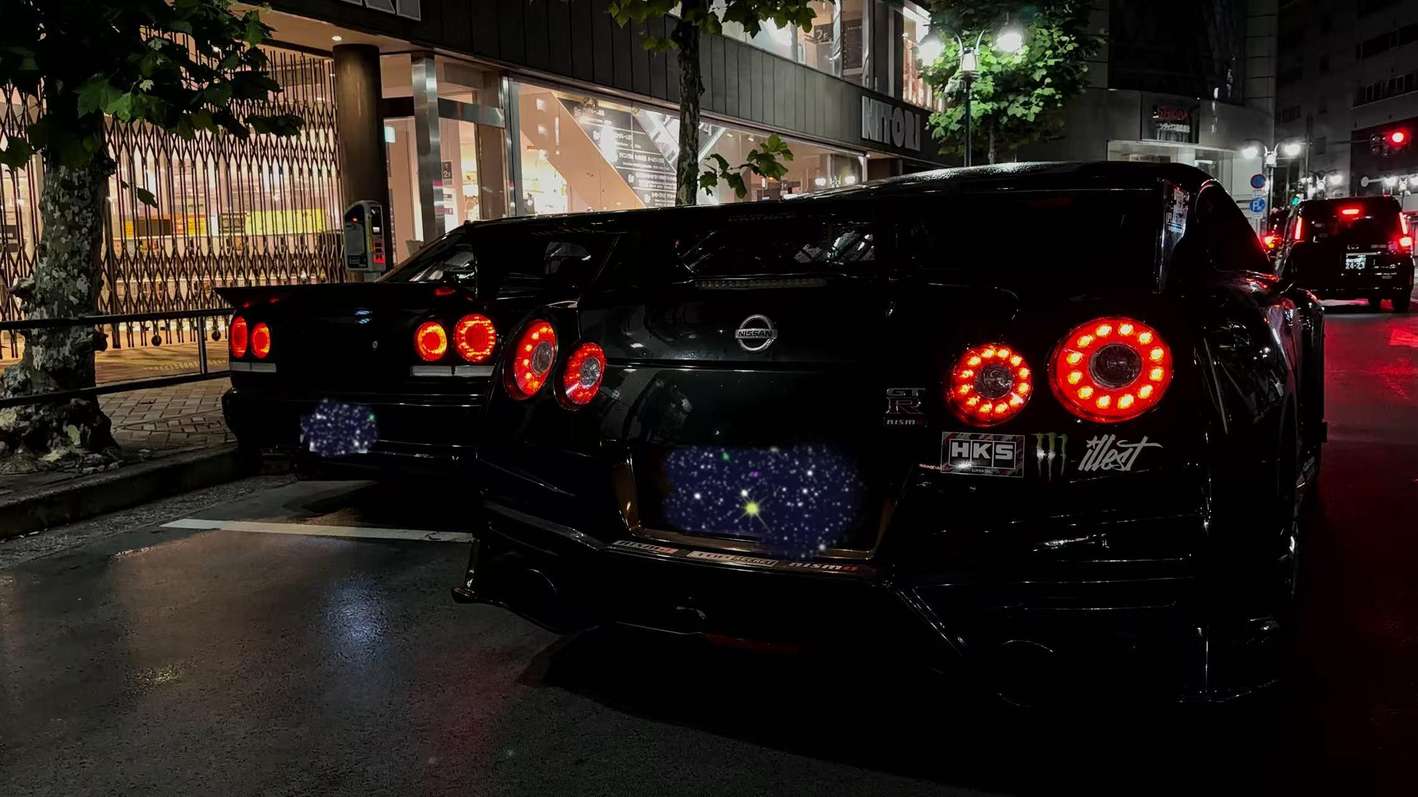
Blur or crop license plates before posting photos online
Owners care about where their plates end up on the internet
Carry your trash out with you
The lots have no bins, and litter is what gives visitors a bad name
Skip the revving and any burnouts
Noise and stunts are exactly what gets meets shut down by police
Those four lines are what separate a welcome guest from the tourist owners complain about. Stay out of the roadways while you walk, keep your voice down and use a designated smoking area if you smoke. These small rules are the reason the meets still exist at all.
Tour for this
Daikoku: Tokyo drift carmeet with Supra/R34/Silvia/R35/Evo4.9★ (140) · 2.5 - 3 hours · Free cancellation
Rain rarely ruins it. Tours run as scheduled in ordinary rain, and travelers have found plenty of cool cars at Daikoku on wet nights; the meet just thins out.
Only a severe storm or road closures trigger a reschedule, and one operator states plainly that it takes no responsibility if fewer cars show because of the weather.
Police closures work differently. If Daikoku closes, most tours drive on to Umihotaru or Tatsumi and keep the night going, though the terms vary: one operator charges an extra detour fee, another makes the fallback free. Several tours offer a full refund if you decline the alternative lot.
What happens when things change
If this happens
What happens then
You cancel more than 24 hours before the tour
A full refund, on every themed tour here
Daikoku PA closes on the night
Most tours divert to Umihotaru or Tatsumi PA; several give a full refund if you decline the alternative
A severe storm or road closures hit
The tour reschedules
Daikoku was simply quiet or closed early
Not a refund trigger on its own; read the terms before booking
Read the cancellation line on your chosen card before paying. Knowing in advance that a closed lot alone is not a refund trigger keeps a good night from turning into a dispute.
Tour for this
Tokyo: Fast & Furious Tokyo Drift Location Tour with Photos4.7★ (8) · 2.5 hours · Free cancellation
Pairing the fast and furious car night with other stops
Nothing at Daikoku is walkable. The parking area sits on an artificial island in Tokyo Bay, and within a 20-minute walk there is no park, museum or viewpoint worth the name.
Treat everything around it as part of the drive, which the tours already handle: A-PIT Autobacs in Shinonome, Tatsumi PA on the Tokyo side of the Bayshore Route, and Umihotaru out in the bay.
The museum rows above give the daytime half of a car weekend, all of it within a short drive of Daikoku.
For the walkable half, add Shibuya near the crossing in the evening, the free Shibuya and Akihabara UDX underground garages on Friday and Saturday nights with their anime-wrapped cars, and the Autobacs Shinonome parking lot, which hosts events of its own. Exotics line Meiji Jingu Gaien as another backup.
Book the themed night early in your trip and you leave room for a second, quieter car day. Yokohama proper works well for it: the Nissan Engine Museum and the Mitsubishi Minatomirai Industrial Museum are a calmer counterpoint to the night lot, and both sit within a short drive.
The passenger seat is not the only option. Renting a JDM car in Tokyo is possible, with specialists around Shibuya Station, in Ota near Haneda and in Adachi in the north, plus shops in Chiyoda, Koto and Meguro, and one operator rents the legends near Narita. The paperwork decides everything before you arrive.
Most visitors need an International Driving Permit, the 1949 Convention paper booklet only, obtained in your home country; it cannot be issued in Japan.
Drivers licensed in Switzerland, Germany, France, Belgium, Monaco or Taiwan skip the permit and need a certified Japanese translation arranged through JAF online before the trip. Carry your passport with the documents.
Then manage expectations. Japan drives on the left, Tokyo's streets are narrow and congested, and turning into the correct lane takes conscious effort for the first day or two.
On the expressway the limit is generally 60 km/h, some stretches 80, and speeding 40 km/h over it leads to arrest and jail, never a fine. The movie speed does not exist on these roads.
With a permit and an ETC-equipped rental you can legally run the C1 Loop yourself. For most visitors, the guided ride remains the calmer way to spend the night.
Driving yourself
Rent a car in YokohamaCompare cars from the rental companies in one search, then pick yours.
For fans of JDM builds and night photography, this is one of Tokyo's best evenings, and it asks nothing of you but to sit still and look. Pick your night carefully, Thursday if you can, and book a tour that has a plan for a closed lot.
For anyone expecting to drive or drift, look at the circuit options instead.
Go ifYou love JDM builds and want the night meet without planning it yourselfYou want night photos of Tokyo's tuned cars at Daikoku and Tokyo TowerYou are traveling with someone who cannot or should not drive
Skip ifYou expect to take the wheel yourselfYou came to watch cars slide sideways on the streetYou are pregnant or managing back or heart problems
Our pick to book
Fast and the Furious Tokyo DriftIII Experience4.9★ (533) · 3 hours - 1 day · Free cancellation
Fast and Furious car tour in Tokyo - your questions answered
Short answers to what people ask before booking a themed JDM night in Tokyo.
Yokohama2026
Skylines idling in rows under the bay bridge lights, cameras everywhere. Pick your night early, weekend lots close by 8:30.
Do Fast and Furious car tours in Tokyo actually include drifting?
No. Drifting on public roads is illegal in Japan, so these tours give you the themed locations and the ride in a tuned JDM car while a professional driver handles the wheel.
If you want to slide a car yourself, that happens on a closed circuit such as Ebisu, a full day trip north of Tokyo.
What stops does a Tokyo Drift themed tour usually make?
Most run three to four hours and pair the Daikoku PA car meet with a night drive across Rainbow Bridge and the Wangan Route, plus photo stops at Tokyo Tower and Shibuya Crossing. Some add A-PIT Autobacs, Tokyo's largest car-supply shop, or a visit to a well-known widebody tuning showroom.
Can I ride in a Skyline R34 or a GT-R R35?
Yes, on some tours. One themed option puts you in a 630-horsepower modified R35, and others list R34, Supra and Silvia rides. Specific models need booking ahead, since the cars are privately owned and sometimes under maintenance, so confirm your choice at least a couple of days out.
Do I need a driving licence or an international driving permit?
No for the passenger tours. A driver drives you, so no international driving permit is needed. You only need licence paperwork if you book a self-drive format, and self-drivers must be 23 or older with documents recognised in Japan.
Is the Daikoku car meet guaranteed to happen on my tour night?
It is an informal gathering with no organiser and no schedule, and police can close the lot with no notice, most often on weekend nights from about 8:30 pm. If Daikoku closes, tours move to a backup spot such as Umihotaru or Tatsumi PA, and most offer a refund if you decline the alternative.
Which night gives me the most cars at Daikoku PA?
Friday and Saturday nights draw the biggest crowds, with cars filling the lot from around 5 pm and the deepest crowd between 9 pm and 1 am. That is also when closures are most likely, which is why many operators pull pickups forward to late afternoon. Weeknights run quieter but are rarely empty.
Can I bring my partner or friends in the same car?
Usually, but not always in one car. Most sports cars seat three guests at most, and on some tours friends may be split across two cars that drive and park together. Tell the operator in advance if riding separately bothers you.
Is the ride suitable for teenagers or a family outing?
Families with older children report the ride and the car meet as a memorable shared outing, especially with a car-mad teenager. Age rules vary by tour: some take under-18s with an adult, others set a minimum of 18. Check the age rule before booking since it can stop the visit.
What should I wear and bring on the night?
Comfortable shoes and clothes you can stand around in, a camera or a charged phone, and a light jacket because the meet happens outdoors by the water. Bring your passport or ID, eat dinner beforehand, and leave large bags behind since space in a sports car is tight.
How far ahead should I book a Fast and Furious experience in Tokyo?
Book ahead for your date rather than hoping for a seat on arrival, because these tours sell out and turning up on the day is a gamble. Demand peaks in April, October and September, so in those months book several days to a week out.
What if I want the movie experience and real drifting?
Do both on separate days. Take the themed night tour for the locations, the car meet and the skyline drive, then give a full day to a drift school at Ebisu Circuit, where beginners learn donuts and figure eights on a closed course with helmets, instruction and a pro ride-along.
Ride a modified JDM car to the Daikoku car meet, the Wangan Route and Tokyo Tower. No driving permit needed, a driver is arranged, and you can cancel free up to 24 hours before.