Likely to sell out
3.5 - 4 hours·Arabic, Chinese
4.7(134)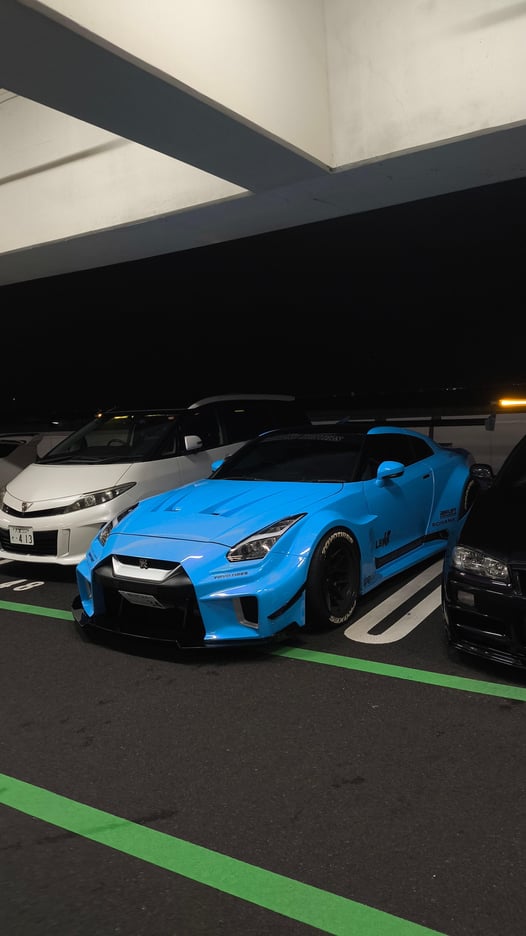
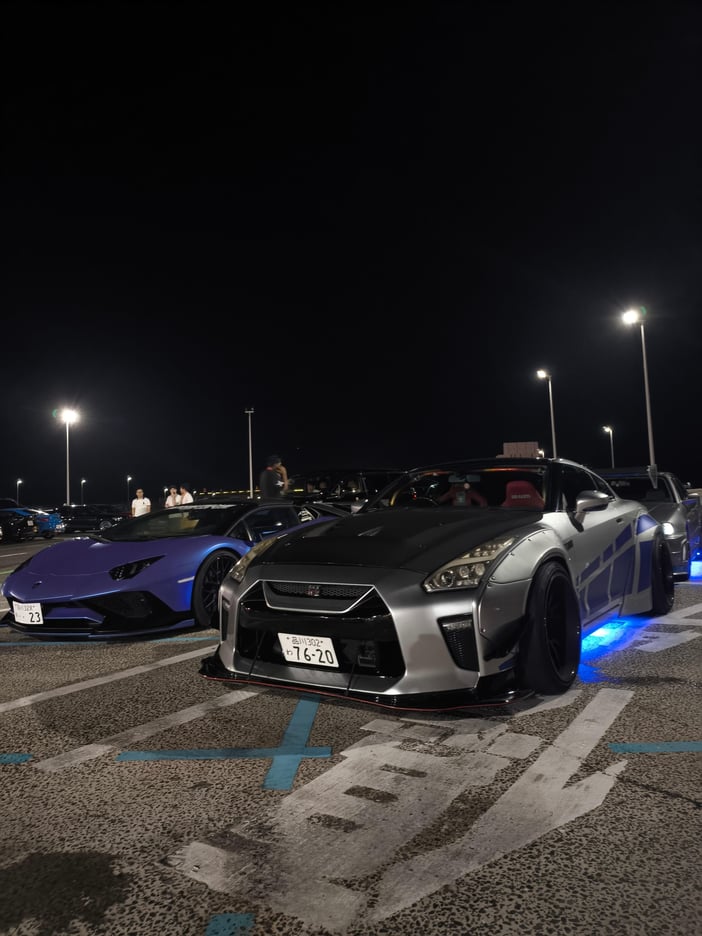
Tokyo: Daikoku or Umihotaru Tour ( SilviaS15 , Gr86 , 370Z )
Free cancellationHotel pickup includedPhoto sharing via AirDrop or email
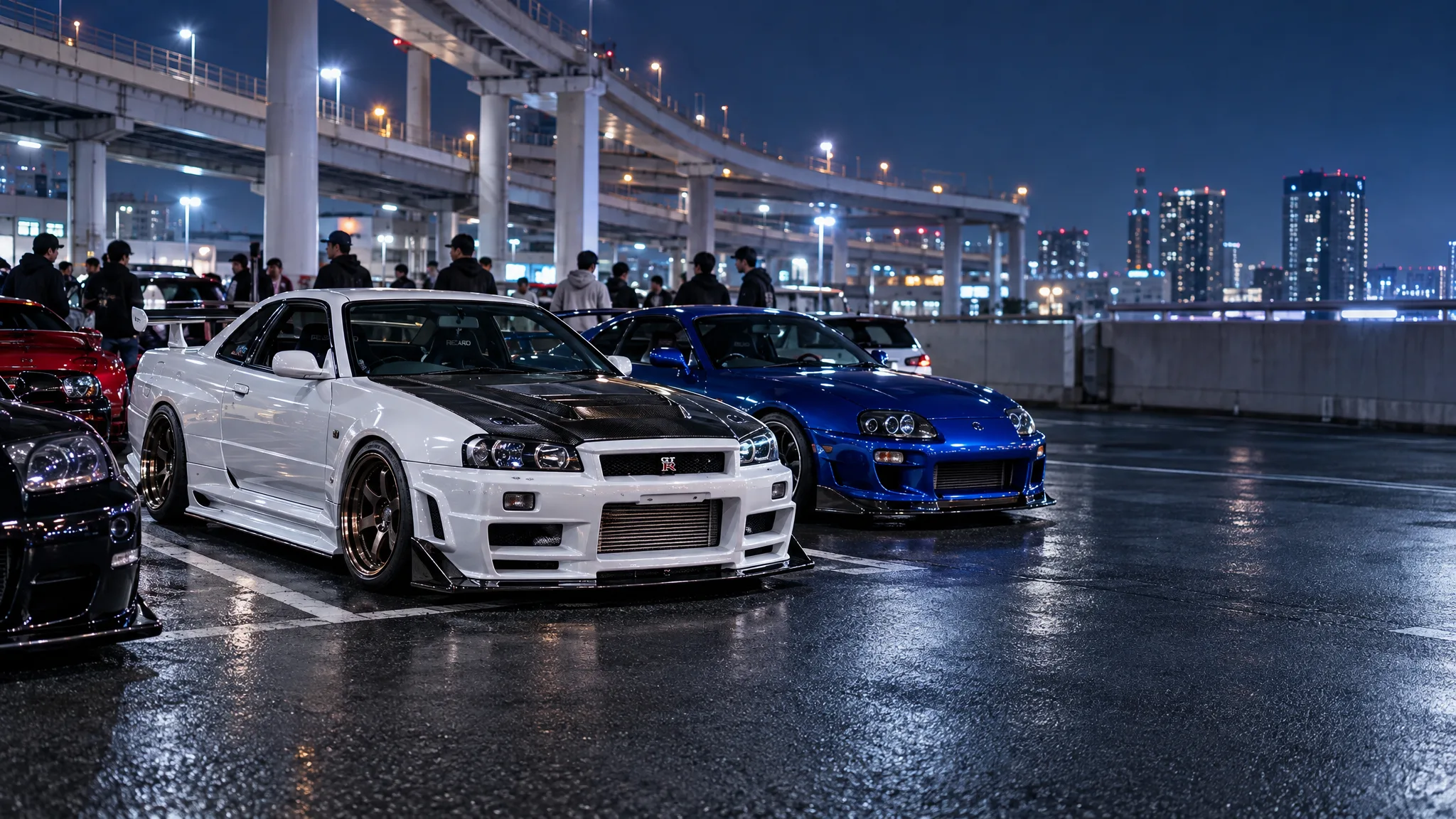
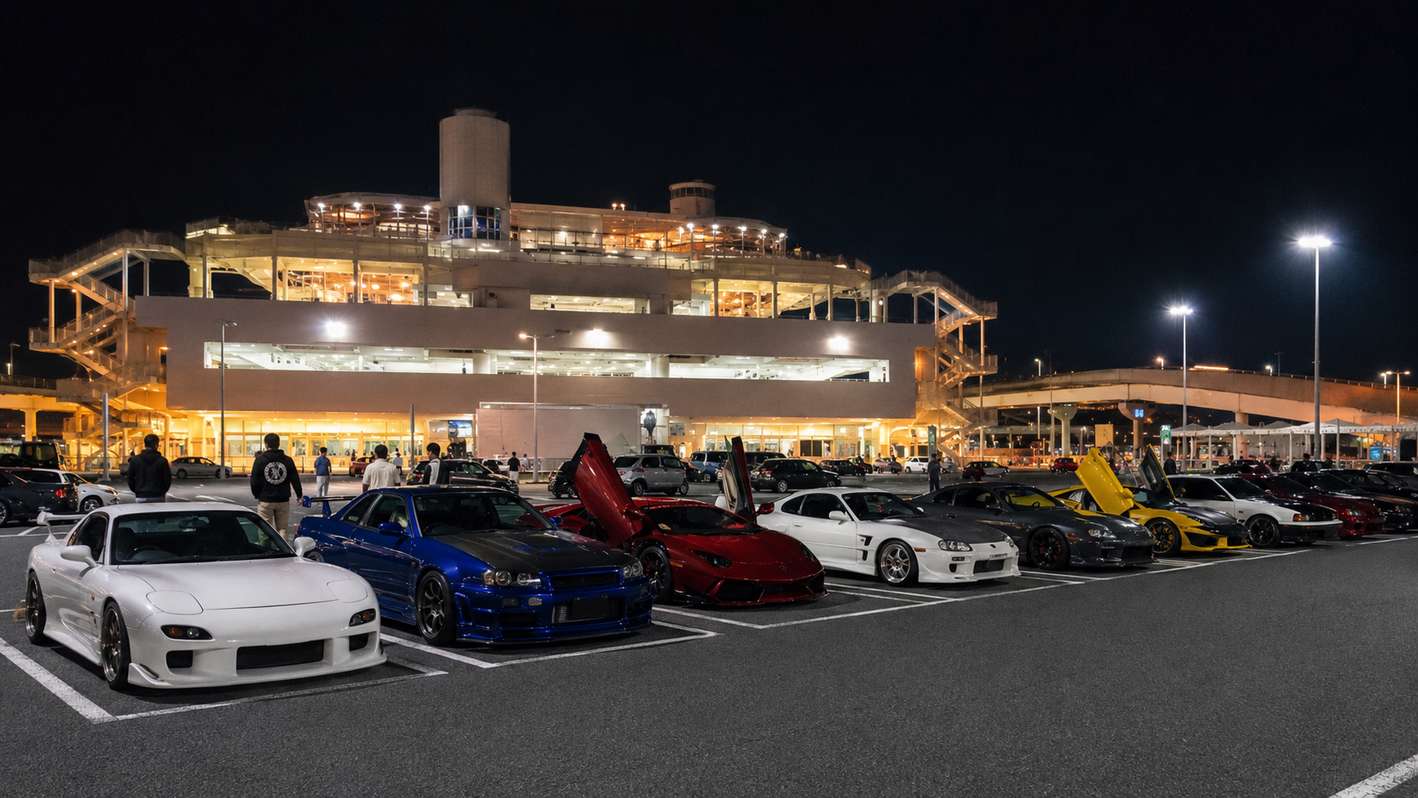
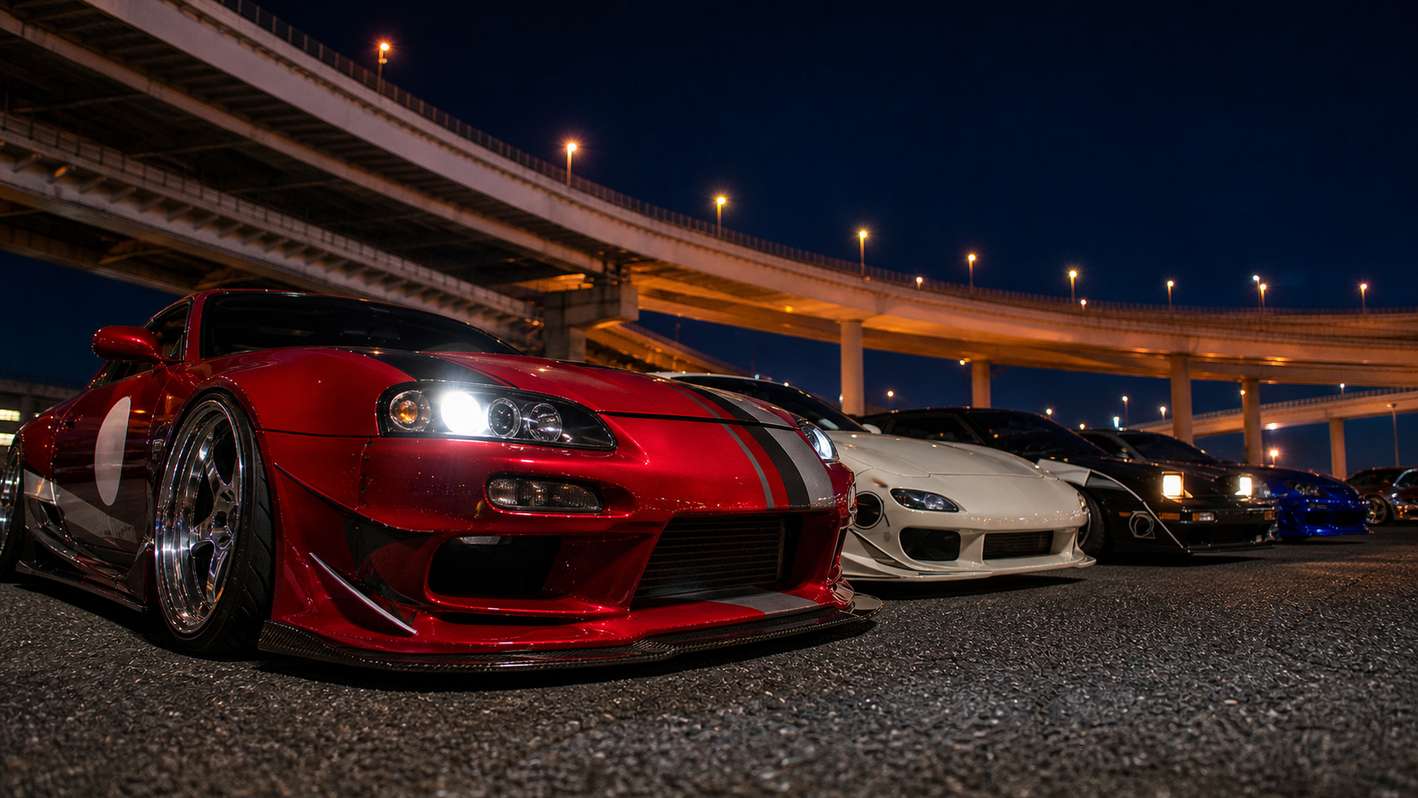
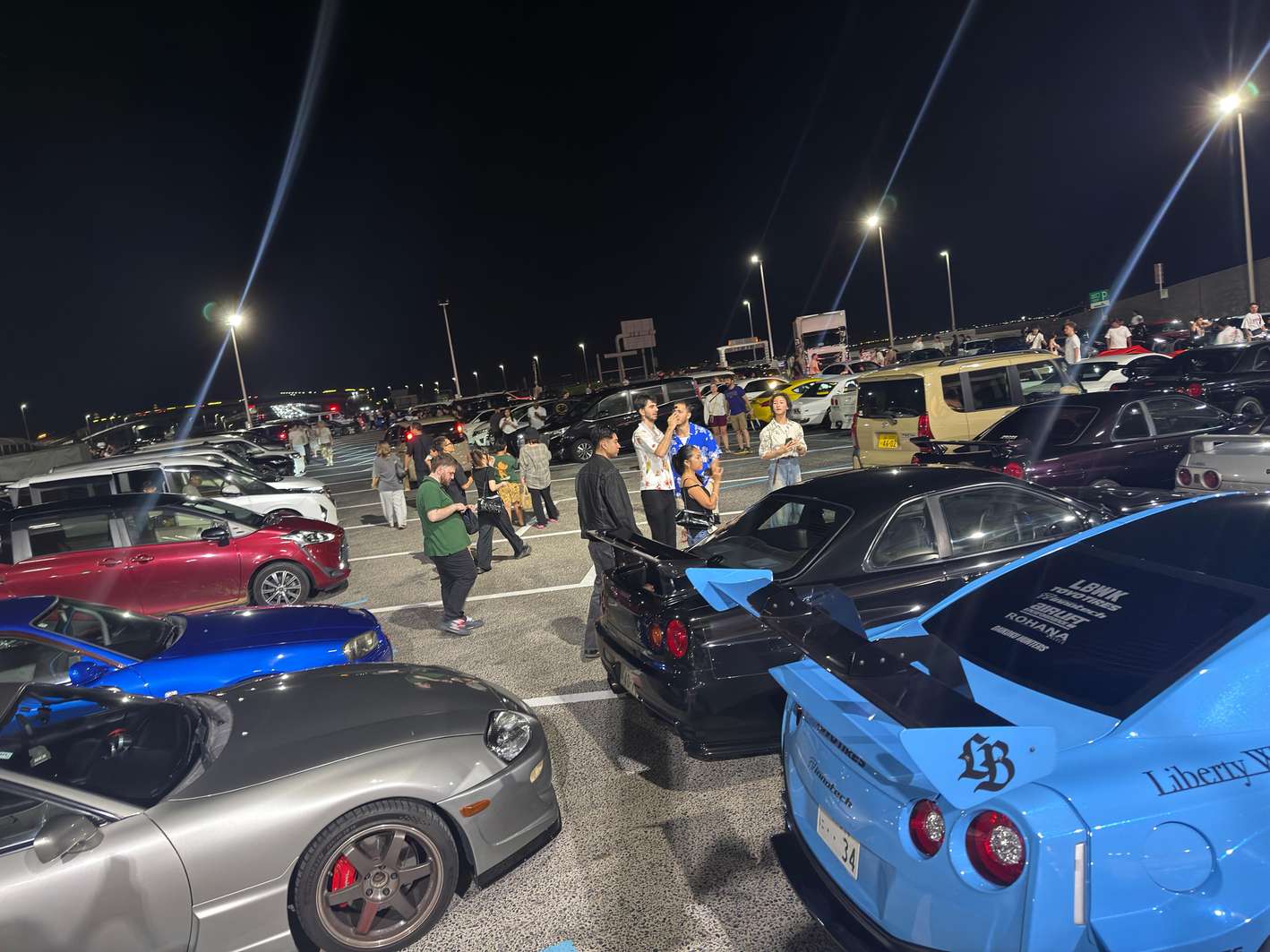
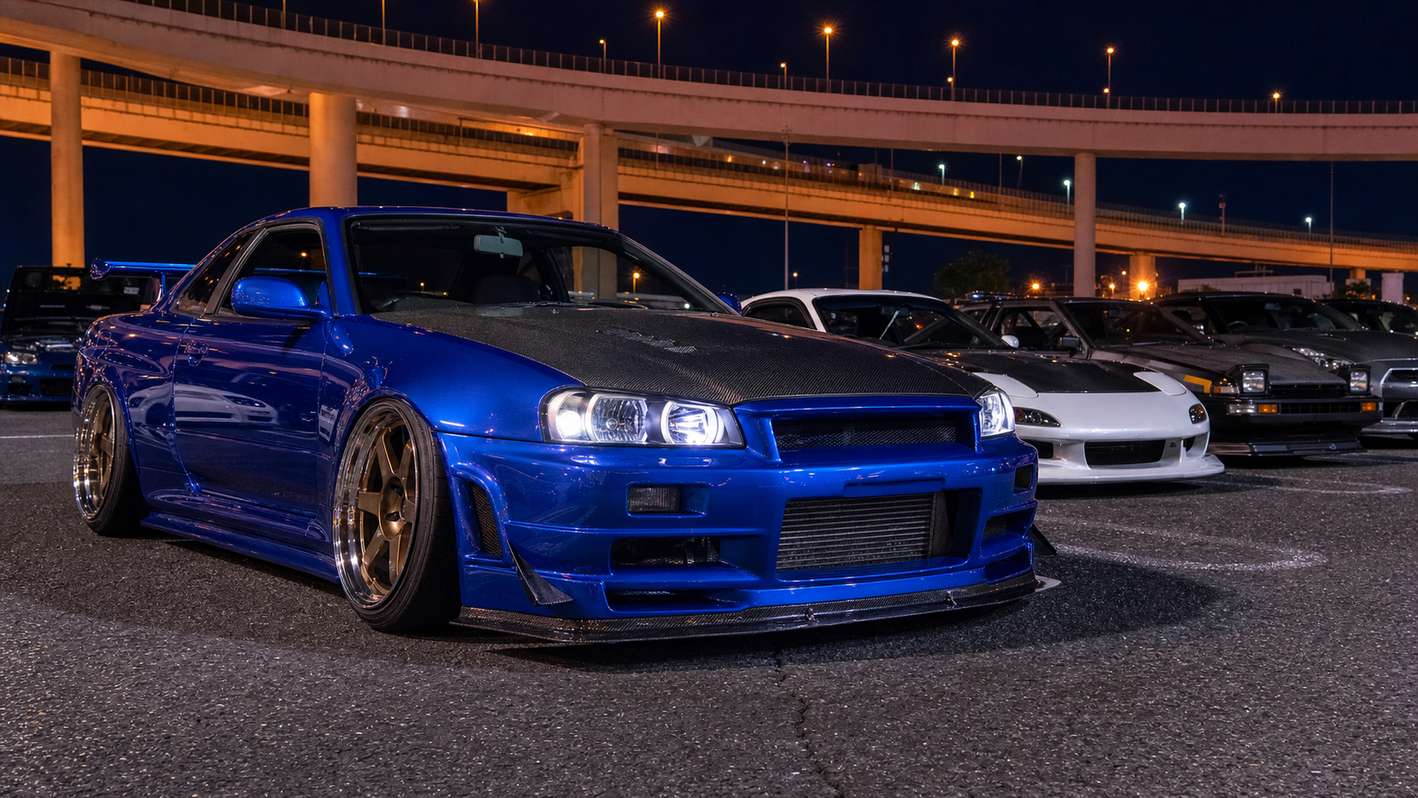
Find the real Tokyo car meets locations, from Daikoku PA to the backups locals use. Ride there in a modified Skyline, Supra or EVO with a driver who knows the scene, walk the meet, and get the photos. Pick a night tour and be standing among the cars this week.
"Such a great evening with incredible cars! Our guide even kindly added 15 extra minutes. Would happily book again."
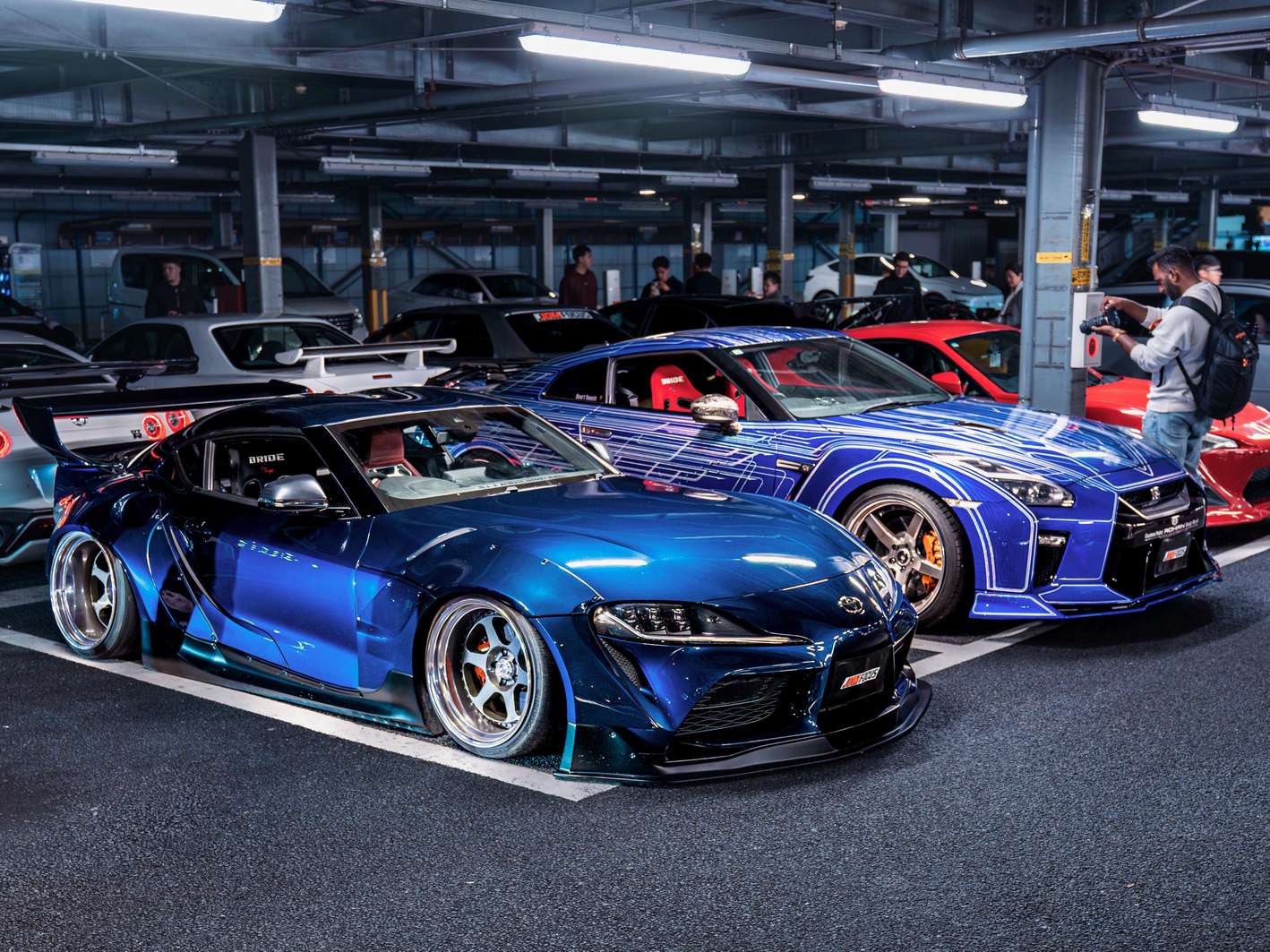
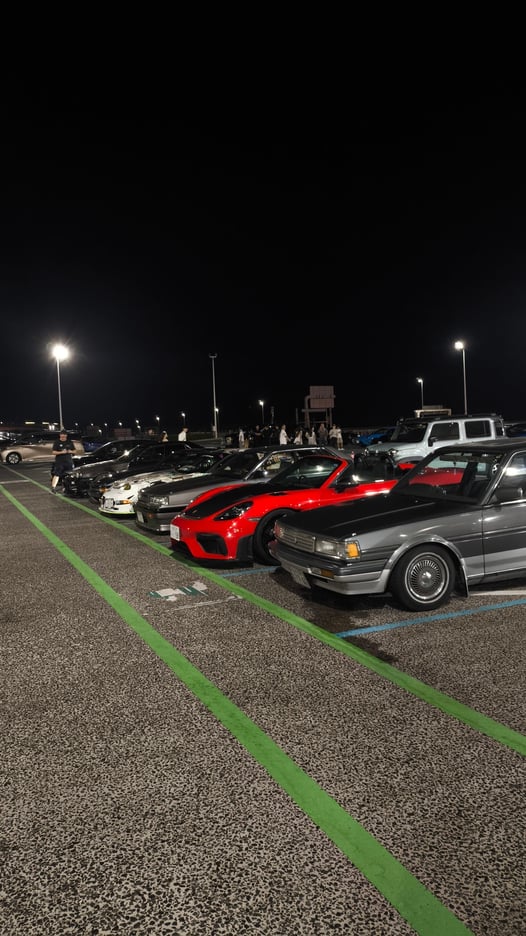
Tatsumi PA trades Daikoku's crowds for a calm bayside stop, with roughly ten cars on a typical night.
Read the guide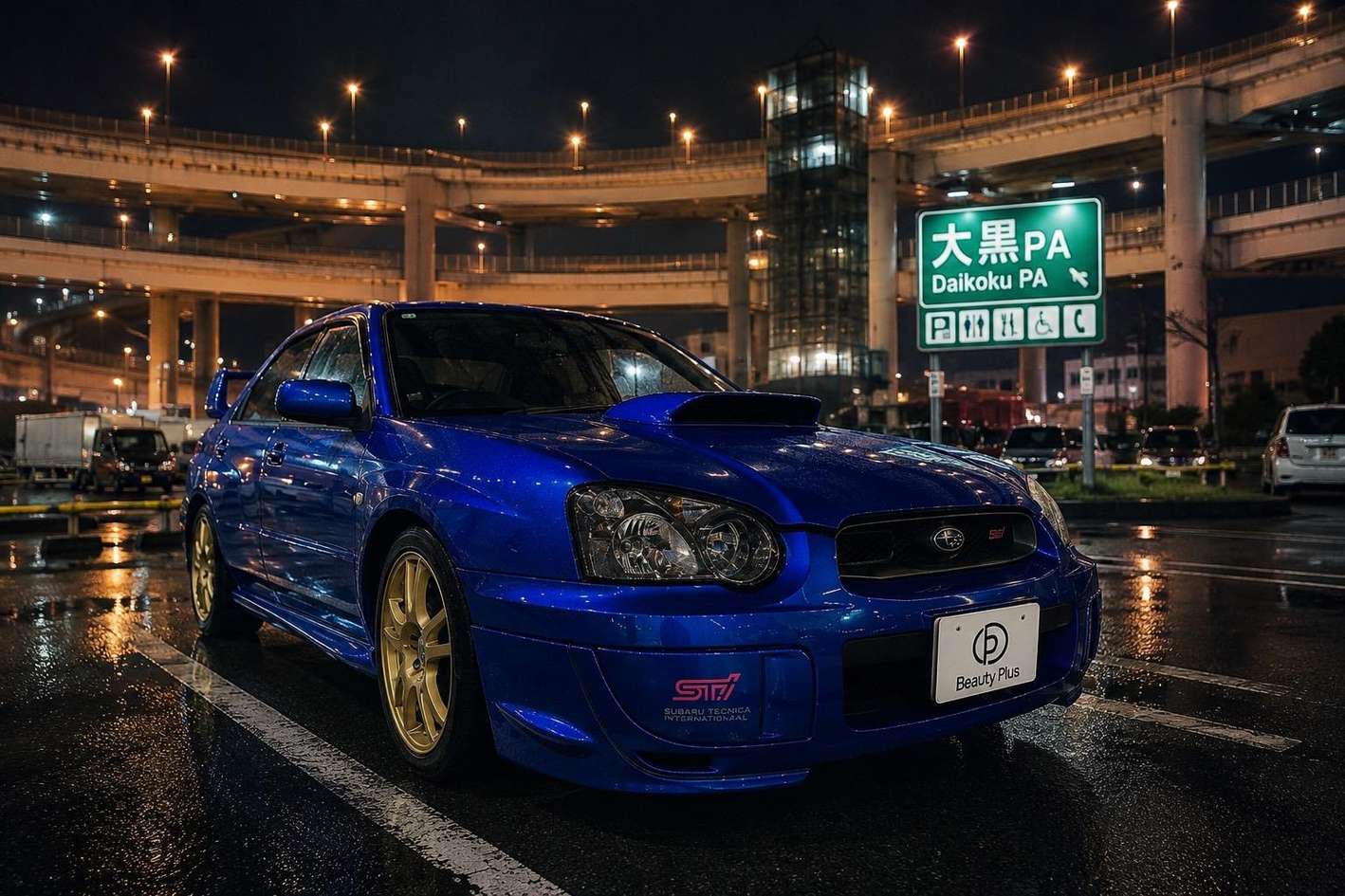
Umihotaru PA sits mid-bay on the Aqua-Line, with a covered lot, bay views and a weekend-evening crowd.
Read the guideCity Circuit Tokyo Bay is a purpose-built EV kart circuit that stages a planned car show from 6 pm to 10 pm.
Read the guide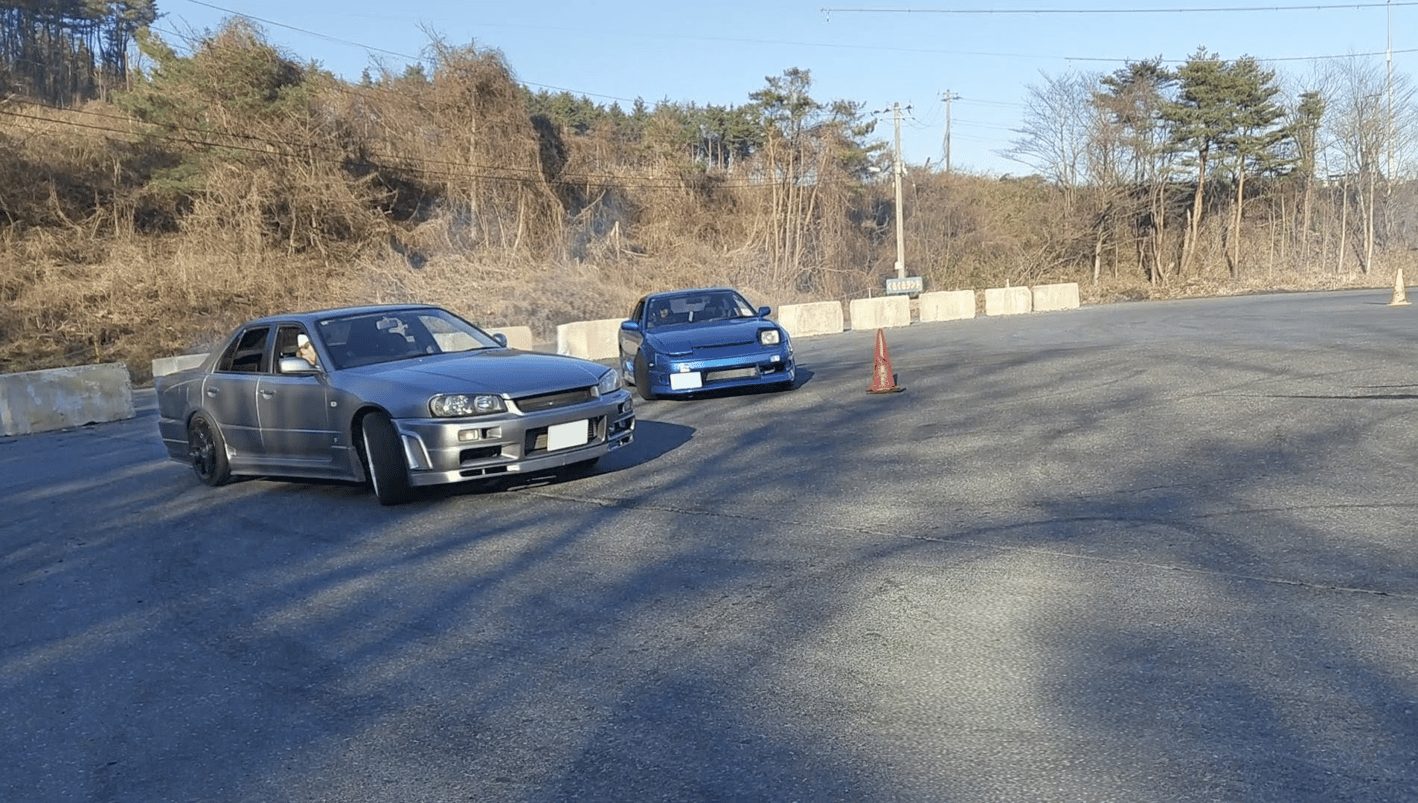
Higashi Osaka PA draws more than 250 cars on its best Friday and Saturday evenings, late into the night.
Read the guide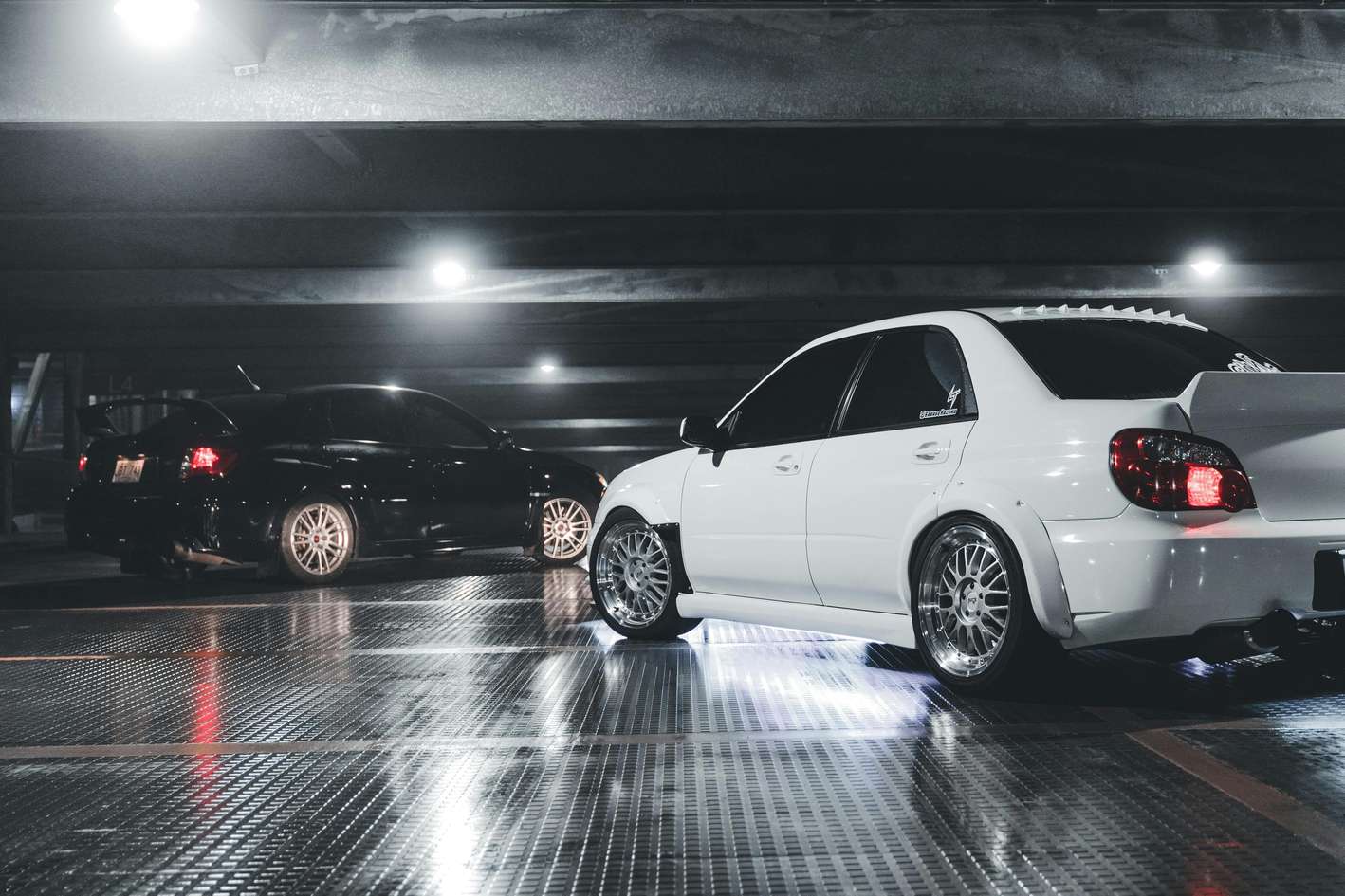
Ebisu Circuit is the legal answer to wanting real drifting, with guided practice and ride-alongs from Tokyo.
Read the guideFive spots, five different nights out. Here is what each one is like and who it suits.
The smaller, quieter rest stop where a handful of cars gather on a good night
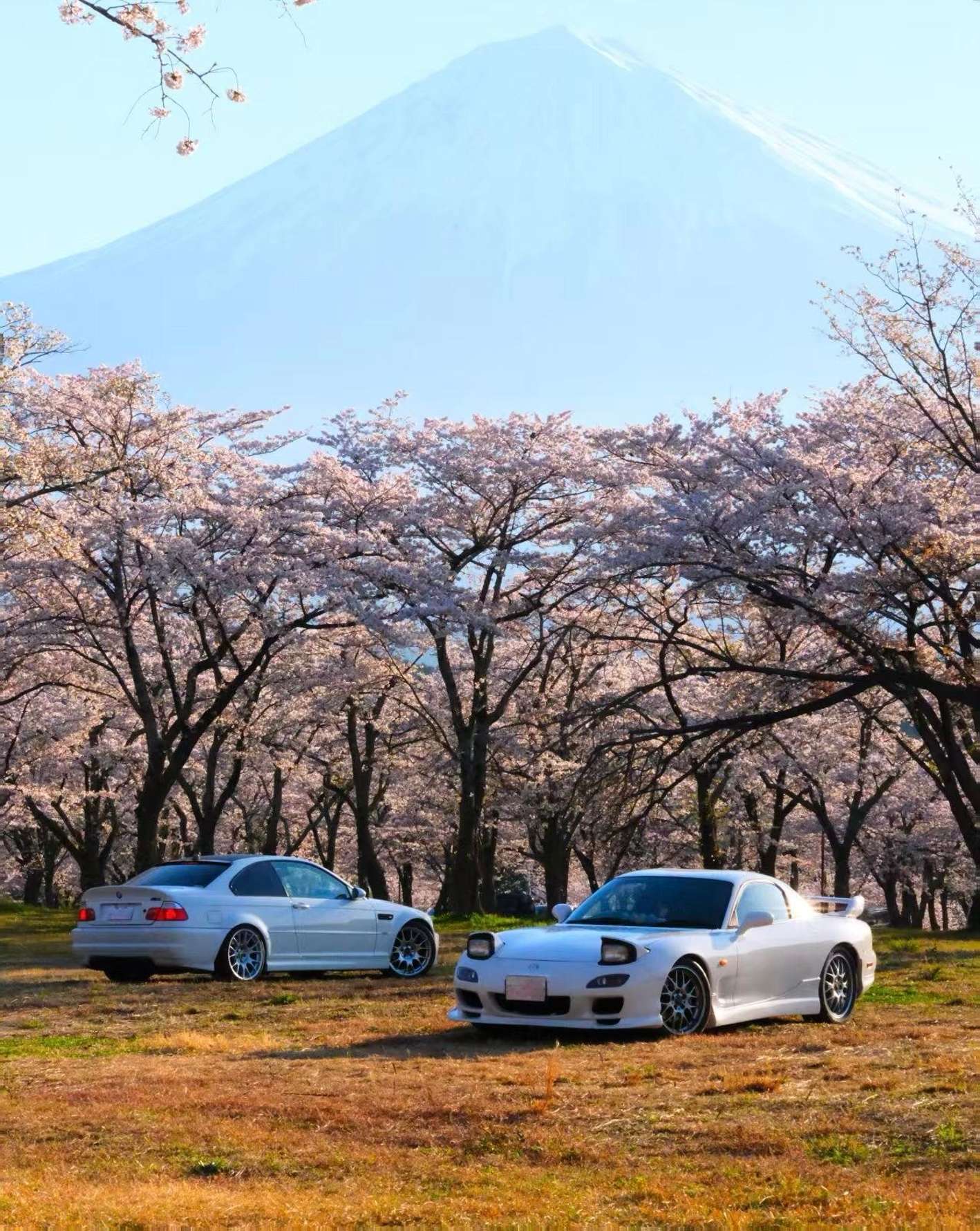
Tatsumi Parking Area sits on the Tokyo side of the bay, and it works as a smaller, quieter alternative to Daikoku. On a typical night you might find about ten cars, against a hundred or more on a big Daikoku evening, so the mood is closer to a chat with owners than a crowd scene.
There is no pedestrian or public transport entrance, so you reach it by car or on a guided night tour. Restroom access late at night is not reliable, so plan around that, and a dry evening beats a rainy one. Ask before taking close-up photos, and never touch or lean on a car.
A roofed rest stop on the sea where the meet carries on even in the rain
Umihotaru is a working expressway rest area on an island halfway along the Tokyo Wan Aqua-Line, and its parking lot is under a roof, so car spotting carries on even in wet weather.
Weekend evenings are the strongest bet, with Saturday around 10 pm the clearest reported peak, and allow about an hour and a half for the cars, the views and the facilities.
You reach it by car or by a highway bus from Kawasaki Station, bay 22, so check the return times before you set out. Severe storms can close the Aqua-Line, so look at conditions first. Even when few cars appear, the bay views and the restaurants make the stop worth it.
A structured evening with about 50 selected cars, motorsports talks and karting
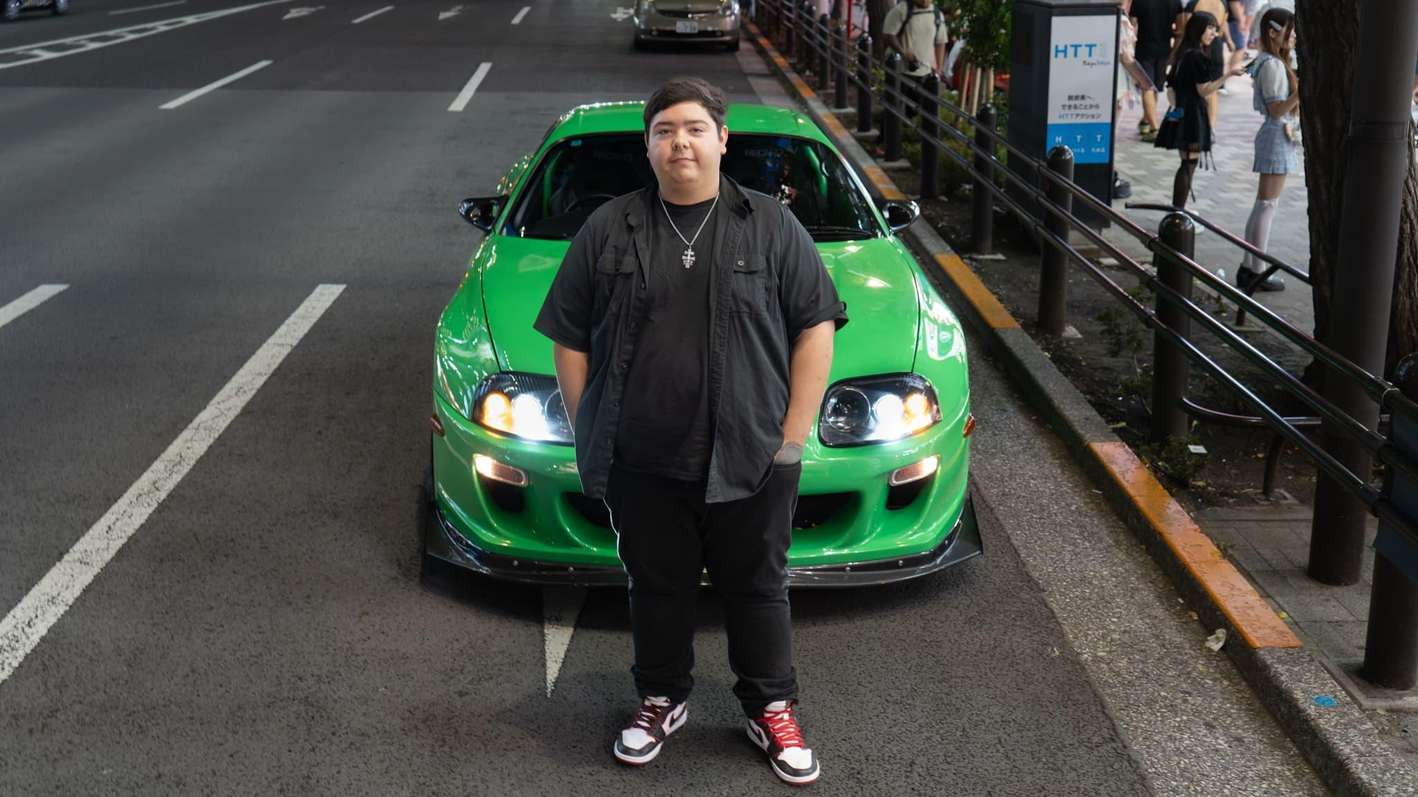
City Circuit Tokyo Bay is a purpose-built, EV-only urban circuit, and it stages a more structured evening than an informal expressway meet. On its scheduled dates the event runs from 6 pm to 10 pm, with about 50 selected cars, motorsports talks and karting, so you know what you are getting before you arrive.
Getting there is easy by Tokyo standards: Aomi Station on the Yurikamome sits right beside the circuit, and Tokyo Teleport on the Rinkai Line is a four-minute walk.
The circuit stays open in rain but can close in bad weather, and the weekly race is cancelled if it rains. Food is limited to light snacks and booths, so eat before you arrive.
3.5 hours · ★ 5.0 (62)Tokyo Drift Daikoku: Modified Supra Night JDM ExperienceFrom $190 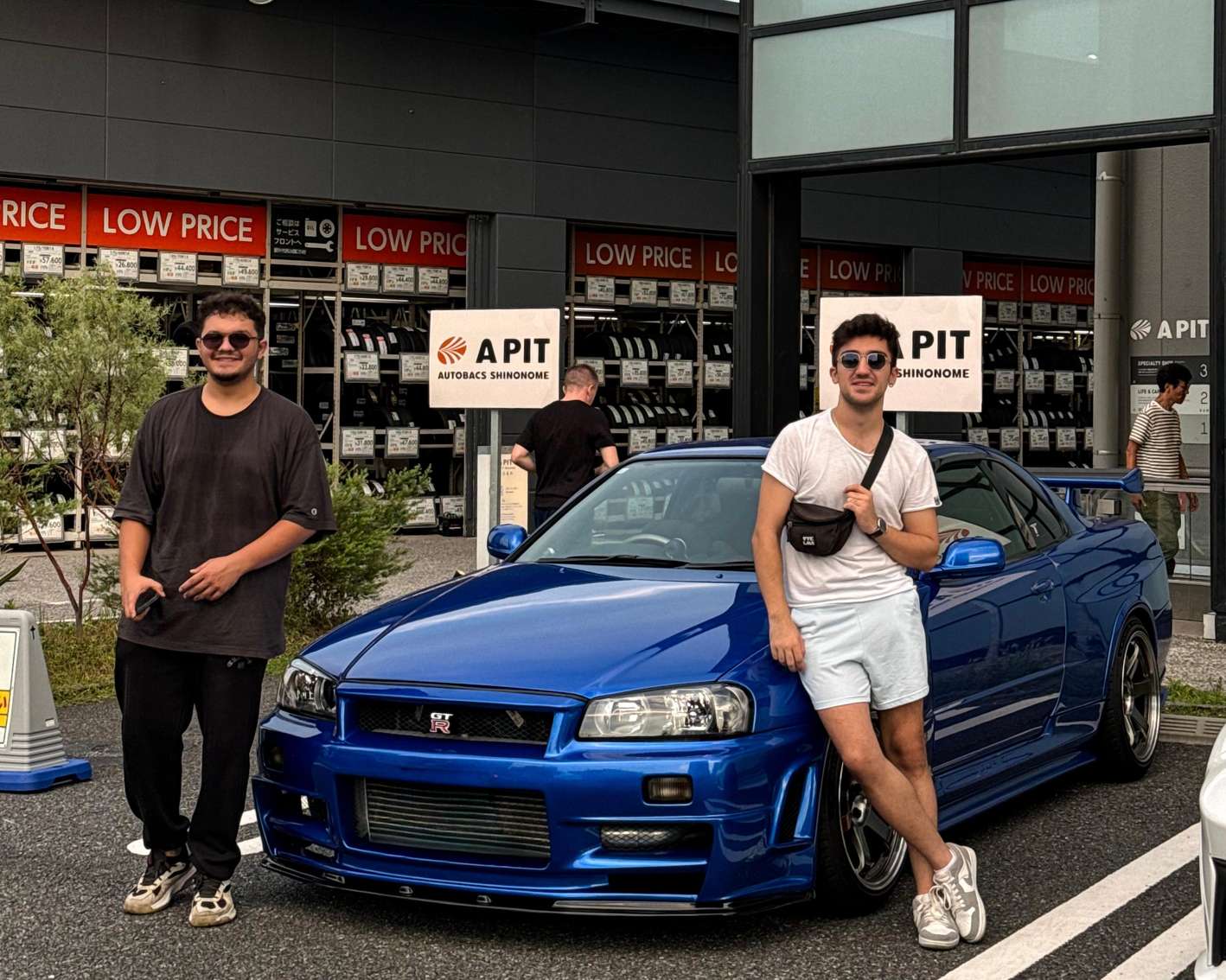 3 hours · ★ 4.9 (181)【R34】Daikoku PA Private Tour, Tokyo JDM Night ExperienceFrom $444 /group
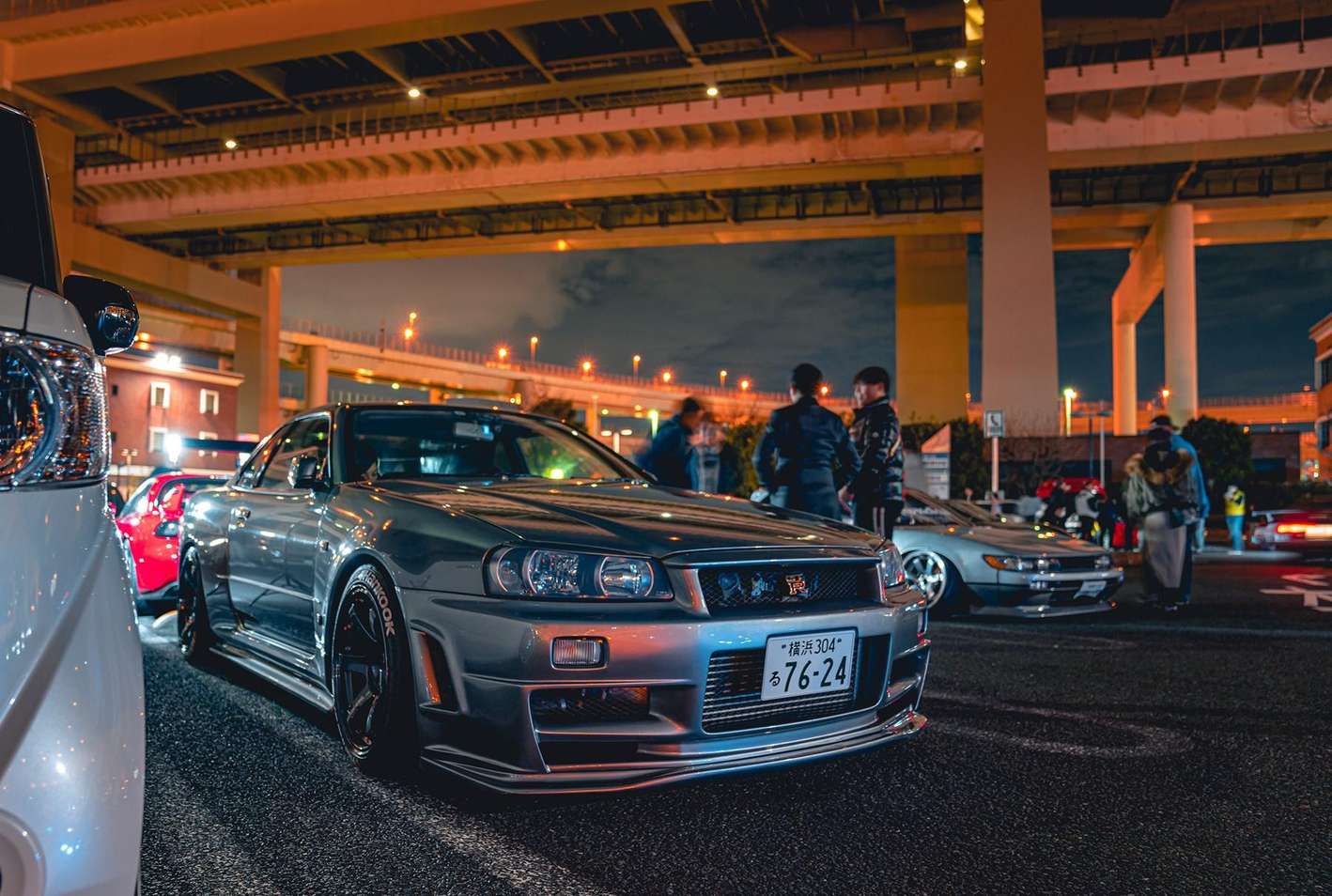 3 - 4 hours · ★ 4.9 (183)Daikoku & Tokyo Private JDM Tour in 700HP R34 GT-RFrom $595 /group
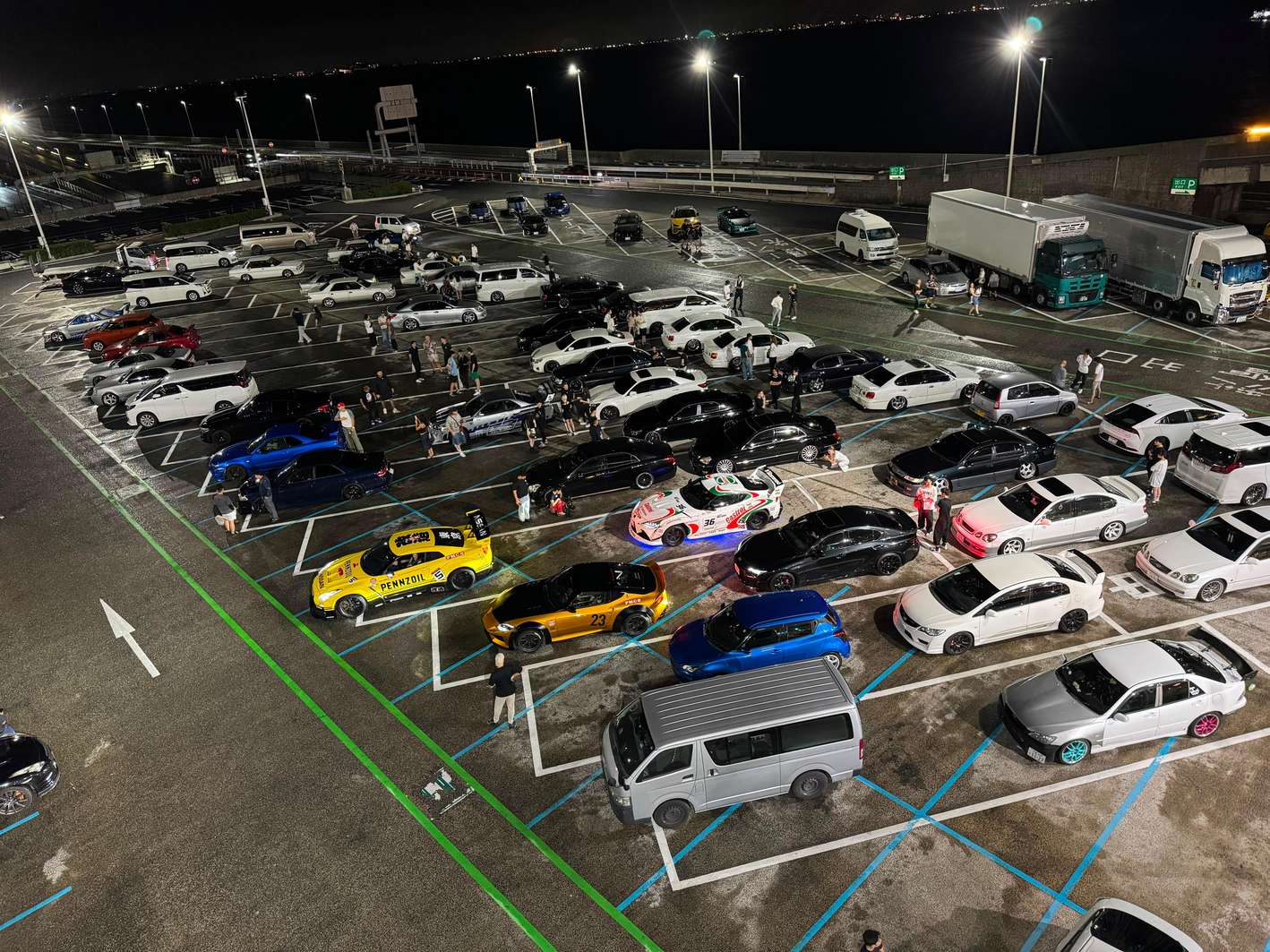 4 hours · ★ 4.8 (85)Tokyo: JDM Legends Ride in a Modified Car to Daikoku PAFrom $108
Osaka's answer to Daikoku, with over 250 cars on lively weekend nights
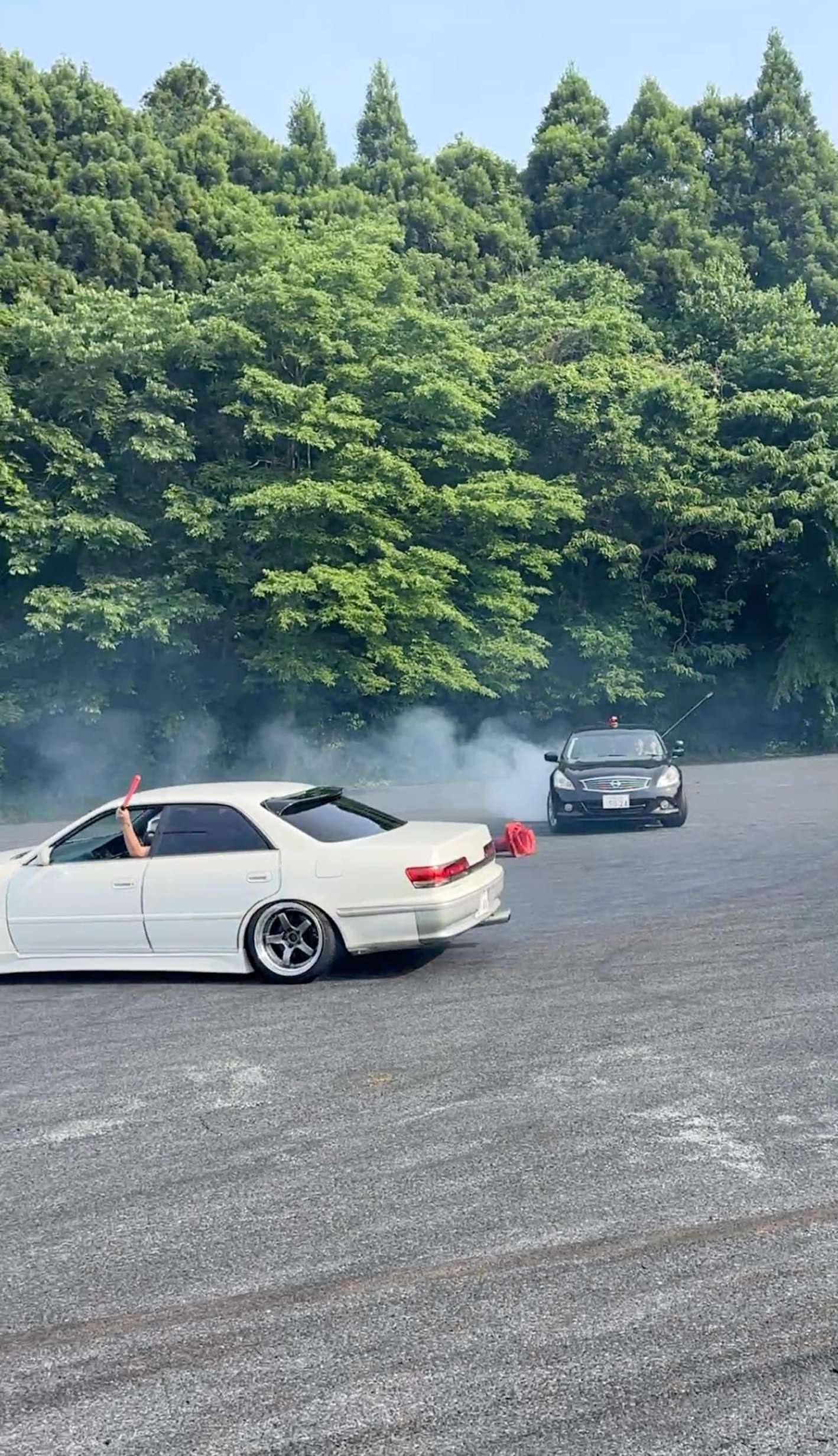
Higashi Osaka PA is considered Osaka's version of Daikoku, and on its best nights it is lively and busy, with over 250 cars attending.
Meets happen most Friday and Saturday evenings, and late evening between 10 pm and midnight is the most active time. The mix runs from Skyline GT-Rs and tuned Supras to Lamborghinis, slammed VIP cars, lowriders and drift Nissans.
The gathering is informal, so treat any sighting as a bonus rather than a promise. The meet gathers on the downbound side toward Matsubara, which has a 24-hour 7-Eleven, and it ends with a loud group departure.
The PA sits on a toll expressway and can only be reached by car, so plan a rental or a guided night tour.
The legal, safe place to see and try real Japanese drifting, a full day north of Tokyo
Drifting on public roads is illegal in Japan, and street drifting spots are kept secret from outsiders, so Ebisu Circuit north of Tokyo is where the sport happens openly. A guided day trip from Shinagawa Station takes you there for drift practice and ride-alongs in a JDM car, a full 12-hour day from the city.
If watching is enough, time your trip for the D1 Grand Prix, which holds rounds in Osaka in September and Tokyo in October, with the final round usually in Odaiba in November.
Mobara Circuit and Nikko Circuit near Tokyo also host a lot of drift events. For the circuit itself, book early, and note that one plan includes NOC insurance while the basic plan does not.
A meet night is one evening of the trip. The legal drifting, the museums and the free walkable corners fill the rest of a car-culture week in Tokyo, and this is where each one fits.
Drifting on public roads is illegal in Japan, so the legal answer is a circuit day, with Ebisu Circuit north of Tokyo the best-known option.
D1 Grand Prix holds competition rounds in Osaka in September and Tokyo in October, with the final round usually in Odaiba in November.
The Nissan Zama Heritage Collection needs a reservation made about two months ahead, and the booking site is entirely in Japanese.
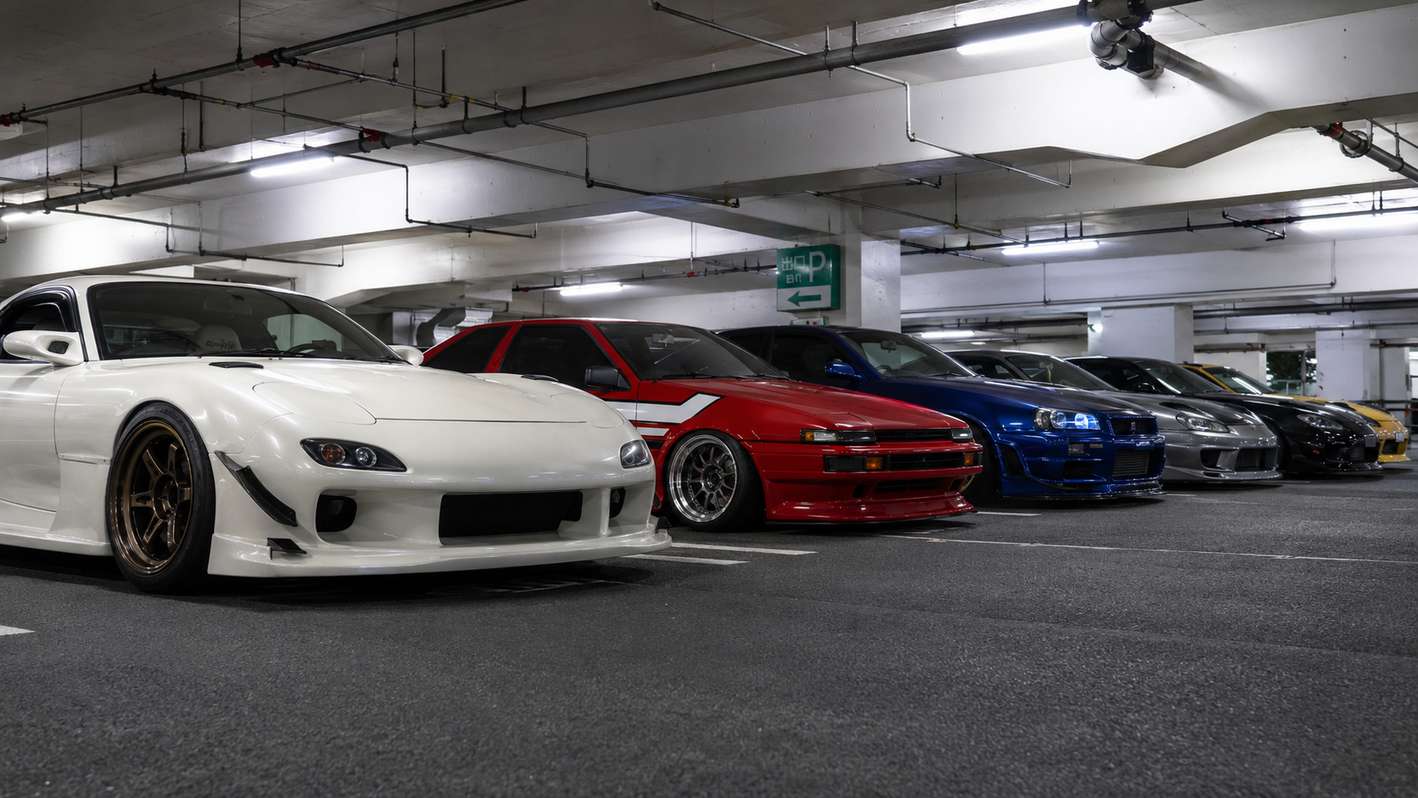
The Shibuya and Akihabara underground garages are free, walkable and at their best on Friday and Saturday nights.
Many Japanese car meets publish event details only about a month ahead, so check close to your travel dates and keep a backup plan.
Book a tour that has a backup plan: when Daikoku closes, most operators switch to Umihotaru PA or Tatsumi PA instead, so the night still ends among cars. Never walk into Daikoku on foot, since that is illegal and draws police attention.
Drifting on public roads is illegal in Japan, and there are no advertised public-road drift events open to tourists.
The legal answer sits north of Tokyo: Ebisu Circuit runs a guided drift practice and ride-along day with transport from the city, an instructor and a drift thrill ride, and it takes the better part of a day.
If you would rather hold the wheel yourself, self-drive drifting lessons with a pro teacher cover the basics, including donuts and figure eights.
To watch the sport at competition level, time the trip around D1 Grand Prix. It holds rounds in Osaka in September and Tokyo in October, and the final round usually lands in Odaiba in November. Closer to the city, Mobara Circuit and Nikko Circuit host a steady run of drift events through the year.
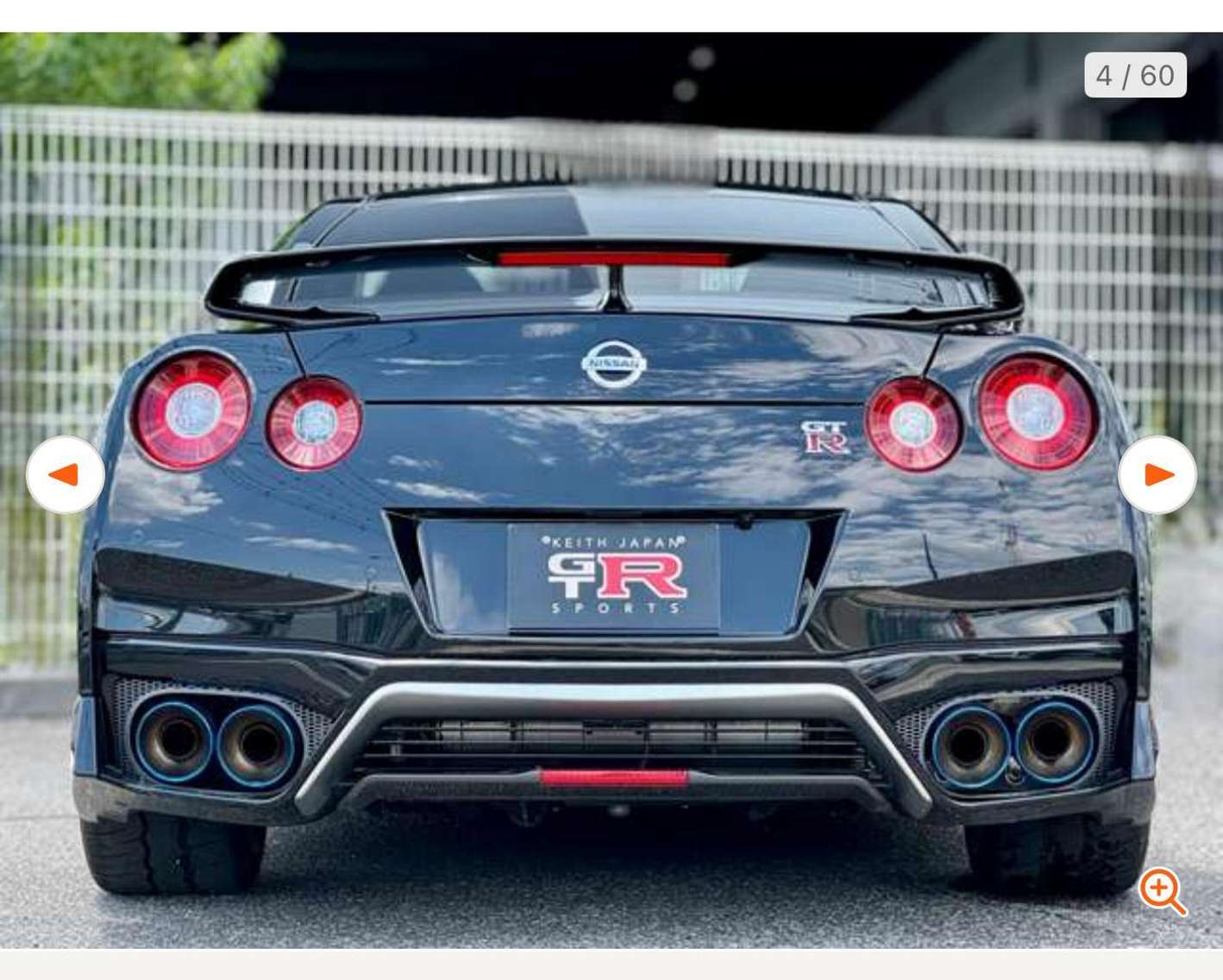
A private drifting lesson near Tokyo puts you in the car with a pro instructor for a step-by-step session of about three hours, with English-speaking translators and staff on hand.
The whole outing, including pickup, runs around six hours, and there is a weekend option if your weekdays are taken. It is completely private, so the pace is yours.
Travelers who want to leave Japan having driven a drift car themselves, hands on the wheel the whole time, should pick this one. It takes a full day and it is the most expensive outing here, and it is the only one that teaches the technique.
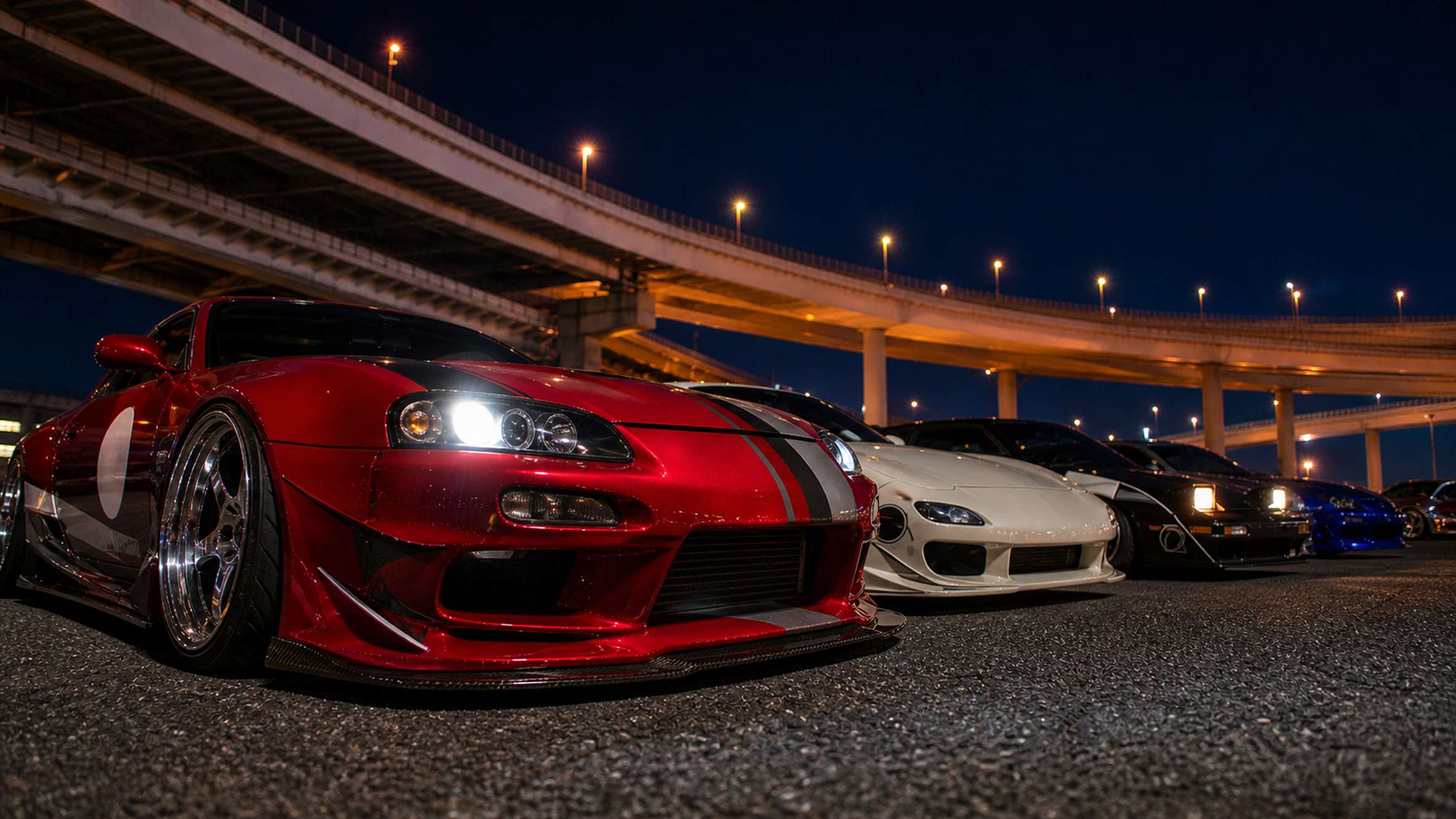
Fans of the anime can ride a JDM car from Tokyo into Gunma for the real locations: Mount Haruna, the mountain that plays Akina, plus Haruna Lake and Ikaho Onsen, with runs up and down the touge passes.
A longer plan adds Mount Akagi, Mount Myogi and the Usui Pass, and a guide from the motorsports industry drives the route with you.
Two things matter on the mountain. Watch for the speed humps on the Haruna touge, because the markings are easy to miss in an unfamiliar car, and take your first run slowly, since on the downhill you barely touch the gas and speed creeps up unnoticed.
Even at 40 to 50 km/h it is a great road. In winter the whole prefecture is basically snowed over, so driving there means snow tyres in a front-wheel-drive or 4WD car.
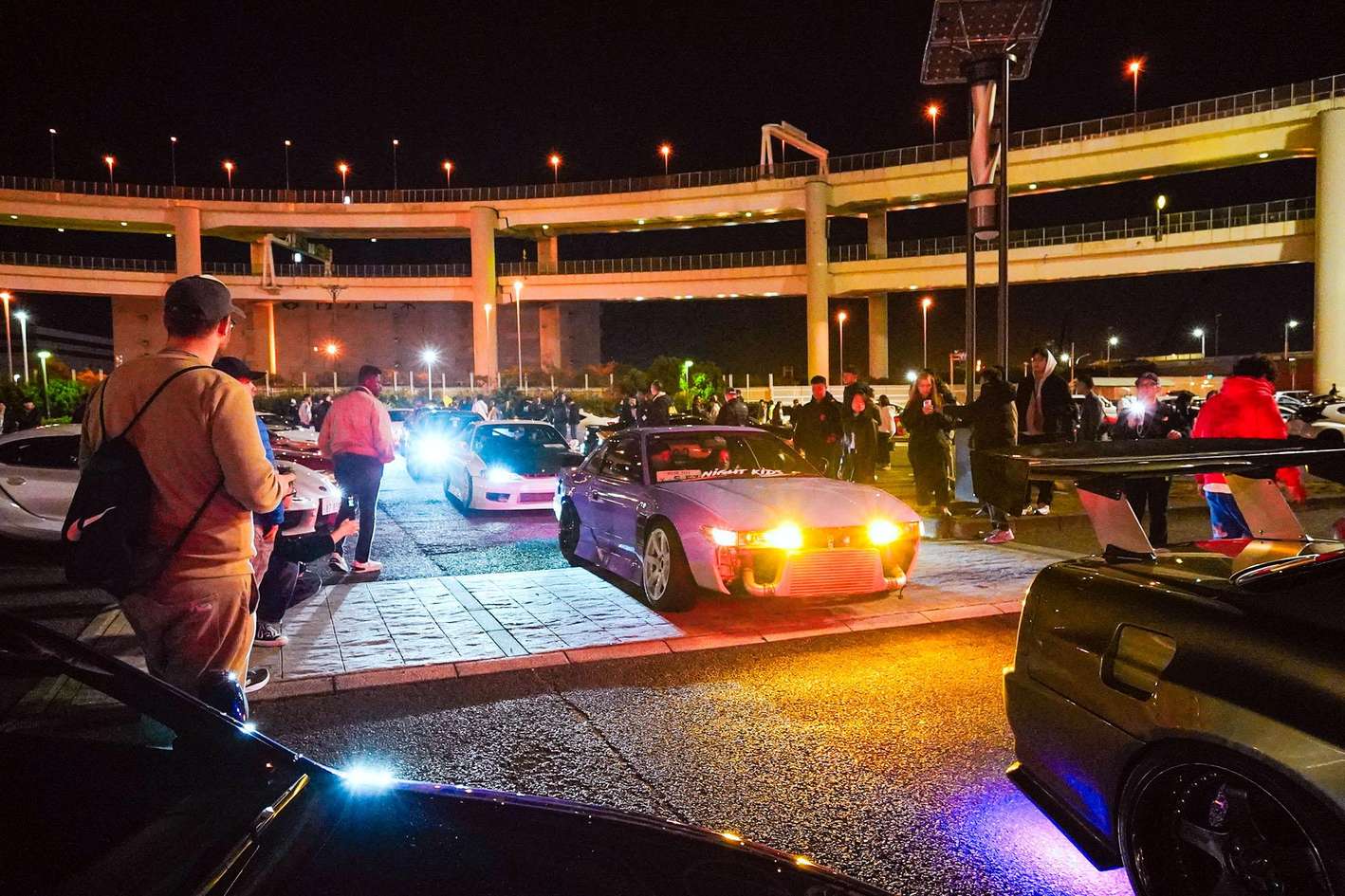
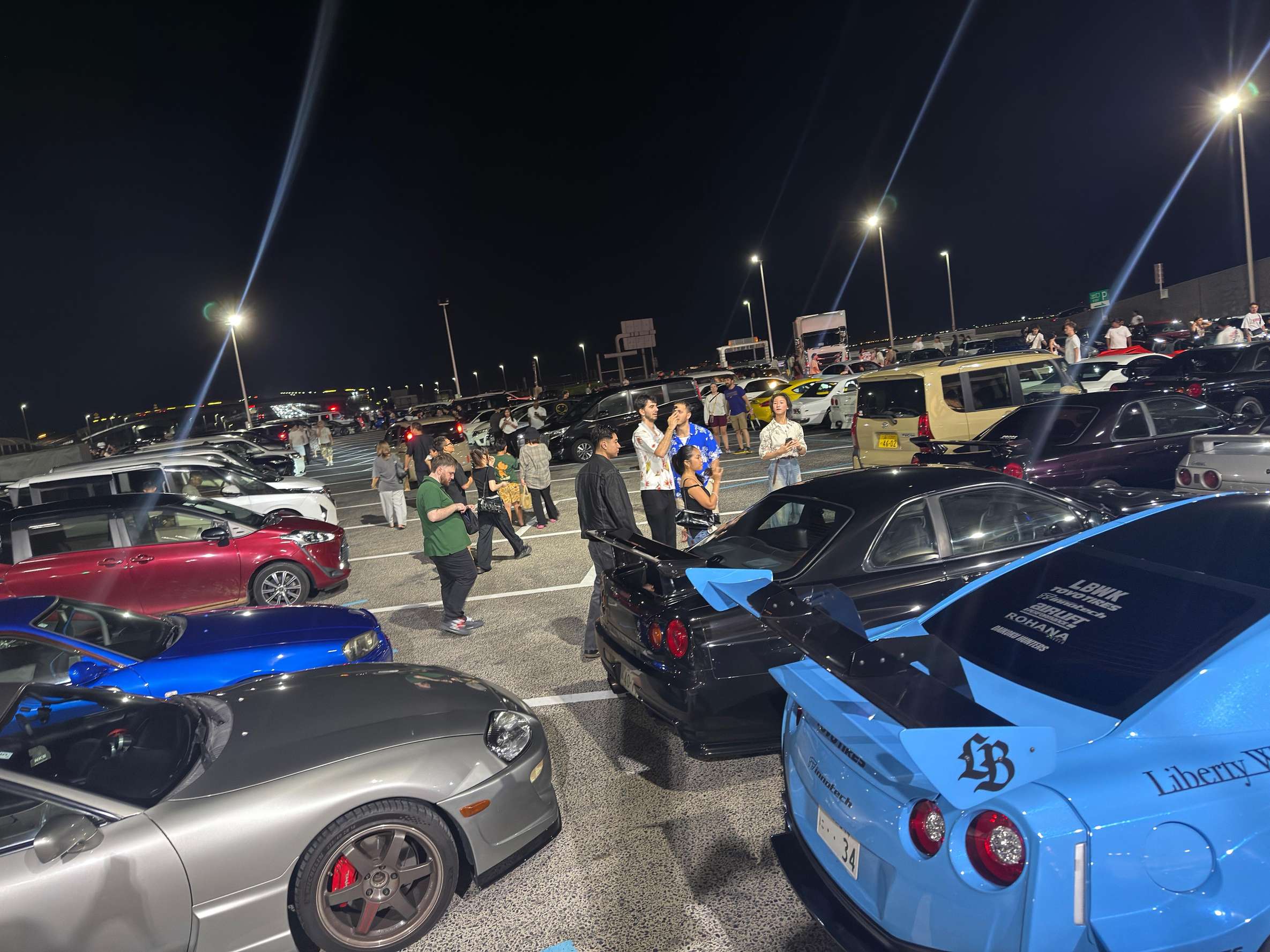
Serious Nissan fans should plan a visit to the Nissan Zama Heritage Collection, where the brand's history sits under one roof. Reserve about two months ahead, and know that the booking site is entirely in Japanese. Nismo HQ is another stop for the brand faithful.
Willing to leave Tokyo for a day? The Fuji Speedway Museum and Twin Ring Motegi's Honda Collection Hall both reward the trip, and both need a rental car from the city.
These are the outings for travelers who care more about engineering and racing history than about lot atmosphere, and they pair naturally with a meet night on either side.
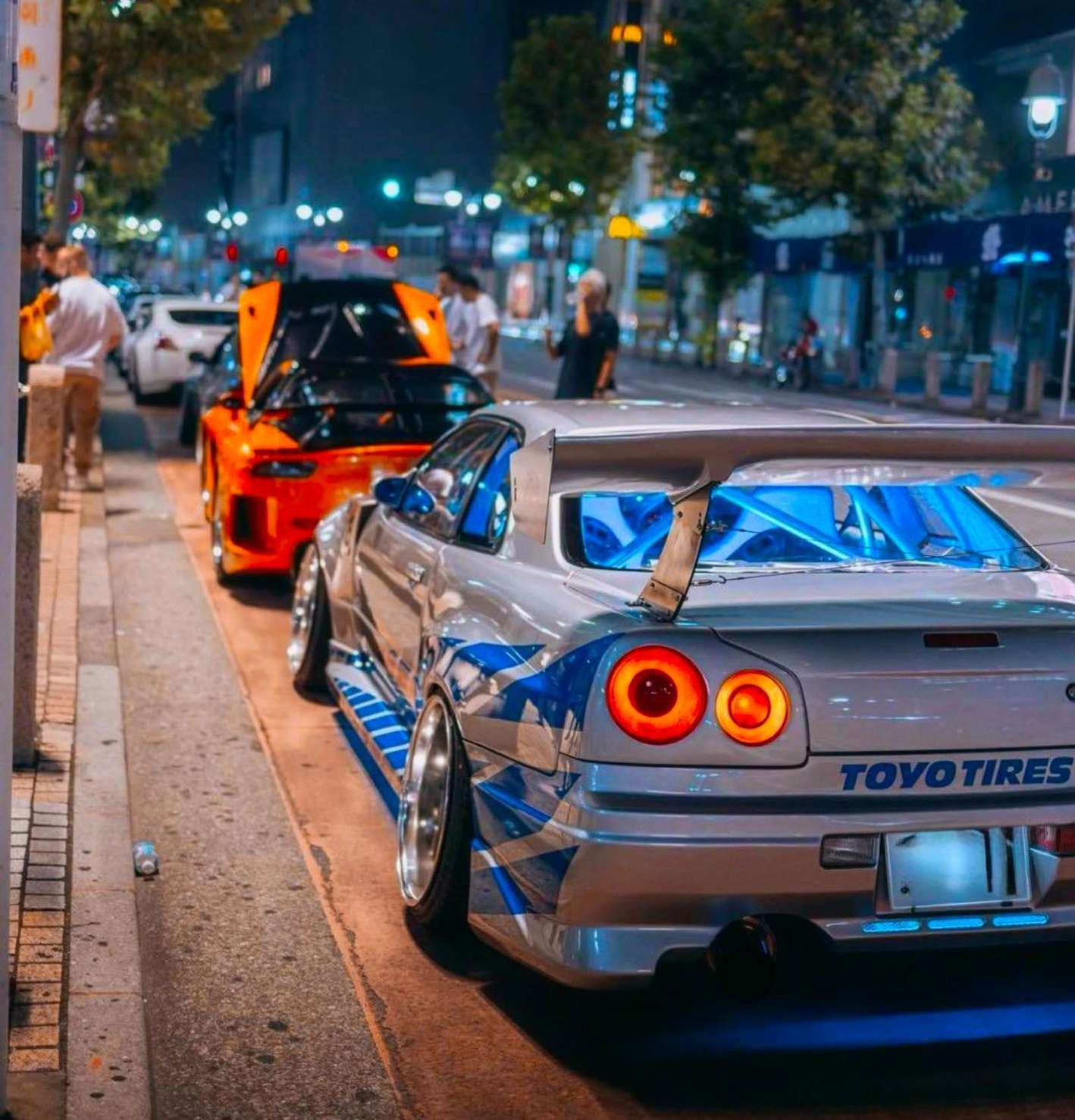
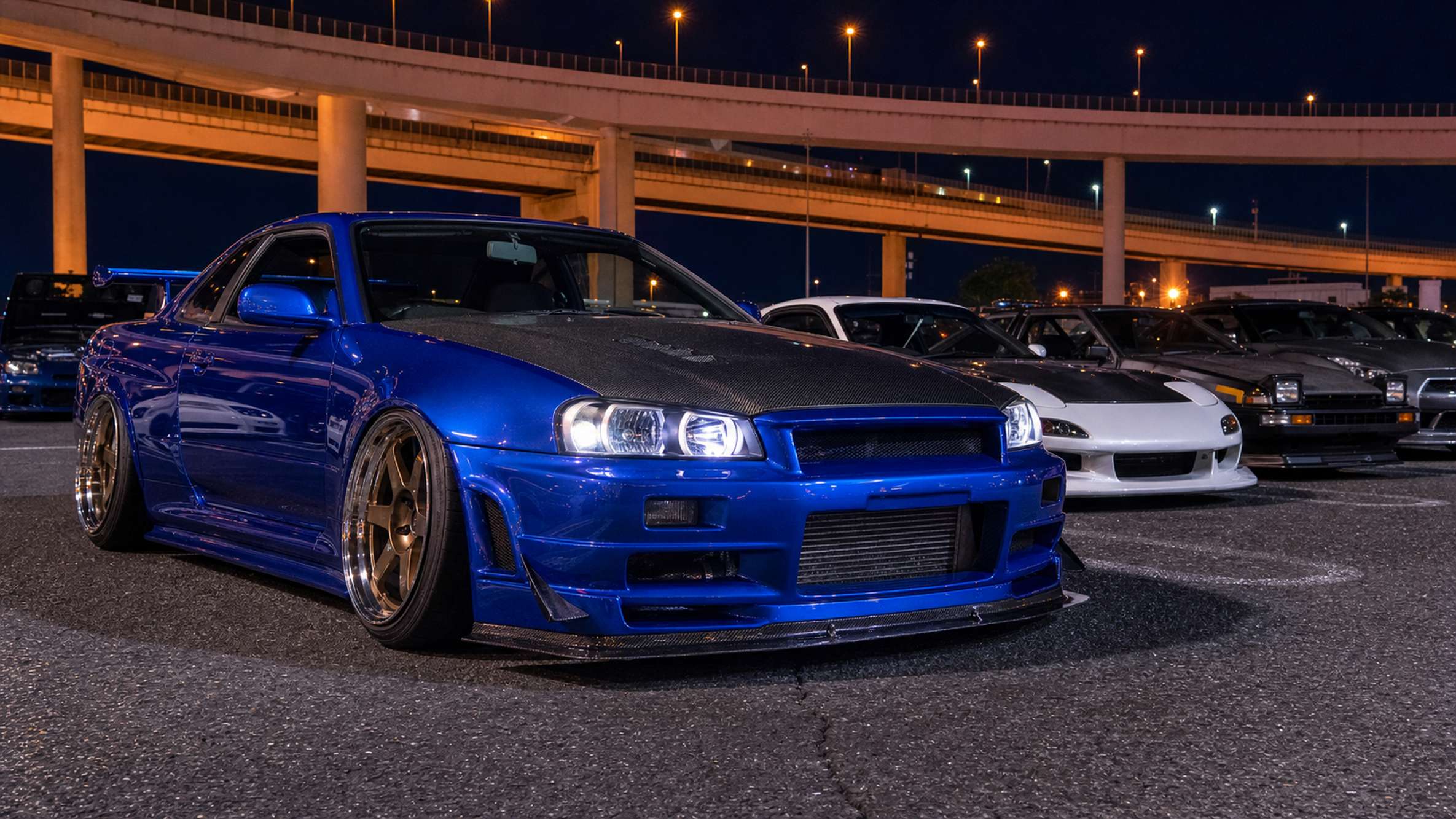
A taste of the scene costs nothing. Shibuya near the crossing comes alive in the evening, and in front of Akihabara Station the crowds of enthusiasts build after dark.
The Akihabara UDX underground garage is free, reached by elevator close to the station, and the B2F level holds wrapped cars, often itasha customized with anime decals.
Friday and Saturday nights are the nights for it. One note: stopping to photograph cars there can get you moved on by security, and repeat visits can bring police and a fine.
The Autobacs Shinonome parking lot is another popular spotting area, and the store itself hosts car events. Exotic cars line Meiji Jingu Gaien as well. Around the tour starting points there is plenty else within a short walk:
Those stops fill the hours before a meet starts, since most tours leave in the late afternoon or evening. A shrine, a museum and an early dinner near the meeting point turn a waiting afternoon into a proper Tokyo day.
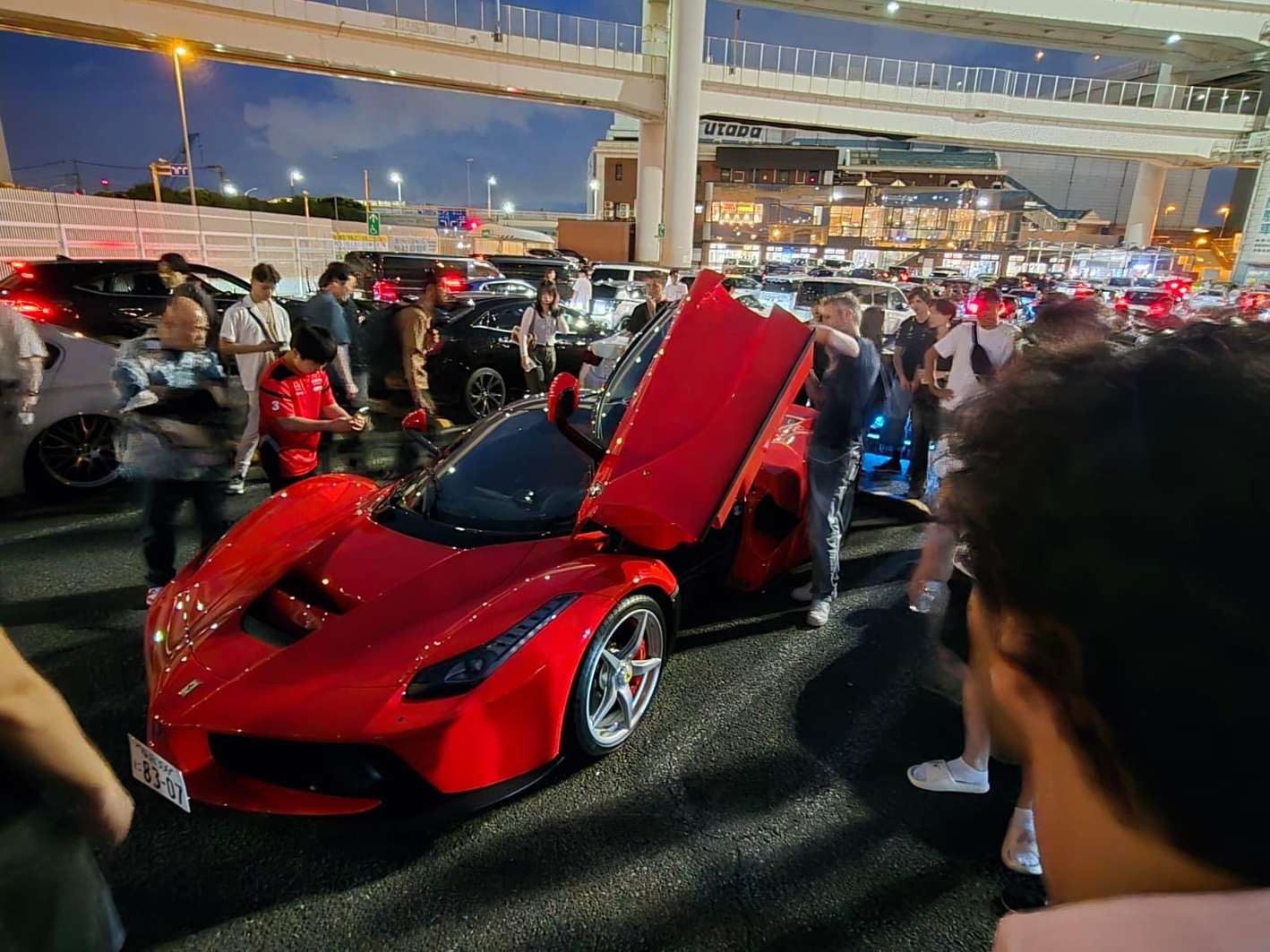
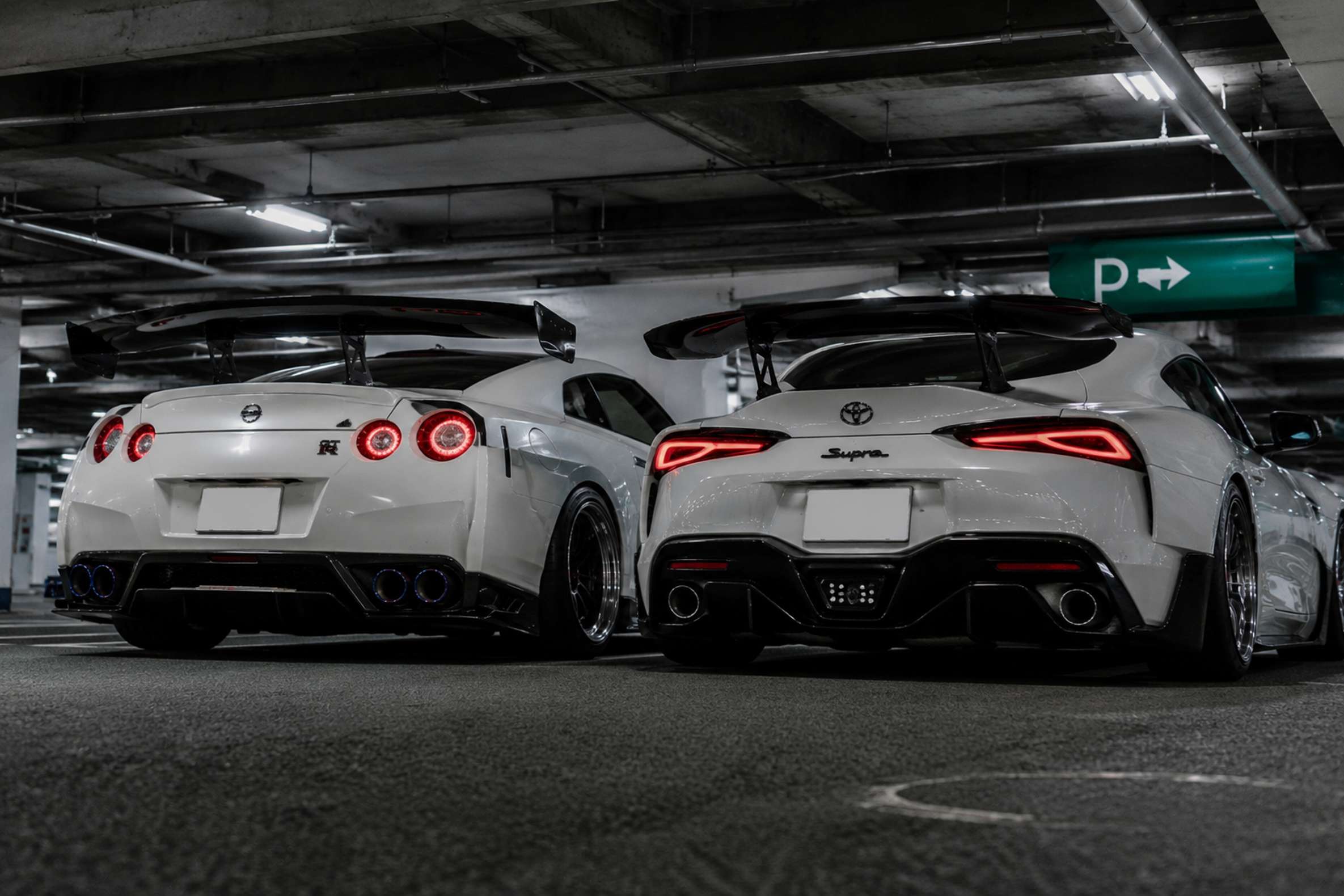
If your dates line up, a one-off event beats a hit-or-miss lot. Big shows have included a 1000-car itasha gathering in Odaiba and a classic car event at the Pacifico Yokohama convention center.
Scheduled countryside meets with a hundred or more cars give you a guaranteed big turnout when a random gathering might mean an empty lot.
Timing decides most of it. Many Japanese car meets only publish event information about one month in advance, so check close to your trip dates. Event permission can be withdrawn at short notice, so an event on a list may not happen, and some meets lose permission and never come back.
Always have a backup venue. The Instagram page ts.japan.tours keeps a Google Sheet listing scheduled car events across Japan, and the Discover JDM app is a useful tool for finding meets and events.
For a driving day with scenery instead of a lot, a private sports-car tour from Tokyo to Mt Fuji and Hakone runs about ten hours with hotel pickup.
You choose the car: a Toyota GR 86, a Subaru WRX S4 or a Mazda MX-5, or a two-seat MX-5 convertible for one. A guide tailors the day to you, and the trip can include onsen and good food along the way.
It is the alternative for travelers who have done a meet night and want the roads themselves, with Hakone's sweepers and the views doing the work a parking lot cannot.
The meets run at night, so the day trips slot around them cleanly. A drift day or a museum trip takes the daylight hours, and the garages and lots take the evening.
The one thing to sort early is the ride: tours sell out, and turning up in Tokyo hoping for a seat means begging strangers for one.
Season matters too, and the pattern is easy to read at a glance:
April: 5 out of 5 for how busy it gets.
Tap a month to read it.
April is the busiest month for these JDM tours, followed by October and September, with March and November also above average, so in those months book several weeks ahead. June, February and December are the quietest, and travelers there often book the same day or within days, sometimes almost an hour before a tour started.
Match the day to what you want out of the trip. Want to drift, properly and legally, with an instructor beside you? The Ebisu Circuit day or a private lesson is the answer. Came for the anime? The Initial D tour through Gunma puts you on the real touge.
Live and breathe Nissan? Zama, Nismo HQ and the Fuji Speedway Museum are worth the planning. No tour budget and no rental car? The Shibuya and Akihabara underground garages cost nothing and run on Friday and Saturday nights.
The same logic applies to the meets themselves, and each spot has its own character:
Read that map against your trip: a rainy forecast points to Umihotaru's roofed lot, a first taste of the scene points to Akihabara UDX, and a big lively night points to Higashi Osaka with its 250-plus cars.
And if a guaranteed big turnout matters to you, pick a scheduled countryside meet with a hundred or more cars, or time the trip around a D1 Grand Prix round.
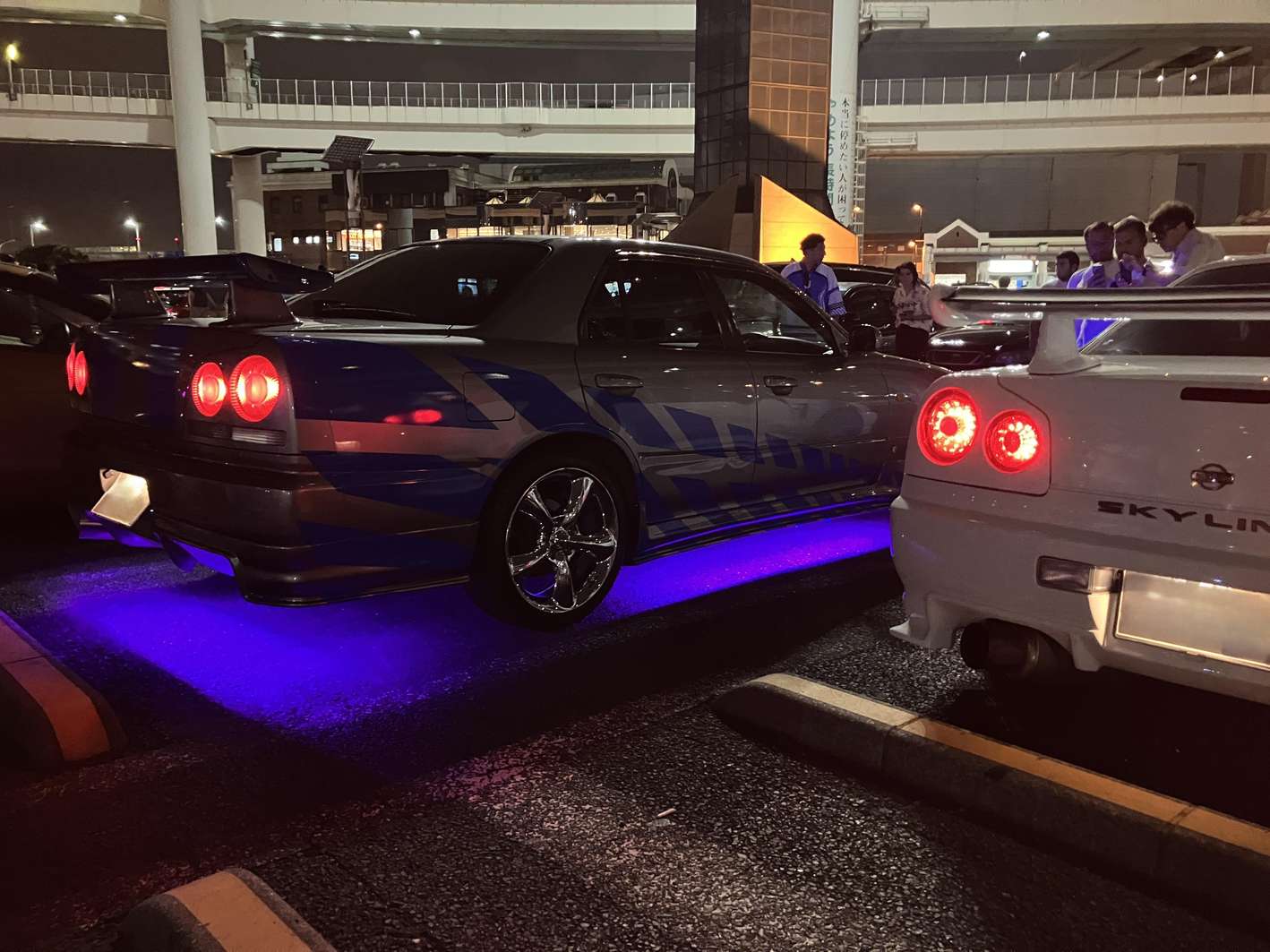
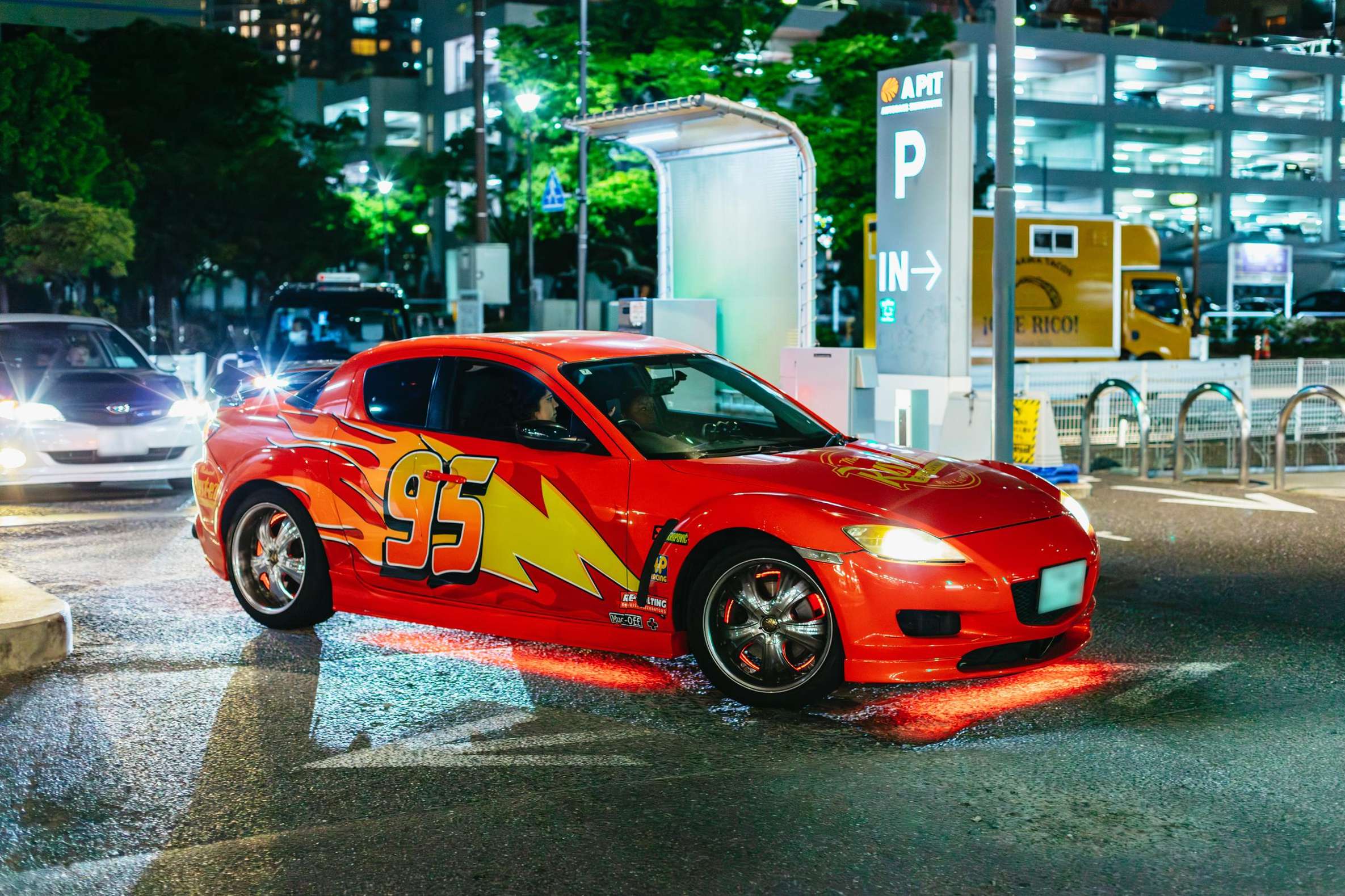
A meet night is a few hours in a parking area, and the rest of a car-culture trip is what you bolt onto it. A drift day at Ebisu Circuit or a private lesson gives you the driving.
The museums give you the history, if you reserve ahead. The walkable garages cost nothing and fill a free evening. Pick one or two, book them before you fly, and let the meets take the nights.
The full visitor's guide to Daikoku PA: checking the meet is on, getting in, and the rules that keep it open.
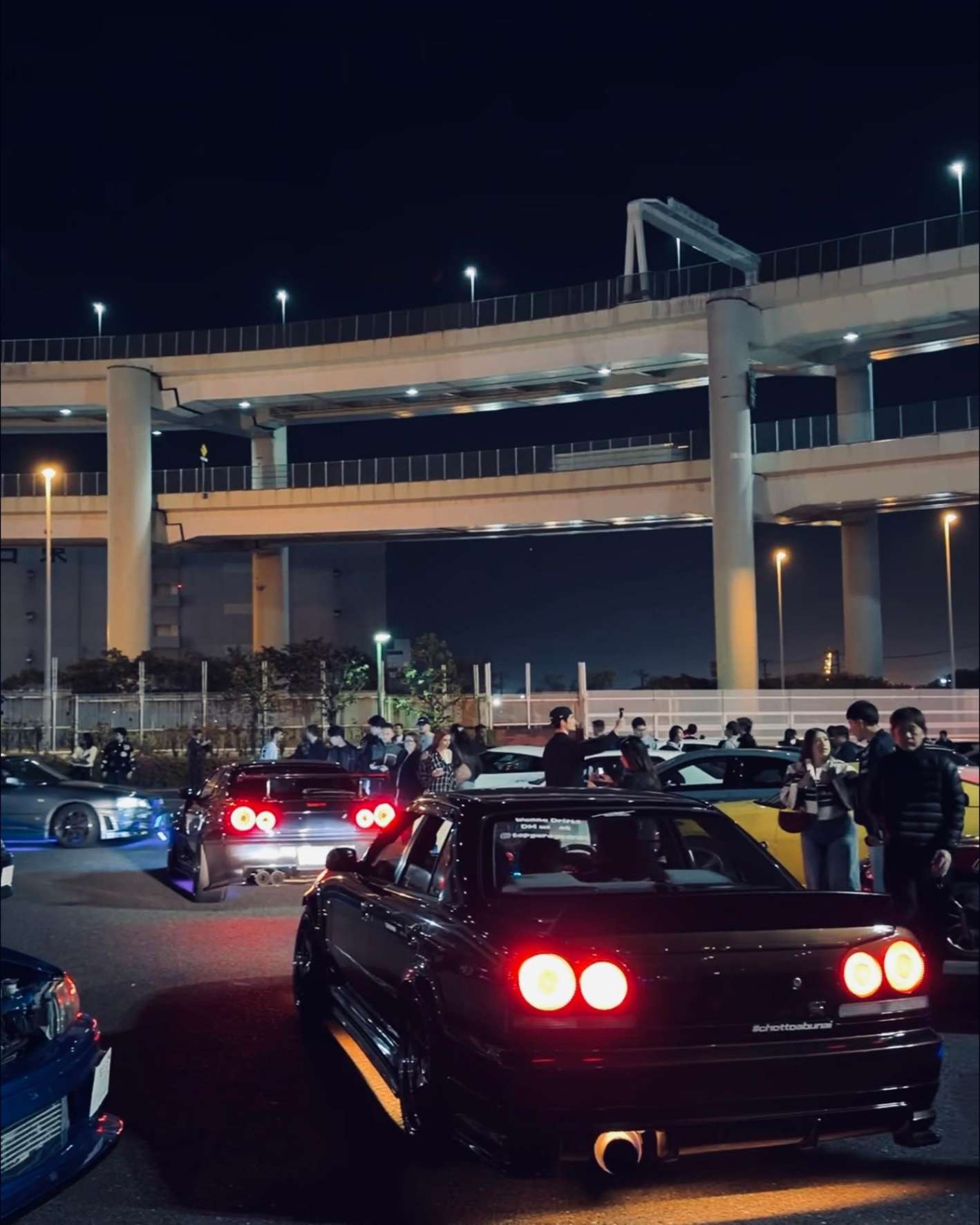
Which nights and hours bring the biggest turnouts at Daikoku, and how to plan your visit around them.
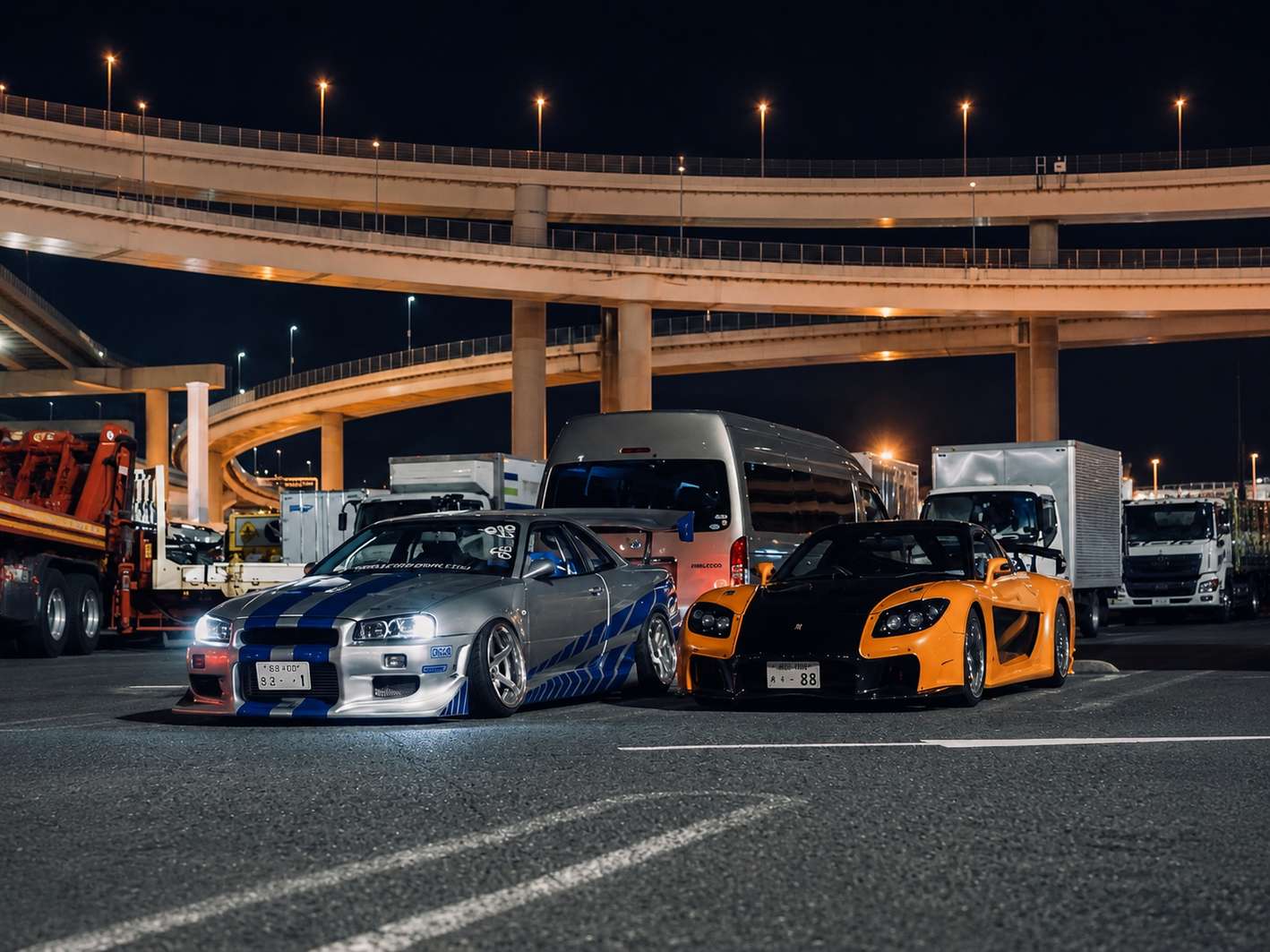
Step-by-step directions to a highway rest stop you cannot reach on foot, with transport options that work.
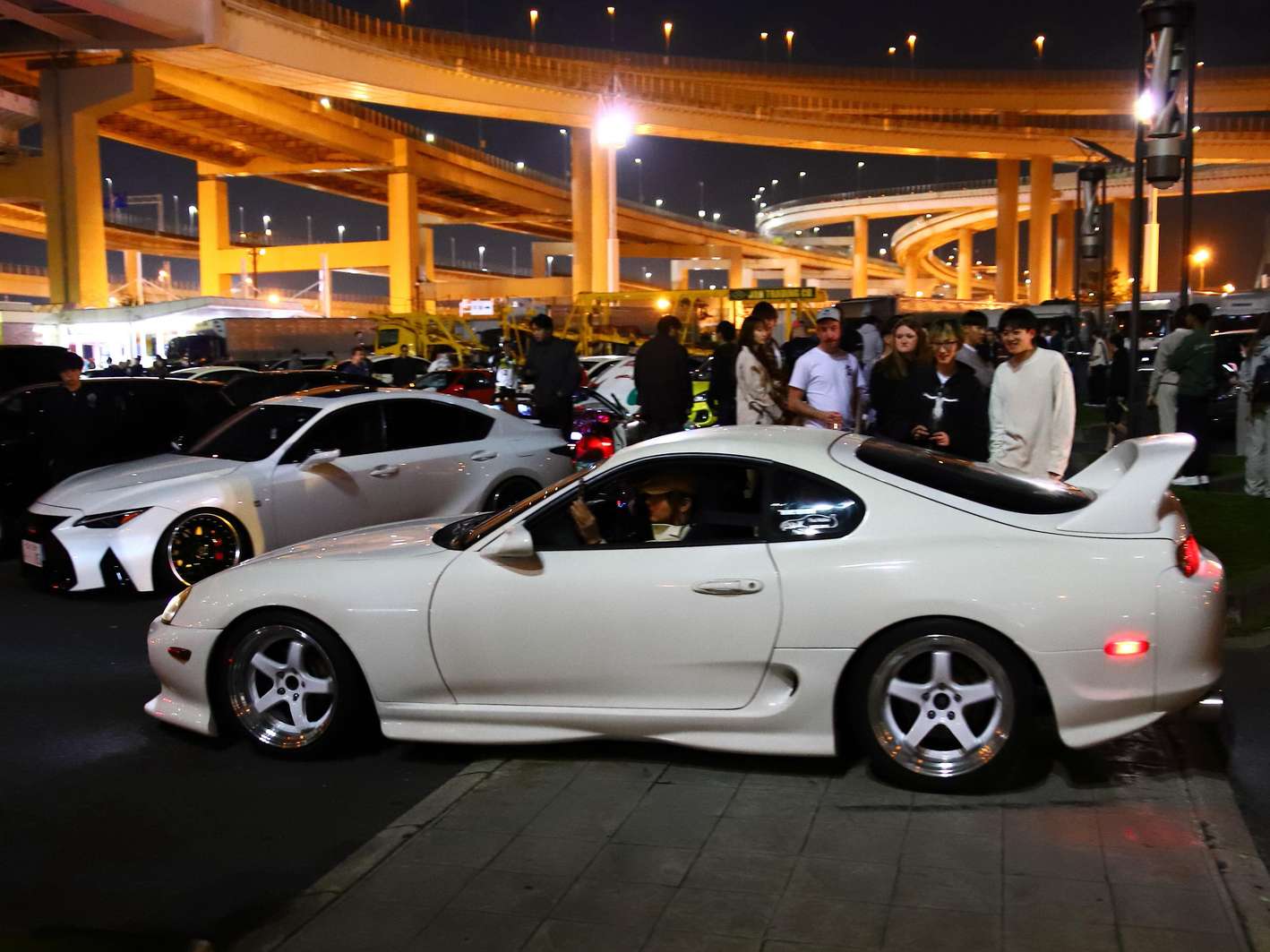
First time at Daikoku? What police activity, legality and visitor etiquette mean for your evening.
Want the meet from inside a Supra? How the modified Mk4 night ride to Daikoku works and what to book.
A quieter way in: seeing the Daikoku meet as part of a Porsche Macan experience, without the JDM hype.
From watching drifting to trying it: the difference between a viewing visit, a ride-along and a lesson.
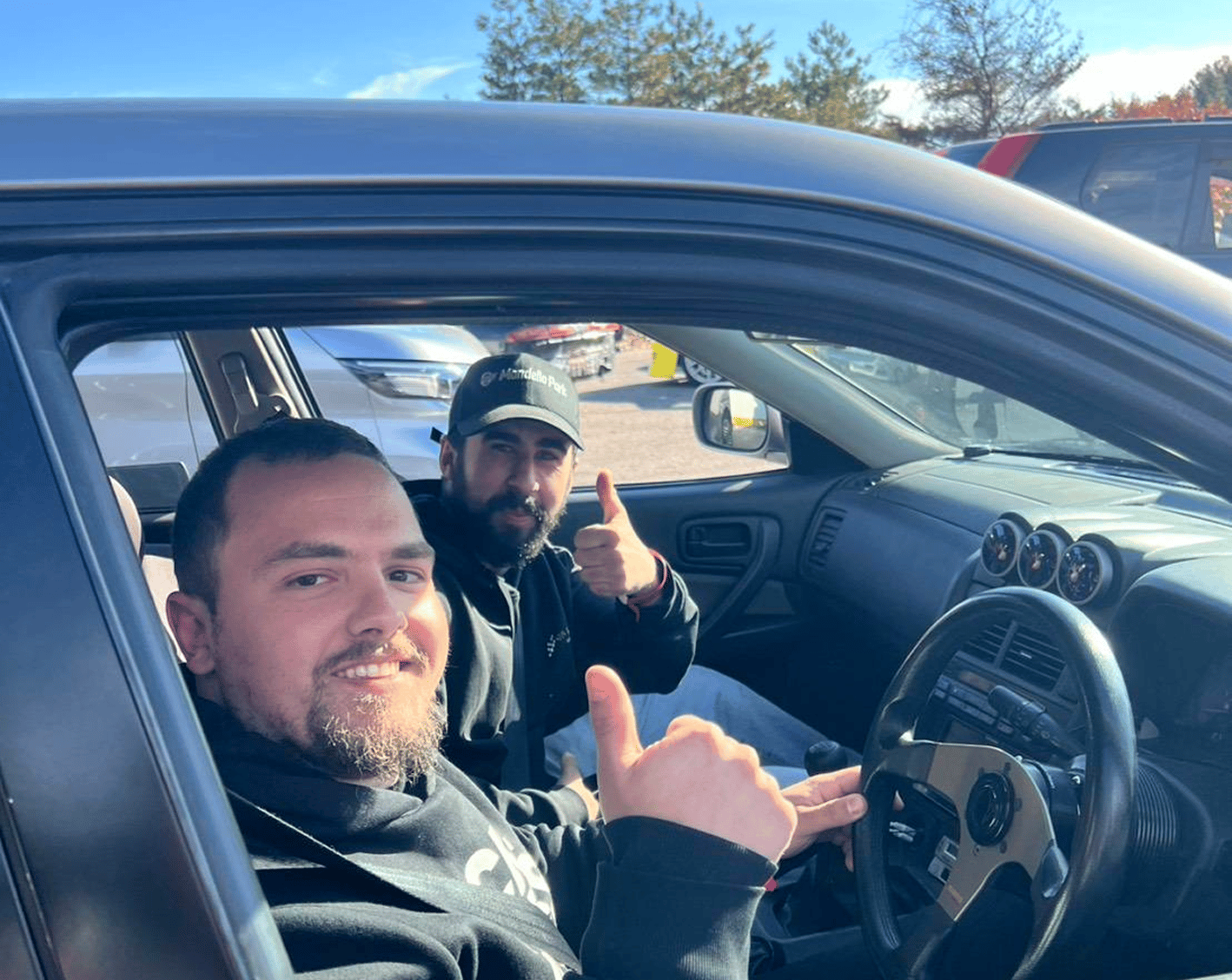
Where real drift racing happens near Tokyo, and how to time a trip around an actual competition.
Thinking of learning to drift? What a proper lesson looks like and where beginners actually start.
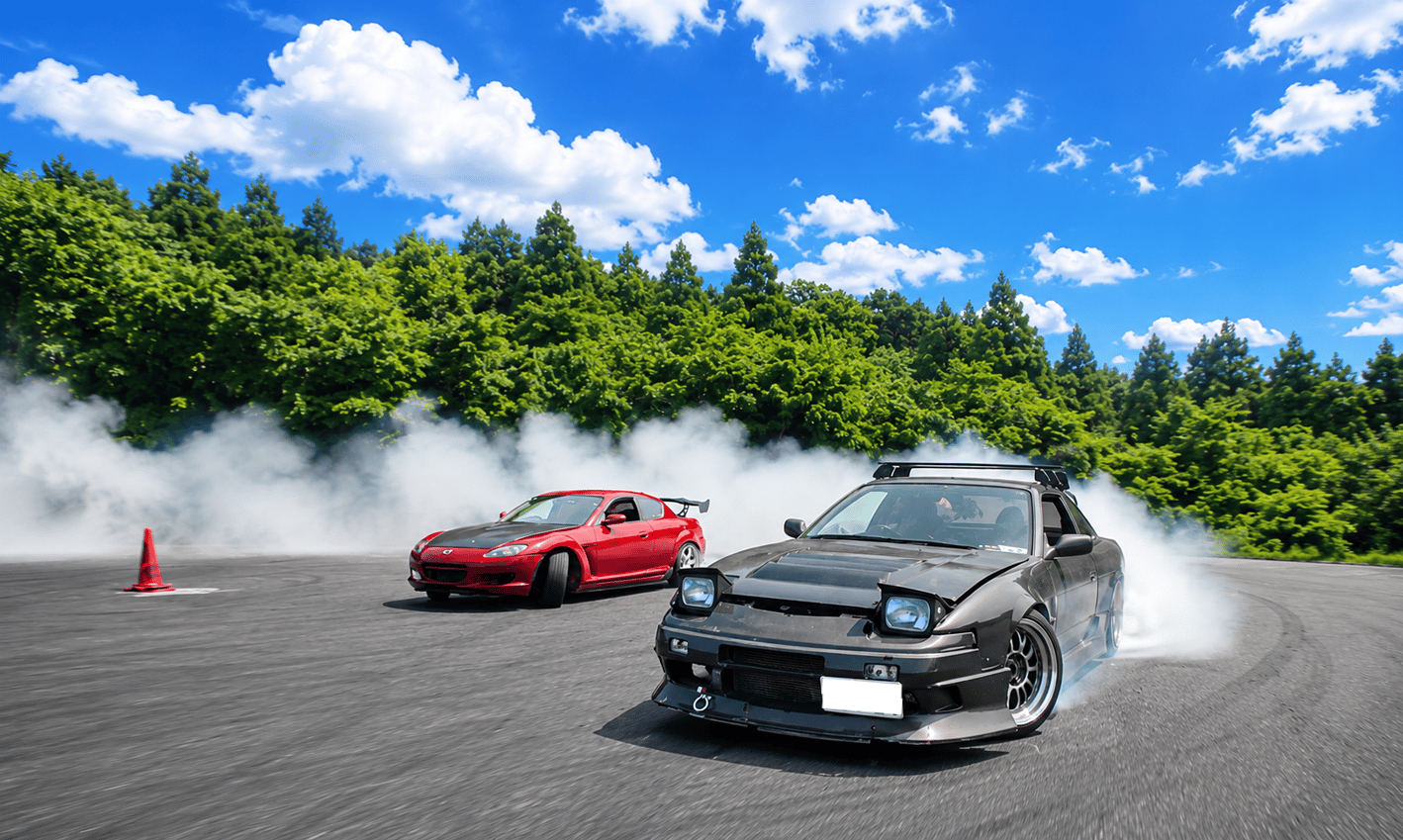
Ready to drive yourself? How self-drive drift days on a real circuit work, from booking to track time.
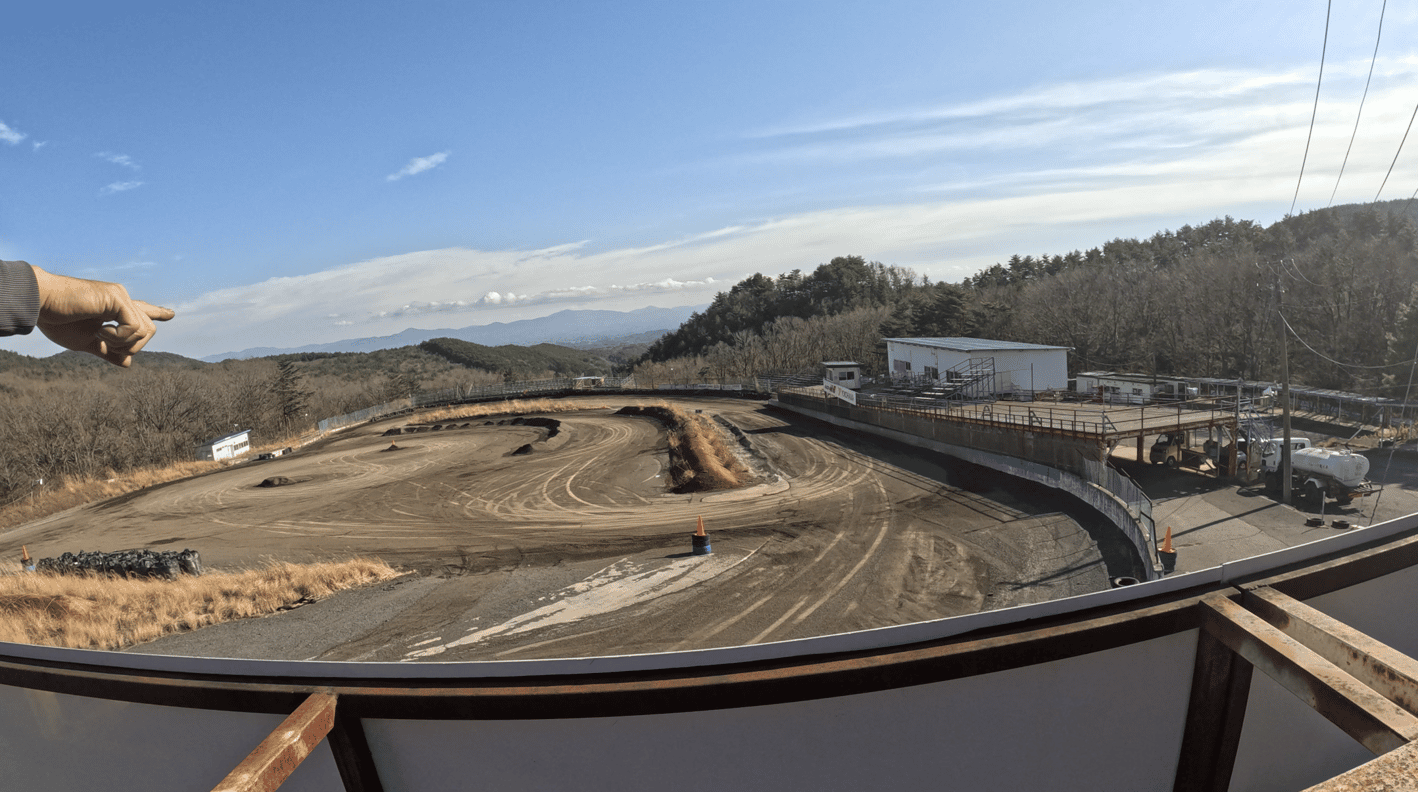
Guided drift rides and track experiences compared, so you can pick the one that fits your trip.
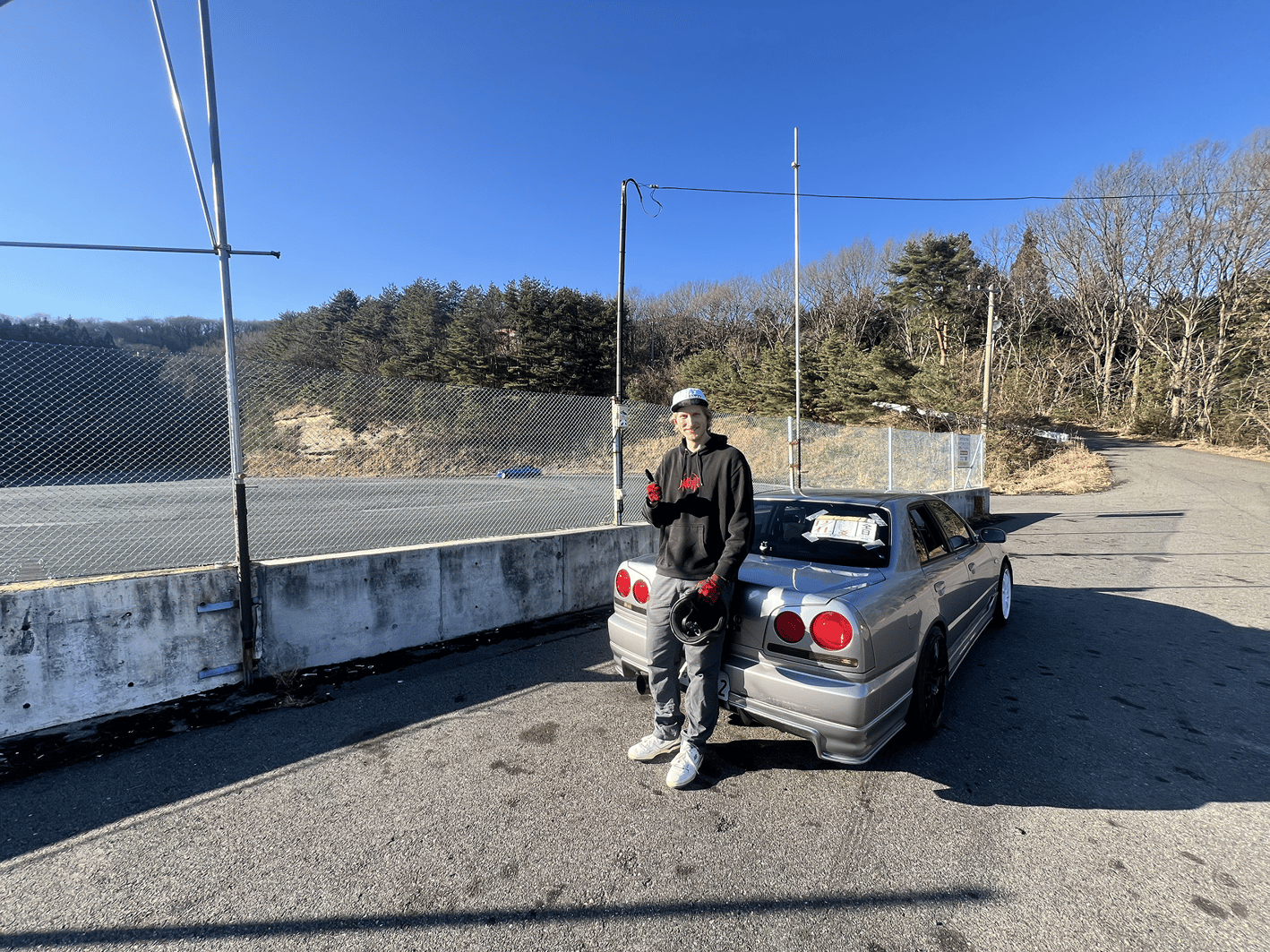
The Ebisu Circuit day trip from Tokyo explained: travel, the track, and what a drift experience includes.
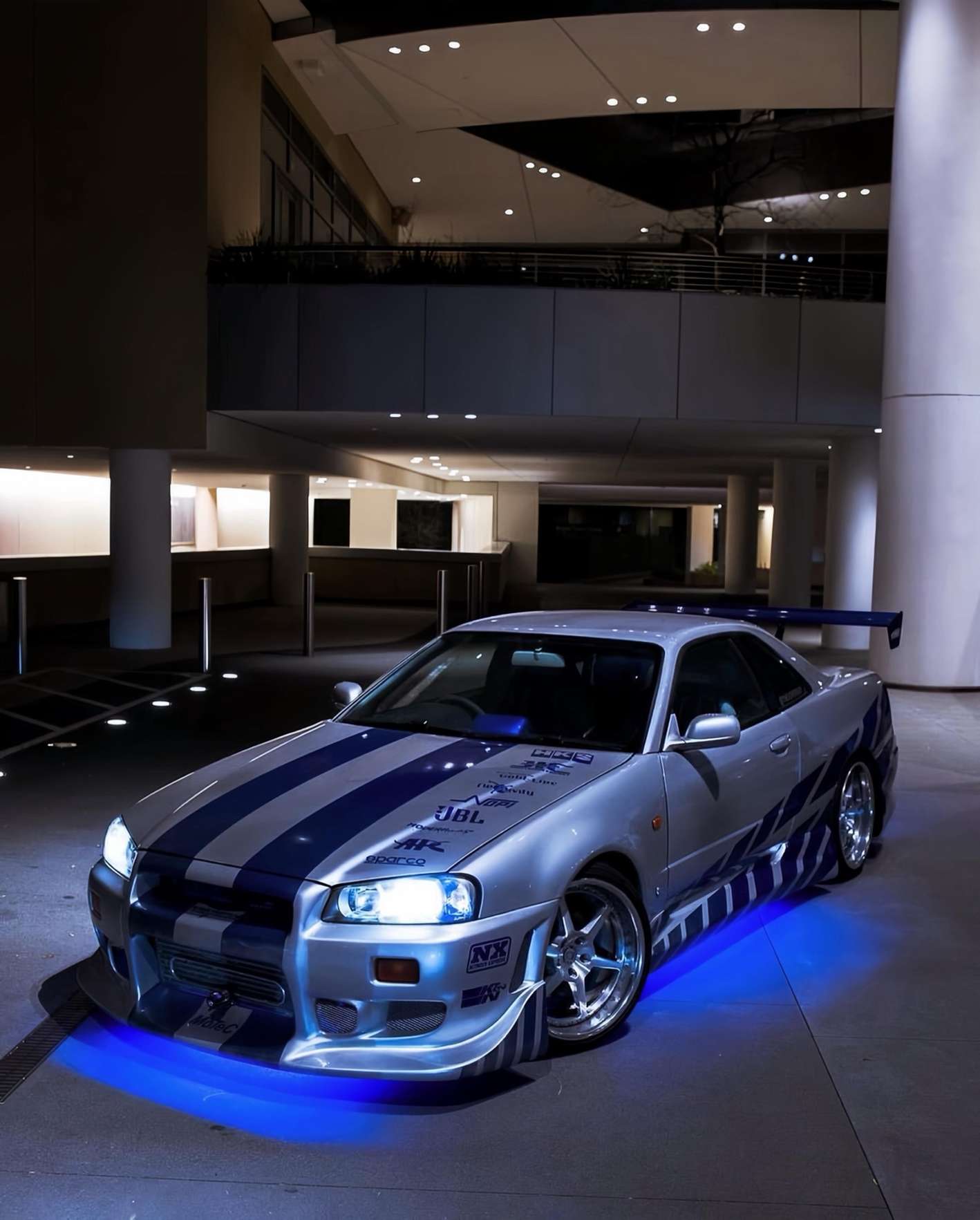
Not sure which kind of JDM experience to book? A plain comparison of tours, meets and circuit options.
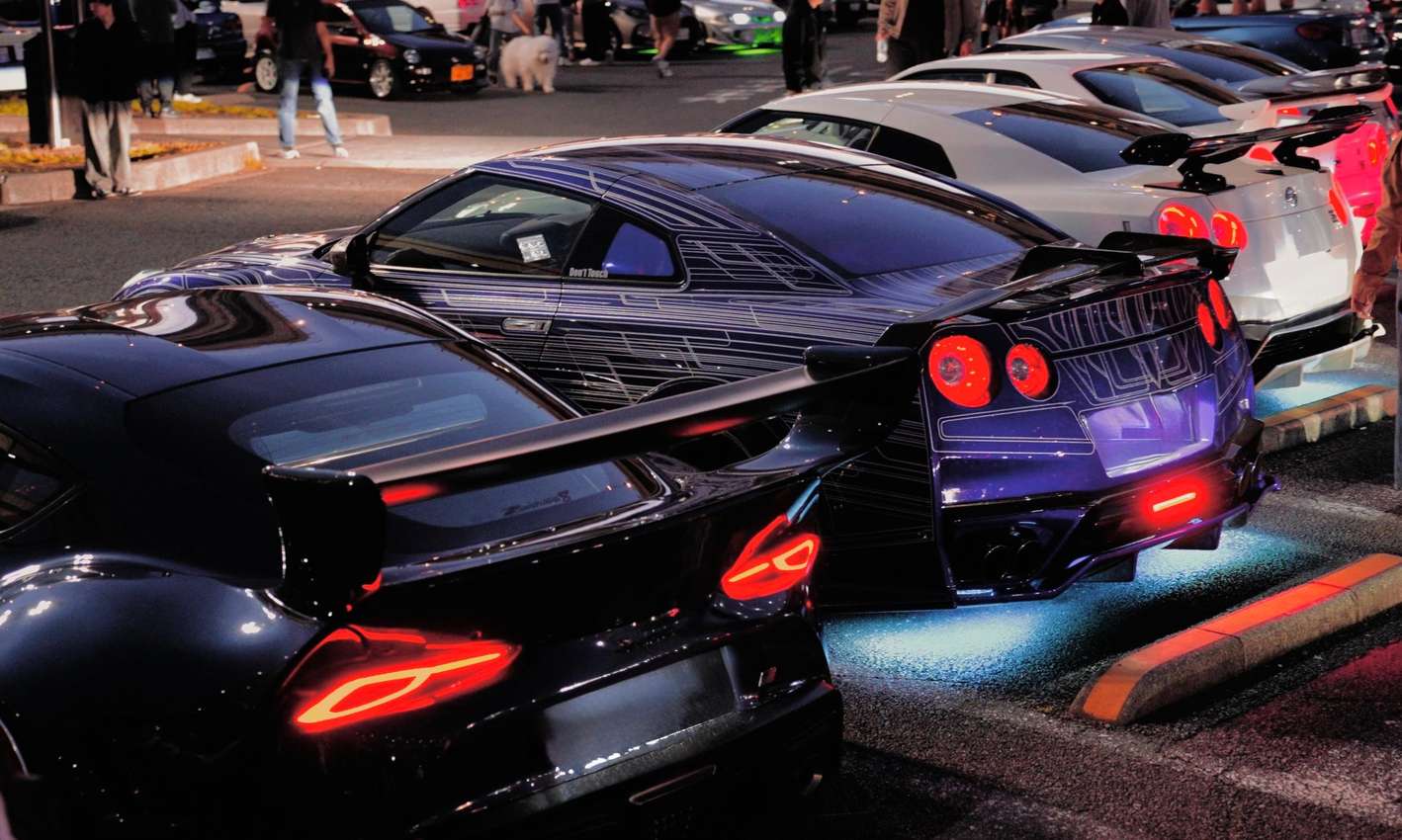
How a guided car meet tour works at night, and what you get that turning up on your own cannot give you.
Night drives to Daikoku PA compared: routes, stops and how the evening usually runs.
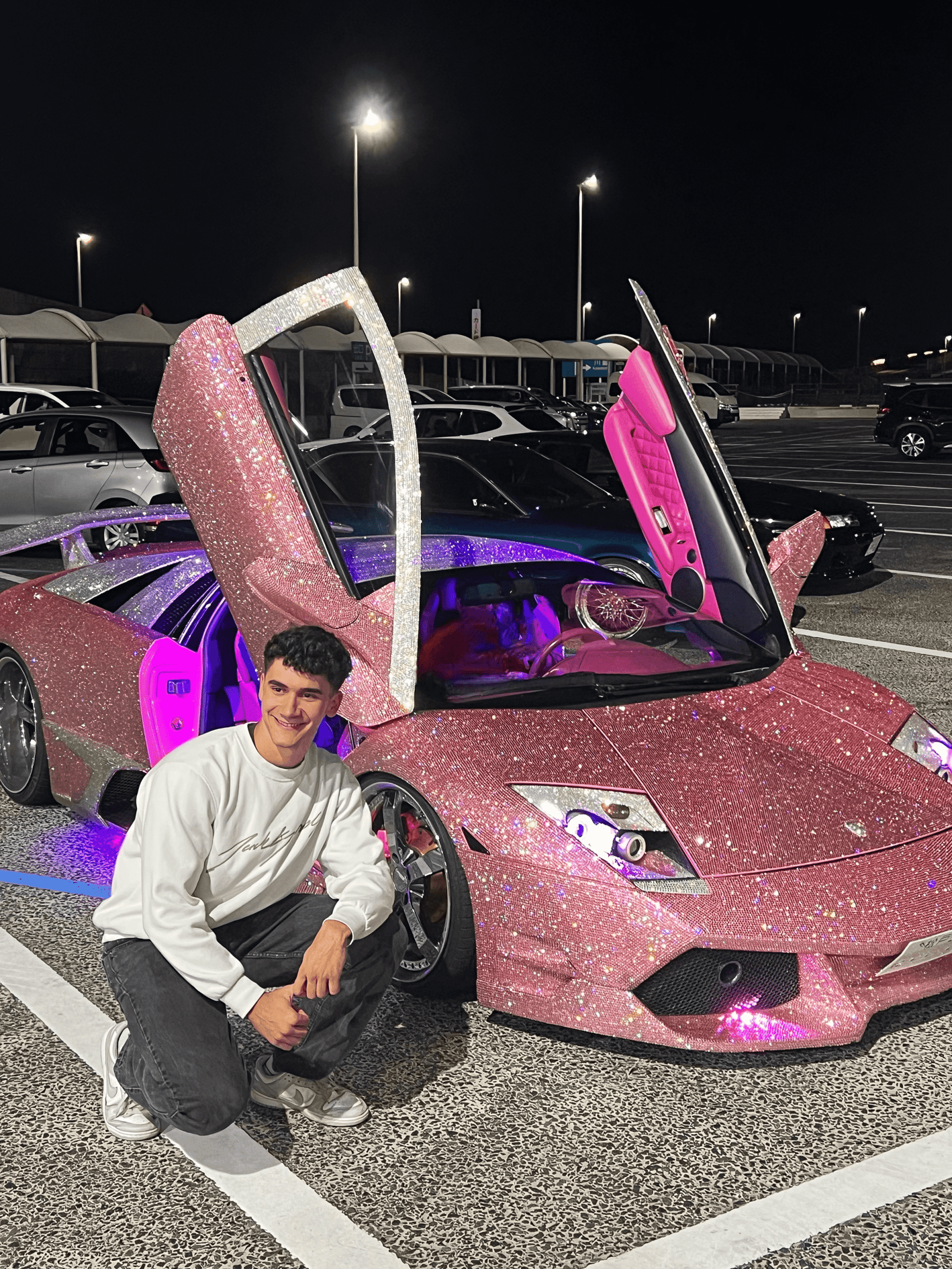
The Wangan and Bayshore Route explained, and which guided rides include the famous highway cruise.
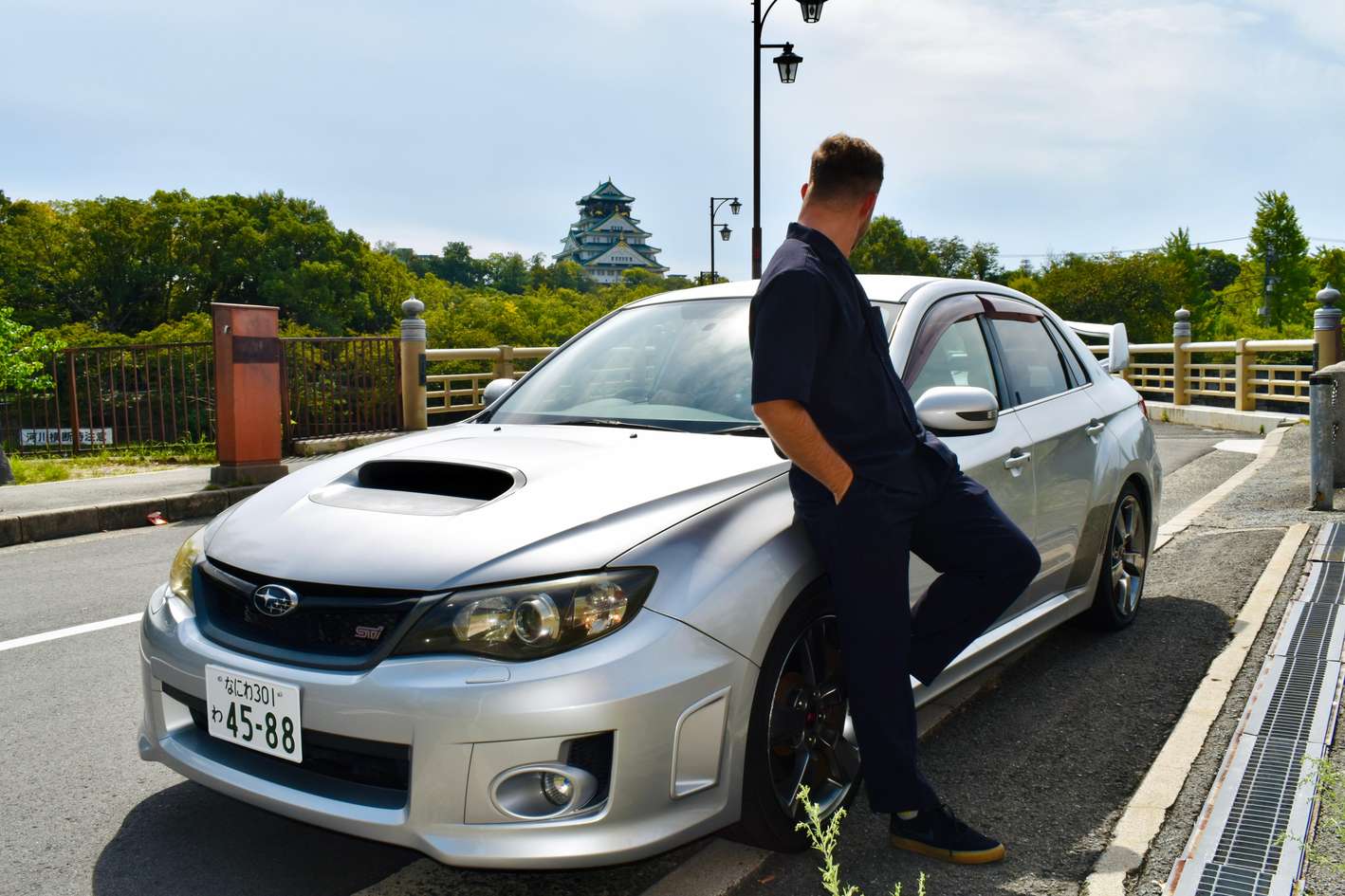
Want to drive a JDM car yourself? How rental-based tours differ from ride-along trips, and what to check.
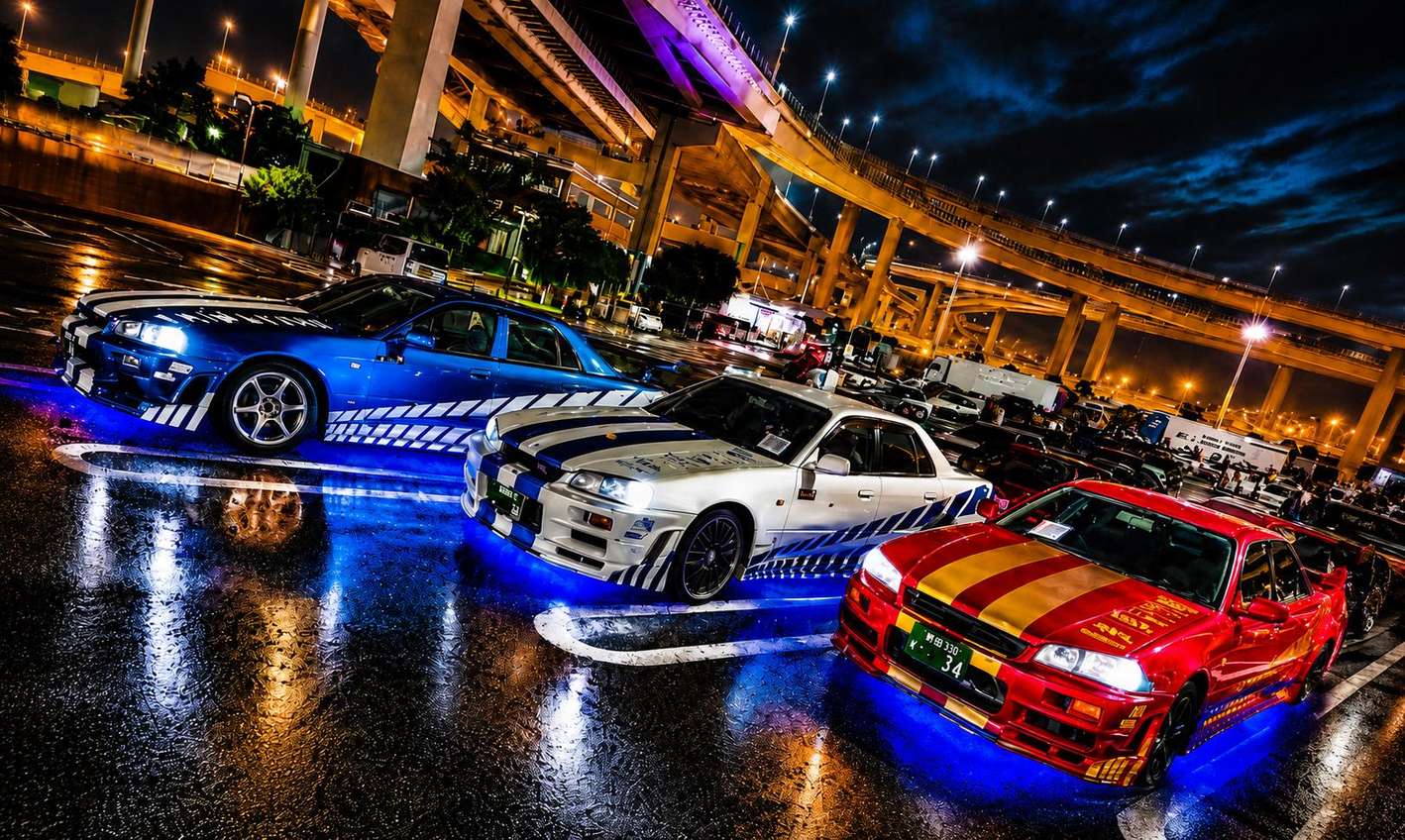
Already set on a private trip to Daikoku? The private tour options and what the extra gets you.
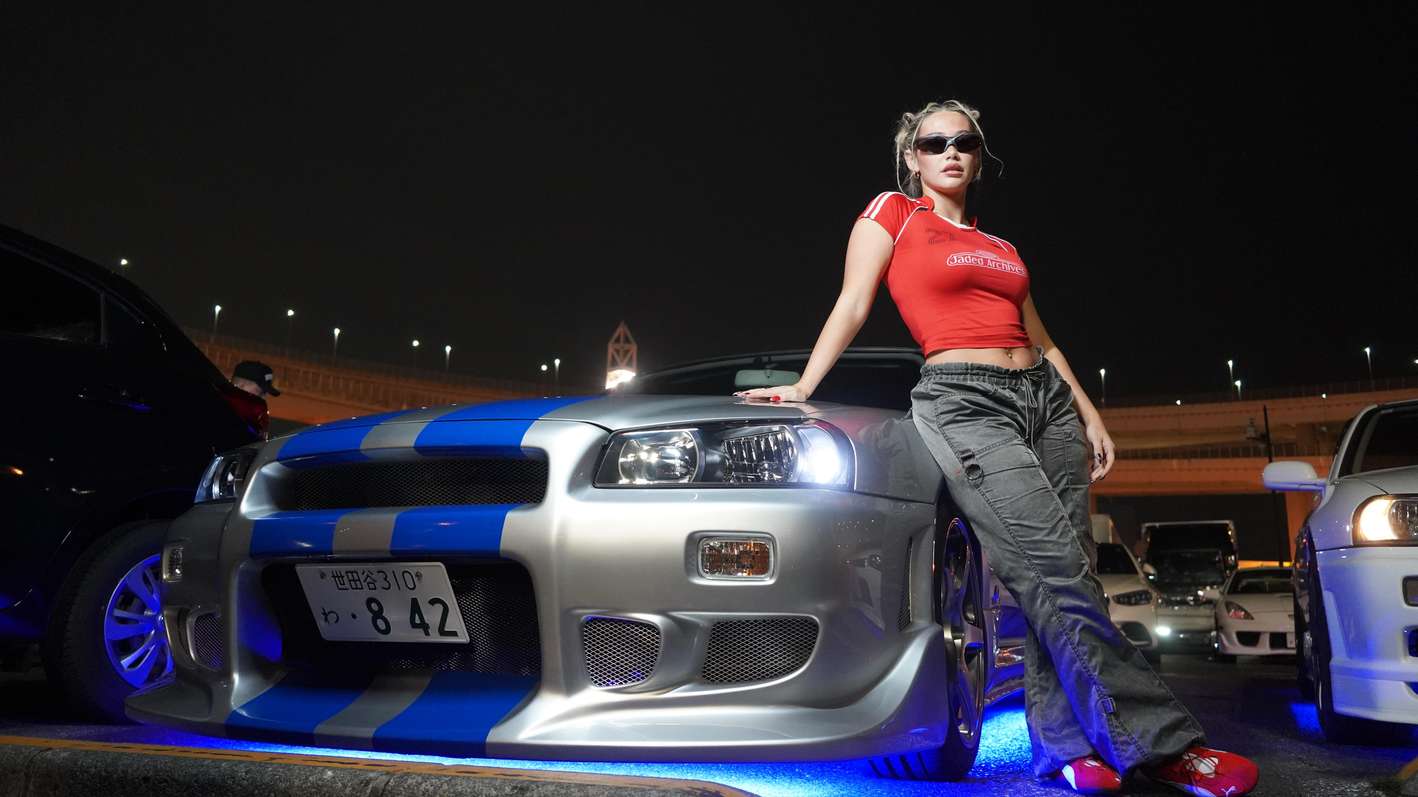
Renting a JDM sports car in Tokyo: where the hire shops are, and which models you can actually get.
Can you rent an AE86 in Tokyo? A direct answer on availability and the closest alternatives.
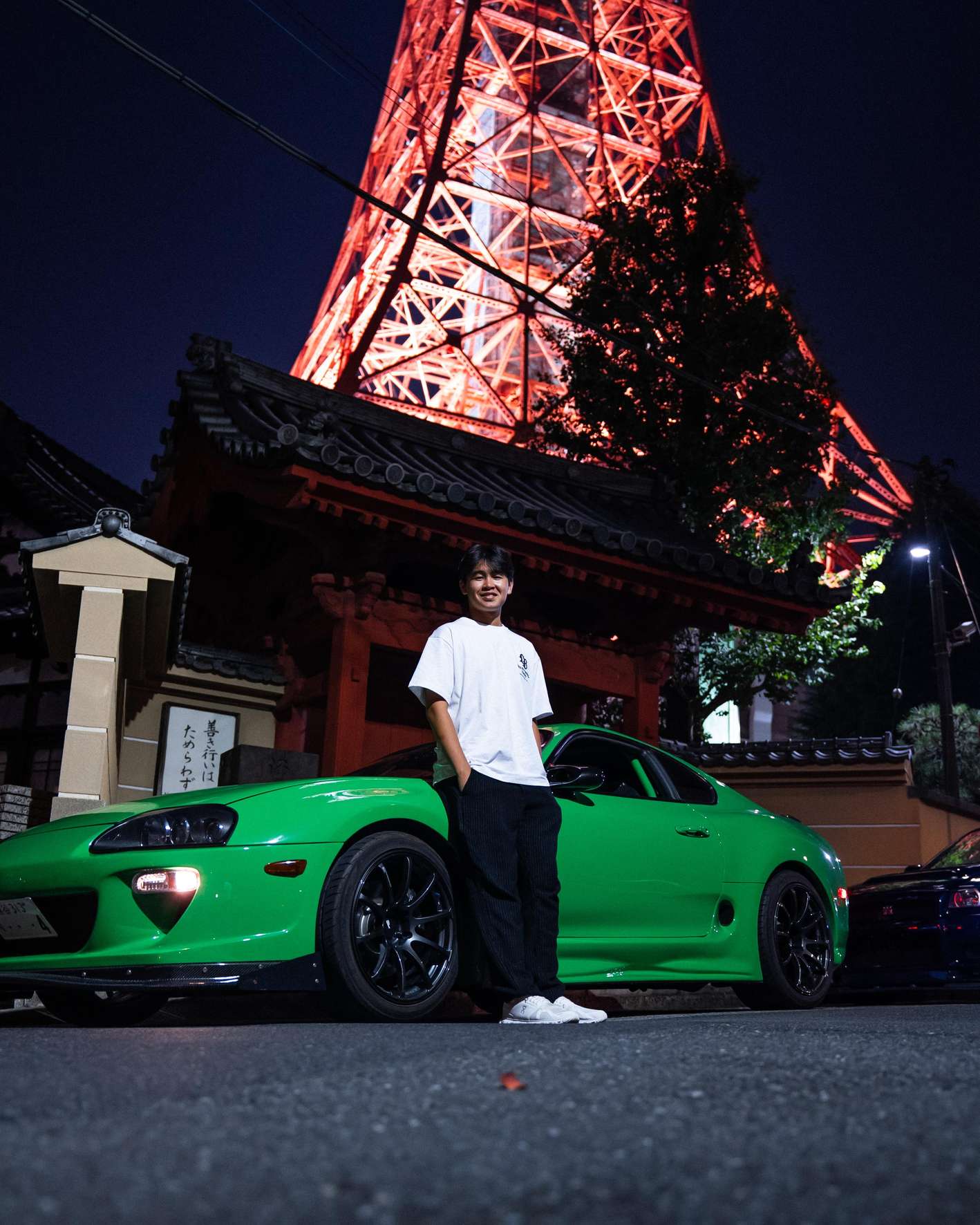
Renting a Supra in Tokyo: what is bookable, what is not, and how to choose between the options.
R32 GT-R in Tokyo: how to tell a self-drive rental from a guided ride, and where each is available.
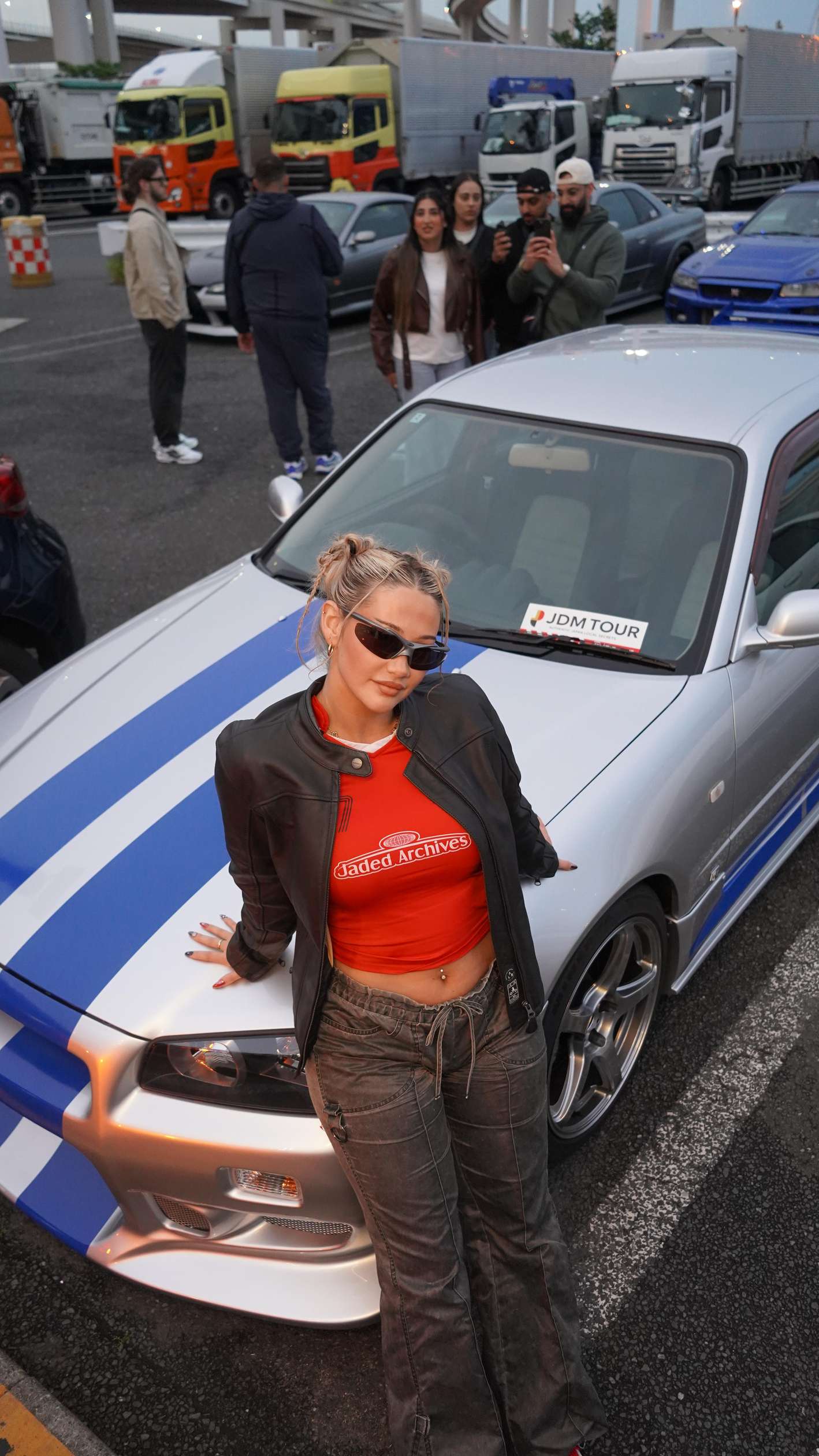
The R34 Skyline question answered: drive one yourself or join a guided ride, with the options laid out.
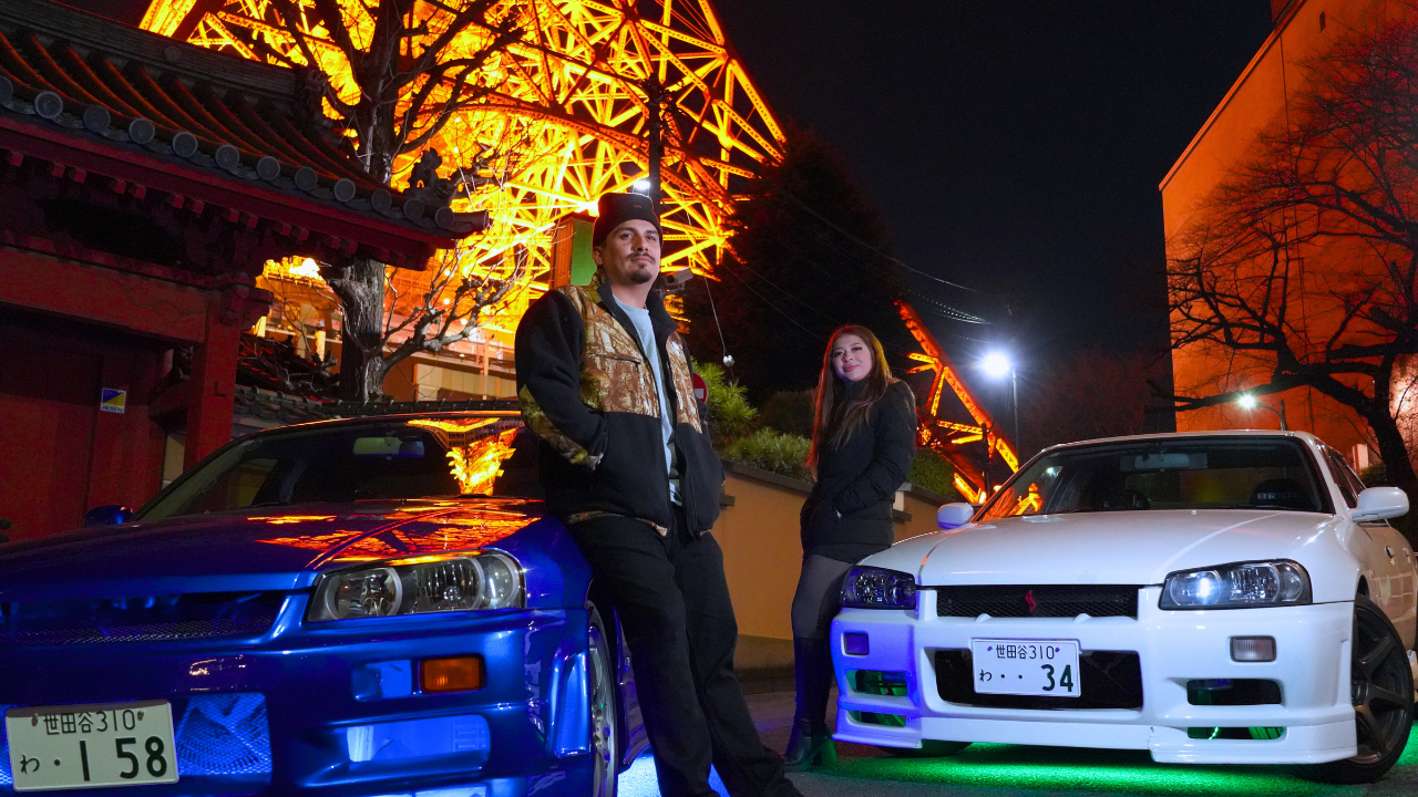
R35 GT-R rental in Tokyo: car details, booking realities and the ways to actually experience one.
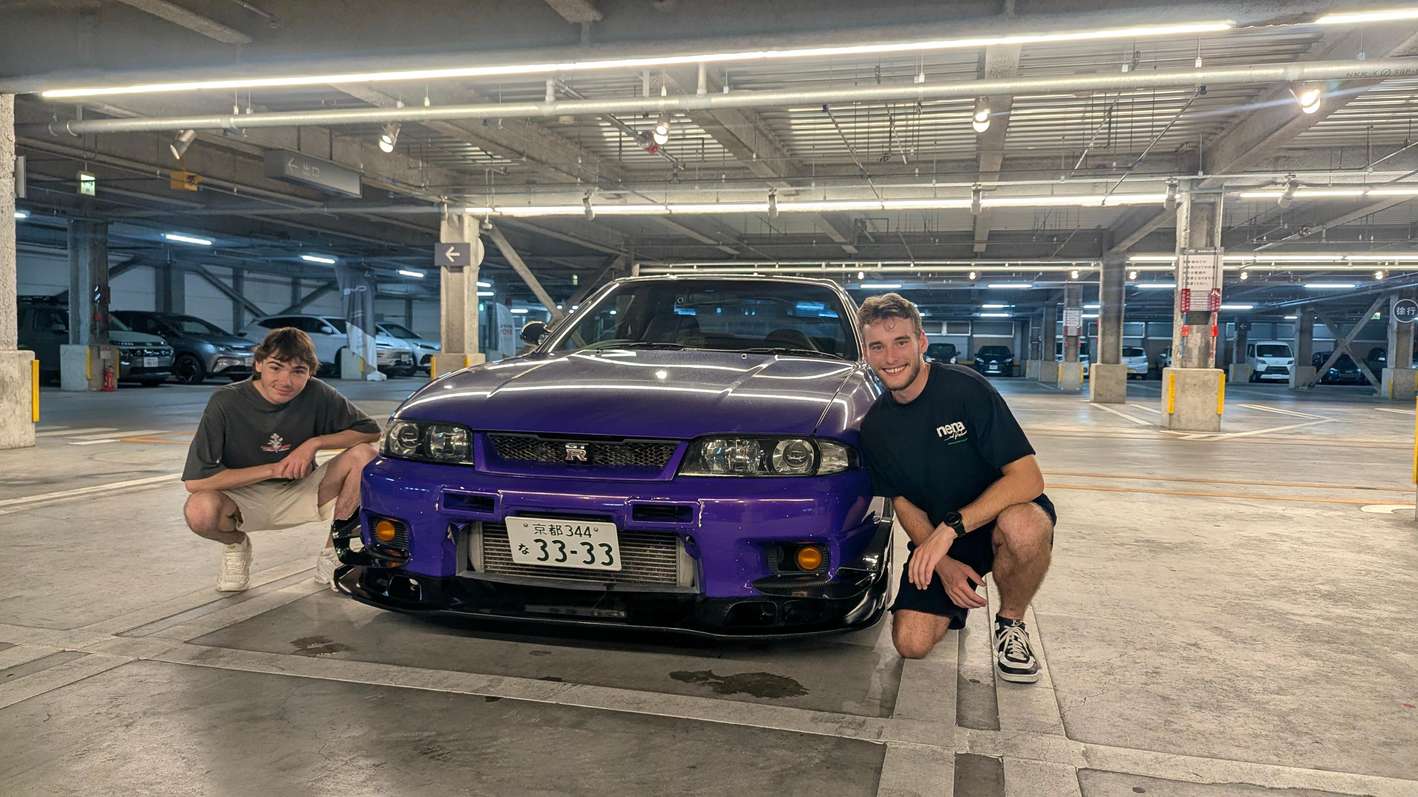
Heading to Kyoto? What its meetup scene looks like and how to fit a car night into your itinerary.
Osaka's night meets and parking areas mapped out, with practical advice on where to point yourself.
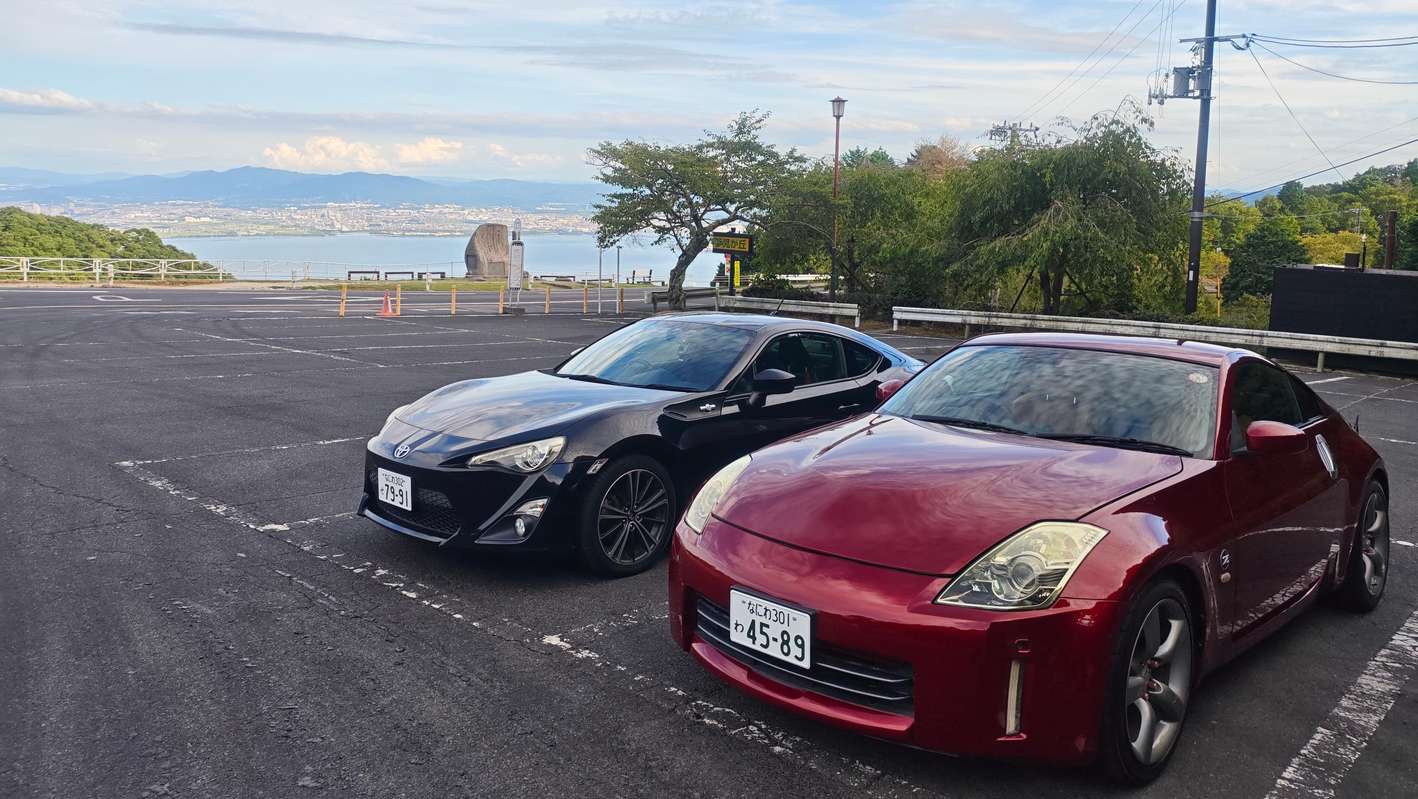
Sports car rental in Osaka compared, so you can decide whether a self-drive day there suits your trip.
Short answers to what visitors ask most before heading out to a Tokyo car meet.
The main gathering spots are the parking areas on the Shuto Expressway, with walkable backups around Shibuya and Akihabara at night.
There is no official calendar; the scene is self-organizing, so curated English-language listings and apps that track Japanese car events with daily updates are the practical way to find what is happening during your trip.
Daikoku Parking Area, a rest stop on the Bayshore Route in Yokohama, is the most famous informal cars-and-coffee style meet in Japan. Enthusiasts gather there every night, with bigger turnouts on weekends, and it is open to anyone with no entry fee or invite.
The expressway parking areas can only be reached by car, with no train, bus or pedestrian access, and no taxi stand for the ride back. The practical way in is a guided JDM tour with hotel pickup, where a local driver brings you in via the expressway, roughly an hour from central Tokyo.
Yes. The Shibuya and Akihabara underground garages are free and walkable on Friday and Saturday nights, and the Autobacs Shinonome parking lot draws spotters and hosts car events. Exotic cars park along Meiji Jingu Gaien's gingko street too.
Daikoku PA is renowned as one of the world's most famous car meets, drawing enthusiasts nightly and drawing the biggest crowds on weekend nights and Sunday mornings in nice weather. Osaka has its own large scene at Higashi Osaka PA, which regularly draws over 250 cars on Friday and Saturday evenings.
Meets are informal gatherings, usually late evening or overnight, with no fixed schedule. Weekend nights draw the biggest turnout, while weekday evenings are quieter and less likely to be shut down. At Daikoku, locals say Sunday morning in nice weather is the best time.
No. These are public areas where owners gather at odd hours, so turnout varies by day, time, weather and conditions. Heavy rain or police activity can close a parking area, in which case tours move to an alternative spot such as Umihotaru PA, which has a roofed lot.
Tours adapt by visiting another car-viewing spot, most often Umihotaru PA in Tokyo Bay or Tatsumi PA. Walkable backups also work: the Shibuya and Akihabara underground garages on Friday and Saturday nights, or the Autobacs Shinonome parking lot.
Never touch or sit on someone's car or enter it without the owner's permission, keep voices down, skip revving or burnouts in the lot, pick up your trash, and ask before close-up photos. Police watch these areas and act on complaints, and disrespectful behavior is why some locals stopped bringing their cars.
Comfortable clothing and shoes for standing around outdoors at night, plus a camera. Tokyo nights at the parking areas run from about 1°C in winter to over 25°C in midsummer, so a light jacket matters even in warmer months. A charged phone and some water help too.
Many Japanese car meets only publish event information about a month ahead, so check close to your trip dates. Permission for an event can also be withdrawn at short notice, so keep a backup venue in mind and check curated listings the day you plan to go.
A wide mix: Skylines, GT-Rs, Supras, RX-7s, Silvias, Evolutions, WRX STIs, kei cars, supercars and heavily modified builds. At a regular meet you are more likely to see flashy tuned cars than clean legend models, and the lineup changes every night.
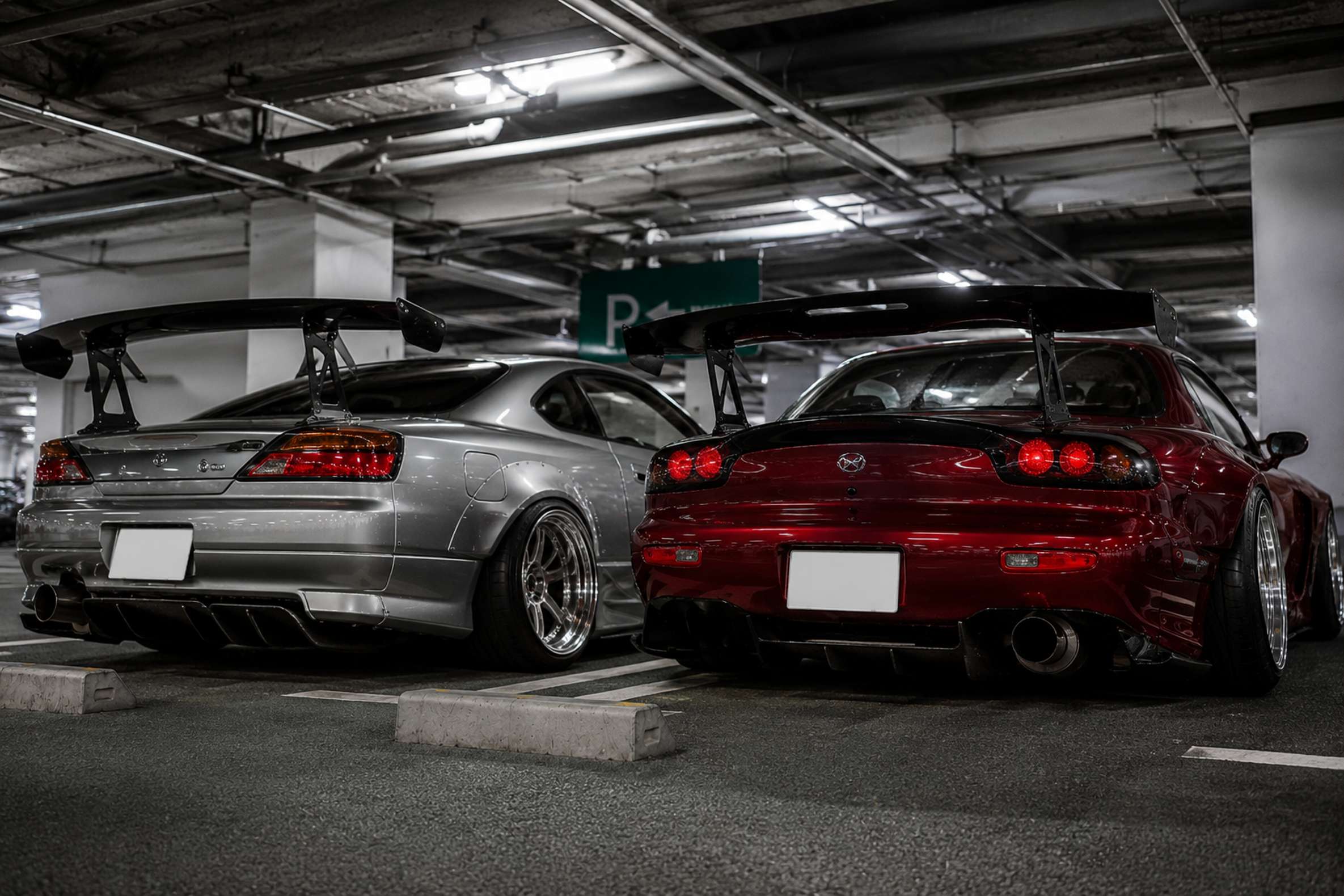
Spend up to 1.5 hours on the ground at Tokyo's legendary meets, with hotel pickup and a driver who heads to whichever spot the cars gather at that night.