Likely to sell out
12 hours·English, Japanese
4.9(72)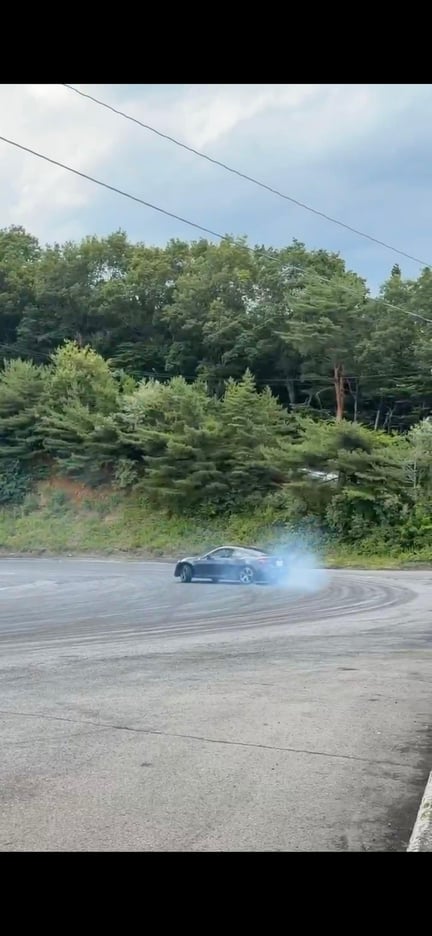
Ebisu Circuit: Guided JDM Drift Practice & Ride-Along
Free cancellationHotel pickup includedDrift experience at Ebisu Circuit
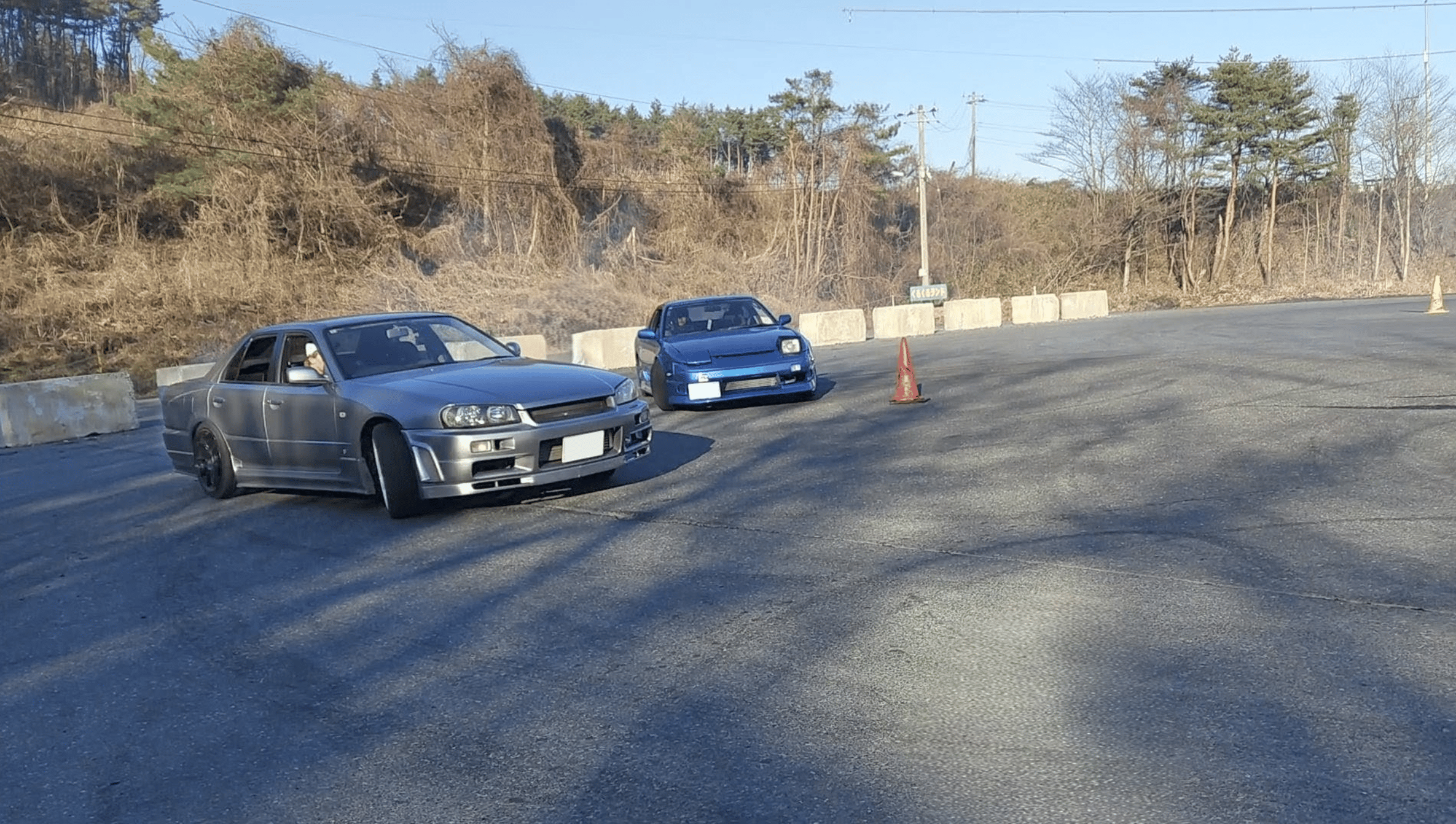
See real drifting, up close and sideways. Ride along with pro drift drivers at Ebisu Circuit, Japan's drift mecca, on a full guided day from Tokyo with transport, instruction and a passenger thrill ride included. Book your seat before it sells out.
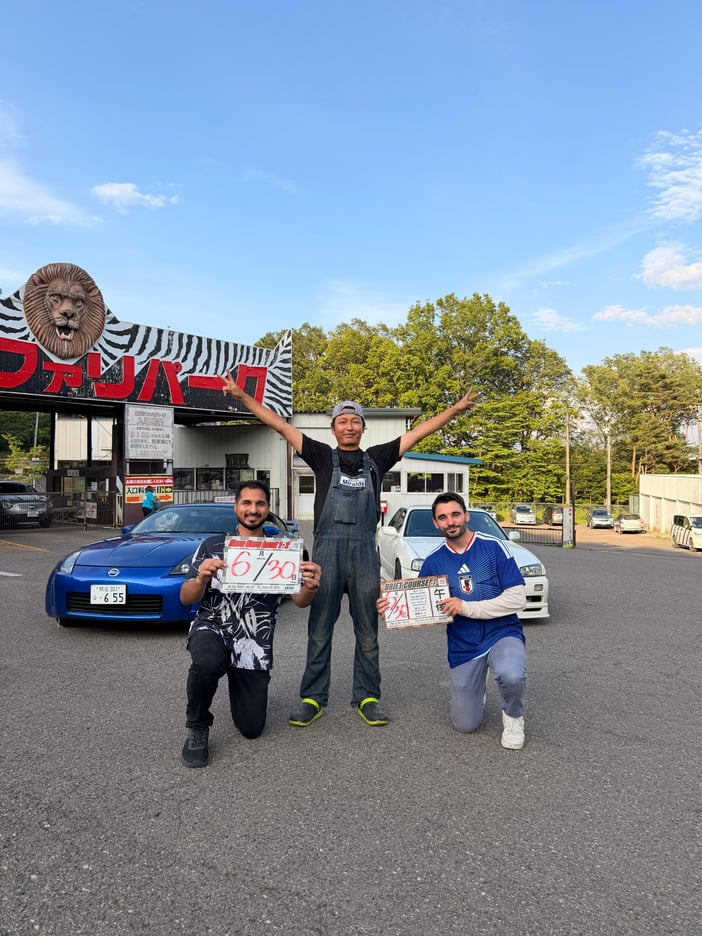
"Perfect experience. Met Nori, Shouta and Marc - kind, skilled guys. Did the "Lonely session" with a car to myself. Amazing! Hesitated over the price, now I'd fly back just to do it again."
Street drifting in Tokyo is illegal, policed and invisible to visitors, so the real action sits on closed circuits and at one November race weekend. What your drift trip gives you depends on the role you pick: spectator, passenger or driver.
Street drifting is illegal in Japan and there are no public-road drift events open to tourists; legal drifting happens on closed circuits.
Daikoku PA is a parking lot, not a drift venue, and drifting there would bring the police.
The D1 Grand Prix finale runs on a temporary course at Odaiba in mid-November, the one drift race you can watch inside Tokyo.
Ebisu Circuit in Fukushima, about twelve hours door to door from Tokyo, is the drift mecca where you watch pros and take passenger hot laps.
Book the ride-along if you want the feeling without driving, the self-drive lesson if you want the wheel, and pack long pants either way.
Watch drifting where it belongs: on a closed circuit. Ebisu Circuit north of Tokyo is the legal answer, and the D1 Grand Prix finale at Odaiba puts pro drift racing inside the city each November.
Late on a Tokyo expressway the sound you hope for, tires screaming sideways through a corner, almost never comes.
Street drifting is illegal in Japan, the police run concentrated weekend enforcement, and a group running together on the road falls under Article 68 of the Road Traffic Act, with up to two years in prison. There are no advertised public-road drift events open to tourists.
Daikoku PA confuses people most. It is a tollway rest stop where tuned cars gather informally, bigger on weekends, and drifting there would bring the police within minutes. You cannot see drifting at Daikoku PA. What you get instead is a night-time cars and coffee, which is worth seeing on its own terms.
The one exception sits in plain sight: the D1 Grand Prix finale at Odaiba each November. That is real competition drifting, judged runs and tandem battles, inside Tokyo.
Legal drifting happens only on closed circuits, and street spots are kept secret from outsiders
It is a parking lot where cars gather; drifting there brings the police
It still happens, but you need to know the right people to be invited
So the search ends where the sport actually lives: closed circuits, and one weekend in November. Everything that follows is about picking the right one for your trip.
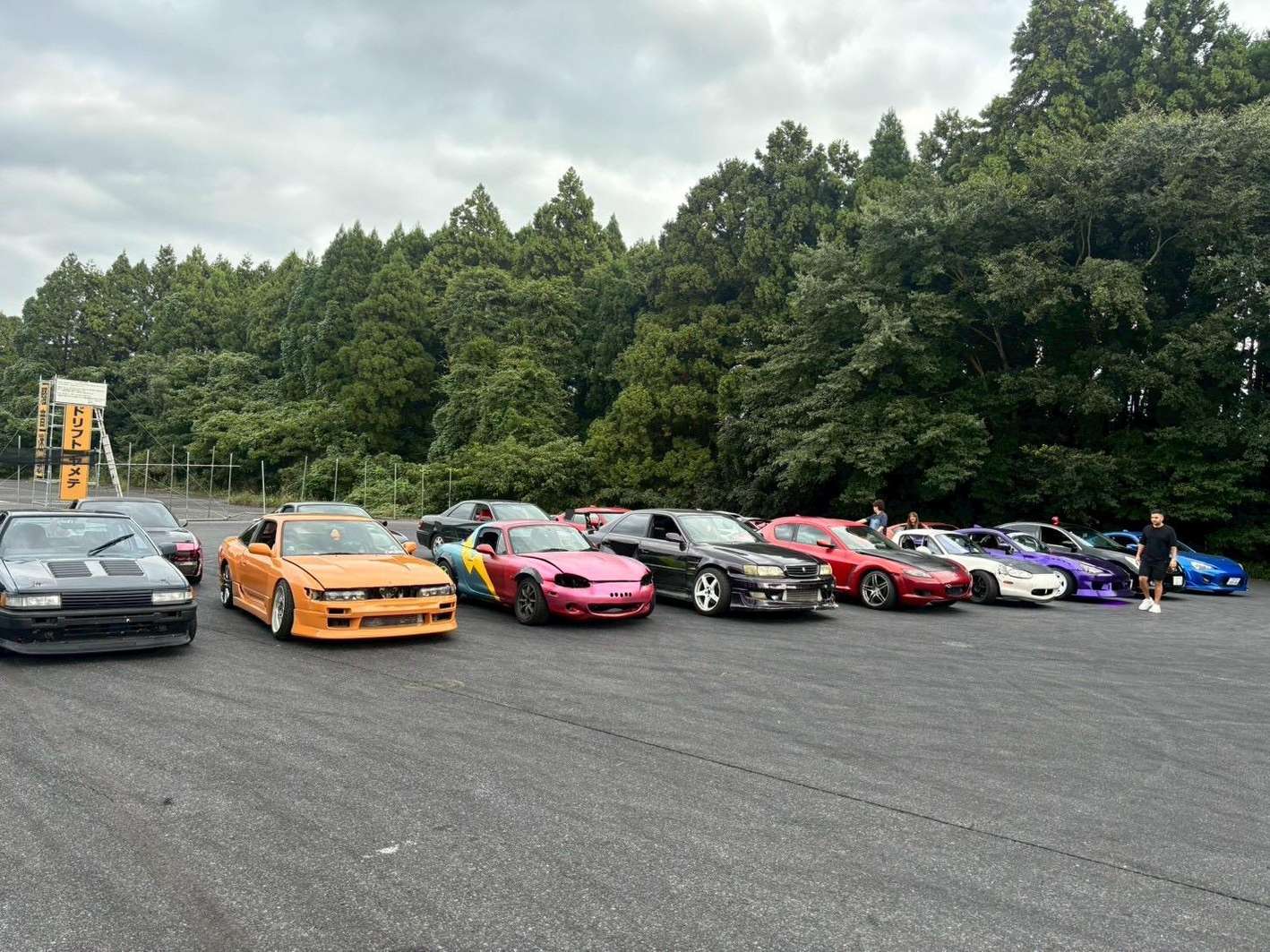
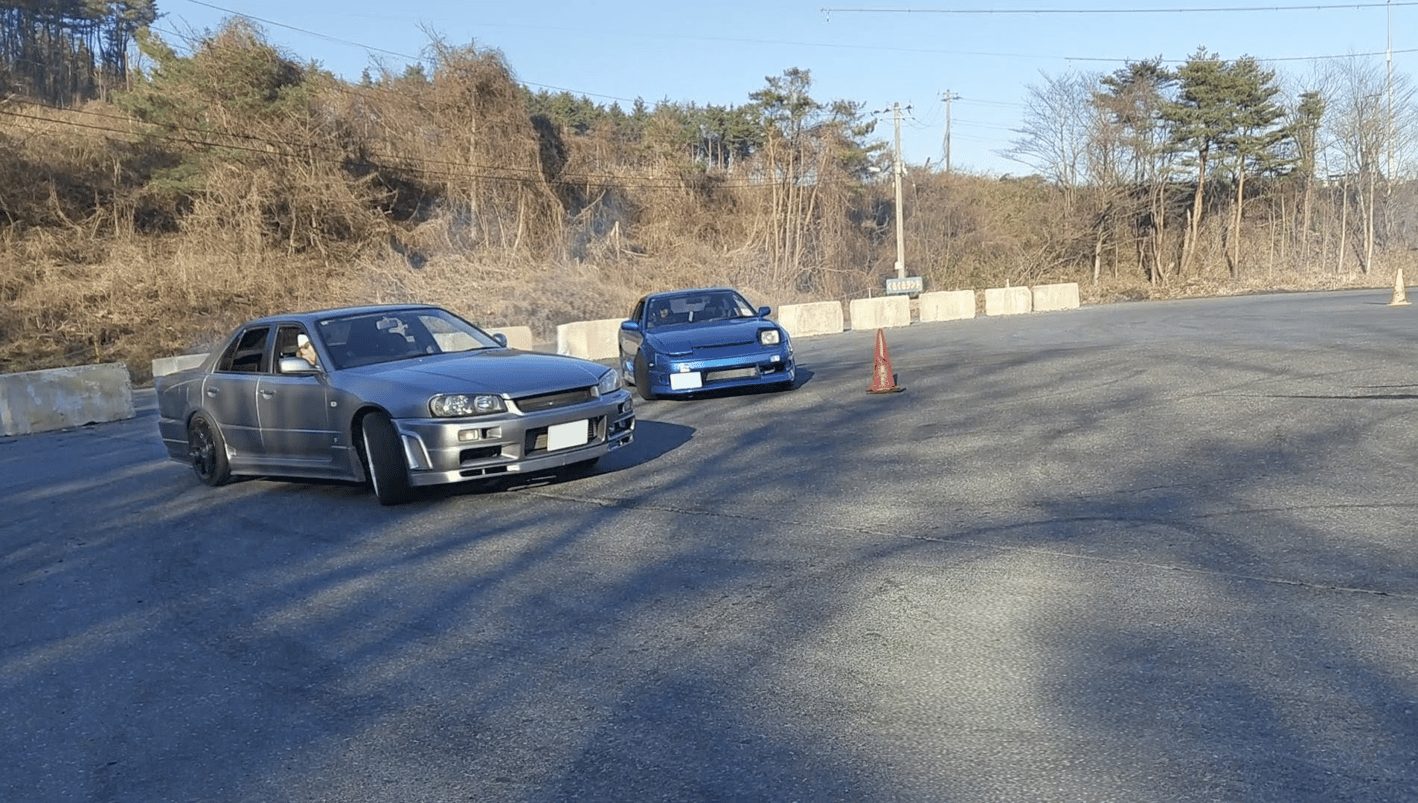
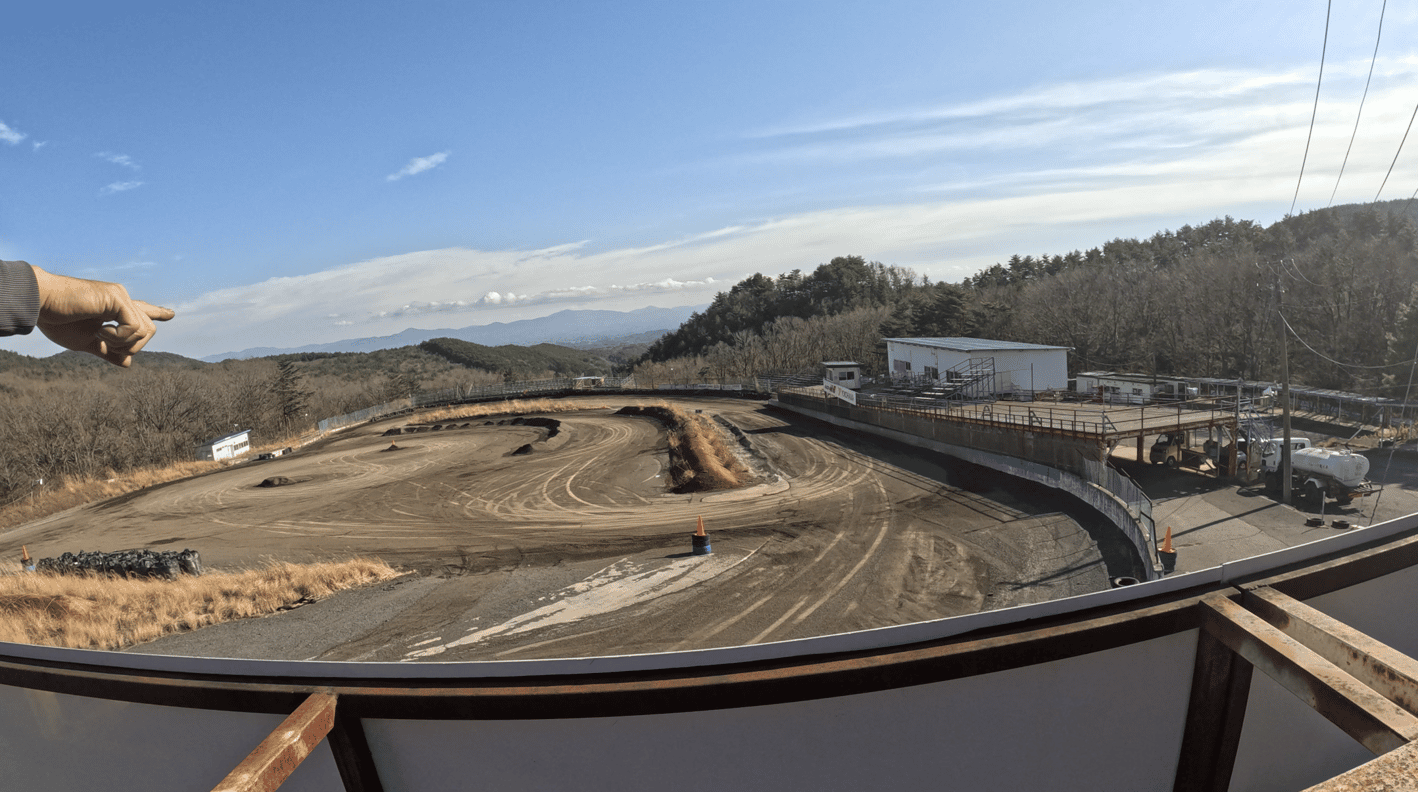
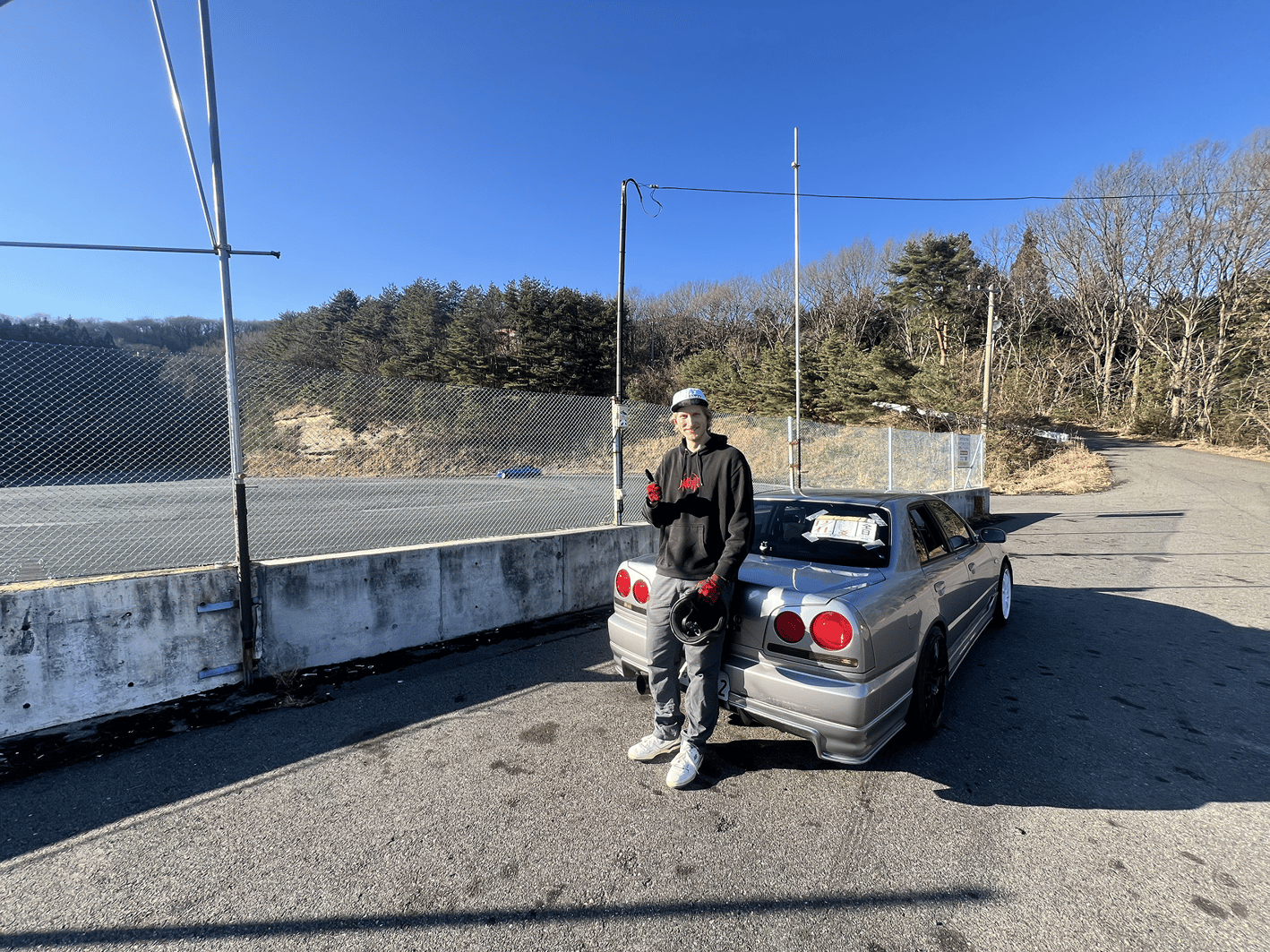
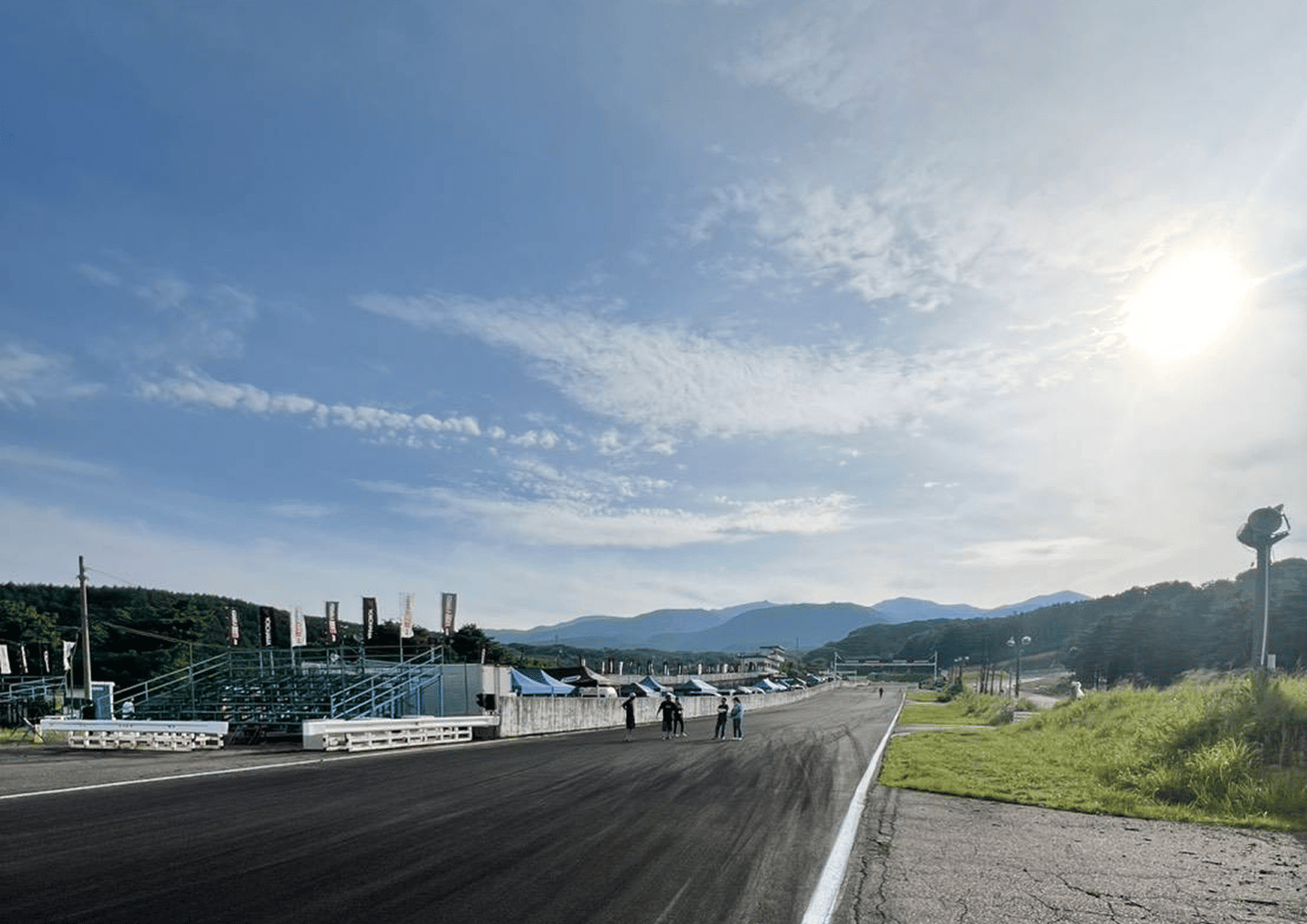
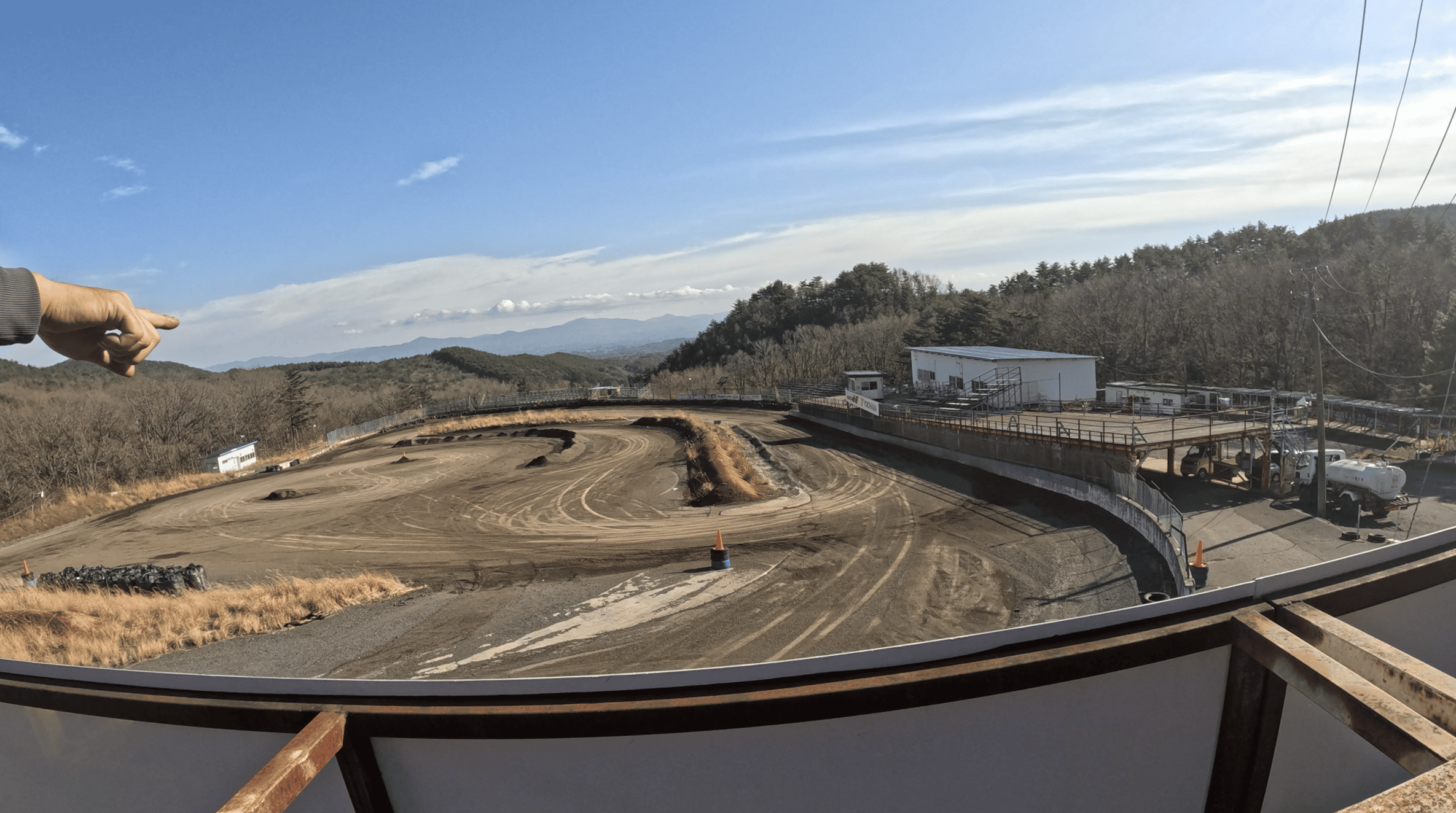
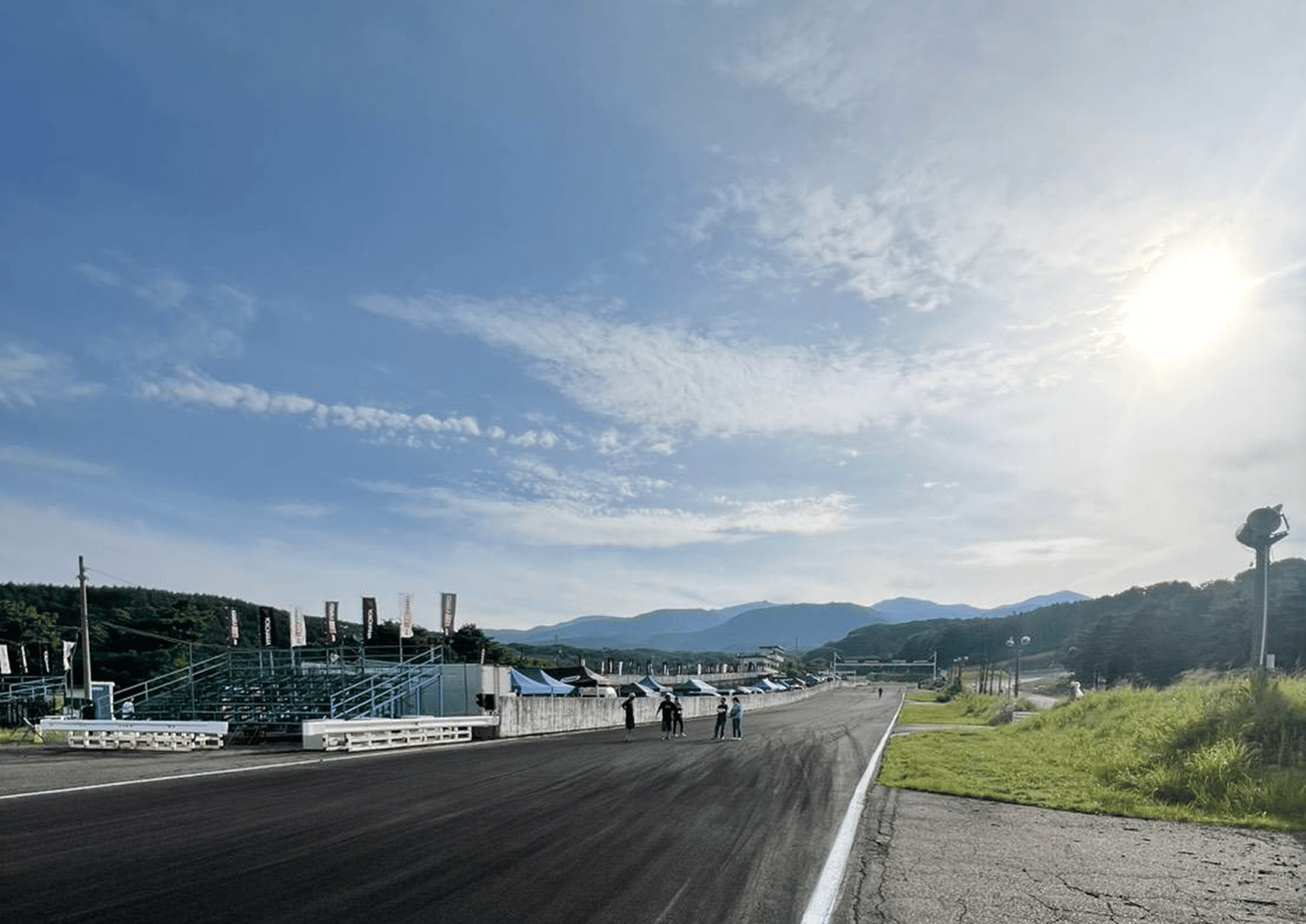
Ebisu Circuit sits in the mountains of Nihonmatsu City, Fukushima, and people who follow the sport treat it as drifting's home ground. Five drift layouts, pro drivers on track, and the smell of tire smoke all day. This is where the Ebisu Circuit drift experience earns its reputation as the spectator's premium option.
The guided day runs from a Tokyo meeting point to drop-off back in the 23 wards, about twelve hours door to door.
You get roughly 30 minutes of your own seat time with an instructor, then a passenger thrill ride with a pro, in a Nissan Silvia S15 on the ride-only format. Spectators trackside get the full show: engine noise, high speed, screeching tires and billowing smoke.
Timing matters. Late spring, April and May, and autumn, September to November, are the comfortable months. From December to March it snows and some or all tracks close under snow cover, so check whether your track is open before committing, and note the circuit has had earthquake damage in the past.
The tour that covers all of it is the Ebisu Circuit: Guided JDM Drift Practice & Ride-Along, with transport, admission, instruction and a souvenir included.
Three formats, three different days. At Ebisu you watch the best drivers in the country and then take your own turn behind the wheel plus a hot lap.
On the ride-along near Tokyo you stay in the passenger seat while OG drift drivers slide a real drift build through donuts, figure 8s and e-brake turns. In the self-drive lesson the coach teaches you, and the car is yours.
The points that actually separate them are simple. Driver skill is high everywhere, but the police-chase cars are driven by top-level drift team drivers from Tokyo and Chiba. Legality is settled on all three: closed circuits, expert hands. What changes is your role, and how much JDM culture comes with it.
| Driver skill | Your role | Safety and legality | JDM culture | Best months | |
|---|---|---|---|---|---|
| Ebisu Circuit | not known | Drive plus passenger hot laps | Legal closed circuit | Drift mecca, Silvia S15 | Apr to May, Sep to Nov |
| Ride-Along & Police Chase | Expert OG drift drivers | Passenger, three rounds plus chase | Closed circuit, expert driver | Meet local OG drift drivers | April and October busiest |
| Self-Drive Lesson | Pro instructor teaches you | You drive, about 1.5 hours | Closed circuit, no licence needed | Learn donuts and figure 8s | Mar to May, Sep to Nov |
Read the table against your own trip. One free day and a real appetite for the sport points to Ebisu. A short stay that still wants the sensation points to the chase.
Curiosity about the technique itself points to the lesson. None of the passenger formats need a driving licence; the drift taxi at Ebisu asks only for a minimum height of 140cm, a helmet and insurance.
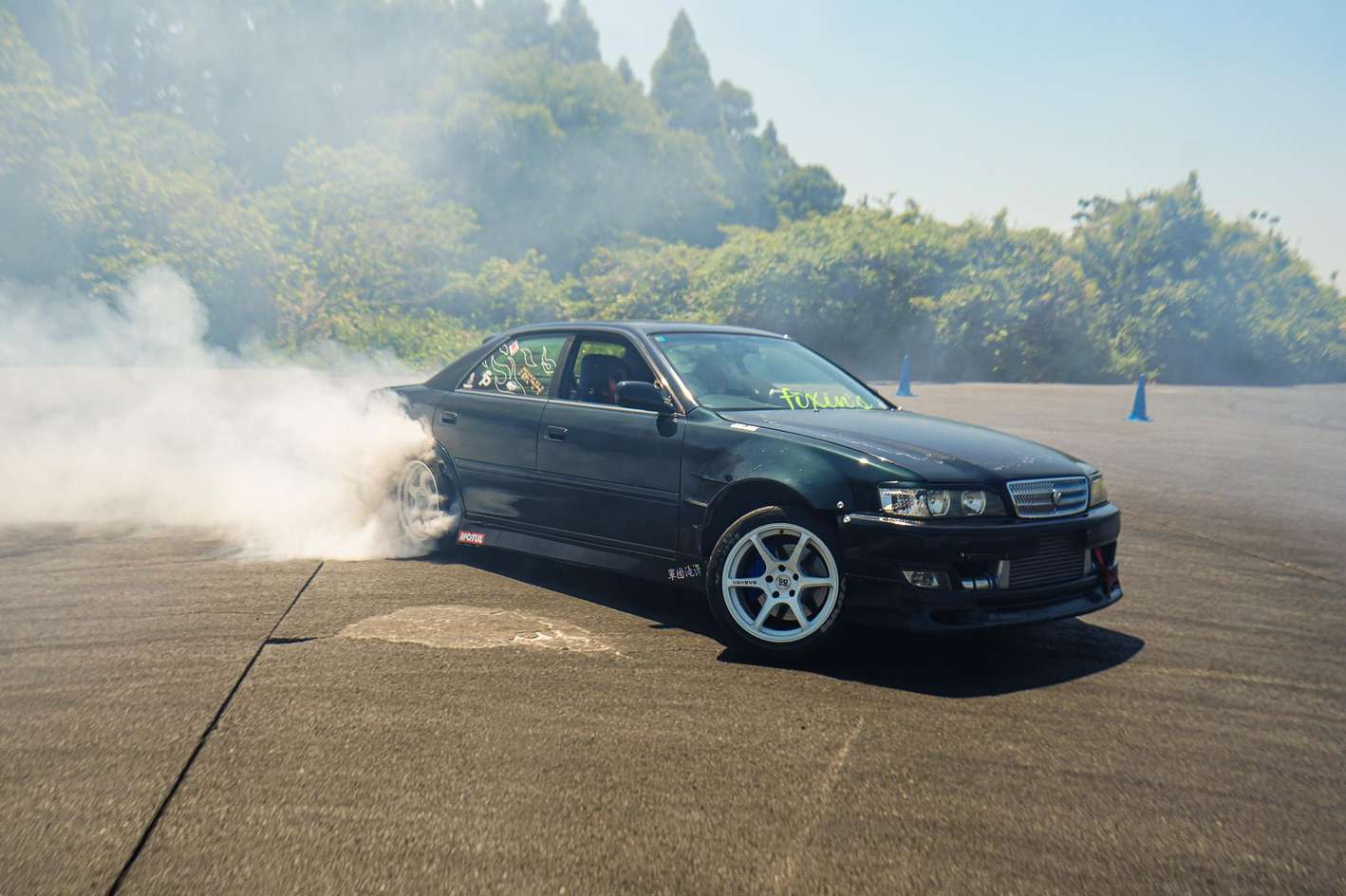
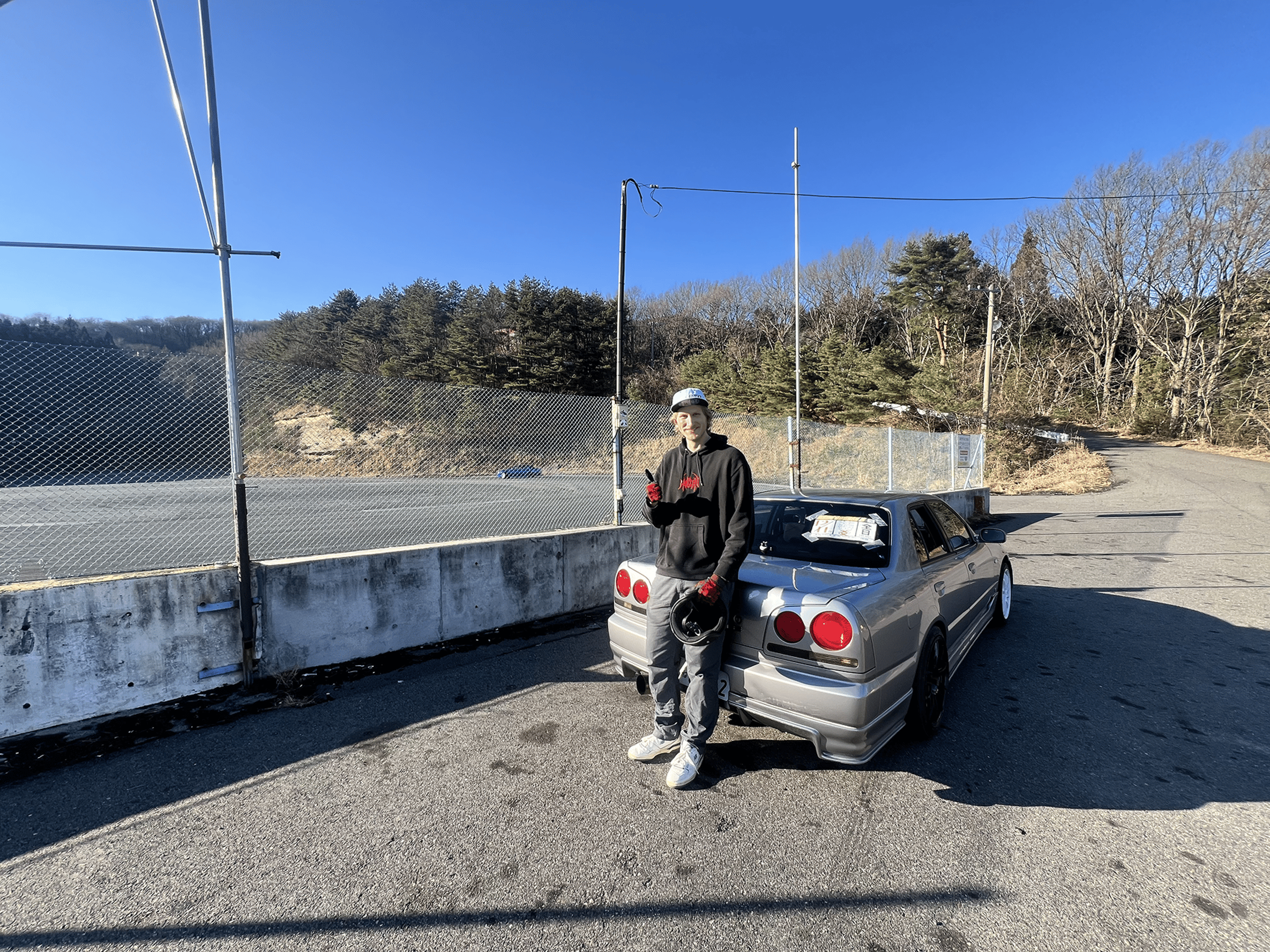
The shortest route to feeling a drift runs through the passenger seat of the ride-along and replica police chase experience near Tokyo. You start with three rounds of increasing intensity: donuts, figure 8s, high-speed e-braking turns, each one done by an expert driver while you hold on.
The final round is the part people retell. You choose your side of the chase: ride in the drift car being pursued by a replica undercover police car, or sit in the police car and hunt down a drifting JDM machine.
The drivers are OG street racers and top-level drift team drivers from Tokyo and Chiba, and meeting them is part of the deal.
Riders describe the driving as exciting yet controlled, and say they felt comfortable with their capable drivers. That is the reassurance worth having: the thrill comes from sliding at speed through turns, and the drivers keep every slide under control.
Helmets and gloves are supplied, pickup and drop-off from Tokyo Station are included, and the whole thing fits inside about four hours.
If you want the sensation of drifting without touching a wheel, this is the one to book.
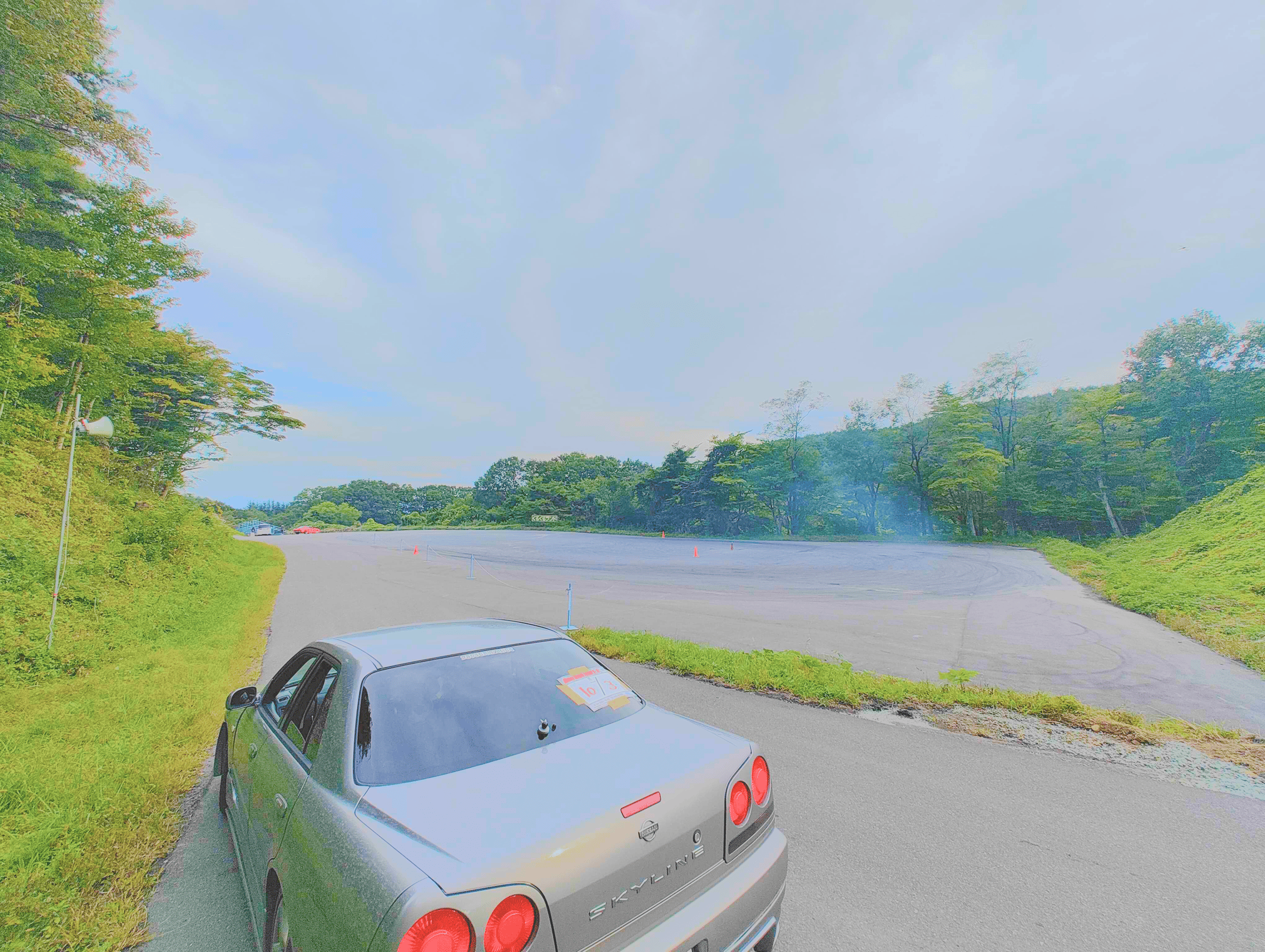
Crossing from spectator to driver is easier than it sounds. The self-drive drift experience runs on a closed circuit in Chiba Prefecture, so no driving licence is needed, and the free shuttle brings you out from Tokyo. The car is a Toyota Altezza, a proper rear-wheel-drive drift machine.
The coach drives Japanese street drifting for a living, and the lesson starts from zero: circle turning around cones, then donuts, then figure 8s for those who progress.
Most first-timers hold a steady circle by the end of the day, and you also ride next to advanced drifters for a close-up chase from inside the car.
The lesson itself lasts three hours inside a day of roughly six, and actual hands-on drifting time is about an hour and a half, the rest going to instruction, demonstrations and travel.
If you want deeper coaching, the private drift lesson page covers the three-hour OG-pro format in detail.
Either way, wear long pants, long sleeves and sneakers, leave the sandals at the hotel, and expect helmets, gloves and roll-caged cars to be part of the setup. The Tokyo Drift Self-Drive Experience with Pro Instructor is the tour that carries all of it.
Dates decide more than most visitors expect. The D1 Grand Prix comes to Tokyo once a year: the season finale, officially named 2026 TOKYO DRIFT, runs at the Odaiba special venue on Saturday 14 and Sunday 15 November 2026.
The rest of the championship sits elsewhere, with rounds at Ebisu in late September and Tsukuba in late June, plus a January exhibition at Makuhari Messe, next to Tokyo.
The circuit and lesson options run year-round, but their good months line up: late spring and autumn. April is the busiest month on these tours, with October and September close behind, so book early for those weeks. Winter is the risk at Ebisu, where snow closes some or all tracks from December to March.
The month grid makes the overlap easy to see: April, May, September, October and November are green across all three options, which is why those weeks fill first.
April: 5 out of 5 for how busy it gets.
Tap a month to read it.
The same pattern shows in the busyness chart, and it cuts both ways. April and October mean the fullest calendars and the fullest tours, so book those weeks early; June, February and December are the quiet months, when travelers often still get in booking days ahead.
Rain is the last variable. It rarely cancels a tour, but it thins the car meets, and one operator takes no refund responsibility when weather shrinks the turnout. June is the wettest month, so if a meet is part of your plan, the drier shoulder seasons serve you better.
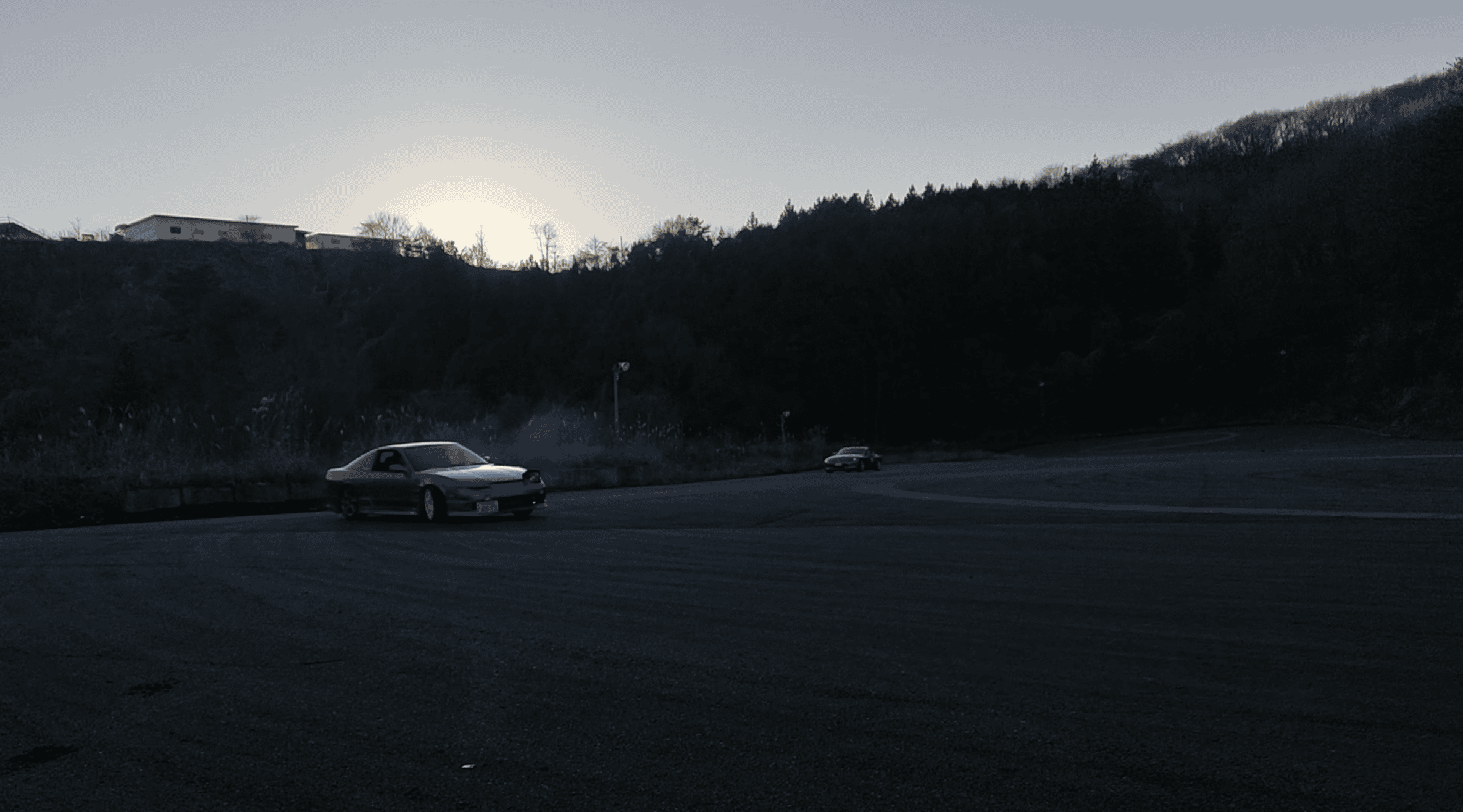
Every option starts with a transfer, and they are not equal. Ebisu is the long one: the drive can take three and a half hours with traffic, which is why the guided day handles transport both ways.
The Chiba circuit and the chase experience sit closer, with a free shuttle and Tokyo Station pickup doing the work. The drift options sit around Tokyo and Chiba, spread across several bases.
Packing is the same whatever you chose. Comfortable shoes and clothes you can stand around in, a camera or a charged phone for night shots, and a light jacket for the outdoor stretches. Eat dinner and bring water beforehand, since most tours include no food.
Leave the large suitcase at the hotel; sports cars have little luggage space. Turn on your messaging app notifications, because operators send updates before departure, and reply to the confirmation email that arrives within 48 hours.
Self-drivers add one thing: original physical documents, licence and permit, on the day.
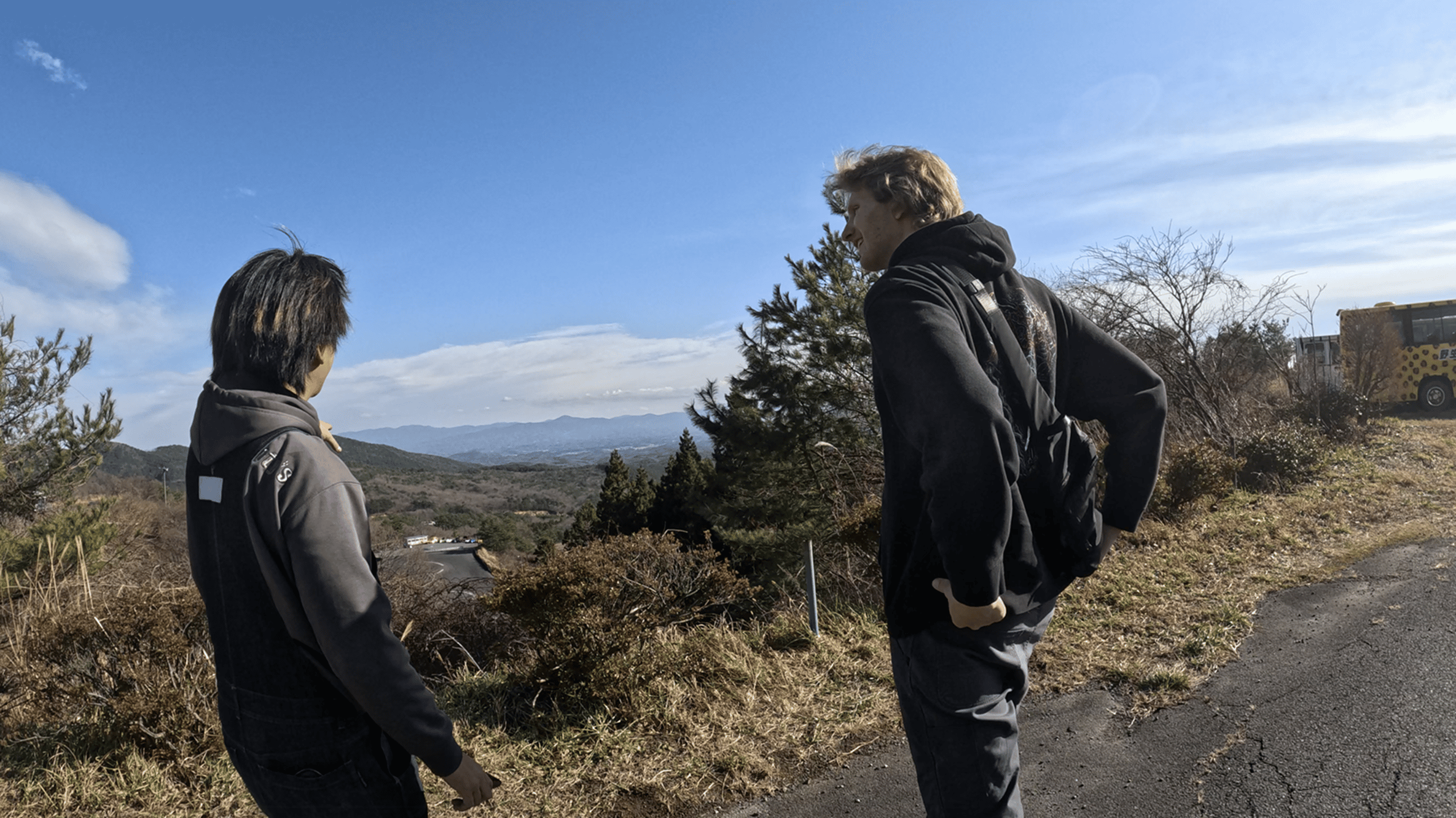
A drift trip leaves room for the wider scene, and the centerpiece is Daikoku PA in Yokohama, the most famous informal cars-and-coffee meet in the Tokyo area, with enthusiasts there every night and bigger turnouts on weekends.
It sits inside the Shuto Expressway, reachable only by car: no pedestrian entrance, no bus stop, and a taxi can drop you off but not pick you up.
A guided JDM tour with hotel pickup is the practical way in, and if the lot closes, tours divert to Umihotaru PA or offer a refund.
Walkable spots fill the gaps: the Akihabara UDX underground garage and Shibuya on Friday and Saturday nights, both free, plus the Autobacs Shinonome lot. Manners keep everyone welcome.
Never touch, lean on or sit in a car without permission, ask before close-up photos, keep your voice down, and never rev or burn out. Loud behavior from young drivers is what locals find annoying, and it is what gets meets shut down.
The history explains the manners. Drifting was born on the touge mountain roads, pioneered by Kunimitsu Takahashi and carried by Keiichi Tsuchiya, and for enthusiasts touge driving sits as deep in Japanese culture as kabuki.
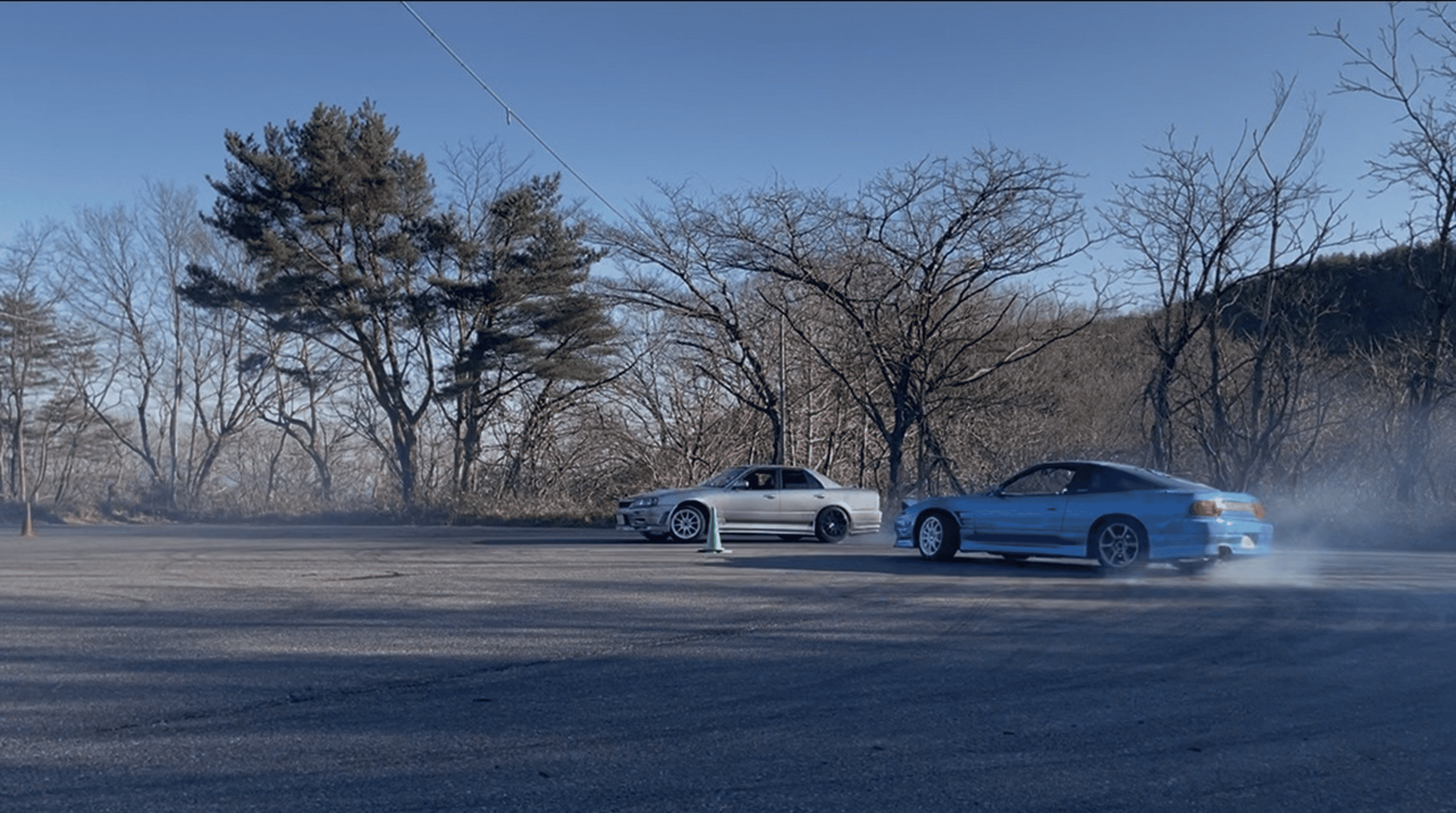
Watching real drifting in Tokyo means choosing a format, because the streets will not give it to you. Ebisu Circuit is the full-day answer for spectators who want the drift mecca, the replica police chase is the four-hour thrill ride, and the self-drive lesson hands you the wheel with no licence needed.
Time it for late spring or autumn, or build the trip around the November Odaiba finale, and book ahead for April and October.
A guided trip to Japan's most famous drift circuit, with practice, a passenger thrill ride and transport from Tokyo.
Read the guideThree rounds in the passenger seat of a real drift car, ending with a replica police car chase, about four hours.
Read the guide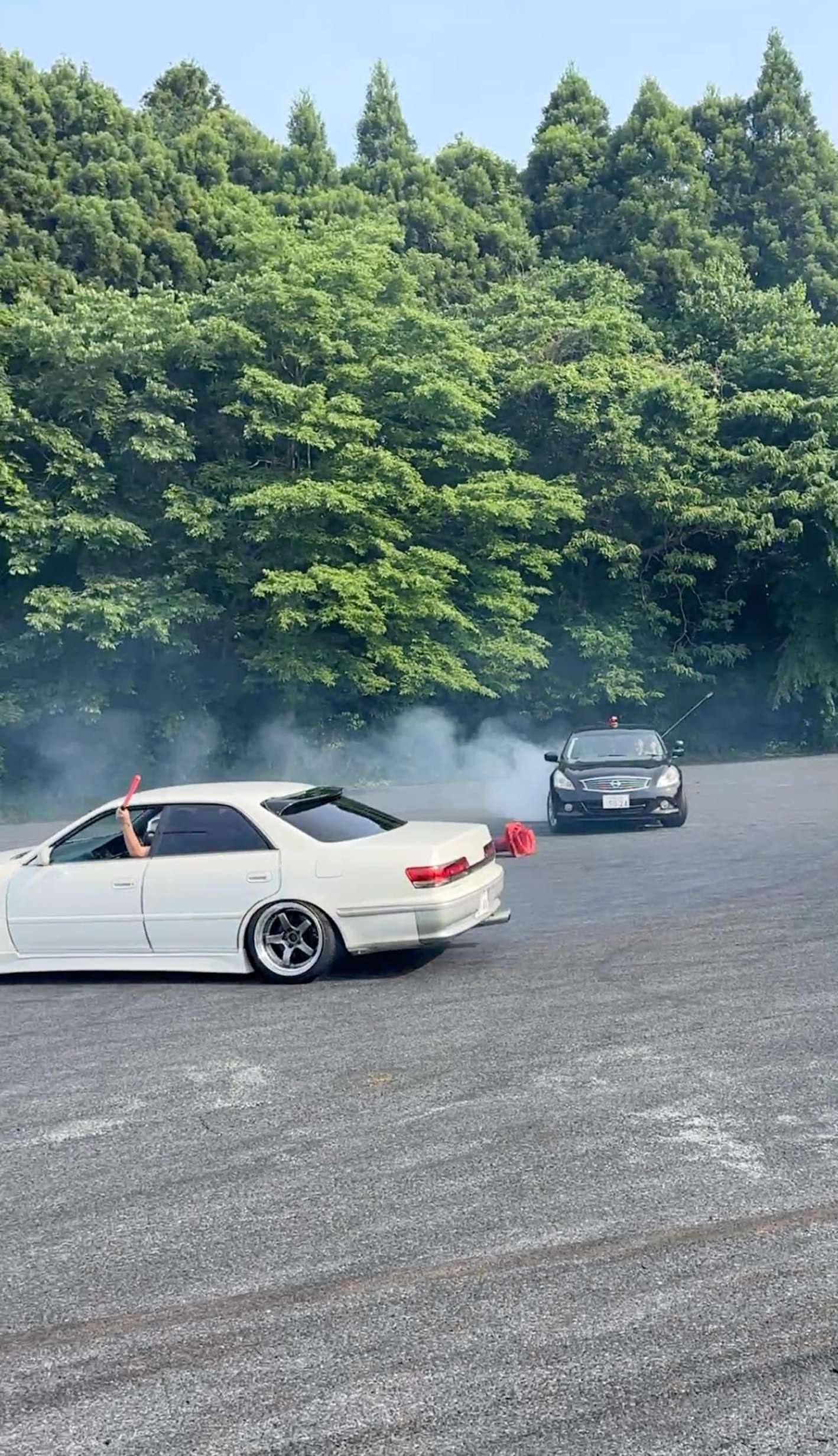
A shuttle from Tokyo to a Chiba circuit, where an advanced instructor teaches you to drift a JDM car yourself.
Read the guideComplete private instruction on a closed circuit, with hotel pickup, translators and about 1.5 hours of hands-on drifting.
Read the guideFour ways to see real drifting, from a full circuit day to a passenger ride minutes from the city.
The drift mecca, a full day from Tokyo with pro drivers on track
Ebisu Circuit sits in the mountains of Nihonmatsu City, and people who follow drifting treat it as the sport's home ground.
On the guided day you get your own seat time with an instructor, then a passenger thrill ride with a pro, and the whole outing runs from a Tokyo meeting point to drop-off back in the 23 wards.
It is a long day, about twelve hours door to door, and winter snow can close some courses, so late spring and autumn are the comfortable months. If watching skilled drivers on a proper circuit is the point of your trip, this is the one to build your schedule around.
Ride with OG drift drivers through a movie-style police chase
The cars are real drift builds and the drivers are OG street racers and top-level drift team drivers from Tokyo and Chiba.
You start with donuts, figure 8s and high-speed e-brake turns from the passenger seat, then choose your side of the chase: hunted in the drift car, or hunting from the replica undercover police car.
Pickup and drop-off from Tokyo Station are included, so it fits a short stay. Riders describe it as exciting yet controlled, and helmets and gloves are part of the deal. If you want to feel a drift from inside the car, this is the shortest route to it.
4 hours · ★ 5.0 (11)Ride-Along Drifting Experience & Replica Police Chase near TokyoFrom $347 3 - 5 hours · ★ 5.0 (3)Tokyo Drift Self-Drive Experience with Pro InstructorFrom $539 6 hours · ★ 5.0 (48)Self Drive Drifting Lesson with Pro Tokyo Drift ExperienceFrom $696 12 hours · ★ 4.9 (72)Ebisu Circuit: Guided JDM Drift Practice & Ride-AlongFrom $697 /group Drive a Toyota Altezza on track, no licence needed
The circuit sits in Chiba Prefecture, and a free shuttle brings you out from Tokyo. Because it is a closed course, no driving licence is needed, so even people who have never driven a car can join.
The coach drives Japanese street drifting for a living, and most guests hold a steady circle by the end of the day.
You also get to ride next to advanced drifters and watch a close-up chase from inside the car, so the spectator side is covered too. Wear long pants and closed shoes, leave the sandals at the hotel, and expect three to five hours door to door.
A private 3-hour lesson with OG pros, from donuts to figure 8s
This is the option for people who want to learn the technique properly. A private lesson runs three hours on the circuit inside a roughly six-hour day, with about an hour and a half of transport each way from Tokyo. The teachers are OG drift drivers, and English-speaking translators and staff support the session.
Progress is quick for most people: around four in five guests get a donut done, and some move on to figure 8s. Helmets and gloves are supplied, and you need long sleeves, long pants and sneakers. If you have searched for a drift class rather than a show, this page is your shortlist.
If you want to see drifting near Tokyo or move from watching to trying it, the drift experiences page lays out the options.
Ready to learn the technique yourself? The drift lessons page sorts the classes and courses, from first donuts to figure eights.
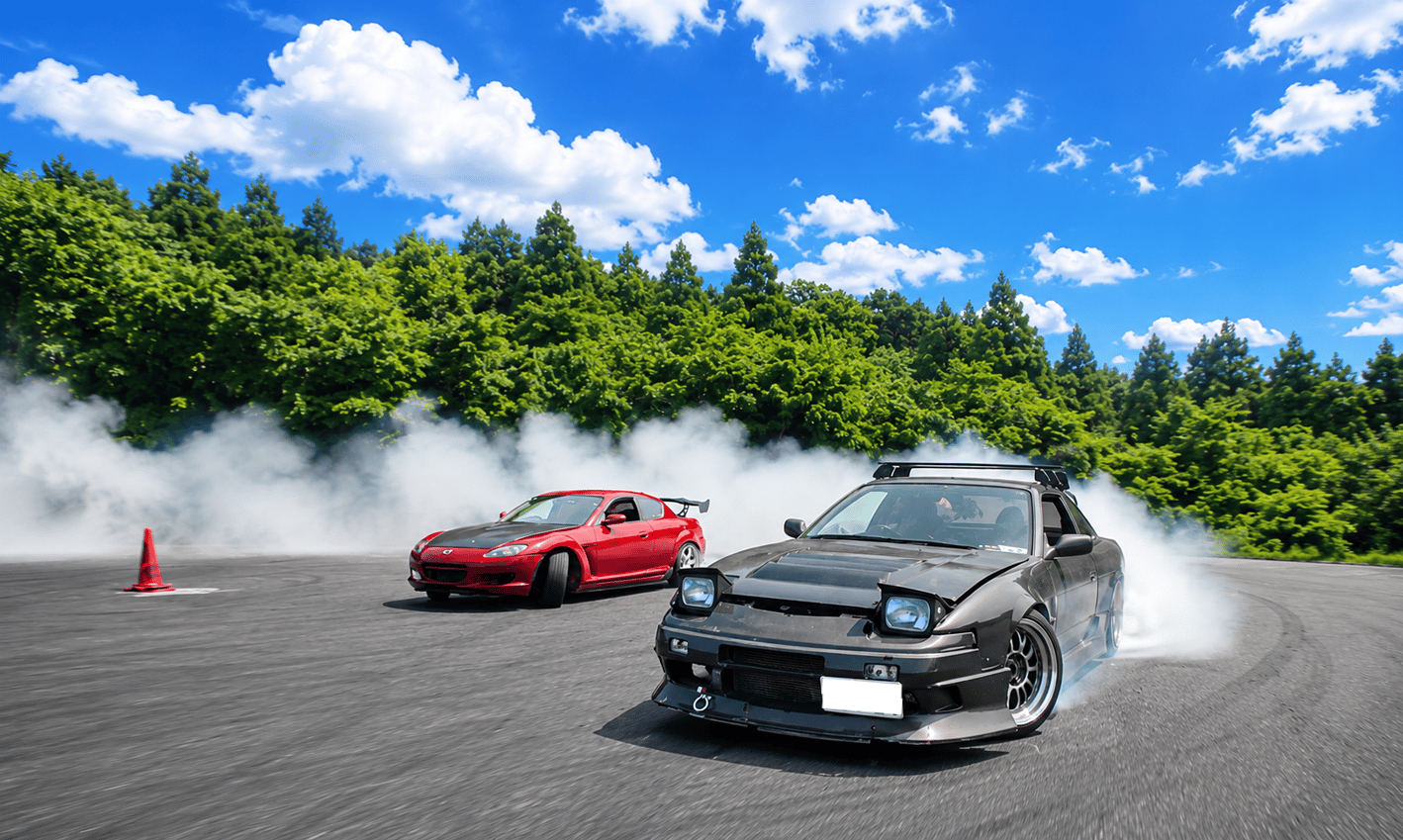
For taking the wheel on a closed course, the self-drive page walks through the track experiences you can book from Tokyo.
Prefer to stay in the passenger seat? The drift tours page compares guided rides and track trips led by professional drivers.
Set on the circuit in Fukushima? The Ebisu page explains the Tokyo-to-circuit day in practical terms, transport to seat time.
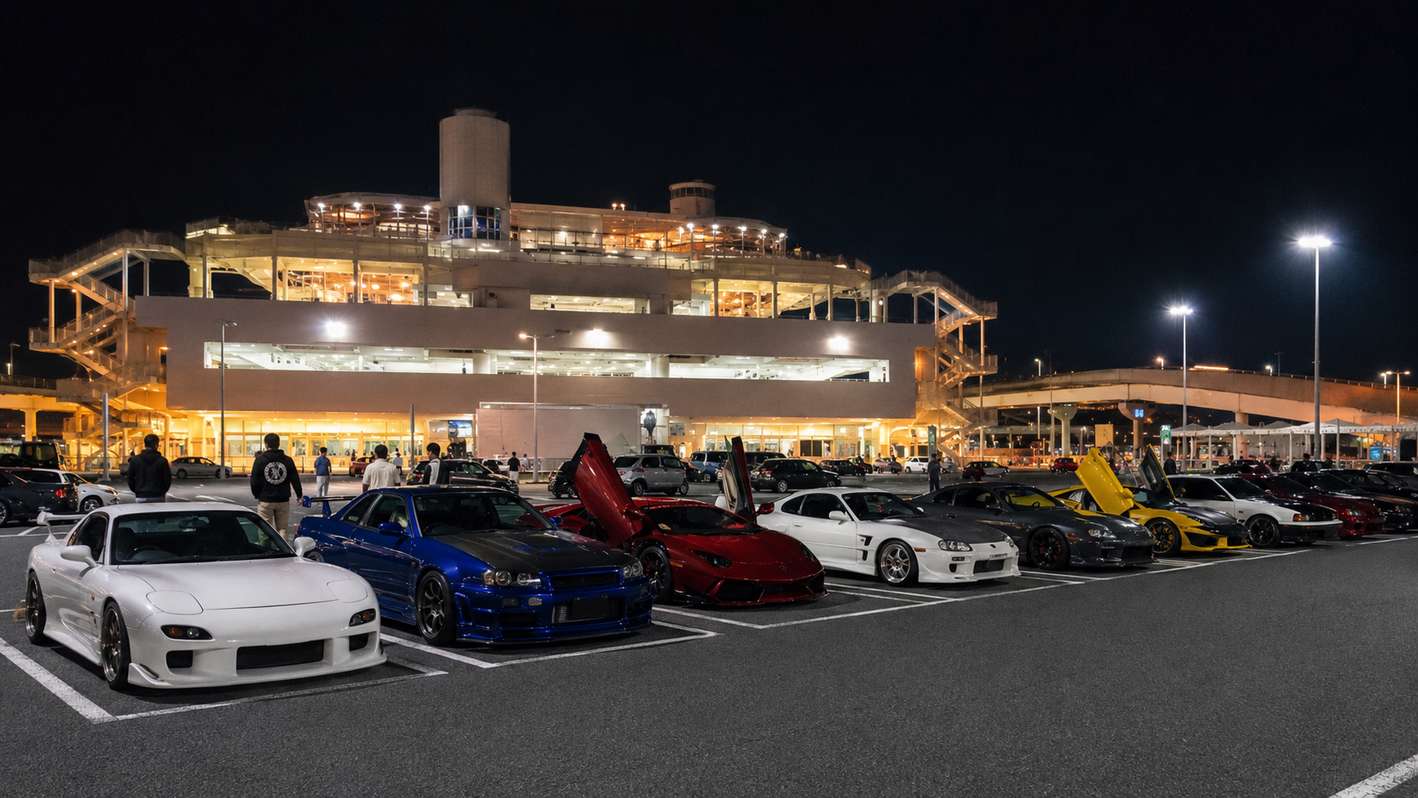
Car meets are the other half of the scene. The locations page maps the popular spots and what each one is like on a given night.
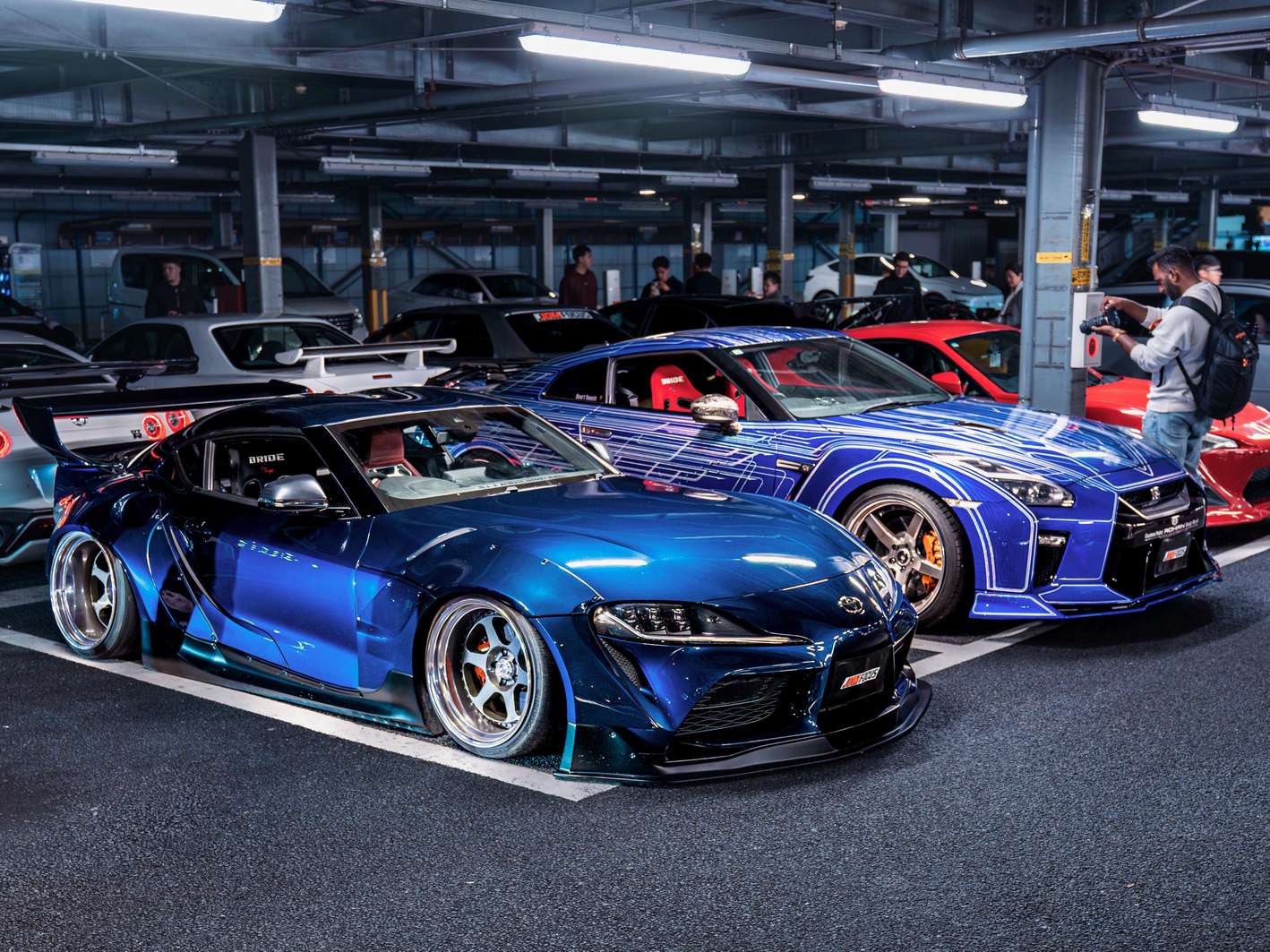
For anime-wrapped cars in a free underground garage near the station, the Akihabara UDX page covers the location and parking.
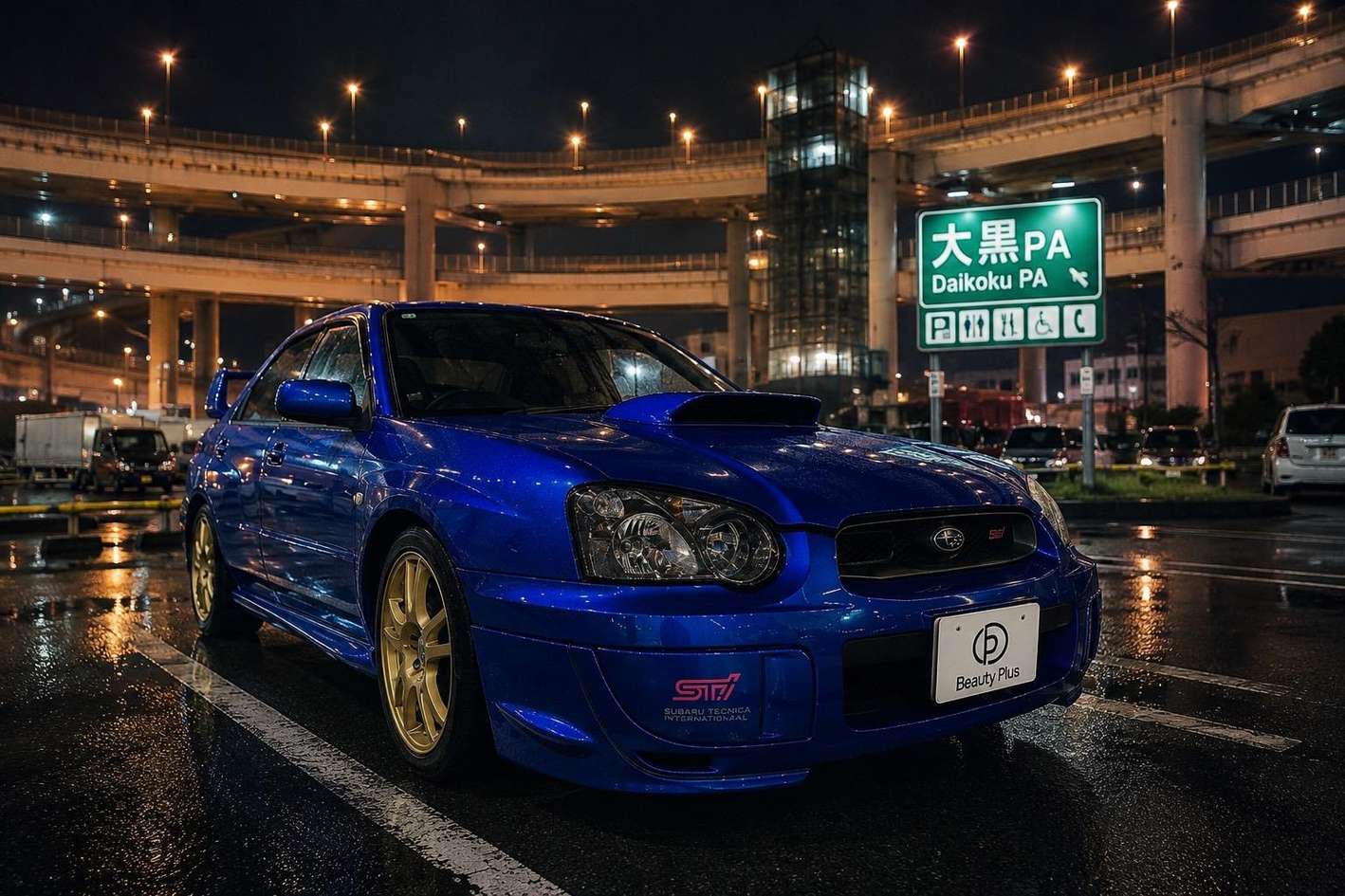
Tatsumi PA, once home of the Midnight Club, has its own character. The Tatsumi page helps you plan a visit with confidence.
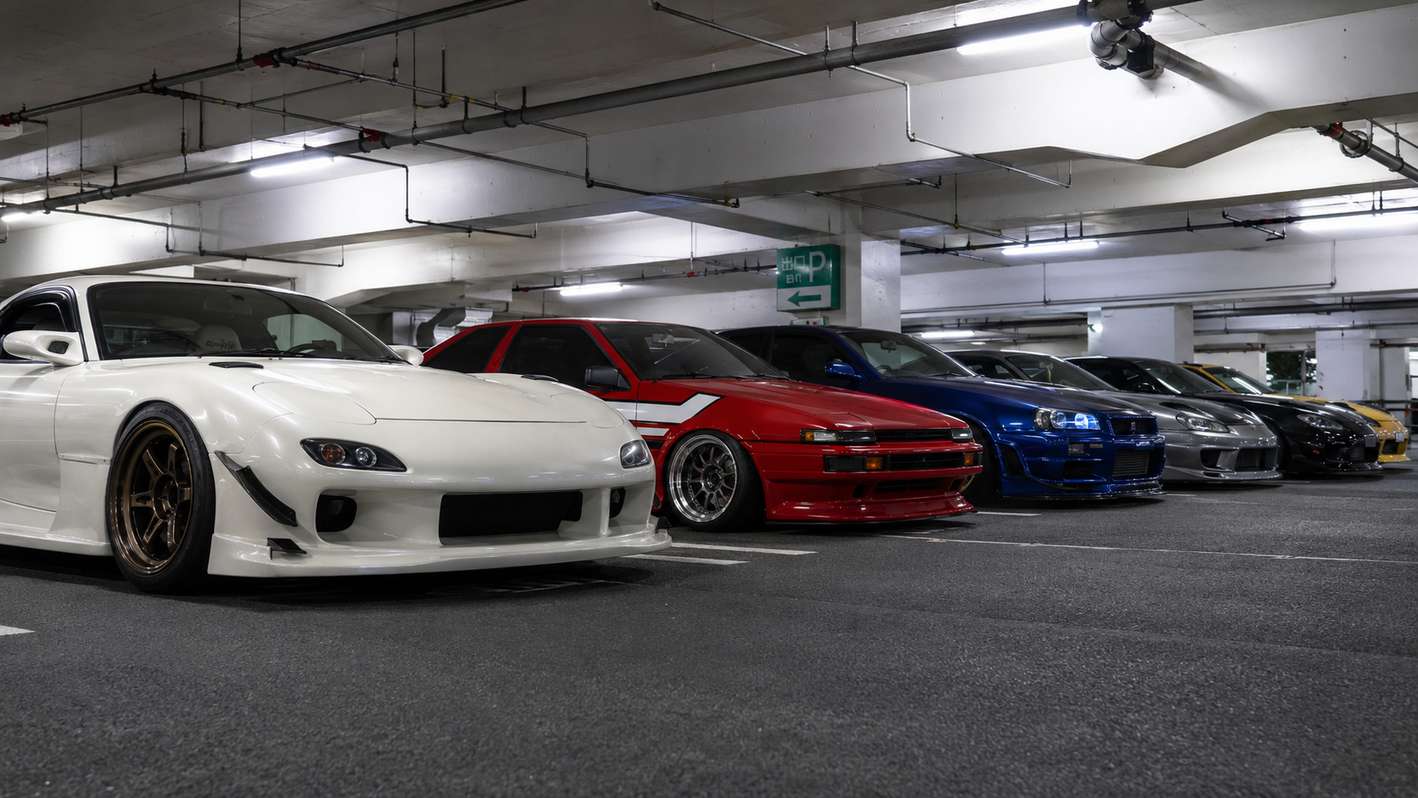
Umihotaru sits mid-bay on the Aqua-Line. The Umihotaru page explains access, tolls and what the meet there is like.
The City Circuit Tokyo Bay page gives venue-focused visitor information, from kart heights to how the weekly race works.
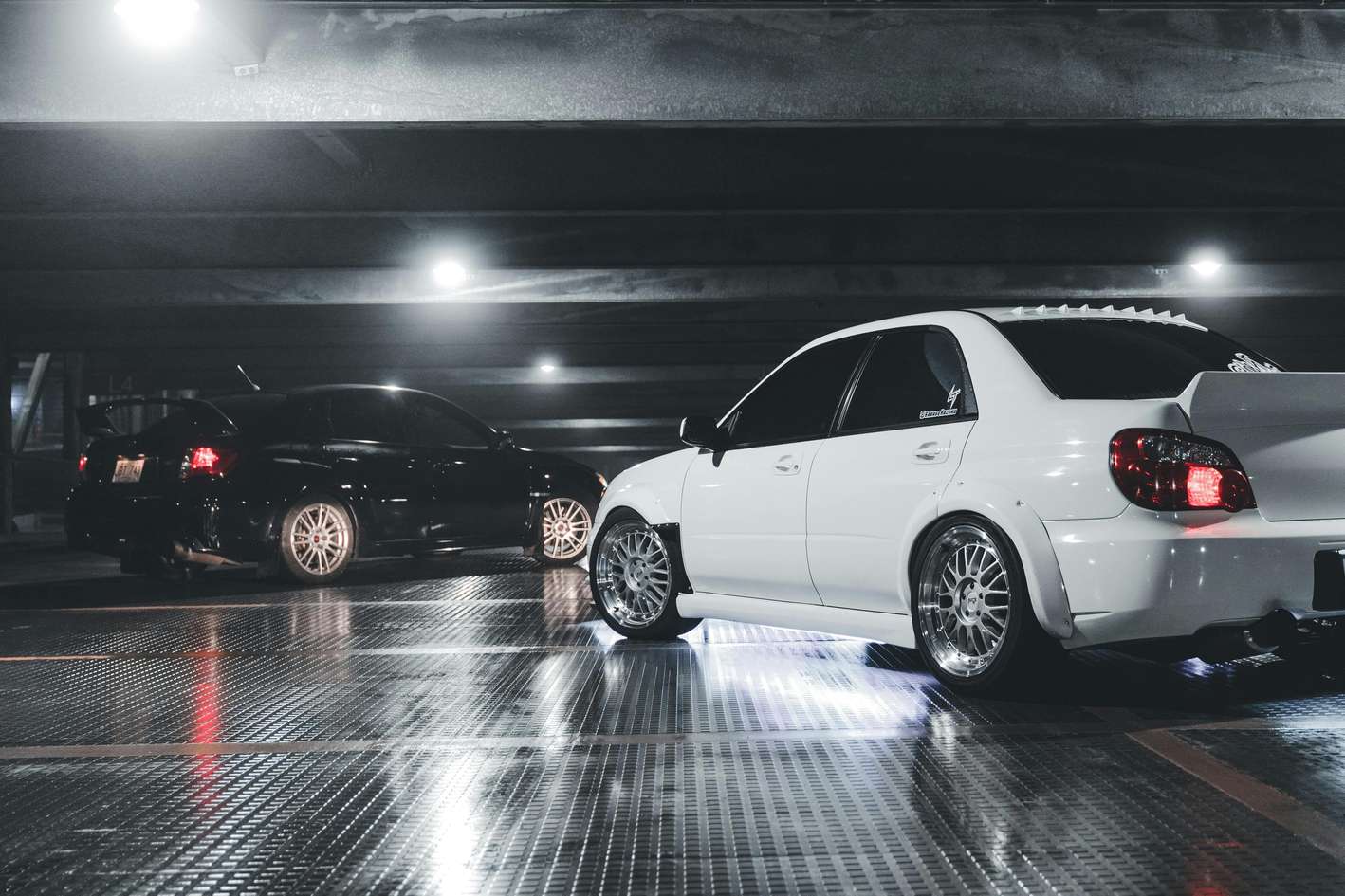
Heading to Kansai instead? The Higashi Osaka page answers where the parking-area meet happens and when to time your visit.
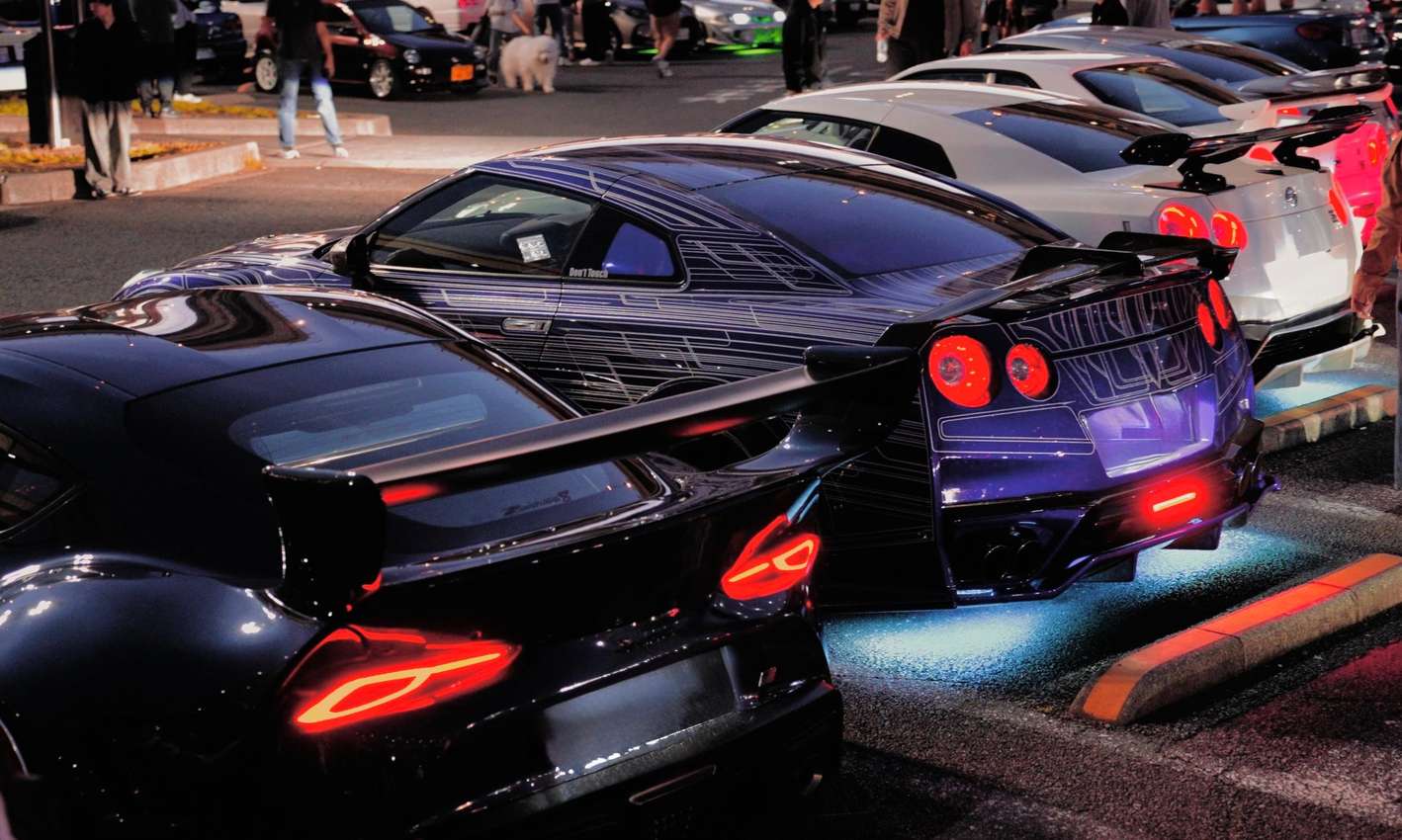
Daikoku is the famous one, and the Daikoku guide covers checking the meet's status, access and the rules visitors follow.
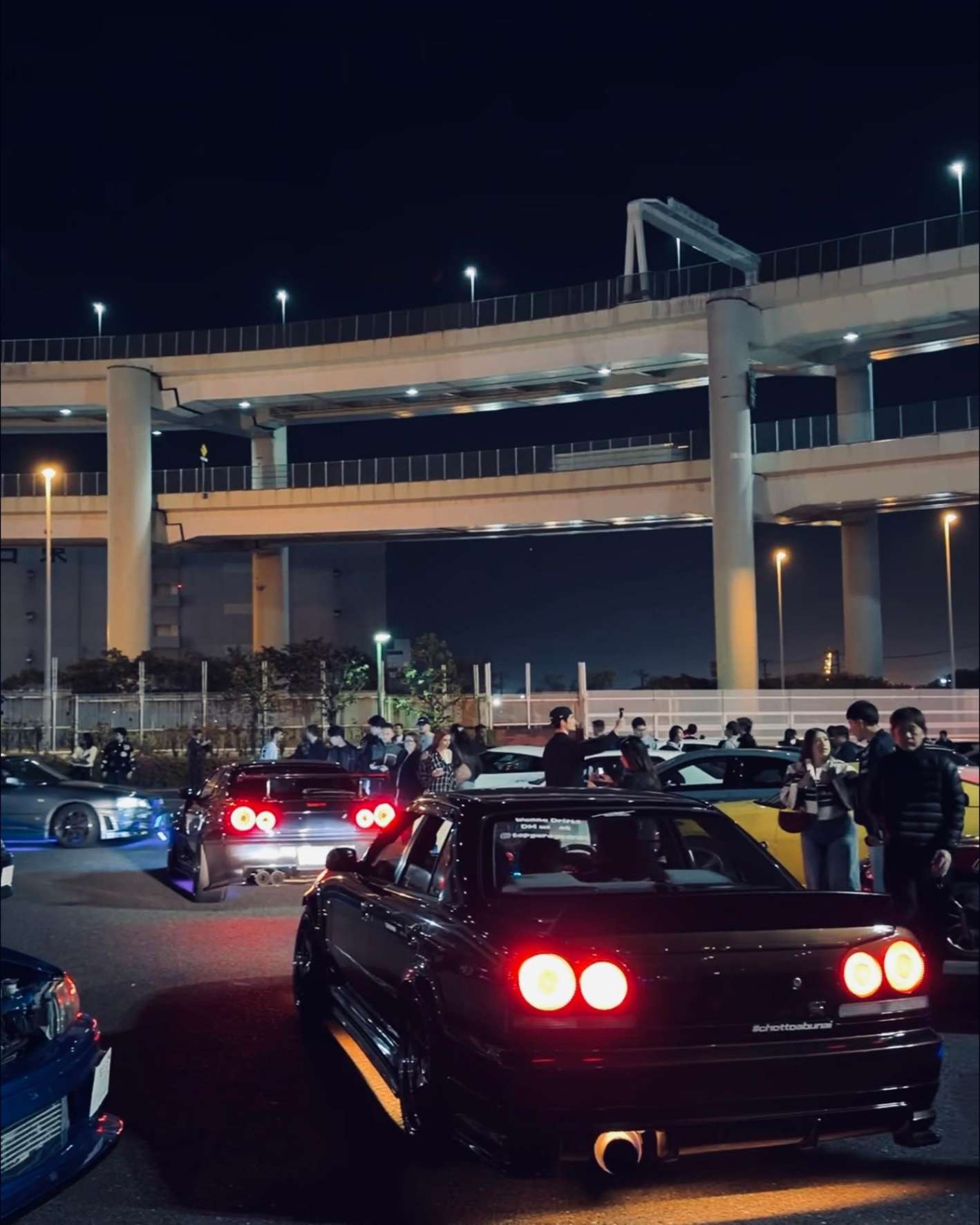
Not sure which night to go? The Daikoku schedule page compares days and times, from Sunday mornings to the weekend peak.
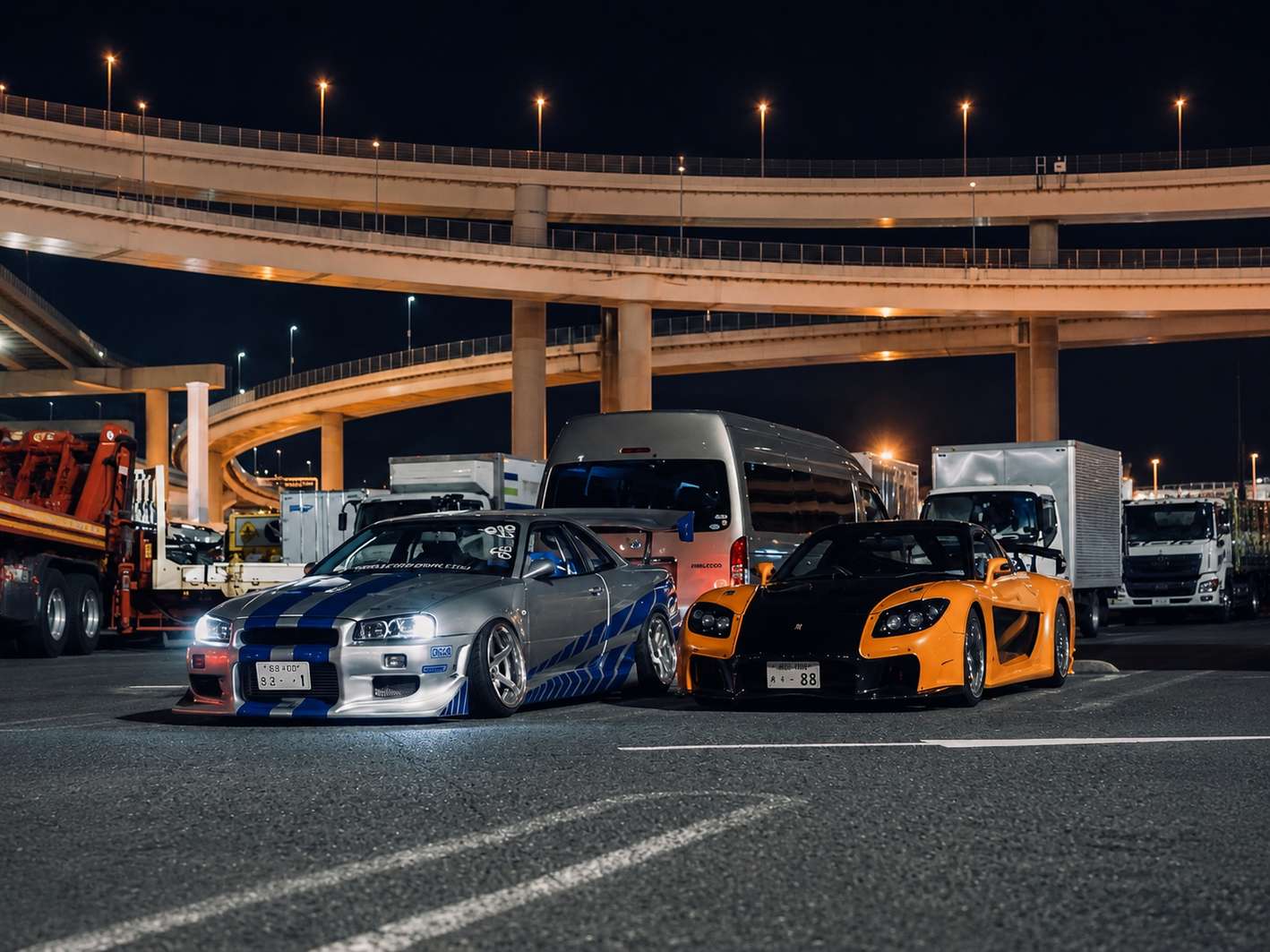
Daikoku has no pedestrian entrance. The directions page sorts out transport routes and how to actually get inside the lot.
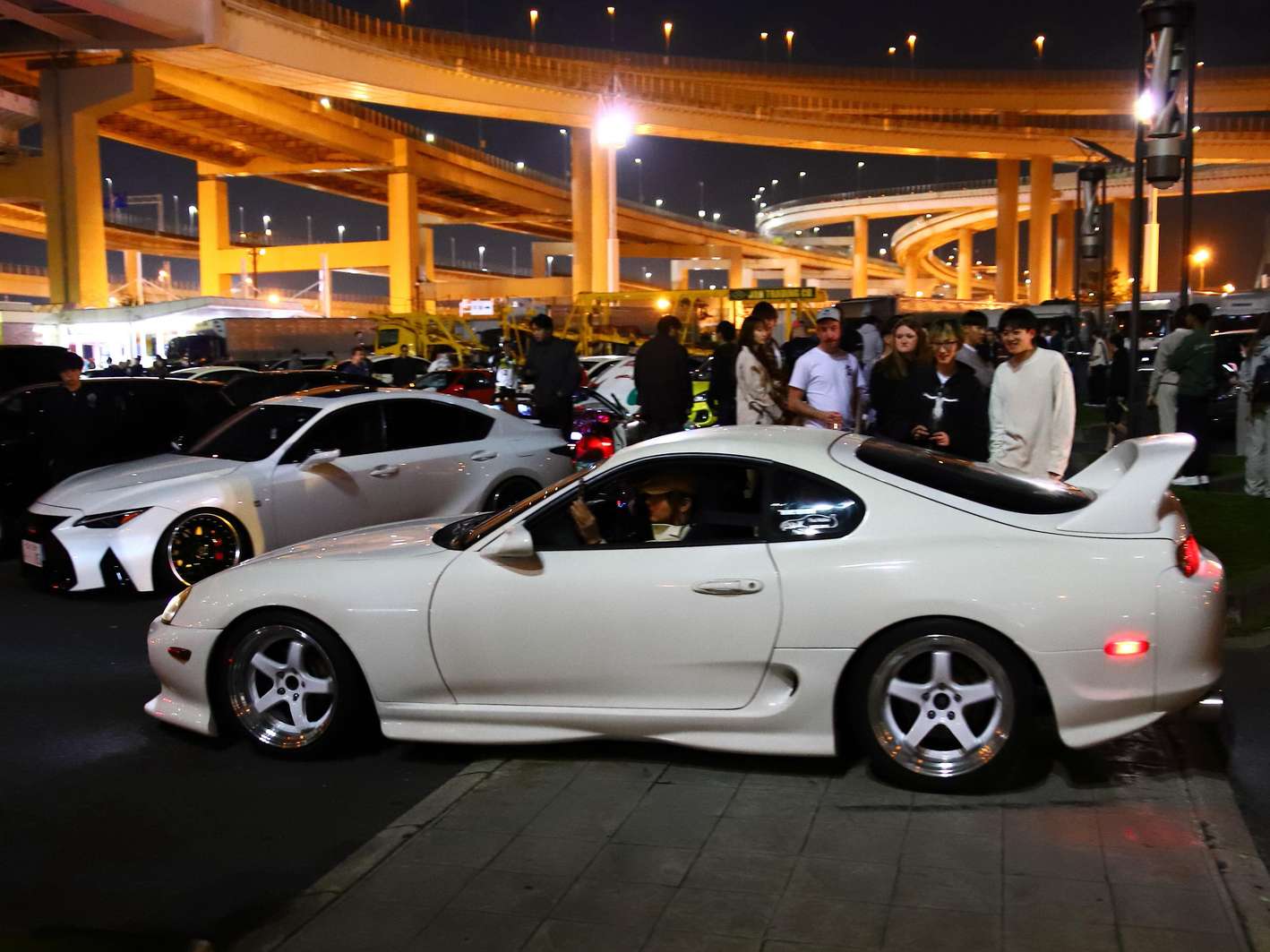
Worried about legality or police closures? The visitor rules page explains what a first-timer can and cannot do at Daikoku.
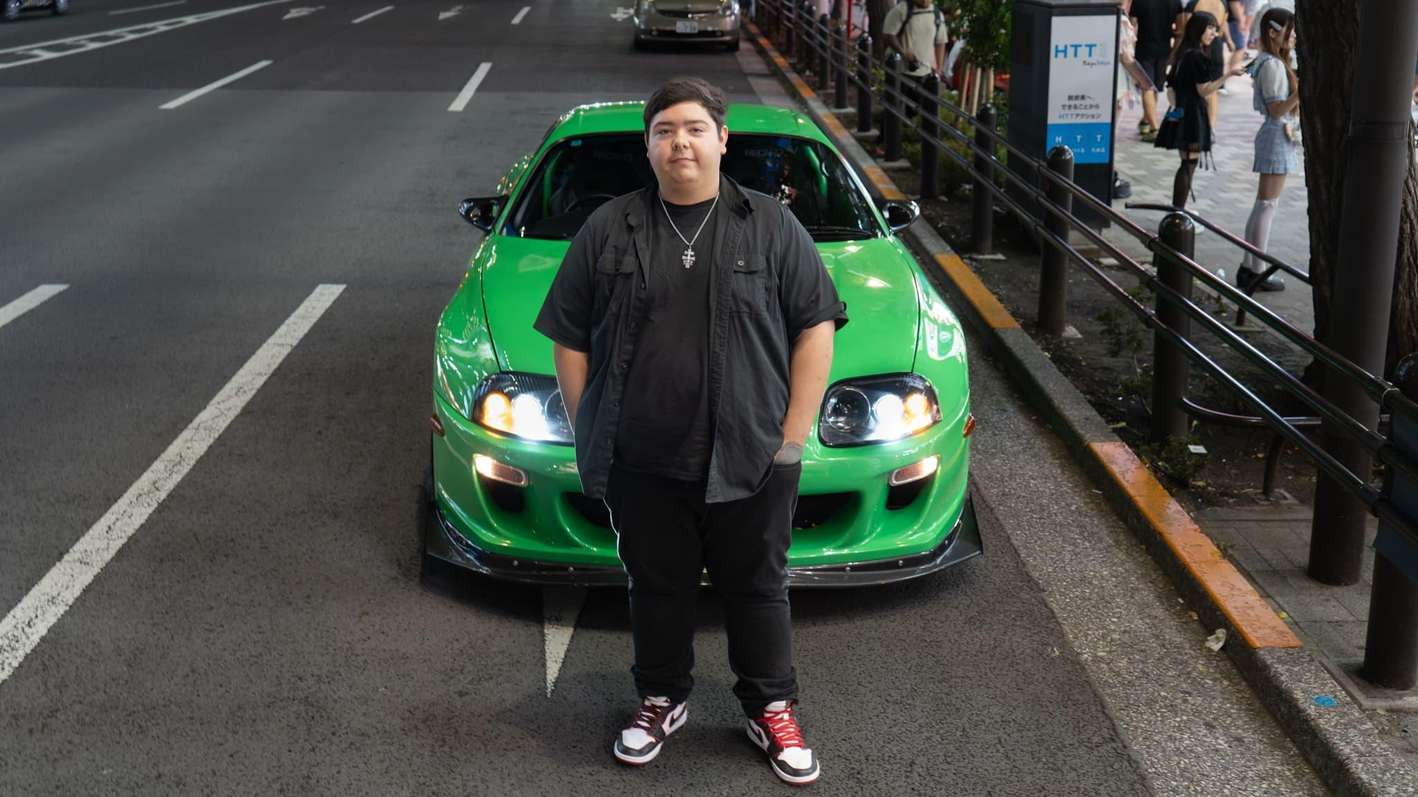
Want the meet from inside a Supra? The Supra tour page leads with the modified Mk4 night experience and how to book it.
For seeing the meet from a Porsche Macan instead, that page makes clear what the ride includes and what it does not.
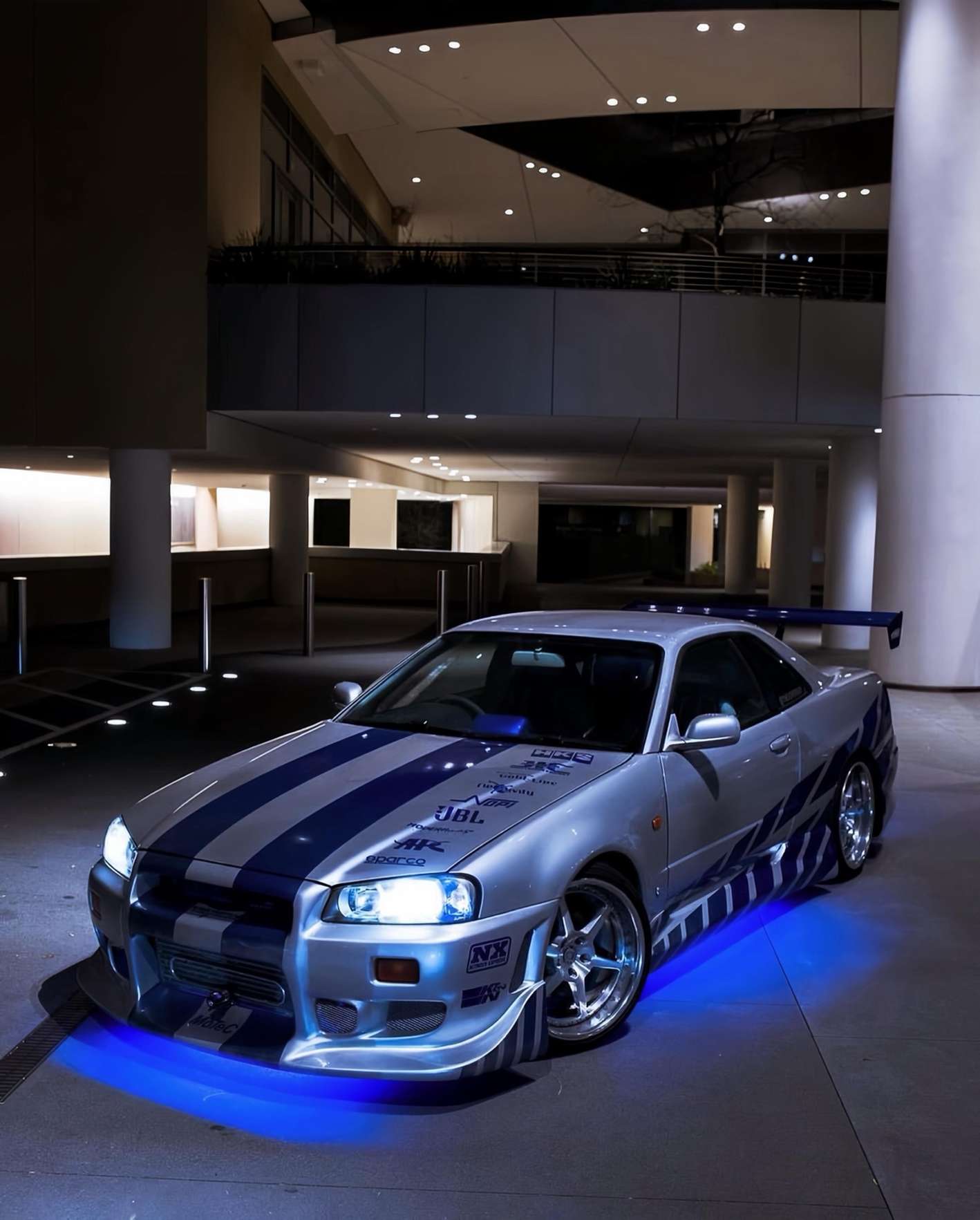
Unsure which kind of JDM experience fits you? The JDM tours page compares the options so you can move from interest to booking.
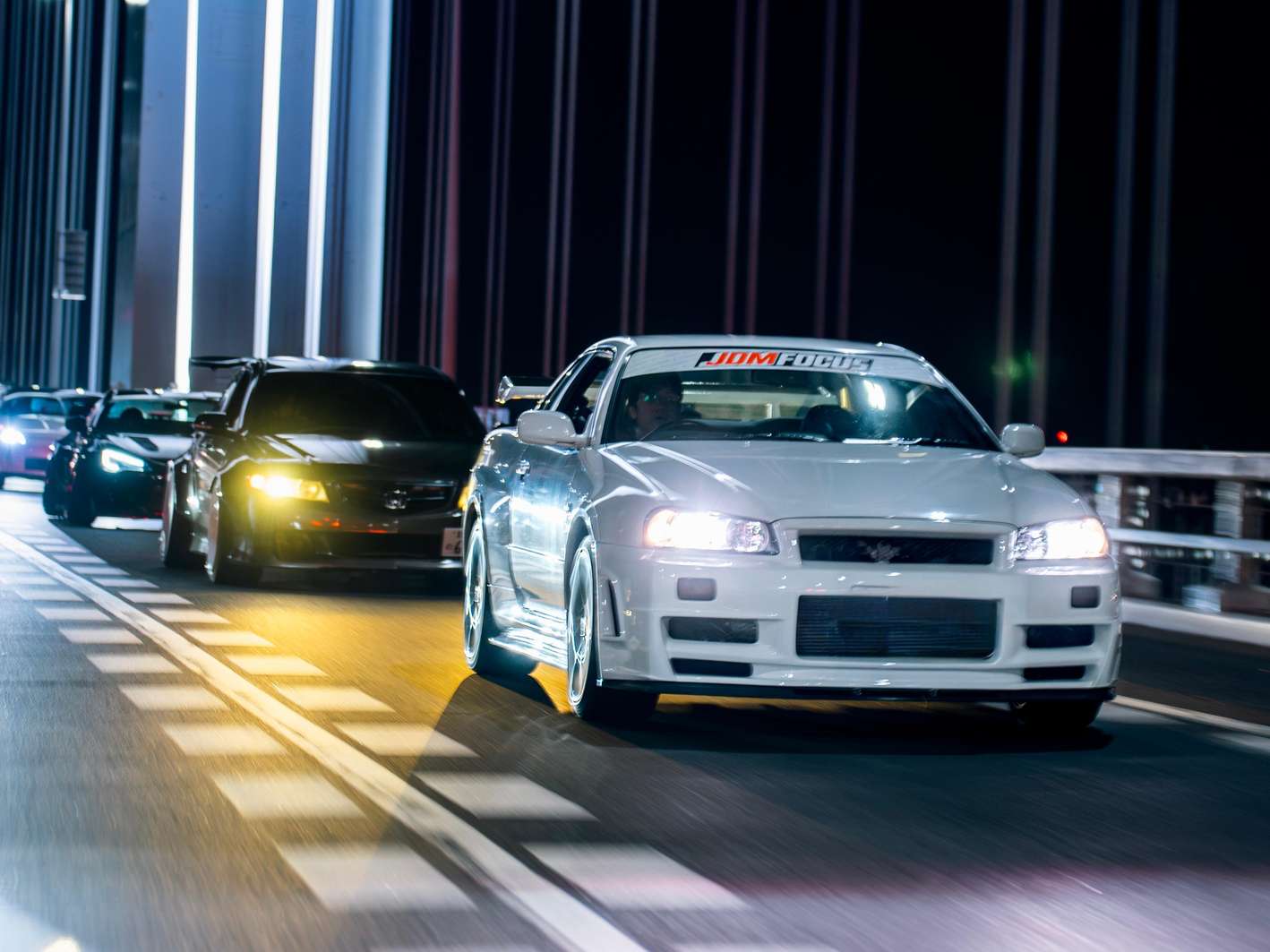
The night meet tour page shows how the available trips deliver the core experience: the ride, the lot and the local scene.
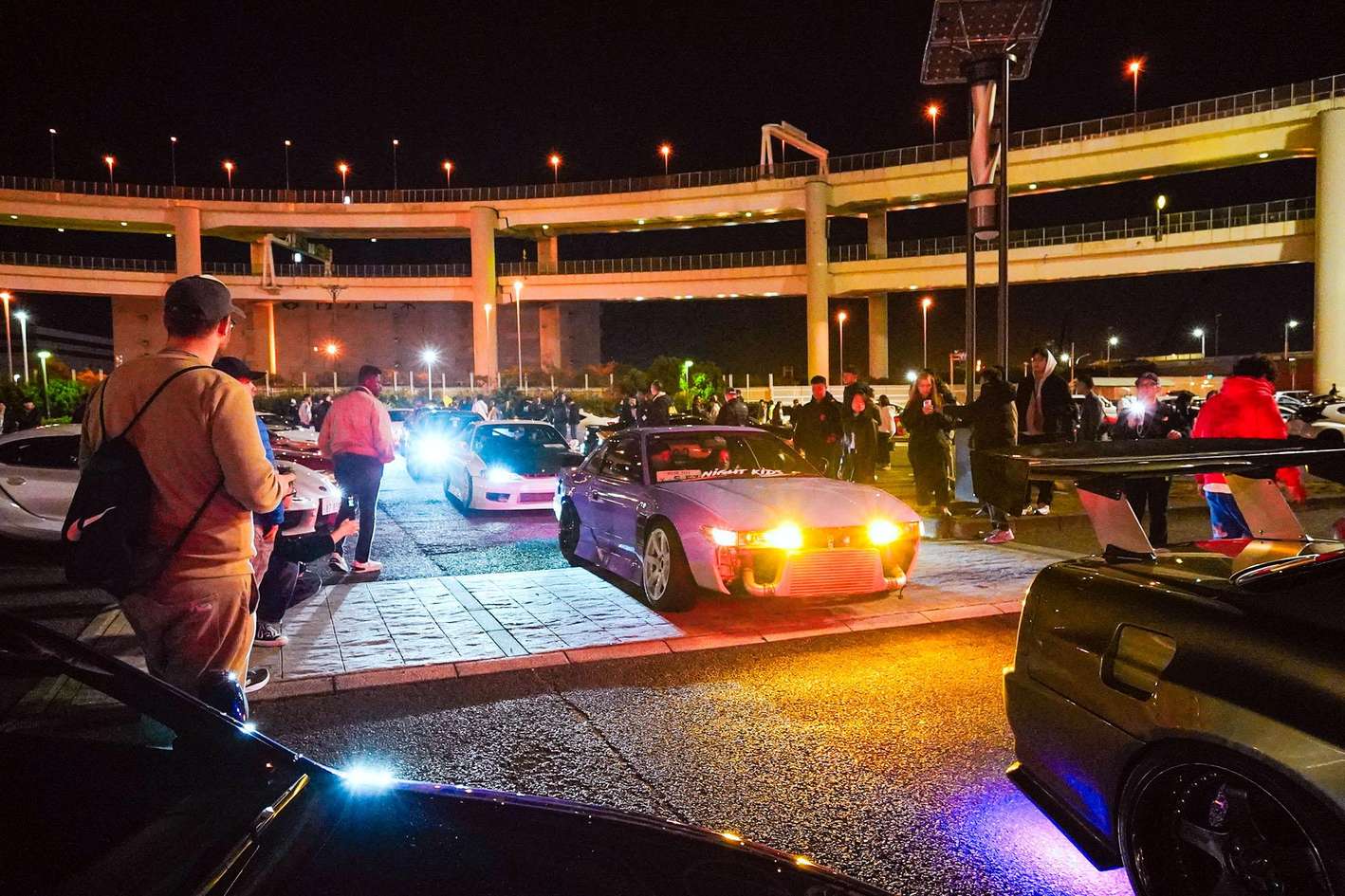
For Tokyo's car scene after dark, the JDM night tour page breaks down the Daikoku night-drive options and what each costs in time.
Chasing the Bayshore Route? The Wangan driving tour page shows which guided rides include the cruise and how they differ.
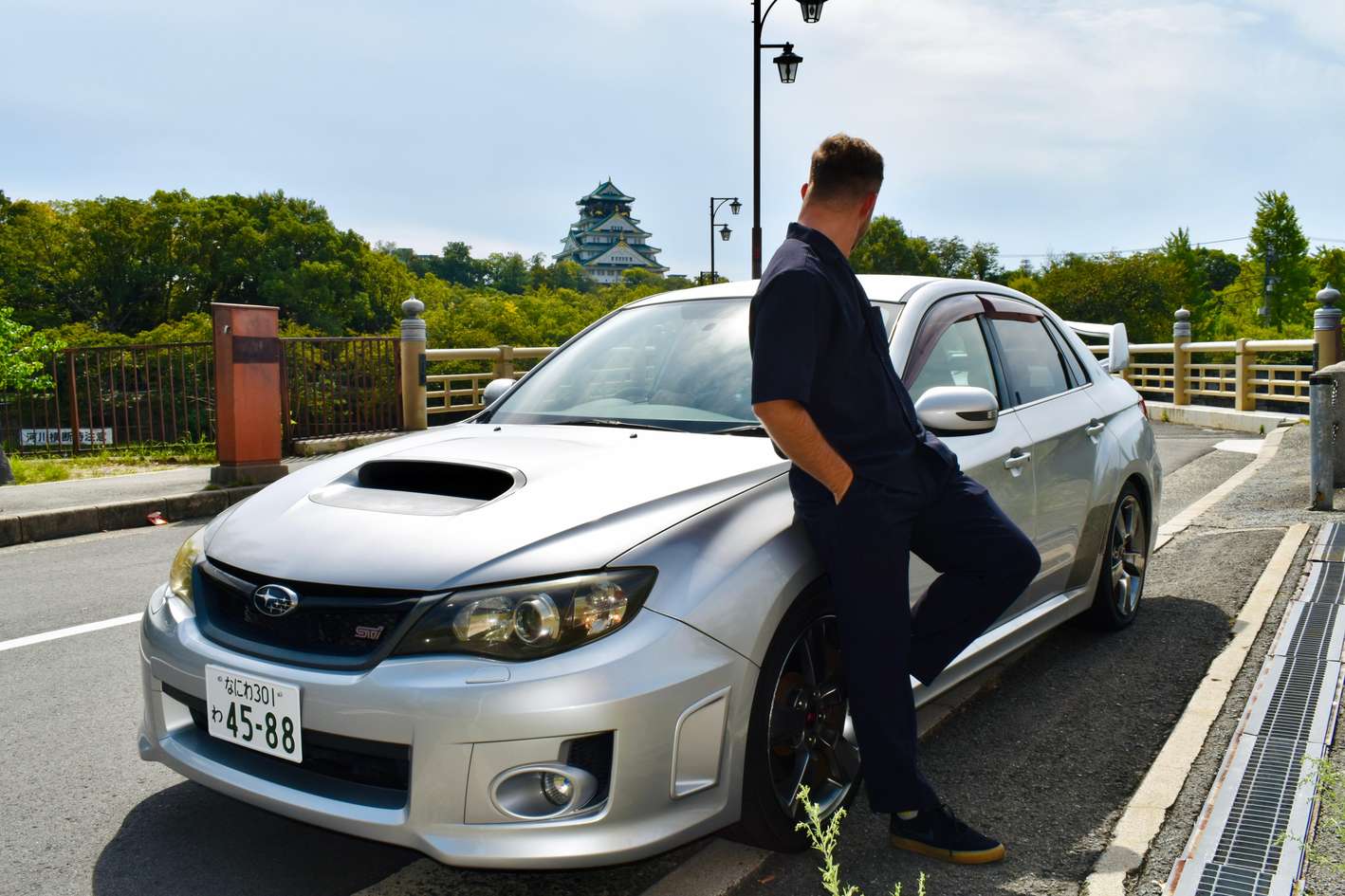
If you would rather drive than ride, the JDM rental tour page separates guided driving trips from self-drive experiences.
Already set on a private trip to Daikoku? The private tour page narrows the choices for groups who want the car to themselves.
Decided on driving a JDM sports car? The rentals page turns that into a practical next step, whether you have a model in mind.
For the AE86 specifically, the rental page answers whether you can book one in Tokyo and what the closest options are.
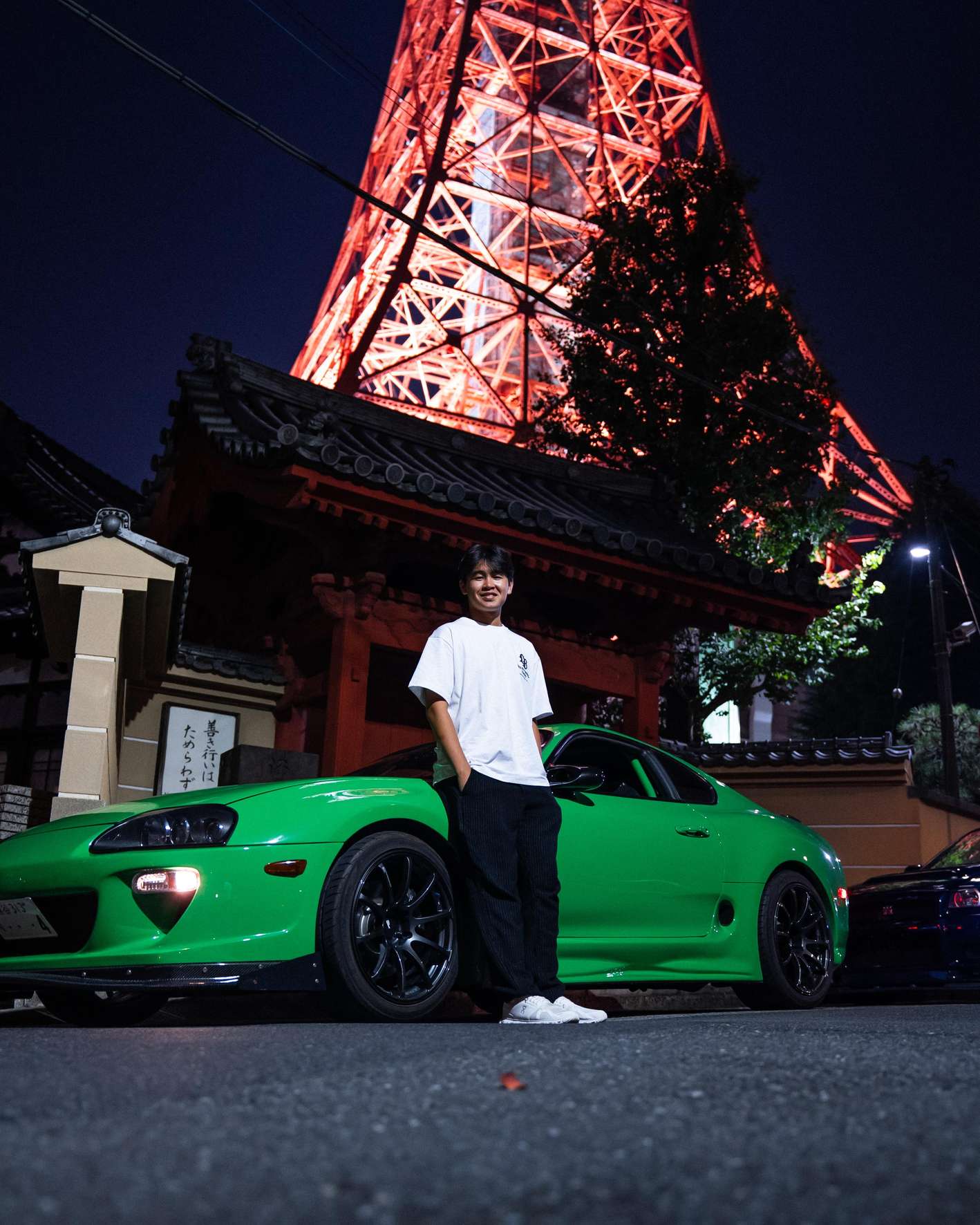
The Supra rental page gives a direct answer on availability in Tokyo, then makes the choice of how to experience one easy.
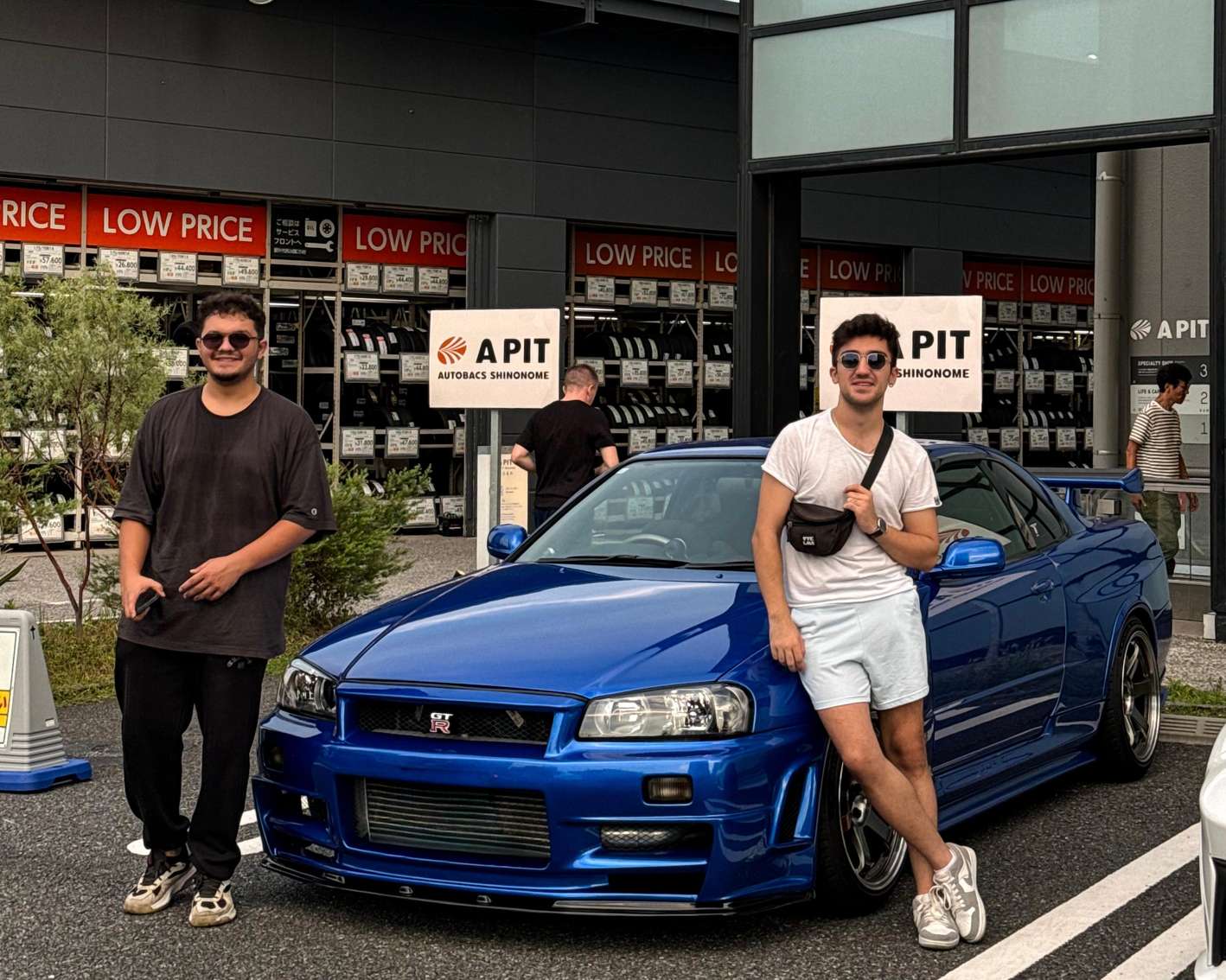
Hunting an R32 GT-R? That page distinguishes a self-drive rental from a guided GT-R ride and points to the closest available.
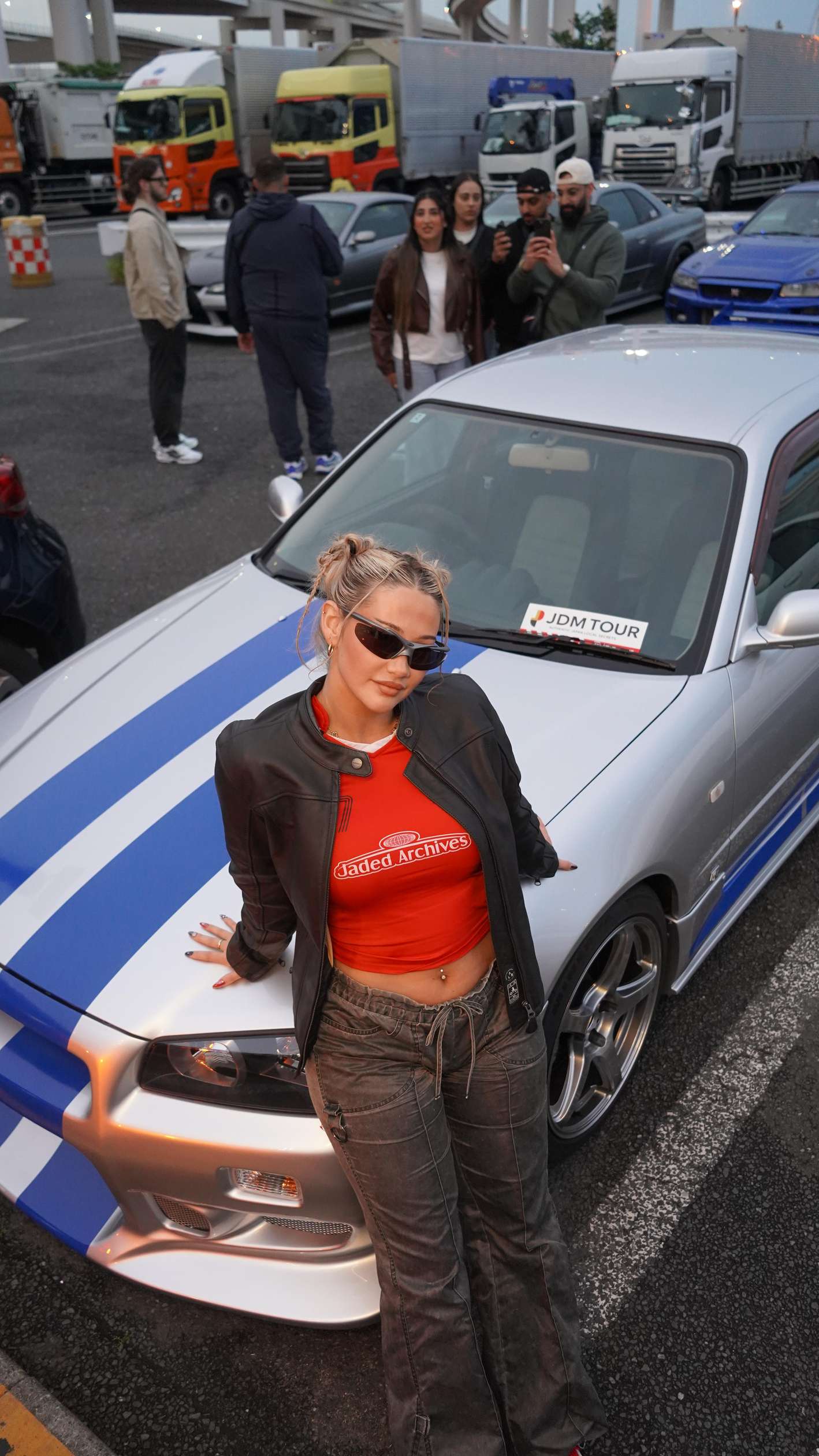
The R34 rental page helps you choose between driving the Skyline yourself and joining a guided ride in one.
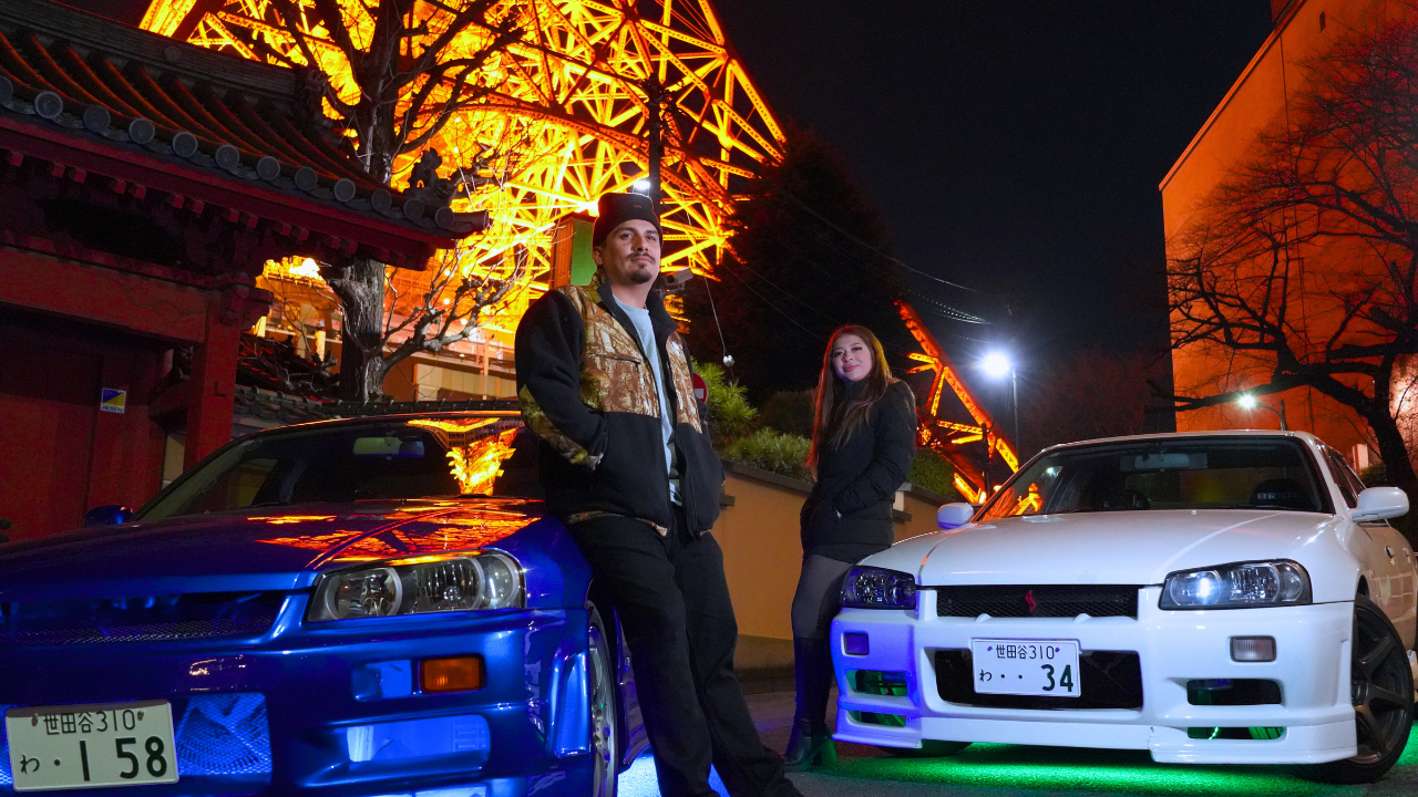
For the R35, the rental page covers car details and the available ways to experience Nissan's current GT-R in Tokyo.
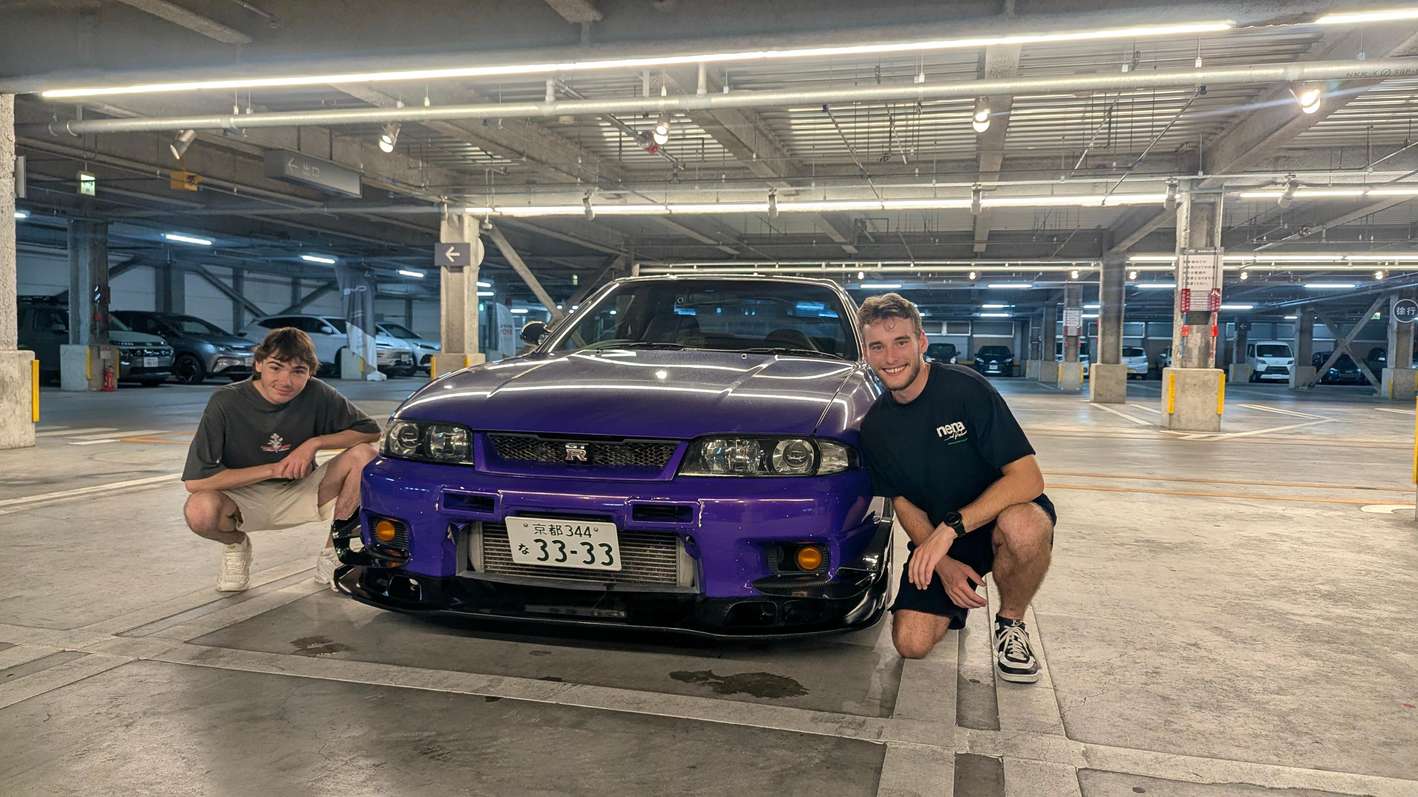
Kyoto's meet scene works differently from Tokyo's. The Kyoto page clarifies what to expect and how to fit it into a trip.
The Osaka page sorts the night locations and parking areas, including the Friday and Saturday gatherings at Higashi Osaka.
For a self-drive option in Kansai, the Osaka rentals page helps you decide whether the available cars suit your trip.
Short answers to what visitors ask before planning a drift-watching trip to Tokyo.
Yes, but the options are limited. The only drifting held inside Tokyo is the D1 Grand Prix finale on a temporary course at Odaiba each November. For the rest, you head to circuits outside the city, and street drifting is illegal in Japan, so it is not something you can watch on a public road.
The D1 Grand Prix finale at Odaiba is the one event inside the city.
Nearby, Mobara Circuit and Nikko Circuit in Chiba host a lot of drift events, and Fuji Speedway, about 90 minutes from Tokyo, runs professional drift events and track days through the year. Ebisu Circuit in Fukushima, about two hours away, is the drift mecca.
The real scene is quieter than the movie version. Street drifting does happen, but it is illegal and the spots are kept secret from outsiders. What you can watch legally is competition drifting at D1 Grand Prix or track drifting at circuits, where the driving is just as skilled.
No. Daikoku PA is a parking lot where tuned cars gather, and drifting there would bring the police immediately. You go to Daikoku to walk among GT-Rs, Supras and drift builds up close, not to watch anyone slide. If you want to see cars driven sideways, a circuit is the place.
Once a year. The season finale runs at the Odaiba special venue in mid-November; the 2026 dates are Saturday 14 and Sunday 15 November. In 2025 it fell on 15 and 16 November, so plan a Tokyo drift trip around that weekend if the championship is what you want to see.
The rest of the season is outside Tokyo: rounds at Aichi Sky Expo in May, Tsukuba Circuit in Ibaraki in late June, Ebisu Circuit in Fukushima in late September, and Autopolis in Oita in late October. There is also a Kick Off Drift exhibition in January at Makuhari Messe in Chiba, next to Tokyo.
Yes. Ebisu Circuit in Fukushima has five drifting layouts and is widely called the drift mecca. A guided day trip from Tokyo puts you at the circuit to watch practice and ride-alongs, with engine noise, screeching tires and smoke from the drifting cars as part of the show.
Yes. At Ebisu Circuit you can take a drift taxi ride with professional D1 drivers, and one guided tour from Tokyo includes a drift thrill ride as a passenger alongside your own driving time.
Near Tokyo, a ride-along experience puts you in the passenger seat of a drift car doing donuts, figure 8s and high-speed e-braking turns.
Yokohama is the best bet, including the docks and Oi wharf. That said, street drifting is illegal and the spots stay secret, so making friends with a local is realistically the only way to get invited to watch one. Treat any sighting as a bonus, not a plan.
On your own, take the Tohoku Shinkansen to Koriyama, then the Tohoku Line to Nihonmatsu and a bus to Safari Park-mae. A guided tour handles the whole journey, with transportation from Tokyo and drop-off back in the city's 23 wards, which makes the day much simpler.
No. Watching at D1 Grand Prix or a circuit needs no licence, and the drift taxi at Ebisu Circuit requires none either, just a minimum height of 140cm and a helmet. You only need a valid licence if you want to drive a drift car yourself.
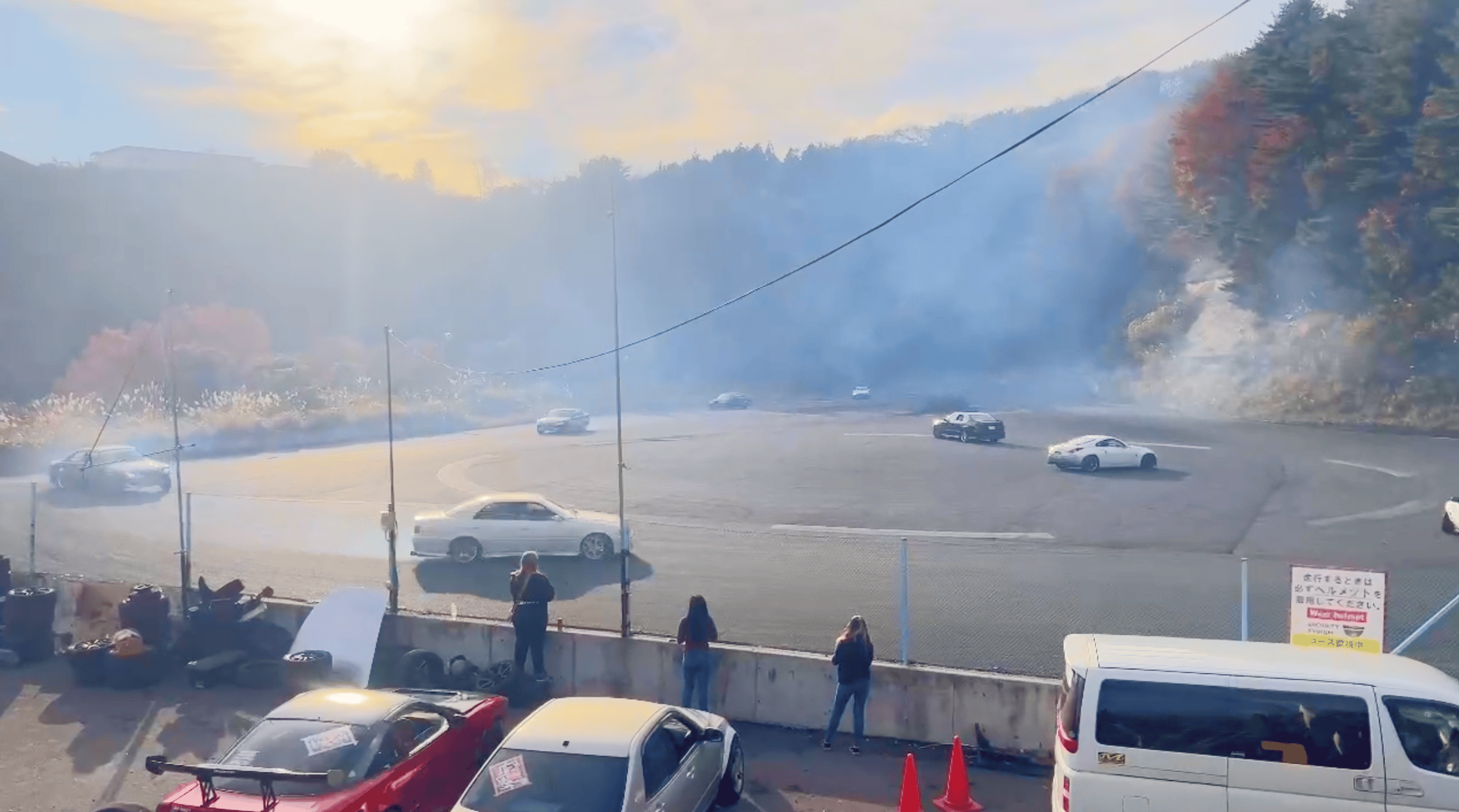
A full day from Tokyo: drift practice in a JDM car, a pro ride-along, and drop-off back in the city, with free cancellation up to 24 hours before.