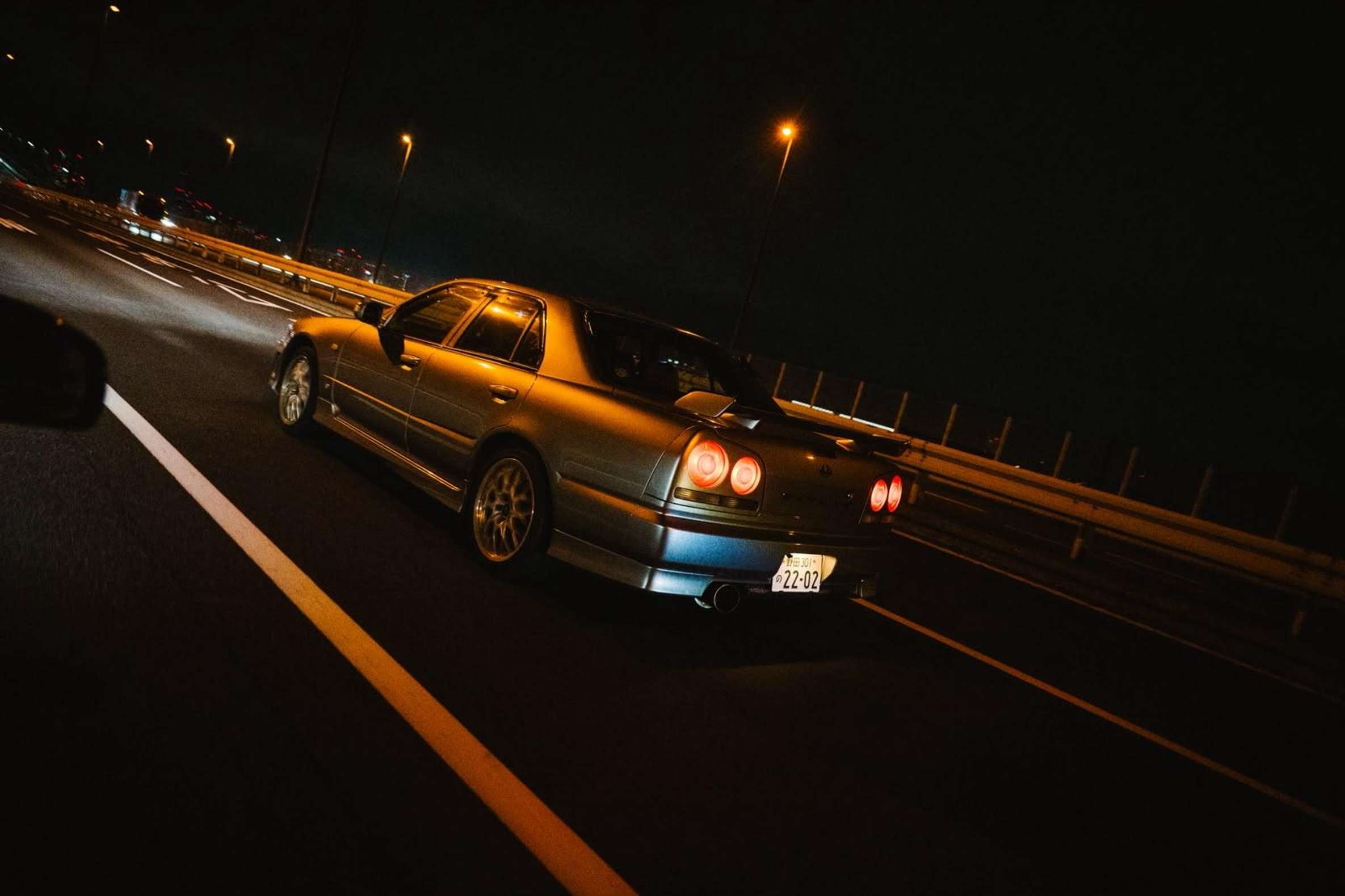
Book the closest ride to an AE86 you can reserve in Tokyo. One JDM night tour covers Daikoku PA, the Wangan Route and Tokyo Tower, with a driver at the wheel and no permit needed. Choose a date and book ahead to lock in the car.
You cannot book an AE86 rental here. No tour on this page hands you that car to drive, so if the Trueno itself is the whole point, the bookable options below are rides in other JDM legends instead.
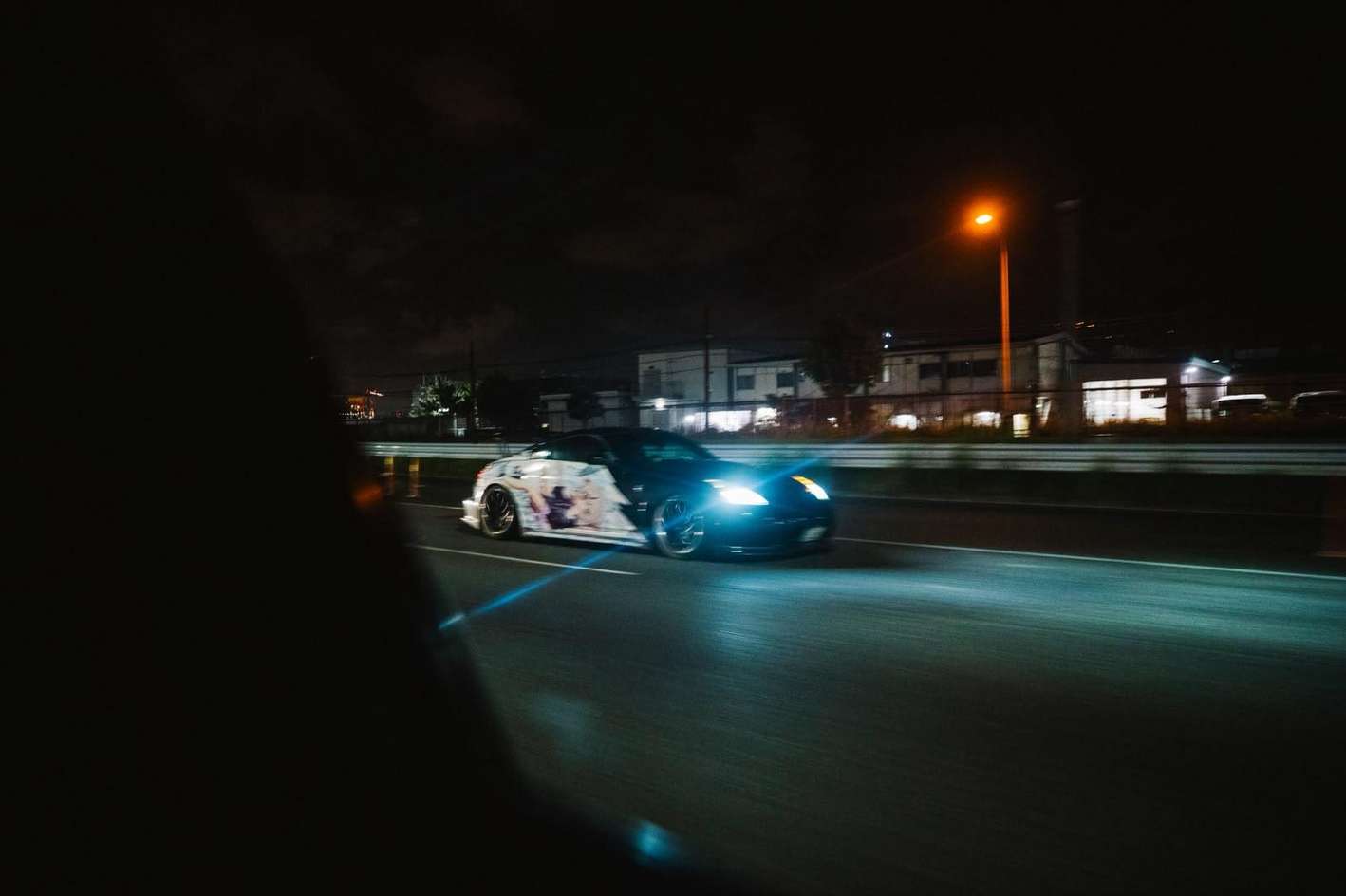
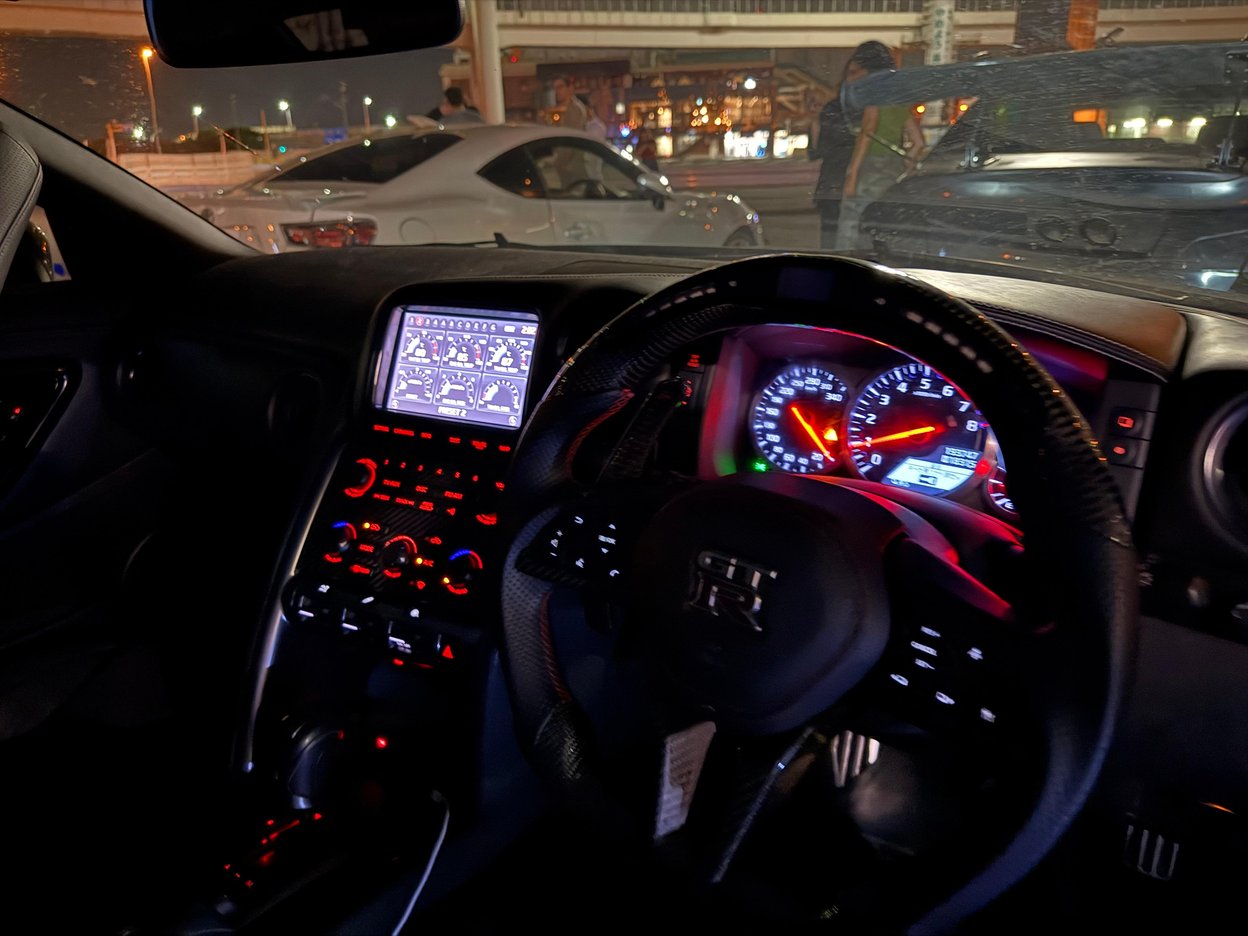
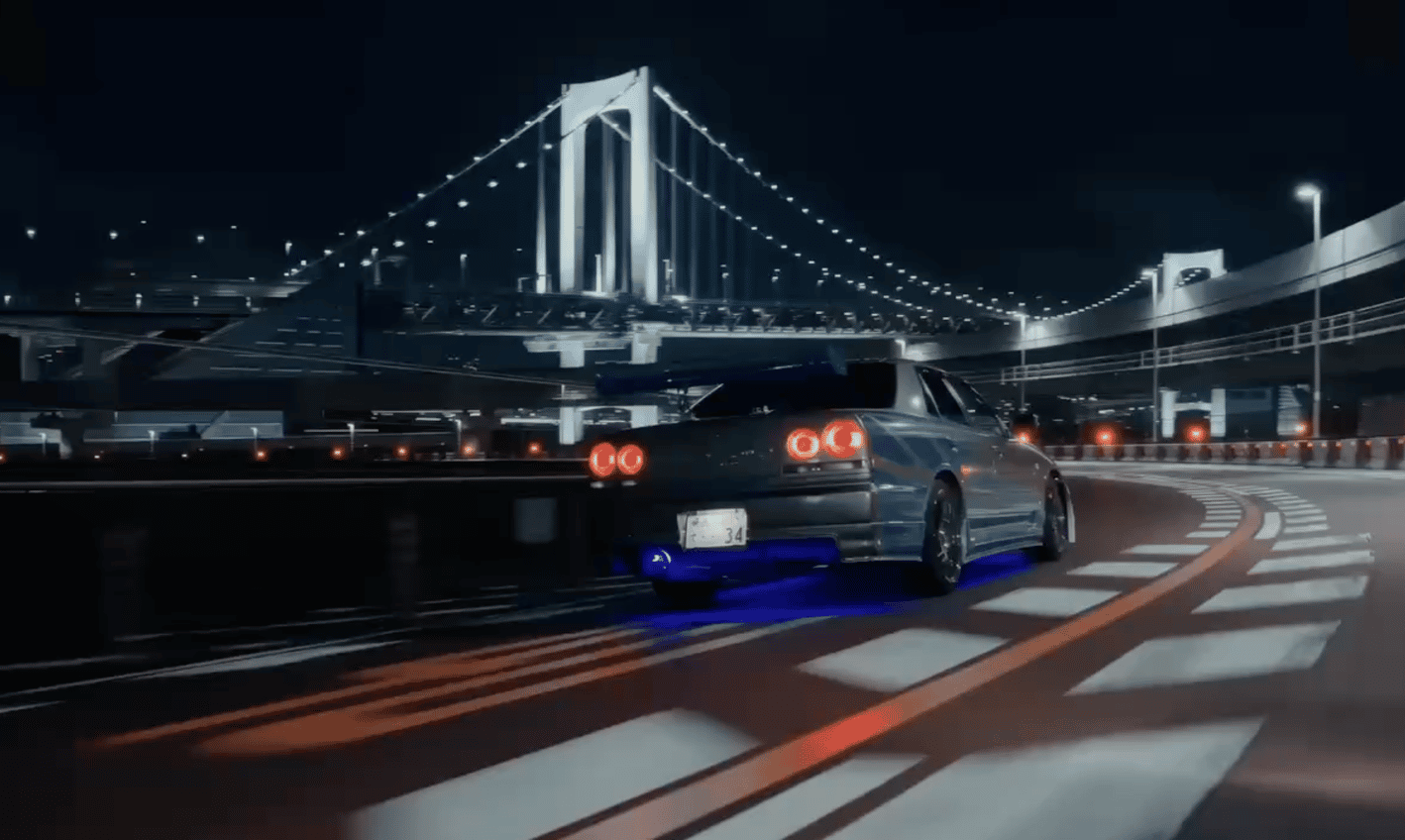
The closest match is the Fast and the Furious Tokyo DriftIII Experience. You ride shotgun in a modified JDM performance car on the Wangan Route, cross Rainbow Bridge, and spend time at the Daikoku PA car meet, the same Tokyo Drift world you wanted the AE86 for.
The driver stays behind the wheel, so no international driving permit is needed. Book your night below.
Our pickLikely to sell out
3 hours - 1 day·Chinese, English
4.9(533)
Fast and the Furious Tokyo DriftIII Experience
Free cancellationPhoto and video support at recommended spotsVisit to Liberty Walk Tokyo (LBWK)
Your AE86 rental alternative - the closest option you can book
You came here to rent an AE86 in Tokyo, and the honest answer is that the cars you can book on this page are other JDM legends.
The closest match is the Fast and the Furious Tokyo DriftIII Experience, a night ride through Tokyo in a modified JDM performance car with a local driver behind the wheel.
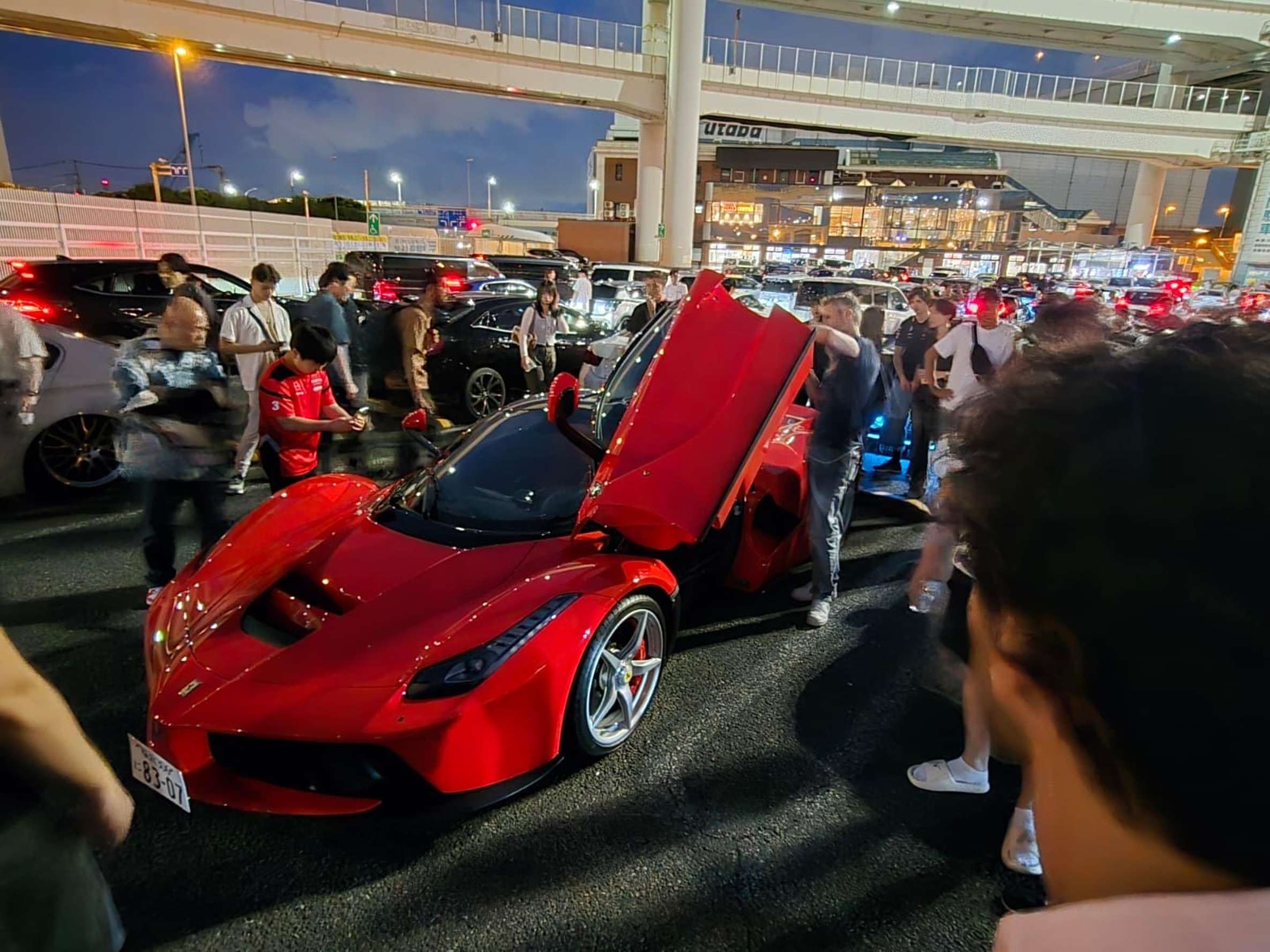
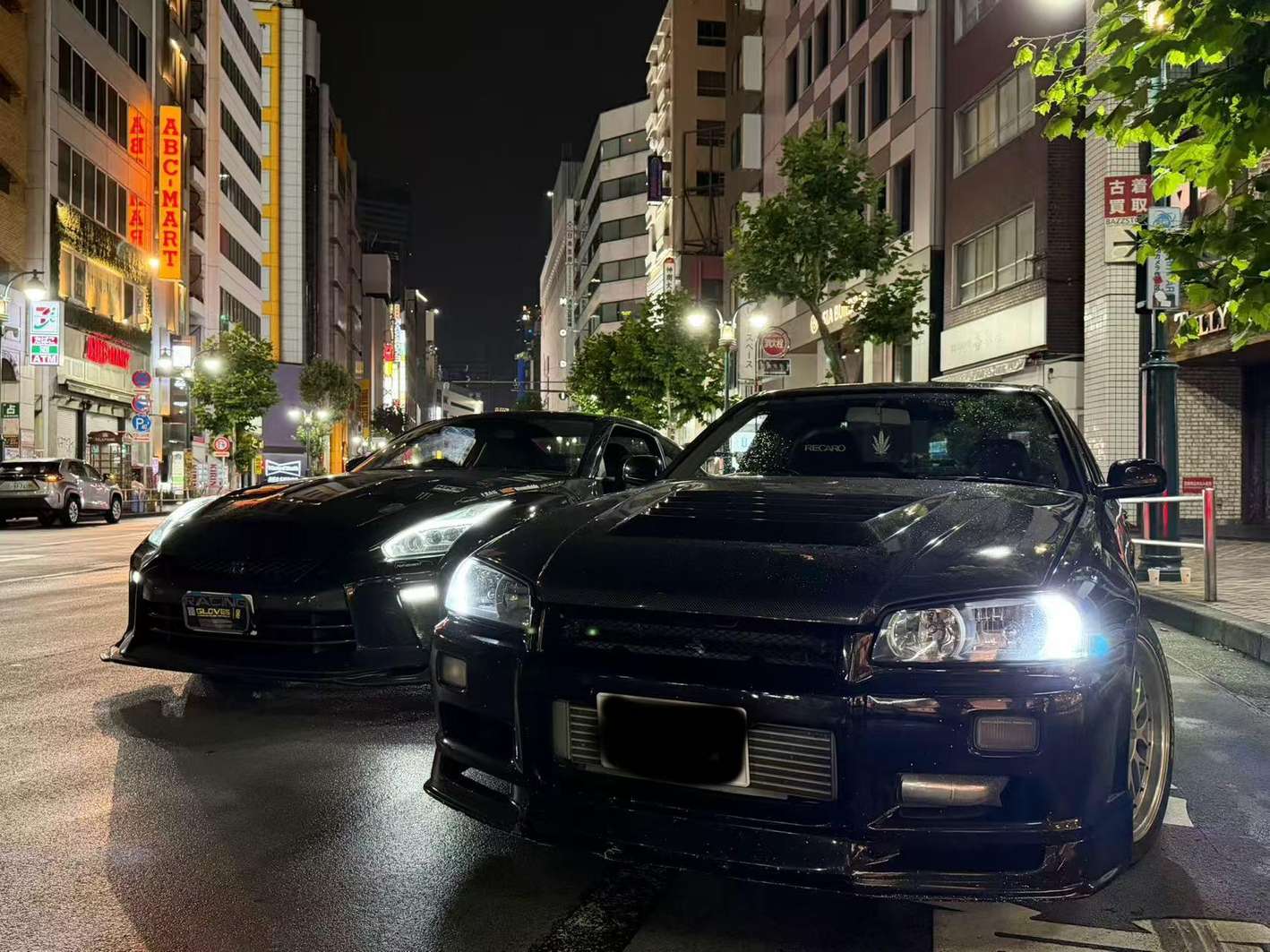
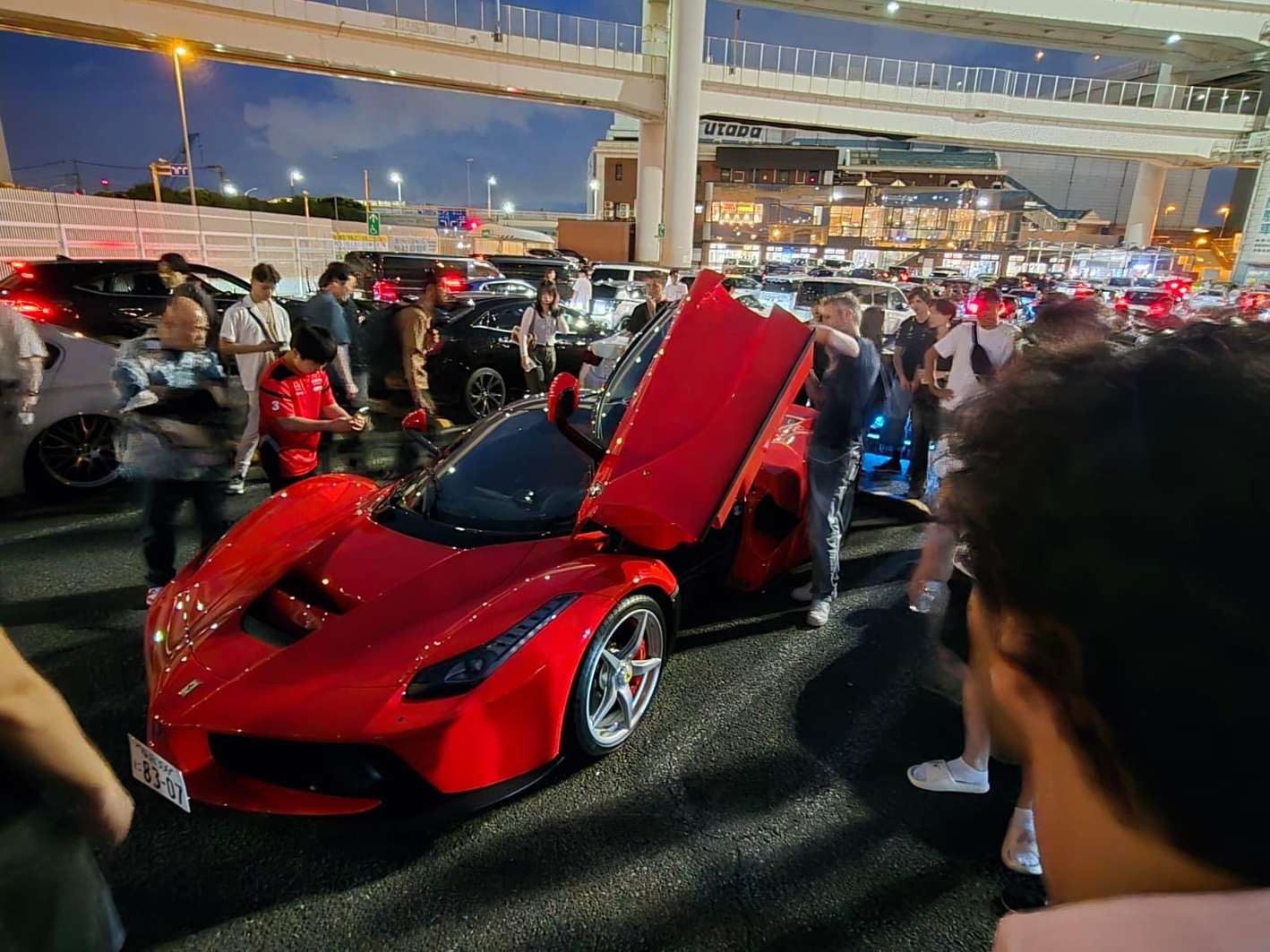
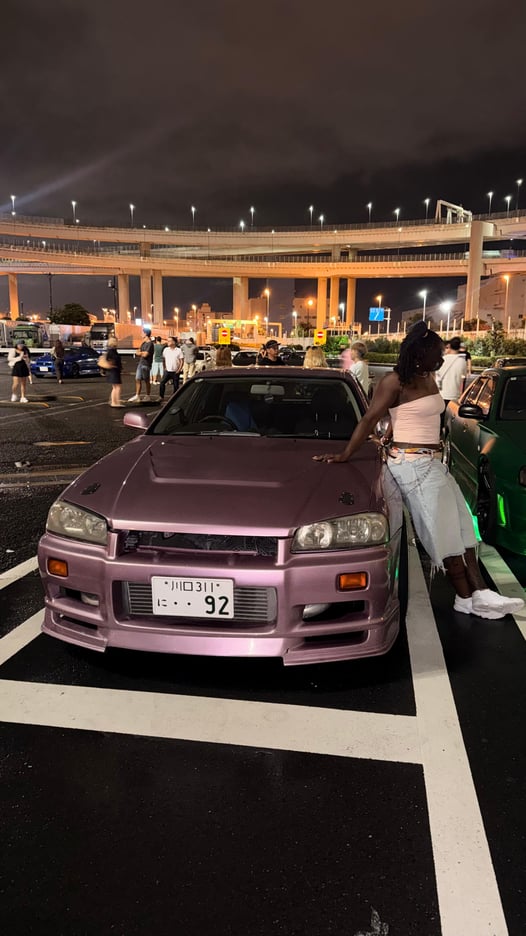
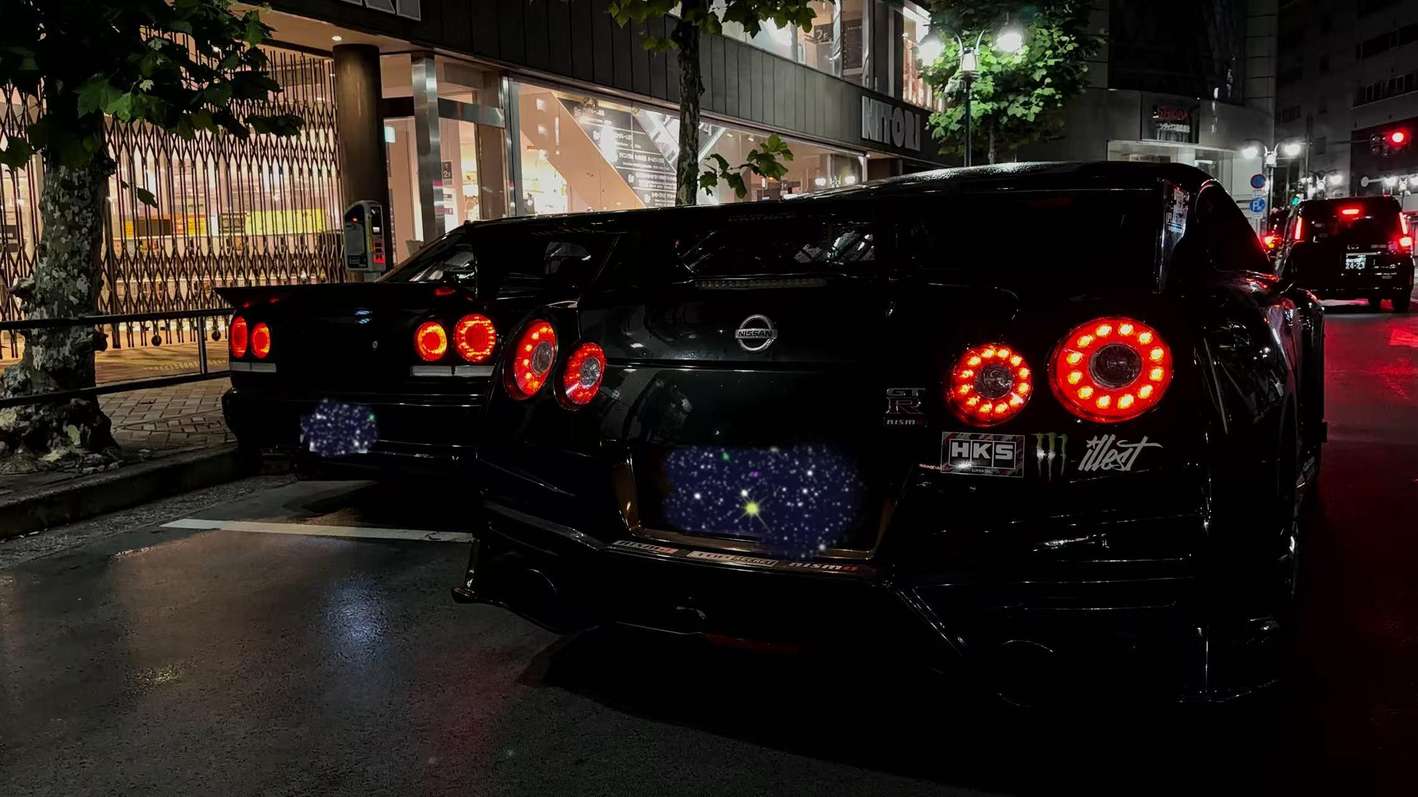
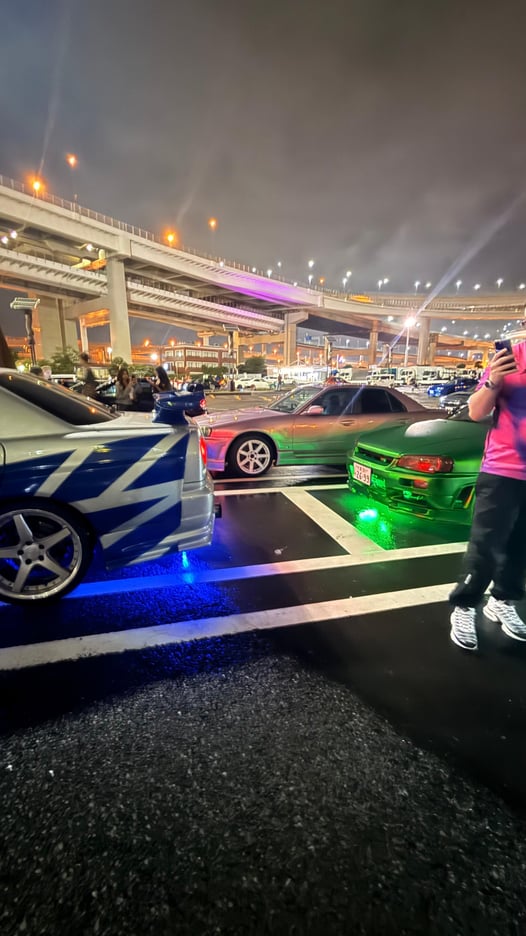
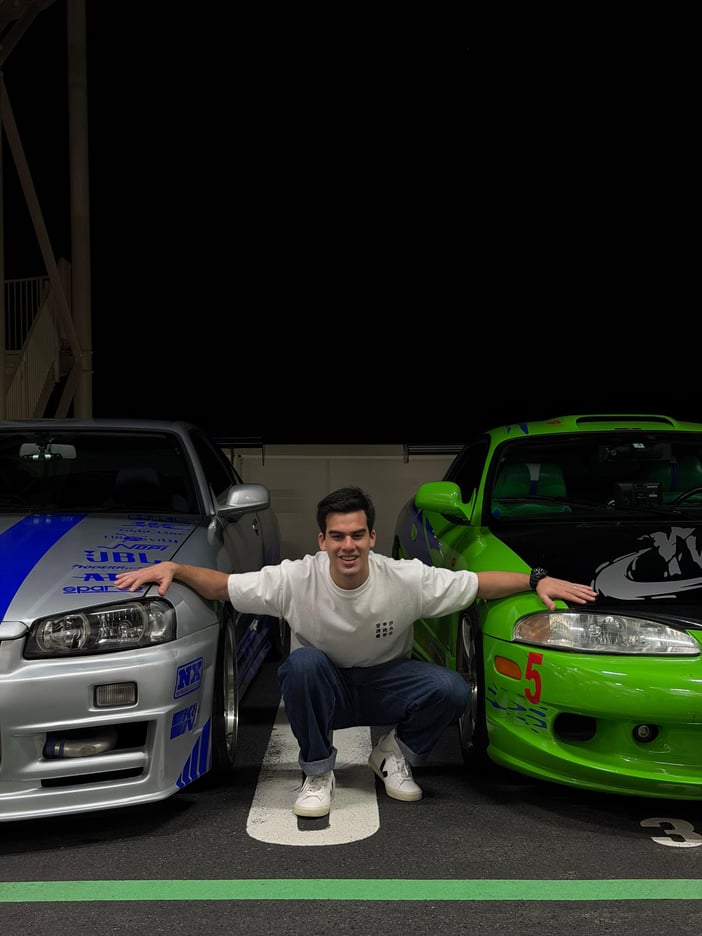
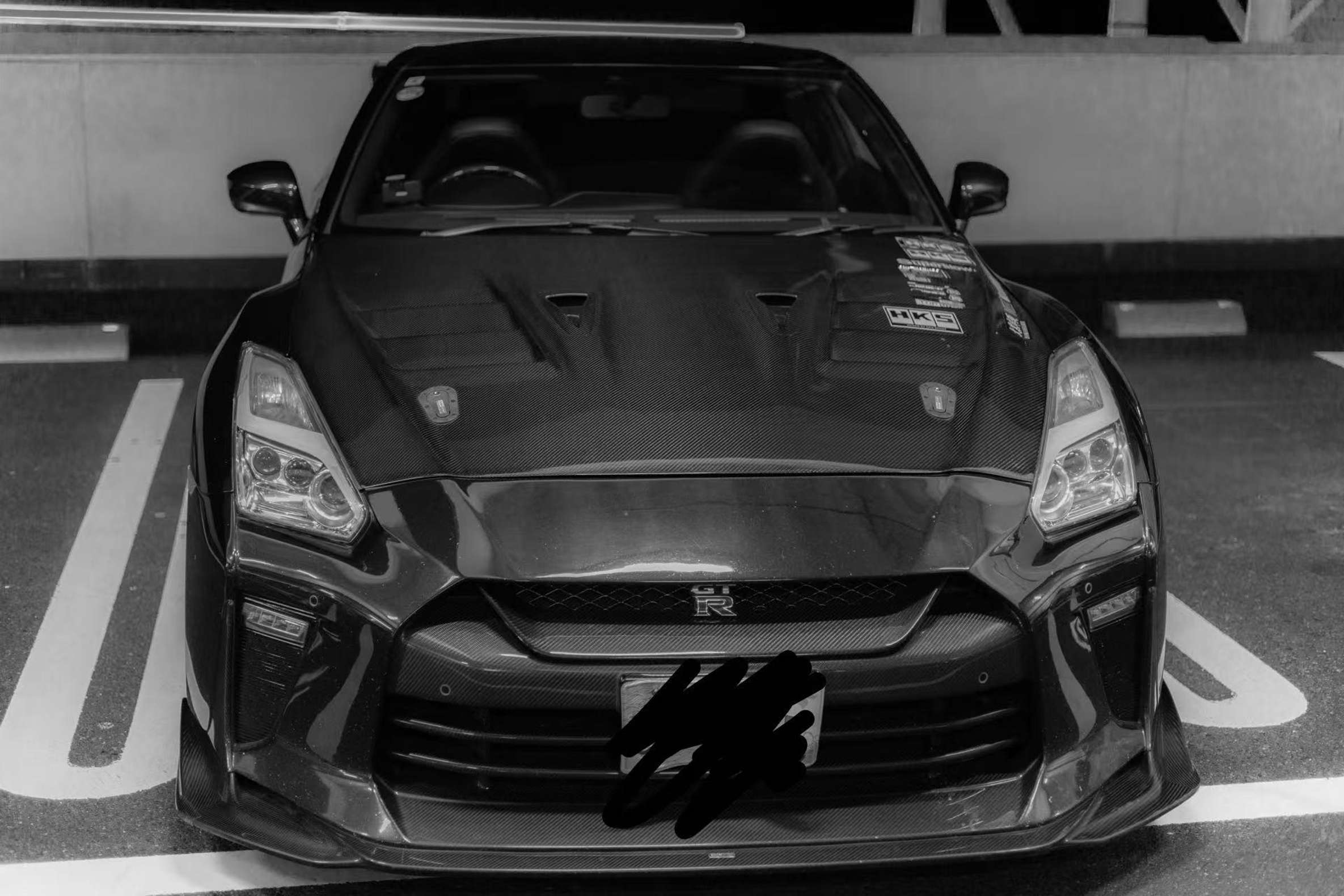
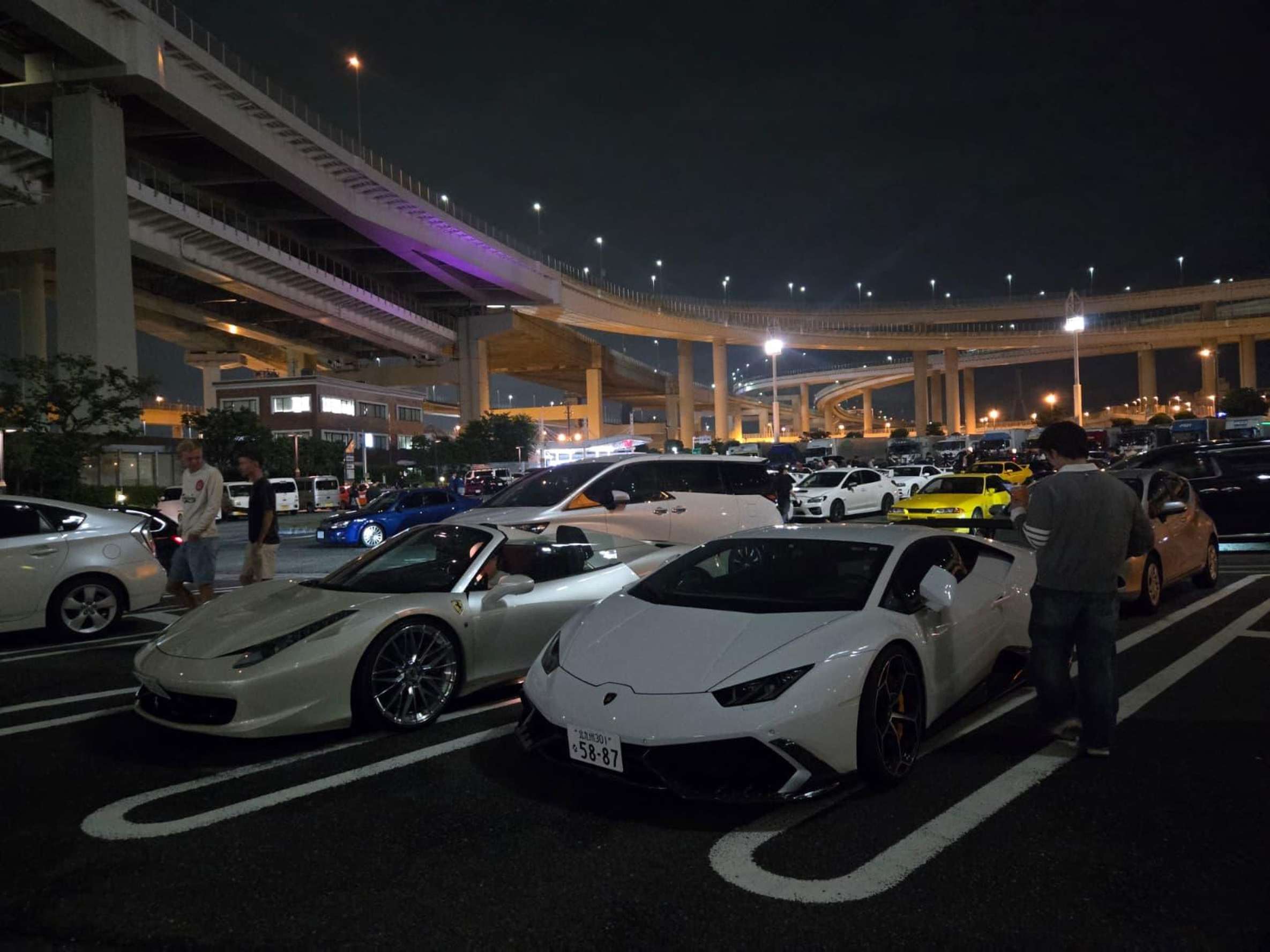
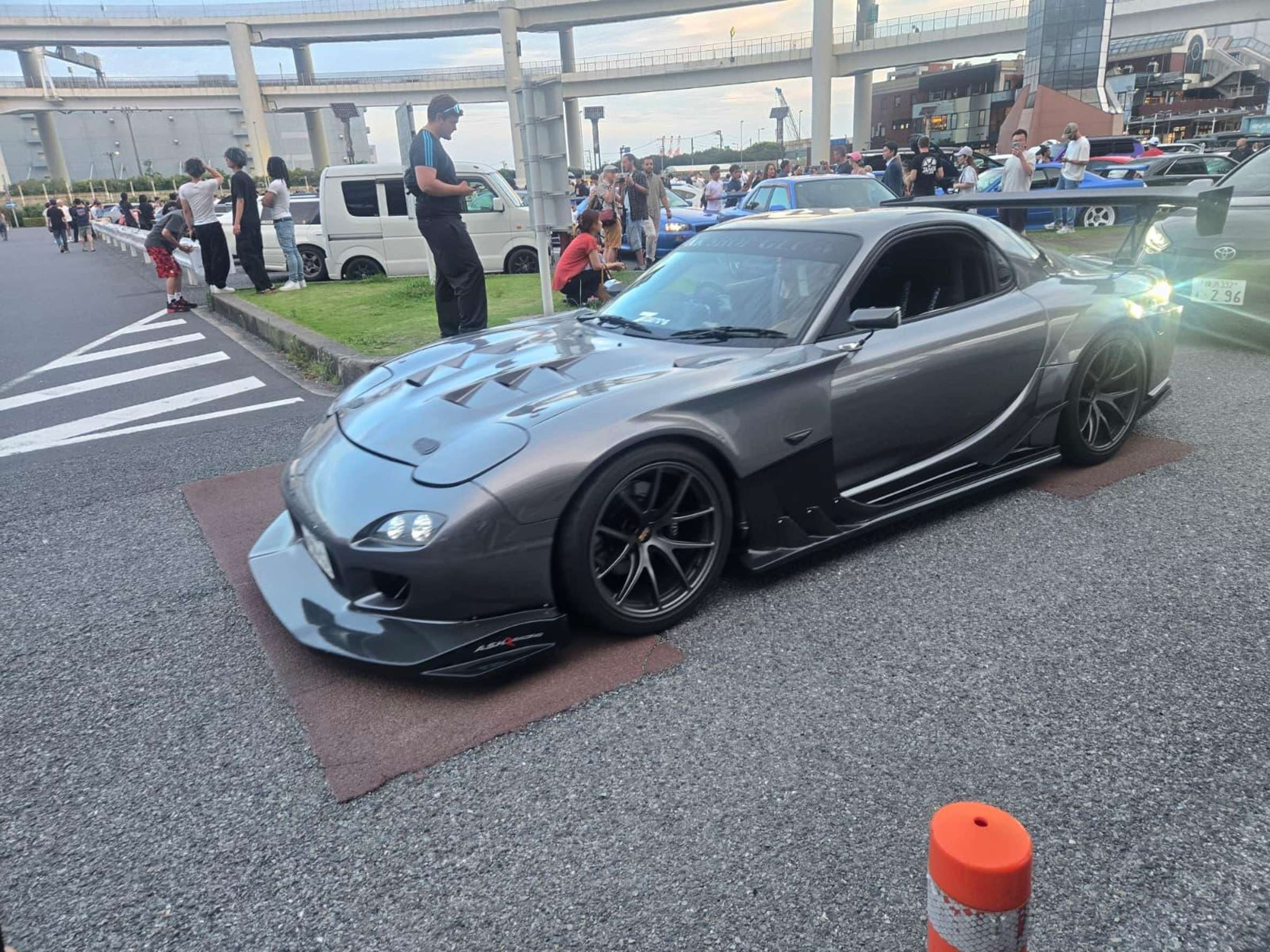
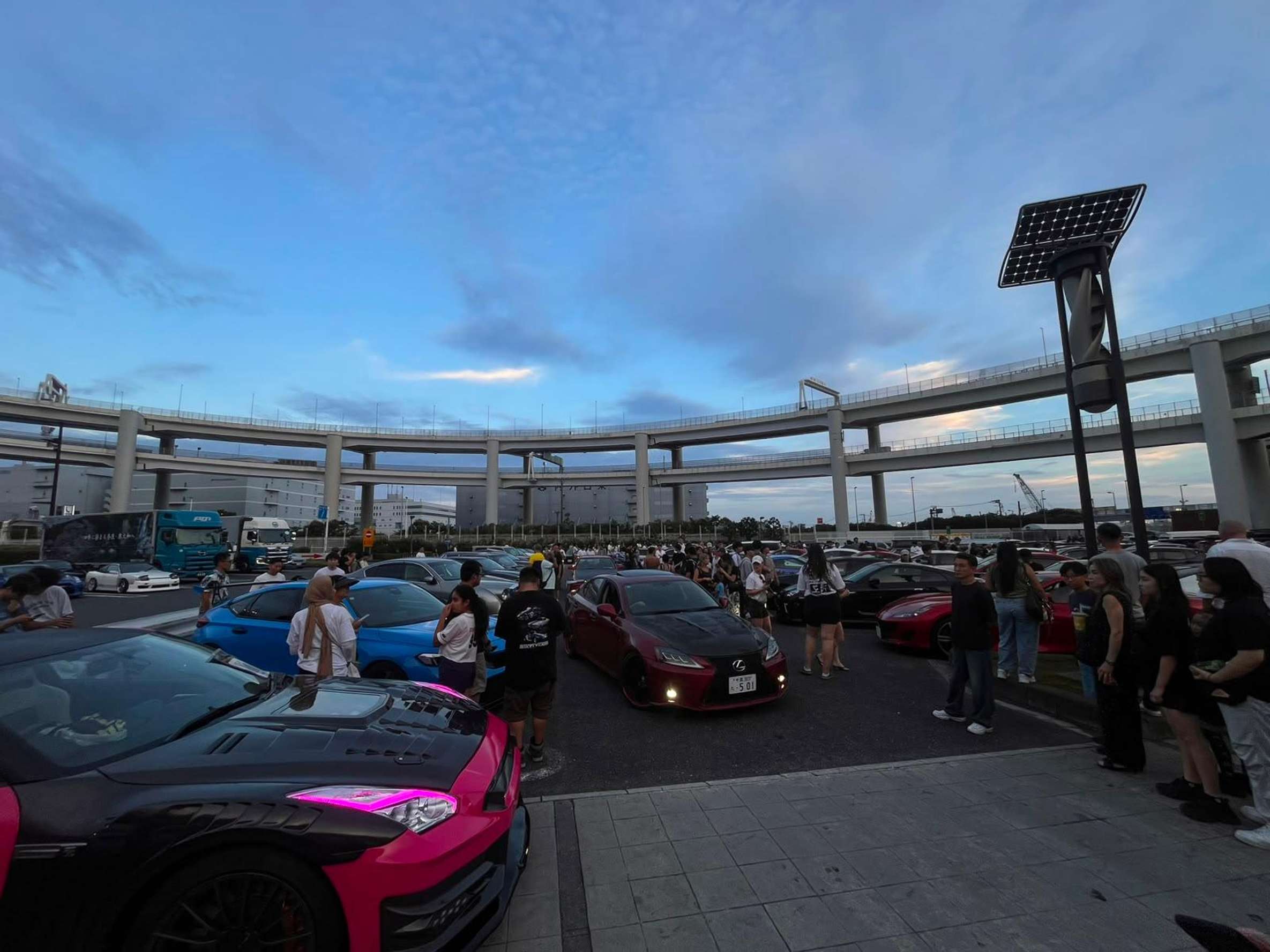
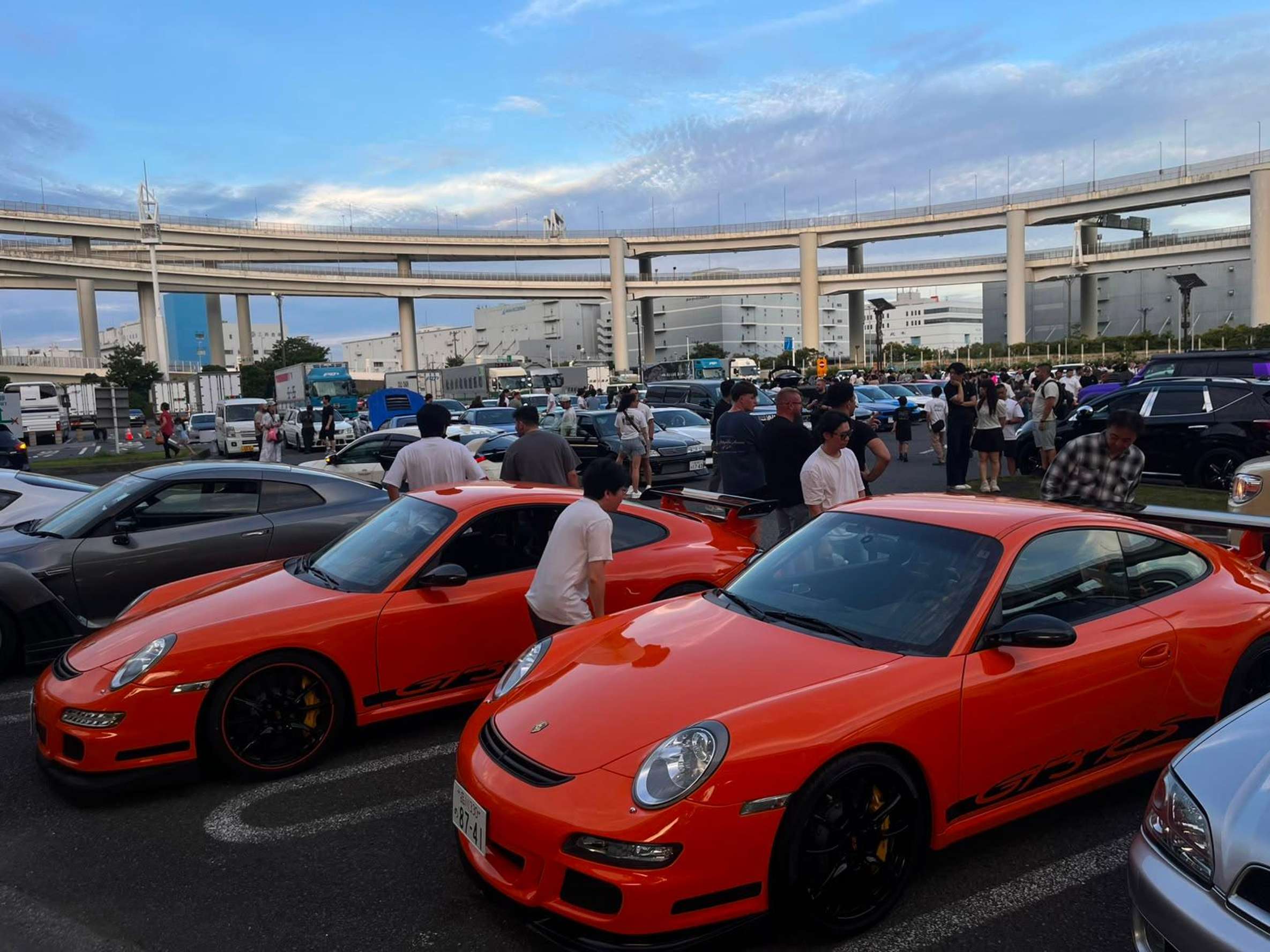
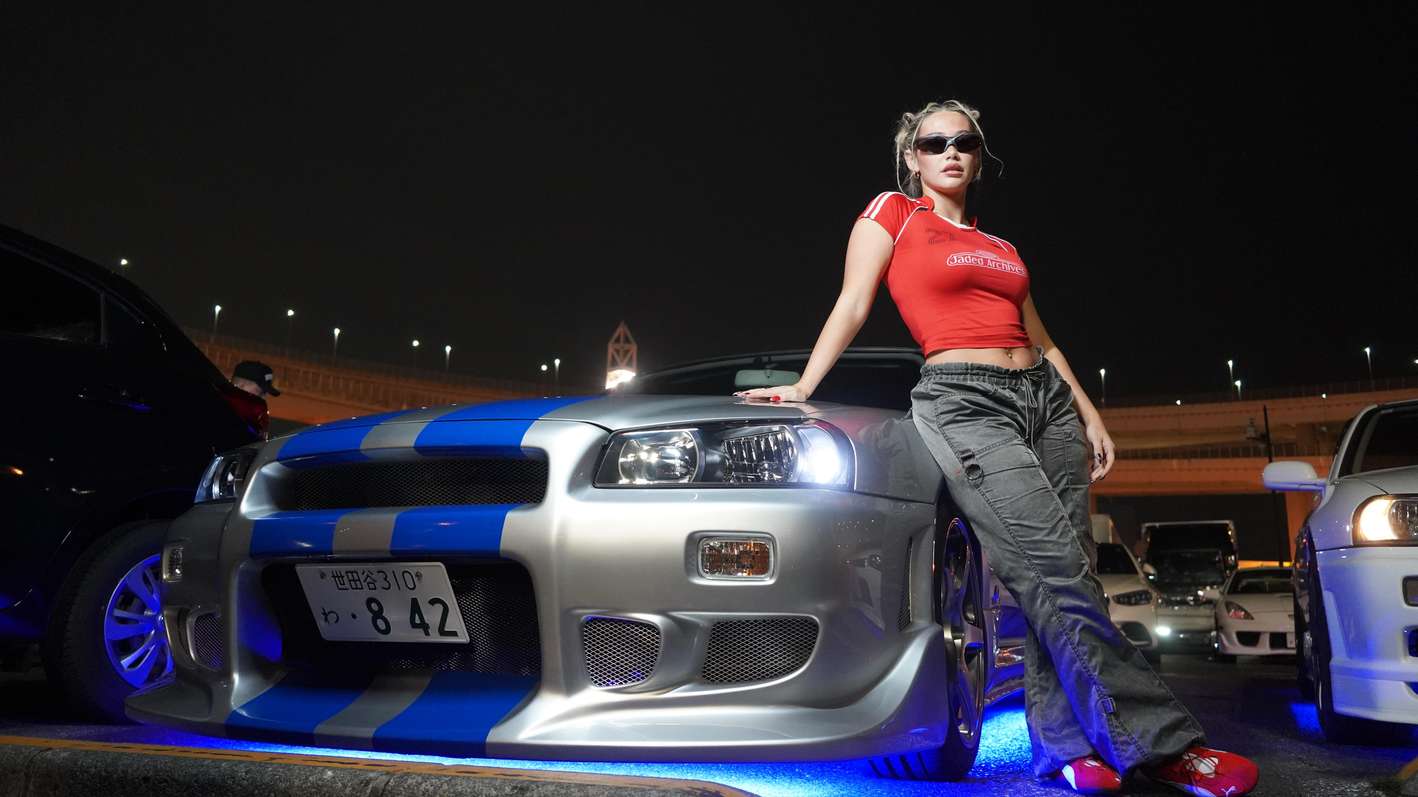
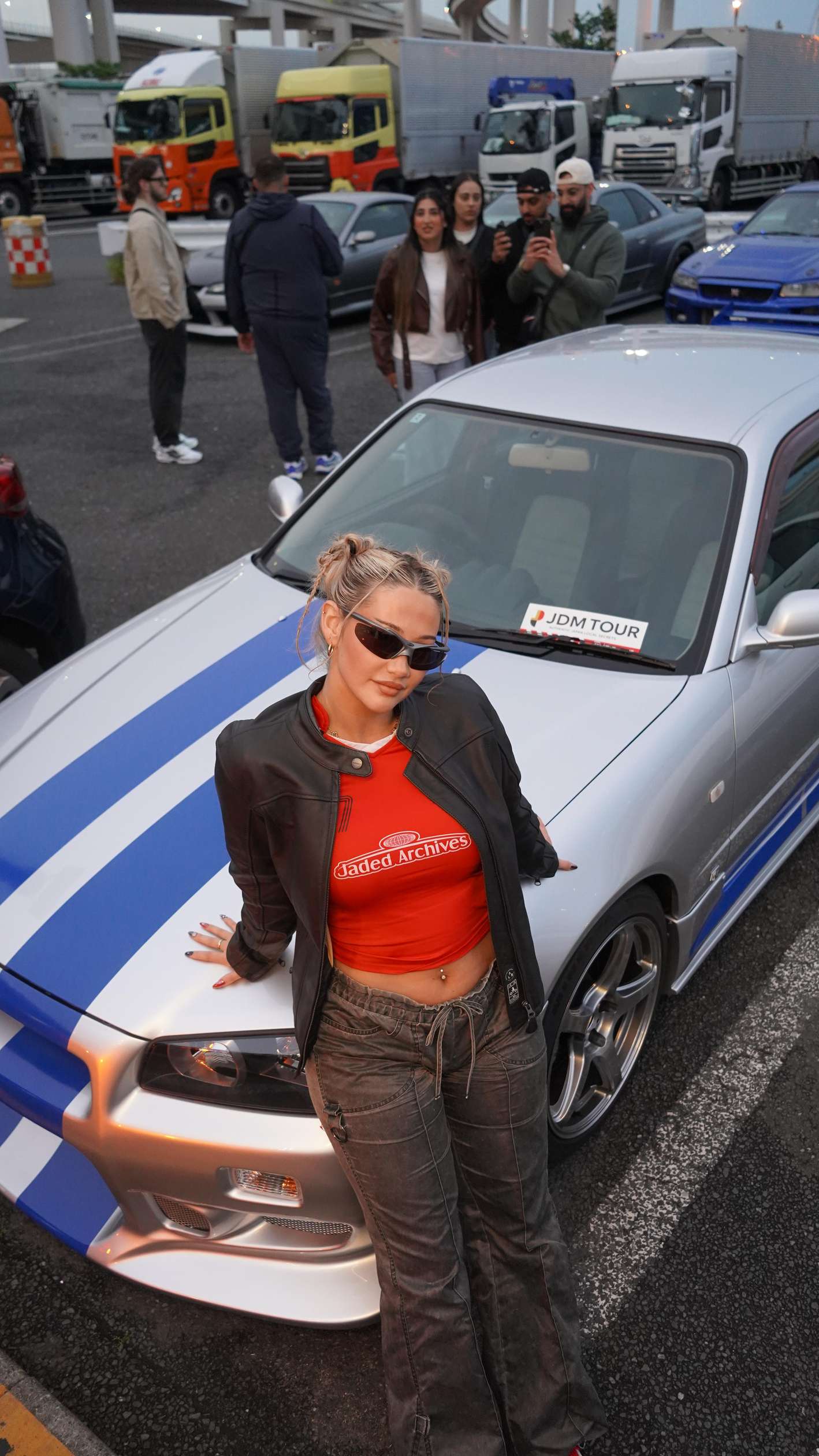
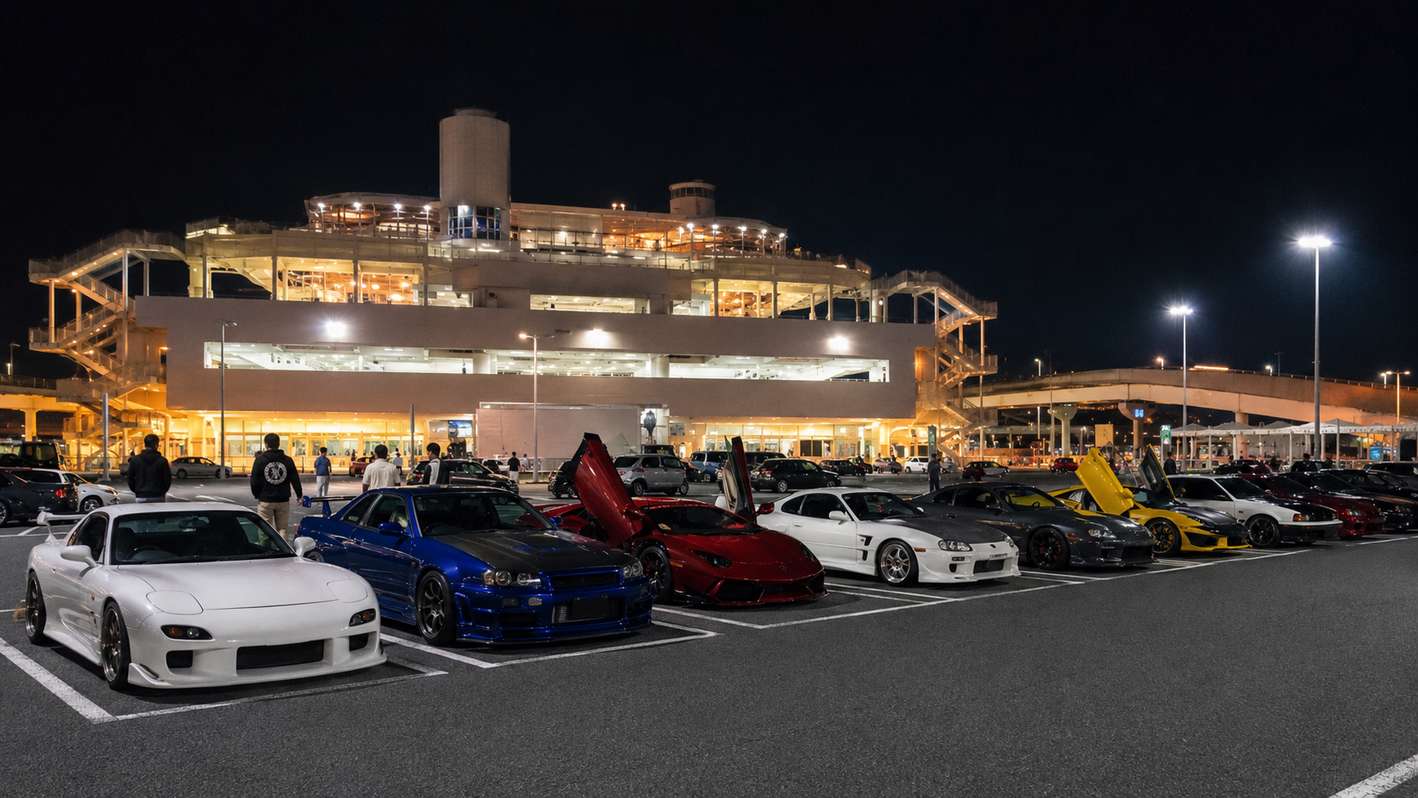
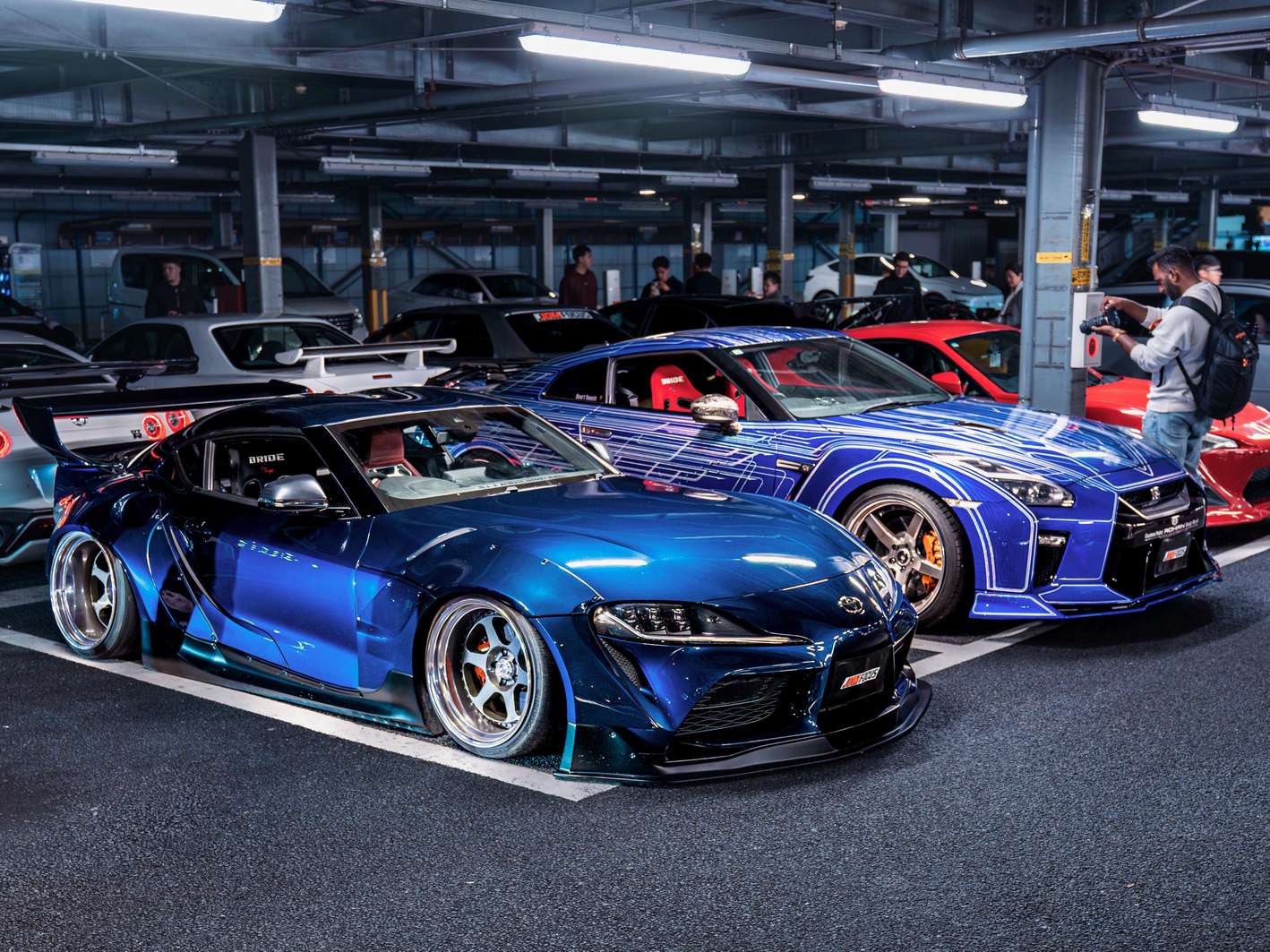
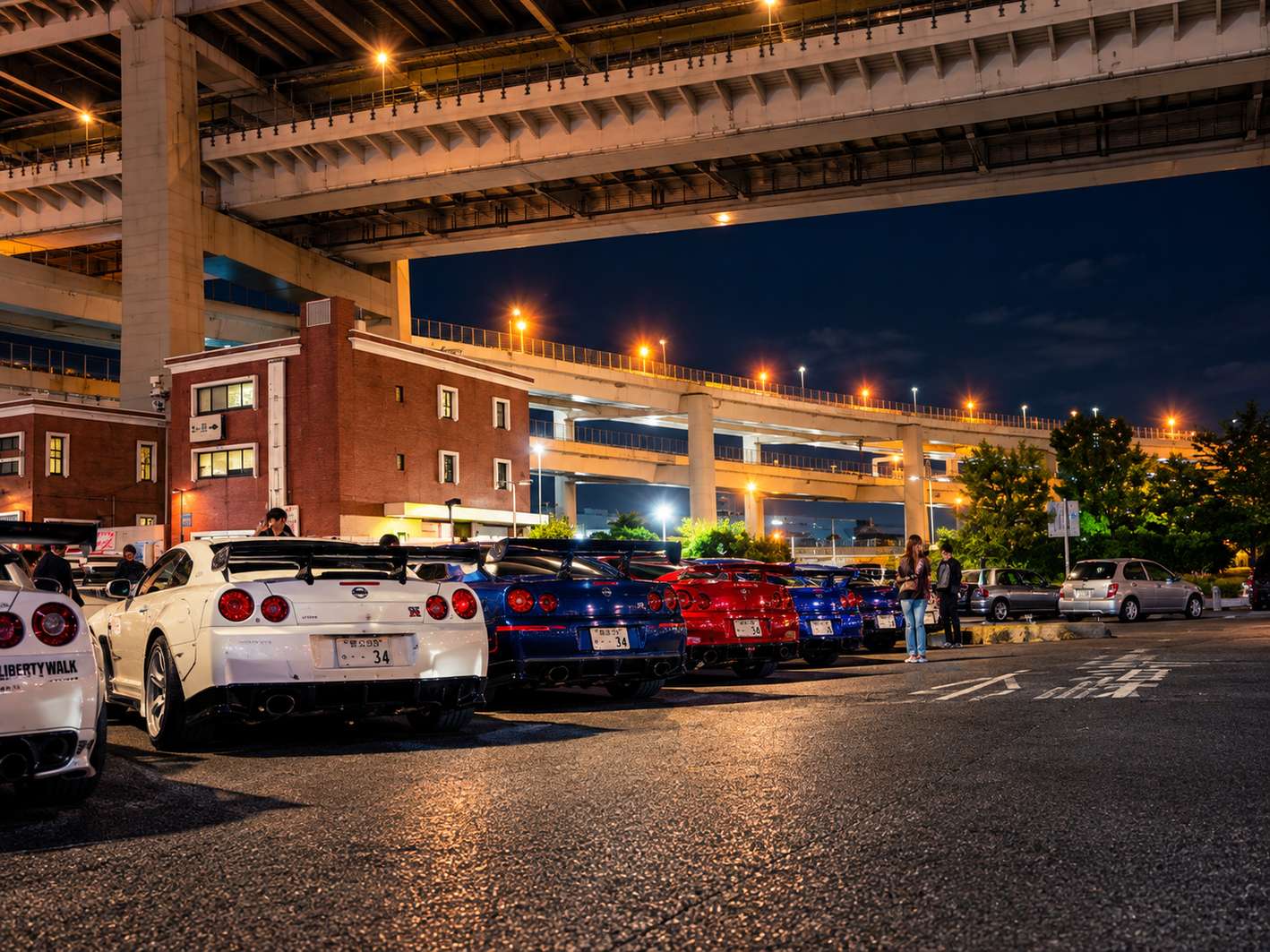
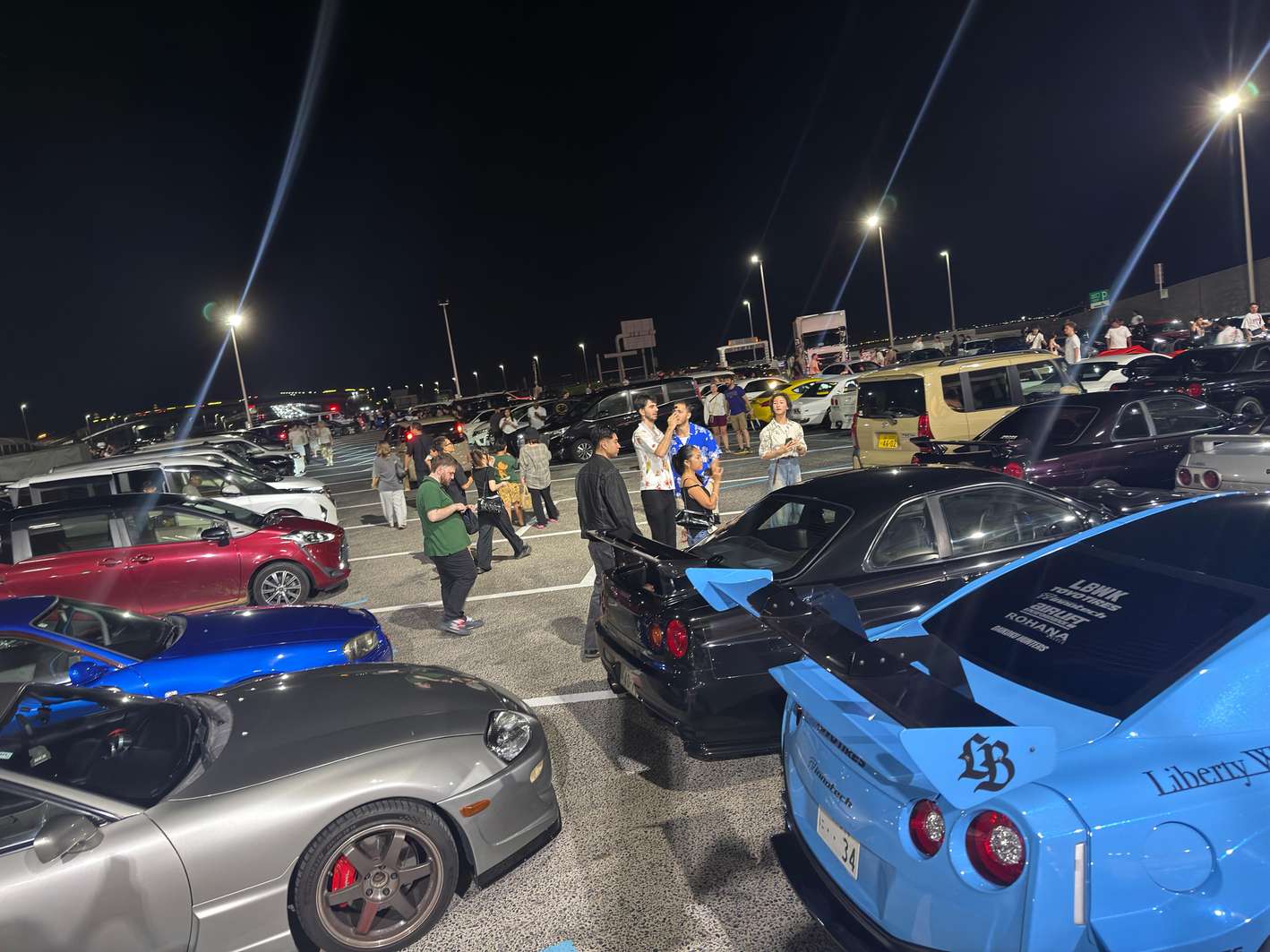
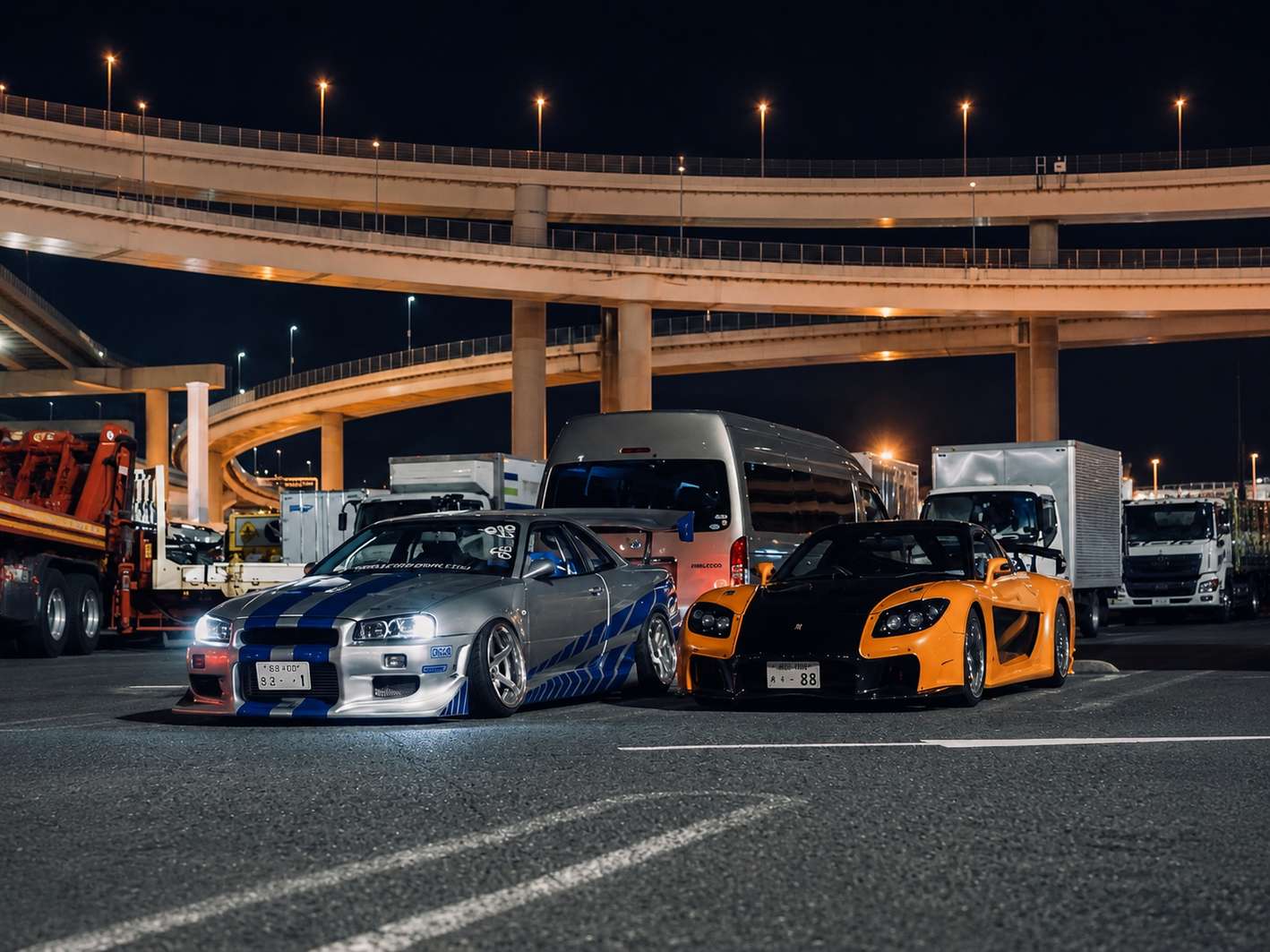
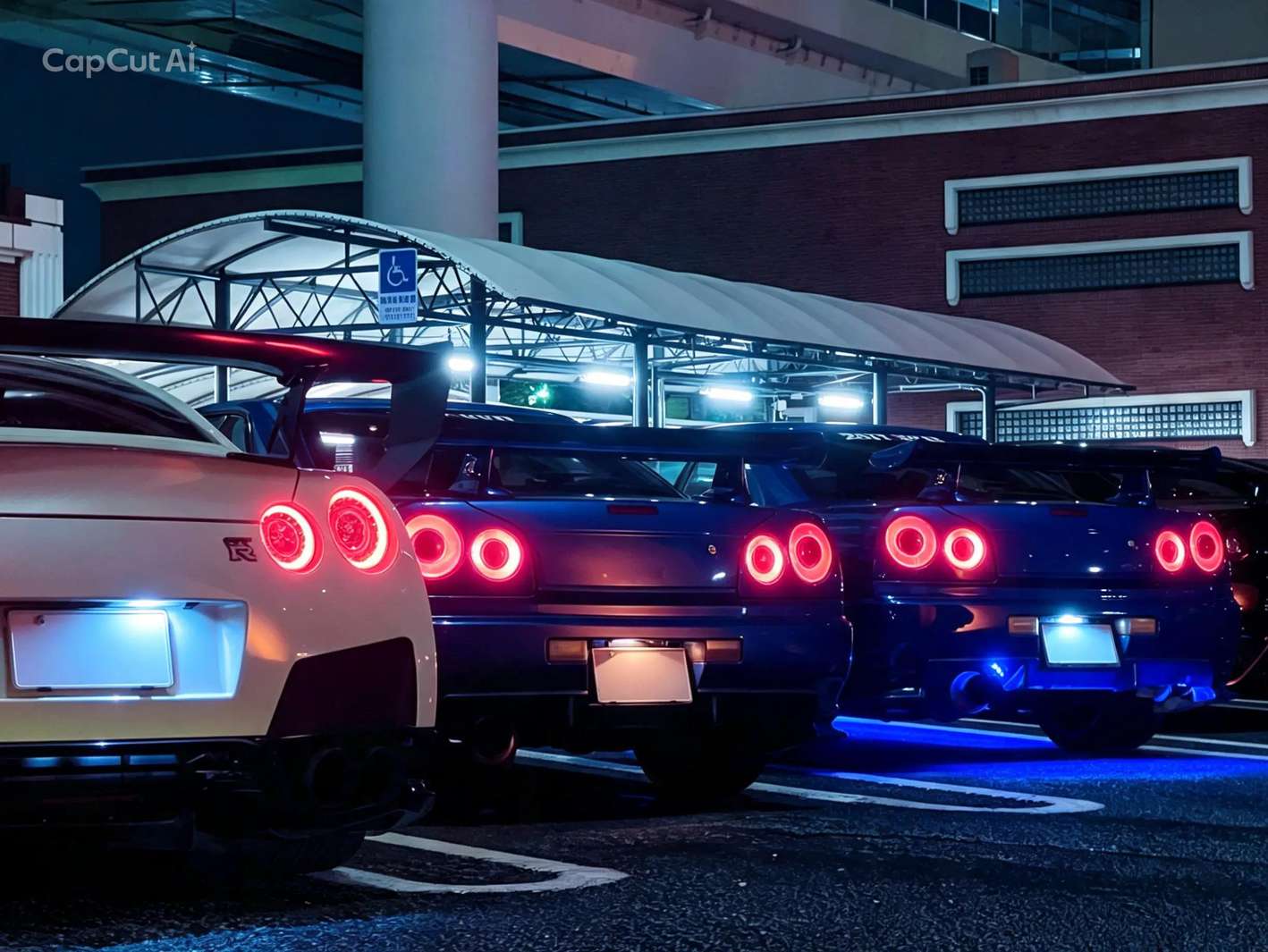
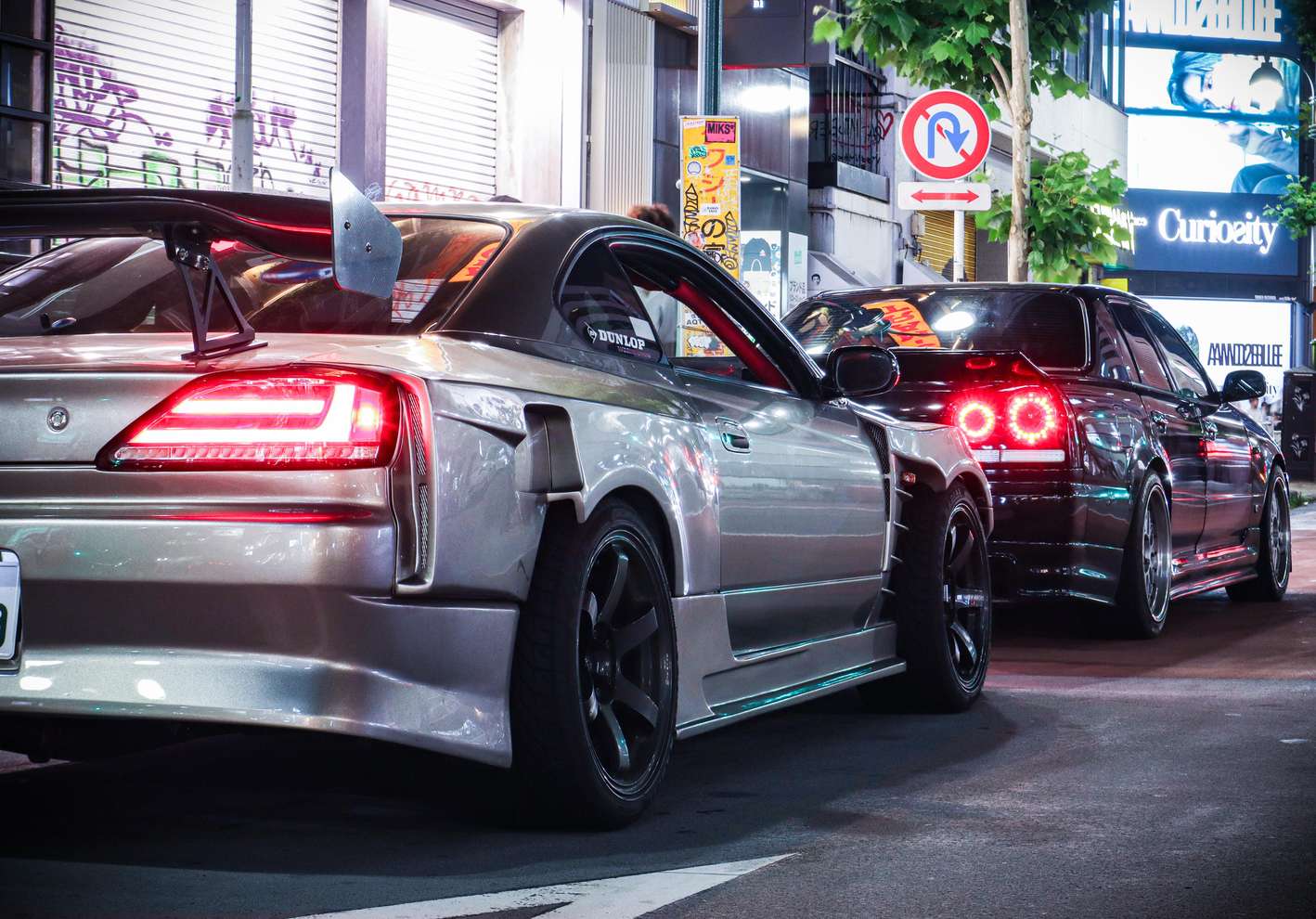
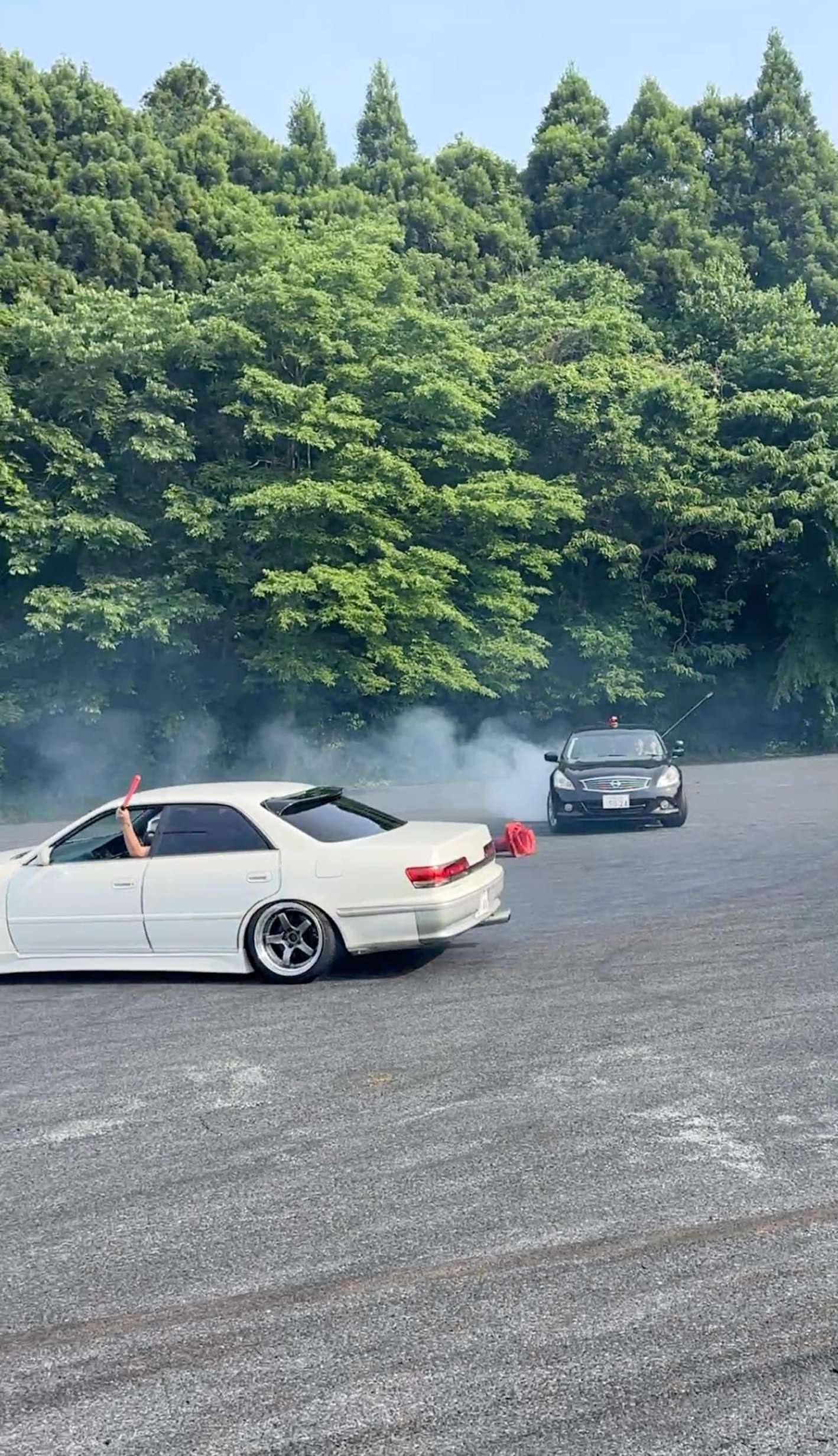
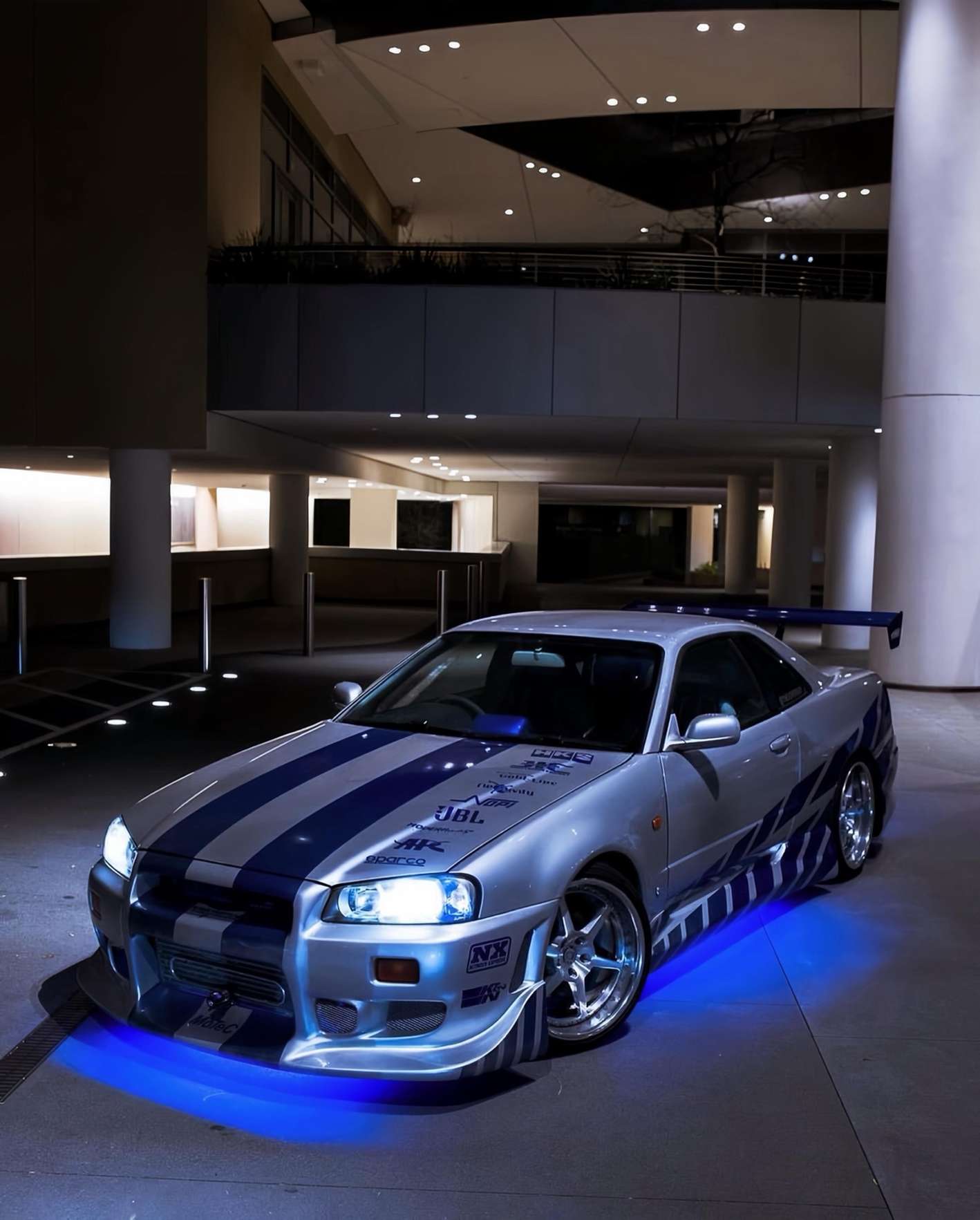
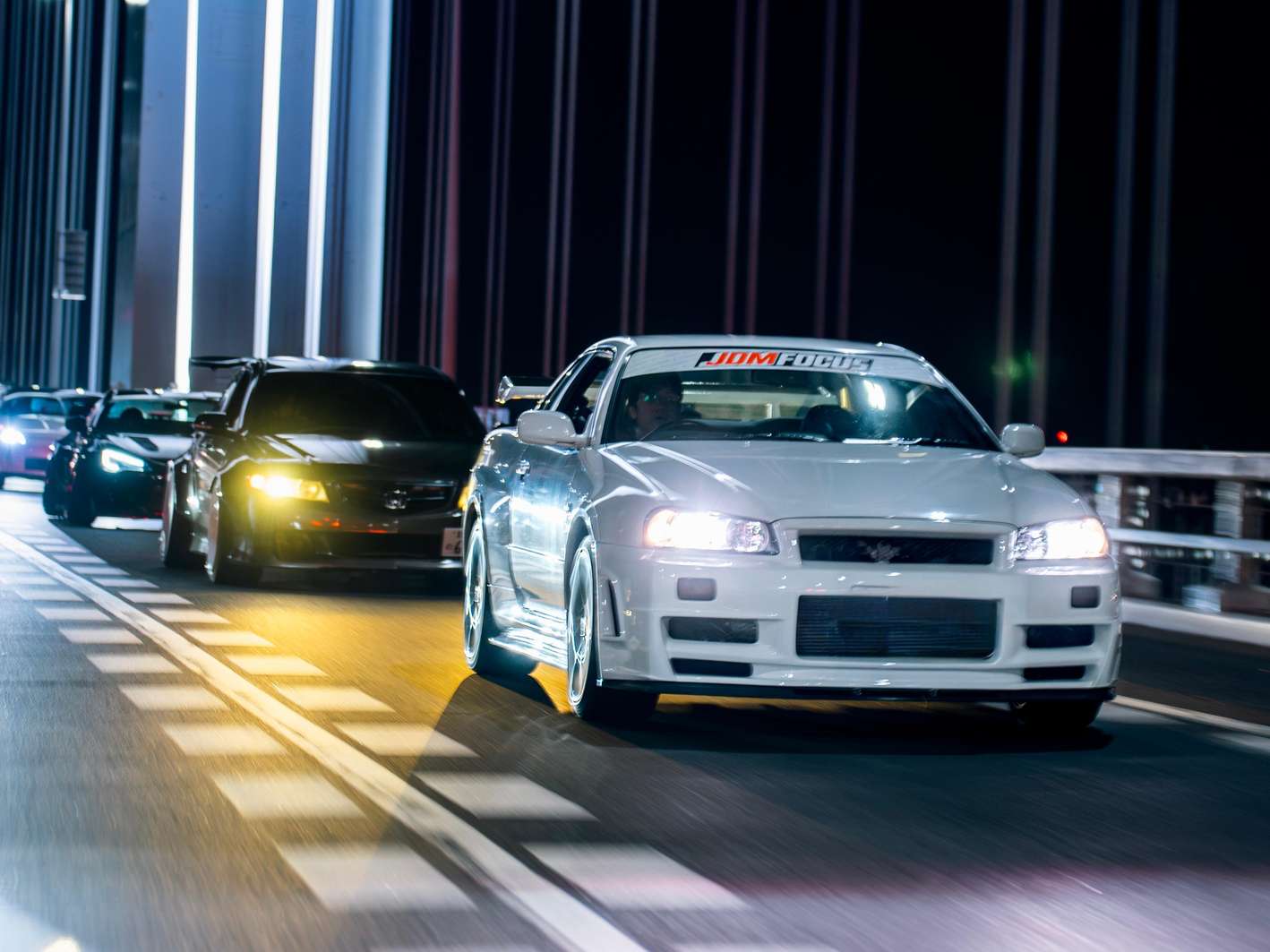
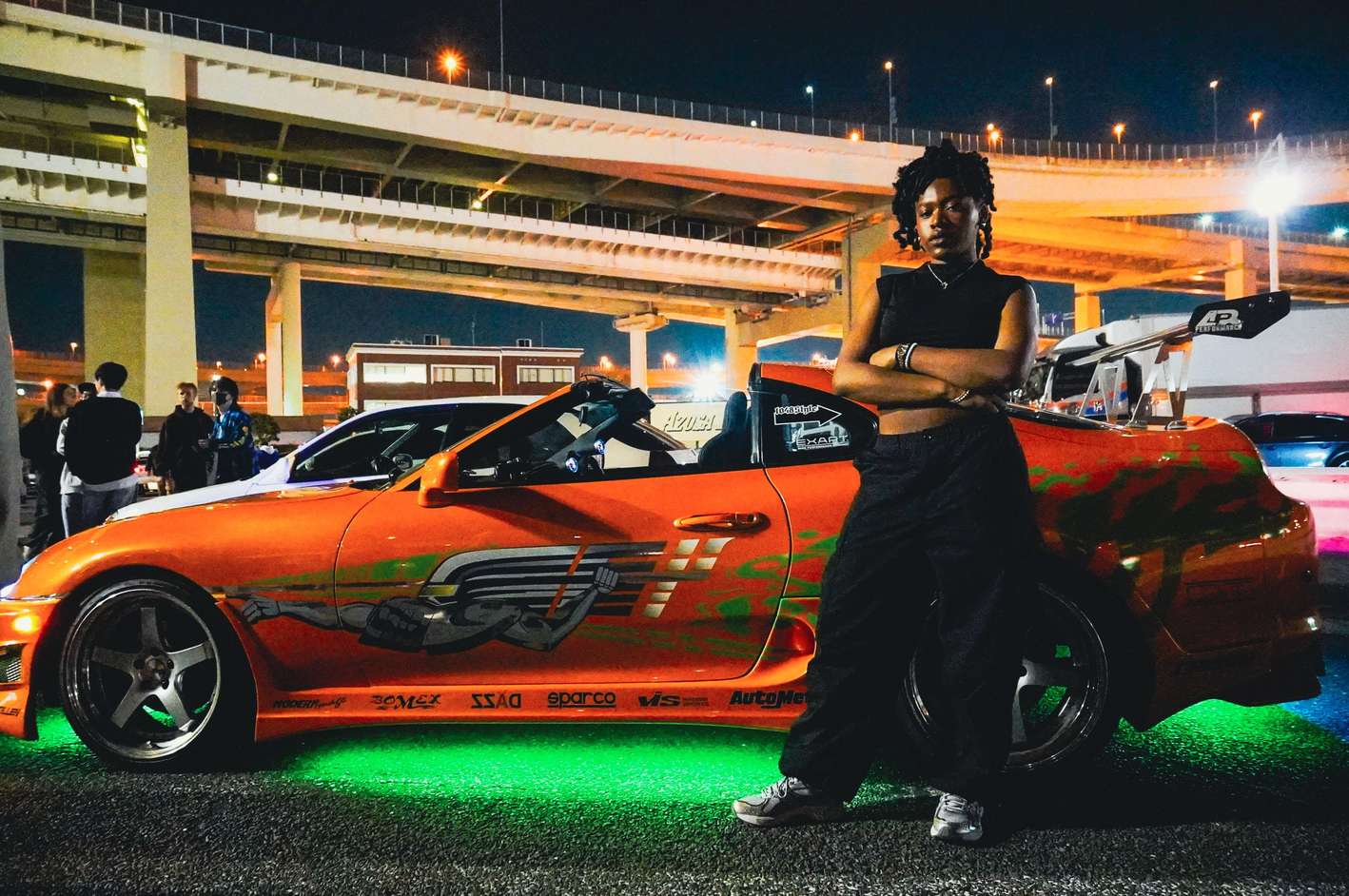
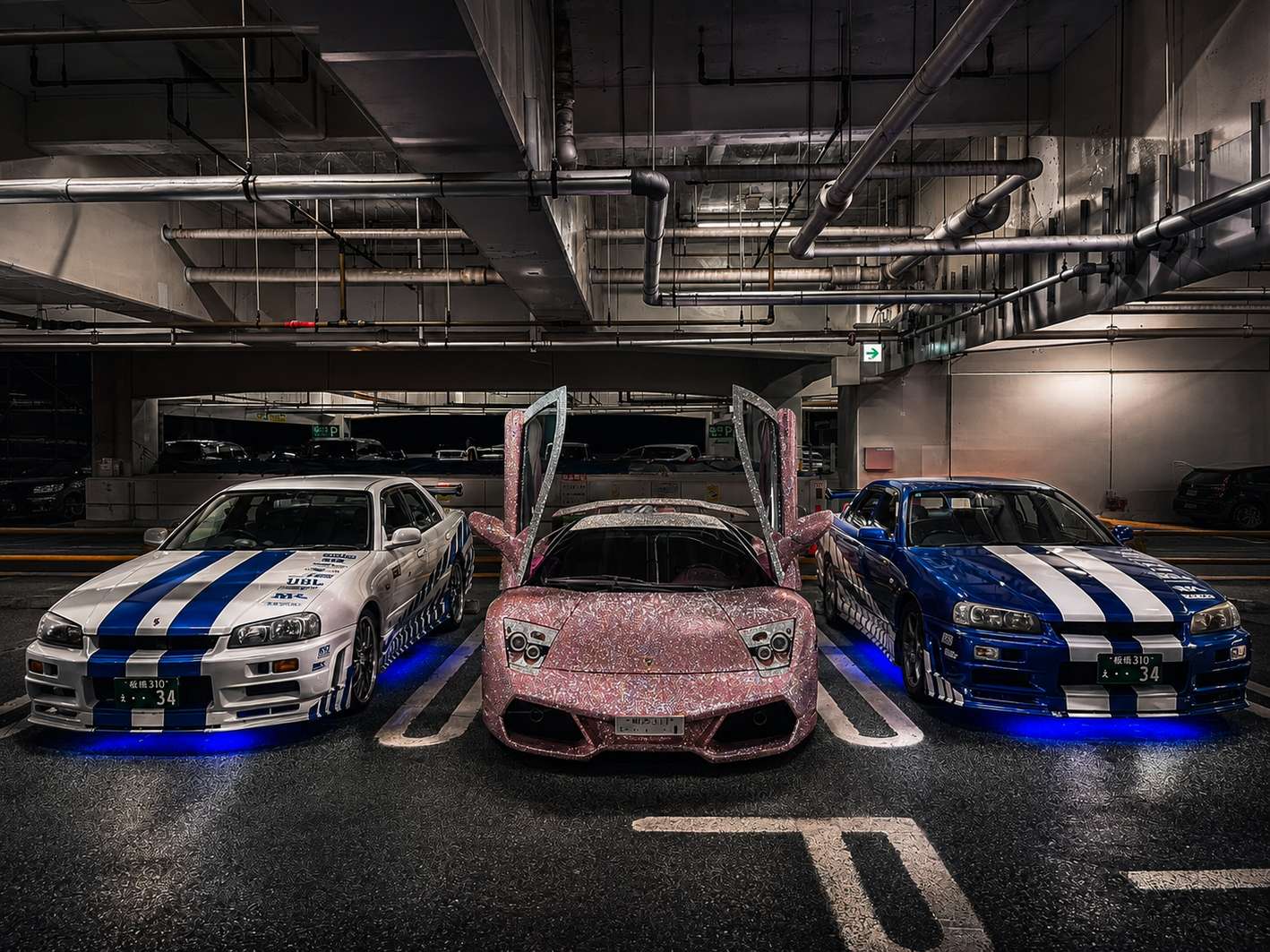
What it gives you is the spirit of the Hachiroku hunt: you ride in heavily modified drift-style cars, cruise the Wangan Route, cross Rainbow Bridge and stop at the legendary Daikoku Parking Area car meet in Yokohama, where AE86s and their tuned cousins gather with Skylines, Supras and RX-7s.
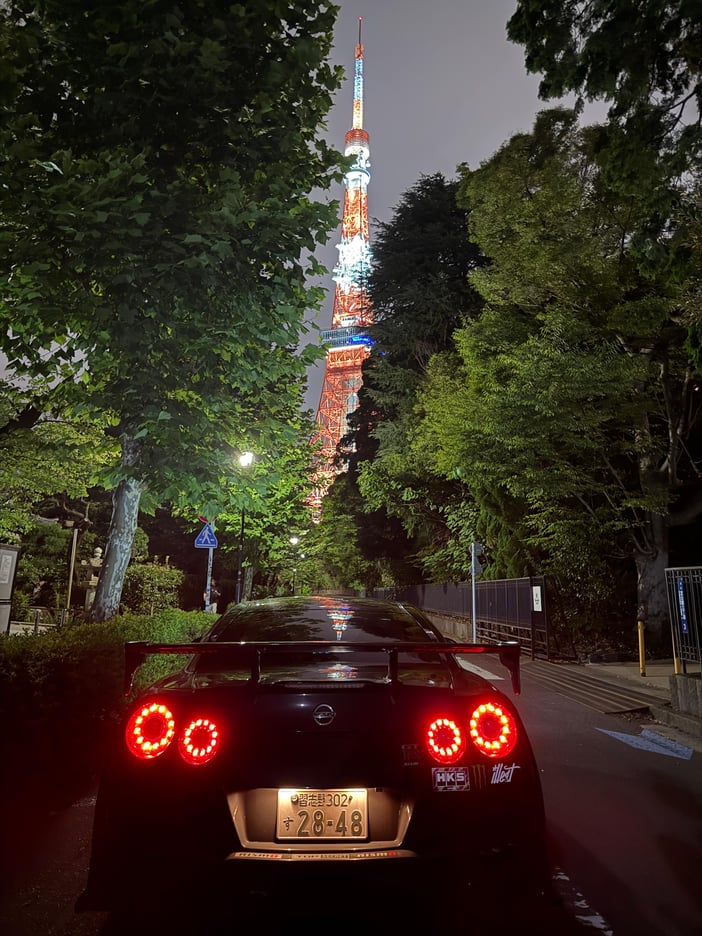
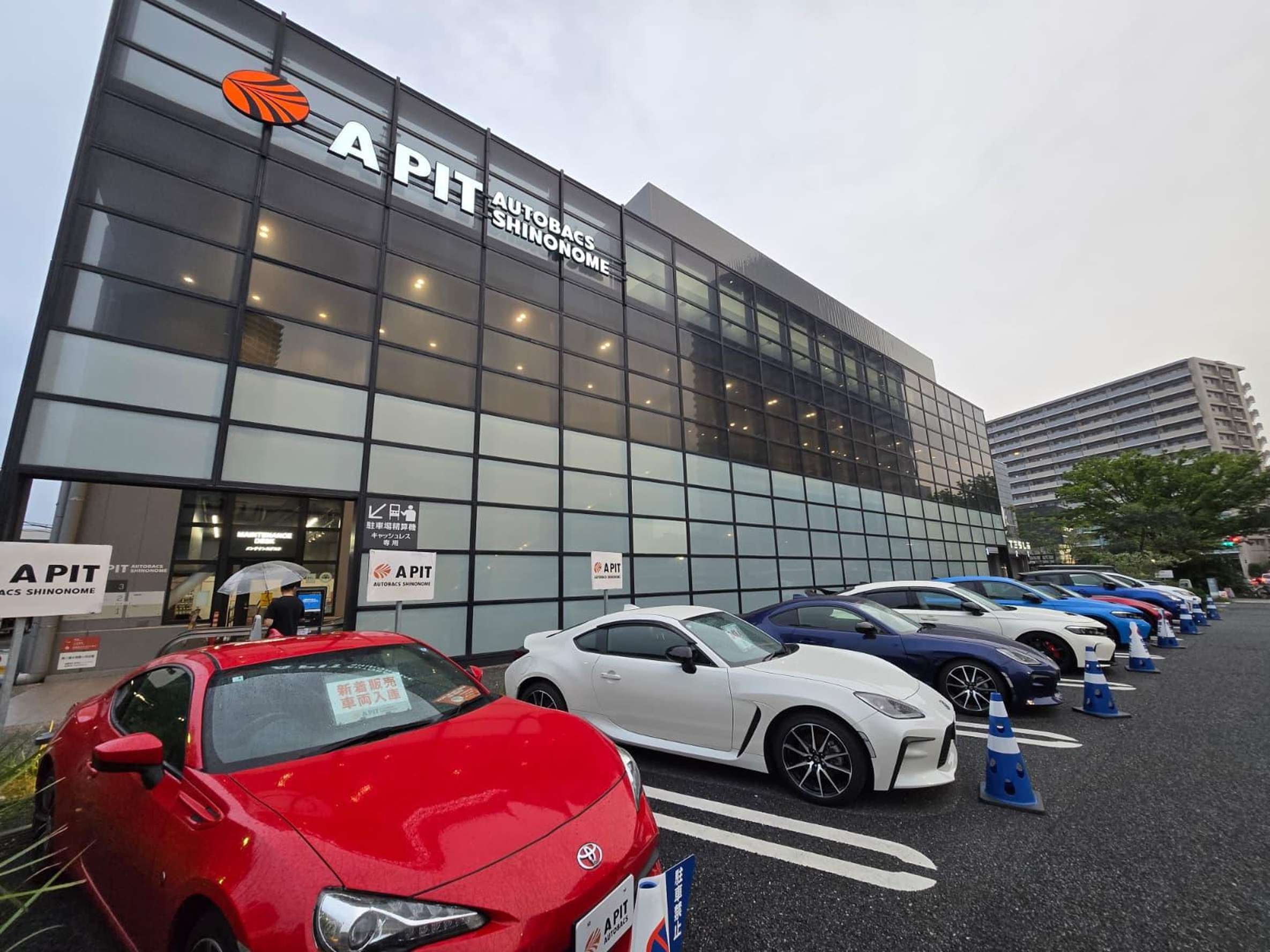
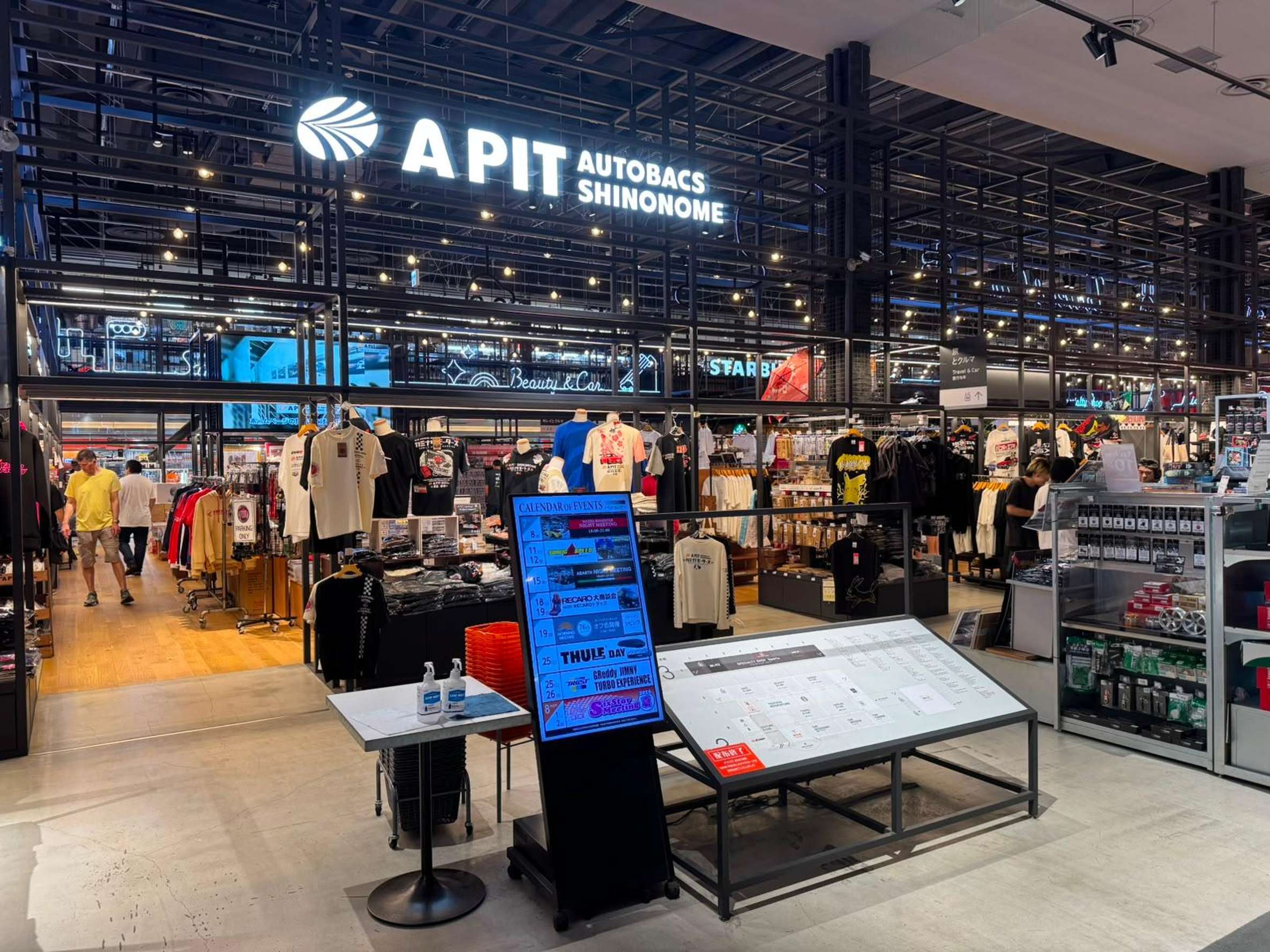
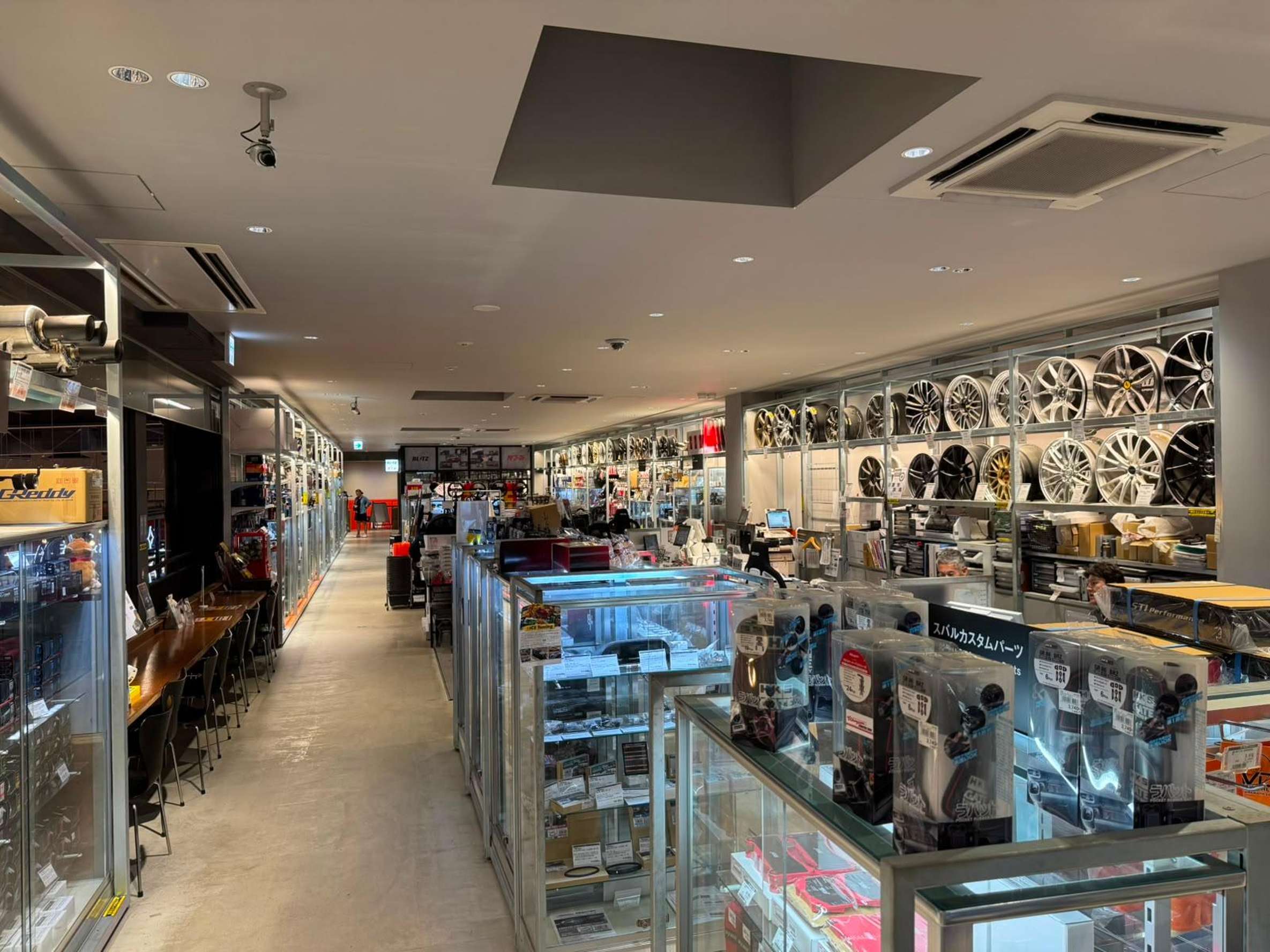
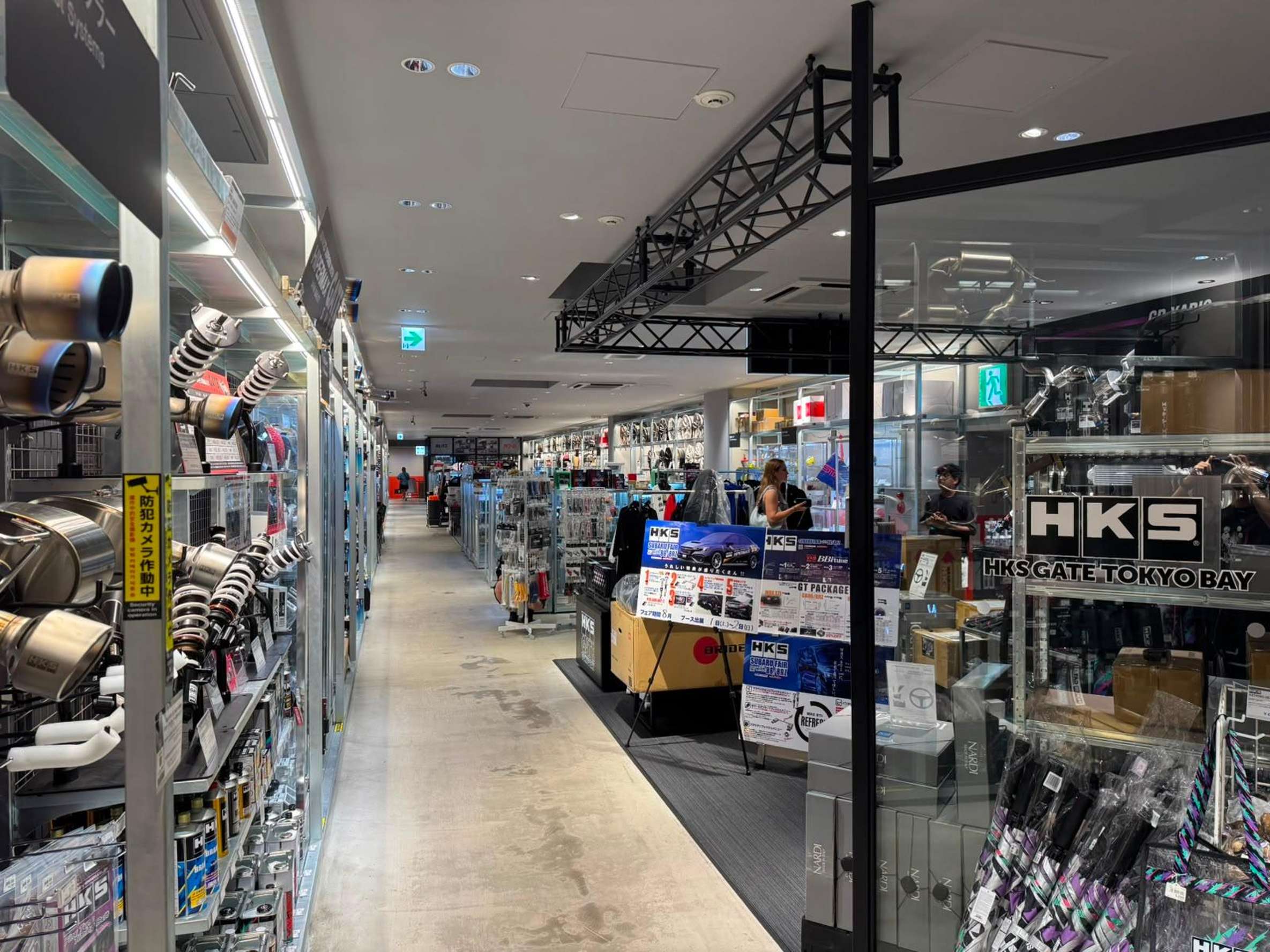
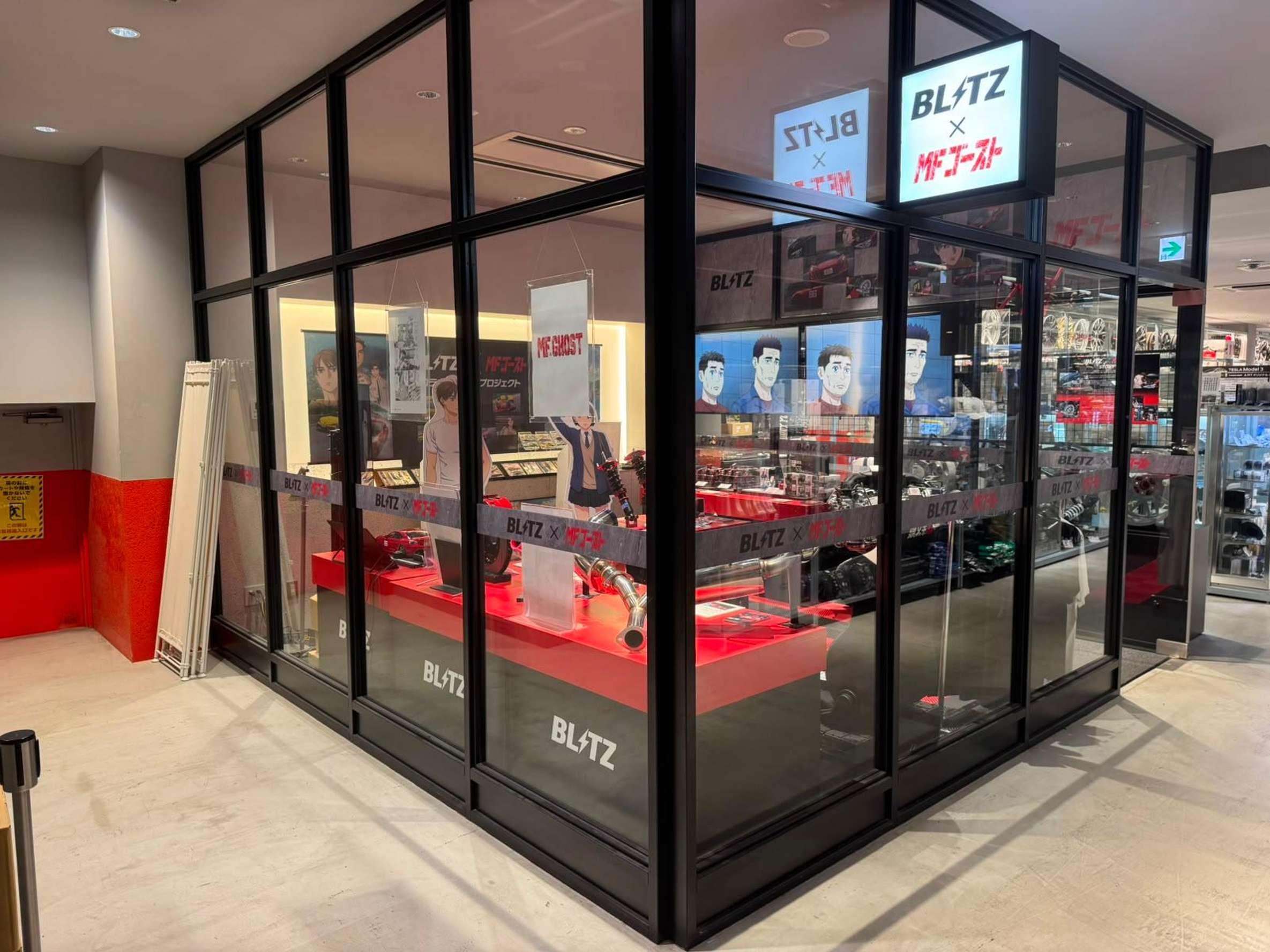
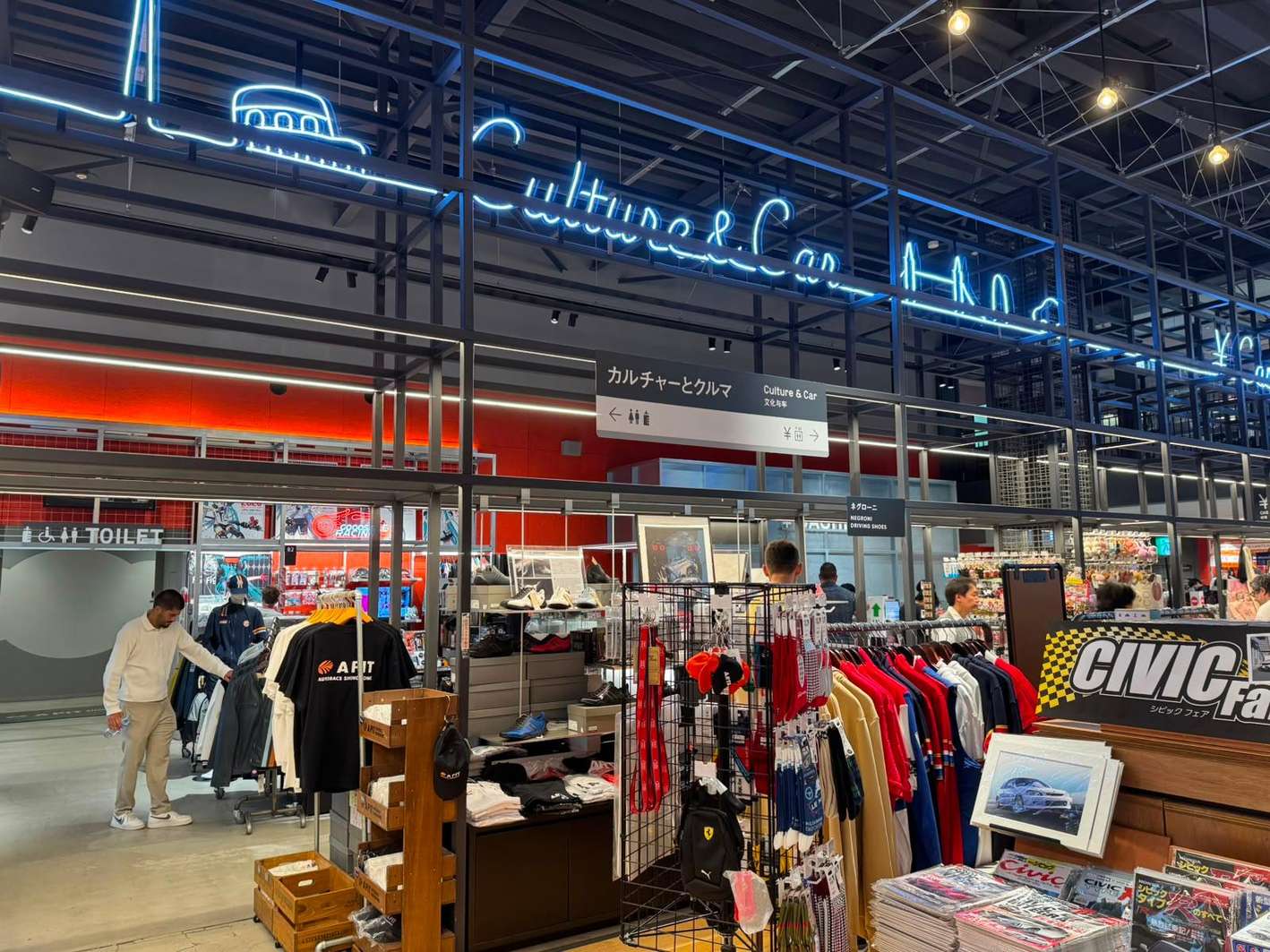
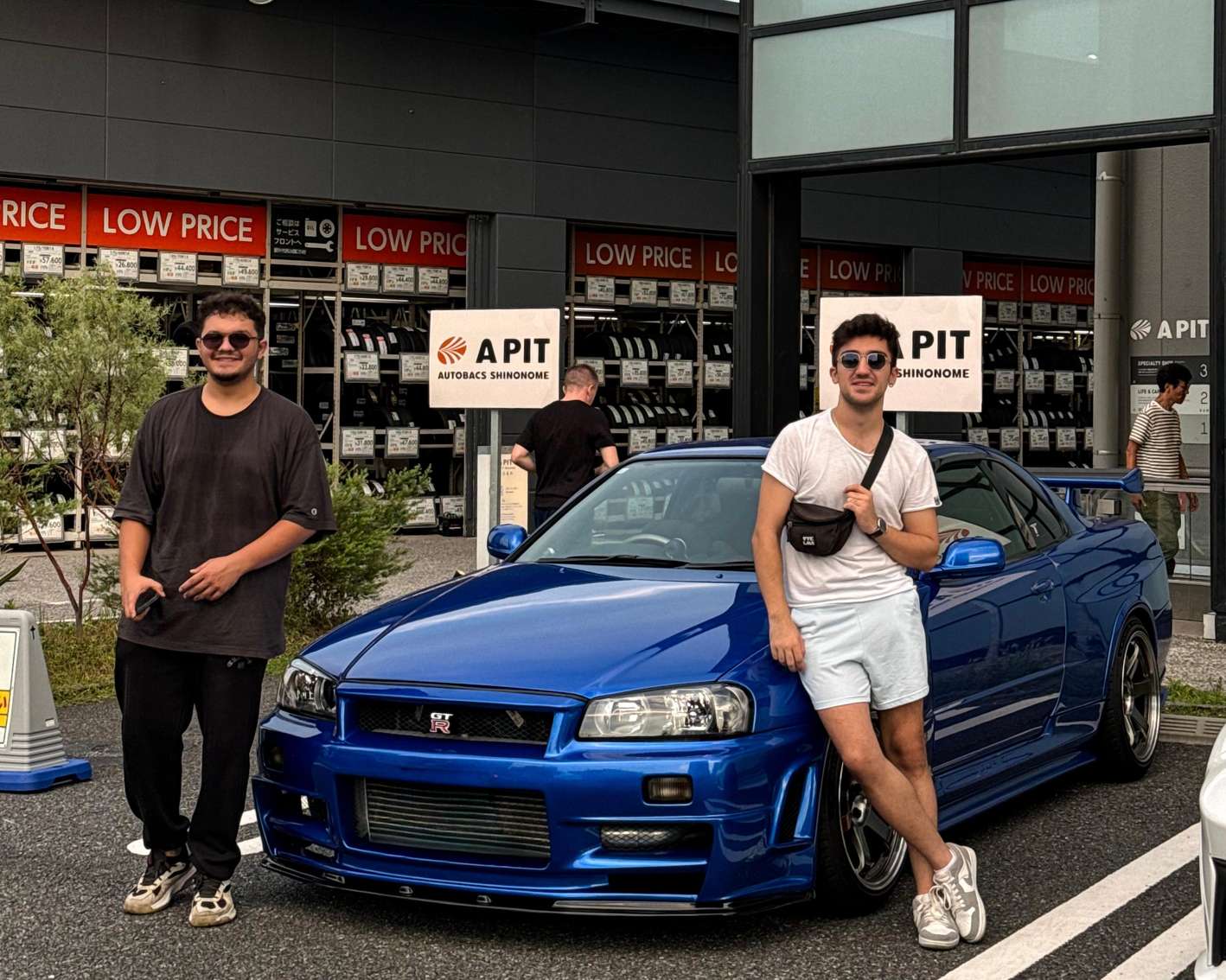
The route also passes Shibuya Crossing, Tokyo Tower, Liberty Walk Tokyo and the A PIT Autobacs store in Shinonome, and guides help with photos along the way.
No international driving permit is needed, since the operator arranges the driver, and central Tokyo drop-off is included. It runs about three to four hours, holds a 4.9 rating from more than 500 reviews, and you can cancel up to 24 hours ahead for a full refund.
This suits visitors who want the JDM night scene without rental paperwork. One thing to know: the operators warn that weather or closures can thin out the cars at some stops, so treat the meet as a bonus, not a promise.
At a glance
Duration 3 hours - 1 day4.9 from 533 reviewsFree cancellation
Modified JDM cars pick you up near Yoyogi Park and Harajuku, then the route runs through Shibuya, over Rainbow Bridge and out to Daikoku Parking Area, the bay rest stop where Tokyo's car crowd gathers at night.
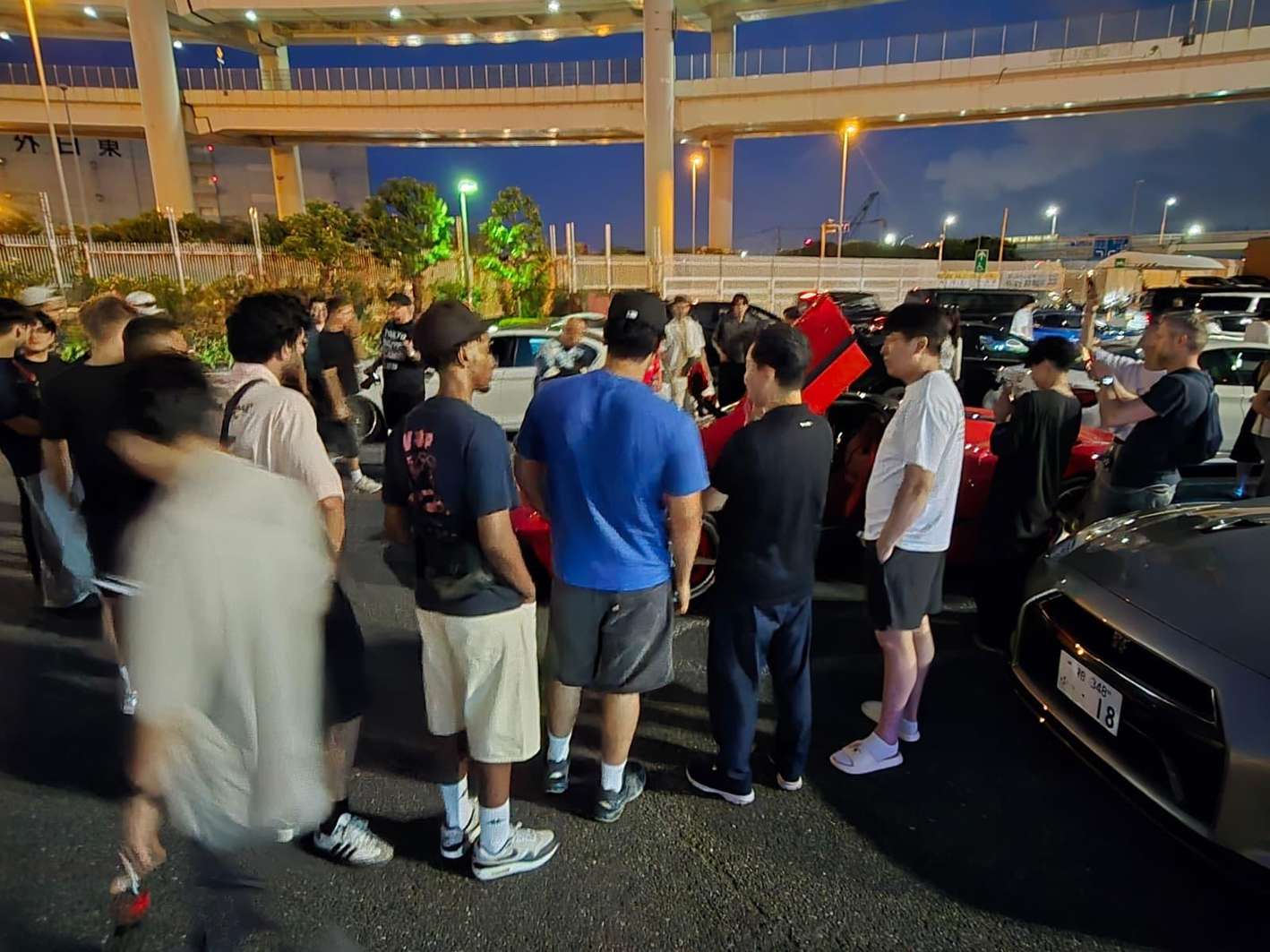
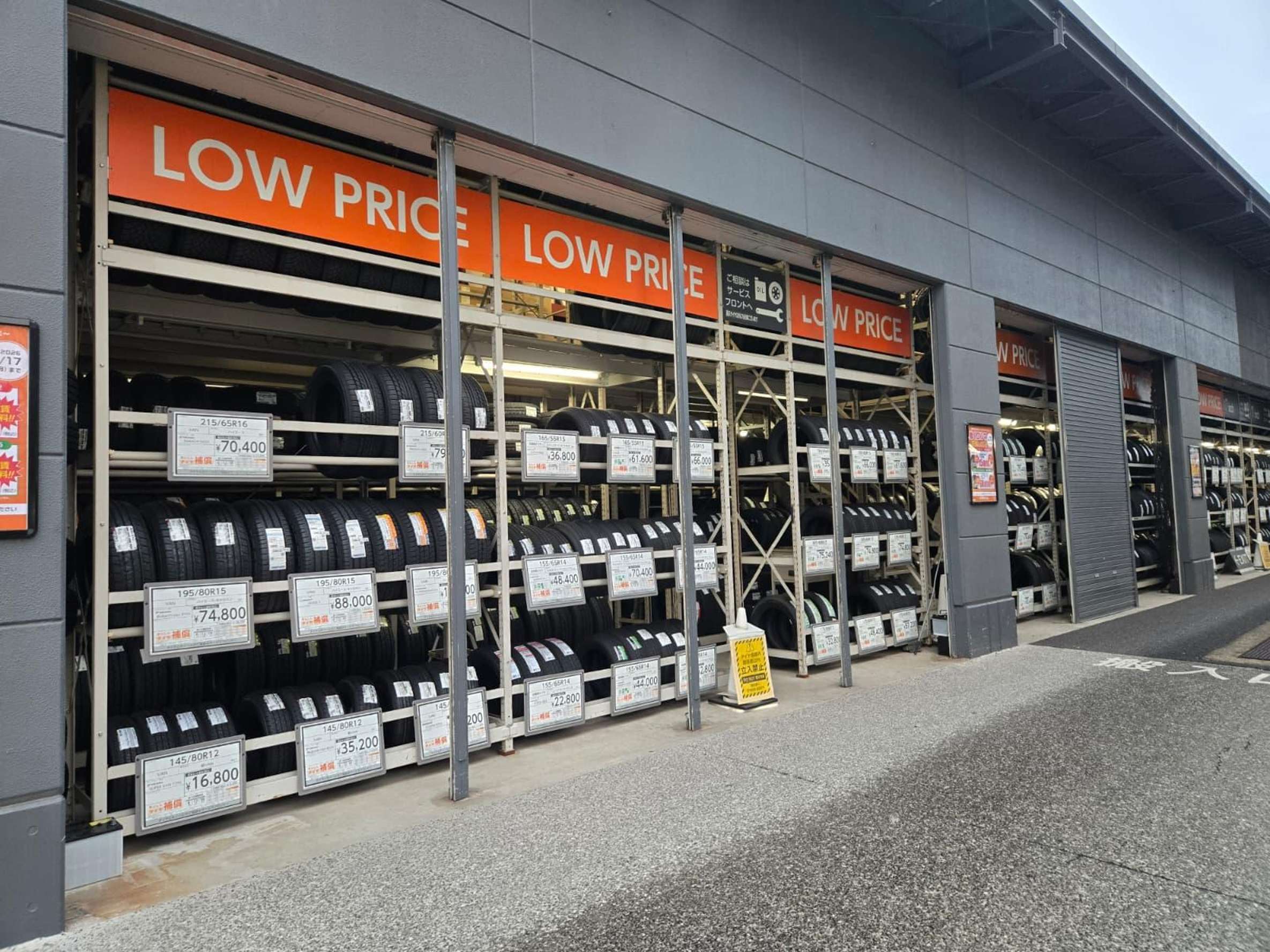
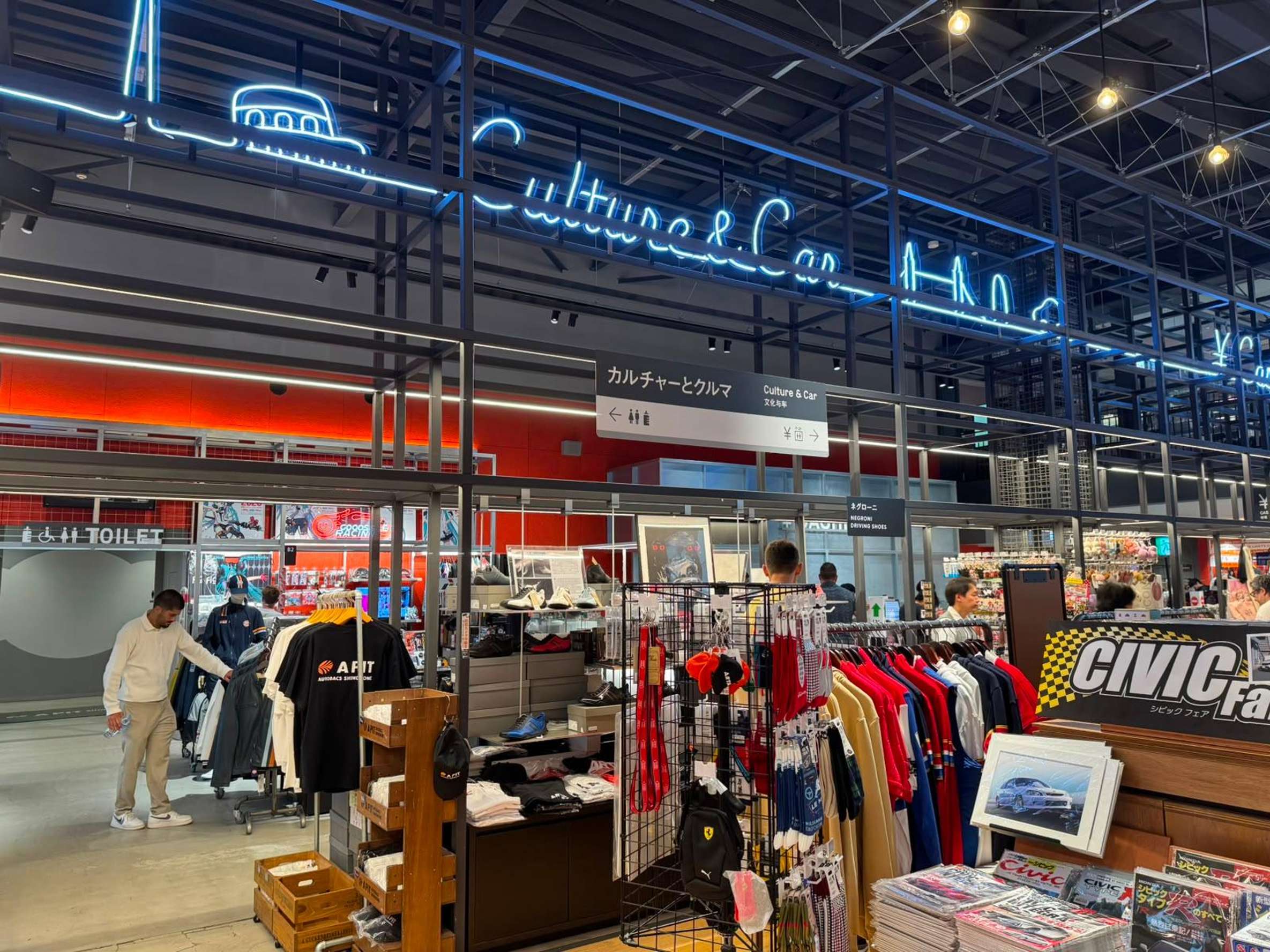
Expect about 45 minutes on the ground there to walk among the parked builds, then a stop at Autobacs Shinonome, Japan's largest car-supply store, and a photo stop near Tokyo Tower via Shiba Park.
You ride as a passenger the whole time, so no driving licence is needed. Guides take photos, explain the cars and help with conversations at the meet. Times shift with traffic and some locations can close on the night; guides keep running the route either way.
Meeting point2 places, depending on your optionReturn to the same clock tower where the run started; the night ends here if you joined at this meeting point.Street View2LIBERTY WALK TOKYO· 40 minShowroom of the widebody kit brand known across the JDM scene. Browse apparel and merchandise and see stanced builds up close. Optional stop.Street View3Shibuya Crossing· 5 minThe drive passes the famous pedestrian intersection and its neon-lit streets at night, seen from inside the car rather than on foot.Street View4Hachiko Statue· 5 minA short walk past the well-known dog statue outside Shibuya Station, one of the city's classic meeting landmarks.Street View5Rainbow Bridge· 0 minThe expressway crosses this illuminated bridge over Tokyo Bay, with skyline and water views from the car window. It is a drive-through, not a stop.Street View6Daikoku Parking Area· 45 minA rest stop on an island in Yokohama Bay where modified cars gather most nights. Walk the rows, take photos and talk with owners. Police closures can happen; guides then continue to another bay spot.7autobacs Shinonome· 30 minJapan's largest car-supply and tuning store, with a cafe inside. Shop parts and merchandise while modified daily drivers roll into the lot.Street View8Shiba Park· 10 minPhoto stop by Tokyo Tower, where guides know the viewpoints that frame tuned cars against the landmark.From this tourDrop-off2 places, depending on your optionOne of the designated drop-off points in central Tokyo, included in the tour fare.Street View
Included
Night city drive through Tokyo for unforgettable scenic viewsOpportunity to see Rainbow Bridge with Tokyo Bay night viewsPhoto and video support at recommended spotsInsurance and support for safe driving (driver or passenger included)Enjoy complimentary hotel drop-off or designated location drop-off within central areas of TokyoYou do not need an international driving permit, as we will arrange a driver for you
Not included
Food and drinksPersonal expensesSmoking and drinking
Travelers said their AE86 rental hunt ended on these night rides
Most reviewers praise the drivers, saying friendly guides made the night feel personal and easy.
Best surprise
Many reviewers did not expect the photo help and came home with shots at Tokyo Tower and Daikoku.
Most common wish
Several reviewers wished the car meet had lasted longer when police ended the night early.
How to book your AE86 rental Tokyo alternative
01
Pick your date and start time
Choose a night when the car meets are biggest, usually Friday or Saturday. Most versions of the tour run three to four hours and start in the evening, so plan a late return.
Pro tipWeekend nights draw the biggest turnout at Daikoku PA, though police can close it by about 8:30 pm on Thursdays to Saturdays, so earlier starts see more
RecommendedApril, October and September are the busiest months, so book those several weeks ahead; in quieter months same-day booking often works
02
Choose the ride option
The featured tour has three options: a three-hour midnight run, a four-hour Tokyo Drift route, and a four-hour ride in a modified GT-R. Pick by how long you want out and which car you want to sit in.
Common mistakeBooking the midnight run for sightseeing. That option skips stops like the tuning store and focuses on the expressways and car spots
RecommendedIf a particular car matters to you, ask about the lineup before you book, since the exact cars vary
03
Pay and wait for contact
After payment you get a confirmation email, and the operator writes to you within 48 hours. Reply to that message and give a contact such as WhatsApp or Instagram.
Pro tipTurn on your messaging app notifications. If anything changes, the operator sends a message before start time, sometimes about an hour before
RecommendedCheck your mailbox in the two days after booking and reply promptly so pickup details reach you in time
04
Sort your meeting point
Check your voucher for the meeting point. This tour has no hotel pickup on the standard options, so you meet the driver at the arranged spot in Tokyo, and central drop-off is included at the end.
Pro tipPick a meeting point a modified sports car can pull up to, near a wide hotel entrance, not a spot down a narrow pedestrian street
ImportantYou ride as a passenger, so no international driving permit is needed for this tour
05
Prepare for the night
Bring comfortable shoes, a camera and a charged phone. Eat before you go, since food and drinks are not included, and expect standing around outdoors at the meet.
Common mistakeTouching the cars for photos without asking the owner. Never sit on a hood or lean on the paint, and keep watches and metal away from the bodywork
ImportantSmoking or vaping in the vehicle brings a cleaning fee, so leave it for the stops
What to know before booking an AE86 rental in Tokyo
Can stop the dayGood to knowGood news
01
ChoosingWhat it is, who it suits, when to go
3
Pickup
Both night tours arrange a driver for you, so you skip rental paperwork and permits entirely. The closest one includes a complimentary drop-off at your hotel or a designated spot in central Tokyo after the ride.
Included
Your booking covers the driver, passenger insurance, photo and video support at the best spots, and the full route. Expect Daikoku PA, the Wangan Route, Rainbow Bridge, Tokyo Tower, Shibuya, Liberty Walk Tokyo and A PIT Autobacs. Food and drinks are extra.
Meet closuresCan stop the day
Daikoku PA is an informal gathering with no schedule, and police can close the lot with no notice, most often on weekend nights. Weather can thin the turnout as well. Guides adapt on the spot and still walk you through what you see.
02
BookingHow far ahead, and what happens if plans change
4
The cars
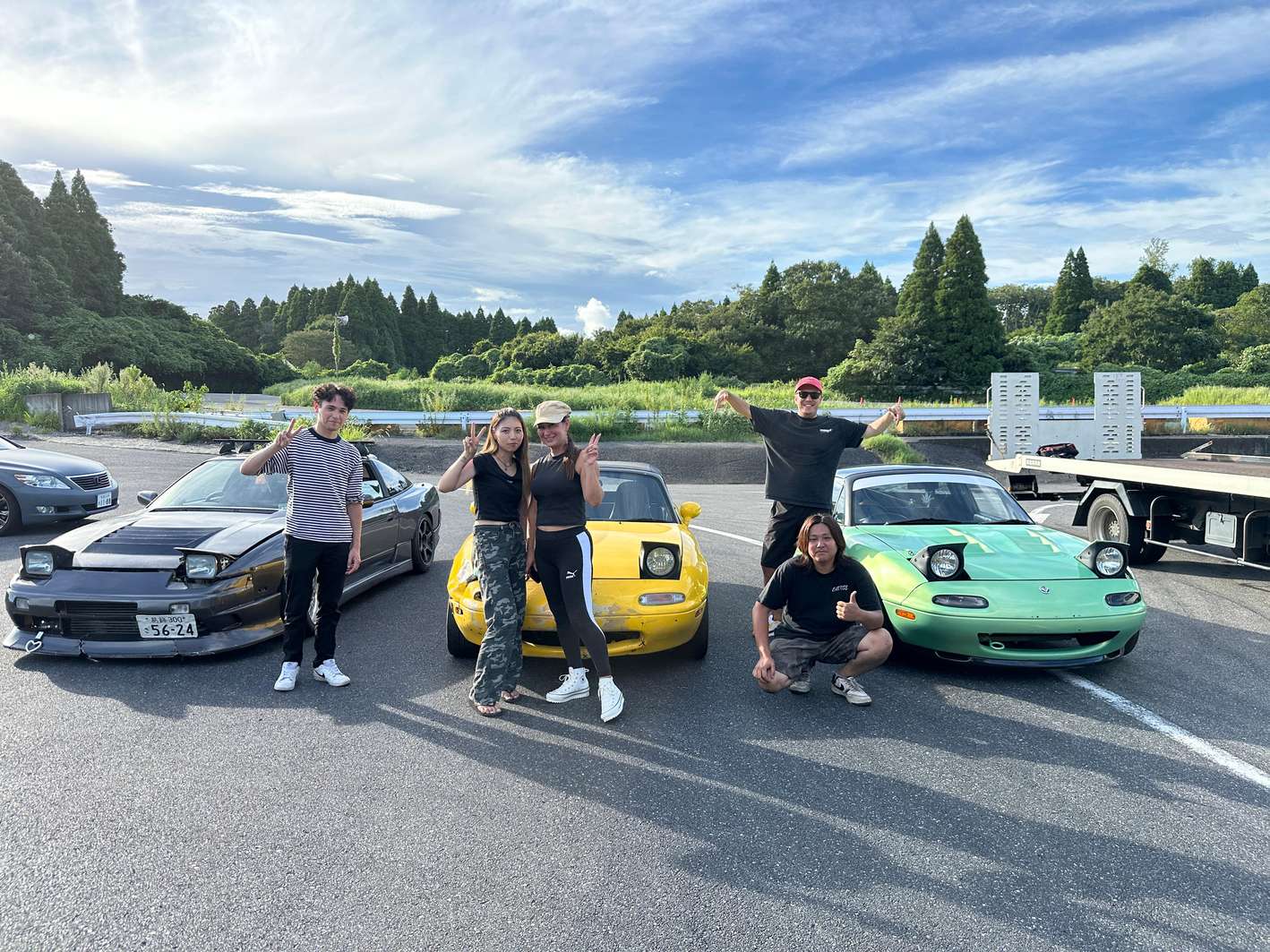
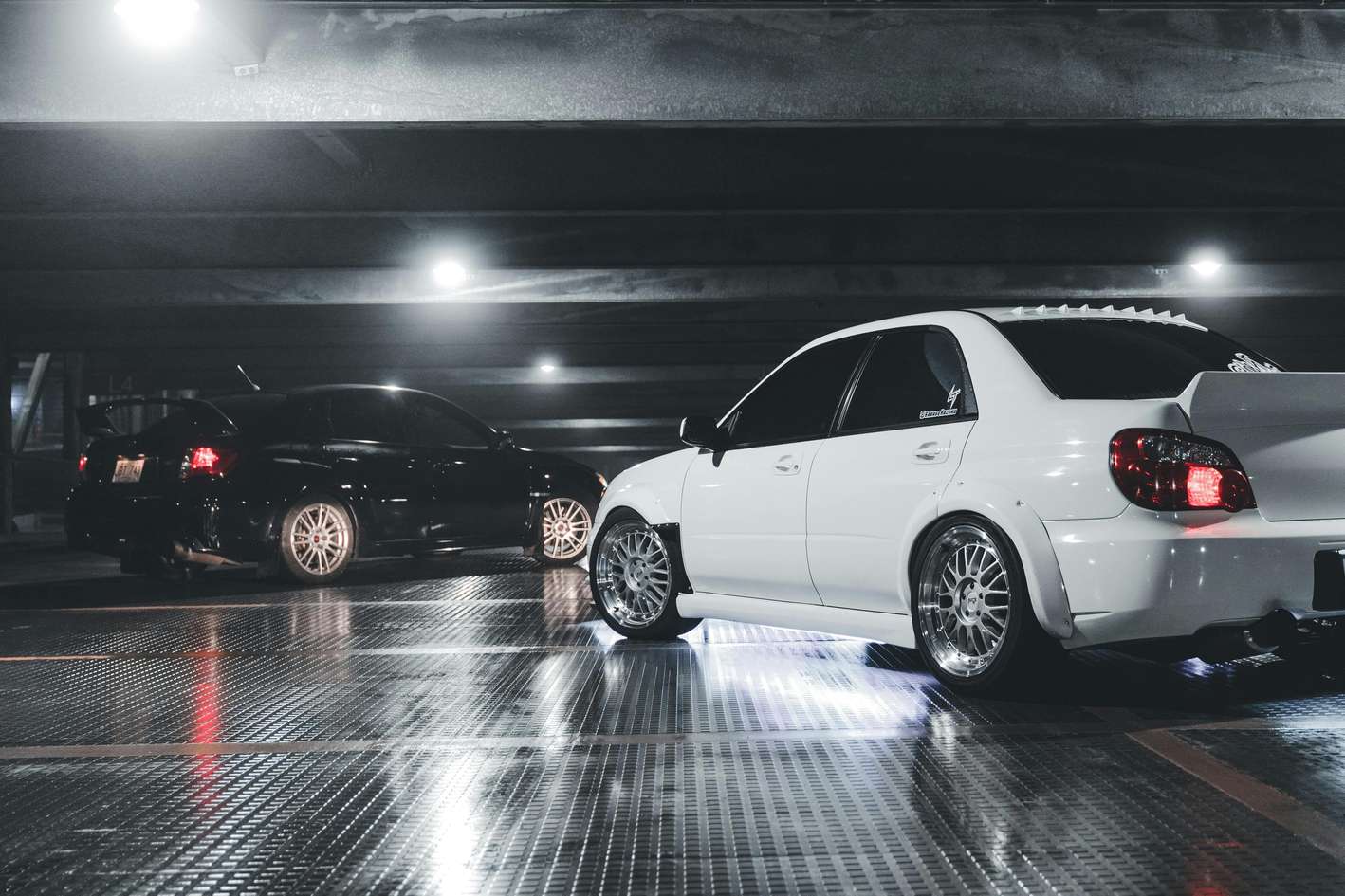
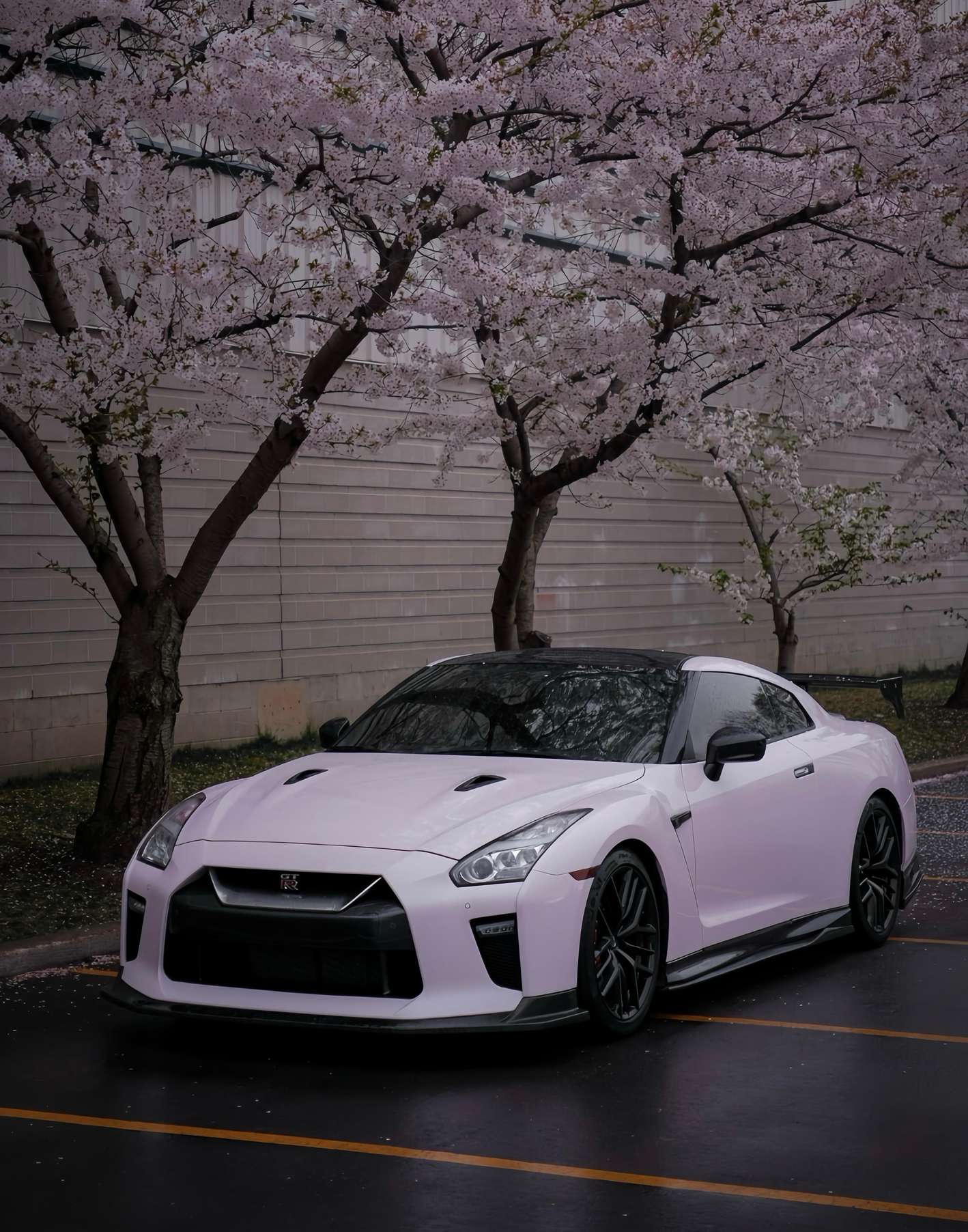
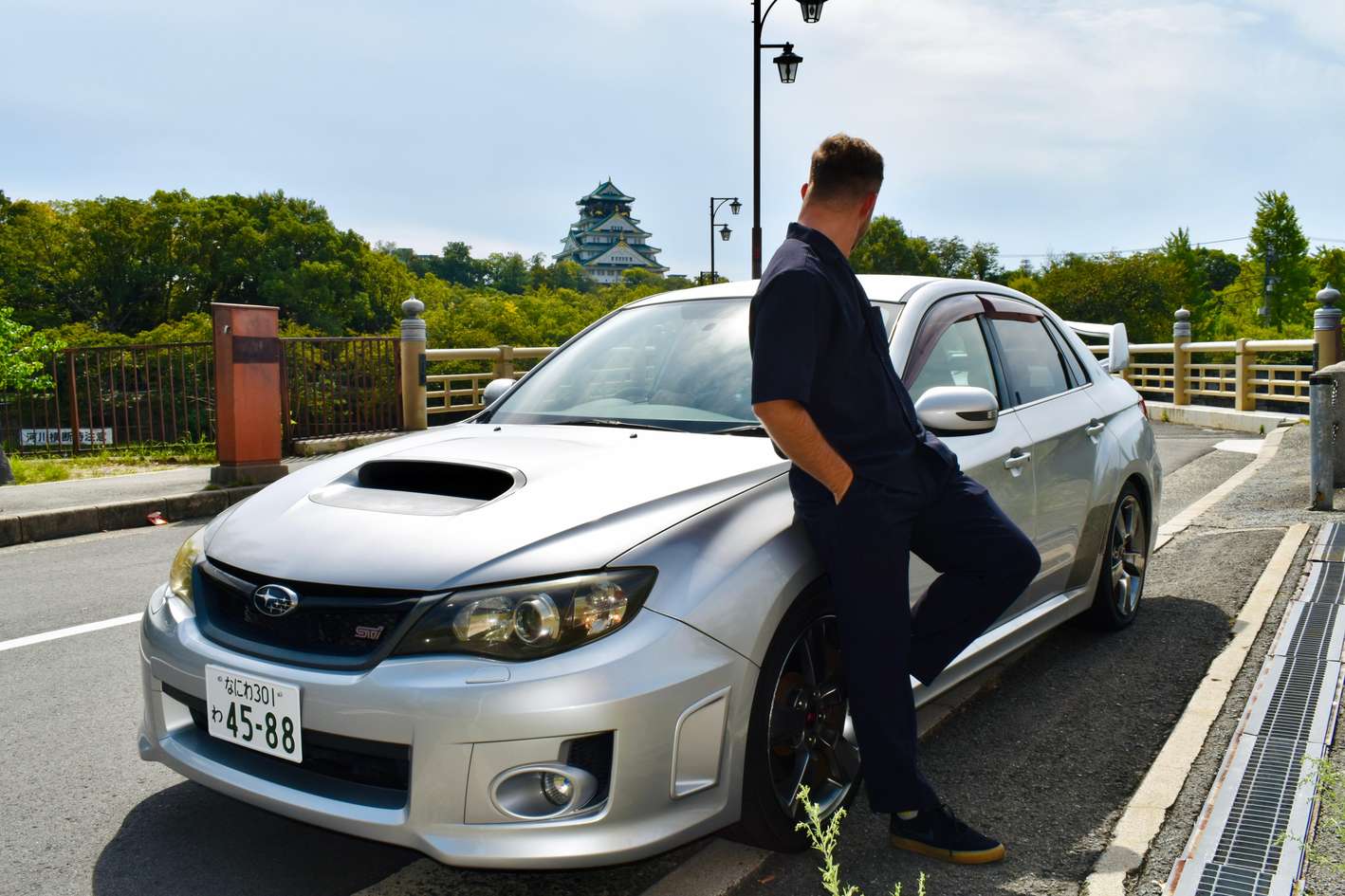
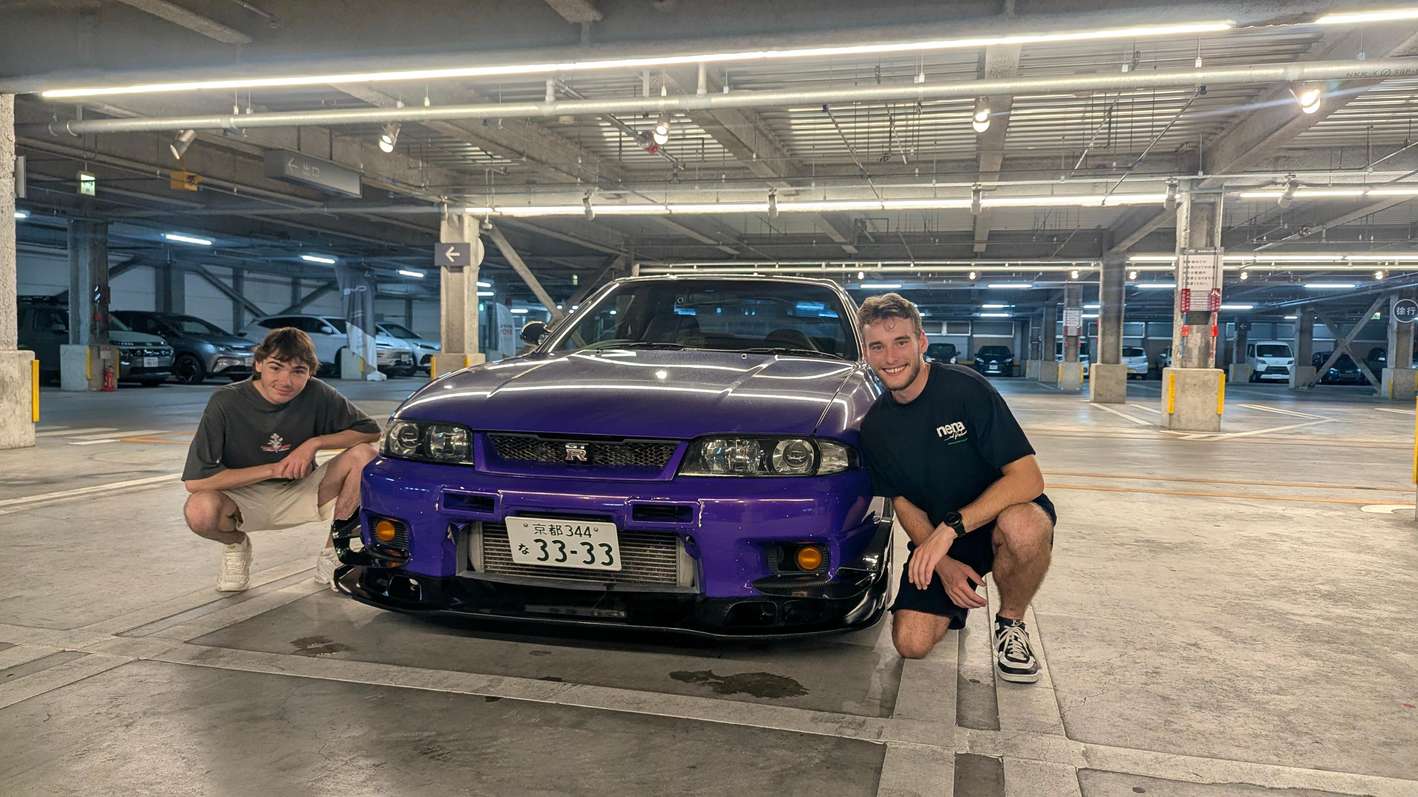
You ride in modified JDM performance cars such as Skylines, EVOs and RX-7s, with heavily modified body kits and drift-bred builds. The fleet changes with availability, so ask about a particular model when you book if one matters to you.
Group size
Seats in the sports cars are limited. Except for parents with children, your group may be split across two modified cars; both drive, park and depart together, and you can tell staff in advance if you would rather stay together.
Lead time
Book a few days ahead rather than on the day. These night runs sell out in busy months, and a specific car request made on the day may not be available since the vehicles are privately owned.
Cancellation
You can cancel up to 24 hours in advance for a full refund. If a location on the route is shut that night, the guide still runs the rest of the drive and keeps explaining the scene, so the night does not fall apart over one stop.
03
Before you goPapers, health, what to bring
1
Documents
Bring nothing but comfortable shoes and a charged phone or camera. Because a professional driver is behind the wheel the whole night, you need no international driving permit and no Japanese paperwork to join.
04
During the tourWhat is expected of you
2
On boardCan stop the day
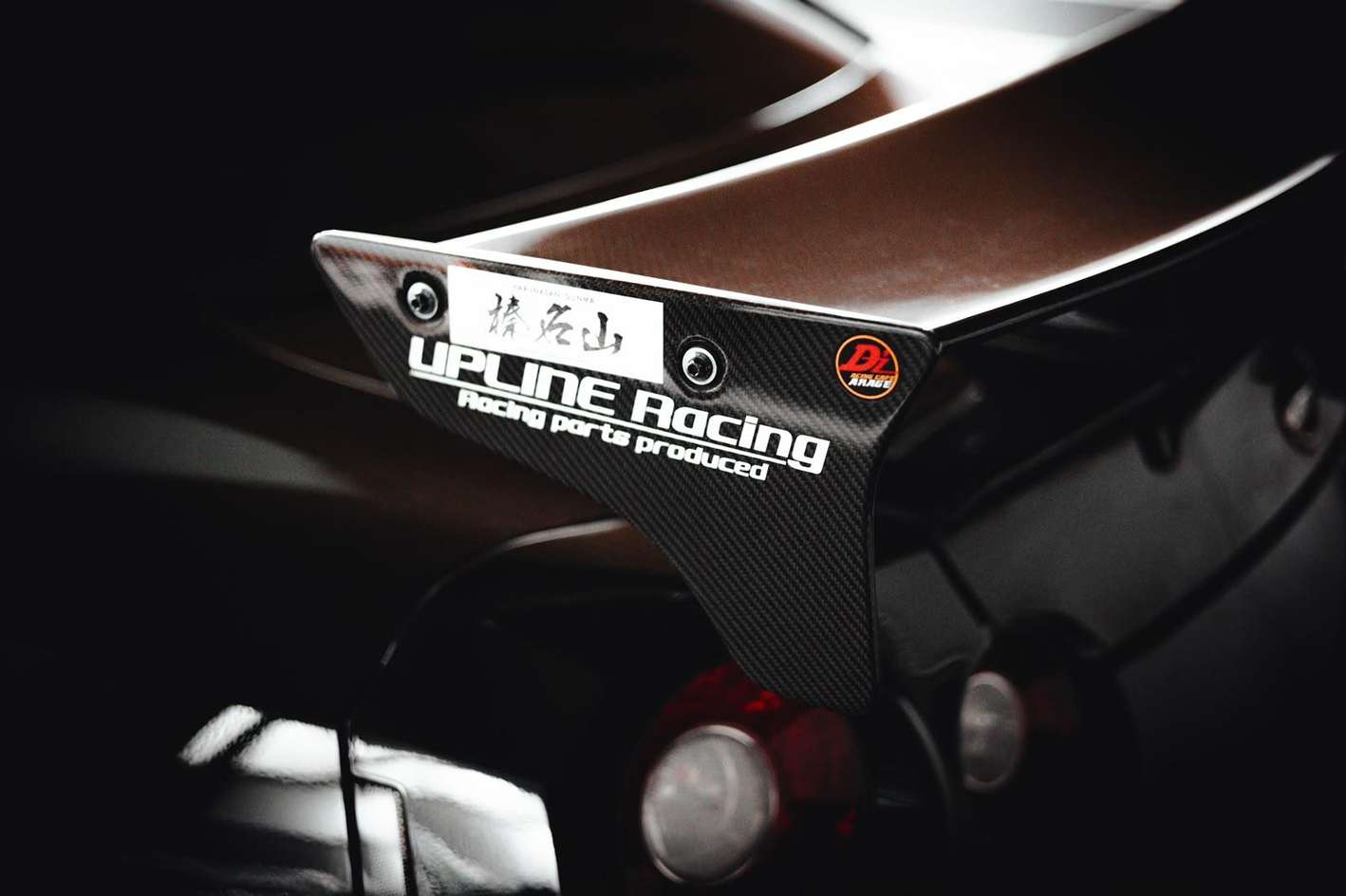
Smoking and vaping inside the cars are banned, and violations carry a cleaning fee. Skip alcohol and drugs too. The cars run carbon-fiber body kits, so never sit on the hood, lean on the paint or step on a vehicle for a photo.
Photos
Photo stops are built into the night: Tokyo Tower, Rainbow Bridge and the meet itself. Guides take pictures and suggest viewpoints. At the meet, ask an owner before photographing a car up close or stepping inside it.
The truth about AE86 rental in Tokyo and what to book instead
No AE86 rental in Tokyo is bookable on this page, so the real decision is what to do with the night instead. Here is how to choose between the closest rides.
Yokohama· 35.67° N, 139.70° E
If you only remember three things
1
No AE86 rental is bookable here, so plan a ride-along or self-drive JDM night instead and confirm the car in writing before you pay.
2
No licence means ride: on a guided meet tour a professional driver is behind the wheel all night, and no international driving permit is needed.
3
Aim for Friday or Saturday night, when the lot is fullest, and book weeks ahead in April, October or September.
The honest answer on AE86 rental bookings, and what you can do instead
The answer is a plain no: no AE86 rental is bookable here. What the tours do sell is the night AE86 fans actually want, a modified JDM car, an expressway run and the parking area where the scene gathers.
So two questions decide the booking. Do you ride as a passenger or take the wheel yourself, and can you count on a specific car?
On both counts the Fast and the Furious Tokyo DriftIII Experience is the strongest pick: a modified JDM ride out to Daikoku PA, with no international driving permit needed because a driver is arranged for you.
Why the AE86 you see in listings is never guaranteed
A photo of a specific car on a listing does not reserve it
ask in writing whether the vehicle type is guaranteed for your date
"Van" in the fine print
means you walk around the lot and never ride in the cars
Fleets change nightly
if one particular car matters to you, confirm it before you pay
Read those three lines before you pay anything. They are the difference between a night spent hoping and a night planned around what the operator can actually guarantee.
Tour for this
Fast and the Furious III/Tokyo Tower/Daikoku PA/JDM Car Meet4.9★ (260) · 3 - 4 hours · Free cancellation
Sit in the passenger seat and the night asks nothing of you but a booking. A professional driver is behind the wheel the whole time, and a guided meet tour bundles hotel pickup, a bilingual driver-guide, tolls, fuel and passenger insurance, with about 60 minutes on the ground at Daikoku PA.
The Fast and the Furious Tokyo DriftIII Experience and Fast and the Furious III/Tokyo Tower/Daikoku PA/JDM Car Meet both run that format. Take the wheel and the list grows. Some cars, the GT-R, Supra and RX-7 among them, are ride-only on guided tours no matter what you hold.
The rule of thumb is short. First visit or no licence, ride. Licence plus expressway confidence, drive, and give the paperwork an evening of its own.
Tour for this
Fast and the Furious Tokyo DriftIII Experience4.9★ (533) · 3 hours - 1 day · Free cancellation
Both tours here do the same job: a modified JDM car, a driver, and a night that ends at Daikoku PA. Where they differ is shape.
The Yokohama-based Fast and the Furious Tokyo DriftIII Experience stretches from a three-hour midnight expressway run to a four-hour Tokyo Drift route, with a modified GT-R R35 as an upgrade, and its fleet spans drift cars and drag-racing-style builds with track-experienced drivers.
The Tokyo tour, Fast and the Furious III/Tokyo Tower/Daikoku PA/JDM Car Meet, keeps it to three or four hours with the same GT-R35 upgrade.
The two bookable alternatives side by side
Fast and the Furious Tokyo DriftIII Experience
Fast and the Furious III/Tokyo Tower/Daikoku PA
Base city
Yokohama
Tokyo
Duration
3 hours up to a full day
3 to 4 hours
Cars promised
modified JDM, drift and drag-style cars, or a GT-R R35
a classic modified JDM car, or a GT-R R35 upgrade
If a spot is closed
guides stay with you and keep explaining, though some locations may see fewer cars
the same policy; guides accompany you regardless
Fast and the Furious Tokyo DriftIII Experience
Base city
Yokohama
Duration
3 hours up to a full day
Cars promised
modified JDM, drift and drag-style cars, or a GT-R R35
If a spot is closed
guides stay with you and keep explaining, though some locations may see fewer cars
Fast and the Furious III/Tokyo Tower/Daikoku PA
Base city
Tokyo
Duration
3 to 4 hours
Cars promised
a classic modified JDM car, or a GT-R R35 upgrade
If a spot is closed
the same policy; guides accompany you regardless
Both stop at Daikoku PA, Liberty Walk Tokyo, A PIT Autobacs, Shibuya, Rainbow Bridge and Tokyo Tower, and both include photo support, insurance and central drop-off.
More route choice goes to the Yokohama tour; a tighter night goes to the Tokyo one. Compare the two on duration before you pick, since the midnight run and the full Tokyo Drift route are different evenings.
Tour for this
Fast and the Furious III/Tokyo Tower/Daikoku PA/JDM Car Meet4.9★ (260) · 3 - 4 hours · Free cancellation
Is a guided meet night worth it instead of an AE86 rental
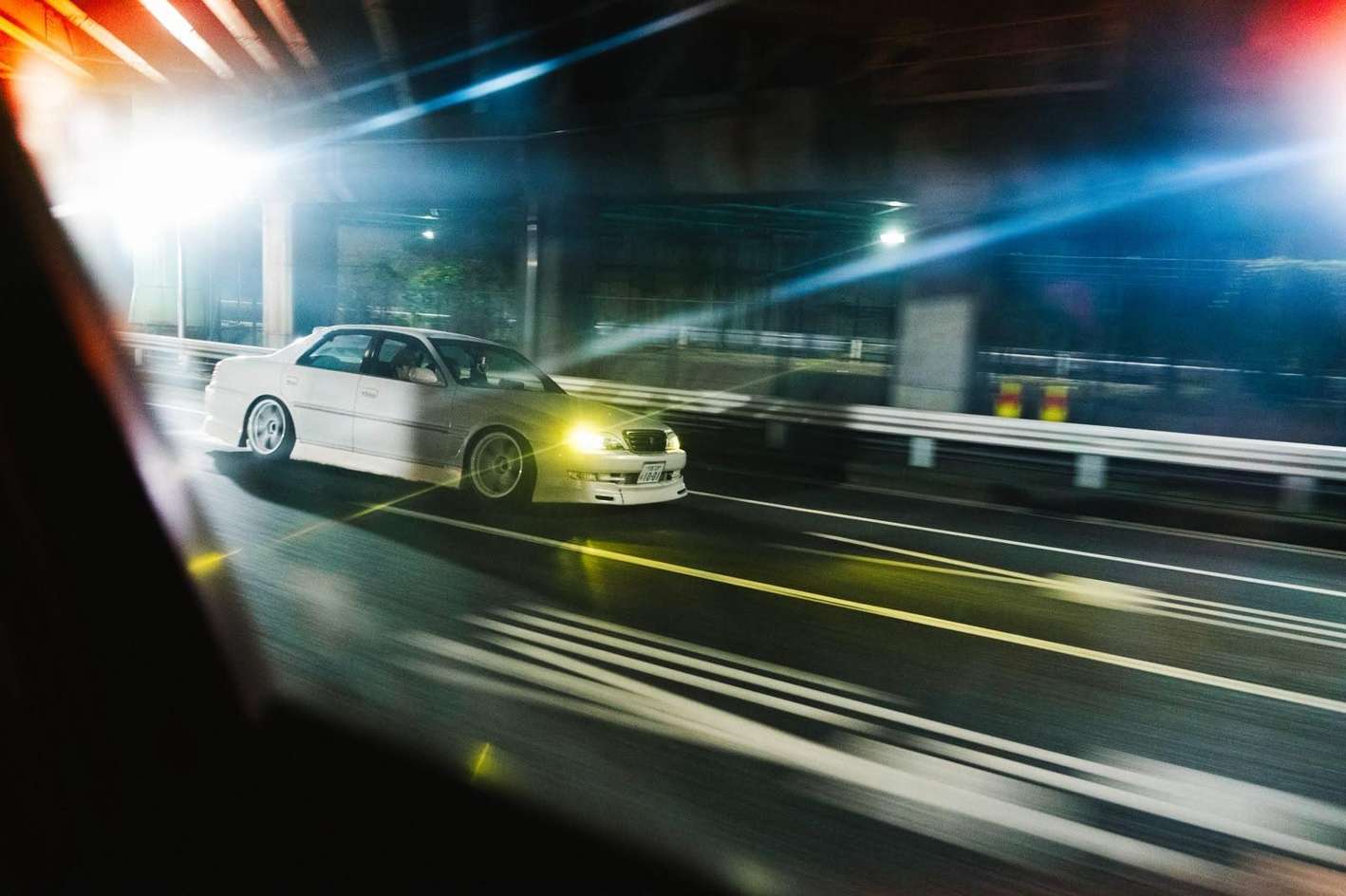
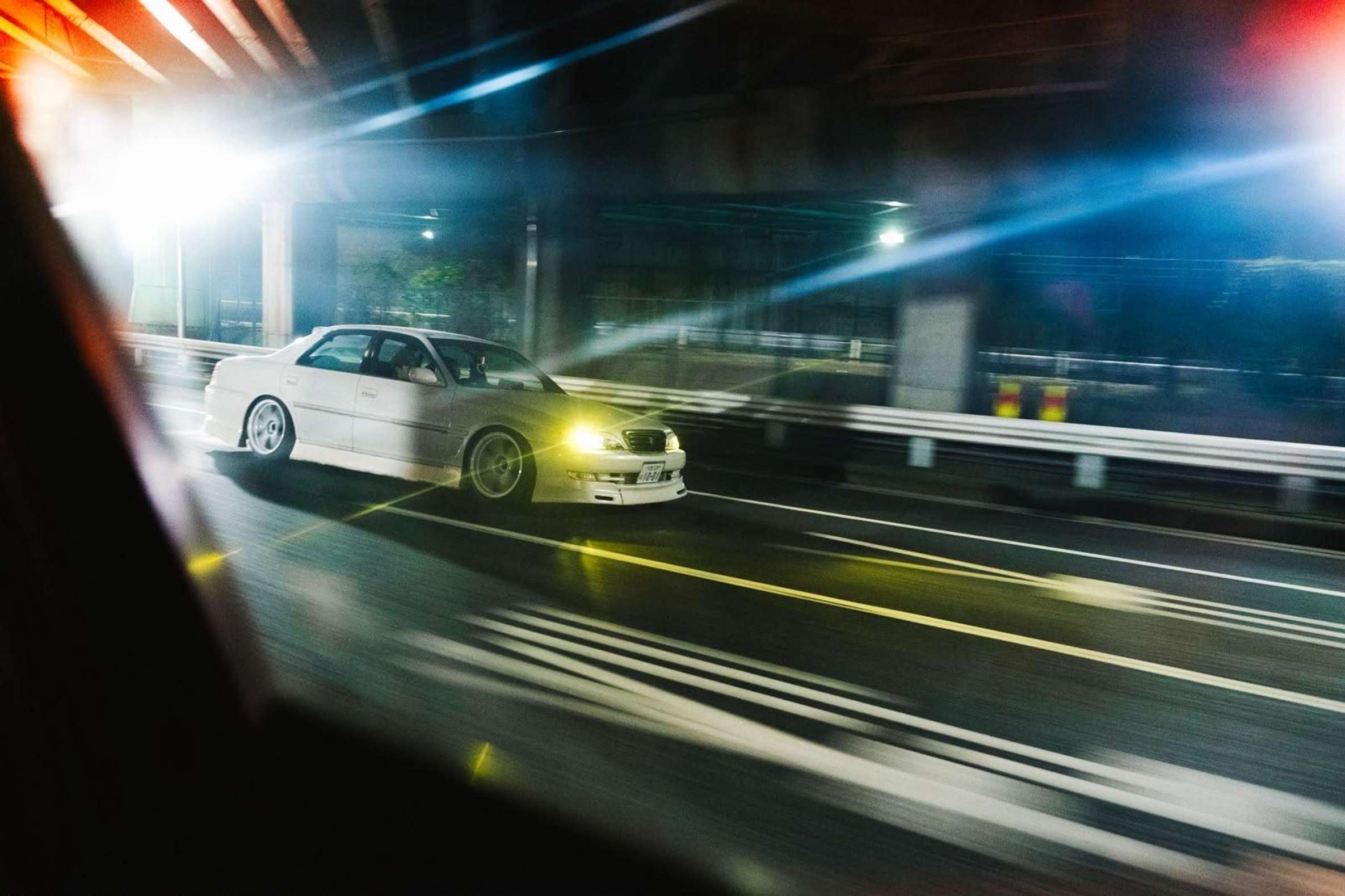
Worth judging on what the night delivers. The route runs the Shuto Expressway C1, crosses Rainbow Bridge with Tokyo Bay spread out below, takes the Wangan Line and puts you on the ground at Daikoku PA for about an hour.
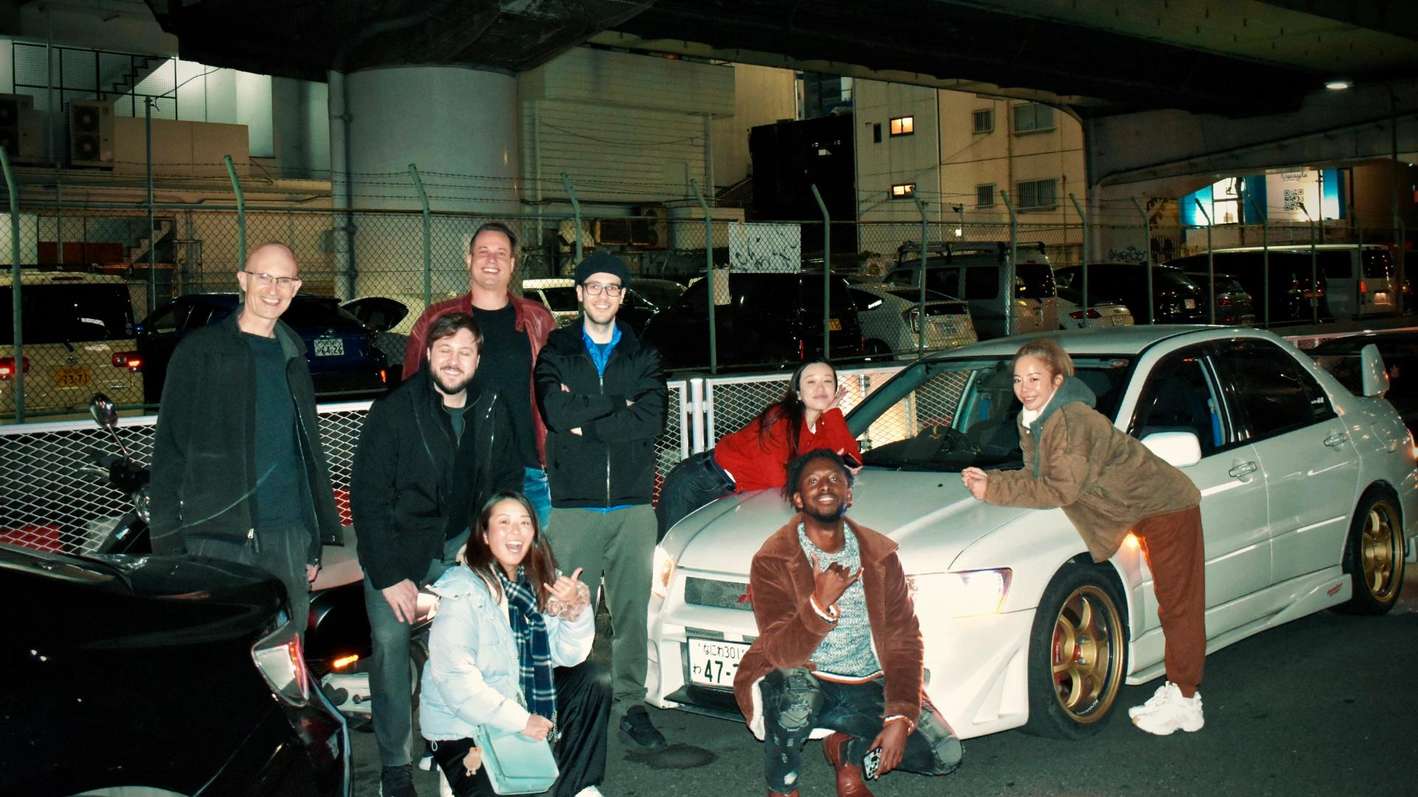
Guides also explain the cars, translate conversations with owners and take photos on request, and the commentary stays informal rather than a lecture.
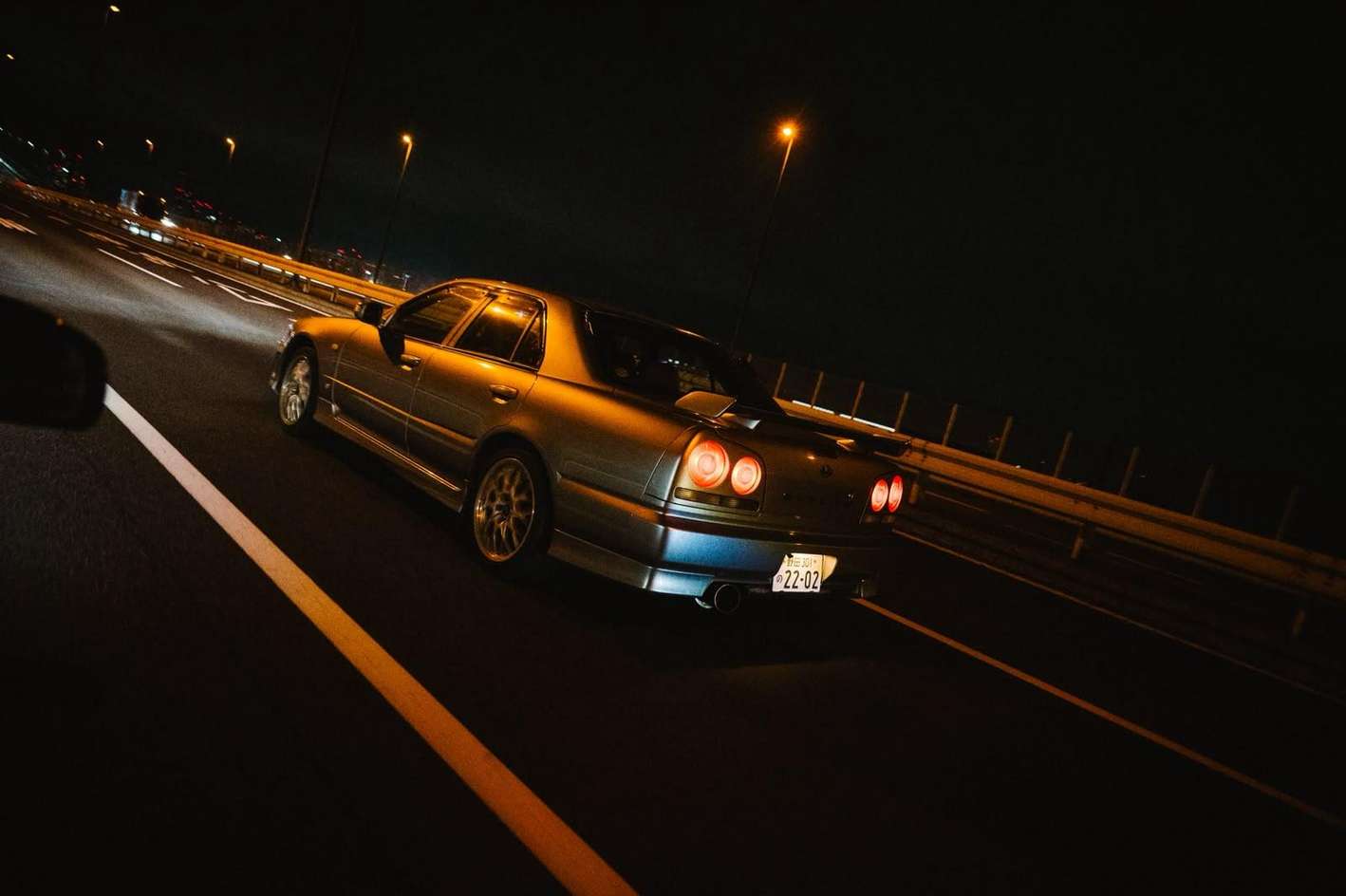
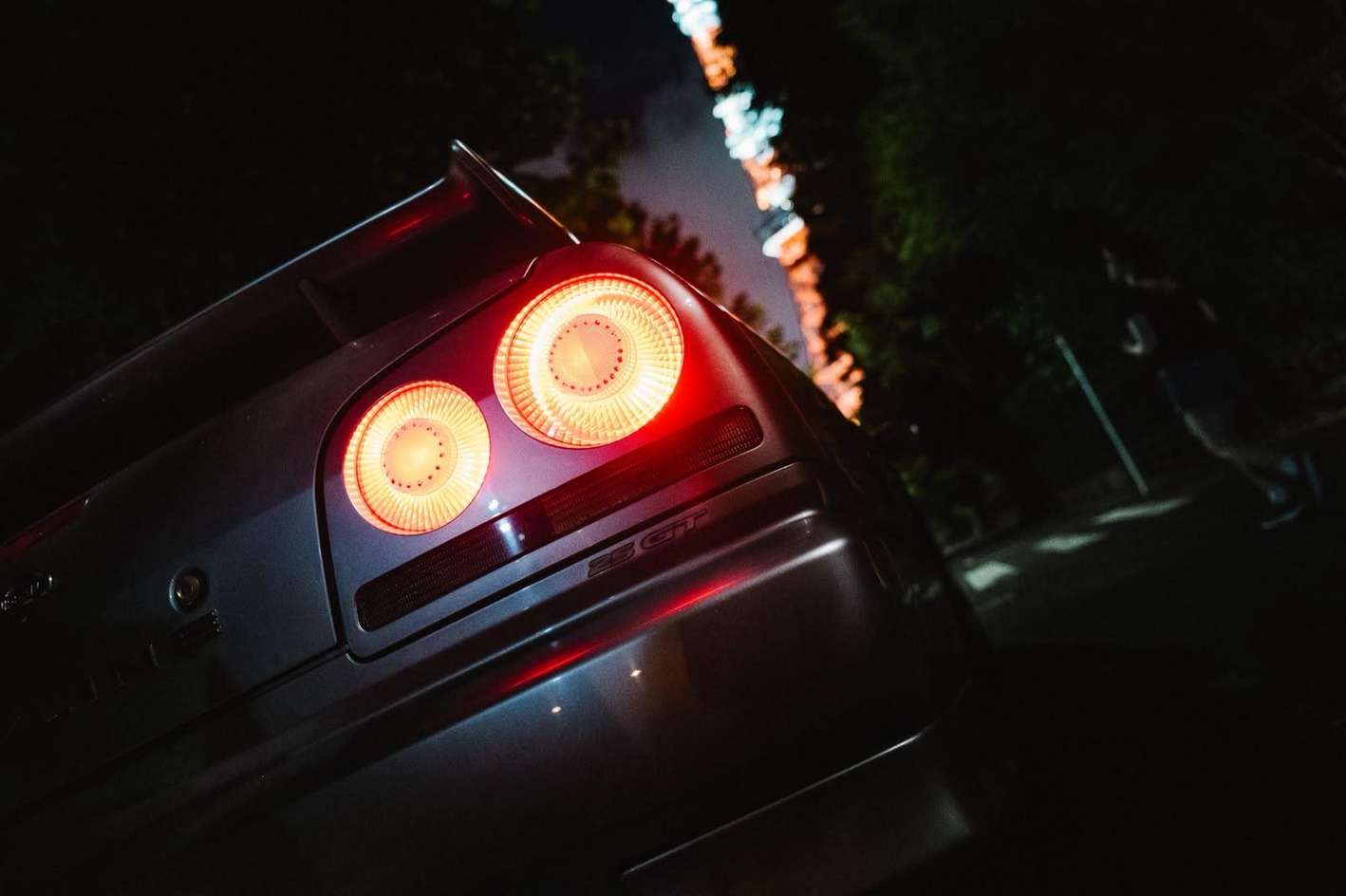
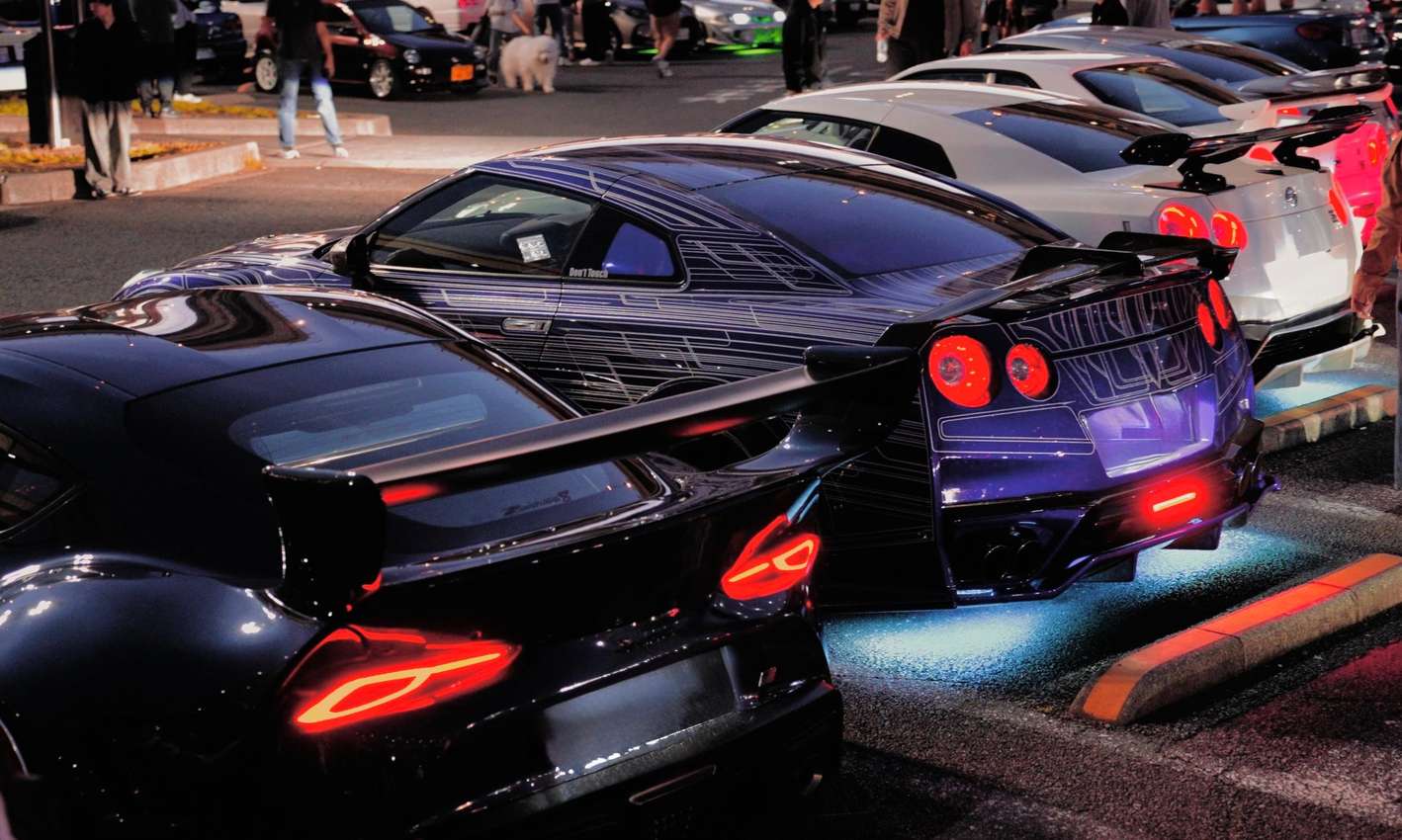
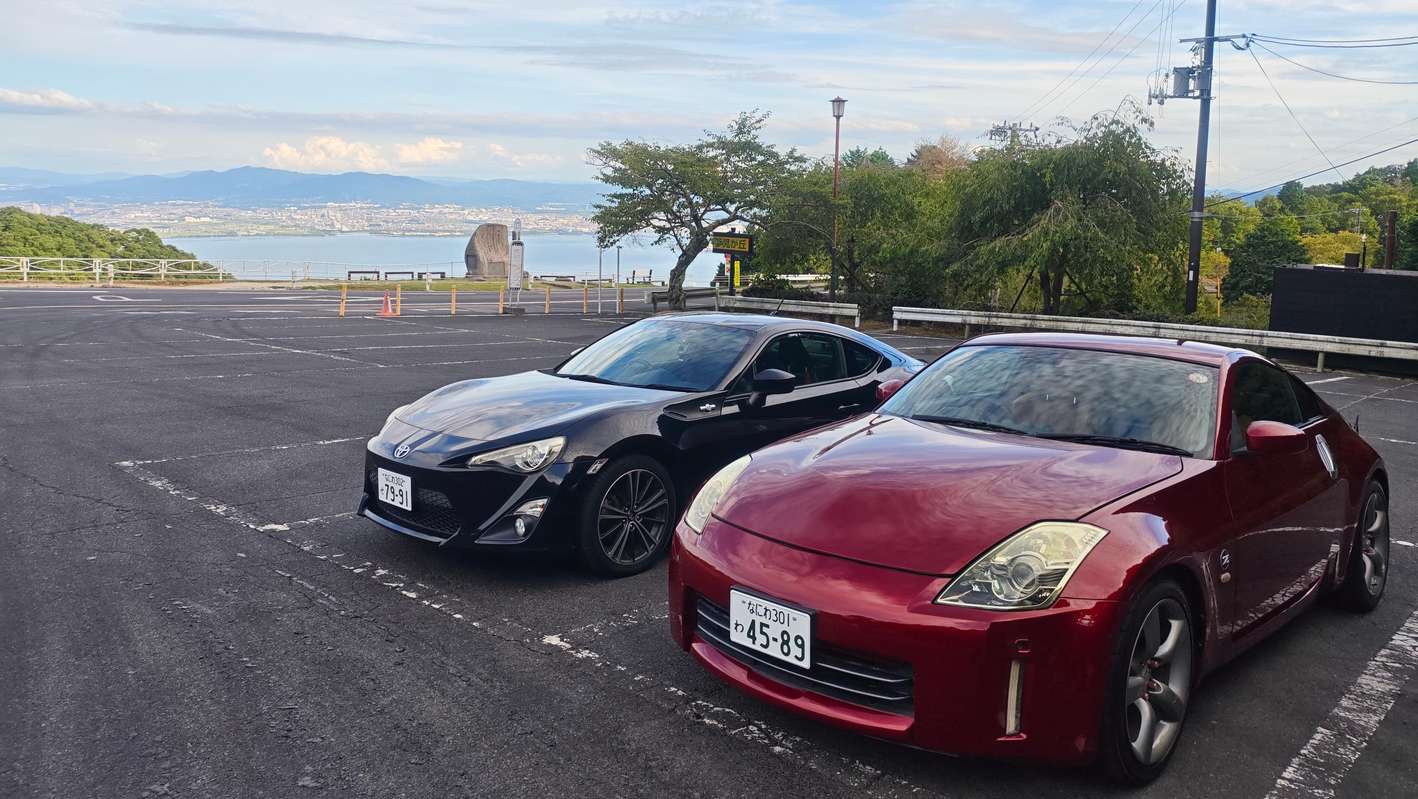
The lineup changes every night, which is part of the draw. Skylines, Supras, an S15 Silvia, an RX-7, maybe a Chaser. And yes, the Toyota AE86 Sprinter Trueno, the Hachiroku itself, appears in these scenes, even when you cannot rent one.
A traveler's note
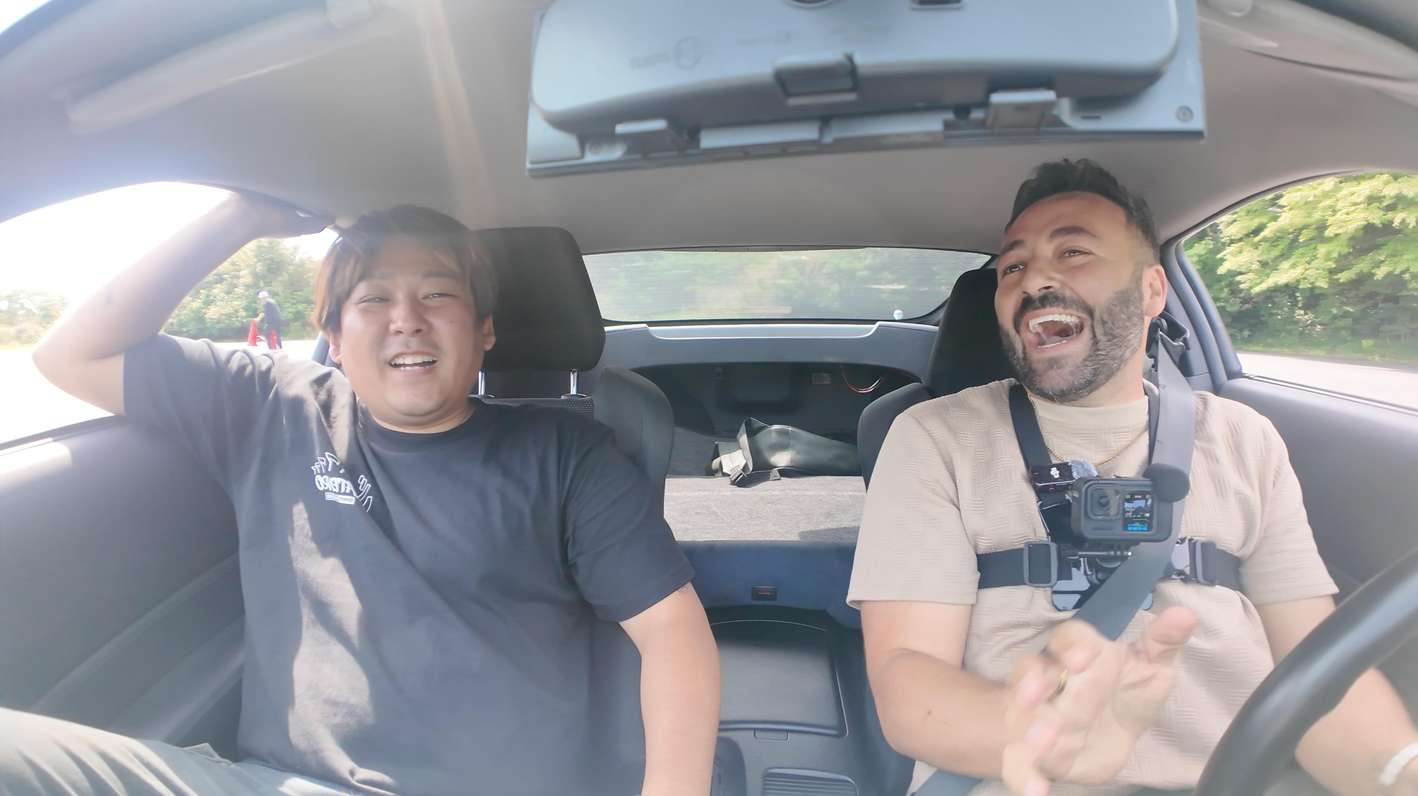
WOWWW! Amazing, otherworldly! Went solo and everyone was sweet and comforting, made sure I got my money's worth, time for drives, photos, meet and greet. Do the pickup, they drop you off too!
Travelers describe the driving as exciting yet controlled and say they felt comfortable with their drivers. The night stands on its own without a specific car, which is exactly why it works as the substitute.
Which night to pick for your AE86 rental alternative
There is no schedule to check at Daikoku, only probabilities. Friday and Saturday fill the lot from around 5 pm, with the deepest crowd between 9 pm and 1 am. Sunday mornings belong to classics and exotics in daylight. Weeknights run far quieter but are rarely empty.
Across the year, April is the busiest month for these tours, followed by October and September. June, February and December are the quietest, and travelers there often book the same day. In the busy months, several weeks ahead is the safe play.
How busy the JDM tours are each month, with rain and dry days
April: 5 out of 5 for how busy it gets. The busiest month of the year (150) with mild 19.6°C days and 19 sunny days, the best mix of full car meets and comfortable evenings.
HighestMar to Apr, Sep to Oct
In betweenJan, May, Aug, Nov
LowestFeb, Jun to Jul, Dec
Darker: a higher how busy it gets score, out of 5
Tap a month to read it.
January: 26.4 dry days. A quiet month with 26 dry days and cool nights around 0°C, so meets are thinner but tours run and the winter night skies are clear.
HighestNov to Jan22.8 to 26.4 days
In betweenFeb22.2 days
LowestMar to Oct15.6 to 19 days
Darker months: higher, from 15.6 to 26.4 days
Tap a month to read it.
December: 26.8 sunny days. Quiet (73) with 25 dry days and mostly clear skies, but nights drop to 2.5°C, so dress warmly for the meets.
HighestAug, Dec to Jan24.2 to 26.8 days
In betweenFeb to Mar, Jul, Nov21.2 to 23 days
LowestApr to Jun, Sep to Oct16.8 to 19.6 days
Darker months: higher, from 16.8 to 26.8 days
Tap a month to read it.
Rain is the other variable. It thins the meets; one traveler still found plenty of cool cars at Daikoku despite an April downpour. Guides bring umbrellas and tours still run.
The pairing that decides your night: a dry weekend evening gives you the fullest lot, and anything you book in a shoulder month can wait until a few days out.
How to reach Daikoku PA, with or without an AE86 rental
Daikoku PA sits on a man-made island in Yokohama Bay at the meeting point of three expressways. No train reaches it, no footpath, no bus stop and no taxi rank.
A taxi can drop you off and then abandon you there, because there is no way to book a ride back at midnight from a highway rest stop.
Come by your own car if you have the documents, or take a guided tour, which is what most visitors do: the operator collects you in the JDM car itself and drives you in via the expressway, about an hour from central Tokyo, 39 minutes from Haneda and roughly an hour three-quarters from Narita without traffic.
Hotel pickup wins on every count but flexibility, since it removes the routing, the tolls and the return problem in one booking.
The traps to dodge when you book a night instead of renting an AE86
Dress for a night on your feet in the open. Tokyo nights at Daikoku run from about 1°C in winter to over 25°C in midsummer, and the meet happens outdoors, so a light jacket earns its place even in warmer months.
Comfortable shoes, a camera and a charged phone cover the rest. Eat before you join, since most tours carry no food.
Before paying, run the checks a local would: read what the listing guarantees about the car, ask in writing what happens if Daikoku closes, and read the cancellation terms too.
Pro tipTurn on WhatsApp notifications after booking the operator's message before start time is how you learn about changes, and an email arrives within 48 hours for you to reply to
Both tours here state their terms plainly: cancel up to 24 hours in advance for a full refund, and drop-off at your hotel or a central location is included. That late-night return is the detail people forget to plan until it is midnight and they are tired.
What if Daikoku closes on your AE86 rental alternative night
One thing can break the night: police. The lot can be shut with no notice once it overflows, most often on Friday and Saturday nights, three-day weekends and holidays from about 8:30 pm, and on Thursday through Saturday meets are often closed down by about 8:30 pm.
Closures are decided on the night by the expressway operator working with police, so there is nothing to look up in advance and, once the entrance is shut, do not count on it reopening.
Operators answer the risk by pulling Friday and Saturday pickups forward to between 4 and 5 pm, ahead of the closures. Read the closure clause before you pay. A tour that states its fallback in advance is telling you it has done this before.
How to behave at a Daikoku meet without an AE86 rental of your own
The lot belongs to people who built those cars, and how visitors behave decides whether the meets survive. Hands off: never touch, lean on or sit in a car without the owner's permission, and keep watches and metal away from carbon-fiber bodywork.
Photography is welcome, but ask before close-ups and before posting cars online; shooting without permission is a real irritation for owners.
Stay on the walkways and out of driving lanes, give way when cars roll out, keep your voice down and never rev an engine or attempt a burnout. That, more than anything, is what triggers the police closures described earlier.
One rule outranks the rest. Never walk into Daikoku PA on foot, and never climb the fence; it is trespassing and can end in arrest or a heavy fine. Entering in the tour car is the whole point of being on one.
Seeing real drifting, with or without an AE86 rental
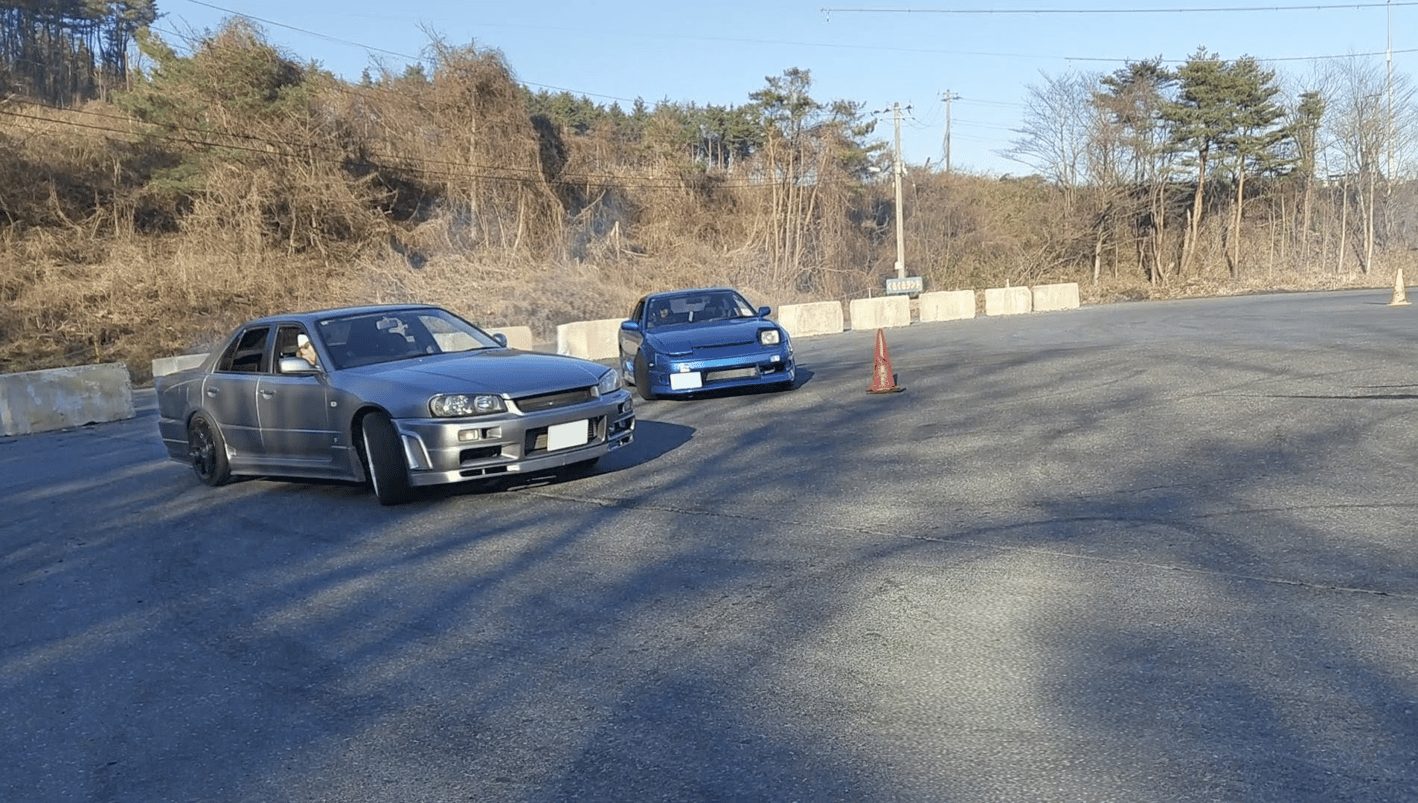
Drifting on public roads is illegal in Japan, so no advertised public-road drift events exist for tourists, and street spots are kept from outsiders; making friends with a local is realistically the only invitation you will get. The night tours here are cultural rides, and that is what keeps them legal.
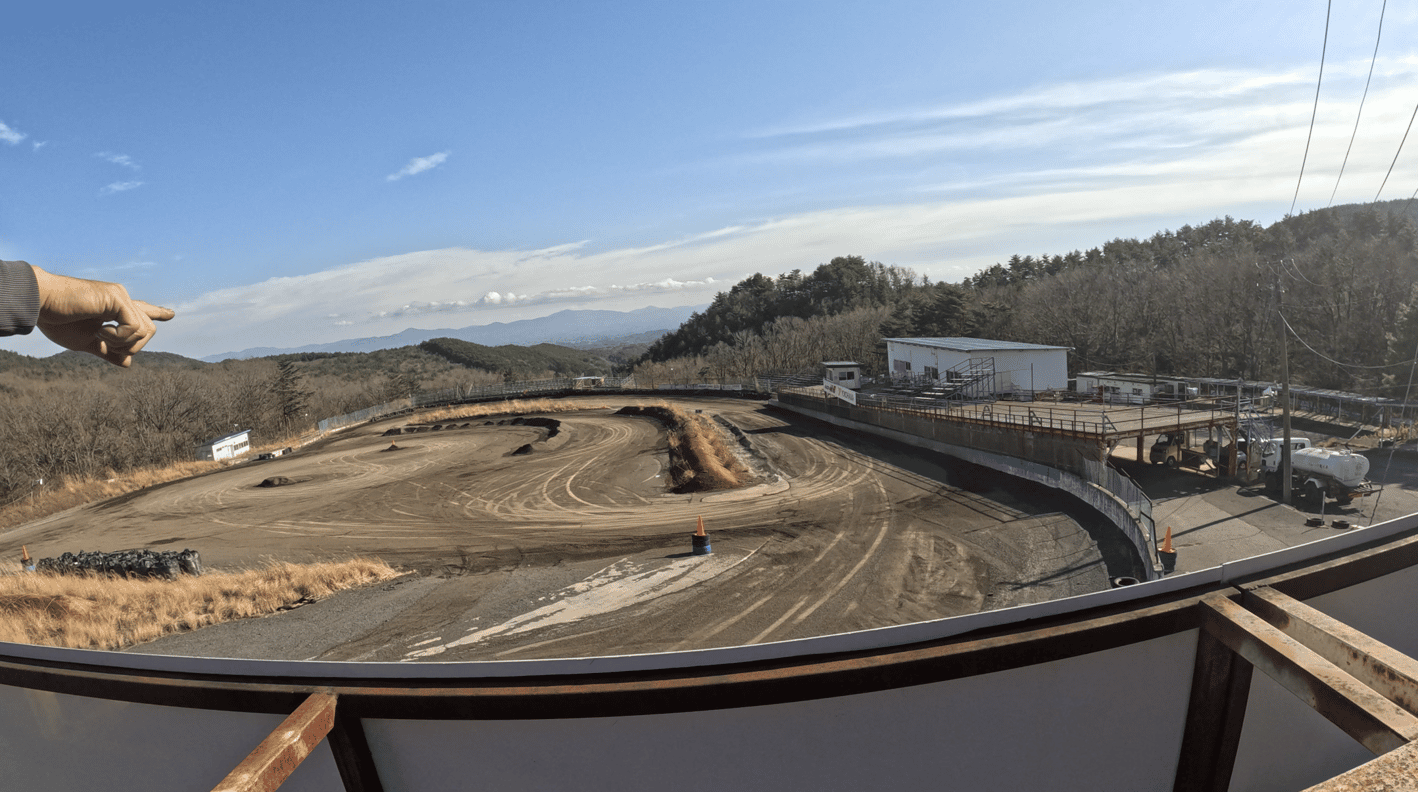
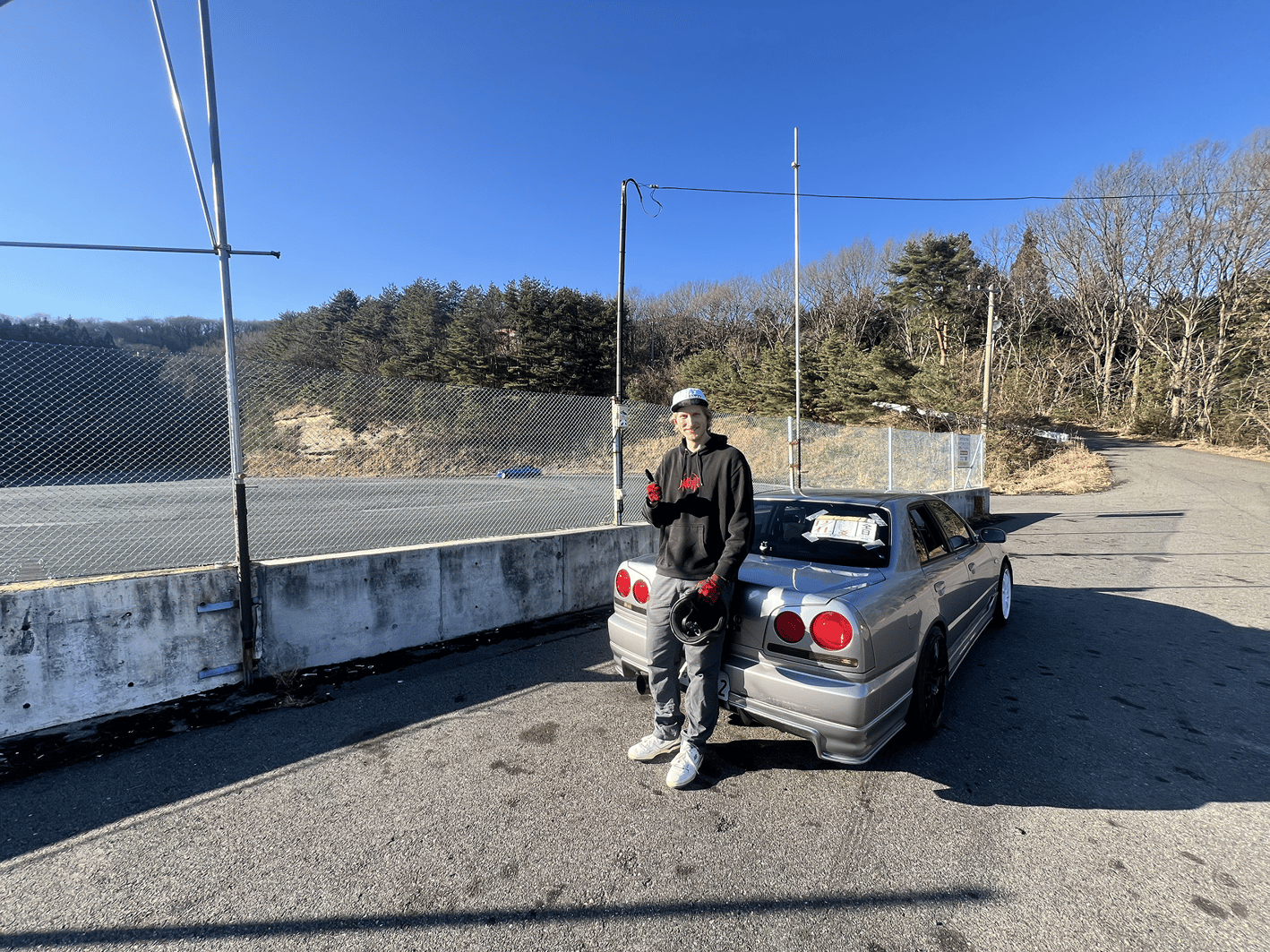
Real sliding happens at circuits. Ebisu, north of Tokyo, is the legal, purpose-built answer, with dedicated beginner courses and full-day schools where patient instructors start you on donuts and figure eights.
Lessons run on closed circuits with roll cages, harnesses, helmets and gloves supplied; you wear long sleeves, long pants and closed shoes, and the minimum age is 18.
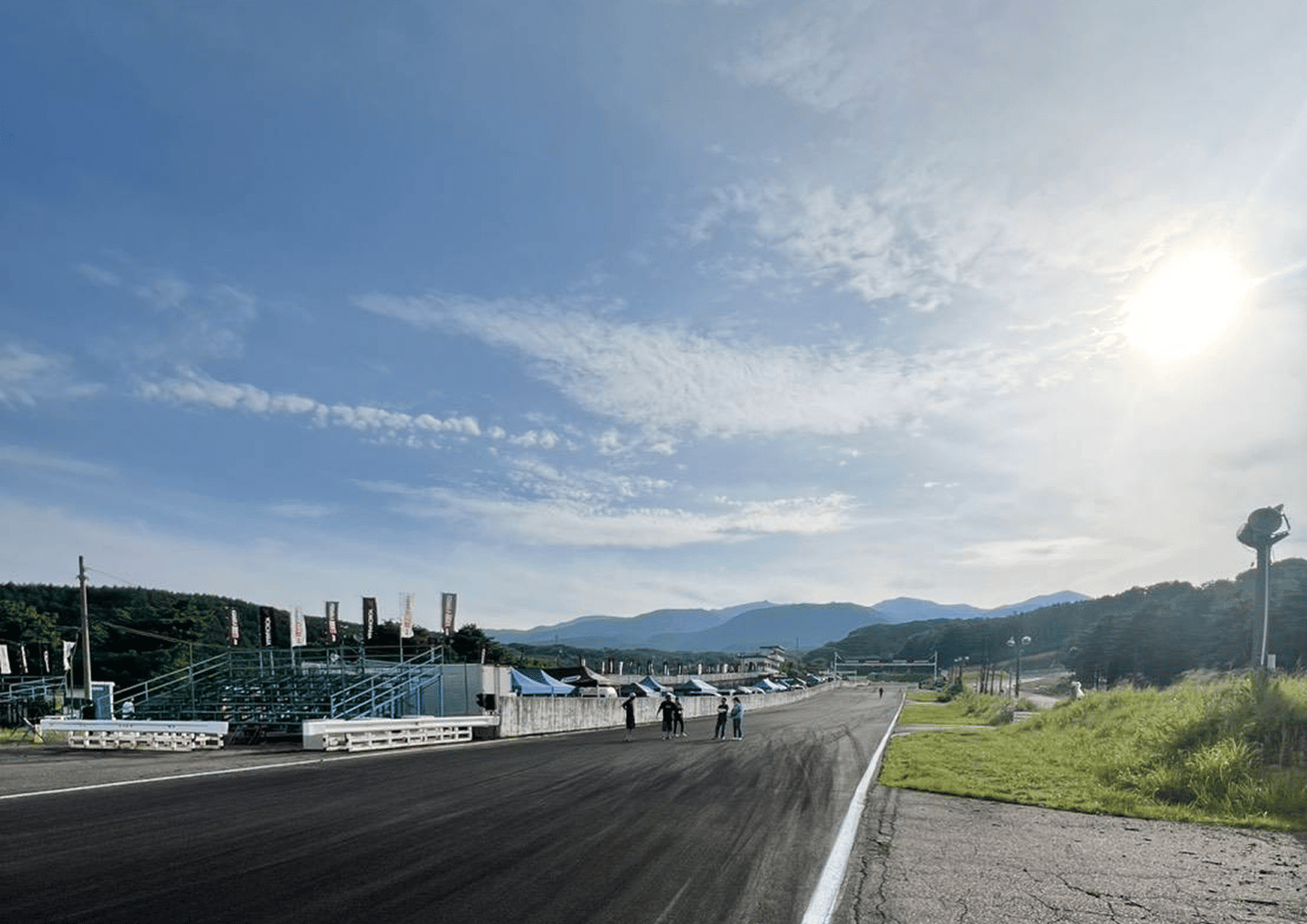
To watch the sport at its top level, aim for a D1 Grand Prix round: Osaka in September, Tokyo in October, and the final usually in Odaiba in November. Mobara and Nikko circuits, both near Tokyo, host plenty of drift events too.
What else is near the car meet on your AE86 rental night
Nothing at Daikoku itself. The parking area is an artificial island reached by highway, so the sightseeing sits elsewhere. Across the bay bridge, Minato Mirai in Yokohama packs the CupNoodles Museum, the Yokohama Port Museum, Cosmo World and more within about a 15-minute walk of each other.
Back on the Tokyo side, where most tours start around Shinjuku, the evening has its own car-scene backups: Shibuya near the crossing, and the free Akihabara UDX underground garage on Friday and Saturday nights, where itasha builds gather.
The Autobacs Shinonome lot is a standing spotting spot, and both tours here call in at A PIT Autobacs on the way.
Driving yourself in Tokyo instead of an AE86 rental
The paperwork first. To drive in Japan you need an International Driving Permit under the 1949 Convention, or, if your licence comes from Switzerland, Germany, France, Belgium, Monaco or Taiwan, your home licence with a certified Japanese translation arranged through JAF before you go. Passport alongside, always.
On the road, keep left, buckle up everyone, and treat parking as the real opponent: violations are dealt with severely, central Tokyo street parking is scarce and costly, and expressway tolls add up fast. Speeding 40 km/h over the limit leads to arrest, which frames the expressway's 60 km/h norm nicely.
Here is the honest verdict most residents reach: central Tokyo is not worth driving. The trains beat the highways, narrow crowded streets are the hardest part for newcomers, and the city's own tourism site says visitors rarely need a rental downtown.
The expressway night itself, the part you actually came for, works better from a guided car where someone else handles the toll gates.
Driving yourself
Rent a car in TokyoCompare cars from the rental companies in one search, then pick yours.
The AE86 rental you searched for is a closed lottery, so the choice is what to do with the night instead. The Fast and the Furious Tokyo DriftIII Experience gives you the fullest version: modified JDM metal, a driver who needs no permit from you, Daikoku PA, Liberty Walk and a GT-R R35 upgrade.
Go on a Friday or Saturday, book early in April or October, and ask in writing what the car will be.
Go ifYou want JDM car culture up close and can accept a modified ride instead of an AE86 behind the wheelYou have no licence for Japan or no appetite for deposit holds and permit paperworkYou can travel on a weekend night and keep the evening free until late
Skip ifOnly a guaranteed AE86 at the wheel will satisfy you; nothing bookable here promises that carYou want a competitive drift run on public roads; that is illegal in Japan and these tours do not do it
Our pick to book
Fast and the Furious Tokyo DriftIII Experience4.9★ (533) · 3 hours - 1 day · Free cancellation
Your AE86 rental questions, answered without the sales pitch
Can you book an AE86 in Tokyo? Straight answers, plus the closest rides you can actually reserve.
Yokohama2026
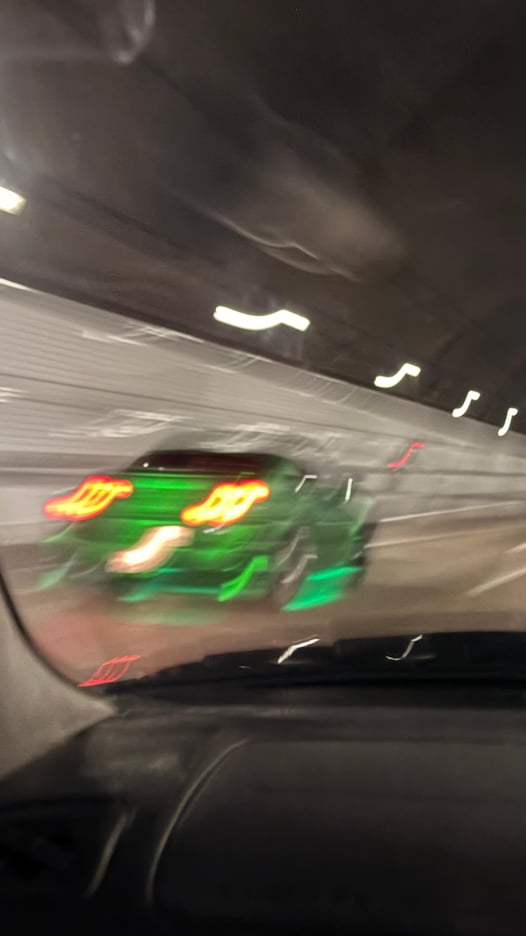
The tunnels and bridges between Tokyo Tower and Daikoku are worth the ride alone. Book a weekend night and bring a light jacket, the meet is outdoors.
Can I rent a Toyota AE86 in Tokyo?
A guaranteed AE86 rental is not among the bookable options here. The closest experience on offer is a passenger ride in a modified JDM car on a Tokyo Drift themed night tour, which you pick a date for and book ahead.
Why can't I find a straightforward AE86 hire?
The AE86 is a 1980s car, and the small numbers that survive are owned by enthusiasts rather than rental fleets. The tours here run newer modified icons instead: Skylines, Supras, Silvias and Evos on Tokyo's expressways.
Do any of the JDM rides guarantee an AE86?
No option promises that specific car. Lineups change by night depending on availability, so if one model matters to you, ask the operator in writing before paying what is guaranteed on your date.
Could I drive myself instead of riding as a passenger?
Self-drive formats exist, but they raise the bar: drivers need a licence valid in Japan, some options require drivers to be at least 23, and rentals carry deposits and permit hurdles. On the recommended ride-along tour a professional driver is at the wheel all night and no licence is needed.
Which car comes closest to the AE86 spirit?
Look for a lightweight rear-wheel-drive coupe on the lineup. Silvias and the Toyota 86 models that appear on some JDM tours carry the same drift-bred, compact-coupe character the Hachiroku is loved for.
What does the closest bookable tour actually include?
The Fast and the Furious Tokyo Drift III Experience takes you by night from Liberty Walk Tokyo and Shibuya across Rainbow Bridge along the Wangan Route to the Daikoku PA car meet, with a photo stop at Tokyo Tower. A driver is arranged for you, so no international driving permit is needed.
What happens if the Daikoku car meet is closed that night?
Daikoku PA can be closed by police without notice, especially on weekend nights. Tours adapt by visiting another car-viewing spot such as Umihotaru, and the guides still walk you through the scene. Read the closure terms before booking.
How do I prepare for the night?
Choose a date and book ahead, since weekend tours fill first. Wear comfortable shoes, bring a camera and a charged phone, and keep a light jacket with you because the meet happens outdoors. At the lot, ask before touching or photographing any car.