JDM Car Rental Tour: Find a Tour You Can Drive Guided Driving Experience In Japan
Take the wheel of a real JDM legend. Book a self-drive JDM car rental tour with English support, insurance included and a lineup of GT86, WRX STI and Fairlady Z ready to go. Pick your car, grab the keys, and drive Japan your way.
5.0★average rating17traveler reviews100%free cancellation6countries travelers came from
Choosing a JDM Car Rental tour
Two ways to get behind the wheel sit on this page. One hands you the keys and lets you pick your own roads for a day. The other puts you in the driver's seat of a convoy run, with a lead car showing the way to a real car meet. The difference comes down to how much structure you want.
DocumentsBring your original passport and home license, plus an International Driving Permit under the 1949 Convention for most countries.
JAF translationIf your license was issued in Switzerland, Germany, France, Belgium, Monaco or Taiwan, arrange an official Japanese translation through JAF before you travel.
IDP timingAn International Driving Permit must be issued in your home country before arrival and only the paper booklet type is valid in Japan.
AgeSelf-drive formats require a full driver's license, and drivers under 18 cannot take part.
RulesBoth drives are legal road drives, so no drifting, stunts or street racing on public roads.
FuelThe Osaka rental runs a full-to-full policy, so return the car with a full tank to avoid refueling charges.
BookingTours sell out, so sort out your drive before you arrive. Hoping for a car on the day is a gamble.
Meet nightsHigashiosaka PA is an informal gathering, so the number of cars there on any night is never guaranteed.
TollsThe rental tour leaves expressway tolls and parking fees to you, while the meetup tour includes fuel and tolls.
documentDriving a JDM rental car in Japan requires an International Driving Permit under the 1949 Geneva Convention, or for licenses from Switzerland, Germany, France, Belgium, Monaco or Taiwan a home license plus an official JAF translation.
Sort out your permit before you leave home, since it cannot be issued in Japan. Bring your original passport and physical license on the day, and confirm your country's exact requirement on the official JAF website before booking.
Pick your JDM Car Rental driving tour
Cheapest self-drive
9 hours - 1 day
4.9(10)
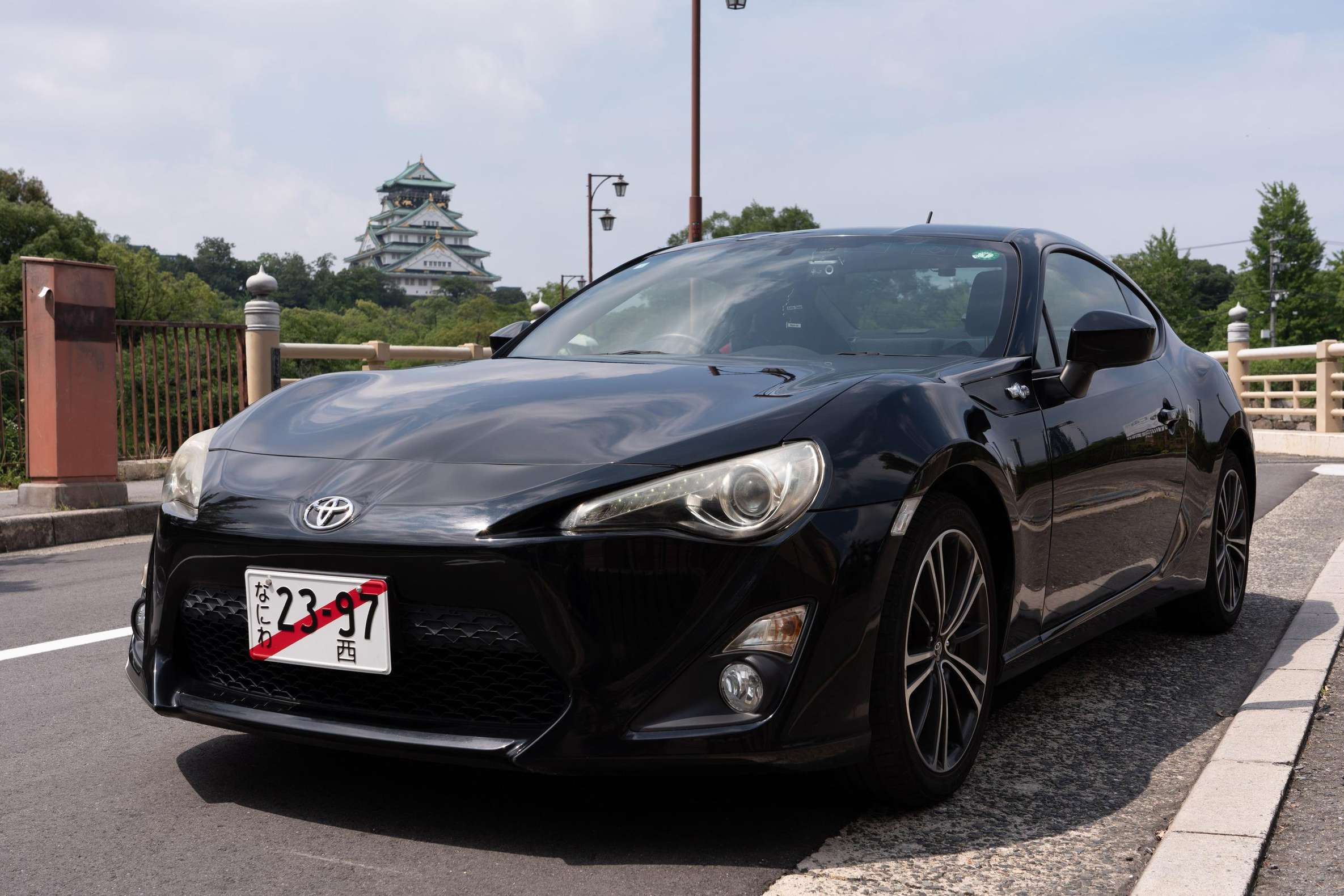
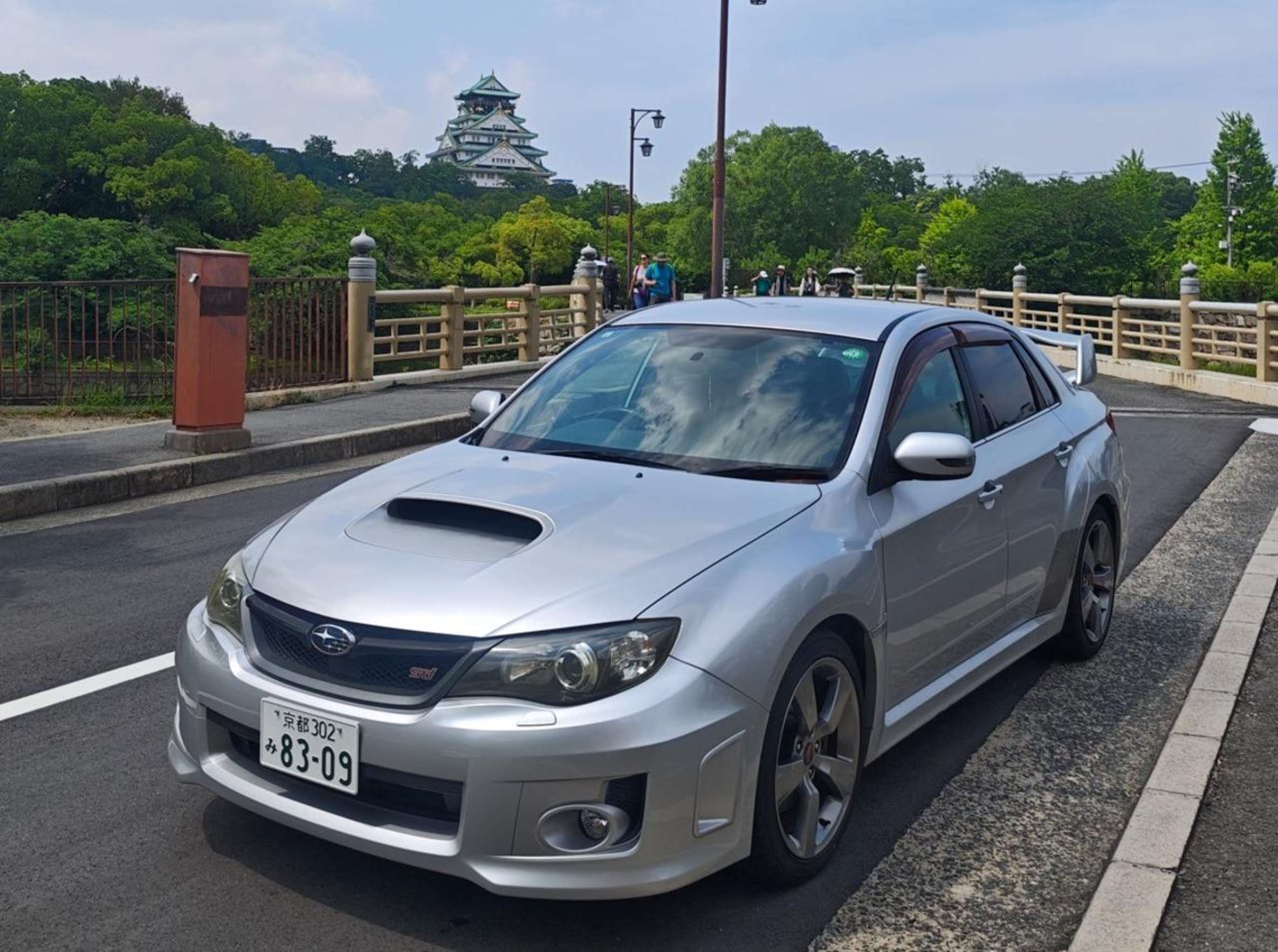
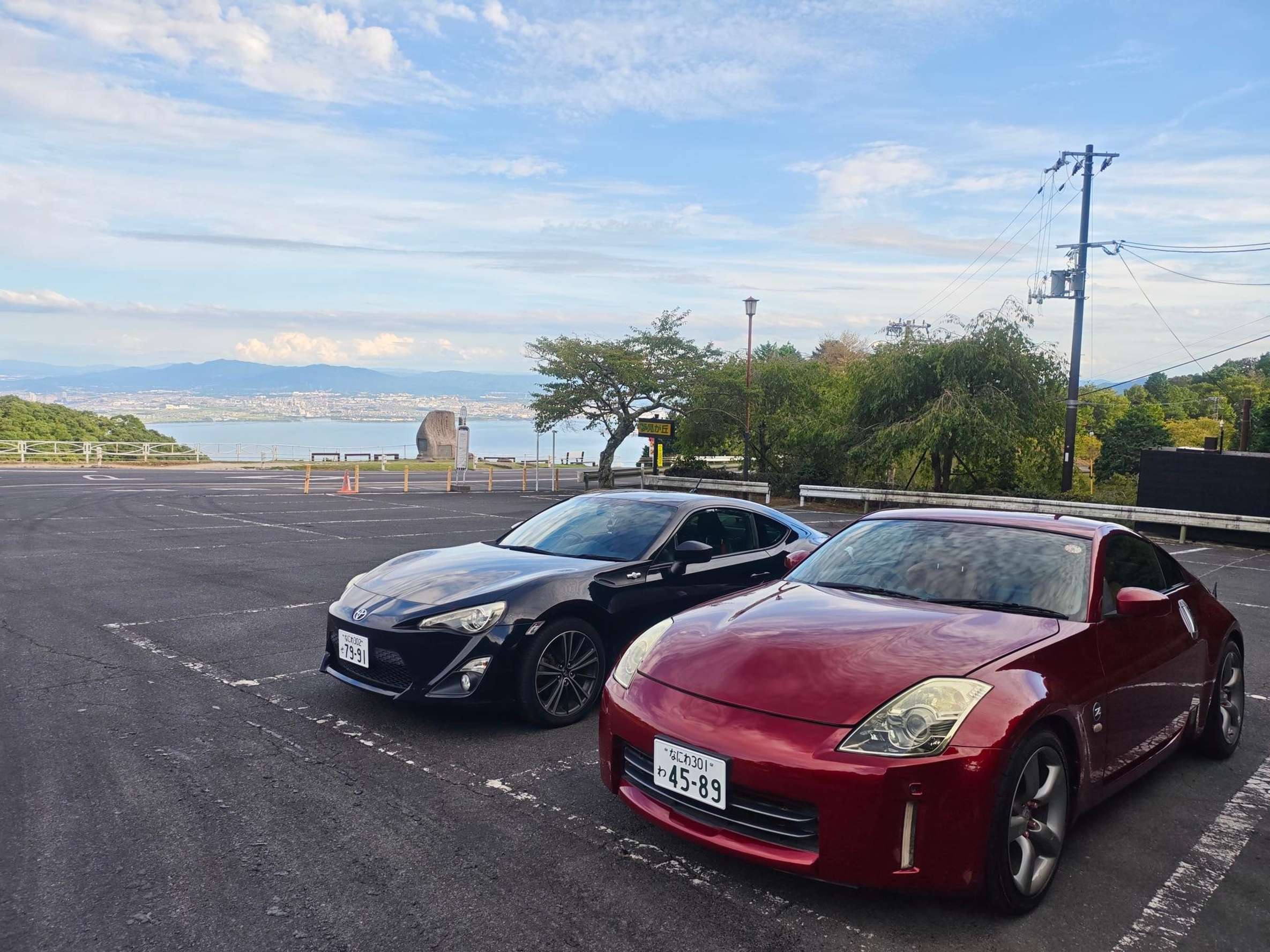
Osaka Sports Cars Rental - Drive Yourself a JDM Car
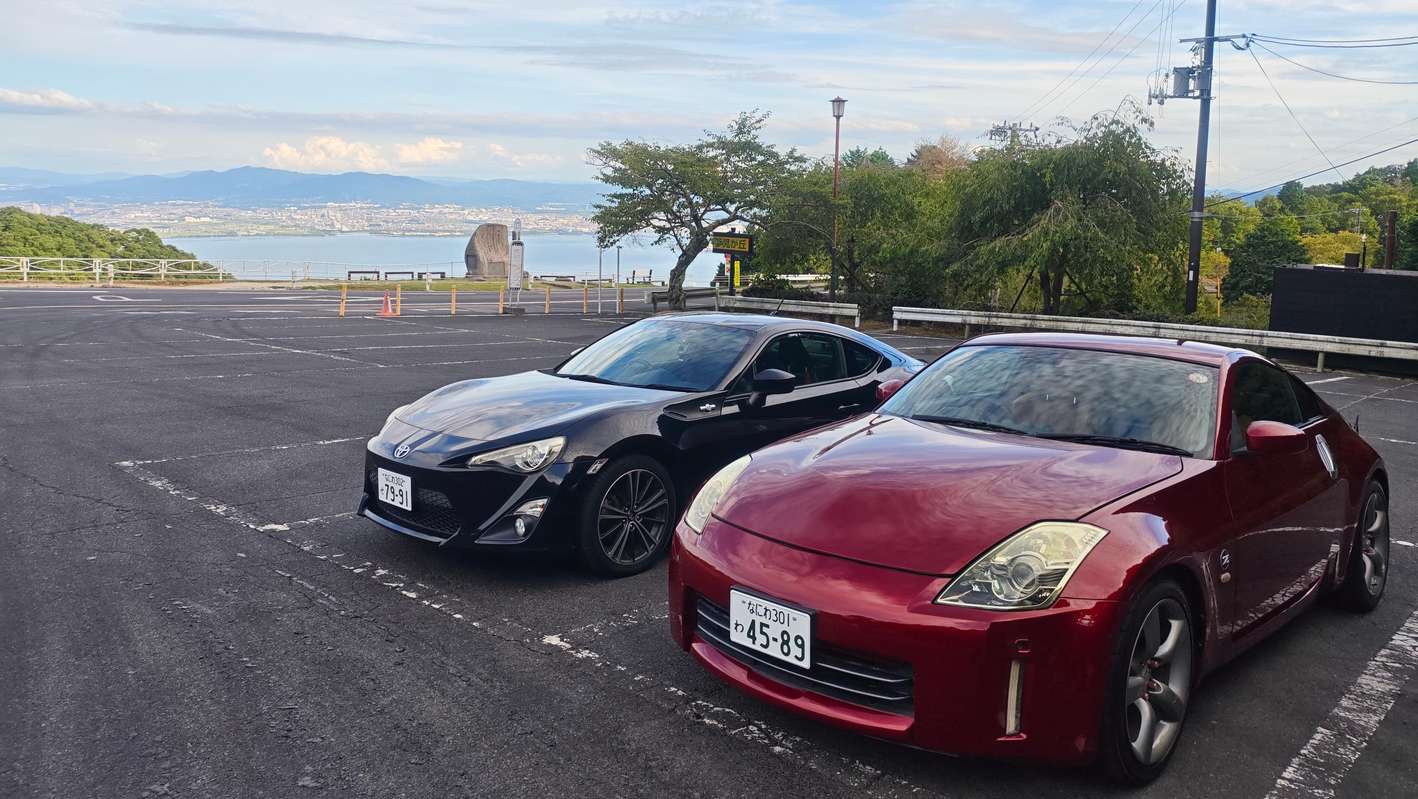
Nine hours behind the wheel of a GT86, 350Z or Silvia S15 from 137.93, with insurance and English support included.
Free cancellationRental of an automatic sports car
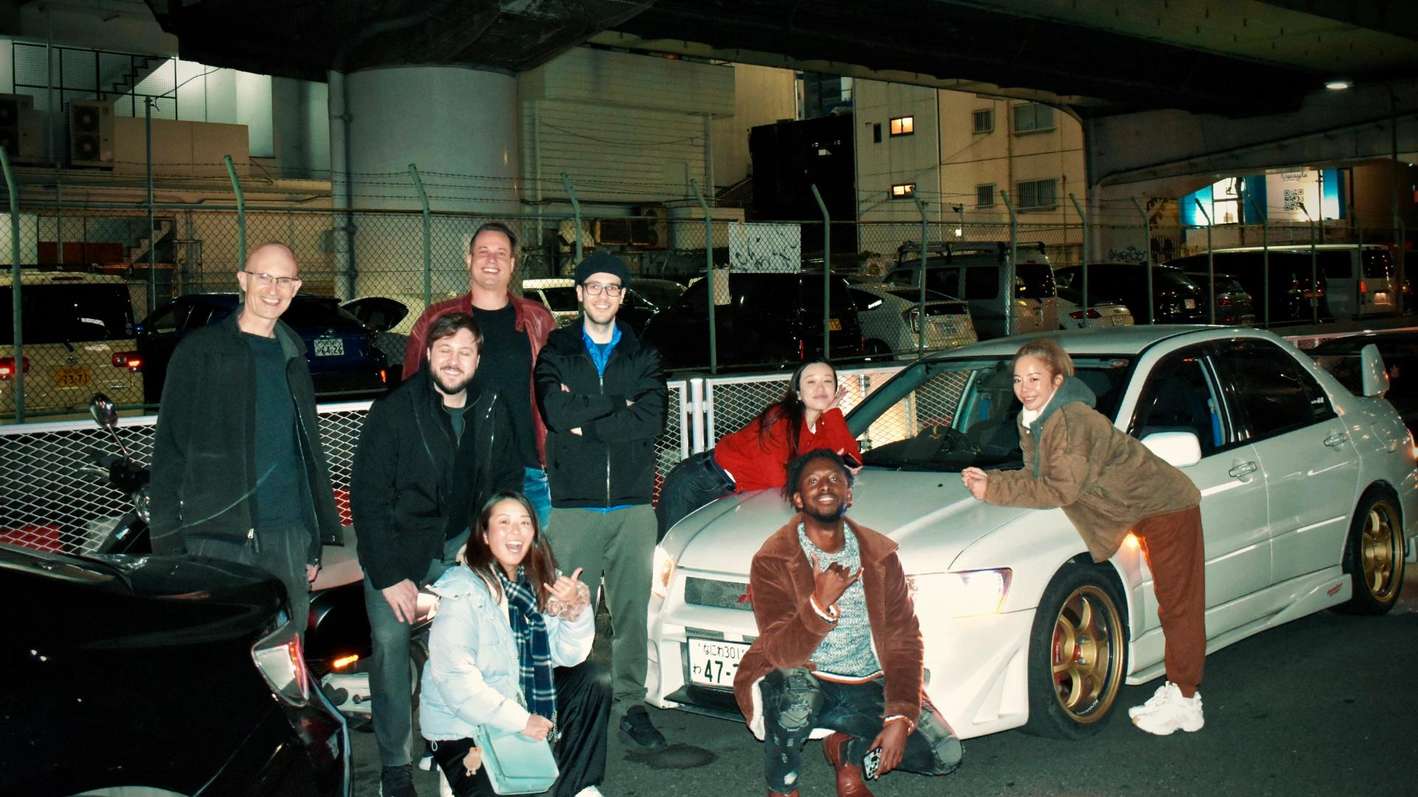
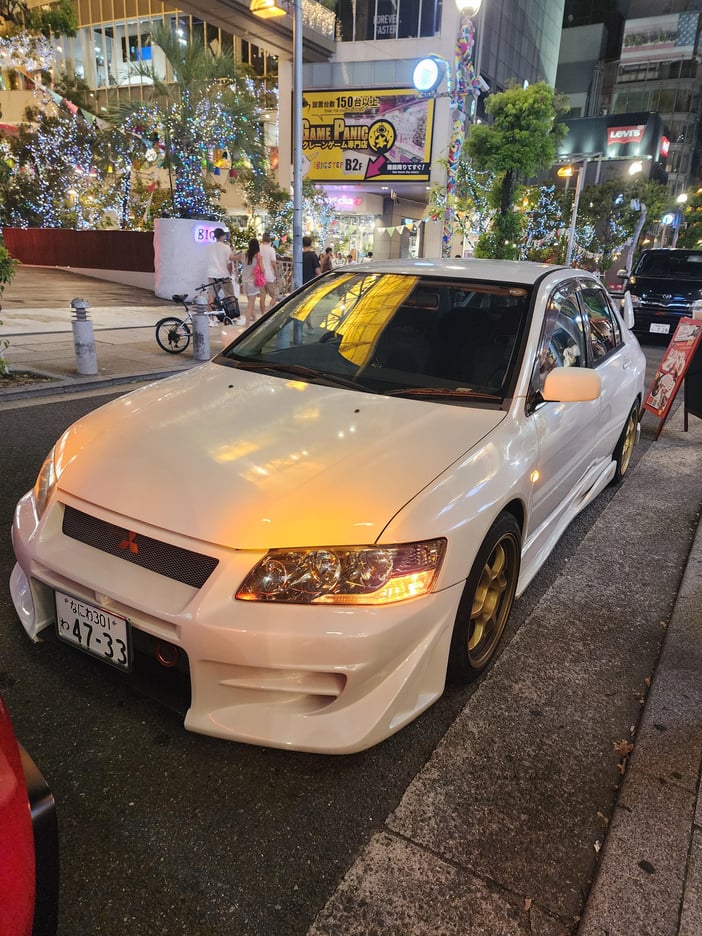
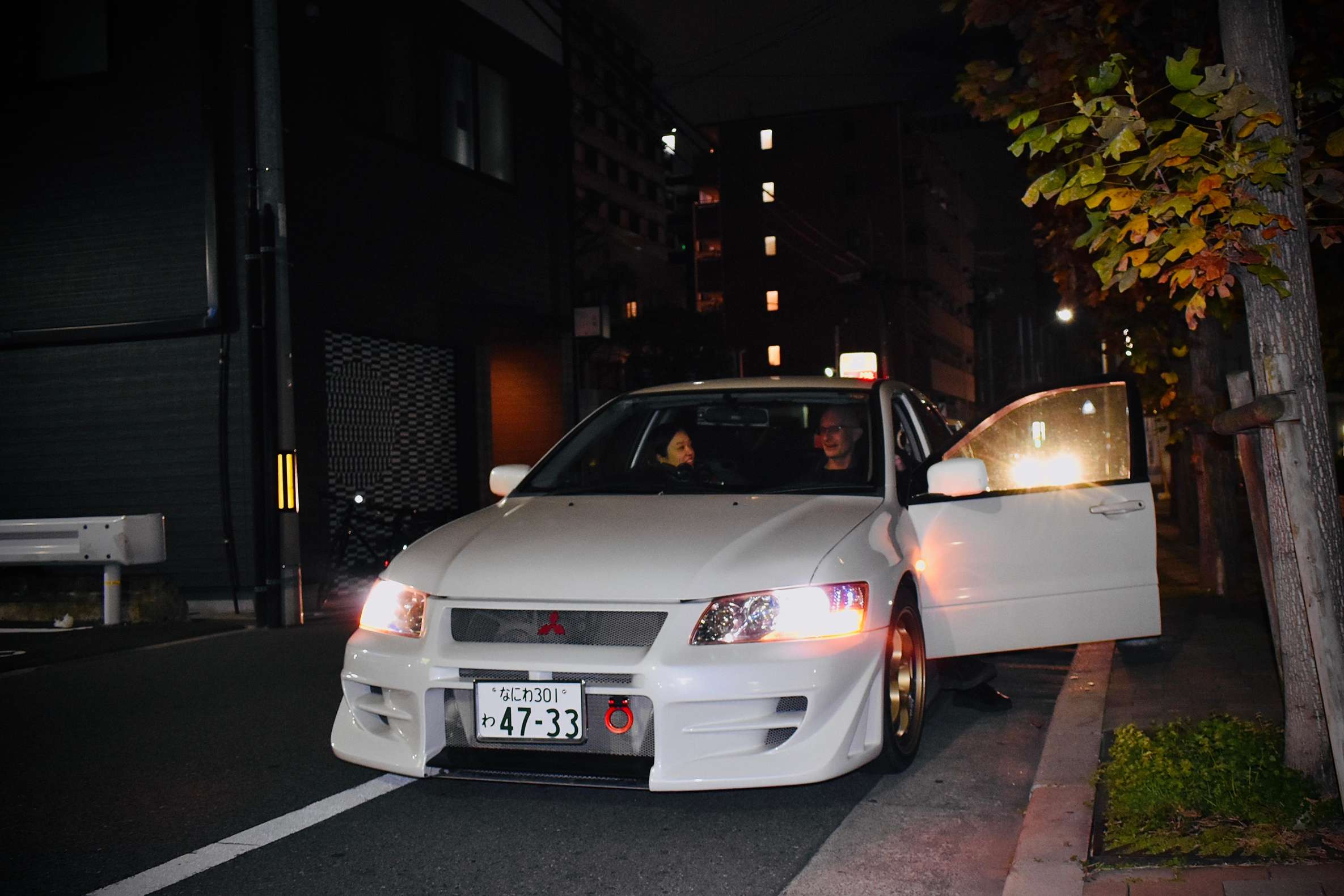
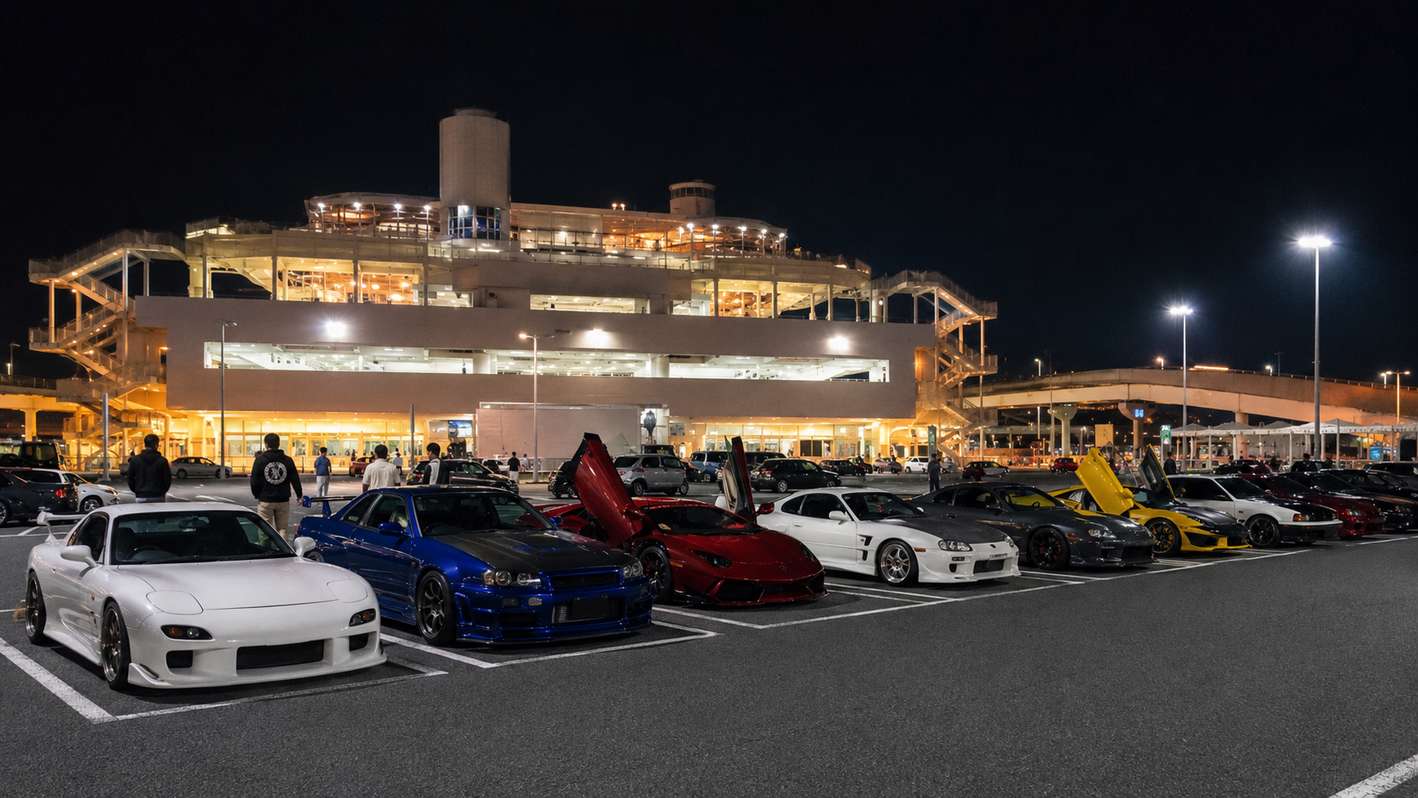
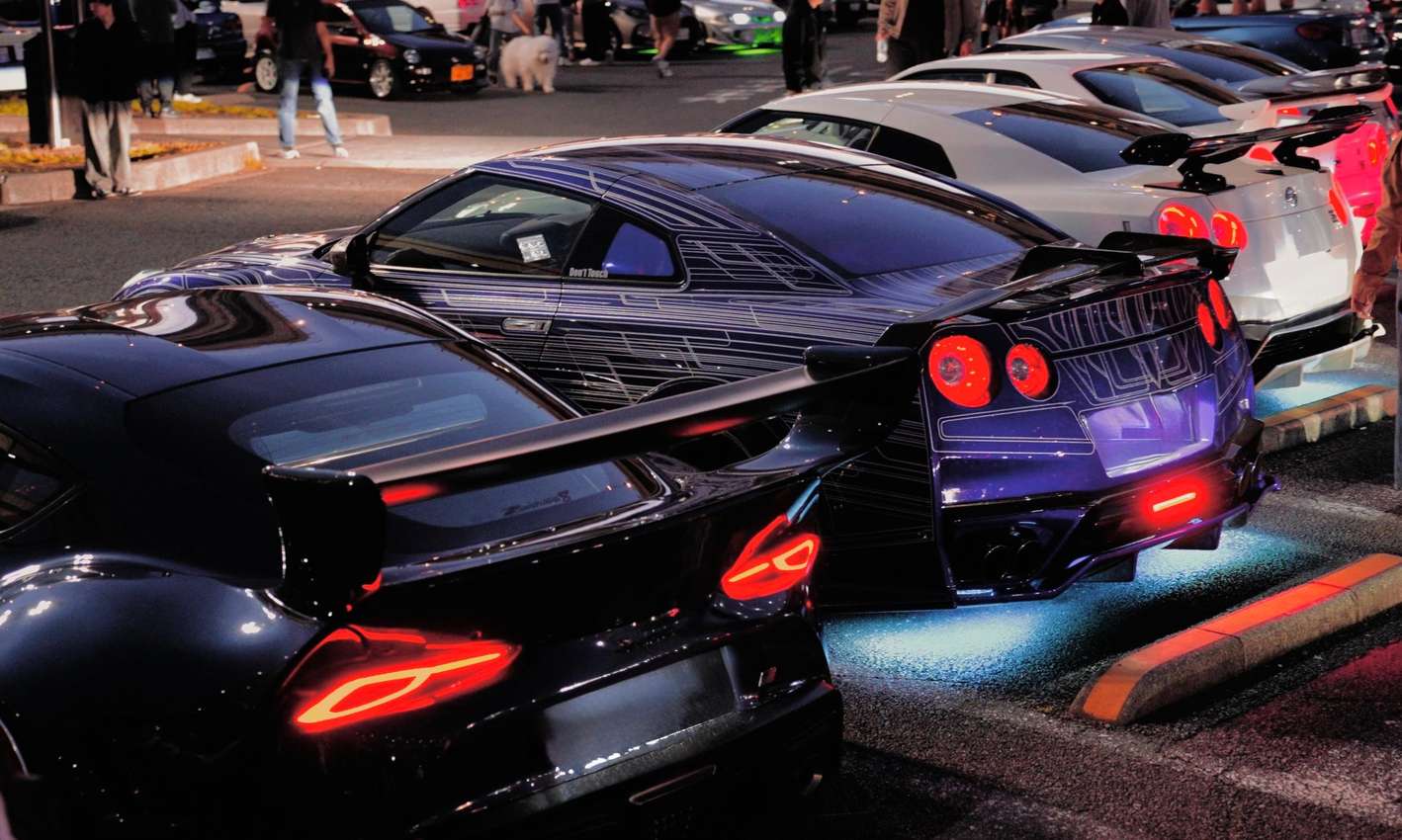
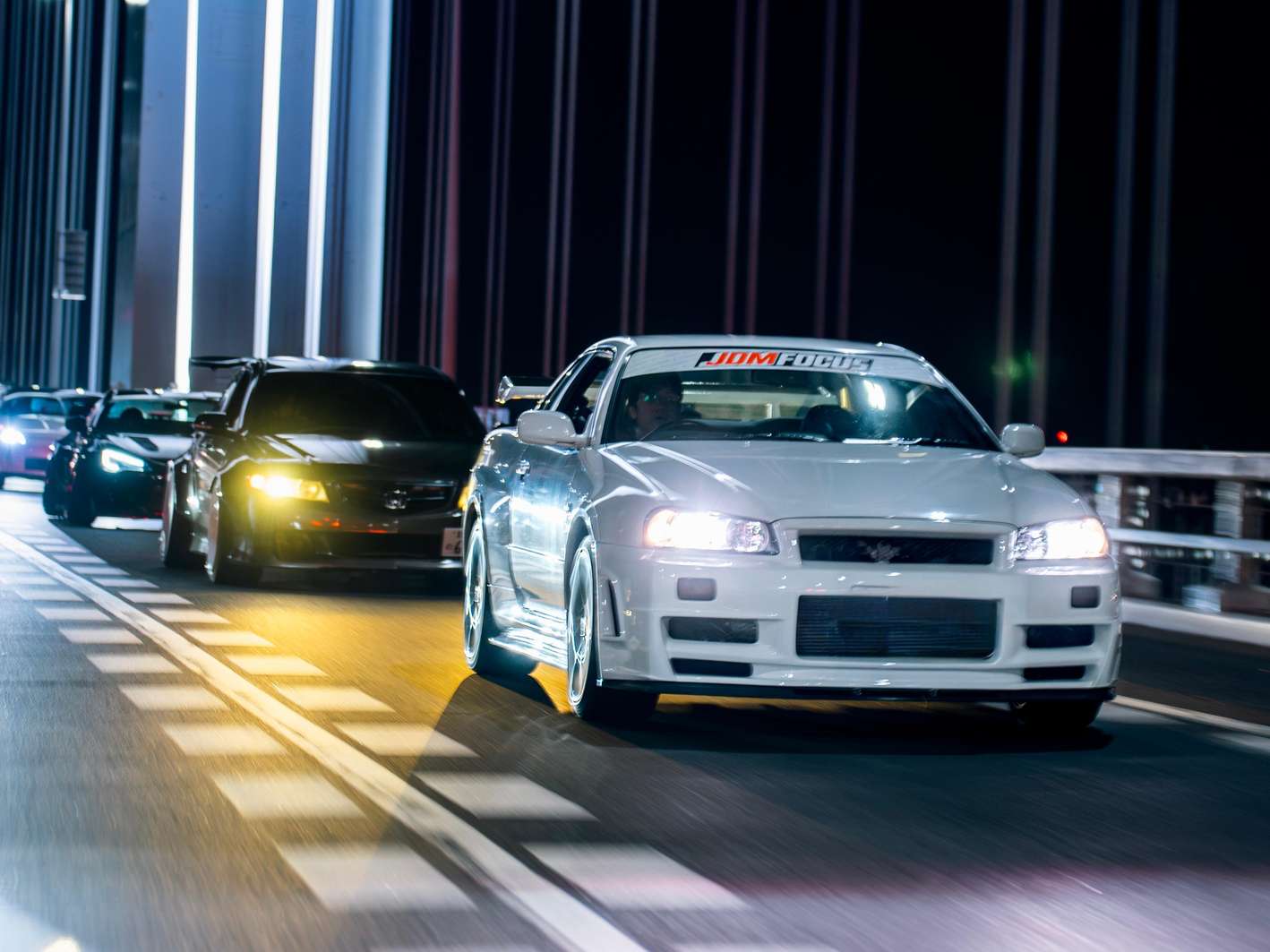
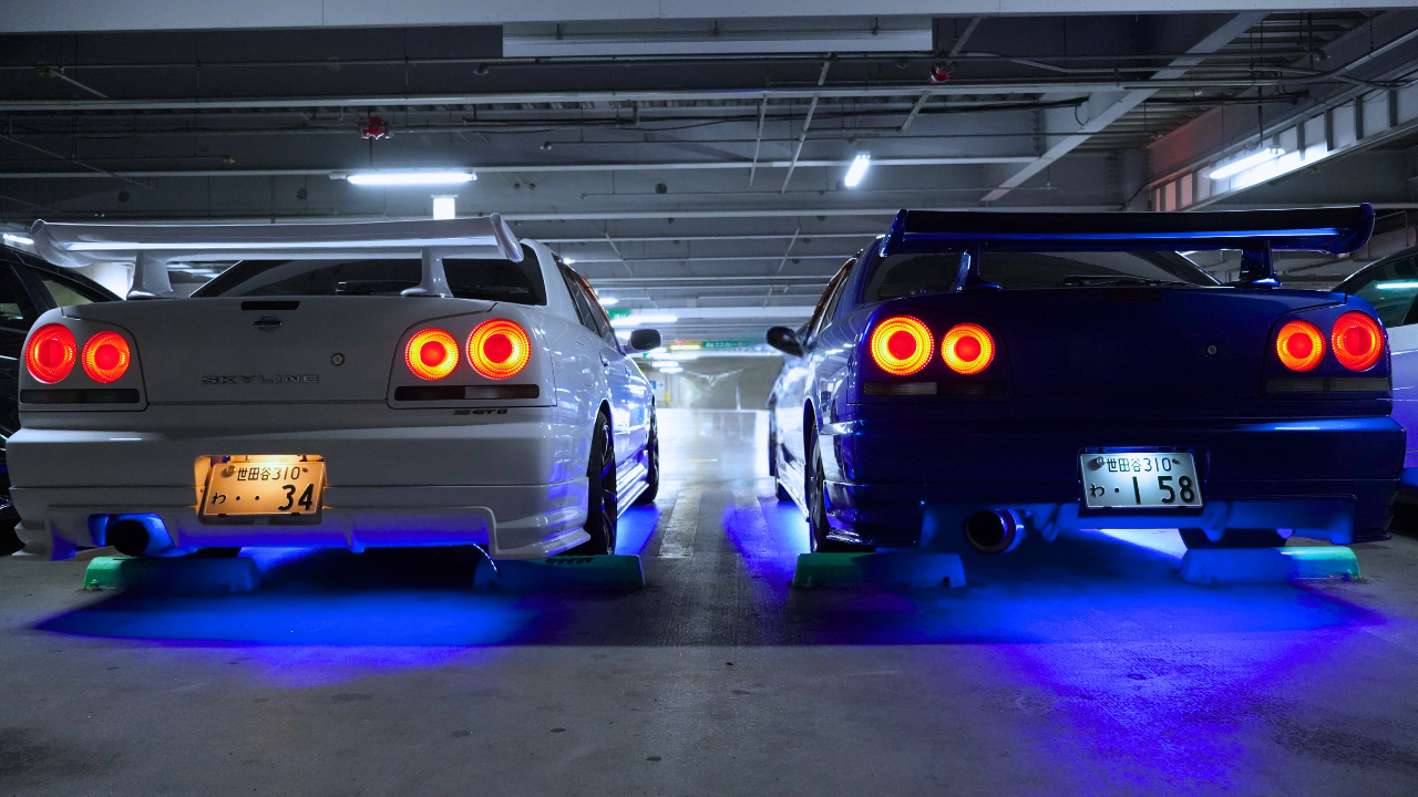
The night starts in Shinsaibashi, where you collect a Japanese sports car and take the wheel yourself. From there the route runs the Hanshin Loop, Osaka's expressway ring, before pulling into Higashiosaka Parking Area, where local enthusiasts gather with their own builds.
The Osaka self-drive rental gives you the car for nine hours or a full day, with collision damage waiver and third-party liability included, plus English-speaking support and translation help for the trip.
Fuel and tolls are covered on the guided meetup version, where a separate lead car runs ahead of the convoy. Pickup and return at Shinsaibashi runs from 10 am to 7 pm, and both formats are legal road drives: no drifting, no stunts.
Included
Rental of an automatic sports carCollision Damage Waiver and Third Party LiabilityEnglish speaking support and Translation help for the duration of the tripExpressway tolls and ETC charges (not mandatory)Parking fees (not mandatory)
What travelers said about their JDM Car Rental drives
Choose your date first and book at least three days out. Some on-demand cars need 72 hours of lead time, so booking days ahead rather than on the day is what makes the car you want actually available.
Pro tipApril, September and October are the busiest months, so in those weeks book a week out; in June, February or December travelers often still get in booking days ahead.
Common mistakeWaiting until you land in Japan. By then the good cars are booked and you are left choosing from whatever is left.
02
Check your driving documents
Before you pay, confirm you can legally drive: your original passport, your original home licence, and either a 1949 Convention International Driving Permit or, for licences from Switzerland, Germany, France, Belgium, Monaco or Taiwan, an official JAF translation.
ImportantCheck the JAF website before booking, not at the counter. Arriving without the right papers means you can ride as a passenger but cannot drive the rental.
Common mistakeAssuming an IDP works for every nationality. Drivers from the six listed countries need the Japanese translation instead.
03
Choose the option that fits
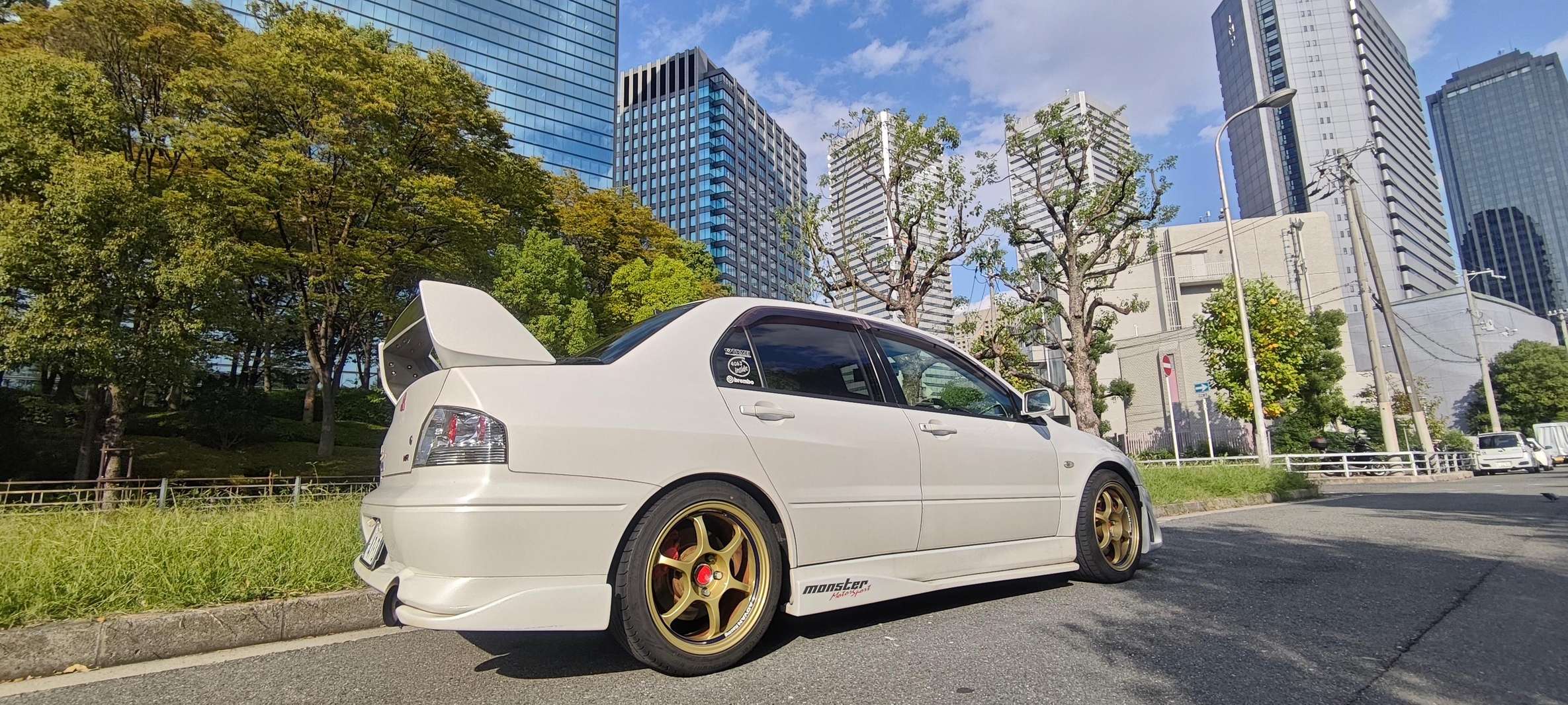
Compare the options on the tour card: on the Osaka rental you pick the car and the length, a nine-hour slot or a full 24 hours, with models like the GT86, Fairlady Z, Silvia S15 or Lancer Evolution. The self-drive meetup option is a three-hour run with fuel and tolls included.
Pro tipIf a specific model matters to you, confirm it when booking rather than hoping on the day, since cars are privately owned and sometimes under maintenance.
RecommendedDecide whether you want a full day of your own route or a structured run with a lead car. That choice matters more than the car badge.
04
Book and arrange pickup
Pay through the marketplace and watch your email: the operator sends a message within 48 hours, so reply to it. If you want hotel pickup, arrange it by the day before, and keep WhatsApp notifications on because updates arrive there before departure.
ImportantCancellation terms run on a 24-hour clock. Cancel more than a day ahead for a full refund; inside that window you lose it.
Pro tipGive the operator a WhatsApp or Instagram contact right after booking so nothing gets lost in a spam folder.
05
Plan the day itself
On the Osaka rental, pickup and return run from 10 am to 7 pm at Shinsaibashi, and the car comes with a full tank that you return full. Bring your passport, licence and permit to the handover, and plan your route so you are back before closing.
RecommendedEat before an evening run and pack a light jacket, since parts of the night happen outdoors by the water.
Common mistakeReturning late or with a less-than-full tank. Both trigger extra charges, and Japanese parking rules are enforced strictly, so use proper lots.
What to know before you reserve a JDM car rental in Japan
Can stop the dayGood to knowGood news
01
ChoosingWhat it is, who it suits, when to go
2
Fuel
The rental runs a full-to-full policy: the car comes with a full tank and goes back with one. Return it short and refueling charges apply.
Meet night
Higashiosaka PA is an informal gathering, so the number of cars there is never guaranteed. Friday and Saturday evenings draw the best turnouts, and the convoy route along the Hanshin Loop makes the night worth it either way.
02
BookingHow far ahead, and what happens if plans change
2
Booking
Sort out your drive before you arrive in Japan. Tours sell out, and turning up on the day hoping for a car is a gamble. A few days ahead is comfortable; in busy months, book earlier.
Cancellation
Both Osaka self-drive experiences let you cancel up to 24 hours in advance for a full refund. That gives you room to change plans if your itinerary shifts.
03
Before you goPapers, health, what to bring
2
DocumentsCan stop the day
Bring your original passport and your original home licence on the day. You also need an International Driving Permit under the 1949 Geneva Convention, or, if your licence comes from Switzerland, Germany, France, Belgium, Monaco or Taiwan, an official Japanese translation from JAF. Confirm your case on the JAF site before you travel.
Age
The Osaka rental is not open to drivers under 18 or to anyone without a driver's licence. Self-drive formats elsewhere in Japan can ask for more, with some operators requiring drivers to be 23 or older, so check the listing for the tour you pick.
04
On the dayWhere to be, when, and how you get there
2
Pickup
The Osaka rental hands the car over in Shinsaibashi, with pickup and return between 10 am and 7 pm. The convoy meetup experience also starts in Shinsaibashi and finishes in Amemura, with a separate lead car guiding the route.
What's included
On the rental you get the car, collision damage waiver, third-party liability and English-speaking support. The convoy meetup adds fuel, tolls and a suggested itinerary. A plain rental leaves tolls, parking and any guide to you.
05
During the tourWhat is expected of you
1
RulesCan stop the day
These are legal road drives: no drifting, no stunts, no street racing, and posted speed limits apply. Alcohol and drugs end the booking. Drifting on public roads is illegal in Japan, and the police watch these gatherings closely.
JDM car rental tours - how to drive yourself in Japan
Most JDM tours put you in the passenger seat. This one is for the reader who wants the wheel, and the paperwork, roads and rules that decide whether that is even possible. Here is how to choose the format, the night and the city.
Osaka
If you only remember three things
1
Sort your driving documents before you fly: an IDP cannot be issued inside Japan, and only the paper booklet type works.
2
Go on a Friday or Saturday for the biggest meet, but arrive by early evening, because police can close the lot from about 7:30 pm on weekend nights.
3
Book at least 3 days ahead, and in April or October, book earlier still.
Is a JDM car rental worth it when you want the wheel
The key turns, the engine wakes up with that flat rumble, and the street outside the pickup is yours for the next nine hours. That moment is what separates a self-drive day from every passenger tour on this site.
The honest arithmetic first. A self-drive day costs more than riding shotgun, and a private drift lesson costs more again. What you buy is hours with the car instead of the 5 to 20 minutes a passenger ride gives each person.
Travelers who did a real GT-R self-drive in Tokyo call it an S-tier enthusiast experience, the kind you plan a trip around.
The value is real only if driving is the point of your trip. If you are mildly curious about car culture, a passenger tour shows you the same meets for less effort. If you want hands-on time, nothing else comes close.
One more data point: on a drift lesson day of about six hours, only roughly an hour and a half is actual drifting. The rest is travel, instruction and breaks. Serious fans call that a great day. Everyone else calls it a long one.
The words of someone who has done it say more than any comparison table, so here they are.
A traveler's note
Hugo and Rob helped us get set up with the car quickly. Clean, well-maintained ride, flexible staff, and great map tips. Driving a JDM car here was breathtaking.
Read that twice before you book. If a real GT-R left one driver wanting more, the car on the listing matters less than the format you pick, which is where the next chapter goes.
What your day behind the wheel of a JDM car rental looks like
Picture the shape of the day before you commit to it. On a rental, you collect the car, run through the paperwork and fuel check, then the roads are yours: your route, your stops, your pace, for a full day or nine hours.
On a guided self-drive, a lead car sets the route and pace while you drive behind it, with radio guidance and English support the whole way.
The guided version exists for a reason. Tokyo means left-side traffic, expressway tolls and short merging lanes, and a lead car takes all of that off your mind while your hands stay on the wheel. A bare rental hands you navigation, tolls and parking instead, plus more freedom to linger.
The two formats also differ in how the hours split, which the numbers make plain.
How long do JDM driving tours in Tokyo take?
4 hoursUltimate Daikoku Car Meet duration
3 hoursGTR VIP Daikoku journey duration
Most guided driving nights run about three to four hours, so the meet stop is one chapter of the evening, with the drive itself filling the rest. A rental suits a full day; a tour suits one evening. Drivers on self-drive formats must be 23 or older and carry their original documents on the day.
1
Pickup and paperwork
You meet the operator, show passport and licence, check the car
Original documents required, no copies
2
Briefing
Route, radio channel, road rules, fuel policy
Left-side driving and speed limits are spelled out
3
The drive
Expressway or your own route, lead car ahead if guided
Normal traffic laws apply the whole time
4
Meet stop
Time on the ground among the cars
A tour's stop is fixed; a rental stays as long as you like
5
Return
Full tank, keys back, drop-off
Refuelling charges apply if the tank comes back short
Tour for this
Osaka Sports Cars Rental - Drive Yourself a JDM Car4.9★ (10) · 9 hours - 1 day · Free cancellation
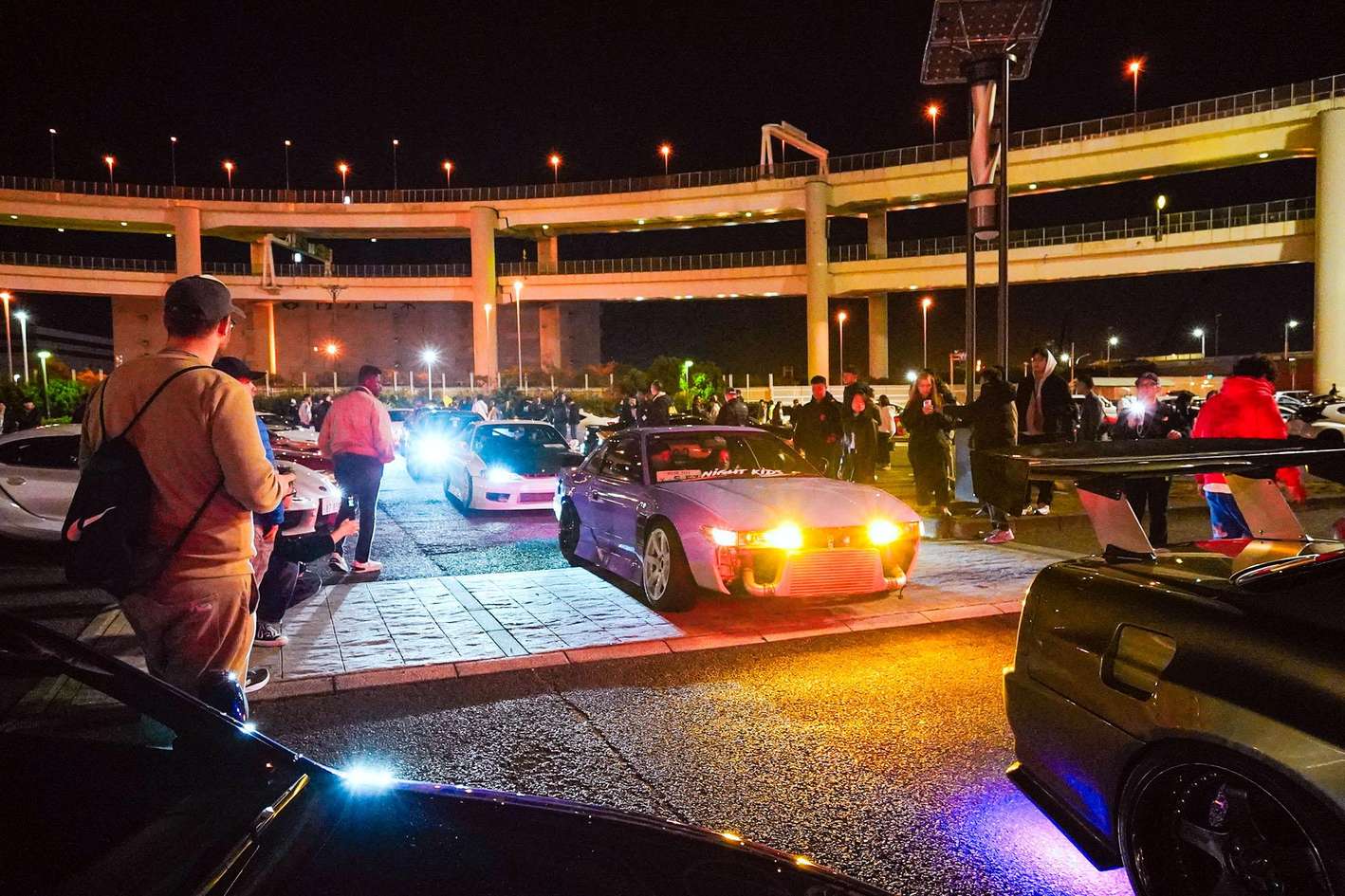
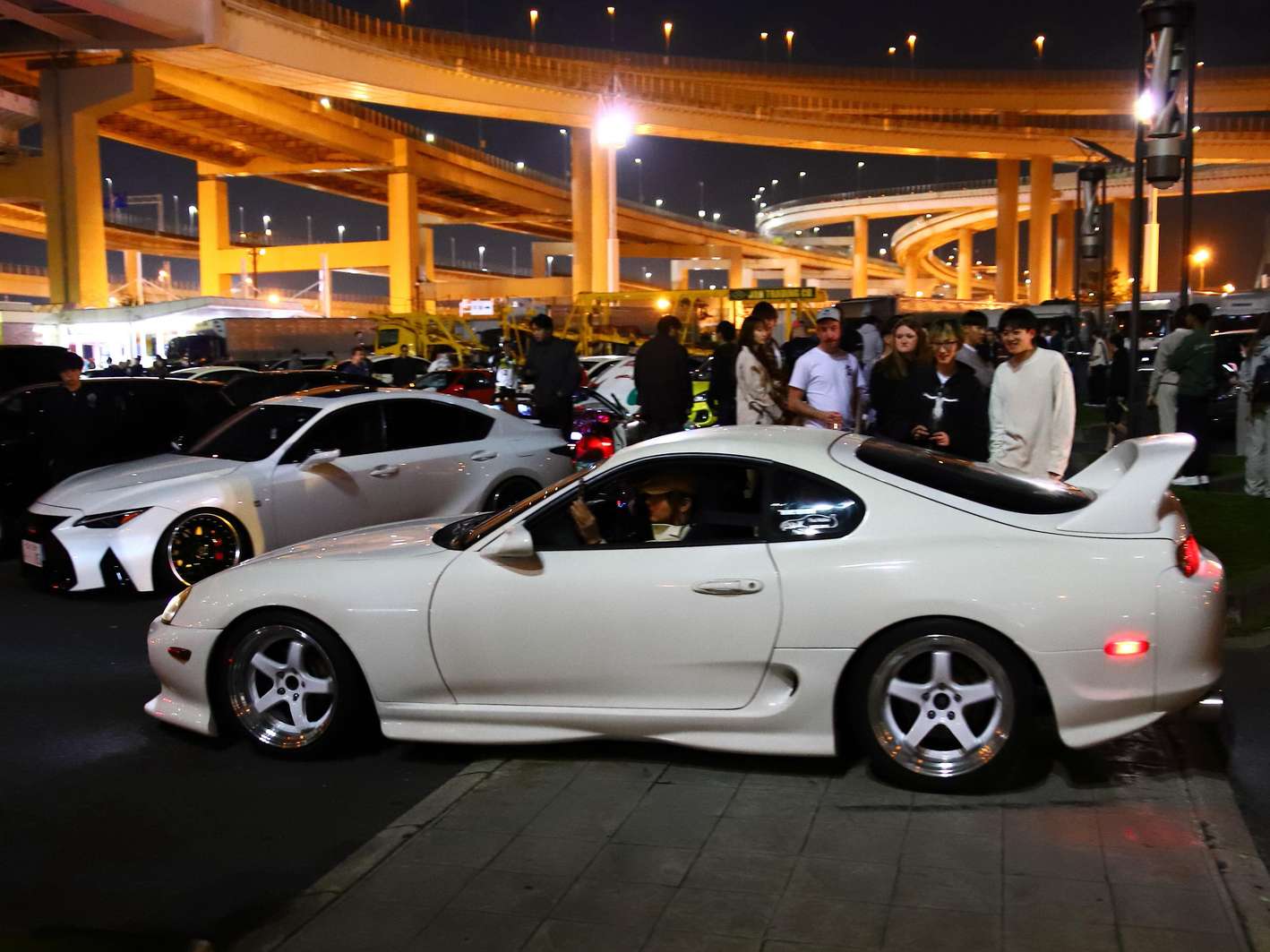
Night is the main event. The lot fills from around 5 pm on weekend evenings, the crowd peaks between about 9 pm and 1 am, and the highways and Rainbow Bridge are lit for the drive between stops. Daytime is a different, calmer scene, and Sunday mornings belong to classics and supercars in daylight.
Daikoku car meets through the day and night
Weekend morning and afternoon9 am to 5 pm
A calmer, daylight scene: Sunday mornings fill the lot with vintage Japanese cars and supercars, and weekend daytime tours have their own re…
Early evening5 pm to 8 pm
The golden-hour window when the first cars arrive and the light is still good for photos; arriving early in the evening beats arriving late,…
Night Peak8 pm to midnight
Peak hours for the meet: most activity falls between 5 pm and midnight with the busiest hour around 9 pm, the highways and Rainbow Bridge ar…
Late nightMidnight to 2 am
Midnight runs still visit Daikoku or the alternative Umihotaru PA in the middle of Tokyo Bay, but by late on a weekend the lot may already h…
QuietBusyThe busiest
Here is the trade-off that decides your plan: the biggest nights are also the ones police close early. On Friday and Saturday the lot can shut as soon as 7:30 or 7:45 pm, so arriving early beats arriving late.
Thursday is the surprise pick, with visitors reporting the lot packed like a weekend night, and Sunday evenings deliver too.
How busy it gets, month by month
April: 5 out of 5 for how busy it gets.
HighestMar to Apr, Sep to Oct
In betweenJan, May, Aug, Nov
LowestFeb, Jun to Jul, Dec
Darker: a higher how busy it gets score, out of 5
Tap a month to read it.
April and October are the sweet months, mild with plenty of dry days, and the busiest for bookings. June, February and December are quiet, and travelers there often book within days of going. Rain thins the crowd but rarely kills the night; a typhoon is the one thing that forces a change of plan.
Rental, convoy or ride-along for your JDM car rental
Three products wear the same name, and they suit three different travelers. A self-drive rental hands you the keys and your own schedule.
A guided convoy puts a lead car ahead of you so navigation and tolls are handled. A ride-along puts a local driver in the seat and you in the passenger chair, no licence needed.
Self-drive rental
Guided convoy self-drive
Ride-along
Licence needed
Home licence plus IDP or JAF translation
Same documents, every driver
None
Freedom
Your route, your pace, full day
Fixed route behind the lead car
Fixed itinerary
Support
English support line, no guide
Radio guidance and English support
Driver-guide throughout
Who it suits
Confident drivers who want control
First-time drivers in Japan
Anyone without documents
Self-drive rental
Licence needed
Home licence plus IDP or JAF translation
Freedom
Your route, your pace, full day
Support
English support line, no guide
Who it suits
Confident drivers who want control
Guided convoy self-drive
Licence needed
Same documents, every driver
Freedom
Fixed route behind the lead car
Support
Radio guidance and English support
Who it suits
First-time drivers in Japan
Ride-along
Licence needed
None
Freedom
Fixed itinerary
Support
Driver-guide throughout
Who it suits
Anyone without documents
Start by naming your objective before you fall for a car. Tokyo Bay nights are about atmosphere, mountain roads are about driving pleasure, and a specific model is its own reason. If Daikoku PA is the priority, a guided plan makes more sense than forcing it into a rental day.
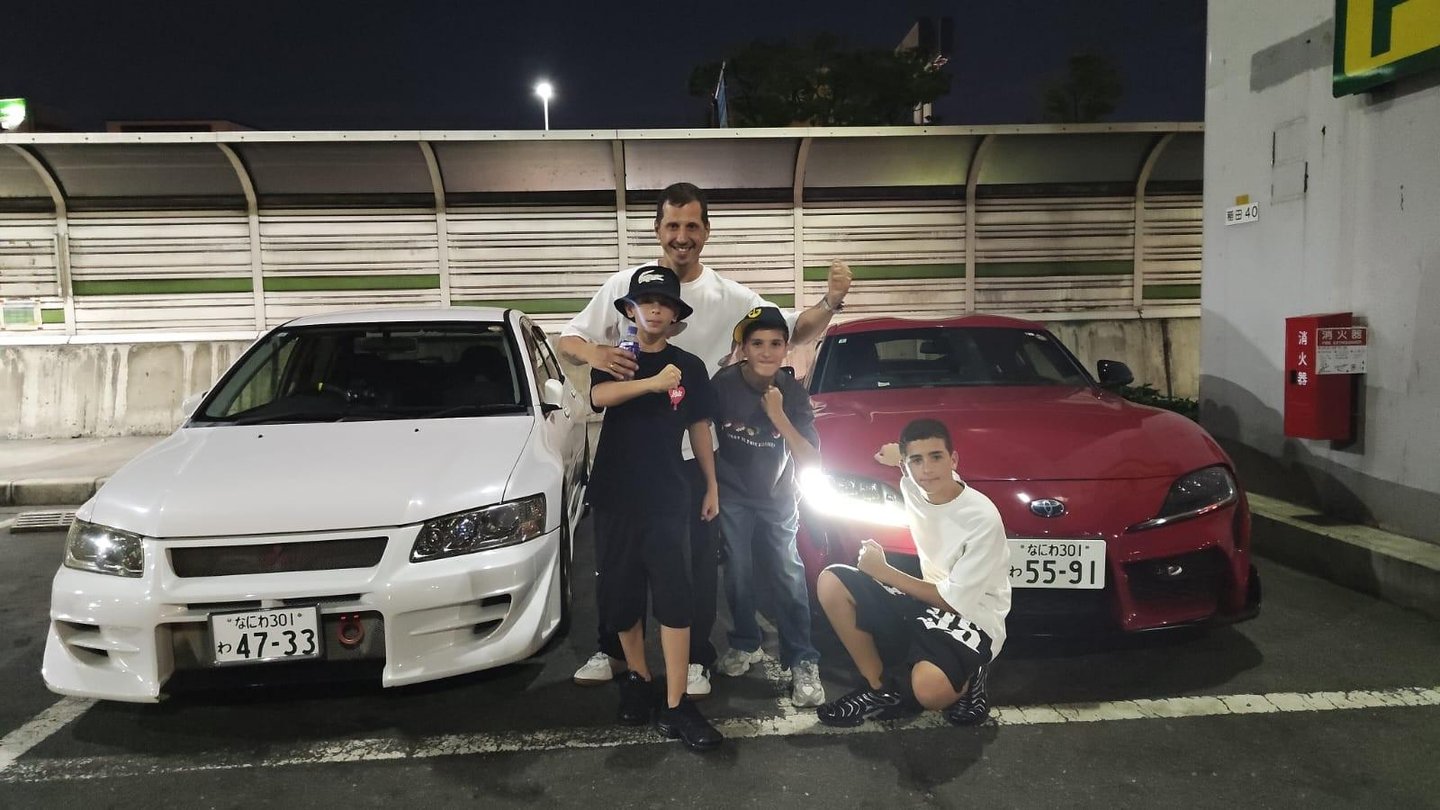
One option bundles the best of both: the Osaka: JDM Culture Meetup & Self-Drive Sports Car Rental puts you behind the wheel of a GT86, Fairlady Z or Lancer, drives the Hanshin Loop in convoy behind a lead car, and ends at Higashiosaka PA where local enthusiasts gather, with fuel and tolls included in a three-hour run.
The licence and papers behind every JDM car rental
Before any car model matters, the paperwork decides everything. Most drivers need an International Driving Permit under the 1949 Geneva Convention, obtained in your home country before departure.
If your licence was issued in Switzerland, Germany, France, Belgium, Monaco or Taiwan, an IDP is no use at all: you need your home licence plus an official Japanese translation issued by JAF, arranged online before you go.
Can stop the day
The paper that stops the trip An IDP cannot be issued inside Japan, and only the paper booklet type is valid; card and digital versions get you nowhere Arrange it at home before departure, or sort the JAF translation online if your country is on the list
Age matters too. Specialist self-drive operators ask drivers to be 23 or older, and some sports-car specialists want 25 plus a few years of experience. Osaka rentals start at 21 with three years of driving behind you.
Bring your original passport and original licence on the day; copies do not count. And if none of this fits your situation, that is not the end of the trip. A ride-along tour needs no driving permit at all, and the closed-course drift lessons need no licence either.
Getting there and what driving a Tokyo JDM car rental is like
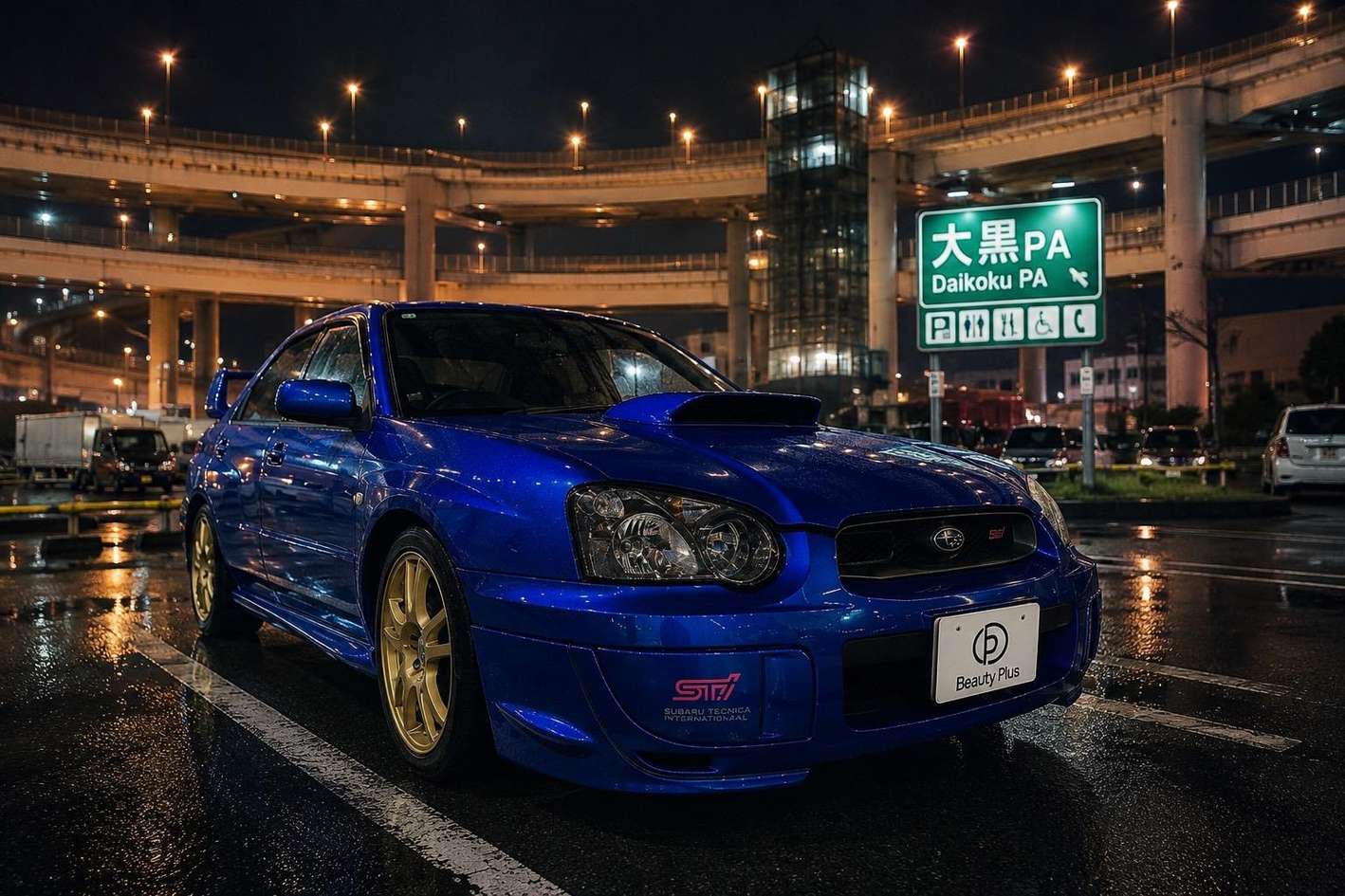
Daikoku PA sits on its own artificial island in Tokyo Bay, inside the Shuto Expressway, and there is no way in except on wheels already on the expressway.
No train, no footpath, no bus. A taxi can drop you at the gate and then cannot pick you up again, which is how people end up stranded at midnight.
So the drive in is part of the experience: expressway from central Tokyo takes about an hour, and the tolls are yours to pay if you drive yourself.
Left-side traffic sounds harder than it is; long-term foreign residents say the opposite-side driving is less confusing than expected, and Japanese drivers are courteous, with low speeds and few horns.
The rules that matter that night are simple. Keep left, stop on red and yellow, never cross solid yellow lines, yield to pedestrians, and stay off your phone.
The default limit is 60 km/h where no signs say otherwise. Turning is the tricky part for the first day, so consciously pick the correct lane. Park only in proper lots, because parking violations are dealt with severely.
The meet happens in the open, on a lot by the water, and you will be standing around in it for an hour or more. Tokyo nights at the parking areas run from about 1°C on winter nights to over 25°C in midsummer, so the packing question is really a season question.
What to bring for a Tokyo car meet
Camera or smartphonePhotography is welcome and you can bring a camera to capture the experience of the JDM culture.
Comfortable shoes and clothesWear comfortable clothing and shoes suitable for walking and the tour activities.
Light jacketSome parts of the experience take place outdoors, so a light jacket is recommended, especially during night drives.
Rain gearThe climate data shows high precipitation in months like May and September, so be prepared for rain.
Warm layersDuring winter months (December to February), temperatures can drop to near freezing, requiring warm clothing.
Comfortable shoes come first, because you will walk the rows of cars and stand while owners talk. A light jacket matters even in warmer months, when the night wind off the bay cuts through.
Rain rarely kills a meet, visitors have found plenty of cool cars on wet April nights, so a compact rain layer earns its place in the bag.
The camera or a charged smartphone is the other essential. Photography is welcome at the meets, and the night stops, Tokyo Tower, the bridges, the tunnels, are half of what you will show people afterwards.
Eat before you go and carry water, because most tours include no food, and leave the big suitcase at the hotel; space inside a sports car is tight.
The mistake that ruins first trips is simple: leaving the ride question until you are already in Tokyo. By then the good nights are booked out, and travelers describe ending up begging strangers for seats. Turning up on the day and hoping is a gamble that usually loses.
Sort it before you fly. Some operators want at least 3 days of notice, others ask for 72 hours for specific cars, and hotel pickup has to be arranged by the day before. In the busy months, go earlier still.
Pro tipImportant Set up WhatsApp or Instagram as your contact channel right after booking. Operators send changes there before start time, and the email confirmation arrives within 48 hours, so reply to it.
A DIY visit carries the same rule in a harsher form. Driving yourself to Daikoku means committing a whole evening, and if the lot closes early you need a ride out already planned, because no taxi is coming to that island. Booked tours handle the exit for you.
Carrying paying passengers in Japan requires a transport licence and a green license plate on the vehicle. Not every listing on a booking platform has one, so judge it by the legal notice and package details, the actual contract, before you trust the title and photos.
Myth vs reality
MythEvery JDM listing is licensed and insured
Reality
Carrying passengers for payment needs a licence and green plate; ask in writing what permit and passenger insurance cover the ride
MythA photo of a specific car reserves that car
Reality
It does not; ask whether the vehicle type and seating are guaranteed for your date
Myth'Daikoku was closed' automatically means a refund
Reality
Usually it means a fallback lot like Umihotaru instead; read the closure clause before paying
The listings worth booking say in advance what happens when Daikoku closes, name the actual cars you will ride in or drive, and refuse reckless driving and illegal modifications.
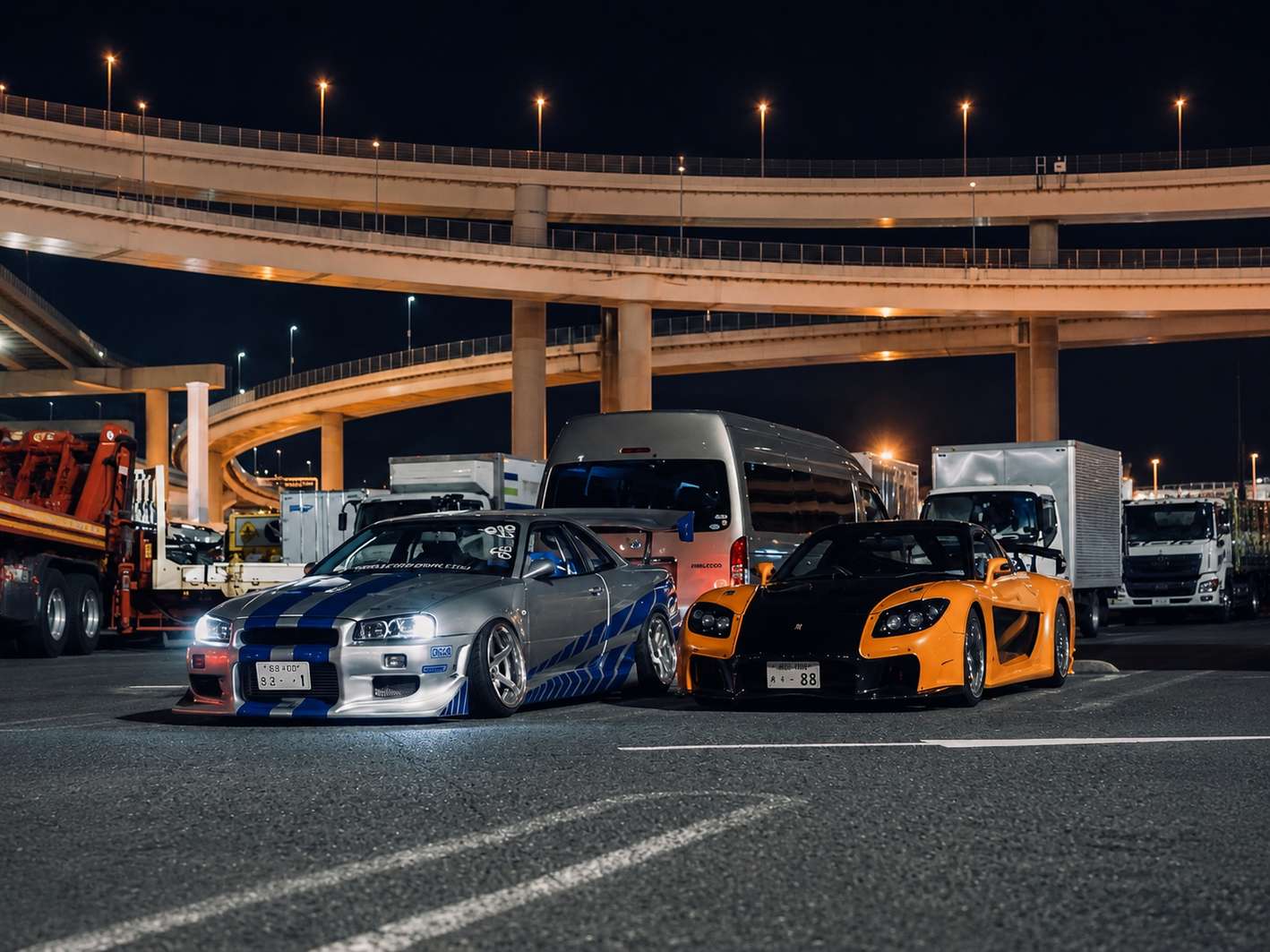
Watch the word 'van': it means you only walk around the parking area, with no ride in the cars. And if you are chasing a real GT-R, ask for the chassis code on the registration certificate, because an automatic R34 is never a real GT-R.
Meet etiquette on a JDM car rental night
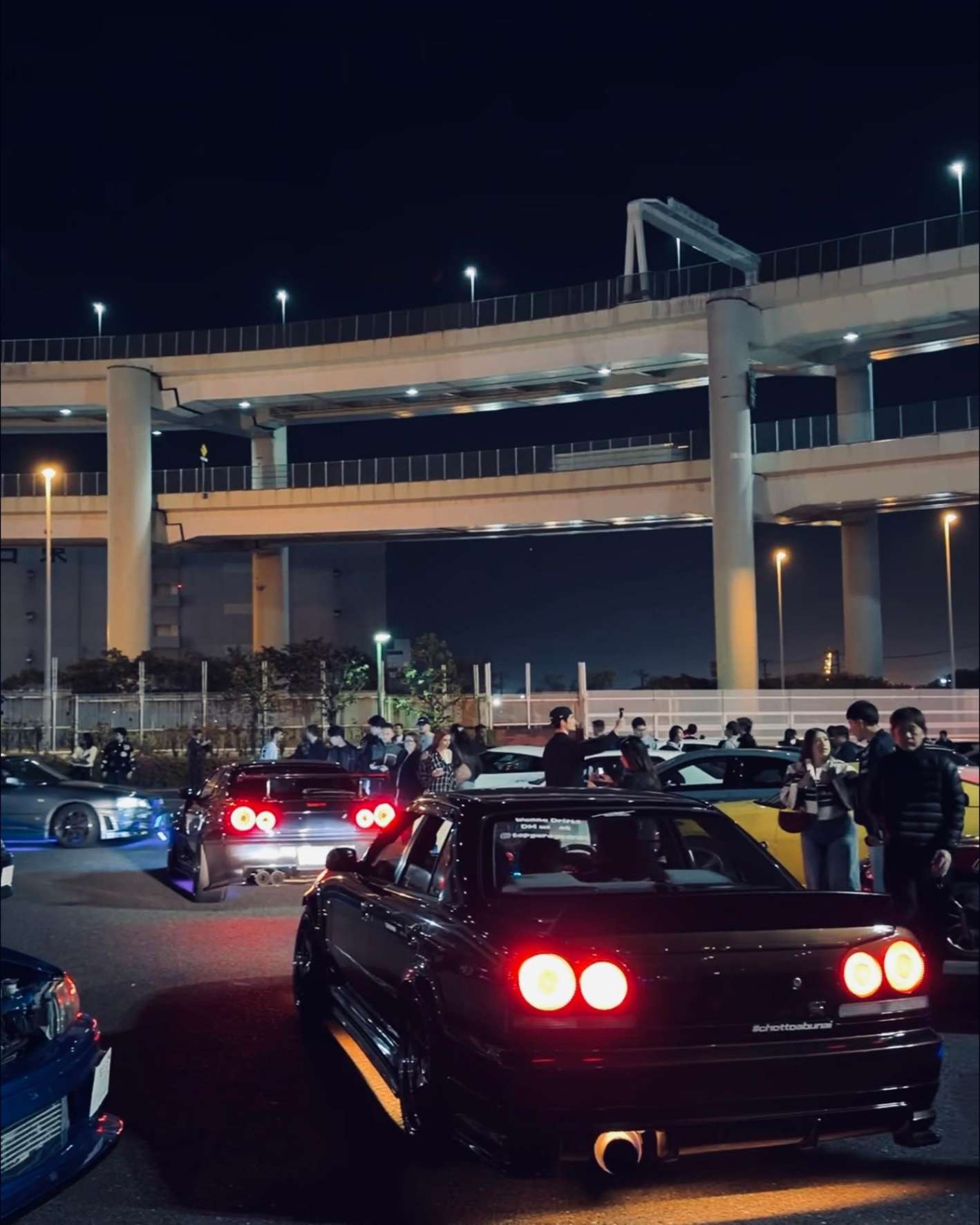
Engines off once parked, music at moderate volume, owners standing beside their builds. That is the scene you walk into, and the unwritten rules are what keep it alive.
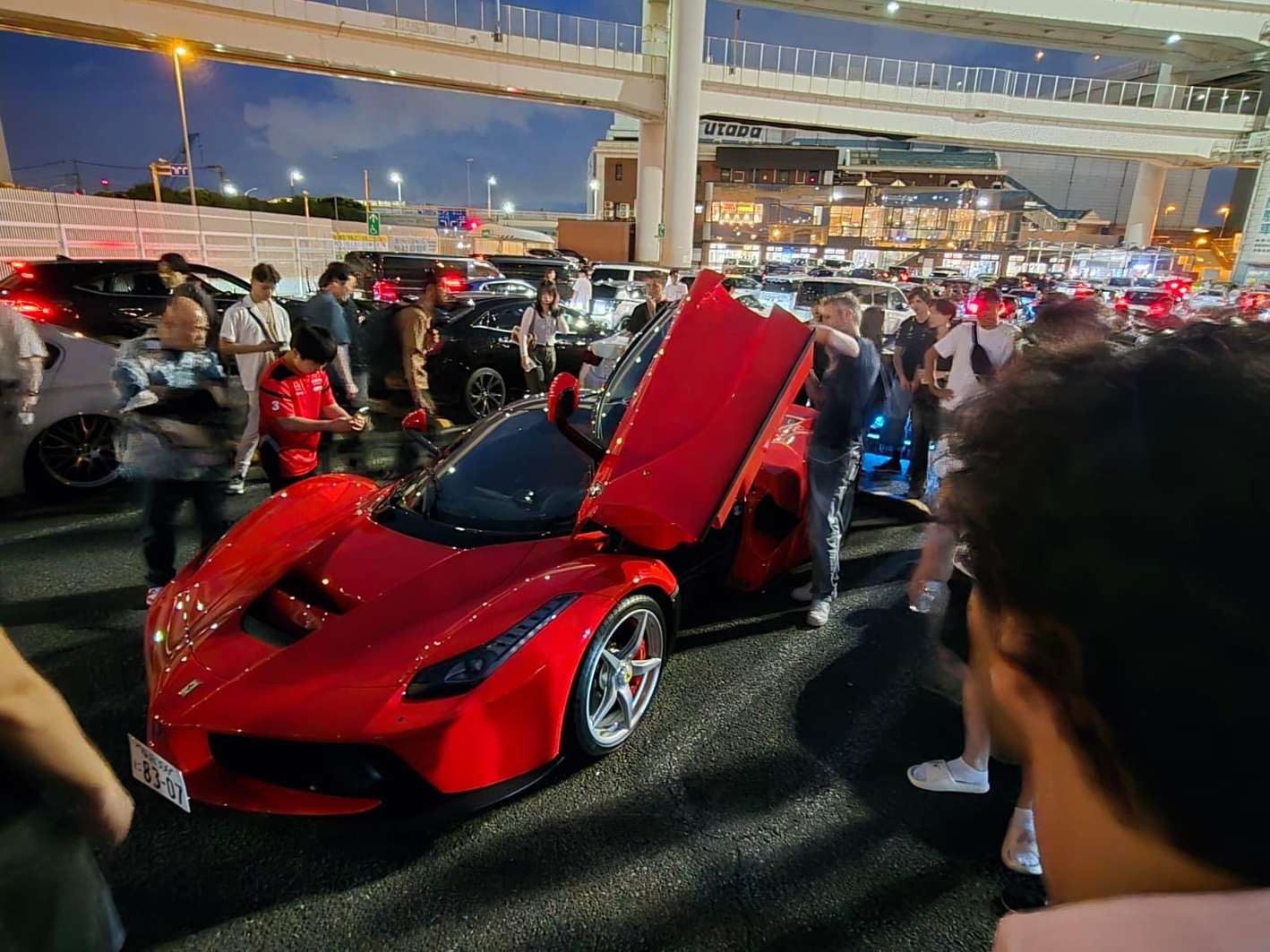
Never touch, lean on or sit on anyone's car, and never open a door or climb in for a photo without being invited. Disrespectful tourist behavior is why some locals stopped bringing their cars to Daikoku at all.
What nobody tells you
Ask before close-up photos, and before posting cars online
Shooting without permission is a real irritation for owners, and plates should be blurred before posting
Stay out of the roadways at the lot
Trespassing tourists are what draw police attention and kill the meets
Keep your voice down and skip the revving
Revving and burnouts in the lot are exactly what gets a meet shut down
The legend cars and their owners keep their distance
The famous cars are mostly over 25 years old, their owners mostly over 60, and they rarely engage with tourists
What you get in return is real. Owners chat with respectful visitors, strangers bond over builds, and a compliment about the car opens more doors than any question about price ever will. Do not ask what a car cost or whether it is for sale.
The Osaka JDM car rental option
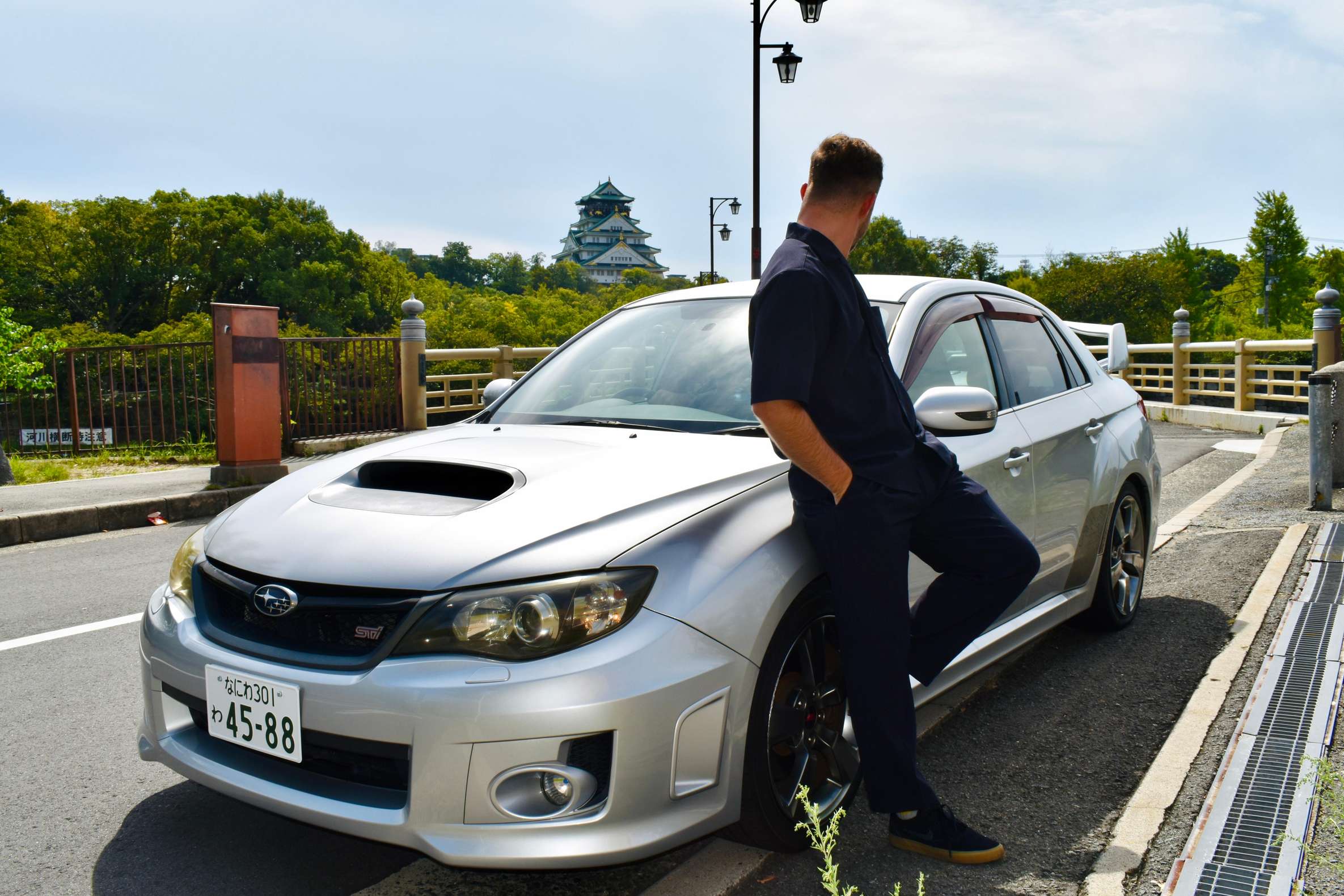
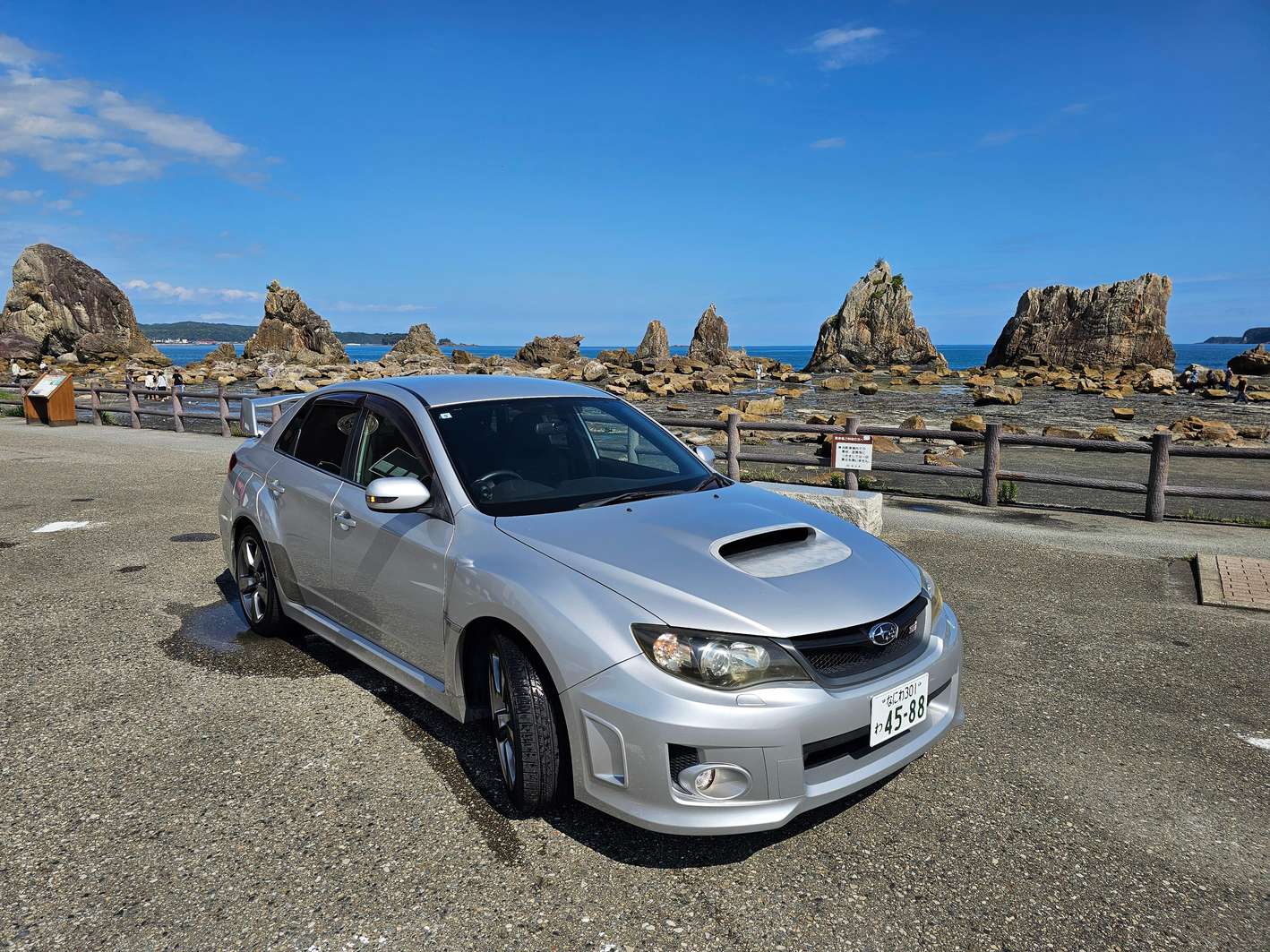
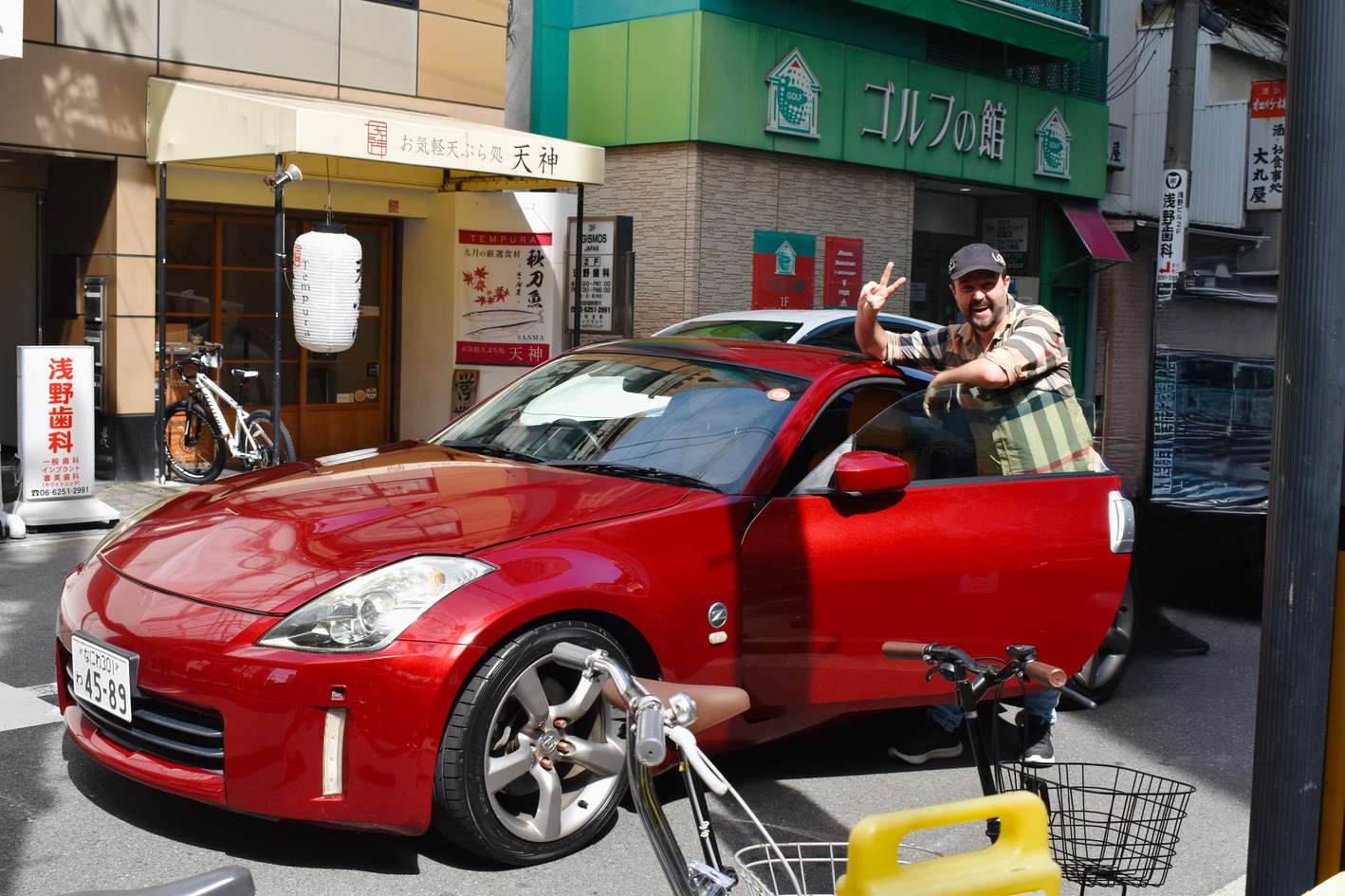
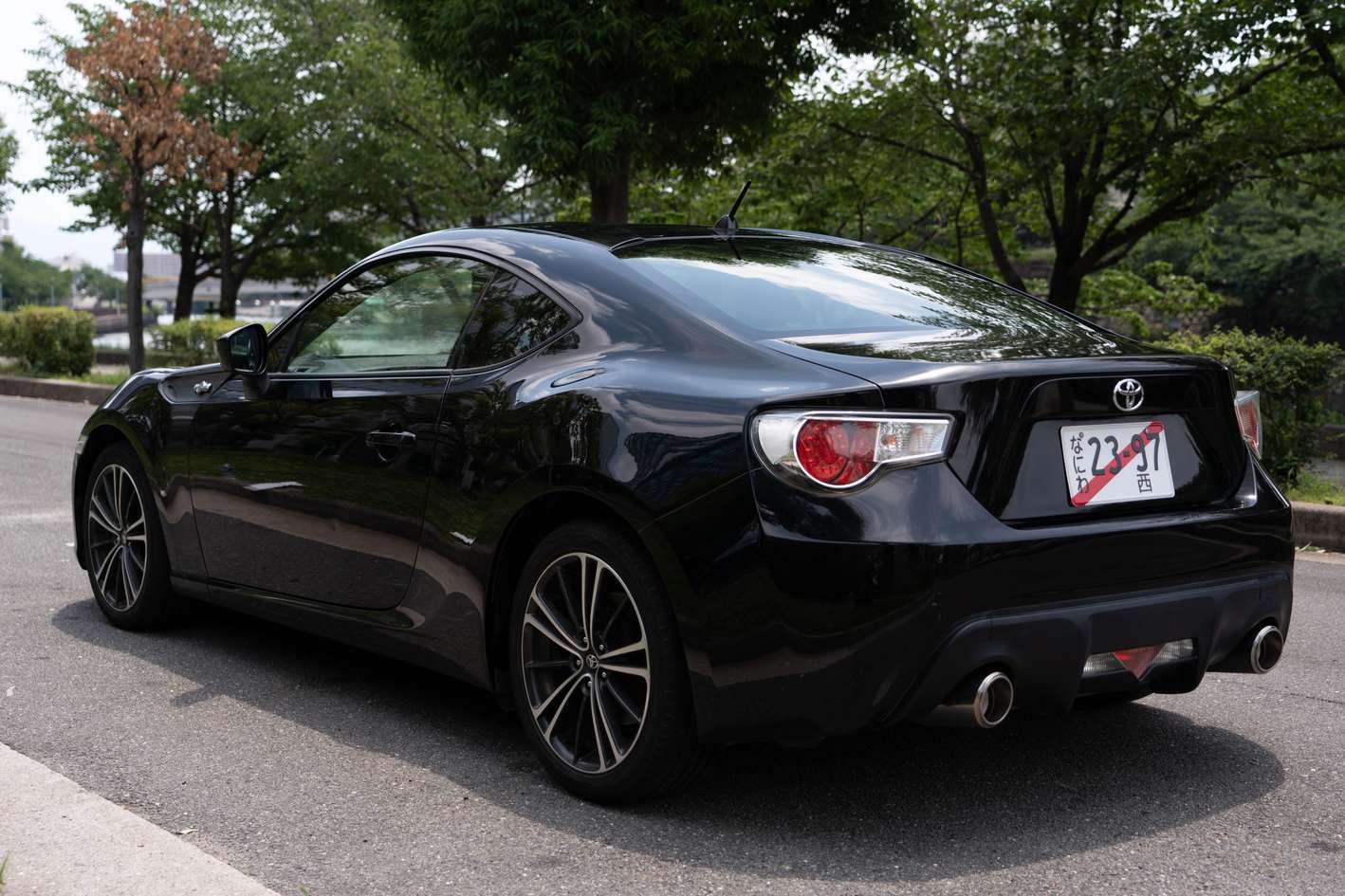
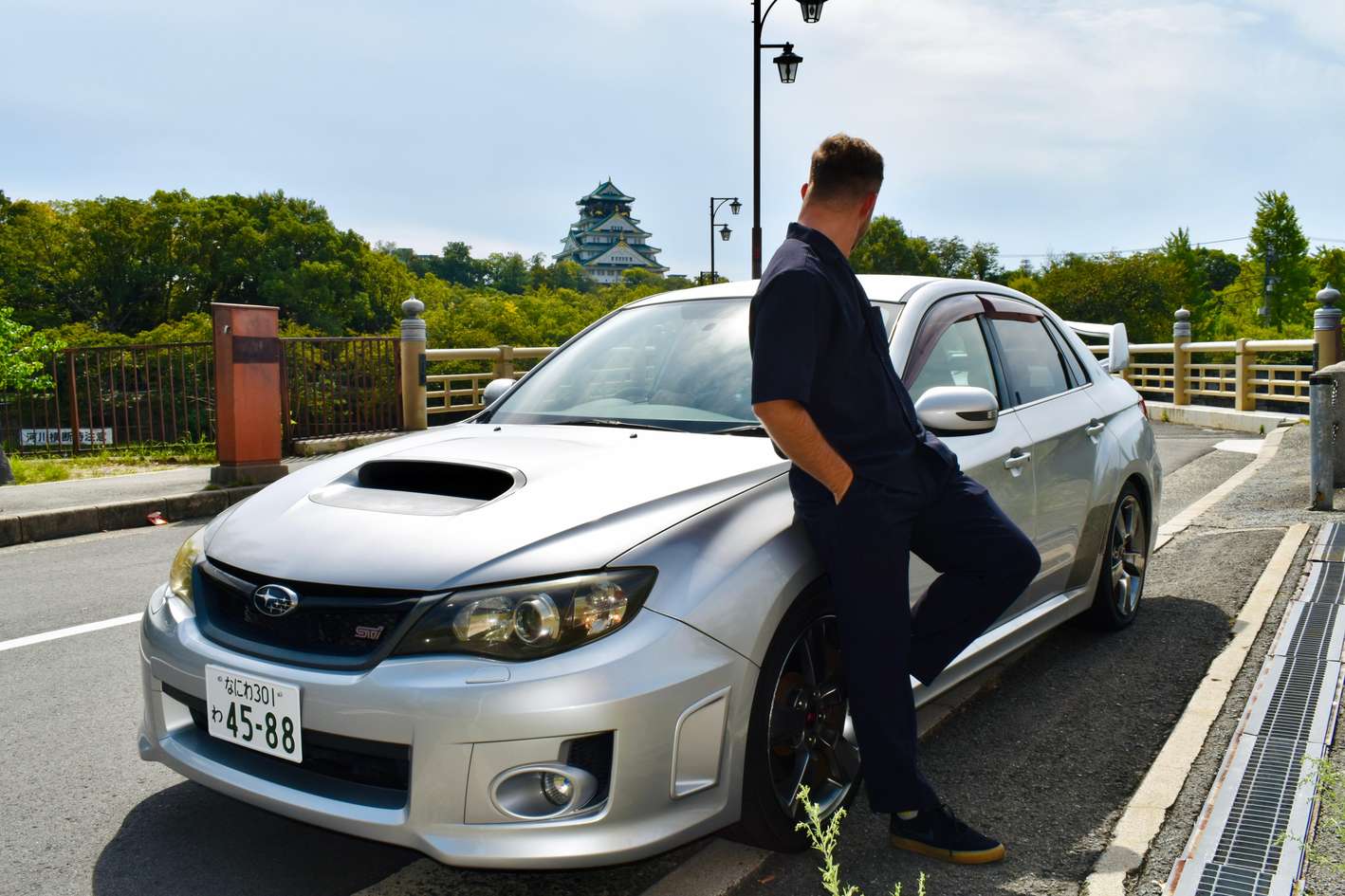
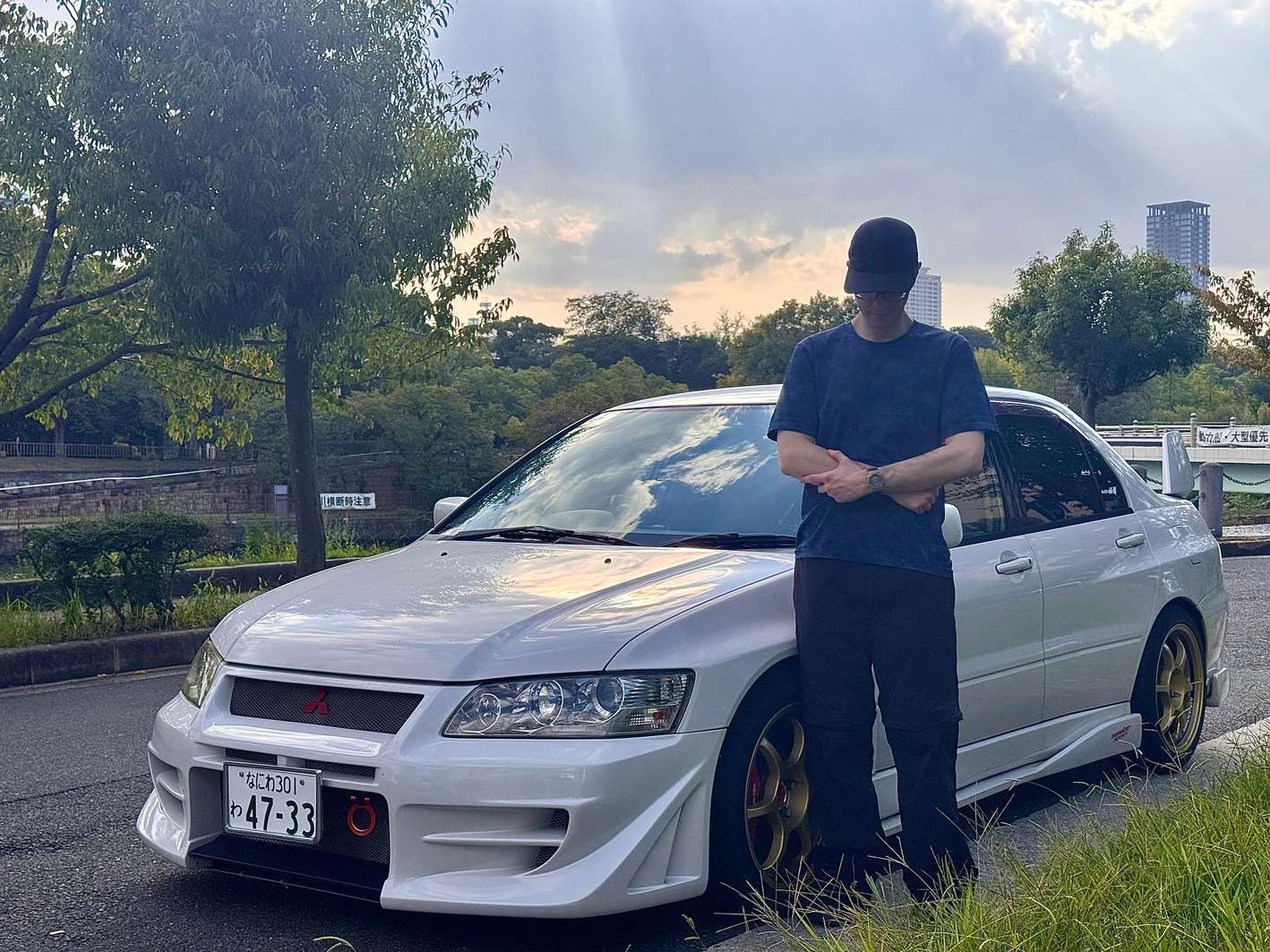
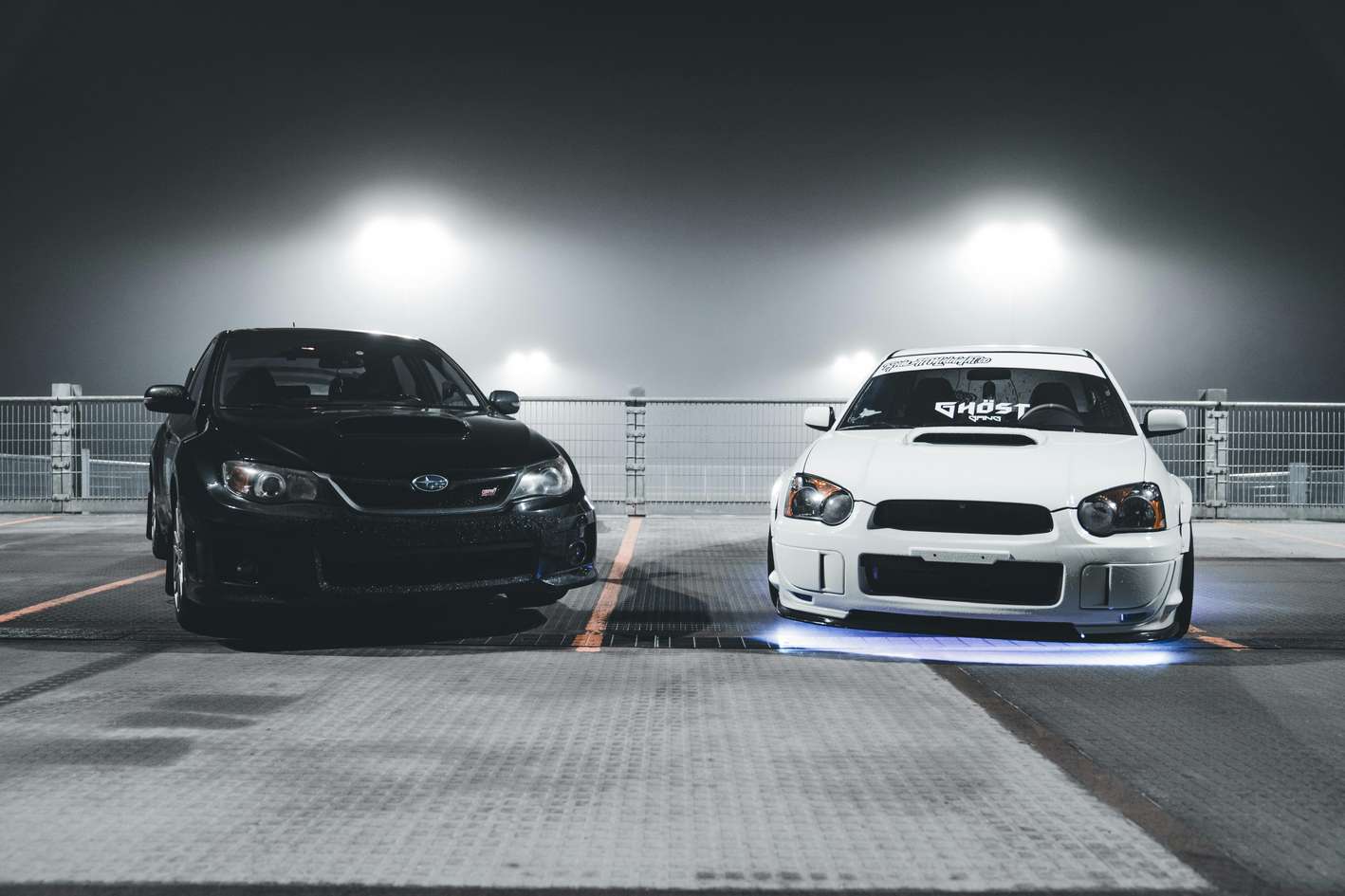
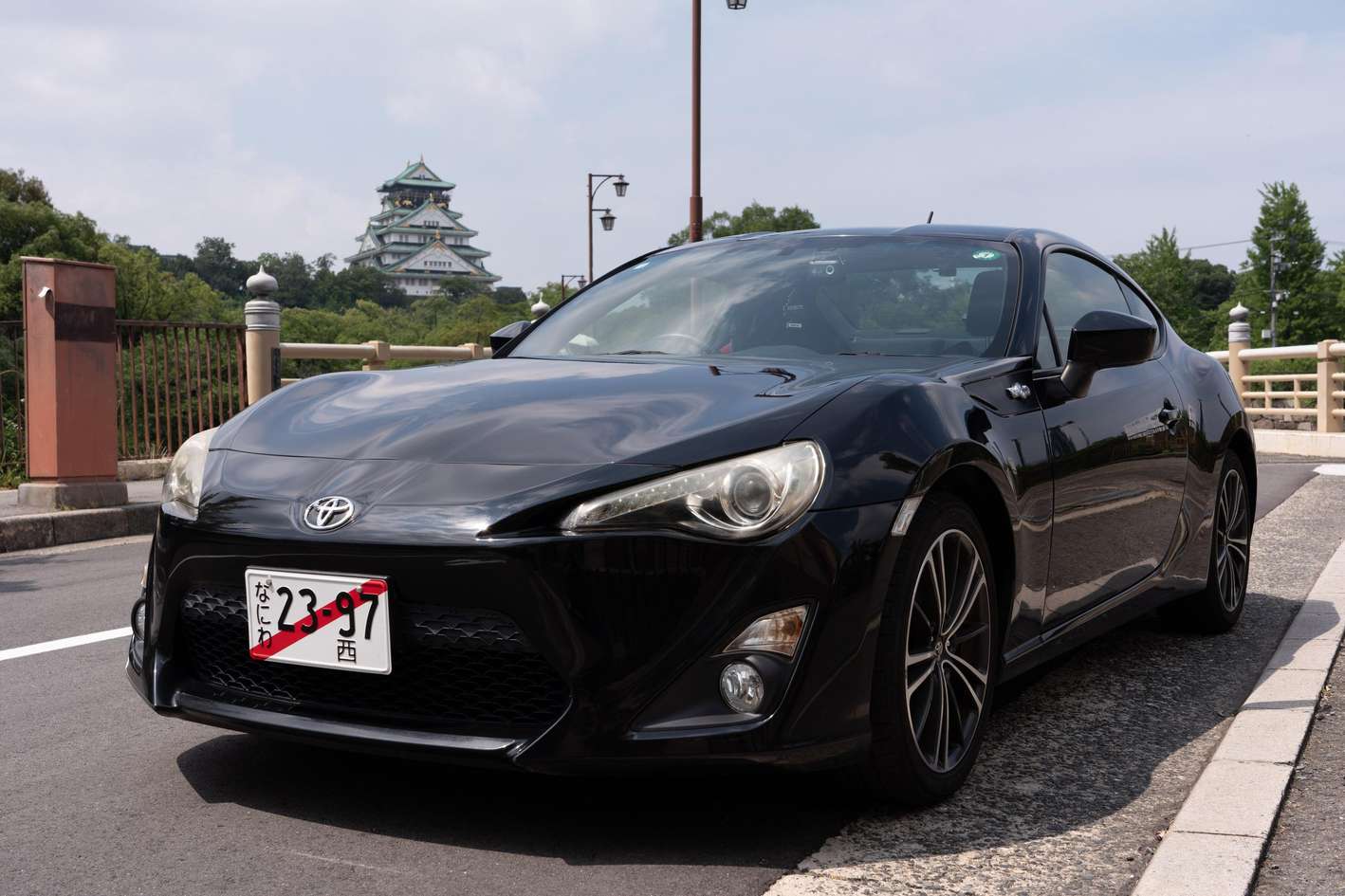
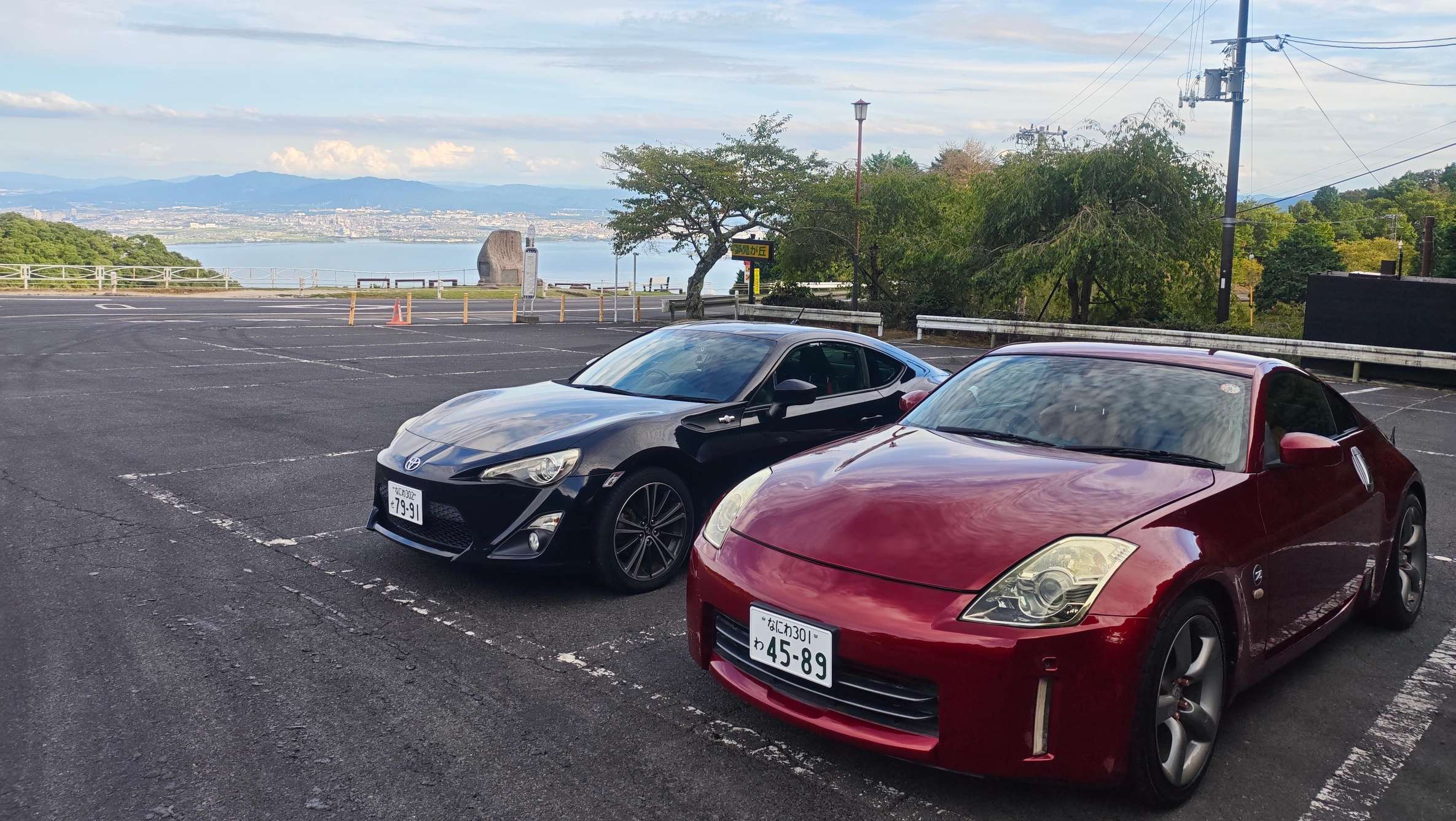
If Tokyo's age rules or your licence situation block you, Osaka is the genuine plan B, and for some travelers the better plan A. The Osaka Sports Cars Rental - Drive Yourself a JDM Car hands you a GT86, a WRX STI, a Fairlady Z or a Silvia S15 from Shinsaibashi, by the hour or by the day, with collision damage waiver, third-party liability and English support included.
The pickup sits in the middle of a walkable district, so a rental day pairs naturally with everything else Osaka does well.
A 20-minute walk from the Osaka JDM tour pickup at Shinsaibashi
The rules run a little friendlier too: sports-car rentals there ask for 21 and three years of driving, against the 23-plus that Tokyo self-drive operators want.
The same documents apply, an IDP under the 1949 Convention or a JAF translation for the six exception countries, and the same law: a legal road drive, no drifting, no stunts.
Fuel policy is full to full, pickup runs from 10 in the morning to 7 in the evening, and the expressway tolls are on top. For a traveler who wants a whole day with one car, this is the format that delivers it.
More to book around Osaka
Live dates and prices
Drifting and the JDM car rental dream
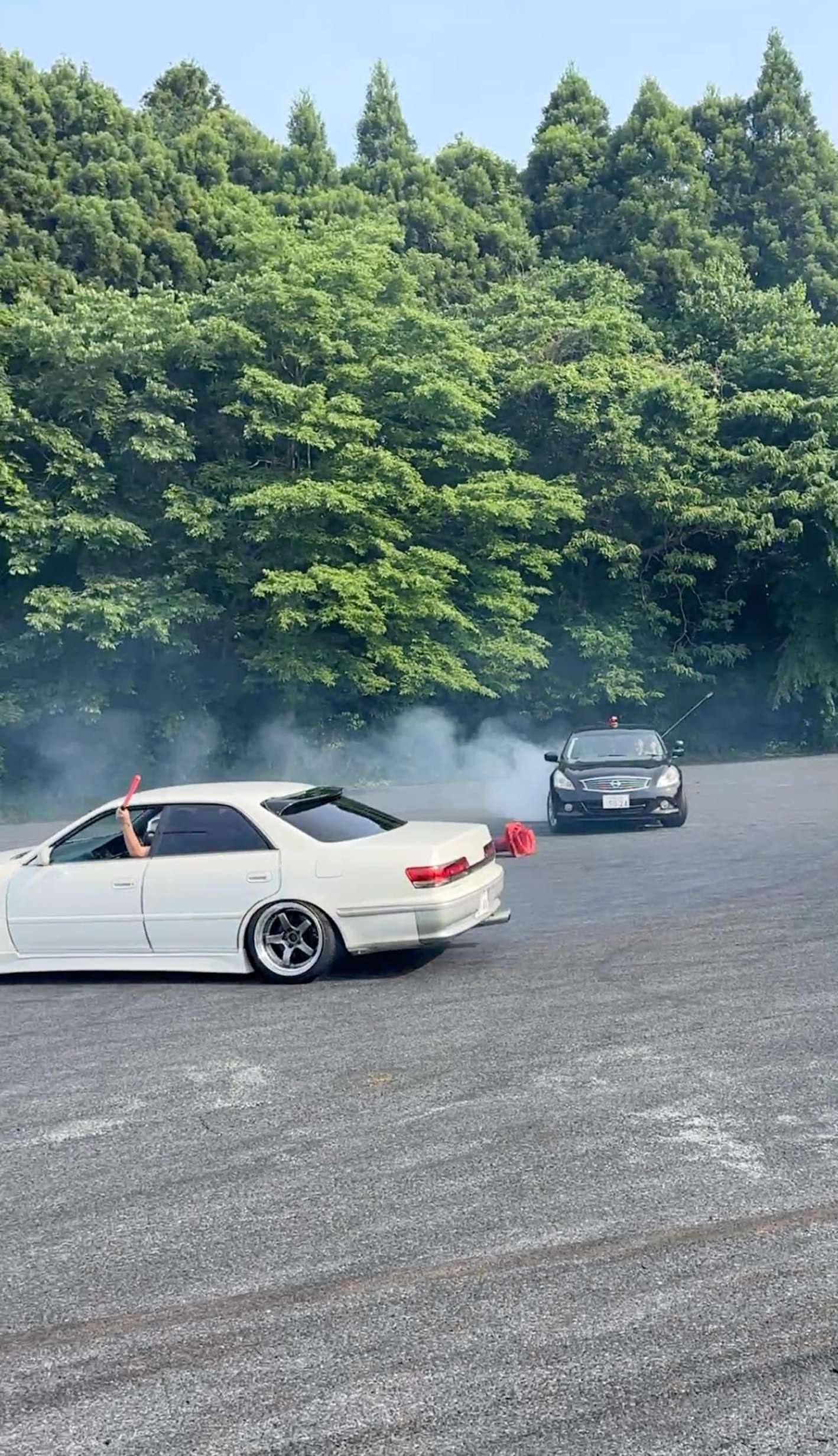
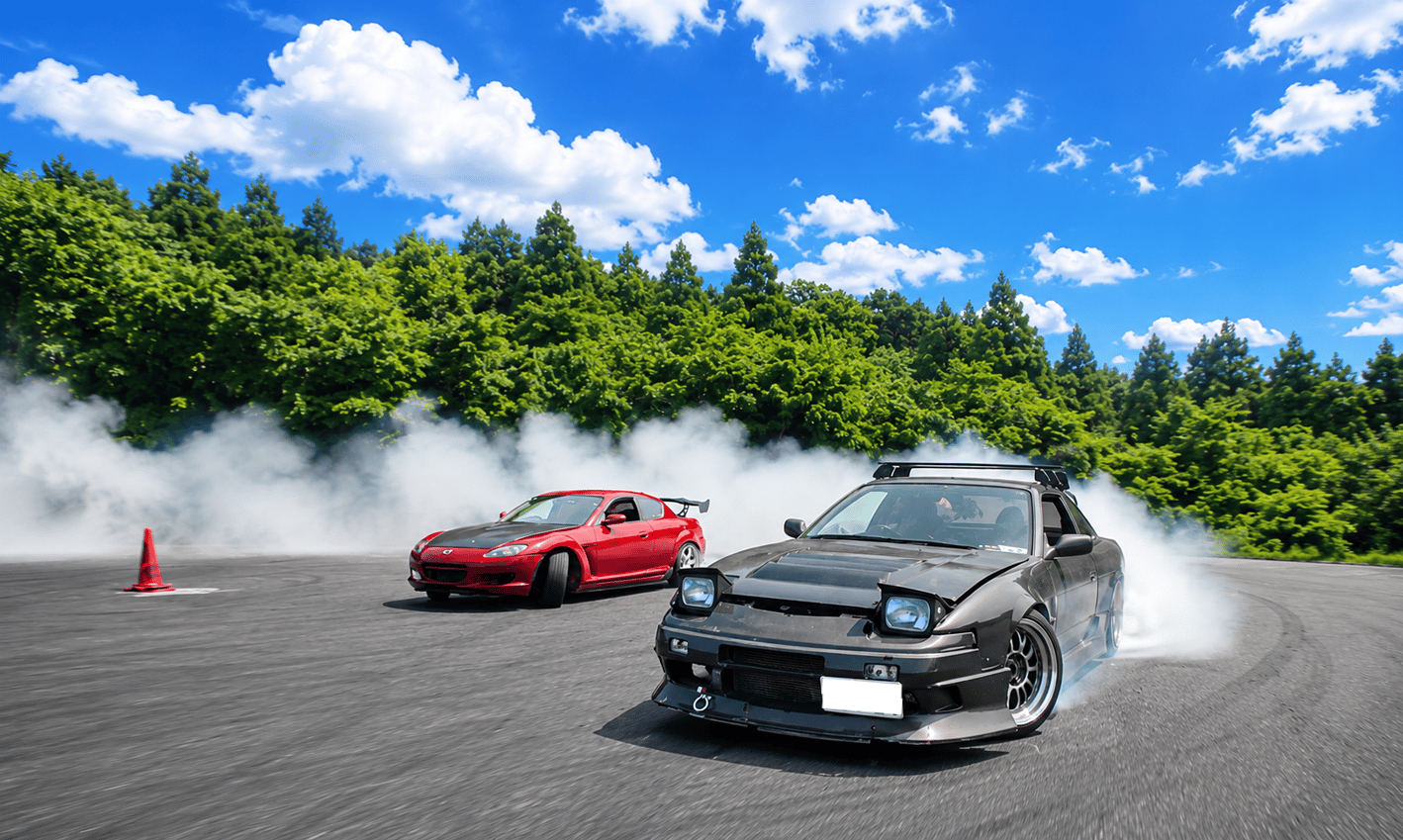
Somewhere in every JDM trip plan there is a drift fantasy, so here is where it legally lives. Drifting on public roads is illegal in Japan, and no advertised public-road drift event exists for tourists.
The street spots stay secret from outsiders; making friends with a local is realistically the only way to ever see one.
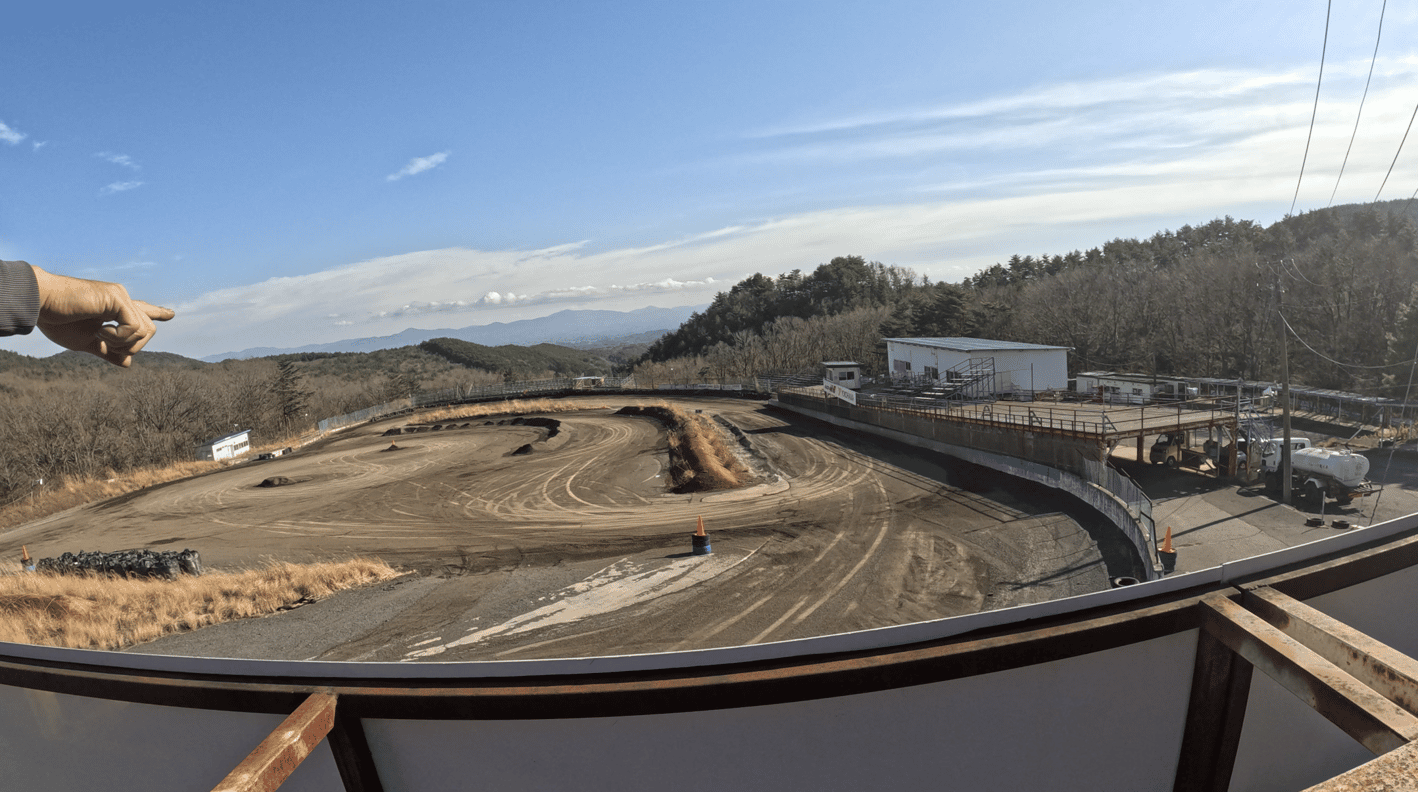
The legal answer is a circuit. Ebisu Circuit, north of Tokyo and reached by Shinkansen, is widely called the drift mecca: a full day of instruction, track time and a pro ride-along that travelers rank among the best things they have done in Japan.
Beginners start on the dedicated Kurukuru Land practice courses, one of them wet, which is easier, and learn the basics, donuts and figure eights, within about an hour.
Closer to the city, Minami Chiba Circuit runs a three-hour weekday lesson on a closed course, so no driving licence is needed at all, with helmets provided and hotel pickup included. Ebisu's drift taxi runs April to November and closes for winter snow.
If you want to watch the sport at its top level instead, D1 Grand Prix holds rounds in Osaka in September and Tokyo in October, with the final usually in Odaiba in November.
Worth the wheel, if the papers are ready
A self-drive JDM day is the trip-within-the-trip for anyone who wants hours with the car instead of minutes. It costs more and asks more of you: documents arranged at home, age 23 or older for most Tokyo operators, and comfort with left-side traffic.
The convoy format takes the stress out for first-timers, the Osaka rental gives a full day, and the circuits give you the drift legally.
Book early, arrive at the meet before the weekend crowds trigger a closure, and mind the owners' rules on the lot.
Go ifYou hold a 1949 Convention IDP or a JAF translation, and driving the car is the point of the tripYou want a full day or nine hours with one specific JDM car rather than a three-hour eveningYou are a first-time driver in Japan who wants the wheel with a lead car handling the route
Skip ifYou have no valid licence or driving documents, where a ride-along tour is the realistic optionYou are mildly curious about car culture and would be happy watching from the passenger seatYour dates fall in a packed schedule, since a full self-drive day eats most of one
Our pick to book
Osaka Sports Cars Rental - Drive Yourself a JDM Car4.9★ (10) · 9 hours - 1 day · Free cancellation
Quick answers on licences, formats and what a self-drive JDM car rental tour involves.
What documents do I need to drive a JDM car on a rental tour in Japan?
Bring your original passport and home licence, plus an International Driving Permit issued under the 1949 Geneva Convention. If your licence comes from Switzerland, Germany, France, Belgium, Monaco or Taiwan, an IDP does not work; you need your home licence with an official Japanese translation from JAF, arranged before you travel.
How old do I have to be for a self-drive JDM car rental tour?
Self-drive tours require drivers to be 23 or older, and some rental specialists ask for 25 or 26 with a few years of driving experience. Passengers on a guided tour face far fewer restrictions, so if you are under the age limit, riding along is the way in.
What is the difference between a guided JDM driving tour and a self-drive rental?
On a guided tour you ride as a passenger with a professional driver, so no licence is needed. On a self-drive rental you take the wheel yourself and set your own route and pace. A middle format has you driving the operator's car behind a lead car, so navigation is handled for you.
Can I rent and drive a JDM car myself in Osaka?
Yes. One Osaka rental hands you a Toyota GT86, Nissan Fairlady Z, Silvia S15 or Lancer Evolution from Shinsaibashi, with English support and insurance included, by the hour or by the day. You drive on your own schedule, with fuel returned full and tolls and parking paid as you go.
Is drifting allowed on a JDM car rental tour?
No. Drifting on public roads is illegal in Japan, and rental tours are legal road drives with no drifting or stunts. For real drifting, head to a circuit: Ebisu north of Tokyo runs full-day drift schools, and a lesson at Minami Chiba Circuit needs no driving licence at all.
What happens if I speed or drive recklessly in Japan?
Speeding 40 km/h over the limit leads to arrest and jail, and fines or penalties on a rental are yours to pay. Keep to posted limits, stay left, and treat the drive as a cruise. The roads reward a steady pace far more than a fast one.
Can I drive my rental car to the Daikoku PA car meet?
You can, since Daikoku sits inside the Shuto Expressway and is only reachable by car. The catch: police close the lot without notice, most often on weekend nights from around 8:30 pm, and once the entrance shuts it does not reopen. A guided tour handles the route and a backup spot if that happens.
Do I need to book a JDM car rental tour in advance?
Yes, sort it before you arrive. Tours sell out, specific cars are privately owned and sometimes under maintenance, and turning up hoping for a seat is a gamble. In busy months like April, October and September, book several days to a week ahead.
What if the car meet is closed or quiet on the night of my tour?
Meets like Daikoku are informal gatherings with no schedule, so the lineup varies by night. If a lot closes, most tours divert to a fallback such as Umihotaru or Tatsumi, and several offer a full refund if you decline the alternative. Weekday nights are less likely to end in a closure.
Which self-drive JDM car rental tour format should I choose for a first trip?
Decide what matters most first. If you want atmosphere and a famous spot like Daikoku at night, a guided plan is simpler. If you want uninterrupted time with the car and your own route, a rental suits you. First-time drivers in Japan often do best with a lead-car convoy for the support.