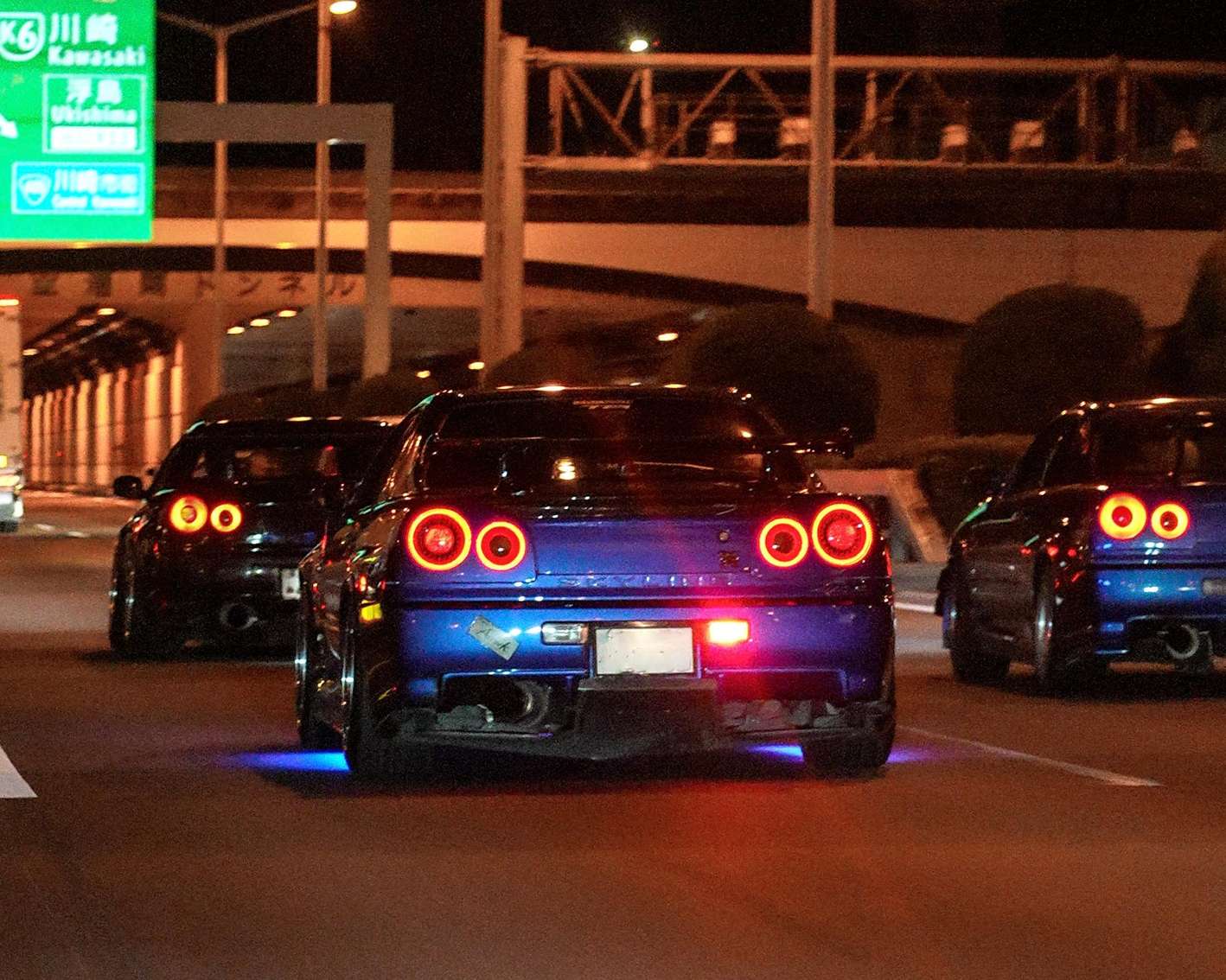
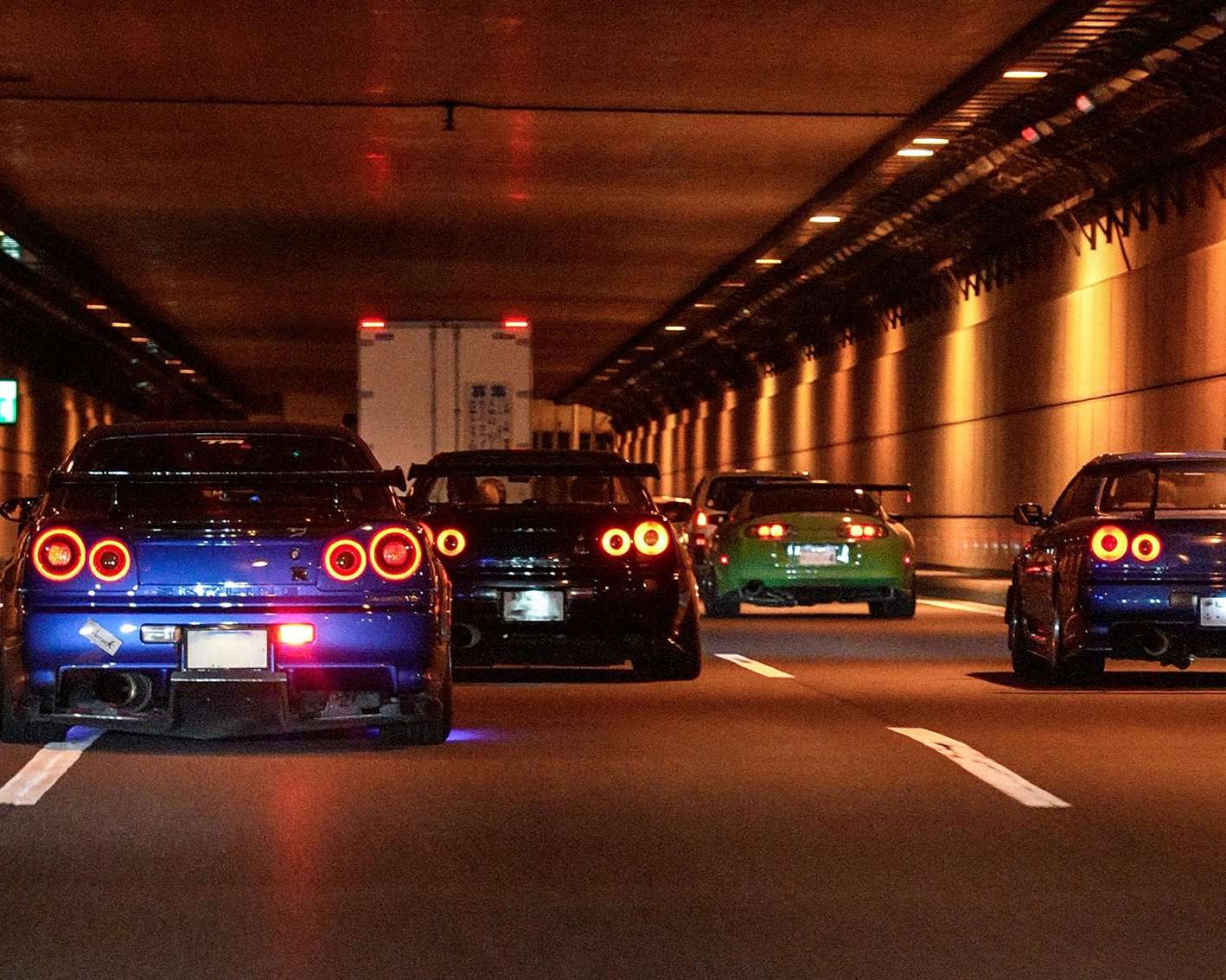
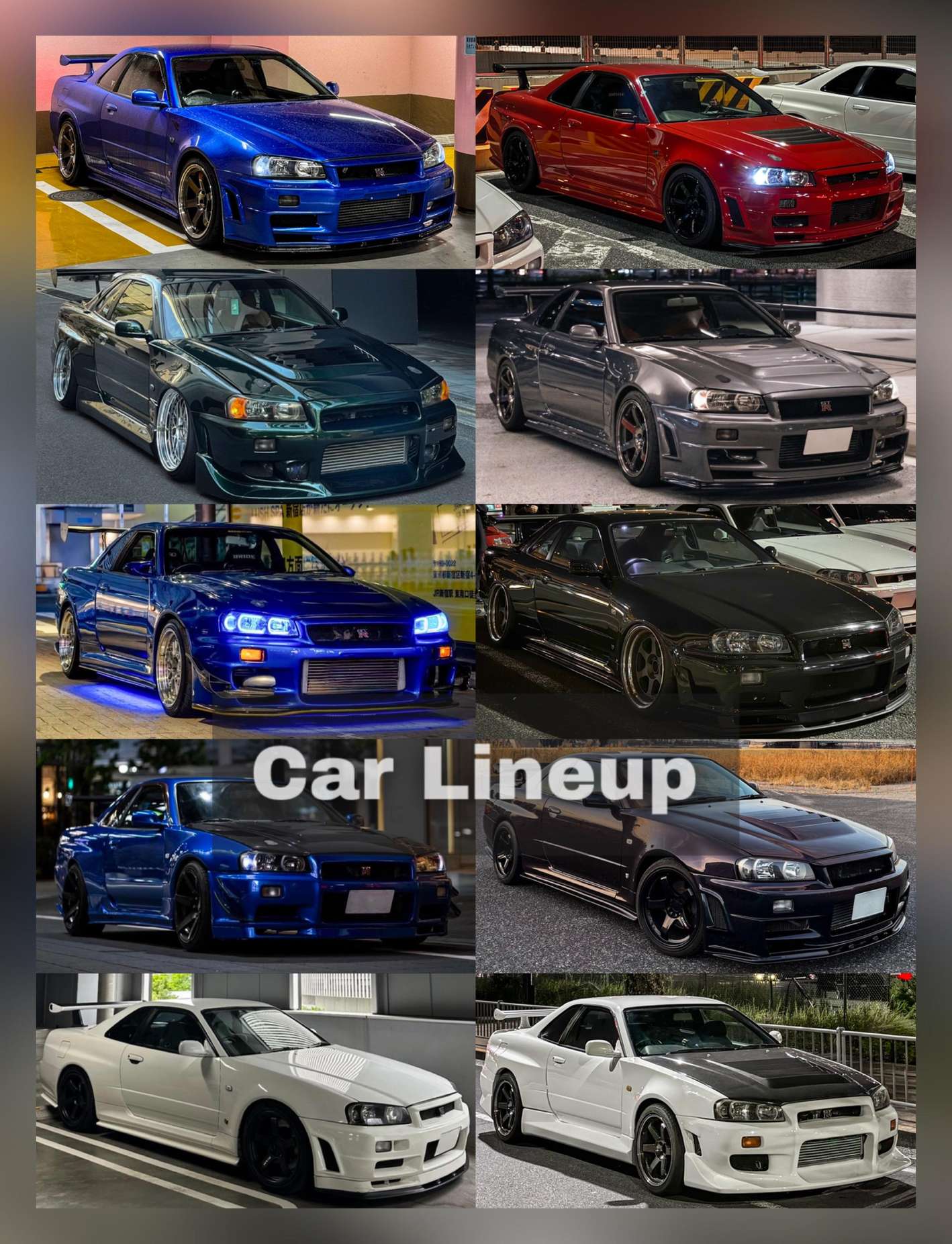
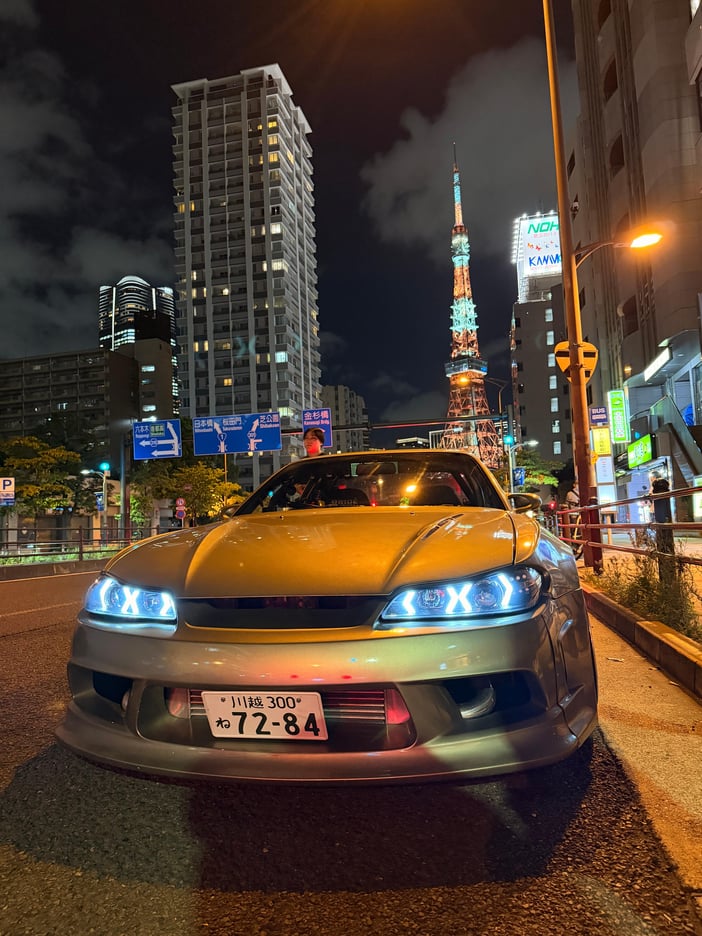
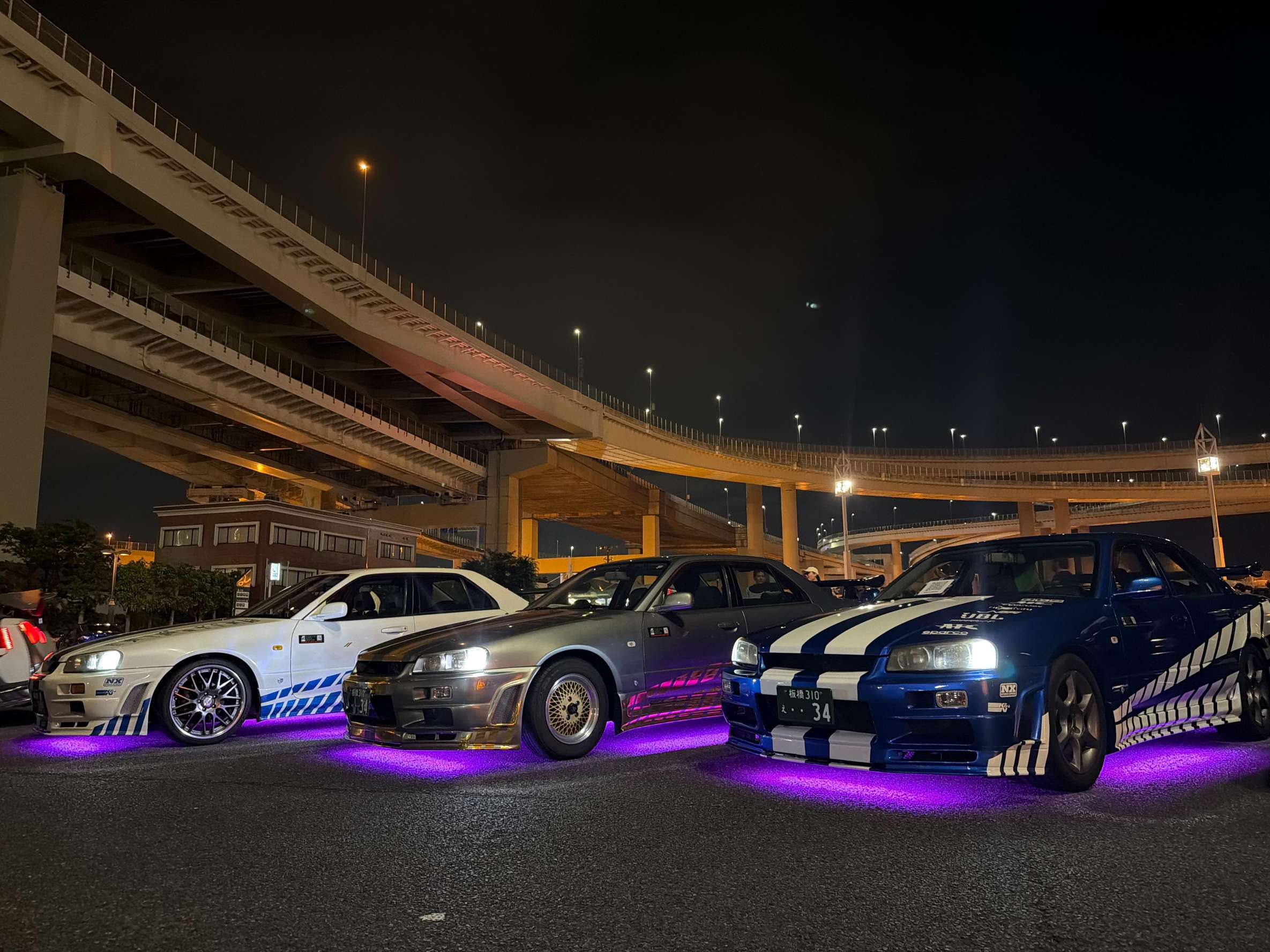
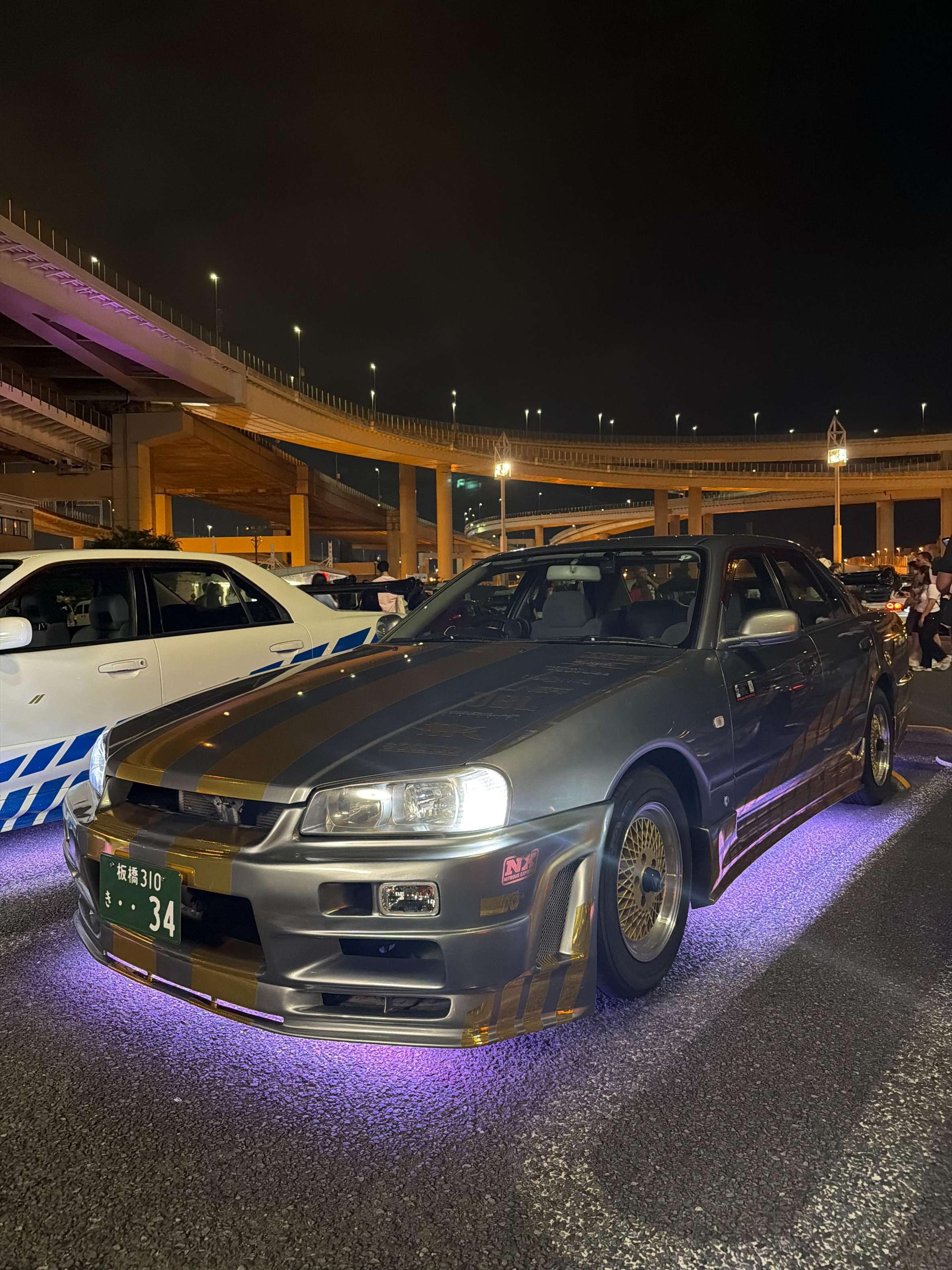
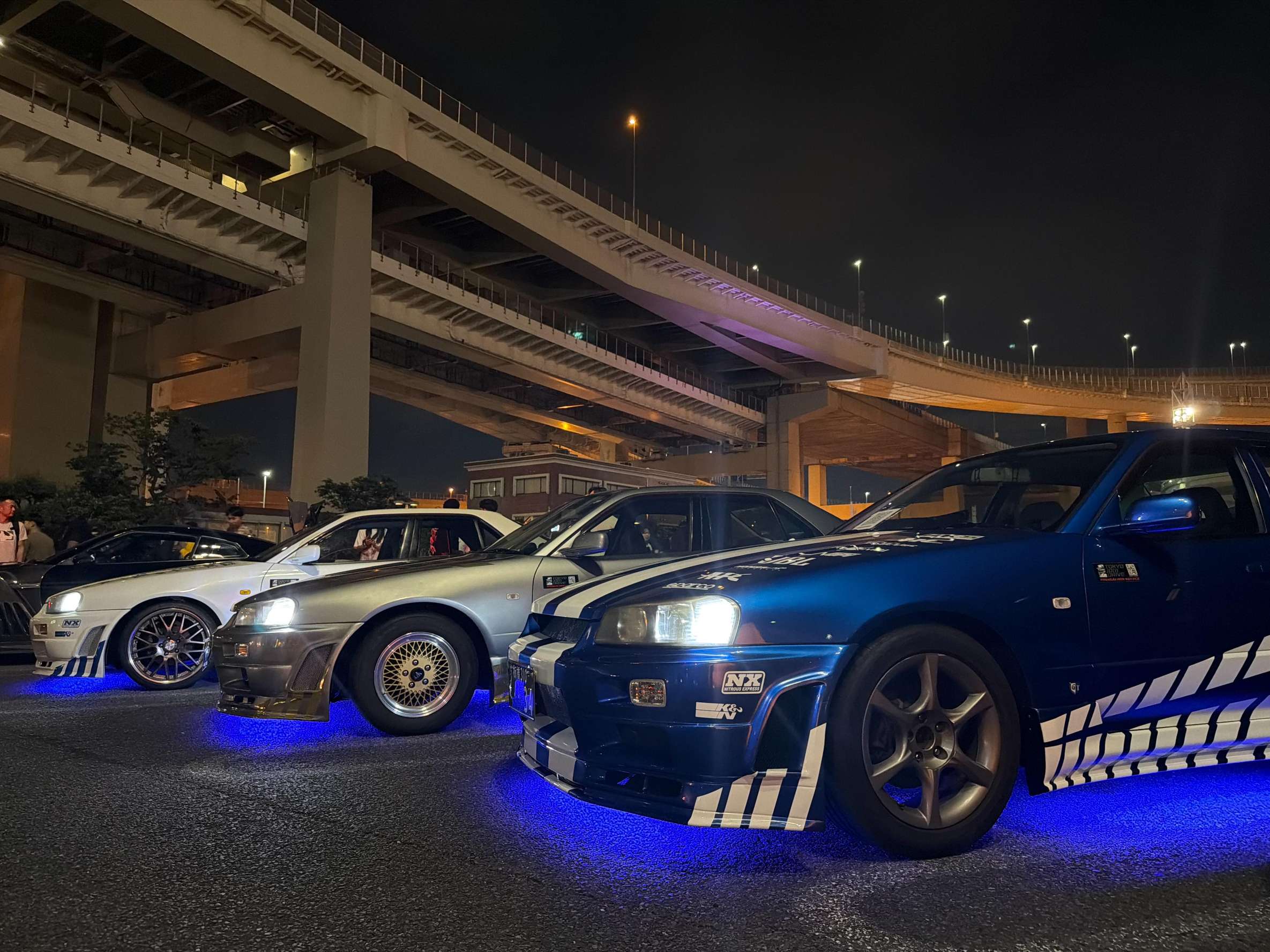
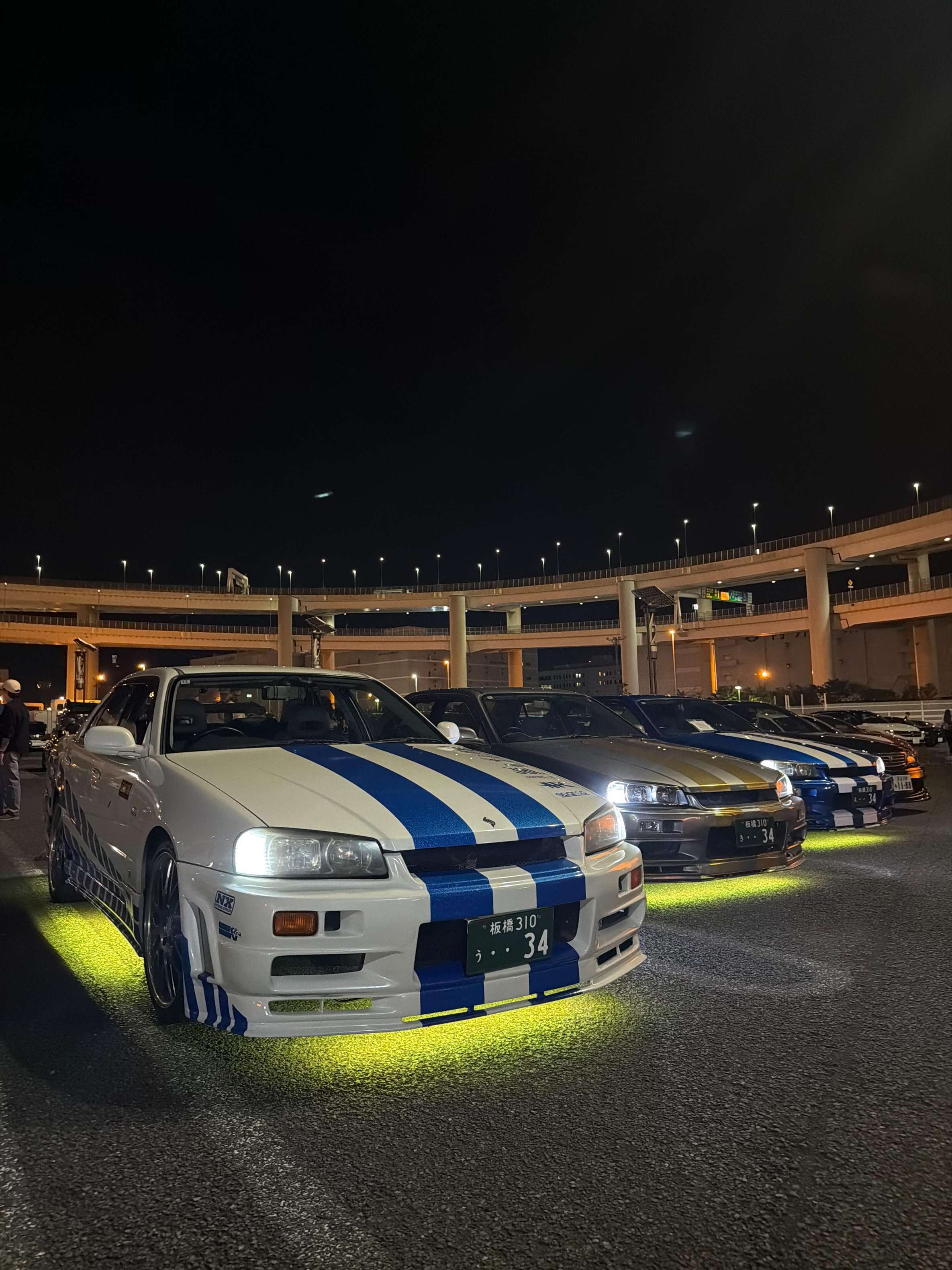
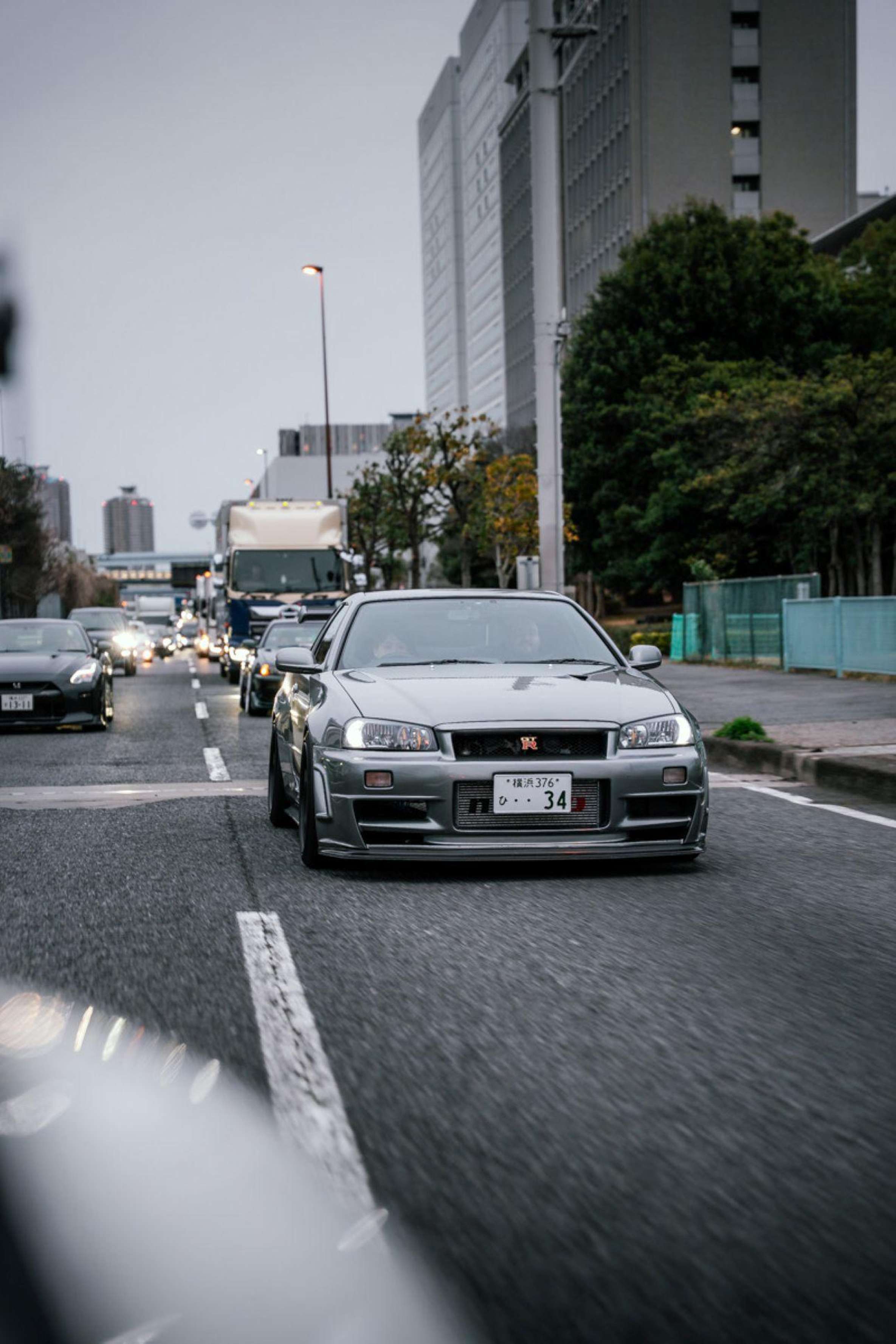
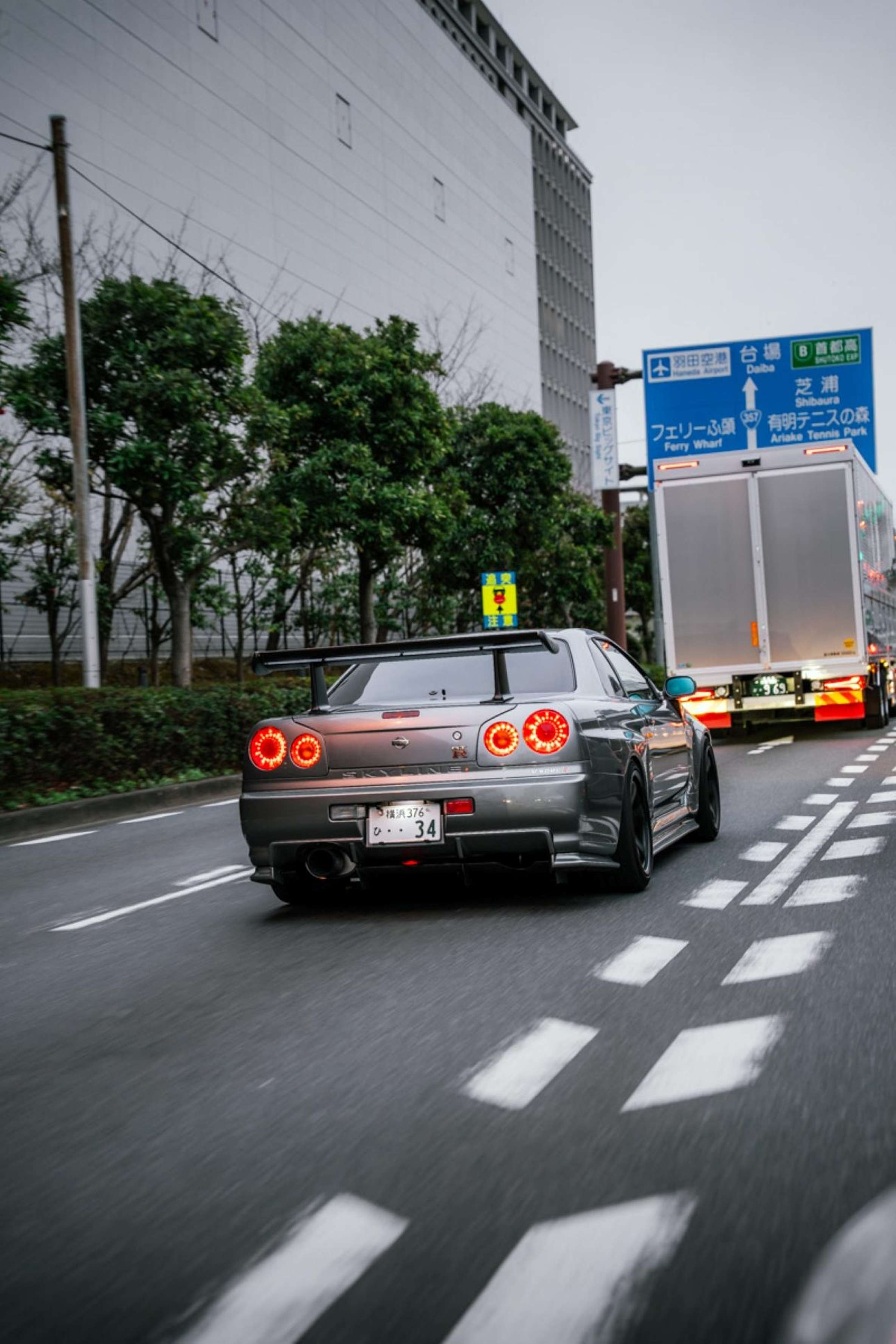
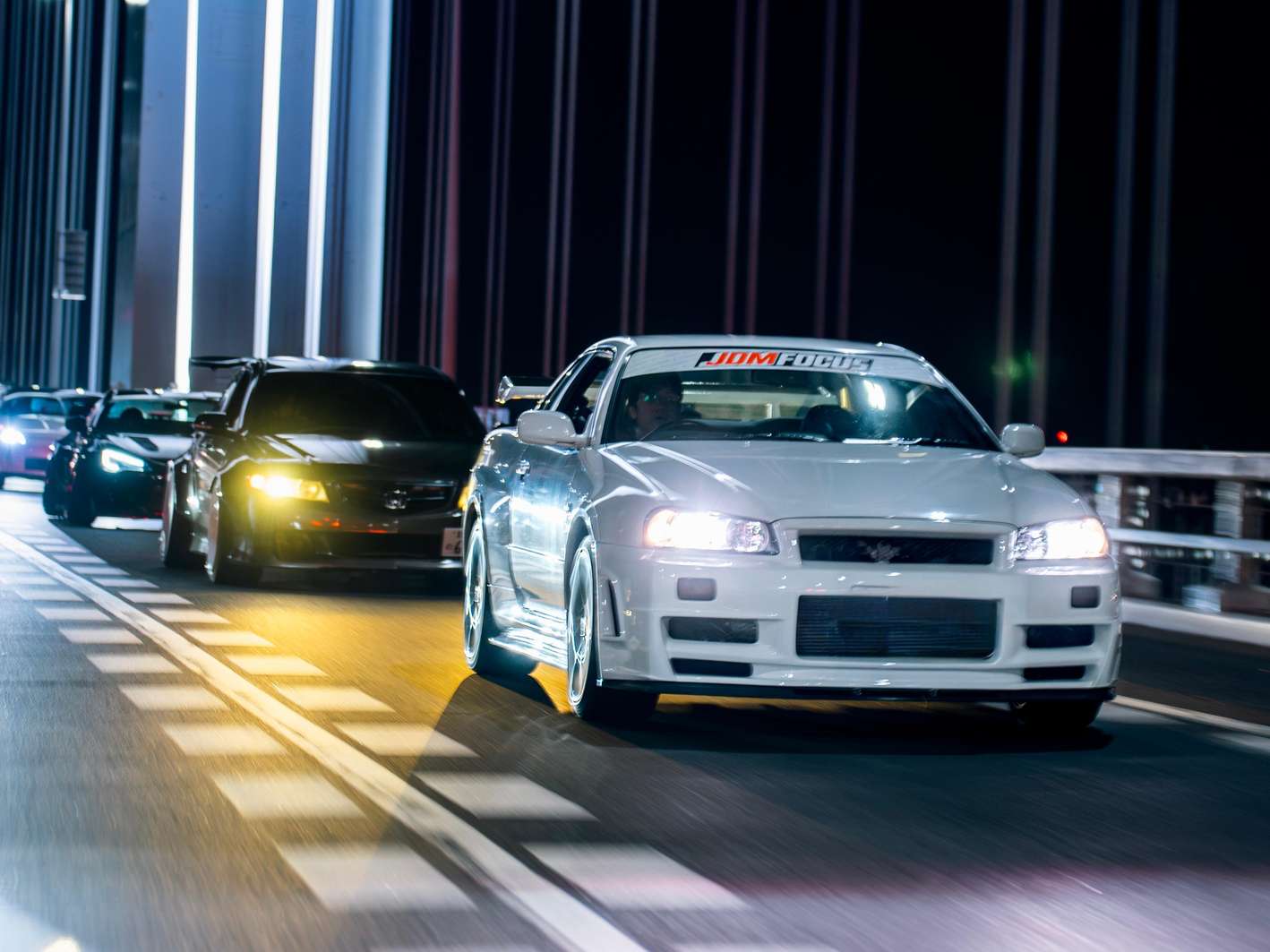
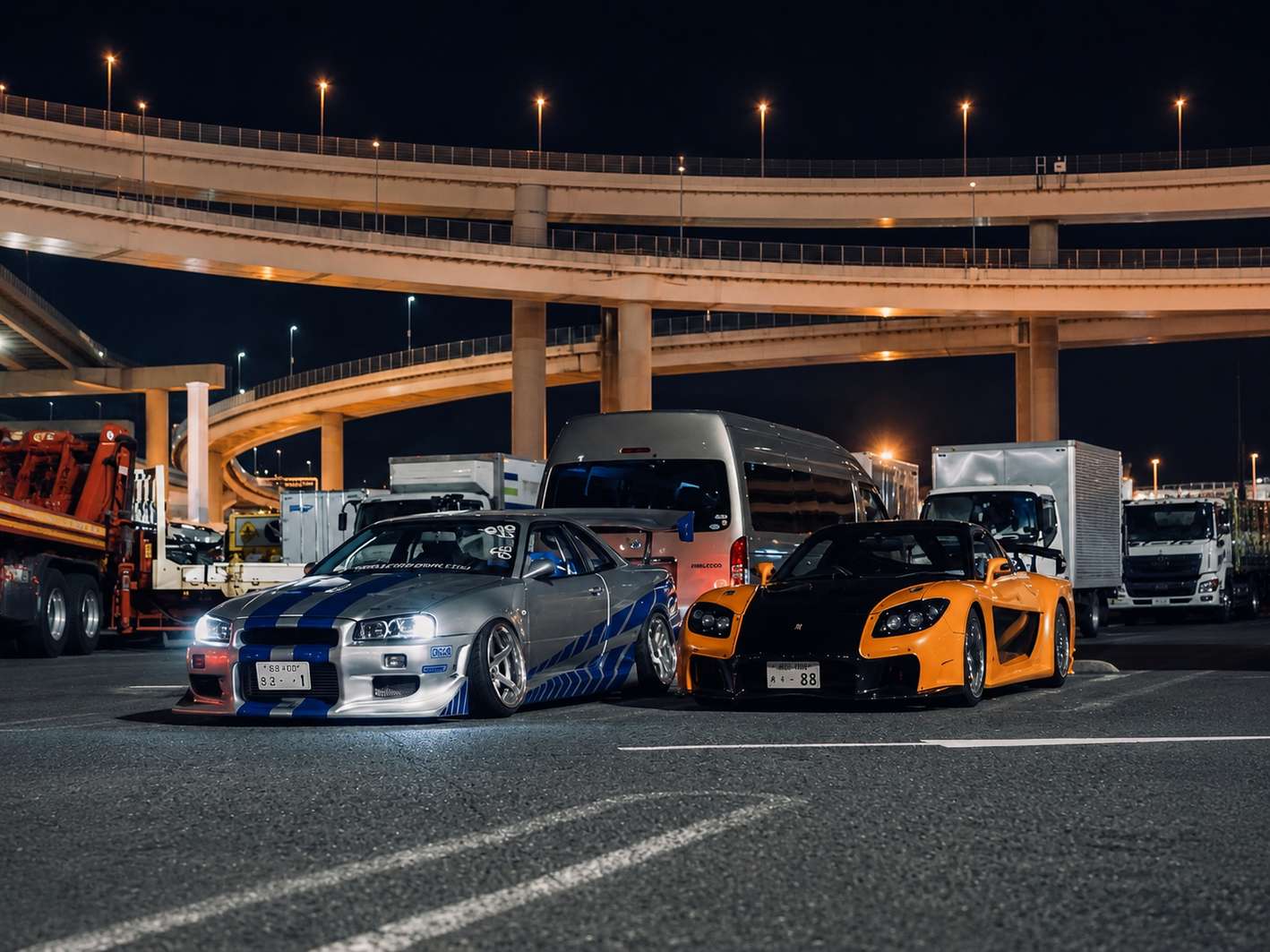
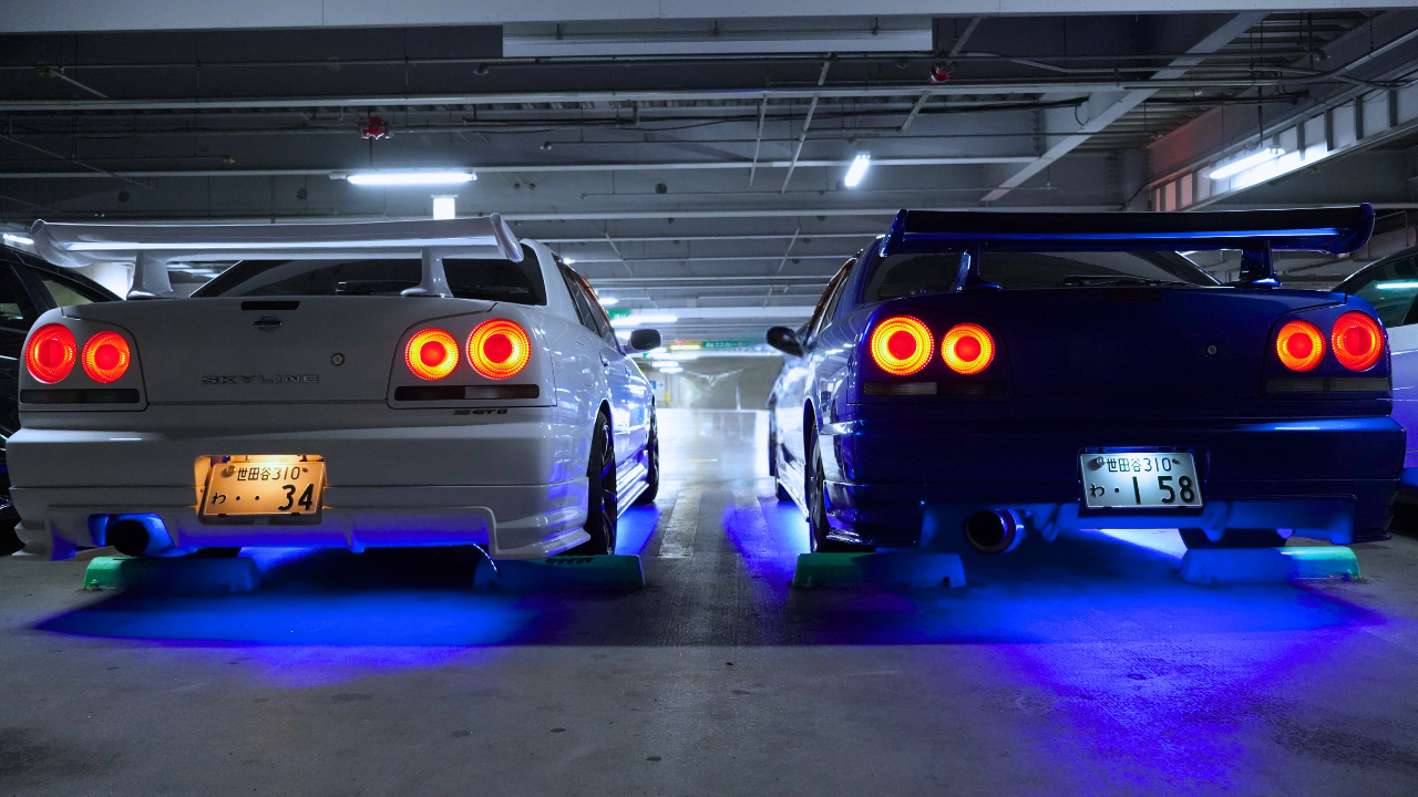
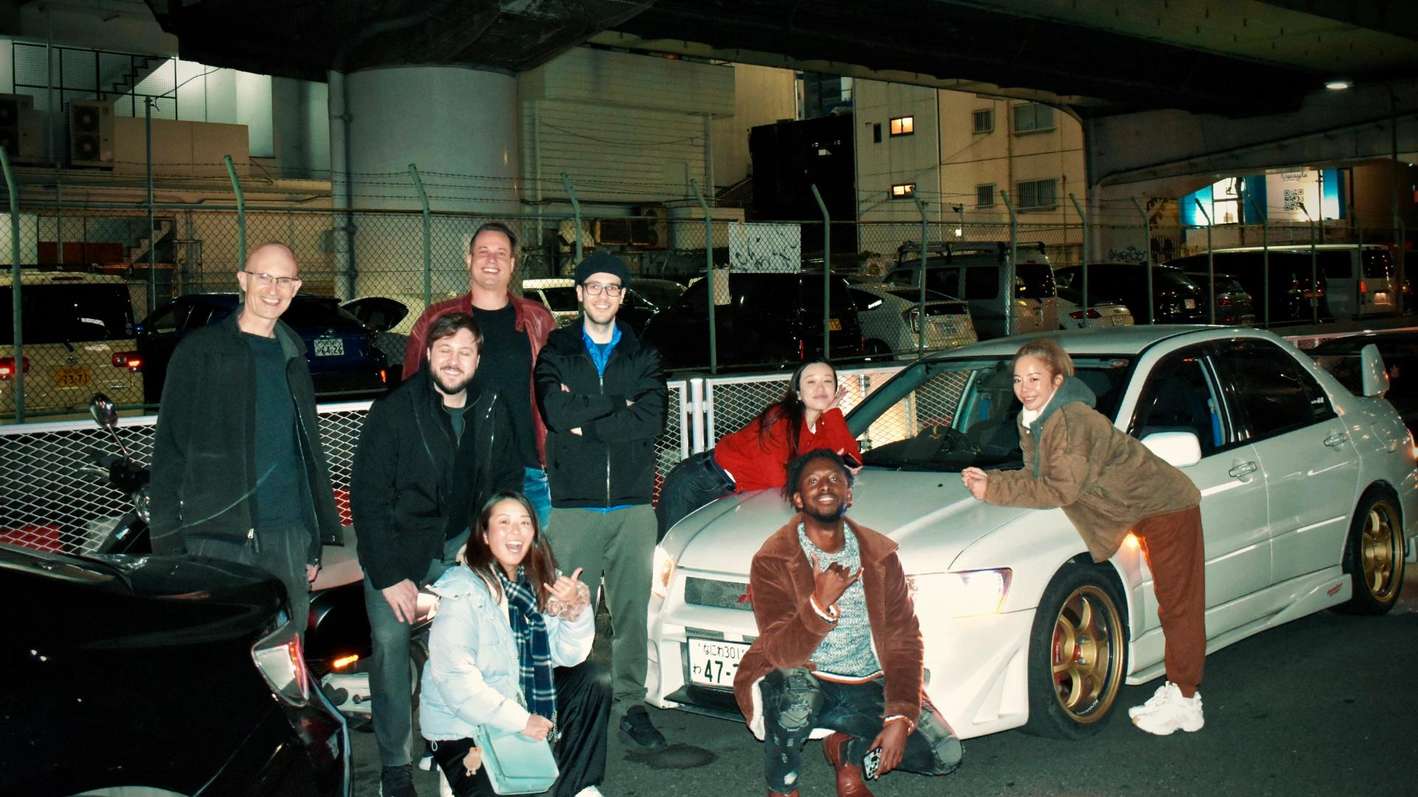
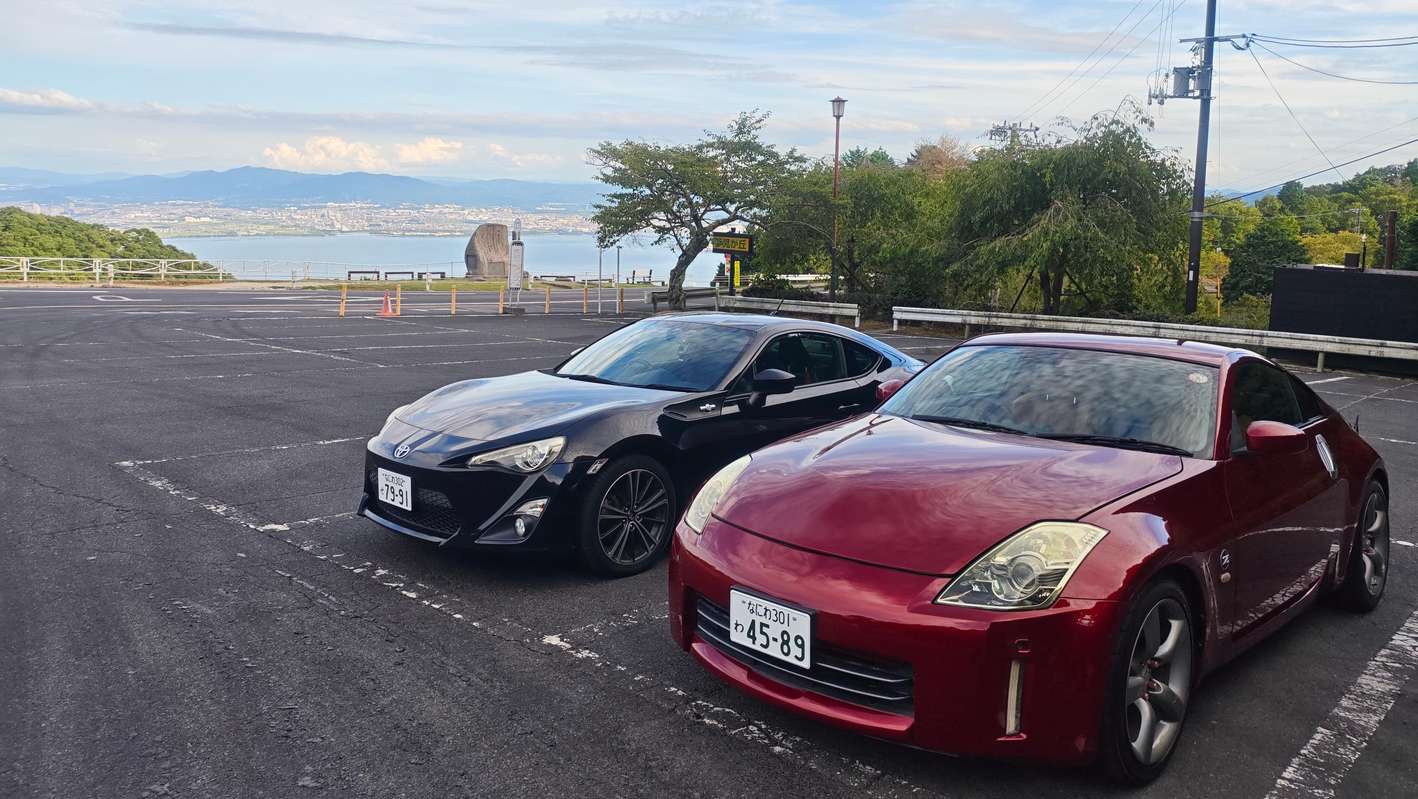
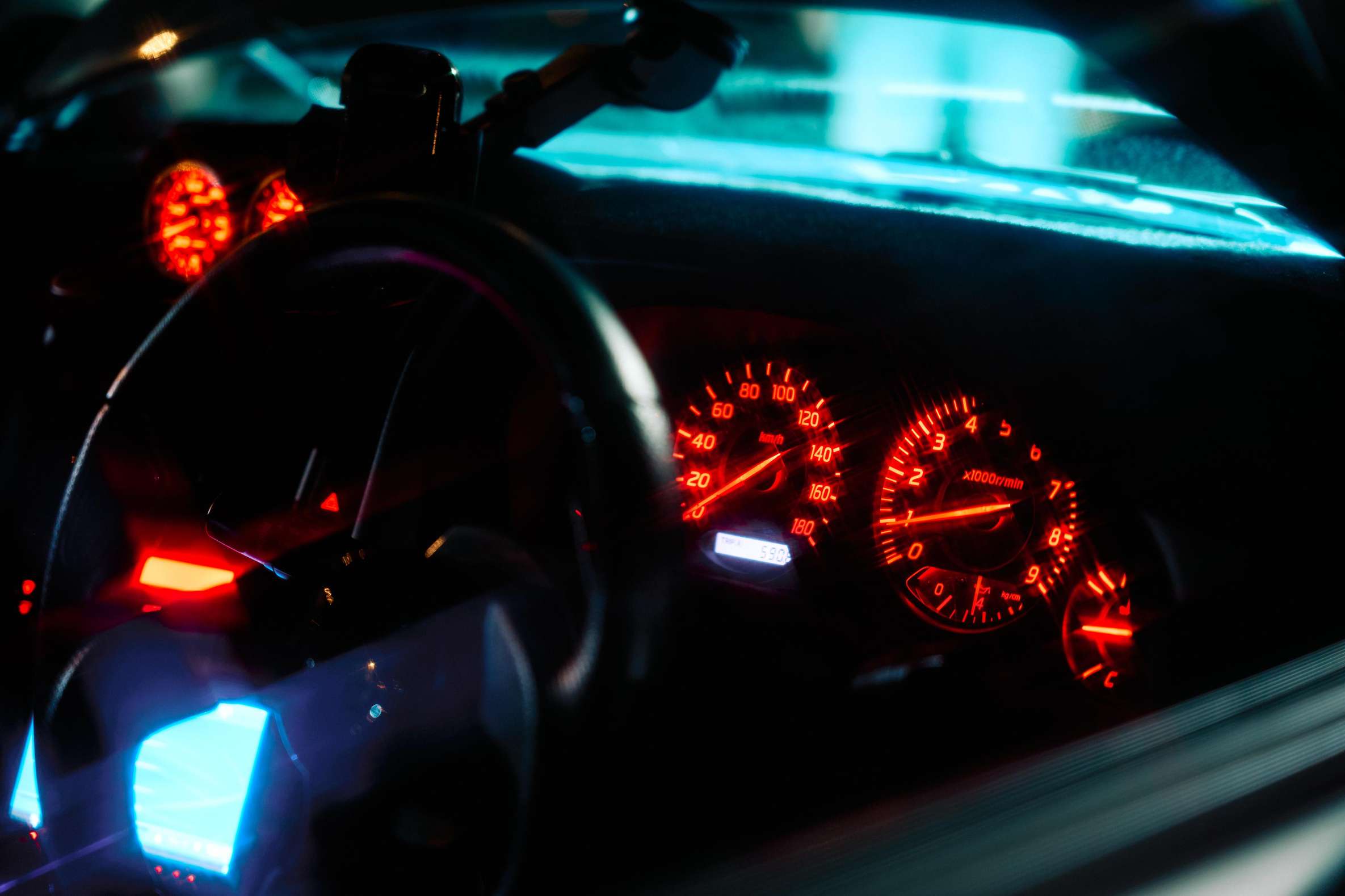
Book your private JDM tour to Daikoku PA. Ride the Tokyo night in a private R34 Skyline with a professional driver, hotel pickup and a route built around what you want to see. Daikoku PA sells out fast on weekend nights, so lock your car before you fly.
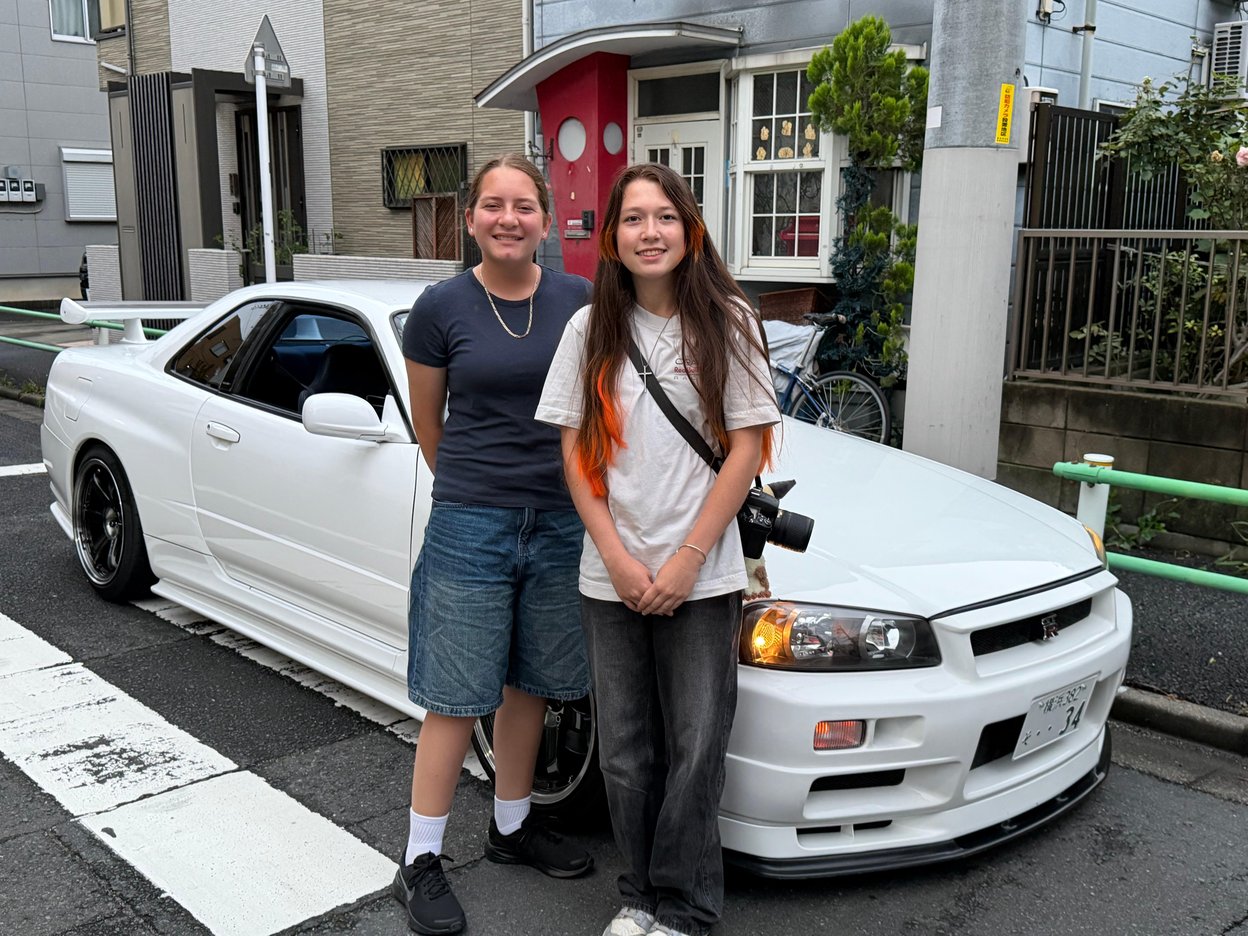
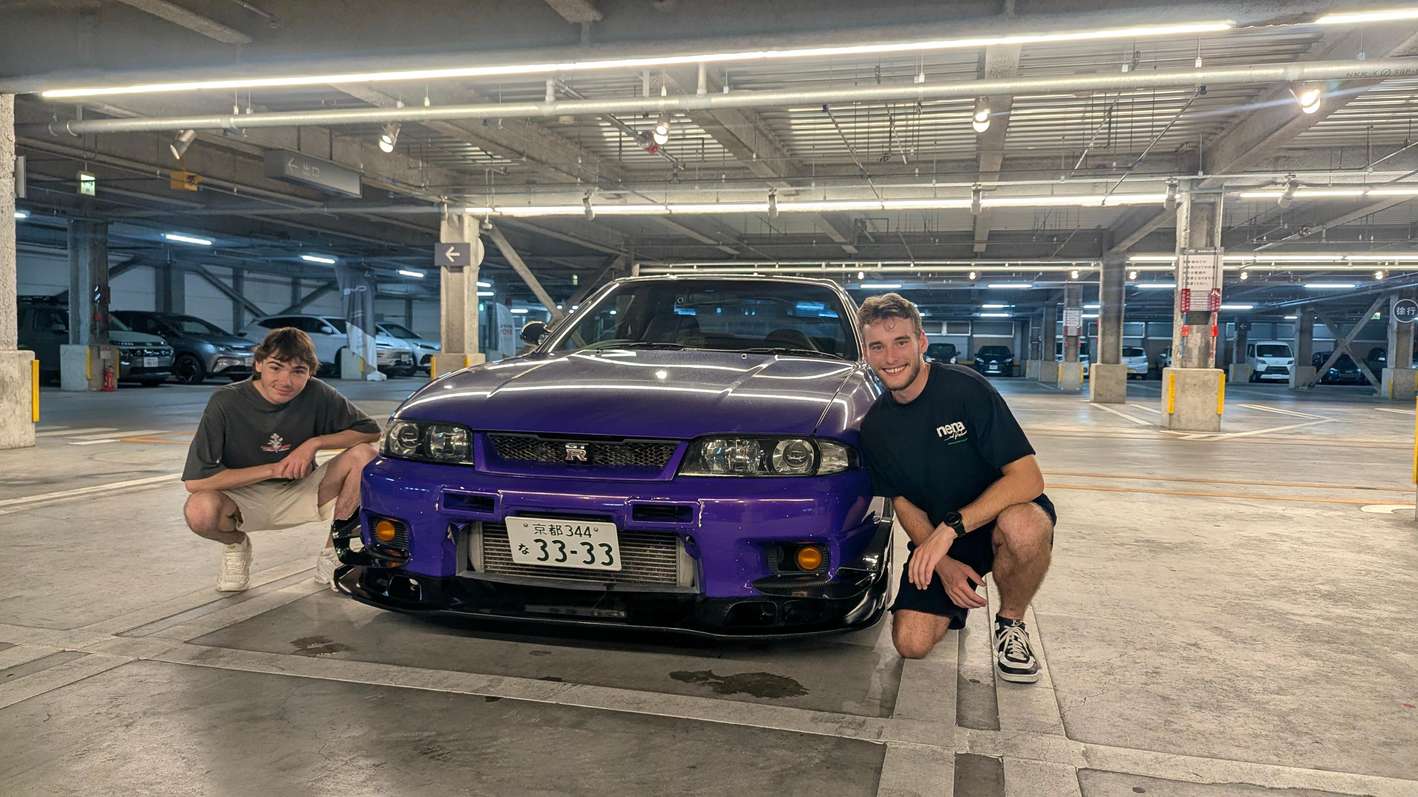
"Unforgettable. My teens and I loved seeing Tokyo from inside the loudest Nissan Skyline R34 around! Yuya was a gracious host and brilliant driver. Easily one of our top 3 life experiences."
4.9★average rating1,158traveler reviews100%free cancellation50countries travelers came from
JDM private tour - start here
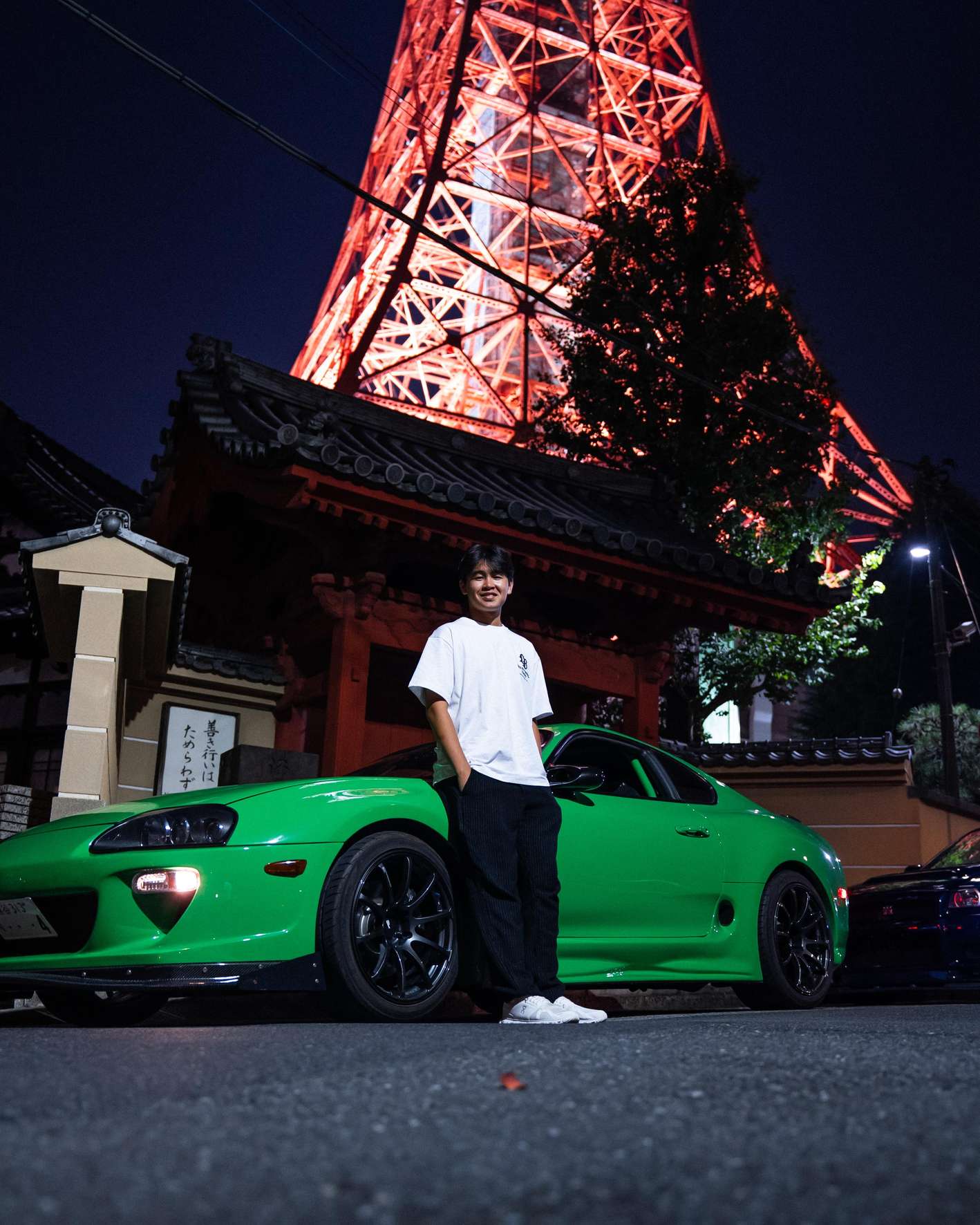
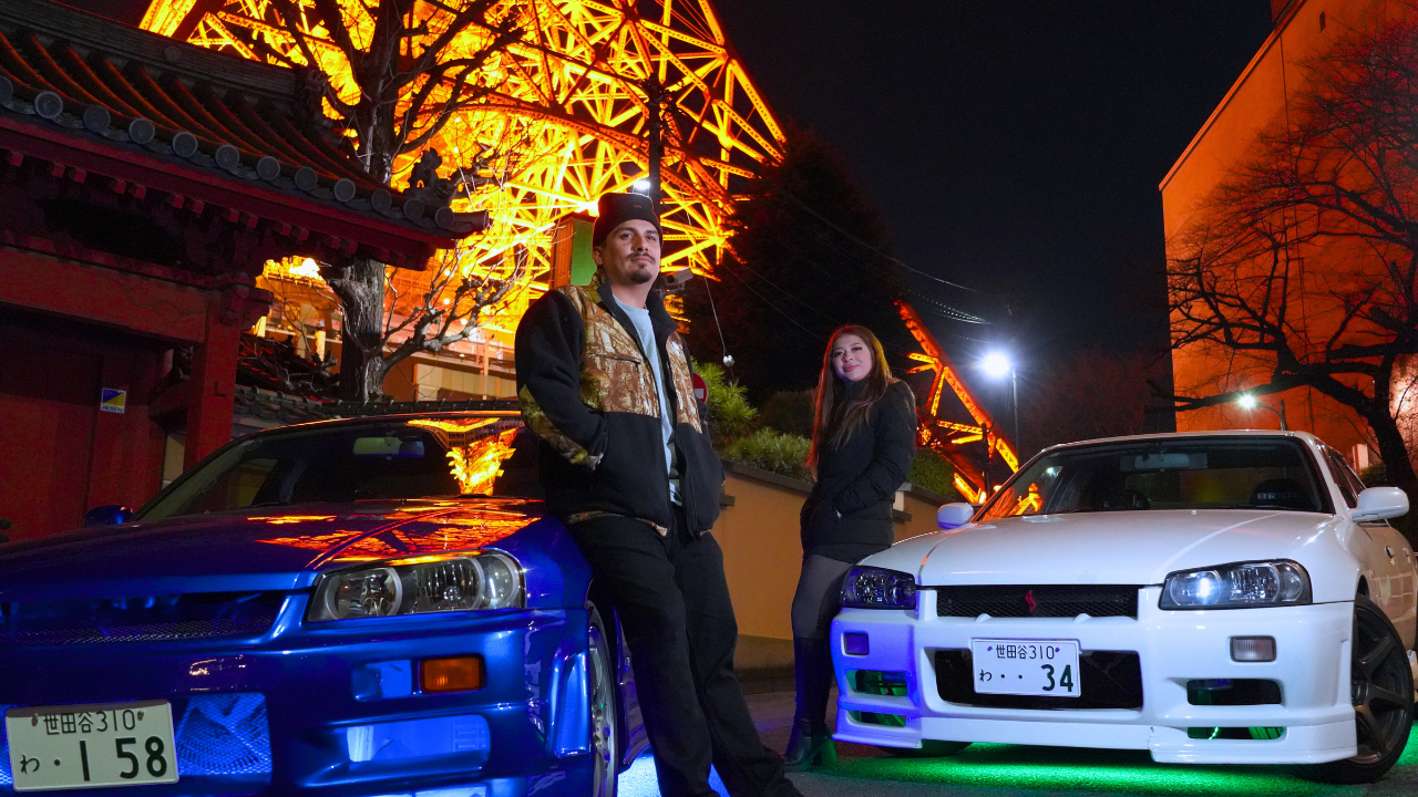
A private JDM tour around Daikoku PA comes in a few shapes: a passenger ride in a specific legend like an R34 Skyline, a relaxed group evening with hotel pickup, or a ride in a modified drift-style car past Tokyo Tower. The car and the pace decide it. Here is where each one fits.
PassengersNo driving license is needed, since a professional driver is behind the wheel on every private tour here.
Closurespolice can close Daikoku PA on the night with no notice, most often on Fridays and Saturdays from around 8:30 pm, so tours divert to Umihotaru or Tatsumi PA or offer a full refund.
BookingSort out your ride before you arrive in Tokyo, because tours sell out and hoping for a seat on the day is a gamble.
TimingExpect three to four hours, and weekday nights are far less likely to end in a police closure than weekend ones.
On sitePhotograph freely, but ask owners before entering a car or shooting interiors, and never sit on, lean on or touch a car without permission.
ConductKeep noise down at the meet, since revving, burnouts and loud music are what get the whole lot shut down.
WeatherDress for standing around outdoors at night, bring a light jacket even in warmer months, and check the forecast before you go.
ContactLeave a WhatsApp or Instagram contact after booking, because operators message you before departure if anything changes.
CancellationAll the tours here let you cancel up to 24 hours ahead for a full refund.
closureDaikoku PA is an informal car meet with no schedule, and police can close the parking area on any night without notice, so no private JDM tour can guarantee the meet will happen.
Book a private Daikoku tour with a fallback built in: if the lot closes, good operators divert to another meet spot such as Umihotaru PA or Tatsumi PA instead of ending the night, and several refund you in full if you decline the alternative. Weekend nights close most often, so a Thursday or Sunday booking lowers the risk.
Compare each private JDM tour to Daikoku PA
Most private
3 - 4 hours·English, Japanese
4.9(183)
Daikoku & Tokyo Private JDM Tour in 700HP R34 GT-R
Hotel pickup anywhere in Tokyo, your choice of a 550HP or 700HP R34 GT-R, and rolling photos of an R34 convoy.
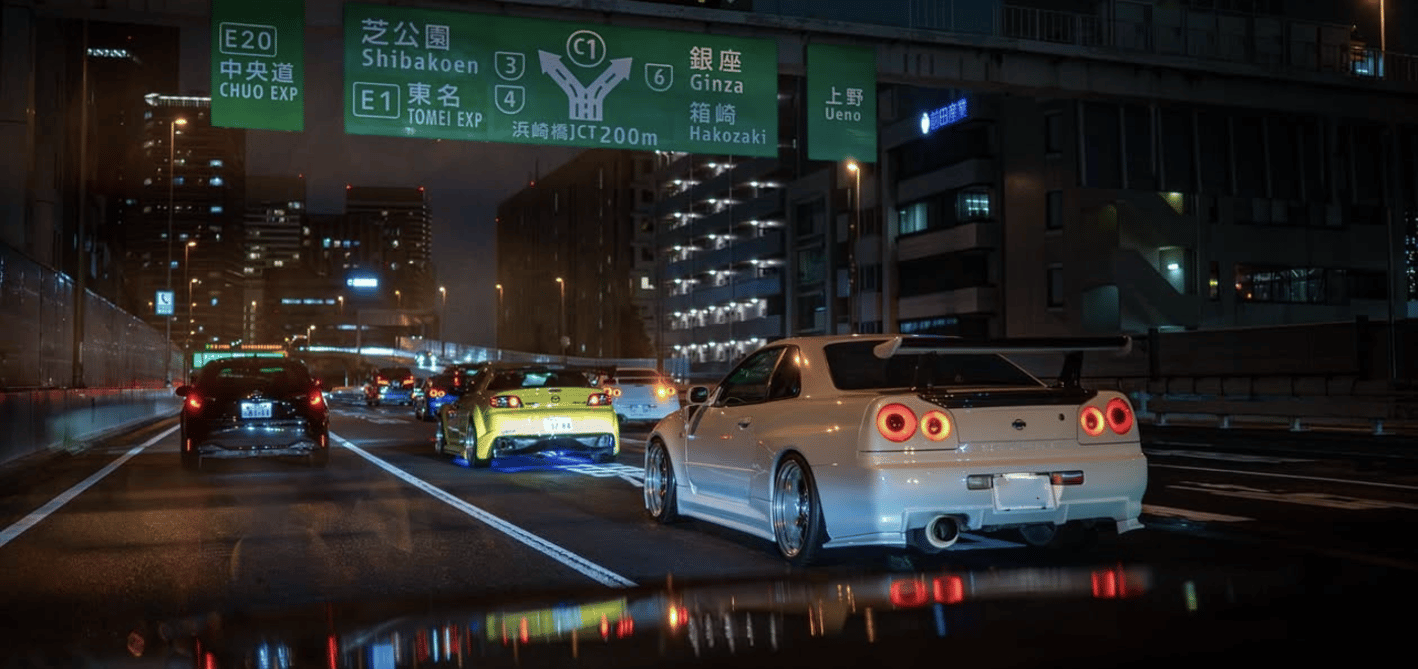
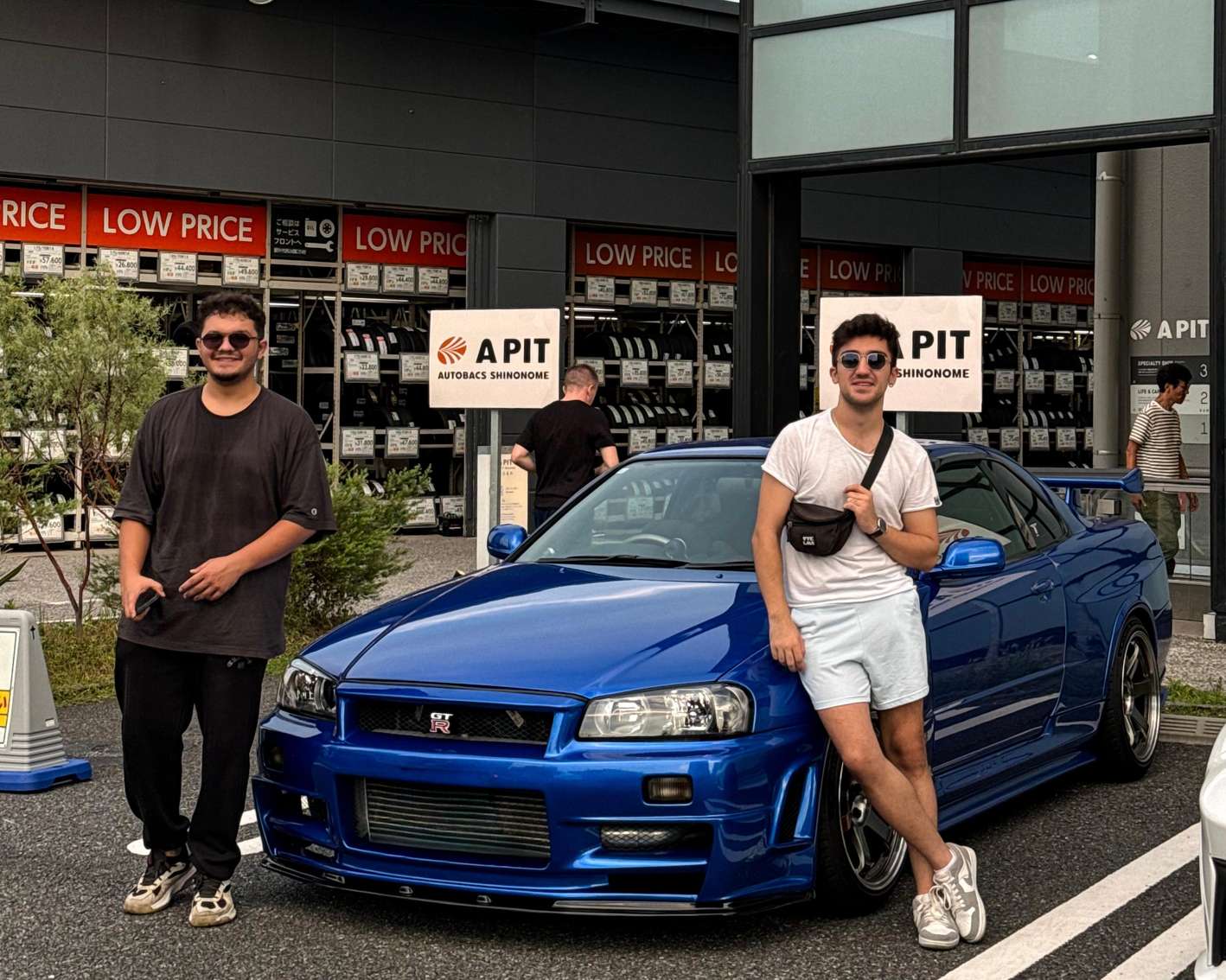
The night starts with a shop: half an hour at a huge car-parts store in Shinonome where you can browse tuning gear and JDM merchandise before the expressway work begins. From there the route crosses Rainbow Bridge, the towers lit up and Tokyo Bay spread out below, before the main event.
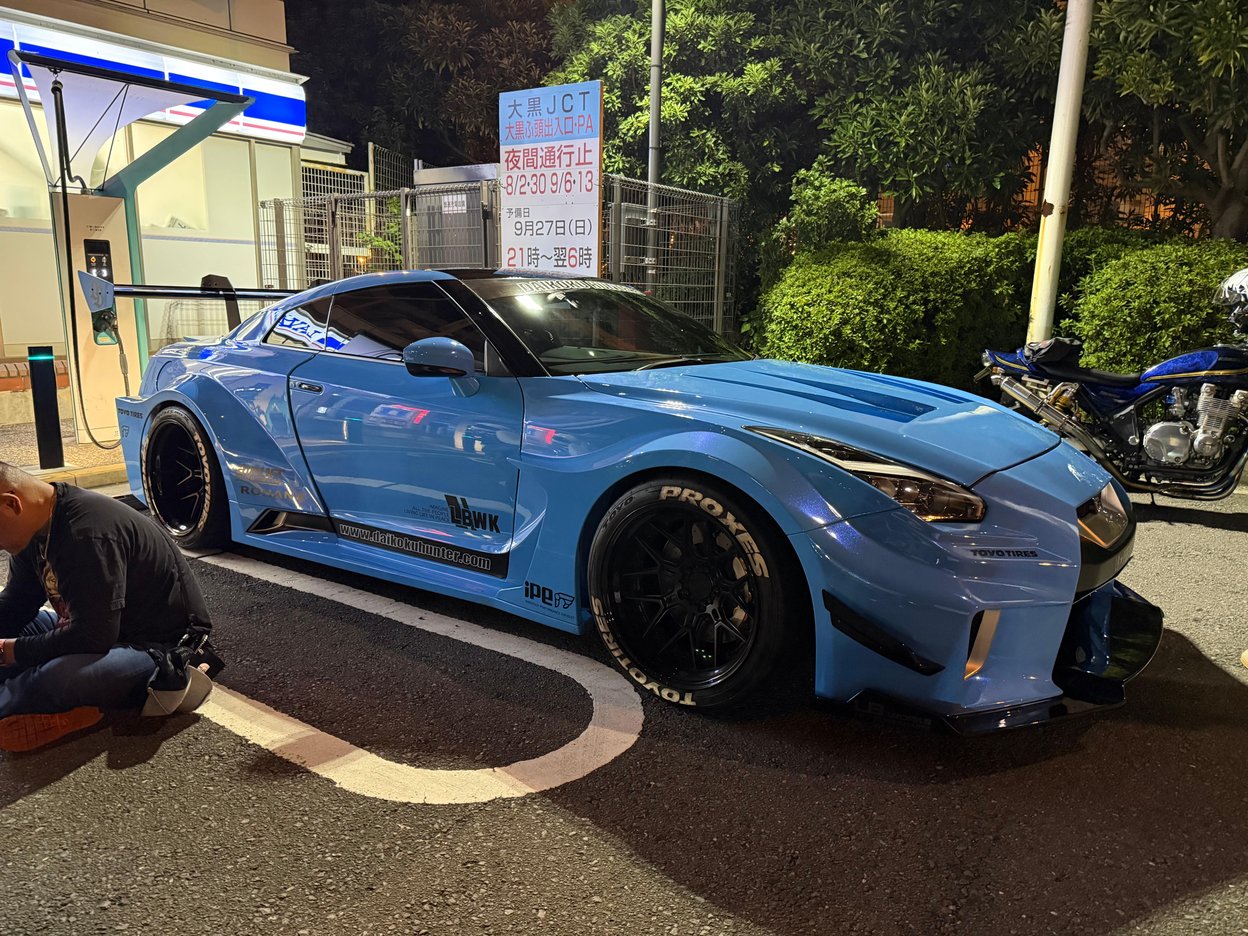
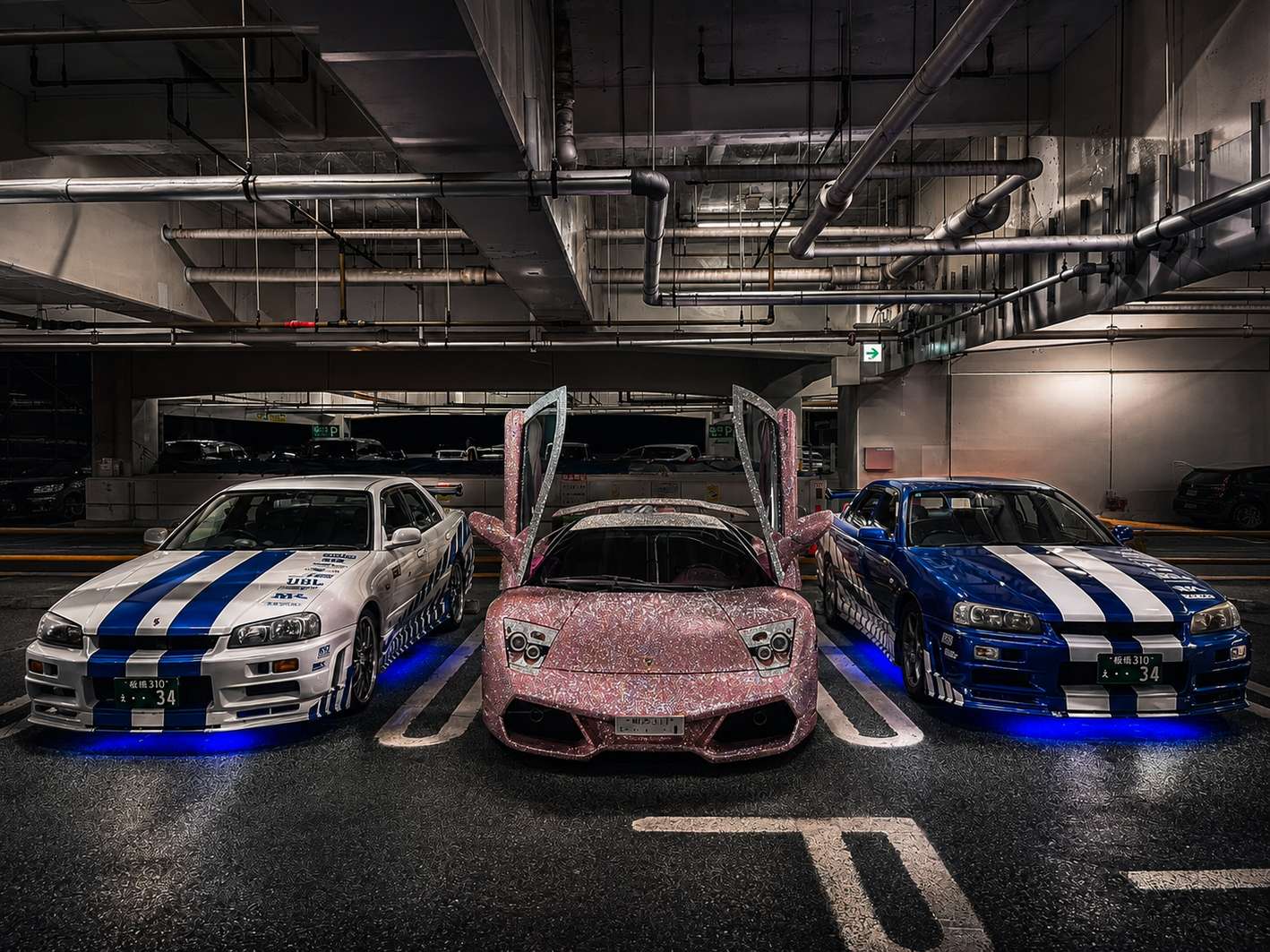
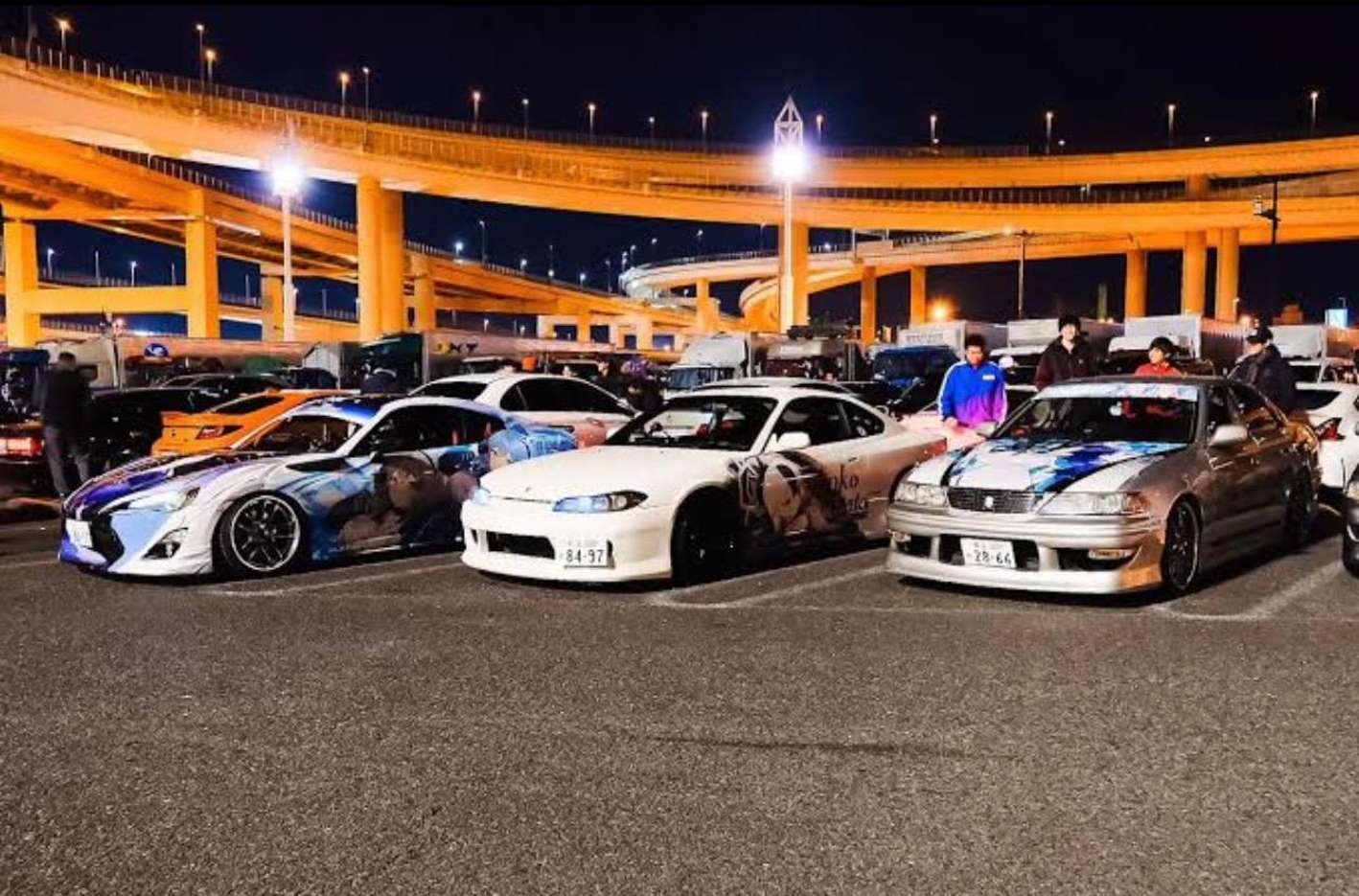
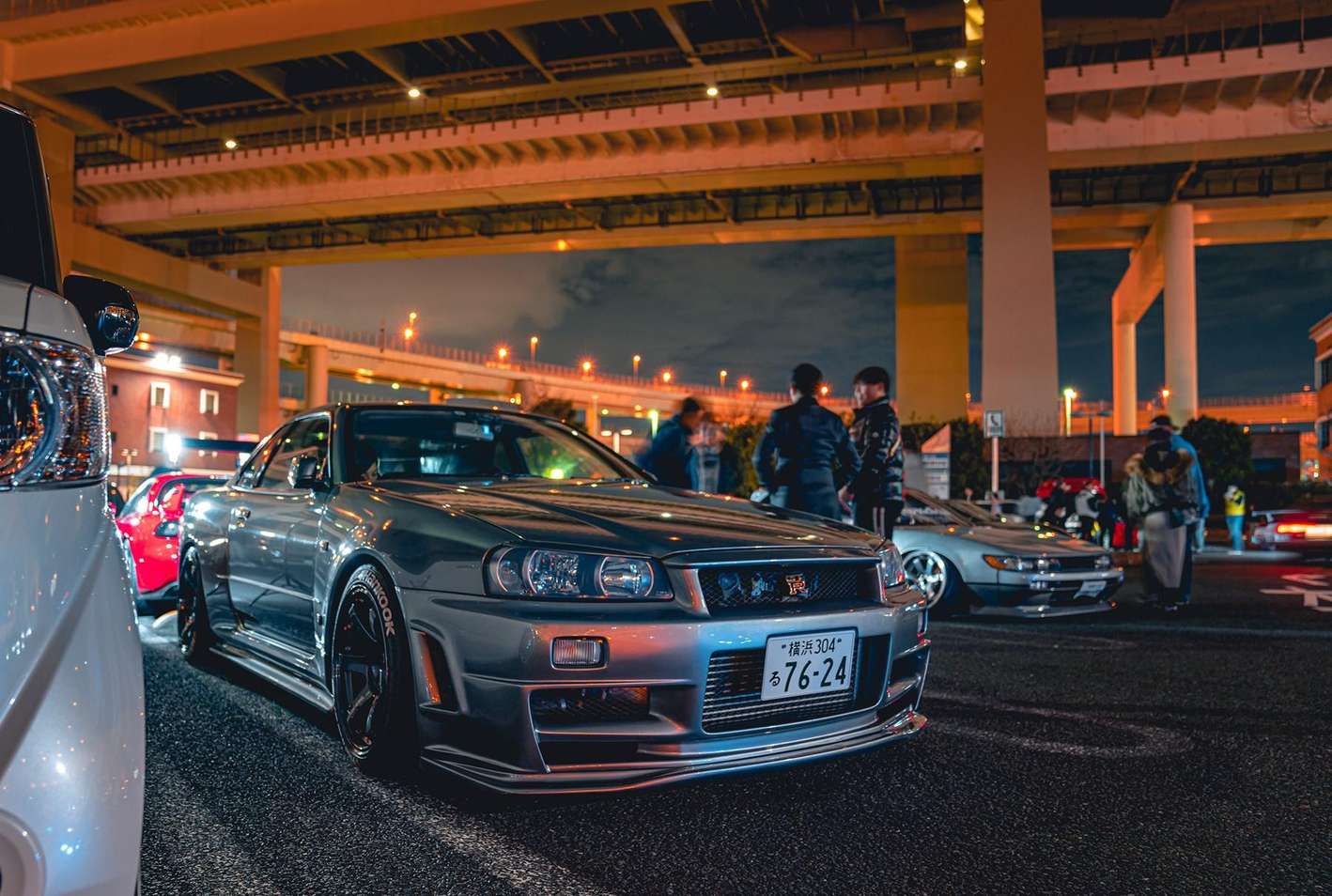
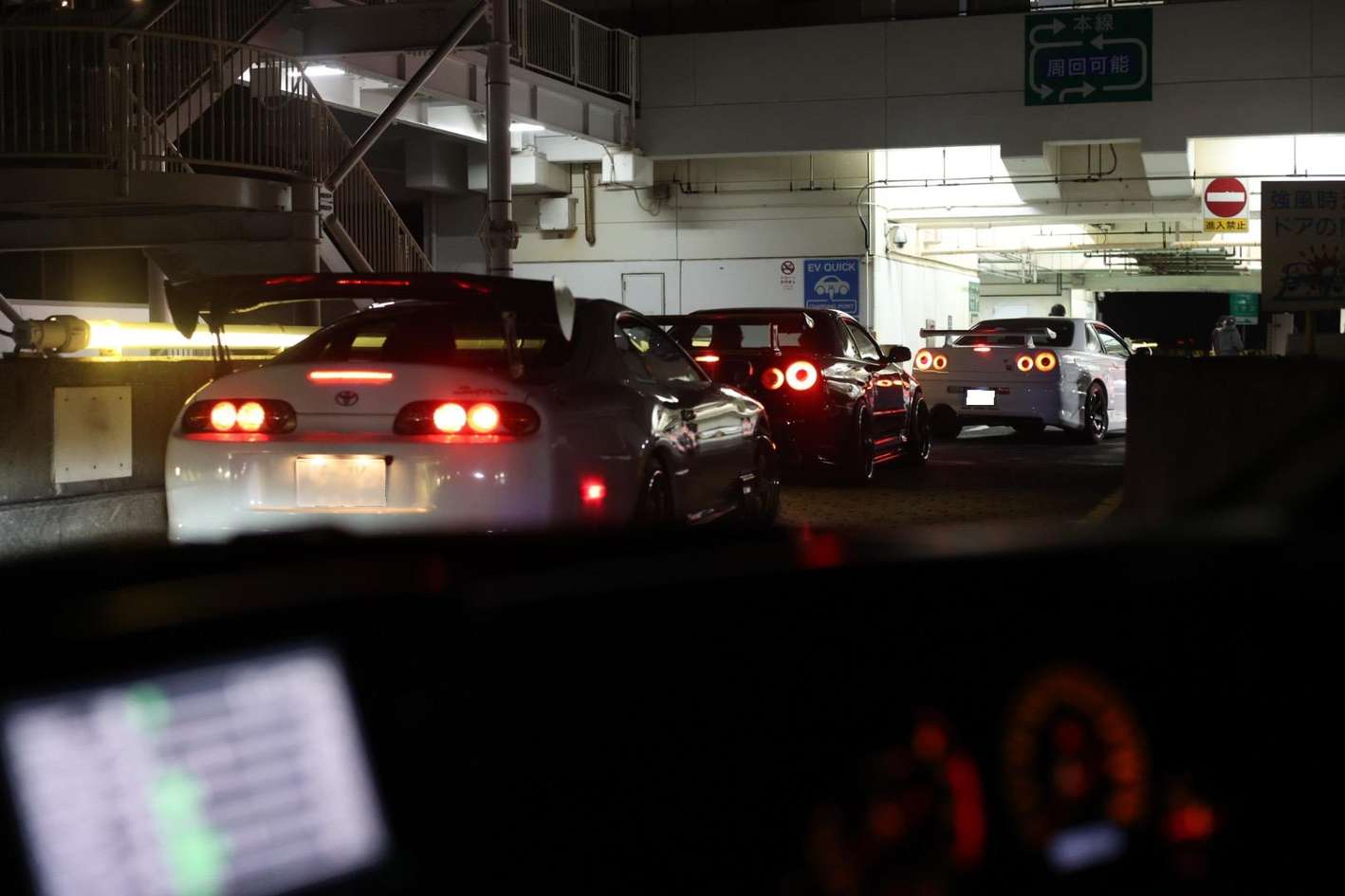
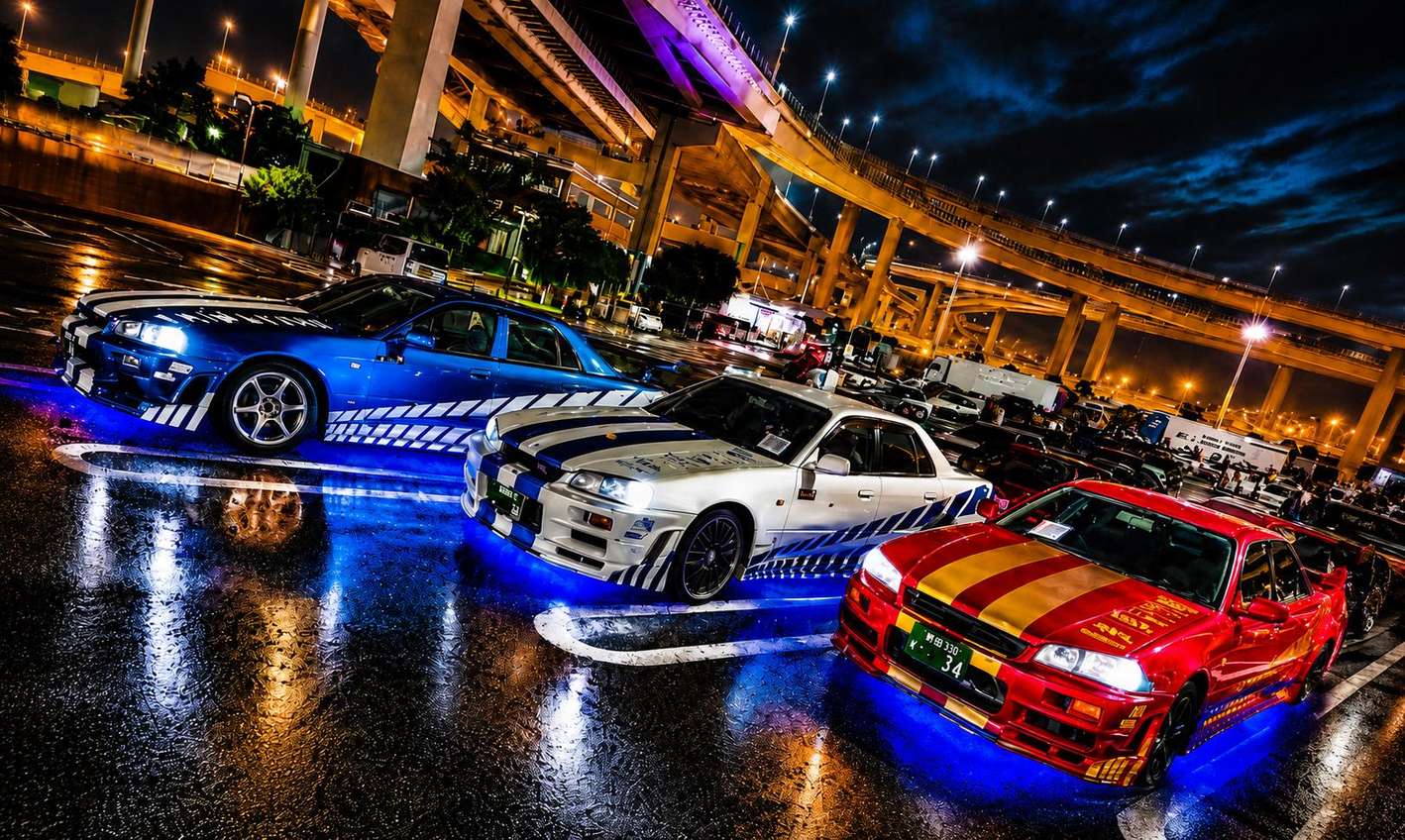
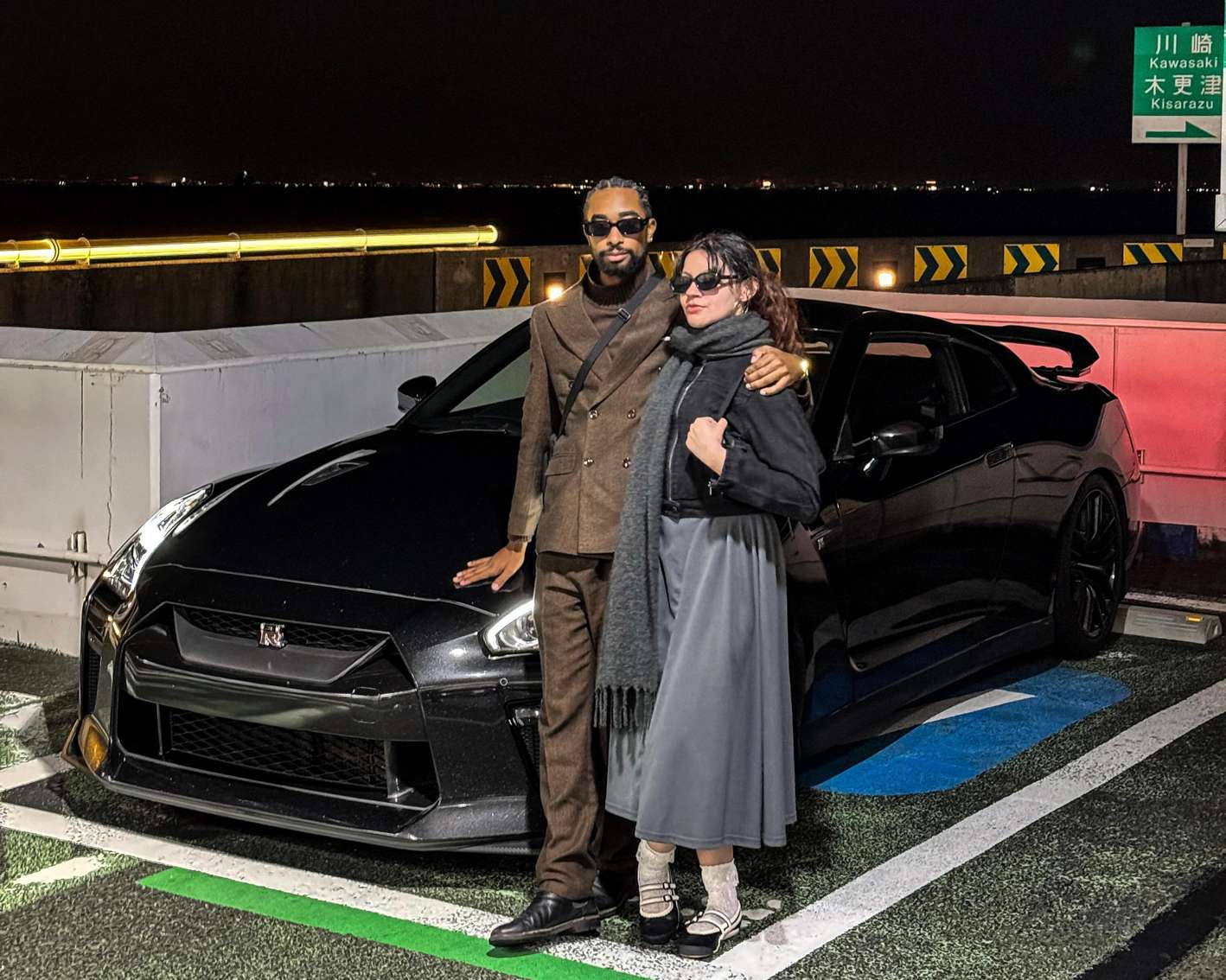
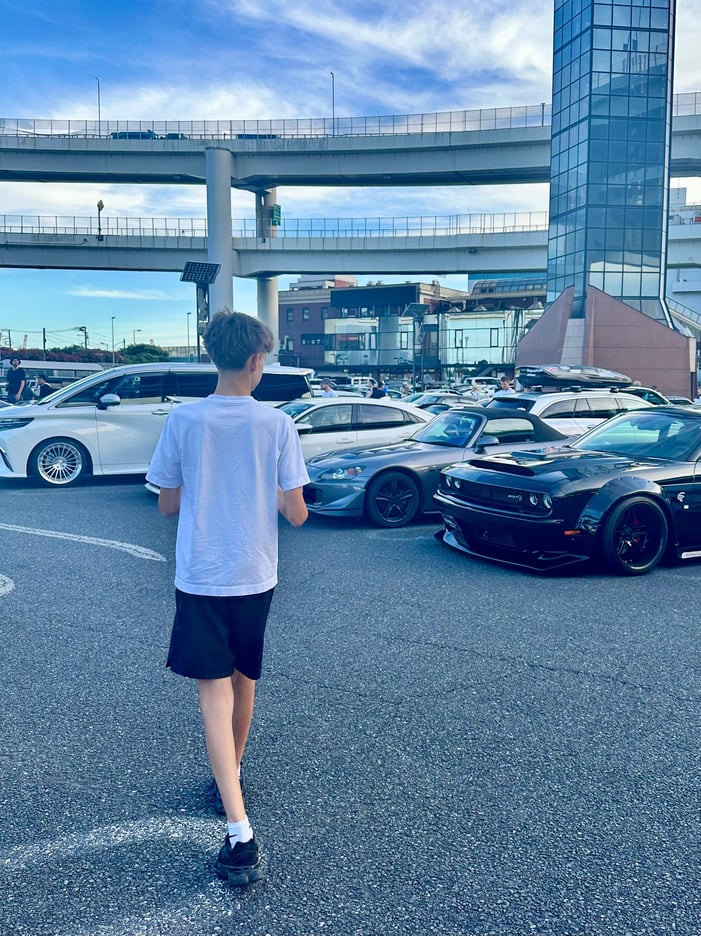
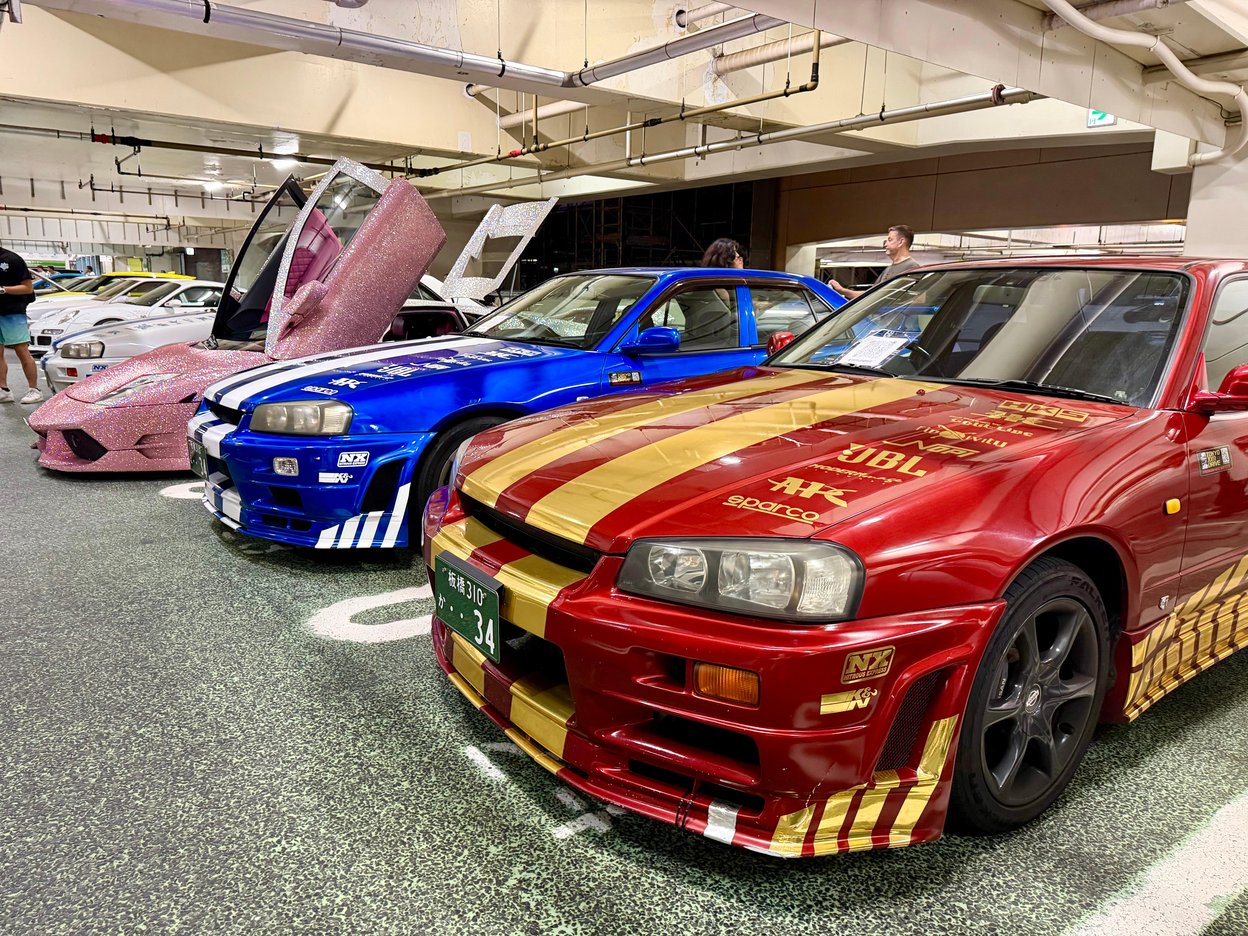
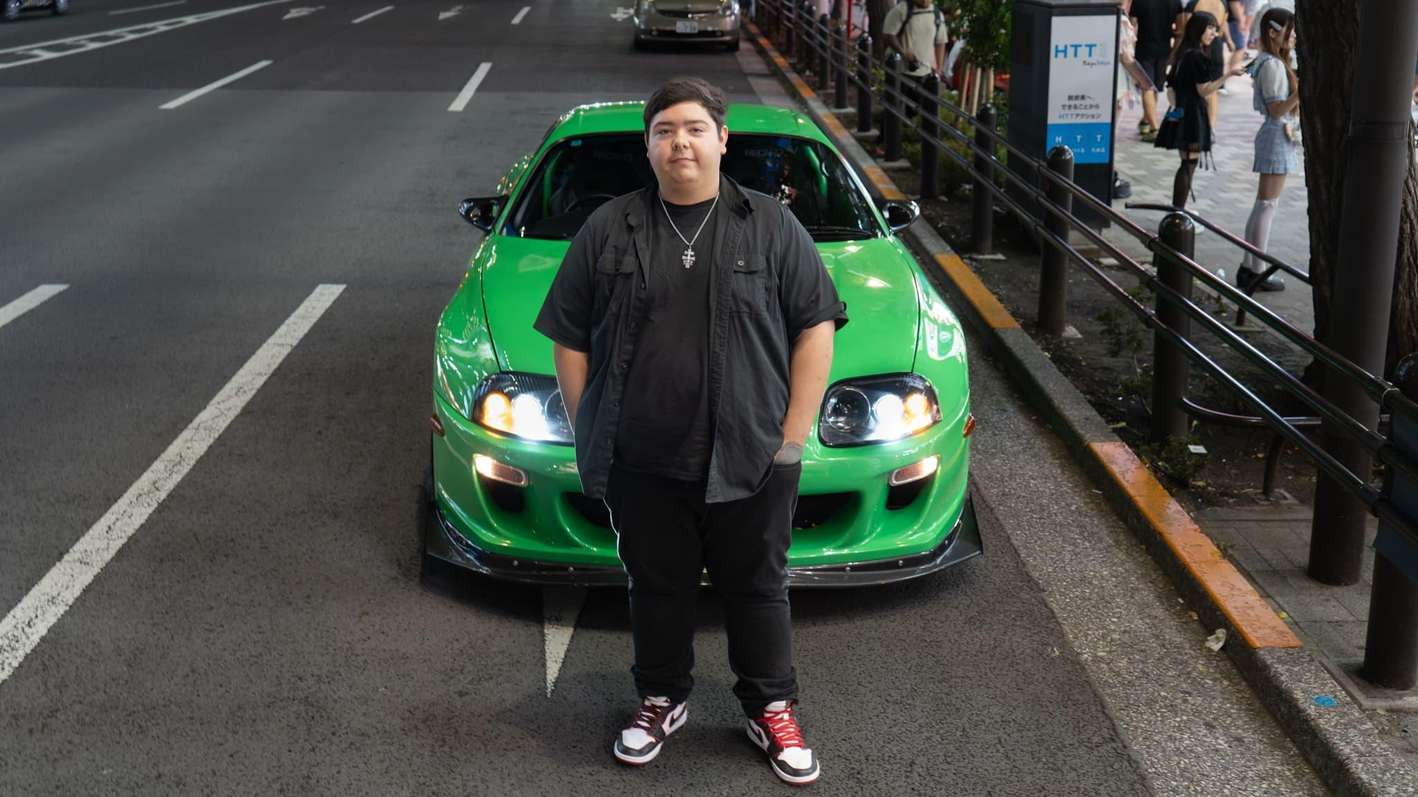
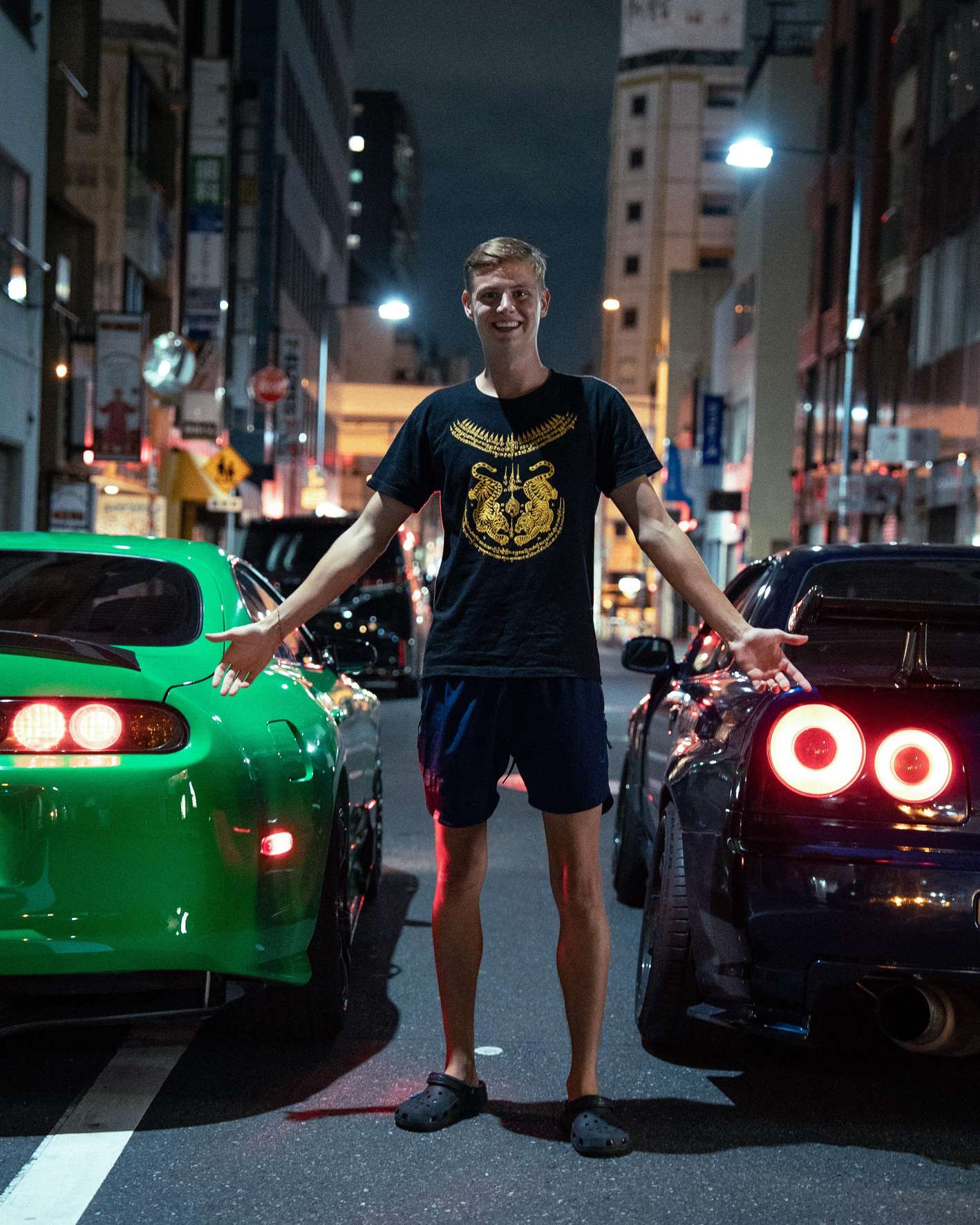
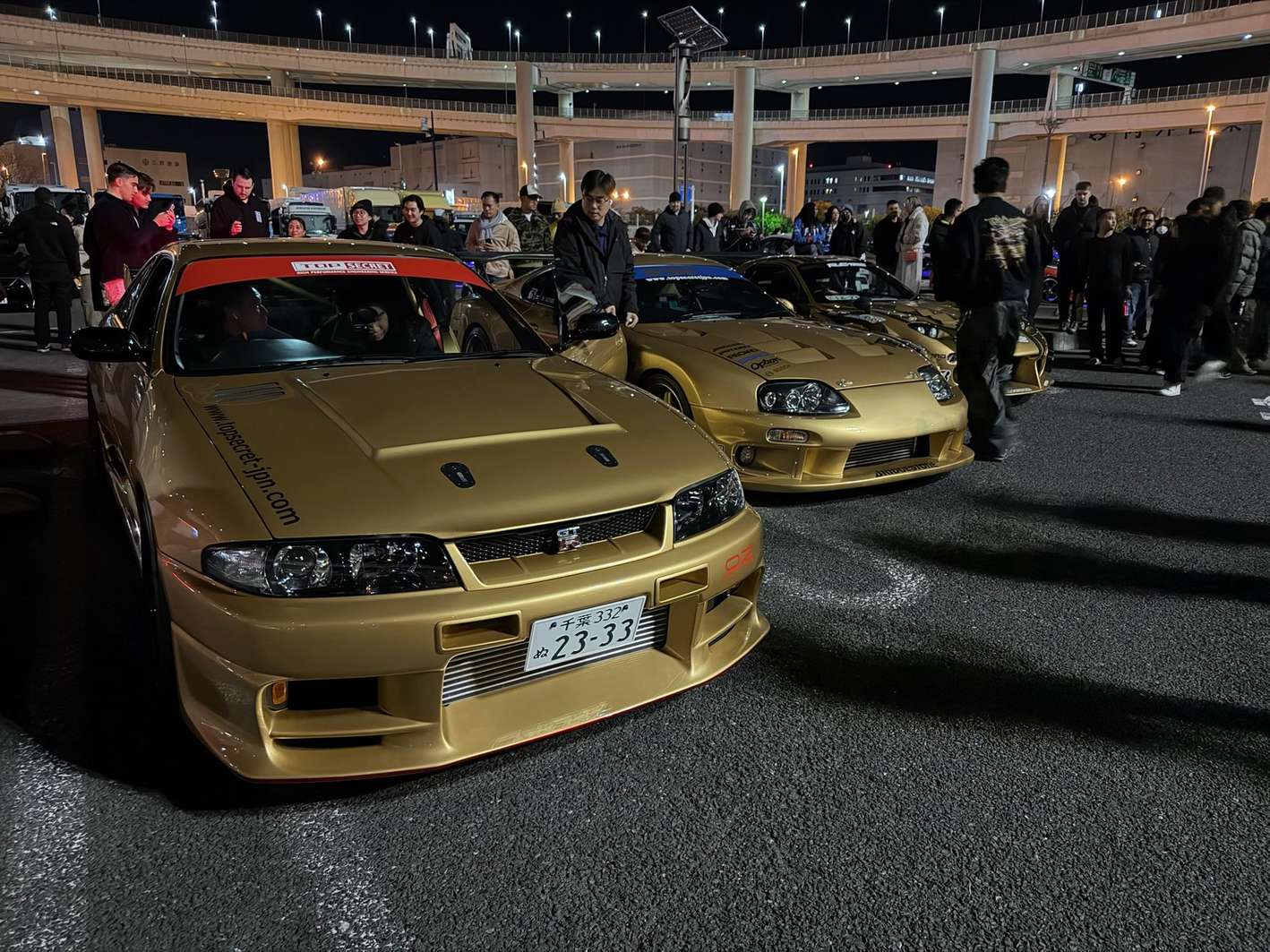
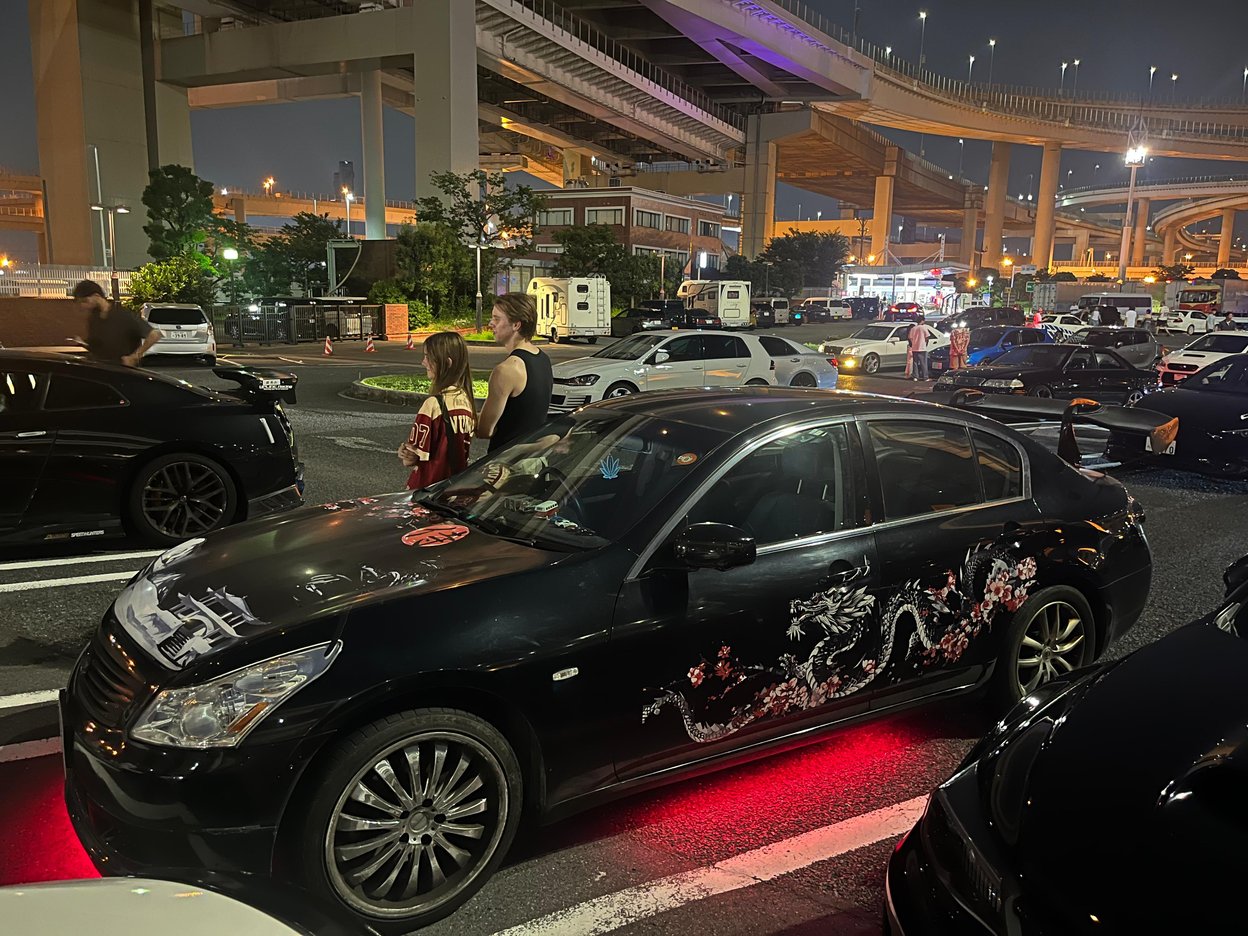
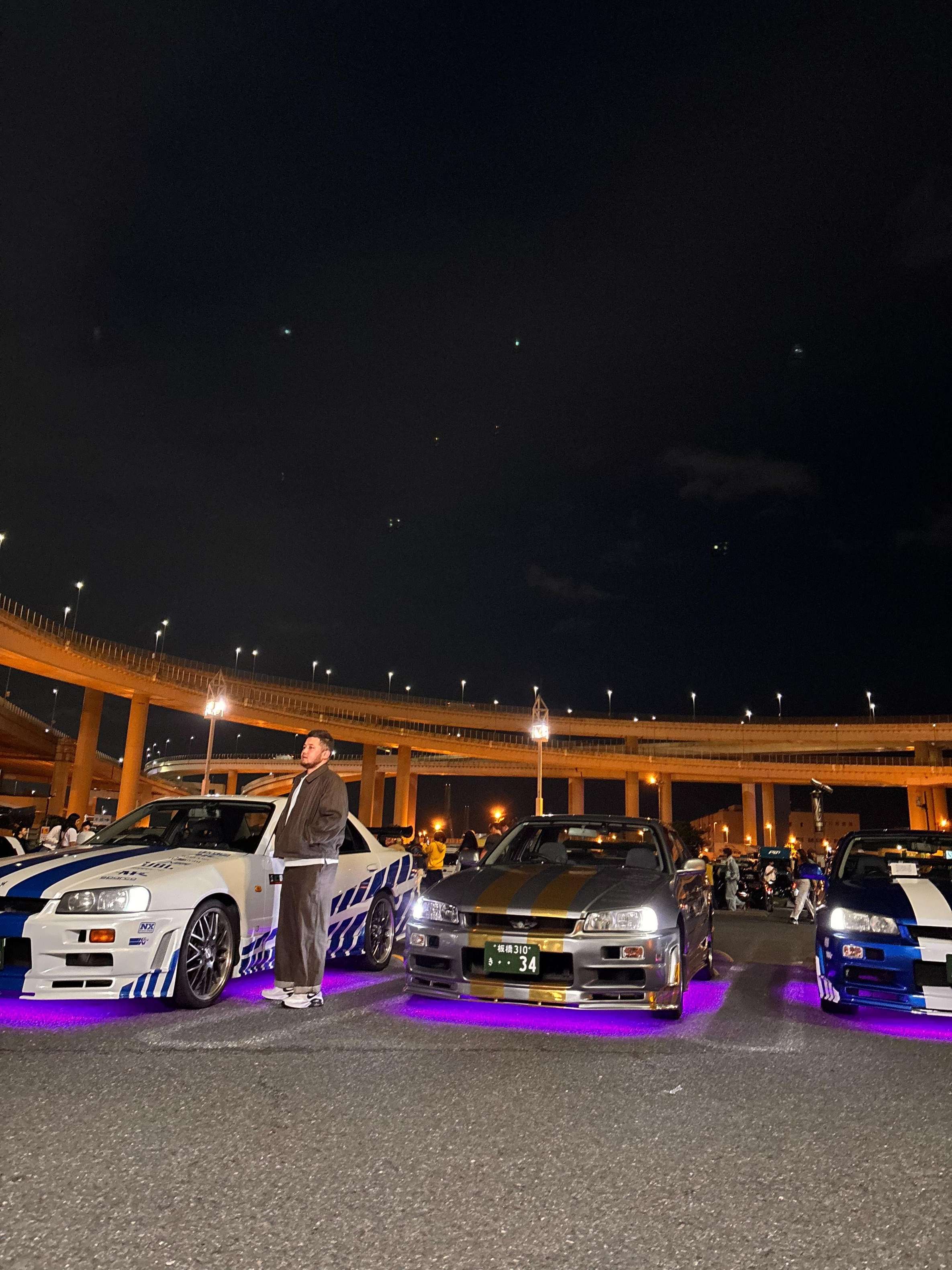
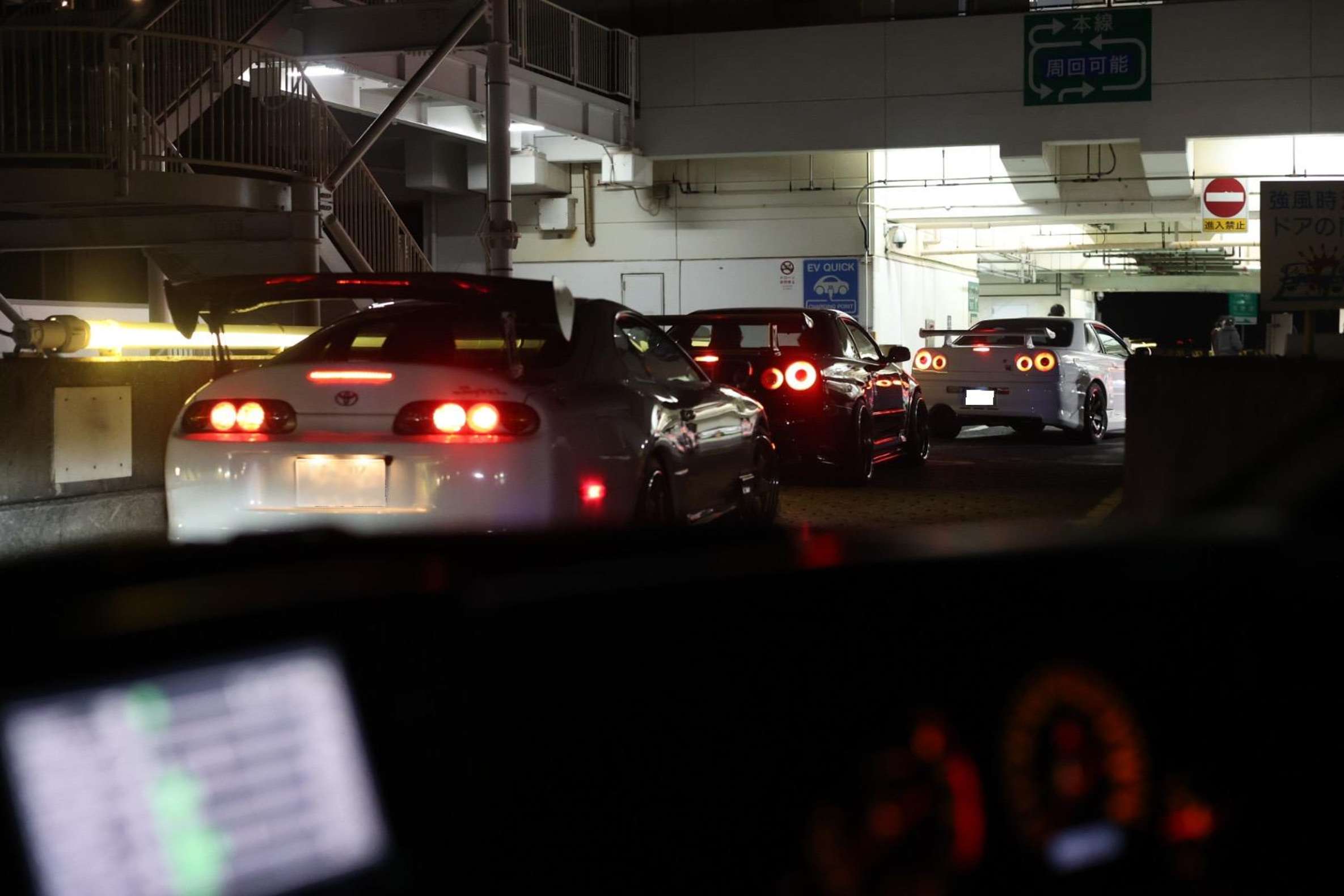
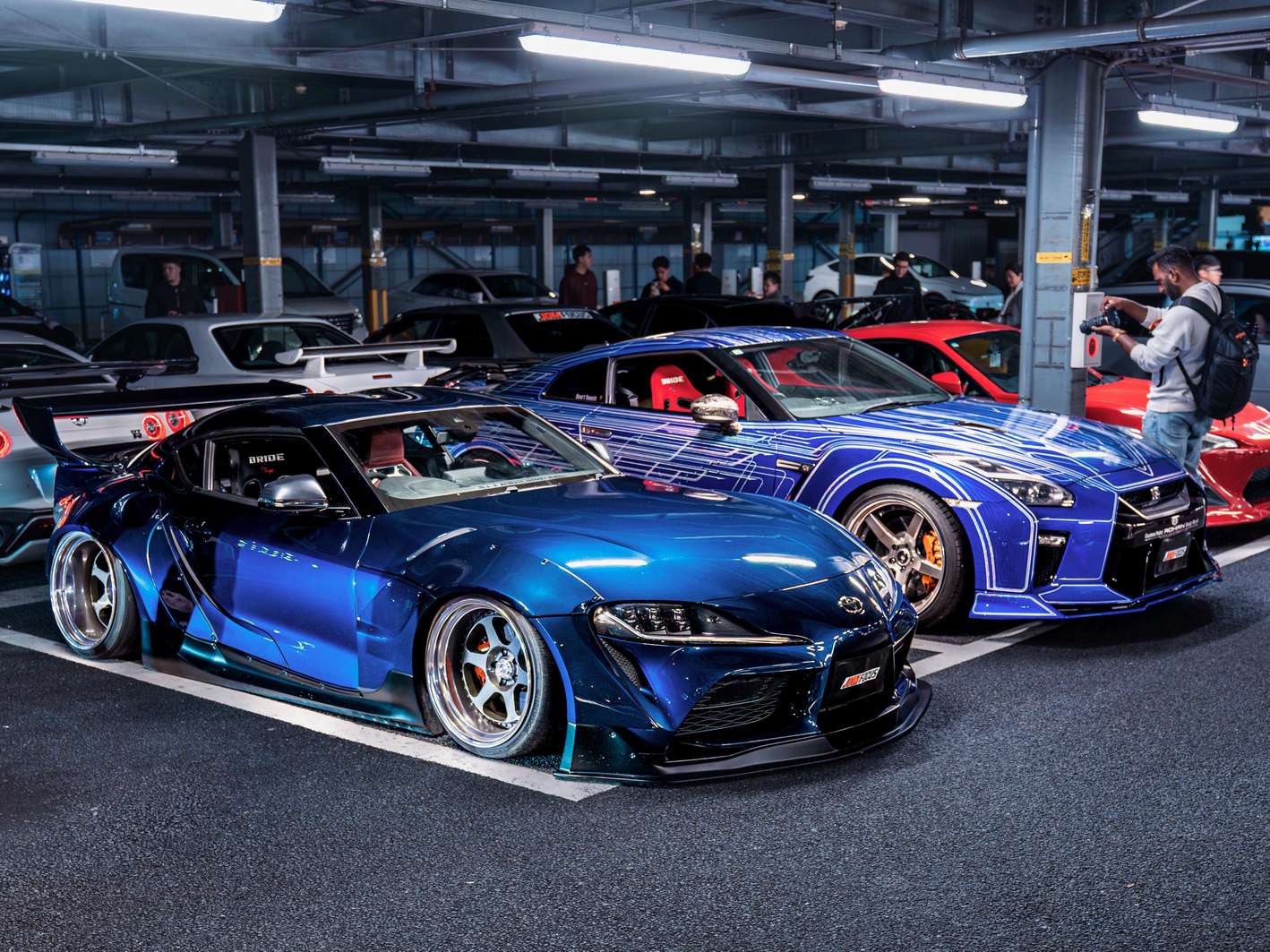
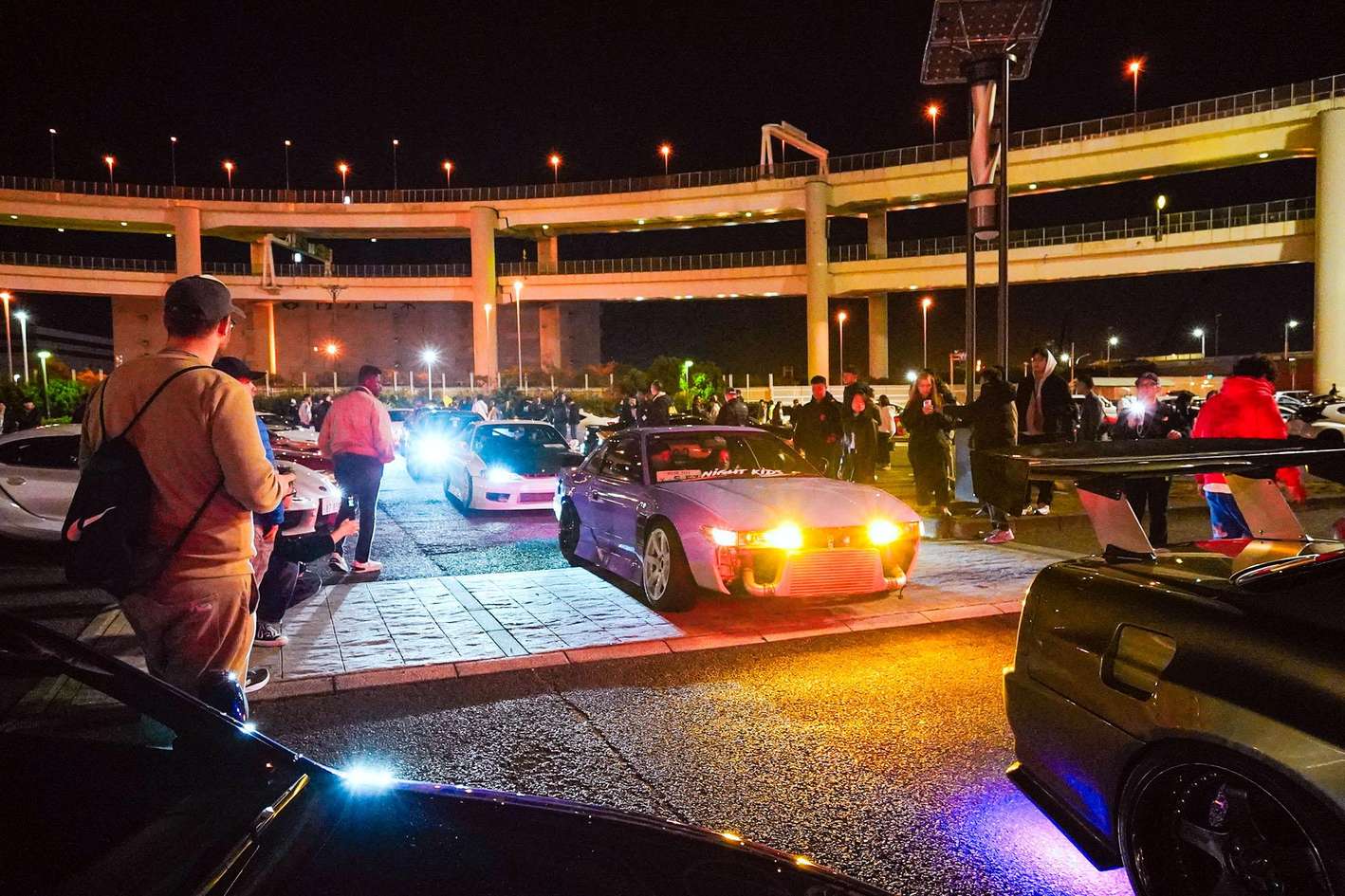
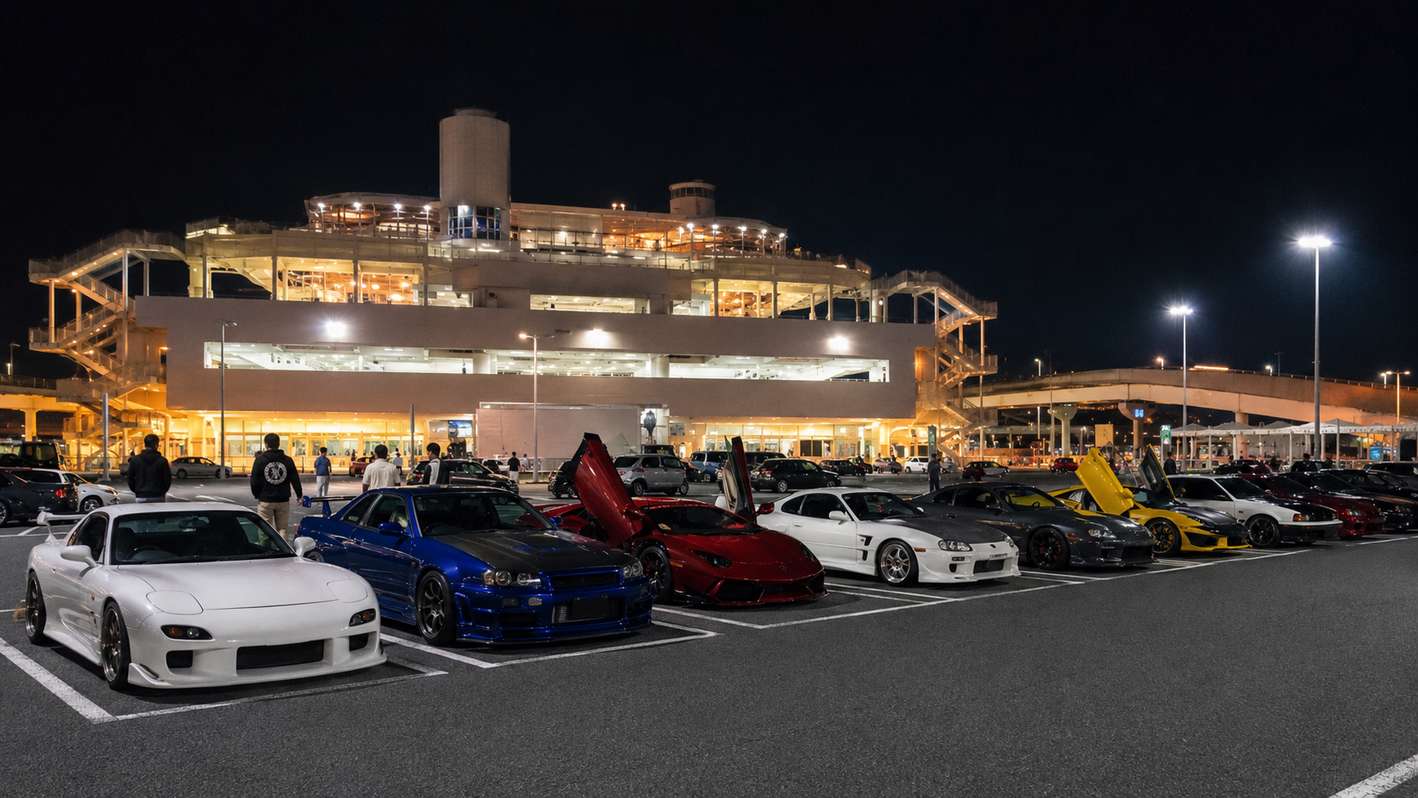
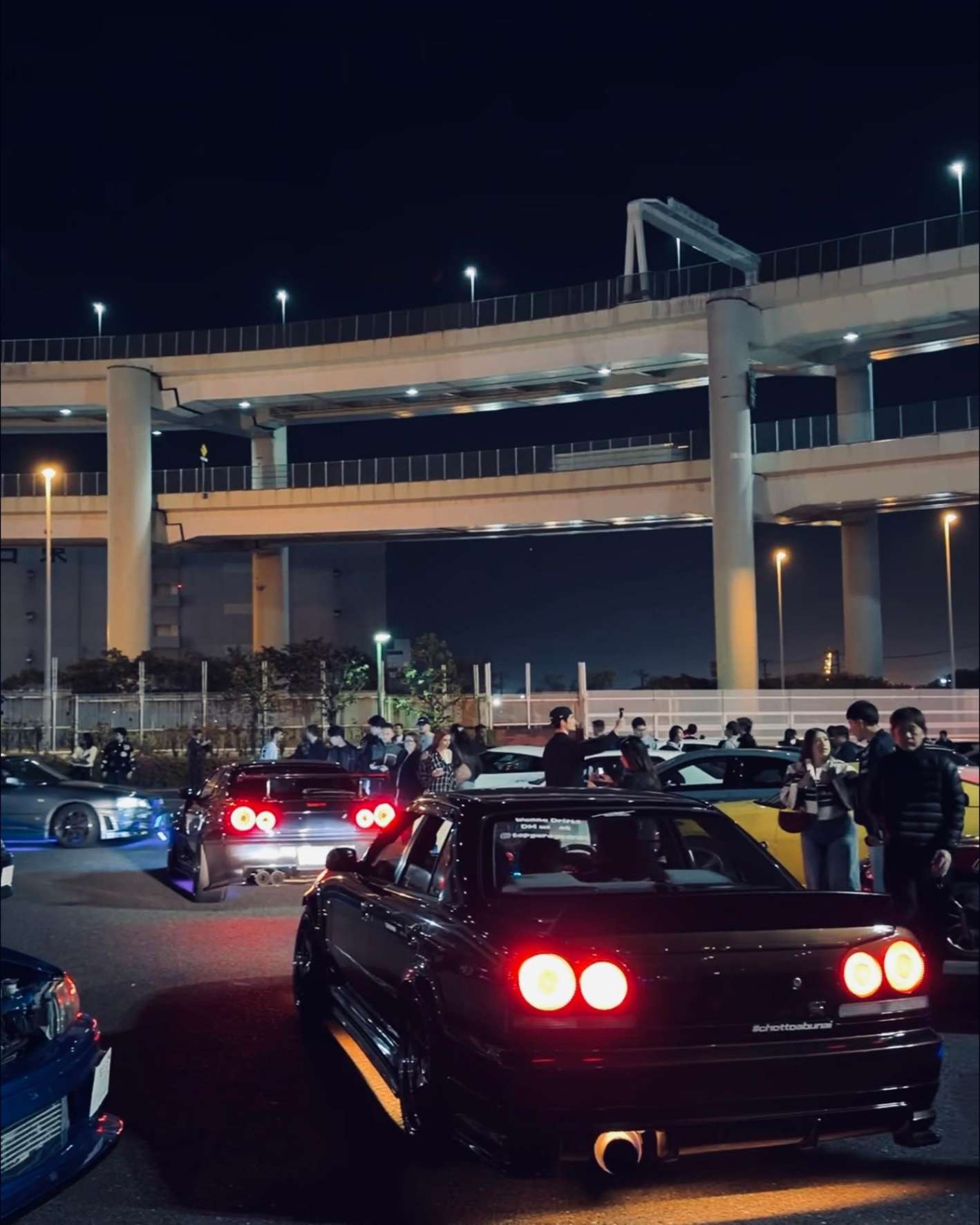
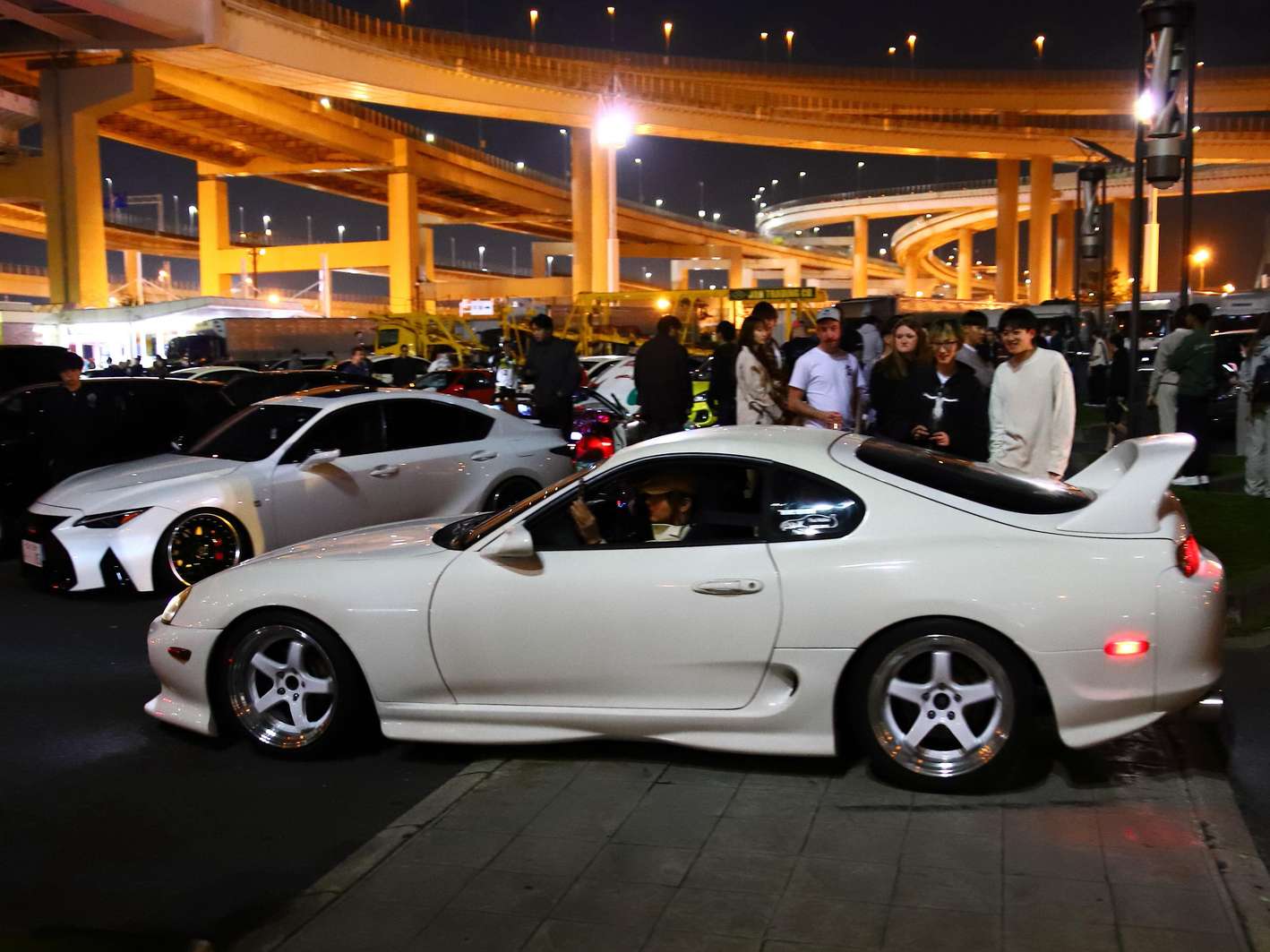
Daikoku Parking Area is where your driver parks and you get an hour on foot. It works like a Cars and Coffee held at night, with modified Skylines, Supras and kei cars parked side by side, owners happy to talk, and the lot's spiraling ramps behind every photo.
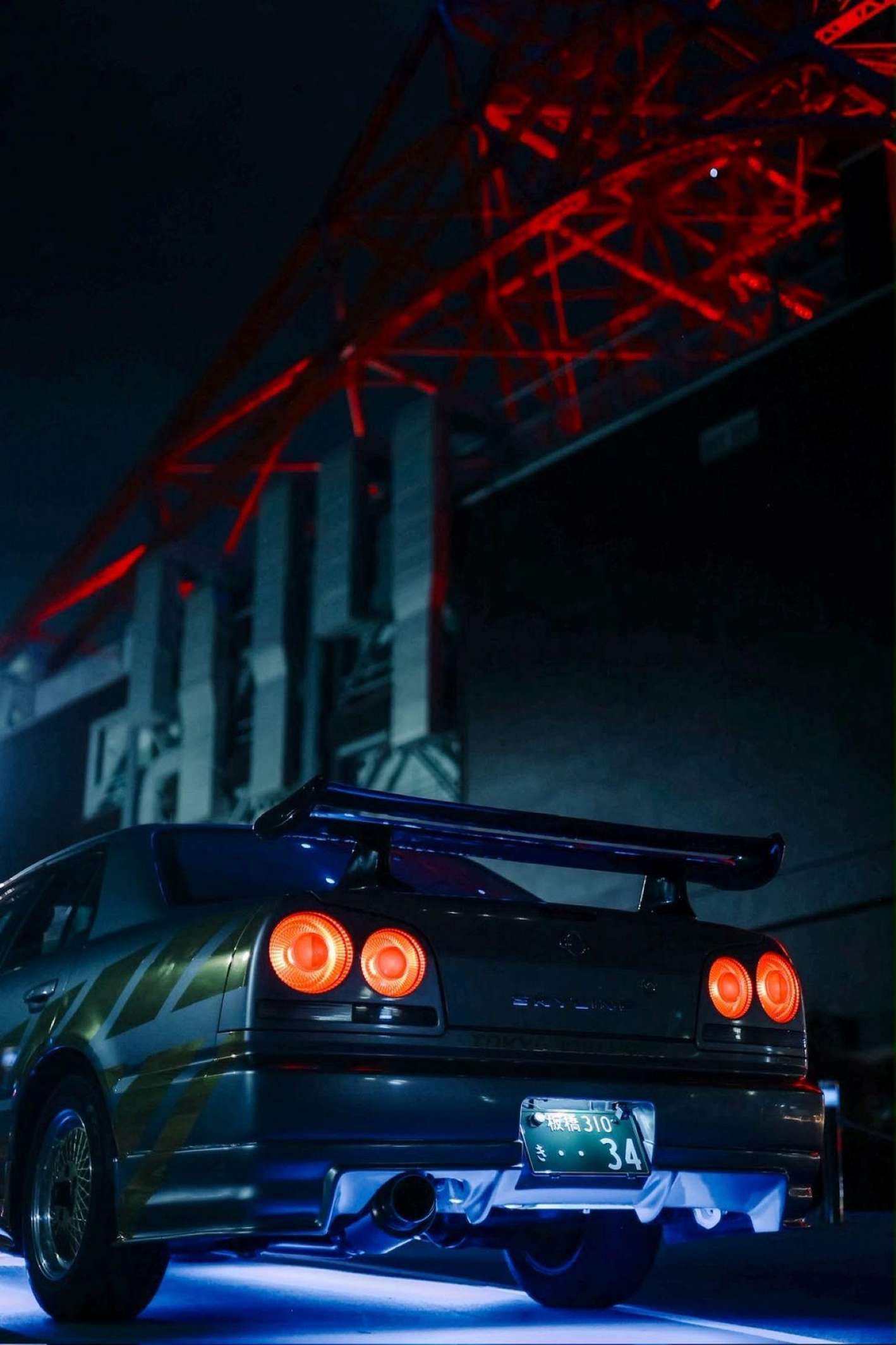
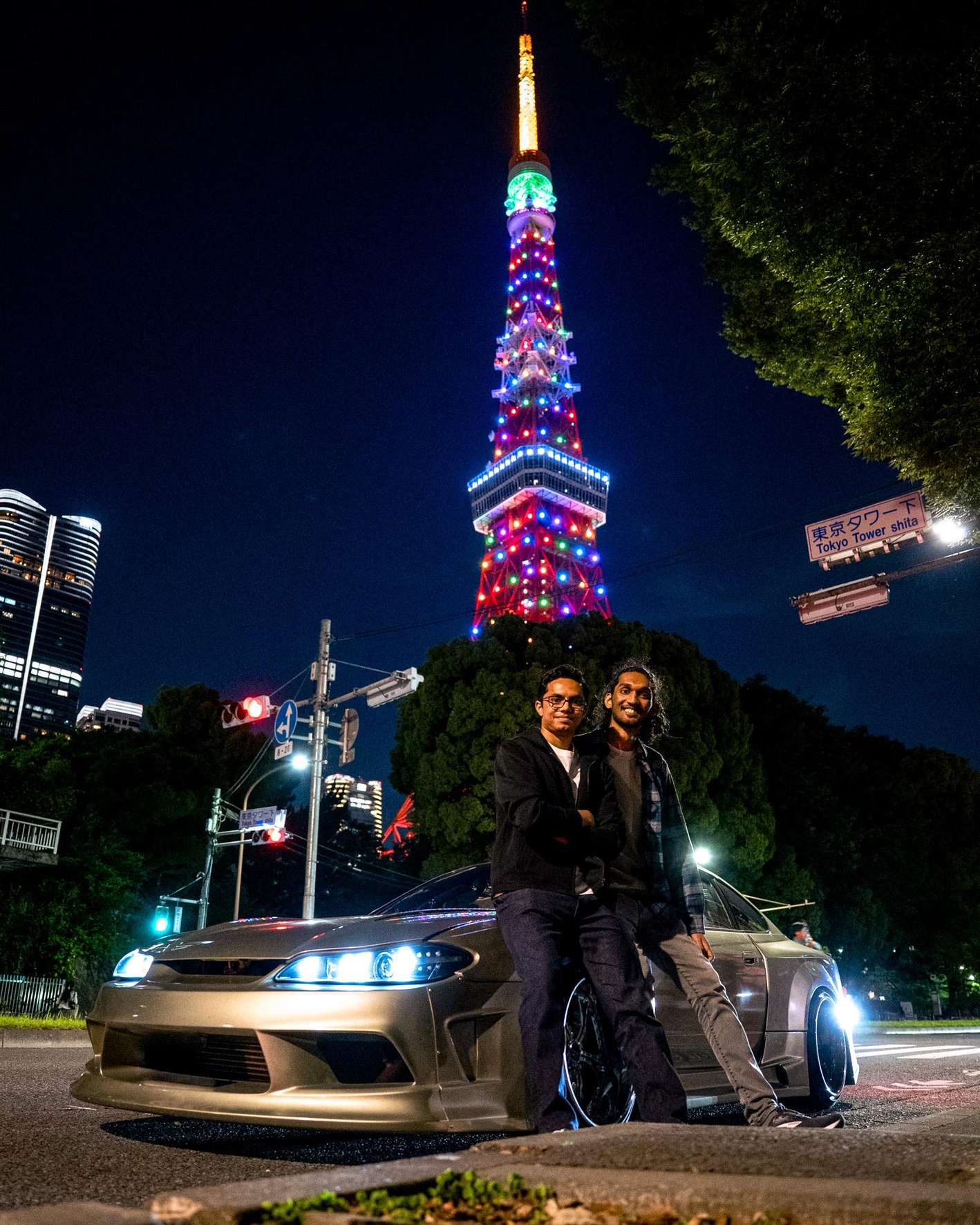
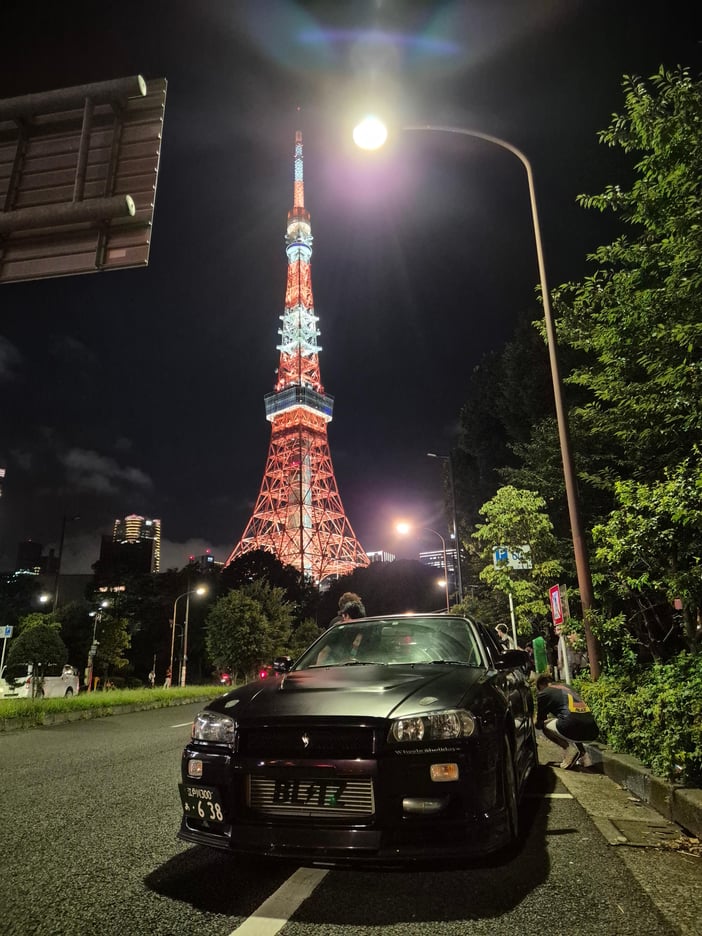
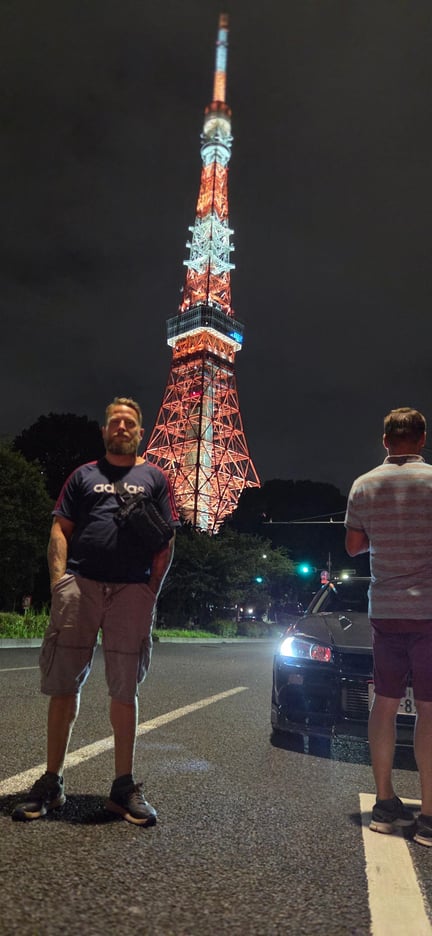
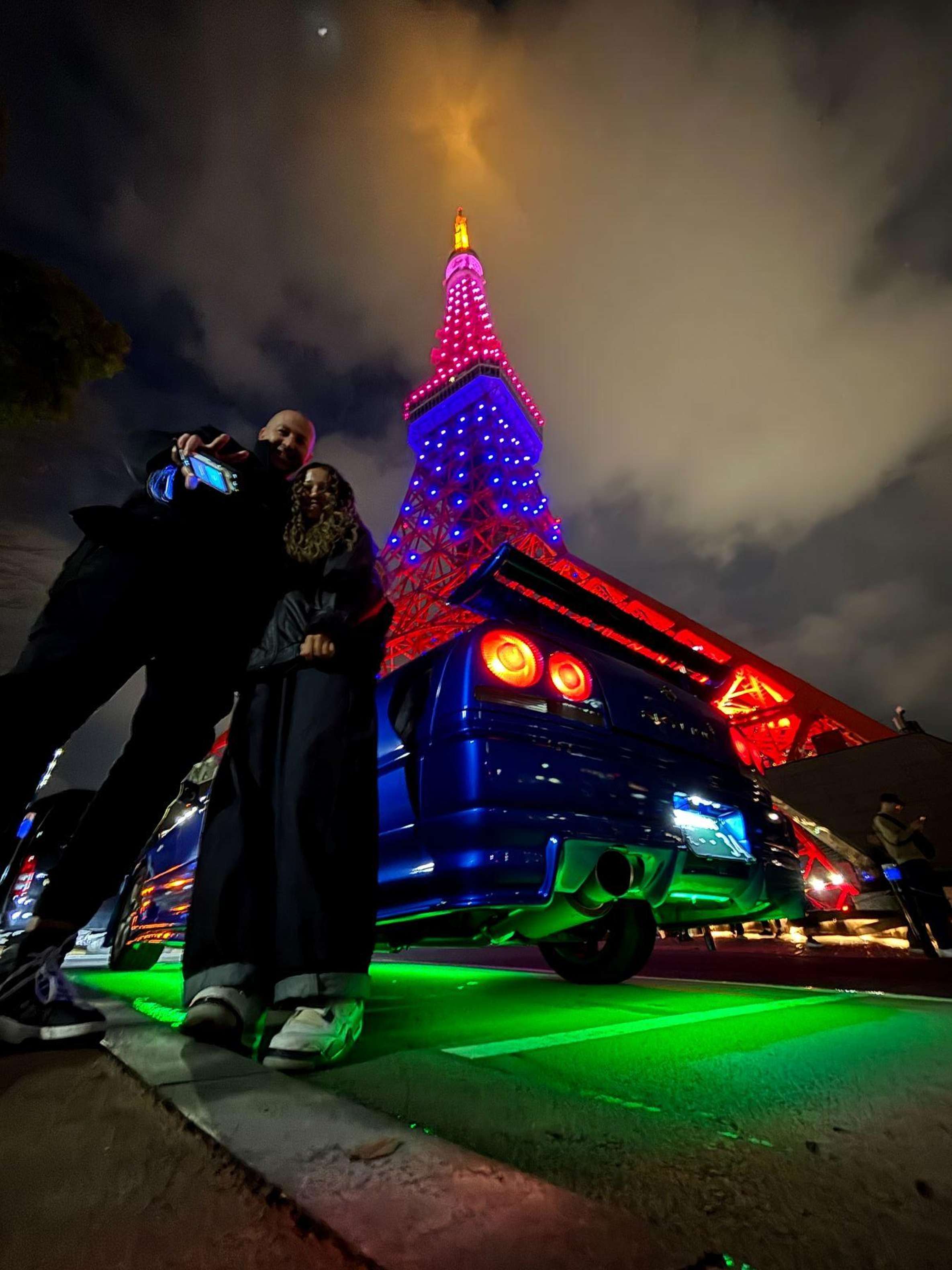
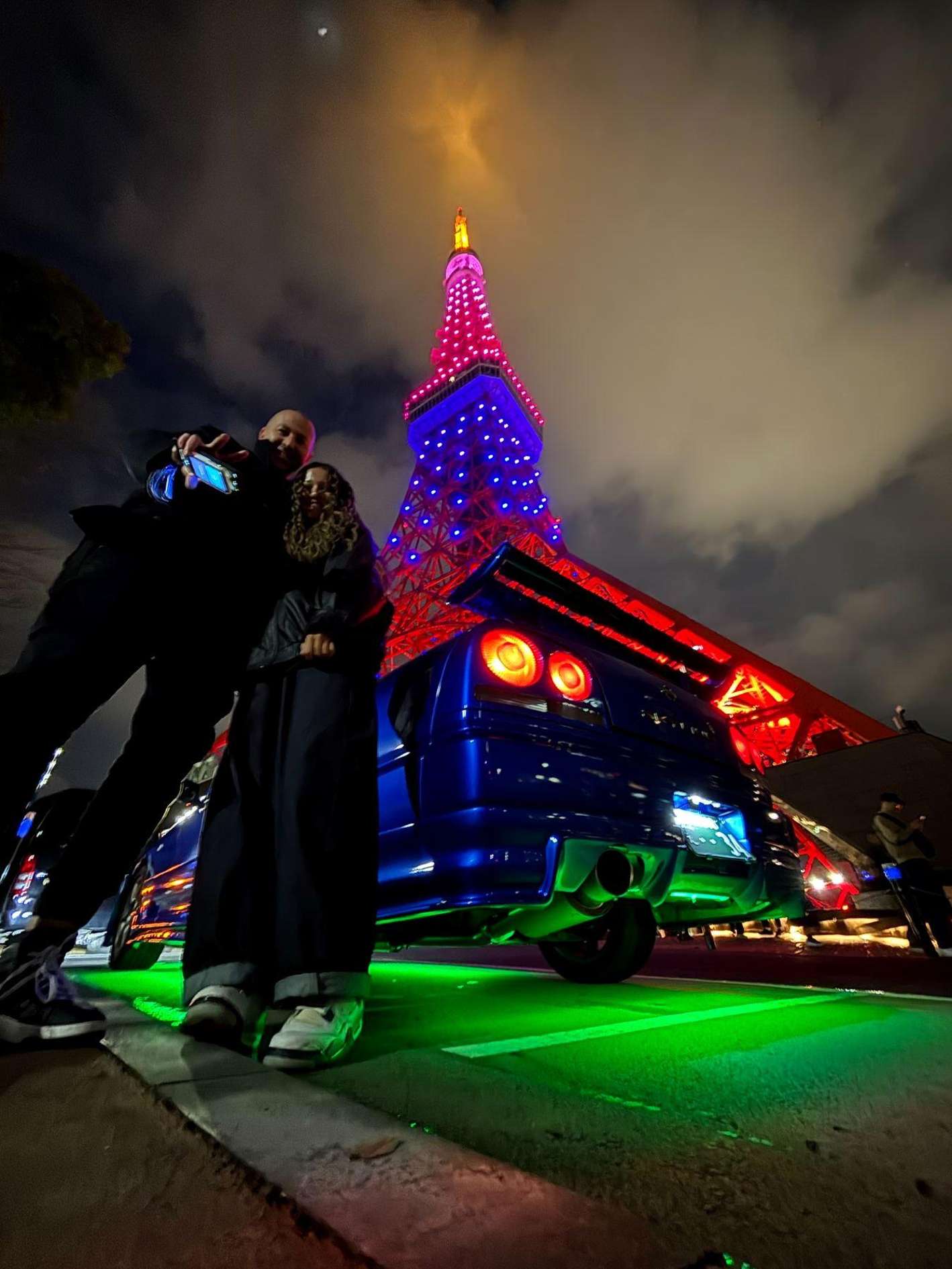
A 15-minute photo stop at Tokyo Tower rounds out the drive before drop-off in the city.
Pickup5 places, depending on your optionStreet View2Autobacs Shinonome· 30 minA large car-supply store where you browse tuning parts, accessories and car-culture goods during a 30-minute break.Street View3Rainbow Bridge, TokyoYou cross the bridge on the expressway with night views of the towers, the water and the Tokyo skyline.Street View4Daikoku Parking Area· 60 minThe famous informal night car meet, busiest on weekends. You walk the lot, photograph the cars against the spiraling elevated ramps and talk with owners; a Lawson, food shops and restrooms are on site.5Tokyo Tower· 15 minA short photo stop with the lit tower behind you before the drive back.Drop-off5 places, depending on your optionStreet View
Included
Professional DriverFuel cost and expressway tollsInsurance and taxThe total price includes the transportation fare and service feeAn unforgettable private ride in a high-performance vehicle.Destinations and routes are arranged based on guest requests
Not included
Meals and drinksPersonal expenses
Which private JDM tour fits your night at Daikoku PA
Green marks the lowest price. Each price says whether it is per person or per group.
Tour
Price
Duration
Pickup
Languages
Best for
Our pick
Tokyo: JDM R34 Skyline drive & Daikoku PA car meet
5.0★ (234)
from $266per group
3 - 6 hours
yes
English, Japanese, Chinese
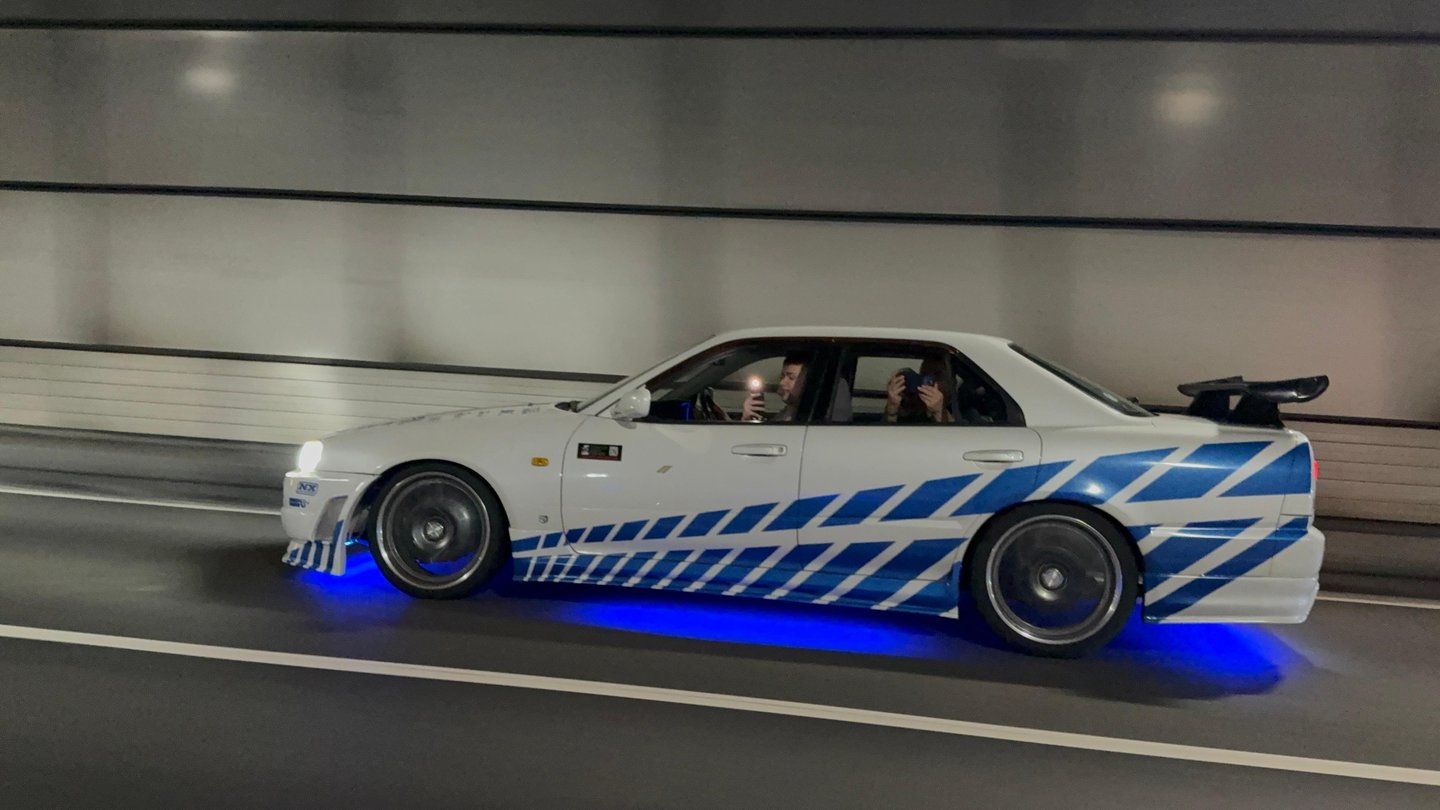
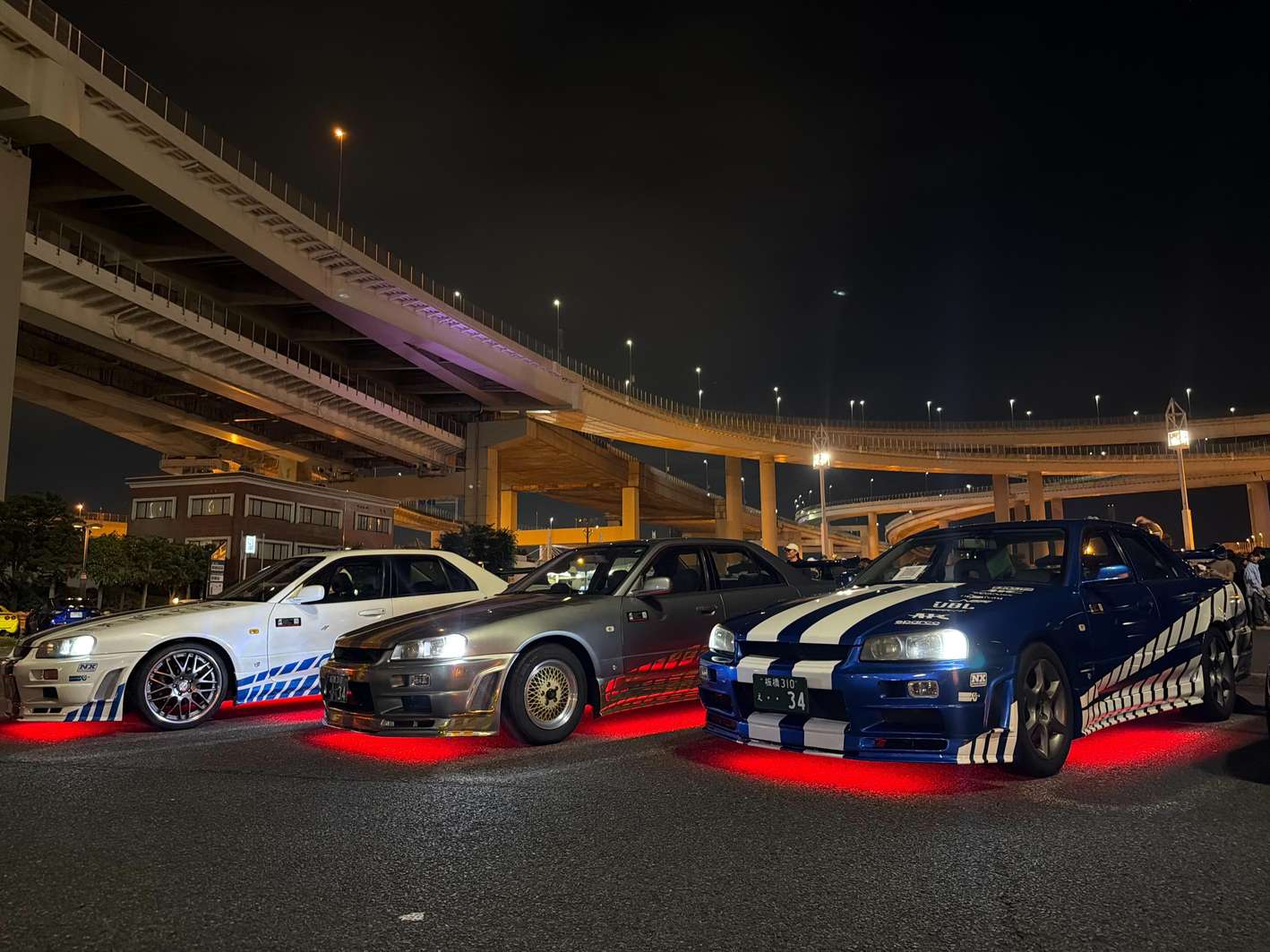
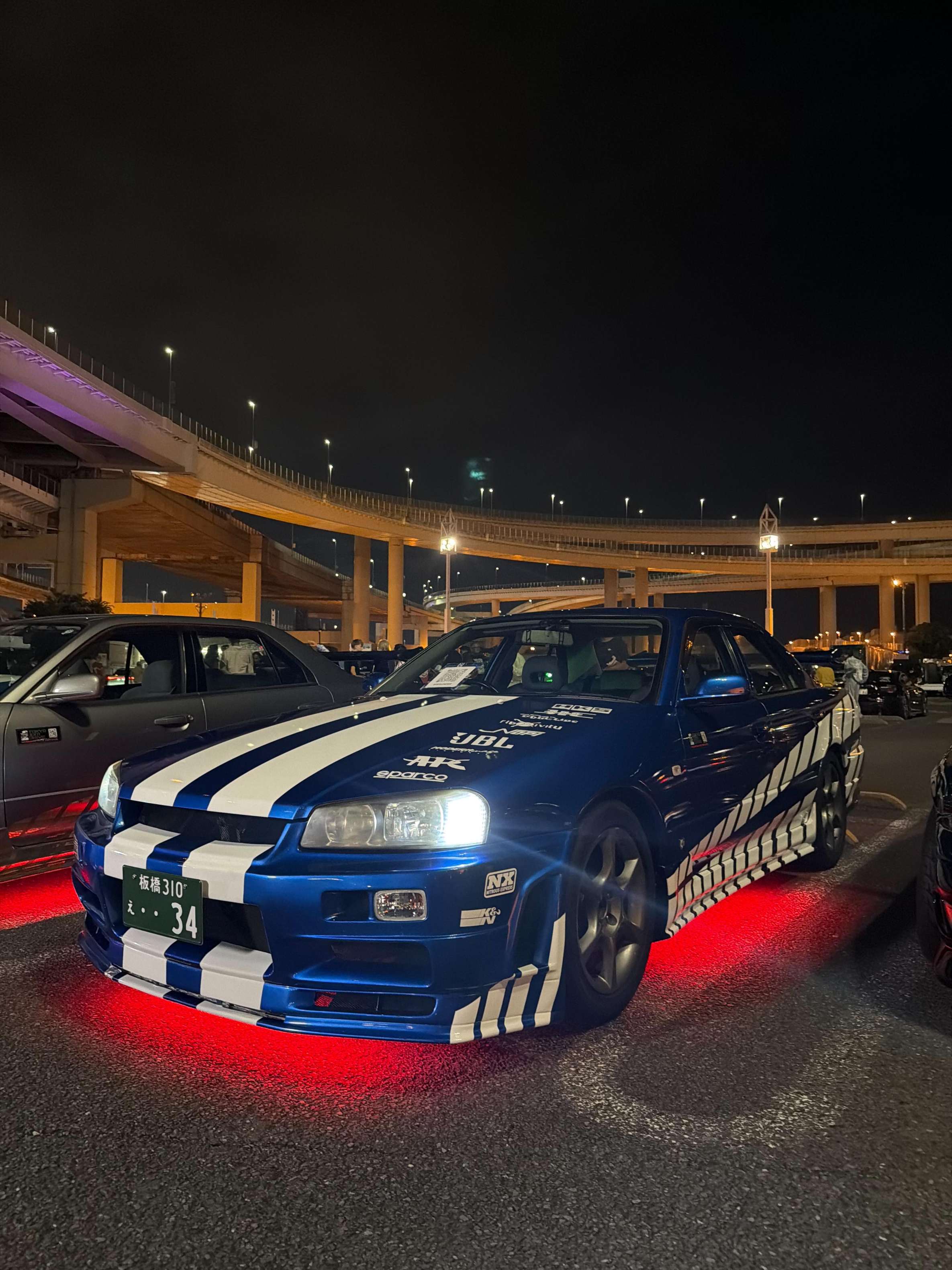
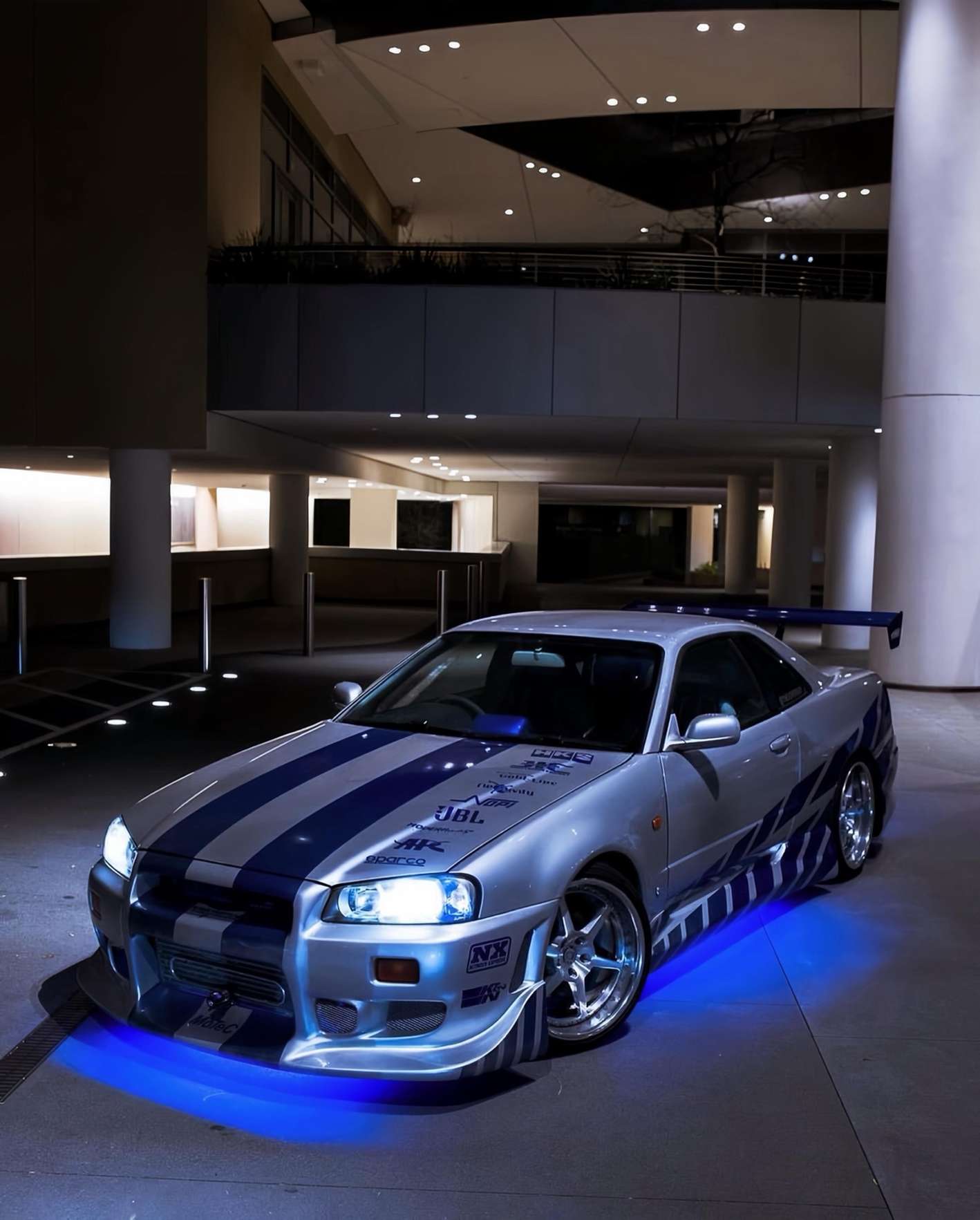
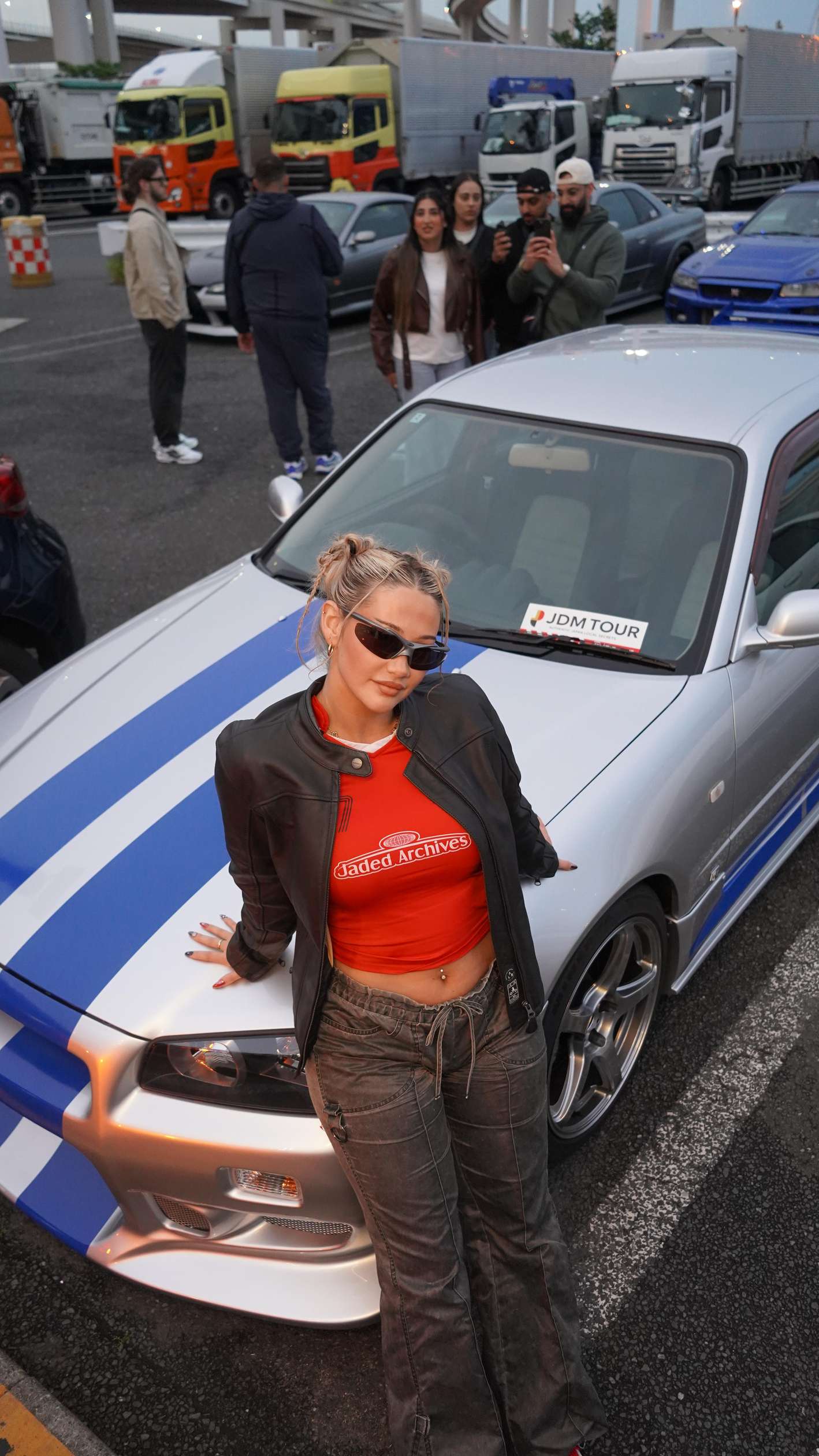
Fast & Furious fans wanting an R34 in the movie livery, plus pro photos
Choose your date first, then think about the hour. Some R34 tours start around 7:30 pm from Monday to Thursday and earlier, from about 4:30 pm, on Friday to Sunday. Weekday nights are the safer bet for seeing Daikoku PA with the lot still open.
Pro tipPolice close the Daikoku meet on busy weekend nights by around 8:30 pm, so an earlier start keeps the meet on your itinerary.
RecommendedApril, September and October are the busiest months for these tours, so book several days ahead in those weeks.
02
Choose the car and option
This is where private tours differ most. On the private R34 tours you can pick a three, four or six hour ride, or choose between an R34, a GT-R, a Supra, a Silvia, an RX-7 or an 180sx. Some operators pick the car for you, others let you request one.
Pro tipIf a particular car matters to you, name it when you book and confirm it early, since specific models sometimes need at least 48 hours' notice.
Common mistakeFirst-timers pick by duration alone. On a private booking the car shapes the night more than the extra hour does.
03
Arrange pickup
Most of the private tours here include hotel pickup and drop-off in Tokyo, with a few picking up from central Tokyo hotels or your designated location. Give your hotel or Airbnb address when asked so the driver plans the route.
Pro tipPickup timing shifts with the day of the week on some tours, so check the start time shown for your date rather than assuming one fixed hour.
Common mistakeBooking the cheapest option on a tour where only some options include hotel pickup, then discovering you have a meeting point to find on your own.
04
Complete payment and confirmation
Pay through the booking page and wait for the operator's confirmation email, which can take up to 48 hours. Reply to it. Leave a WhatsApp or Instagram contact, because operators message you there before departure if anything changes.
ImportantTurn on your messaging app notifications. If Daikoku PA closes or the plan shifts, the message arrives before start time and you need to see it.
Pro tipReply to the confirmation email promptly. A quiet mailbox is the usual reason a pickup time stays unconfirmed.
05
On the day
Wear comfortable shoes and clothes for walking around the meet, bring a camera, and take a light jacket because part of the night happens outdoors by the water. Be at your pickup point a few minutes early and expect a three to four hour evening.
ImportantYou can cancel up to 24 hours in advance for a full refund, and if Daikoku PA is closed your operator offers an alternative spot such as Umihotaru PA or a refund.
RecommendedEat dinner before you go. The tours include no food, though Daikoku PA itself has a restaurant, vending machines and a convenience store.
What to know before you book a private JDM tour
Can stop the dayGood to knowGood news
01
ChoosingWhat it is, who it suits, when to go
2
Group size
A private booking is for your group alone, and one tour can seat up to nine guests across as many as three vehicles. Prices are set per vehicle rather than per person, which narrows the gap against shared seats once you travel with friends or family.
What's included
The booking covers the ride itself, so little else comes out of your pocket on the night. Typical inclusions: Meals, drinks and souvenirs are on you.
Fuel and expressway tolls
Insurance and tax
Hotel pickup and drop-off
Photo and video help from your guide
02
BookingHow far ahead, and what happens if plans change
4
Your car
On a private booking you can ask for a specific car, whether that is the R34 Skyline, a Supra, a Silvia or a GT-R. Cars are privately owned and sometimes under maintenance, so confirm the model ahead of time rather than on the day. The R34 draws more attention at the meet than even a newer GT-R, which is exactly why some people book it.
Booking ahead
Sort out your ride before you fly, not after you land. Tours sell out, and turning up in Tokyo hoping for a seat is a gamble. Demand peaks in April and again from September through November, so in those months book a week or more out. If a particular model matters to you, ask about it when you book, not at pickup.
Cancellation
You can cancel free up to 24 hours before the tour for a full refund. If the operator cancels for severe weather, a breakdown or anything beyond their control, you get a full refund or a new date. If Daikoku PA cannot be visited, you are offered an alternative location or your money back.
ClosuresCan stop the day
Police can close Daikoku PA with no notice, most often on Thursday to Saturday nights by about 8:30 pm, and there is no schedule to check in advance. When it happens, the tour moves on to another bay spot, usually Umihotaru PA, or you take a full refund. The night does not end because one lot closed.
03
Before you goPapers, health, what to bring
1
What to bring
Wear comfortable shoes and clothes for standing around outdoors, and bring a camera or a charged phone for night shots. A light jacket helps even in warmer months because the meet happens in the open by the water. Eat before you go, leave large bags behind, and leave the driving documents at the hotel: you ride as a passenger, so no permit is needed.
04
On the dayWhere to be, when, and how you get there
1
Pickup
The private tours here collect you at your hotel or Airbnb anywhere in central Tokyo and drop you back at the end, so there is no meeting point to find at night. Hotel pickup also means you finish late without hunting for a last train.
05
During the tourWhat is expected of you
1
On-site rulesCan stop the day
Never touch, lean on or sit in a car at the meet without the owner's permission, and ask before photographing interiors or engine bays. Stay out of the roadways. Owners notice how visitors behave, and rough manners are part of why some locals stopped bringing their cars to Daikoku. Smoking, food and alcohol are banned in the vehicle.
Your private JDM tour night at Daikoku PA, start to finish
A private JDM tour to Daikoku PA costs an evening and gives you the densest dose of Tokyo car culture you can buy, if you pick the right car, the right night and an operator with a written closure clause. This guide settles all three before you pay.
Yokohama· 35.67° N, 139.76° E
If you only remember three things
1
Friday and Saturday nights draw the biggest crowds, but police close the meet by about 8:30 pm on those nights, so expect a plan B.
2
On private bookings you choose the car and keep it all night; on shared rides strangers can be seated next to you and the car is assigned on the night.
3
Ride as a passenger with nothing but your passport; only self-drive tours need a 1949-Convention international driving permit and age 23 or over.
Why a night at Daikoku PA is worth your evening
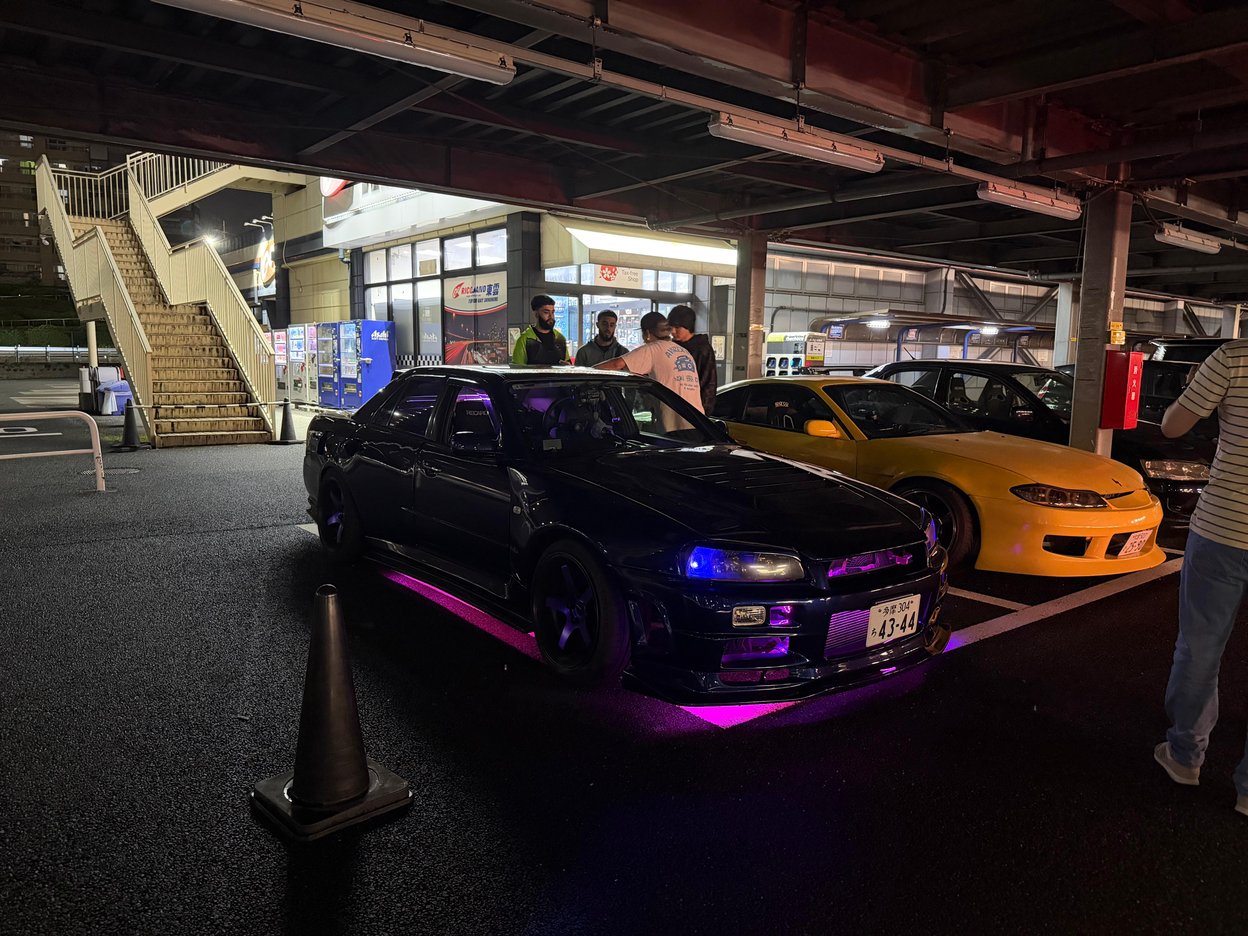
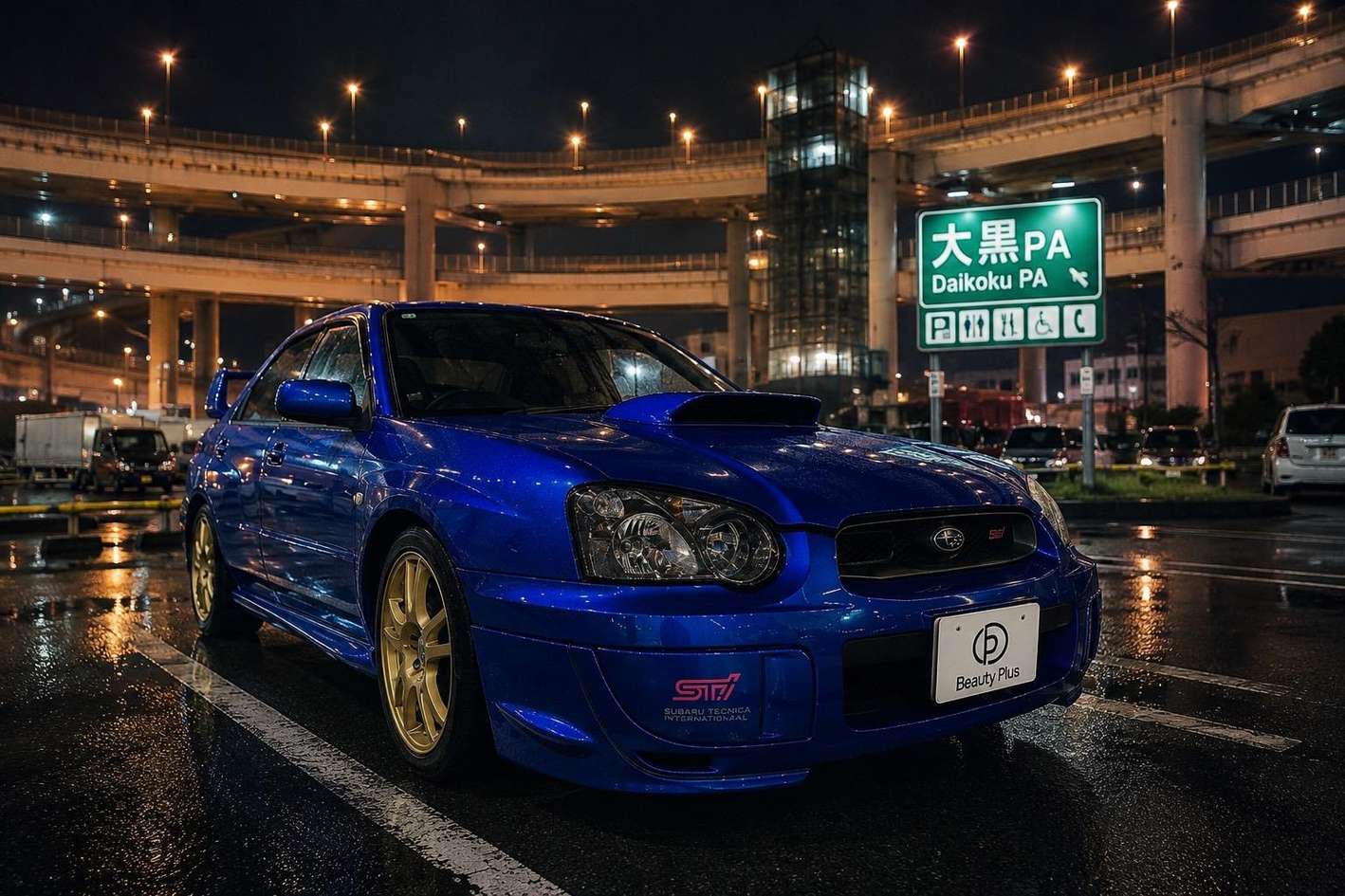
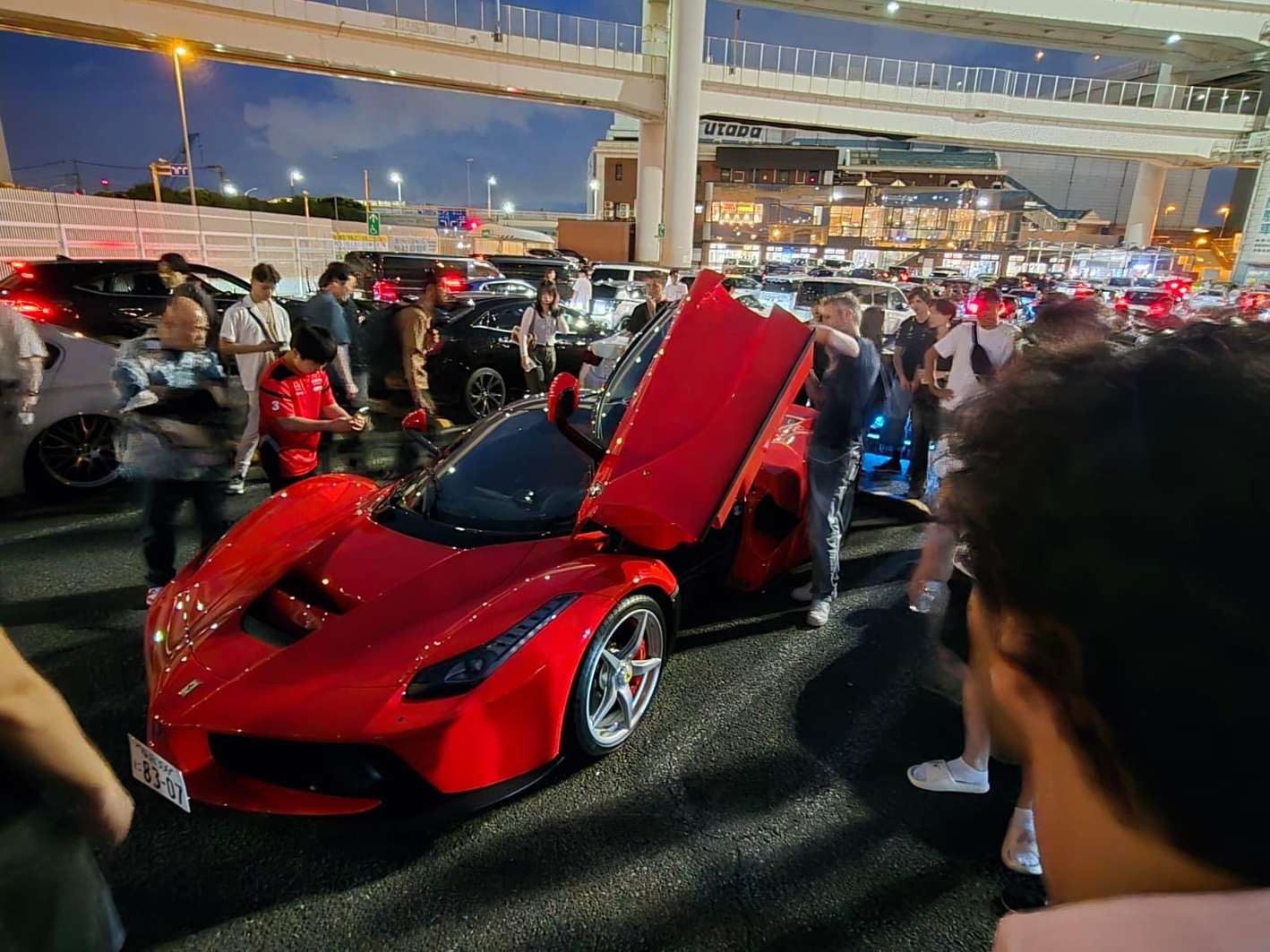
Daikoku Parking Area sits inside the Shuto Expressway on Tokyo Bay, a highway rest stop where car people gather every night for free. There is no ticket gate, no start time and no lineup posted anywhere. Cars and Coffee, but at night, and nobody minds what you drive.
A traveler's note
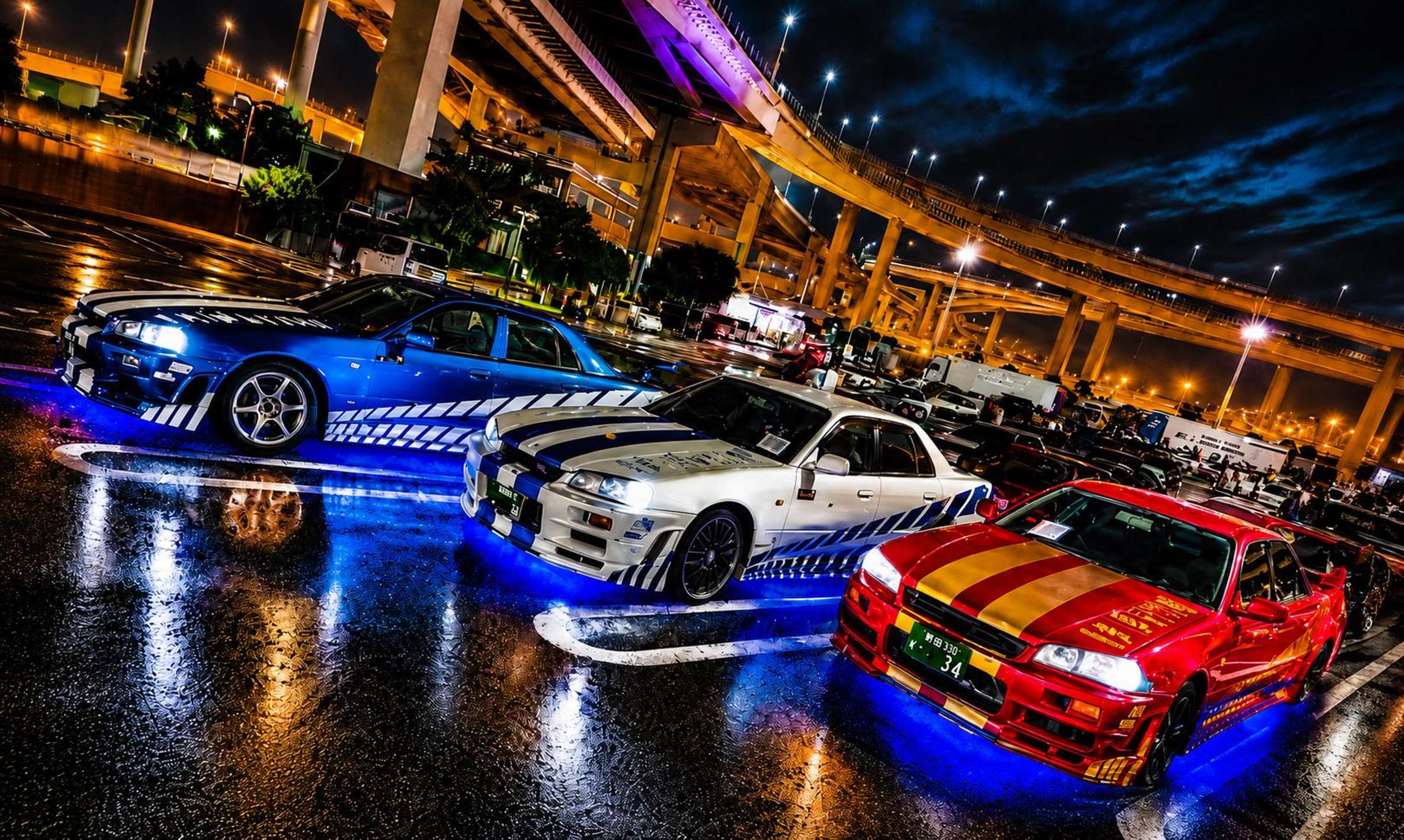
May 25, 2026: unforgettable ride with Dai in his stunning R34 GT-R. His driving had us gliding through corners. Daikoku PA was exhilarating, surrounded by Fast and Furious-style cars straight out of the movies!
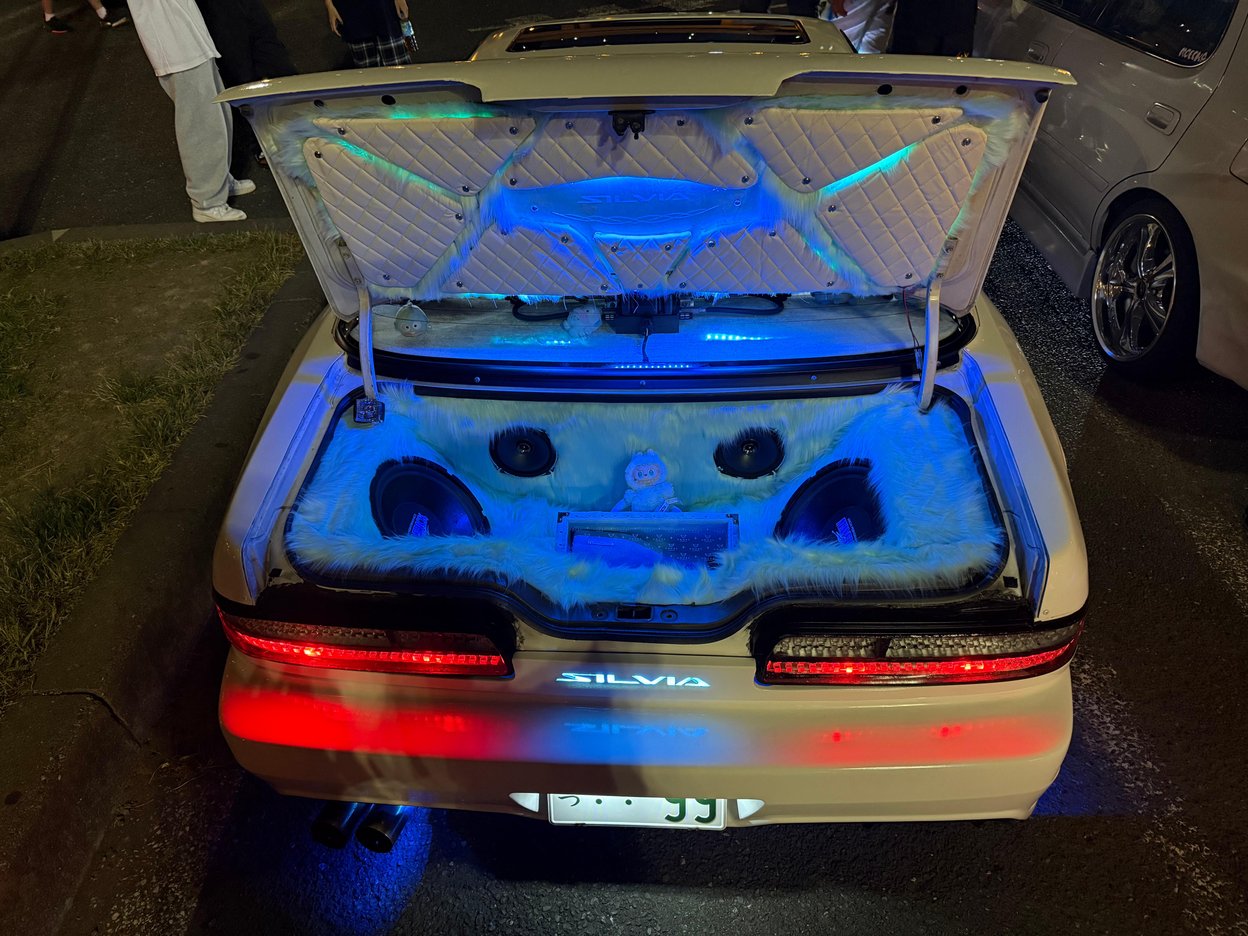
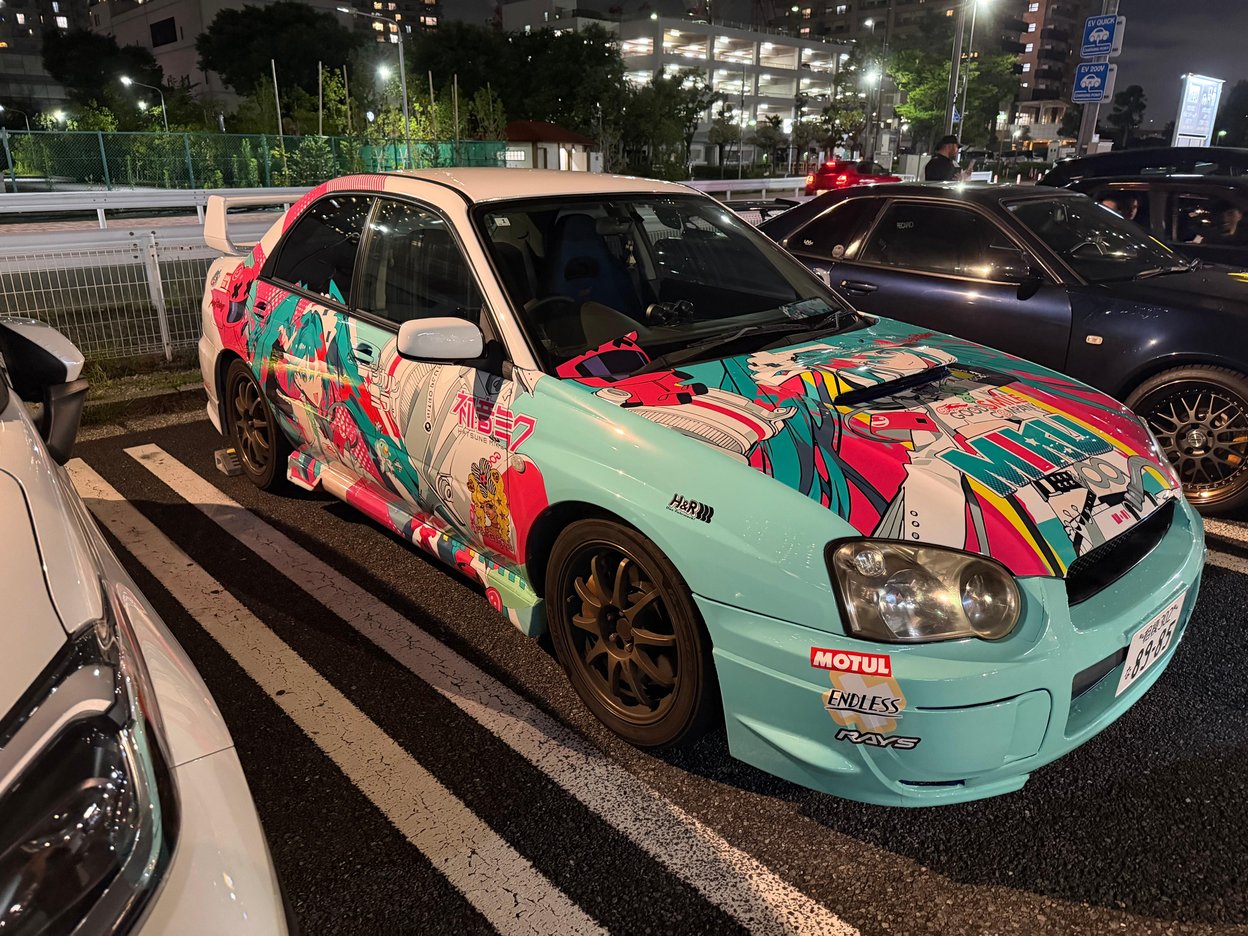
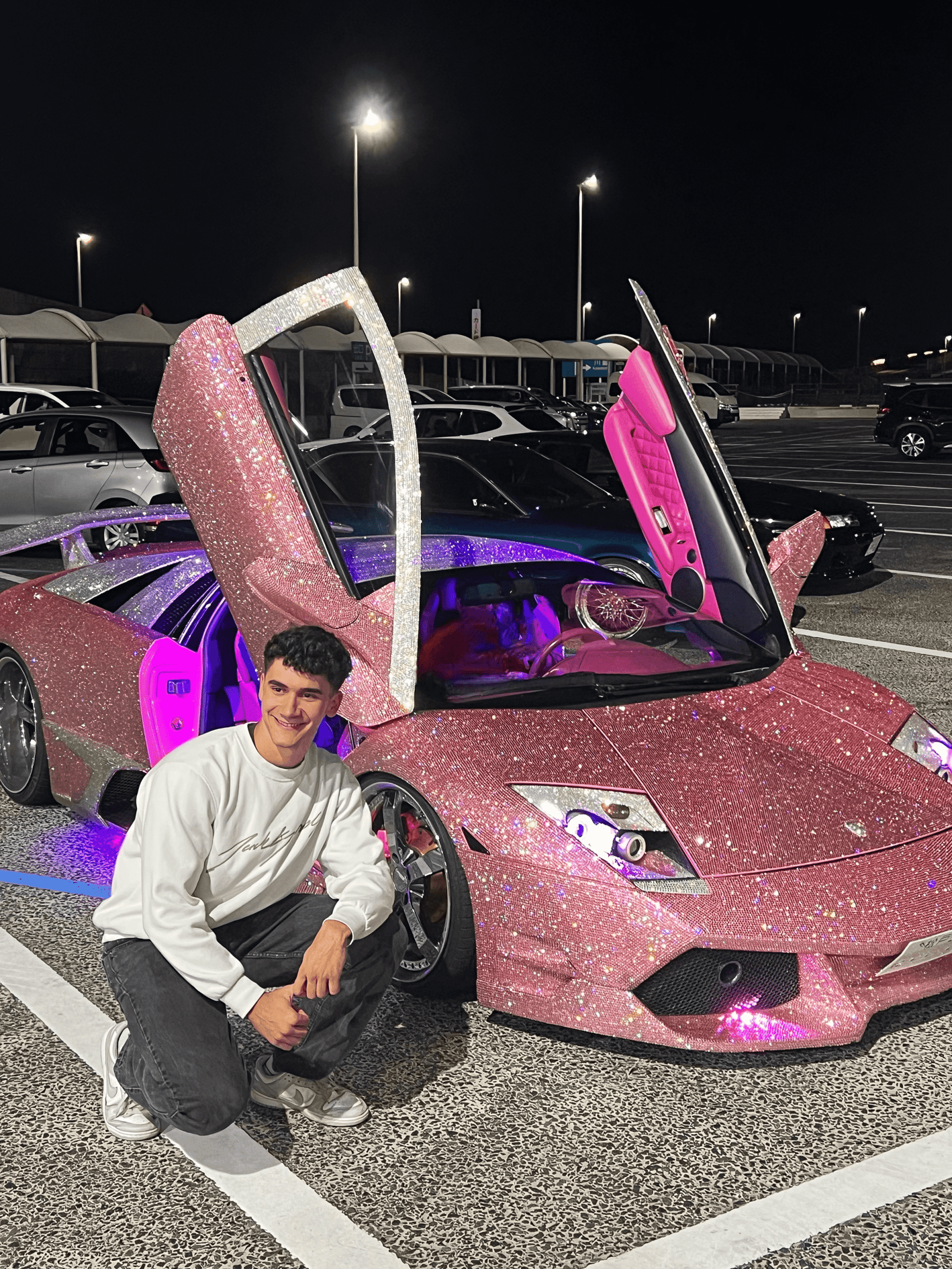
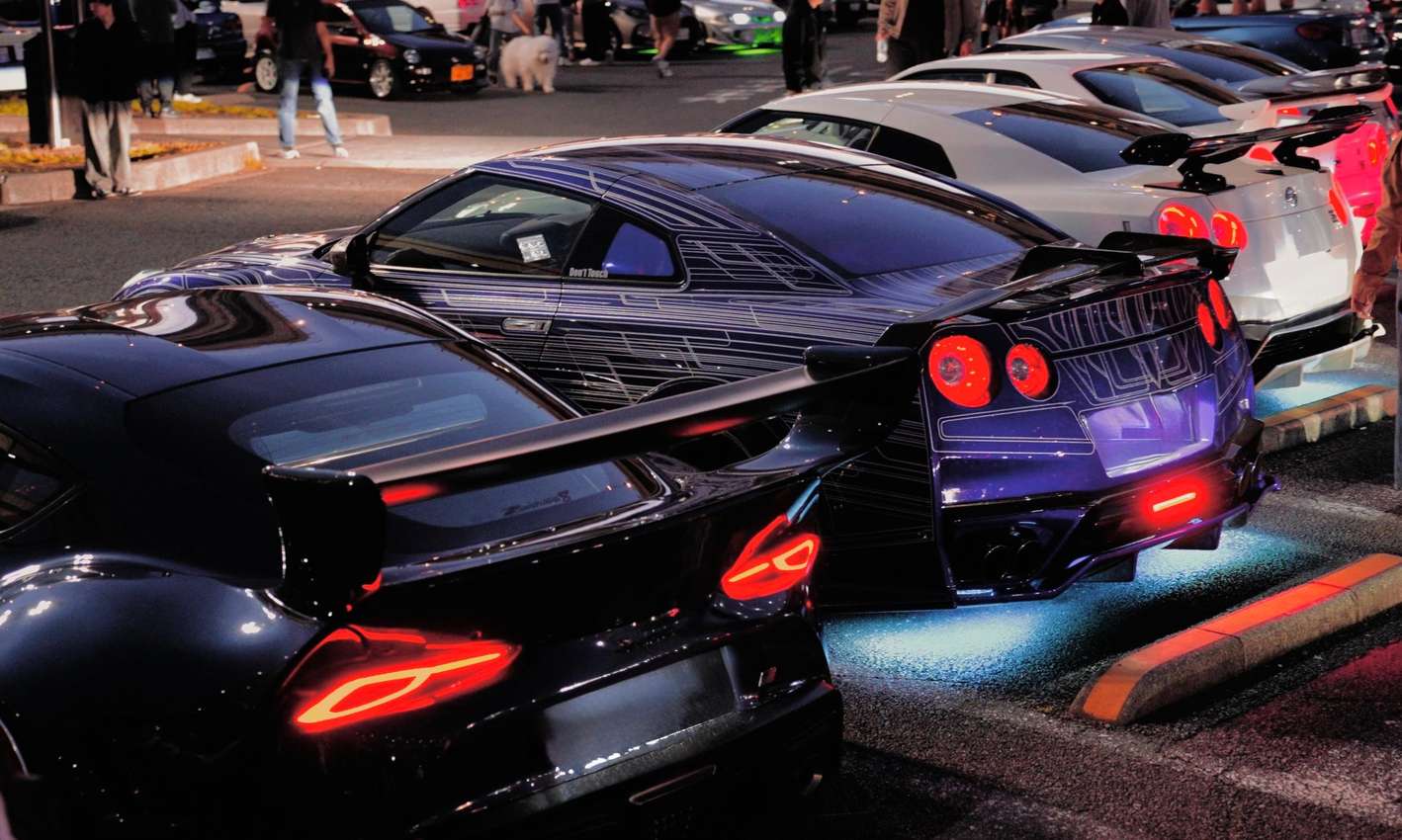
Supercars park next to kei cars here, American muscle beside tuned Skylines, and the spiraling ramps behind them photograph better than any backdrop in the city. Owners talk freely about their builds when you approach them right.
Riding there in a real JDM car makes the drive part of the night. The tunnels, the bridge and the sound of a tuned engine all belong to the experience, and there are food shops, a Lawson and vending machines on site, so an hour standing among the cars never feels like waiting.
One caution said plainly: the meet is informal and police keep a substation on site. Arrive by car, behave well, and the night tends to give back.
Tour for this
Private JDM Night Group Tour to Daikoku PA Car Meet5.0★ (8) · 4 hours · Hotel pickup · Free cancellation
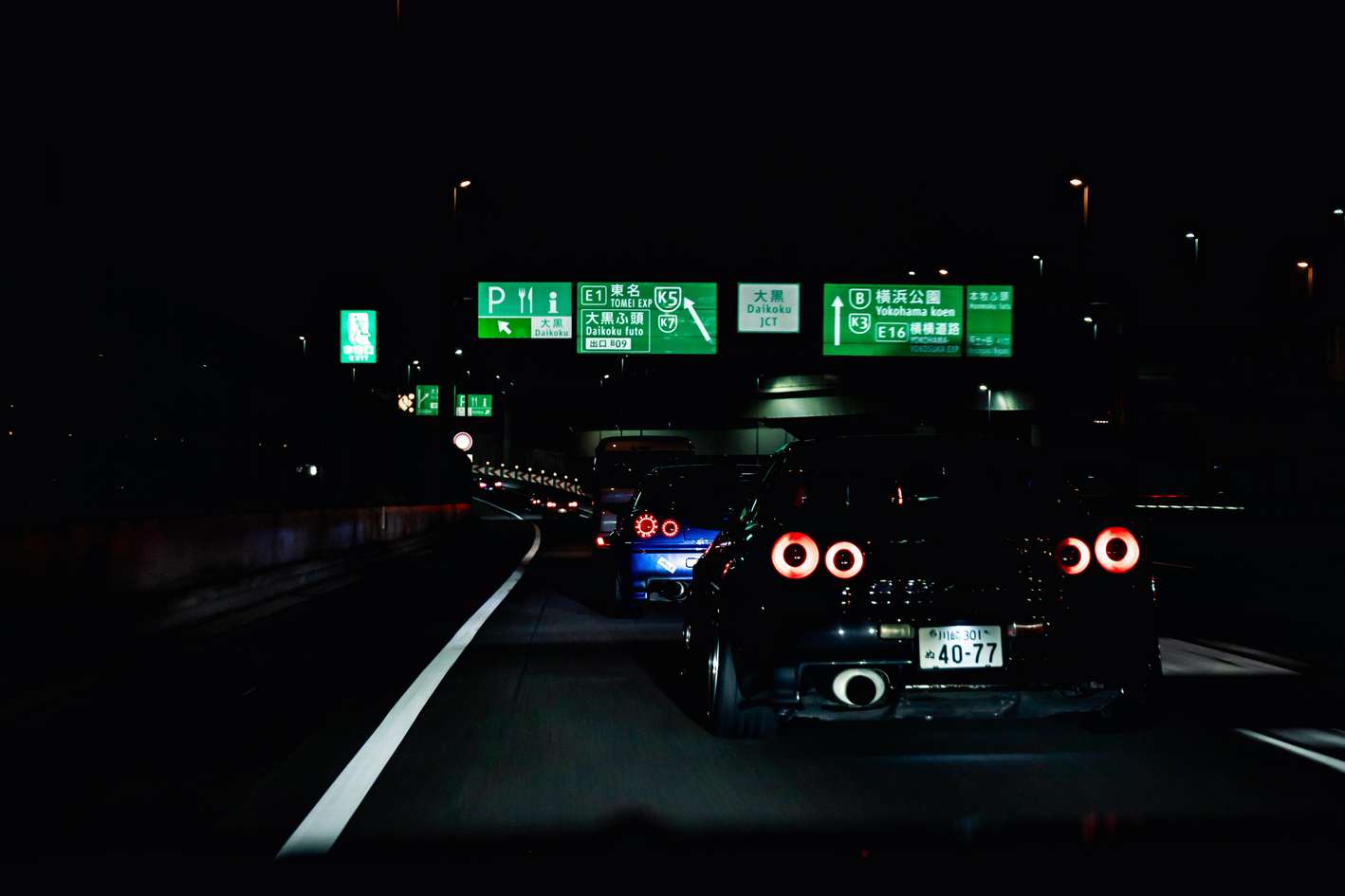
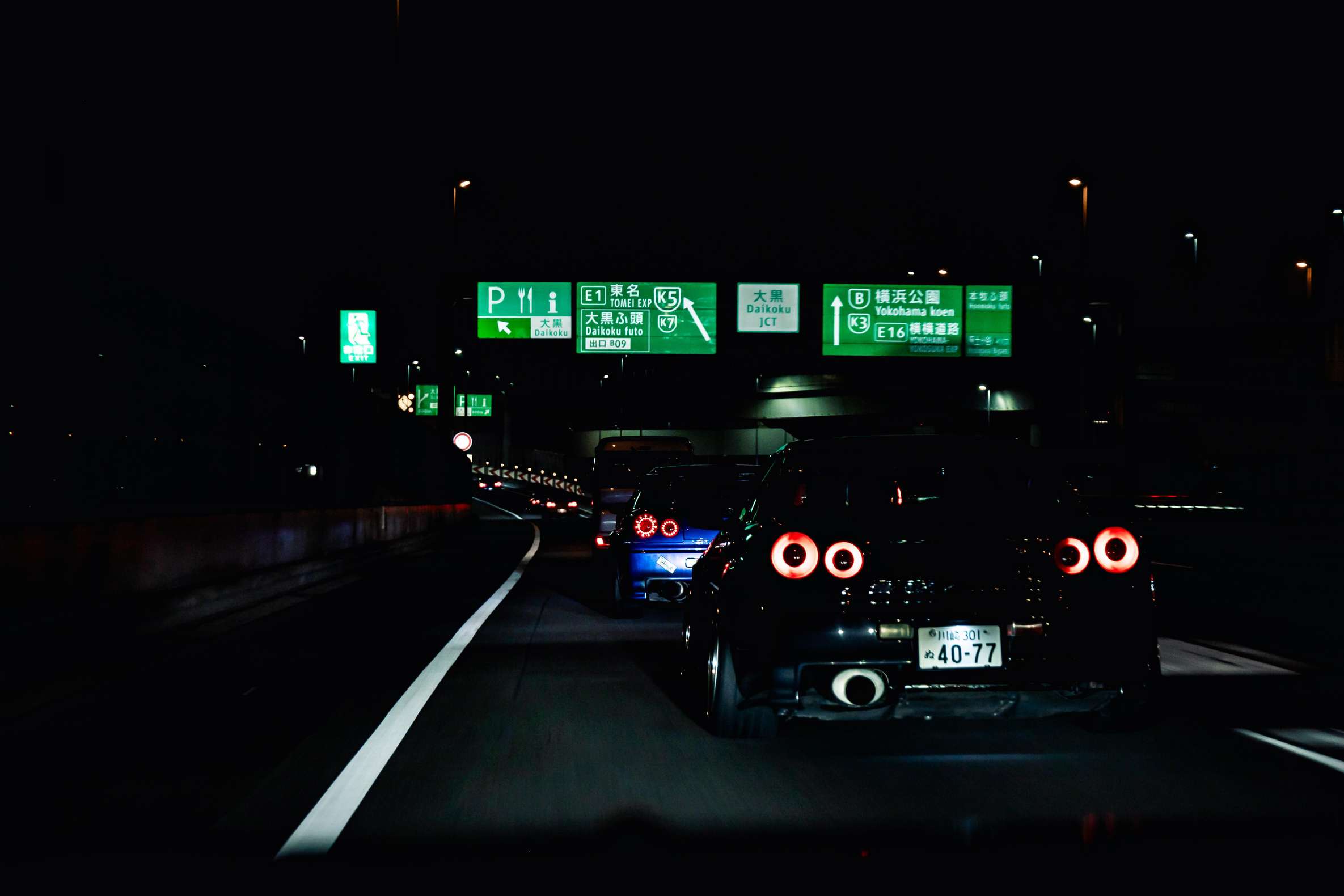
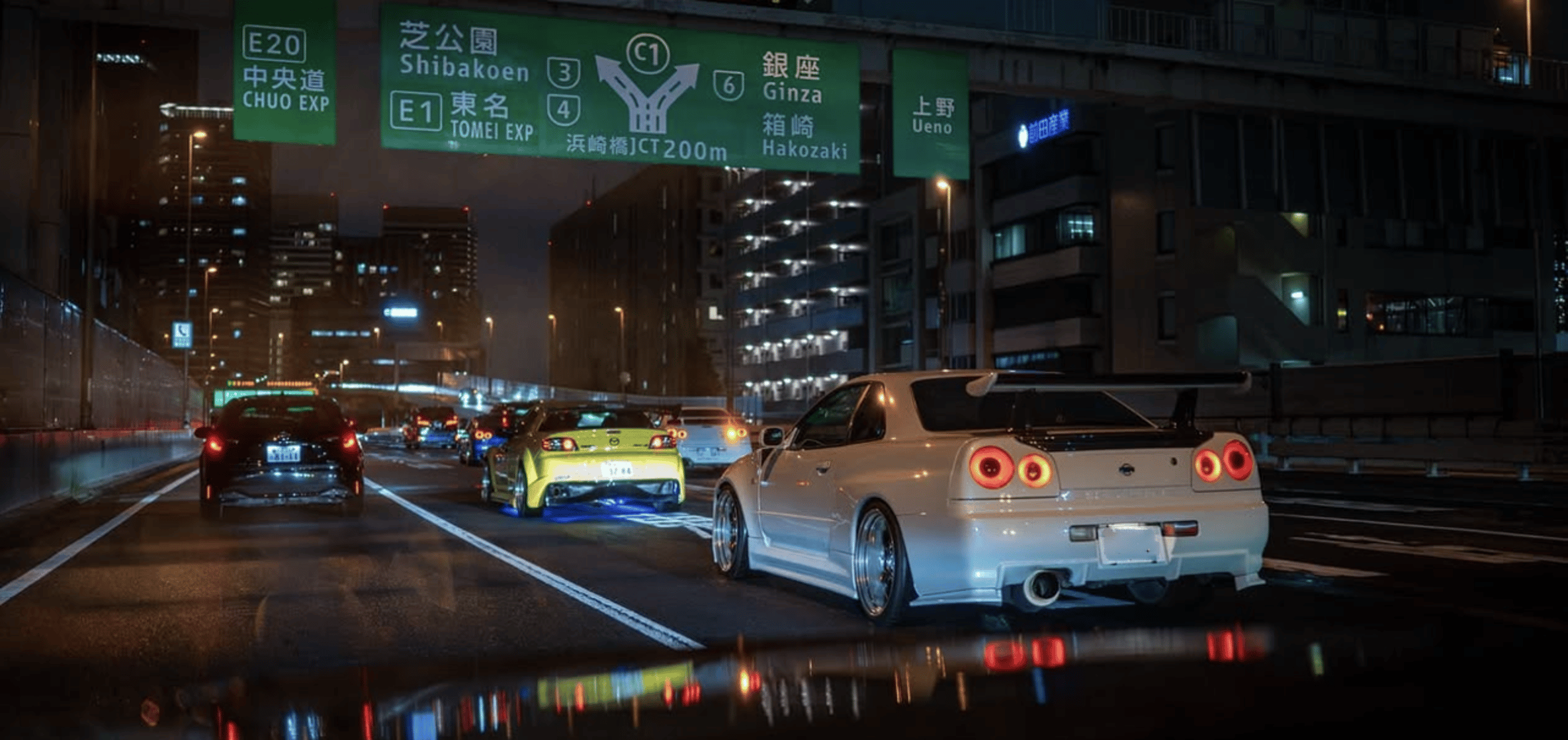
Most private outings run three to four hours. Pickup comes first, from your hotel or a fixed spot, then the expressway run: tunnels, the lit sweep of Rainbow Bridge, Tokyo Bay below.
Guides talk as they drive, explaining the cars and answering questions, and on some tours they translate for you with owners at the meet.
1
Pickup in central Tokyo
Your driver meets you at the hotel or meeting point
Most tours confirm the contact by WhatsApp or Instagram beforehand
2
Night drive across the bay
Tunnels and the Rainbow Bridge crossing
The drive itself is half the night, so window seats matter
3
The meet at Daikoku PA
Time to walk, browse and photograph
An hour or more is typical on private bookings
4
Tokyo Tower photo stop
A short stop on the return
Times shift with traffic and the night's mood
5
Drop-off
Back at your hotel or a central point
Night drives mean a late return, plan for it
At the meet you walk the lot at your own pace, because a private booking sets its own schedule and lingers as long as you like. A photo stop at Tokyo Tower often closes the loop.
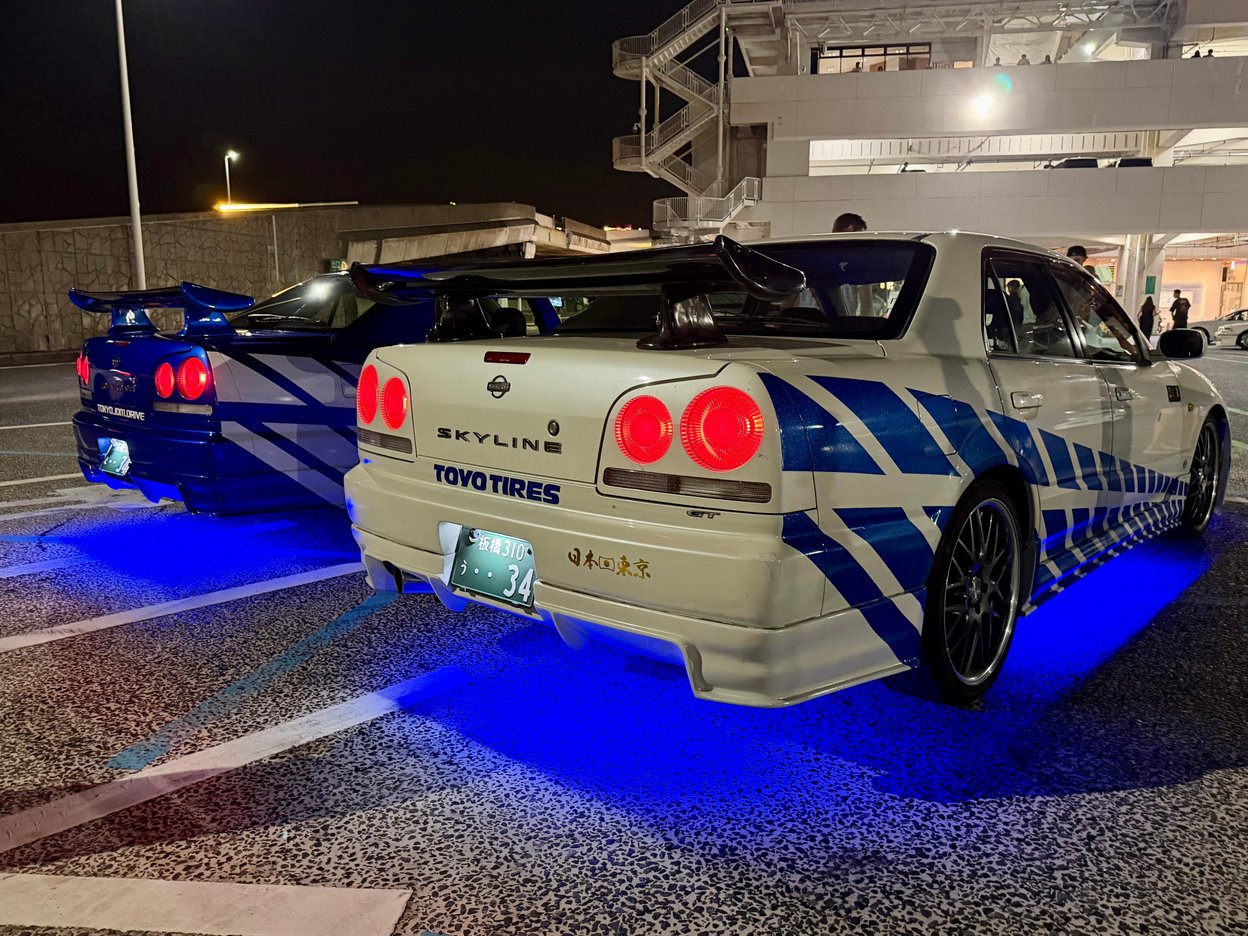
One option that strings these stops together is the Fast and the Furious lll/Tokyo Tower/DAIKOKU PA/JDM Car Meet, which rides a modified JDM car with a local guide, runs photo and video support at recommended spots, and crosses Rainbow Bridge on the way. No international driving permit needed, since a driver is arranged for you.
Tour for this
【R34】Daikoku PA Private Tour, Tokyo JDM Night Experience4.9★ (181) · 3 hours · Hotel pickup · Free cancellation
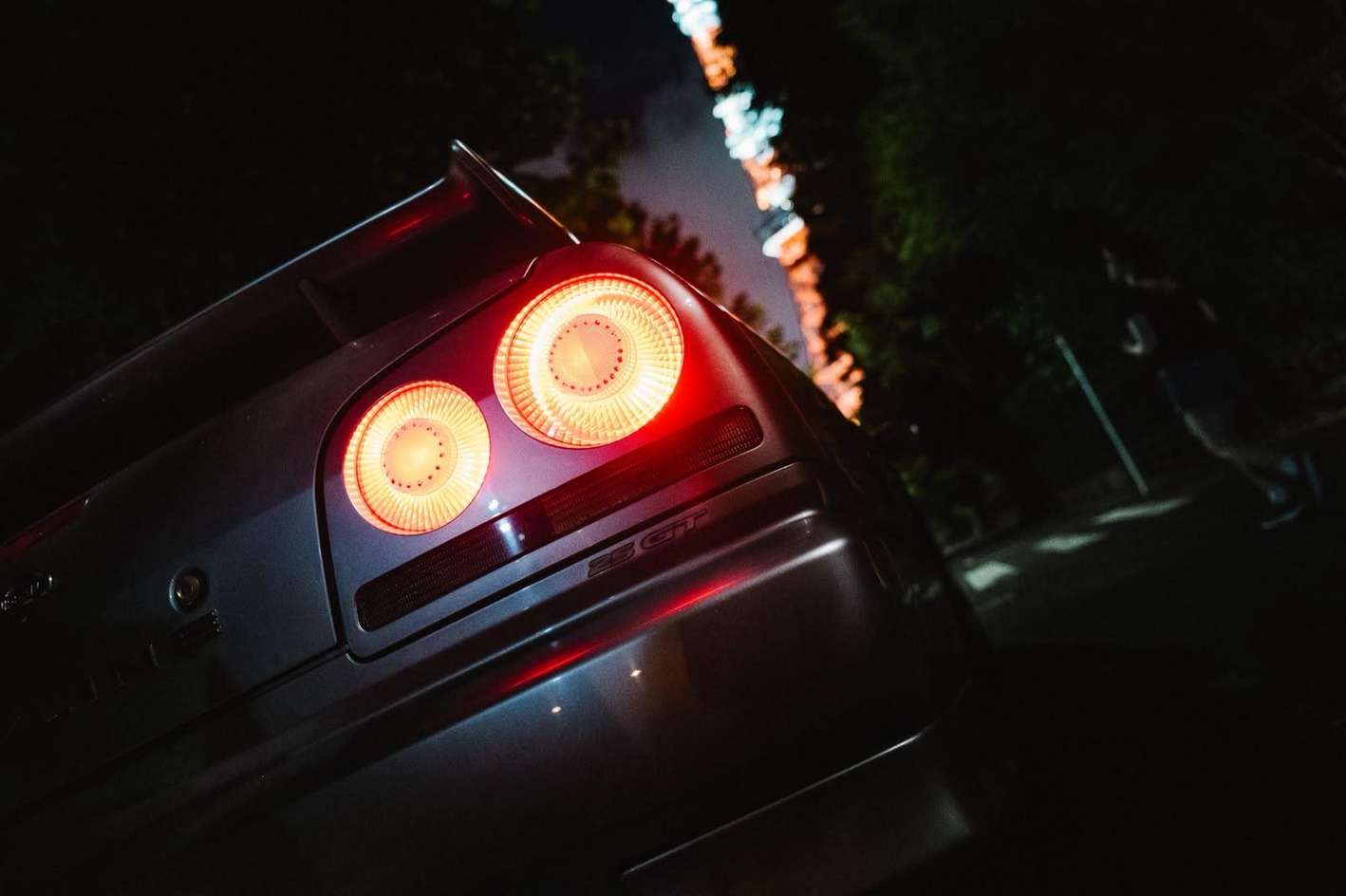
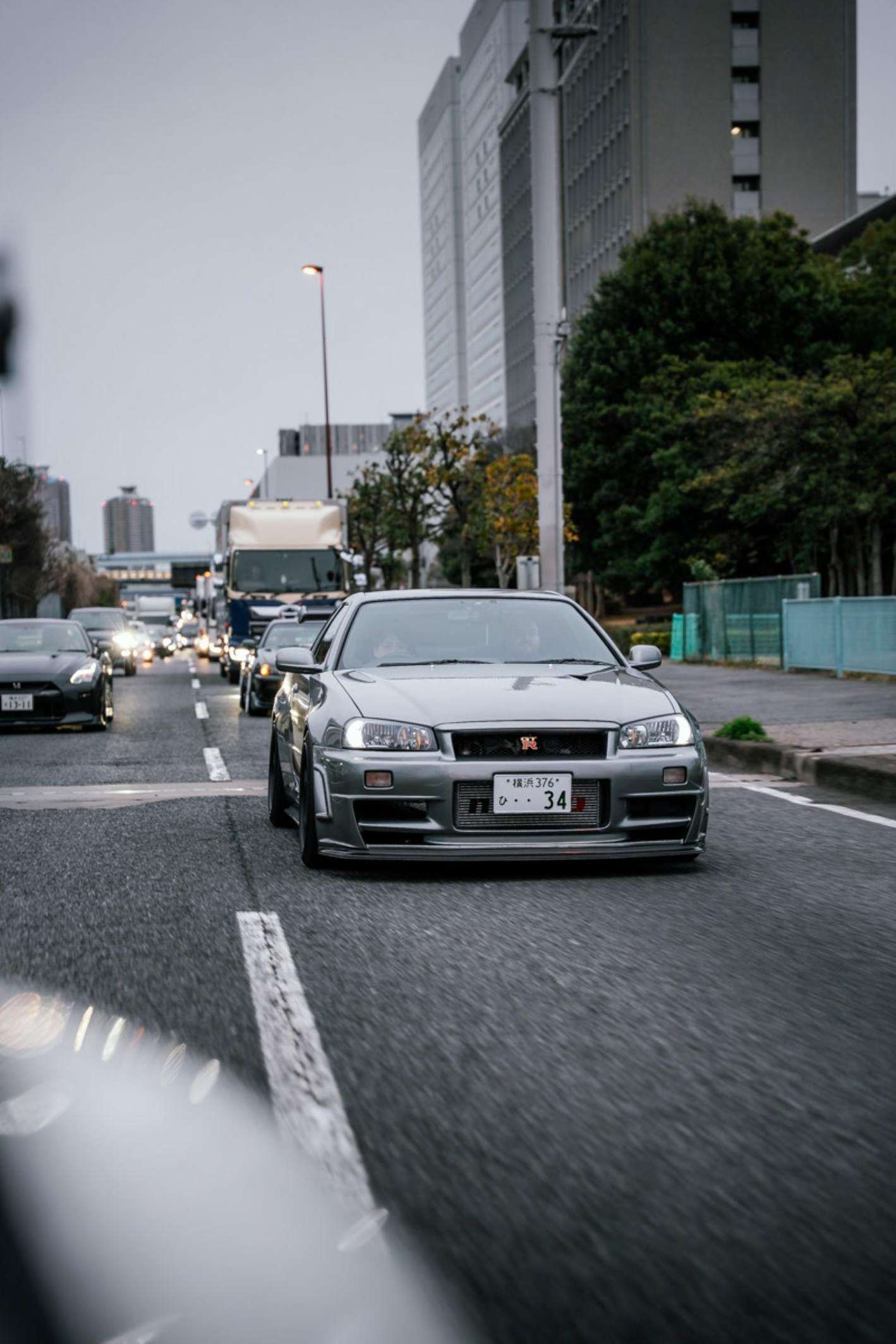
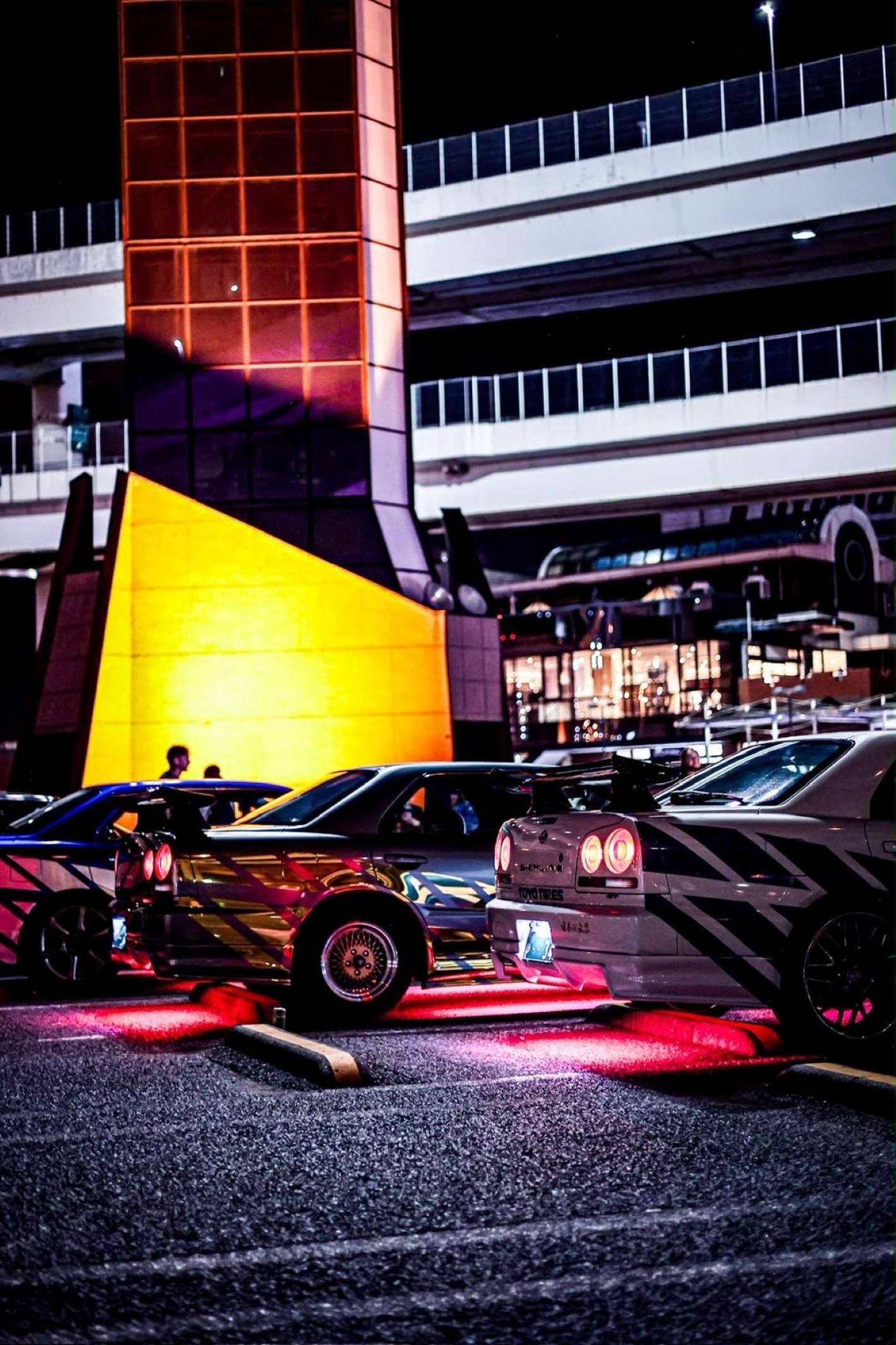
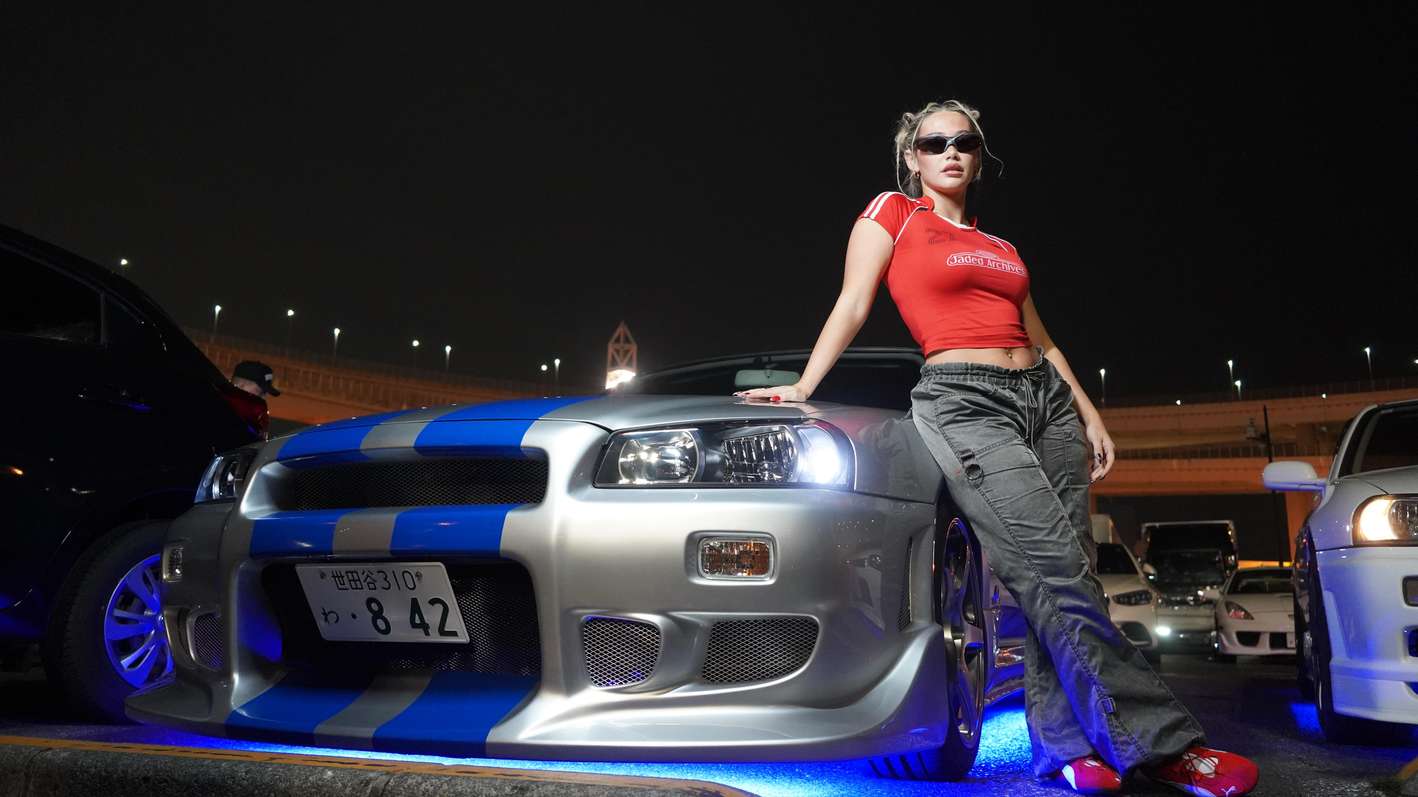
The car decides the character of the night more than the itinerary does. The R34 GT-R is the icon of JDM culture: the RB26 sound, the Fast and Furious legacy, and more attention at the meet than even the R35 pulls.
Its 280 hp is modest by modern numbers; what you buy is sound and heritage.
R34 GT-R
Supra JZA80
Silvia S15
Character
RB26 sound, heritage, the car the culture is built around
350 hp 2JZ-GTE, smoother and more relaxed
Light, sharp, drift-culture energy
Ease of the ride
An older manual car that can feel demanding in Tokyo traffic
Easier and less stressful, leaving room for the route
Compact and playful, low enough to photograph well against neon
Who it suits
Fans who want the icon and its attention at the meet
Guests who want the city and the drive without the pressure
S-chassis people who love the 2000s side of JDM
R34 GT-R
Character
RB26 sound, heritage, the car the culture is built around
Ease of the ride
An older manual car that can feel demanding in Tokyo traffic
Who it suits
Fans who want the icon and its attention at the meet
Supra JZA80
Character
350 hp 2JZ-GTE, smoother and more relaxed
Ease of the ride
Easier and less stressful, leaving room for the route
Who it suits
Guests who want the city and the drive without the pressure
Silvia S15
Character
Light, sharp, drift-culture energy
Ease of the ride
Compact and playful, low enough to photograph well against neon
Who it suits
S-chassis people who love the 2000s side of JDM
Some tours let you try or switch between several cars, so if a particular model matters to you, ask about availability before you book.
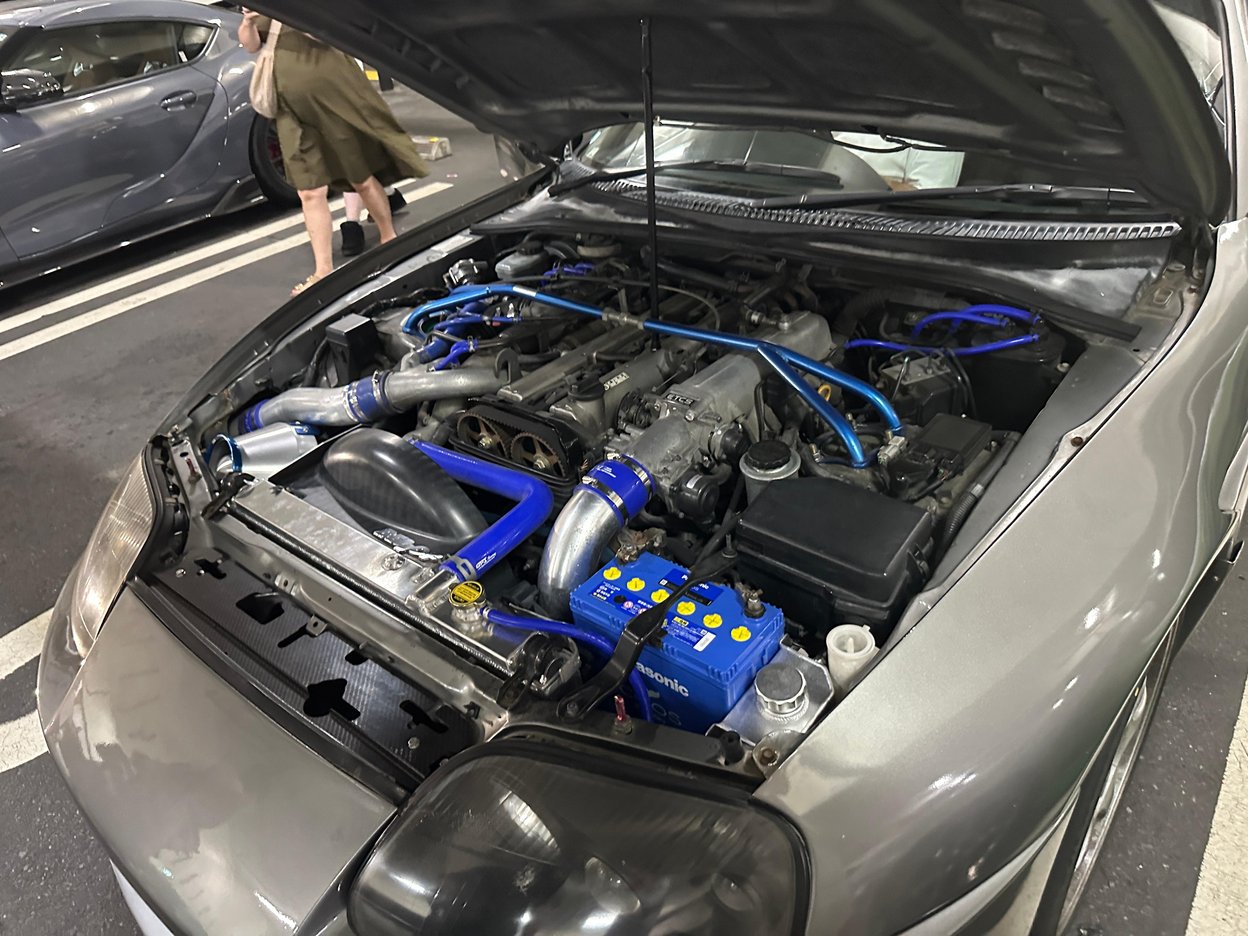
On the 700HP R34 GT-R private tour you pick between a 550HP and a 700HP R34 GT-R, ride in it for the whole outing, and cruise together with a group of other R34s, which is rolling footage you cannot arrange on your own.
Tour for this
Tokyo: JDM R34 Skyline drive & Daikoku PA car meet5.0★ (234) · 3 - 6 hours · Hotel pickup · Free cancellation
Private versus shared - what you're really paying for
The word private on a listing does not always mean what you hope. On some tours, options named Random Sports Car or R34 Random are shared rides where other guests may be booked into your car. On another, every option except the VIP package can put strangers in the vehicle with you.
What a genuine private booking buys is easy to list. Your group only, the car you chose kept for the whole night, hotel pickup anywhere in Tokyo, and a route that bends to your interests, weather and how long you want to linger at the meet.
Shared tours assign the vehicle on the night, run a fixed schedule and often ask you to meet at a station with no pickup at all.
Private bookings are often priced per vehicle, so for a group of three or four the gap against shared seats narrows fast. Some run to as many as nine guests across three vehicles.
The R34 Daikoku PA Private Tour is the clean example: no shared tours, no strangers, hotel pickup and drop-off in the Tokyo area, and a choice between the R34 Skyline or a Supra, R35 GT-R, R32 GT-R, Silvia, 180sx or RX-7.
You also join a convoy of ten or more JDM legends, led by a guide who owns an R34 himself.
Tour for this
Daikoku & Tokyo Private JDM Tour in 700HP R34 GT-R4.9★ (183) · 3 - 4 hours · Hotel pickup · Free cancellation
There is no schedule to check, because the meet has no organizer. Cars show up on any night of the week; the real question is how big the crowd will be and whether the lot stays open.
Friday and Saturday fill deepest, with cars arriving from around 5 pm and the peak running 9 pm to 1 am. Sunday mornings belong to classics and exotics in daylight; weeknights run quiet but rarely empty.
How busy it gets, month by month
April: 5 out of 5 for how busy it gets.
HighestMar to Apr, Sep to Oct
In betweenJan, May, Aug, Nov
LowestFeb, Jun to Jul, Dec
Darker: a higher how busy it gets score, out of 5
Tap a month to read it.
The seasons matter for booking, not for the meet itself, which runs all year. April is the busiest month for these tours, followed by October and September, with March and November close behind; in those months book several weeks ahead. June, February and December are quiet, and travelers there often book within days of going.
The catch on weekend nights: police close the Daikoku meet down by about 8:30 pm on Thursday through Saturday, and closures from around 8:30 pm on Fridays, Saturdays and holidays have become the norm in 2025 and 2026.
Operators answer by pulling weekend pickups forward to 4 or 5 pm. Weekday nights are far less likely to end in a closure, which makes a Tuesday ride the calm, reliable choice.
How to tell a real operator from a listing that will let you down
Carrying paying passengers in Japan requires a transport license and a green license plate, and not every listing on a booking platform has one. Check the licence before the photos.
A registered operator states its insurance and registration openly; some note that transport is free and the fee covers the guide service, per Japan's Road Transport Law.
Myth vs reality
MythA photo of a specific car on the listing reserves that car for you
Reality
Vehicle type and seating are rarely guaranteed; ask in writing whether your model is confirmed
MythEvery platform listing is a licensed tour
Reality
Only operators with a green-plate transport licence can legally carry paying passengers
MythThe title guarantees the itinerary
Reality
The legal notice and package details are the actual contract; read those, not the headline
Beyond the licence, three checks separate the good from the loose. The listing names the actual cars you ride in, and van means you only walk around the lot. It states in advance what happens if Daikoku is closed. And it says what is guaranteed on your date: meeting time, point, finish and return.
After booking, hand over a WhatsApp or Instagram contact and keep notifications on; the operator emails within 48 hours and messages before start time if anything changes.
One mistake to avoid entirely: leaving the ride question until you land. Tours sell out, and turning up hoping for a seat is a gamble that ends with you asking strangers.
Tour for this
Tokyo: R34 & GT-R at Daikoku PA After Dark, Tokyo Drift Meet4.5★ (16) · 2 - 3 hours · Free cancellation
Getting to the meeting point from wherever you're staying
Daikoku PA itself is unreachable on foot, by train, by bus or by taxi: it sits inside the Shuto Expressway with no pedestrian gate and no taxi rank.
The only way in is in a vehicle already on the expressway, which is exactly why every private tour starts in central Tokyo. Your real journey is from your hotel or the airport to that pickup point.
Ways to get to the Daikoku PA tour meeting points in Tokyo
From Haneda Airport, a taxi to central Tokyo runs about 33 minutes without traffic. From Tokyo Station, about 20 minutes; from Shinjuku, around 12. The tours meet or collect at Shibuya, Akihabara, Tokyo Station or your hotel, so pick the pickup that shortens your own leg.
Two practical notes from the city itself. Central parking is costly or missing near hotels, which is a reason to let the tour drive rather than renting for the evening.
And if you are out late after drop-off, check your last train, since services end around midnight; a night that finishes near 1 am is a taxi night, not a rail night.
Arrive at the meeting point ten minutes early with your phone charged. The driver's message before start time is the last thing you want to miss.
Tour for this
Fast and the Furious lll/Tokyo Tower/DAIKOKU PA/JDM Car Meet4.9★ (260) · 3 - 4 hours · Free cancellation
Licences and documents - who can ride and who could drive
Passengers need almost nothing: a passport or ID card, and no driving license, because a professional driver does the driving. Some tours ask participants to be 18 or accompanied by a legal guardian.
Pro tipImportant Digital and app-based licences are not accepted anywhere in this process, only original physical documents, and a 1968 Vienna Convention permit is invalid in Japan. Only the 1949 Convention IDP works, or a JAF-certified Japanese translation for licences from Switzerland, Germany, France, Belgium, Monaco or Taiwan.
If you hope to take the wheel on a self-drive option, the list grows. Drivers must be 23 or older, and bring a valid international driving permit, a physical home-country license, an original passport and a valid credit card, with advance registration completed. Photocopies, photos and expired documents are refused at the desk.
Drivers from the six translation countries carry their local license plus the certified Japanese translation and their passport; US military personnel and families can drive on a SOFA license with a state license and military ID.
The honest default: most private Daikoku tours are passenger rides with the driving done for you. That is not a compromise. The guides know the expressway, and the night is better spent watching the cars than the road.
Tour for this
Daikoku: Tokyo drift carmeet with Supra/R34/Silvia/R35/Evo4.9★ (140) · 2.5 - 3 hours · Free cancellation
The meet happens in the open, at night, at a rest stop on the bay. Tokyo nights at Daikoku run from about 1°C on winter evenings to over 25°C in midsummer, and you stand around in it, so a light jacket earns its place even in warmer months.
What to bring for a private JDM tour in Tokyo
Comfortable clothing and shoesThe tours involve walking around the car meets and participating in driving experiences.
Camera or phoneThe cars are highly photogenic and the tour offers many scenic views of Tokyo.
Light jacketSome parts of the experience take place outdoors, and temperatures can be cooler in the winter months.
Rain gearMany months experience significant precipitation, so preparing for rain is advisable.
Comfortable shoes matter more than people expect. Walking the lot, stepping over kerbs and photographing cars takes an hour or more on your feet, and operators ask for exactly that: clothing and shoes suitable for walking, a camera, and a weather check before you go.
Rain rarely kills the meet. Visitors in April 2025 found plenty of cool cars despite a wet night, so pack rain gear rather than canceling plans.
What does close the PA is heavy rain or police activity, and in that case the operator moves the night elsewhere, so the jacket and the rain shell both stay in your bag.
Eat dinner first and bring water, because most tours include no food or drinks, though the PA itself has a restaurant and a Lawson once you are there. Leave the large suitcase at the hotel; space inside a sports car is limited, and you will be climbing over a roll cage to a rear seat.
Tour for this
Tokyo: Private Tokyo JDM Car Meet Experience at Daikoku PA5.0★ (1) · 4 hours · Hotel pickup · Free cancellation
Meet etiquette - how not to be the tourist who ruins it
The rules at Daikoku are few and strict, and they exist because disrespectful tourists stopped some owners from bringing their cars at all.
Never touch, lean on or sit in a car without the owner's explicit permission, no matter how good the photo would be. Photography is welcome; photographing interiors or engine bays is not, unless you ask first.
What nobody tells you
Start conversations with a genuine compliment on the build
Owners open up when you praise the work, not the wallet; asking about prices or whether a car is for sale is the fastest way to end a chat
Blur or crop number plates before posting photos online
Owners care where their plates end up, and shooting without permission irritates them for good reason
Keep volume down and never rev, do burnouts or play loud music
This behavior is what brings police and gets the whole meet shut down for everyone
Stay out of the roadways. Walking into or out of the PA on foot is illegal and dangerous, and trespassing tourists are the biggest problem the meet faces. Police watch behavior and act on complaints.
If an owner is busy or avoids eye contact, respect it and move on. Park in marked spaces, take your rubbish with you, and when staff or police ask people to move, comply quietly and calmly. That is the whole code, and following it is what gets you welcomed rather than tolerated.
If Daikoku is closed - your plan B, refund and backup spots
Closures are decided on the night, by the expressway operator working with police, so there is no schedule to look up in advance. The lot can shut without notice once it fills, most often on Fridays, Saturdays, three-day weekends and holidays from about 8:30 pm, while Monday to Thursday closures are rare.
Can stop the day
On Thursday-to-Saturday nights police shut the meet down by about 8:30 pm, and 'Daikoku was closed' is not automatically a refund trigger Read the closure clause before you pay, and ask in writing what the operator does when the lot shuts
A good private tour does not end in nothing. Most divert to a fallback lot such as Umihotaru PA or Tatsumi PA, mid-bay parking areas that draw their own crowds, and several tours offer a full refund if you decline the alternative.
Once the entrance has closed, do not count on it reopening later that night.
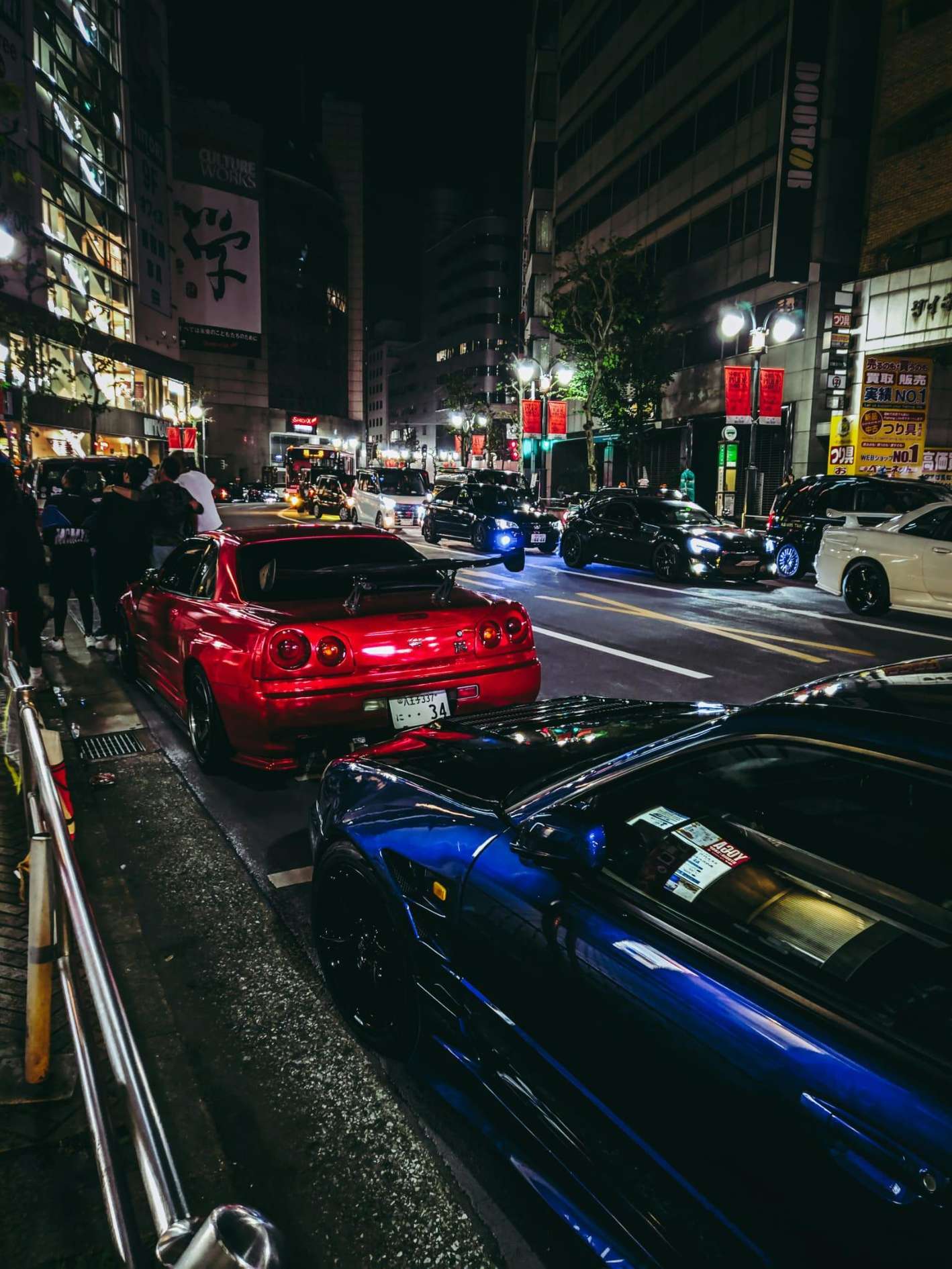
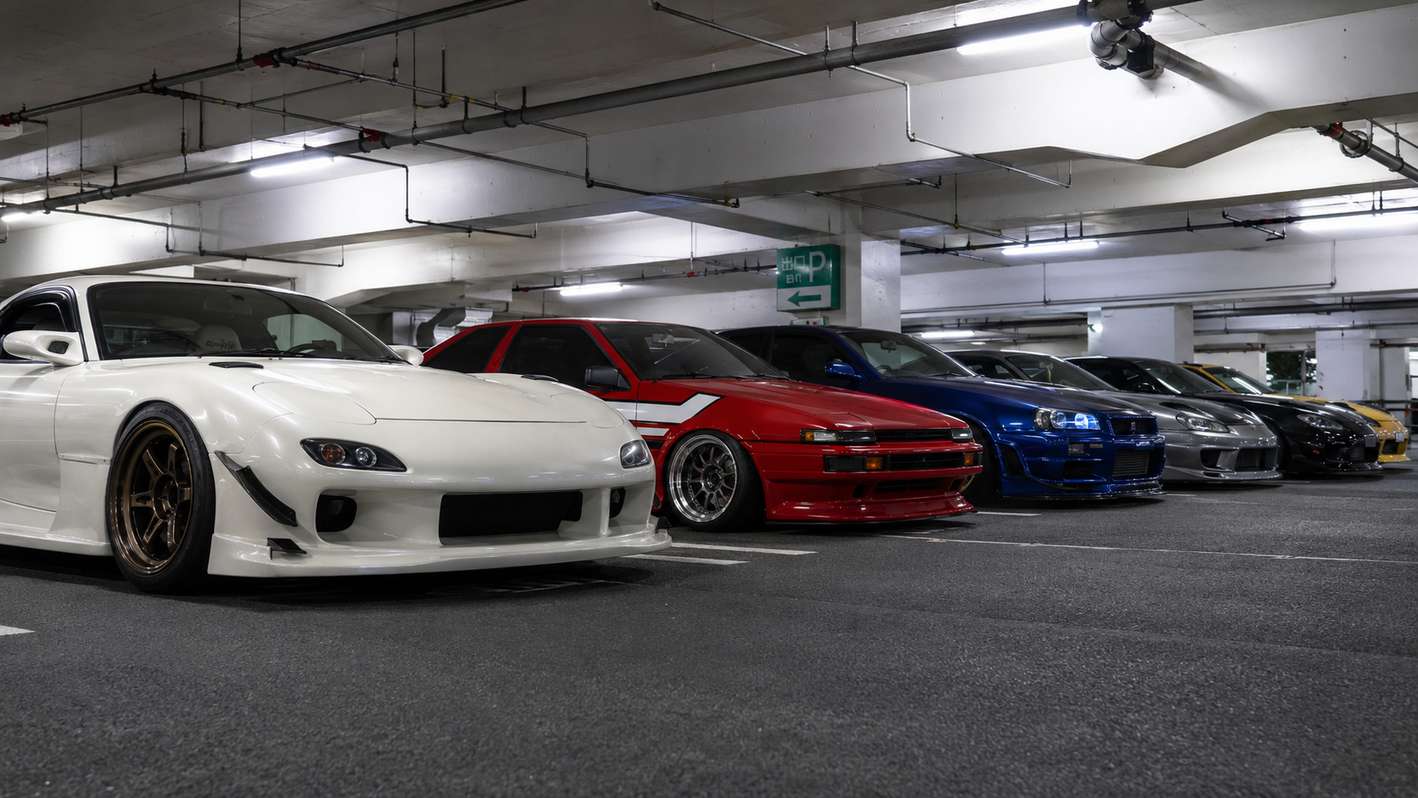
Walkable backups exist for the following day: Shibuya near the crossing in the evening, the underground garages at Shibuya and Akihabara on Friday and Saturday nights, exotic cars along Meiji Jingu Gaien, and itasha at the Akihabara UDX lot.
The 【R34】 Daikoku PA Private Tour states its closure plan up front: if Daikoku PA is closed and cannot be visited, you get an alternative location or a full refund. Confirm the same sentence in writing from any operator before you pay.
While you're in the area - what else to see near the start point
The pickup district rewards the hours before your driver arrives. A small museum sits four minutes away on foot, and a shrine six minutes from the meeting point, enough to fill a waiting hour without rushing.
Ten minutes on foot brings you to a water garden that is one of Tokyo's quietest green spaces, and a twelve-minute walk reaches a major temple and a shrine dedicated to the fish market that once stood nearby. For a longer gap between check-in and pickup, the Hie Shrine sits about twelve minutes by car.
Two notes on timing. Many of these places close by late afternoon, so they suit the hours before an evening pickup rather than a midnight stop; a night tour finishes too late for any of them.
And if your tour drops you back near midnight, the walkable backups for car spotting, Shibuya and the Akihabara garage, are the things still awake.
The practical shape of the day: museums and gardens in the afternoon, dinner early, pickup at dusk, and the meet as the nightcap.
A private JDM tour to Daikoku PA is the most concentrated night of Tokyo car culture you can buy, and the difference between a great one and a flat one comes down to three choices: the car, the closure clause and the night you pick.
Confirm the car in writing, confirm what happens when the lot shuts, and favor a weekday or an early weekend pickup.
Go ifYou want a specific JDM car kept for your group all night, with hotel pickup and a pace that follows youYou are a group of three or more, where per-vehicle private pricing closes the gap against shared seatsYou can take a weekday night or an early weekend pickup, when closures are rare and the meet still runs
Skip ifYou want a guaranteed spectacle at a fixed hour: the meet is informal, and no operator can promise what the lot holds on your nightYou expect drifting or racing on the night: public-road drifting is illegal in Japan, and legitimate tours refuse itYou are booking in April, October or September with only a day or two of slack, when the best options are already taken
Our pick to book
Tokyo: JDM R34 Skyline drive & Daikoku PA car meet5.0★ (234) · 3 - 6 hours · Hotel pickup · Free cancellation
Quick answers to what people ask before booking a private JDM trip to Daikoku PA.
Can you get to Daikoku PA by train, taxi or on foot?
No. Daikoku PA sits inside the Shuto Expressway with no pedestrian gate, bus stop or taxi rank, so the only way in is in a vehicle already on the expressway. Every tour on this page starts in central Tokyo and drives you there, which is exactly why a private JDM tour works so well.
What does "private" actually mean on a Daikoku tour?
The car is for your group only, with a dedicated driver-guide, and you move on your own schedule rather than a fixed one. You choose your vehicle and stay in it all night, and you get hotel pickup instead of meeting a group at a fixed spot.
Is a private JDM tour worth it for a small group?
Private bookings are often priced per vehicle rather than per person, so for two to four people the gap against shared seats can close or disappear. Add the flexible pace, the hotel pickup and the car of your choice, and the case gets easier for groups and families.
Which car should I pick: R34 GT-R, Supra or Silvia?
The R34 GT-R is the car JDM culture is built around, and its RB26 sound and Fast & Furious legacy draw more attention at meets than even the R35.
The Supra JZA80 uses the 2JZ engine, while the Silvia S15 is light, low and tied to drift culture. If a particular model matters to you, ask about it when you book.
How long does a private JDM tour to Daikoku PA take?
Most run three to four hours. On this page the private options run from three hours up to a six-hour R34 drive, which leaves more time at each stop and takes in Tokyo and Yokohama at a relaxed pace.
Will the Daikoku PA car meet actually be happening on my night?
There is no schedule to check: the meet is informal, with cars showing up any night of the week. Friday and Saturday nights draw the biggest crowds from around 5 pm, with the deepest turnout between 9 pm and 1 am. Weeknights run far quieter but are rarely empty.
What happens if Daikoku PA is closed when my tour arrives?
Police can close the lot without notice once it fills, usually on weekend nights. Most tours divert to a fallback lot such as Umihotaru PA or Tatsumi PA rather than end the night, and some offer a full refund if you would rather not take the alternative.
Do these private tours include real drifting?
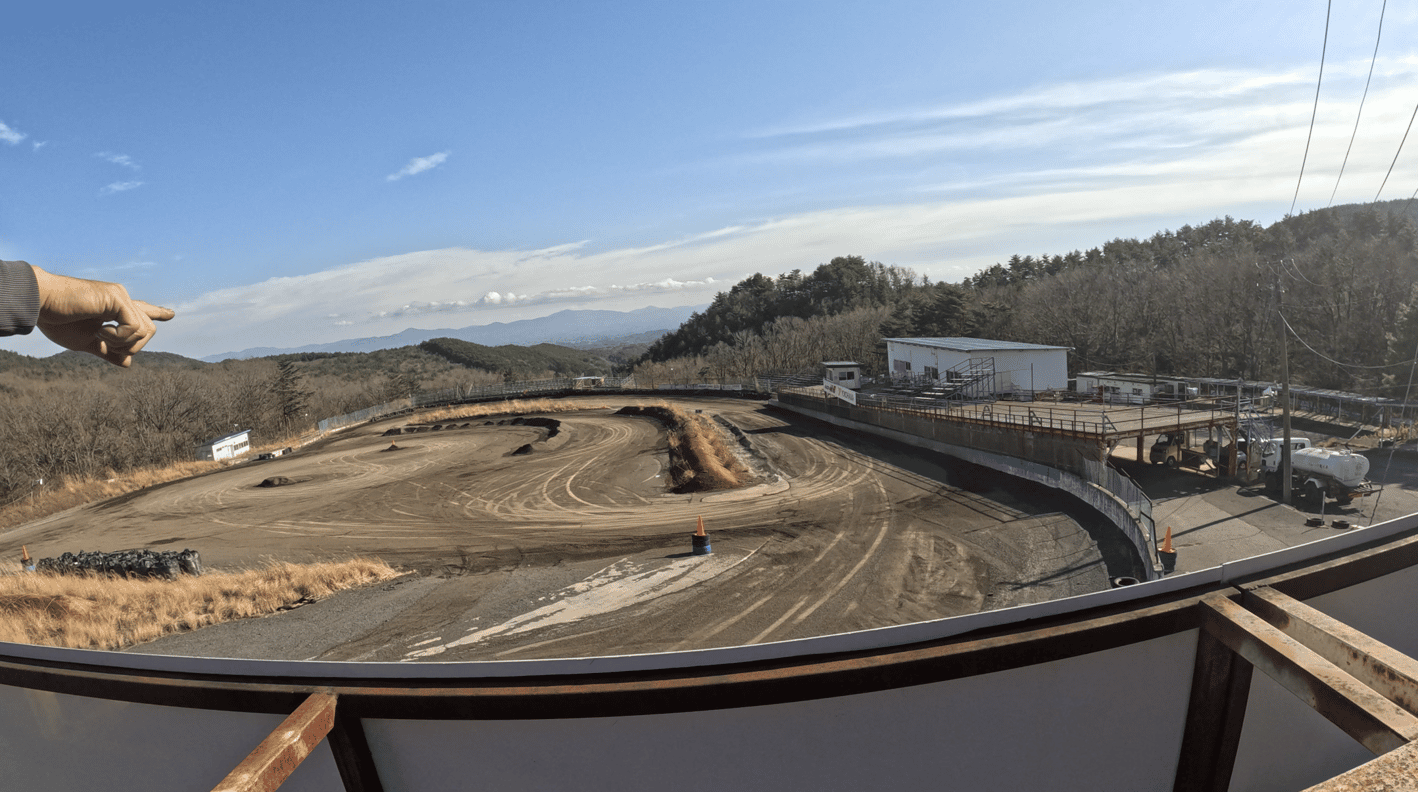
Drifting on public roads is illegal in Japan, so the tours ride the expressways legally and take you to meets where drift-built cars gather. For drifting behind the wheel, a track day at Ebisu Circuit is the legal answer.
Do I need a driving license for a private JDM tour?
No. Private Daikoku tours are passenger rides with a professional driver, so no international driving permit is needed. You ride, take photos and walk the meet while the driver handles the expressways.
What should I bring on a private JDM night tour?
Comfortable shoes and clothes you can walk and stand in, a camera or charged phone for the night shots, and a light jacket because parts of the evening happen outdoors. Most tours include no food or drinks, so eat before you go.
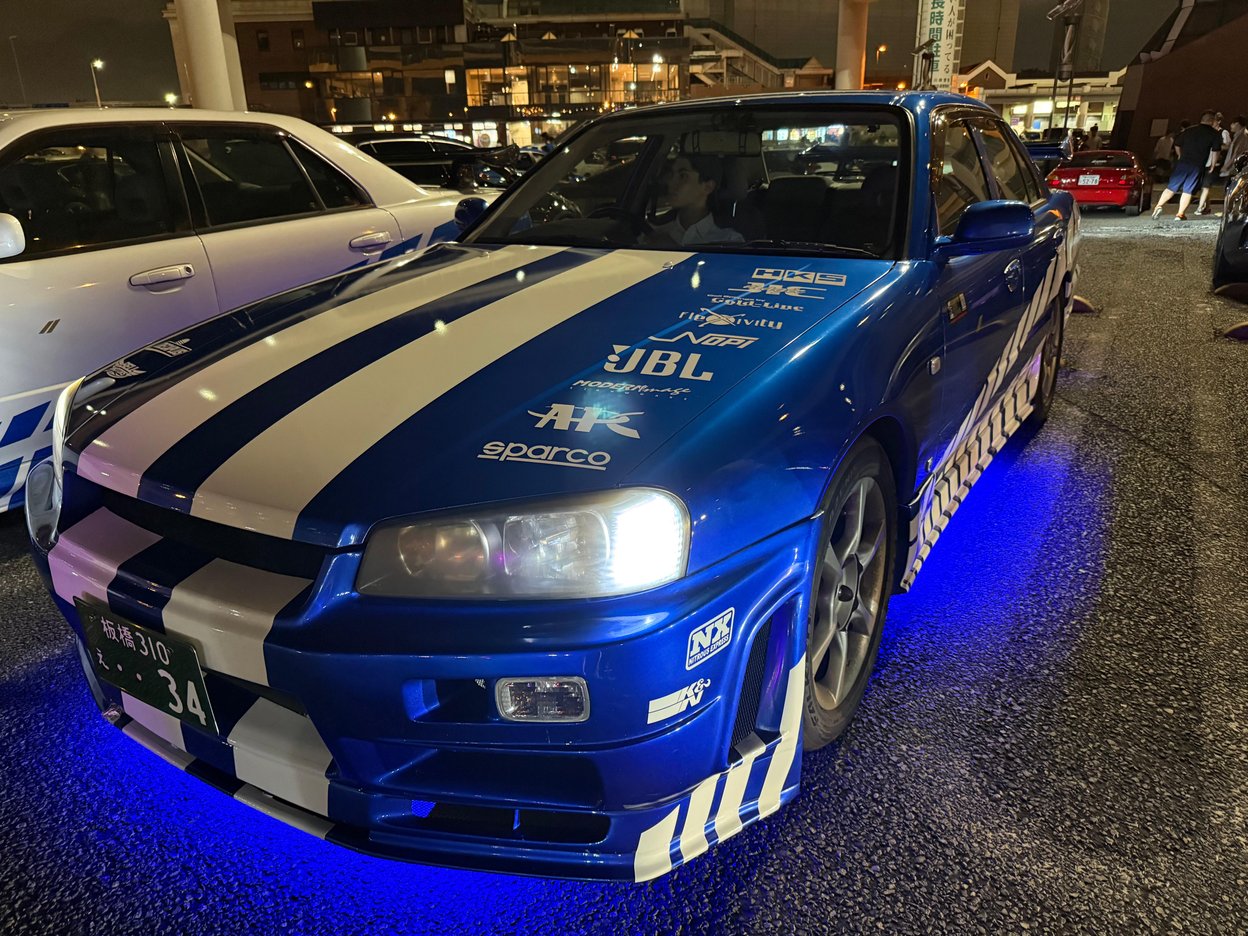
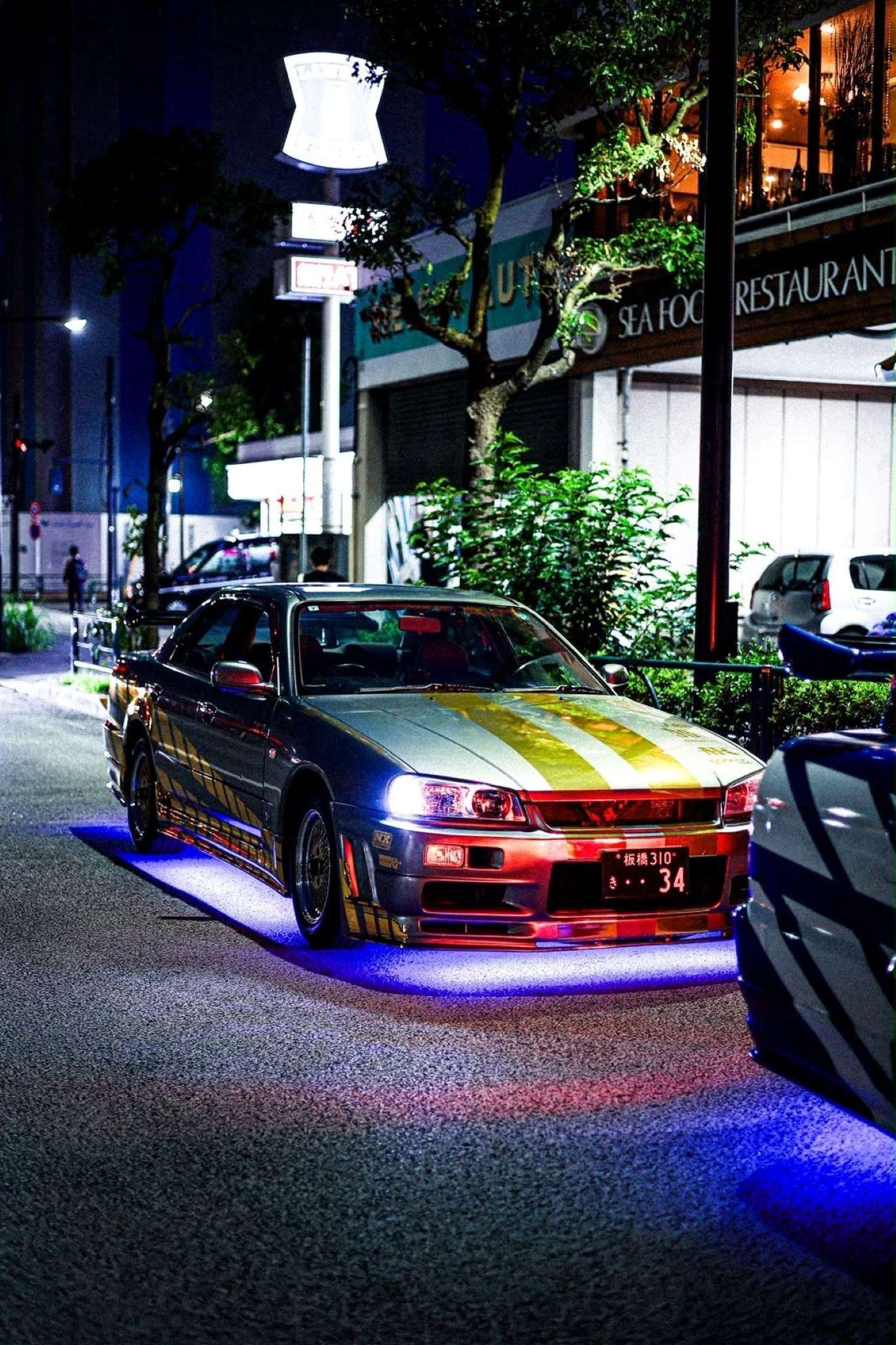
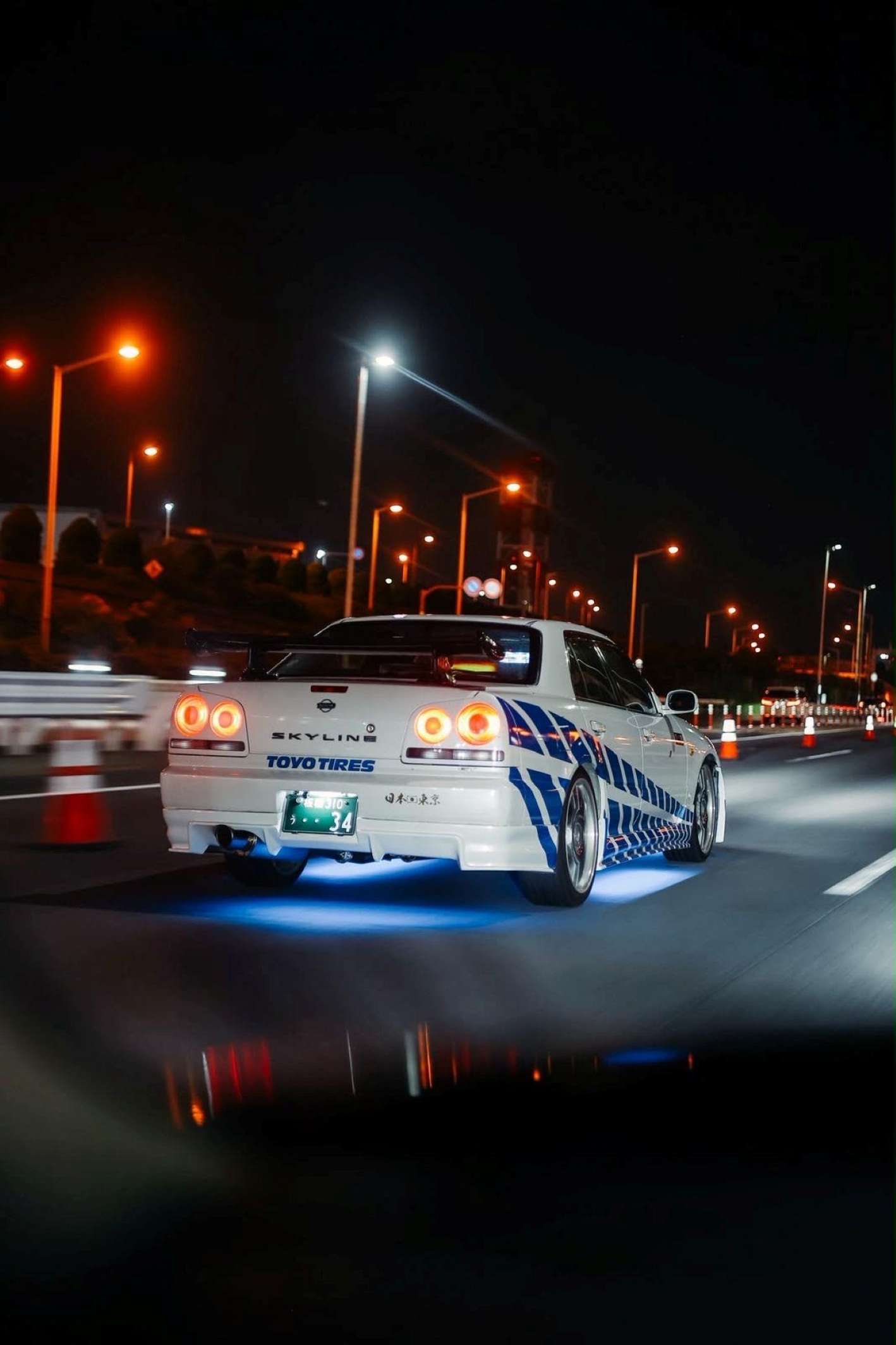
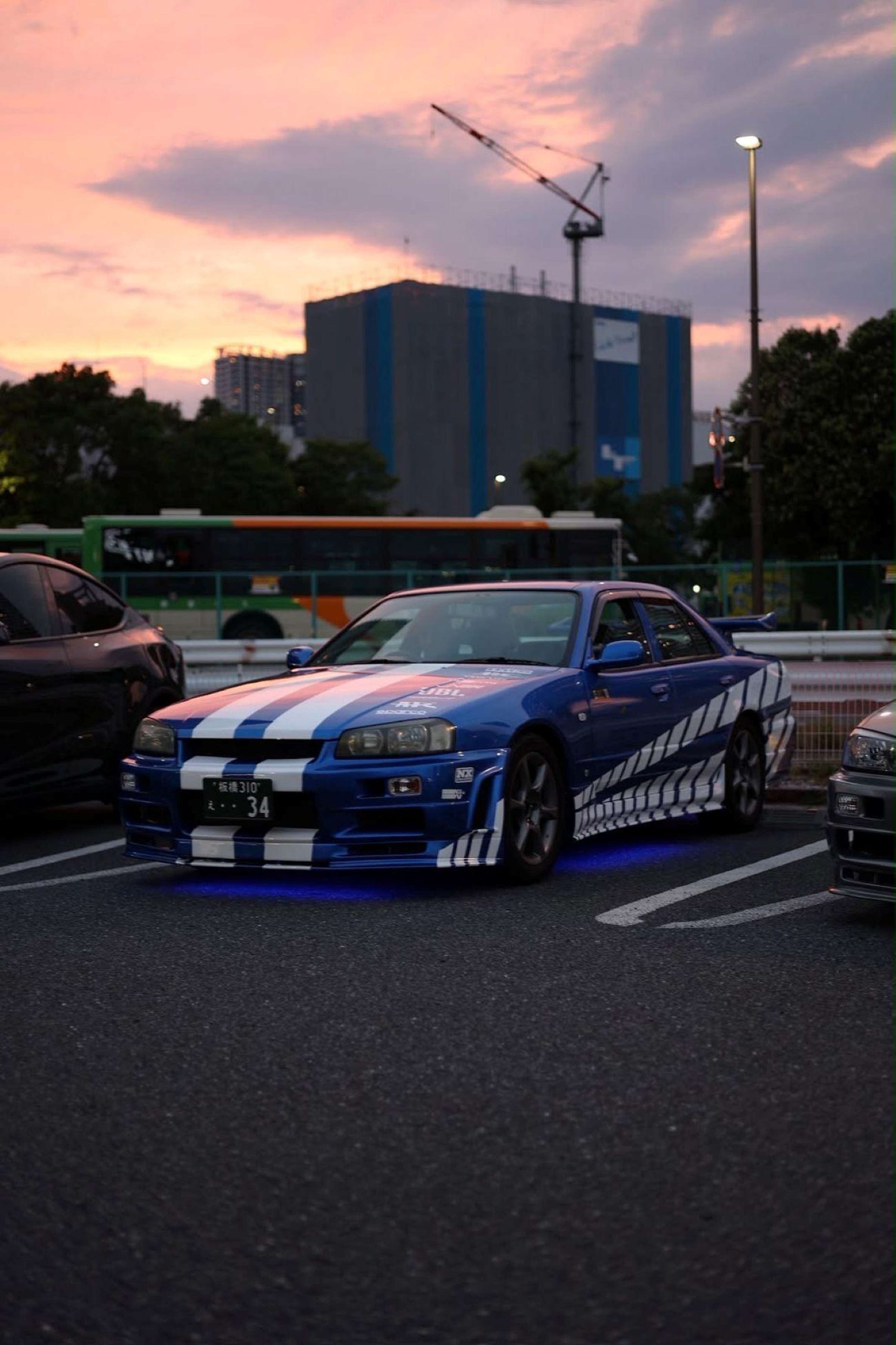
Cruise to Daikoku PA in a private R34 Skyline styled like Brian O'Conner's, with a photographer driver and hotel pickup, and free cancellation up to 24 hours in advance.