Rent a Supra in Tokyo - Availability and Booking Options
Want the keys to a Supra in Tokyo? A tuned Mk4 Supra night ride to Daikoku PA books tonight, and if you would rather hold the wheel yourself, the self-drive GT-R tour hands it over. Pick your night, pick your car, and book.
Renting a Supra to drive yourself is not one of the experiences on this page. What is on sale here: a Supra as a guided passenger ride, and a self-drive option in a Skyline GT-R, not a Supra.
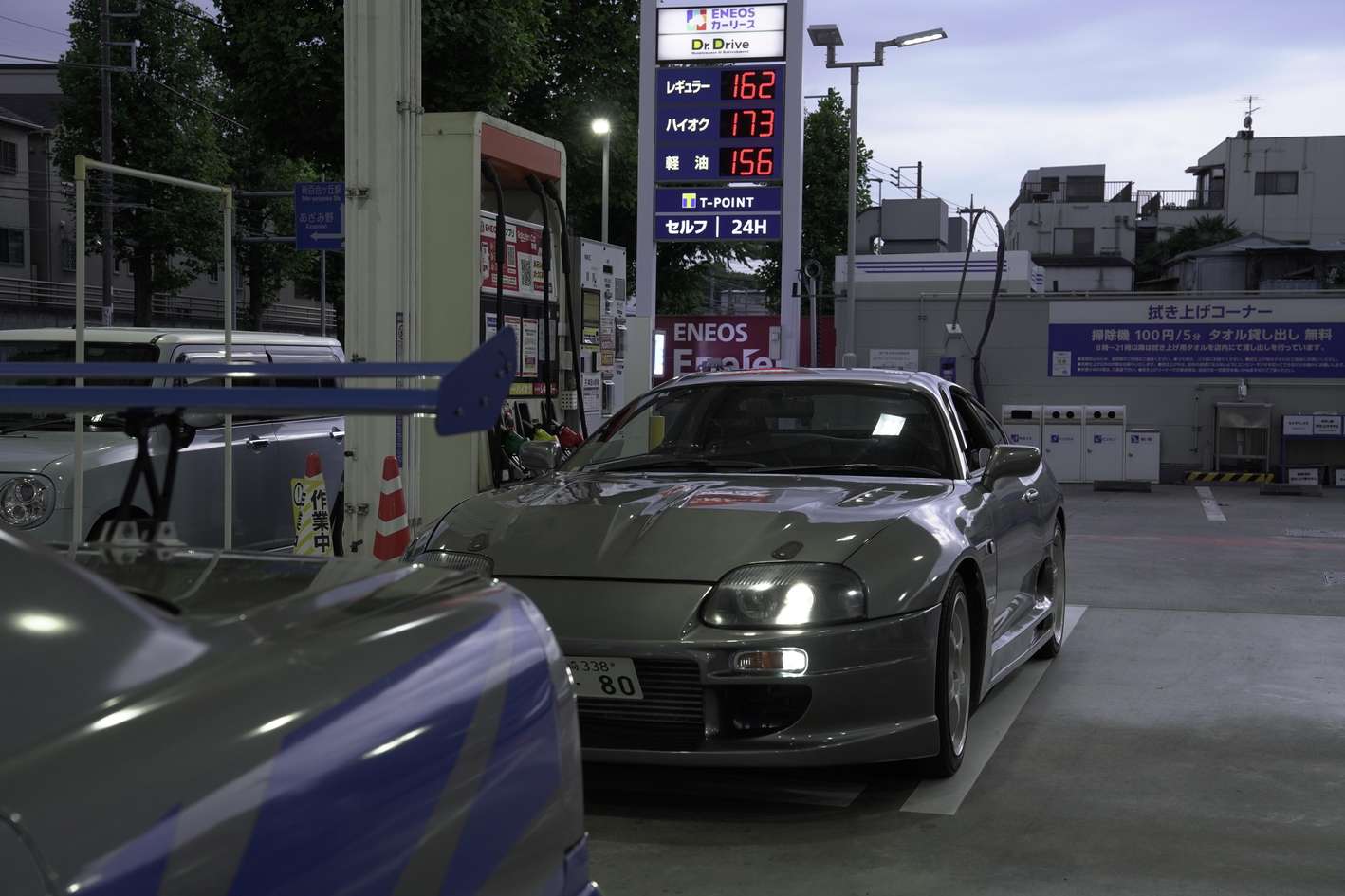
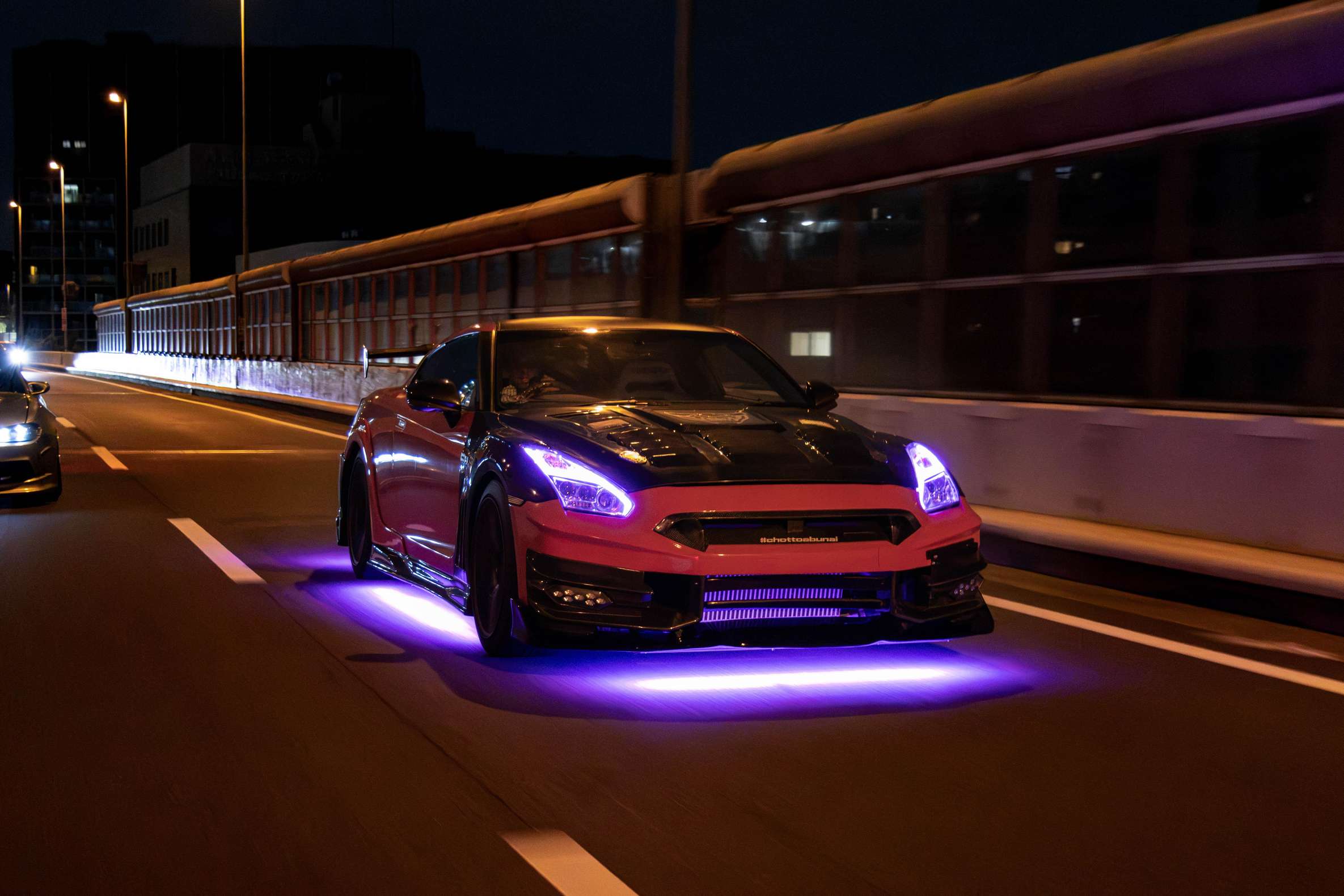
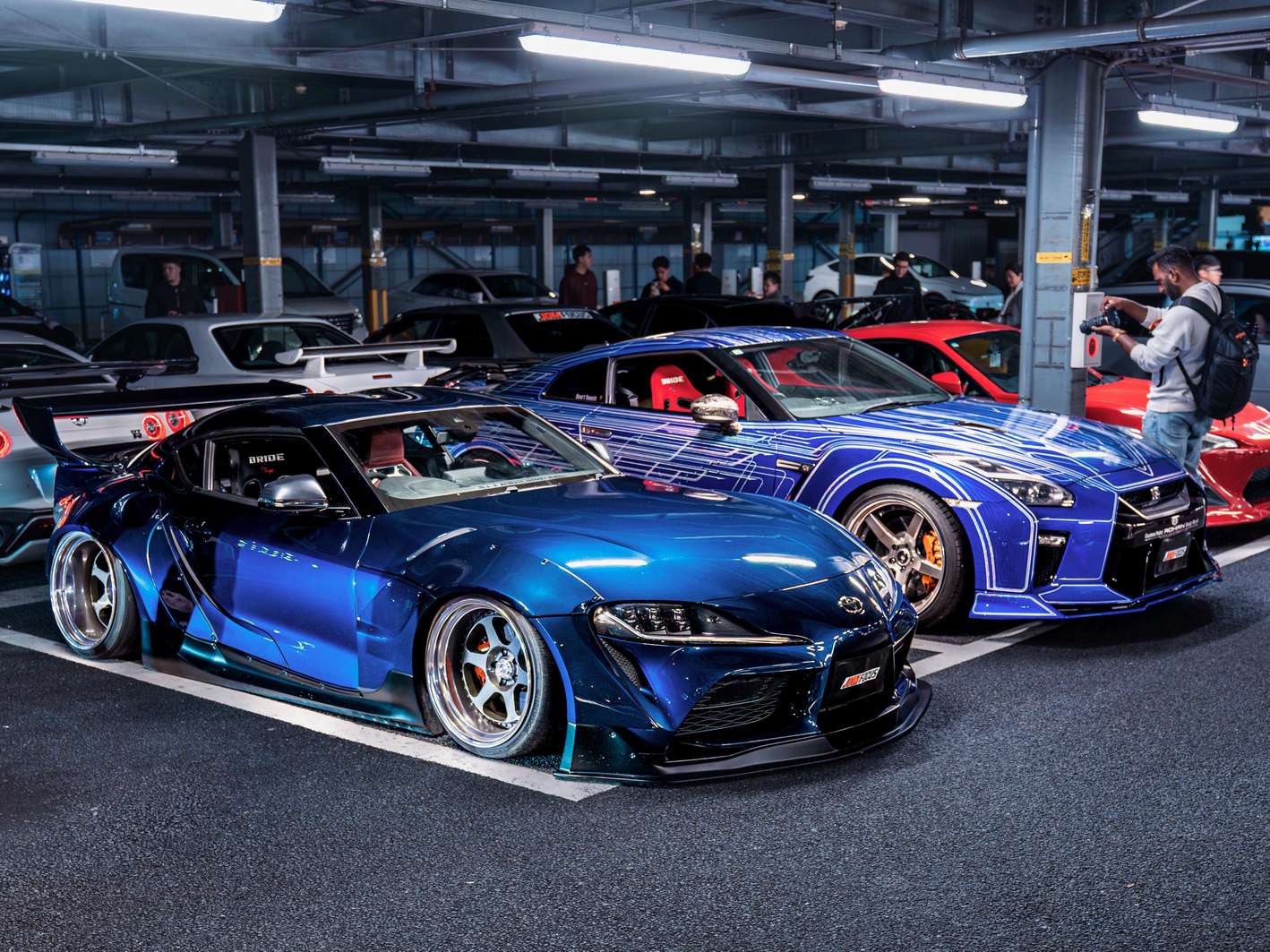
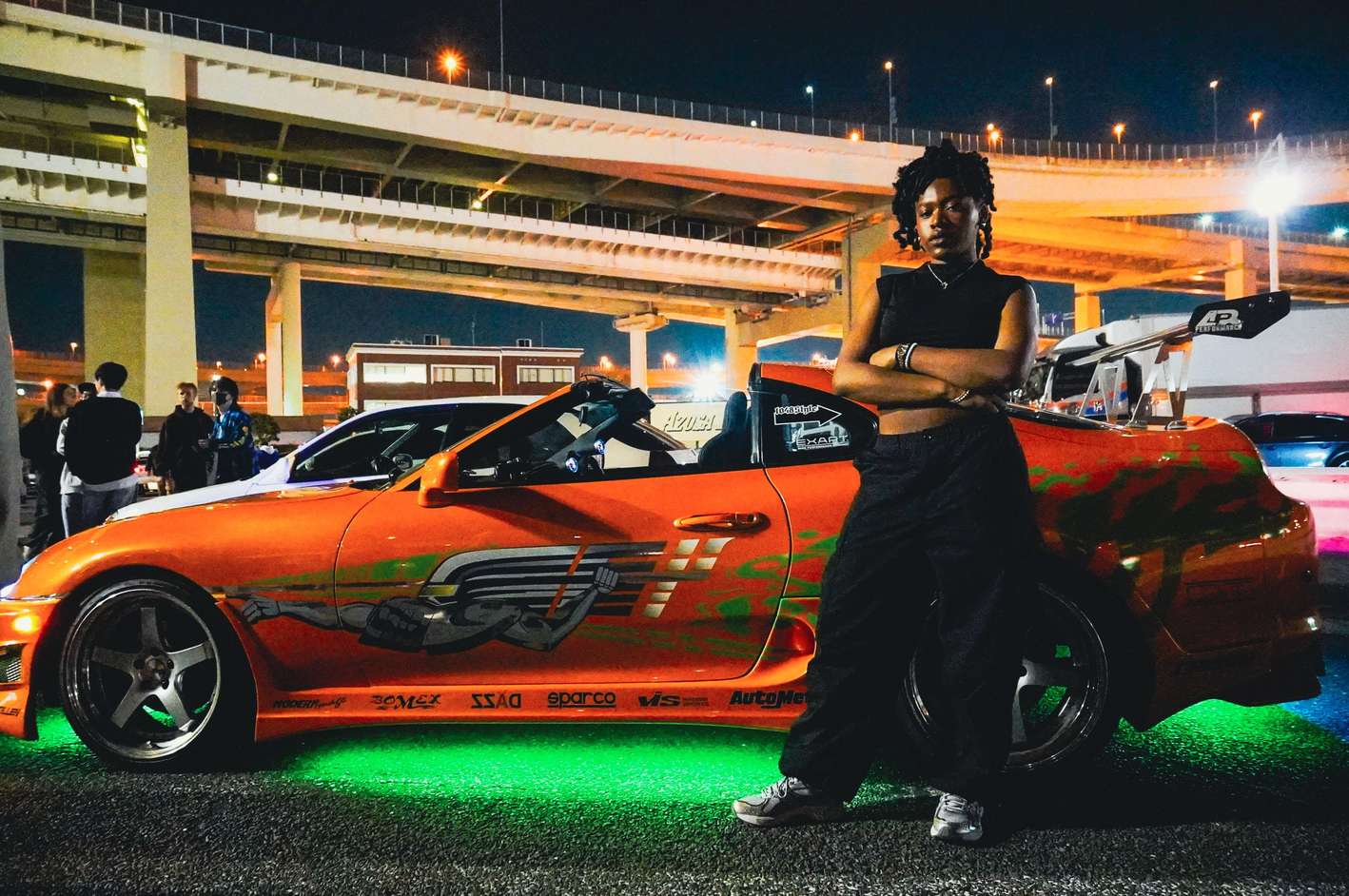
The closest match is Tokyo: Daikoku JDM Ride, Request the R34, Supra or GT-R R35. You ride a tuned Supra MK4 through Shibuya, the C1 loop and Rainbow Bridge to the Daikoku car meet, with fuel, tolls and photo stops included. A guide drives; the wheel stays with them.
Our pickLikely to sell out
3 hours·French, English
4.8(135)
Tokyo: Daikoku JDM Ride, Request the R34, Supra or GT-R R35
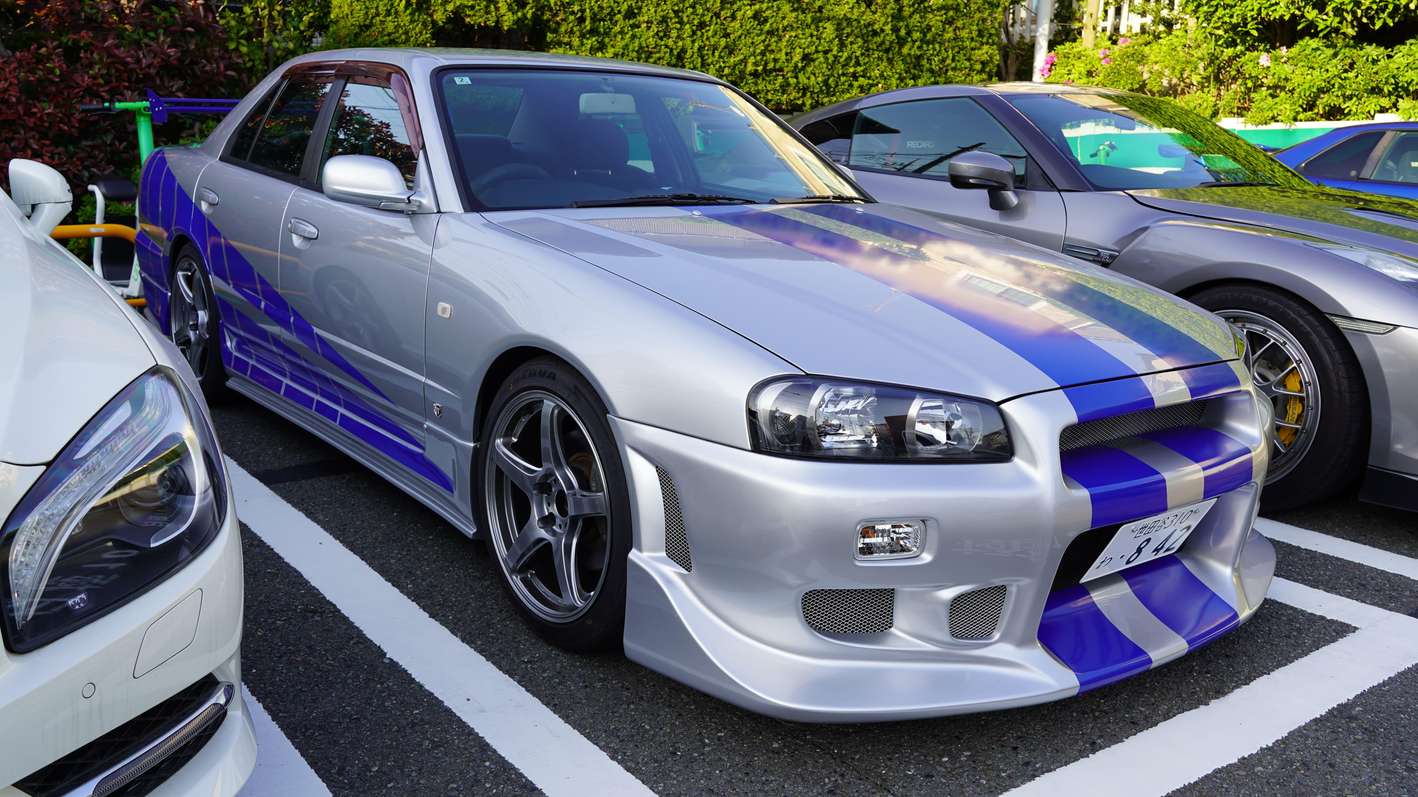
Option: Daikoku Fast&Furious Tokyo Drift Brian R34/1000HP Supra MK4
Free cancellationGuided photo tourTransportation during the experience
The closest bookable options to renting a Supra yourself
A self-drive Supra rental is not among the options here, and this is the tour worth booking instead. If the car matters more than who holds the wheel, it gets you close.
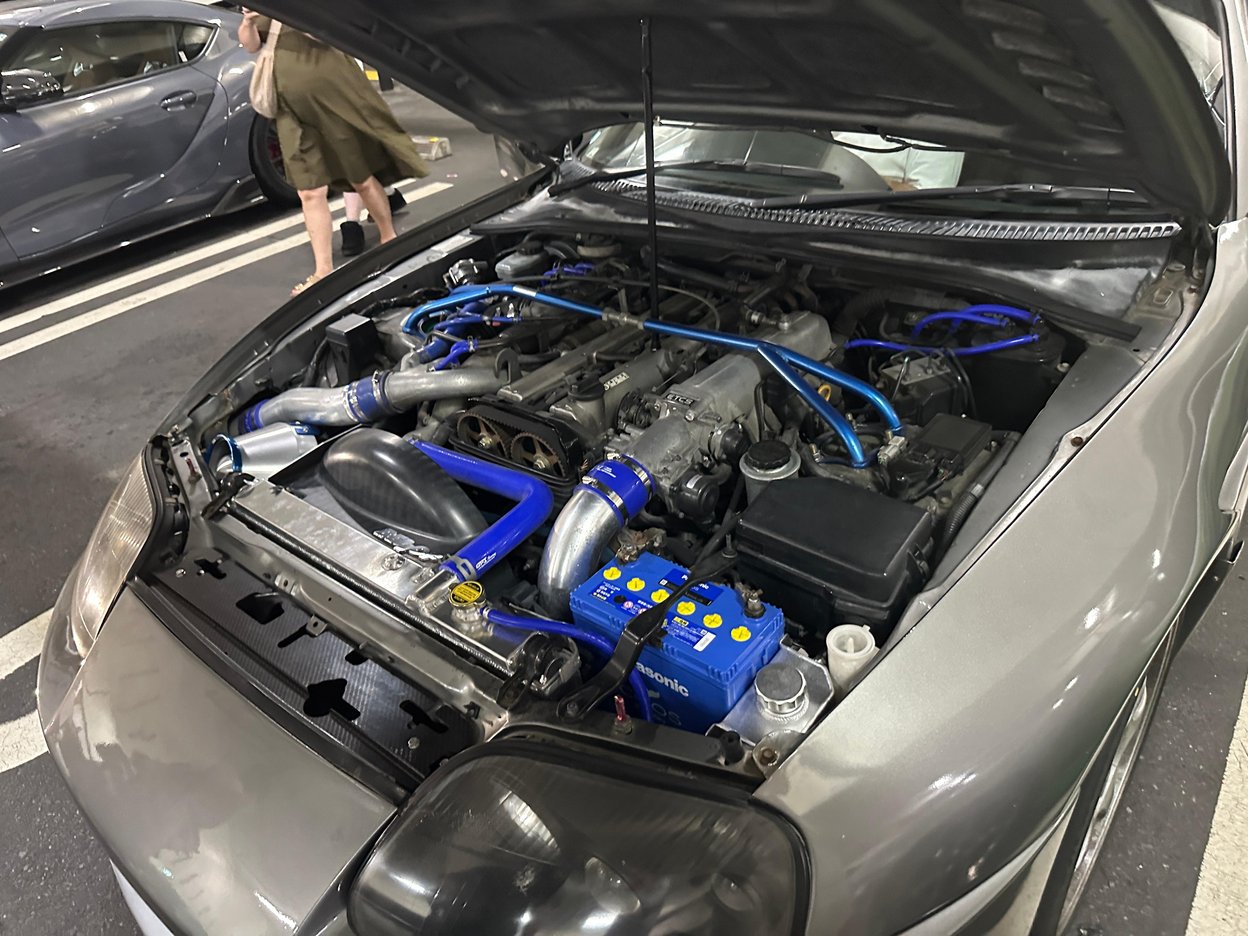
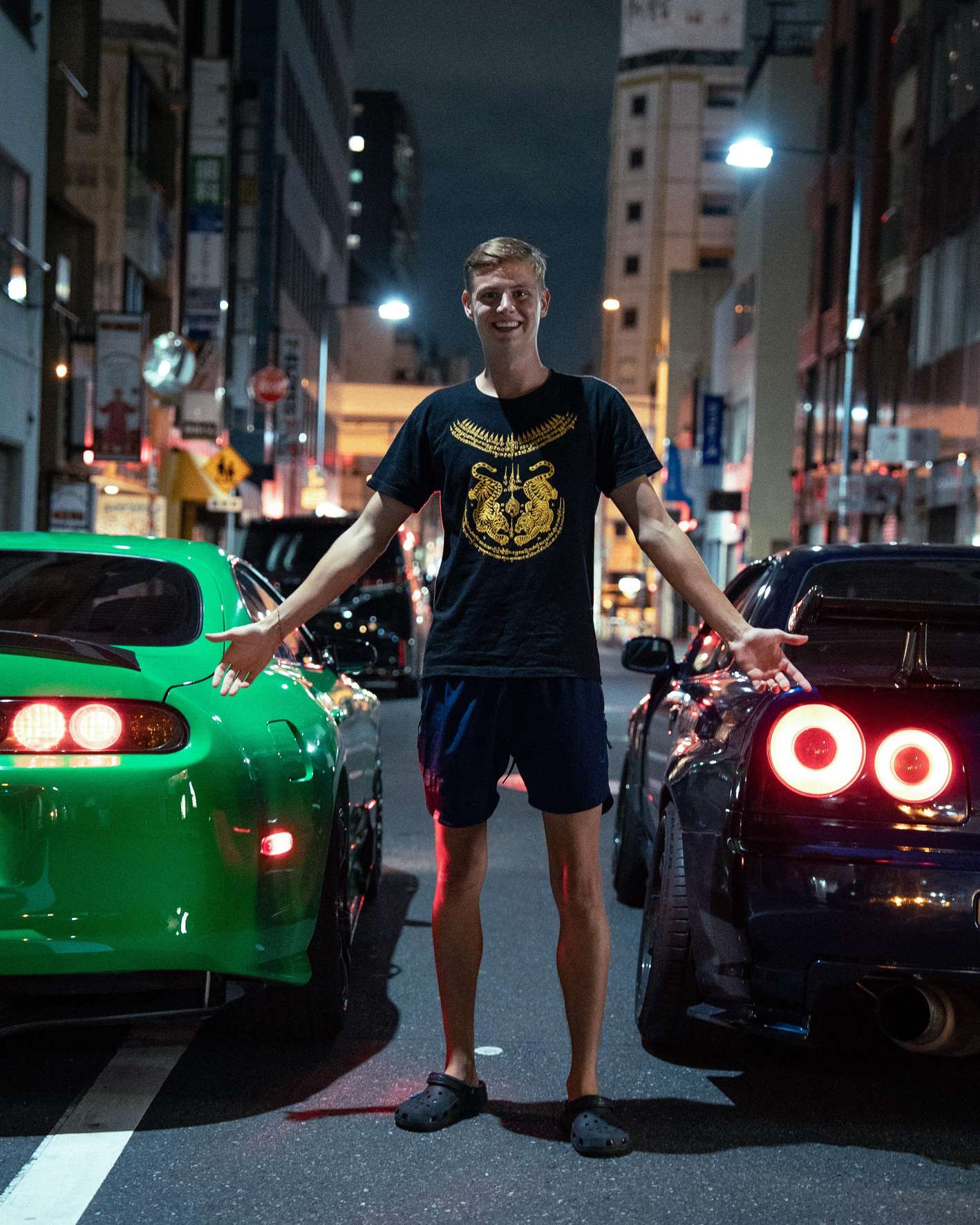
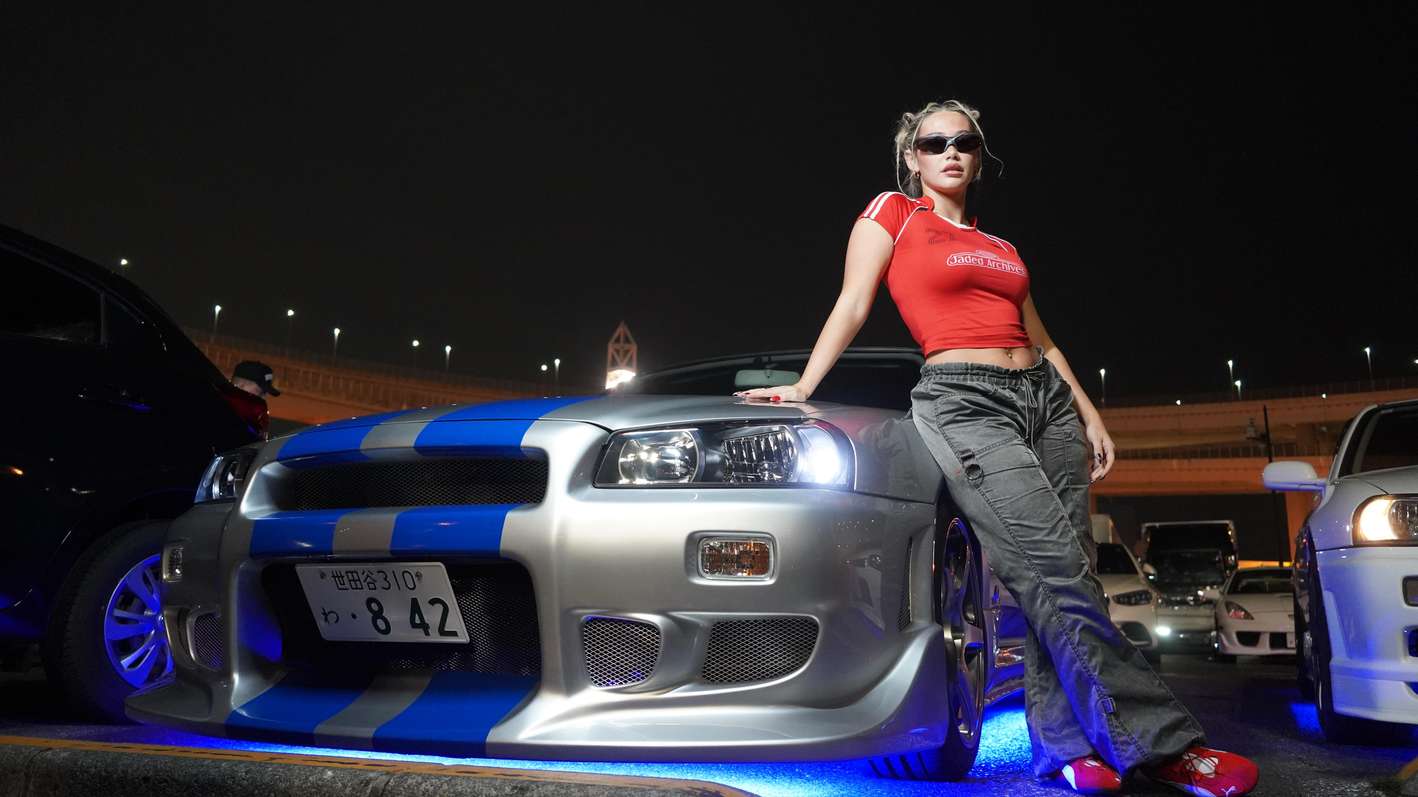
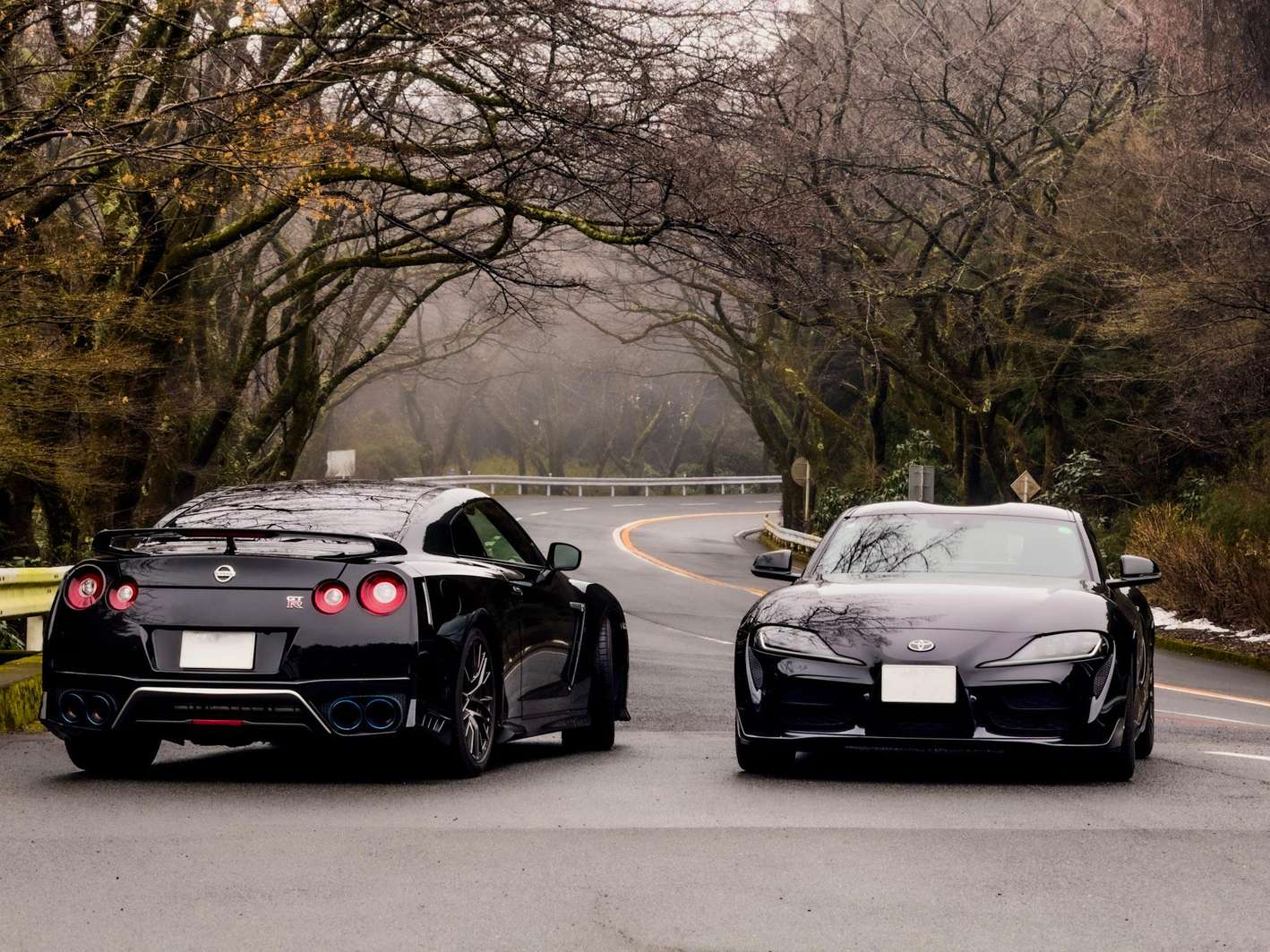
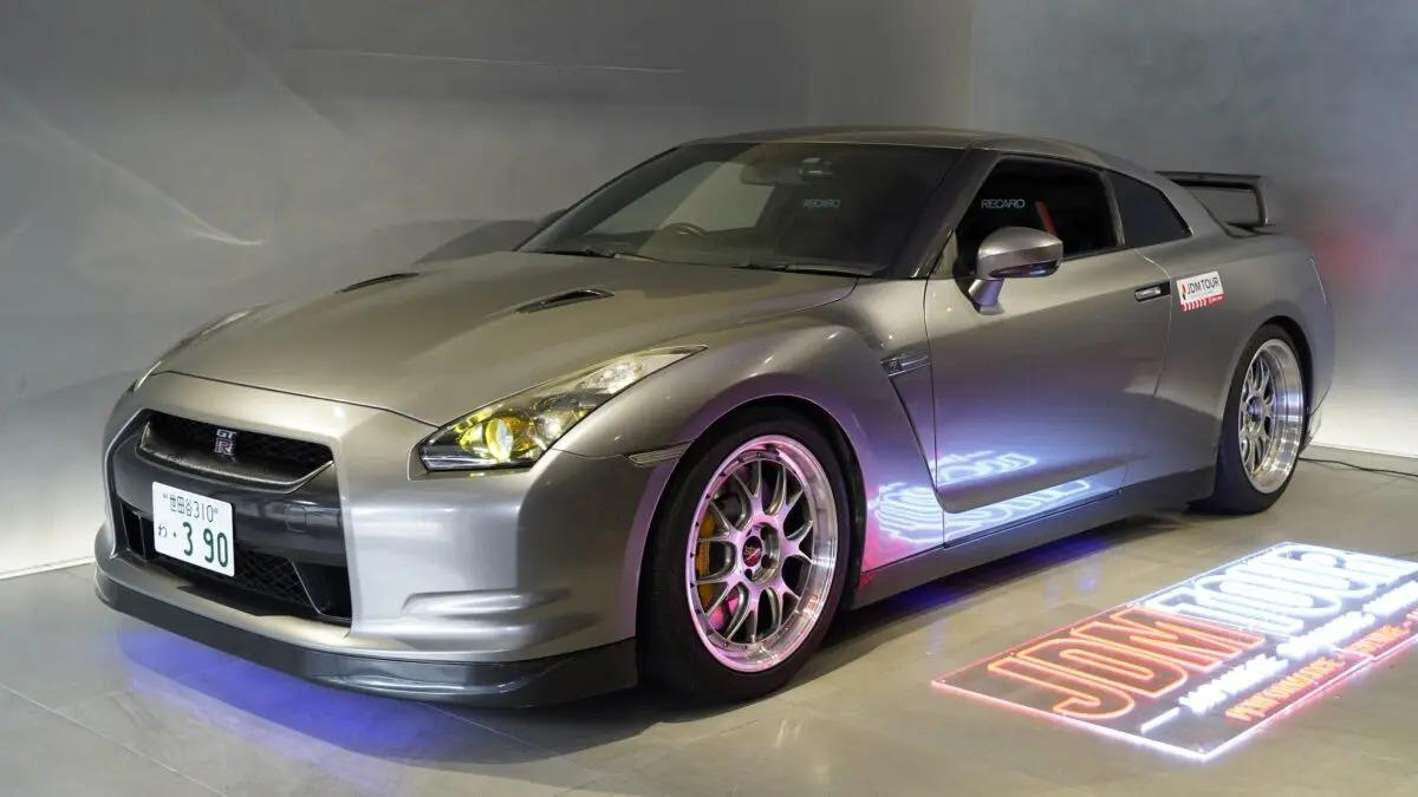
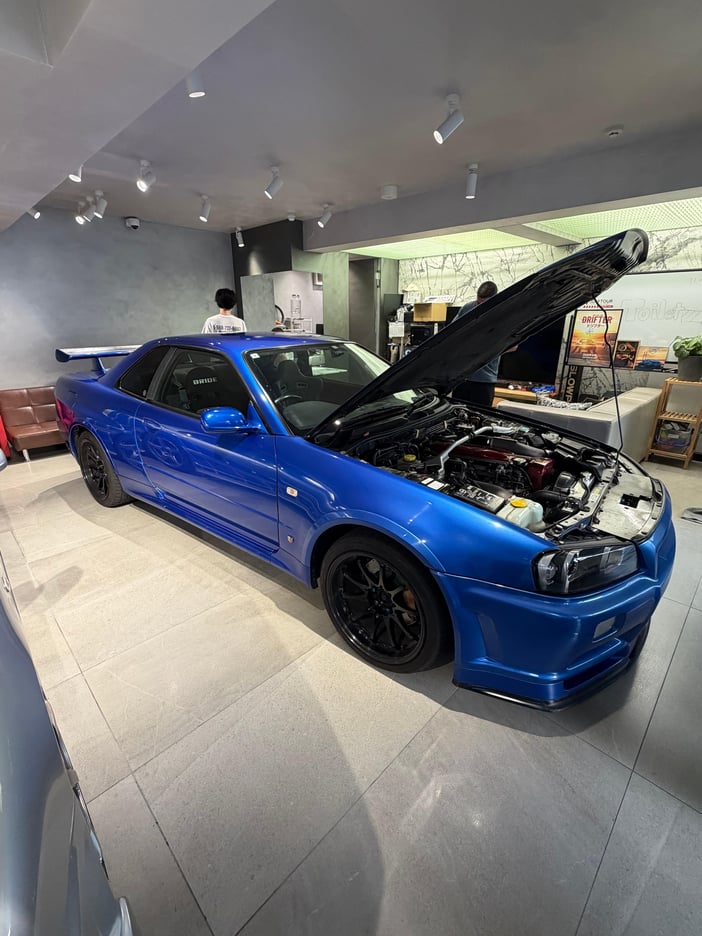
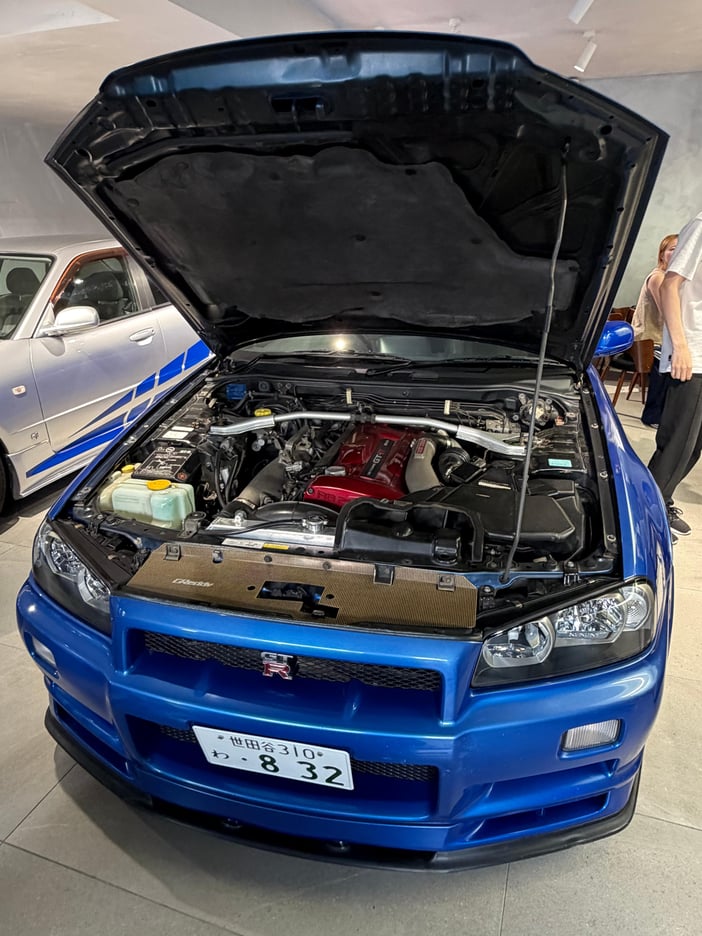
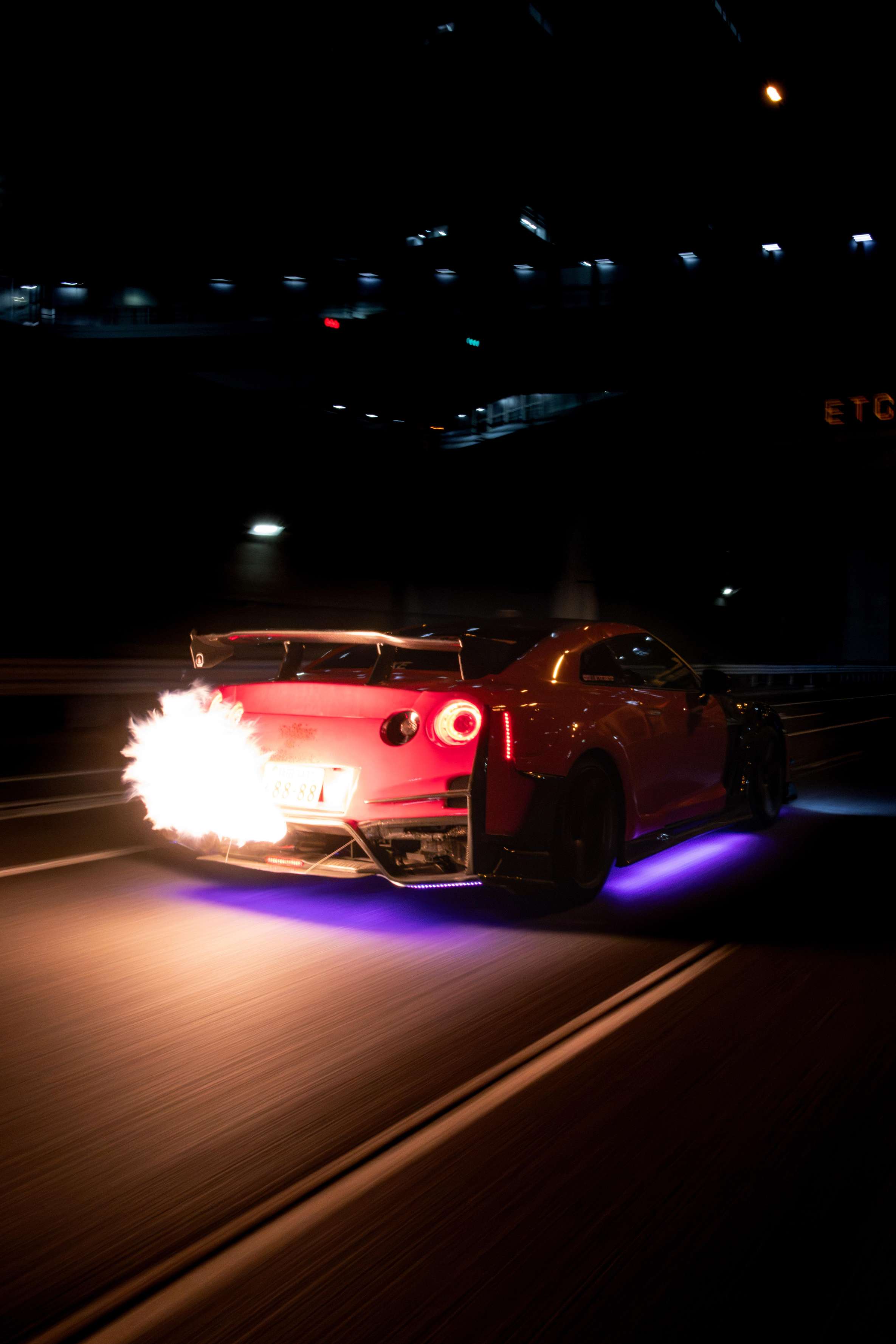
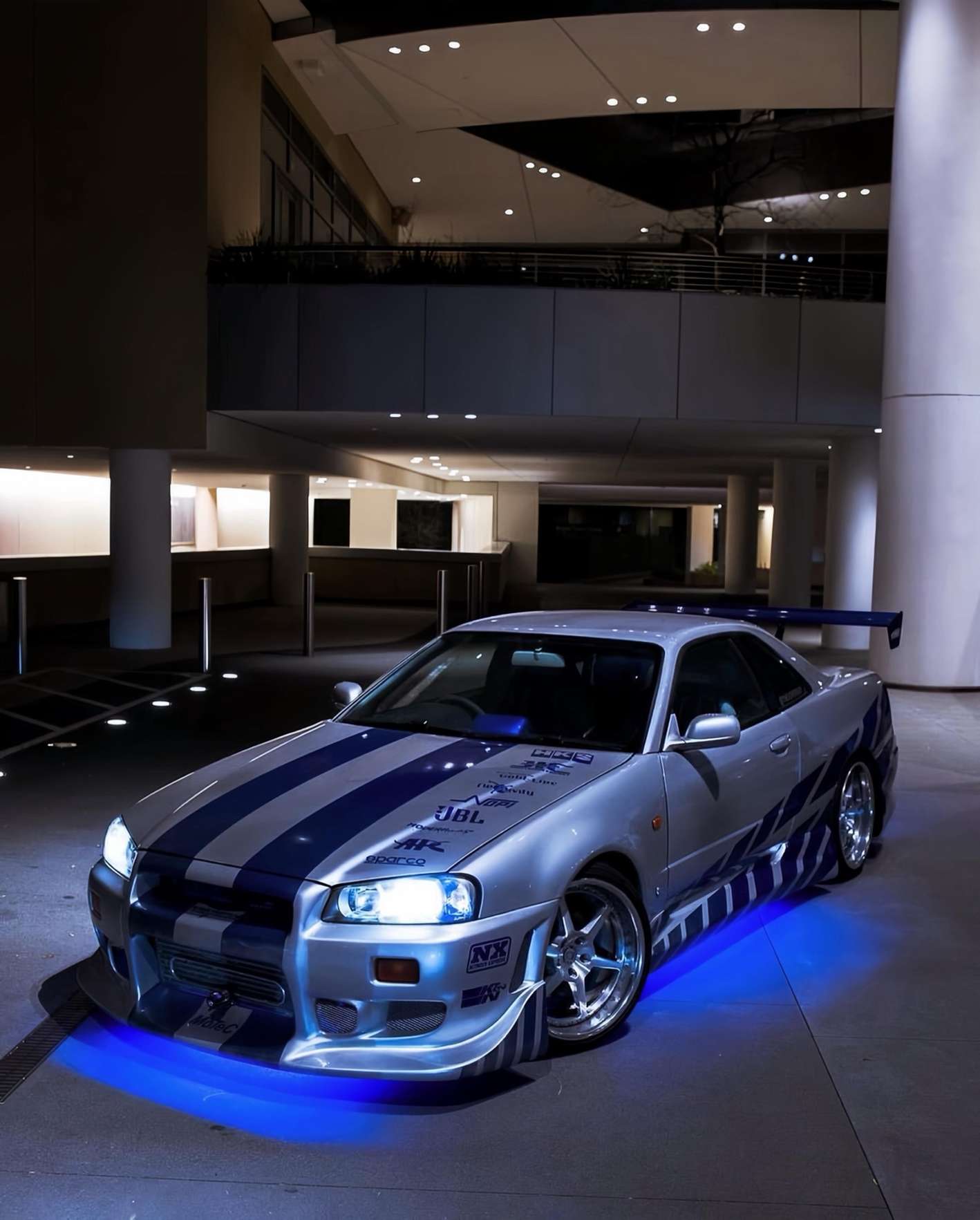
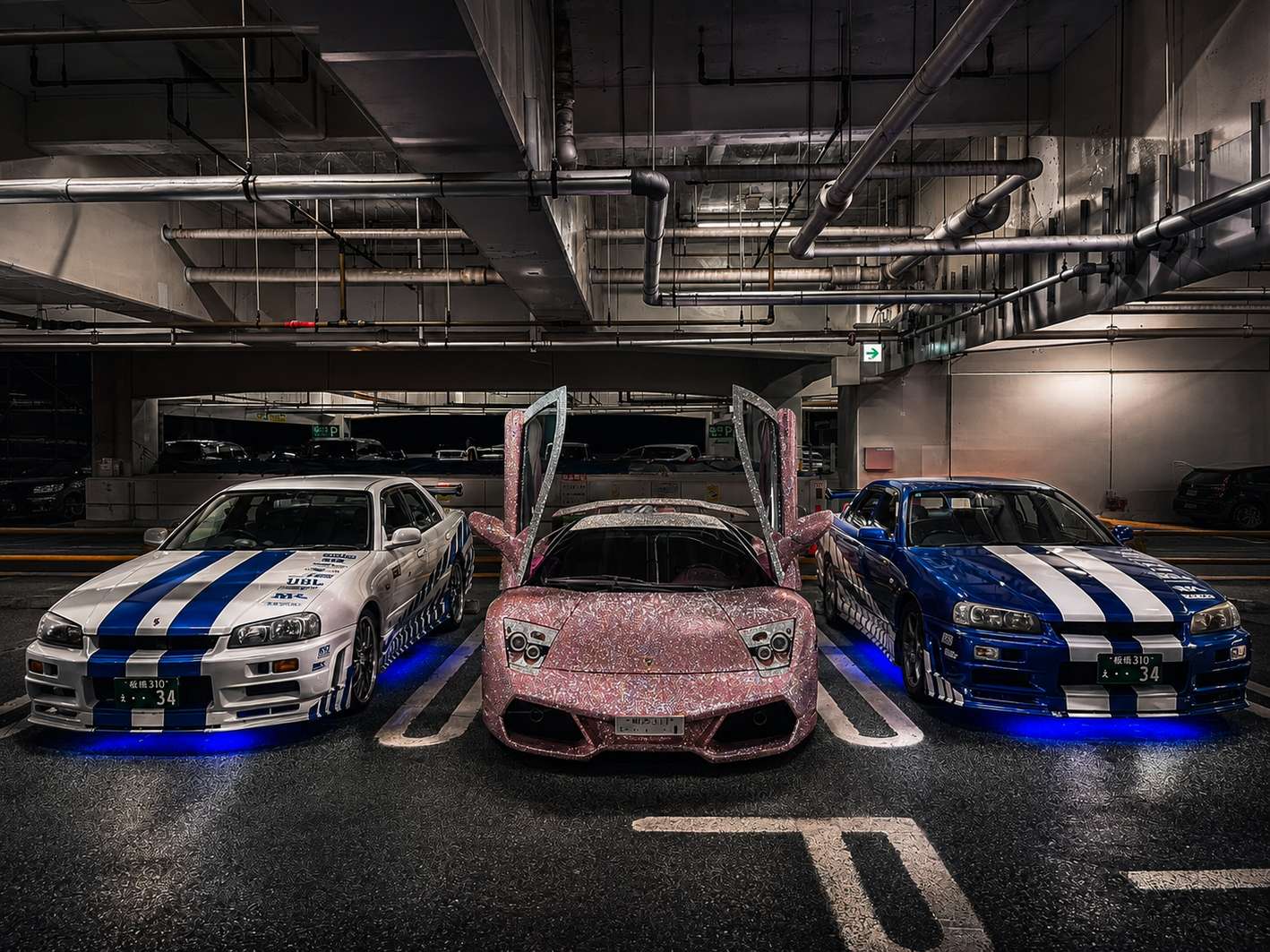
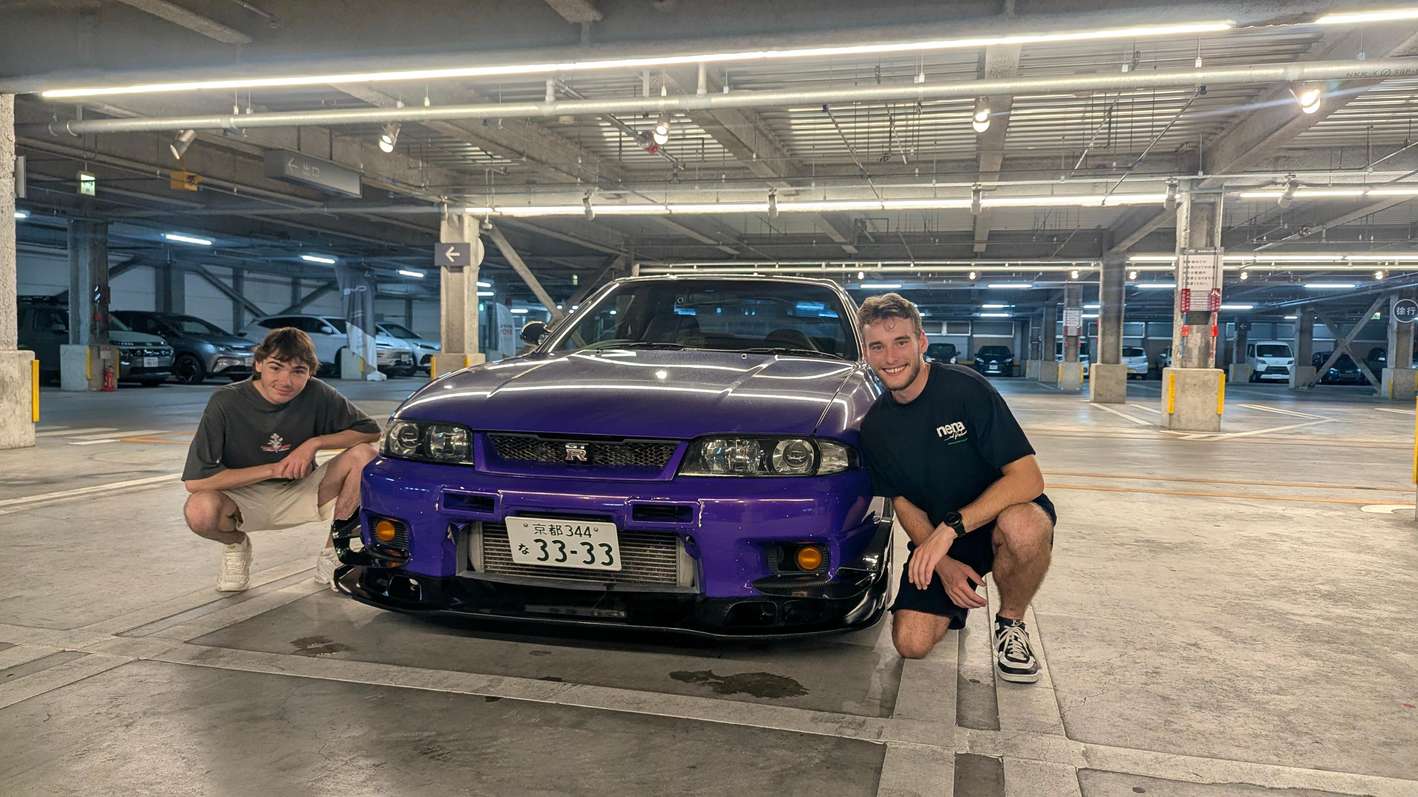
This Daikoku night run lets you request your car when you book: a 1000HP Supra MK4, an R34 Skyline in the Brian O'Conner style, or a GT-R R35, subject to availability.
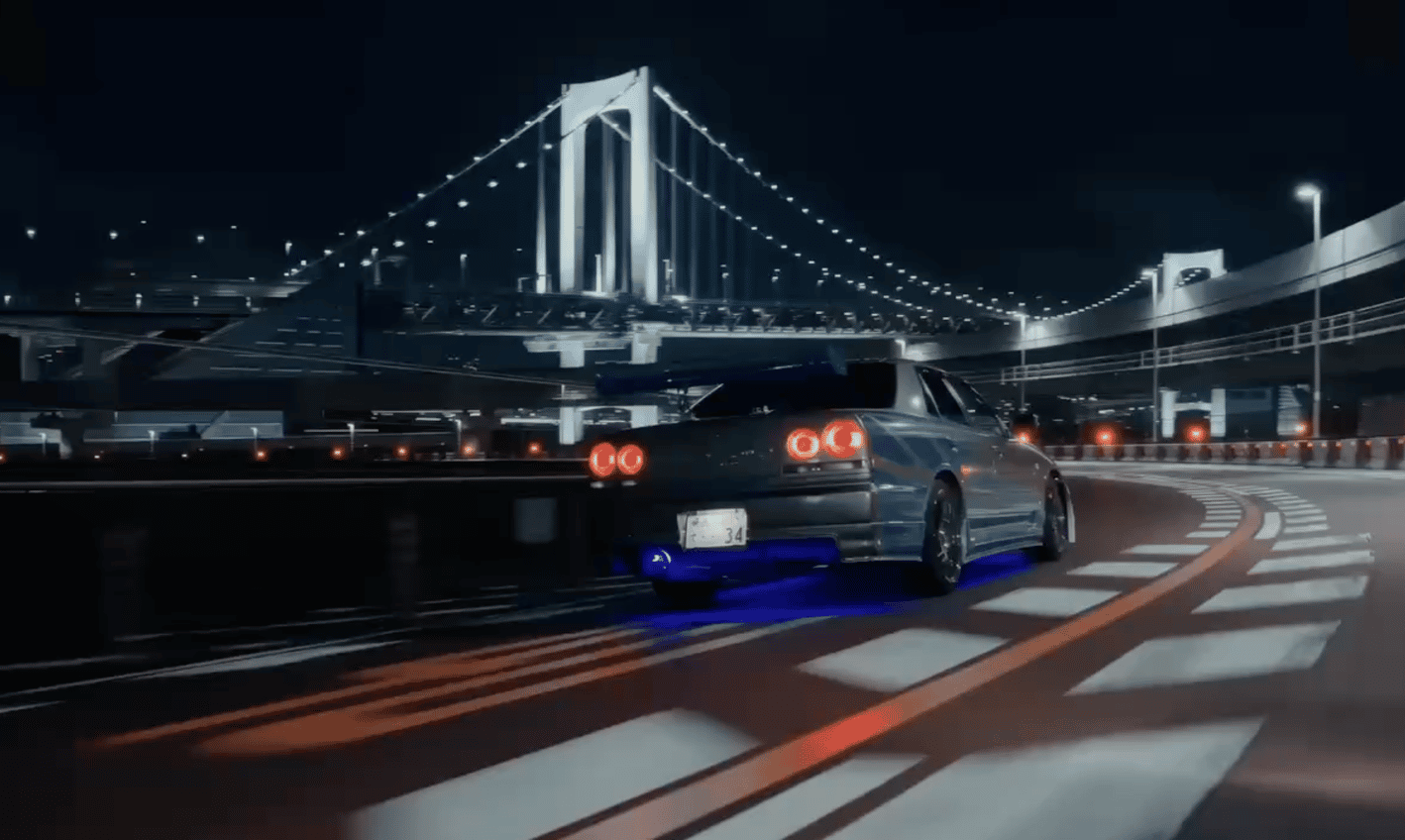
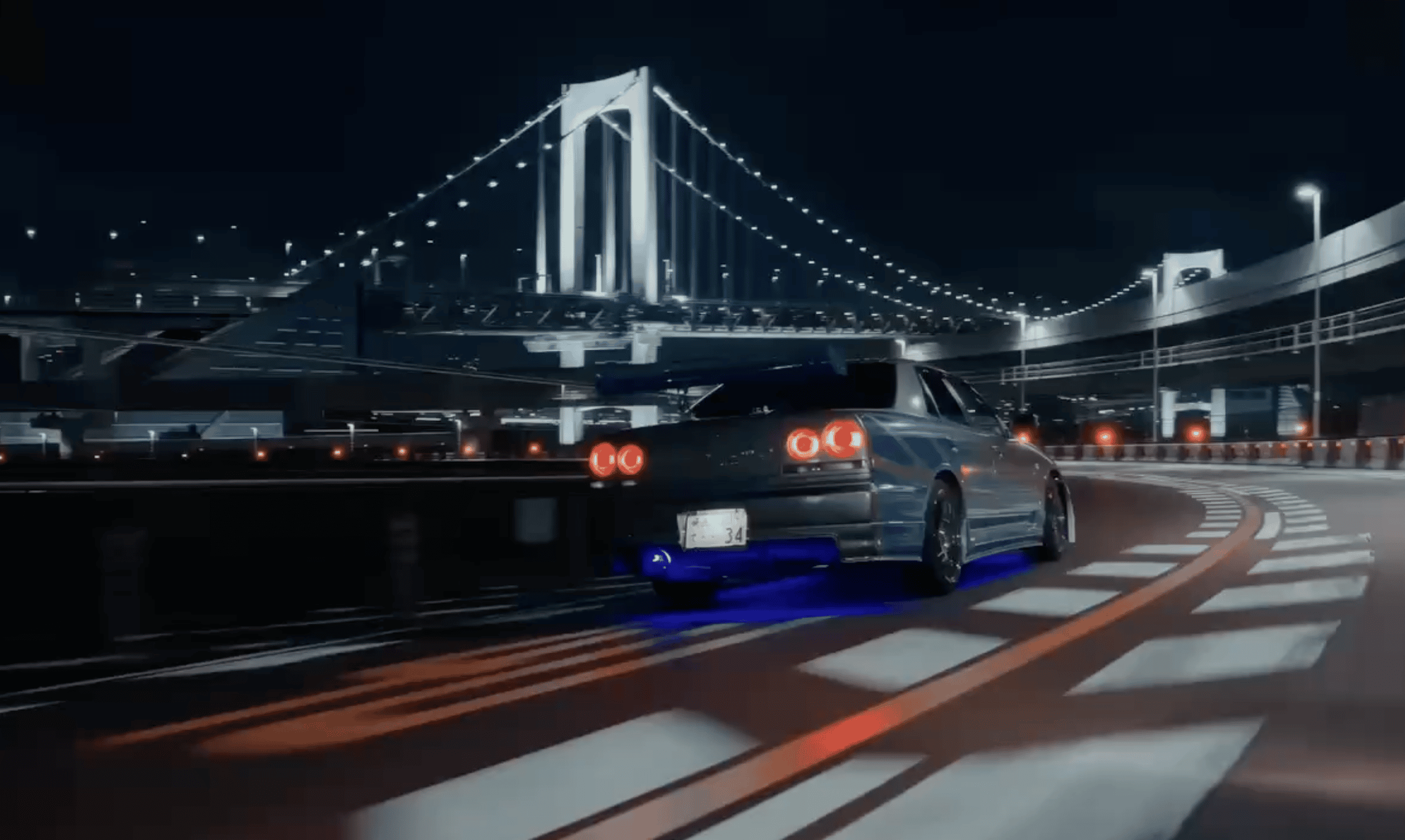
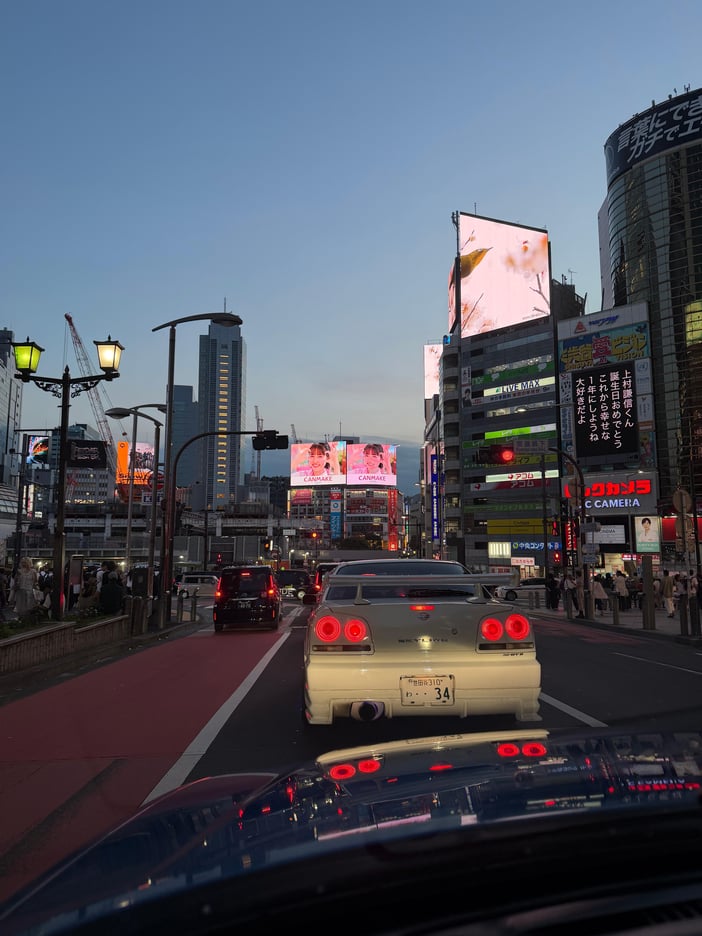
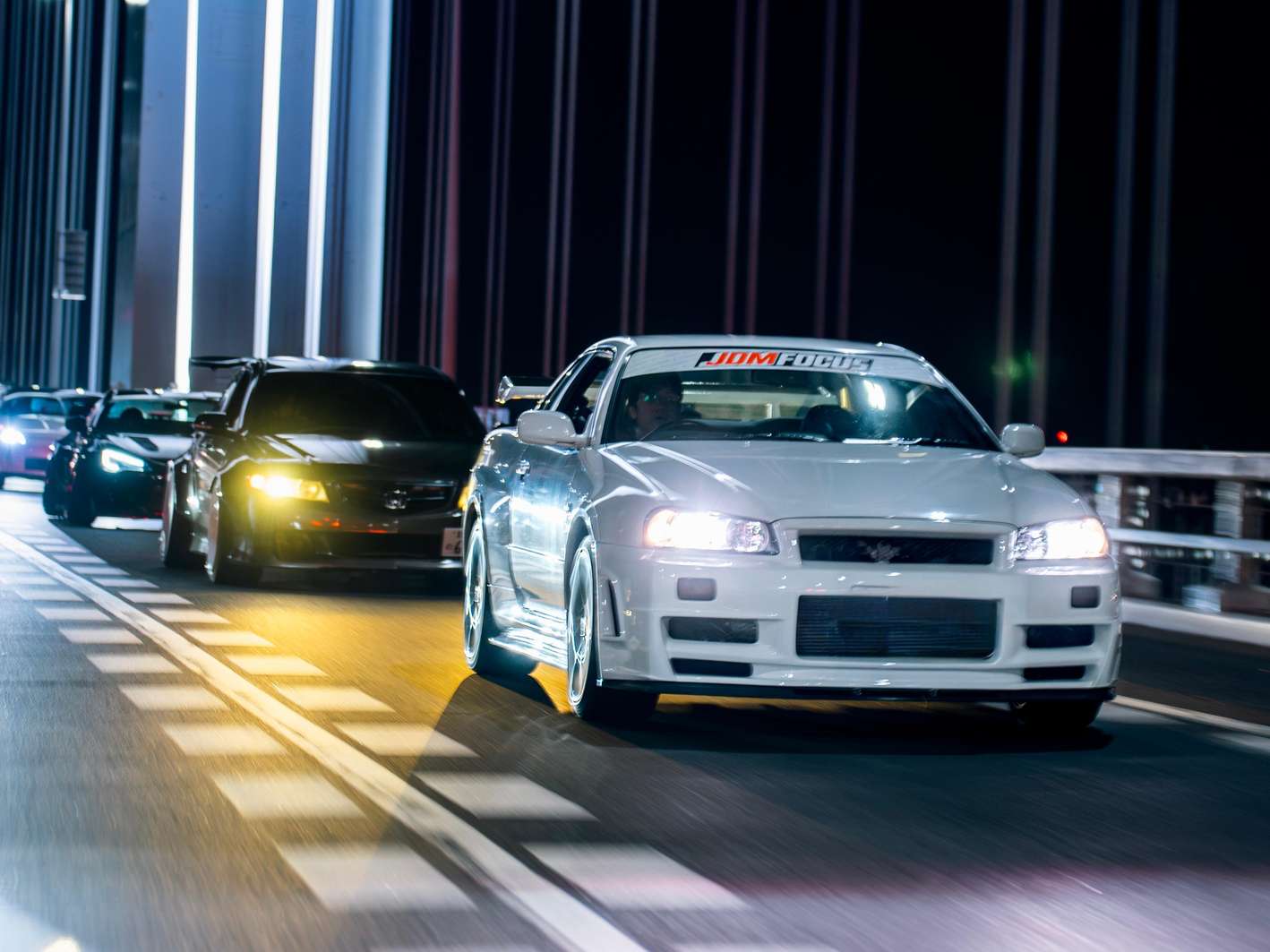
You ride as a passenger with a local guide driving, which means no driving permit is needed and you can shoot photos the whole way. The run covers the C1 loop, Rainbow Bridge and the Wangan Highway, with a full hour at the Daikoku PA car meet and photo stops along the route.
Everything is included: fuel, tolls, liability insurance and a registered operator, and you can cancel up to 24 hours ahead for a full refund.
It suits the Supra fan who wants a guaranteed ride in the real thing on Tokyo's night highways. One thing to know: participants must be at least 18, or come with a legal guardian, and bringing your passport is required.
At a glance
Duration 3 hours4.8 from 135 reviewsFree cancellation
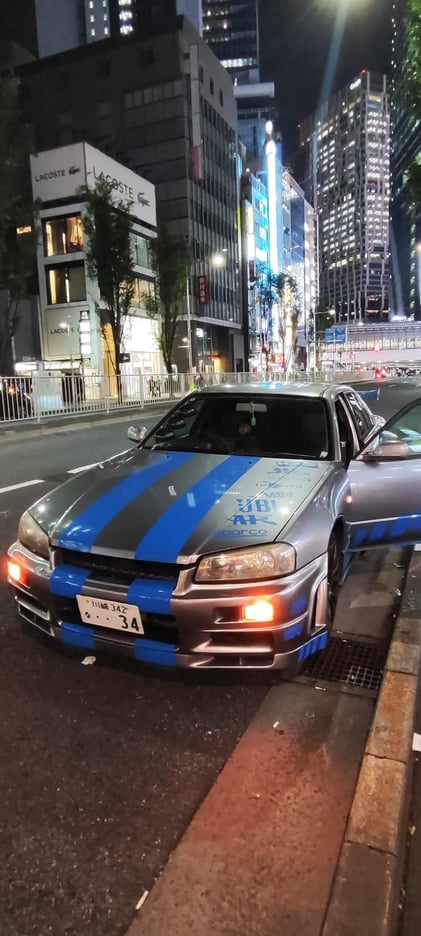
A tuned Supra Mk4 or R34 picks you up in Shibuya for a three-hour night run through Tokyo's highway system. A local driver takes the wheel while you ride in the passenger seat, with photo stops and about an hour on foot at the meet.
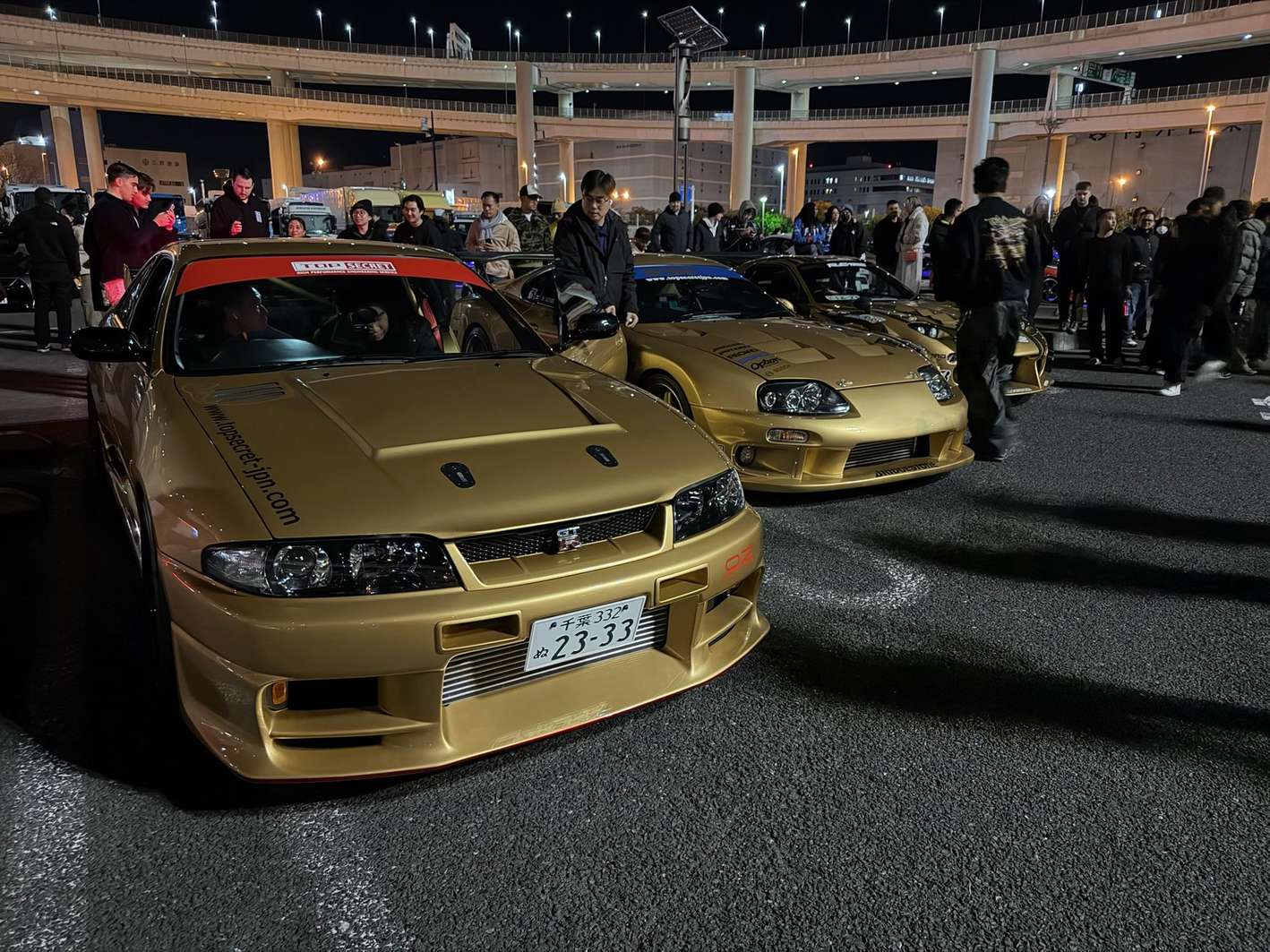
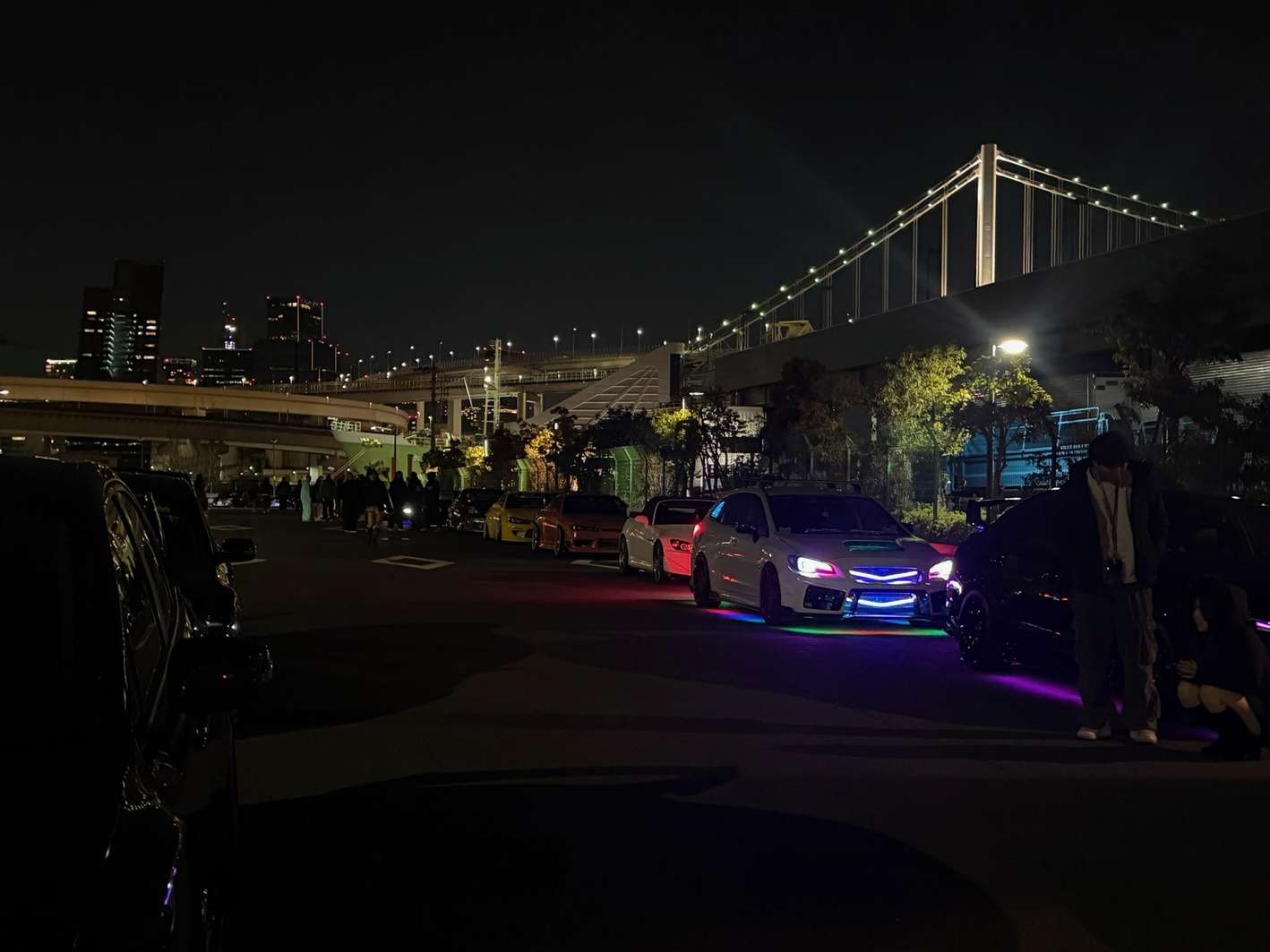
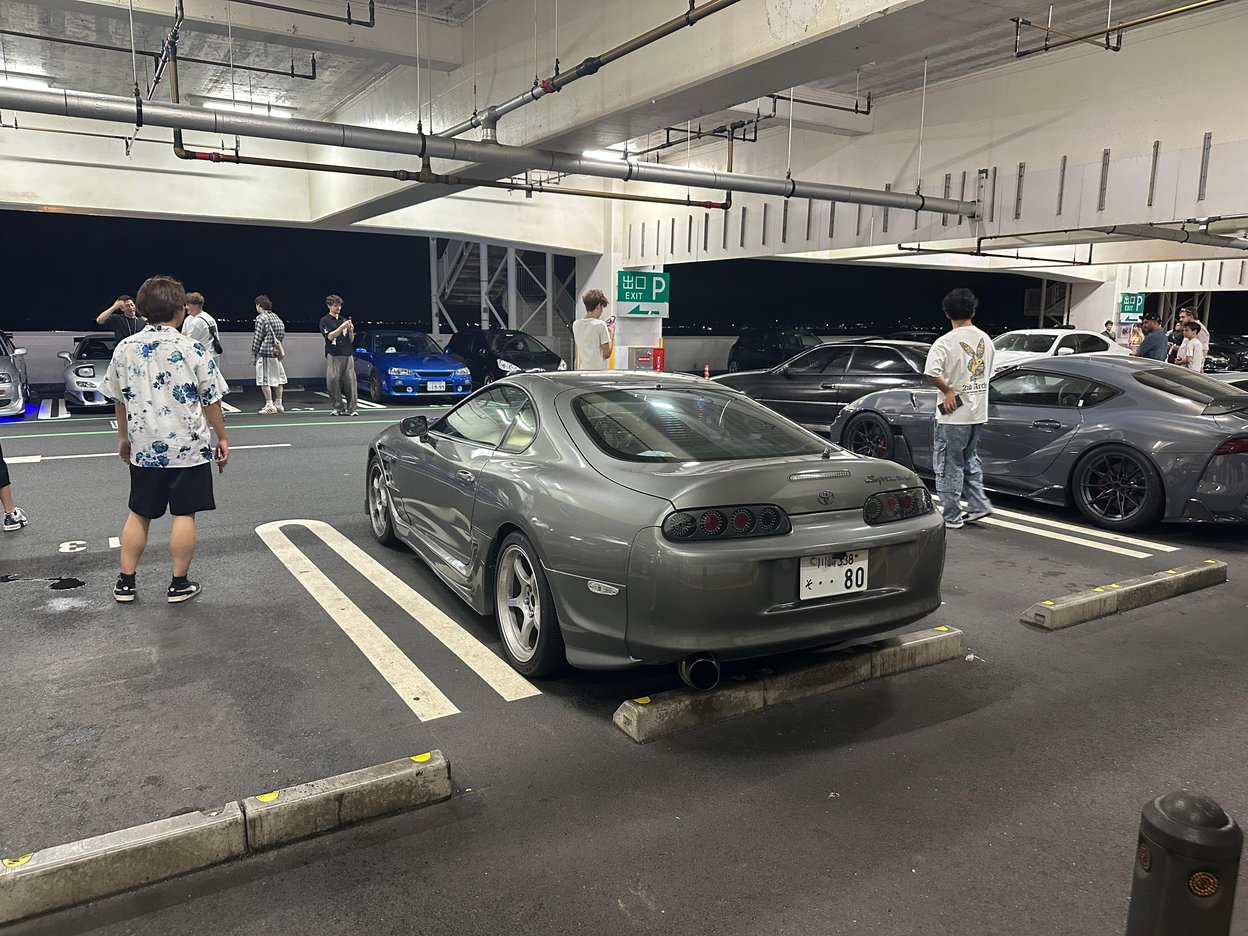
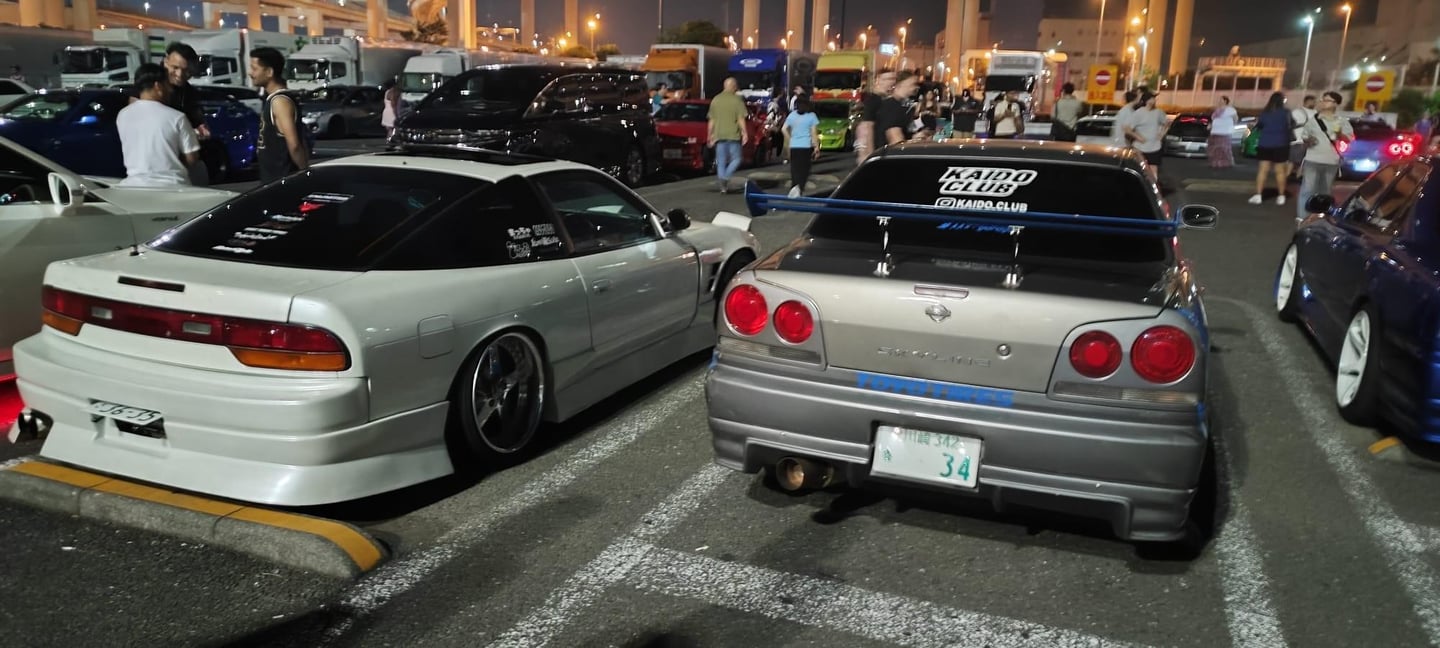
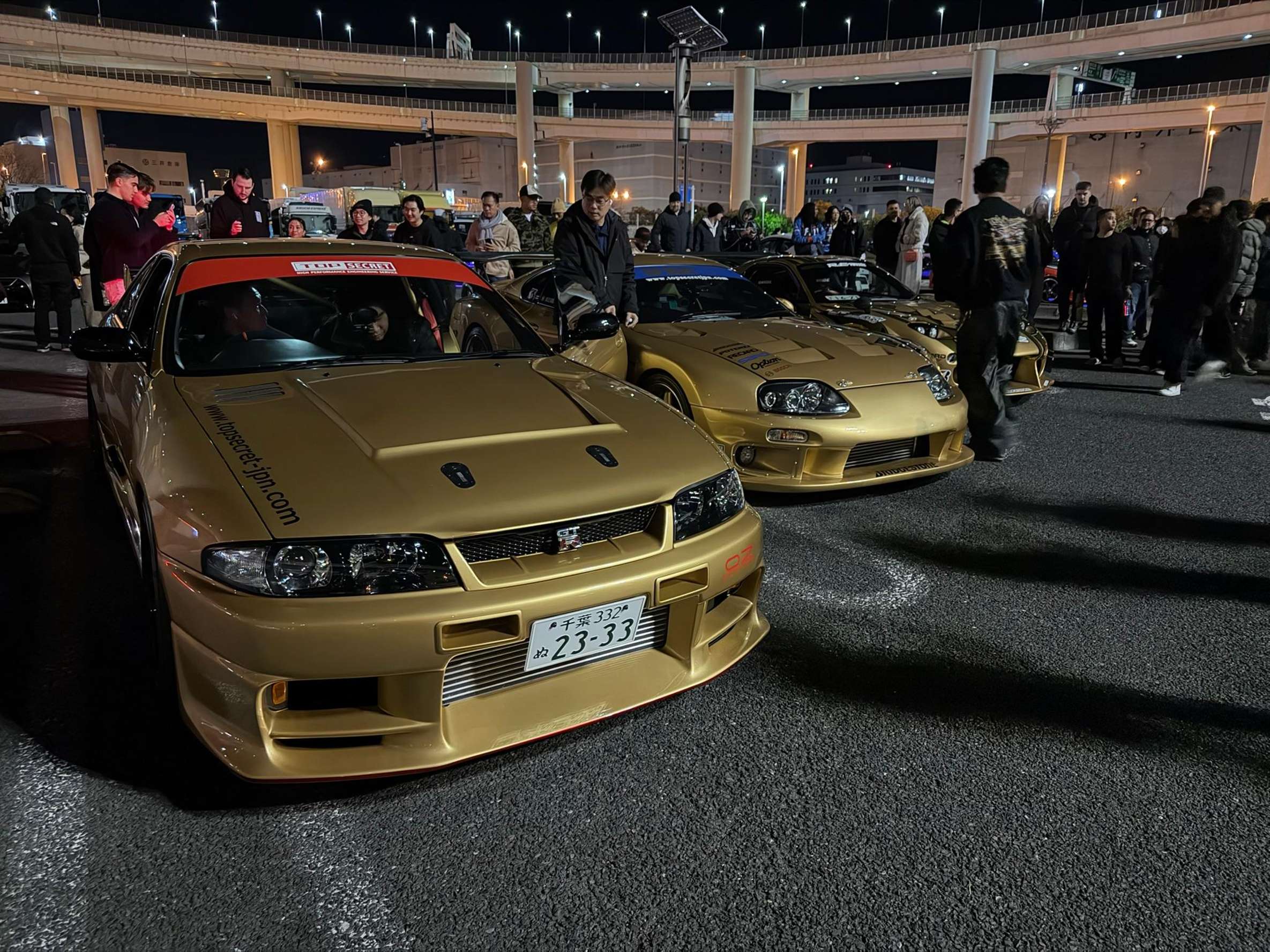
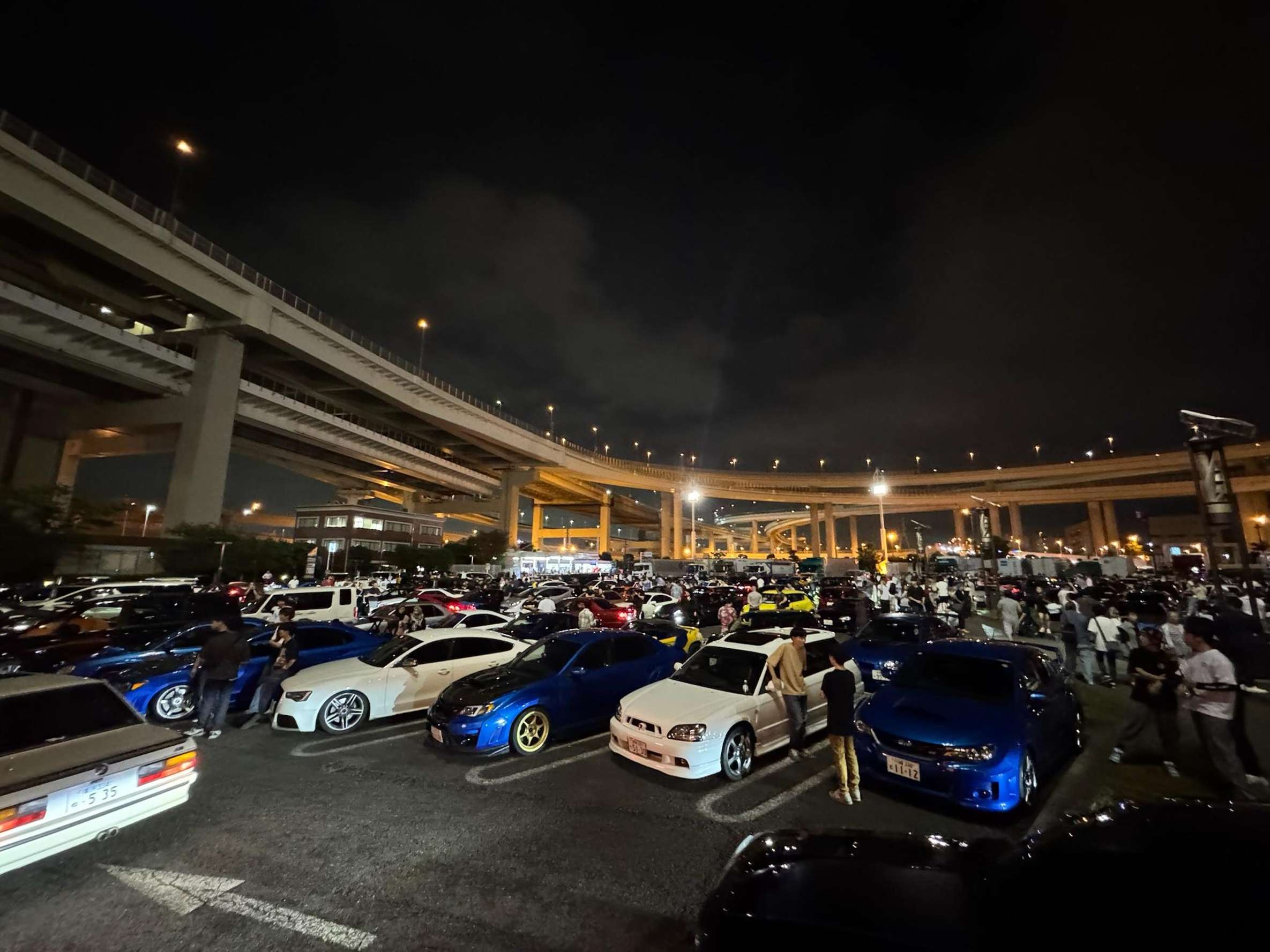
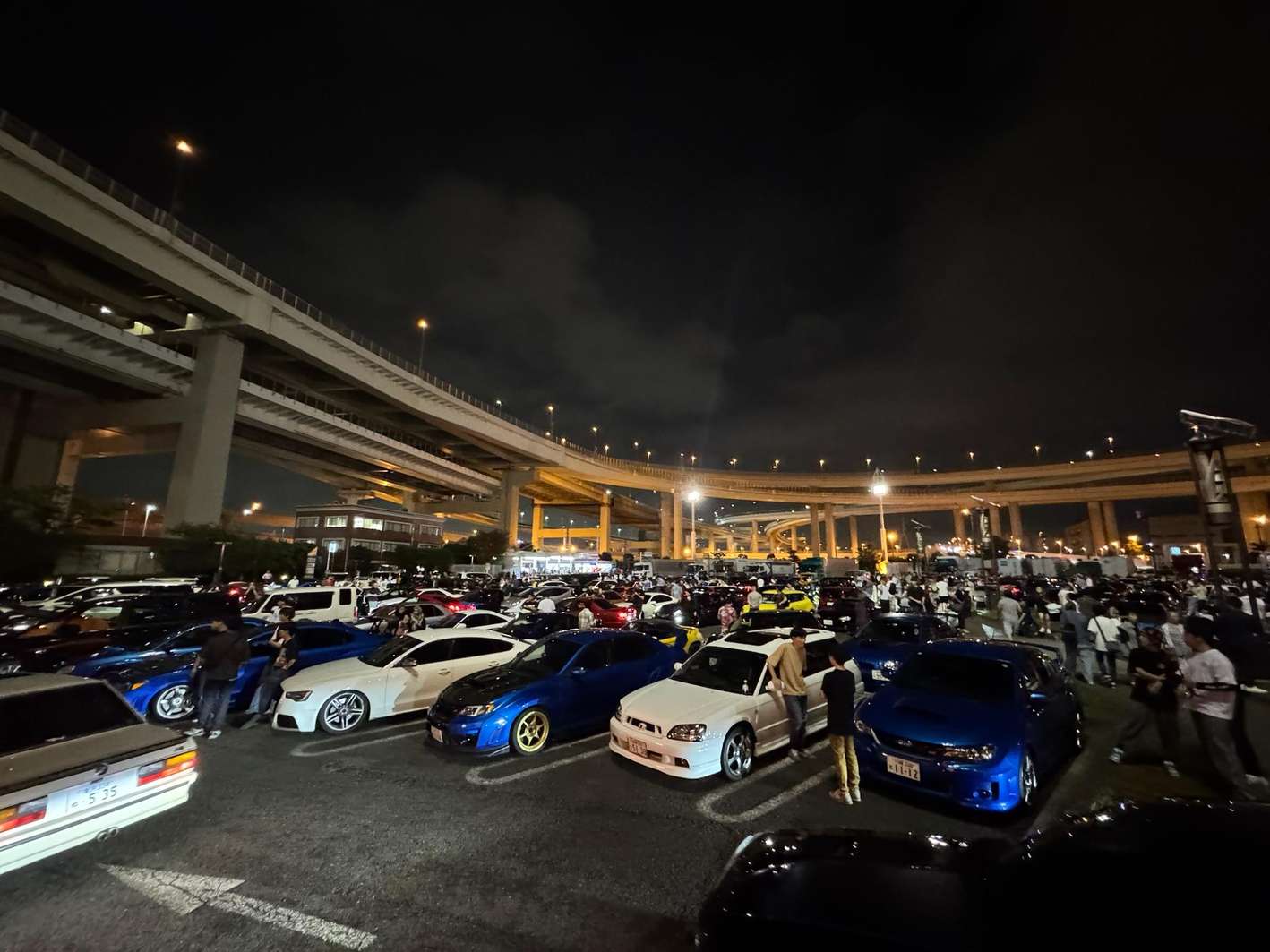
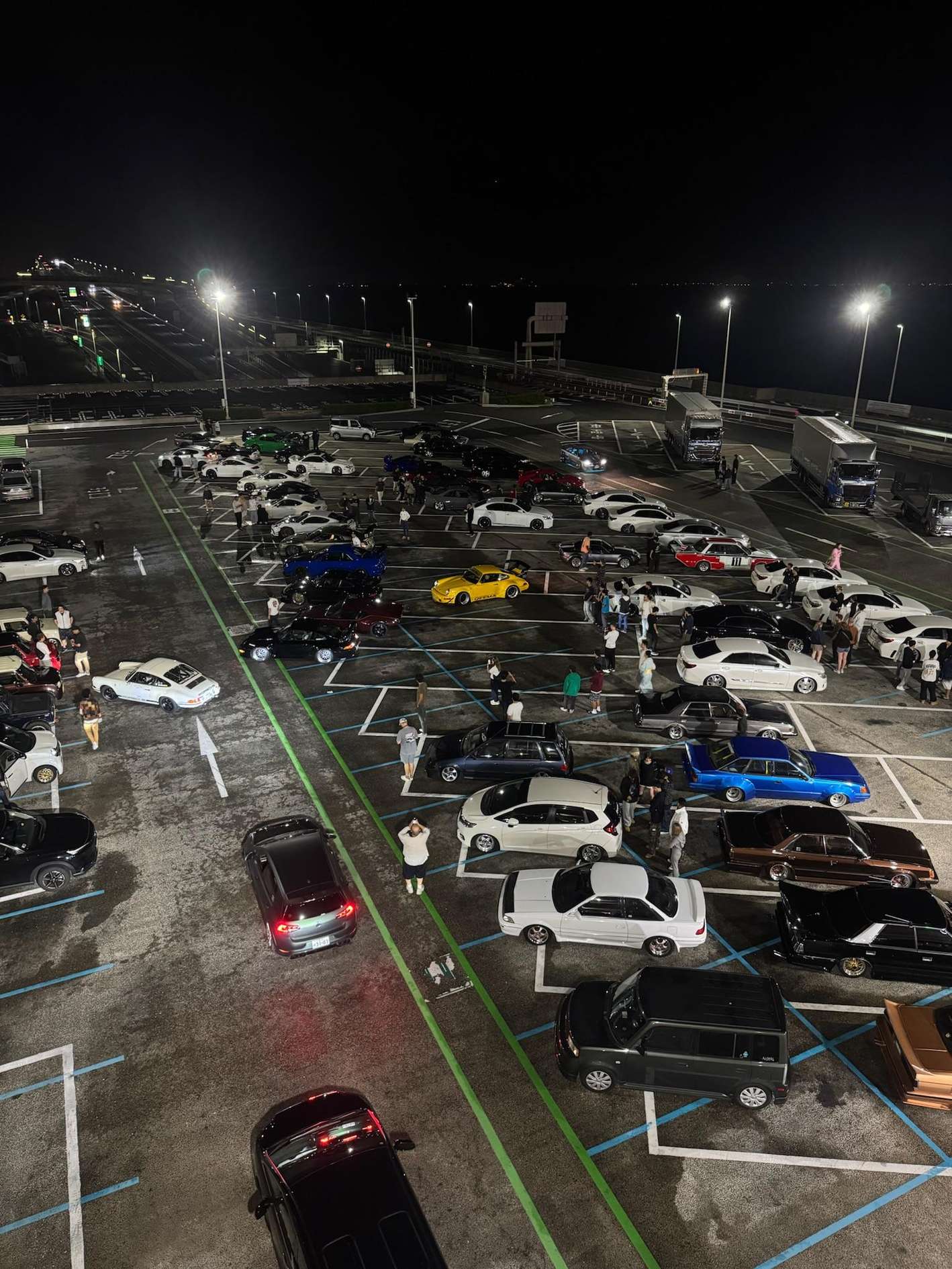
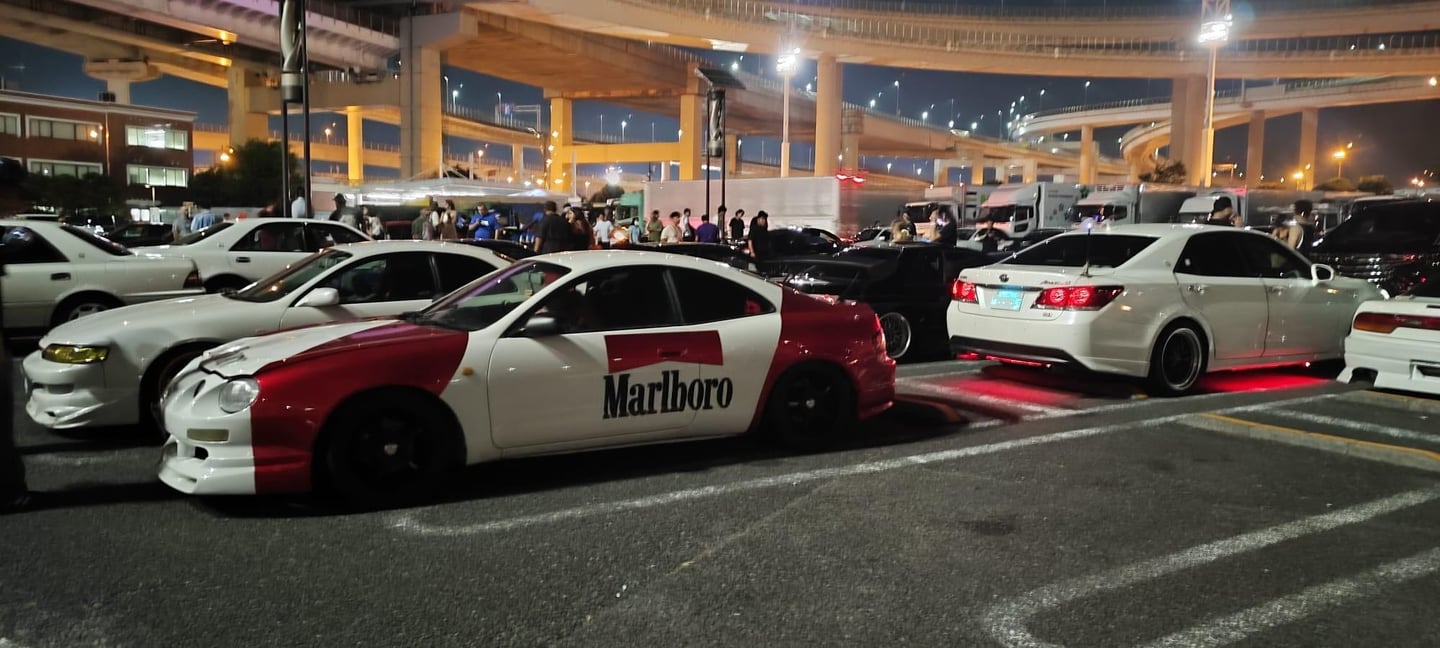
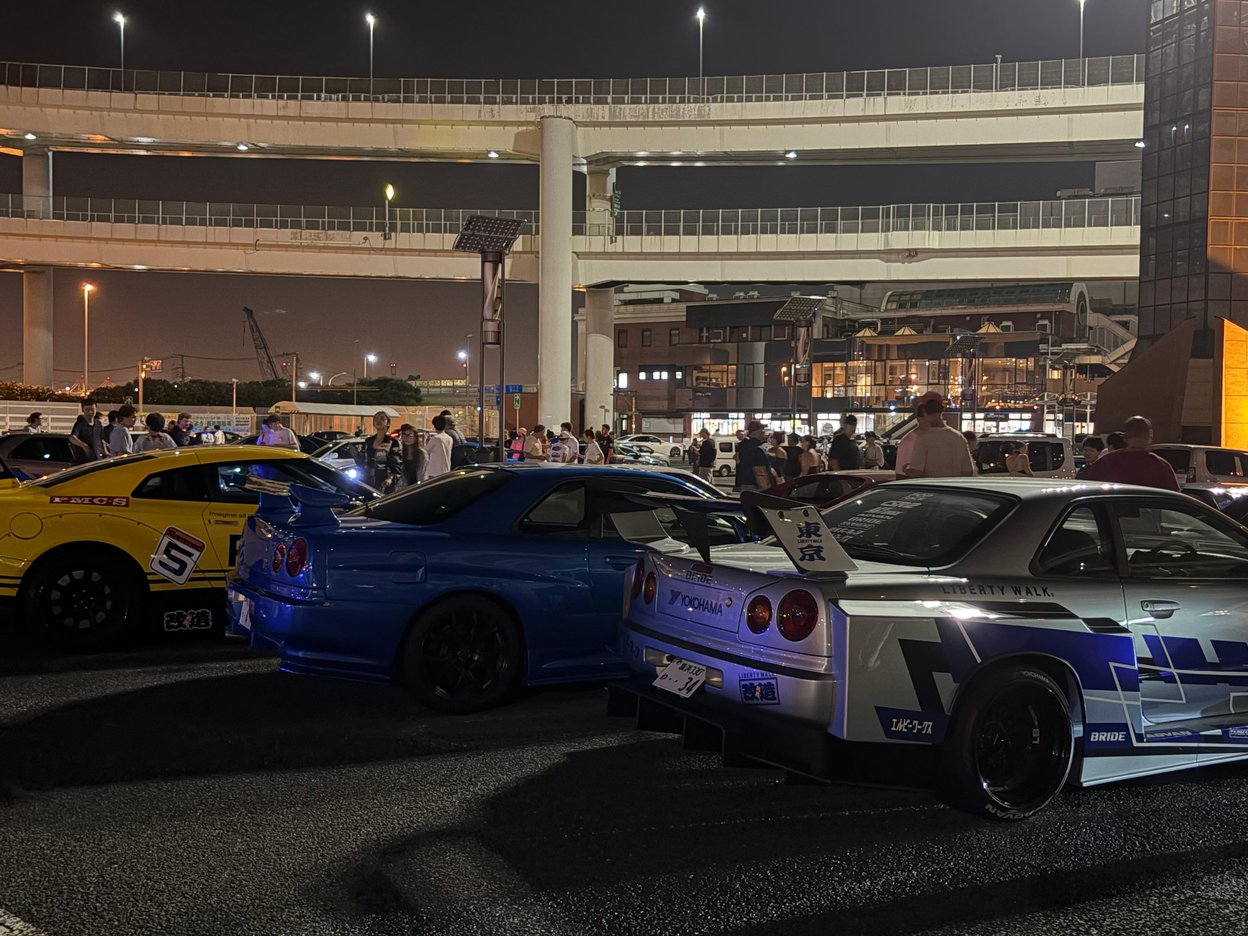
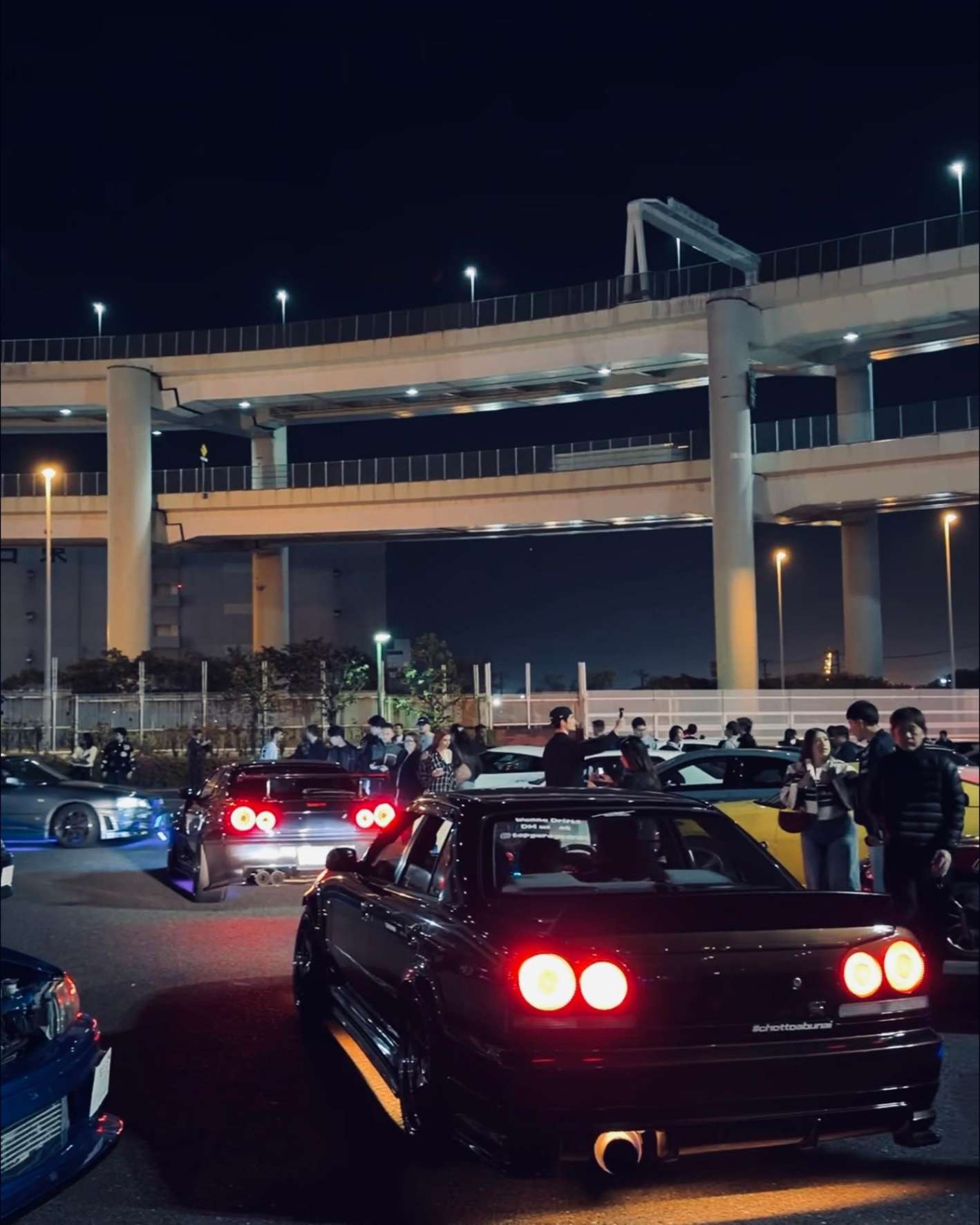
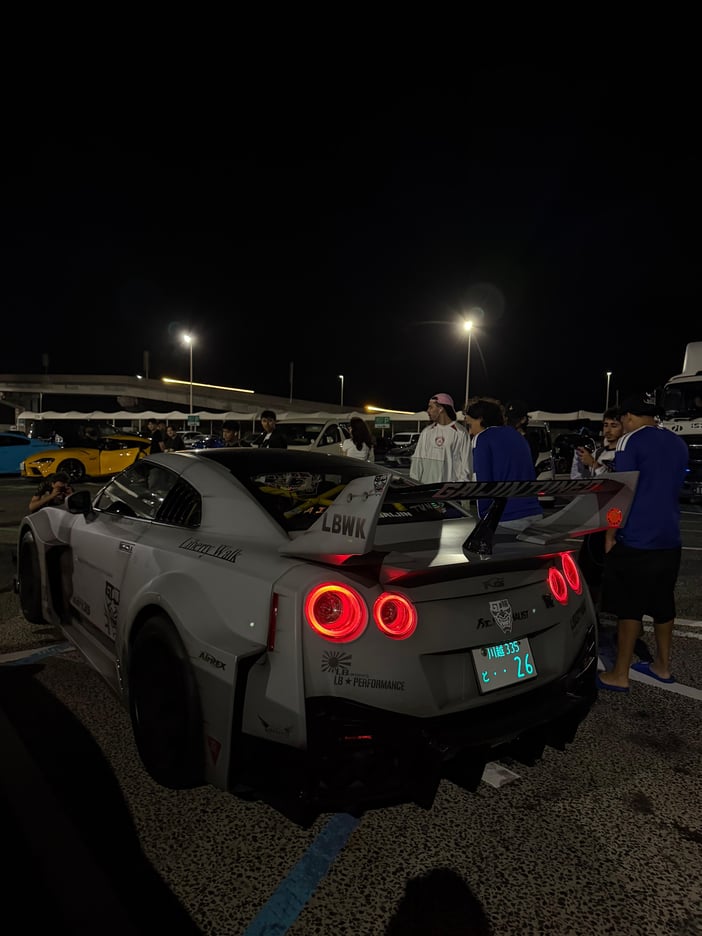
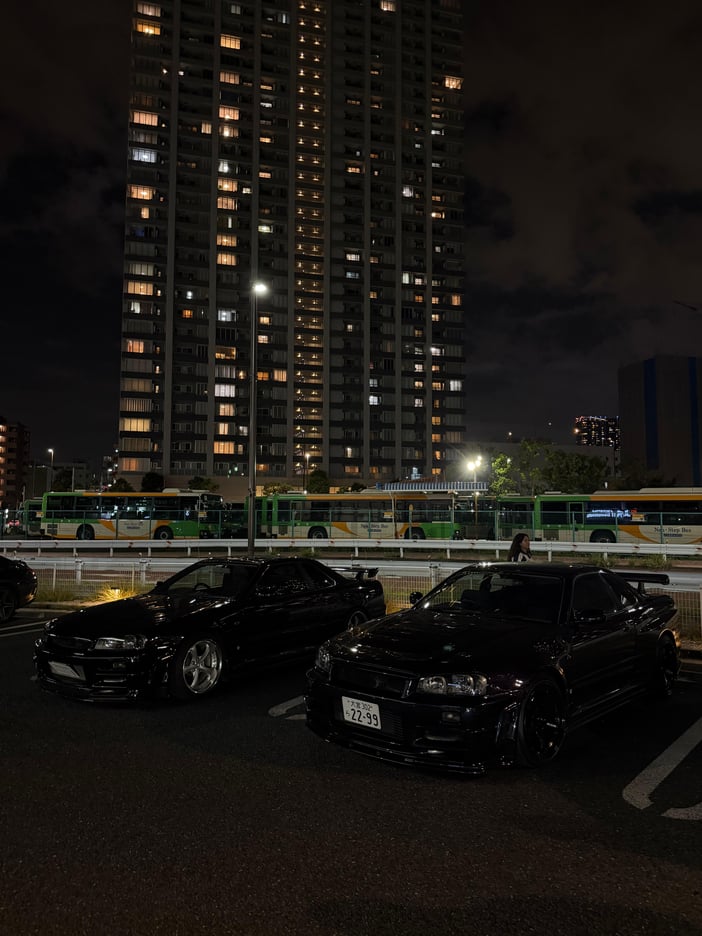
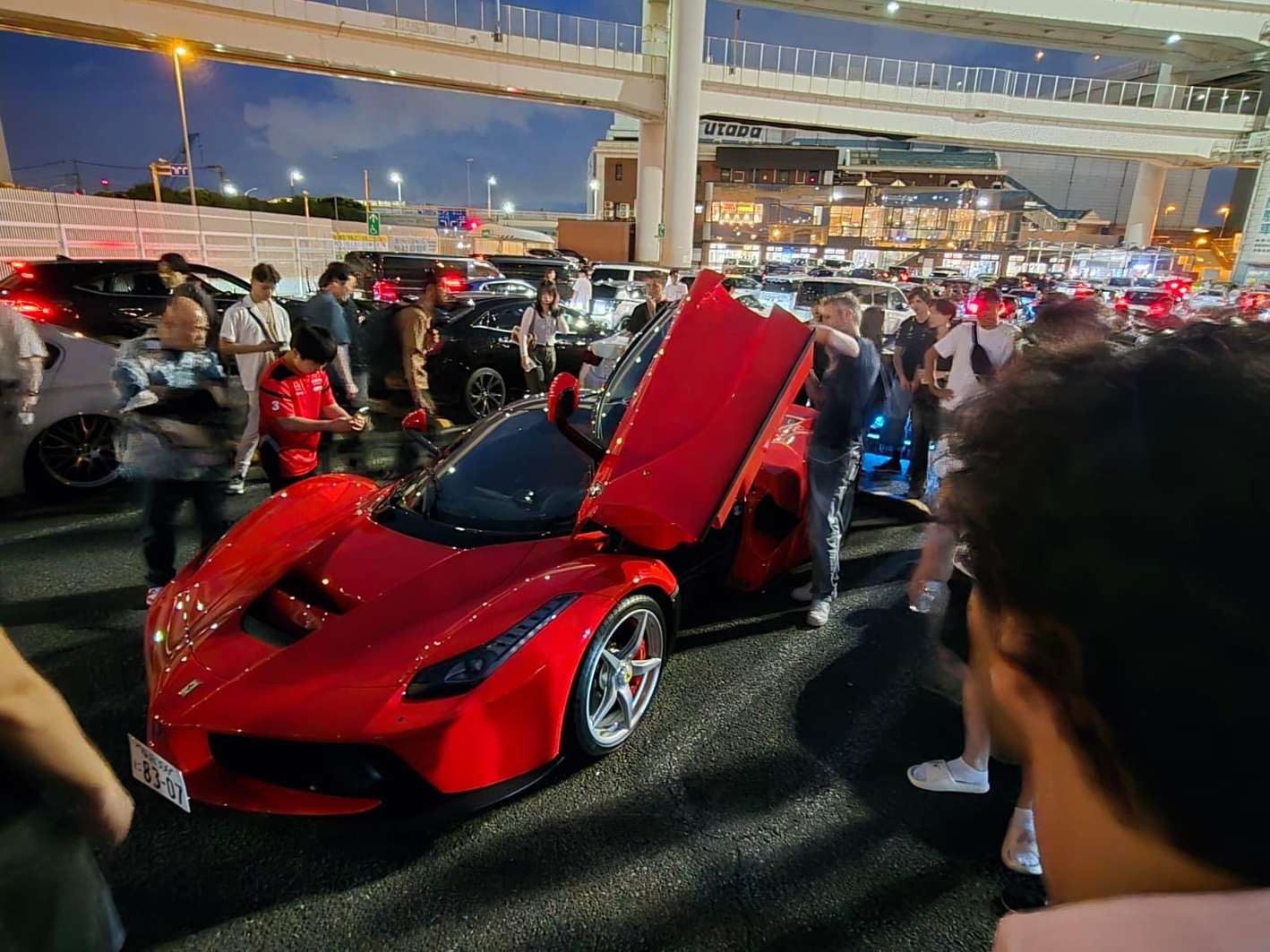
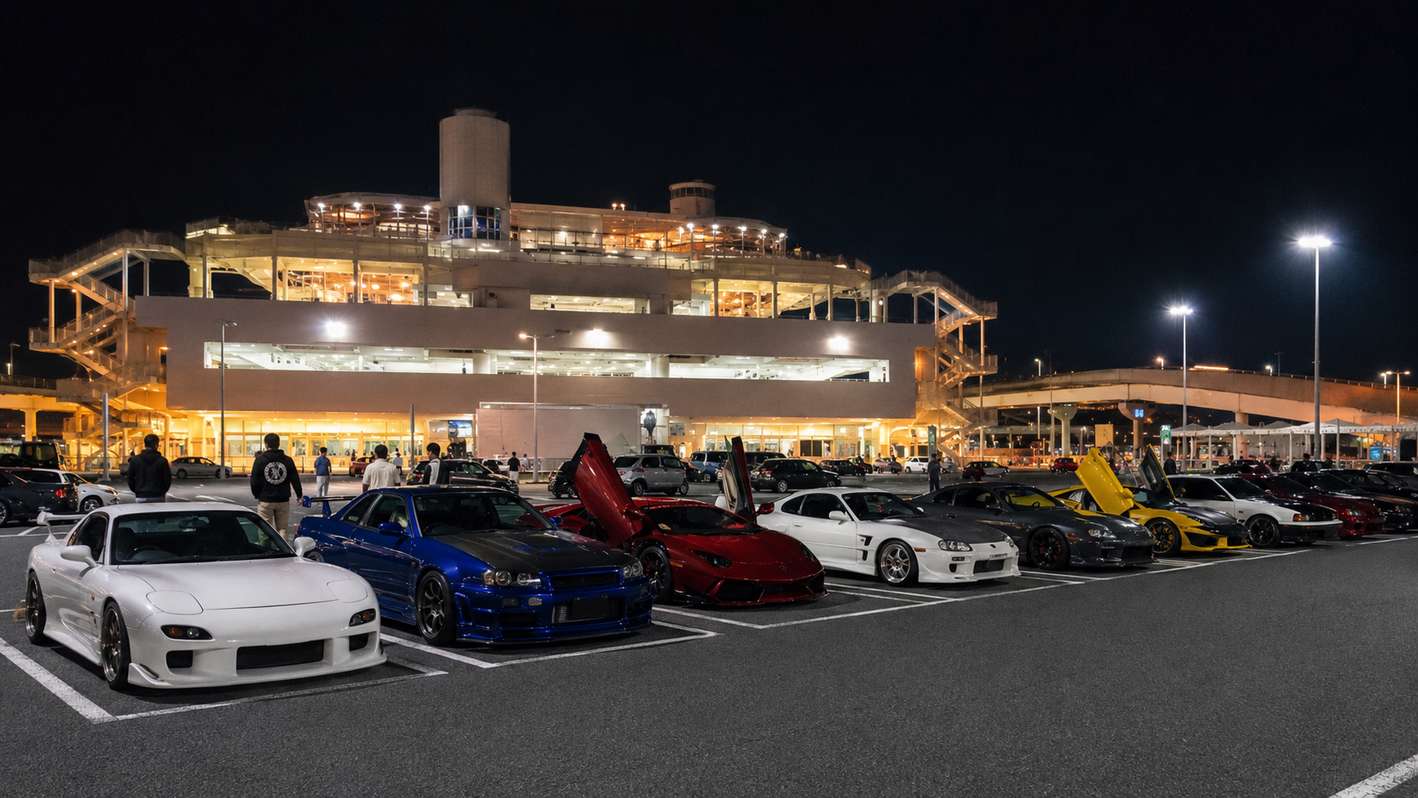
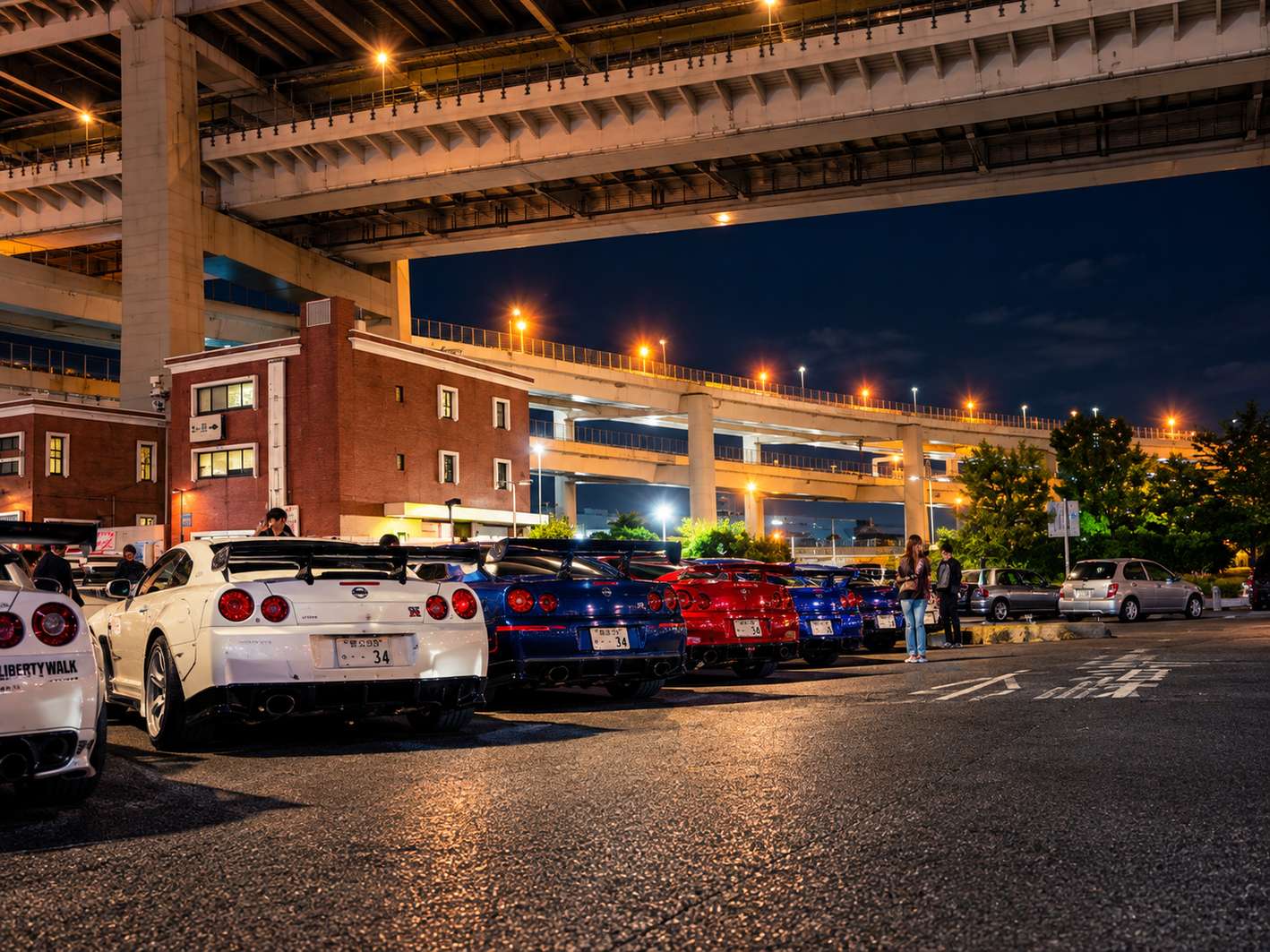
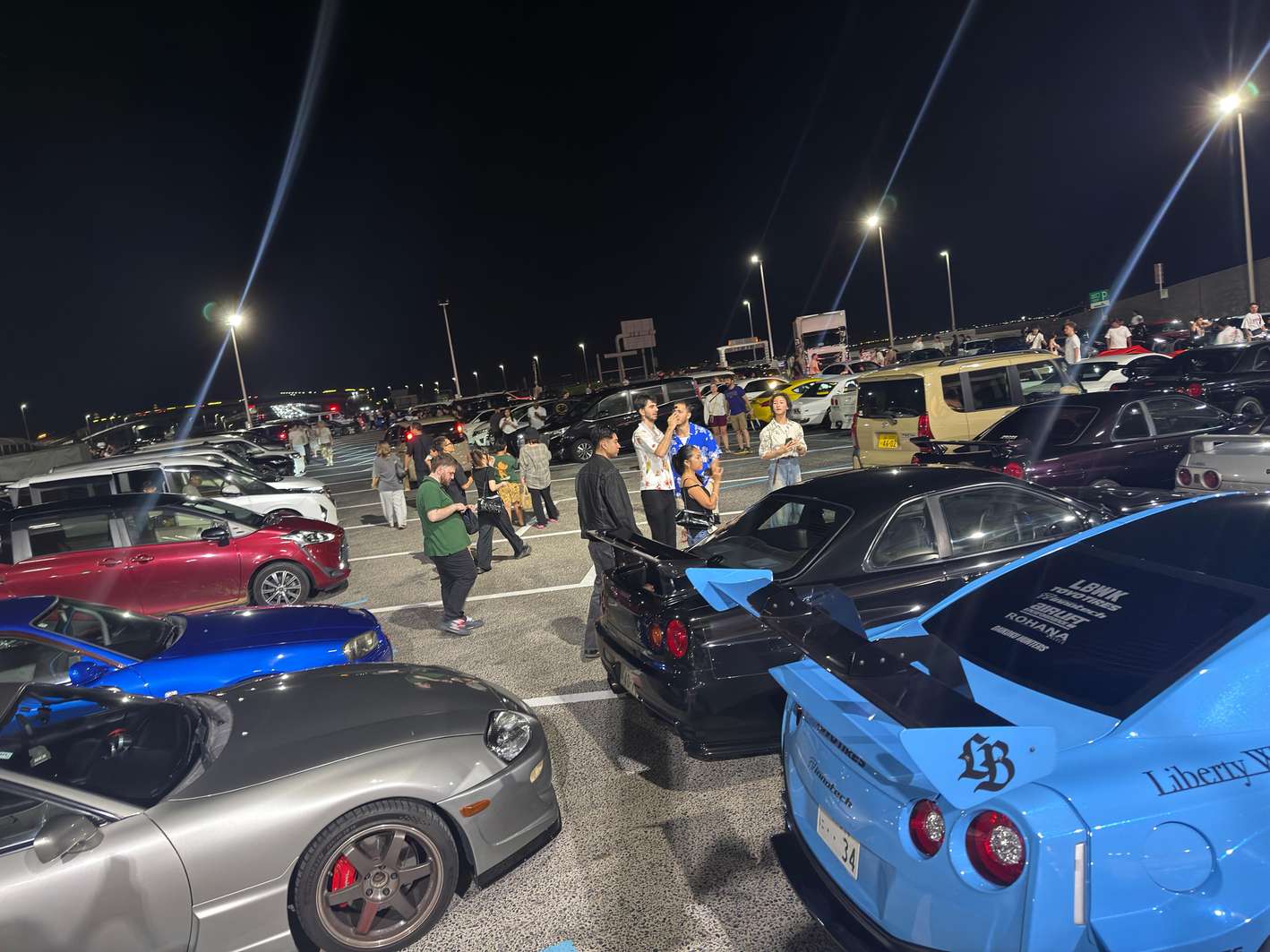
The route crosses Rainbow Bridge and the Wangan Highway before reaching Daikoku Parking Area, the most famous informal car meet in the Tokyo area, where the lot fills with Skylines, Supras and modified street builds most nights.
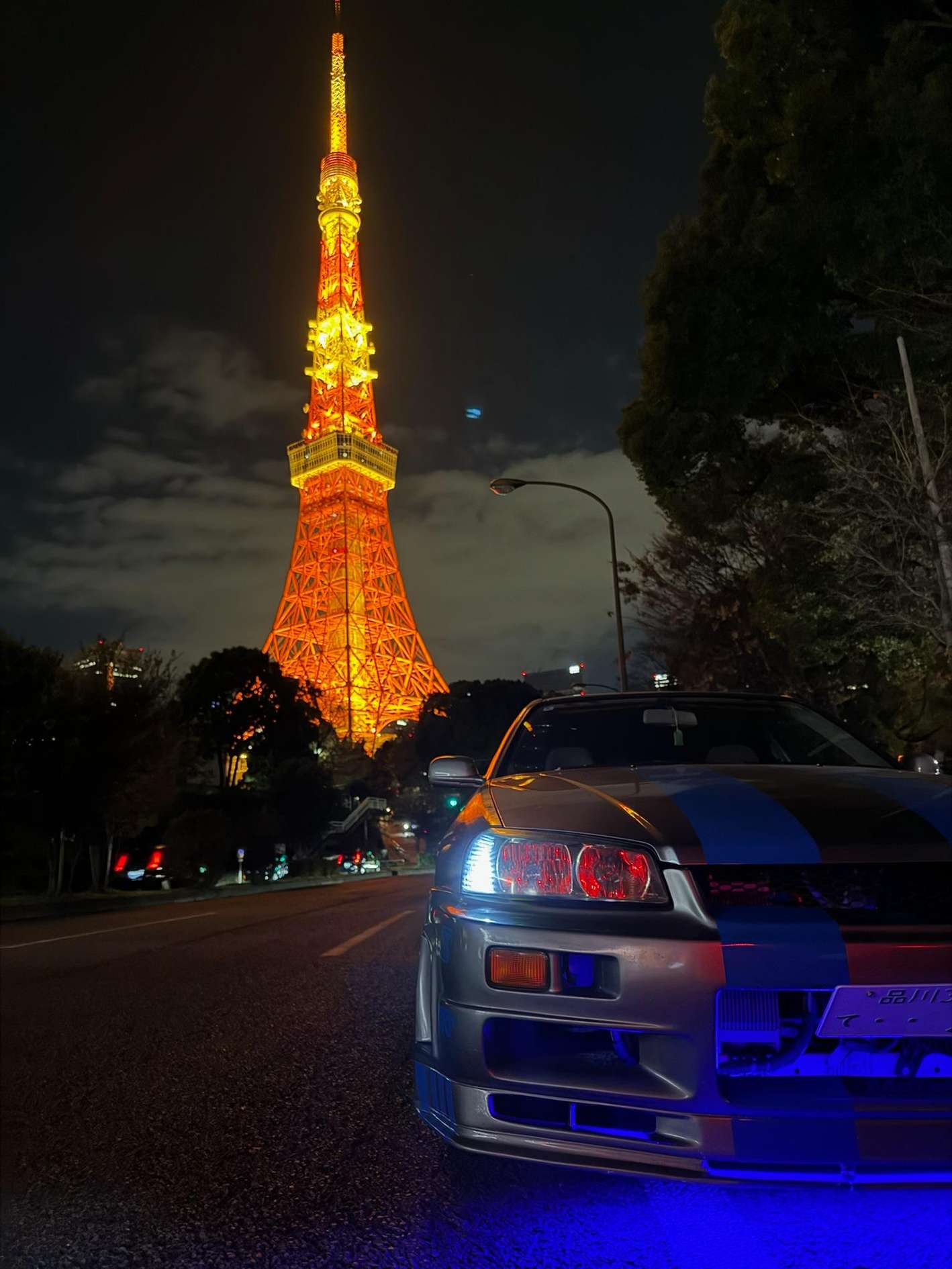
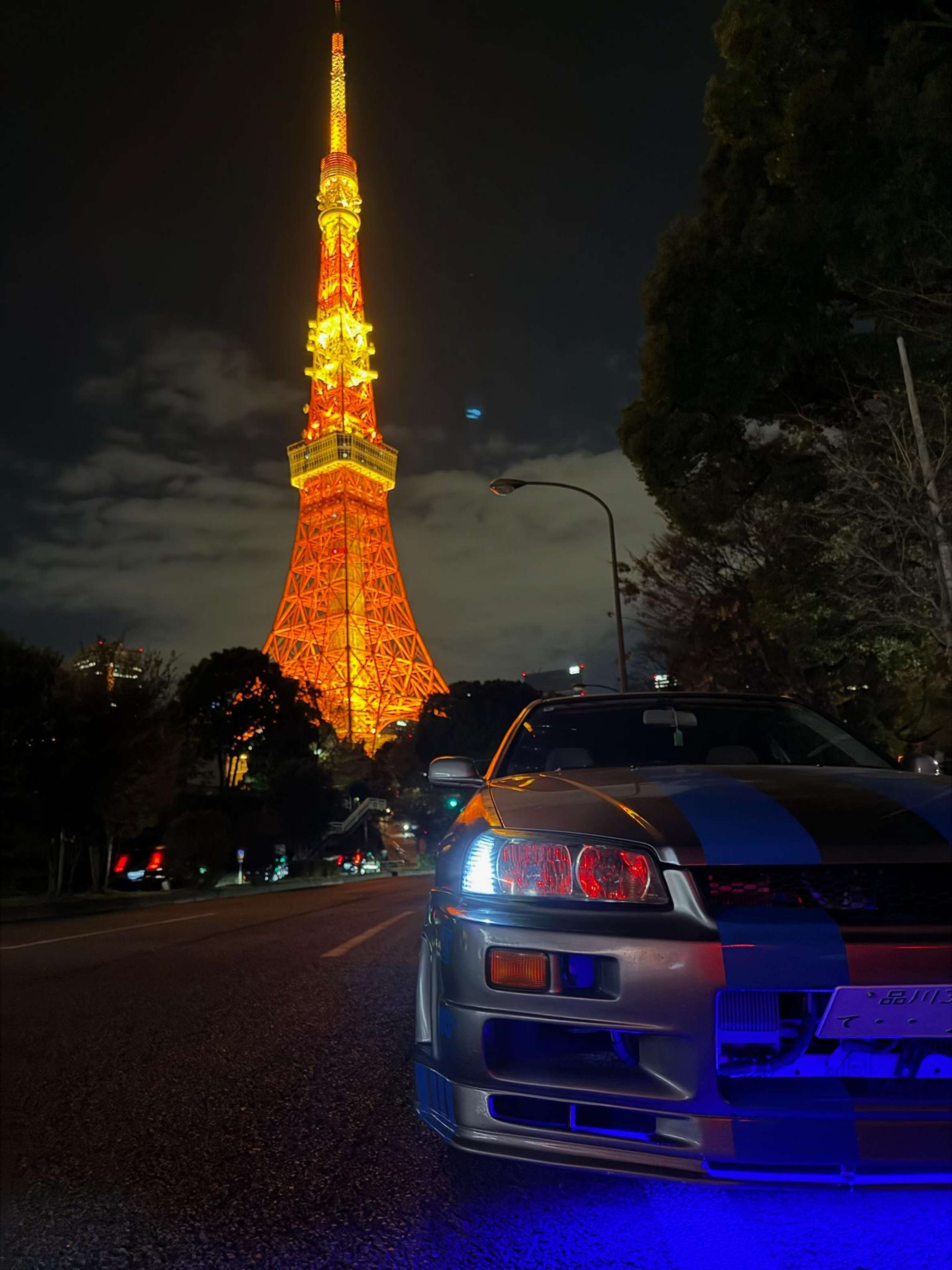
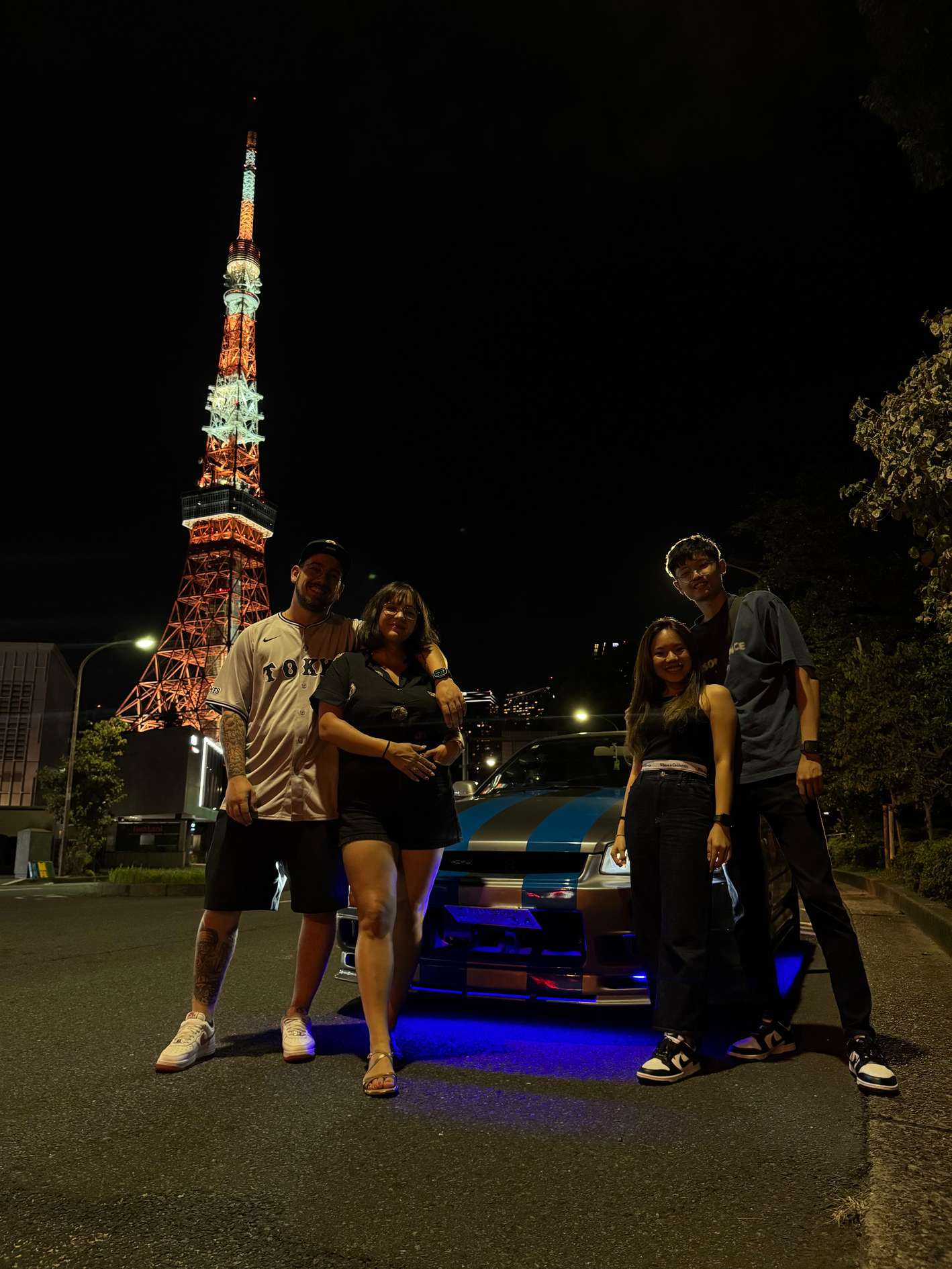
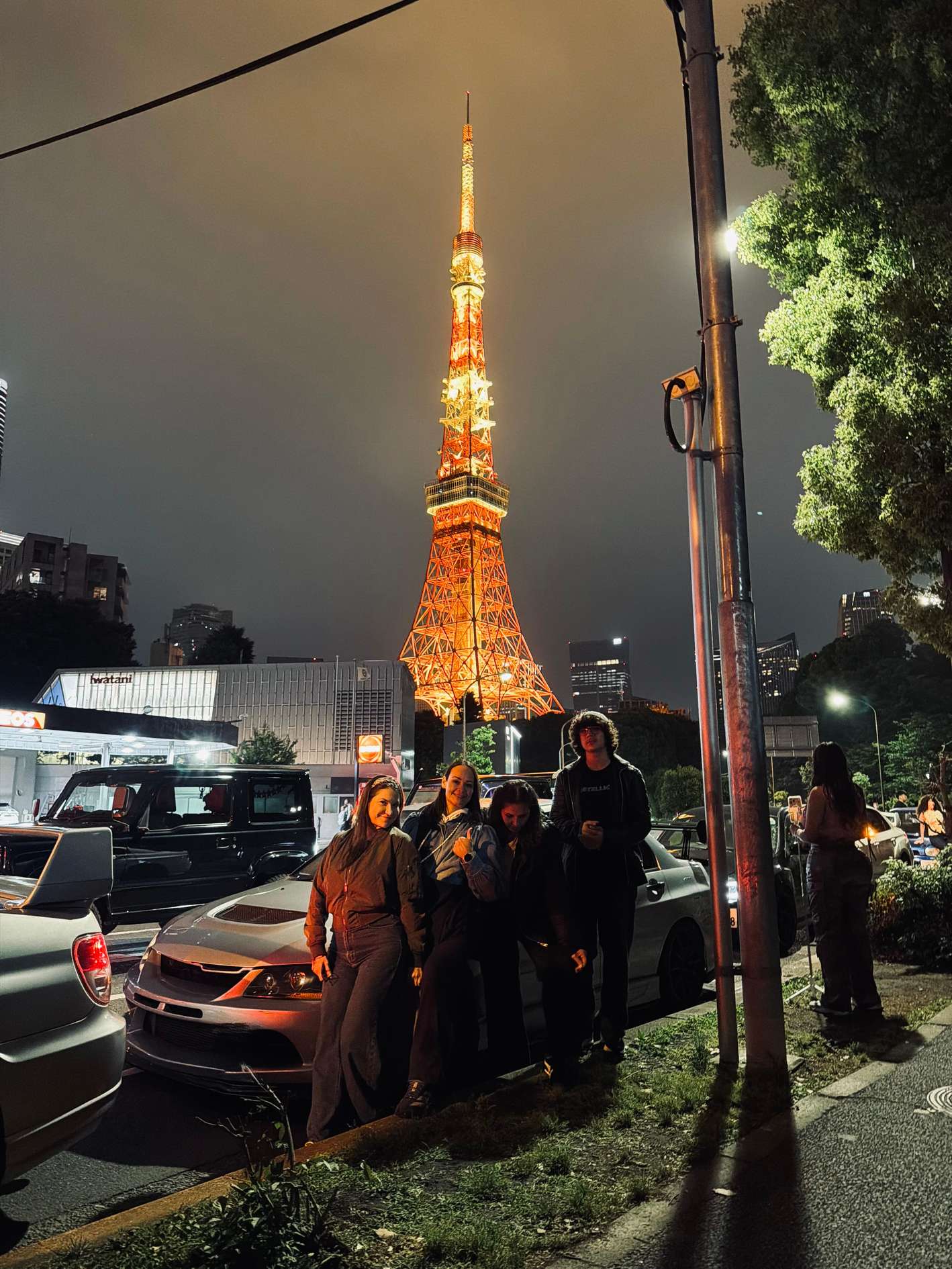
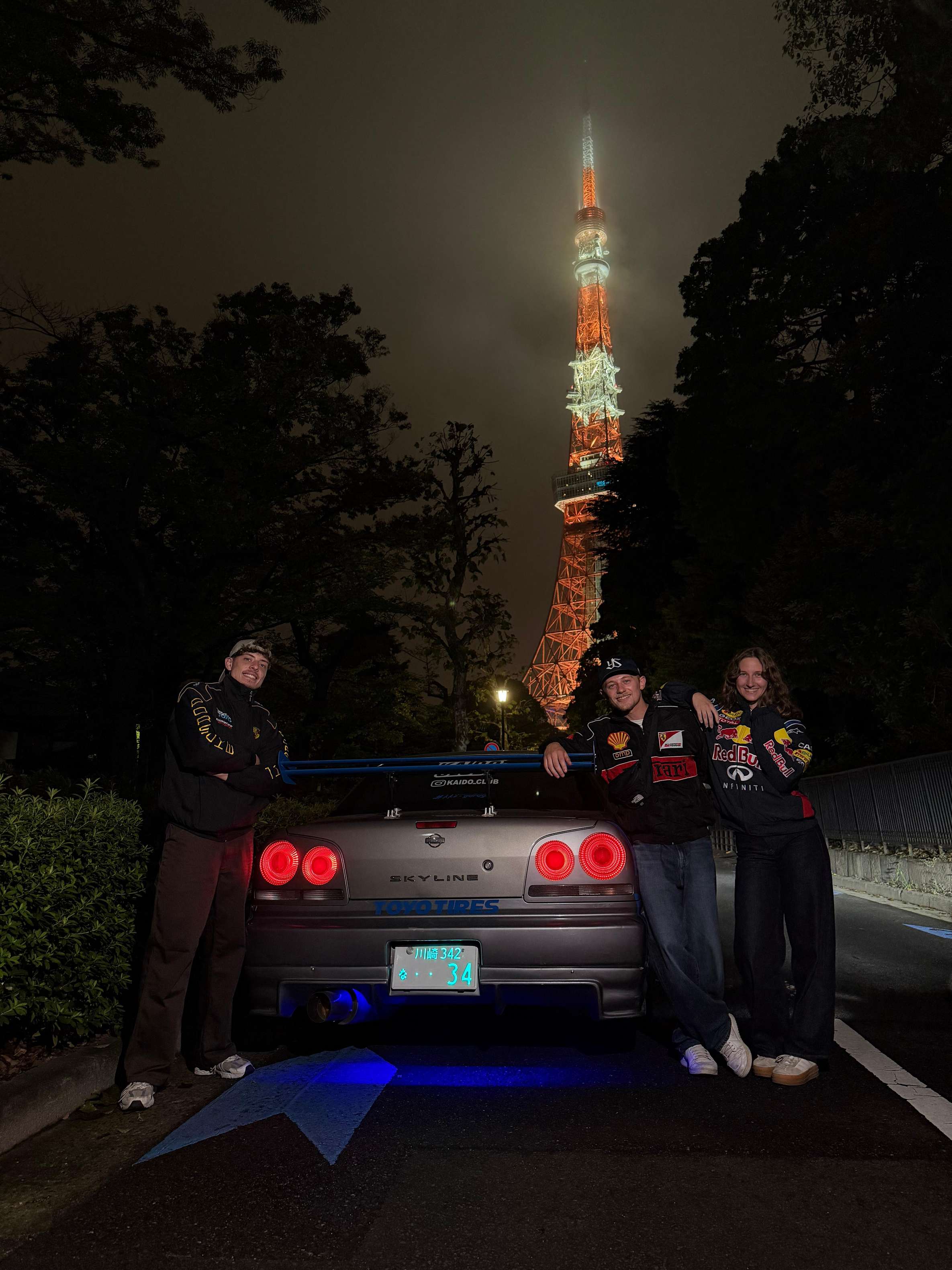
The tour then swings back through the city for a photo stop under the lit Tokyo Tower.
If you want your own hands on the wheel, the self-drive option on this page runs the same Daikoku route in a GT-R-style Nissan Skyline instead. Anyone can book the Supra ride, and the drive is also exciting yet controlled, so it reads as a night on Tokyo's expressways rather than a race.
Meeting point2 places, depending on your optionDrop-off back at the meeting point.Street View2Rainbow Bridge, Tokyo· 5 minThe drive crosses this lit bay bridge, revealing skyline views that travelers compare to a street racing film.3Daikoku Parking Area· 60 minA rest stop on a toll expressway at the north end of Yokohama, reachable only by car. You get about an hour of free time to walk the lot among Supras, Skylines and modified builds.4Tokyo Tower· 20 minA classic photo stop with the lit tower and the JDM car in frame.5Shibuya Crossing· 5 minThe night finishes with a pass through the world's busiest pedestrian intersection.Street ViewDrop-off2 places, depending on your optionDrop-off back at the meeting point.Street View
Included
Guided photo tourTransportation during the experienceMultiple photo stops at landmark viewpointsRegistered and insured operatorLiability insurance coverageFuel and tolls
What travelers loved about their Supra rental experience
Most reviewers praise their guide by name, saying the driver explained the car scene and took photos for them.
Best surprise
Several reviewers found partners and friends with little interest in cars still loved the night out.
Most common wish
A few wished for more room in the car and more time in the driver's seat on the night.
How to book - riding in a Supra instead of renting one in Tokyo
01
Pick your night
Choose a night run to Daikoku PA and book it before you fly. The guided Supra and R34 rides run about three hours, and every tour lets you cancel up to 24 hours ahead for a full refund.
Common mistakeWaiting until you land to book. These night runs fill up, and first-timers who leave the ride question until the day end up with no seat.
02
Choose the car option
Pick the shared R34 or 1000HP Supra MK4 run, or the private version that keeps the car for your group only. Choose the private option when sharing the ride with strangers would spoil the night.
Pro tipIf a specific model matters to you, request it when you book rather than hope for it on the night. The rides run with a set lineup, and the private run guarantees your own car.
03
Confirm pickup and messages
After payment your voucher arrives by email, and one tour operator sends a note within 48 hours asking you to reply. Shared runs meet in Shibuya at night; keep your phone notifications on.
RecommendedAdd a WhatsApp or Instagram contact after booking. Operators send updates before the start time, so a silent phone on the day is how people miss the meeting.
04
Bring the right documents
Bring your original passport on the night. For the self-drive Skyline tour you need an International Driving Permit (1949 Convention), drivers aged 23 or older, and a credit card for R34 drivers.
ImportantArriving without the original physical documents means no participation and no refund. Passengers on the guided rides only need a passport.
What to check before you trade renting for a Supra ride in Tokyo
Can stop the dayGood to knowGood news
01
ChoosingWhat it is, who it suits, when to go
4
Cars
The ride tour gets you a Supra MK4 on request, alongside the R34 or a GT-R R35 depending on availability, and the fleet tour includes both a Supra MK4 and a MK5 you can swap into. None of the tours on this page puts you behind the wheel of a Supra.
Group size
The fleet tour caps every car at three riders, so nobody is squeezed into a back seat, and it runs as a convoy on most days so you can switch cars at each stop. Both Supra tours also sell private versions if you would rather have the car to your group.
Included
Fuel, expressway tolls, insurance and local guidance are all part of the Supra ride tour, and the fleet tour includes unlimited photos with the cars. Dinner is your own affair, and the Mt Fuji day trip leaves entry fees and drinks to you.
Timing
There is no schedule for the Daikoku meet, and on Thursday to Saturday nights police can close the lot down by about 8:30 pm. Plan for a late return, and remember the fleet tour's 10 pm departure drops the Autobacs stop because the shop has shut.
02
BookingHow far ahead, and what happens if plans change
3
Booking ahead
Sort out your ride before you land, not after. If one particular model matters to you, message the operator at least 48 hours before your date, because cars in the fleet sometimes go in for maintenance. Tours sell out and hoping for a seat on the day is a gamble.
Cancellation
Every tour here lets you cancel up to 24 hours ahead for a full refund. If police activity closes Daikoku PA, the fleet tour offers an alternative stop and the Supra ride tour offers a full refund for the affected booking.
On boardCan stop the day
Smoking, alcohol, drugs and food or drinks in the vehicle are out on all of these tours. The Supra ride tour also states that unsafe, disruptive or intoxicated behavior ends your participation on the spot, without a refund.
03
Before you goPapers, health, what to bring
1
DocumentsCan stop the day
As a passenger you need only your passport. To drive the self-drive Skyline tour you must be 23 or older and bring original physical documents: an International Driving Permit from 1949 Convention countries, or a local license plus certified Japanese translation for Switzerland, Germany, France, Belgium, Monaco and Taiwan, plus a credit card for R34 drivers.
04
On the dayWhere to be, when, and how you get there
1
Pickup
The Supra ride tour starts in Shibuya, where neon and engine noise set the tone before the convoy rolls out. The multi-car fleet tour throws in free hotel pickup and drop-off for rides starting after 10 pm within Tokyo's 23 wards, and the Mt Fuji day trip picks up at your hotel too.
05
During the tourWhat is expected of you
3
Photos
Guides take photos at the landmarks and at the meet, the fleet tour includes unlimited shots with its cars, and the self-drive Skyline tour can add a photographer and a cinematic video the next day. Skip flash photography at night and ask before shooting interiors or plates.
Age and health
The Supra ride tour takes riders aged 18 and up, or younger with a legal guardian, and expects everyone fit to participate safely. The Shibuya pickup tour sets height and weight limits of 6 ft 6 in and 220 lbs, and rules out uncontrolled high blood pressure.
Meet manners
At Daikoku you are a guest at a community gathering, not a tourist at a show. Never touch or sit on a car without asking, stay out of driving lanes, keep the volume down, and never rev an engine or attempt burnouts, since that is exactly what gets meets shut down.
Supra rides, self-drive tours and where to rent instead in Tokyo
3 hours·French, English
4.8(135)
Tokyo: Daikoku JDM Ride, Request the R34, Supra or GT-R R35
Option: Daikoku Fast&Furious Tokyo Drift Brian R34/1000HP Supra MK4
Free cancellationGuided photo tourTransportation during the experience
What you can actually book when renting a Supra in Tokyo isn't possible
Supra seekers arrive in Tokyo hoping to drive one and leave with a story about the Daikoku car meet instead. The straight answer on self-drive Supra availability sits here, along with the closest bookable routes to the car, the wheel, or both.
Tokyo· 35.66° N, 139.70° E
If you only remember three things
1
No tour on this page hands you a Supra to drive; the self-drive car is a GT-R-style Nissan Skyline, and drivers must be 23 or older.
2
Police typically close the Daikoku lot from about 8:30 pm on busy weekend nights, weekday closures are rare, so tours pull pickups to 4 or 5 pm.
3
Sort your International Driving Permit at home: it cannot be issued in Japan, and card or digital versions are not valid.
Driving yourself - the straight answer on a self-drive Supra rental
The question behind the search gets the shortest possible answer: no self-drive Supra rental is sold on this page. What is on sale are the closest things to it, and they split by car and by who holds the wheel.
The option this page leads with is Tokyo: Daikoku JDM Ride, Request the R34, Supra or GT-R R35, a 3-hour night run where you request the Supra MK4 as your ride car and spend an hour walking the Daikoku car meet. You ride, a guide drives, and the Supra is the car you booked.
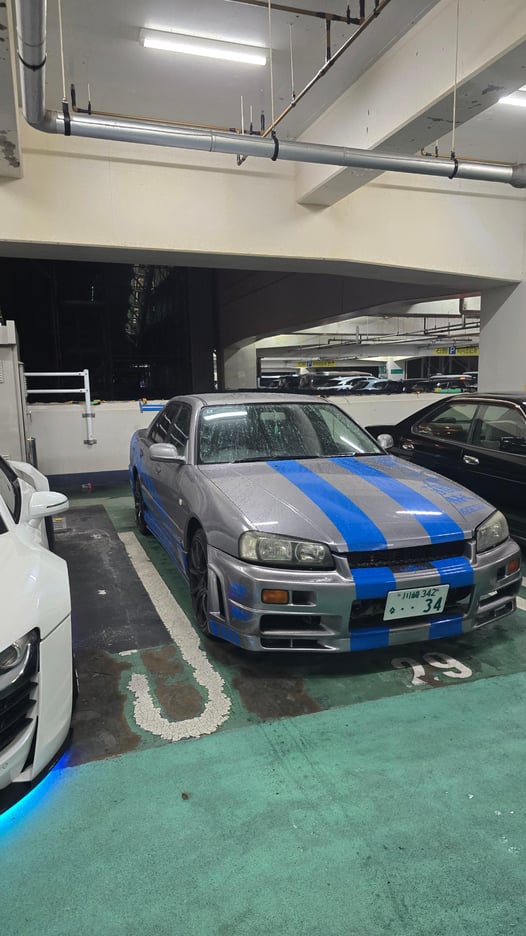
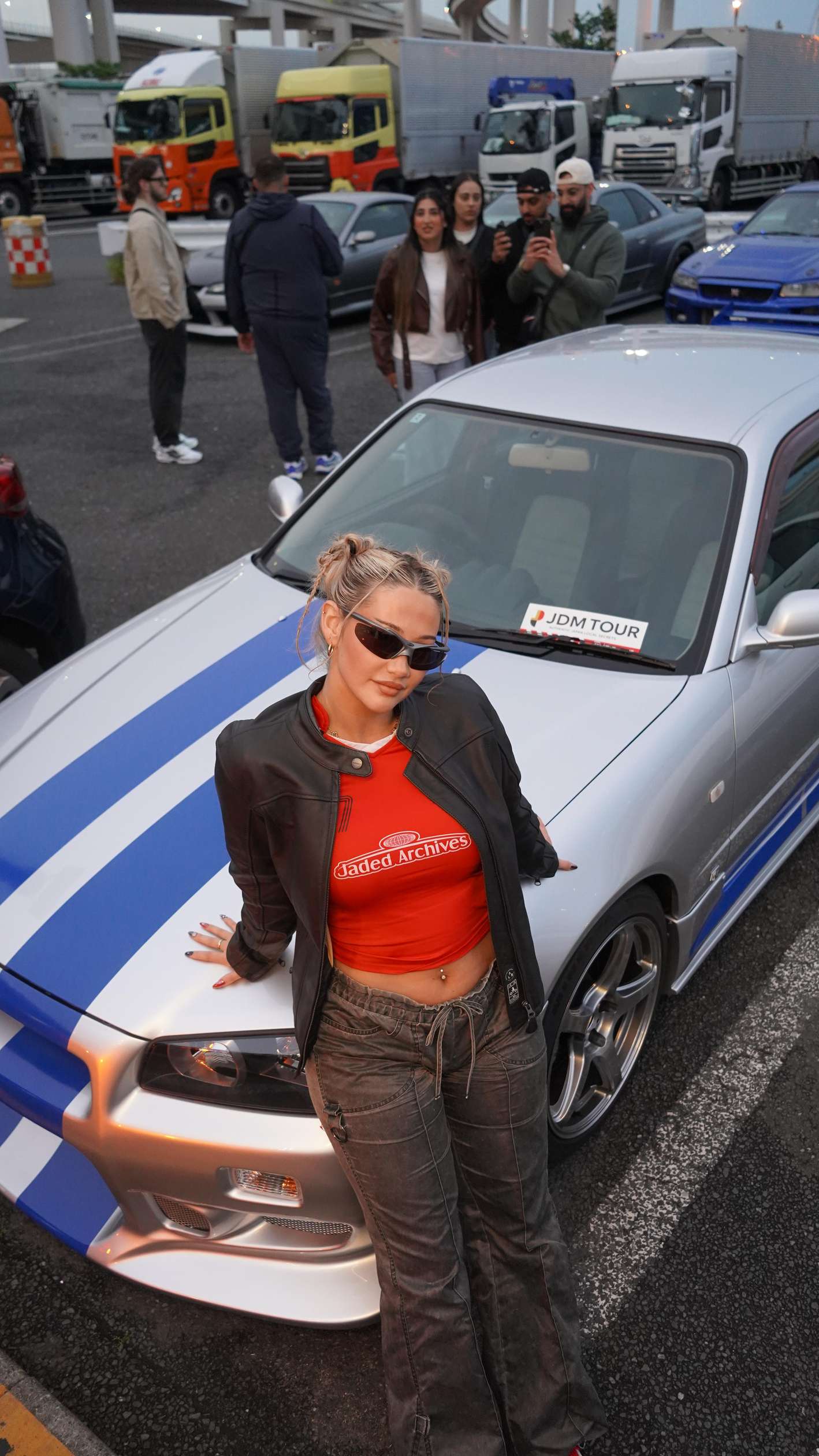
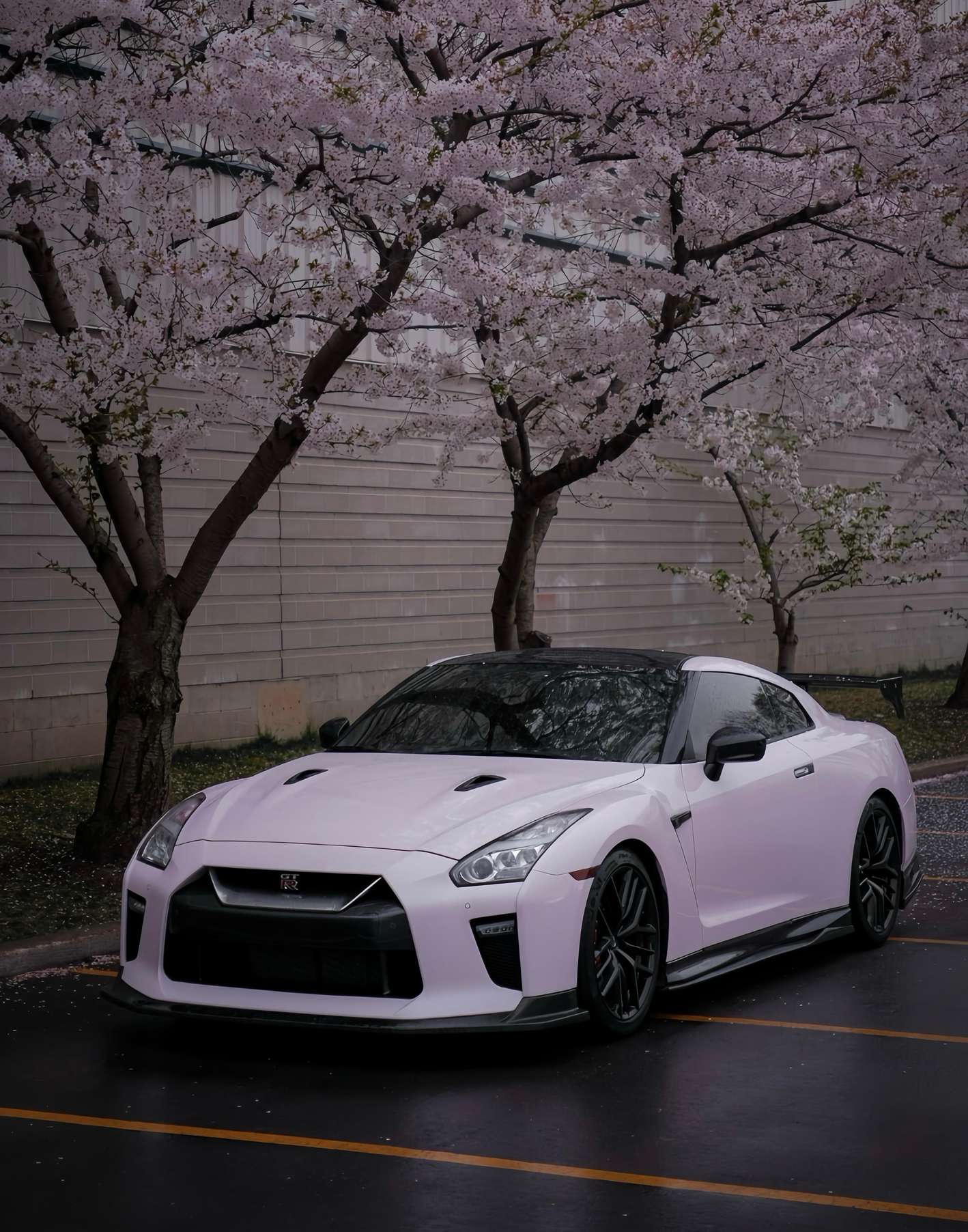
If the wheel matters more than the badge, Tokyo Drift: Self-Drive R34/35 GT-R JDM Car Tour Daikoku PA is the one tour here where you drive yourself, in a customized Nissan Skyline through neon streets to Daikoku PA.
Closest bookable options to a self-drive Supra
Car
Drive or ride
What you trade away
Tokyo: Daikoku JDM Ride
Supra MK4 on request
Ride, guide drives
You never hold the wheel
Self-Drive R34/35 GT-R Tour
GT-R-style Skyline
You drive
The badge is Nissan's
Daikoku drift car meet tour
Supra among rotating cars
Ride, pickup at Shibuya
Car lineup varies
Mt Fuji private tour
Supra or GT-R on request
Ride, guide drives
Full 10-hour day
Car
Tokyo: Daikoku JDM Ride
Supra MK4 on request
Self-Drive R34/35 GT-R Tour
GT-R-style Skyline
Daikoku drift car meet tour
Supra among rotating cars
Mt Fuji private tour
Supra or GT-R on request
Drive or ride
Tokyo: Daikoku JDM Ride
Ride, guide drives
Self-Drive R34/35 GT-R Tour
You drive
Daikoku drift car meet tour
Ride, pickup at Shibuya
Mt Fuji private tour
Ride, guide drives
What you trade away
Tokyo: Daikoku JDM Ride
You never hold the wheel
Self-Drive R34/35 GT-R Tour
The badge is Nissan's
Daikoku drift car meet tour
Car lineup varies
Mt Fuji private tour
Full 10-hour day
Three things decide which one fits: the car itself, control of the wheel, and how far ahead you book.
Tour for this
Tokyo: Daikoku JDM Ride, Request the R34, Supra or GT-R R354.8★ (135) · 3 hours · Free cancellation
If driving yourself is the deal, this is what you can drive
Tokyo at night from the driver's seat is the part of the JDM dream that made you search for a Supra rental in the first place. The honest position: none of the tours lets you drive a Supra.
The only self-drive experience on sale puts you behind a GT-R-style customized Nissan Skyline instead, running a 4-hour route from near Shibuya, across Rainbow Bridge, and into Daikoku PA with an English-speaking guide in the convoy.
On a guided self-drive tour you follow a lead car, so no navigation is needed, and normal speed limits apply the whole way.
The paperwork comes first: drivers must be 23 or older, carry an international driving permit or equivalent, and R34 GT-R drivers bring a credit card, not a debit card. The original physical documents must be with you on the day.
Whether the Skyline substitution works depends on why you wanted a Supra. If the reason was the drive itself, right-hand-drive, left-side roads, tunnels echoing, the Skyline gives you all of it. If the reason was one specific car, chapter 3 is yours.
What to check before booking a self-drive JDM tour
Check
Why it matters
Our pick
The car you actually get
One specific car is the whole reason people search
GT-R-style customized Nissan Skyline, R34 or R35
The documents Japan requires
Missing papers mean no participation and no refund
IDP or local licence plus passport, originals on the day
The age minimum
Under-age bookings are refused outright
Drivers must be 23 or older
Who handles navigation
Tokyo's expressway network is not a first-day drive
Lead car in convoy, guide with you
One more thing worth knowing: at the meet you visit, Supras park next to Skylines. The car you came for shows up on foot.
Driving yourself
Rent a car in TokyoCompare cars from the rental companies in one search, then pick yours.
If the Supra itself is the deal, ride in one instead
Plenty of travelers weigh the badge over the wheel, and that is a fair call: a local driver who knows the bay roads is behind the wheel either way.
The Supra experience you can book ahead for any date is a passenger ride. The gap is real, so say it plainly: no guide drives fast enough to let you take over, and no tour sells you the keys.
Two routes get you a Supra. On Tokyo: Daikoku JDM Ride you request the 1000HP Supra MK4 as your ride car for the night run through the C1 loop and Wangan Highway, with a private option if you want the car to yourselves.
On Daikoku: Tokyo drift carmeet with Supra/R34/Silvia/R35/Evo, pickup happens at Shibuya in one of those cars, the specific one depends on the night, and travelers get a refund if a different vehicle is substituted. Pickup in a Supra is not guaranteed there, which is the trade-off.
What the ride delivers is the thing underneath the search: a tuned Supra's engine note under the Rainbow Bridge lights, then walking a meet where the Mk4 you just rode in parks beside whatever Tokyo rolled out that night.
A traveler's note
Our driver Alexandre was great, with clear explanations. A superb activity I'd recommend, we got the Nissan R34 and it was incredible. A great memory of Japan, Daikoku and the car meet. 😁😁😁
The lesson travelers keep landing on: the meet itself is the payoff, and the Supra is how you arrive. Book the tour that names its car, so the lineup holds no surprise.
Tour for this
Daikoku: Tokyo drift carmeet with Supra/R34/Silvia/R35/Evo4.9★ (140) · 2.5 - 3 hours · Free cancellation
The reassuring part: Supra experiences in Tokyo run nightly and are bookable ahead for your dates, with hotel pickup on the Daikoku JDM Ride and a full refund window of 24 hours before start. The risk is not availability in principle. It is timing.
The classic mistake is leaving the ride question until you are already in Tokyo. By then the good nights are sold out and you end up hoping a stranger has a spare seat. Tours sell out, and turning up on the day is a gamble with bad odds.
How far ahead depends on the season. Demand peaks in April, October and September, well above an ordinary month, so in those months book several days to a week out.
In quiet months like June, February and December, travelers often still get in booking late.
Specific cars carry their own clock: one operator warns that same-day requests for a particular model may not be available, another asks guests to confirm a model at least 48 hours before, because the cars are privately owned and sometimes under maintenance. Hotel pickup must be arranged by the day before.
RecommendedRequest the car early: Specific models are privately owned and sometimes under maintenance; confirm yours at least 48 hours ahead, and arrange hotel pickup by the day before.
So the rule is simple. Book before you fly, name the car in the message, and wait for the operator's confirmation.
Tour for this
Daikoku:Experience Tokyo's Car Culture in Iconic JDM Cars4.9★ (872) · 3.5 hours · Hotel pickup · Free cancellation
Riding or driving - what each night actually feels like
Picture both versions before you pick. On a guided ride, someone else drives while Tokyo's tunnels and bridges do their thing outside the window: the C1 loop wrapping glowing skyscrapers, Rainbow Bridge over the bay, then an hour on foot at Daikoku walking rows of Skylines, Supras and whatever else showed up.
No driving licence is needed, and a lead driver who knows Tokyo handles every merge. Tours run three to four hours, which is enough for the drive and the meet.
On a self-drive night, your hands are on the wheel from near Shibuya, following a lead car through the same neon routes, an English-speaking guide with the convoy, the meet at the end. Normal speed limits apply. The drive is exciting but controlled, and travelers with capable drivers say they felt comfortable throughout.
The choice is not better or worse, it is what you want your memory to contain: the view, or the wheel.
What these tours do and don't include
MythWrong belief
Reality
What is true
MythYou can drift on these tours
Reality
Drifting on public roads is illegal in Japan, and tours do not include it
MythA 'car tour' always means you drive
Reality
Most are guided passenger rides with a professional driver
MythYou need car knowledge to enjoy a ride
Reality
No prior knowledge is required; the views and atmosphere carry it
MythOne booking covers both driving and riding
Reality
Each tour is one mode; there is no switch mid-booking
If the driving itself is the whole point, the self-drive Skyline tour is your only option here. If it is the cars and the city at night, ride and enjoy the passenger seat.
Tour for this
From Tokyo: Private JDM/Sports Car Tour to Mt Fuji & Hakone5.0★ (19) · 10 hours · Hotel pickup · Free cancellation
Friday and Saturday nights are the classic answer. Cars start filling Daikoku PA from around 5 pm, the crowd builds through the evening, and the deepest turnout runs roughly 9 pm to 1 am.
Weeknights run far quieter but are rarely empty, and a Sunday or weekday morning is the calmest window for relaxed car-spotting and photos.
The wrinkle that shapes the plan: police typically close the lot from about 8:30 pm on busy weekend nights, while Monday-to-Thursday closures are rare, so operators pull Friday and Saturday pickups forward to 4 or 5 pm to beat the shutdown. Arriving early beats arriving late, every time.
How busy the JDM tours are each month, with rain and dry days
April: 5 out of 5 for how busy it gets. The busiest month of the year (150) with mild 19.6°C days and 19 sunny days, the best mix of full car meets and comfortable evenings.
HighestMar to Apr, Sep to Oct
In betweenJan, May, Aug, Nov
LowestFeb, Jun to Jul, Dec
Darker: a higher how busy it gets score, out of 5
Tap a month to read it.
January: 26.4 dry days. A quiet month with 26 dry days and cool nights around 0°C, so meets are thinner but tours run and the winter night skies are clear.
HighestNov to Jan22.8 to 26.4 days
In betweenFeb22.2 days
LowestMar to Oct15.6 to 19 days
Darker months: higher, from 15.6 to 26.4 days
Tap a month to read it.
December: 26.8 sunny days. Quiet (73) with 25 dry days and mostly clear skies, but nights drop to 2.5°C, so dress warmly for the meets.
HighestAug, Dec to Jan24.2 to 26.8 days
In betweenFeb to Mar, Jul, Nov21.2 to 23 days
LowestApr to Jun, Sep to Oct16.8 to 19.6 days
Darker months: higher, from 16.8 to 26.8 days
Tap a month to read it.
Read the calendar against your own dates. April is the busiest month for these tours, followed by October and September, and those are the months to book furthest ahead.
June, February and December stay quietest, so travelers there often still get in booking late, though the meets run thinner on wet nights: June and September each average about 14 rain-affected days, and rain thins the car count, though travelers report meets being somewhat empty rather than empty. Guides bring umbrellas and tours still run.
The schedule itself needs no research: the Daikoku meet is informal, with no organiser and nothing published in advance. The question is never whether cars will be there, but how many and whether the lot stays open.
The paperwork that decides whether you can drive
For anyone leaning self-drive, one document outranks every other decision. The International Driving Permit, 1949 Convention only, is required for most countries, and it must be obtained in your home country before arrival. It cannot be issued in Japan.
Only the paper booklet type is valid; card-type and digital versions are not. It is good for up to one year from issue, and no more than one year from your arrival in Japan, whichever comes first.
Some nationalities sit outside that system. Licences from Switzerland, Germany, France, Belgium, Monaco or Taiwan do not work with an international permit: drivers from those countries need their local licence plus a certified Japanese translation, arranged through JAF online before the trip.
Travelers from countries that cannot use an international permit at all must do the same. US military personnel and families can drive on SOFA documents with a state licence and military ID.
Whatever route applies, the original physical documents and your passport come with you on the day. The self-drive tour is blunt about the consequence: failure to meet the requirements means no participation and no refund.
The permit that cannot be fixed in Japan
International Driving Permits cannot be issued in Japan; card and digital versions are not valid Arrange the paper booklet permit, or a JAF translation if your country needs one, before you fly
Check this first, before the tour and the flights. It is the one item that can stop the visit entirely.
Getting to Daikoku - why a tour car is the way in
Daikoku PA sits on an artificial island in Tokyo Bay, at the north end of Yokohama, inside the Shuto Expressway. There is no way in except by car already on the expressway: no station, no footpath, no bicycle access, no bus stop, and no taxi rank.
A taxi can drop you off, but it cannot wait and collect you again, which makes a drop-off a one-way trap.
This is why guided tours with hotel pickup dominate the access question. Operators collect you in the JDM car itself and drive you in via the expressway, about an hour from central Tokyo, 39 minutes from Haneda Airport, and roughly an hour 45 minutes from Narita without traffic.
Some operators also let you meet the group directly at Daikoku if you have your own car, which matters for anyone already driving.
The rows tell the story plainly: every guided-tour entry works, every taxi entry strands you on the return, and every train-and-walk entry is impossible. For a traveler without a car, the tour is not the luxury option, it is the practical one.
The access problem has an upside. The same barrier that keeps out casual visitors is what keeps the meet a community gathering rather than a theme park, and arriving in a JDM car with a guide who knows the lot puts you inside it rather than outside the fence.
Going it alone with a JDM car hire in Tokyo
If independence outranks everything, the real rental route exists and works.
JDM rental specialists run shops across Tokyo: one near Haneda Airport in Ota and another in Adachi, others with stores in Chiyoda, Koto, Meguro and Shibuya-Higashi, a GT-R specialist handing over cars near Shibuya Station, and one shop in Matsudo, Chiba just outside the city.
Several have three pickup points in Shibuya alone. For an ordinary sporty car rather than a JDM legend, Toyota's rental site rents a GR Yaris or an LC.
The honest accounting: tolls on the expressways add up fast, and a steep damage excess applies if the car gets disabled. Tokyo's roads themselves are orderly, with courteous drivers, though right turns and correct lane choice are the tricky parts for the first day or so.
How hard each rental path is
JDM specialist shopsBook ahead, bring the right permit, plan your route and tolls
Moderate
Ordinary sporty rentals through Toyota's siteSimple booking, but no JDM legends on the list
Easy
Driving Tokyo yourselfOrderly roads, but turning and lane choice take a day to settle
Moderate
Damage and costsTolls accumulate and the damage excess bites if the car is disabled
Difficult
Weigh that against the self-drive tour on this page, where the operator's car, the lead car, the guide and the tolls are all handled, and your job is only the paperwork and the driving.
Self-rental buys freedom over schedule and route at the cost of every arrangement falling on you. Both are real ways to drive a JDM car in Tokyo; one has support built in.
What happens if Daikoku gets shut down
Every Daikoku night carries one risk nobody can schedule away: the police close the meet, with no notice. Closures are decided on the night by the expressway operator working with police, typically on Fridays, Saturdays, three-day weekends and holidays from about 8:30 pm, while Monday to Thursday closures are rare.
Weekend-night closures became the norm through 2025 and 2026. There is no schedule to check in advance, and once the entrance closes, do not count on it reopening.
When it happens, tours adapt. Most divert to a fallback lot such as Umihotaru or Tatsumi rather than refund, and several offer a full refund if you decline the alternative.
Policies vary by operator, so the terms are on each booking: the Daikoku JDM Ride on this page offers a full refund if Daikoku closes. Once the entrance has shut, the drive does not have to end, but the meet you came for does.
Weather plays a quieter role. Heavy rain or police activity can close the PA outright, but ordinary rain rarely kills the meet; travelers have found plenty of cool cars despite rain. Operators tell you to check the weather and keep messaging notifications on, because they send updates before departure.
If the night changes
If this happens
What happens then
Police close Daikoku by about 8:30 pm
Alternative location such as Umihotaru, or a full refund depending on the tour
The lot fills and the entrance shuts
No reopening that night
Heavy rain but the PA stays open
Tours run and the meet thins out
You are unsure about pickup
Keep WhatsApp notifications on; operators message before start time
Book knowing the fallback exists, and the closure becomes a reroute rather than a ruined night.
How to behave at the meet so you're welcome back
Daikoku is a community gathering you are a guest at, not an attraction built for visitors, and the unwritten rules matter because trespassing tourists are why some locals stopped bringing their cars.
Start with the basics: never touch, lean on, or sit in a car without the owner's explicit permission. Exterior photos are generally welcome, but ask before close-ups of interiors, engine bays or licence plates, and blur plates before posting online. Skip flash photography at night.
The rules that protect the meet itself: stay on walkways and out of driving lanes, give way when cars roll out, keep your voice down, and carry out your own rubbish.
Never walk into or out of Daikoku PA on foot; climbing the fence is illegal trespassing that can lead to arrest or a large fine, and it is the single biggest problem at the meet.
Do not rev engines or attempt burnouts. Do not fly a drone, since Tokyo expressway parking areas sit in a restricted no-fly zone.
And the social one people miss: do not ask owners about prices or whether a car is for sale. Compliment the build instead.
What nobody tells you
Revving and burnouts are what trigger police closures
One loud driver can end the night for everyone
Trespassers on foot are the meet's biggest problem
Fines and arrest, and it invites more policing
Asking about prices is a faux pas
Ask about the build and owners open up
If police clear the lot, follow their instructions, leave promptly and do not argue. Keep your bags and metal accessories from brushing against parked cars. Do all this and you blend into the scene rather than standing out in it.
What else to see while you're out here
Daikoku's island has nothing walkable, which frees the rest of the day.
Yokohama's Minato Mirai district sits a short drive across the bay bridge: the CupNoodles Museum, Yokohama Cosmo World and the Nippon Maru sailing ship, with the Yokohama Curry Museum and maritime museums within about a 15-minute walk of each other, and Harbor View Park above the port.
Plan it as the afternoon before a night meet, and the geography works in your favor.
Back on the Tokyo side, most tours start around Shinjuku, where the walkable sights cluster: Shinjuku Gyo-en park, Hanazono Shrine and the Sompo Museum of Art, all within about 20 minutes on foot.
For drifting specifically, be clear about where the real thing lives. Drifting on public roads is illegal in Japan, and these tours do not include it.
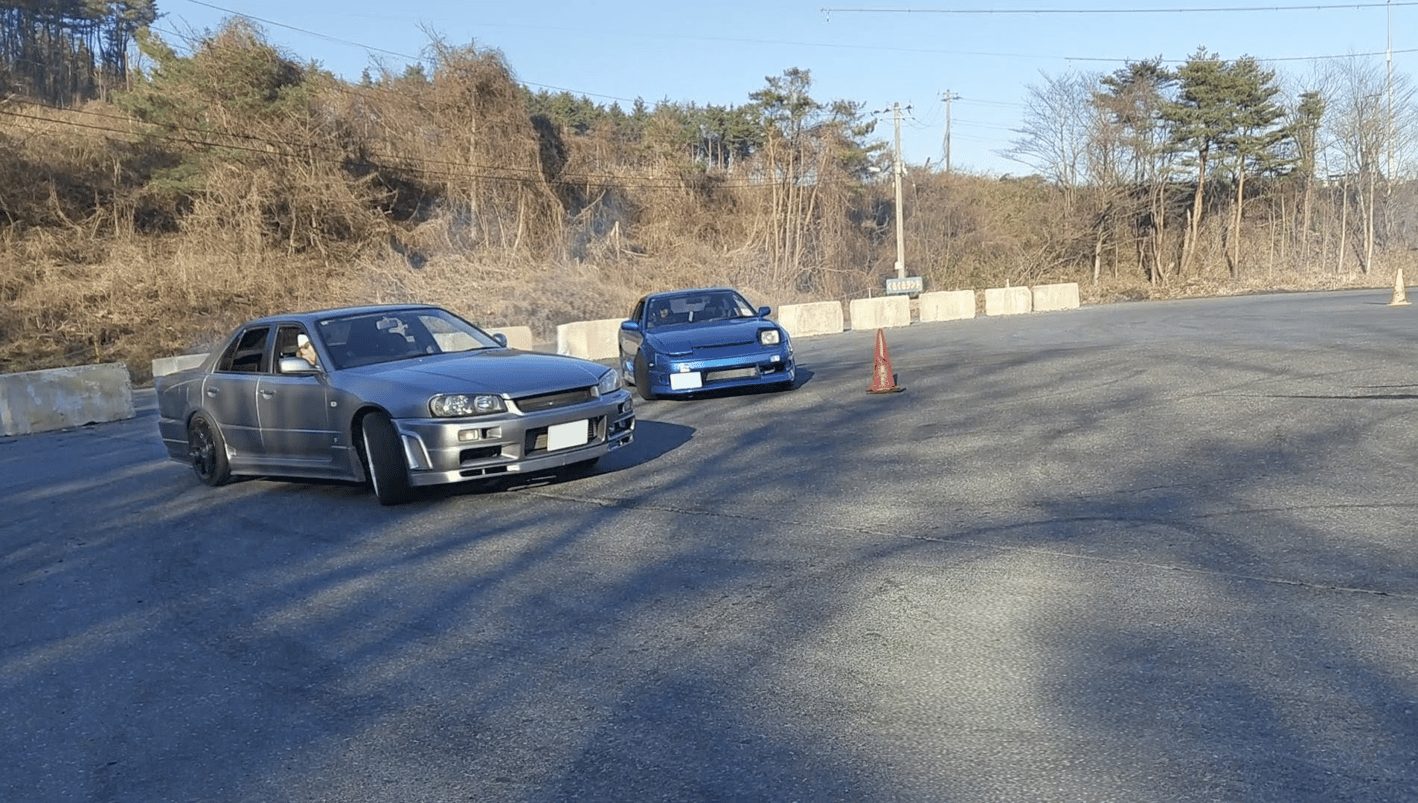
Legal drifting happens at circuits: the D1 Grand Prix holds a round in Tokyo in October, its final round usually lands in Odaiba in November, and Mobara and Nikko Circuits near Tokyo host plenty of drift events. Ebisu Circuit, north of Tokyo, is the established answer for watching or learning the sport.
So the shape of the trip: museums and Yokohama by day, the meet at night, and if drifting itself is on the list, a separate day at a circuit. Each part earns its own slot, and the Supra night ties them together.
More to book around Tokyo
Live dates and prices
Closest to the keys - worth knowing first
No self-drive Supra rental is sold here, and saying so up front is the guide's whole job.
What is bookable is a genuine Supra night: the Daikoku JDM Ride with the 1000HP Supra MK4 as your requested ride car, or the self-drive GT-R Skyline tour if the wheel matters more than the badge. Book before you fly, name the car, and check the permit rules at home.
Go ifYou want a real Supra ride on Tokyo's bay highways and can accept a guided passenger seatYou hold a valid 1949 Convention International Driving Permit and want the self-drive GT-R Skyline nightYou can book several days ahead in April, October or September
Skip ifYou will only settle for holding the keys to a Supra itselfYou arrive without the driving documents Japan accepts and the self-drive tour is the goalYou cannot shift plans when police close Daikoku and the night reroutes
Our pick to book
Tokyo: Daikoku JDM Ride, Request the R34, Supra or GT-R R354.8★ (135) · 3 hours · Free cancellation
Short, straight answers on booking a Supra experience in Tokyo and what each option actually gives you.
Tokyo2026
Tonight the Supra MK4 pulled onto the Wangan with the city glowing behind us. Book your seat before you fly; tours fill fast.
Can I rent a Supra in Tokyo and drive it myself?
No self-drive Supra rental appears among the bookable options here. The closest self-drive experience puts you behind the wheel of a GT-R-style Nissan Skyline instead.
If I can't drive a Supra, can I at least ride in one?
Yes. The Daikoku JDM Ride runs a night route with a 1000HP Supra MK4 among its cars, and you spend an hour at the Daikoku car meet.
What is the closest option to renting a Supra?
Tokyo: Daikoku JDM Ride, Request the R34, Supra or GT-R R35. You request the Supra MK4 when booking and ride along Tokyo's C1, Rainbow Bridge and Wangan highways with a guide at the wheel.
Can I drive a JDM car myself in Tokyo?
Yes, on the Self-Drive R34/35 GT-R tour. You drive a customized Nissan Skyline from near Shibuya across Rainbow Bridge to Daikoku PA, with an English-speaking guide in the convoy.
What documents do I need for a self-drive tour?
Your original physical documents on the day: a passport plus an International Driving Permit (1949 Convention), or a licence from Switzerland, Germany, France, Belgium, Monaco or Taiwan with a certified Japanese translation. R34 GT-R drivers must bring a credit card; debit cards do not qualify.
How old do I have to be to drive?
Self-drive drivers must be 23 or older. On the passenger Daikoku ride, 18 works, or you can join with a legal guardian.
Which tour lets me try several JDM cars in one night?
Daikoku: Experience Tokyo's Car Culture in Iconic JDM Cars. The convoy includes Toyota Supra MK4 and MK5, an R34 Skyline, Evo 8 and 9, RX-7 FD and Silvia S15, and you swap cars at each stop when the lineup allows.
What happens at Daikoku PA during the tour?
You get about an hour to walk the lot and photograph the cars. Ask before touching or sitting in anything, since the meet runs on owner goodwill.
What if Daikoku PA is closed on the night?
The meet is informal and police sometimes close the entrance with no notice. Tours adapt by visiting another car spot, such as Umihotaru PA, instead of refunding.
Do I need any car knowledge to enjoy these tours?
None at all. Guides explain the cars and the culture as you go, and the ride, the city views and the meet carry the evening even for a casual visitor.
Beyond renting a Supra - more Tokyo car culture to explore