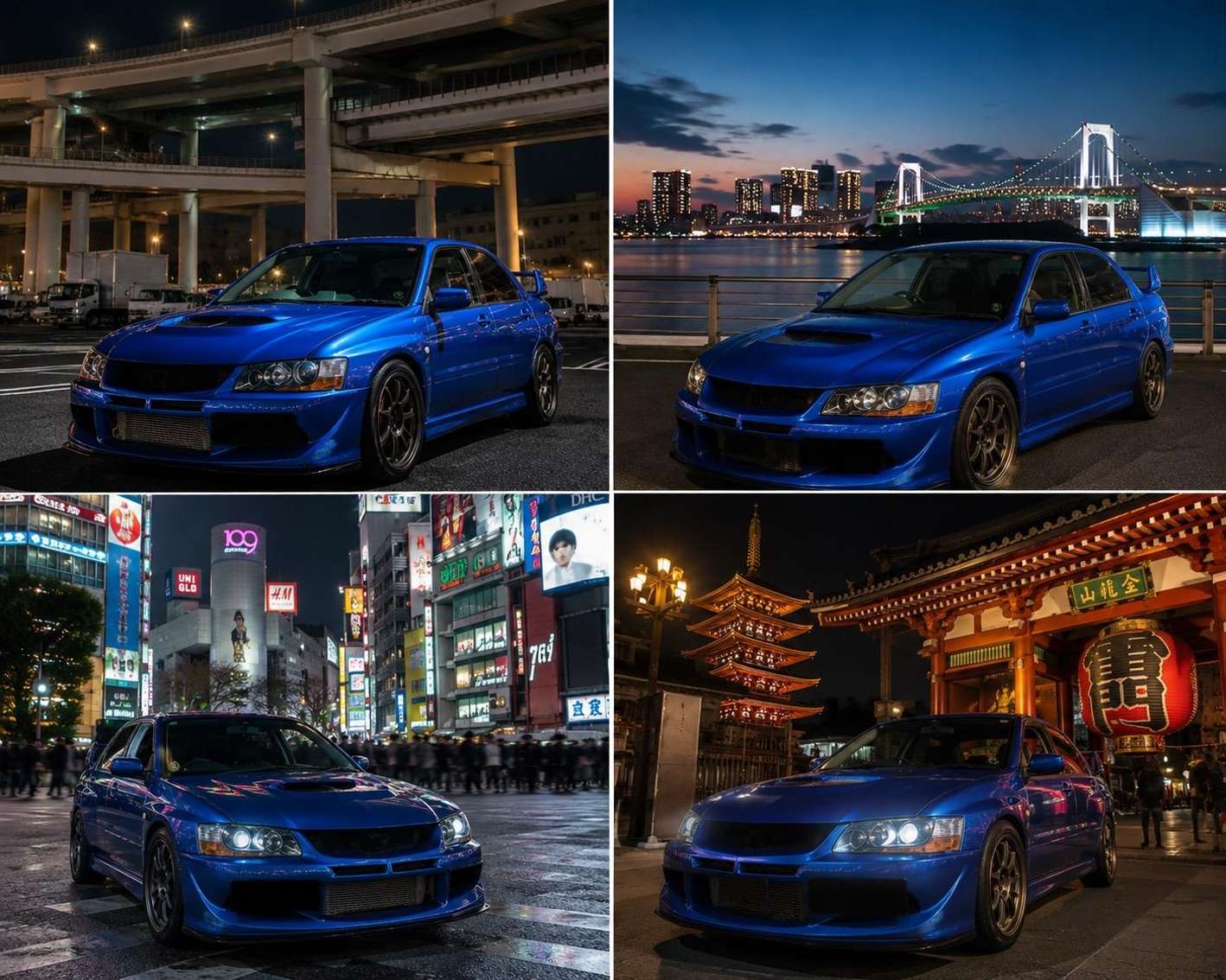
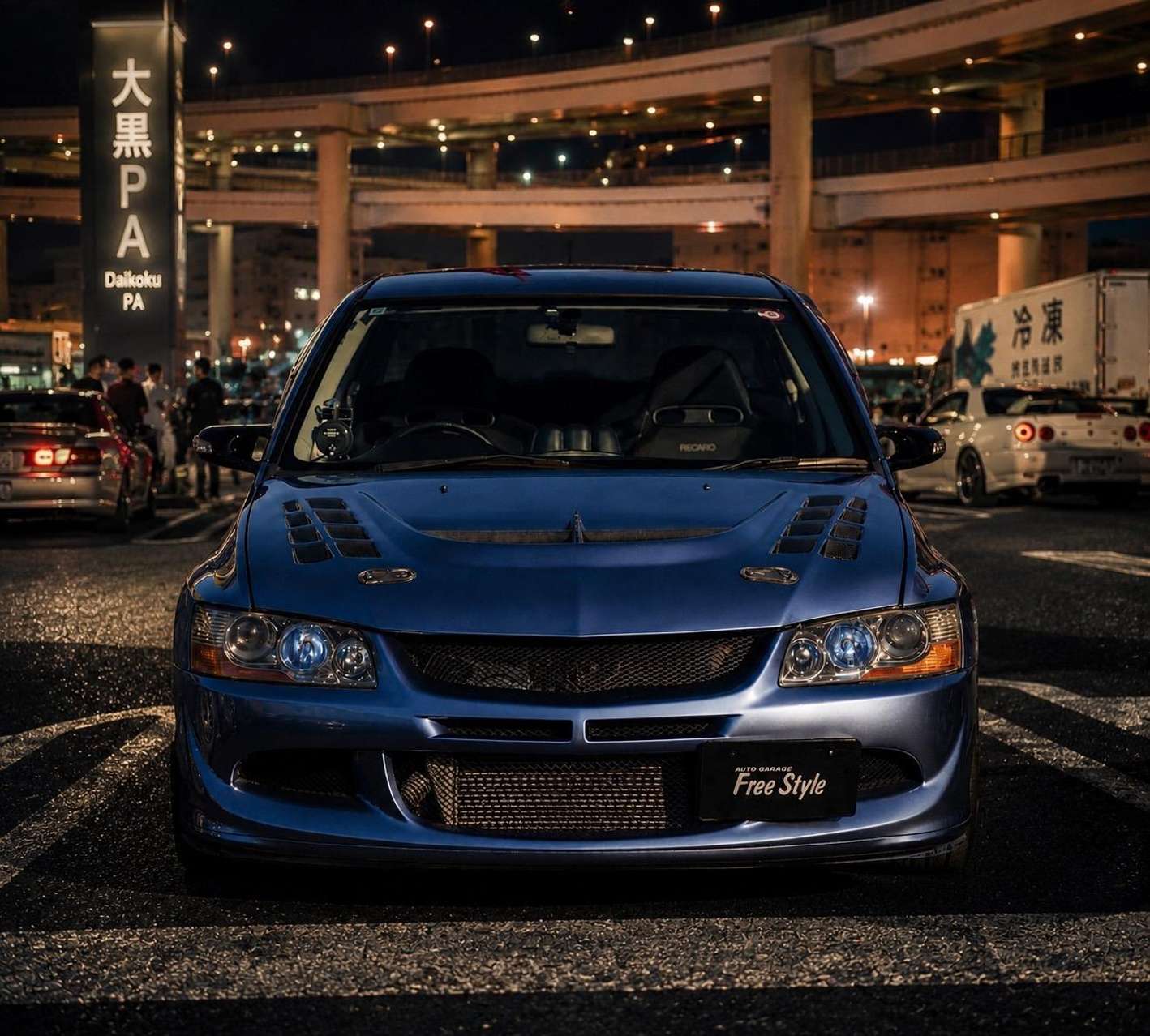
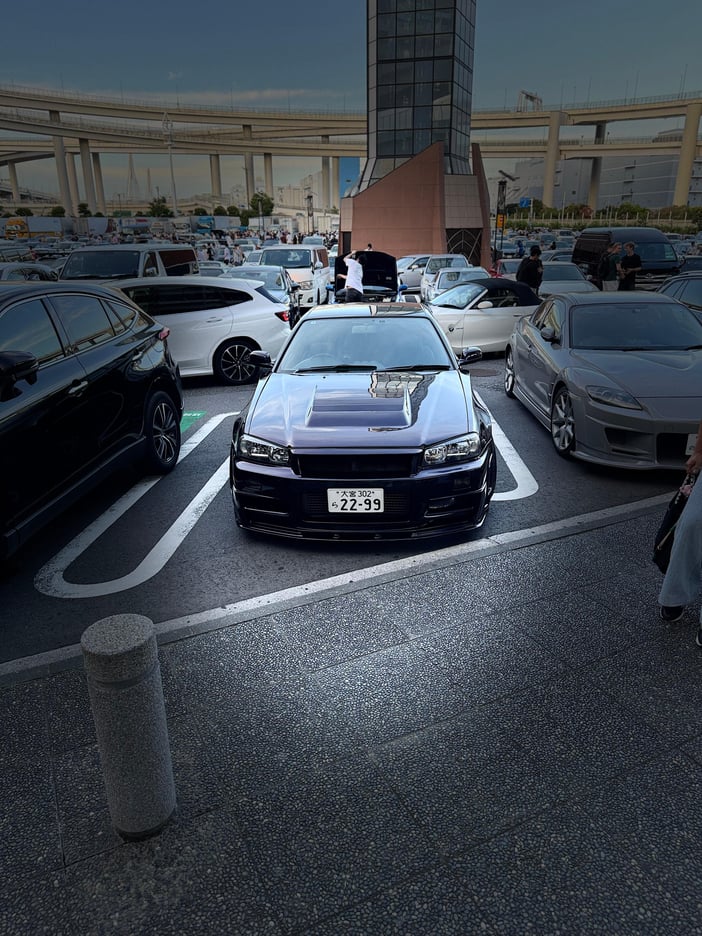
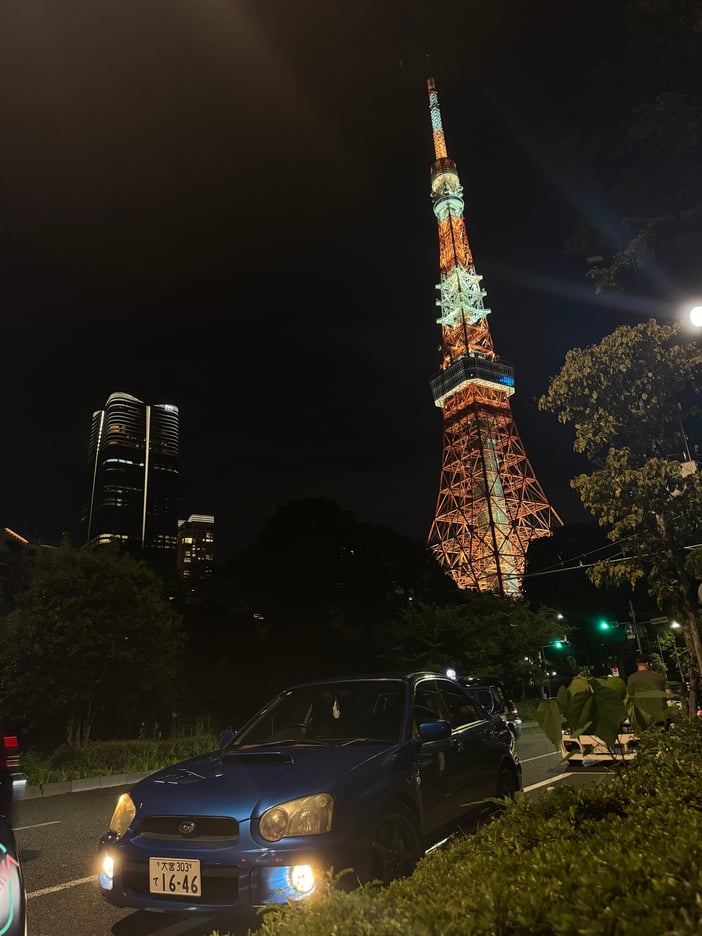
Daikoku Car Meet Schedule Best Days and Times to Visit
Pick the right night and the meet shows up. Compare Friday and Saturday evenings, calmer weekday nights and the Sunday-morning cars-and-coffee crowd, then book a Daikoku ride that puts you inside the lot at the hour you choose.
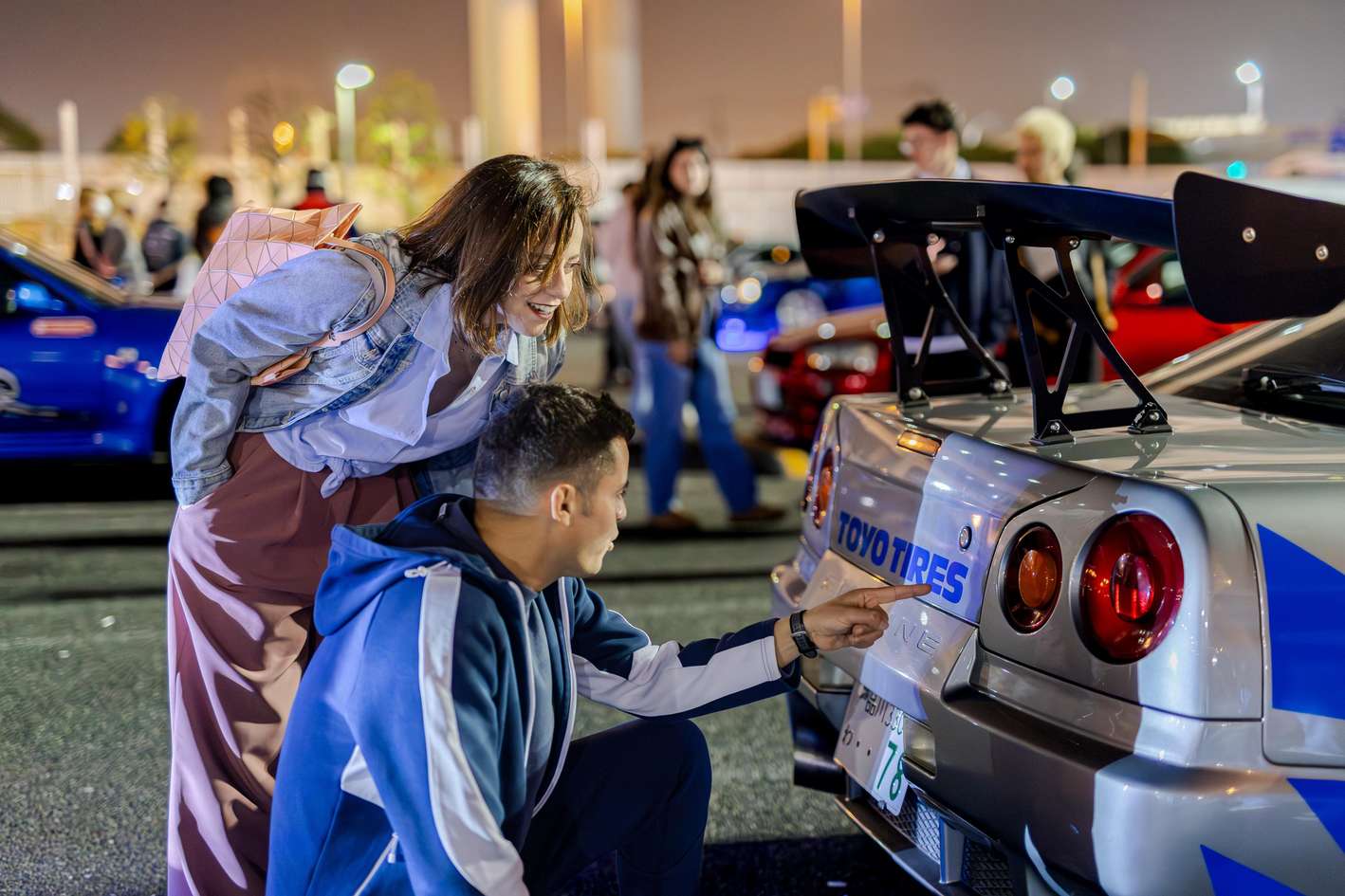
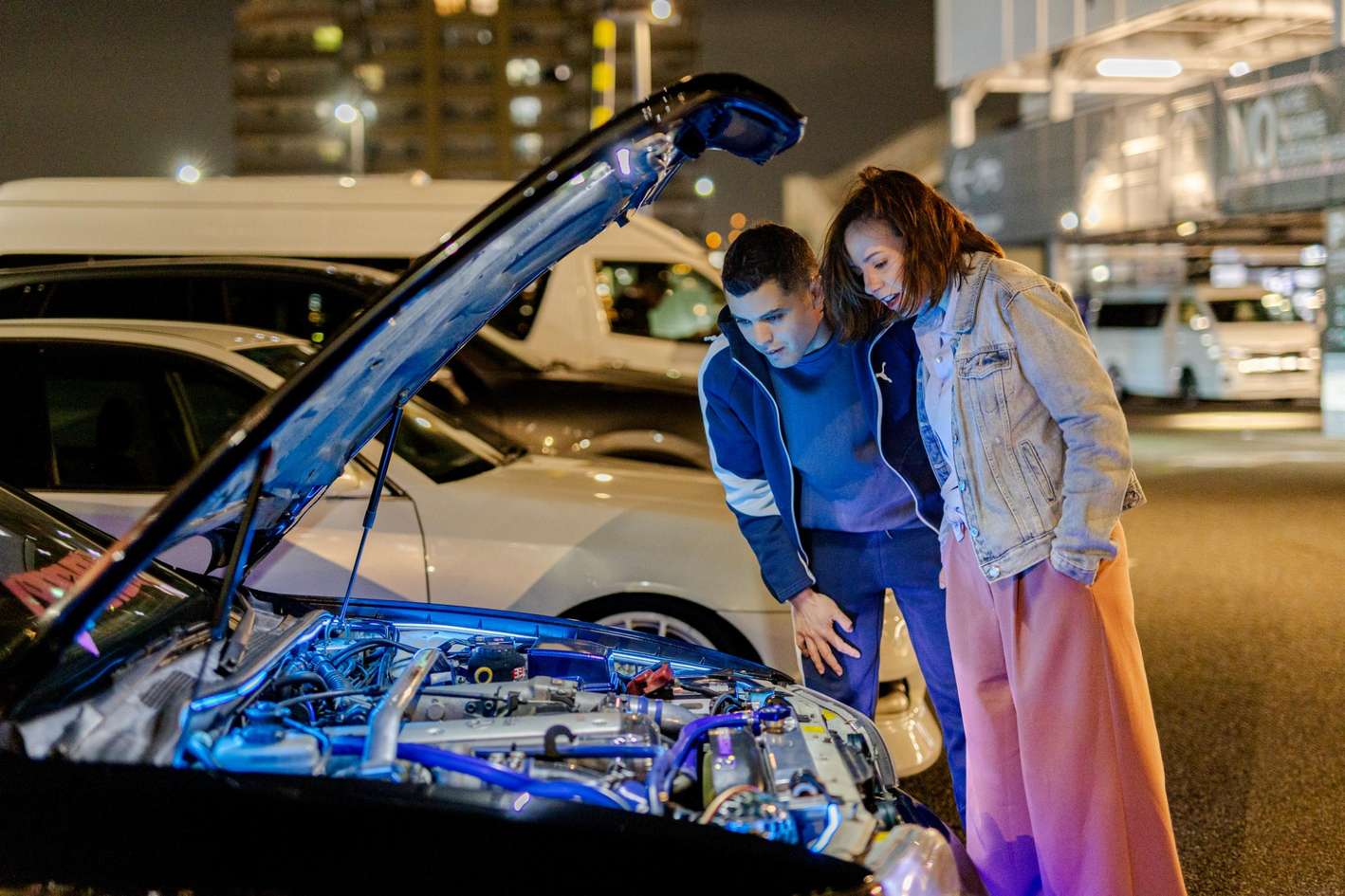
"Amazing Tokyo drift experience with my girlfriend, booked the 10 pm session. Felt like being in the movie. Incredible immersion. Highly recommend, thanks 🙏"
Daikoku PA keeps no timetable, and the police write one anyway. Here is how the crowd builds by day and hour, when the gates shut, and which night fits what you want from the lot.
If you only remember five things
1
There is no published meet schedule at Daikoku PA; the day of the week matters more than the clock.
2
Friday and Saturday nights bring the widest spread of cars, but police close the entrance from about 8:30 pm, sometimes earlier.
3
Sunday morning from 8 to 10 am is the calm, dependable slot, with the widest variety of machines and almost no closure risk.
4
You cannot reach Daikoku PA on foot, by bus or by taxi; every visit starts in a vehicle already on the expressway.
5
Closures are decided on the night with no way to check in advance, so book a tour that has a fallback lot and a refund policy you have read.
closurePolice sometimes close the Daikoku PA car meet early on the busiest Friday and Saturday nights, with the lot shut as early as 7:30 pm.
Arrive early in the evening on weekends, and keep a backup plan ready: many tours switch to Umihotaru PA or reschedule you free of charge when Daikoku closes.
Why there is no schedule to look up
Daikoku PA is a tollway rest stop where enthusiasts gather on their own terms. Nobody organises the meet, nobody publishes a lineup, and no operator can guarantee which cars will show on a given night. It works like a cars-and-coffee that happens at odd hours, with bigger turnouts on weekends.
Pro tipPick the day first, the hour second. The same lot at 9 am on Sunday and 9 pm on Friday are two different scenes.
That spontaneity is the appeal, and it is also why planning here means picking a day and an hour rather than an event.
The crowd changes with the clock more than anything else: daylight brings exotics and classics out for Sunday drives, early evenings build toward the deepest lots of the week, and weeknights settle into a smaller crew of daily-driven builds and regulars.
Entry is free and parking at the lot costs nothing, so the only real cost of a visit is the ride in, which has to be arranged. The meet happens or it does not, depending on the police situation that night, and the sections below walk through what each slot actually delivers.
Tour for this
Tokyo: Fast & Furious Daikoku JDM Night Tour - EVO,WRX&More4.9★ (534) · 4 hours · Hotel pickup · Free cancellation
Friday and Saturday nights - the deepest lot, the earliest gates
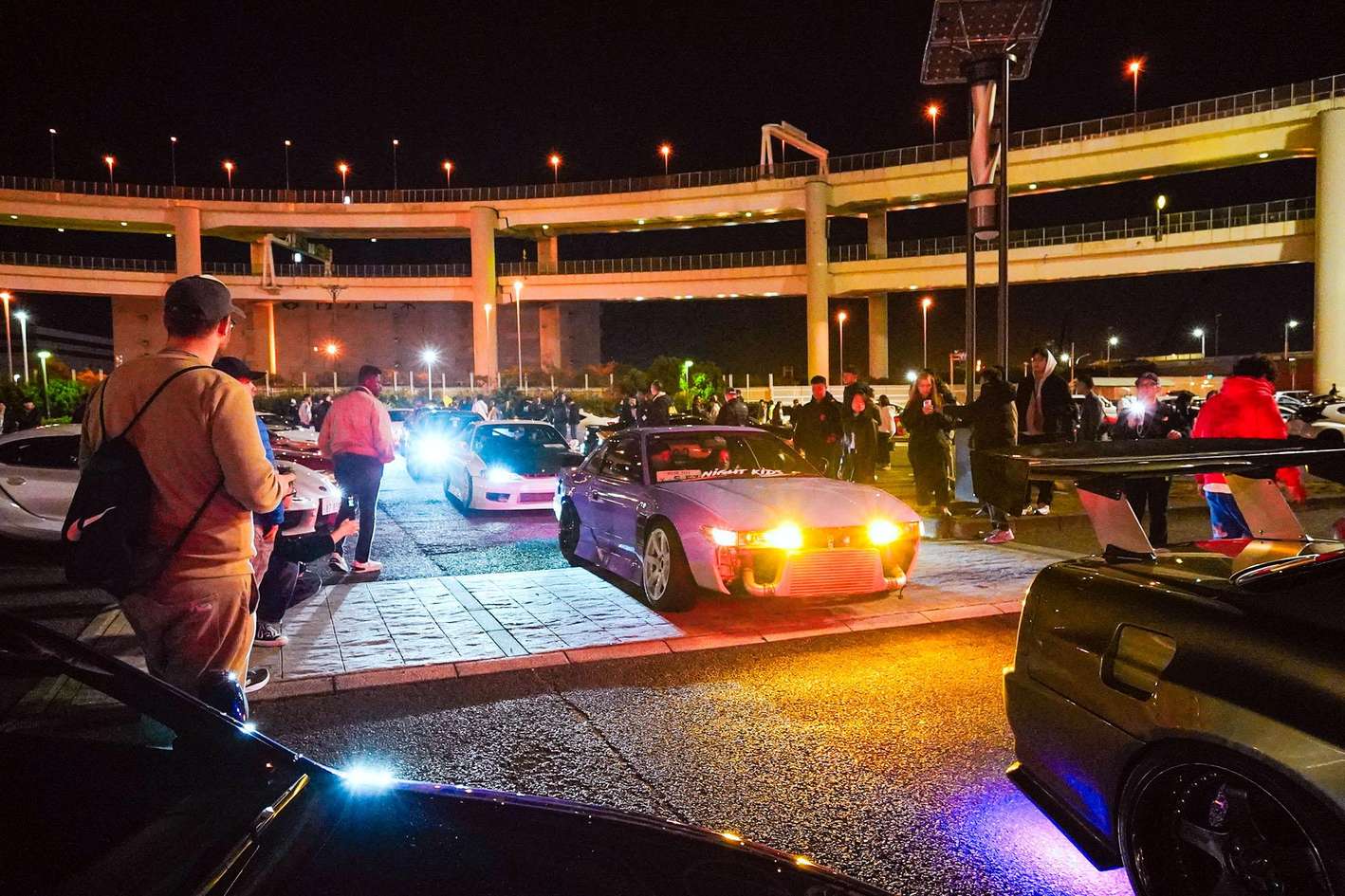
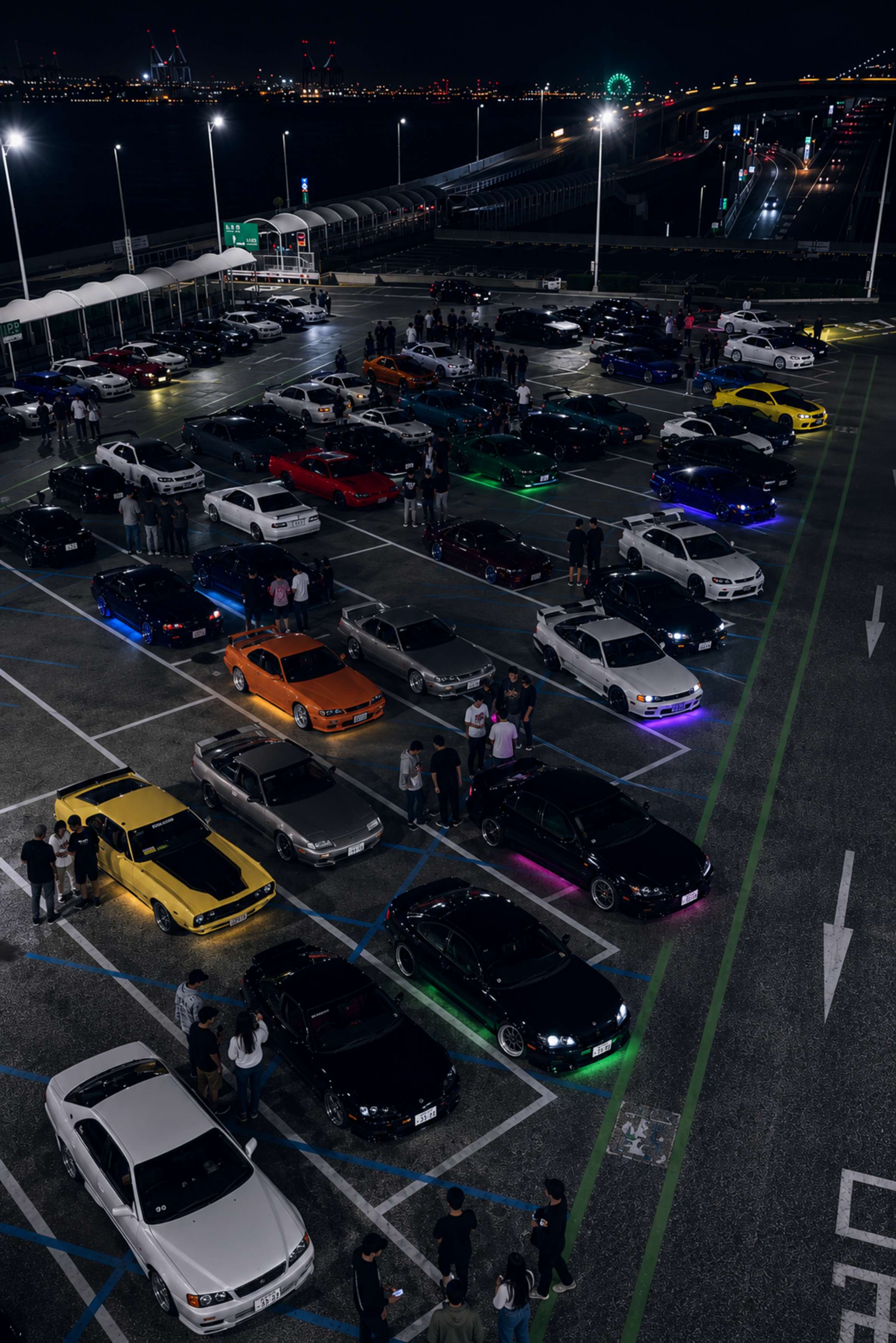
From around 5 pm on Fridays the lot starts filling, and it builds through the evening toward the widest spread of the week.
Pro tipOn weekend nights, treat anything after 8:30 pm as a bonus rather than the plan.
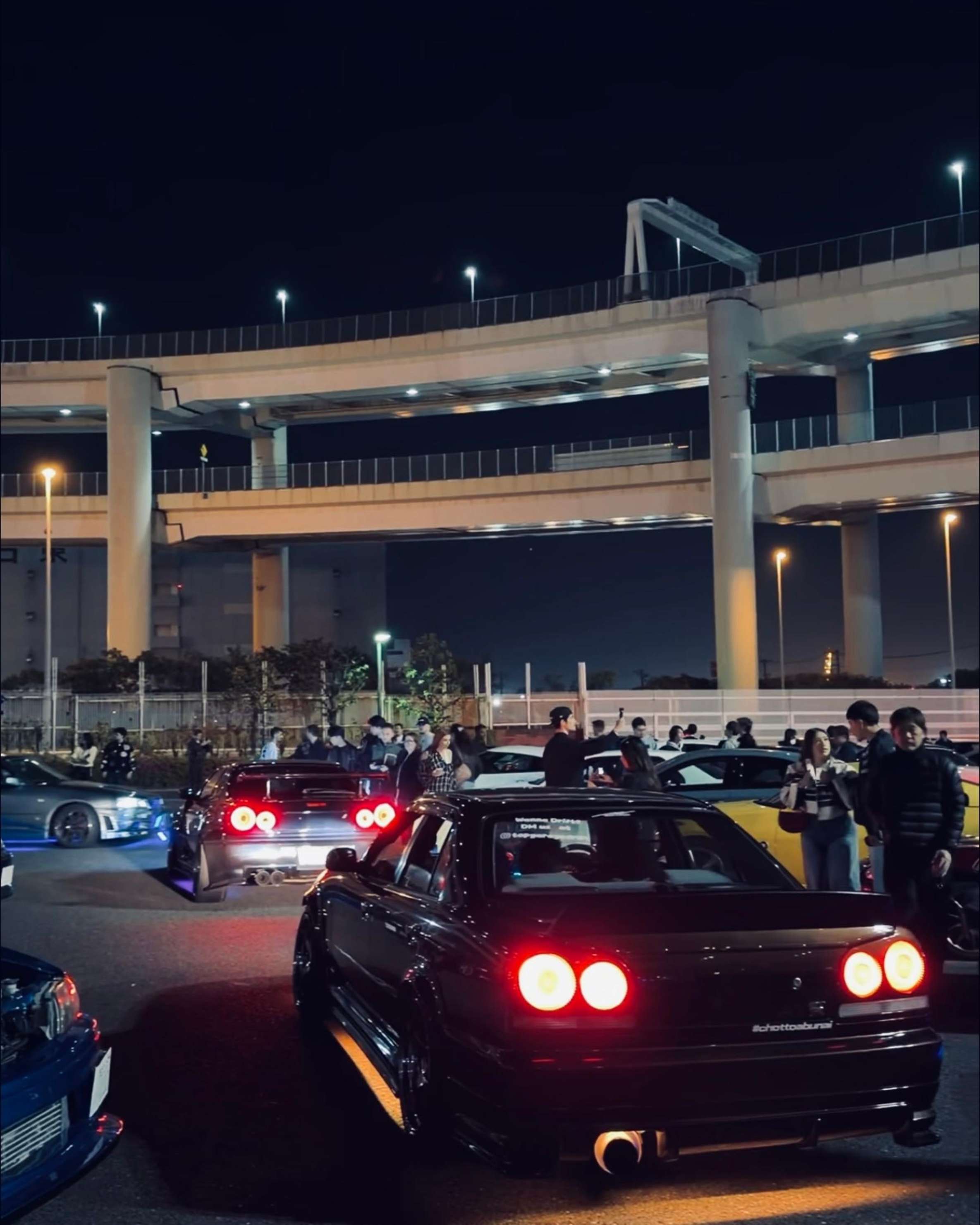
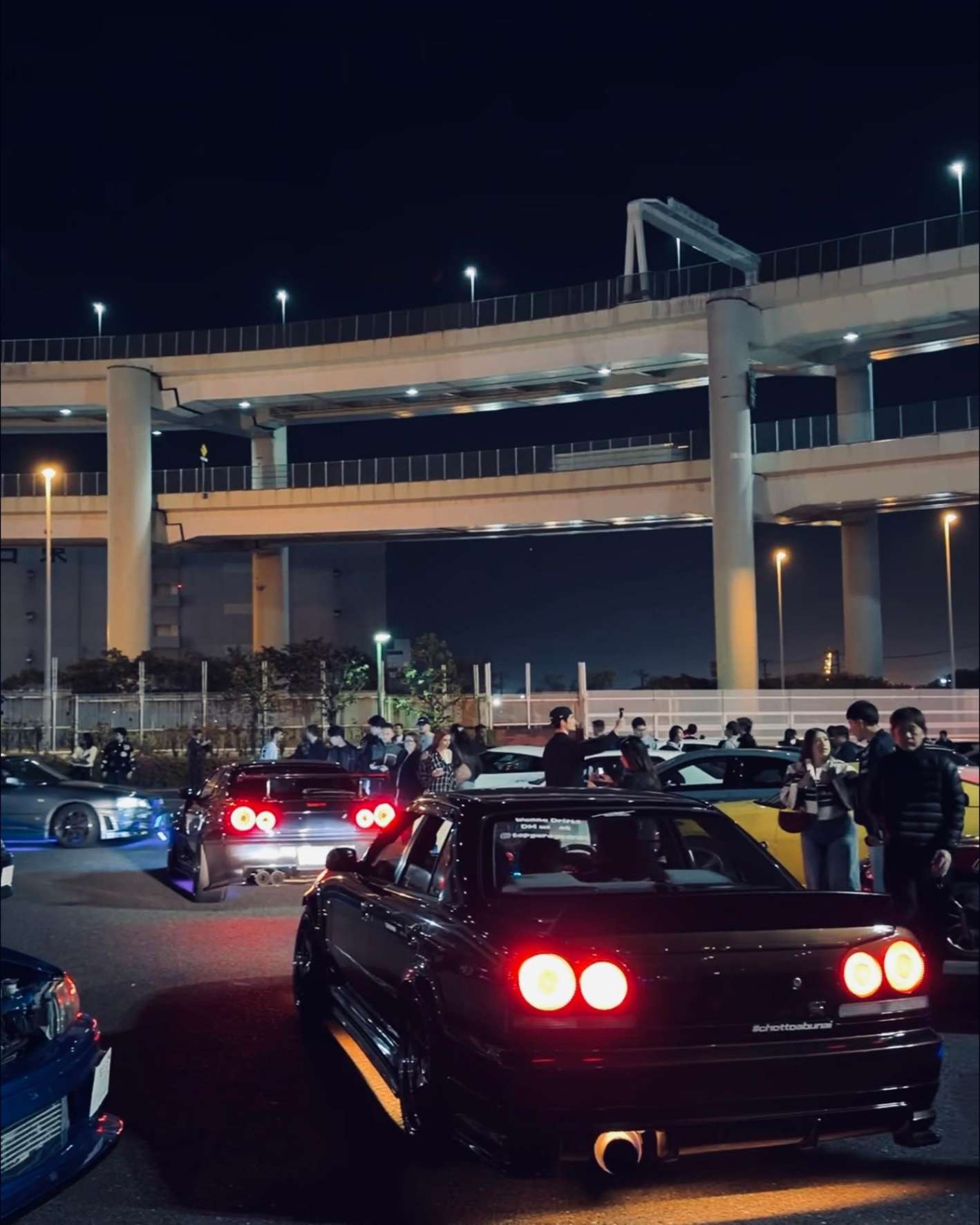
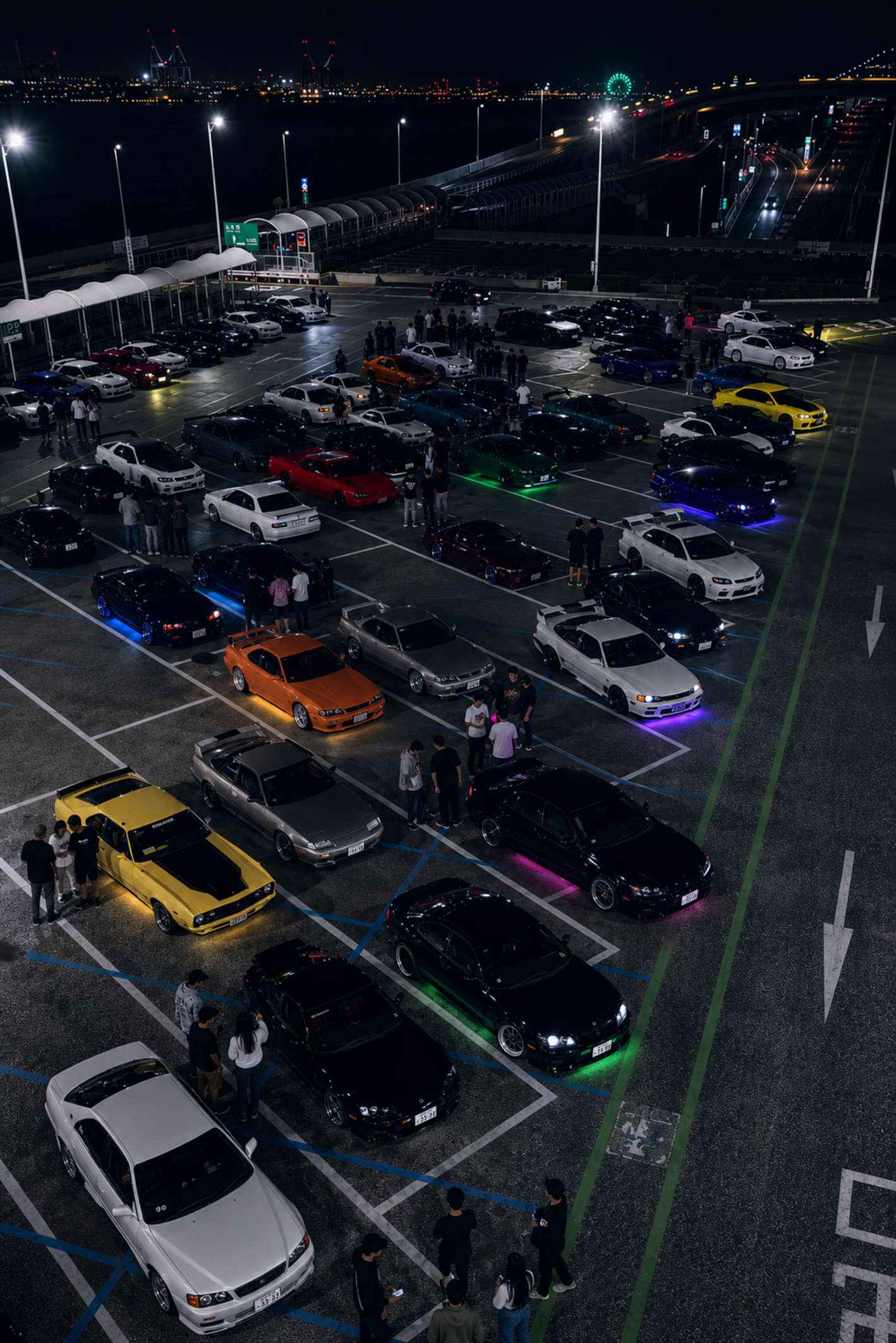
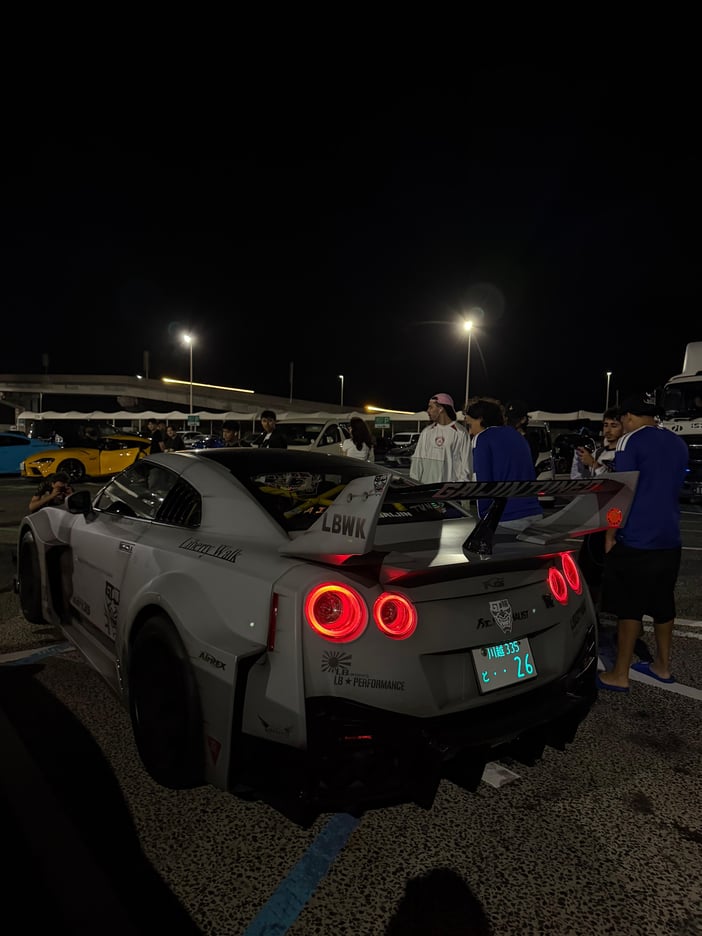
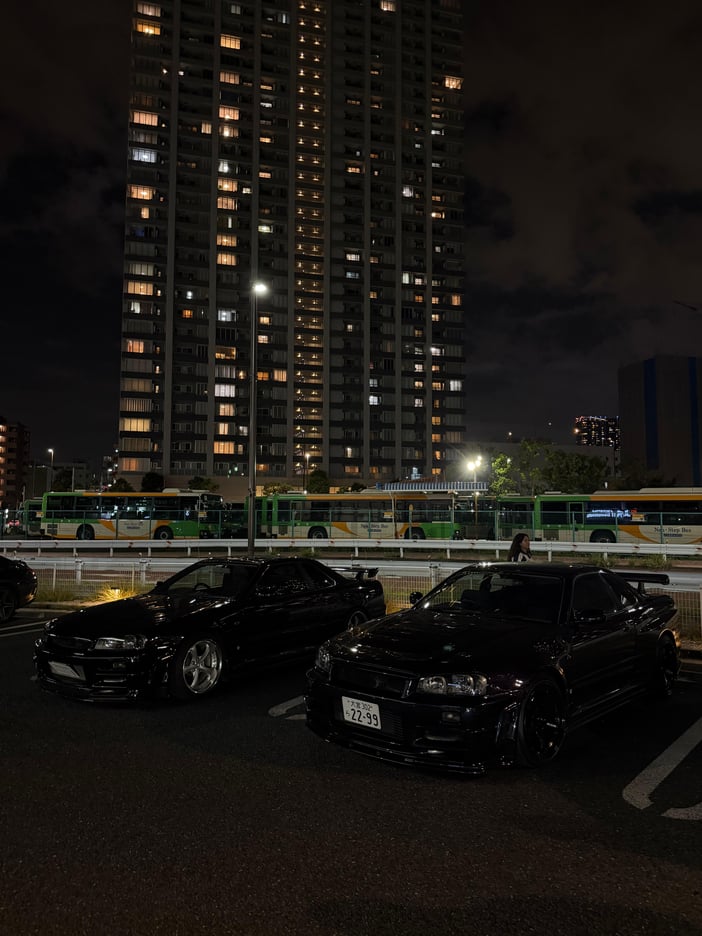
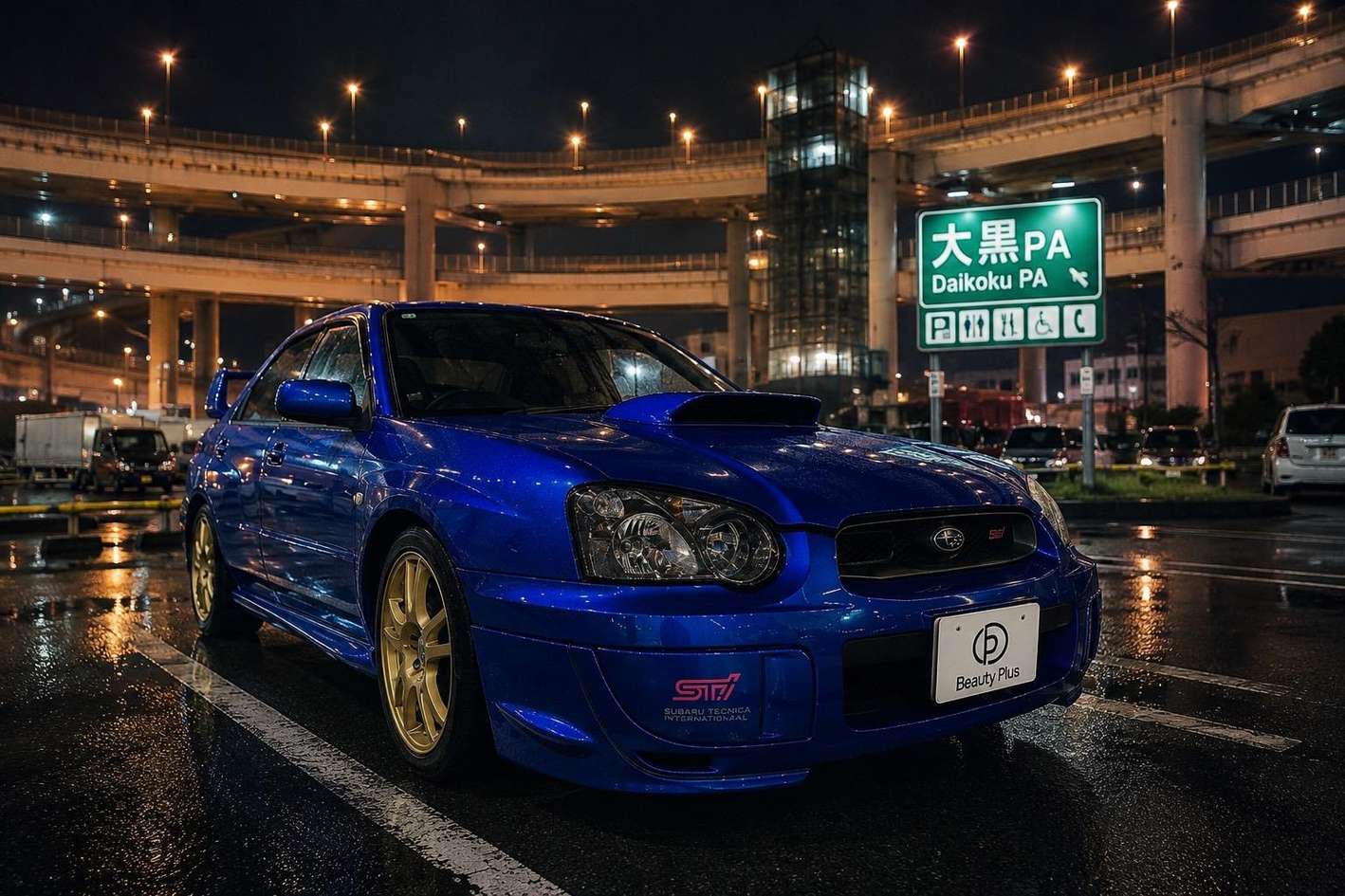
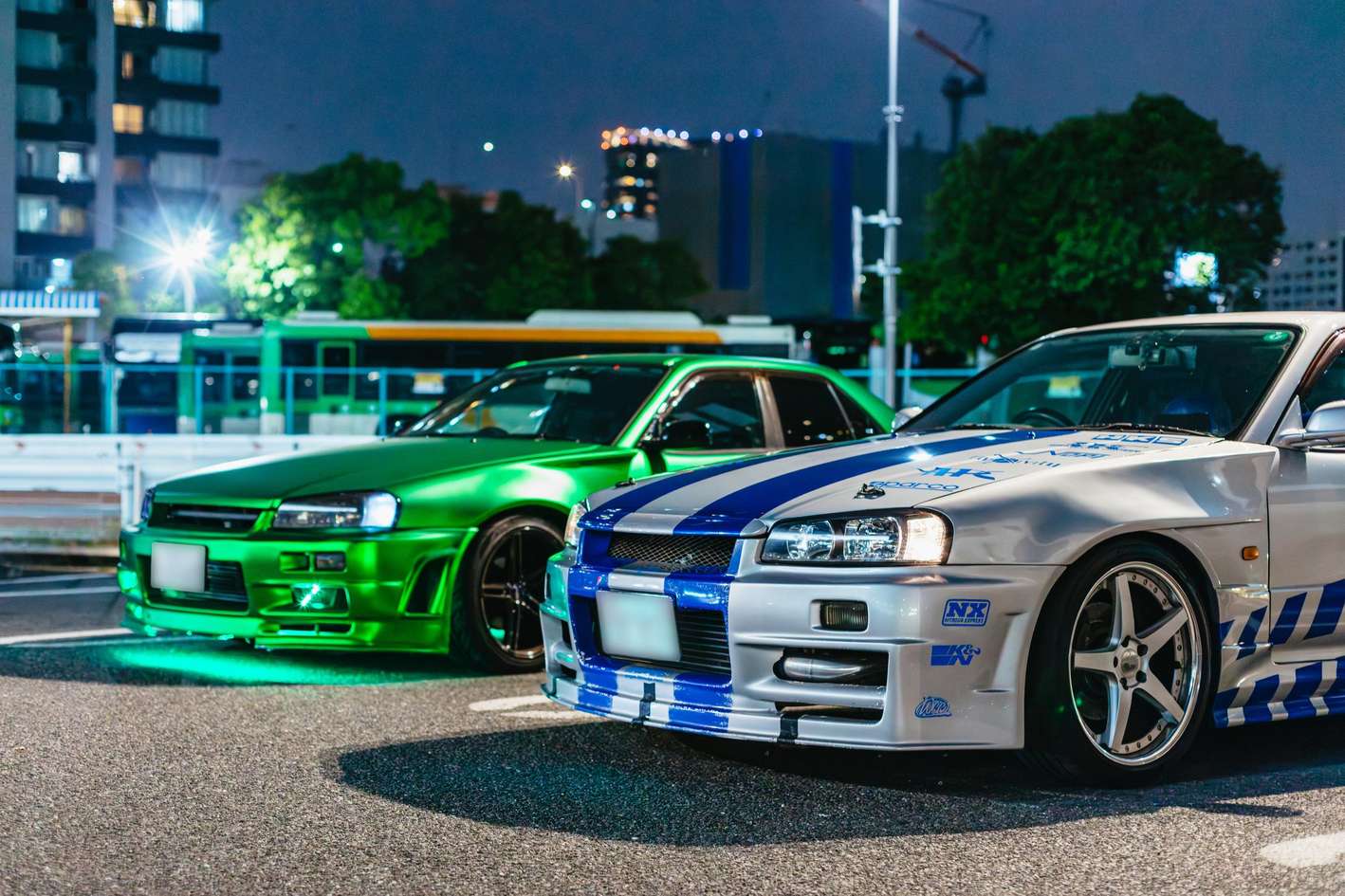
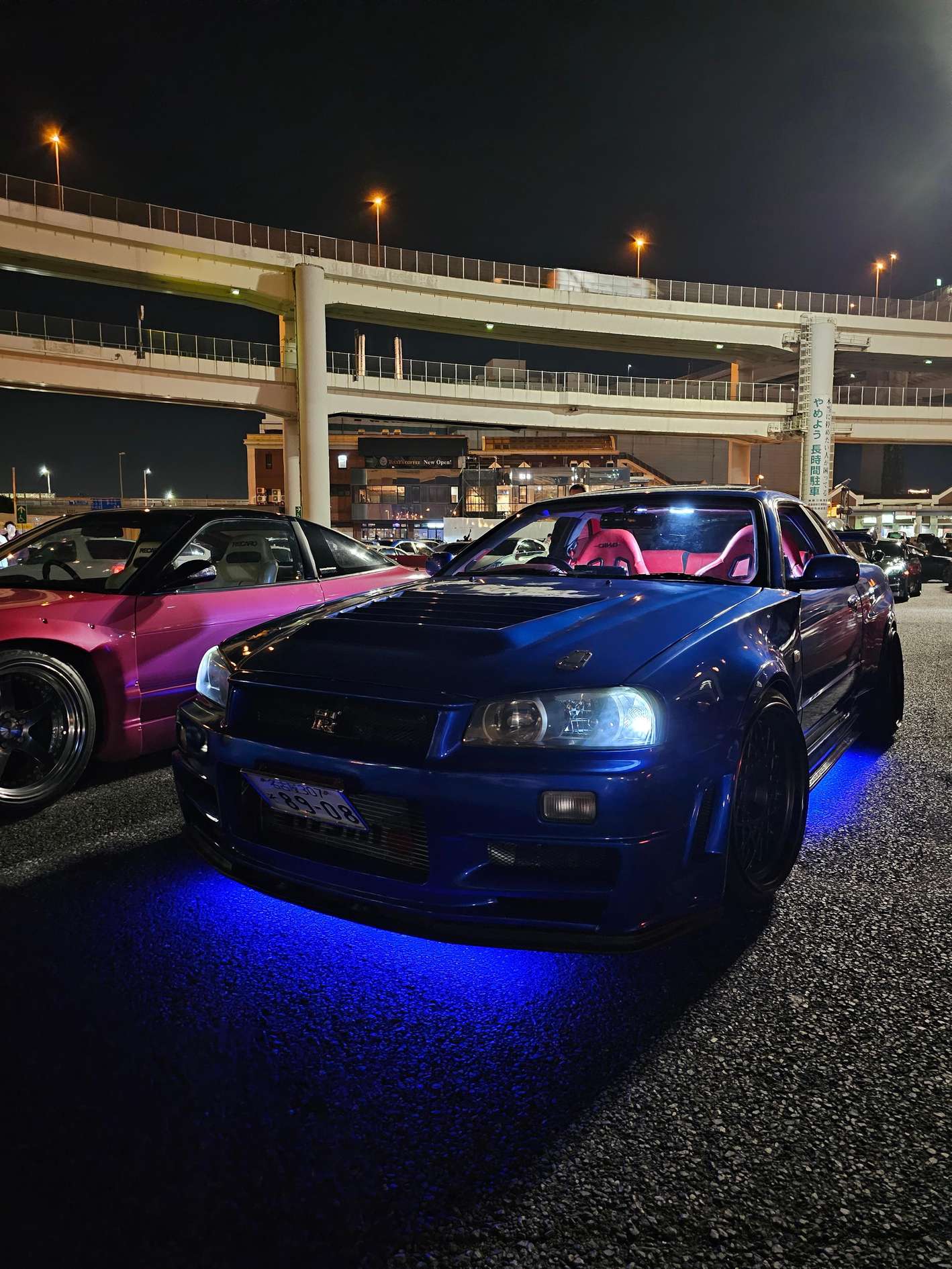
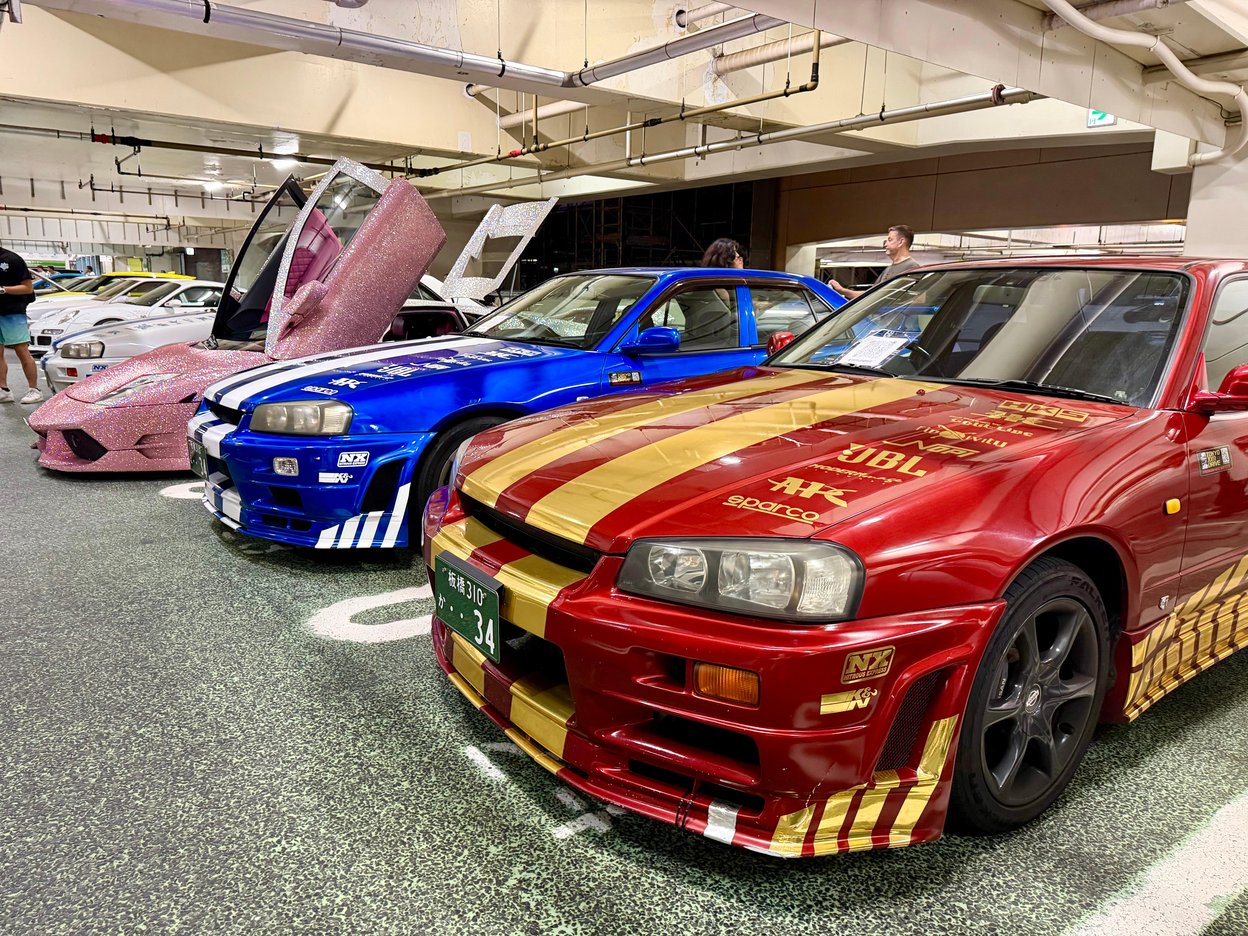
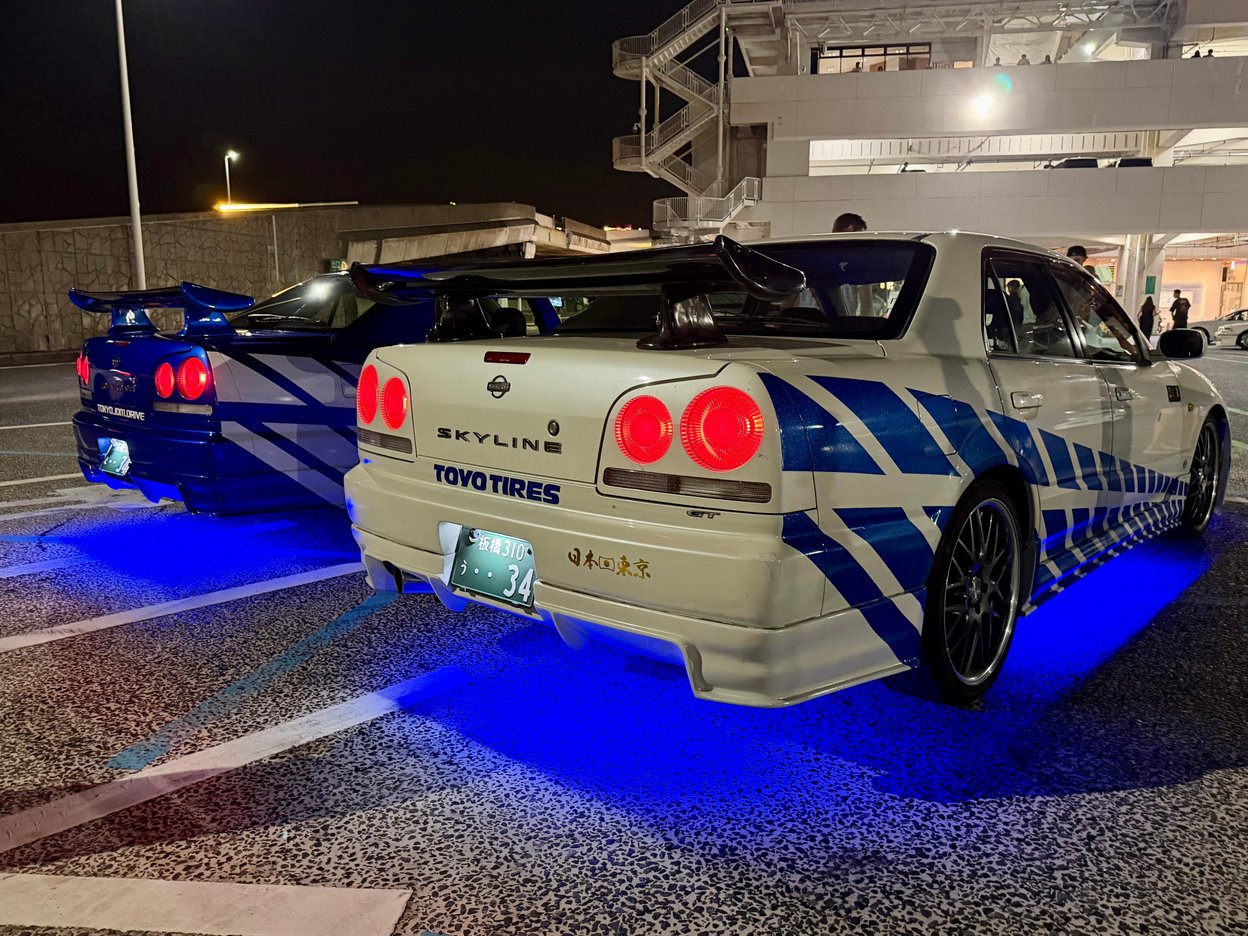
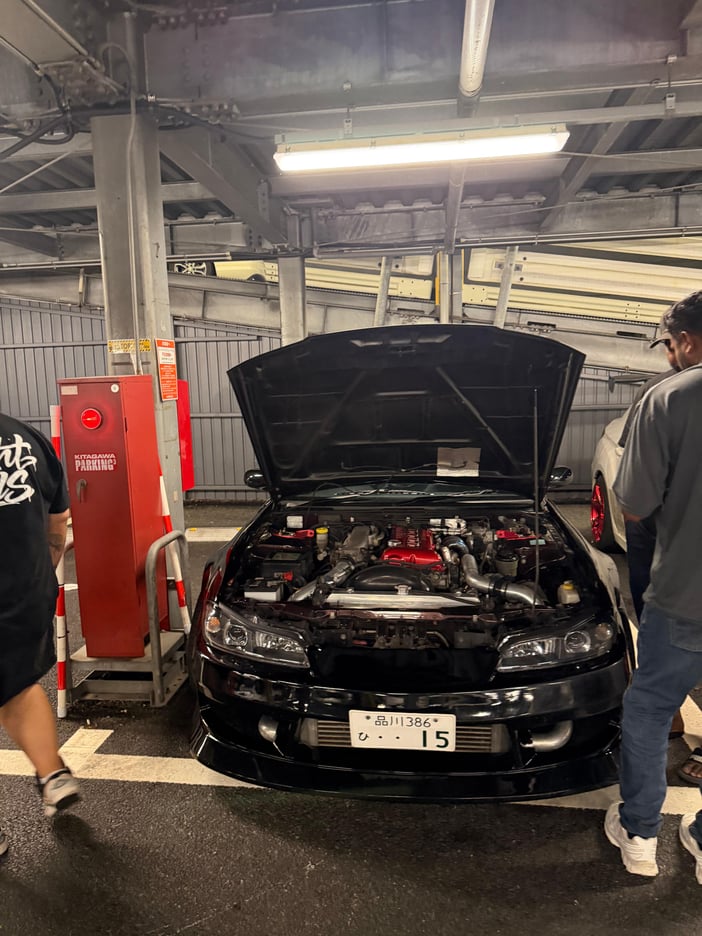
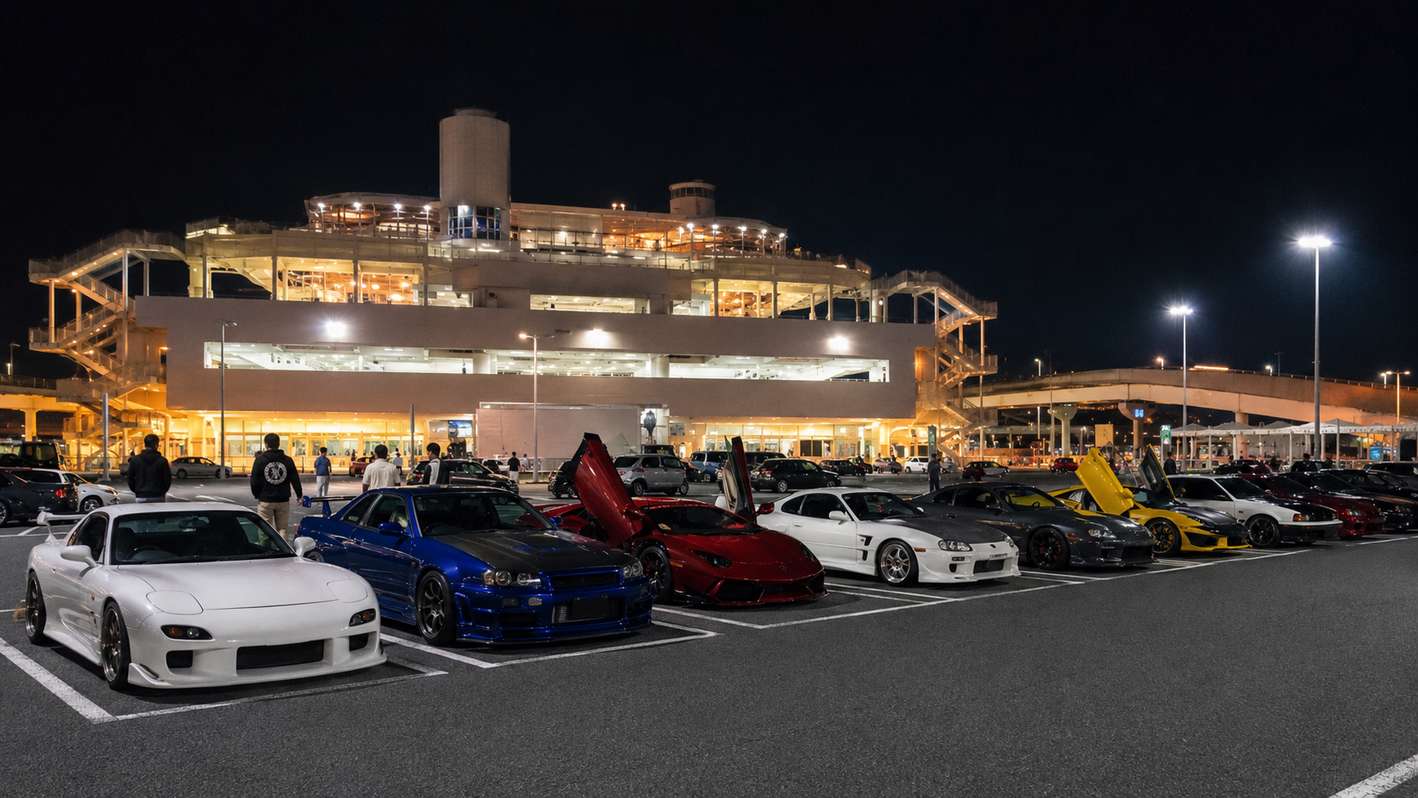
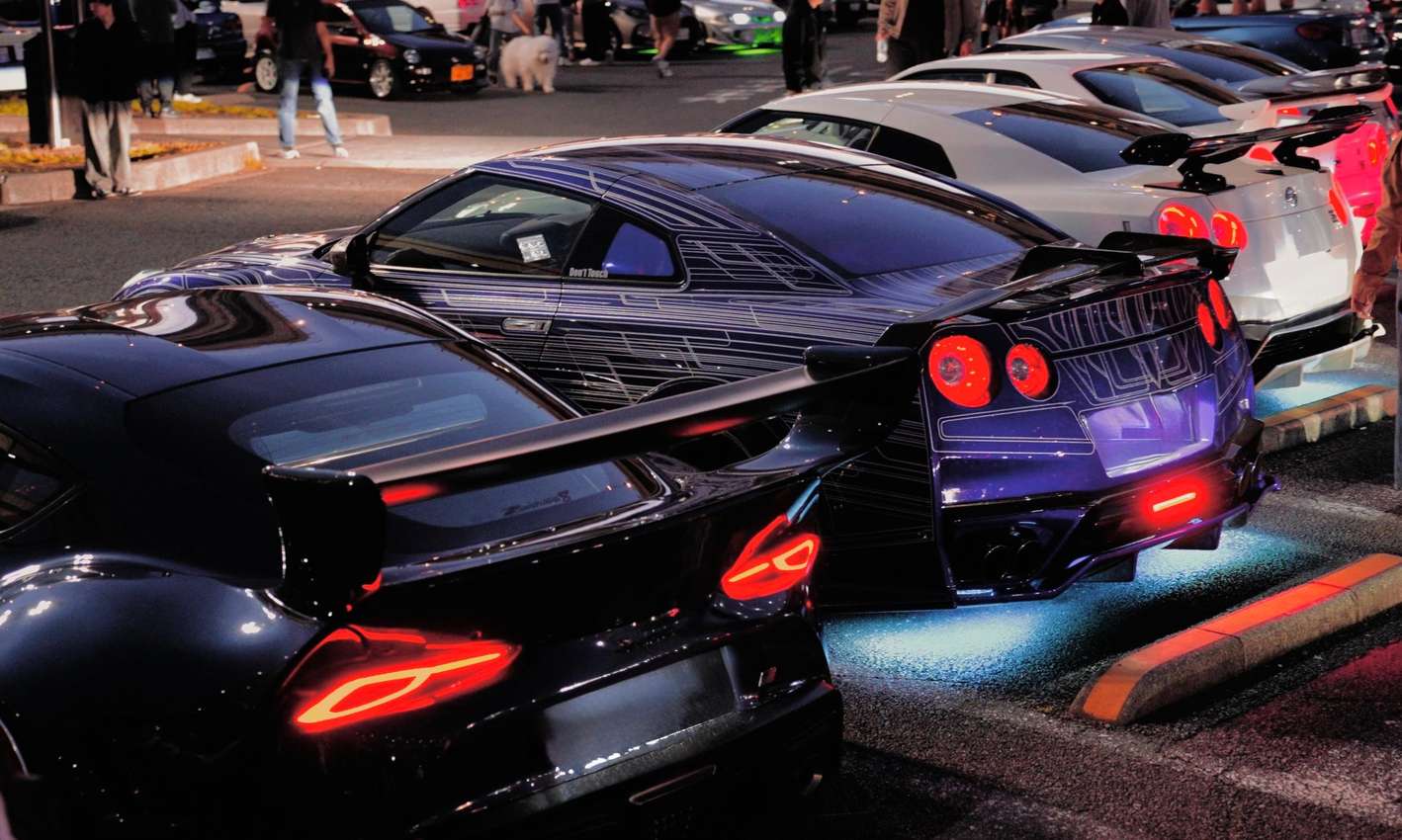
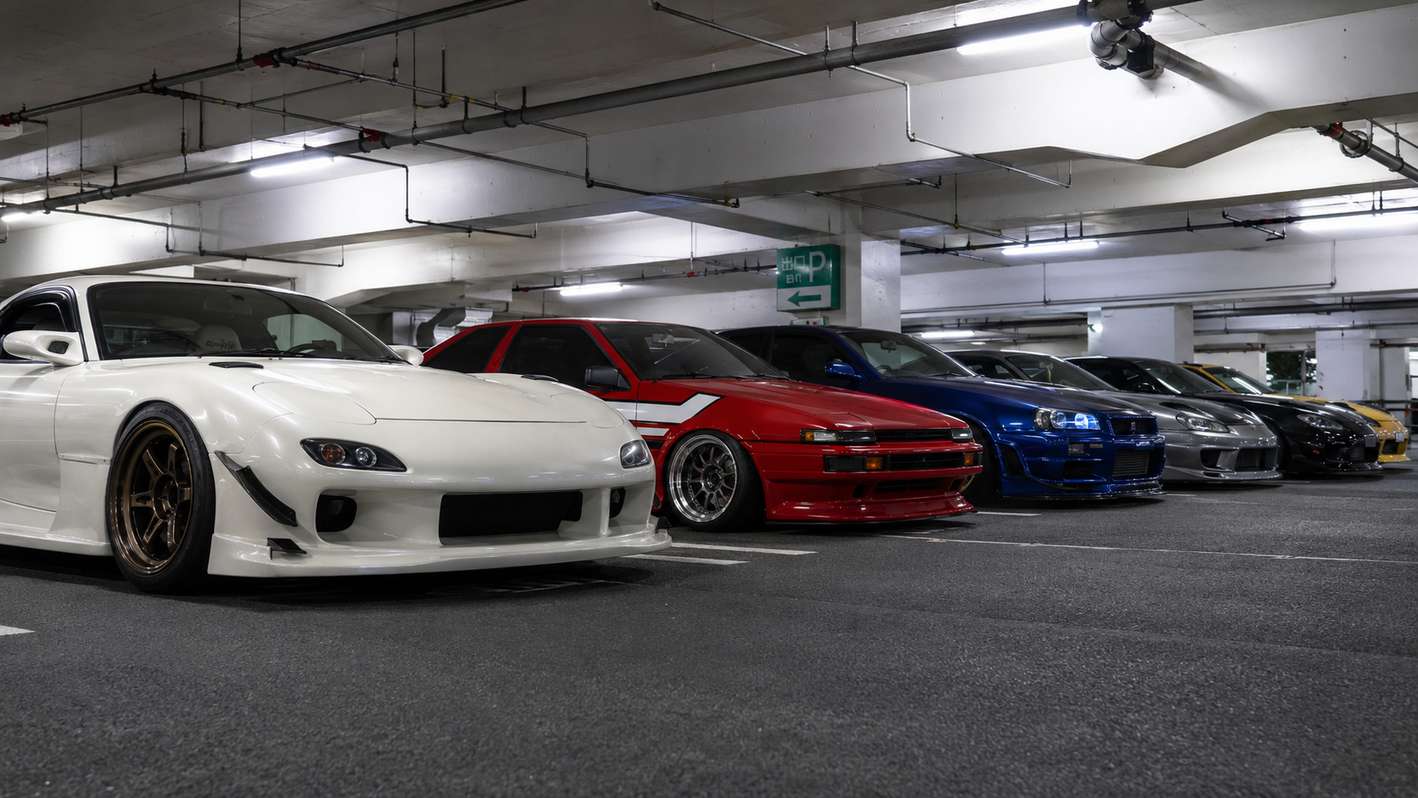
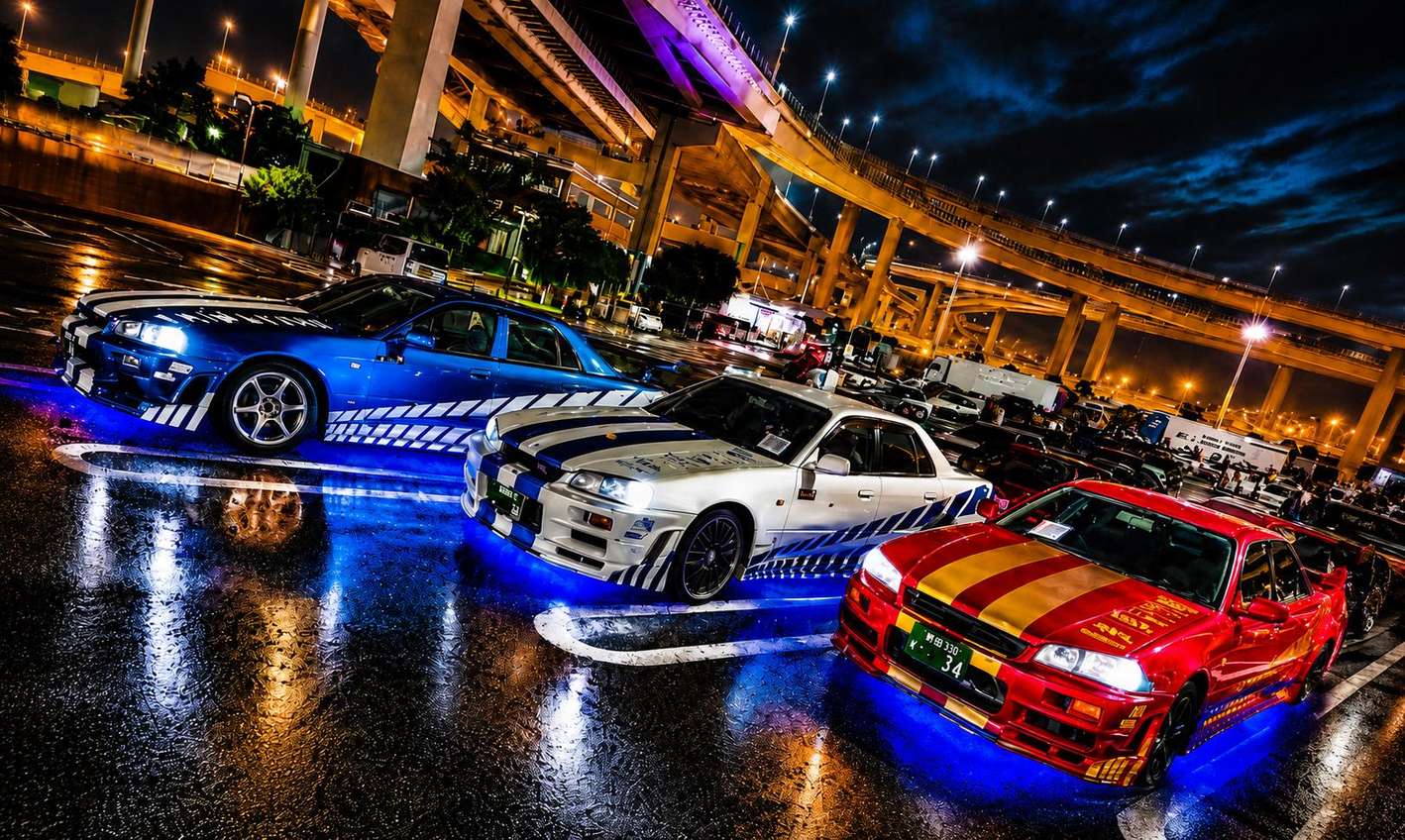
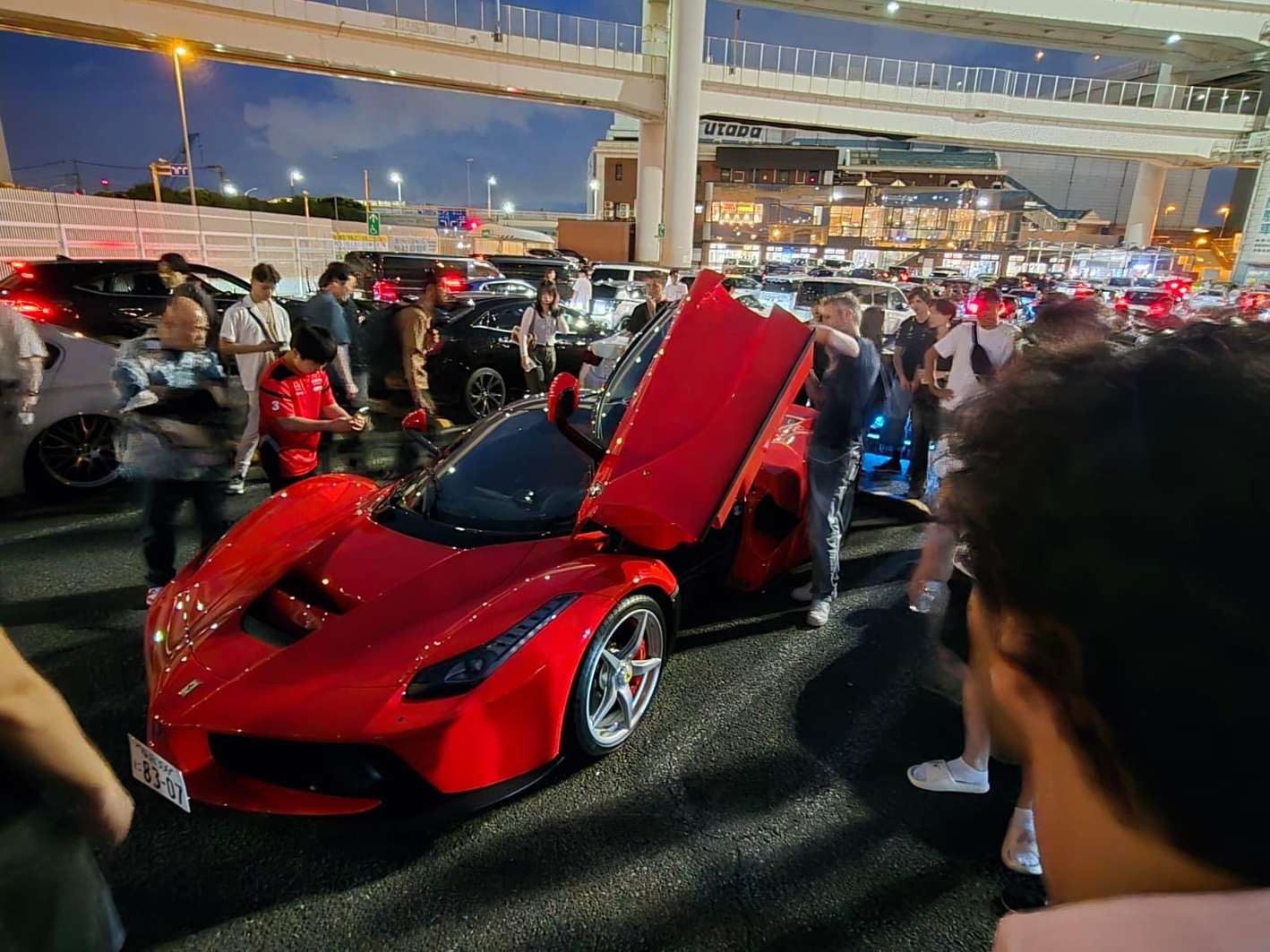
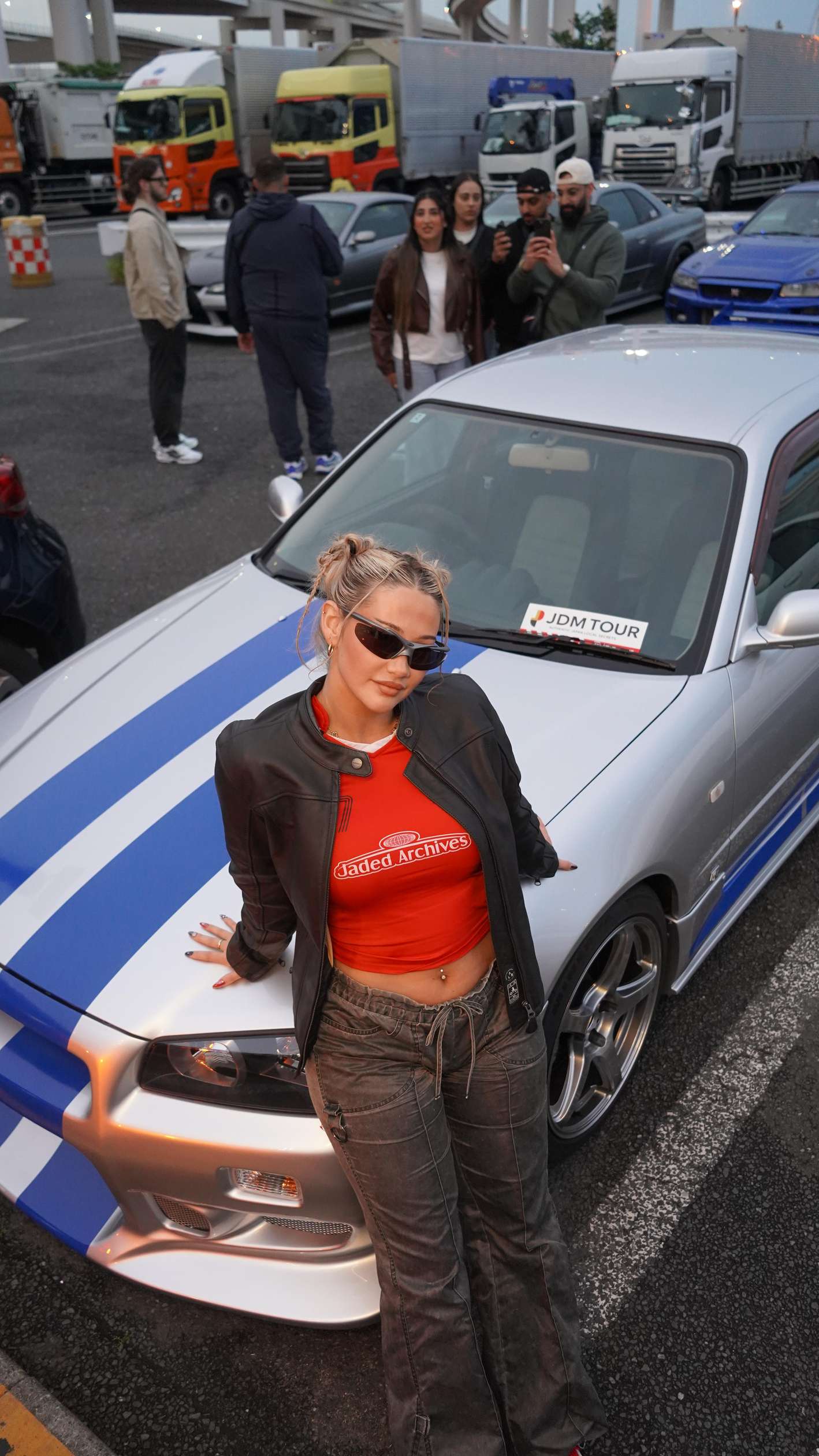
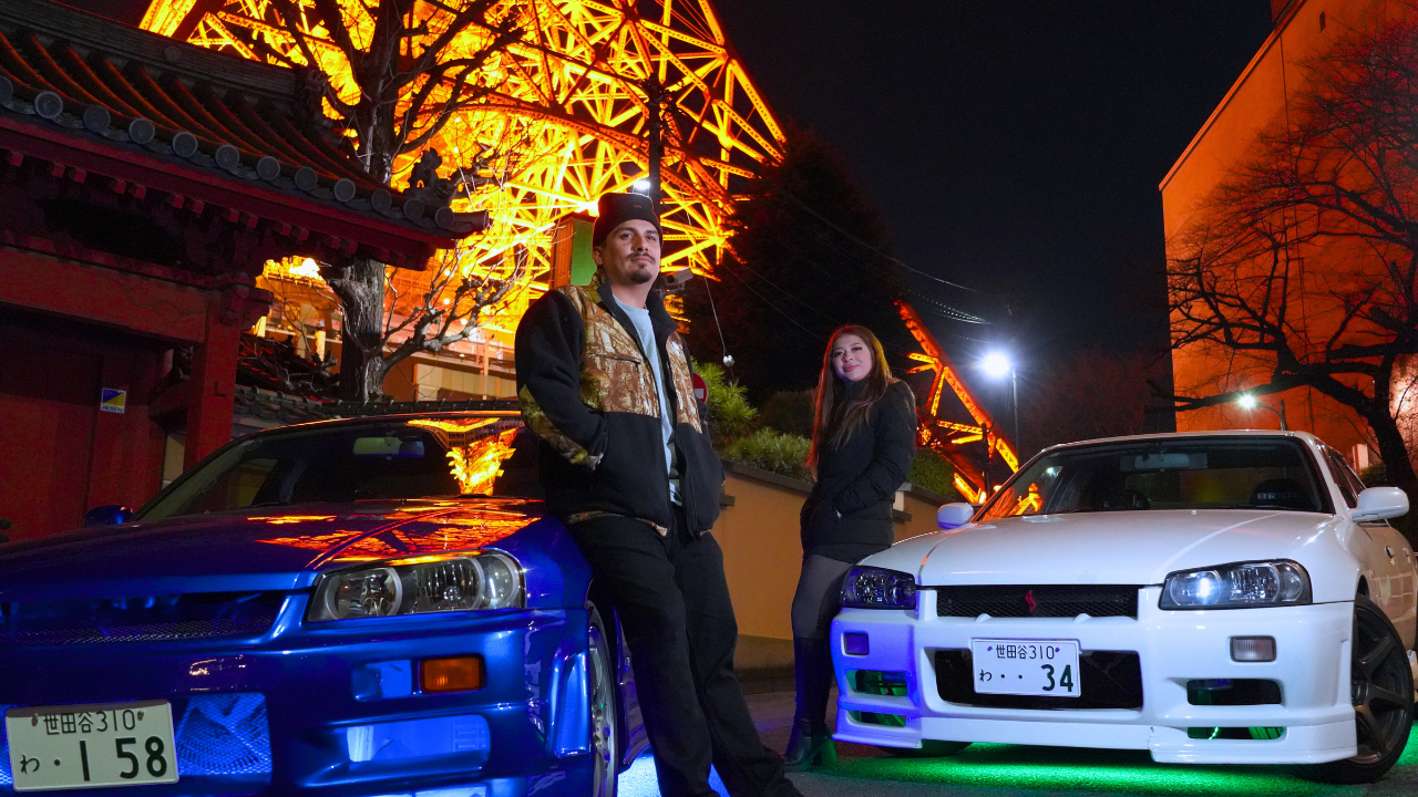
This is the scene people mean when they talk about Daikoku: Skylines and GT-Rs from the R32 through the R35, Supras, RX-7s, NSXs, Silvias, Evos, WRX STIs, VIP sedans, and a scatter of Ferraris and Lamborghinis parked among them.
The same nights carry the catch. Police and the expressway operator close the car park entrance without notice, typically from about 8:30 pm on Thursday through Saturday, and weekend-night closures became the norm through 2025 and 2026.
Once the entrance has shut, do not count on it reopening later that night. This is why tour operators pull their Friday and Saturday pickups forward to 4 or 5 pm: an early start buys you the filling lot before the risk window opens.
What cars you see at Daikoku PA by time of day
Sunday morning8 am to 10 am
Exotics and classics gather in daylight before Sunday drives; a quiet, photo-friendly slot with a different crowd than the night meets.
Late afternoon4 pm to 7 pm
Friday and Saturday lots start filling from around 5 pm and build toward the widest spread of the week; Saturday late afternoons already buz…
Evening Peak7 pm to 10 pm
Peak hours on open Friday and Saturday nights: Skylines and GT-Rs, Supras, RX-7s, NSXs, Silvias, Evos, WRX STIs and VIP sedans fill the lot,…
Late night10 pm to midnight
Weeknights come together from about 8 pm with daily-driven builds and regulars; even tours starting at 10:30 pm still find plenty of JDM car…
QuietBusyThe busiest
If you want the full Friday-night spread, the safe window is roughly 5 to 8 pm. Arrive later and you are gambling with the gate.
Tour for this
Daikoku:Experience Tokyo's Car Culture in Iconic JDM Cars4.9★ (872) · 3.5 hours · Hotel pickup · Free cancellation
The late slot has its own logic. Weeknights come together from about 8 pm with a smaller crowd of daily-driven builds and regulars, and even tours that start at 10:30 pm still report plenty of cars in the lot.
Common mistakeBooking a midnight run expecting two hours at the lot. Plan around roughly one hour on the ground.
What you trade in numbers you gain in pace: the expressways are emptier, the Wangan run feels closer to its midnight-race reputation, and the regulars who show at that hour tend to be the serious builds.
Set your expectations on time before you book. The stop at the lot itself runs about an hour on most tours, with one operator allowing 90 minutes of free time and another planning 45.
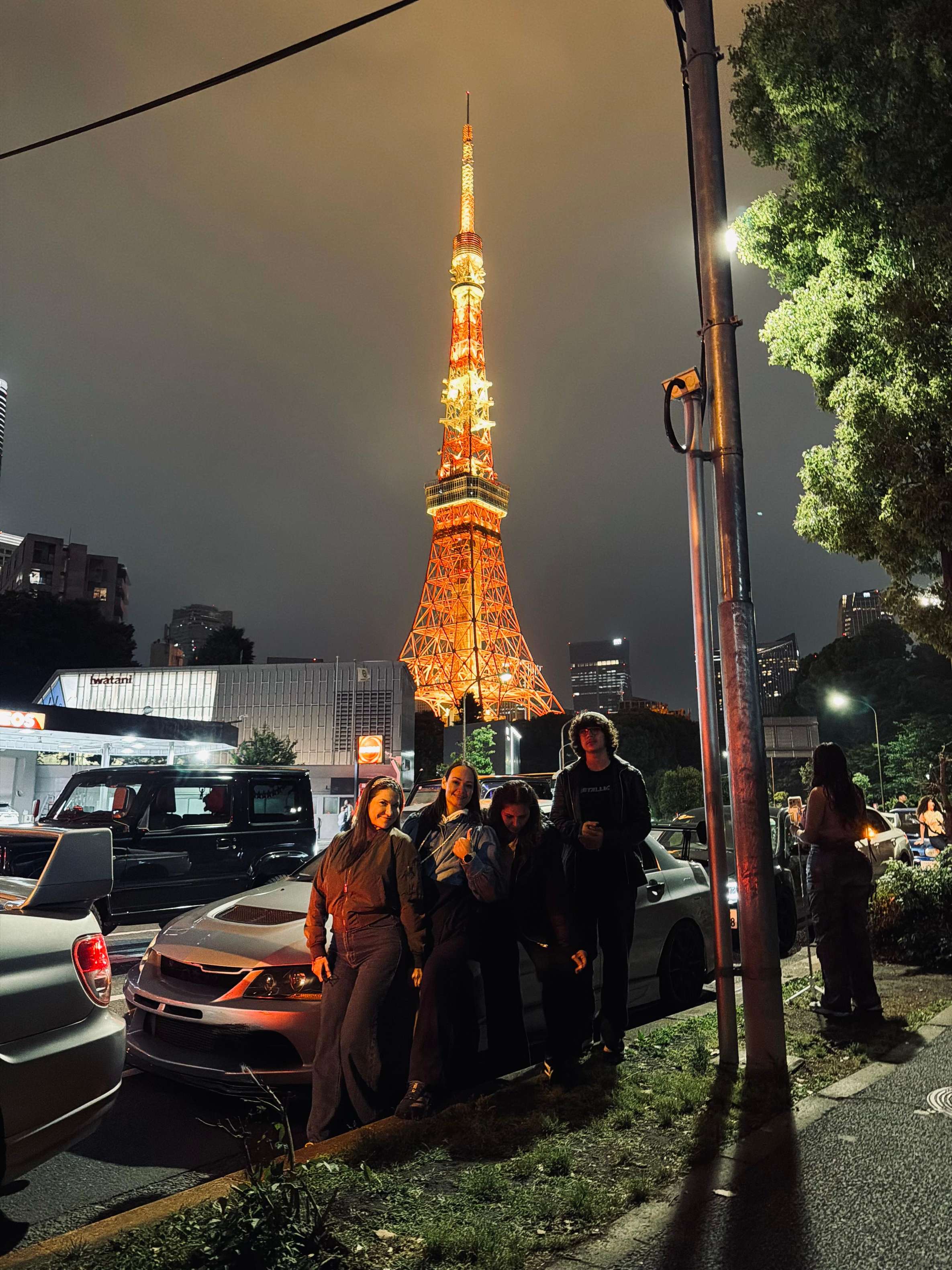
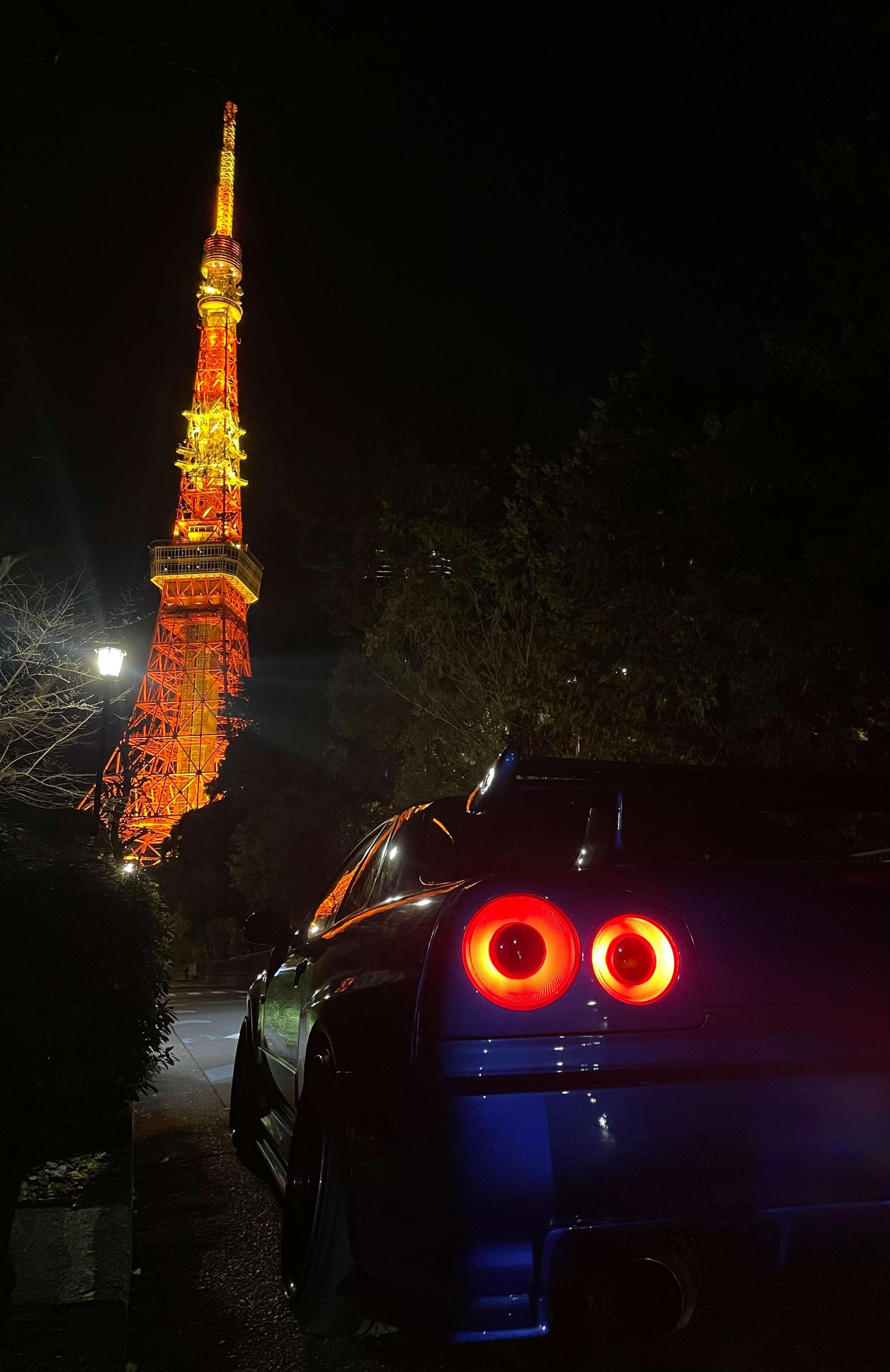
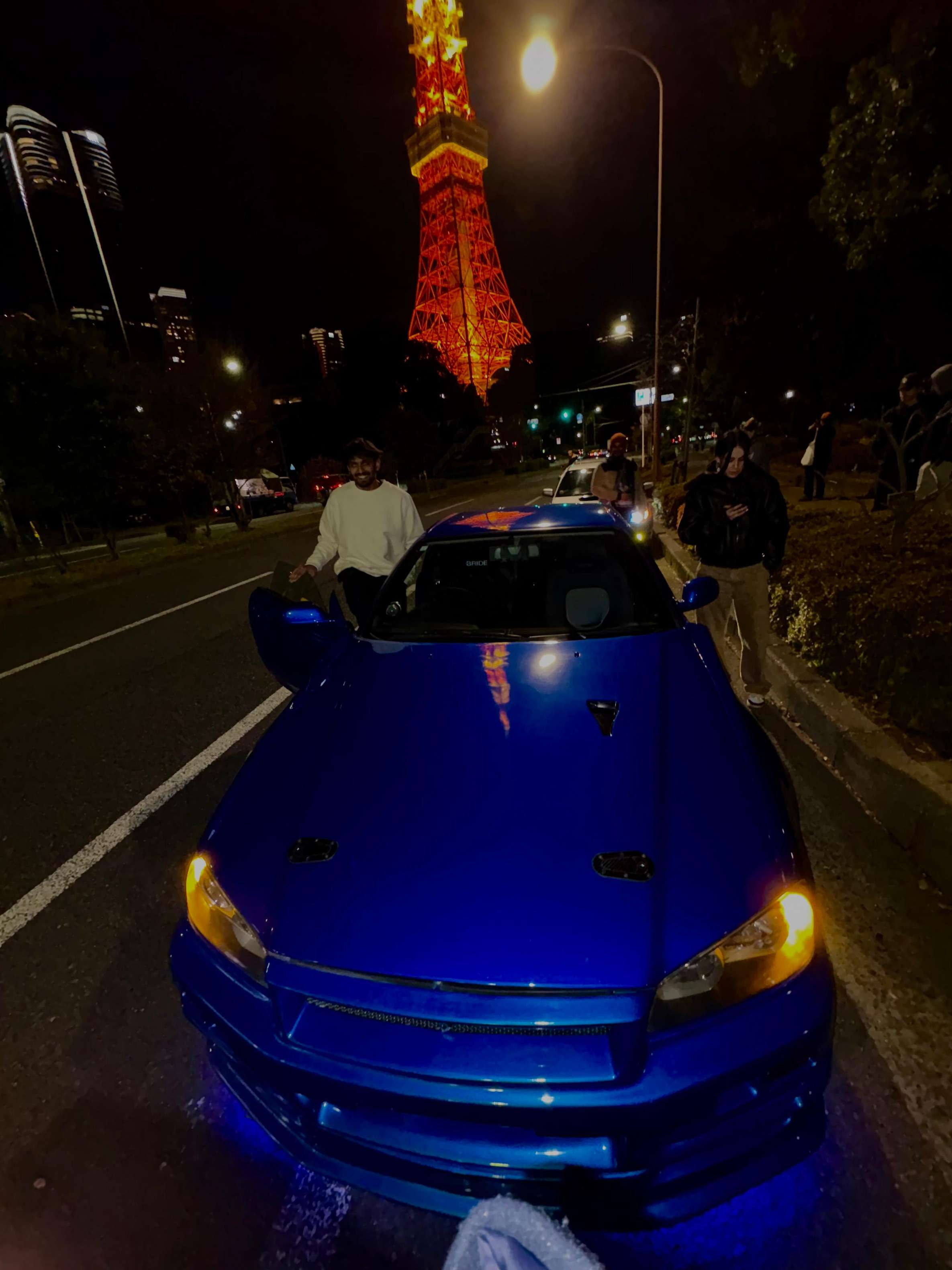
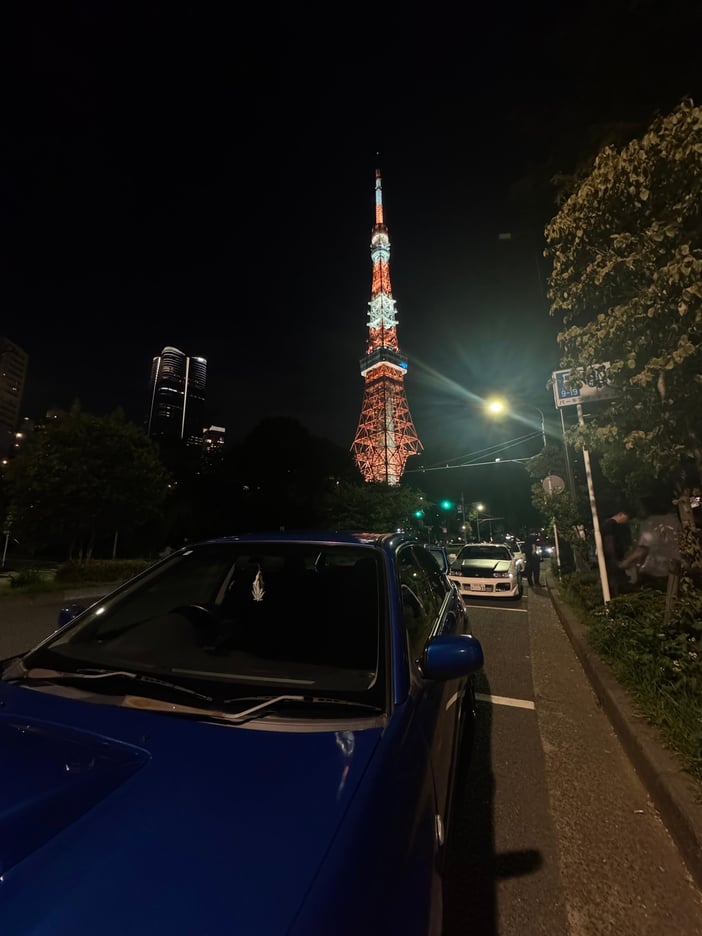
The full night, including the highway drive, Rainbow Bridge and a Tokyo Tower photo stop, runs three to four hours in total. A midnight tour is a driving night with a car-meet stop, not an evening parked among the cars.
One midnight option worth a look is the Tatsumi PA, C1 Loop and Daikoku tour, which runs three to three and a half hours with a professional guide, transportation, fuel, tolls, parking fees and vehicle insurance all covered, and hits Tokyo Tower at night along the way.
Sunday morning from about 8 to 10 am is the daylight answer to the whole closure problem. The atmosphere is a cool, calm, collected cars-and-coffee, nothing like the loud night scene, and the variety of machines is the widest anywhere, from exotics down to kei-cars.
Pro tipA dry Sunday morning is the single most reliable Daikoku visit you can plan. Check the forecast and go.
A dry Sunday morning brings the crowds out week after week, all year, with only the wettest or coldest days keeping people home.
The practical case is reliability. Police often close the whole parking area on Friday and Saturday nights, so weekend evenings are the slot most likely to end at a locked gate.
Sunday daytime is the dependable time to catch the meet, and closures are rare. People who go on Sunday mornings also say the bystander crowd is thinner, which makes photographing the cars easier, and that more luxury cars turn up in daylight.
The trade-off is honest: you miss the night and underground vibe entirely. If that atmosphere is why you came, Sunday morning will feel like a different event. If seeing the cars matters more than the mood, this is the slot to book.
Daikoku PA by day of the week: Sunday morning is the calm, reliable meet
Sun: the busiest. Sunday morning is the best bet: a cool, calm cars-and-coffee crowd with the widest variety of cars, and it happens week after week unless it…
Bar height: how busy each day is, from very quiet to the busiestThe busiest: Sun
Tap a day to read it.
Tour for this
Tokyo: Fast & Furious Tokyo Drift III Experience4.8★ (5,784) · 3 - 4 hours · Free cancellation
Daikoku PA sits inside the Shuto Expressway, and that single fact shapes every visit. There is no pedestrian gate, no bus stop, no taxi rank and no way in from ordinary roads.
Common mistakeAssuming a taxi can drop you at the gate. It cannot, and there is no way back out on foot either.
Walking in is impossible and illegal, bicycles and scooters under 125cc are not allowed, and the only way in is in a vehicle already on the expressway.
This is why every tour on the page starts in central Tokyo and drives you there. Your part of the logistics is the ride to the meeting point, which for most tours means Shibuya, Akihabara or hotel pickup anywhere in the city.
From Haneda Airport the drive to the bay runs about 33 minutes in clear traffic, from Tokyo Station about 20 minutes, and from Shinjuku about 12 minutes, though city traffic can stretch any of those well past an hour.
A do-it-yourself visit means more than renting a car. Overseas drivers need a valid International Driving Permit under the 1949 Convention, and you would be committing an entire evening, since you must plan your ride out in advance or risk being stuck when the lot closes.
For almost everyone, the tour is the sensible way in.
Ways to get to the Daikoku PA tour meeting points in Tokyo
Most meeting points cluster around Akihabara, which works in your favour if you arrive early or have an hour to spare before pickup.
Pro tipBuild in 30 minutes around Akihabara before pickup. The UDX garage alone justifies the early arrival.
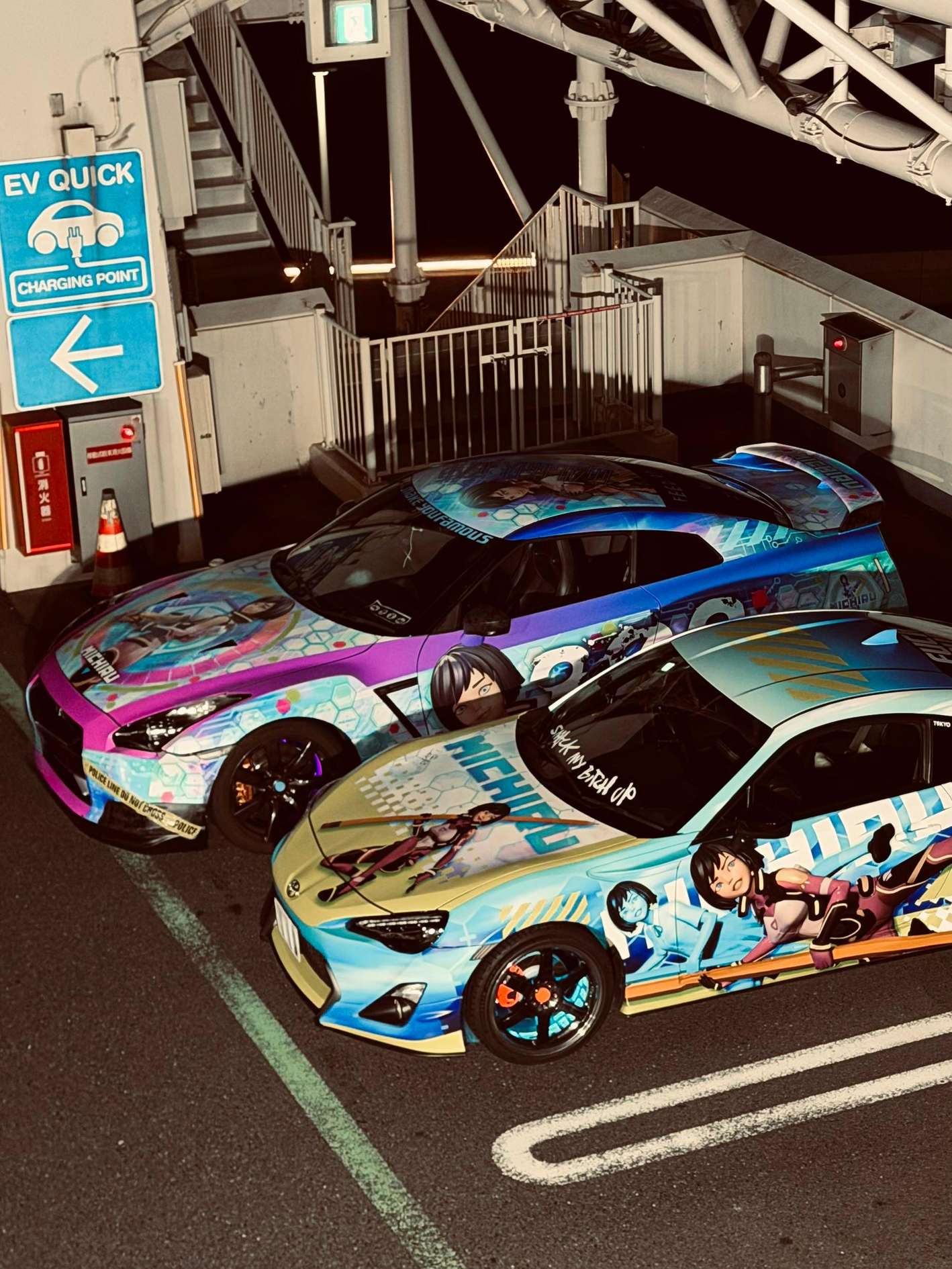
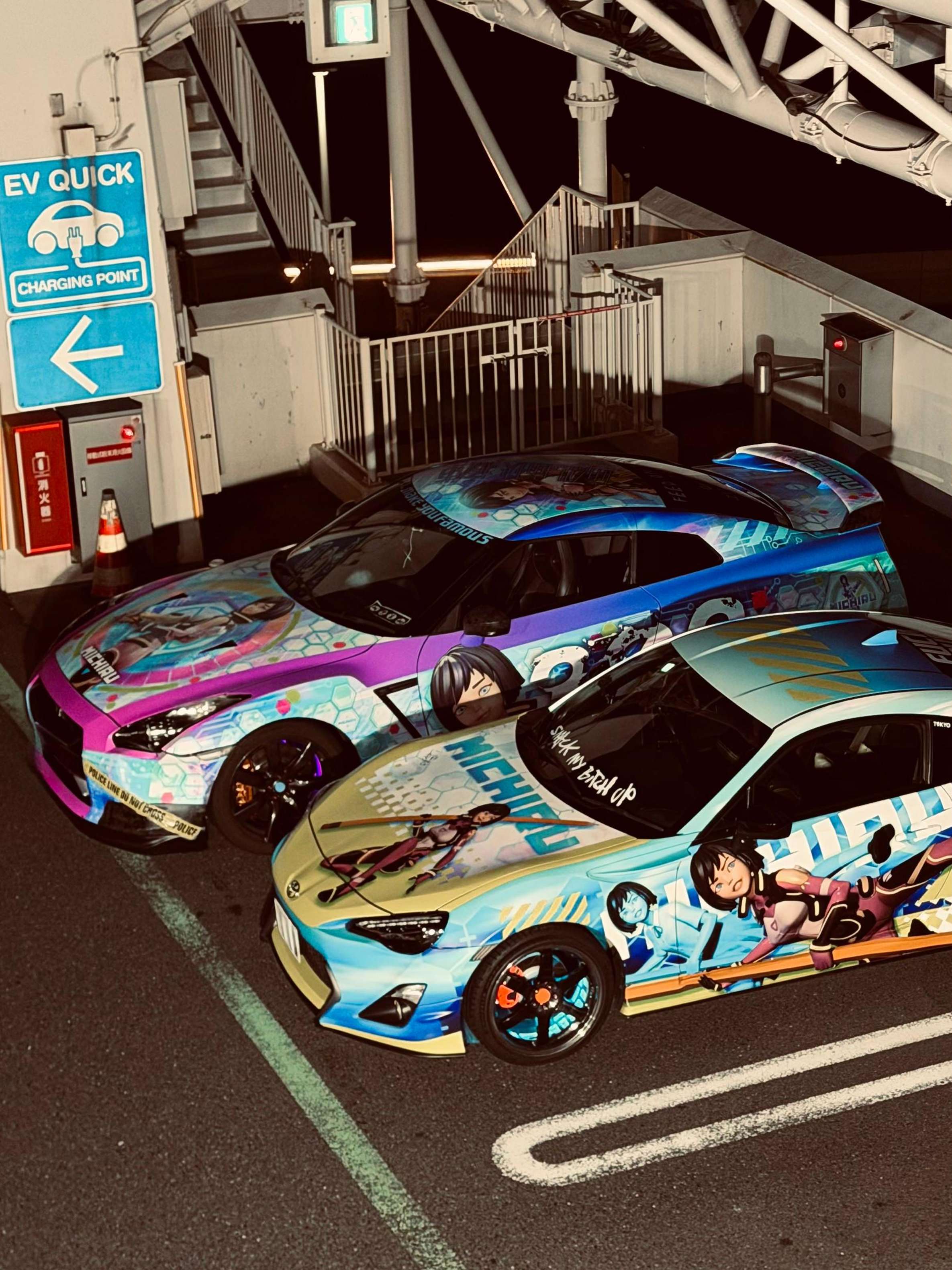
The neighbourhood gives you a walk worth taking, and a couple of the stops double as car-spotting in their own right: the Akihabara UDX underground garage, free to enter by elevator and close to the station, holds wrapped and anime-decorated cars on its B2F level on Friday and Saturday nights.
Worth the drive if you are making a day of it: the National Showa Memorial Museum, Koishikawa-Kōrakuen garden and the Edo-Tokyo Museum all sit about 11 minutes away, with the Imperial Palace East Garden 12 minutes out.
One note on the UDX garage: security moves people on if you stop to photograph the cars, and repeat visits have drawn police and fines. Look, enjoy, keep moving.
Tour for this
【R34】Daikoku PA Private Tour, Tokyo JDM Night Experience4.9★ (181) · 3 hours · Hotel pickup · Free cancellation
The rules that keep the meet, and your night, alive
Photos are welcome at Daikoku PA, and taking them is half the reason people come. The line is permission. Never enter a car, sit on it, lean on it or touch it for a photo without asking the owner first, and respect a refusal immediately.
Common mistakeLeaning on a car for a photo. Ask first, every time, even if the owner is standing right there smiling.
Ask before photographing car interiors, people, or number plates. Disrespectful behaviour is why some locals stopped bringing their cars to Daikoku, and it is the reason enforcement has tightened.
Keep the noise down: no revving, no burnouts, no loud music. Stay out of the roadways, park only in marked bays, keep lanes clear, and take your trash with you.
Alcohol is off limits, since Japan has zero tolerance for drink-driving. Illegally modified cars get targeted by roadside inspections at the lot, mainly at weekends, so owners are watchful about who lingers around their machines.
If police or staff tell you to move or leave, comply immediately and calmly, and if the meet spot closes and everyone heads out, do not linger, especially with no ride of your own.
Do not wait or gather on nearby public roads either. The behaviour of visitors is watched, police act on complaints, and a night that ends with everyone leaving together is a normal Daikoku night, not a ruined one.
Tour for this
Tokyo Drift Ⅲ: Fast·Furious Daikoku PA Modified JDM Car Ride4.7★ (1,358) · 3 - 4 hours · Hotel pickup · Free cancellation
You will be standing around outdoors at night, and that decides the packing. Tokyo nights at Daikoku run from about 1°C on winter nights to over 25°C in midsummer, and the meet happens in the open, so a light jacket matters even in warmer months.
Pro tipA light jacket goes in the bag even in July. The lot is open air, by the bay, and the night gets cool.
Wear comfortable clothes and shoes you can walk in, and bring a camera, since the photo time is the point of the stop.
Eat before you go and carry water. Tours include no food, and a night drive that ends late on an empty stomach is a night you will remember for the wrong reason. Operators also ask you to check the weather before the visit and to be ready for a late return.
Rain is less of a problem than it sounds. Ordinary rain does not cancel the tours, and it rarely kills the meet: visitors in April 2025 found plenty of cool cars despite the wet, and guides hand out umbrellas and keep the night fun.
Wet nights thin the lot but rarely empty it. The exceptions are heavy-rain evenings, which bring fewer cars and less to film, and severe storms or road closures, which are the only weather that reschedules a tour.
Police activity can also close the PA, which is a booking question, not a packing one.
Booking your night - closures, refunds and the right tour
Closures at Daikoku are decided on the night by the expressway operator working with police, so there is no schedule to check in advance and no published closure time anywhere. Weekend nights are the most exposed; weekday visits are far less likely to end at a closed gate.
Common mistakeBooking the cheapest Friday-night tour without reading its closure policy. The fallback terms are the real product.
No operator can guarantee entry to the lot on a particular night, so what you are really choosing when you book is how a tour handles the night it cannot get in.
Most tours divert to a fallback lot such as Umihotaru or Tatsumi rather than refund, and the policies vary: one charges an extra detour fee, one makes the fallback free, and one runs regardless.
Several tours give a full refund if you decline the alternative lot, but on its own, the lot being closed is not a refund trigger. Read the policy before you pay, not after.
Sort your ride before the day. Tours sell out, and turning up in Tokyo hoping for a seat is a gamble that ends with strangers.
After booking, provide a WhatsApp or Instagram contact and switch notifications on, since operators send a message before starting time if anything changes, and expect an email within 48 hours that you should reply to.
If you want the lot to yourself, the private R34 Daikoku tour runs three hours with hotel pickup and drop-off and no shared guests, and it joins a convoy of more than ten JDM cars, R34s, GT-Rs, Supras and RX-7s among them.
Tour for this
【R34】Daikoku PA Private Tour, Tokyo JDM Night Experience4.9★ (181) · 3 hours · Hotel pickup · Free cancellation
Amazing experience. My son is a huge Japanese car fan and this was his trip's highlight. Our guide was kind, knowledgeable, and answered all his questions.
Daikoku PA rewards the right slot and punishes the wrong one. Sunday morning is the dependable visit, Friday and Saturday from 5 to 8 pm the deepest crowd, weeknights the quiet regulars' scene.
Book a tour with a fallback lot, arrive early on weekend nights, and follow the etiquette. Do that and the meet shows up for you.
Go ifYou want the widest spread of JDM cars and can start your Friday or Saturday by 5 pmYou want a guaranteed meet with the widest variety of machines, and Sunday morning suits youYou want the midnight expressway atmosphere and are happy with about an hour at the lot
Skip ifYou expect a two-hour stay at the lot itself; the stop runs about an hour on most toursYou want an organised, ticketed event with a published lineup; Daikoku is a spontaneous gatheringYou cannot handle a late finish, since night tours run three to four hours and end well after dark
Our pick to book
Daikoku:Experience Tokyo's Car Culture in Iconic JDM Cars4.9★ (872) · 3.5 hours · Hotel pickup · Free cancellation
There is no fixed Daikoku car meet schedule: the meet is informal, and the day matters more than the clock.
Friday and Saturday nights bring the biggest turnout, with cars filling the lot from about 9 pm, though police sometimes close it as early as 7 pm on the busiest evenings, so an early pickup around 4 to 5 pm is the safer weekend window.
Weeknights from about 8 pm are calmer. Sunday mornings from 8 to 10 am are the dependable choice, with a relaxed cars-and-coffee crowd and the widest mix of machines. Pick a night tour or a Sunday-morning option and lock in your time.
The best time to go.
Best overall
Friday and Saturday, early evening
Arrivals start around 5 pm and the lot is near full by 10 pm, so an early-evening visit catches the widest mix of cars before police closures build.
Biggest turnout
Weekend nights, 9 pm to 1 am
The deepest crowd builds after 9 pm with Skylines, Supras, RX-7s and VIP sedans, though the lot can close as early as 7:30 pm on the busiest nights.
Fewest crowds
Sunday morning, 8 to 10 am
A calm cars-and-coffee scene with easy photos and the widest variety of machines, from exotics to kei-cars, and no police closures.
Best for a quiet look
Monday to Thursday, from 8 pm
Weeknights bring a smaller crowd of daily-driven builds and regulars, with a much lower chance of the entrance being closed.
When to go.
Month
Weather
Crowds
Verdict
January
Cold nights, but 26 dry days, the driest month of the year
Moderate, 3 out of 5
Reliable dry nights, wrap up warm and the meet still shows up
February
Still cold, about 23 dry days
Quiet, 2 out of 5
A calm month, good if you prefer a thinner lot
March
Warming up, around 18 dry days
Busy, 4 out of 5
Spring starts strong, book weekend slots early
April
Mild, about 18 dry days, some rain nights
Peak season, 5 out of 5
The best month for the meet, expect the biggest turnouts
May
Pleasant evenings, about 17 dry days
Moderate, 3 out of 5
Easy weather, solid crowds, a safe pick
June
Rainy season, about 16 dry days
Quiet, 2 out of 5
Wetter nights mean thinner meets, bring a jacket anyway
July
Hot and humid, about 18 dry days
Quiet, 2 out of 5
Heat keeps numbers down, go for the drive more than the meet
August
Hot, about 18 dry days
Moderate, 3 out of 5
Warm but workable, midnight slots are the comfortable ones
September
Cooling off, about 17 dry days
Busy, 4 out of 5
Strong month, weekend evenings fill fast
October
Comfortable, about 19 dry days
Busy, 4 out of 5
One of the best windows, mild nights and big turnouts
November
Cooler, about 23 dry days
Moderate, 3 out of 5
Dry and calm, a dependable late-autumn pick
December
Cold, about 26 dry days
Quiet, 2 out of 5
Dry but cold, fewer cars, worth it for dedicated fans
Best months
Verdict
JanFebMarAprMayJunJulAugSepOctNovDec
January · Cold nights, but 26 dry days, the driest month of the year · Moderate, 3 out of 5 · Tours run as scheduled; dress for standing outside after dark · Reliable dry nights, wrap up warm and the meet still shows upFebruary · Still cold, about 23 dry days · Quiet, 2 out of 5 · Night tours run; fewer cars out in the cold · A calm month, good if you prefer a thinner lotMarch · Warming up, around 18 dry days · Busy, 4 out of 5 · Full tour schedule, meets build as evenings get milder · Spring starts strong, book weekend slots earlyApril · Mild, about 18 dry days, some rain nights · Peak season, 5 out of 5 · Everything runs; visitors report plenty of cars even in rain · The best month for the meet, expect the biggest turnoutsMay · Pleasant evenings, about 17 dry days · Moderate, 3 out of 5 · Tours run normally, comfortable nights for walking the lot · Easy weather, solid crowds, a safe pickJune · Rainy season, about 16 dry days · Quiet, 2 out of 5 · Tours run in ordinary rain, rescheduling only for storms · Wetter nights mean thinner meets, bring a jacket anywayJuly · Hot and humid, about 18 dry days · Quiet, 2 out of 5 · Tours run; nights stay above 25°C at the lot · Heat keeps numbers down, go for the drive more than the meetAugust · Hot, about 18 dry days · Moderate, 3 out of 5 · Full schedule, late-night departures beat the heat · Warm but workable, midnight slots are the comfortable onesSeptember · Cooling off, about 17 dry days · Busy, 4 out of 5 · Tours run normally, meets pick up again · Strong month, weekend evenings fill fastOctober · Comfortable, about 19 dry days · Busy, 4 out of 5 · Everything runs, great nights for photos at the lot · One of the best windows, mild nights and big turnoutsNovember · Cooler, about 23 dry days · Moderate, 3 out of 5 · Tours run; bring a light jacket for standing around · Dry and calm, a dependable late-autumn pickDecember · Cold, about 26 dry days · Quiet, 2 out of 5 · Tours run as scheduled, dress for winter nights near 1°C · Dry but cold, fewer cars, worth it for dedicated fans
Daikoku car meet schedule - pick a tour that fits the night
Most flexible
3.5 hours·English, Japanese
4.9(872)
Daikoku:Experience Tokyo's Car Culture in Iconic JDM Cars
Option: Street Racer Experience
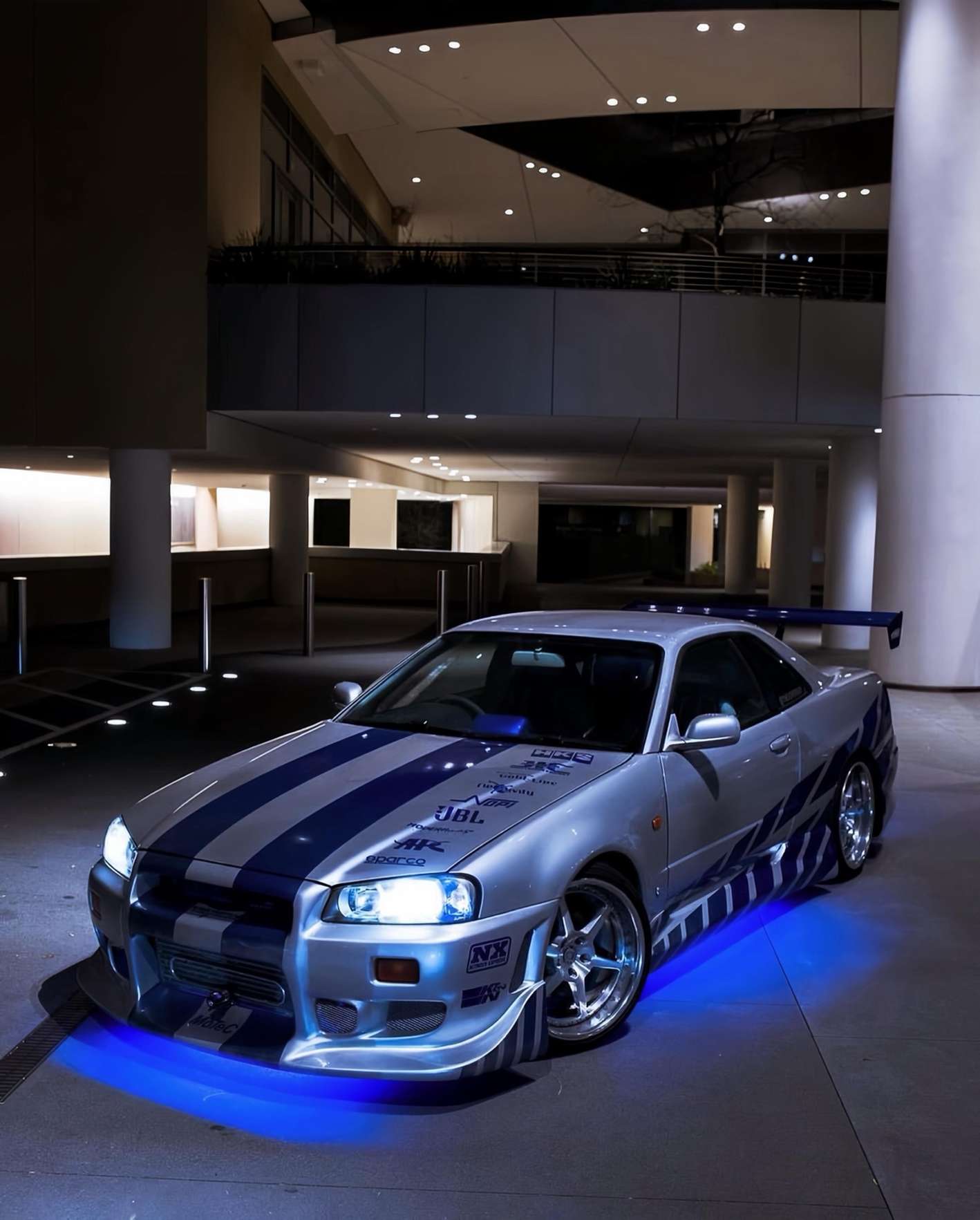
Swap cars at every stop across a fleet that runs from an Evo 9 to a Bayside blue R34, with only three riders per car.
Free cancellationHotel pickup includedSnap unlimited photos with our cars
What you need to know about the Daikoku car meet schedule before booking
Can stop the dayGood to knowGood news
01
ChoosingWhat it is, who it suits, when to go
4
What you ride
You ride as a passenger in a modified JDM car, an Evo, WRX STI, Skyline or GT-R, driven by an enthusiast who knows the expressways. Some tours let you swap cars at each stop, and private options take requests for a model, subject to what is available that day.
Group size
Cars seat a maximum of three guests, so groups stay small. Shared tours put you in the car with other travelers from around the world, while private options keep the whole car for your group at a higher price.
Booking ahead
Weekend and midnight slots are the ones that fill, so book those early. If your heart is set on one particular car, send the operator a message at least 48 hours before your date to confirm it will be out of maintenance and running that night.
ClosuresCan stop the day
Friday and Saturday nights pull the biggest crowds and the highest chance of police closing the lot, sometimes as early as 7:30 pm on the busiest weekends. Operators pick up around 4 to 5 pm on those nights to be inside before it happens, and a closed Daikoku usually means a switch to Umihotaru PA.
02
BookingHow far ahead, and what happens if plans change
1
Cancellation
You can cancel up to 24 hours in advance for a full refund. If Daikoku PA closes on the night, one operator lets you reschedule free or take the refund instead, and severe storms or road closures get the same treatment.
03
Before you goPapers, health, what to bring
1
Health limitsCan stop the day
Motion sickness and heart problems rule you out of most of these rides, and some tours also exclude pregnant women or people with back problems. One tour does not accept guests aged 70 or over and sets a minimum age of 5. Bring a passport or ID card on the tours that ask for one.
04
On the dayWhere to be, when, and how you get there
2
Pickup
Most tours collect you from your hotel in central Tokyo, and one runs free pickup and drop-off for any ride starting after 10 pm within the 23 wards. A few start from a fixed meeting point instead, so check the card before you book.
What's included
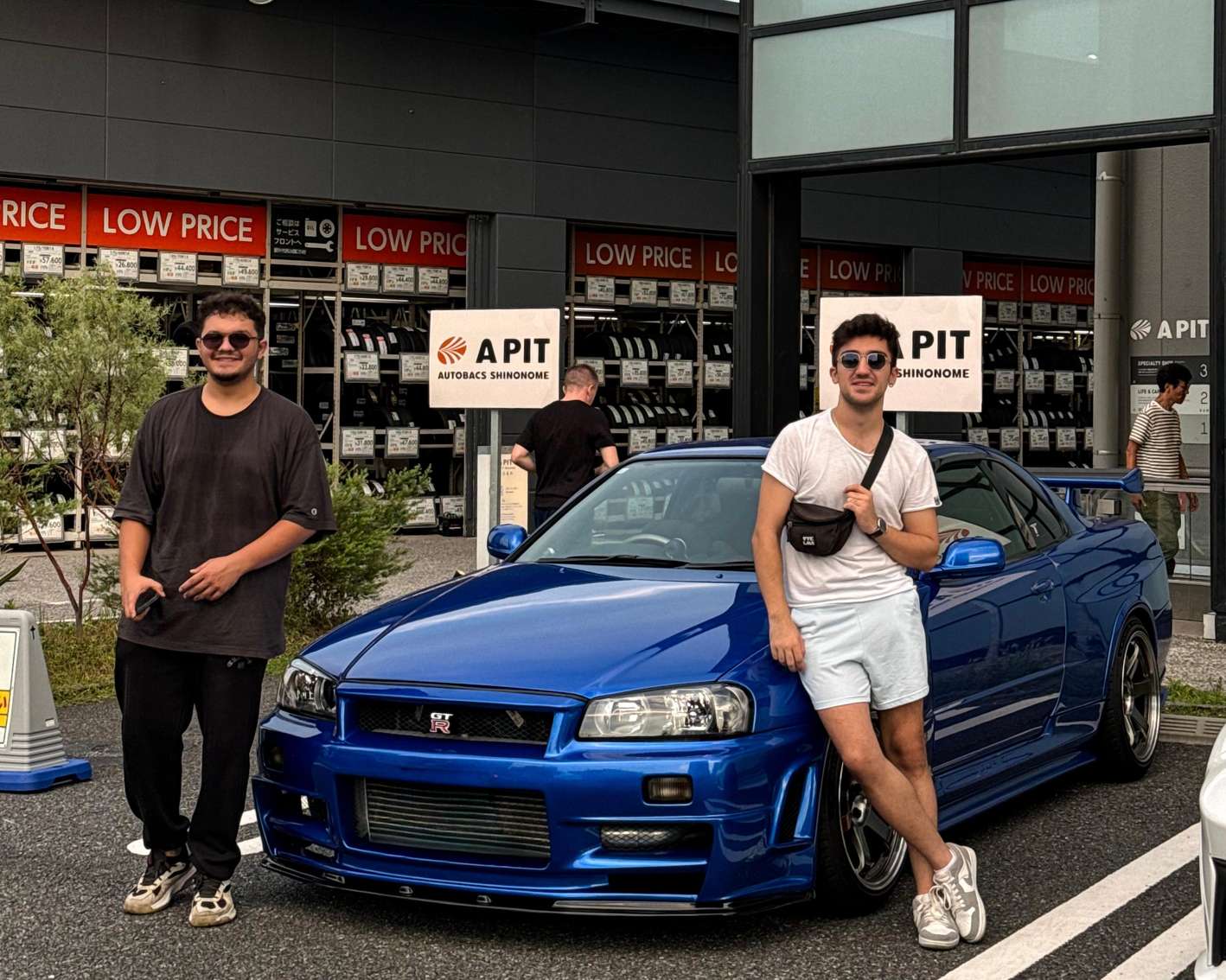
The fare generally covers the car, fuel and tolls, and many tours drop you back in central Tokyo at the end. Some routes add shopping time at A-PIT Autobacs and photo stops at Tokyo Tower. Tokyo Tower's observation deck, meals and drinks are extra, and tours without pickup leave transport to the meeting point to you.
05
During the tourWhat is expected of you
2
Rules on board
No smoking, alcohol or food inside the cars. At the meet itself, never touch, sit on or enter someone's car without asking the owner first. Police watch the area and act on complaints, and tourist behavior there has drawn real enforcement.
Photos
Guides know the viewpoints and will take pictures of you with the tour cars, and photo stops at Tokyo Tower and Rainbow Bridge are built into most routes. Photos with the tour's own cars are unlimited on some tours; strangers' cars at the meet need permission first.
Find more information about the Daikoku car meet schedule
Get answers to your Daikoku car meet schedule questions
Straight answers on timing, closures, and what a night at the lot actually looks like.
Is there a fixed schedule for the Daikoku car meet?
No. Daikoku PA is a tollway rest stop where enthusiasts gather informally, with bigger turnouts on weekends. There is no organizer and no published timetable, so plan around the day of the week rather than a listed event.
When is the best time to visit the Daikoku car meet?
Friday and Saturday nights draw the biggest crowds and the widest mix of cars, with the lot filling from about 5 pm and the deepest crowd between 9 pm and 1 am. Sunday mornings are the calm choice, with easy photos and a relaxed cars-and-coffee feel.
What happens on weeknights at Daikoku PA?
Monday to Thursday nights from about 8 pm are far quieter, with a smaller crowd of daily-driven builds and regulars. The lot is rarely empty, and the chance of a police closure is much lower than on weekend evenings.
Can police close the Daikoku car meet?
Yes, and it happens regularly. On the busiest Friday and Saturday nights the lot can overflow and be shut with little notice, sometimes as early as 7:30 pm. Arriving early in the evening is the safer window on weekends.
How long does a visit to the Daikoku car meet last?
Plan on about an hour at the lot itself. Most tours schedule the Daikoku stop at 60 minutes, with some allowing 45 to 90 minutes, and the full evening including the highway drive runs three to four hours.
What cars will I see at Daikoku PA?
It changes with the clock. Sunday mornings from about 8 to 10 am bring exotics and classics out before Sunday drives. Weekend evenings fill with Skylines and GT-Rs, Supras, RX-7s, NSXs, Silvias, Evos, WRX STIs, VIP sedans, and a scatter of Ferraris and Lamborghinis.
Can I watch drifting at Daikoku PA?
No. Daikoku is a parking lot, and drifting there would bring the police. Legal drifting happens at circuits like Ebisu, and tours to Daikoku exclude illegal street-racing spots.
How do I find out if the meet is happening on a specific night?
Cars show up on any night of the week, so the question is how big the crowd will be and whether the lot stays open. For scheduled events elsewhere, the Instagram page ts.japan.tours keeps a Google Sheet of Japanese car events, and the Discover JDM app lists meets too.
What do guides do at the Daikoku car meet?
They share stories, explain the cars, answer questions during the drive, and help with photos. Some also help translate conversations with owners, and the commentary stays informal rather than a lecture.
What should I do if Daikoku PA is closed on the night of my tour?
Tours have a plan. One operator switches to Umihotaru PA, an indoor meet spot that runs after Daikoku closes on Fridays through Sundays, and others offer a reschedule or a refund when the lot is unavailable.
The schedule for your Daikoku car meet night, sorted
Ride the Midnight Cruise to Daikoku PA with hotel pickup after 10 pm, swap cars at every stop, and cancel free up to 24 hours ahead.