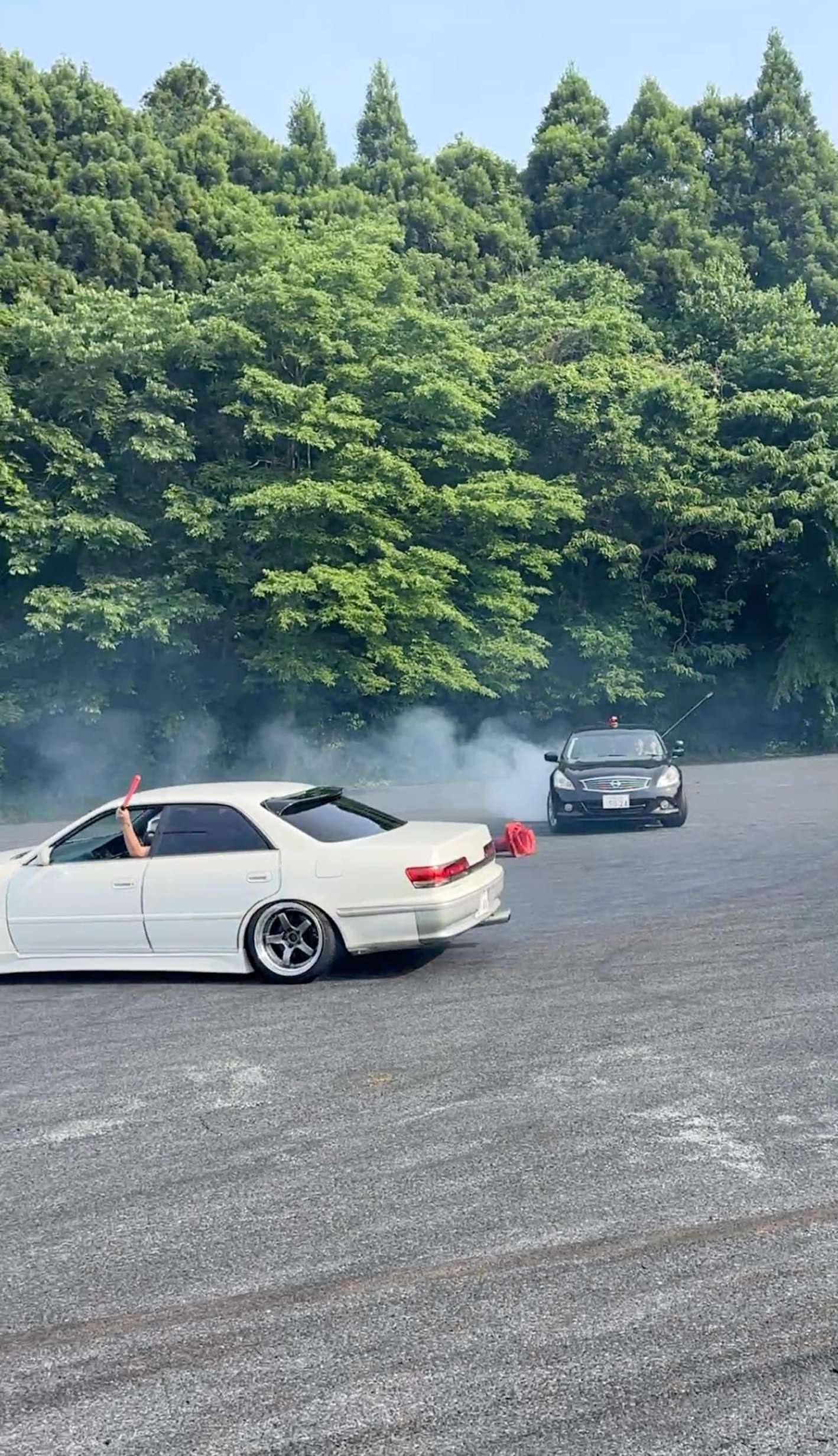
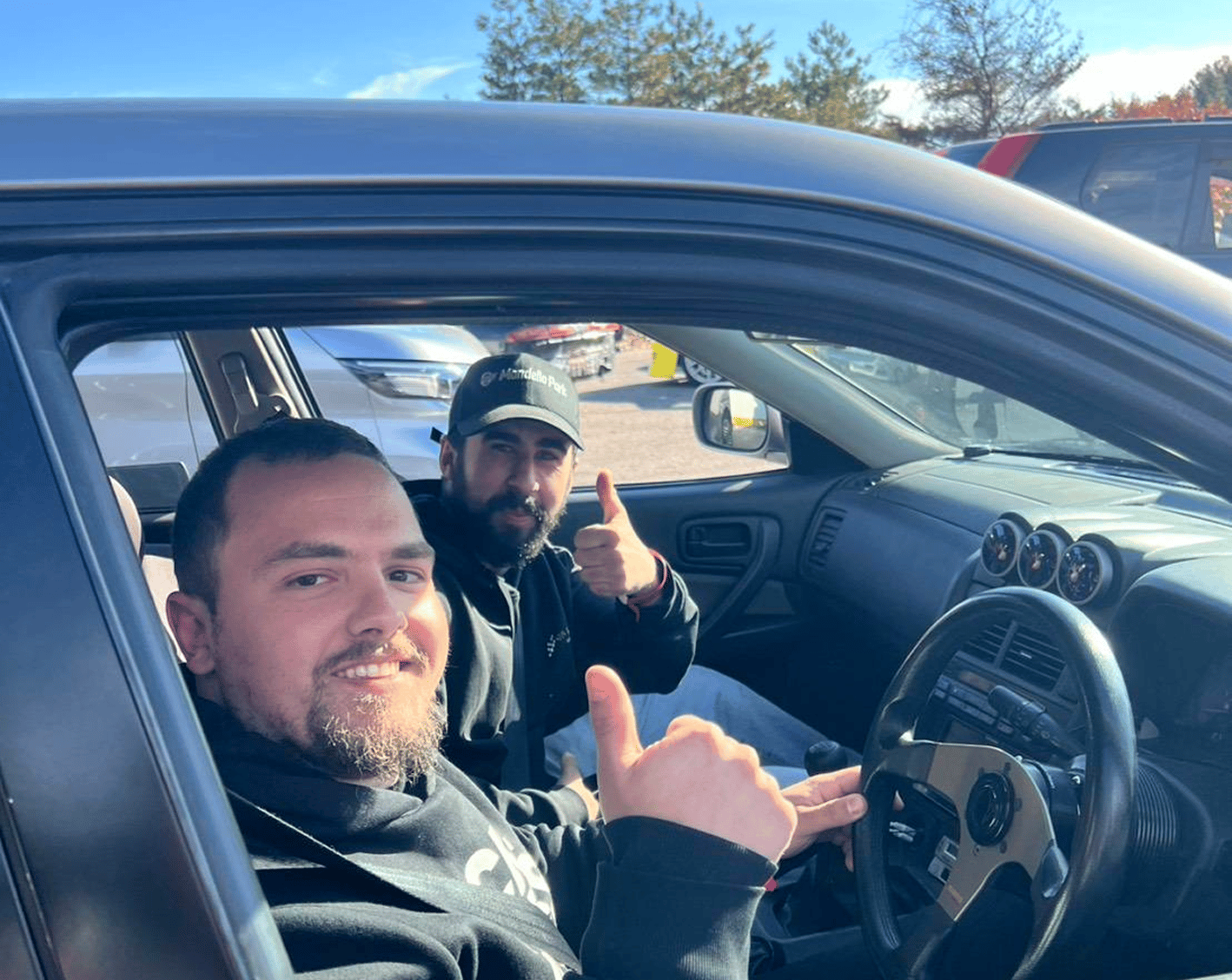
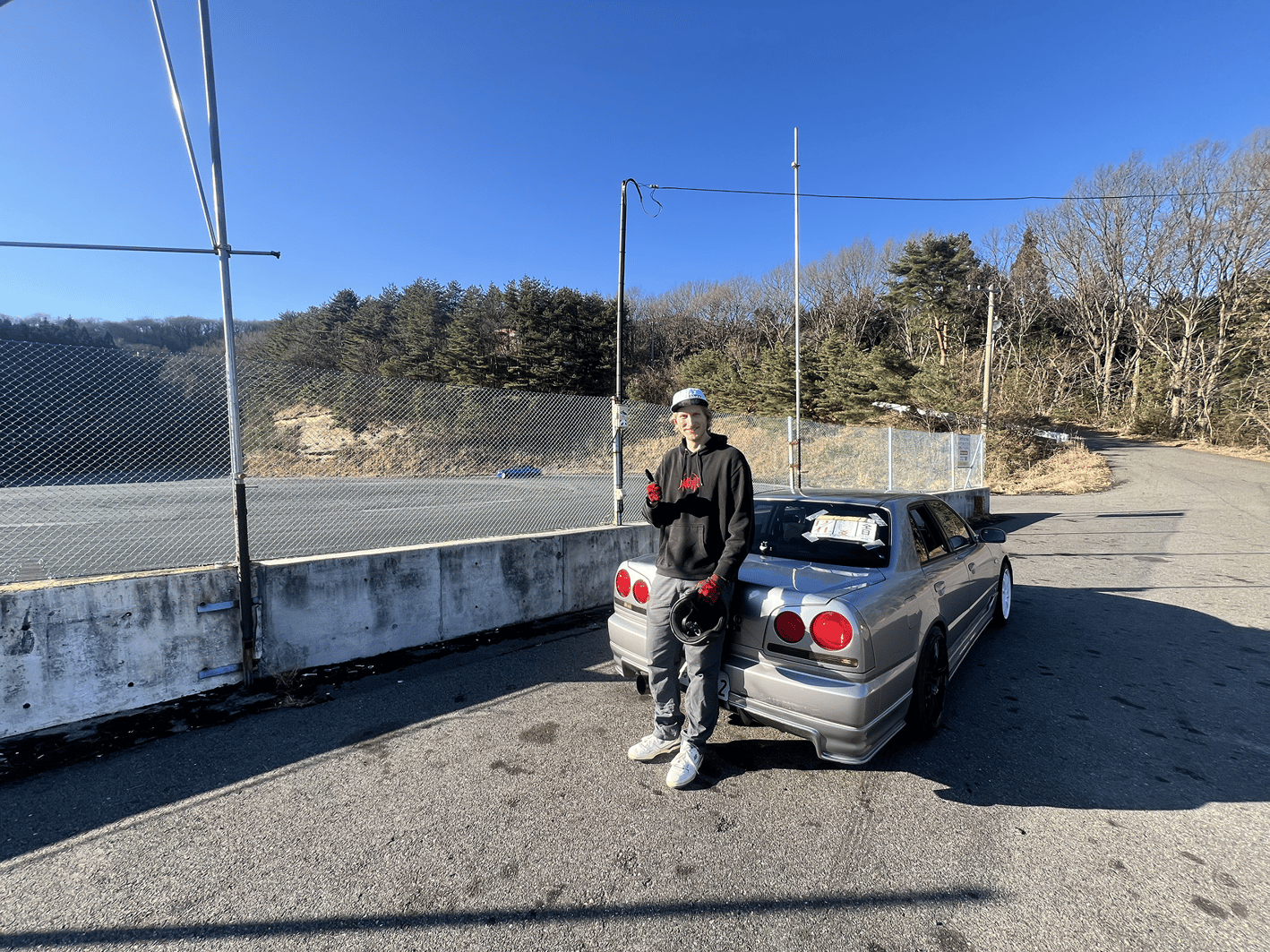
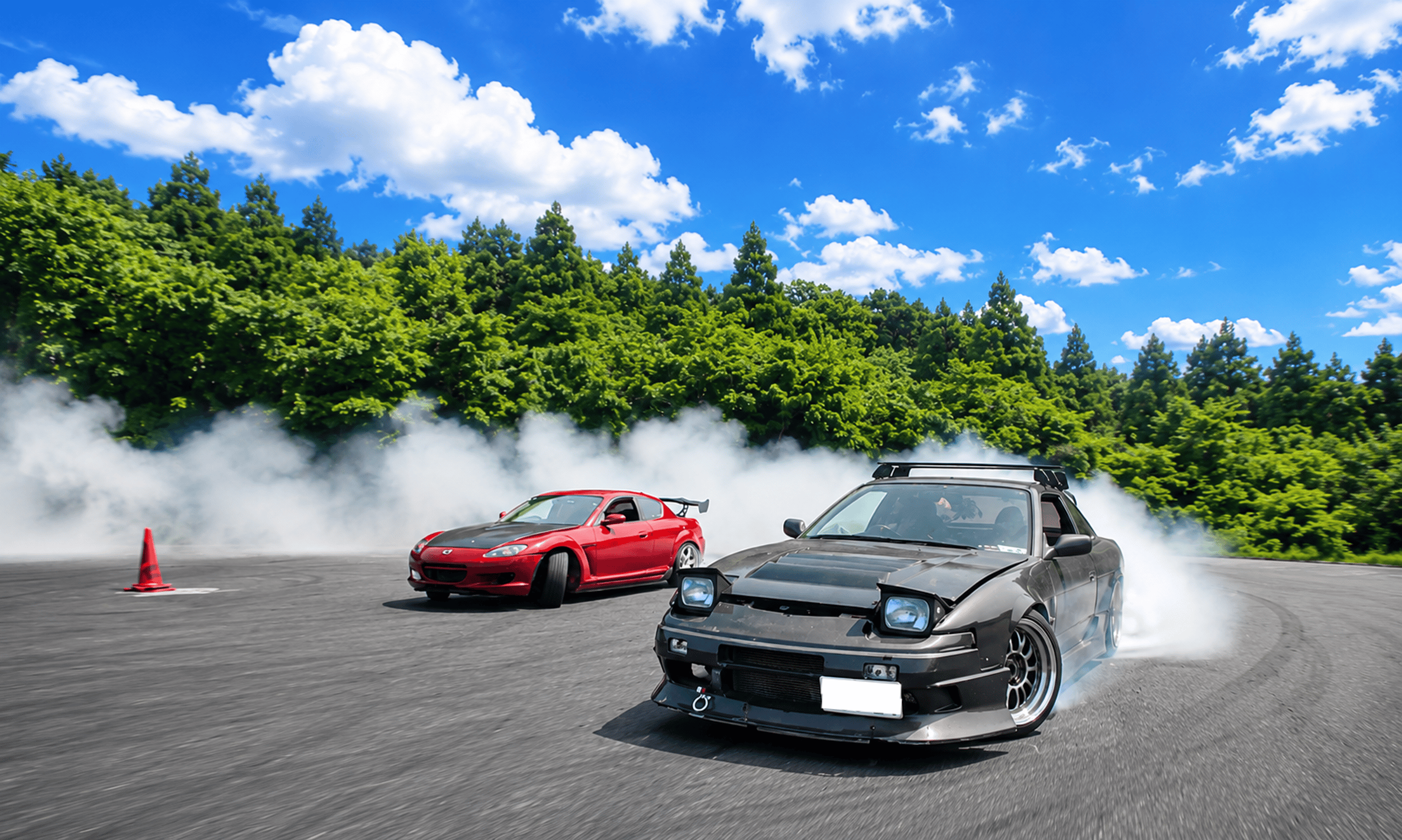
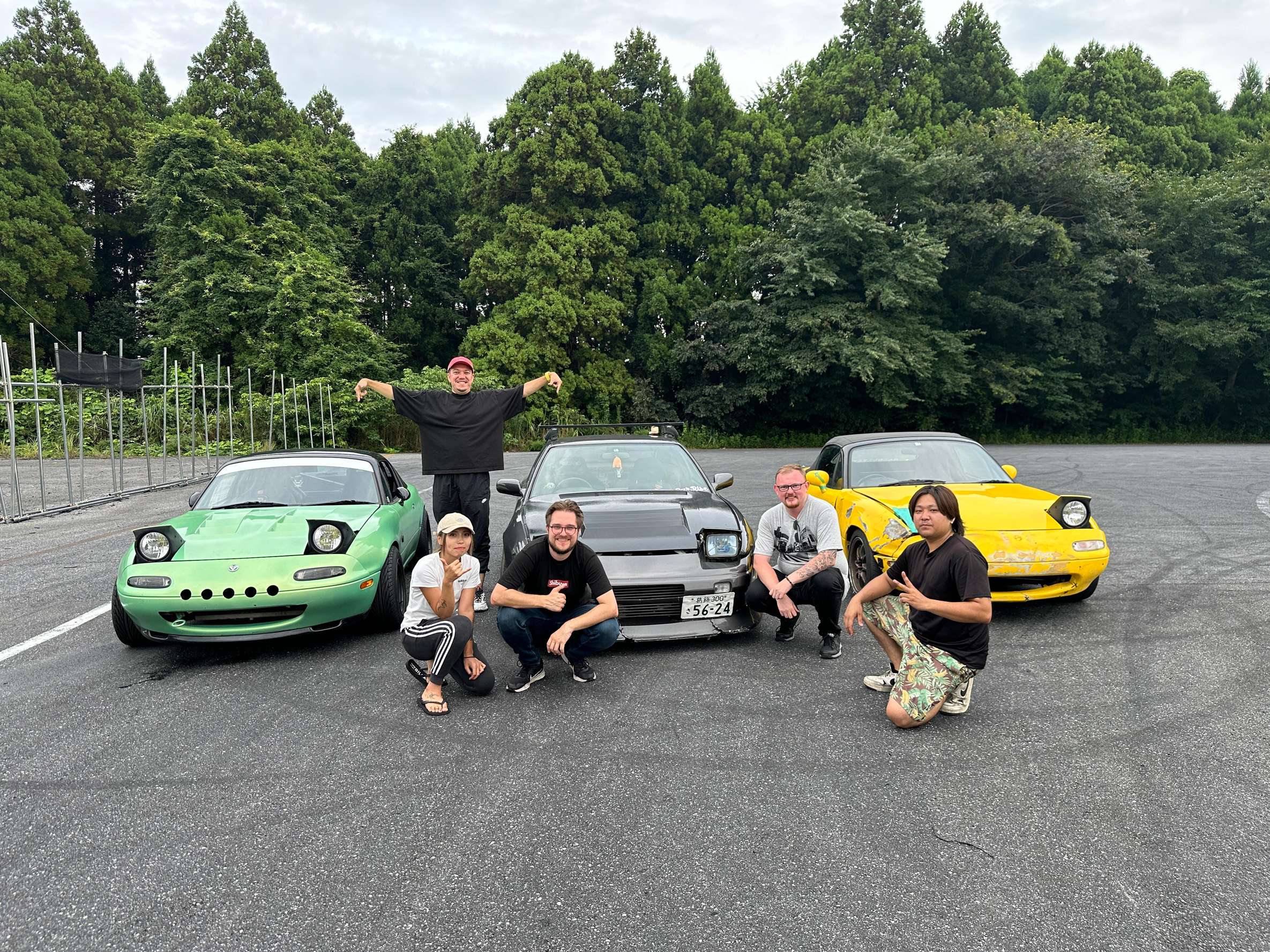
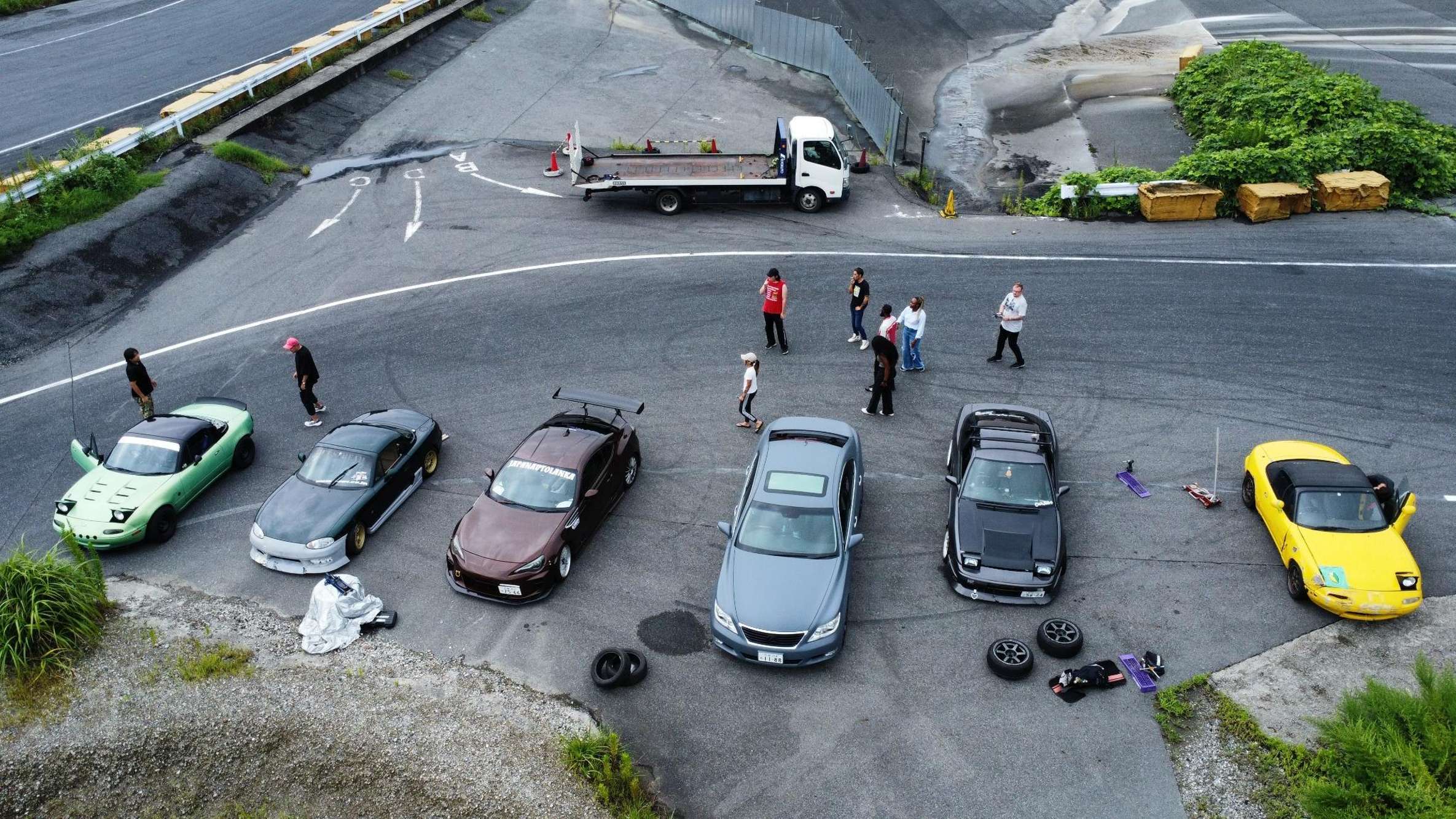
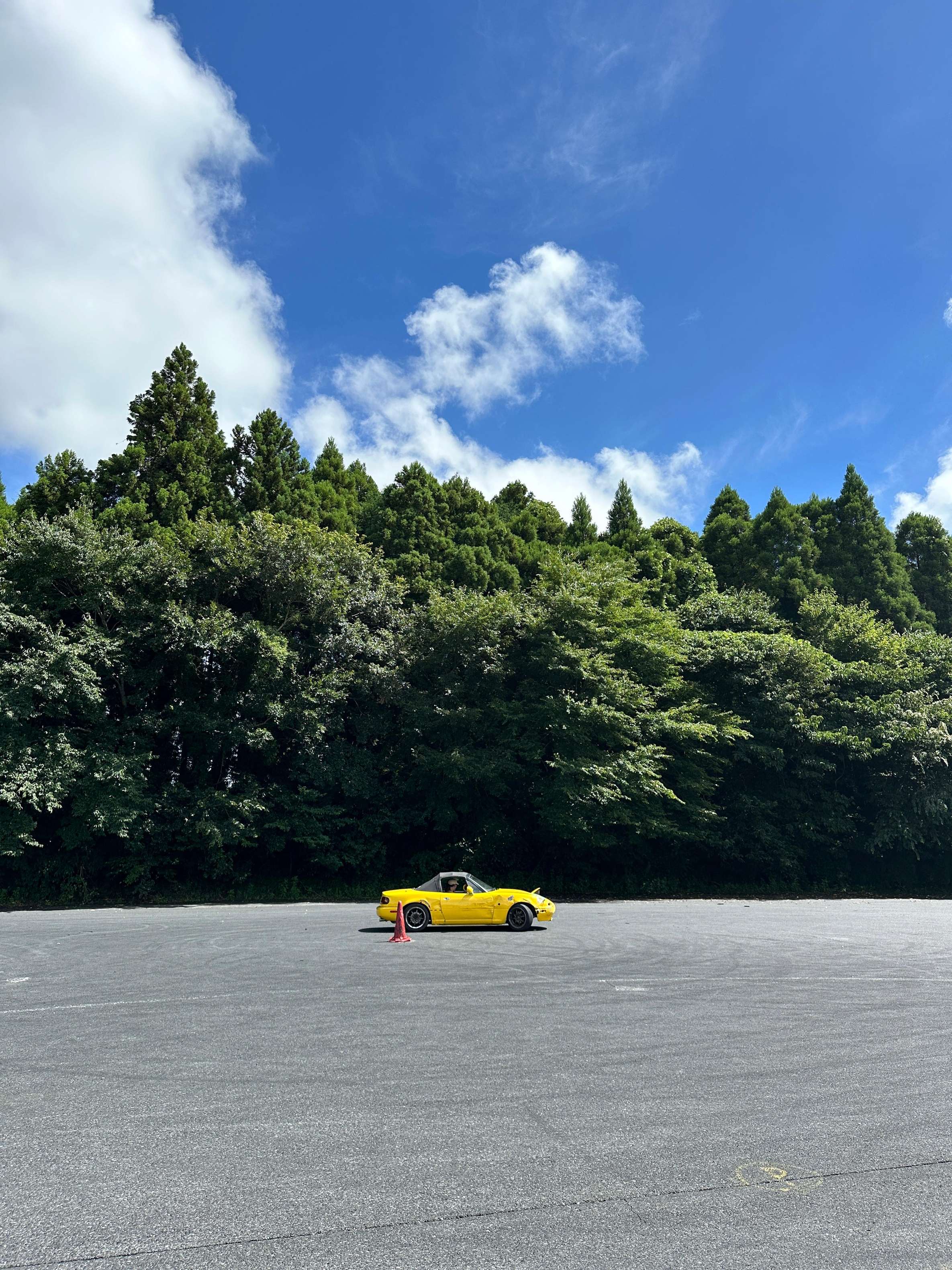
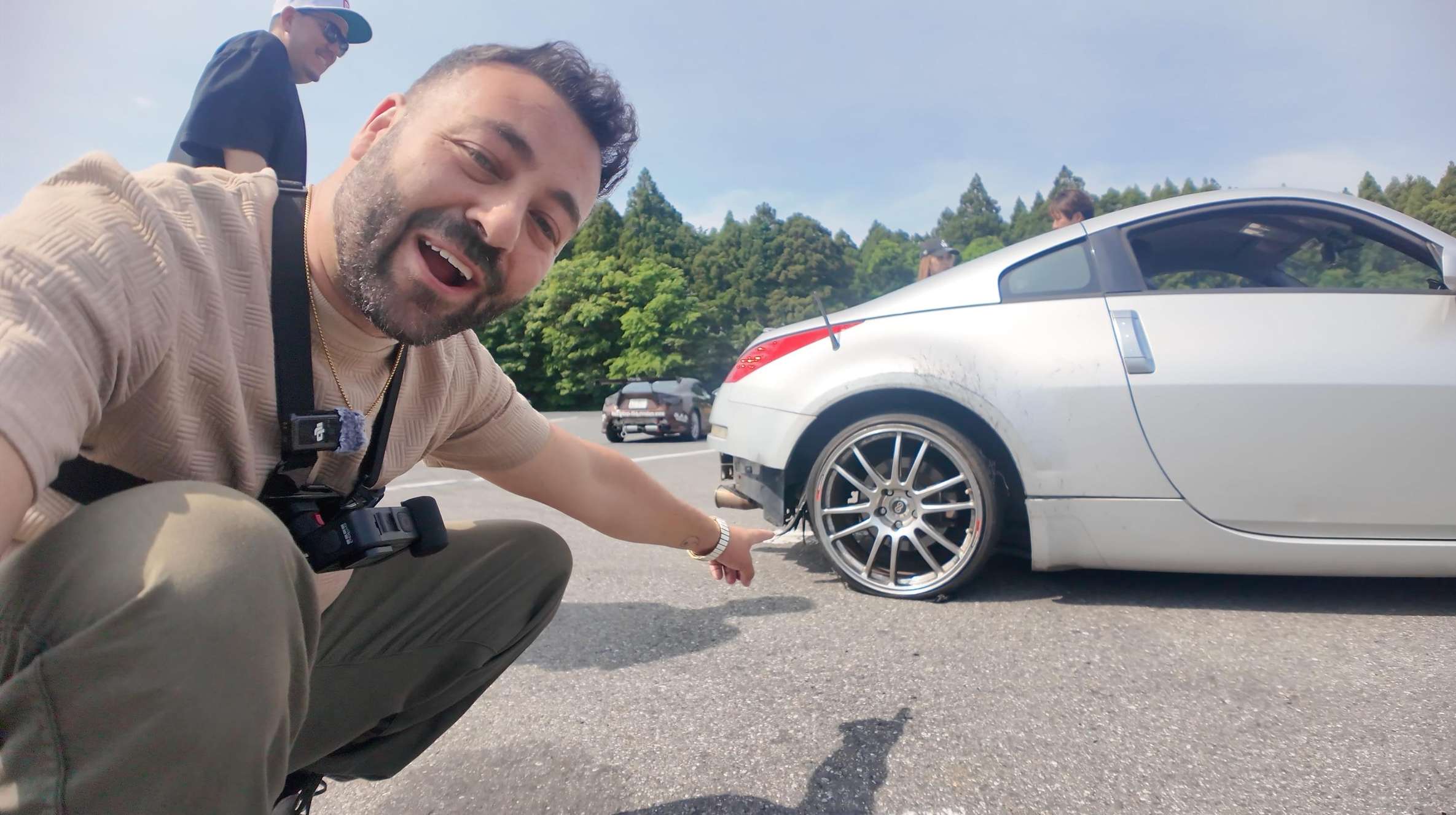
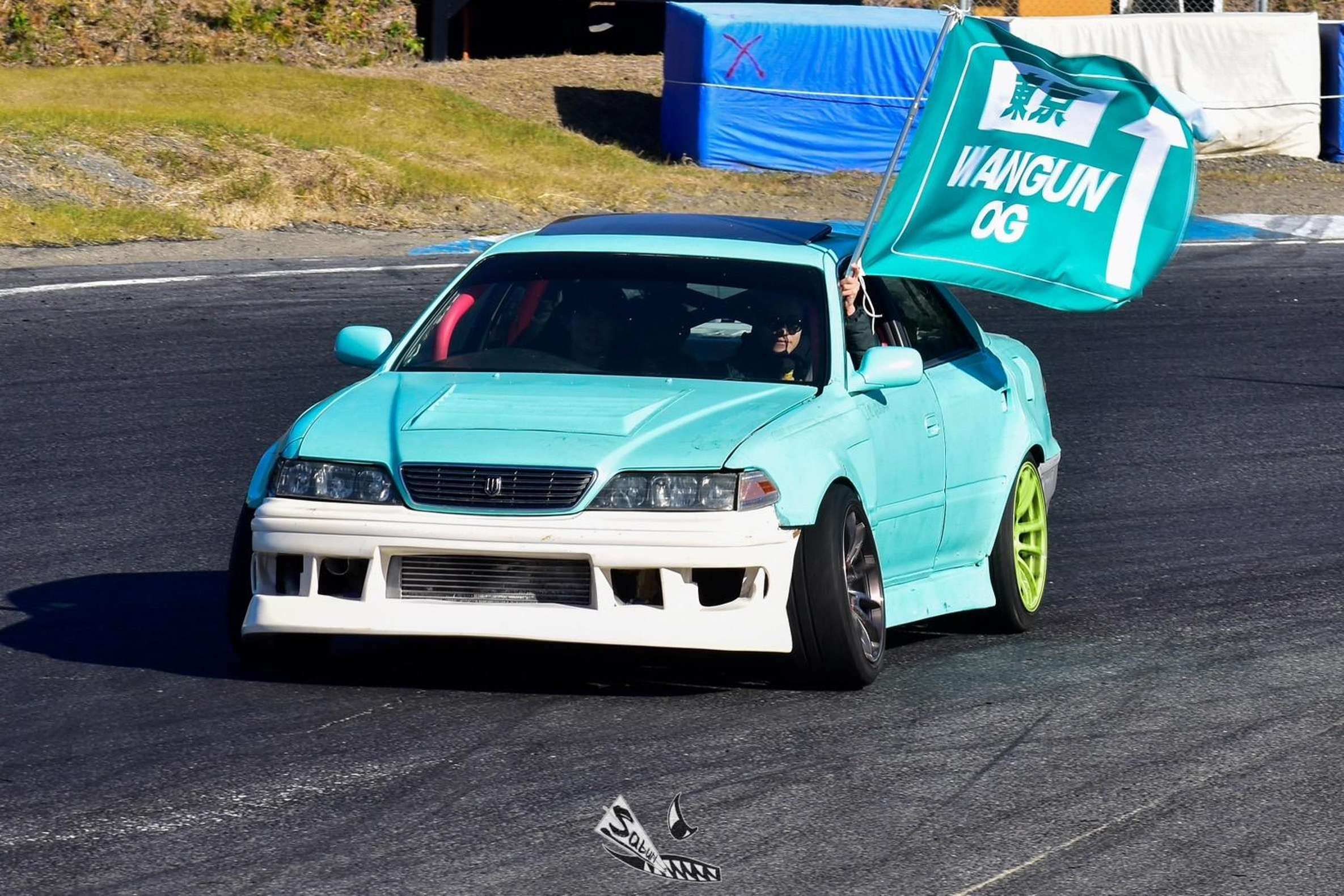
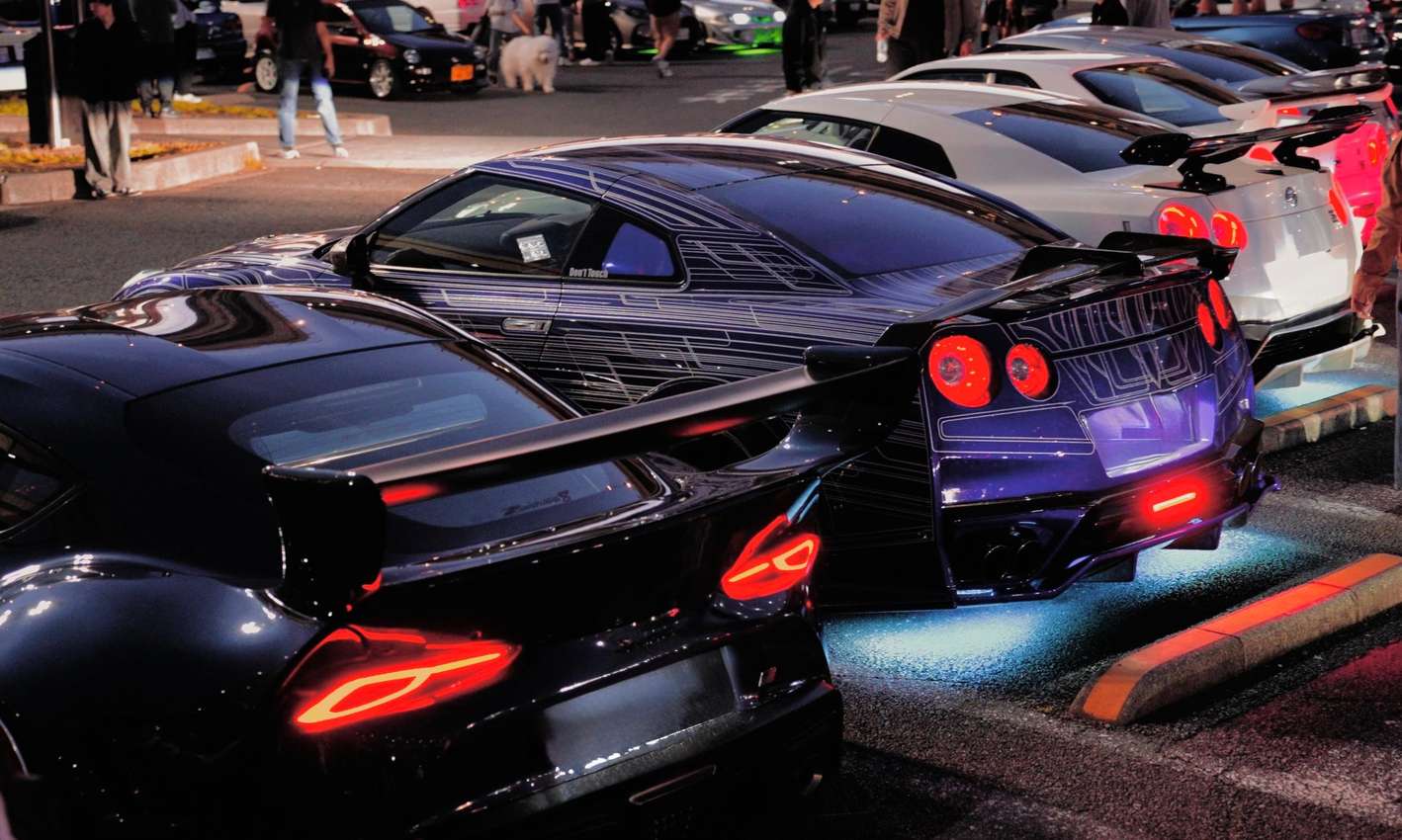
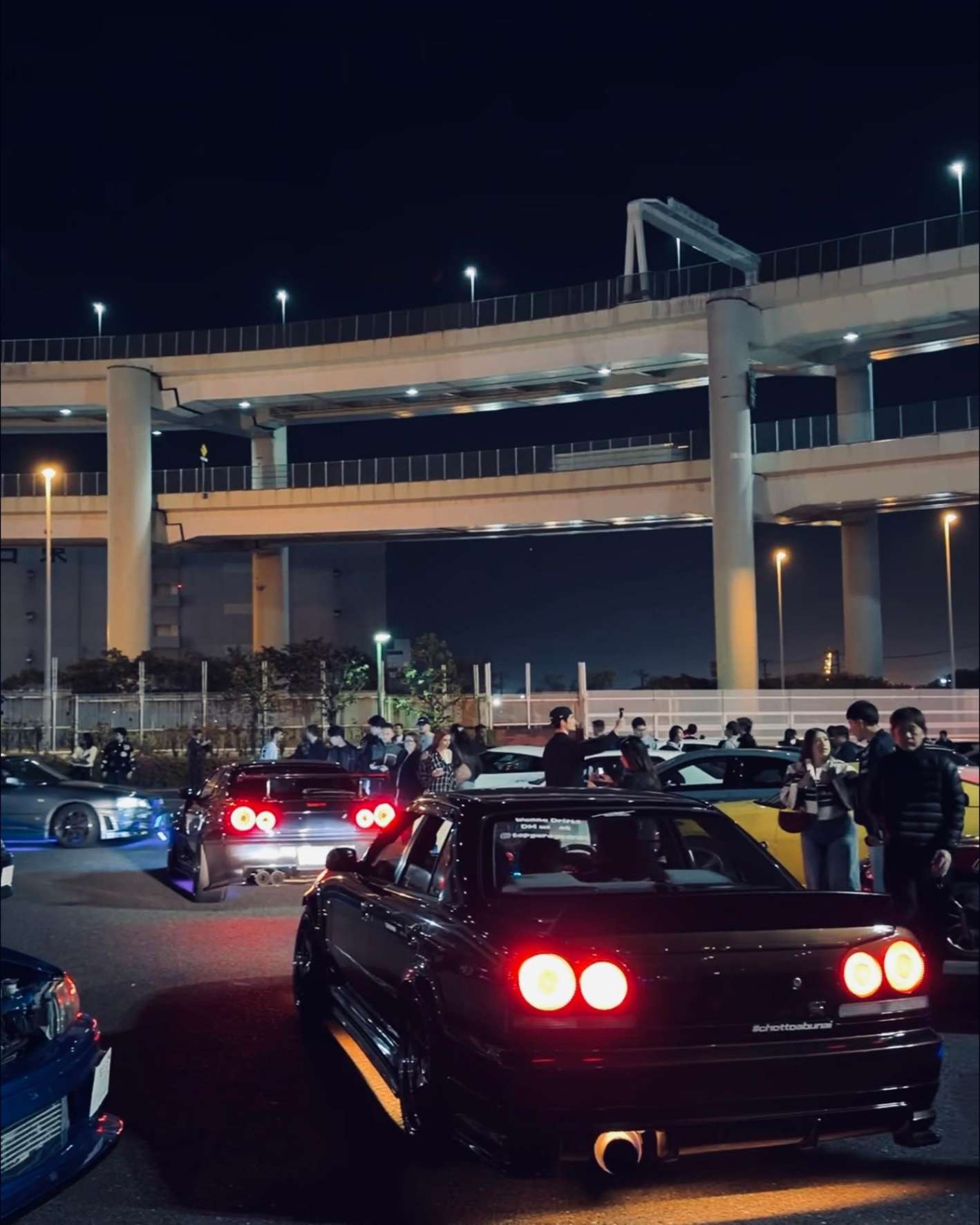
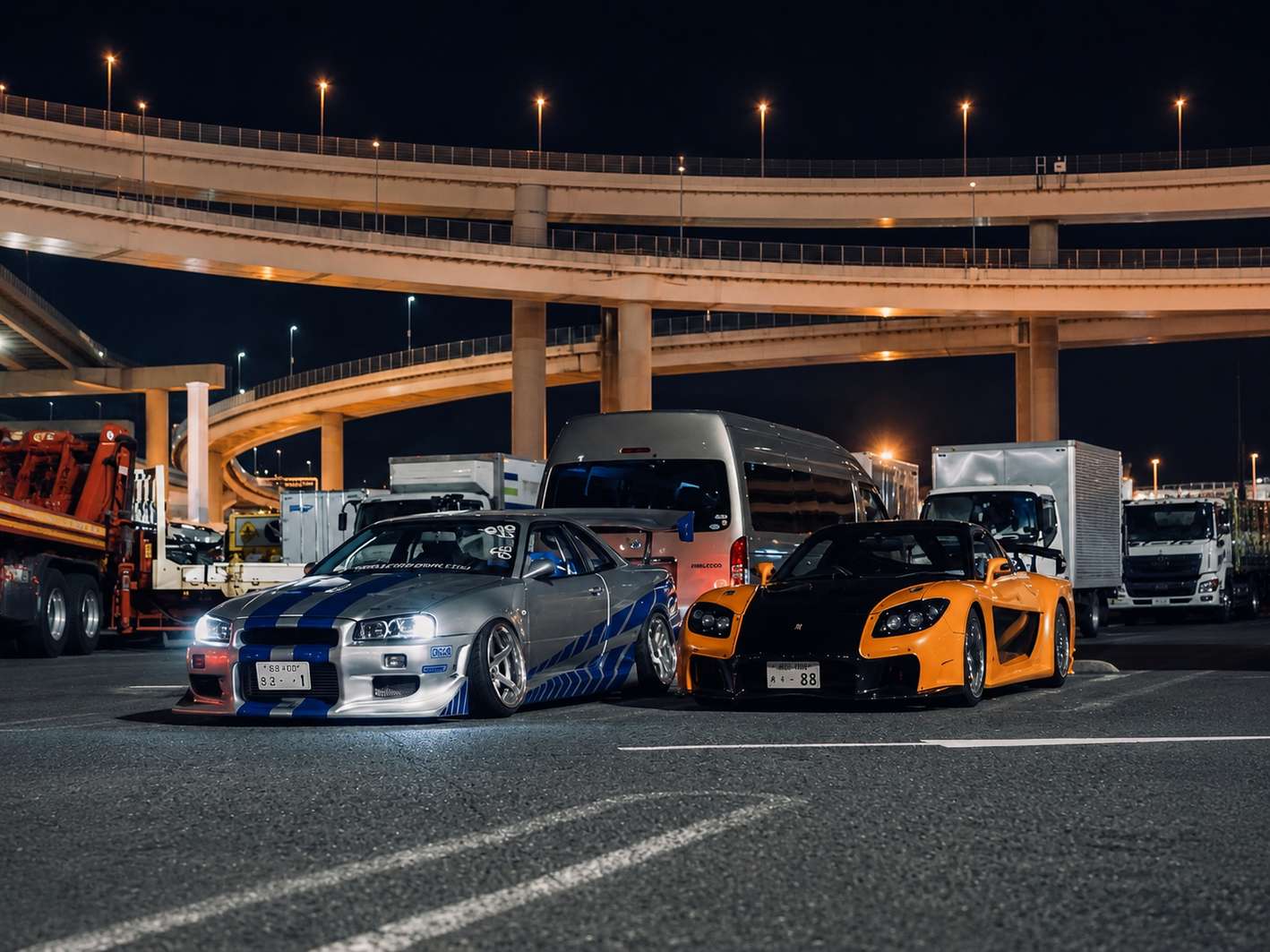
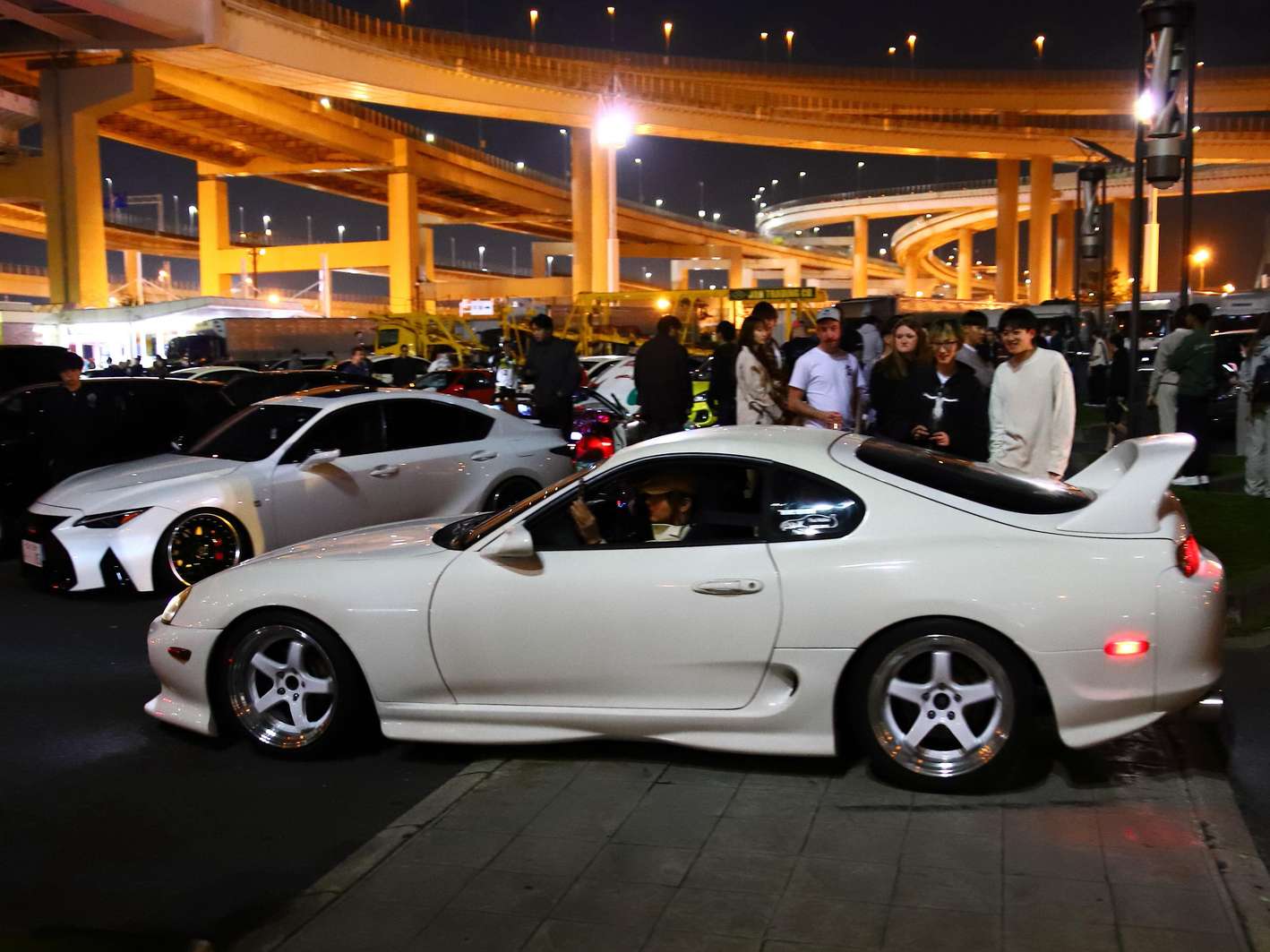
Tokyo Drift Self-Drive - Drift Experience on Track
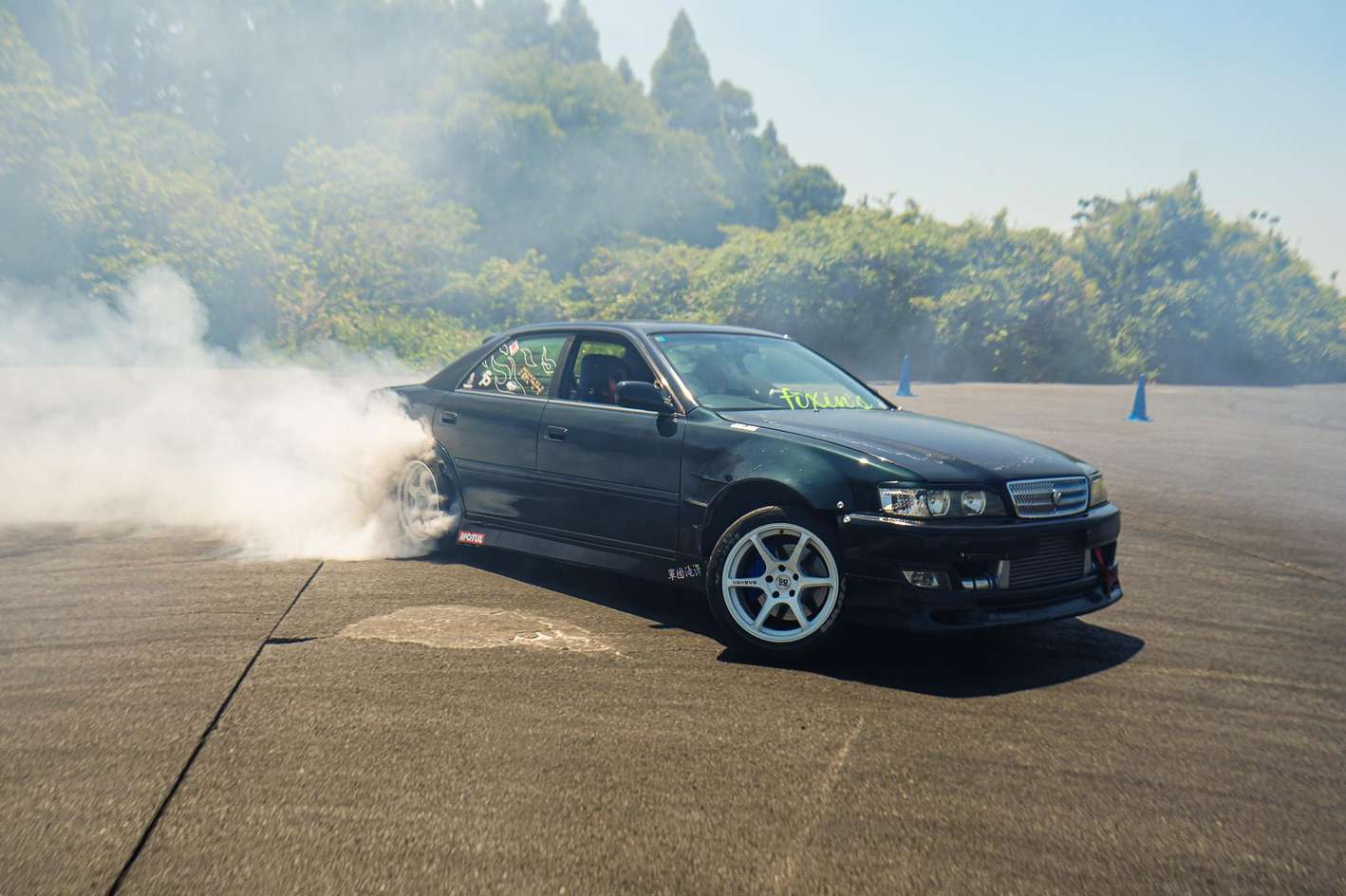
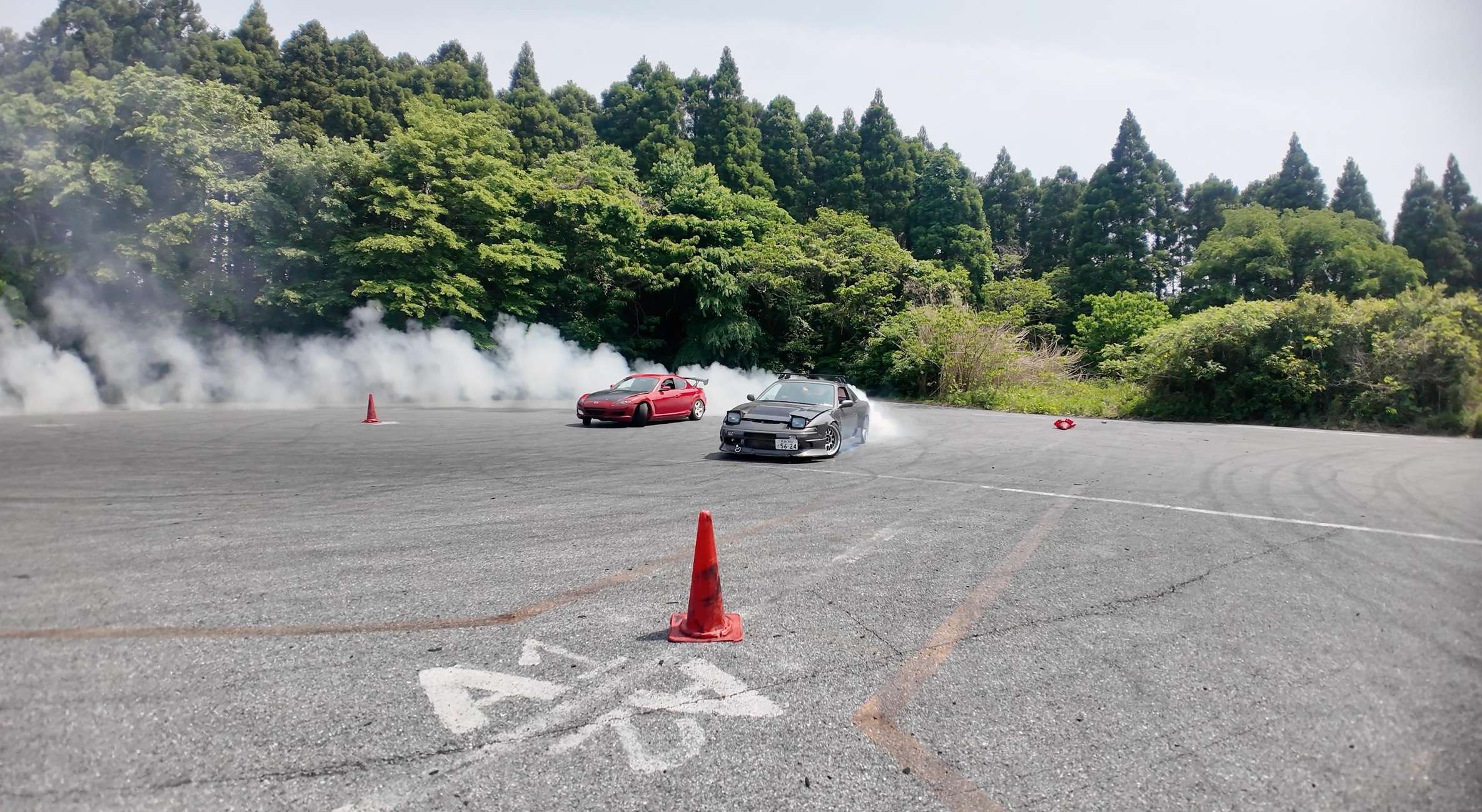
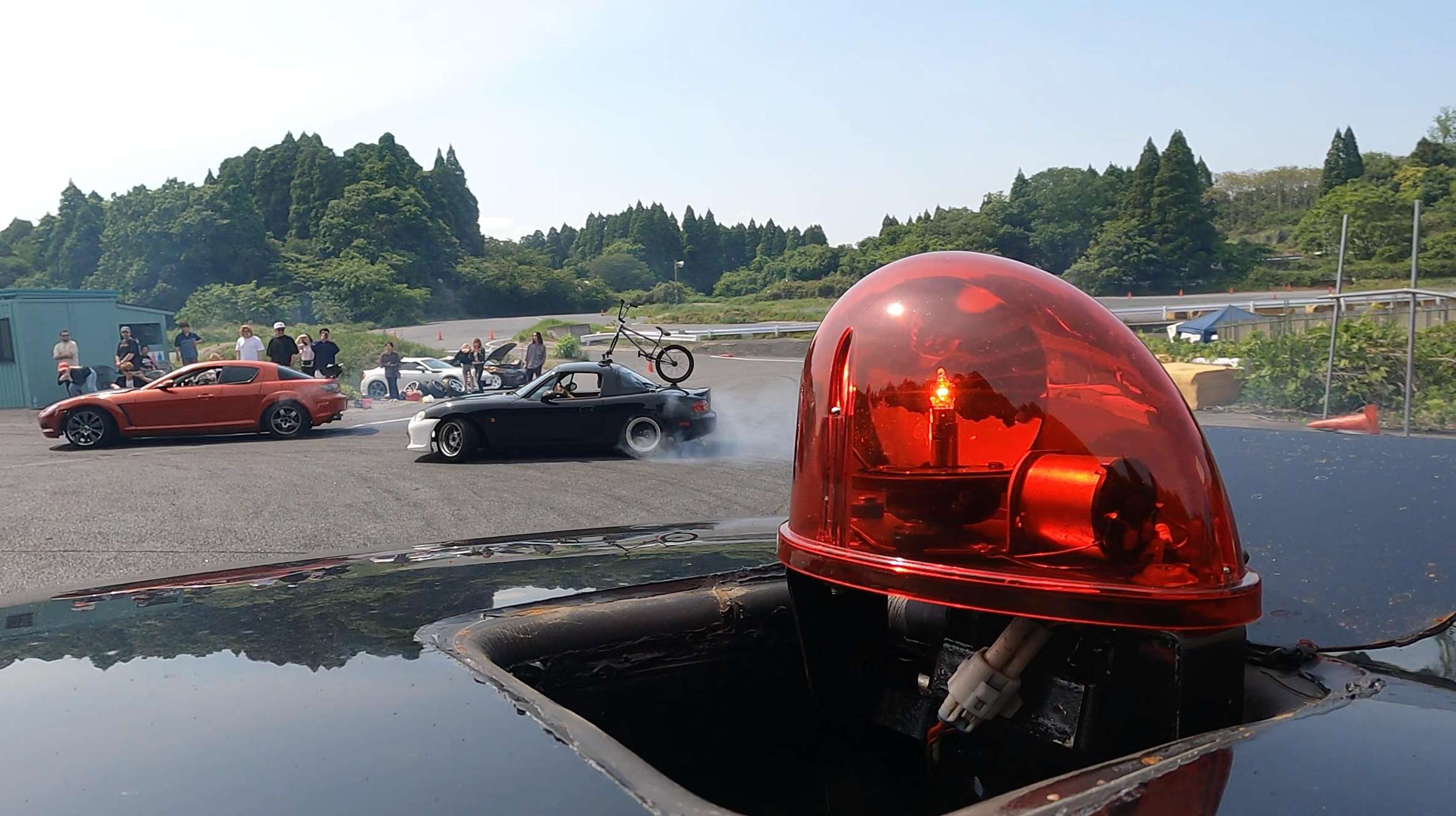
Stop watching drifting from the fence. Take the wheel yourself in a private lesson with OG drift pros, learn a proper donut in 3 hours, and feel what the touge legends felt. Helmets, gloves and hotel pickup included. Book your seat behind the wheel.
5.0★average rating123traveler reviews100%free cancellation21countries travelers came from
Tokyo Drift self drive - which experience fits you
Three ways to get sideways near Tokyo, and the difference comes down to who holds the wheel. Two are private lessons where you drive a drift car yourself, one at a circuit in Chiba and one with a Tokyo drift team. The third is a full day at Ebisu Circuit in Fukushima, where you drive and also ride with a pro.
LicenceNo driving licence or International Driving Permit is needed for the closed-circuit lessons, since you never touch a public road.
Rental drivingTo drive a rental car on Japanese roads you need a 1949 Convention International Driving Permit, or for licences from Switzerland, Germany, France, Belgium, Monaco or Taiwan a JAF-certified Japanese translation arranged before you go.
LegalityDrifting on public roads is illegal in Japan, with penalties up to two years' imprisonment, so all real drifting happens on closed circuits.
BookingPrivate drift lessons sell out early, with travelers booking around 20 days ahead on average, and 2 to 4 weeks ahead for a specific date.
ClothingBring long sleeves, long pants and sneakers; sandals and flip flops are not allowed on track.
Getting thereThe Chiba circuit lesson includes roundtrip transport from Tokyo, and the Ebisu day includes pickup and drop-off within Tokyo's 23 wards.
BeginnersComplete beginners are welcome at all three; most guests have never drifted before, and first-timers usually hold a steady circle by the end of the day.
TimingFull-day lessons typically run from 9 am to 4 pm with a one-hour lunch break, so plan the whole day.
SeasonBook several weeks ahead in busy months like April, October and September; in quieter months like June, February and December, late booking often still works.
importantDrift lessons on track have a minimum age of 18, and one Tokyo self-drive experience is not suitable for anyone under 15.
Check the age rule for the lesson you pick before booking. Younger car fans can still join some drift ride-alongs with a parent, as long as they fit the harness safely.
Self Drive drift experiences - compare your options
Longest track time
3 - 5 hours·Arabic, English
5.0(3)
Tokyo Drift Self-Drive Experience with Pro Instructor
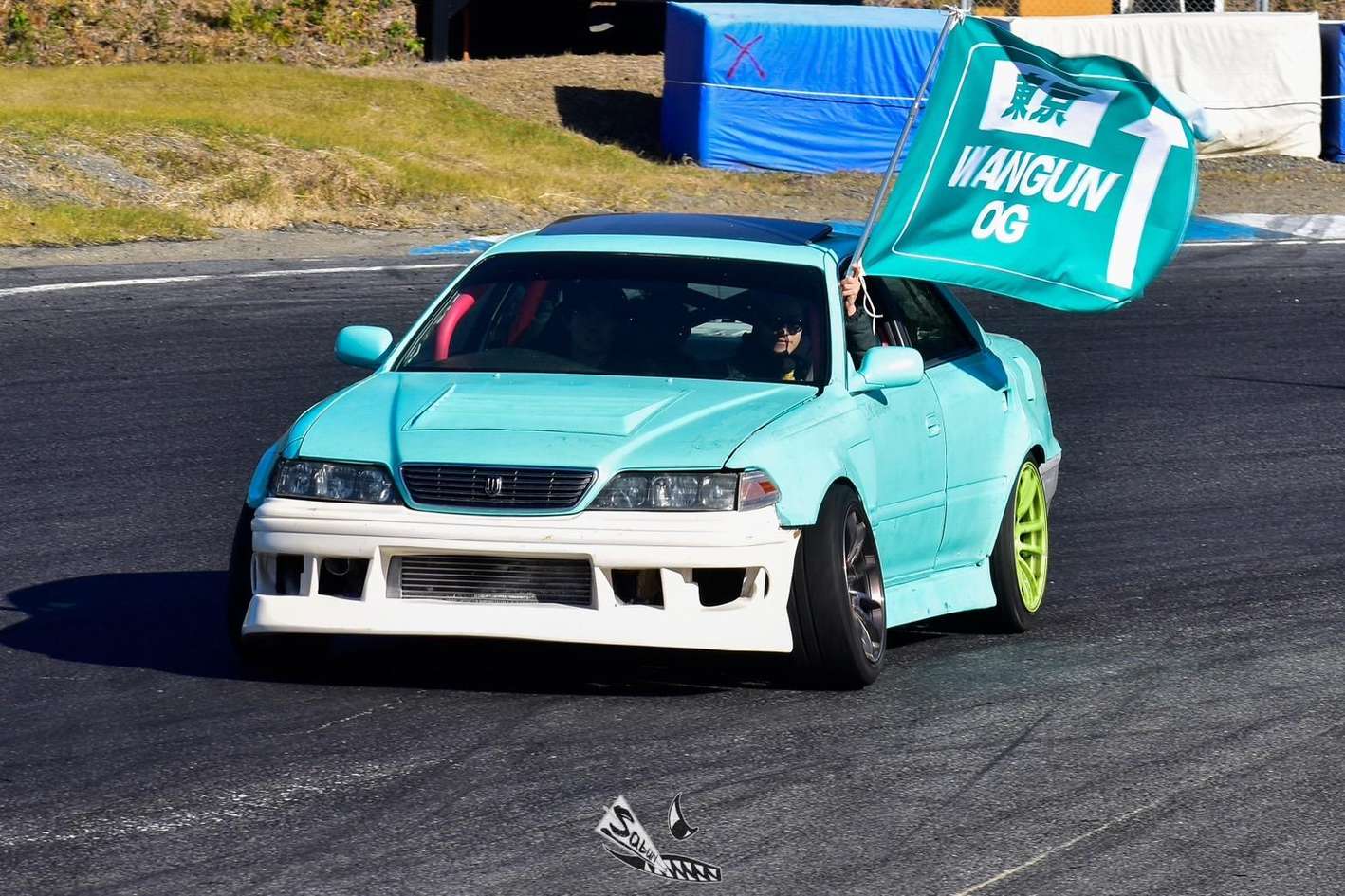
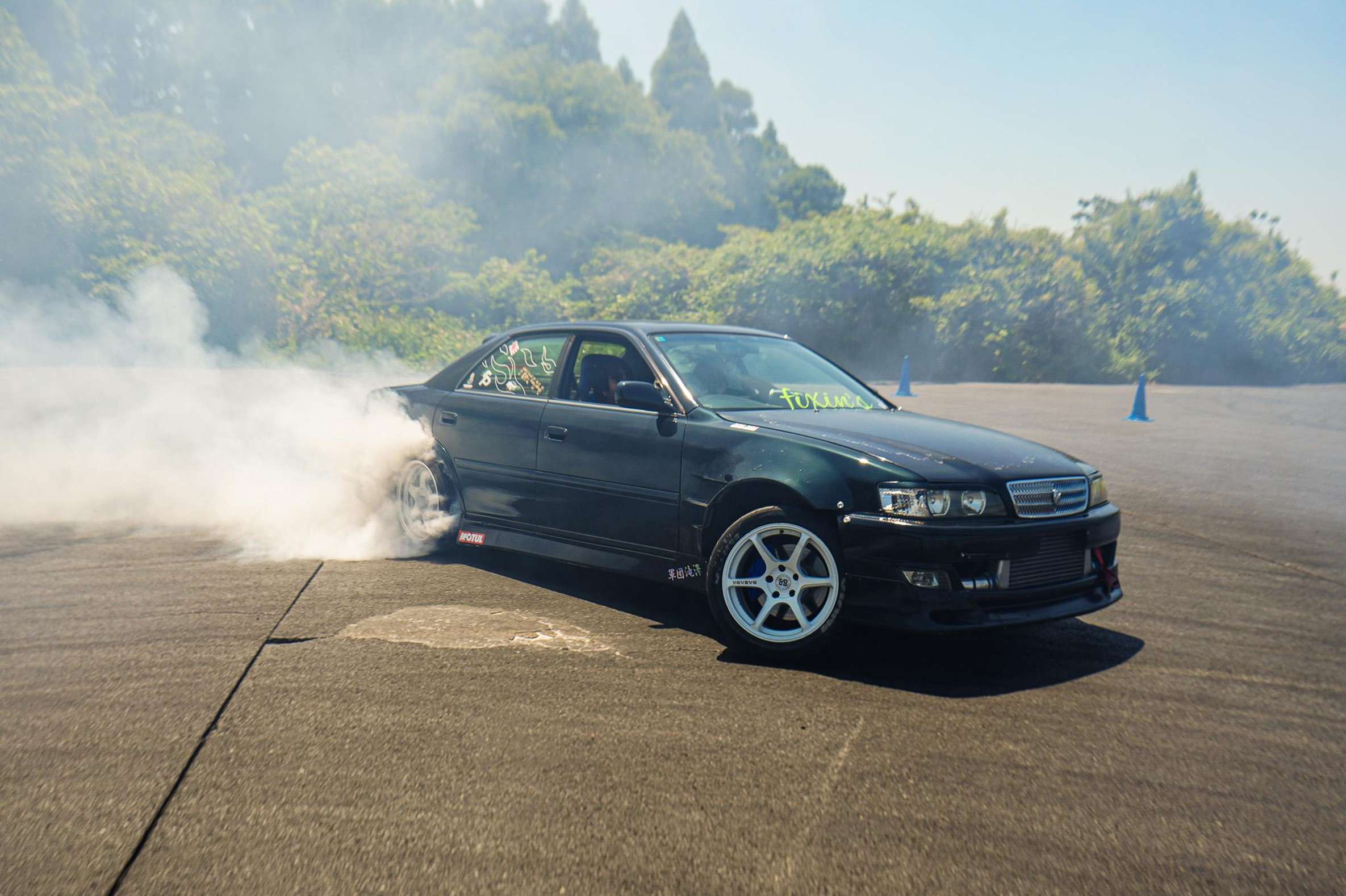
The only one with no licence needed: a private lesson on a Chiba circuit with a Toyota Altezza, shuttle from Tokyo and a photographer included.
Enjoy a free shuttleRent a JDM car (Toyota Altezza)
The day starts with pickup in Tokyo, then a run north out of the city toward the mountains of Fukushima.
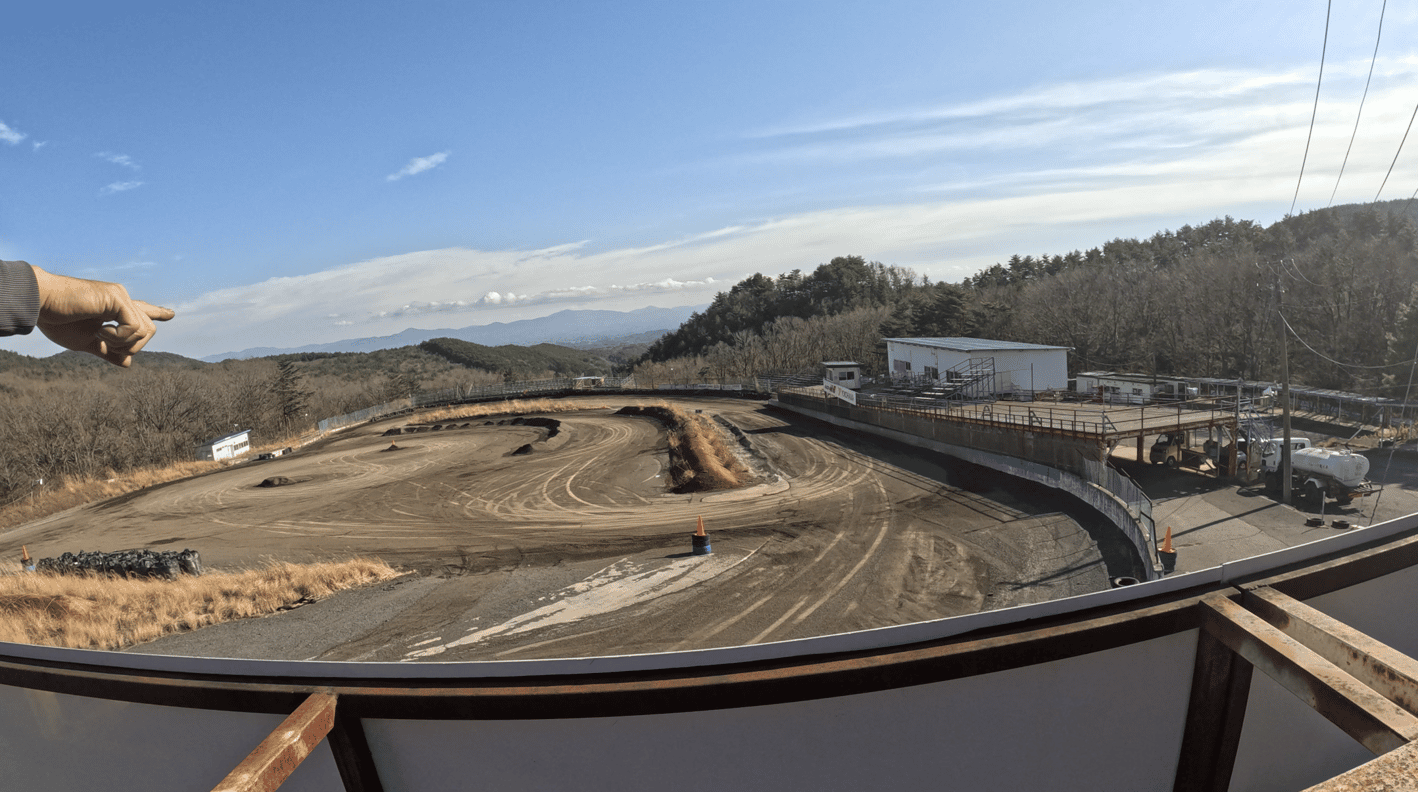
At Ebisu Circuit, the drift mecca, you get behind the wheel of a JDM car for a class that runs about three hours, with an instructor beside you and a pro drift ride as a passenger thrown in.
The full day runs about 12 hours door to door, with fuel, tolls, admission and a souvenir covered.
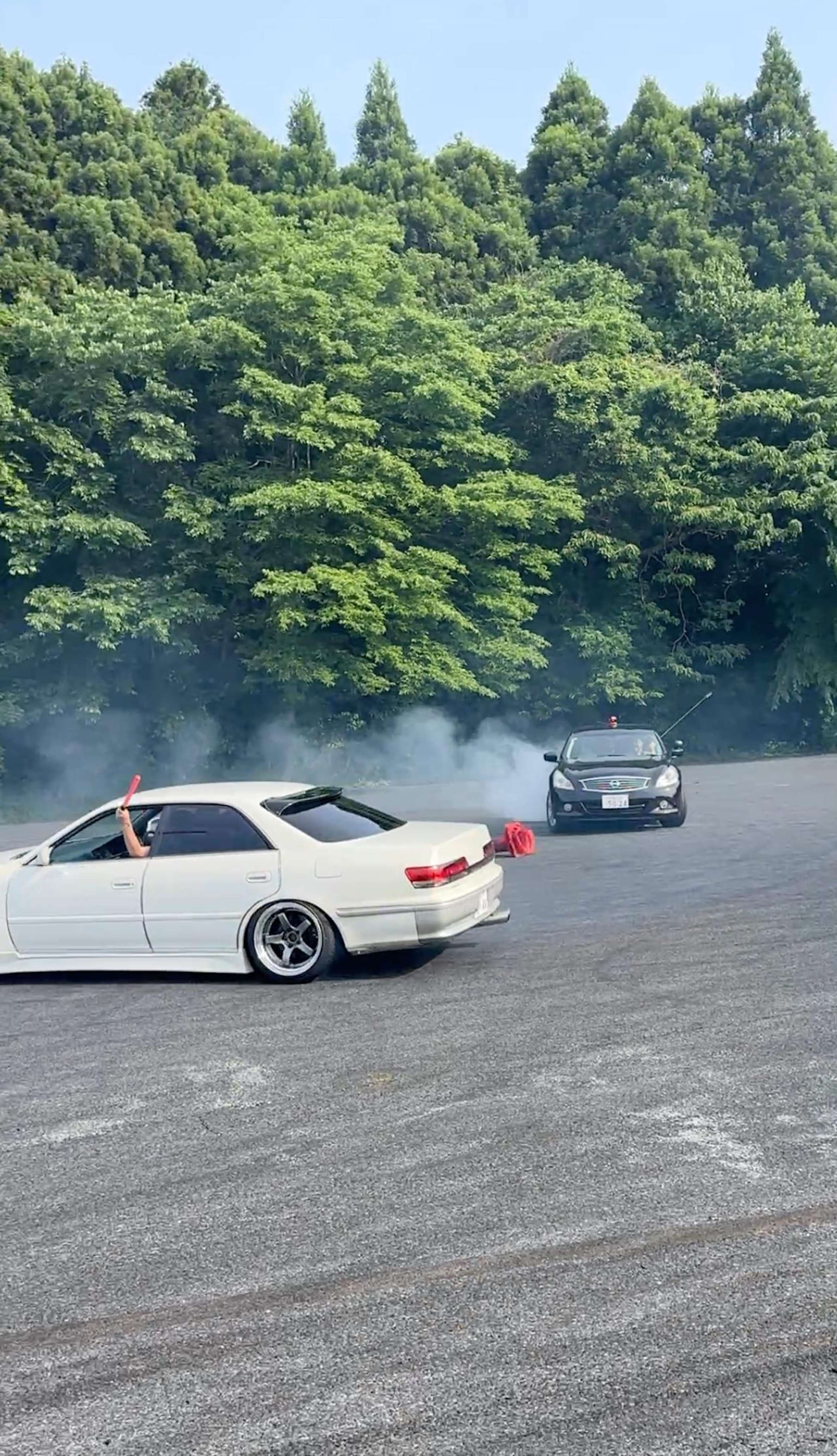
The other self-drive option keeps it closer to Tokyo: a private lesson on a circuit in Chiba, where you practice for three hours toward a proper donut or figure 8, then ride shotgun with an OG drift driver for a high-skill run. Both include helmets and gloves.
Places you'll pass
Tokyo · 港南ふれあい広場 · Hanyu PaSar Northbound · Ebisu Circuit West Course · Ebisu Circuit
Included
Drift Driving Lesson by an expert teacher.Complete private lesson.Practice for 3 hours and master a donut or figure 8 for beginners and more advanced skills for intermediate drivers.Free pickup and drop off.Safety Helmets and gloves.Please bring Long sleeve shirts and long pants and sneakers (no sandals)
What travelers said about their self drive drift lesson
Choose your date before you leave home. Full-day lessons usually run from 9 am to 4 pm with a lunch break from 12 to 1, so a specific date needs the calendar space to match.
Pro tipBook two to four weeks ahead for a specific date. Private drift lessons get booked an average of 20 days in advance, and turning up in Tokyo hoping for a seat is a gamble.
RecommendedWeekday dates are easier to land than weekends, when the private lesson option carries a premium.
02
Choose the right option
Read the option titles closely before you tap. One lesson listing sells a self-drive option and a separate passenger ride, so the self-drive one is the one to select if you want the wheel.
Common mistakeFirst-timers grab the passenger option by accident and only realise on the day that a pro was always going to drive.
Pro tipIf you are unsure about a full day, start with the shorter circuit experience and save the longer private lesson for a return trip.
03
Pay and watch your inbox
After payment, the operator sends an email within 48 hours. Reply to it, and keep notifications on for your messaging app, because updates about the day arrive there before the start time.
Pro tipGive a WhatsApp or Instagram contact when you book. It is how the operator reaches you if anything changes before departure.
Common mistakeLeaving the confirmation email unanswered. The operator asks you to check your mailbox and reply, and silence can leave your slot unclear.
04
Sort transport and timing
Both lesson options include transport from Tokyo to the circuit, one with hotel pickup and the other with a free shuttle, so you do not need a rental car or a train plan. Confirm your pickup point when you book.
Pro tipThe included roundtrip transport is worth a lot, since the circuits sit outside the city and reaching one alone means trains, buses and taxis.
RecommendedEat before you go. The day runs six hours or more and no food is included.
05
Get ready for the day
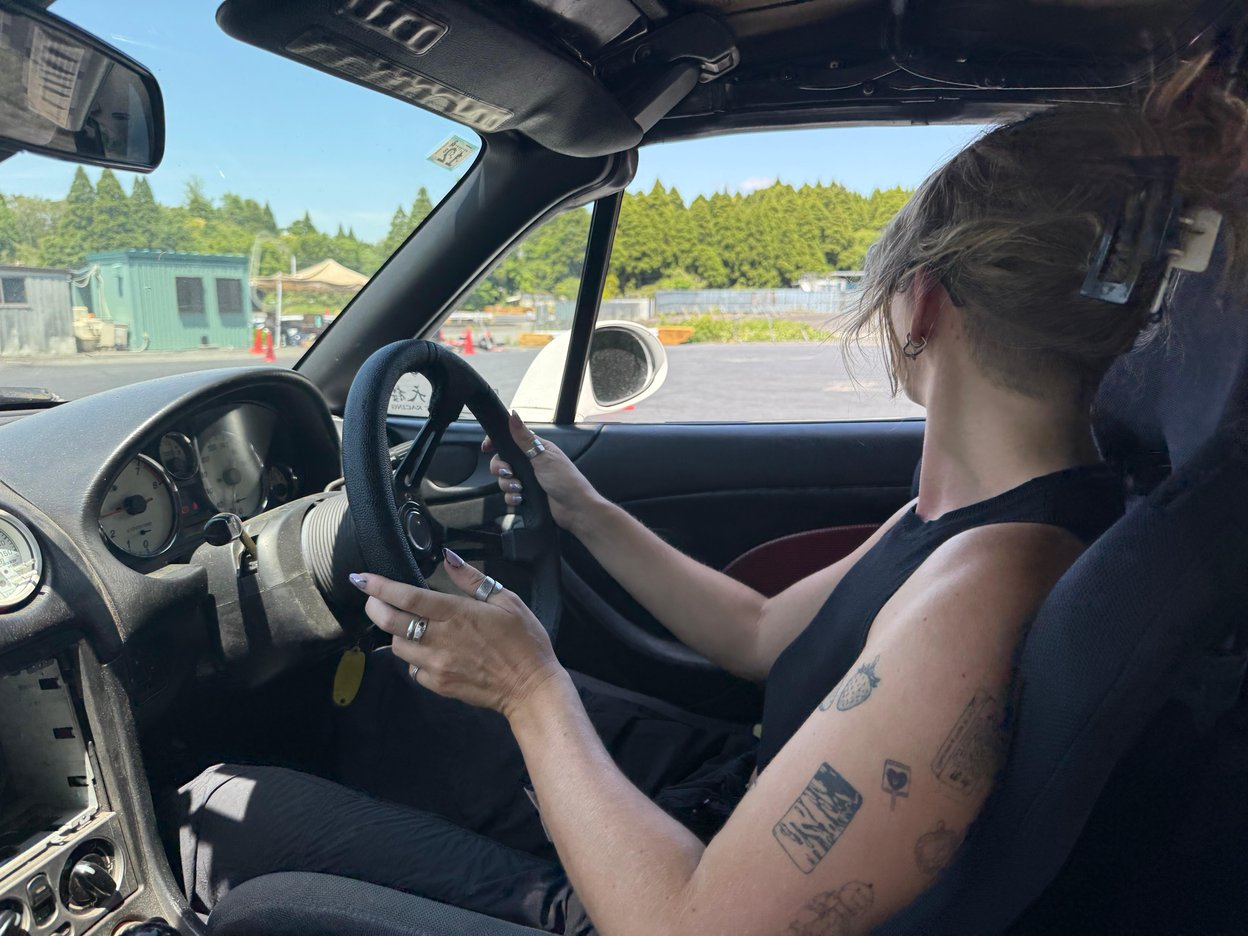
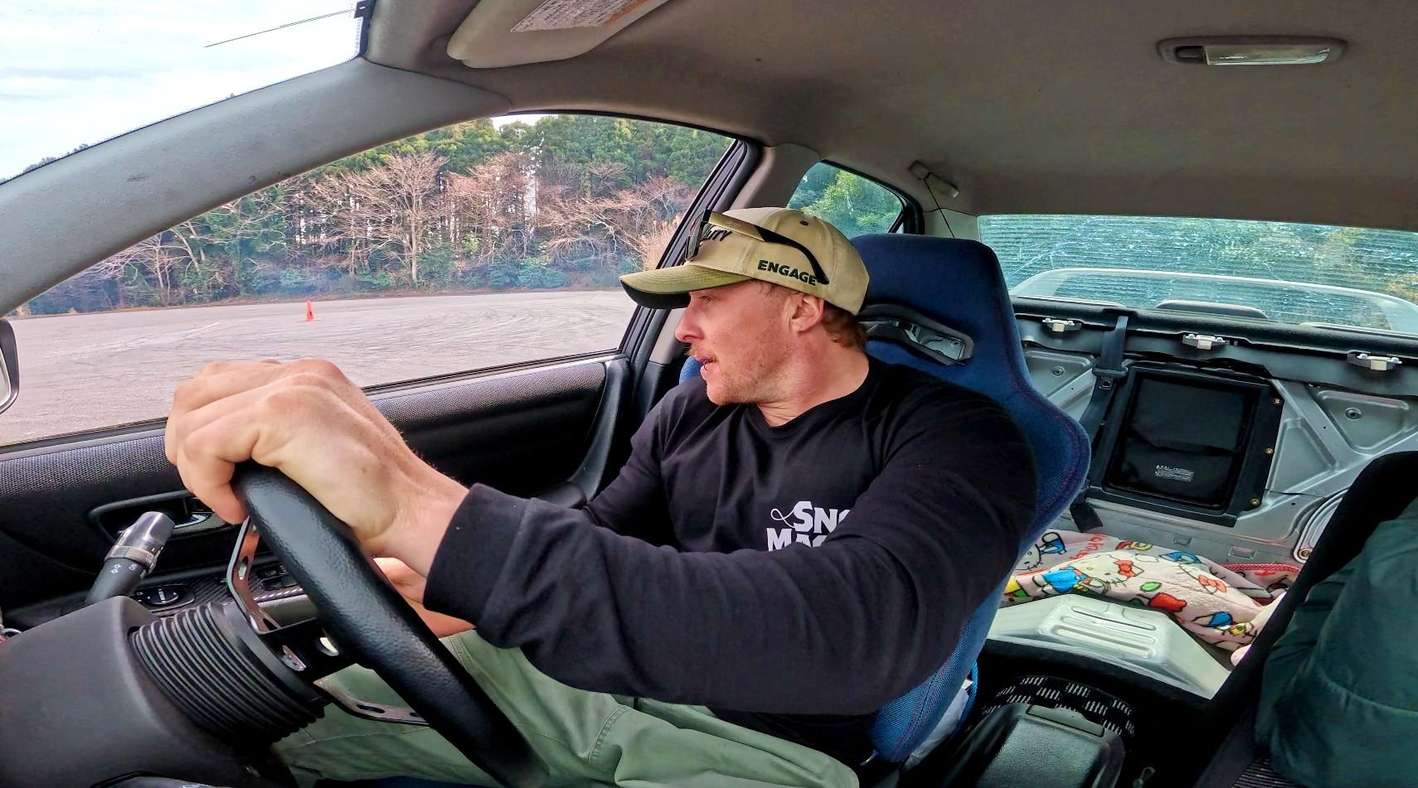
Wear long sleeves, long pants and sneakers. Helmets and gloves are provided, and the lesson starts with a safety briefing before you take the wheel with your instructor.
ImportantSandals, flip flops and bare feet are not allowed on the circuit, so the wrong shoes can end your session at the gate.
ImportantOne circuit experience is not suitable for children under 15, so check the age rule before booking for a teenager.
What to know before you book a self drive drift lesson
Can stop the dayGood to knowGood news
01
ChoosingWhat it is, who it suits, when to go
3
Sharing
The private lesson is completely yours, one instructor and one student, so nobody watches you stall through your first donut. The Chiba self-drive option is also booked as a private session with your group only.
Booking lead
Private drift lessons get booked an average of 20 days ahead, and operators recommend reserving 2 to 4 weeks out for a specific date. In busy months, earlier is safer.
Timing
Full-day lessons typically run from 9 am to 4 pm with a lunch break around midday, and you get about 3 hours of practice behind the wheel. The Ebisu trip is a 12-hour day from Tokyo, so clear your schedule.
02
BookingHow far ahead, and what happens if plans change
1
Cancellation
All three experiences let you cancel up to 24 hours in advance for a full refund, so you can hold a date while the rest of your Tokyo plans settle.
03
Before you goPapers, health, what to bring
2
What to wear
Long sleeves, long pants and sneakers are required at the circuits, and sandals or flip flops get turned away. Helmets and gloves are supplied, so you only need clothes you can move in.
Age limitsCan stop the day
The self-drive circuit experience is not suitable for anyone under 15, and the drift lesson requires participants to be at least 18. No driving licence is needed for the circuit sessions, since they run on private track; a permit only matters if you rent a car on public roads.
04
On the dayWhere to be, when, and how you get there
1
Pickup
The private lesson near Tokyo includes free pickup and drop-off, and the Chiba circuit experience runs a free roundtrip shuttle from the city. The Ebisu day trip handles transport from Tokyo too, with drop-off at your accommodation or a station inside the 23 wards.
05
During the tourWhat is expected of you
2
What you drive
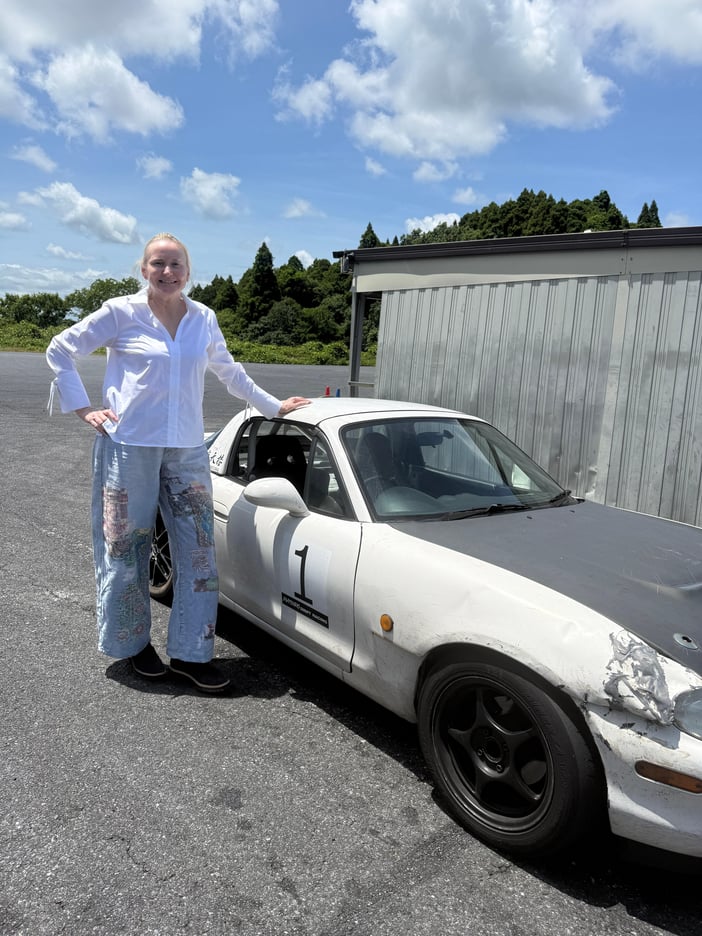
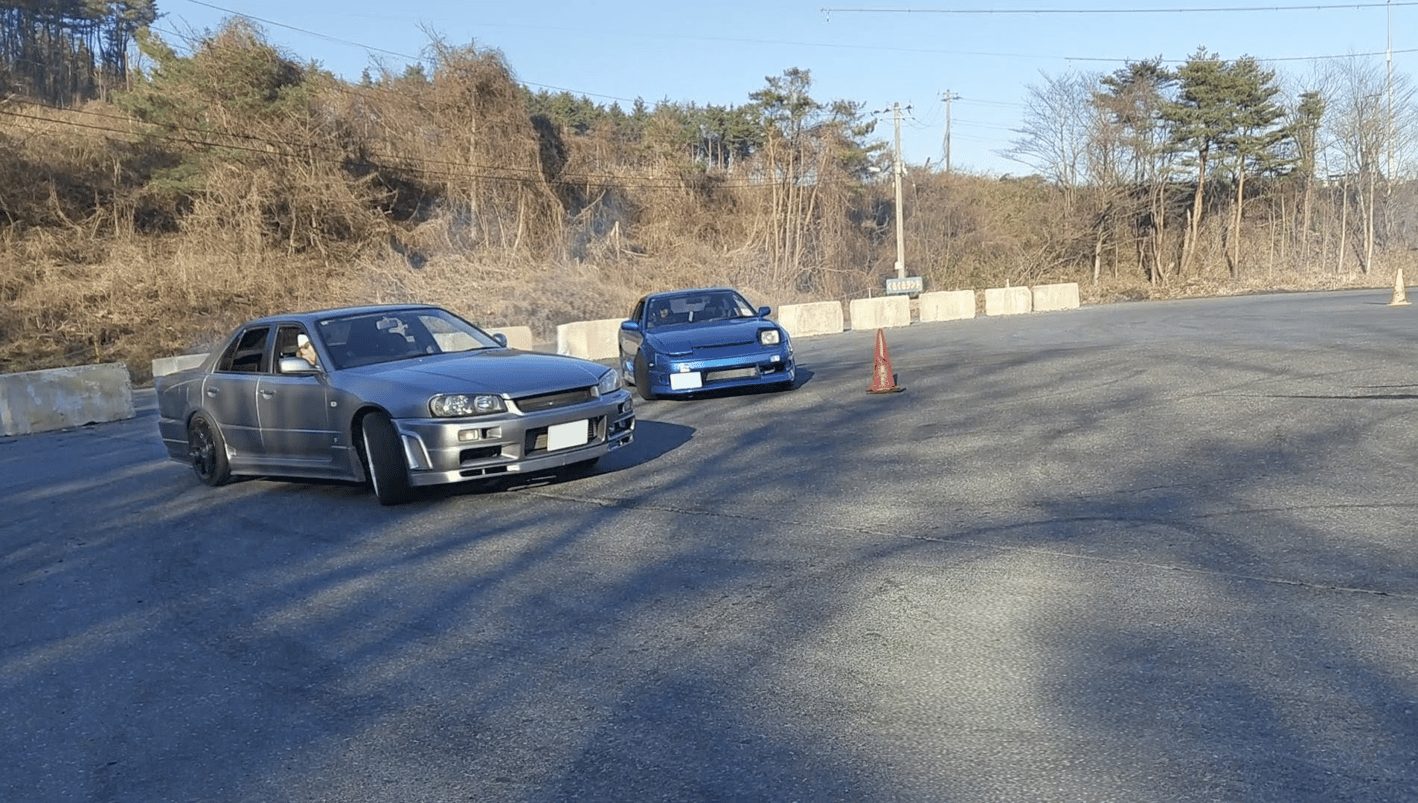
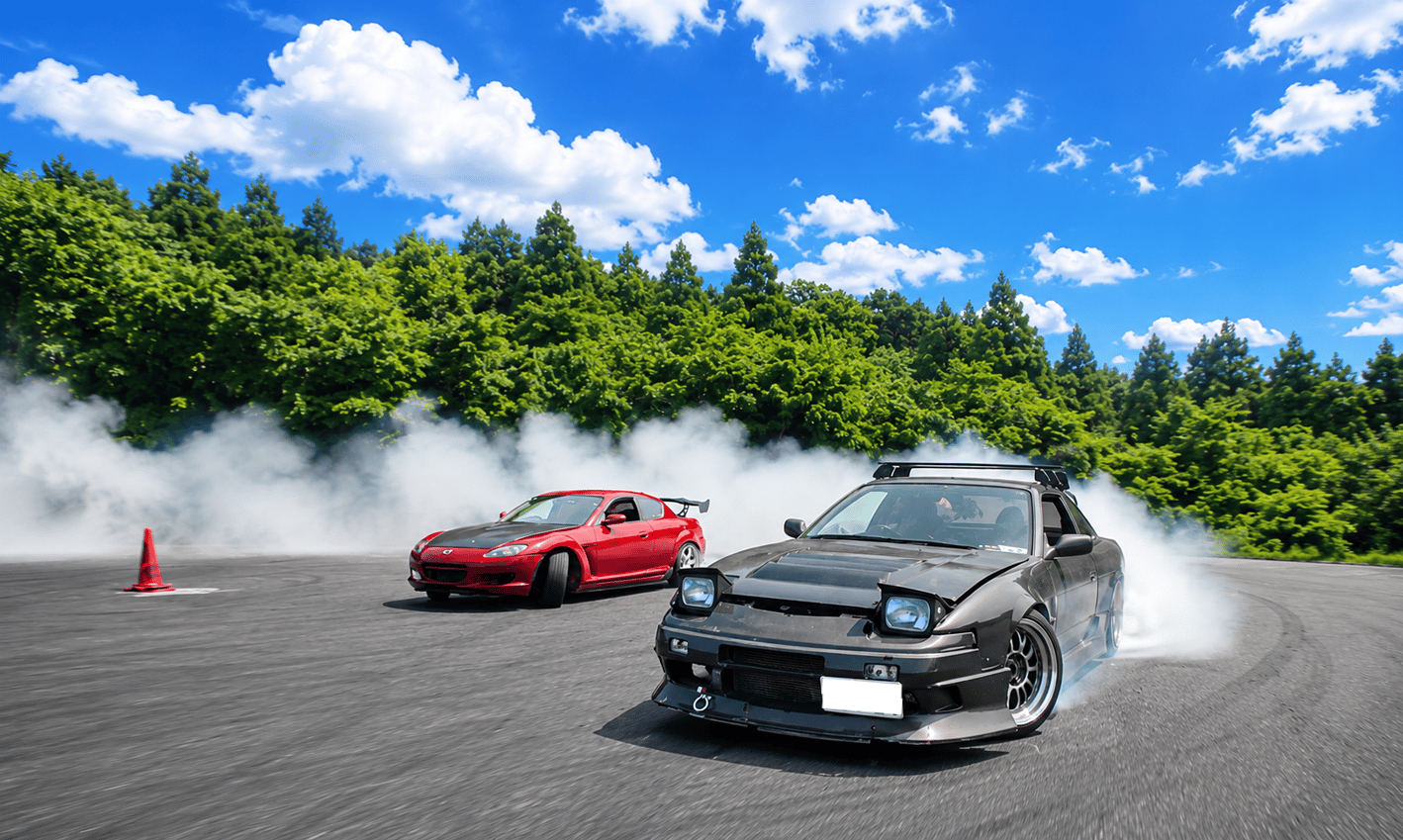
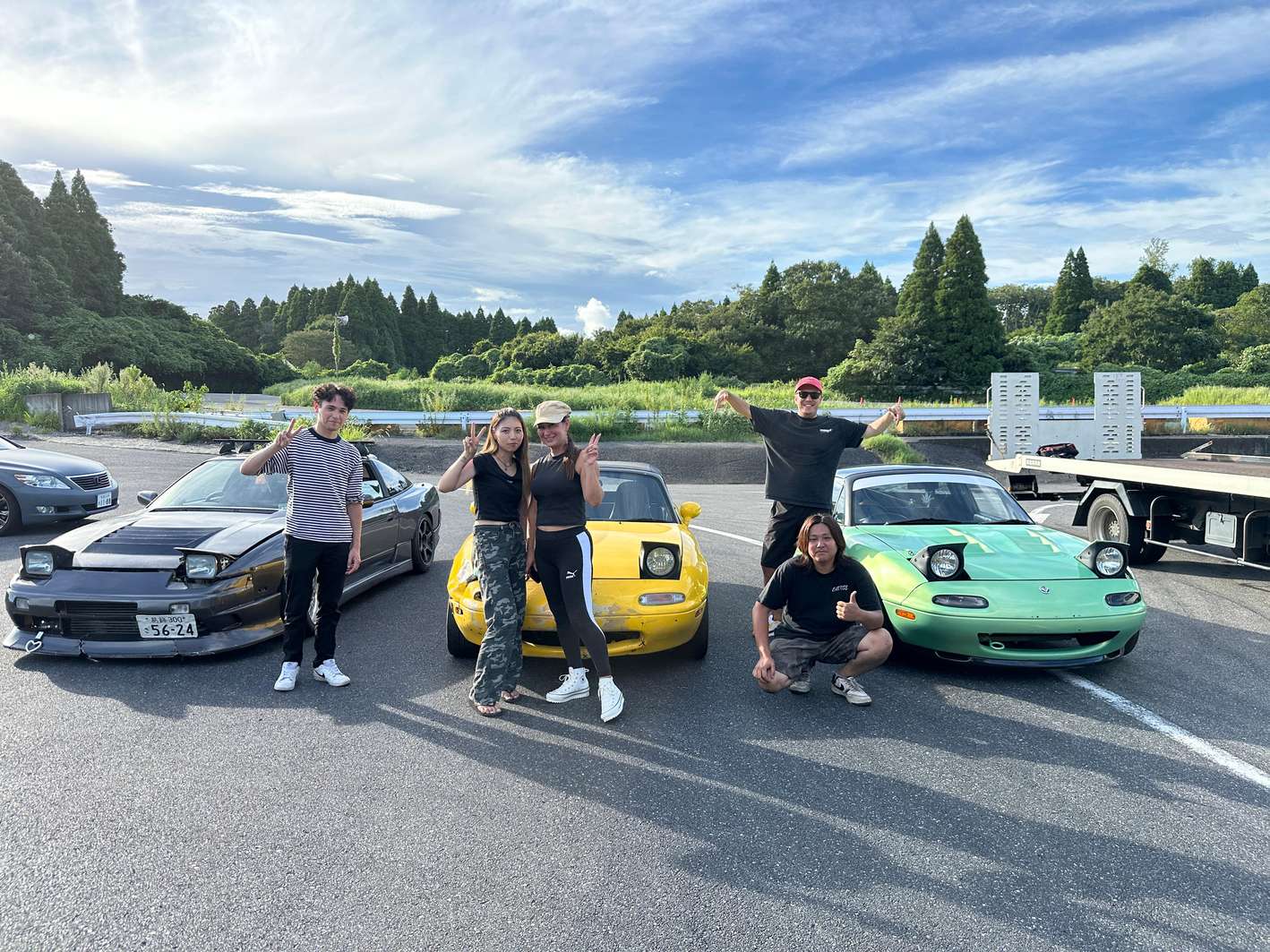
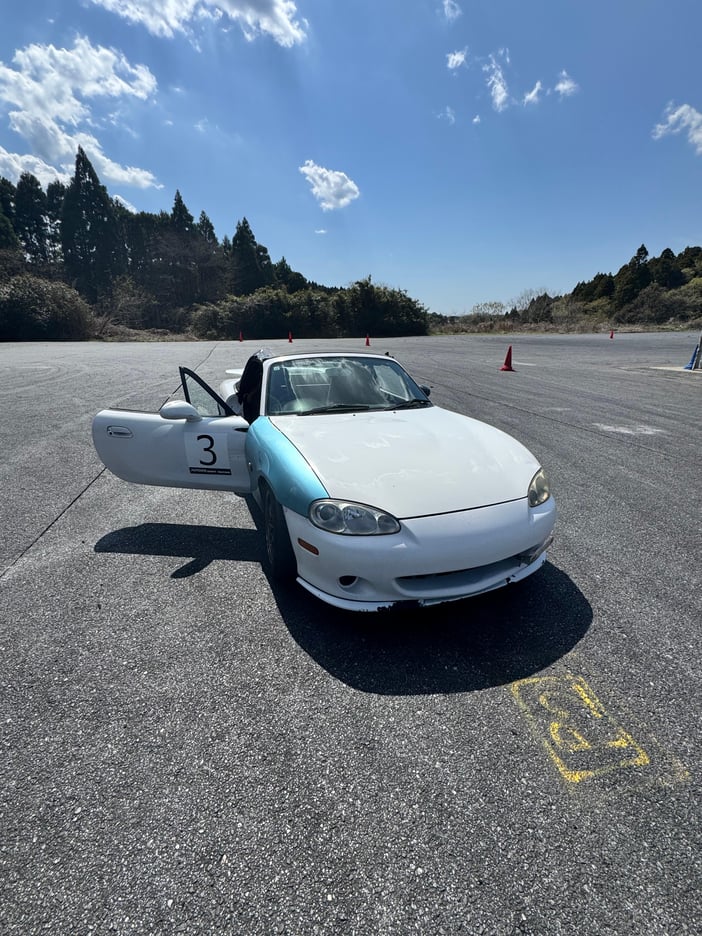
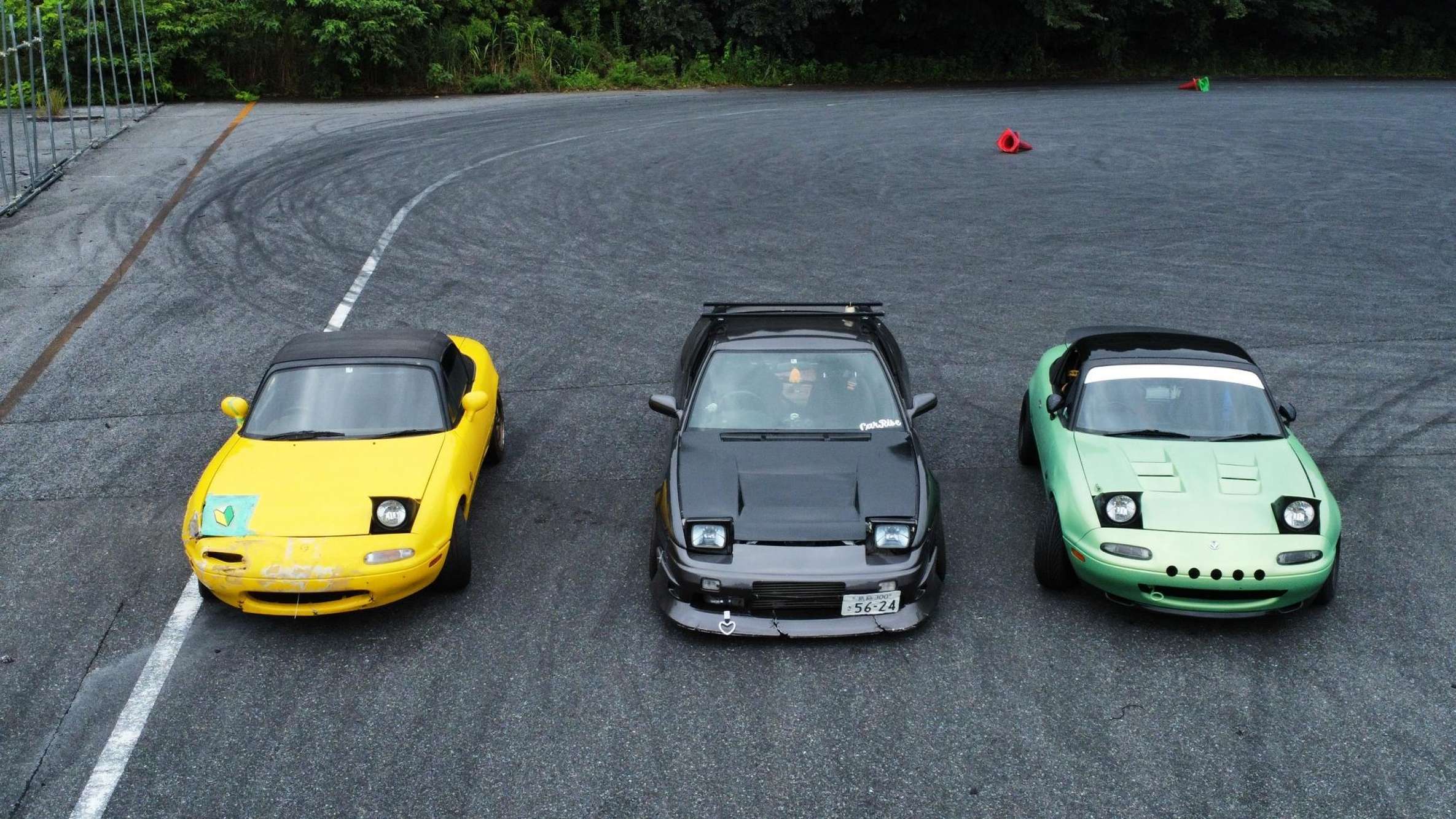
Beginners usually start in a Mazda MX-5, then move toward cars like the Nissan 350Z, RX-8 or 180SX as skills grow. One circuit experience uses a Toyota Altezza. You drift on a closed circuit, never a public road.
Included
Helmets and gloves come with every lesson, along with instruction and track time. The Chiba experience adds a photographer and a ride next to an advanced drifter, and the Ebisu day bundles fuel, tolls, admission and a souvenir.
A self drive drift day in Tokyo - the full guide
You can drive a drift car yourself near Tokyo, on a closed circuit, with a pro in the passenger seat. What stands between you and the booking is paperwork, timing and money, and each has a simple answer.
Tokyo· 35.68° N, 139.65° E
If you only remember three things
1
Book 2 to 4 weeks ahead: the private lessons sell out and one operator closes bookings a day before.
2
Pack long sleeves, long pants and sneakers; sandals keep you off the track.
3
Every real slide happens on a circuit in Chiba or Fukushima, never on Tokyo's streets.
Is a self drive drift lesson in Tokyo actually worth it
Six hours, one circuit, and your hands on the wheel of a real drift car. That is what a self drive lesson buys, and the honest answer starts with the arithmetic: of those six hours, only about three are lesson time, the rest is travel and briefing.
For someone who came to Tokyo to drive, that trade is easy. For the mildly curious, it is not.
The beginner promise is real: most guests do a proper donut within three hours. The lesson runs on a closed circuit, so no driving licence and no international permit are needed, which surprises people who assumed the paperwork would kill the idea.
Instructors are patient, the cars are set up for learning, and helmets and gloves come with the booking.
Who should spend differently? If you mainly want the sound and the smoke, a passenger ride costs far less and delivers 5 to 20 minutes of a pro sliding for you. If you want the skill, the private lesson is the one worth the money.
A traveler's note
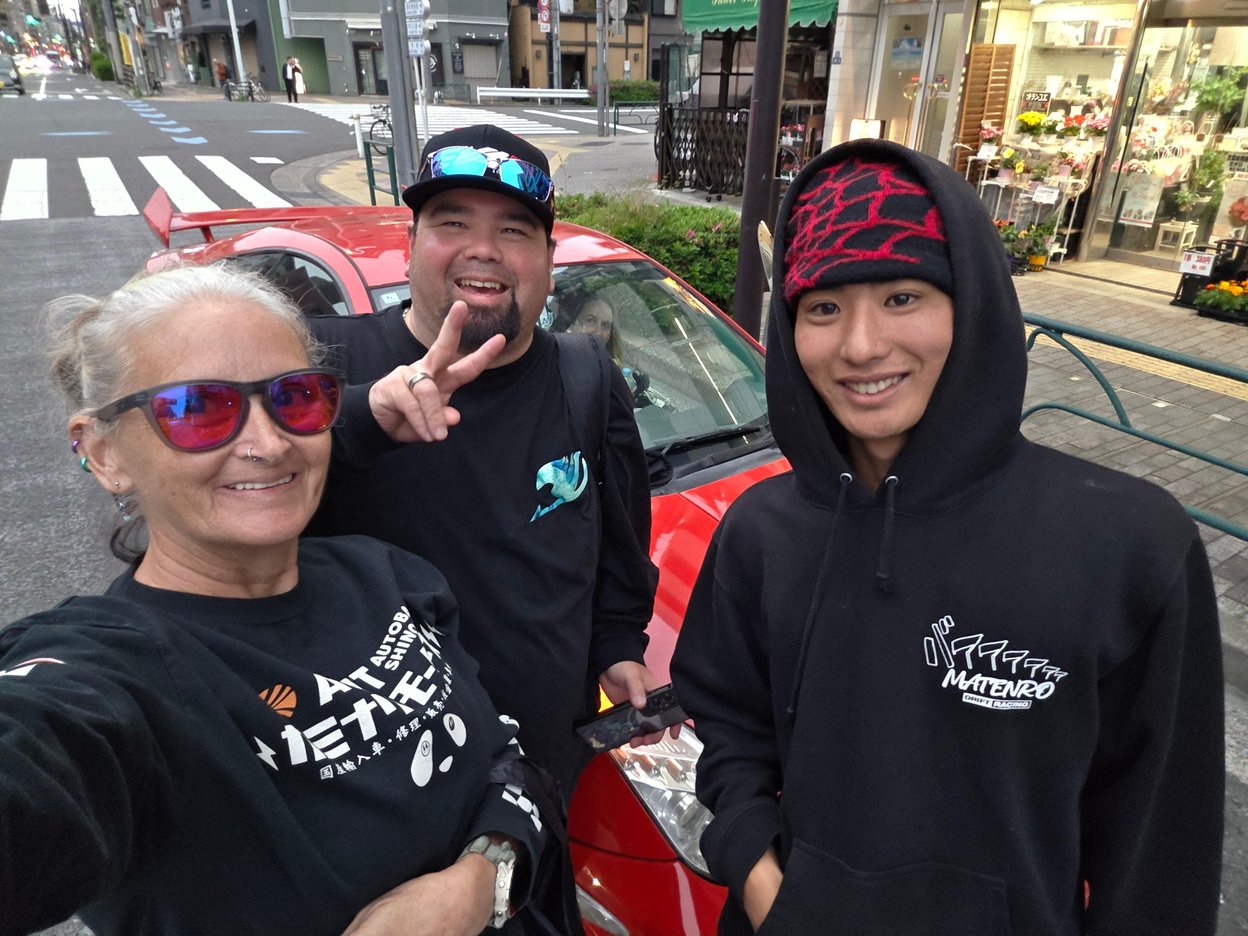
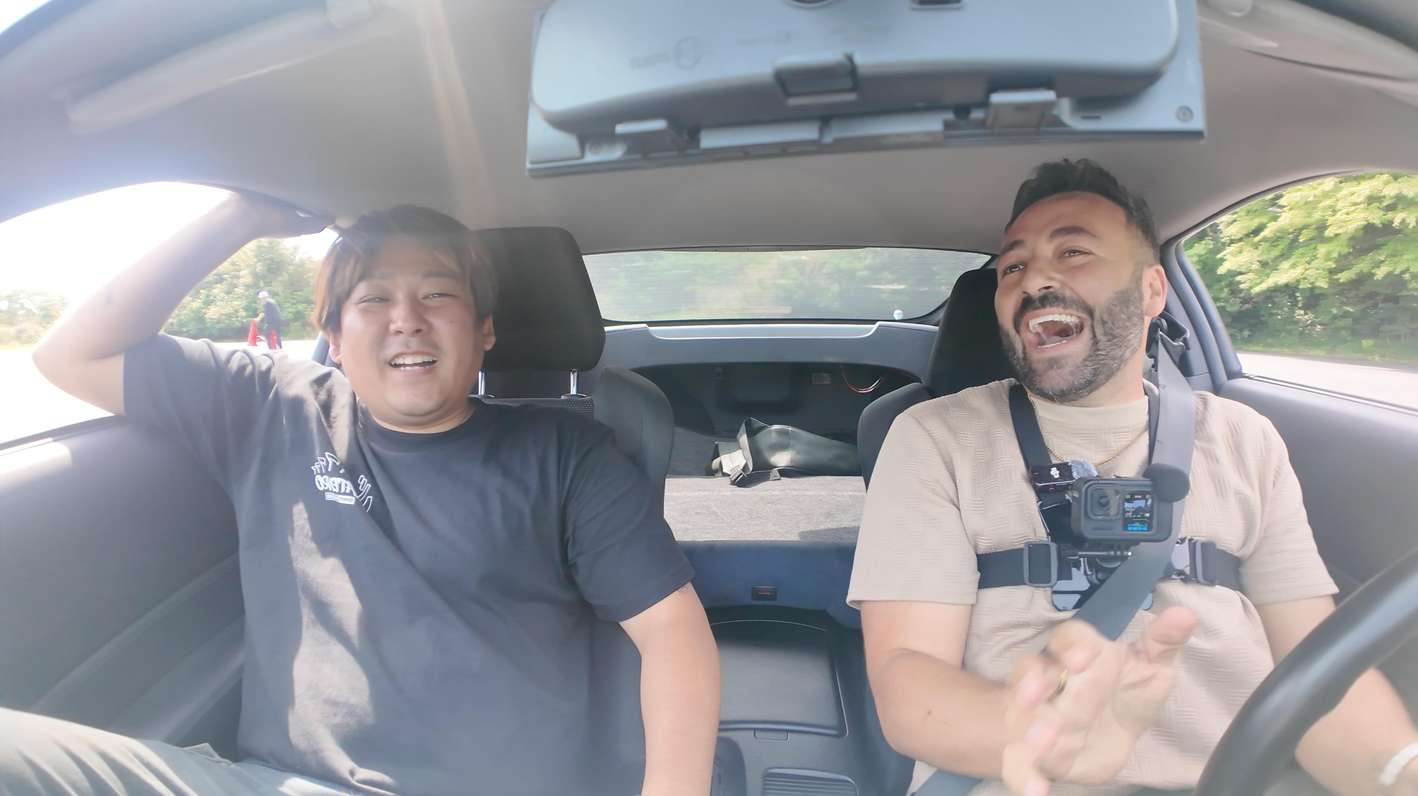
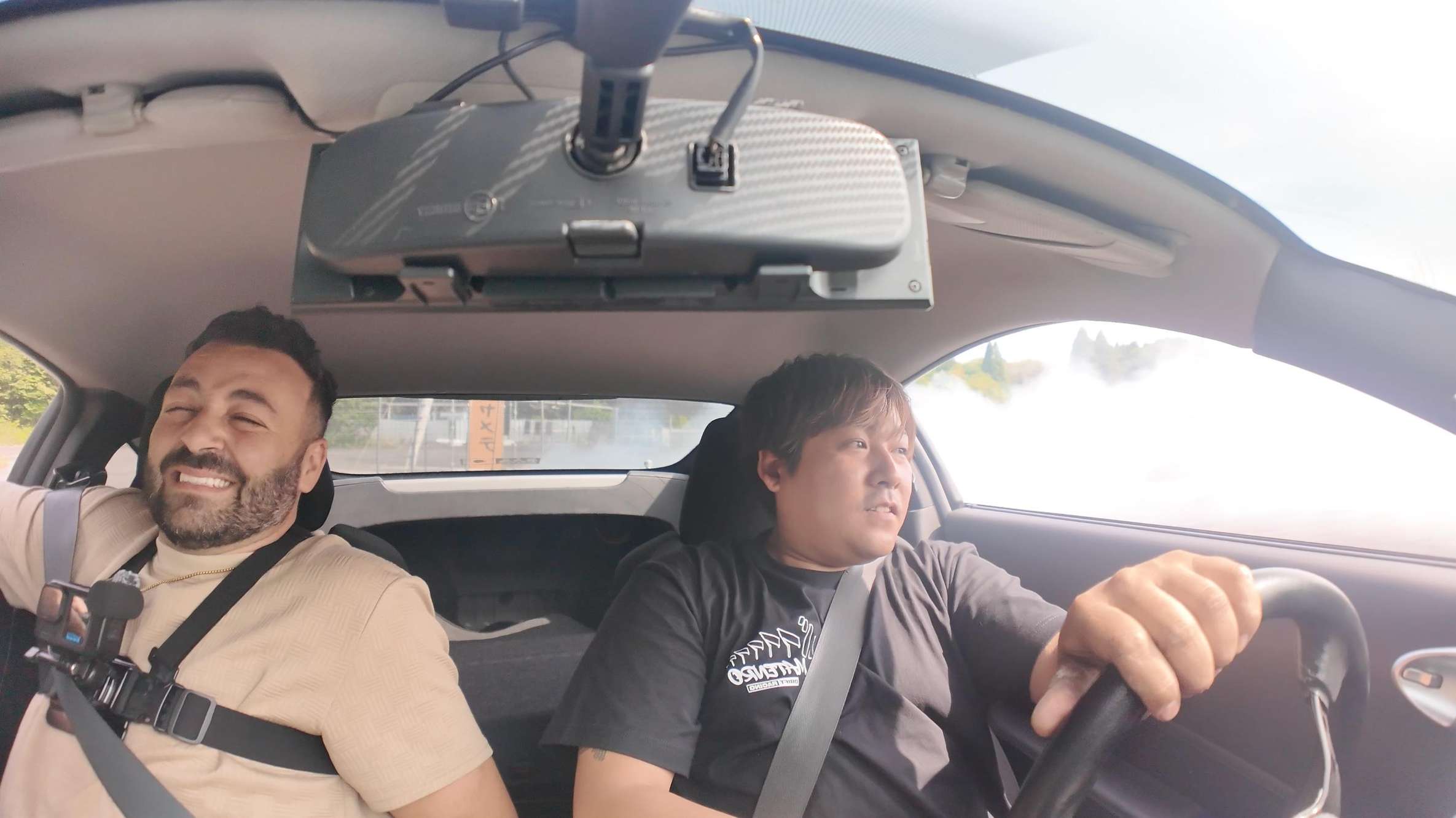
IF YOU'RE INTO CARS, DO THIS WITH MATENRO DRIFT RACING! Not enough words for this experience and the awesome, funny instructors. I was literally drifting in Tokyo with amazing people. Cannot recommend enough!
That quote is the pattern, not a fluke: the operator reports nine in ten guests hit the donut inside the lesson. If that is the bar you care about, the private lesson is your booking.
Tour for this
Self Drive Drifting Lesson with Pro Tokyo Drift Experience5.0★ (48) · 6 hours · Hotel pickup · Free cancellation
From briefing to last lap - how your self drive day unfolds
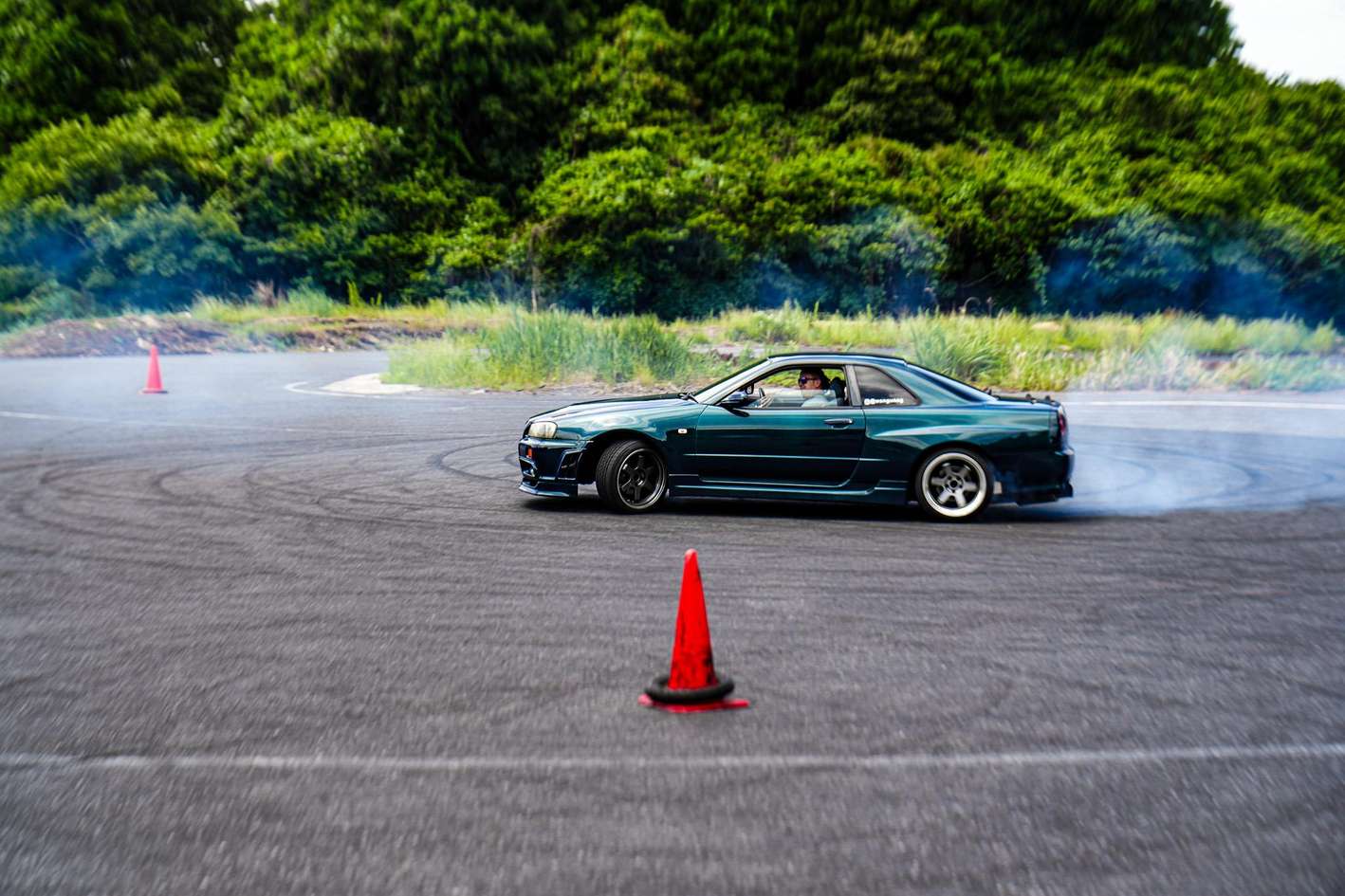
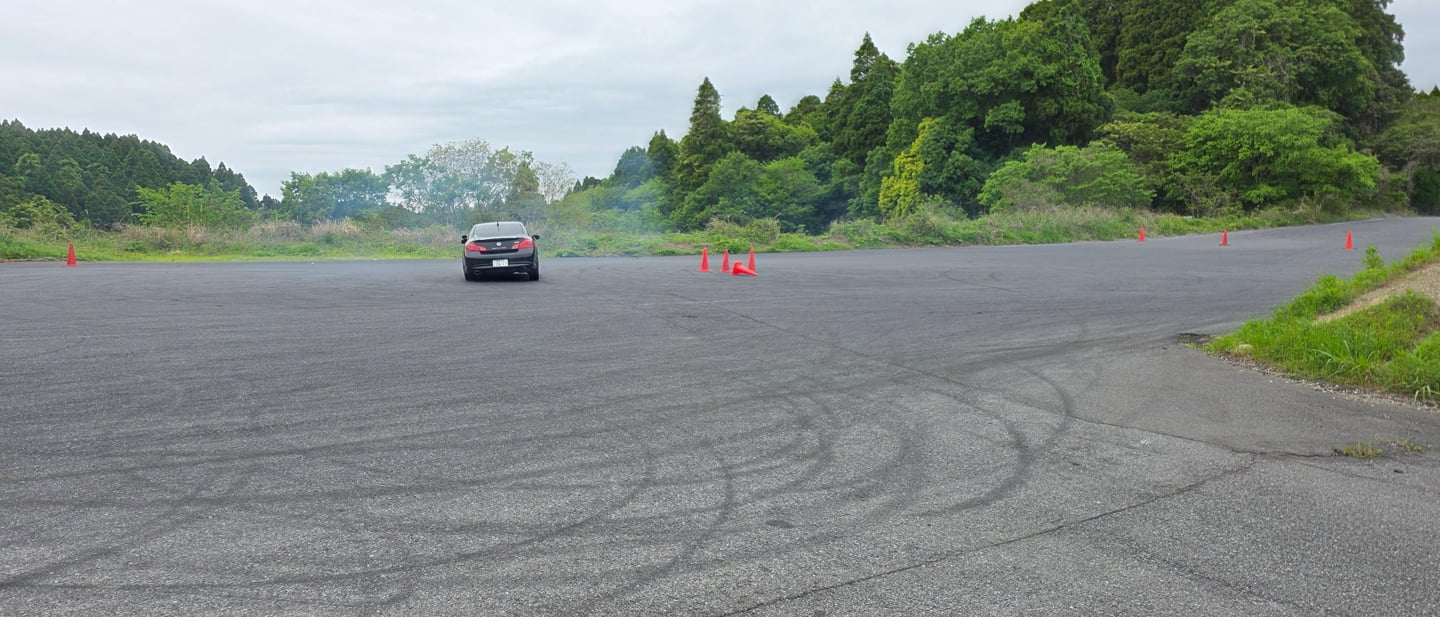
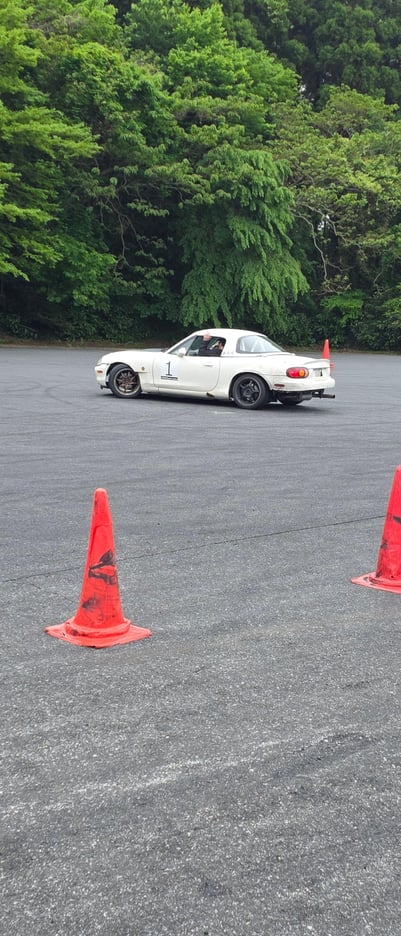
The day starts with a safety briefing and a look at the cars, helmets and gloves fitted before anyone touches a pedal. Then comes the part every beginner underestimates: steady circles around cones.
It sounds dull. It is the skill everything else sits on, and skipping it is the classic first-timer mistake that slows progress for the rest of the day.
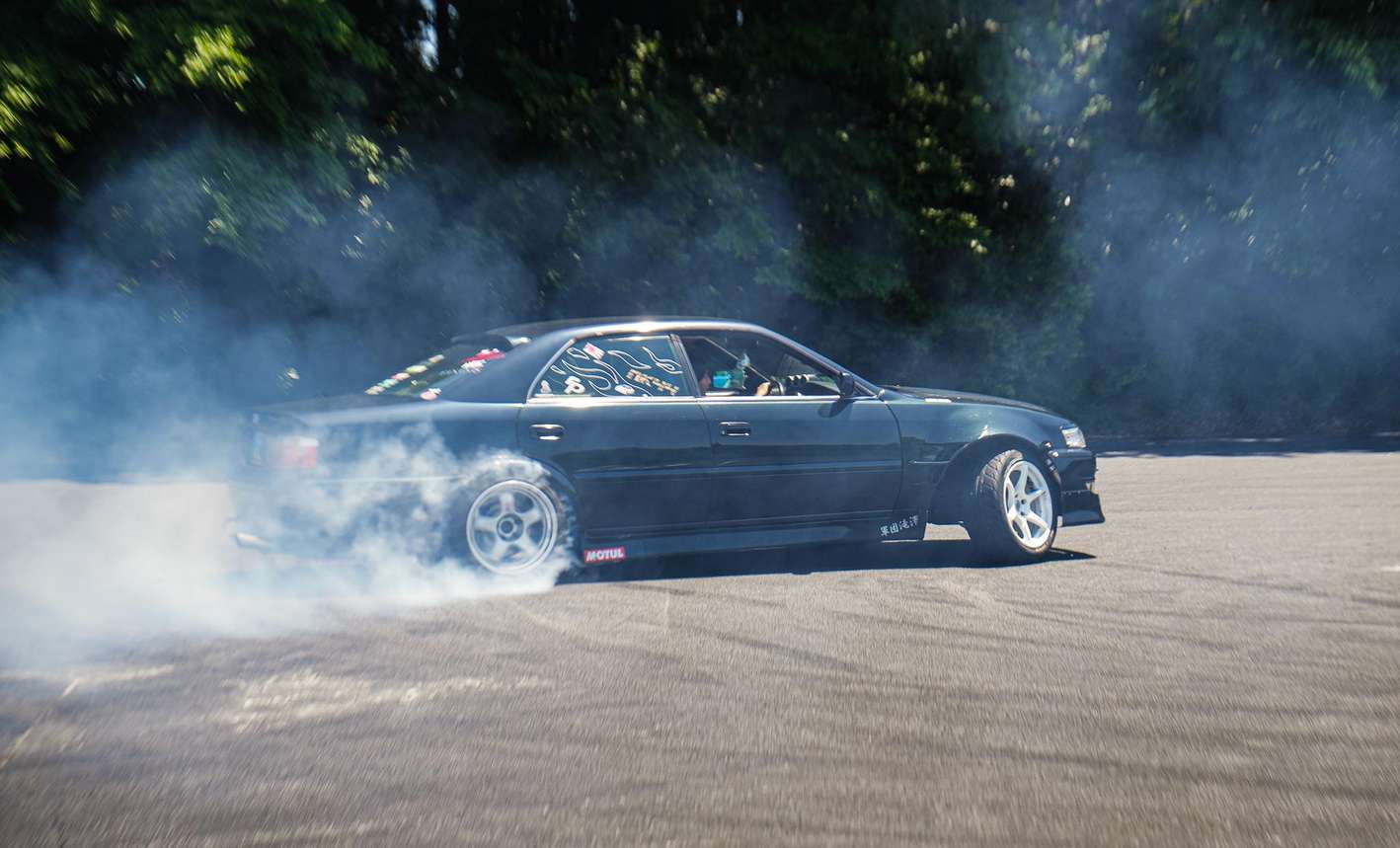
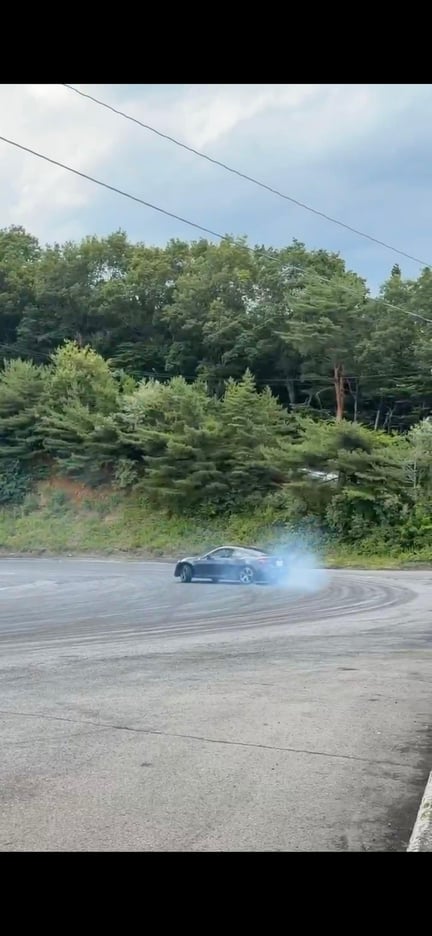
Drifting itself is simple to describe and hard to do: the driver deliberately oversteers, loses traction, and holds the car through the corner anyway.
On the track you learn it with clutch kicks and handbrake entries, one at a time. Most first-timers hold a steady circle by the end of the day, and a proper donut comes within about three hours.
The Tokyo Drift Self-Drive Experience with Pro Instructor runs 3 to 5 hours, includes roundtrip transport from Tokyo, a Toyota Altezza drift car rental, and a photographer. Advanced drivers get a side-riding session with the pros, a close-up chase run that people talk about long after. Children under 15 cannot join this one.
1
Morning
Pickup in Tokyo and shuttle to the circuit
Transport is included, no rental car needed
2
Gear up
Safety briefing, helmet and glove fitting
Cars carry roll cages and harnesses
3
First hours
Steady circles around cones
The boring bit that makes the rest work
4
Mid-lesson
Donuts, then figure eights
Handbrake and clutch-kick entries for the faster learners
5
Late afternoon
Ride shotgun with advanced drifters
A close-up chase run from the passenger seat
6
Evening
Shuttle back to Tokyo
Full day runs 3 to 5 hours door to door
Read the timeline as a promise of shape, not a schedule to the minute: transport and briefing eat the morning, and the wheel time concentrates in the middle hours.
Tour for this
Tokyo Drift Self-Drive Experience with Pro Instructor5.0★ (3) · 3 - 5 hours · Free cancellation
Self drive lesson, ride-along or full drift school - which fits
Three ways to spend a drift day, and they are not interchangeable. The self drive lesson puts you behind the wheel for about three hours of practice, private, with helmets and gloves included.
The ride-along is a passenger experience only: a professional drives all night, you watch the mirrors. The Ebisu full-day school is a 12-hour round trip to Fukushima with instruction, track time and a pro ride-along.
Seat time is the number that decides it. The private lesson gives you the most wheel time. The ride-along gives you the least, so it suits people who come for the spectacle.
Ebisu sits in the middle on driving but wins on atmosphere, and people who have done it call the full day one of the best experiences they have had.
The Self Drive Drifting Lesson with Pro Tokyo Drift Experience runs 6 hours with free pickup and drop-off, a completely private 3-hour lesson with OG drift pros, and English-speaking translators on hand. Book it well ahead: these lessons go an average of 20 days out.
Private self drive lesson
Ride-along package
Ebisu full-day school
Who drives
You, with a pro instructing
A professional only
You, plus a pro ride-along
Seat time
About 3 hours of practice
5 to 20 minutes as a passenger
Full day with track time
Licence needed
None, closed circuit
None
None
Time from Tokyo
About 3 hours round trip
Varies by tour
12-hour day
Suits
People who want to learn the skill
Fans who want the spectacle
Dedicated enthusiasts with a free day
Private self drive lesson
Who drives
You, with a pro instructing
Seat time
About 3 hours of practice
Licence needed
None, closed circuit
Time from Tokyo
About 3 hours round trip
Suits
People who want to learn the skill
Ride-along package
Who drives
A professional only
Seat time
5 to 20 minutes as a passenger
Licence needed
None
Time from Tokyo
Varies by tour
Suits
Fans who want the spectacle
Ebisu full-day school
Who drives
You, plus a pro ride-along
Seat time
Full day with track time
Licence needed
None
Time from Tokyo
12-hour day
Suits
Dedicated enthusiasts with a free day
One line in that table decides most bookings: seat time. If yours is the driver's seat, the private lesson wins; if the spectacle is enough, the ride-along costs less.
Tour for this
Ebisu Circuit: Guided JDM Drift Practice & Ride-Along4.9★ (72) · 12 hours · Hotel pickup · Free cancellation
The lesson runs all year, and the month you pick decides how dry the track is and how busy the booking calendar looks.
March to May and September to November are the sweet spots: mild, drier, and busy enough that the operators are sharp. March has a particular reputation, with total beginners walking away doing donuts, figure eights and handbrake entries in a single 3-hour lesson.
June is the month to avoid. It sits in the rainy season, with roughly 14 wet days a month, and while rain alone never cancels a lesson, a wet track changes how a first slide feels. April and October are the busiest months across the tours, so book those weeks early.
Best months for a drift lesson in Tokyo
April: 5 out of 5 for how busy it gets. The busiest month on these tours, with mild 20°C days and no snow, so book your lesson well ahead.
HighestMar to Apr, Sep to Oct
In betweenJan, May, Aug, Nov
LowestFeb, Jun to Jul, Dec
Darker: a higher how busy it gets score, out of 5
Tap a month to read it.
January: 26.4 dry days. Lessons run in the cold, around 9°C by day with the odd snow day, and January is a quiet month so circuits are calm, but pack warm layers for the track.
HighestNov to Jan22.8 to 26.4 days
In betweenFeb22.2 days
LowestMar to Oct15.6 to 19 days
Darker months: higher, from 15.6 to 26.4 days
Tap a month to read it.
March: snow on 1.6 days. A great month for lessons as temperatures reach about 15°C and travelers consistently praise the teaching, though it is also one of the wetter months with about…
HighestFeb to Mar1.2 to 1.6 days
In betweenJan0.8 days
LowestApr to Dec0 to 0.2 days
Darker months: higher, from 0 to 1.6 days
Tap a month to read it.
Winter does not close the season either. Tokyo drift lessons run through the cold months, and a few snow days in January and February rarely touch the circuits down in Chiba. Pick your month first, then pick the tour around it.
The movie fantasy has a legal reality, and it is worth knowing before any money changes hands. Drifting on a public road in Japan is a crime, and since July 2026 deliberately sliding the tyres so the car becomes hard to control is written into the dangerous-driving law itself.
A group drift run can carry up to 2 years' imprisonment, licence revocation, and for a visitor on an international permit, a driving ban of up to five years.
There is no drift circuit in Tokyo at all. The only drifting inside the capital is the D1 Grand Prix finale at Odaiba, and that is spectate-only. Every legitimate 'Tokyo drift experience' sold online is a pickup to a circuit in Chiba or beyond, a night cruise, or nothing.
That last point matters when you shop. Any operator offering to slide a car on a touge or a bay road is not legitimate, and the police enforce this seriously: cameras everywhere, Saturday crackdown units, expressway patrols. The circuit is where the sport lives, and it is genuinely good there.
Can stop the day
Drifting on public roads is a crime carrying up to 2 years' imprisonment, licence revocation and a multi-year driving ban for permit holders Book only closed-circuit experiences; walk away from any operator offering drift-on-touge
The alert is the whole rule. Book closed-circuit experiences only, and treat any touge-drift pitch as a reason to walk away.
How you get to a circuit for your self drive drift
Here is the geography nobody mentions until they book: there is no drift track in Tokyo. The closest real one, Minami Chiba Circuit, sits about an hour and a half away, and Ebisu is a full day north in Fukushima. Every self drive drift experience near the capital is really a transport problem first.
This is why included transport is worth more than it looks. Reaching a circuit on your own means trains, then buses, then taxis, on a timetable that rarely lines up with a lesson start.
The tours solve it: the Chiba lesson runs with a free shuttle from Tokyo and hotel pickup, and the Ebisu tour includes roundtrip transportation with drop-off anywhere inside Tokyo's 23 wards.
Driving yourself is possible if you rent a car, and Japanese roads make that easier than visitors expect: signs in Japanese and English, courteous drivers, traffic that moves well outside the city. But for a first drift day, let someone else handle the route. Your attention belongs on the clutch.
Ways to get there
Included hotel pickup or shuttleDoor to circuit and back, no planning beyond the booking
Easy
Trains and buses on your ownMultiple legs, careful timing, and a late return after the lesson
Difficult
Self-drive rental carNeeds the right licence paperwork and comfort with left-side driving
Moderate
The easy row is the one to pick for a first drift day. The included shuttle turns a geography problem into a non-issue.
The surprise first: the closed-circuit drift lesson needs no driving licence at all, because it happens on private land. The paperwork question only arrives if you want to drive on public roads, meaning a rental car or a self drive tour through the streets.
For that you need an International Driving Permit under the 1949 Convention, obtained in your home country before you fly. It must be the paper booklet; card-type and digital versions are rejected at the counter.
It cannot be issued inside Japan, and it is valid for up to a year from issue, or up to a year from your arrival, whichever comes sooner.
Licences from Switzerland, Germany, France, Belgium, Monaco or Taiwan work differently: no IDP, but a certified Japanese translation of your home licence, arranged through JAF online before the trip. Add your passport and you are set.
What nobody tells you
The IDP must be the 1949 Convention paper booklet
Card and digital versions are refused, and you cannot get one after landing
Some nationalities cannot use an IDP at all
Swiss, German, French, Belgian, Monegasque and Taiwanese licences need a JAF translation instead
Age limits bite on some rentals
Standard self drive GT-R tours want drivers 23 or older, and some rental cars only go to drivers 28 and up
Sort the permit at home, weeks before you fly. It is the one document that cannot be fixed after landing.
What to wear and bring on your self drive drift day
The dress code is strict and simple: long sleeves, long pants, sneakers. Sandals and flip flops keep you off the track, and bare feet are out entirely. This is not fussiness; the cars carry roll cages and harnesses, and the circuit rules treat clothing as safety equipment.
The operator supplies the rest. Helmets and gloves come with the lesson, along with the safety briefing and fitting at the start, so you bring nothing technical. Cameras and a charged smartphone are worth packing, since the better lessons include a photographer anyway.
Dress for the season underneath the rules. Tokyo swings from near freezing in January to the low thirties in August, and parts of the day happen outdoors.
In summer that means light layers and water; in winter, warm layers under the long sleeves. Rain rarely cancels anything, so a foldable jacket earns its place in the bag most months.
The mistake that ruins drift trips is leaving the booking until the flight lands. Tours sell out, and turning up hoping for a seat is a gamble that usually loses.
Book 2 to 4 weeks ahead for a specific date, and note that one operator's drift experience must be booked a full month in advance, while another closes bookings the day before.
Full-day lessons typically run from 9 am to 4 pm with a lunch break at midday, so once the date is set the shape of the day is fixed. In the busy months, April and October above all, the lead times stretch further.
After booking, set up the communication before the day: give the operator a WhatsApp or Instagram contact, turn notifications on, and reply to the confirmation email, which arrives within 48 hours. If anything changes on the morning, the message lands before the pickup happens.
Want the full day? Ebisu, the self drive drift mecca
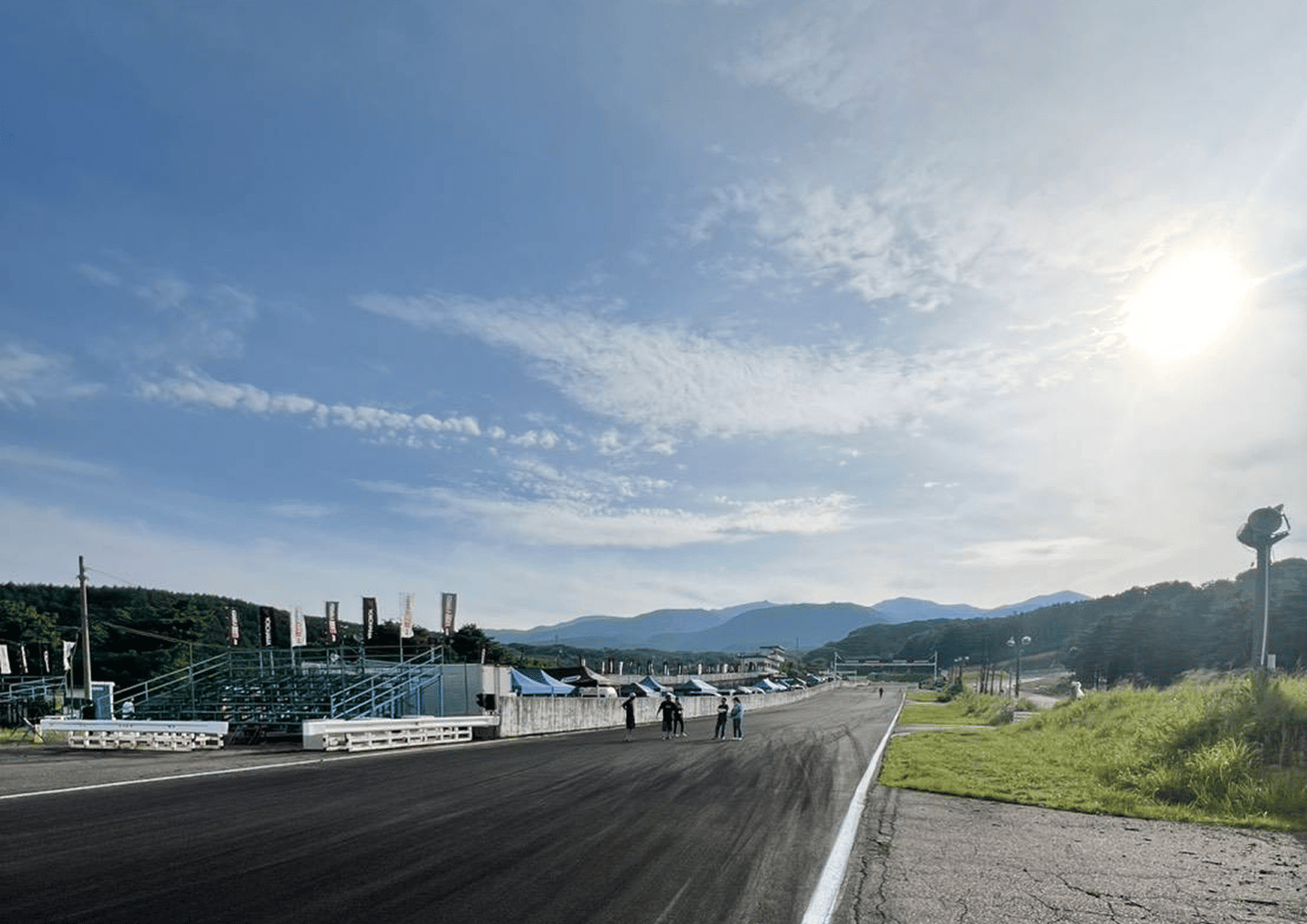
Some appetites outgrow a half-day, and for those readers the story moves north. Ebisu Circuit sits in the mountains of Nihonmatsu City, Fukushima, about a 12-hour round trip from Tokyo, and enthusiasts across the world call it the drift mecca.
The full-day school there, with instruction, track time and a pro ride-along, is widely described as one of the best experiences people have had.
The Ebisu Circuit: Guided JDM Drift Practice & Ride-Along handles the whole day: transportation from Tokyo, a professional guide and instructor, JDM car driving, a drift thrill ride as a passenger, fuel, tolls and admission, with drop-off back inside Tokyo's 23 wards.
Beginners start on the circuit's dedicated practice courses, and one of them has a wet surface that makes the first slides easier to hold.
Be honest about the trade. This is most of a day given to one thing, and it suits people for whom drifting is the reason they came. If your Tokyo schedule is packed, the half-day Chiba lesson is the better fit, and Ebisu waits for the next trip.
Tour for this
Ebisu Circuit: Guided JDM Drift Practice & Ride-Along4.9★ (72) · 12 hours · Hotel pickup · Free cancellation
A drift day already eats most of its daylight, so pairing it well matters. On the Ebisu trip, the circuit sits in Fukushima's green hills, and the day's remaining hours go to the road.
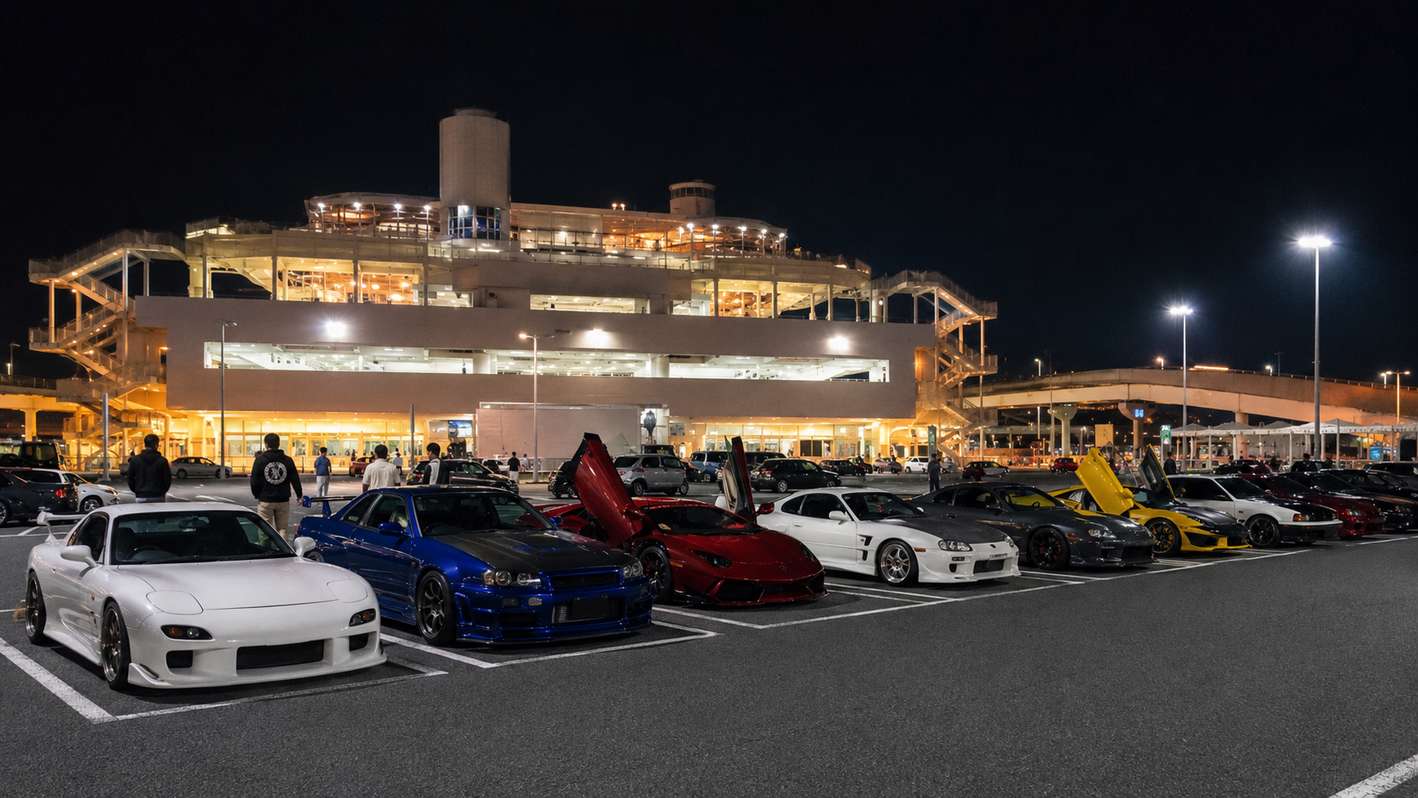
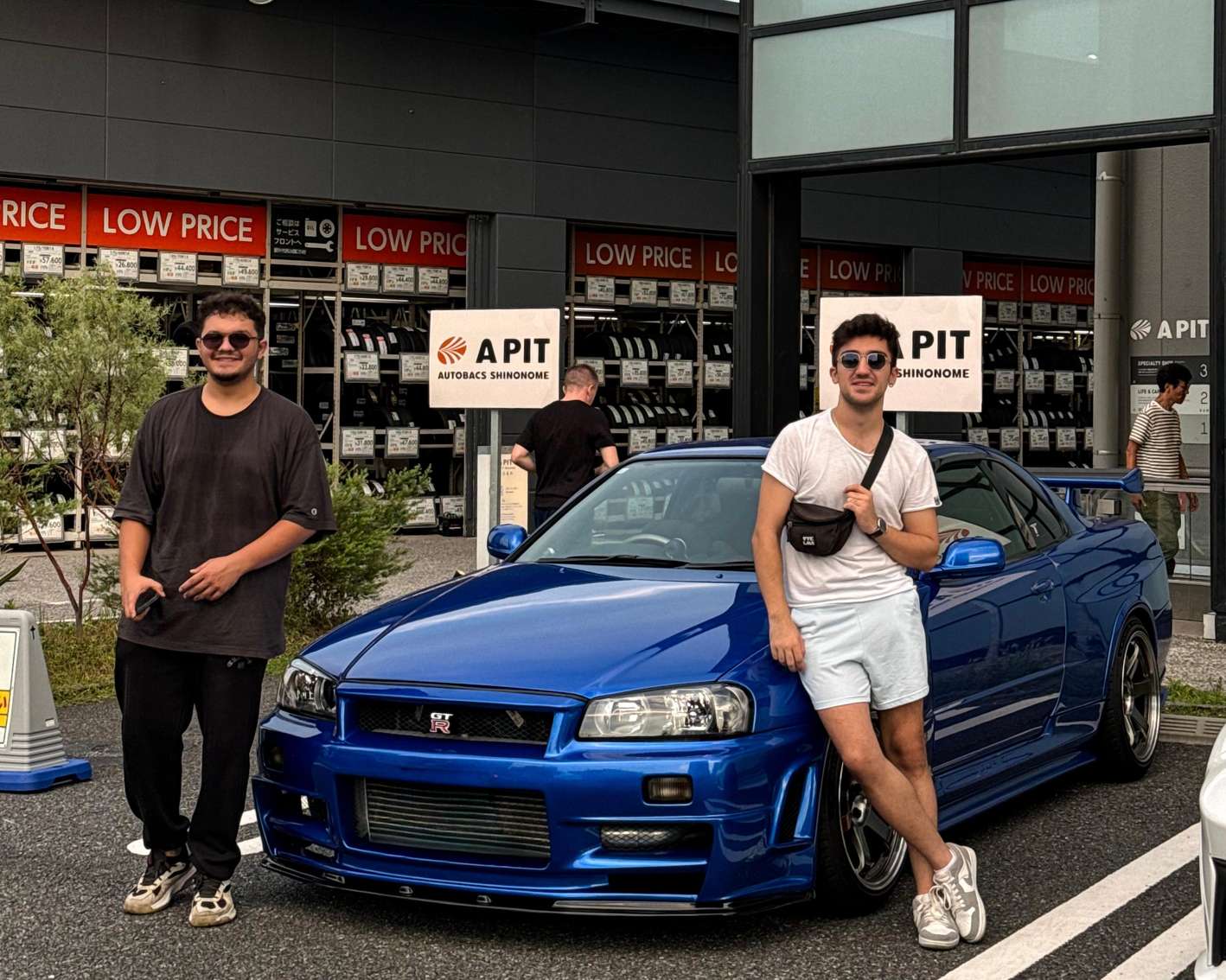
Closer to the city, the Chiba lesson leaves evenings free, and that is when Tokyo's own car spots come alive: Shibuya near the crossing, the Akihabara UDX underground garage on Friday and Saturday nights, and the Autobacs Shinonome lot for car events.
If you base yourself in Shinjuku between bookings, the walking is easy: Shinjuku Central Park sits 4 minutes away, Juniso Kumano Shrine 6, and the Sompo Museum of Art 7, with Meiji Shrine and Shinjuku Gyo-en inside a 20-minute walk for a slower morning after a track day.
The point of pairing is simple: the drift day is the reason you left the city, and a shrine or a museum on the quiet morning after makes the trip out earn its keep twice.
A self drive drift lesson near Tokyo is the real thing: your hands, a closed circuit, a pro beside you, and a donut within three hours for most first-timers.
Book 2 to 4 weeks out, dress in long sleeves and sneakers, and let the included shuttle solve the geography. If drifting is the whole reason you came, give Ebisu its full day.
Go ifYou want your own hands on the wheel for a full lesson, with a pro instructingYou can book 2 to 4 weeks ahead and keep one day flexibleYou are happy on a closed circuit with no licence at all
Skip ifYou mainly want the sound and spectacle, where a cheaper ride-along deliversYour Tokyo schedule has no room for a 12-hour Ebisu dayYou expect to slide a car on Tokyo's streets, which is a crime, not an activity
Our pick to book
Self Drive Drifting Lesson with Pro Tokyo Drift Experience5.0★ (48) · 6 hours · Hotel pickup · Free cancellation
Questions about self drive drifting in Tokyo, answered
Short answers to what people ask before booking a drift lesson on track.
Can I drive a drift car myself in Tokyo?
Yes, on a closed circuit. A private lesson with a pro instructor near Tokyo puts you behind the wheel of a real JDM drift car, and another option runs at a circuit in Chiba with transport from the city. On public roads, drifting is illegal in Japan, so the track is where this happens.
Is drifting legal in Japan?
Only on closed circuits and private land, where it is sold as ordinary motorsport. On public roads it is illegal, and since July 2026 deliberately sliding the tyres counts as dangerous driving when it causes injury. Speeding 40 km/h over the limit can lead to arrest.
Do I need a licence to join a drift lesson?
For the circuit lessons on this page, no. They take place on closed circuits, so no driving licence or International Driving Permit is needed, and one option welcomes guests who have never driven a car at all.
I have never drifted before. Can I still join?
Yes. Most guests at these lessons have never drifted, and instructors start beginners with steady circles around cones before moving to a donut and then a figure 8. First-timers typically hold a steady circle by the end of the day.
How long until I can actually drift?
The private lesson gives you three hours of practice, enough to learn a proper donut and, if you master that, a figure 8. Intermediate drivers move on to e-brake techniques and higher-gear changes, and everyone finishes with a graduation challenge course.
What cars will I drive?
Beginners usually start in a Mazda MX-5 Miata, a light rear-wheel-drive car that is easy to control. More advanced drivers move up to cars like a Nissan 350Z, Mazda RX-8 or Nissan 180SX. One Chiba option uses a Toyota Altezza.
What should I wear for a drift lesson?
Long sleeves, long pants and sneakers are required, and sandals or flip flops are not allowed. Helmets and gloves are provided, and the cars carry roll cages and safety harnesses. Lessons start with a safety briefing before anyone drives.
Is there an age limit for self-drive drifting?
One self-drive experience is not suitable for children under 15, and a drift lesson operator requires participants to be at least 18, with under-18s allowed only when accompanied by a parent or guardian. Ride-along options are more flexible for younger car fans.
How is a self-drive lesson different from a ride-along?
In a self-drive lesson you are behind the wheel with an instructor teaching you, while a ride-along puts a professional driver in the seat and you watch from the passenger side. Some lessons include a high-skill passenger ride too, so you get both in one day.
What about the Ebisu Circuit option?
Ebisu, in the mountains of Fukushima, is a full-day guided trip from Tokyo combining JDM car driving, a pro drift ride-along and time photographing the cars. It suits travelers who want the whole circuit day handled, transport and instruction included.
How far ahead should I book?
Book well in advance. Private drift lessons are typically booked around 20 days ahead, and 2 to 4 weeks ahead is recommended for specific dates. Both options on this page allow free cancellation up to 24 hours before, so reserving early costs you nothing if plans change.
How do I get to the circuit from Tokyo?
You do not have to figure it out yourself. One lesson includes free pickup and drop-off, the Chiba option includes roundtrip shuttle transport from Tokyo, and the Ebisu day trip covers the drive to Fukushima and returns you to your accommodation or a station inside Tokyo's 23 wards.
A completely private 3-hour lesson with an OG drift teacher, helmets and gloves included, and free pickup. Cancel up to 24 hours ahead for a full refund.