Likely to sell out
3 hours - 4 days·English, Chinese
4.8(732)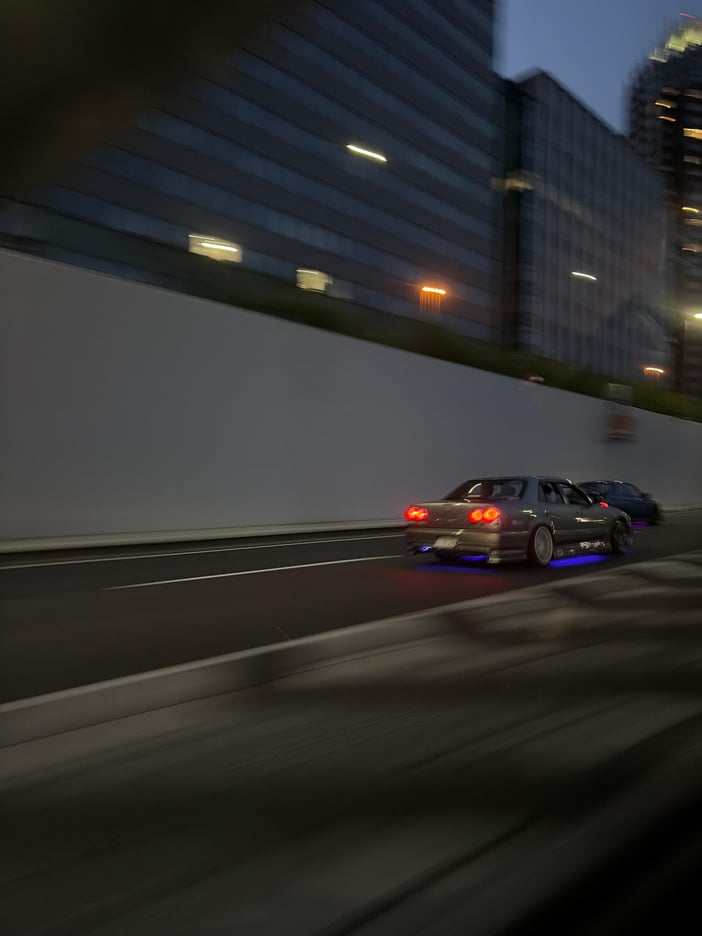
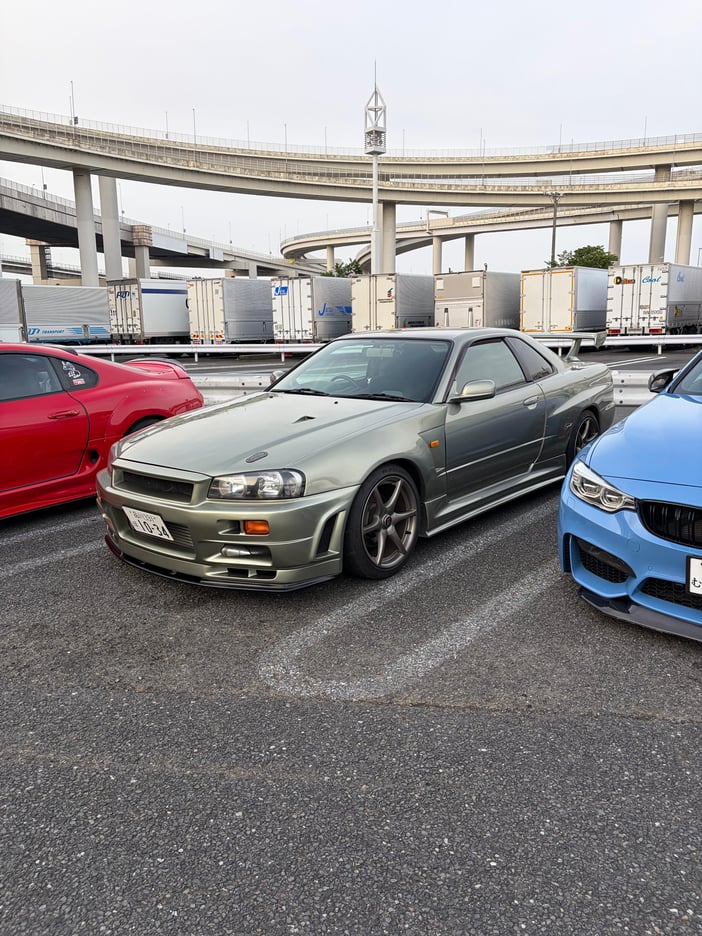
Tokyo:Night JDM Car Culture Cruise, Daikoku PA Experience
Free cancellationHotel pickup includedIn English and Chinese
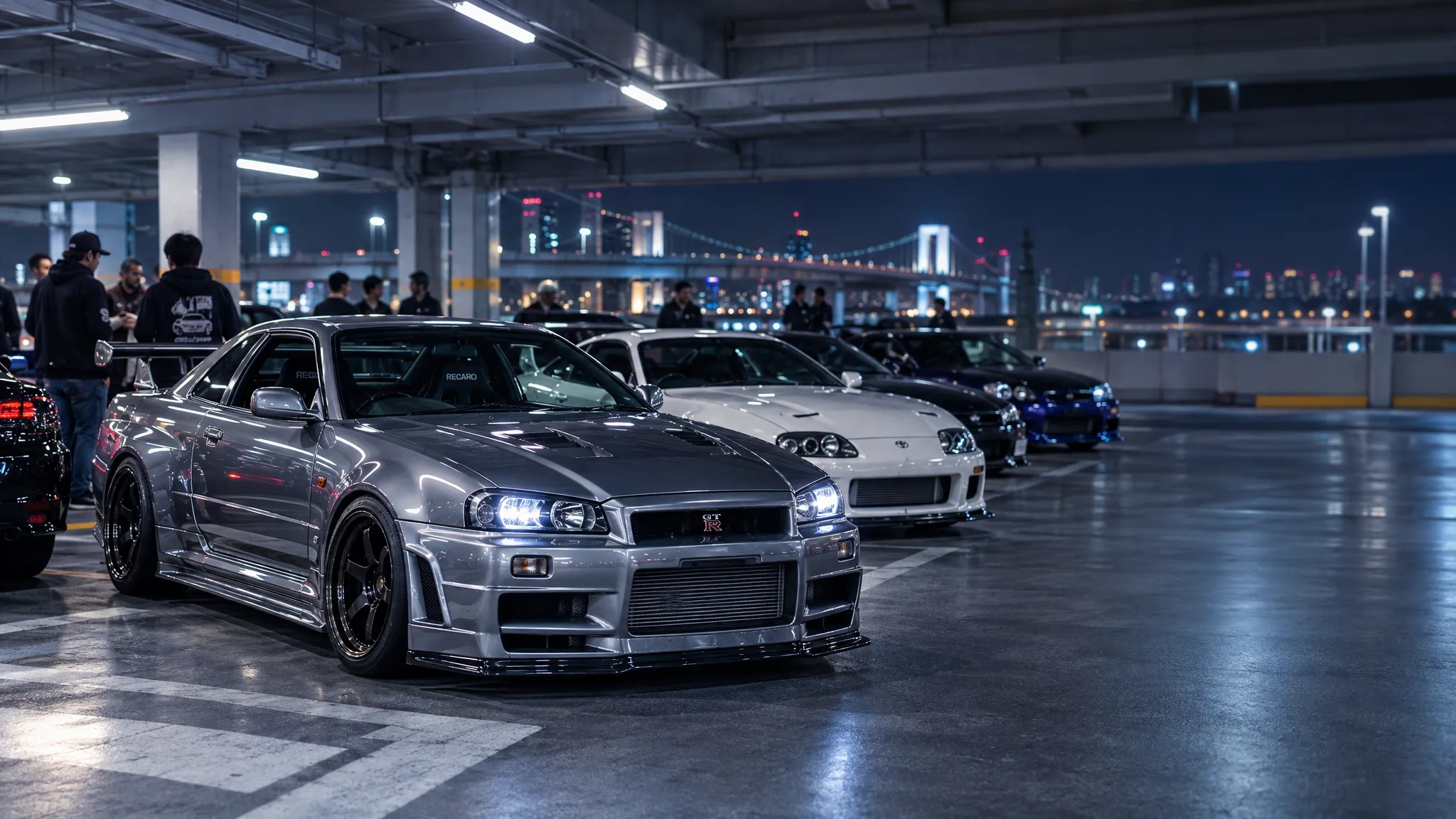
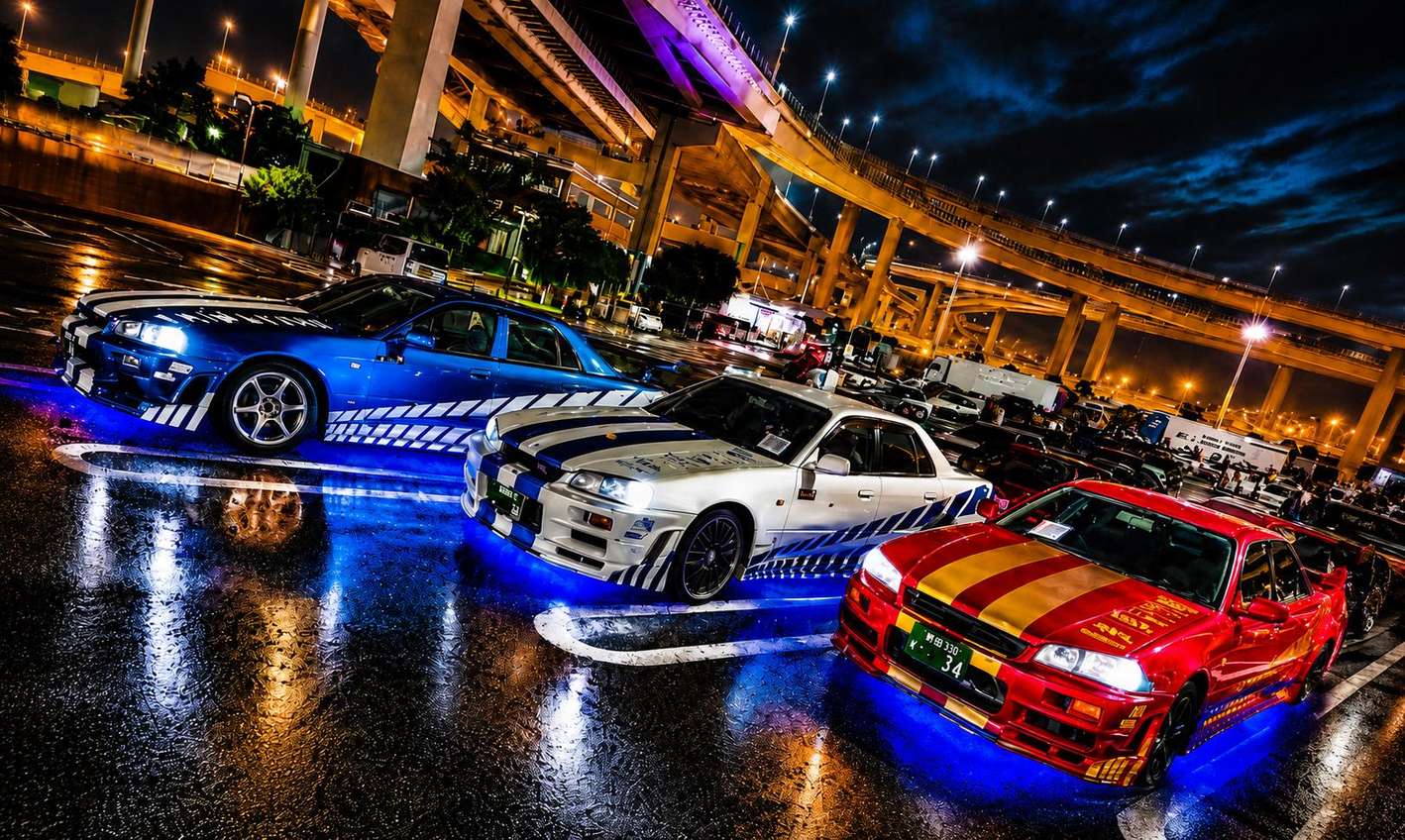
See the real Daikoku PA car meet without gambling on trains, taxis or closures. Ride there in a modified JDM car with a local guide, walk the lot while the engines roll in, and let someone else handle the expressway. Check the night, pick your ride, and go.
"Dream night for any car fan! 🔥 Daikoku PA is legendary, JDM icons under neon, revs echoing... pure magic. Then the underground meet at A PIT AUTOBACS, next-level vibes."
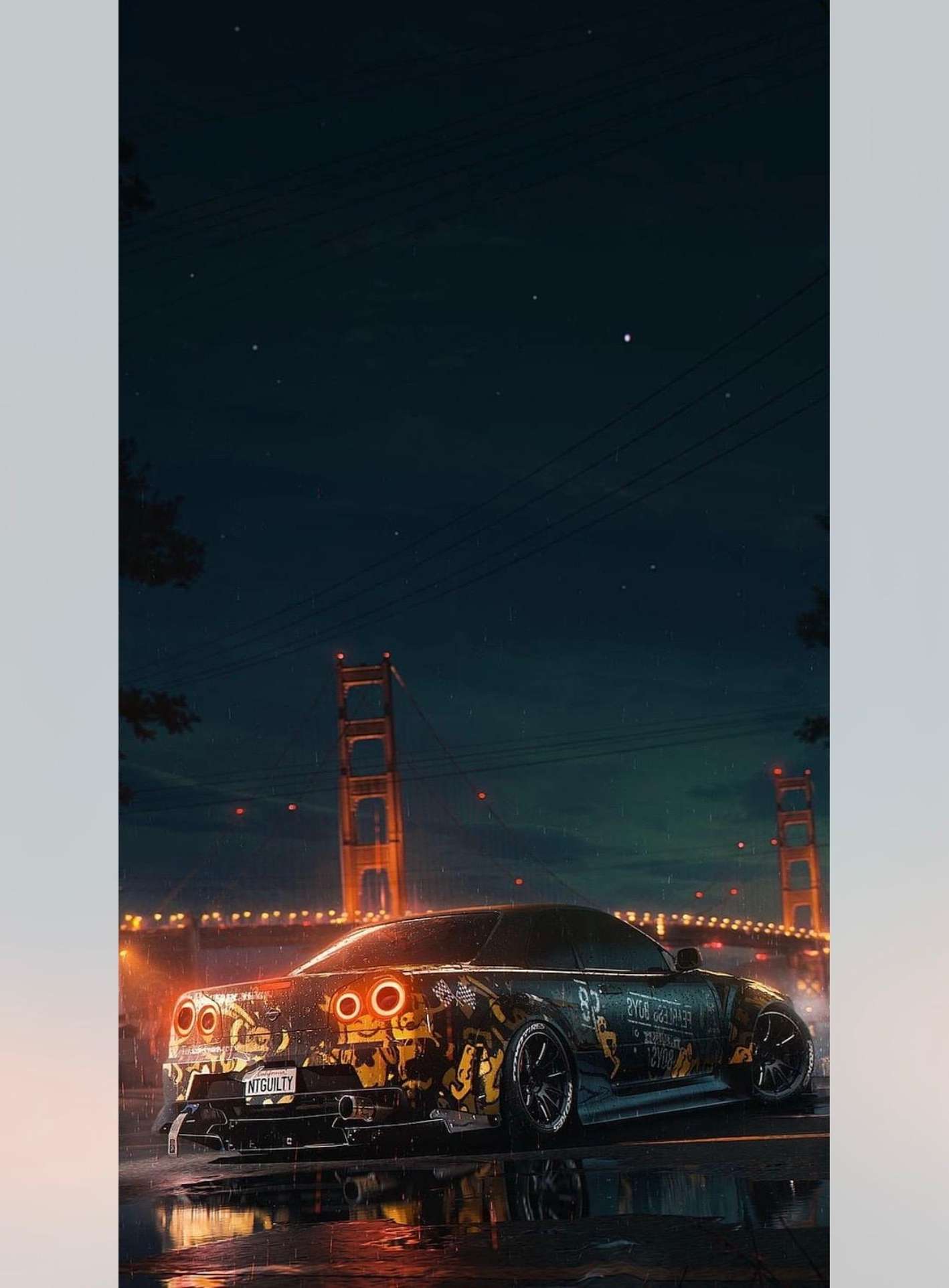
A tour from Shinjuku puts the expressway, the parking and the return trip in a driver's hands.
Read the guide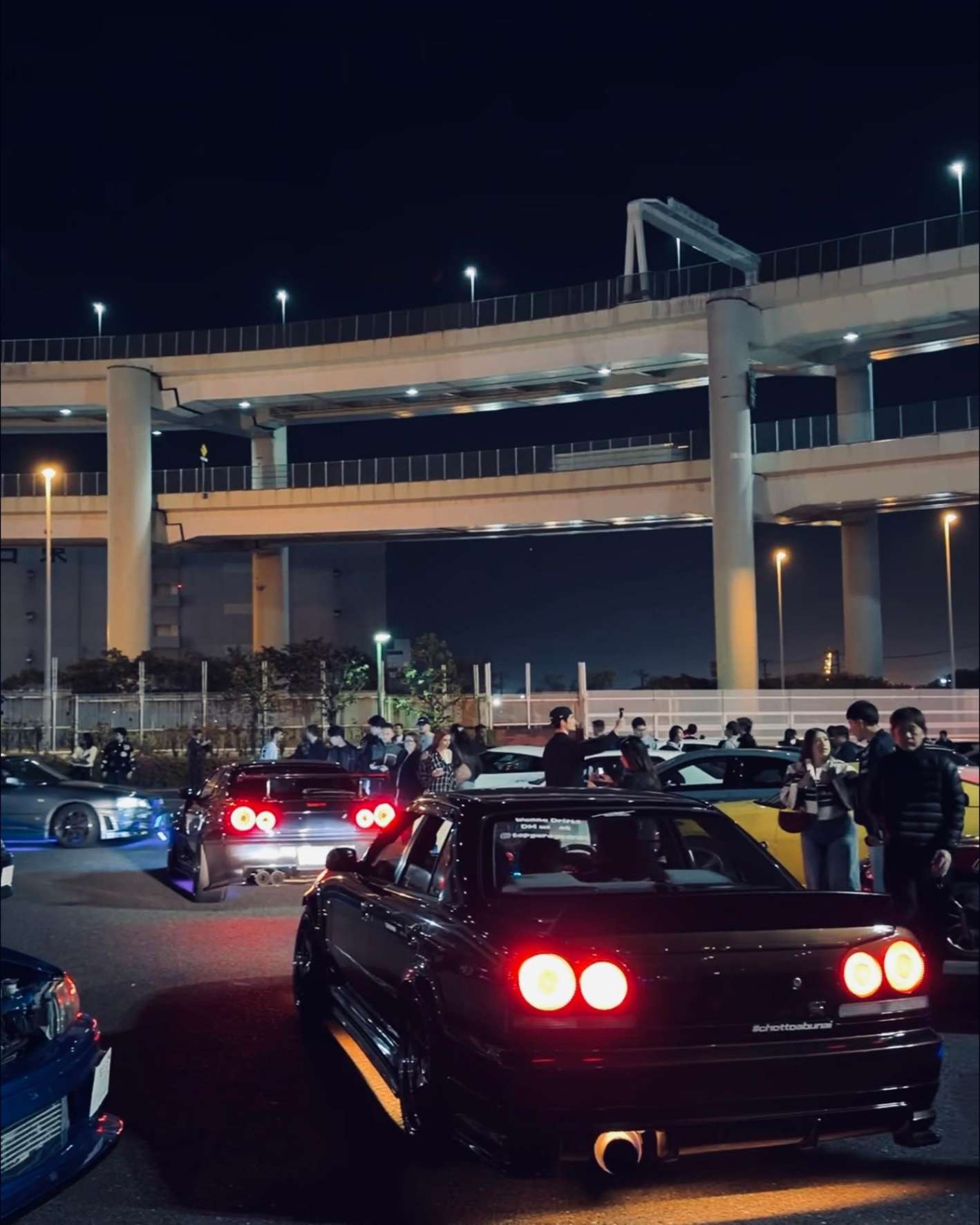
There is no meet calendar, so the night you pick decides the crowd you get.
Read the guide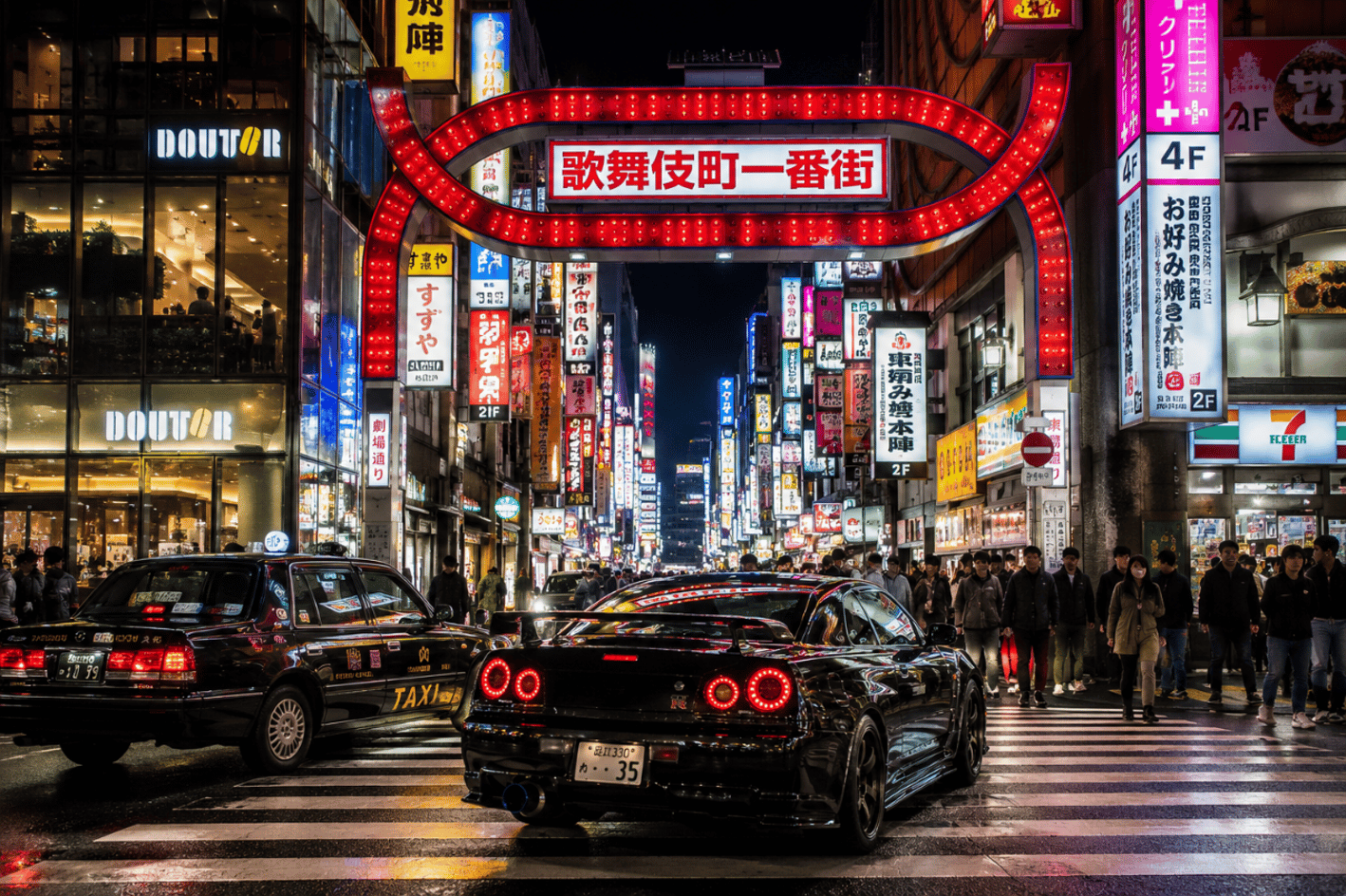
Daikoku sits inside the expressway network, so trains, buses and taxis all stop short of the gate.
Read the guide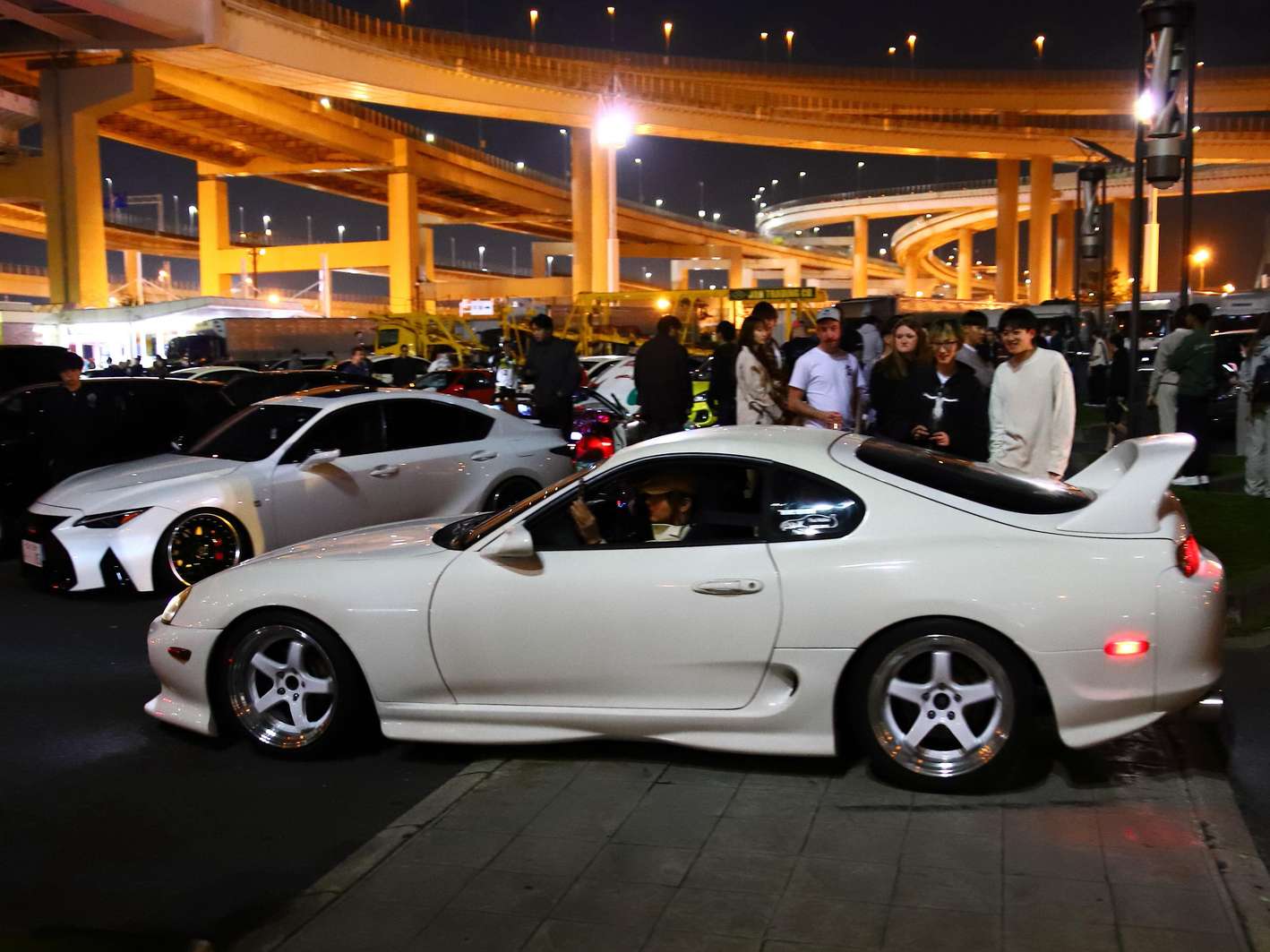
The meet is legal to attend, and the rules visitors follow are what keep it that way.
Read the guide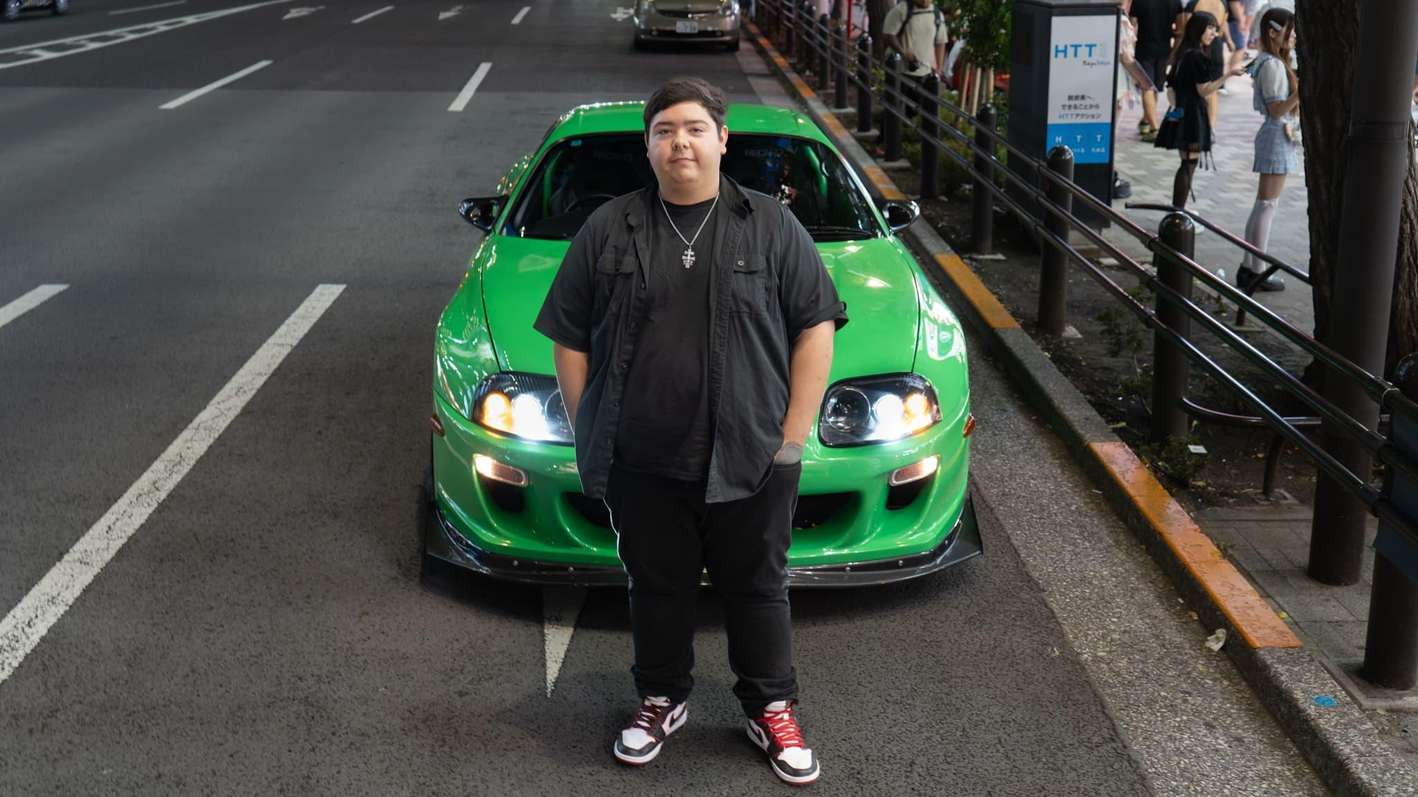
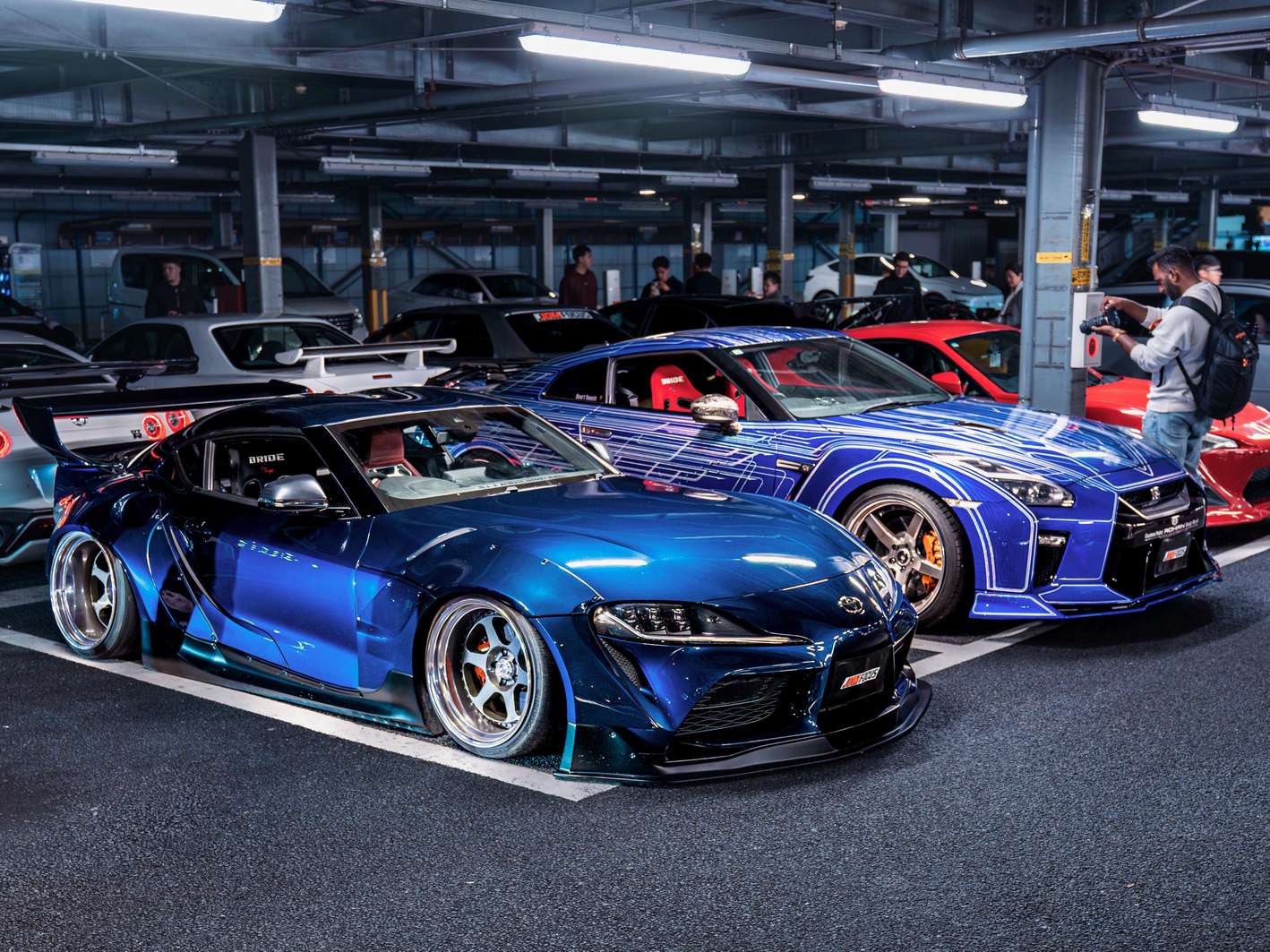
One night tour puts you in a tuned Toyota Supra Mk4 A80 and ends at the Daikoku lot.
Read the guideNo listed tour uses a Porsche Macan; the private 911 GTS trip is the nearest Porsche option.
Read the guideEach guide below takes one decision you face before a Daikoku night, from choosing the hour to picking the car you ride in.
Hotel pickup tours that handle the expressway drive for you
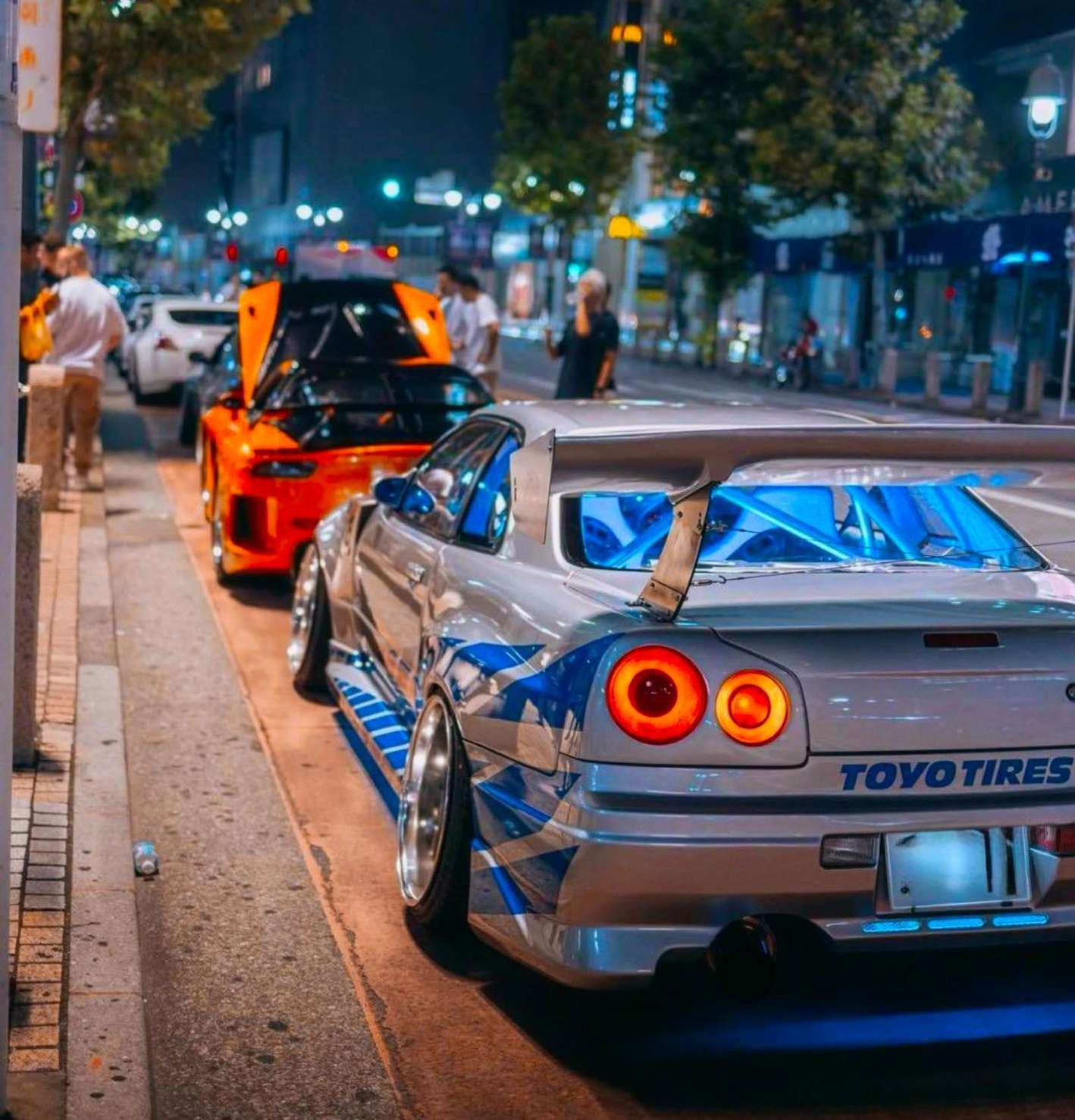
The drive from Shinjuku to Daikoku takes about an hour, longer in evening traffic, and the parking area has no train or pedestrian entrance at all.
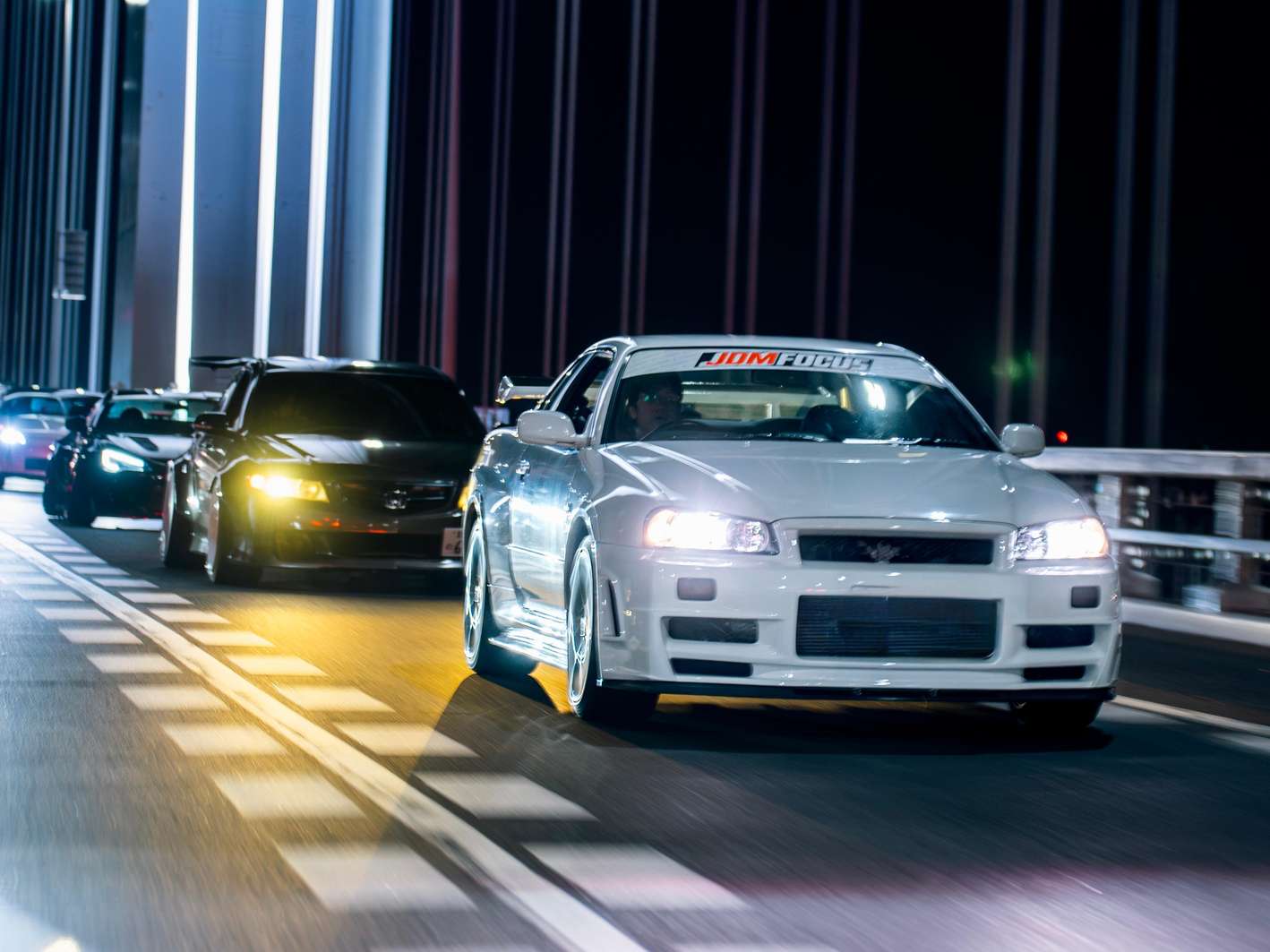
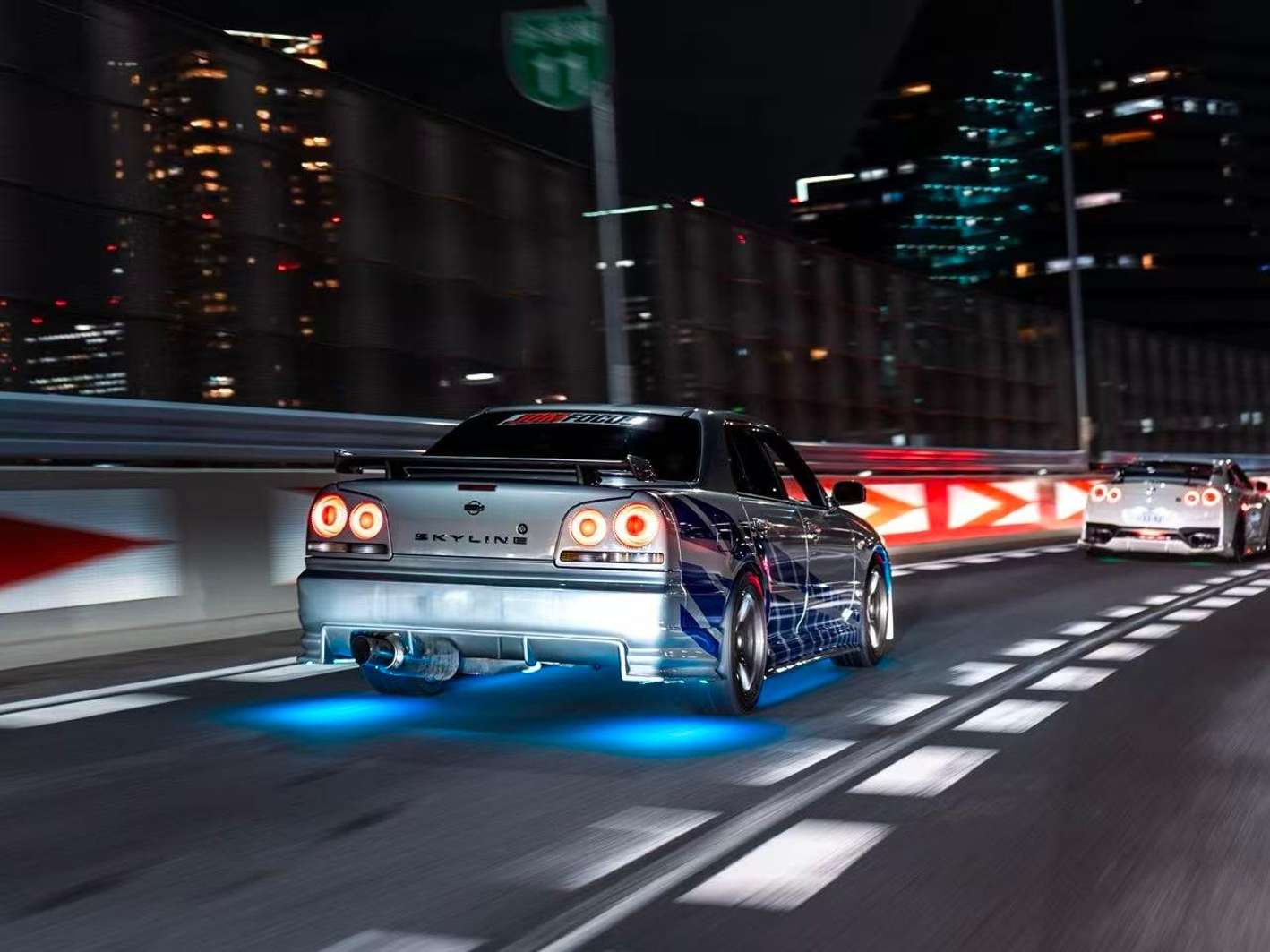
A guided night run solves both ends: you are collected, driven over the Wangan in a manual EVO, WRX STI or Skyline, given time on the ground at the meet, and dropped back at your hotel.
The practical part is timing. Friday and Saturday nights give the busiest lots, though no lineup is guaranteed and police closures happen. If you want a driver to handle the expressway and a planned return, this is the easiest route in.
Which night and hour give you the fullest lot
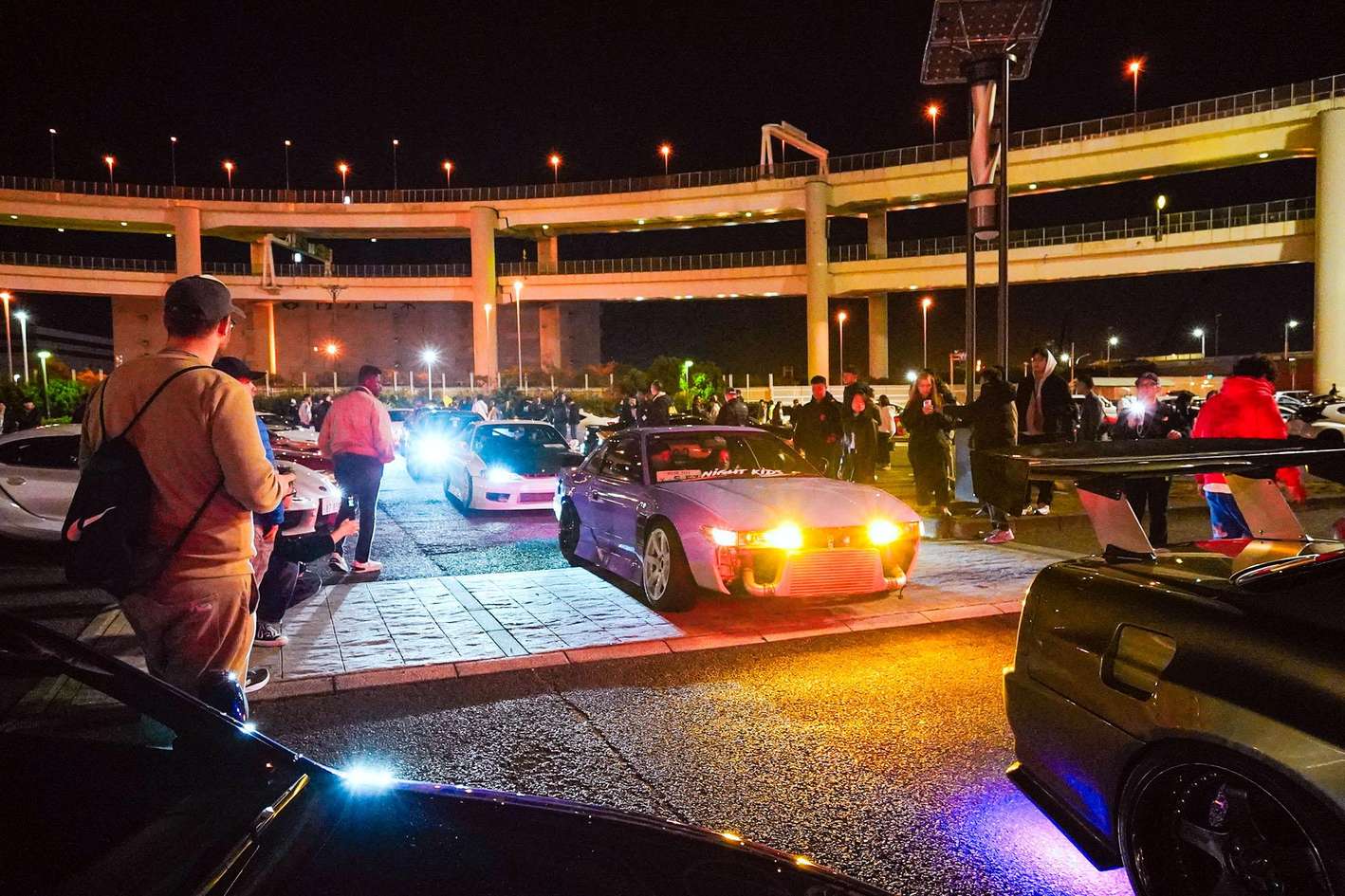
Friday and Saturday nights fill the lot hardest. Cars start arriving around 5 pm, the lot is close to full by 10 pm on a Saturday, and the deepest crowd runs from 9 pm to 1 am.
The catch is that those are also the nights police close the entrance earliest, sometimes by 7 or 8 pm, so arriving early in the evening beats arriving late.
Sunday morning is the calm pick: fewer people, easy photos, and regulars recommend it for a relaxed look at the cars. Weeknights run quieter but are rarely empty. The guide walks each slot side by side so you can match one to the trip you want.
The only way in is by vehicle on the expressway
The first thing to know about Daikoku PA is where it sits: inside the Shuto Expressway, fenced off from local streets, with no pedestrian gate, no taxi stand and no bus stop.
Public transport gets you near in about an hour from Tokyo Station, and then stops. The last stretch only works in a car already on the expressway.
If you drive yourself, you need an International Driving Permit under the 1949 Convention, or a Japanese translation of your licence for some countries, and the entrance comes off a dedicated exit before Daikoku Junction. The guide covers the route in, the signs to follow, and a plan for getting out again.
What is legal, what gets the meet shut down, how to behave
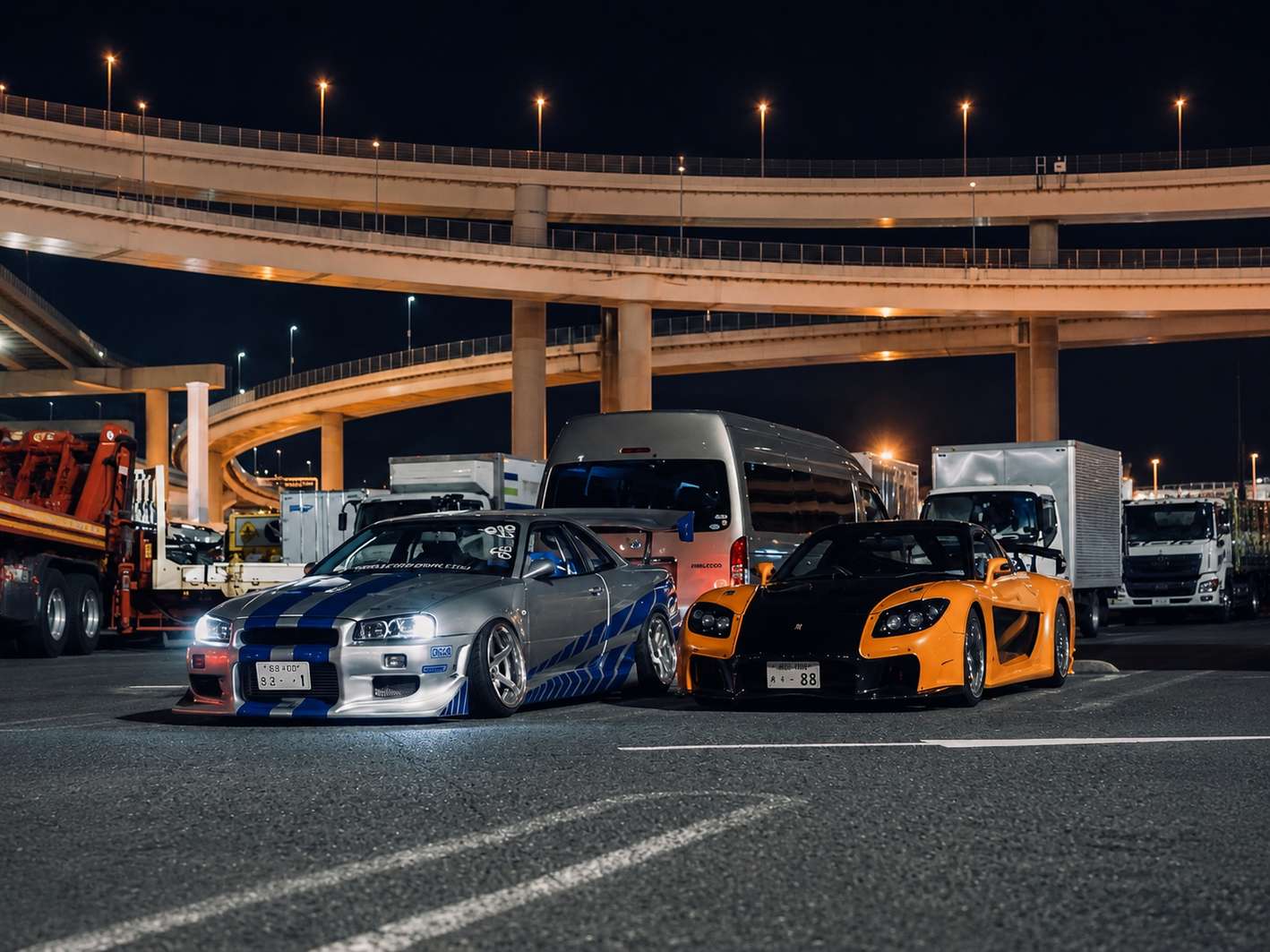
Daikoku PA is a public rest area, open around the clock, and parking there is free and legal.
You do not need a tour to set foot in it, though you do need a car, since walking in over the fence brings a heavy fine or worse. What police act on is behavior: revving, burnouts, loud music, blocking lanes, touching cars without permission.
The unwritten rules are simple. Ask before photographing a car up close, never sit on one, keep your voice down, and take your rubbish with you.
If police close the lot and everyone leaves, go with them, especially if you have no ride of your own. A guided tour keeps you on the right side of all of it.
A tuned Mk4 Supra night run with hotel pickup
The Supra night run is built around one car: a tuned Toyota Mk4 Supra A80 with an English-speaking local guide, hotel pickup and drop-off included, and the Daikoku Parking Area as the destination. It runs about three and a half hours, which fits neatly around a dinner plan in the city.
Book it if the Supra is the point of the night. If you are open to other metal, the broader Daikoku tours rotate through Skylines, EVOs and Silvias, and some let you swap cars at each stop. Either way the meet itself stays unpredictable, so value the drive as part of the outing.
No Macan on sale, but a private Porsche 911 GTS comes close
If you searched for a Daikoku experience in a Porsche Macan, here is the honest position: no tour on sale uses a Macan.
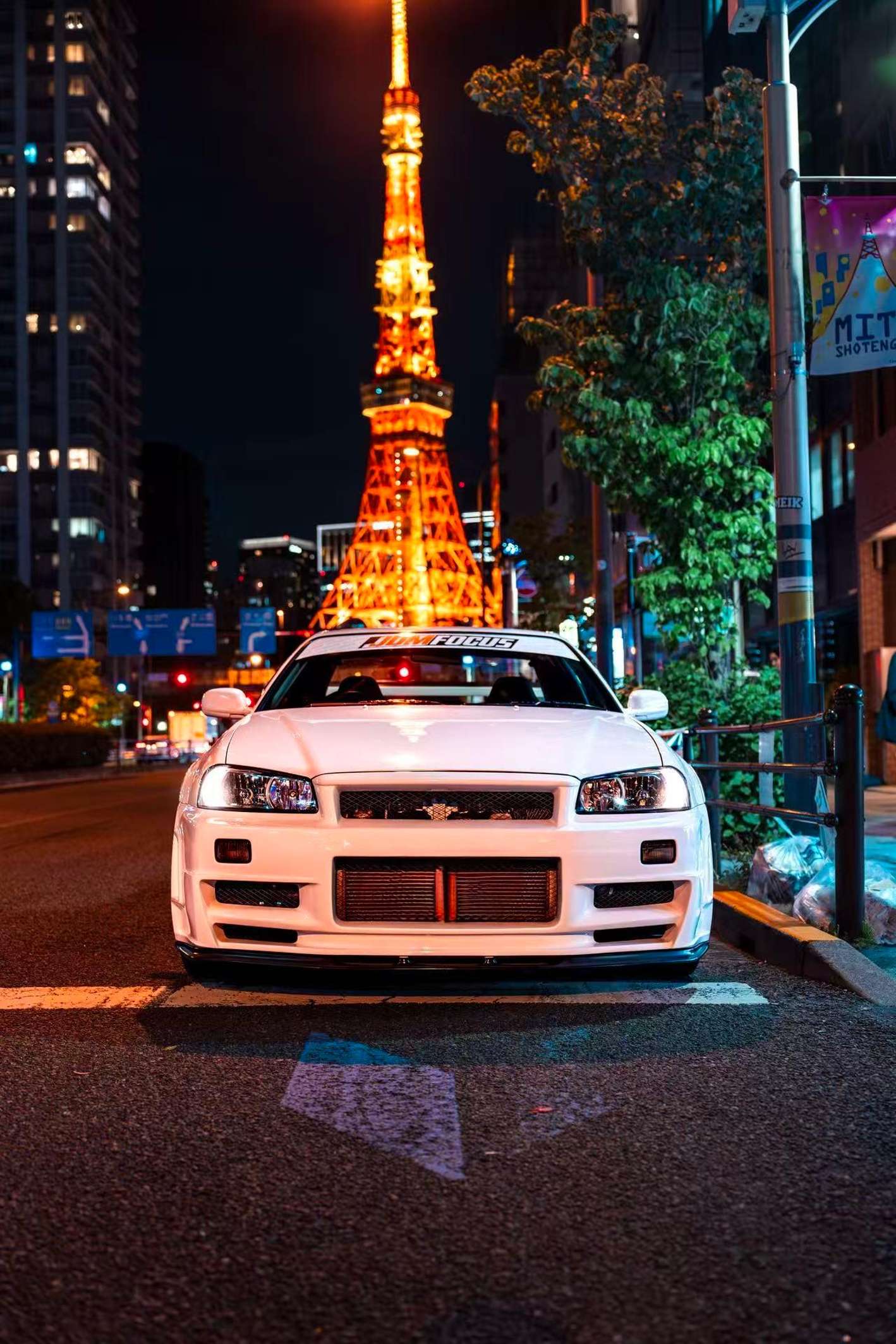
The closest match is a private Porsche 911 GTS trip that picks you up at your hotel in the Ueno, Tokyo Station or Ginza area, cruises past Tokyo Tower and across Rainbow Bridge, and includes Daikoku on a route you can shape.
It runs three to six hours, so it stretches or shrinks to fit your evening. If the badge on the door matters less than the meet itself, the JDM-car tours put you in an Evo, Skyline or GT-R instead, which is arguably the more fitting ride for this lot anyway.
Daikoku PA is a free public rest stop on an industrial island in Yokohama, and the most famous informal gathering spot in Japanese car culture. This guide settles the night you pick, the way you get in, and what to do when the police show up.
Daikoku is an informal cars-and-coffee style gathering at a working tollway rest stop, not a ticketed show, and entry is free.
Parking there is legal; what draws police is behavior: revving, burnouts, loud music, blocking lanes or walking in on foot.
Friday and Saturday nights fill the lot hardest, but police close the entrance from about 8:30 pm on those nights, so arrive early.
There is no pedestrian gate, bus stop or taxi rank: the only way in is in a vehicle already on the Shuto Expressway.
Have a plan B ready, because closures are decided on the night and tours divert to Umihotaru or Tatsumi PA instead.
Book a tour that pulls its Friday and Saturday pickups forward to the late afternoon, before the closures begin, and pick one that diverts to a fallback lot like Umihotaru or Tatsumi PA when Daikoku shuts. If you would rather reschedule or get a refund than take the alternative, check the cancellation terms before you book.
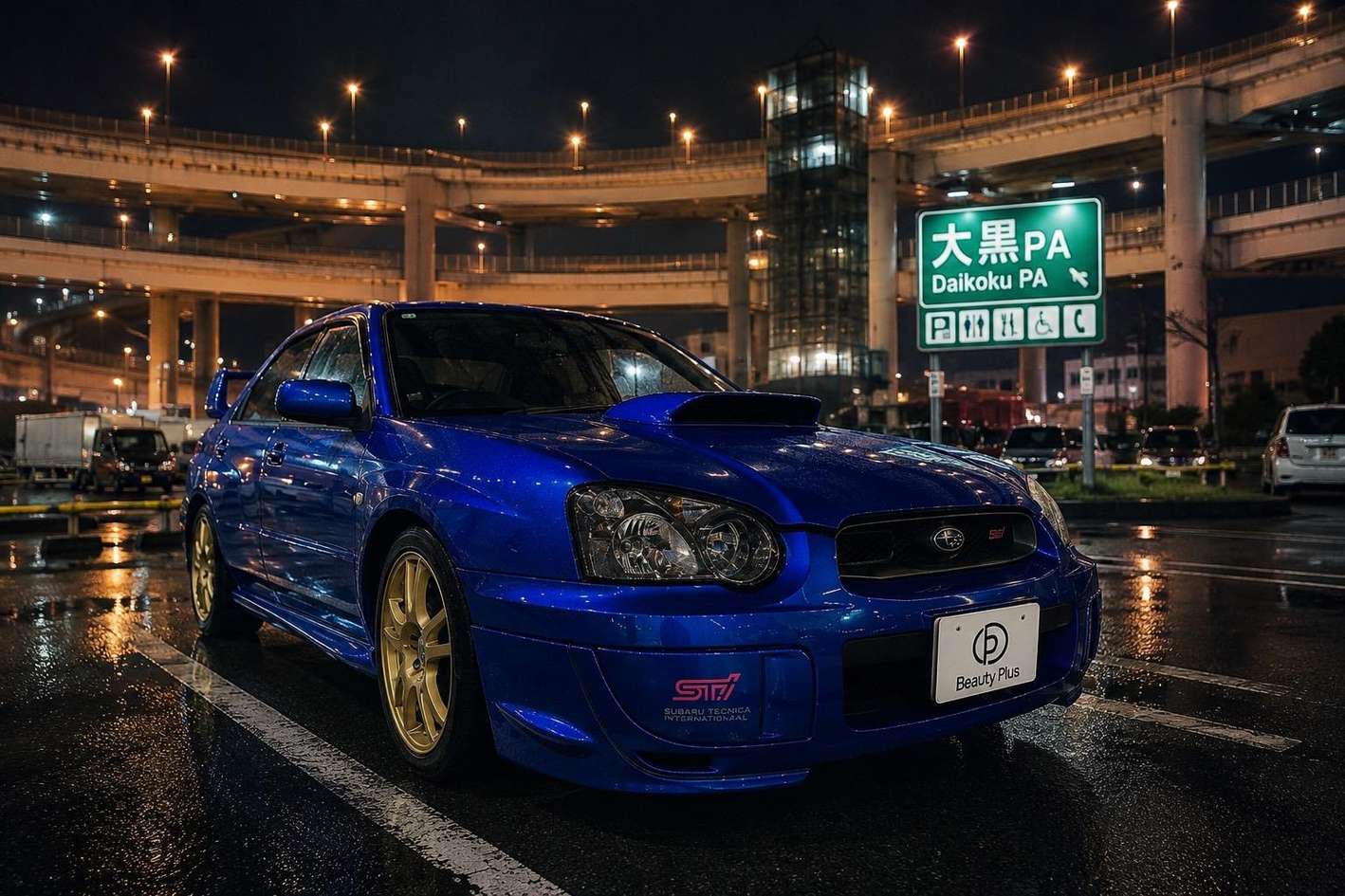
The first thing to reset is the picture in your head. Daikoku PA is not a Fast and Furious set. It is a tollway rest stop under a Yokohama expressway interchange, where enthusiasts gather informally, the way a cars-and-coffee meet works, only at night. There is no organiser, no start time and no guaranteed lineup.
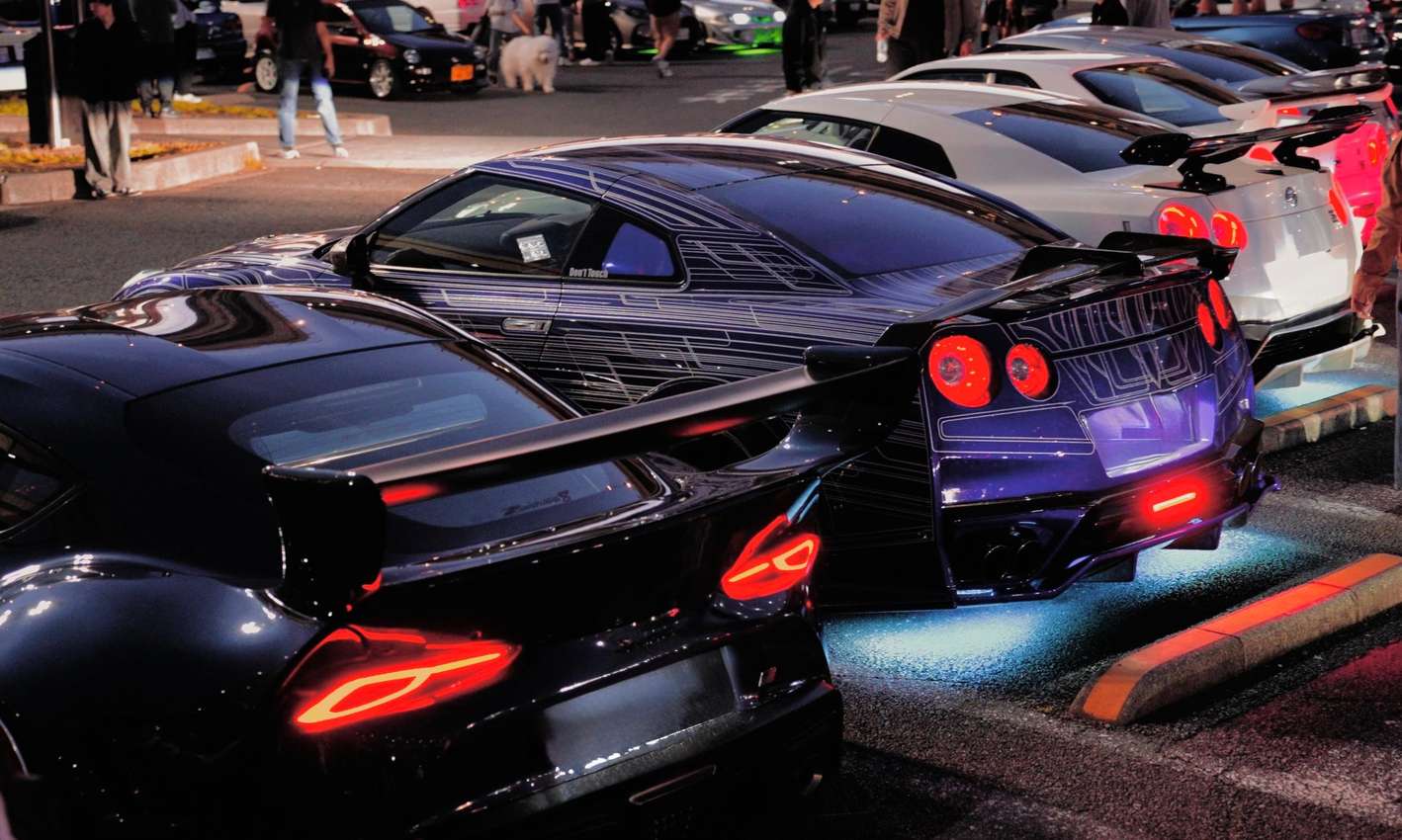
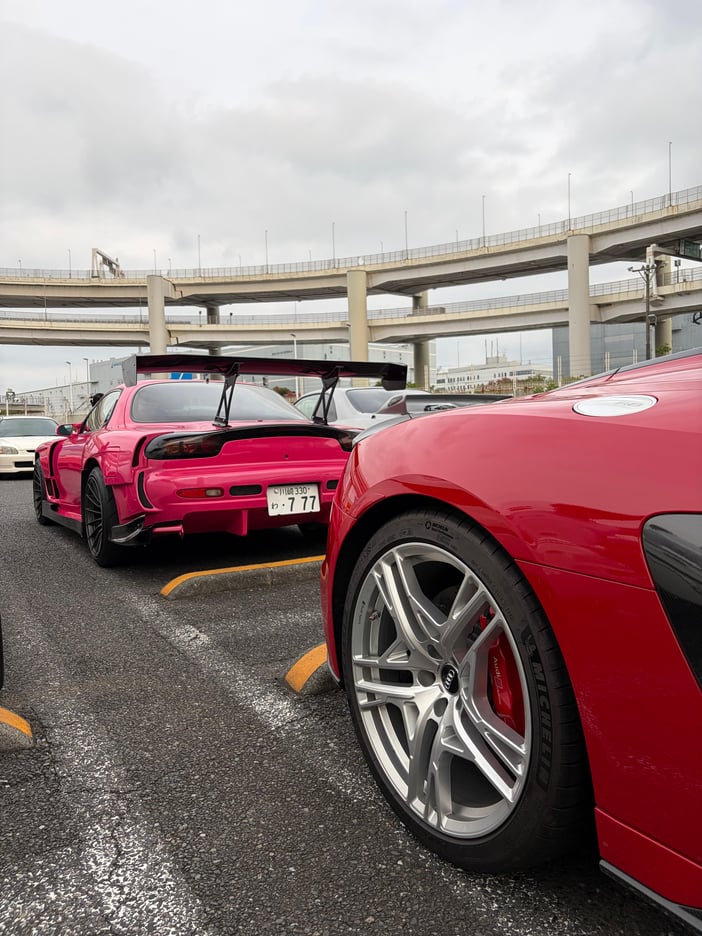
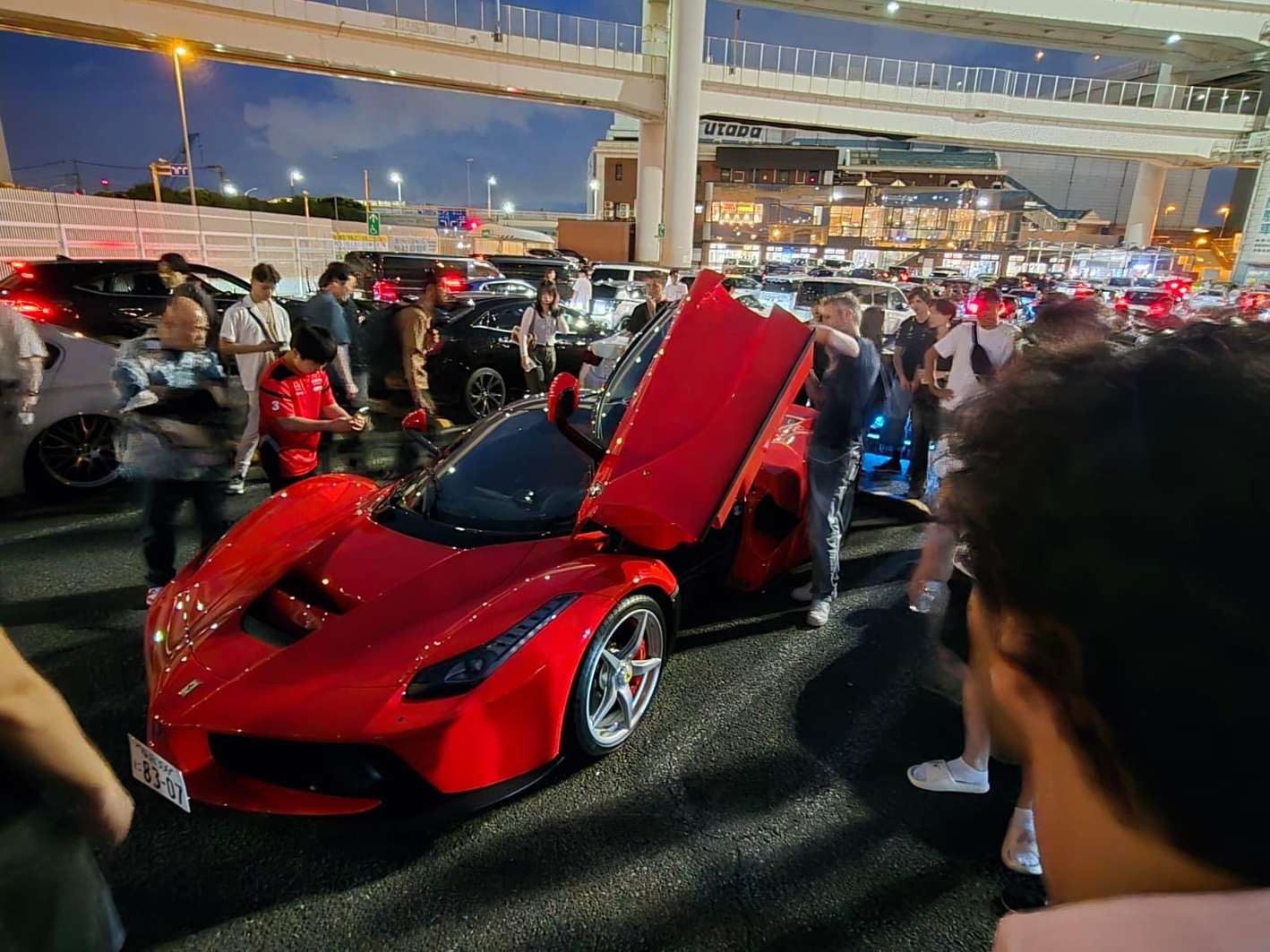
A good night gives you a mix of supercars, kei cars and American muscle parked side by side, owners happy to talk about their builds, and the spiraling elevated ramps around the lot, which make a striking photo backdrop.
The dramatic moment, when it comes, is often the mass exit, a whole lot of modified cars pouring onto the expressway at once.
Manage the expectations and the night delivers. Travelers who arrived expecting a YouTube-sized meet came away flat; those who came for a few cool cars, a chat with an owner and the atmosphere called it a trip highlight.
The lineup changes every night, and many of the cars belong to visitors, with local regulars in the mix too.
Before you go, it helps to clear out a few beliefs that float around this place.
Daikoku is the real scene the film drew from; no filming is confirmed there
It is open, though police can shut the meet on a given night
It is a free public rest area; a tour pays for the ride there
So the worth-it question comes down to you. If a few cool cars, a conversation and the sound of a lot emptying onto the expressway sound like a good evening, Daikoku will pay you back. If you need a staged show, look at official events instead.
Parking at Daikoku PA is legal. It is a public highway rest area, open around the clock, and parking is free.
You do not need a tour to set foot there, though you do need a car, since walking in over the fence is illegal and is exactly the tourist behavior that has put the meet in the local news.
Police act on behavior: revving, burnouts, drifting, loud music, blocking lanes and ignoring staff instructions can get you turned away, and rowdy nights get the whole lot closed.
The unwritten rules are short: ask before photographing a car up close, never touch or sit on one, keep your voice down, and take your rubbish with you.
The rest area exists for ordinary drivers, and long-term hanging out is what triggers the crackdowns. Police run vehicle inspections at the PA too, mainly on weekends, and modified cars that fail them collect fines on the spot.
If police close the meet and everyone leaves, go with them, especially if you have no ride of your own. The full rules and etiquette are covered on the visitor rules page.
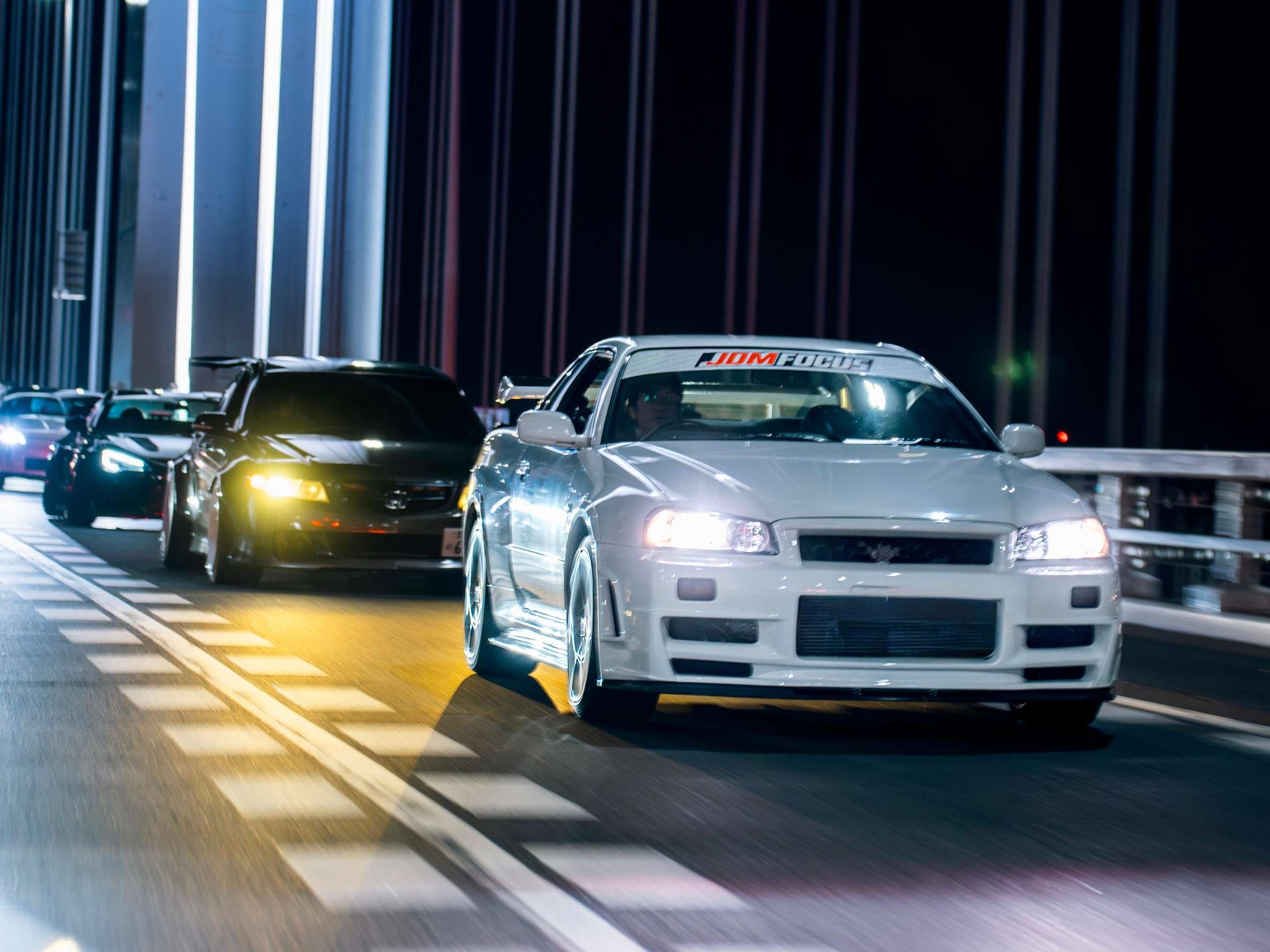
There is no schedule to check, because the meet has no organiser. Cars show up any night of the week, so the question is not whether it happens but how big it gets and whether the lot stays open.
Friday and Saturday nights draw the biggest crowds, with cars filling the lot from around 5 pm and the deepest crowd between 9 pm and 1 am.
Those are also the nights police close the entrance earliest, sometimes by 7 or 8 pm on packed weekends, so arriving early in the evening beats arriving late. One visitor rolled up at 9:30 pm to find a single police car and no meet.
Sunday morning is the calm pick: classics and exotics in daylight, fewer people, easy photos, and far less risk of a shutdown. Weeknights run quieter but are rarely empty, and a Monday night can still deliver a decent turnout.
Closures are decided on the night by the expressway operator and police, so nothing can be looked up in advance. Check recent reports before you go, and keep the rest of that evening flexible. The schedule guide walks each slot in detail.
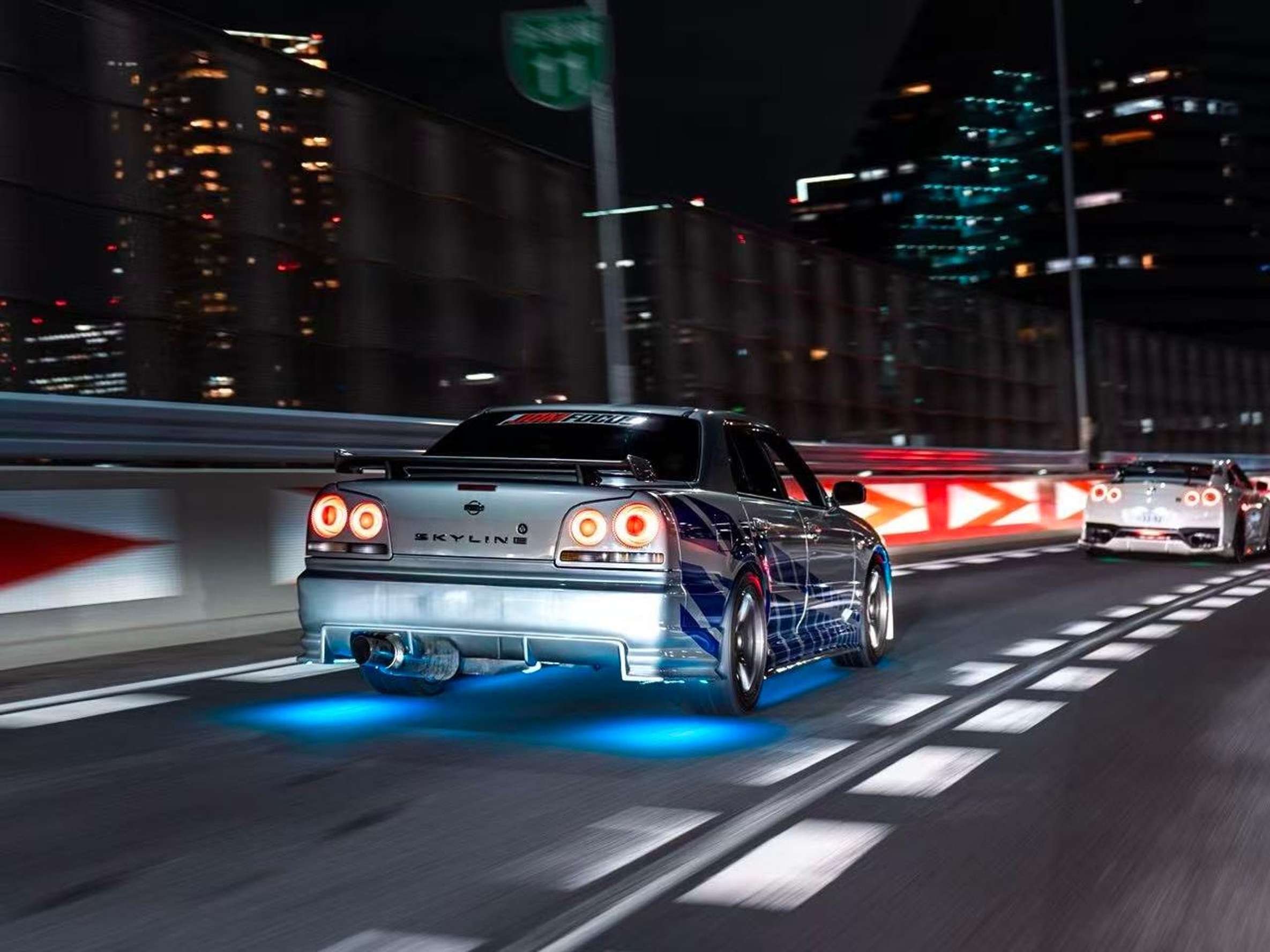
Daikoku PA sits inside the Shuto Expressway, on the artificial Daikoku-futo island in Yokohama, fenced off from local streets. There is no pedestrian gate, no bus stop and no taxi rank. The only way in is in a vehicle already on the expressway, which is why every visit starts with solving the ride.
That leaves three real options. A guided tour picks you up in central Tokyo and handles the whole journey. Driving yourself works if you have the paperwork and are comfortable on the left side of the road.
A taxi can drop you off, which is not illegal, but the way back is the problem: some visitors report taxis waiting at the rest area and calling one by app for the return, while others warn it is a gamble.
Settle your way back before you go, not when the meet ends at midnight. With no public transport and no walk-in access, the lack of a fallback is what strands people. The directions guide covers the route and the exit signs.
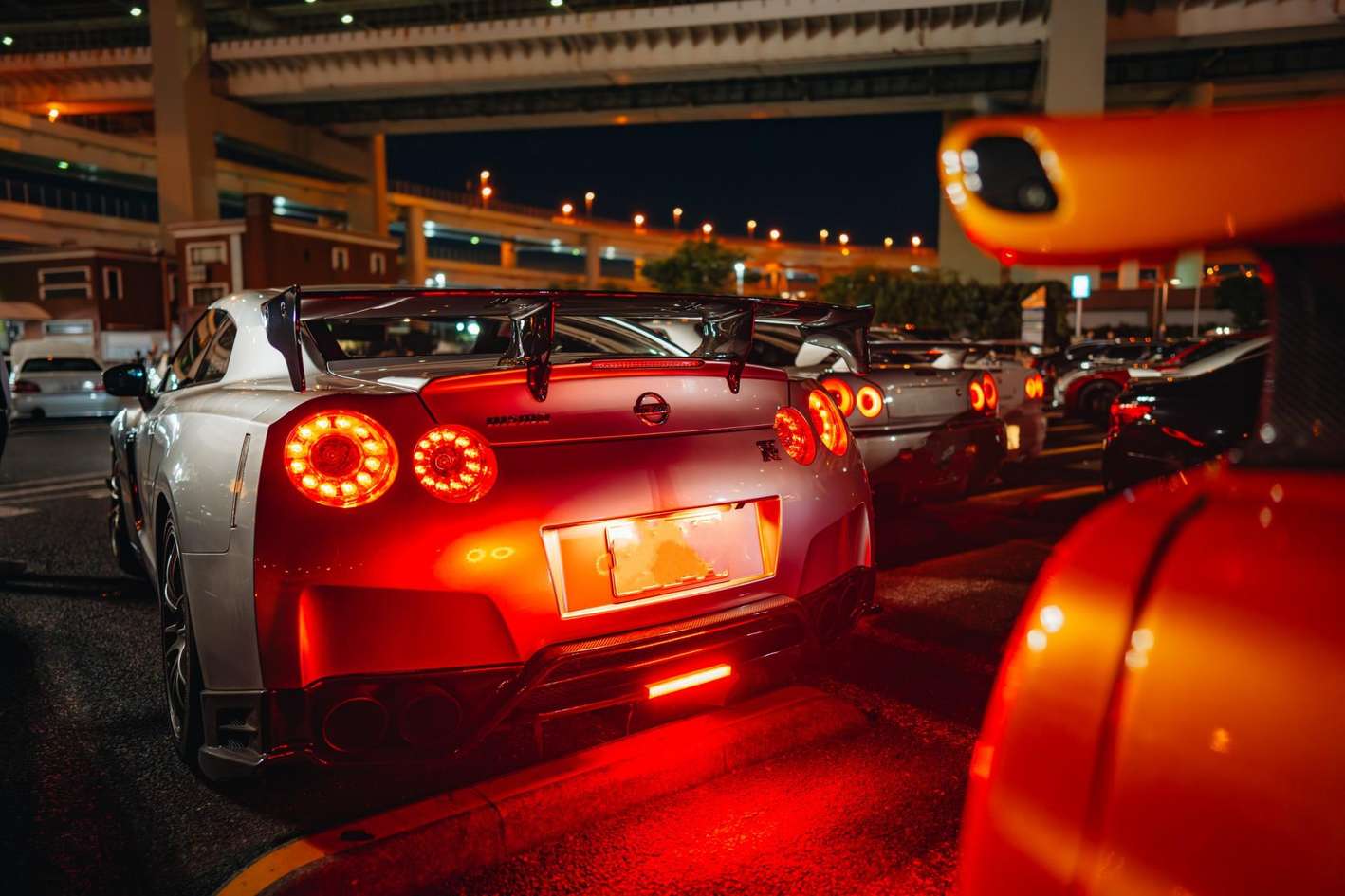
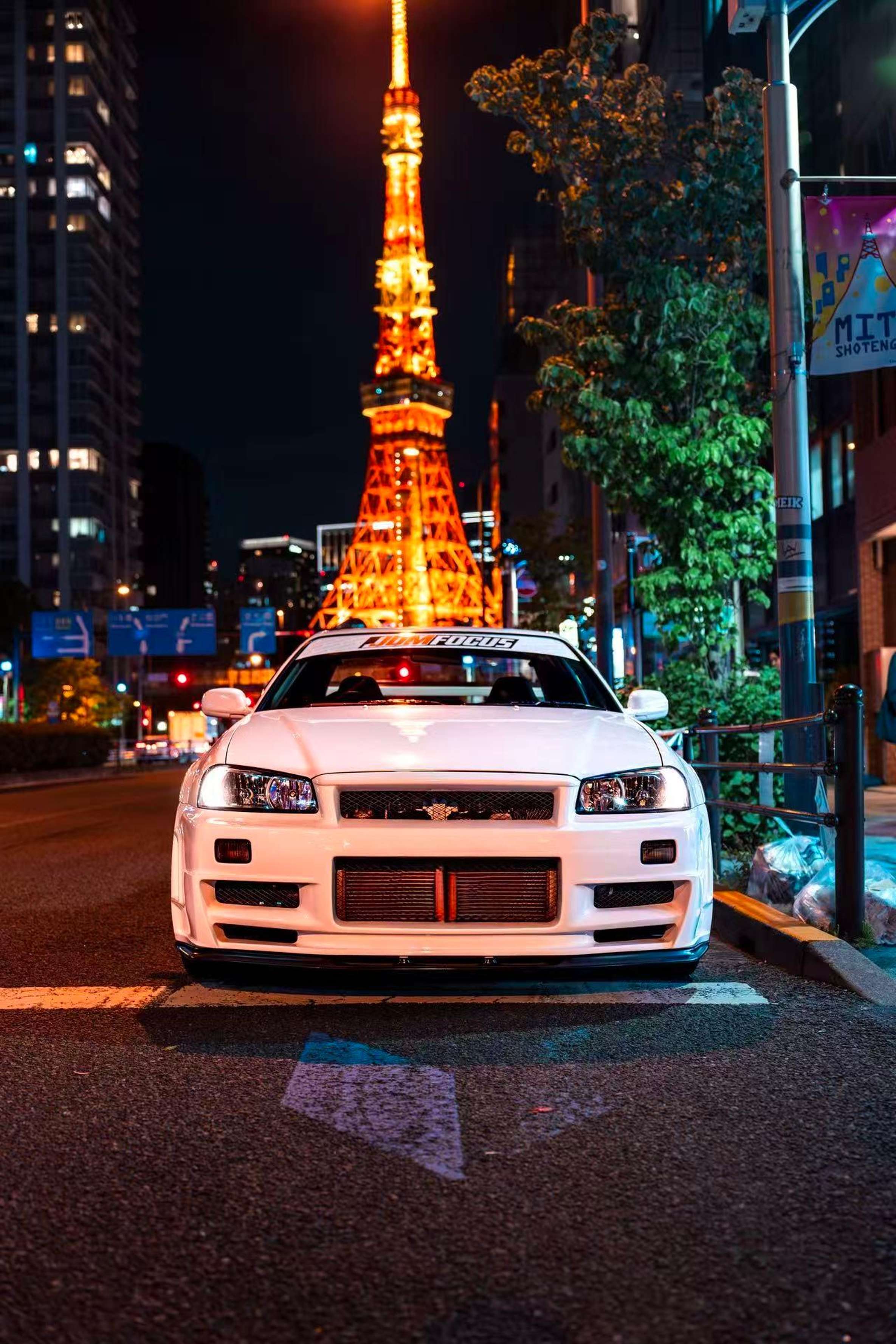
Doing Daikoku independently in a rental is a real option, and one traveler called it fantastic.
The paperwork comes first, though, and it starts at home: you need an International Driving Permit under the 1949 Convention, or for licences from Switzerland, Germany, France, Belgium, Monaco or Taiwan, an official Japanese translation of your licence arranged before you travel. Bring your passport too.
On the road, keep left, and expect the first day of turning to be the tricky part: consciously get into the correct lane. Tokyo's roads themselves are orderly and courteous, and the Wangan expressway and the C1 loop are fun drives in their own right, worth building into the night.
Budget for the tolls, which one traveler put at around thirty dollars for the expressway run, on top of the free parking at Daikoku. Parking violations are dealt with severely in Japan, so use proper spaces and never stop on a crossing.
If you are not comfortable driving in Japan at night, work out how you would get there and back legally before building the trip around it.
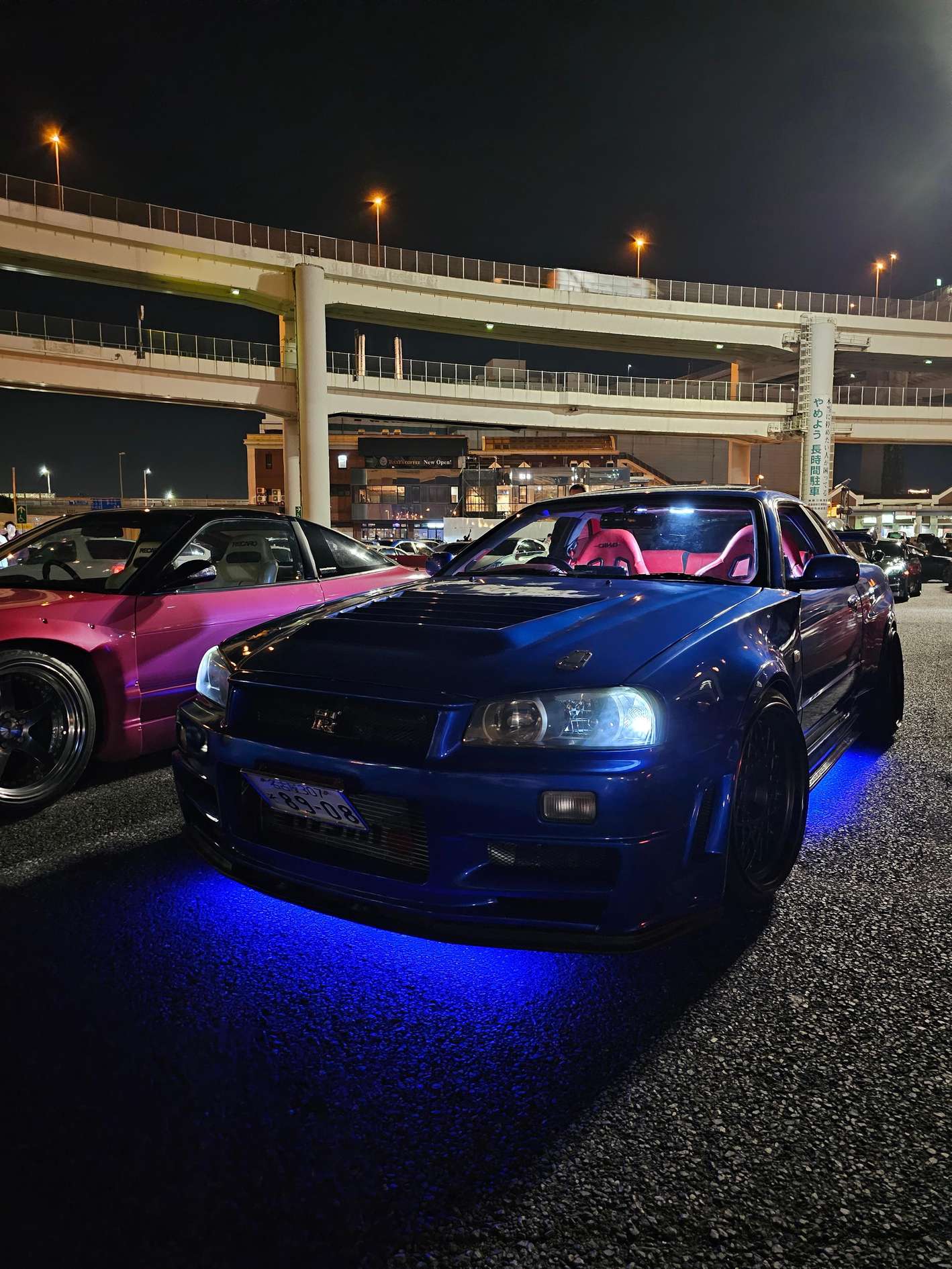
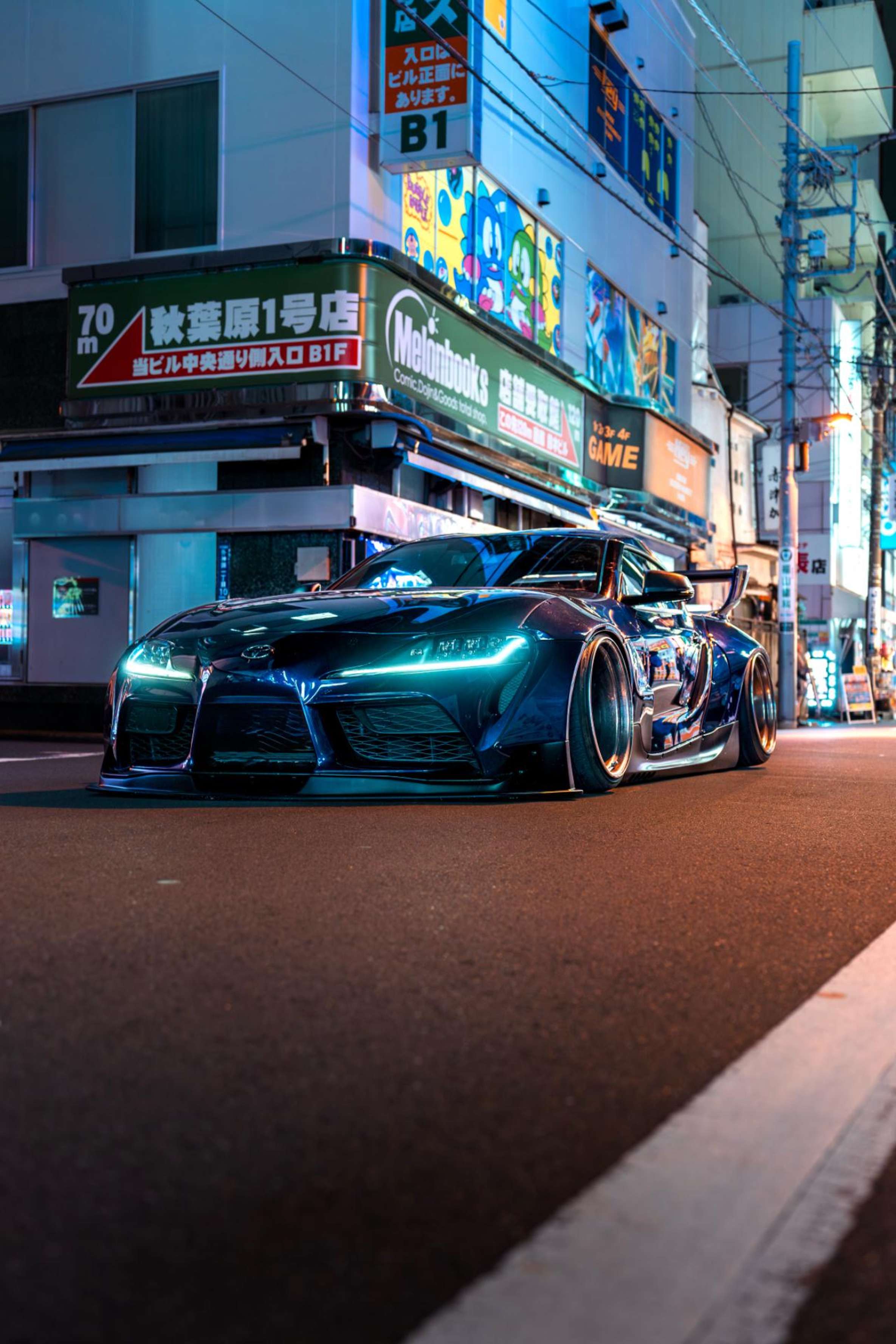
A typical night runs like this: pickup in central Tokyo in the late afternoon, the expressway loop and Rainbow Bridge lit up, a stop at A PIT Autobacs while it is open, then about an hour on the ground at Daikoku PA while the meet is at its fullest, and a Tokyo Tower photo stop on the way back.
Drop-off lands around midnight.
The driver-guide does more than drive. Guides explain the cars, translate with owners, help with permissions for close-up photos and answer questions through the night, so no Japanese is needed on your side. On a guided ride you are a passenger, which means no driving licence is required at all.
Hotel pickup on many tours, or a meeting point such as Shibuya
The Wangan and C1 routes, with the city lights alongside
A tuning shop popular with enthusiasts, closed on late runs
Walk the lot, photograph, talk to owners
Back in central Tokyo around midnight
Booking is online in English, with a WhatsApp confirmation carrying your driver's contact. Keep WhatsApp notifications on: operators message before departure if anything changes. If Daikoku closes, staff explain the plan and divert.
No drifting is part of any of it; these are legal road rides at normal speed. For a door-to-door version, see the Shinjuku pickup tour page.
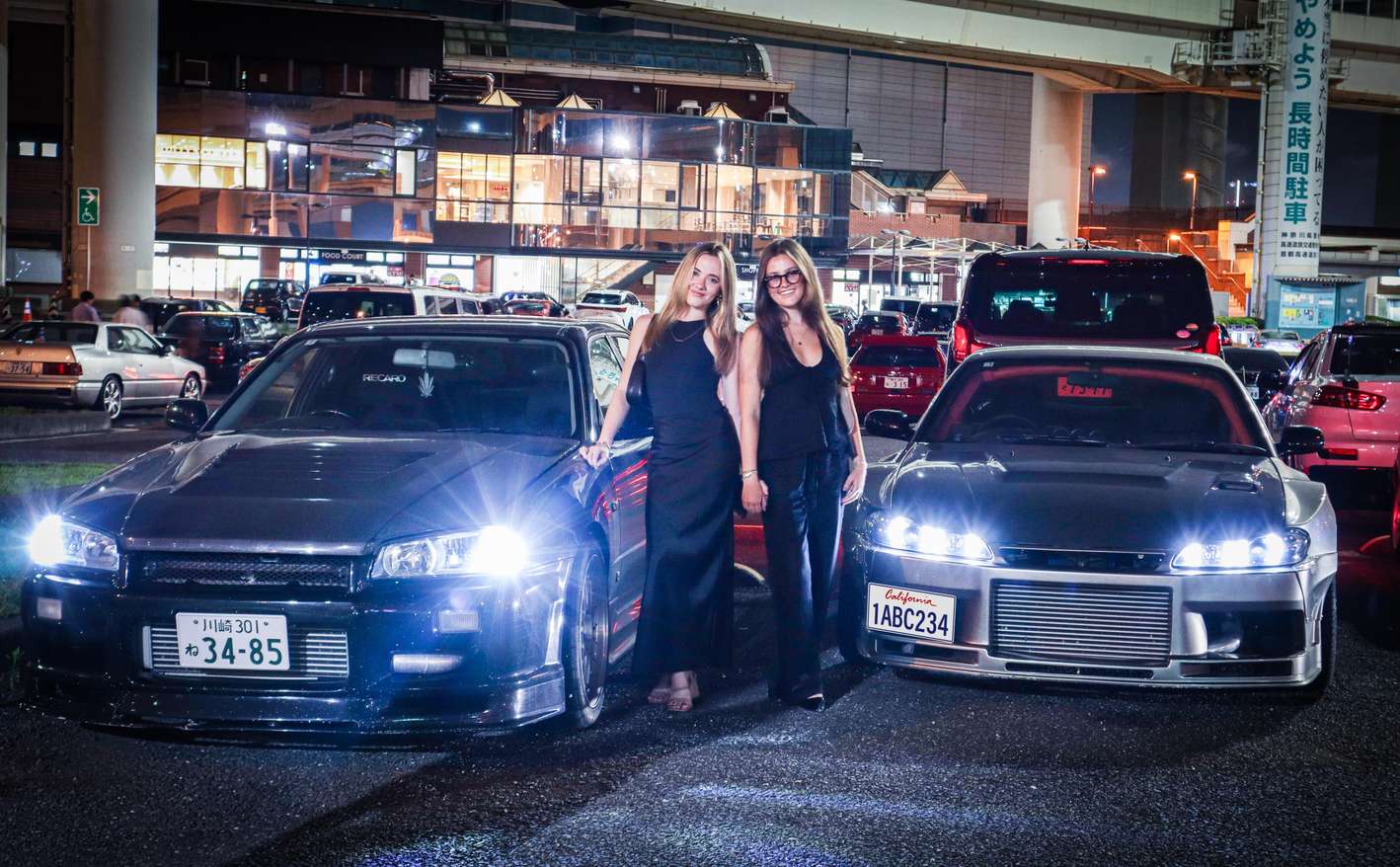
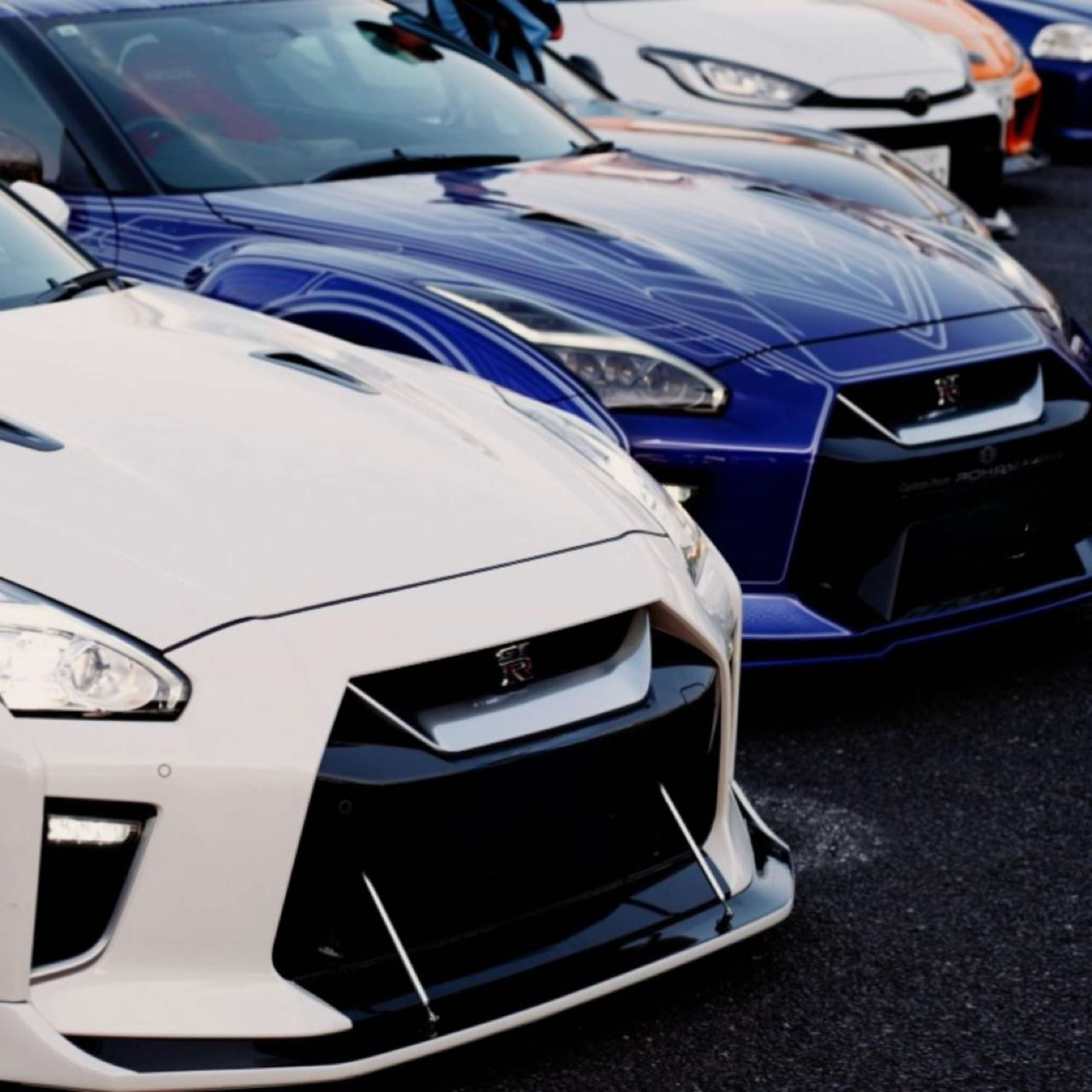
Both routes land you in the same car park, so the choice turns on what you want handled. Self-guided is free to enter and flexible on timing, but you carry the licence paperwork, the tolls, the navigation and the closure gamble yourself.
A guided tour costs money for a parking lot visit, as some travelers put it, but it buys the ride in a JDM car, a guide who handles owners and photos, and a plan B when Daikoku shuts.
| Legality and safety | Availability and timing | Value of experience | Atmosphere | |
|---|---|---|---|---|
| Self-Guided | Legal, but police close meets | No schedule; Fri to Sat biggest | Free, but turnout varies | Casual night cars-and-coffee |
| Guided Tour | Legal; backup plan if closed | Closures ~8:30 pm weekend nights | ~60 min ground time, guided | Casual night cars-and-coffee |
On money: one traveler reported a full-night convoy tour with R34 and R35 GT-Rs, Evos and Silvias at two hundred dollars a person, and others suggested a rental car as the cheaper alternative. If a car-minded friend with a vehicle takes you, the outing can cost almost nothing.
If Daikoku closes, know your position before you book. Several tours offer a full refund if you decline the alternative lot; otherwise a closed PA is not a refund trigger, and most tours simply divert to Umihotaru or Tatsumi. Read the cancellation terms before confirming, and decide in advance whether a fallback lot satisfies you.
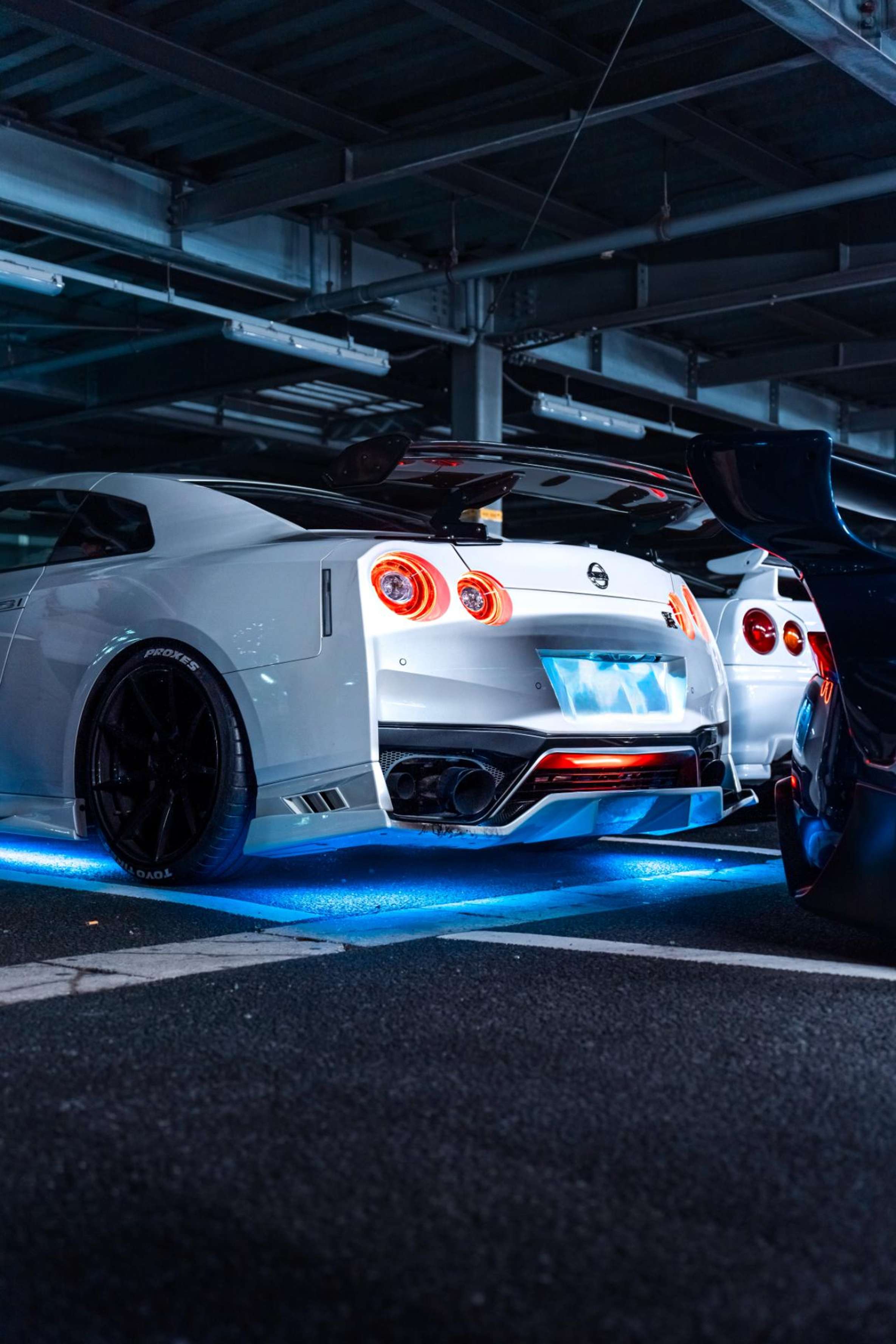
No. Daikoku is a parking lot, and drifting there would bring the police within minutes. Drifting on public roads is illegal in Japan, and the Tokyo Drift movie scenes were mostly shot in Los Angeles because permission to drift on Japanese public roads could not be obtained.
Every Tokyo Drift themed tour is a passenger ride at legal speed, with no drifting promised or performed.
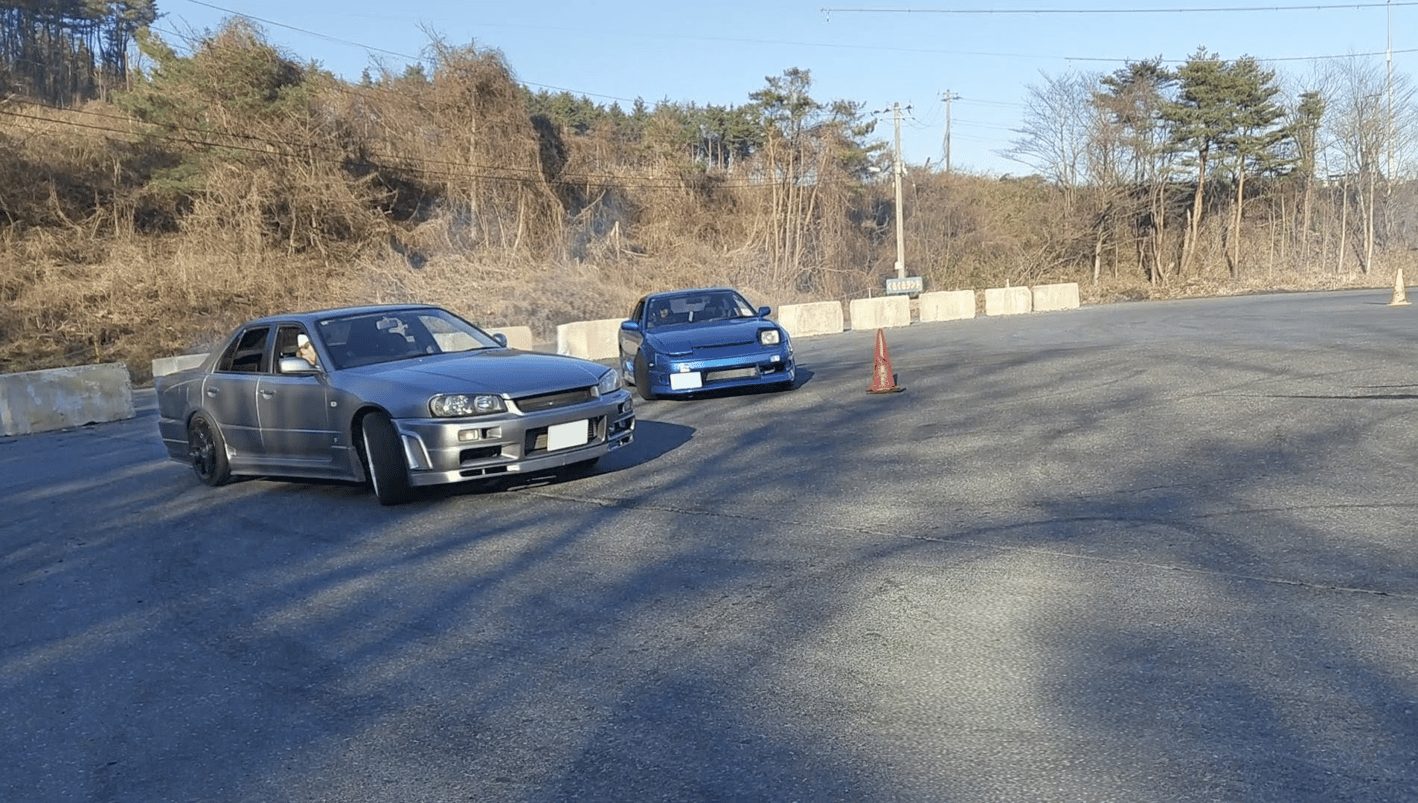
The sideways action you came for lives elsewhere, and it is worth planning around. The D1 Grand Prix holds rounds in Osaka in September and Tokyo in October, with the final round usually in Odaiba in November. Near Tokyo, Mobara Circuit and Nikko Circuit host a lot of drift events through the year.
For hands-on drifting, Ebisu Circuit north of Tokyo is the legal answer: a full-day drift school there with instruction, track time and a pro ride-along is widely described as one of the best experiences people have had.
Beginners start on dedicated practice courses and learn donuts and figure eights with patient instructors. Street drifting spots, the real ones, are kept secret from outsiders, and making friends with a local is realistically the only way to get invited. The drifting in Tokyo page covers the watching and driving options.
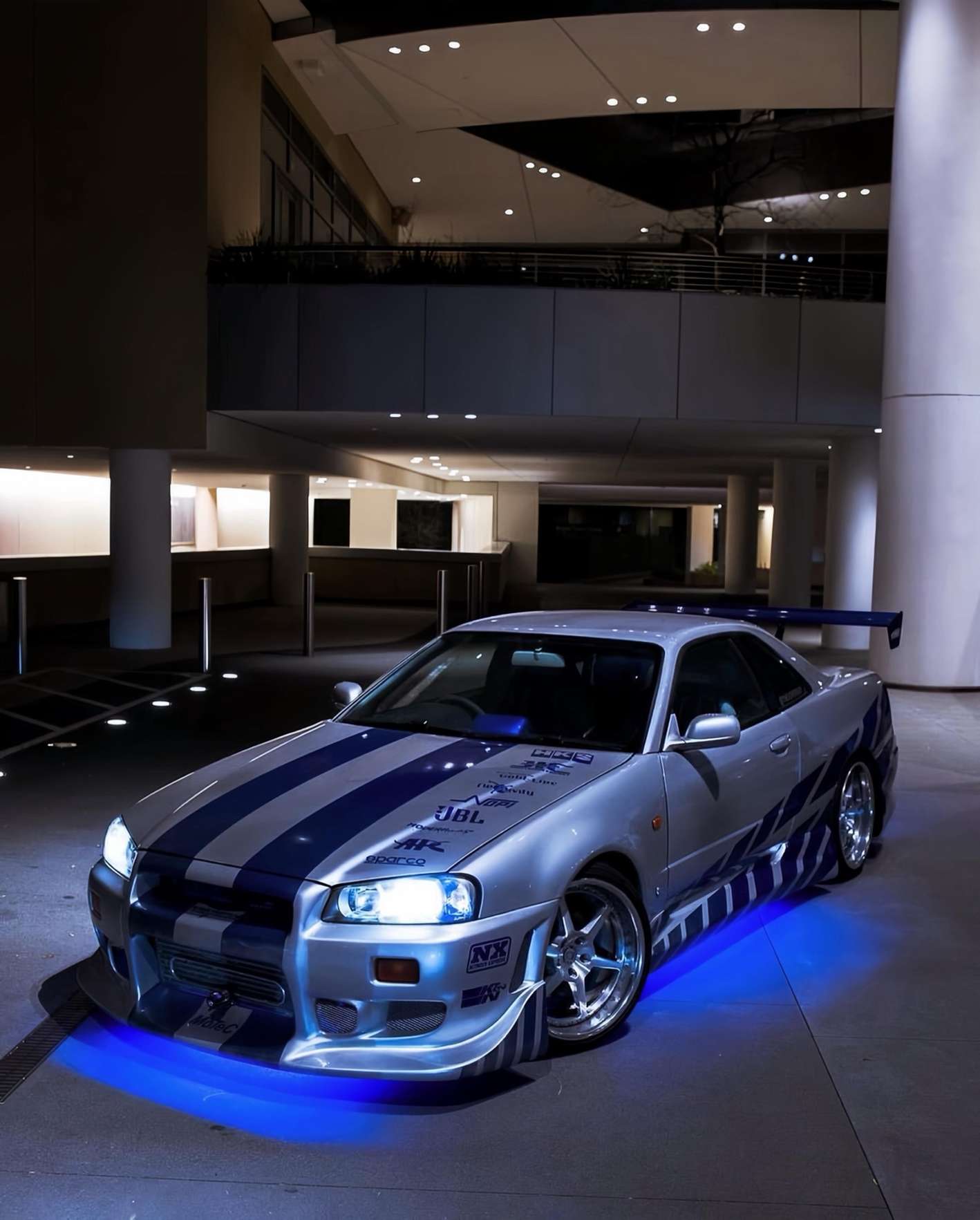
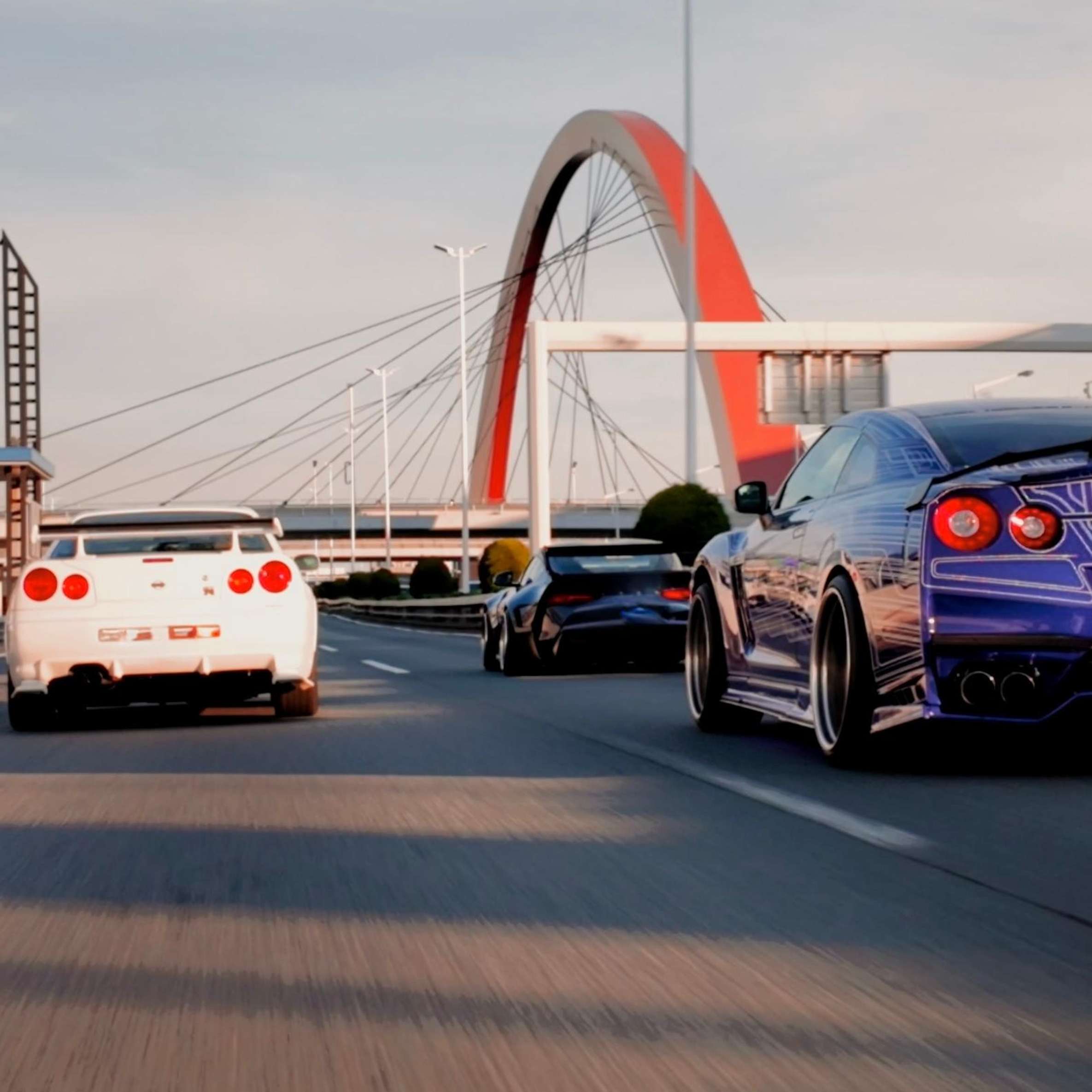
When Daikoku's entrance shuts, the crowd crosses Tokyo Bay and Umihotaru PA builds later in the night. Umihotaru is a five-level rest stop shaped like a ship, with a roofed parking lot so the meet carries on in the rain, panoramic bay views and Mount Fuji on clear days.
Its gatherings are more irregular than Daikoku's, but the Aqua-Line drive out is an experience in itself. Tatsumi PA is the other common fallback.
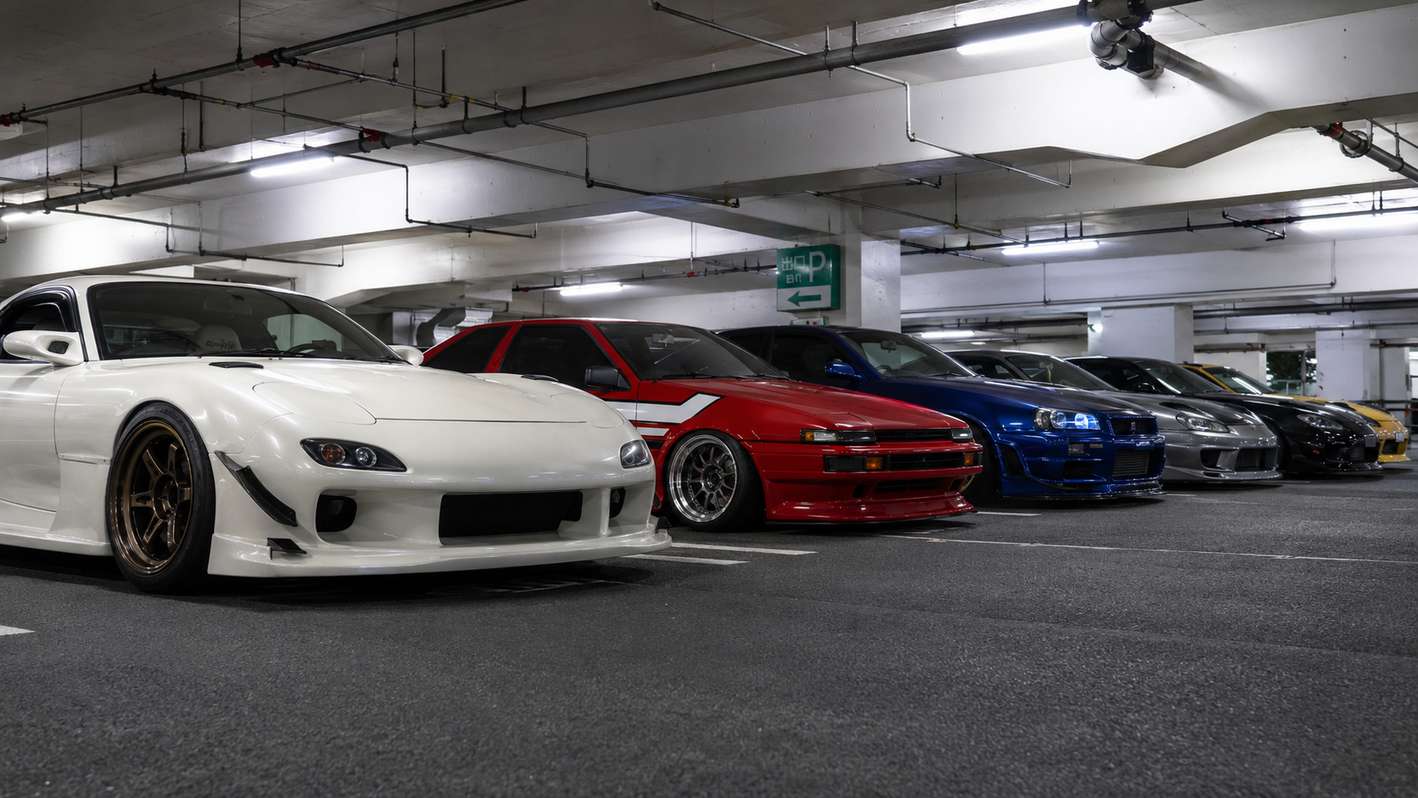
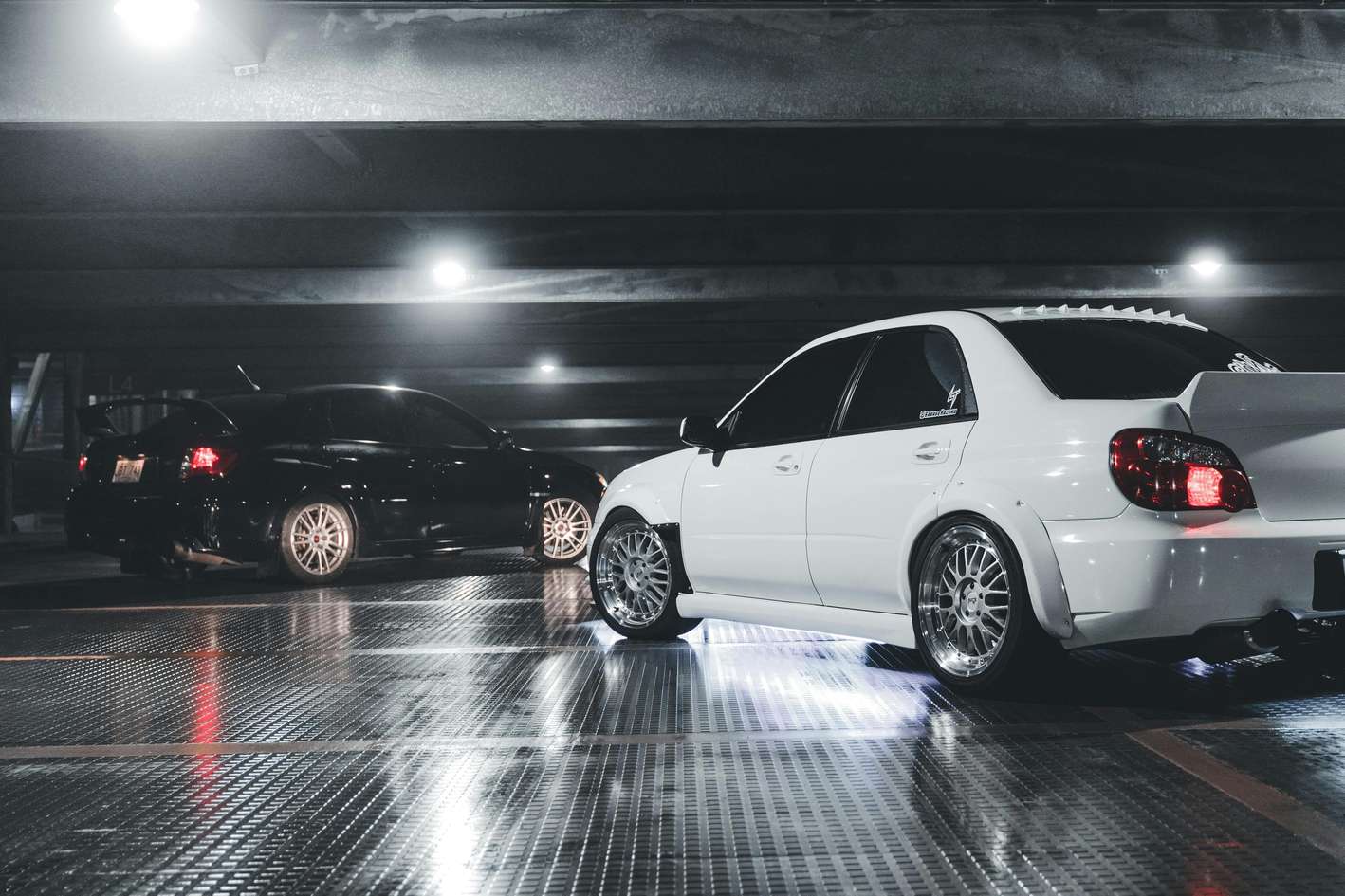
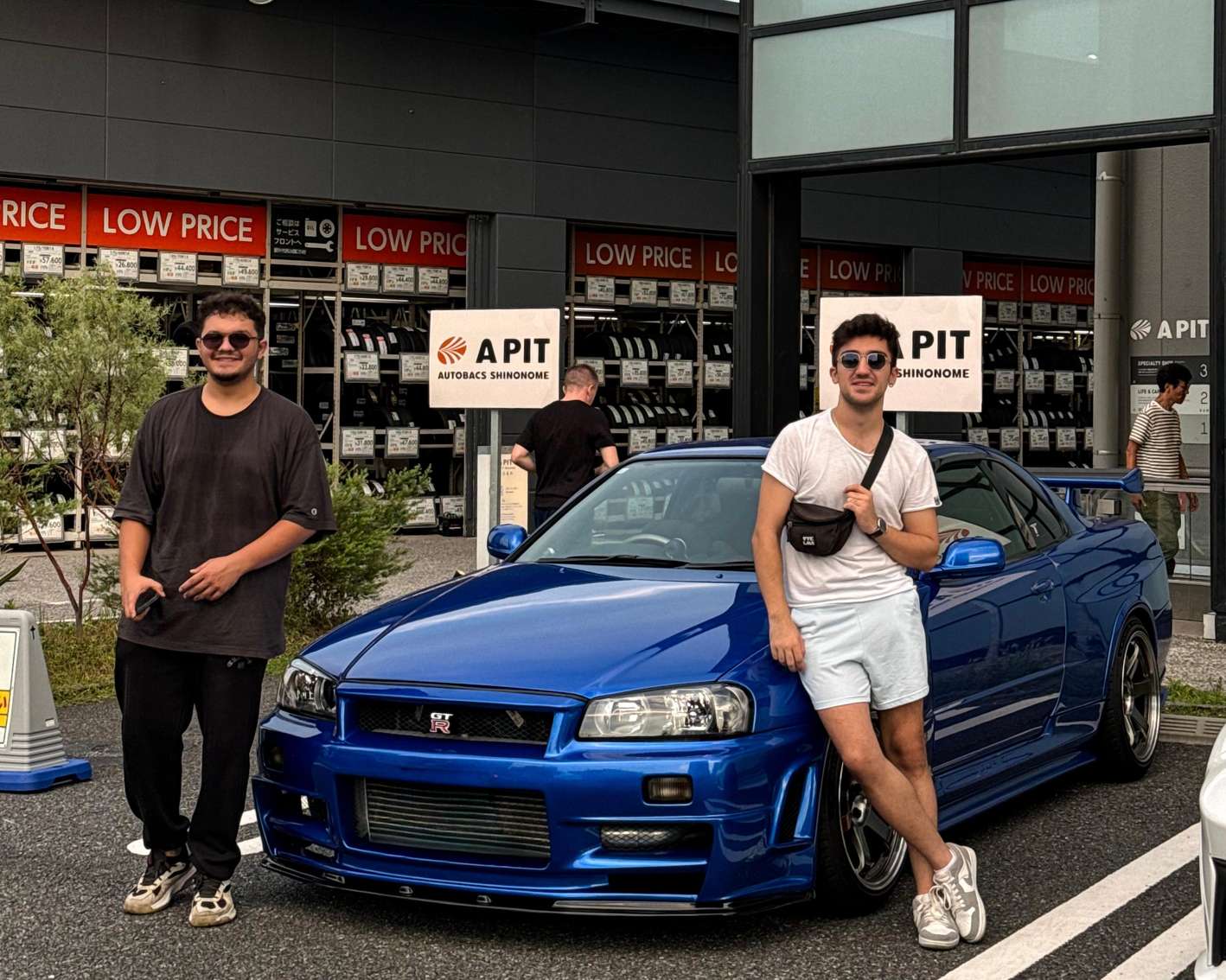
Walkable spotting exists too: the Akihabara UDX underground garage on Friday and Saturday nights, free and full of anime-wrapped itasha cars, Shibuya near the crossing in the evening, and the Autobacs Shinonome lot, where modified cars pull in on weekend nights.
April: 5 out of 5 for how busy it gets.
Tap a month to read it.
For the wider trip, check an events calendar close to your dates, since Japanese meets publish details only about a month ahead and permissions can vanish at short notice.
The Instagram page ts.japan.tours keeps a Google Sheet of scheduled events, and the Discover JDM app lists meets. Museums fill the days: Toyota's museum in Nagoya, Mazda's in Hiroshima, the Fuji Motorsport Museum and Tom's showroom in Odaiba.
One last habit worth taking home: never build a whole evening around a single lot. With a backup venue, a calendar check and a ride sorted, the rest of the Tokyo car scene stays open to you whatever Daikoku decides to do that night.
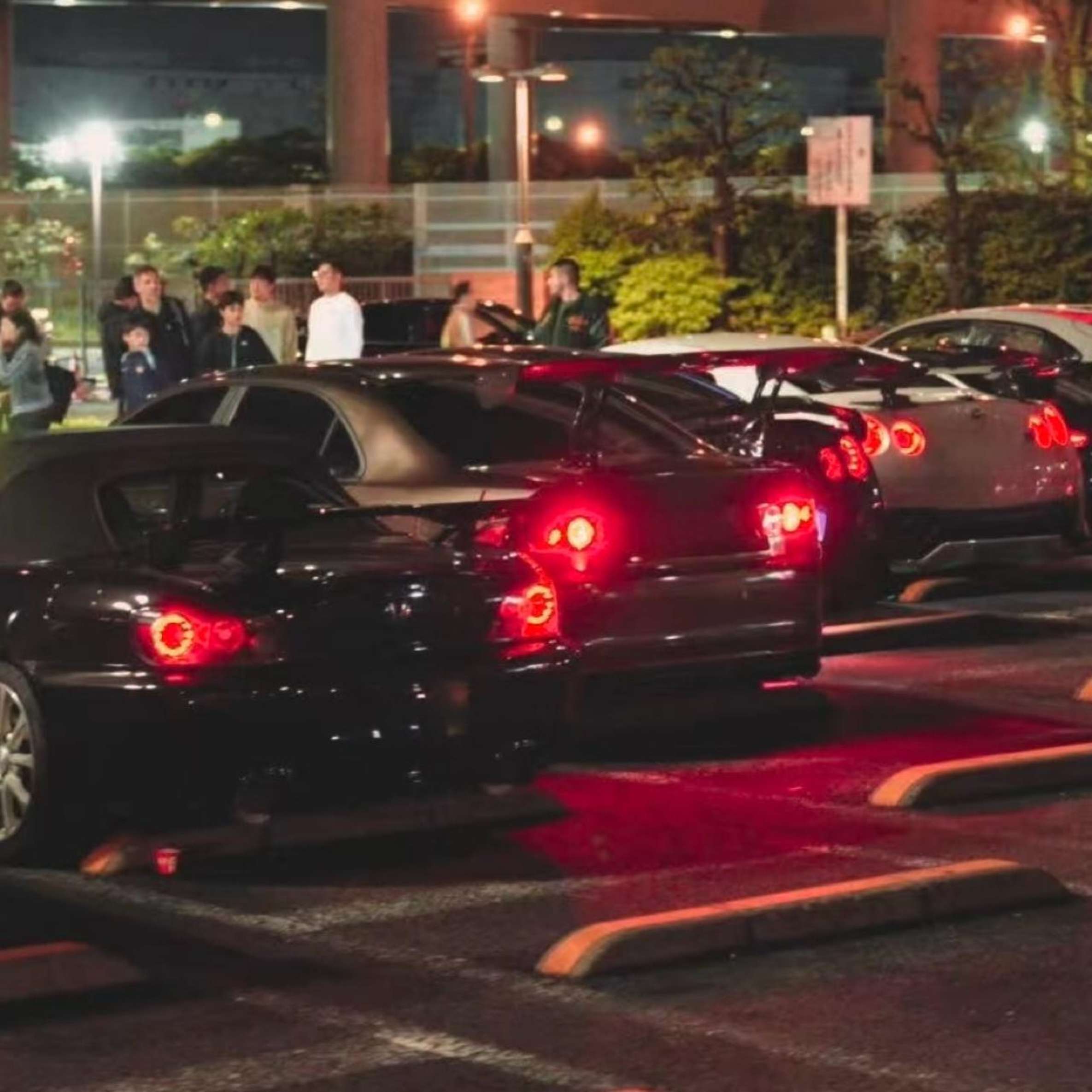
Daikoku PA rewards travelers who come with the right expectations and the right night. It is a free, legal rest stop where an informal meet may or may not happen, and the reward is real cars, real owners and a night drive across Tokyo Bay.
Go with a tour if you want the transport, the JDM ride and the closure plan handled. Go self-guided if you have the licence and a backup. Either way, arrive early on a weekend night or pick a Sunday morning.
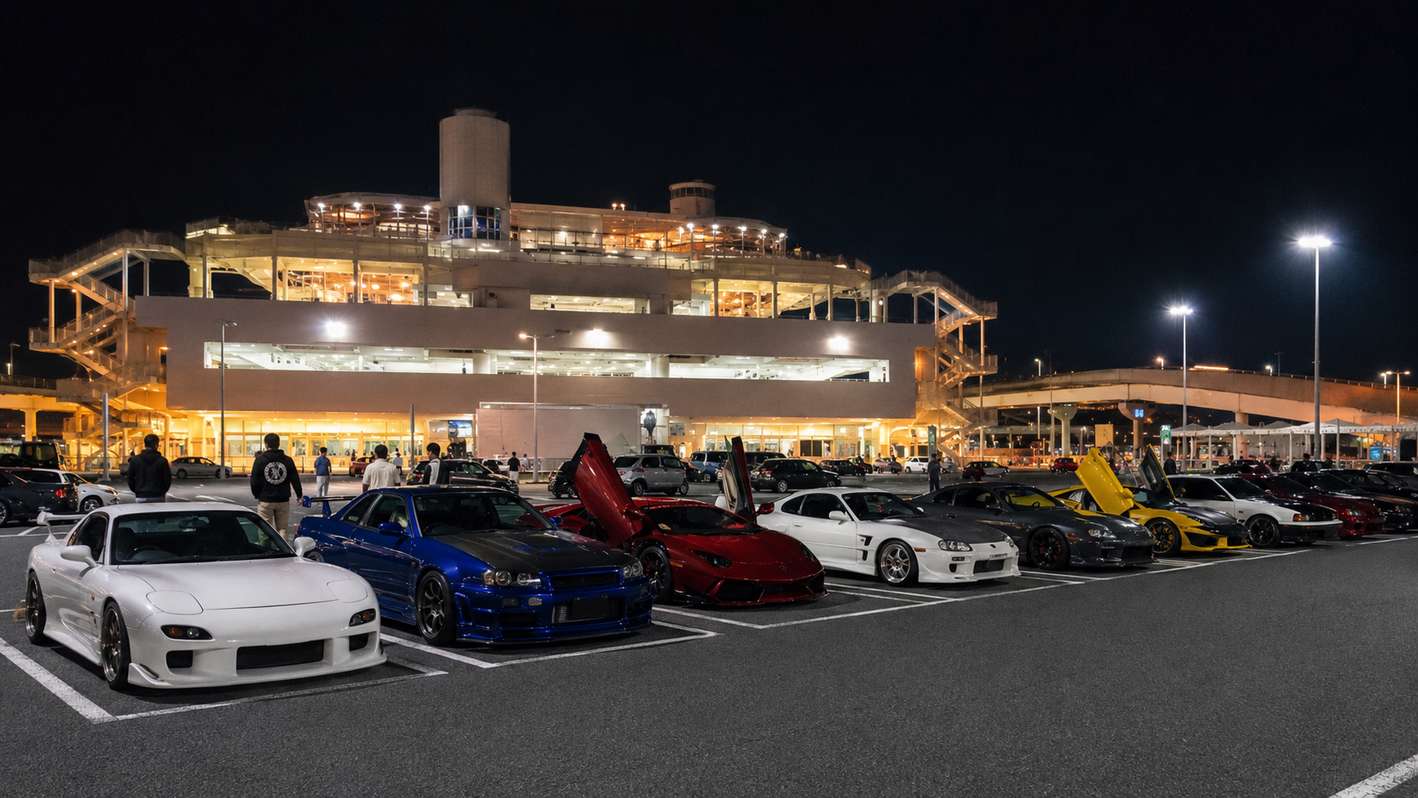
Compare the other meet spots around Tokyo and pick the location that fits your night.
Heading to Akihabara instead? Here is where the underground parking sits and what you will find there.
Tatsumi PA works well as a backup lot. This page covers its location and how a visit runs.
Umihotaru sits out in Tokyo Bay with its own scene. Find out what a visit there looks like.
Curious about the kart meet on the bay circuit? Get the height rules and visitor details here.
Planning time in Kansai too? This page explains the Higashi Osaka parking area and its Friday nights.
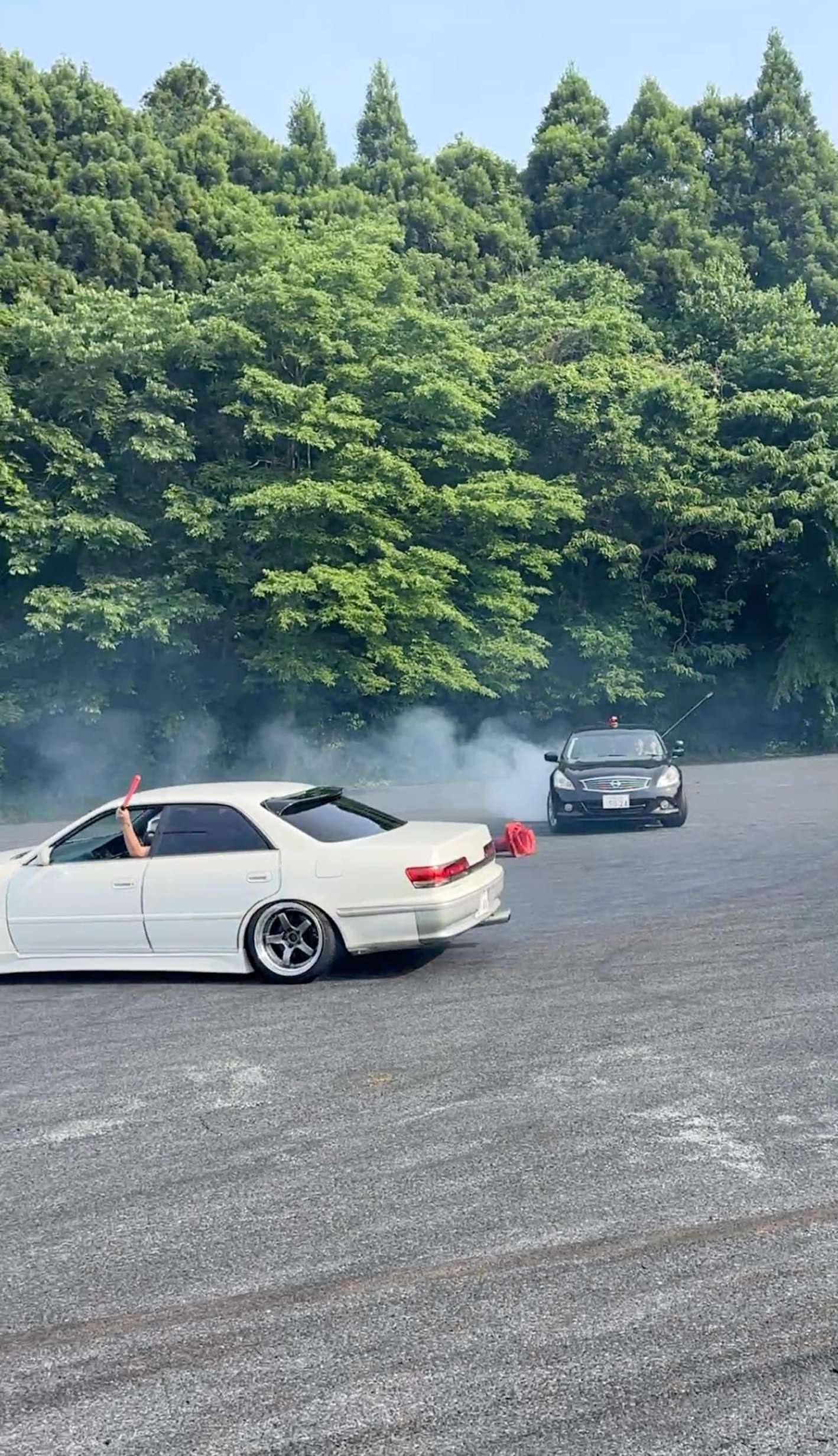
If watching cars slide is the real goal, this page sorts viewing spots from ride-alongs and lessons.
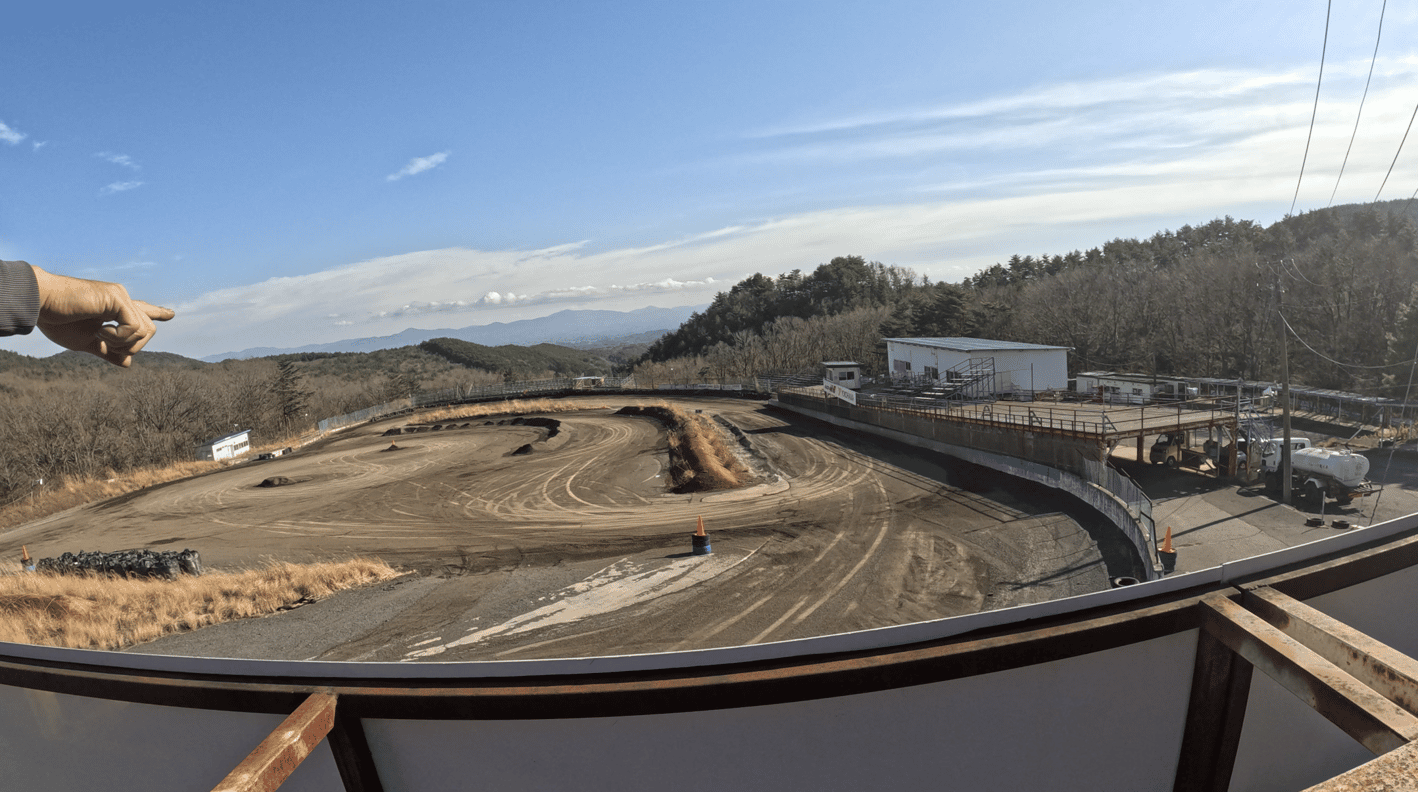
Want to see a proper drift event rather than a parking lot? Find out where and when to watch.
Ready to try drifting yourself? Compare classes and schools, including beginner courses at Ebisu.
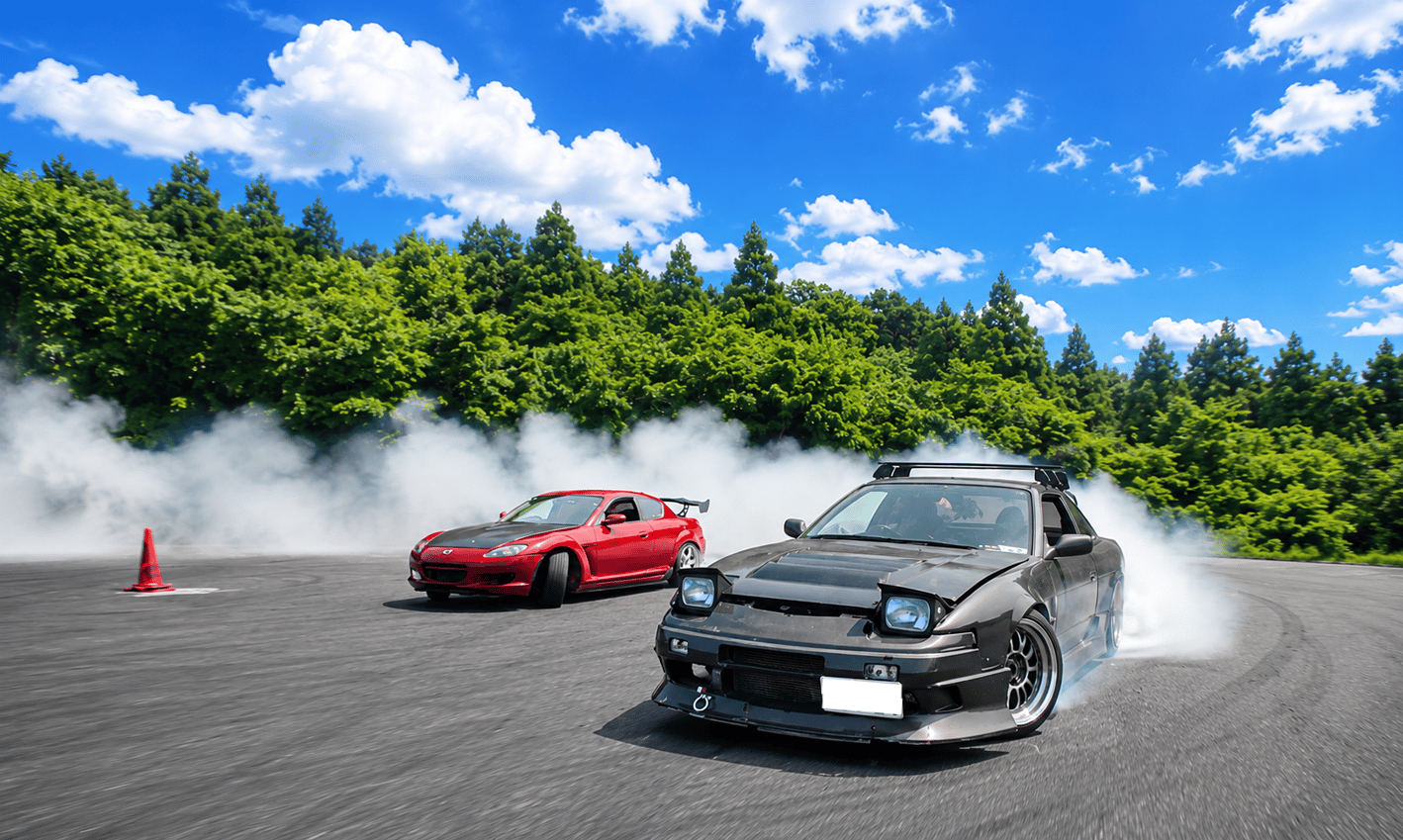
Self-drive drift days explained, from what the track gives you to what you need to bring.
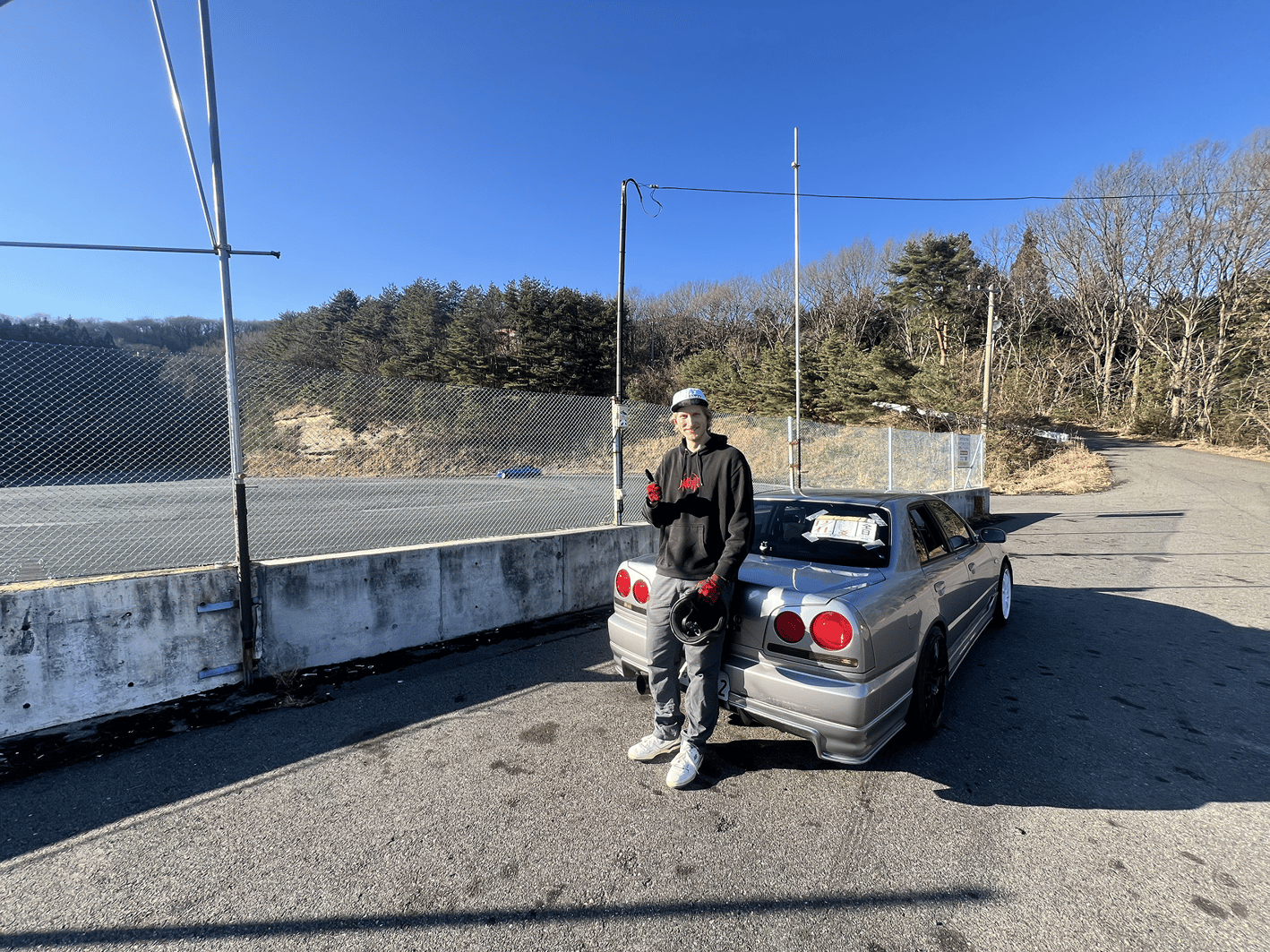
See the guided drift rides and track trips side by side before you pick one.
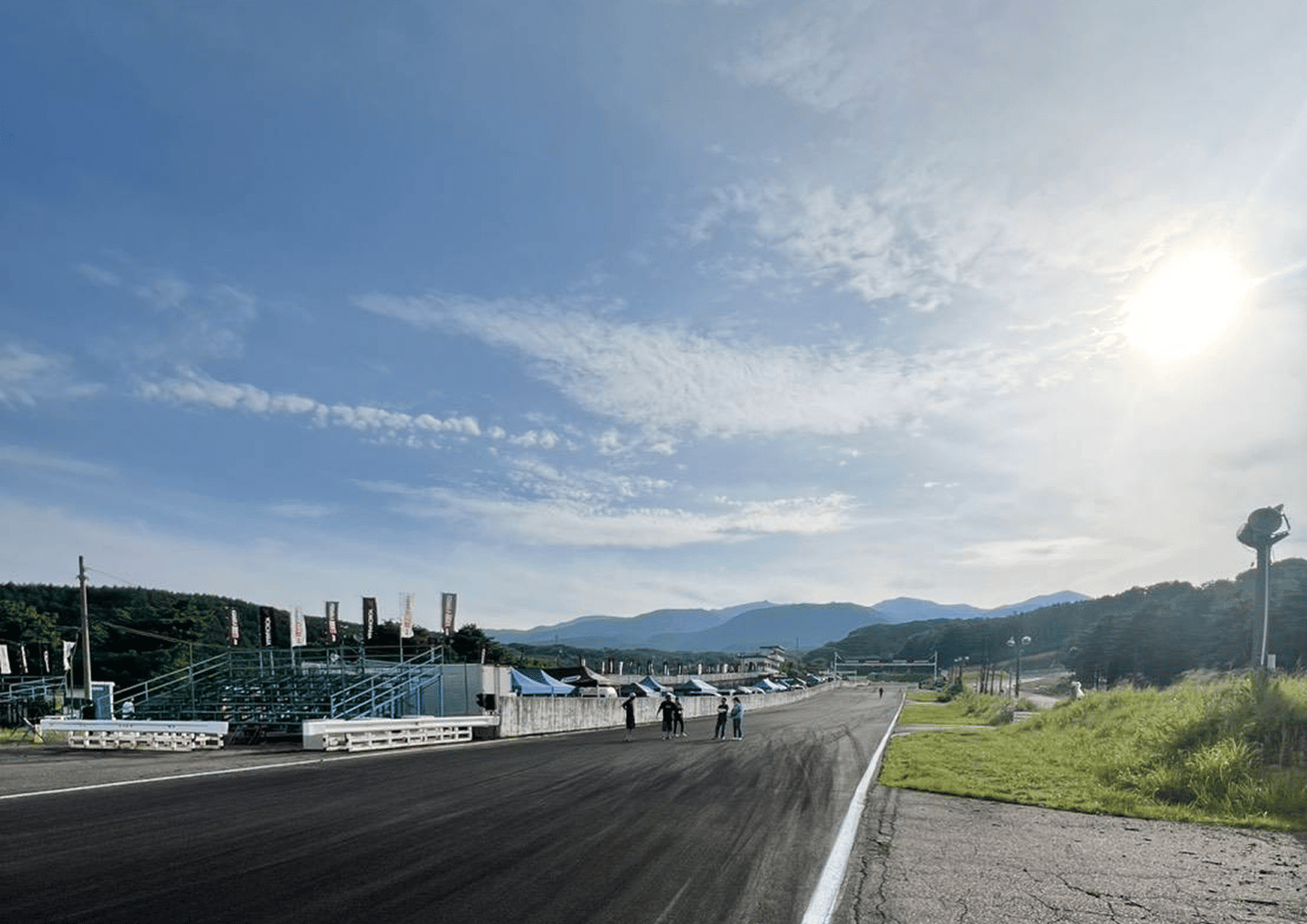
Ebisu Circuit is the legal home of drifting near Tokyo. Learn how the day trip from Tokyo works.
Not sure whether to ride, drive or join a meet tour? This page lays out the JDM options to compare.
Ready to join the night scene with a guide? See which car meet tours suit a first visit.
Night drives to the PA with Tokyo Tower and Rainbow Bridge stops, compared in one place.
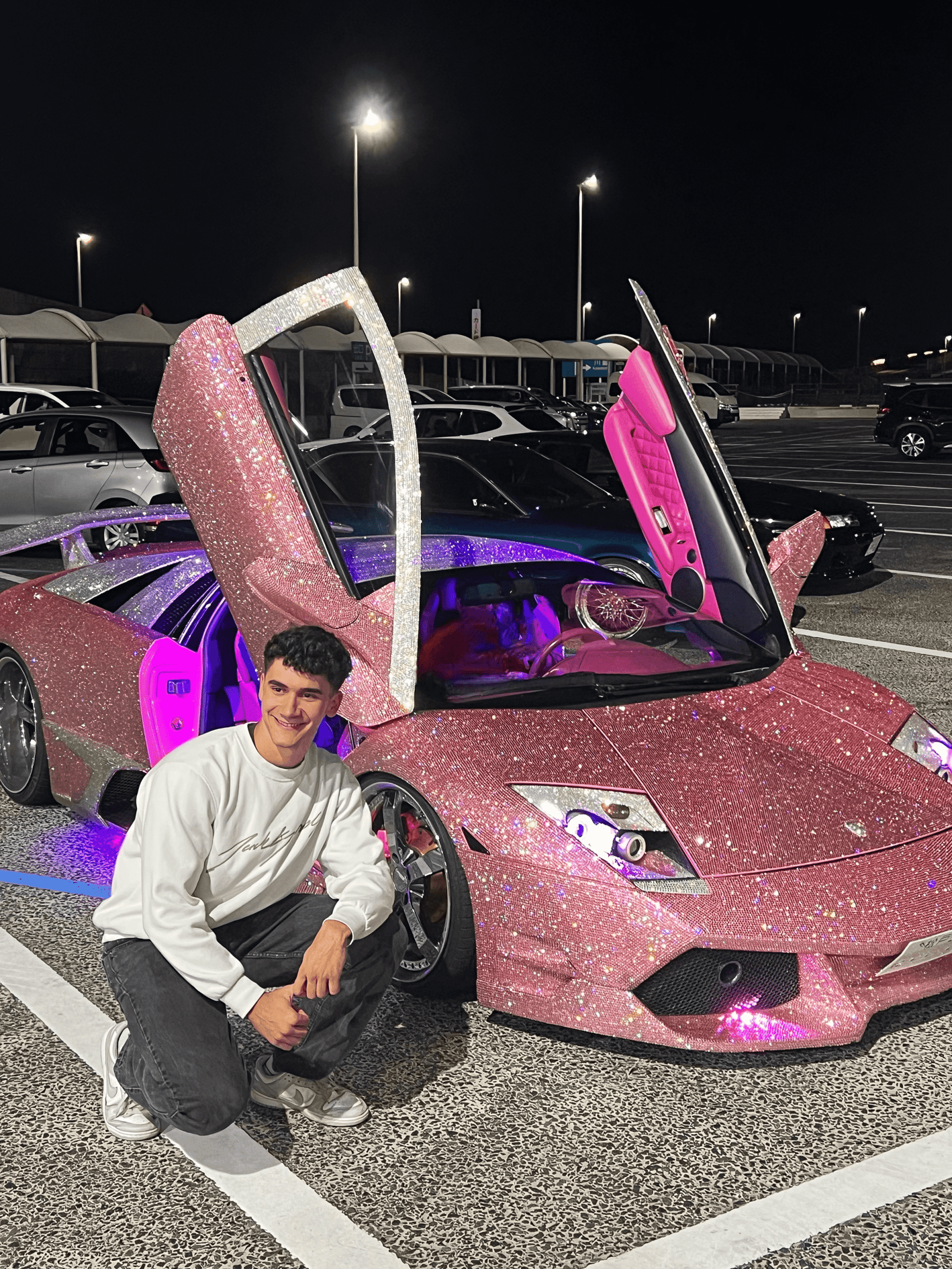
The Wangan and Bayshore route is a night drive in its own right. Find tours that run it.
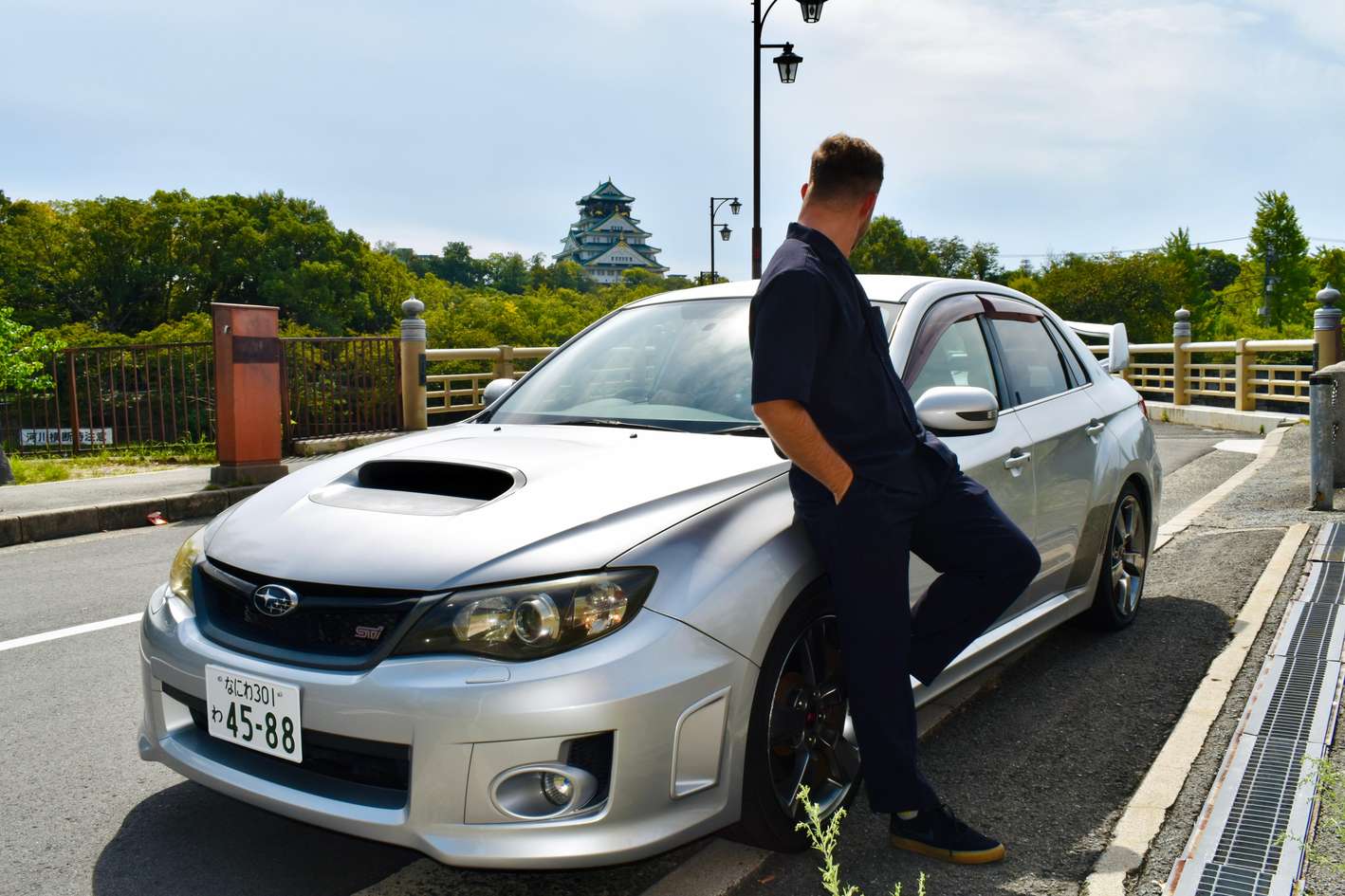
Want the wheel in your own hands? See which tours let you drive and what paperwork you need.
Prefer your own car and driver to the PA? Compare private trips and what they include.
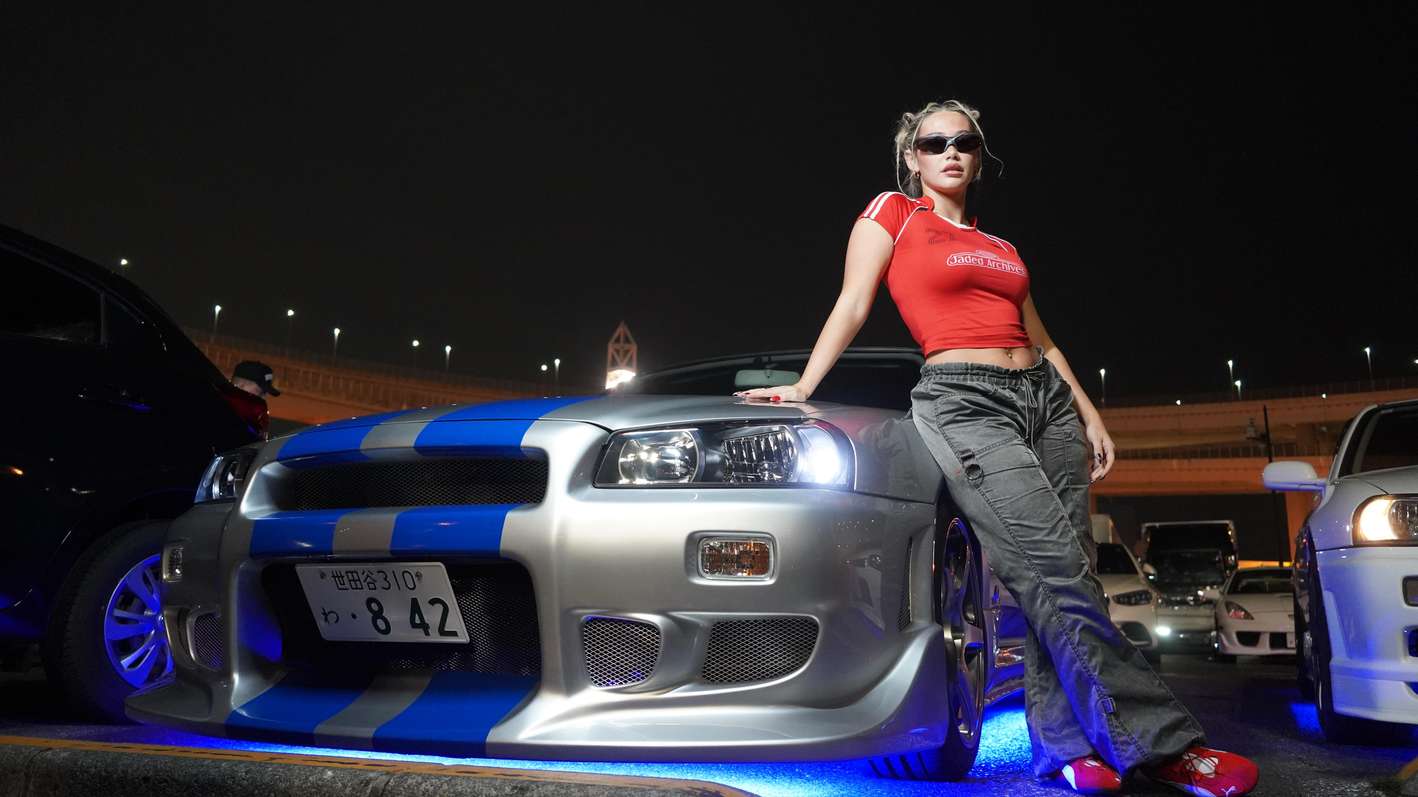
Renting a JDM sports car in Tokyo starts here, with locations and licence rules covered.
Looking for an AE86 specifically? Find out what you can actually book in Tokyo.
A direct answer on renting and driving a Supra in Tokyo, with the booking options listed.
R32 GT-R shoppers get the rental versus guided ride question settled here.
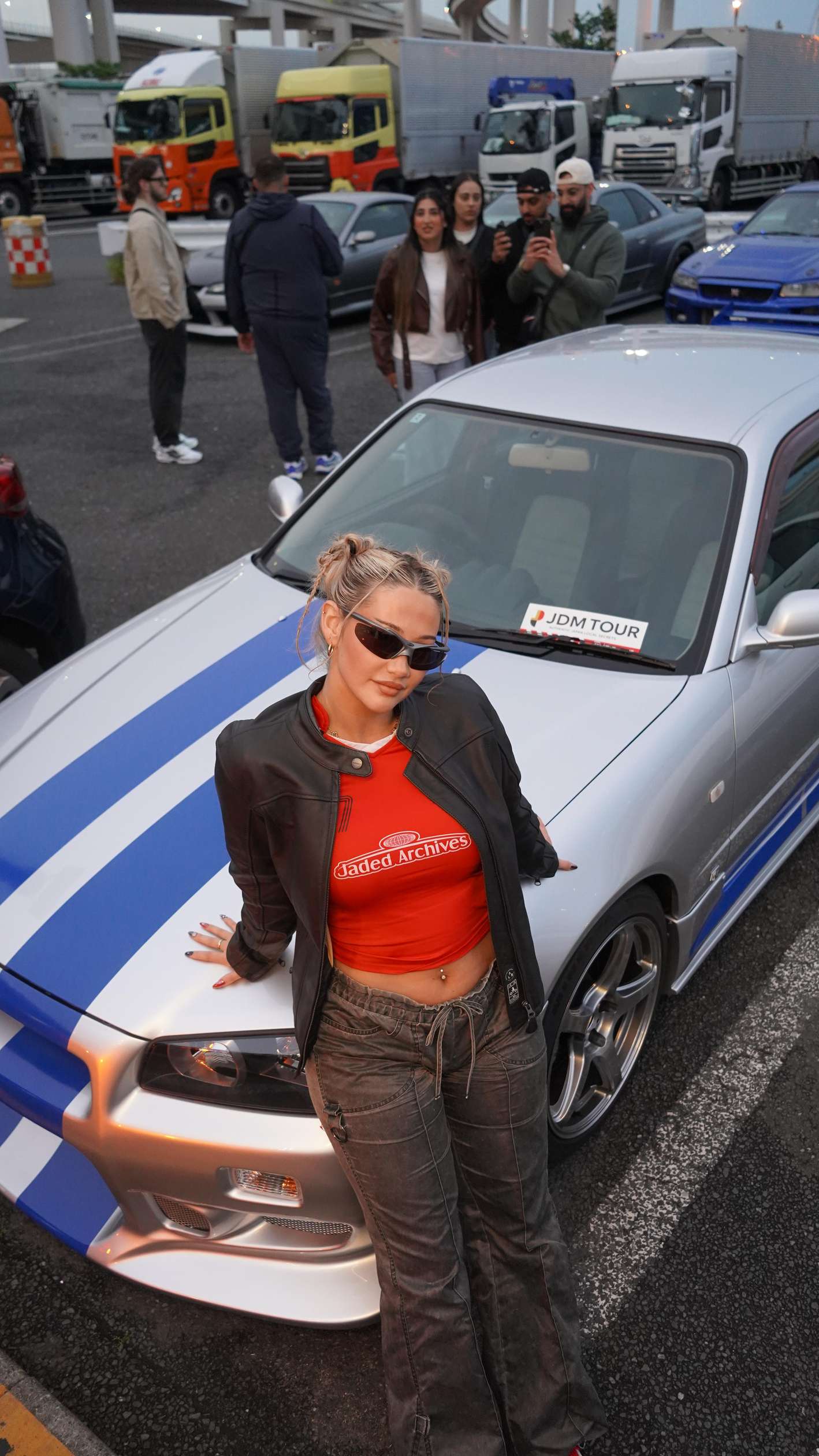
The R34 is the car everyone asks about. See how to ride in one or drive one yourself.
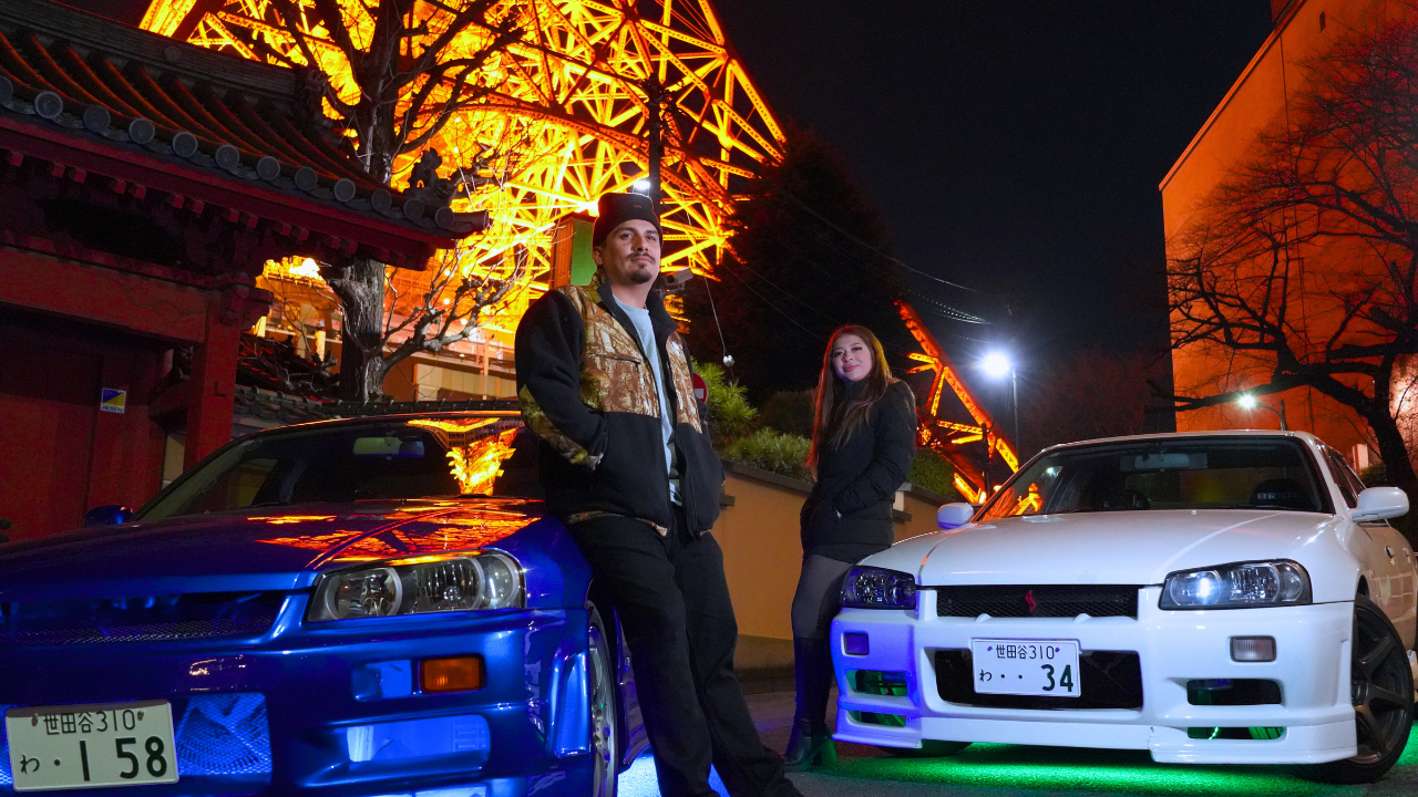
GT-R R35 options in Tokyo, from passenger rides to self-drive, with booking guidance.
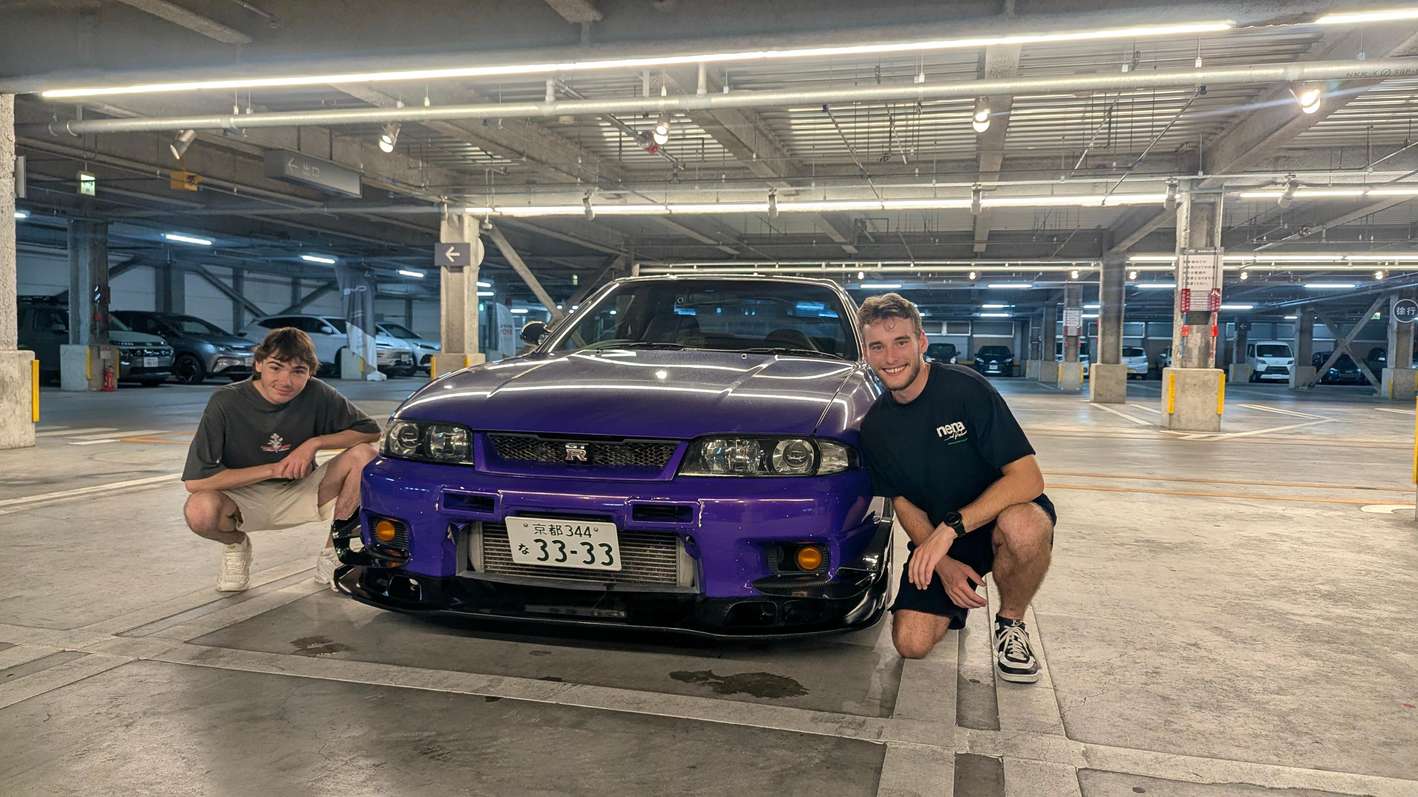
Kyoto has its own small meet scene. Learn what to expect before adding it to your route.
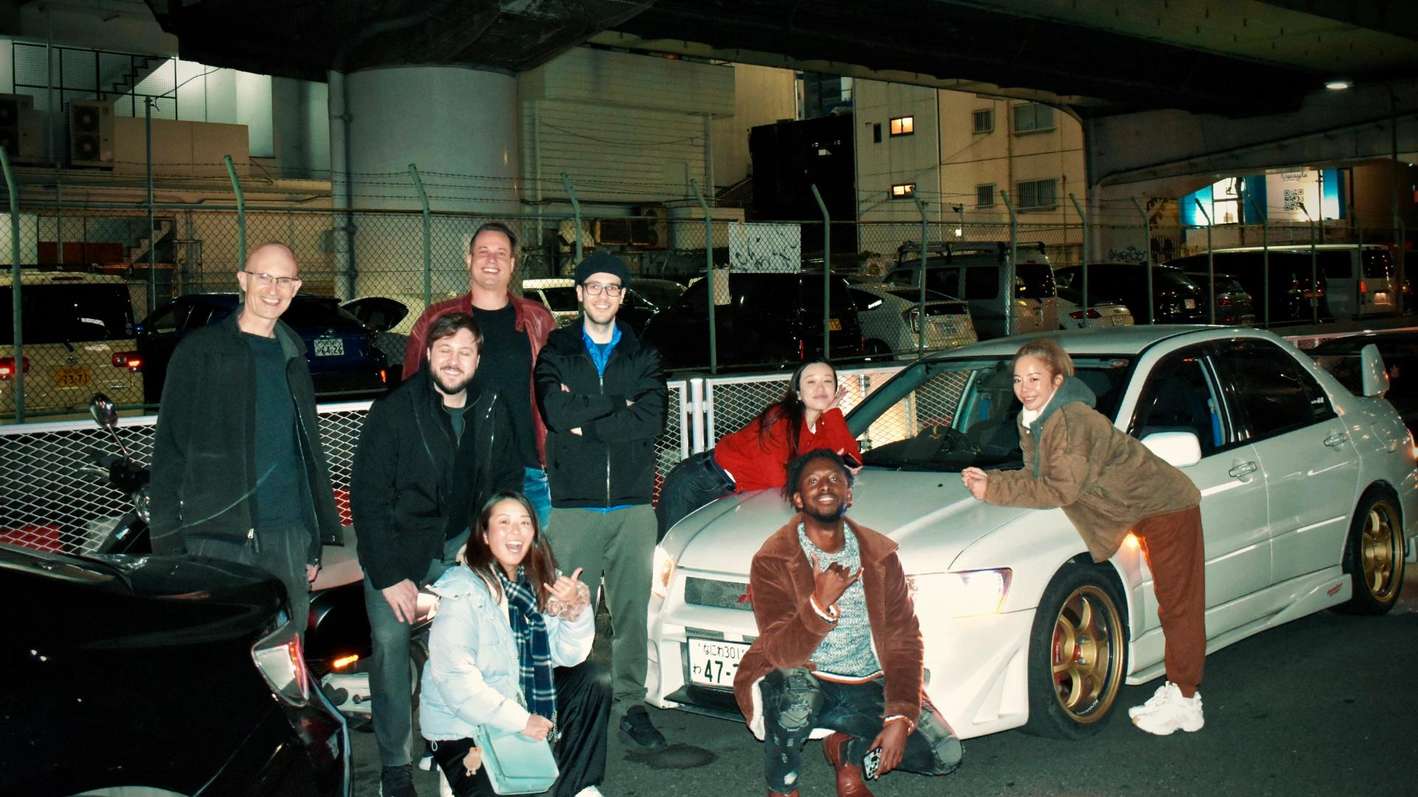
Osaka runs night meets most weekends. Find the parking areas and how to time a visit.
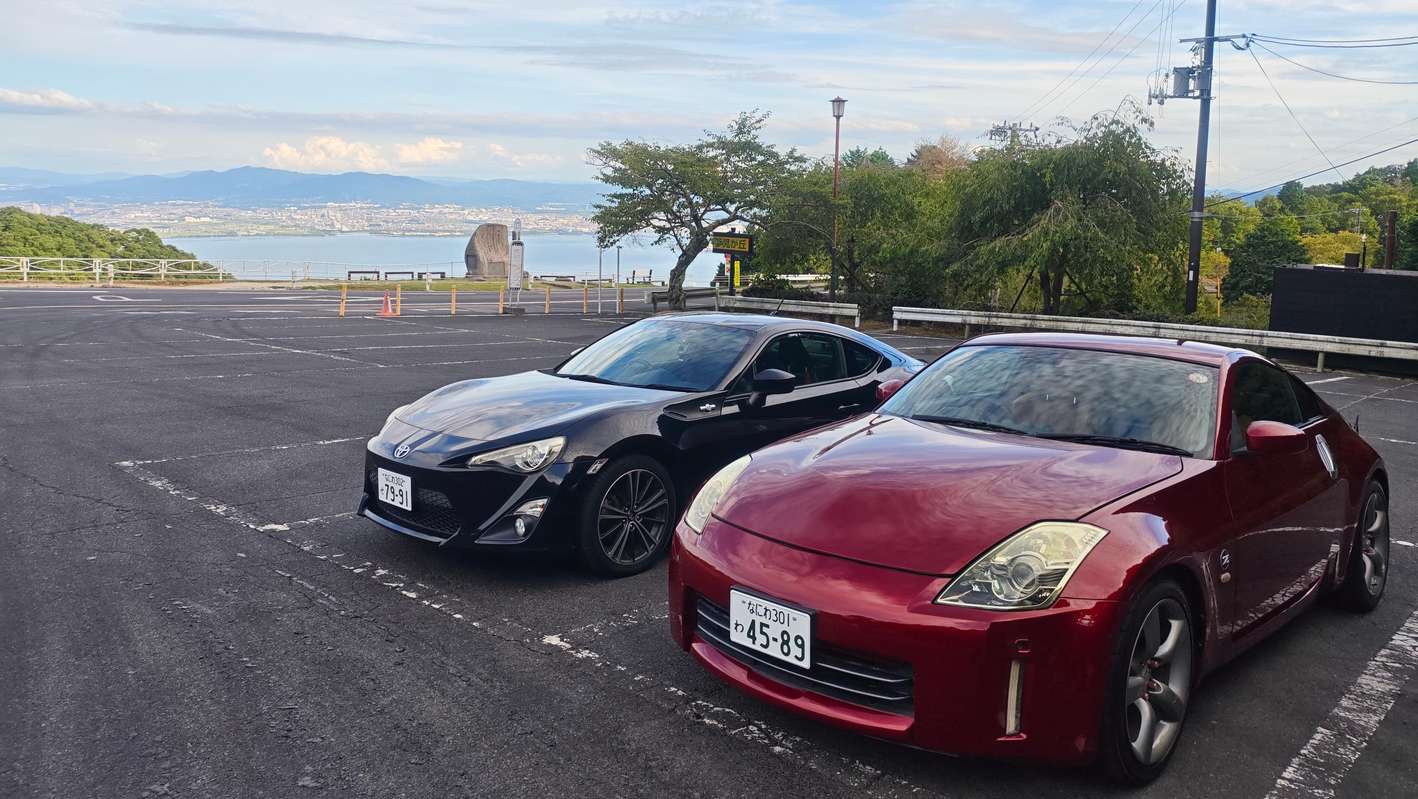
Want to drive in Osaka instead? Compare the sports car rentals and their licence requirements.
The short answers to what visitors ask before heading out to the lot.
It is real, but it is not an event. Daikoku PA is a highway rest stop on an artificial island in Yokohama where enthusiasts gather on their own, most nights of the week, with bigger turnouts on weekends. Nothing is organized and no lineup is promised.
It sits on the Daikoku-futo island in Tsurumi Ward, Yokohama, inside Daikoku Junction where the Shuto Expressway's Bayshore Route meets the K5 Daikoku Line. From Tokyo Station it is about 38 minutes by car without traffic, and about 19 minutes from Haneda.
No. The only way in is by car on the expressway. There is no pedestrian entrance, no bus stop and no taxi rank, so visitors without a car join a tour with pickup or find a driver.
Yes. The parking area itself is free and open around the clock, with 335 standard spaces plus 58 for large vehicles and 5 accessible ones. On a tour you are paying for the ride there, not for access.
Friday and Saturday draw the biggest crowds, with cars filling the lot from around 5 pm and the deepest crowd between 9 pm and 1 am. Sunday mornings are the classic window for classics and exotics, and weeknights run quieter but are rarely empty.
Closures are decided on the night, with no schedule to check in advance, and on weekend nights they have become common, often from about 8:30 pm. Most tours divert to a fallback lot such as Umihotaru or Tatsumi, and several offer a full refund if you decline the alternative.
Think Cars and Coffee, but at night. Supercars, kei cars and American muscle park side by side, owners chat freely, and there is a Lawson, a food court and vending machines on site. Weekend nights are the wildest; Sunday mornings are calmer.
No. Drifting on public roads is illegal in Japan, and a parking lot is the last place anyone would try it. Daikoku is about the cars and the crowd. For real drifting you need a circuit or an organized event.
The real scene is less theatrical than Tokyo Drift, and the film's drifting was mostly shot in Los Angeles anyway. What you get instead is the genuine heart of the car scene the movie drew from, and for many enthusiasts that is the better part.
Photography is welcome, but never enter, sit on or lean on a car without the owner's permission, and ask before shooting interiors or posting plates online. Keep your voice down, do not rev engines, and take your rubbish with you.
Yes. It is a public highway rest area and parking there is legal. What gets people in trouble is behavior: revving, burnouts, blocking lanes, illegal modifications or walking in on foot. Police monitor the lot and act on complaints.
About an hour on the ground is typical, enough to walk the lot slowly as cars come and go. A typical night runs three to four hours door to door, with the expressway drive, Rainbow Bridge and a Tokyo Tower photo stop around it.
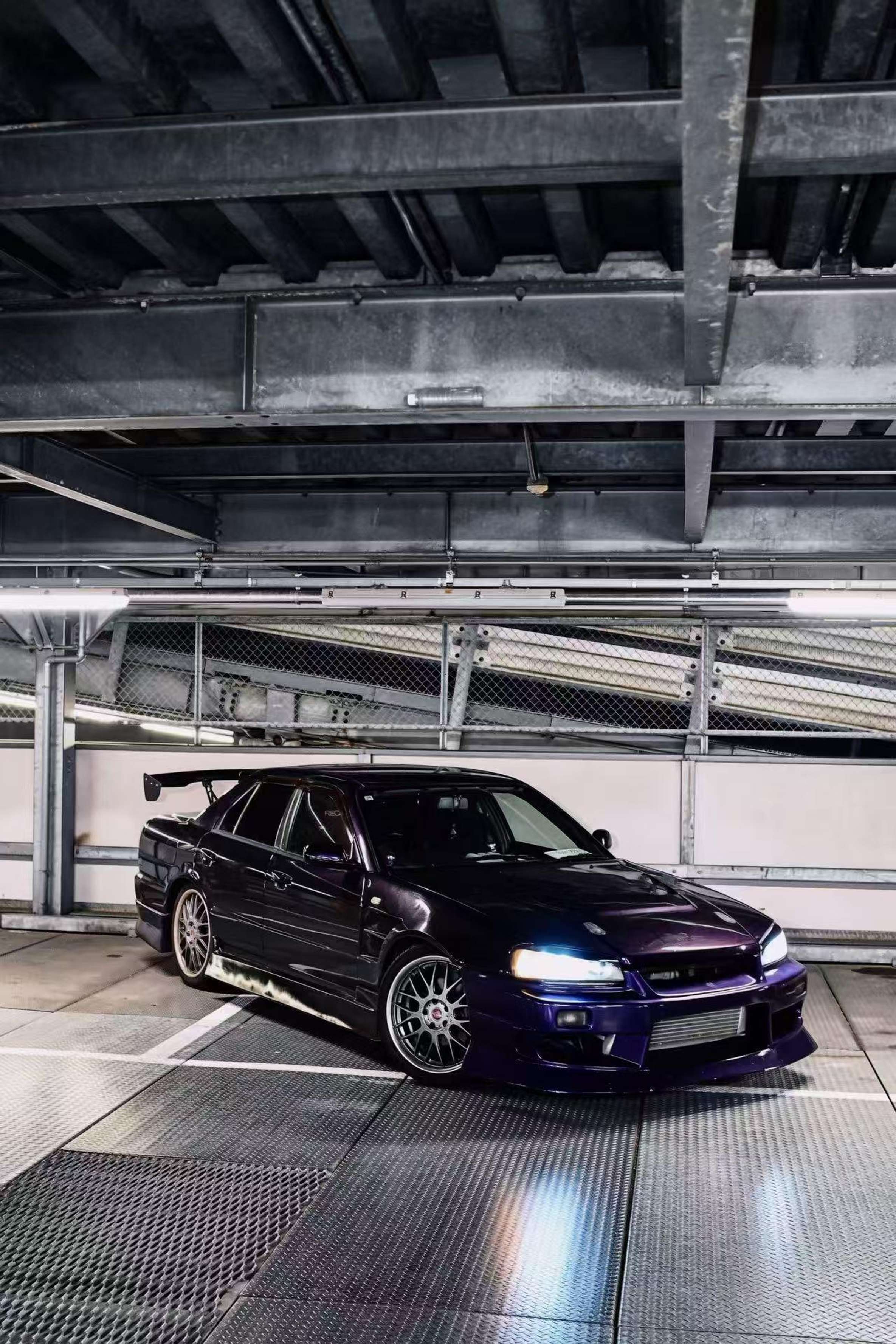
Ride a modified JDM car to Daikoku PA with pickup available, and cancel free up to 24 hours before your night begins.