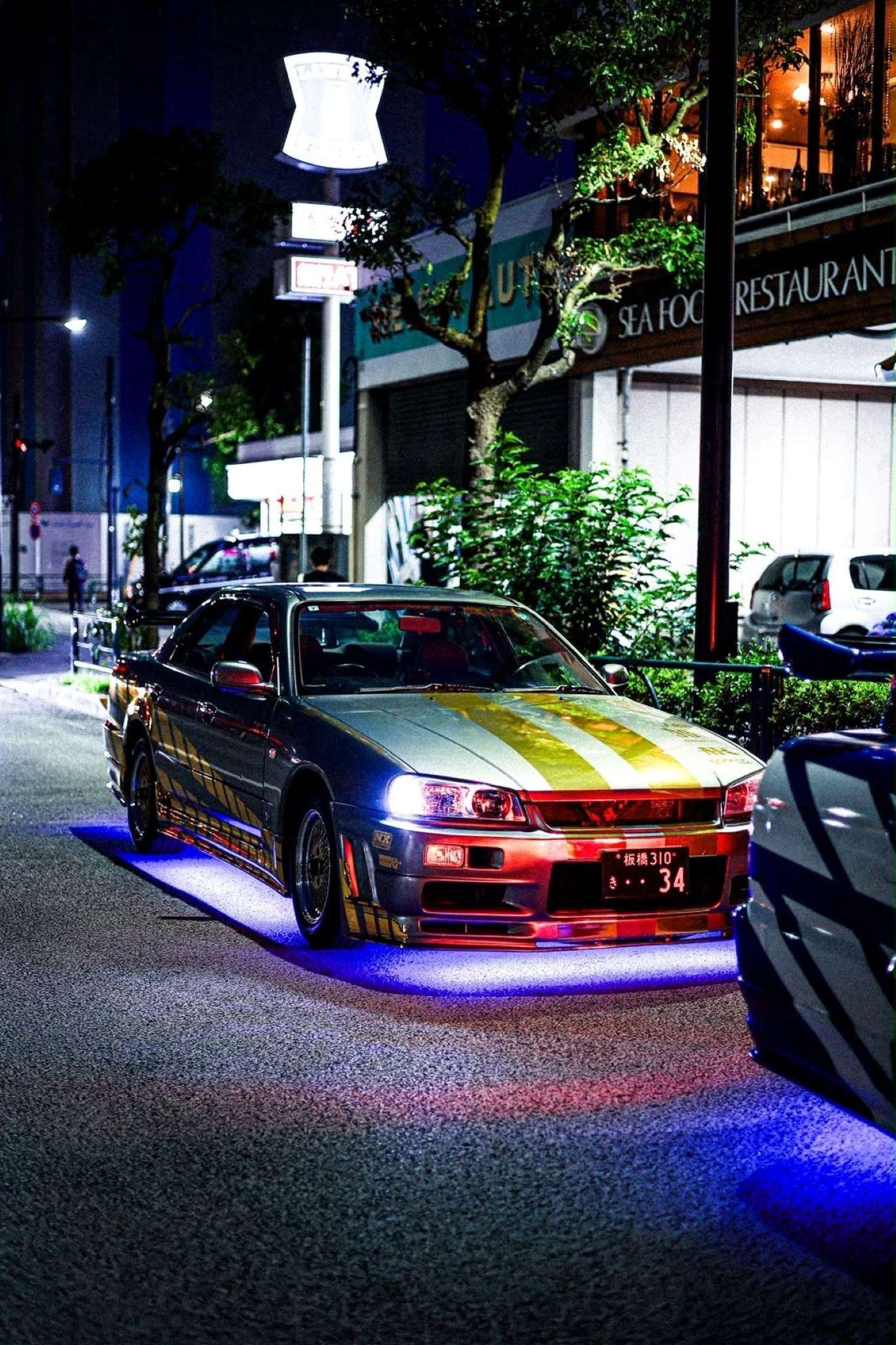
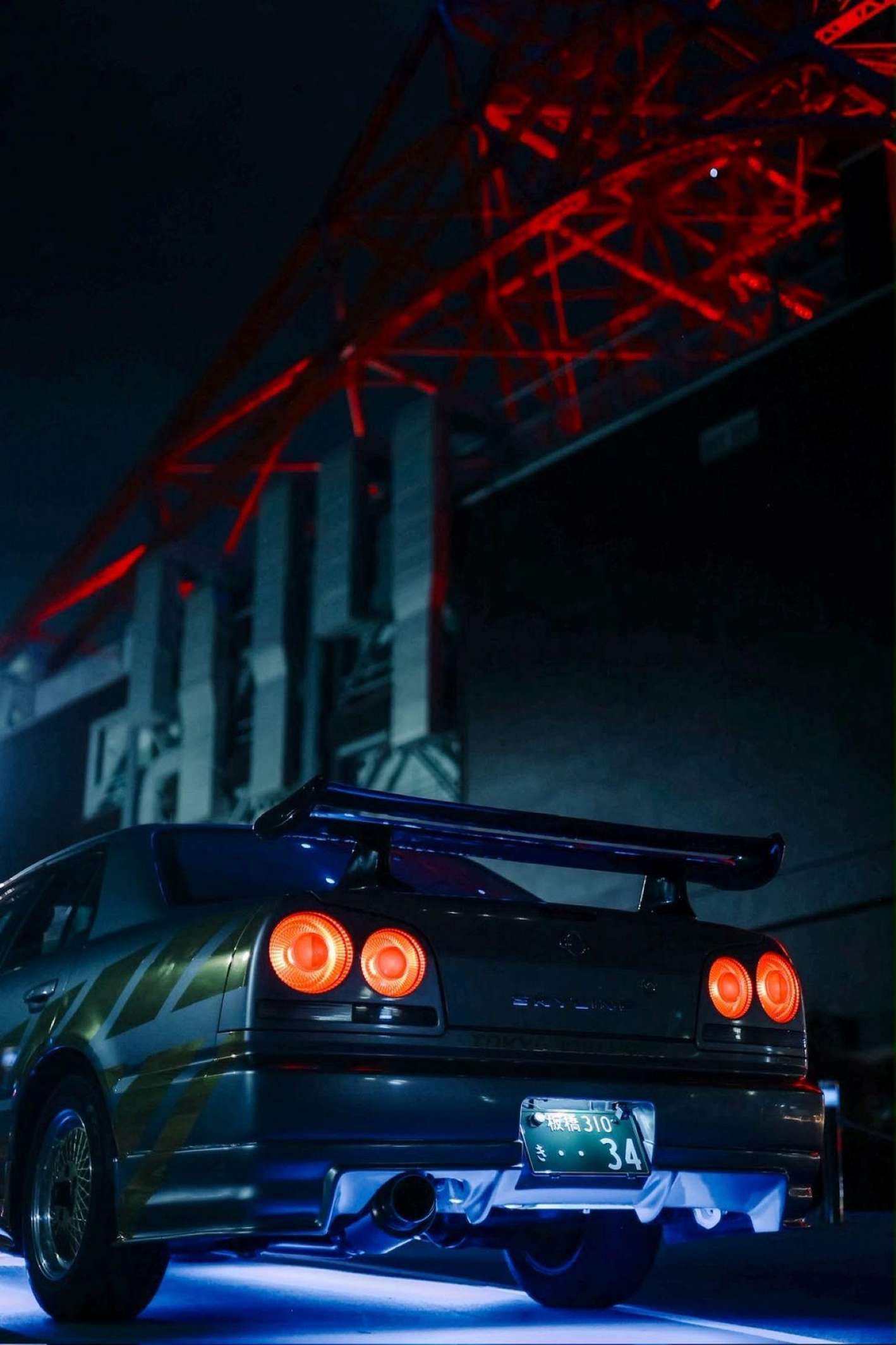
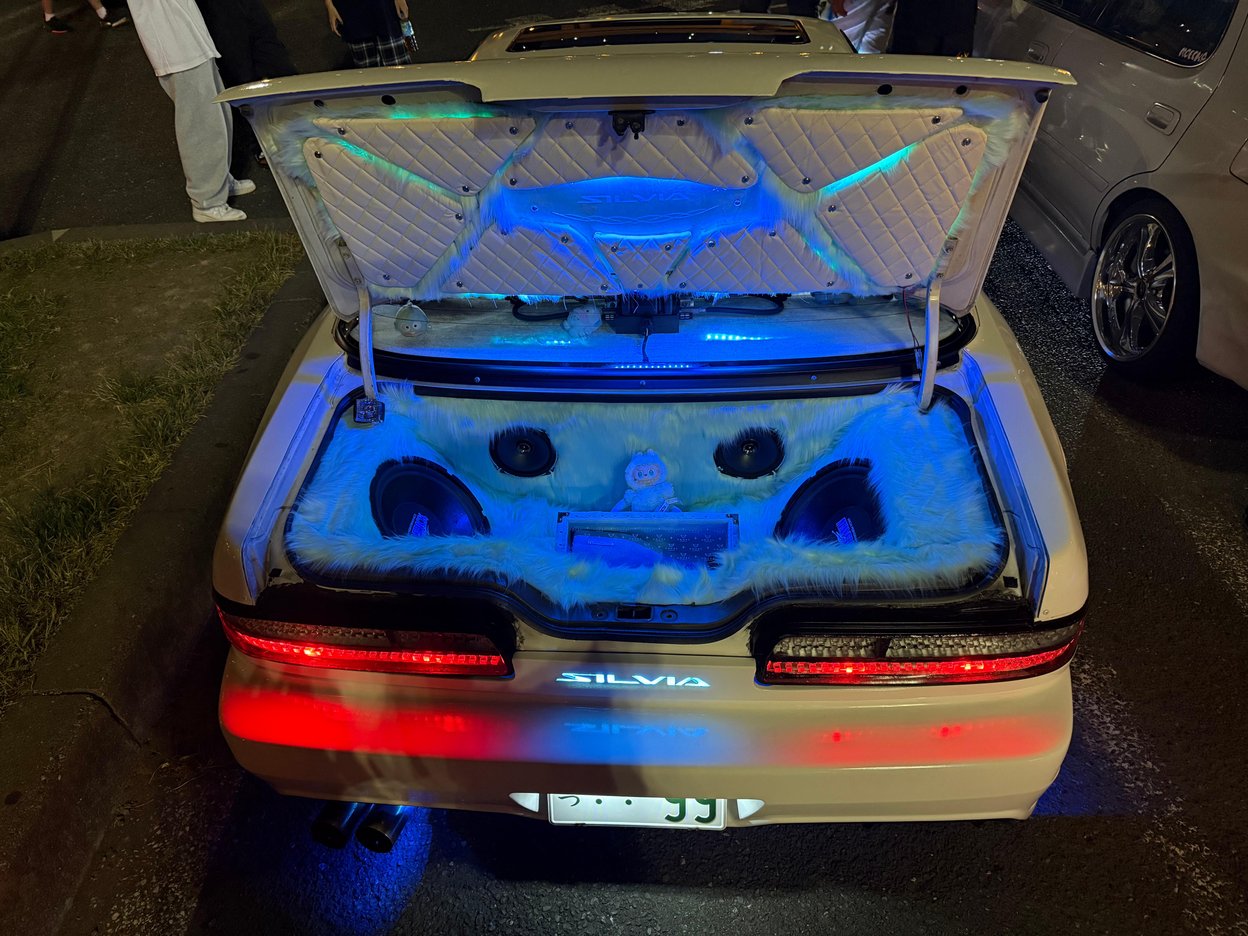
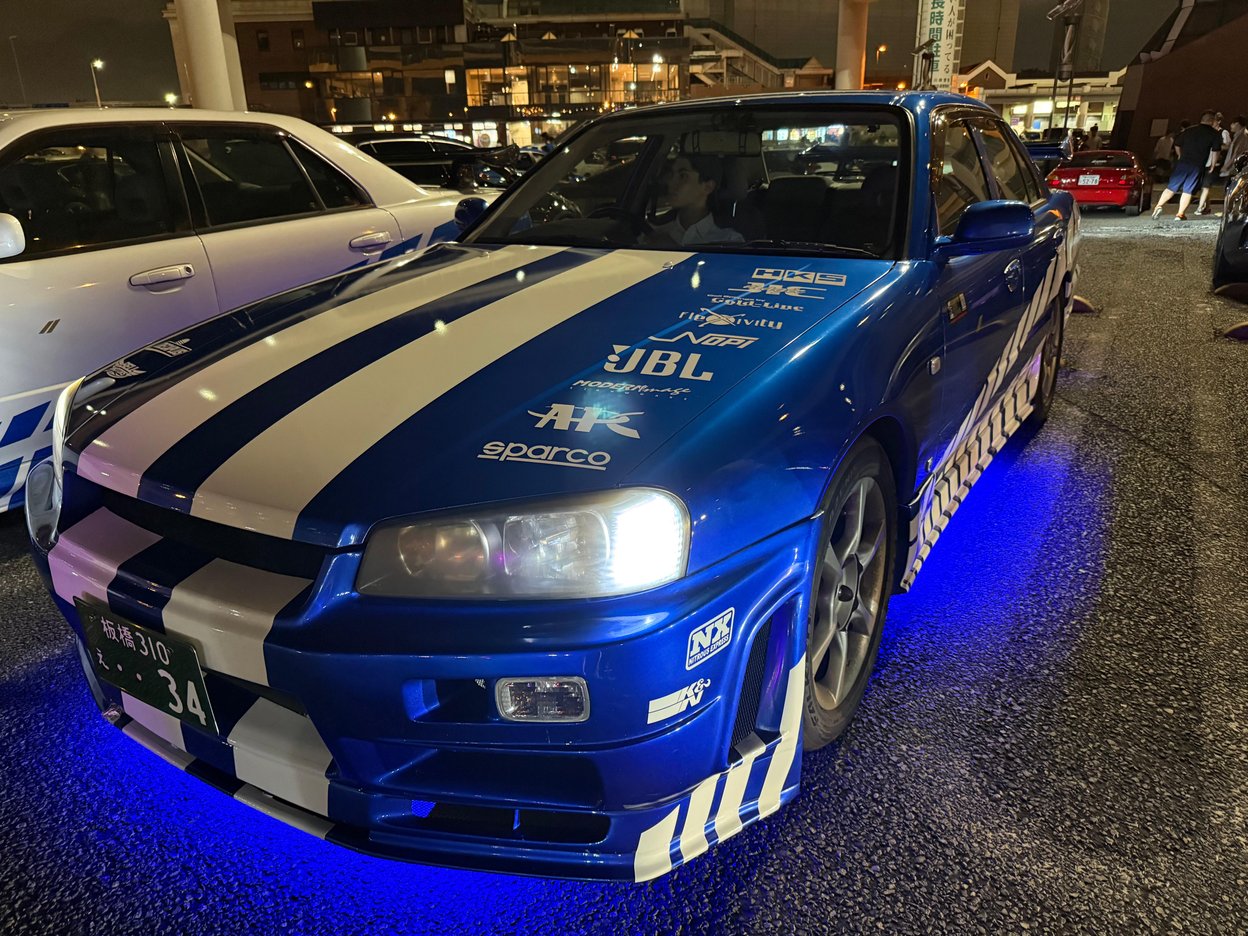
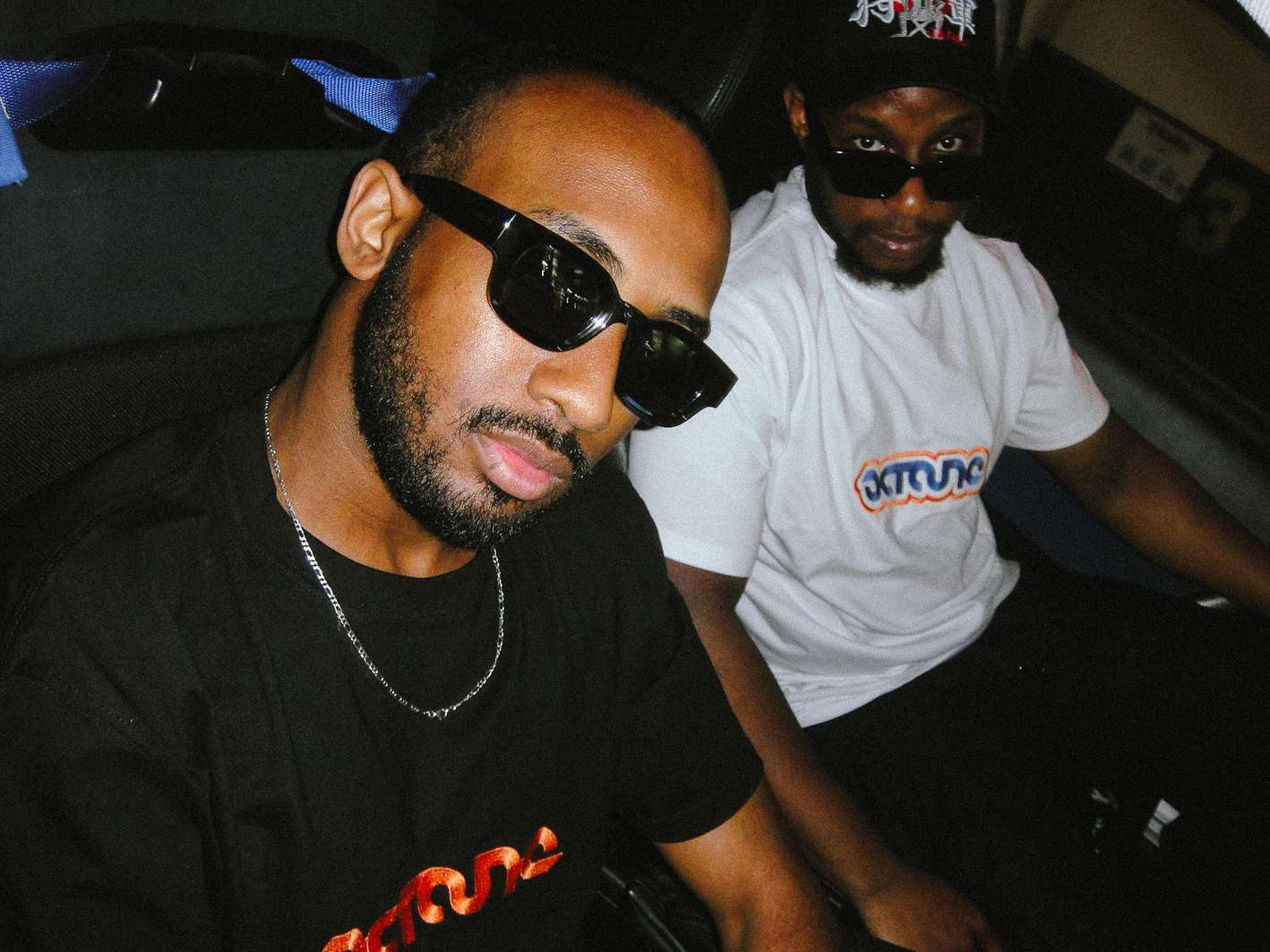
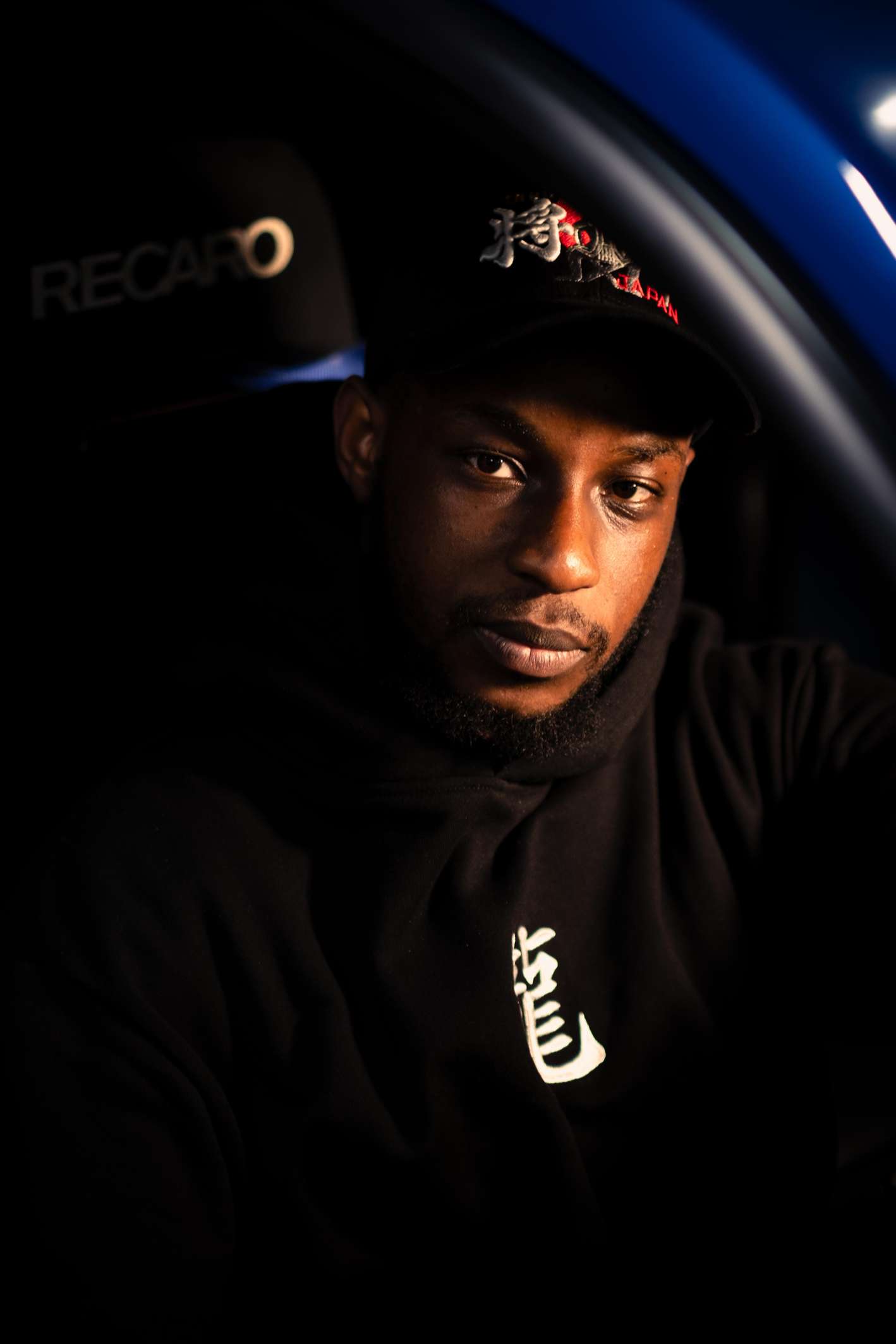
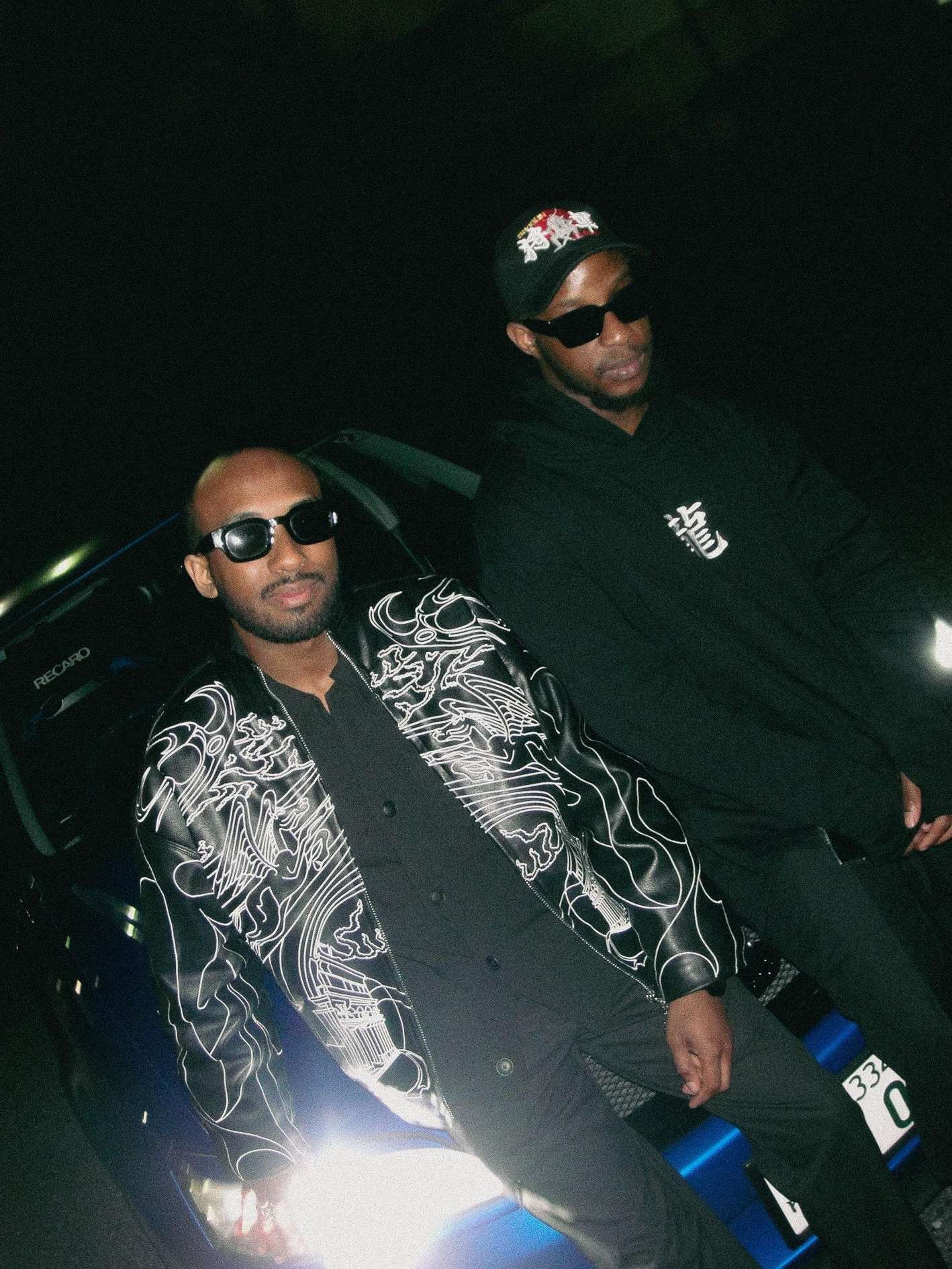
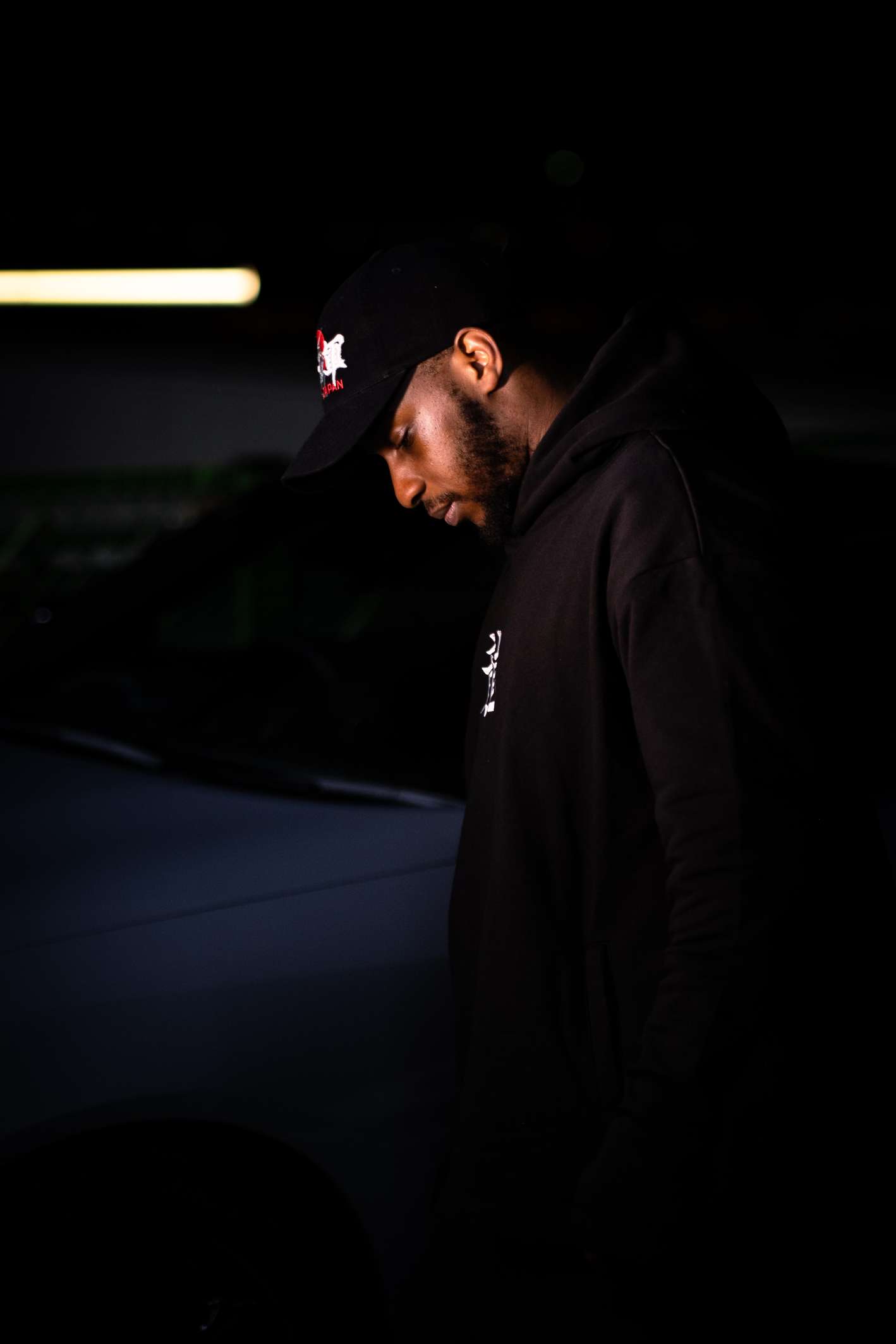
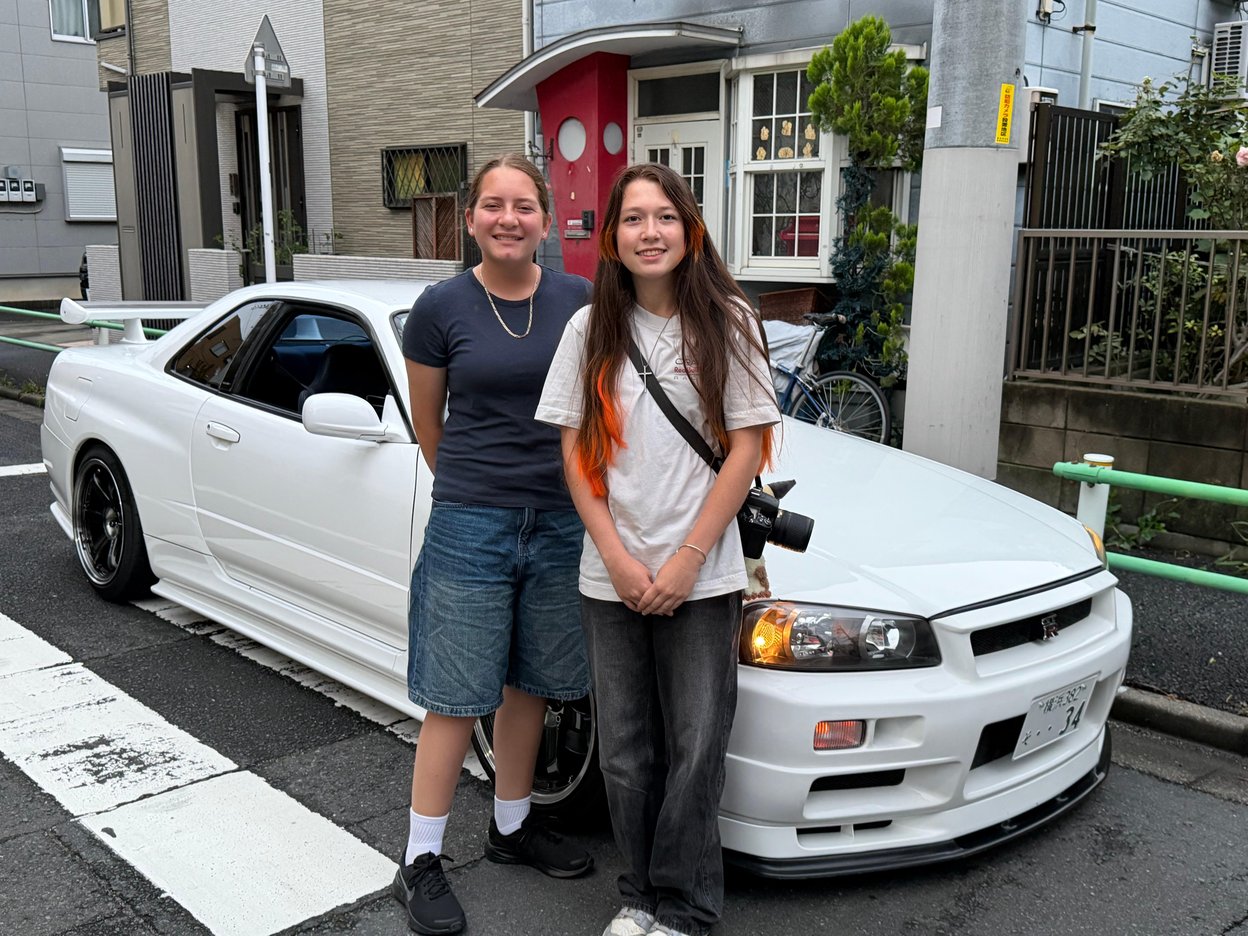
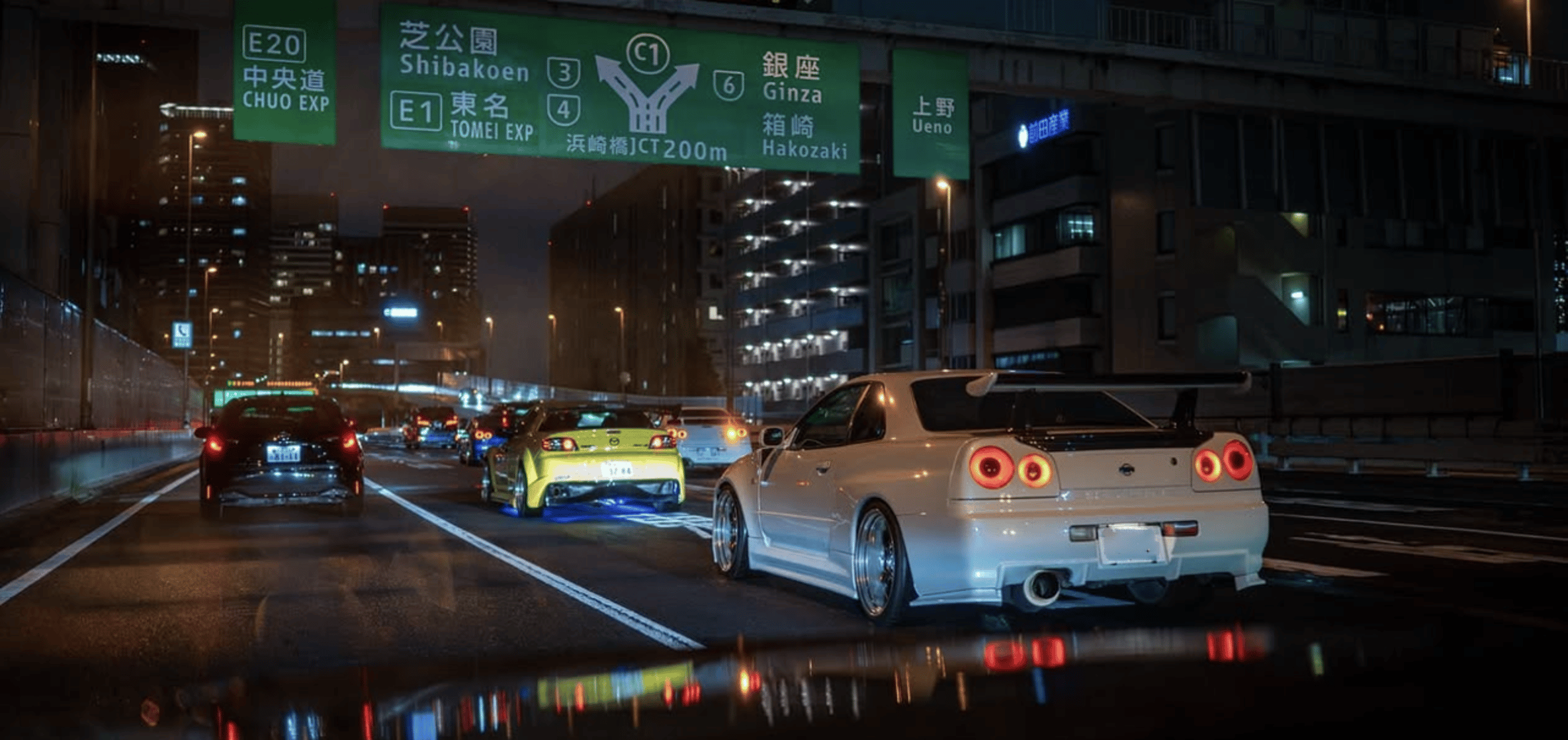
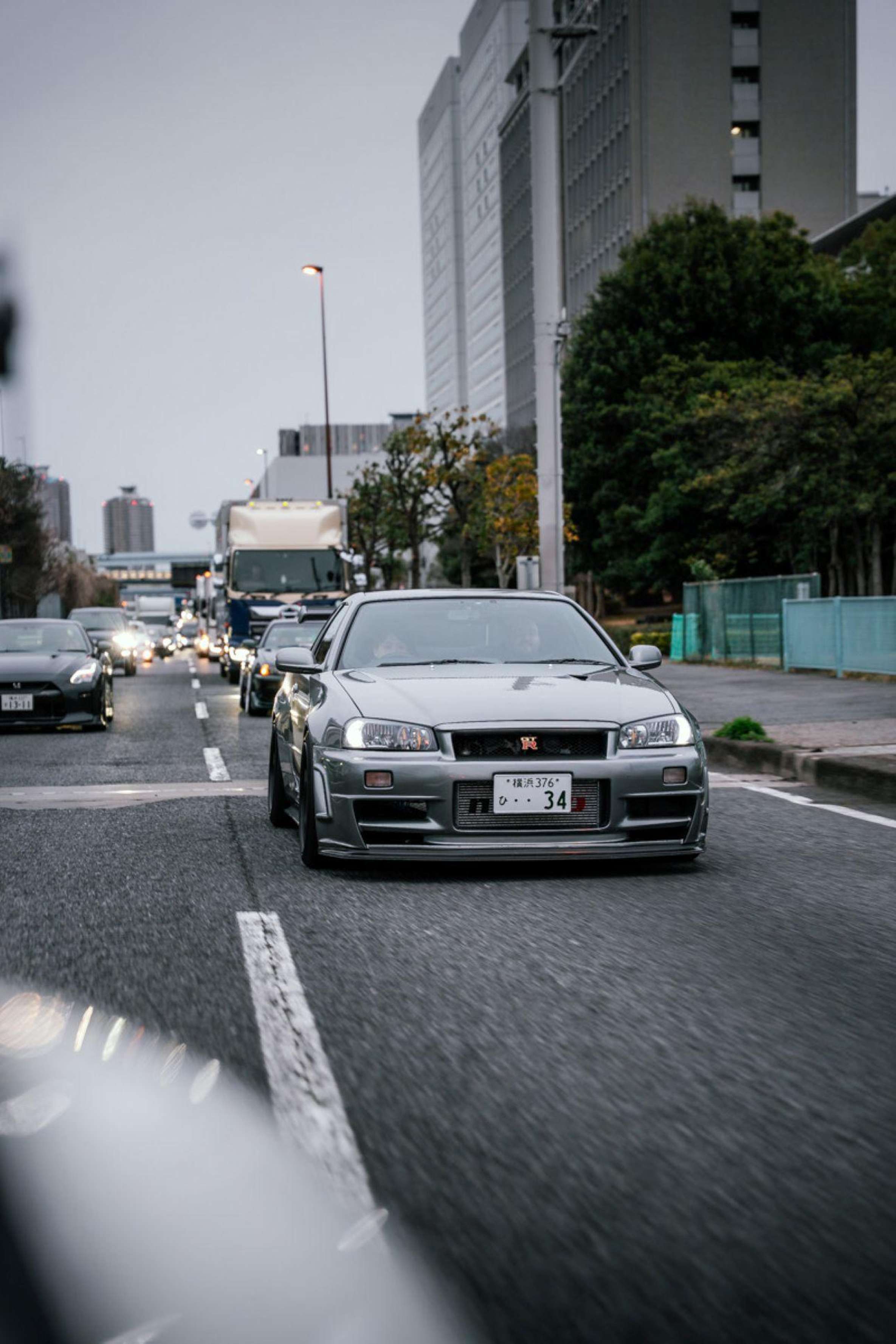
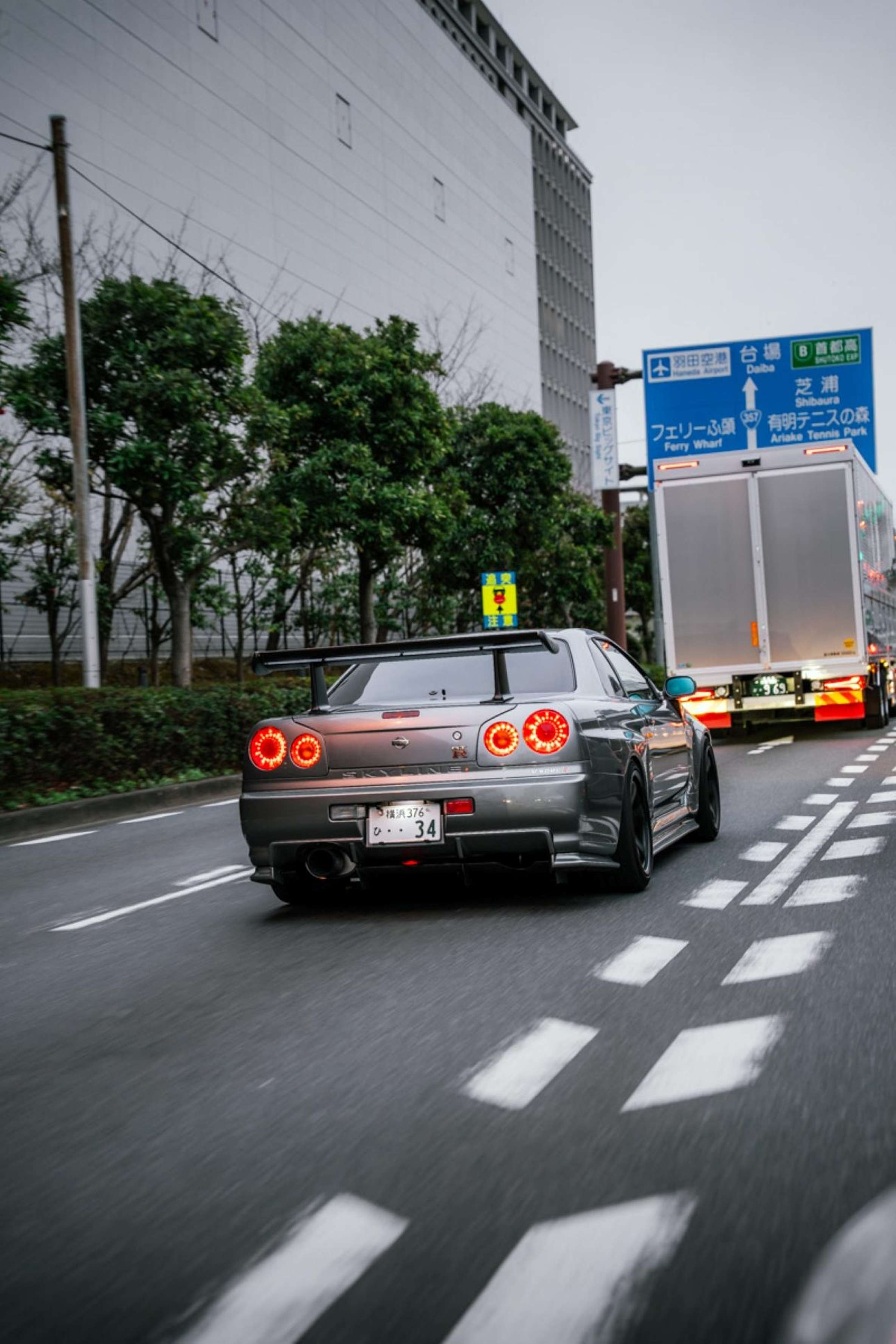
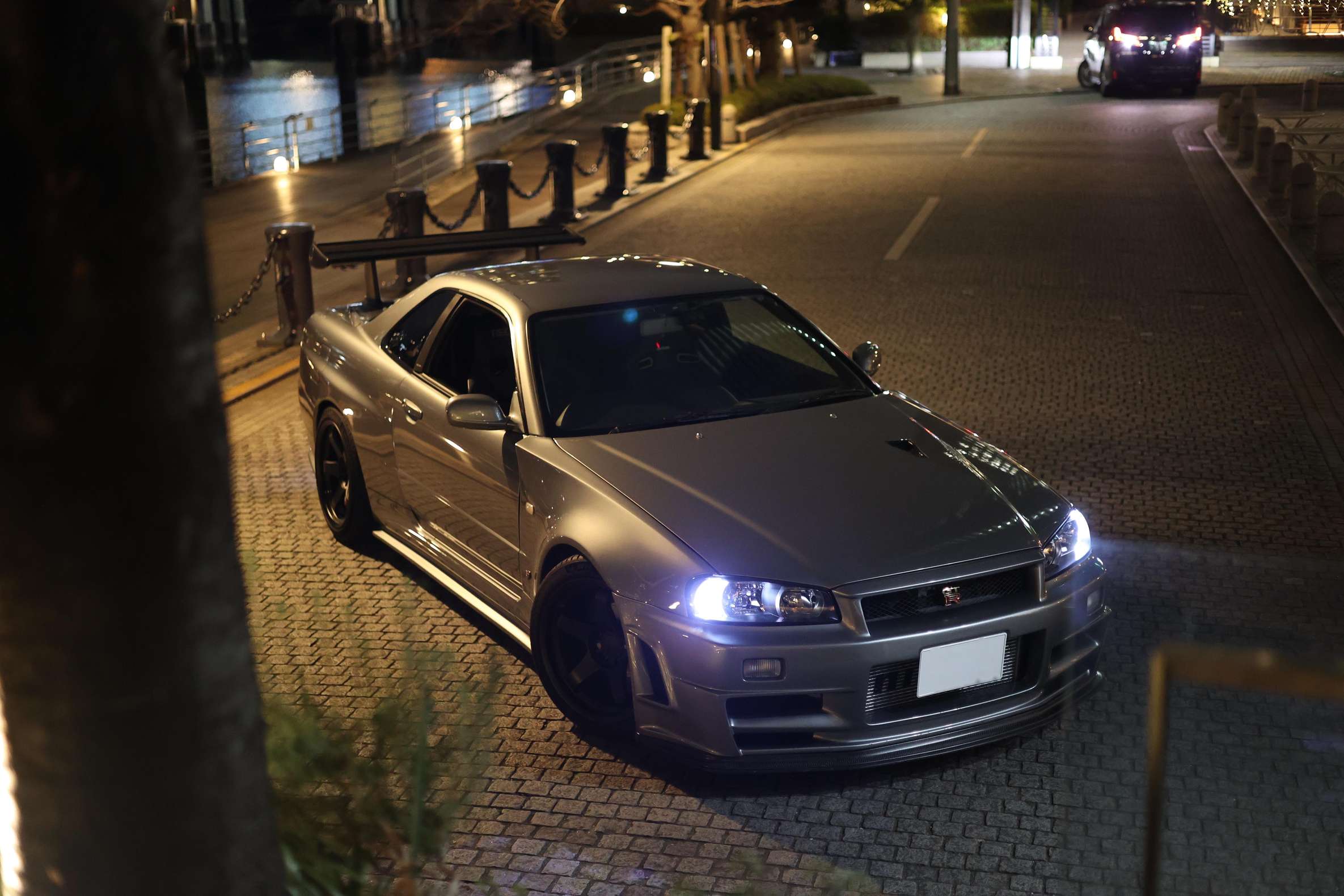
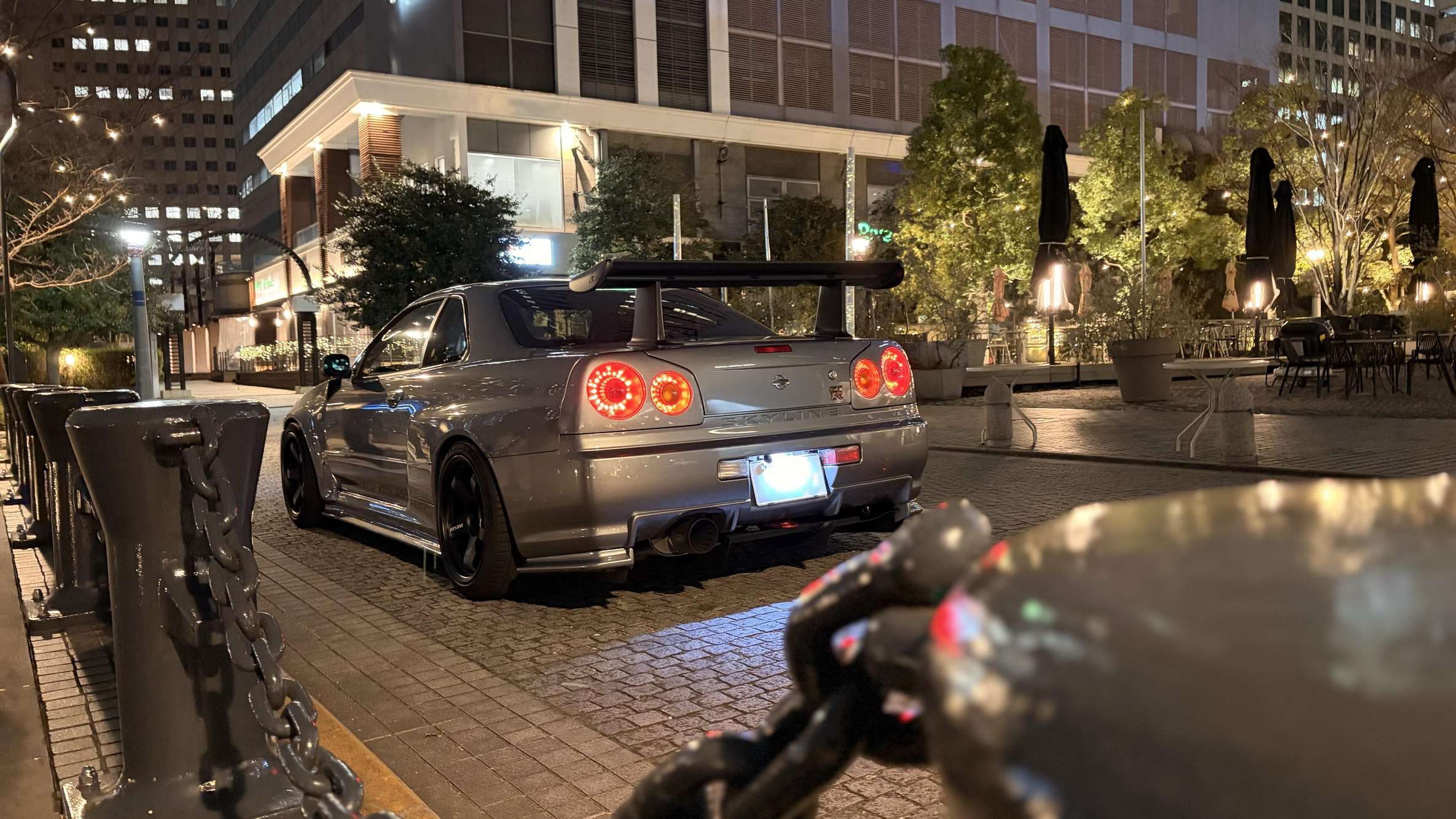
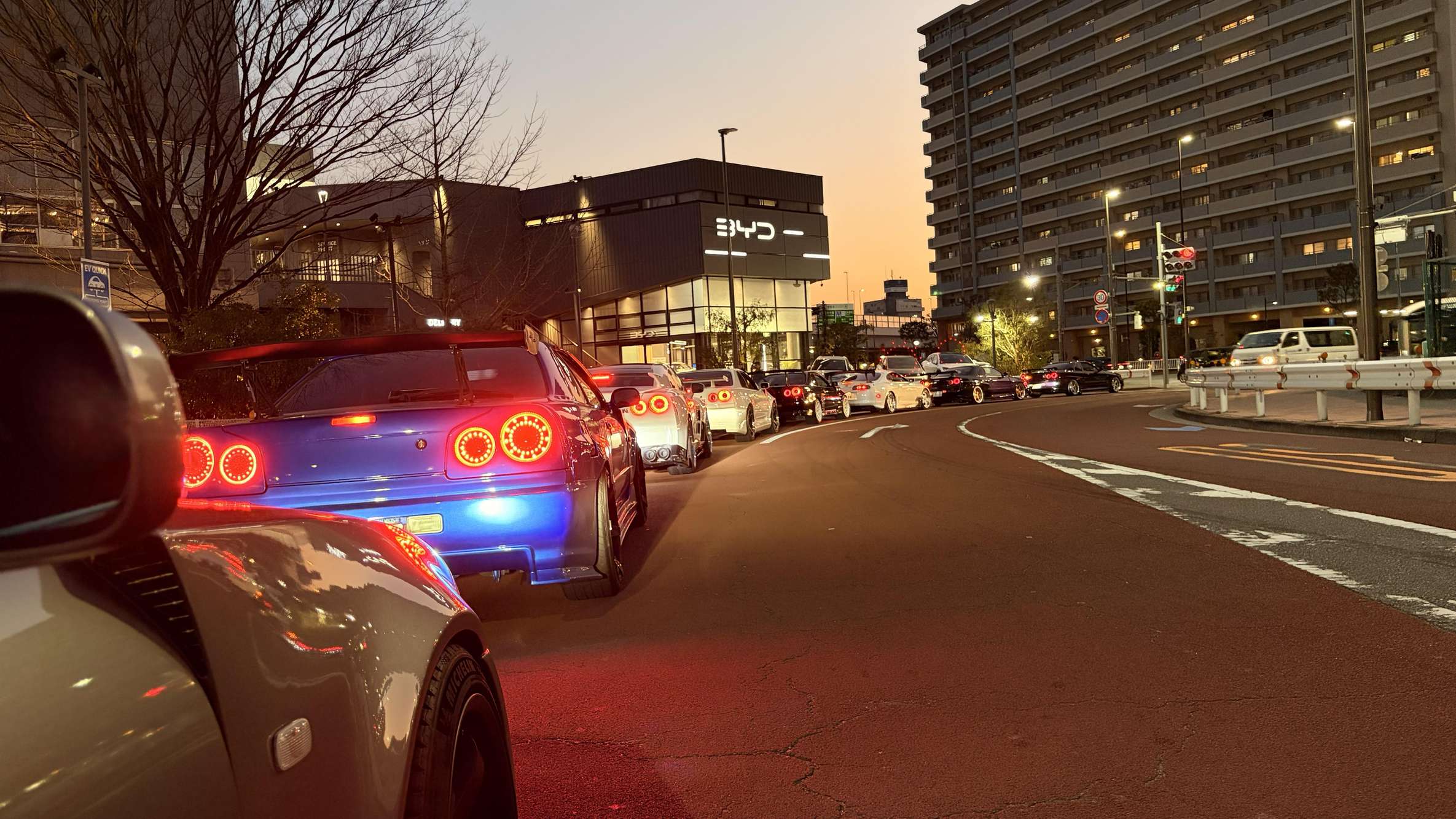
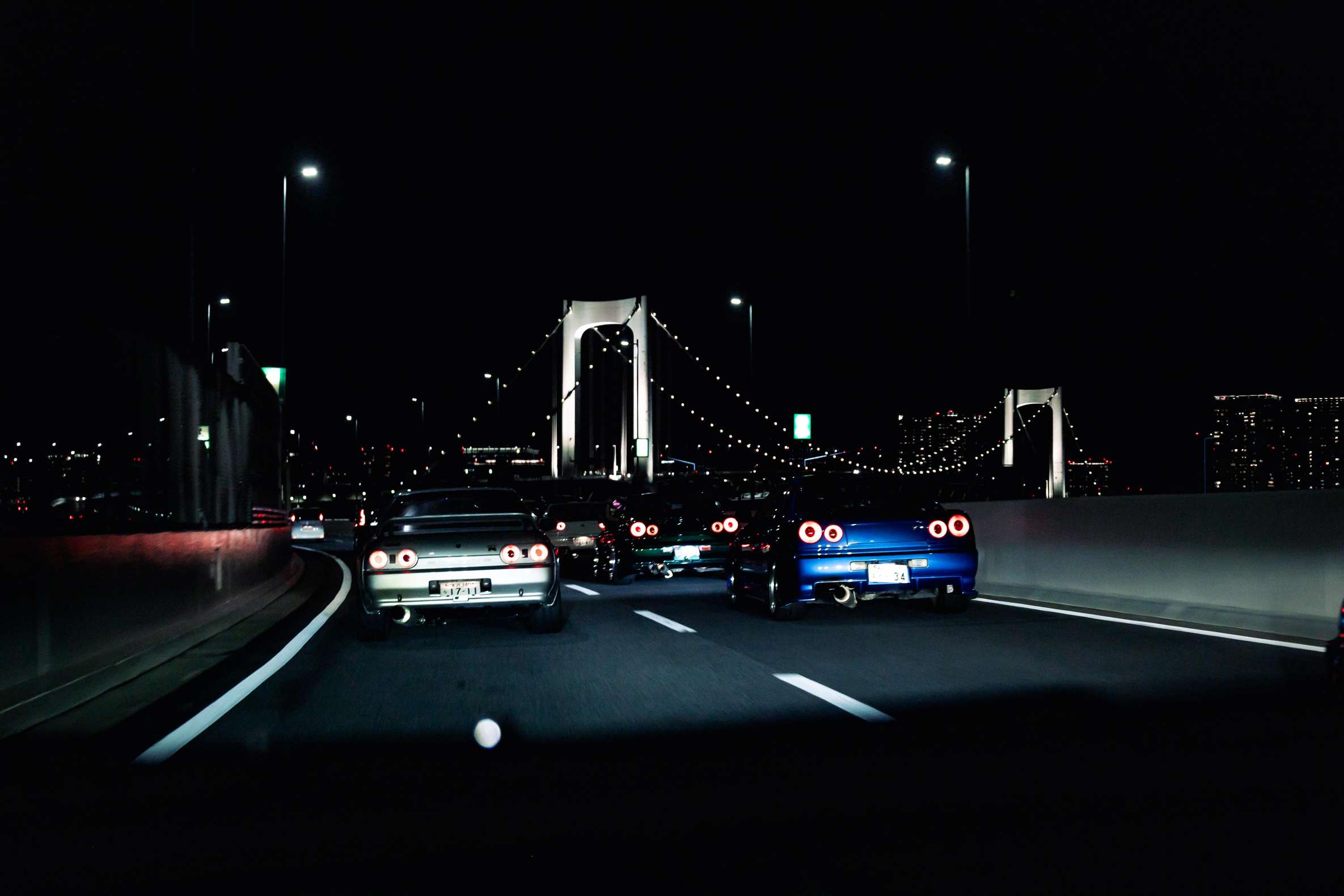
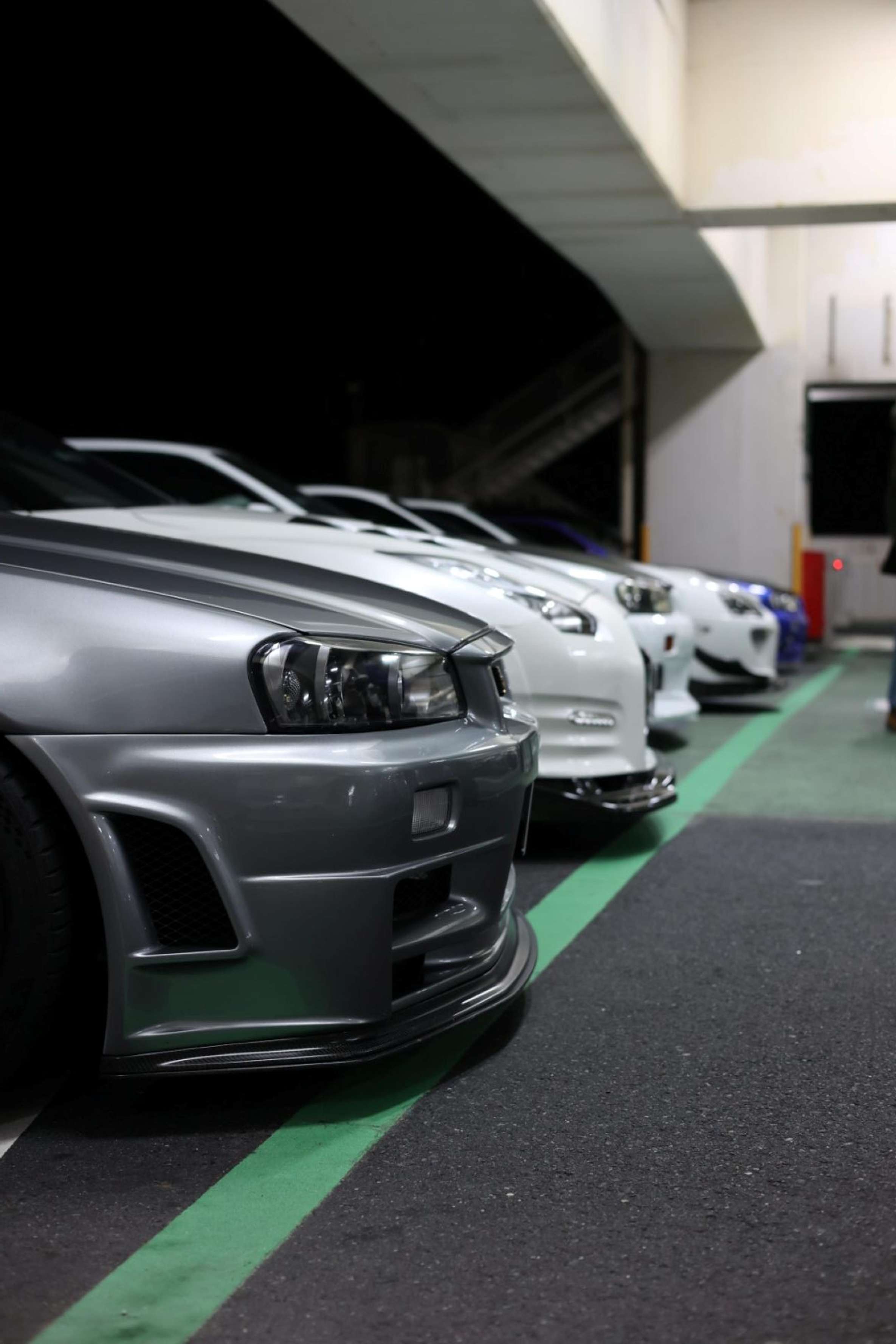
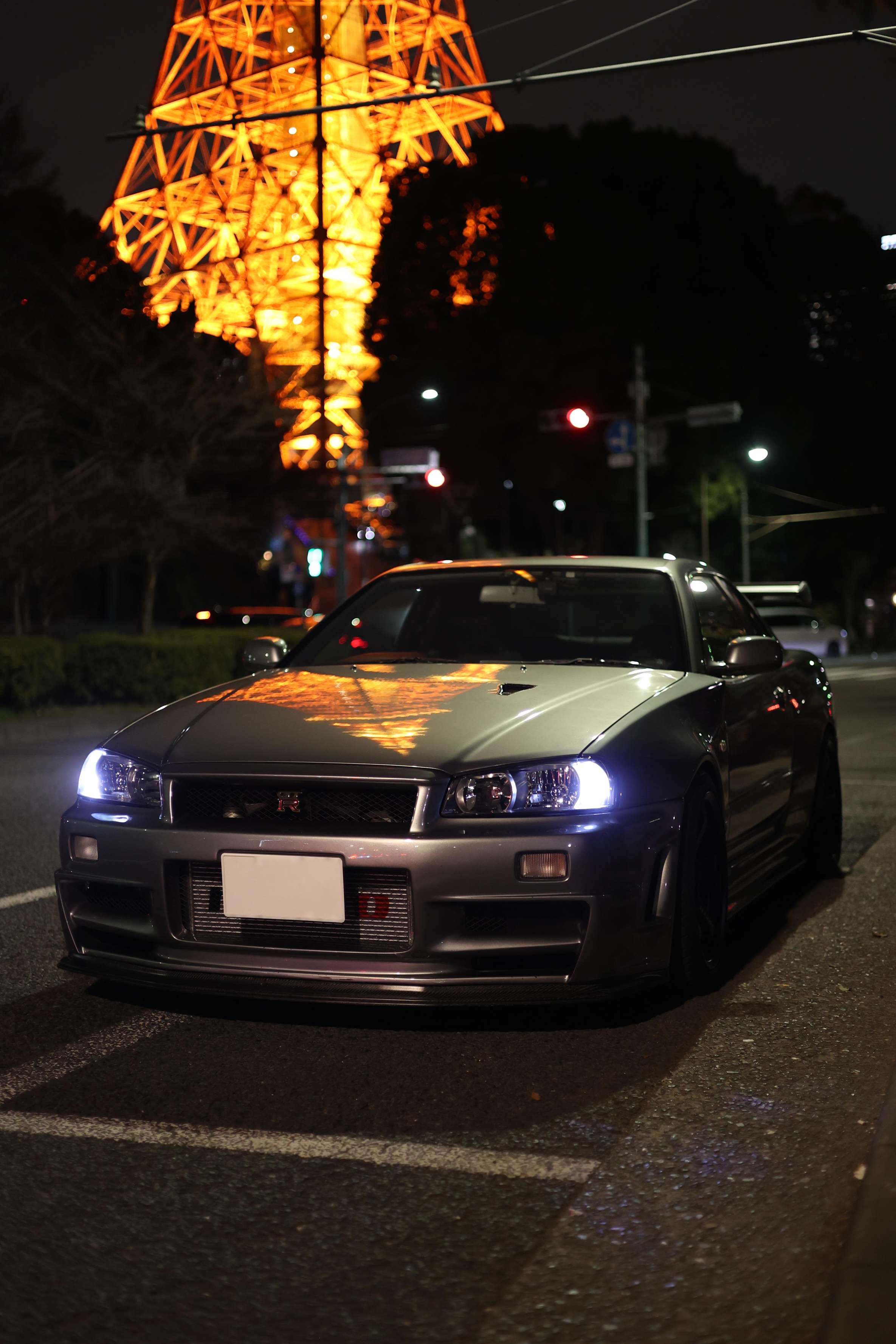
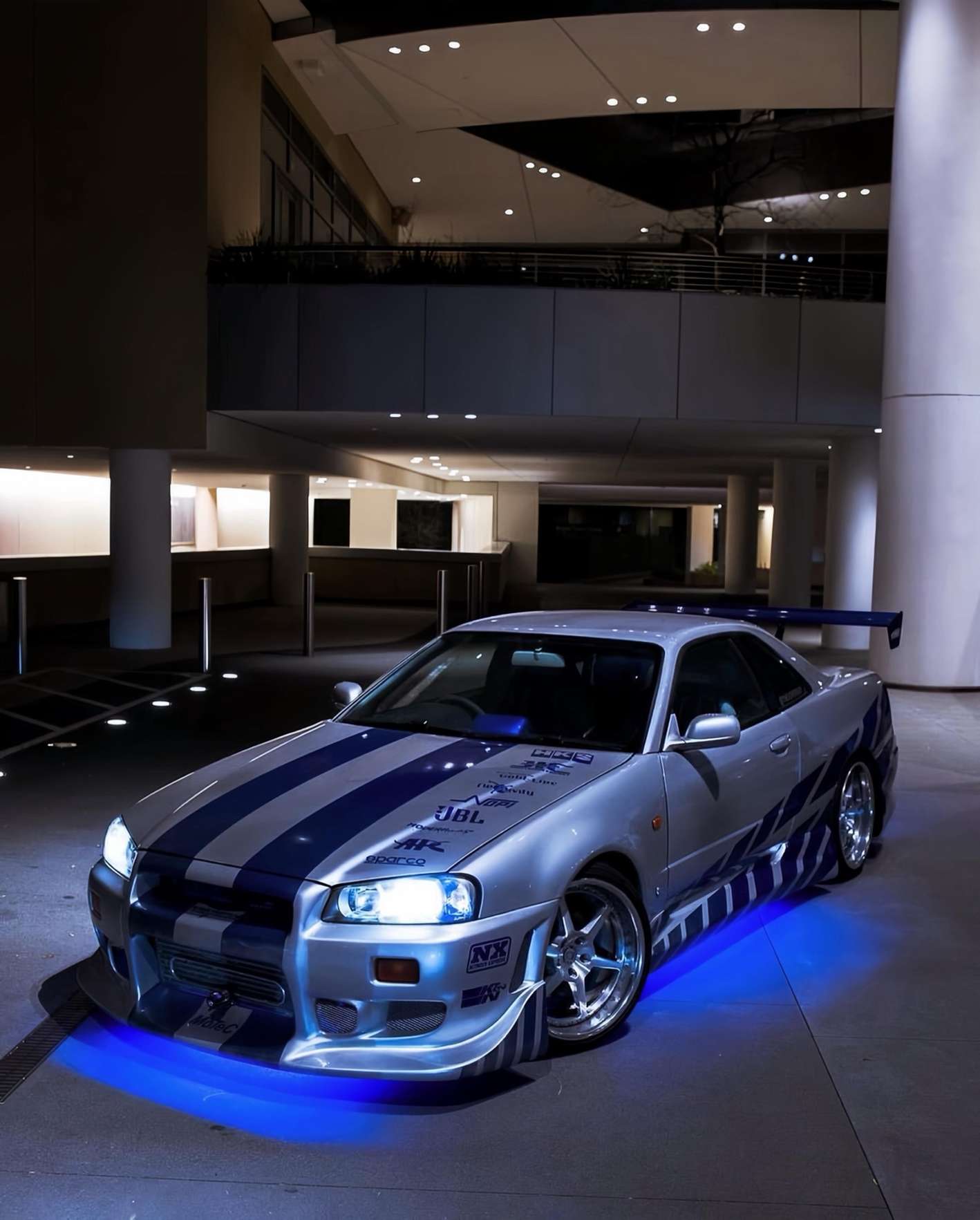
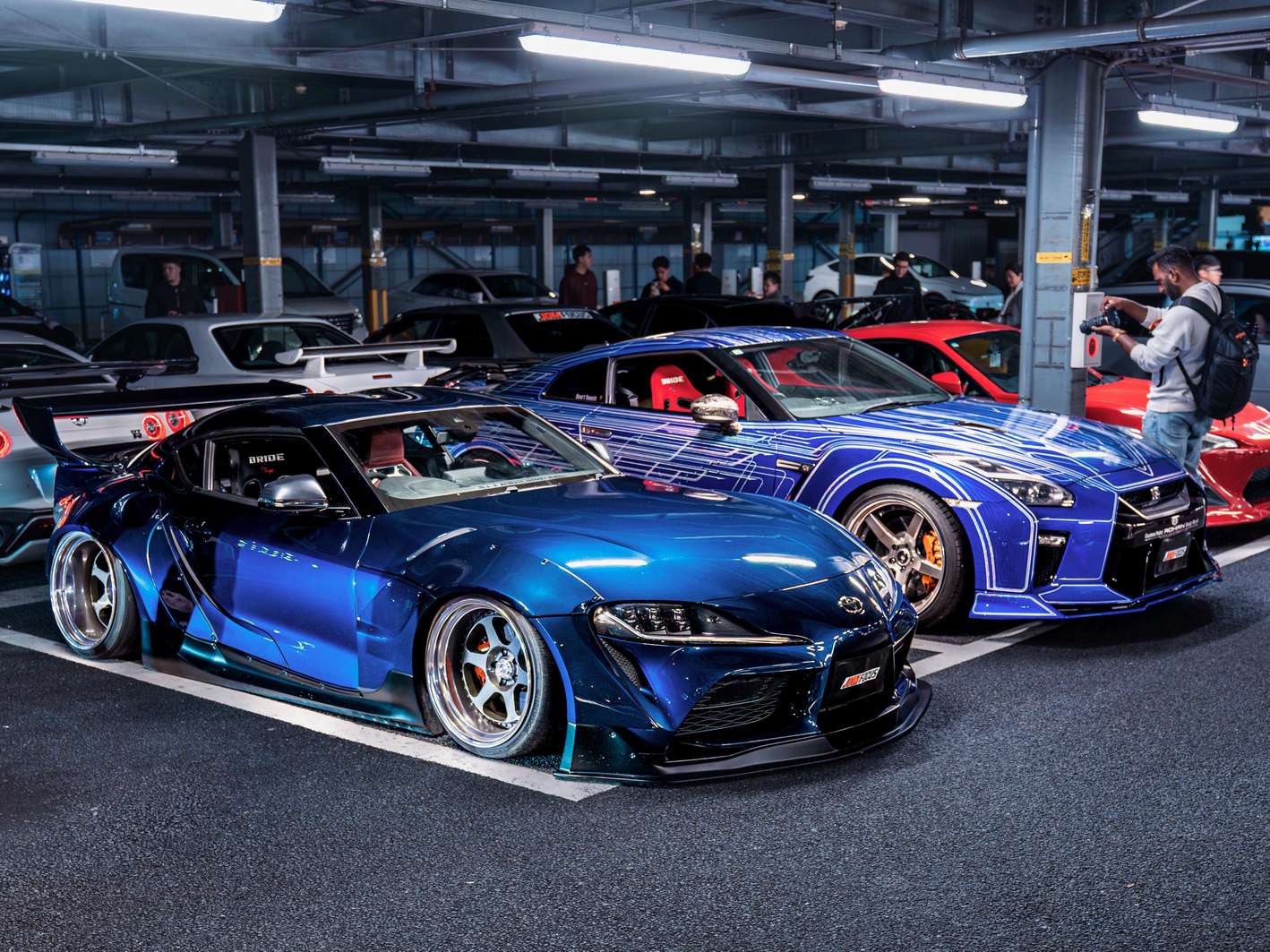
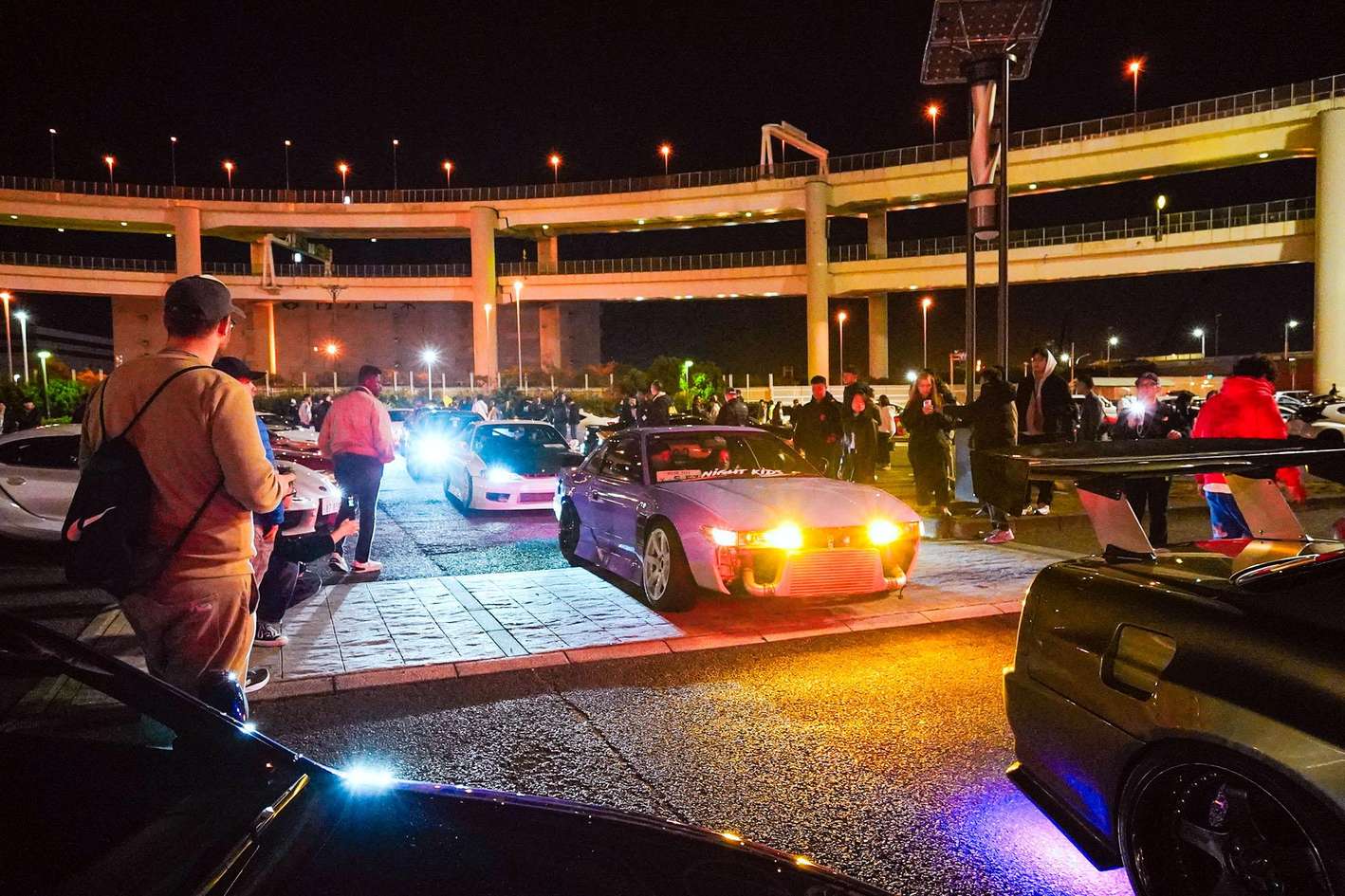
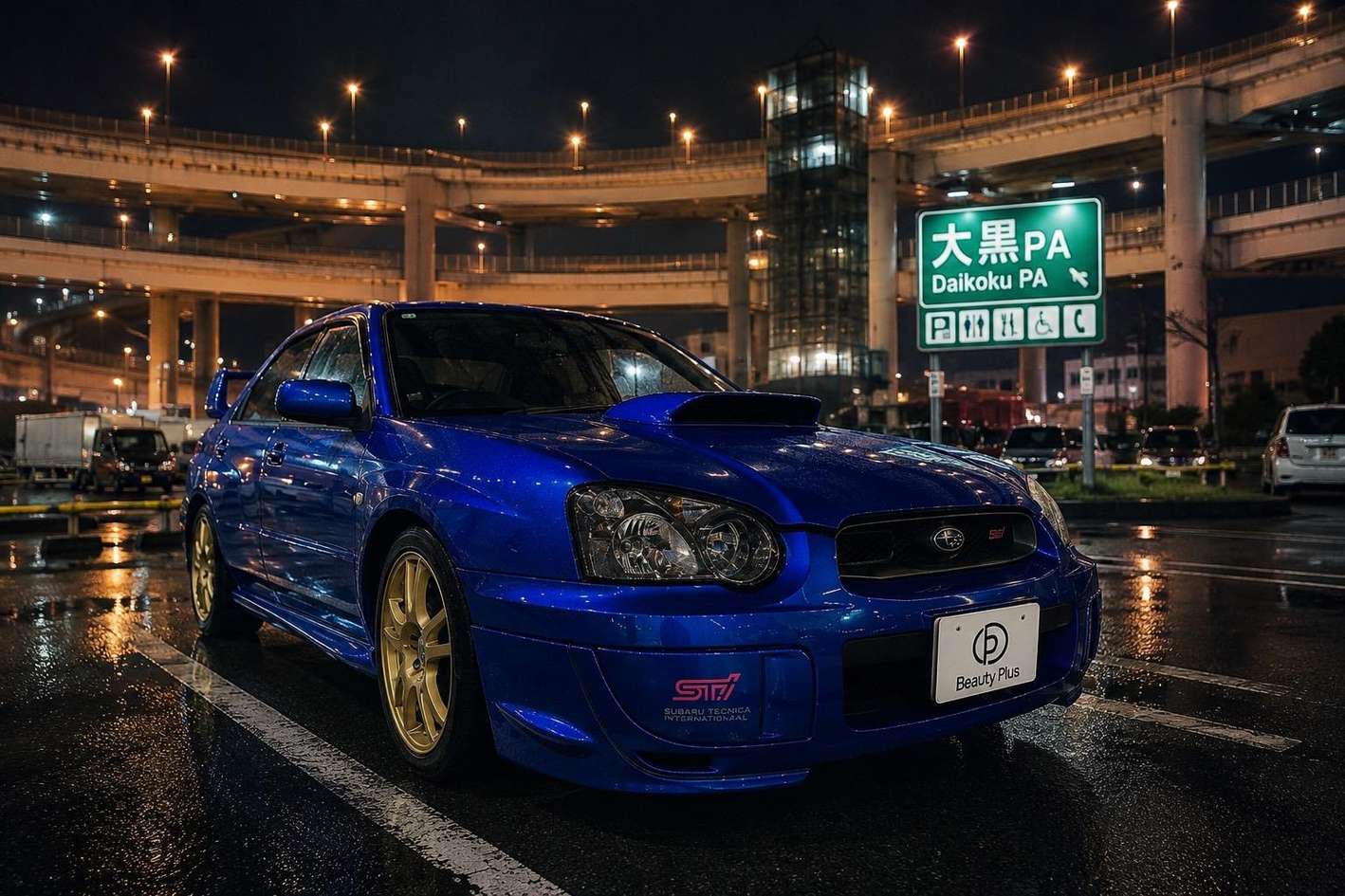
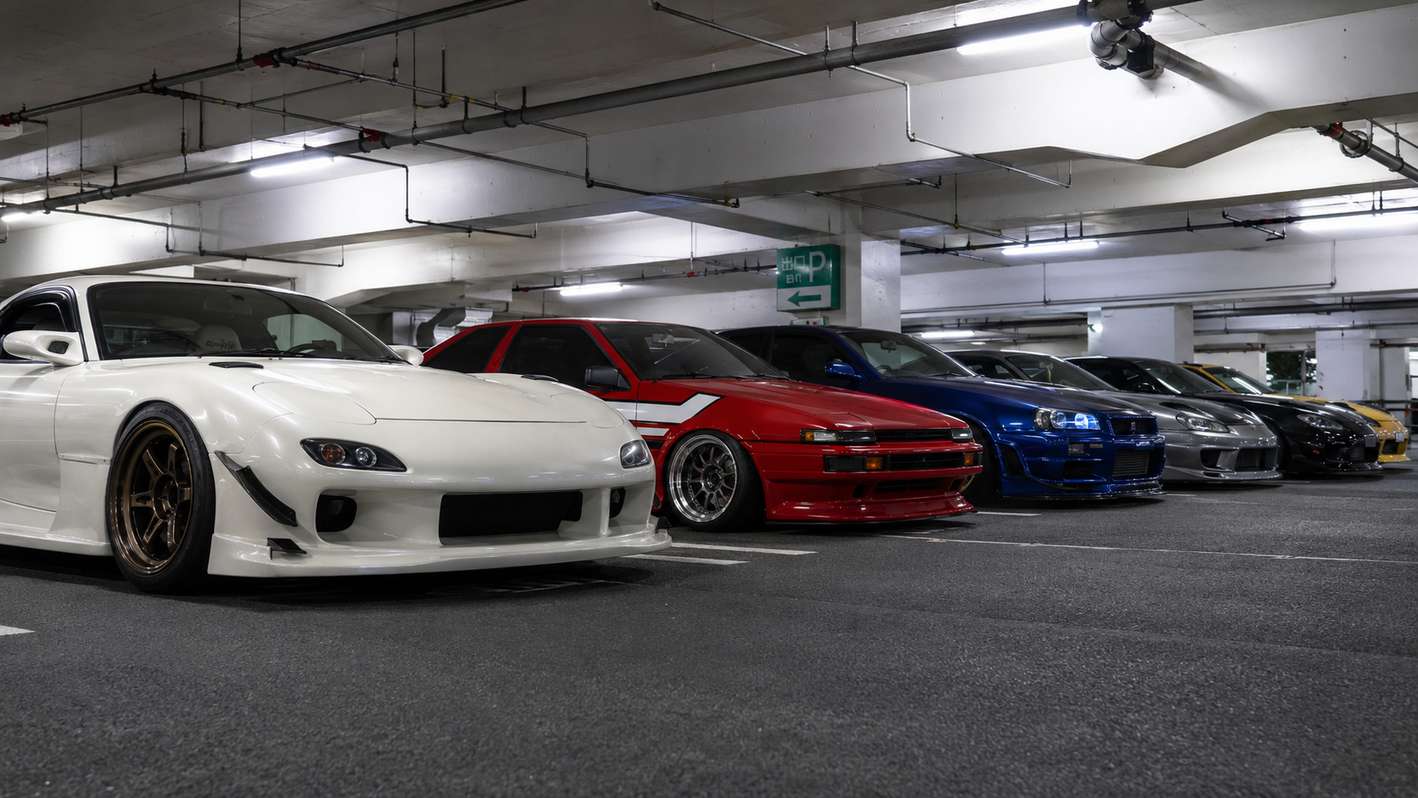
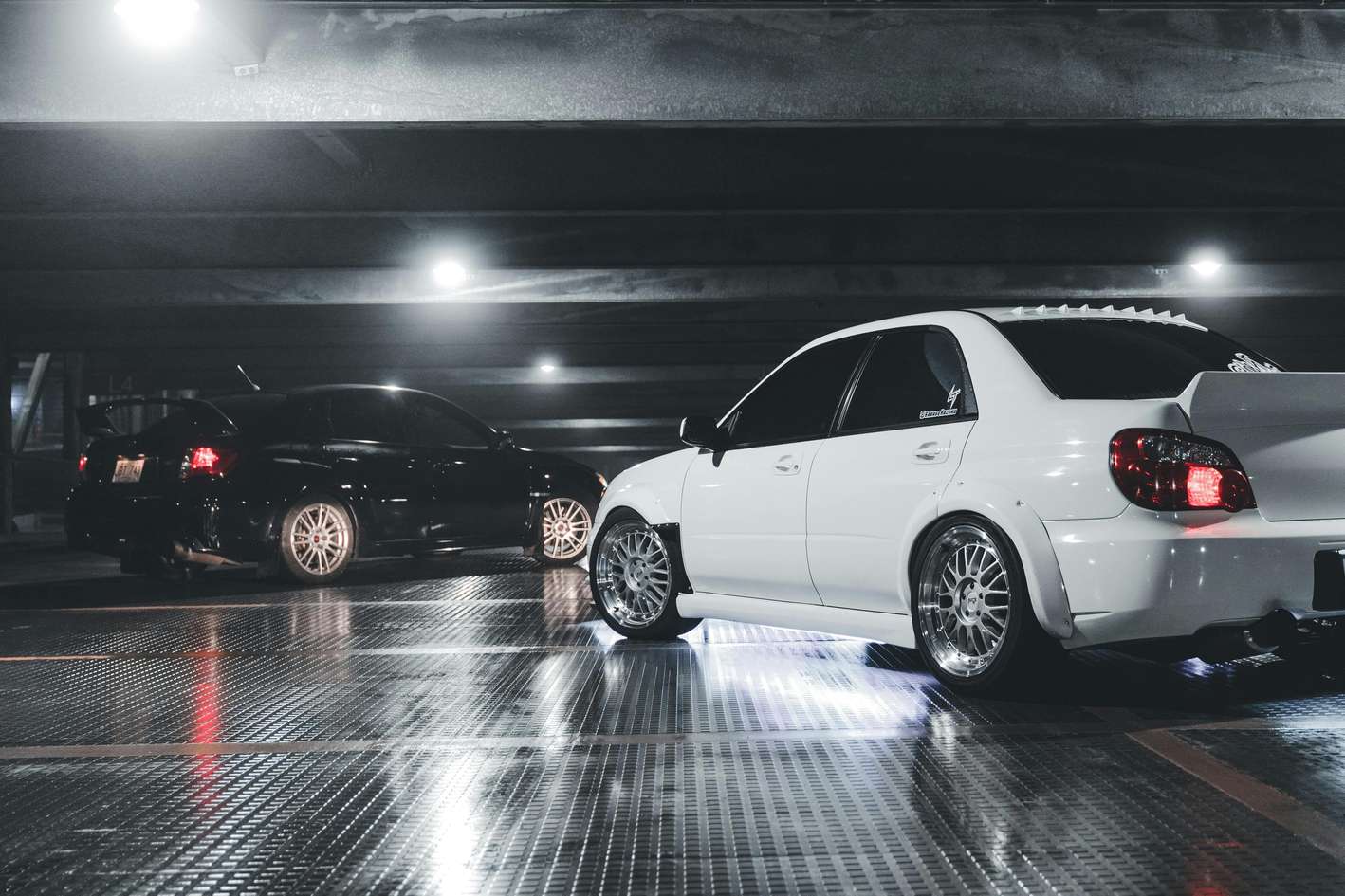
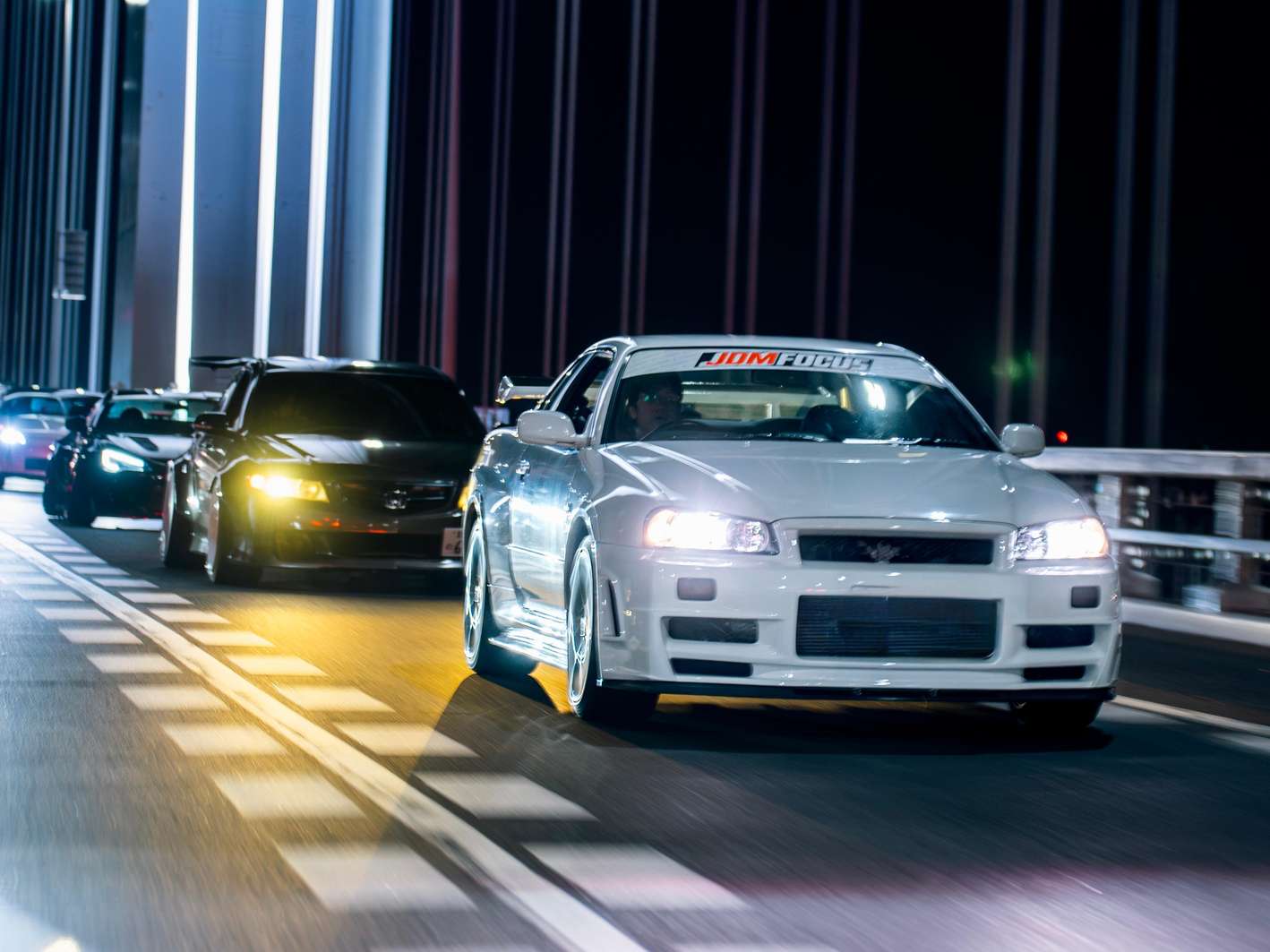
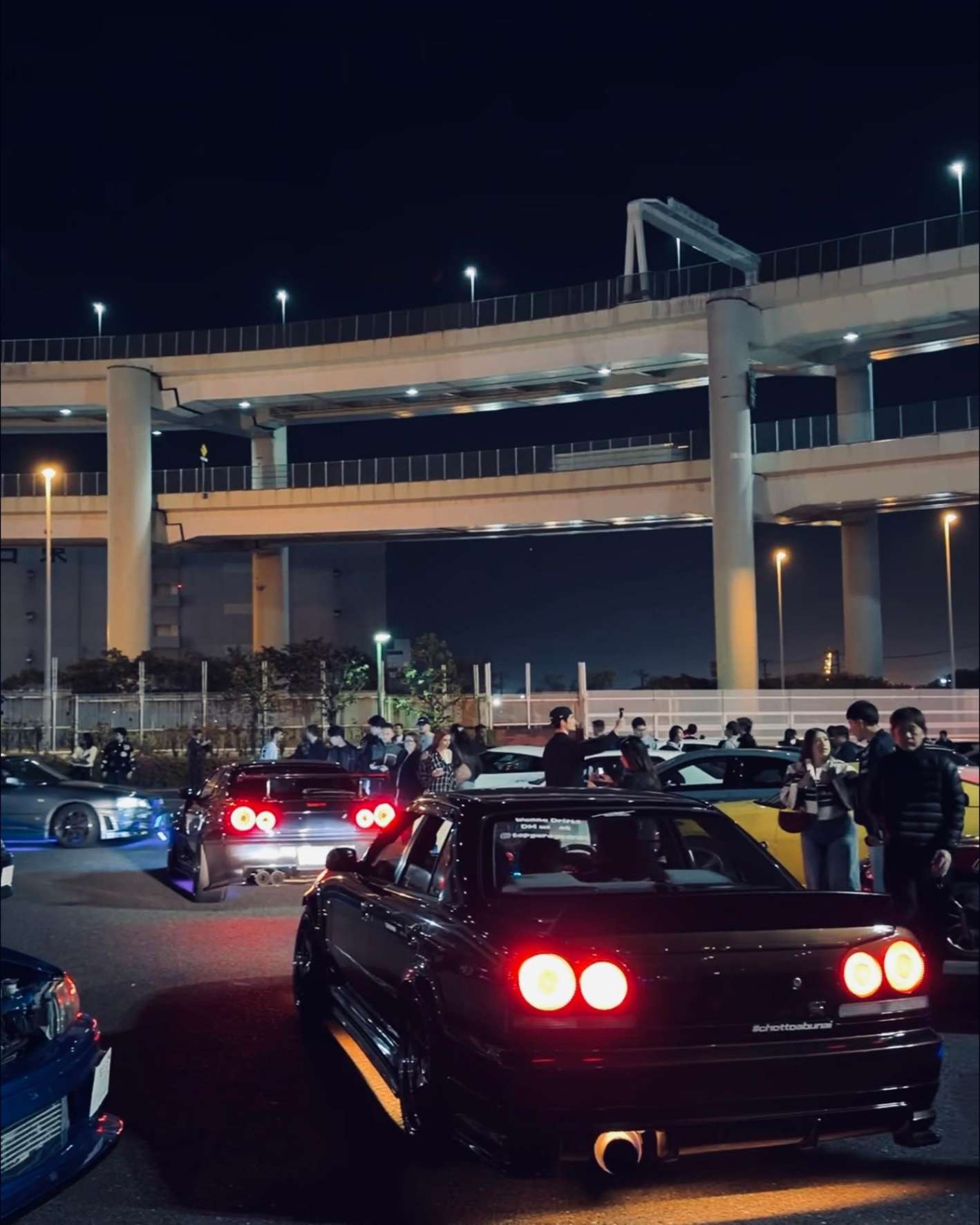
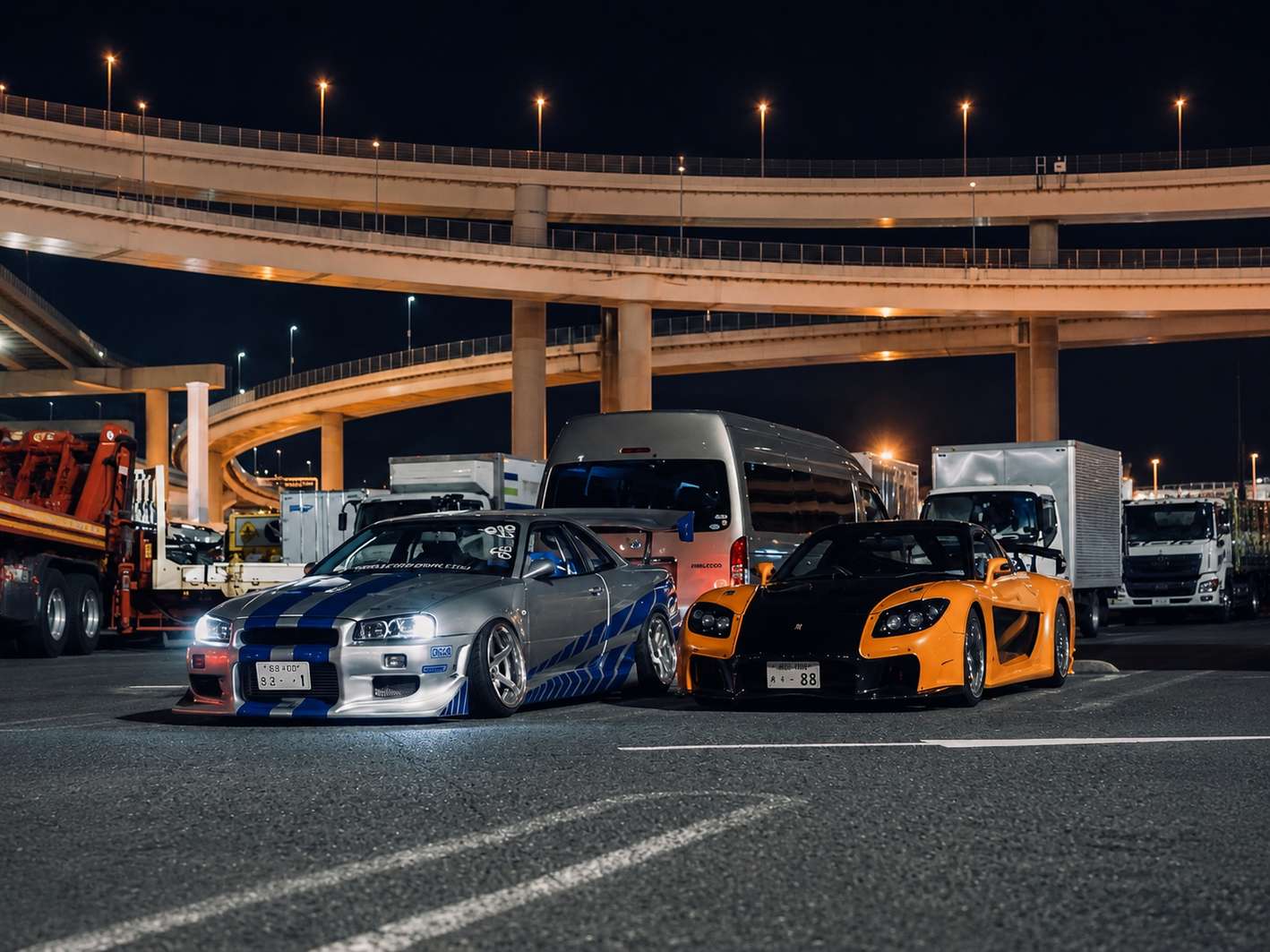
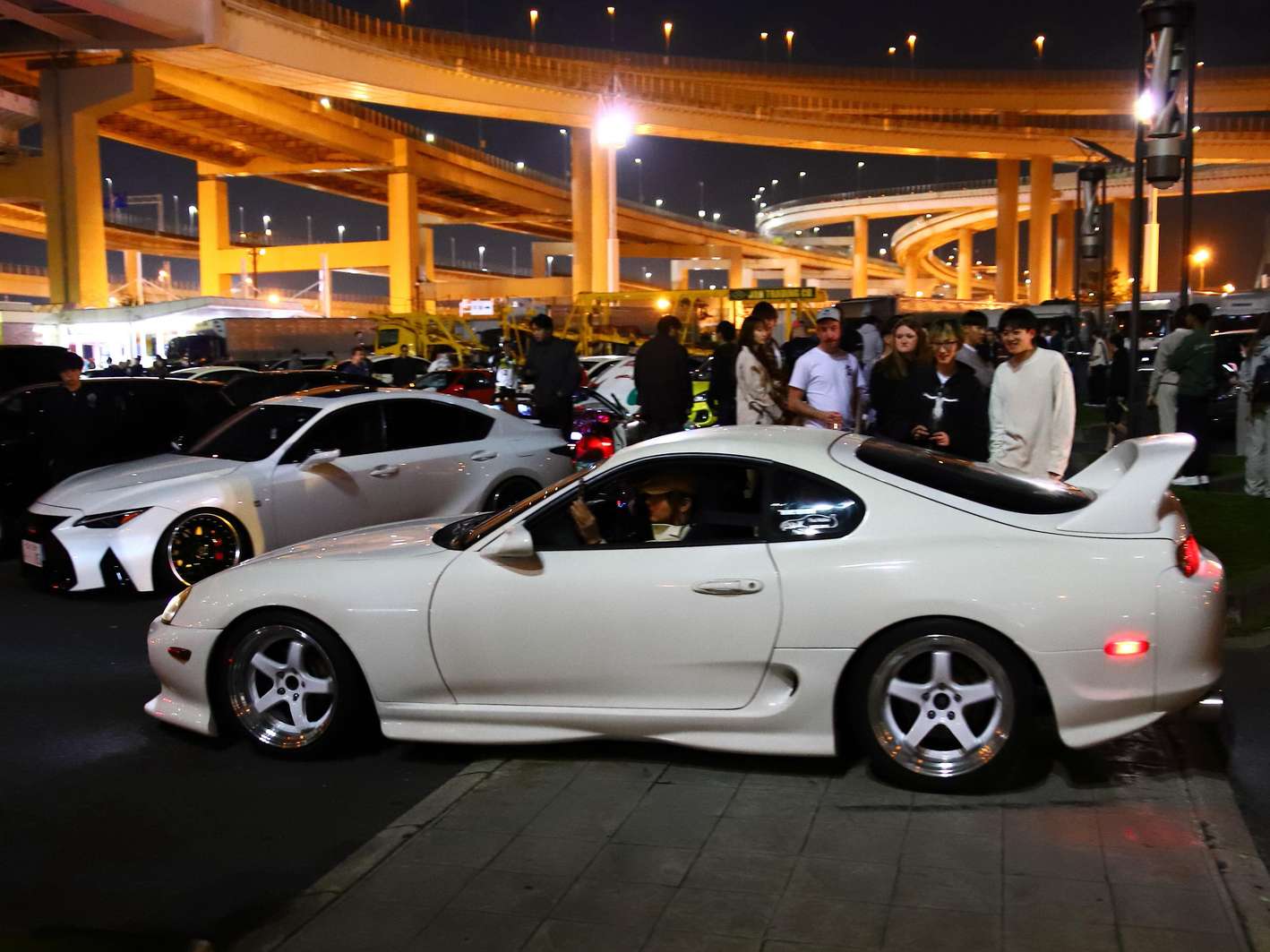
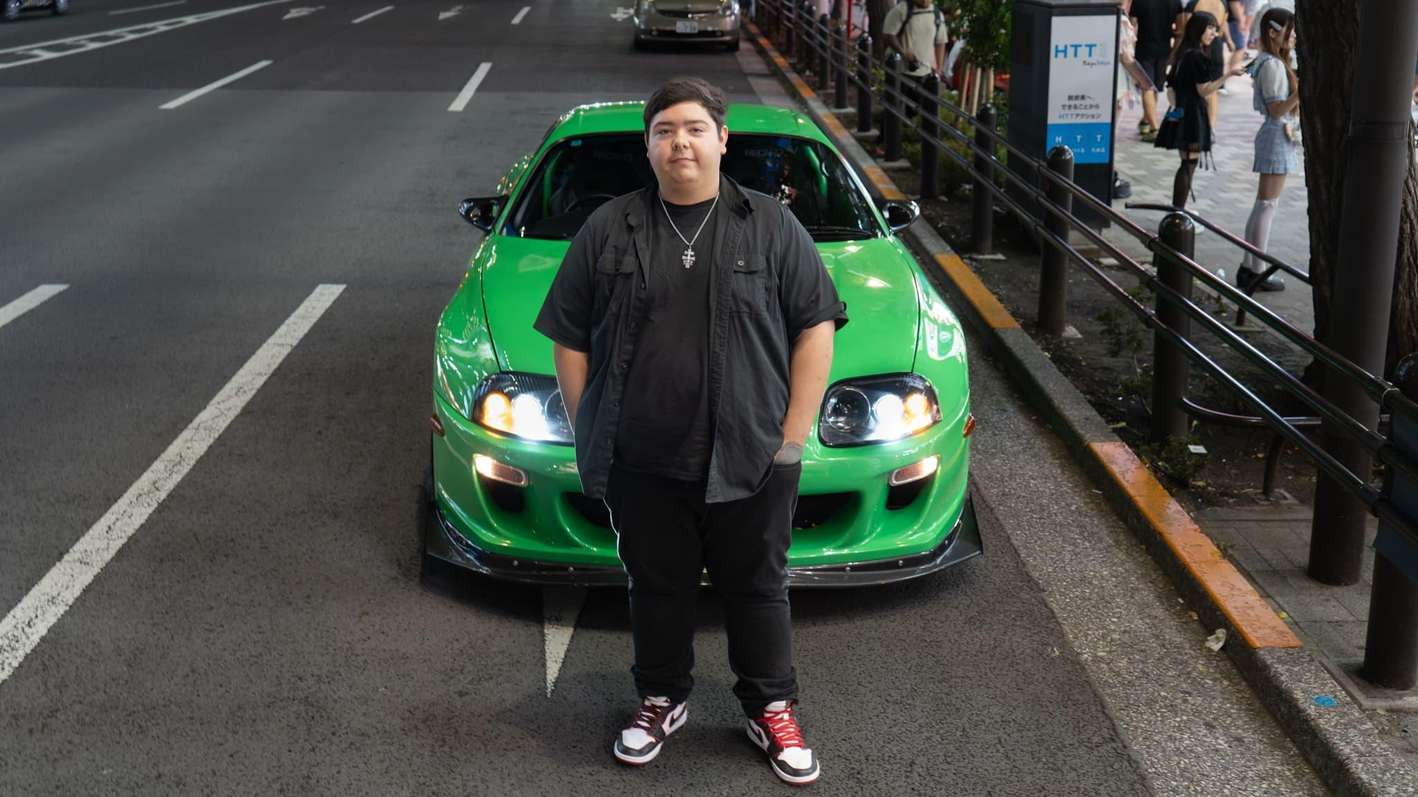
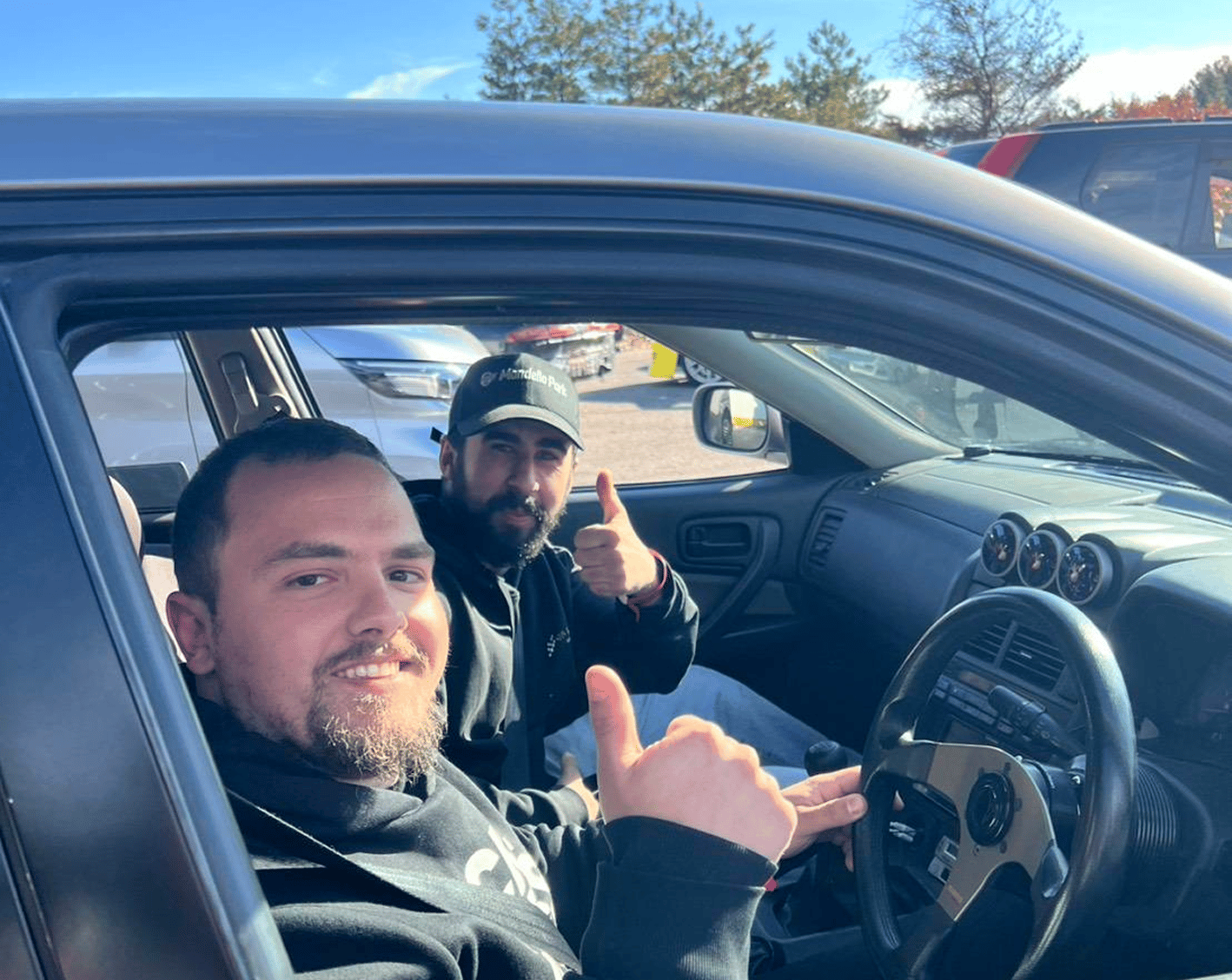
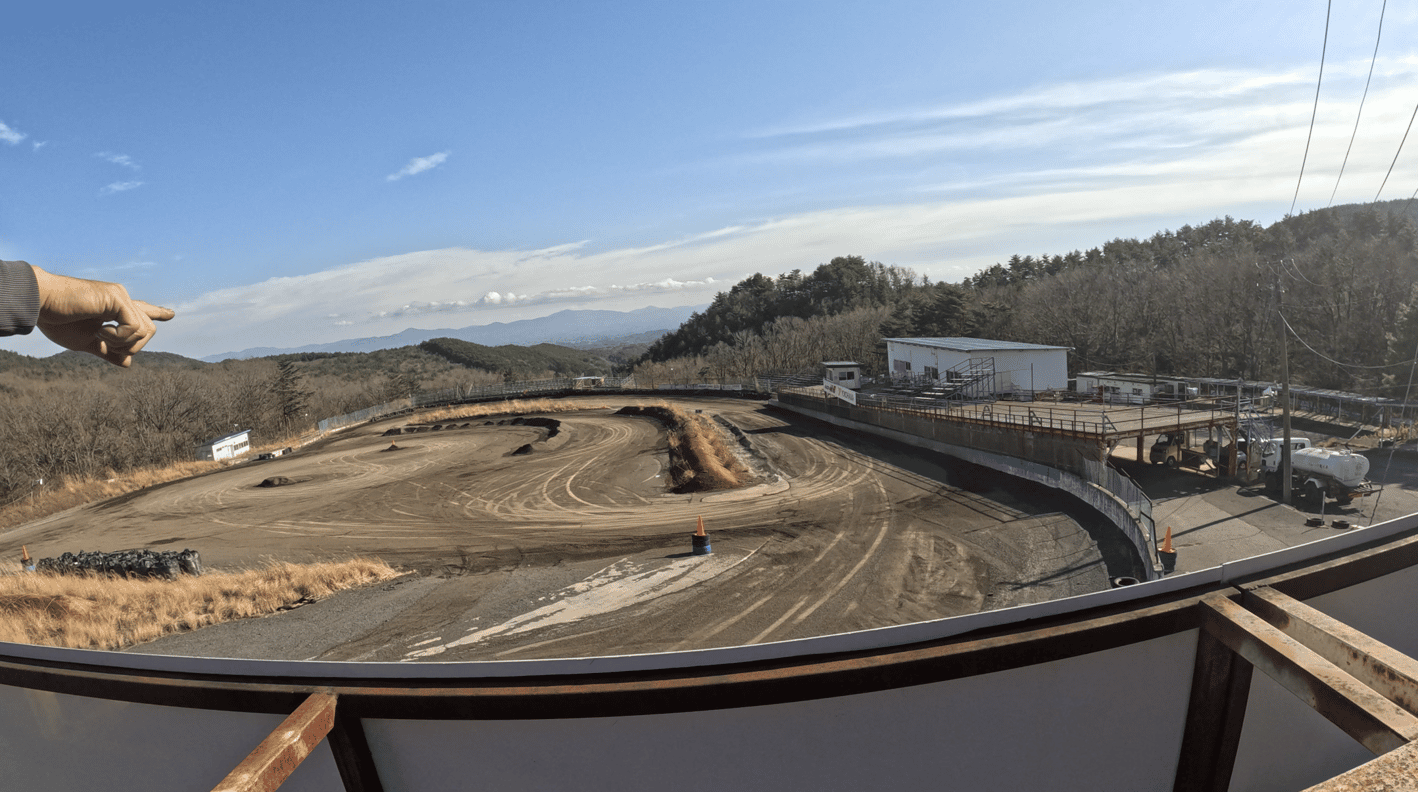
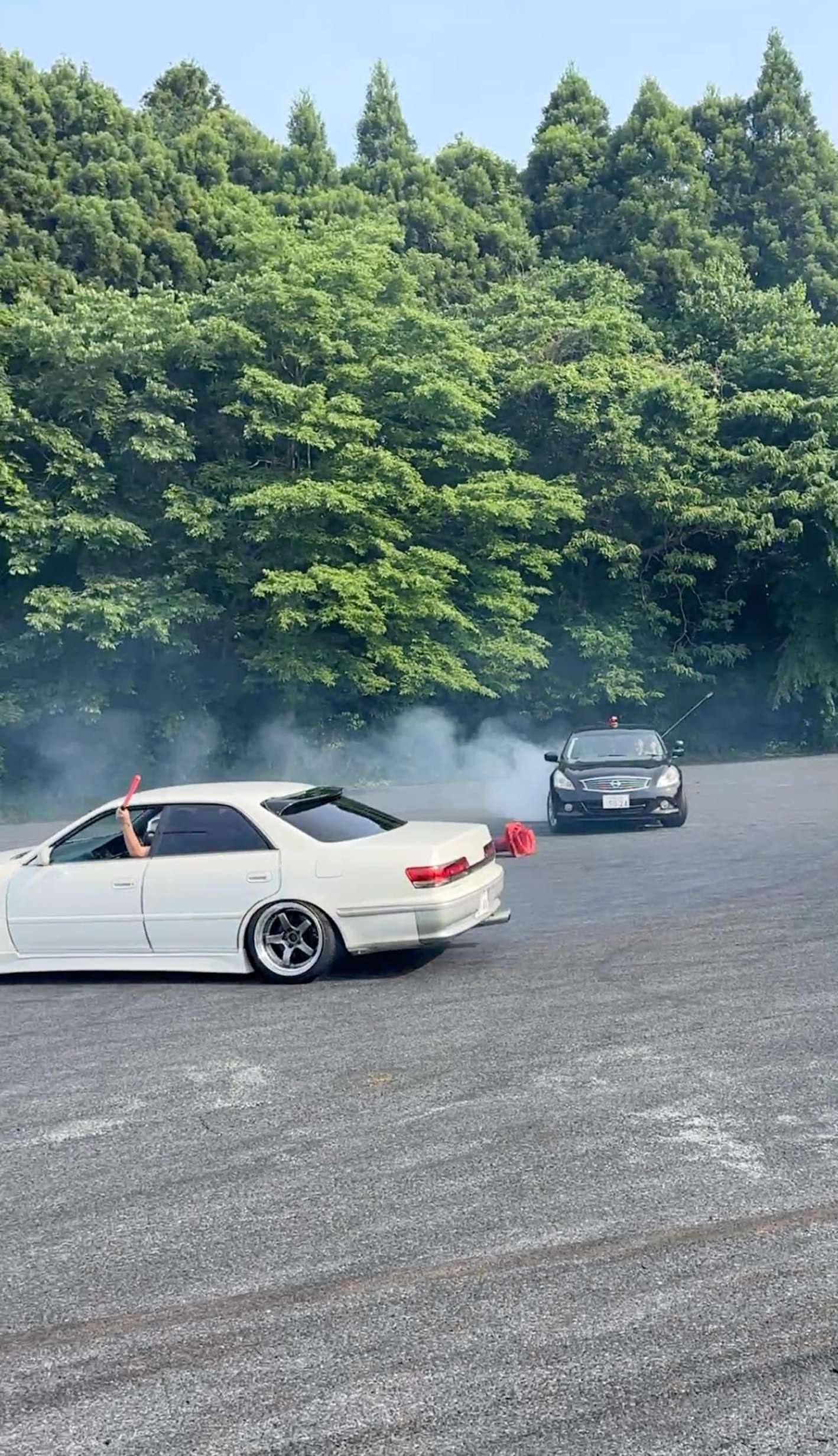
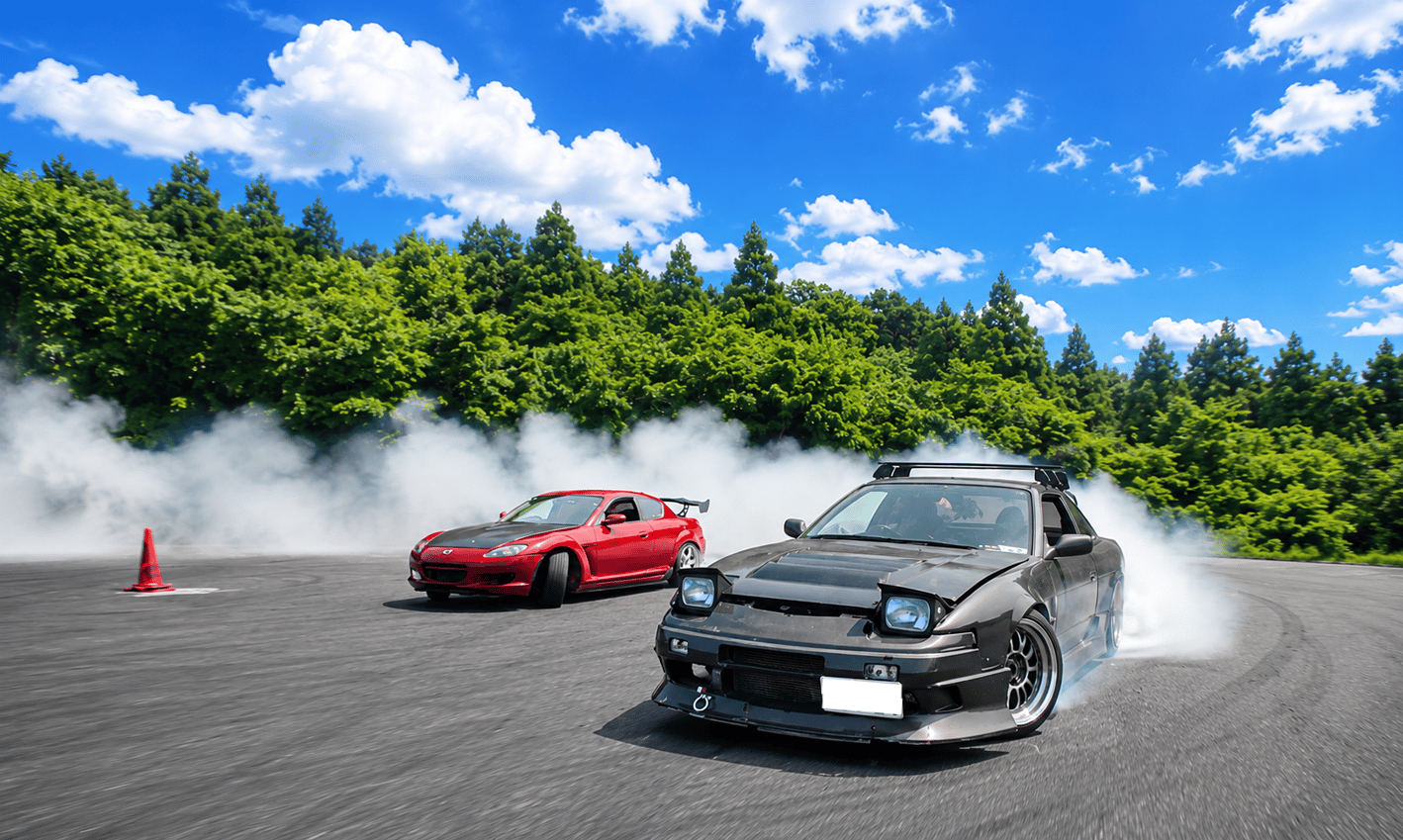
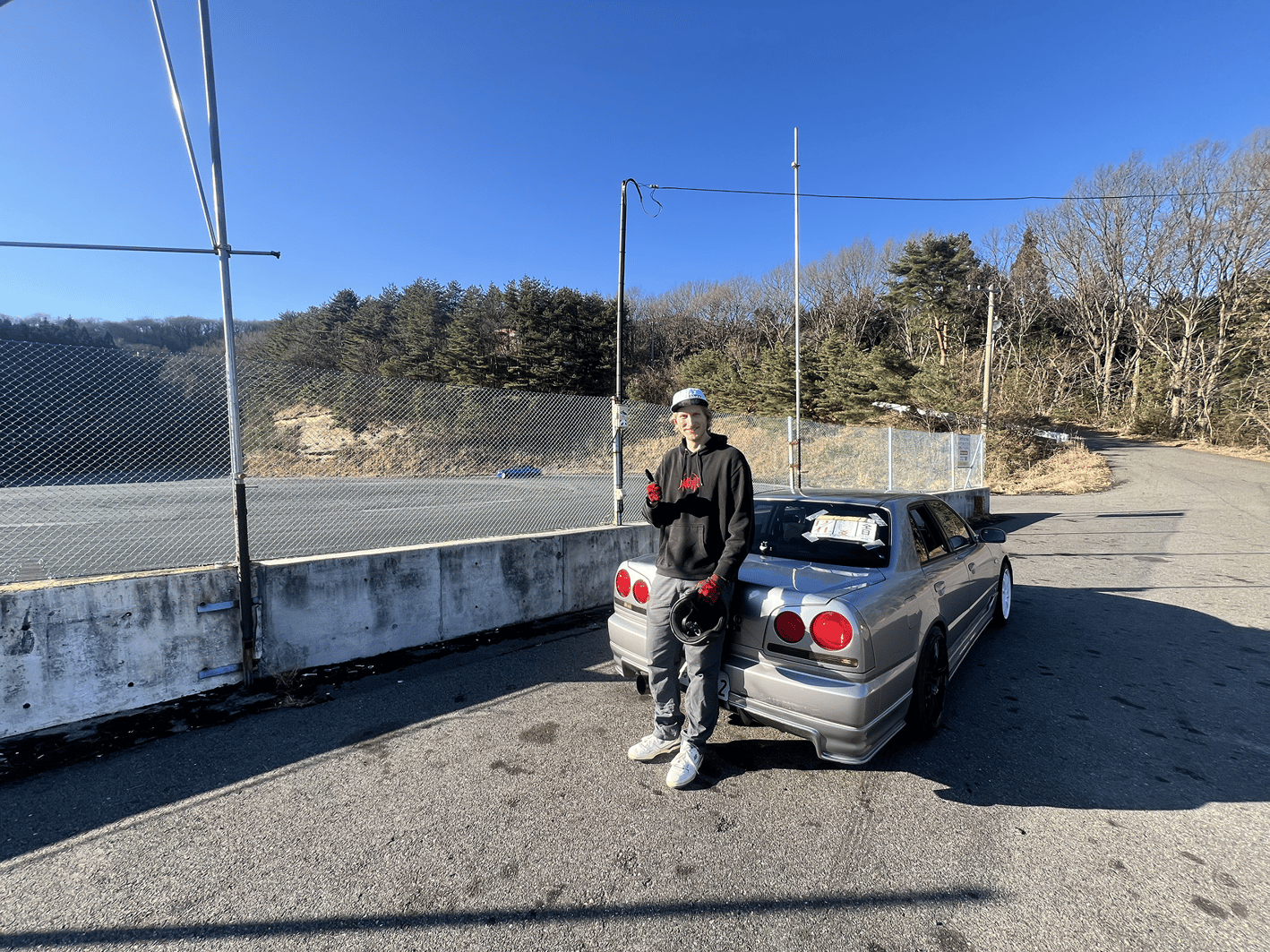
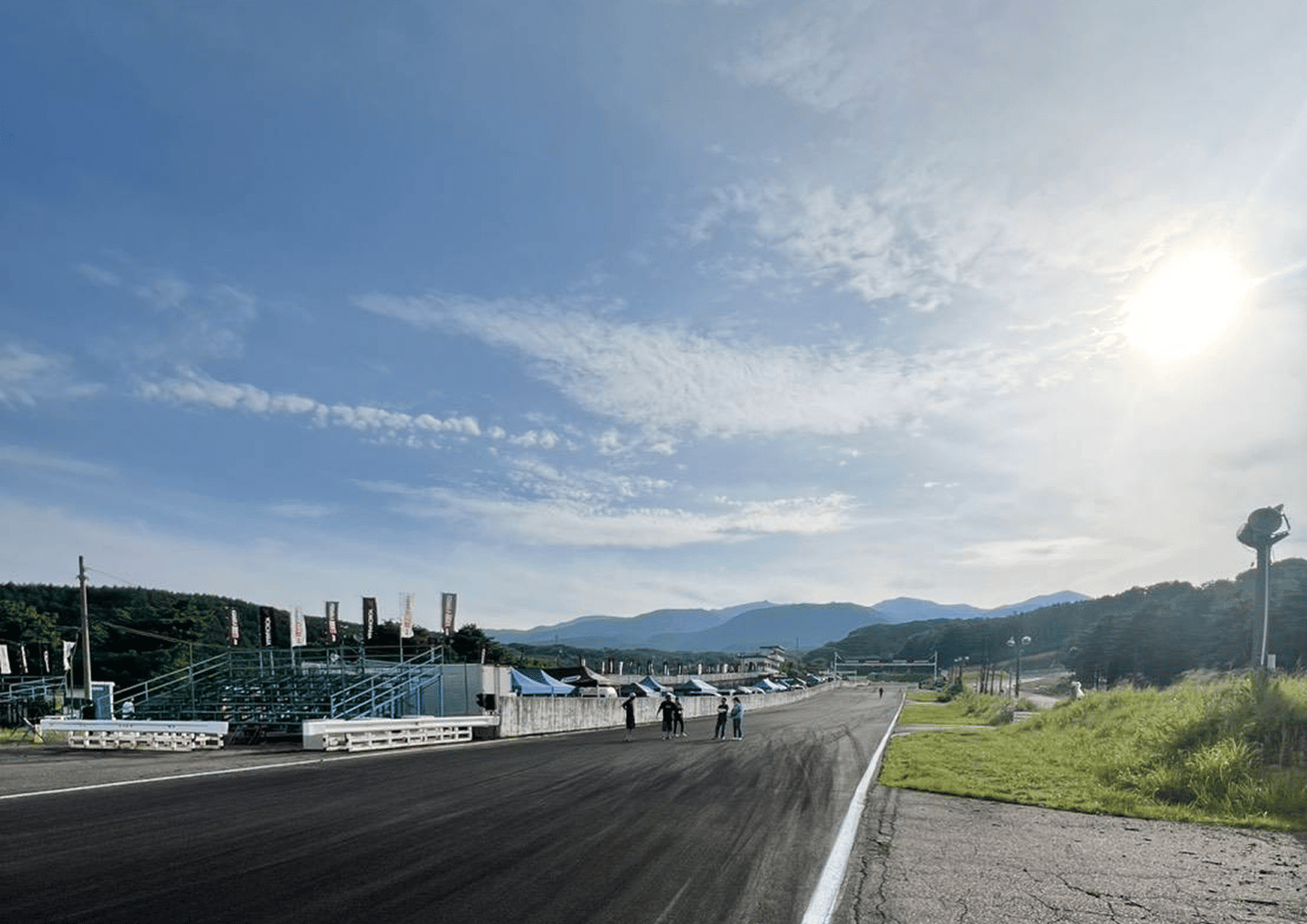
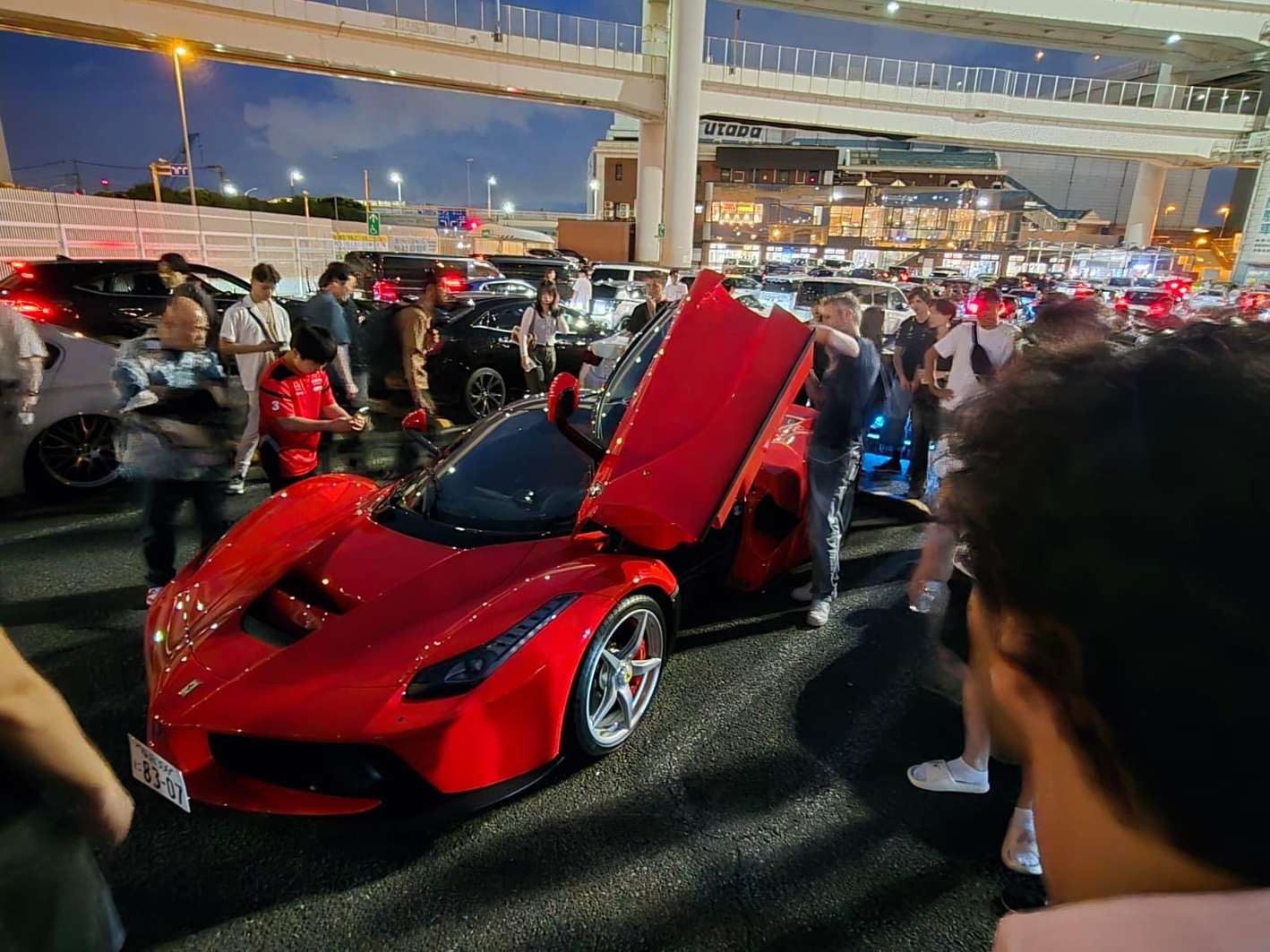
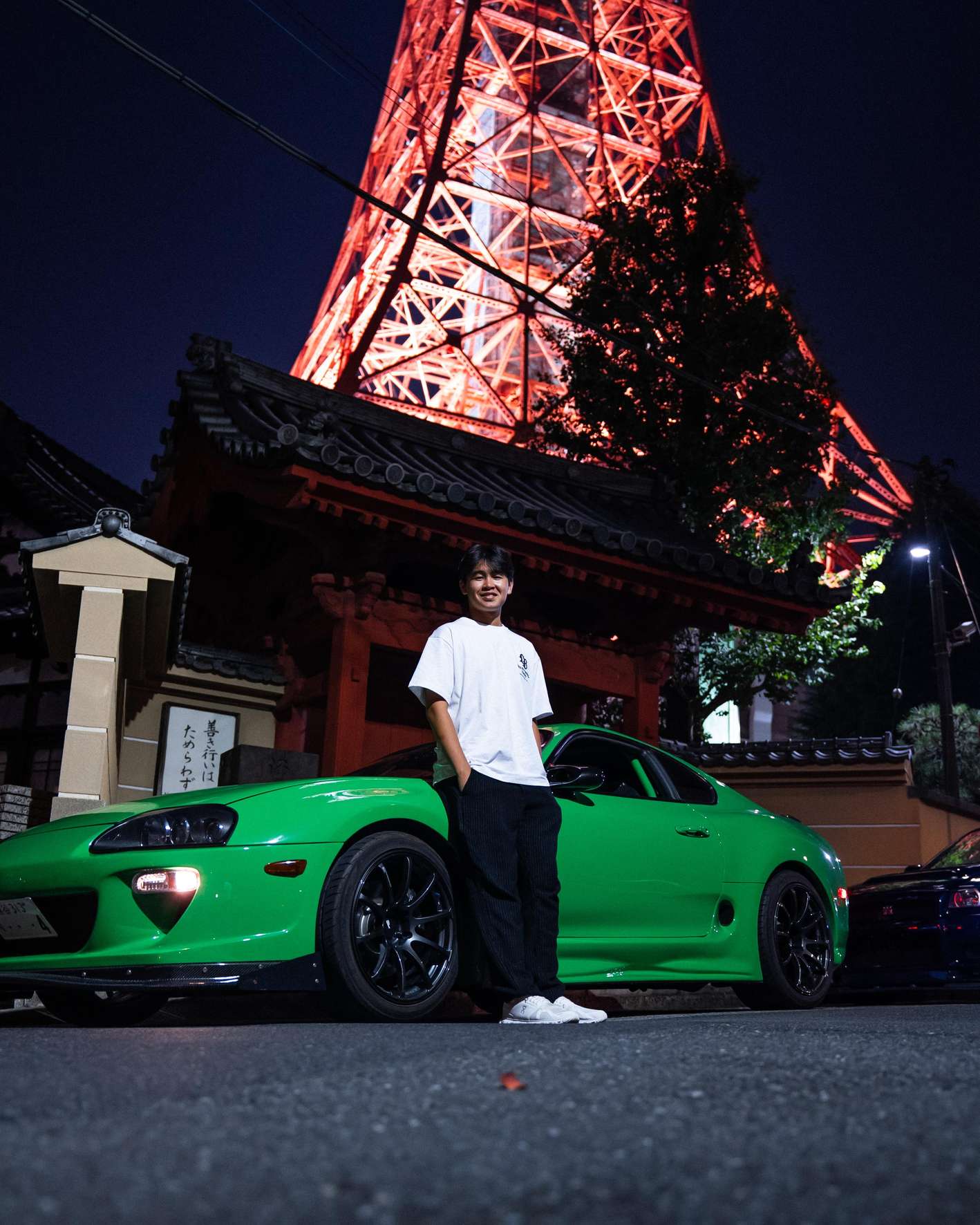
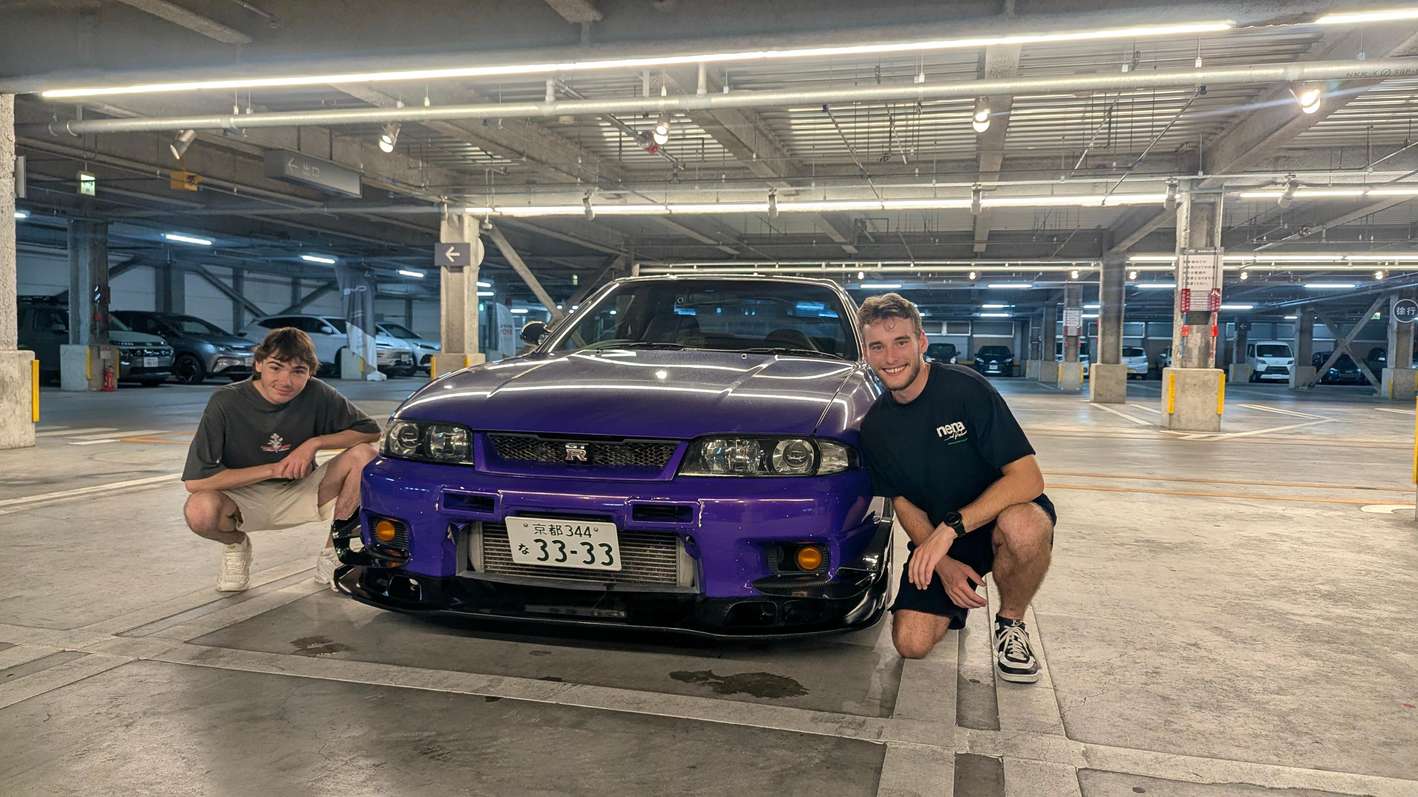
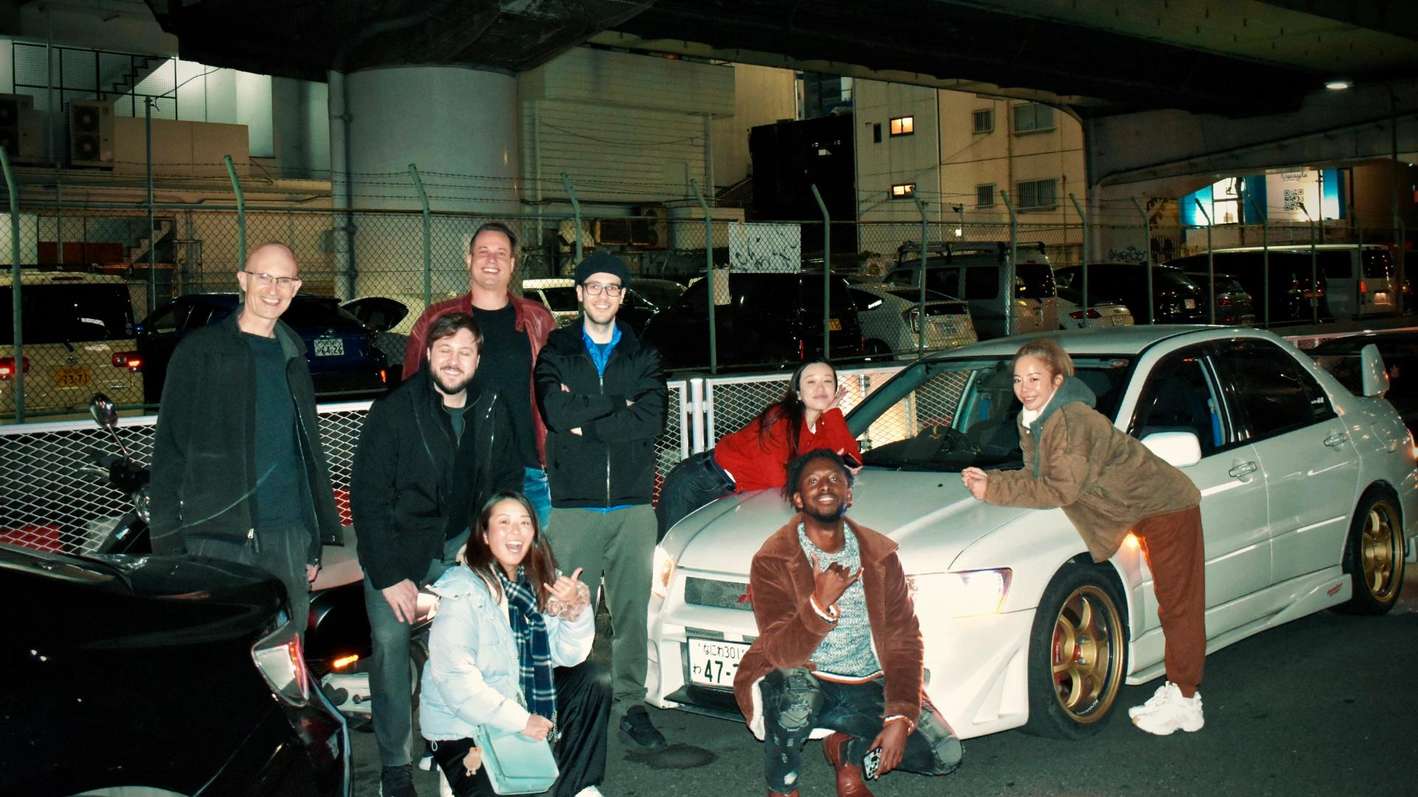
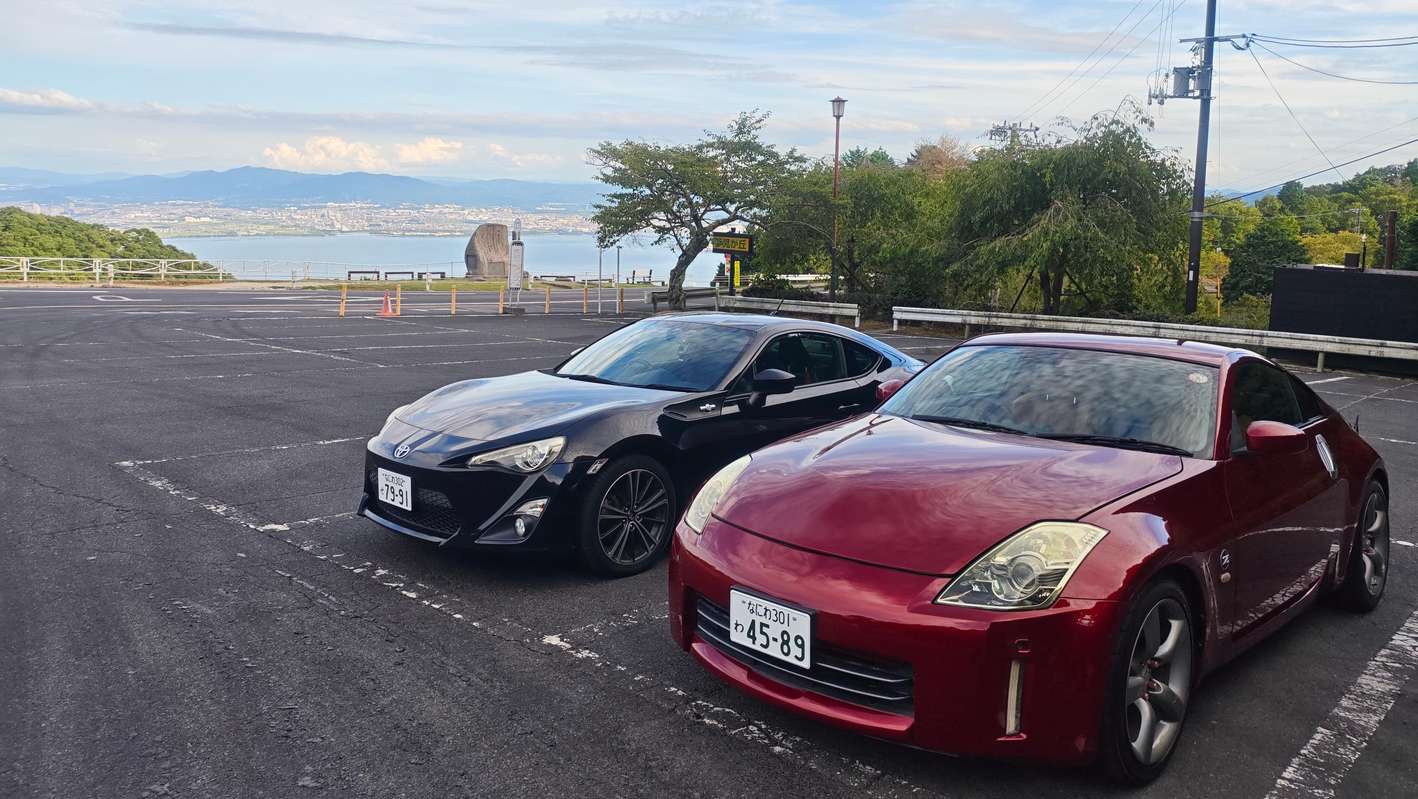
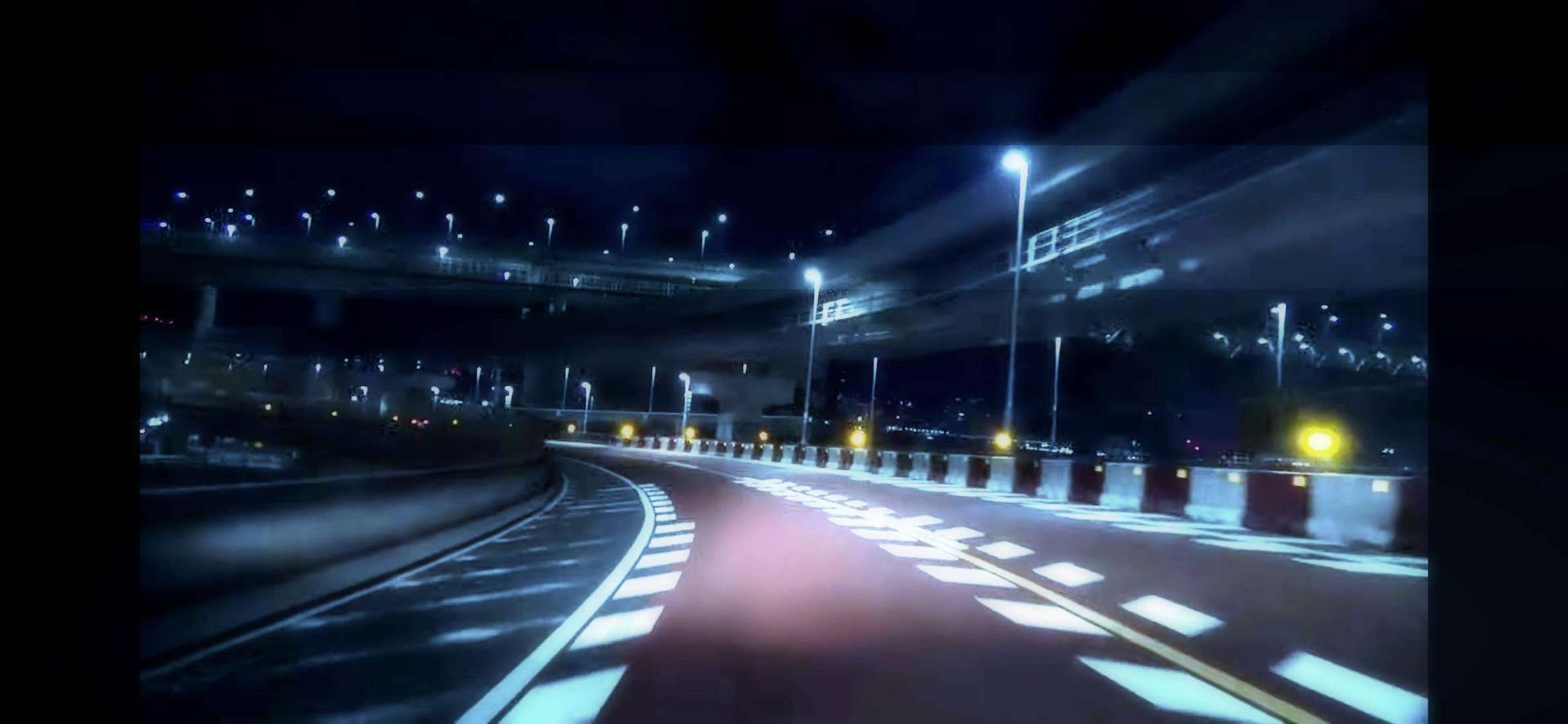
Get the night shots you came for. Ride Tokyo's neon highways in a real JDM car with a guide who is a professional photographer, stop at Tokyo Tower and Daikoku PA, and leave with cinematic photos of the city and the machines. Book your seat for the night.
4.9★average rating952traveler reviews100%free cancellation38countries travelers came from
Choosing your JDM photoshoot night in Tokyo
Four ways to put a camera and a JDM car together in one night. The difference that decides it is who holds the camera and who holds the wheel: a guided ride with photo stops, a private shoot with an edited set, or driving yourself with a photographer along.
DocumentsTo drive yourself you need your original physical licence, passport and a 1949 Convention IDP, or for Swiss, German, French, Belgian, Monacan and Taiwanese licences a certified Japanese translation instead.
AgeSelf-drive tours require drivers to be 23 or older; passengers on guided rides need no licence and there is no age limit for riding along.
Credit cardR34 drivers on the self-drive tour must bring a credit card, not a debit card, and missing requirements mean no participation and no refund.
ClosuresPolice can close Daikoku PA without notice, most often on weekend nights from about 8:30 pm; tours then divert to another spot such as Umihotaru PA or offer a full refund.
EtiquetteAsk an owner before photographing a car up close, never touch or lean on one, and keep your voice down; the meets are community gatherings you are a guest at.
ContactOne R34 tour operator asks for a WhatsApp or Instagram contact after booking so updates reach you before departure.
WeatherCheck conditions before you go; rain rarely kills a meet, though heavy rain or a police closure can change the night.
ClothingWear comfortable clothes suited to the weather and bring a camera for your own shots alongside the tour's photos.
BookingSort your ride before you arrive in Tokyo; tours sell out and turning up on the day hoping for a seat is a gamble.
closureDaikoku PA, the backdrop for many a Tokyo JDM photoshoot, can be closed by police on the night itself, with no notice and no schedule to check in advance.
Book with a tour that has a plan: most divert to another bay spot such as Umihotaru PA, and several offer a reschedule or a full refund if you would rather not take the alternative. Keep your messaging app notifications on so you hear before departure.
JDM photoshoot tour options compared
Cheapest
2.5 hours·English, Japanese
4.7(8)
Tokyo: Fast & Furious Tokyo Drift Location Tour with Photos
The lowest entry price on the page, and the guide doubles as a professional photographer who helps you get cinematic night shots
Free cancellationGuided night tour in TokyoRide in authentic JDM-style cars
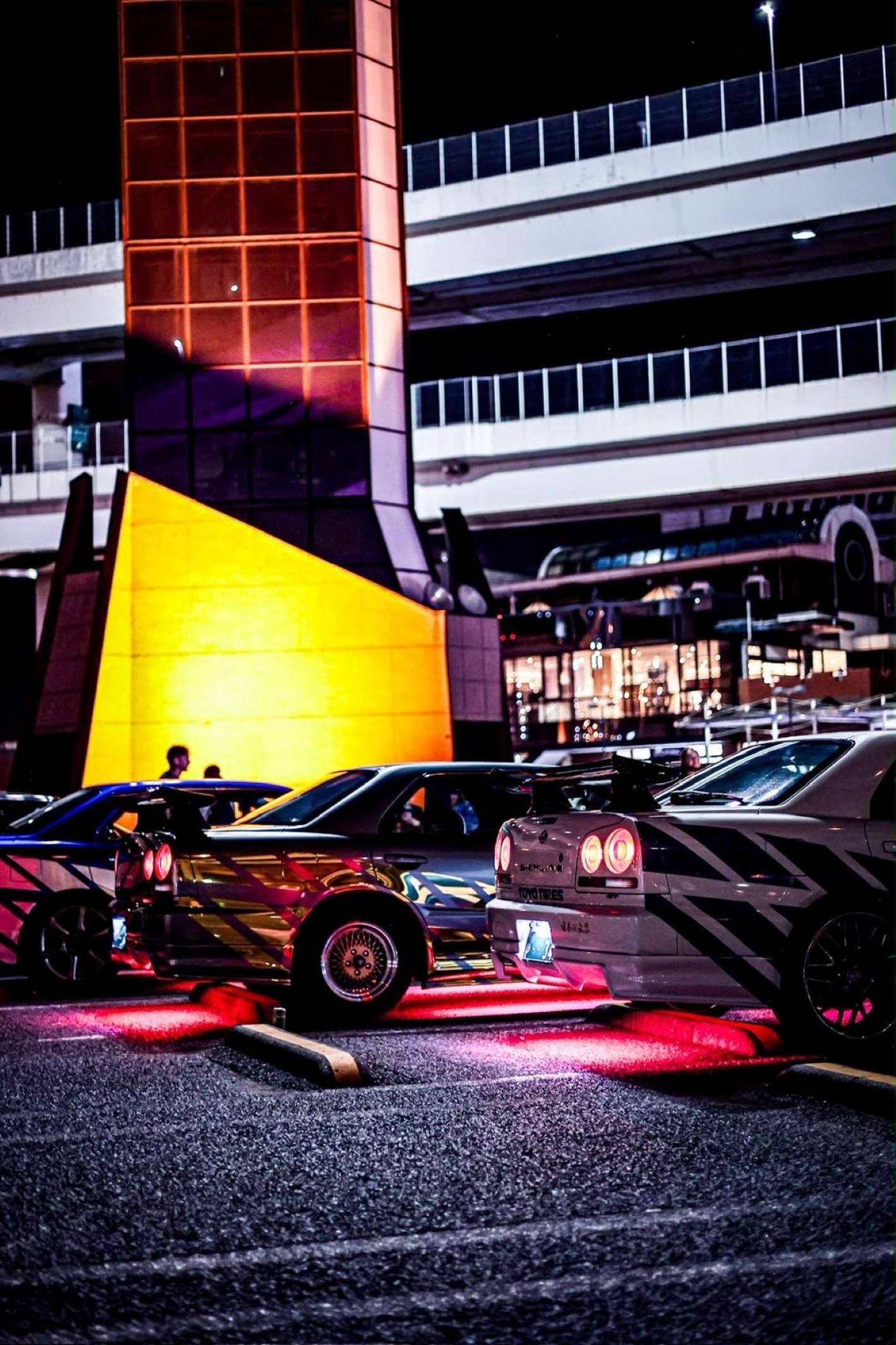
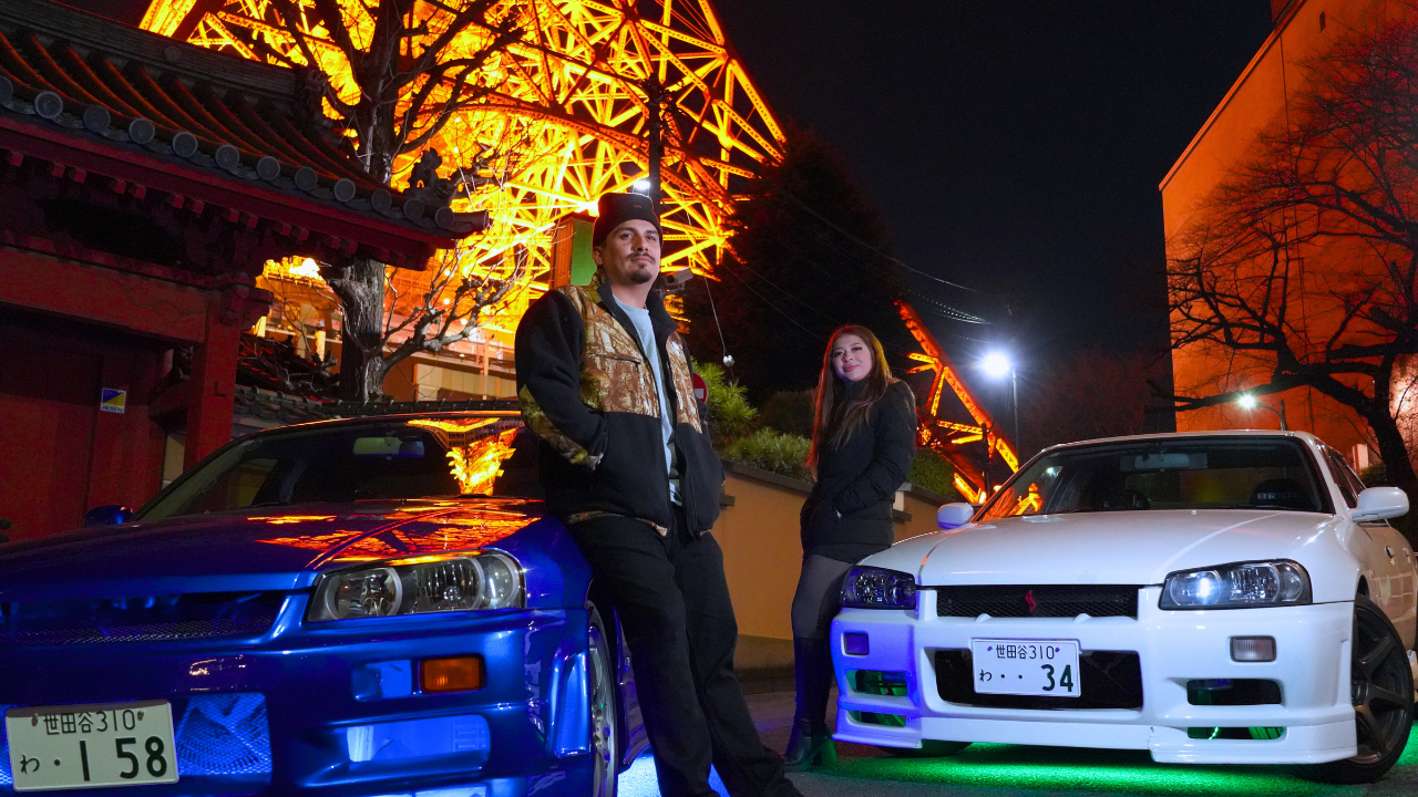
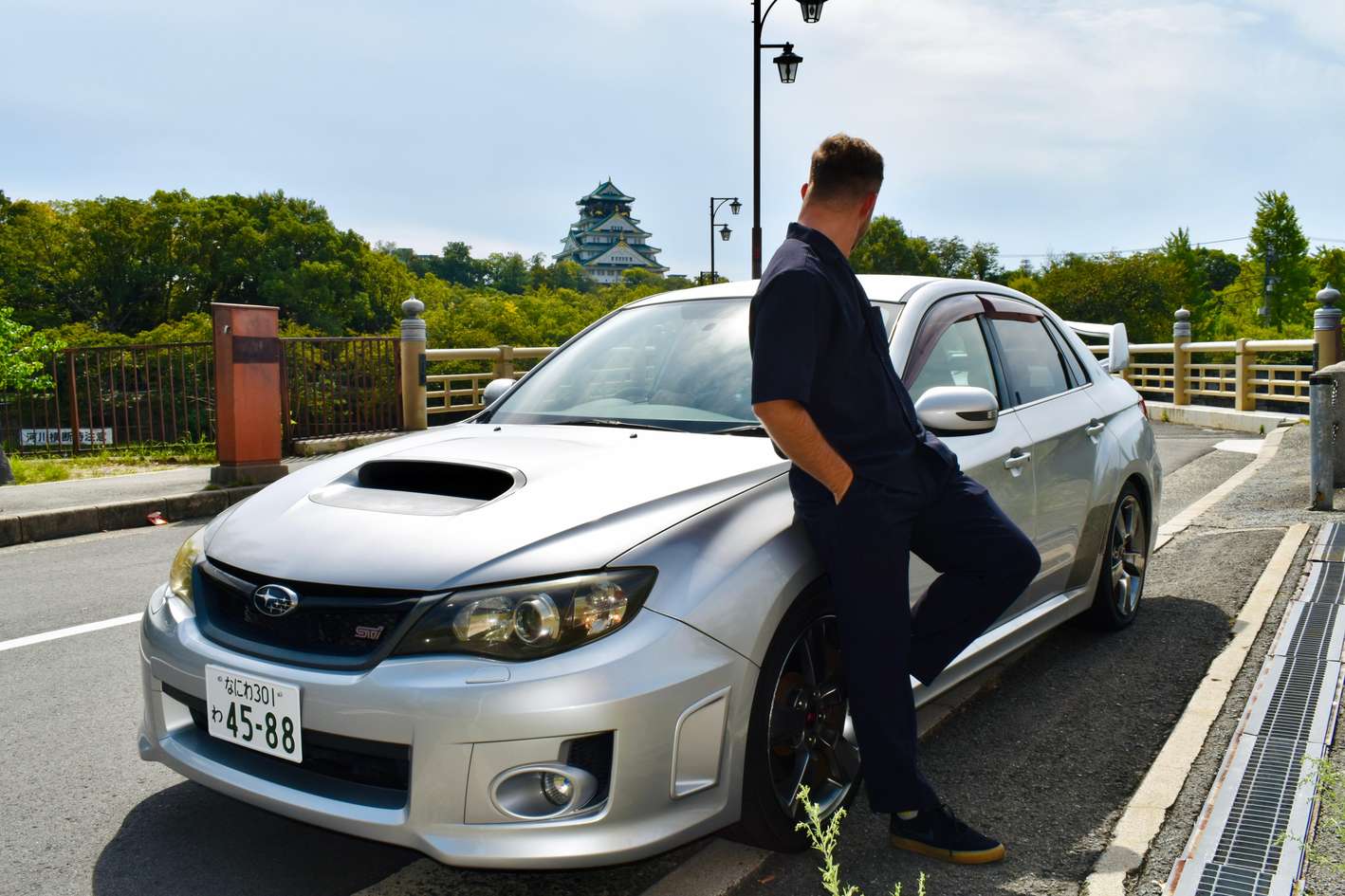
The night starts at Tokyo Tower, where you step out of a JDM-style car for photos with the lit-up landmark behind you.
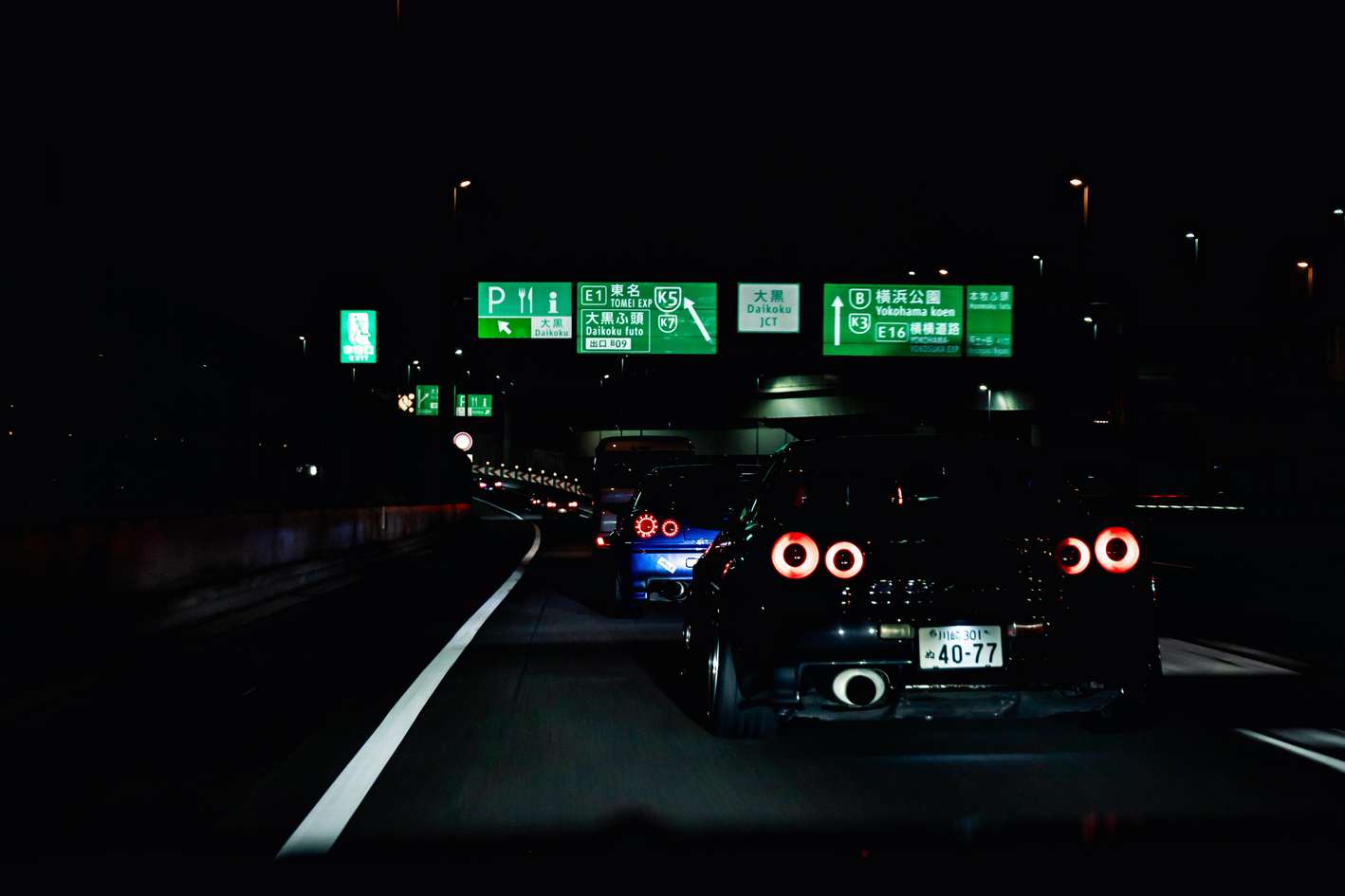
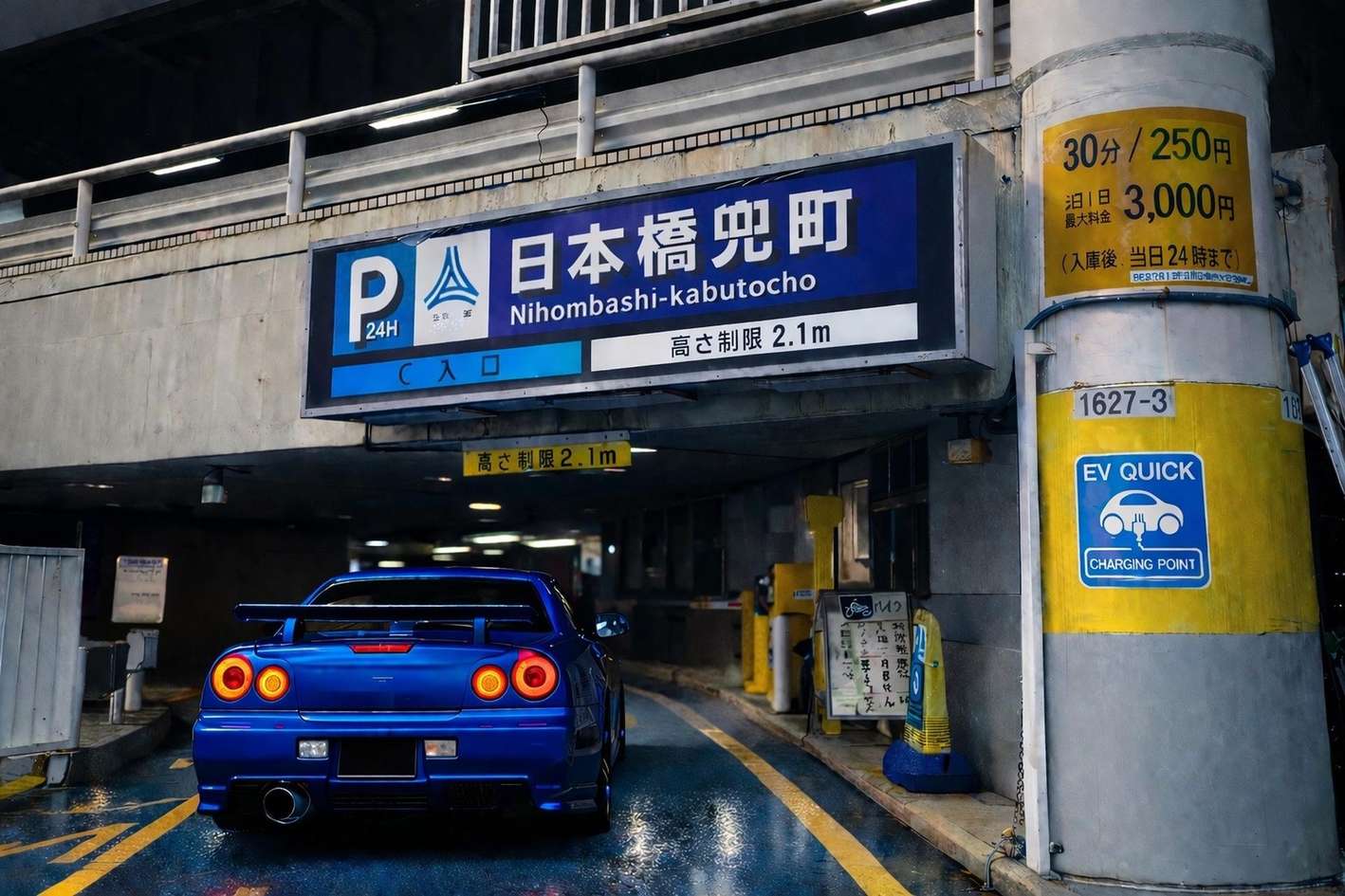
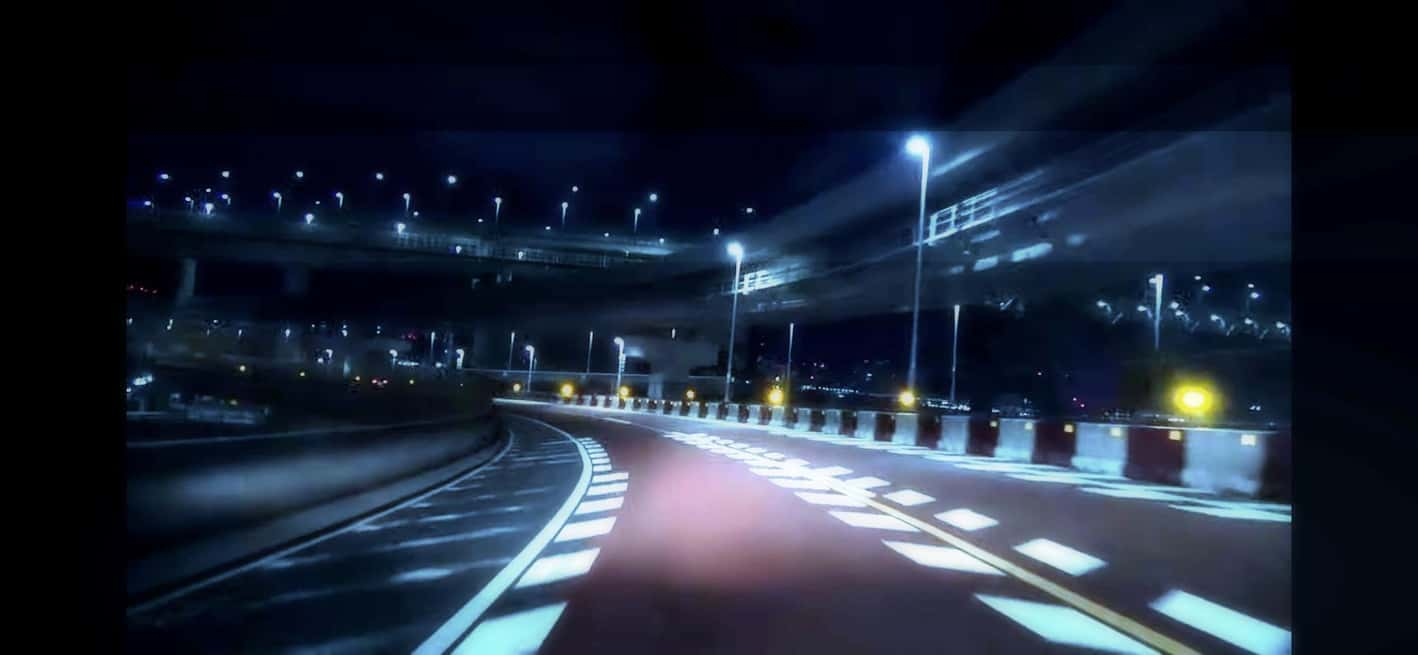
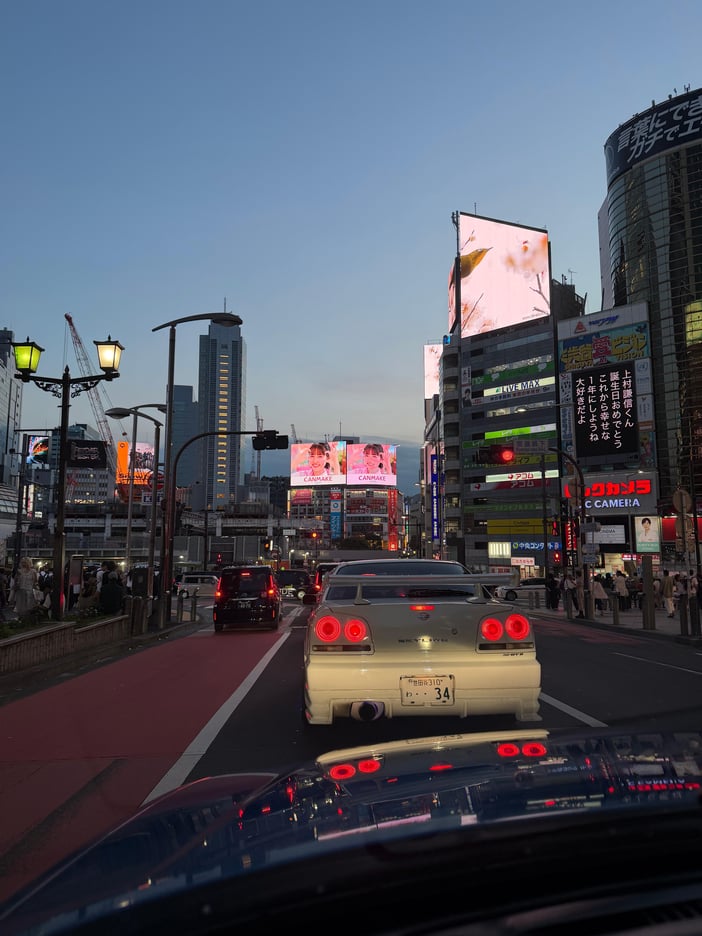
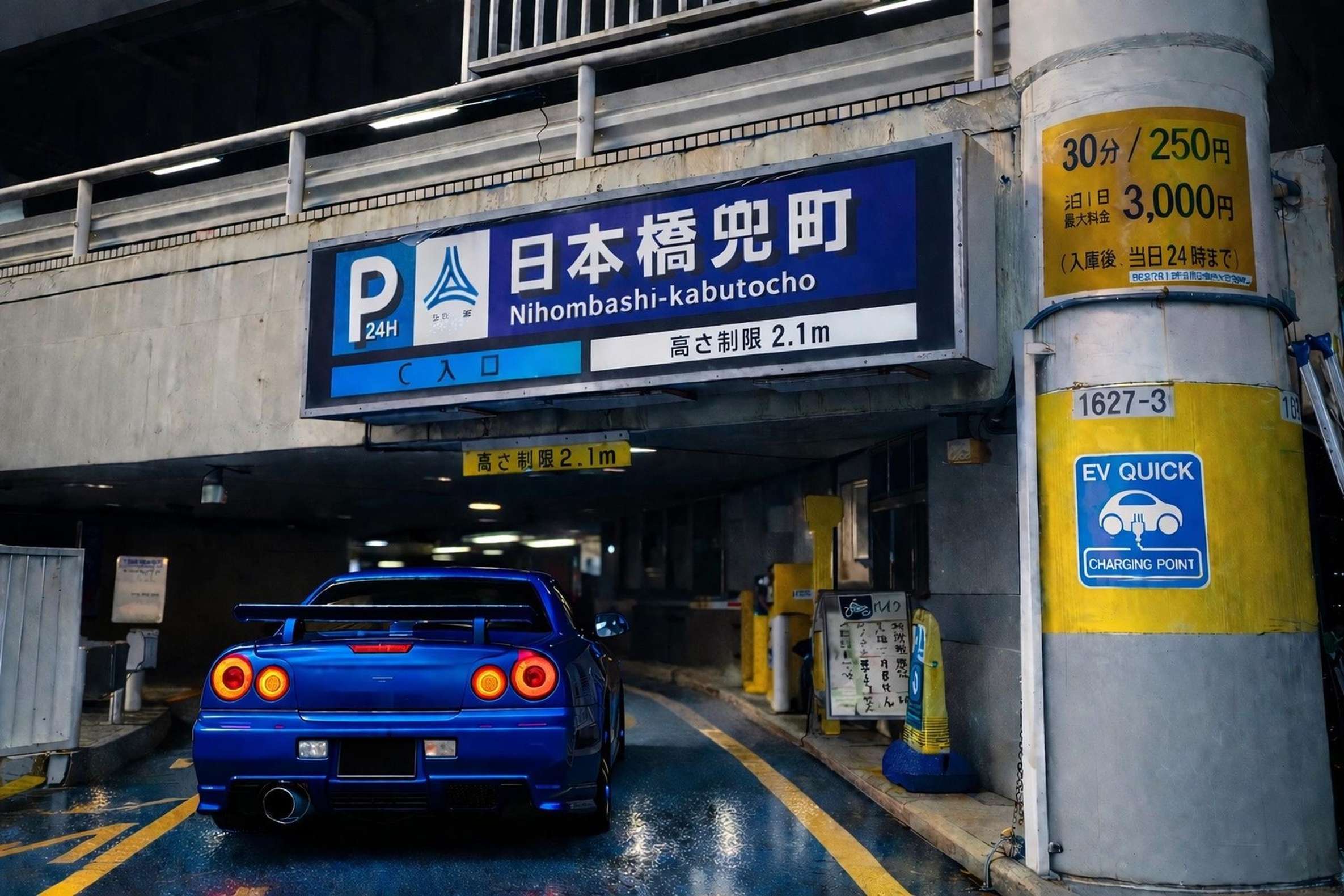
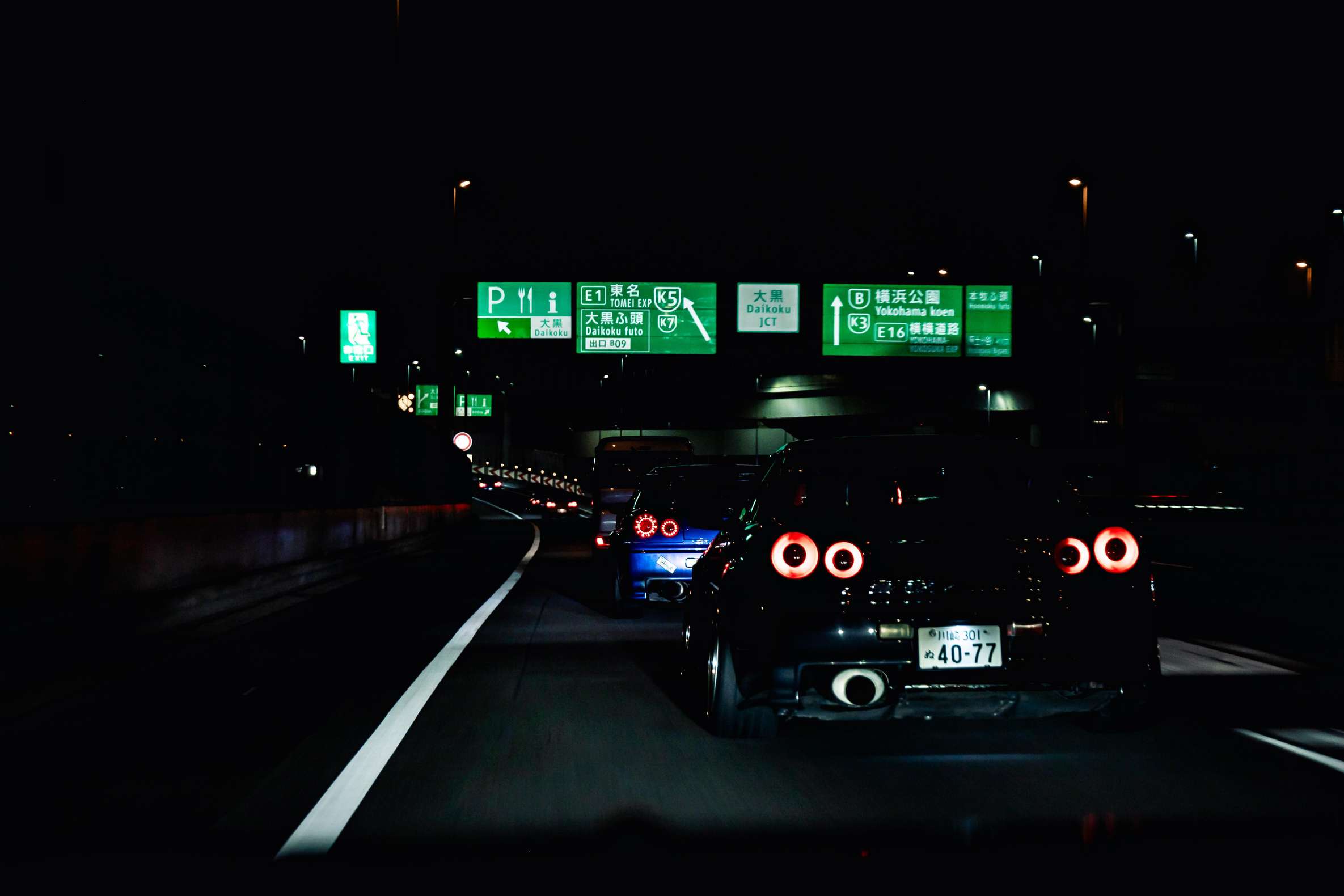
From there the route runs under Rainbow Bridge, along the Shuto Expressway C1 Loop, and into the Kabutocho parking lot, an urban underpass with a raw street look that photographers keep coming back to.
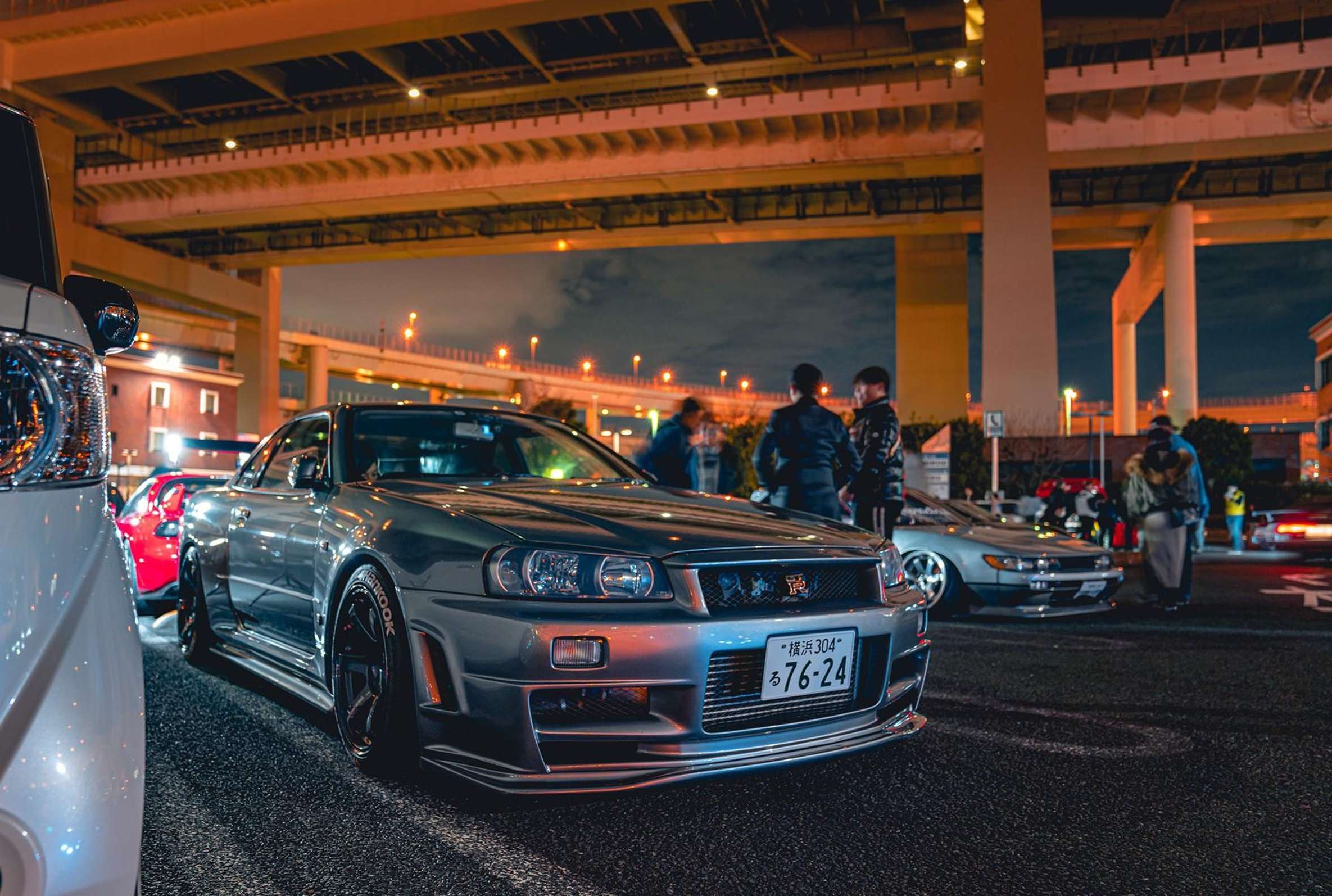
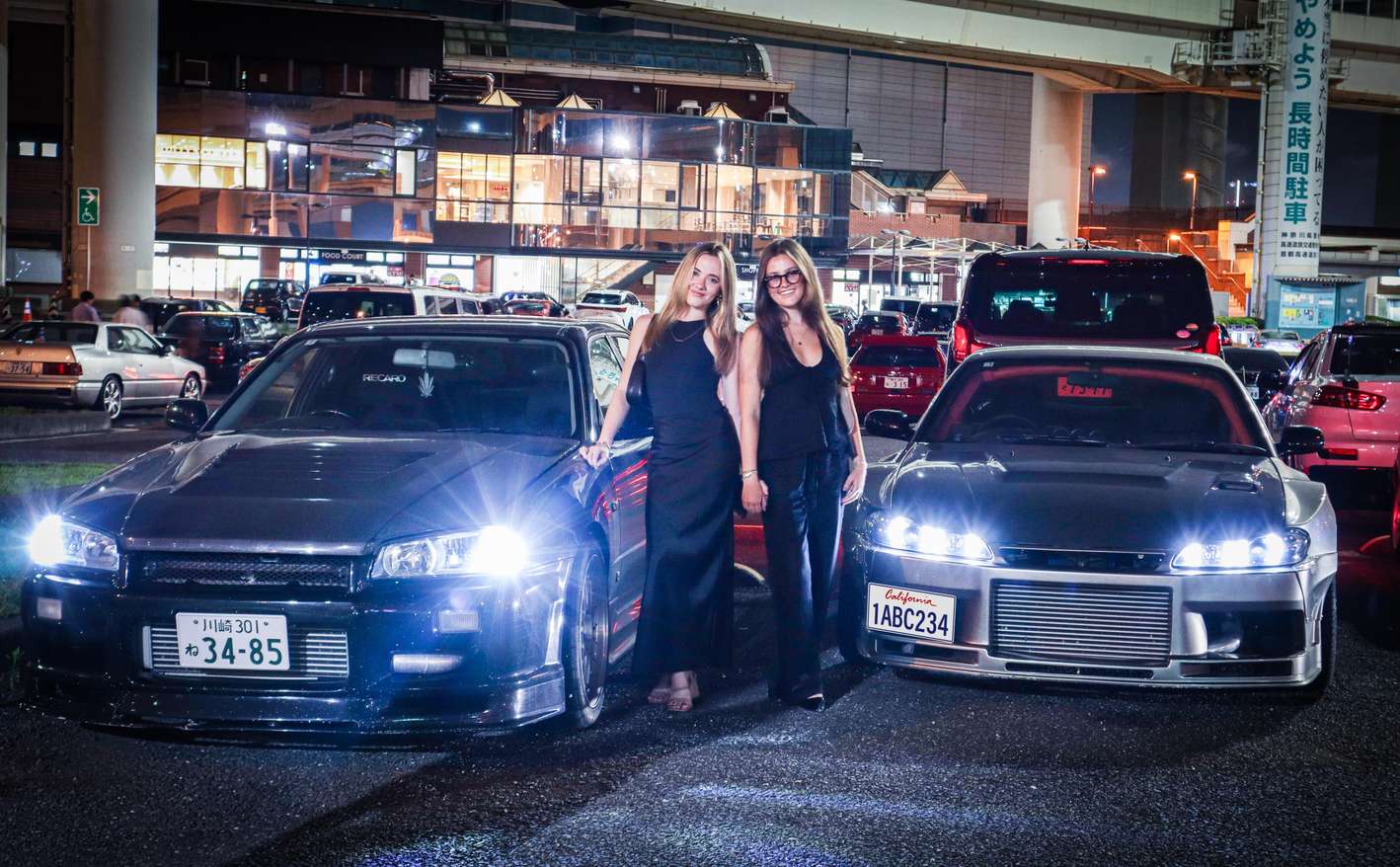
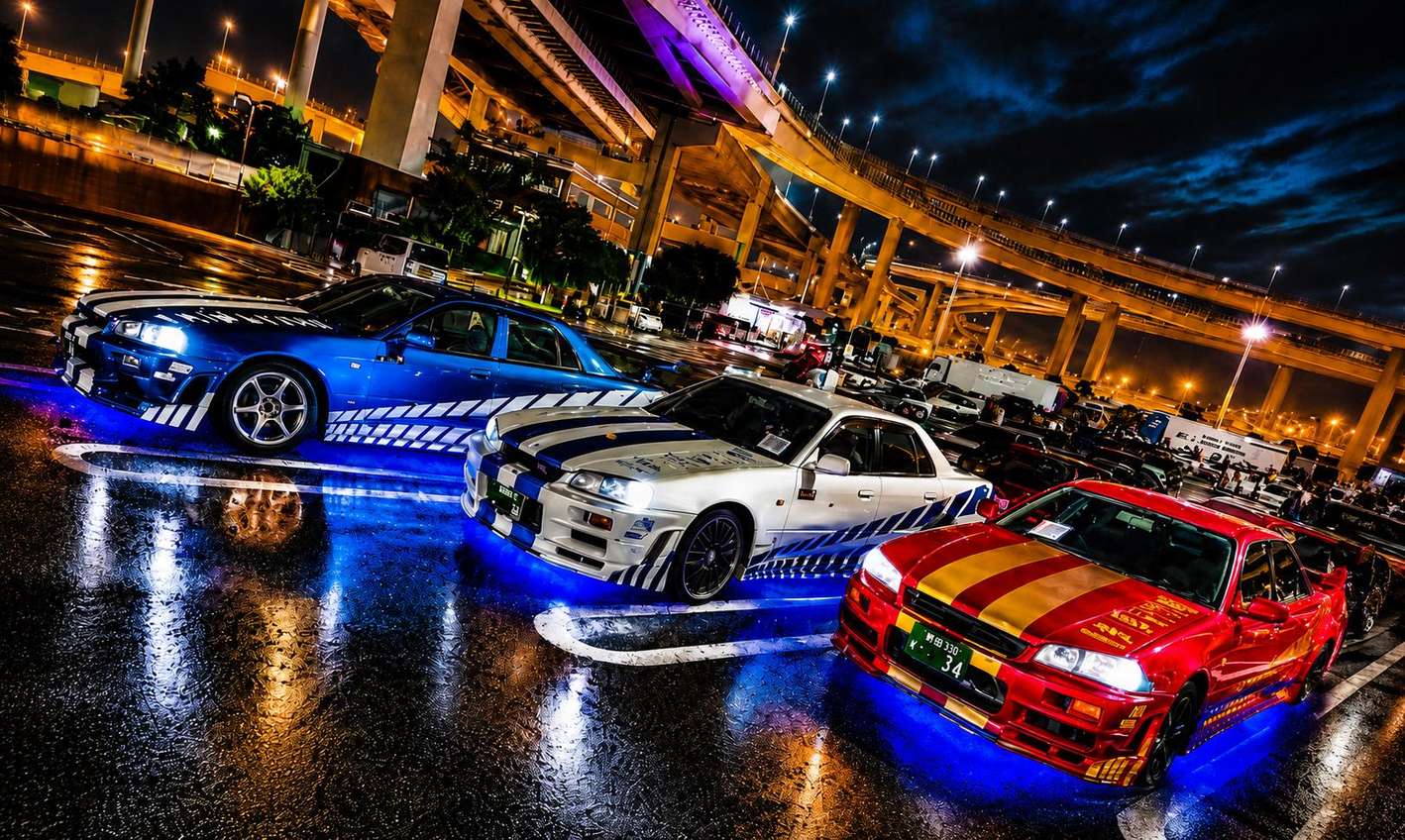
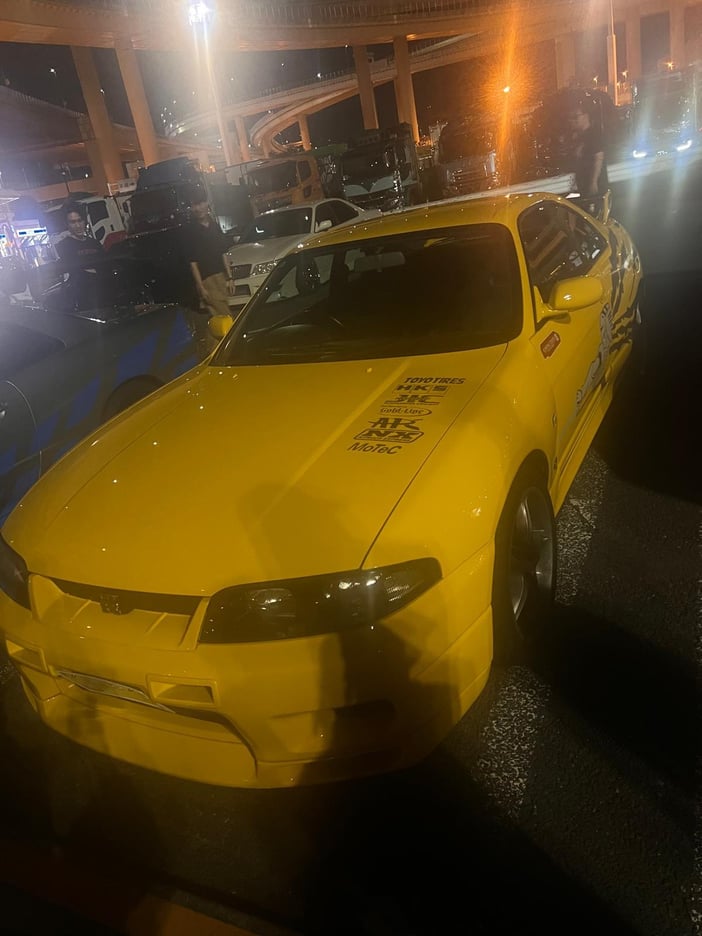
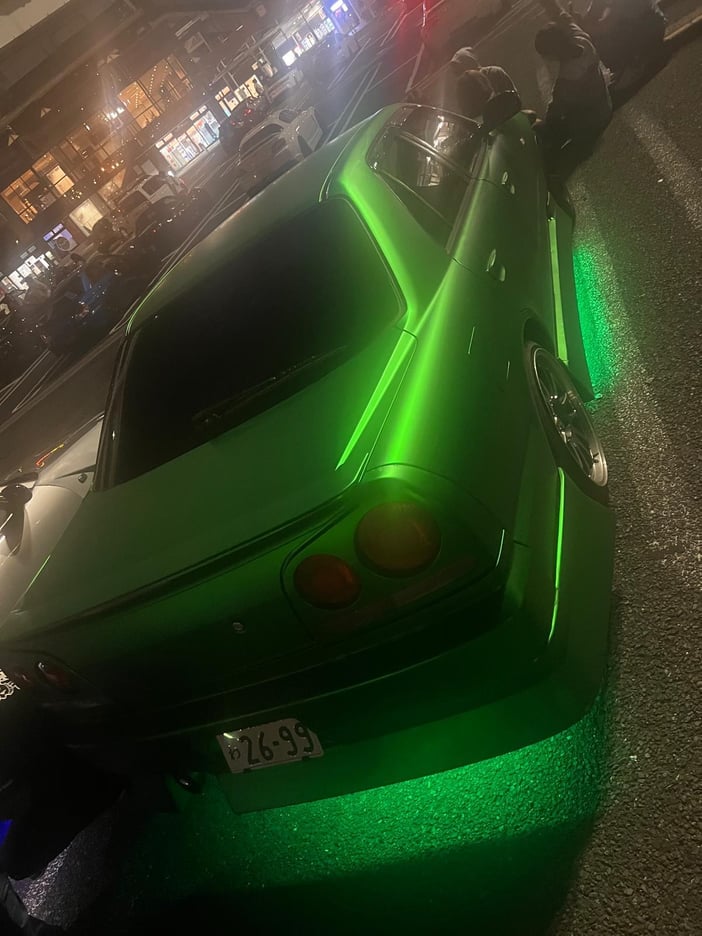
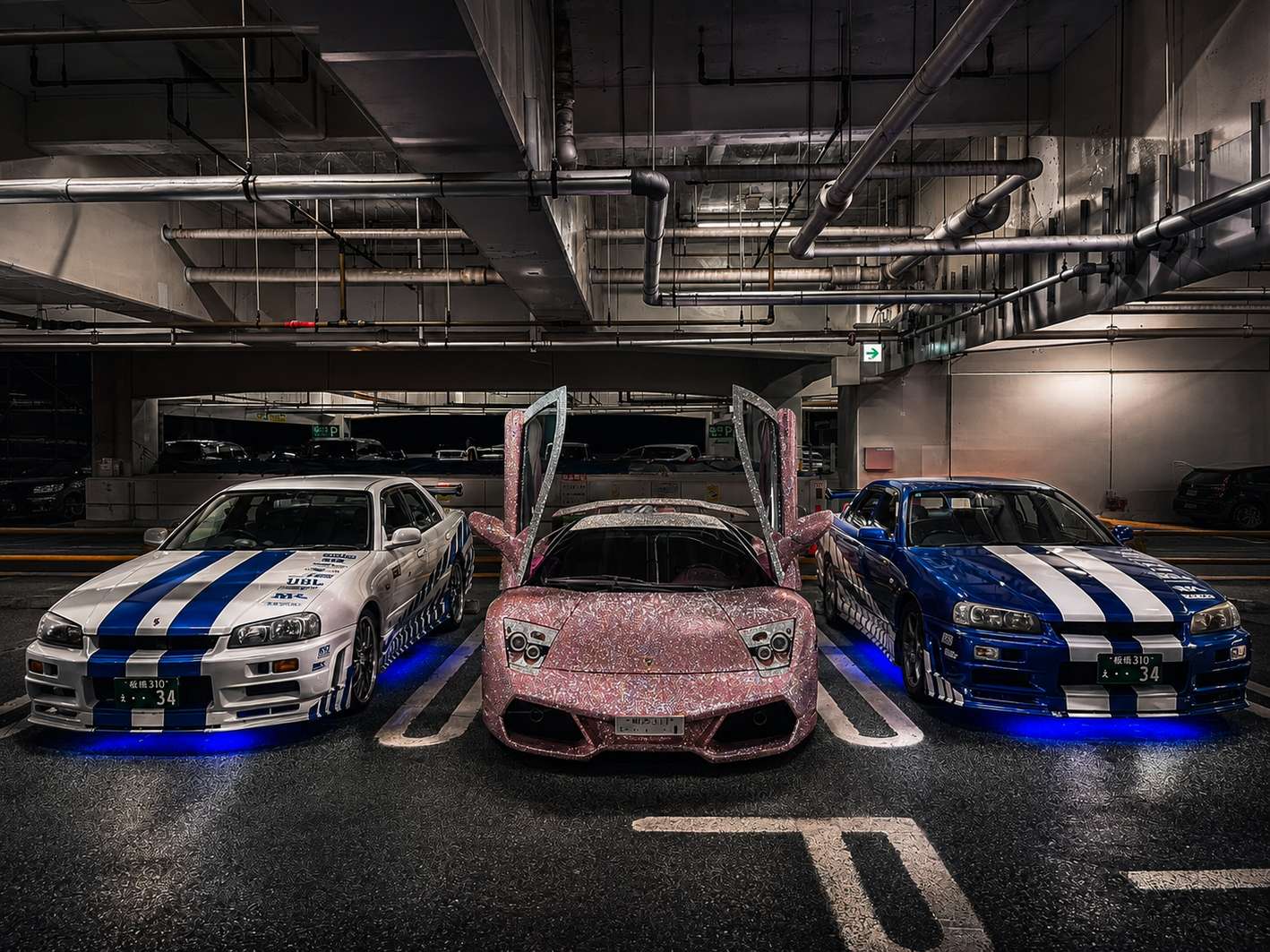
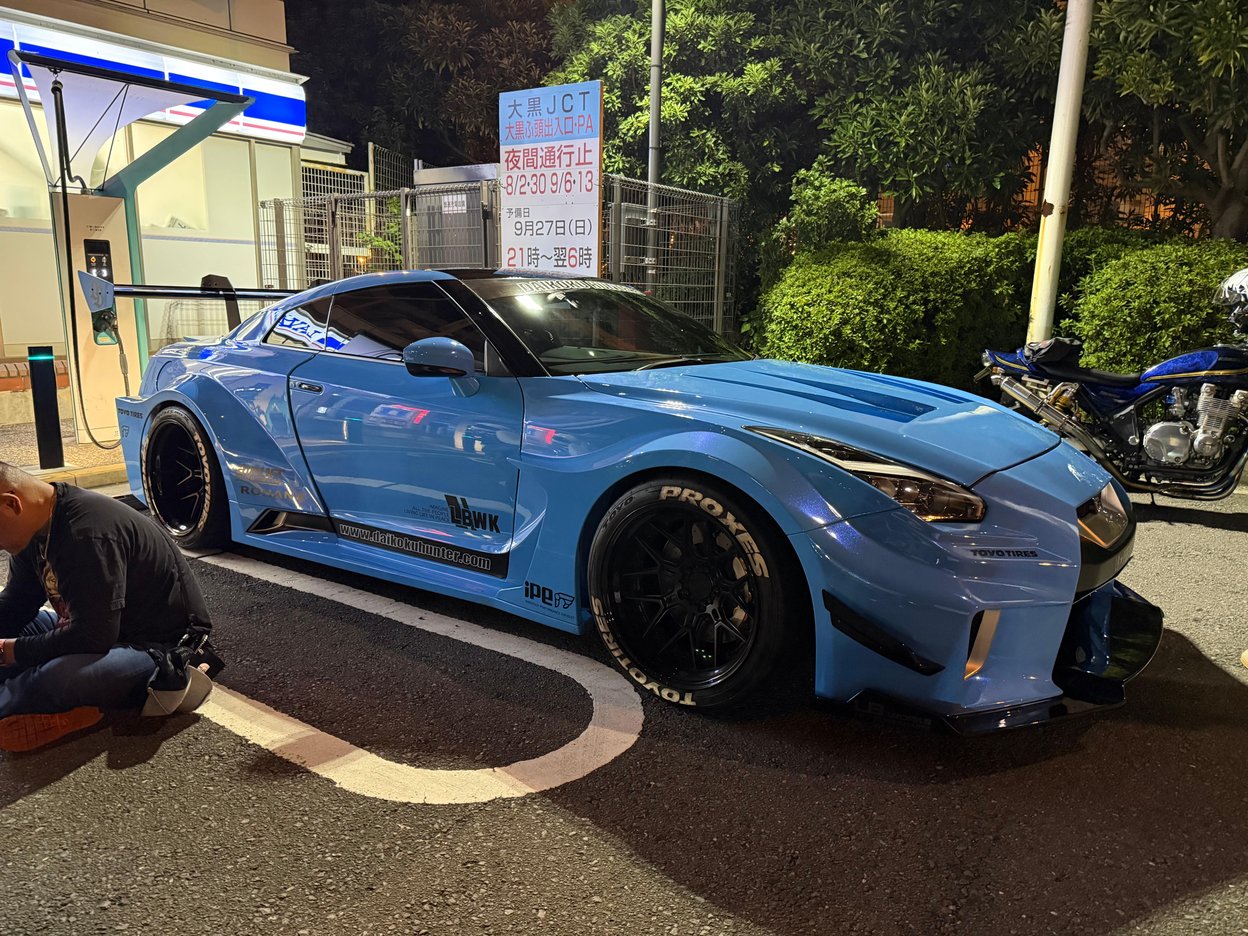
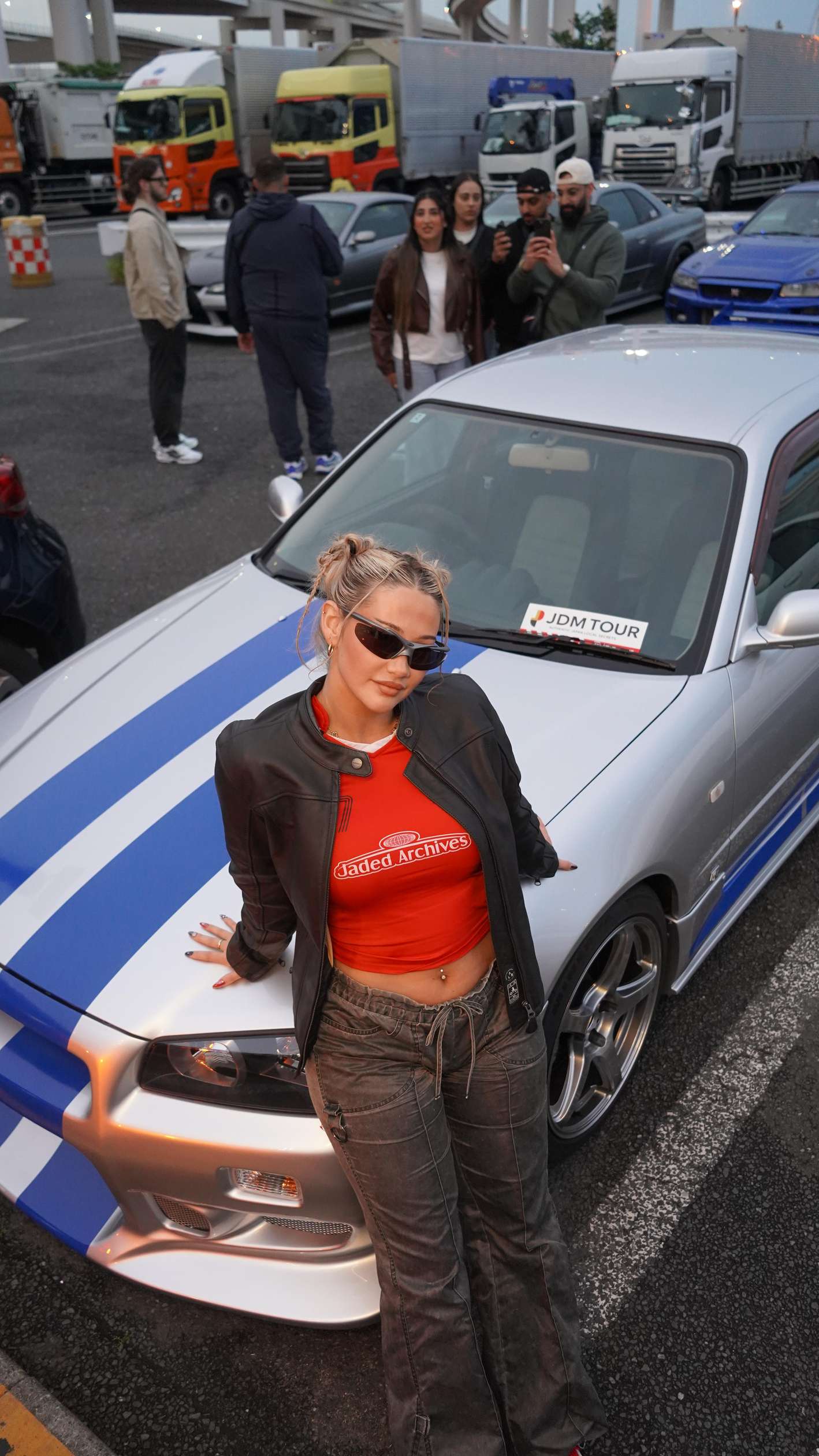
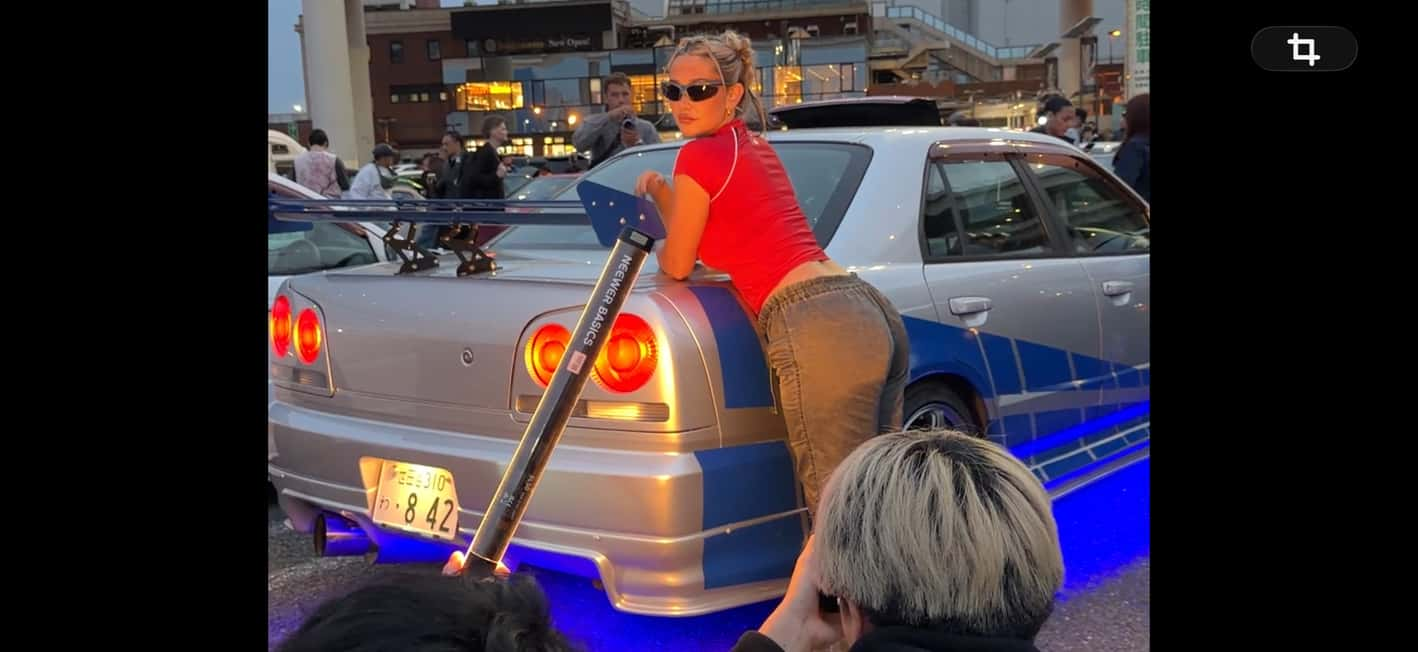
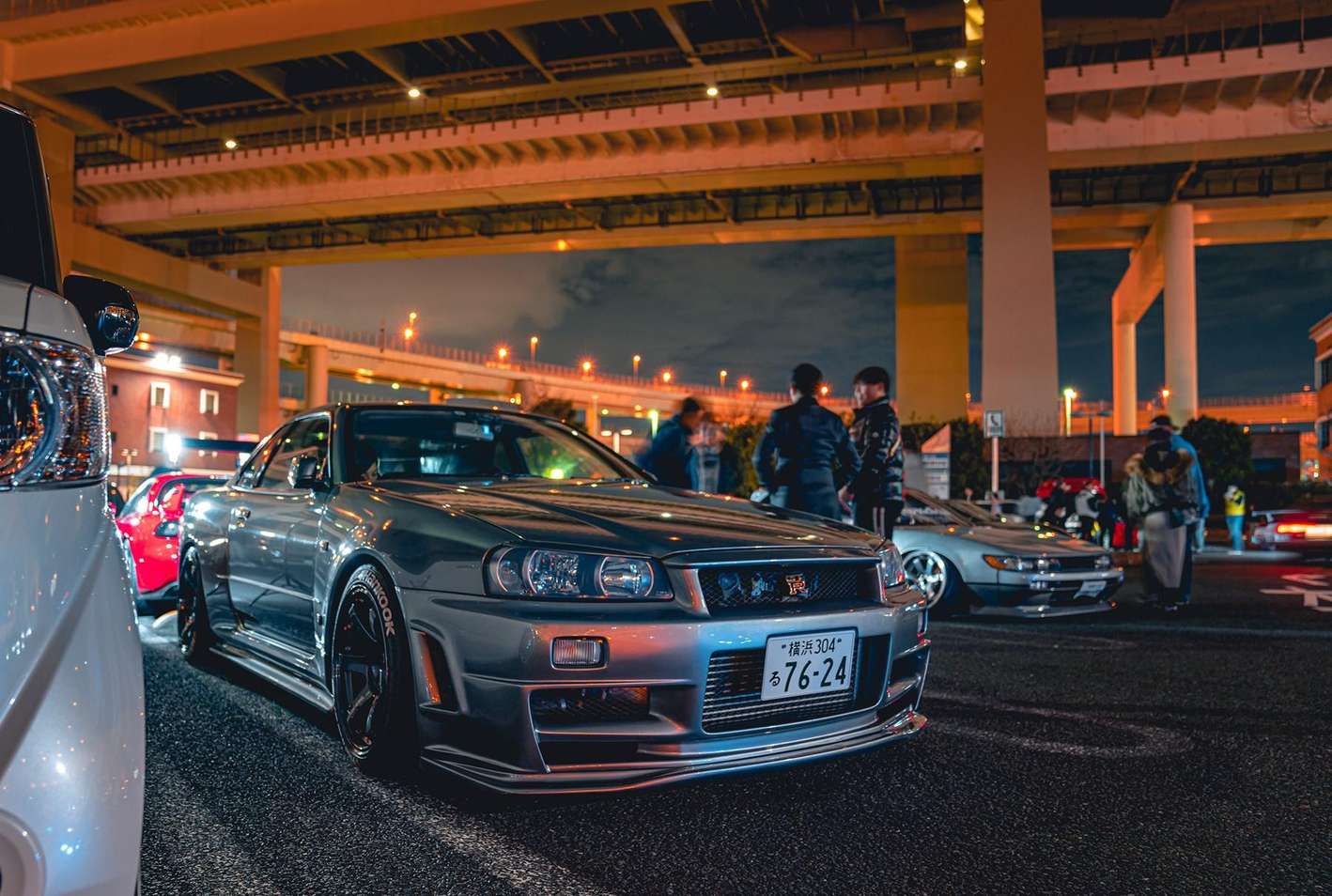
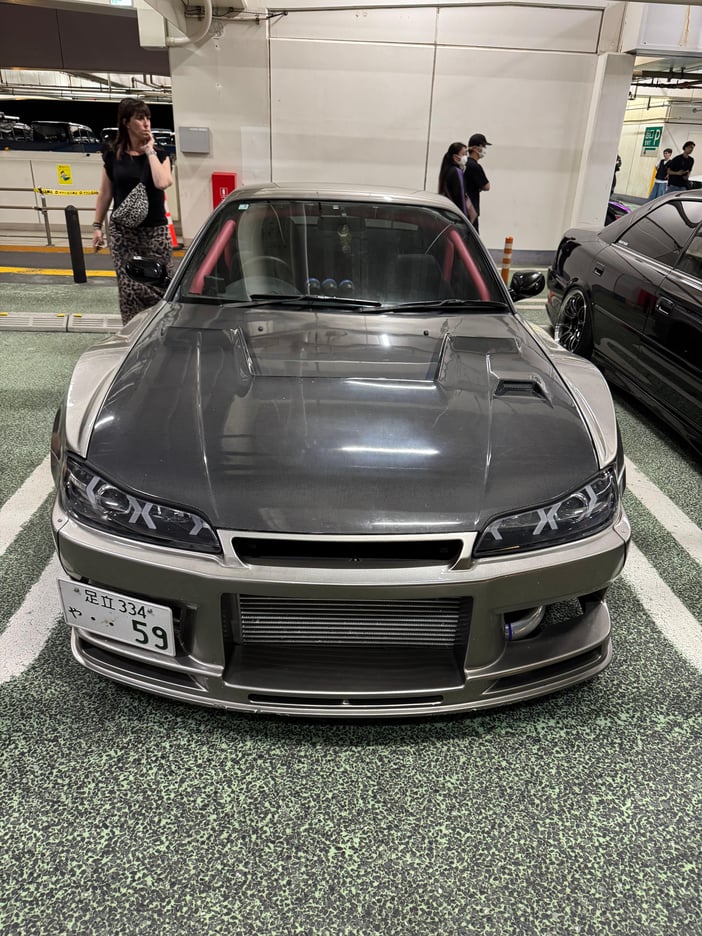
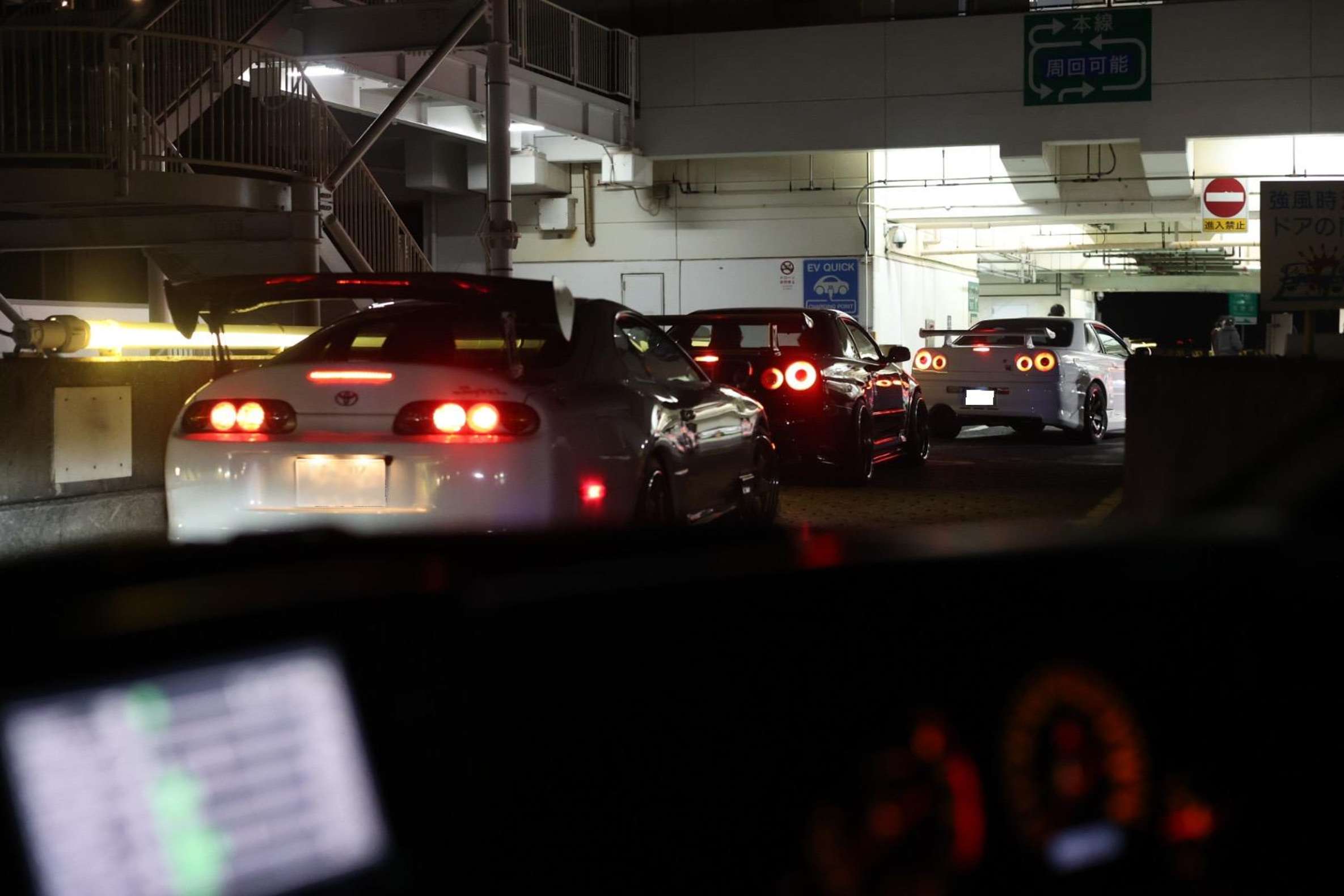
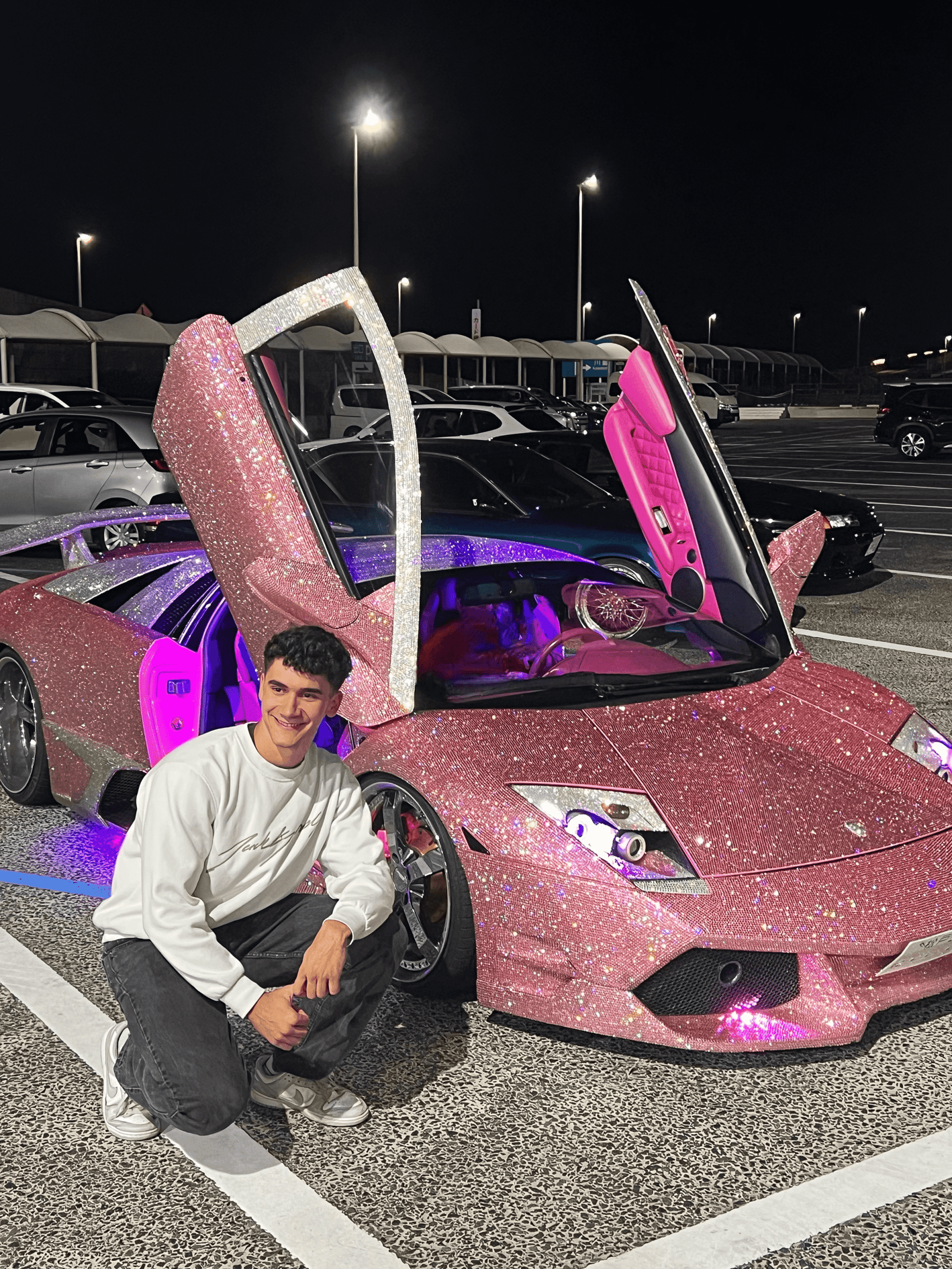
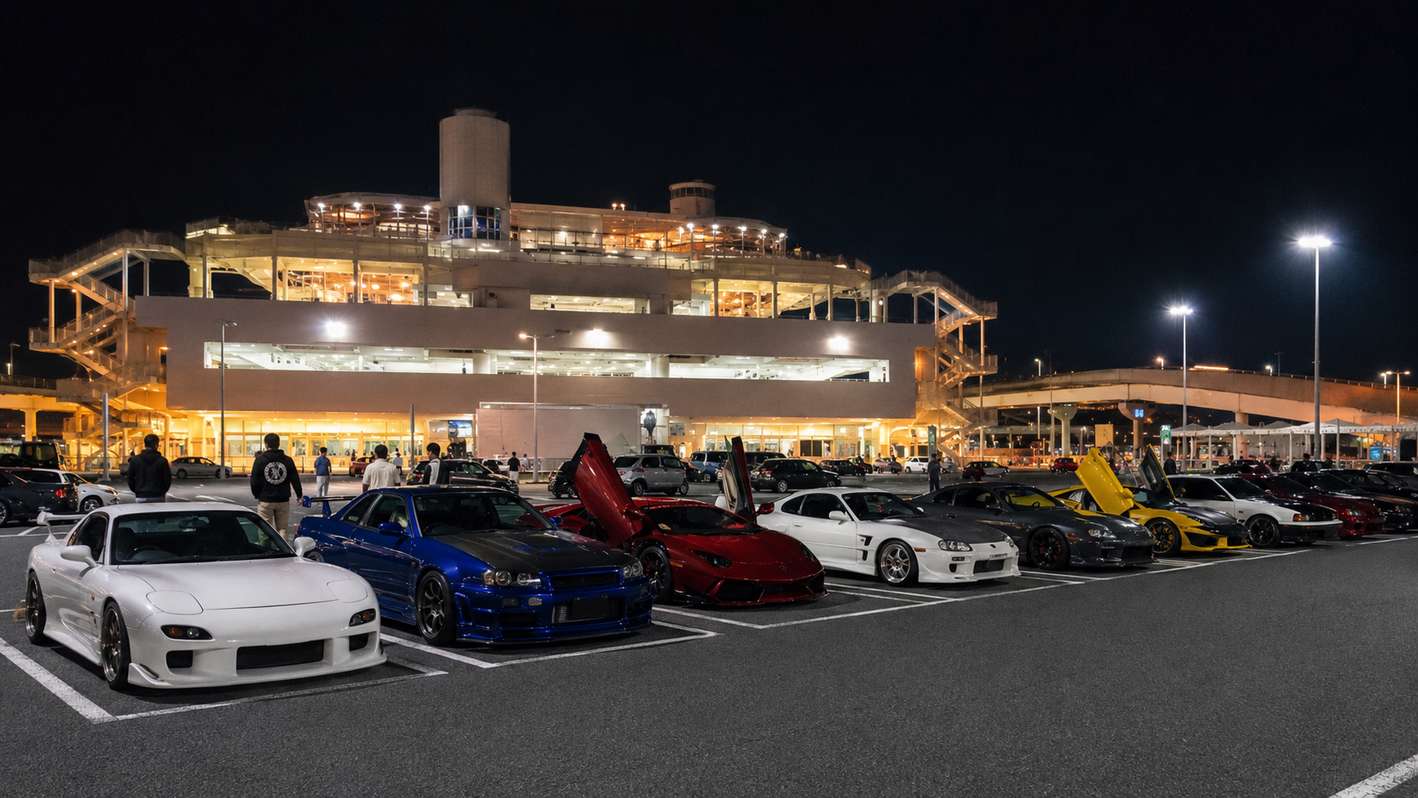
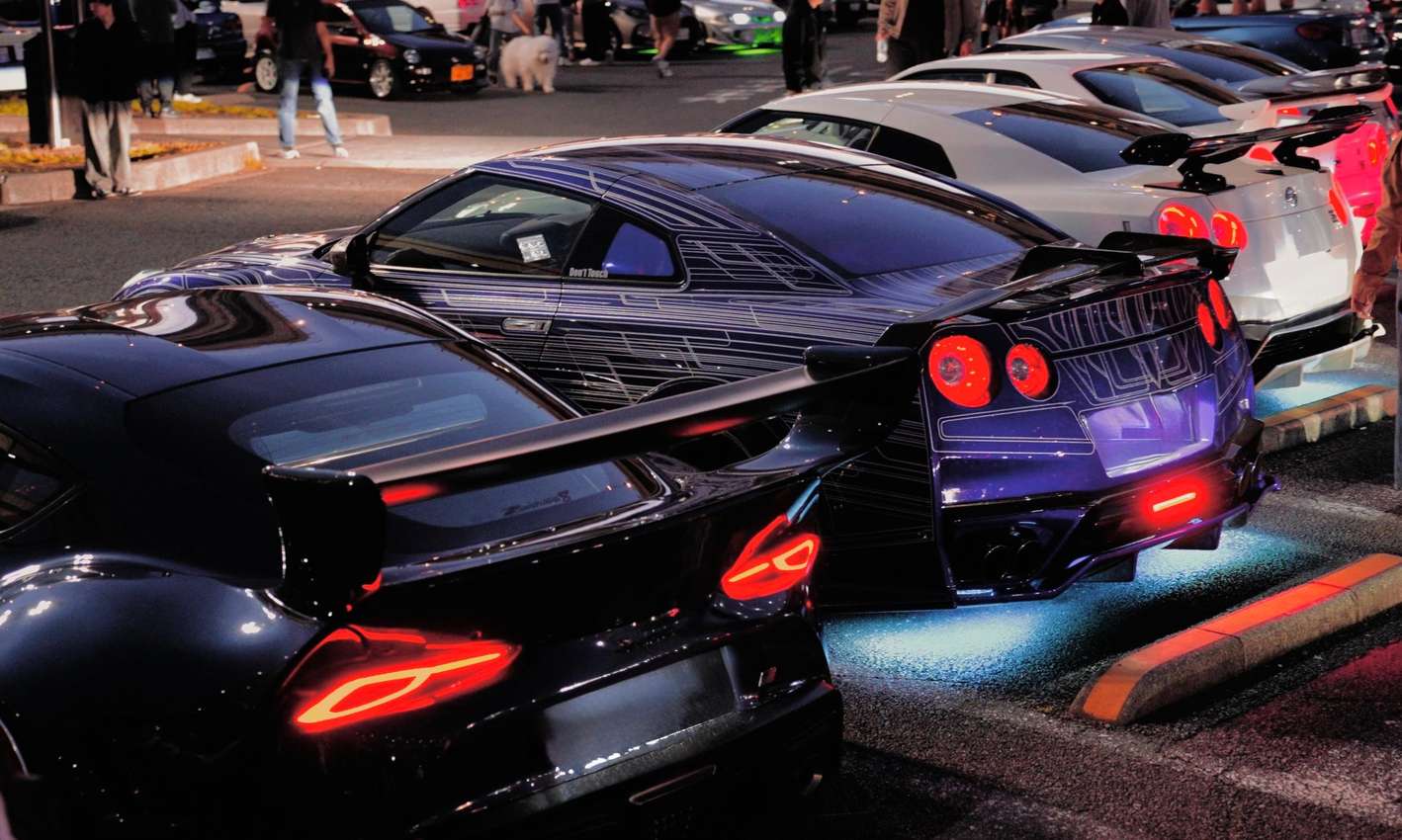
The main stop is Daikoku Parking Area, where modified Skylines, Supras and GT-Rs gather under the streetlights and owners chat about their builds. Your guide is a professional photographer who helps with the shots along the way, and the whole run takes about two and a half hours before drop-off back in Akihabara.
Meeting pointソフマップ AKIBA パソコン・デジタル館The tour returns to the same Akihabara building for drop-off at the end of the night.Street View2Tokyo Tower· 15 minA 15-minute photo stop at one of Tokyo's most recognizable landmarks, with your JDM-style car in frame and the tower lit up behind it.Street View3Rainbow Bridge, TokyoYou drive beneath the Rainbow Bridge on the way to the bay, with the illuminated span and the Tokyo Bay skyline around you.Street View4Shutoko Nihonbashi Kabutocho Parking Lot· 10 minAn urban underpass parking lot known for its raw street aesthetic, a favorite backdrop for cinematic night shots. You stop here for about 10 minutes of photos.5Daikoku Parking Area· 20 minThe famous informal car meet on Tokyo Bay, where modified Skylines, Supras, GT-Rs and exotics gather under the lights. You get free time to walk the lot and photograph the cars; ask owners before close-ups and never touch a car without permission.Street ViewDrop-offソフマップ AKIBA パソコン・デジタル館The tour returns to the same Akihabara building for drop-off at the end of the night.Street View
Included
Guided night tour in TokyoRide in authentic JDM-style carsVisit to Tokyo TowerVisit to Kabutocho Area ParkingDrive beneath Rainbow BridgeDrive through Shuto Expressway C1 Loop
Which JDM photoshoot night fits your Tokyo trip
Green marks the lowest price. Each price says whether it is per person or per group.
Tour
Price
Duration
Pickup
Languages
Best for
Our pick
Tokyo: Fast & Furious Tokyo Drift Location Tour with Photos
Choose a night between April and October for the busiest tour calendar, or November and December if you want the longest hours of darkness and the clearest skies. Winter nights run cold, around 0 to 2.5 degrees, so plan your layering.
Pro tipSunset falls around 4:30 pm in winter, so an early evening slot still gives you full night shots; in summer the lights come on closer to 7 pm.
RecommendedApril, October and September are the busiest months, so book several days ahead in those weeks.
02
Choose the right option
Decide what the photos are for. One tour puts a professional photographer in the car and delivers edited photos and video; the private R34 GT-R tours build the whole night around filming; the self-drive GT-R tour adds a trial photography session to your own driving.
Pro tipIf a specific car matters to you, confirm the model when you book. Privately owned cars are sometimes under maintenance, and operators ask for model requests at least 48 hours ahead.
Common mistakeFirst-timers book a general ride tour and hope for a photoshoot. If edited photos are the point, pick the option that states photography in its title.
03
Check the documents before paying
Passengers need nothing but a passport and a camera. Anyone driving on the self-drive GT-R tour must be 23 or older and bring original physical documents: an International Driving Permit from the 1949 Convention, or for Swiss, German, French, Belgian, Monacan and Taiwanese licences a certified Japanese translation.
ImportantR34 drivers must also bring a credit card on the day. Missing documents mean no participation and no refund, so lay them out the night before.
Common mistakeTravelers assume a passport covers driving. It covers riding; only the permit or translation covers the driver's seat.
04
Book and watch your messages
Pay through the marketplace and cancel free up to 24 hours before if plans change. The operator sends an email within 48 hours, so reply to it, and give a WhatsApp or Instagram contact because updates about your night arrive there before departure.
Pro tipTurn on WhatsApp notifications. If Daikoku PA closes or the plan shifts, the message comes before start time and you will be ready.
ImportantKeep the 24-hour cancellation window in mind when booking flights and hotels around the tour.
05
Plan the meeting point and the night
Private tours pick you up at your hotel anywhere in Tokyo, with drop-off included. The photographer-led drift tour starts from Akihabara, and the self-drive GT-R tour begins near Shibuya, so check which one you booked and arrive early.
RecommendedEat dinner first and bring water, since meals are not included, and wear comfortable shoes for standing around the meets at night.
Common mistakeBringing a large suitcase. Space inside the sports cars is tight, so leave it at the hotel.
What to know before you book a JDM photoshoot night
Can stop the dayGood to knowGood news
01
ChoosingWhat it is, who it suits, when to go
3
Pickup
Some of these tours include hotel pickup anywhere in Tokyo and drop you back at the end of the night. Others start from a fixed point, such as Shibuya Station or Akihabara. Check which applies when you book so you know where to be.
EtiquetteCan stop the day
Never touch, lean on or enter a car without the owner's permission, and ask before close-up shots of interiors, engine bays or plates. No flash at night, no drones over the meet, and carry your trash out with you. Police watch behavior at the parking areas and act on complaints.
Timing
Daikoku PA has no schedule. Weekend evenings fill from around 5 pm, with the deepest crowd between 9 pm and 1 am, while weeknights run quieter but rarely empty. Police can close the lot on short notice, most often Thursday to Saturday by about 8:30 pm, so a night there can end after a couple of hours.
02
BookingHow far ahead, and what happens if plans change
1
Cancellation
You can cancel up to 24 hours in advance for a full refund. If Daikoku PA is closed on the night, most operators head to a fallback spot such as Umihotaru, and several offer a refund instead if you would rather not take the alternative.
03
Before you goPapers, health, what to bring
2
DocumentsCan stop the day
Self-drive options require an International Driving Permit (1949 Convention only), or for licenses from Switzerland, Germany, France, Belgium, Monaco or Taiwan a certified Japanese translation, plus your passport. Drivers must be 23 or older, R34 drivers need a credit card rather than a debit card, and only original physical documents count on the day.
Bring
Wear comfortable clothes and shoes for standing outdoors by the water, and pack a light jacket even in warmer months. Bring a camera and a charged phone for the night stops. Eat beforehand, since meals and drinks are not included, and leave large bags behind because space in the sports cars is tight.
04
During the tourWhat is expected of you
1
Photos
The dedicated photoshoot nights put a professional photographer in the car, and one delivers a fully edited photo batch plus a short edited video ready for social media. On the ride tours the guide takes souvenir photos and suggests viewpoints, which travelers often rate highly even without the add-on.
A JDM photoshoot night in Tokyo, Planned start to finish
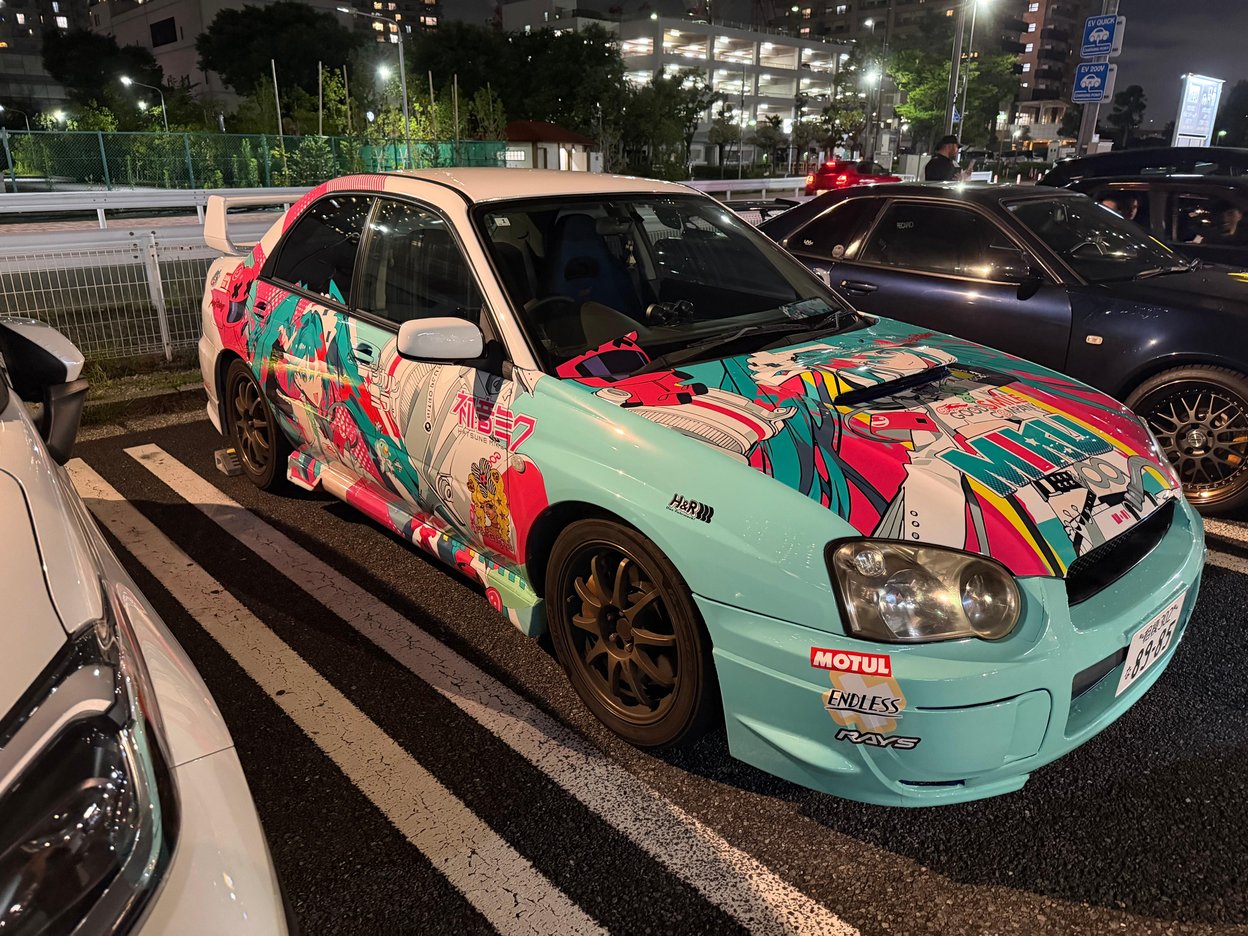
Daikoku PA fills with modified Skylines and Supras most nights, and no two nights look the same. The cars and the camera are the point; the lineup, the light and the closures decide how much of it you get.
Yokohama· 35.70° N, 139.77° E
If you only remember three things
1
Book a few days ahead in April, September or October; in February, June or December travelers often book the same day.
2
On Thursday to Saturday nights police can close Daikoku PA by about 8:30 pm, so read the operator's closure clause before paying.
3
Keep WhatsApp notifications on: operators message the night's plan before departure.
From meet to wrap - how a JDM photoshoot night unfolds
The C1 loop swallows the car in tunnel after tunnel, then the Rainbow Bridge opens up and Tokyo Bay sits lit on both sides. Twenty minutes later the ramp drops into Daikoku PA, and the lot is full: Skylines, Supras, GT-Rs, RX-7s, Evos, owners leaning on fenders and talking about their builds.
Daikoku is a tollway rest stop where enthusiasts gather on their own terms, and a JDM photoshoot night there has no organizer, no start time and no guaranteed lineup. Some nights deliver a wall of heroes; others run quieter, and the mix changes by the hour.
What stays constant is the feel. Engines off once parked, music at a moderate volume, strangers trading compliments across a language gap. Owners are happy to talk with visitors who ask first. For a photographer, that is the draw: rows of tuned cars under streetlights, and people who built them standing next to them.
A traveler's note
An unbelievable experience and a childhood dream fulfilled. Walking Daikoku PA among one-of-a-kind cars, driving in a tuner convoy over Rainbow Bridge, pure Tokyo drift feeling. Guide Masaru was amazing and so knowledgeable.
Weekend nights draw the biggest crowds, with cars filling the lot from around 5 pm and the deepest crowd between 9 pm and 1 am. Sunday mornings trade the flash for classics and exotics in daylight, a calmer scene with its own kind of light.
Tour for this
Tokyo Drift: Self-Drive R34/35 GT-R JDM Car Tour Daikoku PA4.9★ (18) · 4 hours · Free cancellation
Most of these nights run three to four hours and follow the same shape: pickup, the expressway run, the meet, drop-off. What separates one booking from another is where photography sits in it.
A dedicated photoshoot puts the camera first. One private tour is built around a high-quality photo and video shoot, and you leave with a fully edited batch of photos and a short edited video ready for social media, with hotel pickup included.
On another, the guide is a professional photographer who shoots with you all night. On a standard ride, the guide takes souvenir photos at the stops and helps you find viewpoints, which is a real difference in what you come home with.
1
Hotel pickup
The driver meets you where you stay in central Tokyo
Confirm a WhatsApp or Instagram contact when you book
2
The expressway run
C1 loop, Rainbow Bridge, tunnels and bay views
Rolling shots from inside the car are often the best frames
3
The meet
Time on the ground to walk the lot and shoot
Guides translate with owners and answer questions about the builds
4
Drop-off
Back at your hotel, late
Night drives end well after dinner hours
The Tokyo drift vibes, photoshoot and adrenaline by night tour is the clearest example of the photo-first format: 4.5 hours, a dedicated photographer and videographer, and edited images delivered after. If your camera matters more than the miles, that is the shape to look for.
Tour for this
Tokyo: JDM R34 Skyline drive & Daikoku PA car meet5.0★ (234) · 3 - 6 hours · Hotel pickup · Free cancellation
When to book your JDM photoshoot for the best light
Two calendars matter here, and they pull in opposite directions. April through October is peak season, when the tours run busiest and the nights are warm enough to stand around a lot for an hour.
November and December give you the other thing: the longest hours of darkness and the most clear nights of the year, which is exactly what a night car photoshoot wants.
Best Time for Night JDM Photoshoot in Tokyo
April is a very busy month for tours, with comfortable temperatures between 10.4°C and 19.6°C and 10.7 hours of darkness.
HighestMar to Apr, Sep to Oct
In betweenJan, May, Aug, Nov
LowestFeb, Jun to Jul, Dec
Darker: a higher how busy it gets score, out of 5
Tap a month to read it.
January is the quietest month for tours, with cold temperatures ranging from 0°C to 9.4°C and 13.8 hours of darkness.
HighestNov to Jan22.8 to 26.4 days
In betweenFeb22.2 days
LowestMar to Oct15.6 to 19 days
Darker months: higher, from 15.6 to 26.4 days
Tap a month to read it.
August is a moderately busy month, with the hottest temperatures between 25°C and 32.6°C and 10.5 hours of darkness.
HighestJun to Sep27 to 32.6 °C
In betweenApr to May, Oct to Nov17.3 to 22.9 °C
LowestDec to Mar9.4 to 15.3 °C
Darker months: higher, from 9.4 to 32.6 °C
Tap a month to read it.
January is the quietest month for tours, with cold temperatures ranging from 0°C to 9.4°C and 13.8 hours of darkness.
HighestNov to Jan15.7 to 18.3 nights
In betweenFeb to Mar, Aug to Sep9 to 10.7 nights
LowestApr to Jul, Oct4.3 to 8.3 nights
Darker months: higher, from 4.3 to 18.3 nights
Tap a month to read it.
November: 14 hours of darkness.
HighestNov to Feb13 to 14 h
In betweenMar, Sep to Oct11.8 to 12.4 h
LowestApr to Aug9.7 to 10.7 h
Darker months: higher, from 9.7 to 14 h
Tap a month to read it.
Booking lead time follows the same curve. April is the busiest month by a wide margin, with October and September close behind, so in those months look several weeks ahead.
In June, February and December the tours run quiet, and travelers regularly book the same day or within days; one booked less than an hour before the start.
Winter has a bonus the calendar does not show: sunset falls around 4:30 pm to 5 pm from November to January, so the city lights and the meets are in full swing by early evening.
In summer the sun holds on until nearly 7 pm and tours run later, some departing around 10:30 pm. Pick your month by what you want in the frame: crowds and warmth, or dark skies and empty expressways.
Tour for this
Tokyo: Fast & Furious Tokyo Drift Location Tour with Photos4.7★ (8) · 2.5 hours · Free cancellation
The police closure that can change your JDM photoshoot night
Here is the risk no listing leads with. Daikoku PA can close with no notice, decided on the night by police and the expressway operator, and there is no schedule to check in advance.
On Thursday, Friday and Saturday nights the closures have become routine, with the meet often shut down by about 8:30 pm. Weekend-night closures became the norm through 2025 and 2026.
Can stop the day
Weekend-night closures at Daikoku PA are now the norm and no schedule exists to check in advance Book with an operator whose closure clause you have read, and keep a fallback in mind
A closed lot does not have to end the night. Most tours divert to a fallback lot such as Umihotaru or Tatsumi PA, and several offer a full refund if you decline the alternative.
Once the entrance has closed, do not count on it reopening later. Operators who know the pattern pull Friday and Saturday pickups forward to 4 or 5 pm, which buys the meet time before the police arrive.
The practical moves are simple. Read the closure clause before paying, because if it says nothing about Daikoku being closed, ask in writing. Weekday nights are far less likely to end in a closure than weekends. And after booking, keep WhatsApp notifications on: operators message guests before starting time if the plan changes.
Tour for this
Tokyo: JDM Performance Car Tour with Planned Daikoku Stop5.0★ (509) · 3 hours · Free cancellation
Picking between JDM photoshoot and ride-along tours
Three formats exist, and the right one depends on what you want the camera to capture. A dedicated photoshoot is built around professional portraits of you and the car, with edited images delivered after.
A guided ride puts you in a JDM car for the night, with photo stops and a guide who shoots souvenirs along the way. Self-drive puts you behind the wheel, with a photographer available as an add-on.
Dedicated photoshoot
Guided ride with photo stops
Self-drive GT-R
Photography focus
Pro photo and video shoot, edited batch delivered
Souvenir photos and help at scenic spots
Trial session, cinematic video as an optional extra
Who can join
Anyone, no licence needed
Anyone, no licence needed
Drivers 23 or older with valid documents
What is guaranteed
The shoot and the edited images
The route, the stops and a guide
The car you booked, if you confirm the model ahead
Dedicated photoshoot
Photography focus
Pro photo and video shoot, edited batch delivered
Who can join
Anyone, no licence needed
What is guaranteed
The shoot and the edited images
Guided ride with photo stops
Photography focus
Souvenir photos and help at scenic spots
Who can join
Anyone, no licence needed
What is guaranteed
The route, the stops and a guide
Self-drive GT-R
Photography focus
Trial session, cinematic video as an optional extra
Who can join
Drivers 23 or older with valid documents
What is guaranteed
The car you booked, if you confirm the model ahead
One check before you pay anywhere: the listing should name the actual cars you ride in or drive, and state what happens if Daikoku is closed. A photo of a specific car on a listing does not reserve that car for you.
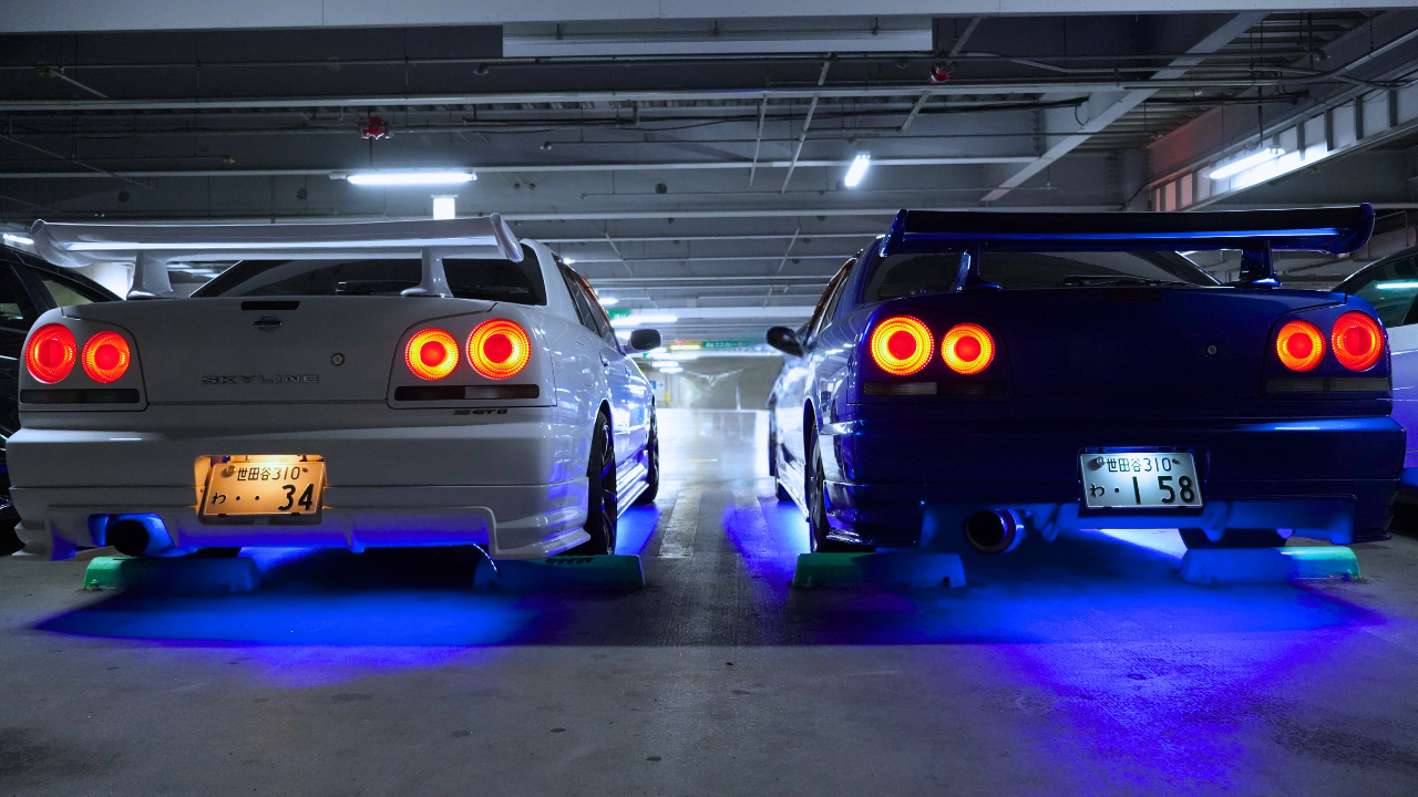
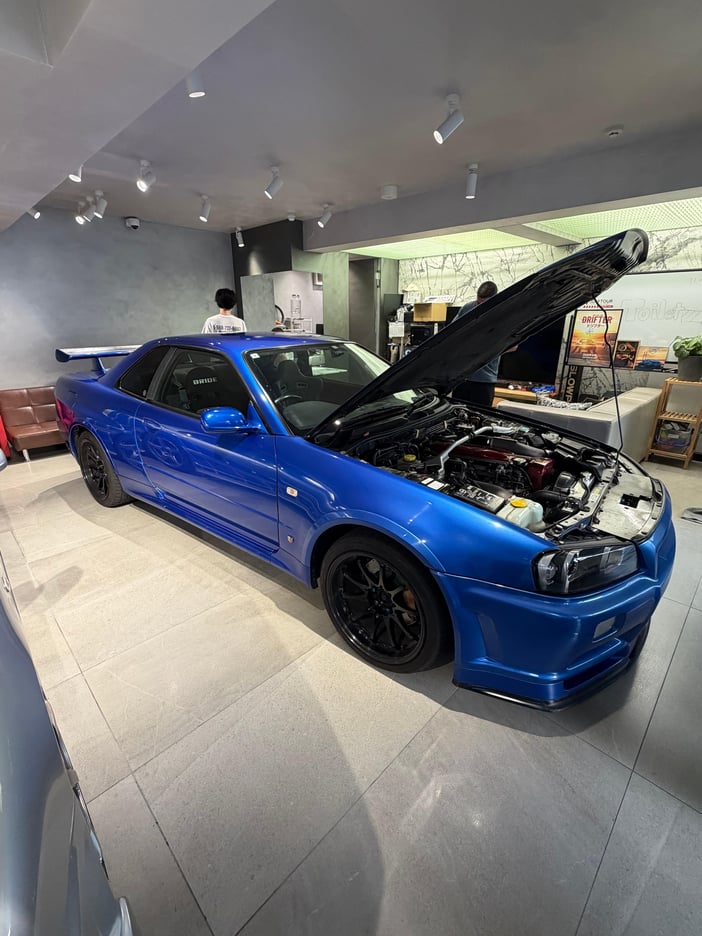
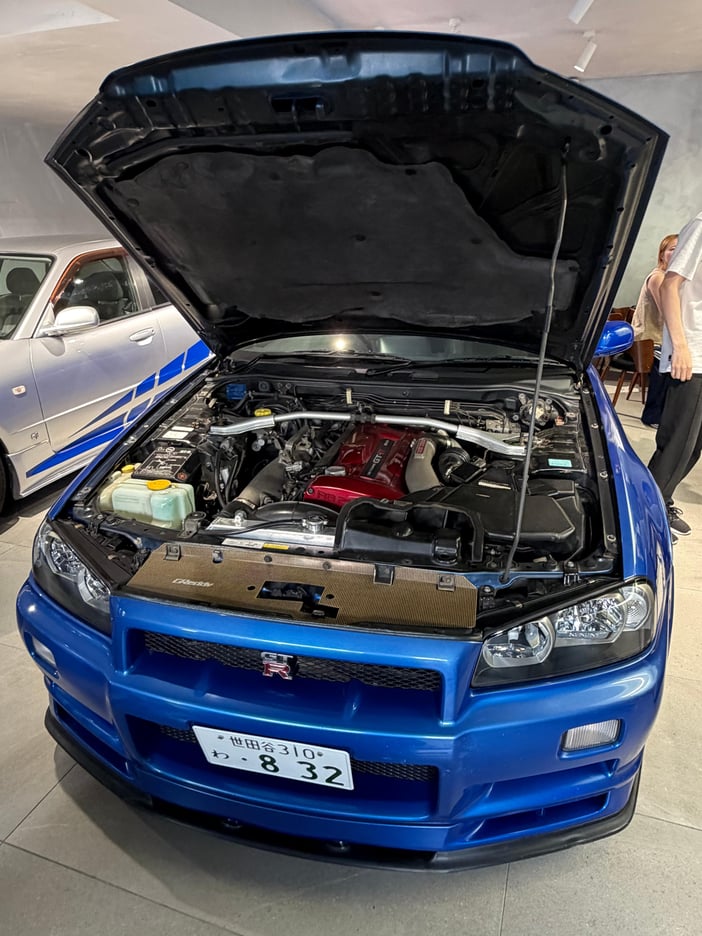
For the private format, the Daikoku & Tokyo Private JDM Tour in 700HP R34 GT-R is the photography version done properly: a fully private tour where you photograph and film the car, the night scenery and a convoy of R34s, with rolling shots from inside the vehicle that are hard to get any other way.
Hotel pickup anywhere in Tokyo is included.
Tour for this
Daikoku & Tokyo Private JDM Tour in 700HP R34 GT-R4.9★ (183) · 3 - 4 hours · Hotel pickup · Free cancellation
Getting to your JDM photoshoot when there is no station
Daikoku PA sits inside the Shuto Expressway on Tokyo Bay, and that location is the whole problem. There is no train station, no bus stop and no pedestrian access. Walking in is impossible, and tourists who try it on foot have drawn police attention that hurts the meet for everyone.
A taxi can enter only if the driver agrees to wait, and with no taxi rank on site, a one-way drop leaves you stranded on a bay island after midnight.
That is why nearly everyone arrives on a guided tour with hotel pickup: the round trip runs by expressway, tolls are handled, and the driver knows which lot is actually open that night.
From Haneda it is about 16 minutes by road, from Shinjuku about 49, and from Narita well over an hour without traffic. Whatever your starting point, the return leg lands late, so plan the evening around a pickup and a drop-off and expect a late finish.
Book the transport before you fly. Tours sell out in the busy months, and turning up in Tokyo hoping for a seat is a gamble travelers regret.
The meet happens in the open, so dress for standing around a parking lot after dark in your chosen month. Winter nights drop to around freezing, and you will feel it after an hour outside: warm jacket, hat, layers.
Summer nights stay around 24 or 25 degrees and humid, so light clothes are enough, though a light layer still helps by the water in the shoulder months.
What to bring for a night JDM photoshoot in Tokyo
Comfortable clothes and walking shoesTours ask for comfortable clothing and shoes, and you walk around the parking area and outdoor stops.
Light jacket (Apr, May, Oct, Nov)Nights fall to about 8-15°C and part of the experience happens outdoors, so a light layer keeps you warm.
Warm jacket, hat and layers (Dec to Mar)Winter nights drop to around 0-3°C with occasional snow, and you stand outside watching the meets.
Light breathable clothes (Jun to Sep)Summer nights stay around 19-25°C and humid, so light clothes are enough for the evening.
Camera or smartphoneOperators ask you to bring a camera for night photos, and travelers say lighting can be spotty, so a decent camera helps.
Charged phone with WhatsApp onOne operator messages guests by WhatsApp before the start, so keep your phone charged and notifications on.
Compact gear onlyOne operator allows smartphones, cameras and action cams but asks for compact equipment, and large suitcases don't fit in the sports cars.
Water and dinner beforehandOne operator includes no food or drinks and asks you to eat dinner and bring water before joining.
On the camera side, bring a real camera if you have one. Travelers say lighting at the lots can be spotty depending on the location, and a phone struggles once the sun is gone.
Keep your phone charged with messaging notifications on, because operators send updates before departure. Pack compact: large suitcases do not fit in the sports cars, and one operator allows smartphones, cameras and action cams but asks for small gear.
Eat dinner before you join. Most tours include no food or drinks, and the night runs late. Check the weather before you go, and do not cancel for a few drops of rain: visitors in April 2025 found plenty of cool cars despite it.
Only heavy rain or police activity closes a lot, and in that case the operator moves the night elsewhere.
JDM photoshoot etiquette that keeps you welcome at the meet
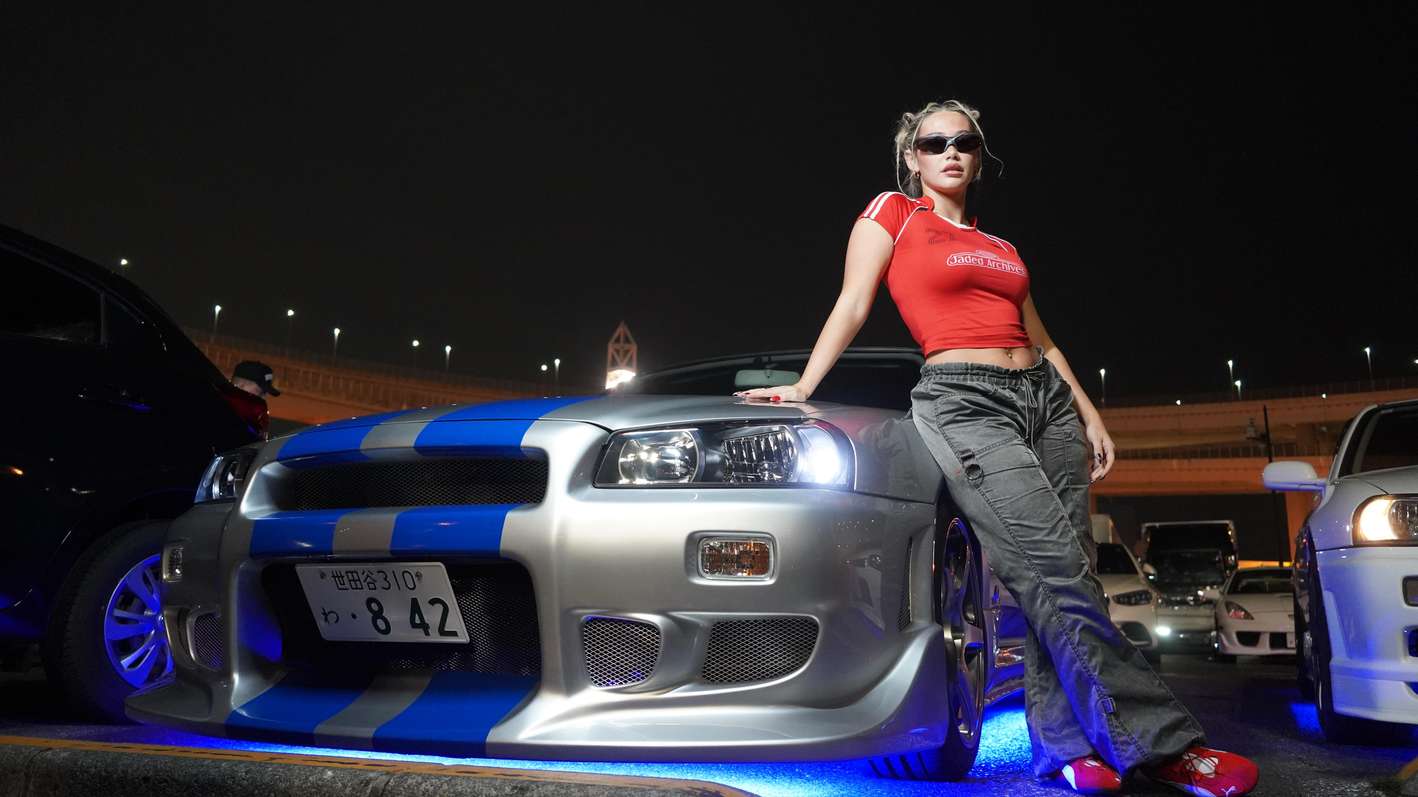
The rules at Daikoku are unwritten but enforced, and they exist because the meet survives on goodwill. Photography is welcome. What is not welcome is the camera pointed without asking.
Exterior shots are generally fine. For close-ups of interiors, engine bays or license plates, ask the owner first, and never touch, lean on or sit in a car without an explicit invitation.
Owners have stopped bringing their cars to Daikoku because of visitors who treated the lot like a set. No flash into cabins or faces at night, no drones anywhere, since Tokyo sits in a restricted no-fly zone.
What nobody tells you
Posting photos online without the owner's permission has helped push meets into winding down
Ask before you post, and blur or crop license plates
Walking into Daikoku PA on foot is illegal and has drawn police attention to the meet
Arrive in a vehicle, on a tour or with a driver
Revving engines or doing burnouts in the lot is what gets meets shut down
Keep engines off once parked and your voice down
A few small things earn you the good version of the night. Compliment the build instead of asking what it cost or whether it is for sale. Carry your trash out, since the lots have no bins.
If an owner is mid-conversation or not making eye contact, move on. Do that, and the same owners who ignore cameras all night will open a hood for you.
Driving yourself to the JDM photoshoot, licence and laws
If you want the wheel, the paperwork comes first. To drive in Japan you need an International Driving Permit from the 1949 Convention, plus your passport and your physical home licence.
Licences from Switzerland, Germany, France, Belgium, Monaco and Taiwan cannot use an IDP; they need an official Japanese translation arranged through JAF before you travel. Self-drive tours set their own minimums, commonly 23, and one operator asks 30.
The legal night routes are genuinely good. The C1 loop is a roughly 14.8 km closed circuit of the Shuto Expressway around central Tokyo, legal to drive and even to lap repeatedly, with tight tunnels and sweeping curves past Ginza and no traffic lights.
The Bayside Route gives first-timers the wide, open skyline run. You will need an ETC-equipped rental car and money for distance-based tolls.
The Tokyo Drift: Self-Drive R34/35 GT-R JDM Car Tour Daikoku PA handles the format for you: a 4-hour night drive from near Shibuya in a GT-R-style Skyline, Rainbow Bridge and Daikoku included, with a trial photography session and an optional cinematic video.
Know the lines that end a trip. Speeding 40 km/h over the limit leads to arrest, and drifting on public roads is illegal. Keep left, stop at yellow lights, and never use your phone while driving.
Driving yourself
Rent a car in TokyoCompare cars from the rental companies in one search, then pick yours.
If drifting, not a JDM photoshoot, is what you want
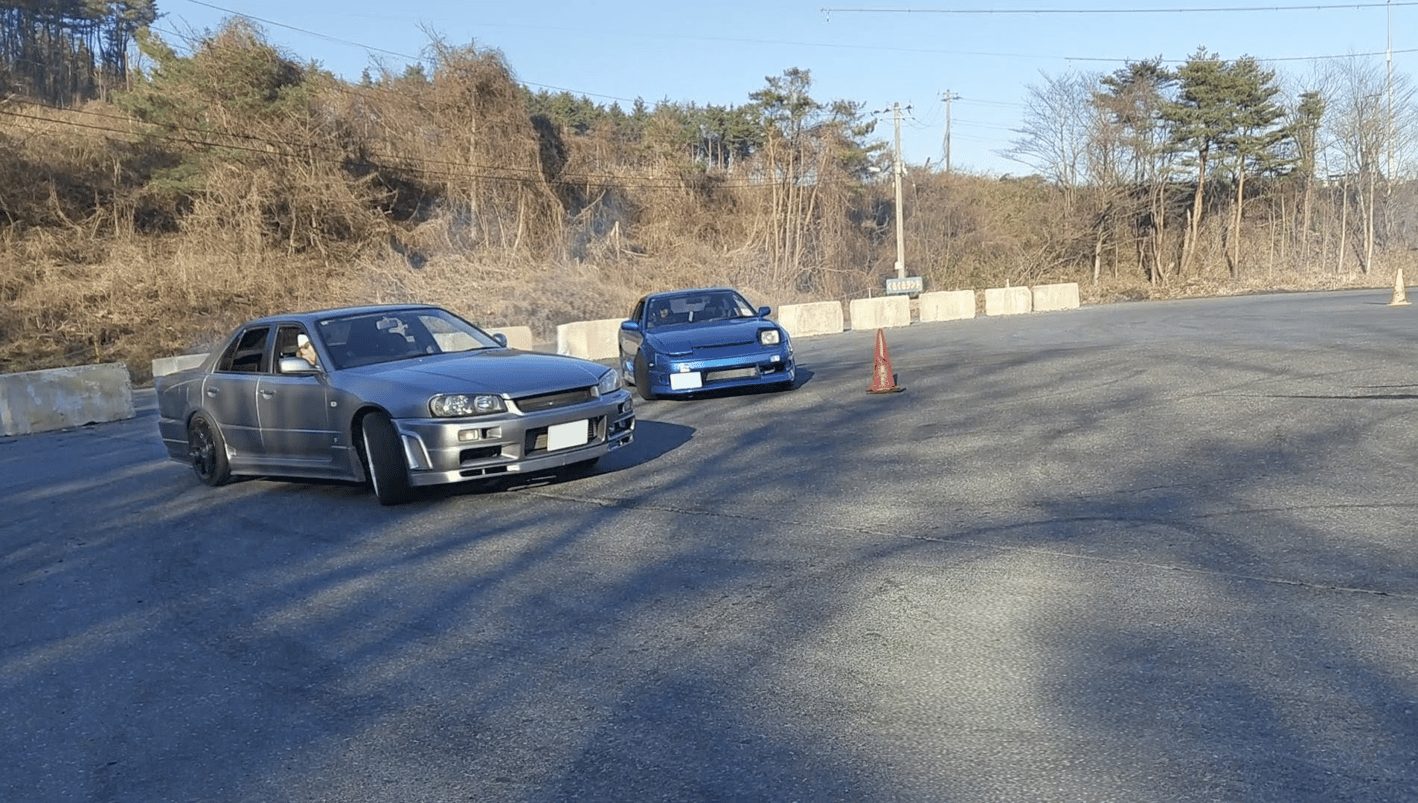
Say it plainly: street drifting in Japan is illegal, the spots are kept secret by locals, and no advertised public-road drift event exists for tourists. Hunting for an underground scene ends with police attention.
Myth vs reality
MythYou can find the real street drift spots if you look hard enough
Reality
They are illegal, heavily policed and kept secret by locals; making friends is the only realistic way in
MythA night tour will show you drifting
Reality
Tours do not go to illegal street-racing spots, and drifting is not part of any of them
MythDrifting needs a race licence and years of practice
Reality
A full driving licence is enough for practice days, and beginners learn the basics in about an hour
The legal version is better than the fantasy anyway. D1 Grand Prix, the top professional series, holds a round in Tokyo in October and its final in Odaiba in November, with qualifying solo runs judged on angle, line, style and speed, then knockout tandem battles.
Mobara and Nikko circuits near Tokyo host plenty of drift events.
For doing it yourself, Ebisu Circuit north of Tokyo runs full-day schools with instruction, track time and a pro ride-along, on dedicated beginner courses including one with a wet surface that makes the first slides easier.
Helmets and gloves are supplied, lessons start with a safety briefing, and you wear long sleeves, long pants and closed shoes. Complete beginners start by circling cones, and most learn the basics in about an hour.
More car spotting around your JDM photoshoot night
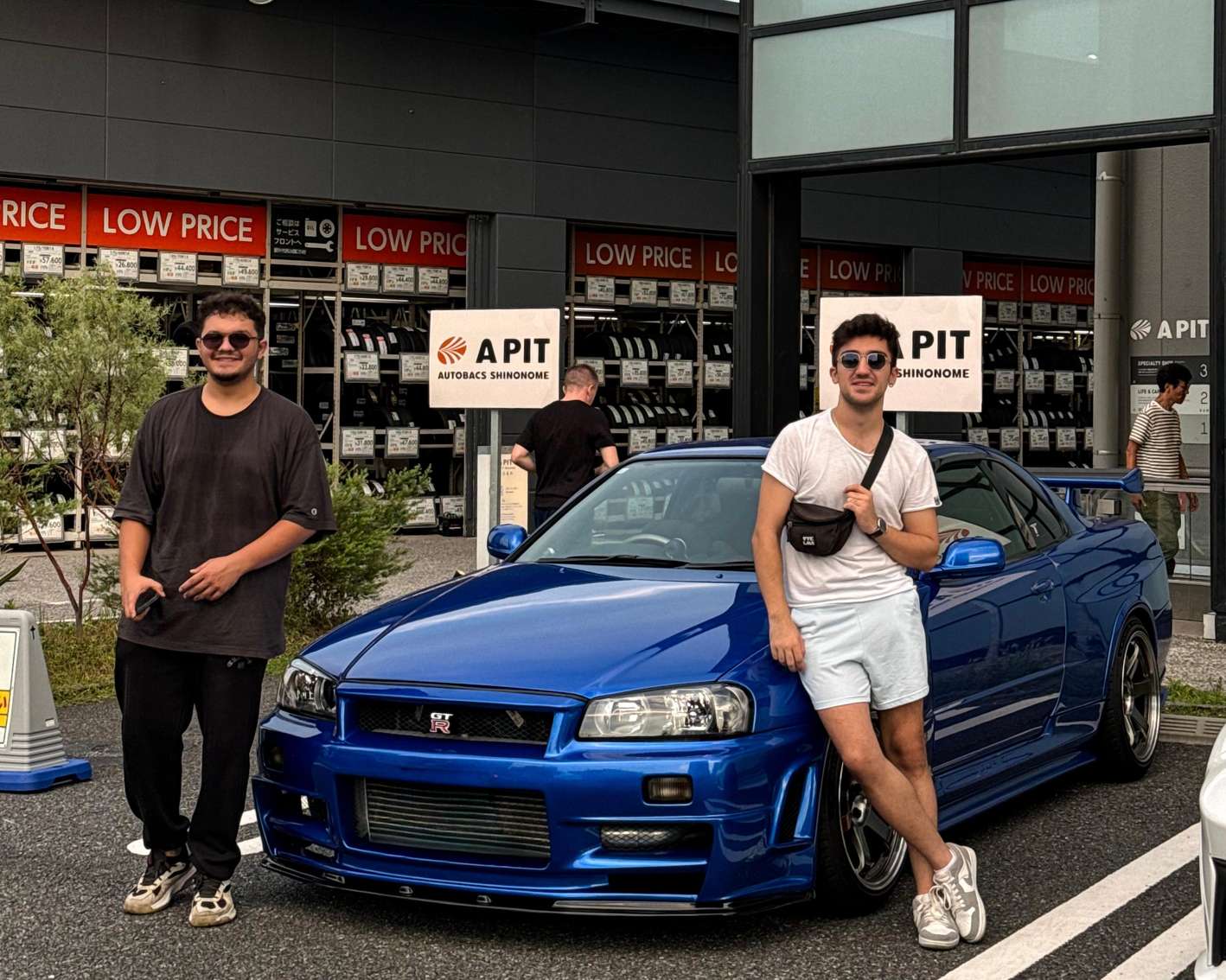
The hours before pickup do not have to be empty. A PIT Autobacs Shinonome is the easiest stop of all: a car lifestyle store whose adjacent parking lot often holds interesting cars, reachable without a car of your own, and the store hosts events of its own.
Worth a walk or short ride from the Odaiba tour start
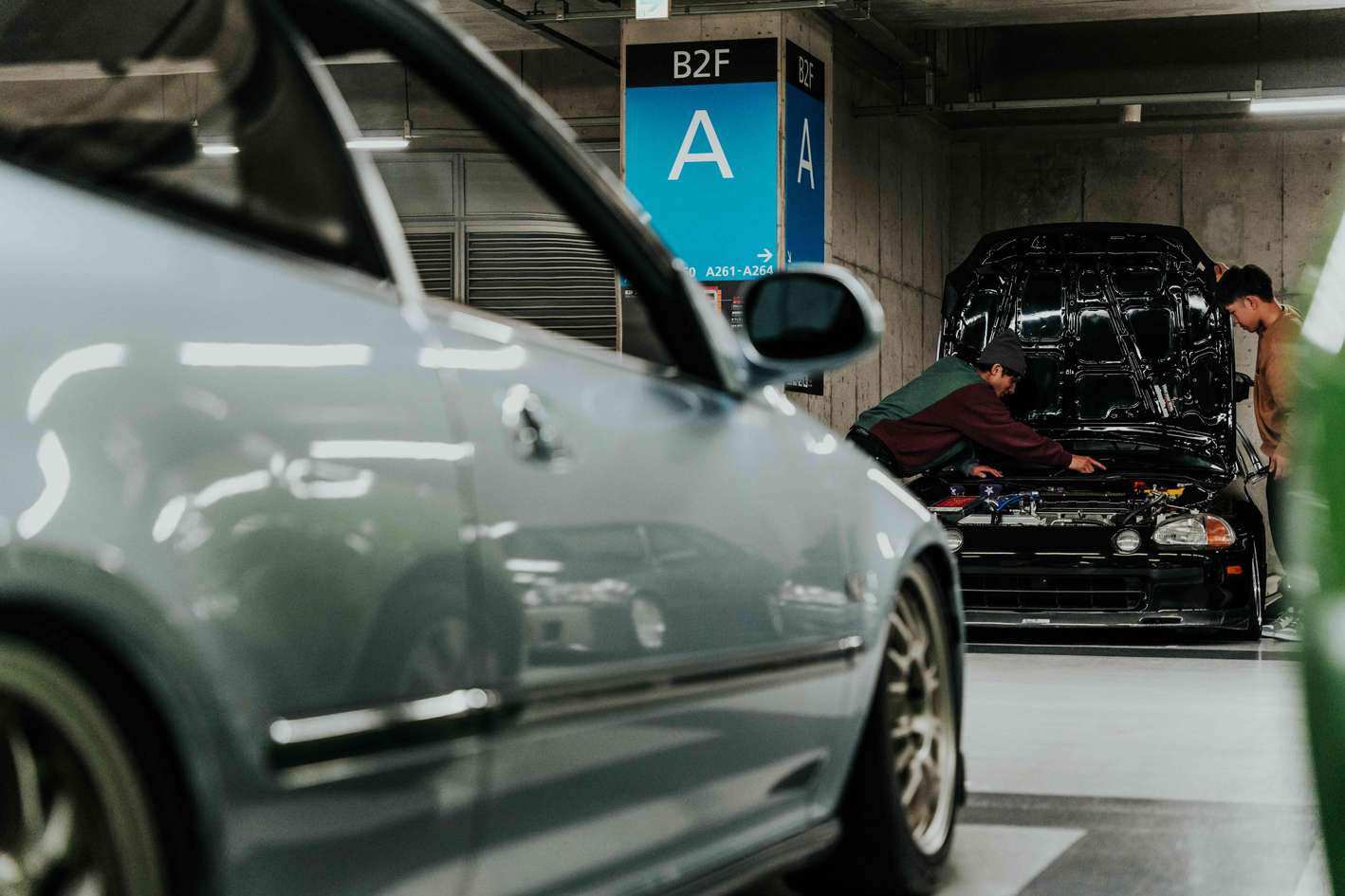
In the city, two garages are free and walkable on Friday and Saturday nights: the Shibuya underground garage and the Akihabara UDX garage near the station, where the B2F level holds wrapped cars and itasha covered in anime decals.
Shibuya near the crossing in the evening and the area in front of Akihabara Station at night both reward a slow walk. Meiji Jingu Gaien draws exotics as a quieter backup.
One caution on UDX: stopping to photograph cars can get you moved on by security, and repeat visits have brought police and fines. Look, chat if an owner is open to it, keep it brief.
For expressway spotting you need wheels: Tatsumi PA inside Tokyo is a smaller late-night hangout with tuned GT-Rs, Supras and exotics, and Umihotaru PA out on the bay builds later as Daikoku empties. Both are car-only, so they fit naturally into a tour night.
A JDM photoshoot night in Tokyo delivers what the search promises, provided you match the format to the camera. Photo-first tours hand you edited images; rides give you the cars and the meet with photos along the way; self-drive suits licensed drivers who want the wheel in the frame.
Time it for a weekday if you can, book ahead in the busy months, and read the closure clause before paying. The lot may close on any given night, and a good operator turns that into a different bay spot, so the evening survives.
Go ifYou want professional night portraits of JDM cars and are happy to stand outside for an hourYou can book a few days ahead in April, September or October, or travel in the clear nights of November and DecemberYou have read the operator's plan for a Daikoku closure and kept WhatsApp on
Skip ifYou expect a guaranteed, scheduled show with a fixed lineup every nightYou want to see or do drifting on public roads, which is illegal in JapanYou cannot handle a late night outdoors, since most of these runs end well after 11 pm
Our pick to book
Tokyo: Fast & Furious Tokyo Drift Location Tour with Photos4.7★ (8) · 2.5 hours · Free cancellation
Traveler questions about a JDM photoshoot night, answered
Quick answers on what a Tokyo JDM photoshoot involves, what you get, and how to pick the right night.
What is a Tokyo JDM photoshoot experience?
It is a night ride in a JDM-style car where photography is the point. A professional photographer rides along, shoots at stops like Tokyo Tower and Daikoku PA, and you go home with edited photos and video.
How is a photoshoot tour different from a regular JDM night tour?
On a photoshoot tour, a dedicated photographer or a driver who is also a photographer shoots the whole night, and edited photos or video are part of the package. On a regular tour, photos are an extra: a guide takes souvenir shots or stops at scenic spots.
Do I get the photos included, or do I pay extra?
It depends on the tour. One photoshoot experience includes a fully edited photo batch and a short edited video ready for social media. On a self-drive GT-R tour, the photographer is an optional add-on, and you receive a cinematic video the next day.
Where do the photos get taken?
Typical stops are Tokyo Tower, the Kabutocho underpass parking, Rainbow Bridge, the Shuto Expressway C1 Loop and Daikoku PA. Rolling shots of the car in motion on the expressways are part of some tours, which is footage that is hard to get on your own.
Can I take my own photos at the car meet too?
Yes, photography is welcome at Daikoku PA. Ask the owner before close-ups of interiors, engine bays or plates, never touch or lean on a car, and skip the flash at night.
Do I need to drive, or can I just ride and be photographed?
You can just ride. The photoshoot tours put you in the passenger seat with a driver at the wheel. If you want to drive yourself, the self-drive GT-R tour needs an international driving permit, drivers aged 23 or over, and original physical documents on the day.
How long does a Tokyo night car photoshoot take?
Most run two and a half to four and a half hours. The dedicated photoshoot experience runs about four and a half hours with hotel pickup, while shorter photo-focused rides fit into two and a half to three hours.
What happens if Daikoku PA is closed on the night?
Police can close the lot without notice, most often on weekend nights. Tours adapt by moving to another spot such as Umihotaru PA, and some offer a full refund if you decline the alternative. Check the closure clause before you pay.
What should I wear and bring for a night photoshoot?
Comfortable clothes and shoes suitable for the weather, plus your own camera or a charged phone if you want personal shots. A light jacket helps, since parts of the evening happen outdoors by the water, and check the weather before you go.
Is a JDM photoshoot worth it if I am not a serious photographer?
If you want memorable pictures of a night in a JDM car without working out angles yourself, yes. Even on tours where photography is not the main focus, travelers report the guide's photos came out amazing, and the neon highways and city lights do most of the work.
Reserve your place on Tokyo's JDM photoshoot nights
Ride a JDM-style car through Tokyo's neon streets with a photographer guide, from Tokyo Tower to Daikoku PA. Cancel up to 24 hours ahead for a full refund.